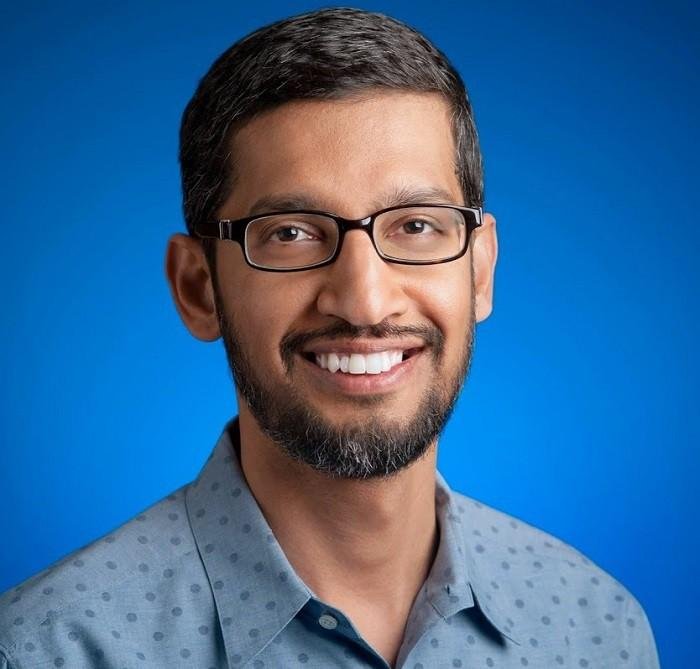


🌍 From India to the World’s Biggest Boardrooms
India has produced scientists, doctors, engineers, entrepreneurs and business leaders who have made a mark across the world.
Among them are several Indian-origin CEOs who lead some of the world’s most influential companies.
Their journeys are inspiring because many of them started their careers in India, received their early education here, and eventually reached the highest levels of global business.
They now make important decisions affecting millions of customers and employees around the world.
⭐ 1. Sundar Pichai — Google & Alphabet


Full Name: Pichai Sundararajan
Born: 12 July 1972
Birthplace: Chennai, Tamil Nadu
Company: Google / Alphabet
Position: CEO
Sundar Pichai is one of the most recognised Indian-origin technology leaders in the world.
He studied Metallurgical Engineering at IIT Kharagpur before moving to the United States for higher education.
He later joined Google and worked on important products, including Google Chrome.
He became CEO of Google in 2015 and CEO of Alphabet in 2019.
Today, artificial intelligence is one of the major areas shaping Google’s future, with products and services such as Gemini becoming increasingly important.
🌟 His journey teaches us:
Great careers can begin with humble beginnings and grow through knowledge, patience and hard work.
⭐ 2. Satya Nadella — Microsoft


Full Name: Satya Narayana Nadella
Born: 19 August 1967
Birthplace: Hyderabad, India
Company: Microsoft
Position: Chairman and CEO
Satya Nadella is another globally recognised Indian-origin CEO.
He studied electrical engineering in India before pursuing higher education in the United States.
He joined Microsoft in 1992 and worked in several leadership positions.
In 2014, he became Microsoft’s CEO.
Under his leadership, Microsoft placed enormous emphasis on:
☁️ Cloud computing
🤖 Artificial intelligence
💻 Enterprise technology
🔐 Cybersecurity
Nadella is also known for promoting a culture of learning and empathy inside Microsoft.
💡 A powerful lesson from his career:
A successful leader does not simply manage technology — they also understand people.
⭐ 3. Arvind Krishna — IBM


Born: 1962
Birthplace: India
Company: IBM
Position: Chairman and CEO
Arvind Krishna is a prominent leader in the global technology industry.
He studied at IIT Kanpur before moving to the United States for higher education.
He joined IBM in 1990 and spent decades working across technology and management.
In 2020, he became IBM’s CEO.
His leadership has focused heavily on:
☁️ Hybrid cloud
🤖 Artificial intelligence
💻 Enterprise technology
🔐 Digital transformation
His career demonstrates how technical knowledge combined with business leadership can create opportunities at the highest level.
⭐ 4. Neal Mohan — YouTube


Company: YouTube
Position: CEO
Neal Mohan is the CEO of YouTube, one of the world’s largest video platforms.
He has spent much of his career working in technology and digital advertising.
Before becoming CEO, he held important leadership responsibilities at Google and YouTube.
Under his leadership, YouTube operates across areas such as:
🎥 Online video
📱 YouTube Shorts
🤖 Artificial intelligence
🎬 Creator economy
💰 Digital advertising
YouTube has millions of creators around the world, making Mohan’s role one of enormous global influence.
⭐ 5. Leena Nair — Chanel


Born: 1969
Birthplace: Kolhapur, Maharashtra
Company: Chanel
Position: Global CEO
Leena Nair’s story is especially interesting because her career is outside the technology industry.
She became the global CEO of Chanel, one of the world’s most famous luxury brands.
She studied engineering in India and later built a long career in human resources and corporate leadership.
Before joining Chanel, she had a distinguished career at Unilever.
Her journey proves that Indian-origin leaders can succeed not only in technology but also in:
👗 Fashion
💼 Business
👥 Human resources
🌍 Global management
⭐ 6. Nikesh Arora — Palo Alto Networks


Company: Palo Alto Networks
Position: Chairman and CEO
Nikesh Arora is a major name in the global cybersecurity industry.
He has held senior leadership positions at major technology companies and became CEO of Palo Alto Networks in 2018.
Cybersecurity has become increasingly important as businesses, governments and individuals move more of their activities online.
Under Arora’s leadership, Palo Alto Networks has expanded its focus on:
🔐 Cybersecurity
☁️ Cloud security
🤖 AI security
🛡️ Digital protection
⭐ 7. Rajesh Subramaniam — FedEx


Company: FedEx
Position: President and CEO
Raj Subramaniam is a prominent Indian-origin leader in the global logistics industry.
FedEx operates a huge international transportation and delivery network.
Leading such an organisation requires knowledge of:
📦 Logistics
✈️ Aviation
🚚 Transportation
🌎 International trade
💻 Technology
His career demonstrates that Indian-origin executives have made significant contributions outside traditional technology companies as well.
⭐ 8. Sanjay Mehrotra — Micron Technology


Company: Micron Technology
Industry: Semiconductors
Position: President and CEO
Sanjay Mehrotra is a major figure in the semiconductor industry.
Micron is known for memory and storage technologies that are important for modern computers, smartphones, data centres and AI systems.
As artificial intelligence continues to expand, semiconductor technology has become increasingly important to the global economy.
Mehrotra’s career shows the important role Indian-origin engineers and technology professionals play in advanced industries.
⭐ 9. Vasant Narasimhan — Novartis


Company: Novartis
Industry: Pharmaceuticals and Healthcare
Vasant Narasimhan is an Indian-American physician and business executive who led Novartis, one of the world’s major pharmaceutical companies.
His career combines medicine, public health and business leadership.
His journey is an example of how Indian-origin professionals have reached senior positions in the global healthcare industry.
⭐ 10. Anil Chakravarthy — Adobe


Anil Chakravarthy is another important Indian-origin technology executive.
He studied computer science at IIT Banaras Hindu University and later earned advanced degrees from MIT.
He has worked in technology and cybersecurity-related leadership roles at several major companies.
In 2026, Adobe announced that Chakravarthy would become its President and CEO, succeeding Shantanu Narayen.
Adobe’s products include famous creative tools such as:
🎨 Photoshop
✏️ Illustrator
📄 Acrobat
🎬 Creative Cloud
His appointment represents another significant chapter in the story of Indian-origin leadership in global technology.
⭐ 11. Shantanu Narayen — Adobe


Birthplace: Hyderabad, India
Company: Adobe
Shantanu Narayen became Adobe’s CEO in 2007 and played a major role in transforming the company.
During his tenure, Adobe moved strongly toward cloud-based subscription services and expanded its digital media and digital experience businesses.
His career is another example of how a professional with Indian roots can lead a globally recognised company for many years.
🌎 What Do These CEOs Have in Common?
Although their industries are different, several common qualities appear in their careers.
🎓 1. Strong Education
Many of these leaders developed strong technical, scientific or business foundations through education in India and abroad.
📚 2. Continuous Learning
Technology and business never remain unchanged.
Successful leaders keep learning throughout their careers.
💡 3. Innovation
Whether it is AI, cloud computing, semiconductors, healthcare or fashion, innovation is essential.
🤝 4. Leadership
Running a multinational company requires the ability to work with people from many cultures and backgrounds.
🌍 5. Global Vision
These executives think beyond one country and operate in international markets.
💪 6. Persistence
Their careers were built over decades rather than overnight.
🇮🇳 Why Their Stories Matter to India
The success of Indian-origin CEOs has a powerful message for young Indians.
A student sitting in a classroom in:
Chennai, Hyderabad, Mumbai, Delhi, Bengaluru, Pune or a small Indian town
can dream of building a global career.
The journey may begin with education.
It may continue with a first job.
Then a bigger responsibility.
Then international experience.
And eventually, leadership at the highest level.
That is why these stories are more than business stories.
They are stories of possibility.
🚀 What Young Indians Can Learn
📖 Read and Learn
Knowledge creates opportunities.
💻 Understand Technology
AI and digital technology are transforming almost every industry.
🗣️ Improve Communication
Good communication is essential for leadership.
🧠 Develop Problem-Solving Skills
Companies need people who can solve difficult problems.
🤝 Learn Teamwork
Leadership is about bringing people together.
🌎 Think Globally
The world is increasingly connected.
❤️ Stay Humble
Success should increase responsibility, not arrogance.
🏁 Final Thoughts
From Sundar Pichai at Google to Satya Nadella at Microsoft, from Arvind Krishna at IBM to Leena Nair at Chanel, Indian-origin leaders have established a remarkable presence in global business.
Their stories show that talent can travel across borders.
But their success also teaches an important lesson:
Becoming a CEO is not a shortcut journey.
It usually takes years of education, hard work, failures, learning, teamwork and leadership.
For millions of young Indians, these leaders provide something even more valuable than inspiration:
A belief that bigger dreams are possible. 🇮🇳
🌍 INDIAN TALENT. GLOBAL LEADERSHIP.
🇮🇳 MANA BHARATHAM
Stories, Facts & Wonders From India
✍️ Written by Pasupuleti Saida Rao
🌐 allpincodes.online
Leave a Reply