Author: pasupuleti saidarao

  • 18 Mahapuranas – Part 12: Varaha Purana 🐗

    18 Mahapuranas – Part 12: Varaha Purana 🐗

    Continuing our 18 Mahapuranas series, Part 12 is the Varaha Purana.

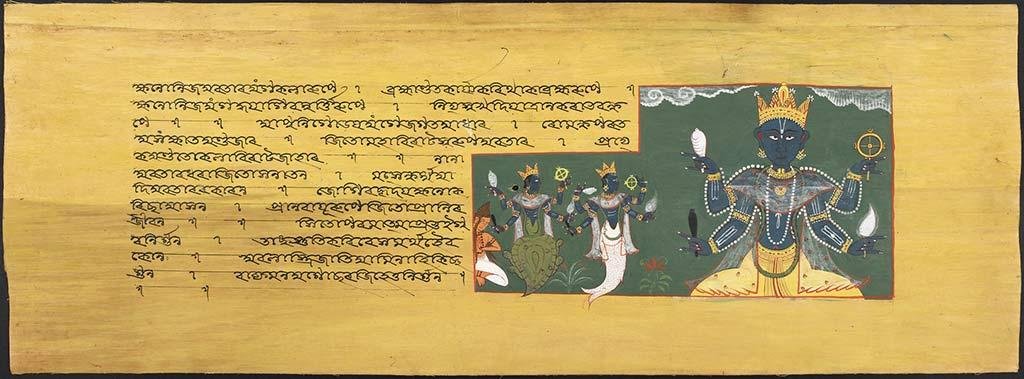
    The Varaha Purana is traditionally counted among the 18 Mahapuranas and is closely associated with Lord Vishnu in his Varaha (boar) incarnation. It contains stories about Vishnu, Devi, Shiva, sacred places, pilgrimage, Dharma and religious practices.

    https://images.openai.com/static-rsc-4/cvLrmBKWcw7tVlpU_-e_78_fgPyc8xn5ejslIX1TEg4L-QwFqc-0GJs5iBau77IZHTs6Z48tDxTlFU1-deTtM643czDEoHZsAKR8SzJpkORxkh1V4uLe-JpO8Aew0xQ7Fi6ZmyOuPzLXZO1UKN8qYbZGfupPhp85BXARIydxeiM9H0gXBNlkvG9dOlBV0q8s?purpose=fullsize
    https://images.openai.com/static-rsc-4/oM2T3pboA5HwgDdfMQMVIK4UYZE0GCXnsmFXM3MN0JBJRQXt0Izqkl5kCUligKb3EVT405qeH9vnKz_Utug26d22SvfySsloIFCIFEw_PmDrDXtxSwH-sh178KH8Idcqq8bNMcte2sJjwaU3pEbfZfGsLV0UEL8pM3LDhbfD8MWNmH8V0BGxyK08agM7-0_r?purpose=fullsize
    https://images.openai.com/static-rsc-4/nOLTCzJ_WXbgrzQ0ScisNWrkUIZr6JBdaQ8kGBai5vQJcrstU48xBfPqUMBBz1C9n3uaMwVQgzqTCt9oOVPZbhSlFdIQdXvuuZw5Kg-YnFm9W5V8fTJm47v31ZWtGJ65eqlN-WOOISSyJAEC6dfSndjCpvvDpF1cP3kd2YTAi6bHGUgHK4T-QfaOyAMJy4-m?purpose=fullsize

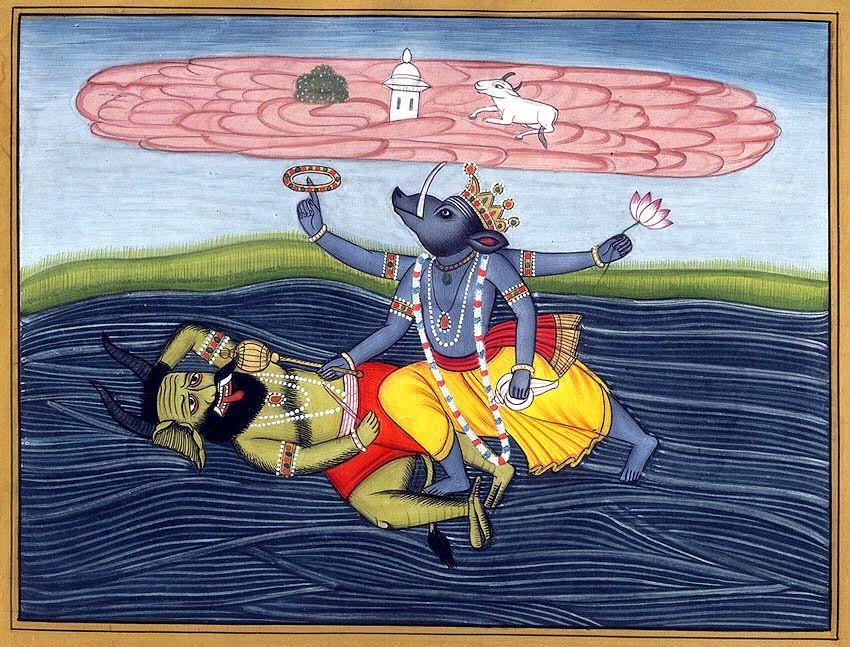
    Image ALT: Lord Varaha lifting Goddess Earth from the cosmic waters, representing the Varaha Purana


    What Is the Varaha Purana?

    The Varaha Purana gets its name from Varaha, the boar incarnation of Lord Vishnu.

    https://images.openai.com/static-rsc-4/vxSnlct_wMEg3-28MUz3axe1OOuNVat2T-7tmrNxvBdQN2zQuOB_P1fCKJcHortatrOs9lUopPwHO250c2bXvixtSxa84BevCMD3C7G-y4CiYYY8mQp1_jlPYCsOlJ7Lc8ZWA8FmkTw7Fm8R4ORX_VRtTJs0I-V0y4sc8dRSw70kAcIGzVhdk52UQl-DDjNG?purpose=fullsize
    https://images.openai.com/static-rsc-4/ImS5uudEmXa8fuOxl8KNEfAUcgdHFDKkIz9pI2gAVylcjxgyMmUOpBppUBGrt5ytvzPlAWSiM5j1AJmmM6XDN3aRVzMxg-Y5VhMjtPgDgG7Ujz6UWWq5qxJucONTPIknbKBtkv8fR89iDrrmEnHc8hFSbbXdLkx9KBxHLjJhhpuMqg2cAZRPXgnUtwYx6b_x?purpose=fullsize
    https://images.openai.com/static-rsc-4/FWnRAy3jVUsHdoH5eodpJz8tTAheNNLcyO_16oH572bHYNzXIUjO3r6-sglV5a3_h7iS-JZrVajis_4Ei-dhE7fY9dG0eG3SSswhFUfF2OJnOrAO0ZxsGSa2fL8ECDSOmBEpzgV1GnnJdGFk6OOL0NA8Y5Rcv85xiZaKNneO4QxHkHdmUnyr5d8U56p-SPpJ?purpose=fullsize

    Image ALT: Lord Varaha rescuing Bhudevi, the Earth Goddess, in traditional Indian art

    According to Hindu tradition, Vishnu takes the form of Varaha to rescue the Earth from the cosmic waters.

    The Purana contains a wide range of subjects, including:

    • Varaha Avatar
    • Lord Vishnu
    • Bhudevi
    • Devi traditions
    • Shiva
    • Creation
    • Dharma
    • Pilgrimage
    • Sacred places
    • Vratas
    • Religious practices
    • Hindu mythology

    Why Is It Called Varaha Purana?

    The name comes from Varaha, one of the important incarnations of Vishnu.

    https://images.openai.com/static-rsc-4/jzHKg-_ubZolTqVLfZRiTODooR9-8oKKDaGpITvxqsr_ObV8muoAzY_qwYv9b-LVvCAKXvsPKpSzUlM-UgzfRICHqH5Vco7ZFODXn53MS2Fjkk99Ffz7taiD7AR_5neAJ0_W6SUcPGUpS903LmNfZ8AIfxc5PQz4j26gfShrPfbusdJlzfkEXWY2hNKFJ_Km?purpose=fullsize
    https://images.openai.com/static-rsc-4/UoTs7BHAcJ6KxpxafQnZEAOW1T5VuPR2CFYryN4To8vOeQkhsYD5nUx_P0kBYVWg802F9CWN2uL0VdkLunkiHpsgcFJdBm_zA1EB_Pi1uSGLWe6XyUyuukPknEGQG--1BPWgwtcEfjI_c0kWpX7fny1u8LfIIZJc_Kpvqj4yvtCDd31nt6hZMdBTQQBEAXys?purpose=fullsize
    https://images.openai.com/static-rsc-4/Lgn5I_Wc4gGPOpXuJEOjMAPmgkR-Ai2Q-ntu37crnanJf8QgC0eRTvQkTibuF0t57418K1-A4Sc5msxfEodH91bNhcFVGyPzGw_KK315OKyihaRjwHjK4X8904XDG0Uy5NXIdaef3Cbd4TOzGlMeLAI_evnRXKtPG68ym4W2UPg9EHngBvFb1ky67rxFscHN?purpose=fullsize

    Image ALT: Varaha Avatar among the Dashavatara of Lord Vishnu

    Varaha is traditionally regarded as the third avatar of Vishnu in the commonly known Dashavatara sequence.


    The Story of Varaha Avatar

    One of the most famous stories associated with the Varaha tradition is the rescue of the Earth.

    https://images.openai.com/static-rsc-4/ImS5uudEmXa8fuOxl8KNEfAUcgdHFDKkIz9pI2gAVylcjxgyMmUOpBppUBGrt5ytvzPlAWSiM5j1AJmmM6XDN3aRVzMxg-Y5VhMjtPgDgG7Ujz6UWWq5qxJucONTPIknbKBtkv8fR89iDrrmEnHc8hFSbbXdLkx9KBxHLjJhhpuMqg2cAZRPXgnUtwYx6b_x?purpose=fullsize
    https://images.openai.com/static-rsc-4/MbhHlK25UGX95r_Kj40TkjhuLdr2Denn89LDPpQWiKrvTrMwgPiwmvH3ruGUQUz6mkTjLMDZPrTYVWQpDdy0u9hCl39KlpjX5Mqy_y1BCs7T_jk6ySW17sGjJZ-XL6Jrx30il84v3_EzrfLYd18M5DeXuGyL6mchLlpfVKvvSwYwANAZRr6iklVqQX-1_vph?purpose=fullsize
    https://images.openai.com/static-rsc-4/D8SfSSvKpAO3rPo73wYaSi8RPCq-ALOBQkg8U12-0kXw-1zz3I6R93MGnjusSyX-k__NvcmiopBO6H3C-rZYlve5gs1AkEbJh9ZrEC9s5Agr55L6Zilh-1po6hB8OtBHztBvVJErEiBcOVfFFQGp_zU_T3hkoCIEqc6WEIvouHf2ycNmpqlN1DE-vCHwVWm-?purpose=fullsize

    Image ALT: Varaha lifting the Earth Goddess from the cosmic ocean

    According to the traditional story, the Earth had become submerged in the cosmic waters.

    Vishnu appeared as Varaha and entered the waters to rescue her.


    Varaha and Bhudevi

    The Earth is personified as Bhudevi, the Goddess of Earth.

    https://images.openai.com/static-rsc-4/nhJ5duwP0NixZaxuYRIipN_VT_7dP8ewx8DCGfmewak963YyBFHRY55uqXZyCjr8AU5ZGI8BKC59X0K1pmjL28uQq7rDenCqSStCbw9gcLnY1y4HuJ4MGcvqR1elhKISFzcvVsGrRRRKB_ej8oGyBxbKWSg05cLsHCqRKCelc-FMqJgxQL_1Y4HYsJMLfCqm?purpose=fullsize
    https://images.openai.com/static-rsc-4/-APJlDL0ZbNndmzfyQYxgFZR6JC-f_ch5C5DGnJjaMW3DtBjAMEXFS_y6Gcwa-V6kz2bR9_vjgwSu9KHleu8hlHj6UDhKIKY5ZALvNrwnadSiwRulQwgf-T0XkigvhL-WxTd8rhucQ8_gtSabz4xceDGgFeSRGxK3Y4OkO7KfcXFdUnpWpo1k0ZWfnmcT2Zk?purpose=fullsize
    https://images.openai.com/static-rsc-4/FWnRAy3jVUsHdoH5eodpJz8tTAheNNLcyO_16oH572bHYNzXIUjO3r6-sglV5a3_h7iS-JZrVajis_4Ei-dhE7fY9dG0eG3SSswhFUfF2OJnOrAO0ZxsGSa2fL8ECDSOmBEpzgV1GnnJdGFk6OOL0NA8Y5Rcv85xiZaKNneO4QxHkHdmUnyr5d8U56p-SPpJ?purpose=fullsize

    Image ALT: Lord Varaha and Bhudevi representing Vishnu’s protection of the Earth

    Varaha’s rescue of Bhudevi symbolizes the protection and restoration of the world.


    Varaha and Hiranyaksha

    The Varaha story is traditionally connected with the demon Hiranyaksha.

    https://images.openai.com/static-rsc-4/FOT2ByYvbTTtFBp55F0snQKcZlP3zTpLGL6aX6U-h1NYqVwc6WB1_TKkBBSucoBYlyTstEoynobf--Qr_5zhHCGlDB_GznXVko3yLYcXrnXa5q8BnZaSRdLk2jxC1U3vGnYOLFgCP2z-QaHVwbJwfk21y1iVUg6i2qQYFUtJ_OSiZCufytCn1MDmmeZHKBhu?purpose=fullsize
    https://images.openai.com/static-rsc-4/VhbNE1Uf2c9t-aSPjytiJkExaoMomLA4-GuXbK_sumlrmn9MBFbER19l74X7ZOyCPfy6IqC9sgKs94QMmjDCwMub9gFkwbo-8jIbWEPS7qnn54o1uysNOPMhywNh6QIo8mx62yWFXt_cgAjCinSZ3l8qJzpHh3Wt5Gw9RwWyN8mulFHaxiOD8i6iZ27Q_7xr?purpose=fullsize
    https://images.openai.com/static-rsc-4/GkPUWdNCTlmtm_YqPRF5sHKPupespAWMv8iFZU51H-oqKltMZ03-9Oi4sBNdjDo1p28_N3aOmPcafFPtSyLt6nha_bFGLkMUojf8LkTX120Hs_cUx2cJ_PiFUSUvg_TCj5-4Hwrz7EbLDe6Qn1QK70if-sy2bmO-tZbas15jMb0D2flasemvtp2sDe0TUc_A?purpose=fullsize

    Image ALT: Lord Varaha battling Hiranyaksha in traditional Hindu mythology

    Hiranyaksha is described as a powerful Asura who caused the Earth to become submerged.

    Varaha defeats him and restores the Earth.


    The Symbolism of Varaha

    The Varaha Avatar carries a powerful spiritual meaning.

    https://images.openai.com/static-rsc-4/cvLrmBKWcw7tVlpU_-e_78_fgPyc8xn5ejslIX1TEg4L-QwFqc-0GJs5iBau77IZHTs6Z48tDxTlFU1-deTtM643czDEoHZsAKR8SzJpkORxkh1V4uLe-JpO8Aew0xQ7Fi6ZmyOuPzLXZO1UKN8qYbZGfupPhp85BXARIydxeiM9H0gXBNlkvG9dOlBV0q8s?purpose=fullsize
    https://images.openai.com/static-rsc-4/MbQaTWG4pBuhr79s7BVml9qNrsoi6ipKeLHTdIDefJLKxmZinD2O7nhPyig4F9DlX46TAsB8c1R0hDP77uSmoyT_2TKE4Bta8dPz9gs7aGKFqV0glDbPJeLbK1Ko8MUpymnx66P4Z1jwUdKYuiM3qVNplJlihWeVRP09fiCRaXuI6pFqQoHM27pxV7bVoYmK?purpose=fullsize
    https://images.openai.com/static-rsc-4/27Bs5xK5vm-KCqdeUyVHy9d08BGxbuhe4qc-Jil8D6lSGHt9GMLGAX1XURatU6GTTTB8i5c-1tQf5E2RFHLK-170-0t4hx1gISujumV_RKCuN9ZnWKbd3kXUqG58f_BMIHRiNLkqttzV9DMgOkwnRnCiBZYHNp4Me9WlxkUR7uM18RJE5aED8zoM1qix7O36?purpose=fullsize

    Image ALT: Varaha Avatar symbolizing divine protection and restoration

    Varaha can be understood as representing:

    • Protection
    • Courage
    • Restoration
    • Strength
    • Preservation of Dharma
    • Divine intervention

    Vishnu as Protector

    Vishnu is traditionally known as the preserver and protector of cosmic order.

    https://images.openai.com/static-rsc-4/pjlXpseprKjSDyMCWOrQYkpycQkv_sHqB-_kqFBCn6BYu-yvSCK03zgWR_sf57TYzDBJmZT9Ute7Q5e9HO0LXv12Mn7k63Le8yZhCxRPGXZQrAQgE2CNAgfBycWH9PolRTwR6YQsy1B-ZqQdeXudLR9OOUw9NmfVIeq6fKHKh-_96V0qlLr9L8vLyYIzx9LH?purpose=fullsize
    https://images.openai.com/static-rsc-4/Ag3p2MV5JvXa8-OJ7QMgBdp3GlmLWVLsaa_TEuwPD9rlHhvHAxlP2nagbfb7lroqnN_a1t9QezD5feIzexyUsaS4mKua0_1-vHt_1Ns2z8pjVAtZbo54LMfDCRskP40QEND1v3o-2KlqiPwF_RbpLAPnh8E4rrFRinSs-n50MnO6VVdl-QfpBrNqBXeuHHy5?purpose=fullsize
    https://images.openai.com/static-rsc-4/DWXqcjD12eIGUe4F3vax2k5HRYmcgkYG5kOXF_x_UF7elWweGRhE3HdupLA1dby-NlH6EN5E42_Qr3ngRSK8cWSvcY2YcjnIrgSXz5SBydpziI8IJmsLrfYZb0l5bHh31e0QYRheaWNXdr0fYS-nAGN3BhsfgXcWztlyJhCSNa6lefR7nM1qacnauIK8sFNv?purpose=fullsize

    Image ALT: Lord Vishnu holding the conch and discus as the protector of cosmic order

    Whenever Dharma is threatened, Vishnu is traditionally believed to manifest in different forms to restore balance.


    The Dashavatara

    Varaha is one of Vishnu’s Dashavatara, or ten major incarnations.

    https://images.openai.com/static-rsc-4/0wTzhCL7HtlUnqEX1IwybGc-SHrXUVK_A1HALlve-AZCx0qYShYNU3UGmavK_rxXK5j3YrIQM9IWEE0Xp2aw47TWwAPlGk_aXeLoq_x2dz8Nk3oj4w97vzegiTu3KUtXgk0SnMuwaSK2IiCdgjBPXwEBleLbFReRa_nkRJ9ttM_eiKoGiHJ1eOxt4zl555gf?purpose=fullsize
    https://images.openai.com/static-rsc-4/VpZoQGh3hMsGVbGEckKeQX4emTXd2k5nK37cbrb1fP7lXyygjWqqqg2xEdKzdgGVVBFxuU8bs1D_Bp2eLJ8aZz4WjBSzV8w95tEtXaskM9SoeUCW2oQ_ENyLrVd22Jm31WwoHf4LFc5ijPOk3hwp5vEo-wZw1qd7hBEHN2Rk4KRLreB1XwFY7k8HeDQtPhvL?purpose=fullsize
    https://images.openai.com/static-rsc-4/4LrPppqF3NxPMWskHAF5sFKKltwHgcyoaY5YI8CO5iy5jP6hD0SrbjNqgtKvlsLUkQppOoOXQc2EKrb76X5Sr0uqklJntiUYvo52UAiQy2a-xSJhXz9_P20Q6QufcAUBLKOoy8XImEVpY7g1P9CtRdYHqcUQ1Nm6lFaP83XLfBXZjGCSkD6WsA3_izy82D82?purpose=fullsize

    Image ALT: Ten major incarnations of Lord Vishnu in traditional Indian art

    The commonly known sequence includes:

    1. Matsya
    2. Kurma
    3. Varaha
    4. Narasimha
    5. Vamana
    6. Parashurama
    7. Rama
    8. Krishna
    9. Buddha or Balarama in different traditions
    10. Kalki

    Varaha and the Earth

    The image of Varaha raising the Earth is one of the most powerful images in Vaishnava mythology.

    https://images.openai.com/static-rsc-4/b0eaDQ_PXW0LCdvotCXGZ_u1S_vDKmj3VykzdKdpfkB6kYa_R3YGKlWmuVfBbfDygSSiqkuMtLFDYD06NNVHQq89ZUqMEvhrgToAxZ_aNTniDk_qfHtSmY6hxqdfyZCXf268vKEk8ffecfVPVOEVnY_jRBGVyrCq9Cqmn1MGUWCViM9lUkJ7yhoGVrLzj5Jt?purpose=fullsize
    https://images.openai.com/static-rsc-4/-aDyhP050XQ7Jv05xu-4N4SuTWx8S-NmAPVVMSz6G8AoB_EvYwb2rorUpvgB6Y5WovOHqzc-KSN0lKczClmtR985HxtuRFHgzOQszx_BmWs2ADPcTuKrsQbrhuXW2YGhRUE21BEMxVeaqwJxwGqIhsw0TU9uVsXwQdovDJdfyBI3PPTYte1pmJMQvN3P-qZa?purpose=fullsize
    https://images.openai.com/static-rsc-4/t4nVIZOXoo5Tj1uIFFLcF_0zenHO4B-nk2cg7oQgzX-nh3-uYu8SiSSeIEZnOcgbp6KLzfNvCRkNxqrYqafEPXfjJ0bZHEbYFBYecZSFRr3hInQBpkh_XwXiHEwQrDm1o_YYslwTqxQK6t2XAhKc-p8azhAtZKbLoMNrVtORvBwRCJdTzBfjlvf_JuT8-_hH?purpose=fullsize

    Image ALT: Varaha raising Bhudevi on his tusks in traditional Hindu art

    It represents the idea that divine protection restores the world when cosmic order is disturbed.


    Sacred Places

    The Varaha Purana contains extensive material connected with Tirthas, or sacred pilgrimage places.

    https://images.openai.com/static-rsc-4/nkBKbmmgVpnSgfW8_mmnmvzyZjtuTvYN9r0BrVo9KKbZ66Y6LKzKGwm1ah8eAZo6LI-xasumVRcbZr2nKd7K-g5tbMZAGGt6H7Y6QZFOARjnGTp3wLQMsIg-QPvh94sBh6mOIpmKo2nMIb7oGUCs2Mo8Bu8vMfIzRCp20lzhZTM3XS3LHe3OFl1s4XKM6dtO?purpose=fullsize
    https://images.openai.com/static-rsc-4/Xq0S7usOiTW1VUZHyfoLnOTktu9XDDTdaND6sHp3Tbu3IkjEAWXQ7Oqomr-XGnaUesbUFjlBVo-Wpinpk5iMIM6QRwCts0suJRZKzyp8zz3kLEj_nSyEPCVDZvGuLXroD4gE9GmobRybzIaVrbmumCYq4CT14XYeezln5CNWw_pQwk3XZLQp9u-0Zg6GBLRQ?purpose=fullsize
    https://images.openai.com/static-rsc-4/mAs-7zS9wkZLJwtkJOGhCwb9K6WdoGOpR_plrAu4_2Gfs1tEA2QHrv6XyV8ZKtTLCtWAgvTax1hfv3RWuxxsqGWBiwtLgBWV323lFeeZjUaWe4cojZ8yEmThmVa-WRay4qsGgqlfeZYzxAjhdWSsP662kcT7i3NKfa3LrB5lbY-FoZs-Nbloz6dfdrSPhIUv?purpose=fullsize

    Image ALT: Hindu pilgrims visiting a sacred Tirtha representing pilgrimage traditions in the Varaha Purana

    Pilgrimage is an important part of Hindu religious life.


    Tirtha and Spiritual Practice

    A Tirtha is traditionally understood as a sacred place that provides an opportunity for spiritual practice.

    https://images.openai.com/static-rsc-4/TopGOVz2jReZ7ZeDTqqfX89x1LqCqzC1_PcXd4iymbIBb8-VRu5vFL4YOgTPVZF2KDdow3ju322O7MSd-e_Xvqb6cPxzruwLUVpAvOTA_fJqtV7dCZ8SDk70w8QyTJKt5UID2zfUapbEqFkTWJnn8pB0pLDf0pNwmxqnVpYiys7CMlIC5LepU2UKAfzUhKUL?purpose=fullsize
    https://images.openai.com/static-rsc-4/1GskzXDtYL0Z6GAQXTLqs7WN4fQgiswA-d9FJ3YQLHnslfnGt9w5braDCYtfyY_YJH3dbUV0FhAbf98GkrwRWFYqutZQw25RY1PdtzLb2lA5JMhzA4aRQ8ecFpl0meYlROkBkL4TTam7Huj_XpCEqFCZS2cohYGgdw5NA2KgPmyz5NWOAVGgNZLKJ1bI8Qn8?purpose=fullsize
    https://images.openai.com/static-rsc-4/lOBHVsynjqXh0_x9TnmOIhW9pB1qHgPlGhCrv-YHIVg95yM6CJSHCMOwoty7fNFzD0K4j_vpheiyrGPdUoQO7T7RwiRtyAAR_GrBAswfh13cZdG6NYnsviXBCzl3fOyb4O22N0PSRMM6VRxHIy3uHKHCA23hlFMwJr_yR41JSddArEzaJ9ebxPRDfXcG82h8?purpose=fullsize

    Image ALT: Hindu pilgrims visiting a sacred river as part of traditional Tirtha practice

    Pilgrims may visit sacred places for:

    • Prayer
    • Worship
    • Bathing in sacred rivers
    • Charity
    • Meditation
    • Religious observances

    Varanasi and Sacred Traditions

    Puranic literature gives great importance to Varanasi, one of India’s most famous sacred cities.

    https://images.openai.com/static-rsc-4/BLgBg-OkjFeayhEbO-ctGYFBbGzMp83R_ngtxQiDXJkcKnT0nH9wsDO_HXMEiJGRHv5IM92sSONWftRRfKZe92nlAYwWIdLwBKGOXADrlfujGBYyQnfcWd8Ln6GyTbXoIR9l0lIe2mRHX638S-78tzlzbI2leDfHOZYPcbIkg5rIOPaFk9EJIQ49TPVzZY9J?purpose=fullsize
    https://images.openai.com/static-rsc-4/psdOv77uRJPRnijNeT6vDv6faq5RV1Qlhf8pgQh-HIVPzKb-P07jwU8EaVDNoukwabFiwNfcfYMpIwUZJKz_F8VeFNgYKru9vv3MF2meU17atJ_9C69LLfUeDevP4lhOg4Ek3Gf-ZSnUd1xcPpfeJIt1Lr28bMNLFI9Aoq6xbLrWkwGNx38f7RmxjquIJgsp?purpose=fullsize
    https://images.openai.com/static-rsc-4/u1iZZSXYjc2vUjhyerNlLrjCQKkZHbWfRuv3qmLEutiCKlHnpaUJmNp_G77MbWSAhcxDTO_WKeQ4f6r-vegRk6BGzVjCN_9Nv5a_XYJ0KmkOKHbMDrnFwmviF-Kkj0i9BKsrGUhr5xRCdigegw2QE1X1ftp0hFLTBXeB6KXrxvTOCyYrpANTKRY2uHAKTu8J?purpose=fullsize

    Image ALT: Varanasi Ghats on the Ganga representing a major Hindu pilgrimage tradition

    Varanasi is particularly associated with Lord Shiva, sacred bathing and spiritual liberation.


    Prayaga

    Prayaga, associated with the confluence of sacred rivers, is another important pilgrimage tradition in Puranic literature.

    https://images.openai.com/static-rsc-4/QHoKO2RYumrIoJJqxkUWMhfm4NwbWpPVixoVu9teXyoF7pHKe8r9L43TJ9OcO1YBzU5VxU8uIbetYRKdgDh7iIbLojsTPLGGwRWNCDva7yr37OoNX_mEbholYkuBduPXusmG_zoQ41_-ARYiX3i8DwjqoybfwY_Ot0SN6_xlajpnzudnB8sZi8h8JbepnKOK?purpose=fullsize
    https://images.openai.com/static-rsc-4/iQrNJX9nOWl_avLNzEqzHffoJKb8AT37RHW_-LM0nBAQTgDSsDpxeE6LhZk0YfLhez7smuqnJvcYnq-Z9obuvFW1HyRTE1xUJvuF8kwluxQdSZ6-0vsWfZmYfvH-Pl-_h3eeJE3Q5s_1Kx8OUqqTISoL4DvhcHdAfPv48hMC5hFfjm5dzlA8y_OX9THOge4E?purpose=fullsize
    https://images.openai.com/static-rsc-4/8aSrz8XlHH-6RjjubAQKh9WHyi4pNbYqbf6J2KKhellLH7xX1dL3SNLPCWPDtt4PZ_j2bMKZ8SB9rs08wUWXtzkq_uItgQO-rFvBEjeNa3hecMud9sOUnZaoz0FvVE3BUySPpM-4FEc94Z22nU8PbdrcSv7sL0DXLr0WKf8P54fGlEQz1RrIfWT0BSXAQjJd?purpose=fullsize

    Image ALT: Pilgrims at the Triveni Sangam representing the sacred pilgrimage tradition of Prayaga

    Sacred rivers and their meeting places hold a special position in Hindu tradition.


    Gaya

    Gaya is another sacred place associated with Hindu religious traditions.

    https://images.openai.com/static-rsc-4/OabwQQ5syNfXSJU-Lt2SaNm_MNAHuyNHqduVjrznnrGiIQLMLVaaJjZf6holgwn89bko8oMppejUua-8su0WuGQv4lxFsxDHjny0lN3-TaHnTZLJ7mg0WLTHDlsuwel6UkmRyCUZ8U3fMaA8WQFw4S7Z4waN1DMDsYAu1PWVy-cTlzCfPbjS6rb32iFiz8jo?purpose=fullsize
    https://images.openai.com/static-rsc-4/io3e3VtpdYEESEDWk5iWRxgze8oMwrHbebNVmFUlnpSxpa067qAHH9quq4zUZ8Hi2dRwqvGgwNYIhIIFONXkSUkt1LcSidirK7MghFpF8Ip9m6UlBTyncm1cNkYWKWqNe2Q2s2ieedsov3RXET4amtvCPA9ndBv8-ekKmOstjro8AI0F35vIhQcwyHkJy9rD?purpose=fullsize
    https://images.openai.com/static-rsc-4/OXr6kQYIM8pwCHUx9-_kO42e4tBmvB86mqoLF1686ZVBP9SPFedJROJ8pPffiohmIrJLSO_mUskgOm7hg_UHz5P_opf8sfS3_MkP_bmkYebSRipDV_8hPuWu8aShR_xFIdZbS3XDpCPcegmn-rt3mkJ2IVAXGjjDrh_wtdwyuxe95VATayfb39uLidUpdEPU?purpose=fullsize

    Image ALT: Vishnupad Temple in Gaya representing Hindu pilgrimage traditions

    Gaya is especially associated with ancestral rites and offerings for departed ancestors.


    Puranic Descriptions of Sacred Geography

    The Varaha Purana contributes to the broader Puranic tradition of describing India’s sacred geography.

    https://images.openai.com/static-rsc-4/HmbGoMjmykbAz9mTUZa6zAJUz_Pe0a5otJHmCEHcn-oiBfqGP2rgEQw5HvUaE32W8pFbeN6auV6sfg5ZV8OKDwIJP4YdsNbimnpL9bgdXE_4vL0UtO9Yd28LQzLMx2n63-C2esk1pTsv3I0UYY80mT6CpuVIRfIsvBb0rdIbiZPSEpNyJk3va7deT2eSyBco?purpose=fullsize
    https://images.openai.com/static-rsc-4/-s4h5n2ZCG-0OtCJD2VSU97pNpBDM_e1TvNo511iwigXq76cKLS03OAobOMWtrvsloqfr71q0fgnOae0Ga4YraYYQFopdzoNFfpDQygy0sMHX-H4Thc9n8i6zqUxhwzEDFaQG6gjJB1Ml0b7VANFQxiTNRl6VagBw0UrUj_d7eEIJcUZwjjZuIZQ_uPHFLAV?purpose=fullsize
    https://images.openai.com/static-rsc-4/wF63JkXpCsw7L7Lcuf2beS0CEI0ZxTFLIVZl1Wqj6wA5Ddaj7CGGsu2W7PTiSLSzewy3d9396HSdJhM-DaUAjgwmYMOCuW-00mgWtSOXfRaFtrDMa6Bzr4d-8konyYWnJiOvVqFmPYTBKzPE7Xf-trjPUvAqQvX3rQ4kyjKCbQGMz6Ctefd2Cvz4dYmVjry6?purpose=fullsize

    Image ALT: Sacred Indian pilgrimage landscape representing Puranic descriptions of holy places

    Through such descriptions, religious stories become connected with real places and pilgrimage traditions.


    Devi and Goddess Traditions

    Although Varaha is the central name of the Purana, the text also contains significant material concerning Devi and Goddess traditions.

    https://images.openai.com/static-rsc-4/9b9mRtnEDAePmjsksehGJ62timNT6yFoKqmdK-LlUGC-do6reie9Yao-AyvSLOg4GvEGu21_Rdgoro8bCX15jHl85IwBTlCrKP1KFrMb9vbuNCd5H3k4nejdl8JLoNejUxG7wNA-vK0Ep4dwK39-62E10p3guhZQET7jVnRoQASYm0BB3UFyh0LWot03DzUs?purpose=fullsize
    https://images.openai.com/static-rsc-4/_va7rNy6_vSDYdcdq3FOaBtFmwd3IH6QNCfuxxUZkwFI_JsnPz56OlplHs-mclVczuMB31wocYGIep6fOFKfefoimRkKaj0GPApKvT7XBJEw3HmfNCVpG6C_I7aMhv2YbSW6HRzGyS_Eid7atRkt0csiwXt-Fdw70d-yTYEYX1xA0O5FEaZ7f2bfoajOJjxN?purpose=fullsize
    https://images.openai.com/static-rsc-4/L-wQOvVnWKVXs1FSVWWgtAyR4HjghBu9F4coaTwgjBiiLTvVKxj9rok4_z-Oa5-xoi6s0F44v3m1kx__kysgh3esihCUEBuOF4EhTVfoHS0NwC7Cga8pu2IeJ5xhuxHsLK89P6RNqqbI0WhPPLL78AJ0QhdK1RfqHs0VQbfWGINoTL1XuPoi8GqHAkS58qp-?purpose=fullsize

    Image ALT: Goddess Devi representing the divine feminine traditions found in Puranic literature

    The Purana therefore reflects the diversity of Hindu devotional traditions.


    Goddess and Shakti

    The divine feminine is represented through different Goddess traditions.

    https://images.openai.com/static-rsc-4/FcIlncYip2je-V4Z5t26wq6YlwwijOClw3bhxOr0fg1SutnQ-w0aiJ4y5Uj3nzAS1GGo4s9k7eGU_zP301Hye6HajTQfB3m2Ob2enGXUdsN9SH6-E37NquoPuRGYwelUttjgHywbHwTSAsMobIeV-apF52SFPqAC8T2dCZp_wTcpmcZFQMjgl5PZ1maNjSgZ?purpose=fullsize
    https://images.openai.com/static-rsc-4/uCZIR12MxwTz0AlumRWrVZ0upjpzH2cMlidYfbXVugfNq-9ecYHrUiw5c3OETQ7t38vCxJI2rF_PAFOSJfwyXnuf2-eCQCLtziXX2sNC1f5jiUzZEu7bUAKxvAnM4R68_JzMHaTrZMDchoJB1AJ8A4jAiTcZbHButs2oixqnwdNebyDeyqdD5TkCQQm7A8mU?purpose=fullsize
    https://images.openai.com/static-rsc-4/c0a4IyAe-Hjds3joEACYcU-zEk0jAmpD5MdjT3NWbkhJZDGop6fFOqriMAix_bmOSwQ_M_qD-7E4aGhXtAQWknQFVo6O6kT1JTQyWa6Ds6O-G4yBtkGYZJZwyQc5nTJhO8Red_Qju1Yh8Xmj3NvWpPNyfGj72CQL4vxnFE8XC6kewRrqQZ0ss6uYjZYQDze2?purpose=fullsize

    Image ALT: Goddess Shakti representing divine feminine power

    Shakti represents divine power and creative energy in Hindu traditions.


    Shiva in the Varaha Purana

    The Varaha Purana also contains material connected with Lord Shiva and Shaiva traditions.

    https://images.openai.com/static-rsc-4/RSvZkqutz9mY5UkcBhKIuTKHU1_cFsrzJSzOmVgRdV5lIGxwGvSCiWAmNwc6M6z1IJePx1Nf1bhNgQB5ork8b2phNPGRPJ307y3v8XNPBtujcG8picmy3GLQTBtxT3hyMoFwZppJ-Uidtl-FVIxOHEERnnfK3j6T4U-AbWQKB22xV6hFB6lIMGyKujEgAfiZ?purpose=fullsize
    https://images.openai.com/static-rsc-4/hcxLcd6grdr--n355athK41Gvq_m_PV3xpK2qRety99sh4w5derFQRULSlfMRlZ2g23NoxD21n-uif3whWaf3IEMRbWmel-gYeQDqSYZufujydGUa_cIoTBHIBj5aW_BbCMktmvoUoOUkLcI2Dv6esMKrjrQOZeAS1-yevL16Eim8L0xuRNzJ6Vk1HF5KFca?purpose=fullsize
    https://images.openai.com/static-rsc-4/FOT4AdDd_z5GpYV4fsDbMGZVjkDqeiRyO36vRCX0zQc6HDG44UB6mfGfgCEK9U0oSn_9Qq0ET9ugt5LCoBc7pldmHMKQ62PfuqlcTIQ4Z0I-wsI-JedJ5om1ZBYXup7zsJdT0QBeR8ylVtHUf2s2ssEocGSXV5rkpDjEeB5eyqPuhqk04WoPOTtt27Yb9Nzc?purpose=fullsize

    Image ALT: Lord Shiva representing Shaiva traditions within the Varaha Purana

    This is an important reminder that Puranic texts often contain material concerning multiple Hindu deities and traditions, even when one deity receives particular emphasis.


    Vishnu and Shiva

    Hindu Puranic traditions frequently contain stories involving both Vishnu and Shiva.

    https://images.openai.com/static-rsc-4/JzepNnLjLZL5H3sN8fDSGcHHuaTTudOb15QpqqY0T9IKyZ3tpZWuG9pZWy_mCd4gERrUpw7vuh7lp8za8MN9yazBGi7r__Yc2MzSuhPfjiiZjPvRab6h0JDcu0Iixacu41us2LLrZpHld9qSD2BdgWw_ctW7sTXG6g18tetdDkt3eWiAlywzxvInwxin3Aur?purpose=fullsize
    https://images.openai.com/static-rsc-4/SbSHjUIKKXU_EOTclWPkNZXcHE5-cTatwDB2bH2xsevGES8aR33Z4J1mPhSEX_EkVLokh-ZL7Ou7STJyrMWQ16XMzBe6KM5bxkJ7Wn0soSjLuW8qR2KF2FrhhB81UbvHkFPwqiI-WPZr7UWaiuomKX-VYTQf39ONEqJf9qkHfgTh_CP6F2rKzVSqsO6N19DX?purpose=fullsize
    https://images.openai.com/static-rsc-4/bHcAPBao-o1bP6REKqIezXZmhPD1g8AwdaYEXWMZDVl1d79xTAEduQCX-pVa83FnP6k3lvs4AmaSJJrkNm1kreW8GlHWq2Pq1dQhzhACwjLD7wq-tzjjFY-YXnfi4ItOrzWLxgYbz4fWly2uGvEgJd1KR4BBBhkki0eWn6d3xkhOtrQMMxve-Uer6nVwafbn?purpose=fullsize

    Image ALT: Vishnu and Shiva together representing the interconnected traditions of Hinduism

    Different Puranas may emphasize different deities while still preserving a broad religious worldview.


    Dharma

    Dharma remains an important subject in the Varaha Purana.

    https://images.openai.com/static-rsc-4/Vg91oFm5gWz-Fk4We83RIOqKb0otUu21VzinFVHvih0NYF21rtofhPwLITyKXQ6K2tang4UJUsVXMh9_ymY-1UAnl111Hhj20VfmX9iSqIv61T9NmMTZj22q7gSiwLLnO8QCAYVioYxMA_K-vyPcoHox0qPeVN7JLy70ZKpQKtKqa0FX93-WEgWWmohXax67?purpose=fullsize
    https://images.openai.com/static-rsc-4/Z38QjNFwX4Q8rcEvLH-aosAbf1lFB1G2HstTGYPFOuxZRh3n7I_x7sz0IFrAz3I9DGlFI7M5qgRfkev8djA5hCAi8fwgJYUlfAGFwI8zlrB5BXpYkKizkdolzQlM6wSnAt1-FzAeyR_W9Wmo6dG_-5NcHQaQ5gQulgo5PzWscVd6elDi5GBHj8dDHgK0eKFt?purpose=fullsize
    https://images.openai.com/static-rsc-4/NS8XNUK0LOeM3vmCZafpILGl-kkF4c2spXhKZM6xQGQbkHQzgzK7L0aKniOuzSDNxfmQoiVdPqhLYXPaVqLfBCGXZpINsGDDoWPwM63g9ht8Gy-slmm0NQIv0kiEWOj1QMChm-Fyx6PomCeCjr2gmRk3VXHO_X1XcviFm3fcXbnIJs3PPnwvt50En342NqTW?purpose=fullsize

    Image ALT: Hindu sage teaching Dharma and righteous conduct in traditional Indian art

    Dharma involves living according to righteous duties and ethical principles.


    Vratas

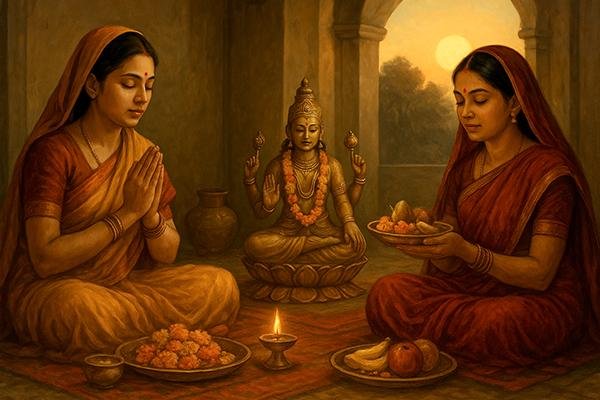
    The Purana contains traditions concerning Vratas, or religious vows and observances.

    https://images.openai.com/static-rsc-4/pJwk6I6RNGBgffIZlwM9zpCxJO75edM__wg_pNB0wFIgm-YyUHN_bJsgcPpe8ppOZI_WGjE81zUaGN6nTi5IMInZJchvd5frmDurcDwh5alJxehzh_wmeidutXKq_mznj7QEE0mlvgF_CvGTiRzIhqe7NJMZmaPaXG0ELaau3nBoFf0MbPywkgfJCQPmzp-r?purpose=fullsize
    https://images.openai.com/static-rsc-4/pEUAG8OIQ3XtyXB4jVnlgp2zAK-DIrGopqA6lkqWyfDWzUhIVavZOKwYsHfP-rvFErfu9-4zbJpHbSeFu8QSK4u5OMx4WJIb138u-2VX1qgGSzqSWzFuLFLgMSrgS3FoElIBgcIKHcTAbF5R4G8EE5RmIS_bqi13YAcAFxhhCR-3VCnbg8J8Id7Va2FKopfa?purpose=fullsize
    https://images.openai.com/static-rsc-4/vqnvbvb5WwDeNGS8UX4PDf4doppk4qPKK_q0wFEI1ifCsa3dYgMypum98amY7pHlj-xep9PDM6Wj7wJ5EUrtyrYSvnUJ7lBUODZ9LufCOwlK1jK_oF74OJR0RubIYVMu5qytTOkXjSJyHM4xmXCMTV0ROTaFI1GtRmNQt8xfPAHOa_aj81Yoby0qQn26qRCP?purpose=fullsize

    Image ALT: Devotee observing a traditional Hindu vrata and performing puja

    Vratas can involve:

    • Fasting
    • Prayer
    • Puja
    • Charity
    • Mantra recitation
    • Special observances

    Charity and Dana

    Dana, or charitable giving, is an important part of Hindu religious practice.

    https://images.openai.com/static-rsc-4/CBCe4XMNgL89gZ0ratkbtxAIcUQLnVBjB_kn_Hjc7LxhyYM-nKPl8WB2MeKNXed_rNY0d75XRHIqPfzf3vlRhdNez7PXOHv-pb-IaMhrw-3MVeu81-gUs4lGjd3ooNUV7Q5nPy9NbGbE9bzw8J9UMzCav5quP-pkZhjVXmRcZKaO07FEysV4htzGVv7CcscA?purpose=fullsize
    https://images.openai.com/static-rsc-4/z75aIlMbueNrVmkibgazRZem9ebyyYm-Ez_JlOMRCMwJNn_GCQX6ynERhLwOmuMaDfJ3n987DuIC7OKa6Epow1vlS2r3yS5KkUOhfArxQsIUNQBsgeYqzgjRAkPJGPKoobfYP4iJ_nxQaRktIdBfbXhIYOQOy727wdjBXgeIvHnHNuRN8XP1bSa3fEC88Anw?purpose=fullsize
    https://images.openai.com/static-rsc-4/0FPx0SDoSa5ZBxxtSRWRZ1uUAwldcK0l6hGlF9ghnpkipyi2hxkOmXX5-Q7ChZ3iGqHEh_E7jiBYyWZ2DfwflNp75rIWMjuRPB-RhKt5FPfetdTO5I4us1tNdrRCanLjTmLzHR5bpOj_Xfzwi0jzJdmtmJY6_vYGA3_RjsUSqyTfxsC3n6hDsQ6KgBXAVEep?purpose=fullsize

    Image ALT: Traditional Hindu practice of Dana or charitable giving

    Charity is associated with compassion, generosity and Dharma.


    Purification

    Sacred bathing, prayer and pilgrimage are often associated with spiritual purification.

    https://images.openai.com/static-rsc-4/Xq0S7usOiTW1VUZHyfoLnOTktu9XDDTdaND6sHp3Tbu3IkjEAWXQ7Oqomr-XGnaUesbUFjlBVo-Wpinpk5iMIM6QRwCts0suJRZKzyp8zz3kLEj_nSyEPCVDZvGuLXroD4gE9GmobRybzIaVrbmumCYq4CT14XYeezln5CNWw_pQwk3XZLQp9u-0Zg6GBLRQ?purpose=fullsize
    https://images.openai.com/static-rsc-4/qDaDPqf4B5RcvzcjXBU_BxpW5S4AYVeur2iUhyKdeevVYqQ-9TrFOkY6RVE6OhEi256tGPwWXWIKX-Q0Qau8JBM7kxIhlAq8iJr1uSLhKYkhFEG2yqz3cJSmogHe8pIQ6W2D1ZN--BaCSDfNiB2GoKHIh93vwpn2xdNDyVPGTIpfH0UJKpwnqWAseJlmRLXT?purpose=fullsize
    https://images.openai.com/static-rsc-4/-DDmse56vnb8_irGXyzOlzcpHCSNRSi3unpDP7Gk1ONl2Xq1aNMNDy_6KZae8AiIuU7aE7wOmwK8QUfS37BrKErMjtr-xx2Kjfx0ddzYtrX4ouNXB02o8-GxZ-_DbVrFrLLwwyXtPYyUJX9eICZLn5HtbkJdoEO5ct2tAoDs0Ea06IHA_KtO3eHDv974FsQf?purpose=fullsize

    Image ALT: Hindu pilgrims performing sacred bathing in a river as a spiritual practice

    The emphasis is not merely on physical cleanliness but also on spiritual renewal.


    Stories of Vishnu

    The Varaha Purana contains stories and teachings connected with Vishnu and his divine manifestations.

    https://images.openai.com/static-rsc-4/VADSDr850FIx3_B0rMwDgvFOjqKCUOHnB-MxYn6m3sPpy0Dth5AMjuxoNxoRy5zlGO0MhEXURwpOKwpB18wmu8E96kx_ezwRMY5V5QyjDR6c7Ebsm667CiObnwfGFvKafdMoRI7Holozs7cFMrwj0MwZxM_sZEtcDFiLQmVX_UwDB7vahAGH3b1sSLEqWO2a?purpose=fullsize
    https://images.openai.com/static-rsc-4/DWXqcjD12eIGUe4F3vax2k5HRYmcgkYG5kOXF_x_UF7elWweGRhE3HdupLA1dby-NlH6EN5E42_Qr3ngRSK8cWSvcY2YcjnIrgSXz5SBydpziI8IJmsLrfYZb0l5bHh31e0QYRheaWNXdr0fYS-nAGN3BhsfgXcWztlyJhCSNa6lefR7nM1qacnauIK8sFNv?purpose=fullsize
    https://images.openai.com/static-rsc-4/h-qE4bw9db0ATCpBUAEuBLAAMc1TCwb-3atLoOaeU4S19r-twaLqpSjLsB4gS2C5Xx-g6tZKT9xKzeR6dk4XM9oGjgkdEA3gZpjG4AivT4bpXgJaPpOYjJ3iqVr7JpuZb0_Z5_LbdYCranh50NxRNzOrt3BDZnLjgA-FJUR60mQWJgWB53kluesN1-cBWsCi?purpose=fullsize

    Image ALT: Lord Vishnu and his divine manifestations represented in traditional Indian art

    These stories help explain the relationship between the Divine and the preservation of Dharma.


    Protection of Dharma

    The Varaha Avatar is an excellent example of the broader Hindu idea that the Divine protects the cosmic order.

    https://images.openai.com/static-rsc-4/DWXqcjD12eIGUe4F3vax2k5HRYmcgkYG5kOXF_x_UF7elWweGRhE3HdupLA1dby-NlH6EN5E42_Qr3ngRSK8cWSvcY2YcjnIrgSXz5SBydpziI8IJmsLrfYZb0l5bHh31e0QYRheaWNXdr0fYS-nAGN3BhsfgXcWztlyJhCSNa6lefR7nM1qacnauIK8sFNv?purpose=fullsize
    https://images.openai.com/static-rsc-4/Axa3JhIx-v-KE9Os28vmkcAFK2GTA9x_HuChJF7jpiLNZYZ2kynYlxwpE2kH6P3jlsynWRm19uhYNZJ-cR3CxwbP4n1itrDZZmA2jTcjGheB1TQXxkFABopfLeJeiiegFG8Igq1fYD2jj15C653194bnb8vQoXIljipKL_0H8moNgTfSVYqf-SXmN54rqKxX?purpose=fullsize
    https://images.openai.com/static-rsc-4/qz9g2MF_S7sL0ONFMj7v89gqyZOTmnWZQaPvemRTqt9ePAZo_iB2kHXJFxqmt4OKhgeMVf21ErqTxxuNq3ybEmRw4ByLtLDM4r79pdCi8ZyqeqEaGE1WRTLtembKCh9UnVgKwyRRtANc6pRiEx1tkyL4WZR5PiY_L-sCbdWaxj0wHqa5byJdk5cD5EMXP_0b?purpose=fullsize

    Image ALT: Lord Vishnu restoring Dharma through divine intervention in traditional Indian art

    When disorder threatens the world, divine intervention restores balance.


    Creation and Cosmology

    Like other Puranas, the Varaha Purana contains material concerning cosmology and creation.

    https://images.openai.com/static-rsc-4/ItbJsCRw2l_J3VlevSZRxNMQzm-USzdaCAJt5P1S3fszAv1ezB4gBYExDYf-Nmn6j3Mdy_FPO9LjhSY0HWdjzsEmFjtQhEkYcWjqpdl5U58dMnHY3_gJ1848YGNZzsfgs3AyA7KyVK9dP_qRPdfNBvfnQb4xtUjZ4IuzWb9Mub_JOEmJIdLkO0Zhwcphfb5E?purpose=fullsize
    https://images.openai.com/static-rsc-4/bPmk8GGvGdSeoT8jimmSPwLefpxZs3yXjn9fM9kSpQDQ-A0Lq_ks2igO3E3tPAokzUVQMm6LQsI10oEI8UTEDEQrQoED4z-4cSMdfC_5vwzLljNKZAAmDh0tDnhsKpR30ekqDPGP3S-zC0xB2nVFA9Me7gv-4M-PNApwlau6G_Z5b-HEWFmu053P9I5P8f1z?purpose=fullsize
    https://images.openai.com/static-rsc-4/UvDDCyJDx0tByJDppr1Ptl4hpNIPb-Ep1I97zcP2rjFcK6umFdbZ_eXKUAO1W2MR2EWCXxzZnLi5i0VhQXck-llqw-wDteoV8NN1_2afP9XWqLLmXM8A3jpfnpjyyPsIa8-9oTexJEC-nw_cS54c9zW8AR5Fp_ueZxlKLjHvBXRuQC08Fj4w1FFSjoQeOfQC?purpose=fullsize

    Image ALT: Puranic depiction of Hindu cosmology and the creation of the universe

    Puranic cosmology often describes enormous cycles of time and repeated creation and dissolution.


    Time in Hindu Cosmology

    Hindu cosmological traditions describe time through vast cycles.

    https://images.openai.com/static-rsc-4/l6b6fi7Fzr2GAv1UiGRZnBi43Ovn1CACFNCBRe92YPfofYp8y5XFtGpeYY1QGmG6ybaJ32hsStVjkjMBt5VhpSpWGFm0Shj6OE1_LRd7EYLARD75mXsEWTlCI-FnyZUegpdJMTZOnrnzAh-TfOXraAjo3kJdnu0VWqR0iCr2SsHZ3dsjw2A1-hfbJ8WMfg2l?purpose=fullsize
    https://images.openai.com/static-rsc-4/6YeFK8NE4Re43atxvJpDgHdJc7Vg-LAnUiroZChviPgtNzhNQZ8oYDnlSTo6O14zBmDBXwOcSFsiWUA3rFeerVqQJ5kDyvDi2u3qV4BmdeLoGZLyvXYjch2vjKW2nDQWfpW14zrjoZyEv1XSkAs0PJpUDUJoEusUwgHeWMIxA5lxdL5aKXUGm7V12BLrnzcA?purpose=fullsize
    https://images.openai.com/static-rsc-4/SFWOROVamcK-w4ke41mg4nn9b1h5y0yYev7Egf7MrNhjvrIT-EJgYS_NQ1SCQ4xbkfm03ghvJarPHQTf0ywdQ_YFB_qdxgAXKOj5Q2BvQLCIMmOS4rf1j2Vuo39DB0yOjK2FY9e_uWMF7noj3ufNsQaTyCsNja7LSmt12UQDTv0yjf3bP_CJn5TrErr4pC7D?purpose=fullsize

    Image ALT: Hindu cosmic cycles and Yugas representing Puranic concepts of time

    These concepts include:

    • Yugas
    • Kalpas
    • Manvantaras
    • Cosmic creation
    • Cosmic dissolution

    Moksha

    The ultimate spiritual goal in many Hindu traditions is Moksha, liberation from the cycle of birth and death.

    https://images.openai.com/static-rsc-4/56GkWqmAdwtokoTsmgc7Po-u70znIgaM3fzuz3lOI-HJIGoP5WWCcKNJkk80PnmauYp4CzdsYd5SOhD4jwGRjSP7lcHmrbNdPzMWacG90QGydjO-ZTFte-ZuWUJXNrJmjzKFoDme9T-lpmT5hJc8QkcKZ7R_a071-vra-If0XwoffrJF0hK3K8qVHxJPcVq3?purpose=fullsize
    https://images.openai.com/static-rsc-4/IbLS3O8Nz7G7uGGuNC_vdgJzIye9Hfa-hGSmY9oKOuDGBtAHQEDpy_ufoe6KsSqBSlpPlx-CStpNSiUL4JRESNhVNgZm9HYtrJNiDj1g3RaEXCSpRa5DclHSBoXzwqCUiEmgDRGAFiNacZ87KQis1zTsDO9WnNcKq23FE7xZIqF76kWxCu7276J-A-Q2Gmkq?purpose=fullsize
    https://images.openai.com/static-rsc-4/G2BJDwHYO1mQfvmWoDSp4mmfI9J8uqgWARbh_juf8laNZeceSzj5vXPHRWnAZ3Fz_By6k__qR_uuoMxO_pJyVNbUk3J6Z9t3KtHUe7W-PtzmunEn51hc5SBo3-9YkdF5GYbubaSKehzklCmCP-x82Ttqqy9KPjhuMO3iWc89TJNQmxLhGXMfeeot8Agh0Kn1?purpose=fullsize

    Image ALT: Devotee meditating before Vishnu representing the pursuit of Moksha

    Religious practice, devotion and righteous living are connected with the spiritual journey toward liberation.


    Importance of Pilgrimage

    One of the most valuable aspects of the Varaha Purana is its connection between religious stories and sacred geography.

    https://images.openai.com/static-rsc-4/PlVFS7jJo4dSMMX1_HkhI7fKSWh5thWakYlpc258f3B6KJaL0kNz_UB3REsN6jnqgHOWZiX0-tqX8Do0VPnWzX8ty7ppd-MYULP1XnKLSsfrQd69-VKNoBQnRo-EG5bwimmr4EJ1wQ3IbnoWEnomalHSkbXBuNoUEO4NSqlwAJtshjVc4T5xVe9kxgw1r6eD?purpose=fullsize
    https://images.openai.com/static-rsc-4/nkBKbmmgVpnSgfW8_mmnmvzyZjtuTvYN9r0BrVo9KKbZ66Y6LKzKGwm1ah8eAZo6LI-xasumVRcbZr2nKd7K-g5tbMZAGGt6H7Y6QZFOARjnGTp3wLQMsIg-QPvh94sBh6mOIpmKo2nMIb7oGUCs2Mo8Bu8vMfIzRCp20lzhZTM3XS3LHe3OFl1s4XKM6dtO?purpose=fullsize
    https://images.openai.com/static-rsc-4/Xq0S7usOiTW1VUZHyfoLnOTktu9XDDTdaND6sHp3Tbu3IkjEAWXQ7Oqomr-XGnaUesbUFjlBVo-Wpinpk5iMIM6QRwCts0suJRZKzyp8zz3kLEj_nSyEPCVDZvGuLXroD4gE9GmobRybzIaVrbmumCYq4CT14XYeezln5CNWw_pQwk3XZLQp9u-0Zg6GBLRQ?purpose=fullsize

    Image ALT: Hindu pilgrims visiting sacred places in India

    It helps show how sacred places became part of the religious imagination and devotional life of Hindu communities.


    Why Is the Varaha Purana Important?

    1. Varaha Avatar

    It preserves traditions concerning Vishnu’s Varaha incarnation.

    2. Vishnu Bhakti

    It contains stories and teachings associated with Vishnu devotion.

    3. Sacred Geography

    It describes and celebrates numerous pilgrimage traditions.

    4. Devi Traditions

    It contains material concerning Goddess worship.

    5. Shiva Traditions

    It also preserves stories and religious teachings associated with Shiva.

    6. Dharma and Vratas

    It contains discussions of religious duties, vows and observances.


    What Can We Learn From the Varaha Purana?

    Protection

    The Varaha story teaches the idea of divine protection.

    Courage

    Varaha’s battle with Hiranyaksha represents courage in the face of evil.

    Restoration

    The rescue of Earth symbolizes restoration of balance.

    Devotion

    Vishnu Bhakti encourages faith and surrender to the Divine.

    Respect for Nature

    The Earth represented as Bhudevi reminds us of the sacred importance of the world in Hindu thought.

    Pilgrimage

    Sacred places encourage spiritual reflection and religious practice.


    Varaha Purana – Quick Facts

    Series: 18 Mahapuranas – Part 12

    Name: Varaha Purana

    Language: Sanskrit

    Main Association: Lord Vishnu

    Central Avatar: Varaha

    Varaha Meaning: Boar

    Important Figure: Bhudevi, the Earth Goddess

    Major Story: Varaha rescuing the Earth

    Major Themes: Vishnu, Dharma, pilgrimage, sacred places, vratas, Devi traditions, Shiva traditions and religious practices


    Frequently Asked Questions

    What is the Varaha Purana?

    The Varaha Purana is one of the traditional 18 Mahapuranas, named after the Varaha incarnation of Lord Vishnu.

    Who is Varaha?

    Varaha is the boar incarnation of Vishnu, traditionally regarded as the third avatar in the commonly known Dashavatara sequence.

    Who is Bhudevi?

    Bhudevi is the personification of the Earth Goddess in Hindu tradition.

    Why does Varaha rescue the Earth?

    According to the traditional story, the Earth had become submerged in the cosmic waters, and Vishnu appeared as Varaha to restore her.

    Who is Hiranyaksha?

    Hiranyaksha is an Asura associated with the Varaha story. Varaha defeats him and rescues the Earth.

    Does the Varaha Purana discuss only Vishnu?

    No. Although it is named after Varaha and has strong Vaishnava associations, it also contains material concerning Devi, Shiva, pilgrimage, Dharma and religious practices.

    What is the main message of the Varaha story?

    The story represents the protection of the Earth, restoration of Dharma and divine intervention when cosmic order is threatened.


    Conclusion

    The Varaha Purana – Part 12 presents a fascinating combination of Vishnu Bhakti, mythology, pilgrimage, Dharma and sacred traditions.

    Its central story is the magnificent Varaha Avatar, in which Vishnu takes the form of a divine boar and rescues Bhudevi, the Earth, from the cosmic waters.

    The story is more than an account of an avatar. It represents the powerful idea that Dharma can be restored and the world protected when cosmic order is threatened.

    The Purana also connects religious stories with sacred places, pilgrimage, vratas, charity and devotion.

    This is Part 12 of our 18 Mahapuranas series
  • 18 Mahapuranas – Part 11: Linga Purana 🔱

    18 Mahapuranas – Part 11: Linga Purana 🔱

    Continuing our 18 Mahapuranas series, Part 11 is the Linga Purana.

    The Linga Purana is an important Shaiva Purana that focuses especially on Lord Shiva, the Shiva Linga, creation, cosmology, religious practices, pilgrimage and Shiva Bhakti.

    https://images.openai.com/static-rsc-4/LVUU3SUglK7mO3lA40YVivxJvykg7p4qpj8Detw0NLsIC_GFa-Go4VMtSiswdDxqCHkbxEikwhmqv2jkdmj7ttNssW_FbR4PpjxCLtCuwj3rMFG38NPy6R73F-kaMq0q1FwoC9eVDLjJB2emuJAVnSvNb5apodIRvnTsgROEsPWNmz2i_bN_GWZXEri1OmVW?purpose=fullsize
    https://images.openai.com/static-rsc-4/EdHQgDBH9XdrJWH4yCYV8Lp11AYdNwMfN0jgLifNop8Suu0znh_lN2x2Fls5vt3dNADLk6Iuds0yFcL4H_wk--tGVKwAujWbCIo-bXK4ju_WNencZNEA6q85OcEU3RMgVOsCLiAG6mcOLvlWh9t2af1vjatJms1-72pujbIaRtivtQ37UK2Fg9pBL22gaoSG?purpose=fullsize
    https://images.openai.com/static-rsc-4/xI6jjxJYmUEpFwq86RFSvyRuL9y_wmBdyRQ2OXZ-cEfgziKFc6zHpzEEId9Sp6GeCOqDvRsZD4UeE92kNqAG_1688PzxIE3s1h8Ng1XMtdaQJZiGvY6rKm9dMIO83akx_UCHWxr8Mj3rQJIMJfvdQn5USuTrb3ssaHlkcQfL9ssTJHUiSDEpqBKf5Vr3ObmY?purpose=fullsize

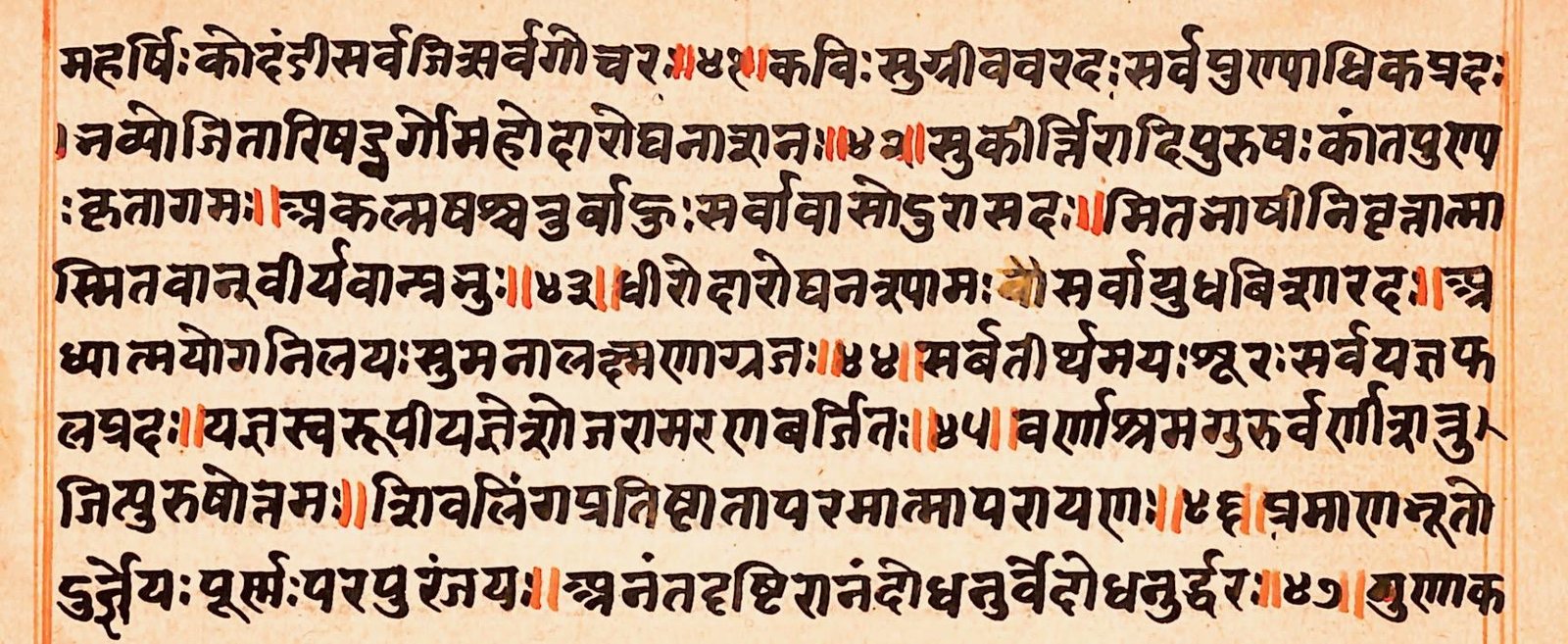
    Image ALT: Ancient Linga Purana manuscript, Shiva Linga and Lord Shiva representing the Linga Purana


    What Is the Linga Purana?

    The Linga Purana is traditionally counted among the 18 Mahapuranas.

    The word Linga refers to the sacred symbol associated with Lord Shiva.

    The Purana explains the spiritual significance of the Linga and presents numerous stories and teachings connected with Shiva.

    Its major themes include:

    • Lord Shiva
    • Shiva Linga
    • Creation
    • Cosmology
    • Shiva Bhakti
    • Worship
    • Vratas
    • Pilgrimage
    • Sacred places
    • Shiva’s manifestations
    • Religious practices
    https://images.openai.com/static-rsc-4/kkZfOoA94R37O9ROYkaBe7Cr3YPq1EKjlu1FI9GxmcE1rzdszjjzlcBHvnYHKgBh_6y4sgA3yDiPm6cuW7KhbSArxegmfL0XcnX9UmflVLulSVUFqResKIf40oJS_m1dC1iWI3hZ_bOQURx4ChYZI1gPdKBdW6xmWKxPFXs8U7lTD377YEljeqoi6mv1EjjW?purpose=fullsize
    https://images.openai.com/static-rsc-4/usF8xf8KIlHoDKVQ3yJsY6y1g6MlUZe8DCcxcR-635Y5sggBCIdgBxqFwsm3rBar4Q_AHxM3GQeQPoShHCpzzIZfoJabq0NpuMBL2LYfC-FqtK61_6KQ9g7m15LqO4p1MR53so-lr7v61_Uw335jPRlg7dwQdg4Hh3w6Fh9dDmb3XmbeXyrgn2tbAdgJZ3Xs?purpose=fullsize
    https://images.openai.com/static-rsc-4/l3UUgXW8-Afru66LKhO5-_EednDy9losdEvkXyr36YdslaNGW9eAxtYgoj4p-JL0NqbnbpGllfhXERE0dA1OlFvZ78K6yFLjce_zIxgaNGMuy_QLltWgdHkzyZ3CbnZjf-dfLTPNyy__7R4GDfmRDbJjeQbVX_NbR6GbLarCh0Yi9wl_AyPXkeT4LeCPMOHO?purpose=fullsize

    Image ALT: Shiva Linga being worshipped in a traditional Hindu temple


    Why Is It Called Linga Purana?

    The Purana takes its name from the Linga, one of the most important symbols of Shiva worship.

    https://images.openai.com/static-rsc-4/SpfqWuwIMmsDsMMbvjIMgQTqk_S6tzc5Nc9hiUrI37EDAVI6c3cc8aScWsqcB8Dh8SKD3TdEsWP_ZHzpR1WB9lepK0zseDbJE_s_ZfpegrvaSDoxhJs4u1fVKVvf2q2nodUbbFzgq6ncfiOEvuoMjNo4xT4E1bp3ZOCteBS2UHMSpQRsViZEjSL6BafhrCd8?purpose=fullsize
    https://images.openai.com/static-rsc-4/sR0YB5QVBGw1wSwI8l89BWz6xiJG1B817m-oIoX5Wze99IWTwqZAk0Y9hXpH6x1HcjybRUkd75k2cO2NUQhUWjvIJ9nCTrVEIfQSMZKz_hVCfx_Zpgyo8-3S8JrYJf2ncndNHm7mg1fDSD_9cXkcXLEDG3PMunf-zQsdh82YKAXOQV854yReSsy_Bt5m0vhd?purpose=fullsize
    https://images.openai.com/static-rsc-4/RXb3VQpf_b5I1dV5ARpPkArNNvivlE2F6GayxvnX0YrUZzzx3f6HGmrAqgTCsQIfxBNhstvNCdodWEI4VqkTf7SMcextBf3HU9ZIJe7EtVPKsMBTl_oDsZTqclE70qC73lUU12IPHjNoHsLUP_e-qa3LxkxUEnPDmE3OikYDz3wdZU8-gfsCn_QxVB0kba6d?purpose=fullsize

    Image ALT: Sacred Shiva Linga representing the central theme of the Linga Purana

    The Linga is not simply treated as an ordinary physical object. In Shaiva traditions, it represents the divine presence and cosmic nature of Shiva.


    The Meaning of Shiva Linga

    The Shiva Linga is one of the most widely recognized symbols of Hinduism.

    https://images.openai.com/static-rsc-4/A1QtnvL4Sj8xEBBt0XyMVODscYMrmf1mQ2oBXS_NQ-MDIC6vaBbXUJ4YBlrBlgeSjarwnCrckHilkbIIi7NhboGFmJWN1C8fzmHAcfigm_RI953YVakmEkE5968uiQ7w9wi3xi-cSWwcQsTOzxabWaIQ_x7FtQf3yn58sCTJg6x_Rrlti3vHEZKMjsePnI-8?purpose=fullsize
    https://images.openai.com/static-rsc-4/POZstROsxGzd3pbGgum3LGj6rYJ_888FoyuuXWWBancE0DF58kcIBhAK8xne4gHVbbWJMevy9mKCUltJNZiEVN0EsA2Z4a2dvQAWF-RypEKsZldmHHplAya5o-fREHVwrnlcGPZ7w4m7kLH2SSnOQovC3m8_0zgM8fh8LUEgIv770jfeuQ_8eDW2R4O2DYG_?purpose=fullsize

    Image ALT: Shiva Linga decorated with flowers and Bilva leaves during traditional worship

    Devotees worship the Linga with offerings such as:

    • Water
    • Milk
    • Flowers
    • Bilva leaves
    • Sandalwood
    • Incense
    • Lamps

    This worship is commonly called Linga Puja.


    The Infinite Linga

    One of the most famous Shiva stories concerns the appearance of an infinite pillar of light.

    https://images.openai.com/static-rsc-4/vKNC67XwTxJuHVjrsQyhV0fy_0nkagZixHopbznI9xc6UssT655cFsMADKIup9b56P3hNnjUml5PY1vU4qARq0Z-6f6nAOLWgS1mKVCWuZmy_nk9END5VEGkV3RrMaoGp7JkS2eGwpAcZ64oauJxzNWX0hS2_0qnreBOE8UPlO1Sb79x-IDoS_gtCGXGNuKP?purpose=fullsize
    https://images.openai.com/static-rsc-4/FdhTOC_5MMufwALBPYzTUXv6DVvbUF-4O8wp_Ij9g6OV6wgxV6QwfvomK8O7Y1Pz2ehh4WfHXviJR25--D8leekszFYEYlLm8_1nE2OqbUxqa4SFqXnYibtm6dfm_MtY2tZgybaUD1Wq8yUlFS7NoeoZ8fXY8PFLXcplMCmQMH9vv6g3O6QsT2tYlEPdrUNZ?purpose=fullsize
    https://images.openai.com/static-rsc-4/lufb2Z_Tsmumtqf37v7uVPr9yAS5YoYo2zPA03jZeVQ3Ux3QQHb3qnbvYk-xxO8VIT6Z5Cld74wX9is3yW4gDCpB68oQu_4bPJx23vMUoPS9OIP88TBF0432wj5pC4k-_50lqjf0vZhHWKlSKJ1iu_DQ5PT42pfrfL_nJqE2wWK5gOQgSC70GHuk_dApnZUk?purpose=fullsize

    Image ALT: Shiva appearing as an infinite pillar of light before Brahma and Vishnu

    According to the traditional story, Brahma and Vishnu encounter an extraordinary pillar of light whose beginning and end cannot be found.

    Brahma searches upward while Vishnu searches downward.

    Neither can discover its limits.

    The infinite pillar is revealed as a manifestation of Shiva.


    Lingodbhava

    This famous manifestation is known as Lingodbhava.

    https://images.openai.com/static-rsc-4/lKxkI-TDUBYHp7dU-21l6ThE_J7x0Y5FdM6t7W3U-MZgE4LMz0dgnlmwa9Ex5k7rHOGCg5x--X02Bj2nHodWGIMn2I8btmUDZyAKAcOZjyQN1ioPsv0CM4WNg24KjqMtJ-_yddOPz4GhJ6-yskPywhwO51VJEgmgVusg6V1rWLIQTIR2NLBj0IrpsqeaiBy4?purpose=fullsize
    https://images.openai.com/static-rsc-4/UvzpibamEo_66jD1bURrjNjReLh_mY9oaAQc1yfu332zZqVPMUJmC0CkDFx0ZDHSqPfy6NMmasB6QDHDzQ029p6aMWCsjlDG6hszYYkklFdDPXyTJDNZO-_nGQrzfxldJUSJuG53PGV599YnD7Wbunz6YX1FaUPggKJWkrO7hy7xXzSX0IYQiLYVN_z9MPNB?purpose=fullsize
    https://images.openai.com/static-rsc-4/bawB1yaLgiucVTiBo4_SuO4WQ2dhL1GL-HGxPrGIiieGMAvXnmZXy9t9vFRn2vXvuBnf72hUS_simdaU5SYXIbq1rpMDIlnex_Hzgehf2LHwHRadIEk9PEp21BNGEbTFVFRX2_DktBMM97rDnMLsj3r-GJvd7IPiBzOpYZN3gFKrJ-VFyX4-ZWpD1C6e01-F?purpose=fullsize

    Image ALT: Lingodbhava form of Shiva emerging from the infinite Linga

    The story symbolizes the limitless and immeasurable nature of Shiva.

    It teaches that the ultimate divine reality cannot easily be measured or comprehended through ordinary means.


    Shiva as the Supreme Reality

    The Linga Purana presents Shiva with great theological importance.

    https://images.openai.com/static-rsc-4/E7wFzLndqf3CJmI7fYA4fuPusOwG1HpalZ3Z0noQJ8IiHQmyZHHRR3d95Cu7TxhYkgzMUXACOsTr9f9dSUervvfqA5UAyKQA9NN_MzyE3kdl-WmbdOYq4JP9cHK4A5AloyooKgd1He_sywWfg0JzHreOvlDuyznTPD8Zt9EJY_bnC8MjN0c62l_StMW-yA-X?purpose=fullsize
    https://images.openai.com/static-rsc-4/xVzCEC4pycTyKDUJIwIddIuKkO6doHrhlEXpvqLI1ey6VkbhIVsQ-FHvbj3NxtVGrs2-Y8Jojtjhzz3uE0A9nYd3PeyMBut4qDUDTIaDZmKcvepWjSdkWZeSnaIP4Nm0v5y7RsVN-tl_Iy8YeZ28mWe524ITNtBGHwZHjx8zz5dqepmiJfAmYVZKiA5NLWpR?purpose=fullsize
    https://images.openai.com/static-rsc-4/8UyvcbQhrpAZCMO3rTyfs7qROK3oKbqKZsC9NGvXpWbtGo9aaW5HW5gdjGMa-XQCNybzOCJ3Upe8N9kR6rH4bdkIw2RmY5aqPj2f6kCfXMVF-wYrphqrC2sg_dgV645Nz8keEQdi0imQKyRoPiTnPvaKMvEAIq-tWt9AmzwT8uWwU9DBt09QhJHqfatK7T2r?purpose=fullsize

    Image ALT: Lord Shiva depicted as a cosmic divine presence

    Within Shaiva traditions, Shiva is understood as the supreme divine reality and the source of creation, preservation and dissolution.


    Shiva and Creation

    The Purana contains accounts concerning creation and cosmic cycles.

    https://images.openai.com/static-rsc-4/jIIPoxaqNJOHpaUFU2Bz5v36W28fputwxHqTNMDYqmBlVN9FP-x5Fn8CQ9GadjA1018wphDGvSCIYwxBRGoU30P0rCQB8f5U97_mxXjp_CzEKgIZQI1mnXiehmzoFaVY2PXDIfxLabiXDjsk8uOTV-OHy1XBZja9DJpR50hemZAdRoAoOHzLq7ls5YI8ls3e?purpose=fullsize
    https://images.openai.com/static-rsc-4/mBnXbNlRWl0283tAo7Mn-9Sz7Vp1BVzfAJCyW-_oWBVYlh_kpQQx6XK2TqOKLkEXh6J3XyuTpAZSra55oFN7XfLg0KIIkna1PhvayK4usILzDLh9FenlXXf_ZK3BaJvutB7_SlHqknTczbpzd7Iptuf9lyQNjCKHKsmBmlVW_OKgLsh0YYncTGZC8lU7UMQ4?purpose=fullsize
    https://images.openai.com/static-rsc-4/ItbJsCRw2l_J3VlevSZRxNMQzm-USzdaCAJt5P1S3fszAv1ezB4gBYExDYf-Nmn6j3Mdy_FPO9LjhSY0HWdjzsEmFjtQhEkYcWjqpdl5U58dMnHY3_gJ1848YGNZzsfgs3AyA7KyVK9dP_qRPdfNBvfnQb4xtUjZ4IuzWb9Mub_JOEmJIdLkO0Zhwcphfb5E?purpose=fullsize

    Image ALT: Shiva and the Hindu cosmic creation representing the cosmological teachings of the Linga Purana

    The universe is understood through cycles of:

    Creation → Preservation → Dissolution → Re-creation

    These cycles are part of traditional Hindu cosmology.


    Shiva and the Cosmic Cycle

    Shiva is particularly associated with dissolution and transformation.

    https://images.openai.com/static-rsc-4/XxVA2X4wz4qUdHl2jrKmQbJa4E7U7pP6TO0DYVUMnQto30yrmoCb9gx5wkpgTy7kgOjigS8tEbG01y0DCKqIk6CrXAjXDIVhK3Ier8WajwbdRI5zhwjwOrMIktJjt4kKaeerYBR2gRP1ZsLyI2ZE0hm1UPLbN2561iTuCMlILITD0GlxeNIP6AhntQyIfKF2?purpose=fullsize
    https://images.openai.com/static-rsc-4/n8EFojByCFOa68zckWFPYmpW8uKLmdkhcUHe1BuDgCsxqZOZq1LZTkz64htkLl435QrmIxpTmoIIrUFPQqVEWGlBg_kgZ86ondNeHrJsywTAhFwdNj8MdseUSxR7e0k9ED4CpAsaKLtB-ZH6XTztt0riyDR4PW0ftdYy3De9ITLO1CQdFklgAQQ1-AC_dyOr?purpose=fullsize
    https://images.openai.com/static-rsc-4/pQhhuPEHraDYfXMxvsNo6Cc1D4Vn2Oy6dvm-AE91gzhUskQ0H8EUWOfG6c6X9sQAeulnubEmJjG6whZNPL94CWRaUQ90dznyrbdHkKloGQCD9Uk2BSfJ7WIIQXEEpMYZO7_7Z9zbD52i8mNN85C2UelI9L8t_7R3s3FgCvZrzVuAMUct7J476XH_16h47vub?purpose=fullsize

    Image ALT: Lord Shiva as Nataraja performing the cosmic dance of creation and dissolution

    The form of Nataraja beautifully expresses this idea.


    Nataraja

    Nataraja, meaning Lord of Dance, is one of the most famous forms of Shiva.

    https://images.openai.com/static-rsc-4/oTnqOA-3TYaIjQGFh-JoSrRISnn61jAKYTTjI_NaTF60iWLcgwclBOcitipzvOJodftjoLC16ncssZ7VXNGghX1zZ5P9GuIhr-AU6mAjH0PnErzwljoXSZBQYN92pRRx1nPZsDqNmJKWavJTPtfykopiqugfjP8YdukErh0C4EgNEZC-BJ9K5NKa-QzbYVtX?purpose=fullsize
    https://images.openai.com/static-rsc-4/aSr3FZRvcF7Qg4R5W-7oC0OAT70NkydUpCPoXOOfu-VKPCX2137evKjXKMd4Sr4fn1tZwobsqHzZOQg6jFW2YJsTH--39VDBTTJeaQbKqzlh9scH98vifbTf1fMS1o1DD-4OwWgjbGqsFLIqaJ0_2oY4mhPShL0vLxOhNCOK4YKy-JH5i04Afy3Pt1d__062?purpose=fullsize
    https://images.openai.com/static-rsc-4/2pu_RTHW366kowtTxMRJALlC_Ixzm991m9exTErlwaCysishzIxXuAU7GSLT-O5aaXxaEpObQH0WgcMvXlMkk8u6dUynFBw2upyprMlohFPi2Vtj1-TPHj03hXyGEky83TZXquHCfKRx-5cKC1iaCGTdzbUQlHG-T0OLkE_HWCaka7Wo5y8YiueHBYhawqK4?purpose=fullsize

    Image ALT: Nataraja Shiva performing the cosmic dance in traditional Indian sculpture

    The cosmic dance represents the continuous movement of the universe.

    It can be understood through ideas of:

    • Creation
    • Preservation
    • Destruction
    • Transformation
    • Liberation

    Shiva Bhakti

    Devotion to Shiva is another central theme.

    https://images.openai.com/static-rsc-4/o5xsCnAp6B9xGPO9ZXroMRcgKURZpPjQ6q6eLsudvNP0elsSua1vmAONsojKeVK_Tvy4YB4lTyG2ACRpDhGuyfDli7tw5OKgPABVs6x55odPw58Ui4Hh0iVDNEwpf_CQGSVJYFw7cO6_VyexiKhZydQJg8UnixJVJJCyMEaQUoy_-j_HFvKXnXNxYO1F39NJ?purpose=fullsize
    https://images.openai.com/static-rsc-4/2L413ojYDXwmLXxiUQn4bjUNLoEkmsixq8dsy5NDr6FbaXwto5u3zGFdLj7rHbcryKDucnh9iVfl4_VkrL_17yCHg6bTlAkqlmy4hP-2AXKOlHDh6gy02mOc6TICRaZQNEIGPKzvgxlMBva3WRVybFvS6ddhwMOx_VbwNcgDNuLDMz8jnsoC2_xXN6K4S8VW?purpose=fullsize
    https://images.openai.com/static-rsc-4/1IwkWJz1z9NMPfMAPHxJ_UPRfgSXijcQo2Fu8EB77_Ct8MiYleq-YTqkzECpk0V0HnCu8RZITTFTlDrqtNT6ajy3gFTUbF9wv2Sl_kZJZSvEItR6PYMVsuGfSV0b3HEdsV_tBK2KW7VcT7x99RajesHSVNfV2bF63ANNTwg9e91vn1IDFnEEkbp-G6RREruX?purpose=fullsize

    Image ALT: Devotees worshipping Lord Shiva in a traditional temple

    Shiva Bhakti can involve:

    • Prayer
    • Meditation
    • Mantra
    • Puja
    • Abhishekam
    • Pilgrimage
    • Fasting
    • Chanting

    Panchakshari Mantra

    One of the most famous Shiva mantras is:

    “Om Namah Shivaya”

    https://images.openai.com/static-rsc-4/_rlIcHXyV6-WQmouz0BlNLyTI3WlsVZPbp6RCzXgAYIRdQUUvtpzPri8b-TuEYE6Tp1ZR8wD9NPooxFQZL13m_wVdG7td3zWb72SD0Jm0KOuFKcUGY7BpgvZaGHUhLKk-1cigE_M46XCpYdHEQb3V7PT50NhfWQffED1ON7cjx5-DW_P-_-j20842zRJ-r1N?purpose=fullsize
    https://images.openai.com/static-rsc-4/xskv0OiCMdYOdh2zdMoni7aENHT0JEbeG-1c0Fsw1tJLmy9bVwl9ePYTcCPz3z05Cn2RyvOIwB0KPWFHtxBdbytslW5fkq8SJ7KEui-eWc7lWwZVfY1t5cwtM4pu-eLvB65uVYQL3PzP6TZtLM5en7TGhoxidhPbumxX1AQJi6Nr40s_BFmhS-frLGCcG4FL?purpose=fullsize
    https://images.openai.com/static-rsc-4/0r5ZV2sQGsNTBUYvau1xmhG-K-0oPYUaOUExkQgdZEh6-E1fC3XVW1ZayHNttOkBdhQLgXlNvGE3YeUvKtXKfonqjtPt7IANfFOIQH156dL9PiJQcJ0NWYKxuTMtOvEvyrrPDJc5YHKUkxBuaURgXF67-rqsO8nAGnLVneKtB2c6X12rK02FPWbcAa7IuaMF?purpose=fullsize

    Image ALT: Om Namah Shivaya mantra representing devotion to Lord Shiva

    The mantra is traditionally known as the Panchakshari Mantra when expressed as Namah Shivaya, the five-syllable form.


    Abhishekam

    A major practice in Shiva worship is Abhishekam, the ritual bathing of the Shiva Linga.

    https://images.openai.com/static-rsc-4/hm42m4eodZAViaULFl3V8EApGdqpRjvgnDdv1E7sOg-OofhGGqF69H1gU7_Cxb_fhpQSKlwOB903n01fSYibCap52yezBQrWmR862x-a3NDNJYK4rJD0dNg8w2k4_m0G628VITglrhwNvtojs7maB2odDM_cKgE1pyINPAutZn3RcFNl5e35mk5fmU0Dxw9o?purpose=fullsize
    https://images.openai.com/static-rsc-4/HXl3LWOepkR33V33X-Rbribx9hX2P3SYTzmzmffvlJpqqouVxZ8Z7XADGPt2TlkdMUR1rBmaaJ3QvOlfO7zNTFN1L_DAnCdihPnfu7CTuQ3-ubAgpM0XdGlzk2vBrfkzA1KUh-I1KxcdxDmu1JmIqnOCu63UWAQk29_6yJB8gHNonmqUocdkz5-QypHLmD0L?purpose=fullsize
    https://images.openai.com/static-rsc-4/_bai4lQ5BCR5iuLT0fd4Kv4VJxX3CDHx5Gu-2gQ_Zyg19VS9HKIGILsmRSHK1NOJxtuT7J7j12-SEuGhRnRRqliynl-BENQM1RtgSkoMaClGYwj-Wm2OktiQkRK8-QEA94NoJIZvlIc5-C1Vtx12JjQuOnLYf-c2Lk1eYeyvBuuq2vpha4uBlzlHlsMnaZh0?purpose=fullsize

    Image ALT: Devotees performing Abhishekam to a Shiva Linga in a Hindu temple

    Different offerings may be used according to the particular tradition and ritual.


    Bilva Leaves

    Bilva leaves have a special association with Shiva worship.

    https://images.openai.com/static-rsc-4/G_hNM2bI9BFeGXLlGUCxM8l_i08_gqtdWeY0cz_yjJMRcg-VsCfN-3nyFOCQhT-skDXfTYOC4FShTdMz0UzxDFaPL3JNyugfVoBdz6jQVvZiS0udkzdut5w3vKZztXxykhKX3gE87xG650hsIo7xUa3nsFBa693LO4hDfjHtZzNXfP0lq78VMNyNpRumBfNy?purpose=fullsize
    https://images.openai.com/static-rsc-4/y11NdiGqpGythFpp2EDKCjepCjRyzPZcgyf0S8UPeq4JMN2hKCNH9vgxyBggG3bfbBtKoep3Hb8oXVLyFjvntlsLMddV6ux5aUp2QUi4Wv3bziSgx4XjPKOpQKmuqJYePXXQPyzbrJ-avU8o3r3lROgHBVQM5imZiyRljJ1VIQzBZo-vgsq_Qk614zn_S-XE?purpose=fullsize
    https://images.openai.com/static-rsc-4/iYu3C0cDSgJABODLJ7EkooyXUAanEwXQ1yFpFX4wyT9F80qHGLCaMCaRsc_1srjVBOiV8ZJypk8FIENryTtBnvuNkaqsQsOHW89M05-hSRLcZ6u1dw8ebBdSutItgAQGK1KVVmzCKR4cdQ99bacuU2l9XrClGD2QQD6R41Iw_zP6Kl39pNrH26iQyBBb2ud9?purpose=fullsize

    Image ALT: Bilva leaves offered to a Shiva Linga during traditional worship

    Devotees traditionally offer Bilva leaves to Shiva as an act of devotion.


    Mahashivaratri

    The Linga Purana’s Shiva-centered traditions are closely connected with the wider culture of Mahashivaratri.

    https://images.openai.com/static-rsc-4/GbN6erVJeMpbuYVwGlylc_H8GZh2dE5VN9c8UFxGTvbOkAtPBkwZejODsYnagrdU247vx8YUDzziGC_uhRkUmWzRy7Q4aBUFJvHsBp4j8fk0tjzYNAyjHFgZmZNaVnPWXabg-jnlHEX5YpcPmK4rECcYcgR1x1DINcGC3S_QcRjcz7PiGPoS60In3ECKRlvy?purpose=fullsize
    https://images.openai.com/static-rsc-4/2hQvG56_SxxbpniNbMfSnMUR_rdMHR-EQfKvohM9f4JcnBh2B2t6l4sOGzgaS1h4D76ldHa9lCJ-2nmIx7LxHOXuxMUKjViawtibR3PczUNcmTSwi1zDnOjj9FLq8TatAId0WRh1vT3BOR5sAKbdCnPCvAgVXssNyR0UvzuhDKlliTPdFX6vHothQ2OVTUr2?purpose=fullsize
    https://images.openai.com/static-rsc-4/h6FqcI0dyBJ4xMKxnYdOyDO_W1JhjYN4eOSM3BO36wsdQ3-tvm7ZrC1dTQyvlCZCrZ2z-dx8ReZhUN1CGgHr9iVePQlgRaRz7Pv7HqxHNDVRoPoArSEc7HZIgE71ypCoAUWQS9dZcHYY0_9qAF5YWKMdrHUKIfW8aPsvZjM4N4lHyfouZB7L8mKtI4Pj9l57?purpose=fullsize

    Image ALT: Devotees worshipping Shiva during the Mahashivaratri festival

    Mahashivaratri is one of the most important festivals dedicated to Lord Shiva.

    Devotees may observe:

    • Fasting
    • Night-long worship
    • Shiva Linga Abhishekam
    • Mantra chanting
    • Meditation
    • Temple visits

    Jyotirlingas

    The wider Shiva tradition also includes the famous 12 Jyotirlingas.

    https://images.openai.com/static-rsc-4/KJ_vCNZ-2dnyGouuCPGfGB0fRpw_tEO7nBjZqhRYN9G5PheFjw74aym0P0V3St3ColGT33qVx70pfK9G4ELyGCW2iw8kLybBEIDuZ8zRWt1L6r0sNP8qnjBtQDcGFBDMLq5N6BTNgRFWqTHYFxLBgdmYCvmYEzwX5S8UN6CWl2yuJW99mTd21jfb4n4FRmBC?purpose=fullsize
    https://images.openai.com/static-rsc-4/YtdkohYgekoXh3jUGz_YpPjC43JDX6i-NlKCIffOR75OffhQ_gOMpW-Lg5yhED2xXzcF6YbX4EikV7T203LIwaeigyMuDhzdfHpEkO5JWFQ8QcNNqzMCN-8EK3iiWm67qcuaq5JCRtrWBTSaW4VPt2VU9g6VufrNF9d4QO45cv3YLdroVUjecHP2G7W4XQGf?purpose=fullsize
    https://images.openai.com/static-rsc-4/a3ChQOp8-dfJtrfo4hF15j0YdqQra2MiedBzyPO1DYeiq6DECDkGID7TL0beHboZIe1DV6V9ZQLlE5o_YpX2LX2DkubrC87TiqyQ_hrVOQZhF5GVQv9jmTvUFm-HMfTP1VOSJjD3pJGfKFeFlpNIllMfXsRE19OVzpghD5bokS-1Wmzh2FC2qQiDNAESSIXI?purpose=fullsize

    Image ALT: Shiva Jyotirlinga temples representing sacred pilgrimage traditions

    Jyotirlingas are sacred manifestations of Shiva associated with different pilgrimage sites across India.


    Shiva Temples

    The Linga Purana is significant for understanding traditions surrounding Shiva temples and worship.

    https://images.openai.com/static-rsc-4/E2FmGum3dhfEDBnX1awbnOK8S6yobUUb_QvbJonuXVzL5w5Ovk90BL4MFwp56zmblTGlKaCF4u8ZnkYP2t989IEX-XrjZFJEwNo0SOMrlLKxsogIemU3G5AL15B-hNTqPpjHISok0E55vBZBKgXdSPU3ZejQivbXHDugUF2hlf39IN6PUFyCb9zWvJI9IWV8?purpose=fullsize
    https://images.openai.com/static-rsc-4/kGacbWlYTv4y9BGq-RRZLb5K3qljB-rUgEfj5ZH-8JoxLK04pmJCizSLffw4oDTN4G-YHk6xLY6ZupZjEwX4YogwAxhGv1m5BFmQ9aUFiX8ICbn_2AIoOcoPj6KrK3sf8gwAiAMi-kXNME-VncztQAGEpzlygUBgWM5kSvs5zhu9DG1f4UYTvaO2E3ACcFJr?purpose=fullsize
    https://images.openai.com/static-rsc-4/RYtBaxtp3fYElIIgnc7TYvKK1P7yUlokuQNkmahqybE586QcFJFPyKjYokPixpKXqpT5cXx059aFFZ8Kp_18iiZtcOIJJpqcFmliWlPXx6EJDfoZXv-boFbnfkUUSY8cLhfr5_pmWvafJ5NOBPXSkl0WNNHnA33XF94NkoZc034u-7UDEyS17jZVFzioQRdD?purpose=fullsize

    Image ALT: Ancient Shiva temple representing Shaiva religious architecture and worship

    Shiva temples can be found throughout India, each with distinctive architectural and devotional traditions.


    Shiva and Parvati

    The relationship between Shiva and Parvati is another major theme in Hindu mythology.

    https://images.openai.com/static-rsc-4/lqc6efzyF8spzkRnw0-rPC4ygh2A0ZX6Eg0DODqGNYxcBzZO71HymaT_OgSmBRMmo97oTMHClCQ5K5GTNS7MGeFfodvQ9Tcz3LZxLoafU7nYPZ6GBVW4K_AXb5d3CCtgh_EA0kJFahx7MNdJrTHiJsIzfk6f3oCbwqVDTT9ZzpF_tEzY9UeZwUigNhEOxK4H?purpose=fullsize
    https://images.openai.com/static-rsc-4/jc_ne0jvUVV6MrqQHkCvAx0i1iV62rw_8EMysAlU96uoqDU5rWDHedWG5-uIATZiCc21uDh2uJoKL9TE5Ot4L-3ugo3FFRTFmKM042Y8sZUnWtT3BuaedOuCeeyKCGXHd-mIxjmZm8bY8VfKTfFKR30mTipXM4F936u0GFw2gmDIs1XHnaN3yegpUmRAi15D?purpose=fullsize
    https://images.openai.com/static-rsc-4/_XSbZOu6-74h84-x0nZ3ZV74IUNMl_TrWS1qiW-HoTL0fFt4M9VRU-ibo16Myp5YttTDa9V4nJaks6oOc257OOXfiXOITjGXEMf2tDxUdVzuwU2PQvrJXNGqtOFT_3B3OAJCluhuziargwIE7XezlsHriXVVLJ1jKaULZX4WOhPpKYkOgRinXOocgpSUns9L?purpose=fullsize

    Image ALT: Lord Shiva and Goddess Parvati representing the divine couple in Hindu tradition

    Parvati represents the divine feminine power associated with Shiva.


    Ardhanarishvara

    One of the most profound forms of Shiva is Ardhanarishvara.

    https://images.openai.com/static-rsc-4/-Ubr2SVxApZO_-5MCx_ewi6yIVPrZG5ki_obHYWd0hgERhEGIV_-CpOnX68-R4UaYTQCDUPYAo2-Lkb0kYp0UYwQAuDjccKxbU7zpviJ5pnJ-evTRFWyXM53v9i7HCTNV4b2Yxh1QXlVJdn7MgAUx5lUQrHagf4cZY3C_ou7Fttzknvsh3FL9_HFDiFaqnrb?purpose=fullsize
    https://images.openai.com/static-rsc-4/i8Iq0qRzDOdOGxb-Re2A6qX0IdxZlcZHVBi4w9HCJAr0W7fTMdySdak7o2h-scxLzGjg6JzJ3IjNtmUsgsilWG1RmH_ZZJlYEpFay-4jQFQoCKiZb0Bw0uo_sMhpfbIz2l02wDnoYDtGF32bZjtV2xzSGe50LWFePFnrWGq1KJHMn7d1WNGEAO3nBj1KZ34L?purpose=fullsize
    https://images.openai.com/static-rsc-4/84QjM_EVjQwN3cOsEpWIVQ4beX2eqMFc2aObFsBlhAOHdQXv6J1IGbb5v6b3Z0JEmoBnS-21U1iQm0k4s2j6gZK1-D6osRdsCxc5HRM6PNo2Ec77gZSMVw5Hoojh_66UHDyE9hQ9VrFDroQelNxSByFS70wTS42xw4123kovd71ReW8k48N4-8Y3RhADAaqF?purpose=fullsize

    Image ALT: Ardhanarishvara depicting Shiva and Parvati as one divine form

    Ardhanarishvara combines Shiva and Parvati into a single form.

    It represents the unity and complementarity of Shiva and Shakti.


    Shiva and Ganesha

    Ganesha is traditionally regarded as the son of Shiva and Parvati.

    https://images.openai.com/static-rsc-4/lqqC-BSTUH9PE6f2E1LxxFIItzeZbjZAupbbiz7HyglaJOM9g9USqXGZHXVl6OVmNrexX9hZ5MmevMzV_x3uOZe7GWT7Bom5PgenAtOe0iyqCSyiMGkORRWSk7-_HWMbEf2uXciLRpy3nWwTIhu_Tl9XFHCKdvRY9W7NRlOLIFAXCYaFcN4pKNeYl_hJUmp7?purpose=fullsize
    https://images.openai.com/static-rsc-4/OuAVQv1h9YM2s47XfEbJ7-_pUQxvWsNL9FeDCUUprxpwIrziXy-ikOV_FRs44x9ajelRSOLyZR-8xPbMj-DE5rU5yZtAxKuIw8QogxGzjj9fRPTc65LaBxAlhKiRBM2udfH4ICwiO1lHkec2za1V23LTHtXAJbuk0z8aDazV0_7gfDUEPZ4KBQDKlhVXx7vE?purpose=fullsize
    https://images.openai.com/static-rsc-4/0aouhqC-Xc8AcqeUnnsbnaWFeA7IIo5rRCr66s8RgaCrFMSd--iEIstCOemkSAHAaPCWKVrVJKh2HmLF8LqhxUezkWI2UUPmvL5u2mpgOFTrHvXg6Dki1TrQZNju0QgvBVd2BFiODQ6jVMM_j_YK8EvTbef67PNI5OKD-fZ1goqZXClHmuSxzudBJe0fmpLg?purpose=fullsize

    Image ALT: Shiva, Parvati and Ganesha representing the divine family

    Ganesha is widely worshipped before beginning important activities.


    Shiva and Kartikeya

    Kartikeya, also known as Skanda or Murugan, is traditionally associated with Shiva and Parvati.

    https://images.openai.com/static-rsc-4/dLnRRncp1EaMwiepdYgaghD-tC2Yw_q8XrFJJraxQUIft9pX1GbcLsDM3V9EoChuC0pGs6rT6wwpd3gFIOzs4QA9b0pqVllx626tvE6Qiv9Lq-h-UZT5_NW2Wbt9uzUAFiLoHCoCOQ1YSXpdRHFZgGrr_8N9SG5GSY95lzSvo0r_WOeubtWSjt6qd-ci3Hg2?purpose=fullsize
    https://images.openai.com/static-rsc-4/q-hmqDcHJCvVKKn5hin1VI5vrgNkebFDtKLRl7PPG9L5vyUv7cTWE2fxEEGOV5X9P-lRzWSOMRvX5ORZ4Gb1gPUB_-yhRotx7887-mGenVF61w-s72WAKzGdlBS2tacJ5BiSOhaXt0h2fnn5L-NJH1f7mZlJNGmKZG0ZD5PO3sWxTwY0t3L4gZ7pzVS2CgO_?purpose=fullsize
    https://images.openai.com/static-rsc-4/iEvwqIiEyYaA-nVKzBY-Y2RMao7mUbMKxw-aSUV9MGKgDTOm1IwcbMv50OxFrGtkjrkFZZqwPrEBz-wpx-42dLNO_c2cJeQHd4KHe7qpdbRuntUhcoxMf77FJqOVuFcZSHlpyTJtgWW4GiDsPKkQpCkQFbkOtMzrEO-Fm9k5dVAJhrLwB98MgHkyuBhyk2HX?purpose=fullsize

    Image ALT: Shiva, Parvati and Kartikeya representing the divine family

    Kartikeya is particularly important in South Indian traditions, where he is widely worshipped as Murugan.


    Shiva’s Many Forms

    Puranic literature describes Shiva through many forms and manifestations.

    https://images.openai.com/static-rsc-4/yX4V9Qar5FxmsGLfAL0jboL-riI4k6dy_Gt91cqsS9m1AlgpLvTHVgXnX6NrNZdsIGv4Lorg2YclSoinBtQarPqN4iQ14mqgAJRobsB_M1eYMVeBb5QFPTPinmZzz1AoqLUnSROAv0OBEnTOHNylLmfOTqe_iUnM_fw_mgy55ZEvDmJwYCp3YCUtbWlXSCn2?purpose=fullsize
    https://images.openai.com/static-rsc-4/csTMSqvRyzwa68iP4IYNzN-9lGw5Zyr9JT57NRUZvx6iZSY-XkEPCun8zxfFTjeYRqzvIogRk-uU_jWfXId2_Yu-gC1N5KsQtNb2WRgWihbrRLWrLNAF4_vSRFxMrUZMfML8tX6ozVZ1ZzavKmFo-2hlPMQBGlQHDSdJDpG6celiuc_S5T4WFcCxQkatDGj5?purpose=fullsize
    https://images.openai.com/static-rsc-4/hwVoxrH7o6VlSCA7fhDsCmdiPRHyRhPIgILWuorrB1mqf_ue_7VAXi3JZn-sqciKStAaL7NI0e0z-HuP7woPcpAiFR9JAg4vzRz1K-6oAkq8i_aoHQ1yXOOyYsEaptBYRlAbFYknv000ROLjSN7_KPiNU_MaUf_iCYF9LISh93A3mtg-zAohD5OSMFvu6emU?purpose=fullsize

    Image ALT: Different manifestations of Lord Shiva in traditional Indian art

    These include forms such as:

    • Mahadeva
    • Nataraja
    • Ardhanarishvara
    • Bhairava
    • Dakshinamurti
    • Lingodbhava

    Dakshinamurti

    Dakshinamurti is a form of Shiva associated with wisdom and spiritual teaching.

    https://images.openai.com/static-rsc-4/Yeol8TsOhMRmqYuZYEfA6Se9TJLtiKJMHOBqf2e_3EvSOOPReV5mG895eIb1is3y4mi3Vi3YxRBI_OVGx3rWLWgacRjw2Vp0f_rYRRJX8S7EK0xu8JQWqaWnlm7z0ZsUKSphU4qp4-WLMeFzquBxQ9e912hnGHUJu8uyV0f62-eSnjI8_3sXSdCT_kvgZKim?purpose=fullsize
    https://images.openai.com/static-rsc-4/KW03uiboy0no5GGwH0KdtFb5J0EtflH0kxhAWAyzi8qalzXwtOGb8lBUTsDB0NqvXc_R35LQl22Wi9O3qwdZ7mSISZ_E3cSX5JvYElLESLDE264_DVhVOIa_A_26XM-1N2w6zsc-euwi_-mnPFjpp_Zogh8uwi44Y7t9sdIJnFf5nGby39_SzNikOrsy7TB3?purpose=fullsize
    https://images.openai.com/static-rsc-4/XFWN7OAb8xt38zzq5AtVBUG4JsjObjtZN44XpDJQdq0lLbzHQ7T09kyGmpj6gs8-qhZ-29FQpzEkX80RgxZxD87tdnbMCzAAzID7ghLjievrWFSeia3hm-5tOSArukclj_hKA6ZgjuuXymczWlx5EEoAyRAf2IVpGgzHs9qmYFBWun4iAsTJI3p_o7c9YHm3?purpose=fullsize

    Image ALT: Shiva as Dakshinamurti teaching sages under a sacred tree

    This form represents Shiva as the divine teacher and source of spiritual knowledge.


    Bhairava

    Bhairava is a fierce form of Shiva.

    https://images.openai.com/static-rsc-4/UWtQdiGf9lS-O_JL9cW7XAdL3zh8MO9tOHOsNIrSQZtqomm5YPGDtKYJjjbIRjCCj1fY8QE-nQZ-WqmSgem5M7hc1gVnWt3V0TRatIcayXbzzFd1dEf7E4tvmrvy5mIHQiVM38yKyhN9NLQEY07K3MHiboNHBRxM-5AEyy2ammWHITEaJe__9VY6d-6jnLYb?purpose=fullsize
    https://images.openai.com/static-rsc-4/-DQbZnUn4XN-1h-eKwuZJwfW13wz4djIpFxg5rH0DiAJwDD1eKK5su4j3MvTB8KY7ACovToNBSQSfPkk4sEbpPeiM-fSPTFyKFBGwdSLemNBRrlafWa7-MH2qKvRjPiIXR0Szis2jFpYhaoRPvexowdzRk63LgqF_GDT4Sj9iVWGVQUAaeCeVFZxLyuHDuQh?purpose=fullsize
    https://images.openai.com/static-rsc-4/Hdlun-DsS4q4kY6yVxHPrcp7uB-k_xj5cnA1Nj-Lx11pFruwopaOAgKSkSQ7od9iMQFL_6n9uYhVL-wEdSu8SgtV-0y5qe5IZhcrhNsVJUvbRkPZDT9BmkBqOx9gvHFJLKSoMY7k_VT41gLNrTx_5Wk6jAkMK9MTg9smRU0ja6GpH4lcP-BEGoamVwqnZdV3?purpose=fullsize

    Image ALT: Lord Bhairava, a fierce manifestation of Shiva, in traditional Indian art

    Bhairava traditions are associated with protection, transformation and the destruction of negative forces.


    Shiva and Meditation

    Shiva is frequently depicted in deep meditation.

    https://images.openai.com/static-rsc-4/w5abJHX0EfS7HdTToRWKORy7ILWOotDZyK_Kj1YSWT1ricjN6_TFdUiDi1y9-svMNUS228dUUazMmxKxoBUzsysMh59pGkCIww01yEzmKNxAP9AiHoA5oNKSa8WJT6sQqk7A28L8owmQSbFQUCy9VZqonVtah4L9vkGrdSfM32-F2mgQ5hdXNLu6XNA4jrsw?purpose=fullsize
    https://images.openai.com/static-rsc-4/R0XnngSEYYBOfOnNoFkmCqm7dZVDTvGcMd1GmYL7vZjk8dXGJ_aV_uJ97cZvKWdMbYs34yCDqcVEb8MyxoOqa5y2P6beLqmnJqjb3PLtX4HmFqotWZOOOmXAX2GRLwkA-XYYUOwqaF8-vmjE4gWEDVTCot6p5bIFA2yGZ7fQ95WiXbEumsfHWdDlcGZZKDvA?purpose=fullsize
    https://images.openai.com/static-rsc-4/nTAtsWJMw4MUh-KxGuXEluZOyek11ZNMlWxd51V8KMV7C3kMse-KFg3BwLSXPAqmAPulUuyXoz-ndq7DgD0fuCd_7jpBwoHbCxJwNg5YDuc4I_TAkTqlGGS4lXZz7LchxIpn6GJtYY4hquwxzj_J3y7NWWLGUALbH4FdVidQWFmiqdh2qqPtS-UB-pjDLIwF?purpose=fullsize

    Image ALT: Lord Shiva meditating in the Himalayas representing Yoga and spiritual awareness

    This image has made Shiva one of the most recognizable symbols of Yoga and meditation.


    Yoga and Spiritual Practice

    The Shiva tradition connects devotion with spiritual disciplines such as:

    • Meditation
    • Mantra
    • Yoga
    • Self-control
    • Concentration
    • Knowledge
    https://images.openai.com/static-rsc-4/MgJck-eEN-2YJ9DeSFf26RkF1jTm5ikahf1TmdE0DUcdWVy8Uj1Lto4rmxjA8DexlCkvqRWIVftiwtaiCaQVDfN3IPf2WtKBqL8C56mi5KVfGYdxgAIrDOZinU_9cTWqNscqI21ds98WVg_HVheKKuW-RHyNeTr7FdMNJ_cByUfqNL9rYl6VtMjpJci88toM?purpose=fullsize
    https://images.openai.com/static-rsc-4/xI6jjxJYmUEpFwq86RFSvyRuL9y_wmBdyRQ2OXZ-cEfgziKFc6zHpzEEId9Sp6GeCOqDvRsZD4UeE92kNqAG_1688PzxIE3s1h8Ng1XMtdaQJZiGvY6rKm9dMIO83akx_UCHWxr8Mj3rQJIMJfvdQn5USuTrb3ssaHlkcQfL9ssTJHUiSDEpqBKf5Vr3ObmY?purpose=fullsize
    https://images.openai.com/static-rsc-4/wCVxtd3YQY6b9WCScNN4NP5BkZxztIFgeg1uqxJW-gJhECynF9vFCPuVYoLbHIRA3sr-Y-vk0ZwpPHKqm7Rd6JOvpKqMyHpio3IwVzl7iW0iM6DTP-VDCWsLpNbq5KwbRblQoU7_rKWQKXhl_HjWWMLcWI86X10trQ0Qr11hd6uJhsdiojUgT9r5PKPJI4dV?purpose=fullsize

    Image ALT: Shiva associated with Yoga and meditation in traditional Indian art

    These practices aim toward spiritual realization and liberation.


    Pilgrimage

    The Purana also reflects the importance of Tirtha, or sacred pilgrimage.

    https://images.openai.com/static-rsc-4/4ZZitQKdDQdNvtUQmvHXXGcUGoYLt1zBute04SMP17V0txU-1BOe1PqCYQXgOKc_bs0SM0CX7pKFPPg9KafHqRCoyzPr2BbmSik14tB0HYP7EnyXquP_s-zDm3nrmGi2wvkUeTdaMHAC4Q30AyS1IXo7BAe91PIll9r3CAuNvlAJAWERdsSkxyUejvgOXid7?purpose=fullsize
    https://images.openai.com/static-rsc-4/SvEvwZ0rIt391U10-ZmTnvbHMs2_foFTSRF8MZEA68FvMhjLIAJhvrzpbZCC9pBkRBtEZPiSDQsm3FcYAjy4Mcd22qbj9q9N29TrnfHOx6vo-uWkfB3Rx5c_0FovmU9mRT3Wy2e-7ulCdCNVc-R5xpxToF8_Cm1dEE49t_diowqrPUwTqOcTSqrReVnq2V2n?purpose=fullsize
    https://images.openai.com/static-rsc-4/4E1y3ORkIKiEUUO5WGqsoEeOOA759MT8ItEvej-yZLO11TBrceK6P2Yu5C1SBHLM9ZFP_U-aSPKMYlf7r-4226enj3B8ejnBgCyw5ici9mVuubDF53gDodEzM-CFgecf33OQvMB0Hf50Wt3VaWo8u_d962pgBy4UaTPMq7IaNy3RqmtPyjqB2B6cPazswL67?purpose=fullsize

    Image ALT: Shiva devotees travelling to a sacred pilgrimage site in India

    Pilgrimage provides devotees with an opportunity for worship, reflection and spiritual practice.


    Sacred Rivers

    Rivers hold an important place in Hindu religious traditions.

    https://images.openai.com/static-rsc-4/L9rH709Tbk-s6iHyubssMlt8mAt8O_VjjXfjDsn2nGRs3hH6BijXaTIwdgbVlMDrtaIHQyyOoAsJvzaeOfOXpgJGYbJlCfisw--aqGTYZp_vJje1rMhHUo3inP7RUX8jT4p-bIxNNWNAfK2pCk3E26EPDz2acGqHLu0xkh01QQlZ_05pkxQUWKPkZdZyt9QG?purpose=fullsize
    https://images.openai.com/static-rsc-4/X5rHsuSwAn2wRjnC6ZqN3AA_yhaTlCbDoOOIEpAasJ-rFxlg0O54ra1Bo1JXTh5LgR_CQfk0YgV64ra6ccKvAs8dUySmoFFl5CQ_pfrZFrs4Aox13vGVBc_hZ2A3nZyVKfTLSIVvouRlDTz9NhwbQaczRU9lmi3PIDcbJxpG3UPXUqFGtHLLM5ARyewl_AUX?purpose=fullsize
    https://images.openai.com/static-rsc-4/aptXuoAW9JUrtHt8pPwmiMJssHnAXsOO_N6fuG22_sDZolJrmRYq2zkGkJ8Jkja5tp5pcmPQW0Y3DQIcjNYr5LaJd9wLuai65tsbtR8G8GPwJBp1Vw3qjq3Pw2wFKB6bqwHwZyExK3RKc9RFA49d771K7OfTngFd8jA8chqcHK8pa1MFbh6KSSBoYl6eyOcL?purpose=fullsize

    Image ALT: Goddess Ganga descending through Shiva’s hair in traditional Indian art

    The famous story of Ganga descending to Earth through Shiva’s matted hair is one of the most beloved Shiva traditions.


    Shiva and Ganga

    According to the traditional story, the descent of the mighty Ganga required Shiva to receive the river through his hair.

    https://images.openai.com/static-rsc-4/yZYb0uJMngvWa3bYqtsIukN2vHrLKc2i3LgQuQ84SN-xwLJVhZNaktoz_XGdkk_rTp9ri66xeEtspst7xheXAz9I-sIGWIhSxUYFe9soqOO3CRb4odGmLvXwTqAkcDIpLgSDFnbGZ0NtkpK4QZPmGx0LIu3QTLK0va_Fl6dyQrsWZkJNtBShsRvRnioQnKtF?purpose=fullsize
    https://images.openai.com/static-rsc-4/NrVPEvbKhJO0lCdpueCjgFur1TmzMVZzizxx6Jp3QP7AM6Wb5GxvBwQVXjutUNP6lqarYY1kY1cK16Ww73Fe7x3T6fvLVpdvxQa0Dug1lW4f8JjdKYYuNYcivrjwyQ2nYVcdulWYf7jC6wTdEUzNjReJZqdAFElWDc9CV0xjwTGZrc-EbFItTgaI7WhdAFkQ?purpose=fullsize
    https://images.openai.com/static-rsc-4/7gq9s3dc64NSp_hRWR8F9qb9uRRyCbv_DztAvqwBYwvxz-rhf6Wy5OO7SSC82sTiKJ6fxF-l4Rfs-QJORjHIBzcHG3mju5L_8bDBVHhNiYF2MeuwBCmjJQYrtwmAerb7F7n7jpsv5k9t6U2dwUMUapoSqfhFjzjrtvZYfmbTDArd1nDFtYBxMZgR2L9mcP4M?purpose=fullsize

    Image ALT: Shiva receiving the descending Ganga through his matted hair in traditional Indian art

    This story represents Shiva’s extraordinary power and compassion.


    Dharma

    The Linga Purana also contains discussions concerning Dharma and religious duties.

    https://images.openai.com/static-rsc-4/Vg91oFm5gWz-Fk4We83RIOqKb0otUu21VzinFVHvih0NYF21rtofhPwLITyKXQ6K2tang4UJUsVXMh9_ymY-1UAnl111Hhj20VfmX9iSqIv61T9NmMTZj22q7gSiwLLnO8QCAYVioYxMA_K-vyPcoHox0qPeVN7JLy70ZKpQKtKqa0FX93-WEgWWmohXax67?purpose=fullsize
    https://images.openai.com/static-rsc-4/cz2HirOFoVTlURcmzK8i3ZARJACQcRSv4xbL3MqPZyqfU_7GO5_gH-Yn2gGCUfTuBPwrDFtZk8h9IRZkxMrNIJPvh5QO_FIQBBZFmlS5Vxd_AYVoh1vjJHOiZ2Y2BizmY-kZKiV8LHVZqiy_G3_MG0feGRFqrtSX3cekJMT5PjE1HFUDN3HfJzmgAt3pRwkA?purpose=fullsize
    https://images.openai.com/static-rsc-4/4Op377GErNHIPLpkpUFcIxI6l0mh0uPcYQFPA6i6uXf-LZ26T-hypxX9XT_Ib1GTz9GAHVSaPBtj7JYWOSxLnw-nW3lnzIByj4eWAoiXNDfQHUPQ6csHNV5vap80g5Bds29Io-RLhbZf_C9klxbQGXSsuk0WzM9NiPVKjPMf2ehDu7IfWsGi0SqcCj9Iu3Qd?purpose=fullsize

    Image ALT: Sage teaching Dharma and spiritual principles in traditional Indian art

    Devotion is combined with righteous conduct and disciplined living.


    Liberation – Moksha

    A central goal of Hindu spiritual traditions is Moksha, or liberation.

    https://images.openai.com/static-rsc-4/EROYwYfQXMi8b9VM0Ex_AGJNsmUo7yDn82935SZexW99doVrCvNvlkmfeXWm6UrNy8kjqROzt8D-eRJmwq-N1g1U2VuD69c4O-chmk0kFWbdZYvTXlTuunHkpimWTgIEx9sNR5rcQ2StN_2QxIjL8ywS2V4i8wA_zugcUyOkxdusX-HKjEP6S5Luax3qTgHX?purpose=fullsize
    https://images.openai.com/static-rsc-4/nTAtsWJMw4MUh-KxGuXEluZOyek11ZNMlWxd51V8KMV7C3kMse-KFg3BwLSXPAqmAPulUuyXoz-ndq7DgD0fuCd_7jpBwoHbCxJwNg5YDuc4I_TAkTqlGGS4lXZz7LchxIpn6GJtYY4hquwxzj_J3y7NWWLGUALbH4FdVidQWFmiqdh2qqPtS-UB-pjDLIwF?purpose=fullsize
    https://images.openai.com/static-rsc-4/mklMFbbaM-cp8aYLlAshHNjW0LauUmDd3KJkziAUg3mbSqthj_Ptlj2csiA0b-ZFKC1tczoNYwRbLL0ayutC8UGMF364Liu9qhy5SnJMGqVsPbZCEYuGb9BSdq5ys033CozipRPu3i9q1R6YlW_GIurIwaxuVj3n7vEM8zYuK6vpDsOtVFiI0sKixEagRsC8?purpose=fullsize

    Image ALT: Shiva meditation representing spiritual liberation and Moksha

    Shiva Bhakti, Yoga, meditation and spiritual knowledge are all connected with the pursuit of higher realization.


    Why Is the Linga Purana Important?

    1. Shiva Worship

    It is one of the important Puranic texts associated with Shaiva traditions.

    2. Shiva Linga

    It explains religious traditions surrounding the sacred Linga.

    3. Shiva Bhakti

    It emphasizes devotion and worship of Lord Shiva.

    4. Cosmology

    It contains accounts concerning creation and cosmic cycles.

    5. Sacred Practices

    It discusses worship, vratas, pilgrimage and religious observances.

    6. Shiva’s Forms

    It preserves traditions concerning different manifestations of Shiva.


    What Can We Learn From the Linga Purana?

    Devotion

    Sincere devotion is presented as an important path toward the Divine.

    Humility

    The story of the infinite Linga reminds us that ultimate reality cannot easily be measured.

    Spiritual Discipline

    Meditation, mantra and worship encourage concentration and inner development.

    Unity

    Ardhanarishvara symbolizes the unity of Shiva and Shakti.

    Transformation

    Shiva’s association with dissolution reminds us that endings can also lead to transformation.


    Linga Purana – Quick Facts

    Series: 18 Mahapuranas – Part 11

    Name: Linga Purana

    Language: Sanskrit

    Primary Tradition: Shaiva

    Central Deity: Lord Shiva

    Central Symbol: Shiva Linga

    Major Themes: Shiva Bhakti, Linga worship, creation, cosmology, rituals, pilgrimage and spiritual knowledge

    Important Forms: Lingodbhava, Nataraja, Ardhanarishvara, Dakshinamurti and Bhairava

    Important Festival: Mahashivaratri


    Frequently Asked Questions

    What is the Linga Purana?

    The Linga Purana is one of the traditional 18 Mahapuranas, with a strong emphasis on Lord Shiva and the spiritual significance of the Shiva Linga.

    Why is it called Linga Purana?

    It takes its name from the Linga, the sacred symbol associated with Shiva.

    What is Lingodbhava?

    Lingodbhava is the famous manifestation of Shiva as an infinite pillar of light.

    What is Ardhanarishvara?

    Ardhanarishvara is the combined form of Shiva and Parvati, symbolizing the unity of Shiva and Shakti.

    What is the Panchakshari Mantra?

    Namah Shivaya is traditionally known as the five-syllable Panchakshari Mantra; it is commonly recited as Om Namah Shivaya.

    Why is Mahashivaratri important?

    Mahashivaratri is a major festival dedicated to Lord Shiva and is observed through practices such as fasting, worship, Abhishekam and mantra chanting.


    Conclusion

    The Linga Purana – Part 11 is a major text within the Shaiva Puranic tradition.

    Its central theme is Lord Shiva and the sacred Linga, but the text also explores creation, cosmology, devotion, pilgrimage, religious observances and spiritual practices.

    The story of the infinite Linga, the form of Nataraja, the unity represented by Ardhanarishvara, and the wisdom of Dakshinamurti all reveal different dimensions of Shiva.

    Above all, the Linga Purana reminds devotees of the importance of Bhakti, humility, spiritual discipline and the search for ultimate reality.

    This is Part 11 of our 18 Mahapuranas series.

  • 18 Mahapuranas – Part 10: Brahmavaivarta Purana 🕉️

    18 Mahapuranas – Part 10: Brahmavaivarta Purana 🕉️

    Continuing our 18 Mahapuranas series, Part 10 is the Brahmavaivarta Purana.

    The Brahmavaivarta Purana is especially known for its emphasis on Lord Krishna, Radha, devotion (Bhakti), creation and the divine nature of the Goddess. It is an important text within the Vaishnava and Krishna-centered traditions.

    https://images.openai.com/static-rsc-4/PL13D74fxvc3jI8B55zAaFLA7nKFQp477ISeF-vtc-uBodeuUexbj_vbG47FKh7G_84JGq2GZR_KltLeM003XjBZbfBtWBMUD1TkMPo0VfzdvPPBxG2HkmkiObvR7Wao39UauHwh1HzYQghIxVgclY4M9me7m5fsuN_3XnDDzQpkztmBxYxZxuUsFd0BpgHA?purpose=fullsize
    https://images.openai.com/static-rsc-4/OZeR70mvbL08XH1wUKOrF19DsnBTTxPOd-4YihVh1MtxNGT1hV3tCwUPVGWxsUhrCGXs1NVYnc93IlsXcHnjAg_ucb6rSpov29TsIHMv3ZK2TNvZ903c84vMkvgWvFu4IAAlrmRqQUIY6zRHeQnQk7s-nuD7b58Tf8n0NKu8VjPJNmUdOCiQFRg4LGvF4sg9?purpose=fullsize
    https://images.openai.com/static-rsc-4/QbHa_iD4dag47bI6fH3FSnM9OEAym-TvOoh9BgG3wB6YxmE9iMe8uBaT5WKo6Vw270V0Ol0z19gCpnAV88tisBiI5NAvW_4KoF5GKtNyJjb91M0uHblVfrtZ5357kPNSXhWGxT6j5R8CemAychgj-qzdwhfNXPXvXv8ExbVz5mElqVL8DyXKtaCG9GdNs7RL?purpose=fullsize

    Image ALT: Ancient Sanskrit manuscript and Radha Krishna representing the Brahmavaivarta Purana


    What Is the Brahmavaivarta Purana?

    The Brahmavaivarta Purana is traditionally counted among the 18 Mahapuranas.

    The name is generally understood in connection with Brahman and transformation or manifestation.

    The Purana is particularly famous for its devotional presentation of Krishna and Radha.

    Its subjects include:

    • Lord Krishna
    • Radha
    • Creation
    • Prakriti
    • Bhakti
    • Ganesha
    • Goddess traditions
    • Cosmology
    • Religious practices
    • Dharma
    https://images.openai.com/static-rsc-4/XQjj15uk7UQJlEARfTt9hz8_pp3GZLpH5kcDhkg-blcvX1GWrbVQWhcGRTHQfwEwmFBxrVAg-GZibHIcDPws2OYaP7tohCdx3h17uBYtCUd0u2mmFPqcANAPDqrGL715HjAi7NjhjwZr7nzp2ll38Ex0-y8sig05XDc07oNG8t8gKyhag0KNmKN4JOY1HQB6?purpose=fullsize
    https://images.openai.com/static-rsc-4/OZeR70mvbL08XH1wUKOrF19DsnBTTxPOd-4YihVh1MtxNGT1hV3tCwUPVGWxsUhrCGXs1NVYnc93IlsXcHnjAg_ucb6rSpov29TsIHMv3ZK2TNvZ903c84vMkvgWvFu4IAAlrmRqQUIY6zRHeQnQk7s-nuD7b58Tf8n0NKu8VjPJNmUdOCiQFRg4LGvF4sg9?purpose=fullsize
    https://images.openai.com/static-rsc-4/YoE5jt5_13lz4GOFTgtoBtwvUXFZn3hxjb7RwS-jYC0SRu6mJhKINg572ovDhwnHWgUREY1ZyOovzsa6ozOk6LVnOE1CXtbiQhrTTGXXOiShbdepNeus_C0bdBRQXZwi02GAXjAMHcyyH01Ypbf1BI-ExzSDv0bVKsRqDlmL_AJcTQ-dUmgxx481aYPth3AM?purpose=fullsize

    Image ALT: Radha and Krishna representing devotion and divine love in the Brahmavaivarta Purana


    Four Major Parts

    The Brahmavaivarta Purana is traditionally divided into four major sections:

    1. Brahma Khanda
    2. Prakriti Khanda
    3. Ganesha Khanda
    4. Krishna Janma Khanda

    Image ALT: Sanskrit manuscript representing the four traditional sections of the Brahmavaivarta Purana

    Each section focuses on different theological and mythological themes.


    1. Brahma Khanda

    The Brahma Khanda discusses creation and divine manifestations.

    https://images.openai.com/static-rsc-4/jS17ID3Md4Oxj2zAeRptvFZ20pRYs2H5SIGQlLs-ChRv5ijQHTw9SrWOhREAPZlX7_FcH4-5gay0lQ9R0EkODi8kF__Ae2pHvLcVF3HyZuA_qxoKSFLfXXUhrinSOWA_T4Ymui0Crj88MrX3JsVH8gBij0J6SRTnMCC5HyzzgNqU72oFADWUde1Gdc8Huvry?purpose=fullsize
    https://images.openai.com/static-rsc-4/_VD3j2-wMJQf-QSqsV5LGId473APhMYtjlGT_ZcxwVsnn59DAXl6AU6vviiaK4AEQPVZflH7YoHD6mJXTTncLIHSO4i54tAwxeGe_1eDhQ8SfIYW8OyAO62Hq7863bRwWzoR_aQuCf8dOEsrfjqTjb3khaNdi6_C0yUArI2J1LmXbBgj6wfLlC0adwIzbUJ3?purpose=fullsize
    https://images.openai.com/static-rsc-4/fcZ4JqiJwTQy-Sdye01kiBcd5XdMAdnMxeTCQQgdMaIEXmVYo1xbUuACqfVQZXyG8Y2_GcPb0UP7rbRizjS6i1CuD_txyALKU5GB13SHulkL60bPDMfjNCuwls5_msCCaTbH0DQu_rFzmjw3-sEwH2O0dGHbqI8cv9OaNNTDNlIDqf3ts7IzTUq-g5TqSmPf?purpose=fullsize

    Image ALT: Lord Brahma associated with creation and the Brahma Khanda

    Creation is presented within a larger theological framework involving the divine source of the universe.


    2. Prakriti Khanda

    The Prakriti Khanda focuses particularly on Prakriti, the divine feminine principle.

    https://images.openai.com/static-rsc-4/F2nAoGboIu5MUcFMY29u9y1kLRLDLc_A9Le0oZ7V_8wsq2G8B_SLau94PegGe0LWy9_WNAtRKPc7OsSUdizP2LOV6qR6OtvXqmlF62xIk_3ebp2meDUT9_qQg7CARSdbOz5HRWhtq9ptYcBgayZ8XYVZE8IoZetBgaVxG011B5RRhu362_4YPVn56zz9Av6P?purpose=fullsize
    https://images.openai.com/static-rsc-4/c0a4IyAe-Hjds3joEACYcU-zEk0jAmpD5MdjT3NWbkhJZDGop6fFOqriMAix_bmOSwQ_M_qD-7E4aGhXtAQWknQFVo6O6kT1JTQyWa6Ds6O-G4yBtkGYZJZwyQc5nTJhO8Red_Qju1Yh8Xmj3NvWpPNyfGj72CQL4vxnFE8XC6kewRrqQZ0ss6uYjZYQDze2?purpose=fullsize
    https://images.openai.com/static-rsc-4/zvRRaSrUPZ9zTBrVa4Ew-ml7WYqVFqrmZh4OzDquW9hqLYv_JctQMZocTJxjXtpeF1hOA1fE5bEg-XO9RNO-fZO1LJSJ7ACbs4zEvkYyySqoiBBHfIVgmNtDspshpVr4l56C6c3yb8A7bPuA9EHbO5p9d3PgWfTR5hpCgWxUuZeNmrrdVDCZt7UvfhfajeL_?purpose=fullsize

    Image ALT: Divine feminine Prakriti represented through Goddess imagery in traditional Indian art

    The section contains stories and descriptions associated with various forms of the Goddess.


    The Divine Feminine

    The Brahmavaivarta Purana gives considerable importance to the feminine divine.

    https://images.openai.com/static-rsc-4/DL1O4E10YCLVcRCLbjaQPPgtk0hqZToTMfWlt7bcCFCozGFqh4OEyhXj_mf87cVe4L81CvkZhdrG-o0_CshXK-S-ypZaTmcC1pfvPvbSuKpfvDHEjkTkkHjod4uHSQrfWie9mKB7j81M2orv5VtncOZpGH-1NSX3ubmmWciH7jaXMNKSQbo-sbW-p66s52fn?purpose=fullsize
    https://images.openai.com/static-rsc-4/_va7rNy6_vSDYdcdq3FOaBtFmwd3IH6QNCfuxxUZkwFI_JsnPz56OlplHs-mclVczuMB31wocYGIep6fOFKfefoimRkKaj0GPApKvT7XBJEw3HmfNCVpG6C_I7aMhv2YbSW6HRzGyS_Eid7atRkt0csiwXt-Fdw70d-yTYEYX1xA0O5FEaZ7f2bfoajOJjxN?purpose=fullsize
    https://images.openai.com/static-rsc-4/6tn6N_cOJE6tINUo0-NvRNazYjVaqjvxSlBfTRNNicWEEpsszHUXizuJY9FwtRcl_g_lhWhN6_ug9sq10tgK2uMWBm7pHyaAHLvWseFBZH73aGCduOPBBvjh8CrcLbdnD9qijrdkKO03OagyJ2UG-VIGpcwf3MVN_3OXKhtdqTy8AXSN8b4mmcbaNDqDgK-e?purpose=fullsize

    Image ALT: Divine feminine Shakti representing Prakriti in Hindu tradition

    Prakriti is connected with the power through which creation and manifestation take place.


    3. Ganesha Khanda

    The Ganesha Khanda is devoted largely to Lord Ganesha.

    https://images.openai.com/static-rsc-4/vVMcgTMBVjJpd2-yu4qdyAHu3xnbV5q3cLn4E9dJvflC7QDANebmxqX6U1Q-Hi8aMa7czaQPlUlIGBVp3-t34cg-zgSWSbN3yk5WMr55wF_gzI_li_2ZoTVOigumLXo3cmv2vU_xAtHcJuhgepY0RwagOoV3Hu9z40vJ1K55JDbN_6YIhefVJ4-udB-nRe9w?purpose=fullsize
    https://images.openai.com/static-rsc-4/k5Mg1HlUxn0E3kf52tXzWuvoehqjcjdYCM_K5M9Qi52Ow30wfcHroa28kvza3Sdp7VpD6oA8t0WJ36MO6vYZqWWaWV4b1_H4ft5l5B9MqlfDLAHFIYeZhq3oVhMeBnsHPi9JI3Ksrm6F_cvI8cN2z_CXt8uWuzsUXBOkrefhDfF9VTEAm0b2-S6rc-JGSkmb?purpose=fullsize
    https://images.openai.com/static-rsc-4/9CGktZa34gh65lyAebhRpQcfk7oPB6DLvKYw2D0h1nE5RkbPWnYHh_OTKwiurvKPWd0aPWZQK_YavFI_nzj6llIiQfW4H17gnJUkw9z3tEfxJmhHIOpcPzPAmKGad9Gm3r-Um4DIHfJYUJ7yim32RpPJ3DGBr-NuiiiFm3YqtPB4dze1RBuKyJeLPcmAKIdC?purpose=fullsize

    Image ALT: Lord Ganesha representing the Ganesha Khanda of the Brahmavaivarta Purana

    Ganesha is traditionally worshipped as:

    • Remover of obstacles
    • Lord of beginnings
    • Patron of wisdom
    • Deity associated with intellect

    Ganesha and His Importance

    Ganesha is one of the most widely worshipped Hindu deities.

    https://images.openai.com/static-rsc-4/M4espzBlqTDovSiNPWBPgkVTCO3GGDcHrPnnEkTIQzeyP4K0A4EUhNYE92AvySbUmFVLPrhiXxmKeD6nEIYaDP9Wod6Fx59mWAxtCtUHAk5VvNoaiBbcnpGI60bAVBFcD9EfHr8LRhP6C3ywKCvwS-CLM38kErdg-kQx85G35kOCRxfoviWtYbcKCQWnWRSj?purpose=fullsize
    https://images.openai.com/static-rsc-4/u4jWgxVuYPmj0hDZ4p3kmPcTnDktMMdImjPZXMXfHp4PtXUIcuBSeH0X-_YlXZ0BxISdhm3LkYlIzH0Z2zhbG3ZC-4e73LAEz9q91__LIdPlLJorUDfgP9q3jD7VAQOp-kKG3chiS2Jb55Cy89lyFytGbXDe7jwQFiAR-7uoo0kRGu3EFRpwLdmiXsHoijw4?purpose=fullsize
    https://images.openai.com/static-rsc-4/hcJ46jQPAS2qewk2a0y5u1ekp0rQbviXAlvkPu1Gm78FjEmohHUnh1rArgCx8cjZWISi2aemi8m5RTSVkj4-ovNaaia7F0lGiTsd1uWVl7st_KEE5Ox2K0WJXC-mRgREE6k1cLR_mwiqJ4fNOb2Fsao6YdSB3XJpwHmU8GWsV7flgHRg2kJe0WVgXGLNOsyb?purpose=fullsize

    Image ALT: Lord Ganesha blessing devotees during traditional Hindu worship

    The Ganesha Khanda contains stories explaining his divine nature, family and worship.


    4. Krishna Janma Khanda

    The Krishna Janma Khanda is the most distinctive section of the Brahmavaivarta Purana.

    https://images.openai.com/static-rsc-4/8kK1FYSMW51U3heg9NqprN4pdeshoAYrJ90aSRMv4lYIITb8nRWI_WK__UwnUOvU0bkuugp2WBg9hNAECfpvhZ-pcGss8kg1wOZNl2rN8J0dzBFiJmXg-6IQGDJNISPvXssY0AP5hbC6EIKnUQohVBmzp9hU6EP9jlCBuLEkovoBs37v6UvoxfHYzJOg20ds?purpose=fullsize
    https://images.openai.com/static-rsc-4/4Z6sRN2MFAy_jmidQB9Ar5bB04g9mJ49_JhXUrPZwRnEgcOfY-4rEzGDMoPS1wLD2JziWX1aMB1wGsyasQs0UrogXMWB3fxb38FM-EMpAAXJLVysK7oi6HcQH5LS5Wk9oR1HNX5khD-nhWVCxCJ5kKGWqsA_9IBWIfUONGwyte2NSuZPpVp76WcE_rly-myM?purpose=fullsize
    https://images.openai.com/static-rsc-4/fNyU1mnXlwzANOCdGTxaKJerpo4QhiOWUNdIVHEjXO0Hm4fR1Yh7TVbN2m62EpecUb-JP_H1h8DVMZvl_mLDhczprq_bwMH4p6JxgT__bPFtsM9EnCLT2Pgs15rqOziIkAIvZLZ-m8rC5zawTwIaTFig42mc5d3N4-8oS4Q887XmwaRbDbeVN8rKDKona0vO?purpose=fullsize

    Image ALT: Birth of Lord Krishna representing the Krishna Janma Khanda

    It focuses on Lord Krishna, his divine nature and his relationship with Radha.


    Krishna as the Supreme Divine

    A central feature of the Brahmavaivarta Purana is its presentation of Krishna as the supreme source of divinity.

    https://images.openai.com/static-rsc-4/sSS9MFoHoS5fQTnR1RWgF51sa2AJfHSwDjRXCk96PEpoNX4B8SL2gb5Gojrpgies2WPcTxGcSUfFo7WSc7DxnVAby-Xdlu9R3qSFmhEkQ13bU9N4RAjAcwPhRf6HpAG9FWNWAP2Hwxe5ubFG9FW_ZbQX--nxKYDnNp1oTny4tPivUtbNVkXiSWHaZ2iqq-X8?purpose=fullsize
    https://images.openai.com/static-rsc-4/4bU-SoKW2cF_RuwHlXH6wnbavV14TwOqFELATHiEAdXZoLmhBLHBAi3DkbSttZQ-HqPqLM_Vc8KR7HpS023NsJlcycOiE7W2mbFdGFKb8youJz-mpV8Ra6QVNRHl9M51LJrllS1Nn_rZq_52A8vqruI8uBPBdltKUXrGTwvT2_DdbDefQ5AOcOYntvfFchFY?purpose=fullsize
    https://images.openai.com/static-rsc-4/cQ-TUDPMmmetQVTfwMPYA55RovCAn9Vkj1Ay0rDAA7ZQvIJHFuyN3fVPcR8ITK2fVV0I3yiVkfojem7UWOf_tvF7XzGGb6u05QRqfSu16IHO5rJxmo8oxQYEQhKkGV8JpflcKldZ4-QlgsBY4Bxd54J7n2p5t_4kEiQSZm9U59c8k7bMx603w6HXrOM07zyX?purpose=fullsize

    Image ALT: Lord Krishna depicted as the supreme divine source in traditional Indian art

    Other divine manifestations are understood within this Krishna-centered theological framework.


    Radha and Krishna

    The relationship between Radha and Krishna is one of the most important themes of the Purana.

    https://images.openai.com/static-rsc-4/VmQEetUl_EggHOtw9XK8e-uQ07ZhkAkyrZhs497jSNKrKFJ3XkyCXRbleTca4Sb75sKtKuwBme5e4Ai79p2owz7f8WkGhrbx0vphrTCRMehrgh1Lm1Pq_u9zS63D026LV10qZkgVI_Pp2EkPM9MVfqHXBdMHhFd6izkLOKuHRBclWX38fb1-2EBVTpR6pQ6D?purpose=fullsize
    https://images.openai.com/static-rsc-4/OZeR70mvbL08XH1wUKOrF19DsnBTTxPOd-4YihVh1MtxNGT1hV3tCwUPVGWxsUhrCGXs1NVYnc93IlsXcHnjAg_ucb6rSpov29TsIHMv3ZK2TNvZ903c84vMkvgWvFu4IAAlrmRqQUIY6zRHeQnQk7s-nuD7b58Tf8n0NKu8VjPJNmUdOCiQFRg4LGvF4sg9?purpose=fullsize
    https://images.openai.com/static-rsc-4/QbHa_iD4dag47bI6fH3FSnM9OEAym-TvOoh9BgG3wB6YxmE9iMe8uBaT5WKo6Vw270V0Ol0z19gCpnAV88tisBiI5NAvW_4KoF5GKtNyJjb91M0uHblVfrtZ5357kPNSXhWGxT6j5R8CemAychgj-qzdwhfNXPXvXv8ExbVz5mElqVL8DyXKtaCG9GdNs7RL?purpose=fullsize

    Image ALT: Radha and Krishna in Vrindavan representing divine love and devotion

    Radha is presented as an exceptionally important divine figure rather than simply as a character in Krishna’s earthly story.


    Who Is Radha?

    Radha is revered in many Krishna-centered devotional traditions as the embodiment of divine love and devotion.

    https://images.openai.com/static-rsc-4/N7U0pDn9l52pv9gNlENMXsgH-PJXFPOKRLV6m4yGZwFJiBkCgq45PLfRpMBkSluOKvvo3Cbrm7AdnH4Q1plPkkH5SfaYMmOx9n9ph2wWhke7P2JRkqOh9PX6UyFImWHeulu9Xcz81EvDkopSW1M_9SynhXyT95pYYryLwBwdUgZtQ-ONMiIvRq6d3JAQMLg7?purpose=fullsize
    https://images.openai.com/static-rsc-4/Q3yPsxVQ889tMpU0dktxnKi8ifVfW-LfGiof7HzX0e-ygNhhQJx36oWzCF8MNTmQUOYUx5CBaTeYaadyUVlEgE1ll3_B3ygkn5HVzBmM5Sof3ULkVIipsLBDya6ea0gOsvZgtd96S7BOqQKXDYts6srPq4wNUevnbRoy0EwVx3gwcjT_MmWdNibfUhhXp7FG?purpose=fullsize
    https://images.openai.com/static-rsc-4/yP9liTLHQHgUv0LzGjpUvvA04SB2uWN-2fpywnCjIzuoAmoplFGwB7x-Cru4nb-4enDXV4btavfuI_G6kkEnPttGlsJpNUx3W-qkhPGKCA9O_0GnS1n_Ipo1RhvOpKxZvjkYDRxpS68WMOb-eLFwKvUymW6mu3Zp0PUDzckIekHXBnXChjheoJe-_pKJcme6?purpose=fullsize

    Image ALT: Goddess Radha representing divine love and Bhakti in traditional Indian art

    In the Brahmavaivarta Purana, Radha has an especially prominent theological position.


    Radha as Krishna’s Divine Power

    The Purana presents Radha and Krishna as deeply connected divine realities.

    https://images.openai.com/static-rsc-4/uDA2voqDEBDSXjsTFJ4E9Mxp4uhOoh5GPrasR19SeO_4Qxs1IOBOGcJzoXXYsup1GJFHOXvsIQ6uyWzk5uKYg40Ir10-nIVoxMCmxxWgrX5zXWMQEtz6QXnQgzzHCNatmTPVMwlD01iSjwwJEc5tQtPbgf0zMpU4K0H5neh-gb9BfPOhoy6iVQDepaE3Wg_e?purpose=fullsize
    https://images.openai.com/static-rsc-4/OCpFIVV3_nVWY98GaVJ2Udc0yjz5OUdphugwKSaTuOy73L3UTcEaz-6TtK6zbnUGsYqcHMfVTkdFqTMt356a32QgfGvwbj5wqO1tsh9Kp2bGxxARWYyTmS6MQMl7V25KnArVjMEyGoqfl9BPVCI6dCg2heQIguLJ5gfW9qCaGj8fhYhSG2pYYuMsUlImq1Go?purpose=fullsize
    https://images.openai.com/static-rsc-4/BnWHHBmVk3TO2yN1nwxo6zHrzvSzLtro3rk54olAQe4ETdBZWshikmhiQ1mEBz0ZDM87Is8GK68m5Vk6FBePJrRdNvIKMxu_udkvPvxjV3dNwfR2cFz81pB_h9njql0jn9Vod9xA7rPIgnTxf0yWaIAVEDjaxkvxb9aqEG9jAk5dmQd7rxdcvS8zrl3byQKF?purpose=fullsize

    Image ALT: Radha and Krishna representing their divine spiritual relationship

    Their relationship becomes a powerful expression of Bhakti and divine love.


    Krishna and Vrindavan

    Vrindavan occupies an important place in Krishna traditions.

    https://images.openai.com/static-rsc-4/Dl8xtqaTeGKLxJ_Zz80-N4M63laLOHc0M1CIffkNH6C9J00eTh7BcXl-F-fH6x8EWqWXhkblm_r4AfuE44V_i_Nagans9YbZWDxq6sCiykQ6mo5-CpA5JAxGP3RAlKv53l8NIj0REW-HrN2PupygmsTQfl2o1iYViVRx0t15KVNBB5dfd9qXaVkJcnQ8-Xzf?purpose=fullsize
    https://images.openai.com/static-rsc-4/H6CWodTRHH58BiH2cPiHTtB8I32ZHjGXf2i_I0dyyta1KsLYx9m8T1NjYLWE5BsG75Iq1UWUTnMENIUbVz3BinVmwLdU3mF976ghBt-pGED3WSwtLJnpZ5y7KKo1zzoXJhagXSOWNsTwAE9ufKlCWbJrSxcGyEsF02WdAOb9uOs9w_d5RKrdjYsUK1urWIwt?purpose=fullsize
    https://images.openai.com/static-rsc-4/OZeR70mvbL08XH1wUKOrF19DsnBTTxPOd-4YihVh1MtxNGT1hV3tCwUPVGWxsUhrCGXs1NVYnc93IlsXcHnjAg_ucb6rSpov29TsIHMv3ZK2TNvZ903c84vMkvgWvFu4IAAlrmRqQUIY6zRHeQnQk7s-nuD7b58Tf8n0NKu8VjPJNmUdOCiQFRg4LGvF4sg9?purpose=fullsize

    Image ALT: Krishna playing the flute in Vrindavan with Radha in traditional Indian art

    Vrindavan is traditionally associated with Krishna’s childhood and youthful pastimes.


    Krishna’s Flute

    The flute of Krishna is a powerful symbol in devotional literature.

    https://images.openai.com/static-rsc-4/THIPJYfq6wJmsYts1jz2qB_vvB5vJuhOzPkC8duQcaEO7GEB9us8mXg9UsCZJj2VLltzysc8HoejOXKawr4FFzC2XRL5CEXy-aBVyYd9ltkCFRrEpzsdzXXZJpjgajwdsQjWR2eXJm8TXIwdNB-ihXYb_nuXFZeacFOXOeEODM3vqzFkbp9H8d7TNkOyntZN?purpose=fullsize
    https://images.openai.com/static-rsc-4/GRj0N8aw8SPwWPJj7mNxwvPznN_Prdq3Tc-kVEP0buq0ouJy8TiPw2h_HUrI_whTMLlVzbp10LiK5gZjHPuWloSp9Vn01JRniLsPzmkygCsIlnbZpX74c16fhH40PoToj1uVJ157yR_DUD90mc6woYB9x9L7yDDZu_72rFBdwY4vSCZ3rU_eXwaWwJ-jvZzK?purpose=fullsize
    https://images.openai.com/static-rsc-4/H6CWodTRHH58BiH2cPiHTtB8I32ZHjGXf2i_I0dyyta1KsLYx9m8T1NjYLWE5BsG75Iq1UWUTnMENIUbVz3BinVmwLdU3mF976ghBt-pGED3WSwtLJnpZ5y7KKo1zzoXJhagXSOWNsTwAE9ufKlCWbJrSxcGyEsF02WdAOb9uOs9w_d5RKrdjYsUK1urWIwt?purpose=fullsize

    Image ALT: Lord Krishna playing his flute representing divine attraction and devotion

    The sound of Krishna’s flute is often interpreted as a call drawing devotees toward the Divine.


    Bhakti – The Path of Devotion

    One of the most important ideas associated with the Brahmavaivarta Purana is Bhakti.

    Bhakti means loving devotion toward the Divine.

    https://images.openai.com/static-rsc-4/82_NGLbtUNXgyPmWwtKj3FdyHgCraMxREfLH5_pzGJkTxX7dCqICuey2UDQLnMhKQrZtQ_wkPU4j-ny1aXzin3HqR9yxIasyzmQF-rb3Y8_v-vQeOtFtlTzErH7MHbAEy-ASPf9oD1UYWpXIHsijqBEdiydwbAWTrOg9u_bxI9T2hnplFMdBHEns42rXUz69?purpose=fullsize
    https://images.openai.com/static-rsc-4/ca7HsHsqwNPPW1ZNMo655MGYYZ10EhVZ_JTpCXElLnWOrRHR7D7ifweS08iKb4xms3wyJLazNfYUJFiopYMvKVB9Q7-SHkKGSov8gPIxE5Y7VygRjAgGiAYNkkcCoEiv07aq45zSwivQhA_Ruwi_ezROwBPU2ssGyhG14dIsRBadRV7cQw3mW9h7R5orWXZZ?purpose=fullsize
    https://images.openai.com/static-rsc-4/bYxvQfKpsWURUDwvNvzAwg3ERAF_K2Z87Qtm3Bu31n_NxUA8DSGWQEG2tSqYLErFYy3dQ8wLTkUZES1SPSu2RLaYbjKtOAhkQIKJ4pHmtiqMHVLHeXx4WocViGMMdUzeJ2MoSdrK4glsx_Ue7MlxSUbRMLF87b8wheGMks1kySTUWd57fCUe7as54ejIF5Oc?purpose=fullsize

    Image ALT: Krishna devotees expressing Bhakti through prayer and devotion

    Bhakti emphasizes:

    • Love
    • Surrender
    • Faith
    • Prayer
    • Remembrance
    • Service

    Divine Love

    The relationship between Radha and Krishna is often understood symbolically as the relationship between the individual soul and the Divine.

    https://images.openai.com/static-rsc-4/2Xudi59ntLdRos3TQUzXLTyWg-Zw9b8Pcs8Nh24YGeGsFhI1BiTrMPJX22acWWrJzynqOzBGKTgkalX843bcBnPazbKUFT2BvWvHBwZVt3ht8rvg4enL9K34KrindPYs6zKpVHQMQ4-cxlGhvHKrs7zku1G6vAn1HnZmK3sqE-ReNCu7qzFcN8dfRYeFkC5O?purpose=fullsize
    https://images.openai.com/static-rsc-4/9J2bcfpIBFKeEMZvr5rmJM7BdHNRlgsTV84H9so_vtbKC_-4jkxbk5J8nxLNOmDoDIsq0XPSv7-SzNnciptmFbpAOZMtwn1iBz3XWb5gHHMiv3NCfziy681_ihyVKKQa0Ft2uICF1rtAUECDsNckakDPDqiYLkf61-yCTKO6NUS9qLirrAteMJEFgSlXTfwe?purpose=fullsize
    https://images.openai.com/static-rsc-4/k0xmlX6fKSXkGdwk1wyt9vUP0x0bWY9Mu8I3Oe8gfO2JPvHCVyRt6PD3cgfaZicwsq3yhnI4gCwGq_zIKkLvrhCktDkIS6wcDiXIDp6KD5__CibYxSstJaBwUgrwpREwDB_F47kxQ25adW_rr1Z0YZ2cRck_fkaVzEGUPW5uhSrcWmahP4t9bq2Ma1XHgBQA?purpose=fullsize

    Image ALT: Radha Krishna representing spiritual love and devotion

    The devotee seeks closeness with the Divine through love rather than through knowledge alone.


    Krishna’s Birth

    The Krishna Janma tradition describes the birth of Krishna and the circumstances surrounding it.

    https://images.openai.com/static-rsc-4/DN482rWWITzFuOypR-ocrlfHL_p9woqFWwmafjPXQnEs-IoNoWVhZcU5j16hyB1tcFn22OTbbQ6wszhnp2yDX5F5XRUDBYaFqIuGFyiqysHtiA9vtODa-czj8HRnA7chHrtybqucSDCdG5JcLu3Cs694fH1arej3Gp_d8uo3ynbvDnKr0pWoZaxKeCSDfmXF?purpose=fullsize
    https://images.openai.com/static-rsc-4/4Z6sRN2MFAy_jmidQB9Ar5bB04g9mJ49_JhXUrPZwRnEgcOfY-4rEzGDMoPS1wLD2JziWX1aMB1wGsyasQs0UrogXMWB3fxb38FM-EMpAAXJLVysK7oi6HcQH5LS5Wk9oR1HNX5khD-nhWVCxCJ5kKGWqsA_9IBWIfUONGwyte2NSuZPpVp76WcE_rly-myM?purpose=fullsize
    https://images.openai.com/static-rsc-4/Y1a8WhaBOIAsZm8qatXq36qNmdenkQwscyGLeTXSoXqSs_1BIYGfOS8hjrEOSVMDdJlDBJQfAE-Jz1eh1jLqJxpZMDwKyYuT9Ci9fVk7J6vbkaT1v_T_yOlRVbc2BvgQeU0H9aGXI0lpdXjPMxagIlEzkJOWzLKA4EK3sjyz_g-7FYsi0PDh-kOlPeIfGTIV?purpose=fullsize

    Image ALT: Krishna’s birth to Devaki and Vasudeva in traditional Indian art

    Krishna’s birth is celebrated annually as Krishna Janmashtami.


    Krishna Janmashtami

    Janmashtami celebrates the birth of Lord Krishna.

    https://images.openai.com/static-rsc-4/YbzCtyLDDnLOYo9lIZ8xsfR-8g-TYQtsADkmVP0MMVmxq1BIhGaEMhk71ubsgyeE_2pYI789uQZQC7zEmRAJfp6g-FZabsMFnpIAIDtMYYmIsXZZxuFzeDHy_vtimcXrGTny0if8tdpcSeu7w_zweJpynpkk6VJ9qLaRooYbuKxTmUXwA09nGGBLsJCDdjz0?purpose=fullsize
    https://images.openai.com/static-rsc-4/7Ri5Vnsmc8vrkozd3v1tlc69RIPaeX-vnr24mUGV3i412fWYt2_6Gqt2rESQkxFwLp2V8s7GjdzSv3pUFZdTaDj3DX-ij6ZxfxDTi7lJ4uVq0aIfqH8UEG81TDkh3tnMkZr72-jvX7EwXmu89u2ITBD-0a7SuCrVwK64GLlKGe79Ccutnf7Tp7N5CYO16uqS?purpose=fullsize
    https://images.openai.com/static-rsc-4/fH3RUTIvdeDYBx9KTYV3fhIOnnMqyJG0x0MUvDjeVvtI-XR5LhHlI9S3Yl7aGtOuVjIqyVtTSmdVO6kb3qqzYT6ED3OHbfkZd5Ic7mP3dwP0W5Obg5PRFbJCvMEuKvzk6QCGxyDygKpkfI_7JF7FsyGr6jcYK5B9ZETayCeixLq46drSxQS9rph7G_cajGhL?purpose=fullsize

    Image ALT: Krishna Janmashtami celebration with devotees and Krishna idol

    Devotees commonly observe:

    • Fasting
    • Bhajans
    • Puja
    • Scripture recitation
    • Midnight celebrations
    • Krishna’s birth ceremony

    Krishna and the Gopis

    Krishna’s relationship with the Gopis is an important part of Krishna Bhakti traditions.

    https://images.openai.com/static-rsc-4/sVwT5gc2bxQb6xEUkolSLbxJl87HKI2hFenyQi6Sl6LAtE_52o9x00wawwWdT9pPZcXBXfIB0CtyWmXx88RDz8YkJ_w6Uh_8cnOgUKRBCwCGyYPiZLtklqy6-FqH-SUSIupeZNZgRs_oKHsLfX1VysVvlBny2ejbCHXNMgVlG6m7zEGhnjkmuZg0nhBWcQiO?purpose=fullsize
    https://images.openai.com/static-rsc-4/yU6iyenxATvZoWaErmFJlyy6EsQ8aImAMnfbvLx9IP-C1WbV_RC8Iap-PjE_T4d5jmdMLMEx7_VjeKgU7DTM_g7-qQMYLOZfvfiMYzs3HT9MqcNmvkmZ64AarwX5MecND9qcXLaPC8wGuaZF5DtYcqvQvkmy82ncam2C1Fwe8MdgU9eBqfUZtnyVIvUm13fG?purpose=fullsize
    https://images.openai.com/static-rsc-4/QsHcMXKbgqQo1cXNowO3HRw3YWrS-zKcanr9JEWuWoKrEwJB2eSffirVCncRhDZYcqFjtvDZeZHJ76_t7V_8HCBl3mmYhG4-grAWsxvZdWvQSn_NYnsVBVrWBJhwvvRmXAttd0II-Zq1aW1wL_23iHMsjlbGiWtImFj3HVFvsP0BkPsNLElZF00KUN-mRvqO?purpose=fullsize

    Image ALT: Krishna with the Gopis in Vrindavan representing devotional Bhakti traditions

    These stories are traditionally interpreted spiritually as expressions of intense devotion toward Krishna.


    The Rasa Tradition

    The Rasa tradition associated with Krishna and the Gopis has become one of the most influential themes in devotional literature.

    https://images.openai.com/static-rsc-4/IYea2y5rad0qtkKIxHCcUOp41QglrYlOhmKL4EnVwqzvYV0pFbTfUQESAmPDhIfMSJzi99AL6TvZcMvpebt5QlkwzAY7Eg4snFBYWcRNj9cH-S-K-nt7b45dPG0ivA0LMbWzh3TTUKJSZlEoxQwRDr6tGrdXXpkCT-6QB3VT0UkBxxuA3Q54fVJ2EGI6zach?purpose=fullsize
    https://images.openai.com/static-rsc-4/BTEQVFBJwCR_hpNuVdyP7T_a0nn0jaA_oIVJIl3bXAAqtjrPap-BFvaKDgAlnQruX0hj6LqL2nnBQn449BoWHflh-ORygWmv7dVUrXJxj5oTJLkGMFgMpg0r6RTxfRcCh6TxT-6v9_PaGk_QhlfgtRZrulpE3ggwnwR52TeqOCOhsykvn9jVAvVwTAkssLkR?purpose=fullsize
    https://images.openai.com/static-rsc-4/sVwT5gc2bxQb6xEUkolSLbxJl87HKI2hFenyQi6Sl6LAtE_52o9x00wawwWdT9pPZcXBXfIB0CtyWmXx88RDz8YkJ_w6Uh_8cnOgUKRBCwCGyYPiZLtklqy6-FqH-SUSIupeZNZgRs_oKHsLfX1VysVvlBny2ejbCHXNMgVlG6m7zEGhnjkmuZg0nhBWcQiO?purpose=fullsize

    Image ALT: Krishna performing Rasa Lila with the Gopis in traditional Indian art

    The Rasa imagery represents an intense relationship between the devotee and the Divine.


    Krishna and Radha’s Spiritual Relationship

    The Radha-Krishna relationship is often interpreted as a model of complete spiritual devotion.

    https://images.openai.com/static-rsc-4/Q3yPsxVQ889tMpU0dktxnKi8ifVfW-LfGiof7HzX0e-ygNhhQJx36oWzCF8MNTmQUOYUx5CBaTeYaadyUVlEgE1ll3_B3ygkn5HVzBmM5Sof3ULkVIipsLBDya6ea0gOsvZgtd96S7BOqQKXDYts6srPq4wNUevnbRoy0EwVx3gwcjT_MmWdNibfUhhXp7FG?purpose=fullsize
    https://images.openai.com/static-rsc-4/GmTfAL1pOp04aQ6GhFp3gU1CCKYZ-mwQosu6bA6PNzi8XsKVouME4Ql7GewtfJcOP2L5g4aO5jELHb4qeDlK482U-L9NOzy5TVJkSEBiMm0EqVWOos_fSod2f99QbGtvElldVW1t19Ige79x1l8UaZgqlyv6eVe8wq_7Ta6JaqO_RzcjCemblvyHCUg_dmNn?purpose=fullsize
    https://images.openai.com/static-rsc-4/xDtJK_OGEL7tABWhGX0Gfw3DZDdSulFkCr-zdr2pZrGLfwRBhuFC2L1glBRClfcsxGK58SDBFwFvctXfxBXnmhXStKHS60CJzzyupyMSHJGQlHSfF1fBpYEkU0e8LAfEaz5gyHILKilIEOscsSgYoYxjQDDvvt8Bm4q5_ET5C1_pFYRqjYb_6rUTIuv1noiR?purpose=fullsize

    Image ALT: Radha and Krishna representing complete spiritual devotion

    Radha’s love for Krishna represents an ideal of selfless Bhakti.


    Prakriti and Purusha

    The Brahmavaivarta Purana also contains ideas concerning the relationship between divine consciousness and divine nature.

    https://images.openai.com/static-rsc-4/2fFuwqNpZRjGwyqz4RHaQvrvDPNsEPkZMBaPJU1zkl8V2Mh_O28KLM_Y-rPxQgFq9QEgR0SlM6fCV4fjNAZmbYvsWhj_Hpl_gR8UnnAprI3Fom5FXCCCp5q03FZCatXJOPlKHJQC2ipt8kLlFHqqdcWGoauO7V4OiBbjvOkD5-v8OzTCcQznyF4jU3t585OD?purpose=fullsize
    https://images.openai.com/static-rsc-4/2MRInlX8wdive6fdd8OcoDviTSmexyUKqnnVxHRjACDlY57yulOQUKer1woapckPAbznXNYYzwksC-rhcgEPOsbr59wj7lzaH5DZVjQuUHwHrqXFxd9aATlxpiAKXmTPuOwz7otuJgAifHXDJHt8EwaZJrOrNZccxmaiiK6nS-zKM_idTENR8r-aJ3rm9N66?purpose=fullsize
    https://images.openai.com/static-rsc-4/aLqCduE_7OIjLz6dysfgJl-zCieLhuIMUZo8hGD8LNuQ8s0OkHf2R_hJNADgYU-ypIGYcWPr_4Uvsi2_Uo8mZJTasjmQdvfE3pMFWQ1FcleSvsXJxMrmZl5HBxY5pOaq7o8EZ9o-YWH1SbrttS4bzvQuA4f90otKPIiGxVMYEeNV7oBweooCSUfaGHrUUtRT?purpose=fullsize

    Image ALT: Divine masculine and feminine principles representing Prakriti and Purusha

    These ideas connect the creation of the universe with divine power and consciousness.


    Creation of the Universe

    The Purana contains elaborate accounts of creation and divine manifestation.

    https://images.openai.com/static-rsc-4/bPmk8GGvGdSeoT8jimmSPwLefpxZs3yXjn9fM9kSpQDQ-A0Lq_ks2igO3E3tPAokzUVQMm6LQsI10oEI8UTEDEQrQoED4z-4cSMdfC_5vwzLljNKZAAmDh0tDnhsKpR30ekqDPGP3S-zC0xB2nVFA9Me7gv-4M-PNApwlau6G_Z5b-HEWFmu053P9I5P8f1z?purpose=fullsize
    https://images.openai.com/static-rsc-4/jS17ID3Md4Oxj2zAeRptvFZ20pRYs2H5SIGQlLs-ChRv5ijQHTw9SrWOhREAPZlX7_FcH4-5gay0lQ9R0EkODi8kF__Ae2pHvLcVF3HyZuA_qxoKSFLfXXUhrinSOWA_T4Ymui0Crj88MrX3JsVH8gBij0J6SRTnMCC5HyzzgNqU72oFADWUde1Gdc8Huvry?purpose=fullsize
    https://images.openai.com/static-rsc-4/ItbJsCRw2l_J3VlevSZRxNMQzm-USzdaCAJt5P1S3fszAv1ezB4gBYExDYf-Nmn6j3Mdy_FPO9LjhSY0HWdjzsEmFjtQhEkYcWjqpdl5U58dMnHY3_gJ1848YGNZzsfgs3AyA7KyVK9dP_qRPdfNBvfnQb4xtUjZ4IuzWb9Mub_JOEmJIdLkO0Zhwcphfb5E?purpose=fullsize

    Image ALT: Hindu cosmic creation representing the origin and manifestation of the universe

    Creation is presented as part of a larger divine reality.


    The Goddess and Creation

    The feminine divine is closely connected with the process of manifestation.

    https://images.openai.com/static-rsc-4/i6TsfgzUEzkLE21ihz6NnMHMKjFlmqYQMCe1kU3ZNl9FwUZlujrWI89wsotGTthf0zK38b3q3PmthOjSLAGXY_IjNYmL4hSbxy9SEuxtwYcJ7rwG2rf3pa_B260MQTL44RIY0UQYdxkrBX32ZgLs9hwIrifjjecwQZ-F-qBdF7A_sPSPsSlrWOSqN1DlgPGr?purpose=fullsize
    https://images.openai.com/static-rsc-4/2fFuwqNpZRjGwyqz4RHaQvrvDPNsEPkZMBaPJU1zkl8V2Mh_O28KLM_Y-rPxQgFq9QEgR0SlM6fCV4fjNAZmbYvsWhj_Hpl_gR8UnnAprI3Fom5FXCCCp5q03FZCatXJOPlKHJQC2ipt8kLlFHqqdcWGoauO7V4OiBbjvOkD5-v8OzTCcQznyF4jU3t585OD?purpose=fullsize
    https://images.openai.com/static-rsc-4/gZH3EkIW4-iWyGdrTmPF4v5YcW3zWfoB47tJYmWNMGWSWVQWgomu7d5SFz3_j84IPbuLQuf-EBk76eNNxvriRNLT4Nqm-WRPyIFeujaQXGWH02DJovKdCUHdHbOI7REUsrhqwyXakMswIUufEnqBBwmil_kpQZS0lw6MP8YHTeRCHKWjTxkInO6rfuwOxdeP?purpose=fullsize

    Image ALT: Goddess Prakriti representing divine creative power

    Prakriti is associated with the power through which the universe becomes manifest.


    Ganesha’s Birth

    The Ganesha Khanda contains traditions concerning the birth and divine nature of Ganesha.

    https://images.openai.com/static-rsc-4/KUq9bdcdaFN70dLw5LAui-VSUcK8n7wZhr9gl6-j9KdduUak_07wjQgNu3L2W3nPBgoTfU-7nqVSdWELCZ0HcpeOVWkh1-YfXoNsdA7nqEjLCRdoHldzytZh4El-rFRUO18VAlGHx-EZmszPY45gcEMxY38HwV4kDRNp6hUPE82jamKwV4mtESythUCtmmOJ?purpose=fullsize
    https://images.openai.com/static-rsc-4/Sv7Qv2sIdfUSZqE1GxZX9rf6mTqS0zdokajjb4-WTu0IqFzwPBEVZT3mihY_k4ViztyXJOFhZ4hmZ-sdjIlOPQf1ucBiAg-98nnu4ruV9TUc7TjAY-LergUeZF0GNhglXBpZAD9ULmXsgrTC3XC6Zg2owy8gw4N85xQ9MNtIuiADTU6_XUWNVWoI8H3ZqNDp?purpose=fullsize
    https://images.openai.com/static-rsc-4/nSQxCogdYr8P0kf9zwfi_UUc-3JGQ_WHPvLBz1ygmQw4QsMRNnozVrRTP6-Uf4d-6FL_AdDEaYS7L2_MVcPC4Syk8NWWn3m7RogKm82Ln3kofcjY4-I23JCFuL9SlRaq3OnabTLGnSxY7N37DtPToA6uSdcLsaWsg4llfcCL1sY72SFBZfB3wQJjwD2_ZSrL?purpose=fullsize

    Image ALT: Birth of Lord Ganesha from Goddess Parvati in traditional Indian art

    The familiar story connects Ganesha with Parvati and Shiva.


    Ganesha and Shiva

    Ganesha is traditionally regarded as the son of Shiva and Parvati.

    https://images.openai.com/static-rsc-4/lqqC-BSTUH9PE6f2E1LxxFIItzeZbjZAupbbiz7HyglaJOM9g9USqXGZHXVl6OVmNrexX9hZ5MmevMzV_x3uOZe7GWT7Bom5PgenAtOe0iyqCSyiMGkORRWSk7-_HWMbEf2uXciLRpy3nWwTIhu_Tl9XFHCKdvRY9W7NRlOLIFAXCYaFcN4pKNeYl_hJUmp7?purpose=fullsize
    https://images.openai.com/static-rsc-4/OuAVQv1h9YM2s47XfEbJ7-_pUQxvWsNL9FeDCUUprxpwIrziXy-ikOV_FRs44x9ajelRSOLyZR-8xPbMj-DE5rU5yZtAxKuIw8QogxGzjj9fRPTc65LaBxAlhKiRBM2udfH4ICwiO1lHkec2za1V23LTHtXAJbuk0z8aDazV0_7gfDUEPZ4KBQDKlhVXx7vE?purpose=fullsize
    https://images.openai.com/static-rsc-4/4JijCGpC9675p7-HTYLewmJhJmrK1lbqCC9YvfXFubazYvZolidNCZJVqDJkjwoM3EHLdcE6jKgCwA6u1sy5vWuxjpcmSxOmUBcepHcPrHemedKya2ck30ud_GruIjLQv7q01_nRuM0gX7JdbZfTWulr65e2UK97HOO562O64iHQAuMHcraq_sMa4FOkI_08?purpose=fullsize

    Image ALT: Shiva, Parvati and Ganesha representing the divine family in Hindu tradition

    His stories emphasize wisdom, devotion and the importance of respecting parents and Dharma.


    Ganesha as Remover of Obstacles

    Ganesha is widely worshipped before important activities.

    https://images.openai.com/static-rsc-4/PdOVSNkQO-bLLjKUqkgSqE5j_7BMpCAuzJT7FRDpxwf2tk2XBAZv1ZDc8Lfa8J3JXtkk9m27Lg2m2Jhza_gWuO3PJ7Nv8IjYHW5AJRqyw-DjAKjQngY_7_pakyUmnPwobZFB1_VUbGzgAd59jW27Pj6donLd3H0AGKOe9H4qo9ghJWwvXw_3HmwEv2dAnTsV?purpose=fullsize
    https://images.openai.com/static-rsc-4/D2tt11f6Ak8ax7-AZk5d2pz40WQzXJa5N3InfHQOjPwnmmQBVEc1A_en1KB75dt0_NqyHWpdnj4iEcBWTD6OXzO2Tf6W7LPHPD6RY-22VattvUhECQ558XzsxmztEv9l8qUG-NRjoqQ7p5JWRh2fuMUTmBt7Ld_ibGePoXIaIVpBjqDE3XzESFw2j3Nc5xq7?purpose=fullsize
    https://images.openai.com/static-rsc-4/hcJ46jQPAS2qewk2a0y5u1ekp0rQbviXAlvkPu1Gm78FjEmohHUnh1rArgCx8cjZWISi2aemi8m5RTSVkj4-ovNaaia7F0lGiTsd1uWVl7st_KEE5Ox2K0WJXC-mRgREE6k1cLR_mwiqJ4fNOb2Fsao6YdSB3XJpwHmU8GWsV7flgHRg2kJe0WVgXGLNOsyb?purpose=fullsize

    Image ALT: Lord Ganesha blessing devotees as the remover of obstacles

    This is why many Hindu traditions begin ceremonies by invoking Ganesha.


    Dharma

    Although the Brahmavaivarta Purana is strongly Krishna-centered, Dharma remains an important theme.

    https://images.openai.com/static-rsc-4/9twzkTodcBnWpBAZj382NjiKuE2r6QvCr7rt0if28O-hPGJxGL89CaTRra68q2HKkmx-UNISFAvhIMKFgb9O_mbVNOXkCrdAYDtoh-WgbsXwFUCUElAk6qhuuVP_VV1N2NJxwItbq9HdLZEj7vXAjMYY-08JnpnTz9TLIiirHxEGH0g4g7D178MA3G_1rw6B?purpose=fullsize
    https://images.openai.com/static-rsc-4/KK1hTKQpOVsDeR7EIVWTWHJzAhB3VfsbaWgwamiplB8gS77NKehOXkbkWGVGunkCVgVX_wemQx0x1gBGQ4C4SrMeEi-sJ_SL3ZN9Ius-vZ4PlkCynxmpqd2eq_JAsbJwmlByxbmNu5rbIflUhLgTXTlu3jLrkJ6QPc50BGz7quilV9aeWoowX8INhqBbPD-r?purpose=fullsize
    https://images.openai.com/static-rsc-4/7-YLoPr-9KuOlTe4U9qf7iz-AjQIEKVFAguxLIiD1-2lV93e0cCILrAMMr1Jt65dfWteXaSD152_mK0TLJ-wL8ECnHDKfXHrzf85XLTCRPQPk3l9s0xuGBJPHm819l0vtFLswuMkDtw_ZR2apurC4IUhJvMoAzktL7kz0ntRa7s7uNqeNn5KCuZLavMiO85t?purpose=fullsize

    Image ALT: Krishna imparting spiritual guidance representing Dharma and devotion

    Righteous conduct, devotion and religious duties are connected throughout the text.


    Why Is the Brahmavaivarta Purana Important?

    1. Krishna Bhakti

    It gives exceptional prominence to Lord Krishna.

    2. Radha

    It presents Radha with an important theological role.

    3. Divine Feminine

    Prakriti and Goddess traditions receive significant attention.

    4. Ganesha

    The Ganesha Khanda preserves extensive Ganesha traditions.

    5. Bhakti

    The Purana emphasizes loving devotion toward the Divine.

    6. Krishna Janma

    It preserves traditions surrounding Krishna’s birth and divine activities.


    What Can We Learn From the Brahmavaivarta Purana?

    Devotion

    Bhakti teaches that sincere love toward the Divine is a powerful spiritual path.

    Selfless Love

    Radha’s devotion represents complete dedication.

    Wisdom

    Ganesha symbolizes knowledge and discernment.

    Divine Feminine

    Prakriti highlights the importance of divine creative power.

    Faith

    The stories encourage trust and surrender to the Divine.


    Brahmavaivarta Purana – Quick Facts

    Series: 18 Mahapuranas – Part 10

    Name: Brahmavaivarta Purana

    Language: Sanskrit

    Traditional Sections: Brahma Khanda, Prakriti Khanda, Ganesha Khanda, Krishna Janma Khanda

    Major Focus: Krishna and Radha

    Important Deity: Lord Krishna

    Important Divine Figure: Radha

    Other Major Traditions: Prakriti, Devi and Ganesha

    Major Themes: Bhakti, creation, divine love, Dharma and devotion


    Frequently Asked Questions

    What is the Brahmavaivarta Purana?

    It is one of the traditional 18 Mahapuranas, especially known for its Krishna-centered theology and its stories of Radha, Krishna, Prakriti and Ganesha.

    How many sections does it have?

    It is traditionally divided into four major Khandas: Brahma, Prakriti, Ganesha and Krishna Janma.

    Who is the main deity?

    Lord Krishna receives particularly prominent theological status in the text.

    Why is Radha important?

    Radha is presented as a highly significant divine figure and as the embodiment of profound devotion toward Krishna.

    What is the Krishna Janma Khanda?

    It is the section primarily associated with Krishna’s birth and divine activities.

    Does the Purana discuss Ganesha?

    Yes. The Ganesha Khanda is dedicated largely to Ganesha traditions.

    What is the main spiritual message?

    One of its strongest themes is Bhakti — loving devotion and surrender to the Divine.


    Conclusion

    The Brahmavaivarta Purana – Part 10 occupies a special place among the Mahapuranas because of its strong emphasis on Krishna, Radha and Bhakti.

    Its four major sections bring together traditions concerning Brahma, Prakriti, Ganesha and Krishna.

    The relationship between Radha and Krishna gives the Purana a distinctive devotional character, while its discussions of Prakriti and Ganesha demonstrate the broader diversity of Hindu religious traditions.

    Above all, the text emphasizes the spiritual power of love, devotion and surrender.

    This is Part 10 of our 18 Mahapuranas series.

  • 18 Mahapuranas – Part 9: Bhavishya Purana 🕉️

    18 Mahapuranas – Part 9: Bhavishya Purana 🕉️

    Continuing our 18 Mahapuranas series, Part 9 is the Bhavishya Purana.

    The name Bhavishya is derived from a Sanskrit word associated with what is to come or the future. The Purana contains discussions about Dharma, religious practices, festivals, rituals, sacred traditions and stories.

    Image ALT: Ancient Sanskrit manuscript representing the Bhavishya Purana


    What Is the Bhavishya Purana?

    The Bhavishya Purana is traditionally counted among the 18 Mahapuranas.

    It contains a wide variety of material concerning Hindu religious and cultural traditions.

    Its subjects include:

    • Dharma
    • Religious observances
    • Festivals
    • Vratas
    • Charity
    • Rituals
    • Sacred places
    • Mythological stories
    • Worship
    • Social and religious duties
    https://images.openai.com/static-rsc-4/H364Hw5IQW4oc3MhC-E__zHlOclCpHQ_pmw3700tiWzGMDYnxV4LTe95ifV79DpQQ4hTcm8U39fvtnWISGbnd_VRvVainTf4KoGOQqxfpb4srnSgeaPs8K3DUZuzmw49XhhugaGw3z2VQYyREUse005KRzg6n7oOv8bmRoGuoEhRROHZafkCCocihBpmFnLe?purpose=fullsize
    https://images.openai.com/static-rsc-4/pJwk6I6RNGBgffIZlwM9zpCxJO75edM__wg_pNB0wFIgm-YyUHN_bJsgcPpe8ppOZI_WGjE81zUaGN6nTi5IMInZJchvd5frmDurcDwh5alJxehzh_wmeidutXKq_mznj7QEE0mlvgF_CvGTiRzIhqe7NJMZmaPaXG0ELaau3nBoFf0MbPywkgfJCQPmzp-r?purpose=fullsize
    https://images.openai.com/static-rsc-4/eB15nctZGLqoDBaqfZ3lCuprOMiGrGGrM0r-rLQqeihyYf0uSKjPC_Udh2pzItI6PGMM-GrCrbx5sxJs7DsJ_TALSchgEWGwrATnYeUPZoKONadcNh435eE0wx8l7bbJXkIIfetOLBm4pLejedNhZ-7YxTrBoQj0wiuORp3u2Zs9XxIoDCY6Nf6lnaGL_Y3z?purpose=fullsize

    Image ALT: Hindu devotees performing traditional religious rituals representing themes of the Bhavishya Purana


    Why Is It Called Bhavishya Purana?

    The word Bhavishya is commonly connected with the idea of the future.

    Because of this name, the Bhavishya Purana is often popularly described as a Purana containing accounts or discussions concerning future events.

    However, it is important to understand that the text has a complicated transmission history, and different sections and manuscripts have been discussed extensively by scholars.

    https://images.openai.com/static-rsc-4/nitDB6oY8n0rbZW2yMxQaO1UubRAh_Sc4gGhmyO_wmc7O1qYB_qG0ey_m-1q6em3IvNFjYEB6R0NNGZO8OS1XggixuIF4uVFYhWaBwUobqQy-Fd7PsbgaZl9Bjb3Y_YD_6YwQngKhL-d9i6xjwS0GHiHy4n4LDedR_0qeUcWkI-nyrXvCP28OpUEpTz6jlw4?purpose=fullsize
    https://images.openai.com/static-rsc-4/jp8XqKhwVwIdxduyA3h-iZcIMXxTVVEjS5MjOQO6yWYbwy6eRMP6J1jdb0cw1v74kQVaU8ojVqWE3-BhHfRru7CHSg30ZkofQQ_cGJ4XTCwLDbUz7rgpsGuA4cWzFNA5kcmTwLyF28S_7pRCXNQUxpvv7iGWwft_0kr6z3fUeGnQoOGyoC63H0-VsXfYcGM8?purpose=fullsize
    https://images.openai.com/static-rsc-4/Eo_mtTcBXEywWrVJp-tfEQ030Qi0h_vfqh5nG0vfoLp4XayqT_MEae78ChvOeFCfdI8NioM7aWQFEu1dhQMJ0zMrJENvQGAZHesrmXvRxoPe_z3WBfS3pzKQr_0xhpmP8OCPnW63hDZMFYgCQBW4do7Rh6HlVZCBty_yvR8cTMIMuNpB8wGxnOBR0Gmcd2UT?purpose=fullsize

    Image ALT: Ancient Indian sage representing traditional discussions of future events


    The Structure of the Bhavishya Purana

    The Bhavishya Purana is traditionally divided into several major sections.

    The commonly described divisions include:

    1. Brahma Parva
    2. Madhyama Parva
    3. Pratisarga Parva
    4. Uttara Parva
    https://images.openai.com/static-rsc-4/NzstTSOmqh5XnS01fsE4XwhtwWcLuFotezEuvys2zvx2GfCk0gQJtLpnxOfcetRBjc8gWtJQpxsbRheRw5k_tUXiDOb5YvesslZptATmUax1BbK_THyOp362P2SLHtgdx3QHAi_JFB47vE0NETHXUdr-DsXccwuAPbP9ZXHciDRD6cigFi3f9JZZrS-428x8?purpose=fullsize
    https://images.openai.com/static-rsc-4/3XBPQNKd7_gQimev3xgVmeQFBCQ7CAi0rrJqKvTKJ2Dm2fuIEFtSDcaEKm8f_dSE6V_HD1viEQPllxa6Z0np_T38dGwIfN1LiqMGgGJ8zeRQkDo3hMbCWlBLY0nFyPCP-3e9kYo4AkO211Shw-4XcyGAQHq84TRvhQK_9s_DubCLf3YuXwptg1bJ1DpmVZuC?purpose=fullsize
    https://images.openai.com/static-rsc-4/Ivyg-5pZ99y-X6SrcQyW1GVWkoeuAm5_xmpY4k1T5RTaCrZVFWwQMCs09RrSskKa9zQYHuvOZcKPHBcBTkxH8TTev_WLAq5phmyEi6Irs1xyytXE5449Js-tJfF-Nfi8Du6miP8Kdwaeu6D_z2LLPSIc1-AXd98F8RgEPfdR10OpElLCvET04zctZfYCvSRB?purpose=fullsize

    Image ALT: Sanskrit manuscript representing the traditional divisions of the Bhavishya Purana

    The contents of these sections vary considerably and cover religious, cultural and narrative material.


    Brahma Parva

    The Brahma Parva contains discussions concerning religious practices, Dharma and worship.

    https://images.openai.com/static-rsc-4/GADQdLMlP54k3-8N6UNb4kGHt8zkUf7xoh6pZWn-Kzd5Fc6P5tjs1ptONOU88kKH2kDgFbEDo_whQJ7Dbgksi9-2SoK35VSu5xy7VTixDmd1LLlpX8UyUilKdy5mbsBjovn6BE5Y-wFBT-se8Ry4PD4QWDxX3Kd3ZkjUKcg_b5VAP10lmWIif1eAPpa_GPCa?purpose=fullsize
    https://images.openai.com/static-rsc-4/2A-n5LQGASB42inuDFAnduasMGD4pMKK6LHFHarwdra-OP-eooW4fcEi_rI_Clng40st7Lju3cMqERBuj-A1rMqtBok5uPVc1jwK9T8_nL40qm2jdEDABvmLJP45qBl2ZzWnthdskgf-xeqIYD2UjkF73hVhGewrG81M7keldAghOfbtpImhm7xELUcOsqAD?purpose=fullsize
    https://images.openai.com/static-rsc-4/fcZ4JqiJwTQy-Sdye01kiBcd5XdMAdnMxeTCQQgdMaIEXmVYo1xbUuACqfVQZXyG8Y2_GcPb0UP7rbRizjS6i1CuD_txyALKU5GB13SHulkL60bPDMfjNCuwls5_msCCaTbH0DQu_rFzmjw3-sEwH2O0dGHbqI8cv9OaNNTDNlIDqf3ts7IzTUq-g5TqSmPf?purpose=fullsize

    Image ALT: Lord Brahma representing the Brahma Parva tradition of the Bhavishya Purana

    It also includes material concerning religious observances and sacred practices.


    Madhyama Parva

    The Madhyama Parva contains additional religious and cultural material.

    https://images.openai.com/static-rsc-4/20gDFdzNLn2n6HrscQB8czXBODTDt1qzx5xWbhsZspUoJR1RzcR_RHtu-owbqAFI1TyTycQPOyAuQrQ2F7J9mHKyyjbyyX3Vq2oUt2eWLa53v-d1p4ez4xQd3Hh2rZxerhJXjiEgsesiDSFSj1h0dlilXc9Uzsmoc97LSH1CG5VUCHbQtNyJOvY5M0HIcpa5?purpose=fullsize
    https://images.openai.com/static-rsc-4/DGnXH6RDf0qFsILL5krLdFR3aNN6PEpW0lHsJmlLmOfOYVSZxtRUi3ggXHos6yP6Ka7fupe1HffxheIesmlmOygEcCvYbO6SYUakkLhsrNF6HWRiTHW4QLf7XK7FSrScleCoTgvkr5qKeKWsJ1iSJEM3_Uru1qb0xEyANFHfBxdAzUS3qgjA_BDgzo1S8dEn?purpose=fullsize
    https://images.openai.com/static-rsc-4/HXCDf4gbnk8uGVV-xdwAEf3Jm3aK1CGADM95o3msRuxbFmmhfW9ScROvfMnnpuoP8C0zeUsLDOQMmkfogLNWmlEqU_S-TmoqGc0Lml0_rVaS9J4RopS3v7NPxyMuKmMXthacENcgPEQ6QMKNHkfzNWNar6by7ZFQ3BeTMesITH0_65SUW-xZD37-h55WPr3u?purpose=fullsize

    Image ALT: Traditional Hindu religious ceremony representing ritual teachings associated with the Bhavishya Purana

    The Purana contains many discussions concerning the performance of religious observances.


    Pratisarga Parva

    The Pratisarga Parva is particularly interesting because it contains historical-style narratives and accounts involving different rulers and periods.

    https://images.openai.com/static-rsc-4/tJ3-NBaYGRkISh5V0EEje_wZku_-Jyw9YZwEHiHZDQ4jg0Hp_vUUnZ4BgigetufwfcRasSw8zbk6muem2gAIw5U4pUpnpDRbvh990nlQBLuJR1paf1yUDmo0PhkV7eHN7JUg6tYvgNyFValDI3FlcEbiyiWGC4yFJPGX2PoN_zBE8BXgNpUdXTAbS0prFX6b?purpose=fullsize
    https://images.openai.com/static-rsc-4/jwMkwt3wAyezAUZ4hk2_yDZ0Rak6hZLRBe9KSvNYpRfBFcEG3Bi4YtxtKxTDFwgI3FBxPox7fmK5PPdcICTMnEkHhhplFYCXARBm794d8_s0NcpkNn_jIMcAS8NBwgCdeYKuNfceYQwHhJGrKKmIH4smHTxeiogxMy_Olw_fNRlopNHNP8vxi7U30w-D978A?purpose=fullsize
    https://images.openai.com/static-rsc-4/7m9p4oTrTa1dSbPa1ZJpmXTxMRel_wdw-eTf7ZhQV2CfdqCtGMyXmrkecLbM37YAi8fUqQMq262NR3UT0wB-DLkULHahmZ-wy8BOQy4Pbblxs0ew4od8_D06pVbpaoavm8gbr-JM4mhz01EdsSBxHJA4qRBQZO01mFmhKeLonAu6HAWJgnUzH-Rf0sW4rfHx?purpose=fullsize

    Image ALT: Ancient Indian king and royal court representing historical-style narratives in the Pratisarga Parva

    This section is one reason the Bhavishya Purana has attracted considerable scholarly attention.


    Uttara Parva

    The Uttara Parva contains religious teachings and discussions of practices and observances.

    https://images.openai.com/static-rsc-4/K-Z6mXNBHdOB0N7nYFzhhpgxzZDBp4joTnNDoTBEIv6XddcmY9LlNIlxmIksecZ5Qh4AiasM1GiSua_2qfwsZyZ36q-_MRcyTaYVBhh98xgLNMJf9HgNhsLITxYhFiBcaNyZqYqHwjxeB6ko2UdZHtOgF3x6o5V4TPbcei-SRsnnzslUBua0ZO2s3ibDt2mO?purpose=fullsize
    https://images.openai.com/static-rsc-4/Z38QjNFwX4Q8rcEvLH-aosAbf1lFB1G2HstTGYPFOuxZRh3n7I_x7sz0IFrAz3I9DGlFI7M5qgRfkev8djA5hCAi8fwgJYUlfAGFwI8zlrB5BXpYkKizkdolzQlM6wSnAt1-FzAeyR_W9Wmo6dG_-5NcHQaQ5gQulgo5PzWscVd6elDi5GBHj8dDHgK0eKFt?purpose=fullsize
    https://images.openai.com/static-rsc-4/rjHEJeXyVdSLPT01S9-dMdWYX1j8X38jC-Yo8Tp4nSfGxvwQMt8qKzbsv28kl-yj3BmJpzwef8aF1nUJsuWriQOSaeLUKPAeftONbUiSTtkSWghZqA3_euF6MvS7bGPszgvX5i-1_ShwjGVC9ydK-70bhgfq1zXBD7bbHot_XOQfGGYVFY31RzAXvFP17zVo?purpose=fullsize

    Image ALT: Devotees listening to spiritual teachings representing the Uttara Parva of the Bhavishya Purana


    Dharma in the Bhavishya Purana

    Dharma is an important theme throughout Puranic literature.

    The Bhavishya Purana discusses duties and religious practices associated with living a righteous life.

    https://images.openai.com/static-rsc-4/rjHEJeXyVdSLPT01S9-dMdWYX1j8X38jC-Yo8Tp4nSfGxvwQMt8qKzbsv28kl-yj3BmJpzwef8aF1nUJsuWriQOSaeLUKPAeftONbUiSTtkSWghZqA3_euF6MvS7bGPszgvX5i-1_ShwjGVC9ydK-70bhgfq1zXBD7bbHot_XOQfGGYVFY31RzAXvFP17zVo?purpose=fullsize
    https://images.openai.com/static-rsc-4/Vg91oFm5gWz-Fk4We83RIOqKb0otUu21VzinFVHvih0NYF21rtofhPwLITyKXQ6K2tang4UJUsVXMh9_ymY-1UAnl111Hhj20VfmX9iSqIv61T9NmMTZj22q7gSiwLLnO8QCAYVioYxMA_K-vyPcoHox0qPeVN7JLy70ZKpQKtKqa0FX93-WEgWWmohXax67?purpose=fullsize
    https://images.openai.com/static-rsc-4/tkrkztVn7m5dpiuS_4u8W5SnwMWAUMr6vJhYXMYffOC8U7okE0uQjjPMwCzYzHyE0mypuZQnLg8DerMKaP4rj17hcR9zO7ScQzWjk9Ar1zOU7i-elBSS5iMvObqCaY-tiQweyzWioyT0-W5rHgcVO_bw2n7tEIbl2wAWJF0eN13KQcCtOdBk_w-027MUoWCF?purpose=fullsize

    Image ALT: Sage teaching Dharma and righteous conduct in traditional Indian art

    The text connects Dharma with:

    • Religious observance
    • Charity
    • Self-discipline
    • Worship
    • Duties
    • Ethical conduct

    Vrata and Religious Observances

    A major feature of the Bhavishya Purana is its discussion of Vratas.

    A vrata is a religious observance or vow undertaken with a particular spiritual intention.

    https://images.openai.com/static-rsc-4/A7TDcdRqxtyTKyldu1PW5vFEpENXxUcN-FzIArZTk23ywhDOUfZKmt_O3L6dOAdTbKR5Nlk-3quZkbUbEuBh8HgbdgbIiZxu6RjQfQqojJ1_CuibcmIPdGmIgjO8Nylbh5dGvh7Sc5j80tPt-sZCkOhrzzmTdkOePYfXi21s8UduBo_QVTDu-cpIRXkav1tl?purpose=fullsize
    https://images.openai.com/static-rsc-4/pEUAG8OIQ3XtyXB4jVnlgp2zAK-DIrGopqA6lkqWyfDWzUhIVavZOKwYsHfP-rvFErfu9-4zbJpHbSeFu8QSK4u5OMx4WJIb138u-2VX1qgGSzqSWzFuLFLgMSrgS3FoElIBgcIKHcTAbF5R4G8EE5RmIS_bqi13YAcAFxhhCR-3VCnbg8J8Id7Va2FKopfa?purpose=fullsize
    https://images.openai.com/static-rsc-4/Rhj7YjHc3GiGwAMupx3x5S2xTNnQ21e6N6G_kfqfRHOfvjBXKOMz2HCKBihR1eovT3NxWLw7uaGoKVf2uAmYJubg8CW9DRCyxwpMhixZVJhIJXmDXxLZIUn4idavuXyfd__3Z8Jlm4z-TKzHl3MxrOnjQGMsWlq-W_OUVYWAyWs0ULPN-_8WOjKM1o-fP76i?purpose=fullsize

    Image ALT: Devotee performing a traditional Hindu vrata and puja

    Vratas may involve:

    • Fasting
    • Prayer
    • Puja
    • Mantra recitation
    • Charity
    • Visiting temples
    • Special observances on particular days

    Festivals

    The Bhavishya Purana contains material concerning various religious festivals and sacred days.

    https://images.openai.com/static-rsc-4/T7iVKNsSacOkKc3sFTEpBRmizraCMkcwzjT7Rqn6WO3j6ZcY33rekQvJ_O4V4l4QUJs6F3mRVrhfl3bmgeirysWQO9Gi7vVVINBsGODREzUWx-_sWTgjhc1zCctg6E2RzNRPKLWxlNcRNA10avts5Iy4inBhvBiBt8mgE1EFwFFVoZj-Y4JaNOPryvoZW2Qt?purpose=fullsize
    https://images.openai.com/static-rsc-4/3niyjWIGgkHj706TpSSUBUat0ZPuEpHoDo-1HlsY6GXLzV0mtj2sO_f7OWNM4gSvsbIk2eFum7aCx4amAGU8K3oM6Rx_yfC0NvsMhy2e5I1pwap-q9RXMRQyNO4W9GITVJl0_Hz1Rd8vilfCNaWlAHHquxtrntWgWg1majFLQrM42A-wBvOSq6PNrzHpbZzG?purpose=fullsize
    https://images.openai.com/static-rsc-4/N9dH123dYq8vCoDMFCT6uHXE_h72FNziPcog0sJMJK78oDD2D-DCe_5fw6hFggJiWS7mQjETXFQMrtY_jYShFhaGHt1m2GGEIGbzb55kpzwVeTrCrGUgBLK88FIvaDJQGIvsUplCx29uGuUXA5texRg_r6b4sH8Q6CQYBnu9CHuPbWztG4K1SR59Bo1W8oK7?purpose=fullsize

    Image ALT: Hindu devotees celebrating a traditional religious festival

    Festivals are important because they combine religious devotion with community and cultural traditions.


    Charity and Dana

    Dana, or charity, is an important concept in Hindu Dharma.

    The Bhavishya Purana discusses the religious importance of giving.

    https://images.openai.com/static-rsc-4/CBCe4XMNgL89gZ0ratkbtxAIcUQLnVBjB_kn_Hjc7LxhyYM-nKPl8WB2MeKNXed_rNY0d75XRHIqPfzf3vlRhdNez7PXOHv-pb-IaMhrw-3MVeu81-gUs4lGjd3ooNUV7Q5nPy9NbGbE9bzw8J9UMzCav5quP-pkZhjVXmRcZKaO07FEysV4htzGVv7CcscA?purpose=fullsize
    https://images.openai.com/static-rsc-4/nTDM16XNatYtEZoYtC8zzvaWvv7CG8BkKN3HruaxyorLYDIWhEM2IutXczqk70Rmo-4cOdXS2lntziBNHwpVyD9DUMwk_S4KtpjokBr3KUnXcpeAhT6ZfIwa4qmxKhok6bv9Ad1I2Poe6YKtcfVWCe7GNOjSQfYyoNjRJhfSsXU1CT2ZpH1FpJsh1-RakBFg?purpose=fullsize
    https://images.openai.com/static-rsc-4/mm6eKB1pWi84vRB7iLGK9LoYWPbgj4jd5v35zlaqmZrWT1I5-pvc3jHKaQNYd13Q2KZviul22ayg4RnRDkfRBndmSPHsBkDKa_V8N8P_ixtEWWQomQkSufqNgiDecO7aRkiDNMcfjN89PpliUMTjc1bOjR4u8fniSLx0YiWZrut6nviiBmfSpYl-j_NtQvfK?purpose=fullsize

    Image ALT: Traditional representation of Dana or charity in Hindu religious culture

    Charity can include giving:

    • Food
    • Clothing
    • Knowledge
    • Wealth
    • Support to those in need

    The underlying principle is generosity and compassion.


    Worship of the Sun

    One of the notable features associated with the Bhavishya Purana is material concerning Surya, the Sun deity.

    https://images.openai.com/static-rsc-4/aWm4w6ja7iX_qnISyF5V9k2_r7sjkw2ja6FFau7WlnkhoLAC4pLZ1BFwc1_7sDV8oFf5YbD_eT-8NYxm7fH3Uj7lHeKfXtWpmJL2aKfAipzOcZRLcgnEeARj8I8Uufjy9nggXnI1lbAQwjcWTEasayLKmdXqV8p2gJgJa5dQVL3GCv8RUVupLt-2cStjXFkl?purpose=fullsize
    https://images.openai.com/static-rsc-4/8kmx8xMFKMNC187_zouhGTCjNaHo0d-jvkvSuv-ds3izc8EcZRNIPnbdG2vXaz9NvyTvINA_XLmrjnXU5D5vTfr5cN3I9CxZ5zWpiw-OP0n9wexWUp-mokb1vCCCelS99GRqKi-l5AHj8W5C1rPkII6cueq1b_VJjcwz6UjpIeuMCUICrfyO98B55RLizI7t?purpose=fullsize
    https://images.openai.com/static-rsc-4/YfBb04rQCvD7Gq5Ju4TFWajFEz06zlG9rQqbpYdh2cNIY6SWHe7TWCVZ2ufe92-Vf0ip6AslEUDPZghg_znchiJb-iHn9yS7YgP0jxOTA8s86OaW4OWgCTvYE0PxFDYQhqVF8gFy11gWQDd86JQKq1VzOHe7lK-BpoRrDJhQaIvYijfO1b5OuUFs_Qjg8ZF7?purpose=fullsize

    Image ALT: Surya Deva riding a chariot drawn by seven horses in traditional Indian art

    Surya worship has a very old place in Indian religious traditions.

    The Sun is associated with:

    • Light
    • Energy
    • Life
    • Health
    • Time
    • Cosmic order

    Surya and Religious Practice

    Sun worship can involve offering Arghya, prayers and other devotional practices.

    https://images.openai.com/static-rsc-4/FlONbmZsc5GmDW41Dt25g6S-09OqXI4R_tRdYn1qL0slyFa5aZkEKr2Te9mTA0qxhTrAvz4O_8KetudeicA9ocTOZ0D1NW0x-P9CiPvFgh-uGHpQa82x1-YNT4StVj_fLbjG6ZfykWMXKMPYbXz4Ty3z1T1XA3BcoKw6CjMRRCwy5gB416Fe5vZQ1nr8cfHc?purpose=fullsize
    https://images.openai.com/static-rsc-4/SJEjGJbX2VQ36A3dCjWtiAhjQw72DPpBmyMJStwyn4wpnfM1xr94BTn1m96PdIUWKqszofpUvHEtIRYI3WOg3pijE6mOxTRoda1UwLFkuQ56fbPIu4L5uayVz9OZITm7d6se6dPltzEzfpeBIwQ2jFslMcGfbcosIQtA_xePViSRfImSEXFxlgBx-5vVLg-S?purpose=fullsize
    https://images.openai.com/static-rsc-4/5TdJ0WbIiJzWDMxHbmfIps3eL9fL-x7AYWn_4kJ8JyrdxKWpjyBmLADPYWPFJTD9FTkxG6b5gB4_p8rvohIXP9bprnVbcbL-LJqztW9at_cgpQisQlp2K0OPlL4Ye5D8Mj7bSBp42C8wqAJfDuR11On_RwZLRFEA6sO5AQTiNH8sUaNwbfP8xdVme-NPjmhI?purpose=fullsize

    Image ALT: Devotee offering water to the rising Sun as part of traditional Surya worship

    The rising Sun has a special significance in many Hindu practices.


    Krishna and Other Deities

    The Bhavishya Purana, like other Puranic texts, contains material connected with different deities and religious traditions.

    https://images.openai.com/static-rsc-4/nfiZylLC7h7lWGerMki15otp8uoH2_NDGhTki5_Br_OgISi7pxDZsQ325rA15YZHx_OquQykyzrp7DI8ORGvpN_gXguExf3CqkyZPSAE-SGFYLJS623s-iUcp5IybVH_k1d_tv8nNxBXjg7X73JFSU-F0bsRqAG3lz7M6NwDqI02vf69QWZwPx0C5Yoe6ykd?purpose=fullsize
    https://images.openai.com/static-rsc-4/nFFIa4tYZl05bXLsYhl-7dTtSXebbKGOsg2Aap0s3cm8V1h1P6JcB9_9LjLPg3o7E8N1w0TtU2pxtcY1grnJ5BeGw5Bcjhk8d668BbrxeZ5B4yVr47ke0go6_kZxT0QwcB8fcLmqMCQXQuQLeKUXZ9kYwtKxx4fRQctdtx4x1THDWXf4waUC7qtynbglwhvI?purpose=fullsize
    https://images.openai.com/static-rsc-4/vjXavo1MLE51d7vJEM-qON2GPKf3UQr0tI45V7bxzDFAwl09GPoN-r_rOasnU7kRP_z7efi64gBVCvHUUeJqbYiEJyrJ7aGs2hT6BONFv7-mn0sj8J9cjmpZ_5etTI8eNxjFAui-xJWtGusjR1WKDlUEzkD3-2pQYQ2z7suIkOt4TKztyvUiOfXsup2axP4h?purpose=fullsize

    Image ALT: Krishna, Shiva and Durga representing different Hindu devotional traditions

    Its broad religious scope reflects the diversity of Hindu traditions.


    Sacred Places and Pilgrimage

    Pilgrimage is another important theme in Puranic literature.

    https://images.openai.com/static-rsc-4/nkBKbmmgVpnSgfW8_mmnmvzyZjtuTvYN9r0BrVo9KKbZ66Y6LKzKGwm1ah8eAZo6LI-xasumVRcbZr2nKd7K-g5tbMZAGGt6H7Y6QZFOARjnGTp3wLQMsIg-QPvh94sBh6mOIpmKo2nMIb7oGUCs2Mo8Bu8vMfIzRCp20lzhZTM3XS3LHe3OFl1s4XKM6dtO?purpose=fullsize
    https://images.openai.com/static-rsc-4/PlVFS7jJo4dSMMX1_HkhI7fKSWh5thWakYlpc258f3B6KJaL0kNz_UB3REsN6jnqgHOWZiX0-tqX8Do0VPnWzX8ty7ppd-MYULP1XnKLSsfrQd69-VKNoBQnRo-EG5bwimmr4EJ1wQ3IbnoWEnomalHSkbXBuNoUEO4NSqlwAJtshjVc4T5xVe9kxgw1r6eD?purpose=fullsize
    https://images.openai.com/static-rsc-4/91sFlQ3TSd0b4jGZS-sS23P17X_RTssUPDxs6Q9bgYkZ_KgEPSiUEcdAfmjddE9CbkQUccdJ4J-69gkwbMbP1IKieGLZ2aiiRNKBXibr-lb92B0nKv5pc5cSPdnbHg2Xw19IAvDVDY9jn1idKHDSXSX0dK_cBZCNnaj48QaKuUqzDY0TT7asBd4kph3UCMtt?purpose=fullsize

    Image ALT: Hindu pilgrims visiting a sacred temple as part of traditional pilgrimage

    Sacred places are believed to provide opportunities for:

    • Worship
    • Purification
    • Prayer
    • Charity
    • Spiritual reflection

    Stories and Legends

    The Bhavishya Purana contains numerous stories and traditional narratives.

    https://images.openai.com/static-rsc-4/F-a1FDHe3y8ty-06bvqn9bN0WMz4SVGGwi14L4DvdhxxgqbKjLRhBcNmD7NGrvhq2keMOnUUh3pooX_0ANFIC5z9iWYgtwM9scaGXLXpdVklGUq30UxTGhKssZapk6NqL9iLKDWlzC4PgBBfacK5dpUNsFu7IvfiF9rUwl_V4qqfYvleBzUFK4AqFfR-CJGy?purpose=fullsize
    https://images.openai.com/static-rsc-4/ZAgTmqpx6K38Og2d8ebGbsnRrZfjNgjMJlAs7NIwWlo2l0XWuwLD46eToNapz8vKwi7LCjAa4G__W3Vw5fiR0OKIcVMhzgxGAm7eLr3tk8ZWDfJ8BIRKdEcQbfP0-t2vduxOqEpodhZ1-MTKIkA-QsFT03BLl3r30iB2SyMZr3Yg_U69-e5qQmZK1RrgLaLu?purpose=fullsize
    https://images.openai.com/static-rsc-4/D_Qy76N3whYqyIM-tdxWqKJHHTRNRiw-u6Et84DpWIwqCcBLg8-YSuHOi4MrSCG-PVsnMx-iT_ICv_IV2eLzJUjCqYIla317QUDarkjvlzuwK7w4rRNcFKTN_ueAO4vTdiEWKtUsb6ha-jbJb0yRl3KCro77y5JVxW7Dp5t3cnKYY9FMcwW2n-hHFHeJOq-y?purpose=fullsize

    Image ALT: Traditional Puranic storyteller narrating Hindu religious stories

    These stories communicate religious principles through memorable characters and events.


    The Idea of the Future

    The word Bhavishya naturally creates an association with the future.

    This has led to many popular claims that the Bhavishya Purana predicted specific modern historical events.

    https://images.openai.com/static-rsc-4/nitDB6oY8n0rbZW2yMxQaO1UubRAh_Sc4gGhmyO_wmc7O1qYB_qG0ey_m-1q6em3IvNFjYEB6R0NNGZO8OS1XggixuIF4uVFYhWaBwUobqQy-Fd7PsbgaZl9Bjb3Y_YD_6YwQngKhL-d9i6xjwS0GHiHy4n4LDedR_0qeUcWkI-nyrXvCP28OpUEpTz6jlw4?purpose=fullsize
    https://images.openai.com/static-rsc-4/LX2pAQHe2oVi6YQJ8XwCQUIjR8WbJeQ6C7BGGz_NwnCS-Y-FTYVDgJuPNa-I9_2BJV2VjqGXi-jfeR4wyzFO42XHBLw1LX2Qqaouj6_AgRMxnaNOxcSU8KSwPQ24rO71O4guLjIGAZNdV3_Pfvq6nzkQfgYk9k_D2AMuFlHP2PlXkbuA2U83_Vw6rPYGFEBI?purpose=fullsize
    https://images.openai.com/static-rsc-4/ek67NO_NMU9JT8RRaxCKnrFTtaZzp0mHA520HlDDTtra6V5uOVf00c07X-RytZnkKD8WgScpWd0cyRmvPdBsulf9Y-80j4x9fbxe8Sdw4fWhOfFp4uiDU_8pyjUGrVeguJ_zkLAgEGdW9NKsV7B8z52p6Ceg5BunSEKVPdHS8rd5YjyM06IZxWjLJR1Mm8Cz?purpose=fullsize

    Image ALT: Ancient sage and manuscript representing traditional discussions of the future

    However, claims about specific modern predictions should be treated carefully. The surviving text has a complex history, and passages attributed to the Purana need to be considered in the context of its manuscript traditions and textual development.


    Why Are the “Predictions” Controversial?

    Various modern books and websites attribute predictions about later historical figures and events to the Bhavishya Purana.

    But these claims are not all equally reliable.

    https://images.openai.com/static-rsc-4/3XBPQNKd7_gQimev3xgVmeQFBCQ7CAi0rrJqKvTKJ2Dm2fuIEFtSDcaEKm8f_dSE6V_HD1viEQPllxa6Z0np_T38dGwIfN1LiqMGgGJ8zeRQkDo3hMbCWlBLY0nFyPCP-3e9kYo4AkO211Shw-4XcyGAQHq84TRvhQK_9s_DubCLf3YuXwptg1bJ1DpmVZuC?purpose=fullsize
    https://images.openai.com/static-rsc-4/YD1zGb2Br2dBRDDNSvaxjKtnOk87k4w2vmr8OTo0imiGBcmq6PFMwA1WZGNYxoIFqqUi61w6sGs-fglaIdvc25KvuTw74BcmSCoZg-swzidkFzRcN-wSLpc7x9Lfe2_bZEfwDrurROAiIYWb4TlH_JLiUgcW5PqO9B3g5OidAZDf59TDmUj2K3pmk_dtK5F4?purpose=fullsize
    https://images.openai.com/static-rsc-4/Crvnh_3icbxPL0BlhOT5zir8kENYZstak0RuGrQL-duRJ9c-Fk2Bqii70ir7PKWeOCRI6LckR-_BNFLgv7U-_glwDi6ylZ3ilhT5h6ESKdtND8BOl4i1-71zgQO-YDfMFyqr4vdX4Bkhdg9DOdQjxBOMH6bTrh5puFP1VMTuUdmRMsaM0n2Ya2jsTXJx1vBL?purpose=fullsize

    Image ALT: Ancient Sanskrit manuscript illustrating the importance of examining historical textual traditions

    When studying such claims, it is important to distinguish between:

    Traditional Puranic material

    and

    Later interpretations or additions attributed to the Purana.

    This makes the Bhavishya Purana particularly interesting from the perspective of textual history.


    The Bhavishya Purana and History

    The Purana is not a modern historical chronicle in the same sense as a contemporary history book.

    Its narratives combine:

    • Mythology
    • Religious teachings
    • Genealogies
    • Stories
    • Ritual instructions
    • Cultural traditions
    • Historical-style accounts
    https://images.openai.com/static-rsc-4/izu2oOpTqxvLDBp2_u2i2vdlxszJNinc1wksz24h7vXVTODct_azjBLmfPStdco90OXmYPDZlxONCHBAjPO0WyAqwhJeKKwbzOfEUm0rabIkiv10TIYNlamYXbN1CpjNsn-y4yr4_2oahdVHVZT4zvJhNdD-8ILemddtrx6Q5DaXK24Zx4dQT4jEZuatszFo?purpose=fullsize
    https://images.openai.com/static-rsc-4/Ujwu30hBR5bYAP2OPy8LRYD_0QGKC8Nrigw0LzSrCk2yu2ECRaBLrqQ9GgZGNFuFgwJtDxC4e_d4n6Xm55xIJFj5CVV75K35tsWDJR1pkq5l5G1SoZuem7v4clTeRyxSIy91lw2OsFbzGsKcwrpYwulEo4Don2XWMgoqbOyxJq1BU9n48mQI-X3l5wc4TqhD?purpose=fullsize
    https://images.openai.com/static-rsc-4/ApMyQM8E0u5kj4nca9oUm8GXu0UqjMhF6XZ2b22QfbXMZcVdO8ZsxYXlXO9pDDSgVDFZdBQZ4iD5wYAe7TyVRTMBz6KFrbKuqwonq3TTW2gNkX5av44-bxal3q1vZ9wktIso7ndbY9S_NWAvIhKrxjAW6OfE1FEN7P8pDA-zuRibdU9W5WjDR9mgnrNaS5zP?purpose=fullsize

    Image ALT: Ancient Indian manuscript and royal figures representing historical-style narratives

    Therefore, its historical material should be studied alongside other textual and archaeological evidence.


    Importance of Religious Calendar

    The Bhavishya Purana’s discussions of observances and festivals are useful for understanding the importance of the Hindu religious calendar.

    https://images.openai.com/static-rsc-4/_UwLMfy1PsuJ4bHtlp0PWs83qTd56vQDM4VTsfExqMrao4xh5jaNwzmXRVaYKTW8pm5yz5M8r_-C1SUYJ4tvphEsevKIZin1C21LmS58VJHrImv0isif8Dg_WtNDgPVE2LHthOpk3SSIrnX0qaHrMLlXjeeik2pXylxg2Lm20ebd4ICwBOoDHipA_TZUEX5t?purpose=fullsize
    https://images.openai.com/static-rsc-4/tVJ2ZkCu6CvPquHh9mXlJUtvpTUPuJgM7Ugn-VasfPzr4-j19u02NmFINXSKLrITTZPfGNRDXozmnJPzptUkYYR3SbBkfe8OD17adyB1OmnPlBp_ibFm3RUvTYd7tYda5ERyLb0N-Lk600KW05u6xUhi5KbL_WeHlF-QKe56I0pU0Wqun_QdccMzK2YgxxPC?purpose=fullsize
    https://images.openai.com/static-rsc-4/m4c_p3ni-cqK1crLlHkrPEY8qUaPhwrbojRxjlJeN0odLdN7UR0pJ_36n9TIga3b-HnrqoeDqwaY4hUQEYtai_l_jPa863akW16rzZRjNfAhEIaE-Yr8jb7rSSaZtPaRn-IDcvVWw_jH51csk3p2xhp7cvxoGupIQhMeU_737d6L_NNsrHfZse5aitHFDTVn?purpose=fullsize

    Image ALT: Traditional Hindu calendar representing religious festivals and sacred observances

    Sacred days help structure devotional life throughout the year.


    Fasting

    Fasting is associated with many Hindu vratas and religious observances.

    https://images.openai.com/static-rsc-4/laRGI6UKCgs6bsItb5IIf3qBDFAKYGuhcsjmFyLoRgFcBPMgqnhb_vsdDuHidHGG2PgyJ3juIPIST97yEcqygNpQg_IXy8SrM7Qv7a3lbb3CUUGjwzYb8M-S92H9HhNh4dbYWDvdO5rtb0q_ihV8_CMba0AsqyJksNVvwpqyDmRAPqata6Z28VQvj5ALRdfA?purpose=fullsize
    https://images.openai.com/static-rsc-4/QYqPzlBAv9O4Zr8CB7dd5gzWYJyUQbOWsF7bCh2CNrtfpCsm4xtqEKo0-PbUYLVtXECCpyaD3R7Q2rseAC4dtucyAZ-MKiD2Cg5xt0vFx2-wNGUAXN-eFSJTLeiJl_Fgx11OP7LOL_PmdaQUTqle5LVNE2Bqa6B7gL8un_vYng6a6t5PvVVDxtA8dlAQxAgV?purpose=fullsize
    https://images.openai.com/static-rsc-4/LpAM3J80bTx7LiI3IsA-Nhq6Ygr0bUxNJpyVgUPU0e3VIedR9_s3M8WIi82g07S8NsYXSn57ec8zKmIwUEilumEcwPOazt9boStlkOlYs5Zoiqltx4AlHvUESrp7JynM5pDJXTBvXXV7MAtfGapyb4h7x3JcslpBwwv8a9x6ClRuwNndcelVqcB1ZBXy1xuJ?purpose=fullsize

    Image ALT: Hindu devotee observing a traditional religious fast and prayer

    Fasting can be accompanied by prayer, meditation and charitable activities.


    Puja and Devotion

    Puja is another recurring aspect of Hindu religious practice.

    https://images.openai.com/static-rsc-4/Rhj7YjHc3GiGwAMupx3x5S2xTNnQ21e6N6G_kfqfRHOfvjBXKOMz2HCKBihR1eovT3NxWLw7uaGoKVf2uAmYJubg8CW9DRCyxwpMhixZVJhIJXmDXxLZIUn4idavuXyfd__3Z8Jlm4z-TKzHl3MxrOnjQGMsWlq-W_OUVYWAyWs0ULPN-_8WOjKM1o-fP76i?purpose=fullsize
    https://images.openai.com/static-rsc-4/cJj0cc1Gj-P3n51j-6cB4xG08deFNmDDrC_dnqNM8CDukKsG-Wf4X2ykvrWhjfm2btCYUAVjSqviM2Z4u8p_iDYuTIPHORoKvAxMU8F3V0Hei5gOGg9tvSO9IeRg1jW8l_zjjIocOhiTUDC243MkoyctX2gssgRnIzSCwsAXzA5A8PiN4QkGhaS1jtFdA_Et?purpose=fullsize
    https://images.openai.com/static-rsc-4/Jv11g2j0l76Sw_9X2-rzUzChvUv8iICrr9Rg7Gk9QHI0XoAstwpvyOJtzOSRmsh8bzqf4zt7qwfcqo7I60KFTWsn4jSSq-3rwVWZMJrcw0L3rc2-1pWWQAGQBufX8iZf5wnL1_gDUmvG3l7rPh-5Zobu2iWw4nPLKa6FBkVPE6hzD1KLwqTQG0wtsoBJFFwf?purpose=fullsize

    Image ALT: Devotee performing puja with lamps and flowers in traditional Hindu worship

    The ritual allows devotees to express reverence and devotion toward the chosen deity.


    The Role of the Purana

    The Puranas served many purposes within traditional Indian culture.

    They could:

    • Preserve stories
    • Teach Dharma
    • Explain religious practices
    • Describe sacred places
    • Inspire devotion
    • Preserve cultural traditions
    https://images.openai.com/static-rsc-4/-yw5jBoAoMl5zmdm2kbR0LN3aAP54e181Qlt4cn4Pms801IAGsh12rN4su11vYsxVbEqtELjj3P2UbSADdpOJEqmmMJeKwX7gnxrlCwT1owZRvnQXA5r62hHSjlqwfD0_y0-nmUZpqmnrX4ePy2p-Q1gdR3f4MsumEzds-mXItBL0zzi0bapeUU0s28ACCWM?purpose=fullsize
    https://images.openai.com/static-rsc-4/q5l0lTb0Ug_aeJxjJezDdIkyeZ8O65rS2wqG5N_FU8uJDHiB4_VVKaKcRYBIDtVMRJKJUOkaqhEFnwXBzPYii1XZhAEHnVu0rSeK3SB6EQNlewaD7SIIfXWtoKzZKRnORjYiaEEAkikXmGFI4Yw4AXgo65xN7KQEr_3AKtTCErDjXZNCG2-JSXL3D7IKjSKy?purpose=fullsize
    https://images.openai.com/static-rsc-4/OxnSlIqycfR9FMKx-4fvMMHTlfyjINXHutYGS1q45HVypaRs1yfudzxtEATXNZPs1wx6JNf721SsBiZQWPK5vws8YipqlsGzXCGQecoOOhjo8-48W9PJVAAoe7H_htrK4i5TAbHxNWbk7yJFFWubpZoKPdExURR8_PSE2vAcWwJ-BAHTXZFynHkCGI0uZrMU?purpose=fullsize

    Image ALT: Traditional Puranic storytelling gathering representing the role of Puranas in Indian culture

    The Bhavishya Purana is part of this larger tradition.


    Why Is the Bhavishya Purana Important?

    1. Religious Practices

    It preserves discussions of vratas, festivals and rituals.

    2. Dharma

    It contains teachings about religious and ethical duties.

    3. Surya Worship

    It preserves traditions associated with worship of the Sun.

    4. Cultural History

    Its narratives provide material for studying Indian religious culture.

    5. Textual History

    Its complicated manuscript history makes it particularly interesting to scholars.

    6. Puranic Tradition

    It demonstrates the broad and changing nature of Puranic literature.


    What Can We Learn From the Bhavishya Purana?

    Discipline

    Religious observances encourage self-control and dedication.

    Charity

    Dana teaches generosity and concern for others.

    Devotion

    Worship and prayer provide ways of expressing faith.

    Respect for Tradition

    Festivals and rituals preserve cultural practices across generations.

    Critical Thinking

    The discussion surrounding alleged predictions reminds us to examine historical claims carefully.


    Bhavishya Purana – Quick Facts

    Series: 18 Mahapuranas – Part 9

    Name: Bhavishya Purana

    Language: Sanskrit

    Meaning of Name: Connected with the future

    Traditional Divisions: Brahma Parva, Madhyama Parva, Pratisarga Parva and Uttara Parva

    Major Themes: Dharma, Vrata, festivals, rituals, charity, pilgrimage and religious traditions

    Notable Tradition: Surya worship

    Special Feature: Complex textual and manuscript history


    Frequently Asked Questions

    What is the Bhavishya Purana?

    The Bhavishya Purana is one of the traditional 18 Mahapuranas, containing religious teachings, stories, rituals, festivals and cultural traditions.

    Why is it called Bhavishya Purana?

    The name Bhavishya is associated with the idea of the future.

    Does the Bhavishya Purana contain predictions?

    It contains material framed around future-oriented accounts, but many modern claims about specific predictions require careful examination because of the complex textual history of the work.

    What is a Vrata?

    A Vrata is a religious observance or vow that may include fasting, prayer, worship and charity.

    Does the Bhavishya Purana discuss Surya worship?

    Yes. Traditions associated with Surya, the Sun deity, are among the notable religious subjects associated with the text.

    Is the Bhavishya Purana a history book?

    No. It is a Purana, combining religious teachings, mythology, stories, rituals and historical-style narratives.


    Conclusion

    The Bhavishya Purana – Part 9 is one of the more intriguing Mahapuranas because of both its religious content and its complex textual history.

    It discusses Dharma, vratas, festivals, rituals, charity, pilgrimage and worship, while also containing narratives connected with different religious traditions.

    Its association with the idea of the future has made it famous for alleged predictions, but those claims should be examined carefully rather than accepted automatically.

    The Bhavishya Purana ultimately gives us another example of how the Puranic tradition combines religion, mythology, culture, ritual and social values.

    This is Part 9 of our 18 Mahapuranas series.

  • 18 Mahapuranas – Part 8: Agni Purana 🔥

    18 Mahapuranas – Part 8: Agni Purana 🔥

    Continuing our 18 Mahapuranas series, Part 8 is the Agni Purana.

    The Agni Purana is traditionally associated with Agni Deva, the fire deity. Unlike some Puranas that focus primarily on one deity or a particular set of stories, the Agni Purana is remarkably broad. It covers religion, mythology, temples, rituals, philosophy, medicine, astrology, architecture, warfare, grammar, poetry and many other subjects.

    https://images.openai.com/static-rsc-4/G1xvgfyxxJkbMMLJzm-VClZ3YoUDKJG0LdJKWYX1wb4yUmNWa7DZlHZyCUtst7pU0R1fO4Iuv2emsMUDWXqXvtc2NJc43qY8kILinCQcMppm6b9aE_9eipgp6fuk5bt7CUDNAh9YhKESSAffdwJtE5_TA5aPi05lYKqhKmzZK_IqPrt7RTZ_ZFjLYfDniQOU?purpose=fullsize
    https://images.openai.com/static-rsc-4/qJMr8ePRp6dW_xCiYX1oPwPgAzvKbx3RU901Szf4HXyhtKIL_x_bbKIz-a82Lz44oUPz7L1ptfFAtVl9_DYQEHCCC6NyEZrwLPBXtuVeEsHwHpxT4HHttSEtUW7ZmLENYkX3z2OP7rXyvadIhV63u6eSNNpETQoWoSwf6A-T6ABn6kfNGvIKhv4ed21FPxFx?purpose=fullsize
    https://images.openai.com/static-rsc-4/-Tu93fYB0RvYYgPHv7gDc_jH9jtm7OGKlGSetQVe1awEUc1yd9h7E0HS_Cu9jyVIMpzuBts5fbOzj-UkrGp7ZUo_zAKLt4JPDXcSrF-FKIaeYWmuG9zcMI4eYUzReuLTDwX_lyI4MNHbYNiV79cyGiNocbxqLGkEw4UUcoq_ifgbrDWCzPUBIDPTLqn03RhC?purpose=fullsize

    Image ALT: Agni Deva and an ancient Sanskrit manuscript representing the Agni Purana


    What Is the Agni Purana?

    The Agni Purana is one of the traditional 18 Mahapuranas.

    It is presented primarily as a dialogue between Agni and Sage Vasishta. The text contains a wide range of knowledge and therefore has sometimes been described as an encyclopedic Purana.

    Its subjects include:

    • Hindu mythology
    • Vishnu and his avatars
    • Shiva
    • Devi
    • Temple construction
    • Iconography
    • Puja and rituals
    • Mantras
    • Yoga
    • Ayurveda
    • Astrology
    • Architecture
    • Grammar
    • Poetry
    • Drama
    • Warfare
    • Statecraft
    https://images.openai.com/static-rsc-4/NchYSwcDqGT_ykTvSoqmGyJ6Hm24oIQtqLHV7SJ29Tq-BYtQLxtgm8MM8mhRMV-9TKScxiMwH8t2E_Tm_mB2mP7tDDcMqtBH7GUnwh1ZKx9wkn-XUekjfqt9r4eS4BEATgMHBW6jfLtcL3zt1aZ0EmW83dAZ2geSR2cZE5LclXkl8sdM8BxtjSHDq1AsVFp6?purpose=fullsize
    https://images.openai.com/static-rsc-4/OXW1kUvSELV0Iv4I_5_SWNK-poDhiNzNwSFrM9qMQt6nbuCcEd4lGL3hZyccvicwJDszFZKrjyWGfKXUgdCZU2ygQfgB6Gow-psDZTsmJlwkKFVdIyZFsCyMTn1LTXSdNz9wk2fNL3Om2D1KW1QdA9a8lbw1-mQFnNZ5vd5_JFTqUeaCPMv2TByxssDleWxo?purpose=fullsize
    https://images.openai.com/static-rsc-4/Ivyg-5pZ99y-X6SrcQyW1GVWkoeuAm5_xmpY4k1T5RTaCrZVFWwQMCs09RrSskKa9zQYHuvOZcKPHBcBTkxH8TTev_WLAq5phmyEi6Irs1xyytXE5449Js-tJfF-Nfi8Du6miP8Kdwaeu6D_z2LLPSIc1-AXd98F8RgEPfdR10OpElLCvET04zctZfYCvSRB?purpose=fullsize

    Image ALT: Ancient Indian scholars studying Sanskrit scriptures representing the wide range of subjects in the Agni Purana


    Why Is It Called Agni Purana?

    The name comes from Agni, the sacred fire deity.

    In Vedic tradition, Agni has a very important role as the divine fire associated with sacrifices and as a medium through which offerings are conveyed to the gods.

    https://images.openai.com/static-rsc-4/yD5svXefAYcVYFcgRyKdLCoiNvGMiLE3u7ldecDwdeMm-MTfcDpUKqoVUq_RclUwnG97hd4ipNxn_OvbW-pNfleZUorDOlefEKSXP-dxdQ0L4rMYDTh4fMGIsBmiJC2KZkvfNdWyXKQFz9LqPYKYOsq5KoEcSdLhm7g79jMzXgbZ2BT4DahyiQU7hZjqLfl5?purpose=fullsize
    https://images.openai.com/static-rsc-4/qJMr8ePRp6dW_xCiYX1oPwPgAzvKbx3RU901Szf4HXyhtKIL_x_bbKIz-a82Lz44oUPz7L1ptfFAtVl9_DYQEHCCC6NyEZrwLPBXtuVeEsHwHpxT4HHttSEtUW7ZmLENYkX3z2OP7rXyvadIhV63u6eSNNpETQoWoSwf6A-T6ABn6kfNGvIKhv4ed21FPxFx?purpose=fullsize
    https://images.openai.com/static-rsc-4/kSdNVRorl118QHvYcTiVq6wpCicB0GSALMeM3-_qOv8PKflOXKTOA1vPLDeW8kfXTRii-rUlLL1RRuReKnQ1grNvaZ2Fm9Vk0NtfBAIRaNj4fSGg2BgUfD93K1ueqaKsc4Ogk7TmxE_p7UftQUWJAA5E5Sm92hmctTorCfggaF15SGX8JIuriSqnQW6ZoP1V?purpose=fullsize

    Image ALT: Agni Deva, the Vedic fire deity, depicted in traditional Indian art

    The Agni Purana presents Agni as a teacher who conveys spiritual and religious knowledge.


    Agni Deva

    Agni is one of the most important deities in Vedic tradition.

    He is associated with:

    • Fire
    • Sacrifice
    • Purification
    • Divine communication
    • Sacred rituals
    • Transformation
    https://images.openai.com/static-rsc-4/ufnvwNrDd4kRztbsuJ3bmD2DoJNyCrdaJ_TIrMhA3-xBWx0OeZK7CvAtWuLn77onxZNTzVKbubGk2felFvV9ZUbm1kmeq1-cFKC-Je_VvEt3Pj4C3ilrwDzqo8KEX-VugUeKxpAfTe0cKasekyjJD1nrjlhA2COBkzrZXRjNFOLYqHOgErJq5jOfT1vlpljY?purpose=fullsize
    https://images.openai.com/static-rsc-4/4I8Mb_NS5swR7i6fYVKcYv94UbSXAnRTYYd6dbFjNCZrMA4VZfopgj1Esi-57tzsE8BocLfLCMAV45sZyRRdsUrS3SjGsfFg-WXeuoNlQTnbb9xGe0ptP4HD9914CpgVe4vg73odNxSn6cdSwITVzttV5bmJBB6hU1BH63dln4bFxDKcSbl_EDVOdylNjvik?purpose=fullsize
    https://images.openai.com/static-rsc-4/oz82M5HVvLqhxxDEM3qLdU1dlemesPjeif-XQrdcic5rWmyShwBo40ujf8GSjYyT6l8nFgoiAlJtzCE0TgnCCbclRxb7Ezv1eRvQaTQQHP5MQZcNOEm3lOuJBpuWIaCzm-RYSdu8YxDimast2uQxEiQlH27GLWoMvbucek80HfMrrOxMhOq1WhZcJ5QwrUWU?purpose=fullsize

    Image ALT: Agni Deva associated with sacred fire and yajna in traditional Indian art

    Fire has a central role in many Hindu rituals, including Yajna and Homa.


    Agni and Sage Vasishta

    The Agni Purana is traditionally presented as a conversation involving Agni and Sage Vasishta.

    https://images.openai.com/static-rsc-4/FKbYuiuzW6oHtCM2ItkzyIqVNHraNQW7AqNjxZOOeiKlXb9dnTIryhn0KvBmrN3MXcBEDvco-4k-lKhB0POGDUeQXD2S0NVwcagzKmNm93tn0tLR1uHhdHZkC2Jdk2-E3RIdilt_cxVpJGQw4NI66m1fhtgpv3ReaA2y2Pm0zxbf4a_gNlpKVQfb3lQxB8br?purpose=fullsize
    https://images.openai.com/static-rsc-4/70rn8FbrQBuxJ427Akhn9-8zdpAUeEnB7_F-s_yPo13DYo5lHSldc6Jva56uxPfl7GkgA08Z59HkU1l_oVszIDp0mbREs__UOHU2QdGY3LCbITX_pxtu4xXssGWMy3uH4E1T7N3zyWLiFqQCgzkbi5Qki_g7FoGCrlb2LCkoLGoC1kj7Igtm2L8aFqJN6LI8?purpose=fullsize
    https://images.openai.com/static-rsc-4/kvMykF4t2UTva0yzRi1bJxVi0IOW2s6mqJeR7f74fjPCJHWlmNt99vUSDUuHs2C67tbI-ASOlD63s9MnLM8ryzf3qp5H7A6hw4BA__uCB6M-CloZZbtPSvWoA0bLleiBIlF5wvdLHXDfgy-y58kwW-Zj3obuFccR6sX8Px06i-Px4D3INr6KJUlGonwPhfR4?purpose=fullsize

    Image ALT: Agni Deva teaching Sage Vasishta in traditional Indian art

    Through this dialogue, numerous subjects concerning religion, mythology and worldly knowledge are explained.


    An Encyclopedic Purana

    One of the most interesting features of the Agni Purana is its enormous range of topics.

    It is not restricted to mythology.

    It also discusses practical and intellectual subjects such as:

    Architecture → Medicine → Grammar → Poetry → Astrology → Warfare → Temple design → Rituals → Yoga

    https://images.openai.com/static-rsc-4/hOVCT0GRllNcOHy_4JCOhaI_TtHONP1kWvXqgz1DRZK4TwHvvHW-A7No8qF6oWf_4nQY-sh48Y9GMBbTqcpjnlJVKMfetN1phbMipQmy8t1DdQCaSY033ykkwQ0i9N4fJFjDVdN2qgSvRDQ7mIT7n0NLEYs5F6_3Hsh5Vfnr9WWBIgLl0_2k_eFLrfbf7lZH?purpose=fullsize
    https://images.openai.com/static-rsc-4/QNkKkKUt024uNBHA06kaBgxJHrjJvy3Of2wboVxL3b2uAie2MWYKcwNCpdJL9JUvbMequYv2gMEoc3Mxd9A-ZTt97zVgGyV4M0ecbwGyBetzLTV-Y8UeQYADB0VBNg4e_v-xaXP87pLSrPGPvQvJI7DIp0BE5bItA2B6qn4jmrHCoSFNpJb9Md_G_-6VTjpC?purpose=fullsize
    https://images.openai.com/static-rsc-4/B2KxuSRnn0az84ZGhfdPsZ0XFkCgqSAxSqWU0No8cT_HxiEZzRwjsEwNlvNJ1xd1XnPiRHTB1CHHIUs5UT2MilB05E_9Ma7IjSof-BMyQboQiczMLQGAAFN3ZD5nS1aDCiKx3vBCC2-qxoGNvijIPM6SX2_bD03dEXkTz9xXmiAoAaCW-r1YcfynykKXpZBN?purpose=fullsize

    Image ALT: Ancient Indian scholars studying architecture, astronomy and other branches of knowledge

    Because of this broad coverage, the Agni Purana is particularly interesting for understanding the variety of knowledge preserved in Sanskrit literature.


    Vishnu and His Avatars

    The Agni Purana contains material concerning Lord Vishnu and his avatars.

    https://images.openai.com/static-rsc-4/wiHtjweFP-JFVTifnLJ90vN871yxEwn_CIuPBdVWuWFEebUW_zL-mqGHfGTaCs3vfzkyHxPPqQeMADY3EjvfOYisUauQsm-YC1ycM1uZFp3_ulNebxY8qENd-EPzhYclt2SSt5T4Aa62iUvmMk98jiSI4vjVx_Ut9xIpziys3cB2mLKbL6u7tYVQuYmJ5eNa?purpose=fullsize
    https://images.openai.com/static-rsc-4/AV8VwKLIY7AJqIrpQzQAjPt_QwS9cpiRyFBKlDCugOs_M7v9tLQSmgZyrViUteZsEOgSHeQlnIwPumZLqI9UCq0XTmQ152p-brLFloCdt_4_fsbXH07ZpuiPG42VlOhnJdpssCNtSshOSwe_X8mS5S-vgBi4Wp8Ls_joi0SuTdZ80eWSsiwEVXjiahXexsAC?purpose=fullsize
    https://images.openai.com/static-rsc-4/Zqcuaeo0XFBMNXPfS7633IW-V8kXeOg9-x17JAKgtiFHuZdkEq3MawaWEHhj7QYcZp5KF8IuO-obQqOrk8OKea8LORGuVZCyodGWMw7OfmG83pTzlurhqVY0y-RKxiuDttE3vUBiL6Z15tWNzjJFBCbXnO4eNGo_pFUplsuhl-uDJl0-9KlJ0AcWTG_CtU7b?purpose=fullsize

    Image ALT: Lord Vishnu with his traditional avatars representing Vishnu traditions in the Agni Purana

    Among the well-known avatars are:

    • Matsya
    • Kurma
    • Varaha
    • Narasimha
    • Vamana
    • Parashurama
    • Rama
    • Krishna
    • Buddha
    • Kalki

    The exact presentation and enumeration of avatars can vary across Hindu traditions and texts.


    Lord Rama

    The Agni Purana contains material concerning Lord Rama and the Ramayana tradition.

    https://images.openai.com/static-rsc-4/dKQr5QkzhBlBVFtcN4j9JHdbkBxMv35mwSznzGVRsXK87fFM13ey3WS10WFzladYrKIOVTDP8ZIPRUexMA1_HCCaz2Ya9D-POhPrWFxh6CvWPf2m4sDGqxb62eEtgXsARYvxWxmg1DJQ_S86Hhas8JERuoUtq4loEFyHxMe23gyrEFbkH4GStQ_NRmPQXzHx?purpose=fullsize
    https://images.openai.com/static-rsc-4/8hjDuc-Qj951-1A6MoYpJIr4jc5B-0dQRjvxGAZszy0XBhE44i1M5RNI2foZGW--C8tHQ4VISj-tjEq-S4uZZn-T0esmc7vPtz7gsSBAEUN9qIBKnN04z93EicPmNWK5t-e5YGmquJoB0mf-WdeNtfdOGHHBY4t5x3KE0n_kPztj-QWE2ZYvVs0xqbrP5Uf5?purpose=fullsize
    https://images.openai.com/static-rsc-4/i61KnuihRbax-VM_5xacgDXwsR1vnFwO0XqkCBT7P_261FmVZJMfEBFwyyDiBDDe6CJDCDPsOiTgp-CJnVakDQ2W1-tf-Oogk-W__ZEvyJt6u7F3smGbWZFKcJZ6PZ7a1fn_YaIa6t1GpIXiCGE4zeUQreh42RSEc0L1QkUddn74pGbooyIpQy8sbqLkVGob?purpose=fullsize

    Image ALT: Lord Rama with Sita, Lakshmana and Hanuman representing the Ramayana tradition

    Rama represents ideals associated with:

    • Dharma
    • Duty
    • Courage
    • Truth
    • Righteousness
    • Leadership

    Lord Krishna

    The Agni Purana also contains traditions associated with Lord Krishna.

    https://images.openai.com/static-rsc-4/C8qtSnfNG0R82cs9r70abeuxV0rGS4leawb9dNoRj1tPwAyro8HV35ISMkM9UpetuJHwd84bMJCqkvUyzGYGA_Nbl_DdRikkir-HsrbMSt7fk6AymR-nM_KOjDWB89RbtDgELes1er0yFRgnStK9bnrsAIbuY560JCLaVPq2ugx3ys-K0ELFeI5hRikQwVn-?purpose=fullsize
    https://images.openai.com/static-rsc-4/V_miCBs_BrXagwfZ-EaTYnRKtKbCC4U1L9NP48fsCUPXpiBdc1xC-Kpl3Xcap4GQLt-Ibpy4vdM67QYQq2iuEIiwTIxc4byqcy0jo89ulZmylC0DoOYS0BmKw3lnyw7lZpPS1_Xp6y48so7ctADqlwFPykhZbi75HB-3lsVJxE-LNSD8jmsr6wGeyD7hCCFA?purpose=fullsize
    https://images.openai.com/static-rsc-4/8M93BnEcb2HfRO9o71gGHIjlhg2nuVqQt7MlAyNzunN2RPZfxQStscihPFJATbfutqh03Wvyua4SSRw7nzAAgIaPfwL4cFn7H01d3dQ0qyNu758yBJACL-AAI3oOAWRurq-P8JyYB9YTYSI84aMHTX_JjYtGBe8FpiRn47np8wd1KHGMreOE8eS8Wb10_4rV?purpose=fullsize

    Image ALT: Lord Krishna representing the Krishna traditions described in Puranic literature

    Krishna is one of the most important divine figures in Hindu religious tradition.


    Shiva and Devi

    The Agni Purana is not limited to Vaishnava traditions.

    It also contains material concerning Shiva and Devi.

    https://images.openai.com/static-rsc-4/K6vDwTeuufCOMh0Cs7queI5VFJesvErxi1jNl-i9pvwzX5G5pwWIi4FBSq8kbUg1wFdKu6zeBnClITjFKO1SLpsyLd1CTRakfe2FhVIdOvV1uX9MGLNQKpfgxv0MO6FtdOPde9wEKsR1BHsuqZ5WkuDPejBfIAHkQ6sfMplyh9hYM-YKYpwN69ZOsb1yAIG_?purpose=fullsize
    https://images.openai.com/static-rsc-4/6BnQKIZ7cedAA9d8uvEI7XUJl8RgZ7SFfPuAsCAQGpP91k_hREnDAI8GvX98OENRRCse57SGHogA3B98Qaat8hKTC4MSYQsosSUq3q9_qJa1-ePv-eexW_XkcaAuEwmlgquuoQr09Uz22bB8JrUMFULGZ7FsadPRpD6Yhaa8eenb0KwcKsa4WKP1ZdXYOU4b?purpose=fullsize
    https://images.openai.com/static-rsc-4/6wAR9NIvWV-0LiwQ2yflwVyD7I5SX3MbQVmDwZkxro8g0In1eV5Q7B2Q2ACO2ryLox5gqHcSMS6DT5pS9QJJOXZkRGP0ftZzc1YJDMKd9Ts47doaJB4NzYSmr3s3UeM4-7UPiy2bVsoKnJdbPyv_UA19l52xyYLvpWa6NSSChs6lL8vP98i9qxcI84OY7M_S?purpose=fullsize

    Image ALT: Lord Shiva and Goddess Parvati representing Shaiva and Shakta traditions

    This broad approach is characteristic of much of Puranic literature.


    Temple Architecture

    One of the particularly interesting subjects of the Agni Purana is temple architecture.

    https://images.openai.com/static-rsc-4/-xP4TAJMour0Ma3iYCR8sPI_rpz9zGxBAacYxfTo9q6osof42sJ1aJ0IbMp23nXwg0RXe6GNoCdeLyQqs9nYE7L6NLwwqHShH8xRf3F3BQ9RaLO4ZJ3JP5ENoTBEVQ3apcWsaak6inxgxYSMabzqId7MNrb5lLJ0vl115xJd-_0RKzYVw-JEhxcVgyH0lyeN?purpose=fullsize
    https://images.openai.com/static-rsc-4/EONpAPg16TMqZCWDRgogEKPKbBcBWBf6bsKwOfFLFlUotTA3swOU2Ndj9AGG5hevqZFSiHXvs8Ll4uoGeXVAF5QVcQDCy2_5FEdgGtUk3L4WLO4LLhaHAPj7GryIPk1qY6-6fcNJZ17i7bUx9jXuDs9zccbH5vM_G00aO7neMoI2j7aXlidFlBKNR_HtG7Wu?purpose=fullsize
    https://images.openai.com/static-rsc-4/h0WERX1wIqg5HjKrolX0RRJoFuMkEZeJ8uEyaqW2znx6MbRDBM391ZZzAM1NgekomD6fzmVgCLdYsezn5tajb7Fuhb9c2gqaSlDLkfck-MwMmf5gKmPakQqF5Yehd6pJFvZiWI0ETF5v5kcYDURK9G4WZ-G8eQT-rK9Bt2SZ4FQ2N1ig4VBoI3yaaEVo2gQe?purpose=fullsize

    Image ALT: Traditional Hindu temple architecture representing architectural teachings associated with the Agni Purana

    The text contains discussions concerning:

    • Temple construction
    • Temple forms
    • Measurements
    • Sacred images
    • Iconography
    • Placement
    • Religious architecture

    This makes the text valuable for studying traditional Indian architectural ideas.


    Making Sacred Images

    The Agni Purana also contains material concerning images of deities and their traditional proportions and characteristics.

    https://images.openai.com/static-rsc-4/6zpK2ZmxLFebUfB9talZRw5vqDhDlGjMDDyYcAKz--tc4OlvRfTzJNNnRat_GT_3d-Ai8RaN7TtoVvrvpkaZIpU5cmxuhx72shIqqhlXb4EpZRl0k5JhnR6TrEXGXIX2lvUlw8gV1YAdZgLa8wYL2wF6qVLY2Xz6bBUo0EP0u37M7gymw7RK2WLDN-nZKZgU?purpose=fullsize
    https://images.openai.com/static-rsc-4/QpYBSy9y3oO3fObP-Z1mXnE286fF0ecG-caHlH0xE52w5qaqohTr5Ph8_nIO_efFMQ1Da31KOCYYb2CUge_3pTkzqYQCXmx99EN4G_yofcThcp9pcXx2rdp7Hw4G5A6uBZAtEQPXSkPcfNgldGTwIKvJgp2QzppATYz_dh3FrXyyUPqI6C46xmm6CfCyPsjg?purpose=fullsize
    https://images.openai.com/static-rsc-4/KUAQfc6UxY3wDOkltqMh7I2-zQHvBksGvbP_YT5VXATBPsndecq9LZJxNuUaFSSslrdv23scLT-bFHzU8ZMeE8UDd8zRlQSuEhdUikKgqVqIgg7Nr0yD8ykc6EO9vxL7ADY5RFDMxds8EIf0QIHMComokbBoyb7UJaDEnEB5eR_mcdwkWAz_6ZAtWVZN5x0_?purpose=fullsize

    Image ALT: Traditional Hindu deity sculpture representing iconographic principles described in Puranic literature

    These traditions are connected with Shilpa Shastra and Indian iconographic practices.


    Puja and Rituals

    The Agni Purana discusses different religious practices and rituals.

    https://images.openai.com/static-rsc-4/lqZ4PG-IMhbcxVp_59tdHFjLF9bca5BVvl1aHdzovaT6oP4EdJrDsTPuelTflEeCXWg4Rj7QLViDwFDWEo0TmpwQR02bzzpnENO5kRSVUjM5sAO9o0LR5a8w63WUP4gFi7rdqleSWbEeUNeBkD5HYun6CquR5GE4Q61EySqNlO8VIPhTQgGUjFihqnnQdmyq?purpose=fullsize
    https://images.openai.com/static-rsc-4/6vLWdWX6-EWuIDaUsQbF7MifTql-yaYrU0Ijoxvsnee2G3kGLK8X-fJP_RpYByC3e5kmBXsrj2_K5_dFRUNuZO8Gs6n3NJjF8FeCE29CA6fGUmIjgbuV3fXHw09UzUkMt8hGofdqT6NJTup1OTYpICdbWGw0e92NURtWQy7vYlUCEeFzBelHhavoow_Dh3Hf?purpose=fullsize
    https://images.openai.com/static-rsc-4/26SwWaIm-92tkflizEVA7fm7qZ6xMUG3j8FsQxvEqh4W13y9R613qbyoMoWA3GagaZctrZvcg8zyoo4FyyT8nnJnkgfazywInReOcDcynLojNOAQHz4YPAfhRFtd0BZn7DZndHW3zWebS1wtu7x7q4MP3NPnjY6g-k4nh4p7OB2KnKsTs_XWR37D6xe1xKz7?purpose=fullsize

    Image ALT: Hindu priest performing a traditional puja ritual

    Puja can involve:

    • Mantras
    • Offerings
    • Flowers
    • Lamps
    • Incense
    • Water
    • Meditation
    • Prayer

    Mantras

    Mantras are an important component of Hindu spiritual traditions.

    The Agni Purana contains discussions concerning sacred formulas and their use in religious practices.

    https://images.openai.com/static-rsc-4/_rlIcHXyV6-WQmouz0BlNLyTI3WlsVZPbp6RCzXgAYIRdQUUvtpzPri8b-TuEYE6Tp1ZR8wD9NPooxFQZL13m_wVdG7td3zWb72SD0Jm0KOuFKcUGY7BpgvZaGHUhLKk-1cigE_M46XCpYdHEQb3V7PT50NhfWQffED1ON7cjx5-DW_P-_-j20842zRJ-r1N?purpose=fullsize
    https://images.openai.com/static-rsc-4/-_XgS_gwyDlNnwCJZ-glrJtJ8nHYySxtJyvTeFuMkDt7Hu35mex7KtD0_rqot8w8VB3GvgMdU_4zaIkZVtccvUGYbBdGckrRHec-QKX2gxKWd9FIIQaXDADznYq8yExY8R5AyaLANDTYSvyq6lovttB0u3QOvwxPtwNLnZKcUo2JWdg9x0zkEIYPPcR9fzrV?purpose=fullsize
    https://images.openai.com/static-rsc-4/A3crZJJQQ9dewierjTdeKCwn3qRHIlWAAwmDRvL8a2CRnn5JzYgOanuFDxj0lK4repdYTDUKNgYG4i3ButdDORfaNYrLPAZTPg_KAAxqsGuYUMZUfaLc4Eze6RUPK_OT40QridouEog5VmVpkfB_PuAMD6OONEBz2oQMuQzImIVuyyKOhROt2tOYS-Aeo8v3?purpose=fullsize

    Image ALT: Sanskrit mantra manuscript and devotee chanting with prayer beads

    Mantra traditions are often connected with meditation, worship and spiritual concentration.


    Yoga

    The Agni Purana also contains teachings related to Yoga.

    https://images.openai.com/static-rsc-4/uySZro6V0ctpEKaTO4_aFk5oV534x5GiRh7zkcmoGB-OkaGFP1ti8BQmSZdrF0VeWHdlfnCIbaXVs5zqhwTtGZoF_Ax0B2Nr9jPWTbriERdb9B589YVE6VtvPcdvLn4fRthEhdYeDP_h5GaWHRmkwryZbpouhiwr33Nt8snk-dQ90z0fdLNEv0VWvjWaT-oX?purpose=fullsize
    https://images.openai.com/static-rsc-4/qqe5JSFvOO3E2Php6_N-US9Ixw7PCHadbPtL-rpzIuNKBbIJjur-U-VwubiLJkAVQFytaIKtloQVEMsGTZSvzOgrX3P1QY_TCXkRWN3khgPaDnHwBQWf6YzFwVG5NlfYbSJRfyfk5H8BiyKjGxr1rIlMt_2z3zU8Q_IE5YQARf2w4M6MYwi7s3Ki69_lXYwr?purpose=fullsize
    https://images.openai.com/static-rsc-4/JSvH2fiNneuHHMqLNSkHP0c7qPzJWkQB8Dt4JN623Mt1tZX0asYwN6x-2WibpwGwvFSBvjUOyrGSLDKhQAtpLDQ2kjbkLKyS5Je_Is-hSVTaAWHk7eFoSn-Vx-AFc_5LI83ti1gnPxhUj5mzIhhyZtEZfdnILL6tvYn0UnfRZ5RwjejBypQVQcCSPclXiMr9?purpose=fullsize

    Image ALT: Ancient Indian yogi meditating representing the spiritual practices discussed in the Agni Purana

    Yoga is presented as a discipline involving the control and development of the body, mind and consciousness.


    Ayurveda

    Another fascinating feature of the Agni Purana is its discussion of medicine and Ayurveda.

    https://images.openai.com/static-rsc-4/-Ou_ryIWhjXaTOzV9TOKuVxnDlrVhvjTx7Qa5erwOSmLtGgiEuuvMaXxmxSIQL8Hdm9wUOGoDwi5CabYd9hyjk8sywjJqQMPwBF44eJOKeYElsf9M6_fjA1QlxNwMNQE6f08ElanEPjwZqs9pfk7QTlAwEfx0dZmXVPlbczDkVxwVF2NpdR0zftLC-FY5oo1?purpose=fullsize
    https://images.openai.com/static-rsc-4/TWaueM-dUkBNSc3-iGN8t9G7h_mpbPIiqcGvp8JnO-UNfOdIds_32Mb0gePHsllXIUwpzF5AEEHs9pNfoh1SMkXzdprfVevZsxv3w_S1RSXxLtv6oesBeVbzNOBNWZ4iw5VyCXhRf8FqJHlyDr0Xi8blUYzNmM0RdSLvPZ1KWCo7QeOS8TK-Z8mAyfhp55MA?purpose=fullsize
    https://images.openai.com/static-rsc-4/5gYcLbj621AIc51Cz1Nc9-xosJV4DcgWuvzNt5MzRKCOFAT94XPIlVQbZ9Ff76sXRNljzzQoF2OJwSdnlOjK1o2lZbm_renz9l2ZKLdqOQmbv2y6syFtx_wKW3-6kT77MRipO7j6hgn1entme9ZhbI4GIWmFIcPfa62jqu7MpHca-ICiLpRS1umDb48iiDFL?purpose=fullsize

    Image ALT: Ancient Ayurvedic scholar studying medicinal herbs representing medical knowledge in the Agni Purana

    The text reflects the wider Indian tradition of preserving knowledge about health, medicine and medicinal substances.


    Astrology

    The Agni Purana also contains material concerning Jyotisha, or traditional Indian astral knowledge.

    https://images.openai.com/static-rsc-4/JulCPV50ifSKkCyJSE3D5slPEXvQXWRHF6X7d2ZYQeNaUQv2LDplpPgHBQbc1B_5zYtP4OH1f0rK2Ce3i8ybft4-tOT8GTC7QfAMNW56iJX4cg9Jc3crPq0UztiYO3ph6-9zhVvBGuv-bWeKhI4VzdYz3HuwNP-sOgSLqOlvF0T_MfoJrTxStxRyrZV9C0Zf?purpose=fullsize
    https://images.openai.com/static-rsc-4/Eiw344aXWHKpKmar9xwVptWCU88Drf3uCnmmOT7jjGd2pk-5weRS_O1u4Mao-t2SId9ExtgONVt-_fkWvAomGC_ZWAqCfUjS_TMYx58H7iSAS7SLiqDvay4fYXansjA3POjOBVgS9yfiUPVUsfTQ8okB8R74mj3mKjnrnh7n_R0oHOFtjSJb9Prv_SkkyWq9?purpose=fullsize
    https://images.openai.com/static-rsc-4/AsoUDd9VX3IpNCgIZn_Cy59DUs2Ai1PNjk5EyG7SitxOGhud_-92l5qZG-k7DMtiQwkvqZJTXdfd11IhSupEaBBQpgk1wmhyZNbT9cttEi046OgWYqjl6CigrY-YAySlhDVwXK7_H7OcHny5PQiYUHUbIPQkh9D810t1_EXs39cmcKoW7k6tBlpegd_RkDgF?purpose=fullsize

    Image ALT: Ancient Indian astrology manuscript representing Jyotisha traditions

    Astronomical and astrological knowledge formed an important part of traditional Indian scholarship.


    Grammar and Language

    The Agni Purana is also notable for its discussion of grammar and language.

    https://images.openai.com/static-rsc-4/TBWY-3VQw6s-R2_OrbKP4p2GjXnEyhvASe3MwLW_nTobrZQUo3cotSwo1ksDLYI7EdzBxn04AvoexSIHvlrtK4IHvfMjRjPEP-HCrvVvheIcB4AvqAKZHm7wpOA-sOzdZIBvlYexffbheaHarS7ODIR8W6RWZ3y7YzweUE311LDFQR8u7Ri_1MCYOFpSAHx-?purpose=fullsize
    https://images.openai.com/static-rsc-4/DYl7s8yTtcrd9DuFrZxgLaxGp2DP3tigwQg9vcAi5DEZHERNzsxzifwfs3gpaqBtSgJ1DgzpLyMKSMk27baWYoUhGmwNFLD8WqY_2EaBBJHk7U703CKZJbUz2b3C3q7u6DmQ62LT5vjZ2t0e7mBif4yAEsR1070xkTwq5dQwjnCU1urc3pwPX66vUayldMmz?purpose=fullsize
    https://images.openai.com/static-rsc-4/Dglc2IghSzZ93JxzFivzsyF8uY1dG1dL4ahVjtSoQ-XIcuSSOaO3zp2y44zhXsCulvfn7IzPMmKSTwRumpr64AjKHENgWn4yuGgSuRSBWqqz2K1BYD4ubA_a_oVqO2w5WcQl9Q2mfi-VpZe-0LgEXQG5t8ACSCRbxdmyHfViLK2lWwf4J_eKhCgnmRpfG2L0?purpose=fullsize

    Image ALT: Ancient Sanskrit scholar studying grammar and writing on a manuscript

    This demonstrates how Puranic texts could preserve knowledge extending beyond mythology and religious stories.


    Poetry and Literature

    The Purana also contains material relating to poetry and literary theory.

    https://images.openai.com/static-rsc-4/vadrSyZd3NF9C0A4-IELhWz-83nueLxlqf7r0_yEwflnUgZEBVOgtRENpe6_06MI3OpVKr24myrmG8mpWTx73kiapfFnrOIKBQqtkXhgtd6HohZvlLZKVubh0vWnHhhMFkCnXjN8zaSFcLhSXW5Qg4XfRPHXKU19QBH2GZslPz_XksQ7oeEfXcAy2jYthTKi?purpose=fullsize
    https://images.openai.com/static-rsc-4/elEOjDwBC5-prBJb_RgtcZFFsBFzBd-GPeeaK9ncjXeqAUfHJR0e3xR2BkcXzqZECV_5lMfrs4sMJ0bd7kgcaTwIao4O2iPg1OfYSBV9lBBsACkSxszwX6qI_w2I-lEiZClH0CiSqWG1wdVgkAUiSMrIPCzlwMCSXafJyv0B8vxP65hzUX1-ofxRWaoIUKbH?purpose=fullsize
    https://images.openai.com/static-rsc-4/VGouxDmQOtyy88n1XMkBt1i7a4MfLG5DGD2EeVgXLv4LCGDzNbVQ8MRBJ-2JDZAi6TsewQwnf1QtRsskyhf_PHhxubnUOxa8ZY7DJF50g57GYN6CQEpLneOIiyjd_cwSlzkZjuWGBf4jcMMpAH2EjM3YpoSiElW4iddbR_2H7gp3rKjgZYb6FkB5KBmay-rK?purpose=fullsize

    Image ALT: Ancient Indian poet studying Sanskrit literature in traditional art

    This connection between religious literature and literary knowledge is an important feature of Sanskrit intellectual traditions.


    Drama and Performing Arts

    The Agni Purana contains discussions associated with drama and performing arts.

    https://images.openai.com/static-rsc-4/lNUVpJdrf5NE8SFi464ncgI5TxXxd0wm9pHSqIOV4Pk23H0ZIsXHwXff3gIBXUOmae-HGcRMphGKPdULAq-WIYSq588DcP2jyDE8cYTNwLaOR0ld3nyxXESnhtirVI0kJYSQsQr29SfaEhUr0P4pcdw27z76ZiyD9uBC1Gmo1CjeaSiBCn25GWPrLoQUk93q?purpose=fullsize
    https://images.openai.com/static-rsc-4/nZJunwiGfwpEqUReFOQdAAmaRfqB13ifTM-GPQYEmEPQjoh3vc1GUr7eOSMSs4ZJx-zoYlO6wJ_BZLssJz2VVmDE-IJXRYJoAFPVgq8pTkcTnXI0oRoqM4QRyIMteAWkyIeZ1xJlaX1FZJFUm-hrCVZPA95XK-tMPFUAHhMwEbY1zJogGxFj8Wje6zSVJwhO?purpose=fullsize
    https://images.openai.com/static-rsc-4/i1PsASt1V2elbR5Wjna_tUac-L94ZPs2aKqNb2GWDwWRUehR5gS2psINk-kZ7R9vyuoZlPOK15fpRZh-qG-H_Va5_152cZ6jkr4BH3I12gTgfwNwrG2dvVy7cJu71N8b2OklN-AGWZIEPORbPeBolQLjxfBXuH9hWcwm0rICZeXKLT-Q-HieeOjKH5i4Jh5u?purpose=fullsize

    Image ALT: Traditional Indian dramatic and performing arts representing the Agni Purana’s literary teachings

    The relationship between literature, theatre, music and religious storytelling became an important part of Indian culture.


    Warfare and Military Knowledge

    Perhaps surprisingly, the Agni Purana also discusses warfare and military subjects.

    https://images.openai.com/static-rsc-4/io1nGeeOJev-vcMM7AhClAoi04vlUyTa1ESPDiQDAkUK-4BFyCHI_THiV-N80XBlSYjzLUqRfjCsiVDK6CdjevmopIA7BD4JR-4_ZRTXrSyH9ZuLo9AQdjhFO7glg61MlRMLChJ0op-YS0z_J6T9cHoyD-UcU28KG5Teu3UPb5fS0dlpEi3tDMQaUZutgvIr?purpose=fullsize
    https://images.openai.com/static-rsc-4/Z0Ppp3l93Og2RoPdtZ57a_JOJ3EaKiK2NsPMy8zmBgycg6rcEu0H4bOVSYQl7CGfOuYL-hWnz6ehLMM_lmly7GvhqEdlujtYqnOOSj1h1B81B2w-vVelWirhRwlPF3tEsyoG4mqbggysaNLQWeCi3MBH0MziBfKfHb5uDizn1rbrXbCDjrvCKSeARvc3FPji?purpose=fullsize
    https://images.openai.com/static-rsc-4/L0Kpw5_gcaht3Yh1Z3XerglBL0Q-09UvLYvhO4lXlgDJpHMU2moITEKtP118yBxLpRQw7x58OrpwbR4L3kE-s-YDBJSJwbD-bd7VBlwdy_KNso5kLkUjWOJXRMBuR_5b-AlpDCokknl27v20OHmP_94bymi7-Ox840pDhNwp-7ikkMhqu_yzFKPvNDdEH-oJ?purpose=fullsize

    Image ALT: Ancient Indian warriors and army representing military knowledge discussed in the Agni Purana

    The text includes material concerning:

    • Weapons
    • Military formations
    • Fortifications
    • Warfare
    • Strategy
    • Kingship

    This demonstrates the encyclopedic nature of the Purana.


    Kingship and Statecraft

    The Agni Purana also contains teachings concerning rulers and governance.

    https://images.openai.com/static-rsc-4/lMRdyvPELN_LcSuC-5WVjr8eE2paHrECNcqyZV47IIh2HC8wKaesVI78OxUSHFqOmoYknb2Nb6X74XK8IX07TU-DHZMFT7v59MDFL7vbRWZgzYspefY6TvlR_PqtvIm6mai_Bh-J7QCMcf7ri-VGliLZDBhkO3iGrbvb8LbPuuw3lrXgLCgVQYof4bUaEBFM?purpose=fullsize
    https://images.openai.com/static-rsc-4/ywdzEDpZhl6DyoNtMsgZjlI6T6rJ7val96CBJLyaH7twkn8j980Gbo-EBnq6G5rpPt0FNXyhOub5K-StklxHRoVDp1mI4ita47-wWmjqhIFkMQfNzKL4xi3muQpRO0_NVBaKEOVlqJtd95aK3s7KzbHdigr3qe744QYEcgnNO-JiV9I0tKJ5muQCFuRQGyGp?purpose=fullsize
    https://images.openai.com/static-rsc-4/k2Wz2O5StHhTfUQYBE8G1CuB4WEMLWuQMqdm6lC7744ENpx18R4rFTjKy5eViQsNie_2UGQ5GQ9G6v_wwXVLax1Oofat6WMGxD9Nji08L-fyH1-ueDmgnuSJcFWFKVjHsi-A3An0f1QtbSql-Jx0JTSMqK7sclwNEUtsOo1Q9DE9q0EVMA7o_rC8Qe_Z2BVu?purpose=fullsize

    Image ALT: Ancient Indian king consulting ministers representing traditional ideas of governance

    A ruler’s responsibilities are connected with:

    • Protecting people
    • Maintaining order
    • Justice
    • Administration
    • Defence
    • Dharma

    The Importance of Dharma

    Like other Puranas, the Agni Purana places importance on Dharma.

    Dharma provides a framework for righteous living and responsible action.

    https://images.openai.com/static-rsc-4/rjHEJeXyVdSLPT01S9-dMdWYX1j8X38jC-Yo8Tp4nSfGxvwQMt8qKzbsv28kl-yj3BmJpzwef8aF1nUJsuWriQOSaeLUKPAeftONbUiSTtkSWghZqA3_euF6MvS7bGPszgvX5i-1_ShwjGVC9ydK-70bhgfq1zXBD7bbHot_XOQfGGYVFY31RzAXvFP17zVo?purpose=fullsize
    https://images.openai.com/static-rsc-4/tkrkztVn7m5dpiuS_4u8W5SnwMWAUMr6vJhYXMYffOC8U7okE0uQjjPMwCzYzHyE0mypuZQnLg8DerMKaP4rj17hcR9zO7ScQzWjk9Ar1zOU7i-elBSS5iMvObqCaY-tiQweyzWioyT0-W5rHgcVO_bw2n7tEIbl2wAWJF0eN13KQcCtOdBk_w-027MUoWCF?purpose=fullsize
    https://images.openai.com/static-rsc-4/iyCAhRaf1ASElyTbaEdOzCMHumITmaHLwlpPtDsQPDZAbPK4z08moO4b1aAU2fQJ6693qKUcyabhlBIZhZlPBFlMMxQXSQKYlJE7BmaOKRBZmnX3BAzCWgEubgLH0OZmaIYXCIJE-qaMFTVfcY-MR8J628yAuH3VR7NdDbbYWiH8EpkS7pzYbIK7FpBfJvsT?purpose=fullsize

    Image ALT: Sage teaching Dharma to disciples in traditional Indian art

    The concept of Dharma appears in religious, social and ethical contexts.


    Sacred Geography

    The Agni Purana also contains material concerning sacred places and pilgrimage.

    https://images.openai.com/static-rsc-4/ZH5z1y5uHfn3G-ftW8QVJpv77uJ9Y-RnNVQqP_TOGoGw3jD-oKLtt6zVlH8mCNSy0vqi9kSSvjFYOOpVaoWRTVg14XfyhSSbG8D_U5elLzpii-djbZsZD5H2OwPAANak_5Zu43DNd66sOSegYU_t8_MjHt1LVq5hUMS92WVSiY07PdHQE_dTZiQlhDzrp6nZ?purpose=fullsize
    https://images.openai.com/static-rsc-4/mAs-7zS9wkZLJwtkJOGhCwb9K6WdoGOpR_plrAu4_2Gfs1tEA2QHrv6XyV8ZKtTLCtWAgvTax1hfv3RWuxxsqGWBiwtLgBWV323lFeeZjUaWe4cojZ8yEmThmVa-WRay4qsGgqlfeZYzxAjhdWSsP662kcT7i3NKfa3LrB5lbY-FoZs-Nbloz6dfdrSPhIUv?purpose=fullsize
    https://images.openai.com/static-rsc-4/nkBKbmmgVpnSgfW8_mmnmvzyZjtuTvYN9r0BrVo9KKbZ66Y6LKzKGwm1ah8eAZo6LI-xasumVRcbZr2nKd7K-g5tbMZAGGt6H7Y6QZFOARjnGTp3wLQMsIg-QPvh94sBh6mOIpmKo2nMIb7oGUCs2Mo8Bu8vMfIzRCp20lzhZTM3XS3LHe3OFl1s4XKM6dtO?purpose=fullsize

    Image ALT: Hindu pilgrims visiting a sacred temple representing the tradition of pilgrimage

    Pilgrimage has long been an important part of Hindu religious life.


    The Agni Purana and Indian Knowledge

    What makes the Agni Purana particularly interesting is the way it brings many branches of knowledge together.

    It shows that traditional Indian scholarship could connect:

    Religion + Philosophy + Arts + Architecture + Medicine + Astrology + Literature + Governance

    https://images.openai.com/static-rsc-4/bFKrDpdisXanH7ARlg6cTTe-EL86yK4Ru3VjH6I6R0pDFg6xy7aq3H5UizzFfN7Yvj783_TvHfQPpDoQ-dyuhSMouC9HYTdnYK7UiXWJkApGCk3n8fhAn0Gb3vae2RPXDoTY1gIHyJTS0vlST_J1gTE9q_Y__cb0byThpUpGepbcqyv9s2KJKUEZs8NCXzup?purpose=fullsize
    https://images.openai.com/static-rsc-4/o2ZDwDF5ttTr9T7uUa7tPclcNPui3IghkDDO4Oivitxb61dKupQ28XkhZet43Lu_EQYlP6jy4M-r-uGLkSb-QMFpuCCwdRSMyqGRfFI9IY8Coyh8-rwD_jLnLzeSHkFUnhJpSXo1UwRX1Od7Yp3Zlhn184Lf9DmrJVtPVrVJikZBQ6-RJgSVN4WWuvH0Xtfj?purpose=fullsize
    https://images.openai.com/static-rsc-4/0Ez3T6k259jO3w3Ibthpm0jGoMmYoyaS8SjWAuHaYUX76yUcwIne1mSmh1K8IY5sje-Pgnsy0VBmPrmYeyktFLZFD1A3NS5dtmY6qQz9lA61_KrgIWrp84EYFWnhOKxKfernxtK15GAAY_jVoZXM4b1jFboyuEov1ve92uhqPmjr2IllUHWKbxUu4k8xF9tF?purpose=fullsize

    Image ALT: Ancient Indian scholars studying multiple branches of knowledge

    The Purana therefore provides a fascinating window into the intellectual world represented by Sanskrit literature.


    Why Is the Agni Purana Important?

    1. Encyclopedic Knowledge

    It covers an unusually broad range of subjects.

    2. Religious Traditions

    It discusses Vishnu, Shiva, Devi and other religious traditions.

    3. Temple Architecture

    It preserves traditions concerning temples and sacred images.

    4. Literature

    It contains material concerning poetry, grammar and drama.

    5. Traditional Sciences

    It discusses subjects such as Ayurveda and Jyotisha.

    6. Kingship

    It contains ideas concerning governance, warfare and administration.


    What Can We Learn From the Agni Purana?

    Knowledge Is Broad

    The text presents religious knowledge alongside arts, sciences and practical subjects.

    Dharma Matters

    Righteous conduct is an important foundation of life.

    Art Can Be Sacred

    Temple architecture, sculpture, poetry and drama can all become expressions of spiritual culture.

    Tradition Preserves Knowledge

    The Purana demonstrates how different branches of knowledge were preserved through Sanskrit texts.

    Spirituality and Daily Life

    Religion is presented alongside subjects connected with everyday life, society and culture.


    Agni Purana – Quick Facts

    Series: 18 Mahapuranas – Part 8

    Name: Agni Purana

    Language: Sanskrit

    Associated Deity: Agni

    Traditional Dialogue: Agni and Sage Vasishta

    Major Themes: Religion, mythology, Dharma, rituals, temples, architecture, yoga, Ayurveda, astrology, literature and warfare

    Nature of the Text: Broad / encyclopedic Purana

    Important Traditions: Vaishnava, Shaiva and Shakta


    Frequently Asked Questions

    What is the Agni Purana?

    The Agni Purana is one of the traditional 18 Mahapuranas, associated with Agni Deva and containing a wide variety of religious, cultural and intellectual subjects.

    Who teaches the Agni Purana?

    The text is traditionally presented through a dialogue involving Agni and Sage Vasishta.

    Is the Agni Purana only about Agni?

    No. Despite its name, it discusses a very broad range of subjects including Vishnu, Shiva, Devi, temples, rituals, literature, medicine and astrology.

    Does the Agni Purana discuss temple architecture?

    Yes. It contains material concerning temple construction, sacred images and architectural traditions.

    Does it discuss Ayurveda?

    Yes, the text contains material related to traditional medicine and Ayurveda.

    Does it discuss astrology?

    Yes. It contains material connected with Jyotisha and related traditional knowledge.

    Why is the Agni Purana called encyclopedic?

    Because it covers an unusually wide range of subjects, extending from mythology and rituals to architecture, medicine, literature, warfare and statecraft.


    Conclusion

    The Agni Purana – Part 8 is one of the most fascinating Mahapuranas because of the enormous range of subjects it brings together.

    While it is associated with Agni Deva, the text goes far beyond fire worship. It discusses Vishnu, Shiva, Devi, Dharma, temples, architecture, rituals, Yoga, Ayurveda, astrology, grammar, poetry, drama, warfare and governance.

    This makes the Agni Purana valuable not only as a religious text but also as a window into the broad intellectual and cultural traditions preserved in Sanskrit literature.

    It shows us that in traditional Indian thought, spirituality, art, knowledge, society and daily life were often deeply interconnected.

    This is Part 8 of our 18 Mahapuranas series

  • 18 Mahapuranas – Part 7: Markandeya Purana

    18 Mahapuranas – Part 7: Markandeya Purana

    The Markandeya Purana is traditionally counted among the 18 Mahapuranas and is the seventh Purana in our series.

    It is named after the great sage Markandeya and is particularly famous for its teachings on Dharma, spiritual knowledge and the Divine Mother.

    One of its most celebrated sections is the Devi Mahatmya, also known as Durga Saptashati or Chandi, which describes the glory and power of the Goddess.

    https://images.openai.com/static-rsc-4/-vDOWTYfEIF1WSGVh4Lz4pMUHLB3GHkiNO-Ea9YUwUzfQKtEO-U1NZJCGii0BKQ73iOGopvjhTiL4_n1cthREk_Csm9hJLsSYCW1uwkWJTpjvL9eIEFMNJrVVVCI-j8ZO9oKmT2Xdm-EQlZ-iQFSHpRrmZY02wQRLUnocKWGy-hwPbDLvxKoCO4rs3EoRxcK?purpose=fullsize
    https://images.openai.com/static-rsc-4/8e7LzJsIFkmm4nymBSjFUlwZiv2bmB7yrsKuDE13KsgMWKUir2Z0SeVUaEgKAEx6_D5e02t96yqRMYVCzWy7yVvycnxeiufQzjFqtg20homVoHEcIKGA-fyFQ7dQU0oibb1Fp53FIsdfnbqWAiEHoEVTm4AOPGIFOS-Vzs0Iz9ghB0UEJNw-Eh7Vd0CM6-Lf?purpose=fullsize
    https://images.openai.com/static-rsc-4/myAC-TEbyixs59mTy6SqcBYyXHIhVLxiAXb1AeSxB8CjCXs2k5nFuci8zZLUKxuQ91cKg1nkjTjbEkSDFXfqEE4HcCutf623uk2yX3Zjtkrbt4dNybJsEnUzLqnRl0W6pvLDzVkS1R1xrhOgRlA_GLGIRp2iYuUslO4gIKlRe1MJE5APkKKIq-dXeQql1tso?purpose=fullsize

    Image ALT: Ancient Sanskrit manuscript and Sage Markandeya representing the Markandeya Purana


    What Is the Markandeya Purana?

    The Markandeya Purana is an ancient Sanskrit Purana containing stories, philosophical teachings and discussions about Dharma and spiritual life.

    It is traditionally presented through conversations involving Sage Markandeya and other figures.

    The text covers subjects such as:

    • Creation
    • Dharma
    • Karma
    • Yoga
    • Spiritual knowledge
    • Kings and sages
    • Devotion
    • The Divine Mother
    • Cosmic cycles
    • Human duties
    https://images.openai.com/static-rsc-4/ZMiYYM0RSnvLh8Gq0Wz0Y6vGOkdZValPqgJ2POFhiQwf5vCxEzLFYWB0rNtjytd_hqDLV7uhySOOfRunbPPgN-F_QjwuTra87-eGW4M8nebqWTYr8WSgnLPx7fpn4MGox_de6znRjpIZy9Nve8B7EYjFXFpGwQw3vJJXpjT5pNqJFZHzG7u9ufTjnPb5fM0U?purpose=fullsize
    https://images.openai.com/static-rsc-4/oFKL90vKGBDnbJv4bNuO3I8xaKj-v9UgaTXhvaPlhiUNIFpq6Jfd4v0CQSw3g9-9HXk2eB2FwsL9Y5g5HVbWNl0ioqWtvjE2vme0_RRvMaTnTQx7N0aN9TGbw1TI4AeUqDGbu1gvutzi85wnz__BgvqFll9pxvLLpY7iTk9tzra-OL1gNHaLaV7USuLLnKoX?purpose=fullsize
    https://images.openai.com/static-rsc-4/DihiT8MPMmuNxrpYyrq_OCUJL1MYPDM9HROdNtZfhlTPP1mwmoQaaFvVMBQIwdsSdo6bN3PNm4fUsWW15PJI5DTSOSWlY9nfzyKBmKM4deDh6I8aHcRXvgjo93vYEj4jPZUiVcsxQX66pjM8tPjkQ2ZfXIANTa6TphaxLXByAlLWZdXGNazdG5yCD8R2hFDg?purpose=fullsize

    Image ALT: Sage Markandeya teaching spiritual knowledge in traditional Indian art


    Who Is Sage Markandeya?

    Markandeya is one of the famous sages of Hindu tradition.

    He is remembered for his extraordinary devotion, spiritual knowledge and long life.

    https://images.openai.com/static-rsc-4/OABv5yWSP5Dqn6KFZv4RyP7OLA0q9VvQNNv4nno_y7FdnJE4jae2bpMbPGu6DYsDqxFSqjzWLfhbvRiiUNJHXuOK-ZWHItpQ-pYrNZtI3ZS2PsRg9KJy_Xm4K41rm9jth8yxGZF87gNvtu9ocwwHnR9FRZMlOMdWkAmbYjQut236EqtnCPxCoIFUCdVN-Omb?purpose=fullsize
    https://images.openai.com/static-rsc-4/kI6af_RszfoTZbcBqKeD9YznvefwU488V6tkAz406xP5McK0TAQ8tj_E4_O7O3EeRP_N8GNeYXUW32HCc6-3v4AN3F4JmR0KtFBf6o2OJPmizUV79pZFc0sTOnS_e3dabTHMaznUkKQG8bgWipnv-j_pakOyn1M-07uYg-UVN1QfgdrMhLiCuc7M_7QksLXw?purpose=fullsize
    https://images.openai.com/static-rsc-4/e48xbCArxPWp8Rfus9NRuqk91Mxh1zDLWoLbr3pxHBl1_z58CxfpS5IFCq9IyY3OdQN9MtDjkC7DYnNERK1y92cqSTcJY5yE8sah2VoV95_KIILWbTYyAlNAIFSXkiGXY_M_-bxAqDAYHYQX7pWLN7S-WK1TdbGfD2i-2_Jlqaz6omC9BmUQsITwbwQSU_vm?purpose=fullsize

    Image ALT: Sage Markandeya in meditation representing his devotion and spiritual wisdom

    His stories appear in several Hindu texts, and the Markandeya Purana preserves traditions associated with him.


    The Famous Story of Markandeya

    One of the best-known stories about Markandeya concerns his devotion to Lord Shiva.

    According to the traditional story, Markandeya is destined to die at a young age.

    However, he becomes deeply devoted to Shiva and worships the Shiva Linga.

    https://images.openai.com/static-rsc-4/Zs_600xrrX8tVdfM41MdXF6v4oqsO9VUgXEpsb3PihpGvXBJMocUSwANpQbdDlSOJ7iuw4nkW2jjvtBxWD0Rf2fc5J7yaE7lO_jJd5CYjIP1oezTgttaLJWdzq6DJhhlsj6DEAOf6iOvPGNvhgfDdcJJ5zAa9G9bQLfK5CX0sh0QwpEeetu2uAPxhe-AmJBn?purpose=fullsize
    https://images.openai.com/static-rsc-4/87oMAuzFccFBghHflju4gH26UGgDD5mC6YqVcIboXZpDnx8SA2_I0XZZsHlOPT1to1tFm670MSEgf5HVQ7LVaac58o7aPgH_JdHiMpsJKWFOFxiQsdbHUL3JMl5hPEF0oqFW8otnZayDbPhPG7PJCZKdXPOuRfLP635jVaZjhVlZtoBDYYYZOcnNJ2-Bca8d?purpose=fullsize
    https://images.openai.com/static-rsc-4/dQDbA9CEOt-Bkr5Te-O5leSG2sLt7Fw36y8tAU24sJsbbn4eOqJPp94PFRb-grB06LbLknzVv2rp1YqtAiHtLYoPoRSTvejQQPPjswK2NczG0hS7c-wkwua2AxSG6zr2cNtdcjbJkmaLLgTWvqiBuDmxj4TpXCJ_EcWMM07VfUXh58DrdpNu-3LtzUou1wMY?purpose=fullsize

    Image ALT: Young Markandeya praying to the Shiva Linga while facing Yama in traditional Indian art

    When Yama comes to take his life, Markandeya embraces the Shiva Linga and continues his devotion.

    Shiva appears and protects Markandeya.

    This story is traditionally remembered as a powerful example of devotion and divine grace.


    The Divine Mother

    The most famous part of the Markandeya Purana is the Devi Mahatmya.

    It is one of the most important texts dedicated to the Goddess in Hindu tradition.

    https://images.openai.com/static-rsc-4/lU303c1bOwFNusBJrMMgW0frg3wR0rsw6hwPlqqn99kX4baTHIw-RRqqUb-TIxlQWJ5KEwHHpgBzbHKqoI6-AgAosi9dyMJ39_GXTcPqsIrYsZKQ3F1h9rwWkt9GP9VVrzUfptZdn1CkIu6cGf_xXmJhLnkqZGHs54ch1uZ29AKKCpPzi1k1xLpJgx-M9FZz?purpose=fullsize
    https://images.openai.com/static-rsc-4/wl5ueTsjnm5er-4u2rjlL4gv3C7CegFyGzmsanH-Vb1Qjxf3BBl8H8zM0Rw0dDYmrsQW7n3dYF31DHggjQ1uH_xoUdkY2Sc-9ow3ivykK_Kto25ovAqcEeq2JGR1gwezBJqM3CMAH5K-czO65mYVK55MUeF4ODswjSClefRZOT1_twJ-MVkUoj8T3ZI6Pg1b?purpose=fullsize
    https://images.openai.com/static-rsc-4/Hmjf5YwgTaxKUa4weTzpHsQBW0hRv8zMr0bH4jQzYvxETpjehNeqT8Nop1KmnBmLj800KL7vXgsfryQCeK3uIY-HZeltKW5gMVXokFUA5iFdf902wmpr7xwJd2P-IEu8J_OYz0dKXfqiFI8Hy_XivAt3gA1vtvrzlVkql-cpAhoxKFM1_d1odpPCKjUchcKv?purpose=fullsize

    Image ALT: Goddess Durga representing the Devi Mahatmya section of the Markandeya Purana

    The Devi Mahatmya celebrates the Goddess as the powerful divine force that protects the universe and destroys evil.


    What Is Devi Mahatmya?

    The Devi Mahatmya is a celebrated section of the Markandeya Purana.

    It is also known as:

    • Durga Saptashati
    • Chandi
    • Chandi Path

    It consists traditionally of 13 chapters and tells several major stories of the Goddess.

    https://images.openai.com/static-rsc-4/JDwEZwj798G9wM_4jNPYys5PPFtt4LCTs9WnJaJ_pBmO3ozqzYOzzFVyRqfiGKG7AORTP6nIBRG3GnEUGT0uf_TkoVN2S5qaz0oxUlOgjGgY0c5y7G1tV7aoS_6KNSQgY9zUArhkM1qvuP7DGFfYUk1eHaqvhP3KE4Z4cYKhZPDcC9mWu96ff-dn6AQihyx0?purpose=fullsize
    https://images.openai.com/static-rsc-4/wIRbftnRGDrqMguU9jvzWUf58AGkUksBqtglfgwdSonu9bD_yx2SSwWJAvJptIdjPw1TX1XmImiAbUaJcZMs4BKBrMPScwv8ogSPfIAdoKQQ5kvcr9XWsu7N8DgfQh5H622n_saul9OLhMWwQFF56nUt5ygU3xbH3u4c7npHIPTlFXdqltU-uvGtb7r0Q1Nv?purpose=fullsize
    https://images.openai.com/static-rsc-4/CiUjTlcbeDl78kzvzCHKbEIAB77tB4jH1PXfL5Wd7hufYyE0f3Iylpdr4Y3E5uImqIpdgJr9bcpLzr-qDQ58YtKvQHjJG7z3OdTu-XuzbLpXK17_RbuHR9gW3W4KamBl5qYwGHt-clLHJ-aTqUPJTLKQh5h71qCFTyYezwj-XQt8ZAub3MTpo2YRI9JwlrrR?purpose=fullsize

    Image ALT: Sanskrit manuscript representing the Devi Mahatmya or Durga Saptashati


    The Three Major Episodes

    The Devi Mahatmya is traditionally structured around three major episodes.

    They describe the Goddess defeating powerful forces of evil.

    The major stories include:

    1. Madhu and Kaitabha
    2. Mahishasura
    3. Shumbha and Nishumbha
    https://images.openai.com/static-rsc-4/6wydQnN0_tx0kj0TZnjlXhURltN3yldg3Ekfaydj3IaWZBxqbkiJ77GhgXCkoGwX3JqucG9MuropYEzIEmFcQ4-JME1Up6Ze7uoqvZ5iDsGvOrmGUveXGhB6IiMiCmr6WpFV8aYNjJF53N6mvdgacBf3qyuEJdui3x0s_Yw_QHgDXDTPZz3FYNwQBoloRzG7?purpose=fullsize
    https://images.openai.com/static-rsc-4/D7Y7eQbQbGB9dmeKfaSMMnQ-hVRQaJLZup6waFDRDm95R6vMA6eVcc5tyuS1HyCIpPjZwx8naNsuH2PZQ3JpRzpjlNQNEnrvKotiPwcL1JtDxGupqXDjkS6lhPNqjJWxnZO4m1bUHHSSeHC_fyS5mMILr5PzXOcGpMUtUWEGKbGvfpI2pIQNkJxCZGRz0bLL?purpose=fullsize
    https://images.openai.com/static-rsc-4/A36jY1JA9HTxnL0sULF_Pa0JSU9mZ1Hwb6WF-5wjkq7Fl4-v3d6sTKXKsYInI9vES-MXZNzkJo4Zdocog5tzxF_lEVMGnnep2PeuMhWWMUAU5WGjEggu5jkL2o0Y78aAhSprULbBbO8Fq1KGseYbjVOqzSvRnQfKod3O97A_Qa7qpg814R61SxVANWFjTdN6?purpose=fullsize

    Image ALT: Goddess Durga battling the demons described in the Devi Mahatmya


    Madhu and Kaitabha

    The first major episode concerns the demons Madhu and Kaitabha.

    They become powerful forces of chaos.

    The Goddess helps bring about their destruction.

    https://images.openai.com/static-rsc-4/4-EcCAcrS5UqbrvaTRKjuvjh0BYi2GVJnq-8S4_IuwxiBcWtJluJa7XhGj8HCFREqE3QHGVvdX4N1vCmLCr-oSxm0Pf3YmNa1nWErbBrIb28FGbxdZSBMo3gijIgwUWeCy5L7p7RkhZXIj-uj4Xe1k5TN56E4roYXiczyPck9WbuHcgsdbP7JBnEv-wf4iO8?purpose=fullsize
    https://images.openai.com/static-rsc-4/Cx5T4Uy1bnayxqs9C9svqNkgUJSgfCgkNfE7UIXLoTfqVk6ZmCHn_T78myXg80kIGzKzOryCs7_LQhWJpiHblei_5CLKYti3fI3G2Pcwzd_voXRMxyi1qoMHpp4QCGtPrcYlSEzg0KZloinjv-UZKs-_7NihmllJZixMXvOooMaomoffLhdRJCdxEA7oK1jz?purpose=fullsize
    https://images.openai.com/static-rsc-4/V-5-QFrKMJxmPfpZQkd1Tc7DPV3CZQVU1QfY2YswHt0U27SSMoisKq7XuCv7xKTuzZkowq2kfBij-a27Tgzc_byS8aMlGVwQZIuDLHVdb73ndZlBNVYvR9wUyi4Y-itC9AjvTfZ0Xb6g3NC2ddMknHpZ-rxcqQ_Jx9DQhK2ZN14NvDoROLMnZM85ZpFBDD90?purpose=fullsize

    Image ALT: Goddess defeating Madhu and Kaitabha in the Devi Mahatmya tradition

    The story introduces the extraordinary power of the Goddess.


    Mahishasura

    The story of Mahishasura is perhaps the most famous episode of the Devi Mahatmya.

    Mahishasura is a powerful demon who defeats the gods and takes control of the heavenly realm.

    https://images.openai.com/static-rsc-4/Za4ZBv9ZkAvEogMBtaVpuFBplRiULI_5Bd189_fi-WwRt1lUrKnB_elQPf4lIS6CTWwCmTp-d_B0m6o-mXY6L664IY1h6kENRnyfFz5wtVdPqMFMPHRuCLnutJgjHVOeqrnvQYHFMv7uAmgMEMB3gjwnY2kNJkj-TivuY03NFo5DjLrxsTOr2Jg8qXmGNsJz?purpose=fullsize
    https://images.openai.com/static-rsc-4/LSNv7fpWwr2z9Ds_Yg6ZRff1Oqgyo7AJVN_Sjjqw3VNCQ_N8_G6ohB3jbcABNSESPbIMLWP5WsEbq8cHWrN_e1qI1QfTwJllTX8bNkasMrV5LiFfBIn4BYnPmpMeOsSRUE54rofrLqF_ya6aFwNfNwVoHptt_nH513Q_MLAEOJMzRBajQyt3oospj3IpEn60?purpose=fullsize
    https://images.openai.com/static-rsc-4/T4NZX3_2VT28pevivBjjDTV-c76Byr1jIvdfJCPjY2SSU3uUjqWXfj089PCgkxGIwznglPIwCOBG2NwYkor_oDUp19RI_UDMeKtYk2XkZSwr7eTBlQl0js-FeVT1ydIMFar15-IifTzwrN8cTdQrW4Egje5wi4JcNezsdKScWIGA6xr0nn5BxUnbRR9MTm-v?purpose=fullsize

    Image ALT: Goddess Durga defeating Mahishasura in the famous Mahishasura Mardini tradition

    The gods combine their divine powers, from which the Goddess manifests.

    She is known as Durga and battles Mahishasura.

    After a great battle, Durga defeats him.


    Mahishasura Mardini

    The Goddess is famously known as Mahishasura Mardini, meaning the destroyer of Mahishasura.

    https://images.openai.com/static-rsc-4/RbnTQJw31ZLumEYwWjbFUPvOHjn3M3p9j4NFLMQr2XQWh9pTVGZCoGr3YfWk2Do_azQnqSOPTnuyvJfDNcO34Ik_h5Rod9TrulHfyAEZAyAvCSmUvNEkvypi6HCCP6GKQJNIegotuXa_X-UYIc-wJ93ugnDkhvtcQZZornQFslWD8cjDlQoLZZ9n8Ivek3r9?purpose=fullsize
    https://images.openai.com/static-rsc-4/3Ts9y5mb2KzmMPb7s67DjyC_7l8tqSppkxPPNWACxQOXWxqbz7U5g2hJeAc8tQT4AW5CflEuVrG5MYim_x4fnLhNn_CPAfB7XdxB2ldk5HjIaJVPOa3-PwEzdzCXuliloVhp69PAeXwW_CnmlCLI9yjKOxc9LkTtwhVS7ltoYJtnLU8SwikwylEvOjgVCw7y?purpose=fullsize
    https://images.openai.com/static-rsc-4/5cz7nbye4okdh-tzeUfPfHPCs5XxDvyahI48oBhIY2_VNx1iqwN6NKmUeY_1X77kn-aqDeKVrn-jhhIjgg2cCEtUFcqsmj8y2zrQEwJxj_DzxzBHAEo3v8H063TI5_g-zXp2OX5VBM-5D9SrF7S9dCzzDRwMClnfx2m7AT3mo4OX9hMJSbj7VHt9vgfPm9Bb?purpose=fullsize

    Image ALT: Goddess Durga as Mahishasura Mardini defeating the buffalo demon

    This image has become one of the most recognizable representations of Goddess Durga.

    The story symbolizes the victory of divine power over destructive forces.


    Shumbha and Nishumbha

    The final major episode of the Devi Mahatmya concerns the demons Shumbha and Nishumbha.

    They become powerful and challenge the Goddess.

    https://images.openai.com/static-rsc-4/DlcMXX0Xk7irUjUtctydxMtOOTcRHzWU5NNs9CMNQ2Xf5yeYWMPHGhvalp-buM3SwQ8vOBuL00EtpvxEy8yaPEAFSx_TvstpE2iubfd06HNjsSUZmzBt2PixQir7hA3SKUlLzLrHB4kzdZB-fxm-iaSAMBfxpRl9clTPMi6JwzcK10wRbZWitR0gho0valRW?purpose=fullsize
    https://images.openai.com/static-rsc-4/A36jY1JA9HTxnL0sULF_Pa0JSU9mZ1Hwb6WF-5wjkq7Fl4-v3d6sTKXKsYInI9vES-MXZNzkJo4Zdocog5tzxF_lEVMGnnep2PeuMhWWMUAU5WGjEggu5jkL2o0Y78aAhSprULbBbO8Fq1KGseYbjVOqzSvRnQfKod3O97A_Qa7qpg814R61SxVANWFjTdN6?purpose=fullsize
    https://images.openai.com/static-rsc-4/Fy2-MyfOnn_dDrP4T6_MSsKqoCr2rIyOxSr66vqJTYLRrAmhEZLP9PZxmZLXiWdcFd-gZR3t3-vTwvKCuHK4pXY4lUCz6a_T1aDCj834mUJbXTh6OpAhzLHAosYsy6E5w19ADqlQZIMt3FuqXNW7HnbjEBkuCfAjTK6YE1y1sJCxdzoAgtz7nSgngFh8Q8Sd?purpose=fullsize

    Image ALT: Goddess Durga battling Shumbha and Nishumbha in traditional Indian art

    The Goddess manifests various divine forms and eventually defeats them.


    The Many Forms of the Goddess

    The Devi Mahatmya describes the Goddess through many forms and manifestations.

    These include forms associated with:

    • Durga
    • Kali
    • Chamunda
    • Lakshmi
    • Saraswati
    • Chandika
    https://images.openai.com/static-rsc-4/aHszhnecEseskAz9QeU5ZsK_Do__mRQOchbfatwAmI7OL-n6fAMkh9aaeiG0JRao5k_J0IuYuQi7v-iC77RTdPa0NgyBGtN0lh2N6SD89-lVbcA1w7vGJJa4cfn2LkZgPwfSnSC_ipuCicSZ2JgGsCQp47LABbrtkXnygqrw4oXmqopIXxWEmDyI5b9wPOXn?purpose=fullsize
    https://images.openai.com/static-rsc-4/TexnxsjLEFp4ErxjgMq9M6Ee0-BjRnU-wHj4hVm1bVomYXZnDhz_qeVginLAPcGOjtHKJ2vXQKxfvm8mHxBjoQswizyhQcR0lJD99hFjI9CXl4jdSoLViMuPOoEd3suxPVBTLYYWaRsYj7hGhy_up3FNEj5w4e7LNHph0XSAbRK8qR0dMbPuKANDmSgUvywq?purpose=fullsize
    https://images.openai.com/static-rsc-4/pkeHTwoQnmbcHoKcuMoHp7eZ3be1BHOTvLHkgLrCc9ne4ryG5EreoVOdWpbXQjeUaSNbgyof9tGcL6m0wrH3mr1VQfP7nOdxBIMhGD8PCvEvcZ1ojbw9TtY0UghxE9r-son9lJYomor4xmKPfSYO3xz0z1GvTxXUAXrWTqsHhzqglnlcpeVafMK2AsYZF2WJ?purpose=fullsize

    Image ALT: Different forms of the Divine Mother represented in traditional Indian art

    These manifestations express different aspects of divine power.


    Goddess as Shakti

    The concept of Shakti, or divine power, is central to the Devi Mahatmya.

    The Goddess is presented not merely as a deity but as a powerful divine principle.

    https://images.openai.com/static-rsc-4/_va7rNy6_vSDYdcdq3FOaBtFmwd3IH6QNCfuxxUZkwFI_JsnPz56OlplHs-mclVczuMB31wocYGIep6fOFKfefoimRkKaj0GPApKvT7XBJEw3HmfNCVpG6C_I7aMhv2YbSW6HRzGyS_Eid7atRkt0csiwXt-Fdw70d-yTYEYX1xA0O5FEaZ7f2bfoajOJjxN?purpose=fullsize
    https://images.openai.com/static-rsc-4/3z4Y9QoAcpLnsqoihZ7cFL8Er8AjmSor_Oau-x7gN5e5wmizSluSMZcihjpt3lRMfQZfUA1XZgbeemQB7a1WgohX85sbu_JDhZlFhxCFOm8mlg49KdVAjuYbro17FJ38bslR-f5u73c7wVJdqdAdXvGGQJRPYCFO2eDpZtj3DoeRUU6P_ghPg7dURMfkwmVc?purpose=fullsize
    https://images.openai.com/static-rsc-4/xx-bQPwQpWAn0AccW8v_Y3XhTtecTwslqzMgAYEEV91JzQ2mmjiIbT5CBB2_XP3hsEzEsPa67uhIxXbqRbCVepyqNIumPKdj-hEdSQVc4pJpwNlfpkOeO_cVbfXLtE_-sKjj07mg1OwLG9bTILi3ZrLvc5wgyZ-Sjut89HFpH_z2sYy7OLFnUXEV4YH9lnLk?purpose=fullsize

    Image ALT: Divine Mother Shakti representing cosmic power in traditional Hindu art

    Shakti is associated with:

    • Creation
    • Protection
    • Transformation
    • Knowledge
    • Strength
    • Divine energy

    Devi as Mother

    The Goddess is also worshipped as the Divine Mother.

    Devotees approach her with love, respect and surrender.

    https://images.openai.com/static-rsc-4/rKzG37nKCPR5rSlAidaE5NQfssbVLbseh13qJAZ6Oovpi_6ud_xRV4Pya4QTpq_cwjv-NcrI_OwJYZ5JXyM46JOQqY1ceaCyiJY7ER5XPHTBxyY9wg2a_HmJt82t-661Uukr06Zkj5KBSAQUYUJA861vIW7-WvE86O-2KHOpu6RoaHfmUfYtCgBqysOj_vZv?purpose=fullsize
    https://images.openai.com/static-rsc-4/FRwFklOZNfK0bIIGH5vazmyTHBsmdLUpt9QVAn5uGq7r_llGGgvp8hUs02H9nNC0LiT-TR4BybH36xIiOHzuKM4DaN_okKmPgPCiwXOvEeRhHFxGLZhpdyVGouXndAcGKV3Y_Ns6sxN1oM9xad6AAQxrYb949zCUSrLsq7hLEfMMz3ShSwlQV8N2YIKlizZz?purpose=fullsize
    https://images.openai.com/static-rsc-4/2OcyQ1KUjvr1eukN1nkPQtY40IGZxKU_rPyLCDH6MR0TIFwVAu8XZSaiW0eoK_3u8VMe1nhQgxMJvsuWFz4JRvhsTuleRCe3p37bCnqvSUMnow_bvwYJDShwyefHt4F15eIts6rbXS3ARnabJJMGtRoMNjORW8t5fHgDIDSUNYpcr8FtV6j7Xv91ZvAYIHAh?purpose=fullsize

    Image ALT: Goddess Durga worshipped as the Divine Mother in traditional Indian art

    The maternal aspect of the Goddess is an important feature of Shakta traditions.


    The Goddess and Protection

    A major theme of the Devi Mahatmya is the Goddess protecting the gods, humans and the cosmic order.

    https://images.openai.com/static-rsc-4/cRfM9auTbee5eP0DWKjnI0cbzDcyyCsGu_PzI5fyyyCBY9fUD38kySpe1W5LfDDUGpK6d1Ot315vEvKLGIz1ifmoBDyCsQ5bsga0vD1horUD66_-NGxlZ3OE3abnlk01hfQrIa_V5nX9RrFbi4STwueGXoSC3AmOq_NFbKB6Q6MhBlJwe947dmQFg_KI1AcW?purpose=fullsize
    https://images.openai.com/static-rsc-4/-yDBhS4VZMsoeNzpdnZ2kYIQ2tFT6a2Cg80s9XHRXRHVltpYyjW6VGn4PCxBHiISkfi65gLpULMuWwQ32LLr38VzRCWnMtY3NP8sSpX_7YUyt0ST7BAKCX9UCXxOxNQrIItjJlLe6P_Dfjq5k3UvmViP75bB75VvG1Vm6jJWj061CTV-Uv9ZW_8yV4GyDXqf?purpose=fullsize
    https://images.openai.com/static-rsc-4/FhWEazIpLViqiWbvaVTodcI7kGfBGJvBr0TNRbD0SKEte8-ZxqKF6OBlrQIpnJX72ggl1kLV0Pl4bCRNUaEuaUE21FjiWpracDFK4cLml8Qfz7nLBLlfzxSb0gSbr7SgtHGMrwQCXb42db4GnQiOzvoJAXBYzc_Ex9wIZj8oK2EeFWfwRk8fsKMHZXnizIet?purpose=fullsize

    Image ALT: Goddess Durga protecting and blessing her devotees

    Her victories represent the triumph of dharma over destructive forces.


    Durga Puja

    The stories of the Devi Mahatmya are particularly important during Durga Puja.

    https://images.openai.com/static-rsc-4/szil2un3C4HoTB9NzBWFjw83GEG3BDoSTFjtpodiDIyscGWPbdEgmip9Vfv06_k_-QuZ8VM0hCkMplXjpZadZkNgLIGxqNfffFFpO8LX_7ixhvw06yVSVYsASUAAeSTHWE0yF9RPoTGs_ACrK59NqUGDz2_o-8t10JBVMVgwrTnqKENURsDRf37ShEcg34sY?purpose=fullsize
    https://images.openai.com/static-rsc-4/x2ors65Ul_TY9zVCvOrsfbyngPLp0_uz2b296H54V3m9dUTEryt6go2EO5zlrYYG6JIuHAkYuvgZ87KvZUGeHTJUPvsa7vTjYxTQnczZ7ktyu4DycG2BJePkCr6i8n5Qi8BPYLbXGKdLzY2sjnLAuA9sQ5sVbJNyDsW7qIxQ9RaQWhkrNakyFXJPXGo3CM6S?purpose=fullsize
    https://images.openai.com/static-rsc-4/Gmthd-CtVIrr2fY9OubRRJAtiNvwn5MCWlA1etjEjhpjnr9SVz-60O3AXcMiHqKQDyfrMf0-GFrDViTwu8Dgppuiteck3SDm3PISGPXdSnj-GvkFE58a7llQfRu_t78aqyyCTboZE9FpXH5HN3OiR8Mps24ySBkWBW--zSr4sP72mhWSz3MyA7xi5e1xJovu?purpose=fullsize

    Image ALT: Goddess Durga idol during the traditional Durga Puja festival

    Durga Puja is celebrated with elaborate worship, music, rituals and cultural events.

    The story of Durga defeating Mahishasura is one of its central themes.


    Navaratri

    The Goddess traditions connected with the Devi Mahatmya are also important during Navaratri.

    https://images.openai.com/static-rsc-4/yhxBXmz6e7ICsDZ447hPZTe7bfQSEA2y31MtVk3gf_FyA8A0v5cjWIBSYDiP_tVODRsXKhkjhwIOzsmMnVeVVewgMQLk-ZnS0nftxmrMIePOJbuXu8QchNgkdjuGIsNxdEN2HOnIQ5y1U4ihOHUursnlt2tkirMygOuUOmjoQKSBppe271xvnVagzgEM95wN?purpose=fullsize
    https://images.openai.com/static-rsc-4/C9THj7njTGKeTd7Q01EwMKxDDFJ5sh0H6jZSQgN9a7KDgpbbKUIjRAIzXtqSMKhq6T7iWmDwk7Mo8cgYMlhuZvfrfR-PkaQ91_FCvSGyV5M6S75oNgvD6ZinIy9MB2-ehjfMVfFQkrGQmCdhyDaQ9YVaQldehwKadq-VJIPFd-H46EIXPww1-DjYIkpoMRsA?purpose=fullsize
    https://images.openai.com/static-rsc-4/C9GwCQgSAdVg-EMcHYJbYG9aE_ryz7vVlTgQWV8oQWFf-RrOjA3bO_s32-fUx6wMYLHAR0BSMi8FA5JlzFFR8S1ekIOTW55p-KBwSHDMXNCegA3jA_tdLpQqP3ZY3wMlfzW5mG2MZIjPV65h8urfKO_VfNWHzPwNgWUNp78jHJuOfWioHEHjSEd7mhVmtHvZ?purpose=fullsize

    Image ALT: Devotees worshipping Goddess Durga during Navaratri

    Navaratri is traditionally observed over nine nights and is dedicated to different forms of the Goddess.


    Vijayadashami

    The conclusion of the Navaratri period is associated with Vijayadashami, the festival of victory.

    https://images.openai.com/static-rsc-4/3ads_9MtnF-47gyKQrzziBvOjsFVBYuXg5m9Y3BmR_fTnuha3NPK2KjIUx-xhx5qAl2NPE2uykVoqnZ4nbDAilB6jlUm3X_zRxXEBy6twwbDZSetW7Ot7Y2fJyXdbgV8fAYfkInsbQ7em6itVKtF1nddM_fkkF-hHc2uELRb8J-ncq6TzhadTt5JSdv_a2f5?purpose=fullsize
    https://images.openai.com/static-rsc-4/WjfUfROqxCdDYWRWhRgQBibt_0MOnlU7CRlWSFVbWMBw5b6vPjpfjcpok5b9RCiIVs-gnUPeXSNU3OAtq7jxoxLnW_S3pTtdiRWeXz9orWMpvOcgNiwOz3-XMBnfsueR_5fvV9-1wKT5kubHv43ahhQyg0i_V4XGmjDwACarx9OmvW0a2IDt8BLqcUAfQ7uk?purpose=fullsize
    https://images.openai.com/static-rsc-4/SYQlzqVGCDVNlK8FBaIn-EnOhtVaqy547sLGdFAIz7NvcEXNibzRsX5nqwuWeGbziipOFmJgJ2V-wAIFJBhHbP8ckvDm6dJ4LJb1cOnF9MpEET_NuKlWHUl7_EiWGmDlOtjHnJCArA7xu5YeXaSFFrBcN5FkvDFLILjCPIg3ej869IiOYMJijdvvz4slQ6j7?purpose=fullsize

    Image ALT: Vijayadashami celebration representing the victory of good over evil

    The festival is widely associated with the triumph of righteousness over evil.


    The Markandeya Purana Beyond Devi Mahatmya

    Although the Devi Mahatmya is its most famous section, the Markandeya Purana is much broader.

    It also contains discussions and stories concerning:

    • Dharma
    • Creation
    • Human duties
    • Kingship
    • Yoga
    • Spiritual knowledge
    • Cosmology
    • Social responsibilities
    https://images.openai.com/static-rsc-4/FD0ho2W0DTJDdq8wJxOAIf-jB5rDZgs_-riuEQuMbRk1W2zEYG29Bx--8w2ucdFDWYL0B5Il35Z330_SApohMv9i_-JpFNG46X0nh6oNwNQ_DclDHsDNlEgX42rKaPktQMeKsWGjjPLK43CwPfNRUoCxzeyfuLETgSoK-qCOvCnq84CVbqKSUt0RxAOxbvbv?purpose=fullsize
    https://images.openai.com/static-rsc-4/Vg91oFm5gWz-Fk4We83RIOqKb0otUu21VzinFVHvih0NYF21rtofhPwLITyKXQ6K2tang4UJUsVXMh9_ymY-1UAnl111Hhj20VfmX9iSqIv61T9NmMTZj22q7gSiwLLnO8QCAYVioYxMA_K-vyPcoHox0qPeVN7JLy70ZKpQKtKqa0FX93-WEgWWmohXax67?purpose=fullsize
    https://images.openai.com/static-rsc-4/l5NDnljABmWy7ZccSL0igatG5IGrfvcWvgYW6dsWK27I4Qhahiotch7wTOciT7U_Uu4C6XSAD6inBsgBMjdj8UOLFKHaGEvBgIuPQaHPijzCd7YzNxwJwPEFAbSS70FIH7g28iRKXLhSxVamwdY8fC_A-WPRwhkbGXjXSNZe_c3FUKdJHogxEoFq0UW3_UXQ?purpose=fullsize

    Image ALT: Ancient sages studying and teaching spiritual knowledge from Puranic traditions


    Dharma and Human Life

    The Markandeya Purana discusses the responsibilities and conduct expected in human life.

    It emphasizes the importance of living according to Dharma.

    https://images.openai.com/static-rsc-4/v2DUAkoTWMvmqOjhPYe2Yps8NQ-p8TFLHpzQSsRezCL1WObH2PI6HdFxxlySLAmMHilqVvrCc05KmZCZL97OxUNtFW4CwB7DBWwGAwVh1U61ELG7nFGaL_6TzfUrbtmIZJsnYExyApx7dNLlgnHjYavRfHuA5s6cmVteIYkPaqBc9kBEFVYn5RnI4fTLbCAz?purpose=fullsize
    https://images.openai.com/static-rsc-4/4d0j8cjYXBad-7YbdlwsHTW1gHgimrjH04hejuMqQCVh0Klc0uR0p4tsy6zwYXo2jyk002diDrfTnHExmJUDln-J3D3YgUq1m8iNd6ZP8QiASBtbdwqshGQqK-TgMP04hAYMBOq1krKJ3Y_8g8X7ASQqn0Xb4j0Ol1QZwiZTHQbEOooeBh47hsM8-dzyXE1m?purpose=fullsize
    https://images.openai.com/static-rsc-4/OQsVMWhsWBi6dKybiDta-CgW4M22lQQMFfr1YP1IpMfBo_3c2A9ILHTlldwOQB2BGVlPy_9iPOGqwo5gVgsSPUUd9QusNSK_DCwhBlMk5PXNShVi1ut8FBqBVctKIPuW6IOIQrc9uJ2q1niE9U0A2uGwgXlikobSn6x8egB6Q36AEf10YwYEd4DZiETkmsF-?purpose=fullsize

    Image ALT: Traditional Indian representation of family duties and Dharma

    Dharma is presented through stories and teachings rather than simply through abstract principles.


    Stories of Kings and Sages

    Like other Puranas, the Markandeya Purana preserves stories of kings, sages and important figures.

    These narratives often explore:

    • Good governance
    • Duty
    • Morality
    • Sacrifice
    • Spiritual growth
    • The consequences of actions
    https://images.openai.com/static-rsc-4/JutQtARe-fCBPmVlngD_4fMY7mbJfM-MZ7Tc8TQq6p9DVqB6kf3HOl1gwSILLKwx8mePGZGQfvKrvm9p_WOqHMmSjrea8xKGl0DT_yMsK79iX2dXSRaXnMORoAy2lB0XXzNcYAs3H8kDQF0JyencwIaRdtI8KZd_O6vA82pd8Si_TB2R_evBgwkr5xYyXup2?purpose=fullsize
    https://images.openai.com/static-rsc-4/sUJbv4PH1VjoC0MF6KfeZN4plbFcVYFTCP9SOtdeP5dk3rUpkik6CF5chseLLyQ3NpO6ZTh8LwwEcKhLtpDImdRdOJbksJua1pPCuaVo_1Z5UU0GJYzVwhwU4hwRmG0FGYxblN2_IlS47hOyhdMB3gIXVZscJ64IKuh3XHUixno8eL6I5xygEiuCx_YQF0dd?purpose=fullsize
    https://images.openai.com/static-rsc-4/hT7-AyDWVBxBtXbk3MXtxF-ewAu7WfJebC4s2NWUMnsW9FUhf-tWEi5lJirvTPkrzy33QdfIZGZUwY7o2enrwRRHcRswOPM6jwzb9JxSYt-IzSTb-rpHVYz2vw3CWamD97F3OO5edA9i1qdDcNRkt_x20Q68pX-d56qh8A3GCAG1HIjhoK9ZilI6Bx7ASTFK?purpose=fullsize

    Image ALT: Ancient Indian king receiving guidance from a sage


    The Concept of Karma

    The Purana also reflects traditional ideas concerning Karma.

    Actions are understood to have consequences, and individuals are encouraged to act according to Dharma.

    https://images.openai.com/static-rsc-4/IajUldhHHIKDnhjSAiqGaAZNasv87Jjcjx3mzaInjKOE0o3CBEtK2NCBgN9PTfozMQoeJGwMrzIXUYVoRzBUZzZgOGZwCkSa--GemPc8HxUdhyUkApnRCxgQ3oQ-64ZlffclLiCXV0B2LglAvpY6lJfmbifdv9YiRSy2vVMg0b04Qk_rK3UI9_0vCM53FDkU?purpose=fullsize
    https://images.openai.com/static-rsc-4/-KWacwmDtpuxo_3T1_I7x_N_O7wNQVJQNH7GT74jP2h2ejMV-lG_xKCsCh2cA1rW4Gjvkb6vnX5_w0EsmvGYIOMfPFAPtxMdse8cQM-Hu3CHWVg1y989npKKHKxR6XlDrKPJQCVAH8CwCai2vEwpL1tzZv619aFBDCJs4G_i1Vaoe0kCiyKFAEEq7ahXjAaq?purpose=fullsize
    https://images.openai.com/static-rsc-4/OQsVMWhsWBi6dKybiDta-CgW4M22lQQMFfr1YP1IpMfBo_3c2A9ILHTlldwOQB2BGVlPy_9iPOGqwo5gVgsSPUUd9QusNSK_DCwhBlMk5PXNShVi1ut8FBqBVctKIPuW6IOIQrc9uJ2q1niE9U0A2uGwgXlikobSn6x8egB6Q36AEf10YwYEd4DZiETkmsF-?purpose=fullsize

    Image ALT: Traditional Indian representation of Karma and Dharma

    This connection between actions and consequences is a recurring theme throughout Hindu religious literature.


    Spiritual Knowledge

    The Markandeya Purana combines stories with spiritual teachings.

    It encourages readers to consider:

    • The nature of life
    • The importance of Dharma
    • The power of devotion
    • The consequences of actions
    • The nature of the divine

    Why Is the Markandeya Purana Important?

    1. Devi Mahatmya

    It preserves the famous Devi Mahatmya, one of the central texts of Goddess worship.

    2. Goddess Durga

    The Mahishasura story established one of the most famous traditions of Durga worship.

    3. Dharma

    The Purana contains teachings about righteous living and human responsibilities.

    4. Spiritual Knowledge

    It combines mythology with philosophical and spiritual ideas.

    5. Cultural Influence

    Its stories influence festivals such as Navaratri and Durga Puja.


    What Can We Learn From the Markandeya Purana?

    Courage

    Durga’s battles symbolize courage in the face of destructive forces.

    Devotion

    Markandeya’s devotion demonstrates unwavering faith.

    Dharma

    The text emphasizes righteous conduct and responsibility.

    Divine Power

    The Devi Mahatmya presents Shakti as a powerful divine force.

    Protection

    The Goddess is portrayed as a protector of devotees and cosmic order.

    Spiritual Strength

    The stories encourage inner strength, discipline and devotion.


    Markandeya Purana – Quick Facts

    Series: 18 Mahapuranas – Part 7

    Name: Markandeya Purana

    Language: Sanskrit

    Named After: Sage Markandeya

    Most Famous Section: Devi Mahatmya

    Other Names: Durga Saptashati, Chandi

    Major Deity in Devi Mahatmya: Goddess Durga / Devi

    Major Themes: Dharma, Shakti, devotion, spiritual knowledge, creation and cosmic order

    Important Stories: Markandeya, Madhu-Kaitabha, Mahishasura, Shumbha and Nishumbha

    Major Festivals Connected With Its Traditions: Navaratri, Durga Puja and Vijayadashami


    Frequently Asked Questions

    What is the Markandeya Purana?

    The Markandeya Purana is one of the traditional 18 Mahapuranas, named after Sage Markandeya.

    What is the most famous part of the Markandeya Purana?

    The Devi Mahatmya is its most famous section.

    What is Devi Mahatmya?

    Devi Mahatmya is a celebrated text describing the glory, power and victories of the Goddess.

    What is Durga Saptashati?

    Durga Saptashati is another name traditionally used for the Devi Mahatmya.

    Who is Mahishasura?

    Mahishasura is the powerful demon defeated by Goddess Durga in one of the central stories of the Devi Mahatmya.

    What does Mahishasura Mardini mean?

    It means the Goddess who destroys Mahishasura.

    Is the Markandeya Purana only about Goddess Durga?

    No. Although the Devi Mahatmya is extremely famous, the Purana contains many other teachings and stories concerning Dharma, sages, kings, spirituality and cosmology.


    Conclusion

    The Markandeya Purana – Part 7 is especially important because it connects the world of Puranic storytelling with the powerful tradition of Goddess worship.

    Its most celebrated section, the Devi Mahatmya, presents the Goddess as a divine force who protects the universe and defeats powerful forms of evil.

    The stories of Durga and Mahishasura, Shumbha and Nishumbha, along with the devotion of Sage Markandeya, have had a lasting influence on Hindu worship, literature, festivals and Indian culture.

    The Purana reminds us of the importance of Dharma, courage, devotion and spiritual strength.

    This is Part 7 of our 18 Mahapuranas series

  • 18 Mahapuranas – Part 6: Narada Purana

    18 Mahapuranas – Part 6: Narada Purana

    The Narada Purana is traditionally counted among the 18 Mahapuranas and is the sixth Purana in our series.

    It is associated with the great sage Narada, who is famous throughout Hindu tradition as a devotee of Lord Vishnu, a spiritual teacher, and a divine messenger.

    https://images.openai.com/static-rsc-4/dE6JEDTSKHB6F3P4mllopMGJZ3RKkOsILEFv6vFEgAWp_8rwTvu6t85Z5NfbbvgidkMLMEtym5Bbf-I930qry1xJwgZxlXAWAhAAJ7iId5paA70_mAqyl4_OhsDdIIejaWrUV0ARM8vTmq6SP1wnYN12_pjW-NgUtIz3aMZCFzUhAA41-ljW1OpcAMGmS8TF?purpose=fullsize
    https://images.openai.com/static-rsc-4/nwE1SePzHi_HGALAkV_M1WQx5HYmqd5Kx9ll71RSFbE27wA-nb1ciEkNbGmlGtJG2Uh0G0F5BhkoAmCR0VnFUz3TqPqJ8B6Kyd5TeYEtQtKbP50oSpXlqB6f55KsYZh1FjmFN--KNNObQEy1inOlVkmbCRcLGbJ4DCYcaMRETPd1j7ar0e8SSgoGpXlvSiEg?purpose=fullsize
    https://images.openai.com/static-rsc-4/iIYRW41zsAD7BAS9SinGAjTrg3EJYvpghZFs7i8ADfxbp4itSuyMXiYA4scua8tlSmT7LwcsmDjkmSVjfw1pr7a9n_lpNO2I7fDRNO0X0VS35kesAAWfhJnZGzUrK8xxfsq3xznBRFfp7iH2wkuj_8AMqY5KsM65HlLquHocWdR_g3YDUxWDVykP2BG06h1T?purpose=fullsize

    Image ALT: Sage Narada holding his veena and representing the devotional tradition of the Narada Purana


    Who Is Sage Narada?

    Narada Muni is one of the best-known sages in Hindu literature.

    He is traditionally depicted carrying the veena and chanting the divine name of Narayana.

    Narada appears in many Puranas and other Hindu texts as a wise and devoted sage who travels between different worlds.

    https://images.openai.com/static-rsc-4/06qVwCCTmBMwgbufUa6mN_8yD3LYYPe7Whvh-6sUIbPBzHMqMOpJOlZZ6JxRMwysbGYxzKqulLpPI_pXSau79L_e7gigmO8gGKhu86iGuDi3NdLNjSEf0r_QUurtj8cTn83EBWrLJ_zKqcNTQhV4vRrINrZ6lEhVw-WWzqsyIRi5k3OdTEBWQhFTRaI-EwKh?purpose=fullsize
    https://images.openai.com/static-rsc-4/nbvg5Hv8ECPtFhrFroPi_JiD6bsKq4nxL9sMNdRKYBMwtNtzrcdLEpYMBeVN1Vrc0OaHfVoev2eIHSSKfYYeAud0HFCW4WWaizhKcJnv965byJiIKWXVsUSHwvA2wkE5DvP59ha0_1APr5ZnQgFSSwiL86SAO4JfQqEaQ_r2GPnKHqGr2_n4GKaOAA2Jxx0_?purpose=fullsize
    https://images.openai.com/static-rsc-4/Elo52suL0KPBSUJEXDPVWH-RcouHq_AFhKg10BqN2AkhYcRIIi6fYZqetU_suE7LWkamTsQAvbvAdIB4SaNqPUiuSaENz2NGeZWID4gntr04W_fzKMo08a9SPB1eLJ__8gIP6UIPbZ2bA3h70P66lr4zFPse0gHBOFPzOlUDac7eO_rAZur8Pa3-OSjRHVYN?purpose=fullsize

    Image ALT: Sage Narada travelling with his veena and chanting the name of Narayana

    His character represents:

    • Bhakti
    • Spiritual wisdom
    • Devotion
    • Knowledge
    • Divine communication
    • Guidance

    What Is the Narada Purana?

    The Narada Purana is a Sanskrit Purana containing religious, philosophical and cultural teachings.

    Although associated with Narada, the text covers a broad range of subjects rather than focusing only on the life of the sage.

    Its subjects include:

    • Bhakti
    • Dharma
    • Vishnu worship
    • Shiva worship
    • Sacred places
    • Festivals
    • Religious practices
    • Mantras
    • Yoga
    • Puranic stories
    • Spiritual knowledge

    Image ALT: Ancient Sanskrit manuscript representing the Narada Purana


    Narada and Bhakti

    One of the strongest associations of Narada is Bhakti, or loving devotion toward God.

    Narada is traditionally remembered as a great teacher of devotion.

    https://images.openai.com/static-rsc-4/4GGTeQiVeJ7aVP16ku1UgSanT8TCAM2rQJDwgWoJrbvSPzS1ixdy0x2LviywlKP7Rrmi39w4vude_XIjqd1I-0StOSFLQ_OBRpSzKQAbnWWJvGLLprwvII69ffgxvLKBwTbQsY1EnAG-6Ox7mKf5ZRo9mPwNEfEFc67NHSUVD_PiLqRZKGNLem679m0GBar1?purpose=fullsize
    https://images.openai.com/static-rsc-4/k-UFRO8NIFdsOLIYiBAVmHJUnEElZ5pV2BtrZ4el2IT0WG5VEQR7rjP6HZ2FKKlKHlL9aeTmiwTu0IlmClRjnIYK4Wb3BrnyRhJBwf-MLwxCfwWLlQvBaYjxz3XMD76L1y3JBnBslennkKlm8IBL8M0KaQEFTxtEfIEJh3_DdwV9Jhjz6z_0GAwOQ8b2uw12?purpose=fullsize
    https://images.openai.com/static-rsc-4/39WvDyzJhKjlYAEARZPb_sMWE4Fsv0cM0o70rfpjy_rbFL0jgG680jpILnhiPAH1rcCJELE45_luJS62umJMzJcA6AGHyvC3EWjTGgUcJx_iZ5Rj4IsBbpv8YDSSlJwj2P6jrEdidHtbu3l3y6yVErVBKg_9IFDIXk2sNUqyzSzoz7NJam5tjbEFtlYxcj5N?purpose=fullsize

    Image ALT: Sage Narada expressing devotion to Lord Vishnu through music and prayer

    His presence in Puranic stories often reminds people that spiritual knowledge is not only about intellectual understanding but also about love and devotion.


    Narada’s Veena

    The veena is one of the most recognizable symbols of Sage Narada.

    He is traditionally shown travelling while playing his veena and singing the names of the divine.

    https://images.openai.com/static-rsc-4/SXbsTuzy3k6Ifkw1ya4_jh51S-SAcWZ4Oay9UADWNQyNZKXPwtAajni0t9NhDxJhdoUzbgqawATnraJZO7MvLOcF1woVwZaUQLJvbRw6b7qdEI8fSm5pbJjqmF4wGc09lblS_SVjGz8-czwzGcBk-JKfeMOoudMdh679cbrO7qw4LQHcmOA3uZJY0kd9Z32r?purpose=fullsize
    https://images.openai.com/static-rsc-4/GCaLWncp05bk0VuVIWXIev6Mkha6d3TK4xKfFRqPFtcaLHIA-r109MJkY1ny-iuOwppOpBpqcaaHq5YVDENR-15Wsq_VB8MlLirABU6sBTH4F_fVNkJOh1ktbDNWCe94-DWSHr11ycdLawLNWzReYCxn0GuMGZjPb_1TogwRElSMBeASB_Pgf6F05OBpEWgo?purpose=fullsize
    https://images.openai.com/static-rsc-4/YAZy8Xcar8cCr7F0MBdCRL37xgf9oVxh-TJCXbmrEWvzDw0bosJOFVl9Vh-dG4a5ZHSVAW8_bjeoDXD3fRyRjIsrE-lXE-y258JUHgo2enmDr_lS_lr9z8JVsK1XV-GQsqDyVGHxRjI7K1xQKLRzDEcAQRVUPPXJz3GMDIKTCZb7a0oiMThKa2g8JZU7Hw00?purpose=fullsize

    Image ALT: Sage Narada playing the veena in traditional Indian art

    The image of Narada with the veena has become a powerful symbol of devotional music and spiritual expression.


    Narada as a Divine Messenger

    Narada frequently travels between the worlds of gods, sages and humans.

    Because of this, he often carries important information and spiritual teachings from one person to another.

    https://images.openai.com/static-rsc-4/SQlhkcb-bY_nZzIguCo6J6MrfDzu5oqawdChCBq5iFfjw2w9SB093hRJ4EBYlJN7VrL6Qk5nlhRhBdZ_Amfr1fAi4mYqhKHggIiJgdLnJ7eihGT1Bw-1CUApJZsqNjDCb2hFN1U-KR0w56ISBjxSJx9vjEtW_CgbiM9IZX-QSUwVN8wnaxsc6iDqW3QorzYR?purpose=fullsize
    https://images.openai.com/static-rsc-4/tIQcI7re4vl-DiwI9RNFxtQw_gIWJrSEJloay0J6NoL6lKFl92vTqSUloSvoyKJsDbTEBndBiJOmbiwDy9t6mVFyhRe3oXjOSpFOf187woX4NL7TNcMdmh1zUdEn9MfoRaio6oJ3WLPl7lAqDtdcFQMcS8QrOZtpA8JymatdBiQM8ecfUpyjafeSUx4wGz1U?purpose=fullsize
    https://images.openai.com/static-rsc-4/UDo0--ROs6katx4Sbm-uqrge-tz01Z949TU4r6v8FY4SnTc9Zc8TXls5Dwg5Q2ImdHvqBvMZvxsNbx5rsIWLO9_rY9hOfLAr8swDVCpRnrHGvVV0nrsXgo6qUorpDxsaHI6oSE7hTDM6zAaxeatIC1yqGdGPRsNtwkhY6THipLJ7zCKLX79lCoXVRCWII2IT?purpose=fullsize

    Image ALT: Sage Narada visiting gods and sages as a divine messenger

    In many stories, Narada’s arrival sets important events into motion.


    Narada and Lord Vishnu

    Narada is especially associated with Lord Vishnu.

    He is traditionally portrayed as one of Vishnu’s great devotees and frequently chants the name Narayana.

    https://images.openai.com/static-rsc-4/YLbbBLq8tyOAptGTC_0Sdyue_1liLfbtADS7xKOUDgQ4kL_wJRmSsjF2DmRKxXfTpoAjHqfdSLRxIo12f4cm6mQT34BJEFij2tcnQaqXI2HmtDJBVKwDkLsW6s9wYbZgfx1NlwiVHmcPDYrhHEtj5QgDiQwMDApXom2qABhTnCfooReY9u-RiVCSudVMx18x?purpose=fullsize
    https://images.openai.com/static-rsc-4/iIYRW41zsAD7BAS9SinGAjTrg3EJYvpghZFs7i8ADfxbp4itSuyMXiYA4scua8tlSmT7LwcsmDjkmSVjfw1pr7a9n_lpNO2I7fDRNO0X0VS35kesAAWfhJnZGzUrK8xxfsq3xznBRFfp7iH2wkuj_8AMqY5KsM65HlLquHocWdR_g3YDUxWDVykP2BG06h1T?purpose=fullsize
    https://images.openai.com/static-rsc-4/1zGfeX5I6lzmzkczdE2yu0TsU_rSMbMMwNCsTsVUzE17KeYv-F8iqyhlIew1AIUzHPFzAMW5D8Op_2fYdJa_S4HwXiuBFy64wadDUPqUXZK1Ps7oVAP08hAkxkwGs-TLRs81vhbTqDFFE_V6qVXXeWvFFhmbRRGKq4FwH3ULIN4JSZ8dINs97ICTLeM2PkLK?purpose=fullsize

    Image ALT: Sage Narada worshipping Lord Vishnu and Goddess Lakshmi in traditional Indian art

    His devotion to Vishnu is an important part of his identity throughout Hindu literature.


    The Narada Purana and Vishnu Worship

    The Narada Purana contains teachings connected with Vishnu worship and devotion.

    It discusses religious practices, prayers and methods through which devotees can develop their relationship with the divine.

    https://images.openai.com/static-rsc-4/tii-CJ_CmIOapxibuhW2qAn2F-y3izmP6QBFYXxjiqZZyopAliA9lrGRlZR4EFfVN8YvPXTsF59_k1GK55GnatvtsO1uKTbs9DcCd8iIDOpuhR8-3kfPbDYbBx1DtLK7pT5FQ7fAkOASftxdspOE9TtP17LPtcvd44qgCJh2i9q94dC44F59i-t5SKCqfBt3?purpose=fullsize
    https://images.openai.com/static-rsc-4/pJwk6I6RNGBgffIZlwM9zpCxJO75edM__wg_pNB0wFIgm-YyUHN_bJsgcPpe8ppOZI_WGjE81zUaGN6nTi5IMInZJchvd5frmDurcDwh5alJxehzh_wmeidutXKq_mznj7QEE0mlvgF_CvGTiRzIhqe7NJMZmaPaXG0ELaau3nBoFf0MbPywkgfJCQPmzp-r?purpose=fullsize
    https://images.openai.com/static-rsc-4/NHl8J-wXfZTLuoKh9MaNzjiCA3B3zUVONz8dAStARX1r_3e7rAxrRrQPBRLdOfTDCfqbqjA_U1e5yMYVRC_8-ttlx9lpF6TarF-PmtbMeuhQZhhDlhc61CfEMbr5zc06EScPYYUDYLWHV-U3YH-Brfuf6ONyifdFwTqwElINjwBwBtpTJ2Wspm4rLQzZZH7q?purpose=fullsize

    Image ALT: Devotee worshipping Lord Vishnu representing Vaishnava practices in the Narada Purana


    Sacred Places

    An important feature of the Narada Purana is its discussion of holy places and pilgrimage.

    Pilgrimage is an important part of Hindu religious tradition because visiting sacred places is considered a way to deepen devotion and spiritual awareness.

    https://images.openai.com/static-rsc-4/ZH5z1y5uHfn3G-ftW8QVJpv77uJ9Y-RnNVQqP_TOGoGw3jD-oKLtt6zVlH8mCNSy0vqi9kSSvjFYOOpVaoWRTVg14XfyhSSbG8D_U5elLzpii-djbZsZD5H2OwPAANak_5Zu43DNd66sOSegYU_t8_MjHt1LVq5hUMS92WVSiY07PdHQE_dTZiQlhDzrp6nZ?purpose=fullsize
    https://images.openai.com/static-rsc-4/mAs-7zS9wkZLJwtkJOGhCwb9K6WdoGOpR_plrAu4_2Gfs1tEA2QHrv6XyV8ZKtTLCtWAgvTax1hfv3RWuxxsqGWBiwtLgBWV323lFeeZjUaWe4cojZ8yEmThmVa-WRay4qsGgqlfeZYzxAjhdWSsP662kcT7i3NKfa3LrB5lbY-FoZs-Nbloz6dfdrSPhIUv?purpose=fullsize
    https://images.openai.com/static-rsc-4/nkBKbmmgVpnSgfW8_mmnmvzyZjtuTvYN9r0BrVo9KKbZ66Y6LKzKGwm1ah8eAZo6LI-xasumVRcbZr2nKd7K-g5tbMZAGGt6H7Y6QZFOARjnGTp3wLQMsIg-QPvh94sBh6mOIpmKo2nMIb7oGUCs2Mo8Bu8vMfIzRCp20lzhZTM3XS3LHe3OFl1s4XKM6dtO?purpose=fullsize

    Image ALT: Hindu pilgrims visiting a sacred temple as part of traditional pilgrimage

    The Purana discusses numerous sacred locations connected with different deities and religious traditions.


    Kashi

    Kashi, also known as Varanasi, is one of the most important sacred cities in Hindu tradition.

    It is particularly associated with Lord Shiva.

    https://images.openai.com/static-rsc-4/hg1kyOAXKoBTUDsSpDN5EEZq6GmNQyNLeTG9wmaigN5xT7M3n6APpu-kX6pTBpE0RYwYUqumqLhi09A0ohJE4CwvfA2tAdUvALgUWqkqCwT0g4lFBK2Qv7yQqTTE5RXa9uzgdmWm35Ro9yV2kc5MGT-iVkeceSKj_h8mvNF3SS8p4mUAa7WSPRnLtXg8RfGn?purpose=fullsize
    https://images.openai.com/static-rsc-4/_LlI4NwV1Z9uae3MfcnUb2xcJOygwiUHu1it5XZwAdn6syiObdUuExvEqO5o8mQ_cpkcytPDPDXDzGnzbJ1LILmglnMFpg9P3gqflYsBMmDaVtjMG47Vn8aWvox23ogmpBwMiM_W43cEsYYSkq3ds1m_dyIf1wYNd-tTRiOtqwykH-dhUjQ9eUe2kTlbJkUE?purpose=fullsize
    https://images.openai.com/static-rsc-4/PBLbd-LpCuuXLfsxzwHvrRY5tNdZti0Ze9KN0saohXnK7FAunFN53gAg7gXcO6pzCry3c1H3phEK8O5toIyNQFSFA8LEiRMAOPyyp8bypK_-BKvNowk_vRrkm5I9SmfouQUTpovB_OrJ06cfDxSSkQUQ970lCnxj_LVTmQHoJtNlASHFmESMrlzPwukd6Bdj?purpose=fullsize

    Image ALT: Sacred Kashi and the Ganga representing an important Hindu pilgrimage tradition

    The Narada Purana contains material concerning sacred places and their religious significance.


    Prayaga

    Prayaga, traditionally identified with the region of modern Prayagraj, is another important pilgrimage centre.

    It is associated with the confluence of sacred rivers.

    https://images.openai.com/static-rsc-4/knD9ZvC24lSwgkIrArND4YF21OpiCie2xNyO8BJ7rvJvK5lq5DQdOrkqLcwxfxdBL0UEPed4FxpoB0k946HAL3xbn_a50salY8dk9qwsD418BHCp-Tb6oJ1PYNTwwXtBO2Ey9s8ZNS8U81tUwzSwuwMhIreXPcbUkVa4vAM9_mG-e5d4BatRprqzG3dHbNu8?purpose=fullsize
    https://images.openai.com/static-rsc-4/c8djnxzl05h7qrOQbVYLdAl8jBcnYwWcSLEvmDCsOey2qJ1QMG63vtAqFB2JCX94T8N_BB4J3VWtyygsdbeUn-4zlq_35SuzVEUF3FCZ1459IElarmju9aOwzEQflyNG76bqdKCpF1tQ6hOXSBGJgQj5S2Zud_RfBU1VWfL92sj7g7P2nQi1oYN5Ez7aFaFM?purpose=fullsize
    https://images.openai.com/static-rsc-4/iQrNJX9nOWl_avLNzEqzHffoJKb8AT37RHW_-LM0nBAQTgDSsDpxeE6LhZk0YfLhez7smuqnJvcYnq-Z9obuvFW1HyRTE1xUJvuF8kwluxQdSZ6-0vsWfZmYfvH-Pl-_h3eeJE3Q5s_1Kx8OUqqTISoL4DvhcHdAfPv48hMC5hFfjm5dzlA8y_OX9THOge4E?purpose=fullsize

    Image ALT: Triveni Sangam at Prayaga representing an important sacred pilgrimage site

    Pilgrimage to such places has remained an important feature of Hindu religious culture.


    Festivals and Religious Observances

    The Narada Purana contains material concerning religious observances and festivals.

    Hindu festivals often combine:

    • Worship
    • Fasting
    • Prayer
    • Charity
    • Temple visits
    • Sacred storytelling
    • Devotional singing
    https://images.openai.com/static-rsc-4/8Cc7pCVomq774fOY7wlKV2pXn2OZCdhD08UIoUq52OUyOAY50y-sQP_PGgejbWA40FzzfNmdBrWW24BHj7G8SYCckhbemdLWxl4_YW0wjdxm6RpROSIw5EAHTP5KrP3bxiwUI4A40S416WwHkRLrqx2HvYoOM38qM5-MaFcKgfmhuT2wowU4zxXxvBjZAE36?purpose=fullsize
    https://images.openai.com/static-rsc-4/9vHGre0DFJxYsgv7vac4GFcoVAFSdcafG7dJRMzqXgMR8gYy4--GRhurku3duVIeMVi9LOyHZfOhIiBsISCtFK7t6orPCu-cA3y7B34mIF3twoyMujiFBw2IlhY_BzwnYzISS7Pg3yLIQK8dvpJG_wN9d2OudA467i82ECJHZIdVbN5rYTvIz5sFma1LPzVt?purpose=fullsize
    https://images.openai.com/static-rsc-4/_TclFZsGPS8WaHHRLPldnACKkucTMdma6gD_lvuuc_hyXyOYIx-FPCmv8uBzuDiXnLYZ9PdUfZfipMwazpCP03f5SV4J_iERcT_4qCmBGCzLZNE5hp6Glp7YRNrhCOq9i3SuEWBRFl_S7KJNGxKahR8BHmJceMQungj3rNL4d-uPHJ3pd5eVYwjCxvuxnr_N?purpose=fullsize

    Image ALT: Hindu devotees participating in traditional religious worship during a festival


    Dharma in the Narada Purana

    Dharma is an important subject in Puranic literature.

    The Narada Purana discusses religious duties and proper conduct.

    https://images.openai.com/static-rsc-4/rjHEJeXyVdSLPT01S9-dMdWYX1j8X38jC-Yo8Tp4nSfGxvwQMt8qKzbsv28kl-yj3BmJpzwef8aF1nUJsuWriQOSaeLUKPAeftONbUiSTtkSWghZqA3_euF6MvS7bGPszgvX5i-1_ShwjGVC9ydK-70bhgfq1zXBD7bbHot_XOQfGGYVFY31RzAXvFP17zVo?purpose=fullsize
    https://images.openai.com/static-rsc-4/Vg91oFm5gWz-Fk4We83RIOqKb0otUu21VzinFVHvih0NYF21rtofhPwLITyKXQ6K2tang4UJUsVXMh9_ymY-1UAnl111Hhj20VfmX9iSqIv61T9NmMTZj22q7gSiwLLnO8QCAYVioYxMA_K-vyPcoHox0qPeVN7JLy70ZKpQKtKqa0FX93-WEgWWmohXax67?purpose=fullsize
    https://images.openai.com/static-rsc-4/RHEfU3xL4LZbrCfr_18HcLsNArTH-LrjJwMGq4OMWHTN9jcrwbnEuNgnZH5HEw-Een1UuNeRZqgNM6bYyuvj8vCmqHXiAABmiUvmsjolordJqC670hZ-ieFB3ZIqLqP3wHsMHOJcbNntn75uhTFAeddKnT-SxpwV1_3mlB6C3bU7Sp0xduhpL3leY_hjzss-?purpose=fullsize

    Image ALT: Ancient Indian sage teaching disciples about dharma and spiritual conduct

    The text connects religious life with values such as:

    • Truth
    • Charity
    • Self-control
    • Devotion
    • Compassion
    • Duty

    Charity and Service

    Charity, or Dana, has an important place in Hindu religious traditions.

    The Narada Purana discusses the importance of giving and religious acts performed for the benefit of others.

    https://images.openai.com/static-rsc-4/CBCe4XMNgL89gZ0ratkbtxAIcUQLnVBjB_kn_Hjc7LxhyYM-nKPl8WB2MeKNXed_rNY0d75XRHIqPfzf3vlRhdNez7PXOHv-pb-IaMhrw-3MVeu81-gUs4lGjd3ooNUV7Q5nPy9NbGbE9bzw8J9UMzCav5quP-pkZhjVXmRcZKaO07FEysV4htzGVv7CcscA?purpose=fullsize
    https://images.openai.com/static-rsc-4/nTDM16XNatYtEZoYtC8zzvaWvv7CG8BkKN3HruaxyorLYDIWhEM2IutXczqk70Rmo-4cOdXS2lntziBNHwpVyD9DUMwk_S4KtpjokBr3KUnXcpeAhT6ZfIwa4qmxKhok6bv9Ad1I2Poe6YKtcfVWCe7GNOjSQfYyoNjRJhfSsXU1CT2ZpH1FpJsh1-RakBFg?purpose=fullsize
    https://images.openai.com/static-rsc-4/mm6eKB1pWi84vRB7iLGK9LoYWPbgj4jd5v35zlaqmZrWT1I5-pvc3jHKaQNYd13Q2KZviul22ayg4RnRDkfRBndmSPHsBkDKa_V8N8P_ixtEWWQomQkSufqNgiDecO7aRkiDNMcfjN89PpliUMTjc1bOjR4u8fniSLx0YiWZrut6nviiBmfSpYl-j_NtQvfK?purpose=fullsize

    Image ALT: Traditional Indian representation of charity and service

    Charity is traditionally viewed not simply as material giving but also as an expression of compassion and dharma.


    Mantras and Worship

    The Narada Purana also contains teachings related to religious practices, prayers and sacred recitations.

    https://images.openai.com/static-rsc-4/LbBhp-IabBwgqMxbXnuiYhdy1ssdoZOCXRe4qUelMsGSuVfoVHF-jYWL24qq6moWiB6J2ZEhgw8zK6rWr3HrhYxMHdQrNwM9ghTwzpuXJuEmFY1DC2jP_s_jFp2lfmC2CfsBpZkmcJyFmaY_XXtST8hzP1a4IzAX4KphYzx2_fhPYRXOQY88gGrvp3OjJnwY?purpose=fullsize
    https://images.openai.com/static-rsc-4/NHl8J-wXfZTLuoKh9MaNzjiCA3B3zUVONz8dAStARX1r_3e7rAxrRrQPBRLdOfTDCfqbqjA_U1e5yMYVRC_8-ttlx9lpF6TarF-PmtbMeuhQZhhDlhc61CfEMbr5zc06EScPYYUDYLWHV-U3YH-Brfuf6ONyifdFwTqwElINjwBwBtpTJ2Wspm4rLQzZZH7q?purpose=fullsize
    https://images.openai.com/static-rsc-4/M75-moRTwxza4iXgN4Cm1Fjxb4QR_UNnhlI8cgtggWPtK3XCwmDiBGATDO83I4W3F50lmhltbiITnTCFk5vMr1QLowaROZkdrwdIK5SjLbBCO9ln84bcy8gucbbuQOWsBGmyciAgv0y7LYNuvLTDHJgFMnOWccO--spfK6UXMgDzrckY7hJD1cYwweVG8dxY?purpose=fullsize

    Image ALT: Devotee chanting sacred mantras with prayer beads in traditional Indian art

    Mantra recitation has long been an important component of Hindu spiritual practice.


    Temple Worship

    The Purana contains material connected with religious worship and sacred practices.

    Temples provide a place where devotees can:

    • Offer prayers
    • Perform puja
    • Hear sacred stories
    • Participate in festivals
    • Receive darshan
    • Practice devotion
    https://images.openai.com/static-rsc-4/s2bvNyoe_cZZOYPPXEq3xUHqhiWSh_fVqs1AZJZpSILYRfzyBuDLeYSWtS8zlh5er3ZUFcTK5_hr4hjJyEHfQL89dkG7168lPHTRBwsYs5fyEDdKX63z1Pb6vw0PBT-Qh5Za5BxsfVf1xKJgyhO0x8pR-TAsU6ozM2wtZWd-hBdVnyAKcAZodkKD8gffgjIM?purpose=fullsize
    https://images.openai.com/static-rsc-4/L1x07ewDubmnAE5r4klEYqx2o7PP3zD3yd7BypB3xVyXGLbWTDHWCE-H3faR5SDllx9TP6u32JRJoTsAiNwf7EtP4feRRiLlBcsKSRehSRFlntt1x0w1lgsQdnJEvUxw8OhggZfExDG5z7vOgUCySpaIsc4xUgf72AfQbux3w4533_Rj323Kbbj61uTZo8i_?purpose=fullsize
    https://images.openai.com/static-rsc-4/XL2nSRRgoHhMHYrLUjHkhnUqcwQxnDQdmUhIFNng2NOU1RFFPg_PcnR_KtGo4xSQ3f8-AuIbKE_EwBw9S4MvOTm4kxbi4qRpnXZs_3Aqf2uMsC2QYWGnpmQZfO-XkK9XhPQIDcN1CeogQVlI_-QLePBAYeyDzjl0POFo3_uN1femnxi81dKdzoqZmq97uU7k?purpose=fullsize

    Image ALT: Devotees performing traditional Hindu temple worship


    Yoga and Spiritual Practice

    The Narada Purana also discusses spiritual disciplines.

    Yoga in the broader Hindu tradition can involve:

    • Meditation
    • Concentration
    • Self-control
    • Discipline
    • Contemplation
    • Spiritual realization
    https://images.openai.com/static-rsc-4/uySZro6V0ctpEKaTO4_aFk5oV534x5GiRh7zkcmoGB-OkaGFP1ti8BQmSZdrF0VeWHdlfnCIbaXVs5zqhwTtGZoF_Ax0B2Nr9jPWTbriERdb9B589YVE6VtvPcdvLn4fRthEhdYeDP_h5GaWHRmkwryZbpouhiwr33Nt8snk-dQ90z0fdLNEv0VWvjWaT-oX?purpose=fullsize
    https://images.openai.com/static-rsc-4/JSvH2fiNneuHHMqLNSkHP0c7qPzJWkQB8Dt4JN623Mt1tZX0asYwN6x-2WibpwGwvFSBvjUOyrGSLDKhQAtpLDQ2kjbkLKyS5Je_Is-hSVTaAWHk7eFoSn-Vx-AFc_5LI83ti1gnPxhUj5mzIhhyZtEZfdnILL6tvYn0UnfRZ5RwjejBypQVQcCSPclXiMr9?purpose=fullsize
    https://images.openai.com/static-rsc-4/qqe5JSFvOO3E2Php6_N-US9Ixw7PCHadbPtL-rpzIuNKBbIJjur-U-VwubiLJkAVQFytaIKtloQVEMsGTZSvzOgrX3P1QY_TCXkRWN3khgPaDnHwBQWf6YzFwVG5NlfYbSJRfyfk5H8BiyKjGxr1rIlMt_2z3zU8Q_IE5YQARf2w4M6MYwi7s3Ki69_lXYwr?purpose=fullsize

    Image ALT: Ancient Indian yogi meditating as a representation of spiritual discipline

    These practices are connected with the larger goal of spiritual development.


    Narada as a Teacher

    Narada’s role is not limited to being a messenger.

    He frequently acts as a teacher and guide.

    He gives advice to kings, devotees, sages and ordinary people.

    https://images.openai.com/static-rsc-4/HQjNVWkIGL70Tl0mB5niv4VM7C7kMRM3ekhlXKIjZ9C3FCFktm_kv1l9MSDkU3Gws-NqeTgFB68CV2Ff5pcmpOcXE0itTRNva5SON3VcGJYKVfCJUnS5xABWOlGjlzZdhwUUaKJ21ijeVXepGfQeu7ctmRQXHErdz3U-bXjsWXuEqVUHA_6c88hE58_L89sb?purpose=fullsize
    https://images.openai.com/static-rsc-4/zw3UVhWiFGk1yX4EGB8qXTUPEDTs7cXVyWKbYlpt8Xsx9bu_QZOLQZMKMyXDZqhx9HGdOEK5YlpgN8TawEi0A2ekfaukeHKjQcXL8EjPkDzaCq61qAzAz_zN5z3UZu542AK8Nl8dJMesV3iGY9ATeoQjbboIspj--07jIgn2XNv0Ukyk0UQahQ_7za7UvJh0?purpose=fullsize
    https://images.openai.com/static-rsc-4/2gs_KjGn3cqS7-5abeDJcxM2PPTn0tv__UZk4fm5i7YgeUv8MnIVvEx6YFVlYBpmHdOmRuy15DcHYXf41Z7ZWcWNLiASkg9mAZGVSIs0Y92DhRw-YrWBM5ffcjnf4OvQbYt-rQD7Qecsc4L0UUloJXEbWgoiWq7PrZTt0ksTmfETPgSYQzujc8uOvJz2rhyf?purpose=fullsize

    Image ALT: Sage Narada teaching spiritual wisdom to a king and devotees

    His teachings frequently emphasize devotion, wisdom and the remembrance of God.


    Narada and Dhruva

    Narada plays an important role in the traditional story of Dhruva.

    When Dhruva enters the forest seeking spiritual fulfilment, Narada meets him and guides him toward devotion and meditation.

    https://images.openai.com/static-rsc-4/1cY3i233UMjf28NHTA6_8R3U3Dhn8P2JWrVJiZxb8rOwWf828pqCTpKcIg4OW38_fAkpP88KYfCylPYsd2n7o0Dl4VUKAHFE2HMKF5U8Gso8-ccPgsfEi8U9yhA6wSnuMBPFDUeh-k22fBWhtF3ykD5lyUAXVqekdbVmfWypFnl9qbolCH-x4A9SCJQH6tta?purpose=fullsize
    https://images.openai.com/static-rsc-4/08CbACIz-AVwQgClnLSZhx9JxGNLkQBDwwBUxNimp1DAGUoYA8iurJy3KwOsANnReUWiCK3W06QBVRHrR58uLMzcRO07pcQs13iADTCUIKpJGR5rCDmfOKfBL_joNpS_ev3Fwy2YTzUlTybL-HZx_f9ETzghhg2joCT2gVFS6K2QGQMK2PgmoBQ11PwiBucK?purpose=fullsize
    https://images.openai.com/static-rsc-4/2gs_KjGn3cqS7-5abeDJcxM2PPTn0tv__UZk4fm5i7YgeUv8MnIVvEx6YFVlYBpmHdOmRuy15DcHYXf41Z7ZWcWNLiASkg9mAZGVSIs0Y92DhRw-YrWBM5ffcjnf4OvQbYt-rQD7Qecsc4L0UUloJXEbWgoiWq7PrZTt0ksTmfETPgSYQzujc8uOvJz2rhyf?purpose=fullsize

    Image ALT: Sage Narada guiding young Dhruva toward devotion to Lord Vishnu

    Dhruva eventually performs intense spiritual practice and receives the blessing of Vishnu.

    This story highlights Narada’s role as a spiritual guide.


    Narada and Prahlada

    Narada is also connected with the traditional story of Prahlada.

    According to the broader Puranic tradition, Narada plays a role in teaching devotion to Prahlada’s mother during her pregnancy.

    https://images.openai.com/static-rsc-4/jn0iPVUVYSQ8n3xwNWb6GLQXf8F9vOR4c6uJGixcL4m5-iql9PIcVC7V7VDBkukX90dlEPjBv_fLuBZ2mVFuUJ7jz219PFC9oSy3mScs3Xu_aoQclStHknZobjKn4MlMWWq3ibs_ku12yi1sSMY76yqufI5bGxXrmgkjqOjXzc5jiUCF5WXg_V01ox8dGHYn?purpose=fullsize
    https://images.openai.com/static-rsc-4/Vj78bgcCOxqVH5YF5QAXFslPe0rxsPfE48B3Vz2OrZjrYC572sjvnNdRfabJHpe5ijYgKqopovv4jsxyu1oZozH2zaz2TqdEL8V4u4Cjl0xbO5ANzABXStIvEhp41_hQc_CVMd1W-peOrEcjUaDA4Uzp5w3pdQoXsq_6LUehVEeZQkd-qkqoh-kB8b6d_zwq?purpose=fullsize
    https://images.openai.com/static-rsc-4/CKFX-syRdM25ZigRr-ryNqCfy6CsMdrpmvSVdOQoS_Gxb8pAQBVbTHTCumXOpLWgBXt0KNtXHEbNmF1VvV7L_h0jFy__YEiT91k_3CmZd7Kcd8vt8KPEtZRx8G-iuK3VYNHCc2lLKbOi0TZPDxuavpKqcctT4Oa25qng38DEGvO4F9yH5A0vomSnNizwUYpf?purpose=fullsize

    Image ALT: Sage Narada teaching devotion in the traditional story of Prahlada

    Prahlada later becomes one of the greatest devotees of Vishnu.


    Narada and Krishna

    Narada also appears in stories connected with Lord Krishna.

    https://images.openai.com/static-rsc-4/kh05qD_jouI2LWRzYGU6U3mMWXccWGeIikjkyEEJKZEVZdFakTIKGubPl4D1mKeax2yXG0gl9gng3xqrvjCTkN2TPULfhcrixcQ0GL92KLnHG2K0K4jhOkF0StNvBLh5ZOgCN43RLCKIBsla0pPa8sIfGEZLrGbBDQN3dN_YYvihDe36JqgAPHfdNIwdc0ll?purpose=fullsize
    https://images.openai.com/static-rsc-4/0bb2n7A0yQ68TL1Uynh7qwrnnzK0H8JZpLc3pIfNCjcr46IWjUEQg_STgEE75OLGXCb6gCxynPdX9QJHvUyt2-hFaVOK6D0JZ8OOV5FcWBjlOD6Pg025FJX0k3DHzDgYUVF-B-9KxwFcDgKFbgKABqf0dbf6Nozx2tmPV5_eDsl-38PXgUxCGceujXTaXlVx?purpose=fullsize
    https://images.openai.com/static-rsc-4/OuVwlLFjRk93xULBTz41akjiQr8p2blt3NW2FXol5wHNBJSRaMRdJwFuSL6oZSw7Mi3ggUg9y44CeHE12pkv5M_xqjiK2pPsxqt6nxjO3S2mdDf01OXG_iHSFcpp-Z9DnTxTpFco5YioeTbwNngPdcw8Pc4mw-T4FdMpbR0Y6k2nv5mRBS7lvc9X11wrOBTt?purpose=fullsize

    Image ALT: Sage Narada meeting Lord Krishna in traditional Indian art

    His appearances in Krishna-related stories reinforce his role as a divine messenger and devotee.


    Narada and Bhakti Tradition

    Narada’s name is closely associated with the philosophy and practice of Bhakti.

    A separate famous devotional work, the Narada Bhakti Sutra, is traditionally attributed to Narada.

    https://images.openai.com/static-rsc-4/QFf5upxiRMvtxXcgrNXf_IamCqIYnOyuuB-ALYWR8byUQ2Zs0wEhNXFWleab7h6tiwsV0vqQ-hGSzlhQcj9JwlcO70rX-DFa0OLHozabbpvJgNGsIOo30aSy_0VICQiq1AnRxPGDXjC2JJCjkrZQLJhZ3dRzry-N6ma9O0V14zE0IduElgkZAJpSKRi2vWxj?purpose=fullsize
    https://images.openai.com/static-rsc-4/4GGTeQiVeJ7aVP16ku1UgSanT8TCAM2rQJDwgWoJrbvSPzS1ixdy0x2LviywlKP7Rrmi39w4vude_XIjqd1I-0StOSFLQ_OBRpSzKQAbnWWJvGLLprwvII69ffgxvLKBwTbQsY1EnAG-6Ox7mKf5ZRo9mPwNEfEFc67NHSUVD_PiLqRZKGNLem679m0GBar1?purpose=fullsize
    https://images.openai.com/static-rsc-4/GssZsazMr-yvnBAyv4SoUqd6GR4X8bA4ke4ixDFIGyO_cb4ofTWA695pMUDrH8LIdEjtLavFT0ZNLbS3hGcvxutvKVOxNHo5BoBd5qFQGcf_jUlMz_XrWdkN2yrkeX_1-BELQwPct52bE9ueY5GlQXH_Z6KTBLVRA9IFzo_wCsegoauZi0vqP1dg81eoZF13?purpose=fullsize

    Image ALT: Sage Narada representing the tradition of Bhakti and devotional teachings

    Although the Narada Purana and Narada Bhakti Sutra are distinct texts, both are strongly connected with the traditional image of Narada as a teacher of devotion.


    Importance of Hearing Sacred Stories

    Puranic tradition places great importance on hearing sacred stories.

    Listening to stories about God and great devotees is considered a form of spiritual practice.

    https://images.openai.com/static-rsc-4/MY2uH_0EStkPYIRGyUgzxNIxxy3v5xD6YyVGksJ1SPonDBlQOnBL2W8CFiVbK3O3gq_6kQCrfvjZhon9z7tI-exTV3e0_HRTo15DOIj-7wExkTwTrrW3STVBRsGi5P1US7-rog51fL3zNYuUSAL1OXsNDhJfrGpUMA8Zh7j-cjrhObHKj2p3Sp3FyoPmhZMP?purpose=fullsize
    https://images.openai.com/static-rsc-4/-yw5jBoAoMl5zmdm2kbR0LN3aAP54e181Qlt4cn4Pms801IAGsh12rN4su11vYsxVbEqtELjj3P2UbSADdpOJEqmmMJeKwX7gnxrlCwT1owZRvnQXA5r62hHSjlqwfD0_y0-nmUZpqmnrX4ePy2p-Q1gdR3f4MsumEzds-mXItBL0zzi0bapeUU0s28ACCWM?purpose=fullsize
    https://images.openai.com/static-rsc-4/bca7lN_zXfyoIpPTKKLQsLl750RxZCm5Jml_9-THebrBXSHKWS-0jcP1zaPGkjClwLTzdFSpjgUxPyqmQHpdYigxc6LC_hbOTVU3xKShLsXfXQVC2myBXRaAtXMRXFJ_ekfH2liQQDGClnBXHC957Ul3qtIlCknpmv4KfEbxurMdOdcI4XufiqqlwbhS8SMJ?purpose=fullsize

    Image ALT: Devotees listening to a traditional Puranic storyteller

    This tradition helped preserve Puranic stories across generations through oral storytelling and religious gatherings.


    Narada Purana and Indian Culture

    The influence of the Narada tradition can be seen in:

    • Devotional music
    • Temple traditions
    • Puranic storytelling
    • Bhakti literature
    • Pilgrimage
    • Religious festivals
    • Sanskrit literature
    https://images.openai.com/static-rsc-4/LDrFYqMwIOKQNBFEob1dz0gifoujoTxLP5iia_xYzJgR73_hg7swArG0qQ5IKvVEy9_lcyKphqakF5IEqh1i9YdU78FCKohoRfd-f_NWvq2jIzvUBMKW-FIfEoDGIhXeC1ZiN5p8tddhu7hsg0Ed9VW0PSg5EAW2_oYpz46dGoKvGxtIRTnlqCjJdhyUa2U-?purpose=fullsize
    https://images.openai.com/static-rsc-4/c_n3YW4BfPKBbBmH_knaj2Z1nGC-NqcNsF1MuG7lXb9sGf7iR5flQhVZggsm__2uY4MBDY1kYWdgd-06qSnG0CsbirL4bjfJ7G3yeRhdsGXkd0HkTH2gkDGL1gTt8q-KJeWOkS75PrLYh_BrvuOpIkgrhvciY1YGBFt5h5X3juJFzYxT3MdBlK0Tvw8j-YLx?purpose=fullsize
    https://images.openai.com/static-rsc-4/iqUy9kR7uifchaWF7MQodl_gYYqTQZi5emgQuuPZhcWCXHWGCd8x2Ul0sNP1z5blrrgLlTB1eI1Pld-tOn0VWRnBZGh4K-p8lHxJXylgZjnZi8gIvOQFGP0JerWd9IXeMlFoTdubH_boH2E5muozwmE_cXe51rz8RX5pLWx6dSVF4lrbLtoSUajIF5mdAW23?purpose=fullsize

    Image ALT: Indian devotional music representing the connection between Narada, music and Bhakti

    Narada’s veena and devotional singing have made him especially important in India’s musical and spiritual imagination.


    Why Is the Narada Purana Important?

    1. Bhakti

    It preserves traditions emphasizing devotion and remembrance of God.

    2. Narada

    It is associated with one of Hindu tradition’s most famous sages.

    3. Sacred Places

    It contains material concerning pilgrimage and holy places.

    4. Dharma

    It discusses religious duties and proper conduct.

    5. Religious Practices

    It contains information concerning worship, festivals, charity and spiritual practices.

    6. Cultural Heritage

    Its themes have influenced religious storytelling and devotional traditions.


    What Can We Learn From the Narada Purana?

    Devotion

    Narada’s life represents constant remembrance and devotion to God.

    Service

    Religious life is connected with helping others and practising charity.

    Knowledge

    Spiritual knowledge should be used to guide and uplift others.

    Music

    Devotional music can become a means of spiritual expression.

    Pilgrimage

    Sacred places have an important role in Hindu religious culture.

    Dharma

    A meaningful life involves responsibility, discipline and righteous conduct.


    Narada Purana – Quick Facts

    Series: 18 Mahapuranas – Part 6

    Name: Narada Purana

    Language: Sanskrit

    Central Figure: Sage Narada

    Major Themes: Bhakti, Dharma, Vishnu worship, sacred places, religious practices, festivals and spiritual knowledge

    Famous Symbol: Veena

    Associated Deity: Lord Vishnu / Narayana

    Major Spiritual Theme: Devotion and remembrance of God


    Frequently Asked Questions

    What is the Narada Purana?

    The Narada Purana is one of the traditional 18 Mahapuranas, containing teachings on devotion, dharma, sacred places, religious practices and spiritual knowledge.

    Who is Narada?

    Narada Muni is a famous sage and devotee of Vishnu, traditionally portrayed carrying a veena and chanting the name of Narayana.

    Why does Narada carry a veena?

    The veena represents his association with devotional music and the singing of God’s name.

    Is the Narada Purana only about Lord Vishnu?

    Although it has strong Vaishnava associations, the Purana covers a broad range of religious subjects and traditions.

    Does Narada appear in other Puranas?

    Yes. Narada is an important figure who appears throughout many Hindu scriptures and Puranic stories.

    Is Narada Bhakti Sutra the same as Narada Purana?

    No. They are traditionally regarded as different texts, although both are strongly associated with Narada and Bhakti.


    Conclusion

    The Narada Purana – Part 6 introduces us to a Purana associated with one of the most beloved sages in Hindu tradition.

    Sage Narada is remembered as a devotee, teacher, messenger and musician who travels constantly while spreading spiritual wisdom and devotion.

    The Narada Purana covers much more than Narada himself. It brings together discussions of Bhakti, Dharma, sacred places, religious observances, worship, pilgrimage and spiritual practice.

    The image of Narada travelling with his veena and chanting Narayana’s name has become one of the enduring symbols of devotional spirituality in Indian culture.

    This is Part 6 of our 18 Mahapuranas series.

  • 18 Mahapuranas – Part 5: Bhagavata Purana

    18 Mahapuranas – Part 5: Bhagavata Purana

    The Bhagavata Purana, also known as Srimad Bhagavatam, is traditionally counted among the 18 Mahapuranas and is the fifth Purana in our series.

    It is one of the most important texts of the Bhakti tradition, especially known for its beautiful and detailed stories of Lord Krishna. The Bhagavata Purana discusses creation, dharma, devotion, the avatars of Vishnu, great devotees, and the spiritual path of surrender to God.

    https://images.openai.com/static-rsc-4/kkgUQCgXI8PonFibiSUwBeYQHkIfs8QEn7p6QWNGtkE4jS-Us0F3HBjrX9FKVTQ5KNnlhB33i4hUvugStAqbtkOJxuIBbkSN27o3II5Bc0jksQdvTOCFYtlQMxLx-msAf5t_7Vykma6B1ozhEgStNViPSDAOi85m1MiA8x7ObRFXtDN6t_wt4LWsmz0X_WZe?purpose=fullsize
    https://images.openai.com/static-rsc-4/0LWpd9OoDZEsn5C5arh4jBfFiJ_a3wfT2KkmdYpjqTZrnrly2LaQlZdOWRoQYZHkfcVd5R0MBSmfEszBv5a7PPzUM225SMmIbH4lLgkqieS6VoPyrxu1smhWH2OeFahBpa4nDwlCNLz8qzMHuSrfrjEbueybSFyqRDt91OH_QvbUePviLMuKuWR410hJFdYC?purpose=fullsize
    https://images.openai.com/static-rsc-4/fwqZc_Avc4MYl_Nqry3foMdHrBItt36l5IfKUzLaNRIquow4iyBTE21ylh4sQdatPawt4R7o2VaIds2S9ynitPOus4aiq2BNnhFWzlXr6AYcU04na5Mm7e5jq-95B6XZVK7cvE-fiZyL3MhHuTYO15MWjEcVgXGSrd8coICYwy3qhzGYcSSnbWayyIjn1ZNI?purpose=fullsize

    Image ALT: Ancient Sanskrit manuscript representing the Srimad Bhagavatam or Bhagavata Purana


    What Is the Bhagavata Purana?

    The Bhagavata Purana is one of the 18 Mahapuranas and is especially famous for its emphasis on Bhakti, or loving devotion to God.

    The text contains 12 Skandhas, or books, and presents stories of Vishnu and his devotees, with Krishna receiving particularly extensive attention.

    Major themes include:

    • Lord Krishna
    • Lord Vishnu
    • Bhakti
    • Creation
    • Avatars
    • Dharma
    • Great devotees
    • Cosmic time
    • Spiritual knowledge
    • Liberation
    https://images.openai.com/static-rsc-4/K8fFWtGc6x7fJiTlv0XIE08k2WBN5bFMajKx6IAdO6lseBsT7f5KCL_w_inZ1Vt7ejOObqoFCOTHLa84_TzCiQPIEGbTyTOLkFpmx1LcpNLE70bmGkpCivuhkyJGCkPb-w2jsagyTB1VqRLc06Yy97RqAx3YexOgfz2fcv73ME9hJrsLCvZTDX3L21r7SGyI?purpose=fullsize
    https://images.openai.com/static-rsc-4/H6CWodTRHH58BiH2cPiHTtB8I32ZHjGXf2i_I0dyyta1KsLYx9m8T1NjYLWE5BsG75Iq1UWUTnMENIUbVz3BinVmwLdU3mF976ghBt-pGED3WSwtLJnpZ5y7KKo1zzoXJhagXSOWNsTwAE9ufKlCWbJrSxcGyEsF02WdAOb9uOs9w_d5RKrdjYsUK1urWIwt?purpose=fullsize
    https://images.openai.com/static-rsc-4/r3hvqkTWFlewgzBbomhSIAP7naAr7etfPuWzwk_HNBvH7gd7MGtlxv2T3AYA593KJu6JhHswivw1zmtXmNL6-gaaA06nYvgRlRHAKxRCsvJW3JY3dRa-0XGSuQtqj5A2JJ3OdzH9AGYDkgciwaoDVOSx0qVhwNXEzlvp1wUq0ERtHGk7Z8whzVi5AGzr_D-V?purpose=fullsize

    Image ALT: Lord Krishna playing the flute representing the devotional tradition of the Bhagavata Purana


    Why Is It Called Bhagavata Purana?

    The name Bhagavata is connected with Bhagavan, meaning the Supreme Lord.

    The text focuses strongly on the relationship between God and His devotees.

    Rather than presenting spirituality only through philosophical discussion, the Bhagavata Purana teaches through powerful stories about people who surrender themselves completely to God.


    The Story of King Parikshit

    One of the central frameworks of the Bhagavata Purana is the story of King Parikshit.

    Parikshit is the grandson of Arjuna and a descendant of the Pandava dynasty.

    After receiving a curse that he would die after seven days, Parikshit renounces his kingdom and prepares to hear spiritual teachings.

    https://images.openai.com/static-rsc-4/mObfUmWjC6RJ2pYJkAlphuvESJqknY37Wg2BhkeQrJofpyTGEgfemDWmhQfEGOPg9B3E0hcL8bB_yAvKDzz0mxplawDh_1QLUK-WNGGPl9SLo5y_5qo0Bh9CSN5grfsLVAyFV5t3Up3QjAxK2UXZr46mugY_XCq_R746gwEKTPx8es5s-Wz9F2YnQwf_fQbg?purpose=fullsize
    https://images.openai.com/static-rsc-4/mF5qE3dvxnlg2cqqY0t8ZHLYNdXQR5IJKR8mgXA4KVRLi15-3dlz0YIo7NsJPIEFPJEh_OHjVkvpSoQkIwb2D-g6PwQIsN-AHmBu0pqnEJrGsMKaKA0iKgr-_4DZobc6xrv6PawtELuuJjL7f4W8CCzqC3iChwJZNzHiLjNlafPbzC7uVP0-Jawt-p7K4ZwM?purpose=fullsize
    https://images.openai.com/static-rsc-4/KuXFPdHDAMWKVX2pzRfd3n2_UjJTSuYInTdO_K0DdIJIHl5lXY0W5J7lnACCvtn2RNl7Gngmf303AVpkStrhIQwRikh6br00E0SnfeWbXjhMRQsAXn0yWHxwQjo11yQHTKaodrH17U6DtoyRnZ41btIfqqLu4vVIKHMjPRcKA6pd84CcRBKlSiLKkuqvPxGR?purpose=fullsize

    Image ALT: King Parikshit listening to Sage Shuka representing the central narration of the Bhagavata Purana

    The great sage Shuka, son of Vyasa, comes to Parikshit and narrates the Bhagavata Purana.

    This creates the famous seven-day dialogue through which the teachings are transmitted.


    Sage Shuka and King Parikshit

    The relationship between Shuka and Parikshit is central to the Bhagavata Purana.

    Parikshit asks questions about:

    • God
    • Creation
    • The soul
    • Dharma
    • Death
    • Liberation
    • Devotion
    https://images.openai.com/static-rsc-4/MY2uH_0EStkPYIRGyUgzxNIxxy3v5xD6YyVGksJ1SPonDBlQOnBL2W8CFiVbK3O3gq_6kQCrfvjZhon9z7tI-exTV3e0_HRTo15DOIj-7wExkTwTrrW3STVBRsGi5P1US7-rog51fL3zNYuUSAL1OXsNDhJfrGpUMA8Zh7j-cjrhObHKj2p3Sp3FyoPmhZMP?purpose=fullsize
    https://images.openai.com/static-rsc-4/KuXFPdHDAMWKVX2pzRfd3n2_UjJTSuYInTdO_K0DdIJIHl5lXY0W5J7lnACCvtn2RNl7Gngmf303AVpkStrhIQwRikh6br00E0SnfeWbXjhMRQsAXn0yWHxwQjo11yQHTKaodrH17U6DtoyRnZ41btIfqqLu4vVIKHMjPRcKA6pd84CcRBKlSiLKkuqvPxGR?purpose=fullsize
    https://images.openai.com/static-rsc-4/spOJ6KEuf3eU5M3AnsIerFu2H0LqDveNvQD6t7q9X--8Pgd3NJWtRtfjgR01KrEJq5rwxtzgBGFe3IZDjx1I_AEmZMuTj7bfwRlaskBK4aiMxOZol0bL3Vn-oMe1ZCAG8zXVOxlx5t0NdzTlbQFVA0efJwEs01zpXhNYfNWf9efihUGC1Rkls_uNshQ6H_Vk?purpose=fullsize

    Image ALT: Sage Shuka teaching King Parikshit the spiritual teachings of the Bhagavata Purana

    Shuka’s teachings demonstrate that even when life is coming to an end, spiritual knowledge and devotion remain meaningful.


    The Twelve Skandhas

    The Bhagavata Purana consists traditionally of 12 Skandhas.

    Each Skandha contains different stories and teachings.

    The major subjects include:

    1. Creation and introduction to the text
    2. Cosmic creation and divine manifestations
    3. Teachings about creation and Kapila
    4. Stories of devotees and kings
    5. Cosmic geography
    6. Stories of devotion and transformation
    7. Prahlada and Narasimha
    8. Gajendra, Vamana and other divine stories
    9. Royal dynasties and Rama
    10. Krishna’s life and divine activities
    11. Krishna’s final teachings and Uddhava
    12. Kali Yuga and the conclusion
    https://images.openai.com/static-rsc-4/7Q-X3i0LV4zNqp9pvVy2iysO1ObhM4tZdnajmMyuGSKv9W06Goh8PDEyU23-apc9Ca25kXX02BrW1rNep0FC6JfU3rOwByUU3El6KFN4iOWaL3lgWF1EbJvLAb-oPPz2073JKlo-s4igy3-lCLRT53UkzvcwhxWMwrsEbwdCjevC57WZGgAXTYEtbvGwNaAw?purpose=fullsize
    https://images.openai.com/static-rsc-4/kkgUQCgXI8PonFibiSUwBeYQHkIfs8QEn7p6QWNGtkE4jS-Us0F3HBjrX9FKVTQ5KNnlhB33i4hUvugStAqbtkOJxuIBbkSN27o3II5Bc0jksQdvTOCFYtlQMxLx-msAf5t_7Vykma6B1ozhEgStNViPSDAOi85m1MiA8x7ObRFXtDN6t_wt4LWsmz0X_WZe?purpose=fullsize
    https://images.openai.com/static-rsc-4/qRiuSXCp-vZ2zzGqI22_k5cAKxHgvrS5E4hlqHXtKb-8otWrr3iYgFqr2md4xQk96NeNgDjHSf7uoeuQ7AJI7pMUjgzx7cfbSoSpbMKpRAQOwqR3zfDt7V8rDJ7qhhDxnw7fptF2wYdinVP6X54oNaxO8ipexmm59XKLi3u99qjFW6FRvRAvxD3Qgem398K-?purpose=fullsize

    Image ALT: Srimad Bhagavatam manuscript representing the twelve Skandhas of the Bhagavata Purana


    The First Skandha

    The First Skandha introduces the circumstances surrounding the narration of the Bhagavata Purana.

    It introduces Parikshit, Shuka and the sages and establishes devotion and spiritual knowledge as major themes.

    https://images.openai.com/static-rsc-4/eGtBQ-IN3-6eS8nDS6Tl-O9wcxVACOMWtDUiScnw_eWJEuwNeIWqnowZJVGnPqRTWJ7cEw9g5696PxEWBQofWy8FYREcZuZDnSW6Npq7DUs4wGil_72f5RjugRtV9q_4xIL6JWwCzZC8Bf0wwfkTS5V2dlcdcP4hAoaYDBZI17wDI7KtIKVt9xgfKCb-60-f?purpose=fullsize
    https://images.openai.com/static-rsc-4/T091W2IjAnQk2QUlYRG5PrsUq6gBiZF6mtSWpl3qxij6P4gNkMT6abCte6X0SoIw6pMY4HUjngpMhjj-PyaqFYGvj4Lj4q6eR0ly7M4xZcjyD_VUPkDgTFOXbRIA5sTw8L2ce5ZPAR35pJ308Emm6SHFEsjNmBDPTjfsZFi8PUz4-hxSGqkZqmiWNKZfzuZL?purpose=fullsize
    https://images.openai.com/static-rsc-4/FUaQzYto_qDpooJDmY1LetpUYCSJBKIhY_Et9NamMAfP6SNAPh3m1LusjfttefeuciK3Sf1-WsG20UCThK7xbd7a9HoaYTttmC16opZdc7m7lNXZLhhcdih9mEIzR2SM-IpqFnOEOX_-CW597eVL51M13zhQu6IvauXbjKi5bc_L9yHoWjTNZILd4yvW_C7x?purpose=fullsize

    Image ALT: Ancient sages listening to spiritual teachings representing the opening of the Bhagavata Purana


    The Second Skandha

    The Second Skandha contains important discussions concerning cosmic creation, the universal form and meditation upon the Supreme.

    It continues the dialogue between Parikshit and Shuka.

    https://images.openai.com/static-rsc-4/tJKxx3ueHRJw4rsEDf5uKNo4ds81e1c8YANbD3-zNPjO5E--wj4icEGxoMN4Ch-A3NZ3wIZdgF4xtdNzqFehaVjYMTD18W1yWqDtYJZi-HpYMsd534YhLT5RERib5Y5TfLp7LYvdO7hc3PyN6TioIKGPkXg5UHsnrJZgAm8xcrmd1rRDEd_TZ3U9uu_tCVTc?purpose=fullsize
    https://images.openai.com/static-rsc-4/sxH8N2Ln-xXhmndkrm_BwWLW3-INCRcQJz2gkZjtS9MvsnxCSUxedniTu1Qzalvpp8dkO89OJL5wQtwYEtY5KQFpSAsVdRsRBYLeMS6L37UPdBJcqluD7zGZCtzWPhtr8tD_e38oocxuOM16grFrJXw0sLhCIoQamrolTQ7x9jKGEmWHjwvMUt5d22xa6-7l?purpose=fullsize
    https://images.openai.com/static-rsc-4/tfxkU9E9yzam9TJFEl3WDuOF6uug_ZhH6Q9yAcR1lXCnj0hwKBGxRtyfznqqGzGOU6viQP9cpiQLLBW6qevv3shvnLW2b4vsX1VCeIWcrqXXaAcNQrAqk9Q-Uglj8TbIess6klcyb6OG3xUBTmzAsxTt9-1EtDwjKiwrL5Rae3yjFABNNJkaG9iYC-gECxDV?purpose=fullsize

    Image ALT: Cosmic form of the Supreme Lord representing the teachings of the Second Skandha

    The text encourages the listener to move beyond temporary worldly concerns and focus on the eternal.


    The Story of Dhruva

    The Bhagavata Purana contains one of the most famous stories of Dhruva.

    Dhruva is a young prince who feels hurt after being treated unfairly.

    He goes into the forest and performs intense devotion to Lord Vishnu.

    https://images.openai.com/static-rsc-4/gQ8pBGqqthXfuJS1a9EkK4-Rcmd5o-olzsUsa2pZkFGpFDjvnXhOql2SPUqD-4OAjSc2pgUu5u1hcGeC_o9IjIBh2ZQvY9xRjrtaPnaAglMCA6MqfJ9Sr0rEGhU-WxW1hYr7omnUGQWxJRc-Y56QHHy2owY6hrRXdo4c_7vRI3_Q4OOYsHQU5lUuf8jHbh4z?purpose=fullsize
    https://images.openai.com/static-rsc-4/VBnTTGFVVDcCgvPTEvXY17RkH7OFNOWt7bP_YKsGSyKQD9rUzqFkwu8dVnAUT2095utAks_MWITAfiCWzg3ToDW6Q-lCPumkZqqMIsZ4IVC77AI3LHIIOEX_uAcpz5sntpbg7V9Ii2Gp_6JOK3NDmJopt8sCWjylL87MQ0kU5Plu92MiG-q_w558UkTrn6R4?purpose=fullsize
    https://images.openai.com/static-rsc-4/auHfm8__m_M0rFSQosxJiZhA1NvjHNuPN98o-s8-3zUJSycTlVrzTHO9uW7WXQo2zh5z8Kk5Xd75K7LYO7mVe735kXCGjNGUShllwWraZWK10Khjp3aG-KfagJkEFwT5YP1yvUy0zCqrPpjkbV3xd9dBdL65clMX5MSOlwyjP81Zr-I0urgJJhsZoEaxVlFg?purpose=fullsize

    Image ALT: Young Dhruva meditating upon Lord Vishnu in the Bhagavata Purana tradition

    Vishnu appears before Dhruva and blesses him.

    Dhruva’s story represents:

    • Determination
    • Devotion
    • Spiritual discipline
    • Faith
    • Divine grace

    Prahlada and Narasimha

    The Seventh Skandha contains the famous story of Prahlada and Narasimha.

    Prahlada is a devoted follower of Vishnu despite being the son of Hiranyakashipu, a powerful ruler hostile to Vishnu.

    https://images.openai.com/static-rsc-4/z7wa3rUHY65h7j4uiyobvPHph0UbZKCKzIlfs2FwOQUEcHHN8NA_8KhrH-dLh_Wisb5lMq_1yv6FzipSFV10kVhBbEshBeKnEllpj6TFDnX8RvYMbFvwpjRRFTazmK9svtsG2TcyTKLQJpbP7JcRTABTMXcwGAvd4kYIK-MborxB2kZvPeZKaMN_xDKuLfmr?purpose=fullsize
    https://images.openai.com/static-rsc-4/33NI1p1O5MEwIGB7qNaXGl4MmyolX3CUVR4RpxyAHNdYckKsO6LtBUuAPv4VA-lQylGOQwq3_E2CSwCIgwsbLH4qyywEq_jS723GptKUsHC6kmDeUZg_yot2PhLfB_AmpedR0hF-NjZ8RbOjIOwHXuUAaNrXx_g8EeqR6-U1dmIZzDP4_sphn0BteXog-HW2?purpose=fullsize
    https://images.openai.com/static-rsc-4/fNCT-81iHluxcW-t9BUVmMVumHDWt7WNUu6FH5DFBmdu24mbpZhXDlaQW8pHQOm_Y89J6qDhoxtRc235lWqvi0GU7jg3tuQc82uJ0PhsENkAM8mtL_AuzxO52UJQqHp9Rk1dLK4yEEC_LRRImgNvH8QgtAnHj3xQaDd8k9EjJqUqs_TeMt52OcWm1L_oRViY?purpose=fullsize

    Image ALT: Lord Narasimha protecting Prahlada representing unwavering devotion in the Bhagavata Purana

    Hiranyakashipu receives a powerful boon and believes that he cannot be defeated.

    However, Narasimha appears in a form that does not violate the conditions of the boon.

    The story ends with Narasimha defeating Hiranyakashipu and protecting Prahlada.


    Gajendra Moksha

    The Bhagavata Purana contains another famous devotional story known as Gajendra Moksha.

    Gajendra, the king of elephants, becomes trapped by a crocodile while bathing.

    After struggling for a long time, he realizes that his own strength is not enough.

    https://images.openai.com/static-rsc-4/9TufAxKFe8rpvMei9xvHPj21_0M4gjipI1cE6WHlusKkM10cNs3YgfmCn1AXZf0NvmCMhHdfRvHJgIR-Yr5P7ffHpkqajnfFED9D-AwoVytwZq3WAdK5KeZfdKFQ8Ja1lwK9midGVO7lYHOeyLZIexGzpEeR0Vb_UzQilpPWchU0wo-yFa64zEna3Tq6GxB0?purpose=fullsize
    https://images.openai.com/static-rsc-4/FLX5uDvASIg3sNijOyjLqGaX9TWDuM7mNvOXiVRBwLPIsaAwbavtnpaQ8Nm_ffIuz7teaDCkMz-9ApEnpGylBNnNhP4JO1CnXJ9dBJcMstdM1hNuHh7R0sVpC3riB0VhaN0RW2HfbBOZA4uav0uvpdAdxxvvJnSYNmZmQPCGJ0QWqaxepBkD_EsiGrBCMagO?purpose=fullsize
    https://images.openai.com/static-rsc-4/YUpY6Bgfj7_Z4qM-sY4RE2jgsXUi_nouIKdLCru0pRFHAMbl6YAZaPA4TfMDAC3fZ-DrBdI-pMUu6i_ERTaYObWiz3qZmEGuIEDx2ZUpjJrfGEwEUxCB6oqk1uJfaaHaWLHZ3I23xAF80_G1OAN1YXYgGvtwLycTe1HJZQJn4hqTcTRYJk_9KcBS2p3fD-jC?purpose=fullsize

    Image ALT: Lord Vishnu rescuing Gajendra the elephant in the Gajendra Moksha story

    Gajendra sincerely calls upon Vishnu for protection.

    Vishnu responds and saves him.

    The story is traditionally remembered as an example of complete surrender and divine grace.


    Vamana and King Bali

    The Bhagavata Purana also contains the story of Vamana and King Bali.

    Vishnu appears as Vamana, a young Brahmin.

    He asks Bali for three steps of land.

    https://images.openai.com/static-rsc-4/yc2_ltS1nHn9L7Ts2-DKq5lWCYErTGJ8TB8fNwpO27J8C-sQYrgFdlaKyM8t4c6UaO8rPtv4Bll-6u-tbFBvUI0q04Fgbo9t_6xOJm9eYrtSiPUZLQWxLuxm2c1ODoMmi-KMdQ7w5wR1DRKaX2NYMOaV8UdmyWiLPz3OtLMnWRV_CFeXO3GGQn4pfrY-gb5y?purpose=fullsize
    https://images.openai.com/static-rsc-4/_z9jjiivq6Dyecz0YhIPZKZJm2C-xU4LYpSPljoYCFod06NqfSEgNLUx0eAxBDf1G-5PEdXmqA_5wv3bBzMWJsxCoR1GY5POTRb0VrxjBpfWr9dC3pQB7sarU2kz6QRBZbQQtaHA1uuoEzRBnfbpcrI8qS8vzWbOQs2hIZxlR9SjzHyj7umGGCQwrx_p3vMK?purpose=fullsize
    https://images.openai.com/static-rsc-4/D1zRD91WBF4v3PVc8ToQjpv2h3Z9RwEMTux9-srKetCvQF9sa-q-5VSyf4CxYzaaMRXuOtgQbR0EGCqoDa4oIR2pVVLwMD64qFyaxUIWBooK0OWv1UW0l9X5ktgBcjzvDZFSoL2FTPaX5ODgcPwFoWosUZXK5EHUy4fUrJDnei3aoU1A5Smo2ZfU8JGf93Ks?purpose=fullsize

    Image ALT: Vamana and King Bali representing the Vamana avatar story in the Bhagavata Purana

    Vamana then expands into the cosmic form known as Trivikrama.

    The story highlights themes of:

    • Generosity
    • Humility
    • Devotion
    • Surrender
    • Divine power

    Krishna – The Heart of the Bhagavata Purana

    The Tenth Skandha is the most famous section of the Bhagavata Purana.

    It contains extensive stories of Lord Krishna.

    https://images.openai.com/static-rsc-4/qJjGV_HoLK8L0H8sqd4l_a6aRalsI3FPdzVJMYgpyyOupEuNRcxiPTa6QVYtQMXOro4mmO5WybFrBrNVurb-uIdvZUslld7-_wtid4Cm-f-eu0rEdWghYh7YWzjGYxOpeo48hEaau3-g1yaBXISsrT-_RCN8PK9NZXvCWWeFpCOE6628sde-5Nz3dFxpgPlL?purpose=fullsize
    https://images.openai.com/static-rsc-4/WWfl5o3rUbwVyDlSWgIJaMR-kBXTa-zsVfcge2oaUEi3cXOLrtIvJhpbE3R2LmJWwYK3f5FPYMHxFq4IaOWmGltde8M4AjquNCkkGf2JJDIhIrJja8IcZE4oEk6DZnihXorAHyAcW8FJ5TE2ycmdxUdch-4yJHWv1deoAS6i_D7t0FtaEICMov8TJZRP_O8R?purpose=fullsize
    https://images.openai.com/static-rsc-4/6UK1SUMtOkQpqhTkPZj6IT-uokaPpc0BdL-myPVutanx0urYBIdj8gL1incS0djYoXmq9HebUM-yxujNDFSplEk22YKEorAjEyj5pM5bpQ6ep2h_LS2E4foPFeUgPOHosi2SIImBgf6JTNmPOWjhevIpuwKDWH9AZlAPxreMYYZzfH3AhJjxwXTEmyMplMa6?purpose=fullsize

    Image ALT: Lord Krishna as a child representing the famous Krishna stories of the Bhagavata Purana

    The stories cover Krishna’s:

    • Birth
    • Childhood
    • Life in Gokula
    • Life in Vrindavana
    • Relationship with devotees
    • Defeat of demons
    • Life in Mathura
    • Life in Dvaraka

    Birth of Lord Krishna

    Krishna is born to Devaki and Vasudeva in Mathura.

    At the time of his birth, Mathura is ruled by Kamsa, who fears a prophecy concerning Devaki’s child.

    https://images.openai.com/static-rsc-4/DN482rWWITzFuOypR-ocrlfHL_p9woqFWwmafjPXQnEs-IoNoWVhZcU5j16hyB1tcFn22OTbbQ6wszhnp2yDX5F5XRUDBYaFqIuGFyiqysHtiA9vtODa-czj8HRnA7chHrtybqucSDCdG5JcLu3Cs694fH1arej3Gp_d8uo3ynbvDnKr0pWoZaxKeCSDfmXF?purpose=fullsize
    https://images.openai.com/static-rsc-4/4Z6sRN2MFAy_jmidQB9Ar5bB04g9mJ49_JhXUrPZwRnEgcOfY-4rEzGDMoPS1wLD2JziWX1aMB1wGsyasQs0UrogXMWB3fxb38FM-EMpAAXJLVysK7oi6HcQH5LS5Wk9oR1HNX5khD-nhWVCxCJ5kKGWqsA_9IBWIfUONGwyte2NSuZPpVp76WcE_rly-myM?purpose=fullsize
    https://images.openai.com/static-rsc-4/Y1a8WhaBOIAsZm8qatXq36qNmdenkQwscyGLeTXSoXqSs_1BIYGfOS8hjrEOSVMDdJlDBJQfAE-Jz1eh1jLqJxpZMDwKyYuT9Ci9fVk7J6vbkaT1v_T_yOlRVbc2BvgQeU0H9aGXI0lpdXjPMxagIlEzkJOWzLKA4EK3sjyz_g-7FYsi0PDh-kOlPeIfGTIV?purpose=fullsize

    Image ALT: Birth of Lord Krishna to Devaki and Vasudeva in traditional Indian art

    Vasudeva carries the newborn Krishna across the Yamuna to Gokula, where Krishna is raised by Nanda and Yashoda.


    Krishna and Yashoda

    The childhood relationship between Krishna and Mother Yashoda is one of the sweetest themes in the Bhagavata Purana.

    Krishna is portrayed as playful, mischievous and affectionate.

    https://images.openai.com/static-rsc-4/LgRZ1fFZ5Z0sYJFtgHRScyxAU62E7MYGSjcKuDUgg8TORz8ll5DYO2l4Rr-ahIo-jQJw4-g58cAbFhboKydnxbwSIJoYwP89TnZL1b1KfKn9t1eeaypeDEQ8gyU85_SSi3LNbfOSOhp_5CwwEI7Hqnqy9CN0WfCgIrzdr48QEUW8egvd01_M5iDT0avlt-G6?purpose=fullsize
    https://images.openai.com/static-rsc-4/6lDnUpP1py2z27cWTaPAK-ySDGeVeLVNBPjg7vAEhLU4tFfJJ0BO34EWpq54_Ae4T58W96yIM6I5CPrXOIJd3HAtO8zOUQ3cZt0P-RICR7TyK8R7zA09C9BOrzYX1BnnJBW3JnfRDIudtM4LiFMDbEV2fc1EdMfGg7elLzavIqNghEY3hDdKPCw5fZTCYICp?purpose=fullsize
    https://images.openai.com/static-rsc-4/zB1o86icroh_lT-6T8C1DfQRGJA-ZlKzrQKcjCaR3x3PmvN9vTw07PgNkBguEydTB9UZxgTiCb_Cz4rFWdDjkHkXvVUyJvFejkyIMZWi1S8ZgyAbEVFTS9dmxqlC4LeomAu1lNGWuNZPnVBATpEcsIEzJ5efjTB8rZaBKtZWVrdxd8tqf9H9i3AGdjrOhC3v?purpose=fullsize

    Image ALT: Mother Yashoda with child Krishna representing Krishna’s childhood in the Bhagavata Purana

    Stories of Krishna stealing butter and playing with the people of Gokula became central to devotional art and storytelling.


    Krishna and the Butter

    Krishna’s childhood butter stories are among the most popular Krishna traditions.

    He and his friends are described as enjoying butter and playing mischievous games.

    https://images.openai.com/static-rsc-4/8S5TV0_sPQ9AeQ_-x1jiOqNCUeGplC1A0vrYfWZJbd8YRFIFF-19uudqf6th8IgWQaUflRRVVwUBNZx47ZJM_V132jcM0B0lmnzCzc3jsDx0mWymUkmRWgHZMHh7r46F5-wOVHgfPzt6r0en84xsfm8or6ls-2V66Wia_jjAHb7_5sXjtMz3_Hci8vZhS7Dd?purpose=fullsize
    https://images.openai.com/static-rsc-4/EP1KgYwhJSUOFBarl7PmeGr0jocF3mAmdrnNBJsMNy5Gvp3kIY9U47v0M8zhpI23afz1t5NwZX7Q3KPCnaxgPZsy1aC0vztMg77NpnUqbEreMaxO7pkMLyf3V1oXalLIQwRPP6rdICyLg6sOgQeUSx0Nw4bDpptV3Ey6CKbQ1nKIeot7XFdJ8-xGlrqjXz6t?purpose=fullsize
    https://images.openai.com/static-rsc-4/PegcuTuNcYj9l3Ug1r1akfcquk8q7GOU_GueuzTgo4dE0RitSzORDBJ7-vxJ-TDd3atz-ymY_5TtfyTYhR2fErsJpl_GVIvE_5jMKWGkt7pD9cAn-FvUh5B25L_72gJtr4PQiMQ1yrKMvrrJdL7hp-QhFcgW8A8Qj7v25FLnNqeJWUk9s103NmM1llKV7tyy?purpose=fullsize

    Image ALT: Child Krishna enjoying butter in the traditional Makhan Chor story

    These stories portray Krishna through the loving relationship between the divine child and his devotees.


    Krishna and Kaliya

    Another famous story is the Kaliya episode.

    A dangerous serpent named Kaliya lives in the Yamuna and poisons the waters.

    Krishna confronts Kaliya and dances upon his many heads.

    https://images.openai.com/static-rsc-4/en6xg8v3ok7_7JxKCrz6DsJ3r9LIYO_gKgAmSFxXRvtbMYFSIfSoMrHyM8P3pvGNDNGGcSqf6q2S8asdSyUqvEVLZnW25GRu9yivxJUn9m4FF3hGFnT6A0vhdQ7umf5DyJTGjVkbima6LKZ2mPZ5Kbk_6P7ZfOwrgvvspC6JUWeQwzNu_oWk7lwM-D3nrtaA?purpose=fullsize
    https://images.openai.com/static-rsc-4/JtMwjnVEpAQSM5c9hHhM5x5B9zt9bpatUoUfbMTtK-HC1OhjU4eUyGjRr4cHlcywT_mSRoO0RsM1ZJ4DTXb3uIShoC1iaQx0DTy1Gwt4k2rzGSnnq2FdQjT5wBJ4QfaX2_c5NdueisWUNiJj2WQ3AzDvB47Wu_13MCyOyCg_4rvEFHTb9cMkDrNchTVrj0Oa?purpose=fullsize
    https://images.openai.com/static-rsc-4/fCp8fdXLzC_ECvCU5yIhzEI_5dLBwfWkL_Y3Y7CNW_cjrUlNtpYzZ6NePREcjlolCwxKKmjfUx9E3pDxTj0A5epa595mh83JCpY6b-yMPnQGcs-rGsnv27U9y5dCWybmubDzSJTBtn5O-97HTCGonuiWYSsDNAxIxuKYaf9GepGV_0IDdq28Q7isqgBQCftc?purpose=fullsize

    Image ALT: Lord Krishna dancing on the serpent Kaliya in the Yamuna

    The story represents the triumph of divine power over a dangerous force.


    Krishna Lifts Govardhana

    One of the most celebrated stories of the Bhagavata Purana is the Govardhana episode.

    The people of Vrindavana traditionally worship Indra, but Krishna encourages them to honour Govardhana Hill and the natural environment that supports their lives.

    https://images.openai.com/static-rsc-4/drR9UyuEOrmOp92jpA35kLOFw5BL1CdwZ4fk-xewCd0YctJd7-0hnpVjMat1V8q1XdxHzCGXceCQkHaqk1Z8dVBaQbw4CWc5beH-Bg78o8wHny9iHXGonYvWQ3Q4xKz8u3FmTLAil_WT_uwhTP14K7GZzxJynZ6RVJJsGF32axQuszADyG0QDrW-Ch2sDcFB?purpose=fullsize
    https://images.openai.com/static-rsc-4/DA3engXg112qqep1mh3MN4WFsdxgKK4m7fZaAx63H-BWoJeiovLMzeu1GCxqe6KlpuxfnEI6_8CWfNQQ4bzTpp9vqmmKRTdthCB5JvdIYtgX0GH8D-9lBaaKiyJy4mGLvQaBvR_nMr_HUfpgoVLoHdanoQpQlhk41xUl8BhvuPEsdh5Z5_NFCNrzQhpD86Lc?purpose=fullsize
    https://images.openai.com/static-rsc-4/9jC90EGq-Z2xa7oX8AWQqXcl8TpvWrw35Y5t4a-wI98ng3UhkTJlv8MIkf3tlwYIU63Trria5g8lWqP6xMSEEKfcPELJdexfVIiurkwhBy1hcGRlkpuP5hpXK-FjinWyM-CFu3OW423AwBFvPtS5R8oiJXlXpuO_-xSOr2tPszjPXvNPv3hXjDxbCbREJ8jn?purpose=fullsize

    Image ALT: Lord Krishna lifting Govardhana Hill to protect the people of Vrindavana

    Indra becomes angry and sends heavy rain.

    Krishna lifts Govardhana Hill and provides shelter for the people and animals.

    The story is celebrated through Govardhan Puja and other traditions.


    Krishna and the Gopis

    The Bhagavata Purana contains profound devotional stories involving Krishna and the Gopis of Vrindavana.

    https://images.openai.com/static-rsc-4/5qlcXYE774nD1RCNiLxFUDWosuo72J2hbr4uqU3sdZ60mU9PjttswZlTsIbaTX3v-LA0rfwdJr8giduvgvQkGHtIOmDqOuFznBwJYz8OMJe6qLuSPCMAaxbe6HUkc-x2TGdUbnw4DPirHwLDrgFuHb5QgxJfBo8RzMceXzoKb7Dk91OGtvAfRC8PARx2yvdr?purpose=fullsize
    https://images.openai.com/static-rsc-4/IYea2y5rad0qtkKIxHCcUOp41QglrYlOhmKL4EnVwqzvYV0pFbTfUQESAmPDhIfMSJzi99AL6TvZcMvpebt5QlkwzAY7Eg4snFBYWcRNj9cH-S-K-nt7b45dPG0ivA0LMbWzh3TTUKJSZlEoxQwRDr6tGrdXXpkCT-6QB3VT0UkBxxuA3Q54fVJ2EGI6zach?purpose=fullsize
    https://images.openai.com/static-rsc-4/AysUHGG1cJgkPFF17wKluYQsHh5uOzuOtuNf08cFkytNLa-5i9ZO4Z7wzzH11pJrhxtW8uD85jRBupL0svk9TqD-sEoo7nF-cC0e69RGPV8r_b-o84utbKDsAU4qc2-A8rgHag6nqgodBoRpxk-l1lNCLCt0hXSyHDxV6ixk8ienIQ1ZV40y3IeyTexHuwyJ?purpose=fullsize

    Image ALT: Lord Krishna with the Gopis of Vrindavana representing the devotional traditions of the Bhagavata Purana

    The Gopis are portrayed as devotees whose love for Krishna represents complete spiritual dedication.

    These stories became especially important in later Bhakti traditions.


    The Rasa Lila

    The Rasa Lila is one of the most famous passages associated with the Bhagavata Purana.

    It describes Krishna’s divine dance with the Gopis.

    https://images.openai.com/static-rsc-4/IYea2y5rad0qtkKIxHCcUOp41QglrYlOhmKL4EnVwqzvYV0pFbTfUQESAmPDhIfMSJzi99AL6TvZcMvpebt5QlkwzAY7Eg4snFBYWcRNj9cH-S-K-nt7b45dPG0ivA0LMbWzh3TTUKJSZlEoxQwRDr6tGrdXXpkCT-6QB3VT0UkBxxuA3Q54fVJ2EGI6zach?purpose=fullsize
    https://images.openai.com/static-rsc-4/sVwT5gc2bxQb6xEUkolSLbxJl87HKI2hFenyQi6Sl6LAtE_52o9x00wawwWdT9pPZcXBXfIB0CtyWmXx88RDz8YkJ_w6Uh_8cnOgUKRBCwCGyYPiZLtklqy6-FqH-SUSIupeZNZgRs_oKHsLfX1VysVvlBny2ejbCHXNMgVlG6m7zEGhnjkmuZg0nhBWcQiO?purpose=fullsize
    https://images.openai.com/static-rsc-4/tnW_USbUZEJehSYjgu8e3NIr1Fsy6t7fINFq5u0PA9b8tekVt5fbvDaIm_U_TZTwvqOwzFoPyYwv6T9ZXdtpidNtyp4UW11xIbp5xtLTDIth_QzrLnNb_qwHaUcFhHqDzmv9WsWesd_5hIWI1w5ryGv7xDR8IkjVVEcd523IW7sIUsAedBteuESz54TOfiv5?purpose=fullsize

    Image ALT: Krishna performing the Rasa Lila with the Gopis in traditional Indian art

    In devotional traditions, the Rasa Lila is understood as a profound expression of divine love and devotion.


    Krishna and Kamsa

    Krishna eventually travels to Mathura and confronts Kamsa.

    https://images.openai.com/static-rsc-4/ZoMhX8nCVKLna31TWltnzHv2iPtCwy9K8sOrXM-VZFPJTUGP_V4pY1rDgvwzvoHHXG2wGDWhWCVUAh2_WCsYa6_lR7YBVju7Dv4WAtihKAhMlGU1hnu49KU_CCZM5a64R1m8vgjtMmGOPaULYIRLKDvJvUZzrJ7m3IG2PUYUw1eRbUMqQvkRoeez9W3NJv_M?purpose=fullsize
    https://images.openai.com/static-rsc-4/Ko9XmpPqTaco4CHzr511-z_6IwZlWCgyE5qi9R8b-slvasmENk5a4bIvShjdUgSMa-PvT4D0bmDaxfcf8u2R2I8wFSjhjPkHfgQkF4erv_EursHEU3VcnayL09uBrDGjlWNKxTrayT09MCfO1ARcQCy_x4rSirNirafSYxaTa2qmsi6OYeQwcTnOo8wkRcqq?purpose=fullsize
    https://images.openai.com/static-rsc-4/goqtk82Zro2H31s2q7p8MWzD_HKyNQEvtB7ddTN12sXOJAMODx9jvpJBG9xl39qFW0eTOqi7ky3FjQJ7d5tESZZSfKoWef2UBW-QjV0vB1qRFp5pjJjbIYCX4q4kKtoKf86aDG4XSvOdXfx7cUVsksge74CWDBvSG6Vkgp5fEXgbcb8vwXJPCnFXeVt61kWt?purpose=fullsize

    Image ALT: Lord Krishna defeating Kamsa in Mathura in traditional Indian art

    Krishna defeats Kamsa and frees his parents from imprisonment.

    This marks an important transition from Krishna’s childhood in Vrindavana to his later life.


    Krishna in Dvaraka

    After his Mathura adventures, Krishna becomes associated with Dvaraka, where he establishes his royal city.

    https://images.openai.com/static-rsc-4/mS8xphsOJ7rc_p7ufmHC1FVBUM-XzDAi2kuhENsQudEyeyQCYjxL9wUNd2dgZNggooIxLNiU9-_CvvOj-bScSoVP9_EhMh1gZ-NRFtiiKAA-DryZr2S7dYCYVlObrJDAMZuLlQWGsoaayU6jL1YHcbtT2k40vT7yLGzErjDQOeTGVJzXJgg-UzWL8e1x_Pqe?purpose=fullsize
    https://images.openai.com/static-rsc-4/blF5cGcKarv_zlIDZTi5vWcrkRRTBLCzFScpWkVUOizasSOeNJzEhNaIxgjtNsBINQJI_loirfzhOzKbxVNNzTDCzTbgAmWBI2qSWe1TTjxm67AY4JqhqSVXdySaj9cOrD7ORFxfvUVrwZSy1kK1I3DPrvUUYmgNZokeaaKqzDTtXx-fJXujuv6Bx769D7Hm?purpose=fullsize
    https://images.openai.com/static-rsc-4/410Rehb5Yk5GgMBrcmlyTPVehi3_207mGtwNS0xjQ68xIrC-Xxlj5FL-pqWyVkC8PE3w8KF-Jgh8u56n6Osup5sXL3M3oCfSjufrbSrPzLarQbyr4JNxD_XLuFnaW00DzA5xGkSESnsMWZiUeWeW5TPUsUvWoHNpdqCMkSWmtiFsBZrBPHtd9WuSX8O2-f9B?purpose=fullsize

    Image ALT: Lord Krishna in Dvaraka representing his royal life in the Bhagavata Purana

    The Dvaraka stories contain narratives involving Krishna’s family, kings, warriors and devotees.


    Rukmini and Krishna

    The Bhagavata Purana contains the famous story of Rukmini and Krishna.

    Rukmini wishes to marry Krishna and sends him a message asking him to rescue her from an unwanted marriage.

    https://images.openai.com/static-rsc-4/xfZcxV9VYAkakDaf4wUCQ0kvHsKjS6ueyLVUdIQv540H0r_2zA9Y4MiTHqdCPXoOxfnHcSvm1JRfdRZzEBD0CO-Q687jAmKU09eC46x2227LDSy5wq1VgkjvwmHry4Q8BqnP0pY-gICc3vYqtxc9QidI8uJibiqVZq7tGcpACDkSltpGw6kvUYjES9sLLDa_?purpose=fullsize
    https://images.openai.com/static-rsc-4/LM7GEbiIiqzjAqKP8el64cwosKrEhH48mqXFfwVv0NH_y0qPwpuLuUIoFbNSgh-tud4bgugIGr9MArcZrHe7LVd5dgQLzXhXvJmra7CHWRPtC1C05EUvAoVUwfBW3-i6h49MjxhA8l7Xjw1lXmzJHes4ElJVVgMf2EQOyEZ1Smd_HMUOyVQ7hrgWr_cS4O3W?purpose=fullsize
    https://images.openai.com/static-rsc-4/KgC3j-9pCBZbzBHdMtyaXzvdnoSoitD7oKjO5HIxKdQbzc7RBo0d8sZxb9z1Vnu-RNfWAvMaR1hgXzx5s0mYy-0J04LlGyv3oOt-UP36zm4Qb9HqPTSAAe0vmx31VyNAW_QzTJqbb7d8NjI4ScrpRfCpIc-BukwI9vrVGH37U3SNpmk8dkbsr0jHaSb_Lr2e?purpose=fullsize

    Image ALT: Krishna and Rukmini representing their famous story in the Bhagavata Purana

    Krishna arrives and takes Rukmini with him.

    Their story became a popular theme in Indian devotional literature and art.


    Sudama and Krishna

    One of the most touching stories in the Bhagavata Purana is the friendship between Krishna and Sudama.

    Sudama is a poor Brahmin and an old friend of Krishna.

    https://images.openai.com/static-rsc-4/V22EadqrpKM4us1BpL2VLcbkJGYfeG307Ft50F1LWKHZsA0Nbv_jzuNcOLwoV_8JhBO5pg2J1KnT4CiStlpZJAPfWuRbtqh2cFSpEzSnOPK6L-1Z_iYJCSA0OGeuKJRaoa9SoOjRslzoxJz6IdKgyvhaUQUQp_aoXvH3NE3OVAzVDhnuPSTCyxTT84K7O5lX?purpose=fullsize
    https://images.openai.com/static-rsc-4/DFqhF9VQRZrYe7WcI8kkC5GUzEHYWWtkwHBcI5NIQLo9rO-be_6pt5lDI4RVd4jMSIPJhM8R-Jwh9t9OEG_VA9f5IYgx36UYeaSxlrYr6UCLSpYn_51yRxl3sy8JKF4cf3cREncX6pxLUzdA08Ziof0wCgfVsmCxmml7hqBa7DPl6ojvmBd3sy0tFjk9ei-7?purpose=fullsize
    https://images.openai.com/static-rsc-4/3FJCL4z6tqC-EzlogBo5mFBFZkAHbhZcC4WCa3TkqWWhK1_vIXfaz7ogiPGiSq4-gbkUGXh9jj2eu4X_un06Nn-0rAsZyxNbvT2_SHVI9sjIKxXBnnt9lKyrvvGAamouBcs25Mhqna1ND61wMw3kCTnuA1qaWAO7y5Mkz2OoaRHH2rlZczwL-KuRq7QLJ7Pr?purpose=fullsize

    Image ALT: Krishna welcoming his childhood friend Sudama in traditional Indian art

    When Sudama visits Krishna, Krishna welcomes him with great affection.

    The story is remembered for its themes of:

    • Friendship
    • Humility
    • Love
    • Devotion
    • Divine grace

    Uddhava and Krishna

    The Eleventh Skandha contains important teachings associated with Krishna and Uddhava.

    https://images.openai.com/static-rsc-4/Ay-_AEXtelM4YG0g8MTQxM1X9cSDq-r5my27Zla31Ylr0OqkLpvB3KHXkVoQAeGm0kvZaOugPuOyypbi6BoDCNkqhJyU-Q474snQxzBBwy5zeZ_EZEEk-hp58NsMjKtZpeowJv1VNpF-WaSrH7O1Eaq335JtkR4ysjgbNgYxXfxmJ4Mgl7kS2D1Q1GJlaEnl?purpose=fullsize
    https://images.openai.com/static-rsc-4/10WOYRprmQyuA_72_N3cPIkX9tzhb87-aMEvHg0ld9K9D3cykOlROrhjpKCpIPRj8BHI2Qo-3SwViPDe3lM-4USKBU_3ncx0cgQ6FaoJJeS_CDjLmixGD6DnqZ2HZx1bom5cYCQiB5Lazwj9K6uUwn46uD2n6IxUXSy_XFwuoXYHGyL3xMc2hjNitXK6kF3v?purpose=fullsize
    https://images.openai.com/static-rsc-4/q7nAhrba7FX1k8R1YYbCxmTwvLhgcWGLcbADamH9ZuHb1zbmYol3MbVTOmkNtIw8RvAgkDxzaazjaTeGa42pgMptP-h86NPFIw0xBKOIre_wL7gks7zXLsxzza9sV1xd8R9klNE3RjVUtuyPxeF5-ffuuCacn4Z5gvQxRKpDS3UN0EvtA7-XIKkzoQaRQIRt?purpose=fullsize

    Image ALT: Lord Krishna teaching Uddhava in traditional Indian art

    These teachings cover spiritual knowledge, devotion, detachment and the nature of the self.


    The Uddhava Gita

    The teachings Krishna gives to Uddhava are often known as the Uddhava Gita.

    They discuss:

    • Bhakti
    • Knowledge
    • Meditation
    • Detachment
    • Self-realization
    • The nature of the material world

    The Uddhava teachings form an important spiritual section of the Bhagavata Purana.


    The Power of Bhakti

    The central message of the Bhagavata Purana is strongly connected with Bhakti.

    Bhakti means loving devotion toward God.

    https://images.openai.com/static-rsc-4/-_nZykcP_2K9UOPnE8J3tFvMOOWzo6c_6iYs91t_Uh7iLjVMYd2nWGQSkXhhjsz2eSVTXDpqth2MYoxwq-axwDRKQswQ0TaQ3Zv40AtRYgY51hdn-7aIzRczNacrko9FL4McStnWWyZCcHuTPNX6VtHdy_goPGvChQncg8Z2SxauY1vJVtNv6u8qHhax1gzR?purpose=fullsize
    https://images.openai.com/static-rsc-4/ydMpm9CfAedaffn5lodUmY_0-wy9xWV9KCZvZni8oATvCi9yOAdoEfWwNgjIg62MZVZi-t8B3jg5iUpDDeul6l94gVo4LefDqil2h-wnL4iv3_cpKF0x2L46k7ynwq9KCvO3d7QpjTtYcUHQezTycN6xe23VTZ9fk-XowFtlEGCotp-5uHYrt0x8gUGMHw3G?purpose=fullsize
    https://images.openai.com/static-rsc-4/MYQg26lryj3ciFYS1_Eqav7Og-85AbqMRsEIO_JlODaG1V4CZq4tX8a4AacC5PEABTD1468pCGuXcvKxVBiIpByKC1HylCMB6SBPfcqTocli9YFecIFxpw8XWjOiw_ha2cCdtN8UUy4gwMazD-M6CniyWZtImIM4W71yjXg2inVFBpnGjP2Ly440IcsizInn?purpose=fullsize

    Image ALT: Devotee praying to Lord Krishna representing the Bhakti path of the Bhagavata Purana

    The Purana repeatedly presents devotion as a path toward spiritual realization.


    Nine Forms of Devotion

    The Bhagavata tradition is famously associated with Navavidha Bhakti, or nine forms of devotion.

    They are:

    1. Shravanam – Hearing the glory of God
    2. Kirtanam – Singing or reciting God’s name and glory
    3. Smaranam – Remembering God
    4. Pada Sevanam – Serving the divine
    5. Archanam – Worship
    6. Vandanam – Prayer
    7. Dasyam – Serving God
    8. Sakhyam – Friendship with God
    9. Atma Nivedanam – Complete self-surrender
    https://images.openai.com/static-rsc-4/nOqj6hRDoHZwaaQ8wJDoIdrGkSuY4lOF_xjl-_zsk9C5B1uj_6j6OVLqcr259GwiG5hxZFJWU_M1ExvKZSe_XwmJ3L_AcR9sqg17fSmNArDbwlZmxxo6X3agfBVBhv4Yc7NM4ephOGNVbTY9m7q8vfO0PafRD15wc17AYcCME_qX5ccUCTquRsab3LzEv9oZ?purpose=fullsize
    https://images.openai.com/static-rsc-4/mD_Uj5pr7vmdLVKG9e6JqwOMDaMuRKMLD24FoLvbynPjAkFi3YNkIVJD4iMsuy2XN_sQpyLI3rnS_rNYj0CGsetc8HhqRidj0CFFocMJDI_6kiUHyiujebSWaUQSOLFzxS2NPXC8EoYIvcpuNMPt7WEllA6PUfqOmSdoaGNk3B1Dmg6kC7Cy73BzIt5uxwvt?purpose=fullsize
    https://images.openai.com/static-rsc-4/JCAS55AMpIC-TlCXf3Hu9AdMjhknxLMaDuIgbdV3fbfA0naEE1WJ3fhsSzhbDkyfHKswbNrBAkMZuag3PFOfm2AETqMfgD_IacrZr7ZmHSA39RABU2OLqTREtPwTJo3ra-73MGVI2WeQEcgSLhXHF6YXf2ENjo_PbUOS4dkLqhvJdrqJkOdMWzM2L0or0wna?purpose=fullsize

    Image ALT: Devotees singing and worshipping Krishna representing the nine forms of Bhakti

    These forms provide different ways for devotees to cultivate a relationship with God.


    Why Is the Bhagavata Purana Important?

    1. Krishna Bhakti

    It is one of the most influential texts for Krishna devotion.

    2. Stories of Devotees

    Dhruva, Prahlada, Gajendra and others demonstrate different forms of devotion.

    3. Spiritual Teachings

    It discusses Bhakti, knowledge, meditation and liberation.

    4. Krishna’s Life

    The Tenth Skandha contains extensive Krishna narratives.

    5. Cultural Influence

    Its stories have influenced music, dance, painting, literature and festivals.


    Bhagavata Purana and Indian Culture

    The influence of the Bhagavata Purana extends far beyond religious texts.

    Its stories have inspired:

    • Classical dance
    • Devotional music
    • Harikatha
    • Temple traditions
    • Paintings
    • Sculpture
    • Poetry
    • Festivals
    • Bhajans
    https://images.openai.com/static-rsc-4/zaLqfYIf9RDBxpa---_27QoE-I6I7xsjRun6Ao_RWMEl3PHiDiwzqV0R7ThJoosvG0j8VNTksqFQoD7lsq5iFdHSztNVoA30YT7ixhhEzZqrHZ3Am9auZMgjGIEkYzbFO6o9S2KzwPQ3rQrkxXrOVU_ekR7wX2gkPY5y_T6rMvb6WQcpIkhzbhpBqKEq23Lx?purpose=fullsize
    https://images.openai.com/static-rsc-4/X5t_vw-0i3DVxxDoJ2VU9Sq03HDb-0CnWqiVdksTRaq_O4uYL50_-LRG5kjTG9GuFYLWdsRWiFN0WF8v5dGhnNJcha8vDJsZ4ETZi3X0P6MhbLm_5_x3FF22t4c08mPuv-Tpvf1SutI6aF-YsfnzrVlMziffPTn2Pjtmns7LAYog6fUW9VC26gKjoZJZI9YY?purpose=fullsize
    https://images.openai.com/static-rsc-4/7l14rQSS-S86nfAw7Be5OinCJkbEhiytIzlKZLUhzGq1xxO2s3T_PPgvleIZp97CwwWVLdb5Tjp9YTPiHcittG7UcOKSwpdz0rW-4XZS4f99CaiEmxmUwo7cyX-xPvWG3qhbdEZTU2N5JTUNaRF-ZvBx0OGO3hNtu-pFoNRXVf31dA3KtLBNFtXPjZ-bMzac?purpose=fullsize

    Image ALT: Indian classical dance depicting Krishna stories inspired by Bhagavata traditions

    Stories of Krishna continue to be performed and retold throughout India.


    Major Festivals Connected With Bhagavata Tradition

    Several important festivals are connected with stories found in or influenced by Bhagavata traditions.

    Janmashtami

    Celebrates the birth of Krishna.

    Govardhan Puja

    Associated with Krishna lifting Govardhana Hill.

    Holi

    Strongly associated with Krishna traditions, especially in Braj.

    https://images.openai.com/static-rsc-4/YbzCtyLDDnLOYo9lIZ8xsfR-8g-TYQtsADkmVP0MMVmxq1BIhGaEMhk71ubsgyeE_2pYI789uQZQC7zEmRAJfp6g-FZabsMFnpIAIDtMYYmIsXZZxuFzeDHy_vtimcXrGTny0if8tdpcSeu7w_zweJpynpkk6VJ9qLaRooYbuKxTmUXwA09nGGBLsJCDdjz0?purpose=fullsize
    https://images.openai.com/static-rsc-4/8Ealy3w-9sN_RdvwEVe7Y89ZecavbnpZI10k8vVzwLVmewr8osEaxcOwY6HsT-rXYUwxOqD97jT1UQgiotBG7Qmovl2m-Q6B7_cvFaqGQVPMH6JF88f5KRMN8gyNUr4QFWwcb-K1d9Q4bWXZmD96pCK-8O11ALbL4G23N_YcO6MnBCkTk2J6nMzoRdADTokz?purpose=fullsize
    https://images.openai.com/static-rsc-4/ddG2J9aMP_KYF7oNZ1s-Z13KhaRXzMRR2m6HccDHULyQWO6I9hfKUciV1WY08m3t9CZV9RBfBZTA2vvjiqsmbsJSKWFwCtL3GAwL97cigy04XB9ewciSNvtM9iQDGO3eRX4Pj8Up-uKhI4CV4f3in1Bu2OUU1KBR5esWd6x1CVTAg3ziSU4VkL3GLYIEGm6w?purpose=fullsize

    Image ALT: Devotees celebrating Janmashtami, the festival associated with the birth of Lord Krishna


    Bhagavata Purana – Quick Facts

    Series: 18 Mahapuranas – Part 5

    Name: Bhagavata Purana

    Other Name: Srimad Bhagavatam

    Language: Sanskrit

    Number of Skandhas: 12

    Central Deity: Lord Krishna / Vishnu

    Major Theme: Bhakti

    Famous Section: Tenth Skandha

    Important Figures: Krishna, Shuka, Parikshit, Prahlada, Dhruva, Gajendra, Bali, Uddhava and many others

    Major Tradition: Vaishnavism


    What Can We Learn From the Bhagavata Purana?

    Devotion

    The stories teach the importance of sincere love and dedication toward God.

    Surrender

    Gajendra’s story illustrates complete surrender.

    Determination

    Dhruva demonstrates extraordinary determination.

    Faith

    Prahlada remains devoted despite extreme difficulties.

    Friendship

    The story of Krishna and Sudama celebrates true friendship.

    Love

    The stories of Krishna and the Gopis represent profound devotional love.


    Frequently Asked Questions

    What is the Bhagavata Purana?

    The Bhagavata Purana, also called Srimad Bhagavatam, is one of the 18 Mahapuranas and a major text of the Bhakti tradition.

    How many Skandhas are there in the Bhagavata Purana?

    There are traditionally 12 Skandhas.

    Which Skandha is famous for Krishna’s life?

    The Tenth Skandha is especially famous for its extensive Krishna narratives.

    Who is Parikshit?

    Parikshit is the king who receives the Bhagavata teachings from Sage Shuka during the final seven days of his life.

    Who is Shuka?

    Shuka is the son of Sage Vyasa and the principal narrator who teaches the Bhagavata Purana to King Parikshit.

    What is the main teaching of the Bhagavata Purana?

    Bhakti, or loving devotion to God, is one of its central teachings.

    Who are some famous devotees in the Bhagavata Purana?

    Important devotees include Prahlada, Dhruva, Gajendra, Ambarisha and others.

    Is Krishna the main figure of the Bhagavata Purana?

    Krishna receives especially extensive attention, particularly in the Tenth Skandha, although the Purana discusses many forms and manifestations of the divine.


    Conclusion

    The Bhagavata Purana – Part 5 is one of the most celebrated texts in the entire Mahapurana tradition.

    Its stories of Krishna’s childhood, Govardhana, Kaliya, Kamsa, Rukmini, Sudama and the Gopis have become deeply woven into Indian religious and cultural life.

    At the same time, the stories of Dhruva, Prahlada and Gajendra show that Bhakti can take many forms.

    The dialogue between Shuka and Parikshit gives the entire text a powerful spiritual setting: a person facing death seeks the highest truth, and the answer is found through hearing, remembrance, devotion and knowledge.

    The Bhagavata Purana therefore remains an important source of Krishna Bhakti, spiritual teaching, mythology and Indian cultural heritage.

    This is Part 5 of our 18 Mahapuranas series.

  • 18 Mahapuranas – Part 4: Shiva Purana

    18 Mahapuranas – Part 4: Shiva Purana

    The Shiva Purana is traditionally counted among the 18 Mahapuranas and is the fourth Purana in our series. It is one of the most important texts connected with the worship of Lord Shiva.

    The Shiva Purana contains stories of Shiva, Parvati, Ganesha, Kartikeya, the divine family of Shiva, sacred places, creation, devotion, spiritual practices and the importance of Shiva Linga worship.

    https://images.openai.com/static-rsc-4/nm41vyfDBd8liJujHjnBWi_0jyshcFp8UeORdoCT9fa7iGrtMl_hV3rCmVRyQ5AASJ9O7wUpRaWdNo_EObuSh3Fb581To6uy2bxWP4d5xOby9gPLXHUYmbKEp-kWUjl-IcNtNUU8X0n_wB1jRqXknSOOwOMiCYqX0wvs_d5Yzn0ElpqARFQvZu_4fnxHfsrg?purpose=fullsize
    https://images.openai.com/static-rsc-4/GlbwKplkUL9Vet3rr209emWjIDIS9mOz2Wzv6APJ5FCyDlCBrx1D2BHNmfvTLVAxi1iVHy13KkA_XzHoQQg8YpouoA4Jm32xau56ZDuG8OLaCU41V_L-dLaGDMlOSuWUZ4RtPE01PDZ9yP62Lzk60R0r4KG3skOijjjiuKBdKQhLPWxTLXMJ6PCMlMT5U6k1?purpose=fullsize
    https://images.openai.com/static-rsc-4/rg8KFiBdgKyQ2HUH6U3l4tfKmFYYzHH5NLfenMURLcG0ceg_3-yFkCP5-bV3x1Q-2El6wk8anMhtJxVWMtiMLajQjyUX52q8DvZmCFa2lJTjc6lQ08U0mPIOSQAUm-VDNTKDxcJModh5l9gkYvGwJixem4Xyhd7QT0LBYZ_viC9NcnKmPmvG0aBS_sCZK-Jn?purpose=fullsize

    Image ALT: Ancient Sanskrit manuscript and traditional depiction representing the Shiva Purana


    What Is the Shiva Purana?

    The Shiva Purana is a major Sanskrit Purana traditionally associated with Lord Shiva.

    It explains different aspects of Shiva’s nature and contains numerous stories that have become deeply connected with Hindu religious and cultural traditions.

    Major themes include:

    • Lord Shiva
    • Goddess Parvati
    • Shiva Linga
    • Ganesha
    • Kartikeya
    • Creation
    • Destruction
    • Devotion
    • Dharma
    • Yoga
    • Sacred places
    • Shiva temples
    • Jyotirlingas
    https://images.openai.com/static-rsc-4/sWvcH0sDr5scHpkk0IHBzfCFii0Laj7oXVH8UFAwNpSdxOBiaPxEje8FCIZWFFKcL9ZCEsfHrRVHplv4oUw5M6753bX4NKfnMtrO3by7WBoXcCLuNvNwksi4wsTiUS5WGkV4uBhOn3IaMLHqJdX4n_xwMrT5A8PZhk5EJipAi3HUf_4sHcTEQclXC2YA-nol?purpose=fullsize
    https://images.openai.com/static-rsc-4/Uks54cbwGQRIrUAKbGyPgX27qBKyFlcGU2wK6GYJptQ5A0RKyhmS5f5j3JOktg6Yf-zReR80WgaJa0xgFDrvn4vFUwV_QXYoVI4uGFfmgpGWVugQ8hrCx_Sf51cqJMJutAmlhqy02exAsmiIgtoLtscMDLsWiRTYN-KfHigNKP_SOzDhsH4FQl5pJMGaUTjF?purpose=fullsize
    https://images.openai.com/static-rsc-4/0Xfz0YKe1AU6MB5R-yQsnrVjD3sPQOLBDTaDFoBjoXqtHIvE_Dz1CkeugaNdm4kKnlxKURy9BpqgwVQsYAlz8xT_2Lv1bDObaxw8EU97Y3euxo9XxzcfJZVBpz6BBwnQVD6mqb3xdwOejUjl9H-uIcUDoP5pJ3BuKgS-OlAobZKWdGOPqhJ-Oy7BExXHaK-W?purpose=fullsize

    Image ALT: Lord Shiva and Goddess Parvati representing the central divine tradition of the Shiva Purana


    Why Is It Called Shiva Purana?

    The name comes from Shiva, one of the most important deities in Hindu tradition.

    The word Shiva is commonly associated with meanings such as auspiciousness and benevolence.

    The Purana presents Shiva through many different forms and stories, showing him as:

    • The great yogi
    • The compassionate Lord
    • The cosmic deity
    • The destroyer of evil
    • The husband of Parvati
    • The father of Ganesha and Kartikeya
    • The divine teacher
    https://images.openai.com/static-rsc-4/w5abJHX0EfS7HdTToRWKORy7ILWOotDZyK_Kj1YSWT1ricjN6_TFdUiDi1y9-svMNUS228dUUazMmxKxoBUzsysMh59pGkCIww01yEzmKNxAP9AiHoA5oNKSa8WJT6sQqk7A28L8owmQSbFQUCy9VZqonVtah4L9vkGrdSfM32-F2mgQ5hdXNLu6XNA4jrsw?purpose=fullsize
    https://images.openai.com/static-rsc-4/XddYTR3IWwLmH5HNKWrn64Latv6DsckGZ-b2a4q51aubIOxbSMljMHjXjCQ5bAaXo5QXR5AOqDqA0rUIhpVIqEgNBm5RxNLvfjdrQHAjRqApLr9AhtRjgckNGHH-5I9u4O07Cb89OKkIYtDZslkEQEw9Ybm3Wo-XCAWDBHISWkZ0oKGsCb41RIChwQWE1pNl?purpose=fullsize
    https://images.openai.com/static-rsc-4/4U6fysuTMb5jjGdX03yH7hm2kX1W-f610yX4JpTWyMW8n3AJ3CBFlwbZboUkC9LvTrMiQUah_nPXPvnmJbVotbs5Sg9MSOMNvB9YF4ax7VG_JrS09x2qnlj-ULJTh3YRl11tRKNItsKCAzUZvsSvqeXRAsaUItCUPDHy3YR0ALpVHqkSapRFXsH2zjPz-NRC?purpose=fullsize

    Image ALT: Lord Shiva in meditation representing the yogic and spiritual aspect of Shiva


    Shiva as Mahadeva

    Lord Shiva is often called Mahadeva, meaning “Great God.”

    The Shiva Purana presents many stories illustrating his extraordinary nature.

    Shiva is simultaneously portrayed as a powerful cosmic deity and as a compassionate figure who responds to sincere devotion.

    https://images.openai.com/static-rsc-4/0PfZOC8KqCHJ4eRz0_nc6ejyEIsF4X23b6gUru5eQn2WH8zlvAns_9vbGu0NvGuWKL6Stv0XiZ4j4nom8mO3VNPKWEsYzczKdRUgml1qtLGc_pF5inNhiBsTWC97WWK30DYq9mgSiwiTCSA8c-T6XrHjn_nlgXlcQZeON4X10YyjKf6kcEjuqYIiSIP-1b-h?purpose=fullsize
    https://images.openai.com/static-rsc-4/4ddZOpWJx_uzik_2_kXlho3Kx9IFAtqEXVmnJ-iGapuJWQOR9NiyQUvUF1tQPbaNU1DaKzQ6nfdgIDPlsu7v1uVkWpD7gsRCHqs1ydV0WeZjtnUwKGO3wOuzLKBuPShNPBYHu5Fvb-2eIe8Z7YaplN3rPGrgqzXebBmChQhjQQfskaGhcmLQ8udxAqUt2ugh?purpose=fullsize
    https://images.openai.com/static-rsc-4/BHoLGzQSSb3LyqLmH9nvZxS7nwH0W541qdtreG5frGnb0EdmGWYNnygQYMo4CemjRikTY50dzfC8Q72L3NNk4lINekQVr5k14XyYXUIROwcviZ6m4pMxXRJYbpfVhI2AA_Q3jXHGovIlDalzRlQhTIxZalduLvVHYSJxJgbnJLp_n2PSxucjHrKoRZoSekYI?purpose=fullsize

    Image ALT: Mahadeva Shiva with traditional symbols including the trident and crescent moon


    Shiva and Goddess Parvati

    One of the most important stories in the Shiva Purana is the relationship between Shiva and Parvati.

    Parvati is the daughter of Himavan, the personification of the Himalayas in the traditional story.

    She undertakes severe spiritual practices with the desire to unite with Shiva.

    https://images.openai.com/static-rsc-4/RT22mdlwMwAyOMlvVG9yeTShmCQovfUv7CscpJSEH-u3FSfU1oaAOg5IPth0S66-gJmM4f2DoSs3CxvX2lX0cSNxAFGnUt_jFRYMZhLxqdraxyXx6A-1KM2DH8mOiIwWyDHBHNmotgdpOxLPDcdowBWFczLD5uUiQOoqkUE_6qvXhbsbKwB1LoMWmkaw2D9L?purpose=fullsize
    https://images.openai.com/static-rsc-4/r-Dmq0vlZRpvjAxxvctdQgjn0dIg3tul9Wh5HXTDCRVbR073D0Z-JtUj5G0oXXDuyHXHbIBirNxYXNRPw9Z3jNT4mhWIriLBiIpL_LoMaaEDMbijjm4F1uaTD_Q_4aniMJiZu_OH-7Oq1sam4IgbfKfeJYWjQgwOJ5T-62wp0KT9AWqANgJf7UmhNKOARjN_?purpose=fullsize
    https://images.openai.com/static-rsc-4/e6dUSYcwkRVOkSGfw3gu4VrxH8kAE4zqyiDz4meXvquE4v9ioM7-q_pqITxtkGs9EX7757Xi04Tld4Ol2EBOuyglu_b8s7w3LvnR53nLEV4VDgpnfINP0-30GHn_ZCABwXw8tzn666Q2Mr9DlyUD-NEsI0-Nmt_waWUjdAonmYZVH3MvrZG-1hQvieCpaeuW?purpose=fullsize

    Image ALT: Shiva and Parvati representing their divine union in traditional Indian art

    Their marriage becomes one of the central narratives of the Shiva tradition.


    Parvati’s Penance

    According to the traditional story, Parvati performs intense tapas, or spiritual austerity, to attain Shiva.

    Her determination demonstrates the importance of:

    • Dedication
    • Patience
    • Faith
    • Self-discipline
    • Devotion
    https://images.openai.com/static-rsc-4/sud0B92jmlh0TR7ij1skc9aGY5M7k0qMc62q6kjdE8hAsEFt1KDro7Bh423QPsk43oNYVf87yCLnASRVVPuY0R02RWg-p_TmbFMqbhJKNnuTn3J246MFNCCSZMWW1Xx2_quI48LqRiuBi6TtcDJlhQR467WaXZaY6OWd6V-icp493X9ptjUsjjBTGy6FOHKV?purpose=fullsize
    https://images.openai.com/static-rsc-4/IF6UBc3zavKKUDMO9CUTNp8ipRzRZujyB3bonJoh-5Y_KCpSGFEs2rl1ib9Ex-WOhzx_itnBPwrnFjvbLNtT7ef_7mm3ZQkKJz82gClckwDyZIcM1EWUUFAbcdnLHGJu62AdQcRW1Cw8NABNWu_P5LpczWu-IhZM6ZYEN1F3aN5z7ujTllUYS-SzAvH7lZ6J?purpose=fullsize
    https://images.openai.com/static-rsc-4/EeSW5WVINFJ2cLMxYC9mrOYyEkevjIeMtK6fGf-Pux8bZfr91ItGqcxT6qBu1QkIYsZQYFp7xZZf4JVYfoMo2g0ywIHa-6kkacB8Uq-7eX-oAub75d6gHihuDdjQveZJdpyFC-E9VXAMzDlNdgYD0pCkCsmoraDtnheeTUH6DCCnyXdsVncXQZEketKef-RP?purpose=fullsize

    Image ALT: Goddess Parvati performing penance and meditation for Lord Shiva

    Eventually, Shiva accepts Parvati, and their divine marriage takes place.


    The Marriage of Shiva and Parvati

    The marriage of Shiva and Parvati is one of the most celebrated divine marriages in Hindu tradition.

    It symbolizes the union of two powerful divine principles.

    https://images.openai.com/static-rsc-4/rpp0v7P33ZBrYL2xw6cN5fJS8IhjMsI90OAc-kE0koLoumSdZYM1fXvncReA6pRaqqa8L710uELc4DFBf8137wCS3-Pc49NRWlZ5Yev-G94uMzRO0-uUxL8CsYcpcvmSg6Rvgz67RkDTEF9sBMUD--PGH7cJCOoGKaGypNaxccnQbk1sprKEEYNX6yXXAgSH?purpose=fullsize
    https://images.openai.com/static-rsc-4/RT22mdlwMwAyOMlvVG9yeTShmCQovfUv7CscpJSEH-u3FSfU1oaAOg5IPth0S66-gJmM4f2DoSs3CxvX2lX0cSNxAFGnUt_jFRYMZhLxqdraxyXx6A-1KM2DH8mOiIwWyDHBHNmotgdpOxLPDcdowBWFczLD5uUiQOoqkUE_6qvXhbsbKwB1LoMWmkaw2D9L?purpose=fullsize
    https://images.openai.com/static-rsc-4/e6dUSYcwkRVOkSGfw3gu4VrxH8kAE4zqyiDz4meXvquE4v9ioM7-q_pqITxtkGs9EX7757Xi04Tld4Ol2EBOuyglu_b8s7w3LvnR53nLEV4VDgpnfINP0-30GHn_ZCABwXw8tzn666Q2Mr9DlyUD-NEsI0-Nmt_waWUjdAonmYZVH3MvrZG-1hQvieCpaeuW?purpose=fullsize

    Image ALT: Divine wedding of Lord Shiva and Goddess Parvati in traditional Indian art

    The story has inspired generations of temple sculptures, paintings, festivals and devotional traditions.


    Birth of Lord Ganesha

    The Shiva Purana contains one of the best-known stories about Lord Ganesha.

    According to the traditional narrative, Parvati creates Ganesha and asks him to guard the entrance while she is bathing.

    When Shiva arrives, Ganesha does not allow him to enter.

    A conflict follows, and Shiva eventually strikes Ganesha.

    https://images.openai.com/static-rsc-4/KUq9bdcdaFN70dLw5LAui-VSUcK8n7wZhr9gl6-j9KdduUak_07wjQgNu3L2W3nPBgoTfU-7nqVSdWELCZ0HcpeOVWkh1-YfXoNsdA7nqEjLCRdoHldzytZh4El-rFRUO18VAlGHx-EZmszPY45gcEMxY38HwV4kDRNp6hUPE82jamKwV4mtESythUCtmmOJ?purpose=fullsize
    https://images.openai.com/static-rsc-4/hH6FQa02t6PXt1Ad9bpX1VlVUskfpTRLmsJ8gC_AjZ2WHh55PWdbP6e9Ai_moxtuhM1ARRRsNmOn-Yus8uaFPUzk7IkwJjurAtYqlexgYpBSpoMZYq7RDscR7X7K6q0Kyi9L0lGJxq8p2qZl-bOXuhdeXTwZGDuUpDNQcrf4fMuc4J6OfmxLftHACk05JLVi?purpose=fullsize
    https://images.openai.com/static-rsc-4/c6PpgofdjWWI3P9XrPHsKExnxdeoqkpt5197e1bHib2OYZluiPfsXVVjHAyrfs7Fljbsp6PDoCznRqT1uMPBG0bgYpJ40IFOs8PR5J2Z7iDpvayk0xu3dQFA0P7vbLCks3rpeF4SLkrlTQ3WfjF3pGBu-l-OdXr2_sK8a9RvCq5ldhJ-BFmZxYuI4hOkvoGA?purpose=fullsize

    Image ALT: Lord Ganesha with Shiva and Parvati representing the traditional Ganesha origin story

    Later, Shiva restores Ganesha to life and gives him the head of an elephant.

    Thus Ganesha becomes one of the most beloved deities in Hindu tradition.


    Why Does Ganesha Have an Elephant Head?

    The elephant head is one of the most recognizable symbols in Hindu religious imagery.

    The traditional story explains that Shiva gives Ganesha an elephant’s head after restoring him to life.

    https://images.openai.com/static-rsc-4/c0ncXbBMbSecHA6GGSYLqvwW8Id4jx0Am98Y9UXHcV73GZnhWysySkdES4u1RVWpVv_WqqbTikJG0mXgqe9R9ls0GGKTzmnWyuQyQdzSaMBrvtAKxC_6q4b10sl2MgsuBR5k1qL-FcZZFFCbjbSimKLCdSeKOWBCVprfz8aBcbpOzShTDoaEV75oOfnrJSRx?purpose=fullsize
    https://images.openai.com/static-rsc-4/xP9wCA7YBIxXJu-cW3fXiy6ZZIWejNcEmj2CaTyG55aL7I0f6cjsVizpolHQ_9UC27NxVnQnVKxvw5Vxo_YV1SzNYVL2uHO9N_yIej163wpMIEBrF-t8s13JqCOQlWErtOMXeUuCFatY6wjrnifiGAIb-s_HT8qvI3Rwa4sDcUPmoo_3j3Ky4l6BXJyHjnyI?purpose=fullsize
    https://images.openai.com/static-rsc-4/G3NPCKuuvJhCicrw3jO-HrnY-Ki4Nvg6faYG9bdyBWfOFreYCi4u8yREdlnf8MFGSpS5fGCWz5yy__YiDj0fL_vnAnOUSTKuH-zRpArVt9yNiRZdIvGJqEundPviRS_7MNVYCVK6bhhvBpHs1tP_PkKpz-hvQYv0BATGQCaCtDrSn30nn2g0wkbm5tic1Qxi?purpose=fullsize

    Image ALT: Lord Ganesha with elephant head representing the traditional Shiva Purana story

    Ganesha later becomes associated with wisdom, auspicious beginnings and the removal of obstacles.


    Birth of Kartikeya

    Another important member of Shiva’s family is Kartikeya, also known by names such as Skanda and Kumara.

    He is traditionally portrayed as a powerful warrior deity.

    https://images.openai.com/static-rsc-4/q-hmqDcHJCvVKKn5hin1VI5vrgNkebFDtKLRl7PPG9L5vyUv7cTWE2fxEEGOV5X9P-lRzWSOMRvX5ORZ4Gb1gPUB_-yhRotx7887-mGenVF61w-s72WAKzGdlBS2tacJ5BiSOhaXt0h2fnn5L-NJH1f7mZlJNGmKZG0ZD5PO3sWxTwY0t3L4gZ7pzVS2CgO_?purpose=fullsize
    https://images.openai.com/static-rsc-4/E1RE8asH-w8XwdbV2rIDgLKFiB1Nzf5A3QCeUEOL8hO6yUNq4ccI-3XsWcBZMb41yXiS4K1aVk_EoFjsUGof_mFQV3kuWemH3KcxGzZ8SfzXg6WCgZPD4UOW8LIoO2N4RP35vIAfirdC_JfAJywhkxURPfPBY2iFs0X1sa7KQj4OMpsDrUzU_qwJnueOJMo9?purpose=fullsize
    https://images.openai.com/static-rsc-4/U3Nr0OFMbn1GiwrGsNYylosiD76GWqR6J6EfFzcF1kViayH3uY5nShBu_5uRETAhwJgFOgHYcx04h-BeqndGwyA3cbtafKX0oa-TB7TIe0PJkIeY591lNKNVc0M_JnI3W72xxVTd3ZdcWj8dMTOX8cUgVdgupEKwKuaMdfwVZD-xFyMejBv37PsOOFmG_jYP?purpose=fullsize

    Image ALT: Lord Kartikeya with his peacock representing the warrior deity tradition

    Kartikeya plays an important role in stories concerning the defeat of powerful forces threatening the divine order.


    Shiva and the Divine Family

    The Shiva Purana provides many stories involving the divine family:

    Shiva + Parvati

    Ganesha + Kartikeya

    https://images.openai.com/static-rsc-4/OuAVQv1h9YM2s47XfEbJ7-_pUQxvWsNL9FeDCUUprxpwIrziXy-ikOV_FRs44x9ajelRSOLyZR-8xPbMj-DE5rU5yZtAxKuIw8QogxGzjj9fRPTc65LaBxAlhKiRBM2udfH4ICwiO1lHkec2za1V23LTHtXAJbuk0z8aDazV0_7gfDUEPZ4KBQDKlhVXx7vE?purpose=fullsize
    https://images.openai.com/static-rsc-4/xHI8hktYZoZ64DT8e2qRPhqeSKizObMUlIscI-wcDSw4VvG5iZ9u_NTXvc4nirPUTE7oG6MBwA0OA3zJ3aZ4cu3-8cSIeDSuKx2Ed0VJt6dB7L3RGfYm4A8wxRwOZIDw4r_v9EvzsMnVWu2TVvBmDDCdFqBr3_DgYi1-OHQsdAZZdco1XoOVcVreBW8BHXCR?purpose=fullsize
    https://images.openai.com/static-rsc-4/q5W67Iq7SRtUrSwXRO12mzfuEH-m5fMuWDbHU9R3p-j9D5uug5tU15lk5PFa06JInbMfqGHKEDYsFaaXiOMB8hB1vDpsGJvgGSikDSrELHbO2qfshH6VMKUHOaXw51kx6NIKVZYc7PpWevwKFWyjIFS9SWH0lHbh0RSyaZr8NKsFsCErr7j2S88GCcOFAR4u?purpose=fullsize

    Image ALT: Shiva, Parvati, Ganesha and Kartikeya representing the divine family

    These stories have become an important part of Indian religious art and family worship traditions.


    Shiva Linga

    The Shiva Linga is one of the most important symbols associated with Lord Shiva.

    The Shiva Purana gives great importance to Linga worship.

    https://images.openai.com/static-rsc-4/2xJB_vgxzeiJYUO2K5UVdZbDWKdPqgxBD0yG6NO9rDX0fR1ShUgoWSU7ndl_jyuz1QGFSVOAUy2viTlPVInrvKFLafMshcST4w-cEwh46D2I3pDyFLibMguFwOHe7yFm1eyU-xfYWuPpcop5z0YkGbtK2dZfNiRl_awuCpebN4wgAB_vbU7PwPbkVtjxt2xV?purpose=fullsize
    https://images.openai.com/static-rsc-4/T3Qr6X-Tw0yotKZCjpEhknuGPhmqw9Y8cuuvbRnb9pV30yiZikkTBK9iWpxCwww0AuIU3mnT534uRHKrZJJg3qkhvVfR_iyRewMPOJnp39B1XscFGxVtPoJRf8JS2B60N940PRcwWarNkfq8oeBBS5S0iP40VEZ5GKzHmPZdqIOR0SYd4UIr8sW9HtGSmxNI?purpose=fullsize
    https://images.openai.com/static-rsc-4/HXl3LWOepkR33V33X-Rbribx9hX2P3SYTzmzmffvlJpqqouVxZ8Z7XADGPt2TlkdMUR1rBmaaJ3QvOlfO7zNTFN1L_DAnCdihPnfu7CTuQ3-ubAgpM0XdGlzk2vBrfkzA1KUh-I1KxcdxDmu1JmIqnOCu63UWAQk29_6yJB8gHNonmqUocdkz5-QypHLmD0L?purpose=fullsize

    Image ALT: Shiva Linga receiving traditional worship in a Hindu temple

    The Linga is understood within Shaiva traditions as a sacred representation of Shiva and the divine principle.


    The Story of the Infinite Shiva Linga

    One of the famous narratives associated with Shiva describes a mysterious pillar of light.

    Brahma and Vishnu seek to discover its beginning and end.

    https://images.openai.com/static-rsc-4/vKNC67XwTxJuHVjrsQyhV0fy_0nkagZixHopbznI9xc6UssT655cFsMADKIup9b56P3hNnjUml5PY1vU4qARq0Z-6f6nAOLWgS1mKVCWuZmy_nk9END5VEGkV3RrMaoGp7JkS2eGwpAcZ64oauJxzNWX0hS2_0qnreBOE8UPlO1Sb79x-IDoS_gtCGXGNuKP?purpose=fullsize
    https://images.openai.com/static-rsc-4/NWrDUS0DIEkg2_TwtHne7QxxxPHgWeo6SP6AUGRo0OM7AHQ1NBBkFmU3SzJ9k9ku5A7yYzpnN5bsCy4BbloTe0OLB4BC1sB_lEiIBHyRgeMxZi4No_F4l8eOyWlQgqzCjqyFEPIhSsGdoZwCXCPe0ZCnM5TCEbh6bKM417JQxO5LEHUEHiHlF5K_hEFXhvnd?purpose=fullsize
    https://images.openai.com/static-rsc-4/FdhTOC_5MMufwALBPYzTUXv6DVvbUF-4O8wp_Ij9g6OV6wgxV6QwfvomK8O7Y1Pz2ehh4WfHXviJR25--D8leekszFYEYlLm8_1nE2OqbUxqa4SFqXnYibtm6dfm_MtY2tZgybaUD1Wq8yUlFS7NoeoZ8fXY8PFLXcplMCmQMH9vv6g3O6QsT2tYlEPdrUNZ?purpose=fullsize

    Image ALT: Shiva appearing as an infinite pillar of light before Brahma and Vishnu

    Neither is able to find its limits.

    The story illustrates the idea that the divine reality represented by Shiva is beyond ordinary measurement and comprehension.

    This tradition is closely associated with Lingodbhava.


    Jyotirlingas

    The tradition of the 12 Jyotirlingas is strongly connected with Shiva worship.

    The word Jyoti means light, while Linga refers to the sacred symbol of Shiva.

    https://images.openai.com/static-rsc-4/sae6SIQnGJB-qFP17hLfnRKCvCDEugRyhjeNhI_BjtHlaVmzHSVpMOCUa17khZLCjTTCR-B_RuU-v9R2bJ3BlRAl5mLynP0QklUEGPINo37ys7uJvlrjgaDLi5UKDE-t7AgixdOvJwMJtLMkM-tmYjfxbtHU_y6-TIu5uGY4s32s0VXXNIwb2LF5lWQXk9jT?purpose=fullsize
    https://images.openai.com/static-rsc-4/YtdkohYgekoXh3jUGz_YpPjC43JDX6i-NlKCIffOR75OffhQ_gOMpW-Lg5yhED2xXzcF6YbX4EikV7T203LIwaeigyMuDhzdfHpEkO5JWFQ8QcNNqzMCN-8EK3iiWm67qcuaq5JCRtrWBTSaW4VPt2VU9g6VufrNF9d4QO45cv3YLdroVUjecHP2G7W4XQGf?purpose=fullsize
    https://images.openai.com/static-rsc-4/a3ChQOp8-dfJtrfo4hF15j0YdqQra2MiedBzyPO1DYeiq6DECDkGID7TL0beHboZIe1DV6V9ZQLlE5o_YpX2LX2DkubrC87TiqyQ_hrVOQZhF5GVQv9jmTvUFm-HMfTP1VOSJjD3pJGfKFeFlpNIllMfXsRE19OVzpghD5bokS-1Wmzh2FC2qQiDNAESSIXI?purpose=fullsize

    Image ALT: Shiva Jyotirlinga temples representing important pilgrimage traditions associated with Lord Shiva

    The 12 traditionally recognized Jyotirlinga sites are:

    1. Somnath
    2. Mallikarjuna
    3. Mahakaleshwar
    4. Omkareshwar
    5. Kedarnath
    6. Bhimashankar
    7. Kashi Vishwanath
    8. Trimbakeshwar
    9. Vaidyanath
    10. Nageshwar
    11. Rameshwaram
    12. Grishneshwar

    These temples attract millions of devotees and are among the most important pilgrimage destinations in Shaiva tradition.


    Shiva and the Ganga

    One of the most famous stories associated with Shiva is the descent of Ganga from heaven to Earth.

    King Bhagiratha performs severe austerities to bring Ganga down to Earth.

    But the force of the descending river would be too powerful.

    https://images.openai.com/static-rsc-4/Ure7X0fVNuN3qLxVmVXtMZZZX_-4mhYXUWCaoC_UJd5lzWJ07oRawszynD6kS2Xlc58sxH1xgh-81-aRL0GzT93YS6Q_Ab5y2woQ6rSrU_mKFUmitRY1Levpor9sVf5MDD-0TkWQJkf9EaTQpmAMwBpYpItoJEG1Y9pPtV_fezn5ui3mEJ_lwlWLFLVa4OGU?purpose=fullsize
    https://images.openai.com/static-rsc-4/X5rHsuSwAn2wRjnC6ZqN3AA_yhaTlCbDoOOIEpAasJ-rFxlg0O54ra1Bo1JXTh5LgR_CQfk0YgV64ra6ccKvAs8dUySmoFFl5CQ_pfrZFrs4Aox13vGVBc_hZ2A3nZyVKfTLSIVvouRlDTz9NhwbQaczRU9lmi3PIDcbJxpG3UPXUqFGtHLLM5ARyewl_AUX?purpose=fullsize
    https://images.openai.com/static-rsc-4/6REw7uvPFgAIfnzvC0bEfOJoVk44OAgTtATFmYeR-PCWZklaWWu_I8NcESnm41zVwEX2goQ8yQqJ2rVPepLuslM46hJEgtXOFbttHV1tHU8AgmqTcdQTetASOgj8dJBB70S89Ejh6th8-C8NaJn75GkYPJjo6wXCQAIGvn5jFnLNOsk8chq83gCXZu8gXan_?purpose=fullsize

    Image ALT: Lord Shiva receiving the River Ganga in his matted hair as Bhagiratha prays

    Shiva receives Ganga in his matted hair and allows the river to descend gradually.

    This is why Shiva is known as Gangadhara, the bearer of Ganga.


    Shiva and the Third Eye

    Lord Shiva is traditionally depicted with a third eye on his forehead.

    The third eye represents a higher form of spiritual vision.

    https://images.openai.com/static-rsc-4/fxCj_M8JZzzhE52BKEZVwtY-RGEJtqFlXnemDRikAw7X-Gdn1peOvACY_ZS2MFY7Uxm6ISAW5opapmD59T7QZZ0rUCily_k20JvV0_r6Mv7zOMAeC4mYHjFDWRxQIlaIrk2qtdMEJeqL5cTgh-xuhhCJxsZnVhE34IbLEYc-90LYveo_sfTi9_fixNdOAfpm?purpose=fullsize
    https://images.openai.com/static-rsc-4/hgzgsWBdan-GoedhAhTl_TrlRhH0tO9PVXux4jsiNnmIu8kc3vBCTjtRRIpyfzYsfTlOSf5oGv8gaBmFqkQYIGUUOlGaMybjbeJSjCjnmwnwCBaWK8nVtiAACxYXglTKPBCZzPR_hqgZ_A8N_MjRv5E_yxWzGp0fIjvxacqxNi2aLZosEUr_0AlHm9zWkgnt?purpose=fullsize
    https://images.openai.com/static-rsc-4/dpNdw73h5F4MFB3_eugWd4qZjiuF8aRCaStVUlp9tAy7x0luBt_dEwm9ZwiIchRaqinXAJ-4mwgFW3N4kaalteEAYMm5D3lVHOE4BjWhLYpQ8xSeJNYTJ5VVa5oL8qYto3fiYO7XyioDksrR40tvUTEKPeXCPR9MyUTduNcTnJLR2wuOVYgWFx3vlYHmQOz9?purpose=fullsize

    Image ALT: Lord Shiva with the third eye symbolizing spiritual vision

    The opening of Shiva’s third eye is associated with powerful stories in Hindu mythology.

    It represents the destruction of ignorance and the transformation of consciousness.


    Shiva as Nataraja

    Another famous form of Shiva is Nataraja, the cosmic dancer.

    https://images.openai.com/static-rsc-4/oTnqOA-3TYaIjQGFh-JoSrRISnn61jAKYTTjI_NaTF60iWLcgwclBOcitipzvOJodftjoLC16ncssZ7VXNGghX1zZ5P9GuIhr-AU6mAjH0PnErzwljoXSZBQYN92pRRx1nPZsDqNmJKWavJTPtfykopiqugfjP8YdukErh0C4EgNEZC-BJ9K5NKa-QzbYVtX?purpose=fullsize
    https://images.openai.com/static-rsc-4/s600hmREdjozT2bDR41KL9DgMNsVpR-OJQIlvR-QkdfjkEJujgBU5i-2oP6jy5l3J5AkpL8XOU4xFdyFxRgkkf2PKdTVhazLUhC1G-NcX9QqQdbY-l-AbsJtox8ezvnh5SF_sCatB5PtqU6D2nZ6jdb73GwXAQcnJ5Ed5w7VRYM5YXSpYhyVZH_OprSkdoOs?purpose=fullsize
    https://images.openai.com/static-rsc-4/tjc9CsQ84drV5TedyX_CLhlNg5NXhBpC0JFHH2Wa-aePXVYklErjrgiMJAckLaHU_INbGo9C5sIWuE9AyalH2CMQC-egZ8MAnWbouea3KqrIyOEfQuIvGZYlXqbEqh-0Na_1o2jscB61T2MczA8ggrQ3m8a4z7YVJiDpEe5nBumgwt1pgjl3mM4zagv7UjJU?purpose=fullsize

    Image ALT: Nataraja, the cosmic dancing form of Lord Shiva

    The Nataraja image represents the cosmic dance of creation, preservation and transformation.

    It is one of the most famous forms of Indian religious art.


    Shiva as the Great Yogi

    Shiva is also portrayed as the ultimate Yogi.

    He is frequently shown meditating in the Himalayas.

    https://images.openai.com/static-rsc-4/w5abJHX0EfS7HdTToRWKORy7ILWOotDZyK_Kj1YSWT1ricjN6_TFdUiDi1y9-svMNUS228dUUazMmxKxoBUzsysMh59pGkCIww01yEzmKNxAP9AiHoA5oNKSa8WJT6sQqk7A28L8owmQSbFQUCy9VZqonVtah4L9vkGrdSfM32-F2mgQ5hdXNLu6XNA4jrsw?purpose=fullsize
    https://images.openai.com/static-rsc-4/R0XnngSEYYBOfOnNoFkmCqm7dZVDTvGcMd1GmYL7vZjk8dXGJ_aV_uJ97cZvKWdMbYs34yCDqcVEb8MyxoOqa5y2P6beLqmnJqjb3PLtX4HmFqotWZOOOmXAX2GRLwkA-XYYUOwqaF8-vmjE4gWEDVTCot6p5bIFA2yGZ7fQ95WiXbEumsfHWdDlcGZZKDvA?purpose=fullsize
    https://images.openai.com/static-rsc-4/4U6fysuTMb5jjGdX03yH7hm2kX1W-f610yX4JpTWyMW8n3AJ3CBFlwbZboUkC9LvTrMiQUah_nPXPvnmJbVotbs5Sg9MSOMNvB9YF4ax7VG_JrS09x2qnlj-ULJTh3YRl11tRKNItsKCAzUZvsSvqeXRAsaUItCUPDHy3YR0ALpVHqkSapRFXsH2zjPz-NRC?purpose=fullsize

    Image ALT: Lord Shiva meditating in the Himalayas representing his form as the great yogi

    This aspect of Shiva represents:

    • Meditation
    • Detachment
    • Self-control
    • Inner knowledge
    • Spiritual realization

    Shiva and Mount Kailash

    Mount Kailash is traditionally regarded as the sacred abode of Lord Shiva.

    https://images.openai.com/static-rsc-4/UH24Gy5QJUVV6MV-TgrEE3cooy3o8Syi031I4JoxTXe_7400jDCz4MUDVRbasbfXCOql3dQZBoWn1Nww238E1UyQ0k96g3sgrdDB0ewjwTK2mS-iuX14c_rAcKyHc8FSbwhApPigusN4p4KHD4lT0tKsl2XlNf7osCfwROzuan8c68WbVsGrvxOZ21sEQjA5?purpose=fullsize
    https://images.openai.com/static-rsc-4/SfKwBH9SktDh25DEKaZUc6KoBi4u5oDB34-AIRtKAFZk1ewcKW_ou5iOsOvjEGoOQKoqfSTOgp4AzYu0MK1Mkps-js76nVlyMy2lyK1E8kE44Iw8Ytb-yvWDgjw61USs5cNwZZXGhJETU7bY5b98QWnlgQ3VhSAw3Tk7yw0hC7qwzSYecj3nLG_fgSsrF0hh?purpose=fullsize
    https://images.openai.com/static-rsc-4/gGl6FxYK-nfRJVKq9c1rxhyM_Isd8AA3HRwLMb-7oCGB9fBd9zo5GMrAzIyNnOFA0fnWhUTMUKownZBnKKOg79JVJ0jWWK_8mPADX10ZXovVOR8Nj183gPVqurgddz_Rrd5I-_nD3qR2nX8Mr1mEeEzuSf8BdQ0NIl_d4peM4RJfXRy7nxQIuuhgMknvnzHu?purpose=fullsize

    Image ALT: Mount Kailash representing the sacred abode of Lord Shiva

    For Shaiva devotees, Kailash is one of the most sacred places associated with Shiva.

    The mountain has also become a major pilgrimage destination.


    Shiva and the Destruction of Tripura

    The Shiva Purana contains stories of Shiva defeating powerful forces that threaten cosmic order.

    One famous narrative concerns the destruction of Tripura, the three fortified cities associated with powerful demons.

    https://images.openai.com/static-rsc-4/S7cxzJlLEKYQDPsBAKZH_pBJymvvbp_Y56U5vmVilizykUHhqCyWp6daaUAkcAfgm2wDNyid4aJtU5hova91VZz0SGAom6pCdSw04HnSaj_fCkcXQKwIhf622J4xr1cicllcbk8ei53_-l1P4OXRJKO9V2ibMIWaxAG1EneBkcDeRk81MHiiHaJ56B7OZocs?purpose=fullsize
    https://images.openai.com/static-rsc-4/vPCRUv-naEI_--3gUP8l4UkmXq84OIq1QSJdg3OW2X-ihsSKXOjR1Aq5Ol3qnESTEZGto10ov5ekWf7tlUoZINVVKM0ZezEtt0L4kqZUBZJjMsHqRg-IMi7_GK5lF48cb-KVYApV2q773rebJNA0ciH9VPKW8y-1BhrHuYADsgKpPw8yQcmm1f_dW7BDQ8kJ?purpose=fullsize
    https://images.openai.com/static-rsc-4/8_D-hqNDcZ7WjUTQQMh84d2z8A79PC-LBvGiyR8zp422kBgg2uscZKalUEO7d7D3SNKV4YBiRP8W4P9ZJbVnkANh8mQYCCNvnDdoji03S6xYf_XqjOrjf4hNP7TME0n9cghxkyABbMpwFtXi53X_sLj2oaCILiLtk0820JLU3xg5iixHejL39OmnxMD_TXuI?purpose=fullsize

    Image ALT: Shiva as Tripurantaka destroying the three cities of Tripura in traditional Indian art

    Shiva’s victory symbolizes the destruction of pride, evil and imbalance.


    Shiva and Devotion

    One of the central teachings of the Shiva Purana is the importance of devotion to Shiva.

    A sincere devotee is traditionally encouraged to approach Shiva with:

    • Faith
    • Purity of intention
    • Prayer
    • Meditation
    • Service
    • Self-discipline
    https://images.openai.com/static-rsc-4/wZJiTJlskE8I7m4ZbTmB26LmLdX_CXtWivbfRUHSqtfo15AQYUYpDHzpp1DshaV8d88NyN8NfxC1pLokfo1lYRrCfYes1Ft_CKbc7F1A2-MT6EMNP8k5ecCIxmeTnGOMeJJijxDgUm1QkfDICo_C4FgpiPEViQRnfJfTBZT9aoW4twQh_b7EueXezzZAi-e4?purpose=fullsize
    https://images.openai.com/static-rsc-4/5Ut_UQec-mwAFADq-n8P4Z_LtlK1OvnUmPkpQoVaQLmEXOqaw7-wZGGeDLTv1MgFeeZTfk8uw8paXSm_kKOwYc5o7iPkWvnjAGZ7pcMfYVhVIWWlScKZUCsTkxIZ8bQtP-lTwynJHcw5F8WMHtW3-ZbvhObe4erbVjtrfMhSmm92_1nkpN_rSLle_gXF_QTB?purpose=fullsize
    https://images.openai.com/static-rsc-4/HXl3LWOepkR33V33X-Rbribx9hX2P3SYTzmzmffvlJpqqouVxZ8Z7XADGPt2TlkdMUR1rBmaaJ3QvOlfO7zNTFN1L_DAnCdihPnfu7CTuQ3-ubAgpM0XdGlzk2vBrfkzA1KUh-I1KxcdxDmu1JmIqnOCu63UWAQk29_6yJB8gHNonmqUocdkz5-QypHLmD0L?purpose=fullsize

    Image ALT: Devotee worshipping Lord Shiva in a traditional Hindu temple


    Mahashivaratri

    The worship of Shiva is particularly associated with Mahashivaratri, one of the most important festivals dedicated to Shiva.

    Devotees traditionally spend the night in prayer, meditation and worship.

    https://images.openai.com/static-rsc-4/2hQvG56_SxxbpniNbMfSnMUR_rdMHR-EQfKvohM9f4JcnBh2B2t6l4sOGzgaS1h4D76ldHa9lCJ-2nmIx7LxHOXuxMUKjViawtibR3PczUNcmTSwi1zDnOjj9FLq8TatAId0WRh1vT3BOR5sAKbdCnPCvAgVXssNyR0UvzuhDKlliTPdFX6vHothQ2OVTUr2?purpose=fullsize
    https://images.openai.com/static-rsc-4/wSTPK_wxQEvxBtXnmXcHfUgeI6xOXiFDbCX1ESi0KesRvEQMetVbDNJjDgURQDpxyvH8Dd6RGPberGfMuSz8VagsW4qea9iu7PfvpImsDkJrALwu5JTaiN4-1tlzPmNbuJ5Gl-BONnYdIyXd6X52DaF3r9nOCR-p7l-otrMe2GJn0tJoiVkLVj_bf8lQf8zZ?purpose=fullsize
    https://images.openai.com/static-rsc-4/-6uUGNhuBEyE_68GRQUjIoCE4pDPeCshu8z9HpPIaiarn4vft081l6ULqAZAhzG51YjRnVPQPz7CdGPyjVY_E62ZKSawEhUJULU12RG7ucgY6idq1IWH9Qh9LKhltZZyYHOWN4EcmPrVlOdLtfJ-R_9sgyWCpXYZ5Xe6BWPcUSI2fG6c7MK8Rlw_wQAgIlP6?purpose=fullsize

    Image ALT: Devotees worshipping Lord Shiva during Mahashivaratri

    The festival is associated with fasting, Shiva Linga worship, offerings and night-long devotion.


    Bilva Leaves and Shiva Worship

    The Bilva, or Bael tree, has a special association with Shiva worship.

    Bilva leaves are traditionally offered to the Shiva Linga.

    https://images.openai.com/static-rsc-4/kVBTd6LiaYTIiyt5SkI-68LRxZe4Z6Bg9KNAKYimQ08nJEoZ0kkH0D0KiCg8eHomQPfJ8mkXIWEBvWwYDfXTlKSZHSlSuwyMmdv7qIim7NizTsTl_3SC8u2jfyaeCYA_X1rY2QKyKFutIGSBtVpVXV9N4NRHvTP62bAHDCfhVEPJod37BOEtfoHblGjhovqn?purpose=fullsize
    https://images.openai.com/static-rsc-4/iYu3C0cDSgJABODLJ7EkooyXUAanEwXQ1yFpFX4wyT9F80qHGLCaMCaRsc_1srjVBOiV8ZJypk8FIENryTtBnvuNkaqsQsOHW89M05-hSRLcZ6u1dw8ebBdSutItgAQGK1KVVmzCKR4cdQ99bacuU2l9XrClGD2QQD6R41Iw_zP6Kl39pNrH26iQyBBb2ud9?purpose=fullsize
    https://images.openai.com/static-rsc-4/G_hNM2bI9BFeGXLlGUCxM8l_i08_gqtdWeY0cz_yjJMRcg-VsCfN-3nyFOCQhT-skDXfTYOC4FShTdMz0UzxDFaPL3JNyugfVoBdz6jQVvZiS0udkzdut5w3vKZztXxykhKX3gE87xG650hsIo7xUa3nsFBa693LO4hDfjHtZzNXfP0lq78VMNyNpRumBfNy?purpose=fullsize

    Image ALT: Bilva leaves offered to a Shiva Linga during traditional worship

    The three-lobed leaf is especially associated with Shiva worship.


    Abhishekam to Shiva Linga

    Abhishekam is the ritual bathing of a deity or sacred symbol.

    In Shiva worship, devotees traditionally perform Abhishekam to the Shiva Linga using offerings such as:

    • Water
    • Milk
    • Honey
    • Curd
    • Bilva leaves
    https://images.openai.com/static-rsc-4/oTdODtZNvbzIFlLj413K2rE-p5TDtAIA2digxLYHMP3hRWM9TAtVqBqAyBnswRew72en3sX7bPYOxvkrS7TJ543fNMC903dECQLOGkc98i7rivt_5nu-Kv3sHdYn049X0Yv-F1j12Q_v7eqNuHK5sxR_NvzTCKEYNFq2y07tvOuxt2NE2GgJVuVQNafBK4yS?purpose=fullsize
    https://images.openai.com/static-rsc-4/HXl3LWOepkR33V33X-Rbribx9hX2P3SYTzmzmffvlJpqqouVxZ8Z7XADGPt2TlkdMUR1rBmaaJ3QvOlfO7zNTFN1L_DAnCdihPnfu7CTuQ3-ubAgpM0XdGlzk2vBrfkzA1KUh-I1KxcdxDmu1JmIqnOCu63UWAQk29_6yJB8gHNonmqUocdkz5-QypHLmD0L?purpose=fullsize
    https://images.openai.com/static-rsc-4/hm42m4eodZAViaULFl3V8EApGdqpRjvgnDdv1E7sOg-OofhGGqF69H1gU7_Cxb_fhpQSKlwOB903n01fSYibCap52yezBQrWmR862x-a3NDNJYK4rJD0dNg8w2k4_m0G628VITglrhwNvtojs7maB2odDM_cKgE1pyINPAutZn3RcFNl5e35mk5fmU0Dxw9o?purpose=fullsize

    Image ALT: Traditional Abhishekam being performed on a Shiva Linga

    These practices express devotion, reverence and surrender to Shiva.


    Shiva Purana and Sacred Places

    The Shiva tradition is connected with numerous sacred places throughout India.

    Important Shiva pilgrimage centres include:

    • Kashi
    • Kedarnath
    • Somnath
    • Rameshwaram
    • Ujjain
    • Srisailam
    • Chidambaram
    https://images.openai.com/static-rsc-4/UoSd4YhoToFM4S7GmGd1Q5qULKZDpNumfwDmES0lmi3Mq6ilt6TNI6KH4KjsnTNHyOFnvWaQYVVA7_Pix7nPMuAz82K47_kD4I1O27m3fLchojpL6501IAMbttL9KYAzTA4iB1OWKIUL4ZrC6yPHzQFX3fbLnS9xvZZ10YUck_TEDfPUuvWlknAIH-_HEIMt?purpose=fullsize
    https://images.openai.com/static-rsc-4/Mgv5XAggq6e6jSCwgtm4Jda8ITs3cwPUpem6qF2OncSTjyk-VOUduyW-2B24-e7vKRTrtVRSyYPebrRGaN-ea9k0s_cT14YQFMFkTk0YW9xZoIep6B9ASV6dKfWrnWj86iTBry2zf3sYl6P-ocoaw0MloWTOb2ur_xFTEu_PnrIf-wQmsdr3a63t5gtW3bQA?purpose=fullsize
    https://images.openai.com/static-rsc-4/BOeNhubY9C-wO_wqxV45lIdEtk-O9E3MUV3uclWdWbmfxuBD3hz5uTjQJA2FtMP5g6QsNE18ISbWLhIb4I3lFp5B0iziQrq4LOtrl-vWl4fXa_2tjOJLmVU7yx2ErAmunneivPTkEn62IfGI6UcCiXYXYWxbFVLMrEmrHpMhVGQgZYg-m4RBdATK_-Yf5rSh?purpose=fullsize

    Image ALT: Famous Shiva temples representing the sacred pilgrimage tradition of Lord Shiva

    These temples demonstrate how the stories and teachings associated with Shiva became connected with India’s geography.


    Why Is the Shiva Purana Important?

    1. Shiva Tradition

    It is one of the major texts associated with Lord Shiva.

    2. Divine Family

    It contains important stories of Shiva, Parvati, Ganesha and Kartikeya.

    3. Shiva Linga

    It explains traditions associated with Shiva Linga worship.

    4. Devotion

    It emphasizes sincere devotion and spiritual practice.

    5. Sacred Places

    It connects Shiva worship with important pilgrimage centres.

    6. Mythology

    It preserves stories that have influenced Indian art, temples and festivals.


    What Can We Learn From the Shiva Purana?

    The Shiva Purana teaches several values through its stories.

    Devotion

    Sincere devotion is repeatedly presented as a powerful spiritual path.

    Determination

    Parvati’s tapas demonstrates the power of dedication.

    Wisdom

    Ganesha represents intelligence and wisdom.

    Courage

    Kartikeya represents divine strength and courage.

    Detachment

    Shiva’s yogic form reminds devotees about the value of inner discipline.

    Transformation

    Shiva’s destructive aspect represents transformation rather than destruction alone.


    Shiva Purana – Quick Facts

    Series: 18 Mahapuranas – Part 4

    Name: Shiva Purana

    Traditional Association: Lord Shiva

    Language: Sanskrit

    Major Themes: Shiva, Parvati, Ganesha, Kartikeya, Shiva Linga, devotion, mythology and pilgrimage

    Important Symbols: Trishula, Damaru, Third Eye, Crescent Moon, Ganga and Shiva Linga

    Major Festival: Mahashivaratri

    Major Pilgrimage Tradition: Jyotirlingas

    Major Tradition: Shaivism


    Frequently Asked Questions

    What is the Shiva Purana?

    The Shiva Purana is one of the traditional 18 Mahapuranas and an important text of the Shaiva tradition.

    Who is the main deity of the Shiva Purana?

    Lord Shiva is the central divine figure.

    Does the Shiva Purana contain the story of Ganesha?

    Yes. It contains a famous traditional account of Ganesha’s origin and restoration with an elephant head.

    Does it contain the story of Parvati?

    Yes. Parvati’s devotion and her union with Shiva are important parts of the tradition.

    Does the Shiva Purana discuss Shiva Linga worship?

    Yes. Shiva Linga worship is an important theme.

    What are Jyotirlingas?

    Jyotirlingas are sacred manifestations of Shiva associated with 12 important pilgrimage sites in Hindu tradition.

    Why is Shiva called a Yogi?

    Shiva is traditionally portrayed as the great yogi who practices meditation and detachment.

    Why is Mahashivaratri important?

    Mahashivaratri is one of the major festivals dedicated to Shiva and is traditionally observed through worship, fasting, meditation and night-long devotion.


    Conclusion

    The Shiva Purana – Part 4 takes us into the fascinating world of Lord Shiva and his divine family.

    Through stories of Shiva and Parvati, the birth of Ganesha and Kartikeya, the significance of the Shiva Linga, the story of Ganga, the tradition of the Jyotirlingas, and the spiritual image of Shiva as the great yogi, the Purana presents many dimensions of Shiva.

    The Shiva Purana is not simply a collection of mythology. It also preserves ideas about devotion, discipline, spiritual practice, sacred places and dharma.

    For millions of devotees, these stories continue to live through temples, festivals, pilgrimage and daily worship.

    This is Part 4 of our 18 Mahapuranas series

  • 18 Mahapuranas – Part 3: Vishnu Purana

    18 Mahapuranas – Part 3: Vishnu Purana

    The Vishnu Purana is traditionally counted among the 18 Mahapuranas and is the third Purana in our series.

    It is one of the important texts of the Vaishnava tradition, with Lord Vishnu as a central divine figure. The Purana discusses creation, cosmic cycles, genealogies, dharma, devotion, the avatars of Vishnu, and the stories of important kings and sages.

    https://images.openai.com/static-rsc-4/Vch3u5nMi2410WFMsN4-syRRB1VY4yO_WSoqxpx65LWDrfEOuHpQ4nuOoRJng09YToBL19ZtGZN0dr3kkpv5EgM04yBGY7khyCCiJldR0DZAG4pc3fWNDF5wAEskFGyRCeT-Z8Dax7Dl5igunHSqICfrAaH8eD4ZZKelYgNTkNXNsjwEID6HLqawnl5pwzUt?purpose=fullsize
    https://images.openai.com/static-rsc-4/yd1UPEBAD0N8_gwNO2TuMemsU91TBbxMsb9ipS_0sY0H-bQpvpZ09mvBtUfhsp2zrM2zaA049RRue-yKiQ7iBYxT7Kf6oBHZmKtwe3g2lOoaPtwYxDS-9r9_hZ_53dQGKjdEzbwWykIvz8JqWCstfAzNLPaeTrl38j975za4sygGITOaOY-8NH2qFuVfaOQW?purpose=fullsize
    https://images.openai.com/static-rsc-4/DKYgNdrZunSqPGESsXvOtvat6vvq6QDGabbUxd8iiNqo6e8enuGvpDNDoQcHDEa0Lq1kfltZpgGA3SItLHbNNwKpX2vBp5ct-mUSO_rkoavqHDZf1pSKhOx2dSs468z8wQmpf5bYidrN3PpiHVjwANm56h0XqDAuCbzA8q9LNuk_DyJqB_gLLtbNxcdlMail?purpose=fullsize

    Image ALT: Ancient Sanskrit manuscript representing the Vishnu Purana and Vaishnava literary tradition


    What Is the Vishnu Purana?

    The Vishnu Purana is an ancient Sanskrit Purana traditionally associated with Lord Vishnu.

    It presents a broad account of the universe and human life through stories and teachings. Its subjects include:

    • Creation of the universe
    • Destruction and recreation
    • Genealogies
    • Manvantaras
    • Stories of kings
    • Stories of sages
    • Vishnu’s avatars
    • Dharma
    • Bhakti
    • Krishna
    • Cosmic time
    • The Kali Yuga
    https://images.openai.com/static-rsc-4/zIMcll-7vfxoHjcxSofxJcDz31FI5X7PLXv3i0sJ047-cgMuSQfhs2bNy253w-4JxdiUS2_dL5WOzQ5KlogxIA5iArePB3XSJaWqVBCjR_-Uv8oPU5SOKtjsONZcH81LiQMwIUbiF3VM5GCeY5xRFpe6D3q0QNwDTo3wYx2xhhc-JDKBP13qiVMLruWbcqA2?purpose=fullsize
    https://images.openai.com/static-rsc-4/pjlXpseprKjSDyMCWOrQYkpycQkv_sHqB-_kqFBCn6BYu-yvSCK03zgWR_sf57TYzDBJmZT9Ute7Q5e9HO0LXv12Mn7k63Le8yZhCxRPGXZQrAQgE2CNAgfBycWH9PolRTwR6YQsy1B-ZqQdeXudLR9OOUw9NmfVIeq6fKHKh-_96V0qlLr9L8vLyYIzx9LH?purpose=fullsize
    https://images.openai.com/static-rsc-4/sIHgh5ji7LRtYmGLS1vhIqzqxH_RYCFtMC1KbCjBUmdVSbZ-rxWmwsqAhWoJAmRgkMXCQ2v4wBiZIK-PB9iCa1KpWc8QNStGfTzth7JecWMk5ry6HCC3IBNxIalL54tHJNqHLiGQoLcS2wvRCPya-XgfH4AleD9Q6cpBDbfrGwZ9EDEPTdtPanyyoFrLnFrg?purpose=fullsize

    Image ALT: Lord Vishnu with traditional attributes representing the Vishnu Purana

    The Purana presents Vishnu as a supreme divine principle and describes the universe through a distinctly Vaishnava theological perspective.


    Who Narrates the Vishnu Purana?

    The Vishnu Purana is presented through a traditional chain of teaching.

    A famous framework involves the sage Maitreya asking questions and Parashara providing the teachings.

    This question-and-answer format is common in Puranic literature.

    https://images.openai.com/static-rsc-4/LdQSRldnTLglUoEZRjEhJDJfqg4pD3stRbBCTYKM_KjfQiCTioxirLNrgb55k_wPTbHzMYb4DPXBzzmefK5LXGDK2gGaXBuLu01SvUS0ieXOzIyO6lDYenKqHJoKKw_GUD30VVSDBn4OlM-MnTIfjd_cKPNsOgbuwyTnUAwHx1Hl9qIaCo4s4VDQXBo9YacU?purpose=fullsize
    https://images.openai.com/static-rsc-4/DihiT8MPMmuNxrpYyrq_OCUJL1MYPDM9HROdNtZfhlTPP1mwmoQaaFvVMBQIwdsSdo6bN3PNm4fUsWW15PJI5DTSOSWlY9nfzyKBmKM4deDh6I8aHcRXvgjo93vYEj4jPZUiVcsxQX66pjM8tPjkQ2ZfXIANTa6TphaxLXByAlLWZdXGNazdG5yCD8R2hFDg?purpose=fullsize
    https://images.openai.com/static-rsc-4/bzx9lNWleoFev3dKTFGHnLcg7wzp99xQo-1K84qO3w8Ok2VvWK_wI56oe1oW23aj3zxKZv4hphb0G-vCyC5uKYqPdtZKbiZzioCAxyrRpw6RM6Ykdt9YoIe8FbzVHIQZ5mcF7nIvWEWEn6ZpL-U9AMjj7YYyOI8C1bVyHNKstJBFFfPIGRyYCxJ31LdqW6rv?purpose=fullsize

    Image ALT: Ancient Indian sage teaching disciples representing the traditional narration of the Vishnu Purana

    Through their conversation, the Purana explores the nature of creation, divine manifestations, dharma and spiritual knowledge.


    The Six Parts of the Vishnu Purana

    The Vishnu Purana is traditionally divided into six Amshas, or parts.

    They are:

    1. First Amsha
    2. Second Amsha
    3. Third Amsha
    4. Fourth Amsha
    5. Fifth Amsha
    6. Sixth Amsha

    Each part covers different aspects of cosmology, mythology, genealogy, religious practice and spiritual teachings.


    First Amsha – Creation and Cosmic Order

    The first part begins with discussions concerning creation.

    It describes the origins of the universe and the manifestation of different beings.

    https://images.openai.com/static-rsc-4/bPmk8GGvGdSeoT8jimmSPwLefpxZs3yXjn9fM9kSpQDQ-A0Lq_ks2igO3E3tPAokzUVQMm6LQsI10oEI8UTEDEQrQoED4z-4cSMdfC_5vwzLljNKZAAmDh0tDnhsKpR30ekqDPGP3S-zC0xB2nVFA9Me7gv-4M-PNApwlau6G_Z5b-HEWFmu053P9I5P8f1z?purpose=fullsize
    https://images.openai.com/static-rsc-4/jS17ID3Md4Oxj2zAeRptvFZ20pRYs2H5SIGQlLs-ChRv5ijQHTw9SrWOhREAPZlX7_FcH4-5gay0lQ9R0EkODi8kF__Ae2pHvLcVF3HyZuA_qxoKSFLfXXUhrinSOWA_T4Ymui0Crj88MrX3JsVH8gBij0J6SRTnMCC5HyzzgNqU72oFADWUde1Gdc8Huvry?purpose=fullsize
    https://images.openai.com/static-rsc-4/e1YdC5jAbywuqQIGuNju72jAwJ9JvbcCuK830hdtkcQ81p2XRQe0KvGR6uDFfveKTk6S-ySnOMkxN1tzJrX8kFeirUaIeEvCnySBKInA7vbzXK7PByaeBYtEDqFCRLeKxcatAsFIK88Y-jOUwhHfcWkLDG63dWjmX2Saz2bi5VfRESY5TpitDUlhig6--Jh4?purpose=fullsize

    Image ALT: Lord Vishnu representing cosmic creation and preservation in traditional Indian art

    The Purana describes creation as part of a larger cosmic cycle rather than as an isolated event.

    It also introduces important divine and ancestral figures.


    Prakriti and the Universe

    The Vishnu Purana discusses Prakriti, the primordial material principle, and the development of the universe.

    It describes the emergence of different elements and cosmic principles.

    The Purana therefore combines mythology with a traditional philosophical explanation of how the universe comes into existence.

    https://images.openai.com/static-rsc-4/ItbJsCRw2l_J3VlevSZRxNMQzm-USzdaCAJt5P1S3fszAv1ezB4gBYExDYf-Nmn6j3Mdy_FPO9LjhSY0HWdjzsEmFjtQhEkYcWjqpdl5U58dMnHY3_gJ1848YGNZzsfgs3AyA7KyVK9dP_qRPdfNBvfnQb4xtUjZ4IuzWb9Mub_JOEmJIdLkO0Zhwcphfb5E?purpose=fullsize
    https://images.openai.com/static-rsc-4/bPmk8GGvGdSeoT8jimmSPwLefpxZs3yXjn9fM9kSpQDQ-A0Lq_ks2igO3E3tPAokzUVQMm6LQsI10oEI8UTEDEQrQoED4z-4cSMdfC_5vwzLljNKZAAmDh0tDnhsKpR30ekqDPGP3S-zC0xB2nVFA9Me7gv-4M-PNApwlau6G_Z5b-HEWFmu053P9I5P8f1z?purpose=fullsize
    https://images.openai.com/static-rsc-4/pnxuOEH5Z94kH0wt3c-ZCFgeV6tBjmvhPtrexGIuzEtFTDNmkshchCDwNDCYTxvb02bA6xfBktwM1ohm_YQ63fVgj2UW3rCguN5fA-MEwjKdYXft6EEmlNqkmvdnFF1JxTz-L1UrzFHmHekkXIN3VVUGABqxTc1CBB1JBv75msBgmz8Y9lZmjAIis-bmVCuP?purpose=fullsize

    Image ALT: Traditional Hindu cosmological representation of the universe described in Puranic literature


    The Avatars of Lord Vishnu

    One of the most famous features of the Vishnu Purana is its discussion of Vishnu’s avatars.

    The avatar concept describes the manifestation of the divine in different forms for the protection of dharma and the restoration of cosmic order.

    Some famous avatars include:

    • Matsya
    • Kurma
    • Varaha
    • Narasimha
    • Vamana
    • Parashurama
    • Rama
    • Krishna
    https://images.openai.com/static-rsc-4/wiHtjweFP-JFVTifnLJ90vN871yxEwn_CIuPBdVWuWFEebUW_zL-mqGHfGTaCs3vfzkyHxPPqQeMADY3EjvfOYisUauQsm-YC1ycM1uZFp3_ulNebxY8qENd-EPzhYclt2SSt5T4Aa62iUvmMk98jiSI4vjVx_Ut9xIpziys3cB2mLKbL6u7tYVQuYmJ5eNa?purpose=fullsize
    https://images.openai.com/static-rsc-4/C63oDzrH1ELcAB6m1mdpIjfmq1x7yn4fhCWwLiGHnozQLQ5f1PJQvzroEosgW_RAUxBdnzOoIicrY_TioSdo3-FDPizgA4gnkKB51x0Rrzw7cegt2J8MTCCAXJfwA1rzTFnQdvqBRlESa4h4nB4_SiudkF3NZ6RkGSteDdPwHm7AODZprtix9hBlY0HvP4zF?purpose=fullsize
    https://images.openai.com/static-rsc-4/AV8VwKLIY7AJqIrpQzQAjPt_QwS9cpiRyFBKlDCugOs_M7v9tLQSmgZyrViUteZsEOgSHeQlnIwPumZLqI9UCq0XTmQ152p-brLFloCdt_4_fsbXH07ZpuiPG42VlOhnJdpssCNtSshOSwe_X8mS5S-vgBi4Wp8Ls_joi0SuTdZ80eWSsiwEVXjiahXexsAC?purpose=fullsize

    Image ALT: Traditional Indian depiction of the Dashavatara, the avatars of Lord Vishnu

    The Vishnu Purana contains narratives concerning several of these divine manifestations.


    Varaha Avatar

    The Varaha, or boar incarnation, is one of the important stories in Puranic literature.

    According to the traditional narrative, Vishnu takes the form of Varaha and rescues the Earth from the cosmic waters.

    https://images.openai.com/static-rsc-4/b0eaDQ_PXW0LCdvotCXGZ_u1S_vDKmj3VykzdKdpfkB6kYa_R3YGKlWmuVfBbfDygSSiqkuMtLFDYD06NNVHQq89ZUqMEvhrgToAxZ_aNTniDk_qfHtSmY6hxqdfyZCXf268vKEk8ffecfVPVOEVnY_jRBGVyrCq9Cqmn1MGUWCViM9lUkJ7yhoGVrLzj5Jt?purpose=fullsize
    https://images.openai.com/static-rsc-4/VofTL8rEy3z2f9OWtEoX2T_GTEFnHqsenK8j69YkkycK5JD-M_RhXZ4_SJV2FAOacpMIlabiuBJrel6MedFzwtTiVHA3kRkic-tRpLkbJ1YcH9COCKLRGl01aTUOF9-8YE_nAoPZ2U-7vTwEaQ7Yf_e-gqX0xndFhsTLpHNlezRO6M9F1TF-0sLgvslF5VC-?purpose=fullsize
    https://images.openai.com/static-rsc-4/oM2T3pboA5HwgDdfMQMVIK4UYZE0GCXnsmFXM3MN0JBJRQXt0Izqkl5kCUligKb3EVT405qeH9vnKz_Utug26d22SvfySsloIFCIFEw_PmDrDXtxSwH-sh178KH8Idcqq8bNMcte2sJjwaU3pEbfZfGsLV0UEL8pM3LDhbfD8MWNmH8V0BGxyK08agM7-0_r?purpose=fullsize

    Image ALT: Varaha avatar of Lord Vishnu lifting Goddess Earth in traditional Indian art

    The story represents the restoration of cosmic order and balance.


    Narasimha Avatar

    The Narasimha avatar is another famous Vishnu narrative.

    Narasimha appears as a being who is part human and part lion.

    The story is closely connected with Prahlada, a devoted follower of Vishnu, and the powerful king Hiranyakashipu.

    https://images.openai.com/static-rsc-4/fNCT-81iHluxcW-t9BUVmMVumHDWt7WNUu6FH5DFBmdu24mbpZhXDlaQW8pHQOm_Y89J6qDhoxtRc235lWqvi0GU7jg3tuQc82uJ0PhsENkAM8mtL_AuzxO52UJQqHp9Rk1dLK4yEEC_LRRImgNvH8QgtAnHj3xQaDd8k9EjJqUqs_TeMt52OcWm1L_oRViY?purpose=fullsize
    https://images.openai.com/static-rsc-4/z7wa3rUHY65h7j4uiyobvPHph0UbZKCKzIlfs2FwOQUEcHHN8NA_8KhrH-dLh_Wisb5lMq_1yv6FzipSFV10kVhBbEshBeKnEllpj6TFDnX8RvYMbFvwpjRRFTazmK9svtsG2TcyTKLQJpbP7JcRTABTMXcwGAvd4kYIK-MborxB2kZvPeZKaMN_xDKuLfmr?purpose=fullsize
    https://images.openai.com/static-rsc-4/YZPokQGnVG9lRKo_MGKkI-4FdsJujD83MI2zFKOOgEfc0WbH9zuPJBVhwK1I1blPLGQ7UUjuey72Du7HYqds6-gOaJZa9RhF_Qom5qSxAnQfHcjyJWSfvK30NPjh_0jHo_cTJloeI7Cy4q3tUZ2dSLYaQ45pjBJgnFuhLyopvUScyKMOqdRCmukPmBq4SpZd?purpose=fullsize

    Image ALT: Lord Narasimha protecting Prahlada in traditional Indian art

    The story is traditionally understood as demonstrating the power of devotion and divine protection.


    Vamana Avatar

    The Vamana story centres on the generous king Mahabali.

    Vishnu appears as Vamana, a dwarf Brahmin, and asks Mahabali for as much land as can be covered in three steps.

    https://images.openai.com/static-rsc-4/3i2825BwyOxwYEHn61Q2RpXqCKE-EsI90r_l3SLY0b56i2gjUmO30IFQTYQzsgcWFGaDJnCdRnumCqrSERbiW8nZmTS1rhutfrLKKlEhSo8PxMiJhKrA1smvt-M3g6eaSBdv3l2isNE2IXaHatA4SybWFlVFt4A-09VwxxHcNMJtXV-6Ow8BJIP_6Lz_dZRX?purpose=fullsize
    https://images.openai.com/static-rsc-4/_z9jjiivq6Dyecz0YhIPZKZJm2C-xU4LYpSPljoYCFod06NqfSEgNLUx0eAxBDf1G-5PEdXmqA_5wv3bBzMWJsxCoR1GY5POTRb0VrxjBpfWr9dC3pQB7sarU2kz6QRBZbQQtaHA1uuoEzRBnfbpcrI8qS8vzWbOQs2hIZxlR9SjzHyj7umGGCQwrx_p3vMK?purpose=fullsize
    https://images.openai.com/static-rsc-4/TprAZhAaYbW2-rC1SYglxWWqJdPP0VbYfaXmyvDJn7OmeFrTJ4hyrpcSCUA-dbgv9Z6TkRkS4-PVXeoVEn1-vTWThkZ-O4IMyBin-I7jRWjRZKgvm8loDOYDYSEgqRWXcHjp3RONpHy_yGa7X9-eiXF5tEcyvz2Tmu8LkIlOowJviiyvdyQrGgI8d2heA3Xt?purpose=fullsize

    Image ALT: Vamana avatar of Lord Vishnu and King Mahabali in traditional Indian art

    The story is one of the famous narratives associated with Vishnu’s avatars.


    Lord Rama in the Vishnu Purana

    The Vishnu Purana also connects Lord Rama with Vishnu’s avatar tradition.

    Rama’s story represents ideals such as:

    • Dharma
    • Truth
    • Courage
    • Responsibility
    • Loyalty
    • Sacrifice
    https://images.openai.com/static-rsc-4/EbJVYczjihNvmqHj_TycOQmxt1RN2sCqTkaKNxtYUwgKesMOp2M3cBm6nAXjzf1kbz4OvOcK19pIoLrRsV07rVLmRc9BV_g9bj3e2a4uuM_gQfbE8S4kdsHkWN1YtZBluTP7R29F9GYQWtxsSc7WzCtDg4Fr4-Edjeuoc2qL2EJXZ_LwRK0w_1suvHLYzQmH?purpose=fullsize
    https://images.openai.com/static-rsc-4/XVuurCagLVti_RRyIZ24SpY5cTBraVfjykrNTksu2UVd1EKx_i_H5Lujs2SwI5U02OvFNXJzfgsFhhIBWdqbT460BthR4F2iGGkbeK1S6QwVe7ZSfcmNKebsJcct-6qOSmEvA3Id9A8X98ZYFBCvxjH_rH4b4Bxw6fSIDf5NAnDtDZesbuRSfZQ74W1U_7f_?purpose=fullsize
    https://images.openai.com/static-rsc-4/8hjDuc-Qj951-1A6MoYpJIr4jc5B-0dQRjvxGAZszy0XBhE44i1M5RNI2foZGW--C8tHQ4VISj-tjEq-S4uZZn-T0esmc7vPtz7gsSBAEUN9qIBKnN04z93EicPmNWK5t-e5YGmquJoB0mf-WdeNtfdOGHHBY4t5x3KE0n_kPztj-QWE2ZYvVs0xqbrP5Uf5?purpose=fullsize

    Image ALT: Lord Rama with Sita, Lakshmana and Hanuman representing the Rama avatar tradition

    The Rama tradition became one of the most influential stories in Indian culture.


    Krishna in the Vishnu Purana

    The Fifth Amsha is particularly important because it contains an extensive account of Lord Krishna.

    It describes Krishna’s birth, childhood, family, battles and divine activities.

    https://images.openai.com/static-rsc-4/MWKQ4YaXq0c89m9DGziOBa6XWGXC_bM7Ycv6Cg_mu0tAg-s_o2S85NyDs5cJ1BYJVyw09qGn24nSrBNfeP5LVt-GzhSG9XPcdo9VHly8I7s7Q_OKwSiFjArNLVuXMjk4JaUF7Zuo0D8OJHAB1EeM5fSevz6HHVvLVR78ZRH10RLHmRX1XfyqSsTbwlUNeB35?purpose=fullsize
    https://images.openai.com/static-rsc-4/6UK1SUMtOkQpqhTkPZj6IT-uokaPpc0BdL-myPVutanx0urYBIdj8gL1incS0djYoXmq9HebUM-yxujNDFSplEk22YKEorAjEyj5pM5bpQ6ep2h_LS2E4foPFeUgPOHosi2SIImBgf6JTNmPOWjhevIpuwKDWH9AZlAPxreMYYZzfH3AhJjxwXTEmyMplMa6?purpose=fullsize
    https://images.openai.com/static-rsc-4/iv4Ix8vutR4bbXgIY-rr3MRZrUZfdgRkHDWK2-aKz0Sos4LdXKPsreYBrj3dxow3wL09KnTWkgie6ZwdsRoAYoyVnjOlEUfahp0ZZP_-fTVyIzjDJIddk0xWNQwudTtKhQJJnsNB4hqwpcT9qH0JjNxQBtnWcJqn38NGMXdbsES8ZQD_vdnQwoxzRG6WRb9N?purpose=fullsize

    Image ALT: Lord Krishna as a child representing the Krishna narratives of the Vishnu Purana

    Stories include Krishna’s childhood in Gokula and Vrindavana, his interactions with the cowherd community and his eventual role in major events.


    Krishna and Kamsa

    One of the important Krishna stories is the conflict between Krishna and Kamsa, the ruler of Mathura.

    Kamsa fears Krishna because of a prophecy concerning his death.

    Krishna eventually confronts Kamsa and defeats him.

    https://images.openai.com/static-rsc-4/NEMRHdtDY970ySrYUS96g9Bk-OMJTG2yZYODjQihIE8bo-7PRvEfKy0xDsUhr3yqqyxD5PNthhjBAHx7AxaoTWdHewE8TDvoXlcU5iOMIsg5B0gSIl9C2pbcdPwkMPROUgkePtzIWpByylJBC-q3CYv2l-9Tx2jBwhp3FT-fpiswWQv2Hk5yGueJH866skOJ?purpose=fullsize
    https://images.openai.com/static-rsc-4/M4P_MTzWIDXAckK882mBgB_A-zkGEb9z2E410trPSJgNctPEH5hhfIfubeKWq1UclCbp7frR1vqcu4NYkqUSATD2BGv1UEwuZGDAhjvEaoDGZO3tij7aluwpNesLKvlptuWFEvPFSrRuO4eMUteov56eP8UlgUwmdPQxjvNfjL5KDkFwUUQoVuuKGp0XBKNh?purpose=fullsize
    https://images.openai.com/static-rsc-4/H6y8UQmI0NGfx--UY6ao6iicOAiLh7mvfCsuelmS0rfSKpCdFNCOrFGA2oKC9GNp5mAY7y__uR4piMSnU9zFFT0I_xB_46VOwbD-D9r5hw4O1z6oTGAkxLxWGLByj4hlTKLyDT4uwhA2o8kJeLagWnwv22v39Dy-AB21e-_OysBLdrmPiivhrOl2yLpnTFlu?purpose=fullsize

    Image ALT: Lord Krishna defeating Kamsa in traditional Indian art

    The story is often understood as a victory of dharma over tyranny.


    Krishna’s Childhood Stories

    The Vishnu Purana contains several stories from Krishna’s childhood.

    These include narratives involving:

    • Gokula
    • Vrindavana
    • Yashoda
    • Nanda
    • Balarama
    • Kamsa
    • Krishna’s divine activities
    https://images.openai.com/static-rsc-4/6lDnUpP1py2z27cWTaPAK-ySDGeVeLVNBPjg7vAEhLU4tFfJJ0BO34EWpq54_Ae4T58W96yIM6I5CPrXOIJd3HAtO8zOUQ3cZt0P-RICR7TyK8R7zA09C9BOrzYX1BnnJBW3JnfRDIudtM4LiFMDbEV2fc1EdMfGg7elLzavIqNghEY3hDdKPCw5fZTCYICp?purpose=fullsize
    https://images.openai.com/static-rsc-4/DKRh7jsYQhhAR4IM4r0rbtjVdoBkrMN8vTjlBnTNHrM-Tzqq5xBauFHkq_VDekoHICYD9JCFMQUtUSwIIMn7LH4MWhLG5d49cyDZ3AMM7a-sGD7oKaq2zKW9YisTCIC9xmIg5BX5gSwI2_5mDOU6-DUPrSlDQ2V2YAaSV5i7FLIv8gafK39RH0As-6ITMbH1?purpose=fullsize
    https://images.openai.com/static-rsc-4/PfxnQGyl-slCnmuMlzfp7S4TrlwrJ-AO-l1a_sE9ffV9k5B-NcUqFGuJ_e7jRvfTmj9Zjj4YgvLu4isam8jR-ILlanbLVJ4V_2UBAYgXwK_Qa94od66sjuz__nRGNEMNeUTz0e0Q85Z-ElGU1S9bihTQG-6nZW5tWH28-0RQ8zYo00fkPz5pZUNCWnFVwVSc?purpose=fullsize

    Image ALT: Young Krishna with Mother Yashoda representing the childhood stories of the Vishnu Purana

    These stories became deeply influential in later Indian devotional traditions.


    Balarama

    The Vishnu Purana also describes Balarama, Krishna’s elder brother.

    Balarama plays an important role in the Vrishni and Yadava traditions.

    https://images.openai.com/static-rsc-4/o5_DqRiIKgGUV34vf3GpK7aVMuP9rnTCQ5RhVi2r5Svgh5EL48pAiXIu20nwGQlJtn6jMOkQzjzbqEiX3OYo1bzdQnzIvlE08teufa_oUuE3_kNHO9DEK5v18pVNq87FYRLNKGeVTMSdTh3iQ-fOgkxHZlJRhiG6mkDbNduRnNpQ_QOkDvX7Vvhw-OeOn1c7?purpose=fullsize
    https://images.openai.com/static-rsc-4/LrGjZD0kBagRE91kTaTBorKUZNpLxpvhHVx5yHF24oKl5sPvf-HFve4pKVieyB69AuxnG9l3g6OgIeIjO5A8K82SVTwBPRsIqztJ2SgM5BfRmQV7ywT3qkFMiPfRpZi6agofdHDHsQ8o8QAhjYDO9CX_I7PlIAZM-eOqFPhxnKPuKPs07pFProCcbbDiumts?purpose=fullsize
    https://images.openai.com/static-rsc-4/d3ty25FK0qj4jW4m_-2RJez1FofxjInOZOWMTxzG0ejj73U_vGKkG-c3oanLSdzb6fYmn1L2LvxcO-soQZP7mpU_Cp1QtE2hmK4wBJSbbEyXmsGfz5lG-MtHKiGqgwAa2ftFFIeccAgBuLjoR11HcjKCUY_f5QE66SKdHJ87ncNUvttgermI5B4Gx3onFPe2?purpose=fullsize

    Image ALT: Krishna and Balarama representing the Yadava tradition in the Vishnu Purana

    Balarama is traditionally associated with strength and agricultural symbolism.


    The Yadava Dynasty

    The Vishnu Purana contains extensive genealogical material.

    It discusses the Yadava dynasty, the family lineage associated with Krishna.

    https://images.openai.com/static-rsc-4/r14sLlzZshTvFmzz-KZF28mBjXxRxOI0iipFdaY5Xwep5vzThoDx3Iw2a8FQIQW7aEYkXIBowGYeFcFkcwnfoGX_VShu1dMhew6gu03KUp3FsY_gYqVva4jzGFFzBJxONeoMjTkQ0fNeBm0Pd07cMaSFvXsluPMohGpOfJtzaBv5imprf4Rwy5CDh7li_W6C?purpose=fullsize
    https://images.openai.com/static-rsc-4/4EbFyJbKDEZaiG7d1vczDERt9qe1CTaqbRoIQDL4v404G26GoFyd1_41LtJSJhrjTvlDljY2W2przpx1_V_FjlMc312dP3Gkkw--aN76SQ7a39r_o88vkqd-bW8xLykPlidXYXq17BrDu1Ree-ykeaCHH-F9iGSrCj-srBqXMXxe6RQ86_-ak-PLw6N8G8s3?purpose=fullsize
    https://images.openai.com/static-rsc-4/6yujXeKDcpbXiMEQp9NDEAbC8x_zT5WET9zSAlhWLjc2vNbjLcNCDw6pm9rKQjPnEoh3wWIaxb8fpt0ASxDxFUKLRA_rQtUKJDr6wijb2raJZaw9h9Tad-cs5RYArN2cRmPMOjsE0tnxCZ3g3Lirdar7B33ywUhCnxk5RM_aTxciLGkGt-bSThFBBD2RclE7?purpose=fullsize

    Image ALT: Traditional depiction of the Yadava dynasty associated with Lord Krishna

    Genealogies are an important part of Puranic literature because they connect divine stories with legendary and royal lineages.


    Dhruva – The Devoted Child

    One of the most inspiring stories associated with the Vishnu Purana is the story of Dhruva.

    Dhruva is a young prince who experiences rejection and hardship.

    He undertakes intense devotion and meditation and eventually receives the blessing of Vishnu.

    https://images.openai.com/static-rsc-4/J95YCc9yUOrYM_p1m2pPBOIC5EBwvheDO7OfKKIP93gs1jaO9pTrUix2DhXqukOT3ZVisoldUVJu_iUtO-54OUKiEJbKcG8_-xr-XqSiXBlA9gRCG9uFXA00ss0DbHdqzKFXs4BdlZ7vAa_mnSiLurlZQ4Clmgmj7-HumZjgZcPvf8HeaV0FzJLWUg87iCoo?purpose=fullsize
    https://images.openai.com/static-rsc-4/VBnTTGFVVDcCgvPTEvXY17RkH7OFNOWt7bP_YKsGSyKQD9rUzqFkwu8dVnAUT2095utAks_MWITAfiCWzg3ToDW6Q-lCPumkZqqMIsZ4IVC77AI3LHIIOEX_uAcpz5sntpbg7V9Ii2Gp_6JOK3NDmJopt8sCWjylL87MQ0kU5Plu92MiG-q_w558UkTrn6R4?purpose=fullsize
    https://images.openai.com/static-rsc-4/4rCup1V9lnEwuhb0QuRNoGErjdhZwtbETpMZBz3uwa21EyUt_7VP9-LYsft2rZ-bUXqLUKFljUGU7gVr0tm7Nvb-uG1EDEobZ3ZHQ1FEoJIc3f5yPrzuDFdcc9iL1fPG-Ti-rTZ313dS-fpteAwMtw4yhkTl4jq95pfz4K5IF-UPYQi2PdMIIdURFLjQ_BXV?purpose=fullsize

    Image ALT: Young Dhruva meditating upon Lord Vishnu in traditional Indian art

    Dhruva’s story is remembered as an example of determination, devotion and spiritual achievement.


    Prahlada – The Power of Devotion

    Another famous devotee is Prahlada.

    Prahlada remains devoted to Vishnu despite opposition from his father, Hiranyakashipu.

    https://images.openai.com/static-rsc-4/n-BVpCZG0_U3FdTjIrE67BPFRbXHXUVLQzKF5jjyJ-tv3RbH2J9VpFzd3KpPTd5iEhbc8MJ7QUYW3Ji0zH8qjsK8bbWic8kw-TEKzpWeLKBUo42KCtOlzW-RX67Wm5mu8QemppiY5Bvy0XKu2vXvNj82GZVPXegyOk2YbdFOxhehyAo4l6d0dlik_Yxz5Vkt?purpose=fullsize
    https://images.openai.com/static-rsc-4/KetyisV7x5Twdn66C4kN3peYEFiIcbMwZm_Sf2_a_c20YjbbUuaVWwf36vDpJhmnHR9OBEO70o6YZfEy3nZsRMM7sIiOh5g1G6cBHvlC52iFlfdrJ2Hai9oyMTGsQmIp6Z78Au0GpA3C1bZPefTz_exhjPlz14AG3iWhm4XhVbFpNblaYvU7jUKprC9OZM4_?purpose=fullsize
    https://images.openai.com/static-rsc-4/UumaC36IKlUp1aRVpTFeapsfcxMQonEitpPJZEHRs2yVCDaM3zBDrz9fkZHExbVoeeAhS_5oQZHWeAlGmoPG1w8yCAKwJmGEQUEDGAer5M7026vDH0UcU9V0GE3F4I-4jkA48lIAC5bPIX7EDdk4UIGv4ewy_-nwHSjGQVSEenv5nUUaoCwaE8E9lrfPWPCI?purpose=fullsize

    Image ALT: Devotee Prahlada praying to Lord Vishnu in traditional Indian art

    His story emphasizes the idea that sincere devotion can remain strong even during difficult circumstances.


    The Story of Prithu

    The Vishnu Purana also contains the story of King Prithu.

    Prithu is described as an important ruler and is associated with the prosperity and proper administration of the Earth.

    https://images.openai.com/static-rsc-4/gcPGpRrRXuCqQ2zbZkXNqV-JFRvklxJq1UcRzALfMiyitUnTX8esPLP--0sXXkpnkYszSNDMu9oBe2T4VVqamD6l_pjshBiuIQl2btml0jOEi08q7vE28pztcAM6cOxZm3k7cpyC45SR9UMpsYQlN24VW_fvaaAq0kemi8MM2-9scTd46oXzICO_5I7mdLal?purpose=fullsize
    https://images.openai.com/static-rsc-4/vNBwclr5R5XTEJIMcoqjjDIdMZN2Ik681dXoIMlCG5ocy7AH3l-MqMDK_wKLuzofCBKeuYOQcGQGByWCnxZ4O_rvthEkhWaU-yrlvn3Yp3uQzKTJvsLm5BhrchyfSWuouSkKRxTSoDMUA3_d_uXx3vq3qt7Abmg8Xo95XXlOZcjfR-ufcgluzggG6bGV-qEx?purpose=fullsize
    https://images.openai.com/static-rsc-4/0ATH_K3sO38DcZc9ZSMdBlGMPHJ8QqWvD3SUcwrL1A0FMncIdNYOPtMTRm7PVyLnwhz0hfuBerqkrk8ELA1kRfsDoH-xtMtpqPL4R8bxKyEyBQycOhmQ5zlZO6PrF-2FrBeZpcdAQi0xcjibGqyta46GwgZF1jqIBv3uC9gepL30u2006_T94JGb5zqinoGR?purpose=fullsize

    Image ALT: King Prithu and the Earth represented in traditional Indian Puranic art

    The story presents the king as someone responsible for the welfare of his people.


    Cosmic Time in the Vishnu Purana

    The Vishnu Purana gives considerable attention to time and cosmic cycles.

    It describes:

    • Yugas
    • Mahayugas
    • Manvantaras
    • Kalpas
    • Cycles of creation and dissolution
    https://images.openai.com/static-rsc-4/SFWOROVamcK-w4ke41mg4nn9b1h5y0yYev7Egf7MrNhjvrIT-EJgYS_NQ1SCQ4xbkfm03ghvJarPHQTf0ywdQ_YFB_qdxgAXKOj5Q2BvQLCIMmOS4rf1j2Vuo39DB0yOjK2FY9e_uWMF7noj3ufNsQaTyCsNja7LSmt12UQDTv0yjf3bP_CJn5TrErr4pC7D?purpose=fullsize
    https://images.openai.com/static-rsc-4/6YeFK8NE4Re43atxvJpDgHdJc7Vg-LAnUiroZChviPgtNzhNQZ8oYDnlSTo6O14zBmDBXwOcSFsiWUA3rFeerVqQJ5kDyvDi2u3qV4BmdeLoGZLyvXYjch2vjKW2nDQWfpW14zrjoZyEv1XSkAs0PJpUDUJoEusUwgHeWMIxA5lxdL5aKXUGm7V12BLrnzcA?purpose=fullsize
    https://images.openai.com/static-rsc-4/XJi2QF5rEY_3fSGHbM8b7015thHg79upNdabiykcGqpdgyU7Bl_cyrcVVTJTUXBkoskDHBe6RetJkqYQOOzq4m5otpxv33TkIHhMl97H8u44UVz9YZePwW_ah84lHaIqvaNXVwgbhjgTRd5SoBYnpdD7uwTD0_9ZZsBHaJbWmOdnWMJtpXSfRYVrVmU3ZTAM?purpose=fullsize

    Image ALT: Traditional Indian representation of cosmic cycles and the Yugas described in the Vishnu Purana

    This cyclical understanding of time is an important feature of traditional Hindu cosmology.


    The Four Yugas

    The Vishnu Purana describes the four Yugas:

    Satya Yuga

    The age associated with righteousness and virtue.

    Treta Yuga

    The second age in the traditional cycle.

    Dvapara Yuga

    The third age, associated with the decline of dharma compared with earlier ages.

    Kali Yuga

    The fourth and final age of the cycle, traditionally associated with further decline of dharma.

    https://images.openai.com/static-rsc-4/U_VqZNjqZq4EpQCwIHJpRiec1qNESiRR-uV0mxiuEktp7AoJilm8eoXSH8cE7Qw4ta7TtdrUJM26kyr8J0ShyM1jvqsKLJ09qE-PQMT4XiFCb6gTzpk56v6otCYQAF-5KyO4CVsIIbsowD83IEgUv36XjXN6ymnV9kP6Q8AB-0TpXJ7900iAf6URwA0mTA60?purpose=fullsize
    https://images.openai.com/static-rsc-4/SFWOROVamcK-w4ke41mg4nn9b1h5y0yYev7Egf7MrNhjvrIT-EJgYS_NQ1SCQ4xbkfm03ghvJarPHQTf0ywdQ_YFB_qdxgAXKOj5Q2BvQLCIMmOS4rf1j2Vuo39DB0yOjK2FY9e_uWMF7noj3ufNsQaTyCsNja7LSmt12UQDTv0yjf3bP_CJn5TrErr4pC7D?purpose=fullsize
    https://images.openai.com/static-rsc-4/6YeFK8NE4Re43atxvJpDgHdJc7Vg-LAnUiroZChviPgtNzhNQZ8oYDnlSTo6O14zBmDBXwOcSFsiWUA3rFeerVqQJ5kDyvDi2u3qV4BmdeLoGZLyvXYjch2vjKW2nDQWfpW14zrjoZyEv1XSkAs0PJpUDUJoEusUwgHeWMIxA5lxdL5aKXUGm7V12BLrnzcA?purpose=fullsize

    Image ALT: Four Yugas representing the cyclical concept of time in the Vishnu Purana


    The Kali Yuga

    The Vishnu Purana contains a description of the Kali Yuga and the changes expected during this age.

    It describes a decline in traditional social and moral values and discusses the characteristics associated with the final age of the cycle.

    https://images.openai.com/static-rsc-4/SFWOROVamcK-w4ke41mg4nn9b1h5y0yYev7Egf7MrNhjvrIT-EJgYS_NQ1SCQ4xbkfm03ghvJarPHQTf0ywdQ_YFB_qdxgAXKOj5Q2BvQLCIMmOS4rf1j2Vuo39DB0yOjK2FY9e_uWMF7noj3ufNsQaTyCsNja7LSmt12UQDTv0yjf3bP_CJn5TrErr4pC7D?purpose=fullsize
    https://images.openai.com/static-rsc-4/TiM00w-rx_y1kUB0Af85lZoJNeXI1PlfHaKFm8dG1-YmYg4Gd3enIXuGkmFDkxjZWPTt6LqHnaf1j8Io1j2tjrGmYU78czlgX-YKs149ojw1Y7KaZ6Fa3SWLnk7LNBq-adDCPAsQYOK4TXg7DA10Pa-2dI3LmVsfVBF6Q0j_USJJqCAvfvXuefhQc7r4FF2q?purpose=fullsize
    https://images.openai.com/static-rsc-4/6YeFK8NE4Re43atxvJpDgHdJc7Vg-LAnUiroZChviPgtNzhNQZ8oYDnlSTo6O14zBmDBXwOcSFsiWUA3rFeerVqQJ5kDyvDi2u3qV4BmdeLoGZLyvXYjch2vjKW2nDQWfpW14zrjoZyEv1XSkAs0PJpUDUJoEusUwgHeWMIxA5lxdL5aKXUGm7V12BLrnzcA?purpose=fullsize

    Image ALT: Traditional Indian artistic representation of Kali Yuga and the decline of dharma

    These descriptions form part of the Purana’s larger teaching about cyclical time and cosmic change.


    The End of the Yuga Cycle

    The Vishnu Purana describes the eventual transformation of the world at the end of the Kali Yuga.

    The cycle then moves toward a new age of righteousness.

    This reflects the broader Puranic concept that creation is cyclical rather than permanently linear.


    Dharma in the Vishnu Purana

    Dharma is an important theme throughout the Vishnu Purana.

    The text presents ideas concerning:

    • Righteous conduct
    • Duties
    • Charity
    • Truth
    • Devotion
    • Self-control
    • Responsibilities of rulers
    • Spiritual discipline
    https://images.openai.com/static-rsc-4/rjHEJeXyVdSLPT01S9-dMdWYX1j8X38jC-Yo8Tp4nSfGxvwQMt8qKzbsv28kl-yj3BmJpzwef8aF1nUJsuWriQOSaeLUKPAeftONbUiSTtkSWghZqA3_euF6MvS7bGPszgvX5i-1_ShwjGVC9ydK-70bhgfq1zXBD7bbHot_XOQfGGYVFY31RzAXvFP17zVo?purpose=fullsize
    https://images.openai.com/static-rsc-4/Vg91oFm5gWz-Fk4We83RIOqKb0otUu21VzinFVHvih0NYF21rtofhPwLITyKXQ6K2tang4UJUsVXMh9_ymY-1UAnl111Hhj20VfmX9iSqIv61T9NmMTZj22q7gSiwLLnO8QCAYVioYxMA_K-vyPcoHox0qPeVN7JLy70ZKpQKtKqa0FX93-WEgWWmohXax67?purpose=fullsize
    https://images.openai.com/static-rsc-4/HgeL2AH9iLCuzefJVkjwNhbL4lkY12hM6oXc21mSl5RPxAQxt6y2x2uYQ3EL3VnGnbLz6SD3rOf1Bk_GmpvRB1Sb88Fj2oFvmthRNzsQyP9lajjFCs4vzsBSYKZBl68OxbHNgINuKN_oCaFk_1UOEVpuDunlgDBZElByToGZkiL6D-DHuFv8cNfTurnuv5_q?purpose=fullsize

    Image ALT: Ancient Indian sage teaching spiritual and dharmic principles

    The teachings are often presented through stories so that moral principles become easier to understand and remember.


    Vishnu Purana and Bhakti

    The Purana places strong emphasis on devotion to Vishnu.

    Bhakti is presented as a powerful path through which a person can develop a relationship with the divine.

    https://images.openai.com/static-rsc-4/Axa3JhIx-v-KE9Os28vmkcAFK2GTA9x_HuChJF7jpiLNZYZ2kynYlxwpE2kH6P3jlsynWRm19uhYNZJ-cR3CxwbP4n1itrDZZmA2jTcjGheB1TQXxkFABopfLeJeiiegFG8Igq1fYD2jj15C653194bnb8vQoXIljipKL_0H8moNgTfSVYqf-SXmN54rqKxX?purpose=fullsize
    https://images.openai.com/static-rsc-4/vqnvbvb5WwDeNGS8UX4PDf4doppk4qPKK_q0wFEI1ifCsa3dYgMypum98amY7pHlj-xep9PDM6Wj7wJ5EUrtyrYSvnUJ7lBUODZ9LufCOwlK1jK_oF74OJR0RubIYVMu5qytTOkXjSJyHM4xmXCMTV0ROTaFI1GtRmNQt8xfPAHOa_aj81Yoby0qQn26qRCP?purpose=fullsize
    https://images.openai.com/static-rsc-4/NHl8J-wXfZTLuoKh9MaNzjiCA3B3zUVONz8dAStARX1r_3e7rAxrRrQPBRLdOfTDCfqbqjA_U1e5yMYVRC_8-ttlx9lpF6TarF-PmtbMeuhQZhhDlhc61CfEMbr5zc06EScPYYUDYLWHV-U3YH-Brfuf6ONyifdFwTqwElINjwBwBtpTJ2Wspm4rLQzZZH7q?purpose=fullsize

    Image ALT: Devotee praying to Lord Vishnu representing Bhakti in the Vishnu Purana

    Stories of Dhruva, Prahlada and other devotees demonstrate different forms of devotion.


    Vishnu Purana and Sacred Knowledge

    The Purana is not only a collection of mythology.

    It also preserves traditional discussions of:

    • Cosmology
    • Genealogy
    • Geography
    • Dharma
    • Philosophy
    • Ritual
    • Spiritual practice

    This makes the Vishnu Purana useful for understanding several aspects of traditional Indian thought.


    Why Is the Vishnu Purana Important?

    1. Vishnu Tradition

    It is one of the major texts associated with Vaishnava traditions.

    2. Krishna Stories

    It preserves important narratives concerning Krishna.

    3. Avatar Tradition

    It discusses several manifestations of Vishnu.

    4. Cosmic Time

    It provides descriptions of Yugas and larger cosmic cycles.

    5. Genealogy

    It preserves traditions concerning ancient dynasties and lineages.

    6. Dharma and Bhakti

    It communicates spiritual and ethical teachings through stories.


    Vishnu Purana – Quick Facts

    Series: 18 Mahapuranas – Part 3

    Name: Vishnu Purana

    Traditional Association: Lord Vishnu

    Language: Sanskrit

    Major Themes: Creation, cosmology, genealogy, avatars, dharma, bhakti and sacred traditions

    Important Figures: Vishnu, Krishna, Rama, Dhruva, Prahlada, Prithu and many sages and kings

    Important Section: Fifth Amsha – Krishna narratives

    Major Tradition: Vaishnavism


    What Can We Learn From the Vishnu Purana?

    The Vishnu Purana teaches several important ideas through its stories.

    Devotion

    Dhruva and Prahlada demonstrate unwavering devotion.

    Dharma

    Kings and ordinary people are repeatedly reminded of their responsibilities.

    Courage

    Many divine stories describe the struggle against injustice.

    Discipline

    Spiritual growth is connected with self-control and dedication.

    Cosmic Perspective

    The Yuga cycle encourages a view of history within a much larger cosmic framework.


    Frequently Asked Questions

    What is the Vishnu Purana?

    The Vishnu Purana is one of the traditional 18 Mahapuranas and an important text of the Vaishnava tradition.

    Who is the main deity of the Vishnu Purana?

    Lord Vishnu is the central divine figure.

    Who narrates the Vishnu Purana?

    The text is traditionally presented through the dialogue between Sage Maitreya and Sage Parashara.

    Does the Vishnu Purana contain Krishna stories?

    Yes. The Fifth Amsha contains extensive narratives concerning Krishna.

    Does it discuss Vishnu’s avatars?

    Yes. The Purana contains narratives concerning several avatars of Vishnu.

    Who is Dhruva?

    Dhruva is a young devotee whose intense devotion to Vishnu becomes one of the famous stories of Puranic literature.

    Who is Prahlada?

    Prahlada is a famous devotee of Vishnu associated with the Narasimha story.

    What are the four Yugas?

    They are Satya, Treta, Dvapara and Kali Yuga.

    Why is the Vishnu Purana important?

    It preserves important traditions concerning Vishnu, Krishna, avatars, cosmology, dharma, genealogy and bhakti.


    Conclusion

    The Vishnu Purana – Part 3 takes us deeper into one of the most important texts of the Mahapurana tradition.

    From the creation of the universe to the great cycles of cosmic time, from the avatars of Vishnu to the stories of Dhruva and Prahlada, and from the childhood of Krishna to the traditions of the Yadava dynasty, the Purana contains a vast collection of stories and teachings.

    Its central message repeatedly returns to the importance of dharma, devotion and the preservation of cosmic order.

    The Vishnu Purana also shows how mythology, genealogy, cosmology and spiritual teaching were brought together into a single literary tradition.

    For anyone interested in Vishnu, Krishna, Hindu mythology, ancient Indian literature and Puranic traditions, the Vishnu Purana is an important text to explore.

    This is Part 3 of our 18 Mahapuranas series.