Category: PIN Code & Banking

  • Difference Between ZIP Code and PIN Code – Complete Guide

    What is the Difference Between ZIP Code and PIN Code?

    Many people think that ZIP Code and PIN Code are the same. Both are used to identify postal locations, but they belong to different countries and postal systems.

    A ZIP Code is used in the United States, while a PIN Code (Postal Index Number) is used in India. Both help postal departments sort and deliver letters, parcels, and courier shipments to the correct destination.


    What is a ZIP Code?

    ZIP stands for Zone Improvement Plan.

    The United States Postal Service (USPS) introduced ZIP Codes in 1963 to improve the speed and accuracy of mail delivery.

    A ZIP Code usually contains 5 digits.

    Example:

    • 10001 – New York
    • 90210 – Beverly Hills

    Sometimes an extended ZIP Code is used with four extra digits.

    Example:

    • 10001-1234

    This provides even more accurate delivery information.


    What is a PIN Code?

    PIN stands for Postal Index Number.

    The PIN Code system was introduced by India Post on 15 August 1972 to simplify mail sorting and reduce delivery errors.

    Every Indian PIN Code contains 6 digits.

    Example:

    • 500001 – Hyderabad GPO
    • 110001 – New Delhi GPO
    • 600001 – Chennai GPO

    Each PIN Code represents a specific postal delivery area.


    ZIP Code vs PIN Code

    FeatureZIP CodePIN Code
    Full FormZone Improvement PlanPostal Index Number
    CountryUnited StatesIndia
    Introduced19631972
    Number of Digits5 (or ZIP+4)6
    Used ByUSPSIndia Post
    PurposeMail DeliveryMail Delivery

    Why Are ZIP Codes and PIN Codes Important?

    Both systems help postal services:

    • Deliver letters quickly
    • Reduce delivery mistakes
    • Identify correct postal locations
    • Improve courier services
    • Support online shopping and address verification

    Without ZIP Codes and PIN Codes, delivering millions of letters every day would be much more difficult.


    When Should You Use a ZIP Code?

    Use a ZIP Code when sending mail to the United States.

    Examples include:

    • Business addresses
    • Online shopping
    • Courier services
    • Government documents

    When Should You Use a PIN Code?

    Use a PIN Code when sending mail anywhere in India.

    Examples include:

    • Speed Post
    • Registered Post
    • Courier deliveries
    • Online shopping
    • Banking and government forms

    How to Find an Indian PIN Code?

    Finding an Indian PIN Code is simple.

    Visit All India PIN Code Search and enter any 6-digit PIN Code to instantly view:

    • Post Office Name
    • District
    • State
    • Branch Type
    • Delivery Status

    This helps users quickly verify postal information before sending letters or parcels.


    Frequently Asked Questions

    Is ZIP Code and PIN Code the same?

    No. A ZIP Code is used in the United States, while a PIN Code is used in India.

    Which country uses PIN Codes?

    India uses PIN Codes through India Post.

    Which country uses ZIP Codes?

    The United States uses ZIP Codes through the United States Postal Service (USPS).

    Can I use a ZIP Code in India?

    No. India uses only 6-digit PIN Codes.


    Conclusion

    Although ZIP Codes and PIN Codes perform the same basic function of identifying postal locations, they belong to different countries and follow different numbering systems.

    If you are sending mail within India, always use the correct 6-digit PIN Code. If you are sending mail to the United States, use the appropriate ZIP Code.

  • PIN  CODES  HISTORY  IN INDIA

    PIN CODES HISTORY IN INDIA

    Nowadays, whether we want to purchase an item, open a bank account, or submit an application for government services, the PIN code is one of the first details commonly asked for. Let us explore what a PIN code actually is, when and by whom it was introduced in India, the reasons behind its implementation, and its history.

    5744367

    What does ‘Pin code’ mean?


    PIN stands for Postal Index Number. It is a six-digit code introduced by the postal department (India Post) in India. Every post office in the country has a unique PIN code; it is through this code that letters and parcels reach their respective addresses.

    postel image

    Why did the need for a pin code arise?


    Before 1972, there was no PIN code system in India. The country was vast, comprising numerous towns and small villages. It was common for different places to share the same name. Furthermore, India is home to a multitude of languages—such as Telugu, Hindi, Urdu, Tamil, and Bengali. At that time, the use of letters was widespread and essential; however, because people wrote letters in their respective languages, postal staff faced significant confusion. Consequently, ensuring letters reached the correct recipients was difficult, and they often ended up at the wrong locations.

    When was the PIN code introduced in India?


    The PIN code system is a system devised by the Government of India after extensive planning and deliberation. It was officially launched by the government on August 15, 1972. The system was designed by Shri ram Bhikaji Velankar, an official of the Postal Department.

    postel find

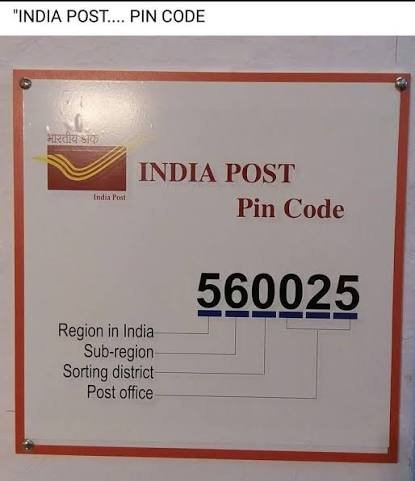
    The meaning of the six digits in a PIN code


    Each digit in a PIN code has a specific meaning.
    First digit – Postal zone
    Second digit – Sub-zone
    Third digit – Sorting district
    Digits 4, 5, and 6 – The specific post office

  • History of Indian Currency: From Ancient Coins to the Modern Rupee.

    History of Indian Currency: From Ancient Coins to the Modern Rupee.

     In our daily lives, money is an essential part of meeting everyone’s needs. In India, currency has undergone numerous transformations over the ages. Let us explore the journey that began in ancient times with the barter system and evolved into the modern-day Rupee.

     India Map Flag Stock Vector Image & Art - Alamy

                               Barter system

    Barter: Over 3,026 Royalty-Free Licensable Stock ...

    In ancient times, paper currency did not exist. People obtained the goods they needed by exchanging items they already possessed for equivalent ones. For instance, a person might acquire necessary clothing by trading rice or broken rice. This practice was known as the barter system. However, people faced significant difficulties with this method, which led to the search for an alternative.

                               The first coins in India

    Punch Marked Coins - GeeksforGeeks

    Coins were minted and came into circulation in India for the first time during the 6th century BC. Known as “punch-marked coins,” they were made of silver and featured symbols such as bulls, elephants, the sun, and trees—images that were common at the time. These are officially recognized as the first coins of India.

                        Coins from the Mauryan era

    Post-Mauryan coinage - Wikipedia

    The Mauryan Empire was ruled by Chandragupta Maurya and Ashoka; during their reign, the use of coinage was significantly expanded. Trade and commerce flourished as a uniform type of currency was introduced across the entire Indian subcontinent.

                 south indian coins there saathavaahanas 

    Getting to Know Satavahana Coins – Symbols and Motifs

    During the Satavahana period, coins made of materials such as copper, silver, and lead were widely used in the regions of Andhra Pradesh and Telangana. These coins were minted with symbols and images such as lions, ships, and elephants.

            Coins from the era of Mughal emperors and Sultans.

    Coins of the Mughal Empire | Baldwin's

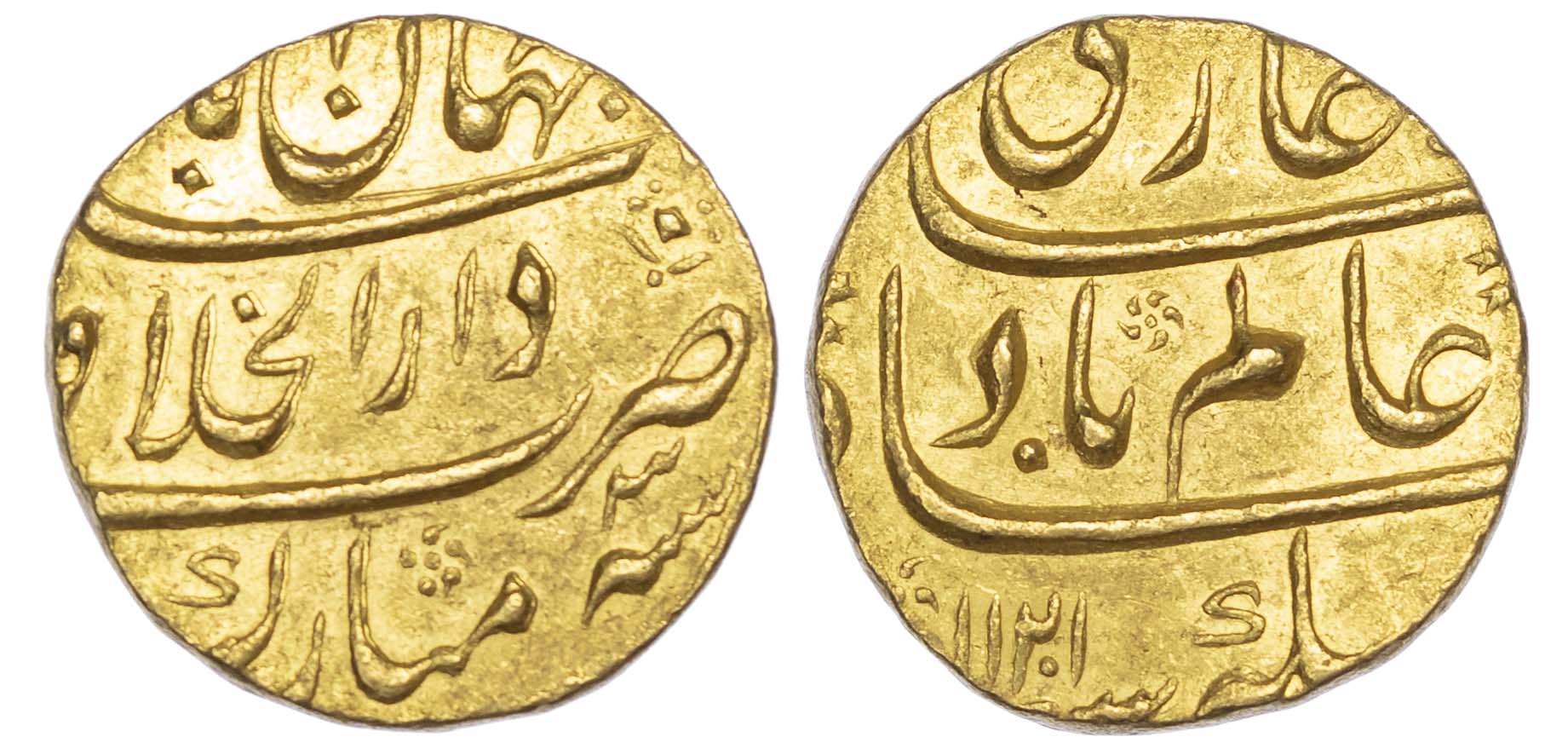
    The Delhi Sultans referred to their coins as ‘Tanka’. Later, Sher Shah Suri introduced the silver ‘Rupiya’, which is known today as the ‘Rupee’. The Mughal emperors popularized the use of gold, silver, and copper coins, and these circulated widely.

                  The advent of paper currency

    1770: The 1st Currency Note of India issued by Bank of ...

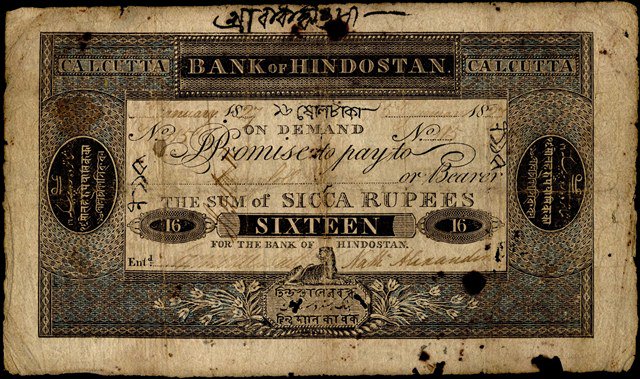
     In 1770, the Bank of Hindustan issued paper notes in India for the first time. With the enactment of the Paper Currency Act in 1861, a rule was passed mandating that the government itself print currency notes; from that point on, the printing of currency was undertaken by the government.

                          Reserve Bank of India

    Reserve Bank of India Logo editorial photo. Image of symbol ...

    The Reserve Bank of India was established in 1935. Since then, the RBI has been responsible for printing currency notes in the country; however, the one-rupee note is issued by the Government of India.

                                            After independence

    Collection Of Indian Old Currency Before 1947 | 1 Rupee to 100 Rupee

    India gained independence in 1947, and the first banknotes of independent India were issued in 1949. The Ashoka Lion Capital emblem was printed on them, replacing the images of British monarchs. Mahatma Gandhi series banknotes entered circulation in 1996, and notes featuring Gandhi’s image remain in circulation to this day. In 2016, new designs for the ₹500 and ₹2000 notes were released; subsequently, new versions of the ₹10, ₹20, ₹50, ₹100, ₹200, and ₹500 notes were also issued.

     File:Banknote of india.png - Wikimedia Commons

     Throughout Indian history, a vast array of coins was issued; kings circulated their own currency according to their preferences, yet the nation’s economic structure never collapsed. This serves as a significant milestone demonstrating the greatness of India. It is no exaggeration to say that a coin is not merely a physical object, but a driving force that propels the nation forwardeconomically, socially, and commercially.