Tag: Antarctica

  • 🌌 The Most Mysterious Places on Earth – Secrets That Still Fascinate Us

    🌌 The Most Mysterious Places on Earth – Secrets That Still Fascinate Us

    What if some of the strangest places on Earth were hiding stories we still don’t completely understand?

    Our planet is filled with locations that seem almost unrealβ€”ancient structures, unusual landscapes, unexplained natural phenomena and places surrounded by centuries of mystery.

    Some mysteries have eventually found scientific explanations.

    Others are still debated.

    And that is what makes them so fascinating.

    From a desert covered with enormous drawings to mysterious stone structures and strange natural formations, let’s explore some of the most intriguing places on Earth.

    https://images.openai.com/static-rsc-4/s7UnqPFr1klrN5Pa8Fzf1XmEN91Ko_b6KLfE2yWFEJ1wCA-Cmt_kOEP7S44_ypeXlZKQZWiGR2SGTFaeRq7rpBFdWjslFcX8CwBWv1wiWrLqXV7aJI9cLv80dL4ZCMdgIarda3DwWPObKr24-y5B37gdkLNK_h6HpYVq-dj2A6xNEng4vYIKAKIaE0VELvAW?purpose=fullsize
    https://images.openai.com/static-rsc-4/dn9s7dMXr1gjiBJWTNG6rAE3AQN9UIxgu3iG9MyOjRLFa3iI31WTkkfsEOIRC-WcYUBRYmUzy4lVxtR9AusYY_YlIlRG2taM2vqV7jUO3fZDe4oCPz4aep9wivAg0J9-Vn_kt6YY7xPw-fuU8xKnfU0z2hINeY49l8HWlIE4-SzIlHTkAMB_kq7rjm3fMHoT?purpose=fullsize
    https://images.openai.com/static-rsc-4/Ez7JaR0Rora9ufz9q1DVoava_cGLMPRXMpolirh_zEEq5DG2243tdv0Z0X3TrCLTdB7qLIHZRSwVTVeds3FaVfVxM0-j_HW-Nnk4U97nz8uz-sR3FfhHMx56twQcdGh6IBh-xGtpT_N677pyvK0tIl8TE9XdEkzHcVLyAT8ijbmxqFFB6ez1TgAh4t3x7tor?purpose=fullsize

    🏜️ 1. The Nazca Lines – Giant Drawings in the Desert

    Imagine standing on the ground and seeing nothing unusual.

    But then you fly high above the desert.

    Suddenly, enormous drawings appear beneath you.

    These are the Nazca Lines in southern Peru.

    https://images.openai.com/static-rsc-4/zjQxwA7Nv-ND6xf2-m68QY1pfONCtayO0vt7kSFllMUIfC4PplNV2g0HKePSMvrZt_H2t3YJQIhmgHQro8fshqqQwSm_xJnCa3mm1WjJitHbCKos4uwjMvofTzyHqtESOg-fFEwv9SY-jkeDB2oxRRlpsetDwpxAgMK9TqcrLKLvdEn_53oCEMHSvq181IUG?purpose=fullsize
    https://images.openai.com/static-rsc-4/ymam9nzRgVScuSR8pbMEJbaAt4kgs5LaPsTS0FrvpBs9y-3G06w4ZWV9keZlwyL65MXzyWmeVJ5wkwNECYbW_7-s2_7uhRI7Xe33ppr9uir_vXUW4YiHhadn3ZENr0wfE298_Z7w2h0PFNi3Cf2CKrRiYjjuyfjJI2oFwy3WtAPEqzeAxihOmB0myG7ACrnX?purpose=fullsize
    https://images.openai.com/static-rsc-4/ulbSaoOlV2houJe1G6NJacvzGGj9H9nve1NcaK6Q3swE5J6qxJM9WDzW7dxovYaolGrze-N12nOJiv_BTMXb3jUmgIDdXpLF45xi0Hkan6fKE0TaLjVUU4m0Ufe6Mo12-XE7qhdGlaZ_GtcBcoGrclT4Rhtm8r6aJBgaxCziYMCJRxCuJE-xPQ6Lo-CSsrss?purpose=fullsize

    The ancient geoglyphs include representations of animals, plants, geometric shapes and long lines.

    Many were created centuries ago by the Nazca culture.

    🀯 The Fascinating Question

    Why were these enormous designs created?

    Researchers have proposed different explanations involving ritual, religion, astronomy and social activities.

    While many aspects are understood, the full story behind every design remains a fascinating subject of research and discussion.


    πŸ—Ώ 2. Stonehenge – The Giant Stone Mystery

    In the English countryside stands one of the world’s most recognizable prehistoric monuments:

    Stonehenge.

    Huge stones were arranged in a carefully designed formation thousands of years ago.

    https://images.openai.com/static-rsc-4/B5sRpqrh4gjMrteepW8AECn1tAFGNpAm0apQfPLDedWW7MUWXSyp1wtzft-RA3M-eGASVW1KVfuLAXFnBgaj8Lwjvm49mbup74D8IA_F9yUgFsFrv8PbfT5rygDS_GttnilS95m23je32LhTXfH9f5sNFV81WGfyVO7csmHyUW-XUyaZClcIkwGLpQ5q5Dmv?purpose=fullsize
    https://images.openai.com/static-rsc-4/b5zpT2Rr1msAhC87P_3sN-YrTFnedQuv-gtSYuSiuGmXQwXvDUf7MCeDYVTGgy4cJrPsji7Vl_LU6uYuBJ9B4fswg9nFK2rNOaV_7KZ_E5f1apCgTjKBthuwsL30W5df8FTh1cM8Zrz3PK1WnlX1uqH08nh1jWfQ9KEui6o_-OUVPACeJC1wWmF_N9_u-RdS?purpose=fullsize
    https://images.openai.com/static-rsc-4/mYOhBH2m4X0bfasXNkbGrTSUm0LJahCnEUdpjltcoQumw13-sMpGwAEvK914e716ASE3Gk3etlzB2Acho3u4fRwhDAtWOppq6F9KR-QRI6ACqbJoBb9HVyteJg1_g0w8WqLlq-T57UQQ2vvxHvIqBMrGO7GBeQKWDdeXOptfd6YoOuRHcY9W8tziGfmkNUNB?purpose=fullsize

    Scientists and archaeologists have learned a great deal about its construction and the societies associated with it.

    But questions remain about exactly how different stages of the monument were used and what every part of the site meant to the people who built it.

    🧠 Imagine the Challenge

    There were no modern cranes or heavy machinery.

    Yet prehistoric communities transported and positioned enormous stones with remarkable organization and effort.


    🏝️ 3. Easter Island – The Giants of Stone

    On a remote island in the Pacific Ocean stand hundreds of enormous stone statues known as moai.

    https://images.openai.com/static-rsc-4/DEW_PIQhMii1DB41kwkO9LhjoBjfEesqV5zGPRnt5CPGCfLvLYcXnWd2JX-WMW2M9ig2Ku3xPYwGDJW-dr5aBT6VHhrksb5no0O8LJHMIJoHaOmpic5RIkOwyvRgQFI3JW0cF2JQNHvYPk_FkpRB7yJcQs-S267Q-9Gc58j3MSTJqkFz0HGIZL_GphqfhpWO?purpose=fullsize
    https://images.openai.com/static-rsc-4/6jlOibDVvoFblNRCsAgOAHHhmaaZiAhtg4X3vpsp6ZP583AII-Awts_RJKZi5Nga4Wfa2W0zpin2HPBPWK4kxMKHOlva38jpmLjR3c1hsbSBvXe9VuKGQyTmdt_bJHaWavKVT2OAlIe81bXBPHSbm3WGKpQCqXawZm3dNhTkLCvd4CMmEDy7XZrl3hz0qXzP?purpose=fullsize
    https://images.openai.com/static-rsc-4/-g1TtBln-YlJ5UYVEW8RJ0n7mf1lPgGLR7v9rXWHnp-LJ6J86u488F5F3-h7R_vTH8LBkSIj2r25-LEhg95q-pmdMNqeF1u0wsToHwoXHbtfABnaJXI7jBo6Wp5JV70F272RVXLuH-i9Mzj8XZUjG6YJZQYE5I68AJQrglgLzHxX7xxg5eQGGZwbVfdF71aC?purpose=fullsize

    The statues were created by the people of Rapa Nui.

    Some are several metres tall and weigh many tonnes.

    For a long time, outsiders wondered how these massive figures were transported across the island.

    Archaeological research has provided evidence for methods involving ropes and coordinated movement, but the story remains one of the world’s most fascinating examples of ancient engineering.


    🏜️ 4. The Door to Hell – A Burning Crater

    In Turkmenistan is a large gas crater popularly known as the Door to Hell.

    It has attracted worldwide attention because flames have burned within the crater for decades.

    https://images.openai.com/static-rsc-4/GIcI7M_aqZiEEYhQf3gzJvovPIUdv78Q2qJXjT-VrXATAKCCr5dEp7VXzxGty09OwY4LR_SDD4eomlSR9ttMYWWDr1_Yxn_BqPuU51Tj9wDsaQ-az8l4rjTL3tBu14XooMskb6LSkEnwkmwYarWDlGaSasCkpD-1k2MIVwNgj401-OvGe9l-RpIHTLQqe2jQ?purpose=fullsize
    https://images.openai.com/static-rsc-4/tbrSd_5EC8QjIcvlbrLYiOisOnoCnrGpqSWocj__k4KGYBPkTPrcK6hnpgPKDjFRJDvM4YtWnyAZq9rIKayltCAhNCsYfSKlTPOElgEuxb31C40VBLFR2rQK3wA3Fu7XlgnLj0H0etViWqYi3MM3nwYpus2a4K_TAJZDtmj4UYJxhpcvTqSxIXgaCKv7_xvN?purpose=fullsize
    https://images.openai.com/static-rsc-4/Eg388dueM6Ay30SAV_oSW9jg3fpRaXZD62AWewr36sa8bK2lLK61QgV-PISMPVk5L4cDC_EgPsY-_28D9SFXC-rhD3iv-9HQ1CGoYJxWg-8rsT1rfX7OClHVD5X19UFBYehU4BS-Dw4QyhVAT2tsQOu7aoznZ-rdPjI1uzS2pmh9px8sj134QnF4SK6L5jbK?purpose=fullsize

    The site is associated with a drilling accident from the Soviet period, after which gas began escaping from the ground and was deliberately ignited.

    The result is one of the strangest-looking locations in the world.

    πŸ”₯ A Real Place That Looks Unreal

    Imagine seeing a giant glowing crater in the middle of a desert at night.

    It looks like something from a science-fiction movie.

    But it is real.


    🌊 5. The Bermuda Triangle – Mystery Over the Ocean

    The Bermuda Triangle is a loosely defined region of the western North Atlantic Ocean that has become famous in popular culture for stories about disappearing ships and aircraft.

    https://images.openai.com/static-rsc-4/Fg6eo3L3w3CDOKunLvCvWE5kjZ0-k3P3R5Qlx-xdnBD0mKsVmaQEBolVdSF-q7lRn2FhDCpRP58njGp26p91lpoZl2RxVpCUcF4Zbhta7k2JyPuFome-XguvVA_DihJ3UdAo-ZRCvC7PMPiDNW4Bgwqj34bcedwy7IakdSMpWU6k17kxqLWOJZMKQlgtiThJ?purpose=fullsize
    https://images.openai.com/static-rsc-4/68ah35GngUfsfqYgaKRaBX2HclZQf85s0yBNLaxku5s5lODEOWn33dw4OnDsiIM3zNJsuSj5BAL4KRBgiMAXlCcrNQ35F316h62zSaDay_TCxy0NqiG9TCNW74P6YLhed13ZdO9Kh2wpYvaj1Xk1cUXEj2_r4yLH5CIxwMHPg9PQ0-KYfzoQGocxOU_jcc8x?purpose=fullsize
    https://images.openai.com/static-rsc-4/OfUnX7CRqSx-pbCjxK6qMdmo8fNLEhc-KnhEsZj0_dNusSAF51J0qx04Pk0HSFbFYI4r32_absrnZg1SAVrJ0RLMlCQ3XuTIM7wDhHzVQZ4t6dA779nyChzqm1cL1Exw3oUTu3xpekLybjzw8TedOi6pa77Erl4qZc7v2pIuthCFWYBTkuhIOCF_J5KmnhPu?purpose=fullsize

    Over the years, many dramatic stories have been associated with the area.

    However, there is no accepted scientific evidence that the region contains a supernatural force causing unusual disappearances.

    Weather, navigation errors, human mistakes and ordinary ocean hazards provide explanations for many incidents.

    Still, the legend continues to capture people’s imagination.


    πŸ”οΈ 6. The Moving Stones of Death Valley

    In California’s Death Valley, rocks have been observed leaving long trails across the dry lakebed known as Racetrack Playa.

    For many years, people wondered how the heavy rocks could move when nobody was watching.

    https://images.openai.com/static-rsc-4/1BShomovf6W15kwOlYZL0yZiwCoGtRRsgivtQ9SNS8pbh5_2vhfKhTiihN2nQ3VRv3a9sKy3oOhSHeLUUThau6kiFljfqrSuPI4tuMx85W-YOQX0UbyU4fzCU907jVZO1JuIBYo_zVG4ceHNB2Vs2qJSK3Sn4HbhPSpuDy6Tz29sMoRegxX-XFCPQJcchTlB?purpose=fullsize
    https://images.openai.com/static-rsc-4/2wVIvYLWW7l2Yumk5J8YVuTtXCAG86ZY0EknIoSAaValoWJAUDxwPcwCb74X3n8_F99wWlREihFqN6oyJK0JY6gOng-VJKPhPOxWdVFpFNqijTyZbzQ9LwHqgSiGVuNZi7ZpjyPIzXSKaTU75XRXxq71MOcgdiFwsuzrUS9hSzub2kbIvzHTHIHweA-5dTfm?purpose=fullsize
    https://images.openai.com/static-rsc-4/-8eaH4c2-PT6G4V9YtDFLbavUp5QcIoCx43y13tYmVQEZzIldfInBRDkUkzLtEPlYqEqKTishflugFFE0bjtgHb_ktYk27fYIFtSGt2Okdl7pmWo75E8siHCujxGgwYCpXECwaKoLbGfmNpxX8HZ0YttzhzfpPXaqbxKExG-x8SHu4M-Al0e7Cf0PNQpT17I?purpose=fullsize

    Scientists eventually discovered that a combination of thin ice sheets, water and wind can move the rocks under the right conditions.

    🀯 The Mystery Had a Scientific Answer

    For decades, the rocks appeared to move by themselves.

    But nature had a surprisingly simple explanation.

    Sometimes the truth is almost as fascinating as the mystery.


    🧊 7. Antarctica – A Continent Full of Secrets

    Antarctica may look like an enormous frozen wilderness.

    But beneath its ice lies a hidden landscape.

    Scientists have discovered mountains, valleys, lakes and other geological features beneath the Antarctic ice sheet.

    https://images.openai.com/static-rsc-4/VOJTr7OyV7XviZNb58t4oUfH49CIcr8dYMvrDE-W2yZJ7Dz7YM-AQsIgpWKvSKO_6WItny3PKvOmFwi5mcge4rUEk5wZhIlVQCT9m1dSlRCH3pqGgOdqLSC_lHLXxT2l2XeevjHhVl7KqotC-Sj8LPBGmbPJRqcEXhteBF6e7rXgApzxZQEhtiG1ohZIDDEW?purpose=fullsize
    https://images.openai.com/static-rsc-4/2W0B-ve25lZjfJJZeEo9n9RxVf2IccgXFvc8kXb8p1CRjOb1_KYNIdQ0KTFEduvMg0zzot2vFVY4njnb57Ysji1PxFaWBw72aAxB7JhgcUcIth7_mYcQDVbY3URv2sNdlVpuaq8aqmvmNxw8y1DIgmQLmihTgjMCo1MTcM_whHHe_5ZVkGFEBWhkwm99YubI?purpose=fullsize
    https://images.openai.com/static-rsc-4/B8lWnUNPkkPYbccA6wk6aAjxepONhAup4funDB9RJ1LbWcQMGE6x7vs49FRF9NFljrlEL8Vofrdz5woIU_iwl5AN2haE3gtxw6GLLWtH-Mcfeu2MCYdyANmTs3An-fcrD327qokryzh4jg2rl2mR_GGGwDQtJWOnnVKeD9OHpzrIkDPpD3c6ZWJIIbRrGVn-?purpose=fullsize

    Because much of the continent is covered by thick ice, studying what lies underneath can be extremely difficult.

    This makes Antarctica one of the most intriguing places for scientific research on Earth.


    πŸ›οΈ 8. GΓΆbekli Tepe – A Monument Older Than Many Famous Civilizations

    In southeastern Turkey lies GΓΆbekli Tepe, an archaeological site containing monumental stone structures built thousands of years ago.

    https://images.openai.com/static-rsc-4/i2Rq075oCatmqlhgtAxyl61Zxzq44FEkE6sRUs96gswz0XJcDx8HU0fM9nynTRe5wpG7jhOlMMwPsn6lHnbJQfpnGOIcK78_EkxPcPNkI5QSkAkngdcYAWijgl_-FORpI0FqpAX-s8300hhS6y_9O4z3Zp_gMDJfHELyLCXg27Nu7LHy2S1ri0YO06FzW_G8?purpose=fullsize
    https://images.openai.com/static-rsc-4/WMWaY2XuBfNZPFPAQbVZMoWaWtdyxxhdRzkm0Xso_THlmN5mbV7tLHXmPJrW6bB-rVpdQanjVevBnvMXPRt1PJF0_7z77CoEmBEg3SGjbFRwOJAxeMaYUvBUMBRRFP4ts378EyNi340Jgcz-pZakAO9J80pu1kdpzW5RBUasEkMA-k2CJRUG71UrCw8Tzj0t?purpose=fullsize
    https://images.openai.com/static-rsc-4/I0W8ePbWab4tRQTWDm3KKRrndAXNKpNWu-wZMfZaIpveGJZXAtNAjmA3xoiH4SzuRAu57TlrAFQIcIL1mDxjXoCBPzl1R4M2qIiglevPFako3qSSbKDu72jfkrmrl7E27FxkOfCLdlgiv6XlnbHdN89ZcThDiTDHnPiiCnUiyKVw_nN3sNPNYsQUeUYwkoPE?purpose=fullsize

    Its discovery changed how researchers think about some aspects of early human societies.

    The site predates many famous ancient civilizations and contains large carved stone pillars.

    Its existence raises fascinating questions about how early communities organized themselves and why they invested so much effort in monumental construction.


    πŸŒ‹ 9. The Mysterious Depths of the Ocean

    Perhaps Earth’s greatest mysteries aren’t on land at all.

    They are beneath the ocean.

    https://images.openai.com/static-rsc-4/Di7gGl3JWXjmfM6VMbpK3vIXgI6uasUe76DMD7OqgH0ULE51WS6Bfv9z62ed0lpT8alqMtukGWiTcq9RAfY52r_mUhAMqju__WeP-CMmWdUDEEoCWp4BEcD6KXloR30jRRQw23Frb15tJm_q6iZA3YxL1xKtQ0HTDO5EbNVN5SfadxrXEml2KLannBIBiCg-?purpose=fullsize
    https://images.openai.com/static-rsc-4/YFp8zOXHF514_AWLY8iYopB0Yjn4i8dDbzx-fo3gZe3jll13jGwA0EfobJbvYk1SbAhtreA5SChLzDQQ4hWjzJ8S2-go6eDqk5rP4mHQM6pKoSfGoilJR9u3ONeyO0M24ZRia0EfvAVvqJxFuGiCbl2wAh_oLj3-peiQwFvz2bJWYTsbS22cCKuTLGQcxdTI?purpose=fullsize
    https://images.openai.com/static-rsc-4/bO3vZB9HvgETXUXTvWJtczjHJZVVzbfRlTxsf4ur8_y5f1ivxUjyNRS73hlOYCto_nEFwX4KrZKkyauK-DxJSTnF-Bqqg4APSBt-qz_CD_2CZn9TWVeySNmmxrfPZzGajh_dwEgUoU7M4Jgwb8h49bbf4LGJU3v7Nh7h1tvsXU0x1Gs_KErIvBmOzObqpSr4?purpose=fullsize

    The deep ocean contains enormous trenches, underwater mountains, strange ecosystems and species adapted to extreme pressure and darkness.

    Large parts of the deep seafloor remain difficult to explore.

    🌊 The Amazing Reality

    We have mapped the broad shape of the seafloor, but detailed exploration of many deep environments remains challenging.

    There may still be organisms and geological features waiting to be studied.


    🌌 10. The Northern Lights – Nature’s Giant Light Show

    Not every mystery is unexplained.

    Some natural phenomena simply look mysterious because they are so beautiful.

    The Northern Lights, or aurora borealis, can create waves and curtains of green, pink, purple and other colors across the night sky.

    https://images.openai.com/static-rsc-4/TtmkDRa77mtyWHkAT9O-HETVkMrN0Fcn4nAW9K73luxAwyLIJkRzrT5AFnkVzsasXMFEtDsUYlIT57SC2RGCevLshvUkk4fLqUj25yDtB7PR33Qg-aSKuEj-VUTX3hpCXXG2QE2w6G9hk50t8g-e-z47s6sBRg1aippwViQl1jxgMVB4hDoF2uViinaC1gyW?purpose=fullsize
    https://images.openai.com/static-rsc-4/LMvLRNP4T3DAwAHCXkJtSGT1wWFddR0v6a28b9r5XqMu7h7VCzO797rgDgXFQp6_HF18LGSzcFer7lCyLoeB_IBkhV9-NhBAav2tZSpGSevrI9BiC73ZIIiXr_cQ0ZIbFjoLW4lIElf6A_JbX1xw5lCuhp6MCPmZe8YaRrvjwDYylmUgNKAnXTdQLuXhg-Oz?purpose=fullsize
    https://images.openai.com/static-rsc-4/E7s2VqKjbGvX1i8L3W0TvkpiQnq7xSaxSNHJBLP3hO6RRfslfioPzHrpj4HyNRvikrd3SWjHzSgg9-lz43nFu9Lv0o9r7S31PzOyx1VBd8KLlzKJnYCjh58UoGD53_RL06tut4Se55jT3t8APo3MDx70JUrhfAKv40F6jVCMx7s-rSlkNnTrCc1NaeY64dv2?purpose=fullsize

    They occur when charged particles from the Sun interact with Earth’s magnetic field and atmosphere.

    The science is fascinating.

    But seeing an aurora in person can still feel almost magical.


    πŸ” Why Do Mysterious Places Fascinate Us?

    Humans naturally want answers.

    When we encounter something unusual, our minds immediately begin asking:

    Who created it?

    How was it made?

    Why does it happen?

    What happened here?

    Sometimes scientific research provides an answer.

    Sometimes archaeology reveals new information.

    And sometimes we simply don’t have enough evidence yet.

    That uncertainty is what keeps certain places fascinating for generations.


    🀯 The Biggest Lesson From Earth’s Mysteries

    A mystery doesn’t necessarily mean something supernatural.

    Sometimes it simply means:

    We don’t know everything yet.

    Science works by asking questions, collecting evidence and testing explanations.

    Many things that once seemed impossible eventually received scientific explanations.

    And there are still countless questions waiting to be investigated.


    🌍 10 Fascinating Places at a Glance

    PlaceWhat Makes It Fascinating?
    Nazca LinesEnormous ancient desert drawings
    StonehengeMassive prehistoric stone monument
    Easter IslandHundreds of giant moai statues
    Door to HellBurning gas crater
    Bermuda TriangleFamous maritime legend
    Death ValleyRocks that leave trails
    AntarcticaHidden landscapes beneath ice
    GΓΆbekli TepeAncient monumental structures
    Deep OceanExtreme and poorly explored environment
    Northern LightsSpectacular natural light display

    🌟 Final Thoughts

    Earth doesn’t need fictional stories to be mysterious.

    Our planet already contains places that can leave us speechless.

    Ancient monuments remind us how capable early societies were.

    Desert drawings show that people were creating enormous designs long before modern technology.

    Deep oceans remind us how much of our own planet remains difficult to explore.

    And natural phenomena such as the aurora show us that reality can sometimes look more extraordinary than fiction.

    The most exciting thing about Earth is that we haven’t discovered everything yet.

    There are still questions to ask.

    There are still places to explore.

    And there are still mysteries waiting for someone to find the answer.


    ❓ Frequently Asked Questions

    What is the most mysterious place on Earth?

    There is no single answer. Places such as the Nazca Lines, Stonehenge, Antarctica and the deep ocean are famous for different reasons.

    Are the mysteries of the Bermuda Triangle real?

    The Bermuda Triangle is a popular cultural legend. There is no established scientific evidence that it has supernatural properties.

    Why were the Nazca Lines created?

    Researchers have proposed several interpretations, including ritual and religious purposes. The exact meaning of every geoglyph is not known.

    How were the Easter Island statues moved?

    Archaeological experiments and research suggest that ancient communities may have used coordinated techniques involving ropes and movement, although different methods may have been used.

    Are there unexplored places on Earth?

    Yes. Deep ocean environments, caves, polar regions and other difficult-to-access locations continue to be studied.

    Are all mysterious places scientifically unexplained?

    No. Some mysteries have been explained through archaeology, geology, physics or other scientific research.
  • 🏜️ The World’s Most Amazing Deserts – Where Life Survives the Extreme

    🏜️ The World’s Most Amazing Deserts – Where Life Survives the Extreme

    What comes to your mind when you hear the word desert?

    Endless golden sand?

    A burning-hot afternoon?

    Almost no life?

    That picture is only part of the story.

    Some deserts are covered with huge sand dunes. Some are made of rocks and gravel. Some are extremely cold and covered with ice. And surprisingly, some of the world’s driest deserts contain life that has adapted to conditions that seem almost impossible.

    Deserts are not empty places.

    They are extraordinary environments where nature has learned how to survive with very little water.

    https://images.openai.com/static-rsc-4/YVBH8gEq4ofory0Fg50NWDjYAqjVh2adL8998mqUlgsEq7SNzRoA6lB6LJYuxjkTFiQleQtJgYg795klS85I2K3z0vtU-6hHTxUQlwRU8b5FFljHy6wJ067qXAz9EZ9tplTvVfYBq1nnrMkpaXtCNoZ85rOS9QPPQ9f3WNC667mDdE0vlJeLpCG6j81eGNDd?purpose=fullsize
    https://images.openai.com/static-rsc-4/H_jTIyKrXz61DbkCALgHp1ZKKuJCCvIRFrDEhWKsyqBFEEkiFi6mtycR7TfuGM4very523EZuKqR_1Wub5AAU7128nr2Uj1kI1trqYP0Fx39Ug0xSEE6eH-lZKWBviiE-T1bofyOLaoUn4p9W1zvj6e1gjHu9u8FVvn6eZcXmuDr7xACpZ63xmCbhJXrBgv8?purpose=fullsize
    https://images.openai.com/static-rsc-4/Gol6DaON9yi6mZRx832pk6MAX0j--hBHMU1tX9XH3FNPc2D9gZNfc-FdC7J82YXZeuR8Tm82gnhvKkqxMT5N0l8OQcf47OVATqOcn3-qIj0PBXckQRy5fI2vHw8i9CpXPZwo8irKShPLO4mBbkqAxhirCEXAj3rKvKLNam6NQE5ma3WcsWQms3qdxWwpTS8n?purpose=fullsize

    🏜️ What Exactly Is a Desert?

    A desert is generally defined by very low precipitation, rather than simply by high temperature.

    That means a desert does not have to be hot.

    The key characteristic is a lack of moisture.

    Deserts can be found on almost every continent, and they can have completely different landscapes and climates.

    You can find:

    • πŸ”₯ Hot deserts
    • 🧊 Cold deserts
    • πŸͺ¨ Rocky deserts
    • 🏜️ Sandy deserts
    • ❄️ Polar deserts

    And one of the biggest surprises is that Antarctica is considered a desert because it receives extremely little precipitation.


    🌍 1. The Sahara – The World’s Famous Hot Desert

    When people imagine a desert, they often imagine the Sahara.

    Stretching across much of North Africa, the Sahara is the largest hot desert on Earth.

    https://images.openai.com/static-rsc-4/H_jTIyKrXz61DbkCALgHp1ZKKuJCCvIRFrDEhWKsyqBFEEkiFi6mtycR7TfuGM4very523EZuKqR_1Wub5AAU7128nr2Uj1kI1trqYP0Fx39Ug0xSEE6eH-lZKWBviiE-T1bofyOLaoUn4p9W1zvj6e1gjHu9u8FVvn6eZcXmuDr7xACpZ63xmCbhJXrBgv8?purpose=fullsize
    https://images.openai.com/static-rsc-4/KkZHR8JzewuiHKwVDRu1htNvn8cG99nyX1gcBACuIAtLO5zonWTj9J59HHq-yZlGYOpe6xVAp6tilSbBmLvQM4xAFy_v2F1WUypjusjx5uxFC9twcGyPFUBoPoQdCqlaKGR1-rDa2UakRJfXliYJWzMp-Fgb0zpgwdATlWKtM7FvZqNz7srqjqb9BW7yVOow?purpose=fullsize
    https://images.openai.com/static-rsc-4/c9zwaYPaC9T9TlrcTF9OEc3nwceYvT0-ZEwoDkhlzmaNegbCMvppyND_C8tndsNLZqcQ9rij0iKgXD0UclaFzWDRcbeI4lLmg88DRdwIc7-9-WnsG5_xy00hmPT71Uwfq8RuztzUKJnwRUrA1t6fLt6vBcSUBoJBKO7VbzJ7TNhnkBiVjfnqSgqGCztJrhKM?purpose=fullsize

    The Sahara contains much more than sand.

    Its landscape includes:

    • Massive sand dunes
    • Rocky plateaus
    • Gravel plains
    • Mountains
    • Dry valleys
    • Oases

    Despite the harsh conditions, people and animals have lived in and around the Sahara for thousands of years.

    🀯 Here’s the Surprising Part

    The Sahara has not always looked exactly as it does today.

    In the distant past, parts of the region experienced much wetter conditions, with lakes, grasslands and other environments supporting more abundant life.

    Climate changes over thousands of years transformed the region dramatically.


    🌡 2. The Atacama – One of Earth’s Driest Places

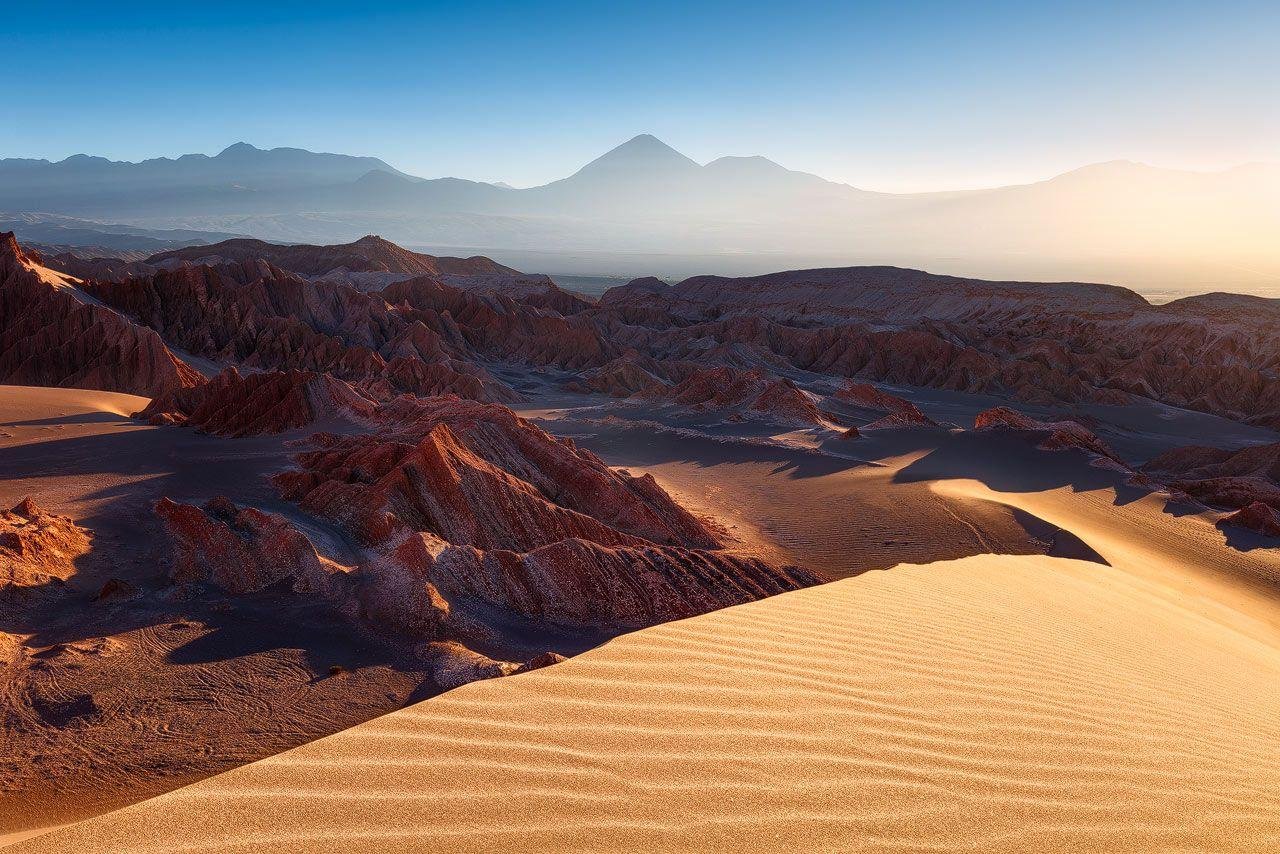
    The Atacama Desert lies along the Pacific coast of northern Chile.

    It is famous for its extremely dry conditions.

    https://images.openai.com/static-rsc-4/y_K434FLUHy9IZ_S38zEJlCY0hhbDhNDZZug1nZRVmBbnT_0vUqVe3PdA42Pi1RFyeeh3lOtXhofdTLOiDwOOkdyZiBLnzfMHOd1m-M2-HYiFcrD7Bjre0GCnsg4_daaKSqT4KvdSXIsHG41hCFQCnZpVau7jH33fntg_7ugv56KhnVJstL4vL5cXvwNnOFr?purpose=fullsize
    https://images.openai.com/static-rsc-4/yajcKS2GZC8LImUsvRHgo0MN1TL8WEcckjiDXgDnVZpG-atDuUh4JrhqIxTU4eyhLB4ttyv4awH6QZWBHEvb9Z7hasQ1JC5xK6tCu4ye4cmtqIzw6CzQ2s33mFhPSTYmpg04G6pTm3WKEvxtrsGvzi2XtAcCZYf7fxNyzrPAqKIOuSCtTCR2TojMRn_svv95?purpose=fullsize
    https://images.openai.com/static-rsc-4/l1SEcK_oFRC2w-k19D041Rr8rlM2ye8PHKftwSXCYppPFm7rBkuODr8ebEJ5FOTZxU-MeWfjg1T8hNRmsznlmSX62lRdHzj0tYf6BnzEqUJXl6P508C1kB9WhtWnxPk4V0i2BxsAr9sRRxKtbhiDI91VKWq86gAVa3kFhnN_DOIBYGJ9uPsQkQ7mXsPfhPB8?purpose=fullsize

    Some parts of the Atacama receive remarkably little rainfall.

    The landscape can look almost alien, with rocky valleys, salt flats, volcanoes and unusual geological formations.

    Because of its exceptionally dry and clear conditions, the region is also famous for astronomical observatories.

    🌌 Why Astronomers Love It

    Very dry air and high-altitude locations can provide excellent conditions for observing the night sky.

    On a clear night, the stars above the Atacama can appear incredibly bright.


    🏜️ 3. The Arabian Desert – A Vast Sea of Sand and Stone

    The Arabian Desert covers a large part of the Arabian Peninsula.

    It includes several different desert environments, from enormous sand dunes to rocky landscapes.

    https://images.openai.com/static-rsc-4/QfTRs4BdAEpA1Kmop4OGF2jCDiZ_4w4eRnENC7f4qcBNUjKYUew-BTUu_-lnYcNRpnwDhZvNgqaa0N-Zh8kvl6WSwzw0mPHP1VPDq91NrSYsyIYtPmZIJL3NC8rdL2San9zwOwqiskRISSQI27VvslFa-pcJdIdpApoa6GbZlidT91cc2ra1vagWk6nPizKq?purpose=fullsize
    https://images.openai.com/static-rsc-4/wQb28G35__kXkJMso8AtPsEe7FqdJNn2dx4HyiC81YnKlof2oaAM335ManNn4E6Ezv9XF9EggSKB8xiIFE7nYfQSB_-rJ3GVtGQzAaI5oxM5E3Zh-BafhSzY80rNjJnZMjiaIT4JOUpjUDB7dhbxlShImA6cPvZ9TShDgGCO092KYMru4TOfykbgHXP-iux1?purpose=fullsize
    https://images.openai.com/static-rsc-4/MjHyRP5UVdtx4q0v7twf5w1OQttPCwwW51FcF-40qYMCTZ2iVyocZ6xA9gHq7UEwiHpjJT1vPy_w2Sm8lfU67tfS15OC5THSJGRFq9UKwftZVZoBj4am47MCo7SeRwv5xct0Pm1WNbQ7Cz_mJNnoHPp10TDZXJH8svz4FYMAxDg7ojSlyxfL8d9TYrndNjqK?purpose=fullsize

    One of its most famous regions is the Rub’ al Khali, also known as the Empty Quarter.

    It contains some of the largest continuous areas of sand desert in the world.

    Yet even here, life exists.

    Animals and plants have developed adaptations that help them survive high temperatures and limited water.


    πŸͺ 4. The Gobi – A Desert That Can Get Extremely Cold

    The Gobi Desert stretches across parts of Mongolia and northern China.

    Unlike the classic image of a hot sandy desert, the Gobi contains extensive rocky and gravelly landscapes.

    https://images.openai.com/static-rsc-4/8vMLZa36RL0-fXb4JvULQprOJaDZ_ymoFyfhKybN-YjXKKGUElaUi1-pHwo5bg1xaxw34Vd1oC1aCU6VGSIdI5fEFU2Os-0Zp8Tem8TjL08bd7a0VBGC8dF4r3f6HSwRCTgd4bcBR6bcinOPuuft4-Xrdx4YjTRr_8LmW75hp1t-Ts5HJ-lXpWXKuSrjUksl?purpose=fullsize
    https://images.openai.com/static-rsc-4/3Yr0irep5q_vZQoZddr4MbxIbTH9n1L0obS1IA8hoijzspOjwp-tR3KTlsN53HC63LtbERluxjaanG-d_KaSUodZ3IxCZu5cxfXY58_tyQWMvV7K2k2Hu1SpCDRaLBUNNVffZg9IXswjUNvVZX5xbX_EzcOXEWC71NlFYyImk45lwqL3kgMIONV4XWnwOqPe?purpose=fullsize
    https://images.openai.com/static-rsc-4/OlpQ3NtnMOZ7wqD8rczhMgpTqtmo55Bv-mx99cFqm085c5A471-PBCIfoWcH4Tol8Ntzs6R8hY3BB0cTwd99AwEkMAloW_ELqjOxgvnR8Ivt0Z2t9TpqoSNErVZGehNFoT-pc88O00bnEhfNqkJCn_WKfUdNE5hpC8zbQPkCgg42FqCJte2_zUXNRfQ8ikzk?purpose=fullsize

    Temperatures can vary dramatically between seasons.

    Winters can be bitterly cold, while summers can become very hot.

    The Gobi is also famous for its fossil discoveries.

    Scientists have found important dinosaur fossils in the region, including remarkable fossil evidence from ancient ecosystems.


    🧊 5. Antarctica – The World’s Largest Desert

    Here is a fact that surprises many people:

    Antarctica is a desert.

    https://images.openai.com/static-rsc-4/5er1C0ssHs1L1QpCJN7Jl1hOQFUTMkbPYC3qyac2luRNg5L_2yB2hQeGMlE4SPp0t1LJt64gZXQ7v99vQ2n_0YLJNUBt-r7IDkOoMzIL7hw4vKREcFyUQ3lVJWPG61TNIzze-TSqA_R1C0NZczGWIo4nlQh1S6SdmWylhYr1_-ECWqR4KSJJ-XWrvGteTgfF?purpose=fullsize
    https://images.openai.com/static-rsc-4/9Vv5WHrwm3wQWJ-Ew1VpTrqaZ-2BjgEGGTIys4W3yUHVSuIhJfqTaL1C2FnnZIzzh18NUUA5auiQQXeRku_eC6VbHawYxwbQ2R0Dvs3r6a_rBdc0-z0dAVl2uA8_PcFe_EwQ0YO1-anMSH2CdKzzqVSnb96dYs7YpfJ9JDDiqwlLwF_K4SRLD-nXSMwW4MKH?purpose=fullsize
    https://images.openai.com/static-rsc-4/wMjzGMX9wy_OSfcMlDQV342PYcp2A0vW5cmm9PJyx0G2yhKJXpLhRyU5u-NeVUpKcwFMe4d_PwDU2CrnsFFFHf0i3eO66F9LSlr5Y_Sc6D8AstP3ICj1zPI2owiq4o2bRxzMEEpe_jyMZYDIFZyjm2ZVUmoko5i3_ePSpsgXVz7omgNmCdqcp9F5x1cAKSMI?purpose=fullsize

    Why?

    Because deserts are defined primarily by lack of precipitation, not temperature.

    Antarctica receives very little precipitation across much of the continent.

    Its enormous ice-covered landscape therefore qualifies as a polar desert.

    🀯 Think About This

    A desert can be covered in ice.

    That completely changes the way we normally think about the word “desert.”


    🌡 6. The Sonoran Desert – A Desert Full of Life

    The Sonoran Desert covers parts of the southwestern United States and northwestern Mexico.

    Unlike some extremely dry deserts, parts of the Sonoran receive seasonal rainfall.

    https://images.openai.com/static-rsc-4/vgy_14_qPewyqL5igbQ5cEHaXhXKhBRouPzuAs_68o7Zru9InELJN90UVw8rNEGiUFzrfgjFANcAdBAuAth1d1a1XP8jwLkok3kVaq-di3EsqfjApNWeoj4nnn8cL60OcNucDGsMLgeP2t6n5ldejbTkET5hZhTkkqxfqLh4rJxjdu6dVr4JyUH_MYPAJqUz?purpose=fullsize
    https://images.openai.com/static-rsc-4/_s9VNGTXQk9s_IbkyMLNccZ7Z7ZiOn7ecYCN-FbIcM0h2qKL2meJjvj6SfHObRMd3aQw2CQ2xNs2evm7C_LOmw9R7HtNukUoxyl5Y1I5nSLxGhkJ1cyXixMJRl75RmnDaolrhRmcw3TgS2Dkr7Of4qX47hRKz7-Nztjj9aTCrjDt4G11JmEcdChCDDjyCj3d?purpose=fullsize
    https://images.openai.com/static-rsc-4/To1kF8nK1MzeKh30YGiqCXhVEq_RoAF9nvOY87S2EdicfnxnK-viNTGCzgWb2xE0qOwgDBipT9E-xkB8gdZaruk3ZTFnAmHjt7Zt9aETRBfwrTN3XH_PuBfX4DJ7MWqTKOgG6_1-Q68ZgZvDAz73XBOuhMMx0C4zJnptkMt5dg2w0l6ID2revlHvAdS2h6Mi?purpose=fullsize

    It is famous for the enormous saguaro cactus.

    These giant plants can store water and survive the harsh desert environment.

    The Sonoran demonstrates an important lesson:

    A desert may look dry and empty, but it can contain a surprisingly rich ecosystem.


    🌸 7. When a Desert Suddenly Blooms

    One of the most beautiful desert phenomena occurs when unusual rainfall causes dormant plants and seeds to grow.

    Large areas of desert can suddenly become covered with flowers.

    https://images.openai.com/static-rsc-4/8j3rXhBzq3toInXA6o7dH4i7u5PnZrZAnKoPnmbpV0P5UgpY3Bx_HxEtluBAr0KSgJqpMRL-nlFP61Hkt8rDbgjhCrAaEyLUJhpoiVBcXCQ3diwfRGTurs4ejOW1JpV_E5KUmhCC9cmiMTH-Kvg14XidrQBSbVQRwB4wamWdP3qIC9jbeZBML0rmvFWpJCE6?purpose=fullsize
    https://images.openai.com/static-rsc-4/NsukxE4dRfG59IFNXgwXNV-3hKEkGF7sAQLf5qTPGKTZM7XGl9pICi8HTKvKhHAod7FUpSvj35e8NorQle34R39qAg_p5mNH-bXZ-hIOXIrSCZ122v2oE9kMZb23nOWpO2YXefEfQblIzoNy_L2qCCLHO5dQM7IunpYe-_z4ovOlZ6FfaZiqHxbjaOy9dJdX?purpose=fullsize
    https://images.openai.com/static-rsc-4/W-FIS4-qHbKXhmcvRSQW4CAvJi0_3yL8ikR4xK2ZStmQbk5zgl5RXlGH-2PrMv4H_xiTXmaypzqeh_V_ZhNJHzWNAVFe3BPuPkhVcQaNSuAuIrPKubBefzGmDMmYr7vGpPmOnwCDhH_MXcXiq0JtMcKXPFUKVLEbm4u4ZMd_To_6T6kJK_NHQ6TSvWOnzMRd?purpose=fullsize

    This can transform a seemingly lifeless landscape into a colorful field.

    It is a powerful reminder that some desert life is simply waiting for the right conditions.


    🌑️ How Do Animals Survive in Deserts?

    Surviving in a desert is not easy.

    Water is limited, temperatures can be extreme, and food may be difficult to find.

    Yet desert animals have developed remarkable adaptations.

    Some animals:

    • πŸŒ™ Become active mainly at night
    • πŸ’§ Reduce water loss
    • 🏜️ Hide underground during the hottest part of the day
    • 🌿 Obtain moisture from their food
    • πŸͺ Store energy in specialized body tissues
    • 🦎 Have physical features that help regulate body temperature
    https://images.openai.com/static-rsc-4/P0vrsNdWx1p9_ElhVyH4XuUj0YjD4dfxjuPjJk57o9n4MelkSAd0w2-6E0NtTY8I4z5CpAEo0y4nLXQXs3Oeu3eW2_N-k4RV34hluAXnXIH6FTYiQghsFUDWAkPcqPI6KrwCcsvNgnGCz1PhG0f7mFiBDCxbTn39s5tJkzCy886mhU-vc7eSkPa3ex1Bhokt?purpose=fullsize
    https://images.openai.com/static-rsc-4/OF0HxYjvKmHR1GCJL9uP88b69npLmADv0T4Quc0kNPMtgyQiQ3Ziw7k8LEymglNlB_6vDPEsWIYOYLcbx8t-mZmdBsB-EHzcKMIKRlMZ8sPyGVy88Pr013wSgYHJMKnH77xIrfGjluYKfUdGowZhA-RCWJfAKyYcxHczbx-d91Fgo-IA8iS5d5_U9wmMnlLS?purpose=fullsize
    https://images.openai.com/static-rsc-4/LKCchkirexiQ7O0k2oAGyP0IlRA2lcPUv7bjdLRv8d5ZTuXOfWXcyKgu1ypBX5IfdpEGQdt5Vhk3QDN2aiPaJUFkUDlYItUEAO3PVovTELvv3dThfmu_2nrqHlpZZu5mHIZSuZLBMxzlOSROPKIt-354IA-xpDP8dCnGOfuHRgvHUL7RdWFNGMSAA6DQGf2p?purpose=fullsize

    The desert isn’t simply a place where animals survive.

    It is a place where evolution has produced some extraordinary survival strategies.


    🌡 How Do Plants Survive Without Much Water?

    Plants face the same problem.

    Some desert plants have developed thick stems or leaves that can store water.

    Others have roots that spread widely or grow deeply to take advantage of available moisture.

    Many plants also have protective surfaces that reduce water loss.

    https://images.openai.com/static-rsc-4/UMqIsT7ztLL0vmOubLcaC2lrVyJVaeWwNgN07ONmI6jh3fzBeO8Xhy4G7M5mqGdKcqO-mDjuoNNYasvNU04TX8nRpj1y0GhIq_9Vc2cNPZW9fj0Ciz-0rUr_j9c0Qsg3Wqia_3WsxFuC5XcWxGjLJO5LC511Ri85Ef7b5Gn3zJYh63BA9MJw1Ni89jobu7rf?purpose=fullsize
    https://images.openai.com/static-rsc-4/jbLrzSqBBKUZShz1xCrVzFBwA-jIDbxEsatQ7E4ozL7EFTbNewYElY5bgLPQMQV5885XqXZg9A2rfPkm5FmR43nwKvGs-JQgDvNh8BC9czpcXUlw3qa4zZk6zKvpgQ3tn7GinaoDFcVXrGLTputYVqx7BvQEGWpPwtTW4lbCSUcsqJsozWEdvUpxdeYmMui1?purpose=fullsize
    https://images.openai.com/static-rsc-4/FujdXG_M4nOiN3lHeFatszXdhYj4p4-8axg-6cAwOzb0MIYmNKUW2qC25aqgdUqlbCKZ37JT_1Oxwxlbum5S-6KcgWe2Tw-lsQ55qOw2w4r4V3fHQLsMvV1VNJwtM_xu1MksRq-uS5YlxkHcXboq_Gq1VhNqSDeL3s6QI4P1Ksubga6R4lJoVcDIX7E_C-zh?purpose=fullsize

    Every drop of water matters.


    πŸŒ™ The Desert at Night Is a Completely Different World

    During the day, the desert can become incredibly hot.

    But after sunset, temperatures can drop dramatically in many desert environments.

    And then something fascinating happens.

    Animals that avoid the daytime heat may become active.

    Small mammals emerge.

    Reptiles move across the sand.

    Predators begin hunting.

    https://images.openai.com/static-rsc-4/t1-lpw0d-ePLkhjw5gRCqdjwwzh-zy0GDhAYONLZ_tIOH7lcfppuWiV7QzanJdFWSbV-UKf6P7Cq_sdOo1PDEYBcWi7lsfejw__pr0xLLHJ4lN7TjSl2Pjyfc0tzKaZxiEbUDzU5m81Gim4Tw4bS_KbBHLQoQxkUh4QnIwGJJMF-IL5tFclXVNJIVHctj4a-?purpose=fullsize
    https://images.openai.com/static-rsc-4/Ntn55Vj2krq6Car9S8cRkmVNFg5mI4fNP8kdYiGsfMenDOU2bNCBOn6RSTTZBN21MK0qbIQGoZz0g-1O9uVd_bInPGkOzDWLM3Q-hgxBBuEOf7bYsQR3ZiztAd3g3c4rPbIJ716ibM_LNgaxXFMnslj25XZ7dzk5yTdZw82gDO1-4sR5W1D1dEImzvKjWfzw?purpose=fullsize
    https://images.openai.com/static-rsc-4/0PMcJey-QYtVoAWA9zhK_LXeYoypQDAh3u4lcEtHGCmsNqbHiZ1FfnbFGYniFXErt2IfOotDJ4XV6S4TFyTyrUlbtmqKSOPHU0Jvm8EcK9zlgiRejx_6mQYnVAE8l8YzbBL5mpi9exsHIzxmffxijAmkmdXBf20A6ehu3zAu81XliHVWU-PGGB1Rk8mjZn6p?purpose=fullsize

    Far away from city lights, some deserts also offer spectacular views of the night sky.

    The same place that looks harsh and silent during the day can become a completely different ecosystem after dark.


    🌬️ How Do Sand Dunes Move?

    A sand dune may look like a permanent mountain.

    It isn’t.

    Wind can gradually move sand from one location to another.

    As grains are blown across the surface, dunes can slowly change their shape and position.

    https://images.openai.com/static-rsc-4/0AwGz3Sscsc90ffyPqzJDIFDXATDe3vLQX18pICruXyvGQvpr214c22wY_9P3Jrouqf9HzerTRW5OoHnphe_GkVk9em94KyNB-1uaAFOkS1iIkp4-QYt_slkXZWeQtRewKt0vZVN8bA4VjxJ8lcfHMBtfH1qx5I0lOXi4NCVTDYQaFOCWbzPvl2qYnHssS2e?purpose=fullsize
    https://images.openai.com/static-rsc-4/AfY5VkgQEYxoH35xK7vTMwhgZ83YXg1DqddPgEUenWO2kwXgGwa6Rk3yZhDY569q86OsrdwJrTbMzN9PpKFLp1rXMZ2ToRONkByKNMrAfUevrXoC7zwte_w1_X00RNQi7Qy83MK9xUF6uWN76K6NrYzxWVldvmHsF8BIKtK-G61MSeb26XLwExExvYOFDchy?purpose=fullsize
    https://images.openai.com/static-rsc-4/Evq8siw4tLmqdSIbHk78YWX-Es9yLby2n94gjm73xwHsFygRaYYTp-zkGfJHidFwdA7jgclSf8kz5yjUFuc4L3DzXzzUpxEQmR9jj-Rf5q9TvJGyDv6O14Eqn_JWy1fQuOVMWZW2OVubMUJ5mnjExHLfvpYUAKI7D6QjDosMKa8eIoC9KUcbmAuZeiCNdceG?purpose=fullsize

    Some dunes can migrate over time.

    So the desert landscape you see today may not look exactly the same in the future.


    🏜️ Deserts Are Not Empty

    This may be the biggest misconception about deserts.

    They may appear empty from a distance, but deserts contain:

    • 🌡 Plants
    • πŸ¦‚ Insects
    • 🦎 Reptiles
    • πŸͺ Mammals
    • πŸ¦… Birds
    • 🦠 Microscopic life
    • πŸ‘¨β€πŸ‘©β€πŸ‘§ Human communities

    Every organism has to solve the same basic problem:

    How do I survive with very little water?

    And the answers are surprisingly creative.


    🀯 Amazing Desert Facts

    🏜️ Antarctica is considered a desert because of its extremely low precipitation.

    πŸ”₯ The Sahara is the largest hot desert.

    🌡 Some desert plants can store large amounts of water.

    🌌 Extremely dry deserts can provide excellent conditions for astronomy.

    πŸ¦– The Gobi Desert is famous for important dinosaur fossil discoveries.

    🌸 Some deserts can experience spectacular flower blooms after rainfall.

    πŸŒ™ Many desert animals are most active at night.

    🌬️ Wind can slowly move and reshape sand dunes.


    🌍 Final Thoughts

    Deserts teach us something important about nature.

    Life doesn’t always need perfect conditions.

    It adapts.

    It changes.

    It finds ways to survive.

    A tiny plant can wait for rain.

    An animal can avoid the heat by becoming active at night.

    A cactus can store water.

    A community can learn how to live in an environment that appears almost impossible.

    From the enormous Sahara to the frozen deserts of Antarctica, these landscapes show us that Earth is far more diverse than we often imagine.

    And perhaps the most surprising fact of all is this:

    When you see a desert, you’re not looking at a place without life. You’re looking at a place where life has learned to be extremely clever.


    ❓ Frequently Asked Questions

    What is a desert?

    A desert is an area that receives very little precipitation. Deserts can be hot, cold, sandy, rocky or covered by ice.

    What is the largest hot desert in the world?

    The Sahara is the world’s largest hot desert.

    Is Antarctica a desert?

    Yes. Antarctica is classified as a polar desert because it receives extremely little precipitation.

    Why are deserts so dry?

    Different factors can cause desert conditions, including atmospheric circulation, mountain rain shadows, cold ocean currents and distance from major sources of moisture.

    Can plants grow in deserts?

    Yes. Many plants have special adaptations that help them survive with limited water.

    Are deserts always hot?

    No. Some deserts are extremely cold. Antarctica is a major example.

    Why are deserts important?

    Deserts support unique ecosystems, contain important geological features and resources, and are home to many human communities.

  • 🌍 The Seven Continents of the World – Geography, Nature & Amazing Facts

    🌍 The Seven Continents of the World – Geography, Nature & Amazing Facts

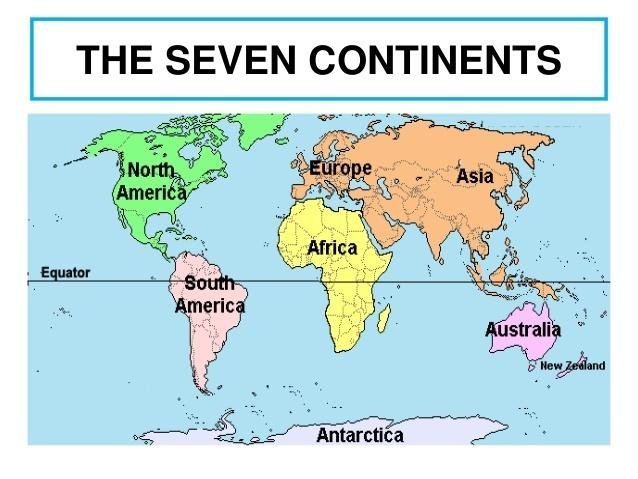
    Our planet is divided into seven commonly recognized continents, each with its own geography, climate, wildlife, cultures and history.

    From the enormous mountains of Asia to the frozen landscapes of Antarctica, every continent has a unique character. Understanding the continents is one of the best ways to understand how our world is organized.

    https://images.openai.com/static-rsc-4/Izz14ckjtoyDpmGl6CeJJX4Ij81c4jdSKyEyfFiQjKDcivL12TVfRzbslKA9KaTLEXVTH-Fg8-60tcW-rsGE1Mqb75beP0CtvwJD45Ci0eaOjwRxlkKYYi7b518m71dapZFyuz9qVSysz4XJYRllOBwokyfDmlTsRjSa3axRLi7gzNaj2GZefGtW-8g-dyz7?purpose=fullsize
    https://images.openai.com/static-rsc-4/sSFUsj-hltrXfmoi4EsQRal1zkm7dpYjPCuPjODxHNtB1P84khl_AbF01CPi450_Fc7aHGswMnpBXKpfvjn6Bj5fNqRIqg9NeGwyvQHxwj4yvou6BmY1lvx7N9KimKUjTNKqyuphvfycTUMcUt8MWdu-FfxDMU8K-L1r5WiSPTmb9hM6NsDYuLTchwCIY7DM?purpose=fullsize
    https://images.openai.com/static-rsc-4/X6_hF-ME51IliZ6wqrFTQJgp5OwVkO5zBkRYHAD1SW1aFhmt8ieEeQAxtszAWi0N1aO_6HyjAgSKlFQXQY7qlM5OJHoOC007w03YTJbgfIcrORU_mjSG2Ui1gJ8ZCiUWYIxZA98RViK-DAhpyaRkKQ71fIIKyy350fXsECv1yi1rKY6iKPGyeYNp4Ym2cMZb?purpose=fullsize

    🌎 What Is a Continent?

    A continent is a large, continuous or broadly connected area of land traditionally recognized as a major division of Earth’s landmass.

    The commonly taught model identifies seven continents:

    1. Asia
    2. Africa
    3. North America
    4. South America
    5. Antarctica
    6. Europe
    7. Australia

    Each continent contains different countries and regions, except Antarctica, which has no sovereign countries.


    🌏 1. Asia – The Largest Continent

    Asia is the largest continent in the world by both land area and population.

    It stretches from the Mediterranean region in the west to the Pacific Ocean in the east.

    Countries such as India, China, Japan, Indonesia, Saudi Arabia and South Korea are located in Asia.

    Asia contains some of Earth’s most spectacular landscapes, including the Himalayas, the Gobi Desert, the Arabian Desert and enormous river systems.

    https://images.openai.com/static-rsc-4/IzsEp8msVVXlTTRV6NamqQs1mDFxCXxbKvm2Q_bNjCaWy6byIHbUZhsGuTJz8uY1-1kNMS-W7BcycaqLafRCWLJA7tbAY-Lwi4w40vFbMQzJMZHJlGva7mTmRtmIVjkddE3rhn6-o5FUUwh0SqF0uDdK0zo0ApPpE9g6oo6IvMQZp8TMa-YZaMYrdOwn6HIp?purpose=fullsize
    https://images.openai.com/static-rsc-4/k4FZ9hdELL48CJeNPWVAtRbTyrUMUB6el_eY9MImt4uCkUVNatp_s6QRob8thGwEPkfcKZ5iQlsPK_UzGEHLYARdZLSMAi6XZgkmvrqwhdO5m5vluCC5cDSpv4U-ujZLDKMobIbOVIu1avELLygnI4WkySXen8JSKzvswJfgwcAFU5pAquv6MaxjOQIqUyIZ?purpose=fullsize
    https://images.openai.com/static-rsc-4/_MDYdwB4PY-vWMjsAuL1bVY6GxPV-LOpWJHMbdqH-zMbPxEHk2WsCM9D9a6z7kysA8hREReuo4krxgfQRGqOYCgBcgnjw-OXU6nD5kBf1vJRcXUdyRZHREta5GXgrpPON__8xypBwhZWRnQLr4hMmpedfaXJXA-ujBvhr-M3FhdlL9ifYXMMsljt_PJCUrzl?purpose=fullsize

    🌟 Interesting Facts About Asia

    • Asia is the world’s largest continent.
    • It has the largest population of any continent.
    • Mount Everest is located in Asia.
    • The continent contains some of the world’s oldest civilizations.
    • Asia has extremely diverse climates, from Arctic conditions to tropical environments.

    🌍 2. Africa – The Continent of Incredible Diversity

    Africa is the second-largest continent.

    It is famous for its diverse landscapes, wildlife and cultures.

    The Sahara Desert covers a huge part of northern Africa, while tropical forests, grasslands and mountains can be found in other regions.

    Countries such as Egypt, Kenya, Nigeria, Ethiopia, Morocco and South Africa are located here.

    https://images.openai.com/static-rsc-4/srAeII9lYEN9B8_ZN7n2gatarBWoZ5SKPFBCUmiIWrO3RO6u1OVuDsXJRRWUikQiPrGvCEROB_9OogJSQEq8RNrpQfVjnTL3j81nJMghuQvPyRT35iOEdF8R8LcY52Es3L-71gpQQU_Glclh_8Q0ElX0VZyPJ-bFCdnbMPBrIiUjsLsQptgWJ7Tn-qaRHqOd?purpose=fullsize
    https://images.openai.com/static-rsc-4/cLCw5O4PgFSJPsigkCxLHEIC_lN9QNcfhIGwh-N2QOfqBdAPPfcdWjoTMxcBAELClVixiBaWyPfuYdcVv-qN0ljZgz3ayPEENi78fJWpcTeP_aLEMNhZTLNfGL3A1nnOkJcee4teCPyQo0WGDFzYQEna-G4KFCRfAEl2w-D2FbZl7MY5faRWKcmiq36Ya2in?purpose=fullsize
    https://images.openai.com/static-rsc-4/xi4hrjwsu2U0okk0_vgm7XNmto0W9cwy03nRvIMYtV9SQpIyotGHKXu1RkAtrJaaJCsWfXmgbZRZgM6QCKlvqR2262VVK_mvoPl18OxaGeOFZhkey7ZyBEJByAb8NsxCUJAcy5qEs9m0XcgKXOJzD0elD7LevrOppunmkVmw8dfxnTGW5C9y40abmc8XgQeo?purpose=fullsize

    🌟 Interesting Facts About Africa

    • Africa is the second-largest continent.
    • The Sahara is the world’s largest hot desert.
    • The Nile is one of the world’s longest rivers.
    • Africa has an extraordinary variety of wildlife.
    • The continent contains many different languages and cultures.

    🌎 3. North America – From Arctic Lands to Tropical Islands

    North America is located mainly in the Northern and Western Hemispheres.

    Canada, the United States and Mexico are among its largest countries.

    The continent includes Arctic environments in the north, huge forests, grasslands, deserts, mountains and tropical areas.

    Central America and the Caribbean are also commonly discussed as part of the broader North American region.

    https://images.openai.com/static-rsc-4/sbXpe9c6spYuOAXiiQYhWl7vYO8T3zSGkxuFwOS8nYKkDVURhW-jKNt0UvHhFyl29lT8k62-KCgo80c-F6ZS0EDfM_-vFELw8_vvWfknXO7L3HV0-6pp2apxetPUplmd6lDezfMOqbVz_5U5Dc4Q-7h77Vgby0JhM92zYcT0P7PIBnXHnkfCaFgLVcY25MSQ?purpose=fullsize
    https://images.openai.com/static-rsc-4/zcGlxoYr72lvafRIad1CJJsbH1UdBOzYwwJfFZe56NkKpbo4LibMHYq2n46n21pTlIi8-MMD1LQrySVxHMo0nnJHOTTxF2o3FJZec03__hx7Sy4M0z-80Jr9uuBlg5KCuoFrK8PqGJ1oURrXaLg2TYQJ8l-Sm0Yvailm0Ey3FP-z8agHbs7PfHemyVOJE3bW?purpose=fullsize
    https://images.openai.com/static-rsc-4/VybLPiHZKlzIv1nr4-436nkbogJ8gr-xDQ0WAQ4UhomSXhvSLeVprTllJdj-e-WqYXftFdHULgxgAqbOc9smhwn9rqGVC5pNVo9Kz4-1rezaXwR4Dy_9kIRpPGw8OLhGtbUO6KoDu3NLInrN8o2uKPvZTi-_XVXh1GCmty88DoelFwkswxTXkhO2mDGCo2kq?purpose=fullsize

    🌟 Interesting Facts About North America

    • Greenland, the world’s largest island, is geographically part of North America.
    • The continent contains the Rocky Mountains.
    • North America has both Arctic and tropical environments.
    • Canada has one of the world’s longest coastlines.
    • The continent has a wide variety of ecosystems.

    🌎 4. South America – Home of the Amazon

    South America is famous for its extraordinary natural environments.

    The Amazon Basin contains the world’s largest tropical rainforest system.

    The Andes Mountains run along much of the western side of the continent.

    Countries including Brazil, Argentina, Peru, Chile, Colombia and Ecuador are located in South America.

    https://images.openai.com/static-rsc-4/sU8XBjH2bUmW_-W45hQMym87TR4HBmxBHl3BbShW0jbfyj60JodWO11dc_Cgmy8Xy-V4mvJZozDldbCvuao7ULjn0eh1QF9FPCL1wVCHJXeXYlNeixfXFtQFVV5gzgNkxZqCR-jGnmwWwcKQ6cXddv9zCDCCgBCScxVGv4_FpsdWDQya7BDGFJKh79uD5D5x?purpose=fullsize
    https://images.openai.com/static-rsc-4/QWTU-pdOSJhfg3FZpOGWfepIGAtaRSj3J0tQyUlXVf0xAdFhZb39JNA0-faJ_ORv3s0G89kgmOj6RtKTsOMkJ9Co5IMmW7W2O5hem7LvtQwPiKIALqyLhbizWRzClbGgECJAloVPgKJV91Q5wojiSCG1AFKexZ_Ri6-9OnKBLrrTis4C2PTaJ0-cU3b5VZAn?purpose=fullsize
    https://images.openai.com/static-rsc-4/EnMooWcBdLcr_vIHy7p8KNi5maKma6okme08TY-QIvz4PGqp_xBI4vf3Fj7HDXBtWBcDX7nXc7o_7VW7HQC9hI3V6wDRixWIolPXe_JcUpm6MVeG9_BbTXXqVwzpDa5dHP-wGdLM9Ly3irL0Ldf8kPjT-Yz7vw0RE-wZ_dIhkGw5Hzi8rkkiRR7TtE-r1X9E?purpose=fullsize

    🌟 Interesting Facts About South America

    • Brazil is the largest country in South America.
    • The Andes form one of the world’s major mountain ranges.
    • The Amazon rainforest covers a huge area of the continent.
    • The GalΓ‘pagos Islands belong to Ecuador.
    • South America has many unique plant and animal species.

    🧊 5. Antarctica – The Frozen Continent

    Antarctica is the southernmost continent on Earth.

    It surrounds the South Pole and is covered almost entirely by ice.

    Unlike the other continents, Antarctica has no sovereign countries.

    Scientists from many countries work at research stations across the continent, studying climate, ice, oceans and wildlife.

    https://images.openai.com/static-rsc-4/ZqnaznE5KDRYwEcrn5RukoFaLJjYSQF4AMxnoiRm-vPFWCQb20-O6nqI3ae6ZTWLqnTig_r3cS9bCO3LWZzhIv14XY_a_YcfLdUU06kBxFxpSgr9Wdt-IPRclj2Yafm-Pq1kSlRRE98CDf5hDTjF9pEGi3yfJYyKAC4cFYbqkgrQjj0x35Cpc7l1yDji1nTM?purpose=fullsize
    https://images.openai.com/static-rsc-4/sy5aNZh8d3IKoLXHLxm3W5v_xAVExkBokMzw0-8swt_u4J23QiTECRwK1-hbi3mcKlXNs9025CMSYQ9Wg1Klse-6QKGlIbZt4xX5cEGscG3miV1kVUhy2Dv5RH6tG3JmjXhUfLfMbSZAuoynkEERf1w6m--OoS-YsPItXfjoVz7Jo5HZiAzEt5CaLzg145yO?purpose=fullsize
    https://images.openai.com/static-rsc-4/24KI-0wtTSg-Pj2Otl3-1tZ78EndT6ONPhPcTJL3UawKniPVFzJuyWdVs8VdLBNmrfAKS7lxpDSCDFDeWoj4xN36CEDedJvAnkLiQABt-lXGY5INOYKwZMF9LElN2GlvsMUu6Y0UY8grTRAdYYZxUaDyi5RS7xGw_S6gBNVDVj8_Un8lq7__t2EhbuPzA_Qq?purpose=fullsize

    🌟 Interesting Facts About Antarctica

    • Antarctica is the coldest continent.
    • It is also the driest continent overall.
    • Most of its surface is covered by ice.
    • Penguins are strongly associated with Antarctica.
    • Antarctica has no permanent native human population.

    πŸ‡ͺπŸ‡Ί 6. Europe – A Continent Rich in History

    Europe is one of the smaller continents by land area, but it has had a major influence on world history.

    It contains many countries with long histories, famous cities, historic monuments and diverse cultural traditions.

    Countries such as France, Germany, Italy, Spain, Greece, Norway and the United Kingdom are located in Europe.

    https://images.openai.com/static-rsc-4/IxOnVD9lvUCYBoNvnAS5KtatYs_EWD5kTdq5g7xWorTOMgIi_sKj-wM0F4ERKVbWlqDAkWFx7t8FaEr7xnFn_rcTmgomDUlVwBNcBHb3nwkOeNTHN5DYmmKLi6TU4VMnR72wI6oonHTEfwf2OWZ9e2P6NTbvkoto1xACXj99EnBRUGMBRJHH-9jypq9bl3su?purpose=fullsize
    https://images.openai.com/static-rsc-4/dvTn531-VggODLdwiI14-qlyZk8g7VXnO4aCuVUcINkyIreHpHnaF5zjDKQR4WBJYt3JNMxVhr0yr6GZImZpuMSkocsblKVdIat0QL5sl2aJGtQHjtfqgd5wmZPfkdr0ccqFyCNMMnIbhxbaBO3tzXylLvfruiPenSeWGthBKNzZqF6Ryk-0A552Beqkf9-A?purpose=fullsize
    https://images.openai.com/static-rsc-4/gJ7ZqZ-fMfOuoZqSSAz8SPpn18NhzROHBMNcPEzMv4cGv87WWkhqG80Ug653xljjZBLj3VRdkNj_ezDnN1aXQ1grzePlwQNYvnu-2c5thhwp0OkHZMpNmgIva35DYB1msax9ajfLjxS8cKaazYxoUFrRrWjwoRSSSw04L-2vqoPLcpREJrzwKQd1SmIInMXh?purpose=fullsize

    🌟 Interesting Facts About Europe

    • Europe contains many independent countries within a relatively small area.
    • The Alps are one of Europe’s major mountain systems.
    • Europe has numerous historic cities and monuments.
    • Many influential developments in art, science and philosophy originated in Europe.
    • The continent has a wide variety of languages and cultures.

    πŸ‡¦πŸ‡Ί 7. Australia – The Smallest Continent

    Australia is commonly described as the smallest continent.

    It is also a country, making it unique in geographical terms.

    The continent is known for its distinctive wildlife, including kangaroos, koalas and the platypus.

    The Great Barrier Reef lies off Australia’s northeastern coast.

    https://images.openai.com/static-rsc-4/P0gY-8zK5KZ9Tp1zZpRQ0VSCrfxEWADcG07onng6TM-kK6Vj6yJQUwQ3qrcBQGoI9wepE9QB6qsjf0UQNCIe3TCTZSPzCigtKOyhgJngyDR1Z6FDORVNe9j5Xp0qcHT4CFwGilRKxPcrdV5LIrfO2Yc-RK8zyiJ6-SV3G3Y0z8X0yeKAJkz_fwQ9VxH07Ku8?purpose=fullsize
    https://images.openai.com/static-rsc-4/L8VpFTLqv2WUcXr6QLc-BOIzeMeNCFE95UTJcEtzg4wO_wXHPCPLb2mStX_F2Z5Y_ELXx2Q6pJ5Ci1a5L68-9zGJWbU-oJ3aWy4y_pKfpmIk5NzrVHV31AgP9UupzL4tHpJ-L3Eaa2m-funTzGFI1slpPfWwN8gN7fYFxt6NVMiIXhz4D-0ojUn8shXJlTkh?purpose=fullsize
    https://images.openai.com/static-rsc-4/IZ7EEtGIKXeetce-oHY5sRGn1ALUs69dYIVrdptiep_447aO8YWx_unxqBBCntQ1eXSBDo1m3nkUD_2lOOpe_3baLKsTl7tupX5USfOxISm7WwN0CDUTKU1b3w82C9MfyxCRrLA6Qd-h5jXdaXtg-SCMrDm1fWwzvfgugJ_Hi5yfGvLX5iIezmokbaXmnaHQ?purpose=fullsize

    🌟 Interesting Facts About Australia

    • Australia is both a country and a continent.
    • It is the smallest of the seven commonly recognized continents.
    • Many Australian animals are found nowhere else naturally.
    • The Great Barrier Reef is one of Earth’s most famous marine ecosystems.
    • Much of Australia’s interior is dry or semi-arid.

    🌐 Comparing the Seven Continents

    ContinentKey Feature
    AsiaLargest continent
    AfricaExtraordinary wildlife and cultural diversity
    North AmericaWide range of climates and landscapes
    South AmericaAmazon rainforest and Andes
    AntarcticaFrozen southern continent
    EuropeRich history and cultural diversity
    AustraliaSmallest continent and unique wildlife

    🌍 Why Are Continents Important?

    Continents help us understand the physical structure of our planet.

    They influence:

    • Climate
    • Natural habitats
    • Human settlement
    • Agriculture
    • Trade
    • Transportation
    • Culture
    • History
    • Biodiversity

    Studying continents also makes it easier to understand where countries are located and how different parts of the world are connected.


    🌟 Amazing Facts About the Seven Continents

    🌏 Asia is the largest continent.

    🌍 Africa is home to the Sahara Desert and enormous biodiversity.

    🌎 North America stretches from Arctic environments to tropical regions.

    🌎 South America contains the Amazon rainforest and Andes Mountains.

    🧊 Antarctica is the coldest continent.

    πŸ‡ͺπŸ‡Ί Europe has a remarkable concentration of historic countries and cities.

    πŸ‡¦πŸ‡Ί Australia is the smallest continent in the commonly used seven-continent model.

    https://images.openai.com/static-rsc-4/8Fx7wFN8Fo44TZBYusMbdwt8kQEVifCighpJ-POaCWQZ6T7HK_hsqXd-ozdps_mJTPBfjf6FLwKSsw5oBOBoVIJCPunVBBHLmj6imo6ZPaHt8g2UHf_kP5wMOHSbbv68axEd6nw-gVoCEbgfeEMphNdMsb6Z7J_UhM6wMv5Z1QUnS6tsPt1DeT8eIK8ixv60?purpose=fullsize
    https://images.openai.com/static-rsc-4/BlbBZJ5P9qM-Ry6MMrsVUkEs4NJv52rOKs2XEfVTvyOiaYSE2ow-sZtcQJMvTVURL3N6cWl6HPXbLEGFKyvtryNpdmN0-fBhs3xWg81zExQGe34wgmfLpHeKBTP5XwGfPH2emk59Viv6s2w8C5tLsI8kGWVlvqaEZM-ji7QxicPpwMkR-XfcXpo8HDZvUqVR?purpose=fullsize
    https://images.openai.com/static-rsc-4/A7NxodxdlIEvJqMENq_QcnPxW2SrvyCd255FRTA8XJMpvqKHZsJJOIr91SMsndPdycV2lV_g7HTCYkqKKa3NzNuZuB2chK_nROBpAYkRiI0JGW9zva7jc-XPfS8MaFz514D6efq3QUu4fmizrjpCo-eq9nfolKo-IvDCmym8RZf8yAB7d02pYfZ45L2E41fC?purpose=fullsize

    🌎 Final Thoughts

    The seven continents show just how diverse our planet is.

    Each one has its own combination of landscapes, climates, wildlife, cultures and history.

    From the Himalayas in Asia and the African savannas to the Amazon rainforest, European cities, North American landscapes, Australian wildlife and the frozen wilderness of Antarctica, our world offers an incredible variety of places to explore and understand.

    Learning about the continents is the first step toward discovering the fascinating countries and regions that make up our planet.


    ❓ Frequently Asked Questions

    How many continents are there?

    The commonly taught geographical model has seven continents.

    Which is the largest continent?

    Asia is the largest continent by land area and population.

    Which is the smallest continent?

    Australia is commonly considered the smallest of the seven continents.

    Which continent is the coldest?

    Antarctica is the coldest continent.

    Which continent has the most countries?

    Africa has the largest number of internationally recognized sovereign states.

    Is Australia a country or a continent?

    Australia is both a country and a continent.

    Does Antarctica have countries?

    No. Antarctica does not have sovereign countries.