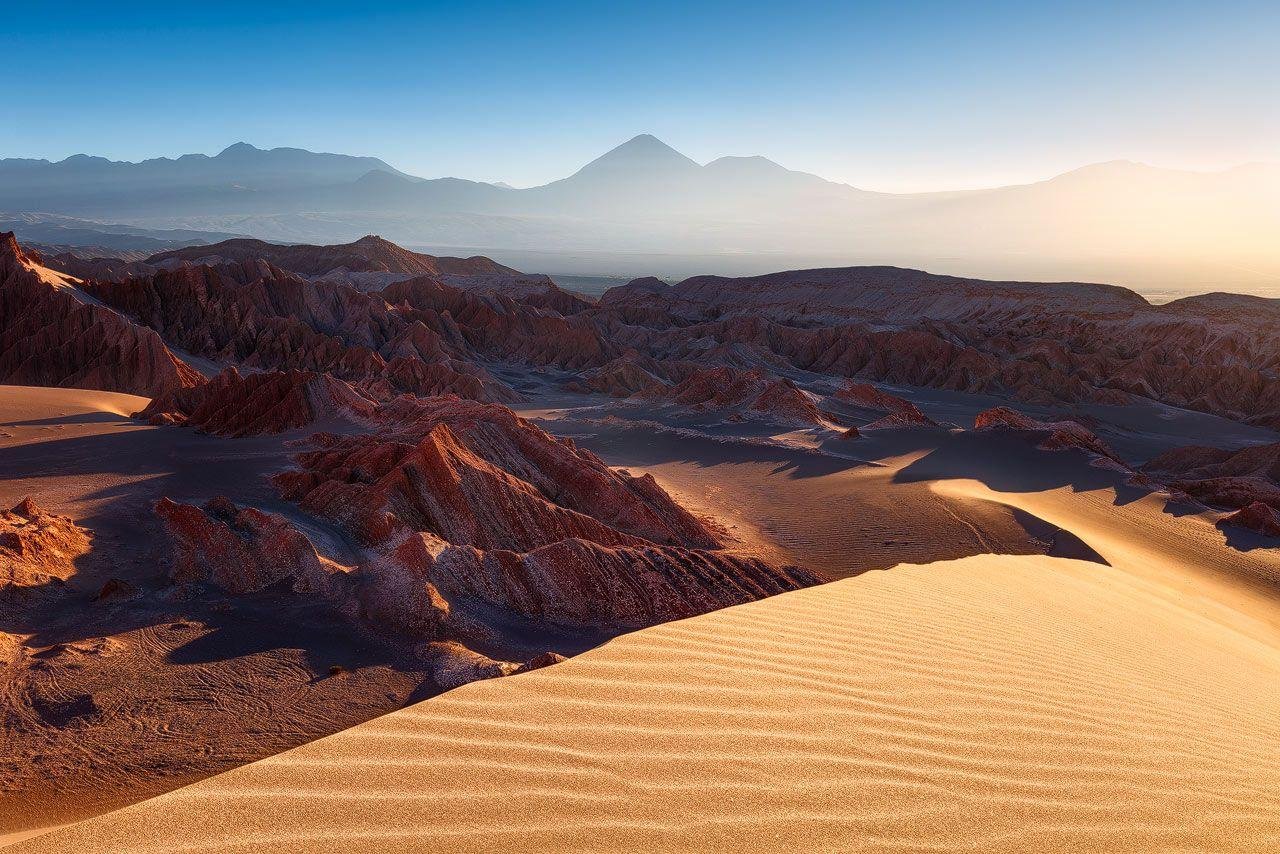
Tag: Arabian Desert

  • 🏜️ The World’s Most Amazing Deserts – Where Life Survives the Extreme

    🏜️ The World’s Most Amazing Deserts – Where Life Survives the Extreme

    What comes to your mind when you hear the word desert?

    Endless golden sand?

    A burning-hot afternoon?

    Almost no life?

    That picture is only part of the story.

    Some deserts are covered with huge sand dunes. Some are made of rocks and gravel. Some are extremely cold and covered with ice. And surprisingly, some of the world’s driest deserts contain life that has adapted to conditions that seem almost impossible.

    Deserts are not empty places.

    They are extraordinary environments where nature has learned how to survive with very little water.

    https://images.openai.com/static-rsc-4/YVBH8gEq4ofory0Fg50NWDjYAqjVh2adL8998mqUlgsEq7SNzRoA6lB6LJYuxjkTFiQleQtJgYg795klS85I2K3z0vtU-6hHTxUQlwRU8b5FFljHy6wJ067qXAz9EZ9tplTvVfYBq1nnrMkpaXtCNoZ85rOS9QPPQ9f3WNC667mDdE0vlJeLpCG6j81eGNDd?purpose=fullsize
    https://images.openai.com/static-rsc-4/H_jTIyKrXz61DbkCALgHp1ZKKuJCCvIRFrDEhWKsyqBFEEkiFi6mtycR7TfuGM4very523EZuKqR_1Wub5AAU7128nr2Uj1kI1trqYP0Fx39Ug0xSEE6eH-lZKWBviiE-T1bofyOLaoUn4p9W1zvj6e1gjHu9u8FVvn6eZcXmuDr7xACpZ63xmCbhJXrBgv8?purpose=fullsize
    https://images.openai.com/static-rsc-4/Gol6DaON9yi6mZRx832pk6MAX0j--hBHMU1tX9XH3FNPc2D9gZNfc-FdC7J82YXZeuR8Tm82gnhvKkqxMT5N0l8OQcf47OVATqOcn3-qIj0PBXckQRy5fI2vHw8i9CpXPZwo8irKShPLO4mBbkqAxhirCEXAj3rKvKLNam6NQE5ma3WcsWQms3qdxWwpTS8n?purpose=fullsize

    🏜️ What Exactly Is a Desert?

    A desert is generally defined by very low precipitation, rather than simply by high temperature.

    That means a desert does not have to be hot.

    The key characteristic is a lack of moisture.

    Deserts can be found on almost every continent, and they can have completely different landscapes and climates.

    You can find:

    • πŸ”₯ Hot deserts
    • 🧊 Cold deserts
    • πŸͺ¨ Rocky deserts
    • 🏜️ Sandy deserts
    • ❄️ Polar deserts

    And one of the biggest surprises is that Antarctica is considered a desert because it receives extremely little precipitation.


    🌍 1. The Sahara – The World’s Famous Hot Desert

    When people imagine a desert, they often imagine the Sahara.

    Stretching across much of North Africa, the Sahara is the largest hot desert on Earth.

    https://images.openai.com/static-rsc-4/H_jTIyKrXz61DbkCALgHp1ZKKuJCCvIRFrDEhWKsyqBFEEkiFi6mtycR7TfuGM4very523EZuKqR_1Wub5AAU7128nr2Uj1kI1trqYP0Fx39Ug0xSEE6eH-lZKWBviiE-T1bofyOLaoUn4p9W1zvj6e1gjHu9u8FVvn6eZcXmuDr7xACpZ63xmCbhJXrBgv8?purpose=fullsize
    https://images.openai.com/static-rsc-4/KkZHR8JzewuiHKwVDRu1htNvn8cG99nyX1gcBACuIAtLO5zonWTj9J59HHq-yZlGYOpe6xVAp6tilSbBmLvQM4xAFy_v2F1WUypjusjx5uxFC9twcGyPFUBoPoQdCqlaKGR1-rDa2UakRJfXliYJWzMp-Fgb0zpgwdATlWKtM7FvZqNz7srqjqb9BW7yVOow?purpose=fullsize
    https://images.openai.com/static-rsc-4/c9zwaYPaC9T9TlrcTF9OEc3nwceYvT0-ZEwoDkhlzmaNegbCMvppyND_C8tndsNLZqcQ9rij0iKgXD0UclaFzWDRcbeI4lLmg88DRdwIc7-9-WnsG5_xy00hmPT71Uwfq8RuztzUKJnwRUrA1t6fLt6vBcSUBoJBKO7VbzJ7TNhnkBiVjfnqSgqGCztJrhKM?purpose=fullsize

    The Sahara contains much more than sand.

    Its landscape includes:

    • Massive sand dunes
    • Rocky plateaus
    • Gravel plains
    • Mountains
    • Dry valleys
    • Oases

    Despite the harsh conditions, people and animals have lived in and around the Sahara for thousands of years.

    🀯 Here’s the Surprising Part

    The Sahara has not always looked exactly as it does today.

    In the distant past, parts of the region experienced much wetter conditions, with lakes, grasslands and other environments supporting more abundant life.

    Climate changes over thousands of years transformed the region dramatically.


    🌡 2. The Atacama – One of Earth’s Driest Places

    The Atacama Desert lies along the Pacific coast of northern Chile.

    It is famous for its extremely dry conditions.

    https://images.openai.com/static-rsc-4/y_K434FLUHy9IZ_S38zEJlCY0hhbDhNDZZug1nZRVmBbnT_0vUqVe3PdA42Pi1RFyeeh3lOtXhofdTLOiDwOOkdyZiBLnzfMHOd1m-M2-HYiFcrD7Bjre0GCnsg4_daaKSqT4KvdSXIsHG41hCFQCnZpVau7jH33fntg_7ugv56KhnVJstL4vL5cXvwNnOFr?purpose=fullsize
    https://images.openai.com/static-rsc-4/yajcKS2GZC8LImUsvRHgo0MN1TL8WEcckjiDXgDnVZpG-atDuUh4JrhqIxTU4eyhLB4ttyv4awH6QZWBHEvb9Z7hasQ1JC5xK6tCu4ye4cmtqIzw6CzQ2s33mFhPSTYmpg04G6pTm3WKEvxtrsGvzi2XtAcCZYf7fxNyzrPAqKIOuSCtTCR2TojMRn_svv95?purpose=fullsize
    https://images.openai.com/static-rsc-4/l1SEcK_oFRC2w-k19D041Rr8rlM2ye8PHKftwSXCYppPFm7rBkuODr8ebEJ5FOTZxU-MeWfjg1T8hNRmsznlmSX62lRdHzj0tYf6BnzEqUJXl6P508C1kB9WhtWnxPk4V0i2BxsAr9sRRxKtbhiDI91VKWq86gAVa3kFhnN_DOIBYGJ9uPsQkQ7mXsPfhPB8?purpose=fullsize

    Some parts of the Atacama receive remarkably little rainfall.

    The landscape can look almost alien, with rocky valleys, salt flats, volcanoes and unusual geological formations.

    Because of its exceptionally dry and clear conditions, the region is also famous for astronomical observatories.

    🌌 Why Astronomers Love It

    Very dry air and high-altitude locations can provide excellent conditions for observing the night sky.

    On a clear night, the stars above the Atacama can appear incredibly bright.


    🏜️ 3. The Arabian Desert – A Vast Sea of Sand and Stone

    The Arabian Desert covers a large part of the Arabian Peninsula.

    It includes several different desert environments, from enormous sand dunes to rocky landscapes.

    https://images.openai.com/static-rsc-4/QfTRs4BdAEpA1Kmop4OGF2jCDiZ_4w4eRnENC7f4qcBNUjKYUew-BTUu_-lnYcNRpnwDhZvNgqaa0N-Zh8kvl6WSwzw0mPHP1VPDq91NrSYsyIYtPmZIJL3NC8rdL2San9zwOwqiskRISSQI27VvslFa-pcJdIdpApoa6GbZlidT91cc2ra1vagWk6nPizKq?purpose=fullsize
    https://images.openai.com/static-rsc-4/wQb28G35__kXkJMso8AtPsEe7FqdJNn2dx4HyiC81YnKlof2oaAM335ManNn4E6Ezv9XF9EggSKB8xiIFE7nYfQSB_-rJ3GVtGQzAaI5oxM5E3Zh-BafhSzY80rNjJnZMjiaIT4JOUpjUDB7dhbxlShImA6cPvZ9TShDgGCO092KYMru4TOfykbgHXP-iux1?purpose=fullsize
    https://images.openai.com/static-rsc-4/MjHyRP5UVdtx4q0v7twf5w1OQttPCwwW51FcF-40qYMCTZ2iVyocZ6xA9gHq7UEwiHpjJT1vPy_w2Sm8lfU67tfS15OC5THSJGRFq9UKwftZVZoBj4am47MCo7SeRwv5xct0Pm1WNbQ7Cz_mJNnoHPp10TDZXJH8svz4FYMAxDg7ojSlyxfL8d9TYrndNjqK?purpose=fullsize

    One of its most famous regions is the Rub’ al Khali, also known as the Empty Quarter.

    It contains some of the largest continuous areas of sand desert in the world.

    Yet even here, life exists.

    Animals and plants have developed adaptations that help them survive high temperatures and limited water.


    πŸͺ 4. The Gobi – A Desert That Can Get Extremely Cold

    The Gobi Desert stretches across parts of Mongolia and northern China.

    Unlike the classic image of a hot sandy desert, the Gobi contains extensive rocky and gravelly landscapes.

    https://images.openai.com/static-rsc-4/8vMLZa36RL0-fXb4JvULQprOJaDZ_ymoFyfhKybN-YjXKKGUElaUi1-pHwo5bg1xaxw34Vd1oC1aCU6VGSIdI5fEFU2Os-0Zp8Tem8TjL08bd7a0VBGC8dF4r3f6HSwRCTgd4bcBR6bcinOPuuft4-Xrdx4YjTRr_8LmW75hp1t-Ts5HJ-lXpWXKuSrjUksl?purpose=fullsize
    https://images.openai.com/static-rsc-4/3Yr0irep5q_vZQoZddr4MbxIbTH9n1L0obS1IA8hoijzspOjwp-tR3KTlsN53HC63LtbERluxjaanG-d_KaSUodZ3IxCZu5cxfXY58_tyQWMvV7K2k2Hu1SpCDRaLBUNNVffZg9IXswjUNvVZX5xbX_EzcOXEWC71NlFYyImk45lwqL3kgMIONV4XWnwOqPe?purpose=fullsize
    https://images.openai.com/static-rsc-4/OlpQ3NtnMOZ7wqD8rczhMgpTqtmo55Bv-mx99cFqm085c5A471-PBCIfoWcH4Tol8Ntzs6R8hY3BB0cTwd99AwEkMAloW_ELqjOxgvnR8Ivt0Z2t9TpqoSNErVZGehNFoT-pc88O00bnEhfNqkJCn_WKfUdNE5hpC8zbQPkCgg42FqCJte2_zUXNRfQ8ikzk?purpose=fullsize

    Temperatures can vary dramatically between seasons.

    Winters can be bitterly cold, while summers can become very hot.

    The Gobi is also famous for its fossil discoveries.

    Scientists have found important dinosaur fossils in the region, including remarkable fossil evidence from ancient ecosystems.


    🧊 5. Antarctica – The World’s Largest Desert

    Here is a fact that surprises many people:

    Antarctica is a desert.

    https://images.openai.com/static-rsc-4/5er1C0ssHs1L1QpCJN7Jl1hOQFUTMkbPYC3qyac2luRNg5L_2yB2hQeGMlE4SPp0t1LJt64gZXQ7v99vQ2n_0YLJNUBt-r7IDkOoMzIL7hw4vKREcFyUQ3lVJWPG61TNIzze-TSqA_R1C0NZczGWIo4nlQh1S6SdmWylhYr1_-ECWqR4KSJJ-XWrvGteTgfF?purpose=fullsize
    https://images.openai.com/static-rsc-4/9Vv5WHrwm3wQWJ-Ew1VpTrqaZ-2BjgEGGTIys4W3yUHVSuIhJfqTaL1C2FnnZIzzh18NUUA5auiQQXeRku_eC6VbHawYxwbQ2R0Dvs3r6a_rBdc0-z0dAVl2uA8_PcFe_EwQ0YO1-anMSH2CdKzzqVSnb96dYs7YpfJ9JDDiqwlLwF_K4SRLD-nXSMwW4MKH?purpose=fullsize
    https://images.openai.com/static-rsc-4/wMjzGMX9wy_OSfcMlDQV342PYcp2A0vW5cmm9PJyx0G2yhKJXpLhRyU5u-NeVUpKcwFMe4d_PwDU2CrnsFFFHf0i3eO66F9LSlr5Y_Sc6D8AstP3ICj1zPI2owiq4o2bRxzMEEpe_jyMZYDIFZyjm2ZVUmoko5i3_ePSpsgXVz7omgNmCdqcp9F5x1cAKSMI?purpose=fullsize

    Why?

    Because deserts are defined primarily by lack of precipitation, not temperature.

    Antarctica receives very little precipitation across much of the continent.

    Its enormous ice-covered landscape therefore qualifies as a polar desert.

    🀯 Think About This

    A desert can be covered in ice.

    That completely changes the way we normally think about the word “desert.”


    🌡 6. The Sonoran Desert – A Desert Full of Life

    The Sonoran Desert covers parts of the southwestern United States and northwestern Mexico.

    Unlike some extremely dry deserts, parts of the Sonoran receive seasonal rainfall.

    https://images.openai.com/static-rsc-4/vgy_14_qPewyqL5igbQ5cEHaXhXKhBRouPzuAs_68o7Zru9InELJN90UVw8rNEGiUFzrfgjFANcAdBAuAth1d1a1XP8jwLkok3kVaq-di3EsqfjApNWeoj4nnn8cL60OcNucDGsMLgeP2t6n5ldejbTkET5hZhTkkqxfqLh4rJxjdu6dVr4JyUH_MYPAJqUz?purpose=fullsize
    https://images.openai.com/static-rsc-4/_s9VNGTXQk9s_IbkyMLNccZ7Z7ZiOn7ecYCN-FbIcM0h2qKL2meJjvj6SfHObRMd3aQw2CQ2xNs2evm7C_LOmw9R7HtNukUoxyl5Y1I5nSLxGhkJ1cyXixMJRl75RmnDaolrhRmcw3TgS2Dkr7Of4qX47hRKz7-Nztjj9aTCrjDt4G11JmEcdChCDDjyCj3d?purpose=fullsize
    https://images.openai.com/static-rsc-4/To1kF8nK1MzeKh30YGiqCXhVEq_RoAF9nvOY87S2EdicfnxnK-viNTGCzgWb2xE0qOwgDBipT9E-xkB8gdZaruk3ZTFnAmHjt7Zt9aETRBfwrTN3XH_PuBfX4DJ7MWqTKOgG6_1-Q68ZgZvDAz73XBOuhMMx0C4zJnptkMt5dg2w0l6ID2revlHvAdS2h6Mi?purpose=fullsize

    It is famous for the enormous saguaro cactus.

    These giant plants can store water and survive the harsh desert environment.

    The Sonoran demonstrates an important lesson:

    A desert may look dry and empty, but it can contain a surprisingly rich ecosystem.


    🌸 7. When a Desert Suddenly Blooms

    One of the most beautiful desert phenomena occurs when unusual rainfall causes dormant plants and seeds to grow.

    Large areas of desert can suddenly become covered with flowers.

    https://images.openai.com/static-rsc-4/8j3rXhBzq3toInXA6o7dH4i7u5PnZrZAnKoPnmbpV0P5UgpY3Bx_HxEtluBAr0KSgJqpMRL-nlFP61Hkt8rDbgjhCrAaEyLUJhpoiVBcXCQ3diwfRGTurs4ejOW1JpV_E5KUmhCC9cmiMTH-Kvg14XidrQBSbVQRwB4wamWdP3qIC9jbeZBML0rmvFWpJCE6?purpose=fullsize
    https://images.openai.com/static-rsc-4/NsukxE4dRfG59IFNXgwXNV-3hKEkGF7sAQLf5qTPGKTZM7XGl9pICi8HTKvKhHAod7FUpSvj35e8NorQle34R39qAg_p5mNH-bXZ-hIOXIrSCZ122v2oE9kMZb23nOWpO2YXefEfQblIzoNy_L2qCCLHO5dQM7IunpYe-_z4ovOlZ6FfaZiqHxbjaOy9dJdX?purpose=fullsize
    https://images.openai.com/static-rsc-4/W-FIS4-qHbKXhmcvRSQW4CAvJi0_3yL8ikR4xK2ZStmQbk5zgl5RXlGH-2PrMv4H_xiTXmaypzqeh_V_ZhNJHzWNAVFe3BPuPkhVcQaNSuAuIrPKubBefzGmDMmYr7vGpPmOnwCDhH_MXcXiq0JtMcKXPFUKVLEbm4u4ZMd_To_6T6kJK_NHQ6TSvWOnzMRd?purpose=fullsize

    This can transform a seemingly lifeless landscape into a colorful field.

    It is a powerful reminder that some desert life is simply waiting for the right conditions.


    🌑️ How Do Animals Survive in Deserts?

    Surviving in a desert is not easy.

    Water is limited, temperatures can be extreme, and food may be difficult to find.

    Yet desert animals have developed remarkable adaptations.

    Some animals:

    • πŸŒ™ Become active mainly at night
    • πŸ’§ Reduce water loss
    • 🏜️ Hide underground during the hottest part of the day
    • 🌿 Obtain moisture from their food
    • πŸͺ Store energy in specialized body tissues
    • 🦎 Have physical features that help regulate body temperature
    https://images.openai.com/static-rsc-4/P0vrsNdWx1p9_ElhVyH4XuUj0YjD4dfxjuPjJk57o9n4MelkSAd0w2-6E0NtTY8I4z5CpAEo0y4nLXQXs3Oeu3eW2_N-k4RV34hluAXnXIH6FTYiQghsFUDWAkPcqPI6KrwCcsvNgnGCz1PhG0f7mFiBDCxbTn39s5tJkzCy886mhU-vc7eSkPa3ex1Bhokt?purpose=fullsize
    https://images.openai.com/static-rsc-4/OF0HxYjvKmHR1GCJL9uP88b69npLmADv0T4Quc0kNPMtgyQiQ3Ziw7k8LEymglNlB_6vDPEsWIYOYLcbx8t-mZmdBsB-EHzcKMIKRlMZ8sPyGVy88Pr013wSgYHJMKnH77xIrfGjluYKfUdGowZhA-RCWJfAKyYcxHczbx-d91Fgo-IA8iS5d5_U9wmMnlLS?purpose=fullsize
    https://images.openai.com/static-rsc-4/LKCchkirexiQ7O0k2oAGyP0IlRA2lcPUv7bjdLRv8d5ZTuXOfWXcyKgu1ypBX5IfdpEGQdt5Vhk3QDN2aiPaJUFkUDlYItUEAO3PVovTELvv3dThfmu_2nrqHlpZZu5mHIZSuZLBMxzlOSROPKIt-354IA-xpDP8dCnGOfuHRgvHUL7RdWFNGMSAA6DQGf2p?purpose=fullsize

    The desert isn’t simply a place where animals survive.

    It is a place where evolution has produced some extraordinary survival strategies.


    🌡 How Do Plants Survive Without Much Water?

    Plants face the same problem.

    Some desert plants have developed thick stems or leaves that can store water.

    Others have roots that spread widely or grow deeply to take advantage of available moisture.

    Many plants also have protective surfaces that reduce water loss.

    https://images.openai.com/static-rsc-4/UMqIsT7ztLL0vmOubLcaC2lrVyJVaeWwNgN07ONmI6jh3fzBeO8Xhy4G7M5mqGdKcqO-mDjuoNNYasvNU04TX8nRpj1y0GhIq_9Vc2cNPZW9fj0Ciz-0rUr_j9c0Qsg3Wqia_3WsxFuC5XcWxGjLJO5LC511Ri85Ef7b5Gn3zJYh63BA9MJw1Ni89jobu7rf?purpose=fullsize
    https://images.openai.com/static-rsc-4/jbLrzSqBBKUZShz1xCrVzFBwA-jIDbxEsatQ7E4ozL7EFTbNewYElY5bgLPQMQV5885XqXZg9A2rfPkm5FmR43nwKvGs-JQgDvNh8BC9czpcXUlw3qa4zZk6zKvpgQ3tn7GinaoDFcVXrGLTputYVqx7BvQEGWpPwtTW4lbCSUcsqJsozWEdvUpxdeYmMui1?purpose=fullsize
    https://images.openai.com/static-rsc-4/FujdXG_M4nOiN3lHeFatszXdhYj4p4-8axg-6cAwOzb0MIYmNKUW2qC25aqgdUqlbCKZ37JT_1Oxwxlbum5S-6KcgWe2Tw-lsQ55qOw2w4r4V3fHQLsMvV1VNJwtM_xu1MksRq-uS5YlxkHcXboq_Gq1VhNqSDeL3s6QI4P1Ksubga6R4lJoVcDIX7E_C-zh?purpose=fullsize

    Every drop of water matters.


    πŸŒ™ The Desert at Night Is a Completely Different World

    During the day, the desert can become incredibly hot.

    But after sunset, temperatures can drop dramatically in many desert environments.

    And then something fascinating happens.

    Animals that avoid the daytime heat may become active.

    Small mammals emerge.

    Reptiles move across the sand.

    Predators begin hunting.

    https://images.openai.com/static-rsc-4/t1-lpw0d-ePLkhjw5gRCqdjwwzh-zy0GDhAYONLZ_tIOH7lcfppuWiV7QzanJdFWSbV-UKf6P7Cq_sdOo1PDEYBcWi7lsfejw__pr0xLLHJ4lN7TjSl2Pjyfc0tzKaZxiEbUDzU5m81Gim4Tw4bS_KbBHLQoQxkUh4QnIwGJJMF-IL5tFclXVNJIVHctj4a-?purpose=fullsize
    https://images.openai.com/static-rsc-4/Ntn55Vj2krq6Car9S8cRkmVNFg5mI4fNP8kdYiGsfMenDOU2bNCBOn6RSTTZBN21MK0qbIQGoZz0g-1O9uVd_bInPGkOzDWLM3Q-hgxBBuEOf7bYsQR3ZiztAd3g3c4rPbIJ716ibM_LNgaxXFMnslj25XZ7dzk5yTdZw82gDO1-4sR5W1D1dEImzvKjWfzw?purpose=fullsize
    https://images.openai.com/static-rsc-4/0PMcJey-QYtVoAWA9zhK_LXeYoypQDAh3u4lcEtHGCmsNqbHiZ1FfnbFGYniFXErt2IfOotDJ4XV6S4TFyTyrUlbtmqKSOPHU0Jvm8EcK9zlgiRejx_6mQYnVAE8l8YzbBL5mpi9exsHIzxmffxijAmkmdXBf20A6ehu3zAu81XliHVWU-PGGB1Rk8mjZn6p?purpose=fullsize

    Far away from city lights, some deserts also offer spectacular views of the night sky.

    The same place that looks harsh and silent during the day can become a completely different ecosystem after dark.


    🌬️ How Do Sand Dunes Move?

    A sand dune may look like a permanent mountain.

    It isn’t.

    Wind can gradually move sand from one location to another.

    As grains are blown across the surface, dunes can slowly change their shape and position.

    https://images.openai.com/static-rsc-4/0AwGz3Sscsc90ffyPqzJDIFDXATDe3vLQX18pICruXyvGQvpr214c22wY_9P3Jrouqf9HzerTRW5OoHnphe_GkVk9em94KyNB-1uaAFOkS1iIkp4-QYt_slkXZWeQtRewKt0vZVN8bA4VjxJ8lcfHMBtfH1qx5I0lOXi4NCVTDYQaFOCWbzPvl2qYnHssS2e?purpose=fullsize
    https://images.openai.com/static-rsc-4/AfY5VkgQEYxoH35xK7vTMwhgZ83YXg1DqddPgEUenWO2kwXgGwa6Rk3yZhDY569q86OsrdwJrTbMzN9PpKFLp1rXMZ2ToRONkByKNMrAfUevrXoC7zwte_w1_X00RNQi7Qy83MK9xUF6uWN76K6NrYzxWVldvmHsF8BIKtK-G61MSeb26XLwExExvYOFDchy?purpose=fullsize
    https://images.openai.com/static-rsc-4/Evq8siw4tLmqdSIbHk78YWX-Es9yLby2n94gjm73xwHsFygRaYYTp-zkGfJHidFwdA7jgclSf8kz5yjUFuc4L3DzXzzUpxEQmR9jj-Rf5q9TvJGyDv6O14Eqn_JWy1fQuOVMWZW2OVubMUJ5mnjExHLfvpYUAKI7D6QjDosMKa8eIoC9KUcbmAuZeiCNdceG?purpose=fullsize

    Some dunes can migrate over time.

    So the desert landscape you see today may not look exactly the same in the future.


    🏜️ Deserts Are Not Empty

    This may be the biggest misconception about deserts.

    They may appear empty from a distance, but deserts contain:

    • 🌡 Plants
    • πŸ¦‚ Insects
    • 🦎 Reptiles
    • πŸͺ Mammals
    • πŸ¦… Birds
    • 🦠 Microscopic life
    • πŸ‘¨β€πŸ‘©β€πŸ‘§ Human communities

    Every organism has to solve the same basic problem:

    How do I survive with very little water?

    And the answers are surprisingly creative.


    🀯 Amazing Desert Facts

    🏜️ Antarctica is considered a desert because of its extremely low precipitation.

    πŸ”₯ The Sahara is the largest hot desert.

    🌡 Some desert plants can store large amounts of water.

    🌌 Extremely dry deserts can provide excellent conditions for astronomy.

    πŸ¦– The Gobi Desert is famous for important dinosaur fossil discoveries.

    🌸 Some deserts can experience spectacular flower blooms after rainfall.

    πŸŒ™ Many desert animals are most active at night.

    🌬️ Wind can slowly move and reshape sand dunes.


    🌍 Final Thoughts

    Deserts teach us something important about nature.

    Life doesn’t always need perfect conditions.

    It adapts.

    It changes.

    It finds ways to survive.

    A tiny plant can wait for rain.

    An animal can avoid the heat by becoming active at night.

    A cactus can store water.

    A community can learn how to live in an environment that appears almost impossible.

    From the enormous Sahara to the frozen deserts of Antarctica, these landscapes show us that Earth is far more diverse than we often imagine.

    And perhaps the most surprising fact of all is this:

    When you see a desert, you’re not looking at a place without life. You’re looking at a place where life has learned to be extremely clever.


    ❓ Frequently Asked Questions

    What is a desert?

    A desert is an area that receives very little precipitation. Deserts can be hot, cold, sandy, rocky or covered by ice.

    What is the largest hot desert in the world?

    The Sahara is the world’s largest hot desert.

    Is Antarctica a desert?

    Yes. Antarctica is classified as a polar desert because it receives extremely little precipitation.

    Why are deserts so dry?

    Different factors can cause desert conditions, including atmospheric circulation, mountain rain shadows, cold ocean currents and distance from major sources of moisture.

    Can plants grow in deserts?

    Yes. Many plants have special adaptations that help them survive with limited water.

    Are deserts always hot?

    No. Some deserts are extremely cold. Antarctica is a major example.

    Why are deserts important?

    Deserts support unique ecosystems, contain important geological features and resources, and are home to many human communities.