Tag: Archaeology

  • 🇯🇵 Japan’s Mysterious Underwater Ruins: The Ancient Monument Beneath the Sea

    🇯🇵 Japan’s Mysterious Underwater Ruins: The Ancient Monument Beneath the Sea

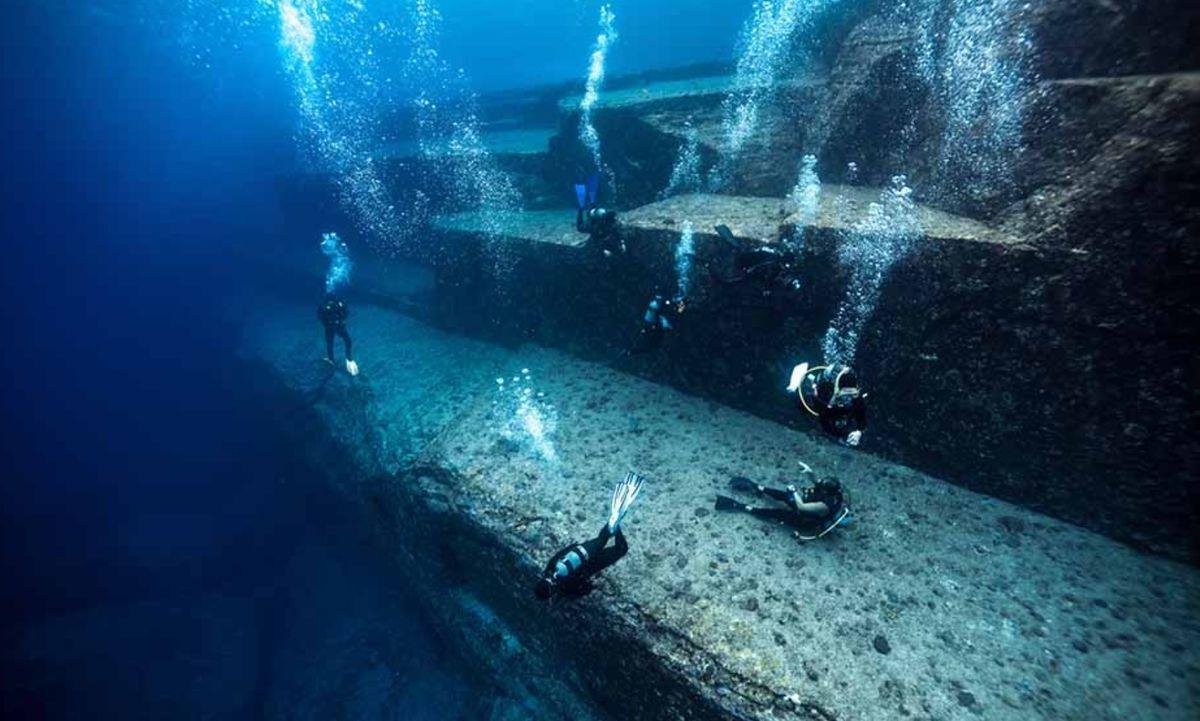
    Imagine diving into the ocean and suddenly finding enormous stone terraces, straight walls and steps beneath the water.

    At first glance, they look like the remains of an ancient city.

    But there is a mystery:

    Did humans build them — or did nature create them?

    Near Japan’s Yonaguni Island, divers discovered a huge underwater rock formation that has fascinated researchers, archaeologists and explorers for decades.

    Some people believe the structures could be ancient human-made monuments.

    Others argue that the unusual shapes were created naturally by geological processes.

    The truth remains controversial.

    And that is exactly what makes Yonaguni Monument one of the most fascinating underwater mysteries in the world.


    https://images.openai.com/static-rsc-4/iywtfrLOEManXF72-v9P9dlI0nDKK9W6oXrzCx84aPC_Hyp7xtJ9Q9HYjSIkwhG0w6Qz9sh5JO79gNVC5QLhOLvhV0HtnSiVwvdn1LyTad3vo1BS61-W0ZXQi519oDXzdFc0ffYGFi0bWWVZM3l7uR7t0Lyx1Tw2It9mMuAaMKfyWq6iFKi4I_pIwyvhAKGf?purpose=fullsize
    https://images.openai.com/static-rsc-4/xG8Cv6XRcgZcD-0P8o8pM2_Bvdy1T9m8biUWEiIvzsM3O2uY7hks4TTSzAcTEJnlxJ8fSZjBOVV08YS7juEQW6rVw3YdvqdhBImzdvRfwq3KPHqDHPmCqFS2uTh7RzeNK7spFBaofNBvAZ7ccgWYIZnJzujl0IlU1FwOtHTQrLLFfCpQlqelcuRNjEE39TRu?purpose=fullsize
    https://images.openai.com/static-rsc-4/9cHCfBlorfY3TG-XorIakNl3-50NVUPGBwFU3yoyriyDUUyEd_T3ID_usXzX171WG89Mn_vhlWhjwVNTec7ffpHZj3Pl6SZUxmTZ_miMqUNVpw64MZQu7ajs7x8Qv8nfqW0GaI9roRIFG3vtGFvsLASVuMfzciNQZe3MYfNj85WiJ9rnVr23kvp6M4IDE90i?purpose=fullsize

    Yonaguni Monument Underwater
    An underwater view of the massive stone terraces and geometric rock formations near Yonaguni Island, Japan.


    🌊 1. Where Is Yonaguni Monument?

    Yonaguni Island is located in Okinawa Prefecture, in the southwestern part of Japan.

    It is one of Japan’s westernmost inhabited islands.

    The island is surrounded by the waters of the East China Sea.

    Below the surface, divers can encounter the mysterious rock formation that became known as the Yonaguni Monument.

    The structure is enormous compared with an ordinary underwater rock.

    Its broad flat surfaces, terraces and steep edges make it look surprisingly architectural.


    🤿 2. How Was the Underwater Structure Discovered?

    The formation became widely known after divers explored the waters around Yonaguni in the 1980s.

    Local diving instructor Kihachiro Aratake is generally credited with bringing attention to the unusual underwater formation.

    What he encountered was unlike an ordinary underwater landscape.

    There appeared to be:

    • Large flat platforms
    • Straight edges
    • Stair-like formations
    • Terraces
    • Deep grooves
    • Large stone blocks

    The discovery immediately raised a fascinating question.

    Was this simply an unusual geological formation?

    Or was it something built by ancient people?


    https://images.openai.com/static-rsc-4/LxtdEjqxG5SyTyDRbIqlGHpsaFJc4KrL5CWvT-0h0F-49hLltbp47P2yp6rCRBOOjp9lpoU_E4hbIE1su3CgEw6mHZL24wUghJ9tLOMzHKDM7FxFAL7m_JIQd2NVaOUUH9qAvHbYC6FYnL29TlqADE8O0OuNq-HHvDfNjWNo-nSH6krKQbBZDBN9bkbbCJA2?purpose=fullsize
    https://images.openai.com/static-rsc-4/4Fn7XKi0dRtWSHpsLOujuhlVDZMSrkejFqKgNZ5OSJrUXIp44Qs6vV72xrWcxX9Qm5IgMTk6t3_QgWHPEqgQ2sNPiIzHB4XB43cY16bVxU1le4xas3W-6Di16mL6O2R7LILK01JRluPbaMxeJWM8mCKAYflc-A522avdhARJRzlCvQGoU5WckyJM4OwAe7SP?purpose=fullsize
    https://images.openai.com/static-rsc-4/O72b7nTbSmXgv8Ra1I_QthiO4Aj0zCLd5YxTbz8YeIa90y22HCPaVcygWtAgdzszPf2OVk9vTlbgux5t2WKJ-8X-8eXxO1DnnHXWsfyHr5tRVLLE-Yhtr2a94k355iAt1KZZcpb2bLI5XYjJsjO5QCEoGzw1zhb2akSLAiRvERxPvqZP13iUPxucWJbA5Zn6?purpose=fullsize

    Diver Exploring Yonaguni
    A scuba diver exploring the massive underwater rock formations, showing the enormous scale of the structure.


    🪨 3. Why Does It Look Man-Made?

    This is the part that makes Yonaguni so interesting.

    Some sections have remarkably straight edges.

    There are also formations that resemble:

    • Staircases
    • Platforms
    • Walls
    • Roads
    • Channels
    • Large rectangular blocks

    To some observers, these features look too organised to be purely natural.

    Supporters of the ancient-structure theory suggest that humans may have shaped the rock before the area was submerged.

    But there is an important problem.

    There is no universally accepted archaeological evidence proving that humans built Yonaguni Monument.


    🌋 4. The Natural Explanation

    Geologists who study the formation argue that natural geological processes can produce surprisingly straight lines and flat surfaces.

    The rocks around Yonaguni are largely sandstone and mudstone.

    These types of rocks can develop fractures and layers.

    Over long periods, erosion and tectonic activity can create:

    • Straight cracks
    • Flat surfaces
    • Sharp corners
    • Stepped formations

    In other words, nature can sometimes create structures that look surprisingly artificial.


    https://images.openai.com/static-rsc-4/1MVNLCiNoxrbOErpTXd43B1HelpdLdfrJ7mBsGRtYS3BdcFw-KSNyFIDmDNyaRwTIewFDoXHY4C9HQS7Tu9OHXWVOvWJngemqGw_tKi0uvxRl7uYn1i9v4iRmG-64TX0IrSrUq0VJnGccJxv0Wmx2r6IKdEyfqvkdGOb_zpbewHyH9tS2pSSKYhCV0Ycagk6?purpose=fullsize
    https://images.openai.com/static-rsc-4/aBGKmP0v-7GVD_y3UMtkY63gwB-RUg5xbFwtRIBpZ41U0xfV_L2EMHEnG4R-Wur_j4PdQujngXiu_8I6rGAqAIjIjdMpR2BDMptzJnI7nA4tKw0FtvYIm5cR2As6h_EYO66_mSMX7AnSnINLWgHuSWo9AIsiSRPBt9wSpLtSexk-wONaVmLNUWiynYwpCNOl?purpose=fullsize
    https://images.openai.com/static-rsc-4/w3r0y9w5UFF67f8x8F_og3Auk-yFgHLfGW7rQSrZGqTLv8VOCs9jLkHtSaOfR9GN25cHDoVpPSoPsdGpl33teJOjievLnHMs5i2eONPClLvkMhOOMaDmFBWNn_qoUvrXFTR2agXmkWxZuAxrSPJVCRu57jkxZvdBlOkG_HeAXjGwAQ3a_XLCaGNavZrpYIlq?purpose=fullsize

    The Geological Structure
    A close underwater view showing the rock layers, cracks and sharply angled surfaces of the Yonaguni formation


    🏛️ 5. Could It Really Be an Ancient City?

    Some researchers and enthusiasts believe that the formation may have been modified by humans.

    One theory suggests that ancient people could have shaped parts of the rock when the area was above sea level.

    If that were proven, it would completely change the historical significance of Yonaguni.

    But this remains a hypothesis, not an established archaeological fact.

    Researchers would need stronger evidence such as:

    • Clearly identifiable human-made structures
    • Tools
    • Artefacts
    • Inscriptions
    • Evidence of construction
    • Archaeological material associated with human occupation

    Without such evidence, the debate remains open.


    🕰️ 6. Was Yonaguni Once Above Sea Level?

    This question is important.

    The geological history of the region is complex.

    Sea levels have changed dramatically over thousands of years, especially during and after the last Ice Age.

    However, determining exactly when and how particular parts of Yonaguni became submerged requires detailed geological evidence.

    Therefore, claims that the monument is definitely the remains of a prehistoric city should be treated cautiously.


    🧩 7. Why Do People Compare It to Atlantis?

    Because of its mysterious appearance, Yonaguni has sometimes been connected with stories about lost civilisations and Atlantis.

    The comparison makes for a fascinating story.

    But there is no accepted evidence showing that Yonaguni is Atlantis or that it belonged to a lost global civilisation.

    The Atlantis connection is largely part of popular culture and speculation.

    The real scientific mystery is much more interesting:

    How did such an unusual underwater landscape form?


    🐠 8. Yonaguni Is Also Famous for Marine Life

    The area around Yonaguni is not famous only because of the mysterious monument.

    Its surrounding waters are also known for marine life and diving.

    Divers may encounter large schools of fish and, during the appropriate season, hammerhead sharks.

    This makes Yonaguni attractive to experienced divers even without the archaeological mystery.

    The combination of:

    Underwater rock formations + deep ocean + marine life

    creates an unforgettable diving environment.


    https://images.openai.com/static-rsc-4/Tl2_JhiwpkToA8F3dRWMbUnR1b65L3xA8TrXO9wwEdoorkbgZqs0MAlgvJRL7T_jAX6ISulGiWlrc4RfanWq94z6wtejWvz0Z0QcXXwGc_hk4EvnE-06Ygzsl7EK5yTGFdnyI-cNSJEmCQOt8gb52blkSICtHls2QD1-7nFee9toaX9b6oOxYhf8r5JtTIAA?purpose=fullsize
    https://images.openai.com/static-rsc-4/1B7_wXgH9nrAMyw6H9zVLy7EaE_TxVRkTWAEIG6Rt8Ol_j4Iz1SHM4gS4LNNlSR59bE_SXQc_j02oN7gv32Fnwjt-EN92TSc3BXhZcLlEnpweHNUsk44mU0pzu4a98f_B_bOaryck5Jxb_tSClDsZ6bjZqBYRc5408ILDAHcSHjK31r6zK58t88tEq1LmxXZ?purpose=fullsize
    https://images.openai.com/static-rsc-4/PLu0LcjLmS7rsPaiA1zscysxBIGMQasqt0M4b6v9vz0c2jxKxxZJSkyDwfj12Dcp0RZ9AMsAAlYuILg4Mxr9SkQsyrVizqhTjTRy2yIiauu-AWQdPDtoMhy7SKkiEcH-4_WjgQMfIz38fl2hnvsw6thM-NMCoI3nBcIuTwSOvhtihryDCF_1kNfMr7jVD36L?purpose=fullsize

    Yonaguni Underwater World
    A dramatic underwater photograph of divers or hammerhead sharks around Yonaguni Island.


    🗿 9. Are There Ancient Inscriptions?

    Over the years, photographs of unusual marks and shapes near the formation have led to claims about possible carvings.

    But interpreting underwater rock markings is extremely difficult.

    Natural cracks, erosion and rock fractures can sometimes resemble deliberate symbols.

    Without clear archaeological evidence, these markings cannot automatically be identified as writing or human-made inscriptions.

    This is one reason scientists remain cautious about calling the site an ancient city.


    🔬 10. Why Scientists Are Careful

    It is easy to look at a photograph and say:

    “That looks like a staircase.”

    But archaeology requires much more than appearance.

    Researchers need to determine:

    • Who made it?
    • When was it made?
    • How was it made?
    • What tools were used?
    • What was the structure used for?
    • Is there evidence of human settlement nearby?

    Until those questions can be answered, the safest conclusion is:

    Yonaguni is an extraordinary geological and archaeological mystery whose exact origin remains debated.


    🌏 11. Why This Mystery Is So Popular

    Yonaguni combines several things that naturally attract human curiosity:

    🌊 A mysterious underwater world
    🗿 Structures that resemble ancient architecture
    🤿 Deep-sea exploration
    🌋 Powerful geological forces
    🏛️ Questions about prehistoric humans
    ❓ No universally accepted final answer

    It is the kind of mystery that makes people want to learn more.

    And unlike many internet myths, Yonaguni is a real physical location that divers can actually explore.


    🤯 10 Amazing Facts About Yonaguni Monument

    1️⃣ Yonaguni Monument is located near Yonaguni Island in Japan’s Okinawa Prefecture.

    2️⃣ The underwater formation became widely known after exploration in the 1980s.

    3️⃣ Some sections contain remarkably straight and flat surfaces.

    4️⃣ Some people believe parts of it may have been shaped by humans.

    5️⃣ Many geologists argue that natural geological processes can explain its appearance.

    6️⃣ There is no universally accepted proof that Yonaguni is a man-made ancient city.

    7️⃣ The formation is a popular destination for experienced divers.

    8️⃣ The surrounding waters are known for marine life, including seasonal hammerhead shark sightings.

    9️⃣ Yonaguni has been connected to various lost-civilisation theories, although these claims remain unproven.

    🔟 The true origin of the unusual formation continues to attract scientific and public interest.


    🌊 The Biggest Mystery

    Perhaps the most exciting part of Yonaguni is that we don’t have a simple answer.

    If it is completely natural, then nature has created a landscape that looks astonishingly similar to human architecture.

    If humans modified it, then an important chapter of prehistoric history may still be waiting to be understood.

    Either possibility is fascinating.

    And that is why Yonaguni continues to capture the imagination of people around the world.


    🇯🇵 Final Thoughts

    Deep beneath the waters near a remote Japanese island lies a massive formation of rock that looks strangely like the remains of an ancient monument.

    Straight edges.

    Terraces.

    Steps.

    Huge platforms.

    Deep underwater walls.

    Yet science has not established that humans built it.

    Perhaps Yonaguni is an ancient monument.

    Perhaps it is an extraordinary creation of geology.

    Or perhaps future research will reveal something in between.

    For now, one thing is certain:

    The Yonaguni Monument remains one of Earth’s most fascinating underwater mysteries.

    And sometimes, the most interesting stories are not the ones with definite answers.
    🌊 They are the mysteries that make us keep asking questions

  • 🇪🇬 Egypt’s Lost City Beneath the Desert: The Amazing Story of the Ancient City of Gold

    🇪🇬 Egypt’s Lost City Beneath the Desert: The Amazing Story of the Ancient City of Gold

    For thousands of years, the ancient Egyptian civilisation has fascinated the world.

    The pyramids, mysterious tombs, enormous temples and golden treasures have inspired countless stories.

    But in 2021, archaeologists announced a discovery that created worldwide excitement: the remains of a major ancient city near Luxor, Egypt.

    The city was buried beneath the desert for centuries.

    Archaeologists called it one of the most important ancient Egyptian discoveries in decades.

    Its official archaeological name is the city of Aten, while it became widely known in the media as the “Lost Golden City.”

    What makes the discovery extraordinary is not just its age.

    The city contains evidence of houses, workshops, streets, administrative areas and everyday life — giving researchers a rare opportunity to understand how ordinary people lived during one of ancient Egypt’s most powerful periods.


    https://images.openai.com/static-rsc-4/yt4x7c6G4fklmwcPkoQUyG6ggw6AKZH9Ye_o5QSakj2ENcBgvpSuD5JzRFUXVJuVBYV-749JilXhJNLThW-q7MJxQwTEENfRKWAZtLZV9gRXoR-Hczfzq3NrdzQSK-D-7_a_tea4JSXRU3hdOOB2_hFiMv3XkyNChi6AjQKBzJX_WhenQWL50FtiJbqJ28uy?purpose=fullsize
    https://images.openai.com/static-rsc-4/tSXtNVMRYQ9mK9WRGg8tFH7LgU7IxLGGDPXs0bm2I4kdyZs3pvNb631l9LkkvOM3mVPSXKkKrrXK_eucQwrbtChqn6iAhggwPsmTnkoMlJWp_6v4uWh6emE6vpOr93lmFpma6H3srZXs01-JYzcirgavi7Xul3cuKmTHOaqzbxdTp7y7XIWffnSJiZ3Wku5z?purpose=fullsize
    https://images.openai.com/static-rsc-4/IPkb2-pby6Bm6RjaKAg1FzmcDv3pUw9nBXszqcSHeA820dCEkuweXXqRa1oo8vVSKTxglKoHk6lg9vcBki-0lZw3QioSMgTe8fbGJqFk4hyEJfA_8RN3l8CxwcC1lt8nF6RpyvyvnKb5_4paELXpCCdMbx7mv26PN6hna6A-9eC65w3mT-FCobPmZLYpwrjN?purpose=fullsize

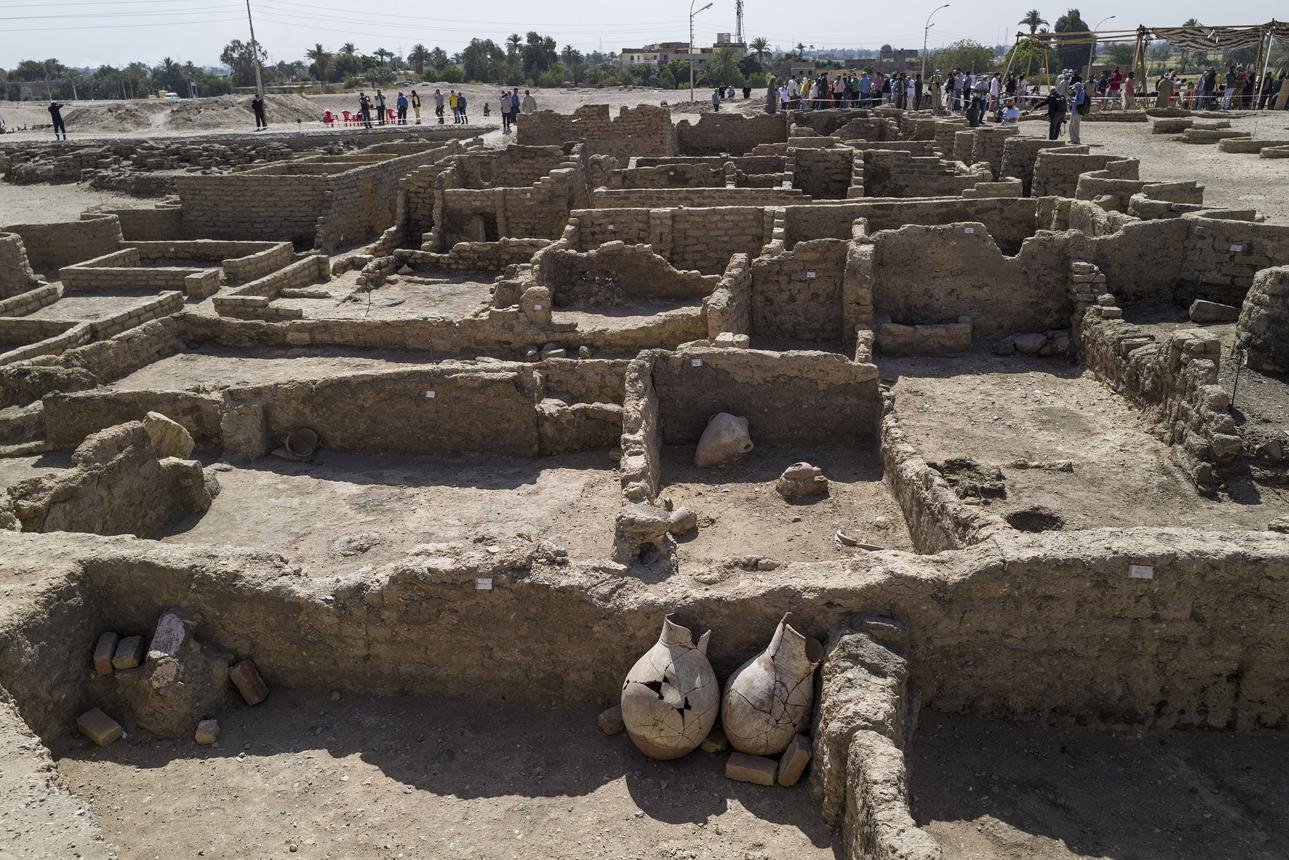
    1 — The Lost City of Aten


    Ancient Egyptian archaeological excavation showing mud-brick walls and the remains of the Lost City of Aten near Luxor.


    🏺 1. Where Was the Lost City Discovered?

    The ancient city was discovered on the west bank of the Nile near Luxor, close to several famous archaeological sites.

    The location is particularly important because Luxor was once the heart of ancient Egyptian power.

    The area contains some of Egypt’s most famous monuments, including the remains of ancient temples and royal burial sites.

    Archaeologists began excavating the site in search of evidence connected with ancient Egyptian royal activity.

    Instead, they uncovered something much bigger:

    An entire ancient settlement.


    ⏳ 2. How Old Is the City?

    Researchers believe the city dates to the period of Amenhotep III, who ruled Egypt during the 14th century BCE.

    The settlement continued to be used during the reign of his successor, Akhenaten.

    That means the city is more than 3,000 years old.

    Think about that for a moment.

    Modern cities have changed dramatically over the last few centuries.

    But here, archaeologists found the physical remains of streets, walls, buildings and objects belonging to people who lived more than three millennia ago.


    https://images.openai.com/static-rsc-4/V5C7aHG-lXmkOMD6SjFI-7_YZrVmK3WS7BF_9G0b1XylpiyYE-JAwAzzJW4T3keVQdA8VZTwZbWnpzegCw2hqfJ55w-6m_7MzGcCdBEYp1kiJd4weVJeGuAM4Eq-psdU4jVjtqugUMKEPa3fspwBLQZLbXFfyz2i7_y3uqdJHAX5tLQS29GPIycCTqVjE42J?purpose=fullsize
    https://images.openai.com/static-rsc-4/2ihRwTzdQ-79XarhHm6EhnCG8CY8impHCWLIRr_tojqJhn78vh54V_LugUpvf_xWyYcRs-mqWWeE27_fPr52j5Xj_FRb5TKF3JXCBXHLT4AIYG2w3npYWne2nqO8KhuVJLHhA3tRSyUIM5lE2wwXxhfL0sdR_pBgijGvRAA0SePDgm2E5m3A0MZjxy7T3SbZ?purpose=fullsize
    https://images.openai.com/static-rsc-4/fSgf_ewYFK45D-y0uBxzRF_kgPWCruNApgwc8O_bA8vcmXnDLEurLW97iytjmtdo2tmRmioLJ5aeS_PgwvG4mb9tNJ78UhUhpuxSDLA08AZ28R5XKaWnVGgLn2cjK0WhRRn1H3RDUalUKXi4bjQeXRUFKQ28Fx91v49f19fHCyuXiggzs1AsTsMgOppPVzh5?purpose=fullsize

    2 — Ancient Egyptian Royal Era
    An authentic museum photograph of an ancient Egyptian statue representing the royal period associated with the city.


    🧱 3. What Did Archaeologists Find?

    The discovery became particularly important because researchers did not find just a few isolated objects.

    They uncovered the remains of a large settlement.

    Among the discoveries were:

    • Mud-brick walls
    • Streets
    • Houses
    • Workshops
    • Storage areas
    • Administrative spaces
    • Everyday objects
    • Tools
    • Jewellery
    • Pottery

    These discoveries help researchers reconstruct what life may have looked like in ancient Egypt.

    Instead of looking only at royal tombs and monuments, archaeologists can study evidence of the people who actually worked and lived in the city.


    👷 4. This Was Not Just a City of Kings

    Ancient Egypt is often represented by images of pharaohs, pyramids and enormous temples.

    But a civilisation cannot function through kings alone.

    Someone had to:

    • Build monuments
    • Produce food
    • Make pottery
    • Manufacture tools
    • Create jewellery
    • Manage supplies
    • Organise workers
    • Produce clothing
    • Maintain buildings

    The Lost City provides evidence of this less-visible side of ancient Egyptian civilisation.

    It gives archaeology a glimpse into everyday life.


    💍 5. Jewellery and Everyday Objects Reveal Personal Stories

    Among the discoveries were objects that show how people used and decorated their possessions.

    Jewellery and small personal objects may seem insignificant compared with a giant temple.

    But archaeologists can learn a great deal from them.

    A small object can reveal:

    Who made it?

    What materials were available?

    What did people value?

    How skilled were craftsmen?

    How wealthy was the settlement?

    This is why archaeology is not only about finding spectacular treasures.

    Sometimes the smallest objects tell the most interesting stories.


    https://images.openai.com/static-rsc-4/B1gt5vMdgDKAAiGsjwy4a89SgBOkYocMilD152yG-L2wd8fODC0hKvjSr-8Azx-S8rnQF9QMf9HYqNF88lwII50zdsFNm9V5yVsumsi6LyIIHfOCIicelPF0K_5Fsv9RABAsRqzMZry6m3DVvSNnhBDXCmjiRmq_TvLc_eFN-DqAiYgeR5mtO4q3mIdhq90K?purpose=fullsize
    https://images.openai.com/static-rsc-4/5pUXttTWPeI5ycHWqgXIopPz0wWbwvVX9ZCVSuzHTBsv9bI_KYEYekGiHx7L-F_htA3Yu8gb3ywfylvEj3_AV5_Flfznd_Nf4w9tcfP2hSR5a0mFYmcqYQFUQMHi6f0lqD9oWQFS4PQL9LBm8IyOazC9qhhL8zFeDelIttdls1xCqU9QoXa2PwYzwZnqtwZo?purpose=fullsize
    https://images.openai.com/static-rsc-4/IPkb2-pby6Bm6RjaKAg1FzmcDv3pUw9nBXszqcSHeA820dCEkuweXXqRa1oo8vVSKTxglKoHk6lg9vcBki-0lZw3QioSMgTe8fbGJqFk4hyEJfA_8RN3l8CxwcC1lt8nF6RpyvyvnKb5_4paELXpCCdMbx7mv26PN6hna6A-9eC65w3mT-FCobPmZLYpwrjN?purpose=fullsize

    3 — Objects Found at the Ancient City
    Ancient Egyptian pottery, jewellery or other archaeological objects associated with the excavation.


    🍞 6. What Can a City Tell Us About Ancient Egyptians?

    A city is like a giant historical document.

    Its buildings can tell researchers about architecture.

    Its tools can reveal occupations.

    Its pottery can provide clues about food and daily life.

    Its workshops can reveal manufacturing techniques.

    Its streets can reveal how the settlement was organised.

    By combining thousands of small pieces of evidence, archaeologists can reconstruct a picture of an ancient society.

    The Lost City is valuable for exactly this reason.


    👑 7. Why Was the City Important During Amenhotep III’s Reign?

    Amenhotep III ruled Egypt during a period when the kingdom was powerful and wealthy.

    His reign is associated with major building projects, international contacts and artistic achievements.

    The discovery of a large settlement from this period provides additional information about the economic and administrative systems supporting the royal court.

    It shows that behind monumental temples and royal ceremonies there was a complex network of workers, craftsmen, administrators and suppliers.


    ☀️ 8. The City Was Connected With Aten

    The settlement’s archaeological name is associated with Aten, the sun disk that became especially important during the religious reforms of Akhenaten.

    Akhenaten is famous for promoting Aten worship and establishing a new royal capital at Akhetaten, modern-day Amarna.

    The religious changes of this period were unusual in ancient Egyptian history.

    The Lost City therefore provides another important piece of evidence from a fascinating period of political, religious and cultural change.


    🏜️ 9. How Could Such a Large City Remain Hidden?

    This is one of the questions that makes the discovery so fascinating.

    The city was not necessarily hidden like a secret underground kingdom.

    Over thousands of years, sand and sediment covered the remains.

    Ancient settlements can disappear from the visible landscape as buildings collapse, natural processes reshape the area and later layers accumulate.

    Archaeologists therefore sometimes discover ancient cities beneath landscapes that look completely ordinary.

    That is one of the magical things about archaeology:

    A place can disappear from human memory without disappearing from the Earth.


    https://images.openai.com/static-rsc-4/OcG7f_TgXCT1ksnMVo941U_F2jdJ7lSedI_BN5li249cc5HhL4hqEuh73T-lx3GwFjhz5YxOFdeYcN7llfYxfsEwLCDxisZhUKXh3UCo8U3-BQUSIHT8aBrV2sdbm5_wA2kPA1e9-iVEZqRszAgVQFqW2A0PGbGREnoWP8V-UE04K4M-aMZ4UEDWv_IYp1Uh?purpose=fullsize
    https://images.openai.com/static-rsc-4/9uPc5pwTVKs1GwKQXCg6rdBt3B-QnUAjqpAanxfPerx3U-Y0oS832Oy4lplumVHjUUNbSjntSS7hS45pZUvY7DIJC2JlAUAWufNpbq5gyvuwMqMHQyW4fQbbhAfdo5nSq7pxwAyAzeazCUPvxrHKROmGjMPL5MdtXunvQZWWxNWj0t3Hd2xYl7xj7O3GwYc1?purpose=fullsize
    https://images.openai.com/static-rsc-4/wFtjgGqbTDdIFO4c0nQnCF1IglbZ6g6sKOkIFLnWQbBNggs98W5DihXW5S5hQ-PWc5AiqtbSuSTVqvh_Z_cztlATCCS6-fgtb45wFuFjE5utcigVwkkyaadj8HExAxQpW_ED1iUoAGd2vKV_-QJ_hs2dp-1MDXZ7RI7W6fod2T4st1s-xXT4aOMBImqNAeFP?purpose=fullsize

    4 — Archaeological Landscape Near Luxor
    A wide aerial or landscape photograph showing the desert and archaeological area around Luxor.


    🔎 10. Why Is This Discovery So Important?

    The importance of the Lost City goes beyond its size.

    For many years, historians have learned about ancient Egypt through:

    • Tombs
    • Temples
    • Statues
    • Royal inscriptions
    • Papyri
    • Burial objects

    But settlements can provide something different.

    They show how people actually lived.

    A royal tomb may tell us how a king was buried.

    A city can tell us how thousands of people worked, ate, produced goods and organised their lives.

    That makes the discovery extremely valuable.


    🧠 11. Archaeology Is Like Solving a Giant Puzzle

    Archaeologists rarely discover a complete story written down for them.

    Instead, they collect clues.

    One piece may be a wall.

    Another may be a pottery fragment.

    Another may be a tool.

    Another may be a seal.

    Another may be a piece of jewellery.

    Individually, these objects may not tell us much.

    Together, they can reveal an entire civilisation.

    The Lost City is a perfect example of this process.


    🏛️ 12. Egypt Still Has Many Secrets

    Egypt has been studied by archaeologists for centuries.

    Yet discoveries like the Lost City show that the country still has enormous archaeological potential.

    Beneath deserts, fields and ancient settlements, there may still be evidence waiting to be discovered.

    That means the story of ancient Egypt is far from finished.

    Every new excavation can change what we thought we knew.


    🤯 10 Amazing Facts About Egypt’s Lost City

    1️⃣ The city was discovered near Luxor in 2021.

    2️⃣ It is more than 3,000 years old.

    3️⃣ Archaeologists associate the city with the reign of Amenhotep III.

    4️⃣ The settlement is also known as the “Lost Golden City.”

    5️⃣ Researchers found extensive mud-brick structures.

    6️⃣ Workshops and administrative areas were discovered.

    7️⃣ Archaeologists found objects that provide clues about everyday life.

    8️⃣ The discovery helps researchers understand the society behind Egypt’s famous monuments.

    9️⃣ The city was located near some of ancient Egypt’s most important archaeological sites.

    🔟 The discovery demonstrates that important archaeological secrets can remain hidden for thousands of years.


    🌟 The Most Amazing Part of the Discovery

    The most fascinating thing about the Lost City may not be any single object.

    It is the idea that an entire community once existed there.

    People woke up in the morning.

    Workers went to workshops.

    Craftsmen made objects.

    Administrators managed supplies.

    Families lived in houses.

    People walked along streets.

    Children probably played.

    Life continued day after day.

    Then, over centuries, the settlement disappeared beneath layers of earth.

    Thousands of years later, archaeologists found it again.

    That is what makes this discovery more than an archaeological story.

    It is a story about ordinary human lives surviving through time.


    🇪🇬 Final Thoughts

    Egypt’s pyramids and temples show us the extraordinary achievements of ancient kings and engineers.

    But the Lost City of Aten tells another story.

    It brings us closer to the people who built and supported that civilisation.

    Its walls, workshops, tools and everyday objects provide a rare glimpse into a world that existed more than 3,000 years ago.

    And perhaps the greatest lesson from the discovery is this:

    History does not always disappear. Sometimes, it simply waits beneath the ground for someone to find it.

    The sands of Egypt still hold countless stories.

    And somewhere beneath those ancient landscapes, there may be another discovery waiting to change what we know about the past.