In our daily lives, money is an essential part of meeting everyone’s needs. In India, currency has undergone numerous transformations over the ages. Let us explore the journey that began in ancient times with the barter system and evolved into the modern-day Rupee.
Barter system
In ancient times, paper currency did not exist. People obtained the goods they needed by exchanging items they already possessed for equivalent ones. For instance, a person might acquire necessary clothing by trading rice or broken rice. This practice was known as the barter system. However, people faced significant difficulties with this method, which led to the search for an alternative.
The first coins in India
Coins were minted and came into circulation in India for the first time during the 6th century BC. Known as “punch-marked coins,” they were made of silver and featured symbols such as bulls, elephants, the sun, and trees—images that were common at the time. These are officially recognized as the first coins of India.
Coins from the Mauryan era
The Mauryan Empire was ruled by Chandragupta Maurya and Ashoka; during their reign, the use of coinage was significantly expanded. Trade and commerce flourished as a uniform type of currency was introduced across the entire Indian subcontinent.
south indian coins there saathavaahanas
During the Satavahana period, coins made of materials such as copper, silver, and lead were widely used in the regions of Andhra Pradesh and Telangana. These coins were minted with symbols and images such as lions, ships, and elephants.
Coins from the era of Mughal emperors and Sultans.
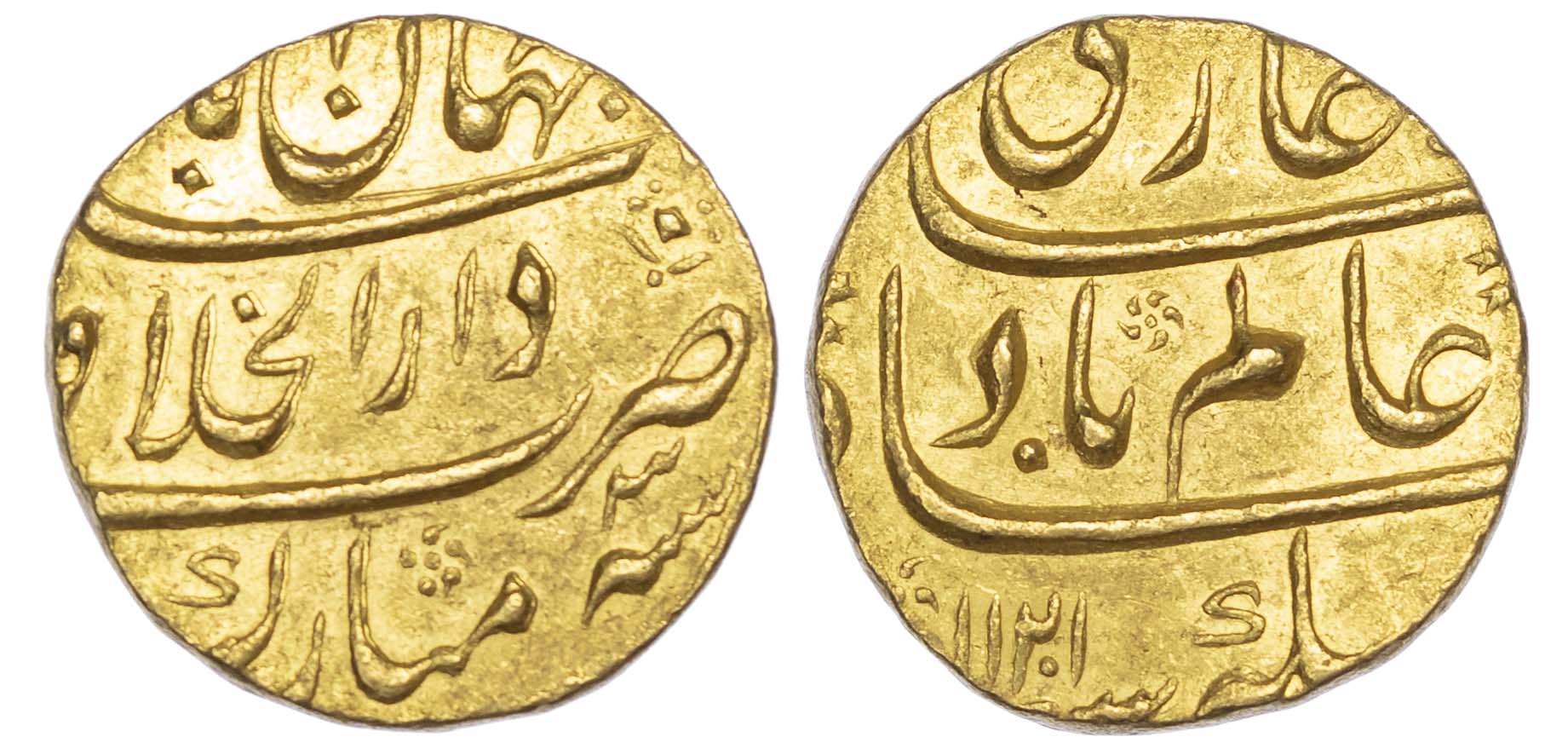
The Delhi Sultans referred to their coins as ‘Tanka’. Later, Sher Shah Suri introduced the silver ‘Rupiya’, which is known today as the ‘Rupee’.The Mughal emperors popularized the use of gold, silver, and copper coins, and these circulated widely.
The advent of paper currency
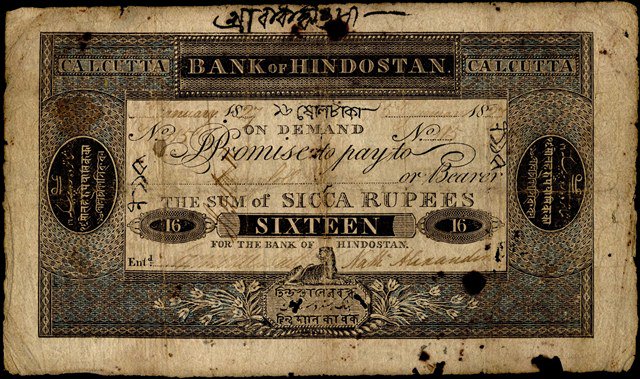
In 1770, the Bank of Hindustan issued paper notes in India for the first time. With the enactment of the Paper Currency Act in 1861, a rule was passed mandating that the government itself print currency notes; from that point on, the printing of currency was undertaken by the government.
Reserve Bank of India
The Reserve Bank of India was established in 1935. Since then, the RBI has been responsible for printing currency notes in the country; however, the one-rupee note is issued by the Government of India.
After independence
India gained independence in 1947, and the first banknotes of independent India were issued in 1949. The Ashoka Lion Capital emblem was printed on them, replacing the images of British monarchs. Mahatma Gandhi series banknotes entered circulation in 1996, and notes featuring Gandhi’s image remain in circulation to this day. In 2016, new designs for the ₹500 and ₹2000 notes were released; subsequently, new versions of the ₹10, ₹20, ₹50, ₹100, ₹200, and ₹500 notes were also issued.
Throughout Indian history, a vast array of coins was issued; kings circulated their own currency according to their preferences, yet the nation’s economic structure never collapsed. This serves as a significant milestone demonstrating the greatness of India. It is no exaggeration to say that a coin is not merely a physical object, but a driving force that propels the nation forwardeconomically, socially, and commercially.