Tag: Crimes Against Women

  • ๐Ÿšจ Crimes Against Women in India: What the Numbers Really Tell Us

    ๐Ÿšจ Crimes Against Women in India: What the Numbers Really Tell Us

    serious problem continues to demand attention: violence and crimes against women.

    This is not only a law-and-order issue. It is also a question of safety, dignity, equality and social responsibility.

    The numbers reported by India’s National Crime Records Bureau (NCRB) help us understand the scale of the problem.

    ๐Ÿ“Š How Many Crimes Against Women Are Reported?

    According to the latest NCRB report currently available, covering 2023, 4,48,211 cases of crimes against women were registered across India.

    That works out to approximately:

    1,228 registered cases every day

    or roughly

    51 registered cases every hour.

    But there is an important point: these are registered cases, not the total number of incidents that actually occur.

    Some incidents may never be reported to police because of fear, social pressure, stigma, financial dependence or other reasons.

    https://images.openai.com/static-rsc-4/Fn5Ng1yn7h8Uk_hqmglKuipgvEVeH34wn8B3oTbeEvPVEKzEOX2r07x4_m09Nh1i-M5x3RcC2R3IOsk6UqLm_c_ZCXO8n9uDTG8tnZ6cK9ftrwZMnU5IXDx8zZ6n3LRQelFUjx49I7OPnzULWxYC8Rz06mGox8XvSW1BrsHtza4bSNpQDz3fz8jk6iQu4phz?purpose=fullsize
    https://images.openai.com/static-rsc-4/LiSWahFvPW4mne26309SxqnN7zk3-8wV8umOQ6GadYYP8WqTVvWoo9ze_RzAbQcXepvfvJOdgtzg9FEtl-MxhCb4R3bQb7scPq1628yAPp04ZJba_IWCMXQi9PTETuE3Hx9cmnPf5yf--csS3NBfkK-Ni30-2FOEEOmhZgyicREJ2KaikACn4FIn3CjwvkvY?purpose=fullsize
    https://images.openai.com/static-rsc-4/fdh4oj9VROP-7jE7txqUdCWCilYZ5i19jZ-GyRboVH9KB3wGGwzt6gWz1pidtnL9fh3jTN5rvpu8JeuxG6GIIfwQn37-wtRH8emDSYN1XI5Es0SuilX2XtV0IaVBxgAXiAoH0sBoGvD7XjMBfDcw9tAoyJmyuViT-hgOnW3eWOBxufp-YJ_HDrEo5wiNX1y4?purpose=fullsize

    โš ๏ธ Does This Mean 1,228 Women Are Raped Every Day?

    No.

    This is an important distinction.

    The NCRB category โ€œCrimes Against Womenโ€ includes many different offences.

    These can include:

    • Rape
    • Attempt to rape
    • Assault or criminal force against women
    • Sexual harassment
    • Kidnapping and abduction
    • Cruelty by husband or relatives
    • Dowry-related offences
    • Stalking
    • Voyeurism
    • Other offences against women

    Therefore, the figure of 4,48,211 cannot be described as rape cases.

    ๐Ÿ”ด Rape Is Only One Category

    Rape is one of the specific offences recorded separately by NCRB.

    That distinction matters because using the entire โ€œcrimes against womenโ€ number as a rape statistic would give readers incorrect information.

    For a responsible article, it is better to explain the numbers rather than use a sensational headline.

    ๐Ÿ  Violence Can Begin Inside the Home

    When people hear about crimes against women, they often imagine an unknown attacker.

    But violence against women can also occur within relationships and families.

    Cruelty by a husband or his relatives is one of the major categories recorded in India’s crime statistics.

    This shows that women’s safety is not only about streets, public transport or workplaces.

    A woman should feel safe inside her own home too.

    https://images.openai.com/static-rsc-4/GFMznddj0W8mQOZnQ_dUItAZ9xGSHYFGDEM1MLN9JRW9g8l3D7B9doU5X4lleZ-0Tk7XngrcBD-dg5EBvKchb78uqHwAkBboGgN6N6G29tI0_iTNCv7tWuZXsso--Dj9VI3U0_M_pSDsKn8IL6VHgrya2HH0UiMpxIv1QRAdZ0OcvHm6lXzXOiQ6DY64QmaQ?purpose=fullsize
    https://images.openai.com/static-rsc-4/RPMveWM4gjYKUBpIrNtBN0cG9qCWklfg2s4HpRY2Ml5RUdhO1KmNCOnZjrdELvpfgREmhbaWZpgijZtcpmXbUafxU1p1DDM0KvbKYmgPA2Q42Aj__z0fX4xF5iX0k8T7zbuKYdJ8Le_fzPhmYokcOCR9Kmg19gskVmJVLLhSee5IOXZQBauhqCGGDH4qqJiQ?purpose=fullsize
    https://images.openai.com/static-rsc-4/DZl7p9lRtbGPI8mJJmzmeiqTzBWdsYKudHz_SFj61uaSgFQhf2pBq4VRo68jVS5keSzMqsCsul8O2J3N6tKTAEQmOYwuzBLdJUrX46TAxh5gu2gsRo103hHNEBdwdQONDjCSV3gXc2fDQTbm4HbjNOLs2e7MctWikS72-EB7foRU8DnCBy7obt6Jx0y8kzkE?purpose=fullsize

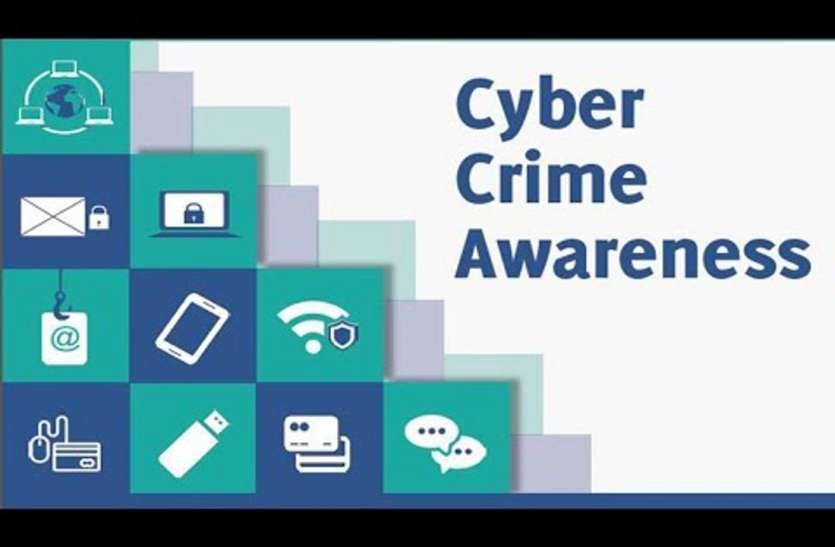
    ๐Ÿ“ฑ The New Challenge: Online Harassment

    Women’s safety has also become a digital issue.

    Social media, messaging platforms and other online spaces can be misused for:

    • Online harassment
    • Threats
    • Stalking
    • Impersonation
    • Sharing intimate material without consent
    • Other forms of cyber abuse

    India recorded 86,420 cybercrime cases in 2023, although this figure covers cybercrime generally and is not limited to crimes against women.

    This growing digital environment means that women’s safety must be considered both offline and online.

    https://images.openai.com/static-rsc-4/B_N2rlYVG36ks8Y5Rn-wsllOPH9OW0LrVC3a9P5w34vseh2agppNTtKOjnYDkzcskWARkv0JyoKyAki5AZTdTlRgcIs7quqhmNlgcwPf00omMA4gd-l1ASYKZ07h61Je_4T9Q7_iZtw6bEOLdLH_Knju9d4Lcrsix05Mm2GFdrqDWAau20vGT6nc3FW4e5Qs?purpose=fullsize
    https://images.openai.com/static-rsc-4/P8rJ9pji3hrx4uOuLQOrrgZ6SAG8IiQbZETbQ1Goy4D8UAWmdvqeyr8U2e4cqPjqb7Vna2Dzb4UfaSyapShUlnTiYDTFnPt-FFI1RenEgDS_2wAiMArOsdtaNeIvCtoDZgBXnUfdOI0LXYxdKp0lddK5tlXlJLbyqYa8pmagj75m3leeo7NWz2eR_mUup4YR?purpose=fullsize
    https://images.openai.com/static-rsc-4/OfpZErIiGetKuVJBPhKtEv1RV6fK1Tc_a-Ut-wpHF7hTNj-RxjXUOl1Pl43ivZcfjUPjuZCsMjxSc0quWBBFQG2Eew_wuUz9DaKFOHHekufX2VvVWjFbqyj6vQz3215xKofDRI5WNZSUMVap68DDwAoRR1cMqjmYrNKgiFfYqpw1lNIS7cp0GYAicovhYJWb?purpose=fullsize

    โš–๏ธ What Does Indian Law Say?

    India has specific legal provisions dealing with offences against women.

    The Bharatiya Nyaya Sanhita (BNS), 2023, which came into force on 1 July 2024, contains a dedicated chapter dealing with offences against women and children.

    It covers offences including rape, gang rape, sexual harassment, stalking, voyeurism, assault and several marriage-related offences.

    Laws alone, however, cannot solve the problem.

    Effective implementation, timely investigation, support for survivors and social awareness are equally important.

    ๐Ÿ“ž What Should a Woman Do If She Faces Threats or Violence?

    If someone is in immediate danger, contacting the police or emergency services should be the priority.

    India also operates the Women Helpline 181, which provides support services for women.

    The government has also highlighted 112 as the Emergency Response Support System.

    For cybercrime, the government operates the National Cyber Crime Reporting Portal, particularly including a focus on cybercrimes involving women and children.

    ๐Ÿ‘จโ€๐Ÿ‘ฉโ€๐Ÿ‘ง What Can Society Do?

    Women’s safety cannot be left entirely to women.

    Families, schools, workplaces, communities and institutions all have a role.

    We can start with simple things:

    Teach respect from childhood.

    Challenge victim-blaming.

    Take complaints seriously.

    Teach children about consent and boundaries.

    Create safer workplaces and public spaces.

    Report harassment instead of ignoring it.

    Support survivors instead of questioning their character.

    ๐Ÿšซ Stop Blaming the Victim

    One of the most damaging attitudes surrounding violence against women is asking:

    โ€œWhy was she there?โ€

    โ€œWhat was she wearing?โ€

    โ€œWhy did she go alone?โ€

    โ€œWhy didn’t she fight back?โ€

    The responsibility for a crime belongs to the person who commits it.

    Safety advice can be useful, but it should never become an excuse to blame the person who experienced violence.

    ๐Ÿง  Why Reporting Matters

    Reporting a crime does not mean that every case will immediately result in conviction.

    But reporting creates an official record and allows the criminal justice system to investigate.

    At the same time, statistics should be interpreted carefully.

    An increase in registered cases does not automatically mean that the underlying incidence increased by exactly the same amount. The government has noted that increased reporting can also reflect greater awareness, helpline access and willingness to approach authorities.

    ๐ŸŒŸ A Safer India Begins With Everyday Behaviour

    Women’s safety is not something that can be achieved only through a new law or a police campaign.

    It begins with everyday behaviour.

    A boy learning to respect boundaries.

    A friend taking harassment seriously.

    A colleague speaking up when someone is mistreated.

    A family supporting a woman who asks for help.

    A bystander reporting a dangerous situation.

    A community refusing to normalize violence.

    These small actions can become part of a much larger change.

    ๐Ÿ‡ฎ๐Ÿ‡ณ Final Thoughts

    The NCRB numbers should not simply shock us.

    They should make us think.

    Behind every registered case is a person, a family and a story.

    The goal should not only be to count crimes after they happen.

    The bigger goal is to build a society where fewer women experience violence in the first place.

    A truly developed India is not only one with better roads, technology and economic growth.

    It is an India where every woman can live, travel, work and speak freely without fear. ๐Ÿ‡ฎ๐Ÿ‡ณ

    https://images.openai.com/static-rsc-4/HlKII_3AzwPtTZb1835Izob8lw1PJik76A5cyNbf8l5RqxiFGvTYX8qzBmVPCTPlAzOQJwmzmLDJcJguLzO0QCqsptAmpNr-iMhAjOvn01XGvyuLCRFpyxEwkyIHgNYDY61uQafSRsCZCyLzfl3aJS6i1qdIRKdh0TMOSMB2pITb_lI-r-cKO68xNjxN_Gn4?purpose=fullsize
    https://images.openai.com/static-rsc-4/Q9fVESfAD8yK6TBTv2BsU4GNY74XpUFMv1cxoYuYL78ljlPvn43bJserYKxlWwrmp5VmsjO9ZTbic_fVyexxIcpBrVbwhmitxQm1FqkJ7_EtOeI4Zh7DR0C8BLlGcAOvkotHzV6Dqz6qYC6DpwZmIIWUhs-7wWDYqtwQEqBpsgpycz0BsaZ8dkrj6wgh5yLi?purpose=fullsize
    https://images.openai.com/static-rsc-4/Sx8wEOePZfxLh1vEHFfbiQMlHylRmQ_kqPOde8wrzyFQNwpO2g4hdBwdDmqbqBcZi9Xd33hhs1LqCS6tH1sPKi7res2eXMDm7vaBgIRPCO3B0vrJJPB53ENWJiDSFpkbLhHgEoXbzGT4iXbjb-wgqii0z8Id8SrTj78lJo06jurDXC0tFqrTfnSbhFFmQjrN?purpose=fullsize

    ๐Ÿ‡ฎ๐Ÿ‡ณ MANA BHARATHAM

    Stories, Facts & Awareness From India

    From India’s history and culture to social issues, inspiring stories, nature and important facts, MANA BHARATHAM brings meaningful content about India.

    ๐ŸŒ Website: allpincodes.online

    ๐Ÿ“– Blog: MANA BHARATHAM

    Know India. Understand India. Make India Better. ๐Ÿ‡ฎ๐Ÿ‡ณ

  • Types of Crimes in India โ€“ Part 3

    Types of Crimes in India โ€“ Part 3

    Crimes Against Women in India: Types, Causes, Prevention and Legal Protection

    Introduction

    Women play an important role in every family, community, and nation. They contribute to society as mothers, daughters, teachers, professionals, entrepreneurs, scientists, leaders, and public servants. Protecting the safety, dignity, and rights of women is therefore an essential part of building a peaceful and progressive society.

    Despite social progress, women can still face different forms of violence, harassment, exploitation, discrimination, and abuse. These offences can occur at home, in workplaces, educational institutions, public places, or through digital platforms.

    Crimes against women can have serious physical, emotional, social, and economic consequences. Preventing such offences requires awareness, effective law enforcement, education, supportive communities, and access to justice.

    This article explains some major categories of offences affecting women in India, along with prevention measures and general information about legal protection.

    women safty

    What Are Crimes Against Women?

    The phrase crimes against women broadly refers to criminal acts in which women are targeted as victims or are disproportionately affected.

    These may include:

    • Sexual violence
    • Sexual harassment
    • Stalking
    • Voyeurism
    • Domestic violence
    • Dowry-related offences
    • Acid attacks
    • Kidnapping and abduction
    • Trafficking
    • Online harassment
    • Intimate-partner violence
    • Certain forms of intimidation and exploitation

    The exact legal offence depends on the facts of each case and the applicable law.


    1. Rape and Sexual Violence

    Sexual violence is among the most serious forms of crime affecting women.

    Indian criminal law provides severe punishment for rape and related sexual offences. The Bharatiya Nyaya Sanhita, 2023 contains provisions dealing with rape and other offences against women.

    Sexual violence can cause lasting physical and psychological harm. It can also affect a victim’s education, employment, relationships, and sense of safety.

    Important point

    A victim should never be blamed for an offence committed against her. Responsibility for a crime lies with the offender.

    lady justice


    2. Sexual Harassment

    Sexual harassment can occur in workplaces, educational institutions, public spaces, or other environments.

    It may include unwanted sexual behaviour, inappropriate remarks, requests for sexual favours, or other unwelcome conduct of a sexual nature.

    In workplaces, the Sexual Harassment of Women at Workplace (Prevention, Prohibition and Redressal) Act, 2013 provides a framework for preventing and addressing sexual harassment.

    Why awareness matters

    Women should know that they have the right to work and study in environments where their dignity and safety are respected.

    Organizations should also maintain appropriate complaint and prevention mechanisms.


    3. Stalking

    Stalking involves repeated unwanted following, contacting, monitoring, or attempts to establish contact with a woman in circumstances covered by criminal law.

    Stalking can happen:

    • In person
    • Through phone calls
    • Through social media
    • Through messaging applications
    • Through repeated unwanted online contact

    Digital technology has created additional ways in which unwanted monitoring or contact can occur.

    Safety measures

    Women can consider:

    • Blocking unwanted accounts
    • Keeping evidence of repeated harassment
    • Adjusting privacy settings
    • Avoiding sharing unnecessary personal information
    • Reporting serious threats to the appropriate authorities

    4. Voyeurism

    Voyeurism involves certain acts of watching, capturing, or sharing images of a woman engaged in a private act where she reasonably expects privacy.

    Modern smartphones and digital platforms can make this type of offence particularly harmful because illegally obtained material can spread rapidly online.

    Sharing intimate images without consent can cause serious emotional and social harm and may also attract criminal and other legal consequences depending on the circumstances.

    online safty

    5. Domestic Violence

    Domestic violence can take different forms, including:

    • Physical abuse
    • Emotional abuse
    • Verbal abuse
    • Sexual abuse
    • Economic abuse

    India has the Protection of Women from Domestic Violence Act, 2005, which provides civil protections and remedies for women facing domestic violence.

    Domestic abuse can occur in different types of domestic relationships. It should not be dismissed as merely a “family matter.”

    Why reporting matters

    Early intervention can sometimes prevent an abusive situation from becoming more dangerous.

    A person facing immediate danger should seek help from appropriate emergency or law-enforcement services.


    6. Dowry-Related Offences

    Dowry-related abuse has been a serious social problem in India.

    The Dowry Prohibition Act, 1961 prohibits the giving or taking of dowry, subject to the provisions of the law.

    Women may also face harassment or cruelty connected with unlawful demands for property or valuables.

    Education, social awareness, economic independence, and strict enforcement of applicable laws are important tools in combating dowry-related abuse.


    7. Acid Attacks

    Acid attacks can cause severe physical injuries, permanent scarring, disability, and psychological trauma.

    Indian criminal law specifically addresses acid attacks and attempts to cause such attacks.

    Prevention requires:

    • Effective enforcement of regulations
    • Public awareness
    • Quick investigation
    • Medical treatment
    • Rehabilitation
    • Legal support for survivors

    Survivors may require long-term medical, psychological, and social assistance.

    empower

    8. Kidnapping and Abduction of Women

    Kidnapping and abduction are serious offences. The circumstances, purpose, age of the person involved, and method used can affect the applicable legal provisions.

    Women and girls may be targeted for different criminal purposes, including exploitation and trafficking.

    Families should be alert to suspicious circumstances and report missing persons promptly to the appropriate authorities.


    9. Human Trafficking

    Human trafficking involves serious exploitation of people through means defined by law.

    Women and children can be particularly vulnerable to trafficking for purposes such as:

    • Forced labour
    • Sexual exploitation
    • Forced criminal activities
    • Other forms of exploitation

    Trafficking is not simply an issue of illegal movement. Exploitation is a central concern.

    Prevention requires cooperation between law enforcement, government agencies, communities, NGOs, and international organizations.


    10. Online Crimes Against Women

    The internet has created new forms of harassment and abuse.

    Examples include:

    • Fake social media profiles
    • Cyberstalking
    • Online threats
    • Impersonation
    • Non-consensual sharing of intimate material
    • Online blackmail
    • Identity misuse
    • Repeated digital harassment

    Women should be careful about sharing personal information publicly.

    Basic online safety

    • Use strong passwords.
    • Enable two-factor authentication.
    • Keep social media profiles appropriately private.
    • Avoid sharing sensitive documents publicly.
    • Save evidence of serious online harassment.
    • Report abusive accounts through platform and legal channels where appropriate.
    cyber crimes

    11. Workplace Harassment and Discrimination

    A safe workplace is essential for women’s participation in the economy.

    Women may face:

    • Sexual harassment
    • Unfair treatment
    • Intimidation
    • Workplace bullying
    • Discrimination
    • Retaliation for making legitimate complaints

    Employers should have appropriate policies, awareness programs, complaint mechanisms, and legally required internal processes.

    Women should know their workplace rights and understand how to use available complaint mechanisms.


    12. Crimes Against Girls and Children

    Girls can face offences such as sexual abuse, trafficking, kidnapping, harassment, and exploitation.

    India has a special law called the Protection of Children from Sexual Offences (POCSO) Act, 2012, which provides a legal framework for protecting children from sexual offences.

    Children require special protection because they may not have the ability or resources to protect themselves from exploitation.

    Parents, teachers, schools, and communities all have an important role in child safety.


    Why Do Crimes Against Women Occur?

    There is no single reason behind crimes against women.

    Factors may include:

    • Gender inequality
    • Lack of awareness
    • Abuse of power
    • Social prejudice
    • Substance abuse in some situations
    • Financial dependence
    • Poor reporting mechanisms
    • Online anonymity
    • Failure to recognize abusive behaviour early

    Understanding these factors can help communities develop better prevention strategies.


    Impact on Victims and Families

    Crimes against women can have long-term consequences.

    Physical impact

    Victims may suffer injuries, disabilities, or other health problems.

    Emotional impact

    They may experience fear, anxiety, trauma, or loss of confidence.

    Social impact

    Some victims may face social isolation or stigma.

    Economic impact

    Medical expenses, loss of employment, or disruption to education can create financial difficulties.

    Supporting survivors without blaming or judging them is essential.

    recovery

    How Can Crimes Against Women Be Prevented?

    Prevention requires action at several levels.

    Education

    Children should learn about respect, consent, equality, boundaries, and responsible behaviour.

    Strong Law Enforcement

    Complaints should be handled seriously, lawfully, and sensitively.

    Community Awareness

    Communities can help identify risks and support victims.

    Digital Awareness

    People should understand online privacy, cyber safety, and responsible digital behaviour.

    Economic Empowerment

    Education and financial independence can strengthen women’s ability to make decisions about their lives.

    Support Services

    Victims and survivors need access to medical, psychological, legal, and social support.


    What Should a Woman Do If She Faces a Crime?

    The appropriate response depends on the situation.

    If there is immediate danger, the first priority should be reaching a safe location and contacting the appropriate emergency or law-enforcement service.

    For non-immediate situations, a person may:

    1. Preserve relevant evidence.
    2. Save messages, emails, photographs, or other records.
    3. Inform a trusted person.
    4. Report the matter to the appropriate authority.
    5. Seek medical assistance when necessary.
    6. Obtain legal advice when appropriate.
    7. Use official cybercrime reporting channels for online offences.

    Victims should avoid confronting dangerous offenders alone.


    The Importance of Respect and Equality

    Laws alone cannot eliminate crimes against women.

    Society must also promote:

    • Mutual respect
    • Gender equality
    • Consent
    • Safe workplaces
    • Safe educational environments
    • Responsible use of technology
    • Zero tolerance for abuse

    Respect should begin at home and continue in schools, workplaces, public spaces, and online communities.


    Frequently Asked Questions

    What are the major crimes against women in India?

    They include sexual offences, sexual harassment, stalking, voyeurism, domestic violence, dowry-related offences, acid attacks, trafficking, kidnapping, and certain forms of cybercrime.

    What law protects women from domestic violence?

    The Protection of Women from Domestic Violence Act, 2005 provides important protections and remedies.

    Which law deals with sexual harassment at the workplace?

    The Sexual Harassment of Women at Workplace (Prevention, Prohibition and Redressal) Act, 2013 provides the legal framework for workplace sexual harassment.

    What is POCSO?

    POCSO stands for the Protection of Children from Sexual Offences Act, 2012, which protects children from sexual offences.

    Are online crimes against women punishable?

    Yes. Depending on the conduct and circumstances, online abuse can attract provisions under criminal law and information-technology-related laws.


    Conclusion

    The safety and dignity of women are fundamental to a healthy society. Crimes against women can cause deep and lasting harm, but prevention is possible through education, awareness, responsible technology use, effective institutions, and access to justice.

    Every woman deserves to live, study, work, travel, and use the internet without fear. Building such an environment is not the responsibility of women alone. Families, schools, workplaces, communities, law-enforcement agencies, and governments all have an important role.

    A society that respects women, protects their rights, and provides equal opportunities creates a stronger and more prosperous future for everyone.