Tag: Dalit Rights

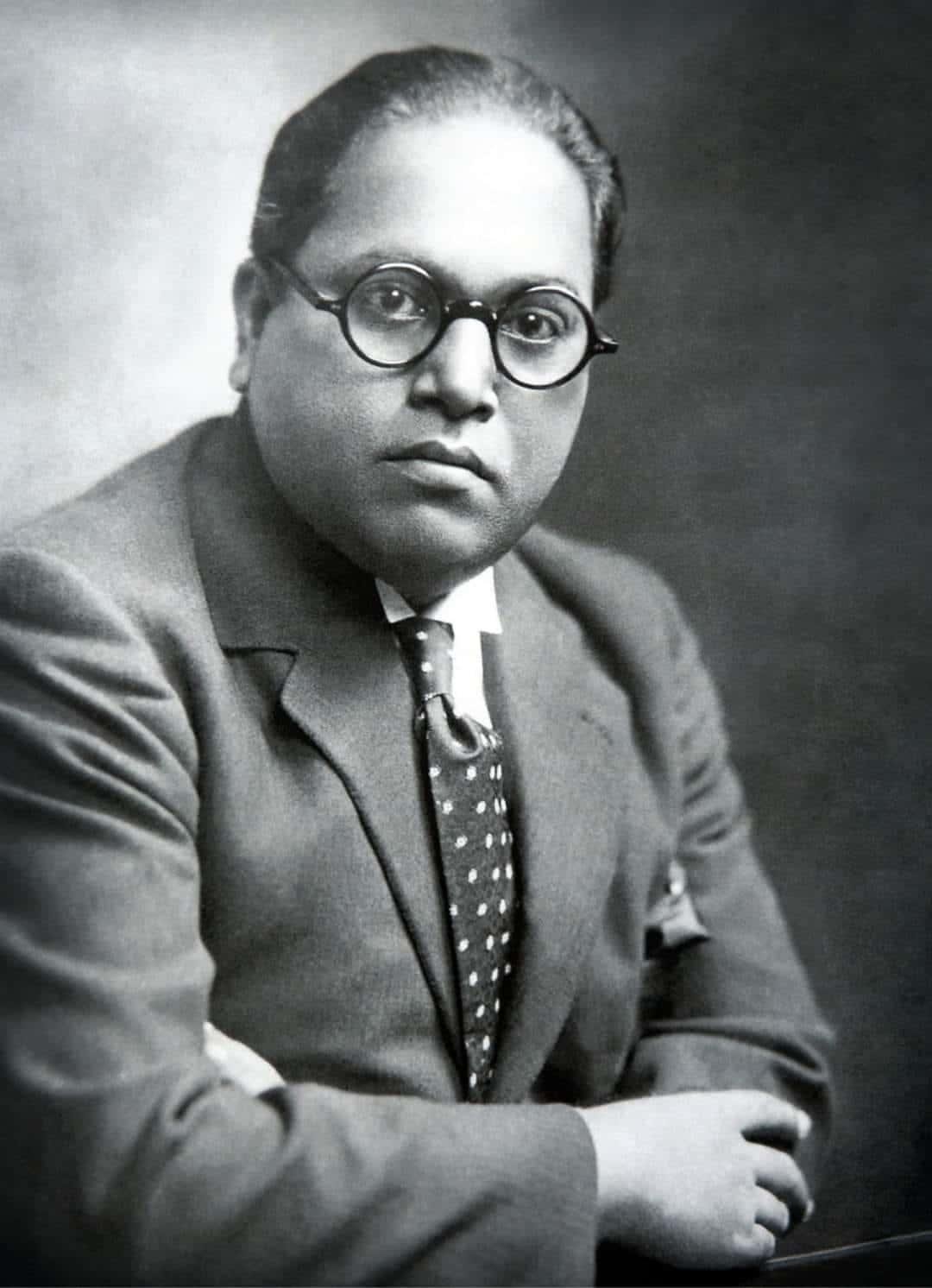
  • 🇮🇳 Dr. B. R. Ambedkar — The Architect of the Indian Constitution

    🇮🇳 Dr. B. R. Ambedkar — The Architect of the Indian Constitution

    https://images.openai.com/static-rsc-4/C-Nuau7pNjPa6Rxd6Ra_23gwgINjE_dKMu7QuOm-mFwNHKW4u454DRLWiYFn7MNYmVwciPLPRyW4aRgg2irhgOvoRNbJ8Kxa9dEZL0Qjek8dp9HjODtyVLSuQtlMgk3-vEX2IUzlH0R5_vDe12Uas8VogYeP9uDJzXqdSjA5onz6f0VVQw9Xtf-JxBCkY7u5?purpose=fullsize
    https://images.openai.com/static-rsc-4/RqrSJ3-2NJ-lkev5qqbg9UhfjwzIA99J5yXupnWOnlCvetUHy6RJ3td6AyXYrrB3n7_bSPOcfEXUWQewflwHmwwKEJaS2rfY_OVzCsBieX2VCZlgyRVbDUaOdJOtnqI3ZB5WtsD4fJICbgfqNNER828pxhqXa3YIKvgxt3duAjWSxq2u08uVlBLCLVHlrQ3t?purpose=fullsize
    https://images.openai.com/static-rsc-4/_tToCnnc7nJFfZPBVHS1hOaRdNl4hF-PjQiHP80HcpibFgi7lJCw7rr9_maX_wSzFR5dlI0fA_EF_dheXr0rhMwA0gsj8OF1oT3xIwv6KIfcJ6NlrOEAmWeq3Rr4RSSbLhp_W74qoV1dO1wrg4KKrshD8GfcyaU5TitRqBN0aGOuJVZkzo4wweJHkh0sXSNG?purpose=fullsize

    📜 A Life Dedicated to Equality, Education and Justice

    Dr. Bhimrao Ramji Ambedkar, popularly known as Babasaheb Ambedkar, was one of the most influential thinkers, jurists and social reformers in modern Indian history.

    He played a central role in drafting the Constitution of India and became independent India’s first Law and Justice Minister.

    But Ambedkar’s contribution went far beyond constitutional law.

    He spent his life fighting against caste discrimination and social inequality, while promoting education, political representation, economic opportunity and human dignity.

    His famous message was:

    “Educate, Agitate, Organize.”


    👶 Early Life

    https://images.openai.com/static-rsc-4/rnXKUjuz6o-dxvY4S_In_r6mwLgWjhWJN0an2eZDe1-Szp7N9rzXZfOzfPIt-qbyurbitxliN4OfOimA2r4exKtX-sCg2FbejdIu4qWkS35t7l1OZWNmpGJV_M7GHUGHwG9wESpEkV3CSeikxMYGlkAOSitXmAXFy3PtIn2jPRLHgqvxYReCW78JTWDVGsoD?purpose=fullsize
    https://images.openai.com/static-rsc-4/ZsLCqQ9rTgl3kqnbWNBsgKCGbnLXqGz62FhRmRWsP4WrHJo-aS5EUqO6WeDOVkogT1gq0Hn82EAh5fxH6GMTi8_LATiCrNWouOBzQIAg4LEijf3E0jUL-2K35NH803J0uFuTnKTwGHqCuf331N4VYKQgtde63TvgouAUgS6Go2Wp7936PEDqft5Td6Dr09i5?purpose=fullsize
    https://images.openai.com/static-rsc-4/NaKfmk5cA7TQJdyu1xRB1o1Cow70MxHvHcc6qwitfx62b5pT81BMLeaXyfZ7zybTMpUvqd1_CZgv2WQ2QENwnGZYp-ow4iQLqlNwPB23exBphR9E38Vw_3PMNu9r6QeF9IavmcsuixIye1PQc198JvVAJxs8ssXnectSK7UbayOSq1KGh7bYocCfe2Jpqeio?purpose=fullsize

    Bhimrao Ramji Ambedkar was born on 14 April 1891 at Mhow, in present-day Madhya Pradesh.

    He was born into a Mahar family, a community that faced severe caste discrimination during that period.

    His father, Ramji Maloji Sakpal, served in the British Indian Army.

    His mother was Bhimabai.

    From childhood, Ambedkar experienced discrimination because of his caste.

    These experiences deeply influenced his later work for social equality.


    📚 Education Became His Greatest Weapon

    Ambedkar believed that education could transform lives.

    Despite the social barriers he faced, he pursued education with extraordinary determination.

    He studied at Elphinstone College in Bombay and later travelled abroad for higher studies.

    His academic journey eventually took him to:

    🎓 Columbia University
    🎓 London School of Economics
    ⚖️ Gray’s Inn

    He earned advanced qualifications in economics, law and political science.

    His academic achievements were remarkable, particularly considering the discrimination he had faced during his childhood.


    🌎 Columbia University

    https://images.openai.com/static-rsc-4/9OqkY7kRnfPAX7BvS-nAQj6PfRi_SKqknH32mj6LVG0n-dN-PqpCPxK8l8H8ZG7T8YGEPQDljTcytFrqqqfuBBFcq1BtBtlmyKzncAAKj3pdRNlTzcUL_jkXjStGHkICddkiFtxQjSyA6zdMpRw8dcBYMNmhAr7uk_flU3nsolSN0AmiRmcGRMpo0z41Gbag?purpose=fullsize
    https://images.openai.com/static-rsc-4/QsRlsQaTEb11e614_eJ7x76ZPAbEW0X5bmBjFz-As6VVsdP-ypMYytFMB4NSDWJPyEIpXvkMxtlNRPRE2K6_7WcuS2BMquesP30qHsRkoLEfUyjSoP6W1ffL8c1hKGxheFqrNhR8QQaaJVRmEZOZxWcnuKcSnZLM7mtXeRQMxInMuB6ob6MxXXPRd81nJZ8d?purpose=fullsize
    https://images.openai.com/static-rsc-4/y0yiJZdBnr5T-TrwsztiIODJjcSccDMNJEEmS4140FBAr8UKSn_N3s6bkWS6hRB0UpfY34F51-ajOzVE5TAd5WbYnvWI6mJAKaGkfk4gbfXzBKZvXvceVeI6YFayXWn0uejEqCINL3Ea6VY2nMj0i1HplTx6DqWGc5VlZtXZboj2UC2DXX1YyC_G2_xohToC?purpose=fullsize

    At Columbia University in the United States, Ambedkar studied economics, history and political science.

    He came into contact with new ideas about democracy, equality and social organisation.

    His academic work helped shape his understanding of economics and society.

    The experience also broadened his intellectual outlook.


    ⚖️ Becoming a Lawyer and Economist

    Ambedkar was not only a social reformer.

    He was also a highly accomplished scholar.

    His work covered:

    • Economics
    • Law
    • Political science
    • History
    • Sociology
    • Religion
    • Constitutional studies

    His academic writings examined issues such as India’s currency system, provincial finance and economic development.

    He believed social equality and economic opportunity were closely connected.


    ✊ Fighting Caste Discrimination

    https://images.openai.com/static-rsc-4/vT61xDuMnbUtw3Dk4AyLJZyanFwdofchC-_fSRFh1sAF6TwIyxcWtfRDEYiV1BwyZUlUTwgIyX6hw0RKMnTQJ1PLg-BTe4qc-gBaaARZBTQorOcjKqhpMuFicXu_Xu_kA8qxXHb19REBmKZJOFBR0Dlsh01P58ZLzS-Z2WDnGMICh82174kJ4-klfbNTc6mh?purpose=fullsize
    https://images.openai.com/static-rsc-4/en8rd_WV9qCDmRe8r3WOGXFMR5sSZ86AOOWas8TbkBf2xdNjNTI8oHALgcQHqqDnnWwA82o44ReNbEimf0CghOzTYtmOj7NKmZfTJEdrFFztGg1XYsFsZHbe1me8lrptuMtGN7AaFQ3f--cYZEQllQreQZ-gL74htFXXqfaDR2-Tsd4JgiWvTm0--BRxLS8M?purpose=fullsize
    https://images.openai.com/static-rsc-4/TXTveMpXttd1fgvOYkdoWvzXNybZikBRHIvnaPZsX-rA7ju8LcoEQ1-nk7WxU3CicbxVfY9o6W82WpSSDojRMiYHqgM0kb27EF4VlrHsVJ3GourppYGRtCn3Wt8gswwC5Tvd3mZHBMDBLGP4zY3ULkVrZ5ScvUyJTg6yG4QdE9E4s0CmwdMnRXhDmVJoFfmi?purpose=fullsize

    After returning to India, Ambedkar devoted himself to fighting caste discrimination.

    He believed that political independence would not be enough if millions of Indians remained socially oppressed.

    He demanded:

    ⚖️ Equality before the law

    🎓 Equal access to education

    💧 Equal access to public resources

    🏛️ Political representation

    👥 Social dignity

    His movement became one of the most important campaigns for the rights of historically oppressed communities in India.


    💧 Mahad Satyagraha

    https://images.openai.com/static-rsc-4/cCeVwPa8FpFEkxo3jtBF2tub590-RUfJZ-rkeHbn51XTeJke0QYs1mlaFl7T7LT0y53O3x_qQdeXucYUp04qzoTKw7oEroYIKxmOCrSXWt3DoRoBNwj_6_hhO17NaKiaJoTfvldKk_50vY3y-ok1J76UXtFV0_pF5_twJBB89eXcZBIfuRTnhmJCiQRD6awX?purpose=fullsize
    https://images.openai.com/static-rsc-4/Y-7Ampf8xdIZJMFKEbAZxAYb0YkRGt-Qb6qxd4xbbXRMzL58B8vH8sZp_Fm3sZHuTape72z-KIFOCxK6YQsBE0Ddn8vzaLig5eqiQr3PEeqw9xhYqQC7GKCSV_je_UqBqxDo4Q2IEMlJyUjHHGadtOotZvvupdbNAw4BilY82gjYZbmN53C5T1K5fXkvUt5r?purpose=fullsize
    https://images.openai.com/static-rsc-4/Qb718s9CJvRNCRTzdJJTZLvwH7iinTs0Ccfn2t_PnaGwXO-woutpxKLOP-Wbvkxq8-iY1K7VHVY6BrgCHXI2XnL6IQW_rS2kdQBOvJR7VGN7fAEM6t5Djg_p3S9IoBc2Ff2YkoXhxiLgMVAqpc9NqnaL4skJBtSKNPza6wCvHdCsJ8Uaf0C13SfcTjkh6gDU?purpose=fullsize

    One of Ambedkar’s most important early movements was the Mahad Satyagraha of 1927.

    The campaign focused on the right of people from oppressed castes to access public water sources.

    Ambedkar and his followers asserted that public resources should be available to everyone.

    The movement became an important milestone in India’s struggle for social equality.


    🔥 Burning of Manusmriti

    During the Mahad movement, Ambedkar and his supporters publicly burned copies of the Manusmriti in December 1927.

    This was a symbolic protest against texts and social interpretations that Ambedkar believed had been used to justify caste hierarchy and discrimination.

    The event became one of the most powerful symbols of his campaign against caste oppression.


    🛕 Temple Entry Movements

    https://images.openai.com/static-rsc-4/3XpIZMdObNzCITzGIbjBMGJeDF4i3QPNcBmE_c81ACQMg3SvQC62ERcKsKaMHtC_Qksu_vLWQGw87n58dl6qwg9Is1JEQaNbHVFpqghQcffxooQbx6HyJqj8mPpPjvHuT3Wcy6SknOCMWCYOCKa9aVyxndhjmr0Ht67LC42O5pSSNAVAdorVLFVeIJO2yK23?purpose=fullsize
    https://images.openai.com/static-rsc-4/Pq5THyo40Uk7q3dXrOdViPjbxRiEF_OLQLLofLbm8bINcqvp9FGn4wP_Rdb3uBdHK2JvoL7A5VW3-FL4mU4-GEI1gqhWonnYhLOZmmUYJvl_8Pxz2cVJe1uT6KuLLAa3m1A69o8m5fPco56OJkwXuiY6si4tuknnJRY2B2vbUSOym13FIk2WRDOxoy-oryfP?purpose=fullsize
    https://images.openai.com/static-rsc-4/qQz-B6IpKj0yc3PGBpHZT5KKnrg4ApgUoKT-qdkYVvh7y13HYmElTWphBmAwjecvdYjZahbuuXj8agYPFgIqSLG8jyRskYcVewpAMisR1DrbcOAw5cKPBwBx0cCX_Vq4jqHIQaf42iz4fSIFULfg6IGp2x_2aYTjIAeIPQxKd_SPD5bEVi-ffgr7zDGxCFAN?purpose=fullsize

    Ambedkar also supported movements demanding equal access to Hindu temples.

    The Kalaram Temple Satyagraha in Nashik became an important part of this struggle.

    For Ambedkar, temple entry was about more than entering a religious building.

    It represented the larger question of whether people considered “untouchable” would be treated as equal human beings.


    📰 Ambedkar as a Writer

    Ambedkar used newspapers and books to spread his ideas.

    He founded publications including:

    📰 Mooknayak

    📰 Bahishkrit Bharat

    📰 Janata

    Through his writing, he challenged caste discrimination and encouraged oppressed communities to organise politically and socially.


    🏛️ Political Representation

    Ambedkar believed that social reform required political power.

    He argued that oppressed communities needed adequate representation in legislative bodies and public institutions.

    He participated in the Round Table Conferences in London during the early 1930s, where India’s constitutional future was discussed.


    🤝 Gandhi and Ambedkar

    https://images.openai.com/static-rsc-4/aTYmhPxJlpevIEAFuV0iNjeI1ulKuIHCrSVE0Wj0YG0Zkks3jhuEwpfKbldOV1c3hJbd_txserR45vZfFvrAdh_XWI6q1cY20dKOsfoFdy9S9_3HQwsekgiflORK_uZZwbb-Tpu19oYG5DivKqpa1cBkQuCkdZx07tmpOf5hy53TOXk_QVsG9cUIT-XDQQkg?purpose=fullsize
    https://images.openai.com/static-rsc-4/JgLhbXVVk8cccj_Vyg-msjX51pcnbXm7NjSYMM12Ml9-dvdrGRZX67r2tKWUz7gBbyjH1n-beWTSCdHc9-xhRjq82cPBw_Mt8TLLUBqqJRBsB4rWmD9dqLS3CSpMhvUY5lSHSsQnKOJPLWx4trz69FyMzm9utDq-xx0PeaDjwsWrfBlk8FbyL77m1o1lo3gK?purpose=fullsize
    https://images.openai.com/static-rsc-4/-QHnVvWbQds5zO-SIB2HsS0JJxc6_kPtEqyKP_WxLYX1jbjA9hTRXu8sFlKJCj1gHkuAlucaIlL0UJx_bK3WtHmoK4pcujRec2PF11qqceoe1q6hlVzqfKD6qdztG-omR3muDuWz953iJj2JZ13PRhsEv6PgYjefoT6EyUOMufc9FgtcB8dPfR6Cvru9nTZd?purpose=fullsize

    Ambedkar and Mahatma Gandhi shared a concern about caste discrimination, but they disagreed strongly about political representation and the best way to address the caste system.

    Their differences became particularly important during the debate over separate electorates for the Depressed Classes.

    These negotiations eventually resulted in the Poona Pact of 1932.

    The relationship between Gandhi and Ambedkar remains an important and extensively debated subject in Indian history.


    📜 The Poona Pact

    The Poona Pact, signed in 1932, provided for reserved seats for the Depressed Classes in provincial legislatures within a joint electorate rather than separate electorates.

    It became a major turning point in the history of political representation for historically oppressed communities.

    Ambedkar continued to argue that constitutional safeguards and political representation were essential for protecting their rights.


    🏛️ Independent Labour Party

    https://images.openai.com/static-rsc-4/Jp6GptmmkfbOqfo3eB89D5O21fat6Dm3mNkq1ZVJmC3-XksGO4O9QIf_5X87RB1VZrSlyECHVixW7oiXr1tNNomIR7qbBtobFFFtbV7CnU5ZWqU2dcUzXDKb3-ZrjyErQNcYXLU4ZVWn7_KZ77WP2Z6Yn7UXqKT_l5BBgQomjKIc6z69Qs9zVIuCWJ98HCNi?purpose=fullsize
    https://images.openai.com/static-rsc-4/kw2odNE0BNtCuHbNuvw2HmQGIEnyv8tPDKbURqAzW1IXJluGmRSZZ0RbNM2PAgUix1jIA_tp1Icclz_m92nB1s5Rjv2THsvDKnWQNjuLlAJZWIsKNuIQCt19Ogm8fuxF1lVWOvrMlGIOiMUmQmR388yxubdOEUCmellfLUusBBxdAh1PWVE2TnRpdT9Hvm8Y?purpose=fullsize
    https://images.openai.com/static-rsc-4/iZwChxOtItlKiz5kCNcS_IyVwMUMfb6V2m0bk1Ilx9THyeiHVqV2JkWNrKsFzPqysIVqvg2eq1_9eAkcGJ2o3FxDRiCCLT0UgmKPui9ABtImMN7hS1Sm71XhvAPNflWLx4LggTVO5TcdQeUvHoD63k9VpsZNEy4Wl57oXeuDHbERfbmeaxUgYb-REZ-IBDsK?purpose=fullsize

    In 1936, Ambedkar founded the Independent Labour Party.

    The organisation focused on issues affecting workers, farmers and oppressed communities.

    Ambedkar increasingly connected caste inequality with economic exploitation.

    He believed political democracy could not succeed without social and economic democracy.


    🇮🇳 India’s Independence

    On 15 August 1947, India became independent.

    Ambedkar was invited to join the first Cabinet of independent India.

    He became:

    India’s First Law and Justice Minister

    His legal expertise would soon become crucial to the creation of the new republic.


    📜 Chairman of the Constitution Drafting Committee

    https://images.openai.com/static-rsc-4/h4NVKiIdP3vt7XsK7OkFHnV0Vy1xj0pbOY2fgvN8AM3G_UCH_FajAyU_d6COWaCdYYCXobGebwccRiuUVlDsSHONVnFqdcM3Tvqe7qPv5cZF51_sPsGX1Pxj4ouYsyBqCyuUMrzPhBFF2ktf05t6rGL5-JFsd-hfgEKR3_R_la1uXXgFKdcSohR2Kzl_Ivjg?purpose=fullsize
    https://images.openai.com/static-rsc-4/gsttSvjs5lEHb9JfoZ2c4KnjRV2GF9-V2nNp-WchODS7e1zKwoQ7KjcFIkR_ug6TRfLMEpSJLbg9JTxlQMaavFpwvrPXjqY3xrkSQ4ef7d0ADaL5eG_6cC8r2Tz9pggoBVAa6FqfyCz0688TUXHY4FfsiBxAE1Nj4jGgvyfv8ibbzYQre-FJqFGlsGeOYZNz?purpose=fullsize
    https://images.openai.com/static-rsc-4/jHW-y1PL7UPpyUyiBdOIGVH5FrEEbPToysC-sF6VuuAqlpP_xMjeFAazkdzXHyWFQlb-slnWW4pkLvEFZrJk3hQcV1Pglpjh-PfHVQ_zsdqmIIMuvWwYd1385757YlYQLDz-HJ3cSv0ZaBpsl-GSUo3ge46kXyGK9K_vcLXfK8fJI7RyPIMhX05lPqc4vyUD?purpose=fullsize

    On 29 August 1947, Ambedkar was appointed chairman of the Drafting Committee of the Constituent Assembly.

    The Constitution was created through the work of many members and committees.

    Ambedkar played a central role in organising and presenting the draft and defending its provisions in the Constituent Assembly.

    The Constitution was adopted on 26 November 1949 and came into effect on 26 January 1950.


    ⚖️ Equality Before the Law

    One of the central principles Ambedkar defended was equality.

    The Constitution established fundamental rights and prohibited discrimination on various grounds.

    Most famously:

    Article 17 abolished untouchability.

    This was a historic constitutional commitment to human dignity and equality.


    🗣️ Ambedkar’s Warning About Democracy

    https://images.openai.com/static-rsc-4/gsttSvjs5lEHb9JfoZ2c4KnjRV2GF9-V2nNp-WchODS7e1zKwoQ7KjcFIkR_ug6TRfLMEpSJLbg9JTxlQMaavFpwvrPXjqY3xrkSQ4ef7d0ADaL5eG_6cC8r2Tz9pggoBVAa6FqfyCz0688TUXHY4FfsiBxAE1Nj4jGgvyfv8ibbzYQre-FJqFGlsGeOYZNz?purpose=fullsize
    https://images.openai.com/static-rsc-4/kNMNN190TK1QIirRHSqjLXuaHo1acyayf_9wd1rl_jsmcW2x7goc0dqOA4pjbuVS7srSl-cW1I4x9L4_6-EayhlQpxU-TT0GK1j5mUiJgemBj7-E-MlY2kyxygEcP2qadNoxtLWblXbo1pBxbB0PRBZCY88dt4hDPC0NJhCDXuKevUqEh4cRh9x1U0219F2C?purpose=fullsize
    https://images.openai.com/static-rsc-4/uy2fkZlvnupZECwNiIpkFi8e5kkWv0D2rdLf6tHKrh4PfkVd2y0vdABuf1Cc1iZKnDFQOuln26b1CvB2_exitEprIDFjaxi0-n793u2na86YtEVPLiHHeXEOD0UPywKuP81BDHn37ZO-MGZZdIBvdGOkkk-7x7ojH8NgPn-fAGcc6OKhT0M_nwo2WMrPsAnF?purpose=fullsize

    Ambedkar understood democracy as more than elections.

    He argued that political democracy needed social democracy to survive.

    In his famous closing speech to the Constituent Assembly in November 1949, he emphasised the principles of:

    Liberty

    Equality

    Fraternity

    These ideas became central to his vision of Indian democracy.


    👨‍⚖️ Resignation From the Cabinet

    Ambedkar resigned as Law Minister in 1951.

    One important reason was frustration over the lack of progress on the Hindu Code Bill, which sought significant reforms in Hindu personal law, including women’s rights.

    He believed legal reform was essential for achieving gender equality.


    👩 Women’s Rights

    https://images.openai.com/static-rsc-4/TXTveMpXttd1fgvOYkdoWvzXNybZikBRHIvnaPZsX-rA7ju8LcoEQ1-nk7WxU3CicbxVfY9o6W82WpSSDojRMiYHqgM0kb27EF4VlrHsVJ3GourppYGRtCn3Wt8gswwC5Tvd3mZHBMDBLGP4zY3ULkVrZ5ScvUyJTg6yG4QdE9E4s0CmwdMnRXhDmVJoFfmi?purpose=fullsize
    https://images.openai.com/static-rsc-4/Sgt0ARTaed8g7HHgxyz1ICb-Cf76BWOd7Sf9H9_ELKuHe116MlDoAb-Zlwu8CC9JD9Avs5rHVuGr0RiMFZrTUyBJbbXjWQeOCKRMmN-EKo7Zg8060PHM_f9rtQFeclvqpeOeuCjoL-LznWhmTv55qphHLrrM835PRrVk4KTZbnEWybtXvVN-eySeXf2dcXyP?purpose=fullsize
    https://images.openai.com/static-rsc-4/AmWjtrXZ5s6ugxTFgP8qtxxly-UUZYgAyweNI-VTEM9T4U6iTCiBoLE5luQsKp7HAiOs_1-m3JhP-girx3V0ud8mOn__eu5hnp-NDlsIYRdrxXkZEfxjgnHnjNj_Jnk175CMvu1u8CEm7zr13cyBkA2EDCgVm_bXMQp5IGBB1so6vFaGT7wuOonGKxcmH9tE?purpose=fullsize

    Ambedkar strongly supported women’s equality.

    He advocated reforms concerning:

    👩 Property rights
    💍 Marriage
    ⚖️ Divorce
    🎓 Education
    🏛️ Political participation

    He believed that the progress of a society could be measured by the progress of its women.


    🧠 A Brilliant Thinker

    Ambedkar wrote extensively throughout his life.

    Some of his important works include:

    📘 Annihilation of Caste

    📘 The Problem of the Rupee

    📘 Who Were the Shudras?

    📘 The Untouchables

    📘 States and Minorities

    His books and essays continue to be studied by scholars around the world.


    🪷 Conversion to Buddhism

    https://images.openai.com/static-rsc-4/ClzsaQvFq7swSClb6wViXkyp7XCsxamOnlGqgjCLiRPF_kgVViCMAV5D3ad8v_2iIUxPut2eB4-7T0LLKBuVlWFMiFKmxdJzLzFLdr6SgoILTCPnKCXxiZVRv2K29WqllbHKIHZZQ7CekcpAALy8DfQOTVWPgJedvjblAiLXheUZoQxspcRw3prj3eNes7dn?purpose=fullsize
    https://images.openai.com/static-rsc-4/K_v0A91rtMz02w1vGYFTwNbzYICbiduAuQfPGrs2JVGX-ucXDZmWWd-ktsV0YtyM66ntQ6OluCmTOc57tCC78P_Z03Ti4abrgSxAa5InBpwjU4MxoqiJer-tnbujH3WUv_R4O7vnWztgL2VkbFVgcoh_zzYLM5wTC0cywaj1yZfmUzO_GB4TNtJ_zgou-DQ6?purpose=fullsize
    https://images.openai.com/static-rsc-4/BmTJiLhT5VPNyH6ZMRxBFP9tUqw5GfwHH9wXJWRP5tCoYiQHQm1ETeoKfOaZz8tyJ5ncJRbdlrQaJaxc2A4Pk326WAzZnviwa0oIHtOR9UnoR_rEw-rAl-TPmvQFfPD0QjxEFNx3S0Ru9fKop0pJWSQtS7ob90Q145T5Fu24TWg4vgJAahFgTYea9pblIsWN?purpose=fullsize

    Ambedkar eventually concluded that caste oppression could not be overcome within the social structure he had spent decades challenging.

    On 14 October 1956, at Nagpur, he converted to Buddhism along with a large number of followers.

    The event took place at what is now known as Deekshabhoomi.

    His conversion became a major moment in modern Indian Buddhist history.


    🕯️ Death

    Dr. B. R. Ambedkar died on 6 December 1956 in Delhi.

    He was only 65 years old.

    His death was deeply mourned by his followers.

    His cremation took place in Bombay, at what is now known as Chaitya Bhoomi.


    🏆 Bharat Ratna

    https://images.openai.com/static-rsc-4/mlXFOd78U_WqgKXUOm6PZSGH8MzXxhZh4mIRbNgFRd9dwSZCwKCFa8A_ayedBTXrhWCrKt2hp-6L8fSDFloEoNSgaCXVhi9Y4tj2TMREtGbI9ZYfQDP3c4lNHjJtfpMSnK8os46fdEyFM5RMRzKy3gu5RIFzvRpU6XUE-8p8nA5vIGgHecXdMB45w1qQkC3e?purpose=fullsize
    https://images.openai.com/static-rsc-4/1CJnNUSwJJ17ev3PVWf51NefB5QWQJkA5PwdNuA9gPY7KTFS7Hf2tfJAfuErwtQhfjqbSrLFUl21L1MQLg3pEUdQcN6NEOFKjxgx0noWK7V_pm9v4bke-m0l47tzcxk8vuJnXfNkRKg7dMMDN2Gft6tcYPrds8YQ1MTRTvXg5EwGHQEbUK_FdUsh_ljhJYYq?purpose=fullsize
    https://images.openai.com/static-rsc-4/ok2YQlPMNwjr9DfAwLcus50y0ZDD7-Y7M4kBaMhE4TCLpB8IVAYFqXQflJFgiRvKpY1yZS9Hn1ruDDnuQ8xHIjAqovHCJgQSBypNY2hS76y4UDkRQFk00WaXg7sfitkNTbG7rdkL-vLxMQlSQSEuR24CeWz4FrRbwk5pcOZ8xQXnjWcew0hXwDPAItdYGjm7?purpose=fullsize

    Ambedkar was awarded the Bharat Ratna, India’s highest civilian honour, posthumously in 1990.

    The award recognised his extraordinary contribution to Indian society and public life.


    📅 Ambedkar Jayanti

    Every year, 14 April is observed as Ambedkar Jayanti.

    People across India and around the world remember his contribution to:

    🇮🇳 Democracy
    ⚖️ Equality
    📜 Constitutionalism
    🎓 Education
    👥 Social justice


    🏛️ Chaitya Bhoomi

    https://images.openai.com/static-rsc-4/g4Uf3c_4gBnSCUbqA4k4AEWT0Qb6YD2NtVxFZ7vxbv8ZCgbEOZngszWmQNyY1Ujp3VvlzWVt92wReNEGxmcCsFFbtZraQWjefvYbeaxz0GU7kkthFfL7j1N5E32tXX_rPZEYhh71FtrcatS0z6XLSOKjJ_UQMfRLgTFVvrR162SwzKcuIQYu32rrUyXd32oX?purpose=fullsize
    https://images.openai.com/static-rsc-4/AbYHC2nG6r97tn_c21Iss7MG0nADKjG_6TFcHP7BKY958MN4ObtEBc7_Jg0ou_-nOmmmWWhK9ZGm0Dl4P6sy6G76CVMJMOox_27mmoX1YkZKDAlnw4xc18n_Nu3pPlJDHb9O8KJ9d57V2ToUP7gOfyUYsBne6s1xOQjOtg261h9KGbVYpDus7O5lMPch6QyI?purpose=fullsize
    https://images.openai.com/static-rsc-4/O39D_s3WIaiy5S1or-g2OaGImlgmkWv_FBcZHZjEYoZFufb_WOZB2l0MnAv3lMXjWXExW2Co09FwB0HUofvOhKbmG8tHfOWR0_Ge9uF3fw-8Nt4ZzPk7AaKGEc7e2bAzUUO6u_YKa04VONtoVVeTYjXAZTguGfoxeg1qGUt8sb5QBVzHk30X3iH2tv37geEh?purpose=fullsize

    Chaitya Bhoomi in Mumbai is one of the most important memorials dedicated to Ambedkar.

    Every year, large numbers of people visit the site, particularly around Mahaparinirvan Diwas, observed on 6 December.


    🤯 Interesting Facts About Dr. B. R. Ambedkar

    https://images.openai.com/static-rsc-4/Got13mU8U2gEQQaFYzBrqTDUX07KrR0q1CaGgDNviK74Kyxo5QhHgX3X_fgvIyYoEncZzAU1oXFeikJkUVrSavFaosP9bLPTEULq2fIt0TWUcvIEG61Lmkknzx9oX32_FJRvi8UqVWG8Moyj2eH8DwGIVhK_i-rPdqeBVJTfh0sNU5ikdbRQ9LtrHnamju02?purpose=fullsize
    https://images.openai.com/static-rsc-4/6Emv16IrIuvaowYEWPnE_W7VGy5bAPK0QrkK7zZtPDE-1jt-ezkWL4sWDgy0mVvWmFchxHDcfNwManj0eCEezxN35KB7HevfioKQw7V7ACEO6aLFknIXhBRW3WILJArlsko54qh5XiuGdYgLKivV4o4yDCJ2mMgHvonG8LHGDYiTnIAaAqeAxt8JgyYQiaCR?purpose=fullsize
    https://images.openai.com/static-rsc-4/6ZLP57z9cgt5Z1AQ3sfwq_18ilF-WsISNni-9FVtPTiUC3_Den8pOZauTgvuPdEDNxGdenrihiV53_KS5noTkXaICevA4y0LfcMuVhFwVsO-s_f7KF9HCeilrV1obfPinYDyBNeo_PKpT51ahDnor1hlAQDAADs3fquHB8Jw0JDpnBW3fwA124JVsCJuRiZB?purpose=fullsize

    📚 1.

    He was an exceptionally accomplished scholar.

    🌎 2.

    He studied at Columbia University and the London School of Economics.

    ⚖️ 3.

    He trained as a lawyer at Gray’s Inn.

    📰 4.

    He founded publications to promote the rights of oppressed communities.

    💧 5.

    He led the Mahad Satyagraha for equal access to public water.

    🛕 6.

    He supported temple-entry movements.

    🏛️ 7.

    He became India’s first Law and Justice Minister.

    📜 8.

    He chaired the Constitution Drafting Committee.

    ⚖️ 9.

    He strongly defended equality, liberty and fraternity.

    👩 10.

    He advocated important reforms for women’s rights.

    🪷 11.

    He converted to Buddhism in 1956.

    🏆 12.

    He received the Bharat Ratna posthumously in 1990.


    🌟 What Ambedkar Teaches Us

    🎓 Education Changes Lives

    Ambedkar’s own journey demonstrates the transformative power of education.

    ⚖️ Equality Is Essential

    A democracy cannot be strong when citizens are treated unequally.

    🧠 Think Critically

    He encouraged people to question social practices and ideas rather than accepting them blindly.

    💪 Stand Against Injustice

    His life shows the importance of challenging discrimination.

    🤝 Democracy Needs Social Equality

    Political rights have greater meaning when people can live with dignity and equal opportunity.


    🏁 Final Thoughts

    Dr. B. R. Ambedkar’s life was a remarkable journey.

    He experienced discrimination as a child.

    He transformed those experiences into a lifelong intellectual and political struggle for equality.

    He became an internationally educated scholar, economist, lawyer, social reformer and statesman.

    He helped shape the constitutional foundations of the Republic of India.

    But perhaps his greatest legacy is an idea:

    Every human being deserves dignity.

    His life reminds us that education can overcome barriers, that knowledge can challenge injustice and that democracy must protect the rights of every citizen.

    More than seven decades after the Constitution came into force, Ambedkar’s ideas continue to influence India’s debates about equality, rights, education and social justice.

    📜 DR. B. R. AMBEDKAR

    ⚖️ THE ARCHITECT OF SOCIAL JUSTICE

    🎓 THE POWER OF EDUCATION

    🇮🇳 A FOUNDING FIGURE OF MODERN INDIA


    🇮🇳 MANA BHARATHAM

    Stories, Facts & Wonders From India

    ✍️ Written by Pasupuleti Saida Rao

    🌐 allpincodes.online

    Know India. Explore India. Celebrate India. 🇮🇳