
India has witnessed many devastating disasters since independence in 1947. These disasters have included earthquakes, floods, cyclones, droughts, tsunamis, landslides, industrial accidents, fires, and other human-made tragedies. They have caused significant loss of life, property, infrastructure, and livelihoods.
This article presents some of the major disasters that have affected India from 1947 to 2026, along with their impact and the lessons learned from them.
1. 1948 Assam Earthquake
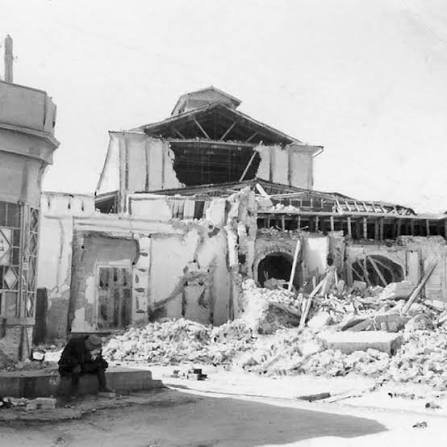
In 1948, a major earthquake struck Assam and surrounding areas. The earthquake caused considerable damage to buildings and infrastructure and affected communities across the region.
It highlighted the vulnerability of northeastern India to earthquakes and the need for stronger construction practices.
2. 1950 Assam–Tibet Earthquake

On August 15, 1950, one of the strongest earthquakes ever recorded struck the Assam–Tibet region. The earthquake caused massive landslides and damage across Assam and nearby areas.
The disaster demonstrated the enormous seismic risk faced by northeastern India.
3. 1967 Koyna Earthquake
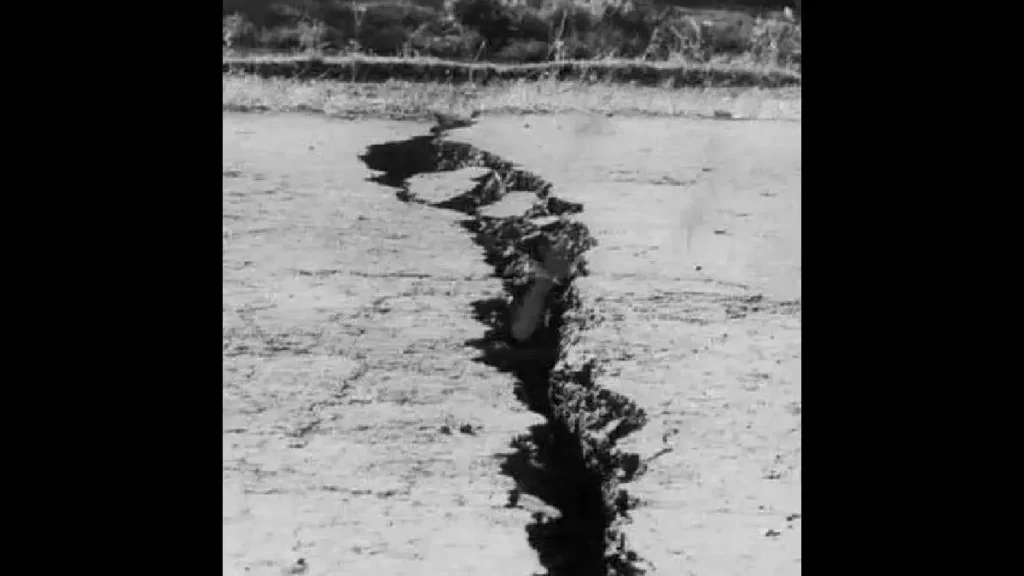
The Koyna region of Maharashtra experienced a major earthquake in 1967. The earthquake damaged buildings and affected thousands of people.
It became an important event in India’s understanding of earthquake risks associated with reservoir regions.
4. 1970 Bhola Cyclone and Its Impact on the Region
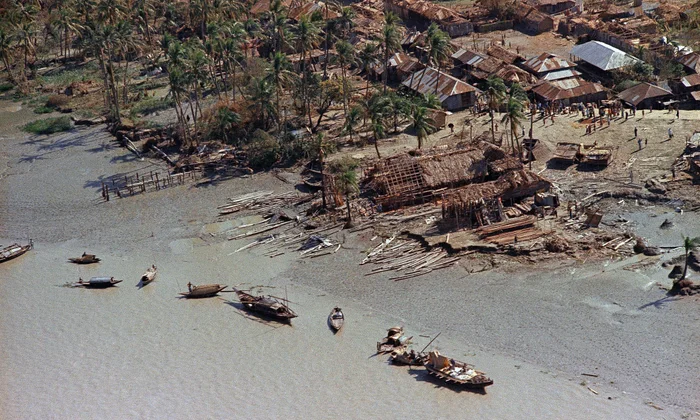
The 1970 Bhola Cyclone was one of the deadliest tropical cyclones in recorded history. Although its greatest impact was in what was then East Pakistan, the event affected the wider Bay of Bengal region and demonstrated the extreme vulnerability of coastal communities to cyclones and storm surges.
It reinforced the importance of cyclone forecasting and evacuation systems in the region.
5. 1977 Andhra Pradesh Cyclone

A powerful cyclone struck the coastal areas of Andhra Pradesh in November 1977. Storm surges and strong winds caused extensive destruction.
Thousands of people lost their lives, while homes, crops, livestock and infrastructure were severely damaged. The disaster became a major turning point in cyclone preparedness along India’s east coast.
6. 1984 Bhopal Gas Tragedy
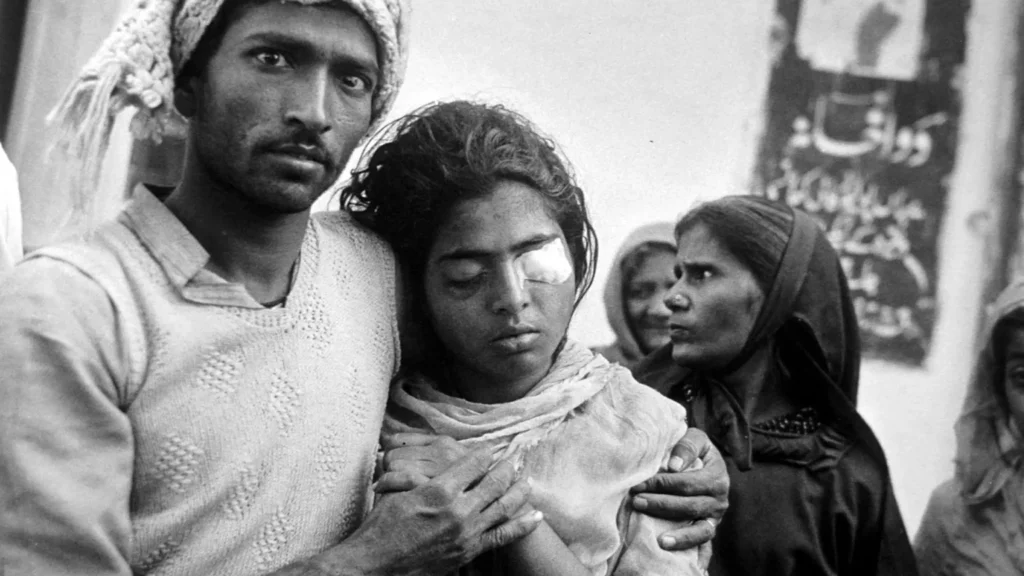
The Bhopal Gas Tragedy occurred on the night of December 2–3, 1984, when a toxic gas leak occurred at a pesticide plant in Bhopal, Madhya Pradesh.
It is considered one of the world’s worst industrial disasters. Thousands of people died, and many more suffered long-term health and environmental consequences.
The tragedy highlighted the importance of industrial safety, emergency preparedness and strict regulation of hazardous industries.
7. 1993 Latur Earthquake
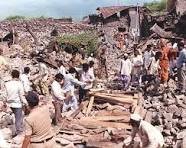
On September 30, 1993, a devastating earthquake struck Maharashtra, particularly the Latur and Osmanabad regions.
Thousands of people died and numerous villages were badly affected. The disaster demonstrated that destructive earthquakes could also occur in areas that were not traditionally considered India’s most earthquake-prone regions.
8. 1999 Odisha Super Cyclone
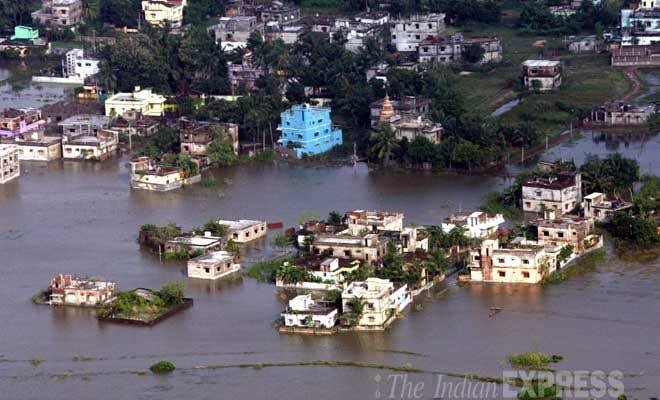
On October 29, 1999, a powerful super cyclone struck Odisha.
The cyclone brought extremely strong winds, heavy rainfall and a devastating storm surge. Large numbers of people died, homes were destroyed and agricultural land was severely affected.
The disaster led to major improvements in Odisha’s disaster-management system, including cyclone shelters, early-warning systems and large-scale evacuation programs.
9. 2001 Gujarat Earthquake
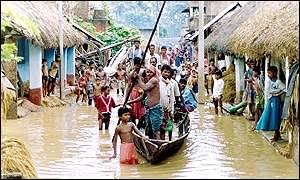
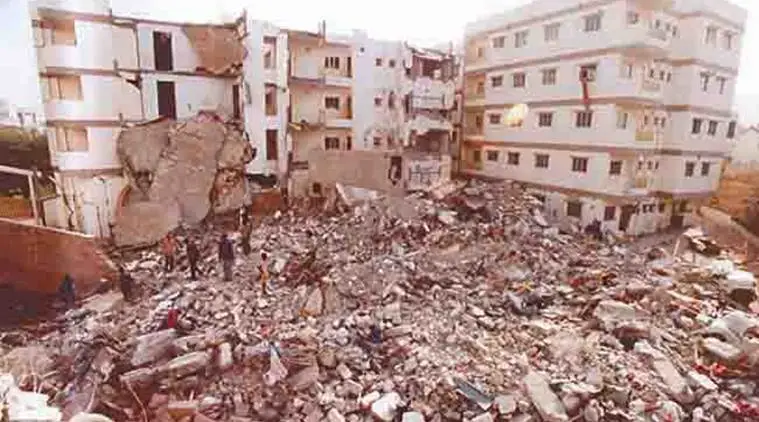
On January 26, 2001, a powerful earthquake struck Gujarat, with Bhuj and the Kutch region among the worst affected areas.
Thousands of people died and large numbers of buildings collapsed. Roads, schools, hospitals and other infrastructure were severely damaged.
The disaster resulted in renewed attention to earthquake-resistant construction and disaster preparedness in India.
10. 2004 Indian Ocean Tsunami
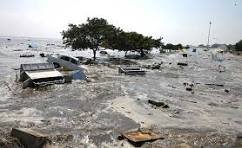
On December 26, 2004, a massive undersea earthquake in the Indian Ocean triggered a devastating tsunami.
The tsunami severely affected India’s eastern and southern coasts, particularly Tamil Nadu and the Andaman and Nicobar Islands. Thousands of people lost their lives, while coastal communities suffered enormous economic and social losses.
The disaster led to the development and strengthening of India’s tsunami early-warning capabilities.
11. 2005 Mumbai Floods
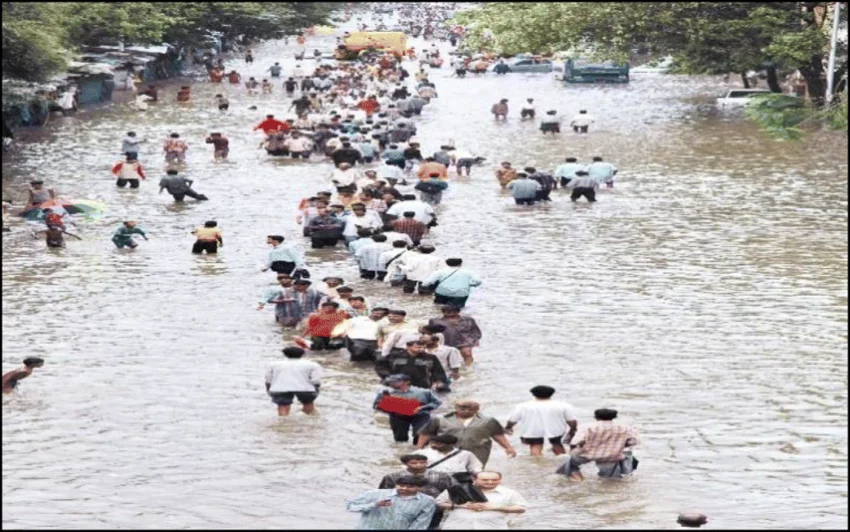
In July 2005, Mumbai experienced exceptionally heavy rainfall that caused catastrophic flooding.
Transport systems were disrupted, roads were submerged and thousands of people were stranded. The disaster demonstrated the risks created by intense rainfall, urbanization and inadequate drainage capacity.
12. 2008 Kosi Floods
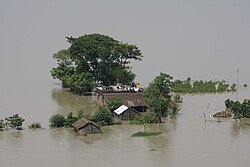
In 2008, a major flood occurred in Bihar after the Kosi River changed course following a breach in its embankment.
Millions of people were affected, and large areas of agricultural land and settlements were inundated. The event demonstrated the importance of river management, embankment maintenance and flood preparedness.
13. 2013 Uttarakhand Floods
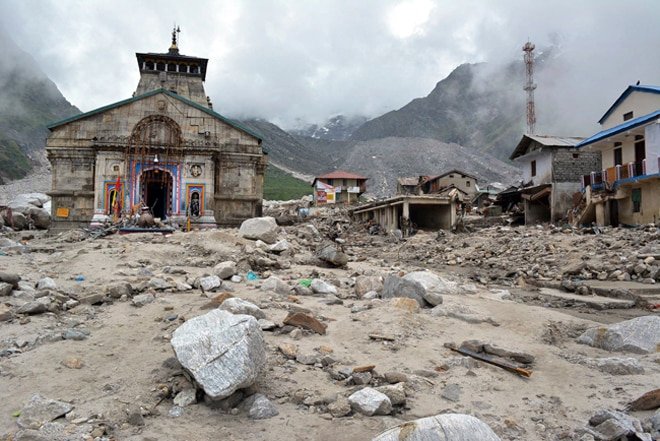
In June 2013, Uttarakhand experienced devastating floods and landslides following exceptionally heavy rainfall.
The Kedarnath region was particularly badly affected. Thousands of people died or went missing, while roads, bridges, houses and other infrastructure were destroyed.
The disaster highlighted the need for responsible development, environmental protection and better disaster preparedness in fragile mountain regions.
14. 2014 Jammu and Kashmir Floods
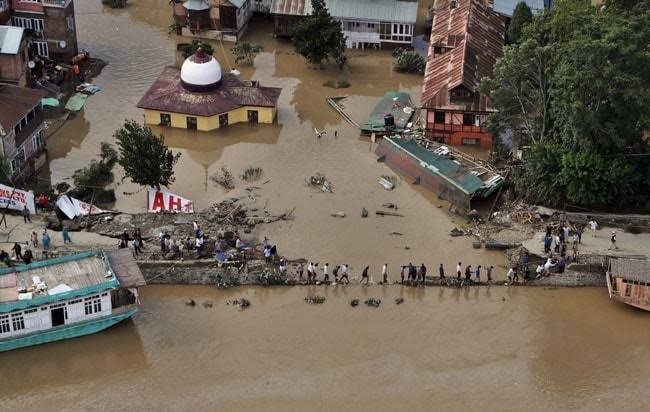
In 2014, Jammu and Kashmir experienced severe flooding following heavy rainfall.
Large parts of Srinagar and surrounding areas were submerged. Homes, businesses, roads and public infrastructure were badly damaged.
The disaster showed the vulnerability of urban and rural communities to extreme rainfall and river flooding.
15. 2015 Chennai Floods
Chennai and parts of Tamil Nadu experienced severe flooding in late 2015 following exceptionally heavy rainfall.
The floods disrupted transportation, electricity, businesses and everyday life. Thousands of people were rescued from flooded areas.
The event emphasized the importance of urban drainage, wetland protection and effective city-level disaster planning.
16. 2018 Kerala Floods
Kerala experienced one of its most severe flood disasters in 2018 after extremely heavy monsoon rainfall.
Many districts were affected, homes and infrastructure were damaged, and large numbers of people had to be evacuated.
The disaster also demonstrated the importance of community participation. Volunteers, rescue teams, fishermen and government agencies played major roles in relief operations.
17. 2019 Cyclone Fani
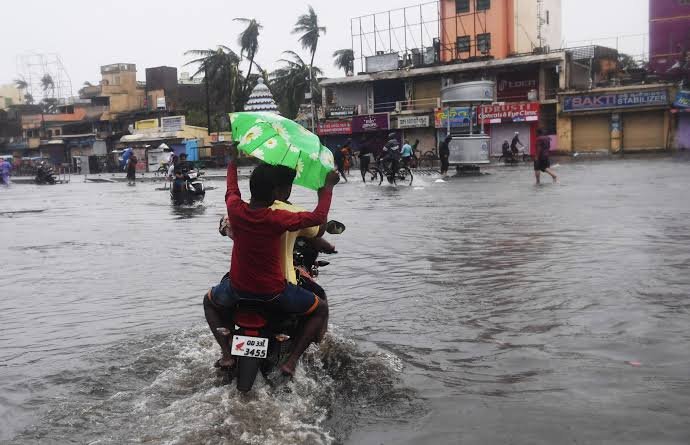
Cyclone Fani made landfall in Odisha in May 2019 as a very severe cyclonic storm.
Although the cyclone caused significant damage to homes, electricity infrastructure, trees and agriculture, large-scale evacuation helped reduce the loss of life.
Fani demonstrated the effectiveness of advance warnings and organized evacuation.
18. 2020 Cyclone Amphan
Cyclone Amphan struck eastern India in May 2020, particularly affecting West Bengal and Odisha.
The cyclone caused extensive damage to houses, roads, electricity networks, agriculture and coastal ecosystems.
The event demonstrated the increasing importance of resilient infrastructure and effective cyclone preparedness in India’s coastal regions.
19. 2021 Uttarakhand Flood and Glacier-Related Disaster
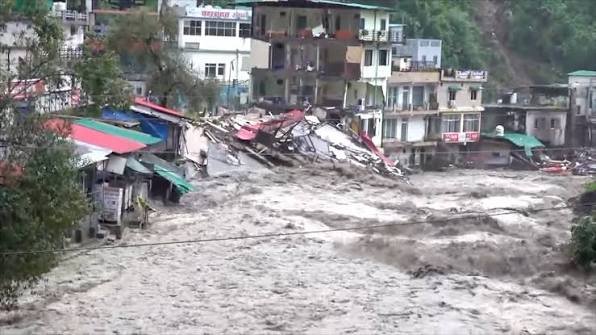
In February 2021, a sudden flood in Uttarakhand’s Chamoli district caused extensive destruction in mountain valleys.
The event raised concerns about the risks associated with climate change, changing mountain environments and infrastructure development in fragile Himalayan regions.
20. 2023 Sikkim Glacial Lake Outburst Flood
In October 2023, a glacial lake outburst flood affected parts of Sikkim.
The resulting flood caused deaths, destruction of infrastructure and damage to roads, bridges and hydropower facilities.
The disaster highlighted the growing need to monitor glacial lakes and assess climate-related risks in the Himalayan region.
21. 2023 North India Floods
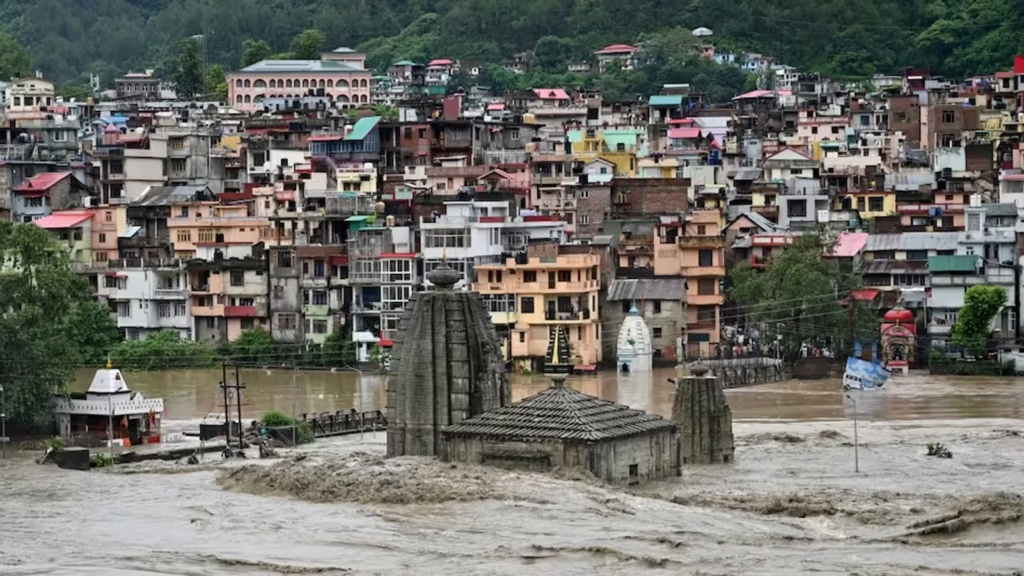
Several parts of northern India experienced severe flooding and landslides during the 2023 monsoon season.
Himachal Pradesh, Uttarakhand, Punjab, Haryana and other areas experienced significant rainfall-related disruption and damage.
The events highlighted the increasing challenge of managing extreme rainfall in densely populated and environmentally sensitive regions.
22. 2024 Wayanad Landslides
In July 2024, devastating landslides struck Wayanad district in Kerala after intense rainfall.
Several villages were severely affected, with major loss of life, homes, roads and other infrastructure.
The tragedy once again highlighted the vulnerability of mountainous areas to extreme rainfall and landslides.
23. Major Cyclones and Floods in 2025–2026
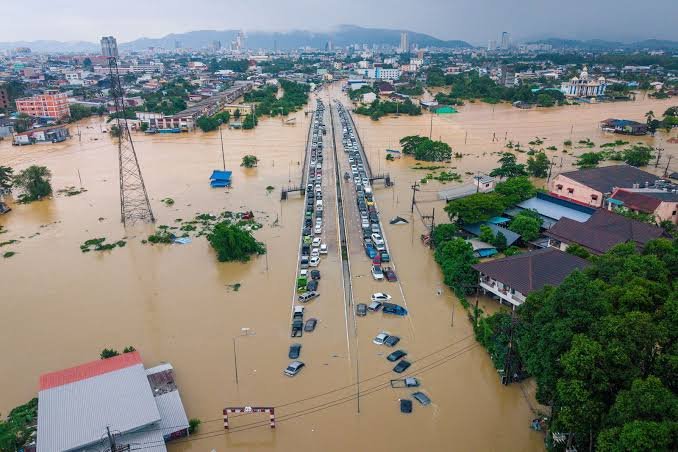
During 2025 and into 2026, India continued to face seasonal hazards including cyclones, extreme rainfall, floods, landslides, heatwaves and drought-like conditions in different parts of the country.
These recent events have reinforced an important reality: disaster risk is changing as population growth, urbanization, environmental degradation and climate variability interact.
The Common Impact of Disasters
Although each disaster is different, their consequences are often similar:
- Loss of human life
- Destruction of homes and infrastructure
- Damage to agriculture and livestock
- Disruption of transportation and communication
- Loss of livelihoods
- Economic setbacks
- Displacement of communities
- Long-term environmental damage
- Psychological and social consequences
Lessons India Has Learned
India’s experience with disasters over the decades has resulted in major improvements in disaster management.
Early-Warning Systems
Modern forecasting and warning systems now allow authorities to identify many cyclones, floods and other hazards before they occur.
Evacuation and Rescue
Large-scale evacuation plans and trained rescue forces have helped reduce casualties, particularly during cyclones.
Stronger Infrastructure
Earthquake-resistant buildings, cyclone shelters, stronger bridges and improved drainage systems can significantly reduce disaster-related losses.
Community Participation
Local communities are often the first responders during disasters. Training and awareness can therefore save lives.
Environmental Protection
Protecting forests, wetlands, mangroves, rivers and coastal ecosystems can help reduce the impact of floods, landslides and storms.
Conclusion
From 1947 to 2026, India has faced numerous natural and human-made disasters. Each tragedy has caused pain and destruction, but each has also provided valuable lessons.
India has gradually moved from a largely relief-focused approach to a more comprehensive disaster-management approach, emphasizing prevention, preparedness, early warning, mitigation, response and recovery.
However, disaster preparedness cannot be the responsibility of governments alone. Citizens, communities, businesses and educational institutions all have an important role to play.
As climate variability and extreme weather events continue to pose challenges, India’s future resilience will depend on better planning, scientific forecasting, environmental protection, resilient infrastructure and an informed and prepared population.
The best way to face a disaster is not only to respond after it happens, but to prepare before it happens.