In the next article, we’ll explore how Hanuman is worshipped across India, the different forms in which he is represented, the traditions followed in Hanuman temples, important festivals, and why devotees continue to turn to Hanuman for strength, courage and devotion.


Hanuman Worship Across India
Hanuman is one of the most widely worshipped figures in Hindu tradition.
His temples can be found in:
🏙️ Cities
🏘️ Towns
🌾 Villages
🛣️ Along roads
🌳 Near trees and local shrines
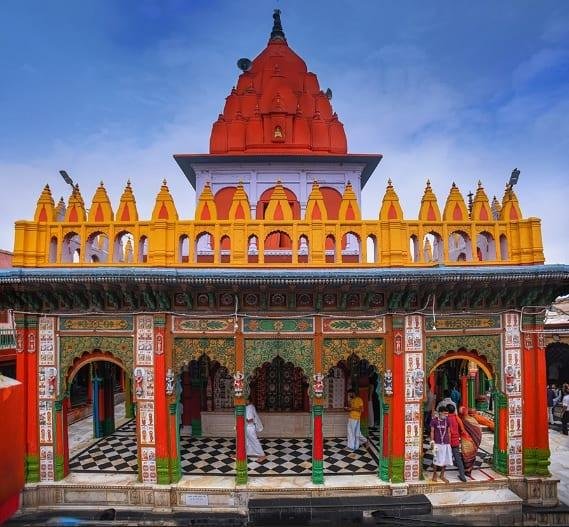
Some temples are enormous and famous, while others are small neighborhood shrines visited every day by local devotees.
Why Do People Pray to Hanuman?
Hanuman is traditionally associated with qualities that many devotees wish to cultivate in their own lives.
💪 Strength
Hanuman represents physical and inner strength.
🧠 Intelligence
He is remembered for his ability to think clearly and act wisely.
🛡️ Courage
His actions in the Ramayana demonstrate fearlessness in difficult situations.
🙏 Devotion
His dedication to Rama is central to his identity.
🤝 Service
He uses his abilities for the benefit of others rather than personal glory.
Because of these qualities, Hanuman is often approached as a source of courage and confidence.
Different Forms of Hanuman
Hanuman is represented in different forms depending on the temple and local tradition.
He may be shown:
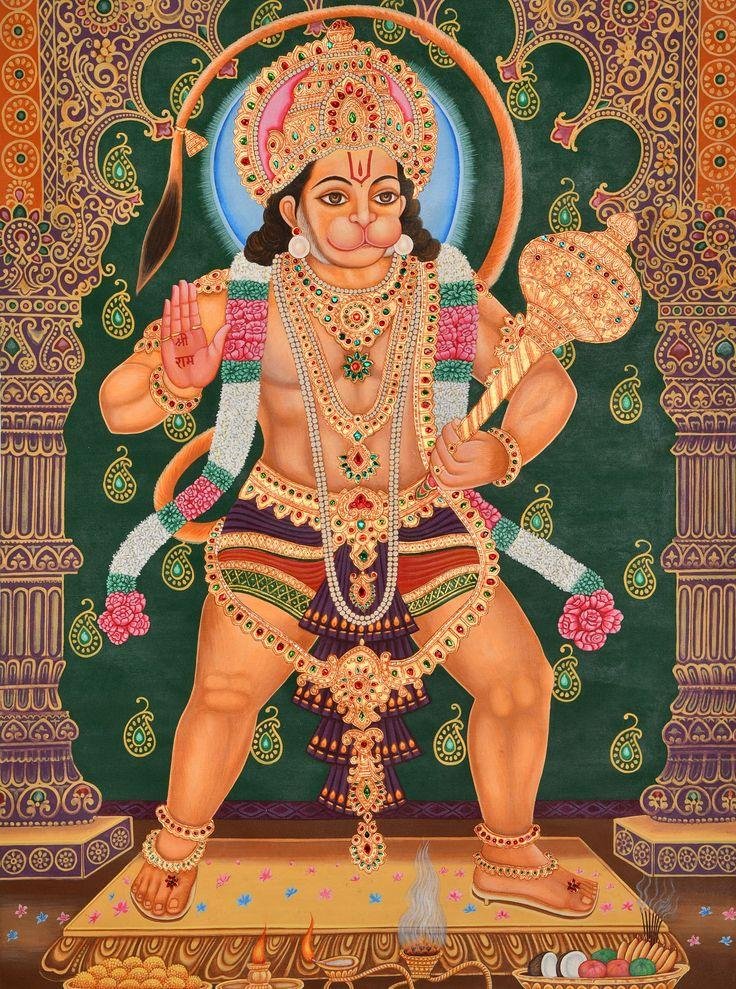
🏹 Standing with his mace
🙏 Kneeling before Rama
💪 Raising his hand in blessing
🏔️ Carrying the Sanjeevani mountain
❤️ Revealing Rama and Sita in his heart
⚔️ In a powerful warrior form
Each form emphasizes a different aspect of Hanuman.


Hanuman Temples
Hanuman temples can range from simple shrines to major pilgrimage centers.
In many temples, devotees offer:
🌺 Flowers
🍊 Fruits
🍬 Sweets
🪔 Lamps
🙏 Prayers
The exact customs vary according to the local temple and tradition.
Tuesday and Saturday Worship
Tuesday is widely associated with Hanuman worship in many Indian traditions.
Devotees may visit temples, light lamps and recite prayers.
Saturday is also considered an important day for Hanuman worship in many communities.
These practices are not identical everywhere, but the association has become widespread.
Hanuman Chalisa in Daily Worship
The Hanuman Chalisa is among the best-known devotional compositions dedicated to Hanuman.
Traditionally attributed to Tulsidas, it is recited by devotees in homes and temples.
For many people, reciting it is a regular spiritual practice.
The popularity of the Hanuman Chalisa has helped keep Hanuman devotion deeply connected with everyday life.


Hanuman Jayanti
Hanuman Jayanti is celebrated in many parts of India to commemorate Hanuman’s birth.
However, the date and specific customs can differ between regions and traditions.
Celebrations may include:
🛕 Temple worship
🎵 Bhajans
📖 Recitation of sacred texts
🙏 Special prayers
🎉 Processions
🍚 Community offerings
Temples may attract large numbers of devotees during these celebrations.
Hanuman in Village Life
Hanuman worship has a particularly visible presence in many rural communities.
A small shrine may serve as an important local place of worship.
The shrine does not necessarily need elaborate architecture.
Sometimes a simple image of Hanuman becomes a gathering point for the community.
This is one reason Hanuman’s presence can be seen throughout India’s cultural landscape.


Hanuman as a Protector
In popular devotional tradition, Hanuman is often regarded as a protector.
His image can therefore be found in homes, temples and other places where devotees seek a sense of safety and strength.
His protective image is closely connected with his fearlessness in the Ramayana.
Hanuman and Students
Hanuman is also respected by many students and young people.
His qualities of:
🧠 Concentration
💪 Determination
📚 Learning
🎯 Focus
make him an inspirational figure.
For some devotees, praying to Hanuman is a way of seeking confidence before examinations, competitions or other challenging situations.
Hanuman in Martial Traditions
Hanuman’s image has also become associated with physical strength and discipline.
In some traditional settings, wrestlers and athletes have regarded Hanuman as an inspirational figure.
The famous image of Hanuman with his gada, or mace, reinforces his association with physical power.


Hanuman and Rama
Despite all the different forms in which Hanuman is worshipped, one connection remains central:
Hanuman’s devotion to Rama.
This relationship is one of the defining features of his character.
Hanuman’s strength, intelligence and courage are all directed toward his service to Rama.
That is why many devotional images show Hanuman with Rama and Sita.
Regional Traditions
Different regions have developed their own Hanuman traditions.
In some places, Hanuman is mainly seen as:
🛡️ Protector
In others:
💪 Symbol of strength
Elsewhere:
🙏 Ideal devotee
And in many traditions, all these qualities exist together.
This regional diversity is one of the fascinating aspects of Hanuman worship.
Hanuman in Modern India
Hanuman remains highly visible in contemporary Indian life.
His image appears on:
🛕 Temple walls
🚩 Religious flags
📚 Books
🎨 Posters
🎬 Films
📺 Television
📱 Digital artwork
The traditional figure has therefore continued into the modern age without losing his cultural importance.


Why Hanuman Continues to Inspire
The popularity of Hanuman can be understood through the combination of qualities traditionally associated with him.
He is powerful but humble.
He is intelligent but devoted.
He is fearless but disciplined.
He is capable of extraordinary actions but does not seek personal glory.
This combination makes Hanuman an unusually enduring cultural figure.
A Symbol for Every Generation
Children may see Hanuman as a powerful hero.
Young people may see him as a symbol of courage and determination.
Devotees may see him as an ideal servant of Rama.
Older generations may connect him with lifelong faith and tradition.
The same character can therefore carry different meanings for different people.
Conclusion
Hanuman worship has become deeply woven into Indian religious and cultural life.
From enormous temples to small village shrines, from Tuesday prayers to Hanuman Jayanti celebrations, his presence can be found in countless traditions.
His story continues to inspire people because it combines strength, intelligence, courage, humility, service and devotion.
🕉️ Hanuman is remembered not merely for what he could do, but for why he chose to use his extraordinary abilities — in the service of Rama and dharma.
In the next part, we will explore the Ramayana’s sacred places and temples across India — locations associated with Rama, Sita, Hanuman and important events in the epic tradition.