Tag: Indian Architecture

  • ๐Ÿ›๏ธ Rani Ki Vav: The Magnificent Stepwell Hidden Beneath Gujarat

    ๐Ÿ›๏ธ Rani Ki Vav: The Magnificent Stepwell Hidden Beneath Gujarat

    India is famous for its palaces, forts and temples, but some of its greatest architectural treasures were created for a much more practical purpose โ€” water.

    One of the finest examples is Rani Ki Vav, a magnificent stepwell located in Patan, Gujarat.

    At first glance, it may look like an underground temple filled with sculptures. But it was actually designed as a sophisticated water-management structure.

    Built more than 900 years ago, Rani Ki Vav combines engineering, architecture, sculpture and religious symbolism in one extraordinary monument.

    https://images.openai.com/static-rsc-4/ERISw8bTSGz-3O02TgzxXiHtxY3gFtMjVKF3kCDdBWF37qurPRC2I8rKiacCgMW_bY4naM0kCm2MoYlMBnSzf7t-DWW5sIU3ktpWJBrqJMgR57h7REkQ0hqC1p0FkD7APbkwj6W4aqgOijllwiAxPbwVAYNJJ-Ea8dtm4SU3ZztbmR6_1_DFzMLzl0jlKVEc?purpose=fullsize
    https://images.openai.com/static-rsc-4/SOSvRLSr5xXfBOVx7iAwzLsqeTI_BhITy6NpD0i_1MhSoW0tBt0_4oDNYFP4bVnH_VS-pfxr6g-rJavtkqgfPDgSTtUfC2rS1fiXfFukPRp5QpQeSlSCyD9KLxPaIRmppYd_elONmjdEJR1HYotrmEPneawz_VlAOL1fIuYv7uZhOu2MHMg6-8G37aDa1-i4?purpose=fullsize
    https://images.openai.com/static-rsc-4/37xzF2927BN_WsfYRC4k2jZyt7d0sB8RstvMY0bgnY-gc_kdGMtzDwRuxqTZYxI5AfdMhUOOyLwLmIjVQN_28BUqKrF83u7d7kVOsOHlXHcMJvLAB4xNOr-dmpR2ZT0kxRfdsG_9mNG0FgpFn9MTqBf9G09XkYkfv1cXVZaS_fP_xyQQmcGmwvthZ7oHhVdN?purpose=fullsize

    ๐Ÿ’ง What Is Rani Ki Vav?

    The word โ€œvavโ€ refers to a stepwell, a traditional structure designed to provide access to groundwater.

    Unlike a simple well, a stepwell contains a series of steps that allow people to descend gradually toward the water.

    Rani Ki Vav is particularly impressive because of its enormous scale and extraordinary stone carvings.

    As visitors move down through the structure, they pass walls covered with hundreds of sculptures.

    ๐Ÿ‘‘ The Story Behind the Stepwell

    Rani Ki Vav is traditionally associated with Queen Udayamati, who commissioned the monument in memory of her husband, King Bhima I of the Chaulukya dynasty.

    The monument demonstrates that water structures could also have enormous artistic and cultural importance.

    Rather than building a simple utility for collecting water, the creators developed a carefully planned architectural space filled with sculptures and symbolic imagery.

    https://images.openai.com/static-rsc-4/zqg_7rM5hZhlUhu-Nvh0Z4v_1g7j-sODs2vmePKQewUEt0kDu_sqOud7tl5jU9slqxn8Wn1v5MIBF09xqLgNNk7Mhl5DKFp4ImWsk3QJgtFHoextNzgA9_XUVrbbDuZVyBVe7NFajQZYGamL3myXT0-LFqcS9_qMHnVnPCVuMKOuD6J37LATEWQpUacvegnO?purpose=fullsize
    https://images.openai.com/static-rsc-4/SkFjZzzFT0Ex0Sus0SWz0B0DEyO7nbTk5rROWHo3cBhUamDn-AszKFGXCZgT6QuXWUw2faOq9q5b1yNmAkvbSB_K2mcIzLNAHhmw644LMuX3zD8H5FUKynrZ-0M20ocsTj4lmJrFpuw4QF8Gu1jpltnZrXneA-4y7H-n3XwS7G1ds0M4891LoApCyyy591Cj?purpose=fullsize
    https://images.openai.com/static-rsc-4/GnLjMainMG-7JU9tMaoNqqATcNUzt3VDo8187PRXj5SPMuA0wDFaFKlLmyzm_WbwzE6SF4fntKSmzQAUS7up0qjYeAGrXWV7SYNIw5IoWp1k_c32ou_How8TWrnSO_VFzm8acQZ2mBEBY16uO62vAq7APjaoHZQ9irKgx8ZnlrYk3srW18wYUMpxg07mX8z_?purpose=fullsize

    ๐Ÿชจ An Underground Palace of Stone

    One of the most striking things about Rani Ki Vav is its appearance.

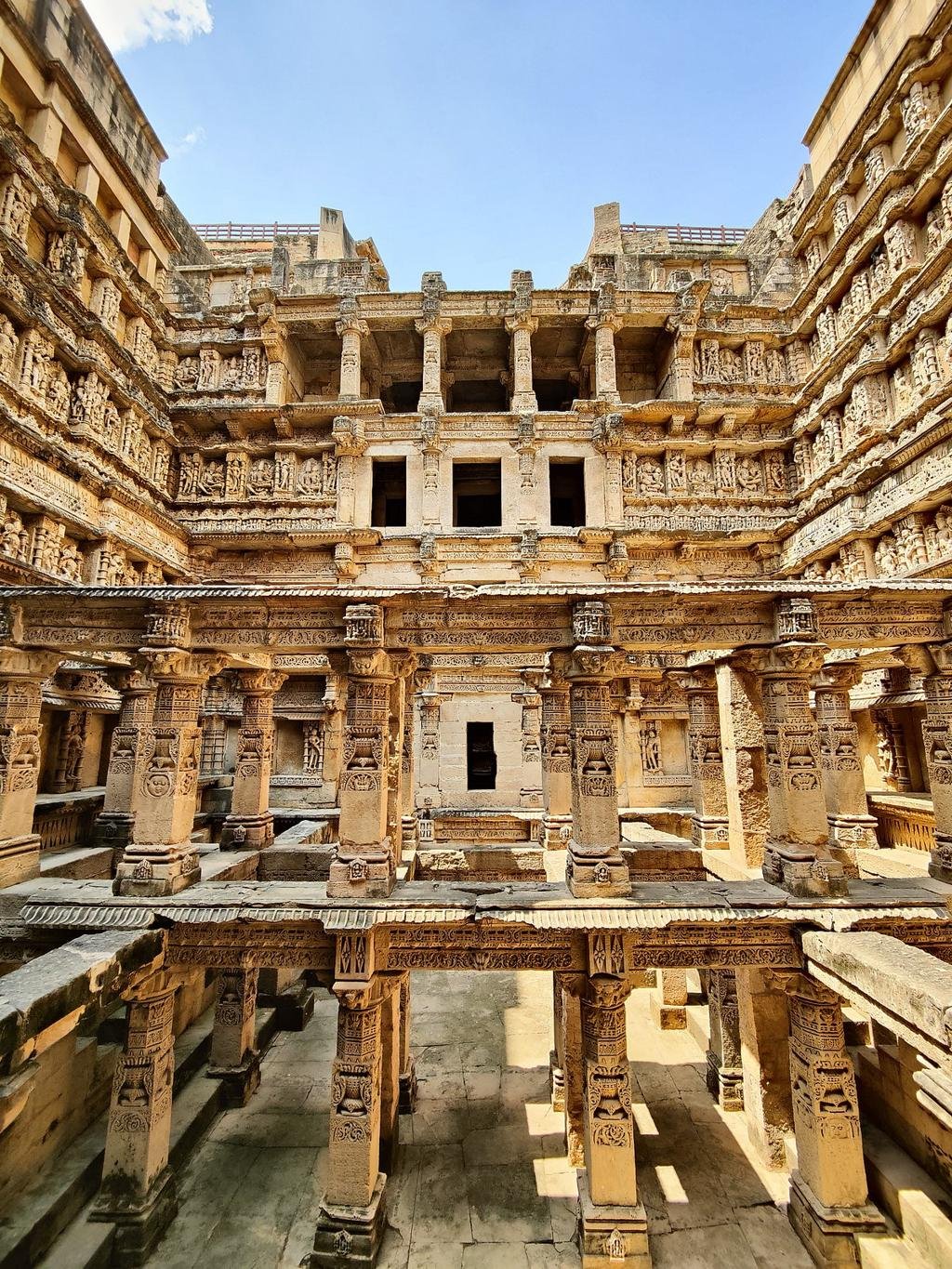
    As you descend the steps, the structure becomes increasingly enclosed by decorated walls.

    Columns, pillars and carved panels cover much of the interior.

    The stone surfaces contain representations of gods, goddesses, celestial figures, animals and other decorative elements.

    This makes the stepwell feel almost like an underground palace.

    ๐Ÿ•‰๏ธ Hundreds of Sculptures

    Rani Ki Vav is particularly famous for its detailed sculptures.

    Many of the carvings are connected with Hindu religious traditions, while others depict everyday artistic motifs.

    The sculptures are not simply placed randomly.

    They form part of a larger decorative and symbolic program that transforms the practical structure into a monumental work of art.

    https://images.openai.com/static-rsc-4/zqg_7rM5hZhlUhu-Nvh0Z4v_1g7j-sODs2vmePKQewUEt0kDu_sqOud7tl5jU9slqxn8Wn1v5MIBF09xqLgNNk7Mhl5DKFp4ImWsk3QJgtFHoextNzgA9_XUVrbbDuZVyBVe7NFajQZYGamL3myXT0-LFqcS9_qMHnVnPCVuMKOuD6J37LATEWQpUacvegnO?purpose=fullsize
    https://images.openai.com/static-rsc-4/loTbgMSdqsu_SE_0vEQbYevffGisD_S0ZuAJaglzanKrZpq8gtY7xlO8Jfd2iMZ30_0k-UewjEJhfJRFemJbBfSo_GSsrQv9hHcuuGoCP2gYMLzr28D8xMGFmq91YkyfRnCmgiy17BUkR1SQhaYVqzzKo5a_vpNFbifPeZqxBjkMGL0HNqslvvOCYEmqWZe1?purpose=fullsize
    https://images.openai.com/static-rsc-4/rYsbbAVHVeebKx5XXZJU5i8S9ISEK2uPpSdmQZdD00mzNRMAjL43IFo23rbN-iE2bax3kXfs8cbeB4kJL0G7TO8GcDyZ-S50PqObD_gixbUhNjcXfKeR3X5iSgOFXxqSDpcCaJUgwB8azxJ5gVIPT6up2iqO7uzjAvcal-pW78m3aBkm9o-9REW0nc-VOT6X?purpose=fullsize

    ๐ŸŒŠ Why Were Stepwells Important?

    Water has always been extremely valuable in Gujarat’s relatively dry climate.

    Stepwells provided communities with access to groundwater, particularly during periods when surface water levels changed.

    They could also become important social spaces where people gathered, rested and accessed water.

    Rani Ki Vav therefore represents an important chapter in India’s traditional approach to water management.

    ๐Ÿ—๏ธ Remarkable Ancient Engineering

    Building a structure of this scale underground required considerable planning.

    The builders had to carefully design:

    • The descending stairways
    • Pillars and supporting structures
    • Water access
    • Stone foundations
    • Underground spaces
    • Decorative walls

    The monument shows how practical engineering and artistic design could be combined.

    https://images.openai.com/static-rsc-4/OBeE8Dfb-CMroWnjGfzErzSjpHMO8CNvTdZ8a6jwwNuHnVeyUcyw9AqT0DdSoQEt5nq036AduHvduAfS7xrQpWO0PGrydBnOu3ZahgPuu5kNbvaKj0ACmNFC49JrgpL_m9g6Y_cNQS4gSPdCLfMOWakW2R8HDRZYpAbV-B25i5KPfQWrifRpeNbcPwXQxsdG?purpose=fullsize
    https://images.openai.com/static-rsc-4/xV1YmJK_9HyrllJEVbVRK9F9YU0uPp_tG1uGRb7XNB_oXX6M0-XK3srZKpUaeEUxcWdQNnsfOIKHedjcVuxQPc3_ravv7IZOeeFVx4NaeqC_2A0B20Be2nYkgidLISLShMHicDLbPFkDe732sZkySpkkYLFrq-m9-GWRMwjLncn9oeatHTu26h4wG6HjpZYu?purpose=fullsize
    https://images.openai.com/static-rsc-4/U2G8wCq_jpHW7q_qTYmLnFVatByLZSq_AOTKor77vsEf3EWrpsmmhotzIOaIZsY6TaEVpCJNWnySfpgdfputPz_tsQzVO_nvqsLHu78WnLhrlEvntTGv2hr6Nd6wipf2jGfquDjeMfAerpfU5CA_YvpUrX_tN3prX2ES6rVWDhH2r_WwFVVY4qEDERnG__af?purpose=fullsize

    ๐ŸŒ UNESCO World Heritage Site

    Rani Ki Vav was added to the UNESCO World Heritage List because of its outstanding architectural and artistic value.

    Its preservation has helped the world understand the sophistication of India’s historic stepwell tradition.

    Today, it is one of Gujarat’s most important heritage attractions.

    โณ Lost and Rediscovered

    Over the centuries, the stepwell was affected by natural processes and sediment.

    Much of the structure became buried, which ironically helped protect some of its sculptures from damage.

    Archaeological work eventually revealed the extraordinary monument beneath the accumulated earth.

    Its rediscovery allowed historians, archaeologists and visitors to appreciate the remarkable craftsmanship of its builders.

    https://images.openai.com/static-rsc-4/8HJzEEgEtq5P-wJ_EpihaRaSJENIl7WNEdvl-Pr0cTo_QHAWfA1qvzsdxPSlu8_K6cNR84qMF7OdHg3yhZC3UyxiBLiWKXXl-NinusTO5d9pX6at-9D6X62kLw7wzW2k8DHy1OWTjWGQl2Gbmr5R0Bpxz9Agp2UBICOAV9xkI5eZs0EfpRmStAVe_-zu706o?purpose=fullsize
    https://images.openai.com/static-rsc-4/--yAMqR0s1e1ITfFeSuy_jm32I_Jpssmqzz9QrwOtNsldM6ONPM9V5ewvyoneqOgp6193PV0fZkDYb4cnIZ07V1zRd6KzDBGJ6EG0EzhdM2vOvnoClzxS70kDkT2rLWEjYVavPLyfUZYeW-nJUMX1Z5Iaxo1W5-roFLtZk3yU4att6rlrAQp-dSh9KuCv0ez?purpose=fullsize
    https://images.openai.com/static-rsc-4/TBHv21wvh5To16i2jab7XT4nlUFLvgisZPp_qB-agyBQ5Y1vTJkGb9LlUggIlVaY-EYFCWpe4vXdAEsapuPkfJbFxf4O_QEW1uG31OGtF8Fxy6joUydZGgr4TUMjNHWzrV_E6HvWyBTXcQRbTjNBUmNRrR9shf1LV0teOuFZKwNQ8WJfOkZkR5g2C3tlJQia?purpose=fullsize

    ๐Ÿ“ธ Why Rani Ki Vav Is Perfect for Photography

    Rani Ki Vav offers a completely different photographic experience from India’s forts and palaces.

    The repeating steps create strong geometric patterns.

    The detailed sculptures provide close-up subjects, while the long symmetrical corridors create dramatic perspective.

    The deeper you look into the structure, the more architectural details become visible.

    For photographers, historians and architecture lovers, every section offers something new to discover.

    ๐Ÿง  What Can We Learn From Rani Ki Vav?

    Perhaps the most important lesson is that ancient infrastructure did not have to be purely functional.

    The builders of Rani Ki Vav transformed an essential resource โ€” water โ€” into an extraordinary cultural space.

    It demonstrates the importance of:

    Engineering + Art + Environment + Culture

    When these elements work together, even a water-management structure can become a masterpiece.

    https://images.openai.com/static-rsc-4/ngFrahlHFhKeA6LSd6jIAK3KsVGoGHtJfA4MLjbVZle8q_oIYPLQZic1VbLWCgK5SAv4g0Y6F9FfRqdQmQ_Dx_OVYbDex2sZbxp-dl9VTE7L-OCg5Hue14BadPuTiaCBtHcACfkAfKe5Ky1G3W2w4HvNKtPW2kNJPIHXVbFbXH2ahgIIb_axOOIEs6Igr-_t?purpose=fullsize
    https://images.openai.com/static-rsc-4/--yAMqR0s1e1ITfFeSuy_jm32I_Jpssmqzz9QrwOtNsldM6ONPM9V5ewvyoneqOgp6193PV0fZkDYb4cnIZ07V1zRd6KzDBGJ6EG0EzhdM2vOvnoClzxS70kDkT2rLWEjYVavPLyfUZYeW-nJUMX1Z5Iaxo1W5-roFLtZk3yU4att6rlrAQp-dSh9KuCv0ez?purpose=fullsize
    https://images.openai.com/static-rsc-4/SOSvRLSr5xXfBOVx7iAwzLsqeTI_BhITy6NpD0i_1MhSoW0tBt0_4oDNYFP4bVnH_VS-pfxr6g-rJavtkqgfPDgSTtUfC2rS1fiXfFukPRp5QpQeSlSCyD9KLxPaIRmppYd_elONmjdEJR1HYotrmEPneawz_VlAOL1fIuYv7uZhOu2MHMg6-8G37aDa1-i4?purpose=fullsize

    โ“ Frequently Asked Questions

    Where is Rani Ki Vav?

    Rani Ki Vav is located in Patan, Gujarat, India.

    Who built Rani Ki Vav?

    The stepwell is traditionally associated with Queen Udayamati, who commissioned it in memory of King Bhima I.

    What was Rani Ki Vav used for?

    It was primarily a stepwell designed to provide access to groundwater, while also serving as an important architectural and cultural space.

    Why is Rani Ki Vav famous?

    It is famous for its enormous scale, intricate stone sculptures, sophisticated design and historical importance.

    Is Rani Ki Vav a UNESCO World Heritage Site?

    Yes. Rani Ki Vav is recognized as a UNESCO World Heritage Site.

    ๐ŸŒŸ Final Thoughts

    Rani Ki Vav is far more than an ancient well.

    It is a remarkable example of how India’s historic communities combined practical needs with extraordinary artistic vision.

    Every staircase, pillar and sculpture tells part of a larger story about water, architecture, religion and society.

    Today, visitors can descend into the monument and see the craftsmanship of people who lived centuries ago.

    Rani Ki Vav reminds us that some of India’s greatest architectural masterpieces were created not only to impress the eye, but also to solve one of humanity’s most basic needs โ€” access to water.

    https://images.openai.com/static-rsc-4/rRkFkdUcTUsJaWROHwB9LVrvl76mWoYcqns9z6nv87ADxI0nn1s60-lXTRAysMCnimsshDZRh4E_suz-Ocgu_Vup-VJRGj_AT9fMNBDnGKGzu4HihFyXEc7__mnA0pDhJ5nHMJG3SACIzzUFtCRW-HI3DW2cegC77uj2LqvoDSgL5Ou-VSJFkg46Vx7w6uoY?purpose=fullsize
    https://images.openai.com/static-rsc-4/--yAMqR0s1e1ITfFeSuy_jm32I_Jpssmqzz9QrwOtNsldM6ONPM9V5ewvyoneqOgp6193PV0fZkDYb4cnIZ07V1zRd6KzDBGJ6EG0EzhdM2vOvnoClzxS70kDkT2rLWEjYVavPLyfUZYeW-nJUMX1Z5Iaxo1W5-roFLtZk3yU4att6rlrAQp-dSh9KuCv0ez?purpose=fullsize
    https://images.openai.com/static-rsc-4/M_SZxTJe4YZkT_70O-JxJkgP5-9n7YID1e9_9KqWxh5hwxFoF7PKZSiYEdTB5inQs-me1_BfhrCzxFBqk6MXgkYDs42tBJAYo5UxMyxlzWZWCweHJ1VS6mt07XwDX_rjytgpXKNISgGnW7PEUEvg6xe4hm2BwqC2rmzOasuRpNS_JVZKfk097UltRWaQqTx-?purpose=fullsize

    ๐Ÿ‡ฎ๐Ÿ‡ณ MANA BHARATHAM

    Discover the Stories Hidden Across India

    From ancient architecture and forgotten kingdoms to sacred places, natural wonders and fascinating traditions, MANA BHARATHAM brings interesting stories from across India.

    ๐ŸŒ Website: allpincodes.online

    ๐Ÿ“– Blog: MANA BHARATHAM

    Know India. Explore India. Celebrate India. ๐Ÿ‡ฎ๐Ÿ‡ณ

  • ๐Ÿชœ Rani ki Vav: The Magnificent Stepwell of Gujarat

    ๐Ÿชœ Rani ki Vav: The Magnificent Stepwell of Gujarat

    India is famous for its temples, forts and palaces, but some of its greatest architectural achievements were created for a very different purpose โ€” water.

    One of the finest examples is Rani ki Vav, an extraordinary stepwell located in Patan, Gujarat. Built more than 900 years ago, this monument combines practical water management with beautiful sculpture and detailed architecture.

    Instead of looking like an ordinary well, Rani ki Vav resembles an underground palace filled with hundreds of artistic carvings.

    https://images.openai.com/static-rsc-4/i7CboNaS_SGfjCDiglITaHk1bxV_NEg7QDQQSy3DWVS5LRSu5yfE9xoApZAZnXrn6PKW6vIApBqWo2NkRwu1fVk8IwpJ1pJYoq-KRxArzJPg16leCcZDSolfUrfZ2X6f9C9pmPhfDEQSpVaaH5rkLcIGQl9gz9KBEJTwSAlOHxZAigDhyW7i2csS-eKS_9JE?purpose=fullsize
    https://images.openai.com/static-rsc-4/--yAMqR0s1e1ITfFeSuy_jm32I_Jpssmqzz9QrwOtNsldM6ONPM9V5ewvyoneqOgp6193PV0fZkDYb4cnIZ07V1zRd6KzDBGJ6EG0EzhdM2vOvnoClzxS70kDkT2rLWEjYVavPLyfUZYeW-nJUMX1Z5Iaxo1W5-roFLtZk3yU4att6rlrAQp-dSh9KuCv0ez?purpose=fullsize
    https://images.openai.com/static-rsc-4/SBXAfPddiK6Woc02H8epSzAlHoO_r1C1Vg0U-x-vlcBrDKBajjyKvEP4JPFQDnETKz681HC4xH3YTqjEV9aGuvWW9ronZCE3z48WP1u3zn_gfd1R48KTQZuiVsrWP8o9z-_OxV9Fi6c89nuTyyP_ZVcfjkQmZ5UfGy8K0e-gZ-NEbF26F6RdvtFMiFgNP3gT?purpose=fullsize

    ๐Ÿ“ Where Is Rani ki Vav Located?

    Rani ki Vav is located in Patan district of Gujarat, on the banks of the Saraswati River.

    The monument was constructed in the 11th century during the period of the Chaulukya dynasty, also known as the Solanki dynasty.

    The stepwell is one of Gujarat’s most important heritage monuments and attracts visitors interested in history, architecture, archaeology and Indian culture.

    https://images.openai.com/static-rsc-4/nmUNVWYv16uNhfV-GehcrqcyuCZ8IY3zVWr_PsEVpX_QBHS5wIwyLSM1Gt2vPFyuQ36eLJWxihIdKG15EcZMfFkiLDmMbOnAYK1VpxS2PNQSKFvJkKuiLfnkTk_x3Od1XiNtk_w4OC72dTgcyljUMyZWS6seLCNmVFdkHZbwEByHWU7O2IgRAInz8puSGfqp?purpose=fullsize
    https://images.openai.com/static-rsc-4/SOSvRLSr5xXfBOVx7iAwzLsqeTI_BhITy6NpD0i_1MhSoW0tBt0_4oDNYFP4bVnH_VS-pfxr6g-rJavtkqgfPDgSTtUfC2rS1fiXfFukPRp5QpQeSlSCyD9KLxPaIRmppYd_elONmjdEJR1HYotrmEPneawz_VlAOL1fIuYv7uZhOu2MHMg6-8G37aDa1-i4?purpose=fullsize
    https://images.openai.com/static-rsc-4/Ck-H5noRGK-gTOwHhXIBhHVAJi5sKceKych80JNCgeNy-_CjrqgomlOuNn44mmWBK-o-dzlpDd7oZjXy7JESAl2_aQmiB8paY2ZzjgbjxbiprbnwzgTrE9m8DRP-_4RFa6sI1LqBcGKLi1jTf8wC2uh1SQJIkfADf9Tw0wGLe-vBntEaga3yf5KdVVz1Wu2o?purpose=fullsize

    ๐Ÿ‘‘ Who Built Rani ki Vav?

    Rani ki Vav is traditionally associated with Queen Udayamati, the wife of King Bhima I.

    The stepwell is believed to have been commissioned in memory of the king.

    In medieval western India, stepwells were important because they provided access to water during dry periods.

    Rani ki Vav shows how an essential public resource could also become a magnificent work of architecture.

    ๐Ÿ’ง Why Were Stepwells Important?

    Gujarat and other parts of western India experience hot and relatively dry conditions.

    Water availability could change significantly between seasons.

    Stepwells offered a practical solution.

    Instead of collecting water in a simple open tank, builders created a deep structure with stairs leading downward.

    As the water level changed, people could continue descending to reach the water.

    Rani ki Vav represents this sophisticated approach to traditional water management.

    https://images.openai.com/static-rsc-4/M_SZxTJe4YZkT_70O-JxJkgP5-9n7YID1e9_9KqWxh5hwxFoF7PKZSiYEdTB5inQs-me1_BfhrCzxFBqk6MXgkYDs42tBJAYo5UxMyxlzWZWCweHJ1VS6mt07XwDX_rjytgpXKNISgGnW7PEUEvg6xe4hm2BwqC2rmzOasuRpNS_JVZKfk097UltRWaQqTx-?purpose=fullsize
    https://images.openai.com/static-rsc-4/SOSvRLSr5xXfBOVx7iAwzLsqeTI_BhITy6NpD0i_1MhSoW0tBt0_4oDNYFP4bVnH_VS-pfxr6g-rJavtkqgfPDgSTtUfC2rS1fiXfFukPRp5QpQeSlSCyD9KLxPaIRmppYd_elONmjdEJR1HYotrmEPneawz_VlAOL1fIuYv7uZhOu2MHMg6-8G37aDa1-i4?purpose=fullsize
    https://images.openai.com/static-rsc-4/nmUNVWYv16uNhfV-GehcrqcyuCZ8IY3zVWr_PsEVpX_QBHS5wIwyLSM1Gt2vPFyuQ36eLJWxihIdKG15EcZMfFkiLDmMbOnAYK1VpxS2PNQSKFvJkKuiLfnkTk_x3Od1XiNtk_w4OC72dTgcyljUMyZWS6seLCNmVFdkHZbwEByHWU7O2IgRAInz8puSGfqp?purpose=fullsize

    ๐Ÿ›๏ธ The Amazing Design of Rani ki Vav

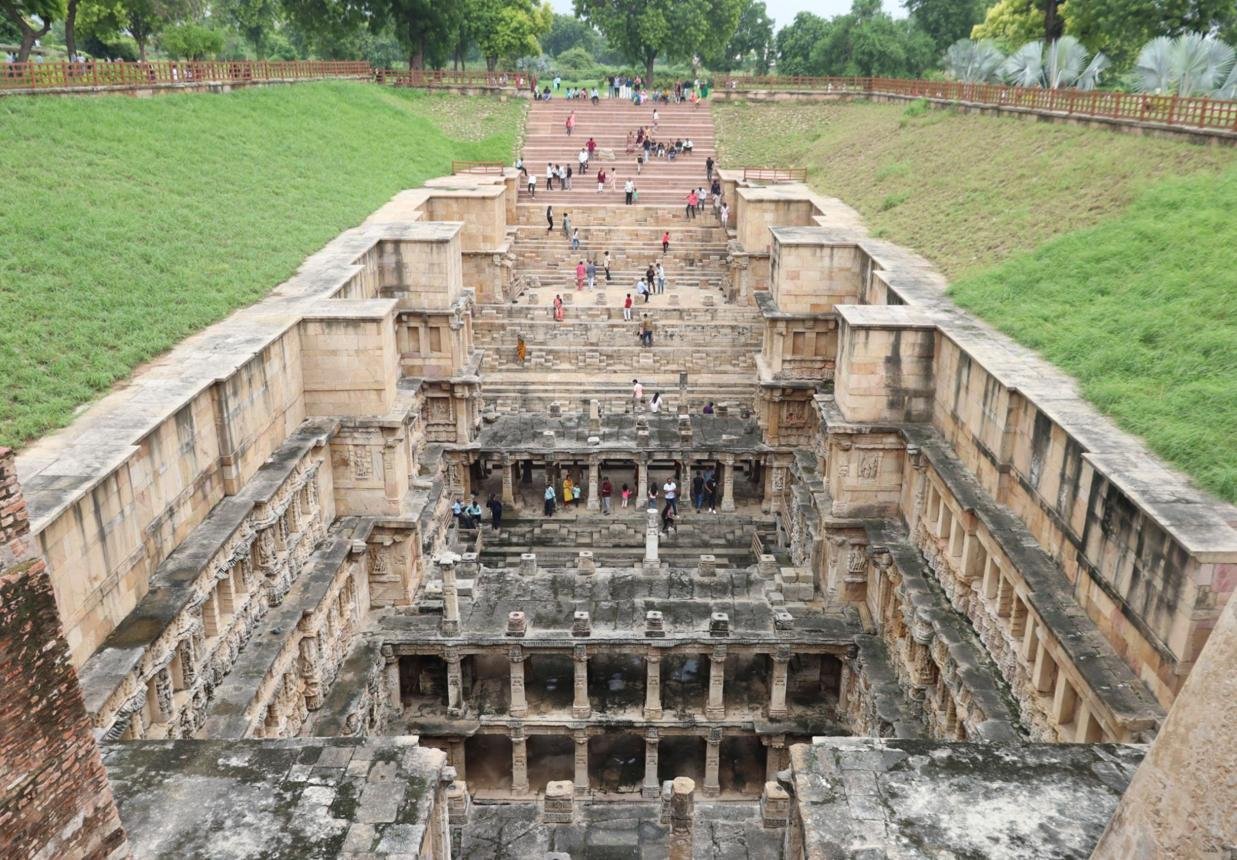
    Rani ki Vav was designed as a stepped corridor leading down towards the water.

    The monument has several levels, with stairways, pillars, galleries and carved panels.

    As visitors descend, the architecture becomes increasingly elaborate.

    This creates an unusual experience: the deeper you go, the more sculptures and architectural details you discover.

    https://images.openai.com/static-rsc-4/OkkaolOlFrYhHzjJqzUGuz_Kbvz36KY-IjcnijBPs5pPo1qP1Bk7repwPSiQ9lYo2OJsWNPA5YLn0oIBjagx3-wvFnrANRfPepRY4oVBpK_HM2wEYp7ct4FDSIRXg19MkrMHWrSKocvaiyhpuyeKbpXQ-4zDoyXKyeFF4d6XzruCKeip05b2bZb7rZUR7n2I?purpose=fullsize
    https://images.openai.com/static-rsc-4/BdDLkfAGH4LRgIMFakxuSmIOBrs69_F_bDwKewPeDo4LXX0alnlPEFfqw01V3Ojl7iQGiWgqF-1FITzw_tyzRKdpDg_MDLTe34a7PY5aalGJNuE2yyb-NYQnoPB_xUEfb4nktaTIeDciPQTrxX2mjg8MgmGFwH8PtDBUIjEJ9-GJ0qjII_m_JUYGBWOJFGf2?purpose=fullsize
    https://images.openai.com/static-rsc-4/sKp_Az4ls-W1EUy_cUGZwz5pdV2xQeW3IanjK-Ujin4JmPf4Za4WdQvN5MBtRZ3Dj0Qk9FX83XkIv0izmNXCKDXJXSPWrns3w4tv6GP3zxbIKoES2qCsVVoTFeJXTxcSElcMuCF0-0sitN5WkzN0lHOkPLwBL4heW5IFv5_oqs_jgFPC-at3V8YW4uyrau1E?purpose=fullsize

    ๐Ÿ—ฟ A Monument Filled With Sculptures

    One of Rani ki Vav’s greatest attractions is its extraordinary collection of sculptures.

    The walls and pillars contain numerous carved figures representing Hindu deities, celestial beings, mythological figures and decorative motifs.

    These sculptures are not placed randomly.

    They form part of a carefully planned architectural design.

    https://images.openai.com/static-rsc-4/7aDylWmRBsgTL6iwlf5fRj-o5YcSYzqXsJzRhTFoyqNtdM5i364j2yn14Y1nvIm_gJcf35sULs7Hk5NucFGizvjHaCpNvuL5U0vUhyhW_XVKNSwtnY2IFmtNpXjaUn-hQNTsjmFi17ORVN3m1IukS-P0DT2G2Rt2ewew7Ub3hfVK6LDUUbhP6guyfMo2irEA?purpose=fullsize
    https://images.openai.com/static-rsc-4/aN9wEOERaSbrBDKYdF64SHx3DaQ1DUoh-fpnAcuLsPDk3yLf0NzPxLTv7ZgFpuQP9Hh0ZbhJAyva5SXJRQIUNjcWcUm0bJ3FvIQtAmI8xfLhLwTQhIjbp0CRgQFqdL1_3fnmjM3GatNZmr4L_KRA42SndvY19uCsGFrnEdswOI2ih5jb5_mak7Q2FKPw43IV?purpose=fullsize
    https://images.openai.com/static-rsc-4/SkFjZzzFT0Ex0Sus0SWz0B0DEyO7nbTk5rROWHo3cBhUamDn-AszKFGXCZgT6QuXWUw2faOq9q5b1yNmAkvbSB_K2mcIzLNAHhmw644LMuX3zD8H5FUKynrZ-0M20ocsTj4lmJrFpuw4QF8Gu1jpltnZrXneA-4y7H-n3XwS7G1ds0M4891LoApCyyy591Cj?purpose=fullsize

    ๐Ÿ•‰๏ธ Sculptures of Hindu Deities

    Many of the sculptures are connected with Hindu religious traditions.

    Representations associated with Vishnu, Shiva, Parvati, Ganesha and other deities can be found among the carvings.

    There are also numerous figures of celestial beings and female forms.

    The variety of sculptures gives researchers valuable information about the religious and artistic traditions of medieval Gujarat.

    https://images.openai.com/static-rsc-4/zqg_7rM5hZhlUhu-Nvh0Z4v_1g7j-sODs2vmePKQewUEt0kDu_sqOud7tl5jU9slqxn8Wn1v5MIBF09xqLgNNk7Mhl5DKFp4ImWsk3QJgtFHoextNzgA9_XUVrbbDuZVyBVe7NFajQZYGamL3myXT0-LFqcS9_qMHnVnPCVuMKOuD6J37LATEWQpUacvegnO?purpose=fullsize
    https://images.openai.com/static-rsc-4/loTbgMSdqsu_SE_0vEQbYevffGisD_S0ZuAJaglzanKrZpq8gtY7xlO8Jfd2iMZ30_0k-UewjEJhfJRFemJbBfSo_GSsrQv9hHcuuGoCP2gYMLzr28D8xMGFmq91YkyfRnCmgiy17BUkR1SQhaYVqzzKo5a_vpNFbifPeZqxBjkMGL0HNqslvvOCYEmqWZe1?purpose=fullsize
    https://images.openai.com/static-rsc-4/x14EOArOO4lscfo5uUK5xvgB-7CoD3XvK89LxqQxfUdQIQDW_zcFeJFOK_qAkmAUiZGILZg99wl9SApZ56vnhYLgv3lO0hxbaBtn9bq-ND8s4rDu628DaIWXZn2zAYs56m9aIGWQ-dWfiQTOPbpqw8XINOX72Rb90lrbkpXoK222c13Mz3p3pqWGcgglfwsk?purpose=fullsize

    ๐ŸŒบ The Famous Female Sculptures

    Rani ki Vav is particularly famous for its beautifully carved female figures.

    These sculptures are often shown in graceful poses, wearing elaborate jewellery and clothing.

    They demonstrate the remarkable attention to detail of the artists.

    Small elements such as ornaments, hairstyles and expressions were carefully carved into the stone.

    https://images.openai.com/static-rsc-4/ArLF8WjFl3dp7wy9ZI6Rh0DA8Zp73iglskDrtVors0FDEZ6QW7Z-2wXCMtgvPWhH9bJlIeRE4Lk7kvAI9DEl42ruUxx-FT4XLUWM3RGLDje9YX6H2X-Jiq4sYcPfF-EvrsbG8tQmCT0bhKVfOGasK7fThzvjNKlvtl4rKU0I14QwtE-lmmZGw2WBLoAe8kbp?purpose=fullsize
    https://images.openai.com/static-rsc-4/N9RFcH8lC2zXm2jwqEayyv89-8wkd2iM8vmRQuHG5G2C1qAN96xSy-VQlC2kxEqFSvzBl8hfBFuiXdRVvOL0vlLsFSM9bR5-vSnaa1UH_UW8_gDUWC4brMc-6zAF0zFHychU7qhgjyHBYM2u8Q4wa9UHzzw_sa0wd7fTE7spqqFWsmsn5Qa5zv086UiP-uRS?purpose=fullsize
    https://images.openai.com/static-rsc-4/cm5Jrd8sxtzC_Dq5A-DXFuwIpLwM9-n7_rR9qQ76oGYCU6ldejF7gJrnAGC1TMlXynJ5N_YZ2VQ7F2c4WQGaSxM6a8SXm34oH3cx0FSH_24V2wuseyj0biwHmUU5uJHVFWhrX0GAVw2BKXm2LBKH1H80bZqnkJVfjizpB2ed51bkZp5x6JdbXAcXLSMqWX71?purpose=fullsize

    ๐Ÿชจ How Did Ancient Artists Carve Such Detail?

    The sculptures were carved into stone using traditional tools and techniques.

    Without modern machinery, craftsmen created incredibly detailed figures with careful planning and extraordinary patience.

    The precision of the carvings demonstrates the high level of stone-working expertise achieved in medieval western India.

    https://images.openai.com/static-rsc-4/rYsbbAVHVeebKx5XXZJU5i8S9ISEK2uPpSdmQZdD00mzNRMAjL43IFo23rbN-iE2bax3kXfs8cbeB4kJL0G7TO8GcDyZ-S50PqObD_gixbUhNjcXfKeR3X5iSgOFXxqSDpcCaJUgwB8azxJ5gVIPT6up2iqO7uzjAvcal-pW78m3aBkm9o-9REW0nc-VOT6X?purpose=fullsize
    https://images.openai.com/static-rsc-4/SkFjZzzFT0Ex0Sus0SWz0B0DEyO7nbTk5rROWHo3cBhUamDn-AszKFGXCZgT6QuXWUw2faOq9q5b1yNmAkvbSB_K2mcIzLNAHhmw644LMuX3zD8H5FUKynrZ-0M20ocsTj4lmJrFpuw4QF8Gu1jpltnZrXneA-4y7H-n3XwS7G1ds0M4891LoApCyyy591Cj?purpose=fullsize
    https://images.openai.com/static-rsc-4/HndQRvss_rkSz_mtAYs5lXXGsKw7Y6aACsOHYGXYKCO87Rukf3lfYpWfI_XpVc4PdimOlZopvq3_TNacK4GjNe0F2wrD2H3YN2qavxEqlG9MuxI6l_Txyf4tZuHKLBybsIvz3Unyb4Q2tLOeBHNouNS0X9yfzrmw9AGneZ-Mh4WCZCnTK7YZp2LFaqxOuokW?purpose=fullsize

    ๐ŸŒŠ Rani ki Vav and Water Architecture

    The true purpose of the monument was water management.

    The stepwell extended downward toward the groundwater level.

    Its design allowed people to reach the water through a sequence of steps.

    At the same time, the underground structure helped create a cooler environment compared with the hot surface.

    This combination of engineering, climate adaptation and architecture makes Rani ki Vav particularly interesting.

    https://images.openai.com/static-rsc-4/SOSvRLSr5xXfBOVx7iAwzLsqeTI_BhITy6NpD0i_1MhSoW0tBt0_4oDNYFP4bVnH_VS-pfxr6g-rJavtkqgfPDgSTtUfC2rS1fiXfFukPRp5QpQeSlSCyD9KLxPaIRmppYd_elONmjdEJR1HYotrmEPneawz_VlAOL1fIuYv7uZhOu2MHMg6-8G37aDa1-i4?purpose=fullsize
    https://images.openai.com/static-rsc-4/UtRE2hV2ELuIK2NCt0k0RX_YA2YVYUSuprF6_1x9hV_SNY50VHPX_Ettv7k5hFXquHAvCTo1bwQVrHSO9uNWHQnq8V4R5jV4SpFl3hShs0CD9BUCCiW7aWvg7d55mdue6ymafFdXCYQwm3-zJn93vrdG5W8Wor3C_ZbG8FXf4lnJ4S2a2eM7JirZKiVjE_9D?purpose=fullsize
    https://images.openai.com/static-rsc-4/8oAIViq3iooSdwImZ_yICyygOJxOmpngJY2B-bGi9pA_rXQoTzSwt5AmJ9Nnqz5v-nlnuw24MXFRPTu0T-YVLeuqaW_pTAFdkRd_sYXnPrSJAuU9H2NUALQI0hfe4X7lVouOrwPqhDJRFVbPx2GuZ2fH8Fk46a_t4Fh_GWaLr_NruqCFc2Xje79AuZXc2vTz?purpose=fullsize

    ๐ŸŒก๏ธ A Natural Cooling Space

    The deeper parts of a stepwell can remain significantly cooler than the surface because they are surrounded by earth and stone.

    This made stepwells useful not only for collecting water but also as places where people could escape the intense heat.

    The architecture of Rani ki Vav therefore worked with the natural environment rather than against it.


    โณ What Happened to Rani ki Vav?

    Over the centuries, the stepwell was affected by natural changes, including flooding and the accumulation of sediment.

    Parts of the monument eventually became buried.

    Ironically, the sediment helped protect many of its sculptures from weathering.

    Archaeological conservation later exposed and preserved much of the monument.

    https://images.openai.com/static-rsc-4/fqL_-E0gvcHvhRxg8I3FmXydWcT6vnIXifDav1yzo990dBZ34RMtACfyqI0NlxAO97-FNzTGZRo7Po0eAynhaNKCNyqmhz03bHbm81tJQHxeju2iV0v8V7_pEB8Hr6iaR3rH2kxGan1d2Qjywf4DL2zvoRtuZ7KFbLRHAePO11Q0AkCBm1Mq6Rl2vFgJ-MDf?purpose=fullsize
    https://images.openai.com/static-rsc-4/Eirbie9pyl0tE-a565Gd75AsLKvLkvN16KkawQ-agIDL4io-h9QaGbVjRbXV3QxKwyZ5PpKNDXSn71eaGyonyjurdq3i2mdd8_i_1JHp7qf438fSqs6t4EzngIFBEIesSNHRcrxyUDWZLV680joO8s-ISme1v_5yhVEqqTE1AeLLpt62PJUOjKJVPP8c6bnu?purpose=fullsize
    https://images.openai.com/static-rsc-4/M_SZxTJe4YZkT_70O-JxJkgP5-9n7YID1e9_9KqWxh5hwxFoF7PKZSiYEdTB5inQs-me1_BfhrCzxFBqk6MXgkYDs42tBJAYo5UxMyxlzWZWCweHJ1VS6mt07XwDX_rjytgpXKNISgGnW7PEUEvg6xe4hm2BwqC2rmzOasuRpNS_JVZKfk097UltRWaQqTx-?purpose=fullsize

    ๐Ÿ”Ž Archaeological Importance

    Rani ki Vav is valuable not only because of its beauty.

    It provides evidence about:

    • Medieval architecture
    • Water management
    • Religious traditions
    • Sculpture
    • Social life
    • Engineering
    • Stone craftsmanship

    The monument helps historians understand how people in medieval Gujarat adapted architecture to their environment.


    ๐ŸŒ UNESCO World Heritage Site

    Rani ki Vav was added to the UNESCO World Heritage List in 2014.

    UNESCO recognizes it as an outstanding example of the stepwell tradition of the Indian subcontinent.

    Its combination of functional water architecture and elaborate sculptural decoration makes it especially significant. (whc.unesco.org)

    https://images.openai.com/static-rsc-4/BhgOHdcoBcDP8GcythGaZ8g3PY-1ygK6Jrd5qj6Mu1xVaAvlrbGYjLKX3Ipcyd_trvqpU7GhuhW1zhVNaA1BGaEfzwq7RYBgzG458HfVGYsRGSTXQSwen5-G24ktErG6LZt5H1h7gM83li_32pCBVUOfr9jovncYGmxSOPdC1_R_RprJatjif9TsG0hU1EuD?purpose=fullsize
    https://images.openai.com/static-rsc-4/i7CboNaS_SGfjCDiglITaHk1bxV_NEg7QDQQSy3DWVS5LRSu5yfE9xoApZAZnXrn6PKW6vIApBqWo2NkRwu1fVk8IwpJ1pJYoq-KRxArzJPg16leCcZDSolfUrfZ2X6f9C9pmPhfDEQSpVaaH5rkLcIGQl9gz9KBEJTwSAlOHxZAigDhyW7i2csS-eKS_9JE?purpose=fullsize
    https://images.openai.com/static-rsc-4/--yAMqR0s1e1ITfFeSuy_jm32I_Jpssmqzz9QrwOtNsldM6ONPM9V5ewvyoneqOgp6193PV0fZkDYb4cnIZ07V1zRd6KzDBGJ6EG0EzhdM2vOvnoClzxS70kDkT2rLWEjYVavPLyfUZYeW-nJUMX1Z5Iaxo1W5-roFLtZk3yU4att6rlrAQp-dSh9KuCv0ez?purpose=fullsize

    6

    ๐Ÿ‡ฎ๐Ÿ‡ณ Rani ki Vav on Indian Currency

    Rani ki Vav has also become widely recognizable through its appearance on the new โ‚น100 Indian banknote.

    The reverse side of the โ‚น100 note features an image of Rani ki Vav, highlighting the monument’s importance as part of India’s cultural heritage.

    https://images.openai.com/static-rsc-4/2VczTiSgdtlS5AK00HJMIDZ9iqiOZj-_wbQKPKjGOS0B8qs1SHXhkX-P-PQxgJgd7O7omUQMj6hhKQKQ0w4gBc2pbQb51kfd1iNWlIVW0dAOaSKVEXUbQVQsnHyUaI9JEJszPO-J6NGzpzk7wcrK1r9CAlawRbfOf3wgPqW8bt4pQ61D9_c27-gdML8xrbvx?purpose=fullsize
    https://images.openai.com/static-rsc-4/mgQHgRmR2i-MXBBDOhX6mGtp41-J8LumKulE_7BYFGi0uHUG9LRYEs-GW00pdrFcskDzZPB2Vsi_KOaOzssqRW8MXbmtqSCg7_SVKSg13GUMueDSKobztjcSpRDIfv0_vt8d1-TxMmTkQps2Mq-tj24A-hSE3zRr7VFOItQPgiu69Rag0FFH2ZjM4yHjaXh3?purpose=fullsize
    https://images.openai.com/static-rsc-4/osDiZR3cCuze9tWIrpZlPr4gYzVvgU3upgGCRk03Y7M0yWnjoHtY1kHUMCooWVfVy0mYg_Oul3fxyKSqGaysgX22Lg-GqVcefCy78Esb7uxfixnXzvH5gF8HkGejuoItlxZBUY-u2u8SwJqc0ZNl2GNg8n-a87pgvW7nr2ynX8RpQtvC6Uij7jhC9E5szp6O?purpose=fullsize

    ๐ŸŽจ Why Is Rani ki Vav Different From a Temple?

    At first glance, the enormous number of religious sculptures may make Rani ki Vav look like an underground temple.

    But its primary purpose was different.

    It was created as a stepwell for accessing and managing water.

    The remarkable thing is that its builders transformed this practical structure into a monumental artistic space.

    This is what makes Rani ki Vav one of the most fascinating examples of traditional Indian architecture.


    ๐Ÿ—๏ธ The Seven Levels

    Rani ki Vav is organized into multiple levels as the visitor moves downward.

    Each level contains architectural elements and sculptures.

    The arrangement creates a strong sense of symmetry and depth.

    Looking from the top, the long staircase appears relatively simple. But walking downward reveals layer after layer of carved stonework.

    https://images.openai.com/static-rsc-4/ngFrahlHFhKeA6LSd6jIAK3KsVGoGHtJfA4MLjbVZle8q_oIYPLQZic1VbLWCgK5SAv4g0Y6F9FfRqdQmQ_Dx_OVYbDex2sZbxp-dl9VTE7L-OCg5Hue14BadPuTiaCBtHcACfkAfKe5Ky1G3W2w4HvNKtPW2kNJPIHXVbFbXH2ahgIIb_axOOIEs6Igr-_t?purpose=fullsize
    https://images.openai.com/static-rsc-4/M_SZxTJe4YZkT_70O-JxJkgP5-9n7YID1e9_9KqWxh5hwxFoF7PKZSiYEdTB5inQs-me1_BfhrCzxFBqk6MXgkYDs42tBJAYo5UxMyxlzWZWCweHJ1VS6mt07XwDX_rjytgpXKNISgGnW7PEUEvg6xe4hm2BwqC2rmzOasuRpNS_JVZKfk097UltRWaQqTx-?purpose=fullsize
    https://images.openai.com/static-rsc-4/q4IY57cx1Y0VmALBhDApTszCA2gI4ot39eRGtfW89Xe_3UFckBkTyzwt1vkYI_y-0sppJfZY-riF_WXtv_Qi1PNhGRSUU9oEtUOa2SWhnHlxvg2uYJpb5vDGGBpXjFnDXjs8VqfdZW6o8VbZGXHCy9hOgAF8SB5qHaN5px9bRPaqGZuIWe3DkBWbAsZD4eRf?purpose=fullsize

    ๐ŸŒฟ Connection With the Saraswati River

    Rani ki Vav was built near the Saraswati River.

    Its relationship with the surrounding water landscape was an important part of its original function.

    The river and groundwater resources made the area suitable for a stepwell, while the monument’s design helped manage access to water.


    ๐Ÿง  What Can Modern India Learn From Rani ki Vav?

    Rani ki Vav offers an interesting lesson even today.

    Modern cities spend enormous amounts on water infrastructure, while ancient communities also had to think carefully about water conservation.

    The people who built Rani ki Vav understood that water management had to be adapted to local climate, geography and seasonal conditions.

    Their solution combined engineering with architecture.

    That makes Rani ki Vav relevant not only to historians but also to anyone interested in sustainable design.

    https://images.openai.com/static-rsc-4/fnB5pEkszK2-vJC1ysyhm-o2H8u6TocufivhXikkgRqecnMg6PQTzLzZLJAMNr8Q8IqNehHSyHcWzqqyYD4MHmBsHlXI4DmqFBwWgvV9FnvKVP-HlfwqF1F8foH-zf71mzjpSPbkl-glTqdPPOXXYI0Z7y-TlKy8cNOKbEQCjmE7ak2c_kHGnY3-jmcQsWzl?purpose=fullsize
    https://images.openai.com/static-rsc-4/56mXGEl936MqS0o1ZluipcKU_Q0Nvi18rA19zPVlhZb5Do7iBM00Ab6RlodZvhk2REEHW0k_jyUj3fuof77l7VCl6bneEvJPL5ZIPUI1gLj5sHvBI_L3mSmF80aDdBpGkTjbrQDHGomD9UoGkDNu3BmZQJxNiFBgVl5v8gMJgoj0J0KDNf2WWqBMhtYuVwsl?purpose=fullsize
    https://images.openai.com/static-rsc-4/gaIJX1SyHAwRmj3mSfhImJLZ5o9qfROadGKWVN2os93DLZspZ4QUzYIC552lckFgCoXUOnozykk2Fk1S3mNcZvjLLhZYYHiIgp6rHdOsaUR_S3S0GMfddCPspfMu5MJ6HH-A42nz7m47MfuOUSz4w7PZjO-fMmr9uAOrJvrvnqakk08Jyh4uk2LCZ4roYeER?purpose=fullsize

    ๐Ÿ’ก Interesting Facts About Rani ki Vav

    • ๐Ÿชœ Rani ki Vav is a magnificent stepwell in Gujarat.
    • ๐Ÿ“ It is located in Patan.
    • ๐Ÿ‘‘ It is traditionally associated with Queen Udayamati.
    • ๐Ÿ“… It was constructed during the 11th century.
    • ๐Ÿ’ง Its original purpose was related to water management.
    • ๐Ÿ—ฟ It contains numerous detailed stone sculptures.
    • ๐Ÿ•‰๏ธ Many sculptures are connected with Hindu religious traditions.
    • ๐Ÿ›๏ธ The monument contains multiple levels and galleries.
    • ๐Ÿ‡ฎ๐Ÿ‡ณ Rani ki Vav appears on the reverse of India’s โ‚น100 banknote.
    • ๐ŸŒ It became a UNESCO World Heritage Site in 2014. (whc.unesco.org)

    โ“ Frequently Asked Questions

    Who built Rani ki Vav?

    Rani ki Vav is traditionally associated with Queen Udayamati, who is believed to have commissioned the stepwell in memory of King Bhima I.

    Why was Rani ki Vav built?

    Its primary purpose was to provide access to groundwater and manage water resources in the region.

    Where is Rani ki Vav located?

    It is located in Patan, Gujarat, near the Saraswati River.

    When did Rani ki Vav become a UNESCO site?

    Rani ki Vav was inscribed on the UNESCO World Heritage List in 2014. (whc.unesco.org)

    Why is Rani ki Vav famous?

    It is famous for combining a sophisticated stepwell design with extraordinary stone sculptures and architecture.

    Is Rani ki Vav a temple?

    No. It is fundamentally a stepwell, although its extensive religious sculptures give it a temple-like artistic character.


    ๐ŸŒธ Conclusion

    Rani ki Vav is one of India’s most extraordinary examples of traditional water architecture.

    More than 900 years ago, its builders created a structure that addressed a practical necessity โ€” access to water โ€” while simultaneously transforming it into an extraordinary work of art.

    Its long stairways, beautifully carved pillars, religious sculptures and underground spaces reveal the remarkable craftsmanship of medieval Gujarat.

    Today, Rani ki Vav stands as a reminder that India’s architectural heritage is not limited to temples and palaces.

    Sometimes, even a place built to collect water can become a masterpiece. ๐Ÿ‡ฎ๐Ÿ‡ณ

    https://images.openai.com/static-rsc-4/rRkFkdUcTUsJaWROHwB9LVrvl76mWoYcqns9z6nv87ADxI0nn1s60-lXTRAysMCnimsshDZRh4E_suz-Ocgu_Vup-VJRGj_AT9fMNBDnGKGzu4HihFyXEc7__mnA0pDhJ5nHMJG3SACIzzUFtCRW-HI3DW2cegC77uj2LqvoDSgL5Ou-VSJFkg46Vx7w6uoY?purpose=fullsize
    https://images.openai.com/static-rsc-4/BhgOHdcoBcDP8GcythGaZ8g3PY-1ygK6Jrd5qj6Mu1xVaAvlrbGYjLKX3Ipcyd_trvqpU7GhuhW1zhVNaA1BGaEfzwq7RYBgzG458HfVGYsRGSTXQSwen5-G24ktErG6LZt5H1h7gM83li_32pCBVUOfr9jovncYGmxSOPdC1_R_RprJatjif9TsG0hU1EuD?purpose=fullsize
    https://images.openai.com/static-rsc-4/yozMeiUcGF-h1wBqyHvNtWNp-xNH7k81baC3yS9eJhIxSksYo6L1EUfsfQ9nv1UbNOudVtjlJmLexsfBhOmNwuFCNXOJl2i9kmDEXDe3PM4yndkJh52rg_pUzk7ZXp_T-ndEaPmAlj1idLkvIGHLayPUzt6SArpmFQzP_qMqA7-ixsmLdCJt7h8CJkV_kQRi?purpose=fullsize

    ๐Ÿ‡ฎ๐Ÿ‡ณ MANA BHARATHAM

    This article is published by MANA BHARATHAM on ALL INDIA PIN CODE SEARCH.

    For more interesting stories about Indian history, ancient architecture, heritage sites, culture and fascinating places, stay connected with MANA BHARATHAM.

    Know India. Explore India. Celebrate India. ๐Ÿ‡ฎ๐Ÿ‡ณ