Tag: Indian Freedom Fighters

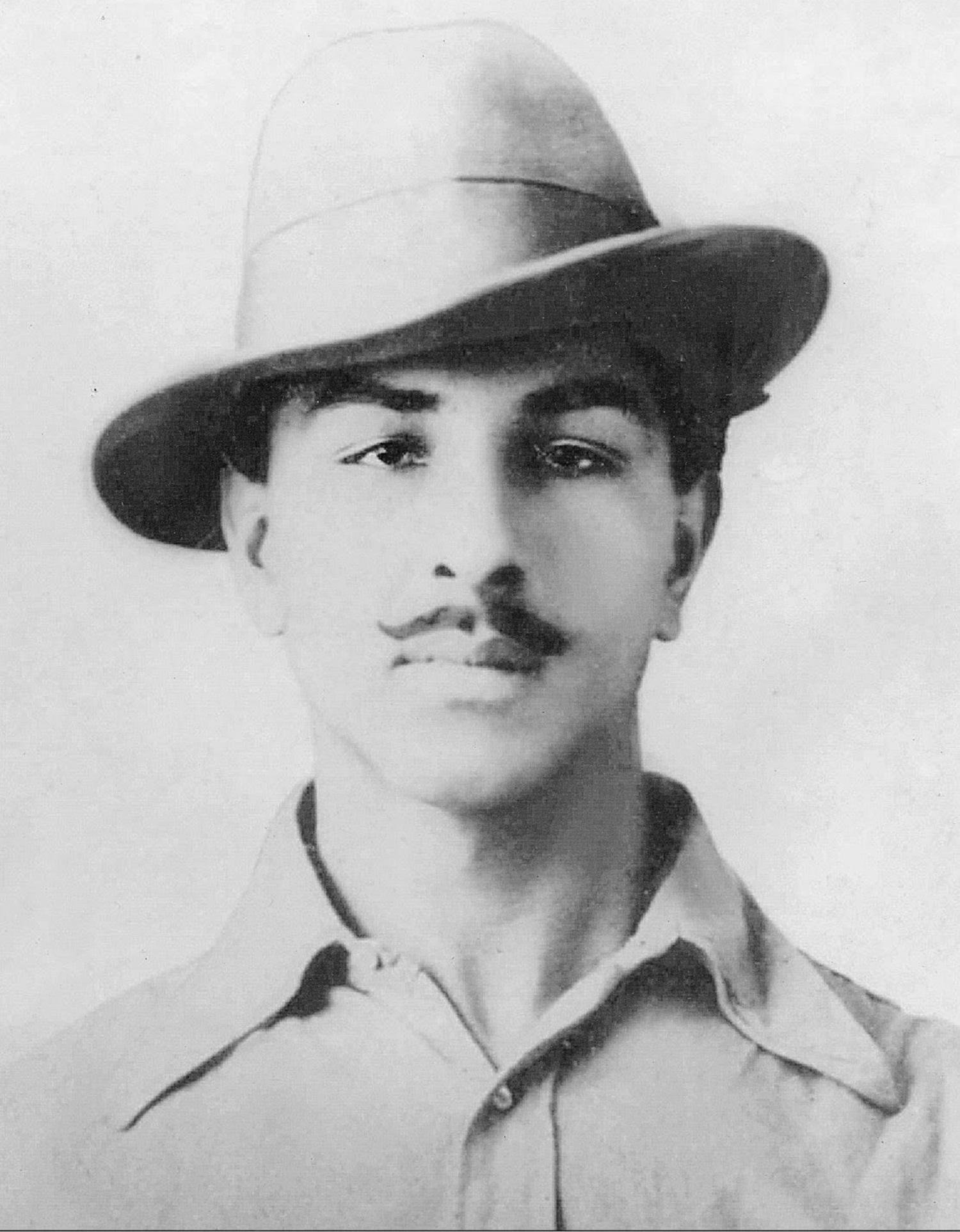
  • ๐Ÿ‡ฎ๐Ÿ‡ณ Bhagat Singh โ€” The Young Revolutionary Who Became a Symbol of Courage

    ๐Ÿ‡ฎ๐Ÿ‡ณ Bhagat Singh โ€” The Young Revolutionary Who Became a Symbol of Courage

    https://images.openai.com/static-rsc-4/vH0DvpJOlRUjJIo7PNFHk6mR3wJjqa8-nePUTuozRBCzVXvW0t2cA2x_zRtU5dF4KD6jODKdogiR9KTbteS5o57pBh8ZNBX2P6AdepEA8sbUC7f0DQmbr8iAn3wkQHUP_C7xtuAw6Dkrg85k_USWfkSi9Cr9SIJ7VY1e5YY3KACfzaNi_4qLvKaVty55b0Wh?purpose=fullsize
    https://images.openai.com/static-rsc-4/nj-ih5g-ZLDwFyzZWJ2yhc8-ZNihOIPRSQCRpgusp1a5N4-y9zOWAplprJt-264Nt51X7zaK560tmK4KnxtUR19ffjiKgDUteqzOBVLuZ7srZ2_JgzTNQAd7312H5zRj4oA57saVFXSH4UMDw0ORJsioRpF0SKO_Cxz_d0V6iReLtaHEnP9-Q1BqQ8RYW0Dy?purpose=fullsize
    https://images.openai.com/static-rsc-4/akaIElwEBDX3cG4p8PLm4b4ZxmDMw9F_GsQMGrWmJJbJzVjIYaC5FG1CZtpdSd1frW4xWxxr8p2_lQKPAx6CKNzLe0MOf9Ykr-JRtOvHXLZdT4pWqYyNRsr8l6N0S6TegMGWkqHzwtIuMnDlAm8pj3J7Lvs-3gufp8js5Jrf9oraH_L-4jWGd14QDY4FOlwd?purpose=fullsize

    ๐Ÿ”ฅ A Young Man Who Dreamed of a Free India

    Few names in Indian history evoke as much emotion and admiration as Bhagat Singh.

    He was only in his early twenties when he became one of the most recognised revolutionary figures of India’s independence movement.

    Bhagat Singh believed that British colonial rule had to end and that Indians should build a society based on equality, justice and freedom.

    His life was brief, but his ideas, writings and sacrifice left a lasting impression on generations of Indians.


    ๐Ÿ‘ถ Early Life

    https://images.openai.com/static-rsc-4/5VCWuskHwc8DY8nukcdWe7ob_4mAu39nUZ75DqRNNgouj7tyxcCMfL5enaIAe0blrH83n4WKV5uKOywM6U6V7YJnbXR_PpZQkeqjudYdLtMznvyw3H3O84MRaKycR0nXBujMpVtkbDq7UY7WFPKYJu2cFPZA-8tvZqPbA0HhIuRTJJFW4U8_bw0TT21zncog?purpose=fullsize
    https://images.openai.com/static-rsc-4/ToPXGA0dFFCqaahr6zkGW2K3CdHG5AX73yL8RNKFn3wf2k2Fhcvur9KEB8wmA7jYbRJdiT0IqoEf9hk5wm9TcEibws13amtpi5OALsm1mI8GHL4cssJu6QCgk7idPpCnnEv-JArrsyLJ4nv5oDxTMzr1d0bwa0BReghxH89fCN8XQDMIeaQOso7FuAHA8D4I?purpose=fullsize
    https://images.openai.com/static-rsc-4/TkYbfia_-kQbOI-Pj-vYi5gaIpc8SWheEk9quKfRawaKWxSoyTnGa98YJlcFn4FEFvH_cY_iFMYXOoioCVkQc561sbdFsb7n6BVID_ZTWhTHiTAKiBQJIJb75L6k_5KUfkbdEuK-Zm8OjlS01JH-HG_trgkeWHp5mRPXvK-Yy-wNfrJvsTDwrmtgS5gfzOl6?purpose=fullsize

    Bhagat Singh was born on 28 September 1907 in Banga, then in the Punjab region of British India.

    He came from a family with strong connections to the Indian independence movement.

    His father was Kishan Singh, while his mother was Vidyavati.

    Several members of his family were involved in nationalist activities.

    Growing up in such an environment had a significant influence on young Bhagat Singh.


    ๐Ÿ‡ฎ๐Ÿ‡ณ The Jallianwala Bagh Tragedy

    https://images.openai.com/static-rsc-4/WTIyG1SJ6xxkyR7USiw8hjDOfoiRD3QyzifaS4QXSuH0NLp9RNRUwktL2e_VmUEjpfOwur-UFnFRcXyWx_02laNf00d_laT9skLHQCOzJm5qpInPvcXgrdaUMmX6u4CPJTTrrkEu6dRzlkKJ84XduHVmSt-unM9IIKgIxs1zu27V26t3lUTijPix2kKJjo42?purpose=fullsize
    https://images.openai.com/static-rsc-4/BSEqPx9BrmOlB788o5KV3kqBzZEjJgQtkCpdguGCSX3f7UjP2irn2pRmQ6sdcgTJE9mlmKVtx6otNoE8f83uEo6xq3j3VbJVgOfwCVAlSaJ49oq2UWnOUtiuyFpoR-kQVTNdQB7TFQvtd8bf9uFLEmgSCIgtfnEuF1IzSD7cBzOR2LNARC--NyDQRd4u7vev?purpose=fullsize
    https://images.openai.com/static-rsc-4/Goc0qU7kKIQwDaI3GAYHYdMVR4sDbKQXw1j-ddSQ3q_B2LbGGWy2WLLzhEWTN4SFC80cr_SPUj1vgJKesN9UXTV-GpfT4QZpfgxqVQ3Zs6hthM6mGGTvAqudknUvLqNO9aij29MrrbLkt_JVssxpGzOS4aYqrv04kCXvufFQRs9xfbj0vFEUJqCEP7mbcYt_?purpose=fullsize

    The Jallianwala Bagh massacre of 1919 deeply affected Indian public opinion.

    British troops under Brigadier-General Reginald Dyer fired on a gathering in Amritsar, killing hundreds of people.

    Bhagat Singh was a young boy at the time.

    The tragedy became one of the events that strengthened his opposition to British rule.

    It reinforced his belief that India needed fundamental political change.


    ๐Ÿ“š A Student With Big Questions

    https://images.openai.com/static-rsc-4/vH0DvpJOlRUjJIo7PNFHk6mR3wJjqa8-nePUTuozRBCzVXvW0t2cA2x_zRtU5dF4KD6jODKdogiR9KTbteS5o57pBh8ZNBX2P6AdepEA8sbUC7f0DQmbr8iAn3wkQHUP_C7xtuAw6Dkrg85k_USWfkSi9Cr9SIJ7VY1e5YY3KACfzaNi_4qLvKaVty55b0Wh?purpose=fullsize
    https://images.openai.com/static-rsc-4/IoicHuA5PPc855A_K8uz_owLTInk0K_X3sGMfMPxTg0aqAm6VN6RD4dFifR_0-_dvDqRPNTo8Hd7YvjjszUpNS8uXaEXfi-3oSqLDJdoSI_VTyC-Y8E6jZIQGSuba0sMYUlnmbn5hdrnTK_A3lInNsbZr5RqrlZGS11t_EJ6DAPtl9wHp9Ffrj1ZYQwTe7qo?purpose=fullsize
    https://images.openai.com/static-rsc-4/0icG8r5Zaolcs7GAzMYMtaJhuwyLl0dYe1HdUFd1tfIDJmSbK7ZVQnB1aDZ11r9n_OQMbw4wdt5oz2AtVr-_JTRUUr3FVQr_7T68rcJsYsvVY_imKVJ8NTs_gnlRasyWlQYuCtUpLYCs29ZCT689bjSZg-PdfoAKPXJwuNhRLqYfN1gzr83RxeGeuwiIc5ZJ?purpose=fullsize

    Bhagat Singh was an avid reader.

    He studied history, politics, economics, philosophy and revolutionary literature.

    He was especially interested in ideas concerning:

    ๐Ÿง  Social equality
    โš–๏ธ Justice
    ๐Ÿ‡ฎ๐Ÿ‡ณ Independence
    ๐Ÿ‘ฅ Workers and farmers
    ๐ŸŒ International revolutionary movements

    He believed that freedom should mean more than simply replacing British rulers with Indian rulers.

    He wanted society itself to become more just.


    ๐ŸŽญ National College, Lahore

    Bhagat Singh studied at National College in Lahore, an institution associated with nationalist education.

    The college exposed students to ideas about India’s history, politics and independence.

    Bhagat Singh also became interested in theatre and used plays to communicate political ideas.

    He gradually moved closer to revolutionary politics.


    ๐Ÿ”ฅ Joining the Revolutionary Movement

    https://images.openai.com/static-rsc-4/vH0DvpJOlRUjJIo7PNFHk6mR3wJjqa8-nePUTuozRBCzVXvW0t2cA2x_zRtU5dF4KD6jODKdogiR9KTbteS5o57pBh8ZNBX2P6AdepEA8sbUC7f0DQmbr8iAn3wkQHUP_C7xtuAw6Dkrg85k_USWfkSi9Cr9SIJ7VY1e5YY3KACfzaNi_4qLvKaVty55b0Wh?purpose=fullsize
    https://images.openai.com/static-rsc-4/IoicHuA5PPc855A_K8uz_owLTInk0K_X3sGMfMPxTg0aqAm6VN6RD4dFifR_0-_dvDqRPNTo8Hd7YvjjszUpNS8uXaEXfi-3oSqLDJdoSI_VTyC-Y8E6jZIQGSuba0sMYUlnmbn5hdrnTK_A3lInNsbZr5RqrlZGS11t_EJ6DAPtl9wHp9Ffrj1ZYQwTe7qo?purpose=fullsize
    https://images.openai.com/static-rsc-4/LcCO7QlI9JQ4bEYFUjoZrIWfVC8VYeyyqawjYOuegiiGPw4kRH8F1Po9HCPboal3TAQyPdnLQRyRsaKgzSifsaJHJi9sodUWvbpwApCI9OtD-52fxpnnvFKiutryIHvtHciwkKtERTaoYVm3mb6bq8shj_nD0_sW8wJDr4GCo0cQcfg5zYLPP-5G8kIl64gN?purpose=fullsize

    Bhagat Singh became associated with revolutionary organisations.

    He was connected with the Hindustan Republican Association, which later became the Hindustan Socialist Republican Association (HSRA).

    The organisation sought independence through revolutionary action.

    Bhagat Singh worked with several young revolutionaries, including Chandrashekhar Azad, Sukhdev Thapar and Shivaram Rajguru.


    ๐Ÿง” Disguises & Underground Life

    https://images.openai.com/static-rsc-4/vH0DvpJOlRUjJIo7PNFHk6mR3wJjqa8-nePUTuozRBCzVXvW0t2cA2x_zRtU5dF4KD6jODKdogiR9KTbteS5o57pBh8ZNBX2P6AdepEA8sbUC7f0DQmbr8iAn3wkQHUP_C7xtuAw6Dkrg85k_USWfkSi9Cr9SIJ7VY1e5YY3KACfzaNi_4qLvKaVty55b0Wh?purpose=fullsize
    https://images.openai.com/static-rsc-4/t0RtIK_82uYxZn308l_sEYF6hgclsNMklvNob6QYAVYwuS5vEiqfeGVCp4w6Q1OtqByT-6V3nbAbzGYk4M0xF2CuFdcP98eAHqwNIFMs1zRBafIba0hTpgDE6E5IHfDpJc7pXUwUXgxMZ-PpuwoKgFhcD4MBg3cFOu7s_QtIwamrKtvOP28_yEy2B7r3iT3Q?purpose=fullsize
    https://images.openai.com/static-rsc-4/LbJXaMPApqxZB2TsNMrGvrvPpWp9pUH3yzy6-VAZv-_i2VFoa5k2BbVxsCKSJVKibf3YPIAlL4fpusNLnEOCjVTnDYKh4qcrUcuhga1OxQxXEUev68TJ7z4RK0OW0cU0yQL-ESEHyWiAER-cY53gz1GyQ8r0xOvp_BxFtkX6oBx67fbwcODz62kjuByQrlLI?purpose=fullsize

    As revolutionary activities increased, Bhagat Singh sometimes had to remain underground.

    He changed his appearance to avoid British police.

    His famous photograph wearing a hat became one of the most recognisable images associated with him.

    The photograph helped create the enduring public image of Bhagat Singh as a young, confident revolutionary.


    ๐Ÿšจ The Simon Commission

    https://images.openai.com/static-rsc-4/TAHq6gPwK53EmZRJ_p3hgzkBlnHZwbqKu5plnXWT6a40jTDgwIRPyS5GpUHcOsMIgPWETbIPCjj7JfdPp4O5BQoDnFyImeEVo9UrPIou0gaH56K1znCT9T2IXU0kRAb0DcqwLMhhTZ5w-BynK5RPih5Faq4atQGpjZnh-kEAs_-JEnIV8jRYbvhVz8nja5-y?purpose=fullsize
    https://images.openai.com/static-rsc-4/jONmBdMLtAs5Xfwn74nOt7oqsXKAcmwJ8Ue0HxHJyH32F5IUBdwNGNRHYPdaO7XHYErlJLV3pjbRokOkDFq8-nvpac9ugbRwOAD6F7DQFtb_i3x9ucCQYW2XHFttAhB3fi5OdrB14_hsg_3IPOHZpKvEtRA2osmCj5SYaJBAcwjbiCqCZiBhEeHc6ZA0PDQl?purpose=fullsize

    In 1928, the British government appointed the Simon Commission to examine constitutional reforms in India.

    The commission had no Indian members.

    This led to widespread protests.

    In Lahore, nationalist leaders organised demonstrations against it.

    Among them was Lala Lajpat Rai.


    ๐Ÿ’” Death of Lala Lajpat Rai

    During a protest in Lahore, police used force to disperse demonstrators.

    Lala Lajpat Rai was injured.

    He later died from complications following his injuries.

    Bhagat Singh and his revolutionary colleagues believed that British police officials responsible for the assault should be punished.

    This led to one of the most dramatic episodes of Bhagat Singh’s life.


    โš”๏ธ Saunders Assassination

    https://images.openai.com/static-rsc-4/eILkjl1zzM99n6fxtQ5sPXX4LqsP8DjSMdjyyH3RpJZ7YmhAuW1xb-k9QKwjd4Yh-Ix9teJ1g0tDIuhijMAl3JuO9EFCu3WCgDnEE1tN2vT_MaHxEmUZosp0EzIV8DC3r6lRNu1QR7WINExLI7fhSgFFpWynNeJQW0z-mZvxTlzc_MZtRZ7PvxY34PgBfAFV?purpose=fullsize
    https://images.openai.com/static-rsc-4/FD-y_JOIuc5XIbPrqp-GVT8aO7qM_8aovESu0n6UxQukoOFzV7a05Paf0dHVmdsLuj3kfVjcERn-coxBmnlWk1cO4MQUZcLqx2xJYcAoMxmOGBjOWQGRDrLTumohCf02tSHN71v5gJns0vz7eNssx0PhmY640_ANQ-W66n_U1aE8jIpuMktHLEKT7dd2ASxC?purpose=fullsize
    https://images.openai.com/static-rsc-4/DInc5qHKgQI9LixVEV42NaSzN-6XpcRYYWn81952A0zr8t05bfTvZlcwgefeDI93n_aoA8mj2g-kX0tBSQqGLplNq2vZVApx7V0EKqtQ-2YfxXYWwBQ8i8fxFugOCNeWkLlv6PGB_ZszyUvnXcBf-7mzxtG4QsAhuyBmpiGc3VHl0KkVLf3DzNetMUPSE-E3?purpose=fullsize

    In December 1928, Bhagat Singh, Rajguru and their associates targeted James A. Scott, whom they believed was responsible for the police action against Lala Lajpat Rai.

    However, they mistakenly killed John P. Saunders, a British police officer.

    The incident resulted in a major police investigation.

    Bhagat Singh went underground and escaped Lahore in disguise.

    This event remains an important and controversial part of his history.


    ๐Ÿ’ฃ Central Legislative Assembly Bombing

    https://images.openai.com/static-rsc-4/fzL-qe5Eb1YiKHdQooFE9deCjoq2jgzXpFgRQVNJlUoPrGdVbnvW6PhmTc2cU4CMAyaFS0LEiWJ65X5ko05CbJB8jwQVeeVNcwUjWVlqvKDRC2TlQpATb2avEq5w3HpbN2FthjcajxPwcCgLtlrcx3qmyuhoB_lxRaAyDyc752vCGcqvnO2-26VtXQT6V74z?purpose=fullsize
    https://images.openai.com/static-rsc-4/ARocoxYAvpQ6UneEJrROe6_5NsvomrgoTKtUb6aFAfeAyp28IsVkYM2xMgNvH8I3qqEh6Om0wmErkMjEBf2Ry_7Qdr8QvzBtyi2eswy5LFWJ2aFBNPHURkz3Pp9aUtQ_gyLO0d6NxOnwAX9S-kStnFNdC13K7jFT0wEky0NZVXWPnqakVPIp9oTFd4gnJJMx?purpose=fullsize
    https://images.openai.com/static-rsc-4/vhxKBJfij-upWSB66e0UB5lBINGmV2LZ4y9FE3BmY-06YyY7YjfU96sjMWtuMg14Gf_xDBrhyB_w_xvOSJZgTD5stlm_ubho1o6WvTlH3D5FKml5waBICkXNL7Drvmwj4Su0a7GJtGIpaDJkQp4TQ_nOrxu2hinNuVBqrBK0arjB0zrIgHZ-EdCtUsQDvHTL?purpose=fullsize

    On 8 April 1929, Bhagat Singh and Batukeshwar Dutt threw bombs inside the Central Legislative Assembly in Delhi.

    Their objective was not to kill people.

    The bombs were deliberately intended to cause limited physical harm while making a political statement.

    They also distributed revolutionary leaflets.

    After the bombing, Bhagat Singh and Dutt did not flee.

    They allowed themselves to be arrested.

    Their goal was to use the courtroom as a platform for their political ideas.


    ๐Ÿ—ฃ๏ธ โ€œInquilab Zindabadโ€

    One slogan strongly associated with Bhagat Singh and the revolutionary movement was:

    โ€œInquilab Zindabad!โ€

    It means:

    โ€œLong Live the Revolution!โ€

    The slogan became one of the most famous expressions of India’s revolutionary nationalist movement.

    It continues to be remembered in Indian political and historical culture.


    โš–๏ธ The Lahore Conspiracy Case

    https://images.openai.com/static-rsc-4/eILkjl1zzM99n6fxtQ5sPXX4LqsP8DjSMdjyyH3RpJZ7YmhAuW1xb-k9QKwjd4Yh-Ix9teJ1g0tDIuhijMAl3JuO9EFCu3WCgDnEE1tN2vT_MaHxEmUZosp0EzIV8DC3r6lRNu1QR7WINExLI7fhSgFFpWynNeJQW0z-mZvxTlzc_MZtRZ7PvxY34PgBfAFV?purpose=fullsize
    https://images.openai.com/static-rsc-4/tMgQjTw5Ayc9wBCM5OjR07KUSNglyzBLGJXTTA5Xx6-N6tVl_UEiXgY65vO9t_RCOuYNf79sjnQwQF8_NHgfHH6LJ9fL1hZgY7hXVnkd1bRQkLuBAAUATWt9Pq9Iy1GSxynn86ivBqbZ7wsZN2_J6wnvdaj52kPuq3n4_VvZI3saQ-1cvMBIMpiQ3lmWaXmq?purpose=fullsize
    https://images.openai.com/static-rsc-4/W7xt3Sg-9KeHrD-ZxBH3hkjmYlb8_LpN8cKdIwZ-DkgzmA4Uq5alLbvX04uLQIOu1hXXkVzq8-KKpmoY2gw9h-vpLL2IQxQBOOwdmNZeUNufRwZLCtpmzyYOJMyp7IwC_bnsW7zppNGuPT3QnIyhbR-FHr1oRwo-C0yNcRQNjxjvYmXMn6fTlqQnMnBIrbcv?purpose=fullsize

    Bhagat Singh was subsequently tried in connection with the Lahore Conspiracy Case.

    The trial attracted enormous public attention.

    Bhagat Singh used the courtroom to explain his political philosophy.

    He and his fellow prisoners protested against prison conditions and demanded equal treatment for Indian political prisoners.


    ๐Ÿฝ๏ธ Hunger Strike in Prison

    https://images.openai.com/static-rsc-4/XTNjb9eGGC-qtECVphuCTBJ83rE-ig5O7ca8k6VMUgG2pzED44ixOEda7YmH9ZBaIKbWKCYq2OQe6SLMjdqtxd7zcGfjsjL3m37S0qR8df8doD-0ZtMUErB_SG7zsTxHfglJPwhOkKw9Ewu-BETkr_3Qg1DGL7WOYly3lszf-DGdEMFDMug2FKlizUaY87D3?purpose=fullsize
    https://images.openai.com/static-rsc-4/OthwRoZkZsZjb0UbArtRxmDuxO-Odk8roGGLxSBdtLH4HrU4dqCw1Xb9L8g49O-aK9MiNQLXWe3HFgHxwON9QpdZXhS8F5rCi3exfBqU4WHPkHuFfGeBEQxm7y2ZaGp5jt7NcynqHQr7EIW2Y2MQg4sQDnqFwoHrmNhEwXtRnaU_mknC76IU2A3_LQo4lO49?purpose=fullsize
    https://images.openai.com/static-rsc-4/XH472HoVe8cc-Z767zjlRwyFQRt2-24yUQijn8ImW5q-A8kCmIJQ6VIqUDs2dkfmzV1n8uiduHpTvaeinE6rU9raSo32gdP9IVDCPfQKeFXyXI7vh6fFVbuf1lVhq0hlWNoO3MSGmlI7RjbLMo3-Dq7M9nRZF58hCywWpepzQidnL7cQzHadMiMkp9GFnGgB?purpose=fullsize

    Bhagat Singh and other prisoners launched a hunger strike.

    They protested against poor prison conditions and demanded better treatment for political prisoners.

    The hunger strike lasted for weeks.

    One of the prisoners, Jatin Das, died after a prolonged hunger strike.

    His death caused widespread public outrage and sympathy.

    Bhagat Singh’s reputation grew enormously across India.


    ๐Ÿ“– Bhagat Singh โ€” The Reader

    Bhagat Singh was not simply interested in revolutionary action.

    He was deeply interested in ideas.

    He read works on:

    ๐Ÿ“š History
    ๐Ÿง  Philosophy
    โš–๏ธ Political theory
    ๐Ÿ’ฐ Economics
    ๐ŸŒ Revolution
    ๐Ÿ‘ฅ Socialism

    His surviving writings show a young man who was constantly thinking about India’s future.


    ๐Ÿง  โ€œWhy I Am an Atheistโ€

    One of Bhagat Singh’s best-known writings is โ€œWhy I Am an Atheist.โ€

    In it, he discussed his rejection of religious belief and explained his intellectual reasoning.

    The essay demonstrates that he was interested in philosophical questions and did not want people to accept ideas blindly.

    His writings show a strong emphasis on:

    Rational thinking

    Self-criticism

    Intellectual independence


    โš–๏ธ What Did Bhagat Singh Believe?

    Bhagat Singh’s political thinking evolved over time.

    He increasingly identified with socialism.

    He believed political independence should be accompanied by social and economic justice.

    He was concerned about exploitation of:

    ๐Ÿ‘จโ€๐ŸŒพ Farmers
    ๐Ÿ‘ท Workers
    ๐Ÿ‘ฅ Poor communities

    For him, freedom was not simply about changing the flag.

    It was about creating a society where ordinary people could live with dignity.


    ๐Ÿง‘โ€๐Ÿคโ€๐Ÿง‘ Sukhdev & Rajguru

    https://images.openai.com/static-rsc-4/v2Ql3KjnSrhjVp9l2EMA-l4NPgcG5wsIQTlRoj9EeQLyeUT3Br7kl1DPStB4BI5npaQa7I7uBQ_xHWF4aZKlfzU9unHb-K_mtt4LYkRpEb7Zjb9B0M2LusQOmTerH558OUiqOASB20cE3sPOlOl4u6YNtKZ1vvmH8jb5oMv_cKsjJoENKZHPn8G-2pMLed6K?purpose=fullsize
    https://images.openai.com/static-rsc-4/ibKBXTpVk59L3RYu-FNrJRtVLlHEvfcElUoNCS4DmMeZrTkcyUv11qDdUs_PTzntJWPOkWGEM4_8UmvQJ-WAR6MSmIB_7RQACbCSmmiaaDtPdJc3f6dLZXzbsi9Iej4rw0zTyqlelseCFbaTZoTUn9sJkk5YHZqnEbXpr_b5osxtyeUT32kkt6g-HvjxoCWY?purpose=fullsize
    https://images.openai.com/static-rsc-4/GJ4x3APXf3eTIDz4nzrUc0_kwjz3i5NVVL3U5i9UlHSs96xX9AbtFpYvHEysCHXhzOLw5WsLKtXffKInrUwzf2DzI4y2GWEQsGsarmIeV01CpR1GAlG7dK-aCPeED9adpihoW6RK8dpW21kkncW3lrADPauMIgj57OJEsjwlzBC_LCyl5tgBKhVEefmvhiNs?purpose=fullsize

    Two of Bhagat Singh’s closest revolutionary associates were:

    Sukhdev Thapar

    and

    Shivaram Rajguru

    They were also sentenced to death in the Lahore Conspiracy Case.

    The three became remembered together as symbols of revolutionary sacrifice.


    ๐Ÿ•ฏ๏ธ 23 March 1931

    https://images.openai.com/static-rsc-4/GJ4x3APXf3eTIDz4nzrUc0_kwjz3i5NVVL3U5i9UlHSs96xX9AbtFpYvHEysCHXhzOLw5WsLKtXffKInrUwzf2DzI4y2GWEQsGsarmIeV01CpR1GAlG7dK-aCPeED9adpihoW6RK8dpW21kkncW3lrADPauMIgj57OJEsjwlzBC_LCyl5tgBKhVEefmvhiNs?purpose=fullsize
    https://images.openai.com/static-rsc-4/nj-ih5g-ZLDwFyzZWJ2yhc8-ZNihOIPRSQCRpgusp1a5N4-y9zOWAplprJt-264Nt51X7zaK560tmK4KnxtUR19ffjiKgDUteqzOBVLuZ7srZ2_JgzTNQAd7312H5zRj4oA57saVFXSH4UMDw0ORJsioRpF0SKO_Cxz_d0V6iReLtaHEnP9-Q1BqQ8RYW0Dy?purpose=fullsize
    https://images.openai.com/static-rsc-4/bEztnvKadrCauZ9-ouUC6sWYkDqwi0aZTWmyVnh9NUm-8PP-YZImS4QX5EZCaMcu5kbLsB1y9XJmdGIPXj4R8tF7b39NQSS7HTNE2gQHDhNhEZJ1kxfWLavXUeKcnd3krBdfA7mw_Sxhrre7YwoHtoWNb8eXtZ5DOQVCDXtx1TIB1pBWVnIfmLYA_cuWV2as?purpose=fullsize

    Bhagat Singh, Sukhdev and Rajguru were executed on 23 March 1931.

    Bhagat Singh was only 23 years old.

    His execution generated enormous public anger and grief.

    The date is remembered as Shaheed Diwas in honour of the martyrs.


    ๐Ÿ”ฅ Why Did Bhagat Singh Become So Popular?

    Bhagat Singh’s popularity was not based only on his death.

    Several factors contributed to his enduring appeal:

    ๐Ÿ‘ฆ His young age

    He was barely in his twenties.

    ๐Ÿง  His intellectual depth

    He wrote extensively about politics and philosophy.

    ๐Ÿ‡ฎ๐Ÿ‡ณ His commitment to independence

    He remained uncompromising about ending colonial rule.

    โš–๏ธ His concern for social justice

    He wanted freedom to benefit ordinary people.

    ๐Ÿ—ฃ๏ธ His powerful public image

    His courtroom statements and writings attracted widespread attention.


    ๐Ÿ—ฟ Hussainiwala Memorial

    https://images.openai.com/static-rsc-4/fOZPO4Q14L4Ffmo5UggvpXvx-RUQe2tBXIESRRBxSHHn7x9fe1YVWCkc8OTMlBH8fIBjETUjlnSUSFM-IBd2vGUYxXJNyrAqvJ_Pqt-MWvLws_uGoY1g_dwRBuEQ63hO4LPzFYGZaMBztpUGJajxreivMGz7z6EZUmjrbU01cfvxylgt96TPvnUGRKLJtD0h?purpose=fullsize
    https://images.openai.com/static-rsc-4/patT_pSDPWp-_o5y8AR_T4ijRo2QaD61-hHR54k5drPKqitn170WCxUQWfxkFXLp-D5gew2ZKI_kd07rwIuBEdE9Wb9iVO3pIXNaUwG5_6jJ12yj98_I_DGtZenJdU72rw3qejxKYk2eNlqXAcbADpTOfYWFbxRGejU3XSSUuZfHi_cRyDoj24J7qXCbAm2Q?purpose=fullsize
    https://images.openai.com/static-rsc-4/nj-ih5g-ZLDwFyzZWJ2yhc8-ZNihOIPRSQCRpgusp1a5N4-y9zOWAplprJt-264Nt51X7zaK560tmK4KnxtUR19ffjiKgDUteqzOBVLuZ7srZ2_JgzTNQAd7312H5zRj4oA57saVFXSH4UMDw0ORJsioRpF0SKO_Cxz_d0V6iReLtaHEnP9-Q1BqQ8RYW0Dy?purpose=fullsize

    The Hussainiwala National Martyrs Memorial in Punjab is closely associated with Bhagat Singh, Sukhdev and Rajguru.

    It is an important place of remembrance for people who want to honour their sacrifice.

    Every year, visitors gather to pay tribute to the revolutionaries.


    ๐ŸŽฌ Bhagat Singh in Popular Culture

    https://images.openai.com/static-rsc-4/ojooT_QD11JYmS6g9h1K9tER_k2lt8N3f8slOJb1ryJXKAuGBE1GwSATKtHMCzWZbevtPHsOwJkInpX4nIxkEwZ1XiuA_G718F4buE-RfywrOy-GAeqvv1R8z4bWQFlqOR04qms0Zlkh4FhNZSflGxu7Mamv82hs8clQpb1z0L0lB8aZuLrRf2jWEYO2pAIY?purpose=fullsize
    https://images.openai.com/static-rsc-4/nj-ih5g-ZLDwFyzZWJ2yhc8-ZNihOIPRSQCRpgusp1a5N4-y9zOWAplprJt-264Nt51X7zaK560tmK4KnxtUR19ffjiKgDUteqzOBVLuZ7srZ2_JgzTNQAd7312H5zRj4oA57saVFXSH4UMDw0ORJsioRpF0SKO_Cxz_d0V6iReLtaHEnP9-Q1BqQ8RYW0Dy?purpose=fullsize
    https://images.openai.com/static-rsc-4/79qaOc9GGV4C9-G9xAFumobCyis-lJrPh8IzeoWVoWgXYhziviV0P25TEGUI-8YWCBJVBoZMT-LS0oUB7gXHgDPR4U2HKEkdYTETlyke9V97LGLuehC2jmDoeZyyp5OHy3O70q4Q79sfF1zPdQl_f0COv0GbzCWQSxnlETxPeXmzc_mAcnIT8eOT2hNpus3Q?purpose=fullsize

    Bhagat Singh has inspired generations of artists and writers.

    His life has been represented through:

    ๐ŸŽฌ Films
    ๐Ÿ“š Books
    ๐ŸŽญ Plays
    ๐ŸŽต Songs
    ๐ŸŽจ Paintings
    ๐Ÿ—ฟ Statues
    ๐Ÿซ Educational programmes

    His distinctive hat-and-moustache image has become an instantly recognisable symbol of Indian revolutionary history.


    ๐Ÿคฏ Interesting Facts About Bhagat Singh

    https://images.openai.com/static-rsc-4/vH0DvpJOlRUjJIo7PNFHk6mR3wJjqa8-nePUTuozRBCzVXvW0t2cA2x_zRtU5dF4KD6jODKdogiR9KTbteS5o57pBh8ZNBX2P6AdepEA8sbUC7f0DQmbr8iAn3wkQHUP_C7xtuAw6Dkrg85k_USWfkSi9Cr9SIJ7VY1e5YY3KACfzaNi_4qLvKaVty55b0Wh?purpose=fullsize
    https://images.openai.com/static-rsc-4/NtsQjHFmZ7Jbt3deGoN66nNTpJRSAOW330EA7VlffCc4yrID9QIK9r-I7u2L0cpkqpoz99xGi7w9eFHa2ztofykk4X7V7RhuKKHWlVPpNFyQQgx3jhOd-L2s_hLNt4DewoeW7Wgdz56mmNFZDncgZrEzAC2xgl8npl4JYWUtOjH3gRhhxgG6TnfKnapCZCAM?purpose=fullsize
    https://images.openai.com/static-rsc-4/3OJD25mrOBO5vmyi4hvQhrIVEe1KYcqGRF5co7kc3gB0iluwGvItbubonbIKQANYVQsGgEBuQiIqAuxgYR27hgm6Ab28s7ZoEaFkLXHWqo-85SRaF1t1jwuvKV09OSdLgOkRpx3rZmWsanGCUC6pAjbhB8KJeWOmZOQrf272NydEx1zybzltZ0PrNAo36FqT?purpose=fullsize

    ๐Ÿ‡ฎ๐Ÿ‡ณ 1.

    Bhagat Singh was born in 1907 in Punjab.

    ๐Ÿ“š 2.

    He was a passionate reader and writer.

    ๐ŸŽญ 3.

    He was involved in theatre during his student years.

    ๐Ÿง  4.

    His political thinking increasingly moved toward socialism.

    โš”๏ธ 5.

    He was involved in revolutionary activities against British rule.

    ๐Ÿšจ 6.

    He participated in the Assembly bombing with Batukeshwar Dutt in 1929.

    ๐Ÿ—ฃ๏ธ 7.

    โ€œInquilab Zindabadโ€ became strongly associated with the revolutionary movement.

    ๐Ÿฝ๏ธ 8.

    He participated in a prolonged hunger strike in prison.

    ๐Ÿ“– 9.

    He wrote the famous essay โ€œWhy I Am an Atheist.โ€

    ๐Ÿ‘ฅ 10.

    Sukhdev and Rajguru were his close revolutionary associates.

    ๐Ÿ•ฏ๏ธ 11.

    He was executed on 23 March 1931.

    ๐Ÿ‘ฆ 12.

    He was only 23 years old when he died.


    ๐ŸŒŸ What Bhagat Singh Teaches Us

    ๐Ÿง  Think for Yourself

    Bhagat Singh encouraged questioning rather than blind acceptance.

    ๐Ÿ“š Read Widely

    He believed knowledge was essential for meaningful political action.

    โš–๏ธ Stand for Justice

    He wanted freedom to include social and economic equality.

    ๐Ÿ’ช Have Courage

    He accepted enormous personal risks for his political beliefs.

    ๐Ÿ‡ฎ๐Ÿ‡ณ Think Beyond Yourself

    His life was dedicated to a cause larger than his own future.


    ๐Ÿ Final Thoughts

    Bhagat Singh lived only 23 years.

    Yet in those 23 years, he became a revolutionary, writer, thinker and symbol of resistance.

    He did not simply dream of removing British rule.

    He imagined an India based on freedom, equality and justice.

    His methods remain subjects of historical debate, particularly his involvement in revolutionary violence.

    But there is no denying the extraordinary impact of his life and ideas on India’s independence movement.

    More than nine decades after his execution, his name continues to inspire young Indians.

    ๐Ÿ”ฅ BHAGAT SINGH

    ๐Ÿ‡ฎ๐Ÿ‡ณ THE YOUNG REVOLUTIONARY

    ๐Ÿง  THE THINKER

    โš”๏ธ THE SYMBOL OF COURAGE

    ๐Ÿ•ฏ๏ธ THE MARTYR WHOSE IDEAS OUTLIVED HIS LIFE


    ๐Ÿ‡ฎ๐Ÿ‡ณ MANA BHARATHAM

    Stories, Facts & Wonders From India

    โœ๏ธ Written by Pasupuleti Saida Rao

    ๐ŸŒ allpincodes.online

    Know India. Explore India. Celebrate India. ๐Ÿ‡ฎ๐Ÿ‡ณ

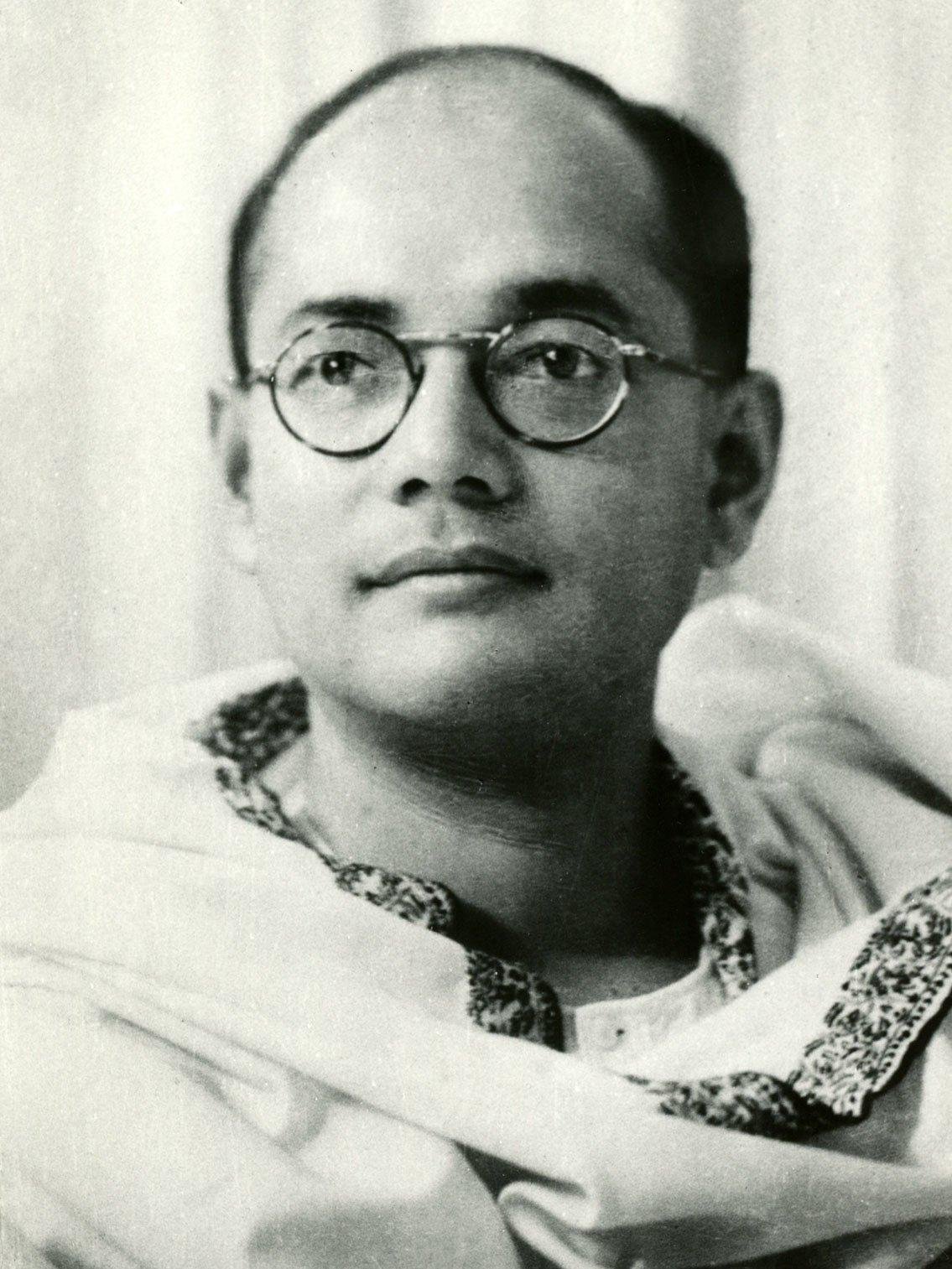
  • Subhas Chandra Bose โ€” The Revolutionary Leader Who Fought for India’s Freedom

    Subhas Chandra Bose โ€” The Revolutionary Leader Who Fought for India’s Freedom

    https://images.openai.com/static-rsc-4/cKgfvt1TiSlnUYpQzTGYBVoy1Q4lP7rFQefR2ezlXZ0oejPycqoYYsOQB4JycrXcHtI_93mhYEf1JewM7euvkw8a8W224QCkSk997Fgg2r8KhcYYoNCGxhsMv_DvsgbJJ6VRzfLLXlMJ5kJ8hglUsmS03pc8ckGPVcHdvkwY2gtwe9cuH03rYyH8boKwu0d6?purpose=fullsize
    https://images.openai.com/static-rsc-4/UHFXS0fz-MCZHhQkxZtJKTwTfqvrE3muj5MIl8ph8FTNw-zric5ZzFakXYN2u0Z0tmxWNNqYDidEJtptRVcW3LTKSU6y-G462UITB7Lkgr-g3FdShzGDMZu5j4tbvGqvA94-e4G5jU59Nmukp77M7ma4fWXXcEYvldeD17F81VpsdKNFDDCyPw0bH73PVCae?purpose=fullsize
    https://images.openai.com/static-rsc-4/3WbSEPpQ3LvGUjsIeQariqotHDRl9Kluo4pGGHOFQjjK4NhW3PS5PwbwrgB09naSaWDtWpQOAnGjZKZF6kuI37xbZnVrLMhrn4TV-oMNtHp9KmrfrMki9AEJ55WnYE6yBUJL-oVIRlfIcuee1eVQaIMbgzcCJtdu2x3bLfK5qFlCk4PA8TXouoYmh7CiUMOF?purpose=fullsize

    ๐Ÿ”ฅ Subhas Chandra Bose โ€” โ€œGive Me Blood, and I Will Give You Freedomโ€

    Subhas Chandra Bose, popularly known as Netaji, was one of the most determined and controversial leaders of India’s independence movement.

    Unlike Mahatma Gandhi’s strategy of non-violent mass resistance, Bose believed that India needed a more forceful struggle against British rule.

    He eventually became the leader of the Indian National Army (INA) and formed the Provisional Government of Free India during World War II.

    His courage, organisational ability and uncompromising demand for complete independence made him one of the most remembered figures in Indian history.


    ๐Ÿ‘ค Subhas Chandra Bose โ€” Quick Facts

    DetailInformation
    Full NameSubhas Chandra Bose
    Popular NameNetaji
    Born23 January 1897
    BirthplaceCuttack, Odisha
    FatherJanakinath Bose
    MotherPrabhavati Devi
    EducationPresidency College, Scottish Church College, University of Cambridge
    Major OrganisationIndian National Army (INA)
    Political OrganisationForward Bloc
    Famous ForArmed struggle for India’s independence
    Disappearance18 August 1945, according to the official historical account concerning the reported air crash
    Remembered AsNetaji

    ๐Ÿ‘ถ Early Life

    https://images.openai.com/static-rsc-4/ibukfIrmv6oCXovGhHeCUK47qpk0O9nZJNX9-BFJJj5N5QDiUjXUk-EmEDOd6N52HoaOhtFxZSTFShANmULS03c98NLDNkig3x1KJ3b35sbktTwCAuzldziHg3MiTugsppGvfSDpdzLGXsdD9eszQQUsPpExDUwc4WTYZ7-navD7Eeo72k6qMWwMcLxI5lnj?purpose=fullsize
    https://images.openai.com/static-rsc-4/wngZeZ03YhJStG2yi9uJVIDFS2Ip3KWhRz89tiIYr-RpedZ1hpKOBCYdLNXpSz3jZtyE5fjEySgT6j1_dZn7t-Hb9L6mXuzYdjx3Z5rmtDhqOLDjBNErtSYAIoOjzWpVISph9-tO22Kvg0UonD6jV4mnNZNY5wp1qJYz7_R29ie_pFEdYQet1rjUTcJQ0B8V?purpose=fullsize
    https://images.openai.com/static-rsc-4/UHFXS0fz-MCZHhQkxZtJKTwTfqvrE3muj5MIl8ph8FTNw-zric5ZzFakXYN2u0Z0tmxWNNqYDidEJtptRVcW3LTKSU6y-G462UITB7Lkgr-g3FdShzGDMZu5j4tbvGqvA94-e4G5jU59Nmukp77M7ma4fWXXcEYvldeD17F81VpsdKNFDDCyPw0bH73PVCae?purpose=fullsize

    Subhas Chandra Bose was born on 23 January 1897 in Cuttack, then part of the Bengal Presidency under British India.

    His father, Janakinath Bose, was a successful lawyer.

    His mother, Prabhavati Devi, played an important role in the family’s upbringing.

    Subhas grew up in a large family and received a strong education.

    From an early age, he demonstrated discipline, intelligence and a strong sense of duty.


    ๐Ÿ“š Education

    Bose was an excellent student.

    He studied at Presidency College in Calcutta and later attended Scottish Church College.

    He eventually travelled to England and studied at the University of Cambridge.

    He passed the competitive Indian Civil Service (ICS) examination, one of the most prestigious career paths available under British rule.

    But Bose had different ambitions.

    He did not want to serve permanently under the colonial government.

    In 1921, he resigned from the ICS.

    That decision demonstrated how strongly he valued India’s independence.


    ๐Ÿ‡ฎ๐Ÿ‡ณ Entering the Freedom Movement

    https://images.openai.com/static-rsc-4/8EmONea9_C-vNQmzN2aDsNSRc008sh39WNVAOcfEstQlnRiUT7qPIxH80kIyA09a1Q-YCHNeJDpdOhcx1h12f2wZeoU943wDVUdQ4Im0xRkcGza1IFiZI6yK3mMVSs7Nc3U8mM7iO9dFF7-L3VJGq84DBvG-NSzW2IPtJST-l41aCeyeCBs63rrgjCTcV5lj?purpose=fullsize
    https://images.openai.com/static-rsc-4/iIGef0CXrFBS2csB2FnUxe8ALu_8A4iLx0rK2h0BIUo8es9XGBsOoJCsEwnEba9yvRI6uhrHUEdjx03NzQcL02H9h8mzjSC9prhkueFsvv9wBzAojUz5vyamH87XobbY5RAhGzfodlblS4_vEHp-9BexOWzhLcKhz5VwF3kwAYhHVRP8MI8cT0XnMj_HG_Ft?purpose=fullsize
    https://images.openai.com/static-rsc-4/dY6-LpQ20UrNJzG2BJo_nOKqWLZ3GLb7lhTB28TrhX4WL9TQZTx2Bp7JXHhnuVoxzEm04Vl2V7cnzK_mHlv0Tm6Hvvva3oX2_lyIY-zVXzScOGVgnY8yBgXb5b1ComuXp6kiTK4Q5KPYSK2AAKwblGLwC5Q-q7d9sXOYGSxBM8jb1W6lFz5O7MVs_XykaKZF?purpose=fullsize

    After returning to India, Bose joined the independence movement.

    He came under the influence of Chittaranjan Das, a prominent nationalist leader from Bengal.

    Bose quickly became known for his organisational ability and powerful political vision.

    He believed that India should not settle for limited political reforms.

    He wanted:

    ๐Ÿ‡ฎ๐Ÿ‡ณ Complete Independence


    ๐Ÿ›๏ธ Rise in the Indian National Congress

    Bose rose rapidly within the Indian National Congress.

    He became one of the most prominent younger leaders of the organisation.

    He believed that the freedom movement needed strong organisation and greater political pressure on Britain.

    His approach sometimes differed sharply from Gandhi’s.

    The differences were not simply personal.

    They reflected different ideas about:

    • Political strategy
    • The pace of independence
    • Economic planning
    • The use of force
    • India’s future political structure

    ๐Ÿ—ณ๏ธ Congress Presidency

    https://images.openai.com/static-rsc-4/hTAzWb05h5MzAKWyQmEEHFnn9Z5JiKYBcmJe3JF7Us4XOsCC3Y79_KIBU2E8yDBdpX7-j6i3Q_ul79YshNVOctGf-p7b9at-GG-9BpPAVuBug6EQ4uGOAv604oTbYvjGKiVrkokkwg_IWOb-5rFsB1WvprsMcRzGTeDW5gNyduUEUS8vx193wwIY3MbF8FtJ?purpose=fullsize
    https://images.openai.com/static-rsc-4/n2RWHiv5B5uNAL82E0TaKS22n9YWgByehE9YnKPkM7XyFT3vPHibnqpZ4lloAlpQ0evxg0iMx5PMvkdkLg6hlbS8UE7VEhuIh0Dcb6kXPU5mrZCBIYeAAla_O18ejmJglQudr1yMLgE0tIDKZ0ge4TWzvuT9Tb4g0-UejZon4SOTx6m5ZHVMSmzSdrjtL-do?purpose=fullsize
    https://images.openai.com/static-rsc-4/L3ZU8g-y2ZrZ74pNTfX_K8Rt88LPmXobiyZC6-W6heq4R6N8XGmFHi9jvRXubfAENpFFIktSpVPMy9qIB5emqpyZ1cVg3nT5jLyUq_0ekcggf34_Td79qMAsD6z6hXSTHuSLne7BzBpAQn-ZkUBrkYYhq2yyj2NKatFPYXMHjitievJnX0pezsiz3ibV7gn5?purpose=fullsize

    Bose was elected president of the Indian National Congress in 1938 at the Haripura session.

    He was re-elected in 1939.

    However, his second election created a major conflict within the Congress leadership.

    Bose’s political approach differed from that of Gandhi and many of Gandhi’s supporters.

    Eventually, Bose resigned as Congress president.

    He later established the Forward Bloc in 1939.


    โšก Why Did Bose Disagree With Gandhi?

    This is an important part of understanding his life.

    Both Gandhi and Bose wanted India to become free.

    But they had different strategies.

    Gandhi believed in:

    ๐Ÿ•Š๏ธ Non-violent mass resistance
    ๐Ÿค Negotiation alongside political struggle
    ๐Ÿ‘ฅ Mass mobilisation
    โค๏ธ Moral pressure

    Bose believed in:

    โš”๏ธ A more militant struggle
    ๐Ÿ”ฅ Immediate and complete independence
    ๐Ÿญ Rapid industrialisation
    ๐Ÿช– Military organisation
    ๐ŸŒ Using Britain’s wartime difficulties strategically

    Despite these differences, both remained major figures in India’s independence story.


    ๐Ÿš” Arrest by the British

    https://images.openai.com/static-rsc-4/IvCVP6cLrX9OKgPYV6Fr4huCQLBC8tt5ywFViSmllJGkiI4ArKrW6zSRf-wQFT3hA3HsvCzkPF1epZS6k3m50AChzTxeevsSHTTVGhGPmDRoQmv24g3sR7YEc3hQZCzGDOhdLZ3VeSBan4ZPh1JUEhHgfG3_g_VG3k4a9_WbUPtAlALCYqUubu7UgpyHj0Yj?purpose=fullsize
    https://images.openai.com/static-rsc-4/JqcR9SVVl8bfCEJMaw7E0uesoy21mv9RTtTWKah2xw-QJVEnjETZGEw_7b1wDghpX84E6MYuED2enDs0BBu7Isc0Gso4TildSecmyQJgGjhNNQBxwlKQiAU55hsKzPPLazKB82WR4ZEMix-KYMVCzGNgI2NstjfZqGmqoCgfRCMGAyFMmMpqE5BNtdPb9Qe8?purpose=fullsize
    https://images.openai.com/static-rsc-4/1tiFEDqqyO4bUDNDIJgQu3HYVpPE6yWdwOsoiUq_Mcq7OWG8fBLHJdhYXq3oCWqXaIbKn71tbfNtjkUpljHETv0A1j8JrOlVh9PmUEBq4iWCq-HpKqCd6zVg_2JX-pwxOyuS1l-2ouctb_3lqPuLl1Bi4knwo8_3wnT65GR6_6R2W6kwfZAAmAfwhHjARxV8?purpose=fullsize

    The British authorities considered Bose a serious political threat.

    He was arrested several times.

    In 1940, he was detained by the British government.

    While under house arrest in Calcutta, Bose planned an extraordinary escape.


    ๐Ÿฅท The Great Escape

    https://images.openai.com/static-rsc-4/8cF5B1IC8Zr-IQw-DLqLl7BAoT42gKPIm1yeLZ955HH495XtXrNR96_qkyjG-u3mMRKgSwm3Pa27abau73z1mHM9zXjaApjUXN1EaE1Sns5_n_qbKT4IZhABQa0vdDtDLnzp8mE8Eh4M60Bdi_zuPwUOF5-rb8T7I2Zygfn1J3_9qu9Wwk-uYiTL6_2a-naE?purpose=fullsize
    https://images.openai.com/static-rsc-4/o6dYslotF8xduNkek0dNZK7er6ZkTkrtdsAfJkeFOwwJ3ZSfxBB1AtqaJf5LhoHRxgHMGEOAUQLO0ytNxl649QN_b-3o9rKznOlV4DB3OpYV8CFrnmDMDURrL6o58WFmxNFgZ1Cg4ros82fLaNHCzfIs3F83TD044Oe43bN9jywKA__mTUd7aNQ9__a-COB5?purpose=fullsize
    https://images.openai.com/static-rsc-4/tup1Xd9PKiNAmR8trPRXmzNGrpWZnf97WDsemkYXJoOnSgKansjNZ1L_2_GEjaaY-TAM5FoxS-oUcrSQzCXZnGgp4Fchfy_G9XO7XfjVxfAK3jkgdF2UQQUC_r2k6AOCgLqLgiyWedi5_DDboX4vqq45-LG018f1yT18bN6gzd_LWV6cdeDQ9u8K7BAqVv4B?purpose=fullsize

    In January 1941, Bose escaped from his house arrest in Calcutta.

    He travelled secretly through India and eventually reached territories outside British control.

    His journey took him through Afghanistan and onward toward Europe.

    The escape shocked British authorities.

    Bose had successfully disappeared from their immediate reach.


    ๐ŸŒ Germany & World War II

    https://images.openai.com/static-rsc-4/W_Gqm63_ba8LSMkJCSiFvGeq53eTUmnLx2iD4Qxf3jUZmoQpKfHgDkoEWz-BVjEZz8x1cjwsww_JsegxGx4PKnZbFM8YapFHSr9ogBHP3txdeb358-aT8nYdKh3BKlYpoOaIyxN3W4il3Rd4J5J2N57EF1VCBfBl2nYNIdGA4dsAGCgu0BFgENi7ygcZiuJW?purpose=fullsize
    https://images.openai.com/static-rsc-4/q2jJY8UARCZfoMsRKheRtEQ6dmdunPu_PyNxbKYTgczcPK3Q38rUo_ka1-Tl-Z7ijP9DVNaDFYgxSvsUzZyLpWXcfac2ThK3oNvzyP52mbX_MVHD_KCzCuR8V48z4BvNiITIQRGo121Wx13gNGElVy8zhJbrwBMJRzoVqWjHxb44ilKkv69hzg54bEDbOSKx?purpose=fullsize
    https://images.openai.com/static-rsc-4/gTJwWwPP4jmrUBEUc7_dmFIZ1VqdB3wwqstqhr_cq7buGZc8pV4ttwhegnkmYLRc69AIDri6gJVEWKyWFgUvwFnN4VAnl71HbO02uMzTgyzsYQ6dlVEAtJEjTyQVfK7cDfmmm7UETTnDhrthD1cRfKVlJ_FWCYqYa8OFvjR5tYK-guRDrkg6xnwWsK0ANiRp?purpose=fullsize

    During World War II, Bose sought international support for India’s independence.

    He went to Germany and established the Free India Centre in Berlin.

    He also organised Indian prisoners of war into the Indian Legion, hoping they could eventually participate in India’s liberation.

    Bose was willing to cooperate with Britain’s enemies during the war because he believed India’s independence was the overriding objective.

    This aspect of his wartime diplomacy remains controversial and heavily debated by historians.


    ๐Ÿšข Journey to East Asia

    https://images.openai.com/static-rsc-4/k4ccHSwRPvUbRtbr82_h2d5CB9_CpHUpIiARdZotYSBDJGEljiYO5HqCt8jWH3l0kjfFup8sEcuHgNzmLOMapGGj3rhp3j2BKHKg2C3GEhKFNPFrokZeyQGV6opEA3imFD026oLLaLH_twPCBvDlLQrdHUU6Vi5860TktIJ5PNzt38jrnlMQcNAXy6nk6HNM?purpose=fullsize
    https://images.openai.com/static-rsc-4/HBkhPeQNImSlI9wRwqwaXQoR2dFDmeltBPso63LCndbnWKyaW8ecoJd9sLoetFuauUJTr1GWC-1BjazvL1CCLrKMSKohaaLXel7z5i84gj22lWMo682G_U4IzL_uN3kh6qm2AWerc9-iZpokObfEPwUYIoaHyjDEnhmXyfTx874oLhTvLxbkRkSWiSOrlbNx?purpose=fullsize
    https://images.openai.com/static-rsc-4/0o0XT1oissQ3A9p_-uoRwgHFBTi3X0-KpRwMhfXr02NNiNrLaJYagxs5HBAuYGoHPTbAi6k9UBNJQ2ZmX18CsRkihM_GdemhIFtCES1FKlJygBjFbXH_sX2zkfgB1O3lmeL-8KhSGah_PR_RI9nTxvWDlOCIZhOt3R5b1851XdTSTWpI2Fv6vktkvp2RBVkL?purpose=fullsize

    In 1943, Bose travelled from Europe to East Asia in an extraordinary wartime journey involving submarines.

    He eventually reached Japanese-controlled Southeast Asia.

    There he took leadership of the Indian National Army.


    ๐Ÿช– The Indian National Army

    https://images.openai.com/static-rsc-4/RIuTvhj8GOtCdHxNpW7tybcT8JO2jvTaXH9wcFSJuxZ6Euawfwzb577QiKL55PfUp034bo49qWxfuyfo9C_VdBybSwx8tHXoT-JvxULb3Fb7SO32K6-1R43t1gRk2-VehIWrLWy2JTXPdUijECX51SsRySE64vJyNibUPahgPy3-VlGqCv1n5vPasQq9z680?purpose=fullsize
    https://images.openai.com/static-rsc-4/WYug1UWhmd3oQJhNIwprGxQboO213ywllltGLdKrrOXmv05sv7fCUbWb-fDDJgMOlnt4qWhrWSffhZIznltKEOvZ1o6iCywyU_knLOL25z39ZB7H5Kz8B7vbzNhnxJ_8iKAGwpgbBEsyut3nO5YfOHpbrcn2KyC9Oc-k0fpUuqtkxhuYswOp-V78bT1JTRcA?purpose=fullsize
    https://images.openai.com/static-rsc-4/0ZnrLw9eq8D1eKiWBBr-KB1KWHjYeyTUNSEqKRJYinf1EWDwx7qwAoeV3XLo6SUpsW20SR6KCwB_Irqeff_L5FOY8sev8lJn0rmH4wwjqkd_jVtjdq87T3H69JbAqtvk06kCLKKPsSw4JcNoSY8v65bPyDExGRNlDWeHw3ZxnZ1Rfe3uCjbEqF5owDCWSm5k?purpose=fullsize

    The Indian National Army, commonly called the INA or Azad Hind Fauj, had originally been formed under other leadership.

    Bose reorganised and expanded it after arriving in Southeast Asia.

    He inspired Indian prisoners of war and overseas Indians to support the independence struggle.

    His leadership transformed the INA into a powerful symbol of armed resistance against British rule.


    ๐Ÿ‡ฎ๐Ÿ‡ณ โ€œAzad Hindโ€

    Bose established the Provisional Government of Free India, commonly called Azad Hind, in 1943.

    Several countries recognised the government.

    It claimed to represent a free India.

    Bose also created administrative and military structures connected with this government.

    His ultimate objective was to reach India and overthrow British rule.


    ๐Ÿ—ฃ๏ธ Netaji’s Famous Slogan

    https://images.openai.com/static-rsc-4/_5woPAexKopDpb5Se32NhUgPYzcxx4CsTa1o-1Tc2SLT2AZIGo4a56vdpaabDGguBl3LmStIZze_FQCZGwkqjc0hHeiB5UzMxm1creveoiLMRxLkRMSkLTAz3yelfbyHeX90c8V6Nfdo3jIR0bcftr53aHXm8WW36J3LV0Bw6FamJ9ZAqgLvqTI752ftJQ5O?purpose=fullsize
    https://images.openai.com/static-rsc-4/5P2ZUTmXnvSJ34JqEN1Se6g-REMg3VYXtLrXYnGqFwuiHePn-PKCpdJzIrjqGE2EYhPYpiLOkJIpI-xFhKMrk5bPsu0BzmPoTqb60XS_zc9d01ptIUyNy-hdTjVyBfzZaq7Wf85nlysuI_9h2sP3N8K13ZWF0tGfl3U4wEq-I8VbU83MgP8xFZSFV1hrRSDH?purpose=fullsize
    https://images.openai.com/static-rsc-4/UyokBgegMf-5SPoiHAhwdD8YSmbgesjVKSVRzW2q2G_5BeKxdhZ4rYVIojSrmxLgv4l77D1zgunAZGbG3ewjLSx380CWvaxsq4XaJKRKpwF7y5ChnPlKvlV5ylNlaZmU97ydYKdwTAzJ08CGFWwi5qx167Ufcv695GkgLuTJAfuB7S5FpplWxXl-J3tdlQow?purpose=fullsize

    Bose became famous for powerful slogans that motivated his supporters.

    One of the most remembered is:

    โ€œGive me blood, and I will give you freedom!โ€

    Another famous slogan associated with the INA was:

    โ€œDelhi Chalo!โ€

    Meaning:

    โ€œOnward to Delhi!โ€

    These slogans reflected his determination to take the struggle directly to the heart of British power in India.


    ๐Ÿ‘ฉโ€โœˆ๏ธ Rani of Jhansi Regiment

    https://images.openai.com/static-rsc-4/lqvEhdOiBQjnrwXijf_JYW-irb-bs3EW8ubPSWfFflui1Fjf4-oK16oWpWdI4xOKa3F2sWOnQcCHhRuXEYXzb4ZdeVlKbfmlV1e4KHxFhRC4Hhk62Pao5UAMFoN6-kimUDU0TUv3O-tdU--xa2CsRVCcjeAGufNUfQ25s2MRkGz5CREu7In2biLlxEktuc4V?purpose=fullsize
    https://images.openai.com/static-rsc-4/BLNMUsgwf_oncJplSEXwm3evzWkoFCi26jKVP4Hhp1YGXCFTmjTWeBsbcd32uwu6w_QyYXDop-gTHwIDY1gz0Db4Q4bAifXDBVjC4nzjEv32yU4MaMrT7RJOdKYiT0Y6b3GbgvlJZiBaQgqzMPJCvcvxbyYuq5zSD7cPyk9F_ZlyDJMr8k4juAvmVNZ_GWQM?purpose=fullsize
    https://images.openai.com/static-rsc-4/jaf1nSbV5aKO58VnLUrPuskNqumU7rRYG4p4lgY4lEsuAXPhdtrnhmecAZ5Zq6bKaNTW0XrZI_t0jCpkxJtf2KuQB3GHgJiPNU4OMNu_GWPZLqifB7v7JTlw5UxKrCAHfcYn859QiEOcYK-PbV3wOeiA1Yil0y87MxIqVKfZGdkoHpwwdtoxSv7IIXLlWIfz?purpose=fullsize

    One remarkable aspect of the INA was the Rani of Jhansi Regiment, a women’s military unit.

    It was commanded by Captain Lakshmi Sahgal.

    The regiment was named after Rani Lakshmibai of Jhansi, the famous warrior queen of the 1857 uprising.

    Its existence was significant because it challenged traditional ideas about women’s roles during wartime.


    ๐Ÿ—บ๏ธ INA’s Advance Toward India

    https://images.openai.com/static-rsc-4/JEhpEYdxagXejYX5ppOysjfQqtaxJE0kfsfDsM3zzJHvsqKf7-qYjlBPVgImv5bknmw1JhQIS25iEL-5pb1mvcKPMwfsSZnv26sRuNAj9ov6oWmFBujePJFIUFYV9Jzf68yR41SNVoV5aCmmJ45LXnRY4xeYlQUlKgij2sq4YboDO-EmRJau3zXLtAAjcNgy?purpose=fullsize
    https://images.openai.com/static-rsc-4/pg0tcQhJ8uBECCOYIFOsncOeBBivN3EkPOGzYM-vRvpUQk3at8iQnt2Vw3czQAvv0nI1QNxbMxejWRw9vyay7eQn1UaOAjtfy3RnNtpka6Sx2Nc-tRH92_qHkzmducIWnQ4tHRLWO0vZOjr6P3GkW_znzEG-1nigIxV_FnltiEgDONAUScFJEP3kdon26YZT?purpose=fullsize
    https://images.openai.com/static-rsc-4/FDjd7Va-w8dcfUqZlqpUIJ7qhleGPPFRlpGpN3_ZZZmoK2u0BOAbKX9daWpIxA-VuqoyhKeyz-eYvqAaedGeka3Du9a158mb3LLwlYwJZHtm_Z1UqwJQg_7vRq_hhESHhxsU8cC-mF2Ds903wpaM_brv3dIwiMYlSa4ETXuiCNtKpYzzL_-lLAcQ89of5f1M?purpose=fullsize

    In 1944, INA forces, alongside Japanese forces, advanced toward India’s northeastern frontier.

    They reached areas near Imphal and Kohima.

    The campaign ultimately failed.

    The Japanese and INA forces faced severe logistical problems, difficult terrain, shortages and determined Allied resistance.

    The military campaign could not achieve Bose’s objective of entering India and overthrowing British rule.


    โš”๏ธ The Battle of Imphal & Kohima

    The battles around Imphal and Kohima became major turning points in the Burma campaign.

    The Allied forces eventually defeated the Japanese advance.

    The INA suffered heavily.

    Despite the military defeat, Bose’s political influence continued.

    His movement had demonstrated that Indians were prepared to fight under an Indian nationalist banner.


    ๐Ÿ‡ฎ๐Ÿ‡ณ The INA Trials

    https://images.openai.com/static-rsc-4/pxyXhngG52kbojMszuykLTrHQ_DhLUtWWXB_Uq257Dj8stUIAwWWDFlzqXieDOffhwXQcAc9dhJAG7EKYfZ59c5FJ7dJ1GnIPGK7T2kmB2elvUlgbE9dhcBEGVzwyohzVwbfHZcl_f5VK-WjukNkTd0qRzoWJMGFWOkW66yLpVbinfiEqWxF2xdxbFIAIaAE?purpose=fullsize
    https://images.openai.com/static-rsc-4/3cEtWI6kI8u_ISFwpj1yN-9HNaIN8jvqbmZz7w1gC29NpP8F6WdDleuq18nz7JhDm5ik2RQzp375jcSTX3WA-oSEmCcy1WWkTTFx8avoQ2ik-YFlwR9uvQ1iDB4D2UI20JWgyCnHdaudKtOSxZsCucaA4APFgTvwzcB13QK-SsVcxRmPmUd0T3BrdL1AL7MW?purpose=fullsize
    https://images.openai.com/static-rsc-4/ZOw6NENXhcPYycrtXjfxobq-xjCRyd0_x4pAkLKCNdlHkp2DhhrhBY0u4uu7Z8SPSKoYqtoebgOBSQql9Q6eUX8hGpHr2iXX3hRQ_f6Zh_juITDT-ysLWC8gJS8Mxbvs212VqSvv7WA--VoHcSBPSevC6se1IlMB8J8oJFI4908NaYhDUDvOX_D32GCHAnOH?purpose=fullsize

    After Japan’s defeat in World War II, many INA soldiers were captured.

    The British government put several INA officers on trial at the Red Fort in Delhi.

    The trials generated enormous public sympathy for the accused.

    Indian political leaders and ordinary citizens protested against the prosecutions.

    The INA had become a powerful symbol of Indian nationalism.


    ๐Ÿ”ฅ Why the INA Became So Important

    The INA did not militarily defeat the British.

    However, its psychological and political impact was significant.

    The trials helped create widespread nationalist sentiment.

    They also contributed to growing dissatisfaction within sections of the armed forces and society.

    The INA story therefore became one part of the wider chain of events that preceded Britain’s eventual withdrawal from India.


    ๐Ÿ•ฏ๏ธ The Mystery of Netaji’s Death

    https://images.openai.com/static-rsc-4/kxU5NzeSPoXrZZDioD9F_7aczsLkDSBT3cdn8C0y6ZSo3yT7F552TlaAlXrnwcB3msNmfeuA4gP8C-Xc5Y3bj_QqsTZXZHXlcr0KJsbYfUwUbbsfwiGYZwYDT2r7U6kpR2nB1kilU6UmAYA_2lp2iKAZJcKDudow6gKaM9PHEchNX5-KvZXP0VQUZRBK10GD?purpose=fullsize
    https://images.openai.com/static-rsc-4/CbzZG8BnlbGeRE1fGdNYp9tEW48Sxe80Xuau4az7zQGxJHVH6SM2tBbZtWu7-ULGtZNSAP6X0HUpoEBjKdYpEa6unRbB-AISwxb_AMT4nBZzyoTyIPzmpKjuxfc3hy3A9W3VQddmb0z7aPj40fOeG8xHq5zOdhjED74kHYZMcrTC71_zHiMWFnSYkNkccL8M?purpose=fullsize
    https://images.openai.com/static-rsc-4/hfPIrn1AE6UAl62hITXOSUZ1huyfzN0SSqKEwRsbmAdPxUnFgIf2xDX1keoPKun-ZGcVY2cMH3A0TYGjUYA_cfeMmsepjQ9Ac9vQ5IBPFQQhK0-piABc6J_6DObR3RAmaDpsGrryaqdbhSTRtv0dKG8iH5wd9s9l032Q2rtgAjA3Y1GLYbVqbmvKqUtHLpdq?purpose=fullsize

    The circumstances surrounding Bose’s death have remained controversial for decades.

    The commonly accepted historical account is that Bose died following an aircraft crash at Taihoku, Formosa (now Taipei, Taiwan), on 18 August 1945.

    However, questions about his fate led to investigations and continuing public debate in India.

    Various inquiries examined the circumstances surrounding his disappearance and reported death.

    The mystery has contributed to the enduring fascination surrounding Netaji.


    ๐Ÿง  Why Is Netaji Still Remembered?

    Bose’s legacy is complicated but powerful.

    He was:

    ๐Ÿ”ฅ A passionate nationalist
    ๐Ÿช– A military organiser
    ๐Ÿง  A political strategist
    ๐ŸŒ An international diplomat
    ๐Ÿ‡ฎ๐Ÿ‡ณ A leader committed to complete independence

    His willingness to take extraordinary risks made him one of the most fascinating figures of India’s freedom struggle.


    ๐Ÿ›๏ธ Netaji Bhawan

    https://images.openai.com/static-rsc-4/mw57RrXAzn9IVFECU_hZc1-zYCqCGt025MH-aVxe5TkQux0s1OO527AXM8pY9zLKOeBUWiiTkrTteqTgWD5M6uBTFNtYlNP7dkGSwjaUmY9VOz3wwrUgiJr74damG8ouFm0UzcdlsEKjADa8dp-EgD0FBzslLu6lvRIF5VPZLUyHuYkYYatEzIZTvtRmeOCr?purpose=fullsize
    https://images.openai.com/static-rsc-4/TOMTopiupcC7QPBxgtnyMIq67nZzOgOsqomY2ZxgJW-2qa3T8mTMFeX6bfESH1tqsBIvXu9ksuZOOCEyI2yBli6StuawV4Ju_PqXanKdvNecrR7Hs3nV2B_BDRNegSC-MqMBZDLvqOXZt3hVUcGwcfD3kMmNFJmZuXx7kcgGlDIz0DyQzcVRfdu0MVpF1jrf?purpose=fullsize
    https://images.openai.com/static-rsc-4/hriGzQkn2IsiqDegDPGNNSjcyGyLdFaQwq-yPiBK7wQ6eWKpEVG6kKMEUeVUehKDn06FQYwT2JosyhuX31uGZlq50LlvlqRifmgOame475ajQQBxSLJaEu7dDibYm2IFMMvoKuzAp5jx8sHZsDcB4Qms1c8GJj40dRLuS690JjXhIjLLotyFVWBLsZvmlns8?purpose=fullsize

    Netaji Bhawan in Kolkata was the ancestral home associated with Bose.

    It is now a museum and research centre containing materials connected with his life and the independence movement.

    Visitors can learn about:

    ๐Ÿ“œ His political career
    ๐Ÿ—บ๏ธ His travels
    ๐Ÿช– The INA
    ๐Ÿ“š His writings
    ๐Ÿ“ท Historical photographs


    ๐Ÿ—ฟ Statues & Memorials

    https://images.openai.com/static-rsc-4/jfiaL-1zdeJaa4piQLFMhKAoSrRK4CqY58w8eSJYjSxtJ-afuWxCCUbklTbHFnYpSZvKYl0VSJs2WrdOtqHBgks3gq-DPJAn7ZApihU6v7Ik-ng0YaPPcJMaEuVbIdjSE_NyrJ-wj279sxWwuzs0qFRF6cer-N-Vq4NheT7X5KOhVqwf70eEwqdCKJvrxBAc?purpose=fullsize
    https://images.openai.com/static-rsc-4/wg0JDpgyyOAbd-ldfQK2hlwUDPaE1pX0o27FfiDMXynUmd3dhayJ9O2cmJjH6EV9Y-jJqk3i5QJlSENELVVj7_invfbejsort5bQyGirZD3PJ_Yk-nIJD-XS1lt42U3mtaePjrtLhpL8P9fdop1tOQCqWX7Qd7nja5w2fwkKW7FiLdb2LnBetG0AkVJ7uGfn?purpose=fullsize
    https://images.openai.com/static-rsc-4/EUHhojVO56MaRiW3IB94VKD90IxxsBWgYQd5zO4fzTw7NaV-MyiM_SjPi3svv0eeDZDvjJZxs417wwSguDFtWMhuiBsDS5kQ39kTC1ckvs87J6GPQHW3THcxxvm6i0guseHls73PzWA0uUUb5byvl6RJKSID3tiESD-KVT-ZoPyhEWxjWQ0uFCua_Qaxb1-6?purpose=fullsize

    Statues and memorials dedicated to Netaji can be found across India.

    He is commonly depicted wearing his military-style uniform, symbolising his leadership of the INA.

    His birth anniversary, 23 January, is observed as Parakram Diwas in India.


    ๐Ÿ—“๏ธ Parakram Diwas

    India observes 23 January as Parakram Diwas, commemorating the birth anniversary of Subhas Chandra Bose.

    โ€œParakramโ€ refers to valour, courage or heroic determination.

    The day highlights Bose’s courage and contribution to India’s independence struggle.


    ๐Ÿคฏ Interesting Facts About Subhas Chandra Bose

    https://images.openai.com/static-rsc-4/NHU9_YisYzhapHOVIfnt4P9OPcth9jcB01pZ0xgmdYsM5saAALfHMr661ctLryUXhuhrkqx0FDuLU3IKNQNx0FKkpK_LMuZyfJTuF5gBAZOtYfVfZNDiGU8IAG4nx1wNZEFevFV75tImAJ15-FYsWbLRFLfs-ywGOcxUt1u9ubMJ_H0wehzkuA7-SlMtRQYp?purpose=fullsize
    https://images.openai.com/static-rsc-4/MYgyJq_MLvEeMRaA-A5tlgHl-Ak5BBHZedeiX8eZs-RV7VPd0EPXTDW-DDwc6faJpA-n399YxX2USoS98WFCSKtwSOp7K8x3myO7s_4D1SLv1hu8sKB05JaLb3Atm-O33PREzmw4YWSSExF0GHxXL-CNXf4uwO3vywnIWq18BCHDl5bVXYtPj3ajQLtsyULq?purpose=fullsize
    https://images.openai.com/static-rsc-4/3WbSEPpQ3LvGUjsIeQariqotHDRl9Kluo4pGGHOFQjjK4NhW3PS5PwbwrgB09naSaWDtWpQOAnGjZKZF6kuI37xbZnVrLMhrn4TV-oMNtHp9KmrfrMki9AEJ55WnYE6yBUJL-oVIRlfIcuee1eVQaIMbgzcCJtdu2x3bLfK5qFlCk4PA8TXouoYmh7CiUMOF?purpose=fullsize

    ๐Ÿ‡ฎ๐Ÿ‡ณ 1.

    He was born on 23 January 1897 in Cuttack.

    ๐Ÿ“š 2.

    He studied at the University of Cambridge.

    ๐Ÿ›๏ธ 3.

    He passed the Indian Civil Service examination but resigned from the service.

    ๐Ÿ”ฅ 4.

    He became a major leader of the Indian National Congress.

    ๐Ÿ—ณ๏ธ 5.

    He served as Congress president in 1938 and 1939.

    ๐Ÿฅท 6.

    He escaped British house arrest in 1941.

    ๐ŸŒ 7.

    He travelled to Germany and later to Southeast Asia seeking international support.

    ๐Ÿช– 8.

    He became the most famous leader of the Indian National Army.

    ๐Ÿ‘ฉโ€โœˆ๏ธ 9.

    The INA included the Rani of Jhansi Regiment, a women’s military unit.

    ๐Ÿ‡ฎ๐Ÿ‡ณ 10.

    He established the Provisional Government of Free India in 1943.

    ๐Ÿ—ฃ๏ธ 11.

    โ€œDelhi Chaloโ€ became one of the most famous slogans associated with the INA.

    ๐Ÿ•ฏ๏ธ 12.

    His reported death in 1945 remains a subject of public fascination and historical debate.


    ๐ŸŒŸ Lessons From Netaji

    ๐Ÿ’ช 1. Courage

    Bose was willing to take enormous personal risks for his beliefs.

    ๐ŸŽฏ 2. Determination

    He continued pursuing independence despite imprisonment and political setbacks.

    ๐ŸŒ 3. Think Globally

    He understood that international politics could influence India’s freedom struggle.

    ๐Ÿง  4. Strategic Thinking

    He looked for opportunities created by changing global circumstances.

    ๐Ÿ‡ฎ๐Ÿ‡ณ 5. National Pride

    He wanted Indians to believe that they could determine their own destiny.

    ๐Ÿ‘ฉโ€โœˆ๏ธ 6. Empowerment

    The INA’s women’s regiment challenged conventional gender roles.


    ๐Ÿ Final Thoughts

    Subhas Chandra Bose remains one of the most extraordinary personalities of India’s independence movement.

    He chose a path very different from Gandhi’s.

    He believed that India’s freedom required a more forceful struggle and attempted to build an army capable of challenging British rule.

    His military campaign ultimately failed.

    But history is not measured only by battlefield victories.

    The INA became a symbol.

    The INA trials became a political phenomenon.

    And Bose became a lasting symbol of uncompromising patriotism.

    His life reminds us that the struggle for India’s independence was not shaped by one person or one method.

    It was the result of many movements, leaders, sacrifices and ideas.

    And among those leaders, the name of Netaji remains unforgettable:

    ๐Ÿ”ฅ SUBHAS CHANDRA BOSE

    ๐Ÿช– NETAJI

    ๐Ÿ‡ฎ๐Ÿ‡ณ THE LEADER WHO DREAMED OF A FREE INDIA


    ๐Ÿ‡ฎ๐Ÿ‡ณ MANA BHARATHAM

    Stories, Facts & Wonders From India

    โœ๏ธ Written by Pasupuleti Saida Rao

    ๐ŸŒ allpincodes.online

    Know India. Explore India. Celebrate India. ๐Ÿ‡ฎ๐Ÿ‡ณ

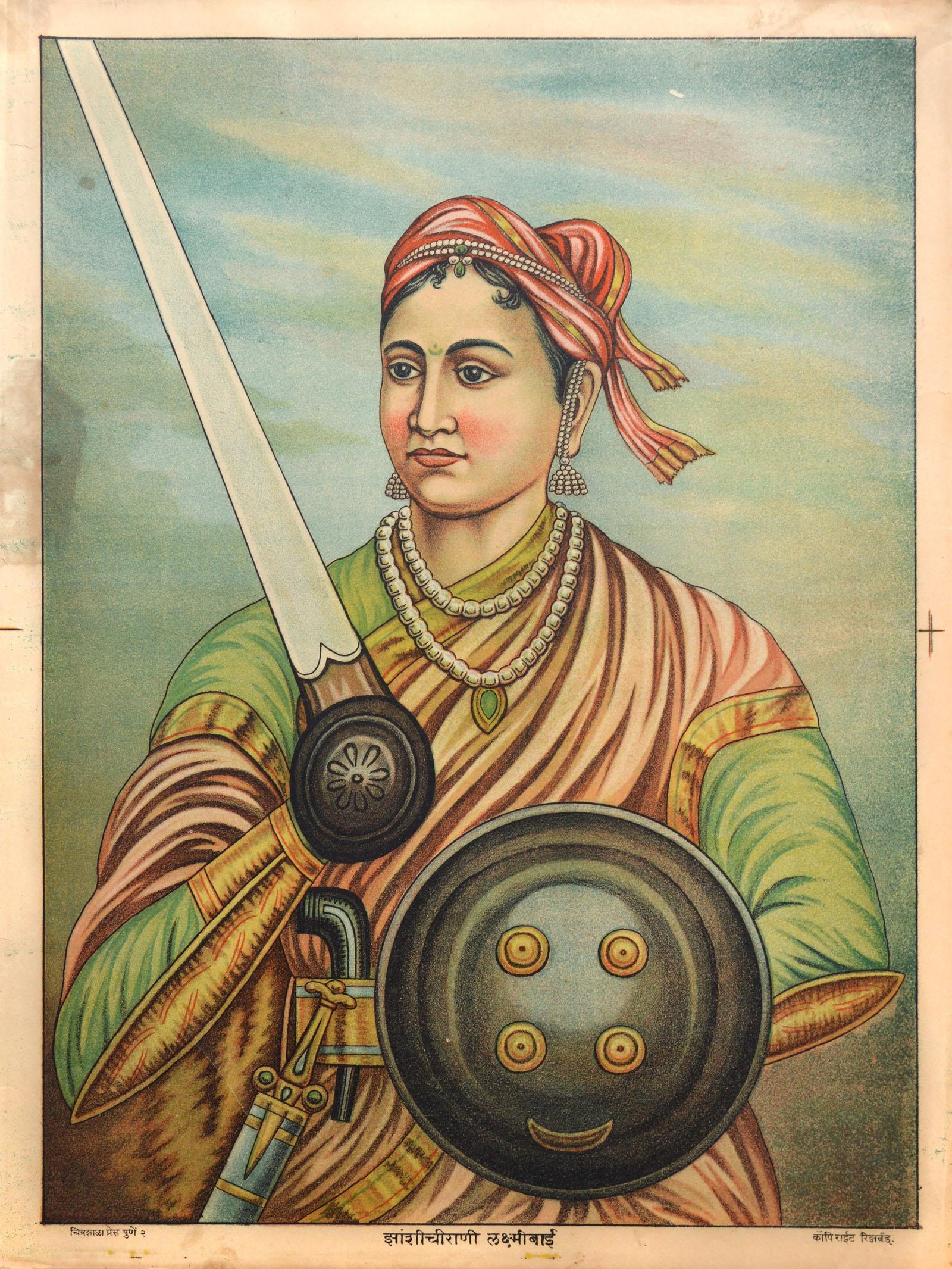
  • Rani Lakshmibai โ€” The Fearless Queen Who Became a Symbol of Courage

    Rani Lakshmibai โ€” The Fearless Queen Who Became a Symbol of Courage

    https://images.openai.com/static-rsc-4/E8tuPn-x1WdZPer6yZI_-RYbF4Ub8t-5gcjrkmCEEAWMl36VSfHpEV60hh1GwMw9AVnb6kS6AxpRIJh29582j1Kx3BjqkQePpHmvBpLhWDN5CgGxWBOULuTeHa4xuGJOpRszINBWS3V-58Q_AUxcOo9AlEzuGQP1alD1G1ZQ0MyP9qON5Dbg_zBgfXvtp-YP?purpose=fullsize
    https://images.openai.com/static-rsc-4/zbjZCRU0w_WLH9-Q_7Va9FJCwyLHCmcYw0cKplAqnH3Vw7_kdfNsAcQLEYp5aPIo1fSjbYDZy9iTaHOkrTlQBMn9FCUn4SFVrhZavv-vkJCD9VzA4KfmRf6EZDRs2nUT1sRolARzsco1xcCP7js24qv1Nd5L78dD_22fCllZDV83rc9R7wBVJLQFt460wOmS?purpose=fullsize
    https://images.openai.com/static-rsc-4/1erstABAim3ajOSOIy7KJKx4HOYCjNfpXOsnX2V_XOoz9idcC7jUuuUbqcYba1nEjxHsSZJHLhBRoHmJunaTqk2QzjUVIftM9Jvq2vSm6MSmbjisvDuW-ras-UwsS0EY3YuVRGT1YvDLc5CX20K2aKDAl5wXf9GE0--GsEtM1qIoE0X5Q-Eyj1-d5amq-GI5?purpose=fullsize

    ๐Ÿ—ก๏ธ Rani Lakshmibai โ€” The Warrior Queen of Jhansi

    Indian history is filled with extraordinary women who stood against enormous challenges.

    Among the most celebrated is Rani Lakshmibai of Jhansi, remembered for her courage, leadership and resistance during the Indian Rebellion of 1857.

    Born as Manikarnika Tambe, she later became the queen of Jhansi after marrying Maharaja Gangadhar Rao.

    Her life was short, but her courage made her immortal in Indian history.


    ๐Ÿ‘‘ Who Was Rani Lakshmibai?

    https://images.openai.com/static-rsc-4/PQXE2dBuSxtp2-qz9kmZu19Jndke8KJpi-QtwY9_X6W8jZlR-n7Yoho9Up5QnYGeWY2H-gEwHN9NaAKmKkrLQKr4ZMiromBSQIEfefgOqr0BNhPdi_DpH9zGibZn1TppvJeJb_nKkw69hsznG5Z_OI-O8rZiUHB0QnkZu0LyW7ZGY_hCUunFCDFi8xEZhi3Q?purpose=fullsize
    https://images.openai.com/static-rsc-4/E8tuPn-x1WdZPer6yZI_-RYbF4Ub8t-5gcjrkmCEEAWMl36VSfHpEV60hh1GwMw9AVnb6kS6AxpRIJh29582j1Kx3BjqkQePpHmvBpLhWDN5CgGxWBOULuTeHa4xuGJOpRszINBWS3V-58Q_AUxcOo9AlEzuGQP1alD1G1ZQ0MyP9qON5Dbg_zBgfXvtp-YP?purpose=fullsize
    https://images.openai.com/static-rsc-4/v3sMwE7Hw6_X6qJyUw9_yJPsUp101RAt_4lAD9s9F83aiNXw_DPp5PgEoOnR1tV-i_R9RrmMWYxEocVqgI5keOaYRyc1LX10sc_s32nO6kxLMC-418J5ULvMXtnRiK_jwBhwUyYbZufhPM7544uOTH90hUyHM0_8blQaRJL-wvBBGqU4MZpxAyEoOesoRqJ3?purpose=fullsize

    Rani Lakshmibai was born as Manikarnika Tambe around 1828 in Varanasi.

    Her father was Moropant Tambe, who served in the court of the Peshwa.

    She was affectionately called Manu during her childhood.

    Unlike the traditional expectations placed on many girls of her era, Manu was encouraged to learn skills such as:

    ๐Ÿ‡ Horse riding
    โš”๏ธ Sword fighting
    ๐Ÿน Archery
    ๐Ÿฅ‹ Martial training

    These skills later became an important part of her identity as a warrior queen.


    ๐ŸŽ A Childhood Unlike Others

    https://images.openai.com/static-rsc-4/OGgP8-Ns7NnJBnztMCYkx9cCwnWTAVS3y957we1c0C7758hMiioSM9ROXiKjtyQ_f1Wa-02wPATPeBHauxv9H7c91LM-OPdNCp6sMcYvUCAiXanFajGhtQ98KUCde4xjdtRBcNhcmN57VBNgPQVCcU8Jj5ACEbjpuuupaLAcyzBoLpB6puSpLTUXZT6gq7y9?purpose=fullsize
    https://images.openai.com/static-rsc-4/9HtDiVnN0KWETPkXjm8dnmy5lSuaKueQgmz2-b5-owly9GAX07cXdcYGIu2-nXjXuv_vIsk-f3Gn1eQVIVOO4ReSJ7xj2fvH1U80IQkQbj8WUmr98-8NLcDmAokOzv7DNGjQHk2ZlzratJVVFIlIPSFmVXZvIdk4S47E-LCohGVeOQMWba_ubVrcQWgw_Srs?purpose=fullsize
    https://images.openai.com/static-rsc-4/wZZRDL7nGST5WhIy-dbNVO_LNG0x1Z8qBlJupjZmO2sOSJ43ZZxUJvtVgFCfTIrzsuH9Scet2VDpUp5kBQ1huwofBkjtPdD_Bu9yfggrucQaKzE3Iw1El0cGJ-gNmsrb9rIN37Hjl2n3yIU3KQXGXrhIYf6fo09gHVznKKw6ctulFaIYSpFPWgmGT2oWtuzt?purpose=fullsize

    Young Manikarnika grew up in an environment where she was exposed to physical training and stories of bravery.

    She became an accomplished horse rider.

    Historical accounts and later traditions associate her with horses including Sarangi, Pavan and Baadal, although details vary among sources.

    Her confidence and determination became noticeable from a young age.


    ๐Ÿ’ Marriage to the Maharaja of Jhansi

    Manikarnika married Maharaja Gangadhar Rao Newalkar, the ruler of Jhansi.

    After marriage, she was given the name:

    ๐Ÿ‘‘ Lakshmibai

    She became the Rani of Jhansi.

    https://images.openai.com/static-rsc-4/mSeCPBZujhzy46-5_jfUlaJWCjDiHlI86hvOLPddGRiKLyaGX1elcFl4qcsbxenFV-J2zdRbhcYP6biQpALvsU_OMxKb4k--htU5yK1aPWHBxN2f6Z73X2zHJPEqJMVlNXGc7zOcGXhOSJcYcfnMVMQLMP_nvNzpbusnPraXNQzRQHDiSLACJYl7ivIB3uLk?purpose=fullsize
    https://images.openai.com/static-rsc-4/TlG3BLhRLF-waUuJSXv6O86YWwZEJxq9a1WmX54q_GC8AR1WfsvG8JYO2dhn_NKQ6M3su6ENRrwB2MP0_3BCpQt1AJrFFMjPENTX4-UjvwIh72MkXDxC0lOqeurM09ggPhETI3pzvNPWsn9-dcNsYUs5zDZoqTz1-_tfaRYS1w4ApRdGQH-CQXy8rFUCrBU9?purpose=fullsize
    https://images.openai.com/static-rsc-4/D3qKdIVHPqX2UTz8I3HYMbROFw3rSEEntf6KfdtVz8KEhtwL_Ihoe7PZ3BoaAfhqGoMcryVfk_Z1WZR9pRFgj6-2Ad2b9Ggfua9LzUkNrvO-PBFI_KQJSIZCjGMOAe7rCyDM6a6uZWM8JEoq4E6xJZu11vX0yTK_DRpfVSYIpvxRufNU7Zcxo6tGgmhJa6Z_?purpose=fullsize

    Jhansi was an important kingdom in central India.

    For Lakshmibai, becoming queen meant more than living in a palace.

    She gradually became involved in the administration and affairs of the state.


    ๐Ÿ’” A Difficult Period for Jhansi

    The royal family experienced tragedy when the couple’s biological son died in infancy.

    Later, Gangadhar Rao and Lakshmibai adopted a son named Damodar Rao.

    Soon after the adoption, Gangadhar Rao died in 1853.

    Lakshmibai became a young widow and ruler of Jhansi.

    But an even greater political challenge was approaching.


    โš–๏ธ The Doctrine of Lapse

    https://images.openai.com/static-rsc-4/I0JUBjD5aIB0WH7KU91rAmhTas-tp6id_rSPX3UfuGJHiAvCYm4gh4S9qYw_SGcI3mMV7lhIRGwM3KICmjIqXKaLHOGr_JqdRmcdfpHCVZlbfeK-kLo_x7_0BdwIubo_9lqDXGdr-jKtJn7Zlhu6QXx77-HEo9wQxX4sTLHg-UnZspGWq-oDX94kmi4CS9Rr?purpose=fullsize
    https://images.openai.com/static-rsc-4/BvFFTbDdph7kW9E_SG_g8_Zygqm-UQYW2X8554fkp6FZlUtKlwv2aoZ36e10VnIrqA8rCAKRtI2OWeJQLPCZaUR6oE8hc1Lq66KH1yGGfPjaQ008RVtu8Y-9BahMAIyZXYE8ud6bDZg0umpsVQIdc-8cTyQcofcwKKPG6YdLoOMwAcgK0X0MeaG8v2wOikcl?purpose=fullsize
    https://images.openai.com/static-rsc-4/HHiQZXSW7n1YOUSbjZjhEcReX77nh-hbvkrxg7SMSD5jC4uXY3SLGOnkOZfXddfBu0OWpwQ9vx_DBcwWz3eYMyn-mBPqQXm-O7c2Sg86OV91e6XZzIfpTERHqf4IZMa6SbWTKVIvdnKUhbM5k-0gC-1m2hsM_R_zh3ZdHCYtLkqEVHikSpd1NK2VxRRwtuLn?purpose=fullsize

    The British East India Company had adopted a policy known as the Doctrine of Lapse.

    Under this policy, certain princely states could be annexed if their ruler died without a biological male heir, and the British did not recognise an adopted heir for succession.

    After Gangadhar Rao’s death, the British refused to recognise Lakshmibai’s adopted son Damodar Rao as the successor in the manner she wanted.

    Jhansi was subsequently annexed.

    Lakshmibai strongly opposed the decision.

    Her resistance would eventually become part of the larger upheaval of 1857.


    ๐Ÿ”ฅ The Revolt of 1857

    https://images.openai.com/static-rsc-4/_jXWx65Ur7AWZiwaAdGEaWXRd-Mzlh244oKzYLsAv6HZyNGjfC4ttBTEIWlaEu4rqD6Lg23NxCl9IDbcJDyTOMa15qVzSO5W8xUSNvGbzWsyTEsGIjFjtlJRc9PeIlE2KQ0sBYccKw2jaDdlK2jX3gXYasyoffoB4R_PxkEJcF3FMWo0RIzbEsWIV0zCVBxK?purpose=fullsize
    https://images.openai.com/static-rsc-4/a_puZXeUmMb_lFl_KoIWq9_BL4EYtIntvITxO2fcX0WGAzc-gxx_gCHQxPcvSfpYmhfHuWjqOgST0OT7OtnpUTDs1kdG5K5_xdGw9cjqoh_r3c5u7fHduJqIAZmysMqSfJG4edwWs9Lqek57m_qERDPZq8aVX8HrTjopk3fVYmUW2JUJhk4W7TSCIq3QsYDD?purpose=fullsize
    https://images.openai.com/static-rsc-4/0jiQS9K2cDGxclmdSW8nZ5tnAHdVGyRJn9MxECpJF-ul-ok31_CmgRKdwNkQvp-Zgc0wAYoE4Ak-pD1laoAuA7NsJS7qYaQ9RJtA6nt_0j2d7lbCeQJii5PPyrBferpc1kBs4N7sKzhFh9Gb0P_Z_wFovpKbZI0eQgY_jekWhA3hT9YDvslNq5zN3idHSoGh?purpose=fullsize

    In 1857, a major uprising against British rule erupted in several parts of northern and central India.

    The uprising began among sections of the Bengal Army and quickly spread to different regions.

    Jhansi became one of the important centres of conflict.

    Lakshmibai emerged as a leading figure in the defence of the city.


    ๐Ÿ›ก๏ธ The Defence of Jhansi

    https://images.openai.com/static-rsc-4/0jiQS9K2cDGxclmdSW8nZ5tnAHdVGyRJn9MxECpJF-ul-ok31_CmgRKdwNkQvp-Zgc0wAYoE4Ak-pD1laoAuA7NsJS7qYaQ9RJtA6nt_0j2d7lbCeQJii5PPyrBferpc1kBs4N7sKzhFh9Gb0P_Z_wFovpKbZI0eQgY_jekWhA3hT9YDvslNq5zN3idHSoGh?purpose=fullsize
    https://images.openai.com/static-rsc-4/jS6P1wTcVPIM1ZnvpLq1nMLCPSO3ZGVZP5i5Z641aWMVrevERRDcUVtIGbhMyzWOemk3UrwpKcrcrEiP1nMTUfRKNzRQKvLEGEyRalSZGn8X57gjp65GL2_wjquLneB1guDAEXNRidiymbAeCMsyBdsdpLfWBNsyYiADhJdpVmICFdQpclf2V3JLvIrXcZHN?purpose=fullsize
    https://images.openai.com/static-rsc-4/vAh2rNAHT3QVJ-PPXL5sRmFZ9UW5-mZ3fB_voUcyGgIRZdkrLta4l7y0kj7bEq43m_VD3Or0kpHUmW4sxN-0sr33EsqzabS_ARjyXaZLQsbeMKHR2AfRFM6rdEy5QmtREsaj0LtyjAUjGWqhkIePS7PdMbOdssLJ-dQ7JmpjghPW6dvtAWAboj4OOboQVbyT?purpose=fullsize

    British forces under Sir Hugh Rose advanced toward Jhansi in 1858.

    Lakshmibai organised the defence of the city.

    She worked with soldiers and local supporters to resist the advancing British forces.

    The fighting became intense.

    Eventually, British forces breached Jhansi’s defences.

    Lakshmibai managed to escape from the fort with her adopted son.

    Her escape became one of the most famous episodes associated with her legend.


    ๐ŸŽ The Legendary Escape

    According to popular accounts, Lakshmibai escaped from Jhansi on horseback while carrying young Damodar Rao.

    Whether every detail of later retellings is historically precise is difficult to establish.

    But the image of the queen riding out of Jhansi has become one of the most powerful symbols of India’s resistance.

    She continued the struggle rather than surrendering.


    โš”๏ธ Joining Forces at Kalpi

    https://images.openai.com/static-rsc-4/Z_qZDeEmtrJFvgO2LML1z2IuSM9BpQaVMRuDbrOLi3DmpnX5_n847_3-ZhGFnNP5n_OGmfijCpXWkDXfraEBDyBnVqkGqF3oj8EZZ-kHQaQR9rKER1Wf8oA5ojDt24NpFPSJu9pH22ACfaPj4QhLFbjAfrY8PLFAITG5EAXKx8q5YK8Fr8HsJKMXg8AXk6bu?purpose=fullsize
    https://images.openai.com/static-rsc-4/xJheD0FM7CiGdELhA_L_vz7Fc0K78lBoY8S1Sz6z6SHFiWWVH0jZlLgwz0Dv-OH3yHryPljBaMWM3_huF1GJp769p_u60it1jmZzC_jxwZz_mRq076G7aGmdQFBdlASh-ZlBUEXpTW4QWXDxQyeGNYdOMfVCbolDdYpARnnMsPVNcYtPSuEU_0g3nOaJQ1Rq?purpose=fullsize
    https://images.openai.com/static-rsc-4/vjJvFy1RjLRaoS9kYN9INpDKiDykL93ro9RaCVtvaj_ibT55tk4MZ7aosRFRITs84oA-K_FVl9H1DJLVnSUFhsWNDrtW3Y9ziFBeLagpoavTSF_UpUaXDVF9AXod7bMAuBkig9fmAcaFmxGHKYXfzP96It4U8vY5vWk1UwCiRIjeb3GRx1duo9Asp8s27axc?purpose=fullsize

    After leaving Jhansi, Lakshmibai reached Kalpi.

    There she joined other rebel leaders, including Tatya Tope.

    They attempted to continue resistance against British forces.

    The rebels eventually moved toward Gwalior, where they captured the strategically important city for a period.


    ๐Ÿฐ The Battle of Gwalior

    https://images.openai.com/static-rsc-4/QpGK8r6vrXJVrVlJWwinhJlD2n5QCJW3tR0Om4-hrZYQn0Ee8Z6RFmeIAUxBOfUovtU6yDEqnxp2DU3s37xyHVuzJd7vZynIPyTnisVJaof_O6F3Md_9rPVnUAy12arn1hCRXHNoN9K06tNbCmM-25WtxTkmHVzLu8tAUdmDUc6PJT0ExNHjM7Hia0Zb9fkx?purpose=fullsize
    https://images.openai.com/static-rsc-4/vjJvFy1RjLRaoS9kYN9INpDKiDykL93ro9RaCVtvaj_ibT55tk4MZ7aosRFRITs84oA-K_FVl9H1DJLVnSUFhsWNDrtW3Y9ziFBeLagpoavTSF_UpUaXDVF9AXod7bMAuBkig9fmAcaFmxGHKYXfzP96It4U8vY5vWk1UwCiRIjeb3GRx1duo9Asp8s27axc?purpose=fullsize
    https://images.openai.com/static-rsc-4/UctlJhJEOCcxekjIChr7Mt2xf-g-jMA4PR_WOnVaP1b39bc-WQLDDiRGLt76f0cxZry4G5vHWBeR1XRW-b5_jLjU_MHMhlMULP9o8QLEwQD0Oq3BMvERprYfE93jZudXxwrbe7AShcPAeBdwWl63jfRGfy2_vic5c7PKypCJ0D3V3PLeM4I8ofgTPMNHpZKI?purpose=fullsize

    Gwalior became the final major battlefield in Lakshmibai’s life.

    British forces under Hugh Rose moved against the rebels.

    Lakshmibai fought in the battle.

    She was killed on 18 June 1858, near Gwalior.

    She was only around 29 years old.

    Her death transformed her from a warrior queen into a lasting symbol of resistance.


    ๐Ÿ—ก๏ธ A Warrior Who Refused to Surrender

    Lakshmibai’s historical importance comes not only from the battles she fought.

    It also comes from the decision she made:

    She refused to simply accept the loss of her kingdom.

    She faced a powerful colonial empire with limited resources.

    Her determination made her one of the most remembered personalities of the 1857 uprising.


    ๐Ÿ‘ฉโ€๐Ÿฆฑ A Symbol of Women’s Courage

    https://images.openai.com/static-rsc-4/v9kO_mC9fe4mUnXQMN_Hr1zGqfjrA3KHOYBzgP1J1nlvqMGKPgjZA_b256aIQhrZq3JtUISUl4yrqQfnOs8kjXOgDH8V_1b1M8JBMCzSqjwlw1A6-JC8G2VhkImhzm574ZEUW1ntVc76gGrxFDJn7KQErtKdbN4iajcsSgcy_MJtoikE4maECBIx6UpB9LSp?purpose=fullsize
    https://images.openai.com/static-rsc-4/Iv57wae-KXIyk_0DRE0sD5rMAXv-BQIGsUmwg-CDu5008u5jTzpBdNF2_JyuDkBWpn7uEnzV_j6ChyzVhFvfb-76VmpanRqwRSv1khKvO73cXasybvK1lx2pCNAhQLUR-IDtj_O97rvLzd83P_hVAwZIQUDjRUnW1ZUxPljDk6TCU5coqXOmnuMBxyBt45Wi?purpose=fullsize
    https://images.openai.com/static-rsc-4/IeQRPIEnmuferABbHFZUZ0gOHL6qqt2b7QDc0vfVoMHP2kr6d8jyAEwhQkiv7eviOO5KYAl7pgq5c8TbamNP9K1r0RFmdw3jYnJ119JE_asLKpNM1xZ_4FFzHty6COiRqua5MK79W2P1IgIK_PAcRkosZsfkEm012WA2TFyEmT4Og4z2qpW_4tcQmCrMT1go?purpose=fullsize

    Lakshmibai became an enduring symbol of women’s courage.

    At a time when women were rarely associated with military leadership in public life, she became a ruler who personally participated in armed resistance.

    Her story has inspired:

    • Writers
    • Poets
    • Artists
    • Filmmakers
    • Historians
    • Students
    • Women’s organisations

    ๐Ÿ“œ Lakshmibai in Indian Literature

    One of the most famous literary tributes to her is the Hindi poem โ€œJhansi ki Raniโ€ by poet Subhadra Kumari Chauhan.

    The poem helped make the popular image of Lakshmibai even more powerful across generations.

    Her story continues to appear in:

    ๐Ÿ“š Books
    ๐ŸŽญ Plays
    ๐ŸŽฌ Films
    ๐Ÿ“บ Television
    ๐ŸŽจ Paintings
    ๐Ÿ—ฟ Statues
    ๐Ÿซ School textbooks


    ๐Ÿ›๏ธ Jhansi Fort Today

    https://images.openai.com/static-rsc-4/8crJ7tZwUahSyOWh_Z2IahR2NAX-OXjbF_JlGHSUo5vCW06Y4ZJMD44YIdMncd6S7vPZzwpue3nuyHQJKtUqjzamBC8v9ZRJO-7TjbhvqBVAvVn-eVjrEQU85Fr7tYC0cWT5y57LKEoaC6cihhslKsaC93StzPhwP985Ne8up9R-naIncX_q95g5-AbSIKQj?purpose=fullsize
    https://images.openai.com/static-rsc-4/MAMVAFRp8tMgey6YhAf-rl0M3PurJW5Flm1ukXHZQRnIHVl2bFmarKTgEVdyYv6C2myBP3zm0zreOHdCQdCfFg3u-1me2cbPdXFAdwwTooRQ4L4apPxqQzhwvshoFEaDE1tz26P-p-TjsTsLmmcl4tWQOMMyqkkI13qgDxXKgqn9Y1i8Cix1jAxwuP6399ph?purpose=fullsize
    https://images.openai.com/static-rsc-4/SRI_7XiMEJn6p5e9MSME53cuppChVWQsTGPBimqIZswNRfDl4lV5I3dGeN467TRjPAziiesET3Ce2Ed6uARxnT9yRfxQ87rTWhgOh7b6Wde0Vo6oEzIdmlqdwtFn1ZS1hbXB5ubdIuQfPnIWZ6g6oYGdVxK6m92LCrhPqV-2zwTzEIA10nzmCkrMMZBGk38N?purpose=fullsize

    The Jhansi Fort remains one of the most important places associated with Lakshmibai.

    The massive fort stands on a hill overlooking the city.

    Visitors can see:

    ๐Ÿฐ Fort walls
    ๐Ÿ›• Historic temples
    ๐Ÿšช Ancient gateways
    ๐Ÿ—ฟ Statues
    ๐ŸŒ† Views over Jhansi

    The fort has become a powerful physical reminder of the events of 1857โ€“58.


    ๐Ÿ—ฟ Statues Across India

    https://images.openai.com/static-rsc-4/MNyEuEpfYPHTB6hTUrVsBthpp_9peOi9HL_fRVpNoj6S1Ty8774uv5DKxf_eshdI56T3uiZLJLlyDI34oRRQVYhB1cYtXtvGyxb5N1iyQNLBpWw08QEW9pinECt_2Dlx06VQcRzogzpW_5QVV2d4auqD_wHqILtHaXdMfSzlz2TH8GLCYcXRzi7Tqs1eklWm?purpose=fullsize
    https://images.openai.com/static-rsc-4/2B846P0KAecMQZejHlt_0yEChpBq7kx02SV8xb43rvnUVV86maQm2hrkpmemts34f37jURjngwHW9579a-ZgE1eWtc3hFhzyyXOzEZk6y6zs_LSQxP3xrZdKFzGvHtb65ZBRD0TcGaX01VwnyUj6pg5tE_xGDoLYwSzwh4duJMNoMuM_r7NdsZQV_WQU1P6T?purpose=fullsize
    https://images.openai.com/static-rsc-4/iVZSb5HTX8dUXhaudRN50_ZrbgfHmo-W9SzRFl437xcy8zjzKhnYpxO6PoeL-CvzzoHWwCxi9jKbXpr7XfB8d2nvECPDVVuR1zk1l8yUvpi3FlZjtyxyVeojXXEgrr7ROI5hoGKNiSHhVtlJcKwP-cMfN26oyzH3pNkD2LZy4pvEtNyA1Q5zRI-HBebpIRaC?purpose=fullsize

    Statues of Lakshmibai can be found in many Indian cities.

    She is frequently depicted on horseback, holding a sword and carrying her young son.

    This artistic representation has become one of the most recognisable images of India’s freedom struggle.


    ๐Ÿ‡ฎ๐Ÿ‡ณ Why Rani Lakshmibai Still Inspires India

    Lakshmibai lived during a very different period.

    Yet the values associated with her story remain powerful:

    Courage

    Standing up when the situation appears impossible.

    Determination

    Continuing despite setbacks.

    Leadership

    Taking responsibility during a crisis.

    Self-respect

    Refusing to surrender one’s principles easily.

    Love for one’s homeland

    Protecting one’s people and kingdom.


    ๐Ÿคฏ Interesting Facts About Rani Lakshmibai

    https://images.openai.com/static-rsc-4/m-1kfqReWiCtLAHs3hv9wT-UOQ-40GIIl5R8WetziCT7Fm-DRyWzeTfjwfr6Q_8aDh_XBetZYW0mlex1S8BAs-ZrdRxWPdD2mJ-5m7pxo7DkzAHw-0itnOtaqpFezuD6FPkdf3SQmhf4RezUSnS57D_k6Zm7K0iaffdiMXm4P5cm8sqdSIVD9gcq5QiLfjYo?purpose=fullsize
    https://images.openai.com/static-rsc-4/E8tuPn-x1WdZPer6yZI_-RYbF4Ub8t-5gcjrkmCEEAWMl36VSfHpEV60hh1GwMw9AVnb6kS6AxpRIJh29582j1Kx3BjqkQePpHmvBpLhWDN5CgGxWBOULuTeHa4xuGJOpRszINBWS3V-58Q_AUxcOo9AlEzuGQP1alD1G1ZQ0MyP9qON5Dbg_zBgfXvtp-YP?purpose=fullsize
    https://images.openai.com/static-rsc-4/Ytb5KP1UHd6dBSMXGrD4ECUJaorQjO4yL0sliPqKLU5kn59ISiKYM7cNJN9RUWR4gpx0Gr-UqNr6BKKfgmgKArS7vso5lYrsvRINu9t4dL48RGhfmKnaYZ9iYRb-QiM9Q4qdwXgB4fBRBFI4HD5aQ9jRJ8WvL7xWouAqGbIkq52v0Cdz9Np1uU0XEdGEQ-aj?purpose=fullsize

    ๐Ÿ—ก๏ธ 1.

    Her childhood name was Manikarnika Tambe.

    ๐Ÿ‘ง 2.

    She was popularly called Manu as a child.

    ๐Ÿ‘‘ 3.

    After marriage, she became known as Lakshmibai.

    ๐Ÿฐ 4.

    She became the queen of Jhansi.

    ๐Ÿ‘ถ 5.

    Her adopted son was named Damodar Rao.

    ๐Ÿ”ฅ 6.

    She became a prominent figure during the 1857 uprising.

    ๐ŸŽ 7.

    She was highly skilled in horse riding.

    โš”๏ธ 8.

    She personally participated in the defence of Jhansi.

    ๐Ÿน 9.

    She is remembered as a skilled and courageous warrior.

    ๐Ÿฐ 10.

    She continued fighting after leaving Jhansi and later fought around Gwalior.

    ๐Ÿ’” 11.

    She died on 18 June 1858.

    ๐Ÿ‡ฎ๐Ÿ‡ณ 12.

    She remains one of India’s most famous symbols of resistance.


    ๐ŸŒŸ Rani Lakshmibai’s Greatest Legacy

    Rani Lakshmibai did not live to see India become independent.

    She died nearly 90 years before India’s independence in 1947.

    Yet her story became part of the nation’s long historical memory of resistance to colonial rule.

    She demonstrated that leadership is not determined by age or gender.

    A young queen, facing a powerful empire, became one of the most enduring figures of India’s history.


    ๐Ÿ Final Thoughts

    The story of Rani Lakshmibai is a story of a young woman who faced extraordinary circumstances.

    She lost her husband.

    She faced the loss of her kingdom.

    She confronted a powerful colonial authority.

    She fought alongside her soldiers.

    And when defeat appeared close, she continued resisting.

    Her life reminds us that courage does not mean having no fear.

    It means standing firm when the situation is difficult.

    That is why her name continues to echo through Indian history:

    ๐Ÿ—ก๏ธ Rani Lakshmibai of Jhansi

    ๐Ÿ‘‘ The Warrior Queen

    ๐Ÿ‡ฎ๐Ÿ‡ณ A Symbol of Courage

    ๐Ÿ”ฅ A Legend of India’s 1857 Uprising


    ๐Ÿ‡ฎ๐Ÿ‡ณ MANA BHARATHAM

    Stories, Facts & Wonders From India

    โœ๏ธ Written by Pasupuleti Saida Rao

    ๐ŸŒ allpincodes.online

    Know India. Explore India. Celebrate India. ๐Ÿ‡ฎ๐Ÿ‡ณ

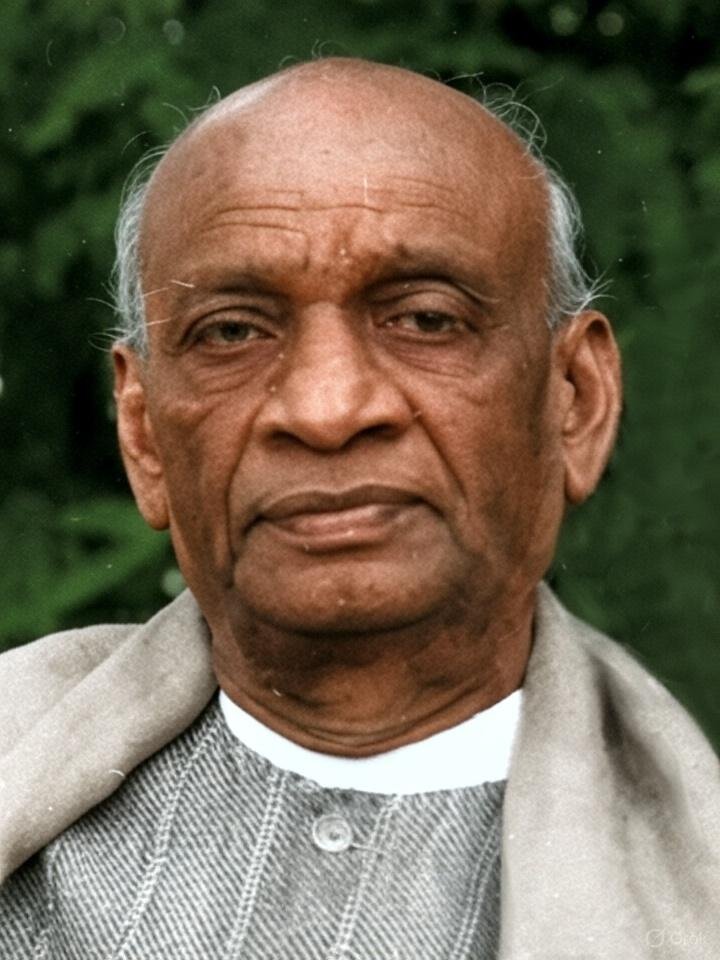
  • ๐Ÿ‡ฎ๐Ÿ‡ณ Sardar Vallabhbhai Patel โ€” The Iron Man of India

    ๐Ÿ‡ฎ๐Ÿ‡ณ Sardar Vallabhbhai Patel โ€” The Iron Man of India

    https://images.openai.com/static-rsc-4/EmFGAqSqRYKLkJtKg5wMl0urXND1Fji58v4neguggCDukTVJmvF71EFs7QPg1G6n8thR37KWiPOO4mYM98nM52TcsdBKKfwRCcaRCJWBGeayh9rj_X8DgdcfbKSZXYRS80UT76jzBGlGL2wwM9rf356s__MbosFbKeWi3SFFX96O0vdlSYKbe36sFlWbUpe3?purpose=fullsize
    https://images.openai.com/static-rsc-4/Yv9ovAwhqWR02yDVnX_p9eSbXYitti_15MJjWoePOgoEZLRiKrGbABbTslHsN4l1T_ADkDXGPbabVpDNIgugHolOyBdku19NRr_Yc2Dm9_RCVIxm_VBhQpP_cwNFMeRljI1h_KJuoPeoCjHdDEgCNBzjNN5Oq9ZHKVNBJBOxQSf-vYONZjHO-O1xT72Elw5K?purpose=fullsize
    https://images.openai.com/static-rsc-4/vPVu_-Kq7fnLsa80wROn1XVuqC68xy4R34RB801evu80hNQr2mUiIwaDxFepnb2OIFLOx1aI2knT6Uy3C-bLV3tRRLTRgoxWKJ-H3G7b9msduKImUQR7zSAKo9JVrsWWRzCp7BZuYYZrqWilzgljBWYBzVs-EPajnR7DPgBwZYrafq1vEDOKLgdvEOK1kL0L?purpose=fullsize

    The Leader Who United India

    When India became independent in 1947, the country was not the united political map we know today.

    There were hundreds of princely states across the subcontinent. Bringing them into the Indian Union was one of the greatest challenges facing the new nation.

    At the centre of this enormous task stood Sardar Vallabhbhai Patel.

    A lawyer, freedom fighter, administrator and statesman, Patel became one of the most important leaders of India’s independence movement. As India’s first Deputy Prime Minister and Home Minister, he played a crucial role in integrating the princely states into the Indian Union.

    That extraordinary contribution earned him a name that remains famous today:

    ๐Ÿฆ The Iron Man of India


    ๐Ÿ‘ค Sardar Vallabhbhai Patel โ€” Quick Facts

    DetailInformation
    Full NameVallabhbhai Jhaverbhai Patel
    Born31 October 1875
    BirthplaceNadiad, Gujarat
    ProfessionLawyer, Freedom Fighter, Statesman
    Known AsIron Man of India
    Major RoleFirst Deputy Prime Minister & Home Minister of India
    Major ContributionIntegration of princely states
    Died15 December 1950
    Bharat RatnaAwarded posthumously in 1991
    National Unity Day31 October

    ๐Ÿ‘ถ Early Life

    https://images.openai.com/static-rsc-4/K-DDc5JvM94edoBOT1TKLKE15HToNQOgpbAeCgpw6Lh9DRbwCaXG8JXlTj_cQKfGMO5ZomM90SN9fayd-9JRhPMoeKXxZLc3_4LBF1dK8wkZGIcP7iKlFtj9uFx2P8rWnDYSA7YV4qXB6wx_0WrOjNfPANypkclkeAg8LLxs7V4jhCmEPZ2skazIS_ucT49_?purpose=fullsize
    https://images.openai.com/static-rsc-4/3Gcat1nyb_pMHm2paLmCdvPHbvs7k23-oGrePIty2CQHdEL0IBL6OA1Gep9y6-gkBL3vHUZRetpr4mD8va2tl8GbRvkFGE9RRUhqxuw03JCi3p6BEaXw1Om2K6IXZdX3abPazTZnJc35P5S5HyMsRAfkY8-FJz-C03m41rF5mzMs9hCUlHSlx9VVFtF7039E?purpose=fullsize
    https://images.openai.com/static-rsc-4/KeA-Elc1HDO82At6j2AzCKTPa5bFk6ccCOh3WPtiae2gefFIQ-GgEkqM3HtakqSnc6_YcBGq2cdp0jyIb5Z_i3e4M8LOZyggd_TST_vel4hCvkwZipjW6MIsVXZ9Ln5nl18UJxd5Vs4CPxJ7oNVZy4A4DmX-KdZ_08hG0uirAXTK-369gyGG4ozbb3GMwOz3?purpose=fullsize

    Vallabhbhai Patel was born on 31 October 1875 in Nadiad, Gujarat.

    He grew up in a farming family and was raised with strong values of discipline, courage and determination.

    His childhood was not one of luxury.

    The young Vallabhbhai developed a strong personality and an independent mind.

    Those qualities later became central to his political career.


    ๐Ÿ“š Education & Law Career

    Patel initially worked hard to establish himself as a lawyer.

    He eventually travelled to England to study law and qualified as a barrister.

    After returning to India, he established a successful legal career, particularly in Ahmedabad.

    He could have continued living a comfortable professional life.

    Instead, India’s freedom movement changed the direction of his life.


    ๐Ÿ‡ฎ๐Ÿ‡ณ Meeting Mahatma Gandhi

    https://images.openai.com/static-rsc-4/xyq3SEMTRmpNtRKyXdUJ-F7GRbdPfhQ3jumQ5g-OeYGFZaRqY8EIkEldV62vz13rmM7993lBd_fzQt_5npKRomLlLz6J352lVKpE1xcbQADDoD2jGEZOhCoYQ1mO5Ivws5bezexQyBv5hX-u-SEpsGCMBWG8jmdilTJDnK99xtfXLTJeM4qu9h1fnOdPfOBi?purpose=fullsize
    https://images.openai.com/static-rsc-4/KArXohpsleuefIoGOSY0pvIpxU8rM9BklmMzgGvBdnws6HUoIb6JMd6yfiQU8-q39LiifFFFSPOJVe3xx2tc_wqnxNovXVmW_faVixrO2QlLG9VQ8gpVzVwbBXHlt5Py9EN1b0k-GtAWlpfIwmn6tSma30hdRVlSToqoATggyE2G0uintGuD_f-y9mNYcTnZ?purpose=fullsize
    https://images.openai.com/static-rsc-4/tNmt61USbPs5pbgYoq0ZkO7y_3WAmcH-PIp6abWcLKXUokqvM_xM7nEopn40XBpHyYytZxtd9zeMF1LdSELVTPLD8PHiWhj-O5M_GYNHQNA2-UyL0nNHq0eTn3HiOfOs0DaId_FClPiLpHsCSs6viUe0W5xEl1Y8YuCcG3WUcTHTlowsJGz8Q9d0Vw6KGCgT?purpose=fullsize

    Patel became increasingly influenced by Mahatma Gandhi’s philosophy of mass political mobilisation and non-violent resistance.

    He joined the freedom movement and quickly emerged as a highly effective organiser.

    Unlike leaders who were primarily known for speeches, Patel had an extraordinary ability to:

    • Organise people
    • Manage campaigns
    • Build political networks
    • Negotiate
    • Make difficult decisions
    • Turn ideas into action

    This practical leadership became one of his greatest strengths.


    ๐ŸŒพ Kheda Satyagraha

    https://images.openai.com/static-rsc-4/C3L0CaDr8YcGpjs-1WWFsb7pQ6AYsVvNdjnupZKJPaeIXfOopeqJ6oaxxpi_TV2WDmJY6vZ_AGCGyjVqPqUDR82Xlex4WQWZCb5s2qIz_LuyEUQfFOz_ZPK6UCaqwskAiHvOro1kCLqW_58oPXcelJ_AAxeyps3rc2acQt3DAAB54Pd00ZQrmSeCGEDnJZnk?purpose=fullsize
    https://images.openai.com/static-rsc-4/3qR83Ovt-kOEbd5AMuhuBW314_4Wm6kmeXn7EFPrq6fWM1uYf2It1vSXjmQ7-bbzmZqvcmYBoKChQfxZV_RFzxnxBxSYKAG0LJg5P2gCfYxA7TRHr32KpvN8mMVOKo68xnArhPZB9Kn2oqvL4pYyOaPxp1caEoDlCiXZy-yocAA53R0Ms_R8QOg3K4rkQCVF?purpose=fullsize

    One of Patel’s early major political achievements came during the Kheda Satyagraha of 1918.

    Farmers in Kheda faced severe agricultural difficulties and argued that they should receive relief from land revenue demands.

    Patel worked with Gandhi and local leaders to organise the farmers.

    The campaign demonstrated his ability to organise ordinary people around a common cause.

    It also established his reputation as a powerful grassroots leader.


    ๐ŸŒฑ Bardoli Satyagraha

    https://images.openai.com/static-rsc-4/jMQ8Ln4vbDa9Y0a7i986QgaMQSl_Jhz_KviCh8y4pIsYyAv_VgPYptWC-JQYVYzdGrsAjR53rWstbP8-2ySkmsUje123mEph_mnsGRWL-508bmKkH-W4jyfoB9dp7J3NBPFE-o2taUYDMtSXJ2zu4B5usktbV1v9YQlkJOP3tzp3lmLIP0UXggRAhMRvfGqm?purpose=fullsize
    https://images.openai.com/static-rsc-4/GU-DEYLnGH69j9lqcSjMxJRXT-pBl1UhWdC0n9svfr2COwkJwzMKgalJs5SbT96TrMmjN1IrK2FsIGDysPuJGN2zW21Lm2XturRA472k_r2rpcAZPyERdPrrSJZnsZs1KmkoBLI9mUpmLgyFNZg4cs80z37Pxe2K8YQylvbUpPaq7q_2u8D9rQM8iFN_5r8Z?purpose=fullsize
    https://images.openai.com/static-rsc-4/Wb3HkZ8Ib_1ZSzJQ7NRrMXZZ1pfyFgd9iZwDPSXGwDFVghi1iaAzHXp4DqvskQcAM6rDelVWThGxH-GpGbkKNRsXAs9Rl_4ktcmNwNYkGILYsazBBTS7ZIRRpIrEsRRB5AGKwbgsIdM42_0HYTtsi_4qX3STqGFQXax3RJMNqpy9emoQtbMoYgd1ExXDpcsP?purpose=fullsize

    One of the most important chapters of Patel’s freedom struggle was the Bardoli Satyagraha of 1928.

    Farmers in Bardoli protested against increased land revenue.

    Patel organised the movement with extraordinary discipline.

    The campaign eventually achieved an important political victory.

    It was during this struggle that the title โ€œSardarโ€ became closely associated with him.

    The word means leader or chief.

    From then onward, Vallabhbhai Patel became popularly known as:

    Sardar Patel


    ๐Ÿ•Š๏ธ A Leader of the Freedom Movement

    Patel became one of the senior leaders of the Indian National Congress.

    He participated in major phases of India’s independence movement, including the Non-Cooperation Movement, Civil Disobedience Movement and Quit India Movement.

    He faced imprisonment under British rule.

    His willingness to accept personal sacrifice strengthened his standing among India’s freedom fighters.


    ๐Ÿ‡ฎ๐Ÿ‡ณ Quit India Movement

    https://images.openai.com/static-rsc-4/DcwqdHnXG1Mf8aMlRo9dZ32JnvDhY1gnygdcPpK-ywXovOTYt2rRKeJg3PDowylEPDEJCwOTQAzmBxONs4yAGazbI-IfezwJPbvQhrJWd0PnzuUxed836CCu1OSIdlmH4RxyvqcN460Xw98NgCNN2WxZXDZAV3-eShnK2OkY3__0E5b39M5ds7Wc_xLvtn9B?purpose=fullsize
    https://images.openai.com/static-rsc-4/gC-3tIJCe1Tyss_7zmPsJw6pRGNg64S9TpxFSbyhbb9slOoS4eI6VbTpMXB1Ajfoyhb_jM77uc2Nu-kWfR2NZxLwxfxVKCzSC3KAQnxxisbAYEZEFGYWVU7gWJlzS49qMFkhWjmOuob5Z8ThxZGsiMB68P2iqIbRtt68x2SIZIbWCx7x3FQWqLyOFAic9mas?purpose=fullsize

    In 1942, the Indian National Congress launched the Quit India Movement, demanding an end to British rule.

    Patel was one of the senior leaders associated with the movement.

    The British government arrested major Congress leaders.

    Despite imprisonment and repression, the movement became a major turning point in India’s struggle for independence.


    ๐Ÿ‡ฎ๐Ÿ‡ณ Independence โ€” A New Challenge

    https://images.openai.com/static-rsc-4/cmSyK5w7J9H9ht-c076_vJc8wbHIPRlHUuiysqE_ccygEaIFjb3Pnofa-9CsSaNYEESvknCu99mCFUgeCe3leGUX8wTbW7Oxgx-jfj3tglgA1yRUK025FjisfdqdMVT5NeMEV89LhBFVAgp8sQWs3D1JOcieXMQlOFj-2BD5ENgXYqLnmH3fIAptYQTYWN_8?purpose=fullsize
    https://images.openai.com/static-rsc-4/GeZibXLRnh2-Nj0axTsKWhtpnK3b5vn4a36YYw4fyTOC8XfeLr41RX0uy-8hBpfAf0Tlh8UOwG8UfacXJPzJXOGP3fjBmRFZ2xOPLuX4GdcuOwhYNTEM2qJ9k6dpjsl5v_xzbcQazhLg2YT5lkmgeRVmyo10ACF-v2xHY1acNFCCiUsIHM8jQhhNl5YLbihX?purpose=fullsize
    https://images.openai.com/static-rsc-4/EGR9I7gj_5676_V3SvNGgPypV5rRhg9pwO_UVcjPypmhlK8fn0oeqLcRQ2QR4LOPyq_7_TAeSBp7SxEz8TtAp3OGRqFIa_K5WKzY4_szp1YSVbXxdoCs5bjHjKRInunemccpL62YZmkoC25NpwH3hLEwLexX9OZYsjajeSEPhED39dx-zKo3Duooc_8OWCRF?purpose=fullsize

    On 15 August 1947, India became independent.

    But independence did not mean that all of India’s territory was automatically part of one political union.

    There were hundreds of princely states.

    Each ruler had to decide whether to join India, join Pakistan or attempt another arrangement within the complicated political circumstances of partition.

    This presented an enormous challenge.


    ๐Ÿ—บ๏ธ The Unification of India

    https://images.openai.com/static-rsc-4/2HtkC9uvOsqnePj2hZXFV00ssF_TpcFDESZLV8c8Ipcz9OwOz9DCzzQK8hYNKtaCQAyobKB2lyvC9wHe_yv060og4cBDRTmG8LaVkMGB61crQaKkR_DzRRAeU6aaOY_YWA7HDWt33r9QlquWUa4N4DTV8I6tg7qQdbpN2LSfRDnopk_UatIquWjbP540zb_U?purpose=fullsize
    https://images.openai.com/static-rsc-4/mBPSt4ZXAaAR2jjcXfxvs30cX8Im3OOOx5-Ndsbr0wMNGlZuEfGhAx-COMGXr9c9jlYlC9asQ41ooByxh3q-ktnZ3vSzMCji9EkrRZoKe8x0q9uTFBcMhmMtd0uqLqTqsm4bWg9heL3yXuoLJFU-7L5jmgKd9AueVNbkQAzhZyaJb6W7DWrTmTg4L7NblVeS?purpose=fullsize
    https://images.openai.com/static-rsc-4/tq_0IBZFOJYweGhcpEZzZqLLCYQ-VJ3tCpHPXxJO8Vf2InU4iTzyS0qm4RuzgwAFWutStYtwGxTaLmhnLGSQJPzqPeOCa0mKxqyhYKzGIWdpAc3QMzwZHWrE3wnYmszALcprEGHw0w-83fLNZ7bGl_FqqhFdMVrl6KH1etbjxH6o0EViDWKlYfFhsglpaEky?purpose=fullsize

    As Home Minister, Patel played a central role in bringing most princely states into the Indian Union.

    He worked closely with V.P. Menon, a senior civil servant who became an important figure in the integration process.

    Their strategy combined:

    ๐Ÿค Negotiation
    ๐Ÿ“œ Agreements
    ๐Ÿง  Political diplomacy
    โš–๏ธ Constitutional arrangements
    ๐Ÿ’ช Firmness when necessary

    The result was one of the most remarkable political integration processes of the twentieth century.


    ๐Ÿฐ Junagadh

    https://images.openai.com/static-rsc-4/GeZibXLRnh2-Nj0axTsKWhtpnK3b5vn4a36YYw4fyTOC8XfeLr41RX0uy-8hBpfAf0Tlh8UOwG8UfacXJPzJXOGP3fjBmRFZ2xOPLuX4GdcuOwhYNTEM2qJ9k6dpjsl5v_xzbcQazhLg2YT5lkmgeRVmyo10ACF-v2xHY1acNFCCiUsIHM8jQhhNl5YLbihX?purpose=fullsize
    https://images.openai.com/static-rsc-4/dmg23UaXsQb4liKzxvb53-9PTxp_qm7THXwhiy7anhTRYsNElNnZeED6McnM8L659voASey0HerWiXyfpycv5vErGS3aGfCY2q7x5xOwBbzMegyxiBIUZI1xA-eXU-iMUEDOctkoWYG_uGbnd4fNQhUYIpAL5dyfqNHGVWQbTd48b91m-CjW-cTnXOwkEK8z?purpose=fullsize
    https://images.openai.com/static-rsc-4/VPvW_JXTsx9SMJebWMO7zjiTRdDvn7K62L87NMCzL54cPgbD2yloYSJfddWpmRd8u9jDlO4Jhrq6CB0dAEp05VkFT7dPda7Kmw_EoPdZ1FB8ALKBvOT4qn427GnSjpwxcxmldSqFdDegbVtR5i3YGygNgp81ia5JI4lkgbSRu-IcpUNfFDLNlumpFXp8sHUh?purpose=fullsize

    Junagadh became one of the difficult cases during integration.

    Its ruler chose to accede to Pakistan even though the territory was surrounded largely by Indian territory and had a predominantly Hindu population.

    The situation created serious political tensions.

    Eventually, Junagadh was integrated into India following political developments and a plebiscite.

    Patel played an important role in the government’s response.


    ๐Ÿ”๏ธ Hyderabad

    https://images.openai.com/static-rsc-4/fYjRGroY6Sja0kxftSYvE1PvOQMrrlHA2jOgI1CSDGZ6zmtroOdJGPH-GhKRYlUwZLCxUt5J5tbAtATFhzzaafFV0zMdpuq_6p0C6XXtI_bYxT4e2Xiq2mWkIeZd9pDxesLeVNJTJQvIaJqcvmUp2POkW5Li1BKf4hudtQVK7lMaYVyDL7iEnHH4nRyPNiJy?purpose=fullsize
    https://images.openai.com/static-rsc-4/4HPCAi6E3hGP7ovtpdYE1qS4zbhjJIcngTmWQsKlF6ZB-L2CkcJlv0vYvNG4ChLzX53fi_h74_keNVidynPXDkiCpzf6a5LaQw7ocfM-gt3y0PhJbgc-Fz2uST87fBTclejmbT_V7_PDJKZ7k__1FyYsWWxh86gBaAP0GIb5Cya1A9yTY9T8hUe8itiF1eTv?purpose=fullsize
    https://images.openai.com/static-rsc-4/NM_VSobSIUjn3WWiYrr35CrAL82GzkEX6krMdLIPmCHOQKGUH2buMuFMl2TZ1QQm_MaAsBIDL-5M4ZfMol6z07FzqjrVbf07nOGS75xAnmSGn_HUK2kHNq09ynP-eRH-mZdJKRCTkBiSLK5llN8bJR-kMgX5vkmY688GybFy_1FlGR0sRud9HazXV2c1ihSb?purpose=fullsize

    The integration of Hyderabad was another major challenge.

    The princely state was ruled by the Nizam and had not agreed to join India.

    After negotiations failed to resolve the issue, the Government of India launched a military operation in September 1948 known as Operation Polo.

    Hyderabad subsequently became part of the Indian Union.

    Patel’s handling of the issue demonstrated the firmness for which he became famous.


    ๐Ÿœ๏ธ Rajasthan & Other Princely States

    https://images.openai.com/static-rsc-4/xJ1-NKY0D1vUeAqwgivNWR1PHlWdJi3T0b91tgl-4_pt77xZ84b_ahic4blr2_lM5Da_qMfy1azhpi3iZFHx6JmO8IfZUX1Yg_zuRuuzUMr0-hmlLFg4ieIV054FwUDwSfCwpsKQLyM-dwZpW-iNimsP2AOGyClxrLunBfQb7jB5ZHMiiwrrZJlSq7Vf1fF9?purpose=fullsize
    https://images.openai.com/static-rsc-4/xFfYNeaxVsSjEdMoveeiZmfHhKvEhkCf0EpsbwgTmE4U-teFtC3xOravXKpAYnJRDWPfjQowie2Gm-5q7JRlwQvFEg6EdB8jiI5Iv0GNhy1ERRvAj_kxGFPvLrcmqbc10w87MPW-FTczb8KQxCJ9v92izk3iVWoqK5jIh4ARMPsWGRz5JUQTS-P1sQRnCCAJ?purpose=fullsize
    https://images.openai.com/static-rsc-4/lKHiMbTht23zr-jBt8YN3eDu_bgszDp29Jqa5M_OGVTXggQa3kj_UM7WUnchIkwYkdTdCLbnOcd4UH9cf6Zlec0wsn1BYcqyeL3zxdn67p15twsso7d9TdIHarvuJCpeb6t9MK9AxfJW89Z44H00pVTS_CmfC6LIUS7PSDNs0B5mb5NfcicC-c5FlNDZ0iws?purpose=fullsize

    Many other princely states joined India through negotiations and agreements.

    The integration process involved numerous rulers and territories.

    It was not one single event.

    It was a complex political process carried out over time.

    Patel’s role was especially significant because he combined political authority with negotiation.


    ๐Ÿฆ Why Was Patel Called the Iron Man?

    Patel was known for his determination.

    He could negotiate patiently when negotiation was useful.

    But he could also take firm action when he believed national unity was at stake.

    This combination of:

    Practicality + Courage + Discipline + Firmness

    gave him the reputation of being India’s Iron Man.


    ๐Ÿ›๏ธ India’s First Home Minister

    https://images.openai.com/static-rsc-4/PxT5VufRlt9gceDQv98NRnZbZaOCMopB6HktuKtlKKNacl82QrL47RaqUwqSSxvc01dh8G0XnH3a5m5jTEf95OgZzr7gQ8erTWevIwIYjEVbvbp0wvzCVe7VjdpNIUe6phXQ5JqHM7NCFc1ggtyP3NBGK1vY6AkZSof_jg4CzXsOa6LY25Uvv3BiyZIXXSdO?purpose=fullsize
    https://images.openai.com/static-rsc-4/cmSyK5w7J9H9ht-c076_vJc8wbHIPRlHUuiysqE_ccygEaIFjb3Pnofa-9CsSaNYEESvknCu99mCFUgeCe3leGUX8wTbW7Oxgx-jfj3tglgA1yRUK025FjisfdqdMVT5NeMEV89LhBFVAgp8sQWs3D1JOcieXMQlOFj-2BD5ENgXYqLnmH3fIAptYQTYWN_8?purpose=fullsize
    https://images.openai.com/static-rsc-4/mBPSt4ZXAaAR2jjcXfxvs30cX8Im3OOOx5-Ndsbr0wMNGlZuEfGhAx-COMGXr9c9jlYlC9asQ41ooByxh3q-ktnZ3vSzMCji9EkrRZoKe8x0q9uTFBcMhmMtd0uqLqTqsm4bWg9heL3yXuoLJFU-7L5jmgKd9AueVNbkQAzhZyaJb6W7DWrTmTg4L7NblVeS?purpose=fullsize

    Patel became independent India’s first Deputy Prime Minister and Home Minister.

    His responsibilities included some of the most difficult tasks facing the new country:

    • Internal security
    • Integration of princely states
    • Administration
    • Refugee crisis
    • National unity
    • Building institutions

    India was dealing with the enormous consequences of Partition.

    The country needed strong administrative leadership.

    Patel became one of the central figures in that effort.


    ๐Ÿš” Building India’s Administrative System

    One of Patel’s lasting contributions was his support for a strong and professional civil service.

    He believed that India needed an impartial administrative structure capable of serving the entire country.

    He strongly supported the All India Services.

    The modern Indian Administrative Service (IAS) and Indian Police Service (IPS) are part of this broader institutional legacy.

    Patel famously described civil servants as the โ€œsteel frameโ€ of India.


    ๐Ÿ‡ฎ๐Ÿ‡ณ Patel’s Vision of a United India

    For Patel, political independence was only the beginning.

    A successful nation also needed:

    Unity

    Security

    Strong institutions

    Efficient administration

    National integration

    He understood that a divided political structure could make the new country vulnerable.

    Therefore, national integration became one of his central missions.


    ๐Ÿค Patel & Gandhi

    https://images.openai.com/static-rsc-4/xyq3SEMTRmpNtRKyXdUJ-F7GRbdPfhQ3jumQ5g-OeYGFZaRqY8EIkEldV62vz13rmM7993lBd_fzQt_5npKRomLlLz6J352lVKpE1xcbQADDoD2jGEZOhCoYQ1mO5Ivws5bezexQyBv5hX-u-SEpsGCMBWG8jmdilTJDnK99xtfXLTJeM4qu9h1fnOdPfOBi?purpose=fullsize
    https://images.openai.com/static-rsc-4/61vc7vGBmfUWNtpz61LFZ70CF2V7EJ7ZsuAm8J7Bvzi-t9Qa2CzWMrPs8K13JP-FGQEwNa0F-26WyDiTwFPb54mXnXc_1JiNexTEOitY_ADAB0ViBroxF8fc_VyTX8biTrXvMpnUWaJx12T9mq-CmSlNjmZ6V3doX6wPIjXXMr1Q7fAdsAd8_UwmrvzHqWZS?purpose=fullsize
    https://images.openai.com/static-rsc-4/iIGef0CXrFBS2csB2FnUxe8ALu_8A4iLx0rK2h0BIUo8es9XGBsOoJCsEwnEba9yvRI6uhrHUEdjx03NzQcL02H9h8mzjSC9prhkueFsvv9wBzAojUz5vyamH87XobbY5RAhGzfodlblS4_vEHp-9BexOWzhLcKhz5VwF3kwAYhHVRP8MI8cT0XnMj_HG_Ft?purpose=fullsize

    Patel and Gandhi shared a deep political relationship, although they did not agree on every issue.

    Gandhi trusted Patel’s organisational abilities.

    Patel respected Gandhi’s moral leadership.

    Their personalities were very different.

    Gandhi was widely associated with moral persuasion and mass mobilisation.

    Patel was famous for practical administration and political organisation.

    Together, they became an important part of India’s independence movement.


    ๐Ÿค Patel & Nehru

    https://images.openai.com/static-rsc-4/cmSyK5w7J9H9ht-c076_vJc8wbHIPRlHUuiysqE_ccygEaIFjb3Pnofa-9CsSaNYEESvknCu99mCFUgeCe3leGUX8wTbW7Oxgx-jfj3tglgA1yRUK025FjisfdqdMVT5NeMEV89LhBFVAgp8sQWs3D1JOcieXMQlOFj-2BD5ENgXYqLnmH3fIAptYQTYWN_8?purpose=fullsize
    https://images.openai.com/static-rsc-4/yw8Te1Qse23l861XReaR43gGkW5AZvuN0v_q-6eBbYLI6Og5wOljpD2q0vN_NopPZQ3r4r5Ol67lZXLx82yc7xXbV7sO076p3sI0Gv1cHNvxCXONTri2op4BC_AV43BvJ6gUJe1y9lxRIqn808xto3iYZKDsJkLnyo8fCiyEeRhLe4rs3y28CY2ZXmj-4744?purpose=fullsize
    https://images.openai.com/static-rsc-4/kGdO55hCI_vb3wvKJm3m2qC1SBycIsJtT8WBzdK-bBfRTS9iwAD3g_B9BdO7Q7v0ysOvmd0R7SRvfC6mSIt2PO2zXx8DLBqq_oA0SbU3GwtdfhEFcB5NuMxQsYOuOh6LBlU-4-jsb4NuxxUXjBHRavVSEb9RyF_6x5PuCr9vVZcne4a0fvE5a8dtiniO697K?purpose=fullsize

    Patel and Jawaharlal Nehru were both major leaders of independent India.

    They sometimes disagreed over political and policy questions.

    However, both played crucial roles in building the new Indian state.

    Nehru became India’s first Prime Minister.

    Patel became Deputy Prime Minister and Home Minister.

    Their combined leadership helped India navigate the extremely difficult early years after independence.


    ๐Ÿ›๏ธ The Constitution & Nation Building

    Patel also played a major role in India’s constitutional and political development.

    He chaired important committees of the Constituent Assembly and was closely involved with questions surrounding:

    • Fundamental rights
    • Provincial constitutions
    • Minorities
    • Administrative structures
    • Integration

    His contribution went beyond political speeches.

    He helped build the machinery of the new Indian Republic.


    ๐Ÿ’” The Death of Mahatma Gandhi

    The assassination of Mahatma Gandhi on 30 January 1948 deeply affected Patel.

    Gandhi had been an important influence in Patel’s political life.

    The tragedy came at a particularly difficult time for India, when the country was still dealing with Partition, communal violence and refugee movements.

    Patel continued his work in strengthening the new government.


    ๐Ÿง  Patel’s Leadership Style

    Patel was not known for dramatic rhetoric.

    His style was more practical.

    He believed in:

    Clear decisions.

    Strong administration.

    Negotiation when possible.

    Firm action when necessary.

    National unity above personal ambition.

    This made him one of the most effective organisers in India’s political history.


    ๐Ÿ† Bharat Ratna

    https://images.openai.com/static-rsc-4/GYDzZvuKf7V5qo1F8sZnLp_GhuIiQ_CiC2X4DJOxP-pDXCqoNW3_9VVq6E7gf2xF-Mh4-On2mp8JiAoxYKFnfYHDglUtkj9nDHsty4jclLNxviyLJ2m_mgUFPSIKit3eG6Tp7BzncwbeCGVrXrCnieEy0mpKnDx4JqCysSMvntjYg27oazz1w-zttsAFoySa?purpose=fullsize
    https://images.openai.com/static-rsc-4/KwWQyraoq-pmfY-QDTffUXQASCRWAfAfPL7hqQ63RJUY7DaGx5Aea-tAmCN18ofB07LRs1RbUTIlfZ81UbobGDsniTspEpleCeu3XgA1_c7Zyghq9AEpRp84-r1ia56ndq4wJFBkJVNtzvZuVCBifjZW0Ryq3tNRI7obWMJnG9uiA2ZS0zxTHC3buyXUHOKz?purpose=fullsize
    https://images.openai.com/static-rsc-4/agWGQHlIt_YmavyWRNxyC4UOi7Xi3d05tgYEiMhxc6tZWp3G554a6eWVXQPGgDsiq664n20DA80I6cxXlQSOZdqBGR2IK6ZSql-Y7NmXGU8iOemjGyaYSz8DKzN3x063IsXgWqzNdg14pLhnAwxAGPibz1e4_FpHjJi7SkizPQfuR7Ly7Ch1Ez5EVGXt7OyH?purpose=fullsize

    Sardar Patel was awarded the Bharat Ratna posthumously in 1991.

    His contribution to India’s freedom struggle and national integration remains a major part of the country’s historical memory.


    ๐Ÿ—ฝ The Statue of Unity

    https://images.openai.com/static-rsc-4/mALmTTiyDOtqty869189g-V8Clj_yvCVEdPBp9NnNJZMDVaVvy4KG4ywSVMZULYduHFqQkAeXL7xkIcF4mFeKw7RKEw8Qt_XZXLRHjRdbzyq5b0qAtJYdhstChdFXlgUaslR2PeGXnoDjbMa4ObfE65F6GfP1A3FOQfnKbfqajoG8uCB4WZhq2jhXNOISMy-?purpose=fullsize
    https://images.openai.com/static-rsc-4/YQz8RWvgvqpPDk1DFKXMH-VLrtfpLX_hwhmVasFZujhQ_Lto7XVPTBlpYjTnNJyXz8-iImca0D2JCRy3sERdk5Op87w3jPkQINuiBe_hQ3pYoS6fCGsLDTZhvV0LuSd-cnrfmDvLyUNAUGxe5u6jlZv48tLsbO1RQdJ54sMxevVFV0gAfNjsqB70LumXHn0R?purpose=fullsize
    https://images.openai.com/static-rsc-4/dgpDcH4BRMCUbqyl_df9Of2R9mGzIRPDOWoWPjRzmpkIEcLbMeipyIKp7hWyqcmBBZOWIT8uKtwlIGDIzu_w_WIitkoLtAyk94qa_TYUXzgGTdQoZOprTdtRe1quQzYc7D4dDpKEPmLyK7Zgl4Eel2RFFMtmMV0THu69jokRrmbObsBqXQhwOt6FgSFG9TMN?purpose=fullsize

    One of the most famous modern monuments dedicated to Patel is the Statue of Unity in Gujarat.

    Standing near the Narmada River, the monument was inaugurated on 31 October 2018, Patel’s birth anniversary.

    At approximately 182 metres, it is one of the world’s tallest statues.

    The monument symbolises Patel’s role in India’s political integration.

    It has also become a major tourist destination in Gujarat.


    ๐Ÿ‡ฎ๐Ÿ‡ณ National Unity Day

    https://images.openai.com/static-rsc-4/_6b2daMzCIMTbxidGWUrqpdmz_spq2VMf9vzbp67J2eOAHiPYUWJaOGvdbi5fIDe8odTGGcMI7kcE5Ix3mNArpkei9TheSEsDNOGzZCkMEd5latZpEUlXtN_SpQUk41DVZ9UVsLvqodkdhP1vnpGhusosbGhFAHf74rSiVtb7Itl9TCWoAooXP1GY5DqJYlY?purpose=fullsize
    https://images.openai.com/static-rsc-4/wDy--nMLbjnxerfpOo52YNNl7az5A26ShtLmfyWqBQgNj7jx2vHicvZQmMOCc2RHZ9Xxl-fb8G-7P8zFhRYHNGL_kb4pJPLRxPETj_agMmiXs7UiAurtzxqBDCvrPMw6fRNyLHHsFOzN5i83rnG6eO5OX12-kbg9dGpiv5_3lTet5xvmPGKTiak90iG2d6ky?purpose=fullsize
    https://images.openai.com/static-rsc-4/QEwgGfnu8UtCvrF-nN3mQjGQCl6YFwWtKwxtxB7ps5LalkbAUKXJ95FFCqbfV90l6vmGu0clJa-KVxjq88ikzzW87_vtvDfsvwh87ooFYCHq-yV-PEUzqNdsL4kjmgQTe-2oFnxQ6yDc0wLN540hYBriHAqkyz9lFKP61YbsEN1qOE8gv_fC2C0W_-fTvbuy?purpose=fullsize

    India observes 31 October as National Unity Day, or Rashtriya Ekta Diwas.

    The day commemorates Patel’s birth anniversary and highlights the importance of national unity.

    Schools, government institutions and organisations conduct events to promote the message of unity.


    ๐ŸŒ Why Sardar Patel Matters Today

    More than seven decades after his death, Patel’s work remains relevant.

    India is a country of enormous diversity:

    ๐Ÿ—ฃ๏ธ Hundreds of languages and dialects
    ๐Ÿ›• Many religious traditions
    ๐Ÿ”๏ธ Different geographical regions
    ๐Ÿ› Diverse cultures and cuisines
    ๐ŸŽญ Numerous traditions

    Keeping such a large and diverse country united requires strong institutions and a shared national identity.

    Patel’s contribution to political integration therefore remains an essential chapter of Indian history.


    ๐Ÿคฏ Interesting Facts About Sardar Patel

    https://images.openai.com/static-rsc-4/UHw_0Ai8gboHafrt2HaTtt-wZrK9gXkNzizxepCTHb1c4r45Dcr4pFEiRRp8mqLJbbtMB8Yh8xJhbpV7cPMWQAa7k6nffqQv07yzgIV9jr8yovjCfW3cKhMRQ6kAdv9wRkdnypzfrs62SHsO1gwfzTvRiBZnvrxWR8WAfI3H7ZZrW5Y-292UuYPVXhmMqRGq?purpose=fullsize
    https://images.openai.com/static-rsc-4/Yv9ovAwhqWR02yDVnX_p9eSbXYitti_15MJjWoePOgoEZLRiKrGbABbTslHsN4l1T_ADkDXGPbabVpDNIgugHolOyBdku19NRr_Yc2Dm9_RCVIxm_VBhQpP_cwNFMeRljI1h_KJuoPeoCjHdDEgCNBzjNN5Oq9ZHKVNBJBOxQSf-vYONZjHO-O1xT72Elw5K?purpose=fullsize
    https://images.openai.com/static-rsc-4/4aKH24MFRQysK1t19lpQQQaksVTBpHVslFtjRA4tOByiSt_ybmr7QoGtJLeovvEO2FukqP0GM-HLVTgODpjf0jo4co3EGwdW0aE5plVQHYQwu-U3_E-AvELAbgGeSjWprVBf85oN5gtGUW7Rgv6A6AkhSjJyqz0gMXEqzJ5_EQeyvZG28kOnocW62Z4mmqkM?purpose=fullsize

    ๐Ÿ‡ฎ๐Ÿ‡ณ 1.

    He was born on 31 October 1875.

    โš–๏ธ 2.

    He trained and worked as a lawyer.

    ๐ŸŒพ 3.

    He played a major role in the Kheda Satyagraha.

    ๐ŸŒฑ 4.

    The Bardoli Satyagraha helped establish his reputation as a national leader.

    ๐Ÿฆ 5.

    He became popularly known as the Iron Man of India.

    ๐Ÿ›๏ธ 6.

    He was independent India’s first Deputy Prime Minister and Home Minister.

    ๐Ÿ—บ๏ธ 7.

    He played a central role in integrating hundreds of princely states into India.

    ๐Ÿฐ 8.

    Junagadh and Hyderabad were among the major integration challenges faced by the new government.

    ๐Ÿ† 9.

    He received the Bharat Ratna posthumously in 1991.

    ๐Ÿ—ฝ 10.

    The Statue of Unity in Gujarat commemorates his contribution to India’s unity.

    ๐Ÿ‡ฎ๐Ÿ‡ณ 11.

    His birthday, 31 October, is observed as National Unity Day.

    ๐Ÿ‘จโ€๐Ÿ’ผ 12.

    He strongly supported professional All India Services and a strong administrative structure.


    ๐Ÿงญ What We Can Learn From Sardar Patel

    1. Unity Requires Effort

    A nation does not become united automatically.

    2. Leadership Requires Courage

    Difficult decisions sometimes have to be made.

    3. Negotiation Is Powerful

    Many political problems can be solved through discussion and diplomacy.

    4. Institutions Matter

    Strong nations require strong institutions.

    5. Discipline Creates Results

    Organisation and preparation can turn a movement into a successful campaign.

    6. National Interest Comes First

    Patel repeatedly emphasised the importance of India’s unity and stability.


    ๐Ÿ‡ฎ๐Ÿ‡ณ The Man Who Helped Build Modern India

    Sardar Vallabhbhai Patel did not live long enough to see many of the developments that modern India would experience.

    He died on 15 December 1950, only a few years after independence.

    But by then, he had already left an extraordinary mark on the new nation.

    The India we see todayโ€”with its vast territory and political unionโ€”was shaped by many leaders, institutions and historical forces.

    Among them, Patel’s contribution to national integration stands out.


    ๐Ÿ Final Thoughts

    Sardar Vallabhbhai Patel’s story is not simply the story of a freedom fighter.

    It is the story of a man who helped transform independence into a functioning nation.

    From:

    ๐ŸŒพ Kheda

    to

    ๐ŸŒฑ Bardoli

    to

    ๐Ÿ‡ฎ๐Ÿ‡ณ India’s freedom struggle

    to

    ๐Ÿ›๏ธ Independent India’s government

    to

    ๐Ÿ—บ๏ธ The integration of princely states

    Patel devoted his political life to building a united India.

    His greatest legacy can be expressed in one simple idea:

    ๐Ÿ‡ฎ๐Ÿ‡ณ A strong India needs a united India.

    And that is why, decades after his death, Sardar Vallabhbhai Patel continues to be remembered as:

    ๐Ÿฆ The Iron Man of India

    ๐Ÿ‡ฎ๐Ÿ‡ณ The Architect of India’s Political Integration

    ๐Ÿค A Leader Who Helped Unite a Nation


    ๐Ÿ‡ฎ๐Ÿ‡ณ MANA BHARATHAM

    Stories, Facts & Wonders From India

    โœ๏ธ Written by Pasupuleti Saida Rao

    ๐ŸŒ allpincodes.online

    Know India. Explore India. Celebrate India. ๐Ÿ‡ฎ๐Ÿ‡ณ