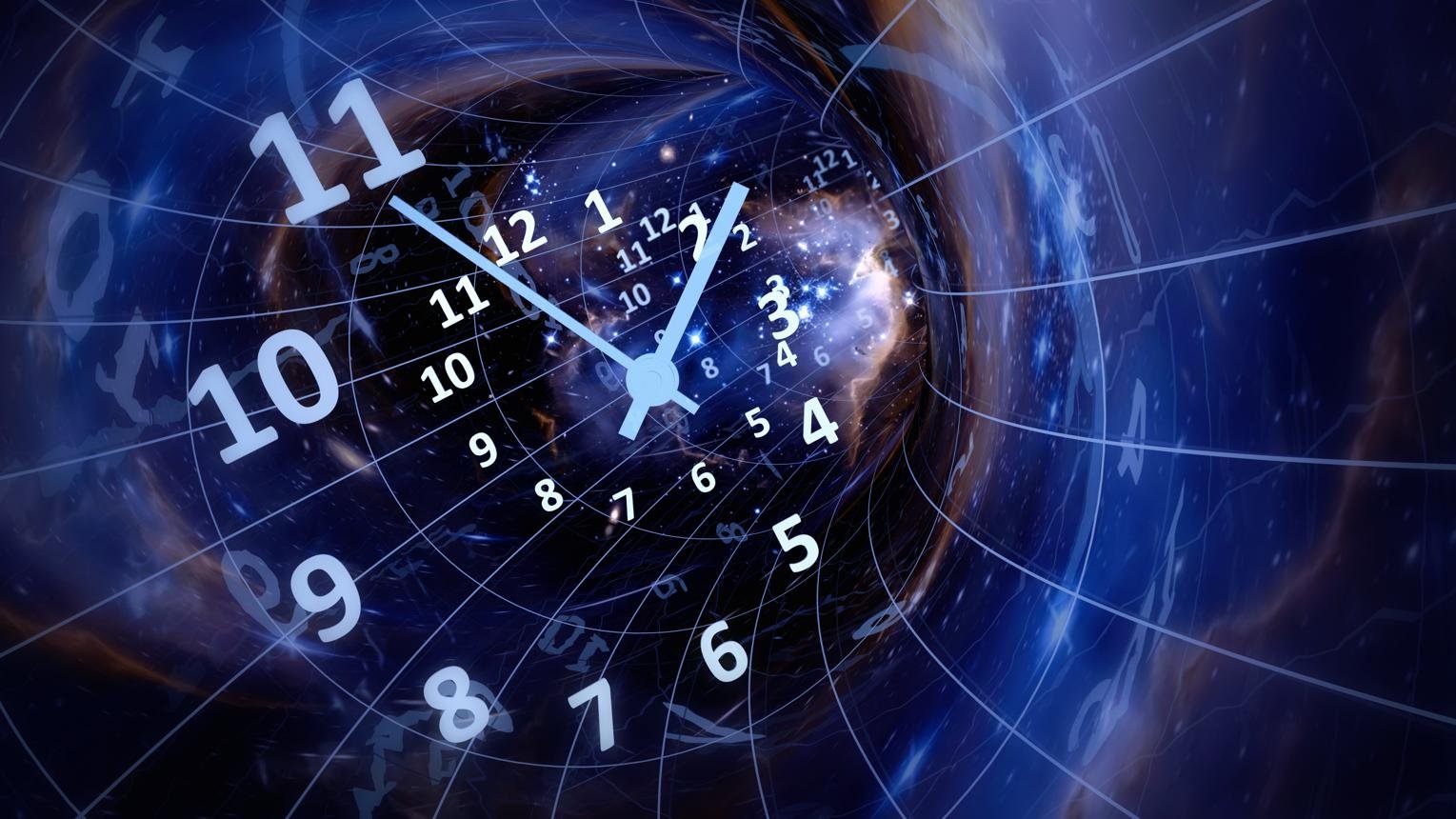
Tag: Interesting Facts

  • ๐Ÿ•ฐ๏ธ What If You Could Travel Back in Time? โ€“ The Biggest Mysteries of Time Travel

    ๐Ÿ•ฐ๏ธ What If You Could Travel Back in Time? โ€“ The Biggest Mysteries of Time Travel

    Imagine you wake up one morning and discover something unbelievable.

    You can travel through time.

    You could go back 100 years and see how people lived.

    You could travel 1,000 years into the past and witness ancient civilizations.

    Or you could jump 500 years into the future and discover what humanity has become.

    Sounds exciting, right?

    But then comes the biggest question:

    If you changed something in the past, would you change the future too?

    And what if you accidentally changed something that affected your own existence?

    Time travel has fascinated humans for generations.

    Let’s explore what science saysโ€”and where the mystery begins.

    https://images.openai.com/static-rsc-4/MMEEDDCPs_HnCYlk3GpjziSZUwrp4E4_9yQf_NHMi6YslcaTh50y8jru2NCOzGWgluV_CFiQowiPIJXfxM4B7M19TpB8Ch1xTmVJJvqLySb0ODfw9wUh5eqArWGEC0ctpk0dEvCqn6hxb8Y0_Bu9pudAOn-DuFo8PX6R-THz9GTJrwFL-g_T5CEhhxkHUb4w?purpose=fullsize
    https://images.openai.com/static-rsc-4/v2sBW0hU84KmJQluEjGXe57aJJBtTypPcITqj1PdYGig2rbTzEZ7LNF8a0eYtw2Bv1PTlqxNBgfyq8Bwvp5Hv7cKUe4_xqgiAw10HNrvJ-yy5jao5j1vjFKp8-ol6sPkDcmrVpxLBTIFgXquHWi_ldLesHZWUEULKM-Wa-QbB0XdibvUh2xSZKFkrF_v4bqK?purpose=fullsize
    https://images.openai.com/static-rsc-4/RfoR7Kuyc2gb81Wmrsr_ga8HPO8wEq4GWfgT5ewdgsBJZi2vQtIMHURyfNbGzZT7EIXigRfz4kPGbAhABkavJztnWly8cYwwiCg7c5GPOg-ldWDC4AytyquNiCMliv35qvWMv9aeV9Q0mbXLnud3xRvS5qp0aGYgtX11sTQjwrtVv37K2ZJZUMyNKG8wzJbA?purpose=fullsize

    โณ 1. Time Travel Is Already Realโ€”In a Small Way

    This may sound surprising, but physics tells us that time does not pass at exactly the same rate for everyone.

    Einstein’s theory of relativity predicts that time can pass differently depending on speed and gravity.

    https://images.openai.com/static-rsc-4/AUagSSqRHxwyEoBT7UsDrrhn8Pnfissth3T0KXYfaH_AmbPmUvAqybTC_WK8MV1ODg_hQU6S4xCteDOfNa5bCOiW1AKmVCbHpzoTZb9ogKOG8il_3ehhOHo6FUut3oUxYYkaY8VSrZgfFqYOetKvkGtdOUY5YPv9MfCphWcqhPEa3TJyZbyd0jLRiTAgLB2u?purpose=fullsize
    https://images.openai.com/static-rsc-4/E52rwcnKB1z7qIAQhyU4N__LbfKwE-pA8vkw2BaedS9jdYNNjsGaux6rSeHJ02uoG2dDsm1bBCDeJlzl5Hs5qMCemI-zBwZw2o-JvNV-nWXJOBzisCalSN6pMzXlazq3xmlnCTvyMkIVpc2uOY9adqEGGEdu6J_VAr9L70rk6FPAVoDHGHyPfz0bD9HMxlgO?purpose=fullsize
    https://images.openai.com/static-rsc-4/02UFWX8UVdjLM9v5HFjUcDhwSD2PDfArw-npMLx9qERzVRe8jushwa744cvXaHSzOYV4-sZpcNBGPkuXeUeOWnDaZ9vYLbyj1z8gqpfTXKUwjbENupMskpBbGTZQxMcS7c3PeD9_F0ywfausLg0xYjPSJiO9DEQfkkx5f8uknlxWaxPSMQC3knKSml-v_FwM?purpose=fullsize

    This effect is called time dilation.

    For example, extremely precise clocks flown on aircraft or placed at different elevations can show tiny differences in elapsed time.

    So in a very real scientific sense, different observers can experience slightly different amounts of elapsed time.


    ๐Ÿš€ 2. The Faster You Travel, the Stranger Time Becomes

    According to special relativity, as an object moves extremely fast relative to another observer, time dilation becomes significant.

    https://images.openai.com/static-rsc-4/9ulCA86ehVxmbW1FhqYnkby4RFAKGDchpCWtyC5YXI4IdFGqOl4NvOysy9mdIEVeKf2fl_6D7ZQ7o-HM0yBaYirqCW3tLsO4isIuFyYVjRdBgk6rQcUgiHIh7FdNVH5nYq7j3dBFNGyAM3QXkaTFiGgfp7VBAZlMBf4GyLydKmcwwCMkFVk3JKzS8CJLIIq-?purpose=fullsize
    https://images.openai.com/static-rsc-4/6mfi-Q7573--f7MhDgkOH0NxRjotU--X7Ky7WvIDLFvxI1c3EjN0F_u1laQXXTDLqWa3Io_47ngX8kyiplCT003n-LKtdnEjBeTxc7LsqVZj3kaOPoVkIyVL4T_UKBbkGzfmJ5bWXIt2IeiDvDN_Z08b1l0SamZufaMjn_bZEUbooCzXcXjeCxdwkUV1QqA_?purpose=fullsize
    https://images.openai.com/static-rsc-4/hP41A8XHB_G0cNBhcoFJvTCgRuSWZBqfxHibu5aUh_IFqqzuzkp8v5e3_QdDNdPTQOZ4G4NI09Va710V289tUTh0OY-cIjYD4jifuQQLckbYlurUNVkMezxsrqk5-yMoPbcIUFHFKnY3amZ1Kq4yGaobkRgwLcRG7uwJ7MlWuEQ5YUFXJQJMWUIJy7j9ysZb?purpose=fullsize

    If a spacecraft could travel close to the speed of light, much more time could pass for people on Earth than for the travelers themselves.

    Imagine leaving Earth and traveling at an enormous speed.

    You might experience a relatively short journey.

    But when you return, people on Earth could have aged much more.

    ๐Ÿคฏ That Is Basically One-Way Time Travel

    You wouldn’t be going backward.

    You would effectively be traveling into Earth’s future faster than people who remained behind.


    ๐ŸŒ 3. Gravity Can Also Change the Passage of Time

    Speed isn’t the only factor.

    Gravity affects time too.

    According to general relativity, clocks in stronger gravitational fields run more slowly relative to clocks in weaker gravitational fields.

    https://images.openai.com/static-rsc-4/4Ha31J3gQvMSxQpkxv2kQ7w6OZCAo2cvMDb2NiASmB4cdDMnHidOeHfiV0HfJxYy_H1VTBR6J1jhn3vsvxTKCbYjs7ThPoyI6olWKWpJWLatCtki0ht88OGpqVb2GRtqetzVwumjQ4K0zikNh7T7Ol64P8mYWmJdXRyEW-oNbFSGfm5c4f1YoLO38Zs7ZFUv?purpose=fullsize
    https://images.openai.com/static-rsc-4/wQ3eOGwaPKRuvu94FdtZiAaruVBg78IsfIzQ3DjvztkiJ6ysDgaq-Lz9GxNxSf3tqkFxIqlc0eJ4WOVNaaASGE0-YSb5GQWrIKOQNLp2ECwwVPud1arZBbgU1oOr-g_nJSaw6aunrIF35bl3euFU5JaGoPRSDca5Tmut-usnKi8DzFJPatsL_idmFZQ9IMTB?purpose=fullsize
    https://images.openai.com/static-rsc-4/coMi0GssYSj9eCuteA3Ia_7dLqKVZrGjbRj-wIpma8pAalIV3_pPLnGvbWQkUD3pjDxkCBbyID6qb3Iot2C37tr8zystz7Vgy5FCt8NSFLLbmSjFUMxd7eCJhoj9glMe1TX1o7q87uMMfm-y-2qCHGHRgniPXd_775nHb4DU7N2c8KFA9aQqT5q-dD3tbAdL?purpose=fullsize

    This isn’t just science fiction.

    Modern technology has to account for relativistic effects in systems such as satellite navigation.

    Without relativistic corrections, precise positioning systems would accumulate errors.


    ๐Ÿ•ณ๏ธ 4. What About Going Through a Black Hole?

    Black holes are among the strangest objects in the universe.

    Their gravity is so strong that once something crosses the event horizon, it cannot escape back out according to our current understanding.

    https://images.openai.com/static-rsc-4/OWt9RZsJtFK3ErYRLL9RQz28Y80xy-vtiZuIazJEf1MB1L0Fj-fZ4AzHyW9DhJwX_wLBP7c2W-5ikFUYRjQtv1-9-_3uq7rd3FOdO0mbU1hWJ-YuBqWa10h2jbbQ8BgYGPBXPWJs7kzDBJkpJwkKmPRiAtdc1WiOOIT3eExtQMVzS9rAvQ81y_uF8rjSxGhq?purpose=fullsize
    https://images.openai.com/static-rsc-4/881461TALwLnJjubhfCz7p3-e-VzoqosDEqWZPo8pilu7QKp5vtghWJctgM1U16VCt3pcOYqxyXnC3fLdxQqH-kEyveltzjXrVh9LpN57W6hsvPPL8N7JJSBfPWGo2haYiokNssQ0WJWm0ZKs77I12DZNYPghkfbPGENj7B5_fiKokQZ6Q7QUUXOnOBQUXQJ?purpose=fullsize
    https://images.openai.com/static-rsc-4/iOwpQ2vzPW07hurXWx9Bk3p4xb8UBVkeewQenbeTLXpWijUeqpzn95qO3STvRLaVNzzvBsBEHV45pfqN-0eNrnNqenI8fo2P3rjfumYqqSaxxVbNP1utWY6pPNS_aWRttaR31v1UezGq4513N8mRx6ZkKe4TGat8FTTvWVtTMj8zm8PI_1dcp7AgzJGMtaTD?purpose=fullsize

    But could a black hole be used as a time machine?

    Not in any practical way we know of.

    The extreme environment near a black hole would pose enormous physical dangers.

    And popular movies often simplify or exaggerate what would actually happen.


    ๐ŸŒ€ 5. What Is a Wormhole?

    A wormhole is a hypothetical shortcut connecting distant regions of spacetime.

    https://images.openai.com/static-rsc-4/NgtZRXf10pi2VVqUxcs1Li96c_zAxFxXk3CEDFuCXG2y50vsC4JU9n1vwYplCItwnRAbXtbP2Q2lfUbe8hq_dMifoCdoD_PRDYocMbVZKcPgE3dNElXhpQV7H2D39K2JjQtrFAeTpG0jVa7RHVK_Fn1A_Vb7azljGIZx3i7Z8-5ONpNv_1AM2LJkKKNr_iC7?purpose=fullsize
    https://images.openai.com/static-rsc-4/_ZF_UadF_BAKMbnUJjl01L1irgNQWgKWaruSbnde4XARWiP4tjITAizFHvQX69YoS9DV1Nn47Q525KB6ATz8Ommbd8FtAuPXRQylkhPXIfrSNxVJuiZnDlRj5jrze9bB0Pe--czJ-T22Glh1C94EHEbEf2hSGKwnRHwAiYzhwxKFnHy2-y4gkjXXGhplXtog?purpose=fullsize
    https://images.openai.com/static-rsc-4/FWUz7iXzXiCbpTd7b4IqAaNanSTYGfrlqqMZg8avGWeIQuBERn_Zt7Yohv_RToiZjnZNKz0c9SPRwXobxjBXZfJvYInLFmMK-SrlGX6NfnJU5BBXS5bgq6ReHzw_7Mlb5LHyFQXjClxEamqmuZAO_ySvcPFCY3CYYeMB3TEjKBAU0my0BroLV-texEzUcLcF?purpose=fullsize

    Imagine folding a sheet of paper.

    Two distant points that were far apart could become close together.

    A wormhole is sometimes imagined as a similar shortcut through spacetime.

    But there is a major problem:

    We have never observed a traversable wormhole.

    They remain theoretical possibilities in certain mathematical models.


    ๐Ÿ”„ 6. Could a Wormhole Become a Time Machine?

    Some theoretical physics ideas suggest that if the two ends of a wormhole experienced different amounts of time, the wormhole could potentially create a difference between the times at its two ends.

    https://images.openai.com/static-rsc-4/QZ-yGZEPJ7MzWYIdM3FNscQ5af8d9zP1rbJnT-_Eqd59_v2_-TWKXUH-ARfRoykbAmajp8scpFM9SRm1_cdmt5DuszppN4tmUi2xu5p3unVHdok6yETrZ6G0qzNFjaLgcxU8zJM26So4Z06QYynA1vb2Xm8L7zpz5bYIP3EhjTiQ7-3bu7diMdiTeiKATS3l?purpose=fullsize
    https://images.openai.com/static-rsc-4/HBYZf0gI6pGSrfgw10BF8bWrGxXuXVordh1RJLPjXiykoettoa8t1vLwqf6MHf4FWwDuHR5cfv0QG8qUb6atEQUn7sRW_-F8g-jsq9GQIWKbJEVX5hyRVtLsPN37gOgixMLZNJzjhak_bdupZCK8GlL1_qaSFkeA3dzkwH7mtLSLVs8bU44lzGFHEvc05SFC?purpose=fullsize
    https://images.openai.com/static-rsc-4/X_mSHzVFnJhM4Nr2Rszmvb0sbbm8Gzd4ByQg-XHGOsRkb4u1BVu-XO8ndkYfpxD2oMxmj4fwMBx_xobSO3u3Ouyo_ucCetBNQhF3WSE7j_EEcS_khilC3-NK-oHCy2F3ds2mlTS8D9UAX03v2jg4Kn84dAtUYONTHhkt7dkuIgmYUcjsMwYO0oCRvvBLBLLe?purpose=fullsize

    This leads to fascinating theoretical possibilities.

    But there’s an enormous difference between:

    “The mathematics permits an idea.”

    and

    “We know how to build one.”

    Humanity is nowhere near building a wormhole time machine.


    ๐Ÿฆ‹ 7. The Butterfly Effect

    Now imagine you somehow traveled into the past.

    You see a butterfly.

    You accidentally disturb it.

    It flies in a slightly different direction.

    Could that tiny change eventually affect the future?

    This idea is commonly called the butterfly effect.

    https://images.openai.com/static-rsc-4/2oJVPXGgH9acfMSJD9wgQkKk1U9Zljs19ds1d_8JKvIHPN0kjacls1tvoJ4DrfPFwNoIdPked1R8zj57nYmqIUyX8pfDaUE6HEHEoNhNWBwYt56u6MZD0zkYUWLfun1x6uc1TCnRtZH8ips5HcjHKLYBLQJnegtknscHqXQHzmWPiugLtwovSusFbof437R7?purpose=fullsize
    https://images.openai.com/static-rsc-4/GeqBDT9QTboR4OWgAAKndqTLwaUCo1oPpONgh8PuAepvDHAhrMnjtXvuNjqzFg6iuT27M08da49bEoQrrA46zCWfRoi8GB4foqm9nyNFSSVi3C7vrh4njrIMqDi3PlrEmBNjoudWAcToZwzgWZpgkdwwzWiPmPQvr8_WOFe8IzgAJvPb20TbeqkYAFgd8s5I?purpose=fullsize
    https://images.openai.com/static-rsc-4/lclsdvCYQQ16V2f0nHVYjjNAmEtGjlfw73_UdbnR9QUL8ySpYGOBEv3TzQZ0JUm9ke0-q17m9PyAj1wSUC_-TCFBAFBB0nMiT9SK4Cd4fYy3EywXvOyR3jaTsaVXLNCutMYW9MnLBz84R5DCtnlW9SCiV7UjcQX4zlospYtvSFKISwYE-2i0Cy1xU9w4Kt7S?purpose=fullsize

    In chaos theory, tiny differences in initial conditions can sometimes lead to dramatically different outcomes in complex systems.

    The popular phrase about a butterfly causing a distant storm is a metaphor for this sensitivity.

    It doesn’t mean one butterfly literally controls a specific future storm.


    ๐Ÿง“ 8. The Grandfather Paradox

    Now we reach one of the most famous time-travel puzzles.

    Imagine you travel into the past.

    You somehow prevent one of your grandparents from ever meeting the other.

    Then you would never be born.

    But if you were never born…

    Who traveled back in time?

    https://images.openai.com/static-rsc-4/1N8O-p5wSd-_bbXYkSVdIggjmO7isIYH3LFx-T1jWXK7ROn7YirhIDcme_fNdqekgaNpLpnI2_-R32Ghfy-UWPh91lVBr5GIU6YmpNyA47143Fn_UiRq_S443dqjW_EZ9dFFx_EJx8gg2622yfitpWuU83ki4BAbAFO-gsEIT9878-h3GU41vnVLp2_H2n9q?purpose=fullsize
    https://images.openai.com/static-rsc-4/I15C9XnTKUoUaA1zHoaUKUK8GHyHFIAGnEpejtEt5xR4NSwSrldiJZneLB00Rybk9IlLOv6cF-yggp00TiM0kj70teqzuw2-y8MywzkEYdXBNNH3APrlxgl_V2uEUNWfFpgUTkLs3S3rppqx108rel_cwGzE1wI9_11iye0fWGJp8Z_ji2vCdz3lN_w0vWVb?purpose=fullsize
    https://images.openai.com/static-rsc-4/ACHb2n-dF-wmNO4LSe88uMHBUJeyxaOU3Zt7bvhLt5vDiBz283M3yQjp4xhA3UGxzwSoWprY8esC1oasoRw07OmKO3S4pyoWWGDYxpc8Tfd6IOOvPX-EOsDHlsxKp8AxWBk__6INeaOxUPfAqZw09-bQFEtXjQiSRt-otgz1ZaVbwIX9XIzsAbn7Kl5Q_-SS?purpose=fullsize

    This is known as the grandfather paradox.

    It illustrates how difficult backward time travel becomes when cause and effect are involved.


    ๐Ÿ” 9. The Bootstrap Paradox

    Here’s an even stranger idea.

    Suppose you travel into the past and give a famous scientist a book containing a scientific discovery.

    The scientist publishes the discovery.

    Decades later, you find that same book, travel back in time and give it to the scientist.

    Now ask:

    Who actually created the discovery?

    https://images.openai.com/static-rsc-4/E8tsGC5DTWNBgtkn5kwzfXZl_Dd4hQZuSVnA-XPRUVhb5OVbllAXrMJPETd93Cyflt9Rk1qktL4JtHrNhI5IHORrCLN9yIP2KX4H5TfhYh6w5azEEP2HcDH5JlQjczX5FCZA8ZVhVSfVfTzwLjqpKtGFKI8JKn5uPCiosLGvfr-jVVn1Oj3QD7DqcIjouo2x?purpose=fullsize
    https://images.openai.com/static-rsc-4/Cuw0t6jzSyqa__KbbGiw8vKVjiRqnRC5NijhPNx8CS5Wts5gCjqwC3Em1j4RNdaicC9rFvmmLP5sLCcwoaoi4MQCzlhwhdX49y7Fzo9nP8YF5jB-pTFq8-Mb9PZt_kidxC5r4fbuHNMfigKui0LKCwde-kEI-IcATCSomz8b56xzKN2KkpJpOX0zWxxfucv_?purpose=fullsize
    https://images.openai.com/static-rsc-4/I15C9XnTKUoUaA1zHoaUKUK8GHyHFIAGnEpejtEt5xR4NSwSrldiJZneLB00Rybk9IlLOv6cF-yggp00TiM0kj70teqzuw2-y8MywzkEYdXBNNH3APrlxgl_V2uEUNWfFpgUTkLs3S3rppqx108rel_cwGzE1wI9_11iye0fWGJp8Z_ji2vCdz3lN_w0vWVb?purpose=fullsize

    The information appears to exist in a loop without a clear original source.

    This is called a bootstrap paradox.

    It’s a fascinating concept in discussions of time travel and causality.


    ๐Ÿงฉ 10. Could There Be Multiple Timelines?

    One possible science-fiction solution to time-travel paradoxes is the idea of branching timelines.

    https://images.openai.com/static-rsc-4/ru0t0VtXrpzI_J-Gin0r2AcFqc9gQujL4gccJfOr6j0uKWXgUo4QBhU_X4F41tEkvZendTFF0kpDYSNQOR10gP7hI_PMAgTIWKeYb_AnYZLhat50qrBFhB1XNb2rwLoFfPhtp3oPL3eR607sMNl8pez7fQ6BWF-q9B-0XCNOLKFrSdaJi85Mrs6IbCb3I7bx?purpose=fullsize
    https://images.openai.com/static-rsc-4/2QKzOS9CYRfKyO5ibtaW2iqKN9ciWujk2ycmBfXuNT1aOBjwBXSaB27CFTtWwU7Fl0CxWMo_IrTzBepZuOgPNzQHtdjEf3ruXVNFvX9gCTfEUwvkwjK2TnKz10gTJ2oQtmNJcTtNrL2a0Rq3r62-iUTyRXA3jrKE0vrtCfyUwngRpcPT_xDliK1IBviyvOFJ?purpose=fullsize
    https://images.openai.com/static-rsc-4/8HBQf6f13MJJOgMasNlttRRhPc2m7x98zBAswOrzZLmRGLauTXhglqgHFw_4yFSGadQeod_KMy4ukpIZJKaayOXeWbVlCnQuRhC85rayVajx-j_v0rFIreE9ZnsjRtWNQHekPuORHwEeo0lvKlWNjSSD-M8FQG7Soz_iIdkahxSZecx1rGFqDNHFT5Cp0lkR?purpose=fullsize

    You travel into the past.

    Instead of changing your own history, your actions create or enter a different branch.

    Your original timeline continues separately.

    This idea appears frequently in fiction.

    Some interpretations of quantum mechanics are sometimes discussed in connection with branching worlds, but that does not establish that time-traveling people can jump between timelines.


    ๐Ÿ•ฐ๏ธ 11. Why Can’t We Simply Go Backward?

    This is where physics becomes complicated.

    We experience time in a particular direction.

    Eggs break.

    They don’t spontaneously return to their original shells.

    Smoke spreads through a room.

    It doesn’t naturally gather itself back into a cigarette.

    https://images.openai.com/static-rsc-4/GSxa_eZdpU8SxVC0GN83TTU1whr3rEawXOt6GgVMcwH6z0p-ERhMnvMWtiFRA5ooHIaE0Y1kVT8aomnRhgx_j5Qm5aTIKUUEwWfK1ub-e43nGG1qpSc59QZ_hVyGeSwVxRac175-SEatyHJViSt3qaZnn-Hcs3KbUG_Qvvo03ZIk747AsYb_eq5b39YZ0iBP?purpose=fullsize
    https://images.openai.com/static-rsc-4/ymT5rDBSIpDi9bzYw4REomfI1qL5jfSIpMnuJ6ZNuaJnn6LvLJLDSwDGmpq7kuyLU-gkzPGgKsQwlRxEuVdRI7ezKnEH4rV2TizkDC8EUoMKJntCjFG4LGJs99jnfy27vUZ4HcvajoMmS2vA4FHtFk4WIW1MUWXYLyJrQ8izLf2uhGzLccIAQnRc6P8BYnfU?purpose=fullsize
    https://images.openai.com/static-rsc-4/Rx_VC8fu22XYJBt0w8otN_hDoAGCDmiLeDAIWQLiiAhQAC4jlnkNCnxqKm3gTUZUNqgQk0zfy_YZOy0bXVfzSZDJgYx7Mz_g3bLXoWT6whud65U_bNJB78qVoMPPWl0bcFujU6v4GqjMoNqdFWZrICVvhMcTxCR6IR-X6uTQ5tb1Fse526CIE5PIW3DW3pBh?purpose=fullsize

    This relates to the concept of entropy and the thermodynamic arrow of time.

    At the macroscopic level, many physical processes naturally proceed toward states with greater entropy.


    ๐Ÿง  12. Your Brain Also Experiences Time in One Direction

    There is another fascinating mystery.

    You remember the past.

    You don’t remember the future.

    https://images.openai.com/static-rsc-4/5RULNt_uvrUEWp4B8eH7y2EJEpFN8vSpjq8iVFrWUOfVGsxU0fhz0x6f8Sj5UyFuUe9cxSe45r9lqpQYrTR97YJ0XT95Wn0x5LkFZXeBLwccjRH2GYW4Wax8Rlrp569LjUhyi26t1EoKlL0dGJY1BGhJOTdz3F_Qh1TGCYiDgIuzvxix73VbgytxCYeoCYN6?purpose=fullsize
    https://images.openai.com/static-rsc-4/pRE0KNSHfopFj6PZ3ra-_BDbtn1vExmOFTJVmsYdDt2kgodsuuxiEiQ_uuTGE7CirfY3AegE-cOZv1iQOCJHY5uij62Expcxjj4SyLj7oaVj8fNA2dq-65odrnO_qmCvSPSWhhrjFxiqKBLaGSXAc3jbq9SZii36Gvn-nW10kYbC4v104reG8vPPZasIU9Eg?purpose=fullsize
    https://images.openai.com/static-rsc-4/7cMa1vGOKyGLOI7SB7GQJ4OmTm0D8YBhCR-P7FmMoKnZJUW9DOiiUTcPXsKK0f2oxbLCaBKOZcgdA7USWRa_fkS9XksTgw4sgyAQQOq_ebXb1bziTvCjtI9BFPtb-Okw11wm-PWDxJhVjgWAbaUhJ6gaP93jNkjIdkFP3x_MsxtPBLbsKDCzNXBnHEOe4O72?purpose=fullsize

    Your memories are records of previous experiences.

    You can imagine possible futures, but you don’t have memories of events that haven’t happened.

    This creates a powerful connection between our psychological experience and our physical understanding of time.


    ๐Ÿš€ 13. Could Humans Travel Into the Future?

    In principle, yes.

    And this is the least science-fiction part of the entire story.

    If you travel sufficiently fast relative to Earth, relativistic time dilation means less proper time can pass for you than for people who remain on Earth.

    https://images.openai.com/static-rsc-4/d64EF-e9G45ZH557yxa0WzSIYgVGz_MUCXlYeX2IqBs2XJIB_1-1JXH2fFzpl5OI2W9enIKwyF4jdEkfHJo8HO5tuk3M0YAXHbXGFZhCvfTIVM_SwciauEG_ViKVm_JB59yQXlQSQna807rbZNmjtpwy-VMMTaJhf78Z-eXGZ0i90U0ntp2gnI4QoXCrY73I?purpose=fullsize
    https://images.openai.com/static-rsc-4/yupLNYasv5SwiodotXqhX5eJQeuyK_Q3iOt5OAYcgGinivcD7ZZcBKiUmuHy6EV1jXI2Gdnewh1WyO-Ao9GY6fdQWoW2F-6X7cf5-4COaUsCqzf0chhaQBNq-BymFh2ERcmSLiHINWuVHkfPHgIETzCcFDVCa1QqjunLBnxAWXHea7q3XahdsOnU-ir0gYDM?purpose=fullsize
    https://images.openai.com/static-rsc-4/_I1Ko-I1w5j6rgiDdjQ5CwUQtOyFtPqjcuP4yu17CJ6ITviNvyEfonOtzVVrbvlAUvxbnfUu3hAJFBpFChbLoM_S2HObewYfwHOJ6v1zm3zrUmwWeqNd5vw2hPbYx155kKZ5H467j0d4rmolVAUjtMlxt50FptDOmS02DQHMBxFfdkMzmrBcp61OyEhgl8gu?purpose=fullsize

    The challenge is enormous.

    We currently don’t have spacecraft capable of carrying humans anywhere near the speed of light.

    The energy requirements become extreme as you approach light speed.


    โŒ 14. Can We Travel Into the Past Today?

    No.

    There is currently no demonstrated technology that allows humans or objects to travel backward through time.

    Ideas involving wormholes, exotic spacetime geometries and closed timelike curves remain theoretical.

    https://images.openai.com/static-rsc-4/THPKer4RGaGQ5cTdj_I8JtNuxvXgl4EbSHo0T82x-aZ0J1P61vpdVisShfNfJDjoVd9GX4dullCCBx2HEVaY1zwjENtXDsNx_mnmt_5T97efkVSuIHV_nb5tYvqhWYDB9mAjzMroUBzgMnNWUvOaI2JqFPiTpTbEXWOZUyVrjli9I7TE4IOE8kPsRNVRlFDE?purpose=fullsize
    https://images.openai.com/static-rsc-4/Z1NjwCOB90AnW5xWh2CB3TDmD5hOVHi4q15kjyjbfTZRA21hgJ6i7UbGaWt3UMYkOm6T83sB5ntHRo4dNdk3qwmDlEjFVUwnA0YuWeMKTo5FGy4SM-MCQSbIDBT9CVZtIiRpYEvmRTi4ZhwHE6d0Zxan14Z-iol07E7oxC03Fd5Ed6V0y-KXmNcdN03lOsNl?purpose=fullsize
    https://images.openai.com/static-rsc-4/aOfbwrjad1b3mTXDf9H2Y-0UU6OHGfyKpMaV8q_F24Y3WaxexWIklb0SW0IvYypICLHWrehvmRCgg8QGgNy0wQa-f_goqbzvj00C_Ur0tGCDeO5ZwSTMQSpEaac0Rmc9t0znxgWo1ETT-9C9VD1SHdL_Oe-geiyKNBEJfMjf_aVy0Asl0nnYDRmyqXssR8N9?purpose=fullsize

    So if someone tells you they have built a real machine that can send you into yesterday, extraordinary evidence would be required.


    ๐ŸŒŒ 15. The Universe Itself Is a Time Machine in One Strange Sense

    Look at the night sky.

    You aren’t seeing stars exactly as they are right now.

    You’re seeing light that took time to reach Earth.

    https://images.openai.com/static-rsc-4/iQVsy4Ev0pSksw_SbGN5m138Q-nfDfBSCyH7DvTGlKfaN4BnNuk57vVftzCVrrLS2NqJZ_68jrs9-vURqUDurEtYJ_O1Mi4_w4FoV27KQwc4bl1SrX53jGynVXWTP9Ra18P9cShFhsbjcatVQiuyb3xwzzKmZz2rwID9oa3dOlnUyn9_fzR2JXcgHkpk4KSb?purpose=fullsize
    https://images.openai.com/static-rsc-4/Emy1TQZSz82nWy0hXH6KAoNdY30KSeeG-rSfIQ8DTSEVq2aOl3D_RZ1ex9At8FXcObV4ouaMqL_1O4OlNSKUgYwtH9UZVCX5PkbwX45n2WXSPgHMUOInBELxlrYyFYp61VRr_ZdeBdIvWP78aEJ4NMOvpiAfEe8a6YnOYzx1gUef0kGXNvvlWz9b8Z0mILEZ?purpose=fullsize
    https://images.openai.com/static-rsc-4/-WrpCwxOkvSMicD07nfFK-Z5ve6GgruebdN0qlrxkkOvLgds2smyr9XKDVHZzZClwlJ2XQdRb8JRZ3fASljt0YCiGHuoXRUfZM91VW9zJ5c3G8v_oJh76ftwpunIENGJjs_ovCuBF6ghPqLVUrsDwlnjms-3Vt6yfVMpGGGKRq2qa_LNuxojZT8tuxzjgUmX?purpose=fullsize

    The farther away an object is, the longer its light has traveled to reach us.

    So telescopes allow us to see distant objects as they appeared in the past.

    When astronomers observe extremely distant galaxies, they are effectively looking billions of years back in cosmic history.

    ๐Ÿคฏ Think About That

    Looking into space is also looking into the past.

    The universe itself carries an enormous archive of ancient light.


    ๐Ÿ”ญ The Farther We Look, the Further Back We See

    The James Webb Space Telescope and other observatories can study extremely distant galaxies.

    https://images.openai.com/static-rsc-4/5PlD4AEnfKeMb3LuAjFQZnlQj_4vQsxPZZoUDzfax4uB3pi2fDN_ID8gxOvbIatpM-bNrW53YD39rMj-UI0lvyQM_tj9EbNH2IMl5HUlBx0lM6s46KZgrOg2PR-ZrZ5Wrc6hL7P_UE6a_G-I3C9ya2ESRwMHotZjIcseQNW3eTp4I3nUXOOsZvxGEBf5Yl55?purpose=fullsize
    https://images.openai.com/static-rsc-4/BO1rjoROLoQ3Dy58HnggEeDGJ1kGLQ-4Fsfoxe1SCxm5YqYRVsQ18MxcqFydrlG7nCPUO7kdPE6r-CHRAY0d5i-OzODLfDt274zmkZdRg-4aRCgZuoZt0fB5OqaSGVm4MB0LIkr8wQ32SPYHkLwIPWybPo91ZjtQhU0tCiykz-wWEWVmYPt8UKCH0gGTK2Vk?purpose=fullsize
    https://images.openai.com/static-rsc-4/3SGegp8VhotqHNj3N7U5azY8i_-09iKB2lssRyBZ0-EK6wJko9mZikUiD3ZAa_V0gzqt7EL3PDV9PIaVsR3WC28zCgaw9WieO5Xg7g2BD6RGIU1LSOUo66cpTrG0Gyxdf8GJEzwBdkpure45SjZ30juc9MX5r767UBT1tUmq3uBbI4aFfVUo9HFbGVG6hLQy?purpose=fullsize

    That light began its journey long before humans existed.

    Some of the objects we observe existed when the universe was much younger.

    So astronomers don’t need a traditional time machine.

    They use light.


    ๐Ÿคฏ The Biggest Mystery

    Here’s the truly fascinating question:

    Is time something fundamental, or is it an emergent feature of the universe?

    Physicists continue to investigate how time fits together with gravity, quantum mechanics and the structure of spacetime.

    We have extremely successful theories describing many aspects of nature.

    But we don’t yet have a complete theory that unifies everything.


    ๐Ÿง  Time May Be Stranger Than We Imagine

    We usually think of time as a simple line:

    Past โ†’ Present โ†’ Future

    But modern physics gives us a much more complicated picture.

    Space and time are connected.

    Gravity affects the passage of time.

    Speed affects the passage of time.

    Light takes time to travel.

    And the universe itself has a history that we can observe through ancient light.


    ๐ŸŒŸ Final Thoughts

    A real DeLorean-style time machine doesn’t exist.

    At least, not as far as science has demonstrated.

    But time travel isn’t entirely fantasy.

    Relativity tells us that time can pass at different rates.

    Fast-moving clocks experience measurable time differences.

    Gravity affects clocks.

    And every time we look deep into the universe, we’re literally seeing the past.

    Perhaps the strangest thing isn’t that we can’t travel through time.

    Perhaps it’s that we are already traveling through it every second.

    And unlike a movie character…

    there is no pause button. โณ๐ŸŒŒ


    โ“ Frequently Asked Questions

    Is time travel scientifically possible?

    Traveling into the future through relativistic time dilation is supported by established physics. Backward time travel remains speculative and has not been demonstrated.

    Can we travel faster than light?

    According to special relativity, objects with mass cannot be accelerated through the speed of light in vacuum.

    Are wormholes real?

    Wormholes appear in some mathematical solutions of general relativity, but no traversable wormhole has been observed.

    Could a black hole take us to another universe?

    There is no experimental evidence that black holes provide usable passages to other universes.

    What is the grandfather paradox?

    It is a logical puzzle in which changing the past could prevent the time traveler’s own existence, creating a contradiction.

    Why can we see the past through telescopes?

    Because light travels at a finite speed. Light from distant objects can take years, millions of years or billions of years to reach Earth.

    Can humans travel into the future?

    In the relativistic sense, yes. High relative speeds can cause time to pass more slowly for travelers compared with people who remain at rest relative to them
  • ๐ŸŒŒ What If Earth Suddenly Stopped Spinning? โ€“ A Terrifying Thought Experiment

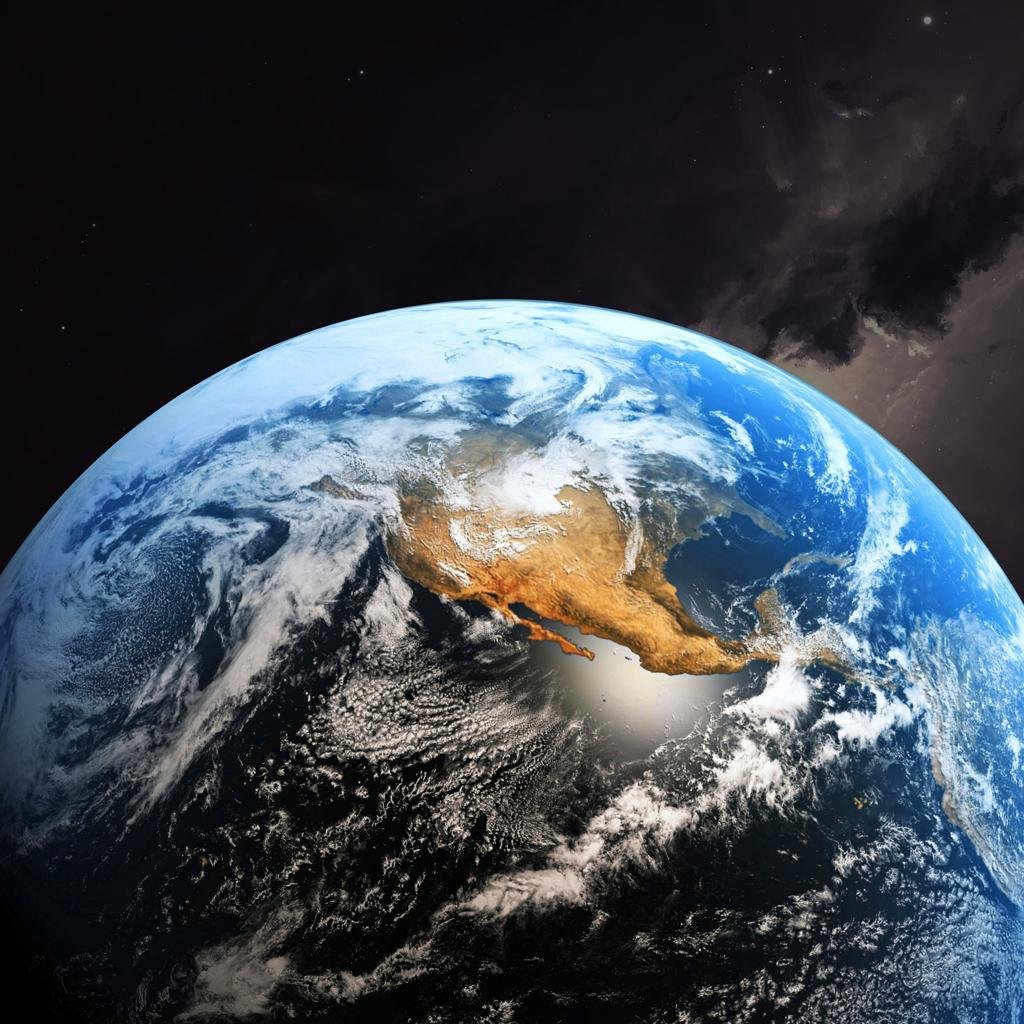
    ๐ŸŒŒ What If Earth Suddenly Stopped Spinning? โ€“ A Terrifying Thought Experiment

    Imagine waking up tomorrow morning.

    You look outside.

    Everything seems normal.

    Then you discover something impossible:

    Earth has stopped rotating.

    No gradual slowdown.

    No warning.

    Just suddenly stopped.

    What would happen next?

    Would people be thrown into the sky?

    Would oceans cover the continents?

    Would one side of Earth become permanently hot while the other freezes?

    Let’s find out.

    https://images.openai.com/static-rsc-4/9nsx9XNl7ffcj_Y43sV2dUSJ4hNb4fCVzYy48uypkISftupK2iQYqFWw0w9YFonxQmyT01a_-P5H4ZJp6V95KEVs7kY-Ac15fLzI95i02A2SYLwnmqZi4afFgwAsNGnmHGyq5boCRIa8troWDPvhHIzg9RRZDJNF8zRjYQ7fCVy2uUYUI4y8hQ87zfIWf4j8?purpose=fullsize
    https://images.openai.com/static-rsc-4/jSayPjwCjhvJD4RbSOnAmhPHAjmfu7boATOetVwQV3vU50fK3AVMjEPNDCLIlnrP6MeevPMfxSev7Jhh6HrSj4ITfr_kVzbSAdnAXoK4SqORvB6H8JPVV8FIn1BuMDGmUoFrLH79pvf17bC8VKMByLhOKJOa9ulkd9e3jBzHS3PSfwszpLoPwhD3vIlhA6tI?purpose=fullsize
    https://images.openai.com/static-rsc-4/vZ6rwVtKXOXmCLnOS70HRJJA2lpaTQvLHfpqLuc3Y88hIOCOolDLzCXWtQM8xr7fOgghoUBdfRbfpqo4nMqkaasRgHvgLwaa4kNcgDu0c_5JMctj_djJ3Ekn3hgnvPDovr6nRFPVV8iImBNGR-dmxaPC8ICxgDTX3JtH3amFTSS3JMS8zDuu5Qf_llF_K3_z?purpose=fullsize

    ๐ŸŒ First: Earth Is Moving Right Now

    We don’t feel it, but Earth is constantly rotating around its axis.

    At the equator, the surface moves at roughly 1,670 km/h due to Earth’s rotation.

    And yet you don’t feel like you’re moving.

    Why?

    Because you, the ground, the atmosphere and everything around you are moving together.

    It’s similar to sitting inside a smooth airplane.

    If the plane is flying at hundreds of kilometres per hour but isn’t accelerating or shaking, you can sit comfortably inside without feeling its speed directly.


    ๐Ÿ’ฅ What If Earth Stopped Instantly?

    This would be the most catastrophic part.

    Earth’s surface is moving because of rotation.

    If the solid Earth suddenly stopped but the atmosphere and oceans retained their momentum, enormous amounts of air and water would continue moving eastward.

    https://images.openai.com/static-rsc-4/JToBet0Zs1AF2YW48ZlXIWlLAtPvN_pyweaKPS-1kmtpJMy9d9lI9lxI6RSAk_pZjUgDKrXVoqc26Ngno9u--X08i-hzJjNaRrFOqyInuZu5wyynFFq0mvXPc-jewQ7dWImnVPp9enW80k8EbJSmg1qxA_JWXKU_mhbY1WDF2yF1EOGNCT3hUzyFPNJG92Gg?purpose=fullsize
    https://images.openai.com/static-rsc-4/9dKsnPmumvgxIoBKYf8OibljKNqDrQol4Jzg-joYgRiZ08nTpMYSpaqc6vxiOs-cOrGELjrwihFYqVGvImXs8kZC0Css-h5QABupMNJCV9FH-8d2ANTrsa6CtKba6i7qfUPXvbTiCwQ1zLViEg6Hnyi0C4R9N0fAbynQujtIvG-0jeMxhuukTIE8RHYxVeJX?purpose=fullsize
    https://images.openai.com/static-rsc-4/afymRwGZlSU898SBOouLOHjx5PDMavyVr0Vaa-PCZFsc72Y1goLsCXo_aVRn0ZeG_hB9qwL0RTYtSsT1svbJRynduSIR9OJvv4VJAL09b-H5FNDrzTpUNjeuxynwBqq3r8Ybqc7yNl8zn5wWoqMEiRjJDq6-uyE6O-lfpv0sOmSeuEYklaiIw0TOJktSfxf5?purpose=fullsize

    The result would be unimaginably destructive.

    Massive winds could sweep across continents.

    Ocean water would surge across coastal and low-lying regions.

    Buildings, forests and infrastructure would face forces far beyond ordinary storms.

    This wouldn’t be a normal natural disaster.

    It would be a planetary-scale catastrophe.


    ๐ŸŒŠ The Oceans Would Keep Moving

    Here’s one of the strangest consequences.

    The oceans are rotating with Earth.

    If the planet suddenly stopped but the water kept its rotational momentum, the water would continue moving.

    https://images.openai.com/static-rsc-4/yZZjGhc49yj2fbBpflyMhpvZkQc8RA1R7OrwHc4n9EsK4xCPnlR9Lel-9yH636v2fc_qyR9tO3c97pAY3o9rzRzjUzzf-9oJOup31dBQdOkLiAsp3NykSUnQyn6z14GLFMqElb23j-LL_IhGqy79jUBmNd9pj8Xm6tVS94mV0LqKEB-eeWqjcAjh09MW9iQe?purpose=fullsize
    https://images.openai.com/static-rsc-4/uXXDuLEjrhCmjoZ1ZYBuJgQ-kQ-4NA83t3eykgsQpjEO4R_FZsErCgMxCtPZCfGS_xc4P1scL09YHn502TzeSg7AT2mlZeBVzZpdm1b0JtCsLEgEFNZnPbumj9FeXVBLfU-iJNEucl5z_Bc0aOOJUZidDvuElZ7TJaW6OKSZ4QOGrbDPfHRgFriCcqIV28Sy?purpose=fullsize
    https://images.openai.com/static-rsc-4/MK_AMPV2td9OgLAC-wumvnZ3YTVVpfbPYGWMV4uMjO1kzqRbRFr_FVRFaZAElWwNcUjxhxoNbG0CIcgOAjTrX2oWnjxpX6ZBJ9f1CZuI8VgEhbnr-CxwI977jPSnUU7aBseVrIRYgxeiddsD0QsFKlKxkd_esL2FIKAeXK5iAFXP4LLr2sK-yF45IdV8tXBP?purpose=fullsize

    Huge waves and enormous redistribution of water could occur.

    Coastal regions would be devastated.

    Over time, the oceans would also begin responding to the new gravitational and rotational conditions.

    Earth’s current ocean distribution is partly influenced by its rotation.

    Without rotation, that equilibrium would change.


    ๐ŸŒช๏ธ The Atmosphere Would Become Extremely Dangerous

    The atmosphere also rotates with Earth.

    If the ground suddenly stopped while the atmosphere continued moving, winds near the surface could become extraordinarily powerful.

    https://images.openai.com/static-rsc-4/VEf0Rasay0Dja1aM3ktrkFrcVBj3wStxmueONcreJB8H7vWKFBMZyP5NJQFT-xOtzk9dncPPxfZe1y73mhONpv1MHraoMk-IWdYrso40DJ35uSCya6CBbGW-EqXwwJWi2Sc-4-gLKMAi7f8xkn_mPj0LlOGtmgUCKd5r-hFGaITHZfrW-MNRWqA0o05V0tSe?purpose=fullsize
    https://images.openai.com/static-rsc-4/MoGbpRpl4Jt47sgrnyDXcLqZzmKyeiElmRq031OMbDJT3Z4AXh8beI0iihFXyqXXARAIwVKKxvKICbig-Jd1yGovR3qgSkaL55EUOeJFCIUH4y4NDkUC_srp0AVWT36uLCpoksoBJgyyrp1NyGqBpF3UaNt5-dIZmIwKenH6rOAFWUFScHq2cmp6jaEKL3cw?purpose=fullsize
    https://images.openai.com/static-rsc-4/NgzMiU67w45z4X3DLQ3EjwTTd2QOgluna2gbQk1z8M1lBN8ePtNrRC82kp63_fWlyoJj4-Py22OgRISRv5CKokkZmBf1nQmszrdwPiLynY4Vat5J65xvhkmr3crkk7VzN5Z5W96B_0f-QuQuT2FXHJNWqZa0vVKDncjUxJ6MpmK547hqOkNfeWmq-DoAI1db?purpose=fullsize

    Imagine the strongest hurricane you’ve ever seen.

    Now imagine something on a completely different planetary scale.

    The atmosphere would not simply remain where it was.

    Air would continue moving relative to the surface.


    โ˜€๏ธ One Side Would Eventually Face the Sun for a Very Long Time

    Now let’s imagine Earth somehow stopped rotating gradually and safely, avoiding the initial catastrophe.

    A completely different problem would appear.
    A non-rotating Earth would have one side facing the Sun for an extremely long period while the other side remained in darkness.

    https://images.openai.com/static-rsc-4/RuAUxwxaczJcdqi6se6lOlCLzz8NrLBESk8zCqKmIyf3PvxqtNbrV8MwDZafQp9OV5iEEoiCwO7rfvMzjuQFrod65OLmf_yRCBQu8zatyg3A-dRiYDF5JcB9HxgQDXHMvRL9e2f3WfOBovxFSmhN-qLfLEGKvHgHpPy8NRZll3mc91ZkdNuTF9Kl6VPOXrJ9?purpose=fullsize
    https://images.openai.com/static-rsc-4/QyArg4YGIVYZZ2t0WTYGancgC7-Rc9f9j7jGDTBX7tRM1SDtBWD-yZkOuWZRyKuWv2Z8ZMXyWEWNuAQNsfsMQSkB_64nq4sbWL-Kg7_XkQZ4yACxCd799Int095a5aHctiJQs--oTWXAuhcT7cQ8bnpl5zgjnLaogMorSd8p1yRXkevfOIKijBfzog8n_fKB?purpose=fullsize
    https://images.openai.com/static-rsc-4/QqeUpUun8wnpj9dW_x8I9arGu5oRhn_gCq_lmxk9hHT7ssDJpkLeAVFp3WJLy4Yp248CTuMyN2XP4YrGwZoCym8txGSEzryHegc5LCnuGdVkvZcaD060ec6bpTilE0Ei3P4rXs9t0smMepzxO4I0Mhgs-C-fcCB1dULTQ-eXNzM3Ci-CtbQMceETDK4JKGIL?purpose=fullsize

    The sun-facing side would receive prolonged heating.

    The opposite side would experience prolonged darkness and cooling.

    The climate system would be radically transformed.


    ๐Ÿ”ฅ The Day Side Could Become Extremely Hot

    Imagine sunlight continuously heating the same region.

    There would be no normal sunrise and sunset caused by daily rotation.

    https://images.openai.com/static-rsc-4/k_NJD3rN7e6F_jxD94_b1BhNFnWMkMPKBGLFtf6BuwsPB2F1ihXPrcqTwHy9bRIDzNz5aq2mCffaQUMYmTmkyupCddR8pUn7PvN2Om3fYJ_O0uL2oLa5ccN3jVt4wKnNYuAm_QPTVuh7xVYC66cgVXRhJO21WY8UhjA41WddjSAsgrcY4ptOd_zQ6oogsq6n?purpose=fullsize
    https://images.openai.com/static-rsc-4/L0seVSPjjl6nLNRX3rwsCRFMdwQwVo7lYSw_bEuZMP0n2UbTz0julXl8y7p8-8bGymjGzHPm5KgDq2946TExRpEcgOGCGZ9puuiJbiQ-gIi5HJHZ9HX3VVydcREchc9BIo6xDtIoEWv7uxiwCiY9uO17A6rYAVB2wh7wQ4CD6PZOyVSGnxgupYNgFH_DTBOh?purpose=fullsize
    https://images.openai.com/static-rsc-4/YQ-1z3aFM8NB24zUoU_CilXOp0TK_bnXIA_bUzE_6Xxga0MfQNpuDJk-4unVz8oXaJOjNwcQF2AiKdCqgSk-v4PsdEN3iMTzCd2TgZ_arEiY015dWcsnPj37I9GiGHV2Hs4H44spTM2RZ0UIEKSkgWUnNca9yd3F10JFMR8oxkcgVbmZMwCZsPmX-4c8Zx_x?purpose=fullsize

    Temperatures would depend heavily on atmospheric circulation, oceans and the exact rotational/orbital state.

    But the familiar climate patterns we experience today would disappear.


    ๐ŸงŠ The Dark Side Would Become Extremely Cold

    The opposite side would face prolonged darkness.

    https://images.openai.com/static-rsc-4/WAdA9g0Xpik_GNr9z1R3c9W5vd6GSZ07Kb44s4v0xyPnFtP75rsAj2Fl97st1byea1CRDn3bgF3Oz2BHU9BfRMTNolbvwvYrCXZHHX3EdUhIQ_GyqFxHKBkgJqN1FGbaF46UrgDnyRETHLHfSb8obYNzbSGirRCp1n-C_CaONB0MwEp8Cqq_iBi1hKYhEdpR?purpose=fullsize
    https://images.openai.com/static-rsc-4/OmPtVgBSKeAjyHIlKzbmc1fPyTWLeDg-8C2j6VYFOE2HvUYSzXbMqkaiU6vlmqWSQ1Y2P0pyeqX9snuHIB5LamSDOtTV5obho4p5wXXmBWchAMK-yY7yBbFM2Hbp9-S0O2fNtrwf2mA4cLgs5J-lGXtVaqVv_-tQUHhC1R-oL44b6alQfs1jgBYoA_fMttdj?purpose=fullsize
    https://images.openai.com/static-rsc-4/jxblbRnGEEtI62hcIL20ETW6z2OHf4D5mg2ZUr2m5UhzUXak604F3PtOWfVfnNnE407d5VjpOATRLk-qxQyZhZlWZdptcWOzuzFRWQurO9IGrkQDQvrNxnd7NdZTXZfehYzRteypvFxAhUqGGSRtoUKonRojL30L3CiyHCf7yPd5Hf3j0ZF1aZZuYWyP8qXw?purpose=fullsize

    Without regular sunlight, temperatures could fall dramatically in many areas.

    Water could freeze.

    The atmosphere would redistribute heat, so the boundary between the hot and cold sides would be particularly interesting.


    ๐ŸŒฌ๏ธ The Atmosphere Would Try to Redistribute Heat

    Earth’s atmosphere constantly moves heat from warmer regions toward colder regions.

    If one side became permanently illuminated and the other permanently dark, atmospheric circulation would become very different.

    https://images.openai.com/static-rsc-4/YlzesPyA0z26A14-FXxHmk_paz-NwR7Y_zJslNQRxgdMkhbZXCfV82SZVdEGPfuU0QmVOOcNf7IDyOCkbcAWBdT4oyFO8NrHAlkRA5WQFyMxAcwyAyHz2oaf070rkgGcRzKk3OH3f9eGqcayL1Y7i3gUSphAKi7lMZQtQ8xTVDCodmI6GyuUA8g8D82j_fQE?purpose=fullsize
    https://images.openai.com/static-rsc-4/AgBgLu37HvYoiteoDRghctpBV2J9cAJ9Qk6KKNLv3JKDO_jUoqF33j3-f-zj89xyBvS1vYhVGDuThT9fTKf8dbLvjcm5IzsPHLEmwOotA6JPf2TLYV9doxWOTnK3qqVDrajgzTlcyzr2NcbDYILpJV-01isOp8QeLNsKasIYyZcAh8fT-JToeFPyqwmImej5?purpose=fullsize
    https://images.openai.com/static-rsc-4/nl8j_vjNDJbfidN35mA0SWKJvMso8ocd7KU1ZBMSPrFNSj0BHhMcRC-Tuqk4Gl2FirwuT_EzSbVDerXseBWX0QB-Lr5E5kZ1WoNPpPAO7HU53omgzqTsRVICkRFXFUXScX_0h2br0UG8ZL_njQPZgK3Xwi-YvMEdg5vAe-VZVLAVV1rboXcdHskuX6yr6Vrv?purpose=fullsize

    The atmosphere would attempt to transport heat away from the hot side.

    The oceans would also play an important role.

    So Earth wouldn’t simply become a perfectly divided “hot half and frozen half.”

    The real climate would be much more complicated.


    ๐ŸŒ™ What Would Happen to the Moon?

    The Moon would still orbit Earth.

    But Earth’s rotation affects the way the Earth-Moon system behaves over long periods.

    If Earth somehow stopped rotating while continuing to orbit the Sun, the Moon wouldn’t simply fall into Earth.

    Its orbit around Earth would continue according to gravity and its existing momentum.

    However, the long-term tidal system would be radically different.


    ๐Ÿงญ Would There Still Be a North and South?

    Yes.

    Earth’s geographic poles are defined by its rotational axis.

    If Earth stopped rotating completely, the current concept of geographic poles would become less meaningful as a rotational reference.

    But the physical locations of the existing axis endpoints would still exist.

    The bigger issue would be that Earth’s magnetic field is also connected to processes deep inside the planetโ€”not simply its surface rotation.


    ๐Ÿงฒ Would Earth’s Magnetic Field Immediately Disappear?

    No.

    This is an important distinction.

    Earth’s magnetic field is generated mainly by movement of electrically conducting material in the outer core.

    https://images.openai.com/static-rsc-4/sJIHtp2ALNYk-52fuQz34O2pOmSNy92PrLrGghXyfIvapttYRcRlqcvneRuzzxEeJVS5nTfQeCuAX5F0WIm8lMs1EkN96frvRPdEGcEgyLfZOpWW5bytgIQvamO_HTZPXX0Bjau9jbDMH_znB8eMCKI8BLbWDGvMUIlG2WD2GPG4cWNfvHIv4RM8UelvvEGu?purpose=fullsize
    https://images.openai.com/static-rsc-4/YviuyNxZH3zGsxv7yvyNLJyp0BVojNT9aXIuikxGiAzSpgi8wy7UASgNYp4EBFYfeHYYhjLQdzmRiNpqc4NjFwKvqSUJYma-lSRWssiPwExUfrkgp6aV4IJ_dMwyB46bWBsGZesR8o-eMkEPXrgvP_ZN0uCeexxezMgxuvqmh30VbpLrzBxUToyZKxtjhZG2?purpose=fullsize
    https://images.openai.com/static-rsc-4/7ZL10sVwbiO1svrVw_q_1yhIZo0Z-1TpZMA8HRAx--CQ1N6_zpzvx0vy6nPv4rw79aweQSYnuBMU2nwpMhoWAA0j5uYTtK4R9ZUAExBRb5fddO7Td7qCE8dAzxkBgT5z_mPEblwHGVYA6r4w-iIYDirs0upgri4RN72nZUT5KKdXfbwnfo-Y0WSzwuLwfDqE?purpose=fullsize

    Stopping the rotation of Earth’s surface would not mean the magnetic field instantly disappears.

    The Earth’s interior has its own complex dynamics.


    ๐ŸŒ… No More Normal Sunrises and Sunsets

    Think about how strange daily life would become.

    You wouldn’t have:

    ๐ŸŒ… Morning sunrise

    โ˜€๏ธ Normal daytime

    ๐ŸŒ‡ Evening sunset

    ๐ŸŒ™ Normal night

    Instead, the relationship between location and sunlight would become radically different.

    Our entire concept of a 24-hour day would disappear.


    ๐Ÿ•ฐ๏ธ Your Clock Would Become Less Meaningful

    Today, our daily schedule is strongly connected to Earth’s rotation.

    Morning.

    Afternoon.

    Evening.

    Night.

    If Earth’s rotation stopped, the traditional solar day would no longer work in the same way.

    Humans would need completely new ways to organize time.


    ๐ŸŒฑ Plants Would Face a Huge Challenge

    Plants depend on sunlight for photosynthesis.

    https://images.openai.com/static-rsc-4/LzLpSJDd6RK2C9zDO-VLmZ5virDVQFZG51gs8CT8EckL9JgLaISNVZPT_ARLtvMqdLtbCqH9oMVEhRuopmN7vYMOEZSs2BCw3qyzY1b_uiXMfVEaJFgeAc6WuWGtIRrD0oRYzAex-qWrLbLVKRtG8tWaYYbIbwbKX8H2Han_Afp_R3tQFPYyOgmhCeWLSrom?purpose=fullsize
    https://images.openai.com/static-rsc-4/0Joo8A2Ito5gocoE3BlHrBqav4tR6Q1MBZDs6gX5KOLl_-PRvDvGPn8zp5MKiVMWltb_nHKWxMAMsTvwPXXvXFnLOOYxgowsRaGGczfY3HRA-Yuz9RiWq3Xvz4z3vEwowY1mzSgTWreKZIpDGopUgB7e-JI8PQxL3QOBLY6IOopz8_Cc6f35UYPC38w7acqB?purpose=fullsize
    https://images.openai.com/static-rsc-4/Dttiov0qwzdsgGwT7cf7Au_cKmjMleiWgUxGOeQmVZR1GpwJ7iP-5LP8fq-pZO2ahpHGpmhvkylhxgNeeHyiNW4RSYc_a_OxXPswx_OdWselJbLo29bHxqrBjiUwJS2yz6VVHeP3qOr2m9KmHoUaTUNxJN1YjH16g08-r3_jbUiThDqK0nHBC0bxbvtbIwe_?purpose=fullsize

    Long periods of darkness would create enormous challenges for ecosystems on the night side.

    On the illuminated side, excessive heat and changes in water availability could create different problems.

    Agriculture would be transformed.


    ๐Ÿพ Animals Would Be Confused Too

    Many animals depend on daily cycles.

    Birds, insects, mammals and countless other organisms respond to patterns of light and darkness.

    https://images.openai.com/static-rsc-4/lIlLE17-bFR7CHnnHjJ4T2-6-wV3ZwP40rLUqYvJJz0DdS0bHogA8ULd6pvAxPXhatTF1b5E9qcjjh-g14VT8BTEp48I8ZfACSb0mW7tD4oxdniJQBDPw4bGkJzlgFoiVFO2gNbb4Szh9xtQCDldwTjpjTUbsqjuvRyI0lM6pnVnBqMje1p4NhYFlUIfzo0u?purpose=fullsize
    https://images.openai.com/static-rsc-4/FJAqrRsKKuvsg8g3UsYzt6JrxmlXeOjCC48brnqBpJqQNUuMQFZn7yHrUdg9OslRsF-v-gxG-5niJXNgxTgs6QxC1VGlKfeR3WMbvlhDhU_ylE0vucgxxngqAqfHPV-jWKaDe2U2pQ-BENVGjt4wG6OJ70HlSG6IxVQPdenO3LhAKRGbcfljh612js8z4W-Q?purpose=fullsize
    https://images.openai.com/static-rsc-4/7msGvhk_AMgTE28QjWRZZlmipl5qJ8Kq0iZ_WmKG0IAa-_zu5g8cjRb1GUHOVP2RsoCP7lr8kjd5lMjoNcIhprMdxFVNPMGshhvN4RIHzzEXVEnVWUZsKqiFWWCEwNc8UOEnx5WTuZMaHsYCIq26RY2XfLxMKAO-D-xNmiMYtZ1wQA9iYMav7_HliVYyXsTY?purpose=fullsize

    A radically changed light cycle would disrupt behaviour, feeding patterns, migration and ecosystems.


    ๐ŸŒŠ What About Earth’s Shape?

    Earth isn’t a perfect sphere.

    Its rotation causes a slight equatorial bulge.

    https://images.openai.com/static-rsc-4/7TNS35J2tWIe4ayrOuHRaKQfIMwDI8nW6AK3hUyxwL-aVnPnfF5m30Nxyw3h4psoqv0_QGqHsJ5QBWKw9QYQ9n2218UJJ0r-IojCHBiMTzGHllwJDFcH2mEKYpXhiPcQybt21VYd4TljWfw4RMU_SXAT7YbAMSLaYGE51xPCKhBB-s62kxe_levacuGcyO47?purpose=fullsize
    https://images.openai.com/static-rsc-4/xf1FgvLMB5jCyx7FMKTtYFu8SghXUlFcrWaBQDioUHWwKVaurbEnuQfozwj-vrn4lfkL9QQljGRWBe-qWjAcxgth_Sl0TNrM1qL4KQ7ceeA9iQJaay2Po-BwjBpI7SBFLzrcJnDqYT_f76y2A9KYcupsUHtBFFS2u7vK6cSbBiBcR1ZIdIfFbpiG8kF7A_fn?purpose=fullsize
    https://images.openai.com/static-rsc-4/QNuuTkb0ed1Qiq0Ad-X7gJNq6DWe2ciFMlXvqGwX9RlwpCrOqdhEad-0ZjLCBIrzfh6s06heMhg2hVJDZfB3hmgMKhDe53HzHctNtDn5gV6rMkAQGHU88qPfi0_8PZRC4dWizzBhF3d3UvxsrGxETQXu_6Kv1X6CTljaNFgEGPtCQfeNThnmwVUolQqlRXRQ?purpose=fullsize

    If Earth stopped rotating over a very long period, the planet’s shape and the distribution of oceans would gradually adjust toward a different equilibrium.

    The changes would not happen instantly like flipping a switch.

    They would occur over geological and physical timescales.


    ๐Ÿ˜จ Would Humans Survive?

    If Earth instantly stopped rotating, the immediate consequences would be catastrophic.

    The combination of the atmosphere, oceans and surface momentum would make survival extraordinarily difficult.

    If Earth somehow gradually stopped rotating without the catastrophic momentum effects, humans might theoretically adapt in some regionsโ€”but the resulting climate and environmental changes would be enormous.

    Either way, our familiar world would disappear.


    ๐Ÿคฏ The Most Interesting Part

    Earth doesn’t need to stop rotating for us to realize how unusual our planet is.

    We live on a moving world.

    Right now:

    ๐ŸŒ Earth is rotating.

    โ˜€๏ธ Earth is orbiting the Sun.

    ๐ŸŒ™ The Moon is orbiting Earth.

    ๐Ÿš€ The entire Solar System is moving through the Milky Way.

    And yet, from your chair, everything feels completely still.

    That’s one of the strangest facts about everyday life.


    ๐ŸŒŸ Final Thoughts

    Earth’s rotation is something we almost never think about.

    We don’t feel it.

    We don’t see it.

    We simply live with it.

    But that invisible motion helps shape our days, nights, climate patterns and the world we know.

    If Earth suddenly stopped, the consequences would be extraordinary.

    The oceans would move.

    The atmosphere would surge.

    Weather patterns would transform.

    Day and night would no longer behave normally.

    And the planet’s climate would enter a completely different state.

    Sometimes the most fascinating things about Earth are the things we cannot feel happening beneath our feet.


    โ“ Frequently Asked Questions

    How fast is Earth rotating?

    At the equator, Earth’s surface rotates at roughly 1,670 km/h.

    Would we feel Earth rotating?

    Not normally, because we, the atmosphere and the ground are moving together at nearly constant speed.

    What if Earth stopped instantly?

    The atmosphere and oceans would retain their momentum, producing extremely destructive winds and water movement relative to the surface.

    Would Earth stop orbiting the Sun?

    No. Stopping Earth’s rotation is different from stopping its orbital motion around the Sun.

    Would there still be gravity?

    Yes. Earth’s gravity would not suddenly disappear.

    Would Earth’s magnetic field disappear?

    Not immediately. Earth’s magnetic field is primarily generated by processes involving moving conductive material in the outer core.

    Would one side of Earth become permanently hot?

    If Earth stopped rotating while continuing to orbit the Sun, the exact pattern of sunlight would depend on its orbital relationship. A simple permanent-day/permanent-night picture is an oversimplification, but the familiar day-night cycle would certainly change dramatically.

  • ๐Ÿง  15 Strange Facts About the Human Brain That Will Surprise You

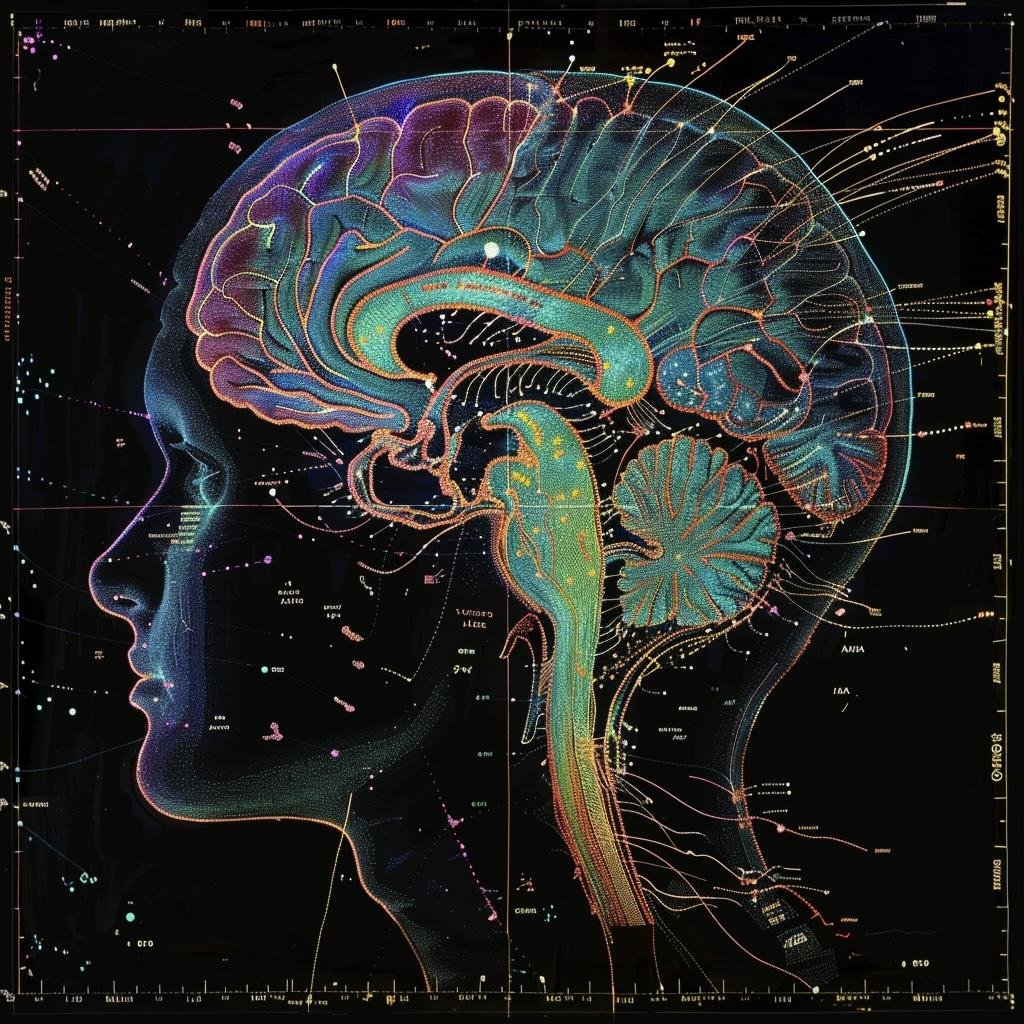
    ๐Ÿง  15 Strange Facts About the Human Brain That Will Surprise You

    Your brain weighs only around 1.3โ€“1.4 kilograms.

    Yet this small organ controls your thoughts, memories, emotions, movements, language and even the automatic processes that keep you alive.

    Every second, your brain is processing enormous amounts of information.

    But here is the really interesting part:

    You still don’t fully understand everything your own brain is capable of doing.

    Let’s explore some fascinating brain facts that can make you look at yourselfโ€”and the human mindโ€”in a completely different way.

    https://images.openai.com/static-rsc-4/Ih7uFHD3eQowqtWxwGkkpssEA--EJekwmUs7H2vubpXNb4bX184fiP00xpPZ0HeD5DZEdhB3h5rFuQ8u15Du6fdC71nwtGOSqhcnQwY4XgeI6FaZumtokPVZaI0B8nX78WbK8Sz0_LDoTsrJ33ZirVlnb8gGT0qy8UH-UdPmAAl0ujv5h5pSASPMtZja5ALF?purpose=fullsize
    https://images.openai.com/static-rsc-4/xuPs9TiOAWsS0YIeLWqkOzu45PFaQuLEWxHqs9DUO6kOUQSppddw_krjUZb1eyUiM9gSX71q_Hoq3RGqXsL4tB-1W4ks1WDU0Mgod_12ElV04ByEjQ5Clnf0hOFhOOCQsO8ZZ85kwjT4l-ReMr_-zMMoJvXQKsoN-eQTZvAyQnAvLwlUyBoE1pcaAhIiLwsM?purpose=fullsize
    https://images.openai.com/static-rsc-4/kQCcfQrPMP2V0EipGNwtDXemxXKjw2URso538wvV0Y15AgmMaGujGzqkLc7Uv3YA9Aa8BkORc0RBLwtzFiC7yiphsOcONb5KKAfDRXttukKuPIhh396dWuOIf8Q3WD3n0WaH5pIY_m-pYyULh7i51HOR876mvBHSCv_EzyVZaK0ifqJ3MVZj_OqYfY3lxx4f?purpose=fullsize

    ๐Ÿคฏ 1. Your Brain Is Always Working

    Even when you’re sleeping, your brain doesn’t simply “switch off.”

    During sleep, the brain remains active and carries out important processes related to memory, learning and the regulation of the body.

    https://images.openai.com/static-rsc-4/x8pmbxEkXpmsUn3IJGUMctlaPSiqv20lO1FxsAdIDrYOULRz_Y-zTkH2yH6OMuMdtzfYyQ3WThGM-SQQUULMk9OBtu18mCBVsLyh1SZ43z0M-b0j0Qp0YaJ-Ydu42OhbAwGL5m2zruvTVsaQANcUAgNDYjvlAmVs1JrhXIdRtqb1hYBeuOOL4pvqQJRAdRir?purpose=fullsize
    https://images.openai.com/static-rsc-4/pxRmvGAsacestDmQbpsSQNJgHCe4BbgWwEn7GvgD18G52VEzIH8WoMW135h7jXVFB4rY62aFW1pWBvckm8L2QJcMjaiECJoOdQyphdGZ7Yx2ISPWO-VDLpdTEXvUsM965rLPcZDxPgLEngDD4vXPkv1a526X4GNSSZXV0RK0TvLIk9jz9Ft2sLAdUL8fdd0_?purpose=fullsize
    https://images.openai.com/static-rsc-4/9ffki0BeQyvZR9_uuwqioxLc2ww5X1b1xPCVJavzW9a8yoN-cSM6BuoUuW82RF0Xsw4lB4OdeOZYwyGDudxNytA-1ufF2C1cFQfAofAmrGEbra8LpVok2mYh5MX_L0x6XK7VdCNkH6Iu7N6xUvwd2BhrCLJFdO-2qphPdS_pz2Ox0_M8x5jpS_Cf5DndlP5Q?purpose=fullsize

    That’s why you can wake up after several hours of sleep and immediately know where you are and who you are.

    Your brain was never truly offline.


    โšก 2. Your Brain Communicates Using Electrical Signals

    Your brain contains billions of nerve cells called neurons.

    Neurons communicate with one another using electrical and chemical signals.

    https://images.openai.com/static-rsc-4/ZU5AbXcYjJSstcRaTgCSzZkY5brQiE3A1p8ud9tUrBY58wqfYi0rtaQxq4SM41l4IVx01aXMXWay2lmVQWFl7M8471ixCYu50BmCZ5En7yONiSfCoZbUw9g9XT_u_dBWgJyNG7xTivvEJlSir8oVcCIbW_FCJVKbKmcXRVMkNOkpRny5t5yiqS5bmJV8B8Hb?purpose=fullsize
    https://images.openai.com/static-rsc-4/oXX1o-KGmlv8FDFgEittJfUM0AyMX9Bf6jnL1VH2MWQ4PeHUK1q5_8Vs5OOxF5yFnI9x4yiIRrAEwimuLVQpSjp-1RsEKtMjNng_XLst9RG-SDe3FRZfZabVBdb8jFyACQJHMR6oVfo3t6I3O41xExkX8mEP-TTO0bsdN35cxwzvAjaxbWqXCN9UMikPHnmc?purpose=fullsize
    https://images.openai.com/static-rsc-4/6NSYwqRObLq0EAq1L-c3gofqX2ebiWqSy-KlWGPlXJqFfab4vMbj0EITsfV6TQj7-5HljaDatf80sjAYzybUrF21RCxFdMRBjHZT-CF1ZgqDs1a-erQk2-1yrActR7SC6djp2WdxGl48VZ_NjSzYZcBNK2PwB8Zr_GDiFRADkNjRPr4xRUut0rOwfr_nUoWe?purpose=fullsize

    These signals allow information to travel through networks inside your nervous system.

    Every time you move your hand, recognize a face, read a sentence or remember something, complex networks of neurons are involved.


    ๐Ÿ‘€ 3. Your Brain Helps You Seeโ€”Not Your Eyes Alone

    Your eyes collect light.

    But your brain interprets that information and turns it into what you experience as vision.

    https://images.openai.com/static-rsc-4/JZzCqHLkE_ctUgu9c-MOIFGM1uw9xl6qdIvicNS5OYFBr-atpNYNpox5dabhkJEw_jTI6aQ_wbRzf2q0ybFGZpup2LkFZ11TZUgsaMnjOuVb2vrHYr0yC1E5_fpr7EMgxnkq5TWbCRbqdOuH6GVBXByNoy-eqb-ZBFgbCZicWONcyZ6vCxEKpWAwAJwIR7w1?purpose=fullsize
    https://images.openai.com/static-rsc-4/BYzmxGLfSYipv3MWEESrs4qomxRquAJsVAiZABxj5LhQRXk4v93vy_5LSjB--XENJAY95uFKMwdU6rZdFR5LPUhlMPGZ3s11hOctEh-Ace2xjoo3RmpGAAhGhFzY8pFXXP4IG8_5KLMjgPmnTVXDrnkIqPpEZDTk5HlabyxHR7wT7tqoraNkME6g7dsMKYxc?purpose=fullsize
    https://images.openai.com/static-rsc-4/SW4YcPOQA5l024alpCvLUZZx3CwYJ8mrpvg-1goeWnidiRzT2O7UCBqICSnyxcQgYVGYw-Wj7Cc4t82kiHMq9-frKAJOeRj9Sr_mOaaNOLWGnxfo8JyiOr7BSX4RiMffJ_3eD8F2dfian59T9ON5R3aIU2lK7XEK_packNxsCgJ-HTgU2a1KfqqRUc-w-YXs?purpose=fullsize

    The brain has to process shapes, colors, movement, depth and countless other details.

    In other words:

    Your eyes collect information. Your brain makes sense of it.


    ๐Ÿง  4. Your Brain Can Change

    For a long time, scientists thought the adult brain was relatively fixed.

    Modern neuroscience has shown that the brain can change its connections and organization in response to learning, experience and other factors.

    This ability is called neuroplasticity.

    https://images.openai.com/static-rsc-4/h2w4xemrwpWAzQoicpnnKv4n20v4lqTr1lz9DXVZSByYXOVHfF2vk6D2Jlw5JZbx21Xj3Zoer0PYz16i3ZqVKlIInWT7IkFz26lxgOhShkZKiniHsmfiFs2giwTivOOfGl266fRswF4acdZKpmfSgYnT15hO6WtMlfZ_CeJhK-I8hT60j5P0FBTZrw4IUfuv?purpose=fullsize
    https://images.openai.com/static-rsc-4/xvIVv7yyk9v00vPcjam7OJs8BM9HhMjyq3VY_6_nOMbohEifUQiMbOhparxi3Zy9H96koZX0kvf7D0ldixhkwULYo_mW4a05iyJQnfso857XCeRpPd7CwFspX8ctkaDwDwfbGB27mT7Gh1iirfkcC0MFBkI3lyp4wmS1K_P59Fo2ZpUQ-Eqc2LTXyLqPZ5kB?purpose=fullsize
    https://images.openai.com/static-rsc-4/Qs7wqUxGt4BsvyqqajwRVadkhYEDCE_X8b648FkJ1UMloG8JNupon1TFkbk-K7VblnJTmgMCn5xWz6N49QHRnhIfukfoJsKoDGj1Yp1lKmufxgZTTntcTLSTLaacBLWBGwDe2Bee2IxdN0cugBpF6yBdl9bLDiy9u3NTQ7tod0ncmifsP-bH2GZd2GvCOO_E?purpose=fullsize

    Learning a new language, practising an instrument or developing a new skill can involve changes in neural networks.

    ๐ŸŒŸ That’s Good News

    Your brain isn’t simply a machine that stays exactly the same.

    Experience can shape it.


    ๐ŸŽต 5. Music Can Activate Many Brain Systems

    Why can one song make you happy while another reminds you of an old memory?

    Music can involve multiple brain systems related to hearing, emotion, movement, attention and memory.

    https://images.openai.com/static-rsc-4/6PSg6dbeYGVH9QlE3bI4mzH68HL981-gNpwNsmG95aJ46NrcqfCg3eVGM9iy026VFRDGAbnBbRN5D-AC2liD4_T9uiJpyh0R-4nDGNeOAODJu0qdybRGZUSybpIxV62hPY0mX9sPnkNdt1XCY6qYu3VOsEC4VIGq-4wWJmd3ujQBexc7WyFX8Yz4G1ivOtVg?purpose=fullsize
    https://images.openai.com/static-rsc-4/65w_0KVOJXYFs1ukFFguNmyfXOM_K1-zllqus_xCi6IAeBoE8uZKmAe-ri7zqfE3PaavruF_TBeDFTC1VrD7qnBBWYgI_Tq5-uMwqCIh_z9dLelFtJEbrjqn-AWrh5DbBpDluBWqb6uj6O7drJDAxqP2hSrDJ20LSv56A9duu_A69IEQUiQdYZ_Pp0L_gGrF?purpose=fullsize
    https://images.openai.com/static-rsc-4/lGcacyGtFlY8zyhv6Aub33JXqVnvId-7RfmGDIjjPZFTxcMDUHjXvXXicutHvPBV6AWI_zh6_Ns3BofqWou4rEnQ9q_R7KLxLzXrIMk-Y7dRn3dtGhuqgx9RcmuHSExxxp4yCI7gcHHrMUnxDqtdIh1tGvYzj_BcqqoadhXpr-OedfHqXDh9v57uasfUOCQe?purpose=fullsize

    That’s one reason a familiar song can suddenly bring back memories you haven’t thought about for years.


    ๐Ÿงฉ 6. Memories Are Not Like Computer Files

    A common misconception is that memories are stored in the brain like individual files on a hard drive.

    Human memory is much more complicated.

    https://images.openai.com/static-rsc-4/rY5IRis0YhaPBruj1hmmwl8RqDr4stQhhP0oqHHIk4Wm1N-3dnalRLaWZcdl14Z8d6Ot_u6RAkGrNxEhHw_WgstVjYYgUSnEfnTlW5xH66d8RE7okI1gNYSI-2mYN11DZeweGq5kcPDIf36cwnFwg-UQvDzqT6pj6fk1ZDnEpZ8TPpPgWoopDKTaL5LCmgYI?purpose=fullsize
    https://images.openai.com/static-rsc-4/Vcq0pL7CxPSUJrbd9rAHGgSb9t55KxsXWpVzlde2-21bFRdA2pLtuPF-wHyYY1y4deGQBC8l2WfKnJnAuYtzU-3S7KqvF3CMtRxWfJu0PrH7j9eqpB3YfDgdh0j1LB8amIeGbZVopIrC5ls0gjtXdzXXviGyr2smPBMA5BFUyIbHGiqdO_S_gtjU-Jwie4f7?purpose=fullsize
    https://images.openai.com/static-rsc-4/ajhc6mYugYmX8ps09wFvSSr0dPQ7sgk-5ZQYAm4OZYHMwis4bX-yG6zAIncbNV8TYYze4DOLT893LtaDa2XFTBOlKKAJGVdq1hjnLQUkqWhEW7q9MH5tgLcyJaS3YP5I47uMM68cak3Q0G1p8A1y-OGOwZ4OoalUWcKYXEMzWfsc4Jch6z-dnPUs2Ui4Mrpx?purpose=fullsize

    Memories involve networks of brain activity.

    And remembering something isn’t necessarily like playing back an exact recording.

    Each time you remember an event, the brain can reconstruct aspects of that memory.

    That is one reason human memories can sometimes change over time.


    ๐Ÿ˜ด 7. Dreams Can Feel Completely Real

    During certain stages of sleep, especially REM sleep, brain activity can be highly active.

    https://images.openai.com/static-rsc-4/fG57S_BC2qlkqlzHCFzQRADnn_AZFkX4Z3P_B92RnQEFVXM8X6YFcGbJRDaizdOmpd5L8HEiDS8Jdba9VWm6I2iEdZPdmUnTWC853L2W5UvoJ_1BNKARTqGDx2xq6lIlOhZwvxR-wIuR0qUkwQmq5Yx8cBM_TeG6e83Urvslx5zxlyLmiEmKe_UAG-xKEns7?purpose=fullsize
    https://images.openai.com/static-rsc-4/dFtRuGDUUf2T94hVCHMMP3R56BVy9Fyu-P6Z-I29J0uwVWBmwmWH2dRwLR8GcJ515fkuc40-u8l9m9YsgDAzihw3bgsimbR33QIVLDJnTezpgfXfHcSTovFXupz4sfCiwukLPhjJdK2T3uyHPN3D7goDGdJrAphwi7O2uW0I90wGoow4nvgCc1n3nKvOCgGg?purpose=fullsize
    https://images.openai.com/static-rsc-4/W9X_KU-NDxEnz7JACdbJnt33nyNSoRNn2w2a09cFx1nT-uk_iNlZumXHnD4jw0-0su6uZUAc5D6HN2wDyzCTUL2_slTwd3GNH0-WiuP38CTNn9kIqaR49nW1NqF03e-w23Bljh1GFRTDPvw9BEaFgU-6EYIr6TFbQW2kCRS61FObc6d_s5YXzkStFod9mgrL?purpose=fullsize

    Dreams can include people, places, emotions and stories that seem incredibly realistic while you’re experiencing them.

    Scientists still study why we dream and exactly how different aspects of dreaming arise.


    ๐Ÿ‘ƒ 8. Smell Is Closely Connected With Memory

    Have you ever smelled a particular perfume, food or place and suddenly remembered something from years ago?

    There is a reason this can happen.

    https://images.openai.com/static-rsc-4/WcBf2hT0dGbtUFhA1TijBbjtqRp2_dZMKOifHt9ac2FIDHkr9KKe-E9um0nVguulzZr6cnpMZZzlgOGYX01l3hoIn2b-gPJf3UjssVsVX1aWBoQQlP2HKhybeGPh9uYNF6FuaUPH5lSVycihkn5Av-EdsgUNwdEL2-75bPZJmloBXief9VwJ3J7b0AbueSjy?purpose=fullsize
    https://images.openai.com/static-rsc-4/j-d0NKtDD796Vlx6unwgB4j8bMeGz8gZawh5aM-CDaYj_1aTi7_pzp6MHmIaCCJsWyz2kJtkFmplWwcMcgX0wuC4drbfl_kGpX7AZmw-FyqUhnebB5eSPfSZ-H3uXHgVwjo01jGmg29euWjdtaWB4zvPHUyaZH-PCCeB3QZCBtkKnPHzaf32cnjRQ-upKGT8?purpose=fullsize
    https://images.openai.com/static-rsc-4/DTjHAl3EQzs1vWQoPOFCAoGMsHiMPacNoGXktmgqEck8PhJeveYjJpzNEsXDzFPgrePJauVdHOiJLjinxkxDtAmXYE7zqoGq_ifmEGi3Mk_Ditr1FuWTInJ3aZlkcjVLIGyP-waACH21IZ6Hg7QmhRJxkvK92d-iy-ejUOfEWal2eT78_VMYLxOUw_A5u7BL?purpose=fullsize

    The brain systems involved in smell have strong connections with areas involved in emotion and memory.

    That’s why a smell can sometimes trigger a surprisingly powerful memory.


    โค๏ธ 9. Your Brain Helps Control Your Heartbeat

    You don’t have to consciously tell your heart to beat.

    The nervous system helps regulate automatic functions such as:

    • โค๏ธ Heart rate
    • ๐Ÿซ Breathing
    • ๐ŸŒก๏ธ Body temperature
    • ๐Ÿ’ง Fluid balance
    • ๐Ÿฝ๏ธ Digestion
    https://images.openai.com/static-rsc-4/dUx179lbK2m-NaHVe8Pj-D0gGxfIXOTK085jSAtRb0PuG2CLVqGt6Si8ZN6gWGoWLaoiDLxrH2iXsbDgxhyDFV4gxp9V0NhGCW24pUdX1oEKADLzSDcpF2drrHlHhzDhBfe1E7ArXNYpoDmtC34zL2nx6cveIvyXCi3fwXHkl1SC-GeIcjJn_ODOoPVfjwS6?purpose=fullsize
    https://images.openai.com/static-rsc-4/NgnkFpuJtaPiQzVVRgt3j3cPSwtLIfaMGDwmcjWM5f3wwxztWuZt2SEBB73nk3ffXLSvNuXuLrot1if07AvC0lASQSe8N_IsRFYiJchzdUvB06eTarbGdHp-_cgrCyu2dyxtzwCLiGsOT-FOCQWF3IrmZSusmbTTZxEItF1h2GsT8CVHlRxTVv0Ew0xqtWRe?purpose=fullsize
    https://images.openai.com/static-rsc-4/LjYh80l7bOOkjWp7X9o6NflQa-VuNoYe9t1sxXaTvmlj-hm7qzeAWihrFakNheQHIYG-TJcmmU7v4XtrbJ9P1SBkgqqzLe0-qTcguy6eAR5Ba894q505TA-Ut0wShktTkcXspTKbyblExaX7CfBdKGLK4pT6ZDyg_OQICFf2DYRnbDUfm5t02udAilet1etl?purpose=fullsize

    Your brain and nervous system are constantly coordinating these processes, even when you’re not thinking about them.


    ๐Ÿ”„ 10. Your Brain Predicts What Happens Next

    Your brain isn’t simply reacting to everything after it happens.

    It also uses previous experience to make predictions about what is likely to happen next.

    https://images.openai.com/static-rsc-4/WRNSacZkKCqdJTbGoKdJcJK3wGhFZLvOFA-w249yby5piYbIeTmMIOKwpWVNgrAJliUx3IGJ6IJ3OCZjO5c6XQ1OzW9c_2P64h_xZ6KJX0v0Bo3-Yw97zQICKq0bYM4VZYcrF2KiVaVPcktLOTsccjmCSXpnqPMG-5ii9Nbv800r9qDELUaL8r03iHV28nfP?purpose=fullsize
    https://images.openai.com/static-rsc-4/Q6ZEjwAShYeuGS1Ht4lhR2IQcRwY5Q8kLGy1OeKmPq-TWZyi5R4K82pY0gOaTLkWV0_MLDoATj8Clj8CcHEiAUJ0jQlQJF2ruynuU6YkvVSfKUnMSef0xzGYLiK0T33sXnCWuHYrCyw9RnFJ4dje_7oCberlMqQbTQ5imRD5jD6QGHNkNrtgiQDMt8ZtVxBr?purpose=fullsize
    https://images.openai.com/static-rsc-4/Uzw87qpn5OfYlQiE3HBqPIk7I1O6XGmdY7nrlPyo8mOEw5k8fIxLPufdk2KoOweN3dgbHXiBubWxsjyQQgtcoCpTjjH-mVzA1twMwQPkGLYZpQj_rhARVkKkyxACNA4grilKjPyC7Xq9MGXL4bEbYzTqn-6mnsObxbJRX0UsbNiUeQih6L2-N8pxqDQacpd3?purpose=fullsize

    For example, when you read a sentence, your brain is already anticipating what kinds of words might come next.

    When you recognize a familiar object, your brain can identify it incredibly quickly.

    This predictive ability helps us navigate the world efficiently.


    ๐Ÿ—ฃ๏ธ 11. Your Brain Can Process Language Extremely Quickly

    Reading a simple sentence seems easy.

    But behind that simple action are many processes.

    Your brain must recognize letters or sounds, identify words, understand grammar and connect the information with meaning.

    https://images.openai.com/static-rsc-4/FAj4LPPhxXcHaM1fA2NWoEZpF0AeoEt_T-wnYdoGuAjPvAu-5eSuAA2BQU3mPTpWkQ9yj7g-uLD1NOdVrAx3LaIBelsT9LAN8vTdwfDz4PvoG5TexM-4ESB8-fA3CVqj-nOekzspIhtzRKEmPyIOXeNqW6u-mMsoupDzi5ariP-R0bYbgiNWHfWG3Ghpioa1?purpose=fullsize
    https://images.openai.com/static-rsc-4/IAoBWQMHs_AknaczYgbGoWvkZnsAIj0kDcJz8Hzxdy8RCjP3zPh8Wsfbv5e-J2iFs6OJbOy-KPNT6YBqgRbf4W9pPCza5FJdoDJWObZfQhGZCSXYSqDvwoyyDztpbt9drpBAQaqJ92xgrDgJ-rHygQmpkbVXlTr5w93drou9EVEuimnASKaKypN5gYruZCdP?purpose=fullsize
    https://images.openai.com/static-rsc-4/CNUJTu2T4xFkjeu-05iPXB_4hX9FZ60A7qq7P1xvCiTvDU_7OeyXpifawvP_tQzU7KDE25npra3zwcY8UWO0oY5bq9uPi3okFiwgDIjGeWfTrJ6zkziFG2yfphZsFHY86opFkgHrnw7qmTgJgovnJ-jqIjUO2wNL-0F7jurirRXeHbjlD5x84oq1yCW7vjxE?purpose=fullsize

    All of this happens remarkably quickly.


    ๐Ÿง  12. The Brain Uses a Lot of Energy

    Although the brain represents only a small fraction of total body weight, it consumes a significant share of the body’s energy at rest.

    https://images.openai.com/static-rsc-4/zzxS8UDTJYcCe6zpZKdXxKV3yVe2HftZ8HUFGqjGoL47ZUgBYd4TK5KOqlgzgkV-qxd5XwYQct7gPDIMHSO8C0PLdLUuXs8RWmLTAW636JjOIevdDXBsj2GTWSQksMCYHew24q-KI3HsZPFCOPJc9-U6HaEZFNxzMs6irrMy_q6nxmGYnBxpFpkHmMTtIUVa?purpose=fullsize
    https://images.openai.com/static-rsc-4/OEqlyAAAeruTxojx0qxNmdLNW8QP6L5Q7S4OaCn8Zw2lju3tx6GyRApu8n_F7iYhwL3p5eQBukVQtmHNM3WBY19-STa-pgRWUEjX_uLYX3tVIWbXIm-0ekdNDiEfzSIJiTfzssI2HfD96avjts_u-1pAmKOqkJE81ivCLNHsuFYjRUY2XlzztkhuO5VK1CE6?purpose=fullsize
    https://images.openai.com/static-rsc-4/9r2MpRVwCE8BDdJgwzPwUeHad-V6jHSfxh4kSO2nTcw3Xh6wWOMFdigkKRERWwYGKqIr0TlakxhOvrzQzN2lzEoS225ehPN-fLHDGMg3v7PQcM0l_Nulm0JqbRtVa-Ktu79xKHUH7u7wYtrXe-AsNZx8xd9YrZG9iG6fqqFR2FpHvVi9cYriC0i8XxNw9ZpB?purpose=fullsize

    This energy is needed to maintain electrical activity, communication between neurons and many other cellular processes.

    So even when you’re sitting quietly doing nothing physical, your brain is still an energy-hungry organ.


    ๐ŸŽฏ 13. Multitasking Isn’t Always What You Think

    You may feel like you’re doing several things at exactly the same time.

    But for many demanding tasks, the brain is actually switching attention rapidly between activities.

    https://images.openai.com/static-rsc-4/BQ1K99hakVde6thCoUWe133OzEsy0DnbNw0UwvZCGXLXO_LaXYq4a0RCQ0veFvm3Hn345XBJxCHeovDBX7M4xmLhW4s_iL7ND0uBx-2sQ2x_ZE7syEALUXkARC69J2nu5lCwqSnHbAugkXYsuj1G-6z0EV_wxRyaw8UZniS1E3boqs80GLi-unZ61t8xbUuh?purpose=fullsize
    https://images.openai.com/static-rsc-4/F4bBIZLteLAsxUVStr65g9XZ9NuV2Pl74dCSUIWAvKbYjlZYUQX1pgzKGoTpLpwZ_0Sm1pGL_vgSskAr2CETmEvy77i90UH0sBstapMHUtS72zA5NQO4mZnTuA_mDAAd0TPlvwZWwHFQJnxP9_xRVVDOko-rWFnjmSyyQkc1mNqWuBLSYheDwcxF_uw9EqsA?purpose=fullsize
    https://images.openai.com/static-rsc-4/j00iFKxg3eQBAp4h07z_bKl1oKRR_cia9NRaV2B9MF4o7d12kePJAQEgl7RFle67y-fv2fSLwCIuq6n-9cP9CQKdA4Wjxcg_OuCC6TyL2lgarAGWrXXS_H2EC7ySwoB0dNzzpWHem-LAtXcWbXJN1K1DjU-i58hF9dwX0VNg0Wpf-eOLUr01ozrgG9kxSsea?purpose=fullsize

    That switching can make tasks less efficient and increase the chance of mistakes.

    This is one reason focusing on one demanding task at a time can often be more effective.


    ๐Ÿง˜ 14. Your Brain Can Influence How You Experience Pain

    Pain is real, but the experience of pain isn’t determined only by physical signals from the body.

    The brain also processes context, attention, emotion and expectations.

    https://images.openai.com/static-rsc-4/veh2XBcG43v8LY6r8cIrVa_rkHhU2SYkOaI2AnHnvDMOQI6Q39gRJhQH_s4CdtjixMGuv5MLy6WNb91BTDQXOLBX1oLxLuEqT8s3SupdyAphJrAKPcx4RNH_CP_fykylH6Ro4lSWUJA-cti0dyWgsBtAdL0ZiDMy4tHgmCfr5be35seh-27swyrBkvHE4wS0?purpose=fullsize
    https://images.openai.com/static-rsc-4/EnUzrPATDETPHpv0NbSOwiF_xavX9XkDu12SHnlVZ3Z87w16WNKAcjAypjGxcjzd3tLG_vPUqLiEgu8Xpf5OoVWG03q97cld5-b1rYx_czuR3p-hEC-s4G-r_6TYRMSOvUuJvqZYtYgD1njl139iITIAPLbVd9t005XLiSVyx-6UW_e1zNk6LtzOFQlKq2CQ?purpose=fullsize
    https://images.openai.com/static-rsc-4/oe1KwAAwZ8ghNFHn75Qi0hf-LUV7Ux_nvRFgCymF_gQYpy4Y0eVoxPZxv5SaIiTU3PVNxy2S8drd98HiKacNYYsPHgiW7VCx5mvNvT5jdSugDaGhOFvIdR-Be36OQG48YMmqwSY3hgXnPpAhAwlc0AEosqV097RDYtxZfueLJBDBUL53ypPIS8q3Ow6ZSXpb?purpose=fullsize

    This is why two people can sometimes experience similar physical injuries very differently.

    The nervous system and brain play major roles in how pain is perceived.


    ๐Ÿง  15. Your Brain Is Still Full of Mysteries

    Despite decades of neuroscience research, scientists still don’t have complete answers to some of the biggest questions about consciousness, memory, dreams and subjective experience.

    https://images.openai.com/static-rsc-4/Eqp-EyFap7dTVUGZJZapfk3mxPxbxSEs0IRiAy3t_IBvzjiAE1C6nDY92O_308s9969iwWFoES8E2U_09pK4vit6ldNOUWUoWN1RQRy5slfu2Fp1UGo8tbemQN-i6xGIvHkobibCGuw4bCiE4A9YHGMQ41uAyPkulBeyS0rA-HgVt9XA7QCsUw3vTvRD1q-9?purpose=fullsize
    https://images.openai.com/static-rsc-4/PR9lFl9W7Bs53Gpu7Plwa7mO3DXJ31BsvoA7z_bX6LcGmeDfQGTmZ7VkUSXMeoMC8TjfOMMwbrcl7iCHjrjMaZWxLRFHztFtTWwxEg9hpbbiqkHaljhWdsbph5v-4_8gSqGM_p9xXpF3i3X2hhMlJfDc5SFbmKCOyxZNSaHmVYqaApQpa1NliTrmvHzBYzer?purpose=fullsize
    https://images.openai.com/static-rsc-4/eWNAvzQtTi3gGV7Ea6yjLfUplJhwcpmJV4kHEE_y1IBy3zhyPJPyWsH35yfgnDrDdF-G7FU4szVe2AVO-SmOEuQCFbQzmy9BSUugK7Njls_bDRCzLQGSvpzY8vx13_E-teRWi1Uu-1Ow2x_bi2SKiXc_Rn2wQNHmZ6iQHOSRGFmCWH0GUhJs8Mx1EOFeAzlH?purpose=fullsize

    We know an enormous amount about the brain.

    But compared with everything there is to discover, there is still much more to learn.

    And that’s what makes neuroscience so fascinating.


    ๐Ÿคฏ Bonus: Your Brain Can Fool You

    Your brain is incredibly powerfulโ€”but it isn’t a perfect recording device.

    Optical illusions demonstrate that perception can sometimes differ from physical reality.

    https://images.openai.com/static-rsc-4/CzG_ZF2FBn6jv-IDLaUlw-EWKlysYDP4YDVCZuGbpARRozoHU2i9a2eGhptI_WnAUytaEvt55oSsimF6nXfzHhXsNlsulIuF6Awgh1PqTuC3RBJkP-StEQitkIXriLwpWxhHYtQOHs3BUEyB3bdv9338MzTgqYCp9lIEXXYpIgE-4COOZOlJ0zWMmaiEhLG2?purpose=fullsize
    https://images.openai.com/static-rsc-4/mYZk5-N_M5hRKYMspzk-Cx7y8i638E1xl3Ubp7EyWCZ9YWjswNCQ2pRWYBn_Z4j_s1TJk885VB3WGqsD40sn69nUajo-cdMQwGjjnk66a-wS5Ak_-S4Z2-b-knxGVnCt21_NGLqhE_jid-lX5E80LiTpwipnlaNIe3QQS44ZiPUiHx190PG4q0CbykIgbfoX?purpose=fullsize
    https://images.openai.com/static-rsc-4/edtAi5S9GKO3qBSuazy8-QqYzepg-SvZZVEawycQsF8STFfH0LRnp9EKpMtq2NferuUBiV4ZQhYG3w1egSX3wXB1uOxAmmPlr8UxN7JzLWeZUBCjmkJG02ywuD5b76JRcbAEGbVUYM8mFF0weZ48L5740CiTKrK33uO_RoC6pPs1FCWMO4FwH5PhBTiXhrwy?purpose=fullsize

    Your brain constantly interprets incomplete information and tries to construct the most useful explanation.

    Sometimes, that interpretation can be wrong.

    ๐Ÿ‘€ The Strange Part

    You can look directly at something and still perceive it incorrectly.

    That’s not necessarily a failure.

    It’s a reminder that what you experience is the brain’s interpretation of informationโ€”not a perfect copy of the outside world.


    ๐ŸŒŸ Why Is the Human Brain So Fascinating?

    Think about what your brain allows you to do.

    You can:

    ๐Ÿ“– Read a story.

    ๐ŸŽต Remember a song.

    โค๏ธ Feel love.

    ๐Ÿ˜‚ Laugh at a joke.

    ๐Ÿง  Learn something completely new.

    ๐ŸŒ Imagine a place you’ve never visited.

    ๐Ÿš€ Invent something that has never existed.

    ๐ŸŽจ Create art.

    ๐Ÿ”ฌ Discover new scientific ideas.

    The brain isn’t simply controlling your body.

    It allows you to build an internal model of the world and imagine possibilities beyond what you can currently see.


    ๐Ÿคฏ Amazing Brain Facts at a Glance

    ๐Ÿง  The brain contains billions of neurons.

    โšก Neurons communicate through electrical and chemical signals.

    ๐Ÿ˜ด The brain remains active during sleep.

    ๐Ÿ‘€ Vision depends on both the eyes and the brain.

    ๐ŸŽต Music can involve several brain systems at once.

    ๐Ÿงฉ Memory is a complex reconstruction process.

    ๐Ÿง  The brain can change through neuroplasticity.

    ๐Ÿ‘ƒ Smell has strong connections with memory and emotion.

    โค๏ธ The nervous system helps regulate automatic body functions.

    ๐ŸŽฏ The brain uses predictions to help interpret the world.


    ๐ŸŒŸ Final Thoughts

    The most fascinating thing about the human brain isn’t its size.

    It’s what it can do.

    A small organ inside your skull can allow you to remember your childhood, understand a new language, recognize someone’s face, solve a difficult problem and imagine a future that doesn’t exist yet.

    Scientists have learned an incredible amount about the brain.

    But some of its biggest mysteries remain open.

    The human brain is studying the universe while also trying to understand itself.

    And perhaps that is one of the greatest mysteries in the world.


    โ“ Frequently Asked Questions

    How many neurons are in the human brain?

    The human brain contains roughly 86 billion neurons, based on widely cited estimates.

    Does the brain work while we sleep?

    Yes. The brain remains active during sleep and carries out important processes involving memory, regulation and other functions.

    Can the brain change?

    Yes. Neuroplasticity allows the brain to change its connections and organization in response to experience, learning and other factors.

    Why do smells trigger memories?

    Brain pathways involved in smell have strong connections with regions associated with memory and emotion.

    Does the brain control the heartbeat?

    The brain and autonomic nervous system help regulate heart rate and many other involuntary body functions.

    Why do we dream?

    Scientists have several theories about dreaming, but there is no single complete explanation for why humans dream.