Japan is one of the most fascinating countries in the world.
It is a place where ancient temples stand beside futuristic cities, traditional tea ceremonies exist alongside advanced technology, and peaceful gardens contrast with some of the world’s busiest streets.
From the beauty of Mount Fuji to the bright streets of Tokyo, Japan offers an extraordinary mixture of history, culture, nature and modern innovation.
Let’s explore this amazing country. 🇯🇵🌏


The Beauty of Japan
Japan is famous for its mountains, temples, gardens, cherry blossoms and modern cities.
🌏 Where Is Japan?
Japan is an island country in East Asia, located in the Pacific Ocean.
It consists of many islands, with the four main islands being:
- Honshu
- Hokkaido
- Kyushu
- Shikoku
The capital city is Tokyo, one of the world’s largest metropolitan areas.
Japan’s geography includes mountains, forests, volcanoes, coastlines and many islands.
🗻 Mount Fuji – Japan’s Most Famous Mountain
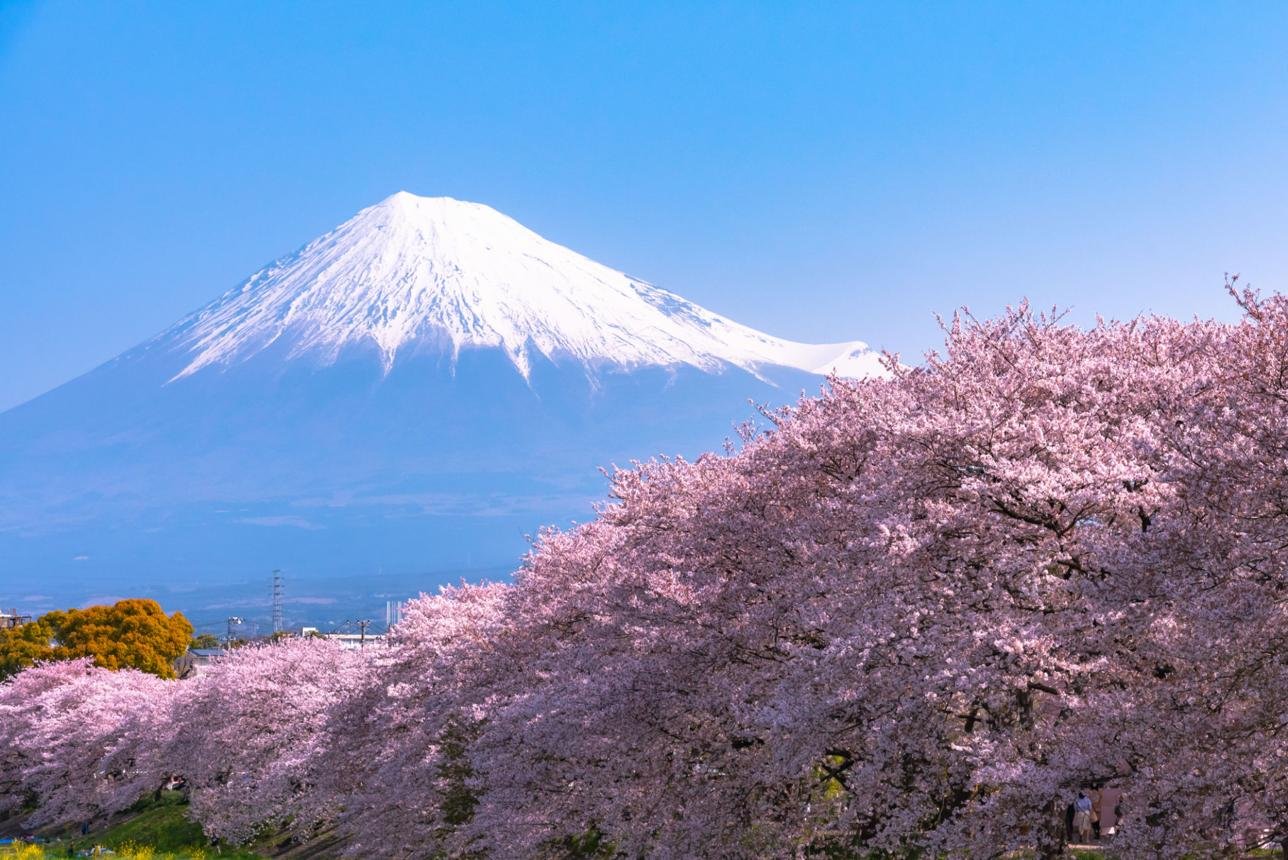
When people think about Japan, one of the first images that often comes to mind is Mount Fuji.
Mount Fuji is Japan’s highest mountain and an important cultural symbol.
Its almost symmetrical shape has inspired artists, photographers and writers for centuries.
On clear days, the snow-covered peak creates one of Japan’s most beautiful landscapes.


Mount Fuji
🌸 Japan and the Famous Cherry Blossoms
Japan is world-famous for its cherry blossoms, known as sakura.
Every spring, cherry trees bloom across many parts of the country.
The flowers usually last only for a relatively short period, which makes the season especially meaningful.
People gather in parks and gardens to enjoy the blossoms, a tradition known as hanami.
The delicate flowers have also become a symbol of the temporary and changing nature of life.


Cherry Blossom Season
🏯 Ancient Temples and Shrines
Japan has a rich religious and architectural heritage.
Across the country, visitors can find:
⛩️ Shinto shrines
🏯 Buddhist temples
🌳 Traditional gardens
🪷 Peaceful meditation spaces
Cities such as Kyoto are particularly famous for their historic temples, shrines and traditional neighborhoods.
These places provide a glimpse into Japan’s long cultural history.
🎎 Japanese Traditional Culture
Japanese culture contains many traditions that have developed over centuries.
Some famous examples include:
- Tea ceremony
- Calligraphy
- Kimono
- Traditional theater
- Martial arts
- Flower arrangement
- Traditional crafts
Although Japan is highly modernized, many of these traditions continue to be practiced today.


Japanese Traditional Culture
🍵 The Japanese Tea Ceremony
The Japanese tea ceremony, often associated with matcha, is much more than simply drinking tea.
It emphasizes:
🧘 Calmness
🤝 Respect
🎋 Simplicity
⏳ Mindfulness
The movements involved in preparing and serving tea are carefully performed.
The ceremony reflects important Japanese cultural ideas about hospitality and attention to detail.
🥋 Japan – The Home of Martial Arts
Japan has developed several martial arts that are now practiced around the world.
Some include:
🥋 Judo
🥋 Karate
🥋 Kendo
🥋 Aikido
These disciplines often emphasize not only physical ability but also discipline, control and respect.
Judo, for example, became an Olympic sport and has been practiced internationally for decades.
🍣 Japanese Food Is Famous Worldwide
Japanese cuisine has become popular in almost every part of the world.
Some well-known Japanese foods include:
🍣 Sushi
🍜 Ramen
🍱 Bento
🍙 Onigiri
🥟 Gyoza
🍵 Matcha
Japanese cuisine often emphasizes freshness, presentation and balance.
Traditional Japanese cuisine, washoku, is also recognized internationally for its cultural importance.


Japanese Cuisine
🚄 The Amazing Shinkansen
Japan is famous for its Shinkansen, commonly known as the bullet train.
These high-speed trains connect major cities across the country.
The Shinkansen is famous for its speed, efficiency and punctuality.
For travelers, it provides a convenient way to experience different parts of Japan without relying on long-distance flights.


Shinkansen
🤖 Japan and Modern Technology
Japan has played an important role in the development of modern technology.
The country is known internationally for:
🤖 Robotics
🚗 Automobiles
📷 Electronics
🎮 Video games
🚄 High-speed transportation
Japanese companies and researchers have contributed to many technological innovations.
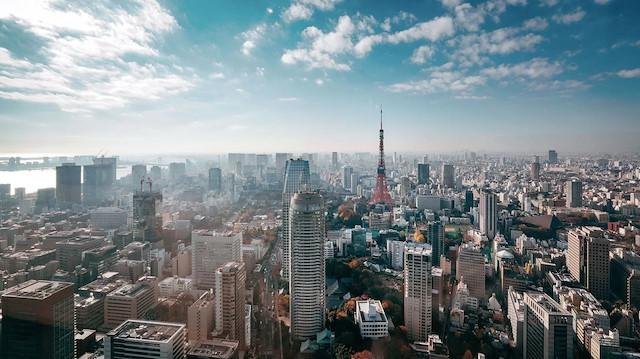
Tokyo, in particular, is often seen as a symbol of Japan’s modern and futuristic side.
🏙️ Tokyo – A City of Extraordinary Energy
Tokyo is Japan’s capital and one of the world’s largest urban areas.
The city combines:
🏙️ Skyscrapers
⛩️ Historic shrines
🛍️ Shopping districts
🍜 Restaurants
🚆 Huge railway networks
🎮 Entertainment
One moment you can be surrounded by enormous buildings and crowds, and shortly afterward you can find a quiet shrine or peaceful garden.
That contrast is one of Tokyo’s greatest attractions.


Tokyo
🏮 Kyoto – The Heart of Traditional Japan
Kyoto was Japan’s imperial capital for many centuries.
Today, it is famous for:
⛩️ Shrines
🏯 Temples
🌸 Cherry blossoms
🍁 Autumn colors
🌳 Traditional gardens
🏮 Historic streets
Kyoto provides a very different experience from Tokyo.
It is one of the best-known places to experience Japan’s traditional architecture and cultural heritage.
🌋 Japan Has Many Volcanoes
Japan lies in a geologically active region.
The country has many volcanoes and experiences earthquakes.
Mount Fuji itself is a volcano, although it has not erupted since 1707.
Japan has developed advanced systems and building practices to reduce risks associated with earthquakes and other natural hazards.
🐒 Amazing Japanese Wildlife
Japan’s varied geography supports many types of wildlife.
Some interesting animals include:
🐒 Japanese macaques
🦌 Sika deer
🦊 Red foxes
🐻 Brown bears in Hokkaido
🐦 Many native bird species
The Japanese macaque, sometimes called the snow monkey, is particularly famous for living in cold mountainous areas.


Japanese Wildlife
❄️ Hokkaido – Japan’s Winter Wonderland
Hokkaido is Japan’s northernmost major island.
It is famous for:
❄️ Heavy snowfall
🎿 Ski resorts
🌲 Forests
🏔️ Mountains
🌸 Beautiful summers
The region attracts visitors looking for winter sports and snowy landscapes.
🏖️ Japan Is More Than Mountains and Cities
Japan also has beautiful beaches and subtropical islands.
The Okinawa region in southern Japan has a warmer climate and is known for:
🌊 Clear waters
🏝️ Beaches
🐠 Marine life
🌴 Subtropical landscapes
This shows just how geographically diverse Japan is.
🎮 Anime, Manga and Japanese Pop Culture
Japan has had an enormous influence on global popular culture.
Japanese anime and manga have fans across the world.
Japanese video games, films, music and fashion have also influenced international entertainment.
Characters and stories created in Japan have become recognizable to audiences in many different countries.
🧹 A Culture of Cleanliness and Organization
Japan is often admired for its emphasis on cleanliness and organization.
Public spaces, transportation systems and many traditional settings are generally maintained with great care.
Japanese cultural values such as consideration for others and respect for shared spaces contribute to this reputation.
🌟 10 Amazing Facts About Japan
1. Japan is an island country in East Asia.
2. Tokyo is its capital and largest metropolitan area.
3. Mount Fuji is Japan’s highest mountain.
4. Cherry blossoms are one of Japan’s most famous cultural symbols.
5. Kyoto is famous for its temples, shrines and traditional culture.
6. Japan is famous for its Shinkansen high-speed trains.
7. Japanese cuisine is popular around the world.
8. Japan has many volcanoes and is located in a seismically active region.
9. Anime and manga have become global cultural phenomena.
10. Japan combines ancient traditions with highly modern cities and technology.
💡 What Can We Learn From Japan?
1️⃣ Respect Tradition
Japan shows that ancient traditions can continue even in a highly modern society.
2️⃣ Focus on Quality
Attention to detail is visible in many areas of Japanese life, from food to transportation.
3️⃣ Prepare for Natural Disasters
Japan’s experience with earthquakes has encouraged strong preparation and safety practices.
4️⃣ Protect Cultural Heritage
Historic temples, shrines, gardens and traditional arts remain important parts of national identity.
5️⃣ Innovation Can Coexist With Tradition
Japan demonstrates how technology and ancient culture can exist side by side.
📝 Conclusion
Japan is a country of fascinating contrasts.
Ancient temples stand beside skyscrapers. Traditional tea ceremonies exist alongside advanced technology. Snow-covered mountains overlook modern cities.
The country’s cherry blossoms remind people of the beauty of nature, while its bullet trains demonstrate the power of engineering.
Its food, martial arts, anime, architecture and traditions have influenced people far beyond its borders.