Tag: Lahore Conspiracy Case

  • ๐Ÿ‡ฎ๐Ÿ‡ณ Bhagat Singh โ€” The Young Revolutionary Who Became a Symbol of Courage

    ๐Ÿ‡ฎ๐Ÿ‡ณ Bhagat Singh โ€” The Young Revolutionary Who Became a Symbol of Courage

    https://images.openai.com/static-rsc-4/vH0DvpJOlRUjJIo7PNFHk6mR3wJjqa8-nePUTuozRBCzVXvW0t2cA2x_zRtU5dF4KD6jODKdogiR9KTbteS5o57pBh8ZNBX2P6AdepEA8sbUC7f0DQmbr8iAn3wkQHUP_C7xtuAw6Dkrg85k_USWfkSi9Cr9SIJ7VY1e5YY3KACfzaNi_4qLvKaVty55b0Wh?purpose=fullsize
    https://images.openai.com/static-rsc-4/nj-ih5g-ZLDwFyzZWJ2yhc8-ZNihOIPRSQCRpgusp1a5N4-y9zOWAplprJt-264Nt51X7zaK560tmK4KnxtUR19ffjiKgDUteqzOBVLuZ7srZ2_JgzTNQAd7312H5zRj4oA57saVFXSH4UMDw0ORJsioRpF0SKO_Cxz_d0V6iReLtaHEnP9-Q1BqQ8RYW0Dy?purpose=fullsize
    https://images.openai.com/static-rsc-4/akaIElwEBDX3cG4p8PLm4b4ZxmDMw9F_GsQMGrWmJJbJzVjIYaC5FG1CZtpdSd1frW4xWxxr8p2_lQKPAx6CKNzLe0MOf9Ykr-JRtOvHXLZdT4pWqYyNRsr8l6N0S6TegMGWkqHzwtIuMnDlAm8pj3J7Lvs-3gufp8js5Jrf9oraH_L-4jWGd14QDY4FOlwd?purpose=fullsize

    ๐Ÿ”ฅ A Young Man Who Dreamed of a Free India

    Few names in Indian history evoke as much emotion and admiration as Bhagat Singh.

    He was only in his early twenties when he became one of the most recognised revolutionary figures of India’s independence movement.

    Bhagat Singh believed that British colonial rule had to end and that Indians should build a society based on equality, justice and freedom.

    His life was brief, but his ideas, writings and sacrifice left a lasting impression on generations of Indians.


    ๐Ÿ‘ถ Early Life

    https://images.openai.com/static-rsc-4/5VCWuskHwc8DY8nukcdWe7ob_4mAu39nUZ75DqRNNgouj7tyxcCMfL5enaIAe0blrH83n4WKV5uKOywM6U6V7YJnbXR_PpZQkeqjudYdLtMznvyw3H3O84MRaKycR0nXBujMpVtkbDq7UY7WFPKYJu2cFPZA-8tvZqPbA0HhIuRTJJFW4U8_bw0TT21zncog?purpose=fullsize
    https://images.openai.com/static-rsc-4/ToPXGA0dFFCqaahr6zkGW2K3CdHG5AX73yL8RNKFn3wf2k2Fhcvur9KEB8wmA7jYbRJdiT0IqoEf9hk5wm9TcEibws13amtpi5OALsm1mI8GHL4cssJu6QCgk7idPpCnnEv-JArrsyLJ4nv5oDxTMzr1d0bwa0BReghxH89fCN8XQDMIeaQOso7FuAHA8D4I?purpose=fullsize
    https://images.openai.com/static-rsc-4/TkYbfia_-kQbOI-Pj-vYi5gaIpc8SWheEk9quKfRawaKWxSoyTnGa98YJlcFn4FEFvH_cY_iFMYXOoioCVkQc561sbdFsb7n6BVID_ZTWhTHiTAKiBQJIJb75L6k_5KUfkbdEuK-Zm8OjlS01JH-HG_trgkeWHp5mRPXvK-Yy-wNfrJvsTDwrmtgS5gfzOl6?purpose=fullsize

    Bhagat Singh was born on 28 September 1907 in Banga, then in the Punjab region of British India.

    He came from a family with strong connections to the Indian independence movement.

    His father was Kishan Singh, while his mother was Vidyavati.

    Several members of his family were involved in nationalist activities.

    Growing up in such an environment had a significant influence on young Bhagat Singh.


    ๐Ÿ‡ฎ๐Ÿ‡ณ The Jallianwala Bagh Tragedy

    https://images.openai.com/static-rsc-4/WTIyG1SJ6xxkyR7USiw8hjDOfoiRD3QyzifaS4QXSuH0NLp9RNRUwktL2e_VmUEjpfOwur-UFnFRcXyWx_02laNf00d_laT9skLHQCOzJm5qpInPvcXgrdaUMmX6u4CPJTTrrkEu6dRzlkKJ84XduHVmSt-unM9IIKgIxs1zu27V26t3lUTijPix2kKJjo42?purpose=fullsize
    https://images.openai.com/static-rsc-4/BSEqPx9BrmOlB788o5KV3kqBzZEjJgQtkCpdguGCSX3f7UjP2irn2pRmQ6sdcgTJE9mlmKVtx6otNoE8f83uEo6xq3j3VbJVgOfwCVAlSaJ49oq2UWnOUtiuyFpoR-kQVTNdQB7TFQvtd8bf9uFLEmgSCIgtfnEuF1IzSD7cBzOR2LNARC--NyDQRd4u7vev?purpose=fullsize
    https://images.openai.com/static-rsc-4/Goc0qU7kKIQwDaI3GAYHYdMVR4sDbKQXw1j-ddSQ3q_B2LbGGWy2WLLzhEWTN4SFC80cr_SPUj1vgJKesN9UXTV-GpfT4QZpfgxqVQ3Zs6hthM6mGGTvAqudknUvLqNO9aij29MrrbLkt_JVssxpGzOS4aYqrv04kCXvufFQRs9xfbj0vFEUJqCEP7mbcYt_?purpose=fullsize

    The Jallianwala Bagh massacre of 1919 deeply affected Indian public opinion.

    British troops under Brigadier-General Reginald Dyer fired on a gathering in Amritsar, killing hundreds of people.

    Bhagat Singh was a young boy at the time.

    The tragedy became one of the events that strengthened his opposition to British rule.

    It reinforced his belief that India needed fundamental political change.


    ๐Ÿ“š A Student With Big Questions

    https://images.openai.com/static-rsc-4/vH0DvpJOlRUjJIo7PNFHk6mR3wJjqa8-nePUTuozRBCzVXvW0t2cA2x_zRtU5dF4KD6jODKdogiR9KTbteS5o57pBh8ZNBX2P6AdepEA8sbUC7f0DQmbr8iAn3wkQHUP_C7xtuAw6Dkrg85k_USWfkSi9Cr9SIJ7VY1e5YY3KACfzaNi_4qLvKaVty55b0Wh?purpose=fullsize
    https://images.openai.com/static-rsc-4/IoicHuA5PPc855A_K8uz_owLTInk0K_X3sGMfMPxTg0aqAm6VN6RD4dFifR_0-_dvDqRPNTo8Hd7YvjjszUpNS8uXaEXfi-3oSqLDJdoSI_VTyC-Y8E6jZIQGSuba0sMYUlnmbn5hdrnTK_A3lInNsbZr5RqrlZGS11t_EJ6DAPtl9wHp9Ffrj1ZYQwTe7qo?purpose=fullsize
    https://images.openai.com/static-rsc-4/0icG8r5Zaolcs7GAzMYMtaJhuwyLl0dYe1HdUFd1tfIDJmSbK7ZVQnB1aDZ11r9n_OQMbw4wdt5oz2AtVr-_JTRUUr3FVQr_7T68rcJsYsvVY_imKVJ8NTs_gnlRasyWlQYuCtUpLYCs29ZCT689bjSZg-PdfoAKPXJwuNhRLqYfN1gzr83RxeGeuwiIc5ZJ?purpose=fullsize

    Bhagat Singh was an avid reader.

    He studied history, politics, economics, philosophy and revolutionary literature.

    He was especially interested in ideas concerning:

    ๐Ÿง  Social equality
    โš–๏ธ Justice
    ๐Ÿ‡ฎ๐Ÿ‡ณ Independence
    ๐Ÿ‘ฅ Workers and farmers
    ๐ŸŒ International revolutionary movements

    He believed that freedom should mean more than simply replacing British rulers with Indian rulers.

    He wanted society itself to become more just.


    ๐ŸŽญ National College, Lahore

    Bhagat Singh studied at National College in Lahore, an institution associated with nationalist education.

    The college exposed students to ideas about India’s history, politics and independence.

    Bhagat Singh also became interested in theatre and used plays to communicate political ideas.

    He gradually moved closer to revolutionary politics.


    ๐Ÿ”ฅ Joining the Revolutionary Movement

    https://images.openai.com/static-rsc-4/vH0DvpJOlRUjJIo7PNFHk6mR3wJjqa8-nePUTuozRBCzVXvW0t2cA2x_zRtU5dF4KD6jODKdogiR9KTbteS5o57pBh8ZNBX2P6AdepEA8sbUC7f0DQmbr8iAn3wkQHUP_C7xtuAw6Dkrg85k_USWfkSi9Cr9SIJ7VY1e5YY3KACfzaNi_4qLvKaVty55b0Wh?purpose=fullsize
    https://images.openai.com/static-rsc-4/IoicHuA5PPc855A_K8uz_owLTInk0K_X3sGMfMPxTg0aqAm6VN6RD4dFifR_0-_dvDqRPNTo8Hd7YvjjszUpNS8uXaEXfi-3oSqLDJdoSI_VTyC-Y8E6jZIQGSuba0sMYUlnmbn5hdrnTK_A3lInNsbZr5RqrlZGS11t_EJ6DAPtl9wHp9Ffrj1ZYQwTe7qo?purpose=fullsize
    https://images.openai.com/static-rsc-4/LcCO7QlI9JQ4bEYFUjoZrIWfVC8VYeyyqawjYOuegiiGPw4kRH8F1Po9HCPboal3TAQyPdnLQRyRsaKgzSifsaJHJi9sodUWvbpwApCI9OtD-52fxpnnvFKiutryIHvtHciwkKtERTaoYVm3mb6bq8shj_nD0_sW8wJDr4GCo0cQcfg5zYLPP-5G8kIl64gN?purpose=fullsize

    Bhagat Singh became associated with revolutionary organisations.

    He was connected with the Hindustan Republican Association, which later became the Hindustan Socialist Republican Association (HSRA).

    The organisation sought independence through revolutionary action.

    Bhagat Singh worked with several young revolutionaries, including Chandrashekhar Azad, Sukhdev Thapar and Shivaram Rajguru.


    ๐Ÿง” Disguises & Underground Life

    https://images.openai.com/static-rsc-4/vH0DvpJOlRUjJIo7PNFHk6mR3wJjqa8-nePUTuozRBCzVXvW0t2cA2x_zRtU5dF4KD6jODKdogiR9KTbteS5o57pBh8ZNBX2P6AdepEA8sbUC7f0DQmbr8iAn3wkQHUP_C7xtuAw6Dkrg85k_USWfkSi9Cr9SIJ7VY1e5YY3KACfzaNi_4qLvKaVty55b0Wh?purpose=fullsize
    https://images.openai.com/static-rsc-4/t0RtIK_82uYxZn308l_sEYF6hgclsNMklvNob6QYAVYwuS5vEiqfeGVCp4w6Q1OtqByT-6V3nbAbzGYk4M0xF2CuFdcP98eAHqwNIFMs1zRBafIba0hTpgDE6E5IHfDpJc7pXUwUXgxMZ-PpuwoKgFhcD4MBg3cFOu7s_QtIwamrKtvOP28_yEy2B7r3iT3Q?purpose=fullsize
    https://images.openai.com/static-rsc-4/LbJXaMPApqxZB2TsNMrGvrvPpWp9pUH3yzy6-VAZv-_i2VFoa5k2BbVxsCKSJVKibf3YPIAlL4fpusNLnEOCjVTnDYKh4qcrUcuhga1OxQxXEUev68TJ7z4RK0OW0cU0yQL-ESEHyWiAER-cY53gz1GyQ8r0xOvp_BxFtkX6oBx67fbwcODz62kjuByQrlLI?purpose=fullsize

    As revolutionary activities increased, Bhagat Singh sometimes had to remain underground.

    He changed his appearance to avoid British police.

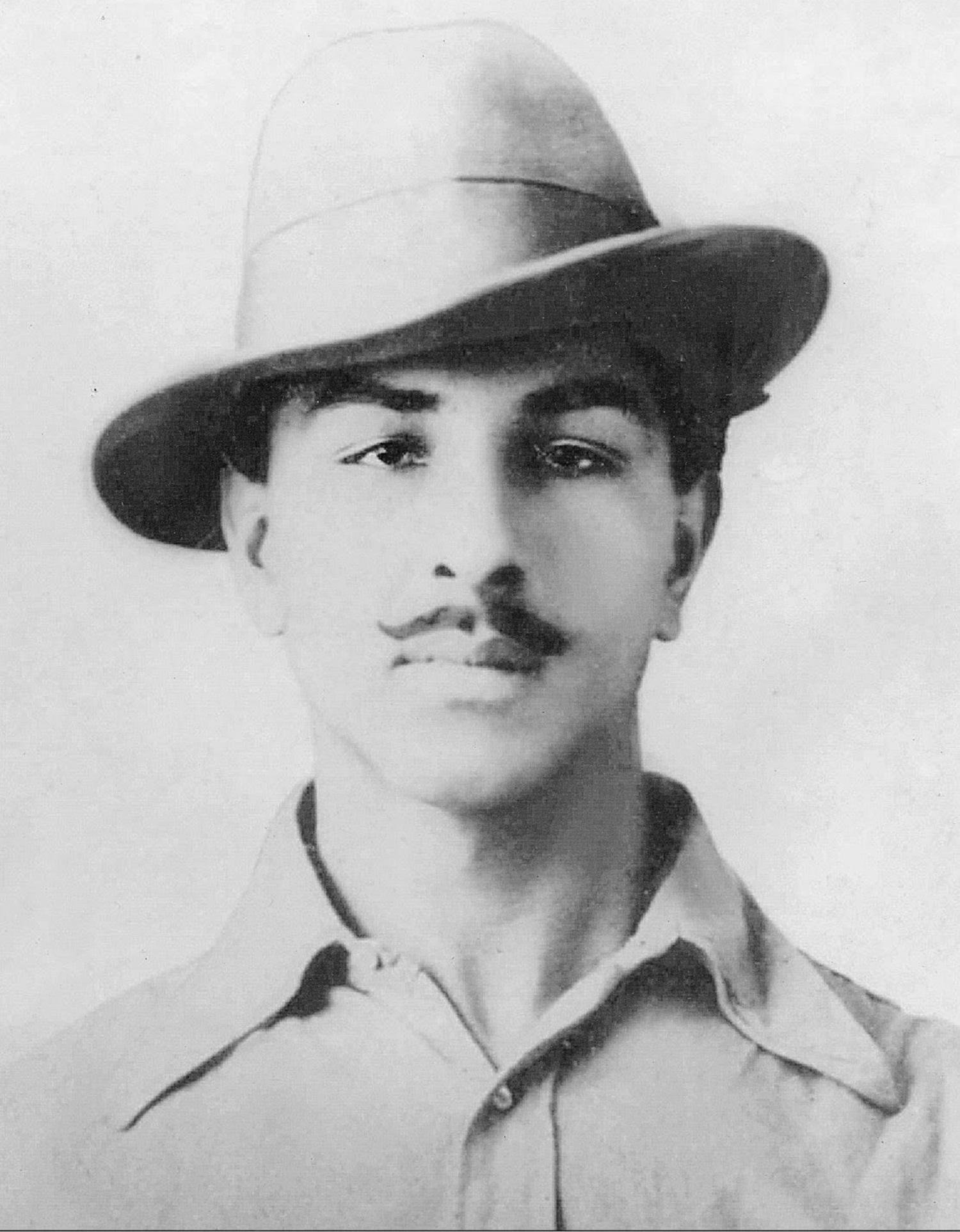
    His famous photograph wearing a hat became one of the most recognisable images associated with him.

    The photograph helped create the enduring public image of Bhagat Singh as a young, confident revolutionary.


    ๐Ÿšจ The Simon Commission

    https://images.openai.com/static-rsc-4/TAHq6gPwK53EmZRJ_p3hgzkBlnHZwbqKu5plnXWT6a40jTDgwIRPyS5GpUHcOsMIgPWETbIPCjj7JfdPp4O5BQoDnFyImeEVo9UrPIou0gaH56K1znCT9T2IXU0kRAb0DcqwLMhhTZ5w-BynK5RPih5Faq4atQGpjZnh-kEAs_-JEnIV8jRYbvhVz8nja5-y?purpose=fullsize
    https://images.openai.com/static-rsc-4/jONmBdMLtAs5Xfwn74nOt7oqsXKAcmwJ8Ue0HxHJyH32F5IUBdwNGNRHYPdaO7XHYErlJLV3pjbRokOkDFq8-nvpac9ugbRwOAD6F7DQFtb_i3x9ucCQYW2XHFttAhB3fi5OdrB14_hsg_3IPOHZpKvEtRA2osmCj5SYaJBAcwjbiCqCZiBhEeHc6ZA0PDQl?purpose=fullsize

    In 1928, the British government appointed the Simon Commission to examine constitutional reforms in India.

    The commission had no Indian members.

    This led to widespread protests.

    In Lahore, nationalist leaders organised demonstrations against it.

    Among them was Lala Lajpat Rai.


    ๐Ÿ’” Death of Lala Lajpat Rai

    During a protest in Lahore, police used force to disperse demonstrators.

    Lala Lajpat Rai was injured.

    He later died from complications following his injuries.

    Bhagat Singh and his revolutionary colleagues believed that British police officials responsible for the assault should be punished.

    This led to one of the most dramatic episodes of Bhagat Singh’s life.


    โš”๏ธ Saunders Assassination

    https://images.openai.com/static-rsc-4/eILkjl1zzM99n6fxtQ5sPXX4LqsP8DjSMdjyyH3RpJZ7YmhAuW1xb-k9QKwjd4Yh-Ix9teJ1g0tDIuhijMAl3JuO9EFCu3WCgDnEE1tN2vT_MaHxEmUZosp0EzIV8DC3r6lRNu1QR7WINExLI7fhSgFFpWynNeJQW0z-mZvxTlzc_MZtRZ7PvxY34PgBfAFV?purpose=fullsize
    https://images.openai.com/static-rsc-4/FD-y_JOIuc5XIbPrqp-GVT8aO7qM_8aovESu0n6UxQukoOFzV7a05Paf0dHVmdsLuj3kfVjcERn-coxBmnlWk1cO4MQUZcLqx2xJYcAoMxmOGBjOWQGRDrLTumohCf02tSHN71v5gJns0vz7eNssx0PhmY640_ANQ-W66n_U1aE8jIpuMktHLEKT7dd2ASxC?purpose=fullsize
    https://images.openai.com/static-rsc-4/DInc5qHKgQI9LixVEV42NaSzN-6XpcRYYWn81952A0zr8t05bfTvZlcwgefeDI93n_aoA8mj2g-kX0tBSQqGLplNq2vZVApx7V0EKqtQ-2YfxXYWwBQ8i8fxFugOCNeWkLlv6PGB_ZszyUvnXcBf-7mzxtG4QsAhuyBmpiGc3VHl0KkVLf3DzNetMUPSE-E3?purpose=fullsize

    In December 1928, Bhagat Singh, Rajguru and their associates targeted James A. Scott, whom they believed was responsible for the police action against Lala Lajpat Rai.

    However, they mistakenly killed John P. Saunders, a British police officer.

    The incident resulted in a major police investigation.

    Bhagat Singh went underground and escaped Lahore in disguise.

    This event remains an important and controversial part of his history.


    ๐Ÿ’ฃ Central Legislative Assembly Bombing

    https://images.openai.com/static-rsc-4/fzL-qe5Eb1YiKHdQooFE9deCjoq2jgzXpFgRQVNJlUoPrGdVbnvW6PhmTc2cU4CMAyaFS0LEiWJ65X5ko05CbJB8jwQVeeVNcwUjWVlqvKDRC2TlQpATb2avEq5w3HpbN2FthjcajxPwcCgLtlrcx3qmyuhoB_lxRaAyDyc752vCGcqvnO2-26VtXQT6V74z?purpose=fullsize
    https://images.openai.com/static-rsc-4/ARocoxYAvpQ6UneEJrROe6_5NsvomrgoTKtUb6aFAfeAyp28IsVkYM2xMgNvH8I3qqEh6Om0wmErkMjEBf2Ry_7Qdr8QvzBtyi2eswy5LFWJ2aFBNPHURkz3Pp9aUtQ_gyLO0d6NxOnwAX9S-kStnFNdC13K7jFT0wEky0NZVXWPnqakVPIp9oTFd4gnJJMx?purpose=fullsize
    https://images.openai.com/static-rsc-4/vhxKBJfij-upWSB66e0UB5lBINGmV2LZ4y9FE3BmY-06YyY7YjfU96sjMWtuMg14Gf_xDBrhyB_w_xvOSJZgTD5stlm_ubho1o6WvTlH3D5FKml5waBICkXNL7Drvmwj4Su0a7GJtGIpaDJkQp4TQ_nOrxu2hinNuVBqrBK0arjB0zrIgHZ-EdCtUsQDvHTL?purpose=fullsize

    On 8 April 1929, Bhagat Singh and Batukeshwar Dutt threw bombs inside the Central Legislative Assembly in Delhi.

    Their objective was not to kill people.

    The bombs were deliberately intended to cause limited physical harm while making a political statement.

    They also distributed revolutionary leaflets.

    After the bombing, Bhagat Singh and Dutt did not flee.

    They allowed themselves to be arrested.

    Their goal was to use the courtroom as a platform for their political ideas.


    ๐Ÿ—ฃ๏ธ โ€œInquilab Zindabadโ€

    One slogan strongly associated with Bhagat Singh and the revolutionary movement was:

    โ€œInquilab Zindabad!โ€

    It means:

    โ€œLong Live the Revolution!โ€

    The slogan became one of the most famous expressions of India’s revolutionary nationalist movement.

    It continues to be remembered in Indian political and historical culture.


    โš–๏ธ The Lahore Conspiracy Case

    https://images.openai.com/static-rsc-4/eILkjl1zzM99n6fxtQ5sPXX4LqsP8DjSMdjyyH3RpJZ7YmhAuW1xb-k9QKwjd4Yh-Ix9teJ1g0tDIuhijMAl3JuO9EFCu3WCgDnEE1tN2vT_MaHxEmUZosp0EzIV8DC3r6lRNu1QR7WINExLI7fhSgFFpWynNeJQW0z-mZvxTlzc_MZtRZ7PvxY34PgBfAFV?purpose=fullsize
    https://images.openai.com/static-rsc-4/tMgQjTw5Ayc9wBCM5OjR07KUSNglyzBLGJXTTA5Xx6-N6tVl_UEiXgY65vO9t_RCOuYNf79sjnQwQF8_NHgfHH6LJ9fL1hZgY7hXVnkd1bRQkLuBAAUATWt9Pq9Iy1GSxynn86ivBqbZ7wsZN2_J6wnvdaj52kPuq3n4_VvZI3saQ-1cvMBIMpiQ3lmWaXmq?purpose=fullsize
    https://images.openai.com/static-rsc-4/W7xt3Sg-9KeHrD-ZxBH3hkjmYlb8_LpN8cKdIwZ-DkgzmA4Uq5alLbvX04uLQIOu1hXXkVzq8-KKpmoY2gw9h-vpLL2IQxQBOOwdmNZeUNufRwZLCtpmzyYOJMyp7IwC_bnsW7zppNGuPT3QnIyhbR-FHr1oRwo-C0yNcRQNjxjvYmXMn6fTlqQnMnBIrbcv?purpose=fullsize

    Bhagat Singh was subsequently tried in connection with the Lahore Conspiracy Case.

    The trial attracted enormous public attention.

    Bhagat Singh used the courtroom to explain his political philosophy.

    He and his fellow prisoners protested against prison conditions and demanded equal treatment for Indian political prisoners.


    ๐Ÿฝ๏ธ Hunger Strike in Prison

    https://images.openai.com/static-rsc-4/XTNjb9eGGC-qtECVphuCTBJ83rE-ig5O7ca8k6VMUgG2pzED44ixOEda7YmH9ZBaIKbWKCYq2OQe6SLMjdqtxd7zcGfjsjL3m37S0qR8df8doD-0ZtMUErB_SG7zsTxHfglJPwhOkKw9Ewu-BETkr_3Qg1DGL7WOYly3lszf-DGdEMFDMug2FKlizUaY87D3?purpose=fullsize
    https://images.openai.com/static-rsc-4/OthwRoZkZsZjb0UbArtRxmDuxO-Odk8roGGLxSBdtLH4HrU4dqCw1Xb9L8g49O-aK9MiNQLXWe3HFgHxwON9QpdZXhS8F5rCi3exfBqU4WHPkHuFfGeBEQxm7y2ZaGp5jt7NcynqHQr7EIW2Y2MQg4sQDnqFwoHrmNhEwXtRnaU_mknC76IU2A3_LQo4lO49?purpose=fullsize
    https://images.openai.com/static-rsc-4/XH472HoVe8cc-Z767zjlRwyFQRt2-24yUQijn8ImW5q-A8kCmIJQ6VIqUDs2dkfmzV1n8uiduHpTvaeinE6rU9raSo32gdP9IVDCPfQKeFXyXI7vh6fFVbuf1lVhq0hlWNoO3MSGmlI7RjbLMo3-Dq7M9nRZF58hCywWpepzQidnL7cQzHadMiMkp9GFnGgB?purpose=fullsize

    Bhagat Singh and other prisoners launched a hunger strike.

    They protested against poor prison conditions and demanded better treatment for political prisoners.

    The hunger strike lasted for weeks.

    One of the prisoners, Jatin Das, died after a prolonged hunger strike.

    His death caused widespread public outrage and sympathy.

    Bhagat Singh’s reputation grew enormously across India.


    ๐Ÿ“– Bhagat Singh โ€” The Reader

    Bhagat Singh was not simply interested in revolutionary action.

    He was deeply interested in ideas.

    He read works on:

    ๐Ÿ“š History
    ๐Ÿง  Philosophy
    โš–๏ธ Political theory
    ๐Ÿ’ฐ Economics
    ๐ŸŒ Revolution
    ๐Ÿ‘ฅ Socialism

    His surviving writings show a young man who was constantly thinking about India’s future.


    ๐Ÿง  โ€œWhy I Am an Atheistโ€

    One of Bhagat Singh’s best-known writings is โ€œWhy I Am an Atheist.โ€

    In it, he discussed his rejection of religious belief and explained his intellectual reasoning.

    The essay demonstrates that he was interested in philosophical questions and did not want people to accept ideas blindly.

    His writings show a strong emphasis on:

    Rational thinking

    Self-criticism

    Intellectual independence


    โš–๏ธ What Did Bhagat Singh Believe?

    Bhagat Singh’s political thinking evolved over time.

    He increasingly identified with socialism.

    He believed political independence should be accompanied by social and economic justice.

    He was concerned about exploitation of:

    ๐Ÿ‘จโ€๐ŸŒพ Farmers
    ๐Ÿ‘ท Workers
    ๐Ÿ‘ฅ Poor communities

    For him, freedom was not simply about changing the flag.

    It was about creating a society where ordinary people could live with dignity.


    ๐Ÿง‘โ€๐Ÿคโ€๐Ÿง‘ Sukhdev & Rajguru

    https://images.openai.com/static-rsc-4/v2Ql3KjnSrhjVp9l2EMA-l4NPgcG5wsIQTlRoj9EeQLyeUT3Br7kl1DPStB4BI5npaQa7I7uBQ_xHWF4aZKlfzU9unHb-K_mtt4LYkRpEb7Zjb9B0M2LusQOmTerH558OUiqOASB20cE3sPOlOl4u6YNtKZ1vvmH8jb5oMv_cKsjJoENKZHPn8G-2pMLed6K?purpose=fullsize
    https://images.openai.com/static-rsc-4/ibKBXTpVk59L3RYu-FNrJRtVLlHEvfcElUoNCS4DmMeZrTkcyUv11qDdUs_PTzntJWPOkWGEM4_8UmvQJ-WAR6MSmIB_7RQACbCSmmiaaDtPdJc3f6dLZXzbsi9Iej4rw0zTyqlelseCFbaTZoTUn9sJkk5YHZqnEbXpr_b5osxtyeUT32kkt6g-HvjxoCWY?purpose=fullsize
    https://images.openai.com/static-rsc-4/GJ4x3APXf3eTIDz4nzrUc0_kwjz3i5NVVL3U5i9UlHSs96xX9AbtFpYvHEysCHXhzOLw5WsLKtXffKInrUwzf2DzI4y2GWEQsGsarmIeV01CpR1GAlG7dK-aCPeED9adpihoW6RK8dpW21kkncW3lrADPauMIgj57OJEsjwlzBC_LCyl5tgBKhVEefmvhiNs?purpose=fullsize

    Two of Bhagat Singh’s closest revolutionary associates were:

    Sukhdev Thapar

    and

    Shivaram Rajguru

    They were also sentenced to death in the Lahore Conspiracy Case.

    The three became remembered together as symbols of revolutionary sacrifice.


    ๐Ÿ•ฏ๏ธ 23 March 1931

    https://images.openai.com/static-rsc-4/GJ4x3APXf3eTIDz4nzrUc0_kwjz3i5NVVL3U5i9UlHSs96xX9AbtFpYvHEysCHXhzOLw5WsLKtXffKInrUwzf2DzI4y2GWEQsGsarmIeV01CpR1GAlG7dK-aCPeED9adpihoW6RK8dpW21kkncW3lrADPauMIgj57OJEsjwlzBC_LCyl5tgBKhVEefmvhiNs?purpose=fullsize
    https://images.openai.com/static-rsc-4/nj-ih5g-ZLDwFyzZWJ2yhc8-ZNihOIPRSQCRpgusp1a5N4-y9zOWAplprJt-264Nt51X7zaK560tmK4KnxtUR19ffjiKgDUteqzOBVLuZ7srZ2_JgzTNQAd7312H5zRj4oA57saVFXSH4UMDw0ORJsioRpF0SKO_Cxz_d0V6iReLtaHEnP9-Q1BqQ8RYW0Dy?purpose=fullsize
    https://images.openai.com/static-rsc-4/bEztnvKadrCauZ9-ouUC6sWYkDqwi0aZTWmyVnh9NUm-8PP-YZImS4QX5EZCaMcu5kbLsB1y9XJmdGIPXj4R8tF7b39NQSS7HTNE2gQHDhNhEZJ1kxfWLavXUeKcnd3krBdfA7mw_Sxhrre7YwoHtoWNb8eXtZ5DOQVCDXtx1TIB1pBWVnIfmLYA_cuWV2as?purpose=fullsize

    Bhagat Singh, Sukhdev and Rajguru were executed on 23 March 1931.

    Bhagat Singh was only 23 years old.

    His execution generated enormous public anger and grief.

    The date is remembered as Shaheed Diwas in honour of the martyrs.


    ๐Ÿ”ฅ Why Did Bhagat Singh Become So Popular?

    Bhagat Singh’s popularity was not based only on his death.

    Several factors contributed to his enduring appeal:

    ๐Ÿ‘ฆ His young age

    He was barely in his twenties.

    ๐Ÿง  His intellectual depth

    He wrote extensively about politics and philosophy.

    ๐Ÿ‡ฎ๐Ÿ‡ณ His commitment to independence

    He remained uncompromising about ending colonial rule.

    โš–๏ธ His concern for social justice

    He wanted freedom to benefit ordinary people.

    ๐Ÿ—ฃ๏ธ His powerful public image

    His courtroom statements and writings attracted widespread attention.


    ๐Ÿ—ฟ Hussainiwala Memorial

    https://images.openai.com/static-rsc-4/fOZPO4Q14L4Ffmo5UggvpXvx-RUQe2tBXIESRRBxSHHn7x9fe1YVWCkc8OTMlBH8fIBjETUjlnSUSFM-IBd2vGUYxXJNyrAqvJ_Pqt-MWvLws_uGoY1g_dwRBuEQ63hO4LPzFYGZaMBztpUGJajxreivMGz7z6EZUmjrbU01cfvxylgt96TPvnUGRKLJtD0h?purpose=fullsize
    https://images.openai.com/static-rsc-4/patT_pSDPWp-_o5y8AR_T4ijRo2QaD61-hHR54k5drPKqitn170WCxUQWfxkFXLp-D5gew2ZKI_kd07rwIuBEdE9Wb9iVO3pIXNaUwG5_6jJ12yj98_I_DGtZenJdU72rw3qejxKYk2eNlqXAcbADpTOfYWFbxRGejU3XSSUuZfHi_cRyDoj24J7qXCbAm2Q?purpose=fullsize
    https://images.openai.com/static-rsc-4/nj-ih5g-ZLDwFyzZWJ2yhc8-ZNihOIPRSQCRpgusp1a5N4-y9zOWAplprJt-264Nt51X7zaK560tmK4KnxtUR19ffjiKgDUteqzOBVLuZ7srZ2_JgzTNQAd7312H5zRj4oA57saVFXSH4UMDw0ORJsioRpF0SKO_Cxz_d0V6iReLtaHEnP9-Q1BqQ8RYW0Dy?purpose=fullsize

    The Hussainiwala National Martyrs Memorial in Punjab is closely associated with Bhagat Singh, Sukhdev and Rajguru.

    It is an important place of remembrance for people who want to honour their sacrifice.

    Every year, visitors gather to pay tribute to the revolutionaries.


    ๐ŸŽฌ Bhagat Singh in Popular Culture

    https://images.openai.com/static-rsc-4/ojooT_QD11JYmS6g9h1K9tER_k2lt8N3f8slOJb1ryJXKAuGBE1GwSATKtHMCzWZbevtPHsOwJkInpX4nIxkEwZ1XiuA_G718F4buE-RfywrOy-GAeqvv1R8z4bWQFlqOR04qms0Zlkh4FhNZSflGxu7Mamv82hs8clQpb1z0L0lB8aZuLrRf2jWEYO2pAIY?purpose=fullsize
    https://images.openai.com/static-rsc-4/nj-ih5g-ZLDwFyzZWJ2yhc8-ZNihOIPRSQCRpgusp1a5N4-y9zOWAplprJt-264Nt51X7zaK560tmK4KnxtUR19ffjiKgDUteqzOBVLuZ7srZ2_JgzTNQAd7312H5zRj4oA57saVFXSH4UMDw0ORJsioRpF0SKO_Cxz_d0V6iReLtaHEnP9-Q1BqQ8RYW0Dy?purpose=fullsize
    https://images.openai.com/static-rsc-4/79qaOc9GGV4C9-G9xAFumobCyis-lJrPh8IzeoWVoWgXYhziviV0P25TEGUI-8YWCBJVBoZMT-LS0oUB7gXHgDPR4U2HKEkdYTETlyke9V97LGLuehC2jmDoeZyyp5OHy3O70q4Q79sfF1zPdQl_f0COv0GbzCWQSxnlETxPeXmzc_mAcnIT8eOT2hNpus3Q?purpose=fullsize

    Bhagat Singh has inspired generations of artists and writers.

    His life has been represented through:

    ๐ŸŽฌ Films
    ๐Ÿ“š Books
    ๐ŸŽญ Plays
    ๐ŸŽต Songs
    ๐ŸŽจ Paintings
    ๐Ÿ—ฟ Statues
    ๐Ÿซ Educational programmes

    His distinctive hat-and-moustache image has become an instantly recognisable symbol of Indian revolutionary history.


    ๐Ÿคฏ Interesting Facts About Bhagat Singh

    https://images.openai.com/static-rsc-4/vH0DvpJOlRUjJIo7PNFHk6mR3wJjqa8-nePUTuozRBCzVXvW0t2cA2x_zRtU5dF4KD6jODKdogiR9KTbteS5o57pBh8ZNBX2P6AdepEA8sbUC7f0DQmbr8iAn3wkQHUP_C7xtuAw6Dkrg85k_USWfkSi9Cr9SIJ7VY1e5YY3KACfzaNi_4qLvKaVty55b0Wh?purpose=fullsize
    https://images.openai.com/static-rsc-4/NtsQjHFmZ7Jbt3deGoN66nNTpJRSAOW330EA7VlffCc4yrID9QIK9r-I7u2L0cpkqpoz99xGi7w9eFHa2ztofykk4X7V7RhuKKHWlVPpNFyQQgx3jhOd-L2s_hLNt4DewoeW7Wgdz56mmNFZDncgZrEzAC2xgl8npl4JYWUtOjH3gRhhxgG6TnfKnapCZCAM?purpose=fullsize
    https://images.openai.com/static-rsc-4/3OJD25mrOBO5vmyi4hvQhrIVEe1KYcqGRF5co7kc3gB0iluwGvItbubonbIKQANYVQsGgEBuQiIqAuxgYR27hgm6Ab28s7ZoEaFkLXHWqo-85SRaF1t1jwuvKV09OSdLgOkRpx3rZmWsanGCUC6pAjbhB8KJeWOmZOQrf272NydEx1zybzltZ0PrNAo36FqT?purpose=fullsize

    ๐Ÿ‡ฎ๐Ÿ‡ณ 1.

    Bhagat Singh was born in 1907 in Punjab.

    ๐Ÿ“š 2.

    He was a passionate reader and writer.

    ๐ŸŽญ 3.

    He was involved in theatre during his student years.

    ๐Ÿง  4.

    His political thinking increasingly moved toward socialism.

    โš”๏ธ 5.

    He was involved in revolutionary activities against British rule.

    ๐Ÿšจ 6.

    He participated in the Assembly bombing with Batukeshwar Dutt in 1929.

    ๐Ÿ—ฃ๏ธ 7.

    โ€œInquilab Zindabadโ€ became strongly associated with the revolutionary movement.

    ๐Ÿฝ๏ธ 8.

    He participated in a prolonged hunger strike in prison.

    ๐Ÿ“– 9.

    He wrote the famous essay โ€œWhy I Am an Atheist.โ€

    ๐Ÿ‘ฅ 10.

    Sukhdev and Rajguru were his close revolutionary associates.

    ๐Ÿ•ฏ๏ธ 11.

    He was executed on 23 March 1931.

    ๐Ÿ‘ฆ 12.

    He was only 23 years old when he died.


    ๐ŸŒŸ What Bhagat Singh Teaches Us

    ๐Ÿง  Think for Yourself

    Bhagat Singh encouraged questioning rather than blind acceptance.

    ๐Ÿ“š Read Widely

    He believed knowledge was essential for meaningful political action.

    โš–๏ธ Stand for Justice

    He wanted freedom to include social and economic equality.

    ๐Ÿ’ช Have Courage

    He accepted enormous personal risks for his political beliefs.

    ๐Ÿ‡ฎ๐Ÿ‡ณ Think Beyond Yourself

    His life was dedicated to a cause larger than his own future.


    ๐Ÿ Final Thoughts

    Bhagat Singh lived only 23 years.

    Yet in those 23 years, he became a revolutionary, writer, thinker and symbol of resistance.

    He did not simply dream of removing British rule.

    He imagined an India based on freedom, equality and justice.

    His methods remain subjects of historical debate, particularly his involvement in revolutionary violence.

    But there is no denying the extraordinary impact of his life and ideas on India’s independence movement.

    More than nine decades after his execution, his name continues to inspire young Indians.

    ๐Ÿ”ฅ BHAGAT SINGH

    ๐Ÿ‡ฎ๐Ÿ‡ณ THE YOUNG REVOLUTIONARY

    ๐Ÿง  THE THINKER

    โš”๏ธ THE SYMBOL OF COURAGE

    ๐Ÿ•ฏ๏ธ THE MARTYR WHOSE IDEAS OUTLIVED HIS LIFE


    ๐Ÿ‡ฎ๐Ÿ‡ณ MANA BHARATHAM

    Stories, Facts & Wonders From India

    โœ๏ธ Written by Pasupuleti Saida Rao

    ๐ŸŒ allpincodes.online

    Know India. Explore India. Celebrate India. ๐Ÿ‡ฎ๐Ÿ‡ณ