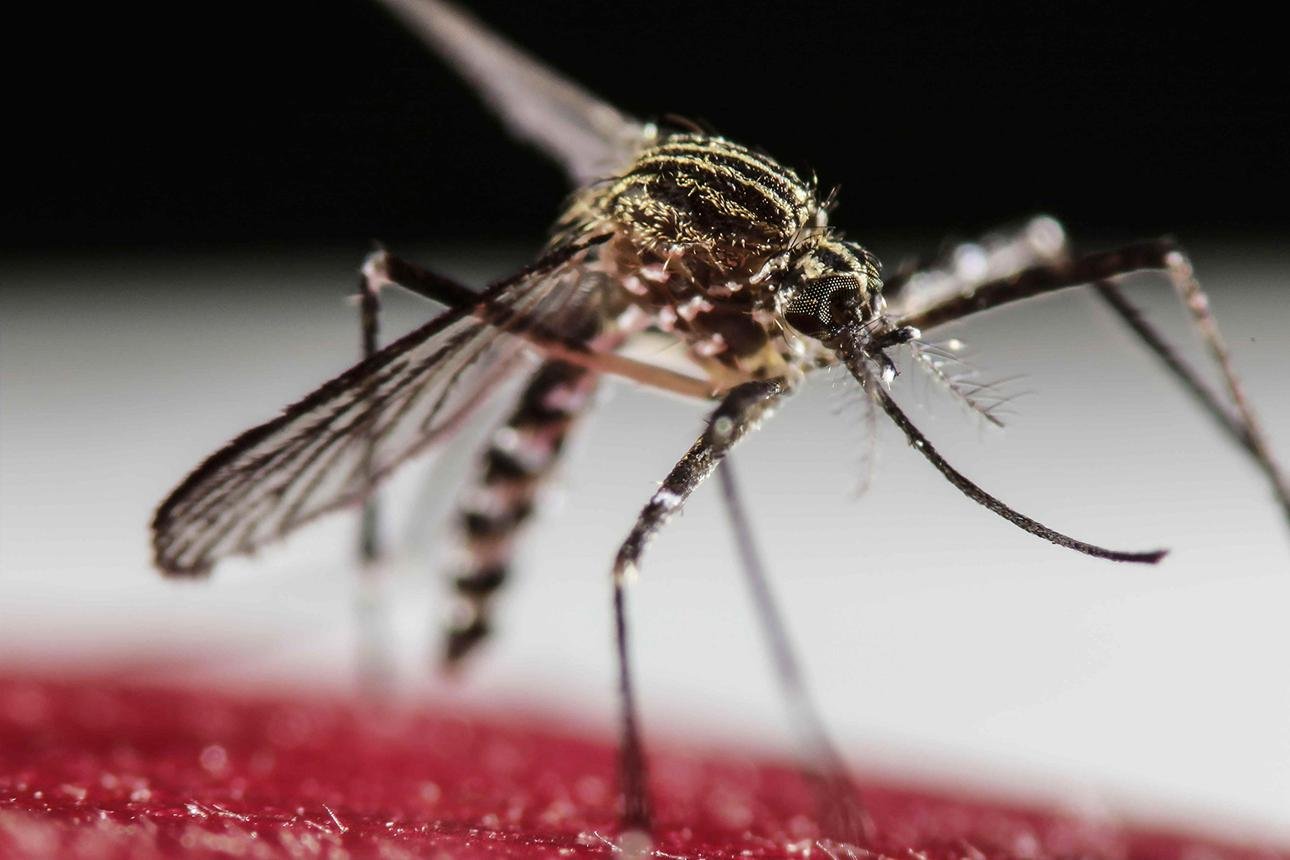
A mosquito is one of the smallest creatures we encounter every day. Yet, it can carry diseases capable of causing serious illness and death.
In India, mosquitoes are responsible for transmitting several important diseases, including malaria, dengue, chikungunya and Japanese encephalitis.
But an important question remains:
How many people actually die in India because of mosquito-borne diseases?
There is no single official number covering every mosquito-borne disease together. Government agencies report deaths separately for diseases such as malaria and dengue.
The latest official data shows that India continues to face a mosquito-borne disease burden, although there has been significant progress in reducing malaria over the years.
🦟 Which Diseases Are Spread by Mosquitoes in India?
Different mosquito species can transmit different diseases.
The major mosquito-borne diseases of public-health importance in India include:
- Malaria
- Dengue
- Chikungunya
- Japanese Encephalitis
- Lymphatic Filariasis
- Zika virus disease in relevant surveillance contexts
Among these, malaria and dengue are particularly important when discussing deaths and disease burden.


🦠 Malaria Deaths in India
Malaria is one of the oldest mosquito-borne diseases known to humanity.
It is transmitted by infected female Anopheles mosquitoes.
According to the latest WHO India malaria country profile, based on data for 2023, India had an estimated 2 million malaria cases and about 3,500 malaria deaths. The same WHO profile recorded 227,564 reported malaria cases and 83 reported deaths, showing the difference between estimated burden and officially reported deaths.
This distinction is extremely important.
Estimated deaths vs reported deaths
There are two different numbers:
Estimated deaths: around 3,500
Reported deaths: 83
The estimated figure is produced by WHO modelling, while the reported figure represents deaths recorded through the country’s reporting system. Therefore, these numbers should not be treated as contradictory—they answer different questions.
📉 India Has Made Major Progress Against Malaria
There is also good news.
According to WHO, India’s estimated malaria cases declined from approximately 6.4 million in 2017 to around 2 million in 2023—a reduction of about 69%.
India also exited the WHO’s high-burden-high-impact group in 2024 after significant progress in reducing malaria incidence and mortality.
That does not mean malaria has disappeared.
It means India has made substantial progress while continuing to work toward malaria elimination.


🦟 What About Dengue Deaths in India?
Dengue is another major mosquito-borne disease.
It is primarily transmitted by Aedes mosquitoes, especially Aedes aegypti.
Unlike malaria, dengue does not involve a parasite. It is caused by the dengue virus.
The number of dengue cases can rise sharply during periods of heavy rainfall because mosquitoes can breed in small collections of stagnant water.
According to India’s National Center for Vector Borne Diseases Control (NCVBDC), the country recorded:
| Year | Reported dengue cases | Reported deaths |
|---|---|---|
| 2022 | 2,33,251* | 303* |
| 2023 | 2,89,235* | 485* |
| 2024 | 2,33,251* | 297* |
| 2025 | 2,32,875 | 55 |
The exact presentation of annual dengue figures can change as surveillance data are updated, so for a blog post it is best to identify the data year and source rather than presenting an apparently permanent number. The current NCVBDC database provides state-wise dengue cases and deaths and is the appropriate source for updates.
Important: The figures above should not be combined with malaria deaths to claim a single “total mosquito death” number because the surveillance systems and reporting methodologies differ.
🩸 Why Can Dengue Become Dangerous?
Many people recover from dengue without major complications.
However, some patients can develop severe dengue, which may cause:
- Severe bleeding
- Shock
- Organ complications
- Severe dehydration
- Dangerous changes in blood pressure
Early medical evaluation is important when symptoms become severe.
Common dengue symptoms can include:
- High fever
- Severe headache
- Pain behind the eyes
- Muscle and joint pain
- Nausea
- Rash
- Weakness
A person with suspected dengue should seek medical advice rather than relying on home remedies alone.
🌧️ Why Do Mosquito Problems Increase During the Rainy Season?
Rain creates one of the biggest opportunities for mosquitoes to reproduce.
Water can collect in:
- Old tyres
- Flower pots
- Buckets
- Construction materials
- Roof gutters
- Open containers
- Discarded plastic items
- Water storage containers
Even a relatively small amount of stagnant water can become a mosquito breeding site.
This is particularly important for Aedes mosquitoes, which can breed around homes and urban neighbourhoods.


🏠 How Can Families Reduce Mosquito Breeding?
Mosquito control does not depend only on government spraying.
Households can also make a major difference.
1. Remove stagnant water
Check your surroundings regularly and empty containers where water has accumulated.
2. Cover water storage containers
Keep stored water properly covered.
3. Clean coolers regularly
Water coolers can become breeding places if they are not cleaned and emptied regularly.
4. Use mosquito nets
Mosquito nets can reduce exposure, particularly while sleeping.
5. Use screens and repellents
Window screens and appropriate mosquito repellents can reduce mosquito bites.
6. Keep surroundings clean
Discarded containers, tyres and plastic materials should not be allowed to collect rainwater.
🧬 Why Are Mosquitoes So Dangerous?
The mosquito itself is not necessarily dangerous simply because it is a mosquito.
The danger comes when a mosquito becomes infected with a disease-causing organism and then transmits it to another person.
For example:
Malaria → parasite
Dengue → virus
Chikungunya → virus
Japanese encephalitis → virus
So the same broad category—mosquito-borne disease—can involve very different pathogens.
🇮🇳 India’s Fight Against Mosquito-Borne Diseases
India has national programmes dedicated to controlling and eliminating vector-borne diseases.
The National Center for Vector Borne Diseases Control (NCVBDC) publishes surveillance information on diseases including malaria and dengue.
The data show that India has made substantial progress against malaria, while dengue continues to require strong surveillance and prevention efforts.
WHO also continues to work with India on malaria elimination and other vector-borne disease programmes.
📊 What Do the Latest Numbers Really Tell Us?
The numbers tell us something important.
It would be misleading to say:
“Millions of Indians die every year because of mosquitoes.”
The available official data do not support such a statement.
Instead, the evidence shows:
- India has a significant mosquito-borne disease burden.
- Malaria cases have fallen substantially over the long term.
- WHO estimated about 3,500 malaria deaths in India in 2023.
- India’s government surveillance system records dengue deaths separately.
- The total number of deaths from all mosquito-borne diseases cannot simply be obtained by adding a few headline numbers from different sources.
This is why responsible health reporting should always mention which disease, which year and which data source is being discussed.
🔬 Why Reported Numbers and Estimates Can Be Different
This is an important point that is often missed in online articles.
Suppose a disease surveillance system records a certain number of deaths.
That does not necessarily mean every death caused by that disease was diagnosed and reported in exactly the same way.
WHO therefore uses epidemiological models to estimate the overall disease burden.
That is why the WHO malaria profile can show approximately 3,500 estimated deaths alongside 83 reported deaths for India in 2023.
Both figures are useful, but they should not be confused.
🦟 Can Mosquitoes Really Be Called One of the World’s Deadliest Animals?
Yes—with an important qualification.
The mosquito is dangerous because it acts as a vector for pathogens.
It can transmit diseases between humans or between animals and humans.
That makes mosquito control an important public-health activity around the world.
But the exact number of deaths attributed to mosquitoes depends on which diseases and which years are included.
❤️ The Most Important Message: Prevention
The most effective mosquito-control strategy is not simply killing mosquitoes after they appear.
It is also about preventing breeding.
One small container filled with stagnant water may appear harmless.
But if mosquitoes breed there, that tiny container can contribute to a much larger public-health problem.
Therefore:
No stagnant water = fewer breeding opportunities = fewer mosquitoes.
And fewer mosquitoes can mean fewer opportunities for mosquito-borne infections to spread.


🇮🇳 Conclusion
Mosquitoes may be tiny, but the diseases they transmit can have a major impact on public health.
In India, malaria, dengue and other mosquito-borne diseases continue to require attention, even as the country has made significant progress in reducing malaria.
The latest WHO data estimate around 2 million malaria cases and 3,500 malaria deaths in India in 2023, while India’s government surveillance system continues to track dengue and other vector-borne diseases separately.
So the answer to the question “How many people die in India because of mosquitoes?” is not one simple number.
The scientifically responsible answer is:
Thousands of deaths are associated with mosquito-borne diseases, but the exact total depends on the diseases included, the year and whether reported or estimated deaths are being counted.
The good news is that many mosquito-borne diseases can be prevented or controlled.
Remove stagnant water. Protect yourself from mosquito bites. Seek medical care when serious symptoms appear. And keep your surroundings clean.
🦟 A small mosquito can create a big health problem—but small preventive actions can also make a big difference.