Tag: Narada

  • 18 Mahapuranas – Part 6: Narada Purana

    18 Mahapuranas – Part 6: Narada Purana

    The Narada Purana is traditionally counted among the 18 Mahapuranas and is the sixth Purana in our series.

    It is associated with the great sage Narada, who is famous throughout Hindu tradition as a devotee of Lord Vishnu, a spiritual teacher, and a divine messenger.

    https://images.openai.com/static-rsc-4/dE6JEDTSKHB6F3P4mllopMGJZ3RKkOsILEFv6vFEgAWp_8rwTvu6t85Z5NfbbvgidkMLMEtym5Bbf-I930qry1xJwgZxlXAWAhAAJ7iId5paA70_mAqyl4_OhsDdIIejaWrUV0ARM8vTmq6SP1wnYN12_pjW-NgUtIz3aMZCFzUhAA41-ljW1OpcAMGmS8TF?purpose=fullsize
    https://images.openai.com/static-rsc-4/nwE1SePzHi_HGALAkV_M1WQx5HYmqd5Kx9ll71RSFbE27wA-nb1ciEkNbGmlGtJG2Uh0G0F5BhkoAmCR0VnFUz3TqPqJ8B6Kyd5TeYEtQtKbP50oSpXlqB6f55KsYZh1FjmFN--KNNObQEy1inOlVkmbCRcLGbJ4DCYcaMRETPd1j7ar0e8SSgoGpXlvSiEg?purpose=fullsize
    https://images.openai.com/static-rsc-4/iIYRW41zsAD7BAS9SinGAjTrg3EJYvpghZFs7i8ADfxbp4itSuyMXiYA4scua8tlSmT7LwcsmDjkmSVjfw1pr7a9n_lpNO2I7fDRNO0X0VS35kesAAWfhJnZGzUrK8xxfsq3xznBRFfp7iH2wkuj_8AMqY5KsM65HlLquHocWdR_g3YDUxWDVykP2BG06h1T?purpose=fullsize

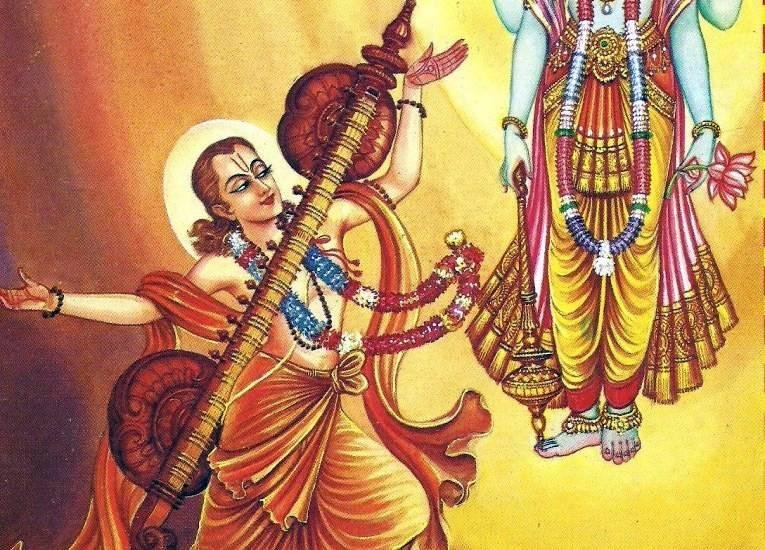
    Image ALT: Sage Narada holding his veena and representing the devotional tradition of the Narada Purana


    Who Is Sage Narada?

    Narada Muni is one of the best-known sages in Hindu literature.

    He is traditionally depicted carrying the veena and chanting the divine name of Narayana.

    Narada appears in many Puranas and other Hindu texts as a wise and devoted sage who travels between different worlds.

    https://images.openai.com/static-rsc-4/06qVwCCTmBMwgbufUa6mN_8yD3LYYPe7Whvh-6sUIbPBzHMqMOpJOlZZ6JxRMwysbGYxzKqulLpPI_pXSau79L_e7gigmO8gGKhu86iGuDi3NdLNjSEf0r_QUurtj8cTn83EBWrLJ_zKqcNTQhV4vRrINrZ6lEhVw-WWzqsyIRi5k3OdTEBWQhFTRaI-EwKh?purpose=fullsize
    https://images.openai.com/static-rsc-4/nbvg5Hv8ECPtFhrFroPi_JiD6bsKq4nxL9sMNdRKYBMwtNtzrcdLEpYMBeVN1Vrc0OaHfVoev2eIHSSKfYYeAud0HFCW4WWaizhKcJnv965byJiIKWXVsUSHwvA2wkE5DvP59ha0_1APr5ZnQgFSSwiL86SAO4JfQqEaQ_r2GPnKHqGr2_n4GKaOAA2Jxx0_?purpose=fullsize
    https://images.openai.com/static-rsc-4/Elo52suL0KPBSUJEXDPVWH-RcouHq_AFhKg10BqN2AkhYcRIIi6fYZqetU_suE7LWkamTsQAvbvAdIB4SaNqPUiuSaENz2NGeZWID4gntr04W_fzKMo08a9SPB1eLJ__8gIP6UIPbZ2bA3h70P66lr4zFPse0gHBOFPzOlUDac7eO_rAZur8Pa3-OSjRHVYN?purpose=fullsize

    Image ALT: Sage Narada travelling with his veena and chanting the name of Narayana

    His character represents:

    • Bhakti
    • Spiritual wisdom
    • Devotion
    • Knowledge
    • Divine communication
    • Guidance

    What Is the Narada Purana?

    The Narada Purana is a Sanskrit Purana containing religious, philosophical and cultural teachings.

    Although associated with Narada, the text covers a broad range of subjects rather than focusing only on the life of the sage.

    Its subjects include:

    • Bhakti
    • Dharma
    • Vishnu worship
    • Shiva worship
    • Sacred places
    • Festivals
    • Religious practices
    • Mantras
    • Yoga
    • Puranic stories
    • Spiritual knowledge

    Image ALT: Ancient Sanskrit manuscript representing the Narada Purana


    Narada and Bhakti

    One of the strongest associations of Narada is Bhakti, or loving devotion toward God.

    Narada is traditionally remembered as a great teacher of devotion.

    https://images.openai.com/static-rsc-4/4GGTeQiVeJ7aVP16ku1UgSanT8TCAM2rQJDwgWoJrbvSPzS1ixdy0x2LviywlKP7Rrmi39w4vude_XIjqd1I-0StOSFLQ_OBRpSzKQAbnWWJvGLLprwvII69ffgxvLKBwTbQsY1EnAG-6Ox7mKf5ZRo9mPwNEfEFc67NHSUVD_PiLqRZKGNLem679m0GBar1?purpose=fullsize
    https://images.openai.com/static-rsc-4/k-UFRO8NIFdsOLIYiBAVmHJUnEElZ5pV2BtrZ4el2IT0WG5VEQR7rjP6HZ2FKKlKHlL9aeTmiwTu0IlmClRjnIYK4Wb3BrnyRhJBwf-MLwxCfwWLlQvBaYjxz3XMD76L1y3JBnBslennkKlm8IBL8M0KaQEFTxtEfIEJh3_DdwV9Jhjz6z_0GAwOQ8b2uw12?purpose=fullsize
    https://images.openai.com/static-rsc-4/39WvDyzJhKjlYAEARZPb_sMWE4Fsv0cM0o70rfpjy_rbFL0jgG680jpILnhiPAH1rcCJELE45_luJS62umJMzJcA6AGHyvC3EWjTGgUcJx_iZ5Rj4IsBbpv8YDSSlJwj2P6jrEdidHtbu3l3y6yVErVBKg_9IFDIXk2sNUqyzSzoz7NJam5tjbEFtlYxcj5N?purpose=fullsize

    Image ALT: Sage Narada expressing devotion to Lord Vishnu through music and prayer

    His presence in Puranic stories often reminds people that spiritual knowledge is not only about intellectual understanding but also about love and devotion.


    Narada’s Veena

    The veena is one of the most recognizable symbols of Sage Narada.

    He is traditionally shown travelling while playing his veena and singing the names of the divine.

    https://images.openai.com/static-rsc-4/SXbsTuzy3k6Ifkw1ya4_jh51S-SAcWZ4Oay9UADWNQyNZKXPwtAajni0t9NhDxJhdoUzbgqawATnraJZO7MvLOcF1woVwZaUQLJvbRw6b7qdEI8fSm5pbJjqmF4wGc09lblS_SVjGz8-czwzGcBk-JKfeMOoudMdh679cbrO7qw4LQHcmOA3uZJY0kd9Z32r?purpose=fullsize
    https://images.openai.com/static-rsc-4/GCaLWncp05bk0VuVIWXIev6Mkha6d3TK4xKfFRqPFtcaLHIA-r109MJkY1ny-iuOwppOpBpqcaaHq5YVDENR-15Wsq_VB8MlLirABU6sBTH4F_fVNkJOh1ktbDNWCe94-DWSHr11ycdLawLNWzReYCxn0GuMGZjPb_1TogwRElSMBeASB_Pgf6F05OBpEWgo?purpose=fullsize
    https://images.openai.com/static-rsc-4/YAZy8Xcar8cCr7F0MBdCRL37xgf9oVxh-TJCXbmrEWvzDw0bosJOFVl9Vh-dG4a5ZHSVAW8_bjeoDXD3fRyRjIsrE-lXE-y258JUHgo2enmDr_lS_lr9z8JVsK1XV-GQsqDyVGHxRjI7K1xQKLRzDEcAQRVUPPXJz3GMDIKTCZb7a0oiMThKa2g8JZU7Hw00?purpose=fullsize

    Image ALT: Sage Narada playing the veena in traditional Indian art

    The image of Narada with the veena has become a powerful symbol of devotional music and spiritual expression.


    Narada as a Divine Messenger

    Narada frequently travels between the worlds of gods, sages and humans.

    Because of this, he often carries important information and spiritual teachings from one person to another.

    https://images.openai.com/static-rsc-4/SQlhkcb-bY_nZzIguCo6J6MrfDzu5oqawdChCBq5iFfjw2w9SB093hRJ4EBYlJN7VrL6Qk5nlhRhBdZ_Amfr1fAi4mYqhKHggIiJgdLnJ7eihGT1Bw-1CUApJZsqNjDCb2hFN1U-KR0w56ISBjxSJx9vjEtW_CgbiM9IZX-QSUwVN8wnaxsc6iDqW3QorzYR?purpose=fullsize
    https://images.openai.com/static-rsc-4/tIQcI7re4vl-DiwI9RNFxtQw_gIWJrSEJloay0J6NoL6lKFl92vTqSUloSvoyKJsDbTEBndBiJOmbiwDy9t6mVFyhRe3oXjOSpFOf187woX4NL7TNcMdmh1zUdEn9MfoRaio6oJ3WLPl7lAqDtdcFQMcS8QrOZtpA8JymatdBiQM8ecfUpyjafeSUx4wGz1U?purpose=fullsize
    https://images.openai.com/static-rsc-4/UDo0--ROs6katx4Sbm-uqrge-tz01Z949TU4r6v8FY4SnTc9Zc8TXls5Dwg5Q2ImdHvqBvMZvxsNbx5rsIWLO9_rY9hOfLAr8swDVCpRnrHGvVV0nrsXgo6qUorpDxsaHI6oSE7hTDM6zAaxeatIC1yqGdGPRsNtwkhY6THipLJ7zCKLX79lCoXVRCWII2IT?purpose=fullsize

    Image ALT: Sage Narada visiting gods and sages as a divine messenger

    In many stories, Narada’s arrival sets important events into motion.


    Narada and Lord Vishnu

    Narada is especially associated with Lord Vishnu.

    He is traditionally portrayed as one of Vishnu’s great devotees and frequently chants the name Narayana.

    https://images.openai.com/static-rsc-4/YLbbBLq8tyOAptGTC_0Sdyue_1liLfbtADS7xKOUDgQ4kL_wJRmSsjF2DmRKxXfTpoAjHqfdSLRxIo12f4cm6mQT34BJEFij2tcnQaqXI2HmtDJBVKwDkLsW6s9wYbZgfx1NlwiVHmcPDYrhHEtj5QgDiQwMDApXom2qABhTnCfooReY9u-RiVCSudVMx18x?purpose=fullsize
    https://images.openai.com/static-rsc-4/iIYRW41zsAD7BAS9SinGAjTrg3EJYvpghZFs7i8ADfxbp4itSuyMXiYA4scua8tlSmT7LwcsmDjkmSVjfw1pr7a9n_lpNO2I7fDRNO0X0VS35kesAAWfhJnZGzUrK8xxfsq3xznBRFfp7iH2wkuj_8AMqY5KsM65HlLquHocWdR_g3YDUxWDVykP2BG06h1T?purpose=fullsize
    https://images.openai.com/static-rsc-4/1zGfeX5I6lzmzkczdE2yu0TsU_rSMbMMwNCsTsVUzE17KeYv-F8iqyhlIew1AIUzHPFzAMW5D8Op_2fYdJa_S4HwXiuBFy64wadDUPqUXZK1Ps7oVAP08hAkxkwGs-TLRs81vhbTqDFFE_V6qVXXeWvFFhmbRRGKq4FwH3ULIN4JSZ8dINs97ICTLeM2PkLK?purpose=fullsize

    Image ALT: Sage Narada worshipping Lord Vishnu and Goddess Lakshmi in traditional Indian art

    His devotion to Vishnu is an important part of his identity throughout Hindu literature.


    The Narada Purana and Vishnu Worship

    The Narada Purana contains teachings connected with Vishnu worship and devotion.

    It discusses religious practices, prayers and methods through which devotees can develop their relationship with the divine.

    https://images.openai.com/static-rsc-4/tii-CJ_CmIOapxibuhW2qAn2F-y3izmP6QBFYXxjiqZZyopAliA9lrGRlZR4EFfVN8YvPXTsF59_k1GK55GnatvtsO1uKTbs9DcCd8iIDOpuhR8-3kfPbDYbBx1DtLK7pT5FQ7fAkOASftxdspOE9TtP17LPtcvd44qgCJh2i9q94dC44F59i-t5SKCqfBt3?purpose=fullsize
    https://images.openai.com/static-rsc-4/pJwk6I6RNGBgffIZlwM9zpCxJO75edM__wg_pNB0wFIgm-YyUHN_bJsgcPpe8ppOZI_WGjE81zUaGN6nTi5IMInZJchvd5frmDurcDwh5alJxehzh_wmeidutXKq_mznj7QEE0mlvgF_CvGTiRzIhqe7NJMZmaPaXG0ELaau3nBoFf0MbPywkgfJCQPmzp-r?purpose=fullsize
    https://images.openai.com/static-rsc-4/NHl8J-wXfZTLuoKh9MaNzjiCA3B3zUVONz8dAStARX1r_3e7rAxrRrQPBRLdOfTDCfqbqjA_U1e5yMYVRC_8-ttlx9lpF6TarF-PmtbMeuhQZhhDlhc61CfEMbr5zc06EScPYYUDYLWHV-U3YH-Brfuf6ONyifdFwTqwElINjwBwBtpTJ2Wspm4rLQzZZH7q?purpose=fullsize

    Image ALT: Devotee worshipping Lord Vishnu representing Vaishnava practices in the Narada Purana


    Sacred Places

    An important feature of the Narada Purana is its discussion of holy places and pilgrimage.

    Pilgrimage is an important part of Hindu religious tradition because visiting sacred places is considered a way to deepen devotion and spiritual awareness.

    https://images.openai.com/static-rsc-4/ZH5z1y5uHfn3G-ftW8QVJpv77uJ9Y-RnNVQqP_TOGoGw3jD-oKLtt6zVlH8mCNSy0vqi9kSSvjFYOOpVaoWRTVg14XfyhSSbG8D_U5elLzpii-djbZsZD5H2OwPAANak_5Zu43DNd66sOSegYU_t8_MjHt1LVq5hUMS92WVSiY07PdHQE_dTZiQlhDzrp6nZ?purpose=fullsize
    https://images.openai.com/static-rsc-4/mAs-7zS9wkZLJwtkJOGhCwb9K6WdoGOpR_plrAu4_2Gfs1tEA2QHrv6XyV8ZKtTLCtWAgvTax1hfv3RWuxxsqGWBiwtLgBWV323lFeeZjUaWe4cojZ8yEmThmVa-WRay4qsGgqlfeZYzxAjhdWSsP662kcT7i3NKfa3LrB5lbY-FoZs-Nbloz6dfdrSPhIUv?purpose=fullsize
    https://images.openai.com/static-rsc-4/nkBKbmmgVpnSgfW8_mmnmvzyZjtuTvYN9r0BrVo9KKbZ66Y6LKzKGwm1ah8eAZo6LI-xasumVRcbZr2nKd7K-g5tbMZAGGt6H7Y6QZFOARjnGTp3wLQMsIg-QPvh94sBh6mOIpmKo2nMIb7oGUCs2Mo8Bu8vMfIzRCp20lzhZTM3XS3LHe3OFl1s4XKM6dtO?purpose=fullsize

    Image ALT: Hindu pilgrims visiting a sacred temple as part of traditional pilgrimage

    The Purana discusses numerous sacred locations connected with different deities and religious traditions.


    Kashi

    Kashi, also known as Varanasi, is one of the most important sacred cities in Hindu tradition.

    It is particularly associated with Lord Shiva.

    https://images.openai.com/static-rsc-4/hg1kyOAXKoBTUDsSpDN5EEZq6GmNQyNLeTG9wmaigN5xT7M3n6APpu-kX6pTBpE0RYwYUqumqLhi09A0ohJE4CwvfA2tAdUvALgUWqkqCwT0g4lFBK2Qv7yQqTTE5RXa9uzgdmWm35Ro9yV2kc5MGT-iVkeceSKj_h8mvNF3SS8p4mUAa7WSPRnLtXg8RfGn?purpose=fullsize
    https://images.openai.com/static-rsc-4/_LlI4NwV1Z9uae3MfcnUb2xcJOygwiUHu1it5XZwAdn6syiObdUuExvEqO5o8mQ_cpkcytPDPDXDzGnzbJ1LILmglnMFpg9P3gqflYsBMmDaVtjMG47Vn8aWvox23ogmpBwMiM_W43cEsYYSkq3ds1m_dyIf1wYNd-tTRiOtqwykH-dhUjQ9eUe2kTlbJkUE?purpose=fullsize
    https://images.openai.com/static-rsc-4/PBLbd-LpCuuXLfsxzwHvrRY5tNdZti0Ze9KN0saohXnK7FAunFN53gAg7gXcO6pzCry3c1H3phEK8O5toIyNQFSFA8LEiRMAOPyyp8bypK_-BKvNowk_vRrkm5I9SmfouQUTpovB_OrJ06cfDxSSkQUQ970lCnxj_LVTmQHoJtNlASHFmESMrlzPwukd6Bdj?purpose=fullsize

    Image ALT: Sacred Kashi and the Ganga representing an important Hindu pilgrimage tradition

    The Narada Purana contains material concerning sacred places and their religious significance.


    Prayaga

    Prayaga, traditionally identified with the region of modern Prayagraj, is another important pilgrimage centre.

    It is associated with the confluence of sacred rivers.

    https://images.openai.com/static-rsc-4/knD9ZvC24lSwgkIrArND4YF21OpiCie2xNyO8BJ7rvJvK5lq5DQdOrkqLcwxfxdBL0UEPed4FxpoB0k946HAL3xbn_a50salY8dk9qwsD418BHCp-Tb6oJ1PYNTwwXtBO2Ey9s8ZNS8U81tUwzSwuwMhIreXPcbUkVa4vAM9_mG-e5d4BatRprqzG3dHbNu8?purpose=fullsize
    https://images.openai.com/static-rsc-4/c8djnxzl05h7qrOQbVYLdAl8jBcnYwWcSLEvmDCsOey2qJ1QMG63vtAqFB2JCX94T8N_BB4J3VWtyygsdbeUn-4zlq_35SuzVEUF3FCZ1459IElarmju9aOwzEQflyNG76bqdKCpF1tQ6hOXSBGJgQj5S2Zud_RfBU1VWfL92sj7g7P2nQi1oYN5Ez7aFaFM?purpose=fullsize
    https://images.openai.com/static-rsc-4/iQrNJX9nOWl_avLNzEqzHffoJKb8AT37RHW_-LM0nBAQTgDSsDpxeE6LhZk0YfLhez7smuqnJvcYnq-Z9obuvFW1HyRTE1xUJvuF8kwluxQdSZ6-0vsWfZmYfvH-Pl-_h3eeJE3Q5s_1Kx8OUqqTISoL4DvhcHdAfPv48hMC5hFfjm5dzlA8y_OX9THOge4E?purpose=fullsize

    Image ALT: Triveni Sangam at Prayaga representing an important sacred pilgrimage site

    Pilgrimage to such places has remained an important feature of Hindu religious culture.


    Festivals and Religious Observances

    The Narada Purana contains material concerning religious observances and festivals.

    Hindu festivals often combine:

    • Worship
    • Fasting
    • Prayer
    • Charity
    • Temple visits
    • Sacred storytelling
    • Devotional singing
    https://images.openai.com/static-rsc-4/8Cc7pCVomq774fOY7wlKV2pXn2OZCdhD08UIoUq52OUyOAY50y-sQP_PGgejbWA40FzzfNmdBrWW24BHj7G8SYCckhbemdLWxl4_YW0wjdxm6RpROSIw5EAHTP5KrP3bxiwUI4A40S416WwHkRLrqx2HvYoOM38qM5-MaFcKgfmhuT2wowU4zxXxvBjZAE36?purpose=fullsize
    https://images.openai.com/static-rsc-4/9vHGre0DFJxYsgv7vac4GFcoVAFSdcafG7dJRMzqXgMR8gYy4--GRhurku3duVIeMVi9LOyHZfOhIiBsISCtFK7t6orPCu-cA3y7B34mIF3twoyMujiFBw2IlhY_BzwnYzISS7Pg3yLIQK8dvpJG_wN9d2OudA467i82ECJHZIdVbN5rYTvIz5sFma1LPzVt?purpose=fullsize
    https://images.openai.com/static-rsc-4/_TclFZsGPS8WaHHRLPldnACKkucTMdma6gD_lvuuc_hyXyOYIx-FPCmv8uBzuDiXnLYZ9PdUfZfipMwazpCP03f5SV4J_iERcT_4qCmBGCzLZNE5hp6Glp7YRNrhCOq9i3SuEWBRFl_S7KJNGxKahR8BHmJceMQungj3rNL4d-uPHJ3pd5eVYwjCxvuxnr_N?purpose=fullsize

    Image ALT: Hindu devotees participating in traditional religious worship during a festival


    Dharma in the Narada Purana

    Dharma is an important subject in Puranic literature.

    The Narada Purana discusses religious duties and proper conduct.

    https://images.openai.com/static-rsc-4/rjHEJeXyVdSLPT01S9-dMdWYX1j8X38jC-Yo8Tp4nSfGxvwQMt8qKzbsv28kl-yj3BmJpzwef8aF1nUJsuWriQOSaeLUKPAeftONbUiSTtkSWghZqA3_euF6MvS7bGPszgvX5i-1_ShwjGVC9ydK-70bhgfq1zXBD7bbHot_XOQfGGYVFY31RzAXvFP17zVo?purpose=fullsize
    https://images.openai.com/static-rsc-4/Vg91oFm5gWz-Fk4We83RIOqKb0otUu21VzinFVHvih0NYF21rtofhPwLITyKXQ6K2tang4UJUsVXMh9_ymY-1UAnl111Hhj20VfmX9iSqIv61T9NmMTZj22q7gSiwLLnO8QCAYVioYxMA_K-vyPcoHox0qPeVN7JLy70ZKpQKtKqa0FX93-WEgWWmohXax67?purpose=fullsize
    https://images.openai.com/static-rsc-4/RHEfU3xL4LZbrCfr_18HcLsNArTH-LrjJwMGq4OMWHTN9jcrwbnEuNgnZH5HEw-Een1UuNeRZqgNM6bYyuvj8vCmqHXiAABmiUvmsjolordJqC670hZ-ieFB3ZIqLqP3wHsMHOJcbNntn75uhTFAeddKnT-SxpwV1_3mlB6C3bU7Sp0xduhpL3leY_hjzss-?purpose=fullsize

    Image ALT: Ancient Indian sage teaching disciples about dharma and spiritual conduct

    The text connects religious life with values such as:

    • Truth
    • Charity
    • Self-control
    • Devotion
    • Compassion
    • Duty

    Charity and Service

    Charity, or Dana, has an important place in Hindu religious traditions.

    The Narada Purana discusses the importance of giving and religious acts performed for the benefit of others.

    https://images.openai.com/static-rsc-4/CBCe4XMNgL89gZ0ratkbtxAIcUQLnVBjB_kn_Hjc7LxhyYM-nKPl8WB2MeKNXed_rNY0d75XRHIqPfzf3vlRhdNez7PXOHv-pb-IaMhrw-3MVeu81-gUs4lGjd3ooNUV7Q5nPy9NbGbE9bzw8J9UMzCav5quP-pkZhjVXmRcZKaO07FEysV4htzGVv7CcscA?purpose=fullsize
    https://images.openai.com/static-rsc-4/nTDM16XNatYtEZoYtC8zzvaWvv7CG8BkKN3HruaxyorLYDIWhEM2IutXczqk70Rmo-4cOdXS2lntziBNHwpVyD9DUMwk_S4KtpjokBr3KUnXcpeAhT6ZfIwa4qmxKhok6bv9Ad1I2Poe6YKtcfVWCe7GNOjSQfYyoNjRJhfSsXU1CT2ZpH1FpJsh1-RakBFg?purpose=fullsize
    https://images.openai.com/static-rsc-4/mm6eKB1pWi84vRB7iLGK9LoYWPbgj4jd5v35zlaqmZrWT1I5-pvc3jHKaQNYd13Q2KZviul22ayg4RnRDkfRBndmSPHsBkDKa_V8N8P_ixtEWWQomQkSufqNgiDecO7aRkiDNMcfjN89PpliUMTjc1bOjR4u8fniSLx0YiWZrut6nviiBmfSpYl-j_NtQvfK?purpose=fullsize

    Image ALT: Traditional Indian representation of charity and service

    Charity is traditionally viewed not simply as material giving but also as an expression of compassion and dharma.


    Mantras and Worship

    The Narada Purana also contains teachings related to religious practices, prayers and sacred recitations.

    https://images.openai.com/static-rsc-4/LbBhp-IabBwgqMxbXnuiYhdy1ssdoZOCXRe4qUelMsGSuVfoVHF-jYWL24qq6moWiB6J2ZEhgw8zK6rWr3HrhYxMHdQrNwM9ghTwzpuXJuEmFY1DC2jP_s_jFp2lfmC2CfsBpZkmcJyFmaY_XXtST8hzP1a4IzAX4KphYzx2_fhPYRXOQY88gGrvp3OjJnwY?purpose=fullsize
    https://images.openai.com/static-rsc-4/NHl8J-wXfZTLuoKh9MaNzjiCA3B3zUVONz8dAStARX1r_3e7rAxrRrQPBRLdOfTDCfqbqjA_U1e5yMYVRC_8-ttlx9lpF6TarF-PmtbMeuhQZhhDlhc61CfEMbr5zc06EScPYYUDYLWHV-U3YH-Brfuf6ONyifdFwTqwElINjwBwBtpTJ2Wspm4rLQzZZH7q?purpose=fullsize
    https://images.openai.com/static-rsc-4/M75-moRTwxza4iXgN4Cm1Fjxb4QR_UNnhlI8cgtggWPtK3XCwmDiBGATDO83I4W3F50lmhltbiITnTCFk5vMr1QLowaROZkdrwdIK5SjLbBCO9ln84bcy8gucbbuQOWsBGmyciAgv0y7LYNuvLTDHJgFMnOWccO--spfK6UXMgDzrckY7hJD1cYwweVG8dxY?purpose=fullsize

    Image ALT: Devotee chanting sacred mantras with prayer beads in traditional Indian art

    Mantra recitation has long been an important component of Hindu spiritual practice.


    Temple Worship

    The Purana contains material connected with religious worship and sacred practices.

    Temples provide a place where devotees can:

    • Offer prayers
    • Perform puja
    • Hear sacred stories
    • Participate in festivals
    • Receive darshan
    • Practice devotion
    https://images.openai.com/static-rsc-4/s2bvNyoe_cZZOYPPXEq3xUHqhiWSh_fVqs1AZJZpSILYRfzyBuDLeYSWtS8zlh5er3ZUFcTK5_hr4hjJyEHfQL89dkG7168lPHTRBwsYs5fyEDdKX63z1Pb6vw0PBT-Qh5Za5BxsfVf1xKJgyhO0x8pR-TAsU6ozM2wtZWd-hBdVnyAKcAZodkKD8gffgjIM?purpose=fullsize
    https://images.openai.com/static-rsc-4/L1x07ewDubmnAE5r4klEYqx2o7PP3zD3yd7BypB3xVyXGLbWTDHWCE-H3faR5SDllx9TP6u32JRJoTsAiNwf7EtP4feRRiLlBcsKSRehSRFlntt1x0w1lgsQdnJEvUxw8OhggZfExDG5z7vOgUCySpaIsc4xUgf72AfQbux3w4533_Rj323Kbbj61uTZo8i_?purpose=fullsize
    https://images.openai.com/static-rsc-4/XL2nSRRgoHhMHYrLUjHkhnUqcwQxnDQdmUhIFNng2NOU1RFFPg_PcnR_KtGo4xSQ3f8-AuIbKE_EwBw9S4MvOTm4kxbi4qRpnXZs_3Aqf2uMsC2QYWGnpmQZfO-XkK9XhPQIDcN1CeogQVlI_-QLePBAYeyDzjl0POFo3_uN1femnxi81dKdzoqZmq97uU7k?purpose=fullsize

    Image ALT: Devotees performing traditional Hindu temple worship


    Yoga and Spiritual Practice

    The Narada Purana also discusses spiritual disciplines.

    Yoga in the broader Hindu tradition can involve:

    • Meditation
    • Concentration
    • Self-control
    • Discipline
    • Contemplation
    • Spiritual realization
    https://images.openai.com/static-rsc-4/uySZro6V0ctpEKaTO4_aFk5oV534x5GiRh7zkcmoGB-OkaGFP1ti8BQmSZdrF0VeWHdlfnCIbaXVs5zqhwTtGZoF_Ax0B2Nr9jPWTbriERdb9B589YVE6VtvPcdvLn4fRthEhdYeDP_h5GaWHRmkwryZbpouhiwr33Nt8snk-dQ90z0fdLNEv0VWvjWaT-oX?purpose=fullsize
    https://images.openai.com/static-rsc-4/JSvH2fiNneuHHMqLNSkHP0c7qPzJWkQB8Dt4JN623Mt1tZX0asYwN6x-2WibpwGwvFSBvjUOyrGSLDKhQAtpLDQ2kjbkLKyS5Je_Is-hSVTaAWHk7eFoSn-Vx-AFc_5LI83ti1gnPxhUj5mzIhhyZtEZfdnILL6tvYn0UnfRZ5RwjejBypQVQcCSPclXiMr9?purpose=fullsize
    https://images.openai.com/static-rsc-4/qqe5JSFvOO3E2Php6_N-US9Ixw7PCHadbPtL-rpzIuNKBbIJjur-U-VwubiLJkAVQFytaIKtloQVEMsGTZSvzOgrX3P1QY_TCXkRWN3khgPaDnHwBQWf6YzFwVG5NlfYbSJRfyfk5H8BiyKjGxr1rIlMt_2z3zU8Q_IE5YQARf2w4M6MYwi7s3Ki69_lXYwr?purpose=fullsize

    Image ALT: Ancient Indian yogi meditating as a representation of spiritual discipline

    These practices are connected with the larger goal of spiritual development.


    Narada as a Teacher

    Narada’s role is not limited to being a messenger.

    He frequently acts as a teacher and guide.

    He gives advice to kings, devotees, sages and ordinary people.

    https://images.openai.com/static-rsc-4/HQjNVWkIGL70Tl0mB5niv4VM7C7kMRM3ekhlXKIjZ9C3FCFktm_kv1l9MSDkU3Gws-NqeTgFB68CV2Ff5pcmpOcXE0itTRNva5SON3VcGJYKVfCJUnS5xABWOlGjlzZdhwUUaKJ21ijeVXepGfQeu7ctmRQXHErdz3U-bXjsWXuEqVUHA_6c88hE58_L89sb?purpose=fullsize
    https://images.openai.com/static-rsc-4/zw3UVhWiFGk1yX4EGB8qXTUPEDTs7cXVyWKbYlpt8Xsx9bu_QZOLQZMKMyXDZqhx9HGdOEK5YlpgN8TawEi0A2ekfaukeHKjQcXL8EjPkDzaCq61qAzAz_zN5z3UZu542AK8Nl8dJMesV3iGY9ATeoQjbboIspj--07jIgn2XNv0Ukyk0UQahQ_7za7UvJh0?purpose=fullsize
    https://images.openai.com/static-rsc-4/2gs_KjGn3cqS7-5abeDJcxM2PPTn0tv__UZk4fm5i7YgeUv8MnIVvEx6YFVlYBpmHdOmRuy15DcHYXf41Z7ZWcWNLiASkg9mAZGVSIs0Y92DhRw-YrWBM5ffcjnf4OvQbYt-rQD7Qecsc4L0UUloJXEbWgoiWq7PrZTt0ksTmfETPgSYQzujc8uOvJz2rhyf?purpose=fullsize

    Image ALT: Sage Narada teaching spiritual wisdom to a king and devotees

    His teachings frequently emphasize devotion, wisdom and the remembrance of God.


    Narada and Dhruva

    Narada plays an important role in the traditional story of Dhruva.

    When Dhruva enters the forest seeking spiritual fulfilment, Narada meets him and guides him toward devotion and meditation.

    https://images.openai.com/static-rsc-4/1cY3i233UMjf28NHTA6_8R3U3Dhn8P2JWrVJiZxb8rOwWf828pqCTpKcIg4OW38_fAkpP88KYfCylPYsd2n7o0Dl4VUKAHFE2HMKF5U8Gso8-ccPgsfEi8U9yhA6wSnuMBPFDUeh-k22fBWhtF3ykD5lyUAXVqekdbVmfWypFnl9qbolCH-x4A9SCJQH6tta?purpose=fullsize
    https://images.openai.com/static-rsc-4/08CbACIz-AVwQgClnLSZhx9JxGNLkQBDwwBUxNimp1DAGUoYA8iurJy3KwOsANnReUWiCK3W06QBVRHrR58uLMzcRO07pcQs13iADTCUIKpJGR5rCDmfOKfBL_joNpS_ev3Fwy2YTzUlTybL-HZx_f9ETzghhg2joCT2gVFS6K2QGQMK2PgmoBQ11PwiBucK?purpose=fullsize
    https://images.openai.com/static-rsc-4/2gs_KjGn3cqS7-5abeDJcxM2PPTn0tv__UZk4fm5i7YgeUv8MnIVvEx6YFVlYBpmHdOmRuy15DcHYXf41Z7ZWcWNLiASkg9mAZGVSIs0Y92DhRw-YrWBM5ffcjnf4OvQbYt-rQD7Qecsc4L0UUloJXEbWgoiWq7PrZTt0ksTmfETPgSYQzujc8uOvJz2rhyf?purpose=fullsize

    Image ALT: Sage Narada guiding young Dhruva toward devotion to Lord Vishnu

    Dhruva eventually performs intense spiritual practice and receives the blessing of Vishnu.

    This story highlights Narada’s role as a spiritual guide.


    Narada and Prahlada

    Narada is also connected with the traditional story of Prahlada.

    According to the broader Puranic tradition, Narada plays a role in teaching devotion to Prahlada’s mother during her pregnancy.

    https://images.openai.com/static-rsc-4/jn0iPVUVYSQ8n3xwNWb6GLQXf8F9vOR4c6uJGixcL4m5-iql9PIcVC7V7VDBkukX90dlEPjBv_fLuBZ2mVFuUJ7jz219PFC9oSy3mScs3Xu_aoQclStHknZobjKn4MlMWWq3ibs_ku12yi1sSMY76yqufI5bGxXrmgkjqOjXzc5jiUCF5WXg_V01ox8dGHYn?purpose=fullsize
    https://images.openai.com/static-rsc-4/Vj78bgcCOxqVH5YF5QAXFslPe0rxsPfE48B3Vz2OrZjrYC572sjvnNdRfabJHpe5ijYgKqopovv4jsxyu1oZozH2zaz2TqdEL8V4u4Cjl0xbO5ANzABXStIvEhp41_hQc_CVMd1W-peOrEcjUaDA4Uzp5w3pdQoXsq_6LUehVEeZQkd-qkqoh-kB8b6d_zwq?purpose=fullsize
    https://images.openai.com/static-rsc-4/CKFX-syRdM25ZigRr-ryNqCfy6CsMdrpmvSVdOQoS_Gxb8pAQBVbTHTCumXOpLWgBXt0KNtXHEbNmF1VvV7L_h0jFy__YEiT91k_3CmZd7Kcd8vt8KPEtZRx8G-iuK3VYNHCc2lLKbOi0TZPDxuavpKqcctT4Oa25qng38DEGvO4F9yH5A0vomSnNizwUYpf?purpose=fullsize

    Image ALT: Sage Narada teaching devotion in the traditional story of Prahlada

    Prahlada later becomes one of the greatest devotees of Vishnu.


    Narada and Krishna

    Narada also appears in stories connected with Lord Krishna.

    https://images.openai.com/static-rsc-4/kh05qD_jouI2LWRzYGU6U3mMWXccWGeIikjkyEEJKZEVZdFakTIKGubPl4D1mKeax2yXG0gl9gng3xqrvjCTkN2TPULfhcrixcQ0GL92KLnHG2K0K4jhOkF0StNvBLh5ZOgCN43RLCKIBsla0pPa8sIfGEZLrGbBDQN3dN_YYvihDe36JqgAPHfdNIwdc0ll?purpose=fullsize
    https://images.openai.com/static-rsc-4/0bb2n7A0yQ68TL1Uynh7qwrnnzK0H8JZpLc3pIfNCjcr46IWjUEQg_STgEE75OLGXCb6gCxynPdX9QJHvUyt2-hFaVOK6D0JZ8OOV5FcWBjlOD6Pg025FJX0k3DHzDgYUVF-B-9KxwFcDgKFbgKABqf0dbf6Nozx2tmPV5_eDsl-38PXgUxCGceujXTaXlVx?purpose=fullsize
    https://images.openai.com/static-rsc-4/OuVwlLFjRk93xULBTz41akjiQr8p2blt3NW2FXol5wHNBJSRaMRdJwFuSL6oZSw7Mi3ggUg9y44CeHE12pkv5M_xqjiK2pPsxqt6nxjO3S2mdDf01OXG_iHSFcpp-Z9DnTxTpFco5YioeTbwNngPdcw8Pc4mw-T4FdMpbR0Y6k2nv5mRBS7lvc9X11wrOBTt?purpose=fullsize

    Image ALT: Sage Narada meeting Lord Krishna in traditional Indian art

    His appearances in Krishna-related stories reinforce his role as a divine messenger and devotee.


    Narada and Bhakti Tradition

    Narada’s name is closely associated with the philosophy and practice of Bhakti.

    A separate famous devotional work, the Narada Bhakti Sutra, is traditionally attributed to Narada.

    https://images.openai.com/static-rsc-4/QFf5upxiRMvtxXcgrNXf_IamCqIYnOyuuB-ALYWR8byUQ2Zs0wEhNXFWleab7h6tiwsV0vqQ-hGSzlhQcj9JwlcO70rX-DFa0OLHozabbpvJgNGsIOo30aSy_0VICQiq1AnRxPGDXjC2JJCjkrZQLJhZ3dRzry-N6ma9O0V14zE0IduElgkZAJpSKRi2vWxj?purpose=fullsize
    https://images.openai.com/static-rsc-4/4GGTeQiVeJ7aVP16ku1UgSanT8TCAM2rQJDwgWoJrbvSPzS1ixdy0x2LviywlKP7Rrmi39w4vude_XIjqd1I-0StOSFLQ_OBRpSzKQAbnWWJvGLLprwvII69ffgxvLKBwTbQsY1EnAG-6Ox7mKf5ZRo9mPwNEfEFc67NHSUVD_PiLqRZKGNLem679m0GBar1?purpose=fullsize
    https://images.openai.com/static-rsc-4/GssZsazMr-yvnBAyv4SoUqd6GR4X8bA4ke4ixDFIGyO_cb4ofTWA695pMUDrH8LIdEjtLavFT0ZNLbS3hGcvxutvKVOxNHo5BoBd5qFQGcf_jUlMz_XrWdkN2yrkeX_1-BELQwPct52bE9ueY5GlQXH_Z6KTBLVRA9IFzo_wCsegoauZi0vqP1dg81eoZF13?purpose=fullsize

    Image ALT: Sage Narada representing the tradition of Bhakti and devotional teachings

    Although the Narada Purana and Narada Bhakti Sutra are distinct texts, both are strongly connected with the traditional image of Narada as a teacher of devotion.


    Importance of Hearing Sacred Stories

    Puranic tradition places great importance on hearing sacred stories.

    Listening to stories about God and great devotees is considered a form of spiritual practice.

    https://images.openai.com/static-rsc-4/MY2uH_0EStkPYIRGyUgzxNIxxy3v5xD6YyVGksJ1SPonDBlQOnBL2W8CFiVbK3O3gq_6kQCrfvjZhon9z7tI-exTV3e0_HRTo15DOIj-7wExkTwTrrW3STVBRsGi5P1US7-rog51fL3zNYuUSAL1OXsNDhJfrGpUMA8Zh7j-cjrhObHKj2p3Sp3FyoPmhZMP?purpose=fullsize
    https://images.openai.com/static-rsc-4/-yw5jBoAoMl5zmdm2kbR0LN3aAP54e181Qlt4cn4Pms801IAGsh12rN4su11vYsxVbEqtELjj3P2UbSADdpOJEqmmMJeKwX7gnxrlCwT1owZRvnQXA5r62hHSjlqwfD0_y0-nmUZpqmnrX4ePy2p-Q1gdR3f4MsumEzds-mXItBL0zzi0bapeUU0s28ACCWM?purpose=fullsize
    https://images.openai.com/static-rsc-4/bca7lN_zXfyoIpPTKKLQsLl750RxZCm5Jml_9-THebrBXSHKWS-0jcP1zaPGkjClwLTzdFSpjgUxPyqmQHpdYigxc6LC_hbOTVU3xKShLsXfXQVC2myBXRaAtXMRXFJ_ekfH2liQQDGClnBXHC957Ul3qtIlCknpmv4KfEbxurMdOdcI4XufiqqlwbhS8SMJ?purpose=fullsize

    Image ALT: Devotees listening to a traditional Puranic storyteller

    This tradition helped preserve Puranic stories across generations through oral storytelling and religious gatherings.


    Narada Purana and Indian Culture

    The influence of the Narada tradition can be seen in:

    • Devotional music
    • Temple traditions
    • Puranic storytelling
    • Bhakti literature
    • Pilgrimage
    • Religious festivals
    • Sanskrit literature
    https://images.openai.com/static-rsc-4/LDrFYqMwIOKQNBFEob1dz0gifoujoTxLP5iia_xYzJgR73_hg7swArG0qQ5IKvVEy9_lcyKphqakF5IEqh1i9YdU78FCKohoRfd-f_NWvq2jIzvUBMKW-FIfEoDGIhXeC1ZiN5p8tddhu7hsg0Ed9VW0PSg5EAW2_oYpz46dGoKvGxtIRTnlqCjJdhyUa2U-?purpose=fullsize
    https://images.openai.com/static-rsc-4/c_n3YW4BfPKBbBmH_knaj2Z1nGC-NqcNsF1MuG7lXb9sGf7iR5flQhVZggsm__2uY4MBDY1kYWdgd-06qSnG0CsbirL4bjfJ7G3yeRhdsGXkd0HkTH2gkDGL1gTt8q-KJeWOkS75PrLYh_BrvuOpIkgrhvciY1YGBFt5h5X3juJFzYxT3MdBlK0Tvw8j-YLx?purpose=fullsize
    https://images.openai.com/static-rsc-4/iqUy9kR7uifchaWF7MQodl_gYYqTQZi5emgQuuPZhcWCXHWGCd8x2Ul0sNP1z5blrrgLlTB1eI1Pld-tOn0VWRnBZGh4K-p8lHxJXylgZjnZi8gIvOQFGP0JerWd9IXeMlFoTdubH_boH2E5muozwmE_cXe51rz8RX5pLWx6dSVF4lrbLtoSUajIF5mdAW23?purpose=fullsize

    Image ALT: Indian devotional music representing the connection between Narada, music and Bhakti

    Narada’s veena and devotional singing have made him especially important in India’s musical and spiritual imagination.


    Why Is the Narada Purana Important?

    1. Bhakti

    It preserves traditions emphasizing devotion and remembrance of God.

    2. Narada

    It is associated with one of Hindu tradition’s most famous sages.

    3. Sacred Places

    It contains material concerning pilgrimage and holy places.

    4. Dharma

    It discusses religious duties and proper conduct.

    5. Religious Practices

    It contains information concerning worship, festivals, charity and spiritual practices.

    6. Cultural Heritage

    Its themes have influenced religious storytelling and devotional traditions.


    What Can We Learn From the Narada Purana?

    Devotion

    Narada’s life represents constant remembrance and devotion to God.

    Service

    Religious life is connected with helping others and practising charity.

    Knowledge

    Spiritual knowledge should be used to guide and uplift others.

    Music

    Devotional music can become a means of spiritual expression.

    Pilgrimage

    Sacred places have an important role in Hindu religious culture.

    Dharma

    A meaningful life involves responsibility, discipline and righteous conduct.


    Narada Purana – Quick Facts

    Series: 18 Mahapuranas – Part 6

    Name: Narada Purana

    Language: Sanskrit

    Central Figure: Sage Narada

    Major Themes: Bhakti, Dharma, Vishnu worship, sacred places, religious practices, festivals and spiritual knowledge

    Famous Symbol: Veena

    Associated Deity: Lord Vishnu / Narayana

    Major Spiritual Theme: Devotion and remembrance of God


    Frequently Asked Questions

    What is the Narada Purana?

    The Narada Purana is one of the traditional 18 Mahapuranas, containing teachings on devotion, dharma, sacred places, religious practices and spiritual knowledge.

    Who is Narada?

    Narada Muni is a famous sage and devotee of Vishnu, traditionally portrayed carrying a veena and chanting the name of Narayana.

    Why does Narada carry a veena?

    The veena represents his association with devotional music and the singing of God’s name.

    Is the Narada Purana only about Lord Vishnu?

    Although it has strong Vaishnava associations, the Purana covers a broad range of religious subjects and traditions.

    Does Narada appear in other Puranas?

    Yes. Narada is an important figure who appears throughout many Hindu scriptures and Puranic stories.

    Is Narada Bhakti Sutra the same as Narada Purana?

    No. They are traditionally regarded as different texts, although both are strongly associated with Narada and Bhakti.


    Conclusion

    The Narada Purana – Part 6 introduces us to a Purana associated with one of the most beloved sages in Hindu tradition.

    Sage Narada is remembered as a devotee, teacher, messenger and musician who travels constantly while spreading spiritual wisdom and devotion.

    The Narada Purana covers much more than Narada himself. It brings together discussions of Bhakti, Dharma, sacred places, religious observances, worship, pilgrimage and spiritual practice.

    The image of Narada travelling with his veena and chanting Narayana’s name has become one of the enduring symbols of devotional spirituality in Indian culture.

    This is Part 6 of our 18 Mahapuranas series.
  • 🕉️ The Ramayana – Part 18: Sage Valmiki and the Birth of the Ramayana

    🕉️ The Ramayana – Part 18: Sage Valmiki and the Birth of the Ramayana

    In Part 17, we learned about Lava and Kusha, the sons of Rama and Sita.

    They grew up under the guidance of Sage Valmiki and learned to recite the story of Rama.

    But an important question remains:

    📜 How did the Ramayana itself come into existence?

    Who was Valmiki?

    Why did he compose the epic?

    And how did the story of Rama reach generations of people?

    Let us explore the traditional story.


    https://images.openai.com/static-rsc-4/hS6TGdh88RG6fAP4PbYtdCU7B7FxwS4ICs7RZnOmdGscgC4gzE1uCkp2ZW0SgVo9UmRQHGkb2PoDB_DHRxTwpFpn9E1WHdGUI43CVP4fOr_LknQtwvbRc7OeX1kH3Qlo38LmrKOtf6OoymtNeno5HAPfQ1-DyUKizKJpb3c7EqEJZadoJnZqHGwt2qeD6kqB?purpose=fullsize
    https://images.openai.com/static-rsc-4/161UC0y97D72mMp6FwQVcMi5OYny-2SFPbsQNzqjKhQHuxKQR-KzAVAvzXBDRZvFamMXCUHhwV7X6oDQ95Ssca9Eek4Qpa6gR71uPVVXGsMZNKJHzPVjMkYdD4I-XNWM-bJim-QGFiRzkwLfQ3wjUAyJNGA2zgstIHKxQWld670kykB8N4yQJnzX7r59QZYz?purpose=fullsize
    https://images.openai.com/static-rsc-4/GyLZFF5XaHQ1wxbX7LmPJUAIBiL-nMt5c2e25_wor6e74Di9n5f3G9BXx8qpkFsDu3-bzc0W6GfSy2MVCC5mwXy-ypoIn9GsuyEACy_RH-VjywXyJ06ZRSE-XJBpngkPM5yW6y2z_EhweoisoCb1mnY6WzL8t2QNrISoOgROM_oKnoE_ZyUCRkv1TtZdYoy7?purpose=fullsize

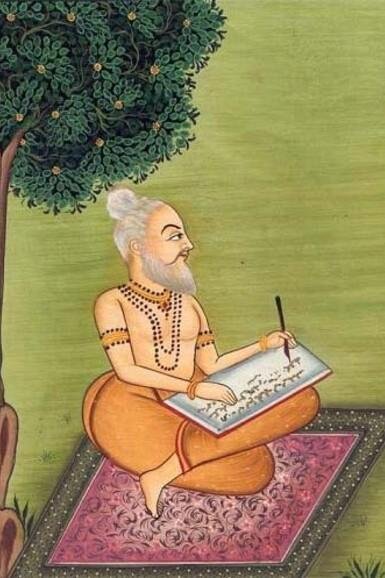
    Sage Valmiki Composes the Ramayana

    Suggested image: traditional Indian artwork showing Sage Valmiki composing or reciting the Ramayana.


    🧘 Who Was Sage Valmiki?

    Valmiki is traditionally regarded as the author of the Ramayana in Sanskrit.

    He occupies a unique place in Indian literature.

    The traditional story presents him not simply as a poet, but as a sage whose life underwent a remarkable transformation.

    His story is often remembered as an example of how a person can change completely through reflection, discipline and spiritual awakening.


    🌳 Valmiki’s Transformation

    Popular traditional accounts tell a story about Valmiki’s earlier life as a man named Ratnakara.

    According to this tradition, Ratnakara lived by robbing travellers.

    One day, he encountered Sage Narada.

    Narada asked him an important question:

    “Will your family share the consequences of your actions?”

    Ratnakara believed that his family would support him.

    But when he asked them, he discovered that they would not accept responsibility for the wrong actions he had committed.

    This deeply affected him.


    🕉️ Ratnakara Begins His Transformation

    Ratnakara then turned toward spiritual practice.

    He is traditionally said to have undertaken deep meditation.

    Over time, his body became covered by an anthill.

    The Sanskrit word Valmika is associated with an anthill.

    From this traditional story, he became known as:

    Valmiki

    This is one of the most famous transformation stories in Indian tradition.


    https://images.openai.com/static-rsc-4/VO4CgRDgkceVQ_Yik5v1n64yep-rzT2xVrvZ_O7RmN9SCc1d9pf2KM-fuxY1j1b0agBGenfCeUIsqoW-1MgRs__CSLrFaGZYV3BuhoOg1OnDS_98Ge78Up4PcuVfeZIihas-Pos3YDL725Vv3vQD8iq_iEbH0Q1h3WXsYPiX4R6KBs4m2YOoAvLaDczfknJh?purpose=fullsize
    https://images.openai.com/static-rsc-4/bu5ujmCjaBTsmdefVH8Mhj4yZmz_kaB3e4h-9Z3y9vRo4UQ8cBSe_HsODE0bDjFYfRpBEdzJv40jYueuAQAk9krf01sOx2hB9iT3Ep_A1MiFzF82x8P7lqW03Z8nxNckuGtyWzH9PYxpuP69d4ngMsg_1hw7S6TFEJYcsjsegw7IJi3RRk2-6uCc7jGIMSUA?purpose=fullsize
    https://images.openai.com/static-rsc-4/nhgTJ3zpN0YdqYCLNmGXNkGjb4RNmC-PfYavs_uGyKh8kd0TqP2zitomrgNLpAJoA4AVQfVm9Y8yr5-B88OIyEqa5Y4EQbgiEU__aRnl4mCf0bZjJvuZFFBenpVgWa4mtv8iB9Rgsa26Uz75t41ktcLSLSisMjnRsQ2V88lJ7G-8FqNXV6m8eC5hc67eSZI4?purpose=fullsize

    Valmiki’s Transformation


    🐦 The Famous Krauncha Bird Episode

    One of the most important traditional stories about the origin of Valmiki’s poetry involves two Krauncha birds.

    Valmiki was walking near a river with his disciple.

    He saw a pair of birds together.

    Suddenly, a hunter killed one of them.

    The other bird was left grieving.

    Valmiki was deeply moved by the scene.

    Words emerged from him spontaneously.

    According to the traditional account, these words became the beginning of a poetic form.


    📖 The Birth of a Poetic Verse

    Valmiki’s spontaneous expression is traditionally regarded as the first shloka.

    This moment is often associated with the beginning of Sanskrit poetic composition.

    The story is therefore not simply about a bird.

    It represents the transformation of emotion into poetry.

    Sorrow became verse.

    Compassion became literature.

    And this tradition connects Valmiki’s emotional response with the birth of the Ramayana.


    https://images.openai.com/static-rsc-4/q-kgfQ3TOMU0Yi_ChyC-wGs2ccYGRJtDeiM7NzFAb1y4aGrgZv4e-EESjernrvxRTMRonwX5U9S4n1zh82NvSjAawgi80EdTLTuQZR9hZtgr6XMG_QeKfz1fWcI8lL8ejeG7Vt-VGDvByIi0nAIoVH0pzGQ1nhTdzxCoZ7YX1EuK3in3UjOMuS5GwCQIAvFl?purpose=fullsize
    https://images.openai.com/static-rsc-4/MWwbeoP7QfXDPMCSFj1_kvG_gnJp77VtHs081YKD1klcCfL6w_6fHXjy6YTWbfxCw7HQgniemfqdLMyuthHVKVqwv_1LyFRXOzlRrUu1VyovOXnGl788uS5e5T58SUJ3rFZdjknxKMZ1qItldix8SdwxSqQEdTSa4enbbTT3K_j-MjJEZRUVMOuLV8YeotwX?purpose=fullsize
    https://images.openai.com/static-rsc-4/IXReKNOCUkJ-EYm_gg2KzeWf9z6vbSDScPhU6Vkz0URat7lLKvVh-AI1HnTBWXBMVa57ltdOzrhpCDresCzoFlh_Fo_S3uZ-ZWhpDPPqNF5Y3OCqXHfm7-WJceW94yfpIaZWUmrBm9_eI1GsJDNcpryEReXgzjSkcWyFj6qLUxHSpHPH7huSJ9ShFEzZClMu?purpose=fullsize

    Valmiki and the Krauncha Birds


    🕉️ Narada Tells Valmiki About Rama

    According to the traditional narrative, Sage Narada later tells Valmiki about Rama.

    Valmiki wants to understand something important:

    Is there a person in the world who possesses all the great qualities of an ideal human being?

    Someone who is:

    • Courageous
    • Truthful
    • Responsible
    • Compassionate
    • Wise
    • Powerful
    • Self-controlled
    • Devoted to duty

    Narada tells him about Rama.


    👑 The Story of Rama

    Narada describes Rama’s life to Valmiki.

    He tells him about:

    Rama’s birth

    His childhood

    His marriage to Sita

    His exile

    The forest years

    Sita’s abduction

    Hanuman’s search

    The journey to Lanka

    The war with Ravana

    Rama’s return to Ayodhya

    Valmiki becomes inspired by the story.


    https://images.openai.com/static-rsc-4/afRr_VDmc6FoMyhhl_MzXL_edzoZX5MwNMz0TaGiTYJpC12A7jZ_N68_bw_Fjz7QDZn0SvrRqn65ejcCOzpCJjGa-e7bwPdq-a4bfv7xGKH75Hkc0bCZ7d_Mz9zJu6M31oEkA9K7pQb6UmaoYR1o4ZSkpvSm9FoJ56Q5_Ie_TzSZ1NOhrnR2SznDScYa8m3Y?purpose=fullsize
    https://images.openai.com/static-rsc-4/ZwEmnl_rUmNGs1GfgcswLYkM6oV0dA7J-HW_abv9nleDE7gGb1aSyY-0LwCj6pPwglqxE2PG63OXSaMQgdc0sH6zPwwm3ZQz_Tb3VzqCebNwAfgfpdImH1hv6ilDIM1INSr8t54kGIYMfxHdejgi5guJvyLHkRHg77A5lymt_xgPSn5GE6ARObRxITFHxs6I?purpose=fullsize
    https://images.openai.com/static-rsc-4/hjwHzHuRhP1BDGiuD2PRt0LPbESVU1kiv2cZFArzlWOPsIF9iHmmjmds0YWF1xe6FKNEPKKbA9P8WDxxWf7aXku7Ulf3qWGgCutTCodHpKdsWW2FqWLE3aipVXlUYvXef9lfZkfs1mgoG_m326euE44eUb6ewlCJgUc6JnmKTFM-UEgSZquleBNzJKvyCDXU?purpose=fullsize

    Narada Tells Valmiki About Rama


    🧘 Valmiki Meditates on Rama’s Life

    Valmiki then contemplates the entire story.

    According to the traditional account, he gains a profound understanding of Rama’s life through divine inspiration.

    He begins composing the epic.

    The story is written in Sanskrit verse.

    This becomes the Ramayana.


    📜 The Ramayana as an Epic

    The Ramayana is traditionally described as a Mahakavya, or great epic poem.

    It consists of verses that tell the life story of Rama.

    The traditional Sanskrit Ramayana is commonly divided into seven Kandas:

    1. Bala Kanda

    Rama’s childhood and early life

    2. Ayodhya Kanda

    The exile from Ayodhya

    3. Aranya Kanda

    Life in the forest

    4. Kishkindha Kanda

    Rama’s alliance with Sugriva and Hanuman

    5. Sundara Kanda

    Hanuman’s journey to Lanka

    6. Yuddha Kanda

    The war with Ravana

    7. Uttara Kanda

    Events traditionally associated with Rama’s later life


    https://images.openai.com/static-rsc-4/rGRFoqPyNv19HvDTwfJADtMMxPmuiENtsM1T2vkKD6dqDQwelJE4gvrugIKgQ08RkN_IMLpb2Wn8FvyYkLaVrd3f98zhElNseeicpk1B1fpC3DXbUokwOxWn8SiU_hf2BCZ4y3jaTUTzHhoLZ4BWgfzMRdrZNfc1HYqC5DRmLdl8AfFgb0je-Bnx8fE2XDpd?purpose=fullsize
    https://images.openai.com/static-rsc-4/i8s8476_Sj1sHhVB_KiuKxc40_UxjPLBRqJR-HXGYSslqfl9U0A-mIZNjkrAU353KGBeSBTExXSD6co258CgWejObKIpHJtWuKe54ZMcNmdqWYUgOvAKbgR8GYVYkEWlGY9jpifTcl0eiM-fwyZYS4xJhpaox5_q6WsREr8HY9hRROZz4lvprGN07bRXmrvo?purpose=fullsize
    https://images.openai.com/static-rsc-4/0G5Kb5RjX6hFjfW_U4V0Srfr4pOVfIhc-cVhCAU9BT1flJtl0PbSlC526NONs8Qqkax-E2IfSDij_i8I2QN2c0sPXkaap8wT8rcPvYz_YvXTHj1DD76UFhkZEXFDiOPlRs7hcTc5XOZY6qrdvZ5KL9R9icW_6cw7ZHiwH2Qs1m-xB-qwej0CJLIpwcxVre2F?purpose=fullsize

    The Seven Kandas of the Ramayana


    📚 How Long Is the Ramayana?

    The traditional Valmiki Ramayana is commonly described as containing around 24,000 verses.

    It is therefore often called:

    Adi Kavya

    meaning the first or original epic poem in the Sanskrit literary tradition.

    Valmiki is consequently remembered as:

    Adi Kavi — the First Poet


    👦 Lava and Kusha Become the First Reciters

    According to the traditional story, Valmiki teaches the Ramayana to Lava and Kusha.

    The boys learn the verses and their musical recitation.

    They then sing the story before audiences.

    Eventually, they recite it before Rama himself.

    This creates a beautiful connection between:

    Valmiki → Lava & Kusha → Rama → Future Generations


    https://images.openai.com/static-rsc-4/LOv-15hw151TPinv8KkMAp8jTJQNg7lSdO6V1QL1jOv1Y3fUN1GQdM8AHLkQudnSkiQ83DwthC1SseGRUpYQX0jEYPkTvvVsSUa5pkBdyGQVxKBhewiwdS-u6xYVSbHgFkFsIDYBcj3JaNMQQk3l_ZLa3UGJgNFaClfMUVvwEsGXZIwhczrWJsf2oU4_cFT0?purpose=fullsize
    https://images.openai.com/static-rsc-4/od2mDLB0EznKoXYlwEiYEy6VcGyCvjyp2ptWe5_vQOqQf30DCakox4lTihW_M10-SogZ7G5HWLomG25UMx5MFYBlzk13HNTE9fgyDPvv9IB901PtHKu4ljn2bCIxRtv_tV64_6HsgtJ7ZFUNg0a_WBF8IMVvrclhpAq60hF_ogzgbX9rEI1ArVV4tiOF0AGr?purpose=fullsize
    https://images.openai.com/static-rsc-4/ZHoYCMPgwMHehEQxUtw6d6e93KrKUplDs97PUu_MGx2G1dGbRwlFJkCNX-cHfbbG70ixIcUXaWKl3cWzjkImVEKiu5TExbeYNyus7o6oXsZw0_R1xwn2RiBw_OcYSjQsLNu07NvKnoPMEEozQ5dfX0VKTEvunHllwSqEkb91qenLsNJm5F6JF0SB6k_kCgJz?purpose=fullsize

    Lava and Kusha Recite the Ramayana


    🎵 Why Was the Ramayana Recited?

    In ancient Indian traditions, important knowledge was often transmitted orally.

    Stories, poems and teachings could be memorised and recited.

    The Ramayana’s poetic structure made it suitable for oral performance.

    Lava and Kusha are traditionally portrayed as skilled reciters.

    Through this process, the story could move from one generation to another.


    🌏 The Ramayana Travels Across Asia

    Over many centuries, stories based on Rama’s life spread far beyond the Sanskrit tradition.

    Different regions created their own versions, adaptations and performances.

    The Ramayana became deeply connected with the cultures of countries such as:

    🇮🇳 India
    🇹🇭 Thailand
    🇮🇩 Indonesia
    🇰🇭 Cambodia
    🇱🇦 Laos
    🇲🇾 Malaysia

    These versions are not always identical.

    Characters, details and interpretations can differ.


    https://images.openai.com/static-rsc-4/tGR1FnP0iZhld0kU5lz2IlzA7OHxxyy1VkiaqWaUJNh4Vs1RIWLGSFsbUw5sqoHoBZVSLM8yiDljRWN67SyjZ3Tx0O9QFcADb44TnP2D65dVi5hl7gkoLdh2NT2zohUAo2-RCv8VirO-lDVJVE_dRGmyS8myXDE_VBBbzvjoVo3G41Lx1u_GGTX61oBAuuUV?purpose=fullsize
    https://images.openai.com/static-rsc-4/lHexgkCH0_LixIPn_DKhn40F3Pogj3UYR0UQGLbJ87mtoO3lCQiUJGGSG9ZHUNlDQHKpMtdfHGRGrvChbnAiTw4i1whRZVPM_prsEtJcHjELhGfvU2HbM_SL8M6FZ8rF4NNIVpFhxVGQy2XvDS2FaC-ItnZUaQQU6rSNjfWADOqoQs-0_64kWIuiBw_6nG2C?purpose=fullsize
    https://images.openai.com/static-rsc-4/7PoD3Sseo-7ZdIE7qCMOw0tZTq_C9MzQfluSYqMxQ-bk2ZMcIWcNxH9_P2ufeQwRTRgRJ_M-8JfUxuMnWn4sxvIq1GqDC6tZ-hyX41dI6mFBpFqWAfjKBsKaVD9GrJ8CEE6VWuBfalEheUYyKZpPBuY7vSdiUSBdwS23yjscBqhi_ZK5cdJSDXtxMk1RIhPT?purpose=fullsize

    Ramayana Traditions Across Asia


    🇮🇳 India’s Many Ramayana Traditions

    India itself has many Ramayana traditions.

    Different languages and regions have produced influential retellings.

    For example:

    Telugu

    The Telugu-speaking regions have their own rich Ramayana literary and devotional traditions.

    Tamil

    The Kamba Ramayanam became one of the most important Tamil versions.

    Hindi

    Ramcharitmanas, composed by Tulsidas, became enormously influential in North India.

    Malayalam

    The Malayalam literary tradition also contains important Ramayana works.

    Bengali

    Bengali literature developed its own influential Ramayana tradition.

    These works are not simply translations.

    Many are creative literary and devotional retellings.


    📖 Valmiki’s Ramayana vs Later Retellings

    This is important for anyone writing about the Ramayana.

    The Valmiki Ramayana is one major classical source.

    But the Ramayana tradition is much larger.

    Later poets, writers and communities have interpreted the story in different ways.

    Therefore, when discussing an episode, it is useful to say:

    “According to the traditional account…”

    or

    “In a later retelling…”

    This helps readers understand that not every popular story appears in exactly the same form in every Ramayana tradition.


    🕉️ Why Does the Ramayana Still Matter?

    Thousands of years after its traditional composition, the Ramayana continues to influence society.

    You can see its influence in:

    🛕 Temples

    🎭 Stage performances

    📺 Television

    🎬 Films

    📚 Books

    🎨 Paintings

    🕺 Classical dance

    🎵 Music

    🪔 Festivals

    👨‍👩‍👧‍👦 Family storytelling

    The characters remain familiar to millions of people.


    https://images.openai.com/static-rsc-4/qanQ6vHCGO0mvCZsVpfjBl0LWuCayBd17MZv86Hb0Ot5N0clOfzo_8zYives8l0VHM4c8q4AQ_YoXHUSpf8aa3Pd5gT-0EBYlxs6ccHLIH-qGYkj778rsuMEAffJgbz_lPNr6zUbAviKcN-pmkxTmuWBDnLLMfvOUxjB3qKxtIwdOLkffSxqkSuVPul2Wtwe?purpose=fullsize
    https://images.openai.com/static-rsc-4/6O0JV8NVrl0GWEbNYF8c14FSJ6trKx8A_bwmjD70P3X7ISmoPoyHoTQ-MtIp_dI2Ifq00kieRmLZNcAO0BamRCY8y-eh2flseoH2v6p7gZdhvEKAz4HQioWYGNO_0ihQdTL6g6IXF1LpI05YtBN59zNW9sd2bWnsTDNARvfOr_lDJ3Okz1akipzEumIgsr5Y?purpose=fullsize
    https://images.openai.com/static-rsc-4/zaVpDOiW4pylTeU9G9eLRobDelKebcX3Xg3e6gGb8AMR0obs3rIIvhG6ELmWEQw7D3uuKN714DgMYMKI-p0mbyY6xqSwkIWeoIiyrIEA5F8YCGGuP3hTz2DqQeWRBsTugcBkQU-ECaiJM9k7KKONHVXCYxaHRSKiGv4yUbn7EZs1jYN7tef5NRcYOfAy4UVO?purpose=fullsize

    The Ramayana in Indian Culture


    🌟 Valmiki’s Greatest Contribution

    Valmiki’s importance goes beyond the story of Rama.

    He is traditionally remembered as a poet who transformed a great story into a structured epic.

    His work became a foundation for countless later literary and artistic traditions.

    Generation after generation added their own interpretations.

    Yet the central story continued to inspire people.


    ❤️ The Power of Storytelling

    The story of Valmiki teaches something that is still relevant today.

    A story does not need to remain inside one book.

    It can travel:

    From a poet

    ⬇️

    To singers

    ⬇️

    To families

    ⬇️

    To villages

    ⬇️

    To temples

    ⬇️

    To theatres

    ⬇️

    To books and films

    ⬇️

    To future generations

    That is how an epic becomes part of a culture.


    🕉️ Conclusion

    The traditional story of Valmiki is itself remarkable.

    A man undergoes a profound transformation.

    He becomes a sage.

    He encounters the story of Rama.

    He transforms emotion into poetry.

    He composes the Ramayana.

    Lava and Kusha learn the epic.

    They recite it.

    And generations continue to preserve and reinterpret the story.

    That is why the Ramayana remains much more than an ancient tale.

    📖 It is a story that has continued to live through people.

    🕉️ From Valmiki to today, the Ramayana continues to travel from one generation to another.


    🌟 NEXT PART

    Part 19: The Seven Kandas of the Ramayana | Complete Guide from Bala Kanda to Uttara Kanda

    In the next article, we will take a clear journey through all seven Kandas, explaining what happens in each section and why each Kanda is important