Tag: NHRC India

  • 🇮🇳 Begging, Public Harassment and the Hijra/Transgender Community in India: What Is Really Happening?

    🇮🇳 Begging, Public Harassment and the Hijra/Transgender Community in India: What Is Really Happening?

    https://images.openai.com/static-rsc-4/GpYSO9xDIJiVUcj0_5VlIwJ9hmlC8DJJTqhWCvBcIydfVHvVeJw_LdN5MxgtZdcmmDu2SpDkmGd10nCT2uP2-ca7bfvfPi7Hi7D--DGtOLCGsdeGVwP5iU0cEILuEmHmF2a-_fUE6575DTZlv281sojZrCZ-B9AfgNb5F7GgBZGE4zS1ickCBus8zHWhQoaZ?purpose=fullsize
    https://images.openai.com/static-rsc-4/bihsBBpBnp1RSg67jAOIZzn5r5WUAAzfFx3lGuV2SDiIFIKKhOYQzAbt_rrG-NoNCmRb138JBMskE5VYnBAzUVPsOaX68JubqPTQd9Z7UuF6v7Ovw5DjES-X8lfgenXywMvnApwHNzcYXufGtXGihq6kCpL0F-ylBM6wcH433q1cGxM9JEx41A3n3GKXyCAX?purpose=fullsize
    https://images.openai.com/static-rsc-4/tgnYQaTqzQD1_EmCFEnaYYp0yzZok4Jk-G7AOSQwo6-Zgx-cFlEl8mW48-TKvTeBPM9TkbfSy5mHSxdyV4kXen4RIH9_4eKkNmy1AA4zLG_wbpqXVhdMa3ph-_en_C5Hk5fSikPW9_2Xwi_8IElqLUspOCGHXVZZBLc42nZj8Nm6q9HP0fP_RXW-9_Q3woDg?purpose=fullsize

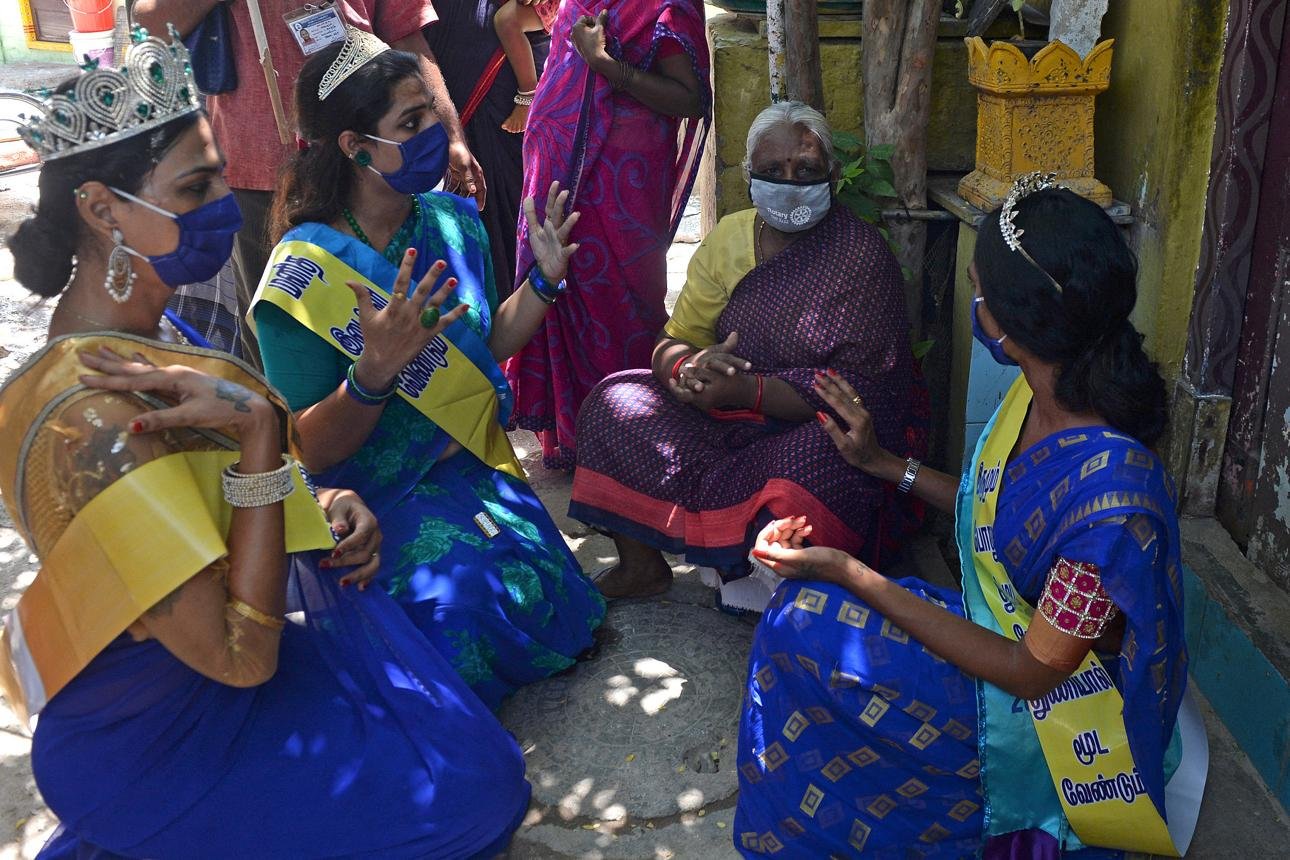
    In many Indian cities, people sometimes encounter transgender or hijra individuals asking for money at traffic signals, near railway stations, on buses and trains, outside shops and at other public places.

    Some members of the public have complained about persistent requests for money, blocking a person’s path, clapping or shouting, touching vehicles or people, or refusing to leave after being asked.

    Such conduct, when it occurs, can make people uncomfortable and may cross the line into harassment.

    However, it is important to make one distinction very clear:

    The behaviour of some individuals should not be used to label an entire transgender or hijra community.

    India’s transgender population includes people working in many professions, and government policy itself recognises their rights to education, employment, healthcare and social security. The 2011 Census recorded 4,87,803 people under the “Others” sex category, although the government notes that this category was broader than transgender people alone.


    📸 Why Do We See Begging at Traffic Signals and Public Places?

    https://images.openai.com/static-rsc-4/HXPz0SgnpvXiKY_jg9fmoTqomTtn5jSseTj6u1OjZAS3vNTY3CeU3jbRyrne-_73BLzMU2JFHcNVSRV5DBYX5Y3QB2YN3G7Ip799b06ynkQmAFLX64jOxd1mMAk51bdIv_WqhVyesbX4vQX2DxM1VivQefkUj7dN1mM1ae7SzcbCcFAbFA2lq5OjLmrgXyIu?purpose=fullsize
    https://images.openai.com/static-rsc-4/x2RcR7R6X6TsW2VW5dR1krvaKUvk6VBbzHJ3U9cawUbCGwRdRJDp44qEyvhicwkFlQpXduxyhWlcxFnfpP6q_tRZBASWgfRjI-FoW_6dvrgsPou-xtZev9VSeYI7vW7BM5qh9s9WXLBUPo0HOYl4AWbphPgUPGL1B-uJIJxePiV8ISy497zT9UIy5--w_wMp?purpose=fullsize
    https://images.openai.com/static-rsc-4/F9EhGPx3ZOK2TJm1glqlmwgPZHXC6-p_-KAA--I2vmUbZ2ov6BmRGw_u1fwFADNNbR_9WQcfcbCO2g67wsV8aiQL8c0U-WK53naGWtQ0N-sJBHp5HLLEQmyD-esnTGod9d-3hNjIhdA8bvXZQaqxAbR2BF03If1G0f20uO2jBiNqB9C8dP9nz5SReiTZ1k6Z?purpose=fullsize

    The traditional hijra community has a long history in South Asia.

    Some members have historically earned money through:

    • Blessings at weddings and childbirth
    • Ceremonial performances
    • Begging or soliciting money
    • Community-based occupations

    Economic exclusion has also played an important role.

    The National Human Rights Commission has noted continuing problems involving employment disparities, limited healthcare access, education and social exclusion affecting transgender people.

    For some people, therefore, street-based income becomes a survival strategy.

    But economic hardship does not give anyone the right to intimidate or harass another person.


    ⚠️ When Does Begging Become Harassment?

    Simply asking someone for money is not necessarily the same as harassment.

    The problem arises when a person allegedly uses behaviour such as:

    🚗 Blocking vehicles

    Standing in front of a car or preventing a driver from moving can create a dangerous situation.

    🚶 Blocking pedestrians

    A person may feel threatened if someone deliberately prevents them from walking away.

    💰 Repeatedly demanding money

    A request can become problematic when the individual continues after a clear refusal.

    🤚 Unwanted physical contact

    Touching someone without consent is unacceptable regardless of the person’s gender identity.

    🗣️ Threatening or abusive language

    Threats, intimidation or abusive behaviour can potentially become a criminal or public-order matter depending on the circumstances.

    🚦 Creating traffic danger

    Approaching moving vehicles or standing between vehicles can put both pedestrians and motorists at risk.

    These standards should apply equally to everyone.


    ❗ Don’t Blame the Entire Hijra Community

    https://images.openai.com/static-rsc-4/4TSXGzojqyh7obMOgC4Anpk8D8sk-xexKfQ9zNFgevY95xYgdMPGHSIa7nvxcnD56o-_T79exvS-ES8_2xKt17f1K-kHPOpbF5uEnhvj_FM5eFpUYnxhKTHLuWgilaiedqBcwDrL55Ga8CcTsU_qVmW6Oz9oRk-whL7y0BT6GAZEsObF8QPbifTOk_1oNvCu?purpose=fullsize
    https://images.openai.com/static-rsc-4/NfubyaRMwHmxpsPx9URI0g9pUe6OyfkHPcKZ2oECMnkLib4Z1qBAIPKoUAO826liqRaxIIFVL8OGAMw2oWW80DgJBITeJIdiPzETqfJ23u0Z4pKsronH5koJ1BsTKHQmR2yaL2APze8UYP16S62mOomP77DsWN7i7hnyno4o31qAheHDqkZsrobA9Ovkq8OM?purpose=fullsize
    https://images.openai.com/static-rsc-4/QaogXSvY-Vwjr-aGxYi-Vm2KqaNbvr2hwxtE_rXGIQtoCWMaIQngLjRI1uZn8FvmLFMUXpvsplxAMC6NC3Nr8-sPXLohnEv26mmRChwVlg1Oso8sGV3g5gqk78iLtdSEX-i0IrM4B7vBWYm7mEwt51UJf-K1_7Z-FUsnkAJCkeQ-kqFOuUqkccfH0q2meIdG?purpose=fullsize

    This is perhaps the most important part of the discussion.

    There are transgender people in India who are:

    👩‍🏫 Teachers
    👩‍⚕️ Healthcare workers
    ⚖️ Lawyers
    👮 Police personnel
    🏢 Office employees
    🎭 Artists
    🏛️ Politicians
    👩‍💼 Entrepreneurs
    🧑‍💻 Professionals
    🤝 Social workers

    Therefore, it would be inaccurate and unfair to say:

    “All hijras harass the public.”

    The correct statement is:

    Some individuals may engage in aggressive or intimidating begging practices, and complaints about such behaviour should be addressed without discriminating against the wider transgender community.


    🇮🇳 Supreme Court Recognition of Transgender Rights

    https://images.openai.com/static-rsc-4/2U2SW0MvAx486Ln4c7Bdkt0L5T6g4SPM31Q8KDMtSduxes4Ixr-gt3cdngDu7y-8ieBap80fHuONMpihwepph2NsS4hKhDfHwthxOmrmsxJkeK3btTj9WpOPZ79ckwDEsb5X6eaX5cKJGUyyEKMp1YMy3MOpE6wkFpPbhQFZc98mgvQI9Vj6OcReYJjl_kot?purpose=fullsize
    https://images.openai.com/static-rsc-4/bw8ObRaEIl97Y7E-aZKAR7QgIIYFaRyel0Pe54UOWn1-dsgPLapyj7oBCzGfrNcEy2h1YhWc7pTNQaaZBuU9EWc13iNBXlj5wg9JNTLoinwkFELqyDDFm9AeLiJluDOfxdRIyk3AR__Ga-kcEnpMztrNWbCCam4S2y_BYJerFiURCO91tXtG0Nm6nX-Mxanu?purpose=fullsize
    https://images.openai.com/static-rsc-4/SgY6ZwzE7m6CgkE5OtDINeXydE_hIu298iGNTFz8jvxXmkG28mPBqalorXSVS-ysNbUf2WRSIZudSq1Pzkwkr0VRAm0x6w2YuzZyq_W1gVqD33aU0hku7xRiNCikT9xUtPUDvqKG24b-PdJzkrnbbCF7iIIatC6ElHVjTbs3oaIwQ64psWv16gvZl798lqPR?purpose=fullsize

    India’s Supreme Court recognised transgender persons as a third gender in the landmark NALSA v. Union of India judgment in 2014.

    The Court recognised the right of transgender persons to legal recognition and directed governments to take steps concerning education, healthcare, social welfare and protection from discrimination.

    This was a historic development in Indian constitutional law.

    It also means that discussions about public behaviour must happen within the framework of equal rights and dignity.


    ⚖️ What Does Indian Law Say?

    The Transgender Persons (Protection of Rights) Act, 2019 was enacted to protect transgender persons from discrimination and provide for welfare measures.

    The law addresses areas including:

    • Education
    • Employment
    • Healthcare
    • Residence
    • Welfare
    • Identity
    • Grievance redressal
    • Protection from abuse

    The law also contains offences involving harm, abuse, obstruction of access to public places and forced or bonded labour.


    🆕 Important 2026 Legal Development

    India amended the transgender-rights law in 2026.

    Among the changes were stronger offences concerning forcing a person to present as transgender and engage in begging, servitude or bonded labour.

    For an adult victim, the new provision provides for 5–10 years’ imprisonment and a minimum ₹1 lakh fine; for a child, it provides 10–14 years’ imprisonment and a minimum ₹3 lakh fine.

    This provision is aimed at coercive exploitation, not at criminalising every transgender person who begs.

    That distinction is extremely important.


    🚨 Begging Does Not Automatically Mean Criminal Activity

    India’s approach to begging is complicated because laws vary among states and Union Territories.

    The Ministry of Social Justice and Empowerment says 20 States and 2 Union Territories have enacted or adopted anti-begging legislation, while the provisions and implementation differ across jurisdictions. The Centre’s stated approach is increasingly rehabilitative rather than purely punitive.

    Therefore, there is no simple national rule saying:

    “Every person begging on the street should be arrested.”

    The legal position depends on the location, behaviour and applicable state law.


    🏛️ Government’s Rehabilitation Approach

    https://images.openai.com/static-rsc-4/mOgT7tuCWAW3d9EeufyOd5ZewyyJFWFpgCRpgf0LJOAWwIpv2YtANBGysspwdGG8LxGsIlGqbxntKcATg5wXBPTXj3NCAEq7IayEfpn27F1tJZy4enPa5BwMh6wsnEDwVvke3HUQOmhlBSGyq6iSZguS6ixHyX42_9WnhO_jCwVFlav6a5I-iyz5p779Di0B?purpose=fullsize
    https://images.openai.com/static-rsc-4/qvnMbJ8G1gnL8FhohuJJF1fGJK2PZh8j_U9DKF6uCSedESQYbsLKGFCNFJbNlfI8_Vpu-nTHalFNbb7IYIrpV1f3GLkiTopj2iW8kBv_U_0k3c60RgvxvdtGpfRlV8-drIOkmi4NWkrdXsRVynSQmQaikGFRpRunXWLvgY1HYUlvkBg9-7cB1g0b2mCMUIaZ?purpose=fullsize
    https://images.openai.com/static-rsc-4/XzTQkQUr-84kIcQ2p1OvtnfhRofGGPzzxXLb1_-CK6gYpnmDKGM_dMK3lh-KxmMvra6h5J-CgvtC4h3Cx6tY78-z6wQsUsXPElbHqFaVZ50xhoRgK4IudlAG-lQl7aVY0EQNJsoqt0QdW-eAn5r7oJpaZs8NrQ52RBXFKE9MZSccvJke_-Qkb0-b-d27AeBt?purpose=fullsize

    The Ministry of Social Justice and Empowerment operates the SMILE — Support for Marginalized Individuals for Livelihood and Enterprise scheme.

    It includes separate components for:

    • Comprehensive rehabilitation of transgender persons
    • Rehabilitation of people engaged in begging

    The programme focuses on areas such as:

    🏠 Shelter

    🩺 Healthcare

    🧠 Counselling

    📚 Education

    🛠️ Skill development

    💼 Livelihood opportunities

    💰 Economic linkages

    The objective is to provide alternatives to vulnerable people rather than relying only on punishment.


    👮 What Should Police Do When Harassment Is Reported?

    https://images.openai.com/static-rsc-4/rpzYdrSZ_LYarq96xNReRCOVsFhF7K1WxhxWAwQf8V0OAYVOkn7zJo3SDDopgG_J2LBBfrudDV-gUmJ5uAJeTEe1K90OYMT_c_j9FTQGtC-DdGZ6JPbLsn55-a4h5k5kDEEodI5Ca7g3C1KIwju0SkRbFYVMmqrleanmjIDIlVnIzBUeXYloUPQZL6ENcjqs?purpose=fullsize
    https://images.openai.com/static-rsc-4/WIlW73fzJs6js69al4UE09F1QeGFDdyxTy3KtncLIVH7DX4LjwnmbNr0_akeG-xqxmkJPYgAJ42Tw_MEYuGg2um2fDUE9XZfIC-uqWZZG5-zuxnQVggfmBFKdLvFQXQ9c7c6ywlGzHu1fWcCpeB5GJkMNLd1MLHBBBgonEgVawjuI0dyu-edTLj4QJA-9oAy?purpose=fullsize
    https://images.openai.com/static-rsc-4/kG5QMD6kHwTBz0HhK23UxZdBp8kQQKKLprituUf998PfgHIKiWl7suZ6ClikpmxE9yePriVO7TyGq_7VdaWQ-N71Vf66f2GcMNibLdqCiBt6LAzOgl-Ogshrm6rYpiGL_XUtC7dwb1h202Ls0V5w-1jPrEGo0a34wbHrplcelqM9Tw-yA2yjJSZX0fQd87bg?purpose=fullsize

    If a person—regardless of gender identity—is threatening, assaulting or intimidating members of the public, the appropriate response should be based on the actual conduct and applicable law, not on the person’s identity.

    Police can:

    1. Receive complaints.
    2. Assess whether an offence has occurred.
    3. Take action under the applicable law.
    4. Prevent immediate danger.
    5. Avoid discriminatory treatment.
    6. Refer vulnerable persons toward rehabilitation and welfare services where appropriate.

    The Ministry of Home Affairs has also directed states and UTs to establish Transgender Protection Cells and state-level mechanisms for monitoring offences, registration, investigation, prosecution and sensitisation.


    📢 What Should an Ordinary Citizen Do?

    If you experience aggressive begging or harassment:

    1️⃣ Stay calm

    Do not escalate the situation through shouting or physical confrontation.

    2️⃣ Clearly refuse

    A simple “No, thank you” is generally better than an argument.

    3️⃣ Move to a safe location

    If you feel threatened, go to a shop, police booth, security post or other populated place.

    4️⃣ If there is immediate danger, seek police assistance

    If someone threatens, assaults, blocks you or damages property, report the specific conduct.

    5️⃣ Don’t retaliate

    Do not hit, abuse or publicly humiliate someone because of their gender identity.

    6️⃣ Don’t generalise

    One person’s conduct should not become a reason to discriminate against thousands of innocent transgender people.


    📊 What Do We Actually Know About the Scale?

    There is no reliable national government dataset showing how many transgender people engage in begging or how many members of the public are harassed by transgender beggars.

    This is important because social-media videos can create an impression that a particular behaviour is universal when it may represent only a small portion of the population.

    The 2011 Census figure of 4,87,803 “Others” should also not be interpreted as the exact current transgender population, because the category included people beyond transgender persons. The Social Justice Ministry itself explains this limitation.


    🧩 Why Does This Problem Continue?

    There is no single reason.

    Several factors can overlap:

    💼 Employment discrimination

    If someone cannot find stable employment, street-based income may become an option.

    🏠 Family rejection

    Some transgender people face rejection or separation from family.

    🎓 Education barriers

    Dropping out of school can reduce future employment opportunities.

    🏥 Healthcare barriers

    Discrimination and lack of accessible healthcare can create additional vulnerability.

    👥 Social exclusion

    NHRC has repeatedly identified discrimination and exclusion as major concerns.

    💰 Informal income systems

    Traditional community structures can provide income and support, but they can also create complex power relationships.


    ⚖️ The Real Solution: Rights + Responsibility

    India needs to address both sides of the issue.

    For transgender citizens:

    Dignity + safety + education + employment + healthcare + housing

    For the general public:

    Safety + freedom of movement + protection from intimidation + access to police and legal remedies

    For government:

    Enforcement + rehabilitation + employment opportunities + welfare + accountability

    A fair society cannot protect one group’s rights by ignoring another person’s safety.

    At the same time, protecting the public does not require humiliating or discriminating against an entire community.


    🇮🇳 What Can Be Done?

    https://images.openai.com/static-rsc-4/XzTQkQUr-84kIcQ2p1OvtnfhRofGGPzzxXLb1_-CK6gYpnmDKGM_dMK3lh-KxmMvra6h5J-CgvtC4h3Cx6tY78-z6wQsUsXPElbHqFaVZ50xhoRgK4IudlAG-lQl7aVY0EQNJsoqt0QdW-eAn5r7oJpaZs8NrQ52RBXFKE9MZSccvJke_-Qkb0-b-d27AeBt?purpose=fullsize
    https://images.openai.com/static-rsc-4/VdbxoGCEa9MmX8gNy4Cz6R-9nU1a1pAWLM9KG1Xb9zPM-MOXi-Kc32KpEgAJHV9BkvDcqs_Pu5BtaGraRroauqAl0GE-gt2py5jsK0v_UhP9jwfVX1flK-3Gq_KMxqf2_LepJ9wE-e2jRjgOmQevlLlJpNPQQrG7PjqGz9YXCn3HrZnrZ3S_TDjjXZxHSH74?purpose=fullsize
    https://images.openai.com/static-rsc-4/2_SDm19bS-OvL9uk-HMPCMro7uMSzyZ0qOYMLjypzqmewCnWq_kz2OuFgyehIhgpbGWO6nFqRBxcFGsGJdBPJ3zkeV1xy6t8xB2CbSDgOu2yT8dGbvRcUHmlUuGTjDLVHhLzRT1ctjuipUJwEnlgL1lo242dSQD-xAjmjuROkbBr5DlwCwcY-Nq8mjPDjXkC?purpose=fullsize

    A long-term solution could include:

    🛠️ More skill-training programmes

    Provide practical training linked to real jobs.

    💼 Employment opportunities

    Encourage businesses to recruit transgender workers without discrimination.

    🏠 Safe shelters

    Expand accessible and properly funded shelters.

    📚 Education

    Prevent school and college dropout caused by discrimination.

    👮 Sensitised policing

    Police should protect transgender people while also responding fairly to complaints against anyone who commits an offence.

    📱 Public awareness

    People should understand both transgender rights and public responsibilities.

    💰 Better rehabilitation

    Government schemes should be implemented effectively at the local level.

    NHRC’s 2026 Advisory 2.0 has called for action on education, healthcare, employment, property rights, police procedures, grievance mechanisms and stronger transgender-inclusive welfare systems.


    🕊️ A Balanced Message to Society

    It is perfectly legitimate for a citizen to say:

    “I do not want to give money, and please do not force or intimidate me.”

    It is equally important to say:

    “A transgender person deserves the same dignity, safety and legal protection as every other citizen.”

    These two principles can exist together.

    Respect does not mean accepting harassment.

    And

    stopping harassment does not mean discriminating against an entire community.

    That is the balanced approach India needs.


    🇮🇳 Conclusion

    The issue of transgender or hijra people asking for money in public places is a complex social issue involving poverty, traditional community practices, discrimination, employment exclusion, public safety and individual responsibility.

    There may be genuine complaints about aggressive begging or harassment by some individuals. Such complaints should be taken seriously and addressed according to law.

    But it would be unfair and factually wrong to portray the entire transgender community as aggressive or criminal.

    India’s current policy direction increasingly combines legal protection, police accountability and rehabilitation. The government operates the SMILE scheme, while NHRC has continued to push for stronger education, employment, healthcare, police and welfare measures.

    The goal should be simple:

    A safer public space for everyone — and equal dignity for every citizen. 🇮🇳

    https://images.openai.com/static-rsc-4/9vFoUL-mKkJlF93uWWI1hdsoLwkylWZkQls9x8Jwul7BlkgPH2_-GYAgtRxgUE8vjtszHzrzaBMTdZgodmxtzqI-rFTRwwaekavq6vR_-tdjbslmEEgG4qQX5dXdY1zXRXOmPLYTh-YvRAUgr4kb9kTBADhPuz8wxT-PoPx6gBHjknEAQNjibyxyljHYAwbT?purpose=fullsize
    https://images.openai.com/static-rsc-4/D5n_9H__16E_V527x0beAWPSwju9uQdayNzF0wnV-5uW0SW-tzGaEGEpRmaRPvIUjCdefQuOGcfZmJD7TxMUL9iTjNSM66PPfB6Qk8B380kmTROOFyvRTPFVvPDbQEwukk2-lDRizkaG7nKpHPB4qACMx87cB-b5xhvbTj7kMIEmMF8tYkEUjG3TIiSEkemD?purpose=fullsize
    https://images.openai.com/static-rsc-4/_AGfv_Mov128DuV-zUPRJC_MiMRMs2-3g-_4gpePHYLMfxJ0jbHBWgX7qjY0bgGyfL88i2UyjwhxLbKlqR__TUsQer9V2-O34en_bwELjYNJ1W6XOCMtkoISKbaBz8LY6TDtyhAgtZlopGfWDq3eORK2ICPkgDd6V0G009rvIjqjuC29s9IASJVXjCBvrJ73?purpose=fullsize

    🇮🇳 MANA BHARATHAM

    Stories, Facts & Wonders From India

    ✍️ Written by Pasupuleti Saida Rao
    Know India. Explore India. Celebrate India. 🇮🇳

  • 🇮🇳 INDIA’S CUSTODIAL DEATHS

    🇮🇳 INDIA’S CUSTODIAL DEATHS

    People Who Died in Police Custody — The Cases That Raised Questions About Human Rights and Accountability

    https://images.openai.com/static-rsc-4/8trX7_80txFZnV6OIMAboPdpqVjIDWfKflrsUsGt0ivIFaML8Wgc8YjewTqdJh9ALCirDvocf6lno_fjEwsbpC7JLQ4B0iQgq0SI0ynmlJrxWOlhI8QIQSeXew-7Qq_0ZzupA9oP5Qev0fOuefob1PBVvrCjRPLcCdPvrhAUNfS5oWTmFsPiVxdkfToMFI2d?purpose=fullsize
    https://images.openai.com/static-rsc-4/bLBCZjR3usHFyDbY0BJDTLojK8cDJuP55cy54pr16nC4vKHILruVjuhEZzFE-OZs-yqqpoDs4DjAs_iqULcH_dO8TuHYMesNo6sYsA1zAxbS5vffLST9VxR9ktNmhg7nRjPzucryU6CUY7cCevQMtqGvIiGpoAuSf4T_OLJzSkRwKYCeuN-0teK0e0sA_Lm5?purpose=fullsize
    https://images.openai.com/static-rsc-4/R2bztxJQcTVDfSV6Yp7xsyn0jwGnQ3goZm9FiI-zJIziVgqQnHXOk6hkBpDgcz8mkBss4NmXcWI5BveVhnpElK9kxJwx9FDNEjv2tcehwsOOGZWIrTPM-xGj49FV0zEBdnQhHwfKW6QbosRiQP8-8bXQ2chaOXvk2bJw_B5i7iEYk1rKieSmq8zMRw5TuZv5?purpose=fullsize

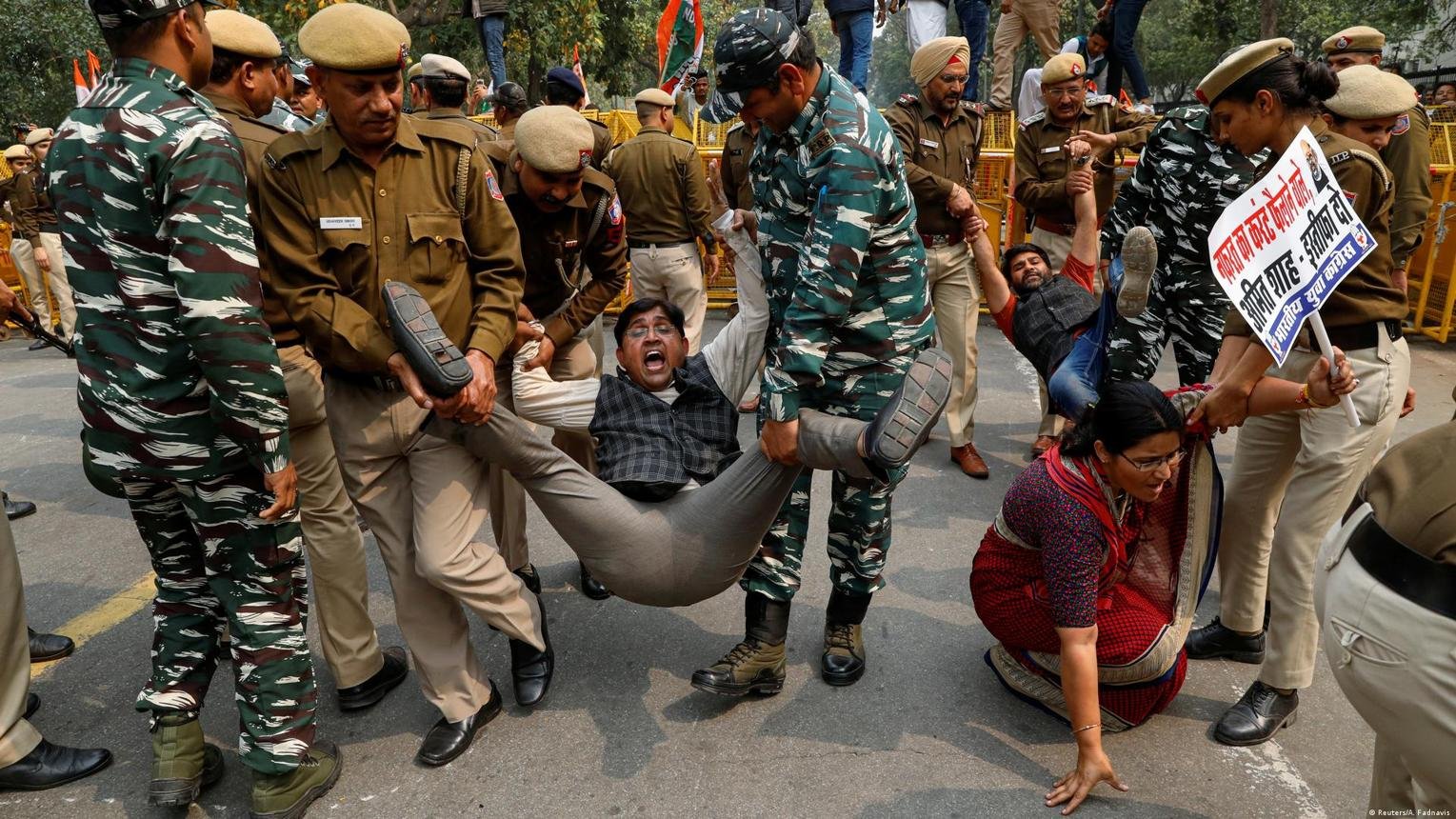
    India’s police force has an essential responsibility: protecting citizens, investigating crime and maintaining law and order.

    But when a person dies while in police custody, the circumstances demand especially careful investigation.

    A person who has been arrested is still entitled to dignity, medical care and protection under the law.

    The National Human Rights Commission (NHRC) requires authorities to report custodial deaths within 24 hours. Deaths during police action, including encounters, are also subject to mandatory reporting and investigation procedures.


    📊 How Many People Have Died in Police Custody?

    There are different official datasets, so the numbers need to be understood correctly.

    The NCRB’s Crime in India data records deaths in police custody/lock-up, including people who were on remand and those who were not.

    For example:

    YearPersons in remandPersons not in remandTotal
    2022—41—
    2023243862
    2024254065

    The NCRB dataset covers 1999–2024.

    The NHRC/MHA series is different because it counts cases registered with/received from the NHRC, rather than simply reproducing the NCRB death count.

    According to the latest information placed before Parliament, NHRC-linked police-custody death cases were:

    Financial yearCases
    2021–22176
    2022–23163
    2023–24157
    2024–25140
    2025–26, up to 15 March 2026170

    The 170 figure is for cases reported up to 15 March 2026, not a completed full-year figure.

    ⚠️ Why are these numbers different?

    Because “NCRB deaths” and “NHRC cases” are not necessarily the same statistical series.

    So an article should not add the two datasets together.


    👨‍👦 1. Jeyaraj and Bennix — Sathankulam, Tamil Nadu

    https://images.openai.com/static-rsc-4/1Q9aucVxnWll2n5yqCzZI6ID9v9Yhs8d101zCHHR167W2Ls__ZjsIe0PNxb5zs2yM-tzIJAPTk9clog9rHqb7p0JuSe3-SyhtsYxcN3h2tA7aSPK19aW67IO0M0ijv5LSAR0Vlfr0LZTQq6Z9CXR0YOxQmAdli27bhiWoh-5qIQV9ODNBVx7--PK4Vxt2jOV?purpose=fullsize
    https://images.openai.com/static-rsc-4/BMZNFjluCSkWCdm47Z7Gb9Q_o9Sg5BLPPiXClOD_nusvcQPrlyZdkIPZW3NK1ggm4VDSPUG-avGf8gVGVehXKeBntnZhJCqtFVezDW4tU6n2z57n23YZhNp0CJAaYRcIQ_QImTthS7gQadj5_YQ9tua9bWZJgg8vSIRWhFNPaYkuGiXn57nF-ay9s8hkVoys?purpose=fullsize
    https://images.openai.com/static-rsc-4/s2TkgLsyV4Ti6vcRnUpYjQv0Byx6DY9U9EStwOHN8eGc57yXW48t2SvNdJd2eUE0LyFHrJ9RBDBprFPPvLKXcdBMJNG5RaSNT5c08p73pnIPpnESILMFevPjA1EHWEUswi3aBkzJu-Quc0oo4ju2NIWbqqeDcPUW4GOc4k7U_g9hzV1_OKra015Fq-z_pba-?purpose=fullsize

    One of the most widely known custodial-death cases in India is the death of P. Jeyaraj and his son J. Bennix in Tamil Nadu.

    In June 2020, during the COVID-19 lockdown, the father and son were taken into custody in Sathankulam after a dispute concerning the operation of their mobile-phone shop.

    Both subsequently died after being detained.

    The case triggered enormous public anger and became a major national discussion about custodial torture and police accountability.

    The CBI investigated the case and charges were brought against police personnel.

    In March 2026, a Madurai trial court convicted nine surviving police personnel. In April 2026, the court sentenced them to death and ordered compensation for the victims’ families.

    Importantly, a Sessions Court death sentence is subject to the legally required confirmation and appellate process.

    Why the case became historic

    It demonstrated how a relatively ordinary dispute could become a major human-rights case when allegations of custodial violence arise.


    🧑 2. Jayaraj / Bennix Case — Why It Changed the Conversation

    The Sathankulam case was particularly significant because it involved:

    • A father and son
    • A police-station detention
    • Allegations of custodial torture
    • Medical evidence
    • CBI investigation
    • A long-running criminal trial
    • Convictions and severe sentences

    It also encouraged renewed discussion about safeguards for people inside police stations.

    The lesson was clear:

    Being arrested does not mean losing your human dignity.


    🧑 3. Khwaja Yunus — Maharashtra

    https://images.openai.com/static-rsc-4/j6mkgAvp_M7zQ-3tnGB3AjkM2WpaaYL2KY7H3SRBCC5l4bmZQlD19p5xEy1EH2Y4_5x_L0rhKRki7gfZlAI4-cE-Ofnxz2yRHV9VzN5ApKRjbOwzwDJTKYzIPqusTt72j63nTCnQE9jKyZH5XClKhyLfRB7EzqgYCyDq-aMOyGLtSwdCcmQ1DXVRLGNqPzZP?purpose=fullsize
    https://images.openai.com/static-rsc-4/nVblc_ZfgMyIzo_aLFSAYTEHgcOMAODaqNV6gxuIXdiCsf7FTMSaa6n4TkWbFw5idrlUZPa-eB1gZxHs_d1qVMMWgBo0jKvqiMLbHxXGqdy9LeAVPE-CX7mimXMD08CdfpplskE1sCQz-o0Yogkmd39-cOPnP5MDq10L6PjCf12qitHF2iYVii1eZOtcHJB2?purpose=fullsize
    https://images.openai.com/static-rsc-4/3zjiASpc3UMQNsGiPb1RDAPtTqPQeIzPWb2gvVTXJZEAHwcZ0wDsFReBz46momXlv2lFvLrOe-K7tHOr0QG-I6eWMRJGaqkIN-J5_EVKy_40JTDqF5BvjRIfJqi63lZE3aO76wq3E0W9lwjQgIw0zxR-ngsyAqCNRsevjSSgKbqcajODbNPOD3baf2yJHkn-?purpose=fullsize

    Khwaja Yunus was a young engineer who was arrested in connection with a criminal investigation in Maharashtra.

    He disappeared after being taken into police custody in 2003 and was later reported dead.

    The case became a long-running legal battle concerning alleged custodial violence and the conduct of police officers.

    It became one of Maharashtra’s better-known cases concerning alleged custodial abuse and accountability.


    👨 4. Pradeep Sharma / Other Custodial Cases

    India has witnessed numerous other cases in which families have alleged that relatives died following detention, interrogation or police custody.

    However, this is precisely where responsible reporting becomes important.

    A person being arrested and later dying does not automatically establish that police caused the death.

    Each case must be separated into:

    Allegation → Investigation → Medical evidence → Chargesheet → Trial → Conviction/acquittal

    That distinction is essential.


    🏛️ Custodial Death Is Not the Same as Police Encounter Death

    Another important distinction is between:

    Police Custody Death

    A person dies while detained in a police station or police lock-up.

    Police Encounter Death

    A person dies during police action/firing.

    Judicial Custody Death

    A person dies while in prison after being remanded by a court.

    These are three different categories.

    The NHRC separately monitors deaths in police firing/encounters and requires reporting of such deaths within 48 hours.


    🔥 Police Encounters — Another Important Category

    https://images.openai.com/static-rsc-4/_YKwqWS_ZTJkfQfLp_DfbMvGLVpRLn0WIPVFPEHg8acIg_1yW4vejeW-ktWoru5J7Tybs0Tfx4XcE_aF7gh9JeTHt5rUtOdnXUbrLVvO11TmsGjL4jYPiMFMrtLJoyNNoxzgSlrAXsUiOCc6QhRqn8ZDu9UkLJVDCvxZ_DXBkC9kUxVfdhNOXbG-9KVPqFoc?purpose=fullsize
    https://images.openai.com/static-rsc-4/On5FhZdGyIt5gidKl-AQmZs0xGeZmu7Ukj9sYakjI8ROmprk8l4VqZgSBPzkkvGaJXUAtBePdbfiKQgL9hafCbsGpEUjeWx3nDm9RQM_mYoFChfYDTZXbjbVSqPGvN8FnvvS2ODyBW43Ji95pzOx_AIJzJ9mWxDu_qXICq_-9arp1tL0KoBTIpxqPg4HncVy?purpose=fullsize
    https://images.openai.com/static-rsc-4/6WBsU3926dDJnCMEEbl1XddcXBaVyC7q1lrN0hUM6wMsV3NFJZOWFs5sRLyJLVBphq07sONaFHLMERdJePs8kf8frA3jQ1M3nkeUZBGnxU9ZS9rsrAQDB_W7ZZyQDHBW0ASLGpgEqtk6uaOIVL3vhhVKF2MPL2gWZOTnG6_Nq0HMGdlD78jMsbdxTCNygE9b?purpose=fullsize

    Deaths during police encounters are a separate and highly sensitive subject.

    The NHRC requires police authorities to report deaths occurring during police action, including encounters, and expects detailed documentation such as post-mortem, forensic and magisterial inquiry reports.

    Therefore, encounter deaths should not simply be added to police lock-up deaths.


    📍 Which States Reported More Custodial Death Cases?

    The latest MHA information shows significant differences between states.

    For 2025–26 up to March 15, 2026:

    StateReported cases
    Bihar19
    Rajasthan18
    Uttar Pradesh15
    Gujarat14
    Maharashtra14
    Punjab14
    Tamil Nadu7
    West Bengal7
    Telangana5
    Karnataka3
    Kerala3

    These are cases reported in the MHA/NHRC series up to 15 March 2026, not necessarily convictions or findings that police caused every death.


    ⚖️ What Happens After a Custodial Death?

    When someone dies in police custody, several investigations can potentially become relevant.

    1. Medical examination

    The circumstances of death and medical evidence are documented.

    2. Post-mortem examination

    The cause and nature of injuries are investigated.

    3. Magistrate/Judicial inquiry

    A formal inquiry can examine the circumstances surrounding the death.

    4. Police investigation

    Criminal responsibility, if any, is investigated.

    5. NHRC involvement

    The NHRC can seek reports, conduct inquiries and recommend action or compensation where appropriate.

    6. Court proceedings

    If sufficient evidence exists, police personnel or other persons can face criminal prosecution.


    💰 Compensation Does Not Automatically Mean Conviction

    The NHRC sometimes recommends monetary relief in custodial-death cases.

    For example, its November 2024 statistics record recommendations for monetary relief in several police-custody death matters.

    But:

    Compensation ≠ criminal conviction

    A compensation recommendation and a criminal court’s finding of guilt are legally different matters.

    This distinction is important when writing about victims and police personnel.


    📜 Why India’s Custodial-Death Data Matters

    Numbers tell only part of the story.

    Behind every number is:

    A person.

    A family.

    A livelihood.

    Children, parents or relatives waiting for someone who never returned home.

    That is why accurate reporting is essential.

    A custodial death should never become merely another statistic.


    🇮🇳 What Should Change?

    Several safeguards can help reduce the possibility of abuse in custody:

    📹 CCTV monitoring

    Police stations should have functioning surveillance systems with proper preservation of footage.

    🩺 Independent medical examinations

    Medical examinations should be thorough and properly documented.

    👨‍⚖️ Judicial oversight

    Deaths in custody should receive independent scrutiny.

    📋 Proper arrest records

    The time, place and circumstances of arrest should be accurately recorded.

    📞 Family notification

    Families should be informed about arrests and serious medical developments.

    ⚖️ Accountability

    Where evidence establishes criminal wrongdoing, responsible persons should face the legal process.


    ❤️ Remembering the Victims

    It is impossible to create a responsible article naming every person who has died in police custody in India since 1947, because India does not have a single publicly available historical database containing every victim’s name and photograph.

    The national statistical series itself begins much later; the NCRB dataset currently available covers 1999–2024.

    Therefore, rather than inventing a “complete list,” this article distinguishes between:

    official national statistics

    and

    individually documented cases.

    That is the only responsible way to present the subject.


    🇮🇳 The Larger Message

    Police officers perform difficult and sometimes dangerous work.

    At the same time, the power given to police comes with enormous responsibility.

    A democratic society needs both:

    Strong policing

    and

    Strong accountability.

    Protecting the rights of people in custody does not weaken law enforcement.

    It strengthens public trust in the law.


    🇮🇳 Conclusion

    India’s custodial-death statistics show that deaths in police custody remain a serious human-rights and accountability issue.

    The latest NCRB data records 65 deaths in police custody/lock-up during 2024—25 people in remand and 40 not in remand.

    The MHA/NHRC series separately recorded 140 custodial-death cases in 2024–25 and 170 cases between April 2025 and March 15, 2026.

    But behind every statistic is a human story.

    Cases such as Jeyaraj and Bennix demonstrate why those stories deserve careful investigation, accurate reporting and, where wrongdoing is proved, accountability.

    A person may be in custody, but they never stop being a human being.

    Justice, dignity and the rule of law must remain stronger than the power of any individual or institution. 🇮🇳


    🇮🇳 MANA BHARATHAM

    Stories, Facts & Wonders From India

    ✍️ Written by Pasupuleti Saida Rao

    Know India. Explore India. Celebrate India. 🇮🇳