Tag: Ocean

  • ๐ŸŒŠ What Would Happen If the Ocean Suddenly Disappeared?

    ๐ŸŒŠ What Would Happen If the Ocean Suddenly Disappeared?

    Imagine waking up tomorrow and looking at the horizon.

    Something is wrong.

    The ocean is gone.

    No waves.
    No blue water.
    No ships.

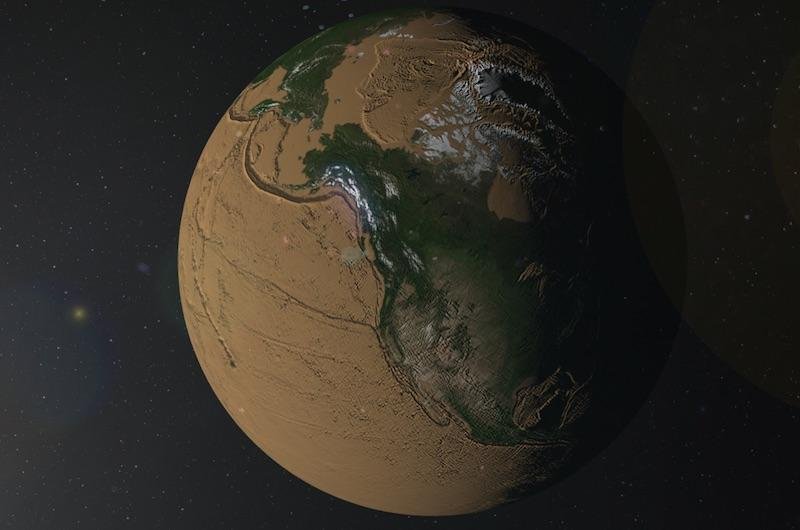
    Instead, where the sea used to be, there is a gigantic exposed landscape stretching toward the horizon.

    It sounds like science fiction.

    But thinking about this impossible scenario reveals just how important the oceans are to Earth’s climate, weather, wildlife and human civilization.

    So let’s imagine it.

    What would happen if Earth’s oceans suddenly disappeared?

    https://images.openai.com/static-rsc-4/sLrYPoZDpixhZngBKaU3v_f0Qd0Jfs3iCKalYZqW6sNjlO9g2BBFn6oDQqshVqMOYyvG15vjikZItgTUq6w9w0prH7Axh17ZA2Quvni2riOPZN-cLUtFsxpVQYYrfFvxKbE1hpvcCyeu60ZrAljbOrm_x7ubSafsrckKKhagpgh1vNhsKXOoYXByUL9xdEDO?purpose=fullsize
    https://images.openai.com/static-rsc-4/KAKl92YDcj1xRrBltRtU_FQUn6Xq1nDPy1gbqgluQz8d6P4CIYZ2GjryIcOBBquM5EW7TBUOTvX6ihPrCKxJ9p80TvHOHRJJCIQvx8ZJdPMw1e_N0QemZ1tvCWQmmaK5yZ8hdWvXzZNWjPO83gSy1BlmuvIz8Rg92mPP74caBfAhXzc4RyjotgjfjO28A7Rl?purpose=fullsize
    https://images.openai.com/static-rsc-4/kXf2v0GXCTsxFv5HXfUIYe_R9aJV6Bx3_T9rHyCJbMa37OZKbM-I3LhPI2aqse8uXUl66ud8Lyv8TLge7vlZ_eKcsS1Ri7WlBByvTqzkkaB0xStOglhOB7oUftC9HrcbKu2uXYpzQm-ybE_IbVU5jH-GT7K2sT80JqqlK2aasQMVSWK9l2XO6P5A-iJeH3g-?purpose=fullsize

    ๐ŸŒ First: The Ocean Is Enormous

    The oceans cover roughly 71% of Earth’s surface.

    That’s more than two-thirds of the planet.

    https://images.openai.com/static-rsc-4/4asHpgrXqWVwAAtIanpVOlgaWVqvGA_BTzB9_szhiFIASoQImudyZq-H9e_dwEchm0_MQRGj6WWi6ynWUWyu60MjUGhk2xrtGoJeiiY9ZzvttObRxN3nRzHMhJwrL049EZZ43kaFZDcmIzwtxLVwLKHoLDeIkBZ-RSP9EwderDB1raEClBPvaF1NTkbxMrK8?purpose=fullsize
    https://images.openai.com/static-rsc-4/GhRn9e5TYdvafr3D26-knWVHBlnb3Nx8Co_iO8E8mt146FXYCkpllt642yR-jgCvc5yyYmMBEct2xK16RwYWXR79B4nDOZgBG-_UBq1Xc1FofPH8qtuNa01FsqsfQOJHWF7NMvs6lnkzyfj6g4huz-9VhKonlZ4w1H43a3AZTcEBaMeICgMwcBWp38sGipX8?purpose=fullsize
    https://images.openai.com/static-rsc-4/ta3NOxHlXumUtOstELEjejVPV5TgYOqZkpr_8nz5GWylP2e4Y28c4awj9KSYuzHSr6jzKa46e67TMXF2xFYllJnYJCjoCT7SAUjjwbUFLwsR9SJIguOsAYezWtO8z1gVBmaewgzfAdsmYyOUs-tcrzNEc-6wME6nRu72fIwvfHKi-JupU-NdC4ZcvsQi70W-?purpose=fullsize

    When you look at a world map, it can be easy to think of the oceans as simply large areas of blue.

    They are much more than that.

    The oceans are part of a gigantic planetary system involving:

    ๐ŸŒง๏ธ Rain
    โ˜๏ธ Clouds
    ๐ŸŒก๏ธ Temperature
    ๐ŸŒฌ๏ธ Winds
    ๐ŸงŠ Ice
    ๐ŸŸ Marine ecosystems
    ๐ŸŒŠ Ocean currents

    Remove the oceans, and the entire Earth system changes.


    ๐Ÿ˜ฑ 1. The Seafloor Would Suddenly Be Exposed

    If all ocean water somehow vanished, enormous areas of seafloor would be revealed.

    https://images.openai.com/static-rsc-4/WdcAGMsMvI1TUnPer-WbsHI1OZoJfDLQxhMmw8H5lVrW30uaOiuWxQWlqE-xfLarzGZa5hisOIWWq0BCpkAXDgJQm3w_YfCpp2JWprWzyxyFzvyKV8C97vOt43T_98PyqBU_FQ0ByAEyPWNxfd-KI0HuMZb4tjm8QgNQAJfqNX2Zrc-mUbB_zhkUgHuWqMVN?purpose=fullsize
    https://images.openai.com/static-rsc-4/T2GruGcWL0budIvyza9R8pfC4a2Qhi-KznJgvS-L1cZ19RM89PwxJxen6F-mvYriFv6utSUnBzCd4mKgX7okkMDsf5xJaZfek_78Qpvfurf-ObEUlpRYd7pIYS-3UB53wHsiyDz1yIfWxvlIHVa6L428dl2l85nwxzrEsrnTxG2Ez_uvy15YgPVkOjaivb0b?purpose=fullsize
    https://images.openai.com/static-rsc-4/lA4iODnxm9RbcAKRv19_LqJZfOzRqz3AfIeg47b8nXQ1bJQHIh5-pgdrBxFCoJN3qcYxYKOGgjnSVumOZdjeH6a5ZWKLaTRhaXLHHvDCcffWlPYaFkdGcN_b6BiFZqHXSbmbk9UKs2Zup6B0TbhfQY4Wxg-LtGnZ5dL8VWfESsq_JmvO6Q8xu8BkW2BLbwts?purpose=fullsize

    The seafloor isn’t flat.

    It contains:

    • ๐Ÿ”๏ธ Underwater mountains
    • ๐ŸŒ‹ Volcanoes
    • ๐Ÿ•ณ๏ธ Deep trenches
    • ๐Ÿž๏ธ Vast plains
    • ๐Ÿชจ Rocky formations

    Some ocean trenches are deeper than the height of many mountains above sea level.

    The exposed seafloor would therefore create an entirely new landscape.


    ๐Ÿ”๏ธ 2. Earth’s Geography Would Look Completely Different

    Today, we think of continents and islands as separate land masses surrounded by water.

    Without oceans, that distinction would change dramatically.

    https://images.openai.com/static-rsc-4/CuPrmZRdLcP3vMSlUqYsEJoahM3TQt4c5Bn8UsKTpM3gzcL_o3YcCTdlHmUN-vlXJTHXmG5eeAoHpDOZZvZF_pomThPq_U-Zos7VYDEy5exZJ6jWTjpJ5T2bl_GWse1cP1dEXcau-A0OpIaIwF9lDA_lBAzOEYfFDf-w2UtS5agHZleo_wYCWCtDSTE44Apt?purpose=fullsize
    https://images.openai.com/static-rsc-4/tMylMminsb6Yb0SHeSdSFyQlqYoOoSyiX5goNWlNqekoEYd_ltXnLX3yHGeYPvJLEowwjOnetkk9SFg-8aJjsM3arIK7xXEPLYlSQWWgO8YYvJHft5ItwMitPWH6LA8HUUfSbZsdUj8jYqcoE2sdZZ-eXTGIhkLie1IhlFj1vc5wNhIZgdhhdM97MuWAecFb?purpose=fullsize
    https://images.openai.com/static-rsc-4/2YI5-cyyJEEazQo2OV7nNu2kiE8nl0Lpp4cDEXH7t5TvxGhtgcz-afIzJXNkmSleWmCXlmYLsq8KSTg25VxVdRrWO7rLqm0yxPBUwieptqiy2505nH8VAJXsRtlqw_HWma0GY83haAU2ow3KQNdO-IUcf9XDpX2bFbfcv0RuqGT0L8sZKNL5-oxLBtXIEqOe?purpose=fullsize

    Many islands would become connected to larger land masses.

    Huge underwater mountain ranges would become visible.

    The planet’s geography would be almost unrecognizable.


    ๐Ÿ‹ 3. Marine Life Would Face Catastrophe

    This would be the most immediate biological disaster.

    The ocean is home to an enormous variety of life.

    https://images.openai.com/static-rsc-4/2sIC41cAty5gFFi6iK8BOVW5dU1ED4TshI19f-Y3P9XPsK74b1zVzyOMWZ8C6s05fQTczjhyRsllB6FleWTHxSO1-k_3zut7bY6-FaHIOT70V1cSdL6sCakZ0cN5V544I5JgQH_dYFzA4Xd1qSBopxBChA35HDmbDOJbZ8j1RGK6gu-kkc9c800RMg3W6yf3?purpose=fullsize
    https://images.openai.com/static-rsc-4/8_26-vZOsJQBlmuqsI4Skkv0uUpdquf59XwwvWgWrxCIAfEP6NYngFt_Mo560DA7MhmPcnTDfx3_9HpvMeJXJ5Ju3sYjp6FinQCmj6uewgRlnQ5tjeiFJEW23bj1zvM7et413oCRfSLpfZld3i2rGpBUudXuVUvpb_AtyX1DtxLmHsLhEjfJIe5AKMrEO0cK?purpose=fullsize
    https://images.openai.com/static-rsc-4/oYhVnX-xk8pLPyNc2UjUr8Z842h0kO_Ki9XOXiGuIBdjNEW6gN1wuZOSbIskxW8i0yVrYb2lDKj6nrCTx9H8Zyt-Di7NzYWUjWbL7XuVdOud5YCtVLG5ygIbEaTyXZIFIsyLhYhD-_XeEV__iSqIaylhzd9at5QokIDCSeIqcpcwgcl69cnJLcPqZv30U1Vy?purpose=fullsize

    Whales.

    Sharks.

    Dolphins.

    Fish.

    Octopuses.

    Corals.

    Plankton.

    Countless microscopic organisms.

    If the ocean disappeared, marine ecosystems would collapse.

    The impact wouldn’t stop with large animals.

    Even tiny organisms form the foundation of marine food webs.


    ๐ŸŒฑ 4. Coastal Ecosystems Would Disappear

    Many ecosystems exist specifically because land and ocean meet.

    Examples include:

    ๐ŸŒด Mangroves
    ๐Ÿชธ Coral reefs
    ๐ŸŒฟ Seagrass meadows
    ๐Ÿ–๏ธ Beaches
    ๐Ÿฆ€ Tidal ecosystems

    https://images.openai.com/static-rsc-4/0L-7CswlhAHmcKIUHqV3UgBqjF_PnyZghsRQZpd0LFiteDcOFK0Jv_z8QBRVCzOzj4Ox2Ih78jZW5A4AenbWcfWcapYxxHaSH9a61y8NclfYodlr1EsNNCFe2TR-1T0zC753x6KHyN4ABwlQoTuIizg3J94Wo1FrvWUEIOqqkeNidCzIikUEOTzMwU3qnTNn?purpose=fullsize
    https://images.openai.com/static-rsc-4/zIBkOfL___1CQrMpGwdTIOjIw2oc0jFRd8gC04UzXrm_FeOr9dfh0n7eEI_lKi_EQzjLW1u6XAh2ElOKNFjTUmo17-jupNzmhDs8LBzQOoTrosPbCu8tizJnoX_DhsqFiGC4kqcuPo2WqH9JGv17E6g5lhph8jPw3LYxiLP3yKIMhJ1Jd6tiQyYhnvOmPWlf?purpose=fullsize
    https://images.openai.com/static-rsc-4/X8v_af2BWd1pThOSzm9NPnVYmq9TmBtilwm8t0_LXVMSt0jGjiEUTG67qlDhL8_T0EA6Y-oS3F3HwQuHZM5G59dD0BS4LyKfhh0stLZJcm-t4X1KVdhLQ14KFF2uAcV53CKejhj_EaTraYyPTN0BVsZh4U8av37_hUQJQ5934GVcnsZuGBNEpuUntqvXwCS1?purpose=fullsize

    Without seawater and tides, these ecosystems would vanish or undergo enormous transformation.


    โ˜๏ธ 5. Earth’s Water Cycle Would Be Completely Disrupted

    This is one of the biggest consequences.

    The oceans are the largest reservoir of water on Earth’s surface.

    Ocean water evaporates.

    Water vapor enters the atmosphere.

    Clouds form.

    Rain and snow fall.

    Water returns to rivers, lakes and oceans.

    https://images.openai.com/static-rsc-4/uAmqToMwd3LiNPT3CNQ-YFuzHBe8pK4nbjZCi_iWByKCr6h9u2pYQOBBt7FJX1_Glwcy73UtBLtzxyaIe3vqxtfTIsxv0QQZK6gH8zDKHEzvP2nvTRol7NcKBwe9g0n1Vtfxvh2vmZse4jmacjDpJzotignCYHWQnTkEuCTCqTfvc4vGgrFKKwa3bTaGXHib?purpose=fullsize
    https://images.openai.com/static-rsc-4/UeuaKzIQ5ZYzbWzLeiSIpnf1lkREi5wbRploy5wIDkhTj7Fnpw5DMmjZ-kZuKc8jL1eE-TpitNHl-TKWe5-hXpl75igxiABqdiReKM2L0Mvv6TQna3n-R87canTQ_KDDXAptKr2tNo3QXh-So4NrjAjAxJEESEMdJEwiVsAc7oExXy5TyHC5hfYDhk2NMeJf?purpose=fullsize
    https://images.openai.com/static-rsc-4/gLS8U87xruVyqH8NHbv5HcPEd-ypciviKaujfanfUl8mRl6jVlR3xA5f7I73tnALHBJxVUoFKGWp1w55WLg0macfQBn7yqzqUnJrHNYf4coCdbYDwGLF0fcGTyi-gRnpS1x3njOIBXMbzRFqll9mFPs21bgzNTi0iKPiJjLxI0csG6S2dVU-du8xptt_9gxI?purpose=fullsize

    Remove the oceans and you remove the largest source of evaporation.

    The global water cycle would be radically altered.


    ๐ŸŒง๏ธ 6. Rainfall Patterns Would Change Dramatically

    Much of Earth’s precipitation ultimately comes from water that has evaporated from the oceans.

    Without oceans, atmospheric moisture would eventually become far more limited.

    https://images.openai.com/static-rsc-4/dlxkGG-Qj1ENqfq0cW7S954mtQ_X5TQusr67H1ttsXvZfRyGXamEVFNTqXsjtC1bkg3M8_To6MKlifWs6TVVWk3VxkjyJbhfh7GbU2VRJ-_sOMJKLbVM9yOZGz1O-pvoky1Hx1VmHIorkdVqMx8Z2SK1ke0EGCNz4Z6YyUs22D2PSLNKesb0c5Tlx8VCItPo?purpose=fullsize
    https://images.openai.com/static-rsc-4/Gv4XGkNVmSgi1m-vIJZeXekXdPBkF98N6kYtZ-lrd960r1N8AYOOpsGK9Ej6X9DuaYkGSx0kpObOOfE0ozrK8JxpnoAV1OCGi99nJi0J5MVE-Pab2NNJI3v3VwyS2TyIVAoOj7jg8eGmiGOhtXFK3TVNIQp9PXQMs9WKEtnny9ISzZuFgzNQY6NRVEVSncAy?purpose=fullsize
    https://images.openai.com/static-rsc-4/3w9ob2Srduh3oSn6GqujwOjibcaTDBVqd_8HvnmY5hLE0amUCcT4DYdCiZFBIXS_KkOR2TsxZLHu5JCaUiFytVw9Vp3fdwicLhvGvGCFP9xf9yUCYcIaH1qLIU4LXJhIO2pwujtf30AgS0H7qMT61eiyEiF8uXa_-NG0pCVWnmJJ6cYZtsgF51NuRbN2WAeo?purpose=fullsize

    Some regions might continue receiving precipitation from remaining lakes, rivers, ice and groundwater for a while.

    But the planet’s normal hydrological cycle would no longer function as it does today.


    ๐Ÿ”ฅ 7. Temperatures Would Become Much More Extreme

    The oceans have an enormous ability to absorb and store heat.

    Water warms and cools relatively slowly compared with land.

    https://images.openai.com/static-rsc-4/KtcKJuaBaCs5deRFD8wYONVu0k6oSUeQMeWg1pY0B62AL3gnBgeHd5lFawtGw7ADZspOoFK-I_t1Ldo864NJ5MkbyWjIWBG9kHdvzDy8xmZLprDv-IVYGyKnY-pzn6oquj02fXySLiwUYioWH7ket5STu09HAnStsQvOvakbdxxIclWkw7A4zoGw9xF57Dz3?purpose=fullsize
    https://images.openai.com/static-rsc-4/LYwkw_encRsmGTPuONvsqtP6n5uBqVnodq2AAZFbPwwJ2wcTQTxiDoJnKCcRrdbJSw0RET-pD5PzaKfYZHGC0RF_Gelo3sVV361P1uEh0EuNg1yI-FkcQa-OzXifvxB4eBJgf_tuVnOwu0CI-0VitBFgkp0dUlhABmaTDMyJL4GTkzq9Dq-aywtC1_UKGcUC?purpose=fullsize
    https://images.openai.com/static-rsc-4/dKuCGHjiP87kf2lIpeowE8Emds2mj9bf6aKTq-SsHOHzCoqbYNe9FnRvc26yrJtJ7yRuYHYIBz4em-sYmRSduiF7ud9VuzYVq_bmH28NjMr6id4O1P5GATj-VVabQGSPMEkv3fyOCFI3J-3O39OZOAKYwSHPPmWiufriPRV81SWxSqBCMCNHX_rzwRRAz2r7?purpose=fullsize

    This helps moderate Earth’s climate.

    Without oceans, temperatures would become much more extreme.

    Many areas could experience much greater differences between daytime and nighttime temperatures and between seasons.


    ๐ŸŒก๏ธ 8. Ocean Currents Would Disappear

    Ocean currents transport heat around the planet.

    Some currents move warm water toward colder regions.

    Others transport cooler water toward warmer areas.

    https://images.openai.com/static-rsc-4/_mstAICtKOX_qJbF4JYL5sYRf6GaN3felfoMahHlsHGCwUqQYnvsNDkb5XGyWBDluE4NNKTJ28jz9tMLra_Yyj2wbgbzbyfoIQH-4K93sz2lm7A__zO1dPskMH0x13TshGY5ocednfLc0MnVYUj4EXWvFBTpDJXnZPEjsGGRD1aUC4EbTQ_6Nckgxa6jQk-U?purpose=fullsize
    https://images.openai.com/static-rsc-4/pOn48kTn6srU_0e_rR1BhJJvTuecESBgkkNFJcGP4EpEqSrQWq_VwZm0xiGdJnREKzU4bXowY8KtYqCJw0q0VpTaq265AKMHwQDP0NUOzfB1C1zAbAAcEITQDTwLS_T0YFevGaJ5HoRVO2bNpLOrhOxqf5qCp2ReBeMQQulsGaj5LmsRXZHO3DpV8q6N5HGx?purpose=fullsize
    https://images.openai.com/static-rsc-4/oF-u6fN89IDIsi53tVsARAIcmakJsiLFDG-1dQdLlHxH2_U2O8bAdY9RQBvsfw8KfY3OQZ-0IQr8Cgz6KR6Gy3RctwLuaSPx5LmH7y6hKn57rSmUf334jYIYJVZSHFEnhwcVPpgjUvvXq52EgXZoDil8W0emF-5pjd7VOHSSxqmcIXilUGYSCvAKSkHgqh7N?purpose=fullsize

    Without oceans, this enormous planetary transportation system would disappear.

    That would dramatically alter regional climates.


    ๐ŸŒฌ๏ธ 9. Weather Would Change Beyond Recognition

    Weather depends on temperature differences, moisture, pressure and atmospheric circulation.

    The oceans influence all of these.

    https://images.openai.com/static-rsc-4/LRqsrA9IwwFv5sBFAE3SmX7RdMniBsjs4fPfvdBPzXjAcLAhu_tF8DjEWdhLpzmqfLV53rAB512VNAZ2GSyKwd6_p1EHdLpZpzdDatxToy5zPXDu8MApiaTyGcqJlNsju2i9RfO_vm2xFSIB8ZafwSJfZr-RlPuFuzphWvge6c8kPX7WLdEq56ThcSdsgsvU?purpose=fullsize
    https://images.openai.com/static-rsc-4/2URqu55OLQjvJcXDoE6nqoXpKTJN8-8B_gmX0Xqm47JtY5mEe0iDEXq4JSuC-vvwJigEE0A5Umyuumm--DxLYtlYGu8alm6br-xMGcgczQg0jM6m8pE73U1k7wgoNjKWI5eq2OIFwvhdC8lmv1btAVntdX137fyT_cDXIQEnQ-luk4CBa51qi9v6mn6KT5PC?purpose=fullsize
    https://images.openai.com/static-rsc-4/L9X_nh0Z2V-0piw2ljYjodBP5_TjKKvu2x5v1inpzOG_Ezhf1dUOpha31Blv4nCHAnr1xp4elDeNMPst_gVyjrJgNTQvVH8bwADP54WzgIDoqwz9GOB62R5Kz7yWWCaNcF8jWDlxjtXmGo7JP290RbUUaup3eNMhPEk-b8r0loqPQ23s8H2VadAznXVugEcp?purpose=fullsize

    Without oceans, familiar weather systems would no longer operate in the same way.

    Storm formation, rainfall patterns and atmospheric circulation would all change.


    ๐ŸงŠ 10. What About the Polar Ice?

    Some water exists outside the oceans as ice.

    https://images.openai.com/static-rsc-4/9Vv5WHrwm3wQWJ-Ew1VpTrqaZ-2BjgEGGTIys4W3yUHVSuIhJfqTaL1C2FnnZIzzh18NUUA5auiQQXeRku_eC6VbHawYxwbQ2R0Dvs3r6a_rBdc0-z0dAVl2uA8_PcFe_EwQ0YO1-anMSH2CdKzzqVSnb96dYs7YpfJ9JDDiqwlLwF_K4SRLD-nXSMwW4MKH?purpose=fullsize
    https://images.openai.com/static-rsc-4/OUiAmzUqlqSD2akEnBT2dWycg1Qa6zGJaunaAh7VQCPNnDDaDekyKJwtPKc_b_IHeQirhSvWJTnkuHfHTk4RL3NWa8tyJxrvTaukvrki4dBexem-LM6pX6jFIlL40EByptKhaaDcOwQTIgbPIvzwjLyaXV0PJMKJAcM8C3SmQ86AMuFBODjvhXanZ9zQfpqU?purpose=fullsize
    https://images.openai.com/static-rsc-4/oCXsT69oLmYN_Pl5f2JfUpLspnOM40snJVHNNb6GT8l7yXE1MhjhS-xpYrjlWtJuqdNebgWaR6cSCBKdggZa-VbCZP8Q0RrKlcwfKdkGHnxW1B3ApBZDu6AeC6lEsolZQ8LgPcuxVv4NjX2V_wk_JePvsrR3DBlaH8esVHu6ist7iO6qNgRn-GsS7XJ8rdyf?purpose=fullsize

    If the scenario simply means that liquid ocean water disappears, polar ice could initially remain.

    But the climate system would change so dramatically that the long-term behaviour of those ice sheets would also be very different.


    ๐Ÿง‚ 11. Giant Salt Deposits Would Remain

    Ocean water contains dissolved salts and minerals.

    If the water vanished through some impossible process, much of that dissolved material would remain behind.

    https://images.openai.com/static-rsc-4/UxOCX-0a_bF7rDMmB3i6AL4CUEbdopW9CW9M_M7KUfb1-ti7T5a8kOZr0QyGFu9IDqC93h_uhY0q4LcryS_nk9RulzIUvqAngb3dtGYOi9PQw_bT9I8PKGjvSQnlPQsl4abO1DgZxOD0Q2Bc8SFyn3Myho_UmbflI8G9YiJkYk7jr6v-RPL4rm6b9K5bzLCJ?purpose=fullsize
    https://images.openai.com/static-rsc-4/qY7OK30bfUgwlutKVqybKmVkYLaKaPGu7uhdzqqRewuc22nf4eqahzvLSXU59yIXIMcp2GnGstOT7qq6jftVo283cmiOCO1S6O3YuLQSwZHh41cMAGeX8TAIaiPcs3PPmUm8RRrcILSjGpf9iPIpNuw1RQwN1N-60_azBAO7McOFNnomRS5o-hd6hO1LAWvB?purpose=fullsize
    https://images.openai.com/static-rsc-4/W3sqIvNEccKUiejSAdNGZVHDj7gJqCUUQLzSrprgr3IObrYlMelQ3mYoKQmmUlzPVF6b0mhr5nN4hn6TGn45PIsYHHCFCZ6cx27kMIutdltvprnOvn8GbQkkvhdVy8P9hJRtp_Grlt24mapW09yQT9aXeqyF-O3w8UX2239T90waJ4WdeQYEQtdNjt8cuPAf?purpose=fullsize

    Imagine enormous regions covered by salt and other marine minerals.

    Some exposed areas could resemble gigantic salt flats.


    ๐Ÿ™๏ธ 12. Human Civilization Would Be Completely Disrupted

    Modern civilization depends heavily on the oceans.

    Millions of people live in coastal regions.

    Major cities and ports developed around the sea.

    https://images.openai.com/static-rsc-4/vE71FqO0YqlkJlirYC_3cQdXHj4wzZGa7i-hb1xr14ti9Kj12SSMMPymT53tst3wK5QVgYcwC6QR0mxXZ60QaTl--oG2MNWWFte-XCx4df1NU9OrU2ZXH9Y1sBREUN86vRax-15uE2Y9yPJrfPJTClw0cndscaKnVIO8pG2vUvJa64T33nvHYBb3-P3zJ8l6?purpose=fullsize
    https://images.openai.com/static-rsc-4/ORnYd0HCMFEuh-KXS9qls1ogeQ0WL6LN9fPv64OrAd9kD42ncducXOc4SLYOyzdb8UNCRLIP7OXWTs7xpV4ia2t9cHGMYf6Y6GVrm6j1NK6SamIC1HQYRUnBhu7N3R7lbDHe2yY86sZENYe-q7TvLvYh7aSWBLlQI68KB6ddOlHiPNpn_KclwcwY8CzqzwKJ?purpose=fullsize
    https://images.openai.com/static-rsc-4/cnjApbZUe4_PS4sPqQX00ROC_gJUY5miZn80MCbkgfYSiHFIinQ0363ttpApbM0c3BsUCN8QnWFftywc0dVlk7WtbbGdX1SgxFR8bUBCahhdQ4uPEJQ8c2s_WxoqnRtD2eTVOAUYQbdri95s0HffJyH2zEGHM7bU0RCDGBPjj7x7fe4ZHKmWEO6dDGaFSdnN?purpose=fullsize

    International shipping would collapse.

    Fishing industries would disappear.

    Ports would become useless.

    Coastal economies would be devastated.

    And the environmental changes would affect agriculture and freshwater supplies.


    ๐Ÿšข 13. What Happens to Ships?

    Ships would obviously no longer be able to sail.

    Instead, they would be left sitting on the exposed seafloor.

    https://images.openai.com/static-rsc-4/YkptOHX-Nr3e1efQA2Za457SmPZsU3eN16B8Aa-9dAfVtib6HfByE_Jp1TKSuMax5Hc3OQZlPUbCLeKGMOr_3Mx66oPEY6-kTvZVYKI3E94htQzAPyKsXxq4-cs58HA4YjPApRPnxQgdbM0oIqRQaY_r08JxSAcVAjxHMC_KCj8F9o6UwTHyRvgyTc4qh3rn?purpose=fullsize
    https://images.openai.com/static-rsc-4/P92GkaVc4gSdmDCqzAyYwuF64RzqkjXPcHaqVTEEr3bqdKpcpracnA4F9Eh_k5aL1ThAUriYYBDYsU3t5VhX8ScKiCDCZ_fGiUqwUqZVX3O2pTNFH97aMKt5HA_gmX51a0B6zt4dv4wYsSLVl0zpyVb9Rwtt07kM8Fz6mVE3UyOLZEBD86VrE2F8ghrIkoZ5?purpose=fullsize
    https://images.openai.com/static-rsc-4/_Rk0Vw01jO2H0E3Rk6t169lasgSrBQ1OYhrgpKYOK_JTykdtMm50kmQFDU0IdWD-XxLEkhIyY-DRYW7XhDG_uFF5q9RZ4VUGX1wMnoUiZea49ge_Nd3pCn0nBw-MtxN7NxaysjGmOOC8ccQJHgOjcFhSr3t2LX3LAkDsI0RLcfTz85plyk9EuURj4eLyY_Zc?purpose=fullsize

    Some might end up hundreds or thousands of metres below their former sea level.

    Imagine walking across what used to be an ocean and finding a giant cargo ship sitting on the ground.

    It would be one of the strangest sights imaginable.


    ๐ŸŸ 14. The Fishing Industry Would Disappear

    Billions of people rely directly or indirectly on aquatic resources.

    https://images.openai.com/static-rsc-4/y5EKWIHnGtrXfJer22Ki7kfWYGEK-cuaBV0rI58mdd9UfpbdBqURSJqs1GTU_c6gz1R9Wpb2leMF2u6QpSwCXOx42sxPRUy8aKTB55iW4CX1WPj2OoDBuJwEABFCZ-UU5fez5DTUQMh_AWnJAxGtCiI1Aq8olfePCMxQtHGHAZsgmZkeYK1EYl--2Jo0U6_X?purpose=fullsize
    https://images.openai.com/static-rsc-4/S5eNt4t2kMmLuUQJhdr7WURtVhJ2Ca2FBPAJoxe5UlprWv6rEw2tXFdp83SWLRyZ9lDyIuolPfZCY7quSQ6pZ6jfKOIrflIaAFxwSJg2uPChS3XCGc1vZGwCNOrrOSbhlTuTpuTU_8sQ1hCX6H72JMW3BstIvlbg_2JtdoFP7lb5cPFddWFh4tErOaVtjn12?purpose=fullsize
    https://images.openai.com/static-rsc-4/vCjj3iy9hHmZALVMI6mAyHReTXuRB2QqCpR2KXFlBB3KwhyukYnYV9_1Jwk9VLTYCJ4NclNVE6bK_Br5ihtAB-jWvQSofNQkAb15TivUI3wo2oD7yp2wkoYxVF2o58IQzlicv3Q1--NAagHjUH3o5HAh1ixW6SzxWmjVY-jvL-ZqM1b5UcR368Fb0W7xhMzv?purpose=fullsize

    Without oceans, commercial fishing would vanish.

    Aquaculture operations that depend on seawater would also be severely affected.

    This would create major food-security problems.


    ๐ŸŒ 15. Earth Would Lose One of Its Greatest Carbon Systems

    The oceans play an important role in the global carbon cycle.

    They absorb and store large amounts of carbon dioxide.

    https://images.openai.com/static-rsc-4/IzazbqG5dgAFS4laQOU-Yb13lv0i0gMyahwHlt4grt-1AvpD5gsj3D2XXdjZBQPsmHRxieweCZrBMsTm8Qkpq61U5qv6DtTtTLZmvcKJb4eHTH2EDfm3YVTfELguelWPnwMlvMW-vUOhr-AerftGgscw4kISiabOROx5K4ITJ3P0pGokwgQIBYB85fEeB_QJ?purpose=fullsize
    https://images.openai.com/static-rsc-4/sv1aZkQTKr5bjzN00cGgA8bBLyT43owpKyPaL_bveSycpp22_YrOFNq2WU39540aLyFWuk1rH7KtEqjv_AcwF82Rs1n-EVqgphWS5SSsnLvTugI9CILQuBldkGJW2MefSbCYzBQ6q_BgdoJOWNQ0d4ElnM-y4C9Nnw5ZrMIm8fKY8He5dL-f_BQ03G0pphcY?purpose=fullsize
    https://images.openai.com/static-rsc-4/Ueu_qBoIVydw8siegGXvqRXKgnDwZ09ws1vHhwpObTuUWGjUPeJeLDxmbO5LkjRu4o1k754Jal3ZYMhfgHqhqVHVf76V3NNGDdINvhZsll9-KdVXYSuvUYnGsbsr9Rq71-mG3_Ryc_h7xQUzH5wYTiF5M_xUWxtYB8ruG1j72VWTWxh2r32s3wCDMhq6R-TC?purpose=fullsize

    Marine organisms also participate in the movement of carbon through ecosystems.

    Removing the oceans would therefore fundamentally alter Earth’s carbon cycle.


    ๐ŸŒŒ The Most Amazing Part: Earth Would Look Like Another Planet

    From space, Earth is famous for its blue appearance.

    https://images.openai.com/static-rsc-4/J4T_KKUyX2OCDzsiBXAePphOFmWPLIV5Y6XTprvoBgz0rNbkwMLt2XBq5HCNoYWSKHRFjfR1fds7ygQBRwC6Jp-OromFiiGNtnE0g7BFObbH1uzy5UkF7AGzQh4vbR9F3SykIPzmoFZY-vHEy2_hlY2SdvC0dacUx41kQkBj9XDQ8kZPlMtRVWZwC6edUy6L?purpose=fullsize
    https://images.openai.com/static-rsc-4/-BzG-zMyPSjCtnAMsOUVptSt2FLxln8X3sOmOpKd-BozhGJbkmqElyakJiBHgqn6PE7ADlUKSReC1qVxF6d2KvDzy3_w5tkBaJvovaKSa3BbvkAYYG_6YbCRdub-iM-J9JnSQr0xsMGneIHlTM1gmL63Jp0T7Ay3ZcuRnowCHahUyHgF0MUHCWAuQO9fWap4?purpose=fullsize
    https://images.openai.com/static-rsc-4/3VFLnr9elFlZwqrazC8h8oqDIYWyXNaQpVXwwapxLvP0zvRiMJsZuHCI08RGlCaPGPmP9FXgnULC7ruD0ImYdVGKvMxzWlbNZAKq_eTHzR1STM1f72GFOqawVcTsXVXwTMMtFByEOmILJDnosZGygFdCUa6q8OOwSrCPxM47KT463qUz2z5ZZDzzLiNwHmxy?purpose=fullsize

    Remove the oceans and the blue planet would look completely different.

    The continents would dominate the surface.

    Huge seafloor structures would be exposed.

    The familiar blue-and-white appearance would disappear.

    Earth would no longer look like the planet we know.


    ๐Ÿง  But Could Earth’s Oceans Really Disappear?

    Under normal natural conditions, no.

    There is no realistic mechanism that would cause Earth’s oceans to suddenly vanish overnight.

    This is a thought experiment.

    And that’s exactly why it is interesting.

    By imagining an impossible event, we can understand something very real:

    The oceans are essential to the functioning of our planet.


    ๐Ÿคฏ Amazing Facts About Earth’s Oceans

    ๐ŸŒŠ Oceans cover roughly 71% of Earth’s surface.

    ๐Ÿ‹ They contain an enormous diversity of life.

    โ˜๏ธ They play a major role in the global water cycle.

    ๐ŸŒก๏ธ They store and redistribute huge amounts of heat.

    ๐ŸŒฌ๏ธ They influence weather and climate.

    ๐Ÿง‚ Seawater contains dissolved salts and minerals.

    ๐Ÿšข Oceans are major transportation routes.

    ๐ŸŸ Millions of people depend on marine resources.

    ๐ŸŒ Oceans play a major role in Earth’s carbon cycle.


    ๐ŸŒŸ Final Thoughts

    We often think of the ocean as something we visit on vacation.

    A beach.

    A place to swim.

    A place to watch waves.

    But the reality is much bigger.

    The ocean is part of the machinery that makes Earth the planet we know.

    It influences climate.

    It moves heat.

    It powers parts of the water cycle.

    It supports enormous ecosystems.

    And it has shaped human civilization for thousands of years.

    If the oceans disappeared, we wouldn’t simply lose beaches and fish.

    We would lose one of the fundamental systems that keeps our planet functioning as we know it.

    The next time you stand beside the sea and watch a wave roll toward the shore, remember:

    You’re looking at one of the most important forces on Earth. ๐ŸŒŠ๐ŸŒ


    โ“ Frequently Asked Questions

    How much of Earth is covered by ocean?

    Approximately 71% of Earth’s surface is covered by oceans.

    What would happen if the oceans disappeared?

    The climate, water cycle, ecosystems, geography and human civilization would undergo catastrophic changes.

    Would all marine life die?

    If the oceans truly disappeared, marine ecosystems as we know them could not survive.

    Would the continents become larger?

    The existing continents wouldn’t physically grow, but enormous areas of exposed seafloor would become land surface.

    Would there still be rain?

    Some water would remain in lakes, rivers, ice and the atmosphere, so precipitation wouldn’t necessarily stop instantly. However, the global water cycle would be profoundly disrupted.

    Why are oceans important for climate?

    They absorb, store and transport enormous amounts of heat and interact continuously with the atmosphere.

    Can Earth’s oceans really disappear?

    Not through any realistic natural process that could suddenly remove them. This is a hypothetical thought experiment