Tag: Police Accountability

  • ๐Ÿ‡ฎ๐Ÿ‡ณ INDIA’S CUSTODIAL DEATHS

    ๐Ÿ‡ฎ๐Ÿ‡ณ INDIA’S CUSTODIAL DEATHS

    People Who Died in Police Custody โ€” The Cases That Raised Questions About Human Rights and Accountability

    https://images.openai.com/static-rsc-4/8trX7_80txFZnV6OIMAboPdpqVjIDWfKflrsUsGt0ivIFaML8Wgc8YjewTqdJh9ALCirDvocf6lno_fjEwsbpC7JLQ4B0iQgq0SI0ynmlJrxWOlhI8QIQSeXew-7Qq_0ZzupA9oP5Qev0fOuefob1PBVvrCjRPLcCdPvrhAUNfS5oWTmFsPiVxdkfToMFI2d?purpose=fullsize
    https://images.openai.com/static-rsc-4/bLBCZjR3usHFyDbY0BJDTLojK8cDJuP55cy54pr16nC4vKHILruVjuhEZzFE-OZs-yqqpoDs4DjAs_iqULcH_dO8TuHYMesNo6sYsA1zAxbS5vffLST9VxR9ktNmhg7nRjPzucryU6CUY7cCevQMtqGvIiGpoAuSf4T_OLJzSkRwKYCeuN-0teK0e0sA_Lm5?purpose=fullsize
    https://images.openai.com/static-rsc-4/R2bztxJQcTVDfSV6Yp7xsyn0jwGnQ3goZm9FiI-zJIziVgqQnHXOk6hkBpDgcz8mkBss4NmXcWI5BveVhnpElK9kxJwx9FDNEjv2tcehwsOOGZWIrTPM-xGj49FV0zEBdnQhHwfKW6QbosRiQP8-8bXQ2chaOXvk2bJw_B5i7iEYk1rKieSmq8zMRw5TuZv5?purpose=fullsize

    India’s police force has an essential responsibility: protecting citizens, investigating crime and maintaining law and order.

    But when a person dies while in police custody, the circumstances demand especially careful investigation.

    A person who has been arrested is still entitled to dignity, medical care and protection under the law.

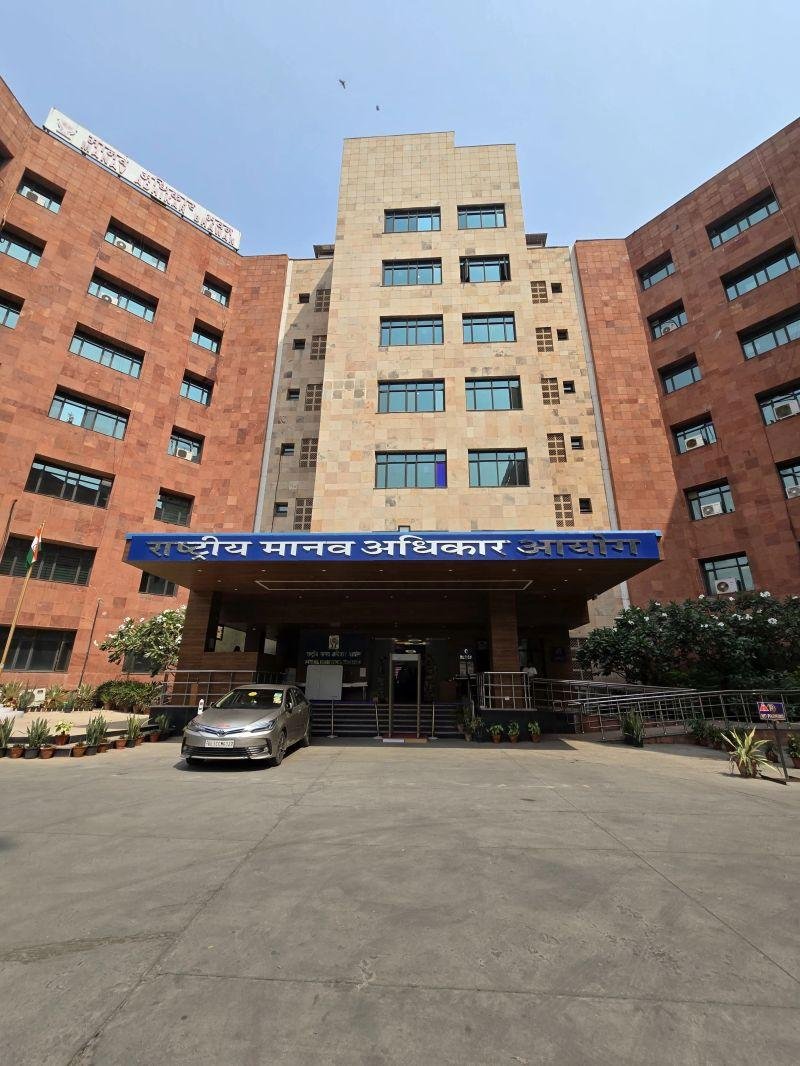
    The National Human Rights Commission (NHRC) requires authorities to report custodial deaths within 24 hours. Deaths during police action, including encounters, are also subject to mandatory reporting and investigation procedures.


    ๐Ÿ“Š How Many People Have Died in Police Custody?

    There are different official datasets, so the numbers need to be understood correctly.

    The NCRB’s Crime in India data records deaths in police custody/lock-up, including people who were on remand and those who were not.

    For example:

    YearPersons in remandPersons not in remandTotal
    2022โ€”41โ€”
    2023243862
    2024254065

    The NCRB dataset covers 1999โ€“2024.

    The NHRC/MHA series is different because it counts cases registered with/received from the NHRC, rather than simply reproducing the NCRB death count.

    According to the latest information placed before Parliament, NHRC-linked police-custody death cases were:

    Financial yearCases
    2021โ€“22176
    2022โ€“23163
    2023โ€“24157
    2024โ€“25140
    2025โ€“26, up to 15 March 2026170

    The 170 figure is for cases reported up to 15 March 2026, not a completed full-year figure.

    โš ๏ธ Why are these numbers different?

    Because โ€œNCRB deathsโ€ and โ€œNHRC casesโ€ are not necessarily the same statistical series.

    So an article should not add the two datasets together.


    ๐Ÿ‘จโ€๐Ÿ‘ฆ 1. Jeyaraj and Bennix โ€” Sathankulam, Tamil Nadu

    https://images.openai.com/static-rsc-4/1Q9aucVxnWll2n5yqCzZI6ID9v9Yhs8d101zCHHR167W2Ls__ZjsIe0PNxb5zs2yM-tzIJAPTk9clog9rHqb7p0JuSe3-SyhtsYxcN3h2tA7aSPK19aW67IO0M0ijv5LSAR0Vlfr0LZTQq6Z9CXR0YOxQmAdli27bhiWoh-5qIQV9ODNBVx7--PK4Vxt2jOV?purpose=fullsize
    https://images.openai.com/static-rsc-4/BMZNFjluCSkWCdm47Z7Gb9Q_o9Sg5BLPPiXClOD_nusvcQPrlyZdkIPZW3NK1ggm4VDSPUG-avGf8gVGVehXKeBntnZhJCqtFVezDW4tU6n2z57n23YZhNp0CJAaYRcIQ_QImTthS7gQadj5_YQ9tua9bWZJgg8vSIRWhFNPaYkuGiXn57nF-ay9s8hkVoys?purpose=fullsize
    https://images.openai.com/static-rsc-4/s2TkgLsyV4Ti6vcRnUpYjQv0Byx6DY9U9EStwOHN8eGc57yXW48t2SvNdJd2eUE0LyFHrJ9RBDBprFPPvLKXcdBMJNG5RaSNT5c08p73pnIPpnESILMFevPjA1EHWEUswi3aBkzJu-Quc0oo4ju2NIWbqqeDcPUW4GOc4k7U_g9hzV1_OKra015Fq-z_pba-?purpose=fullsize

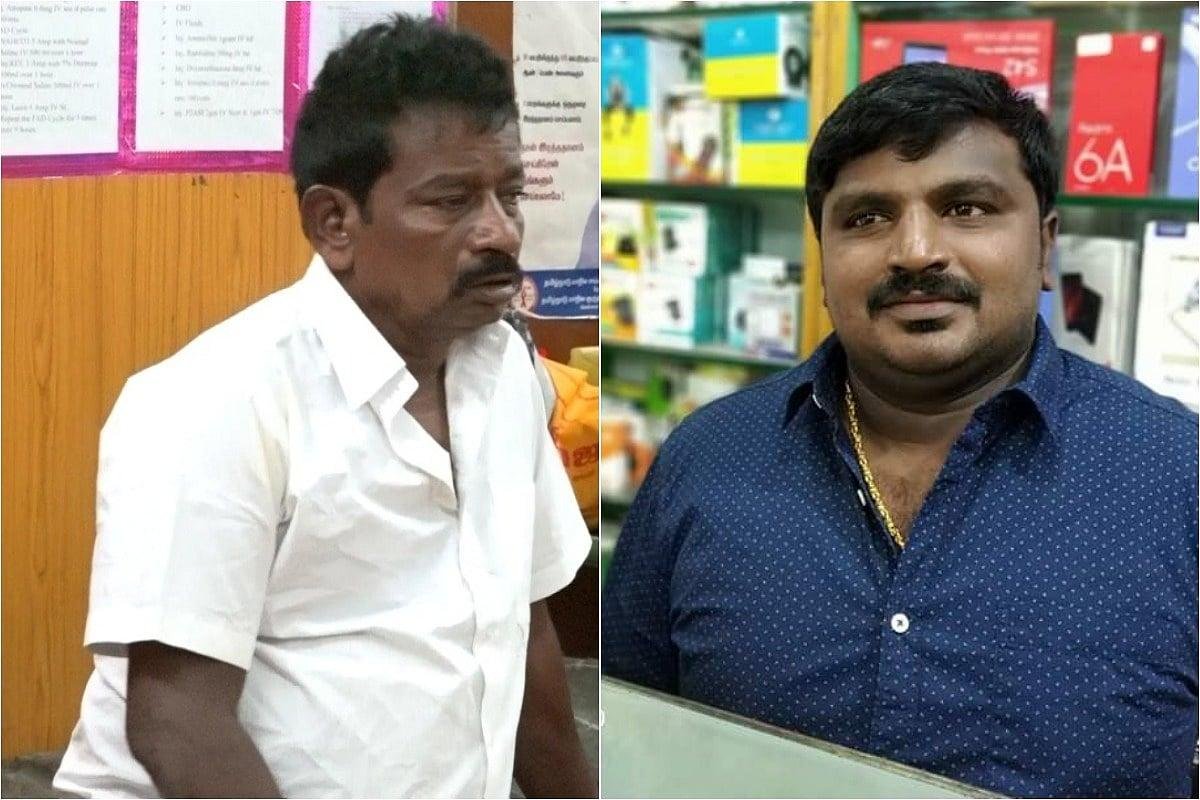
    One of the most widely known custodial-death cases in India is the death of P. Jeyaraj and his son J. Bennix in Tamil Nadu.

    In June 2020, during the COVID-19 lockdown, the father and son were taken into custody in Sathankulam after a dispute concerning the operation of their mobile-phone shop.

    Both subsequently died after being detained.

    The case triggered enormous public anger and became a major national discussion about custodial torture and police accountability.

    The CBI investigated the case and charges were brought against police personnel.

    In March 2026, a Madurai trial court convicted nine surviving police personnel. In April 2026, the court sentenced them to death and ordered compensation for the victims’ families.

    Importantly, a Sessions Court death sentence is subject to the legally required confirmation and appellate process.

    Why the case became historic

    It demonstrated how a relatively ordinary dispute could become a major human-rights case when allegations of custodial violence arise.


    ๐Ÿง‘ 2. Jayaraj / Bennix Case โ€” Why It Changed the Conversation

    The Sathankulam case was particularly significant because it involved:

    • A father and son
    • A police-station detention
    • Allegations of custodial torture
    • Medical evidence
    • CBI investigation
    • A long-running criminal trial
    • Convictions and severe sentences

    It also encouraged renewed discussion about safeguards for people inside police stations.

    The lesson was clear:

    Being arrested does not mean losing your human dignity.


    ๐Ÿง‘ 3. Khwaja Yunus โ€” Maharashtra

    https://images.openai.com/static-rsc-4/j6mkgAvp_M7zQ-3tnGB3AjkM2WpaaYL2KY7H3SRBCC5l4bmZQlD19p5xEy1EH2Y4_5x_L0rhKRki7gfZlAI4-cE-Ofnxz2yRHV9VzN5ApKRjbOwzwDJTKYzIPqusTt72j63nTCnQE9jKyZH5XClKhyLfRB7EzqgYCyDq-aMOyGLtSwdCcmQ1DXVRLGNqPzZP?purpose=fullsize
    https://images.openai.com/static-rsc-4/nVblc_ZfgMyIzo_aLFSAYTEHgcOMAODaqNV6gxuIXdiCsf7FTMSaa6n4TkWbFw5idrlUZPa-eB1gZxHs_d1qVMMWgBo0jKvqiMLbHxXGqdy9LeAVPE-CX7mimXMD08CdfpplskE1sCQz-o0Yogkmd39-cOPnP5MDq10L6PjCf12qitHF2iYVii1eZOtcHJB2?purpose=fullsize
    https://images.openai.com/static-rsc-4/3zjiASpc3UMQNsGiPb1RDAPtTqPQeIzPWb2gvVTXJZEAHwcZ0wDsFReBz46momXlv2lFvLrOe-K7tHOr0QG-I6eWMRJGaqkIN-J5_EVKy_40JTDqF5BvjRIfJqi63lZE3aO76wq3E0W9lwjQgIw0zxR-ngsyAqCNRsevjSSgKbqcajODbNPOD3baf2yJHkn-?purpose=fullsize

    Khwaja Yunus was a young engineer who was arrested in connection with a criminal investigation in Maharashtra.

    He disappeared after being taken into police custody in 2003 and was later reported dead.

    The case became a long-running legal battle concerning alleged custodial violence and the conduct of police officers.

    It became one of Maharashtra’s better-known cases concerning alleged custodial abuse and accountability.


    ๐Ÿ‘จ 4. Pradeep Sharma / Other Custodial Cases

    India has witnessed numerous other cases in which families have alleged that relatives died following detention, interrogation or police custody.

    However, this is precisely where responsible reporting becomes important.

    A person being arrested and later dying does not automatically establish that police caused the death.

    Each case must be separated into:

    Allegation โ†’ Investigation โ†’ Medical evidence โ†’ Chargesheet โ†’ Trial โ†’ Conviction/acquittal

    That distinction is essential.


    ๐Ÿ›๏ธ Custodial Death Is Not the Same as Police Encounter Death

    Another important distinction is between:

    Police Custody Death

    A person dies while detained in a police station or police lock-up.

    Police Encounter Death

    A person dies during police action/firing.

    Judicial Custody Death

    A person dies while in prison after being remanded by a court.

    These are three different categories.

    The NHRC separately monitors deaths in police firing/encounters and requires reporting of such deaths within 48 hours.


    ๐Ÿ”ฅ Police Encounters โ€” Another Important Category

    https://images.openai.com/static-rsc-4/_YKwqWS_ZTJkfQfLp_DfbMvGLVpRLn0WIPVFPEHg8acIg_1yW4vejeW-ktWoru5J7Tybs0Tfx4XcE_aF7gh9JeTHt5rUtOdnXUbrLVvO11TmsGjL4jYPiMFMrtLJoyNNoxzgSlrAXsUiOCc6QhRqn8ZDu9UkLJVDCvxZ_DXBkC9kUxVfdhNOXbG-9KVPqFoc?purpose=fullsize
    https://images.openai.com/static-rsc-4/On5FhZdGyIt5gidKl-AQmZs0xGeZmu7Ukj9sYakjI8ROmprk8l4VqZgSBPzkkvGaJXUAtBePdbfiKQgL9hafCbsGpEUjeWx3nDm9RQM_mYoFChfYDTZXbjbVSqPGvN8FnvvS2ODyBW43Ji95pzOx_AIJzJ9mWxDu_qXICq_-9arp1tL0KoBTIpxqPg4HncVy?purpose=fullsize
    https://images.openai.com/static-rsc-4/6WBsU3926dDJnCMEEbl1XddcXBaVyC7q1lrN0hUM6wMsV3NFJZOWFs5sRLyJLVBphq07sONaFHLMERdJePs8kf8frA3jQ1M3nkeUZBGnxU9ZS9rsrAQDB_W7ZZyQDHBW0ASLGpgEqtk6uaOIVL3vhhVKF2MPL2gWZOTnG6_Nq0HMGdlD78jMsbdxTCNygE9b?purpose=fullsize

    Deaths during police encounters are a separate and highly sensitive subject.

    The NHRC requires police authorities to report deaths occurring during police action, including encounters, and expects detailed documentation such as post-mortem, forensic and magisterial inquiry reports.

    Therefore, encounter deaths should not simply be added to police lock-up deaths.


    ๐Ÿ“ Which States Reported More Custodial Death Cases?

    The latest MHA information shows significant differences between states.

    For 2025โ€“26 up to March 15, 2026:

    StateReported cases
    Bihar19
    Rajasthan18
    Uttar Pradesh15
    Gujarat14
    Maharashtra14
    Punjab14
    Tamil Nadu7
    West Bengal7
    Telangana5
    Karnataka3
    Kerala3

    These are cases reported in the MHA/NHRC series up to 15 March 2026, not necessarily convictions or findings that police caused every death.


    โš–๏ธ What Happens After a Custodial Death?

    When someone dies in police custody, several investigations can potentially become relevant.

    1. Medical examination

    The circumstances of death and medical evidence are documented.

    2. Post-mortem examination

    The cause and nature of injuries are investigated.

    3. Magistrate/Judicial inquiry

    A formal inquiry can examine the circumstances surrounding the death.

    4. Police investigation

    Criminal responsibility, if any, is investigated.

    5. NHRC involvement

    The NHRC can seek reports, conduct inquiries and recommend action or compensation where appropriate.

    6. Court proceedings

    If sufficient evidence exists, police personnel or other persons can face criminal prosecution.


    ๐Ÿ’ฐ Compensation Does Not Automatically Mean Conviction

    The NHRC sometimes recommends monetary relief in custodial-death cases.

    For example, its November 2024 statistics record recommendations for monetary relief in several police-custody death matters.

    But:

    Compensation โ‰  criminal conviction

    A compensation recommendation and a criminal court’s finding of guilt are legally different matters.

    This distinction is important when writing about victims and police personnel.


    ๐Ÿ“œ Why India’s Custodial-Death Data Matters

    Numbers tell only part of the story.

    Behind every number is:

    A person.

    A family.

    A livelihood.

    Children, parents or relatives waiting for someone who never returned home.

    That is why accurate reporting is essential.

    A custodial death should never become merely another statistic.


    ๐Ÿ‡ฎ๐Ÿ‡ณ What Should Change?

    Several safeguards can help reduce the possibility of abuse in custody:

    ๐Ÿ“น CCTV monitoring

    Police stations should have functioning surveillance systems with proper preservation of footage.

    ๐Ÿฉบ Independent medical examinations

    Medical examinations should be thorough and properly documented.

    ๐Ÿ‘จโ€โš–๏ธ Judicial oversight

    Deaths in custody should receive independent scrutiny.

    ๐Ÿ“‹ Proper arrest records

    The time, place and circumstances of arrest should be accurately recorded.

    ๐Ÿ“ž Family notification

    Families should be informed about arrests and serious medical developments.

    โš–๏ธ Accountability

    Where evidence establishes criminal wrongdoing, responsible persons should face the legal process.


    โค๏ธ Remembering the Victims

    It is impossible to create a responsible article naming every person who has died in police custody in India since 1947, because India does not have a single publicly available historical database containing every victim’s name and photograph.

    The national statistical series itself begins much later; the NCRB dataset currently available covers 1999โ€“2024.

    Therefore, rather than inventing a โ€œcomplete list,โ€ this article distinguishes between:

    official national statistics

    and

    individually documented cases.

    That is the only responsible way to present the subject.


    ๐Ÿ‡ฎ๐Ÿ‡ณ The Larger Message

    Police officers perform difficult and sometimes dangerous work.

    At the same time, the power given to police comes with enormous responsibility.

    A democratic society needs both:

    Strong policing

    and

    Strong accountability.

    Protecting the rights of people in custody does not weaken law enforcement.

    It strengthens public trust in the law.


    ๐Ÿ‡ฎ๐Ÿ‡ณ Conclusion

    India’s custodial-death statistics show that deaths in police custody remain a serious human-rights and accountability issue.

    The latest NCRB data records 65 deaths in police custody/lock-up during 2024โ€”25 people in remand and 40 not in remand.

    The MHA/NHRC series separately recorded 140 custodial-death cases in 2024โ€“25 and 170 cases between April 2025 and March 15, 2026.

    But behind every statistic is a human story.

    Cases such as Jeyaraj and Bennix demonstrate why those stories deserve careful investigation, accurate reporting and, where wrongdoing is proved, accountability.

    A person may be in custody, but they never stop being a human being.

    Justice, dignity and the rule of law must remain stronger than the power of any individual or institution. ๐Ÿ‡ฎ๐Ÿ‡ณ


    ๐Ÿ‡ฎ๐Ÿ‡ณ MANA BHARATHAM

    Stories, Facts & Wonders From India

    โœ๏ธ Written by Pasupuleti Saida Rao

    Know India. Explore India. Celebrate India. ๐Ÿ‡ฎ๐Ÿ‡ณ

  • ๐Ÿ‡ฎ๐Ÿ‡ณ Sathankulam Fatherโ€“Son Custodial Death Case

    ๐Ÿ‡ฎ๐Ÿ‡ณ Sathankulam Fatherโ€“Son Custodial Death Case

    The 2020 Tragedy That Raised Serious Questions About Police Power, Human Rights and Justice

    https://images.openai.com/static-rsc-4/tUQLSqLDcjMyzCwwpXOcJnFbKW-72BIp8gX8gO8988OE55oatWmanwP90C9_IkU0cpk5nBxTo60-Sm66wnJsRGL1Z9tQFmPPUI9zLtEp5pkrLCkTpYU1GUbBBlT42sUeNmYJM3GargvePai6BNXpwdW4otToVwsik0jV2dvC7AqW-iG6yMEFBAywTdUEKnv0?purpose=fullsize
    https://images.openai.com/static-rsc-4/rPHuVQZ8Peu-x_kDCuFctKTvdJpxi6peyRAcDdEGa99m1Lvgoz56ZDnIFz9bKi0U_JZhnF6_WFKl75ZaumiVxjtE9vMOP5GZ7NHXWSbDasp5hVpuI5f4NlC5yLvPqYg43JieMwKnBh3BvKdYiMU42hVlJvNL40yMUdZTYrXrU2eHYFaQm5Yw2etmscs-NcjI?purpose=fullsize
    https://images.openai.com/static-rsc-4/BmY5r4PxETwu3kC5g5UZLIXNhUj2pkLaN6ZtA0GQd4mOXKwxZfHvkLLJV08WZVnzp6LLapgAR7FwsMWLoq09y8bhf5Zj-FlmznFok_I0HbWbC3mIImEsVnTm7yBqjqBPDxSvy0uvfj0z3Gsbr1PtsmxaqgB82Fb0H52dhKr8nnoQYzaoK1Zfuf_NSHFIk0wv?purpose=fullsize

    In June 2020, during the COVID-19 lockdown, a tragic incident in Sathankulam, Thoothukudi district, Tamil Nadu, shocked the country.

    A father and his son, P. Jeyaraj and J. Bennix, were taken into police custody after an alleged violation of lockdown-related shop-closing restrictions. Both men later died after being detained.

    The case became one of India’s most closely watched custodial-death cases and raised serious questions about police accountability, custodial violence and the protection of human rights.


    ๐Ÿช How Did the Incident Begin?

    Jeyaraj and Bennix were traders who operated a mobile-phone business in Sathankulam.

    On June 19, 2020, police took Jeyaraj to the Sathankulam police station over an allegation that the shop had remained open beyond the permitted COVID-19 curfew hours.

    When Bennix went to the station concerning his father, the situation escalated.

    According to the prosecution case accepted by the trial court, the father and son were subjected to sustained assault while in custody.

    What began as a dispute over lockdown regulations ultimately became a case involving allegations of severe custodial violence and two deaths.


    ๐Ÿ‘จโ€๐Ÿ‘ฆ A Father and Son Never Returned Home

    https://images.openai.com/static-rsc-4/1Q9aucVxnWll2n5yqCzZI6ID9v9Yhs8d101zCHHR167W2Ls__ZjsIe0PNxb5zs2yM-tzIJAPTk9clog9rHqb7p0JuSe3-SyhtsYxcN3h2tA7aSPK19aW67IO0M0ijv5LSAR0Vlfr0LZTQq6Z9CXR0YOxQmAdli27bhiWoh-5qIQV9ODNBVx7--PK4Vxt2jOV?purpose=fullsize
    https://images.openai.com/static-rsc-4/COx0GQxSTQn1qDj5Xg0639lRkEC54YRRKi0F8_ulPhfctW20i38bpsyW2mj3PagRTCkE2wVSVsorDpGq-gevnjJ_q_kSM59CQk9NcrlY3MJwp262wD6cAmsovgsddmloxzj1ybOH4yLX4pQ5jelHOgL4x-pPUXLpB9-XoUHf84J9UVMkLAmPW13BXN1-fk34?purpose=fullsize
    https://images.openai.com/static-rsc-4/J8Viwnhq4shIy_OMURSCz6JoDG1RJuR9l64RNIBNjipxmNhUOLc-Yb9aiQuFHwcEEYPlInOot2mcXIOLVVn9k3MxFTJ6bHRGHKtjWW6QjnDYiZG_8vciiIlilnhAMPZ9IsIYlyshQ0gRYfZE2Q4_9JI3_pvdQ84cs_ZFADqDc2xQIK15MjK1OzA0tb4H_smP?purpose=fullsize

    After their detention, Jeyaraj and Bennix were remanded to judicial custody and taken to Kovilpatti sub-jail.

    Their physical condition deteriorated.

    Bennix died on June 22, 2020. Jeyaraj died the following day, June 23.

    The deaths caused widespread public anger.

    People began asking a fundamental question:

    How can two men who entered police custody over a lockdown-related allegation end up dead within days?


    ๐Ÿ”Ž What Did the Investigation Find?

    The case was initially investigated by the Tamil Nadu Crime Branch-CID and was subsequently transferred to the Central Bureau of Investigation (CBI).

    The CBI filed a chargesheet against police personnel accused in the case.

    The prosecution alleged that the father and son were brutally assaulted in police custody.

    The case went through a lengthy judicial process, with the trial eventually reaching its verdict nearly six years after the deaths.


    ๐Ÿฉบ The Medical Evidence

    The injuries documented during the investigation became an important part of the case.

    According to The New Indian Express, the postmortem report recorded 13 external injuries on Bennix and 17 on Jeyaraj.

    The trial court ultimately accepted the prosecution’s case that the deaths resulted from custodial assault.

    This evidence became central to the court’s findings concerning the accused police personnel.


    ๐Ÿ‘ฎ Police Personnel Were Arrested

    Following the deaths, police personnel connected to the Sathankulam station were arrested.

    The accused included the then Inspector S. Sridhar, Sub-Inspectors P. Ragu Ganesh and K. Balakrishnan, Head Constables S. Murugan and A. Samidurai, and Constables M. Muthuraja, S. Veilumuthu, S. Chelladurai and X. Thomas Francis.

    One other arrested police officer, Special Sub-Inspector Paul Durai, subsequently died after contracting COVID-19.


    ๐Ÿ•ฏ๏ธ Public Anger Spread Across India

    https://images.openai.com/static-rsc-4/R2bztxJQcTVDfSV6Yp7xsyn0jwGnQ3goZm9FiI-zJIziVgqQnHXOk6hkBpDgcz8mkBss4NmXcWI5BveVhnpElK9kxJwx9FDNEjv2tcehwsOOGZWIrTPM-xGj49FV0zEBdnQhHwfKW6QbosRiQP8-8bXQ2chaOXvk2bJw_B5i7iEYk1rKieSmq8zMRw5TuZv5?purpose=fullsize
    https://images.openai.com/static-rsc-4/0NZ9ql7w-qrdqjFlOsrdR2YuR0PpJrO-4hk_-zAcbiFaJjT99FJ1fdQItpTnPmx9437MMpEVss1lGnesIhQh95yNUmE2nzu7A93pyEG6DLklwBp2AcNx5WPQDhlY5lOiVg45hxRMa2uTGmy0b7REppgO21uQZhawgkrpPOncR6bh8jLbssnLcIuC8cq2YQ9g?purpose=fullsize
    https://images.openai.com/static-rsc-4/ivFMM9-U-eIfJ-iCmI9WodAAxHYo5LRgWJLjGpA1kfgspZY21Zv0OQ7fLw_RE8z3c-haHJv-d0dZbeYO-G5JHaX078QZp14IAgcvGz7e6WZQ-_Xfyc3Yjv48VustjvlFOy_vUGg1muFTBscVgxqJZsiuXsjOgUfebREdqr9FrAEXTcapDfIxuV-FPFTa6iW9?purpose=fullsize

    The deaths sparked protests in Tamil Nadu and elsewhere.

    Civil-society groups, political leaders, activists and members of the public demanded an independent investigation and accountability.

    The case also became part of a larger national conversation about deaths in police custody.

    For many people, the central concern was not simply what happened to one family.

    It was the broader question:

    Who watches the people who are given the power to enforce the law?


    โš–๏ธ The 2026 Court Verdict

    After years of investigation and trial, a major development came in March 2026.

    On March 23, 2026, the First Additional District and Sessions Court in Madurai convicted all nine surviving accused police personnel in the case.

    The court found them guilty in connection with the deaths of Jeyaraj and Bennix.

    The sentencing was taken up separately.


    ๐Ÿ›๏ธ Death Sentences in April 2026

    On April 6, 2026, the Madurai court sentenced all nine convicted police personnel to death, describing the case as exceptionally serious.

    The court also directed the convicted personnel to collectively pay โ‚น1.40 crore in compensation to the victims’ families.

    This was an extraordinary development in a case that had begun with a relatively ordinary lockdown-related dispute.

    Important legal point

    A Sessions Court death sentence is not automatically the final stage of the case. Under Indian law, a death sentence awarded by a trial court is subject to the required High Court confirmation process and other available legal remedies.

    Therefore, the April 2026 sentence should be understood as the trial-court sentencing decision, rather than assuming that the sentence has already become final or been carried out.


    ๐Ÿ‘ฎ Why Custodial Deaths Are So Serious

    When a person is arrested and placed in custody, the state assumes responsibility for that person’s safety.

    A person does not lose their fundamental dignity simply because they have been arrested.

    The normal legal process is:

    Arrest

    โฌ‡๏ธ

    Investigation

    โฌ‡๏ธ

    Evidence

    โฌ‡๏ธ

    Prosecution

    โฌ‡๏ธ

    Trial

    โฌ‡๏ธ

    Judgment

    The police investigate alleged offences.

    The courts determine guilt and punishment.

    Custodial violence cannot replace the judicial process.


    ๐Ÿ‘จโ€๐Ÿ‘ฉโ€๐Ÿ‘ฆ Six Years of Waiting

    https://images.openai.com/static-rsc-4/EXf7XJG9PzCCzfjCr8wsU49iSj6veG-mbN45uosdqO-tio8JFLSHrQbMzBo5YIuVxwfaLskNlYB24hsG3a9LvoabCEKSCkEIdME7_mNzqoSqbdywUuiS94Dnd89N7119J0nxuNjXDQiy718_yi0TWAr8kjz5hdnsJa04q39_SXT4xu-gANl8i5bm3groaVe2?purpose=fullsize
    https://images.openai.com/static-rsc-4/QzumOCBFoHOMUR4Up3VE69hx9Gz6N7jvhkdQr9fdytsnWvy4scq8Ma1uf9EHcislBXJF12s1bdsC4GIfvOIrrJEUP4EfcVvhZAwlNjQfUV2ROz7wTO6n44ZSQNVn-lGPEIeOfIqI0uR4iS8TG1PGHWattqOGn34-7l2dNBdTZoJrt1-4pJbvdmyGV_-6z6AV?purpose=fullsize
    https://images.openai.com/static-rsc-4/s2TkgLsyV4Ti6vcRnUpYjQv0Byx6DY9U9EStwOHN8eGc57yXW48t2SvNdJd2eUE0LyFHrJ9RBDBprFPPvLKXcdBMJNG5RaSNT5c08p73pnIPpnESILMFevPjA1EHWEUswi3aBkzJu-Quc0oo4ju2NIWbqqeDcPUW4GOc4k7U_g9hzV1_OKra015Fq-z_pba-?purpose=fullsize

    For the family of Jeyaraj and Bennix, the legal proceedings lasted for years.

    Their relatives had to live with the loss of both a husband and a son while waiting for the court process to reach its conclusion.

    In March 2026, family members spoke publicly about the long wait for justice. Reports described the emotional toll the case had taken on the family.

    For them, the case was never simply a headline.

    It was the loss of two people they loved.


    ๐Ÿ•Š๏ธ Why This Case Will Be Remembered

    The Sathankulam case became significant for several reasons.

    1. It involved a father and son

    Two members of the same family died within days of each other.

    2. It involved alleged custodial violence

    The central allegations concerned what happened while the men were under police control.

    3. It raised questions about accountability

    The case asked whether police personnel could be held responsible when people die in custody.

    4. It lasted for years

    The incident happened in 2020, while the major trial-court verdict and sentencing came in 2026.

    5. It became a national human-rights issue

    The case triggered discussions about police reform, custodial safeguards and the need for accountability.


    ๐Ÿ‡ฎ๐Ÿ‡ณ What Can India Learn From Sathankulam?

    The role of the police in a democracy is extremely important.

    Police officers protect citizens, investigate crimes and maintain public order.

    But with that authority comes responsibility.

    Power must always be accompanied by accountability.

    A strong democracy needs:

    • Professional policing
    • Proper arrest procedures
    • Independent investigations
    • Medical examination of detainees
    • CCTV and other safeguards
    • Judicial oversight
    • Accountability for misconduct
    • Protection of human dignity

    These safeguards are not designed to protect criminals.

    They protect everyone from the misuse of state power.


    โค๏ธ Remembering Jeyaraj and Bennix

    Jeyaraj and Bennix were not merely names in a criminal case.

    They were:

    A father.

    A son.

    Members of a family.

    People with a livelihood and a future.

    Their deaths became a painful reminder that every person entering police custody remains a human being with rights.

    The case also demonstrates why investigations into custodial deaths must be transparent, independent and thorough.


    ๐Ÿ‡ฎ๐Ÿ‡ณ Conclusion

    The Sathankulam father-son custodial death case began with a lockdown-related dispute in June 2020 and developed into a major national discussion about police accountability and human rights.

    After a lengthy legal process, the Madurai trial court convicted nine police personnel in March 2026 and sentenced them to death in April 2026. The court also ordered โ‚น1.40 crore in compensation for the victims’ families.

    The case reminds India of a fundamental principle:

    Nobody should be above the lawโ€”not even those whose duty is to enforce it.

    And perhaps the most important lesson is this:

    A person in custody is still a human being. Their dignity, safety and rights must never be forgotten. ๐Ÿ‡ฎ๐Ÿ‡ณ


    ๐Ÿ‡ฎ๐Ÿ‡ณ MANA BHARATHAM

    Stories, Facts & Wonders From India

    โœ๏ธ Written by Pasupuleti Saida Rao

    Know India. Explore India. Celebrate India. ๐Ÿ‡ฎ๐Ÿ‡ณ

  • ๐Ÿš” Indian Police and Criminal Cases: How Many Cases Were Registered Against Police Personnel From 1947 to 2026?

    ๐Ÿš” Indian Police and Criminal Cases: How Many Cases Were Registered Against Police Personnel From 1947 to 2026?

    police

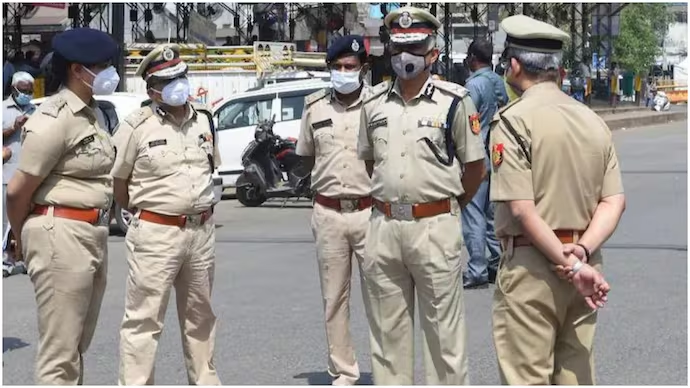
    Police are responsible for protecting citizens, maintaining law and order and investigating crimes.

    But what happens when a police officer himself is accused of committing a crime?

    Over the decades, India has witnessed cases involving police personnel accused of custodial violence, illegal detention, corruption, assault, abuse of authority, human-rights violations, sexual offences and other criminal misconduct.

    This raises an important question:

    How many criminal cases have been registered against police personnel in India?

    The answer is more complicated than a single number.

    India does not have one publicly available official database containing every case against every police officer from 1947 to 2026.

    Instead, the National Crime Records Bureau (NCRB) publishes annual statistics under specific categories, including cases registered against state police personnel and cases involving human-rights violations. The data are supplied by States and Union Territories.

    Therefore, a responsible article must distinguish between complaints, registered criminal cases, arrests, charge-sheets, completed trials and convictions.


    ๐Ÿ“Š What Does Official NCRB Data Show?

    Recent NCRB data provide a much clearer picture.

    For 2022, NCRB recorded:

    6,164 cases registered against State Police Personnel across India

    The same table recorded:

    • 4,390 police personnel charge-sheeted
    • 1,810 final reports submitted
    • 1,163 police personnel arrested
    • 832 police personnel charge-sheeted
    • 239 cases withdrawn/disposed of
    • 240 trials completed
    • 15 police personnel convicted
    • 225 acquitted or discharged

    These figures are from NCRB’s table on cases registered against State Police Personnel for 2022.

    2022 at a glance

    CategoryNumber
    Cases registered6,164
    Police personnel arrested1,163
    Police personnel charge-sheeted832
    Trials completed240
    Police personnel convicted15
    Acquitted/discharged225

    One important point is that a case registered is not the same thing as a conviction.

    A person against whom a case is registered is legally only an accused unless and until a court establishes guilt.


    โš–๏ธ Does This Mean Only 15 Police Officers Committed Crimes?

    No.

    This is one of the most important points to understand.

    The figure of 15 convictions in the 2022 NCRB table means 15 police personnel were recorded as convicted in the cases represented in that year’s disposal data.

    It does not mean that only 15 police officers were accused of wrongdoing in India.

    Likewise, 225 acquittals or discharges do not necessarily mean that every original complaint was false.

    Criminal cases can remain pending for years.

    Some can be closed after investigation.

    Some accused persons can be acquitted.

    Some cases can be withdrawn or otherwise disposed of.

    Therefore:

    Registered cases โ‰  guilty persons

    Arrests โ‰  convictions

    Charge-sheet โ‰  conviction

    Complaint โ‰  proof of crime

    This distinction is essential when writing about police misconduct.


    ๐Ÿง‘โ€โš–๏ธ Why Is the Number of Convictions Much Smaller?

    There can be a large gap between a complaint and a final conviction.

    A typical criminal case may go through several stages:

    Complaint โ†’ FIR/Case Registration โ†’ Investigation โ†’ Arrest โ†’ Charge-sheet or Final Report โ†’ Trial โ†’ Judgment โ†’ Conviction/Acquittal

    A case can disappear from the conviction statistics at several stages.

    For example, investigators may submit a final report, a court may stay or quash proceedings, the accused may be acquitted, or the trial may still be pending.

    Therefore, looking only at the final conviction number can give an incomplete picture.


    ๐Ÿšจ What Types of Cases Are Registered Against Police Personnel?

    Police personnel can face allegations under many different categories.

    These may include:

    1. Custodial Violence

    Allegations that a person was physically or otherwise abused while in police custody are among the most serious allegations involving law-enforcement personnel.

    2. Custodial Death

    Deaths occurring while a person is in police custody are subject to special scrutiny.

    The National Human Rights Commission (NHRC) requires authorities to report custodial deaths within 24 hours.

    3. Illegal Detention

    A person may allege that police kept him or her in custody without lawful authority.

    4. Abuse of Power

    Police officers have significant legal powers. Using those powers improperly can result in disciplinary or criminal proceedings depending on the circumstances.

    5. Corruption

    Police personnel can face allegations involving bribery, illegal gratification or other corruption-related offences.

    6. Assault

    Physical assault by an officer can result in criminal proceedings depending on the facts and applicable law.

    7. Human-Rights Violations

    The NCRB separately records cases involving human-rights violations by police personnel.

    8. Sexual Offences

    Police personnel can also be accused of sexual offences. Such allegations are investigated under the applicable criminal law just as other allegations are.


    ๐Ÿ•ต๏ธ Human-Rights Violation Cases Against Police

    The issue becomes particularly serious when police personnel are accused of violating fundamental human rights.

    The NCRB’s Crime in India datasets include a specific category for incidence of human-rights violation by police.

    The recorded categories include matters such as:

    • Custodial violence
    • Illegal detention
    • Abuse of authority
    • Custodial death
    • Police action-related deaths
    • Other alleged human-rights violations

    However, the existence of a registered case does not itself establish that the police officer committed the alleged violation.

    A final judicial determination is different from registration of a case.


    ๐Ÿ›๏ธ What Does the NHRC Do?

    The National Human Rights Commission of India (NHRC) has an important role in cases involving alleged human-rights violations.

    Its investigation division deals with matters including:

    • Custodial deaths
    • Custodial rape
    • Deaths during police action
    • Encounter deaths
    • Other alleged human-rights violations

    The NHRC states that custodial deathsโ€”whether in police or judicial custodyโ€”must be reported within 24 hours, while deaths during police action are subject to a 48-hour reporting requirement.

    The Commission can investigate, seek reports, conduct inquiries and make recommendations to public authorities.

    Its law division also handles complaints and official notifications relating to incidents such as custodial deaths and deaths resulting from police action or inaction.

    https://images.openai.com/static-rsc-4/tyyQ__8NX7NOxLdzcPMfA4BSNcMUT9HXmShJ2qFzx2kLaR0hUROIvktD7kkXT7D2yVO-BxqAEx3UwbH7yrnYXUdtTdA4S0J_UcKNCGuFxNnpoNRwVr40wnI11coQlWKSexAobZhg4N2gU4PNIUoISTk2hGR3Z5MQTVf3Q1stRpMFg3vMdar4ReFki7BjRv6m?purpose=fullsize
    https://images.openai.com/static-rsc-4/e44EhxT04CWMKFkL35d0sU4aSSycCAEqv9mPaf_XQKKGUdwm2B5edLAt2mgJGccXqt2ZfJvzPbPSu3hxKMDScVeUNPATA66mcEniNFfjxVVHARK1WZdOAGgPp8tfA86H2tT0zr8N8nsl1HExqWCV91OohWOF2T-jD8PePcUtLaMpeIuc4PfNif_x2U4hqNF2?purpose=fullsize
    https://images.openai.com/static-rsc-4/6jXnt9rJT5sdClAVuu_P3dktoyn69N98WERWx4L4bA4sgqzdmQmXlRX7Fh3TzyplgXLH27iG4A_MmLJjCgCDOeK2pbgM8MbkhaElZBXAO5E3qaSg0QJ7eLv1jHTUcHYNEnbQgqQbk92Ip6u6sLOtYGRHgI4xZ7MjOoSZn1BNZj7sDYPqOjILroz-D_oDTTvo?purpose=fullsize

    ๐Ÿ“Œ A Recent Example of How Police Cases Are Recorded

    The NCRB’s 2022 data demonstrate how dramatically the numbers can differ between states.

    For example, the 2022 table recorded:

    • Maharashtra โ€“ 375 registered cases
    • Andhra Pradesh โ€“ 221
    • Gujarat โ€“ 130
    • Kerala โ€“ 101
    • Karnataka โ€“ 60
    • Madhya Pradesh โ€“ 48
    • Haryana โ€“ 41
    • Tamil Nadu โ€“ 113
    • Telangana โ€“ 91
    • Rajasthan โ€“ 245

    These figures should not automatically be interpreted as proof that police in one state are more criminal than police in another.

    NCRB itself cautions that State/UT figures should not be compared purely on the basis of crime numbers.

    Differences in reporting practices, population, policing structures, complaint mechanisms and registration practices can affect the numbers.


    ๐Ÿ“ˆ What About 2023?

    NCRB’s Crime in India 2023 dataset includes state/UT-wise cases registered against state police personnel and a separate dataset covering human-rights violations by police personnel. These datasets were published through the Government of India’s Open Government Data platform in February 2026.

    This is important because it shows that official statistics are continuing to be updated rather than ending with the older NCRB reports.


    โš ๏ธ Why You Should Be Careful With 2024 Data

    There is an interesting example showing why crime statistics need to be checked carefully.

    The NCRB’s 2024 report reportedly recorded 4,069 cases against police personnel in Chandigarh.

    However, Chandigarh Police publicly disputed the figure, saying it appeared incorrect and might have been a data-entry error. Previous NCRB figures for Chandigarh were only 2 cases in 2020, 6 in 2021, 4 in 2022 and 6 in 2023.

    This is a powerful reminder:

    Official statistics should be read carefully, especially when a number suddenly changes dramatically.

    It also demonstrates why a responsible blog should mention disputes or corrections instead of presenting every database figure as unquestionable fact.


    ๐Ÿ’ฐ Police Corruption Cases

    Corruption is another major area in which public officials, including police personnel, may face investigation.

    The NCRB’s 2023 datasets include information on cases handled by Anti-Corruption Bureaus, Vigilance organisations and Lokayuktas under the Prevention of Corruption Act and related provisions.

    Allegations can involve:

    • Bribery
    • Illegal gratification
    • Misuse of official position
    • Abuse of authority
    • Unlawful financial benefits

    A corruption allegation, however, still needs to be investigated and proved according to law.


    ๐Ÿš” Custodial Deaths: One of the Most Serious Issues

    A custodial death is particularly sensitive because the individual is under the control or supervision of the State.

    NCRB separately publishes data on deaths in police custody or lock-ups.

    The causes can vary.

    They may include:

    • Illness
    • Suicide
    • Injuries suffered before custody
    • Injuries during custody
    • Accidents
    • Other causes

    Therefore, not every custodial death automatically means that a police officer committed murder or assault.

    Each case requires investigation.

    The NHRC specifically has procedures and guidelines for custodial deaths and police-action deaths.

    https://images.openai.com/static-rsc-4/2y-ruCPcrxMsqD99IzfKt_UdlmVyjusYRafT0xyjDSKZKhII6FTfMhj8FNx3HwCDuj-17h7-GFYBWwEPuwO6pigZFg_ScXEts36eS0uXEAZFFlFlh-QZPATJGq1-Qppp1SzN_AGd1jh5KqwfhC_YNVRaMsvKpduPWjzTMmb42fRF3LK4_DWu-AN-5SqOXkaf?purpose=fullsize
    https://images.openai.com/static-rsc-4/xZaRkS6TnxxuBLOTta2TVhciGKOA1Rb2_-S2dGE4iTqMcZSicVHWu4Wf2dFOPiwqCW4lhq-00iLxQ12lSOZtDWaZPH3QMrOZ5FQJ_M0q2lmy-9OCKAlyF-PuTTZO9Kdt00eS6hJBG_BxgwCUQBD5wpBCusdJAUsxdg2yaHU1Jypnx74iluZ4ImanfwcLQLJx?purpose=fullsize
    https://images.openai.com/static-rsc-4/TaMCPKVJHlyuztgxGFQnzUDRdxaY2NDbVguz37XiucSZZo8O0WgRLCzyqMn3x7ydnazzxB0RmbS327ucQKM_FiD_az_edJGYfxYG-PqhewGquehNPd5r04LANhUhUjFM4S7lNtqeZXmiz9SXFnC1hlj-bYVluIdUyK65MW3fr3k1aNVtt-FIop3040V5O_n7?purpose=fullsize

    โš–๏ธ What Punishments Can a Guilty Police Officer Face?

    There is no single punishment called a โ€œpolice crime punishment.โ€

    The punishment depends on:

    1. What offence was committed
    2. Which law applies
    3. Evidence presented
    4. Court’s findings
    5. Whether the accused is convicted
    6. The seriousness of the offence

    Depending on the offence, punishment can include:

    Imprisonment

    Serious criminal offences can result in imprisonment.

    Fine

    Courts can impose fines where the applicable law provides for them.

    Both imprisonment and fine

    Some offences provide for both.

    Departmental action

    Separately from a criminal case, police personnel may face departmental proceedings.

    Possible disciplinary consequences can include:

    • Warning or censure
    • Suspension
    • Reduction in rank
    • Compulsory retirement
    • Dismissal from service

    The exact disciplinary rules differ according to the police organisation and applicable service regulations.


    ๐Ÿง‘โ€โš–๏ธ Criminal Punishment and Departmental Punishment Are Different

    This distinction is very important.

    Suppose a police officer is accused of accepting a bribe.

    There can potentially be:

    Criminal proceedings in court

    and

    Departmental proceedings by the police/service authority

    These are not necessarily the same process.

    A criminal court decides criminal guilt under the applicable criminal law.

    The department can separately examine whether the officer violated service rules or professional conduct standards.


    ๐Ÿ‡ฎ๐Ÿ‡ณ What Changed After the New Criminal Laws?

    India’s criminal-law framework underwent a major change on 1 July 2024.

    The Bharatiya Nyaya Sanhita (BNS) replaced the Indian Penal Code (IPC) for offences under the new framework.

    The Bharatiya Nagarik Suraksha Sanhita (BNSS) replaced the Code of Criminal Procedure (CrPC).

    The Bharatiya Sakshya Adhiniyam (BSA) replaced the Indian Evidence Act.

    BPR&D, under the Ministry of Home Affairs, provides official information and resources relating to the new criminal laws.

    Therefore, an article covering 1947โ€“2026 needs to remember that the legal provisions applicable to a case can depend on when the alleged offence occurred.


    ๐Ÿ•ฐ๏ธ Why Can’t We Give One Number for 1947โ€“2026?

    This is perhaps the most important part of the entire article.

    There is no reliable single official number that can be presented as:

    โ€œExactly X police officers were charged and Y were convicted between 1947 and 2026.โ€

    Why?

    Because:

    • Historical records were maintained differently.
    • Categories changed over time.
    • NCRB’s modern statistical framework does not provide a single uninterrupted series from 1947.
    • A complaint is different from a registered criminal case.
    • A criminal case can remain pending for years.
    • Police personnel can face departmental proceedings that are not identical to criminal cases.
    • Human-rights complaints before NHRC are not the same thing as criminal convictions.
    • Different agencies maintain different datasets.

    For example, the Government of India’s Open Data platform has a dataset specifically covering complaints/cases registered against police personnel during 1995, demonstrating that older records exist, but that still does not create a single complete 1947โ€“2026 series.


    The available statistics tell us two things at the same time.

    First:

    There have been thousands of allegations and registered cases involving police personnel.

    Second:

    A registered case does not automatically mean the accused officer was guilty.

    The 2022 NCRB figures are a good illustration.

    6,164 cases were registered, but only 240 trials were recorded as completed, with 15 police personnel recorded as convicted and 225 acquitted/discharged in the table.

    This shows why case registration, investigation and conviction must never be treated as the same thing.


    ๐Ÿ” Why Accountability Matters

    Police officers have powers that ordinary citizens do not possess.

    They can:

    • Register criminal cases
    • Arrest people under legal conditions
    • Investigate offences
    • Search premises under legal authority
    • Question suspects and witnesses
    • Maintain public order

    Because these powers are significant, accountability is equally important.

    A trustworthy police system needs both:

    Strong policing

    and

    Strong accountability.

    Neither one can replace the other.


    ๐Ÿค Police and Public Trust

    Public trust is one of the most important assets of any police organisation.

    When citizens believe that police will act fairly, lawfully and professionally, they are more likely to cooperate with investigations and report crimes.

    On the other hand, allegations of corruption, torture, illegal detention or abuse of power can seriously damage public confidence.

    This is why investigations into police misconduct are importantโ€”not because all police officers are corrupt, but because a professional police system must be capable of identifying and dealing with misconduct when it occurs.


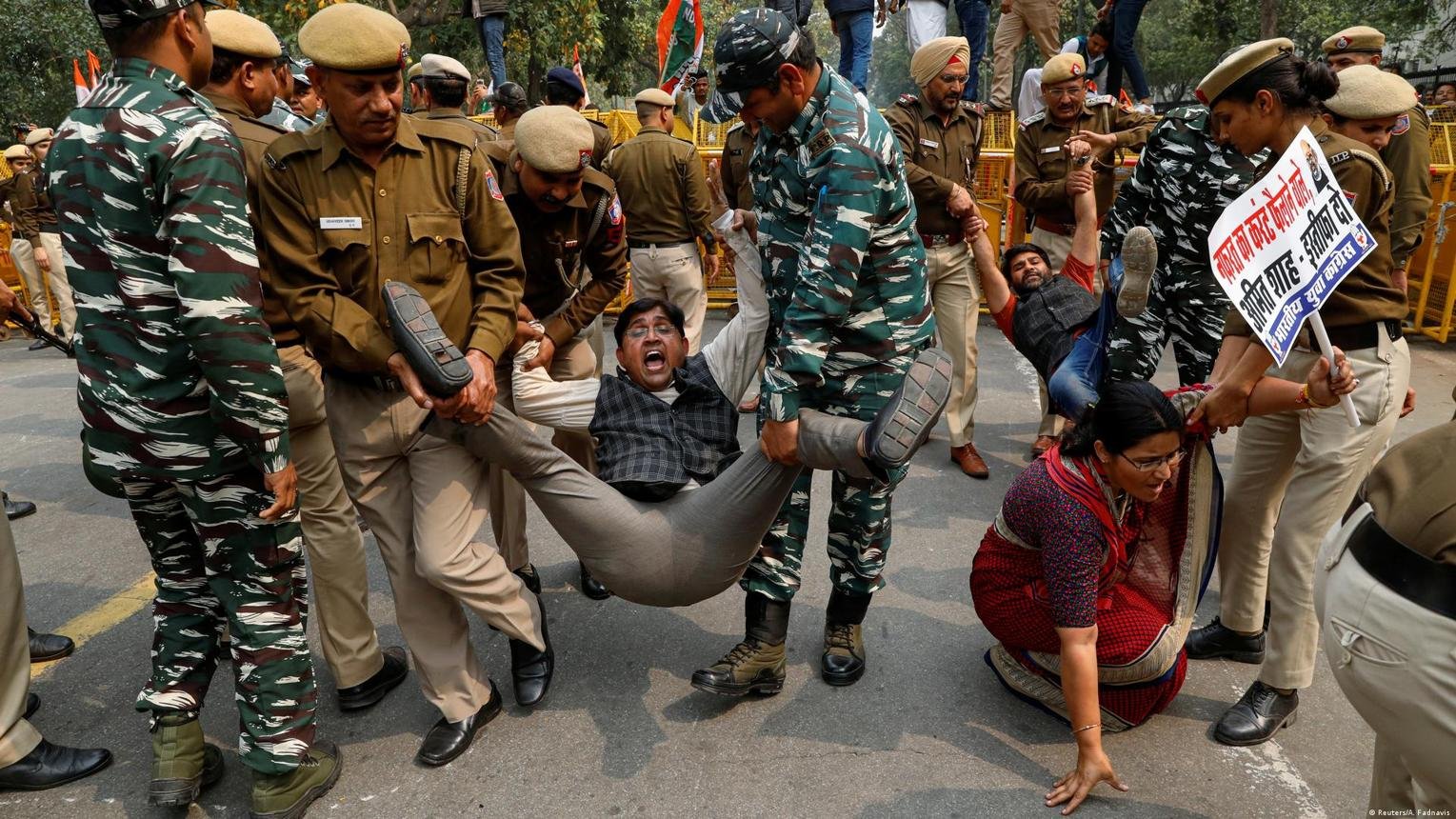
    ๐Ÿ“ท IMAGE โ€“ POLICE AND ACCOUNTABILITY

    https://images.openai.com/static-rsc-4/J5iRIC1E4ak_w3g77Ik4DqSCU6XhgEHDqN4gBi-znePJK-kX5Y_h5rnuAAAapOUgy6U3qmj3MCfIhCeC580WN_fE7pGd3mZq7QoLU0uNhEZJxGFJOyvTHs1buDTkCKxHj031jUrr8Du_u6tDxpjhJ3G56WfUcQi3W9o5bx7-ZpGx4RLIxnqRucg4NYhKzejV?purpose=fullsize
    https://images.openai.com/static-rsc-4/aBwaOLbUz7draBjtJlbYhRhfu0iIKHJcaS4C_I3FNQujM-8jgAZ61aQoKk17_pe0-Wq2zFjotGeDP1s4IINmGfCe38zIkNSumCZbDgaL0lBDgoviAQFyufdnmRLBlV3yfW3kVOXGhJYKHMPrXZ9DVP4XZZyvIydfWL0nKr96JCs1zL7z8lmBaeHE-PZKa7qr?purpose=fullsize
    https://images.openai.com/static-rsc-4/0QRDglhO5erP4dAxhR8kOk-nMDwKCd3Z1atqnY7uGANyf6L_YCHy3bl0a4TPV2gnPa21_7sTOYsZw65GmLGhneRqSTo3p6-QDnaa7EbiWCftTtMYSde2WMMk_IguW59HcFfocu0nWO0fepw-24uN1pQgTaKQ5rYJawq5ElOSbVEXAYCPK-oRI24zteESt8vB?purpose=fullsize

    ๐Ÿ“ Final Conclusion

    From independence in 1947 to 2026, India’s policing system has changed enormously.

    Millions of police personnel have served the country, often under difficult and dangerous conditions.

    At the same time, there have been cases and allegations involving some police personnel in matters such as corruption, custodial violence, illegal detention, abuse of authority and other criminal or human-rights violations.

    The official data available today do not support giving one simple number for all cases against police personnel from 1947 to 2026.

    However, recent NCRB statistics demonstrate that thousands of cases can be registered in a single year.

    For example, 6,164 cases against State Police Personnel were recorded across India in 2022, while the same table recorded 15 convictions among police personnel in the relevant disposal figures.

    The most important lesson is therefore not simply the number of cases.

    It is the difference between:

    Allegation โ†’ Investigation โ†’ Charge-sheet โ†’ Trial โ†’ Conviction

    Every stage matters.

    A police officer should not be declared guilty merely because a complaint was filed.

    At the same time, a genuine allegation of abuse of power should never be ignored simply because the accused is a member of the police.

    A strong democracy needs strong policeโ€”and strong accountability for those who exercise police power