Tag: Ramlila

  • Ramayana Part 37: Dussehra and the Ramayana | Why Is Ravana’s Effigy Burned?

    Ramayana Part 37: Dussehra and the Ramayana | Why Is Ravana’s Effigy Burned?

    In the next article, we’ll explore the connection between Dussehra and the Ramayana, the tradition of burning Ravana’s effigy, how different parts of India celebrate the festival, and how the story of Rama’s victory continues to shape one of India’s most important annual celebrations.

    https://images.openai.com/static-rsc-4/-9-hBkg2q-eh-HXP_X7JshUL-OB_tMwUfA3nGJFQpuh-r3qHl8GNbkJbxVFmHdgCeKPROIC3uGykjUwhuqse72QQzK5xTFrskAiwZfYpTWvLuxikr3K-7S-jOwtDT75-1_yF2rOI-aD7ZWMyInbrCrltgm4pnyUTcredHQsRvxW7fPzbFJ95KgENP-9W3_fq?purpose=fullsize
    https://images.openai.com/static-rsc-4/6Ted_4DRB6UW8NEf6Plcina_-qgSLFUdq7xNMr2Z_gUcI0ndgbfQz48-K4RUZMAYghxqaVZ7Yq4qkhFKxAyH0C3OEYXp7p42da6Qp0uVVPy6nWrd1laXUvSuhuJUYp0ig8QuRhQ1M6rHYwG6Sr5Xcgm2AFrcyH1Sy2sANMhnNJwWbcfLCuk_-xfoBbUC04Lf?purpose=fullsize
    https://images.openai.com/static-rsc-4/jvbvmHjZAu4wgQ0QX8Zu12lx6JL9EA6QxPS7G3HVSdOn158a6_K3UI7KoEmsCWjC06K8moLelE-2m5VIcALVIrZs_9QcFimCFPd9Bj6onQ2BL8B7Tb40LHoN708zRZHyFDKc2vi-Rei6owknGJR9pdUohPVRbhLkINNJM4-bUGQFp891gM_SQ0cISetA5m1a?purpose=fullsize

    What Is Dussehra?

    Dussehra, also known as Vijayadashami, is one of the major festivals celebrated in India.

    The festival has different traditions in different regions.

    In many North Indian traditions, Dussehra is closely connected with the Ramayana and Rama’s victory over Ravana.

    The celebration represents the victory of righteousness over wrongdoing.


    The Ramayana Connection

    According to the Ramayana tradition, Rama’s conflict with Ravana reaches its climax in the great battle in Lanka.

    Rama ultimately defeats Ravana.

    Because of this story, Dussehra became associated with the idea of:

    βš–οΈ Dharma overcoming adharma
    🌟 Good overcoming evil
    πŸ™ Righteousness overcoming arrogance
    πŸ’ͺ Courage overcoming injustice

    The festival therefore carries a message that extends beyond the battle itself.


    Why Is Ravana’s Effigy Burned?

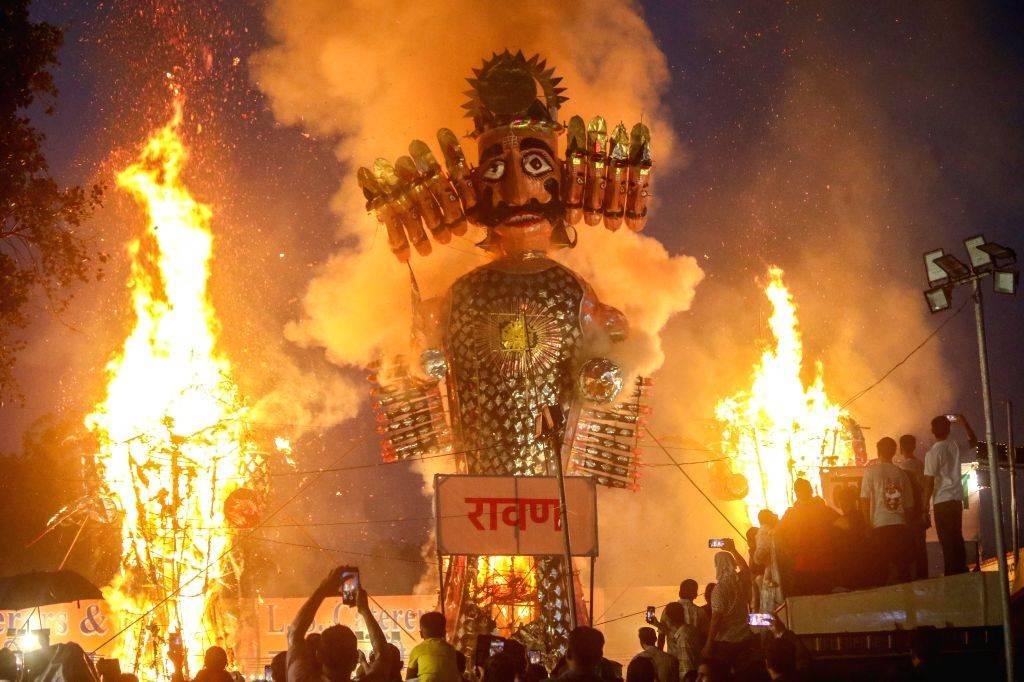
    One of the most recognizable Dussehra traditions is the burning of a large effigy of Ravana.

    In many celebrations, effigies of Ravana, Kumbhakarna and Meghnada are also displayed.

    At the climax of the event, the effigies are set alight.

    https://images.openai.com/static-rsc-4/xTEKRN6o-TZ5iRvvXx0ZHSHL-ddMjNjCCeZWJSzaGjon-3lJUQSL4Qc04DcbB85Yc3VxAq2yrgQ9Xa4PzVbVqvBIEXScmd0hfiIGJgvuRiWwiQVpAqaXv4XjHj0zYnq9OhI67dYIp-4dFzo2z-vfNqn9WiNP7mIddhQV_U9JY2_5ukqZyeFaoFfUw3NF7dgf?purpose=fullsize
    https://images.openai.com/static-rsc-4/o9xAfNjk9a5a93M6doUkNZtoKWGc-9D4fxlMMmpEvGsZprSyZzszz76WjA56OkwVCE-WKfXQ3aW7tTE6jBCeJUxDXW2bo1ILLHuUlZb7GqiiJgqxiRYn4DW6ZpyLV0LA-KTmUdL1_yD1goJSoE15ACXOQpqaJNPoSm83YHE80esDvMQ9V45ISkAJs3IoFK43?purpose=fullsize
    https://images.openai.com/static-rsc-4/NKyAVMSz7MqijN47qi2cqlzV7Yk8g5iq926I_Ypbtw8oHSqGaL4rMv1nb18wVlhUg6SprYtvgNqQ84w_zZMvd0Jvsen1W5DNPbQCWGNEHygZbpBZxhYNDM3HFi9R-NLMQcay4K9DVtLlmPdyZHYz0Y05iUuKfWH81HbN6y42aM_xDMrTiHjIUPsirOMXqJ1L?purpose=fullsize

    The burning symbolizes the destruction of negative qualities traditionally associated with Ravana’s downfall.

    These can include:

    • Pride
    • Arrogance
    • Uncontrolled desire
    • Abuse of power
    • Adharma

    The effigy therefore becomes a visual reminder of the larger moral message of the festival.


    The Ten Heads of Ravana

    Ravana is commonly represented with ten heads in traditional art.

    These ten heads have been interpreted in different ways across traditions.

    They can be understood symbolically as representing different negative tendencies or forms of human weakness.

    However, there is no single universally accepted interpretation of what each head represents.

    The image has nevertheless become one of the most recognizable symbols of the Ramayana.


    Rama’s Victory

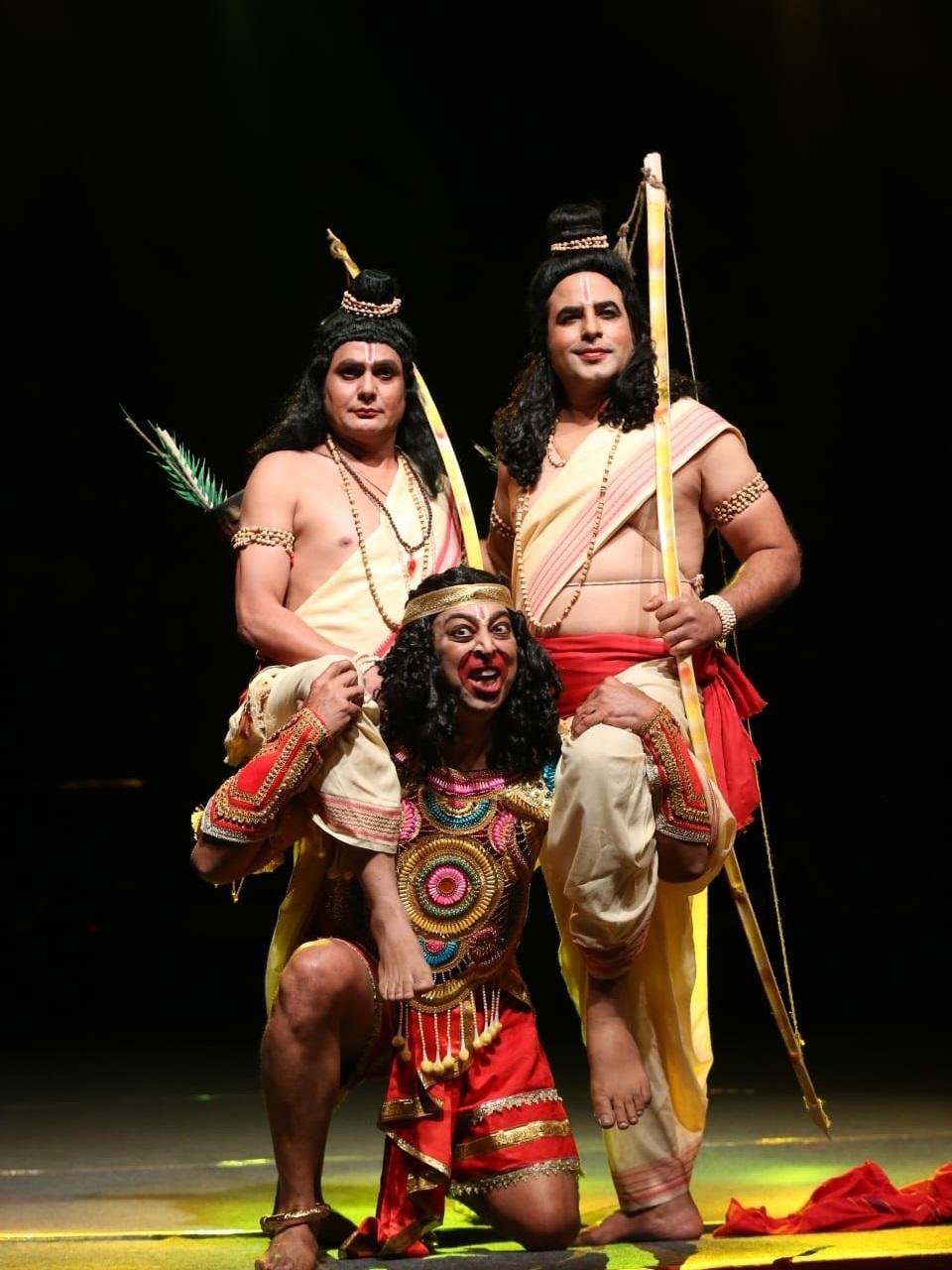
    During many Dussehra celebrations, Rama is represented as the figure who defeats Ravana.

    An actor may portray Rama on a decorated stage or chariot.

    The event often reaches its climax when the arrow of Rama is symbolically used to ignite the Ravana effigy.

    For spectators, this creates a dramatic connection between the ancient story and the festival being celebrated today.


    https://images.openai.com/static-rsc-4/UMo8DJxnVg5y97NniOcaVqhxrm9EseXXCx07KOOsfsjc5vImboKv55K93Oj6nLNkDUwqyR4wDLMV9OThtztrO4VyUwKWeMPqcHHqGQR0awsrcVvYK1swlWFJYbdFCoQFwqoTsaVQBkhQetSCBWwbn0o-fyLoD9ykCEJ3--pHZvbpahVMvLRL8C192njSvRgL?purpose=fullsize
    https://images.openai.com/static-rsc-4/uHR76s1AnXifCNpP_wsrYsE_a6F1FosZJmxQTiU--GWPv5le7XepJeCOo1pw7T2S_AQ9sY_R9GPPZnIhOiYXR4RV4b1eYmVkaQZT_Hyl4cM5Yqe7Vr1J96X8k5wpITVrklQRC3DQgSC6dHhiqi-MV1rbh9ZkRBibfJ7KPB365xQ43CpuVqr_VSWxpi2BJD90?purpose=fullsize
    https://images.openai.com/static-rsc-4/STMLPthpY5RW2jeK4-fJZYt_qD7xt2yUWGr7rnAPvPdfFzu-Ef59NzqBOIkXQ8EtmevBiJmmzKYnPrjlA8NjGM33vFonRTq9uJAAf481DO0nVxv1hviasVSO1OgGjMFnzFx6ShVwqjhg0sko_-MiqLSXwiMCkfZtBaBSVJxBI0e7l5iJuXhDvuKlrB-123fS?purpose=fullsize

    Dussehra in North India

    In many parts of North India, Dussehra is strongly connected with Ramlila.

    For several days, communities may perform episodes from the Ramayana.

    The final performance often coincides with Vijayadashami.

    People gather to watch the conclusion of Rama’s battle with Ravana.

    Large effigies are then burned as part of the celebration.


    Dussehra in Delhi

    Delhi hosts large public Dussehra celebrations in different locations.

    Ramlila performances can attract thousands of spectators.

    Large Ravana effigies become a major attraction.

    Families often attend the celebrations together, making Dussehra both a religious and community event.


    Kullu Dussehra

    In Kullu, Himachal Pradesh, Dussehra has a distinctive local tradition.

    Rather than simply focusing on the burning of Ravana’s effigy, the festival is strongly connected with local deity traditions and processions.

    The celebration can continue for several days.

    This is an excellent example of how the same festival can develop very different forms in different parts of India.

    https://images.openai.com/static-rsc-4/UiRXhKQs8cuxKbdJXQDZR_-Zfe84C6vybn15JNz1hHFE9kpa68m2dQnR2df1kQ56kMr6ov-BFLBe0mUEAIKj5o59uW6sHW3Sn0e8MvJeKA2H-7-sZI-ujTBAmZgqOJ-pPHMMivIOnFAzzdbbAC-XGsnV2Gkup6kgaTEcqG_a3H92Hixd9lgi6FMx_Rnd8a8n?purpose=fullsize
    https://images.openai.com/static-rsc-4/LBnKE2adiQS6Hr3FdlBCZV0MB6Cyat_PYvOfQWrtHr5rdzj1UIn37hcMwKS8cbjV_f3rkvXAEDJCz6nyoXZhZ2SGFUqMt-Qma_9EH5cK2s7X3vnEtxc66LvAZ95KMfF55c_FVzUzqSyf2vvPJyqc4Ukn0guJ3yKBFGA9_XpzFSZWhEDayg_Emv-RHNBmSybM?purpose=fullsize
    https://images.openai.com/static-rsc-4/FDEhDPFBEqDw64Eqr1zocvdyV8Hxw22cN0ymBPFtVh0pZzPi8zRt8Kk1y4Dtnxsda5VDElDodX-czwMlajIN6SpZYTnbCIsV1FjUPIPKr1pKqo0xdqb6wCAU7AuTG0-PSyr5eFpiuOUtWTrbbUxkR0wcyBt7IJsf3UJKJDW57Oy3UVOZBj8Nl4AjYG5U0OnR?purpose=fullsize

    Mysuru Dasara

    In Karnataka, Mysuru Dasara is famous for its royal heritage and grand celebrations.

    The festival is closely associated with the worship of Goddess Chamundeshwari.

    The spectacular procession, decorations and cultural programs make Mysuru Dasara very different from the Ramlila-centered celebrations of North India.

    This demonstrates an important point:

    Dussehra does not have exactly the same meaning or ritual form everywhere in India.


    Dussehra in West Bengal and Eastern India

    In several eastern regions, Vijayadashami is strongly associated with Durga Puja.

    The festival marks the conclusion of the Durga Puja celebrations.

    Devotees participate in ceremonies and processions before the immersion of Durga images.

    Here, the festival’s central story is connected with Goddess Durga’s victory over Mahishasura, rather than Rama’s victory over Ravana.


    https://images.openai.com/static-rsc-4/yGUvnDm5NTc5Ivqy1rBV9Ygbki13YCzGD3ny-cC3LWB6PpcFVT81mQCsMIusNif581xdUXNCcl6WNTWuGPPPVCNO-RPVGorJggnIWequ8EgurfUFWPuEo3iKpR3IRnkwX_aMIX4CRWEQvXUi4a5Ysdr54io77HtW7Tb-P2cyKHniDdRiym-ycUXNNCGwKGP8?purpose=fullsize
    https://images.openai.com/static-rsc-4/3ads_9MtnF-47gyKQrzziBvOjsFVBYuXg5m9Y3BmR_fTnuha3NPK2KjIUx-xhx5qAl2NPE2uykVoqnZ4nbDAilB6jlUm3X_zRxXEBy6twwbDZSetW7Ot7Y2fJyXdbgV8fAYfkInsbQ7em6itVKtF1nddM_fkkF-hHc2uELRb8J-ncq6TzhadTt5JSdv_a2f5?purpose=fullsize
    https://images.openai.com/static-rsc-4/UOgglJYUgVmb80U1KRftPVtvX2KfVVk1i2ZQKnI4qlNPsGzkIMCbzT8YdyPD7CCNLeGPo9r7ArjfkoKlUBuG_VBcsRGLWS9h4-lNQMchF9xsiCnOeXRsPCEJ7HhdMO731KSDtE_gB68TQOnyJrHnupaUFioFo5gsv68fS2haVtEexPXVr45zUALAsnM25W2z?purpose=fullsize

    One Festival, Different Stories

    This is one of the fascinating features of Vijayadashami.

    In different regions, the festival can emphasize different traditions.

    North India

    Rama’s victory over Ravana and Ramlila.

    Karnataka

    Mysuru Dasara and the worship of Chamundeshwari.

    West Bengal and Eastern India

    The conclusion of Durga Puja.

    Other regions

    Local traditions, temple celebrations and cultural events.

    The festival therefore demonstrates the diversity within Indian traditions.


    The Message Behind the Celebration

    Even though the stories and rituals vary, many Dussehra traditions share a common theme:

    The triumph of righteousness over destructive forces.

    The celebration encourages people to think about the qualities they want to overcome within themselves.

    Instead of seeing Ravana only as a character from an ancient story, the effigy can become a symbolic reminder of human weaknesses.


    Dussehra and Children

    For children, Dussehra can be an especially memorable festival.

    They may see:

    🎭 Ramlila performances
    🏹 Rama with his bow
    πŸ’ Hanuman
    πŸ‘‘ Ravana
    πŸ”₯ Giant effigies
    πŸŽ† Fireworks and celebrations

    These experiences help introduce younger generations to stories from Indian tradition.


    Dussehra as a Community Celebration

    Dussehra brings people together.

    Families attend public events.

    Communities organize performances.

    Artists create elaborate costumes and stage sets.

    Local volunteers help manage celebrations.

    Food stalls and cultural programs often appear around large events.

    The festival therefore becomes a combination of religion, storytelling, art and community life.


    https://images.openai.com/static-rsc-4/jfBwjUrPhE3dLRUTnplhnsudY-YUlL83YT-heU3OuS6KHWtqFK7j5tAv10faHLg4vMa9OUerzwTNHTVp0qSbP8rmlUJtwxKMm5028jpQvjGFFKQmE-mFvZAFzndahmUmVZ22VuYjYiHjwBWjExwy9TJC3XD0Hl9dIiwMHqVX-KUGQz9cZjxVtZBf0FHp53hC?purpose=fullsize
    https://images.openai.com/static-rsc-4/ctC5mF9oY61ZRmpkrcJNaRwPVNpFI5cdw_rO0H4xsqAsh1JCTsiT4AbfKFcHUqJHrAUYZ7OWurCAnOXVuxqYeW9i8Z2_bhIr9zTvMy65YFLGMjHVDvBUYXM5uHiodVm5XqyCwFwEk5j24i_Tl28RaBBiGzV91DoiF0kSQe-ao_Yu-dviMO3JhEkujRBnnafB?purpose=fullsize
    https://images.openai.com/static-rsc-4/geCV2-xWUOE9w5UQqLk3fCqR5INAxV5XST1fvt5MSjU5BVDrORCy-1TongeQ2rxNqQWwOCMdPuf3p4xvdGEATTFbNyLQIwpgkuQrvnten7wioxayYIIH0sARraMlKuVXW4iiyZPLu7ddztj12QxrMmgtb38prlJ07I9RBR8q3vdXKnVYtFXibOGpOE1D94CB?purpose=fullsize

    From Ancient Epic to Modern Festival

    The Ramayana is an ancient epic tradition.

    Dussehra is a modern annual celebration experienced by millions of people.

    The connection between the two shows how stories can continue to influence public culture for centuries.

    Even with modern technology, television, cinema and social media, people still gather to watch the same basic story being performed.


    What Ravana’s Burning Can Teach Us

    The burning of Ravana can be viewed symbolically as an invitation to examine our own lives.

    What qualities should we overcome?

    Perhaps:

    Arrogance β†’ Humility

    Hatred β†’ Compassion

    Selfishness β†’ Service

    Uncontrolled desire β†’ Self-control

    Abuse of power β†’ Responsibility

    In this interpretation, Dussehra becomes more than a celebration of someone else’s defeat.

    It becomes a reminder of personal improvement.


    Conclusion

    Dussehra is one of India’s most diverse festivals.

    In some places, the central focus is Rama and the Ramayana.

    In others, the festival is connected with Goddess Durga or local traditions.

    The burning of Ravana’s effigy has nevertheless become one of the most recognizable symbols of the festival.

    πŸ•‰οΈ The message is simple but powerful: victory is not only about defeating an enemy; it is also about overcoming the negative qualities that can exist within ourselves.

    In the next part, we will explore how the Ramayana entered Indian literature in different languages β€” and how poets across India created their own remarkable versions of the epic.
  • Ramayana Part 36: Ramlila | How India Brings the Ramayana to Life

    Ramayana Part 36: Ramlila | How India Brings the Ramayana to Life

    In the next article, we’ll explore the history and tradition of Ramlila, how communities perform the story of Rama, the role of music and costumes, the famous Rama–Ravana battle, and why Ramlila remains an important part of Indian culture.

    https://images.openai.com/static-rsc-4/cc4R-W-BjahAED8vQFE5ddLKcLngHf0JMUImvoAhURkoIxywIY0p11kR-_5f9R0reS2TCXHmDvhRM44H2rXCmQ2P5Bdc5JjsSJlby5aQOe6zz3foias6xEqrxsauMT7Brf0_U-Oqfl5KigAx9U42zGvjQ8PfN9YK8T5vSNdMj20mPIjKeyVigpcOPfMgx8T-?purpose=fullsize
    https://images.openai.com/static-rsc-4/dcBCaaoO_DbNd71reBElf88X5J4bpmhdPlUTjGSwJWvC3Fg-ns4U34fiNxU1hl2JS5UGPCChiMlrGL1SvQRDN9OZb8ZjbjBtBpRBIKVvhRPTTPf6YdQ__HH_miM-iOIYQlSvhHF4S06oCJy_VL1OUMjOK9OqDUKt5NB8_uaYcF5qrR17PZ-E6BU0smkbUJuM?purpose=fullsize
    https://images.openai.com/static-rsc-4/A15lA2hmhlz0pRJAVm06Pp-BHlFpAF3Ef7abP99-OHmIQUhw99Z8P84CDzyIYR4tryqtKAknWiwjkphfwpgP39QyoYBPCqd-HzG6YyuO1NCJZ2M6mZcZ76WanKkKWlhVVwt3PwYVibTk2mTo_ka5xdqLJbOASOrUh1YiqM4aqp4SarsL1kArr_0q3SWnPQxl?purpose=fullsize

    What Is Ramlila?

    Ramlila, literally referring to the play or enactment of Rama’s story, is a traditional form of performance based on the Ramayana.

    It is particularly prominent in North India, where communities organize performances during the festival season surrounding Navratri and Dussehra.

    Rather than presenting the entire Ramayana in one short performance, many Ramlila traditions unfold the story over several days.

    Audiences return repeatedly to follow Rama’s journey.


    A Story Shared by the Whole Community

    One of the most special things about Ramlila is that it can involve an entire community.

    People may participate as:

    🎭 Actors
    🎡 Musicians
    πŸ₯ Drummers
    🎨 Artists
    πŸ’‘ Stage workers
    πŸ‘¨β€πŸ‘©β€πŸ‘§β€πŸ‘¦ Audience members
    πŸ™ Volunteers

    This makes Ramlila more than a theatrical performance.

    It becomes a community event.


    The Story on Stage

    Different Ramlila traditions may present different portions of the epic, but commonly include important episodes such as:

    πŸ‘Ά Rama’s birth
    🏹 Rama’s marriage with Sita
    🌳 His exile
    🦌 The golden deer episode
    πŸ™ Hanuman’s arrival
    🌊 The journey toward Lanka
    βš”οΈ The battle with Ravana
    πŸ‘‘ Rama’s return

    The exact order and presentation can vary according to local tradition.


    https://images.openai.com/static-rsc-4/rNe-tXnHXjX4M82k207TYQdbkzV4vsEfJrldECuIM79nEgueZjgskoHSfhvKJJRndd81Ch8ivIjX0Vy9IOdPlMsAhIzw9cXl0C8LNM58zG-klOJV9f69pguiOy6W4CjjF8BxuzMSyrNBxfiLHaw6W8PK7ByBRkw6bBMrqpLYt9sU2AeN4MeoCrnA_meRNYGj?purpose=fullsize
    https://images.openai.com/static-rsc-4/80CKaL5aGCyCf3zQsxXBhSnEFlXlPY_hzifNmoLDmrfANknveBTny7b0-v72p0ojOM6yBFJf3cNQEQmoJ934yCwDYDWuo13ePFYV74pkH4g58T2pMDUgyo9Nw3-LOoUrn3nAUFUosmWL-kZ0HUVx71DlhJenHSEc2GBvYBSbyHkQSwiw268s0qxFbdskACE9?purpose=fullsize
    https://images.openai.com/static-rsc-4/ggQlIF-fr_oKL_-Oy57VW0CpkjO5eWNnwJGwMSrb9bZcXO3HxJlx66zLHYxfCI4PV_myZvMgD0VmKYKuLR66-QHC77n6wkVbw_UtJX1evSXPSCz-Diy2xUpTn0OjOPEAKvcD-LgkoaOpsDqDvXFa-y0rgjjnaeBOmt6Jq_v1AjBt9KJ0aXz-pkVO-HZmj8JO?purpose=fullsize

    Rama in Ramlila

    The actor playing Rama traditionally represents qualities such as:

    βš–οΈ Dharma
    πŸ™ Respect
    πŸ’ͺ Courage
    πŸ‘‘ Responsibility
    ❀️ Compassion

    The performer therefore has an important role.

    The audience is not simply watching an ordinary character.

    They are watching a figure with deep religious and cultural significance.


    Sita’s Role

    Sita is one of the central characters in Ramlila.

    Her scenes often portray:

    ❀️ Her relationship with Rama
    🌳 Her life in the forest
    πŸ’” Her separation
    πŸ•ŠοΈ Her strength and dignity

    Through these performances, audiences encounter Sita’s story not only as written narrative but also through visual emotion.


    Hanuman Steals the Spotlight

    Hanuman is often one of the most popular characters during Ramlila.

    His energetic movements and expressive performance can bring excitement to the stage.

    Children especially enjoy scenes featuring Hanuman.

    His character combines:

    πŸ’ͺ Strength
    πŸ˜„ Energy
    πŸ™ Devotion
    🧠 Intelligence


    https://images.openai.com/static-rsc-4/dcBCaaoO_DbNd71reBElf88X5J4bpmhdPlUTjGSwJWvC3Fg-ns4U34fiNxU1hl2JS5UGPCChiMlrGL1SvQRDN9OZb8ZjbjBtBpRBIKVvhRPTTPf6YdQ__HH_miM-iOIYQlSvhHF4S06oCJy_VL1OUMjOK9OqDUKt5NB8_uaYcF5qrR17PZ-E6BU0smkbUJuM?purpose=fullsize
    https://images.openai.com/static-rsc-4/XrmcFr1OyBa5GogyhchywMLCWeQ-mpppJ5zMZedNIKHuM87ZfEHHocQdEF84cdfYX-z2aBq8Ar5ggyPjYumEJpxh-g3CIgUZ2Yq-KCgM-5h3x47JeE9iqTundxvbXfgvcGf788mXs9jIvyQd1Knx1dHEnpetYO36L7A7ueiA8BoLTtbJgKfQ9-03X3orq2qc?purpose=fullsize
    https://images.openai.com/static-rsc-4/R6aEEO_WIAuEiheGi5hRXrj51MGa4XhAsv9vROmXkvJgNWZtiqgeAWDq9neNXVdsOJwJXUkWI12PKfVmYKWRFiKsAR1coLd49u58E7nZOScwZG1tBs5MwF0_DS9TclIoZfKdy1Rx8YFjqrBnxJA2axTEE2OKDC2koOIDDrYS3gaEEjV1H7ER8i7MLedRcXoN?purpose=fullsize

    The Importance of Costumes

    Costumes play an important role in helping the audience recognize characters.

    Rama may appear wearing royal or traditional attire.

    Sita is presented in elaborate traditional clothing.

    Hanuman is immediately recognizable through his distinctive appearance.

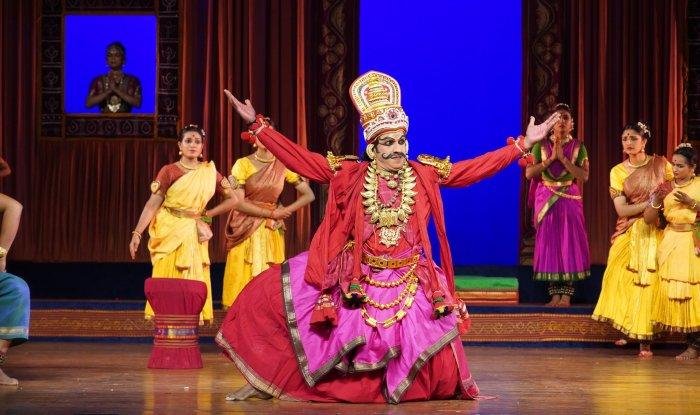
    Ravana is often portrayed with a large crown and dramatic costume.

    The visual design makes the epic easy to understand, even for people watching it for the first time.


    Music and Dialogue

    Ramlila combines theatre with music.

    Performances may include:

    🎡 Devotional songs
    πŸ₯ Traditional drums
    πŸ—£οΈ Dialogue
    πŸ“– Recitation
    🎢 Musical narration

    The combination creates an atmosphere that is both dramatic and devotional.


    The Rama–Ravana Battle

    One of the most anticipated moments is the final confrontation between Rama and Ravana.

    The scene represents the climax of the story.

    Rama faces Ravana in battle, and the victory of Rama becomes the central dramatic moment.

    In many communities, this event is connected with Dussehra celebrations.


    https://images.openai.com/static-rsc-4/-9-hBkg2q-eh-HXP_X7JshUL-OB_tMwUfA3nGJFQpuh-r3qHl8GNbkJbxVFmHdgCeKPROIC3uGykjUwhuqse72QQzK5xTFrskAiwZfYpTWvLuxikr3K-7S-jOwtDT75-1_yF2rOI-aD7ZWMyInbrCrltgm4pnyUTcredHQsRvxW7fPzbFJ95KgENP-9W3_fq?purpose=fullsize
    https://images.openai.com/static-rsc-4/uxWrKaD7oHL1a5oXk_gMNg-CIQmrnMAF99774XQCZqrSUM8ou-syDQbqMOEOHh8R-hDEGMMHWDAuxpnK3nK_hV4aH6ABdGNfh-oF7kerHiiJHpOb9Bt96G0dwEe-lnAfPqJOe4B7XlcQiRhyF9bLuugutSwKJ9-wq32pC1yljFf0YF71e2dTkESlXRNrTxRq?purpose=fullsize
    https://images.openai.com/static-rsc-4/52rvp5KYWHlHVjTEcW6fgRzYDNHA7fNbOjQyQG6KvdiZMsAWA9yRI75pKDgdQE5-pldmwBnhiyoozeCv6bQovRVa0TH2ByHdYyAkEs2Z3w2mQVikzMgHRMfmCN88oGC_PJNJFMyqDQBpjZzsLkiytlQD_RYBhuUXuVkfXYerNlTkVum2hiMso5lHPKeCBNy7?purpose=fullsize

    Why Is Ravana’s Effigy Burned?

    A major Ramlila tradition involves the burning of large effigies of:

    πŸ”₯ Ravana
    πŸ”₯ Kumbhakarna
    πŸ”₯ Sometimes other figures associated with the story

    This usually takes place around Dussehra.

    The burning has come to symbolize the triumph of righteousness over wrongdoing.

    The event also creates a spectacular public celebration that attracts large crowds.


    Ramlila and Dussehra

    Ramlila and Dussehra have become closely connected in many parts of North India.

    During the festival period, people may:

    πŸ™ Attend Ramlila
    🎭 Watch performances
    πŸͺ” Participate in celebrations
    πŸ”₯ Watch the effigy burning
    πŸ‘¨β€πŸ‘©β€πŸ‘§β€πŸ‘¦ Gather with family and community

    The festival therefore combines religious tradition with public cultural celebration.


    Different Ramlila Traditions

    There is not just one single form of Ramlila.

    Different regions and communities have developed their own styles.

    Some performances are:

    🎭 Large theatrical productions

    Others are:

    🏘️ Community performances

    Some may use:

    🎡 Extensive music

    Others may focus more on:

    πŸ“– Traditional narration and dialogue

    This diversity shows how communities have adapted the Ramayana to their own cultural environments.


    https://images.openai.com/static-rsc-4/S_cJ127kozKroxe6kMWmRjRR4c_SEn0vFZJAUgTHiQnBIKaqFUwPj1R99V62kZ3-J3VZwTUvb-iq0DywJrLmzhX0fBdkUBByW0joIdIiPfDcaqFblwtGLSiSsokIw9MHEnBODukud3zdJLzwF2Op18YOkDUSgz3S3YymjJ5cun2v0x5o3Nq8VEUI1Uar0JTG?purpose=fullsize
    https://images.openai.com/static-rsc-4/QFsuMhZ00B4PVkObSeDG3falNPcIn-NrBdqq5Pe8DKrTJohqseTTlUjWP-h68byOiJj9j01LGtUOi0-Rw88xuM6cJwx1Hoix6tA_cAlJ_Q8EhFNUyWJHycD3-QvpaZgEqWiIXyxfiOsAn3F6rSjG5blCoonfvkcrNmFiMtRkgSbf12qfurQueHHQnBbMkf0Y?purpose=fullsize
    https://images.openai.com/static-rsc-4/qgxj7KZP_BJ0SdjJxX1j_0nLF5aOlwntkCX8DT5JWCEpepNwNe3JA2yPAiO4YsEfACnKyj_NrsiBw1_rLXX3mqdkbXo7yqpuBW8g0jCx80Ez_AGFlJCqokoarALOFw66zomsBbKLR97-CNsKaFjGyVdeCFgtdeyd-C-OUf2Icd5qu6o4nr5clX9NY553aiN_?purpose=fullsize

    Ramlila as a Cultural Tradition

    Ramlila has significance beyond entertainment.

    It helps communities pass stories from one generation to another.

    A child who watches Ramlila today may grow up to bring their own children to the same celebration years later.

    In this way, the tradition becomes part of family memory.


    Children and Ramlila

    Children are often fascinated by Ramlila because of its visual storytelling.

    They see:

    🏹 Rama’s bow
    πŸ’ Hanuman
    πŸ‘‘ Kings and queens
    βš”οΈ Battles
    πŸ”₯ Ravana’s effigy

    For many children, this may be their first experience of the Ramayana as a dramatic story.


    Ramlila in the Modern Age

    Modern Ramlila has also adapted to changing technology.

    Many performances now use:

    πŸ’‘ Modern lighting
    πŸ”Š Sound systems
    πŸŽ₯ Large screens
    🎀 Microphones
    πŸ“± Social media promotion

    Some productions have become very large public events.

    Yet the basic storytelling tradition remains.


    https://images.openai.com/static-rsc-4/4UPZwWGbQ34v6LseeWu8Xjyqx05_Wb2jtXye7w6wPaeB7E8wcT6Y5eSMfydPCk0bNQ6gCyZJdj1LHFqC6fx_9hOlowax8jN0xM59V0xC-9gMyeHUqC3WesqTUSYgAeiIlGwQEOgMh3fBoHmlfZvh6quEM7TPNNrVVFa2dcibdYusKcZmzPWjdNkAVfPCjsQP?purpose=fullsize
    https://images.openai.com/static-rsc-4/rlnUWRab9EkXzYD4BUmDNJPOrnlfbZjAW8IJamtKXIUbJsWtyBr6WrTJyWIvV5M6P8k3pCmppaJhD_4OFnyTklHDiIydrwH0GpZeBE190DGN_OLLUce0SoV5quubuGnyIf0weObcoCj_MSP6ZGmnN2_mZ00QbtU89Qcls6tlbRaN5QQ9nP5yfQJkFzcQsWO_?purpose=fullsize
    https://images.openai.com/static-rsc-4/4YS00K5Mx1TiCE9bB5e-RYiy8HvlY5wfKvJYAr3tg8YVnS95VjvyCsIPsksCHfsREHtilH06LOBFKuDiOyLEoHPkAjm0VhMuam1TNzweABMPnyYQ8Nrbq_IeEW7D_ZTg7zuOjZqikgWIAdKUktPullOVlCNJFjLUmYk66ykpKH9B5tPQyJzfoAt_WhUY0Iwt?purpose=fullsize

    Why Ramlila Still Matters

    In a world filled with digital entertainment, Ramlila continues to bring people together physically.

    Families gather.

    Communities participate.

    Performers prepare for weeks or months.

    Audiences experience the story together.

    That shared experience is something a screen cannot completely replace.


    Ramlila and Cultural Memory

    Stories survive when people continue to tell them.

    Ramlila provides one of the ways in which the Ramayana remains part of living culture.

    The story is not locked inside an old manuscript.

    It is performed again.

    And again.

    And again.

    Each generation becomes both an audience and a future storyteller.


    Conclusion

    Ramlila is one of the most remarkable ways in which India continues to experience the Ramayana.

    Through acting, music, costumes, dialogue, community participation and Dussehra celebrations, the ancient story becomes a living performance.

    The actors may change.

    The stage may change.

    Technology may change.

    But the story continues.

    πŸ•‰οΈ Ramlila shows how an ancient epic can remain alive when a community chooses to perform, celebrate and pass it on to the next generation.

    In the next part, we will explore how Dussehra became associated with the Ramayana, why Ravana’s effigy is burned, and how different regions of India celebrate the festival in their own unique ways.

  • Ramayana Part 35: Ramayana in Indian Classical Dance and Theatre | When the Epic Comes Alive on Stage

    Ramayana Part 35: Ramayana in Indian Classical Dance and Theatre | When the Epic Comes Alive on Stage

    In the next article, we’ll explore how the Ramayana became part of India’s classical dance and theatre traditions, how performers portray Rama, Sita, Hanuman and Ravana, and why the epic continues to inspire artists across generations.

    https://images.openai.com/static-rsc-4/qanQ6vHCGO0mvCZsVpfjBl0LWuCayBd17MZv86Hb0Ot5N0clOfzo_8zYives8l0VHM4c8q4AQ_YoXHUSpf8aa3Pd5gT-0EBYlxs6ccHLIH-qGYkj778rsuMEAffJgbz_lPNr6zUbAviKcN-pmkxTmuWBDnLLMfvOUxjB3qKxtIwdOLkffSxqkSuVPul2Wtwe?purpose=fullsize
    https://images.openai.com/static-rsc-4/04ctNaX8IruFfINJhale0vb8o2FVZilhLVoyUZ8NninBpKeJw8kdC5gs_chdnYYrFgFSEEu247gb9956W_mfcbv5TSLDKyieHgJMErsWlNb8dvqUFAFIi58MkGtIQduSAZBVgWRkbomVHMvucD2KCzFfMLBDpyYXZqdgXGLsHCQ_cZqV7E7Rtn6Riu2OF7vb?purpose=fullsize
    https://images.openai.com/static-rsc-4/Zt9sTX-achqBdBmflEmx9G9eY9f373uGBpc52tFohJkCdYFDoTh0Ukw_XIqCeE_-zbfgHWBwKczEXsWZnXr6M0t5glRab_4AnDIIgPppEBdNpY7e8fictsAXCBYDquly65ey4ba8ZEpkE9TjPz0_nBnMm1m_0NGY8ie4uE_1VBBSwzDM4IVfJTLGL-FI0hVl?purpose=fullsize

    The Ramayana Beyond Books

    The Ramayana has never existed only as a written story.

    For centuries, people have experienced it through:

    🎭 Theatre
    πŸ’ƒ Classical dance
    🎡 Music
    πŸ“– Storytelling
    πŸ›• Temple performances
    🎨 Traditional art

    A performer can bring an ancient character to life simply through movement, expression, costume and music.

    This is one reason the Ramayana has remained accessible to generations who may never have read the entire epic themselves.


    How Dance Tells the Ramayana

    Indian classical dance uses a combination of:

    πŸ‘‹ Hand gestures
    πŸ‘€ Facial expressions
    πŸ•Ί Body movements
    🎡 Music
    πŸ₯ Rhythm
    🎭 Dramatic expression

    These techniques allow a dancer to communicate an entire scene without using ordinary conversation.

    A single gesture can represent a bow.

    A facial expression can show sorrow.

    A movement can represent travelling through a forest.

    Through these techniques, the Ramayana becomes a visual experience.


    Bharatanatyam and the Ramayana

    Bharatanatyam, one of India’s major classical dance traditions, has a large repertoire of stories drawn from Hindu devotional literature.

    Episodes connected with Rama have been performed through dance for generations.

    A performance may portray:

    🏹 Rama’s character
    ❀️ Sita’s devotion
    πŸ™ Hanuman’s bhakti
    🌳 Life in the forest
    βš”οΈ The battle with Ravana

    The dancer does not simply narrate the story.

    They interpret the emotions of the characters.


    https://images.openai.com/static-rsc-4/04ctNaX8IruFfINJhale0vb8o2FVZilhLVoyUZ8NninBpKeJw8kdC5gs_chdnYYrFgFSEEu247gb9956W_mfcbv5TSLDKyieHgJMErsWlNb8dvqUFAFIi58MkGtIQduSAZBVgWRkbomVHMvucD2KCzFfMLBDpyYXZqdgXGLsHCQ_cZqV7E7Rtn6Riu2OF7vb?purpose=fullsize
    https://images.openai.com/static-rsc-4/9Z4EKyhw2MdSe_JoSDn3Lx069WAGqg3ujfl_3-kPPbjdlj6z8d5OhTb6G8i1H1t5RoWx_PigkknYiq1JO80zGMWWYizrqnyiEpdT1WOYQ3-GHMdGiiav9ybVlM7j-NtcudHQp_KVopk8ZEd7rqvce_fz6Rbv8rkNVh0x5QuAPcYOKTjErHR1EvkzsyZ2sAg6?purpose=fullsize
    https://images.openai.com/static-rsc-4/lFjPBPNc3jsGI8pA8JHm1G4PhZHRcLUMLxfBR1MCCMfdZvZeuEdaOIpMGmDmFOy_Tv5JFBSiQ6sSVFWTbluZISzBl4aRSIQmak4QK6cXTBjC-viGWnL25GQbFGOzdcX3yCDWaZL1H3BcczF8wTKDLlY7FLu0E7LiUlkjO-1WjzL_b2tID_cfDD4i1Ksv015M?purpose=fullsize

    Kuchipudi and Rama Stories

    Kuchipudi, the classical dance tradition associated with Andhra Pradesh, also draws on stories from Indian mythology.

    Ramayana episodes have appeared in Kuchipudi dance-drama traditions.

    Performers combine:

    πŸ’ƒ Dance
    🎭 Acting
    🎡 Music
    πŸ—£οΈ Dialogue
    πŸ₯ Rhythm

    This combination makes Kuchipudi particularly effective for storytelling.


    Kathakali – The Ramayana in Kerala

    One of the most visually dramatic ways of presenting stories from Indian tradition is Kathakali.

    Originating in Kerala, Kathakali is famous for:

    🎨 Elaborate makeup
    πŸ‘‘ Large costumes
    πŸ‘€ Expressive eyes
    🀲 Hand gestures
    πŸ₯ Powerful percussion

    Ramayana stories have an important place within the Kathakali repertoire.

    Characters such as Rama and Ravana can appear dramatically different through costume and makeup.


    https://images.openai.com/static-rsc-4/Zt9sTX-achqBdBmflEmx9G9eY9f373uGBpc52tFohJkCdYFDoTh0Ukw_XIqCeE_-zbfgHWBwKczEXsWZnXr6M0t5glRab_4AnDIIgPppEBdNpY7e8fictsAXCBYDquly65ey4ba8ZEpkE9TjPz0_nBnMm1m_0NGY8ie4uE_1VBBSwzDM4IVfJTLGL-FI0hVl?purpose=fullsize
    https://images.openai.com/static-rsc-4/mFCS1buu5s1l-OSrkSEHaM0YfwG23uJ4WS9wbaNgmCrSPD701GlGMzHSHPg6XqueATGpGQqoBJoPPOyiTTZh1G-MXJ92EeDrl2sH0Q1xUvFg_hcZYMGYWX6miBvzrcv_aU1wM0rba90xarAW1gElT95VahAXZLacNvBzn7qwoJQ17R_PvuFnsbEkJ9IhX4-1?purpose=fullsize
    https://images.openai.com/static-rsc-4/k5Xb3uFX5aFWhDDZVDbGoGvUOi9G5IxoNHOGkG6tjPXfLYQznU9JSZFSjW7auxxBkmQQRTYoge_1BAuC2enpWJd_-iRbkI8NSSmoLep6gYslpMGOnYFVWvz6r8iLbLcMVf5kZj0cM60qdnTMTE5i6eo3bAGc-Ld1q_fJ0-dE1KEMEhqVjQz6qoctjMlAuSlU?purpose=fullsize

    Yakshagana and the Ramayana

    In Karnataka, Yakshagana combines theatre, music, dance and elaborate costumes.

    Ramayana episodes are among the stories performed in this tradition.

    The bright costumes and energetic movements make the performances visually striking.

    The audience does not merely listen to a story.

    They watch the characters interact, fight, speak and express emotion on stage.


    Ramlila – The Ramayana as Community Theatre

    One of the most famous theatrical traditions connected with the Ramayana is Ramlila.

    Ramlila performances are especially associated with North India.

    They traditionally present episodes from Rama’s life through community performances.

    The performances can take place over several days or even longer periods depending on the local tradition.


    https://images.openai.com/static-rsc-4/cc4R-W-BjahAED8vQFE5ddLKcLngHf0JMUImvoAhURkoIxywIY0p11kR-_5f9R0reS2TCXHmDvhRM44H2rXCmQ2P5Bdc5JjsSJlby5aQOe6zz3foias6xEqrxsauMT7Brf0_U-Oqfl5KigAx9U42zGvjQ8PfN9YK8T5vSNdMj20mPIjKeyVigpcOPfMgx8T-?purpose=fullsize
    https://images.openai.com/static-rsc-4/1binHaGztiAcftP2Njm3lsJIx1ZIN2r-QUogTaVjRgwSINpkLTO4C931b4qBukSk3WAQ7ZlkPZ9RR8P3ajHA1lPC2h7fqzd-CK1U6BZvCAztMgjqSCYxlN0fpI44FgvjyLjO9GovzBBMfDqsGcRE3xvt6Gju78Q2c3VMwOatDlBoRFf4mWFwxGDIsQjgr9B7?purpose=fullsize
    https://images.openai.com/static-rsc-4/uxWrKaD7oHL1a5oXk_gMNg-CIQmrnMAF99774XQCZqrSUM8ou-syDQbqMOEOHh8R-hDEGMMHWDAuxpnK3nK_hV4aH6ABdGNfh-oF7kerHiiJHpOb9Bt96G0dwEe-lnAfPqJOe4B7XlcQiRhyF9bLuugutSwKJ9-wq32pC1yljFf0YF71e2dTkESlXRNrTxRq?purpose=fullsize

    Why Ramlila Is Special

    Ramlila is not simply a theatre show.

    In many communities, it becomes a social and religious event.

    Families gather together.

    Children watch the performers.

    Musicians accompany the scenes.

    Local communities participate in organizing the event.

    The story therefore becomes part of community life.


    Rama and Ravana on Stage

    The confrontation between Rama and Ravana is one of the most dramatic moments in many Ramayana performances.

    The actors use:

    🎭 Costumes
    🎡 Music
    πŸ₯ Drums
    πŸ—£οΈ Dialogue
    βš”οΈ Stage combat

    to create the atmosphere of the epic battle.

    In many places, the performance culminates around Dussehra, when Ravana’s effigy is traditionally burned.


    Hanuman – A Favorite Character of Performers

    Hanuman often becomes one of the most energetic characters on stage.

    His role allows performers to combine:

    πŸ’ͺ Physical movement
    πŸ˜„ Expressive acting
    πŸ™ Devotion
    ⚑ Energy
    🎭 Humor

    This makes Hanuman particularly memorable for audiences, especially children.


    https://images.openai.com/static-rsc-4/XrmcFr1OyBa5GogyhchywMLCWeQ-mpppJ5zMZedNIKHuM87ZfEHHocQdEF84cdfYX-z2aBq8Ar5ggyPjYumEJpxh-g3CIgUZ2Yq-KCgM-5h3x47JeE9iqTundxvbXfgvcGf788mXs9jIvyQd1Knx1dHEnpetYO36L7A7ueiA8BoLTtbJgKfQ9-03X3orq2qc?purpose=fullsize
    https://images.openai.com/static-rsc-4/CaIehb5HcKQy45XT2Df043jABZf7f_AaaJFpx9zQQRvWLtBFVlCD3zjnK102tguWT-GyG__mXVWnlKAvqnbKjUGhh66JaPLbos0ZZbTU1uP7ctLLgMnRJuoVgXL5tvqU8hLmxXsD1MYJMV-M_PEyueVkVPSa_elrbddFpqk-5-kB3RyQeIDp18tZoev1Kze9?purpose=fullsize
    https://images.openai.com/static-rsc-4/ggQlIF-fr_oKL_-Oy57VW0CpkjO5eWNnwJGwMSrb9bZcXO3HxJlx66zLHYxfCI4PV_myZvMgD0VmKYKuLR66-QHC77n6wkVbw_UtJX1evSXPSCz-Diy2xUpTn0OjOPEAKvcD-LgkoaOpsDqDvXFa-y0rgjjnaeBOmt6Jq_v1AjBt9KJ0aXz-pkVO-HZmj8JO?purpose=fullsize

    Dance as a Language

    One of the remarkable aspects of Indian classical dance is that it can communicate without lengthy dialogue.

    A performer can show:

    😒 Sita’s sorrow
    ❀️ Rama’s affection
    😑 Ravana’s anger
    πŸ™ Hanuman’s devotion
    😨 Fear
    😊 Joy

    This expressive language allows audiences to experience the emotional side of the Ramayana.


    Regional Differences

    The Ramayana may be the same broad story, but performances differ greatly between regions.

    A Bharatanatyam performance may focus heavily on expressive dance.

    Kathakali may emphasize dramatic makeup and physical acting.

    Kuchipudi may combine dance and dialogue.

    Yakshagana may use elaborate costumes and energetic theatre.

    Ramlila may involve an entire community.

    These differences demonstrate the remarkable adaptability of the Ramayana.


    https://images.openai.com/static-rsc-4/dH06f-UlUUZJv3WC51EeOS_GGY48R-WHyS3hp_CGyOBW_vnPtBuPSQA82vuJarsiLJ1nr-sFWQBeLbGGxBG9mw4dIOWDb1munWQz2QXz0YsBucWVnIUayOGUrkGeCHQ9TRC1HAI50oDJQExpWVNjpss1TDA_23Jn6HF22hMmzEch2pjPzyG7qpsayWW-Urqq?purpose=fullsize
    https://images.openai.com/static-rsc-4/uz609VyqJsk90t0Z_IsUb-8yakvIpZ0ZgYrIxOWSqjOh5NeKe6YPQuTw4vEcK-Ttr0qVFYMC6NkeqX4ovI5cJOtLrNgfDGYaphzcdpCLp8E0YPxUtcbu3wr3u6GZ7UXqwm-yvI8Gl5p-dIPxyuiIVl1mtOiroV6jPL7BuFwy0cfIMboPdVcJhvn4YHlTAFcK?purpose=fullsize
    https://images.openai.com/static-rsc-4/p6MeS8gP4zy4jLipFuFYSBM27c9ZqWdFVSruH1EmxBk8C5jhhHfjqMJvAw-dAHLPt6EjeAY8cUjJjrg0n5S7Y4hAMFkbdK6r65Zl5i3Yc2FZj29ey348Jra_548gHs3toB8qgQ_zQ1RGIN9vrqJ3TD0i0-7KC9KkKjRO25-AjkvKdjZEi_Syd50WZOJsOIXb?purpose=fullsize

    The Role of Music

    Music is essential to many Ramayana performances.

    Different instruments can create different moods.

    πŸ₯ Drums can create the atmosphere of battle.

    🎢 Melodies can express sorrow.

    🎡 Devotional songs can create a spiritual atmosphere.

    Music therefore helps audiences understand the emotions of each scene.


    From Temple to Modern Stage

    Ramayana performances have changed over time.

    Traditional performances continue in many places, while modern productions may use:

    πŸ’‘ Stage lighting
    🎀 Modern sound systems
    🎬 Large sets
    πŸ“Ί Television
    πŸŽ₯ Film techniques

    Despite these changes, the basic characters remain familiar.


    Why Artists Continue to Choose the Ramayana

    The Ramayana offers artists an enormous range of emotions and situations.

    It contains:

    ❀️ Love
    😒 Separation
    βš”οΈ Conflict
    πŸ™ Devotion
    πŸ‘‘ Royal life
    🌳 Adventure
    πŸ’” Loss
    πŸ† Victory

    For an artist, this provides countless opportunities for creative expression.


    The Ramayana as Living Culture

    A book can preserve a story.

    But performance can make people experience it.

    When a dancer portrays Sita, an actor becomes Rama, or a performer plays Hanuman, the audience encounters the epic in a new form.

    This is why the Ramayana continues to live through performance traditions.


    Conclusion

    The Ramayana has inspired Indian classical dance, theatre and community performances for centuries.

    From Bharatanatyam and Kuchipudi to Kathakali, Yakshagana and Ramlila, artists have found different ways to bring the epic to life.

    The languages, costumes, music and performance styles may change, but the central characters continue to remain recognizable.

    πŸ•‰οΈ The Ramayana survives not only because it is remembered, but because generation after generation continues to perform it.

    In the next part, we will explore Ramlila in greater detail β€” how communities perform the Ramayana, why Dussehra became closely connected with these performances, and how this tradition became one of India’s most recognizable forms of cultural theatre