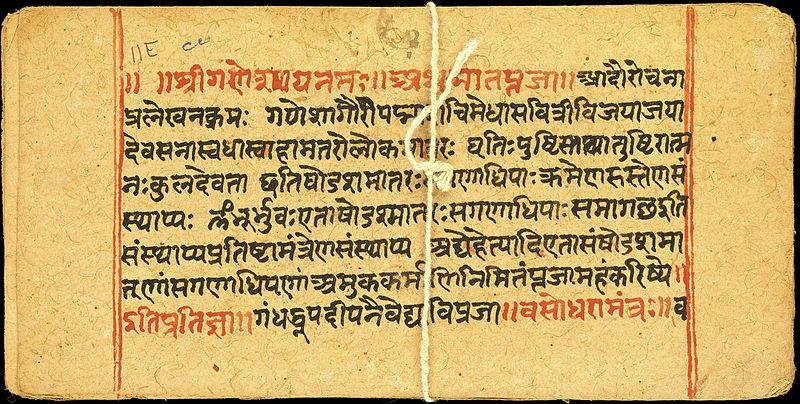
Tag: Rigveda

  • The Four Vedas – A Complete Guide to India’s Ancient Vedic Knowledge

    The Four Vedas – A Complete Guide to India’s Ancient Vedic Knowledge

    The Vedas are among the oldest and most important sacred texts of ancient India. The word Veda comes from the Sanskrit root Vid, meaning knowledge.

    There are four traditionally recognized Vedas:

    • Rigveda
    • Samaveda
    • Yajurveda
    • Atharvaveda

    Each Veda has its own special character, while together they form an important part of India’s ancient knowledge, spiritual traditions and cultural heritage. The Government of India’s Vedic Heritage Portal presents these four Vedas as foundational parts of Indian thought and preserves manuscripts, recitation traditions and related material.

    https://images.openai.com/static-rsc-4/Xwk6jjAQPiT0VaslQTvEn-uPLHDSRV6Gq2IMYGveYi9eoD34Gsrg8QQaO8BDtt4YIvT4vbyCc1pjjMKR8HvGAfz3JDg6qOohEwRrld4QxcUUnYpE2lpFoqo-imt_dtU3gCM2pN8Rfu3w6JDHOiIegFa12eowOW8TGRsAJ4UD1T29tIR4EwEv7a_DHb-urwhb?purpose=fullsize
    https://images.openai.com/static-rsc-4/lD7Ex44vkGe9cJ_s22ZBh5u91HG72JTc80v-tb9W9sXqwSiXafG53-NUKB0j4rJGRK27SqoswZhIZ69DmjV8WY8a5qyosnQIUJ2tjcqERJTMnOt9PWvRV_9t1R7KtXVAepmliC6vowWWfg0yTAl8csFpB2z_WjMHqfAz37xamlJQrh_et0TkSUAfXhaXsejQ?purpose=fullsize
    https://images.openai.com/static-rsc-4/FtgiPWLBZbBcERV6k0anUGaqqMH8jd5elYJPTn-XzQXDBNkdwKj2z7OLZyfd60HdEh1q3B5O9LcjCfoz_Ep_7qCc5V5cYjtOyYel5-EexazfvPzPjb0uFCcfrRwrvyRZK8Q4pkTNBmW74NKwg7XJHZCIW4-IOlGr4YiKS1uosX7YAy0N8TMAllw-0XAQVXEz?purpose=fullsize

    Image ALT: Ancient Sanskrit manuscripts representing the four Vedas of India


    What Does Veda Mean?

    The Sanskrit word Veda means knowledge.

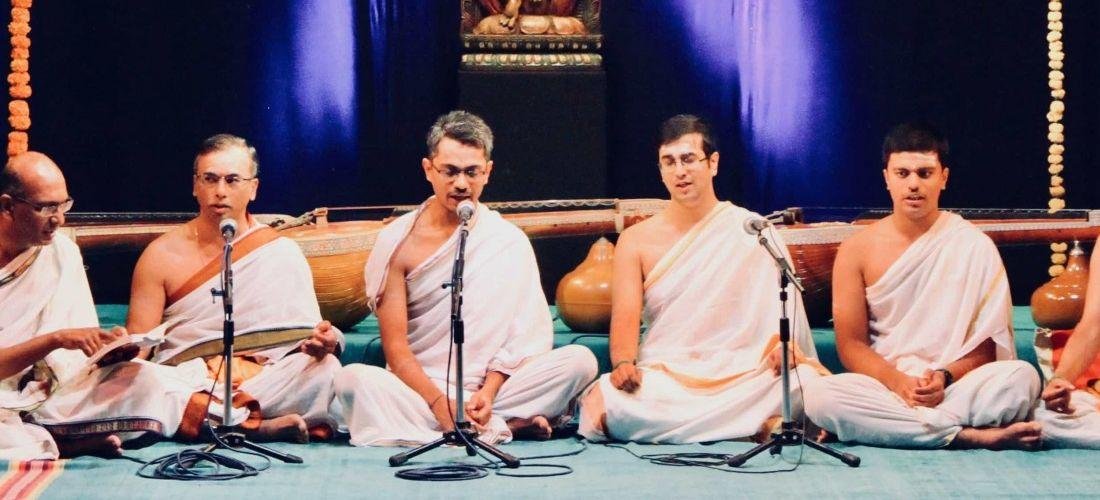
    The Vedas were preserved through a highly disciplined oral tradition in which teachers taught students the correct pronunciation, rhythm and sequence of the sacred texts.

    Over time, Vedic texts were also preserved in manuscripts written on different materials, including paper, palm leaves and birch bark. The National Mission for Manuscripts notes the importance of such manuscripts in preserving India’s Vedic heritage.

    Image ALT: Ancient Rigveda manuscript preserved as part of India’s Vedic heritage


    1. Rigveda – The Veda of Hymns

    The Rigveda is generally regarded as the oldest of the four Vedas. It is primarily a collection of hymns associated with different deities and aspects of the Vedic world.

    The Government of India’s Vedic Heritage Portal describes the Rigveda as the oldest and largest of the four Vedas and notes its importance for Indian religious and philosophical development.

    https://images.openai.com/static-rsc-4/Xwk6jjAQPiT0VaslQTvEn-uPLHDSRV6Gq2IMYGveYi9eoD34Gsrg8QQaO8BDtt4YIvT4vbyCc1pjjMKR8HvGAfz3JDg6qOohEwRrld4QxcUUnYpE2lpFoqo-imt_dtU3gCM2pN8Rfu3w6JDHOiIegFa12eowOW8TGRsAJ4UD1T29tIR4EwEv7a_DHb-urwhb?purpose=fullsize
    https://images.openai.com/static-rsc-4/k49KYtu9Yq_vLzbA5kdQ0_cIei0Rl4XudWk1n0wyTzG9LRxGOstYIQTVfYUMflifPND1IBqI99SKceDs63TD-mnqqAqBiLGR-UOGg27Naa6rdwSDNl07-NJU22oJPVMxBNbBcGiajEKZRoj0rOJStxGLxFc3AfewGPxPyJDA1ZuG8uv3QN_4G10AkrKQdTmu?purpose=fullsize

    Image ALT: Ancient Rigveda Sanskrit manuscript representing early Vedic literature

    The Rigveda contains hymns associated with Agni, Indra, Soma, Surya and Ushas, among others.

    It is especially valuable for understanding early Vedic poetry, religion and ideas about the natural and cosmic world.

    Simple Way to Remember

    Rigveda = Hymns


    2. Samaveda – The Veda of Music and Chanting

    The Samaveda is closely associated with music and sacred chanting.

    Many of its verses are also found in the Rigveda, but they are arranged for singing during Vedic ceremonies.

    https://images.openai.com/static-rsc-4/lD7Ex44vkGe9cJ_s22ZBh5u91HG72JTc80v-tb9W9sXqwSiXafG53-NUKB0j4rJGRK27SqoswZhIZ69DmjV8WY8a5qyosnQIUJ2tjcqERJTMnOt9PWvRV_9t1R7KtXVAepmliC6vowWWfg0yTAl8csFpB2z_WjMHqfAz37xamlJQrh_et0TkSUAfXhaXsejQ?purpose=fullsize
    https://images.openai.com/static-rsc-4/H0XgiNGp-7PCdvZv-RDrmTja8b7qhe1NKfrN-pLkuemQhZZ8jLh-zn-YmVji_AhonF-uBzHiR5rMgAQGiaS9H-ObK68SuFqkndUeIGxur4sjSWQlk-Lr6HZr6Y-6ektiHWKV6ERlFzIHCL7Ow3WZGczMZBKlq5PkgM9OxGepWEavPhbd9B5G19Lv_UT8zNez?purpose=fullsize

    Image ALT: Ancient Samaveda manuscript representing Vedic musical chanting

    The Samaveda is therefore particularly important for understanding the traditional relationship between Vedic verses and musical chanting.

    The manuscript shown above is associated with the Samaveda Kauthuma tradition and contains markings connected with recitation.

    Simple Way to Remember

    Samaveda = Music and Chanting


    3. Yajurveda – The Veda of Rituals

    The Yajurveda is closely connected with Yajnas, sacred offerings and Vedic rituals.

    It contains formulas used during ceremonies and material associated with the practical performance of Vedic rituals.

    https://images.openai.com/static-rsc-4/9HmGGleVFkKLoPuZAkLggf9qXt7GwtxgkyFrIsVASY-jhA_RNzDoXEEkeSrrTtMPxdgpTg6KvPByWqMXbVU5rsQk56nobAtge8P-AO2skhZvxXlB5rSsU4I0eUYz1q4uyOM7T7b9F3obBE7AT7x6LvEEgHFMuJ1ZibfL_TXPg2aW1nAc4VIBrD-HvC9lx6bQ?purpose=fullsize
    https://images.openai.com/static-rsc-4/WEgLybUIk6kkPDkt4vJF5HRVwHAeN9HgMcvcvL17m14w0AGiHptLTt7XIw0MUrcVswI3E5Y4xnNHFEatuVlwdCpEFh39B1_3pBL055gQuqGk_-Mm_oHJV6LIX1Y56z9H2DE_lc5O5kx0OPIp6k8Pim5r2_D-HnYrbjEKfaDS7mO6zJmWeLQ0Bw6UmqqPFUzN?purpose=fullsize
    https://images.openai.com/static-rsc-4/WKxeck9KfEdI3SUGmhWUJC9KlGsAMn0ISBStX40YCIv_0OSBg7L8wZlu4iOlcY-EobpoVFgogdFf2NWYY5xdMx_xQEKKuj-rMumLrUSvUkuzdY2R7ygCc2BVlsyDwnwTKLjWsNjQCyCkkynNJ_BYgE4Z44VV2P0yZJb2cN1FxAyKKOeVytM2rCdz2btoNKur?purpose=fullsize

    Image ALT: Yajurveda Sanskrit manuscript representing Vedic ritual knowledge

    The priest traditionally associated with the Yajurveda is the Adhvaryu, who had important practical responsibilities during Vedic sacrifices.

    The Yajurveda has two major traditions:

    • Shukla Yajurveda
    • Krishna Yajurveda

    Important texts include the Vajasaneyi Samhita and Taittiriya Samhita.

    Simple Way to Remember

    Yajurveda = Yajna and Rituals


    4. Atharvaveda – The Veda of Everyday Life

    The Atharvaveda has a distinctive character among the four Vedas.

    Its material is connected with many aspects of human life, including health, peace, protection, family, prosperity, nature and spiritual concerns.

    https://images.openai.com/static-rsc-4/FtgiPWLBZbBcERV6k0anUGaqqMH8jd5elYJPTn-XzQXDBNkdwKj2z7OLZyfd60HdEh1q3B5O9LcjCfoz_Ep_7qCc5V5cYjtOyYel5-EexazfvPzPjb0uFCcfrRwrvyRZK8Q4pkTNBmW74NKwg7XJHZCIW4-IOlGr4YiKS1uosX7YAy0N8TMAllw-0XAQVXEz?purpose=fullsize
    https://images.openai.com/static-rsc-4/PU9XpLIRYSdBFIWO6epyhoftpUirkJmxaYH0dNZ4n6KHzDX2eAu_pjncqNOqjPyZ4qaPjVqhy5x7sx9NWJNj3iVopwao4Ob5L0PwU0v4EMNyLei4T86nNys7M5j9B05rV7u_meADecmVaEjnkyO87AXXfXvxwkNkKINBKGnQs4RQAZ2hvrJjmpqjK8iJ9aql?purpose=fullsize

    Image ALT: Ancient Atharvaveda manuscript representing Vedic knowledge about life and well-being

    The Atharvaveda gives us a broad picture of human concerns within the Vedic tradition.

    One famous hymn associated with the Atharvaveda is the Bhumi Sukta, connected with the Earth.

    Simple Way to Remember

    Atharvaveda = Life and Well-Being


    The Four Vedas at a Glance

    VedaMain Association
    RigvedaHymns and sacred verses
    SamavedaMusic and chanting
    YajurvedaRituals and Yajnas
    AtharvavedaEveryday life and well-being

    This simple comparison makes it easier to remember the distinctive character of each Veda.


    How Were the Vedas Preserved?

    One of the most remarkable features of Vedic tradition is its oral preservation system.

    Teachers transmitted the texts to students through carefully controlled recitation. Students listened, repeated and memorized the material.

    https://images.openai.com/static-rsc-4/a8ka-LbM3hAVESsLLkCmp_fsNIjEsRb-kCFPW4JMumEbPkvY3jARyWdLkypULhqtCdbbwro63uNNbtq4rzKW1_uEabhuJRv1srRJxaDkvlD-11zmOhqQ3ndVrbbf7SbCdSz9sffl4XXBKNkQqZuTA0tpJ2e-EMDiX-Sh-6iOY83BolFz9E-Y0JkQOgFf7vCy?purpose=fullsize
    https://images.openai.com/static-rsc-4/FUBUeA7VwTSY4ciVtSjFsyP2BOyrnw9Lt6DjsbheHh-HyKSk4pRANNLoDjetjAEupCZPcm6o41YgV8LRNHF6qH4ZENe5FXAbxRHrvks48xC8iwHrZ1Htw2W_fUwA2vNEmk3N4g8MBvJATS6w7mDuFHh_850MdbepbsRr0e32rDKO3iG5GPQDeLMHVdcc5AA6?purpose=fullsize
    https://images.openai.com/static-rsc-4/HRvk0FkMqfOBZMSSpc1X6tiHWBYE5mQyRZ43mQOs9cxjwZeHndbW2jKVGV2_bIu2XxVxSO8ejbuziyF8pn_IW9d1ST3TntgPKSkWB_bpKnw3KR0rrsqpn-u9vGwdjgDCX2PdJ8iwKt6BHRYvMD15lBiNNe-C-Po31LOs0xbTnp09Z9BW7EKWFUpy7SA7EyO8?purpose=fullsize

    Image ALT: Vedic students preserving ancient knowledge through traditional oral recitation

    The process can be remembered as:

    Listening → Repetition → Memorization → Practice → Preservation

    This disciplined approach helped preserve Vedic texts across generations.


    The Guru–Shishya Tradition

    The Guru–Shishya tradition was an important part of traditional Indian education.

    A student learned directly from a teacher and developed knowledge through listening, repetition and practice.

    https://images.openai.com/static-rsc-4/DHhm_EIE5Peb03h-74_OBRelQp6DAz7rdU8YV59nncjd-uOZdmnmQzq9YQm8J4Xgz0UfHc4UJHNZpbtccNeXmj1eDAADqYIyDd-XPrlP3q6G1LHRsHupOyKrLRMPiiyz6ZhFXDSfdu1fAfRRwqLMWWan7sgjPYHgV-mmkvy6DUe3hBorj3qF71bkGzHCoCa3?purpose=fullsize
    https://images.openai.com/static-rsc-4/a8ka-LbM3hAVESsLLkCmp_fsNIjEsRb-kCFPW4JMumEbPkvY3jARyWdLkypULhqtCdbbwro63uNNbtq4rzKW1_uEabhuJRv1srRJxaDkvlD-11zmOhqQ3ndVrbbf7SbCdSz9sffl4XXBKNkQqZuTA0tpJ2e-EMDiX-Sh-6iOY83BolFz9E-Y0JkQOgFf7vCy?purpose=fullsize
    https://images.openai.com/static-rsc-4/rEhE2iFxBnIM7pOtN8-yRKzOGSu6E1hjHr5iP5Lq6NRboTs50T4XWePoRFOiwoswWsa8jYR6FbCrlkVk3axTYkCXVUF_khbMRtmx6L8z_0u-pWlBDRcfdenr30nLyeY6e4dqU05uAp87ijnRxPAI9G0-54GY-LZ1w0pbV80062Hm7DZfN1l6F0XuvJ7S_o4t?purpose=fullsize

    Image ALT: Guru teaching students through traditional Vedic education in India

    This tradition emphasized learning, discipline, practice and respect for knowledge.

    Life Lesson

    Knowledge becomes stronger when it is carefully learned and responsibly passed to the next generation.


    The Vedas and Sanskrit

    The Vedas were composed and transmitted in Vedic Sanskrit.

    Vedic Sanskrit is important for understanding the history of Sanskrit and the development of Indian linguistic and literary traditions.

    https://images.openai.com/static-rsc-4/Jztdels1yGQx7dTd29u4w5x6fvc-o_c9kpdNNgEk4PxOt0--oTeAXSwwXZbeCZLwTfhoTZRe3MtmRUngiYjkbOD8yl2EsskAvkQwrxlCvbSYKpZUO_G0NBlG0PkPPYItL_0jpiwwYcsStt8Rr_MpddBZv3vtn1NwkQOGk93Divms-kA6hpTf07yFWlRkur--?purpose=fullsize
    https://images.openai.com/static-rsc-4/Crvnh_3icbxPL0BlhOT5zir8kENYZstak0RuGrQL-duRJ9c-Fk2Bqii70ir7PKWeOCRI6LckR-_BNFLgv7U-_glwDi6ylZ3ilhT5h6ESKdtND8BOl4i1-71zgQO-YDfMFyqr4vdX4Bkhdg9DOdQjxBOMH6bTrh5puFP1VMTuUdmRMsaM0n2Ya2jsTXJx1vBL?purpose=fullsize
    https://images.openai.com/static-rsc-4/E3UlshX646cXXzW6nJSLo3Pk8fhs7iBnZuBbz9PD89_jaXZPK2Vw5ie1HMUMJrzNIXYSmvYX9gbPnm6y-nauuwWiV5_IM_aSrlf0iv2NdiwerfkzRhMO4uzJ3ctVkmzhMv1qhIhzUfDl7FJ4iAWM7buTQSEPu2jGvi1cT6kF37UXcYixpTS07piTIdNI9kT9?purpose=fullsize

    Image ALT: Ancient Sanskrit manuscript representing the language of the Vedic tradition

    The language, poetry and structure of the Vedas continue to be important subjects of study.


    The Vedas and Yajna

    Yajna is an important concept in Vedic ritual traditions.

    The Yajurveda is particularly associated with formulas and practical actions involved in these ceremonies.

    https://images.openai.com/static-rsc-4/VI-IFm_B_78le3Ucnjl0vjHCoMrPt00JHVTUwWhHnsI2nFjmXUEjjAZPln6acUUMfPZ_CyaRaXV7EDhyGMSaxrLwuCrMn8AuIQgXjFj5jyFOWcv5bp1eR1O5OJ97ftoHGQ7GK4xzyoGhZK0ozQCsVQyGldA6lVucFps8D3BceHqz3BGpBMYk6aVbxhm8g2Sv?purpose=fullsize
    https://images.openai.com/static-rsc-4/XlxOWPWJ1lqQzUPXWa09-NOGrCqM0IxJqEFKqFoGdl80UFnp9gv08vcu83qHQ1V2lnhfSyyrKhchKiE7L-9MoXwjEjIRRmtaYw0PdF6U0QNqzfJZc7tUDFy0qoot3_JIbUUGSle2hVZ8aTOBWQAXZ_iiA__gRKzz6XTjEUIYdGWH18gJoXkSDre5SIWT2mXu?purpose=fullsize
    https://images.openai.com/static-rsc-4/FMRV0uvquMDRriOlCPJ6mEv7yAOTEHwS2xoBz_LP6zqmLDxfPrA7XWIwpmmFLZOEjgSD-Uhp5PRGLaqy2WTDly6LPLWFcj_Dxxv8ShVs58V-qxc4UsdPAbuEV1SLJGeSyjp7St44fyiMf9MDV6Q05GQQd_e-ar2MlUeeM-HU6mZXV6HnH5ko7bCQmqhwQMy_?purpose=fullsize

    Image ALT: Traditional Vedic Yajna ceremony with sacred fire and priests

    A Vedic ritual could involve different priests carrying out different responsibilities.

    This shows the organized and cooperative nature of Vedic ceremonial traditions.


    The Vedas and Nature

    Nature has an important place in Vedic literature.

    Fire, water, Earth, sky and the Sun appear in different hymns and traditions.

    https://images.openai.com/static-rsc-4/f0tWOhSnFX9yRp4UhlO6WKG5X4geLCCV8ljFzVbG2ReTEdhAKkrQQV93mFS0UD1BH7utfPm8OEy3k9qmatcPOaX0kjeO4o4GY2lu_MLDvWCr-rsfzDZCh7ybOxofSc49KUynLATjKUWyIBKHIeYLxsjaMX2DVOCGxblNWID4Znd_RZy3Z9jylxbE9fPFnH7s?purpose=fullsize
    https://images.openai.com/static-rsc-4/j8K4VEh9AvhaHOlxkpdnR3D18JfNGQTcQ0nq8IJva19PH4O6qRssX6oYvFIB-YD_oqbFENmkMi4sXbLT0nTnC9PrQCOK120nx5-7xJJkgWmdMZ6eq-RUarIPrsQTOWkp10YVpT2bkj2wS_-X9Iq7b5O3pIb0E74rvgaM9mK0E5sl_X3WK7qfFSZtYWph5iSC?purpose=fullsize
    https://images.openai.com/static-rsc-4/7M3e2JcsjTWo1Ar_WYMDdkQnafg4Pn-kuaN8ijEg0PiZp6X5oamONNEYNGRsQgjqZPohzW8dldWYyHi0f9156mcbhT3RfsKs2SQZHRvTJVBlB2kNSHyffK4wW6hrnbLe0UIJ3P4TPG0bn60NsICF60eR44jh15DeJrC09e8WErMU9DuZU_rvOMflDs4m7OLt?purpose=fullsize

    Image ALT: Nature elements represented through ancient Indian Vedic tradition

    The Bhumi Sukta of the Atharvaveda is one notable example of a hymn associated with the Earth.

    These traditions provide an opportunity to reflect on the relationship between human beings and the natural world.


    The Vedas and Indian Culture

    The Vedic tradition has played an important role in India’s long cultural history.

    It has influenced many areas of Indian civilization, including:

    • Religious traditions
    • Ritual practices
    • Sanskrit literature
    • Philosophy
    • Education
    • Music and chanting
    • Cultural traditions
    • Intellectual history
    https://images.openai.com/static-rsc-4/QuCaot3A1t9iFVVcOvz8SY5Jmk_H6BwDvIajKtMgNAfLDe13MbFDRH5xSh9kw6UzO34EONSeQ0ZMTmNOWFo6V2KFc_74pgfQFEq6EYWa-sw5WcgBIUlUDkERDvg4H05PlGBgr5PXStu_B1VIUptn5thoxZ7f8y5ZSvjBbZEgBFu1875bUutmF7heGms34iyR?purpose=fullsize
    https://images.openai.com/static-rsc-4/vT1vEpTghmf1mpBIbzcXmqs6jr67ewvh1AS5jcm7s4jTcztga6g4Q1Fuzj8G7F7jJQIZ2omtNZE0Ad9rLAtigUfJACw5LlC5eKLxJWEqxEPd5WptA9DCoOWTF02WPAoIPAAF2YcxdsmwrpA0tafeisLoNpPJgj9rFd9nWkgNEZ3IliqZiDO_0407nIoYIXns?purpose=fullsize
    https://images.openai.com/static-rsc-4/bKRclPKVij5Q932djdwY36LYiu0_9SwxtfmjOv3Raee3tUL3gNFNkQjsjrjLJDDY83smKwuVqmHFynZ2P-sjKsiGq6MC8e_DWAo50zcVsg5ZmhAC1vIc_0tRLFVb5uPBa0rh96Ye9YI4f7CkUa9uxZOzJhArOPaK3xY8i6nyXsdrvHe6A37PCwqVBH-doHWc?purpose=fullsize

    Image ALT: Indian Vedic cultural heritage represented through a traditional ceremony

    The four Vedas therefore form an important part of India’s ancient cultural heritage.


    Four Vedas – Four Simple Ideas

    We can remember the four Vedas through four simple ideas:

    🔥 Rigveda – Hymns

    🎵 Samaveda – Music

    🕉️ Yajurveda – Ritual

    🌿 Atharvaveda – Life

    This is only a simple memory aid. Each Veda contains much more than these four words suggest.


    What Can We Learn From the Four Vedas?

    Knowledge

    The Vedas demonstrate the importance of preserving and transmitting knowledge.

    Discipline

    Vedic oral learning required concentration, memory and regular practice.

    Responsibility

    The ritual traditions emphasize careful performance of duties.

    Nature

    Vedic literature contains many references and reflections connected with the natural world.

    Spiritual Thought

    The Vedic tradition includes questions about existence, the universe and human life.

    Cultural Heritage

    The Vedas form an important part of India’s ancient intellectual and cultural history.


    Why Should We Study the Vedas Today?

    Studying the Vedas can help us understand important aspects of ancient Indian civilization.

    They provide valuable material for learning about:

    • Ancient Indian literature
    • Vedic Sanskrit
    • Religious history
    • Ritual traditions
    • Oral preservation
    • Indian cultural heritage
    • Early philosophical thought

    The Vedic Heritage Portal itself brings together manuscripts, recitation traditions, rare branches and related Vedic material for preservation and study.


    Four Vedas – Quick Facts

    Rigveda: Hymns and sacred verses

    Samaveda: Musical chanting and melodies

    Yajurveda: Ritual formulas and Yajnas

    Atharvaveda: Everyday life, prayers and well-being

    Language: Vedic Sanskrit

    Traditional Preservation: Oral teacher–student transmission

    Cultural Importance: Major part of India’s ancient Vedic heritage


    Conclusion

    The four Vedas — Rigveda, Samaveda, Yajurveda and Atharvaveda — form a remarkable part of India’s ancient literary and cultural heritage.

    Each Veda has its own distinctive character.

    The Rigveda is especially known for its hymns.

    The Samaveda is closely associated with musical chanting.

    The Yajurveda is connected with rituals and Yajnas.

    The Atharvaveda contains a broad range of material related to everyday life, well-being, protection, nature and spirituality.

    Together, they provide a fascinating window into the world of ancient Indian thought.

    Their preservation through disciplined oral traditions is itself an extraordinary achievement.

    Learning about the Vedas means exploring the language, literature, rituals, ideas and cultural history of ancient India.

    The Vedas are not simply four ancient texts to remember — they are four important gateways into India’s ancient knowledge tradition. 🇮🇳


    Frequently Asked Questions

    What are the four Vedas?

    The four Vedas are Rigveda, Samaveda, Yajurveda and Atharvaveda.

    Which is the oldest Veda?

    The Rigveda is generally regarded as the oldest of the four Vedas.

    What is the Rigveda known for?

    The Rigveda is especially known for its hymns and sacred verses.

    What is the Samaveda known for?

    The Samaveda is especially associated with musical chanting and melodies.

    What is the Yajurveda known for?

    The Yajurveda is closely connected with Yajnas, rituals and sacred formulas.

    What is the Atharvaveda known for?

    The Atharvaveda contains material concerning everyday life, health, peace, protection, family, nature and spirituality.

    What language are the Vedas in?

    The Vedas were composed and transmitted in Vedic Sanskrit.

    How were the Vedas preserved?

    They were preserved primarily through a highly disciplined oral tradition, with teachers transmitting the texts to students through careful recitation and memorization.

    Why are the Vedas important to India?

    They are an important part of India’s ancient literary, linguistic, religious and cultural heritage. The Government of India’s Vedic Heritage Portal describes them as foundational pillars of Indian thought.


    Final Thought

    The story of the four Vedas is also a story of knowledge, memory and preservation.

    For generations, teachers and students worked together to keep these ancient traditions alive.

    The Vedas remind us that knowledge becomes valuable when it is learned carefully, understood thoughtfully and passed responsibly to future generations.

    Let us continue to learn about India’s ancient heritage with curiosity, respect and an open mind.
    MANA BHARATHAM 🇮🇳

  • 🕉️ The Four Vedas: Rigveda, Samaveda, Yajurveda & Atharvaveda – Complete Guide

    🕉️ The Four Vedas: Rigveda, Samaveda, Yajurveda & Atharvaveda – Complete Guide

    1. Rigveda – The Veda of Hymns

    https://images.openai.com/static-rsc-4/Qby5uWu1xuQmsro8AkVjjr2tK_mQvnYg7muMsuxzpNMVEJuq7tcWu-8MJa6qTvEW-e3nA5zhRBErZiiZ72ZTbDXxe2htKVmpnotD9EGs-osQeOj790pAeUPfUlr-NG15wsIdQHOEFhMBENKmsg9v6NYRWnHGSRAib9tLc9LrP9aoMHuqSEgGTQIyy0wFm_ZT?purpose=fullsize

    The Rigveda is generally regarded as the oldest of the four Vedas.

    The word “Rig” is associated with hymns or verses of praise. The Rigveda contains a large collection of hymns dedicated to various deities and natural forces.

    Some of the important figures and forces mentioned in Rigvedic hymns include:

    • Agni – associated with fire
    • Indra – associated with power and storms
    • Surya – the Sun
    • Vayu – associated with wind
    • Varuna – associated with cosmic order and waters
    • Ushas – the dawn

    But the Rigveda is not simply a collection of prayers.

    Some of its hymns ask deep questions about creation, existence, the universe and the origin of life.

    This is one reason why the Rigveda is important for understanding the early intellectual and spiritual traditions of India.

    The Government of India’s Sanskrit resource also describes Rigvedic hymns as praising various divine manifestations and natural forces.

    What makes Rigveda special?

    The Rigveda is especially important for its hymns and poetic verses.

    It gives us a glimpse into how ancient Indian thinkers observed nature, expressed devotion and asked questions about existence.

    Simple way to remember:

    Rigveda = Hymns and Knowledge

    Life Lesson from Rigveda

    The Rigveda reminds us to remain curious, thoughtful and willing to ask questions about the world around us.


    2. Samaveda – The Veda of Music and Chanting

    https://images.openai.com/static-rsc-4/FlDQbLaHCH9BXw4mnyuiHVnA8dTuwFVdHCA-d-OhD6c49L9lKXeTiA4OhazJS6JJVNDXF7K9Hy3kxtw9tBZEPW6nauQqXja_VeiA9B-CmOqO56PEC2N4UC9asv4VMowONI0QhTN4IjoCQs77UwCZH9SJeHAzG5paNiFVIY6dD5CEQ6wV2NjJpc1T1AtVH2vT?purpose=fullsize
    https://images.openai.com/static-rsc-4/PAe5RrBHzCpUUuEQwt_NuiKyVR1STF1Sa6Qyr4MK_5nmoyj8agTgjVnzj6mSOkyz52gqdyJ1eKVjiL34JjSZ6EPHoIaYeH8AgC6pAo5qejfJxh-17teVulofTdVijAKypLlUnqmbII8k8i83IaJQin9Pd6owfvgYMP2RKTf9jrtL84O3lpk4cerMQGdvrFRT?purpose=fullsize

    The Samaveda is closely connected with music, melody and chanting.

    Many of its verses are derived from hymns found in the Rigveda, but they are arranged for melodic recitation.

    This makes Samaveda different from simply reading a verse. The way the words are pronounced, the musical notes used and the rhythm of chanting are all important.

    The Government of India’s Sanskrit resource describes Samaveda as the “Veda of chants” and explains its connection with melodious chanting of Vedic hymns.

    The priest associated with Samaveda chanting is traditionally known as the Udgatri, whose role is connected with singing the Samavedic hymns.

    Why is Samaveda important?

    Samaveda shows how important sound and music were in the Vedic tradition.

    It also helps us understand the ancient roots of India’s musical and chanting traditions.

    What makes Samaveda special?

    If Rigveda is mainly remembered for its hymns, Samaveda is particularly remembered for how those hymns are sung or chanted.

    Simple way to remember:

    Samaveda = Music and Chanting

    Life Lesson from Samaveda

    Samaveda teaches us that the way knowledge is communicated can be as important as the knowledge itself.


    3. Yajurveda – The Veda of Rituals

    https://images.openai.com/static-rsc-4/XOPBVZSk6WeNlY0EhRBEYcpsOfrSmU0wjbZNmhLbfLzoa82M9u0-kEKGb7CHVE5awslKECJKxOmQPeFA_EbLu34YPeArugh191rIxMfEr1D7FjQwB1K6-EFMqS4Qmp14TZTkFh5cy3eWFDJiVqWFzy2Rg3awlo3cnL5Y9lZboYm069DAjGpKKV150iYzvBDF?purpose=fullsize
    https://images.openai.com/static-rsc-4/MzBL8v4PIRm-es8kqQ1yn0paIOEtXjvREb4D2is5QlVGwu3ZMLsfFforiCdx-rVV-3RUCg8k0McjGzgUE5S-HN8F0nqFL6IOaGtmpvufEcGMIgI759I2DWp7oQqdocmb8Is1ZmgYz47VRGar2bm31yAi3MZkZwfC0cn_oeJIhovnAUBZMPK8YkYFjQa9JbhU?purpose=fullsize
    https://images.openai.com/static-rsc-4/VI-IFm_B_78le3Ucnjl0vjHCoMrPt00JHVTUwWhHnsI2nFjmXUEjjAZPln6acUUMfPZ_CyaRaXV7EDhyGMSaxrLwuCrMn8AuIQgXjFj5jyFOWcv5bp1eR1O5OJ97ftoHGQ7GK4xzyoGhZK0ozQCsVQyGldA6lVucFps8D3BceHqz3BGpBMYk6aVbxhm8g2Sv?purpose=fullsize

    5

    The Yajurveda is mainly associated with Vedic rituals, yajnas and sacrificial ceremonies.

    It contains prayers and ritual formulas used by priests during different stages of ceremonies.

    In simple terms, while some Vedic texts provide hymns, the Yajurveda is particularly connected with the practical use of formulas during rituals.

    UNESCO describes the Yajurveda as containing prayers and sacrificial formulas used by priests.

    The Yajurveda has two major traditions:

    Shukla Yajurveda

    This is commonly known as the White Yajurveda.

    Krishna Yajurveda

    This is commonly known as the Black Yajurveda.

    Both traditions have their own textual and interpretive traditions.

    What makes Yajurveda special?

    Its strong connection with yajnas and ritual practice makes it distinct among the four Vedas.

    The performance of a Vedic ritual involved carefully following procedures, reciting the appropriate formulas and maintaining discipline.

    Simple way to remember:

    Yajurveda = Yajna and Rituals

    Life Lesson from Yajurveda

    Yajurveda can remind us about the value of discipline, responsibility and performing duties carefully.


    4. Atharvaveda – The Veda Connected With Everyday Life

    The Atharvaveda is the fourth of the four Vedas.

    It contains a wide range of hymns and mantras connected with different aspects of life.

    These include themes related to:

    • Peace
    • Protection
    • Health
    • Family
    • Well-being
    • Prosperity
    • Ritual practices

    UNESCO describes the Atharvaveda as containing incantations and related ritual material, while India’s Vedic Heritage resources include Atharvaveda among the four major Vedic traditions.

    Because many of its themes relate to human concerns and everyday life, the Atharvaveda gives us an interesting perspective on the concerns and beliefs of ancient Indian society.

    What makes Atharvaveda special?

    It contains many subjects that feel closer to human life and everyday concerns.

    This makes it an important part of the wider Vedic tradition.

    Simple way to remember:

    Atharvaveda = Life, Peace and Protection

    Life Lesson from Atharvaveda

    It reminds us that knowledge should not remain theoretical. It should also help people deal with the real challenges and needs of everyday life.


    The Four Vedas – Easy Comparison

    VedaMain AssociationEasy Way to Remember
    RigvedaHymns and verses📖 Hymns
    SamavedaMusic and chanting🎵 Music
    YajurvedaRituals and yajnas🔥 Rituals
    AtharvavedaDaily life, prayers and protection🌿 Life

    UNESCO similarly distinguishes the four traditions as Rigveda’s sacred hymns, Samaveda’s musical arrangements, Yajurveda’s sacrificial formulas, and Atharvaveda’s incantatory material.


    How Were the Four Vedas Preserved?

    One of the most fascinating things about the Vedas is that they were preserved primarily through oral transmission.

    For generations, teachers taught students the verses through careful repetition and memorization.

    Students were trained to preserve:

    • Exact pronunciation
    • Tone and accent
    • Rhythm
    • Word order
    • Recitation patterns

    UNESCO notes that practitioners were trained from childhood in complex recitation techniques designed to preserve the sound of each word accurately.

    IGNCA also documents the guru-shishya parampara, in which Vedic chanting was transmitted through teacher-student traditions.

    This is one of the greatest achievements of India’s oral knowledge tradition.


    Vedic Chanting – A Living Heritage

    Vedic chanting is not simply a historical practice that disappeared thousands of years ago.

    It continues to be practiced in different parts of India.

    In 2008, UNESCO inscribed the “Tradition of Vedic Chanting” on the Representative List of the Intangible Cultural Heritage of Humanity.

    The recognition is important because it highlights not only the Vedic texts themselves, but also the traditional methods of chanting and preserving them.

    The Vedic Heritage Portal of India’s Ministry of Culture also documents Vedic texts, recitation traditions, manuscripts, rituals and Vedic learning centres.


    Are the Vedas and Upanishads the Same?

    No.

    The Vedas and Upanishads are closely connected, but they are not exactly the same.

    The Upanishads belong to the broader Vedic literary tradition and focus strongly on philosophical questions.

    They explore subjects such as:

    • The self
    • Brahman
    • Knowledge
    • Reality
    • Meditation
    • Liberation

    The Upanishads therefore became an important foundation for later Indian philosophical traditions.


    Why Should We Learn About the Vedas Today?

    Learning about the Vedas does not mean that everyone must become a Vedic scholar.

    Understanding the Vedas helps us learn about:

    Ancient Indian culture

    Indian philosophy

    Traditional education

    Sanskrit literature

    Vedic rituals

    Oral knowledge systems

    Indian spiritual traditions

    The Government of India’s Vedic Heritage Portal describes the Vedas as foundational pillars of Indian thought and provides resources on their manuscripts, oral traditions, chants, rituals and related literature.


    Important Life Lessons From the Four Vedas

    From Rigveda

    Keep asking questions and seeking knowledge.

    From Samaveda

    Respect the power of sound, discipline and expression.

    From Yajurveda

    Perform your responsibilities with discipline and care.

    From Atharvaveda

    Use knowledge to bring peace, protection and well-being into life.


    Conclusion

    The four Vedas — Rigveda, Samaveda, Yajurveda and Atharvaveda — represent one of the most important parts of India’s ancient cultural heritage.

    Each Veda has its own special character:

    Rigveda gives us hymns and profound questions.

    Samaveda gives us melody and chanting.

    Yajurveda gives us ritual formulas and yajna traditions.

    Atharvaveda connects the Vedic tradition with many aspects of human life.

    But the story of the Vedas is not only about ancient texts.

    It is also about the teachers and students who preserved this knowledge for generation after generation.

    That living tradition continues even today.

    Our India. Our Culture. Our Heritage. 🇮🇳


    Frequently Asked Questions

    How many Vedas are there?

    There are four main Vedas: Rigveda, Samaveda, Yajurveda and Atharvaveda.

    Which is the oldest Veda?

    The Rigveda is generally regarded as the oldest of the four Vedas.

    Which Veda is associated with music?

    The Samaveda is especially associated with musical chanting and melody.

    Which Veda is associated with yajnas?

    The Yajurveda is closely associated with Vedic rituals and yajnas.

    Which Veda is connected with everyday life?

    The Atharvaveda contains many themes connected with daily life, peace, protection, health and rituals.

    How were the Vedas preserved?

    They were transmitted mainly through a highly disciplined oral tradition, with careful preservation of pronunciation, tone, accent and recitation patterns.

    When did UNESCO recognize Vedic chanting?

    UNESCO inscribed the Tradition of Vedic Chanting on its Representative List of the Intangible Cultural Heritage of Humanity in 2008.


  • THE VEDAS – A COMPLETE GUIDE TO THE FOUR VEDAS

    The Vedas are among the oldest and most important sources of India’s ancient knowledge and cultural heritage.

    They are not simply a collection of religious prayers. The Vedic tradition includes hymns, chants, rituals, philosophical ideas, myths and reflections on human life and the universe.

    The word “Veda” is traditionally associated with the Sanskrit root “Vid,” meaning knowledge or to know.

    In this article, let us understand the four Vedas, their importance, how they were preserved, and why the Vedic tradition continues to remain important even today.


    1. Rigveda – The Veda of Hymns

    The Rigveda is generally regarded as the oldest of the four Vedas.

    It contains a large collection of sacred hymns and verses addressed to various deities and natural forces.

    Some of the important figures and forces mentioned in Rigvedic hymns include Agni, Indra, Surya, Vayu, Varuna and Ushas.

    The Rigveda is not limited to prayers. Some hymns also explore deep questions about creation, existence, the universe and the nature of life.

    Because of this, the Rigveda is an important source for understanding the early religious, cultural and intellectual traditions of India.

    Life Lesson:

    The Rigveda reminds us of the importance of curiosity and the desire to understand the world around us.


    2. Samaveda – The Veda of Chanting

    The Samaveda is closely connected with music, melody and chanting.

    Many of its verses are related to hymns found in the Rigveda, but they are arranged and used in specific musical forms for chanting.

    The Samaveda played an important role in the development of the ancient tradition of melodic Vedic recitation.

    The careful use of sound, tone and pronunciation shows how important oral learning was in ancient India.

    Life Lesson:

    The Samaveda teaches us that knowledge is not only about words. The way knowledge is spoken, remembered and transmitted can also be important.


    3. Yajurveda – The Veda of Rituals

    The Yajurveda is mainly associated with Vedic rituals, yajnas and sacred ceremonies.

    It contains prayers and sacrificial formulas used by priests during rituals.

    The Yajurveda helped guide priests regarding the words and formulas used during different stages of a ritual.

    There are two major traditions of the Yajurveda:

    • Shukla Yajurveda
    • Krishna Yajurveda

    The Yajurveda therefore occupies an important place in the history of India’s ritual traditions.

    Life Lesson:

    The Yajurveda reminds us about discipline, responsibility and the importance of performing duties carefully.


    4. Atharvaveda – The Veda of Everyday Life

    The Atharvaveda is the fourth Veda.

    It contains hymns and mantras connected with different aspects of life, including peace, protection, health, family life and various rituals.

    Compared with the other Vedas, the Atharvaveda contains many themes that are closely connected with everyday human concerns.

    It therefore gives us an interesting view of the beliefs and concerns that existed in ancient Indian society.

    Life Lesson:

    The Atharvaveda reminds us that knowledge should also help people deal with the challenges and concerns of everyday life.


    5. How Were the Vedas Preserved?

    One of the most remarkable features of the Vedic tradition is the way it was preserved.

    For thousands of years, Vedic knowledge was transmitted primarily through an oral tradition.

    Teachers taught the verses to students, who memorized and repeatedly recited them.

    The students were trained to preserve not only the words but also:

    • Pronunciation
    • Tone
    • Accent
    • Rhythm
    • Word order
    • Traditional methods of recitation

    UNESCO notes that complex recitation techniques were developed to help keep the sound of the words unchanged across generations.

    This extraordinary oral tradition helped preserve Vedic texts for thousands of years.


    6. The Guru–Shishya Tradition

    The preservation of the Vedas was closely connected with the traditional Guru–Shishya system.

    A teacher would personally guide students in pronunciation and recitation.

    Students would listen carefully, memorize the verses and repeat them many times.

    This required:

    • Patience
    • Concentration
    • Discipline
    • Memory
    • Respect for the teacher

    The system shows how education in ancient India was not simply about reading books. Knowledge was also transmitted through direct teaching and practice.

    Life Lesson:

    True learning requires patience, discipline and respect for knowledge.


    7. Vedic Chanting and UNESCO Recognition

    The Vedic chanting tradition has received international recognition as an important form of intangible cultural heritage.

    In 2008, UNESCO inscribed the “Tradition of Vedic Chanting” on the Representative List of the Intangible Cultural Heritage of Humanity.

    UNESCO highlights the sophisticated methods used to preserve the pronunciation, tonal accents and exact form of the verses.

    This recognition shows the importance of protecting India’s ancient oral traditions for future generations.


    8. Are the Vedas and Upanishads the Same?

    The Vedas and Upanishads are not exactly the same.

    The Upanishads belong to the broader Vedic literary tradition and focus more deeply on philosophical questions.

    They discuss subjects such as:

    • The nature of the self
    • Brahman
    • Knowledge
    • Meditation
    • Reality
    • Liberation

    The Upanishadic tradition became an important foundation for Indian philosophical thought.

    Therefore, while the Vedas and Upanishads are closely connected, they should not simply be treated as identical texts.


    9. What Do the Vedas Teach Us?

    The Vedic tradition contains many different ideas and themes.

    It encourages reflection on:

    Knowledge

    The search for knowledge is an important part of the Indian intellectual tradition.

    Nature

    Many Vedic hymns refer to natural forces and the relationship between human beings and the natural world.

    Duty

    Vedic traditions place importance on performing one’s responsibilities and following established practices.

    Discipline

    The preservation of Vedic chanting required extraordinary concentration and discipline.

    Spiritual Thought

    The Vedic tradition eventually became closely connected with deeper philosophical questions about existence, knowledge and reality.


    10. Why Are the Vedas Important Today?

    The Vedas continue to be important because they are part of India’s living cultural heritage.

    Vedic chanting is still practiced in different parts of India.

    The tradition also demonstrates how ancient knowledge can survive through careful teaching, memorization and practice.

    UNESCO describes the Vedas as one of the world’s oldest surviving cultural traditions and notes that the Vedic tradition continues to play an important role in contemporary Indian life.

    The survival of this tradition reminds us of the importance of preserving India’s cultural heritage for future generations.


    11. The Four Vedas at a Glance

    Rigveda

    Main focus: Hymns and sacred verses

    Samaveda

    Main focus: Musical chanting and melodies

    Yajurveda

    Main focus: Rituals and sacrificial formulas

    Atharvaveda

    Main focus: Everyday life, prayers, protection and rituals

    Together, the four Vedas form an important part of India’s ancient literary, spiritual and cultural heritage.


    12. Important Life Lessons from the Vedas

    The Vedic tradition can inspire several values that remain meaningful today.

    Knowledge

    Always remain curious and continue learning.

    Discipline

    Important knowledge requires dedication and regular practice.

    Respect

    Knowledge should be respected and responsibly passed to future generations.

    Responsibility

    Every person has duties and responsibilities in life.

    Preservation

    Ancient traditions survive only when each generation makes an effort to preserve them.

    Humility

    The more we learn, the more we understand how much there is still to discover.


    The Vedas Are More Than Ancient Texts

    The Vedas are more than old books or collections of mantras.

    They represent a vast tradition of knowledge, poetry, ritual, philosophy, chanting and oral education.

    Their importance lies not only in their ancient origins but also in the extraordinary tradition through which they were preserved.

    The story of the Vedas is therefore also the story of India’s ability to preserve knowledge across generations.


    Conclusion

    The four Vedas — Rigveda, Samaveda, Yajurveda and Atharvaveda — occupy a central place in India’s ancient cultural heritage.

    The Rigveda is known for its hymns.

    The Samaveda is closely associated with chanting and melody.

    The Yajurveda is connected with rituals and sacrificial formulas.

    The Atharvaveda contains many themes related to everyday life, prayers and rituals.

    For thousands of years, these traditions were preserved through disciplined oral transmission from teacher to student.

    The UNESCO recognition of the Tradition of Vedic Chanting in 2008 highlights the global cultural importance of this remarkable heritage.

    The Vedas help us understand an important part of India’s ancient intellectual and spiritual history.

    They remind us that knowledge becomes truly valuable when it is preserved, understood and passed on to future generations.

    Our India. Our Culture. Our Heritage. 🇮🇳


    Frequently Asked Questions

    How many Vedas are there?

    There are four main Vedas: Rigveda, Samaveda, Yajurveda and Atharvaveda.

    Which is the oldest Veda?

    The Rigveda is generally regarded as the oldest of the four Vedas.

    What is the Samaveda known for?

    The Samaveda is particularly associated with musical chanting and melodies.

    What is the Yajurveda about?

    The Yajurveda is mainly associated with Vedic rituals, yajnas and sacrificial formulas.

    What is the Atharvaveda about?

    The Atharvaveda contains hymns and mantras connected with various aspects of daily life, protection, peace and rituals.

    How were the Vedas preserved?

    The Vedas were preserved for generations through a highly disciplined oral tradition, with careful attention to pronunciation, tone, accent and recitation.

    When did UNESCO recognize Vedic chanting?

    UNESCO inscribed the Tradition of Vedic Chanting on the Representative List of the Intangible Cultural Heritage of Humanity in 2008.

    Are the Vedas and Upanishads the same?

    No. The Upanishads belong to the wider Vedic literary tradition but focus more deeply on philosophical questions concerning the self, reality, knowledge and liberation.


    Final Thought

    The Vedas are not only a window into India’s ancient past.

    They are also a reminder of the importance of knowledge, discipline, tradition and continuous learning.

    Thousands of years after their beginnings, the Vedic chanting tradition continues to connect the present generation with an important part of India’s ancient heritage.

    Let us learn about our heritage, understand it and preserve it for the generations to come. 🇮🇳

    MANA BHARATHAM