Tag: Shaivism

  • 18 Mahapuranas – Part 4: Shiva Purana

    18 Mahapuranas – Part 4: Shiva Purana

    The Shiva Purana is traditionally counted among the 18 Mahapuranas and is the fourth Purana in our series. It is one of the most important texts connected with the worship of Lord Shiva.

    The Shiva Purana contains stories of Shiva, Parvati, Ganesha, Kartikeya, the divine family of Shiva, sacred places, creation, devotion, spiritual practices and the importance of Shiva Linga worship.

    https://images.openai.com/static-rsc-4/nm41vyfDBd8liJujHjnBWi_0jyshcFp8UeORdoCT9fa7iGrtMl_hV3rCmVRyQ5AASJ9O7wUpRaWdNo_EObuSh3Fb581To6uy2bxWP4d5xOby9gPLXHUYmbKEp-kWUjl-IcNtNUU8X0n_wB1jRqXknSOOwOMiCYqX0wvs_d5Yzn0ElpqARFQvZu_4fnxHfsrg?purpose=fullsize
    https://images.openai.com/static-rsc-4/GlbwKplkUL9Vet3rr209emWjIDIS9mOz2Wzv6APJ5FCyDlCBrx1D2BHNmfvTLVAxi1iVHy13KkA_XzHoQQg8YpouoA4Jm32xau56ZDuG8OLaCU41V_L-dLaGDMlOSuWUZ4RtPE01PDZ9yP62Lzk60R0r4KG3skOijjjiuKBdKQhLPWxTLXMJ6PCMlMT5U6k1?purpose=fullsize
    https://images.openai.com/static-rsc-4/rg8KFiBdgKyQ2HUH6U3l4tfKmFYYzHH5NLfenMURLcG0ceg_3-yFkCP5-bV3x1Q-2El6wk8anMhtJxVWMtiMLajQjyUX52q8DvZmCFa2lJTjc6lQ08U0mPIOSQAUm-VDNTKDxcJModh5l9gkYvGwJixem4Xyhd7QT0LBYZ_viC9NcnKmPmvG0aBS_sCZK-Jn?purpose=fullsize

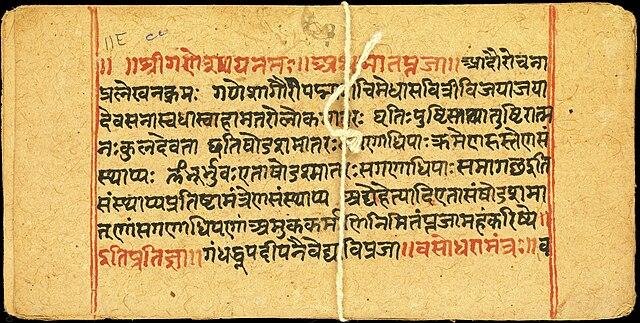
    Image ALT: Ancient Sanskrit manuscript and traditional depiction representing the Shiva Purana


    What Is the Shiva Purana?

    The Shiva Purana is a major Sanskrit Purana traditionally associated with Lord Shiva.

    It explains different aspects of Shiva’s nature and contains numerous stories that have become deeply connected with Hindu religious and cultural traditions.

    Major themes include:

    • Lord Shiva
    • Goddess Parvati
    • Shiva Linga
    • Ganesha
    • Kartikeya
    • Creation
    • Destruction
    • Devotion
    • Dharma
    • Yoga
    • Sacred places
    • Shiva temples
    • Jyotirlingas
    https://images.openai.com/static-rsc-4/sWvcH0sDr5scHpkk0IHBzfCFii0Laj7oXVH8UFAwNpSdxOBiaPxEje8FCIZWFFKcL9ZCEsfHrRVHplv4oUw5M6753bX4NKfnMtrO3by7WBoXcCLuNvNwksi4wsTiUS5WGkV4uBhOn3IaMLHqJdX4n_xwMrT5A8PZhk5EJipAi3HUf_4sHcTEQclXC2YA-nol?purpose=fullsize
    https://images.openai.com/static-rsc-4/Uks54cbwGQRIrUAKbGyPgX27qBKyFlcGU2wK6GYJptQ5A0RKyhmS5f5j3JOktg6Yf-zReR80WgaJa0xgFDrvn4vFUwV_QXYoVI4uGFfmgpGWVugQ8hrCx_Sf51cqJMJutAmlhqy02exAsmiIgtoLtscMDLsWiRTYN-KfHigNKP_SOzDhsH4FQl5pJMGaUTjF?purpose=fullsize
    https://images.openai.com/static-rsc-4/0Xfz0YKe1AU6MB5R-yQsnrVjD3sPQOLBDTaDFoBjoXqtHIvE_Dz1CkeugaNdm4kKnlxKURy9BpqgwVQsYAlz8xT_2Lv1bDObaxw8EU97Y3euxo9XxzcfJZVBpz6BBwnQVD6mqb3xdwOejUjl9H-uIcUDoP5pJ3BuKgS-OlAobZKWdGOPqhJ-Oy7BExXHaK-W?purpose=fullsize

    Image ALT: Lord Shiva and Goddess Parvati representing the central divine tradition of the Shiva Purana


    Why Is It Called Shiva Purana?

    The name comes from Shiva, one of the most important deities in Hindu tradition.

    The word Shiva is commonly associated with meanings such as auspiciousness and benevolence.

    The Purana presents Shiva through many different forms and stories, showing him as:

    • The great yogi
    • The compassionate Lord
    • The cosmic deity
    • The destroyer of evil
    • The husband of Parvati
    • The father of Ganesha and Kartikeya
    • The divine teacher
    https://images.openai.com/static-rsc-4/w5abJHX0EfS7HdTToRWKORy7ILWOotDZyK_Kj1YSWT1ricjN6_TFdUiDi1y9-svMNUS228dUUazMmxKxoBUzsysMh59pGkCIww01yEzmKNxAP9AiHoA5oNKSa8WJT6sQqk7A28L8owmQSbFQUCy9VZqonVtah4L9vkGrdSfM32-F2mgQ5hdXNLu6XNA4jrsw?purpose=fullsize
    https://images.openai.com/static-rsc-4/XddYTR3IWwLmH5HNKWrn64Latv6DsckGZ-b2a4q51aubIOxbSMljMHjXjCQ5bAaXo5QXR5AOqDqA0rUIhpVIqEgNBm5RxNLvfjdrQHAjRqApLr9AhtRjgckNGHH-5I9u4O07Cb89OKkIYtDZslkEQEw9Ybm3Wo-XCAWDBHISWkZ0oKGsCb41RIChwQWE1pNl?purpose=fullsize
    https://images.openai.com/static-rsc-4/4U6fysuTMb5jjGdX03yH7hm2kX1W-f610yX4JpTWyMW8n3AJ3CBFlwbZboUkC9LvTrMiQUah_nPXPvnmJbVotbs5Sg9MSOMNvB9YF4ax7VG_JrS09x2qnlj-ULJTh3YRl11tRKNItsKCAzUZvsSvqeXRAsaUItCUPDHy3YR0ALpVHqkSapRFXsH2zjPz-NRC?purpose=fullsize

    Image ALT: Lord Shiva in meditation representing the yogic and spiritual aspect of Shiva


    Shiva as Mahadeva

    Lord Shiva is often called Mahadeva, meaning “Great God.”

    The Shiva Purana presents many stories illustrating his extraordinary nature.

    Shiva is simultaneously portrayed as a powerful cosmic deity and as a compassionate figure who responds to sincere devotion.

    https://images.openai.com/static-rsc-4/0PfZOC8KqCHJ4eRz0_nc6ejyEIsF4X23b6gUru5eQn2WH8zlvAns_9vbGu0NvGuWKL6Stv0XiZ4j4nom8mO3VNPKWEsYzczKdRUgml1qtLGc_pF5inNhiBsTWC97WWK30DYq9mgSiwiTCSA8c-T6XrHjn_nlgXlcQZeON4X10YyjKf6kcEjuqYIiSIP-1b-h?purpose=fullsize
    https://images.openai.com/static-rsc-4/4ddZOpWJx_uzik_2_kXlho3Kx9IFAtqEXVmnJ-iGapuJWQOR9NiyQUvUF1tQPbaNU1DaKzQ6nfdgIDPlsu7v1uVkWpD7gsRCHqs1ydV0WeZjtnUwKGO3wOuzLKBuPShNPBYHu5Fvb-2eIe8Z7YaplN3rPGrgqzXebBmChQhjQQfskaGhcmLQ8udxAqUt2ugh?purpose=fullsize
    https://images.openai.com/static-rsc-4/BHoLGzQSSb3LyqLmH9nvZxS7nwH0W541qdtreG5frGnb0EdmGWYNnygQYMo4CemjRikTY50dzfC8Q72L3NNk4lINekQVr5k14XyYXUIROwcviZ6m4pMxXRJYbpfVhI2AA_Q3jXHGovIlDalzRlQhTIxZalduLvVHYSJxJgbnJLp_n2PSxucjHrKoRZoSekYI?purpose=fullsize

    Image ALT: Mahadeva Shiva with traditional symbols including the trident and crescent moon


    Shiva and Goddess Parvati

    One of the most important stories in the Shiva Purana is the relationship between Shiva and Parvati.

    Parvati is the daughter of Himavan, the personification of the Himalayas in the traditional story.

    She undertakes severe spiritual practices with the desire to unite with Shiva.

    https://images.openai.com/static-rsc-4/RT22mdlwMwAyOMlvVG9yeTShmCQovfUv7CscpJSEH-u3FSfU1oaAOg5IPth0S66-gJmM4f2DoSs3CxvX2lX0cSNxAFGnUt_jFRYMZhLxqdraxyXx6A-1KM2DH8mOiIwWyDHBHNmotgdpOxLPDcdowBWFczLD5uUiQOoqkUE_6qvXhbsbKwB1LoMWmkaw2D9L?purpose=fullsize
    https://images.openai.com/static-rsc-4/r-Dmq0vlZRpvjAxxvctdQgjn0dIg3tul9Wh5HXTDCRVbR073D0Z-JtUj5G0oXXDuyHXHbIBirNxYXNRPw9Z3jNT4mhWIriLBiIpL_LoMaaEDMbijjm4F1uaTD_Q_4aniMJiZu_OH-7Oq1sam4IgbfKfeJYWjQgwOJ5T-62wp0KT9AWqANgJf7UmhNKOARjN_?purpose=fullsize
    https://images.openai.com/static-rsc-4/e6dUSYcwkRVOkSGfw3gu4VrxH8kAE4zqyiDz4meXvquE4v9ioM7-q_pqITxtkGs9EX7757Xi04Tld4Ol2EBOuyglu_b8s7w3LvnR53nLEV4VDgpnfINP0-30GHn_ZCABwXw8tzn666Q2Mr9DlyUD-NEsI0-Nmt_waWUjdAonmYZVH3MvrZG-1hQvieCpaeuW?purpose=fullsize

    Image ALT: Shiva and Parvati representing their divine union in traditional Indian art

    Their marriage becomes one of the central narratives of the Shiva tradition.


    Parvati’s Penance

    According to the traditional story, Parvati performs intense tapas, or spiritual austerity, to attain Shiva.

    Her determination demonstrates the importance of:

    • Dedication
    • Patience
    • Faith
    • Self-discipline
    • Devotion
    https://images.openai.com/static-rsc-4/sud0B92jmlh0TR7ij1skc9aGY5M7k0qMc62q6kjdE8hAsEFt1KDro7Bh423QPsk43oNYVf87yCLnASRVVPuY0R02RWg-p_TmbFMqbhJKNnuTn3J246MFNCCSZMWW1Xx2_quI48LqRiuBi6TtcDJlhQR467WaXZaY6OWd6V-icp493X9ptjUsjjBTGy6FOHKV?purpose=fullsize
    https://images.openai.com/static-rsc-4/IF6UBc3zavKKUDMO9CUTNp8ipRzRZujyB3bonJoh-5Y_KCpSGFEs2rl1ib9Ex-WOhzx_itnBPwrnFjvbLNtT7ef_7mm3ZQkKJz82gClckwDyZIcM1EWUUFAbcdnLHGJu62AdQcRW1Cw8NABNWu_P5LpczWu-IhZM6ZYEN1F3aN5z7ujTllUYS-SzAvH7lZ6J?purpose=fullsize
    https://images.openai.com/static-rsc-4/EeSW5WVINFJ2cLMxYC9mrOYyEkevjIeMtK6fGf-Pux8bZfr91ItGqcxT6qBu1QkIYsZQYFp7xZZf4JVYfoMo2g0ywIHa-6kkacB8Uq-7eX-oAub75d6gHihuDdjQveZJdpyFC-E9VXAMzDlNdgYD0pCkCsmoraDtnheeTUH6DCCnyXdsVncXQZEketKef-RP?purpose=fullsize

    Image ALT: Goddess Parvati performing penance and meditation for Lord Shiva

    Eventually, Shiva accepts Parvati, and their divine marriage takes place.


    The Marriage of Shiva and Parvati

    The marriage of Shiva and Parvati is one of the most celebrated divine marriages in Hindu tradition.

    It symbolizes the union of two powerful divine principles.

    https://images.openai.com/static-rsc-4/rpp0v7P33ZBrYL2xw6cN5fJS8IhjMsI90OAc-kE0koLoumSdZYM1fXvncReA6pRaqqa8L710uELc4DFBf8137wCS3-Pc49NRWlZ5Yev-G94uMzRO0-uUxL8CsYcpcvmSg6Rvgz67RkDTEF9sBMUD--PGH7cJCOoGKaGypNaxccnQbk1sprKEEYNX6yXXAgSH?purpose=fullsize
    https://images.openai.com/static-rsc-4/RT22mdlwMwAyOMlvVG9yeTShmCQovfUv7CscpJSEH-u3FSfU1oaAOg5IPth0S66-gJmM4f2DoSs3CxvX2lX0cSNxAFGnUt_jFRYMZhLxqdraxyXx6A-1KM2DH8mOiIwWyDHBHNmotgdpOxLPDcdowBWFczLD5uUiQOoqkUE_6qvXhbsbKwB1LoMWmkaw2D9L?purpose=fullsize
    https://images.openai.com/static-rsc-4/e6dUSYcwkRVOkSGfw3gu4VrxH8kAE4zqyiDz4meXvquE4v9ioM7-q_pqITxtkGs9EX7757Xi04Tld4Ol2EBOuyglu_b8s7w3LvnR53nLEV4VDgpnfINP0-30GHn_ZCABwXw8tzn666Q2Mr9DlyUD-NEsI0-Nmt_waWUjdAonmYZVH3MvrZG-1hQvieCpaeuW?purpose=fullsize

    Image ALT: Divine wedding of Lord Shiva and Goddess Parvati in traditional Indian art

    The story has inspired generations of temple sculptures, paintings, festivals and devotional traditions.


    Birth of Lord Ganesha

    The Shiva Purana contains one of the best-known stories about Lord Ganesha.

    According to the traditional narrative, Parvati creates Ganesha and asks him to guard the entrance while she is bathing.

    When Shiva arrives, Ganesha does not allow him to enter.

    A conflict follows, and Shiva eventually strikes Ganesha.

    https://images.openai.com/static-rsc-4/KUq9bdcdaFN70dLw5LAui-VSUcK8n7wZhr9gl6-j9KdduUak_07wjQgNu3L2W3nPBgoTfU-7nqVSdWELCZ0HcpeOVWkh1-YfXoNsdA7nqEjLCRdoHldzytZh4El-rFRUO18VAlGHx-EZmszPY45gcEMxY38HwV4kDRNp6hUPE82jamKwV4mtESythUCtmmOJ?purpose=fullsize
    https://images.openai.com/static-rsc-4/hH6FQa02t6PXt1Ad9bpX1VlVUskfpTRLmsJ8gC_AjZ2WHh55PWdbP6e9Ai_moxtuhM1ARRRsNmOn-Yus8uaFPUzk7IkwJjurAtYqlexgYpBSpoMZYq7RDscR7X7K6q0Kyi9L0lGJxq8p2qZl-bOXuhdeXTwZGDuUpDNQcrf4fMuc4J6OfmxLftHACk05JLVi?purpose=fullsize
    https://images.openai.com/static-rsc-4/c6PpgofdjWWI3P9XrPHsKExnxdeoqkpt5197e1bHib2OYZluiPfsXVVjHAyrfs7Fljbsp6PDoCznRqT1uMPBG0bgYpJ40IFOs8PR5J2Z7iDpvayk0xu3dQFA0P7vbLCks3rpeF4SLkrlTQ3WfjF3pGBu-l-OdXr2_sK8a9RvCq5ldhJ-BFmZxYuI4hOkvoGA?purpose=fullsize

    Image ALT: Lord Ganesha with Shiva and Parvati representing the traditional Ganesha origin story

    Later, Shiva restores Ganesha to life and gives him the head of an elephant.

    Thus Ganesha becomes one of the most beloved deities in Hindu tradition.


    Why Does Ganesha Have an Elephant Head?

    The elephant head is one of the most recognizable symbols in Hindu religious imagery.

    The traditional story explains that Shiva gives Ganesha an elephant’s head after restoring him to life.

    https://images.openai.com/static-rsc-4/c0ncXbBMbSecHA6GGSYLqvwW8Id4jx0Am98Y9UXHcV73GZnhWysySkdES4u1RVWpVv_WqqbTikJG0mXgqe9R9ls0GGKTzmnWyuQyQdzSaMBrvtAKxC_6q4b10sl2MgsuBR5k1qL-FcZZFFCbjbSimKLCdSeKOWBCVprfz8aBcbpOzShTDoaEV75oOfnrJSRx?purpose=fullsize
    https://images.openai.com/static-rsc-4/xP9wCA7YBIxXJu-cW3fXiy6ZZIWejNcEmj2CaTyG55aL7I0f6cjsVizpolHQ_9UC27NxVnQnVKxvw5Vxo_YV1SzNYVL2uHO9N_yIej163wpMIEBrF-t8s13JqCOQlWErtOMXeUuCFatY6wjrnifiGAIb-s_HT8qvI3Rwa4sDcUPmoo_3j3Ky4l6BXJyHjnyI?purpose=fullsize
    https://images.openai.com/static-rsc-4/G3NPCKuuvJhCicrw3jO-HrnY-Ki4Nvg6faYG9bdyBWfOFreYCi4u8yREdlnf8MFGSpS5fGCWz5yy__YiDj0fL_vnAnOUSTKuH-zRpArVt9yNiRZdIvGJqEundPviRS_7MNVYCVK6bhhvBpHs1tP_PkKpz-hvQYv0BATGQCaCtDrSn30nn2g0wkbm5tic1Qxi?purpose=fullsize

    Image ALT: Lord Ganesha with elephant head representing the traditional Shiva Purana story

    Ganesha later becomes associated with wisdom, auspicious beginnings and the removal of obstacles.


    Birth of Kartikeya

    Another important member of Shiva’s family is Kartikeya, also known by names such as Skanda and Kumara.

    He is traditionally portrayed as a powerful warrior deity.

    https://images.openai.com/static-rsc-4/q-hmqDcHJCvVKKn5hin1VI5vrgNkebFDtKLRl7PPG9L5vyUv7cTWE2fxEEGOV5X9P-lRzWSOMRvX5ORZ4Gb1gPUB_-yhRotx7887-mGenVF61w-s72WAKzGdlBS2tacJ5BiSOhaXt0h2fnn5L-NJH1f7mZlJNGmKZG0ZD5PO3sWxTwY0t3L4gZ7pzVS2CgO_?purpose=fullsize
    https://images.openai.com/static-rsc-4/E1RE8asH-w8XwdbV2rIDgLKFiB1Nzf5A3QCeUEOL8hO6yUNq4ccI-3XsWcBZMb41yXiS4K1aVk_EoFjsUGof_mFQV3kuWemH3KcxGzZ8SfzXg6WCgZPD4UOW8LIoO2N4RP35vIAfirdC_JfAJywhkxURPfPBY2iFs0X1sa7KQj4OMpsDrUzU_qwJnueOJMo9?purpose=fullsize
    https://images.openai.com/static-rsc-4/U3Nr0OFMbn1GiwrGsNYylosiD76GWqR6J6EfFzcF1kViayH3uY5nShBu_5uRETAhwJgFOgHYcx04h-BeqndGwyA3cbtafKX0oa-TB7TIe0PJkIeY591lNKNVc0M_JnI3W72xxVTd3ZdcWj8dMTOX8cUgVdgupEKwKuaMdfwVZD-xFyMejBv37PsOOFmG_jYP?purpose=fullsize

    Image ALT: Lord Kartikeya with his peacock representing the warrior deity tradition

    Kartikeya plays an important role in stories concerning the defeat of powerful forces threatening the divine order.


    Shiva and the Divine Family

    The Shiva Purana provides many stories involving the divine family:

    Shiva + Parvati

    Ganesha + Kartikeya

    https://images.openai.com/static-rsc-4/OuAVQv1h9YM2s47XfEbJ7-_pUQxvWsNL9FeDCUUprxpwIrziXy-ikOV_FRs44x9ajelRSOLyZR-8xPbMj-DE5rU5yZtAxKuIw8QogxGzjj9fRPTc65LaBxAlhKiRBM2udfH4ICwiO1lHkec2za1V23LTHtXAJbuk0z8aDazV0_7gfDUEPZ4KBQDKlhVXx7vE?purpose=fullsize
    https://images.openai.com/static-rsc-4/xHI8hktYZoZ64DT8e2qRPhqeSKizObMUlIscI-wcDSw4VvG5iZ9u_NTXvc4nirPUTE7oG6MBwA0OA3zJ3aZ4cu3-8cSIeDSuKx2Ed0VJt6dB7L3RGfYm4A8wxRwOZIDw4r_v9EvzsMnVWu2TVvBmDDCdFqBr3_DgYi1-OHQsdAZZdco1XoOVcVreBW8BHXCR?purpose=fullsize
    https://images.openai.com/static-rsc-4/q5W67Iq7SRtUrSwXRO12mzfuEH-m5fMuWDbHU9R3p-j9D5uug5tU15lk5PFa06JInbMfqGHKEDYsFaaXiOMB8hB1vDpsGJvgGSikDSrELHbO2qfshH6VMKUHOaXw51kx6NIKVZYc7PpWevwKFWyjIFS9SWH0lHbh0RSyaZr8NKsFsCErr7j2S88GCcOFAR4u?purpose=fullsize

    Image ALT: Shiva, Parvati, Ganesha and Kartikeya representing the divine family

    These stories have become an important part of Indian religious art and family worship traditions.


    Shiva Linga

    The Shiva Linga is one of the most important symbols associated with Lord Shiva.

    The Shiva Purana gives great importance to Linga worship.

    https://images.openai.com/static-rsc-4/2xJB_vgxzeiJYUO2K5UVdZbDWKdPqgxBD0yG6NO9rDX0fR1ShUgoWSU7ndl_jyuz1QGFSVOAUy2viTlPVInrvKFLafMshcST4w-cEwh46D2I3pDyFLibMguFwOHe7yFm1eyU-xfYWuPpcop5z0YkGbtK2dZfNiRl_awuCpebN4wgAB_vbU7PwPbkVtjxt2xV?purpose=fullsize
    https://images.openai.com/static-rsc-4/T3Qr6X-Tw0yotKZCjpEhknuGPhmqw9Y8cuuvbRnb9pV30yiZikkTBK9iWpxCwww0AuIU3mnT534uRHKrZJJg3qkhvVfR_iyRewMPOJnp39B1XscFGxVtPoJRf8JS2B60N940PRcwWarNkfq8oeBBS5S0iP40VEZ5GKzHmPZdqIOR0SYd4UIr8sW9HtGSmxNI?purpose=fullsize
    https://images.openai.com/static-rsc-4/HXl3LWOepkR33V33X-Rbribx9hX2P3SYTzmzmffvlJpqqouVxZ8Z7XADGPt2TlkdMUR1rBmaaJ3QvOlfO7zNTFN1L_DAnCdihPnfu7CTuQ3-ubAgpM0XdGlzk2vBrfkzA1KUh-I1KxcdxDmu1JmIqnOCu63UWAQk29_6yJB8gHNonmqUocdkz5-QypHLmD0L?purpose=fullsize

    Image ALT: Shiva Linga receiving traditional worship in a Hindu temple

    The Linga is understood within Shaiva traditions as a sacred representation of Shiva and the divine principle.


    The Story of the Infinite Shiva Linga

    One of the famous narratives associated with Shiva describes a mysterious pillar of light.

    Brahma and Vishnu seek to discover its beginning and end.

    https://images.openai.com/static-rsc-4/vKNC67XwTxJuHVjrsQyhV0fy_0nkagZixHopbznI9xc6UssT655cFsMADKIup9b56P3hNnjUml5PY1vU4qARq0Z-6f6nAOLWgS1mKVCWuZmy_nk9END5VEGkV3RrMaoGp7JkS2eGwpAcZ64oauJxzNWX0hS2_0qnreBOE8UPlO1Sb79x-IDoS_gtCGXGNuKP?purpose=fullsize
    https://images.openai.com/static-rsc-4/NWrDUS0DIEkg2_TwtHne7QxxxPHgWeo6SP6AUGRo0OM7AHQ1NBBkFmU3SzJ9k9ku5A7yYzpnN5bsCy4BbloTe0OLB4BC1sB_lEiIBHyRgeMxZi4No_F4l8eOyWlQgqzCjqyFEPIhSsGdoZwCXCPe0ZCnM5TCEbh6bKM417JQxO5LEHUEHiHlF5K_hEFXhvnd?purpose=fullsize
    https://images.openai.com/static-rsc-4/FdhTOC_5MMufwALBPYzTUXv6DVvbUF-4O8wp_Ij9g6OV6wgxV6QwfvomK8O7Y1Pz2ehh4WfHXviJR25--D8leekszFYEYlLm8_1nE2OqbUxqa4SFqXnYibtm6dfm_MtY2tZgybaUD1Wq8yUlFS7NoeoZ8fXY8PFLXcplMCmQMH9vv6g3O6QsT2tYlEPdrUNZ?purpose=fullsize

    Image ALT: Shiva appearing as an infinite pillar of light before Brahma and Vishnu

    Neither is able to find its limits.

    The story illustrates the idea that the divine reality represented by Shiva is beyond ordinary measurement and comprehension.

    This tradition is closely associated with Lingodbhava.


    Jyotirlingas

    The tradition of the 12 Jyotirlingas is strongly connected with Shiva worship.

    The word Jyoti means light, while Linga refers to the sacred symbol of Shiva.

    https://images.openai.com/static-rsc-4/sae6SIQnGJB-qFP17hLfnRKCvCDEugRyhjeNhI_BjtHlaVmzHSVpMOCUa17khZLCjTTCR-B_RuU-v9R2bJ3BlRAl5mLynP0QklUEGPINo37ys7uJvlrjgaDLi5UKDE-t7AgixdOvJwMJtLMkM-tmYjfxbtHU_y6-TIu5uGY4s32s0VXXNIwb2LF5lWQXk9jT?purpose=fullsize
    https://images.openai.com/static-rsc-4/YtdkohYgekoXh3jUGz_YpPjC43JDX6i-NlKCIffOR75OffhQ_gOMpW-Lg5yhED2xXzcF6YbX4EikV7T203LIwaeigyMuDhzdfHpEkO5JWFQ8QcNNqzMCN-8EK3iiWm67qcuaq5JCRtrWBTSaW4VPt2VU9g6VufrNF9d4QO45cv3YLdroVUjecHP2G7W4XQGf?purpose=fullsize
    https://images.openai.com/static-rsc-4/a3ChQOp8-dfJtrfo4hF15j0YdqQra2MiedBzyPO1DYeiq6DECDkGID7TL0beHboZIe1DV6V9ZQLlE5o_YpX2LX2DkubrC87TiqyQ_hrVOQZhF5GVQv9jmTvUFm-HMfTP1VOSJjD3pJGfKFeFlpNIllMfXsRE19OVzpghD5bokS-1Wmzh2FC2qQiDNAESSIXI?purpose=fullsize

    Image ALT: Shiva Jyotirlinga temples representing important pilgrimage traditions associated with Lord Shiva

    The 12 traditionally recognized Jyotirlinga sites are:

    1. Somnath
    2. Mallikarjuna
    3. Mahakaleshwar
    4. Omkareshwar
    5. Kedarnath
    6. Bhimashankar
    7. Kashi Vishwanath
    8. Trimbakeshwar
    9. Vaidyanath
    10. Nageshwar
    11. Rameshwaram
    12. Grishneshwar

    These temples attract millions of devotees and are among the most important pilgrimage destinations in Shaiva tradition.


    Shiva and the Ganga

    One of the most famous stories associated with Shiva is the descent of Ganga from heaven to Earth.

    King Bhagiratha performs severe austerities to bring Ganga down to Earth.

    But the force of the descending river would be too powerful.

    https://images.openai.com/static-rsc-4/Ure7X0fVNuN3qLxVmVXtMZZZX_-4mhYXUWCaoC_UJd5lzWJ07oRawszynD6kS2Xlc58sxH1xgh-81-aRL0GzT93YS6Q_Ab5y2woQ6rSrU_mKFUmitRY1Levpor9sVf5MDD-0TkWQJkf9EaTQpmAMwBpYpItoJEG1Y9pPtV_fezn5ui3mEJ_lwlWLFLVa4OGU?purpose=fullsize
    https://images.openai.com/static-rsc-4/X5rHsuSwAn2wRjnC6ZqN3AA_yhaTlCbDoOOIEpAasJ-rFxlg0O54ra1Bo1JXTh5LgR_CQfk0YgV64ra6ccKvAs8dUySmoFFl5CQ_pfrZFrs4Aox13vGVBc_hZ2A3nZyVKfTLSIVvouRlDTz9NhwbQaczRU9lmi3PIDcbJxpG3UPXUqFGtHLLM5ARyewl_AUX?purpose=fullsize
    https://images.openai.com/static-rsc-4/6REw7uvPFgAIfnzvC0bEfOJoVk44OAgTtATFmYeR-PCWZklaWWu_I8NcESnm41zVwEX2goQ8yQqJ2rVPepLuslM46hJEgtXOFbttHV1tHU8AgmqTcdQTetASOgj8dJBB70S89Ejh6th8-C8NaJn75GkYPJjo6wXCQAIGvn5jFnLNOsk8chq83gCXZu8gXan_?purpose=fullsize

    Image ALT: Lord Shiva receiving the River Ganga in his matted hair as Bhagiratha prays

    Shiva receives Ganga in his matted hair and allows the river to descend gradually.

    This is why Shiva is known as Gangadhara, the bearer of Ganga.


    Shiva and the Third Eye

    Lord Shiva is traditionally depicted with a third eye on his forehead.

    The third eye represents a higher form of spiritual vision.

    https://images.openai.com/static-rsc-4/fxCj_M8JZzzhE52BKEZVwtY-RGEJtqFlXnemDRikAw7X-Gdn1peOvACY_ZS2MFY7Uxm6ISAW5opapmD59T7QZZ0rUCily_k20JvV0_r6Mv7zOMAeC4mYHjFDWRxQIlaIrk2qtdMEJeqL5cTgh-xuhhCJxsZnVhE34IbLEYc-90LYveo_sfTi9_fixNdOAfpm?purpose=fullsize
    https://images.openai.com/static-rsc-4/hgzgsWBdan-GoedhAhTl_TrlRhH0tO9PVXux4jsiNnmIu8kc3vBCTjtRRIpyfzYsfTlOSf5oGv8gaBmFqkQYIGUUOlGaMybjbeJSjCjnmwnwCBaWK8nVtiAACxYXglTKPBCZzPR_hqgZ_A8N_MjRv5E_yxWzGp0fIjvxacqxNi2aLZosEUr_0AlHm9zWkgnt?purpose=fullsize
    https://images.openai.com/static-rsc-4/dpNdw73h5F4MFB3_eugWd4qZjiuF8aRCaStVUlp9tAy7x0luBt_dEwm9ZwiIchRaqinXAJ-4mwgFW3N4kaalteEAYMm5D3lVHOE4BjWhLYpQ8xSeJNYTJ5VVa5oL8qYto3fiYO7XyioDksrR40tvUTEKPeXCPR9MyUTduNcTnJLR2wuOVYgWFx3vlYHmQOz9?purpose=fullsize

    Image ALT: Lord Shiva with the third eye symbolizing spiritual vision

    The opening of Shiva’s third eye is associated with powerful stories in Hindu mythology.

    It represents the destruction of ignorance and the transformation of consciousness.


    Shiva as Nataraja

    Another famous form of Shiva is Nataraja, the cosmic dancer.

    https://images.openai.com/static-rsc-4/oTnqOA-3TYaIjQGFh-JoSrRISnn61jAKYTTjI_NaTF60iWLcgwclBOcitipzvOJodftjoLC16ncssZ7VXNGghX1zZ5P9GuIhr-AU6mAjH0PnErzwljoXSZBQYN92pRRx1nPZsDqNmJKWavJTPtfykopiqugfjP8YdukErh0C4EgNEZC-BJ9K5NKa-QzbYVtX?purpose=fullsize
    https://images.openai.com/static-rsc-4/s600hmREdjozT2bDR41KL9DgMNsVpR-OJQIlvR-QkdfjkEJujgBU5i-2oP6jy5l3J5AkpL8XOU4xFdyFxRgkkf2PKdTVhazLUhC1G-NcX9QqQdbY-l-AbsJtox8ezvnh5SF_sCatB5PtqU6D2nZ6jdb73GwXAQcnJ5Ed5w7VRYM5YXSpYhyVZH_OprSkdoOs?purpose=fullsize
    https://images.openai.com/static-rsc-4/tjc9CsQ84drV5TedyX_CLhlNg5NXhBpC0JFHH2Wa-aePXVYklErjrgiMJAckLaHU_INbGo9C5sIWuE9AyalH2CMQC-egZ8MAnWbouea3KqrIyOEfQuIvGZYlXqbEqh-0Na_1o2jscB61T2MczA8ggrQ3m8a4z7YVJiDpEe5nBumgwt1pgjl3mM4zagv7UjJU?purpose=fullsize

    Image ALT: Nataraja, the cosmic dancing form of Lord Shiva

    The Nataraja image represents the cosmic dance of creation, preservation and transformation.

    It is one of the most famous forms of Indian religious art.


    Shiva as the Great Yogi

    Shiva is also portrayed as the ultimate Yogi.

    He is frequently shown meditating in the Himalayas.

    https://images.openai.com/static-rsc-4/w5abJHX0EfS7HdTToRWKORy7ILWOotDZyK_Kj1YSWT1ricjN6_TFdUiDi1y9-svMNUS228dUUazMmxKxoBUzsysMh59pGkCIww01yEzmKNxAP9AiHoA5oNKSa8WJT6sQqk7A28L8owmQSbFQUCy9VZqonVtah4L9vkGrdSfM32-F2mgQ5hdXNLu6XNA4jrsw?purpose=fullsize
    https://images.openai.com/static-rsc-4/R0XnngSEYYBOfOnNoFkmCqm7dZVDTvGcMd1GmYL7vZjk8dXGJ_aV_uJ97cZvKWdMbYs34yCDqcVEb8MyxoOqa5y2P6beLqmnJqjb3PLtX4HmFqotWZOOOmXAX2GRLwkA-XYYUOwqaF8-vmjE4gWEDVTCot6p5bIFA2yGZ7fQ95WiXbEumsfHWdDlcGZZKDvA?purpose=fullsize
    https://images.openai.com/static-rsc-4/4U6fysuTMb5jjGdX03yH7hm2kX1W-f610yX4JpTWyMW8n3AJ3CBFlwbZboUkC9LvTrMiQUah_nPXPvnmJbVotbs5Sg9MSOMNvB9YF4ax7VG_JrS09x2qnlj-ULJTh3YRl11tRKNItsKCAzUZvsSvqeXRAsaUItCUPDHy3YR0ALpVHqkSapRFXsH2zjPz-NRC?purpose=fullsize

    Image ALT: Lord Shiva meditating in the Himalayas representing his form as the great yogi

    This aspect of Shiva represents:

    • Meditation
    • Detachment
    • Self-control
    • Inner knowledge
    • Spiritual realization

    Shiva and Mount Kailash

    Mount Kailash is traditionally regarded as the sacred abode of Lord Shiva.

    https://images.openai.com/static-rsc-4/UH24Gy5QJUVV6MV-TgrEE3cooy3o8Syi031I4JoxTXe_7400jDCz4MUDVRbasbfXCOql3dQZBoWn1Nww238E1UyQ0k96g3sgrdDB0ewjwTK2mS-iuX14c_rAcKyHc8FSbwhApPigusN4p4KHD4lT0tKsl2XlNf7osCfwROzuan8c68WbVsGrvxOZ21sEQjA5?purpose=fullsize
    https://images.openai.com/static-rsc-4/SfKwBH9SktDh25DEKaZUc6KoBi4u5oDB34-AIRtKAFZk1ewcKW_ou5iOsOvjEGoOQKoqfSTOgp4AzYu0MK1Mkps-js76nVlyMy2lyK1E8kE44Iw8Ytb-yvWDgjw61USs5cNwZZXGhJETU7bY5b98QWnlgQ3VhSAw3Tk7yw0hC7qwzSYecj3nLG_fgSsrF0hh?purpose=fullsize
    https://images.openai.com/static-rsc-4/gGl6FxYK-nfRJVKq9c1rxhyM_Isd8AA3HRwLMb-7oCGB9fBd9zo5GMrAzIyNnOFA0fnWhUTMUKownZBnKKOg79JVJ0jWWK_8mPADX10ZXovVOR8Nj183gPVqurgddz_Rrd5I-_nD3qR2nX8Mr1mEeEzuSf8BdQ0NIl_d4peM4RJfXRy7nxQIuuhgMknvnzHu?purpose=fullsize

    Image ALT: Mount Kailash representing the sacred abode of Lord Shiva

    For Shaiva devotees, Kailash is one of the most sacred places associated with Shiva.

    The mountain has also become a major pilgrimage destination.


    Shiva and the Destruction of Tripura

    The Shiva Purana contains stories of Shiva defeating powerful forces that threaten cosmic order.

    One famous narrative concerns the destruction of Tripura, the three fortified cities associated with powerful demons.

    https://images.openai.com/static-rsc-4/S7cxzJlLEKYQDPsBAKZH_pBJymvvbp_Y56U5vmVilizykUHhqCyWp6daaUAkcAfgm2wDNyid4aJtU5hova91VZz0SGAom6pCdSw04HnSaj_fCkcXQKwIhf622J4xr1cicllcbk8ei53_-l1P4OXRJKO9V2ibMIWaxAG1EneBkcDeRk81MHiiHaJ56B7OZocs?purpose=fullsize
    https://images.openai.com/static-rsc-4/vPCRUv-naEI_--3gUP8l4UkmXq84OIq1QSJdg3OW2X-ihsSKXOjR1Aq5Ol3qnESTEZGto10ov5ekWf7tlUoZINVVKM0ZezEtt0L4kqZUBZJjMsHqRg-IMi7_GK5lF48cb-KVYApV2q773rebJNA0ciH9VPKW8y-1BhrHuYADsgKpPw8yQcmm1f_dW7BDQ8kJ?purpose=fullsize
    https://images.openai.com/static-rsc-4/8_D-hqNDcZ7WjUTQQMh84d2z8A79PC-LBvGiyR8zp422kBgg2uscZKalUEO7d7D3SNKV4YBiRP8W4P9ZJbVnkANh8mQYCCNvnDdoji03S6xYf_XqjOrjf4hNP7TME0n9cghxkyABbMpwFtXi53X_sLj2oaCILiLtk0820JLU3xg5iixHejL39OmnxMD_TXuI?purpose=fullsize

    Image ALT: Shiva as Tripurantaka destroying the three cities of Tripura in traditional Indian art

    Shiva’s victory symbolizes the destruction of pride, evil and imbalance.


    Shiva and Devotion

    One of the central teachings of the Shiva Purana is the importance of devotion to Shiva.

    A sincere devotee is traditionally encouraged to approach Shiva with:

    • Faith
    • Purity of intention
    • Prayer
    • Meditation
    • Service
    • Self-discipline
    https://images.openai.com/static-rsc-4/wZJiTJlskE8I7m4ZbTmB26LmLdX_CXtWivbfRUHSqtfo15AQYUYpDHzpp1DshaV8d88NyN8NfxC1pLokfo1lYRrCfYes1Ft_CKbc7F1A2-MT6EMNP8k5ecCIxmeTnGOMeJJijxDgUm1QkfDICo_C4FgpiPEViQRnfJfTBZT9aoW4twQh_b7EueXezzZAi-e4?purpose=fullsize
    https://images.openai.com/static-rsc-4/5Ut_UQec-mwAFADq-n8P4Z_LtlK1OvnUmPkpQoVaQLmEXOqaw7-wZGGeDLTv1MgFeeZTfk8uw8paXSm_kKOwYc5o7iPkWvnjAGZ7pcMfYVhVIWWlScKZUCsTkxIZ8bQtP-lTwynJHcw5F8WMHtW3-ZbvhObe4erbVjtrfMhSmm92_1nkpN_rSLle_gXF_QTB?purpose=fullsize
    https://images.openai.com/static-rsc-4/HXl3LWOepkR33V33X-Rbribx9hX2P3SYTzmzmffvlJpqqouVxZ8Z7XADGPt2TlkdMUR1rBmaaJ3QvOlfO7zNTFN1L_DAnCdihPnfu7CTuQ3-ubAgpM0XdGlzk2vBrfkzA1KUh-I1KxcdxDmu1JmIqnOCu63UWAQk29_6yJB8gHNonmqUocdkz5-QypHLmD0L?purpose=fullsize

    Image ALT: Devotee worshipping Lord Shiva in a traditional Hindu temple


    Mahashivaratri

    The worship of Shiva is particularly associated with Mahashivaratri, one of the most important festivals dedicated to Shiva.

    Devotees traditionally spend the night in prayer, meditation and worship.

    https://images.openai.com/static-rsc-4/2hQvG56_SxxbpniNbMfSnMUR_rdMHR-EQfKvohM9f4JcnBh2B2t6l4sOGzgaS1h4D76ldHa9lCJ-2nmIx7LxHOXuxMUKjViawtibR3PczUNcmTSwi1zDnOjj9FLq8TatAId0WRh1vT3BOR5sAKbdCnPCvAgVXssNyR0UvzuhDKlliTPdFX6vHothQ2OVTUr2?purpose=fullsize
    https://images.openai.com/static-rsc-4/wSTPK_wxQEvxBtXnmXcHfUgeI6xOXiFDbCX1ESi0KesRvEQMetVbDNJjDgURQDpxyvH8Dd6RGPberGfMuSz8VagsW4qea9iu7PfvpImsDkJrALwu5JTaiN4-1tlzPmNbuJ5Gl-BONnYdIyXd6X52DaF3r9nOCR-p7l-otrMe2GJn0tJoiVkLVj_bf8lQf8zZ?purpose=fullsize
    https://images.openai.com/static-rsc-4/-6uUGNhuBEyE_68GRQUjIoCE4pDPeCshu8z9HpPIaiarn4vft081l6ULqAZAhzG51YjRnVPQPz7CdGPyjVY_E62ZKSawEhUJULU12RG7ucgY6idq1IWH9Qh9LKhltZZyYHOWN4EcmPrVlOdLtfJ-R_9sgyWCpXYZ5Xe6BWPcUSI2fG6c7MK8Rlw_wQAgIlP6?purpose=fullsize

    Image ALT: Devotees worshipping Lord Shiva during Mahashivaratri

    The festival is associated with fasting, Shiva Linga worship, offerings and night-long devotion.


    Bilva Leaves and Shiva Worship

    The Bilva, or Bael tree, has a special association with Shiva worship.

    Bilva leaves are traditionally offered to the Shiva Linga.

    https://images.openai.com/static-rsc-4/kVBTd6LiaYTIiyt5SkI-68LRxZe4Z6Bg9KNAKYimQ08nJEoZ0kkH0D0KiCg8eHomQPfJ8mkXIWEBvWwYDfXTlKSZHSlSuwyMmdv7qIim7NizTsTl_3SC8u2jfyaeCYA_X1rY2QKyKFutIGSBtVpVXV9N4NRHvTP62bAHDCfhVEPJod37BOEtfoHblGjhovqn?purpose=fullsize
    https://images.openai.com/static-rsc-4/iYu3C0cDSgJABODLJ7EkooyXUAanEwXQ1yFpFX4wyT9F80qHGLCaMCaRsc_1srjVBOiV8ZJypk8FIENryTtBnvuNkaqsQsOHW89M05-hSRLcZ6u1dw8ebBdSutItgAQGK1KVVmzCKR4cdQ99bacuU2l9XrClGD2QQD6R41Iw_zP6Kl39pNrH26iQyBBb2ud9?purpose=fullsize
    https://images.openai.com/static-rsc-4/G_hNM2bI9BFeGXLlGUCxM8l_i08_gqtdWeY0cz_yjJMRcg-VsCfN-3nyFOCQhT-skDXfTYOC4FShTdMz0UzxDFaPL3JNyugfVoBdz6jQVvZiS0udkzdut5w3vKZztXxykhKX3gE87xG650hsIo7xUa3nsFBa693LO4hDfjHtZzNXfP0lq78VMNyNpRumBfNy?purpose=fullsize

    Image ALT: Bilva leaves offered to a Shiva Linga during traditional worship

    The three-lobed leaf is especially associated with Shiva worship.


    Abhishekam to Shiva Linga

    Abhishekam is the ritual bathing of a deity or sacred symbol.

    In Shiva worship, devotees traditionally perform Abhishekam to the Shiva Linga using offerings such as:

    • Water
    • Milk
    • Honey
    • Curd
    • Bilva leaves
    https://images.openai.com/static-rsc-4/oTdODtZNvbzIFlLj413K2rE-p5TDtAIA2digxLYHMP3hRWM9TAtVqBqAyBnswRew72en3sX7bPYOxvkrS7TJ543fNMC903dECQLOGkc98i7rivt_5nu-Kv3sHdYn049X0Yv-F1j12Q_v7eqNuHK5sxR_NvzTCKEYNFq2y07tvOuxt2NE2GgJVuVQNafBK4yS?purpose=fullsize
    https://images.openai.com/static-rsc-4/HXl3LWOepkR33V33X-Rbribx9hX2P3SYTzmzmffvlJpqqouVxZ8Z7XADGPt2TlkdMUR1rBmaaJ3QvOlfO7zNTFN1L_DAnCdihPnfu7CTuQ3-ubAgpM0XdGlzk2vBrfkzA1KUh-I1KxcdxDmu1JmIqnOCu63UWAQk29_6yJB8gHNonmqUocdkz5-QypHLmD0L?purpose=fullsize
    https://images.openai.com/static-rsc-4/hm42m4eodZAViaULFl3V8EApGdqpRjvgnDdv1E7sOg-OofhGGqF69H1gU7_Cxb_fhpQSKlwOB903n01fSYibCap52yezBQrWmR862x-a3NDNJYK4rJD0dNg8w2k4_m0G628VITglrhwNvtojs7maB2odDM_cKgE1pyINPAutZn3RcFNl5e35mk5fmU0Dxw9o?purpose=fullsize

    Image ALT: Traditional Abhishekam being performed on a Shiva Linga

    These practices express devotion, reverence and surrender to Shiva.


    Shiva Purana and Sacred Places

    The Shiva tradition is connected with numerous sacred places throughout India.

    Important Shiva pilgrimage centres include:

    • Kashi
    • Kedarnath
    • Somnath
    • Rameshwaram
    • Ujjain
    • Srisailam
    • Chidambaram
    https://images.openai.com/static-rsc-4/UoSd4YhoToFM4S7GmGd1Q5qULKZDpNumfwDmES0lmi3Mq6ilt6TNI6KH4KjsnTNHyOFnvWaQYVVA7_Pix7nPMuAz82K47_kD4I1O27m3fLchojpL6501IAMbttL9KYAzTA4iB1OWKIUL4ZrC6yPHzQFX3fbLnS9xvZZ10YUck_TEDfPUuvWlknAIH-_HEIMt?purpose=fullsize
    https://images.openai.com/static-rsc-4/Mgv5XAggq6e6jSCwgtm4Jda8ITs3cwPUpem6qF2OncSTjyk-VOUduyW-2B24-e7vKRTrtVRSyYPebrRGaN-ea9k0s_cT14YQFMFkTk0YW9xZoIep6B9ASV6dKfWrnWj86iTBry2zf3sYl6P-ocoaw0MloWTOb2ur_xFTEu_PnrIf-wQmsdr3a63t5gtW3bQA?purpose=fullsize
    https://images.openai.com/static-rsc-4/BOeNhubY9C-wO_wqxV45lIdEtk-O9E3MUV3uclWdWbmfxuBD3hz5uTjQJA2FtMP5g6QsNE18ISbWLhIb4I3lFp5B0iziQrq4LOtrl-vWl4fXa_2tjOJLmVU7yx2ErAmunneivPTkEn62IfGI6UcCiXYXYWxbFVLMrEmrHpMhVGQgZYg-m4RBdATK_-Yf5rSh?purpose=fullsize

    Image ALT: Famous Shiva temples representing the sacred pilgrimage tradition of Lord Shiva

    These temples demonstrate how the stories and teachings associated with Shiva became connected with India’s geography.


    Why Is the Shiva Purana Important?

    1. Shiva Tradition

    It is one of the major texts associated with Lord Shiva.

    2. Divine Family

    It contains important stories of Shiva, Parvati, Ganesha and Kartikeya.

    3. Shiva Linga

    It explains traditions associated with Shiva Linga worship.

    4. Devotion

    It emphasizes sincere devotion and spiritual practice.

    5. Sacred Places

    It connects Shiva worship with important pilgrimage centres.

    6. Mythology

    It preserves stories that have influenced Indian art, temples and festivals.


    What Can We Learn From the Shiva Purana?

    The Shiva Purana teaches several values through its stories.

    Devotion

    Sincere devotion is repeatedly presented as a powerful spiritual path.

    Determination

    Parvati’s tapas demonstrates the power of dedication.

    Wisdom

    Ganesha represents intelligence and wisdom.

    Courage

    Kartikeya represents divine strength and courage.

    Detachment

    Shiva’s yogic form reminds devotees about the value of inner discipline.

    Transformation

    Shiva’s destructive aspect represents transformation rather than destruction alone.


    Shiva Purana – Quick Facts

    Series: 18 Mahapuranas – Part 4

    Name: Shiva Purana

    Traditional Association: Lord Shiva

    Language: Sanskrit

    Major Themes: Shiva, Parvati, Ganesha, Kartikeya, Shiva Linga, devotion, mythology and pilgrimage

    Important Symbols: Trishula, Damaru, Third Eye, Crescent Moon, Ganga and Shiva Linga

    Major Festival: Mahashivaratri

    Major Pilgrimage Tradition: Jyotirlingas

    Major Tradition: Shaivism


    Frequently Asked Questions

    What is the Shiva Purana?

    The Shiva Purana is one of the traditional 18 Mahapuranas and an important text of the Shaiva tradition.

    Who is the main deity of the Shiva Purana?

    Lord Shiva is the central divine figure.

    Does the Shiva Purana contain the story of Ganesha?

    Yes. It contains a famous traditional account of Ganesha’s origin and restoration with an elephant head.

    Does it contain the story of Parvati?

    Yes. Parvati’s devotion and her union with Shiva are important parts of the tradition.

    Does the Shiva Purana discuss Shiva Linga worship?

    Yes. Shiva Linga worship is an important theme.

    What are Jyotirlingas?

    Jyotirlingas are sacred manifestations of Shiva associated with 12 important pilgrimage sites in Hindu tradition.

    Why is Shiva called a Yogi?

    Shiva is traditionally portrayed as the great yogi who practices meditation and detachment.

    Why is Mahashivaratri important?

    Mahashivaratri is one of the major festivals dedicated to Shiva and is traditionally observed through worship, fasting, meditation and night-long devotion.


    Conclusion

    The Shiva Purana – Part 4 takes us into the fascinating world of Lord Shiva and his divine family.

    Through stories of Shiva and Parvati, the birth of Ganesha and Kartikeya, the significance of the Shiva Linga, the story of Ganga, the tradition of the Jyotirlingas, and the spiritual image of Shiva as the great yogi, the Purana presents many dimensions of Shiva.

    The Shiva Purana is not simply a collection of mythology. It also preserves ideas about devotion, discipline, spiritual practice, sacred places and dharma.

    For millions of devotees, these stories continue to live through temples, festivals, pilgrimage and daily worship.

    This is Part 4 of our 18 Mahapuranas series