Tag: Tata Motors

  • ๐Ÿ‡ฎ๐Ÿ‡ณ INDIAโ€™S AUTOMOBILE JOURNEY

    ๐Ÿ‡ฎ๐Ÿ‡ณ INDIAโ€™S AUTOMOBILE JOURNEY

    From the First Motor Cars to Electric Vehicles

    https://images.openai.com/static-rsc-4/6SLPRqB734kCrbCjjqXUjY35I2WSvdcpLLcKZhHs_A2o6JXqErMofqHIODplfurCbn26kv2XRwoZxpBzitkjZOy0gYtGPSOQzT0rJvt7pj_OHMVFZpky55PV6RujKEPwzb1U4EgGEv3IajLFxm4040mT0g6dhPuU3HxWWbI2kh7EnXTsjaNQydk2jl0bQz91?purpose=fullsize
    https://images.openai.com/static-rsc-4/Iwa7fo9vf_9ZKpMS6S1ukhNeKdrqXKc2KVHyqeKh1u7ZMOGmHuOgnqgqW1utlTGGLZmHaisQYbVSc41fKMUxHnIRzkQQ7Xn-EVJ3_5I140pzkC8nexP58Zn-OyjIwK8NdCyfCNzL_VZ99SM-RTxB7pP_p57XMii0F9sPOr1wEX-nSSR9Sdu7yWO5zuHHJwko?purpose=fullsize
    https://images.openai.com/static-rsc-4/YZqGhB6XWO6rcIZD5jGC2JKn3uuPIQPfVZ6xC72D_jvODlTguKGpyLYWotNxGTq-1whLW84YDCpk9xVLaOUuP5oLQn1cdHEsIl2P_zEK8iY8xHUyITT8r3cW1Po2t_Ogd1s0X9DGILx4IME6muFodgEsbXTL4Hz8iNEfSbg-q4V-YE4qY7s-d6U2tRq55Nmc?purpose=fullsize

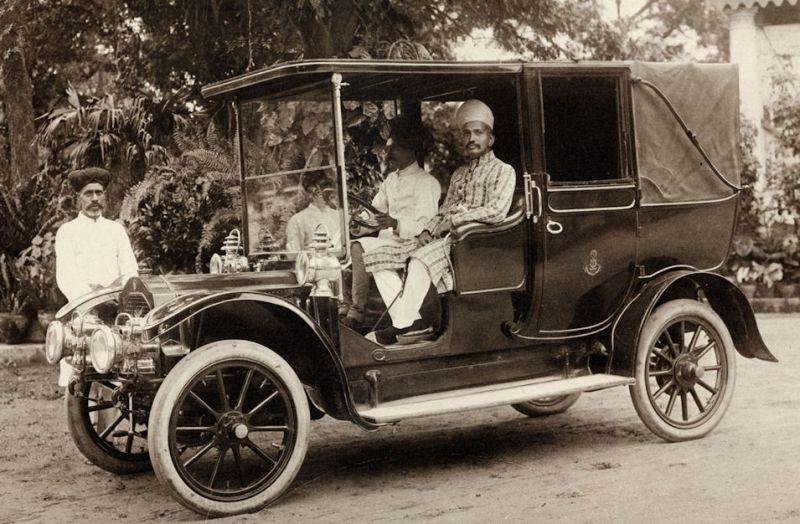
    India’s automobile story is a fascinating journey from imported motor cars used by royalty and wealthy families to millions of cars, buses, trucks and electric vehicles on Indian roads today.

    The story began more than a century ago.

    Early cars were expensive, rare and difficult to maintain. There were very few roads suitable for automobiles, and most people still depended on horses, bullock carts, bicycles and trains.

    Today, India is one of the world’s major automobile manufacturing countries.


    ๐Ÿš— 1. BEFORE CARS โ€” HOW DID INDIA TRAVEL?

    https://images.openai.com/static-rsc-4/Sg7kwaco4xLX--EI4tMWkodB5UmQRzQncwuqpcFnnuRoP_0pHdcvLVriIlp0g0Gb1PTZXp-9sFMxeBPSh7Y1_p-eUg-sFPiVEuIGWoDpOQzIW-OBXMtM8I8pqj0AZV4ZHS6u6lkDWY6mhIYycIMzeR19q1seL7Hu4G1zA9yTNM8I8mbXNTuy9oI-zCuAIHCU?purpose=fullsize
    https://images.openai.com/static-rsc-4/WpCfywGpPhIFzjIk6WReQ_HASdilHDdqr_MFgOXzQwQo1tAH3xYyRpd4GKxYkBuuyKV2lgCOtqCS3BwEZZkRlj5Z6cE7vN-8bETFYv7BGorPFY_uPKSPmJmrcGrbxEdyjepHECieXwwC1E171WEMiU7FRolNOra4PYucFB594tlozBL6Rxs5_jajzTDyYG6M?purpose=fullsize
    https://images.openai.com/static-rsc-4/gxIu-bF82KtmY2sBvIaQq1BfELp2jbrtJ8opZxcfHnq0JwYNbYOP2LMkgAOfqqOy_hmJ20PYCjwgIkddwr9yGQmZnGWGTxPw-fDVBlBVrxXQCLUN8FzI5iqh40bKTOLw4PlgfekR-PdD_zRO2TulPSNMwy2yRRpX_FjuZ_N4hyZISs7gaLL2eEJff9Bwl7Q1?purpose=fullsize

    Before automobiles became common, Indians travelled using:

    • ๐ŸŽ Horse-drawn carriages
    • ๐Ÿ‚ Bullock carts
    • ๐Ÿ˜ Animal transport
    • ๐Ÿš‚ Trains
    • ๐Ÿ›ถ Boats
    • ๐Ÿšถ Walking
    • ๐Ÿšฒ Bicycles

    For long-distance travel, the railway was particularly important.

    The arrival of the automobile introduced an entirely new possibility:

    Personal motorised transportation.


    ๐Ÿš˜ 2. WHEN DID THE FIRST CARS COME TO INDIA?

    https://images.openai.com/static-rsc-4/SMCwsIw5I6xxsVBgiQpIND9-6qhgj_PHaJmShF_djTkMw43GbdlvrsbVIzM06mb8nDd7i61mNxjT7QHvdenT6GNGVErU2aoh_Jf8uyoBdV5IFaPwNxsv_tbdY6EbngrEf88Cfpk8LcnYE5Gjixwt8hma9rXrY68NlCcab4eS02fKVQ9nuapMyKTPb1impjUU?purpose=fullsize
    https://images.openai.com/static-rsc-4/74pzJ10hrWnocfTuZm34LI23SHpSxCROOX8WH1nUZc-EeHBVIDQUv6UMqnpqYfTOR08K6Yod5mw_GYCGlEfh1VS1RtPbcRqUN1TDbiy8_A3lkuD6BWSavVpvTOfzBVJhWR2hrM5Y-MegRV45DBUj4W65fsixPM6hiJwFh2xi0wzAJNnVzLuW1XiMzojHO9ZJ?purpose=fullsize
    https://images.openai.com/static-rsc-4/d3ir61aZZbHt-H7aiJk-P-feyeUfrvAclcG1hzvPG3gREPZQr5eC7T5ZjgIlbS1WiKGf_RcR_Zl9Dpen9hR-eO_8SeV0n0rI8szM_zAagP5HAUJV8u7UVVBPYOPHVt471bV_oEtiwa9Vzuxss84JiW03EzGM1gswzIYuGbwX_jYhdGbNGzmtSRJs_QafAy6f?purpose=fullsize

    Historical accounts generally place the arrival of India’s first motor cars in the late 19th century.

    One frequently cited milestone is 1897, when the first motor car is said to have been imported to India.

    However, early automobile history is not perfectly documented, and different historical sources attribute the first cars to different individuals and locations.

    So it is safer to describe the late 1890s as the beginning of India’s automobile era rather than claiming one completely undisputed “first car.”


    ๐Ÿš— 3. CARS WERE INITIALLY A LUXURY

    Early automobiles were extremely expensive.

    They were mostly available to:

    • ๐Ÿ‘‘ Maharajas
    • ๐Ÿ‘” Wealthy businessmen
    • ๐Ÿ›๏ธ Colonial officials
    • โš“ Industrialists
    • ๐Ÿ’ฐ Rich landowners

    For ordinary Indians, owning a car was unimaginable.

    A car wasn’t simply a vehicle.

    It was a symbol of wealth and status.


    ๐Ÿ‘‘ 4. MAHARAJAS AND THEIR FASCINATION WITH CARS

    https://images.openai.com/static-rsc-4/UUpSC6m0aonocIj_yGfUShgwvsvTgL5PwxM0TXyqM-R44uMLLZawXBaEnfbOxhQZedlkyhmfbpN_hhy4HrBAcejTu1nKwVh7H6mB3msNTQdVQiYNTV-jz8n3ZE-v6Y3udDfJIBsfqht59YRry2JlGnHwglV9pVuAJbR7JUa2tLGnSzIMHjS1hC7sD1whGLgE?purpose=fullsize
    https://images.openai.com/static-rsc-4/78r0wQweAF_yjCsBwZOI_MBBs192gmOpe5H1OU28wrFRCbEM0PprC0f0_RLJAvHcC5ZkO1bBnsIQvH151AEaX_ApLsWNgq9jeBnNv4i77GiV_0O3A0TNdXyYW26nedl6kgcY_ZC3n2rEy2jUGCxBm69mv0LP2IBuy2UYdB2NSQsNedEiKsgqZhs0LAw_Hg7u?purpose=fullsize
    https://images.openai.com/static-rsc-4/54dKpsnHzLXKXDa9pXdNT3Hf5U8fXE0WhYPrHskNWkVkzna2MJuVNTXRznq67Rcey9ntbJ_su1m973a84L8Ci27eYPAobtR_1Ah-YQXHozVAYTyr95P-1fq0l5l3atGlhXdCBvO5N8lHVWw5WqbZXQXV-iA_X7cR_cB_k37dpQaDFPGH-hYjGWn8Uk7Y8E0I?purpose=fullsize

    Indian royalty became famous for collecting expensive automobiles.

    Some princely rulers ordered specially customised cars from European manufacturers.

    Their cars could feature:

    • Custom interiors
    • Special paint
    • Luxury upholstery
    • Personal emblems
    • Custom bodywork
    • Special luggage arrangements

    Some royal garages eventually contained dozens of automobiles.

    These vehicles were among the most luxurious cars operating in India.


    ๐Ÿญ 5. INDIA MOVES TOWARD AUTOMOBILE MANUFACTURING

    Importing complete cars was expensive.

    As demand grew, India gradually began developing automobile assembly and manufacturing capabilities.

    The industry developed around major industrial centres including:

    • Mumbai
    • Chennai
    • Kolkata
    • Pune
    • Delhi
    • Bengaluru
    • Hyderabad

    Over time, India moved from importing vehicles toward assembling and manufacturing them domestically.


    ๐Ÿญ 6. GENERAL MOTORS AND FORD ENTER INDIA

    https://images.openai.com/static-rsc-4/3VLTe9yYYTsOvQcGMvWhGCbaUia3ffpmZ7li-kymcsx7Oa_UgOcRHXMO5srxIi-XDag6J_IMGZamc4PoykFNWQ9YOTlic2GeWazf7XkPOYrqC_iIo0qZhJTLj6yG-HLkd41lf60I6mgsvm3mFqT6QddZnlLc0vs9hOJ6woPhpyaVL_MpdFhaF6ghuYWwCHtQ?purpose=fullsize
    https://images.openai.com/static-rsc-4/axz60RJASkxvzfeB4f8hdyoJ5wJN97MHEJLy3hmnNumBW493EM9rJV76eTSPVR83nKXoPvy2vHcn3aP_uU_vxOkNDZgpJ_vj561bxeZfouwejxA3NjSKEy-8PErQA9HQBx3Q9QeTXa0b4zwQkYamEDseiYRSv0pw5JULnR-hFXrd6bXhf14KbSve8oQhXCWK?purpose=fullsize
    https://images.openai.com/static-rsc-4/1OFrX5Dwww5X93UkmOgidA6gIx7SgktTipdh-d6tIjmpovhwo3eWJZyS8mZVyh7bJy2_VeTKAZwpyCj8iBgu6qc54FX-NVtrAQZrqrvVq_wAqliRdujVcSmq66uPw48HM4YHEHPGbKSyEv2rF5uVQJK4S4RsdXjbKfPSe9FP-JssyVgZJg5IJcDuFPehxdUJ?purpose=fullsize

    International automobile companies began establishing assembly operations in India during the early 20th century.

    General Motors established an assembly operation in India in the 1920s.

    Ford also established automobile manufacturing/assembly operations in India during the same broad period.

    This marked an important transition:

    India was no longer simply a market for imported cars.

    It was beginning to become an automobile production centre.


    ๐Ÿ‡ฎ๐Ÿ‡ณ 7. AUTOMOBILES AFTER INDEPENDENCE

    After 1947, India wanted to develop its own industrial base.

    The automobile industry became part of this broader industrialisation effort.

    The government encouraged domestic manufacturing and gradually introduced policies affecting:

    • Vehicle production
    • Imports
    • Foreign investment
    • Industrial licensing
    • Local manufacturing
    • Component production

    The result was an industry that became increasingly domestic.


    ๐Ÿš™ 8. HINDUSTAN MOTORS โ€” AMBASSADOR

    https://images.openai.com/static-rsc-4/Iwa7fo9vf_9ZKpMS6S1ukhNeKdrqXKc2KVHyqeKh1u7ZMOGmHuOgnqgqW1utlTGGLZmHaisQYbVSc41fKMUxHnIRzkQQ7Xn-EVJ3_5I140pzkC8nexP58Zn-OyjIwK8NdCyfCNzL_VZ99SM-RTxB7pP_p57XMii0F9sPOr1wEX-nSSR9Sdu7yWO5zuHHJwko?purpose=fullsize
    https://images.openai.com/static-rsc-4/Iwa7fo9vf_9ZKpMS6S1ukhNeKdrqXKc2KVHyqeKh1u7ZMOGmHuOgnqgqW1utlTGGLZmHaisQYbVSc41fKMUxHnIRzkQQ7Xn-EVJ3_5I140pzkC8nexP58Zn-OyjIwK8NdCyfCNzL_VZ99SM-RTxB7pP_p57XMii0F9sPOr1wEX-nSSR9Sdu7yWO5zuHHJwko?purpose=fullsize
    https://images.openai.com/static-rsc-4/erCbYJOeG5ZUGL28ngMi-s37YFllVKoNtxcyuQt2Sxw3QrkUYvPH2Ia-zc88pl0JtVCLsdkkvvOmEMAn_favdTimSbsrLMjuegoLkNJBA3GiNoFjxyKaCYDd0fYqGXj7uFxduzSsu915OYDhdAXNQeWLYdVfvEwH-0yAilnxr0ppSPR3AUQfiG0w9PAYP8lE?purpose=fullsize

    Few cars are as closely associated with post-independence India as the:

    Hindustan Ambassador

    The Ambassador was based on the Morris Oxford design.

    Production began in India in 1958.

    For decades, the Ambassador became a familiar sight on Indian roads.

    It was widely used by:

    • Government officials
    • Politicians
    • Businesses
    • Families
    • Taxi operators

    For many years, seeing an Ambassador meant seeing an important part of Indian public life.


    ๐Ÿš— 9. PREMIER PADMINI

    https://images.openai.com/static-rsc-4/VSIDME0SlZTlRC6lR6fPdzFRrRRzwHF3FApjfMsbCqZa2qQh9fXTgY7yEngaD9Yl8ZqOw3b1F9Yq0QQqQFdacbX1ZZm4z9la4QY9nSgYpOfFFoxis_oHADdm0eucYfN45eGcNb8Ze5Of8cgjr8MJROk_NWes76kZgwBGS5UR0qa45codr9g-Ouk3KZzjMv7W?purpose=fullsize
    https://images.openai.com/static-rsc-4/fKmSezk9hW-RwQYfG_22Mu3uxQ80GQ-dFXCkXzy51MxVANmLjMRdMw3J1QGAsZ7g5muGIDzYTkihXo1ng_FsyAJgnLIXVf6Dsm1R5IDj43tBPpBLRa7vr4UO1qRUuAeM_zNxFEn5-a5MJlz9OffH7x2EJs9FKEDQLtcskB4cYfWlF2EEYKMzfv2owUJGvtVV?purpose=fullsize
    https://images.openai.com/static-rsc-4/kMgntouBwQvR4DbxbqmjgRm7CxDhmZsh57HD6odEty6bIqwGhkPuOnxPUhFI9QL2L-q8icQlpsJxFor-bzSvNDfDyQeHuw_L0QD3CYM8hOFyofHJ7xvwTl5ltoJkAR-rjnRBJeQOvm0U2wAG4cA8ZW5X0E2MxPxfe0spoBSUTZO7YfK2RuvoH3oEJuxDNFua?purpose=fullsize

    Another iconic Indian car was the:

    Premier Padmini

    Based on the Fiat 1100, it became particularly associated with Mumbai.

    For decades, the Premier Padmini was a familiar taxi and family car.

    The famous black-and-yellow Mumbai taxi became one of the city’s visual symbols.


    ๐Ÿญ 10. INDIA’S AUTOMOBILE INDUSTRY REMAINS SMALL FOR DECADES

    For several decades, the Indian car market was highly restricted.

    Consumers had relatively few choices.

    Cars were often expensive relative to incomes.

    Waiting periods could be long.

    There were only a limited number of major passenger-car models.

    This period is sometimes described as the era of the “Hindustan Ambassador and Premier Padmini” because these models dominated the imagination of Indian car ownership.


    ๐Ÿš— 11. THE BIGGEST CHANGE โ€” MARUTI SUZUKI

    https://images.openai.com/static-rsc-4/MlPU_799UZ253hurYnzNkvHmxe2IY0fJH5bCi8WtGKo2Z81j0ZyfPtK-I5RR9jFjz-96iuM7ykA6i0i73KgfzszkeuzCt_KHry9Tp8i7ZBQwBONCO1seY7EzBaEwP452GBlKvZDjWF3P_23yrvGEKfoxcMUejo3VivbHpoZeknDHq_XjiorDQ5kKEMVzmSyp?purpose=fullsize
    https://images.openai.com/static-rsc-4/Re0gGBJZ85UltQjx8urprLSF4HBHIONCwHs49VSA3Pu2Cd5l-ImxIVzExiHouTOvTtlDNATsyi4PCyaGY_3pNI-3BfuRwboKCnuwMuvfnw8zN6Q3Ro9FfBO1smQ4PEW6I9Ik-CG_YNCv1WsMqe9rUArWj6s8w-kypJ8YEjgXzuU4ASlX0LONcg2A9q2B4qDc?purpose=fullsize
    https://images.openai.com/static-rsc-4/9p6XIyn22vBXpm9bXas_A7IGXHcQ-yZQbnihPXnNXQ2HyG8A5xMjTNKZCXIklpKk_jVb7LWacsOdREvEaKGbNoRjStmbud70whH0FftF0KGiIzq2BIwZev1SSHLyDPD-7nJExrvPDlgI6sJv8Hq-bPv8JZGBFSe56doaZ1K9X7iFPd47g7G61mBhlKCAhbii?purpose=fullsize

    Then came one of the most important events in India’s automobile history.

    ๐Ÿ“… 1983

    Maruti Udyog began producing the Maruti 800, based on the Suzuki Alto/Fronte family of small cars.

    The Maruti 800 transformed the Indian car market.

    It was:

    • Small
    • Relatively affordable
    • Fuel-efficient
    • Easy to drive
    • Suitable for Indian roads
    • Relatively easy to maintain

    For thousands of Indian families, the Maruti 800 became their first car.


    โค๏ธ 12. WHY MARUTI 800 BECAME SO POPULAR

    The Maruti 800 arrived at exactly the right time.

    India’s middle class was growing.

    Families wanted:

    ๐Ÿ  A home

    ๐Ÿš— A car

    ๐Ÿ“š Better education

    ๐Ÿ’ผ Better employment opportunities

    The small Maruti became a symbol of India’s emerging middle-class aspirations.

    For an entire generation:

    “Our first car” often meant a Maruti 800.


    ๐Ÿญ 13. THE 1991 ECONOMIC REFORMS

    https://images.openai.com/static-rsc-4/uMpfU_o60h7VAVgt6EsdB_rj0dsuE9Ytjx8M9qqPzNB2m6sAb04YwTj936-XMpLNptyMNR5QYeDNT_kfq1F7444SqmTpkhpg7O9fAGIUPG_IcKxDbKVC4g5_iPubOZ9M_B_J9M6Z-5dIoc5oqAK-I3mxm63qmdTVcl2BOqNOrRxcQ2OCjME_X2Zmnc3XXQlr?purpose=fullsize
    https://images.openai.com/static-rsc-4/OWWuYcYRo61SgSmai7YF7ylTOIJbc0ST94taVbqi4MqKlI0XfgmjJRQv0xi-g9GgzGXfDceciTPYKd0K2fAa0ZJn1P5i8eTMw6Cc3H5tMKAr0yhahCL1kbOFSTtUVjgOOEEaHh9bIIaCKr7Usl6IQVR1-DvE-2iTFsA9HPQMp1jXA-LeD8frwHGRBSLUFG1C?purpose=fullsize
    https://images.openai.com/static-rsc-4/iWJ9bJmSEHkk4baAX5dPJXFuibN0U6JpTxl_F4y7FOw4CZwMGW3al8UrpeC0ffkT69JoOeKeqvqV0IZR-t7QD6_kfrrbcdgj4uOvWUfe-xAxS_aEBwtmLvbctvcTsaFJTApTj2j25FDw1Vb7FCEMtTO-fOcmUKo3b7hPrdmtO78YFoQ-GZy6qIbQJt6BP17u?purpose=fullsize

    India’s 1991 economic reforms fundamentally changed the automobile sector.

    Greater economic liberalisation made it easier for international companies to enter the Indian market.

    Competition increased.

    Indian consumers gradually gained access to many more brands and models.


    ๐Ÿš˜ 14. HYUNDAI ENTERS INDIA

    https://images.openai.com/static-rsc-4/DNrUnJauH_PknfIasgn8vvTrSgcbwB28jKCifBur0WbdCZiquoWsSj5z85TcSmW1sAugoqZfpok-XUHfEzGSRrQfGVeYb4ZJrWO53vtoP-abf9wHc3vc36rTKGRci3yV5ELdIDseyhLwZW6DZyV5yKYGI5J-R39o0WoM4YGjbKZoo-z5exLsFR4NvDCOqFbq?purpose=fullsize
    https://images.openai.com/static-rsc-4/qDl2ilIvS6XS8GmZGQmqconPR06b-dIhd0TeVtZNSQ1vdHEQsJPL7tczjzMautR3xMHeet3bqgsnVbPAWXrxXE58rEgEcsCNkgt6ftDpEcGR8M5UPT_2fZuQUCb2uXADjEqyGlZc5ie5tt_b_r0mZ_TInYaDVwQ5ZaPDt3Y7-p2ILX0RnCS-S5TNIniVm9lQ?purpose=fullsize
    https://images.openai.com/static-rsc-4/WNv26h68H7YC9mCs4CWKR2VXLn-_hIg2v9kw8EmMS-HkJ7eiHIIUut9c_IdqU0iNyQzeGagFmombLDuGb-vQMfqRRoWXBvEWje9EnFC_BEYFjc4jCzitd5lF-K-s9ykfBCZ-XHRlw6k7sYD0w5DdOsiivVSKAdzhKKroWqkGwlDymkxT2U96zFCaP676ocRF?purpose=fullsize

    In 1998, Hyundai launched the Santro in India.

    It quickly became popular.

    The Santro brought several features that many Indian buyers increasingly wanted:

    • Modern styling
    • Compact dimensions
    • Good interior space
    • Modern engine technology
    • Strong marketing

    It was an important sign that India’s car market was becoming more competitive.


    ๐Ÿ‡ฎ๐Ÿ‡ณ 15. TATA MOTORS BUILDS INDIAN CARS

    https://images.openai.com/static-rsc-4/B03AoeYoawDoH94odpicfF_hQtYT73bjxor7Frpz68sqFNSJeWWsN6cvh2q5JOp5qs8NNXHmML0_XSGNC1OuS3Vsk76A_pEOUUoLR_4HopK753N7DpG-WubsQgP-atLY_9uVgyYBriuvBD_HawxkyUUQHFcyUK4p1Sk97_Q_q1LIj1hoqPK1ACAraICkjeWL?purpose=fullsize
    https://images.openai.com/static-rsc-4/rOaDZIgjrTYMxsKasfG065b4s34Vc21GNzXHJkLMldDIfDc5KStkWxEo2Wxy4Vy2p5035J5mEM1ypmYNM54wn7V8U82tzTsTfPNc9kOJznM57WI_y27EHj0sWCCLRbOg3o-KE1D-v0xefS6__bsNwhd5y_uyVcMqwDOFdu-jcr62lHM_RpB5vC6RDWJ_CPjJ?purpose=fullsize
    https://images.openai.com/static-rsc-4/_DrL0C8bZyMcRSFkJZK4Ln-qndwF4azEbKjMHyiM7Vr9Kt348ylYeJp2mko1Kyf-0NwKXHm-YFvyOypDNIfksuWS3Dlm8XQKPCc2zF8L7H4UYyqeJJDhNAVWVSwxaJWu7L2-o_fdkli8wULUybb-uLLqRx3CD5mIaf7GSgIxY-QOH_KJMKWCoVTAzzY-PvO-?purpose=fullsize

    Tata Motors made an important move into passenger cars with the:

    Tata Indica

    Launched in 1998, it became one of India’s most important domestically developed passenger cars.

    It represented an important achievement:

    An Indian company developing a car specifically for the Indian market.

    The Indica was followed by many successful Tata vehicles over the years.


    ๐Ÿš™ 16. SUV CULTURE GROWS

    https://images.openai.com/static-rsc-4/hTV1NUyV78hT0pOmiCYG4iWEVuCN8eNfH1f8uqY1BRj98Y3M1vA24JPcbAbgmrtDgkxRPH4AVyuJorBBs1KP0Ucyn5kWXPWknLHBSYjeGWTJOt9N0lN1Rsxl5c3PRIaTDoBNxo-4PXgfV04GI6zBKiYd9vsByRselZ2fXz9nX7WW09rdWJpA7dcJXbB8QoAy?purpose=fullsize
    https://images.openai.com/static-rsc-4/XC25krWPjaIIHHml3h7rwExhwf1vUqmPFHLe4i0zsIfL45bebrXGuE80LJfRB2VJ3aFeS6pbbhgvU6-Ae-65vs87QHlMnwJUBA18HEZrkQvmyg4HAzCjdGLvlgUKJbZBkfGO9xLxUhQJ__ZmbM1UVCVY0HfNPVI74EhI16hhP5qjCrx-R2h7UuuOORLa8GqZ?purpose=fullsize
    https://images.openai.com/static-rsc-4/p_vOCueAR_FjWZAV4fed6m1dfZjtFEbYaZMVH5Z_673I1bk1JCdimNEd3jNluFUTl7rTSb8pghMhO1JN6yNBNCNwMR5ItmpIJs6ZpbsO3LwsLo_ykzP44MJ1TCNlo3ir9NRlmuhpMjKP8yEb5YltGdr7x8oxkW9W6iD9J3xroELOVPCXj_0CYL17hWle-HYV?purpose=fullsize

    Indian consumers gradually became more interested in:

    • SUVs
    • Larger family vehicles
    • Higher ground clearance
    • Road-trip vehicles
    • Off-road capability

    The Mahindra Scorpio, launched in 2002, became one of India’s most recognisable SUVs.

    The SUV market later exploded.


    ๐Ÿš• 17. CARS CHANGE INDIA’S TAXI INDUSTRY

    Cars didn’t just change private transportation.

    They transformed taxi services.

    Traditional taxis gradually evolved into:

    • Radio taxis
    • App-based taxis
    • Airport taxis
    • Outstation cabs
    • Corporate transportation

    Companies such as Uber and Ola helped introduce app-based booking and digital payments into everyday taxi travel.


    ๐Ÿ“ฑ 18. THE APP-BASED TAXI REVOLUTION

    https://images.openai.com/static-rsc-4/nP8uPGhBU4A39V11l3TooEE9phk20eZpFZFtL0pzjI7YYngFrnm-Jd7UURJOz8Gsn-bkjMVXRRwzYevaF-dTeysSxnc4kf5FkwvZ6CclcdGe3IIhtiaPT-R4SV2fixZyZ0ta_L9_u-BMmAcknqQvPm3jAVKpzkTTalnxDXDrg6PUM1-32v1HTTvhgeLQPNt2?purpose=fullsize
    https://images.openai.com/static-rsc-4/Hdctdx3t4m-y50kv1YAFknHH0X1vzOs4nbb5ZhsKwq6GdNOLCI0X_gJ8lF-AjoyXBNSAlXLy4ayqz26zaNKsnAOV3Kenogy17x1IOmrEdkw-D3tbThgg-BWBZZTAYM5Cb36ODzcvhQsb2gfunqxXhoKNo5h3iAtv84azb6rLwQZt0pqvLXIPYZjQ1jov5Bxn?purpose=fullsize
    https://images.openai.com/static-rsc-4/BhyxPX791TXoFyC0fdE26wL08Vo-cMoDrd7lBDaO3QsZJYQR1Nn8IFKX9Pqj2bMEtRq8H7cHdNVWSdzLQZMdnztbqT6auCqV5lx8Fl_3dAlVBC9n-lbZAew-6sAErzskDnz0o0TU992hVfb72Peud4psI28EpUUFrm-bMuxlc6eoAj44My2Xjm8T6FBGKJll?purpose=fullsize

    Previously, finding a taxi often meant:

    ๐Ÿš• Standing on the road
    ๐Ÿ“ž Calling a taxi operator
    ๐Ÿšถ Walking to a taxi stand

    Now passengers can:

    ๐Ÿ“ฑ Open an app
    ๐Ÿ“ Select a destination
    ๐Ÿ’ฐ See an estimated fare
    ๐Ÿš— Track the vehicle
    ๐Ÿ’ณ Pay digitally

    This changed urban mobility.


    ๐Ÿ›ฃ๏ธ 19. BETTER ROADS CHANGE CAR TRAVEL

    The automobile industry cannot grow without roads.

    India’s road network has expanded significantly over the decades.

    Major highways, expressways and bridges have improved connections between cities.

    Modern expressways have also changed the idea of road travel.

    Long-distance road trips have become increasingly popular.


    ๐Ÿš— 20. SAFETY TECHNOLOGY IMPROVES

    https://images.openai.com/static-rsc-4/XEBI7_cQWrGs8OwPSm_UySfIrmz1nJKoBmMYEwXJZ3qhE8j1reX4Mgo58iGn2TIrnEvohjQ7Hwgnm76MA4gM89kzOablJ3a_tmukoRn4-9fL5KU535qiWmMaWM6l8KaavSJfrkxhkdITczHn6mF8zyf97ZH6qViiC1Ywlr3GCql2Vry_kaGwUguKZ9ccz4cp?purpose=fullsize
    https://images.openai.com/static-rsc-4/dRGrw2J_EjDF-VVF5zmizx5rafso0Z7vzyJkBkIJMI4FR7ZxTLkltnDWa9dn5cHh4Vf4Cj5z-9vO87-BO6WZwOD-xNKTawruldiQ9uk3JNQJkrdl7KZ4OH-YqGv5rEhg88-TamoqtPYyv1v-MZWAZI7S9Epc2C2Et8zVDAdbzNkW_MgJGS00-36X-65fWS54?purpose=fullsize
    https://images.openai.com/static-rsc-4/FkUu-hfVUKYGn4Z0BB6DKa7jcaA7CfIBpnWYwaggg1OFNKIlpc62XsQ9gm7h27k80OET3P89JnvVHfI87B3CZN5Y7P63dzzc9XWcMHCSsI00Axc3D6FwlcC9VWgXFsawM27yraULcq6HV2_SmExcaUqQnhRnQ3SJrOhAJfdkDh6y4keRxsWBYCtn6JnXo4-q?purpose=fullsize

    Early Indian cars had relatively basic safety technology.

    Modern vehicles increasingly offer:

    • Airbags
    • ABS
    • Electronic stability systems
    • Parking sensors
    • Rear cameras
    • Advanced braking systems
    • Seat-belt reminders
    • Crash protection structures
    • Driver-assistance technologies

    Vehicle safety has become a major factor in consumer decision-making.


    โ›ฝ 21. THE FUEL STORY

    For decades, petrol and diesel dominated Indian road transportation.

    But rising concerns about:

    • Fuel costs
    • Pollution
    • Energy security
    • Climate change

    have encouraged India to explore alternative powertrains.

    These include:

    โšก Electric vehicles

    ๐Ÿ”‹ Battery-electric cars

    ๐ŸŒฑ Biofuels

    ๐Ÿ’จ CNG

    ๐Ÿ”ฌ Hydrogen technologies


    โšก 22. INDIA ENTERS THE ELECTRIC VEHICLE ERA

    https://images.openai.com/static-rsc-4/Hn7NmKcPhT2v833YRepsIKhBzOwy0-3m2kxSK0cuQYkbYdOwXcQevoJkEw1bAY-vzbU5sqfrCYbZwDAY8YR0V0PF05diqkzhQqgEhpwKgZeyN0F9P8iVrT1ndv_XEw7-j57zH-sBrtFpbV9VWs4HkmEtlHjimNYAxn-DOF3ehIHzMAqhJVQy7Sg3bd2aNDrX?purpose=fullsize
    https://images.openai.com/static-rsc-4/4wJbjr3NSiN0GJoD69DECKxhcw7zsR7N_TW0PF8Flcpr8PVjPB0rfBtWfaCEKIQfRvgoGiOr7guMU5Fa5rKSPpi0zFMsj4EF7Ot-sDDA5uVSv2GFxvavjDRcy1Hk0VLoiE9C-CN4Gaqu4fqN-7PjKzyS8kWbKrCFY5XBDXBK15TKN9OC0EJgpigAvEZrhHuf?purpose=fullsize
    https://images.openai.com/static-rsc-4/hiyyvfWQY9kI70U-xL8AgTBtl3d2mcR44IyJj27R8GGcUnNoboSmlj0bGHgjUdf3c3JDF0dENGGQCYgeXrXNG1Dg2wEedMQjpvXs7rQC9mnOkX9rOmon6nTfmqnTTNkAAbS1u7utGATRjVnMnvRSOH3l0DvwrNuiTGcTLnrRC9uzHPWbkWOQ9QGwqBmbRT8v?purpose=fullsize

    Electric vehicles are one of the biggest changes in India’s automobile industry.

    Indian companies have introduced electric:

    • Cars
    • Scooters
    • Motorcycles
    • Buses
    • Three-wheelers

    The EV transition is being supported by government policies, increasing consumer interest and expanding charging infrastructure.


    ๐Ÿ”‹ 23. WHY ELECTRIC VEHICLES ARE IMPORTANT

    Electric vehicles can provide several advantages.

    โšก Electric motor

    Efficient propulsion with fewer moving parts.

    ๐ŸŒฑ No tailpipe emissions

    Battery-electric vehicles do not produce exhaust emissions while driving.

    ๐Ÿ”‡ Quiet operation

    Electric motors are considerably quieter than conventional engines.

    ๐Ÿ’ฐ Potentially lower running costs

    Electricity and maintenance costs can be lower in some use cases.

    However, EVs also face challenges:

    • Charging infrastructure
    • Upfront purchase price
    • Battery replacement costs
    • Range requirements
    • Electricity-source emissions
    • Recycling and battery materials

    ๐Ÿ›ต 24. TWO-WHEELERS โ€” THE REAL KING OF INDIAN ROADS

    https://images.openai.com/static-rsc-4/QKp1pjH7pOrPREF0NPkfCwr0DyMQ35LaiF_8LTu9f7S0RcB3PWSLLA6fAbD9wPosM-InJh4n-DfkjDkPBK81G3pqPPKfxasJnhZPEkET6ffDyNXMc3xv79pswwbJKJK3WXOkLTiGlrZcKcJfQfsVcf4udebcRDbQqW8ITAfaPDLVnmzXGy98WrlHsoXDx7_e?purpose=fullsize
    https://images.openai.com/static-rsc-4/r0qFfvddKopBv0olpt9hL3Lf918eLC3SFXU84MnHOE9pQ1HF6Z0A1iFTUyM-UWSqjhTJUqBUrovfJy8_9CX02JO0EyEwNhnOTE3kvA-Ah1NYNl7A35_fQ7uWCK2FOypxbj5KOgJxHYcAGYlZ4v3CkBcNkDXNuDmmtjRC8jfrE35cej7oswOiXUGYdE0EidlY?purpose=fullsize
    https://images.openai.com/static-rsc-4/_jrtCgIfrLlIX8fQbDWpJGrLgivpGiN_qNxJjVgiQjDlX3iPXVFjm56wfLXwJ9qBRue_UWfgPeZ2y1obfQ_fKi1qVIIJaFb2Hy5OC0b4TBte76-Qhr_XMj_jYHzV_WN7bU7gtk1-DG4Av75--9IdAjhGyuP2cIqdjHgZPBGB38q6NU9dR5wGDqzyIDkh11KW?purpose=fullsize

    Cars are important, but India’s automobile story cannot be complete without motorcycles and scooters.

    Two-wheelers became extremely popular because they are:

    • Affordable
    • Fuel-efficient
    • Easy to park
    • Suitable for crowded roads
    • Practical for short-distance travel

    Brands such as Hero, Honda, Bajaj, TVS and Royal Enfield became household names.

    Electric scooters are now adding a new chapter.


    ๐Ÿ๏ธ 25. ROYAL ENFIELD โ€” AN ICONIC INDIAN MOTORCYCLE

    https://images.openai.com/static-rsc-4/Qa5Rb2K4xRBr_MbCDymTVLpVsvtYmgqamyUDzWjC9bPqqDrxkCRHOPhHyd_msc0muA-DvFqnMeEkiOjlfRDjKicFVJZB8vR339q8pBR9o1AB5rfRmdGsYFrVag7u1vfchLZ3IwseK5n5DfieU8mdW3NIJYv_T2Sbtm-a1_OX3PV158aHM1HALQ5tkq4E-1qo?purpose=fullsize
    https://images.openai.com/static-rsc-4/BY6BaDHIhxkxGFL8FSlh22HJgX9Y0udfnAg0Dcb-cdwwMeLDK2D1IKHg244hhDr6oHPZcWO2gTW8fDAdjjRniNbtmE-9ZY9yKmDJ_lSyuA5GvGzg8oMsmWeTt9xtaH_nuwmu0BmCJaQzt5GqzmEVoL14WrJoNgo8t2uk78r__AM5orJQDFbeXg1oXeq5Kz4h?purpose=fullsize
    https://images.openai.com/static-rsc-4/5laPJTwchQrXDzQ4oZIoP6KhVbY2MOUdWT_zp6uq4lGrJM4Bu10-MVbrTI2e8x9HcsoX6pRdqlfQjSAxRZsC9TeRPtk9xBISgn8asixPIAAV5sMqM6CeJt82N5n8lg_Q3FUs0y8DwszZmCJKlzlBscneInto-ze55K9uijZv_hVjduZEPXoZhNXxcZhRkvb4?purpose=fullsize

    Few motorcycles have the cultural identity of the Royal Enfield Bullet.

    The motorcycle became associated with:

    • Long-distance touring
    • Military history
    • Adventure
    • Motorcycling culture
    • Indian roads

    Royal Enfield eventually developed a strong global presence as well.


    ๐Ÿ›ป 26. TRUCKS โ€” THE BACKBONE OF GOODS TRANSPORT

    https://images.openai.com/static-rsc-4/4dr8A-pNcFila2sBecjQ4vazlAErrTUthLJVkTPJSDSv-vuaIQMtlYwqtyyXNqJwmHJX-pUvYV_MCebEOHiR2pNGqORYW4zbr-VphKyB_z6-U3GItbdph7zciQm5_dGK0X_8xV3C0fztaseqIazDr_4k_T2xnm47Mj4DDayaQHAGdSSQ9khxVzCnujnUpQ7i?purpose=fullsize
    https://images.openai.com/static-rsc-4/jCqih3GuRd_eFbcD-zsffh9mNN1eCdsb5Y5SxfTHlVx2KRuMMKbQoHJDNvff4sy2E2R2TjjfhJ9Ad6V4Hy4BNG9-fA-cecgNiAYhKQ13sX1i0k9zQKPTlkXv2JBVm6RLGpFQG9es1CR63FwkXRPZsife3Xysu4ClKWo4G8LxKS86WTk4mHQp2EBLz_UE0s-f?purpose=fullsize
    https://images.openai.com/static-rsc-4/xq27FOnm4mV1QsfQuIYCNkOphfcE07ZeQtqr_mU5uaoY1IXNdoG9ZBhCWI3yoOmAv6yUok2D_xfwvoMLUDG3refvhxuQdf5BxjpwW5PU-tXkDamnaGbsSEVE8Y7PViuTqpWjGPyI-Nhv5adBFD3GMR08FNFeU3FM26Tsdv3XI9xLn_DEsqVTqIeK454JPYYu?purpose=fullsize

    Passenger cars get attention.

    But trucks are arguably even more important to India’s economy.

    Trucks transport:

    • Food
    • Cement
    • Steel
    • Machinery
    • Consumer products
    • Agricultural goods
    • Fuel
    • Construction materials

    Without trucks, India’s supply chains would slow dramatically.

    Companies such as Tata Motors and Ashok Leyland have played major roles in India’s commercial-vehicle industry.


    ๐ŸšŒ 27. BUSES AND COMMERCIAL VEHICLES

    India’s automobile industry also produces enormous numbers of commercial vehicles.

    These include:

    • City buses
    • Intercity buses
    • School buses
    • Trucks
    • Mini-trucks
    • Vans
    • Three-wheelers
    • Ambulances

    Commercial vehicles are essential to India’s public transportation and logistics systems.


    ๐Ÿญ 28. INDIA BECOMES A GLOBAL AUTOMOBILE MANUFACTURING HUB

    https://images.openai.com/static-rsc-4/hSyPdjc83KdtYW9IS_eNlkRu1qo_nEMxDAXOEFZ-YKVNZL-G8oZungGJbiVXDuya2bIXQaH9nfl1KSFmEx0ZeG8EWAwlmBBXJtuVWqL433wSfR6i3KDEm1kgyRuenPeIVnfPZ5YGUT9_sNjEVnHEmVn8LFkQOo_2WmmVF3F2jIxC87ADrw8T4X3BySPLtCjJ?purpose=fullsize
    https://images.openai.com/static-rsc-4/S8txug512_0fo3lGld-R857tEKO5vx3CNfRqMyMdBE3wLA9W-ksEkwk7YnFtT8mCxVQwdVoBz46LfV6kv4AMmikLaTseJ8GewAw6VLr4c1wHavvos8PkDQTPlrZgkkSLqxza-EB9P0--WOWbo4a5A12-GNfaeW9WHmdSSWY2ns1vJJOeiuLbpUWUvb_ZDxl2?purpose=fullsize
    https://images.openai.com/static-rsc-4/-oL-EWtxE1-3y8x8FTirZAh7pqDfd2_c-5ZM2bNkThmCYHrq6SPyE8rNjOa37mfWPcd4nA1cQdx4kQUz80vwEinEYIOCV5KTJlVa0Yx5dC62cLang92tGl-b2nA3CpAz24lQIyiv94beguE2oz5RuUQJ73d5WoF3pZwkzj7Iw49BgW5dVtKEsa63Ti_QeEcB?purpose=fullsize

    India is no longer merely a domestic automobile market.

    It has become a major manufacturing base.

    International companies manufacture vehicles and components in India for:

    ๐Ÿ‡ฎ๐Ÿ‡ณ India
    ๐ŸŒ Asia
    ๐ŸŒ Africa
    ๐ŸŒŽ Other global markets

    India’s large workforce, engineering capabilities and growing domestic market make it attractive for automobile manufacturing.


    ๐Ÿ”ง 29. INDIA’S AUTO-COMPONENT INDUSTRY

    A modern car contains thousands of components.

    Indian companies manufacture:

    • Engines
    • Transmissions
    • Tyres
    • Batteries
    • Seats
    • Electrical systems
    • Braking components
    • Steering systems
    • Electronics
    • Body parts

    India’s auto-component industry has therefore become a major industrial sector in its own right.


    ๐Ÿš— 30. FROM AMBASSADOR TO MODERN CARS

    EraPopular Characteristics
    1900sโ€“1930sImported luxury cars
    1940sโ€“1960sLimited domestic production
    1960sโ€“1970sAmbassador and Premier dominate
    1980sMaruti 800 changes the market
    1990sLiberalisation and new brands
    2000sSUVs and modern cars expand
    2010sConnected features and growing SUV demand
    2020sEVs, hybrids, ADAS and connected cars

    ๐Ÿ“Š 31. INDIA’S AUTOMOBILE JOURNEY โ€” IMPORTANT MILESTONES

    YearMajor Development
    Late 1890sMotor cars begin appearing in India
    1920sFord and General Motors develop assembly operations
    1947India becomes independent
    1958Hindustan Ambassador production begins
    1960sโ€“70sPassenger-car market remains highly restricted
    1981Maruti Udyog established
    1983Maruti 800 production begins
    1991Economic liberalisation transforms automobile sector
    1998Hyundai Santro and Tata Indica launch
    2000sRapid growth of SUVs and passenger vehicles
    2010sConnected technology and new vehicle segments grow
    2020sElectric vehicles rapidly expand
    FutureEVs, connected cars, autonomous technologies and alternative fuels

    ๐Ÿš˜ 32. THEN VS NOW

    FeatureEarly CarsModern Cars
    EngineBasic mechanicalAdvanced electronically controlled
    SafetyMinimalAirbags, ABS, stability systems
    NavigationPaper mapsGPS/navigation
    EntertainmentRadioTouchscreen & connected systems
    FuelPetrol/dieselPetrol, diesel, CNG, hybrid, electric
    ParkingDriver judgementSensors/cameras/assistance
    CommunicationNoneSmartphone connectivity
    ManufacturingLimited assemblyAdvanced automated factories
    DesignBasicAerodynamic & computer-designed
    PowertrainInternal combustionMultiple powertrain choices

    ๐Ÿค” 33. INTERESTING FACTS ABOUT INDIA’S CAR HISTORY

    ๐Ÿš— FACT 1

    India’s automobile story began with imported cars long before a mass domestic car industry existed.

    ๐Ÿš— FACT 2

    The Hindustan Ambassador remained in production for decades and became deeply associated with Indian government transport.

    ๐Ÿš— FACT 3

    The Maruti 800 played a huge role in bringing car ownership to India’s growing middle class.

    ๐Ÿš— FACT 4

    The 1991 economic reforms dramatically increased competition in India’s automobile market.

    ๐Ÿš— FACT 5

    The Tata Indica was an important milestone in India’s development of an indigenous passenger car.

    ๐Ÿš— FACT 6

    India’s automobile industry today includes passenger vehicles, motorcycles, scooters, trucks, buses and three-wheelers.

    ๐Ÿš— FACT 7

    Electric vehicles are creating another major transition in India’s automobile history.


    ๐Ÿ”ฎ 34. WHAT WILL INDIA’S CARS LOOK LIKE IN THE FUTURE?

    The next generation of vehicles may be very different.

    โšก Electric

    Battery-powered vehicles will become increasingly common.

    ๐Ÿง  Connected

    Cars will communicate with smartphones, cloud services and infrastructure.

    ๐Ÿค– Driver Assistance

    Advanced driver-assistance systems can help drivers with braking, lane keeping and parking.

    ๐Ÿ”‹ Better Batteries

    Improved battery technology could increase range and reduce charging times.

    ๐ŸŒฑ Cleaner Manufacturing

    Manufacturers are increasingly looking at renewable energy, recycling and lower-carbon production.

    ๐Ÿ›ฐ๏ธ Intelligent Transportation

    Cars may eventually communicate with roads, traffic signals and other vehicles.


    โค๏ธ 35. THE CAR IS MORE THAN A MACHINE

    For many Indians, the first car represents something emotional.

    It can mean:

    First salary โ†’ First savings โ†’ First car โ†’ Family trips โ†’ New opportunities

    A small Maruti 800 could represent a family’s biggest achievement.

    An Ambassador could represent government service.

    A truck could represent a family’s business.

    A motorcycle could represent a young person’s independence.

    Today, an electric vehicle can represent a family’s move toward a new technology.

    That is why automobile history is also people’s history.


    ๐Ÿ‡ฎ๐Ÿ‡ณ CONCLUSION

    India’s automobile journey began with a handful of imported motor cars.

    Over the decades, the country developed factories, engineering capabilities, component industries and globally competitive automobile companies.

    The Ambassador and Premier Padmini defined one generation.

    The Maruti 800 transformed another.

    The SUV boom changed the next.

    And today, electric vehicles and connected technology are creating another chapter.

    The automobile has travelled a remarkable road in India:

    ๐Ÿš— Imported cars

    โ†“

    ๐Ÿญ Assembly plants

    โ†“

    ๐Ÿ‡ฎ๐Ÿ‡ณ Domestic manufacturing

    โ†“

    ๐ŸŒ Global automobile industry

    โ†“

    โšก Electric mobility

    India’s automobile story is far from finished.

    The road ahead may be electric, connected and increasingly intelligent. ๐Ÿ‡ฎ๐Ÿ‡ณ

    https://images.openai.com/static-rsc-4/3UjYl0DpBvlLk3ftOQbyKqkfzil1ArQrfURrBJVF_jjDtnbFMjeLAmekUFu05WHvhnwj3-_NojpVcdFj4RsAY2D-Yvwsf08-_GN2Lwb83QNjN1ZhhT7VYs73SArrrb_XeQM7_B5l4ufVRul3TX_6xedkC2x5bJAebzeUIVxunuDHLr_Ez51FefIMpJRMKlN0?purpose=fullsize
    https://images.openai.com/static-rsc-4/XO7ln3ZFJxxt0qyyqcVw4_vP0fwXLrFYWuFVqWDwxhZHPVc_bRrP3p2HZHwYm-vr4zVydJ88b9eI8XHTBWNmY_DvlybGkUJIabbu9T8sa2_ipqm0x4pJfZUdAL8RSj7Bc1ethbP97TamQd4cFkkX4kqIq7SLoB1y89K_QeLQ1Rk0AKrbyaXZBpHFazVxsxis?purpose=fullsize
    https://images.openai.com/static-rsc-4/Su6OdgCiVPzFBebcJQ8_dTh7wkcavZrmvoZInxy0P1IQxWL8DQ6PRIbltVcUwxPYsPvz9HvwuYlFSg8ioqMwG0WwHrCHOL7WdMOqCzmuCD4Kliz0ZfvNaaX3UUNgAbrOR7vSJC0U5R9fUk7mIpw14wrrtdM-OCoR7rTMg71GyUM8xql1bL6AdU0OPzcdjk6Z?purpose=fullsize

    ๐Ÿ‡ฎ๐Ÿ‡ณ MANA BHARATHAM

    Stories, Facts & Wonders From India

    โœ๏ธ Written by Pasupuleti Saida Rao

    Know India. Explore India. Celebrate India. ๐Ÿ‡ฎ๐Ÿ‡ณ