In the next article, we’ll explore how the Ramayana travelled across India through different languages, the famous literary traditions that retold Rama’s story, how regional poets gave the epic their own artistic style, and why these versions became an important part of Indian literature.


One Story, Many Languages
The Ramayana is one of the most remarkable examples of a story travelling across languages and cultures.
The broad story of Rama remained recognizable, but poets and writers across India retold it using their own:
📖 Languages
🎵 Literary styles
🎭 Cultural traditions
❤️ Emotional interpretations
🎨 Imagery
As a result, India developed a rich collection of Ramayana traditions.
Valmiki and the Sanskrit Tradition
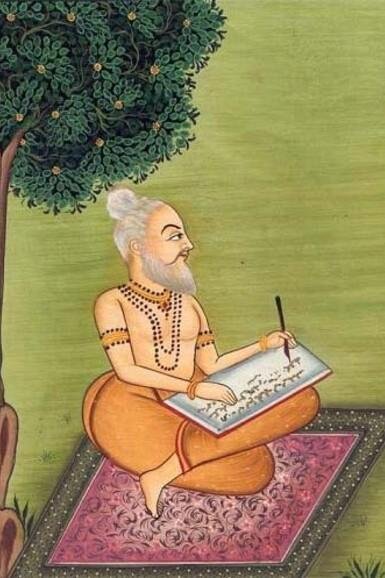
The Valmiki Ramayana is traditionally regarded as the earliest major Sanskrit version of the epic.
It became an important foundation for countless later retellings.
Poets in different regions did not simply translate every word.
Instead, many created literary works that reflected their own language and cultural environment.
This is one reason the Ramayana became so deeply rooted across India.
Ramayana in Tamil
One of the most famous regional retellings is the Kamba Ramayanam, composed by the Tamil poet Kambar.
Kambar transformed the story into a magnificent Tamil literary work.
His version is particularly admired for its:
🎵 Poetry
❤️ Emotion
🎨 Imagery
🕉️ Devotional expression
The Kamba Ramayanam became one of the great works of Tamil literature.


Ramayana in Telugu
Telugu literature has also developed a strong Ramayana tradition.
The epic has been retold through:
📖 Poetry
🎵 Songs
🎭 Harikatha
🛕 Devotional literature
🎭 Theatre
Telugu audiences have encountered Rama’s story through both literary works and oral traditions.
The story therefore became part of cultural life beyond the written page.
Ramayana in Hindi
North India developed several influential Ramayana traditions.
One of the most famous is Ramcharitmanas, composed by Tulsidas in Awadhi.
It made the story accessible to a large audience through a language closer to the spoken traditions of its time.
Ramcharitmanas became enormously influential in devotional life and in performance traditions such as Ramlila.


Ramayana in Bengali
Bengali literature also developed its own important Ramayana tradition.
The Krittivasi Ramayana, associated with the poet Krittibas Ojha, became an influential Bengali retelling.
Like other regional versions, it allowed Bengali-speaking communities to experience Rama’s story through their own literary and cultural world.
Ramayana in Malayalam
Malayalam literature also contains important Ramayana traditions.
The Adhyatma Ramayanam Kilippattu, associated with Thunchaththu Ezhuthachan, became particularly influential in Kerala.
It has played an important role in Malayalam devotional and literary culture.


Ramayana in Kannada
Kannada literary traditions have also preserved and interpreted the Ramayana.
One notable work is Torave Ramayana, traditionally associated with Kumara Valmiki.
Through such works, Rama’s story became part of Kannada literary culture.
Ramayana in Assamese
Assam also has a significant Ramayana tradition.
The Katha Ramayana, associated with Madhav Kandali, is considered one of the important early regional retellings.
It demonstrates how the epic reached northeastern India and became part of Assamese literary heritage.
Ramayana in Marathi
Marathi literature has also contributed to the Ramayana tradition.
Different poets and religious traditions have presented Rama’s story through Marathi devotional and literary works.
The epic therefore continued to travel through western India as well.


Why Did Poets Create New Versions?
A natural question is:
Why create another Ramayana when Valmiki’s epic already existed?
One important reason was language.
A Sanskrit text could be difficult for ordinary people who did not read Sanskrit.
Regional poets could bring the story to their own communities.
But language was not the only reason.
Poets also wanted to express:
🙏 Their devotional beliefs
❤️ Their understanding of the characters
🎨 Their literary imagination
🌿 Their regional culture
So these works became creative retellings, not merely translations.
The Same Rama, Different Expressions
A fascinating feature of the Ramayana tradition is that different versions can emphasize different aspects of the story.
One poet may focus on:
🙏 Rama’s divinity
Another may emphasize:
👑 Rama’s ideal kingship
Another may focus on:
❤️ Rama and Sita
Another may highlight:
🐒 Hanuman’s devotion
This diversity does not necessarily erase the common story.
Instead, it shows how different communities connected with the epic.
Oral Tradition Was Also Important
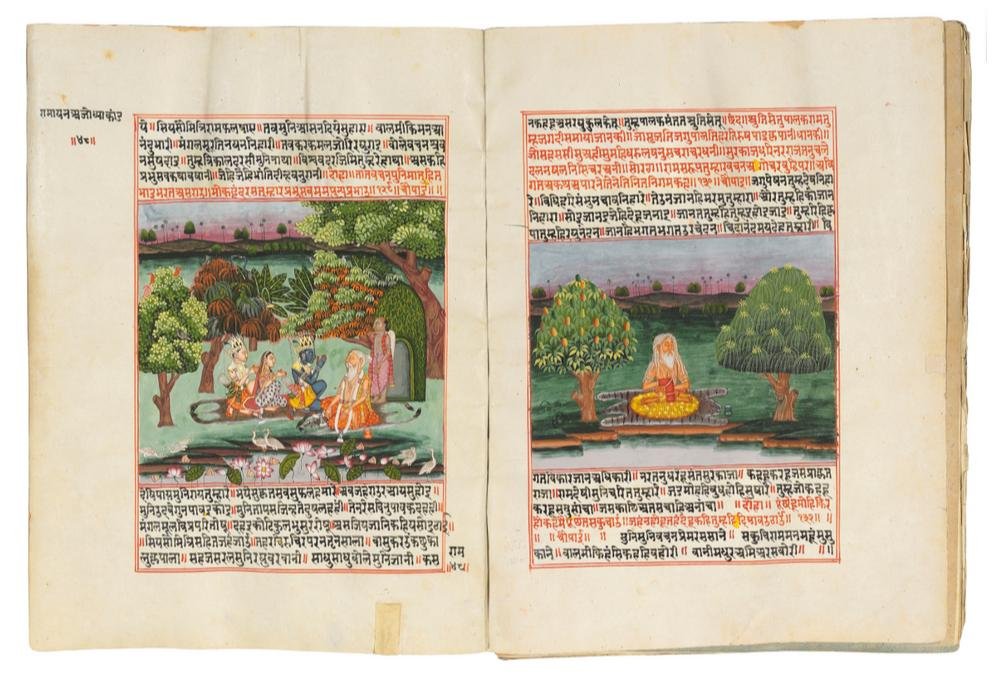
The Ramayana did not spread only through books.
For centuries, storytellers transmitted it through:
🗣️ Oral narration
🎵 Songs
🎭 Theatre
🛕 Temple traditions
📖 Recitation
This allowed people who could not read to become familiar with the story.
A village storyteller could preserve material that might never appear in a printed book.


Regional Culture Becomes Part of the Story
When a story enters a new region, local culture often influences how it is presented.
The landscapes, expressions, music and artistic styles may change.
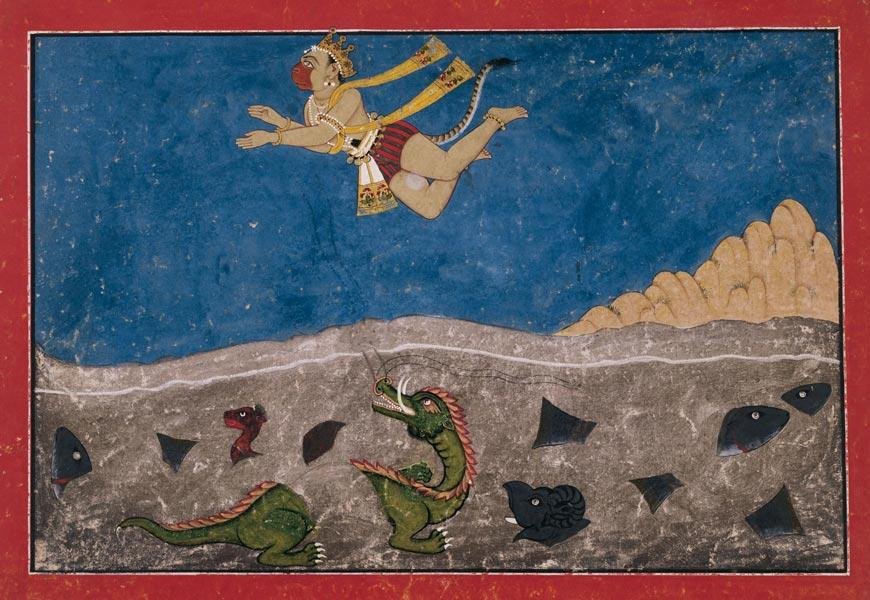
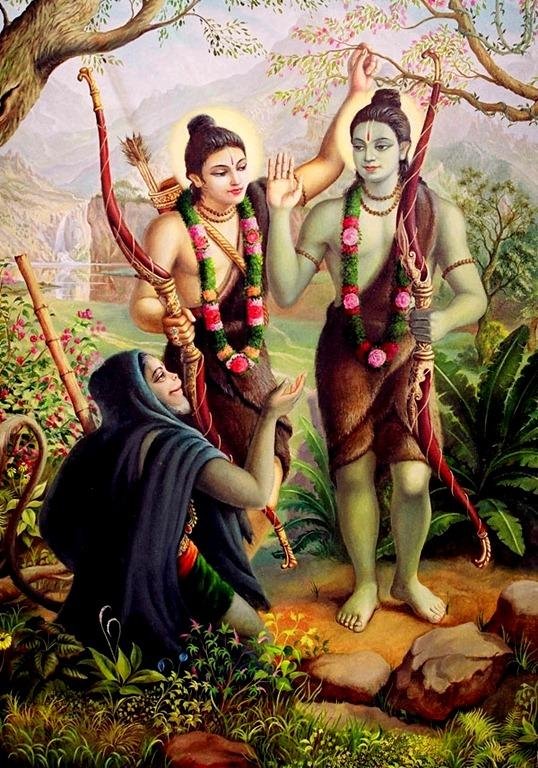
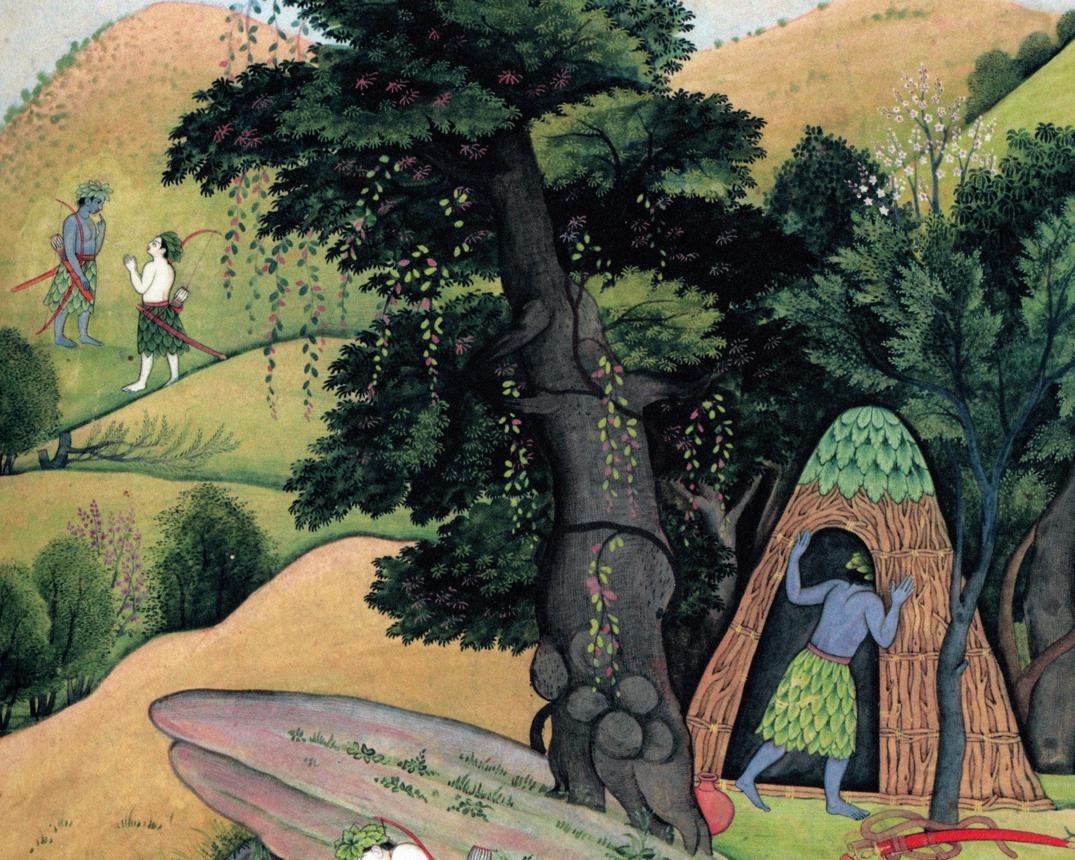
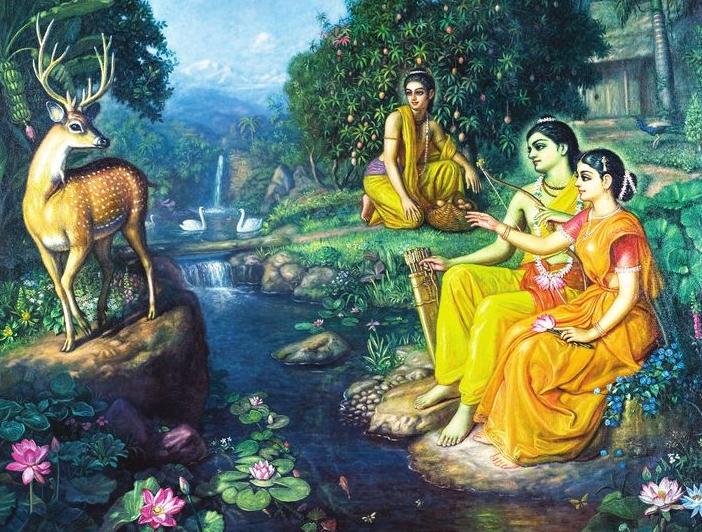
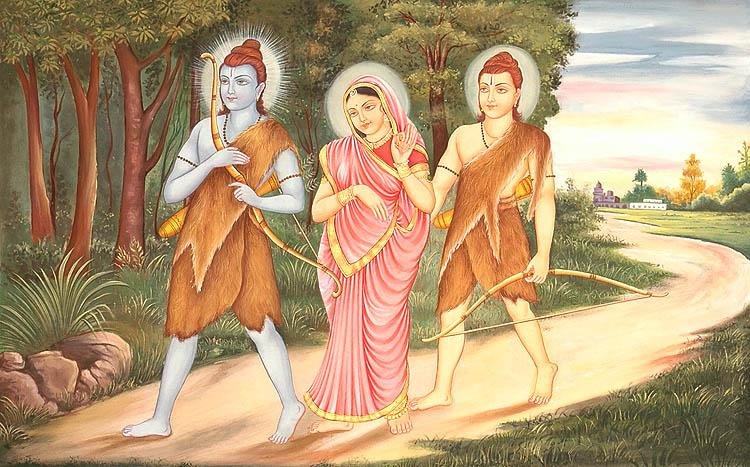
The characters may begin to look different in paintings.
Songs may use local musical traditions.
Performances may use regional costumes.
The Ramayana therefore became both a shared Indian story and a collection of regional cultural expressions.
Literature and Devotion
Many regional Ramayana works were not written only for literary appreciation.
They were also connected with devotion.
People might:
📖 Read the text
🎵 Sing its verses
🙏 Recite passages
🛕 Hear it in temples
👨👩👧👦 Share it with family
Literature therefore became part of religious and social life.
The Ramayana as a Cultural Bridge
The many regional versions demonstrate something extraordinary.
India contains hundreds of languages and countless local traditions.
Yet the Ramayana became a shared cultural reference across many of them.
A Tamil reader, a Telugu storyteller, a Hindi devotee or a Malayalam family could encounter Rama through different texts while still recognizing the larger epic tradition.
Why These Versions Matter Today
These regional works are valuable because they preserve more than the story of Rama.
They also preserve:
📚 Languages
🎨 Art
🎵 Music
🙏 Religious traditions
🧠 Historical literary ideas
👨👩👧👦 Community memory
Studying them therefore helps us understand India’s cultural diversity.
Conclusion
The Ramayana did not remain confined to a single language.
It travelled across India and found new voices in Tamil, Telugu, Hindi, Bengali, Malayalam, Kannada, Assamese, Marathi and many other languages.
Poets did not merely translate the epic.
They interpreted it through their own literary imagination and cultural traditions.
That is why India has not just one way of experiencing the Ramayana, but a vast family of interconnected traditions.
🕉️ One epic became many literary voices — and those voices helped make the Ramayana part of India’s cultural memory.
In the next part, we will explore the Ramayana in Telugu culture and literature in greater detail — its major literary traditions, storytelling forms, performances and the special place Rama holds in Telugu cultural life