Tag: Volcanoes

  • πŸŒ‹ The World’s Most Powerful Volcanoes – Mountains That Can Change the Planet

    πŸŒ‹ The World’s Most Powerful Volcanoes – Mountains That Can Change the Planet

    Imagine standing near a mountain that looks completely ordinary.

    Then, suddenly, the ground begins to shake.

    Smoke rises into the sky.

    Lava starts flowing.

    Ash spreads high above the landscape.

    A volcano may appear to be just a mountain, but deep beneath it, enormous geological forces are constantly at work.

    Volcanoes have created islands, reshaped landscapes, influenced climate and even helped form some of the rocks beneath our feet.

    So what exactly happens inside a volcano?

    And which volcanoes are among the most fascinating on Earth?

    Let’s explore.

    https://images.openai.com/static-rsc-4/TqiI-Q6ZJBrJGRNa7H33CEk93sIiyLA91o4x8MjWnTYMxyuRdGG4WXLDaPyBhRpwm0FaCkHS8voROGHGvIM0GIAor20-YdBJOxUYtfjww-0U2MHayXlXaUYZtOwr7DMUsmzr-rpzyfP4tQqiG7Bf7uGlJQ74fuaPZR_YKDC4hAs_IZ5XK8NBf2WHddR7gjuG?purpose=fullsize
    https://images.openai.com/static-rsc-4/QWEgJEQIcdjBDkFFng7XBmk7pvKjzBsmaiI8-_ILHQ1mmwsWzZ7txPA1MTemK3eGSH1EYx9uFOi-JbXQPrMAqDRIw_PNsTgqwOYYH99YgaGOKFMMGep-dzojUhVLyLZ2LO-OeWj9nRC9PXGcFzNpYR8M-MR4lhGZHU_BVL9H16wj3PbgUu-Tr0fZGjcMPZEZ?purpose=fullsize
    https://images.openai.com/static-rsc-4/YHHF6SQx6N5Z_GBSE9dxqIuE19Wf5x01nHVBOGJ7FFSuZXeg-jRafMsxOQ5nJbGxN5edQgYBerUv5B1y4_uogP7UXkBmN4GlomjUSSe4xRkU6pyLvAQrIOv69MVq7NgYEuH6TIAH59mFJd_OuCQwbDFfL2nHSLJ6hSnXBacf0R8upiQNq5OG-XguBFfXZ6YR?purpose=fullsize

    πŸŒ‹ What Is a Volcano?

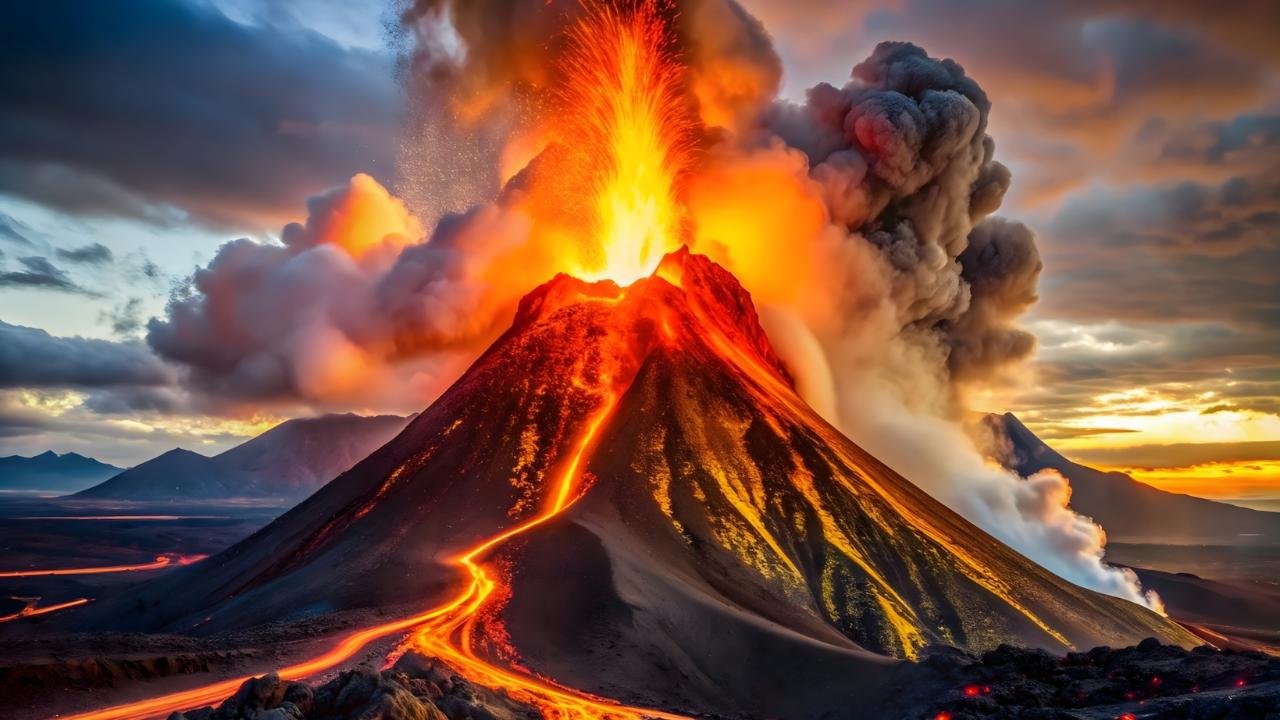
    A volcano is an opening in Earth’s crust through which magma, gases and volcanic material can reach the surface.

    Once magma reaches the surface, it is called lava.

    Volcanoes can have very different shapes and sizes.

    Some are tall, steep mountains.

    Others are broad and gently sloping.

    Some eruptions produce flowing lava, while others can send enormous amounts of ash and volcanic material into the atmosphere.


    πŸ”₯ 1. Mauna Loa – A Giant of Hawaii

    On Hawaii’s Big Island stands Mauna Loa, one of the largest active volcanoes on Earth.

    https://images.openai.com/static-rsc-4/yu8GeyXDYvj1xNb5vwwugt8tsubYElFarCRjyYxWMBiB5cl8S3Gt_nvMMzDbLgpetQMrmz5GlwgpR3xzjJwzDV4cqr4bOlI5t4qP5Kg_cucxrczfM1Axsz_0O-x5PLfApoHoEJXbe-5nV3y4dmDQVcJU-aF1rkKa3RGj-tchG65Jcdj2bG3VSORCd2XxzJ8x?purpose=fullsize
    https://images.openai.com/static-rsc-4/bRM0PKQbtgEPsb4svHlnu_61Csn6MZvNSi3IizLd6tu9llwmr8R8B84ZDt4iIzqQ62awvgzN0wEthM1D65LWGSH6BPTe2KRh218FUqoxAetqSY9XzUCR-8FqXSu6_tWbYbe691ho-25-fr4jQHPcLfX2LGr3tTY3eSuY0nxonKZWZeX7IvK2adGvtczf6reX?purpose=fullsize
    https://images.openai.com/static-rsc-4/BLEt1Inl6G-_SRw8JAQh9z7id3i7f5GB3ME3EqhLyw9qiLuLoJwDp7NdsaK0OgGd4SwFkvJOJ7YUf2ykO6Omn82DpS2SLpLTT6SUxP9CIVxDuAgErs7fNzPg65XxcWAWCCyEiGBLaEZJGpeBO28PxDnuIegWa_h1qK8ADYADXspWxG68zzxw6wOh85LiyqtZ?purpose=fullsize

    Unlike the classic cone-shaped volcano many people imagine, Mauna Loa has broad, gently sloping sides.

    It is a shield volcano, formed mainly by repeated eruptions of relatively fluid lava.

    Its enormous size is difficult to appreciate from photographs because much of the volcano extends beneath the ocean.

    🀯 Imagine This

    The mountain you see above sea level is only part of Mauna Loa.

    A huge portion of the volcano is hidden below the Pacific Ocean.


    πŸŒ‹ 2. Mount Etna – Europe’s Famous Active Volcano

    On the Italian island of Sicily rises Mount Etna.

    It is one of Europe’s most active volcanoes.

    https://images.openai.com/static-rsc-4/5FXdQr1yskTyJc_eIGrE2zHMKVgNI4_jxNOuuka6BRiNnzM04k9sUK5tMND97esqCo1H_OjhHUIeUJvWFNT3Bb0yE3WoskRrnb_CHe6yjvP4GKIa9-gzCdQJGGPldUTPUPCJCN7GKD1kV7qd5gGig6SQzgLVgzMUHG-zVvSZ_R8kSZ_BAUiaAQZbR7790JCt?purpose=fullsize
    https://images.openai.com/static-rsc-4/sgmm8d_pDtkjuPYM0cQeXtmBIwT8roCgYthsXEU2Q6UWvDVFgRJQG4i5xoOGqgbDZQcdH-7RtZJ74f_f82eXkEy-83kQgQn2m7TutWQekRS_nb9ebqWm4kax_RVQUh_ICSLtJQ5Um2wSUbIiHix0hULKuQJ7fomnmhiRV5htYYO8EvU7H46Kv_prk0j_j8II?purpose=fullsize
    https://images.openai.com/static-rsc-4/zNpp2tQ3SxW60jXd4Zit8eH4oIVJE3olmbBwRqG1KmtjwXpt6OaNVvOWYdCmR9iHOp4GHFtjHfyaZscYMXxs_akxFGIqD-4b7632EYf5ZzeM4B7rTIrY5zcVVNyAnNV512GoBBxPC6LBcF6TB-d2xBPYhMprtUgJb3D4phMY9h25V-su60UkxDZVavBYwP5V?purpose=fullsize

    Etna has erupted repeatedly throughout recorded history.

    Its volcanic activity has shaped the surrounding landscape and influenced human communities living nearby.

    One reason Etna is so fascinating is that it is not a volcano that simply sits quietly for centuries.

    It remains an active part of the region’s geology.


    πŸŒ‹ 3. Mount Fuji – Japan’s Iconic Volcano

    Few mountains are as recognizable as Mount Fuji.

    Its symmetrical cone has become one of Japan’s most famous natural symbols.

    https://images.openai.com/static-rsc-4/lCulC-Ml4ZJTMn-zQjc3Mp_se-24fJNYOACEDydF-98RtdwSEJUdNm8vxbFYtpu5ylKDVC5ILALuk_uWcuHXDXjqpS1oXuxzdFkG13gDcJmT-NRAeZS1DMgVF9AUF_YuEWQJQ5TCpbMCyRTzHbensVjSe16N_SR9Vo0MtKyeOyiYNsdxJ9Gl0XpWU2AhYX2a?purpose=fullsize
    https://images.openai.com/static-rsc-4/YEjyt47llYKIVuFQIb4ztIh0pX63TgMD0pPETSBRCAIXmpgp-lWJs1ue7RoQmvA6YaPykwlxX9BcDmMd_yre861Sca1axup3TRhCTq3dIvzt3-rE8dMja3Nqq2qijQkq7SBKzjCq_DfNhTFnql7_XpzUNtRtilPwZSgCrMHSRGNXU5ATkqkSZBBpEZ8X4Ay9?purpose=fullsize
    https://images.openai.com/static-rsc-4/X4vPzCm3Uo6U1-P0bemdinsfdZBJlTl0WQNBDR06FTM7bhqg-4uZs7QU5c_7zi3Sylz4MpZH3Irw-Aalb2Ex3ZJs9cbru5Ku-E1M_-XV6ZPu2CrSXR-JSxnmzcTpPJBsg7Gb6XUq8yR_KznrVGCRNoSCZqEVkDn14KJeS8R1gGula6Q_E818AQT0aZwY8n-q?purpose=fullsize

    Fuji is a stratovolcano and is considered an active volcano, although it has not erupted since 1707.

    Its snow-covered summit and distinctive shape have inspired Japanese art and culture for centuries.

    πŸ—» Beauty With Power

    Mount Fuji is beautiful enough to appear almost peaceful.

    But beneath its slopes lies the geological history of volcanic activity that helped create the mountain.


    πŸŒ‹ 4. Mount Vesuvius – The Volcano That Buried Pompeii

    Mount Vesuvius near Naples, Italy, is one of the most historically famous volcanoes in the world.

    https://images.openai.com/static-rsc-4/zzkLXBZ8vIEZb8MxeFF0mT3PBEdTE4Km3A3Dq05FVGB_Kn-VJcZIPmVfQhJLLG8J9kDN4TeEG9M4GT25CwUyrSHoll-QTuBrCNEPcX04apQ1p9k9Yq0s1SYDgB0aYg58swxwQ_l7CCu-6FZMu7gx_53ijbFug5CmkerEBuokx6Dfd70Dp7N_-xitrEtg_H7x?purpose=fullsize
    https://images.openai.com/static-rsc-4/-Xv8kcBB3Vq8bjClyKi64RjZUPgg-ZhsuOTxdaJ5Uh-uYaXLB23cy4Lav6Yp37H2oEvyjDc97ZZtNmG_zYi9choDESwGHKlzy5KiptYsyAOlSEzrp_GMehNRtCJd29VUhWxzZiiwqZSopR_aTFohkfZ-yEzSu3LCO1c45PZ9FAM2ntRvSrLyVqkea4YyL82d?purpose=fullsize
    https://images.openai.com/static-rsc-4/ZnnfGZXORpSMCmmrXETbh5vIgAn4fnt1tTfLAhJejIbZllcll0SQbxZCePZVTtUCH-WvWWLdpPgbr64IgbU3948j4M4nxs09CC1bidO55uQNiBSE_wXBLn676OR5-L1Mh7vx7ockfdIyNq0Yy_F1hrKg9M5_-sHdfX-7eW-s2tRBunXIuoCZKSH9Xq53ECQw?purpose=fullsize

    In AD 79, a major eruption buried the Roman cities of Pompeii and Herculaneum under volcanic material.

    The eruption became one of the most famous volcanic disasters in history.

    What makes the story especially remarkable is that volcanic deposits preserved buildings, objects and other evidence of Roman life.

    Today, archaeologists can study those remains and learn about daily life nearly two thousand years ago.


    πŸŒ‹ 5. Krakatoa – An Eruption Heard Far Away

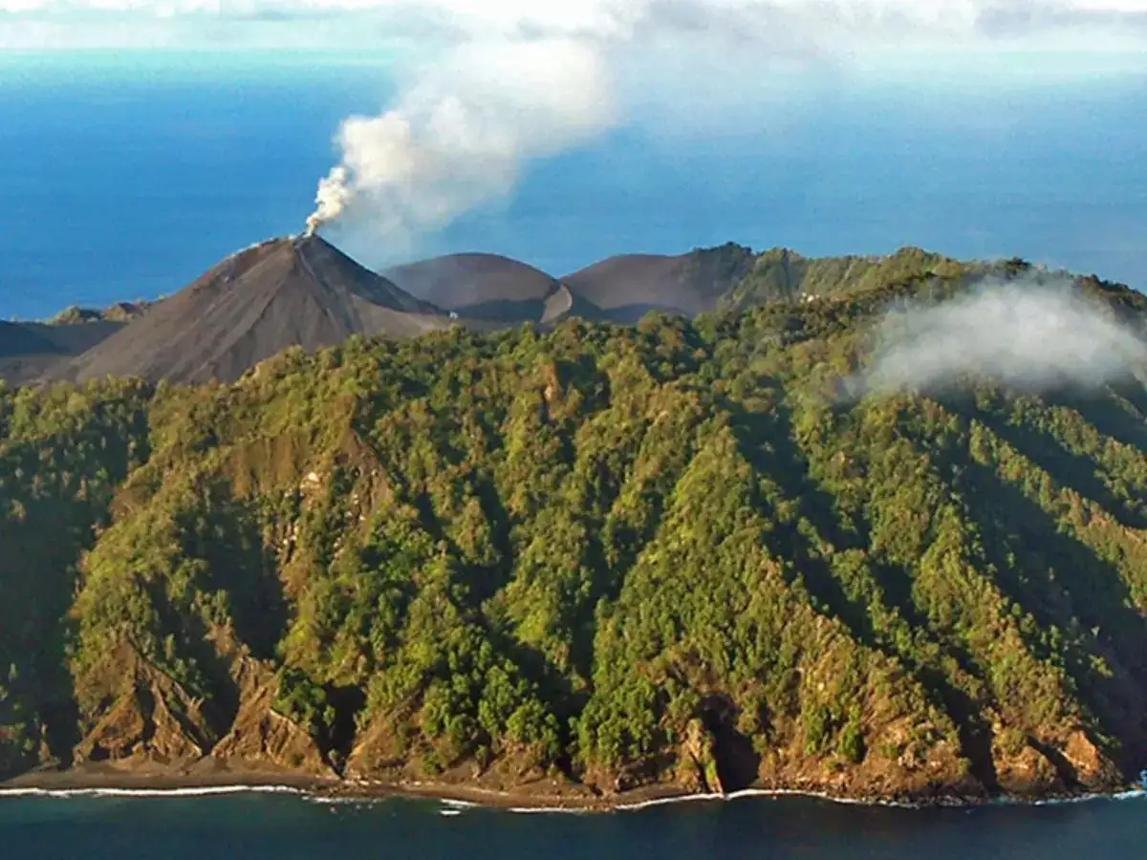
    In 1883, the volcanic island of Krakatoa in Indonesia experienced a catastrophic eruption.

    https://images.openai.com/static-rsc-4/6YTqt5rbQx17pij1ldaJhIteWhanjm65sZQFGCKg8MayQIhrtrtMkPKCY-RpvgSMOkKmidft91S7KizOAnJxlZKMMGw1YmFFIePk-rUP4unaRnKoduDkbPWavkJRdyCXIKnXBe6v6QGRju7vrAC6y_Op68thqChS7b0f8Hl3mkvt0YHheMi8Zhmo4glaeTQ7?purpose=fullsize
    https://images.openai.com/static-rsc-4/08UgyOKbZaWhkYQz24EVfjg_Ma41S4bgPsDX9ojBaIebX_ZOKjjtqFZIQipPPkoNtYeKY80TaOrZSVrF6C_d_7_S_ycP12K2vnhN90xgRrZAaAwRyOrrjRLIIa3a3m3ZJcTiGEw0Tb9Iv2poZkIz82pw8iOaJL9ObrODCi5xORKwQBn5pChiNEgCnW5mmnCj?purpose=fullsize
    https://images.openai.com/static-rsc-4/qmfPlKq-W-ZFgztFkmN2ACj91prFFrSi8J9s6BE7OtaMChftbakAgeDE-PjuNG4wtalv1z1CXXSrsfzxQm4yYSxo873jUpGxaeChONSv4E3gFLiowS6V4YK-xgtDqwQC6_wQ1dic_8Qk0Qijamw9Zl94FFGDuMiBggQaI6XdHQiXUnDKEW9G2b2EhMcL_022?purpose=fullsize

    The eruption caused enormous explosions and generated devastating tsunamis.

    The event was so powerful that atmospheric effects were observed around the world.

    The original volcanic landscape was dramatically altered.

    Later, a new volcanic cone known as Anak Krakatau, meaning “Child of Krakatoa,” developed in the area.

    🌍 Nature Rebuilds

    This is a fascinating example of how volcanic activity can destroy landscapes and later create new ones.


    πŸŒ‹ 6. Mount St. Helens – A Mountain That Changed Shape

    In the United States, Mount St. Helens became famous after its catastrophic eruption on May 18, 1980.

    https://images.openai.com/static-rsc-4/58SNcvBmpphyLvYs7f3U_3AzaOM03ay82y7JkMdk3G8r3vwDLzAx7E5ujktyT5QEDYaG0DlchaE-vHqUgoJBqjwVhwAqFHo8E9BbY_SjdLEmxcMQ7HUG5-rNRZQYgXKR66KT9dKhOrkW28zy-YYghJYKakePc0BnFu5Y3zHqRXBbuC4D6qDSSPMtPxyKn70F?purpose=fullsize
    https://images.openai.com/static-rsc-4/xd7N-h6bkEavRtRYAXVUR66p8F-Tuw9Tbp1wBpb5NC55GLQmpRMDS2uLOlyyGM0LsRZdoAqMC_B1vt3DJ8y-U7NQyt6eISajsRe9YUyZPRzVEKX2G_E9T6QJ9G0gSI__WgsnrgIgGaIpgZCEBF08dcTr1ndUGsl8eySyjld440dRI5XtFwZeSwCMF71wLgy2?purpose=fullsize
    https://images.openai.com/static-rsc-4/TVo4A8uleII_CxI3vQPfy9Q0EC7RlfHUH4g_7B3209zNh2mhHeATQSvqd5X-1fjgt6ELaeEdGv5ZbdC1HFexELcMTZ26jclDSWMFKv5yyryl9cAEqEn7Q5vEPr8PWKQ1M4t_RUBJnPanko_O4cCYUooLVvkt9D9C7Z3bJ1XC6uY9t8ehM08c7zulJk7TGcQm?purpose=fullsize

    The eruption caused a massive landslide and dramatically changed the mountain’s shape.

    A large section of the volcano’s northern side collapsed.

    The event became an important subject of scientific study and demonstrated just how quickly volcanic landscapes can change.


    πŸŒ‹ 7. KΔ«lauea – One of Hawaii’s Most Active Volcanoes

    KΔ«lauea is another major volcano on Hawaii’s Big Island.

    It has experienced numerous eruptions and lava flows.

    https://images.openai.com/static-rsc-4/Ao3ik7MF77v85jDFISOt0T55fT65tS3suWxvclVPoSqouiSMoexoEWgcPhaQvuWUt8ftgDJ03DMYaEtYCZvRkYlH7lq_uucl7bauimJMAHzwhuHTXXQFPZgWVld9pQToltwZooscT9KElL5axW46-lezuQ1VWNYDZg2Ttga-zM_Q1aiVmGKaeciijT9B48XC?purpose=fullsize
    https://images.openai.com/static-rsc-4/lSf9wIy2jBsRk-QTtwKgmELigW9BrzMkOHlTvOuFYki2X94ASvofjj3uuN3i4rODgQcmRs2oHYF9R87HRnSDEtqypA1zRIZM29VPfKVRPvpCZrHnY_0r3yANU73NiX39f1QajgsZIVmdXC4JvJKyKujzpaoh0Y0JiZOMclwQpn3wlLeRTVQjAwefnxaSDWC3?purpose=fullsize
    https://images.openai.com/static-rsc-4/r2qB0r2W9iOYbDyYDcE3uo4hvgI0rQ7BkEYfxC3a9QBeorzSKDAA_YlJk8nm88IhKYRXz-QGxokpzuAAat_-s5C23dIGE2Jvt4-Ax8_pqyaikEtsouyE5kHHQSSlmv_7AeFjbxcNYhX1z95ZGosiBI3NO9d_NeSClLIyqdRrnuMcfWVAO8M4dzapO3PL9qbI?purpose=fullsize

    Its eruptions have provided scientists with valuable opportunities to study how lava behaves and how volcanic landscapes develop.

    In some eruptions, lava can travel across the land before eventually cooling into solid rock.


    πŸŒ‹ 8. Mount Merapi – One of Indonesia’s Active Volcanoes

    Indonesia sits along the Pacific Ring of Fire, a region with intense tectonic activity.

    Mount Merapi is one of the country’s best-known active volcanoes.

    https://images.openai.com/static-rsc-4/tLUoS9HuU-mvI4iHGQqN-SXuF9naHsinEVRCg8-BlPz3D_DUtpubW9X3TCEgwLJ2BQGgDjYruRxCrf6ippd3NUZ31Kl8aDGpe6dJg_Fs1E1ClY8vGPJCAfl6QKACckZrI4UjUmFZ_PpXO_mGt204b4VFlH8L_9bKxOvnxcmPu-TvNv--35DuyZi3SfB4OBB0?purpose=fullsize
    https://images.openai.com/static-rsc-4/CEYTSewXCkLi5N56skCEKLkNAFup6ORAStQ2VMXm73ykQHmUVuh4z-OiLtwMq36yXPb5zOep4Bi-9x74i5SXvAXCgzuEzETlSOueKzCsLSp-0GiGa93pHTfowmzVzbq6Ed6uHWnhihOSEdpN7dM7EMBOS0xU_Qw_QkVshECjgEauG0td4xHhx_bLut34yciG?purpose=fullsize
    https://images.openai.com/static-rsc-4/nIDLQ6E0KO32voKhUchtYXOL5K6ex19Lg-5g0bcHGp_Lu_Vy_DbfDNbNMRKxiyDGXW9fng0y9YOfw3kzn6UakZT4_A4HIQjlQN0ObZXEX1yjAF3SWzEp5nZ7CPYyeiX83SJWZaoWczFYvODb-pj0svS07fURXURXE3M6n37Yrzew4AZdINHHVBEDychmkMmS?purpose=fullsize

    Its eruptions can produce lava, ash and fast-moving volcanic materials.

    Communities living near volcanoes must monitor volcanic activity carefully because conditions can change rapidly.


    πŸŒ‹ 9. EyjafjallajΓΆkull – The Volcano That Disrupted Air Travel

    In Iceland, the volcano EyjafjallajΓΆkull attracted worldwide attention during its 2010 eruption.

    https://images.openai.com/static-rsc-4/YRf7zhVdBt5c4Zx_71yTtBFT4QFFsemNxjlN1x9_aWzZHciGqAF1vUXEfPYGrE1fRY99gdhAAQPUEYxOoeZWWqcd-ySFd1fNs6PzCplfXcW23b7WWU5VgRGUN3fORCvp3-aJil-lwqs0dbl32EDaKRtl2F0RNa0qZo68tR4azC4uZQOMA9USQy99OsAWP6xJ?purpose=fullsize
    https://images.openai.com/static-rsc-4/mQs4QNVdYXWnMUjhhL6ozp7eyenWxU4NqiNmf9L227VWZAOoImB4acZDns9kqR9Ouzyd8jNHdTzL0ml3rLNBFaaa0Py8ChBh5DgDG88uaG474rr8nKbw_XEYsJ15k3bLVnJF0rzXCiZvzfOqlRE5P3odLto7VTZiST8jP5p32KhBhJxE4XfG9Z81OR5f3d_g?purpose=fullsize
    https://images.openai.com/static-rsc-4/6b9R8LqQcHD5ljuSPImmWjBH4DtV0O4D8aGgjmBJhnNnbV8UZGL1kDLske_vyrIuM5ZlPsQNH4ioI8yXKfmfLeXREQ6eZvqqk5XSmhkMhOKsKGMYYjKffBZGapRtBZ7y-2vlrREXhdkpJycnzSCMMXrpt9dhIEDv_dnWBHVifhFBeDLOMxjTNspJoGTCSWGL?purpose=fullsize

    The eruption produced a large ash cloud.

    Because volcanic ash can be dangerous for aircraft engines, many flights across parts of Europe were disrupted.

    ✈️ A Small Volcano, A Huge Impact

    This event showed that a volcanic eruption doesn’t need to destroy a city to affect millions of people.

    An ash cloud can travel through the atmosphere and disrupt modern transportation far from the volcano itself.


    πŸŒ‹ 10. Yellowstone – A Different Kind of Volcanic Giant

    Yellowstone National Park in the United States is famous for geysers, hot springs and geothermal activity.

    Beneath the region lies a large volcanic system.

    https://images.openai.com/static-rsc-4/3TzkNjQ2iWYIAHZ6f7_o4d31_ETTCvxQAlCkv9EQSCkS9PxJCPZUQVIuhEOn0YVNoHE4Z01XXG6XAugAbYoV4ZcjrAcvS50BWHuTZndUZMOAb9C3DfKhZfqM_IMA-F4XzrNn_4npdxMWPq8kfupnvbuEElXkc6qsnEx6f1jM-X25YxPfa0yG7xboiy4PL_-x?purpose=fullsize
    https://images.openai.com/static-rsc-4/ouykUcb-huhc6oRdWO4kwoydNIofOpSZ7SBkBSVNqZHuvBDssOll7HY2aEWswrTFPdNybdjZN6NkYPMIJ3pP6fiQnL6NOXTUSM5JYtKOZD8qQbE49Gjt7jxNgpLp2u4Jeu9zH-GNbTqzVQS7V0ZOgW0Gmodbwz8Dl2sSymRd9o21R-xvIWyaJpMxeSjvKo4o?purpose=fullsize
    https://images.openai.com/static-rsc-4/RECTVyBhyyHp32F_5pNc9jQP-8pP0nvjGkCuPo9tYt1-oyMiAwf_n6yxcE243d-iKY85yz7rk2GK1E0-8Oz9JeFh93gcJGH35vuTDJbDH0F-ytnSIlgQuMR6WaZ9w4A4ixZMEeNE5EoqY1LSZDbJ5mcxZkIGCLIna0U1U4ueNySBwqsskp9tm4jKq1L1iFNp?purpose=fullsize

    Yellowstone is sometimes described as a supervolcano because of the enormous volcanic system beneath it and its history of very large eruptions.

    However, that doesn’t mean an enormous eruption is expected anytime soon.

    Scientists continuously monitor the region for changes in earthquakes, ground deformation and other indicators.


    🌍 Why Do Volcanoes Erupt?

    Deep inside Earth, temperatures are extremely high.

    Some rocks can melt and form magma.

    Because magma is less dense than surrounding solid rock, it can move upward.

    If pressure builds and pathways open toward the surface, magma and gases can escape.

    https://images.openai.com/static-rsc-4/KS8zXHGrXQVWWWoMwfwtpTKe0xC8eeZAKVT2uCxnNRSui_lLvEXN37niSlbbQdbJ4GIMV_cz4uldlp1A8uj9ERb0v_mtAit-xh3mo3tRTGJo4dDjyCmRDZFtnSIDL67Ylb5sMo2r6lP3r1saK9zEVC9oNFMtRJk0EIPQYjO-dEzrTvuEjLJBBqMGLvkUn_4z?purpose=fullsize
    https://images.openai.com/static-rsc-4/EplxnnLniFV7ag0RlDXAs2J4-tUgw18NpiaaTbtl-p1en5zIlN-H6rWrrfm-5oNzfPEwJ2c8BdiC0mSVhJhJX02djlGRb1z6kkcsk_tWLKkTknWFdbdwwFR3m_GjMsH_VmdGftfGC6G1RKoNGCAT4lN8Yuv7hV_p56M9fY8jm812_TA44oY1DxdhU7THO7kx?purpose=fullsize
    https://images.openai.com/static-rsc-4/WZJbOWLYczoI0XY3nfeCxt8Ya0qzuNJZVNFyUaA4GAWNWP1gnXeMVXdMWm8kYQs4OIURp9chiCRdCZg6P-3i3_j8DP0cGUHMM158qnbDIH7dYE9x_A05HBVbYglUpQqc9D8wRpmGVWOfxezl9_1KtNCZ1zubNxc5aRK9rBuVdzUkOW35pi-CdlEF-FlYOj4y?purpose=fullsize

    The exact behaviour of an eruption depends on factors such as:

    • Magma composition
    • Temperature
    • Gas content
    • Viscosity
    • Geological structure

    That’s why some volcanoes produce relatively gentle lava flows while others can erupt explosively.


    πŸŒ‹ What Happens After an Eruption?

    An eruption can dramatically alter the environment.

    But life often begins returning surprisingly quickly.

    https://images.openai.com/static-rsc-4/nMleesGS1mJ690elqFF84thj3oTxpG4P1tf3lkRjTn2gI7pro3pl-02MyeqJqrHkLG1GKROc1Vnuq_op5mEYv-d3OvgaZnJn2dUXc8iJnUvf_Zu6Syd8uN7WbVWHmLSwhYanhq68szbwinnehUuaBm5SVls_MJtyrZFnw_K2oMBDsNEl-wGqoJsaXFJazS1u?purpose=fullsize
    https://images.openai.com/static-rsc-4/WfIl5PGs-DKSa9nERNjLppe1WCA1XuuTGfWOE_7gcIH79Nd_ymPWh1cPLkYqwdQjTzULnFRB1MIoiw-g-nrApWZi2aARBH-978NzW5cjrPRVNtTO7yKyZZCarrCAiyt14oKpbwvp_qdLp5bEVi-ALKUtSC-SAvlvJ3fTmjfLhfnHbOHZwDl-W6c92S5OUF-R?purpose=fullsize
    https://images.openai.com/static-rsc-4/lyAFM0MJ3p93ZHlEH3NWCfawYpzwLzb6sRA2SYSaJAszH-edezIKMfts8HyuAp4VQem8W0JpwHDp3oydCnhlVblsvSfF5_GZgJ241lku9M-uQPV8P4iA0YUwYP11RKmXG7-NYRXxebZgHgegw--5nPtmBwo8YVVB9ZMCh4m_TPoBKG42-800_Sx-iq3DxOb1?purpose=fullsize

    Plants may eventually colonize newly formed surfaces.

    Animals can return.

    Soils develop.

    Over time, an apparently destroyed landscape can become a functioning ecosystem again.

    This process is called ecological succession.


    🌱 Volcanoes Can Also Create New Land

    Volcanic eruptions aren’t always destructive.

    When lava cools, it becomes solid rock.

    Repeated eruptions can gradually build volcanic islands and expand existing land.

    https://images.openai.com/static-rsc-4/vxDhLfuVUEQiOy89XlnCTibwdR_GuCwXZZqvEtgGguIncBQ0kwE_jSGgQ-G_kTYp-mWeS2fdcHgbp70eWQJgtln0gLZ-VSVlz5aj09TZUlZ_OD6sesmP-A_qBlkBZ8v9ra9BuvXCbBnKyV-UAX60Z9sQvsxICTt9Luj-fpZbUhKaz0y7YkYsMoWUjSOhZZ88?purpose=fullsize
    https://images.openai.com/static-rsc-4/7GcQ3YoNfswWg__1V1X6x0tEWbxlD0v64I2bOd4wYgMsWFccpOKiToyj8SmtjX_2IS0kFNxRgvt5rM3Z9Mzhg-HvKBD9VVjsdCHD5k5UJR-oDg_IoUugSRd8iKKdDE5OiCPC5RDwiCPoCAlLeh_1hiEjGoxiyW-0LYObTdYpaCLKm_g-9LHwtzd8ffJeKocD?purpose=fullsize
    https://images.openai.com/static-rsc-4/2Vl5ZYGe9rvp8ITR44PRlUepet5pFtkHxMyOADL0iubKBUyAhxbIx0KjVNHfoAv6K_0Gpqz9sbaqzlwqUeDEr4pQw_9b_gMNKV9evKM5OdeUiDELa-KJqS_5USdsoYhVF6mowiRfEa9EO66da2tB-oUlb8GLPKQJiG_3e-yM6Si7cQLj4Tvg2FEMYS43DXc-?purpose=fullsize

    Some islands around the world are essentially the products of volcanic activity over geological time.

    So volcanoes can both destroy landscapes and create them.


    🌾 Why Do People Live Near Volcanoes?

    This may seem strange.

    Why would anyone choose to live near a volcano?

    One reason is that volcanic regions can have fertile soils.

    Volcanic materials can weather into soils containing minerals useful for agriculture.

    Volcanoes can also provide geothermal energy and attract tourism.

    But these benefits come with risks, so communities in volcanic regions need monitoring and emergency planning.


    πŸ”₯ Volcanoes and Earth’s Climate

    Very large volcanic eruptions can inject gases and particles high into the atmosphere.

    Some eruptions have caused temporary global cooling because volcanic aerosols can reflect sunlight.

    https://images.openai.com/static-rsc-4/qqYxHK3m83c6GK_cvGqA4Xn7fClCodnutu3y0akfQF61yqDZaXTuzPutPr0XiqaEcSEOXx6hcZgKmNtR5Wo23iXamlHM1E76GitSF3rpsmz1b2lxbq7I7pzLYa2aN4QZY8J3g3tqkjBYXzuRtQ2YPj9tWZeEaWa3FNW8p_DZTrEZ407ndQM_Go8hvYhG6RgK?purpose=fullsize
    https://images.openai.com/static-rsc-4/W18L1G_J5iyNnBeEryMwBcmCsTqis9RxuWjsv_1AmI_MMZEwHtd956QMSC0g3K_t2eRAcMsGn0mXAqAdZhw3QrVRxe-wlMfqokKPrB0I8NKFt0lM7dza5ffSQ0WdRNXCo8C_2Bx41W2qhXGMQITyEQRLZ6zgVVnWlLQ0E4QdVFw15yz2LQlKs-pK3xQneU_I?purpose=fullsize
    https://images.openai.com/static-rsc-4/3IxaZWsUnxAH7lSswmTWu8sTJEF5oZb0Jtp-au6L80GCUwCBAvyq36YUrNzaj3TIYx-tHDJhDq9lb6iBObWRY_JVfY6hLdWQ_hlwnfrYtpnQo8DX4YW2ImxIw9_RdsMm0Y2VCoO24ysYUBcCMiUT96-xtV5XrAW_LtqsgX92ShJnmR475MIW0tFIp0-YQHTI?purpose=fullsize

    The effects depend on the size and chemistry of the eruption.

    Most volcanic eruptions do not cause long-term global climate changes comparable to human-driven greenhouse gas emissions, but major eruptions can have noticeable short-term effects.


    🀯 Amazing Volcano Facts

    πŸŒ‹ Lava is magma that has reached Earth’s surface.

    πŸ”₯ Some volcanoes have been active for thousands of years.

    🏝️ Volcanic activity can create new land.

    🌾 Volcanic soils can become highly productive for agriculture.

    🌊 Underwater volcanoes are extremely common.

    ✈️ Volcanic ash can disrupt aircraft operations.

    🌍 Most volcanoes are associated with tectonic activity.

    🌱 Life can gradually return to landscapes damaged by eruptions.


    🌟 Final Thoughts

    A volcano can look like a simple mountain.

    But underneath it lies a connection to the enormous forces operating inside Earth.

    Volcanoes remind us that our planet is not static.

    The ground beneath us is constantly changing.

    Mountains can grow.

    Islands can form.

    Lava can create new rock.

    And an eruption can transform an entire landscape in a matter of hours.

    Perhaps the most fascinating thing about volcanoes is that they show us something we normally cannot see:

    the incredible power of Earth’s interior reaching the surface.


    ❓ Frequently Asked Questions

    What is a volcano?

    A volcano is an opening or geological structure through which magma, gases and volcanic materials can reach Earth’s surface.

    What is the difference between magma and lava?

    Magma is molten rock beneath Earth’s surface. Once it reaches the surface, it is called lava.

    Which is the largest active volcano?

    Mauna Loa is widely recognized as the largest active volcano by volume and area above sea level, though measurements depend on how the size is defined.

    Why do volcanoes erupt?

    Pressure from magma and volcanic gases can force molten material through weaknesses or openings in Earth’s crust.

    Can volcanoes create land?

    Yes. Cooling lava can form new rock, and repeated volcanic activity can build islands and expand land.

    Are all volcanoes dangerous?

    Not all volcanoes are equally dangerous. Their hazards depend on factors such as eruption style, location, activity level and proximity to populated areas.

    Can volcanoes affect climate?

    Large eruptions can temporarily influence global or regional climate by injecting particles and gases into the atmospher

  • πŸŒ‹ Earth’s Most Amazing Natural Wonders – Places That Look Impossible

    πŸŒ‹ Earth’s Most Amazing Natural Wonders – Places That Look Impossible

    Have you ever seen a place so strange and beautiful that you wondered whether the picture was real?

    Our planet is full of places that look like they belong on another world. Some mountains appear to change color, some lakes glow with unusual shades, and some rock formations look as if they were carefully designed by an artist.

    The amazing thing is that nature created all of them.

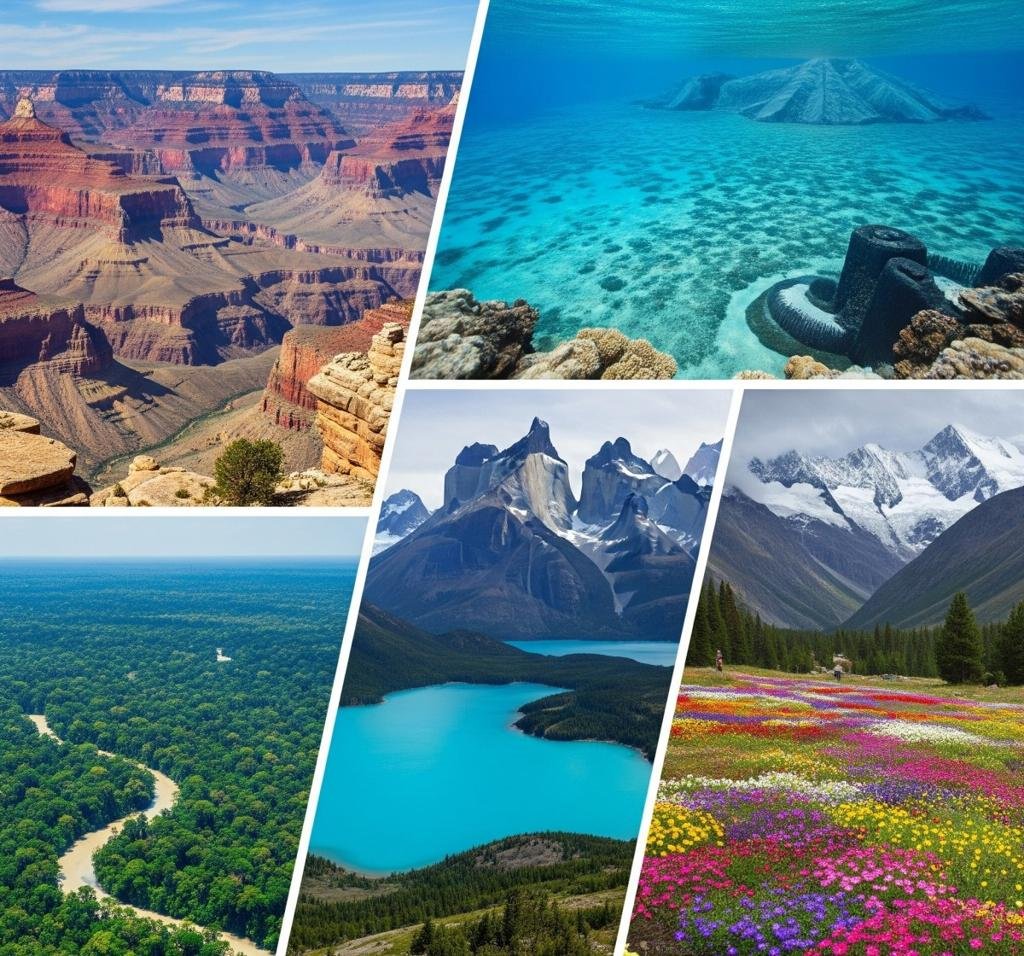
    From enormous waterfalls and glowing caves to colorful mountains and giant ice landscapes, Earth has some truly extraordinary natural wonders.

    Let’s explore some of the most fascinating ones.

    https://images.openai.com/static-rsc-4/BDD25m50lWb-sIEjxKhtqf6Po2NDjRs54lEH3puP7bBaXkkfRbz0RXoaHX5R7tIcffgFhigBmWhdOVb9XjJQErsS1JEi7n2w0kNXL6fz-07Wg-lGBrzA3pxIVKuxxQJiSj6zIwhMtZ20XLRhKHNAEJUvvYseF5h_beUHBZWxyPTu_ftVxAljaYjk1yD0FVQJ?purpose=fullsize
    https://images.openai.com/static-rsc-4/Yy_sAaALcorU18krjdm6VdvAMROz2jMYwqrZpmIAo-FWXtO4-km_8IsvGh3RvPnV-9iC2kooi2fUyIJcE4NPSoAWzzRT-wXLcSPw7qicEY2lh3POtdHXsGaMdDQ4GwZOlwWMXTN7AmiMSKy5MN5hLdcmFJ7ejjbyEJajodNnqo7NuxxWtFurf6eWT2n8rhit?purpose=fullsize
    https://images.openai.com/static-rsc-4/hR5JPGP43y1AvOb7SfW8MFG8wxdtsXr2Jlx74lb2WyK5BWeHkAzoF5cs88HJBpMYwfmRDsD9nIoucqo7ipT1T_snDy-oCLMQou7yNBpIkUabk6usEMhNQW0TLMT5dMjGh5MXsOFZejQwwrpn1s7IxCE4dSnQh-5g-9v61MTI07i1DgBwWd3q5X43hk9kE2hV?purpose=fullsize

    🌈 1. The Mountains That Look Like They Were Painted

    Imagine looking at a mountain and seeing layers of red, yellow, orange, green and purple.

    It sounds like a fantasy painting, but colorful mountain landscapes really exist.

    One famous example is the Rainbow Mountain in Peru. Its unusual appearance comes from different mineral deposits within the rocks.

    Over thousands and thousands of years, geological processes exposed these different layers, creating the remarkable colors visible today.

    https://images.openai.com/static-rsc-4/NOpazI6BE5SmigL7Y85QvlM69SH3fVnCkGm6z9e8qsfhXEc_OGX-W16YJ3KiLm-Fe-U-mJzjP2JSDnk_Hb_UThBzjZyMlK-wH82sVrL1M-5X9BSj5andkK-PXx3ZA1z23dtXAKQHjxVrJ-2TJXdtbhdhubQbM5MRLbu53yN-eNLzouj1GVvyg-WN0RCWcRNb?purpose=fullsize
    https://images.openai.com/static-rsc-4/vs2dUR8aBzkRsSXZUfSgzvkycDBHQfEUWR3pnDPJI-2xx4SBmbpr1aX_WtLZqE6uZYvWdOciWZNzOLYTX4y-02JcgSuTHt03IRrYr8oljjuFNQDFlX7PDvucl46ZI4ttblReE8AAvY6hAHHcNTFMAECbQqSFrukR_41B1utMfSG6itGoSZstWwm5K8J1pfj7?purpose=fullsize
    https://images.openai.com/static-rsc-4/q5cx7h3XRcleZWYoUwas2ve5SGqSZ0zSt8lOd4NvtaQ0f35rg3F3tjcl9269avFkqRYs1byXPxsIJJDXKr1FSItsK9zEZn1R22E0ZUVHCzHO03-EJ1nKdScUZBrHeQKF7EG7MtkXlrNjxZ67Kl9oo_2EnceCdoCBWo9tpEZMUCx7WbP6DcQC-4rDrezC_rwE?purpose=fullsize

    🀯 Imagine This

    What looks like an artist’s colorful brushwork is actually a record of Earth’s geological history written directly into the mountain.


    πŸ’Ž 2. A Lake That Looks Like a Giant Mirror

    Some lakes can become so calm that they reflect the sky almost perfectly.

    When there is little wind, the boundary between the sky and water can almost disappear.

    The result?

    It can look as though you are standing between two skies.

    Salt flats and shallow lakes can create especially dramatic mirror-like landscapes after rainfall.

    https://images.openai.com/static-rsc-4/RVEVZJeQz2anr_MOgJOretMQQqgikclFacEa18kFr9Xlu9JmhGVLxgs0r2bjbNTyjGy0bl5jPynAtEtKFldpjbvPqJjdcAXGV3Jp7nAe8gac2XMpU5h0GTDPyDi6o4bpqkgtsCuV2JOtrJI2kndHgM4g8raH2QcvD6sq5wP_yb_iJX97goUocqWu8wgngktn?purpose=fullsize
    https://images.openai.com/static-rsc-4/h7P-6cXPFX6uu-yXzdhwNQ7ZTDg3wxb2_GQYH_7qoJKehq61MNVHY7T9tVUgaEcZpf4sF7YO5dDHaL840mYxc8bbhFvrk3G7tL56GJPWIlGly2f2ZZf51ceKKMzRZFqgAiyYSjQuSEGYeAMWSpCiLbjEQ7AvPKIYR18m1Eu20XlnZJx5jiy0ZBNeJciE-ake?purpose=fullsize
    https://images.openai.com/static-rsc-4/5mqZJZWG5pY6gavbHajyNFnIB-Y3bFISsisiRLaVLVCeC2iPCiUYKJPDaJQUQpuqOeZxiX2tRFpvITHwjUGArf4S9qjOoWIQQwVLPozki2lQlvNwkB8iK8DARI3-3UjKsw8S9Hp-xAZaSsf_TgYsrTnRSQ0OSwwPuvN2cPR3RqSOvLnt7lhdf07BrULTQfnB?purpose=fullsize

    One of the world’s most famous examples is Salar de Uyuni in Bolivia.

    During the rainy season, a thin layer of water can cover parts of the enormous salt flat and create spectacular reflections.


    🌊 3. A Waterfall Wider Than You Can Imagine

    Waterfalls are already impressive.

    But some are so enormous that standing nearby makes it difficult to understand their scale.

    Iguazu Falls, located along the border of Argentina and Brazil, is a vast system of waterfalls rather than a single waterfall.

    Hundreds of separate cascades spread across the landscape.

    https://images.openai.com/static-rsc-4/G-FJLkAMBrIv85DYwvh-sueMxdMbPTgvj8odK4WRn8TcxmAsN1WAIM8f00M-_V0t7FeGvnKktNg2B7zXjwRm8EcDAxIrmxorCQiz4I0zaX19vBFEraKg2wwKeMvpyt3_HfkcYnAoK5LZdBxpMdZSPQeBlB7uhZ0VGTxvAY0iaqfp5E2f1NriUfeM1CdmrQ48?purpose=fullsize
    https://images.openai.com/static-rsc-4/3uPDb1pFX927uH_5GlEmkKPa2nxYDBTMzg0NiS2VOmp1GoQOo5zMMhZOzaQhnCXupGzLf4nmlvhxSKbJ5sUce7821ZldQIQCamIFj_M0ESGtpcdcPi5VJVsfq98TnF509Z5MWYi1Z8aw4OUOhKuDkf5vS-4SpRheWfkPpEzFrveeFBRYnDRGR2vP7YOKRre9?purpose=fullsize
    https://images.openai.com/static-rsc-4/rWEZa8Ebtf1NQlrooe6bFw-kdcyXvhYKj1beaACjVfLSvGXyTtqOR9bv0USqSgoUs7gk2Xu4OeG57bxkX-iOBXn99LFFQ4T_8LOzJ72SXnb-CddwlyUsC5TEv6YDZao_l71dcAhDROTftnl31SrDgyfIJmumqjUpqJXeZCpcL99w8YKfzOqlPb-vJr91kHhM?purpose=fullsize

    The surrounding rainforest makes the scene even more dramatic.

    You don’t simply see the waterfallβ€”you hear the enormous amount of moving water and feel the mist in the air.


    🧊 4. A World Made of Ice

    Now imagine a landscape where almost everything around you is frozen.

    Antarctica is the coldest continent on Earth and contains enormous ice-covered regions.

    Some ice formations are incredibly large, with shapes that resemble giant walls, towers and sculptures.

    https://images.openai.com/static-rsc-4/PwthzTazWYeW6KT0-s5eZgAp4a1ftfZxdxDhfblkKwRI11XwkanQESy2oKGs1ihwADb6Pf48gVXSAEagF33aZ6BIYY5agJJ5cmCPZK4LU1Xut66xev1Wu3PFZ40guAgZu_ZuCgpOdMJXrGsA8ZpPbTP8Q1KZdy-YNBgtfRZ3hQq8rlFTSRA2mtG9nyeagr1O?purpose=fullsize
    https://images.openai.com/static-rsc-4/JrhSvvza4jCxavB4FWzEdwpFJ-h-k29vUqSoPXt-1yVRRYJWmqsqDNTEBoOQWK_v0V5NVrnGX_Cp-20oocIFENP0ZRp7tqYEpNrIUiFKEwuA_K2mgRP4VgKlKxafZLtw1vvyVsg92YIj4hiLSY3angX7geyw5PlbE2ELuzjQj7vtbKHcpiiLcO891t8upXwg?purpose=fullsize
    https://images.openai.com/static-rsc-4/GKRm3edAdJDZv82OXTCI1SCw1HR6pYnZTXPlyEaj88LlTlCokWmjvYkL_tS0u826pj62oKmLkIn08EjlpfIJ1guvhLIzQMKshQ_w7lWsqDZQslRJ35sFd2mhd_3fIXQ-kfDiP5KrhC-zDpd0xaU6ZhIvQlI9BIPsjTqRcqfoEcBSfBYZ4vCgeNYgTKEPOf27?purpose=fullsize

    Ice can also appear blue.

    Why?

    Dense ice absorbs more of the longer wavelengths of visible light and allows more blue light to be scattered back toward our eyes.

    So some ancient ice can appear brilliantly blue.


    🌌 5. A Cave Filled With Glowing Lights

    What if you entered a dark cave and suddenly saw what looked like a star-filled night sky above you?

    Something similar can be experienced inside New Zealand’s Waitomo Glowworm Caves.

    Tiny glowworms produce points of light that can make the cave ceiling look like a miniature galaxy.

    https://images.openai.com/static-rsc-4/PywoX7F5YpXXe5sqh5NCMKY8mMOb-zVUorgMwO8JTxzJFFS_OgOm8ts-GwAueEcNYs2e6cEvYDvI6W3j-WQN2ehfeok_thXGUYPdnlpqN9r0UOVsptQsIQfL3FWKtTILQkwsKewMGhqBDvO7mf4UAlyCJdr0XtJo0U8ChxwDm-726WjRGOTdQ0D-V_Oz5MGA?purpose=fullsize
    https://images.openai.com/static-rsc-4/SBPsfRzYC7PJSP7kynxnMSPmYWGfONX_wy8jMPwM2_3vRpbo0AX1iZG6kv92YULteFt-9BEwiqkIF_oIjvl9VPNoN1ywvbxCf2BC_lCI7lgGZ4W5E-BmeipyBhmg8eQVa2Eo0l56e3AZeYcKjJohQvrzIqJ9S9no9snJWX1ut2a-xuY4Ah5hqZQmgcJls43O?purpose=fullsize
    https://images.openai.com/static-rsc-4/zwGABfXhzkzSDmiFQ5IbqH2XNbTUc_-naMp2Zn2FOTYXThV1lcRSxpkj9k_609tP0bXhQh3Q9lKX8XP1wMdOSYX6fKU8U4rL-TFAyyWTktsyVEdTu2cb_ELJa3cXzwNU38t3bTgVIMgoR3X_r__9eCSGonCMAsawKjtqbg4iQ6wqJhz8nuMEzKWCP0ssYiyT?purpose=fullsize

    The effect is especially magical because the surrounding cave is dark.

    Instead of stars millions of kilometers away, the lights are produced by tiny living organisms.

    Nature doesn’t always need sunlight to create something beautiful.


    🏜️ 6. A Desert That Looks Like Another Planet

    Deserts are often associated with golden sand.

    But some deserts look completely different.

    The Namib Desert in southern Africa contains enormous orange-red dunes and some of the world’s oldest desert landscapes.

    https://images.openai.com/static-rsc-4/sMnv5tP6PFZH76Va5Mzh2xEBbYpbIyzOOBTTaeHXnozfHPMPlwTtrLUoJtaHu1vI_qgYZRWUDjqq_WjcIfwTU4xL0TD0IV35IXUMYmee2EiS4WpMqeQpBP5o36lPKMfH3EvUfcKrEe4mj-yuW4hF-cNg5_xP-JEs9kc6DTCeIBst6qFbC_Yb2vsoUAtB8uTM?purpose=fullsize
    https://images.openai.com/static-rsc-4/T03cHYyJARrHZ_pAJ1mHCKg9eAY1x40_7rG7cYIXEIDBzv6f3_mcV4aGefT7PhPNXd5nFUNv_srp0SmqRIre2McsY4_41FB_W3QWFaebQsPusg8g2GvVM2_ev_n8sX8UKpd9uuvcXVgS-sVz85TLtJ13Jo9NxkYgNNIq4W72NL97hXwVtquB7dS78riD1u3B?purpose=fullsize
    https://images.openai.com/static-rsc-4/04PFS-UJNuEOy7cAKmGplP_nZUdyq3puroPCzFUZyUdWY6bW0B9XuiV45j3brhqlg1Xhuw2m66wje3LJfPMAUqBVtTvEfStgK754eylCCXtMOLWKeOJ7QxV7G26zzlBDDFqI5Jwn4zT63u4pnWQUfRBxu2zzF-MUom-OdMlHacCaBGXjHGWpo0jgskW_QjoH?purpose=fullsize

    The contrast between the red dunes, blue sky and dark shadows creates a landscape that can look almost unreal.

    Some areas of the Namib are so visually unusual that they have often been used as dramatic filming locations.


    πŸͺ¨ 7. Rocks That Look Like Giant Sculptures

    Nature can create rock formations that look surprisingly artificial.

    Wind, rain, temperature changes and other geological processes slowly break down and reshape rock.

    Over enormous periods of time, these forces can create arches, pillars, cliffs and unusual formations.

    https://images.openai.com/static-rsc-4/Qp_klhbxxQAkwThsBNX1qMbx3yO1vzUdK5NT_aDsMV1GTcUUMaeGDP-jc69EfayPg9sOSsJUP2XqNARwC1XkbaJ-wjsI2wgiIvxKzUclKMRwOdQTy7uHN3ohg5b_2nYwRdqf76ux930spOD2XsHRZ8QU39rJpX1tT2J04ut0DUtK5YOP_CZin4pt2SbLyPKZ?purpose=fullsize
    https://images.openai.com/static-rsc-4/lIGQOSc2KJVPG7k4qQB5AGCKpMX4o8W5QK4K7nJcMKlDah8tcb6iiUp0LtP8QNmBwjffNEqpTSMz75xlbKVeNDYirvbHwl6VgzMahps1cIxv-Nl3i8rJNk2WaliLnwCyFvLaB6sKn0HrTA0vTz-Y6ZU1h7sppzfISLWO4oCWjxYGNP00NoY6v19vGe7E3g_G?purpose=fullsize
    https://images.openai.com/static-rsc-4/Oq_5EDkF1rsnzjGb8rU2Unoibvn_fSGyZbA-SqafffxS-hY1TPz_mP3AZ5hVUgjghim-9_BErMK4pjz9itLI_sQkhfGw2u2_FAHgNGkPFHf8124EQ6CVNFKv7UMFJBKvt63Gkf-_LitYmxcGjBaDyRwupP5tbT6D8Rj9S6u8qNxdM71SC8lwoTmZXdvPgTmD?purpose=fullsize

    Some formations look so carefully shaped that it is easy to forget how slowly they were created.

    A human sculpture might take months or years.

    Nature can spend millions of years creating its masterpieces.


    🌊 8. The Ocean Has a Hidden World Beneath It

    When we look at the ocean from the surface, we see only a tiny part of it.

    Below the waves lies an enormous world of mountains, valleys, trenches and plains.

    The seafloor contains underwater mountain ranges that stretch across vast distances.

    https://images.openai.com/static-rsc-4/py_P3mN8VHdiEYqPkTtlEjIf4Euze6WK80AgEzylKW61LFysbl89DQshwsoTTiUAVoBaLPGeZ3qEmyTPg_TH3hKWuWiWh29wGsYfbA5wzddpr4psvhJAckteyxLz96-ZmwJiz-9xQR41W22kBb2TEYFczJOMlgkIvL6BSb9ymnItN9nlZtrOp2ynnrulYnpd?purpose=fullsize
    https://images.openai.com/static-rsc-4/UZlI_vLUyC6EbQyO5YIJ2AaCsTiOSVIaxHzC6Kj5djMHD3PlnJbkXr0WXi95n72fQVoAYyznCdD41E0vXREoqtxbslpKXy-62xHU5HSn33xFkrOFCgSlNE-fJzYqyD7APyqwlBOPhMdEBvgT2gvBaqR9aij-LbFHKGuX4H_tqUKCnmxg7UCs8vdd-1xcAlaB?purpose=fullsize
    https://images.openai.com/static-rsc-4/FgUTDq8HrTPg8_xI1Od5QyneKnVSINeN19QYT_QayVQaj2p-oJsS5fghN_fi-OG9X-x7Z5mIwV28tF-Gak0gGuPJ0pkPj7y7jMqoe60BGstWRlBcmSx9VE7oFO1U1qGETN5gKVEXOOyhzdRl8ECIqDKy5uMc3-VTiAyzUwZO4ZxbrdBQchRTft4HYqZ4ogIF?purpose=fullsize

    Some areas of the deep ocean remain difficult to explore because of extreme pressure and darkness.

    In many ways, Earth’s oceans still contain mysteries waiting to be discovered.


    πŸŒ‹ 9. A River of Molten Rock

    Volcanoes are among Earth’s most powerful natural forces.

    When a volcano erupts, molten rock from inside Earth can reach the surface as lava.

    https://images.openai.com/static-rsc-4/xxQAayRmKR-wbN4h6i9aIJffz-IuylR6mykY4B0PCOx92EITBmL9l7ZN38UifscYZcyPhI384BHF9OKYwQVQBf2D1glc0YxjGqrRbs1SwXrQJ2k6Hwqju_UjgSLhsc0ytCRXkxy6JvEvYyQ_DpSnkgmkjaih9rG3JTyRsga_nhhX9YRtwYB79gEoluXrnxkh?purpose=fullsize
    https://images.openai.com/static-rsc-4/4FKrITjosnViZcALvVjqMfM1rCXSV8Dh0l5SAoQgZOqKthU4NE3HUDCMUWVTfggESaho_10L9Rt59z6NruK-asUR4OmCdOrl5fNANn6QhH_bOPy_O-7anezRpN2xPFfvgDS5Opk3Jzg7ByUhDX89Ehb_zxLIC1etn4Vse3oGYQG_Ne-JHoQbNYh-gJbPOyF0?purpose=fullsize
    https://images.openai.com/static-rsc-4/E1tQebzH0vBILojwdosaNOjOR1em_fak-xMloiaboUROwdM3-71O8P2FJqgiZV0zeGWNpHB8oiZNGTBv-MUdLLEfQMPCPjZyVjBLA6GnITerZQPCHl-zwq-40OFQFJZWQv4bMeaD1mADTKGIy4tV7SD-0iQC4BO7DqBZJhP8iiwFsG6u0tzh7IeW0MGCJ7Gf?purpose=fullsize

    Lava can destroy buildings and reshape landscapes, but volcanic activity also contributes to the creation of new land and enriches soils over time.

    A volcanic eruption is a powerful reminder that Earth is not a completely still planet.

    Our planet is constantly changing beneath our feet.


    🌳 10. The World’s Great Rainforests

    Rainforests may not look as dramatic as giant mountains or volcanoes, but they are among Earth’s most important natural environments.

    The Amazon rainforest, for example, covers a huge region of South America and contains extraordinary biodiversity.

    https://images.openai.com/static-rsc-4/CA_zv80B1TdBZ4kywmK9nF0A6N09ijPgkLxi5k3W3DlO1XLiIQDrsvttNM0ttniEkVzpBjcAiyKt-dH3Yy83A1459TDhy5bwb7-gOxxcHNqWhSABV-J3l8k6CHDyrCmNh6dYc4d2jZ_7vEihrrIMYMIYRXyIHxVWc7qfjxAmAbrkAF_KlxZeHfobMXts7ZB6?purpose=fullsize
    https://images.openai.com/static-rsc-4/TJxO0bvVLiGUO7AxVcjznzWWVt4H17bsc0OSPb4kJr8WgkMaXqh7__XEmYkIMawyfFIhc4eQgj0Ava6TVS9BuBOBVQp0-sth_1CLhcGNyQrhj8njdp3UxHbzVSmiZX7Z7gkXnBAmuI-tVpcU4WozLeoSRFLr5uYVhocqBs-1FLs9I3CSL5_CIbktRJpBqtfB?purpose=fullsize
    https://images.openai.com/static-rsc-4/C5RPZHiNPDdhvo_NigXgX_zr_Lgf-CA0lRDjz6TtFRhWiJrg-o4tZVrLI3TQFyOrbuZH7XB2ZzBIJ6blH4fOv2Cg0HZyPRFbyKJuPQFJMr-en23gVZl3w5yH4SziVULI2ilIDj3qAm_ogXBaVIVSkonAI6TsEDc5tH5wvPS2z1EeKdRrEYE_bXvYzJUQQ2lz?purpose=fullsize

    Thousands of plant and animal species live within rainforest ecosystems.

    Many species remain poorly studied, meaning scientists continue to discover new information about these environments.


    🀯 Nature Can Be Stranger Than Fiction

    One of the most fascinating things about Earth is that we don’t need to travel to another planet to find alien-looking landscapes.

    We already have them here.

    We have:

    • 🌈 Colorful mountains
    • 🧊 Blue ice formations
    • πŸŒ‹ Active volcanoes
    • 🏜️ Giant desert dunes
    • 🌊 Enormous waterfalls
    • 🌌 Glowing caves
    • 🌳 Vast rainforests
    • πŸͺ¨ Strange rock formations
    • 🌊 Hidden underwater mountains

    And these are only a small selection of Earth’s natural wonders.

    https://images.openai.com/static-rsc-4/rrINUKSkaJJ3xiXybLihFqA8jOI6E_pE4ZKw_rXzmPMOHa8p_h7MSbubXdJ10hAr9iUfCjYfREI7OCrHuzwFY9Oz7Sfs8-N_BxVCKugFfVodg9t7cb5ygdaNQfq7Rl15SmK-HxmmXxK6iVx_jW_NXG96RNhaeeTnrh7AnJRZTU76MNNclPG5jwwol7-91ToD?purpose=fullsize
    https://images.openai.com/static-rsc-4/mFYck5X0LN5ZE01H_DdpKi_wJPSXXQAPOMmNrbWhJ8wWdY1DV7qBt4Cn3aPWLOsHKQbzVib-Pxe-uqP_hlRc06qRI0RRBx6yI_0UsU6K0RM3T1E1Y__f3AFVxLGzHO7bc2PCktxKfybupUETKqyiaOMe_m9K4fdH2LFV8LLCzVge1jWcy-t4Qdj8IRtUQZlZ?purpose=fullsize
    https://images.openai.com/static-rsc-4/j6JI--oljytrLfnM2-_m_Ilf9Hkau5DaHbHiaC1DEoBSC6zi80I7bN0yeW9lzYWCvaxPkOsi3AaxBkfYd8PPMJEdhIC4eywufLHoSJ4cFS_dvaZa4s8yoDKdGVB55MjbySYbiUfVvpMBhP9wP-LPMXWB0bHVeioTHaPTTHYmMhEFD5nViA5Qb4n-My-6TfzE?purpose=fullsize

    🌍 Why Do These Natural Wonders Exist?

    There is a scientific explanation behind every one of these incredible landscapes.

    Earth’s surface is constantly shaped by:

    Plate tectonics – moving sections of Earth’s crust create mountains, earthquakes and volcanoes.

    Water – rivers, rain, waves and ice slowly erode rock and reshape landscapes.

    Wind – especially in deserts, wind transports sand and gradually changes landforms.

    Volcanic activity – lava and volcanic materials create and transform land.

    Climate – temperature, rainfall and ice influence how landscapes develop.

    Time – perhaps the most important factor of all.

    Many spectacular landscapes took thousands, millions or even hundreds of millions of years to develop.


    🌟 The Biggest Wonder of All

    We often think of natural wonders as individual places.

    But perhaps the greatest wonder is the planet itself.

    Earth has mountains higher than the clouds, oceans deeper than we can easily imagine, forests filled with life and deserts stretching beyond the horizon.

    And all of these environments exist on the same planet we call home.

    The more we explore Earth, the more we realize how much there is still to discover.


    ❓ Frequently Asked Questions

    What is a natural wonder?

    A natural wonder is an extraordinary feature or landscape created by natural processes rather than by humans.

    What creates natural wonders?

    Natural wonders can be formed through volcanic activity, erosion, weathering, tectonic movement, glaciers, rivers and many other geological and environmental processes.

    Why do some mountains have different colors?

    Different minerals and rock layers can produce different colors. Geological processes may expose these layers at the surface.

    Why can ice look blue?

    Dense ice absorbs more red wavelengths of light, allowing more blue light to be scattered back to our eyes.

    Are there still unexplored places on Earth?

    Yes. Particularly in the deep ocean, caves and some remote environments, scientists continue to discover new species, geological features and ecosystems.