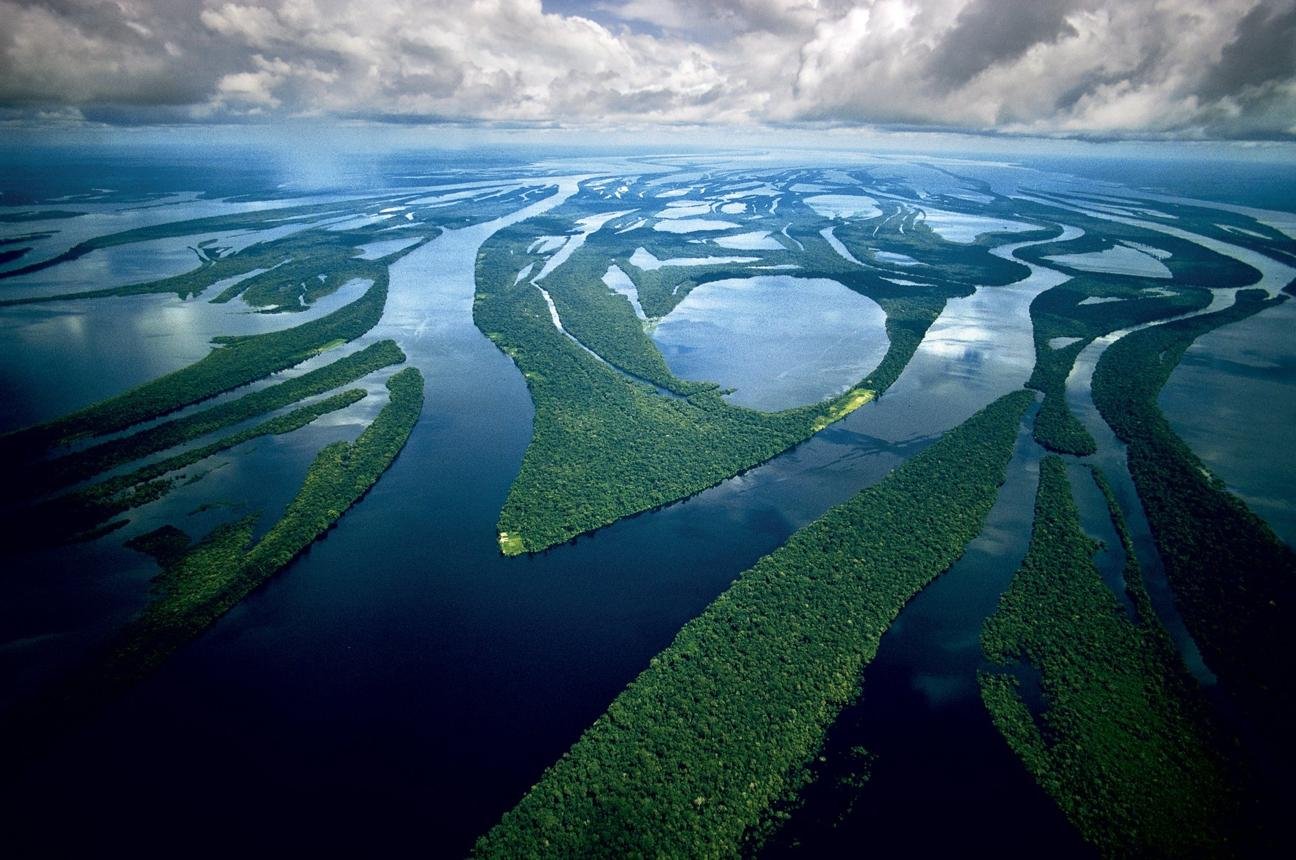
Imagine a river so long that it crosses thousands of kilometres, passes through different landscapes, and supports millions of people along its journey.
Now imagine that another river can completely transform a desert into fertile farmland.
Rivers may look peaceful from the shore, but they have played one of the biggest roles in shaping human civilization.
Ancient cities were built beside them. Farmers depended on them for water. Traders used them as natural highways. Entire civilizations grew around their banks.
Today, rivers continue to provide water, food, transportation and energy to people across the world.
Let’s explore some of the most fascinating rivers on Earth.


🌍 Why Are Rivers So Important?
A river is much more than a stream of flowing water.
Rivers connect mountains, forests, plains, cities and oceans.
They provide:
- 💧 Freshwater
- 🌾 Water for agriculture
- 🐟 Food and fisheries
- 🚢 Transportation
- ⚡ Hydroelectric power
- 🌳 Habitats for wildlife
- 🏙️ Water for cities and communities
For thousands of years, humans have preferred settling near reliable sources of fresh water.
That is one reason why some of the world’s oldest civilizations developed around major rivers.
🌊 1. The Nile – A River That Made Civilization Possible
The Nile is one of the world’s most famous rivers.
It flows through northeastern Africa and is strongly associated with the history of ancient Egypt.


Here is what makes the Nile especially fascinating:
Look at the landscape around much of Egypt.
There is an enormous desert.
Yet along the Nile, you can find a long ribbon of fertile land.
The river provides water that makes agriculture possible in a region where rainfall is generally limited.
Ancient Egyptian civilization developed around this dependable water source.
🤯 Think About It
Without the Nile, the landscape and history of ancient Egypt would have been dramatically different.
A single river helped support one of the world’s most famous ancient civilizations.
🌳 2. The Amazon – The Giant of South America
The Amazon River flows through South America and is closely connected with the enormous Amazon rainforest.
The river system drains one of the largest watersheds on Earth.


The Amazon basin contains an extraordinary variety of plants and animals.
From enormous river fish to monkeys, birds and aquatic mammals, countless species depend on this ecosystem.
The river is also important to many communities living throughout the Amazon region.
🌿 A Hidden World
The Amazon isn’t just a river surrounded by trees.
It is part of a gigantic interconnected ecosystem in which water, forests, wildlife and climate influence one another.
🇨🇳 3. The Yangtze – China’s Mighty River
The Yangtze River is the longest river in China and the longest river in Asia.
It flows through some of China’s most important landscapes and cities before reaching the East China Sea.


The river is important for agriculture, transportation, industry and energy production.
The famous Three Gorges section is particularly spectacular, where steep mountains rise around the river.
🌊 4. The Mississippi – A Giant River System of North America
The Mississippi River is one of the most important rivers in North America.
Together with its major tributaries, it forms a huge drainage system across the central United States.


The river has played an important role in transportation, agriculture, trade and settlement.
Its enormous drainage basin connects many different parts of the continent.
🌏 5. The Ganges – A River of Life and Culture
The Ganges, also known as the Ganga, is one of the most important rivers in India and Bangladesh.
It supports agriculture, provides water and has enormous cultural and religious significance.


Millions of people live within the river’s broader basin.
The Ganges basin is one of the world’s major agricultural and population regions.
🙏 More Than a River
For many people, the Ganges is not simply a geographical feature.
It has deep spiritual and cultural meaning and has influenced communities and traditions for centuries.
🌊 6. The Danube – Europe’s International River
The Danube is one of Europe’s most important rivers.
What makes it particularly interesting is how many countries it passes through.


The river flows through or along the borders of numerous European countries before reaching the Black Sea.
It has played an important role in European transportation, trade and culture.
Few rivers demonstrate as clearly how a single waterway can connect different nations.
🏔️ 7. The Mekong – A River of Southeast Asia
The Mekong flows through several countries in Southeast Asia.
It is especially important for fishing, agriculture and local communities.


The Mekong Delta in Vietnam is particularly important for agriculture and is famous for its intricate network of waterways.
The river supports a huge variety of aquatic life and human activity.
🏜️ 8. The Colorado River – A River That Carved a Giant Canyon
The Colorado River is one of the most visually spectacular rivers in North America.
Over enormous periods of time, its erosion helped shape the Grand Canyon.


🤯 Nature Takes Its Time
The Grand Canyon wasn’t created overnight.
Water, rock, geological uplift and immense spans of time worked together to create the dramatic landscape we see today.
A river that looks relatively small compared with the canyon around it helped play a major role in shaping that landscape.
🌊 9. The Volga – Europe’s Longest River
The Volga is the longest river in Europe.
It flows through western Russia and eventually reaches the Caspian Sea.


The river has played an important role in transportation, agriculture, fishing and settlement.
Its enormous basin covers a substantial part of European Russia.
🌍 10. The Congo River – Deep and Powerful
The Congo River is one of Africa’s great rivers.
It flows through the heart of Central Africa and is closely associated with the Congo Basin rainforest.


The Congo River is remarkable not only for its length and enormous water flow but also for its depth.
Its basin supports extensive tropical ecosystems and a wide variety of wildlife.
💧 Where Does River Water Come From?
Have you ever wondered where a river actually begins?
Many rivers start in mountains or highlands.
Snow, rainfall, springs and melting ice can feed small streams.
These streams join together to form larger rivers.
Eventually, the river may flow into:
- 🌊 An ocean
- 🌊 A sea
- 🏞️ A lake
- 🏜️ Another river
This entire process is part of Earth’s water cycle.


🌊 Rivers Can Change the Shape of Earth
Rivers constantly move sediment.
Over long periods, flowing water can:
- Cut valleys
- Create canyons
- Build deltas
- Move soil
- Shape coastlines
- Create fertile floodplains
This means rivers are not just travelling through landscapes.
They are actively helping create those landscapes.
🐟 A River Is an Entire Ecosystem
A healthy river can support an enormous variety of life.
Fish live in the water.
Birds feed along the banks.
Plants grow near the shoreline.
Animals depend on the river for drinking water.
People depend on the river for food and agriculture.


A river is therefore not simply water flowing downhill.
It is a living ecosystem.
⚠️ Why Do Rivers Need Protection?
Many rivers around the world face threats from pollution, excessive water use, habitat destruction and climate-related changes.
When rivers become polluted or their natural flow is heavily altered, both wildlife and human communities can suffer.
Protecting rivers means protecting:
Water + Wildlife + Agriculture + Communities + Future Generations
🤯 Amazing River Facts
🌊 Rivers can travel thousands of kilometres.
🏺 Many ancient civilizations developed beside major rivers.
🌳 The Amazon River system is closely connected to one of Earth’s greatest rainforest ecosystems.
🏜️ The Nile helps sustain fertile land through an otherwise largely arid region.
🏔️ Rivers can carve enormous valleys and canyons.
🐟 Freshwater ecosystems support thousands of species.
🌍 Rivers connect mountains and inland regions with seas and oceans.
💧 Every river is part of the larger global water cycle.
🌟 Final Thoughts
A river may begin as a tiny stream in the mountains.
But as it travels, smaller streams join it.
It grows wider and stronger.
It passes forests, villages, farms and cities.
It carries sediment, supports wildlife and provides water to people.
Eventually, it reaches a lake, sea or ocean.
That journey may take hundreds or thousands of kilometres.
A river is not just a line on a map—it is a journey through the living history of Earth.
And some of the world’s greatest civilizations, landscapes and ecosystems would be impossible to imagine without rivers.
❓ Frequently Asked Questions
What is the longest river in the world?
The answer can depend on how river length is measured and which headwater is considered the true source. The Nile and Amazon are often discussed in this context.
Why are rivers important?
Rivers provide freshwater, support ecosystems, help agriculture, enable transportation and have historically supported human settlements.
Where do rivers usually begin?
Many rivers begin in mountains or highlands, where rainfall, springs, snowmelt or glacial melt provides water.
Can rivers create mountains?
Rivers generally do not create mountains, but they can dramatically shape mountains and surrounding landscapes through erosion.
Why do civilizations develop near rivers?
Rivers provide water, fertile land, transportation routes and resources, making nearby areas attractive for human settlement.
What is a river delta?
A delta is a landform that can develop where a river slows down as it enters a larger body of water and deposits sediment