What would happen if all the world’s great rivers suddenly disappeared?
Millions of people would lose their main sources of freshwater.
Farms would struggle.
Wildlife habitats would change.
Cities and civilizations would face enormous challenges.
Rivers are much more than flowing water.
They have shaped landscapes, supported agriculture, connected communities and helped some of the world’s greatest civilizations grow.
From the enormous Amazon to the historic Nile, let’s explore the most fascinating rivers on Earth and discover why they are so important.


🌍 What Is a River?
A river is a natural flow of water that generally moves downhill toward another body of water, such as a lake, sea or ocean.
Rivers can begin from:
- 🏔️ Melting glaciers
- 🌧️ Rainfall
- 💧 Springs
- 🏞️ Lakes
- ❄️ Snowmelt
As a river travels, it can collect water from smaller streams called tributaries.
Eventually, the combined water can form a massive river system.
🌊 1. The Amazon River – A Giant of South America
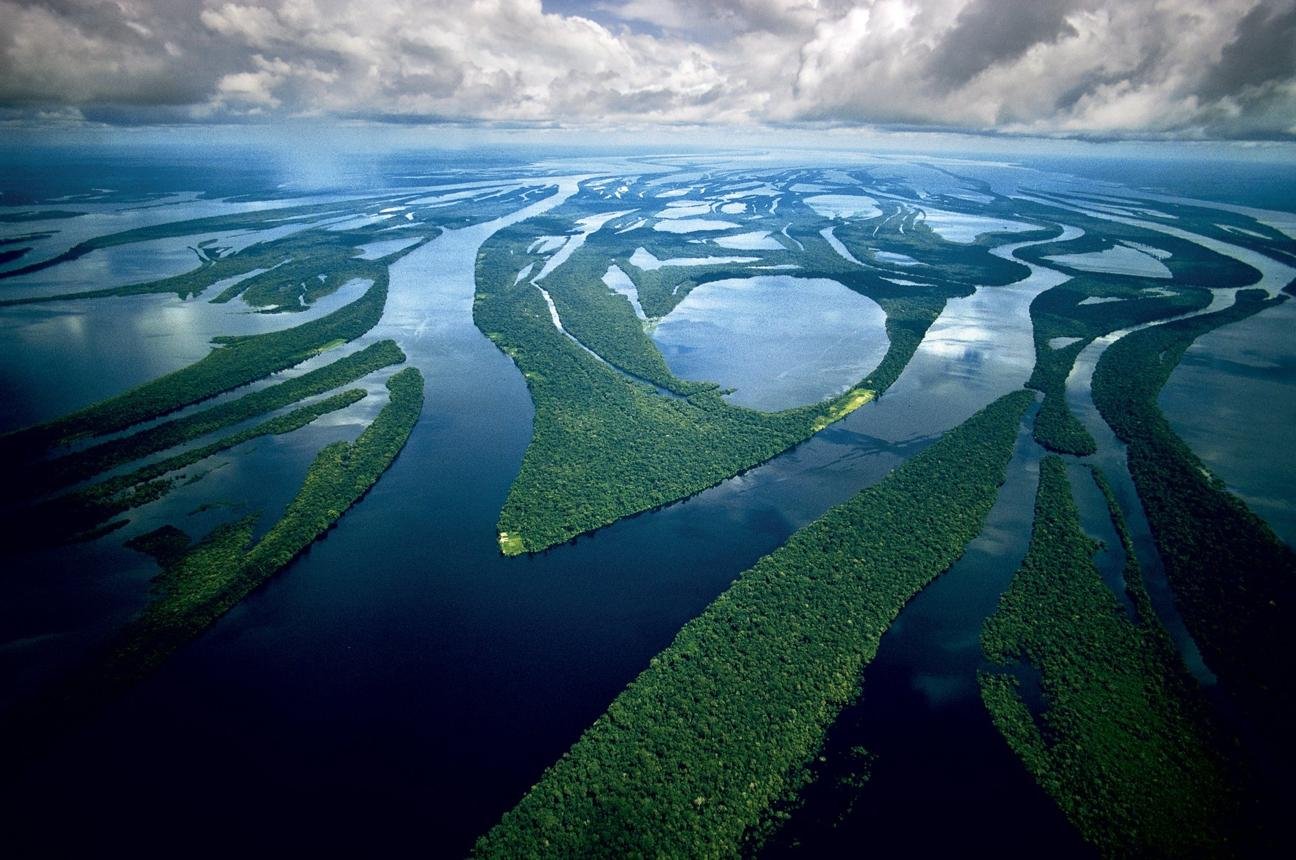
The Amazon River flows through South America and is associated with one of the world’s largest river systems.


The Amazon basin covers an enormous area and supports the Amazon rainforest, one of the most biologically diverse environments on Earth.
The river carries an enormous amount of freshwater toward the Atlantic Ocean.
🌿 A River Surrounded by Life
The Amazon isn’t simply a river.
It is part of a vast interconnected ecosystem containing fish, birds, reptiles, mammals, insects and countless plant species.
🏜️ 2. The Nile – A River That Built Civilizations
The Nile River flows through northeastern Africa and has played a crucial role in human history.


Much of the surrounding region is extremely dry.
That makes the river particularly important.
Ancient Egyptian civilization developed along the Nile, where water and fertile land supported agriculture.
🏺 Imagine Ancient Egypt
Outside the river valley was largely desert.
Along the Nile was fertile land.
The contrast helped create one of history’s most famous civilizations.
🌏 3. The Yangtze – China’s Great River
The Yangtze River is the longest river in Asia.


It flows across China through a wide range of landscapes.
The river is extremely important for transportation, agriculture, industry and communities.
The famous Three Gorges region demonstrates how dramatically rivers can cut through mountainous landscapes.
🌊 4. The Mississippi – A Major River System of North America
The Mississippi River is one of North America’s most important waterways.


Its river system connects a huge drainage basin across the central United States.
The river has played major roles in:
- 🚢 Transportation
- 🌾 Agriculture
- 🏙️ Urban development
- 🐟 Wildlife
- 💰 Trade
Its delta also contains important wetland ecosystems.
🌊 5. The Ganges – A River of Life
The Ganges flows through India and Bangladesh and is one of the most important rivers in South Asia.


The river supports agriculture, fisheries and millions of people.
It also has enormous cultural and religious importance.
Cities along the river have developed over centuries, making the Ganges deeply connected with the history and daily life of the region.
🏔️ 6. The Mekong – A River Across Southeast Asia
The Mekong River flows through several countries in Southeast Asia before reaching the South China Sea.


The river supports agriculture and fisheries and provides an important source of food and transportation.
Its delta in Vietnam is particularly important for farming.
🐟 A River Full of Life
The Mekong supports a remarkable variety of aquatic species.
Changes to the river can therefore affect both ecosystems and communities.
🌊 7. The Danube – Europe’s International River
The Danube River is one of Europe’s major waterways.


It flows through or along the borders of numerous countries.
Few major rivers connect so many different cultures and landscapes.
The river passes through major cities and has been important for trade and transportation for centuries.
🌊 8. The Colorado River – A River That Carved a Giant Canyon
The Colorado River flows through the southwestern United States and is famous for carving the Grand Canyon over geological time.


The Grand Canyon shows the incredible power of erosion.
Water doesn’t need to be violent to transform landscapes.
Given enough time, a river can cut through enormous quantities of rock.
🪨 The Power of Time
The Grand Canyon is a reminder that geological change doesn’t always happen quickly.
Sometimes, nature works slowly for millions of years.
🌊 9. The Congo River – A Deep and Powerful African River
The Congo River flows through Central Africa and is one of the world’s great rivers.


Its basin contains vast rainforest ecosystems.
The river is also notable for its exceptional depth in some sections.
Its surrounding environment supports enormous biodiversity.
🏔️ 10. The Indus – A River of Ancient Civilization
The Indus River flows through parts of Tibet, India and Pakistan.


It played a central role in the development of the ancient Indus Valley Civilization.
The river provided water and supported agriculture in a region where access to reliable water was essential.
Today, the Indus remains extremely important for agriculture and water supply.
🌧️ How Do Rivers Begin?
Many rivers begin as tiny streams.
A small amount of water may flow down a mountain slope.
Another stream joins it.
Then another.
Gradually, the network becomes larger.


This interconnected network is called a river basin or drainage basin.
Every river has an area of land from which it collects water.
🌊 Why Do Rivers Meander?
Have you noticed that many rivers don’t travel in straight lines?
Instead, they curve and bend.
These bends are called meanders.


Water moves faster along some parts of a bend and slower along others.
Over time, erosion and sediment deposition can make the bends larger.
Eventually, a river may even cut through a narrow section of a meander and create an oxbow lake.
🏞️ Rivers Create Deltas
When a river reaches a sea or lake, its flow slows down.
It can deposit sediment carried from upstream.
Over time, this material can create a delta.


Some of the world’s largest and most productive agricultural regions are located around major river deltas.
🌾 Why Are Rivers Important for Agriculture?
Plants need water.
That makes rivers extremely valuable for farming.
People have developed irrigation systems that move river water to agricultural fields.


Throughout history, reliable rivers have helped civilizations produce food and support growing populations.
🚢 Rivers Are Natural Transportation Routes
Before modern highways and railways, rivers were some of the easiest ways to move people and goods.
Even today, major rivers remain important transportation routes.


Large vessels can transport huge quantities of goods more efficiently than many other forms of transportation.
⚡ Rivers Can Generate Electricity
Moving water can also produce electricity.
Hydroelectric power stations use flowing or falling water to turn turbines.


Hydropower is one reason some major rivers have enormous economic importance.
However, dams can also change ecosystems, sediment movement and fish migration, so river development requires careful planning.
🐟 Rivers Are Homes for Wildlife
Rivers support entire ecosystems.
Fish live in the water.
Birds feed along the banks.
Mammals depend on rivers for drinking water.
Plants grow along the shoreline.


A healthy river is therefore much more than a channel carrying water.
It is a living ecosystem.
🌍 What Happens When Rivers Become Polluted?
Pollution can seriously damage river ecosystems.
Industrial waste, untreated sewage, agricultural runoff and plastic can enter waterways.


Polluted rivers can affect:
- 🐟 Fish
- 🐦 Birds
- 🌱 Plants
- 🧑🌾 Agriculture
- 💧 Drinking water
- 🏘️ Communities
Protecting rivers therefore means protecting both nature and people.
🤯 Amazing River Facts
🌊 The Amazon carries an enormous amount of freshwater into the Atlantic Ocean.
🏺 The Nile was central to the development of ancient Egyptian civilization.
🌏 The Yangtze is the longest river in Asia.
🐟 The Mekong supports important fisheries and agricultural communities.
🏞️ The Colorado River helped carve the Grand Canyon.
🌍 The Danube connects many European countries.
🌾 Major river valleys have supported human agriculture for thousands of years.
⚡ Rivers can provide hydroelectric power.
🌟 Final Thoughts
Rivers are among Earth’s greatest natural forces.
They carve mountains.
They create valleys.
They carry sediment.
They provide freshwater.
They support wildlife.
They help grow food.
And they have shaped human civilization for thousands of years.
When you look at a river, you aren’t simply looking at water moving downstream.
You’re looking at a living system that connects mountains, forests, farms, cities and oceans.
And perhaps the most fascinating thing about rivers is that the journey never really ends.
The water keeps moving.
From a tiny mountain stream…
to a powerful river…
to the ocean…
and eventually back into the atmosphere as part of the endless water cycle.
❓ Frequently Asked Questions
Which is the longest river in the world?
The answer can depend on how river sources and measurements are defined. The Nile and Amazon are commonly discussed as the leading contenders.
Which river carries the most water?
The Amazon has the greatest average discharge of any river in the world.
Why are rivers important?
Rivers provide freshwater, support ecosystems, agriculture, transportation, energy production and human settlements.
What is a tributary?
A tributary is a smaller river or stream that flows into a larger river.
What is a river delta?
A delta forms when a river slows as it reaches a larger body of water and deposits sediment.
Can rivers change their course?
Yes. Erosion, sediment deposition, flooding and other geological processes can gradually change river channels.
Why should rivers be protected?
Healthy rivers are essential for freshwater, wildlife, agriculture and communities.


