Author: pasupuleti saidarao

  • ๐Ÿ‡ฏ๐Ÿ‡ต Japan โ€“ The Amazing Country Where Ancient Traditions Meet the Modern World

    ๐Ÿ‡ฏ๐Ÿ‡ต Japan โ€“ The Amazing Country Where Ancient Traditions Meet the Modern World

    Japan is one of the most fascinating countries in the world.

    It is famous for advanced technology, high-speed trains, beautiful cherry blossoms, Mount Fuji, delicious food and unique traditions.

    But Japan is much more than technology and modern cities.

    It is a country where ancient culture and modern life exist side by side.


    https://images.openai.com/static-rsc-4/WIYHggdQ8Wr3gjLeTfyrWA43OxamAb7Ns9_q3eBzwuDAvjto06dUWrsTi1En_O5uvdmRbinCeAyMIocEuPe8X64bc12yYWZohjnlRmw2gfE6oo51lvyu5AYAYwu9z6z7gkNaJn3sUmU51IvlQBIGxKhVqSyKBxjNGiwNIm9-vTtlQyTpUNgf9mfFCuUoaN-3?purpose=fullsize
    https://images.openai.com/static-rsc-4/SxMBVJGvcEqULkdGVpdXzyCdtO9JkCRlo0QKyd5_EfbCOjFnu8jk8UF1lLORoiYN_j4A3iQbzwsqdNLs4u6JpuakxiON83OZISlfO8FURRcsWOalZc9Gb5TYiECDcYhpxv3BL9AYi-47HqQWHMCLG_rNY_ygja-kBNF61n_dDYeeKHmO0KCkJwNysaGSgsbq?purpose=fullsize
    https://images.openai.com/static-rsc-4/OoPDGoP3OTOLVWS-lzohpCA8PX3G9Q0QnB4dCZimHObcgR8OTbWxuwSprcxxK3YDLTbOToszjQ28vsWMYaeDBYHpOrwG7FHulC_W9y5uzhNXZq_YSLXwTVDpddvhrw2KZAVG7h-CYTStNHnvv9GY5JDz6balgdhMK2qQ1f4OjUNd3pfc-fa-jpHeTBBVFuKi?purpose=fullsize

    Japan

    Japan’s modern cities, traditional culture and beautiful natural landscapes make it a unique country.


    ๐ŸŒ Where Is Japan Located?

    Japan is an island country in East Asia, located in the Pacific Ocean.

    It is made up of many islands, with four main islands:

    • Honshu
    • Hokkaido
    • Kyushu
    • Shikoku

    The capital city of Japan is Tokyo, one of the world’s best-known metropolitan cities.


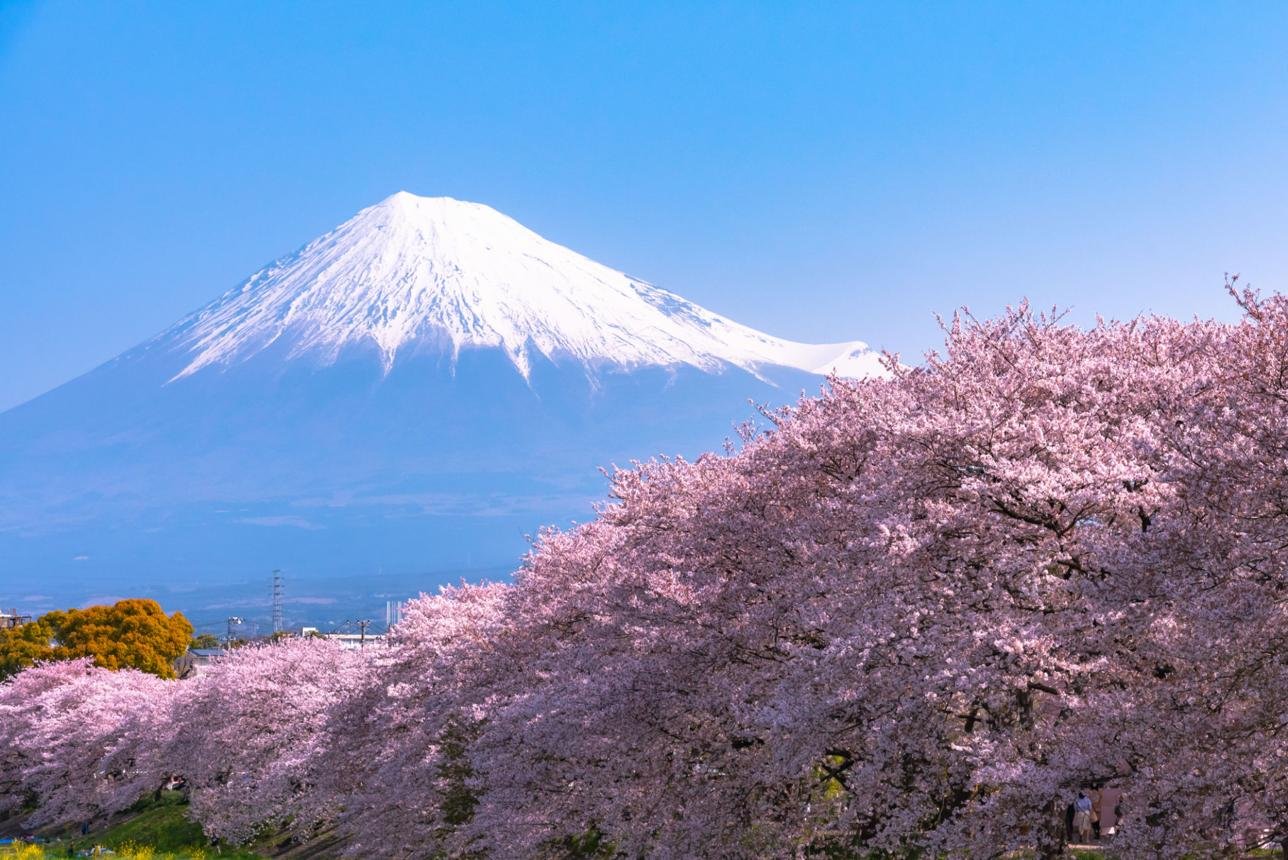
    ๐Ÿ—ป Mount Fuji โ€“ Japan’s Famous Mountain

    When people think about Japan, one of the first images that often comes to mind is Mount Fuji.

    Mount Fuji is Japan’s highest mountain and one of its most recognizable natural landmarks.

    Its beautiful, almost perfectly symmetrical shape has inspired artists, photographers and travelers for generations.

    During winter, its snow-covered peak creates one of Japan’s most famous landscapes.


    https://images.openai.com/static-rsc-4/ZQEjg8MczP9AmLWfsDUeiypfKQeo5nfu21oGrJGzbMARxNziupG325oLwsnxjvPdlLi82TWFkKOyYWkKNtLyDzkti4jThP5oADszG0oRe47JkEW0XQIMLhsbJK4bAHhXYq-x0ZLJ4vMuwkbUConv0baXX73i1gBOrmjFG_ZOFSw8_cE4CiBkw4Fxw8Nn6_Gl?purpose=fullsize
    https://images.openai.com/static-rsc-4/lOnYBywXDHMXzQDOkqHeO0fVr57cqiYbttAjKCTmMkyxK-I_rUmTqJrWO35H5HCdE37DjjSdWzZKWsIAx0m9-wdBPreR_rzBBOYR564J9BW-YAyEdfvo2efqqb2WK1pfYZMe3-I6RlC23C8Dph2S3x8E_8QFBPFpKi7Kg3n2nuV_Qc_YDI0mVzw-zFF7wZBs?purpose=fullsize
    https://images.openai.com/static-rsc-4/1eZSUsJI5R7PfWXQzWBdlT0eIqc0lnCm56fwl5Xpe0tUiVEpYu3-MUdltZ5J74dhr_Co4-BHhXqQIdSEOh3_Ywl3A6PPTEY_JgGul1EXy1hSMLJjF3MMMcctYKX1CAzO7CZNIHH8WJCbXhgZVVhBOdyx10onLc4ohoIOMcDwQ6H69ACrQZtbh0NVWxyJ98lT?purpose=fullsize

    Mount Fuji


    ๐ŸŒธ Why Are Cherry Blossoms So Special in Japan?

    One of Japan’s most beautiful natural traditions is the appreciation of cherry blossoms, known as sakura.

    During spring, cherry trees burst into bloom and transform parks and streets with beautiful shades of pink and white.

    People gather with family and friends to enjoy the flowers.

    This tradition of viewing cherry blossoms is called Hanami.

    For many visitors, seeing Japan during cherry blossom season is an unforgettable experience.


    ๐Ÿš„ Japan’s Famous Bullet Trains

    Japan is also famous for its high-speed railway system.

    The Shinkansen, commonly called the Bullet Train, has become a symbol of modern Japan.

    These trains are known for their speed, efficiency and punctuality.

    Japan’s railway system shows how modern infrastructure can make everyday travel faster and more convenient.


    https://images.openai.com/static-rsc-4/Ywx6atKhp4cUkvrbQMWcxn0HdtyC7nXHLyfuECXTrFXn2izdk_CFB3AfVDw82hnqUPVCvh4mQHa4gM81LmaekVa9I7LLXX4hJ9IJvElYcLd3IQdI9Kj1q-1whpceQXlH6WshHGO9o2jnPjdKJcNsf27P8gVtRAhTov684um7Wc1rd7KUm7Y6YxSuIhxgcqf5?purpose=fullsize
    https://images.openai.com/static-rsc-4/PSaNCJMd3ZCx5rVIypkRUHCl8XhUZaVZW18X25ig2xLxM3qJmbmnmUeHs6rvhOxxu4Pdo94g-zL7Q4QZTpqb8ENyrFURe-uBPpgg7JfGBl2Two_lclPwi1Ddjysw-6T9oiiDEToEPGW2q1SrQE7hikI60PCeCcN04xAyLeFvfDQdpAoYijycpKRjZQCUkOBm?purpose=fullsize
    https://images.openai.com/static-rsc-4/Ogd4a-R3stBbOEE4kfdtsetSMPaRCDS2T3xaV6nsQb9mvaJ97-omqCBLR_DqK2EiGcGAUwFL6b9E9h_STbdiRIhta5WU-AhhDrgnSbZ6o1DLx4vfowV0BH9bDiqmolwDsfSqzx-jhQXft2bOqSG_JJNMZoUvTxtkdPAtpMWTnjyjSNqS5nqI2x_c5Q1mEl2u?purpose=fullsize

    Shinkansen Bullet Train


    ๐Ÿค– A Global Leader in Technology

    Japan has played an important role in the development of modern technology and manufacturing.

    The country is well known for its contributions to:

    • Robotics
    • Electronics
    • Automobile manufacturing
    • Engineering
    • Industrial technology

    Japanese companies have built a strong reputation for quality and reliability.

    One interesting aspect of Japanese manufacturing is the importance given to precision and attention to detail.


    ๐Ÿš— Why Are Japanese Cars Famous?

    Japan has one of the world’s major automobile industries.

    Japanese automobile manufacturers have become popular internationally because of factors such as:

    • Reliability
    • Fuel efficiency
    • Engineering
    • Quality
    • Innovation

    Japanese vehicles are used in many countries around the world.


    ๐Ÿงน Japan’s Culture of Cleanliness

    Japan is also widely admired for its emphasis on cleanliness and responsibility.

    In many Japanese schools, students participate in cleaning their classrooms and school surroundings.

    The idea is simple:

    Keeping a place clean is everyone’s responsibility.

    This teaches children that cleanliness is not something that should always be left to someone else.


    https://images.openai.com/static-rsc-4/NiEFwdPJtvLY1uH0vAJ4G01qmwvxfVo5jwCj_hNNDYpversS9THkhvVsoaExl7LpRKUMQpbkjs-2ekZKXKXUtbDc5EyMGk7FOoVVsdjHKKXCjbO_9xmc1gHXgMMHeGzk5qCyeJuTQvfvO5RuCLBkwAOfzq7syhFfu59Ylsk9Th4Qw13yaVG5AvlhoqIsO3p4?purpose=fullsize
    https://images.openai.com/static-rsc-4/ROUWJGIIp-pysLoW8hN7T9La9r4m9eqBEZ9tQbbSPvcucTmUt2JQh3IyJQd0IMhGKsBiIM4kh2k-ft-AkDOtTxFBgUKm-w4p7K01goy4IG8BydGHajTr-5r_Z2PjVlkSFlmc9hXmyPgz7xNGC5WInk0LadbKKqh5cYD6QIsKL69FAJjXB3_NnoEf6jQEp8fZ?purpose=fullsize
    https://images.openai.com/static-rsc-4/_w10_Pi6xTpOEfGc7LjoONWbHTXQtSLq2gAOsv82T5v4rBOGTc89EZT4kXF83Mfh-LpwkFw9dhrSzo4nNK46JEnGc-moFIcmRVUxxSp75Pb2epQ_BqWkJOeBTB0rNgz09-baBdgAxHgE_Deqpk5-1ZsYA0OQ1gxtU99V-R8j4owK_GjAy_FBarUDDebEepbZ?purpose=fullsize

    Students Cleaning Their School


    ๐Ÿ™‡ The Japanese Tradition of Bowing

    Bowing is an important part of Japanese social culture.

    Depending on the situation, people may bow to show:

    • Respect
    • Gratitude
    • Greeting
    • Apology

    The way people bow can vary depending on the situation and level of formality.

    This tradition reflects the importance of respect in Japanese society.


    ๐Ÿฃ Japanese Food Is Famous Around the World

    Japanese cuisine has become popular far beyond Japan.

    Sushi is probably the most internationally famous Japanese food.

    But Japan has many other popular dishes, including:

    ๐Ÿœ Ramen
    ๐Ÿค Tempura
    ๐Ÿฒ Udon
    ๐Ÿฅข Soba

    Japanese cuisine is also known for careful presentation.

    The appearance of food can be considered almost as important as its taste.


    https://images.openai.com/static-rsc-4/lBe04HZAuweA50v_cRFLWbWcmwmQFpFl0KL8KD4VE6mh3HnKBake53s2TToYGtEbJ6haTeV0Ad_e6tEe3f3f2PlM1AKHcEkmXXCx8tcio_Vk4U_SmtcN_RsALiExPC2L2xZuSDgJTecwGociwicM6F3XqKPvVDgMFSGL7Nj_zxXsf-7vih05X5h4amlk2cAk?purpose=fullsize
    https://images.openai.com/static-rsc-4/VyWxVGdcVj2vl1hjCjxz04G_lyKadPtuNy3AICCgqxDpFDQ2Qx1AsdjWNjgMnRQdTTSSYZtIkDqLCBvxjxDIrq8yyqxuo7c2CpviDOtOOeLuTIeYYk-lTzYn0KePIBzGCfJjy9OP5DX-7SRgRlri1R0SPYM3qdNQWFyHwMp_SjYbMRJkvucN3-QQ_AS3g4mx?purpose=fullsize
    https://images.openai.com/static-rsc-4/tHRIlLJqV18_aMPwFjM5Ygx9nP2B_PmJ0oT2QXk2RPPJy_vwip5bgwSZe1nyHWEizjPVtudYSlObB9IWAMC9dST5zHejT1OCi__0_g9AwOquELDj0WAinqx3ZNMth28VJsl5w0llqlXEtUrPqtBKPCn3NCvPLOZYFz0kN3f8LybwNRd8an-QM1awoSj5S3_a?purpose=fullsize

    Japanese Cuisine


    ๐Ÿฏ Ancient Culture Meets Modern Life

    One of the most fascinating things about Japan is the way ancient traditions exist alongside modern technology.

    In one place, you may see:

    ๐Ÿฏ Ancient temples

    And only a short distance away:

    ๐Ÿ™๏ธ Modern skyscrapers

    You can find traditional Japanese gardens, historic shrines and centuries-old cultural practices alongside advanced technology and modern cities.

    This combination makes Japan especially interesting.


    ๐ŸŒ‹ A Country That Lives With Earthquakes

    Japan is located in a region where earthquakes occur frequently.

    Because of this, earthquake preparedness is an important part of life in the country.

    Japan has developed building standards, emergency systems and public awareness programs designed to reduce risks from earthquakes.

    People are also taught how to respond during emergencies.

    This is an important example of how a country can prepare for natural hazards.


    ๐ŸŒ‹ Japan Also Has Volcanoes

    Japan has many volcanic areas because of its geological location.

    These volcanoes have helped shape the country’s mountains, hot springs and landscapes.

    So Japan’s natural beauty comes with powerful geological forces beneath the surface.


    ๐ŸŒ† Tokyo โ€“ One of the World’s Great Cities

    Tokyo is the capital of Japan and one of the world’s major urban centers.

    The city is famous for:

    • Skyscrapers
    • Technology
    • Shopping
    • Public transportation
    • Restaurants
    • Entertainment
    • Busy streets

    But Tokyo is not only about modern buildings.

    The city also has quiet temples, traditional neighborhoods, gardens and historic places.


    https://images.openai.com/static-rsc-4/JWzOen-WqhPc_OOcWnz66-LYJB-c7HaJ9_ijhCMGY1o-7yp81SDLJMbfKxx2Mjze4tvQeQRiwE3Vn7Q2JNhDpPsFZNk_WYOEqyNVdyNQVNq50uotg6-qV_ZQYGsXADhbjUh8fP5WHIjs-o6QTnh5T-j6kfL07VvLrGpQr7-tcUmTH3a_YxYCn0r3LD-qkLgK?purpose=fullsize
    https://images.openai.com/static-rsc-4/qNRnS-6ZfbMB-lj_jAoUO_D4v-rWhBGCmCnyQ4sYl__h3w4hjqlefuyE8aNuRZTShBMmucIMMQKSU4Sl-F79Brr8cRvgQFPCoklsrNpNv0-5_p84iSq7hh-ShHADGyHXpVhiLI4OCnJc9DwVtDUt5WGYqtum1J1xJ0xB-o1Tje92zRPlmxj9dLpBxwC80O5c?purpose=fullsize
    https://images.openai.com/static-rsc-4/qr_BZ8zWIHsuMXURSCCppXYnhRsQWWUejQjjOK0N_sDtXryZOpPaNzNBTEOqh8c0QfGUZmKJxO0ZCsfEA1QklDZQ_ooTe52PX12FXfsFT93gMkzks-oZcw5smOE5GkAvL8-WKLoCyTloF7ivHWsGOrDv3RlbV3yU2zolEHZ2YoVv_qmu2bQLybVzbeIkJsKJ?purpose=fullsize

    Tokyo


    ๐ŸŽŒ Anime and Manga

    Japan has also had a huge influence on global popular culture through Anime and Manga.

    Japanese animation and comics have attracted millions of fans around the world.

    Many stories created in Japan have been translated into different languages and adapted for international audiences.

    This has become another way Japanese culture has reached people across the globe.


    ๐ŸŒฟ Japan’s Love for Nature

    Despite its large modern cities, Japan has many beautiful natural areas.

    The country has:

    ๐ŸŒฒ Forests
    ๐Ÿ”๏ธ Mountains
    ๐ŸŒŠ Beaches
    ๐ŸŒ‹ Volcanoes
    ๐ŸŒธ Flower-filled landscapes
    โ™จ๏ธ Hot springs

    The changing seasons also play an important role in Japanese culture.

    Spring brings cherry blossoms.

    Summer brings green landscapes.

    Autumn brings colorful leaves.

    Winter brings snow to many parts of the country.


    ๐Ÿ’ก What Can We Learn From Japan?

    Japan offers several interesting lessons.

    1. Respect for Time

    Punctuality is highly valued in many parts of Japanese society.

    2. Cleanliness

    People are encouraged to take responsibility for their surroundings.

    3. Attention to Quality

    Small details can make a big difference.

    4. Respect for Tradition

    Modern technology does not necessarily mean forgetting the past.

    5. Disaster Preparedness

    Being prepared can help people respond better to natural disasters.


    ๐ŸŒŸ Why Is Japan Such a Unique Country?

    Japan combines many different worlds.

    It is a country of:

    ๐Ÿ—ป Mountains and volcanoes

    ๐ŸŒธ Cherry blossoms

    ๐Ÿš„ High-speed trains

    ๐Ÿค– Advanced technology

    ๐Ÿฏ Ancient traditions

    ๐Ÿฃ Unique cuisine

    ๐ŸŒ† Modern cities

    ๐ŸŒŠ Beautiful coastlines

    That combination makes Japan one of the most interesting countries to explore.


    ๐Ÿ“ Conclusion

    Japan is a country where the past and future exist together.

    Ancient temples stand alongside modern skyscrapers.

    Traditional ceremonies continue in an age of advanced technology.

    High-speed trains connect modern cities, while centuries-old cultural traditions remain alive.

    Japan also shows how a country can prepare for natural challenges while continuing to develop.
    ๐Ÿ‡ฏ๐Ÿ‡ต Japan is not just a country famous for technology.

    It is a fascinating combination of tradition, discipline, innovation, nature and modern life.

  • ๐Ÿ‘‘ The Ramayana โ€“ Part 23: Rama Rajya | The Ideal Kingdom of Rama

    ๐Ÿ‘‘ The Ramayana โ€“ Part 23: Rama Rajya | The Ideal Kingdom of Rama

    In Part 22, we saw the great war of Lanka, the defeat of Ravana, the reunion of Rama and Sita, and their journey back to Ayodhya.

    Now a new chapter begins.

    Rama returns to his kingdom after fourteen years of exile.

    But what happened after his return?

    How was Rama crowned?

    What does Rama Rajya actually mean?

    And why is the idea of Rama’s rule still remembered today?

    Let’s explore.


    https://images.openai.com/static-rsc-4/d47Nb8qDqZkmppLYZqPM_8EeRE7CA-2zSoH5eq15PSjwg8o0HtJFOEmgl10oyKcX6OwhvNo1CbFw9lJgmsi_oIQf6GKnv46rK9_JQ6HTn7GfSeQc7palG365Cr_qXhjZ9F51oIcYs00tMRkCZS4IuGahAt2OZDt-RthYdEZTw9g-uAAKOu_quyu_-66rd2h0?purpose=fullsize
    https://images.openai.com/static-rsc-4/TeKG5jNE7p8Uc-v05FxoXP38ge1C6ECY4IhccWONR5ofuWMa_J-SmiKruwdPQpDMqOhiyT_gFRU2f9EqN01sgem1vv3aJYmYTqcFmJDtP5taOrnz5O1QPv3vIK8LTYvCOblWjLHgKeH_Y8ubYY0HCasYjS7tcAWWuH_u6nnQ2C-SnWKT5T2bL6K5wDzaia_t?purpose=fullsize
    https://images.openai.com/static-rsc-4/i5VV_3KDcMPlOOn9uhUaGXA0p4KKeOdu2M81Y63QOLZ7X2CDoUuvRcNt8ZodMxSvQHhkkEhZUzyu38eki9Gbj5dhagPxsznoQU6qs577A0JZYPPrOflObMPP9TLqHmqN9uIfMLMckrtN6rFtl62Q7_uNi7gqJMJKEk03FDHJVeauJrkN8AtkE_k8iHd0w39l?purpose=fullsize

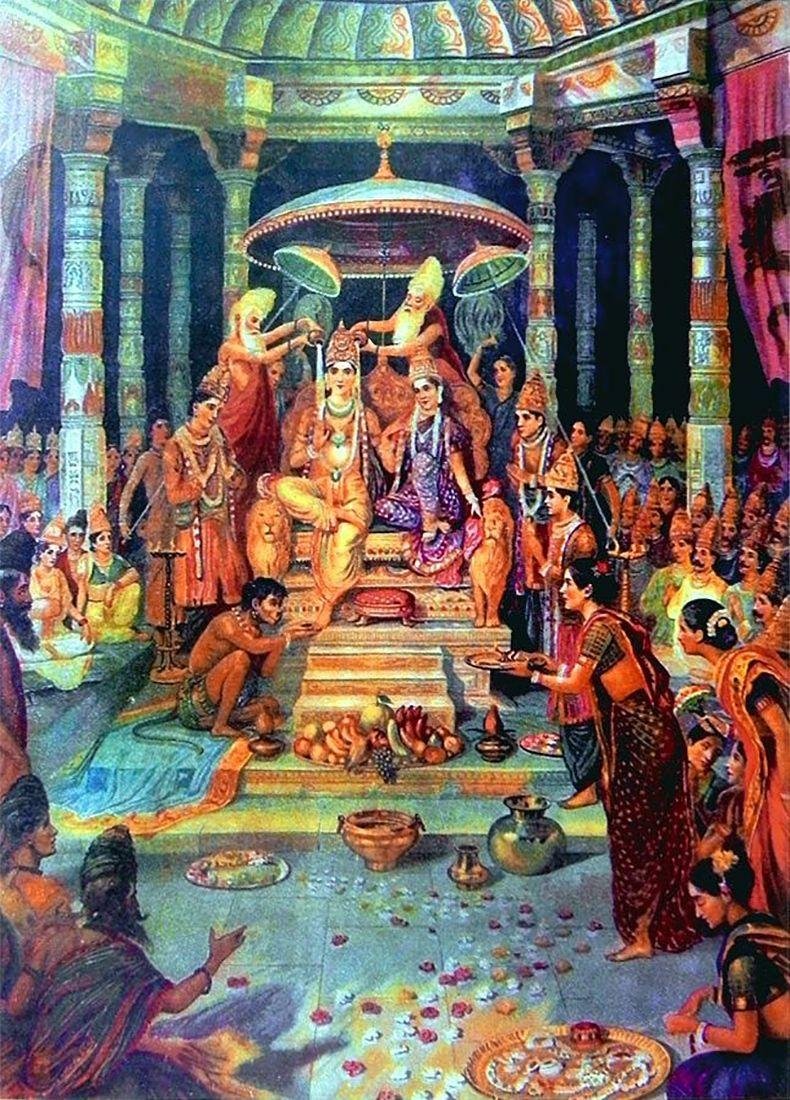
    Rama’s Coronation

    Suggested image: traditional Indian artwork of Rama’s coronation with Sita, Lakshmana and Hanuman.


    ๐Ÿ  Rama Returns to Ayodhya

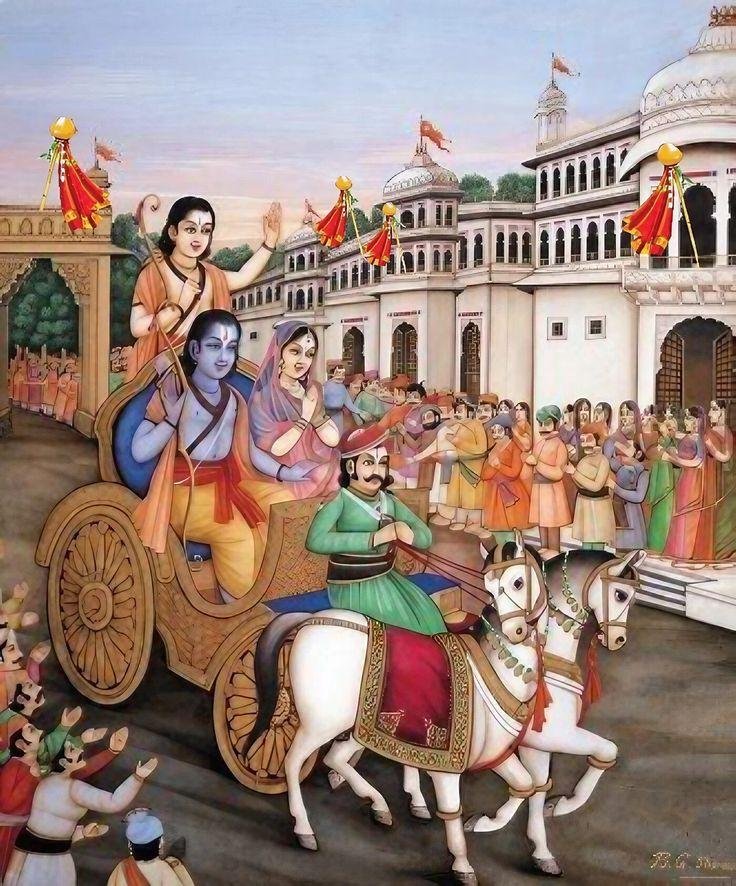
    After defeating Ravana and rescuing Sita, Rama begins his journey back to Ayodhya.

    He is accompanied by Sita and his loyal companions.

    The people of Ayodhya eagerly wait for his return.

    For fourteen years, Rama has been away from the kingdom.

    Now the long wait is finally over.


    ๐Ÿช” The Joyful Return

    Rama’s return becomes a moment of celebration.

    The people welcome him with happiness.

    The story of Rama’s return is traditionally associated with the festival of Diwali in many Indian traditions.

    Homes are decorated with lamps.

    The darkness is replaced with light.

    The return of Rama becomes a symbol of hope and victory.


    https://images.openai.com/static-rsc-4/HoG8JIlDIdoK9cf48ydc4wm52TC0Bct0McachW6lJQRpeJlV78EjSRvFS2Bq3bt_keGXe0pCxe9McU-J1zWz0H0zaqpWKytHzYrKMxffrNoIak6_JFbWU4ZYX7np_veCaY3w_t3s1aLUQCdRWN2ZlE3-92sDADaaBc4HWRYFwxKsp1fB6ESI75z7nOJK5X65?purpose=fullsize
    https://images.openai.com/static-rsc-4/twMtjaVgZh171R5ybOI9m2iMjvTEZl3fdafju85IX-IfchVcvkCD6Xe1H2Eg-DJl-2Pnuc_jWkZe8mi_pfSPx_OFAmoe1eoygOEYvDdpTRk68RMoPIuHHj1ksFUpM-miNOHHZlv5H7gzcdXs_9rU_C3fesDjHx_kVqfKm9Z-KYp3lc1eLhUTp_Qgz1oFgxXW?purpose=fullsize
    https://images.openai.com/static-rsc-4/BQnrNd1fWDe0hhamnRCSTAh4Pb1X8HgArY4kAaBYbA0ku8Sq_9UJdCktYQnYYn_DulzG6l8_Lw-9DGi0r8xouNRsEKkX55z8xH8D-5Vu9B1NlFqnkcyKD5iAHMvAtpLV8i22J2nu99z9yjSvYug0-CY24wb52JjDsRUdnvalFXEYKMbmN4doV073M9tvW81w?purpose=fullsize

    Rama’s Return to Ayodhya


    ๐Ÿ‘‘ Rama’s Coronation

    Rama is crowned king of Ayodhya.

    This event is traditionally known as Rama Pattabhishekam.

    Sita becomes queen.

    Lakshmana continues to remain close to Rama.

    Hanuman and the other allies who helped Rama also become part of this memorable occasion.

    For Rama, the coronation is not simply a royal celebration.

    It marks the beginning of his responsibility as a ruler.


    โš–๏ธ What Is Rama Rajya?

    The term Rama Rajya is traditionally associated with the ideal rule of Rama.

    The basic idea is that a kingdom should be governed with:

    • Justice
    • Responsibility
    • Compassion
    • Honesty
    • Good administration
    • Protection of people
    • Respect for dharma

    Rama is remembered as a ruler who placed great importance on his responsibilities.


    ๐ŸŒŸ Why Is Rama Rajya Considered an Ideal?

    Rama’s life is filled with difficult decisions.

    Even before becoming king, he accepts exile because of his commitment to his father’s word.

    Later, as king, he understands that ruling a kingdom involves responsibilities beyond personal happiness.

    This creates an important idea:

    A ruler’s responsibility is greater than personal comfort.


    ๐Ÿ‘จโ€๐Ÿ‘ฉโ€๐Ÿ‘งโ€๐Ÿ‘ฆ The Welfare of the People

    Traditional descriptions of Rama’s reign portray Ayodhya as a prosperous and peaceful kingdom.

    The people are described as living without major fear and suffering.

    The ideal ruler is expected to listen to the concerns of the people and work for their welfare.

    This idea becomes an important part of the traditional image of Rama Rajya.


    https://images.openai.com/static-rsc-4/SGGqaZI0i5YLA31RtFPbdo-KKQbAcoXTruj4L4ID_XzfnBjbJdMNXjkM-CW3Ew_gk1xcSDsvckclZBZg7vivBDRv-cWFulfxeaP9cPOF22LNATkeN76qBDrRtorPTIzEk2AP332EQ9g_AkRNTU9fDb3cf-Erq9poSu0O1StLUk42_Jbd8mOM46BK_P-Z27gJ?purpose=fullsize
    https://images.openai.com/static-rsc-4/mV9fQnSACTrYj3aCOrzqUUNxVShlqrfH2b0-9CTkb7zsVYDaBBHJK3YEQTy7kkkcexHNbyjICaL0y-90r2Q-2qVwy2EbEcX4sL5u95985tmlfyMTilwJqBPkc1l19UEZ7r_OcrUsMgVl6ho8c-pT4HnZhbv0R_9U5yNKMDEPYzb_N88LFVcqKQpStVLH1vEg?purpose=fullsize
    https://images.openai.com/static-rsc-4/SWzCfeG07242z-10yBIctYMpa-e686JGJE-TT8dahV9kDpkTKYoTAKwumHqyNkAmze7jX8vcfe7iRTAVz0Il42OGF8eE2MzdPaRvNOAinVPrTGEGmDaR9P1ls0kwcK6g8lLBuFEpdRkjAXMhfQ7sc82KwYfbUQPfpYUtP7osNKlJwhF4_ICHbcJS0bOPmB2G?purpose=fullsize

    Ayodhya Under Rama’s Rule


    ๐Ÿง‘โ€โš–๏ธ Dharma and Kingship

    One of the central ideas associated with Rama is Dharma.

    Dharma can have different meanings depending on context, including duty, righteousness, moral responsibility and proper conduct.

    For a king, dharma means taking responsibility for the kingdom and its people.

    Rama’s story repeatedly places this responsibility at the centre of his decisions.


    ๐Ÿ›• Rama as an Ideal King

    Rama is traditionally described as Maryada Purushottama.

    The phrase is generally understood as referring to Rama as an ideal person who follows righteous conduct and moral boundaries.

    His kingship therefore becomes more than political leadership.

    It becomes an example of how a ruler should behave.


    โค๏ธ Rama and His People

    The traditional ideal of Rama Rajya emphasises a strong relationship between ruler and people.

    The king is not supposed to rule merely for personal benefit.

    Instead, he is expected to protect the kingdom and work for the welfare of society.

    This principle is one reason the concept has remained influential for centuries.


    ๐Ÿ•Š๏ธ Peace and Prosperity

    Traditional descriptions of Rama Rajya present Ayodhya as a prosperous kingdom.

    People are described as living peacefully.

    Agriculture and trade are associated with prosperity.

    Families are able to live safely.

    The kingdom is presented as orderly and stable.

    These descriptions form part of the idealised image of Rama’s reign in later retellings and traditions.


    ๐ŸŒณ A Kingdom Connected With Nature

    The traditional vision of a prosperous kingdom also includes healthy surroundings and abundant natural resources.

    Rivers, forests, farms and animals form part of the wider world of Ayodhya.

    A successful kingdom is not only about wealth.

    It is also about the wellbeing of people and the environment around them.


    ๐Ÿง  Rama Rajya and Leadership

    The idea of Rama Rajya provides several lessons about leadership.

    1๏ธโƒฃ Responsibility

    A leader must accept responsibility for decisions.

    2๏ธโƒฃ Justice

    People should be treated fairly.

    3๏ธโƒฃ Self-control

    Personal emotions should not completely control important decisions.

    4๏ธโƒฃ Service

    Leadership should involve service rather than selfishness.

    5๏ธโƒฃ Trust

    A kingdom depends on trust between its ruler and people.


    ๐ŸŒบ Sita as Queen

    Sita’s return to Ayodhya marks another important part of the story.

    She becomes queen alongside Rama.

    Her own journey has been extraordinary.

    From Mithila to the forest, from Lanka back to Ayodhya, Sita has experienced some of the most difficult events in the epic.

    Her strength remains an important part of the Ramayana tradition.


    ๐Ÿ’ Hanuman’s Place in Rama’s Life

    Hanuman remains one of Rama’s most loyal companions.

    His devotion is one of the most celebrated relationships in the epic.

    Hanuman does not seek the throne.

    He does not seek wealth.

    His greatest happiness is traditionally presented as being in Rama’s service.

    That is why Hanuman’s devotion remains so important in Indian culture.


    https://images.openai.com/static-rsc-4/LUM688IRRw2yU1nIzpKJ3FDjCWZ1Wkg12m67A_MaDY3MWzunCpxjESBSDsZ0nbUJYHIgySxuVl2F7bEnmHz94lyFGEZwyoS-cjYZWJZKCD3P1i2cpSW0lIlnocXZEYuMkdGTToVMILDrI6XZcQkN3iUHvl5J2rvfTl2Fs1i8iCDr8t2ZFjzdjyLK0CwfI-KG?purpose=fullsize
    https://images.openai.com/static-rsc-4/2QxgU78F9K56vjUUJAgrfnBjy_iIIr6U6rbKCjDc4ywLaqImadEdf5fmA4SCqUi5LcEAlFFpDKgEI6K_GK3e_k_eCXUDcRXblTwxL88HbWnovjqXk7RYKhaEsHH5i91gJqJSTZ8NDzRcpu4svOi3wlJO1Ptqiv9Mzabl7rexFYwH8XIeJGu75oMVjrmLQu7T?purpose=fullsize
    https://images.openai.com/static-rsc-4/d-RWN1x0QZ72jNr2_t2ttRRS2PNm8ZMGnQAUdTC22fyy8PaXu1yNgJ87vpTuir_JHRMjZQ2asTmIwDgfp5imygl4fr9ZY2bqYX-GdU-c5tM55yhasBlRxA2Udp3cIV1BLu5nrHX3emxmTYXEDIwWmntkQa8PbR1V5iCRbezVIpziK1EkcsJbTBrv4W-ynkTJ?purpose=fullsize

    Rama, Sita and Hanuman


    ๐Ÿ“– Why Is Rama Rajya Still Discussed?

    The idea of Rama Rajya has continued to influence Indian thought and culture.

    People have used the phrase to describe an ideal society based on justice, honesty, welfare and responsible leadership.

    Its meaning has also been interpreted differently by different people and traditions.

    For some, it represents a spiritual ideal.

    For others, it represents ethical governance.

    For many, it simply means a society where people can live with dignity and security.


    ๐ŸŒŸ Rama Rajya Is More Than a Kingdom

    The deeper message is not simply about one ancient city.

    It is about an ideal.

    A society where:

    Justice matters.

    People’s welfare matters.

    Leaders accept responsibility.

    Power is combined with morality.

    Dharma is valued.

    That is why the concept has survived for generations.


    ๐Ÿช” From Darkness to Light

    There is also a beautiful symbolic connection between Rama’s return and the lighting of lamps.

    Light can represent:

    โœจ Hope
    โœจ Knowledge
    โœจ Goodness
    โœจ Victory
    โœจ A new beginning

    Rama’s return to Ayodhya is therefore remembered not only as the return of a king but also as the beginning of a new chapter.


    โš ๏ธ The Difficult Side of Rama’s Rule

    The Ramayana is not a simple story where everything becomes perfect after Rama becomes king.

    The later story includes difficult events involving Sita and public opinion.

    Rama faces painful choices between his personal relationship with Sita and what he understands as his responsibility as king.

    These episodes have been interpreted in many different ways.

    It is important to recognise that different Ramayana traditions tell and understand these events differently.


    ๐ŸŒบ Rama’s Legacy

    Rama’s influence extends far beyond the story itself.

    His character appears in:

    • Indian literature
    • Temple traditions
    • Classical and folk theatre
    • Dance
    • Music
    • Paintings
    • Festivals
    • Regional Ramayana traditions
    • Popular storytelling

    The story has also travelled beyond India and influenced cultures across Asia.


    ๐ŸŒ Rama Around the World

    Versions and adaptations of the Ramayana have been found across South and Southeast Asia.

    Stories connected with Rama appear in countries and cultural traditions including:

    ๐Ÿ‡ฎ๐Ÿ‡ณ India
    ๐Ÿ‡ณ๐Ÿ‡ต Nepal
    ๐Ÿ‡ฑ๐Ÿ‡ฐ Sri Lanka
    ๐Ÿ‡ฎ๐Ÿ‡ฉ Indonesia
    ๐Ÿ‡น๐Ÿ‡ญ Thailand
    ๐Ÿ‡ฐ๐Ÿ‡ญ Cambodia
    ๐Ÿ‡ฑ๐Ÿ‡ฆ Laos
    ๐Ÿ‡ฒ๐Ÿ‡ฒ Myanmar

    Each tradition can have its own style, characters, details and interpretations.

    This makes the Ramayana one of the world’s most influential epic traditions.


    https://images.openai.com/static-rsc-4/TDHWMXarUAdOH-LKofeVVW2oIaEttPYOevEbIBB17QVr-z5uLrXX1ClXIDQEySGe4tBLeJgRoHzJHu_j3JlF2DAfhsQVkmdDeKXcR5tSkSZ8mFlRASrEazyp_15vCZ6YUW9LJADyH219eFeGo166tn0K7O6RDKFulNBmq1Ttl7VK7yOOg8Fqsy6LIEa87C35?purpose=fullsize
    https://images.openai.com/static-rsc-4/U6NdItnwRKdIAEhZkvbdt7AkSpudalwWZVg9b-6RL6T0v4LsUoyhN-kbeueaKNLFdmpOI3U0HKlrh-PShbxEhf8rhQtokuwqIWnfKvne6jlgOdl8BbdtHlzZrQREG05QdtPKWHitELUasixVshhc_JoEKPxUDUp5jfK8kSTkiGMpavVEY563RvmzPFxcfF2e?purpose=fullsize
    https://images.openai.com/static-rsc-4/xYcna3mN-8jStTcZSIo__3AxGQyMizp0yKij8xbsdCDDkLgkZSk5vQ4H-0busYpllN0jGBoFfc1CQAS7dQBg2WMrOU1nv03PJfGHTI2EUQ0ieW0d_4N3YEumTLArTQ80xFUlmmG24gsMhfQMifSERwxagx7Plm3NvPhBGyGihRSTkuyP9-X0_KfDXCs9V705?purpose=fullsize

    Ramayana Beyond India


    ๐Ÿงญ What Can We Learn From Rama Rajya?

    The idea of Rama Rajya can be understood as a reminder that leadership is a responsibility.

    A good leader should not ask only:

    “What can I gain?”

    Instead:

    “What can I do for the people?”

    This simple idea is one of the reasons Rama’s story continues to inspire people.


    ๐ŸŒŸ 7 Lessons From Rama Rajya

    ๐Ÿน 1. Duty Comes With Power

    Leadership brings responsibility.

    โš–๏ธ 2. Justice Matters

    A society needs fairness and order.

    โค๏ธ 3. People Matter

    A kingdom exists for its people.

    ๐Ÿง  4. Decisions Need Wisdom

    Difficult situations require careful thinking.

    ๐Ÿ™ 5. Humility Is Important

    A ruler should not allow power to become arrogance.

    ๐Ÿ•Š๏ธ 6. Peace Is Valuable

    A prosperous society needs stability.

    ๐ŸŒฑ 7. The Future Matters

    Good governance should protect the wellbeing of future generations.


    ๐Ÿ•‰๏ธ Conclusion

    Rama’s return to Ayodhya marks the beginning of a new chapter in the Ramayana.

    After fourteen years of exile, Rama becomes king.

    His reign becomes associated with the ideal of Rama Rajya โ€” a vision of governance based on dharma, justice, responsibility and the welfare of the people.

    But the story also reminds us that leadership is not easy.

    A king must make difficult choices.

    A ruler must balance personal feelings with public responsibility.

    That complexity is one reason the Ramayana continues to be discussed even today.

    ๐Ÿ‘‘ Rama is remembered not simply because he became a king.

    โค๏ธ He is remembered because of the ideals associated with the way a king should live and rule.


    ๐ŸŒŸ NEXT PART

    Part 24: Lava and Kusha | The Story of Rama’s Sons and Their Connection to the Ramayana

    In the next part, we’ll explore the fascinating story of Lava and Kusha โ€” their birth, life in Valmiki’s ashram, education, learning the Ramayana, meeting Rama and the emotional events that followed.

  • ๐Ÿน The Ramayana โ€“ Part 22: Rama vs Ravana | The Great War of Lanka

    ๐Ÿน The Ramayana โ€“ Part 22: Rama vs Ravana | The Great War of Lanka

    In Part 21, we explored the complete story of Sita โ€” her life in Mithila, marriage to Rama, forest exile, time in Lanka, and the story of Lava and Kusha.

    Now we reach one of the most dramatic parts of the Ramayana:

    โš”๏ธ The Great War of Lanka

    Why did Rama and Ravana become enemies?

    How did Rama’s army reach Lanka?

    Who were the great warriors on both sides?

    And how did the final battle between Rama and Ravana unfold?

    Let’s explore the story.


    https://images.openai.com/static-rsc-4/vPQW1znpSRLIA0-tr1mf_-gkeBYQSuiZnMWk2XTJYPOHAZgpUy4jJnKTyCRBC1VEUf250LQp8EwhS8zY_yKtifZCmtHdOIVKsMmmXlVKi2h-spaKXYXCZe5RlJJ6-UHvFizAx-TGB_0YAp_rQJizXb4KmLsYpCDBfH8cvD3g0RCDR3ve9EVVbtXJKW83bEAs?purpose=fullsize
    https://images.openai.com/static-rsc-4/oh-0PxIyf6YSYGRXhyEKbykchjH05plz4xU81GRuG0HiGiXZevMEQUm_eKCJ6-QyOnE_3sk-Cy4z63XeSUrNMw77sr8gxQx__qcB_i7H_gfjrbG-jRRyAcN6pTcjWprzEu6AVj4R58zJcRMwKUitK-r0Sq9x-sLYTbNTf1PpyBYAva6Mti_eupE2D8mOh_en?purpose=fullsize
    https://images.openai.com/static-rsc-4/Z0ztuLdi9EBn1xeTmMRDcg3dFDnW-v-PC63-H4E4GP4HSnzF2K4TRhRhmXgg4rmvsOVweP2_OtNgXGePFcPmRLwvD6oQ6P_W1_0rYWq3zYxYFUBCFFxdxUDdME9yrbJ8NjX9yqtbj9p9VQPQ9WMbmCG7HrMcI8lgVAy7cUWr3wqmTR-gekpWE1HiIeBbA2FE?purpose=fullsize

    The Great War of Lanka

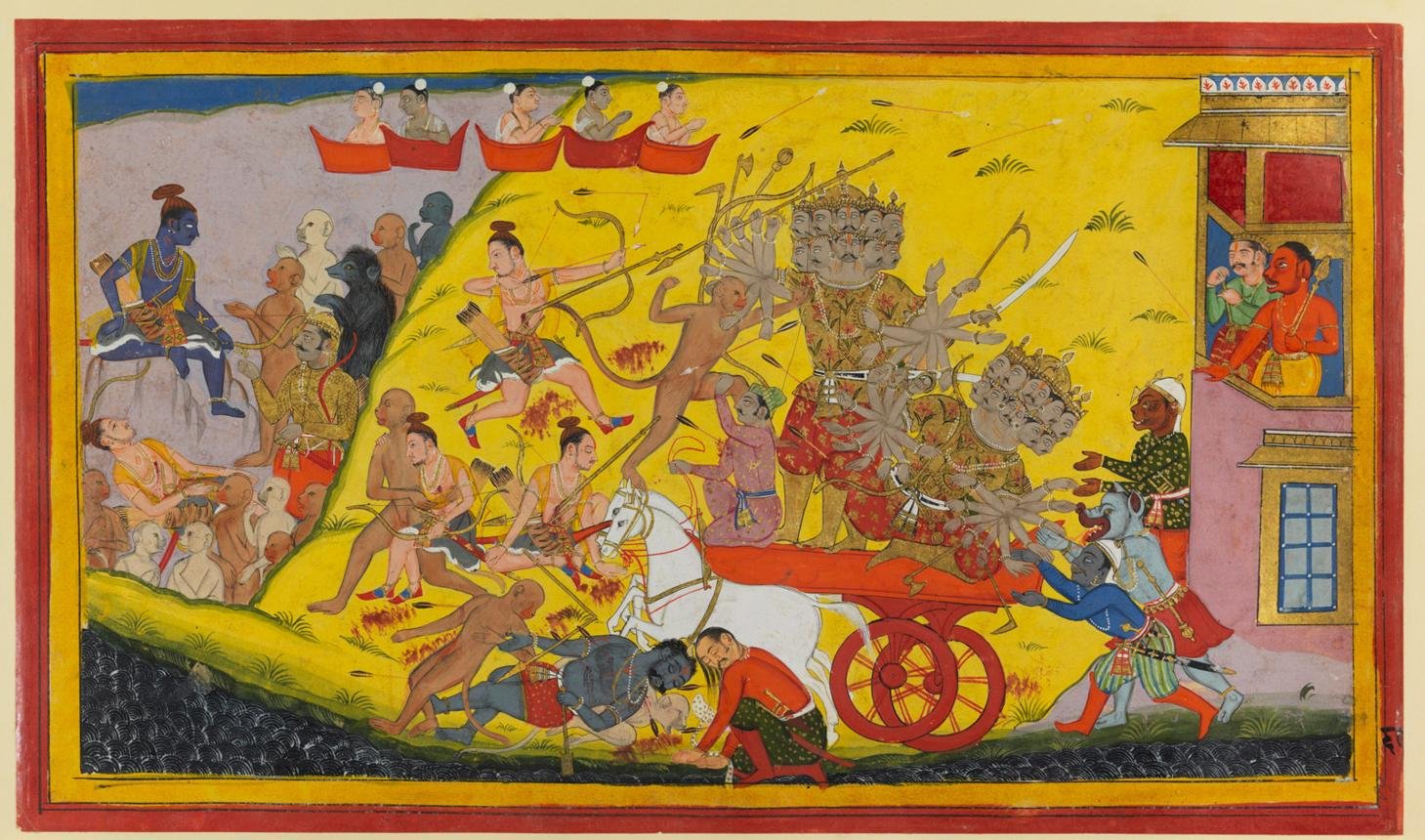
    Suggested image: traditional Indian artwork depicting Rama’s forces facing Ravana’s army.


    ๐ŸŒŠ How Did the War Begin?

    The conflict between Rama and Ravana began with the abduction of Sita.

    Ravana took Sita to Lanka and refused to return her.

    Rama wanted to rescue Sita.

    With the help of Hanuman, Sugriva and the Vanara forces, Rama discovered where she was.

    Now there was only one major obstacle:

    ๐ŸŒŠ The ocean separating the mainland from Lanka.


    ๐Ÿ’ Rama’s Army Reaches the Ocean

    Rama’s army reaches the seashore.

    The Vanara warriors look toward Lanka.

    Across the ocean lies the kingdom of Ravana.

    The army needs a way to cross.

    The traditional account describes the construction of a bridge toward Lanka, often called Rama Setu or Setu.


    https://images.openai.com/static-rsc-4/EcWAT2pIesZEnFd57wmAExnJE2gh_XD1NRu4AhCAWXoQodXm3lHxc15bjU2ZhgkeFVDvmOeJcQbrGPlrpfHao-psobNcDCX5O05G9Zso1-xPo_atuJRlXn7pQn91whC_AWDHWDdrp4YCak17Ir5NspOETyoMZWwzEIU1CXcA1n3Wc4sFIrr41RdFjFI7ZqI5?purpose=fullsize
    https://images.openai.com/static-rsc-4/g0cTG7y6wpocvYJWVEHH2frWm7xLHgRTVe9Ly1G1RnnwV-JWhg5gjeg5BRkKTmXIJEuNlEnTlD9mCAFNbhT2k8MSM4rnTT5keW2S093YeNTAYhYKg0_DpqW1DVdkOgeeQQRfsW12dsT86_VpRRkdWEDrwCMHysKKaSaVGavf5iTwqR0dAmdEn0uKXKOpXLf-?purpose=fullsize
    https://images.openai.com/static-rsc-4/SiPSmMhWgAGSywg3k6e5fjT-Ijzt1Crs0DwwlNIP_tApQ6Ah8YzincjBQx2BlHJV9nhfNprDq4NQ1wd9zOPRWU0-sv0IOh6rh0Kf-n1l9JDu1N3pRZcn0lDIgqb1EzegL_aluMsDrp_WT8oA3TjLZWNTj6a-uPgBH5fAHIxHMHjoDJuJ-UjAZMUYIBEae1CV?purpose=fullsize

    The Bridge to Lanka


    ๐Ÿชจ The Vanaras Build the Bridge

    The Vanara army works together to create a crossing.

    Traditional accounts associate Nala and Nila with the construction.

    Huge stones and other materials are carried and placed.

    The army gradually creates a route across the sea.

    This episode represents one of the most famous examples of teamwork in the Ramayana.


    ๐Ÿ๏ธ Rama’s Army Enters Lanka

    After crossing the sea, Rama’s army reaches Lanka.

    The city is heavily defended.

    Ravana has powerful warriors protecting his kingdom.

    The final confrontation is now unavoidable.


    ๐Ÿ‘‘ Ravana’s Kingdom

    Ravana is the king of Lanka.

    He is traditionally described as:

    • Extremely powerful
    • Highly learned
    • A great warrior
    • Skilled in warfare
    • A ruler of a prosperous kingdom

    But his strength is accompanied by pride and arrogance.

    His decision to abduct Sita ultimately brings him into conflict with Rama.


    ๐Ÿง˜ Vibhishana Chooses Rama

    Ravana’s younger brother Vibhishana disagrees with Ravana.

    He advises Ravana to return Sita and avoid war.

    Ravana refuses.

    Vibhishana eventually leaves Lanka and seeks refuge with Rama.

    Rama accepts him.

    This becomes an important moment in the story.


    https://images.openai.com/static-rsc-4/_yzwXickEpsRbuQ0mlK8DIY0K6t-R2w3uVWG1KJ2q0LgS7pgawGfzbPf98qqGH8pQ8iQbXa1BxoKY1iA3PBGw9PYbOvsHpxmmAwcqT9bQNII_Ea_Ob3iLENKLzEG2vMsQy4pBYCiV0Pj8C9tDRONRuoNo4obT4P9kbQt84qxt1Dcx9irE4tCmUDd2RewFk-9?purpose=fullsize
    https://images.openai.com/static-rsc-4/GOzpI0HmmvYOH9dZVLqY44lncAldTfiyi1d_k2-WIhcVIsGHVB4gN8PnLN76zL2A4vHP_nM7C-cSJySxUXCW1SLtKgm_-ENSCdzS94fKhT1nYSW5fu2Hs5ggHr7XnVl3X0HJGvk8OasmBLkWs-Weav5gMTBQIAZ_AdzkaVROW9FXMJNRIFpmeLtTCllFz84p?purpose=fullsize
    https://images.openai.com/static-rsc-4/TgEMcHwRIslZTGY_bl0-Kv0VRNfv5X_dTHX9zQq92m6DUG89WF0UPh3xMI79H1g9tSLlARvhkuVWA2krQUUNDYOvwTSD8tLAN6xBS_gHrTMkbRmXMOH7qJ3I4XhFznpk2_O4h9SypRc2o55mH4mlqB8L7EGLA-PNupbavW75Urn4-atfPBUs9iWZ7ap8IVl6?purpose=fullsize

    Vibhishana Joins Rama


    ๐Ÿน The First Battles

    The battle begins.

    Vanara warriors attack Ravana’s forces.

    Ravana’s army responds with powerful weapons and warriors.

    The battlefield becomes chaotic.

    Many important characters participate.

    Among the famous warriors are:

    Rama

    Lakshmana

    Hanuman

    Sugriva

    Angada

    Jambavan

    Vibhishana

    Against them stand:

    Ravana

    Kumbhakarna

    Indrajit

    Other powerful warriors of Lanka


    ๐Ÿฆ Angada’s Mission

    Before the fighting reaches its full intensity, Angada is traditionally sent as Rama’s messenger to Ravana.

    He offers Ravana one final opportunity to return Sita.

    Ravana refuses.

    The possibility of peaceful resolution disappears.

    War continues.


    https://images.openai.com/static-rsc-4/HeGygin7dhKLwfnDkqS24bt7NhI3V6rV7dxpBjEUOhqU4oxbZAsytAIfPno51X3CG28NfEMIWRPohesEQ1RwjiF_gCz0aeUbiIfoagEK5AIPo17d1muQl6B8q8urZMiR9FiS8rUKzA5j2ij-AQfpWV_jfRxaZWf600TQPcQhUFxgESo5B2OdO3dZeU7oVf4a?purpose=fullsize
    https://images.openai.com/static-rsc-4/oy_HCiwuPMNC5gGwStaPPJb_zwrLUFHW6ka1LIzJBK24XkxOO6F1hJwPd92PkGpiQaP3mIWgTpUAKXkSXnX4YblPdVdxansZRXXi21FekXXPGLogIHbfQP08N72uqE6E-6XXGxUZqUe2YF13kP4C6UVGN9b2kXVaFRN0rTuuhHE-wqxnAAh3nivS1nd-NAYW?purpose=fullsize
    https://images.openai.com/static-rsc-4/z_wNl6mtR9oNDiPyJroFix9HT5xk9cyjHIIHZJNZuDWVwt-_lpMzsqi75vZ0uUCWABmOs9LYshJrc1fxZpNmzK1LGnvr4Tv1tOWJRinAD3irRonQ6ZI-_GwPMCreKYBCycNKHGdJSzgJuS_gpaY4dN6MP0zdhpLCG_rw_50qw_3IPUOOOM4QjkmjS4932fBI?purpose=fullsize

    Angada in Ravana’s Court


    โš”๏ธ Indrajit โ€” Ravana’s Powerful Son

    One of Ravana’s strongest warriors is his son Indrajit.

    He is also known as Meghanada.

    Traditional accounts describe him as a highly skilled warrior with extraordinary abilities.

    He becomes a major challenge for Rama’s army.


    ๐Ÿ The Serpent Weapon

    During one battle, Indrajit uses a powerful weapon against Rama and Lakshmana.

    They become temporarily bound or incapacitated.

    The situation looks extremely dangerous.

    But Rama’s forces do not give up.

    The battle continues.


    ๐Ÿ’ Hanuman’s Courage

    Hanuman repeatedly enters the battlefield when Rama’s forces need help.

    He fights powerful enemies.

    He protects his companions.

    His courage becomes essential to the army.

    But one of the most famous challenges is still waiting.


    ๐Ÿ˜ด Kumbhakarna Enters the Battle

    Kumbhakarna is Ravana’s giant brother.

    He is traditionally described as enormous and extraordinarily powerful.

    Although he disagrees with Ravana’s actions in some versions of the story, he ultimately fights for Lanka.

    Ravana calls him into battle.


    https://images.openai.com/static-rsc-4/VK5YC8TU0KXtT2svPfXjhWzkCfVXtn9M15nQvDk8VyaH8yysXU0OQiT_t4oX_JepgnNdyq9wY9QVunfMhqEQEOxs0tEOHQrLeMhxU5TsgflKiuBi5GCYGFlaxc5N_qc7WlDDjm2d8y2frzgi2keRsQ2fGcr1YF8H2d__cz7XyvoJheZURt0x9-HlcpfpWEKZ?purpose=fullsize
    https://images.openai.com/static-rsc-4/kLkrmNwGQ9aKuCyPR-5CT-3Q8VJgYOLALvYcXVOXhIlhFxKJbKnqr7xPmIvCtXovGTI5xj0y8E62Q75yKSmzuLCKTX_1t8XciK3clfx5XD69PAYKuqK4xFzosYyGQc-Kki9_ovrsY5SDmJfXLAuTfwcdEUjnNp7yQ2r1wrJZ4Nf_gRlbG2tZHXgaT44dIAaU?purpose=fullsize
    https://images.openai.com/static-rsc-4/Ah7DQ8yK2QMkuzOz8WrFOwqVILuYA3FGlksDScfyB_HZ6uOG6h3h4ossrqsOyDUAsJlBIOamJfrvh32Z5A22fdEDFXayWL3-pnNdogrvaDsE03nfwy_MOW5RA2m7Gx4L1EyFJc3FUEuPtdikjYbT7T90Qo-u8q7irQGFB-H0zyFR7HiGchD-iXYuD5Ebc2SK?purpose=fullsize

    Kumbhakarna Enters the Battlefield


    ๐Ÿ’ฅ Kumbhakarna Creates Chaos

    Kumbhakarna enters the battlefield with enormous strength.

    The Vanara army struggles against him.

    Many warriors are frightened.

    Hanuman and other powerful Vanaras fight back.

    Eventually, Rama confronts Kumbhakarna.

    A fierce battle follows.

    Rama finally defeats him.

    Kumbhakarna falls.

    Ravana suffers another devastating loss.


    โšก Indrajit’s Final Battle

    Indrajit remains one of Lanka’s strongest defenders.

    He uses strategy, weapons and powerful abilities against Rama’s forces.

    Eventually, Lakshmana confronts him.

    With guidance and support from his allies, Lakshmana fights Indrajit.

    After a difficult battle, Lakshmana defeats him.


    https://images.openai.com/static-rsc-4/gJosi5HK82fzhOCBFr7rKGBvnDdXPWpbBhDBj7oI6wE-KftjsqjFKEdHmmupFbbYlOQyv_bWUFxWivYtk-5IjfAr5yb5is4qDuLUcsm8g9Jxo-Bybm03bx7KGVsMt6NmnwL-s4NI-RB54vkZMkdL9c1Jc7SQZZhiHIUQFGtsXhYxkm1kA7GwJ5qEINZGy7w0?purpose=fullsize
    https://images.openai.com/static-rsc-4/4-aYXCVuGHkKAuLTT9pQL9w83-RV8HsdZnQTNIR3TQY3vm8rCtDfxEfvaZdzCQ_wWfrnuaFC27RNT5eNibIWg-vUDvLdvkhcmcV-UzyH5RhjnrXh1mwhKHQPKys4W9v9IOyi4U1JVakdF7QYfmFwTc2r7h7aSpVljsLd3IMPL6QHpkc3TDr4H-o8_hqVjCSy?purpose=fullsize
    https://images.openai.com/static-rsc-4/Yz91D9rUeSsw5dgHwLByakQm_0jZrE1RPqp40-6Me4gpcLwl2NqSmyKPNfesV2QGt2zGhved6Dg5vVrK7f5j94ObYtXFOB6UOA0GfP0RTbhUU4--Zp5X9a-Tdc9wOTrGmlajSNqs5JU_gBkNieNtqc2F7tARKqBFC4Xgm6UbTV3exXbJBYTl6azTSXagCbgK?purpose=fullsize

    Lakshmana and Indrajit


    ๐Ÿ˜ข Ravana Loses His Son

    Indrajit’s death is a devastating moment for Ravana.

    He has lost one of his most powerful warriors.

    His kingdom is increasingly weakened.

    But Ravana refuses to surrender.

    He prepares to fight Rama himself.


    ๐Ÿน The Final Battle

    The time has come.

    Rama and Ravana face one another.

    Two powerful warriors.

    Two armies.

    One final confrontation.

    The battle is described as intense and extraordinary.

    Both display great skill.


    https://images.openai.com/static-rsc-4/w4gTRWCQrgU0R4ioT9CDrV0SatwDOxxfFzhB-9j7eLy0fvGzJnBlT5KoTnVNPhoxXmIF3Ak_EH5UHWrqY8jyrFOhH5ukXMYnAgmYGb0D91uPu7hNRYo_bGJKoSVwZzuyTAkHvWjVXtES6Iew3H_z8B-BViy59vM61PWosyZ9UnyF4QPV4TyuARNeCzUr30Zu?purpose=fullsize
    https://images.openai.com/static-rsc-4/0TMfIAiA_1Xlxn1gZ506jLDdV5aQB-GsdGDubWRIcKufbXpgkvrjrlutaCpBonnXvNo4SQu9lzknhkqeKw8h37UwWkWJxSpu8aZoO8Geyi3JxOYCc71TtxVvcK-b0yHED2LzGWqpYeyJRzr0HYLor8PmtgEz42IyWdhIvZlHCGUQQpuLOw_TaWxoWvHjgbIs?purpose=fullsize
    https://images.openai.com/static-rsc-4/2ox268Hl7uLVcGh1yekLvxRpfhlJgbA8dTHCfsgZIHY8phX7hRU4eej-0fP0Hh3nO6wdHe5lp1GnNXxLxiELAUp26_Rn-6Yi4LDk9p_e4Tl6GgmfGQddVnrbtu_OMzIzoDwO0xrQMTF41Poxacfud5Irp3kA1ZpbGHFQ01KGWzibuTDUiwxiVRitfdOEssM0?purpose=fullsize

    Rama and Ravana Face Each Other


    ๐Ÿ‘‘ Ravana’s Strength

    Ravana is not portrayed simply as an ordinary enemy.

    The traditional epic presents him as a formidable ruler and warrior.

    He possesses great knowledge and power.

    His defeat therefore becomes significant.

    Rama must overcome a truly powerful opponent.


    ๐Ÿน Rama’s Determination

    Rama fights with concentration.

    He follows his principles.

    He does not allow anger to completely control his actions.

    The battle continues until Rama finally finds a way to defeat Ravana.


    โš”๏ธ Ravana Falls

    Rama uses a powerful divine weapon.

    The final attack strikes Ravana.

    Ravana falls on the battlefield.

    The war comes to an end.


    https://images.openai.com/static-rsc-4/wKlHHdO_66O_-7ETyp_3B65uBGukdXclmWwi2I6KIRMd-9fMsmeH_TpobIO1vEyJ7zdQC67D0MV9qDAX30UZFOHVQXYGQ3_KCQintqqj1Ei3Hxs8JqEv55LdrA3nAfdzgFZb9h5k_f5pr7RVMPTGlhk9oNCKeO3DarpHY0F51c65Fh46T9EIhNg1bYA2FwA5?purpose=fullsize
    https://images.openai.com/static-rsc-4/7kNlqQ_ViO3QnQtf2PcYxf5p0D-qAs3xI4xZDxkwfUOlducYXViVKMHZNYxDS2ktja1YYlvojsSgr3w9_ZOhb5Ir1ou6Dk6M-JXAWMBs750OpiOlJpHM3V38KoeVYZYb59rX_B2DAVZjQcXgnn7B-nxmFTIFWd2VRF_5zz2Tfmhm2ttw2_FBfKLqMPjWQB-Z?purpose=fullsize
    https://images.openai.com/static-rsc-4/OEevTaDlCNSv9XKC2L43vMSn40cj8b41LhkDSNVw62xKWy5AQ95i4ZX9-YeH-hd0ssxHEk3Y_0KS7NBJAsE9XDbKsbMn79oZ2HugqtMTsu8ci05rF_IodU3IZHOl57xpr8Vr3ZePKx9BxwHTNVuzZwg9da-AsGDmA_qkGkdAUPKcY_Z9bsVG0gJ1rr3eOOFA?purpose=fullsize

    Ravana’s Defeat


    ๐Ÿ•Š๏ธ The War Is Over

    With Ravana defeated, the conflict in Lanka ends.

    Vibhishana becomes the new ruler of Lanka according to the traditional story.

    Rama’s main goal has been achieved:

    Sita is free.


    ๐ŸŒบ Rama and Sita Reunite

    Rama and Sita are reunited.

    After everything they have experienced, their reunion becomes an emotional moment.

    The long journey from the forest to Lanka has finally reached its conclusion.


    ๐Ÿš€ The Journey Back to Ayodhya

    Rama, Sita and their companions return toward Ayodhya.

    The traditional story associates their return with the Pushpaka Vimana, a remarkable flying vehicle.

    Their journey eventually brings them back to Ayodhya.


    https://images.openai.com/static-rsc-4/o1-sZ5WbyOHuO9Rl3RBbHNUr3KtoxB4soRp1eLypYQBYxPGn3ucGGKVN7FwluwyI6b1Z6uvMxNun1GbhOwdympbXOgxdgh6Be65eJ-mJF3w3aiEtRpe7VBowWwXPXkhJ2an_Vy_R-gKmluaZLheNiSbAdDuO9YIG2gb4HggkoQ9Y20SRQK6H2RM_EMbj8lTN?purpose=fullsize
    https://images.openai.com/static-rsc-4/bicpBI-Cbhc7D0KdOA8v0vuuW7EpfRxjs9QL0B7F2FFHkcsGcu1gjoaHTPFvxe6JHp1VTtgVd2Ks-EP_oPogUXa6_bT1oMd78-NRNOMZ95Uv_Pi1Z3OpPOAhXSP9Uq2u8w7xmNRDRmHqYGJehqXTTFcVPYMFXodL19uShePx-P-eCDi_ZeSdOLhCHKVfqXee?purpose=fullsize
    https://images.openai.com/static-rsc-4/7LAF70m94bcR66ELSD5VgPl25sN2M-RtMkKWQEeZhq5NNRqyC5CfVj3Aef3LWJCC4u0QLrJLkzZVPzgJvb5d3OeWs5P3ogZUoJRqQmYjZxIHOUZUQq-vXfmcwertwgxSo2B2X5632bAxNR3X1wSaxfU9XDcmuoH02I2UwJuMvzfHiL-CcafQpW3EaMQm5I6h?purpose=fullsize

    Rama and Sita Return to Ayodhya


    ๐Ÿช” Rama’s Return

    Rama’s return is celebrated with great happiness.

    He has completed the fourteen-year exile.

    He has rescued Sita.

    He has defeated Ravana.

    He returns to his kingdom.

    The traditional celebration of Rama’s return is closely connected with the cultural story behind Diwali in many Indian traditions.


    ๐Ÿ‘‘ Rama Becomes King

    Rama is crowned king of Ayodhya.

    The traditional ideal of his rule is often described as Rama Rajya.

    It represents a kingdom associated with justice, good governance and the welfare of the people.


    ๐ŸŒŸ What Does the War of Lanka Represent?

    The Lanka war is often interpreted symbolically.

    Many people understand it as a conflict between:

    Dharma and Adharma

    Justice and injustice

    Self-control and arrogance

    Responsibility and selfish desire

    However, the Ramayana is a complex epic, and different traditions and readers interpret its characters and events in different ways.


    ๐Ÿง  Ravana Was More Than a Villain

    One interesting aspect of the Ramayana is Ravana’s complexity.

    Traditional accounts describe him as highly learned and powerful.

    Yet his actions โ€” particularly his decision to abduct Sita and refuse to return her โ€” ultimately lead to his downfall.

    This creates an important lesson:

    Knowledge and power alone do not guarantee wisdom.

    A person may possess great abilities but still make destructive choices.


    ๐Ÿ’ Hanuman’s Role in the Victory

    Rama’s victory is not presented as the achievement of one person alone.

    Hanuman plays a huge role.

    So do:

    • Sugriva
    • Angada
    • Jambavan
    • Nala
    • Nila
    • Vibhishana
    • Lakshmana
    • The Vanara army

    The war demonstrates the importance of teamwork.


    โค๏ธ Why Is the Lanka War Still Remembered?

    The story contains everything that makes an epic memorable:

    โš”๏ธ Great battles
    ๐Ÿ‘‘ Powerful kings
    ๐Ÿ’ Extraordinary warriors
    ๐ŸŒŠ A legendary journey
    ๐Ÿ”ฅ Courage
    โค๏ธ Love
    ๐Ÿ™ Devotion
    ๐Ÿง  Strategy
    ๐ŸŒบ Sacrifice
    ๐Ÿน A dramatic final confrontation

    That is why the Lanka war has remained one of the most famous episodes of the Ramayana tradition.


    ๐ŸŒŸ Five Important Lessons

    1๏ธโƒฃ Pride Can Lead to Destruction

    Ravana’s refusal to correct his mistake ultimately destroys his kingdom.

    2๏ธโƒฃ Courage Is Not the Absence of Fear

    Rama’s allies face enormous dangers but continue their mission.

    3๏ธโƒฃ Teamwork Matters

    Rama’s victory depends on many people working together.

    4๏ธโƒฃ Good Decisions Matter

    Power is valuable only when combined with wisdom.

    5๏ธโƒฃ Responsibility Is Important

    The characters repeatedly face difficult choices involving duty and personal feelings.


    ๐Ÿ•‰๏ธ Conclusion

    The Great War of Lanka is the climax of one of the most famous stories in Indian epic tradition.

    Rama’s army crosses the ocean.

    Vibhishana joins Rama.

    Angada delivers a final message.

    Kumbhakarna enters the battlefield.

    Indrajit fights Lakshmana.

    Hanuman continues to support Rama.

    And finally, Rama and Ravana face each other.

    Ravana falls.

    Sita is freed.

    Rama begins the journey back to Ayodhya.

    ๐Ÿน The war ends.

    ๐Ÿช” Rama returns.

    ๐Ÿ‘‘ A new chapter begins.


    ๐ŸŒŸ NEXT PART

    Part 23: Rama Rajya | What Was the Ideal Kingdom of Rama?

    In the next article, we’ll explore Rama’s return to Ayodhya, his coronation, the idea of Rama Rajya, life under Rama’s rule, why it became a symbol of ideal governance, and how the concept is remembered today

  • ๐ŸŒบ The Ramayana โ€“ Part 21: Sita |The Complete Story of Rama’s Queen

    ๐ŸŒบ The Ramayana โ€“ Part 21: Sita |The Complete Story of Rama’s Queen

    In the previous parts, we followed Rama’s journey, learned about the seven Kandas and explored the extraordinary story of Hanuman.

    Now we come to one of the most important figures in the entire Ramayana:

    ๐ŸŒบ Sita

    Sita’s story is filled with love, courage, sacrifice, patience and strength.

    She is not simply remembered as Rama’s wife. Her journey is one of the most powerful parts of the Ramayana.


    https://images.openai.com/static-rsc-4/J0rqjUEhetbVMyVSlYKU8oeMa7JjHSXkHJCgCWJpXuA0j08GeLmY5tsLIX0XoQKOtMLH79aNBS2rhb5gLtyide7ReK5ZaaiGbugN6wICb3c-676h8qQBaOpo3VGpQxPQnmjhvd7Nh6PW731SH8mtwzoam9c2qwVBPNGIhLjQxRlY4ey6W7QWAYDfV7Sc_EiH?purpose=fullsize
    https://images.openai.com/static-rsc-4/Vh7RQlmu6K-AXdfOIGD6FlykVqbpSRqRBxM5iRYbjUBwAMNyPsiBBhO7vvKrinJZlTg4c7ueFSlTJjCN8kh3WpV0ZS8fniVlgwtTnBe1iJ89sXtqQMnnbS34Bd5Kpr6UdyUNy-nwpECYA1__w-vf7roRnFwvAx4dtN2NDp3e-f6NSqI4Cbnf2lfOvxHNlZAn?purpose=fullsize
    https://images.openai.com/static-rsc-4/uuR5-hORVYjzRZX7aOMQAJw-Ec9O2E2ulbyMgd6kCbCug6GqYCguvI4JIDQ6DQldGJKtnQvZSt0qA74ePlGgRXM_66gG4oEdlFkzynfzyyUVMck52vWp-UW4MF8OPrILhhlPqTJU6lIRRfwol2tDdd6j85-fwJsTldLoufAKpOLQCaXAY0AdMZvNc-0JQ-71?purpose=fullsize

    Sita

    Suggested image: respectful traditional Indian artwork portraying Sita.


    ๐ŸŒฑ The Mysterious Birth of Sita

    The traditional story of Sita’s birth is extraordinary.

    Sita is associated with Mithila, ruled by King Janaka.

    According to the famous traditional account, Janaka discovers a baby girl while preparing the land for a sacred ritual.

    He accepts her as his daughter.

    She is named Sita, a name associated with a furrow in the earth.

    Because of this story, Sita is also traditionally connected with Bhumi Devi โ€” Mother Earth.


    ๐Ÿ‘‘ Sita Grows Up in Mithila

    Sita grows up in the royal household of Mithila.

    King Janaka raises her with great affection.

    She becomes known for her beauty, intelligence, dignity and strong character.

    Her childhood in Mithila prepares the way for one of the most important events in the Ramayana:

    Her meeting with Rama.


    https://images.openai.com/static-rsc-4/BCjfLf4Q2yIe7_VDRpmkEn79bQPSXhW8RgY2IlGpGfW2lvB8OZhy3LYXJLCenz9f2t-VfmSSlo0XHLZ6fAu4Hki55XbYhPBxL1OxGK5necAiyAzdj7KyrSKkQPMvsSzRvOh_pY9JL9ixHSqPfqJYEP3Cafb3a_t1jmMBWeRODRC-yYJvoKQllS9jkXFkRoaG?purpose=fullsize
    https://images.openai.com/static-rsc-4/YrQrd_rBbE-UGshIleMfbvmaRuRN6j54wU5KeIYEp0TfUT1qdZUoGfSRkEtz6mWtYkl28hBDDc3cSwwcFuyhcdbPhaV3t-nDJ4KWuv02wDeBwph1hN97BIapEW1bs9ytXNn6FrazU4N3xBp0GHd5VG5kkIMZYJUslMnwUgjTlntwqxa1mheoeV9RXt3C0eUy?purpose=fullsize
    https://images.openai.com/static-rsc-4/DM1iohJ_NFUzLqr2i-ne1ug0vOT3TsjIpss9uHmzGA00GItSZJfhrOC_KayIiddOSbTo3j74MW34hzb0-Rq9hRJioMhgWgMDmNibWkS8335HGPX2Idkanabprx34-NnS5-y49_EMZU5PWwI7oZVffiNyccjs74huZA4W1yTL1NVm-EKkHWHXb7KlsNBUEACE?purpose=fullsize

    Sita’s Childhood in Mithila


    ๐Ÿน Sita’s Swayamvara

    When Sita reaches marriageable age, King Janaka announces a great challenge.

    A powerful bow associated with Lord Shiva is brought before the assembled princes.

    The challenge involves lifting and handling the mighty bow.

    Many princes attempt it.

    But they cannot accomplish the task.

    Then Rama steps forward.


    โค๏ธ Rama and Sita Meet

    Rama successfully lifts the bow.

    The traditional story says that the bow breaks.

    Rama wins the challenge.

    Sita and Rama are married.

    Their marriage becomes one of the central relationships of the Ramayana.


    https://images.openai.com/static-rsc-4/V9_Qre3SNfBWnfVBioMpggfsJ9QUWpkUJqOaQ7oTZE5rw6t9Uoo6_ZFLCTA31xe8Kb_mn5nlAW7-RxrkcPp6oP_s8hosF1zeOPhxCpM9WaCsycNqi6BSy9fi9W7wv1cGlb1I-z_dcEowPBYJqczE6iLg3q7ZrYklE4a2atAN3aiFGw1m9gQ7ZsWplLgiLNUS?purpose=fullsize
    https://images.openai.com/static-rsc-4/pzY29TZmJaqWkllcLz8iuAQLJdpof7-CY039CVj4prwYv_bMUr18oE2Fp1btFTse0scDdDk7ONmeAsZWJcfxtNZrDzgvU1Z2KU-dFq8HQzxWO8B5_f8Ai_WdJmbEFcusdIPHXcspv0Q0oLPVqUvalvAUr19lvziE-fvWS3rAC1s3DTJGUtEHpZjLyx_Sn-Pb?purpose=fullsize
    https://images.openai.com/static-rsc-4/AvbuXoFynAM-g5mcyssertd-z7HusMKkkPuPG86OMDE3eMnSU49yXkNAuZvlczyfHOucl0BE2xgC0BTKL4ZEMh9YizNAQ5a-rtAhDxw66g4ZCI2tmz3hPoMsncc_CybjBo_rw3H1X9xc33OaQLfxv7ht3ki2mBGob8XJwh09iJ8sgwoETL7gEb2fvTvPHAnj?purpose=fullsize

    Rama and Sita’s Marriage


    ๐Ÿ  Life in Ayodhya

    After their marriage, Sita goes to Ayodhya with Rama.

    She becomes part of the royal family.

    For some time, their life appears peaceful.

    But everything changes when Rama is ordered to spend fourteen years in the forest.


    ๐ŸŒณ Sita Chooses Exile

    Rama tells Sita that she should remain safely in Ayodhya.

    But Sita refuses to stay behind.

    She decides to accompany her husband.

    Her decision demonstrates one of the most important characteristics traditionally associated with her:

    Determination.

    She chooses to share Rama’s difficult life rather than remain in the comfort of the palace.

    Lakshmana also accompanies them.

    The three leave Ayodhya together.


    https://images.openai.com/static-rsc-4/Zgti1Z5wiPdn61r1z44HRf6hGXpsFUPiF62vuoqctrlHwTcOkIgpym_VTgQebFg1kzz5cooXzzb-tTJAmsqIL_BbBXh7H-_gcqQreMyXVmX2NnUgxVbOADWkUy8blYMcb0kkiUAK7vUFDDyLtynF5XgEuD7677_prXYZ2nogZ-pI2GUlgDLYokMItraBFx1C?purpose=fullsize
    https://images.openai.com/static-rsc-4/uH3QSDe19EYgAAUJr8JbxBI8iVHnPeoBnEWTf9DGOktQg4jUIEM14rUzqtcOC4FaMa4vrRd4_W-zarP0zHWvRx2gsGbYi9jCPwDK9XZqYMAMN0PQ13jIoYP-DDmNji3JAaMZt_QBZYT82sQrVn3IuzGy8AsxF7VbuHo_Ibn_PcOJxAeUxsXQbcXVUN-J7kOd?purpose=fullsize
    https://images.openai.com/static-rsc-4/XKUtDUTIHU-do5xmrheDejZvoUrjikuVaIzW1YVVlc3og-C9RXbSUkZdIk1mv6J-zNQrnkqAgvgDQV4xj8WRAAgw3dPd2GLE2iV8DFTUVp6FZLG99IRrsa6IP1aK06agtW8YTxU_05wRHQVO7zmO-Tf_XbV0NRv8m_SFD5cWaHqVrXLNXw2O1uy2s58dVP3I?purpose=fullsize

    Sita Goes Into Exile


    ๐ŸŒฒ Sita’s Life in the Forest

    Life in the forest is completely different from royal life.

    There are no palaces or royal comforts.

    Sita lives among trees, rivers and hermitages.

    She shares Rama’s experiences and faces the difficulties of forest life.

    But the peaceful period does not last forever.


    ๐ŸฆŒ The Golden Deer

    One day, Sita sees a beautiful golden deer.

    She asks Rama to capture it.

    The deer is associated with Maricha, who is working with Ravana.

    Rama follows it into the forest.

    Later, a deceptive cry makes Sita believe Rama is in danger.

    Lakshmana eventually leaves to look for Rama.

    Sita is left alone.


    ๐Ÿ‘‘ Ravana Arrives

    Ravana arrives disguised as a wandering ascetic.

    He speaks to Sita.

    Eventually, he reveals his true identity and abducts her.

    Sita is taken away from the forest.

    This becomes the central crisis of the Ramayana.


    https://images.openai.com/static-rsc-4/p6KT4wBJQNFYEaTRxYqlzNtfU3xMMPL6xCrteigkFtTT5RiCVjw9X5ltYrjpgTbCAm3qqfF-c7SxGaisfWkYHWA_qrEwQfUlc9Geov5yQi6ceEJe4P3diYuOUWZy_VN0B0VY2ONktSqxjQS6GPXGnddeEgBwe95FDQKIutRyGg6LaK0D2VHJrDGRCo9kYg5O?purpose=fullsize
    https://images.openai.com/static-rsc-4/Wb9gTmZBX8J2ecCorMekzOqiHI_Tq1G45ITHTnjPHWA0gsHS-s3rqbTDI4w7pPHj0HNSIMbSozuRVZeGEU3SjfEl8N28b_h8x8C7RmPNlk9SD0SNsQZjCS5QyBN_d37DglDTRv5x2S8CS6nnZb_je_ynZn5GuPEodhHoEewJW9EprcKIuQ16-PTq6HW15UuH?purpose=fullsize
    https://images.openai.com/static-rsc-4/UYcSCElR-Qc4EchNGgqKHxMUQCUnN-VFU2WiSOjtHqQthHp0JHZHy_NWEpHCMtpbzXnYod3C4aU9YBo3SWt7S00i54T_WlidQ96F4UJ-XhEQbKc5zKc6ljc34TFp66_rpDrhZWNSu2vHiJnlwW91-00NxehgGfDbHz15T2zyS9C_ZH9JEh-R5eyFxVSMx2rS?purpose=fullsize

    Ravana Abducts Sita


    ๐Ÿฆ Jatayu Tries to Save Sita

    During the abduction, the great bird Jatayu sees what is happening.

    He tries to stop Ravana.

    Jatayu fights bravely.

    But Ravana defeats him.

    Later, Rama discovers the wounded Jatayu.

    Before dying, Jatayu tells Rama what happened to Sita.

    His sacrifice helps Rama understand where she has been taken.


    ๐ŸŒด Sita in Lanka

    Ravana takes Sita to Lanka.

    But Sita refuses to accept him.

    She remains committed to Rama.

    Ravana tries to persuade and pressure her, but she does not change her decision.

    She is kept in the Ashoka grove.

    There she waits for Rama.


    https://images.openai.com/static-rsc-4/4xXjgrmRDHesLDOYiNWIZe9dSMacVEcuy5U1lmF3da0-pvEmTnCQ-5tZNPTp9fK5PUdCo39rnu0kX6fPAswHtqVXDWD-GGRkYTsS1IVsk3FD95hatglSnTzPFbgbPQkXz5qX9xBb26XFSGt7xdrpwmQOva_MqFUtTEJZOcRWHbiaGPcsv0vJTRXItNxaOW86?purpose=fullsize
    https://images.openai.com/static-rsc-4/eQ9Kdz9igsoPzTckjvFESZYX2GohhUeAk5A4gjQPK4dmFTV8piG1-XeM4kPLKUD6F0p5xcWRJAQOkkAaJxXY1L7tYuvqeunH-yTwRmYdJ6DEoK_sEHt49ipi9pLC4MblMADgyc8IfmyTctWDswLedq-eGJjGw1cJvkKmFtOY96qn36ONFOxWsMa_cZ-I_wFN?purpose=fullsize
    https://images.openai.com/static-rsc-4/IhUljvT2jY9kc-OPqQP7BQsjMolMcU4XVG69LaHdud4DgodDSSCAcBVlvpkn_m6DKKNoS6ldnqgTcp0m5OCH9QPr0TM0eh4T0yJO1BnVTZoMNB9XzRYqrSYJqd3sOgCjRECt_K7A5sIzcbzGnPFy3iyaMuMB1oBqCTYvdX_BozZ8MoR0YwKLZUXdttfTBNu5?purpose=fullsize

    Sita in the Ashoka Grove


    ๐Ÿ’ Hanuman Finds Sita

    Rama sends Hanuman to search for Sita.

    After crossing the ocean, Hanuman enters Lanka.

    He eventually finds Sita in the Ashoka grove.

    Hanuman approaches her carefully.

    He tells her that he has come as Rama’s messenger.

    To prove his identity, he gives her Rama’s ring.


    ๐Ÿ’ Sita Gives Hanuman a Message

    Sita is relieved to learn that Rama knows where she is.

    She gives Hanuman a jewel to take back to Rama.

    This becomes proof that Hanuman has successfully found her.

    Hanuman returns to Rama with the news:

    Sita has been found.


    https://images.openai.com/static-rsc-4/eQ9Kdz9igsoPzTckjvFESZYX2GohhUeAk5A4gjQPK4dmFTV8piG1-XeM4kPLKUD6F0p5xcWRJAQOkkAaJxXY1L7tYuvqeunH-yTwRmYdJ6DEoK_sEHt49ipi9pLC4MblMADgyc8IfmyTctWDswLedq-eGJjGw1cJvkKmFtOY96qn36ONFOxWsMa_cZ-I_wFN?purpose=fullsize
    https://images.openai.com/static-rsc-4/S62yjBYv5KryIlzVsuJ995-nl222DzfT174RyOxhqGMgw9Ui2R8x_VhyxFvRMT4X_TohJXY3h80ko6XddOcep4H7Iy-_YxdXLOcBTKqrblTC4WBccErhjSaXZgREsQF8m7K-geFE16nMXeSGIOjvVzuGW6aq7g4vVa0exgTWAm_JUlcj8iO0NXDWxllQwPC3?purpose=fullsize
    https://images.openai.com/static-rsc-4/qFiaGmU0I8-lHcLJ5XvC2hhUVJXI8J5tFGg2JcMieIcIOyhwnjJP8_Z5PqmrTK1_sku-vpCuXfmK631korho8FP7emr4bVz_rVavDntrwebGpf4uDLQA6-dyb45b9aCkrpcMFAkmNz_72lKJmT1s9JosuOKdC7ha4sM0Bautg7SfIFrDRobK7nNFyMRa09ED?purpose=fullsize

    Hanuman Meets Sita


    ๐ŸŒŠ Rama’s Journey to Lanka

    After learning where Sita is, Rama prepares for the journey to Lanka.

    The Vanara army helps him.

    A bridge is constructed across the ocean in the traditional narrative.

    Rama’s forces reach Lanka.

    The great war begins.


    โš”๏ธ Sita Waits for Rama

    While the battle is taking place, Sita remains in Lanka.

    She does not know exactly what is happening on the battlefield.

    But she continues to hope that Rama will rescue her.

    Eventually, Ravana is defeated.

    Rama reaches Sita.


    https://images.openai.com/static-rsc-4/waaBuX8BIbHyVCjzcWqn4NzbIoROQWPjsJ53I3MhZ-VVL-EpVKjLuFL7N_WerKzVgmHRMS2S6GvTOj2rva4EEc84J3Lux7Pd3lhbKqVT1dzLZpHk6DnoW0O0-f4expSdBedZIkvpOJKnz-5b7WOpKDGsCq7ZBnwE6IInFUqOeHtfaPUkpboFkT8Km-bPzR26?purpose=fullsize
    https://images.openai.com/static-rsc-4/tefQjszFjklKxetVBJWs5NV74FRC33ipFRZSQyfiaz8P2ypRzbelf82jQ2BVgChKnhvcNJbH28MUi9ieOfQPE-_DgihrIDHwnIBPFn7bPl9YQbMQNA3I0n3LzVqCaZKgegYuAnpqSYu-K5nq4C3kdmbYGxKkVBG40cY9pUf68OfRyG19LAG8wUETmKB8S1sQ?purpose=fullsize
    https://images.openai.com/static-rsc-4/2m97UEGhZr7OIBftX5tksNRgcbGYtjhlV0uoPJ_BiNXawqdp7E6Lru8P9JzNwQw2sayAmkj21rdhsNgvIKLKq6WaJWxMFU-jO8x26-L5Z40_TbH-_Gq3w9zPxcSLhTO51fSKM7lZZO7Ap4OCmbqf7wd21WVn6_gSpNoNc_tcUqPPZkq66VIaYMYMGZVk_AZZ?purpose=fullsize

    Rama and Sita After the War


    ๐Ÿ”ฅ The Agni Pariksha Tradition

    The Ramayana tradition contains a difficult and widely discussed episode involving Agni, the fire deity.

    In the traditional narrative, Sita undergoes a fire ordeal to demonstrate her purity.

    She emerges unharmed.

    This episode has been interpreted in different ways by different commentators and traditions.

    For a blog article, it is important to present the episode respectfully and recognise that interpretations vary.


    ๐Ÿ  Sita Returns to Ayodhya

    Rama, Sita and their companions return to Ayodhya.

    Rama is crowned king.

    The return is celebrated with great joy.

    Sita becomes queen of Ayodhya.

    But the story of Sita is not yet finished.


    ๐Ÿ‘‘ Life as Queen

    Rama begins his reign.

    The kingdom prospers according to the traditional ideal of Rama Rajya.

    However, rumours and questions about Sita’s time in Lanka eventually create a serious problem.

    Rama faces a painful conflict between his personal feelings and his understanding of his responsibilities as king.


    ๐ŸŒณ Sita Goes to Valmiki’s Ashram

    In the later traditional narrative, Sita leaves Ayodhya and goes to the hermitage of Sage Valmiki.

    There she gives birth to twin sons:

    ๐Ÿ‘ฆ Lava

    ๐Ÿ‘ฆ Kusha

    They grow up under Valmiki’s guidance.

    Sita raises them away from the royal palace.


    https://images.openai.com/static-rsc-4/DIQKEt35KYcXvol5NPayH2yTD4S8wCYlnZklKRCCZlBN3dPkOoL7shLLtoq6Z7X2v3-smmHbKugFY7nZWBwmgibQrVYOcnzDsRgYpidqCrpPUrkDbuIQXHSIsRaoRtIOedHm5yHaX6QduAPhtPGlCDSUMu1Rl3Ka9-vvaEiu8SPg2ynefIVTA8kdKW61poK6?purpose=fullsize
    https://images.openai.com/static-rsc-4/LBQVqf63C8WZ5PEiE0mhVUwtJFZfxR99JC8CKwjt1U0VOSLxeK0gAmS12dkm4kYN03LkeAWM7lqZLVTUXJXHqiKZkjUTFFG6P7T-iCVsJec8okD98BRvAlZPK4UxSvMCFCmOk-yn7GvP6z2L1ieNFXoxOgjfGHsDzGls_TX7O49Z2v-09GKp_Ogw3culPN6J?purpose=fullsize
    https://images.openai.com/static-rsc-4/1RzQ0OoDi0eRsTPFGUwqRWjAXSYwRFi_6l0D496H9qAwKpv471Ssoc-naPFNJT9sjEHWZaa16nZPJLBKsm5MLv74Pa9ihx26K8JbIhphbCwFPtm4mng-nSHHL_BZZjb9-Fo-r5JIHeJzkgpiH4mjiUSIGPxBHShFZNpS5rYvrK0ElSt4cY-tNwmHQiVTNG3E?purpose=fullsize

    Sita With Lava and Kusha


    ๐Ÿ“– Lava and Kusha Learn the Ramayana

    Valmiki teaches Lava and Kusha the story of Rama.

    They learn to recite the epic.

    The boys eventually come to Rama’s attention during the Ashwamedha episode.

    Rama discovers that they are his sons.

    This creates an emotional reunion between father and children.


    ๐ŸŒบ Sita’s Final Appearance

    The later story reaches one of its most emotional moments.

    Sita is called upon to establish her truth once again.

    She appeals to Mother Earth.

    According to the traditional account, the Earth opens and receives Sita.

    She returns to the earth from which she is traditionally believed to have originated.


    https://images.openai.com/static-rsc-4/_kiLJkWZr54q11g4NUDJrVeIs1Z23flKCNEIEPLBdSQ_sEfUC7HpgCAFhvYYANpI7Y_MDEs0HX4rSvsiqPxn_kmgHDDTSlZ1pdohA7fe7JZsGxcG6foWKS1eWfxlR8iCbe-t_jA-I1r-4LdzVRXOVphJuz_PbGb0veOnQJ7Ma8H8FQFR9RMkUuDKJ5bg2QdD?purpose=fullsize
    https://images.openai.com/static-rsc-4/-NkVKonbxUVWXc-vtS882OAJYN-9AzVpEFsNrCiuMNboHJq23P8Bpo2qAQz9EXkui0geNvaJfDIIvXdufx82LO-yE03AmbnnkWDGWFCbU47-Am9mcsKray3enAPfn_t9vGDpGweq8lO0pujYFLN2bWHdETZxaBaO4D67wXZYbQvUCEzKxzol1p6-ZDQ1dlYO?purpose=fullsize
    https://images.openai.com/static-rsc-4/Oi6DnCUiSP35hSLoKfHyxs4ZPmsnCVYWBsa-d7EQbW-_XbsNFOuW7XBFDC3-pvmNnXpugAXmmNseV32fpobGxc6nCmtuYPdhvoYVBh6ZNiuOZlsm9XvXEvu-nQMtghNnVTvK5lY9H5CGd-UGmsU7cwZywaoKjnDBMETh04FIyziuLVskvAYIecDmt7eNw1bf?purpose=fullsize

    Sita’s Final Departure


    ๐ŸŒ Why Is Sita Important?

    Sita’s story has remained powerful for generations because she experiences extraordinary circumstances while continuing to make important choices.

    Her journey includes:

    Mithila

    โžก๏ธ Marriage

    โžก๏ธ Ayodhya

    โžก๏ธ Forest exile

    โžก๏ธ Abduction

    โžก๏ธ Lanka

    โžก๏ธ Return

    โžก๏ธ Life with Lava and Kusha

    โžก๏ธ Final return to Mother Earth


    ๐Ÿ’ช Sita as a Symbol of Strength

    Sita’s strength is not always shown through physical power.

    Her strength appears through:

    โค๏ธ Patience

    She survives difficult circumstances.

    ๐Ÿง  Determination

    She refuses to surrender her decisions to Ravana.

    ๐ŸŒบ Dignity

    She maintains her self-respect even in extremely difficult conditions.

    ๐Ÿ‘ฉโ€๐Ÿ‘ฆ Motherhood

    She raises Lava and Kusha in the forest.

    ๐Ÿ•‰๏ธ Faith

    Her spiritual and moral convictions remain central to her story.


    ๐ŸŒŸ Sita’s Legacy

    Sita has influenced Indian literature, art, dance, theatre and religious traditions for centuries.

    Her story has also been interpreted differently by different writers and communities.

    Some traditions emphasise her devotion.

    Others focus on her courage.

    Some highlight her suffering.

    Others see her as a symbol of independence, dignity and inner strength.

    This variety makes Sita one of the most discussed characters in the Ramayana tradition.


    ๐Ÿ•‰๏ธ Conclusion

    Sita’s story begins in Mithila and travels through some of the most important events of the Ramayana.

    She becomes Rama’s wife, chooses exile, faces Ravana in Lanka, reunites with Rama and becomes the mother of Lava and Kusha.

    Her final return to Mother Earth gives her story a deeply emotional ending.

    But Sita’s legacy does not end there.

    ๐ŸŒบ Her story continues to be remembered, discussed and retold across generations.

    Sita’s greatest strength was the strength of her character.


    ๐ŸŒŸ NEXT PART

    Part 22: Rama vs Ravana | Why Did the Great War of Lanka Happen?

    In the next article, we’ll explore the complete story of the Lanka war โ€” how Rama’s army reached Lanka, the major warriors on both sides, Kumbhakarna, Indrajit, Vibhishana, Hanuman’s role and the final battle between Rama and Ravana

  • ๐Ÿ’ The Ramayana โ€“ Part 20: Lord Hanuman | Birth, Powers, Rama Bhakti and His Greatest Adventures

    ๐Ÿ’ The Ramayana โ€“ Part 20: Lord Hanuman | Birth, Powers, Rama Bhakti and His Greatest Adventures

    In Part 19, we explored the seven Kandas of the Ramayana and understood how the entire epic unfolds from Rama’s childhood to the later events of his life.

    Now it is time to focus on one of the most beloved characters in the entire Ramayana:

    ๐Ÿ™ Hanuman

    Hanuman is remembered for his extraordinary strength, courage, intelligence and, above all, his devotion to Rama.

    His story is not only about supernatural powers.

    It is also about faith, humility, service and determination.


    https://images.openai.com/static-rsc-4/dylmcpBRnvSyqLQGzZlWEuz5pYUPPtCHP3XxUQ-p3n6ffuAnHOjLjTSSGeF-QgDQjrSCuYHaLtuLu9BogBVEi4Bc4uFKwq8zfCcXbCp25CkQh4whHVcoQRF6iSkggjszafsuP5yvNBteENmW9td7f3bVAtNbGAzu9ftQ2W-0OUq6IxWMonq5c4ONvTRFXQna?purpose=fullsize
    https://images.openai.com/static-rsc-4/etgaasQszZ1B4F3gpyhNBnSz_psPC0pcgNE73C1Fpb3NAW-JzboDurhs0KJx8Sp7yHWswQ5xK4TsTicMC4Ny9NlpI3mNEvEOZIEFjvok5zvrU4kcNTdQJbG2ntyrIVJZ6HXtG52aTkwcRGe-dYtYgNzB3Z-R2Gj_htg0T8idjVrgLej2aWK2MY2R8dBlIt4A?purpose=fullsize
    https://images.openai.com/static-rsc-4/nj-LZDqm-BCBcNdOTrTghkPjN2mzC7WENAAWoyPAK1MslXGxUCO6e2Lxt9O-acJrtPtyPTWbHmQEi09Oyjq8hsSa96ZFHZVnLOjj1y0iwYCHLD5tfWu0c-PGrCTH0rQADnoPW3F9vnnNpbNvmIO-G7Ect0lceVMSj0A4HxJDxsm0zXkYgKD40h3U5-XROqle?purpose=fullsize

    Hanuman

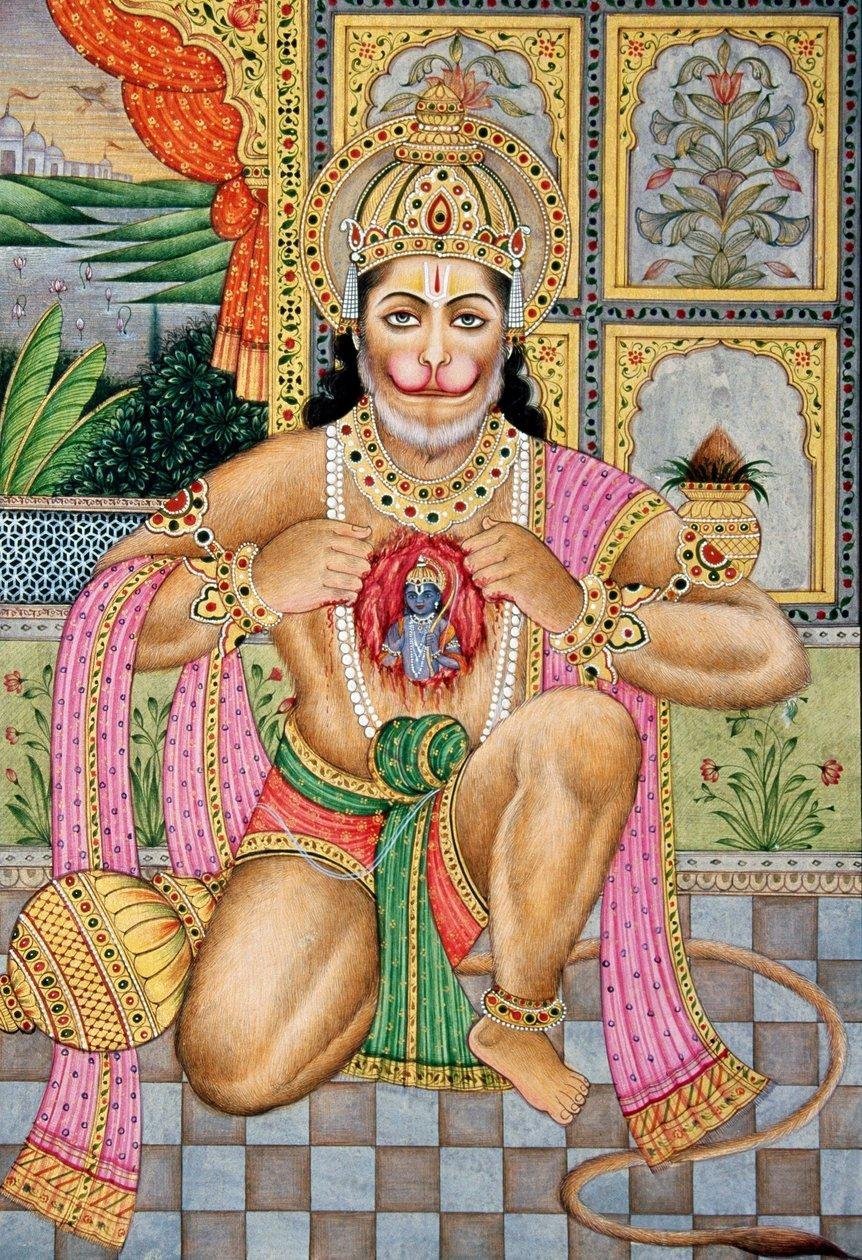
    Suggested image: respectful traditional Indian artwork of Hanuman.


    ๐ŸŒŸ Who Is Hanuman?

    Hanuman is one of the central figures of the Ramayana.

    He is traditionally associated with:

    • Rama’s devoted service
    • Extraordinary physical strength
    • Great intelligence
    • Courage
    • Humility
    • Loyalty
    • Spiritual discipline

    He becomes one of Rama’s most trusted companions during the search for Sita and the war in Lanka.


    ๐Ÿ‘ถ Hanuman’s Birth

    Traditional accounts describe Hanuman as the son of Anjana and Kesari.

    He is also closely associated with Vayu, the wind deity.

    Because of this connection, Hanuman is often called:

    Vayuputra

    Son of Vayu

    and

    Pavanputra

    Son of the Wind

    Different traditions explain his divine parentage in somewhat different ways, but his connection with Vayu is one of the most famous parts of Hanuman’s story.


    https://images.openai.com/static-rsc-4/KujuLoOLHrwu7oMLUq0_37N14ygh0I7z_puuL0LFLsxu9_qRn0up4K1R6UhtG7CGXwuEosOoyWXtHrPgE2bGPOhQgihMtN6KQVUzRJT3a0Hn5CckWQOhEvF1fX5tQ8uIusgaqYQGmqC55iDyW1-a9YrVZKkbaTQRoNamnrmp1FCQ72h0jCgJm9eOCAysYvQf?purpose=fullsize
    https://images.openai.com/static-rsc-4/TgKCFedBv1i4P8ApUIl8MvYrgT7SijUkS1pZvhba5LMIoy1B5temiCliHC4cmoOMTgBOY7fxAfMbTT1HWGxA3vugxZUcGKEiLro4RxXftLJ7kzfW5Mf9FwPe6kQhco-fL_rV8c5OtStv7sKaa-JN-tB0zCGtJtoys8i4po_sA4GMNeMgw0FC7XLdmPpmAISU?purpose=fullsize
    https://images.openai.com/static-rsc-4/c2blw30ilIyBIT4o6ahQvA_S7XkvXpvgk98Vb862EgxtKHzbPLN00At6TuQn7zDpEqoHO8hUDlqSSDeh30Snuee-zD1DZeR4IRQFWkpkDLdP7pr7-6oMjTJIAYYCCiHHWA77dz-aGQzGh8EWJvSLFALET4M_Hjw3DTsNcQKH4Jyrl3J5gAaNoj_NRG83nIJ_?purpose=fullsize

    Hanuman’s Birth


    โ˜€๏ธ The Young Hanuman and the Sun

    One of the most famous stories about Hanuman comes from his childhood.

    According to traditional accounts, young Hanuman sees the rising Sun.

    He mistakes the Sun for a delicious fruit.

    Because of his extraordinary powers, he leaps toward it.

    The story describes him travelling through the sky toward the Sun.

    This childhood adventure demonstrates how unusual his abilities were even from a young age.


    โšก Indra’s Vajra

    The story continues with the intervention of Indra, king of the devas.

    Indra uses his Vajra against Hanuman.

    Hanuman is struck and falls.

    This episode is traditionally connected with the name Hanuman and with the blessing or powers he subsequently receives.

    Vayu becomes upset and withdraws his life-giving force.

    The devas then intervene and grant Hanuman various blessings.


    https://images.openai.com/static-rsc-4/2P6WtGnOE2yAAeTaaWqCMINvMTy72E6J89WZ3hL7BSkiHMG7RSOoSzkDJ4hO9bFWR94X6zrq-3sE5HSEbiT5IC7UtlZMY-9Zxl_kRyLUNfv4yLdE8gpCPpk1nWA-WiD3bcUlrK30UaJ5_q9fEiVFvxIZW-AnTdKuokfyqQ5GqgiMGyj9sYG-HnL09Azyb7AK?purpose=fullsize
    https://images.openai.com/static-rsc-4/5LQZu8XO1W7dhm60P_wh30fXpcr-UPbB6GhUhRpKvpJcS_5F4vo4Q9Aa8mf1e27ZkJFZuX7EI0NT3_wNVfoJmoEMOWPqnPvtm-9Pd8lj2r0K1i-ty-e6OEAjqWDtAUVRL7QC2zkb1H9-3L2MZrUMnZCEAJq9A5hQjJex8iJMAeftTf_A8VkHF7T6oU1gjyel?purpose=fullsize
    https://images.openai.com/static-rsc-4/O_Am3WUMZGMH5WcvbP6v7nccv04sEZ7E-AcRvfZaC34cWwWgFEHPhaTkRc_wazRnK4g1TNdGmT697Fo25Md7ksJJAL5DZyUgkI1I3m9TwVClVkNYuk8CCSJGW8YF5--QfpN1Snw9IXv2i6YDzNqrnDjKoOw1eYc8cisueaBGDJm7_u8KghE_GSj-jbIN3-s4?purpose=fullsize

    Young Hanuman Reaches Toward the Sun


    ๐Ÿ’ช Hanuman Receives Divine Blessings

    Traditional stories describe several divine beings granting Hanuman special protection and abilities.

    These blessings help explain his extraordinary strength and fearlessness.

    But there is an interesting part of the story:

    Hanuman does not always remember the full extent of his own powers.


    ๐Ÿง  The Forgotten Powers of Hanuman

    According to a popular traditional account, Hanuman’s childhood activities became so extraordinary that sages placed a restriction on his memory of his powers.

    He would remember them only when someone reminded him.

    This becomes extremely important later.

    When Rama’s search party reaches the ocean, Hanuman initially doubts whether he can cross it.

    Then Jambavan reminds him of his forgotten abilities.

    Hanuman’s confidence returns.


    https://images.openai.com/static-rsc-4/pdvzCEecSyh1-D8rk9P1dsqAX6ks-QfIxr517svHaRFmsSOaP6rhk-fYm3TnF1cuy-hg1EmHSti3ezn8hLNEXeWZkPQQ1mEQjv4uyHsb70Z8250ooPZqrw8jscIQSSZajH9_VWRjYEwY5WCLzD0uWKefc7fE5Z3pc5E0GrutV_r88QnIOLbeqmfUtONKT9NO?purpose=fullsize
    https://images.openai.com/static-rsc-4/5XZ1XJgkbfWm_kDz4xq1R542ifH9VmQ_6r9ZgLpe3-M3LA82kO8DduACd6FptJaGvw-pjript2SYY_nqUUVjhd4DHUN0hQR4qSvq-I_wFNdQPbND0yhyqIMaH_IDug-nj5kAuO6C8q1O9iouXHfzNgCkIC_3c1o7zakKWByWxWC2vODZfH8IAyESeRn-sI-R?purpose=fullsize
    https://images.openai.com/static-rsc-4/7zJmJ7cVZ9FDfGdvytVRNiIQvehbuxkxS6AmBudoEYaediJlez9j8-eijVMCkAZnmOc5NC6esC00nwUhbdnin7XK58TYIEmZyX8xkR7gBbGYnvQ7tOrijU835sJZ_-THmPdXLLVfsFQssmD-mSEIklAAFqs2XJMvq2sN-N5da5bqLQpD5aeMXKYIvPWB3CCG?purpose=fullsize

    Jambavan Reminds Hanuman of His Powers


    ๐Ÿน Hanuman Meets Rama

    One of the most important moments in Hanuman’s life occurs when he meets Rama and Lakshmana.

    Rama and Lakshmana are searching for Sita.

    Hanuman approaches them on behalf of Sugriva.

    From their first meeting, Hanuman recognises Rama’s greatness.

    Rama also recognises Hanuman’s intelligence and abilities.

    This meeting becomes the beginning of a lifelong bond.


    โค๏ธ Hanuman Becomes Rama’s Devotee

    Hanuman’s relationship with Rama is different from an ordinary friendship.

    It is traditionally understood as Bhakti โ€” devotion.

    Hanuman does not seek power or wealth from Rama.

    He simply wants to serve him.

    That quality makes Hanuman one of the most admired characters in Indian tradition.


    https://images.openai.com/static-rsc-4/wOUj6r76VyrY3gyad5t1mG3f9b_Sf4cWHCC4kUPRwcitGVDd_PlC7rYCD_iql9s1beqhyzpmpmFcuaS9EtZeZHkYDls3xdzHZzqZkUriusZdbpqgmOsfxu7o6E5E1fEcgXuZ2Fi5SWj8IJTfKP5FHamPy3V7BT_DhfoZFBu_opCMFcS--4gzb_-vcgqtEUwC?purpose=fullsize
    https://images.openai.com/static-rsc-4/KWMQ4R1_PrdUEkBGtGS-3I_8bb7sklcMJ_90dNQlhe2k01obnLJ-Wu7PUK4z7lKljkfR_AzrzUFMBhUWtsxTuREABE4yphIJsiF88fm5wQ-WQR2doFGXUF9ozHkUeVb8REuTPHHJgncBpoDtUVgosHcQPJ3Ghj9g3eCMPy2yfBYmIE0MDjSunewewuvXBcTY?purpose=fullsize
    https://images.openai.com/static-rsc-4/qlb1nK3GnNjTxTsPMFDy2DRielp8ALy0Qamfv9kkEvoKzc8P_S7ZFNmr2DoUXFaLjPwBHbgPHnxRQHLaqtQEusUBCL91s30bnY6i9WMe__0MmjeRkRah0nZXi3ys8rVNGItrzq5s5oXb5dTPeiPdYN4f_7qDeVg3_yH99E4i1_Cgn7eIPNjdEJGf6nahHI-O?purpose=fullsize

    Hanuman Meets Rama


    ๐Ÿ’ Hanuman Helps Rama and Sugriva

    Hanuman helps bring Rama and Sugriva together.

    Rama promises to help Sugriva regain his kingdom.

    Sugriva promises to help Rama find Sita.

    Hanuman becomes one of the most important links between them.

    His intelligence and communication skills prove extremely valuable.


    ๐ŸŒ The Search for Sita

    After Sugriva’s forces begin searching for Sita, Hanuman becomes part of the southern search party.

    The group eventually reaches the ocean.

    They learn that Sita is in Lanka.

    But how can anyone cross such a vast ocean?

    Everyone looks toward Hanuman.

    At first, Hanuman is uncertain.

    Then Jambavan reminds him of his extraordinary powers.


    ๐ŸŒŠ Hanuman’s Great Leap

    Hanuman grows in confidence.

    He prepares himself.

    He gathers his strength.

    And then he leaps across the ocean toward Lanka.

    This is one of the most famous scenes in the Ramayana.


    https://images.openai.com/static-rsc-4/v85lWmAVpDFjgeBZ5P8zQ_Vs01aAiOfitJKOZptxqdQ_zN4I_JYha80-9Zybq_YAeqTZKDorbXMIAe_NzpJRhkFp4TAzIXKbLt6KoR2daB5LI9RfohEXiYFV0U4lyRqxdJnM4VkoSA1GYmCtYDorQ5UcMwstPX79JoSHKSSmVvMo2XFBqtVbX9EKE8bkzIaw?purpose=fullsize
    https://images.openai.com/static-rsc-4/jfQ7eomeMnxNGyVBTpyJnaQ4ElFMajt_w3uAZYZaRe_Lio9tAOme2QzvRrJfRso4a9onf7asHEK1Z8paKDqLK_pLk5FxmCfKRJghg-BjQsTsv36Z-f0CYhQA9_9bWgNV88ASpMEzInH2I6UwAsFHFIXzzhY1AD6YW1EDBgV92AsuUz4VMmULJVgYM6NBLJmQ?purpose=fullsize
    https://images.openai.com/static-rsc-4/uGoMv6TUQTRZ-CQk7egxv8JPoQYT0ONCGuLBnZXEVcGUc4NyfETykflUl1jSWtEf9WweqV8HCSjer49pyCZBPxH8gXv9HFIX0CHXv4qNID_jVBmY1uk0jduJiqQqAWd0TgEFSOZp1jAlJddplK4X2MCLOwbqjXgo5U4MAOpi-KFre0h3Vtuikz6x9xwPPF0K?purpose=fullsize

    Hanuman’s Great Leap to Lanka


    ๐ŸŒŠ Hanuman Faces Many Challenges

    During his journey across the ocean, Hanuman encounters several obstacles.

    Traditional accounts describe encounters involving:

    Mainaka

    A mountain that offers Hanuman a place to rest.

    Surasa

    A divine being who tests Hanuman’s intelligence.

    Simhika

    A creature who attempts to capture him by seizing his shadow.

    Hanuman uses not only strength but also intelligence to overcome these challenges.


    ๐Ÿ๏ธ Hanuman Enters Lanka

    After crossing the ocean, Hanuman reaches Lanka.

    He reduces his size and enters the city secretly.

    He searches everywhere for Sita.

    But finding her is not easy.

    He searches palaces, gardens and different parts of the city.

    Finally, he reaches the Ashoka grove.


    https://images.openai.com/static-rsc-4/NT1bYo3MzUt5ynDa3HpJt1fOicMCQMx3iVLj9RmUyqNdhgMZQGhNjdINbSNhjAqJ22iolfHusYuPp1Z4YiOrqahsTwoGDeGnkkPGuxz-clfda8-vnzz7rKb-0tafEMLmRSYz_9_ANzEiW7dOOtqXwYAkcqQXz-eIgkh52Qe4lQvqn6v2JaXgQfx18PxEapeW?purpose=fullsize
    https://images.openai.com/static-rsc-4/vIRFTguv3RpTnChk-E0opv_EHxg5BbzXtafWt7puiMg3G7QFb5nx91dxMDPcs1LqzPnNWqk08dB8vJzdGH_IGZYWWrhBFP1eRsxuTj7YMdU-4xKASoejFQhHqpdJnHvd9g9heES5bNuEQw2EpXt-rHYctE_oYP2ipu9t5fFcVmFot_8kB7-pk94ffQIqfXJG?purpose=fullsize
    https://images.openai.com/static-rsc-4/eQ9Kdz9igsoPzTckjvFESZYX2GohhUeAk5A4gjQPK4dmFTV8piG1-XeM4kPLKUD6F0p5xcWRJAQOkkAaJxXY1L7tYuvqeunH-yTwRmYdJ6DEoK_sEHt49ipi9pLC4MblMADgyc8IfmyTctWDswLedq-eGJjGw1cJvkKmFtOY96qn36ONFOxWsMa_cZ-I_wFN?purpose=fullsize

    Hanuman Finds Sita


    ๐ŸŒบ Hanuman Meets Sita

    Hanuman sees Sita sitting in the Ashoka grove.

    She is surrounded by guards.

    She remains determined not to accept Ravana.

    Hanuman approaches her carefully.

    He tells her that he has come on behalf of Rama.

    To prove that he is truly Rama’s messenger, Hanuman gives Sita Rama’s ring.

    Sita is relieved.

    She now knows that Rama is searching for her.


    ๐Ÿ’ Sita Gives Hanuman a Token

    Sita gives Hanuman a jewel known as the Chudamani.

    She asks him to take it back to Rama.

    She also gives him a message for Rama.

    Hanuman now has what he came for.

    He has found Sita.


    ๐Ÿ”ฅ Hanuman’s Battle in Lanka

    Before leaving, Hanuman decides to demonstrate his strength and learn more about Ravana’s forces.

    He causes destruction in the Ashoka grove.

    Ravana’s warriors attempt to capture him.

    Hanuman fights them.

    Eventually, he is captured and brought before Ravana.


    https://images.openai.com/static-rsc-4/z_KRjGHIiFMhru8sSnsxuBPXamBqcgnoMdWSdbRUU05tpYqO7g926KanlGSNMv5XotqETmYYgDj0cFshbvjX13d-lKulBv_JlwBdlGVIzPfkdKplA2imqIy-HIFq0L8rPTmUVt1hSqiCUd7ALgQRVXAGVm7-p8bb19jgdE3Vxnp65Km7Rb31_sW58M3TnnCP?purpose=fullsize
    https://images.openai.com/static-rsc-4/j8NJaAT6LV8PhaoRJvch51VMHjhV1Miwg5GKWlZ_nOe36u6w3SZIblJiJcmeRUD6ak0fpfzhKJfcdQa-CPQqwD6YFGKt3Xv41Go_t2ro_EzNsZLiJ6tam0WluDlM-jDHpxY4z1pIy800sgL_wVD0QuljfH36g33v_fE2BI1Auh_nEcjZOso6bz_6vdfYqNgt?purpose=fullsize
    https://images.openai.com/static-rsc-4/0bMsvaJFova4fxv8VZpFJ4cjOydWGqUPQ7cXO3vuKYBbkVs1PRovQ3ueD8m6ri3xIyY6waEgo4xzh-Gyy_PyNw8EybMcUBiZPucn56lEWtK8r-2yq_Ff3fvtvKMJlTSO5hr0rYCBTHPJp6BDAPEyV4su9gjguhL31jm427hLePDpom0oLMu0wobr822_1KLI?purpose=fullsize

    Hanuman Before Ravana


    ๐Ÿ”ฅ The Burning of Lanka

    Ravana orders that Hanuman’s tail be set on fire.

    But the plan does not work as expected.

    Hanuman uses his burning tail to leap from building to building.

    Large parts of Lanka are set ablaze in the traditional narrative.

    Hanuman then escapes and returns to the coast.


    ๐ŸŒŠ Hanuman Returns to Rama

    Hanuman crosses the ocean again.

    He returns to Rama and gives him the news.

    Most importantly, he tells Rama:

    “I found Sita.”

    He gives Rama the jewel that Sita entrusted to him.

    Rama is deeply moved.

    The mission has succeeded.


    https://images.openai.com/static-rsc-4/pp1lRCLYhc_l8mJFSYCSWvNzH1Gn7KszNAaR6fu3NeyZJe2lZSvogqHc3k5dKncD8xIekHakkON4F1wHHHYwd0tI9s4t36SPSlCR8tPK16i_TYe9z5dMnaJDwywti6J9cep3w4DLa-0CGa0MMDLlsWo1eyByJMtN4hJNpEGM_qMAp5GTXa58FujFqD8emZAo?purpose=fullsize
    https://images.openai.com/static-rsc-4/LPrn0lYgIg600rziw-p3iQ5O1f9-8MczqmFlp7c9jhcrjVy8YDDJIjh0J1A_F8-hFufMwlNpfZjncB8VjZ_1G6EuPNZroD0CwUU-rgvw3vkM3nnnOInExiETxKckXg8sg9pBy6yp-ZToFiC7EYx8qcqqL0OonTlqCvurwZdMAKrb9jslP148eC1ndYQtsAzM?purpose=fullsize
    https://images.openai.com/static-rsc-4/x9BcpNaYqae6gwCsPh-liN2cNjxn4clh7rHpJEsSNI2dpRAzveROOr7JRLe5MJvyYs1C2ZLo52ltiJKMX2n5qK-sWf3NHlqRzTNNOWiXIkMtOGgamwzBddlDTu4qziKoIu3z9lpA_MPlkAG_ScEbrFmjG0IW-qIa59XOPlHSdp93GCJzXXkJAGsOTPYXG5f9?purpose=fullsize

    Hanuman Returns With Sita’s Message


    โš”๏ธ Hanuman During the Lanka War

    Hanuman plays a major role in the war.

    He fights Ravana’s forces.

    He helps Rama’s army.

    He protects his companions.

    His courage becomes one of the greatest strengths of the Vanara army.


    ๐ŸŒฟ The Sanjeevani Story

    One of the most famous stories involving Hanuman occurs when Lakshmana is seriously wounded.

    A powerful medicinal herb is needed.

    Hanuman is sent to obtain it.

    He reaches the mountain but cannot identify the exact herb.

    So he makes a remarkable decision.

    He carries the entire mountain.


    https://images.openai.com/static-rsc-4/27PUkehzewLeISroY8ZdCIahfnm9lVBd5Hot0jc2tY4XaLcaeZc295q2jHywzGS85gOPhrqnEzq5OHlielw268G8eG73UIArFZbY8pS3wrPnxjMdBh9B9xjW2NEaqIVOCr_V4r1VHopTERePXmnjAkXISkoRdTTP5Dq0PZIoyk7DoJB4lxi94lL71TwWaVRZ?purpose=fullsize
    https://images.openai.com/static-rsc-4/CqkRN5WHg8QvGP6z7xXwbB9brVMr-6nyz4VAyySYmO0h3FV12XiOqJQDB-o30mqffx1g1JSm1kcaTxbZsjcUdDi6EefpRR3mqwDILfq2Ov3cLRdjA05xyVC2wiLG6TpgZcCz6R-QtaeWSEQXziU-SP281zOwPG2RF9neSmHv8GpRRCoZIxF1gveOKyxk-_bq?purpose=fullsize
    https://images.openai.com/static-rsc-4/nwRi7duLDvxr4mfMgNQJWzUgp9wXLv_OZPVj-hsVQQIjT9RqFV_Z4h5YA97IfS1sGSsIYEYkypJh_55J8IoroYkVc0KFSA1hZKrNJrHEkNcvUcQ9GY_UIoWHgJcpjch4PEVNRcunFcPXafQNPvZjCNXTREc7GO34EUx9PlGjrgTV4IlSHfmJjwARhfEUzH0S?purpose=fullsize

    Hanuman Carries the Sanjeevani Mountain


    ๐ŸŒฟ Lakshmana Is Saved

    The medicinal herbs are brought back.

    Traditional accounts describe the treatment as saving Lakshmana.

    Hanuman’s determination once again proves decisive.

    He did not know exactly which plant was required.

    Instead of giving up, he found another solution.

    This is one of the reasons the story remains so popular.


    โค๏ธ Why Is Hanuman So Special?

    Hanuman has enormous power.

    But the Ramayana tradition repeatedly highlights something more important:

    He does not use his strength for personal pride.

    He uses it in service of Rama.

    That combination of:

    Power + Humility

    Courage + Wisdom

    Strength + Devotion

    makes Hanuman an extraordinary character.


    ๐Ÿ•‰๏ธ Hanuman’s Greatest Quality

    If one word describes Hanuman better than any other, it is:

    Bhakti

    His devotion to Rama is traditionally presented as complete.

    He does not ask:

    “What will I receive?”

    He asks:

    “What can I do for Rama?”

    That attitude has made Hanuman a powerful symbol of selfless service.


    ๐ŸŒŸ Hanuman Beyond the Ramayana

    Hanuman’s popularity extends far beyond the Ramayana story.

    He is worshipped across India and in many communities around the world.

    Devotees associate him with:

    • Courage
    • Strength
    • Protection
    • Devotion
    • Discipline
    • Determination

    Temples dedicated to Hanuman can be found in many parts of India.


    https://images.openai.com/static-rsc-4/0DHLDpoiSxhmS4cJE8nPjmDP3Orvr_iYdfYztQN7r9H80-jG0fDGVzbF5GaoeSkaAfOYpcdROe8NGR5_-NtZVRl6oCbmy7ZLKcNZH39lXf9uEp5olU9OEreaWgVzvYDvaZhJa2_egu9T8N_N-FG9r_Jgq2OUVTl3lll_nwppu9YgLVr7fkkreQGR9amgfTK-?purpose=fullsize
    https://images.openai.com/static-rsc-4/kYI3K-OKJjavtNrtRxEJvecpluVo830vjBzp2xn6yRKyDH7KT9WIP-4UYXuHdIenGvaAqQb9Wdz6oE6yAKoPqJzTnOpzhAZ-a3xtNbTyISCX7dVgrUXOuZxsYgDPNiagwVUrEIClyf2gbQEkeAP4CC7yBG8JAmclPAXXJjtP0h0c-BNAN31G4ypjYwLbqW-P?purpose=fullsize
    https://images.openai.com/static-rsc-4/jnMpd4G3ZHCYmU0ENOhIq_GfYheE7IxwtMQWF8uLGDafp_OS1CQi4AbClIdowkkI2u7vJVsD14jDetDY3PslMozqAnRPCMoJZk9JYko19OOTZgZLkQQgjqwwAy7I0YtUqfeKByTcJNvPvfcPo-OtZ6Z_NsBLpuqdGuixKSrqsT5NKRyiHbCg424eFWMLD6cn?purpose=fullsize

    Hanuman Worship in India


    ๐Ÿ™ Hanuman and Rama

    The relationship between Rama and Hanuman is one of the most memorable relationships in Indian epic literature.

    Rama is the king and hero.

    Hanuman is his devoted servant and ally.

    Yet their bond is based on mutual respect.

    Rama recognises Hanuman’s extraordinary qualities.

    Hanuman considers serving Rama the greatest purpose of his life.


    ๐ŸŒŸ Lessons From Hanuman’s Life

    Hanuman’s story offers several lessons that are easy to understand even today.

    ๐Ÿ’ช 1. Strength should serve a purpose

    Having power is not enough.

    How we use that power matters.

    ๐Ÿง  2. Intelligence is as important as strength

    Hanuman does not solve every problem through force.

    He often uses cleverness.

    โค๏ธ 3. True devotion requires action

    Hanuman does not merely say that he loves Rama.

    He works tirelessly for him.

    ๐Ÿ™ 4. Humility makes greatness meaningful

    Despite his extraordinary abilities, Hanuman remains humble.

    ๐Ÿ”ฅ 5. Never give up

    When obstacles appear impossible, Hanuman keeps moving forward.


    ๐Ÿ•‰๏ธ Conclusion

    Hanuman’s story is one of the most inspiring journeys in the Ramayana.

    From his extraordinary childhood to his meeting with Rama, from the great leap across the ocean to the discovery of Sita, Hanuman repeatedly proves his courage and intelligence.

    He becomes Rama’s trusted ally.

    He plays a major role in the war.

    He carries the Sanjeevani mountain.

    And above everything else, he remains devoted to Rama.

    ๐Ÿ’ Hanuman’s greatest power was not simply his physical strength.

    โค๏ธ It was his unwavering devotion.

    That is why generations continue to remember him as a symbol of courage, service, faith and humility.


    ๐ŸŒŸ NEXT PART

    Part 21: Sita | The Complete Story of Sita’s Life, Strength, Courage and Legacy

    In the next article, we will explore one of the most important figures of the Ramayana:

    ๐ŸŒบ Sita

    Her mysterious birth, childhood in Mithila, marriage to Rama, life in the forest, abduction by Ravana, courage in Lanka, return to Ayodhya, life with Lava and Kusha, and her final departure.

  • ๐Ÿ•‰๏ธ The Ramayana โ€“ Part 19: The Seven Kandas | A Complete Journey Through the Ramayana

    ๐Ÿ•‰๏ธ The Ramayana โ€“ Part 19: The Seven Kandas | A Complete Journey Through the Ramayana

    In Part 18, we explored the traditional story of Sage Valmiki and how the Ramayana came to be associated with him.

    Now let us look at the complete structure of the epic.

    The Ramayana is traditionally divided into seven major sections, known as Kandas.

    Each Kanda covers an important stage in Rama’s life โ€” from his childhood to his final years.

    ๐Ÿ“– The Seven Kandas of the Ramayana

    The traditional seven Kandas are:

    1. Bala Kanda โ€“ Rama’s childhood and early life
    2. Ayodhya Kanda โ€“ The exile from Ayodhya
    3. Aranya Kanda โ€“ Life in the forest
    4. Kishkindha Kanda โ€“ Rama meets Hanuman and Sugriva
    5. Sundara Kanda โ€“ Hanuman’s journey to Lanka
    6. Yuddha Kanda โ€“ The great war with Ravana
    7. Uttara Kanda โ€“ Events after Rama’s return

    Let’s explore each one.


    https://images.openai.com/static-rsc-4/rGRFoqPyNv19HvDTwfJADtMMxPmuiENtsM1T2vkKD6dqDQwelJE4gvrugIKgQ08RkN_IMLpb2Wn8FvyYkLaVrd3f98zhElNseeicpk1B1fpC3DXbUokwOxWn8SiU_hf2BCZ4y3jaTUTzHhoLZ4BWgfzMRdrZNfc1HYqC5DRmLdl8AfFgb0je-Bnx8fE2XDpd?purpose=fullsize
    https://images.openai.com/static-rsc-4/7EyBIQ9iW2ziz7viB_4kr1vewrYQpQLjbf5_u2SC2iskjH9iMqXgK-DT3i2eXbaj-wpS4YzbOIbrBkUUoJ-rydXzyKCdwAc2RsHmTdUsFSuwYt5JCkJ3L_QKeT3edgHpFyQq8N7hOA0BJ9kQBYsyl8RAJ0LQUwo7oKODyfeg_KdAU6YbIJbIKyMfR-2sGrwO?purpose=fullsize
    https://images.openai.com/static-rsc-4/9Mcn-IEVJhxf_ZrA4QNXFSdsmaiIGtA4RTnwl5thjCnhBQfm8U_yk-9UsvMnPAL5IkAt2VlO1pXeXiOnI3g_6NtkQkd144NWAttlQTz5IZrtJ1tTS_WydG95wFQ5SOvEyKHbwi8k2Zx3J1daQKbAlX_JHss5tbDmspSvymwMc7b4hME7WLP1B2sJmZsAThGs?purpose=fullsize

    The Seven Kandas of the Ramayana


    1๏ธโƒฃ Bala Kanda โ€“ The Beginning of Rama’s Story

    Bala Kanda introduces us to Rama and his family.

    King Dasharatha rules Ayodhya.

    Although he is a powerful king, he does not have children.

    He eventually performs a sacred ritual, after which his four sons are born:

    ๐Ÿ‘‘ Rama

    ๐Ÿ‘‘ Bharata

    ๐Ÿ‘‘ Lakshmana

    ๐Ÿ‘‘ Shatrughna

    Rama is the eldest.

    From childhood, he is shown as disciplined, courageous and responsible.


    ๐Ÿน Rama Meets Sage Vishwamitra

    One of the important events of Bala Kanda occurs when Sage Vishwamitra comes to Dasharatha.

    He asks Rama and Lakshmana to accompany him.

    The young princes protect the sage’s ritual from powerful enemies.

    This becomes an important stage in Rama’s development as a warrior.


    ๐Ÿ’ Rama and Sita Meet

    Rama later travels to Mithila, where King Janaka has arranged a ceremony connected with the marriage of his daughter Sita.

    The famous Shiva’s bow plays a major role.

    Rama is able to lift and break the bow.

    Rama and Sita are then married.

    Their marriage becomes one of the central relationships of the entire epic.


    https://images.openai.com/static-rsc-4/pzY29TZmJaqWkllcLz8iuAQLJdpof7-CY039CVj4prwYv_bMUr18oE2Fp1btFTse0scDdDk7ONmeAsZWJcfxtNZrDzgvU1Z2KU-dFq8HQzxWO8B5_f8Ai_WdJmbEFcusdIPHXcspv0Q0oLPVqUvalvAUr19lvziE-fvWS3rAC1s3DTJGUtEHpZjLyx_Sn-Pb?purpose=fullsize
    https://images.openai.com/static-rsc-4/AvbuXoFynAM-g5mcyssertd-z7HusMKkkPuPG86OMDE3eMnSU49yXkNAuZvlczyfHOucl0BE2xgC0BTKL4ZEMh9YizNAQ5a-rtAhDxw66g4ZCI2tmz3hPoMsncc_CybjBo_rw3H1X9xc33OaQLfxv7ht3ki2mBGob8XJwh09iJ8sgwoETL7gEb2fvTvPHAnj?purpose=fullsize
    https://images.openai.com/static-rsc-4/n_FXRjA3OjGSMzgpvNVuxEFRtF6x9rPpLvw8WP8Hv-ysO10_vDtvScugCK9a45K6UYrILRBPe8xSSo6mOX12V3GGh-RjEo77Eea9mAuIoR8hvz-CTBb82aWhLVBoRHOaDLxUxj1e3nrXUJ1JcSSygWWu5CZOe8HkaeaHigS5IhgIHszcdwLZHWN1Zp41pM3j?purpose=fullsize

    Rama and Sita’s Marriage


    2๏ธโƒฃ Ayodhya Kanda โ€“ The Great Sacrifice

    The second Kanda is one of the most emotional sections.

    Dasharatha decides to make Rama the crown prince.

    The people of Ayodhya are delighted.

    But the situation suddenly changes.


    ๐Ÿ‘‘ Kaikeyi’s Two Boons

    Queen Kaikeyi, influenced by her attendant Manthara, asks Dasharatha to fulfil two promises he had previously granted her.

    She asks for:

    1. Bharata to become king

    2. Rama to be sent into exile for fourteen years

    Dasharatha is devastated.

    But Rama accepts the decision.


    ๐ŸŒณ Rama Goes Into Exile

    Rama leaves Ayodhya.

    Sita chooses to accompany him.

    Lakshmana also refuses to remain behind.

    The three begin their forest journey together.

    Dasharatha is heartbroken.

    The people of Ayodhya follow Rama for some distance, unable to accept his departure.


    https://images.openai.com/static-rsc-4/6NnmxpyQMr-Q4ZIQ2C2VUV4UJpt1M6wyKt8lEF0CLh7c6DsA_xJm3_75VkjwP15UOkOeMlrkMVd-qwFPENFpUg04q_tC3ojBx0sN4UVP6Nt0OHfVD_HPs6THHaQCU68R-YGJ9sPjsggwzjedb0TUBbOXFvrd8sKEwhiLX2_zgyzRNZwqCcaf-gfjaJmTPJnY?purpose=fullsize
    https://images.openai.com/static-rsc-4/PJt7FoJ5AAz6IzFhxvHMM2vi2qNSmiiiLrW1C_qfu_i6DX0jUwL_VV3FT2SCh8MVy1U4HOMO-Rcagg2cv-326R0BRnFdn2Xh0l5mulC9W9bmE3R8g_iCj20kpucTL89KsiQJRga5TOiM3JOd4pumXqaKwntkeadToT08Gq439bVcmltpDwQ0I2_6kZtDhtNV?purpose=fullsize
    https://images.openai.com/static-rsc-4/IZYouOhnEYMmziD9mg41BnKQWm3Lgh3p7859LPZKuRj6mY94ugdHt4Qw3cH16gdGirn_6cXFKmcNjMSUiNDLIa4kRdXoilV-HetDsg7NggiDg3KXQqvQg6xpnVmxaiG_jQOiznTPIcRGTMQknoZpTXEz6ceGNHohjOsLopnA8_FX0lGSXTgdDOSIRYdCHhEN?purpose=fullsize

    Rama, Sita and Lakshmana Leave Ayodhya


    โค๏ธ Bharata’s Love for Rama

    Bharata is away when these events occur.

    When he returns and learns what happened, he is deeply upset.

    He refuses to take Rama’s place as rightful king.

    Instead, he goes to the forest and asks Rama to return.

    Rama refuses because he has given his word to complete the exile.

    Bharata then takes Rama’s padukas and places them on the throne.

    He rules as Rama’s representative.

    This is one of the strongest examples of brotherly loyalty in the epic.


    3๏ธโƒฃ Aranya Kanda โ€“ Life in the Forest

    The third Kanda follows Rama, Sita and Lakshmana during their forest life.

    They visit different hermitages.

    They meet sages and experience many challenges.

    The peaceful forest life eventually changes dramatically.


    ๐Ÿ‘น Surpanakha and the Turning Point

    Rama encounters Surpanakha, who becomes interested in him.

    The episode leads to conflict involving Lakshmana and Surpanakha.

    The events eventually bring Rama into conflict with powerful forces connected with Lanka.

    Among them is Ravana.


    ๐ŸฆŒ The Golden Deer

    One of the most famous episodes occurs when Sita sees a beautiful golden deer.

    The deer is actually associated with the demon Maricha.

    Sita asks Rama to capture it.

    Rama follows the deer.

    Later, Maricha imitates Rama’s voice.

    Sita becomes worried and asks Lakshmana to go after Rama.

    Lakshmana eventually leaves.


    https://images.openai.com/static-rsc-4/swG-XAulKIumbCe2bWCPyOAfmTkQeniC68XNCmqDMAj2ZfFTvff9TXgA-WIwkdL415LPuCTqh-M1mOqcXGv0JOpmuQoXo19V6MuD0LyMFKqvoA0pGS-eo61WmkxLWRZSfnT7jIYC87qDJOEidisPKRH1PDgwGtAD1waE0-rCKw0stWIhxOXrC1bLpfmeYULC?purpose=fullsize
    https://images.openai.com/static-rsc-4/kMPIrhBgbgNLg4V99eR4wo4QKU4thsuOvy8AKbdDEPA241LlqbMtf7itTxQfYkILR6lPV6jZ0cI6ztqU39ImUUV8LHtPDr9s1EtZe0_KxEgnW4JmMNJooqiZxQ2sQwUKdN4YtEqfGY3eOOC-1QWsy_e6g1RlcCE6DQGzAvMfPZg3MQbYGS0tUceWExBvvo1d?purpose=fullsize
    https://images.openai.com/static-rsc-4/lqDGYS3yDpw23W0YkirK83ArNMcgJ5uS2f_YmqptbjC9iFPbA6P2OBSXN5wy5369ujqpBzZHEZQskD2QlB6RpCAm9qDukpWSEPgl3dZ8VNqyXfIKkACgMBL5DNNN4MuNAHbo8XfBNNXBZxwgut9jZjSlQactsrBFyi5zx4xcsRtreMoEm_X0amozSiDXttFh?purpose=fullsize

    The Golden Deer


    ๐Ÿ‘‘ Ravana Abducts Sita

    Ravana arrives disguised as a mendicant.

    He takes advantage of the situation and abducts Sita.

    He carries her to Lanka.

    The search for Sita begins.

    This event becomes the central turning point of the Ramayana.


    ๐Ÿฆ Jatayu Tries to Help

    The great bird Jatayu sees Ravana carrying Sita away.

    He attempts to stop him.

    Jatayu fights bravely but is badly wounded.

    Rama later finds him.

    Before dying, Jatayu tells Rama what happened.

    His sacrifice becomes an important symbol of courage and loyalty.


    4๏ธโƒฃ Kishkindha Kanda โ€“ Rama Meets Hanuman

    The fourth Kanda takes us to Kishkindha.

    Rama and Lakshmana meet Hanuman.

    This meeting changes the entire course of the story.

    Hanuman brings Rama to Sugriva.


    https://images.openai.com/static-rsc-4/MPUhi3e3SL2K6hRHxnNxHBeoGjLHu9uo2kiK8d_o5Rw4twpji1YPY5711sF5SsQmkI3qZAe8dsrX37YVQVqmAae97khcEUbOrQvXR-MCWfcfxZzu42rMQRCHHc9SJ5xxw-gfT0En_-STNXP8hhl-H64mvrA6whQtt5eSwuFsSzZfI_ULjCtqJk7gGnK5fgUo?purpose=fullsize
    https://images.openai.com/static-rsc-4/X66HNaPTDFG2N_QF-9XffdLKnFF1UxDhQ-cXQKAfZ1YieFiNDkKvP6Ur2fk8oO7TUuDwEsUd1S55JukbIR_XtL-CfsIjuKt_U4PM_aB01g9xuABGBE3Q5mEz-EYyxxKbzsGwthHw-UIxINGUFbAXPlGvwTuFZXwBdfEJavhKR7bEXCp-43I27utWz9SQx2Q1?purpose=fullsize
    https://images.openai.com/static-rsc-4/JVYs0b4rYt725-Y3O7GbDKO8Mb5g5NE5UIL7_FAnb1UTMs6UFlIs85oFHHQNg2y4vjy2hQWgE97l-NJ5owES0NVW4c4bU-0LJqL4GUMmXNMld2MePhKt15GIdS4eYf-MARr0OLp28wp2U3-q0DYofp2jNqyINdIJmiPnMAYWmt94JuEWkLFo8AJv0GJ7nWlv?purpose=fullsize

    Rama Meets Hanuman


    ๐Ÿ’ Rama and Sugriva Become Allies

    Sugriva has his own problem.

    He has lost his kingdom to his brother Vali.

    Rama agrees to help Sugriva regain his position.

    In return, Sugriva promises to help Rama find Sita.

    Their alliance becomes extremely important.


    ๐ŸŒ The Search for Sita

    After Sugriva becomes ruler again, Vanara groups are sent in different directions to search for Sita.

    One group eventually reaches the southern coast.

    They learn that Sita is in Lanka.

    But there is a huge obstacle:

    ๐ŸŒŠ The Ocean

    Someone must cross it.

    That person is Hanuman.


    5๏ธโƒฃ Sundara Kanda โ€“ Hanuman’s Greatest Journey

    Sundara Kanda is one of the most beloved sections of the Ramayana.

    It focuses mainly on Hanuman’s journey to Lanka.

    Hanuman grows in confidence and prepares to cross the ocean.


    https://images.openai.com/static-rsc-4/EHBfmUALs6VyPjzGAH6YVzC4taRsGV9WDhzVM8SwN_aaUXHxc0Wz9eiaq5fxSQluWrMxu5ZpL0r6QZU8JiIEhAlN1vv0AA16nabnSWXEXi2Qgerczb04c0FLAdlwJH70CAC4X8A6K92Esu_4F1-M8lhsP0oztgmYPEEHoEdsyIoI-7x4h0em75QJ6ObjmJmz?purpose=fullsize
    https://images.openai.com/static-rsc-4/aHvuLaf8xs0ZvF83LELG6wVoutpdVJiZqlDimLmZeDmG7wtR36wAUeO7ybat2ylSoAaNagnQXcsgsY8xOuX2si9jP3qel2uLJSaDI1XfOjdvv9FeWUVxdXZKADgJWM71__XJF7DfQo2Zmdu8m6rj8vcic7mLvENfHmuigQ_YqisT7kSTrQLg4WVNr9vi-ZCe?purpose=fullsize
    https://images.openai.com/static-rsc-4/pdvzCEecSyh1-D8rk9P1dsqAX6ks-QfIxr517svHaRFmsSOaP6rhk-fYm3TnF1cuy-hg1EmHSti3ezn8hLNEXeWZkPQQ1mEQjv4uyHsb70Z8250ooPZqrw8jscIQSSZajH9_VWRjYEwY5WCLzD0uWKefc7fE5Z3pc5E0GrutV_r88QnIOLbeqmfUtONKT9NO?purpose=fullsize

    Hanuman Crosses the Ocean


    ๐Ÿ๏ธ Hanuman Reaches Lanka

    Hanuman enters Lanka and searches for Sita.

    Eventually, he finds her in the Ashoka grove.

    Sita is surrounded by guards and refuses Ravana’s demands.

    Hanuman approaches her carefully.

    He gives her Rama’s message and shows her Rama’s ring.

    Sita is relieved to know that Rama is coming.


    ๐Ÿ”ฅ Hanuman’s Lanka Mission

    Hanuman then causes major disruption in Lanka.

    He is captured by Ravana’s forces.

    His tail is set on fire.

    Hanuman uses the fire to set parts of Lanka ablaze.

    He then escapes and returns toward Rama.


    ๐Ÿ’ Sita Gives Hanuman a Message

    Before Hanuman leaves, Sita gives him a jewel as a token for Rama.

    Hanuman returns with proof that he has found her.

    The search has succeeded.

    Now Rama knows exactly where Sita is.


    6๏ธโƒฃ Yuddha Kanda โ€“ The Great War

    The sixth Kanda brings the story to its greatest military confrontation.

    Rama’s army reaches the ocean.

    A bridge is constructed toward Lanka.

    The Vanara army crosses into Lanka.


    https://images.openai.com/static-rsc-4/ELv7ovYmV96rTR3mcJmwduG3apcZzKT6tjKZYstosZ6IJQlj2VkW-atoK1Bq_3c5mu3ZyPt4UgSR9Z0ItkD6Ropt81frZYL5nuuqGVjQIwPWC7VCU-pAw2FnWCzHDyNgHTNQpvW-nt92segzTjAmqU6YkEq19aIjBwS6SdeT95nhlN8aUiVglc1uAPyr0Wi_?purpose=fullsize
    https://images.openai.com/static-rsc-4/SiPSmMhWgAGSywg3k6e5fjT-Ijzt1Crs0DwwlNIP_tApQ6Ah8YzincjBQx2BlHJV9nhfNprDq4NQ1wd9zOPRWU0-sv0IOh6rh0Kf-n1l9JDu1N3pRZcn0lDIgqb1EzegL_aluMsDrp_WT8oA3TjLZWNTj6a-uPgBH5fAHIxHMHjoDJuJ-UjAZMUYIBEae1CV?purpose=fullsize
    https://images.openai.com/static-rsc-4/F0b5ZjNIvjHFH22W1KGJdCsKIqSekU_9Lxr2wUaix5X_2FDnygzTmK-FcUS6hZdI4DXc9zbLzGH2Ao9WxdIY4GHg1LbS9PyCi-p9D3BJPljFLH85AIKaCVmfarHgrE0PRRe23dkpXd2KEff_QpZ8s0UCiXx8lKYShDKJSET8Ix1uBFay9fmxScAT59DLVagZ?purpose=fullsize

    Rama’s Army Reaches Lanka


    โš”๏ธ The Battle Begins

    The war between Rama’s forces and Ravana’s army begins.

    Many powerful warriors fight.

    Among the major figures are:

    Hanuman

    Sugriva

    Angada

    Lakshmana

    Vibhishana

    Kumbhakarna

    Indrajit

    Ravana

    The battle becomes increasingly intense.


    ๐Ÿ’ฅ Kumbhakarna Falls

    Ravana’s giant brother Kumbhakarna enters the battlefield.

    He fights fiercely.

    But Rama eventually defeats him.

    Ravana suffers another major loss.


    โšก Indrajit Is Defeated

    Ravana’s son Indrajit is among his most powerful warriors.

    Lakshmana eventually confronts him.

    After a difficult battle, Indrajit is defeated.

    Ravana loses another important member of his family.


    ๐Ÿน Rama vs Ravana

    Finally, Rama and Ravana face each other.

    Their final battle becomes the climax of the war.

    Rama ultimately defeats Ravana.

    The war ends.

    Sita is rescued.


    https://images.openai.com/static-rsc-4/TgpLwKcQSbOnvjOkZ5G5wQNIU4oI169MAbhbltM5Y-mslYLh_mL2bVrAqE-c_b2N-Uho_Zv63wI5fBwQO30BjuTSsRaPRDN2uhMQmiHnVU9OoVnIRFQf88uOEQMyaYlTPBDMIkiSpcKcocf-P_C4NBGAiJ6vc-vKYnMqNDUWyLFxmH975006SPXwFr_QXcak?purpose=fullsize
    https://images.openai.com/static-rsc-4/w4gTRWCQrgU0R4ioT9CDrV0SatwDOxxfFzhB-9j7eLy0fvGzJnBlT5KoTnVNPhoxXmIF3Ak_EH5UHWrqY8jyrFOhH5ukXMYnAgmYGb0D91uPu7hNRYo_bGJKoSVwZzuyTAkHvWjVXtES6Iew3H_z8B-BViy59vM61PWosyZ9UnyF4QPV4TyuARNeCzUr30Zu?purpose=fullsize
    https://images.openai.com/static-rsc-4/hB00DYV-8L0jVWm0c-fpaNErtywEp4QYLXeWeIqvWzI6zASPIIK-q2CU2OU-kqD2WKmUwZZvd5wd9DFJH2qt-qCaSkwzlWInkETxuGpVW__HRPHWTlHlWE2JIAZZ8d6FGc7O86GJIWapTpjKUEywkecWyLO_sEH1zYUu5IHDIGCN_BYzJoJ7p5UVtt-mspRB?purpose=fullsize

    Rama Defeats Ravana


    7๏ธโƒฃ Uttara Kanda โ€“ The Later Story

    The seventh and final Kanda is traditionally known as Uttara Kanda.

    It deals with events associated with Rama’s life after the Lanka war and his return to Ayodhya.

    This section includes important episodes involving:

    • Rama’s rule
    • Sita’s later life
    • Lava and Kusha
    • Valmiki
    • The Ashwamedha
    • Sita’s final departure
    • The later years of Rama

    ๐Ÿ‘ฆ Lava and Kusha

    Sita lives at Valmiki’s hermitage.

    Her sons Lava and Kusha grow up there.

    Valmiki teaches them the Ramayana.

    They eventually meet Rama.

    Their story forms one of the most emotional parts of the later epic.


    https://images.openai.com/static-rsc-4/TBe82e2pZ0eoFTVApUNH_UGsDKgPlMlkW8eMxD283J6CFIBIN6VtO510mb-p5fitVwpQvLPzrGjD3X_pM7G9RLcdXxFwjblZ8thLOp1460Gt8ITWhex5V0EED73rjqpOVhGvNEd9wAen0UiQQtSnJU93465qRt4-wal5-GFdEM26epB1gLg6m0OTgzAbop6_?purpose=fullsize
    https://images.openai.com/static-rsc-4/-8WSs260cX9n26SH19FyfZyRrW5nv-bEiVZViUIWxFAAXwGPXkiTv8_jEWvL8QDm_oDvzkD5RaND51umTE7MVpN2KDXj1H3bQ1FaFIvWqykV5S4lkmesWDvL56eftOEbCyfGUcTPKG8M_lWDeQqb5RDNcpqULJ5tVJ2onmH1YoruO5635av7uDIbxh0BToHI?purpose=fullsize
    https://images.openai.com/static-rsc-4/od2mDLB0EznKoXYlwEiYEy6VcGyCvjyp2ptWe5_vQOqQf30DCakox4lTihW_M10-SogZ7G5HWLomG25UMx5MFYBlzk13HNTE9fgyDPvv9IB901PtHKu4ljn2bCIxRtv_tV64_6HsgtJ7ZFUNg0a_WBF8IMVvrclhpAq60hF_ogzgbX9rEI1ArVV4tiOF0AGr?purpose=fullsize

    Lava and Kusha


    ๐ŸŒ Seven Kandas โ€” One Great Journey

    If we look at the entire Ramayana, the seven Kandas form one continuous journey.

    KandaMain Theme
    Bala KandaRama’s childhood, Vishwamitra and Sita’s marriage
    Ayodhya KandaExile and Bharata’s devotion
    Aranya KandaForest life and Sita’s abduction
    Kishkindha KandaHanuman, Sugriva and the search for Sita
    Sundara KandaHanuman’s journey to Lanka
    Yuddha KandaLanka war and Ravana’s defeat
    Uttara KandaLater life of Rama, Sita, Lava and Kusha

    โค๏ธ What Makes Each Kanda Special?

    ๐ŸŒฑ Bala Kanda

    The beginning of Rama’s journey

    ๐Ÿ  Ayodhya Kanda

    Duty and sacrifice

    ๐ŸŒณ Aranya Kanda

    Separation and struggle

    ๐Ÿ’ Kishkindha Kanda

    Friendship and alliance

    ๐ŸŒŠ Sundara Kanda

    Devotion and courage

    โš”๏ธ Yuddha Kanda

    The great conflict

    ๐ŸŒบ Uttara Kanda

    Family, responsibility and the later years

    Together, these sections create a story that has remained culturally powerful for generations.


    ๐Ÿ•‰๏ธ Important Note About Different Ramayana Traditions

    One thing every reader should remember is that not every Ramayana tradition tells every episode in exactly the same way.

    The Valmiki Ramayana is the classical Sanskrit tradition most closely associated with the original epic.

    Later poets and communities created many retellings.

    Therefore, some popular stories may have:

    • Different details
    • Different interpretations
    • Different character portrayals
    • Different endings or additional episodes

    This variety is one of the remarkable features of the Ramayana tradition.


    ๐ŸŒŸ Why the Seven Kandas Matter Today

    The seven Kandas are more than chapters in an old epic.

    They show the transformation of Rama from:

    A young prince

    โžก๏ธ A husband

    โžก๏ธ An exile

    โžก๏ธ A warrior

    โžก๏ธ A leader

    โžก๏ธ A king

    โžก๏ธ A figure remembered through generations

    And alongside Rama’s journey are the stories of Sita, Lakshmana, Bharata, Hanuman, Sugriva, Vibhishana, Ravana, Valmiki and many others.


    ๐Ÿ•‰๏ธ Conclusion

    The Ramayana is traditionally divided into seven Kandas, each representing an important stage of the story.

    From the birth of Rama in Bala Kanda to the later events of Uttara Kanda, the epic takes readers through love, exile, friendship, courage, war, sacrifice and responsibility.

    That is why the Ramayana has remained one of India’s most influential epics.

    ๐Ÿ“– Seven Kandas.

    ๐Ÿ‘‘ One extraordinary journey.

    ๐Ÿ•‰๏ธ A story remembered across generations.


    ๐ŸŒŸ NEXT PART

    Part 20: Hanuman โ€“ The Complete Story | Birth, Powers, Rama Bhakti and His Greatest Adventures

    In the next article, we will leave the main timeline for a moment and explore one of the most beloved characters of the Ramayana:

    ๐Ÿ’ Lord Hanuman

    His birth, childhood, powers, meeting with Rama, journey to Lanka, Sanjeevani episode and why millions of people continue to worship and admire him

  • ๐Ÿ•‰๏ธ The Ramayana โ€“ Part 18: Sage Valmiki and the Birth of the Ramayana

    ๐Ÿ•‰๏ธ The Ramayana โ€“ Part 18: Sage Valmiki and the Birth of the Ramayana

    In Part 17, we learned about Lava and Kusha, the sons of Rama and Sita.

    They grew up under the guidance of Sage Valmiki and learned to recite the story of Rama.

    But an important question remains:

    ๐Ÿ“œ How did the Ramayana itself come into existence?

    Who was Valmiki?

    Why did he compose the epic?

    And how did the story of Rama reach generations of people?

    Let us explore the traditional story.


    https://images.openai.com/static-rsc-4/hS6TGdh88RG6fAP4PbYtdCU7B7FxwS4ICs7RZnOmdGscgC4gzE1uCkp2ZW0SgVo9UmRQHGkb2PoDB_DHRxTwpFpn9E1WHdGUI43CVP4fOr_LknQtwvbRc7OeX1kH3Qlo38LmrKOtf6OoymtNeno5HAPfQ1-DyUKizKJpb3c7EqEJZadoJnZqHGwt2qeD6kqB?purpose=fullsize
    https://images.openai.com/static-rsc-4/161UC0y97D72mMp6FwQVcMi5OYny-2SFPbsQNzqjKhQHuxKQR-KzAVAvzXBDRZvFamMXCUHhwV7X6oDQ95Ssca9Eek4Qpa6gR71uPVVXGsMZNKJHzPVjMkYdD4I-XNWM-bJim-QGFiRzkwLfQ3wjUAyJNGA2zgstIHKxQWld670kykB8N4yQJnzX7r59QZYz?purpose=fullsize
    https://images.openai.com/static-rsc-4/GyLZFF5XaHQ1wxbX7LmPJUAIBiL-nMt5c2e25_wor6e74Di9n5f3G9BXx8qpkFsDu3-bzc0W6GfSy2MVCC5mwXy-ypoIn9GsuyEACy_RH-VjywXyJ06ZRSE-XJBpngkPM5yW6y2z_EhweoisoCb1mnY6WzL8t2QNrISoOgROM_oKnoE_ZyUCRkv1TtZdYoy7?purpose=fullsize

    Sage Valmiki Composes the Ramayana

    Suggested image: traditional Indian artwork showing Sage Valmiki composing or reciting the Ramayana.


    ๐Ÿง˜ Who Was Sage Valmiki?

    Valmiki is traditionally regarded as the author of the Ramayana in Sanskrit.

    He occupies a unique place in Indian literature.

    The traditional story presents him not simply as a poet, but as a sage whose life underwent a remarkable transformation.

    His story is often remembered as an example of how a person can change completely through reflection, discipline and spiritual awakening.


    ๐ŸŒณ Valmiki’s Transformation

    Popular traditional accounts tell a story about Valmiki’s earlier life as a man named Ratnakara.

    According to this tradition, Ratnakara lived by robbing travellers.

    One day, he encountered Sage Narada.

    Narada asked him an important question:

    “Will your family share the consequences of your actions?”

    Ratnakara believed that his family would support him.

    But when he asked them, he discovered that they would not accept responsibility for the wrong actions he had committed.

    This deeply affected him.


    ๐Ÿ•‰๏ธ Ratnakara Begins His Transformation

    Ratnakara then turned toward spiritual practice.

    He is traditionally said to have undertaken deep meditation.

    Over time, his body became covered by an anthill.

    The Sanskrit word Valmika is associated with an anthill.

    From this traditional story, he became known as:

    Valmiki

    This is one of the most famous transformation stories in Indian tradition.


    https://images.openai.com/static-rsc-4/VO4CgRDgkceVQ_Yik5v1n64yep-rzT2xVrvZ_O7RmN9SCc1d9pf2KM-fuxY1j1b0agBGenfCeUIsqoW-1MgRs__CSLrFaGZYV3BuhoOg1OnDS_98Ge78Up4PcuVfeZIihas-Pos3YDL725Vv3vQD8iq_iEbH0Q1h3WXsYPiX4R6KBs4m2YOoAvLaDczfknJh?purpose=fullsize
    https://images.openai.com/static-rsc-4/bu5ujmCjaBTsmdefVH8Mhj4yZmz_kaB3e4h-9Z3y9vRo4UQ8cBSe_HsODE0bDjFYfRpBEdzJv40jYueuAQAk9krf01sOx2hB9iT3Ep_A1MiFzF82x8P7lqW03Z8nxNckuGtyWzH9PYxpuP69d4ngMsg_1hw7S6TFEJYcsjsegw7IJi3RRk2-6uCc7jGIMSUA?purpose=fullsize
    https://images.openai.com/static-rsc-4/nhgTJ3zpN0YdqYCLNmGXNkGjb4RNmC-PfYavs_uGyKh8kd0TqP2zitomrgNLpAJoA4AVQfVm9Y8yr5-B88OIyEqa5Y4EQbgiEU__aRnl4mCf0bZjJvuZFFBenpVgWa4mtv8iB9Rgsa26Uz75t41ktcLSLSisMjnRsQ2V88lJ7G-8FqNXV6m8eC5hc67eSZI4?purpose=fullsize

    Valmiki’s Transformation


    ๐Ÿฆ The Famous Krauncha Bird Episode

    One of the most important traditional stories about the origin of Valmiki’s poetry involves two Krauncha birds.

    Valmiki was walking near a river with his disciple.

    He saw a pair of birds together.

    Suddenly, a hunter killed one of them.

    The other bird was left grieving.

    Valmiki was deeply moved by the scene.

    Words emerged from him spontaneously.

    According to the traditional account, these words became the beginning of a poetic form.


    ๐Ÿ“– The Birth of a Poetic Verse

    Valmiki’s spontaneous expression is traditionally regarded as the first shloka.

    This moment is often associated with the beginning of Sanskrit poetic composition.

    The story is therefore not simply about a bird.

    It represents the transformation of emotion into poetry.

    Sorrow became verse.

    Compassion became literature.

    And this tradition connects Valmiki’s emotional response with the birth of the Ramayana.


    https://images.openai.com/static-rsc-4/q-kgfQ3TOMU0Yi_ChyC-wGs2ccYGRJtDeiM7NzFAb1y4aGrgZv4e-EESjernrvxRTMRonwX5U9S4n1zh82NvSjAawgi80EdTLTuQZR9hZtgr6XMG_QeKfz1fWcI8lL8ejeG7Vt-VGDvByIi0nAIoVH0pzGQ1nhTdzxCoZ7YX1EuK3in3UjOMuS5GwCQIAvFl?purpose=fullsize
    https://images.openai.com/static-rsc-4/MWwbeoP7QfXDPMCSFj1_kvG_gnJp77VtHs081YKD1klcCfL6w_6fHXjy6YTWbfxCw7HQgniemfqdLMyuthHVKVqwv_1LyFRXOzlRrUu1VyovOXnGl788uS5e5T58SUJ3rFZdjknxKMZ1qItldix8SdwxSqQEdTSa4enbbTT3K_j-MjJEZRUVMOuLV8YeotwX?purpose=fullsize
    https://images.openai.com/static-rsc-4/IXReKNOCUkJ-EYm_gg2KzeWf9z6vbSDScPhU6Vkz0URat7lLKvVh-AI1HnTBWXBMVa57ltdOzrhpCDresCzoFlh_Fo_S3uZ-ZWhpDPPqNF5Y3OCqXHfm7-WJceW94yfpIaZWUmrBm9_eI1GsJDNcpryEReXgzjSkcWyFj6qLUxHSpHPH7huSJ9ShFEzZClMu?purpose=fullsize

    Valmiki and the Krauncha Birds


    ๐Ÿ•‰๏ธ Narada Tells Valmiki About Rama

    According to the traditional narrative, Sage Narada later tells Valmiki about Rama.

    Valmiki wants to understand something important:

    Is there a person in the world who possesses all the great qualities of an ideal human being?

    Someone who is:

    • Courageous
    • Truthful
    • Responsible
    • Compassionate
    • Wise
    • Powerful
    • Self-controlled
    • Devoted to duty

    Narada tells him about Rama.


    ๐Ÿ‘‘ The Story of Rama

    Narada describes Rama’s life to Valmiki.

    He tells him about:

    Rama’s birth

    His childhood

    His marriage to Sita

    His exile

    The forest years

    Sita’s abduction

    Hanuman’s search

    The journey to Lanka

    The war with Ravana

    Rama’s return to Ayodhya

    Valmiki becomes inspired by the story.


    https://images.openai.com/static-rsc-4/afRr_VDmc6FoMyhhl_MzXL_edzoZX5MwNMz0TaGiTYJpC12A7jZ_N68_bw_Fjz7QDZn0SvrRqn65ejcCOzpCJjGa-e7bwPdq-a4bfv7xGKH75Hkc0bCZ7d_Mz9zJu6M31oEkA9K7pQb6UmaoYR1o4ZSkpvSm9FoJ56Q5_Ie_TzSZ1NOhrnR2SznDScYa8m3Y?purpose=fullsize
    https://images.openai.com/static-rsc-4/ZwEmnl_rUmNGs1GfgcswLYkM6oV0dA7J-HW_abv9nleDE7gGb1aSyY-0LwCj6pPwglqxE2PG63OXSaMQgdc0sH6zPwwm3ZQz_Tb3VzqCebNwAfgfpdImH1hv6ilDIM1INSr8t54kGIYMfxHdejgi5guJvyLHkRHg77A5lymt_xgPSn5GE6ARObRxITFHxs6I?purpose=fullsize
    https://images.openai.com/static-rsc-4/hjwHzHuRhP1BDGiuD2PRt0LPbESVU1kiv2cZFArzlWOPsIF9iHmmjmds0YWF1xe6FKNEPKKbA9P8WDxxWf7aXku7Ulf3qWGgCutTCodHpKdsWW2FqWLE3aipVXlUYvXef9lfZkfs1mgoG_m326euE44eUb6ewlCJgUc6JnmKTFM-UEgSZquleBNzJKvyCDXU?purpose=fullsize

    Narada Tells Valmiki About Rama


    ๐Ÿง˜ Valmiki Meditates on Rama’s Life

    Valmiki then contemplates the entire story.

    According to the traditional account, he gains a profound understanding of Rama’s life through divine inspiration.

    He begins composing the epic.

    The story is written in Sanskrit verse.

    This becomes the Ramayana.


    ๐Ÿ“œ The Ramayana as an Epic

    The Ramayana is traditionally described as a Mahakavya, or great epic poem.

    It consists of verses that tell the life story of Rama.

    The traditional Sanskrit Ramayana is commonly divided into seven Kandas:

    1. Bala Kanda

    Rama’s childhood and early life

    2. Ayodhya Kanda

    The exile from Ayodhya

    3. Aranya Kanda

    Life in the forest

    4. Kishkindha Kanda

    Rama’s alliance with Sugriva and Hanuman

    5. Sundara Kanda

    Hanuman’s journey to Lanka

    6. Yuddha Kanda

    The war with Ravana

    7. Uttara Kanda

    Events traditionally associated with Rama’s later life


    https://images.openai.com/static-rsc-4/rGRFoqPyNv19HvDTwfJADtMMxPmuiENtsM1T2vkKD6dqDQwelJE4gvrugIKgQ08RkN_IMLpb2Wn8FvyYkLaVrd3f98zhElNseeicpk1B1fpC3DXbUokwOxWn8SiU_hf2BCZ4y3jaTUTzHhoLZ4BWgfzMRdrZNfc1HYqC5DRmLdl8AfFgb0je-Bnx8fE2XDpd?purpose=fullsize
    https://images.openai.com/static-rsc-4/i8s8476_Sj1sHhVB_KiuKxc40_UxjPLBRqJR-HXGYSslqfl9U0A-mIZNjkrAU353KGBeSBTExXSD6co258CgWejObKIpHJtWuKe54ZMcNmdqWYUgOvAKbgR8GYVYkEWlGY9jpifTcl0eiM-fwyZYS4xJhpaox5_q6WsREr8HY9hRROZz4lvprGN07bRXmrvo?purpose=fullsize
    https://images.openai.com/static-rsc-4/0G5Kb5RjX6hFjfW_U4V0Srfr4pOVfIhc-cVhCAU9BT1flJtl0PbSlC526NONs8Qqkax-E2IfSDij_i8I2QN2c0sPXkaap8wT8rcPvYz_YvXTHj1DD76UFhkZEXFDiOPlRs7hcTc5XOZY6qrdvZ5KL9R9icW_6cw7ZHiwH2Qs1m-xB-qwej0CJLIpwcxVre2F?purpose=fullsize

    The Seven Kandas of the Ramayana


    ๐Ÿ“š How Long Is the Ramayana?

    The traditional Valmiki Ramayana is commonly described as containing around 24,000 verses.

    It is therefore often called:

    Adi Kavya

    meaning the first or original epic poem in the Sanskrit literary tradition.

    Valmiki is consequently remembered as:

    Adi Kavi โ€” the First Poet


    ๐Ÿ‘ฆ Lava and Kusha Become the First Reciters

    According to the traditional story, Valmiki teaches the Ramayana to Lava and Kusha.

    The boys learn the verses and their musical recitation.

    They then sing the story before audiences.

    Eventually, they recite it before Rama himself.

    This creates a beautiful connection between:

    Valmiki โ†’ Lava & Kusha โ†’ Rama โ†’ Future Generations


    https://images.openai.com/static-rsc-4/LOv-15hw151TPinv8KkMAp8jTJQNg7lSdO6V1QL1jOv1Y3fUN1GQdM8AHLkQudnSkiQ83DwthC1SseGRUpYQX0jEYPkTvvVsSUa5pkBdyGQVxKBhewiwdS-u6xYVSbHgFkFsIDYBcj3JaNMQQk3l_ZLa3UGJgNFaClfMUVvwEsGXZIwhczrWJsf2oU4_cFT0?purpose=fullsize
    https://images.openai.com/static-rsc-4/od2mDLB0EznKoXYlwEiYEy6VcGyCvjyp2ptWe5_vQOqQf30DCakox4lTihW_M10-SogZ7G5HWLomG25UMx5MFYBlzk13HNTE9fgyDPvv9IB901PtHKu4ljn2bCIxRtv_tV64_6HsgtJ7ZFUNg0a_WBF8IMVvrclhpAq60hF_ogzgbX9rEI1ArVV4tiOF0AGr?purpose=fullsize
    https://images.openai.com/static-rsc-4/ZHoYCMPgwMHehEQxUtw6d6e93KrKUplDs97PUu_MGx2G1dGbRwlFJkCNX-cHfbbG70ixIcUXaWKl3cWzjkImVEKiu5TExbeYNyus7o6oXsZw0_R1xwn2RiBw_OcYSjQsLNu07NvKnoPMEEozQ5dfX0VKTEvunHllwSqEkb91qenLsNJm5F6JF0SB6k_kCgJz?purpose=fullsize

    Lava and Kusha Recite the Ramayana


    ๐ŸŽต Why Was the Ramayana Recited?

    In ancient Indian traditions, important knowledge was often transmitted orally.

    Stories, poems and teachings could be memorised and recited.

    The Ramayana’s poetic structure made it suitable for oral performance.

    Lava and Kusha are traditionally portrayed as skilled reciters.

    Through this process, the story could move from one generation to another.


    ๐ŸŒ The Ramayana Travels Across Asia

    Over many centuries, stories based on Rama’s life spread far beyond the Sanskrit tradition.

    Different regions created their own versions, adaptations and performances.

    The Ramayana became deeply connected with the cultures of countries such as:

    ๐Ÿ‡ฎ๐Ÿ‡ณ India
    ๐Ÿ‡น๐Ÿ‡ญ Thailand
    ๐Ÿ‡ฎ๐Ÿ‡ฉ Indonesia
    ๐Ÿ‡ฐ๐Ÿ‡ญ Cambodia
    ๐Ÿ‡ฑ๐Ÿ‡ฆ Laos
    ๐Ÿ‡ฒ๐Ÿ‡พ Malaysia

    These versions are not always identical.

    Characters, details and interpretations can differ.


    https://images.openai.com/static-rsc-4/tGR1FnP0iZhld0kU5lz2IlzA7OHxxyy1VkiaqWaUJNh4Vs1RIWLGSFsbUw5sqoHoBZVSLM8yiDljRWN67SyjZ3Tx0O9QFcADb44TnP2D65dVi5hl7gkoLdh2NT2zohUAo2-RCv8VirO-lDVJVE_dRGmyS8myXDE_VBBbzvjoVo3G41Lx1u_GGTX61oBAuuUV?purpose=fullsize
    https://images.openai.com/static-rsc-4/lHexgkCH0_LixIPn_DKhn40F3Pogj3UYR0UQGLbJ87mtoO3lCQiUJGGSG9ZHUNlDQHKpMtdfHGRGrvChbnAiTw4i1whRZVPM_prsEtJcHjELhGfvU2HbM_SL8M6FZ8rF4NNIVpFhxVGQy2XvDS2FaC-ItnZUaQQU6rSNjfWADOqoQs-0_64kWIuiBw_6nG2C?purpose=fullsize
    https://images.openai.com/static-rsc-4/7PoD3Sseo-7ZdIE7qCMOw0tZTq_C9MzQfluSYqMxQ-bk2ZMcIWcNxH9_P2ufeQwRTRgRJ_M-8JfUxuMnWn4sxvIq1GqDC6tZ-hyX41dI6mFBpFqWAfjKBsKaVD9GrJ8CEE6VWuBfalEheUYyKZpPBuY7vSdiUSBdwS23yjscBqhi_ZK5cdJSDXtxMk1RIhPT?purpose=fullsize

    Ramayana Traditions Across Asia


    ๐Ÿ‡ฎ๐Ÿ‡ณ India’s Many Ramayana Traditions

    India itself has many Ramayana traditions.

    Different languages and regions have produced influential retellings.

    For example:

    Telugu

    The Telugu-speaking regions have their own rich Ramayana literary and devotional traditions.

    Tamil

    The Kamba Ramayanam became one of the most important Tamil versions.

    Hindi

    Ramcharitmanas, composed by Tulsidas, became enormously influential in North India.

    Malayalam

    The Malayalam literary tradition also contains important Ramayana works.

    Bengali

    Bengali literature developed its own influential Ramayana tradition.

    These works are not simply translations.

    Many are creative literary and devotional retellings.


    ๐Ÿ“– Valmiki’s Ramayana vs Later Retellings

    This is important for anyone writing about the Ramayana.

    The Valmiki Ramayana is one major classical source.

    But the Ramayana tradition is much larger.

    Later poets, writers and communities have interpreted the story in different ways.

    Therefore, when discussing an episode, it is useful to say:

    “According to the traditional account…”

    or

    “In a later retelling…”

    This helps readers understand that not every popular story appears in exactly the same form in every Ramayana tradition.


    ๐Ÿ•‰๏ธ Why Does the Ramayana Still Matter?

    Thousands of years after its traditional composition, the Ramayana continues to influence society.

    You can see its influence in:

    ๐Ÿ›• Temples

    ๐ŸŽญ Stage performances

    ๐Ÿ“บ Television

    ๐ŸŽฌ Films

    ๐Ÿ“š Books

    ๐ŸŽจ Paintings

    ๐Ÿ•บ Classical dance

    ๐ŸŽต Music

    ๐Ÿช” Festivals

    ๐Ÿ‘จโ€๐Ÿ‘ฉโ€๐Ÿ‘งโ€๐Ÿ‘ฆ Family storytelling

    The characters remain familiar to millions of people.


    https://images.openai.com/static-rsc-4/qanQ6vHCGO0mvCZsVpfjBl0LWuCayBd17MZv86Hb0Ot5N0clOfzo_8zYives8l0VHM4c8q4AQ_YoXHUSpf8aa3Pd5gT-0EBYlxs6ccHLIH-qGYkj778rsuMEAffJgbz_lPNr6zUbAviKcN-pmkxTmuWBDnLLMfvOUxjB3qKxtIwdOLkffSxqkSuVPul2Wtwe?purpose=fullsize
    https://images.openai.com/static-rsc-4/6O0JV8NVrl0GWEbNYF8c14FSJ6trKx8A_bwmjD70P3X7ISmoPoyHoTQ-MtIp_dI2Ifq00kieRmLZNcAO0BamRCY8y-eh2flseoH2v6p7gZdhvEKAz4HQioWYGNO_0ihQdTL6g6IXF1LpI05YtBN59zNW9sd2bWnsTDNARvfOr_lDJ3Okz1akipzEumIgsr5Y?purpose=fullsize
    https://images.openai.com/static-rsc-4/zaVpDOiW4pylTeU9G9eLRobDelKebcX3Xg3e6gGb8AMR0obs3rIIvhG6ELmWEQw7D3uuKN714DgMYMKI-p0mbyY6xqSwkIWeoIiyrIEA5F8YCGGuP3hTz2DqQeWRBsTugcBkQU-ECaiJM9k7KKONHVXCYxaHRSKiGv4yUbn7EZs1jYN7tef5NRcYOfAy4UVO?purpose=fullsize

    The Ramayana in Indian Culture


    ๐ŸŒŸ Valmiki’s Greatest Contribution

    Valmiki’s importance goes beyond the story of Rama.

    He is traditionally remembered as a poet who transformed a great story into a structured epic.

    His work became a foundation for countless later literary and artistic traditions.

    Generation after generation added their own interpretations.

    Yet the central story continued to inspire people.


    โค๏ธ The Power of Storytelling

    The story of Valmiki teaches something that is still relevant today.

    A story does not need to remain inside one book.

    It can travel:

    From a poet

    โฌ‡๏ธ

    To singers

    โฌ‡๏ธ

    To families

    โฌ‡๏ธ

    To villages

    โฌ‡๏ธ

    To temples

    โฌ‡๏ธ

    To theatres

    โฌ‡๏ธ

    To books and films

    โฌ‡๏ธ

    To future generations

    That is how an epic becomes part of a culture.


    ๐Ÿ•‰๏ธ Conclusion

    The traditional story of Valmiki is itself remarkable.

    A man undergoes a profound transformation.

    He becomes a sage.

    He encounters the story of Rama.

    He transforms emotion into poetry.

    He composes the Ramayana.

    Lava and Kusha learn the epic.

    They recite it.

    And generations continue to preserve and reinterpret the story.

    That is why the Ramayana remains much more than an ancient tale.

    ๐Ÿ“– It is a story that has continued to live through people.

    ๐Ÿ•‰๏ธ From Valmiki to today, the Ramayana continues to travel from one generation to another.


    ๐ŸŒŸ NEXT PART

    Part 19: The Seven Kandas of the Ramayana | Complete Guide from Bala Kanda to Uttara Kanda

    In the next article, we will take a clear journey through all seven Kandas, explaining what happens in each section and why each Kanda is important

  • ๐Ÿ•‰๏ธ The Ramayana โ€“ Part 17: Lava and Kusha | The Sons of Rama and the Story of Valmiki

    ๐Ÿ•‰๏ธ The Ramayana โ€“ Part 17: Lava and Kusha | The Sons of Rama and the Story of Valmiki

    In Part 16, Rama returned to Ayodhya after the great war in Lanka.

    He was crowned king, and the traditional ideal of Rama Rajya began.

    But the Ramayana continues.

    The later part of the epic introduces two important young characters:

    ๐Ÿ‘ฆ Lava and Kusha

    They are traditionally described as the sons of Rama and Sita.

    Their story connects family, destiny, poetry and the great epic itself.


    https://images.openai.com/static-rsc-4/TBe82e2pZ0eoFTVApUNH_UGsDKgPlMlkW8eMxD283J6CFIBIN6VtO510mb-p5fitVwpQvLPzrGjD3X_pM7G9RLcdXxFwjblZ8thLOp1460Gt8ITWhex5V0EED73rjqpOVhGvNEd9wAen0UiQQtSnJU93465qRt4-wal5-GFdEM26epB1gLg6m0OTgzAbop6_?purpose=fullsize
    https://images.openai.com/static-rsc-4/jhZ2U-WIEZ6xSD4sLxnK-v6LqC8vi8ipr9kc5MAdIewlAQ1fnQ7VD_4q3jAtj0w8BjqllgNZiIEeUVqv0mJTQAPUVOVPr4KOyYjeaqdxK3hgCxvtvGoiAb9z4KHK441xGtcGznPcq5r9gNMqxKHaRT3hrKjBdE9EpoPXKsyx-rc6ACWNDTqMeIWX3Z6y2o1B?purpose=fullsize
    https://images.openai.com/static-rsc-4/a9MvVVmcCA-TBUDGmoG-8u_TB2bNcpzkUE7-W5ApCZ4ZkxfKOBf4nMaKNUkx7m8iv0OL1mtJW09xhn31mK-9EzmVPJeYgzEtt8RKp5Mw7xTsHEqciMreD3WtGwH2EMqMOdXm7bmnFOZuxRLLOYijMLZ-PoS3MrF2wh-XwY5sDFtczQdgwLd4XlMI7LqAzruI?purpose=fullsize

    Lava and Kusha at Valmiki’s Ashram

    Suggested image: traditional Indian artwork showing young Lava and Kusha with Sage Valmiki.


    ๐ŸŒณ Sita Lives at Valmiki’s Ashram

    The later Ramayana tells us that Sita eventually lives in the hermitage of Sage Valmiki.

    Away from the royal palace, she raises her children.

    The forest environment becomes the place where Lava and Kusha grow up.

    They learn about life, discipline and the traditions of their time.

    Most importantly, they learn the story of Rama.


    ๐Ÿ‘ฆ Who Are Lava and Kusha?

    Lava and Kusha are traditionally presented as twin sons of Rama and Sita.

    Although they are born into the royal family of Ayodhya, they grow up away from the palace.

    They do not initially experience the privileges of royal life.

    Instead, their childhood is closely connected with the hermitage and the teachings of Valmiki.

    This makes their later meeting with Rama especially meaningful.


    ๐Ÿ“œ Sage Valmiki Teaches the Boys

    Valmiki becomes an important teacher in their lives.

    The traditional narrative says that he teaches them the Ramayana.

    Lava and Kusha learn to recite the epic with music and rhythm.

    They become skilled performers.

    But they do not yet fully understand how closely the story they are singing is connected to their own lives.


    https://images.openai.com/static-rsc-4/uS76Rjq-1iAqAsYrnZQNjhvNEYzgDucUceexL1kC5yFqqbsUNAmEBEZh3hw6Xfctd1z4_IDV2isK7hstSy6SUiPOOs4LCYOt5XaoFMXOyIJPFGptBMd18icWr0zg20oRwt-ejuqFTgw-cVhKmT6EOyhpP4HsZ7jv_1W7aJIk8DhrbAMBu7H77PsttJ2r1284?purpose=fullsize
    https://images.openai.com/static-rsc-4/vx6D4y_vjGIYiLV0T_Eb6RktiZfgWrATn4vkAqNskLt19R4NuaE_OfnBxmqksouYyZRD8GhjK0gUDEbrKuCYc_7YO6lCEUPMFcorDRkO1P-x4aeinKnWnCJhtjATpt0AmkFdc8ShhPMNFF93ResAzY2yBq96a3QtvmwaKX-wGNFfzO-wXhwmWvTsjI8ZMGCa?purpose=fullsize
    https://images.openai.com/static-rsc-4/od2mDLB0EznKoXYlwEiYEy6VcGyCvjyp2ptWe5_vQOqQf30DCakox4lTihW_M10-SogZ7G5HWLomG25UMx5MFYBlzk13HNTE9fgyDPvv9IB901PtHKu4ljn2bCIxRtv_tV64_6HsgtJ7ZFUNg0a_WBF8IMVvrclhpAq60hF_ogzgbX9rEI1ArVV4tiOF0AGr?purpose=fullsize

    Valmiki Teaches Lava and Kusha


    ๐ŸŽต The Boys Learn to Sing the Ramayana

    The Ramayana was traditionally transmitted through recitation.

    In the story, Lava and Kusha learn to sing and recite the epic.

    They travel and perform it before different audiences.

    Their voices carry the story of Rama’s life:

    Rama’s childhood

    His marriage to Sita

    The exile

    The abduction of Sita

    Hanuman’s journey

    The war in Lanka

    Ravana’s defeat

    Rama’s return to Ayodhya

    The remarkable part is that they are telling the story of their own father.


    ๐Ÿน The Ashwamedha Yajna

    Rama later performs the Ashwamedha Yajna, a major royal ritual described in the later tradition.

    A specially designated horse is released.

    The horse travels through different territories.

    The traditional idea behind the ritual involves the authority of the king.

    If another ruler stops the horse, a confrontation can follow.


    https://images.openai.com/static-rsc-4/6nH7isSu8CCpxyhdbEQ-uOxpMO98cOolN_VRrM2gF0h6-2ybSdd48B3CCLAI5pWJB4jQsoiCvG-JyFrl9ETpXkmJ3HTMafI4_i7P7IKkbJIPKMZxvCbbLSSJ7GKG3SpNMIBdGUhc-DcAxU53V2yd2Unt8X6tyG3Os3ZxXFpqV5A7ZLU913i6d7CZhnJOMXRJ?purpose=fullsize
    https://images.openai.com/static-rsc-4/ivoEBsAdvLUtGq_zVBEHhpBiVqnuHR0uuMVS2KRNnQzBP3yArStMUDbEv7rHTNQeuh_qyFe_n71Zfe06Si8I53piwfeseq17bAyftbxVYlknOoo2dSYVsc9YqUqbZ910pCDELIBnFnKn3UYMtHB2JhB7D20Z1ei5z1upy01H5CS0Z1zBLW3LwRtPxrZTGBGI?purpose=fullsize
    https://images.openai.com/static-rsc-4/l0fFFyiMYzlIl0-KMro0Dh_JFdE9758nniVrUN6JUHEtgfCxECbqcRpnFeZh2vEi7rKPepArUoAsTq-GAt3TKxwVzLGX83z5ju9IhRtr5-voy1wCViGrm9ExAOXWKaP3L-rfERtH6Sse5mNC8GekQaEvJnX9CkP3b9_1OsRltn-n-peMClmP8c-6r52R3Up9?purpose=fullsize

    The Ashwamedha Horse


    ๐ŸŽ Lava and Kusha Encounter the Horse

    The traditional story describes the Ashwamedha horse reaching the area where Lava and Kusha live.

    The boys stop the horse.

    Rama’s forces are surprised.

    The young boys are not ordinary children.

    They have been trained in martial skills and are capable of defending themselves.

    A confrontation follows.


    โš”๏ธ The Young Princes Show Their Strength

    Several warriors are unable to defeat Lava and Kusha.

    The story presents the boys as remarkably skilled.

    Their identity is still unknown to Rama’s army.

    The situation becomes increasingly serious.

    Eventually, the truth begins to emerge.


    ๐Ÿ•‰๏ธ A Hidden Family Connection

    The young warriors are not strangers.

    They are Rama’s sons.

    But Rama has not yet fully recognised them.

    The situation becomes one of the most emotional episodes of the later Ramayana.

    Two young boys have unknowingly challenged the army of their own father.


    https://images.openai.com/static-rsc-4/NvqDj0d-d5DEthkPeOwNvlriFhCKt_mYCreIgwTSXkEcS0ylwAx0-pHWZVsgtj5l4SwS5RBZCeCm0upSaOOl7lJXEX8FXAWinRO6vniCLfd9zM5MZfzjI1G68xxQzjEX6PTlA4TYCNKizHh_o2yIMivU1CBFU1csM2v3YGE5v18imboPIXj1S7XS6NC0HAvt?purpose=fullsize
    https://images.openai.com/static-rsc-4/qPjtQ4uySaN5x3aIQeZoYz6nnIk1z2HWLczf13UMq03Ud6NDs6_QEZky6Io_E0VkcBCJyamBEm15VhKz1-UzPkMidSUimzTX0bj17YVLTVnE2eC7wF_alLtl6APwZPYXmHwjN9_jl-4ktxm_PCrkkAZJQ7TpYN59Mh2nLvpJqRe9BjSIKQOTG5l_GMHWbttS?purpose=fullsize

    Lava and Kusha Face Rama’s Forces


    ๐ŸŽต The Ramayana Reaches Rama

    Lava and Kusha eventually recite the Ramayana before Rama’s court.

    Rama listens carefully.

    He hears the story of his own life.

    He is deeply moved by their performance.

    But there is something extraordinary about the two young singers.

    They know the story with remarkable detail.

    Rama begins to understand the truth.


    โค๏ธ Rama Discovers His Sons

    The traditional narrative reveals that Lava and Kusha are Rama’s sons.

    The meeting is emotional.

    Rama finally comes face to face with the children he had been separated from.

    The story connects the past and present.

    The sons have learned their father’s story.

    Now they meet the father whose story they have been singing.


    https://images.openai.com/static-rsc-4/grSB00iu9s6cGsfSCM2vpi9AeZEMw-2c0aS7zLp6TmpyzR7uKNO1af3P28lS5u0aRPOAhGJrgXDfzsI6RqBS1XeafROddeHoUaZeFms_21XYHkQ4i_L4GtuZaed70CJB7-e-MXUYiBZRus-LgbbVCvfHId1GbLDnuTyZU39W_G495Gt1X92jcSASpJ3YPKnP?purpose=fullsize
    https://images.openai.com/static-rsc-4/TBe82e2pZ0eoFTVApUNH_UGsDKgPlMlkW8eMxD283J6CFIBIN6VtO510mb-p5fitVwpQvLPzrGjD3X_pM7G9RLcdXxFwjblZ8thLOp1460Gt8ITWhex5V0EED73rjqpOVhGvNEd9wAen0UiQQtSnJU93465qRt4-wal5-GFdEM26epB1gLg6m0OTgzAbop6_?purpose=fullsize
    https://images.openai.com/static-rsc-4/pXv7Vq3zyfa9MYV684ETnFzXda8kUeFrLuGCgnpcQGY1C94IWQ-H9YImRMCm5s_z_EKNL9HEcJ_TzE3XQmIxhpkvZufbTFOcMdV17lEisTzF7oydVKTNi8A_jDu4mECQzme4CDKNurFTY3yEHx_qG2btE9VnKtoLuprk9GN1cAb3QMcwDcjKcJ9dvcWLrjRq?purpose=fullsize

    Rama Meets Lava and Kusha


    ๐ŸŒบ What Happens to Sita?

    The later story reaches its most emotional moment when Sita is called upon once again.

    Sita has spent years away from Ayodhya.

    She has raised Lava and Kusha.

    She has endured separation from Rama.

    Now she makes a final declaration of her truth and innocence.


    ๐ŸŒ Sita Returns to Mother Earth

    According to the traditional narrative, Sita calls upon Bhumi Devi, Mother Earth.

    She asks the Earth to receive her if she has remained faithful and innocent.

    The Earth opens.

    Sita is taken back into the Earth.

    This is traditionally understood as Sita’s final departure from the earthly world.


    https://images.openai.com/static-rsc-4/HV67BXYVIRrSsakWUHDrxEzsdt92JLHTcFHYc4ESqNA_Z1yn5lVwuYoJk95zxLhGLZw6fYmbGSWAZckoTiGJOoE2cMCWZGAy9tRkuggav0txOO5cjlQIxyqbRbZ37LGmpYBT_bjqOzM-XgyjuDTzHZKXBgYIM05XvnlhmQ8sRm7sgECX48SJEV2v3ia5tDwF?purpose=fullsize
    https://images.openai.com/static-rsc-4/Oi6DnCUiSP35hSLoKfHyxs4ZPmsnCVYWBsa-d7EQbW-_XbsNFOuW7XBFDC3-pvmNnXpugAXmmNseV32fpobGxc6nCmtuYPdhvoYVBh6ZNiuOZlsm9XvXEvu-nQMtghNnVTvK5lY9H5CGd-UGmsU7cwZywaoKjnDBMETh04FIyziuLVskvAYIecDmt7eNw1bf?purpose=fullsize
    https://images.openai.com/static-rsc-4/E0S02YlvzVcwmT0q-TtdiHunzpnmlU-da__GjotExdsanBQLS1TEqQIe1SywvR-lrSjQoL_4tQMOnqay-VHk-BIA7jbrYR8Ux4a416Lw7Nig6xep2kVXeOgXwu1ns9B8fFdTKtf_lEHJvSLk6edwOS2kEPcyvXvW_qkgbuosblaDCglIbU5zOdCEiKHv2q4i?purpose=fullsize

    Sita’s Final Departure


    ๐Ÿ˜ข A Painful Moment for Rama

    Sita’s departure is deeply painful for Rama.

    The king who has won a great war cannot prevent the loss of the person he loves.

    The Ramayana repeatedly shows that victory and happiness are not always the same thing.

    Rama has defeated Ravana.

    He has returned to Ayodhya.

    He has become king.

    Yet he still experiences personal sorrow.


    ๐Ÿ‘ฆ Lava and Kusha Become Part of Ayodhya

    After the revelation of their identity, Lava and Kusha become connected with the royal family of Ayodhya.

    They continue the legacy of Rama and Sita.

    Their story also represents the continuation of the Ramayana itself.


    ๐Ÿ“– Why Are Lava and Kusha Important?

    Lava and Kusha are important not only because they are Rama’s sons.

    They also have a special connection with the epic’s tradition of storytelling.

    They become associated with the recitation of the Ramayana.

    This creates a fascinating idea:

    The Ramayana becomes a story that is passed from one generation to the next.


    https://images.openai.com/static-rsc-4/4jd5Uw7e_9y1SfTd5u7vHubq5LM2pyS3N2NAABTEUluSnHFbNQvzbJC6Pefe_uEU5JJ98YL0a2uKzCFmQ57oEjqbBL0nVa3PyvPrWvcQa39_wmZLSMW0QIxEMtabR19B8R9d3AoXos9qRHwXS9jvBDifm3Ul8c1V0QSGl1NxYEhMaX-8EolWNuroeHT0x0Sc?purpose=fullsize
    https://images.openai.com/static-rsc-4/od2mDLB0EznKoXYlwEiYEy6VcGyCvjyp2ptWe5_vQOqQf30DCakox4lTihW_M10-SogZ7G5HWLomG25UMx5MFYBlzk13HNTE9fgyDPvv9IB901PtHKu4ljn2bCIxRtv_tV64_6HsgtJ7ZFUNg0a_WBF8IMVvrclhpAq60hF_ogzgbX9rEI1ArVV4tiOF0AGr?purpose=fullsize
    https://images.openai.com/static-rsc-4/ZHoYCMPgwMHehEQxUtw6d6e93KrKUplDs97PUu_MGx2G1dGbRwlFJkCNX-cHfbbG70ixIcUXaWKl3cWzjkImVEKiu5TExbeYNyus7o6oXsZw0_R1xwn2RiBw_OcYSjQsLNu07NvKnoPMEEozQ5dfX0VKTEvunHllwSqEkb91qenLsNJm5F6JF0SB6k_kCgJz?purpose=fullsize

    Lava and Kusha Recite the Ramayana


    ๐ŸŒ The Ramayana Lives Through Storytelling

    For centuries, the Ramayana has been shared through:

    • Storytelling
    • Poetry
    • Temple traditions
    • Folk performances
    • Dance
    • Theatre
    • Music
    • Literature
    • Television and cinema

    Different communities have developed their own versions and interpretations.

    That is why the Ramayana is not simply a book.

    It is also a living cultural tradition.


    ๐Ÿง˜ Valmiki’s Role

    Valmiki occupies a unique position in the traditional story.

    He is presented as the sage who composed the Ramayana.

    He also becomes an important protector and teacher for Sita and her children.

    His role therefore connects:

    The story

    with

    The people who preserve the story.


    ๐ŸŒŸ The Message of Lava and Kusha

    The story of Lava and Kusha teaches several important ideas.

    ๐Ÿ‘จโ€๐Ÿ‘ฆ Family

    Even after long separation, family connections remain powerful.

    ๐Ÿ“– Knowledge

    The boys learn through education and storytelling.

    ๐ŸŽต Tradition

    The Ramayana survives because stories are passed from one generation to another.

    ๐Ÿงญ Identity

    Lava and Kusha discover who they are and where they come from.

    โค๏ธ Courage

    They face powerful warriors despite being young.


    ๐Ÿ•‰๏ธ The Ramayana Is More Than a War Story

    When people think about the Ramayana, they often remember:

    Rama vs Ravana

    Hanuman’s leap

    Sita’s abduction

    The bridge to Lanka

    But the epic also contains stories about:

    • Parents and children
    • Brothers
    • Kingship
    • Friendship
    • Loyalty
    • Separation
    • Sacrifice
    • Forgiveness
    • Responsibility
    • The passing of traditions

    Lava and Kusha bring many of these themes together.


    ๐ŸŒŸ Conclusion

    Lava and Kusha grow up away from the royal palace under the care of Sita and the guidance of Valmiki.

    They learn the Ramayana and become skilled reciters.

    During the Ashwamedha episode, they encounter Rama’s forces.

    Eventually, their true identity is revealed.

    They are Rama and Sita’s sons.

    Their story becomes one of the most emotional parts of the later Ramayana.

    Sita’s final departure from the earthly world marks another major turning point.

    And through Lava and Kusha, the story of Rama continues into the next generation.

    ๐Ÿ•‰๏ธ The story does not simply end โ€” it is passed on.

    To be continued in Part 18: Valmiki and the Birth of the Ramayana | How the Great Epic Reached Generations

  • ๐Ÿ•‰๏ธ The Ramayana โ€“ Part 16: Rama Pattabhishekam | The Return to Ayodhya and Rama Rajya

    ๐Ÿ•‰๏ธ The Ramayana โ€“ Part 16: Rama Pattabhishekam | The Return to Ayodhya and Rama Rajya

    In Part 15, Rama defeated Ravana after the great war of Lanka.

    Sita was rescued, Vibhishana became the ruler of Lanka, and Rama began his journey back to Ayodhya.

    After many years of exile, the moment everyone had been waiting for finally arrived:

    ๐Ÿ‘‘ Rama Returns to Ayodhya


    https://images.openai.com/static-rsc-4/cOGvliOfVQmURj9bbAjt7Dai3GEDRm0Gb2_h_Ut2W3LSY7CDnPawXPnDgO5jEGNPrQm8KIg133Zx92EOAh009IhFe7-D5cimyZYKDJkLZLy1Eawg59Y_YiCImGqQvLTZWKJINfEgnC8I6v5sqPPabDPIPR38rWVASmmrIAIIMwTucn81tOLcAaMOJcG8UVgp?purpose=fullsize
    https://images.openai.com/static-rsc-4/ZJPZUaEWPK-NdHGNow9wBz_XaXjG1EODqEV-ChZozFM2KBet7ctKZF2zc_UXhOA65AcTJOTiJkPbFNxhfoiapGuUi3lAttvmraOm11oeTZETub90fnT0RAd8y--yiHw1HnICtRs_PjFX0EFXdinGdNz8TJGv3gGEnMQGcGc-B-fO4DLiX6HihP4tS5gyobGJ?purpose=fullsize
    https://images.openai.com/static-rsc-4/-OUA26ibnpLWv49qCw_NiogbFJDu6A3WJECpg63MngPT-Eg99rwPdrvScwhlYKf_199woi9f5-MJM1oJm1xF4poak4rRkiyZo-FRHlu7MCOPV93yWImyV0Hlo9Q2E1LD2JcH6IBodydBQ1dQUJ0sunOa2EHnJSaRfEVhSvGkHhbSbg9UhQRT_VZbEkFP66w6?purpose=fullsize

    Rama Returns to Ayodhya

    Suggested image: traditional Indian artwork showing Rama, Sita and Lakshmana returning to Ayodhya.


    ๐Ÿ  Bharata Waits for Rama

    During Rama’s long absence, Bharata remained committed to his elder brother.

    He had never considered the kingdom truly his.

    In the traditional story, Bharata placed Rama’s padukas (sandals) on the throne and ruled as Rama’s representative.

    He waited for the day when Rama would return.

    That day had finally arrived.


    ๐Ÿ›• The People of Ayodhya Celebrate

    When the people learn that Rama is returning, Ayodhya fills with happiness.

    The city is decorated.

    People prepare to welcome their beloved prince.

    After years of uncertainty and separation, the kingdom is ready to receive Rama.


    https://images.openai.com/static-rsc-4/6tsdU0WaPymC3GpHpLg7CcaJ41JKD8dPu1DVJJNrf0tm_Yzho9oAkpfFHoNGv0rkVMcVnrQPM2U_JLei-0rzZEmtzX121kBEaCvFDdnk44tboxL7fKZSh1vH_PGprgz6CNyXlWMIakRH_4dT14pj6dBOzkxO5UxgpFw9NehSqZx7CyK9lNLBQYr0zBeISQak?purpose=fullsize
    https://images.openai.com/static-rsc-4/a9yIstb5aoFxWNvV6Hu2ZUYSYni8WuruQ5tw_k1TctXyL6u3wilstkexws5tpXn4aV9HaaghKa3HHEEFkeaeCNwP2bc5OfWMgDFVk-SrR3xjaqjICtGa0hcwRAiE55R8Hr46-WAzOxo0LWcz_GVWhCCI54L0bG5oTPB9M4-q378nd5FAETFMyjMbaBs8r9Jm?purpose=fullsize
    https://images.openai.com/static-rsc-4/twMtjaVgZh171R5ybOI9m2iMjvTEZl3fdafju85IX-IfchVcvkCD6Xe1H2Eg-DJl-2Pnuc_jWkZe8mi_pfSPx_OFAmoe1eoygOEYvDdpTRk68RMoPIuHHj1ksFUpM-miNOHHZlv5H7gzcdXs_9rU_C3fesDjHx_kVqfKm9Z-KYp3lc1eLhUTp_Qgz1oFgxXW?purpose=fullsize

    Ayodhya Welcomes Rama


    ๐Ÿช” Why Is Rama’s Return Associated With Diwali?

    A popular Hindu tradition connects Rama’s return to Ayodhya with the celebration of Diwali.

    According to this tradition, the people of Ayodhya welcomed Rama, Sita and Lakshmana by lighting rows of lamps.

    The lamps symbolised the victory of light over darkness.

    Today, the connection between Rama’s return and Diwali is one of the most widely known cultural traditions associated with the Ramayana.


    โค๏ธ The Meeting of Rama and Bharata

    Rama and Bharata finally meet.

    Their reunion is emotional.

    Bharata is relieved that Rama has returned safely.

    The brothers embrace after years of separation.

    Lakshmana and Shatrughna are also reunited with their brothers.

    The royal family is together again.


    https://images.openai.com/static-rsc-4/OrBVklDi2F7UbXnUk0Tcutq_-46rZF27OQjD4J-B_R0sS-cvnvXG61Wiums2_9hdCYEFs9MUSGz-43zXJA7gsF09c7KhT1DOkPAutFjyWjD_rBWf7pPbTmyxCDyOFUyvpYvZE_9mqAPmdGLTxkG31ieN_FYFuM0FKpyI1dYxBfftJJTqDOG_OlKRuDYvPrhD?purpose=fullsize
    https://images.openai.com/static-rsc-4/ooMU2sJBxBYhPNdSaBDptqN1txfRLHTzFSHWleYsHG4Ko3EupO575No0iZ6xQ9Hjdy0mdgEh4pZ9vwmhJDQ0_1KOIw7KRLpJXihO3oGkX7p8rmR0fegd8MLAEUUso-9r0270P-g_c6ba6esb1zwPLQRsBDW2FcMdfXFGHJjSw8U8e18liUaZhJc4SPZh_AgX?purpose=fullsize
    https://images.openai.com/static-rsc-4/tKG9AnIyIkN4PBEpH9JdfoqGB5M3b2qDmzMoBl7eMzAbi93MyVD2DJlkGg1iACOHeEJgDoN29_duc0aaR4L0L3j5jGcwwZDyru_T6COGPDvrYdqBeTYoK1Q2sWyeVlQDNWfZp9soZzwRDYDNnkglr8GM-gqQoQe_hQNCwsVmcoRYPHpfj4CrHfYhpGGGtFYB?purpose=fullsize

    Rama and Bharata Reunite


    ๐Ÿ‘‘ Rama’s Coronation

    The time comes for Rama to take his rightful position as king.

    The coronation is traditionally known as:

    Rama Pattabhishekam

    Rama is crowned king of Ayodhya.

    Sita becomes queen.

    The kingdom celebrates the beginning of a new era.


    ๐ŸŒบ A Grand Celebration

    The traditional accounts describe a magnificent coronation.

    Important sages, family members, allies and citizens participate.

    Those who helped Rama during his difficult journey are honoured.

    Hanuman holds a special place among Rama’s closest devotees.

    Sugriva, Vibhishana and the Vanara leaders are also remembered for their support.


    https://images.openai.com/static-rsc-4/ZJPZUaEWPK-NdHGNow9wBz_XaXjG1EODqEV-ChZozFM2KBet7ctKZF2zc_UXhOA65AcTJOTiJkPbFNxhfoiapGuUi3lAttvmraOm11oeTZETub90fnT0RAd8y--yiHw1HnICtRs_PjFX0EFXdinGdNz8TJGv3gGEnMQGcGc-B-fO4DLiX6HihP4tS5gyobGJ?purpose=fullsize
    https://images.openai.com/static-rsc-4/I_e5pHwsF6lbQGmdk0bn3AgCN9NCPLRNqouwf08Mm7iJoVRwS-dMegCXeoOBWb5jKtSONYe4iX1CrIvueE9L6Dq28PZGsfyYAevisO_Yxwtolg7rvXQZ_IH_98uhpM9-kpOMj3BGUyc2Ni3kjtZXyNdb-XFv6JPfMJk6sN37PrD_-tmkTty0b5PfmjrOrTG4?purpose=fullsize
    https://images.openai.com/static-rsc-4/4m4ULI8nZxlW232VFTnnEK5JQp5t9PGjPQ1YcNncxeXVIcWkH7_lk5loKtBDai-Qspj6fULQhRquKXs_j0miyK6A4UpWZfwrVsnBQWI_BFvm3HlM-LuZ0ZQIcNGIKHk4lYKMfjhixq-PxIo2KLta8cyHal6ET9jWXiVUXBFWE8o8GRJqiO4Y2Coz4Rwnkmvm?purpose=fullsize

    Rama Pattabhishekam


    ๐Ÿ’ Hanuman’s Devotion to Rama

    Hanuman’s role in Rama’s story is extraordinary.

    He crossed the ocean.

    He found Sita.

    He delivered Rama’s message.

    He fought in Lanka.

    He helped Rama’s army.

    And he remained devoted to Rama throughout the entire journey.

    The Ramayana tradition often presents Hanuman as the ideal example of selfless devotion and service.


    ๐ŸŒŸ Rama Rajya Begins

    After his coronation, Rama begins ruling Ayodhya.

    The traditional concept of his reign is known as:

    Rama Rajya

    The phrase has come to represent an ideal form of governance.

    It is traditionally associated with:

    • Justice
    • Peace
    • Good administration
    • Responsibility
    • Prosperity
    • Welfare of the people
    • Respect for dharma

    https://images.openai.com/static-rsc-4/KxGmcgY7fLsZ2A1afzeGCx91jTofHE-R1LFb1NybUbJipkLVPRMq08skCv62H7Cw0Fq2B12lvY5ymA9YfQS8FDbTTTJr-ENqMqje9_ygAT9s6u9jyqYxFLOYwl9SLg4SEdHKU6lKUh8zoE3V1XhHgh78D7z0Yh8U1pOLwf_O_0DkY4rppitcAbrzPu81rjwK?purpose=fullsize
    https://images.openai.com/static-rsc-4/XVuurCagLVti_RRyIZ24SpY5cTBraVfjykrNTksu2UVd1EKx_i_H5Lujs2SwI5U02OvFNXJzfgsFhhIBWdqbT460BthR4F2iGGkbeK1S6QwVe7ZSfcmNKebsJcct-6qOSmEvA3Id9A8X98ZYFBCvxjH_rH4b4Bxw6fSIDf5NAnDtDZesbuRSfZQ74W1U_7f_?purpose=fullsize
    https://images.openai.com/static-rsc-4/nI1XXHEr-FPwGe6fS8P6pEOJxiU5I2AYAgj7E2pZ3uT4Evg5qIN8j8hbVirzC5oYVhIqwTR9w4e6hOoGMilWHoFns0u0KvjpCbKs0l7r3hYfMY9typtaRheNLcltK0svnbShEV5bWwmWIVWaP2v97nqYTc8F9TNiDOqWwD3HWbp5L7OvrPmUuOS7FxaR6_BJ?purpose=fullsize

    Rama’s Kingdom


    โš–๏ธ Rama as a King

    Rama’s role now changes.

    During the exile, he was a prince travelling through forests.

    During the Lanka conflict, he was a warrior.

    Now he is a king responsible for an entire kingdom.

    The traditional ideal of Rama’s rule focuses heavily on the responsibilities of a ruler.

    A king must listen to the people and protect the kingdom.


    ๐Ÿ•‰๏ธ The Meaning of Dharma

    One of the central ideas throughout the Ramayana is Dharma.

    Dharma can be understood in different ways depending on context, including:

    Duty

    Moral responsibility

    Righteous conduct

    The proper order of life

    Rama’s story repeatedly places him in situations where duty conflicts with personal happiness.

    This is one reason the Ramayana has remained important for generations.


    ๐Ÿ‘จโ€๐Ÿ‘ฉโ€๐Ÿ‘ฆ The Story Continues

    At this point, many readers may think:

    “The Ramayana has ended.”

    But the traditional epic contains another major section.

    The Uttara Kanda tells events that occur after Rama’s return to Ayodhya.

    Among the important characters introduced in the later story are:

    ๐Ÿ‘ฆ Lava

    ๐Ÿ‘ฆ Kusha

    They are traditionally described as the sons of Rama and Sita.


    Lava and Kusha


    ๐ŸŒณ Sita’s Later Journey

    The later part of the Ramayana becomes much more emotional.

    Sita’s life takes another difficult turn.

    The traditional narrative describes concerns arising in Ayodhya about Sita’s time in Lanka.

    Rama faces an extremely painful conflict between his personal relationship with Sita and his perceived responsibilities as king.

    This leads to Sita leaving Ayodhya.

    She eventually lives in the hermitage of Sage Valmiki.


    ๐Ÿ‘ฆ Lava and Kusha Grow Up

    At Valmiki’s hermitage, Sita raises her sons.

    Lava and Kusha grow up learning important knowledge and skills.

    According to the traditional story, they also learn the story of Rama from Valmiki.

    This creates a remarkable connection:

    The children eventually become singers of their father’s story.


    https://images.openai.com/static-rsc-4/uS76Rjq-1iAqAsYrnZQNjhvNEYzgDucUceexL1kC5yFqqbsUNAmEBEZh3hw6Xfctd1z4_IDV2isK7hstSy6SUiPOOs4LCYOt5XaoFMXOyIJPFGptBMd18icWr0zg20oRwt-ejuqFTgw-cVhKmT6EOyhpP4HsZ7jv_1W7aJIk8DhrbAMBu7H77PsttJ2r1284?purpose=fullsize
    https://images.openai.com/static-rsc-4/vx6D4y_vjGIYiLV0T_Eb6RktiZfgWrATn4vkAqNskLt19R4NuaE_OfnBxmqksouYyZRD8GhjK0gUDEbrKuCYc_7YO6lCEUPMFcorDRkO1P-x4aeinKnWnCJhtjATpt0AmkFdc8ShhPMNFF93ResAzY2yBq96a3QtvmwaKX-wGNFfzO-wXhwmWvTsjI8ZMGCa?purpose=fullsize
    https://images.openai.com/static-rsc-4/jhZ2U-WIEZ6xSD4sLxnK-v6LqC8vi8ipr9kc5MAdIewlAQ1fnQ7VD_4q3jAtj0w8BjqllgNZiIEeUVqv0mJTQAPUVOVPr4KOyYjeaqdxK3hgCxvtvGoiAb9z4KHK441xGtcGznPcq5r9gNMqxKHaRT3hrKjBdE9EpoPXKsyx-rc6ACWNDTqMeIWX3Z6y2o1B?purpose=fullsize

    Valmiki and Lava-Kusha


    ๐Ÿ“œ Valmiki and the Ramayana

    According to the traditional account, Sage Valmiki composed the Ramayana.

    Lava and Kusha are traditionally said to have learned and recited the epic.

    Their singing eventually brings them into contact with Rama’s court.

    Rama hears the story of his own life being recited.

    This creates one of the most fascinating moments in the later Ramayana.


    ๐ŸŽ The Ashwamedha

    The later narrative also includes the Ashwamedha Yajna, an ancient royal ritual.

    A specially prepared horse is allowed to travel through different territories.

    Those who challenge the horse effectively challenge the authority of the king.

    The story connects this ritual with the later meeting between Rama and his sons.


    https://images.openai.com/static-rsc-4/OXtyJtdA-p9sQsvRpKmh2rca2m6-ExPPW--PmhcKiJgMigZs8a19e51lZzOY0WtgI8J1_LC_O3lTPwX7zGXswEjqxAmfaAF-wyNqWT4SaqKUmn2pm1eaKL4wJke35RrymLNygQyiMsiBI69YFglTttBgSkKI4mcJAt9Ca5GQxSKKNjk-vkqXq3e665b1eZ-h?purpose=fullsize
    https://images.openai.com/static-rsc-4/ivoEBsAdvLUtGq_zVBEHhpBiVqnuHR0uuMVS2KRNnQzBP3yArStMUDbEv7rHTNQeuh_qyFe_n71Zfe06Si8I53piwfeseq17bAyftbxVYlknOoo2dSYVsc9YqUqbZ910pCDELIBnFnKn3UYMtHB2JhB7D20Z1ei5z1upy01H5CS0Z1zBLW3LwRtPxrZTGBGI?purpose=fullsize
    https://images.openai.com/static-rsc-4/G88kUet-ZbJWCOiSVrNP779leCndd_1Mn7Z7vNwLIO0vQVjrHqn1pyZHRhlvTgHa_CpvhZ630UFr2OGyak_d-TA1BK0Aj6UKjc7fM6XMoX7EKZN9JeKJp6Fmmox1-V5p9gh2LvOxcMZS3OEEQIAE-xPBO8gpQjZ0KEgJ6jtzsCAyZNnqxNm6AWwXdVNpoJZM?purpose=fullsize

    The Ashwamedha Episode


    ๐Ÿ‘ฆ Lava and Kusha Meet Rama

    The later story reaches an emotional moment when Lava and Kusha encounter Rama.

    Rama eventually learns that the two young boys are his sons.

    Their identity connects the past with the future.

    The children who grew up away from the royal palace are now standing before the king of Ayodhya.


    ๐ŸŒบ Sita’s Final Departure

    The later Ramayana reaches another deeply emotional moment involving Sita.

    Sita is asked to establish her innocence once again.

    She appeals to Mother Earth, traditionally called Bhumi Devi, to receive her if she has remained true.

    The Earth is then described as opening and taking Sita back.

    This is traditionally understood as Sita’s final departure from the earthly world.


    https://images.openai.com/static-rsc-4/Oi6DnCUiSP35hSLoKfHyxs4ZPmsnCVYWBsa-d7EQbW-_XbsNFOuW7XBFDC3-pvmNnXpugAXmmNseV32fpobGxc6nCmtuYPdhvoYVBh6ZNiuOZlsm9XvXEvu-nQMtghNnVTvK5lY9H5CGd-UGmsU7cwZywaoKjnDBMETh04FIyziuLVskvAYIecDmt7eNw1bf?purpose=fullsize
    https://images.openai.com/static-rsc-4/-g_UEY8bkeJMz3a2ZK5U-LusS7rBGb_5ZFA4BJfRxXnZ9cki5mJSfvmVbv0pL7D2YnI8xuQOEJPI1h6zuFR_3z3SXlKP-J_gxut9SeZLoAr7JojqJBrf9woyA-zK2KyuXA4PfXTGXkqV_IYK-SCmNIwKLNXY1GLSGSvvcV32VfhLdWuoqtL73htBtD2f1e7h?purpose=fullsize
    https://images.openai.com/static-rsc-4/_kiLJkWZr54q11g4NUDJrVeIs1Z23flKCNEIEPLBdSQ_sEfUC7HpgCAFhvYYANpI7Y_MDEs0HX4rSvsiqPxn_kmgHDDTSlZ1pdohA7fe7JZsGxcG6foWKS1eWfxlR8iCbe-t_jA-I1r-4LdzVRXOVphJuz_PbGb0veOnQJ7Ma8H8FQFR9RMkUuDKJ5bg2QdD?purpose=fullsize

    Sita’s Final Departure


    ๐Ÿ•‰๏ธ The Meaning of Sita’s Story

    Sita’s character has inspired countless generations.

    Her story is associated with:

    • Courage
    • Patience
    • Determination
    • Loyalty
    • Self-respect
    • Strength during difficult circumstances

    At the same time, her story has been interpreted differently by different communities, poets and scholars.

    That is one reason the Ramayana continues to generate discussion even today.


    ๐ŸŒŸ Why the Ramayana Remains Important

    The Ramayana is not simply one story.

    It has influenced:

    ๐Ÿ“š Literature

    ๐ŸŽญ Theatre

    ๐ŸŽจ Art

    ๐ŸŽต Music

    ๐Ÿ•บ Dance

    ๐Ÿ›• Festivals

    ๐ŸŽฌ Cinema

    ๐Ÿ—ฃ๏ธ Oral traditions

    Different regions of India and many countries across Asia have their own Ramayana traditions and performances.


    https://images.openai.com/static-rsc-4/SSQHnNJPSCfNmTXRhVjhRW1AuVsari69luIxIZhmbDHkgyjPAG9xGqM_tfZouWPQLlAOXDTxbrUXa9HQ_mURadyghMyJR0lzFTfodTrE80UjmAtpcY3Lzr4lPjRGJQ2RRkdwShaWIn3B06y5_4mBHrTerpa-OIb8Mpy7nQYXUfD-3_g_CXlZ8EzgBA6M1kAQ?purpose=fullsize
    https://images.openai.com/static-rsc-4/Qw3hzRy257VbpxNloVmrZOMtgkIULb6hNhNxMMYRmCC5NLeggHeJzMXh86EEcJaBKM5XDZZlb0BUCpJgU4tAHefEaetCmyxOowMSA6Z9dkAvkxYmnLFu4p_KhqMb9ysCj6nzsggElToAtbR8BnpL8B727O1Elbl8gHSD7mDA0m1RR_MeoWyaQ8bucL7rEsUT?purpose=fullsize
    https://images.openai.com/static-rsc-4/S_cJ127kozKroxe6kMWmRjRR4c_SEn0vFZJAUgTHiQnBIKaqFUwPj1R99V62kZ3-J3VZwTUvb-iq0DywJrLmzhX0fBdkUBByW0joIdIiPfDcaqFblwtGLSiSsokIw9MHEnBODukud3zdJLzwF2Op18YOkDUSgz3S3YymjJ5cun2v0x5o3Nq8VEUI1Uar0JTG?purpose=fullsize

    Ramayana in Indian Culture


    ๐ŸŒ The Ramayana Beyond India

    The Ramayana also became part of the cultural traditions of several Southeast Asian countries.

    Versions and adaptations have appeared in places such as:

    • Thailand
    • Indonesia
    • Cambodia
    • Laos
    • Malaysia

    Each tradition has developed its own artistic and cultural interpretation.

    This shows how far the story travelled beyond its original cultural setting.


    โค๏ธ The Greatest Message

    Perhaps the biggest reason the Ramayana has survived for thousands of years is that its characters face problems that people can still understand.

    Rama faces responsibility.

    Sita faces hardship.

    Lakshmana shows loyalty.

    Bharata shows sacrifice.

    Hanuman shows devotion.

    Ravana demonstrates the danger of pride.

    Vibhishana chooses what he believes is right.

    These characters make the epic more than a simple battle between good and evil.


    ๐Ÿ•‰๏ธ Conclusion

    Rama returns to Ayodhya.

    Bharata welcomes him.

    The people celebrate.

    Rama is crowned king.

    The ideal of Rama Rajya begins.

    But the later story also introduces new challenges.

    Sita’s life takes another difficult turn.

    Lava and Kusha are born and raised in Valmiki’s hermitage.

    They eventually meet Rama.

    Sita makes her final departure.

    The Ramayana therefore does not end simply with Ravana’s defeat.

    It continues as a story about:

    Duty, family, sacrifice, leadership, devotion and the difficult choices of life.

    And that is why the Ramayana remains one of the world’s most influential epics.


    ๐Ÿ•‰๏ธ To Be Continued

    Part 17: Lava and Kusha | The Sons of Rama and the Story of Valmiki’s Ramayana

  • ๐Ÿ•‰๏ธ The Ramayana โ€“ Part 15: Rama vs Ravana | The Final Battle of Lanka

    ๐Ÿ•‰๏ธ The Ramayana โ€“ Part 15: Rama vs Ravana | The Final Battle of Lanka

    In Part 14, the great war in Lanka became increasingly intense.

    Ravana lost two of his greatest warriors โ€” Kumbhakarna and Indrajit.

    The Vanara army continued to fight beside Rama.

    Now Ravana himself prepares for the final confrontation.

    The conflict that began with Sita’s abduction has reached its climax.

    โš”๏ธ Rama and Ravana Are Ready to Face Each Other


    https://images.openai.com/static-rsc-4/w4gTRWCQrgU0R4ioT9CDrV0SatwDOxxfFzhB-9j7eLy0fvGzJnBlT5KoTnVNPhoxXmIF3Ak_EH5UHWrqY8jyrFOhH5ukXMYnAgmYGb0D91uPu7hNRYo_bGJKoSVwZzuyTAkHvWjVXtES6Iew3H_z8B-BViy59vM61PWosyZ9UnyF4QPV4TyuARNeCzUr30Zu?purpose=fullsize
    https://images.openai.com/static-rsc-4/0TMfIAiA_1Xlxn1gZ506jLDdV5aQB-GsdGDubWRIcKufbXpgkvrjrlutaCpBonnXvNo4SQu9lzknhkqeKw8h37UwWkWJxSpu8aZoO8Geyi3JxOYCc71TtxVvcK-b0yHED2LzGWqpYeyJRzr0HYLor8PmtgEz42IyWdhIvZlHCGUQQpuLOw_TaWxoWvHjgbIs?purpose=fullsize
    https://images.openai.com/static-rsc-4/YIAu0dzusfdCdAb4N1wvZ6uvputwTYIPs6nnyl5k53OC4MRJy2wB2OdNWF-enFirNRa8xYhDC9RBZ4wkDVaXdg4ov0iu2PAoJCkYjH7cF58aWHP-wZXQ4_KOxEEYmsgWpiZDs5BFtP5R0JbKnF5hxF8KBTv6rlZ5Xj1htL7vzU5DDzavN55vTWuT2nb49i-5?purpose=fullsize

    Rama and Ravana Face Each Other

    Suggested image: respectful traditional Indian artwork depicting Rama and Ravana facing each other on the battlefield.


    ๐Ÿ‘‘ Ravana Prepares for the Final Battle

    Ravana has suffered enormous losses.

    His brother Kumbhakarna is gone.

    His son Indrajit has been defeated.

    Many of his commanders have fallen.

    But Ravana refuses to surrender.

    He prepares his weapons and enters the battlefield.

    For Ravana, this is no longer simply a battle to protect Lanka.

    His pride, power and determination are all at stake.


    ๐Ÿน Rama Stands Ready

    Rama also prepares for the final battle.

    He knows that defeating Ravana is the only way to rescue Sita and end the war.

    Lakshmana, Hanuman, Sugriva, Vibhishana and the Vanara warriors remain nearby.

    The battlefield becomes silent for a moment.

    Then the final confrontation begins.


    โš”๏ธ The Battle Between Rama and Ravana

    Rama and Ravana exchange powerful weapons.

    Both are highly skilled warriors.

    Ravana uses many different weapons and abilities.

    Rama responds with his own divine weapons.

    The battle is described in the traditional epic as extraordinary and intense.

    Neither side gives up easily.


    https://images.openai.com/static-rsc-4/wKlHHdO_66O_-7ETyp_3B65uBGukdXclmWwi2I6KIRMd-9fMsmeH_TpobIO1vEyJ7zdQC67D0MV9qDAX30UZFOHVQXYGQ3_KCQintqqj1Ei3Hxs8JqEv55LdrA3nAfdzgFZb9h5k_f5pr7RVMPTGlhk9oNCKeO3DarpHY0F51c65Fh46T9EIhNg1bYA2FwA5?purpose=fullsize
    https://images.openai.com/static-rsc-4/DujGDjNVhe2vHx0VrFJg8ul4ha8LS4cZkMYcBoZpuWN9C5zCvw_-oseQ6PzFIMfAls12EgSKrhclQ4O_nwupOmi8bPqS8DAqpT1OKVmb_SnH7QBnXaxe_GImS9NLtOzhBDtxe1unG30KOIZ793x_R3l-2AKMTACiT405elNVbJI44RYzW6L0x4DVUcIfgSx5?purpose=fullsize
    https://images.openai.com/static-rsc-4/jNIr_RKLTj4M2nF4omoiKsRbpyKpB5reEsVjKktBXviivrsg5cCyxaigZo7eTm2bIftDqRiRn9P-V7aTqWXroW-_0V63eQUVr7fBdVV_4wiSiPhFAwX8KgABlYdRj-zEC7MoCXkV3MMC72mGjzasquSHylP-JeI2pGtXU_5Bb-lZ0jLzLI1D0mSkY6I-7geT?purpose=fullsize

    The Final Battle Begins


    ๐Ÿน Ravana’s Great Power

    Ravana is not presented as an ordinary enemy.

    He is a powerful ruler and warrior with great knowledge and abilities.

    He fights Rama with determination.

    At several points, the battle appears uncertain.

    Rama understands that he must remain calm and focused.


    ๐ŸŒŸ Vibhishana Helps Rama

    Vibhishana knows Ravana better than anyone on Rama’s side.

    He understands his brother’s strengths and weaknesses.

    During the battle, Vibhishana provides Rama with important information.

    His knowledge becomes valuable in the final confrontation.


    ๐Ÿ’ Hanuman Protects Rama’s Army

    While Rama fights Ravana, Hanuman continues supporting the Vanara forces.

    He helps injured warriors and battles Ravana’s forces.

    His courage remains an important source of strength for Rama’s army.

    The Vanaras continue fighting until the very end.


    https://images.openai.com/static-rsc-4/71vXFHckS2agk3vr7p9PoMPuBimXE2M1KFjM4vqphldxFpEmRTE1iMKiePDL1IyIrsVa9IhDKhbfKGEUv92NUWcCkG9ZH6CFaNSUiEFXdTLvePD0sgybHLY_C05riCue_C4T1wmhyEUIXbrhf-l-j2WPMG1SGAdtitvuNu24plJ0oMZ6xVxPB350WD4DISXB?purpose=fullsize
    https://images.openai.com/static-rsc-4/oxrskvFB5bR_AcNj7WkbaUIao6Uanm-Ryt8Ld-5TuVQssg6sp7DCNGGiey7qUPIQIDGoQd_YrGaXU3WbtziNjj4_30dkbZbc2HcT9LTnKbpIWzBZNZpYQuXRpHQbJhbyvky3bSM3Lt2YmVpyFLRxcOtCDPP-ETlcrFG1cSaiNyZ9mSHr1rWqpCMWerLtQ3OX?purpose=fullsize
    https://images.openai.com/static-rsc-4/l8oER-3H5hhTEpRWBoxHpVeLH4SldPUX7IP7HuM67qzu3zhcbBL058vVq9SySP2eNftVWi4AwSgj4x5mM6Mh9n89DoYQ5D_sw3PHV7HvS95GqaucQFfgd6lkTKxdQzWqZstTpVl3s_-eNoHA1RhS1zZxEGSknWH7BElTYzYs704aHLoNWnoV3r3YecMDiN7n?purpose=fullsize

    Hanuman Supports Rama’s Army


    ๐Ÿ•‰๏ธ The Guidance of Agastya

    Before the decisive part of the battle, the traditional Ramayana includes an important episode involving Sage Agastya.

    Agastya teaches Rama a sacred hymn known as the Aditya Hridayam.

    It is associated with devotion to the Sun.

    Rama receives this spiritual guidance and prepares himself mentally for the final confrontation.

    The episode highlights an important theme of the epic:

    Courage is supported by inner strength and discipline.


    โ˜€๏ธ Rama Regains His Strength

    After receiving the teaching, Rama becomes focused and determined.

    He prepares for the decisive battle.

    Ravana also prepares his most powerful weapons.

    The final stage has arrived.


    https://images.openai.com/static-rsc-4/kD0OVXaxJC8ahTF71ucyMO2K2EUSQRQ8q1G_oVo7cpWeAeUR_lb2MMkRCnJBhpAHL9iY5K_VSbfmbGf-2shPKQXtv4OMg6AfHZWn8mUcNdelo4Fqk0Qkwcbh13Sp7paIjdWSNVDE0LsRI-2LDai4MauapkdQlmo_h91yVM_b3Vzyf3DA8YtM2HqQa7NlI27r?purpose=fullsize
    https://images.openai.com/static-rsc-4/m4Xzg_uZ9Q3Uj-WlV81tBS5k7MhtvDyMLplyUHGGSSTQASHDxYpRTQrOnHNB0vkQBTTekWgif9ygHQCVgB-fd_8TNuiNGPPryHfuuqoLko8t5SdWROkJb55LUxC7qrN27CGmd3K8tKYoOYQ_MElRzDUO--vBmkXDn-WEhVeA1GtUZc2u5NBJ1wHqcWvEX1sl?purpose=fullsize
    https://images.openai.com/static-rsc-4/ARoRBRFhgXXFa-xhMFe6pPNcNLM48c2KjsWXHm3WmFSl_7BvUGENm2QBIXwulOMNRgseGCYpajTzj_FqHaPY7Gz3eLYBqEl1ddqR7BGAlHbKT8JkExCDaY3B9smwq21BfC1-BEuKY1suTXaDonwlmK-4_W5liMom5GywVznPHsJpabghRx9CwW091gQDEw__?purpose=fullsize

    Sage Agastya and Rama


    โš”๏ธ The Decisive Duel

    Rama and Ravana continue their duel.

    Arrows fill the sky.

    The battlefield watches the two warriors.

    Ravana fights with enormous determination.

    Rama remains focused.

    Eventually, Rama prepares a powerful divine weapon.


    ๐Ÿน Rama’s Final Arrow

    According to the traditional account, Rama uses a powerful divine arrow against Ravana.

    The weapon is prepared with great concentration.

    Rama releases it.

    The arrow strikes Ravana.

    Ravana falls.


    https://images.openai.com/static-rsc-4/v3O553C1wHWbs-mnrtXpm78BE_oDKzwMsIz0xKbTtIJZkFcuDgZHVptd9yA6MhSQP8oXp54GZy6KehijsyadHWDOTTCGJXA86h7UNgxB7iFs7QCnEahl6kLcSNLkGkktjnbZazBa9drMm2FjGe0RIeGy0j4NuRD3xJl8jaCoJHBqJEJpmzgBtb4gIP2iOE9c?purpose=fullsize
    https://images.openai.com/static-rsc-4/Hy8aVSDpHBsrZUGoyqiMbkXTOY-QMJoKXP4oVg1CHv-e3LxhvLOJf5_Nn175GdB4UmxPcb_UVer_k-5S6uo4kTLJWL4_kSl2Qjhm26KtfnGUnmeqDAWE7-BMXFF5bC0F7GPt03VKZSN_K3iCpCD76lTwjabFzJXU-HeyPUkGUHlpdCyd36D6C-JbPYlT2M5m?purpose=fullsize
    https://images.openai.com/static-rsc-4/ln--ifE1wytE3uQxL4u-eaWN1a-Uf7UiBgcuok1gB-YGgbXoOcCtzxfgPoEZyDfYubuioDCNhplsl_1-YKeRrddTWGsmbQDYpqgclB500ufCHw1nqcMBwMVwFFBuCnTAhaBQd42VuFD0KizniMyce5OLVT5yvMwr15y9QaqMqy8qpeVM1qSCX7-p0NEABUYg?purpose=fullsize

    Ravana Falls


    ๐Ÿ‘‘ The Fall of Ravana

    Ravana’s death marks the end of the war.

    The ruler who refused to return Sita has been defeated.

    Lanka’s forces are broken.

    The Vanara army celebrates Rama’s victory.

    But Rama does not treat Ravana’s death simply as a reason for celebration.

    The epic also presents Ravana as a powerful and learned figure whose pride and choices ultimately led to his downfall.


    ๐Ÿ•Š๏ธ Vibhishana Becomes King

    After Ravana’s death, Rama asks Vibhishana to perform the final rites for his brother.

    Vibhishana initially struggles emotionally.

    But Rama reminds him that Ravana was his brother and deserved proper rites.

    After the funeral, Vibhishana is made the ruler of Lanka.


    https://images.openai.com/static-rsc-4/zVc8xtjBXdSNam2Hs_GkPc0KDRJbG3ERv3lED91psSIjN4WzIhttI5Fw_NMQeBYMCEaF_5cTpAhgTmNjC33Q33ynkI2hr57f-wykIsAvzmVT_JpBJbpnQex_I2yBnOkFRTW-wCXwivNRUpExEjbkQGmkJGjNw63owKUIB8kiBV7s2csrq1KV9DZ2wkbZ19fu?purpose=fullsize
    https://images.openai.com/static-rsc-4/sujSHmq1rAWZuU1FDFkO6-pa4m5TaS-ko2dIe_kg8mWpAsMHnjS0wwmZp_PLTTz_1KPqZBhemRmZJhL5gPuaxUtJOKq1Pgfwwj_hb0Nl9ONYEjVWfOqbzgwa7qluH4cTGlovpwJUwzZq1ymIzyxc-kyNqiEY9P-oZbdZ7LSliez2F4UL2Y6YzNrV9bHEncCy?purpose=fullsize
    https://images.openai.com/static-rsc-4/EXbY94N_Q-Rp3PAiGqEz4j_Z2RSbWjuVZPN_2q7XB3Q-GNmjzEzzIY7IH3NclVJKeAKVwxYIHJBHHu_1QY3fcSGhMRWkFboLPD3hEcyQ_7uRqOboiSdXqKEvTeDxpMv-Omw3gpDAX5BhQ1v7uGYvhQroWAvcXnbW5nnV7B5Qeiutb_P5Lxb85LJ10vD-kn7L?purpose=fullsize

    Vibhishana Becomes King of Lanka


    โค๏ธ Sita Is Finally Free

    After Ravana’s defeat, Sita is brought before Rama.

    The moment is emotionally significant.

    Rama and Sita have been separated for a long time.

    The traditional narrative then presents the Agni Pariksha, or trial by fire, as a major episode.

    Different Ramayana traditions interpret and narrate this episode differently.

    For a blog article, it is important to acknowledge that later regional retellings sometimes present additional or different details.


    ๐Ÿ”ฅ The Agni Pariksha

    In the Valmiki tradition, Sita undergoes a test involving fire.

    The episode is traditionally connected with demonstrating her purity and innocence.

    Agni, the fire deity, appears in the story and confirms Sita’s purity.

    Rama then accepts Sita.

    This remains one of the most discussed and debated episodes in Ramayana literature.


    https://images.openai.com/static-rsc-4/L9fsn1HAAS_VTV-3QkCQYakpo3Oza2G-p8soPfwlkbn46KJpiS_jThREXk4D-fu4VVTMSAC01Rg11yaVEJlAY0gsZjm9jTR4gVi8pcpeczY26HLofN2l2j_n1Ysh8Zq3HYN7TyUJRQCAsePormuLD_qj8pLc9tBYoPWi4ws3mH4R98Bfm_BO7dTpK7TBe-i2?purpose=fullsize
    https://images.openai.com/static-rsc-4/GOCtUKNmJS6E8lY6h1HtGoogXA0eGfNA_AUxB4P07EmCz2Lt6fJS4Qh1LqAQh2-WsDsH1lLvIwGszCNfNgPU0zUpWqUHKGN_LWns1ysNoT8tvanJbREKg9go-t0oaKE5aiN5HOBA5N90bw90OPiov7ONyp-NfRySi5qXrtTQOMI8TM4y3mSpEkivyofXIL2P?purpose=fullsize
    https://images.openai.com/static-rsc-4/sfWnxd1SPOkyga0KCJluhSBUzqHY4Gl7SvpQPZ_Y4Z_qiFGnMa6yGBRvvNNMOLElZXQF2xOqQDGl5pwrZHe0T4sAFOop74xnrhl2dkpehe8XndxwxLNrlQ0ccK0VaMYhDMsGnLAFZE0Vkb6oZj0HaUCzAflzM0vSxjYyMAArYwXyG7LQDK_Y7OIDC2bTTbFW?purpose=fullsize

    Sita and the Agni Pariksha


    ๐Ÿ›• Rama’s Journey Back to Ayodhya

    With the war over and Sita rescued, Rama prepares to return to Ayodhya.

    He is accompanied by:

    • Sita
    • Lakshmana
    • Hanuman
    • Sugriva
    • Vibhishana
    • Other allies

    The journey back is made using the Pushpaka Vimana, traditionally described as a celestial flying vehicle.


    โœˆ๏ธ The Pushpaka Vimana

    The Pushpaka Vimana is one of the most fascinating elements of the Ramayana.

    The traditional story describes it as a remarkable flying vehicle associated with Ravana.

    After Ravana’s death, Rama uses it to travel back toward Ayodhya.

    During the journey, Rama points out important places connected with their adventures.


    https://images.openai.com/static-rsc-4/s7kD3MufaXC-_Vsr9dM3zE_9qtmi24RI9KxD0jFtcCbrdWFC6nR4h35_HmFxtQg5TJulwpHmOLLwyC0XSjOGsNCFNmPEIFhiIYh97j_WFrSkidGeW62njwInDpHAV5oFi0s4VT3iydrBLYflKz91E3QqYBF6voik0LlR2CrHlqt7jlbDZHUMOr0-DlBp79Ii?purpose=fullsize
    https://images.openai.com/static-rsc-4/7LAF70m94bcR66ELSD5VgPl25sN2M-RtMkKWQEeZhq5NNRqyC5CfVj3Aef3LWJCC4u0QLrJLkzZVPzgJvb5d3OeWs5P3ogZUoJRqQmYjZxIHOUZUQq-vXfmcwertwgxSo2B2X5632bAxNR3X1wSaxfU9XDcmuoH02I2UwJuMvzfHiL-CcafQpW3EaMQm5I6h?purpose=fullsize
    https://images.openai.com/static-rsc-4/kLTbbc-VBBwXGuryfOT3X2tozH5UMNpPPtdj-Nn5Q0i-K6WWvPRwWxKOnool7qbTFvg8MOB3yB_8NZg9VdyLoFxLXyh9eWiPptYFfo7q30K8IdnleshI_C8IC_GKXPUgwIv0GXCjCixkRLO-p-6JdsNd6z3vb4GKFdKhv20glCKGpEn1h8c0gwZkE-Fho_l8?purpose=fullsize

    Rama and Sita Return to Ayodhya


    ๐Ÿ•ฐ๏ธ Bharata Is Waiting

    While Rama has been away, Bharata has been ruling Ayodhya as a caretaker.

    He has not accepted the kingdom as his own.

    He has remained committed to Rama’s return.

    According to the traditional story, Bharata has been waiting for Rama to complete the period of exile.

    Now the moment has finally arrived.


    ๐Ÿ  Rama Returns to Ayodhya

    Rama, Sita and Lakshmana finally return to Ayodhya.

    The city celebrates their arrival.

    People welcome Rama with enormous happiness.

    The long period of exile has ended.


    https://images.openai.com/static-rsc-4/6tsdU0WaPymC3GpHpLg7CcaJ41JKD8dPu1DVJJNrf0tm_Yzho9oAkpfFHoNGv0rkVMcVnrQPM2U_JLei-0rzZEmtzX121kBEaCvFDdnk44tboxL7fKZSh1vH_PGprgz6CNyXlWMIakRH_4dT14pj6dBOzkxO5UxgpFw9NehSqZx7CyK9lNLBQYr0zBeISQak?purpose=fullsize
    https://images.openai.com/static-rsc-4/y4xjdudEL6lcBSCoTop7zy0h3tVJXJFCz8bpS_20FoInMHubohjR8Dluuz2oibooiSWjUqZVifv8Aj8nVi8pcPpRUkMt8fb4tnLyArZPltC_-absvW42VmXaTNoUkz3A3f5aWQwl9k_tNasSuqCUOgguLVZW8aXQn_xoa3cqFyHyS0OXa9c-DAwwqX4Zc1Wr?purpose=fullsize
    https://images.openai.com/static-rsc-4/rUd2VZPp1lyneP2EDQLjYTir_jcsrJOWxAngPHG6fCuaPUwjw_OzHVn-X8aRtP2JXv26hS-5it4_2iYqP9hrLEOO11sm61ttQKgf1dPYQihYj13_G4Ulvhn_47YaCX2O3MsXNps0HNCP33_bf5pdIxX-1dvOGPfGf5frLqX8KCeRyFGVVFxvrHY4EyEoRzkk?purpose=fullsize

    Rama Returns to Ayodhya


    ๐Ÿ‘‘ Rama’s Coronation

    Rama is crowned king of Ayodhya.

    Sita becomes queen.

    Lakshmana, Bharata and Shatrughna remain beside him.

    Hanuman and the other allies are also honoured.

    This coronation is traditionally known as Pattabhishekam.

    It represents the restoration of Rama’s rightful position.


    ๐ŸŒŸ Rama Rajya

    The period associated with Rama’s rule is traditionally called Rama Rajya.

    In popular cultural understanding, it represents an ideal kingdom characterised by:

    • Justice
    • Peace
    • Good governance
    • Responsibility
    • Prosperity
    • Protection of the people

    The phrase Rama Rajya continues to have cultural importance in India.


    https://images.openai.com/static-rsc-4/ZJPZUaEWPK-NdHGNow9wBz_XaXjG1EODqEV-ChZozFM2KBet7ctKZF2zc_UXhOA65AcTJOTiJkPbFNxhfoiapGuUi3lAttvmraOm11oeTZETub90fnT0RAd8y--yiHw1HnICtRs_PjFX0EFXdinGdNz8TJGv3gGEnMQGcGc-B-fO4DLiX6HihP4tS5gyobGJ?purpose=fullsize
    https://images.openai.com/static-rsc-4/i5VV_3KDcMPlOOn9uhUaGXA0p4KKeOdu2M81Y63QOLZ7X2CDoUuvRcNt8ZodMxSvQHhkkEhZUzyu38eki9Gbj5dhagPxsznoQU6qs577A0JZYPPrOflObMPP9TLqHmqN9uIfMLMckrtN6rFtl62Q7_uNi7gqJMJKEk03FDHJVeauJrkN8AtkE_k8iHd0w39l?purpose=fullsize
    https://images.openai.com/static-rsc-4/biDSjzn1gcv5mgeM6YynfCxky3bsnjVeaJdiFfZ_B8WrMyCx_Z8puOUdbx2EEIOmr3gEP42HRuPMGgPMmmJ4QNr3qynkcqb1KvT0r6MKeYax9cTxrJQGmwRm-2t1eZVnLAVWxr8NtrEPPzu_WazRRZtkFpAhts0R5wGsrYoolkcXn7PmpGy4Rc4tyHV5-0AQ?purpose=fullsize

    Rama Pattabhishekam


    ๐Ÿ•‰๏ธ Is the Story Over?

    Not completely.

    The Lanka war and Rama’s return to Ayodhya form the conclusion of a major part of the Ramayana.

    But the traditional epic continues.

    There are important later events involving:

    • Sita’s life in the kingdom
    • The birth of Lava and Kusha
    • The Ashwamedha
    • The later meeting between Rama and his sons
    • Sita’s final departure

    These events are mainly covered in the Uttara Kanda.

    Different Ramayana traditions and scholarly interpretations discuss the Uttara Kanda differently, so the remaining articles will carefully distinguish the traditional narrative from later interpretations.


    ๐ŸŒŸ What Can We Learn From Ravana’s Story?

    Ravana is often remembered simply as the villain of the Ramayana.

    But the epic presents a more complex picture.

    He is described as:

    Powerful
    Highly learned
    A great ruler
    A skilled warrior

    Yet his pride and decisions ultimately lead to destruction.

    The lesson is powerful:

    Knowledge without wisdom can become dangerous.

    Power without self-control can lead to downfall.


    ๐ŸŒŸ What Can We Learn From Rama?

    Rama’s journey is filled with difficult decisions.

    He loses his kingdom.

    He lives in exile.

    Sita is abducted.

    He searches for her.

    He builds alliances.

    He fights Ravana.

    And eventually returns to Ayodhya.

    His story is traditionally associated with:

    Duty

    Courage

    Responsibility

    Self-control

    Leadership


    โค๏ธ The Importance of Hanuman

    Without Hanuman, Rama’s search for Sita would have been far more difficult.

    Hanuman:

    โœ… Meets Rama
    โœ… Helps Sugriva
    โœ… Crosses the ocean
    โœ… Finds Sita
    โœ… Carries Rama’s message
    โœ… Returns with Sita’s message
    โœ… Supports Rama during the war

    His character represents devotion combined with action.


    ๐Ÿ•‰๏ธ Conclusion

    The great war of Lanka has ended.

    Ravana has fallen.

    Vibhishana becomes king of Lanka.

    Sita is rescued.

    Rama begins his journey back to Ayodhya.

    After years of exile and struggle, Rama finally returns home.

    The people celebrate.

    And Rama is crowned king.

    ๐Ÿ‘‘ The story of exile has become a story of return.

    But the Ramayana still has another important chapter to tell.

    ๐Ÿ•‰๏ธ To be continued in Part 16: Rama Pattabhishekam | The Return to Ayodhya and the Beginning of Rama Rajya