Category: Blog

Your blog category

  • Ramayana Part 40: The Ramayana Across South India | Tamil, Kannada and Malayalam Traditions

    Ramayana Part 40: The Ramayana Across South India | Tamil, Kannada and Malayalam Traditions

    In the next article, we’ll explore how the Ramayana became part of Tamil, Kannada and Malayalam culture, the famous regional literary traditions, temple celebrations, storytelling and performance forms, and how South India gave the epic its own distinctive voices.

    https://images.openai.com/static-rsc-4/vmkPGqttd0GEkDlP0xVFuGMi1l-8wdqI6xKJqYDJJvHhbSlPvfjB76dxfjFZtWR24tk4t7erRDbKbRiwo1iM6rwqj27GNqgBf6uYnCkQ1zeCzcjbgC2g_3xhEejbDBSSjfRCxooEmzeZwOY4agRO2uX_j3GUrwSvei3tLfBk98q3p-fO7xZQIQSVkW5tfKBp?purpose=fullsize
    https://images.openai.com/static-rsc-4/gthjBFeFgVkhKOzjM-fzRUYCBCpI0s0H5UPJpfB4PvjAZ7vVIeg3x-MEUEfiDToYJhJGqHyJ9QMXlb5MXKzc-uD07VsLoYrfSG92SoJNZLvuG774HwwhZMKARG6bcv93Qx13wZvYG-ZBTxzdVxinxg7gX3__fI9x1hs3QA1HnMLwRZsSYGsXXvZCwm3xE98o?purpose=fullsize
    https://images.openai.com/static-rsc-4/PxfgpJD2NWG0_uaMXH9iLHjxhcnbssYEPNi-zgePKReRMKfDpAAfqzNqFe_hp30nm9RiqapSv17Cne7wB6YIJfNGmEHgjTNwmO90SN8UhpE8kctEXEXy-GbViYEcu1qLOsdBVb-KTSv93Qio4VKZu9AN5D_8l5azsmFPOPXgv3wodTYtDDJtothDTBXIj_N4?purpose=fullsize

    One Epic, Many South Indian Traditions

    The Ramayana has a particularly rich presence in South India.

    Across Tamil Nadu, Karnataka and Kerala, the story has been preserved through:

    📖 Literature
    🎵 Devotional music
    🎭 Theatre
    💃 Dance
    🛕 Temple traditions
    🗣️ Storytelling

    Although the central story remains familiar, each region developed its own way of understanding and presenting Rama’s journey.


    The Ramayana in Tamil Tradition

    Tamil literature has one of India’s most celebrated Ramayana retellings:

    Kamba Ramayanam

    Composed by Kambar, this magnificent Tamil work transformed the Ramayana into a major Tamil literary tradition.

    Kambar did more than translate the Sanskrit epic.

    He used the richness of Tamil poetry to express:

    ❤️ Love
    🙏 Devotion
    ⚔️ Heroism
    😢 Sorrow
    👑 Kingship

    His work remains one of the great achievements of Tamil literature.


    https://images.openai.com/static-rsc-4/HS7c4oPbcD37GRFB7lsW036TUCkrP0ZNGn2YVex3SaCUm9xG4Gpd7a7FBUy_R2g29p60HYonvnkADUNokYGc7QFGdvn6Q8i5X8V5LNSoGrgyWS7uJoBFYADoVOicEeqHSZe1MhZS_SML5Ah0fk1CIzZBkuUy2QVzF0SPyBdi_edeTlysMNBMQvZRyv0ZX8_8?purpose=fullsize
    https://images.openai.com/static-rsc-4/kOtsfbzzW40EYojY1yhtLth-e_V5CexfE-8kPAUCeYUM0fimUAHiDWPAj2P_WH4FTEBiMpFxhoGAyLXUP9ybgmpTnBnILe1j0TFhHfZLNnLshI6MS1lzGGfOjLgayh2R8VWZxbF3HveO7thrRL2k5ghNL6th966d-NBsslfWQ28d2xgDBILKy2aOItGhvGvA?purpose=fullsize
    https://images.openai.com/static-rsc-4/VCZ6iZcikpgHbIvyXjggE8G2kWdgQcazhad0nVVoxwARi2jn_Ssr8eaN1dwte1Yl6IHCAsN9JMc57QeNjqR9f28D6pDZfaT9h-eaELY6fzoclJ-Qa4FtdW-hApmaL2y0g444gRocfxoslNiClunw0LKT4q7KqELn72lmeOm0PBmpNEO1_u15YaDzVpE7ALZK?purpose=fullsize

    Kambar’s Rama

    Kambar’s portrayal of Rama is deeply connected with devotion.

    Rama is presented not only as a heroic prince but also as a figure of divine significance.

    The poet uses powerful descriptions of nature, emotions and battles to make the story vivid.

    This helped the Ramayana become deeply connected with Tamil literary and devotional culture.


    Ramayana in Tamil Temple Culture

    Rama and related characters appear in many Tamil temples.

    Temple traditions may include:

    🛕 Rama and Sita shrines
    🙏 Hanuman worship
    🎵 Religious recitations
    🎭 Festival performances
    🪔 Special celebrations

    The temple therefore becomes another place where the Ramayana remains part of living culture.


    The Ramayana in Kannada

    Karnataka also developed a rich Ramayana literary tradition.

    Among the notable works is the Torave Ramayana, traditionally associated with Kumara Valmiki.

    Kannada writers and performers adapted Rama’s story for their own literary and cultural environment.

    The epic also entered Karnataka’s theatre and storytelling traditions.


    https://images.openai.com/static-rsc-4/2RZeYIHkDF-R1oXj8i9qngkPQJA2WIXZDnfTkQ0Y8z7ywEFLUsPY7atJq54RJ5mhdyEV4Eort3HvXAU8pBor7TT83eOQqTyNkKuuuGinQfRiQLQBqMByAW32SAIAJCZtoZ2fWuc8LzQZC_fRM-CulFxc5Z584YSRULKnIvd7RwOSNRw1HivY2boI9r0kLS1t?purpose=fullsize
    https://images.openai.com/static-rsc-4/uS76Rjq-1iAqAsYrnZQNjhvNEYzgDucUceexL1kC5yFqqbsUNAmEBEZh3hw6Xfctd1z4_IDV2isK7hstSy6SUiPOOs4LCYOt5XaoFMXOyIJPFGptBMd18icWr0zg20oRwt-ejuqFTgw-cVhKmT6EOyhpP4HsZ7jv_1W7aJIk8DhrbAMBu7H77PsttJ2r1284?purpose=fullsize
    https://images.openai.com/static-rsc-4/PxfgpJD2NWG0_uaMXH9iLHjxhcnbssYEPNi-zgePKReRMKfDpAAfqzNqFe_hp30nm9RiqapSv17Cne7wB6YIJfNGmEHgjTNwmO90SN8UhpE8kctEXEXy-GbViYEcu1qLOsdBVb-KTSv93Qio4VKZu9AN5D_8l5azsmFPOPXgv3wodTYtDDJtothDTBXIj_N4?purpose=fullsize

    Yakshagana and the Ramayana

    One of Karnataka’s most spectacular performance traditions is Yakshagana.

    It combines:

    🎭 Drama
    🎵 Music
    🥁 Percussion
    💃 Movement
    👑 Elaborate costumes

    Ramayana stories have been performed through Yakshagana for generations.

    The dramatic costumes and energetic performances make characters such as Rama, Ravana and Hanuman especially memorable.


    https://images.openai.com/static-rsc-4/o0MmkcV7EiPhZI3zdL05t_u75LMnOGcvCA_7cOD4LLRseMxDaZSHrKwE41XJfS7lQf07N6ch0LtKSRPX0ToHzfukpoGsfESMAcgCqsdGZ6LmSTWkc7Y9bBZ0TEKLLyO7mY8P85gcWrblgnQO3JHBIcqQ2Z5nwXOM2rImDMavl4U34AA-RPY6mLx56geTaWsb?purpose=fullsize
    https://images.openai.com/static-rsc-4/g6aYZqMUxfsS6LgRAotaY6CtQZYP72QqiDNcHI0P8E-I89uGzoBZnDcb7s7bOMMcg_vZnT7lh3AiGaPOdP4yNf8W5Pa96W5SkhZA2yYYkcu1TPDQOycyrHP8dS_n8slvSnkEwVcwvPUkuVzP454rZ_MF3aPxsrd92scXygDmtWXprH2zXTng4OujAThlNttm?purpose=fullsize
    https://images.openai.com/static-rsc-4/FVdcjcctm8zmWYlffut2XNuFu2UgT_u3yNs_tpABvwPsnMwp6Ldn44-6qurrrCINtd1pxd56zdd_3Gj8LkYNxELGHQsZfEehoI3ElSH2TX5U7MQL-QMJRnginO5ySA6uFfM9kngQvezowoxnlnnV74prlVAlRB3RCwPSIxY_6EWgETFS1kL6sIBQhpiexBhG?purpose=fullsize

    The Ramayana in Kerala

    Kerala has its own strong Ramayana tradition.

    One of the most important Malayalam works is:

    Adhyatma Ramayanam Kilippattu

    Associated with Thunchaththu Ezhuthachan, this work became deeply influential in Malayalam literary and devotional culture.

    For many Malayalam-speaking families, the month of Karkidakam is traditionally associated with reading or listening to the Ramayana.


    Karkidakam and Ramayana Reading

    Karkidakam is sometimes popularly associated with the Ramayana month in Kerala.

    Families may read or listen to the Adhyatma Ramayanam during this period.

    This creates a special connection between:

    🌧️ The monsoon season
    📖 Ramayana reading
    🙏 Devotion
    👨‍👩‍👧‍👦 Family tradition

    The practice demonstrates how literature can become part of the rhythm of everyday life.


    https://images.openai.com/static-rsc-4/RP23s51pPikrjmXtqnrMyPt48qbDXkWOg3CrV_LVZYNT6DSicUKcKXqwzqxJjXpCUZV6XlRUAw-lfKfOqRszPMSh9asbcFG1f_W2gded46iCXVEPFN3iCDw0YnlIZx2ddQv_v7j2SHRTMOODkV-MB9eNe_ONFYzdnrab_9Yq69DQNWyyELdGRBRjIlWW0HPY?purpose=fullsize
    https://images.openai.com/static-rsc-4/rMHU_KHxoXRvg3CjHDvS9c6i-Onx2ObI9hUaUeJyCXzk7SEKn0FBfq76SwlmnxT6SeYHBFTVriJi9UJsNonamIDNREus3YTZLNmUNRGwym-_4hePkdVxffBAUYf726ih0QYRj5-CTFzkOOCZ6HeRgWLTcYh-dnkV-APdBCo_jZ9ldZTpzPN_TUMjnziKVP2D?purpose=fullsize
    https://images.openai.com/static-rsc-4/DwZHqtuK2ZqQJx0mbIGdShJR315EaoqU_P71zS97-DmFMd21coWM9NkFnvItqn7S7dbXB-OLta8zZS3zzsiwwkd2lLFad4MUKTei78hV4cGQEhL2T1Ny3o0YKCTsWcqOneew_m3GMSzNKeVLfnw8ZBc_LovlhakG4wyjf6S5FjYEqjTJkvruWecgHC7UxA1n?purpose=fullsize

    Kathakali and the Ramayana

    Kerala’s famous classical theatre tradition, Kathakali, has also presented stories from the Ramayana.

    Its distinctive visual language includes:

    🎨 Elaborate makeup
    👑 Large costumes
    👀 Expressive eyes
    🤲 Hand gestures
    🥁 Percussion

    The audience can recognize characters through their dramatic appearance even before they speak.


    Rama and Ravana in Kathakali

    Kathakali allows performers to explore the personalities of the Ramayana characters through highly stylized acting.

    Rama can represent dignity and righteousness.

    Ravana can represent power, pride and dramatic intensity.

    The confrontation between these characters becomes a visual and emotional experience.


    https://images.openai.com/static-rsc-4/YKJHPO8XirAMxulIdvXfeFsjSSlXp-VwKmT4PnprQ1W1X330w_sz-SPzeYgGKEBzUb3LGxO1ueMUO4D_sT6Yag6HtvrvMfruk63r9AYH4pyo0I0WaEeDDsbW12rL4xcT00eNkR3eJNk4shfwIGOrVrcqGJ5Qj5r2spzkRtMi-HX5oik-RfQGo3Q9MH-5Jz50?purpose=fullsize
    https://images.openai.com/static-rsc-4/k5Xb3uFX5aFWhDDZVDbGoGvUOi9G5IxoNHOGkG6tjPXfLYQznU9JSZFSjW7auxxBkmQQRTYoge_1BAuC2enpWJd_-iRbkI8NSSmoLep6gYslpMGOnYFVWvz6r8iLbLcMVf5kZj0cM60qdnTMTE5i6eo3bAGc-Ld1q_fJ0-dE1KEMEhqVjQz6qoctjMlAuSlU?purpose=fullsize
    https://images.openai.com/static-rsc-4/Zt9sTX-achqBdBmflEmx9G9eY9f373uGBpc52tFohJkCdYFDoTh0Ukw_XIqCeE_-zbfgHWBwKczEXsWZnXr6M0t5glRab_4AnDIIgPppEBdNpY7e8fictsAXCBYDquly65ey4ba8ZEpkE9TjPz0_nBnMm1m_0NGY8ie4uE_1VBBSwzDM4IVfJTLGL-FI0hVl?purpose=fullsize

    South Indian Dance and the Ramayana

    The Ramayana is also deeply connected with South Indian classical dance.

    In Bharatanatyam, performers can portray episodes through:

    👋 Mudras
    👀 Facial expressions
    💃 Movement
    🎵 Music

    A dancer may portray Sita’s emotions, Rama’s journey or Hanuman’s devotion without requiring a large stage set.

    The audience follows the story through the performer’s expression and gestures.


    Temple Festivals and Rama

    Across South India, Rama temples continue to celebrate important occasions.

    Sri Rama Navami is especially significant.

    Celebrations can include:

    🛕 Temple rituals
    🎵 Devotional music
    🙏 Special prayers
    📖 Ramayana recitation
    💍 Sita Rama Kalyanam

    Local customs vary considerably from one temple to another.


    https://images.openai.com/static-rsc-4/uO9QUl3XFTAjywH7tAguzO_kuV0z0adic7lfYpOtnpNhZ4ZMR9ZfDW9-a3OgK-w9Aqg_PSlDX5MDOJ1urJfCe8-QpOJ6CHPpJCksep9Qh8p3LBj_v8kox2bg_ZQC3M3OY6wkbvCBMvRTaWODJxJ8ek-yL8oNO2b4cZWwANY4D0-Hj8DKjcta4zTn3JlGsXge?purpose=fullsize
    https://images.openai.com/static-rsc-4/OnJDUHmpX0oF6IfekziN733OF8Ssnk9qEPoJbVFazf-C9W-U2eYtQeTKrQ-EJ0EEweJBhrPkxlfrkdwEgiE1GAHFd_lX2sGoYBVBbLupEdi6YGVmWyEqZltxe-SmWVEEZXKSkGP51o7k7NkK-EtYcMaTMLDQILOsd_h2u1ZaG4ZqkYjR6FJgOx61FxgdjHs5?purpose=fullsize
    https://images.openai.com/static-rsc-4/UanrrSE8_VcPtMOF5ch6wUfuVBQmbGN2MaQbw1vtvXJhRpvgByHru19loUs4j1G83AZ2p7_s9H_ASqfwq2rrTQOM_-aWMc4QJ1H_jddp7S5wpdSQAZM4gYZaIIhfJCMfYGZWFhf2pnhBN7Goisn4S4DQw9duiIrq7VzmCIELHLsdNoODVkNtuDBAhGeeBc1W?purpose=fullsize

    Different Languages, Shared Story

    Tamil, Kannada and Malayalam traditions demonstrate how a single epic can develop many artistic identities.

    Tamil

    Kamba Ramayanam and Tamil devotional traditions.

    Kannada

    Torave Ramayana and Yakshagana.

    Malayalam

    Adhyatma Ramayanam Kilippattu and Kathakali.

    Each region contributes something different.

    Yet Rama, Sita, Lakshmana, Hanuman and Ravana remain recognizable throughout.


    The Role of Local Artists

    Regional artists played an enormous role in keeping these traditions alive.

    Poets created literature.

    Singers created devotional compositions.

    Actors performed epic scenes.

    Dancers expressed emotions.

    Storytellers passed episodes to new audiences.

    Together, they transformed the Ramayana into a living cultural tradition.


    Why Regional Versions Matter

    Regional Ramayana traditions are important because they show that Indian culture is not a single uniform tradition.

    It contains many voices.

    The Ramayana became a bridge between these cultures.

    The same story could be expressed through different languages while remaining part of a larger shared tradition.


    The Ramayana Today

    These traditions have not disappeared.

    They continue through:

    📚 Books
    🛕 Temples
    🎭 Theatre
    💃 Dance
    🎵 Music
    📺 Television
    🎬 Cinema
    📱 Digital media

    Modern technology has created new ways for audiences to discover traditions that once depended mainly on live performance and oral storytelling.


    https://images.openai.com/static-rsc-4/DOuz4BpfhS0q-oR5wdbUcm63TsQfPfxmim9aGfhRHMIvAvtOunmcClaWdSPbs3qdbo2444j0LcWVKrvmShF8ZjcRqQoX5GxINOElbCYMV9Do_1xXH0r14XGPP4q06lKPIcBwQRRADlWR7uf5CBLogXdGM8cJRC3SQi8E3x04DisiEjfplcG3OYfwYsKfNkGB?purpose=fullsize
    https://images.openai.com/static-rsc-4/cduG0u6APp72Z6fmIiskegy6opJqIU3qKFwSyD-4XOQ4AOZPb9WmDVJseJbMMQ5SAio702JcScSA5uqKeHm5xF-f4sPs7-YqPMMpI180rvxLPsBkWgUeJm3EwqsHsv-tPKas3TcjhDUZYgJSLJqtixv-aGqxeZS6eBsR37Pii3X3LaSyw7Sfhibd4GFhiQjP?purpose=fullsize
    https://images.openai.com/static-rsc-4/dH06f-UlUUZJv3WC51EeOS_GGY48R-WHyS3hp_CGyOBW_vnPtBuPSQA82vuJarsiLJ1nr-sFWQBeLbGGxBG9mw4dIOWDb1munWQz2QXz0YsBucWVnIUayOGUrkGeCHQ9TRC1HAI50oDJQExpWVNjpss1TDA_23Jn6HF22hMmzEch2pjPzyG7qpsayWW-Urqq?purpose=fullsize

    Conclusion

    South India has given the Ramayana some of its most influential literary and artistic expressions.

    From Kambar’s Kamba Ramayanam in Tamil to the Torave Ramayana in Kannada and Adhyatma Ramayanam Kilippattu in Malayalam, the epic has developed remarkable regional identities.

    Through Yakshagana, Kathakali, Bharatanatyam, temple festivals and devotional traditions, the story continues to reach new generations.

    🕉️ The Ramayana may have travelled across languages, regions and centuries, but every generation found its own way to give the ancient story a new voice.

    In the next part, we will explore the Ramayana’s influence on Indian art and painting — from ancient temple sculptures and murals to miniature paintings and modern artistic representations of Rama, Sita and Hanuman.

  • 👑 The Ramayana – Part 23: Rama Rajya | The Ideal Kingdom of Rama

    👑 The Ramayana – Part 23: Rama Rajya | The Ideal Kingdom of Rama

    In Part 22, we saw the great war of Lanka, the defeat of Ravana, the reunion of Rama and Sita, and their journey back to Ayodhya.

    Now a new chapter begins.

    Rama returns to his kingdom after fourteen years of exile.

    But what happened after his return?

    How was Rama crowned?

    What does Rama Rajya actually mean?

    And why is the idea of Rama’s rule still remembered today?

    Let’s explore.


    https://images.openai.com/static-rsc-4/d47Nb8qDqZkmppLYZqPM_8EeRE7CA-2zSoH5eq15PSjwg8o0HtJFOEmgl10oyKcX6OwhvNo1CbFw9lJgmsi_oIQf6GKnv46rK9_JQ6HTn7GfSeQc7palG365Cr_qXhjZ9F51oIcYs00tMRkCZS4IuGahAt2OZDt-RthYdEZTw9g-uAAKOu_quyu_-66rd2h0?purpose=fullsize
    https://images.openai.com/static-rsc-4/TeKG5jNE7p8Uc-v05FxoXP38ge1C6ECY4IhccWONR5ofuWMa_J-SmiKruwdPQpDMqOhiyT_gFRU2f9EqN01sgem1vv3aJYmYTqcFmJDtP5taOrnz5O1QPv3vIK8LTYvCOblWjLHgKeH_Y8ubYY0HCasYjS7tcAWWuH_u6nnQ2C-SnWKT5T2bL6K5wDzaia_t?purpose=fullsize
    https://images.openai.com/static-rsc-4/i5VV_3KDcMPlOOn9uhUaGXA0p4KKeOdu2M81Y63QOLZ7X2CDoUuvRcNt8ZodMxSvQHhkkEhZUzyu38eki9Gbj5dhagPxsznoQU6qs577A0JZYPPrOflObMPP9TLqHmqN9uIfMLMckrtN6rFtl62Q7_uNi7gqJMJKEk03FDHJVeauJrkN8AtkE_k8iHd0w39l?purpose=fullsize

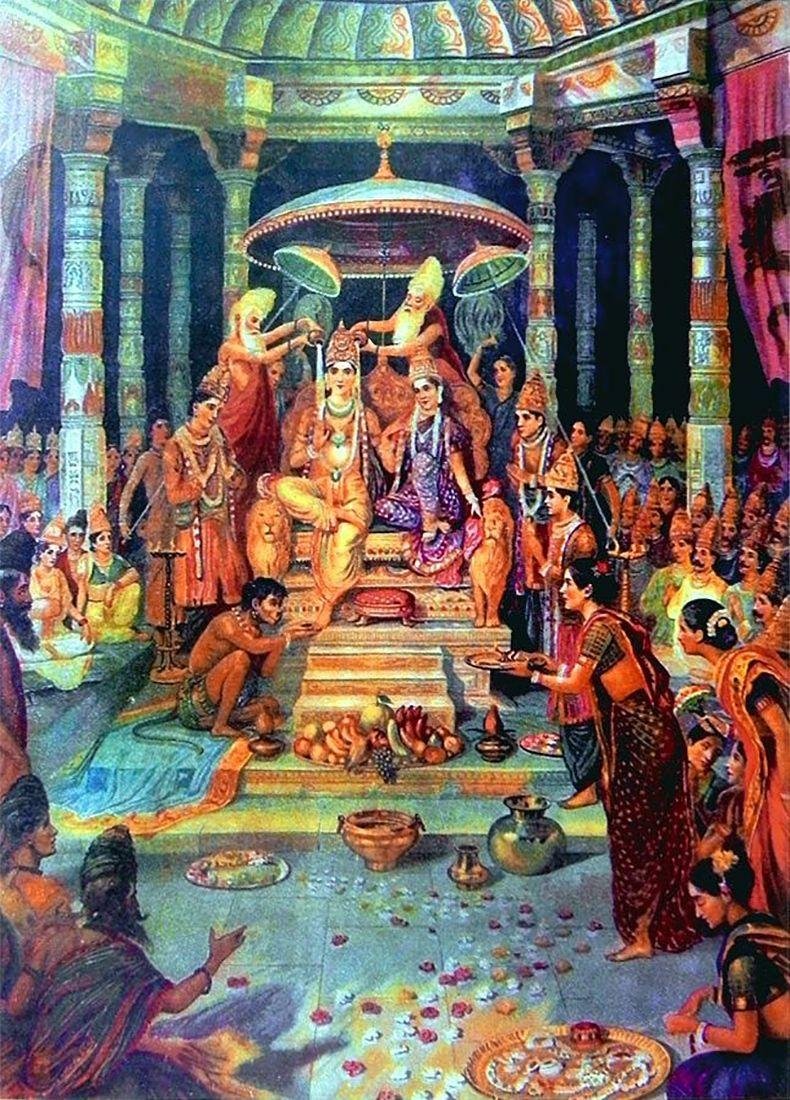
    Rama’s Coronation

    Suggested image: traditional Indian artwork of Rama’s coronation with Sita, Lakshmana and Hanuman.


    🏠 Rama Returns to Ayodhya

    After defeating Ravana and rescuing Sita, Rama begins his journey back to Ayodhya.

    He is accompanied by Sita and his loyal companions.

    The people of Ayodhya eagerly wait for his return.

    For fourteen years, Rama has been away from the kingdom.

    Now the long wait is finally over.


    🪔 The Joyful Return

    Rama’s return becomes a moment of celebration.

    The people welcome him with happiness.

    The story of Rama’s return is traditionally associated with the festival of Diwali in many Indian traditions.

    Homes are decorated with lamps.

    The darkness is replaced with light.

    The return of Rama becomes a symbol of hope and victory.


    https://images.openai.com/static-rsc-4/HoG8JIlDIdoK9cf48ydc4wm52TC0Bct0McachW6lJQRpeJlV78EjSRvFS2Bq3bt_keGXe0pCxe9McU-J1zWz0H0zaqpWKytHzYrKMxffrNoIak6_JFbWU4ZYX7np_veCaY3w_t3s1aLUQCdRWN2ZlE3-92sDADaaBc4HWRYFwxKsp1fB6ESI75z7nOJK5X65?purpose=fullsize
    https://images.openai.com/static-rsc-4/twMtjaVgZh171R5ybOI9m2iMjvTEZl3fdafju85IX-IfchVcvkCD6Xe1H2Eg-DJl-2Pnuc_jWkZe8mi_pfSPx_OFAmoe1eoygOEYvDdpTRk68RMoPIuHHj1ksFUpM-miNOHHZlv5H7gzcdXs_9rU_C3fesDjHx_kVqfKm9Z-KYp3lc1eLhUTp_Qgz1oFgxXW?purpose=fullsize
    https://images.openai.com/static-rsc-4/BQnrNd1fWDe0hhamnRCSTAh4Pb1X8HgArY4kAaBYbA0ku8Sq_9UJdCktYQnYYn_DulzG6l8_Lw-9DGi0r8xouNRsEKkX55z8xH8D-5Vu9B1NlFqnkcyKD5iAHMvAtpLV8i22J2nu99z9yjSvYug0-CY24wb52JjDsRUdnvalFXEYKMbmN4doV073M9tvW81w?purpose=fullsize

    Rama’s Return to Ayodhya


    👑 Rama’s Coronation

    Rama is crowned king of Ayodhya.

    This event is traditionally known as Rama Pattabhishekam.

    Sita becomes queen.

    Lakshmana continues to remain close to Rama.

    Hanuman and the other allies who helped Rama also become part of this memorable occasion.

    For Rama, the coronation is not simply a royal celebration.

    It marks the beginning of his responsibility as a ruler.


    ⚖️ What Is Rama Rajya?

    The term Rama Rajya is traditionally associated with the ideal rule of Rama.

    The basic idea is that a kingdom should be governed with:

    • Justice
    • Responsibility
    • Compassion
    • Honesty
    • Good administration
    • Protection of people
    • Respect for dharma

    Rama is remembered as a ruler who placed great importance on his responsibilities.


    🌟 Why Is Rama Rajya Considered an Ideal?

    Rama’s life is filled with difficult decisions.

    Even before becoming king, he accepts exile because of his commitment to his father’s word.

    Later, as king, he understands that ruling a kingdom involves responsibilities beyond personal happiness.

    This creates an important idea:

    A ruler’s responsibility is greater than personal comfort.


    👨‍👩‍👧‍👦 The Welfare of the People

    Traditional descriptions of Rama’s reign portray Ayodhya as a prosperous and peaceful kingdom.

    The people are described as living without major fear and suffering.

    The ideal ruler is expected to listen to the concerns of the people and work for their welfare.

    This idea becomes an important part of the traditional image of Rama Rajya.


    https://images.openai.com/static-rsc-4/SGGqaZI0i5YLA31RtFPbdo-KKQbAcoXTruj4L4ID_XzfnBjbJdMNXjkM-CW3Ew_gk1xcSDsvckclZBZg7vivBDRv-cWFulfxeaP9cPOF22LNATkeN76qBDrRtorPTIzEk2AP332EQ9g_AkRNTU9fDb3cf-Erq9poSu0O1StLUk42_Jbd8mOM46BK_P-Z27gJ?purpose=fullsize
    https://images.openai.com/static-rsc-4/mV9fQnSACTrYj3aCOrzqUUNxVShlqrfH2b0-9CTkb7zsVYDaBBHJK3YEQTy7kkkcexHNbyjICaL0y-90r2Q-2qVwy2EbEcX4sL5u95985tmlfyMTilwJqBPkc1l19UEZ7r_OcrUsMgVl6ho8c-pT4HnZhbv0R_9U5yNKMDEPYzb_N88LFVcqKQpStVLH1vEg?purpose=fullsize
    https://images.openai.com/static-rsc-4/SWzCfeG07242z-10yBIctYMpa-e686JGJE-TT8dahV9kDpkTKYoTAKwumHqyNkAmze7jX8vcfe7iRTAVz0Il42OGF8eE2MzdPaRvNOAinVPrTGEGmDaR9P1ls0kwcK6g8lLBuFEpdRkjAXMhfQ7sc82KwYfbUQPfpYUtP7osNKlJwhF4_ICHbcJS0bOPmB2G?purpose=fullsize

    Ayodhya Under Rama’s Rule


    🧑‍⚖️ Dharma and Kingship

    One of the central ideas associated with Rama is Dharma.

    Dharma can have different meanings depending on context, including duty, righteousness, moral responsibility and proper conduct.

    For a king, dharma means taking responsibility for the kingdom and its people.

    Rama’s story repeatedly places this responsibility at the centre of his decisions.


    🛕 Rama as an Ideal King

    Rama is traditionally described as Maryada Purushottama.

    The phrase is generally understood as referring to Rama as an ideal person who follows righteous conduct and moral boundaries.

    His kingship therefore becomes more than political leadership.

    It becomes an example of how a ruler should behave.


    ❤️ Rama and His People

    The traditional ideal of Rama Rajya emphasises a strong relationship between ruler and people.

    The king is not supposed to rule merely for personal benefit.

    Instead, he is expected to protect the kingdom and work for the welfare of society.

    This principle is one reason the concept has remained influential for centuries.


    🕊️ Peace and Prosperity

    Traditional descriptions of Rama Rajya present Ayodhya as a prosperous kingdom.

    People are described as living peacefully.

    Agriculture and trade are associated with prosperity.

    Families are able to live safely.

    The kingdom is presented as orderly and stable.
    These descriptions form part of the idealised image of Rama’s reign in later retellings and traditions.


    🌳 A Kingdom Connected With Nature

    The traditional vision of a prosperous kingdom also includes healthy surroundings and abundant natural resources.

    Rivers, forests, farms and animals form part of the wider world of Ayodhya.

    A successful kingdom is not only about wealth.

    It is also about the wellbeing of people and the environment around them.


    🧠 Rama Rajya and Leadership

    The idea of Rama Rajya provides several lessons about leadership.

    1️⃣ Responsibility

    A leader must accept responsibility for decisions.

    2️⃣ Justice

    People should be treated fairly.

    3️⃣ Self-control

    Personal emotions should not completely control important decisions.

    4️⃣ Service

    Leadership should involve service rather than selfishness.

    5️⃣ Trust

    A kingdom depends on trust between its ruler and people.


    🌺 Sita as Queen

    Sita’s return to Ayodhya marks another important part of the story.

    She becomes queen alongside Rama.

    Her own journey has been extraordinary.

    From Mithila to the forest, from Lanka back to Ayodhya, Sita has experienced some of the most difficult events in the epic.

    Her strength remains an important part of the Ramayana tradition.


    🐒 Hanuman’s Place in Rama’s Life

    Hanuman remains one of Rama’s most loyal companions.

    His devotion is one of the most celebrated relationships in the epic.

    Hanuman does not seek the throne.

    He does not seek wealth.

    His greatest happiness is traditionally presented as being in Rama’s service.

    That is why Hanuman’s devotion remains so important in Indian culture.


    https://images.openai.com/static-rsc-4/LUM688IRRw2yU1nIzpKJ3FDjCWZ1Wkg12m67A_MaDY3MWzunCpxjESBSDsZ0nbUJYHIgySxuVl2F7bEnmHz94lyFGEZwyoS-cjYZWJZKCD3P1i2cpSW0lIlnocXZEYuMkdGTToVMILDrI6XZcQkN3iUHvl5J2rvfTl2Fs1i8iCDr8t2ZFjzdjyLK0CwfI-KG?purpose=fullsize
    https://images.openai.com/static-rsc-4/2QxgU78F9K56vjUUJAgrfnBjy_iIIr6U6rbKCjDc4ywLaqImadEdf5fmA4SCqUi5LcEAlFFpDKgEI6K_GK3e_k_eCXUDcRXblTwxL88HbWnovjqXk7RYKhaEsHH5i91gJqJSTZ8NDzRcpu4svOi3wlJO1Ptqiv9Mzabl7rexFYwH8XIeJGu75oMVjrmLQu7T?purpose=fullsize
    https://images.openai.com/static-rsc-4/d-RWN1x0QZ72jNr2_t2ttRRS2PNm8ZMGnQAUdTC22fyy8PaXu1yNgJ87vpTuir_JHRMjZQ2asTmIwDgfp5imygl4fr9ZY2bqYX-GdU-c5tM55yhasBlRxA2Udp3cIV1BLu5nrHX3emxmTYXEDIwWmntkQa8PbR1V5iCRbezVIpziK1EkcsJbTBrv4W-ynkTJ?purpose=fullsize

    Rama, Sita and Hanuman


    📖 Why Is Rama Rajya Still Discussed?

    The idea of Rama Rajya has continued to influence Indian thought and culture.

    People have used the phrase to describe an ideal society based on justice, honesty, welfare and responsible leadership.

    Its meaning has also been interpreted differently by different people and traditions.

    For some, it represents a spiritual ideal.

    For others, it represents ethical governance.

    For many, it simply means a society where people can live with dignity and security.


    🌟 Rama Rajya Is More Than a Kingdom

    The deeper message is not simply about one ancient city.

    It is about an ideal.

    A society where:

    Justice matters.

    People’s welfare matters.

    Leaders accept responsibility.

    Power is combined with morality.

    Dharma is valued.

    That is why the concept has survived for generations.


    🪔 From Darkness to Light

    There is also a beautiful symbolic connection between Rama’s return and the lighting of lamps.

    Light can represent:

    ✨ Hope
    ✨ Knowledge
    ✨ Goodness
    ✨ Victory
    ✨ A new beginning

    Rama’s return to Ayodhya is therefore remembered not only as the return of a king but also as the beginning of a new chapter.


    ⚠️ The Difficult Side of Rama’s Rule

    The Ramayana is not a simple story where everything becomes perfect after Rama becomes king.

    The later story includes difficult events involving Sita and public opinion.

    Rama faces painful choices between his personal relationship with Sita and what he understands as his responsibility as king.

    These episodes have been interpreted in many different ways.

    It is important to recognise that different Ramayana traditions tell and understand these events differently.


    🌺 Rama’s Legacy

    Rama’s influence extends far beyond the story itself.

    His character appears in:

    • Indian literature
    • Temple traditions
    • Classical and folk theatre
    • Dance
    • Music
    • Paintings
    • Festivals
    • Regional Ramayana traditions
    • Popular storytelling

    The story has also travelled beyond India and influenced cultures across Asia.


    🌏 Rama Around the World

    Versions and adaptations of the Ramayana have been found across South and Southeast Asia.

    Stories connected with Rama appear in countries and cultural traditions including:

    🇮🇳 India
    🇳🇵 Nepal
    🇱🇰 Sri Lanka
    🇮🇩 Indonesia
    🇹🇭 Thailand
    🇰🇭 Cambodia
    🇱🇦 Laos
    🇲🇲 Myanmar

    Each tradition can have its own style, characters, details and interpretations.

    This makes the Ramayana one of the world’s most influential epic traditions.


    https://images.openai.com/static-rsc-4/TDHWMXarUAdOH-LKofeVVW2oIaEttPYOevEbIBB17QVr-z5uLrXX1ClXIDQEySGe4tBLeJgRoHzJHu_j3JlF2DAfhsQVkmdDeKXcR5tSkSZ8mFlRASrEazyp_15vCZ6YUW9LJADyH219eFeGo166tn0K7O6RDKFulNBmq1Ttl7VK7yOOg8Fqsy6LIEa87C35?purpose=fullsize
    https://images.openai.com/static-rsc-4/U6NdItnwRKdIAEhZkvbdt7AkSpudalwWZVg9b-6RL6T0v4LsUoyhN-kbeueaKNLFdmpOI3U0HKlrh-PShbxEhf8rhQtokuwqIWnfKvne6jlgOdl8BbdtHlzZrQREG05QdtPKWHitELUasixVshhc_JoEKPxUDUp5jfK8kSTkiGMpavVEY563RvmzPFxcfF2e?purpose=fullsize
    https://images.openai.com/static-rsc-4/xYcna3mN-8jStTcZSIo__3AxGQyMizp0yKij8xbsdCDDkLgkZSk5vQ4H-0busYpllN0jGBoFfc1CQAS7dQBg2WMrOU1nv03PJfGHTI2EUQ0ieW0d_4N3YEumTLArTQ80xFUlmmG24gsMhfQMifSERwxagx7Plm3NvPhBGyGihRSTkuyP9-X0_KfDXCs9V705?purpose=fullsize

    Ramayana Beyond India


    🧭 What Can We Learn From Rama Rajya?

    The idea of Rama Rajya can be understood as a reminder that leadership is a responsibility.

    A good leader should not ask only:

    “What can I gain?”

    Instead:

    “What can I do for the people?”

    This simple idea is one of the reasons Rama’s story continues to inspire people.


    🌟 7 Lessons From Rama Rajya

    🏹 1. Duty Comes With Power

    Leadership brings responsibility.

    ⚖️ 2. Justice Matters

    A society needs fairness and order.

    ❤️ 3. People Matter

    A kingdom exists for its people.

    🧠 4. Decisions Need Wisdom

    Difficult situations require careful thinking.

    🙏 5. Humility Is Important

    A ruler should not allow power to become arrogance.

    🕊️ 6. Peace Is Valuable

    A prosperous society needs stability.

    🌱 7. The Future Matters

    Good governance should protect the wellbeing of future generations.


    🕉️ Conclusion

    Rama’s return to Ayodhya marks the beginning of a new chapter in the Ramayana.

    After fourteen years of exile, Rama becomes king.

    His reign becomes associated with the ideal of Rama Rajya — a vision of governance based on dharma, justice, responsibility and the welfare of the people.

    But the story also reminds us that leadership is not easy.

    A king must make difficult choices.

    A ruler must balance personal feelings with public responsibility.

    That complexity is one reason the Ramayana continues to be discussed even today.

    👑 Rama is remembered not simply because he became a king.

    ❤️ He is remembered because of the ideals associated with the way a king should live and rule.


    🌟 NEXT PART

    Part 24: Lava and Kusha | The Story of Rama’s Sons and Their Connection to the Ramayana

    In the next part, we’ll explore the fascinating story of Lava and Kusha — their birth, life in Valmiki’s ashram, education, learning the Ramayana, meeting Rama and the emotional events that followed.

  • 🕉️ The Ramayana – Part 14: The Great War of Lanka Begins | Rama vs Ravana’s Army

    🕉️ The Ramayana – Part 14: The Great War of Lanka Begins | Rama vs Ravana’s Army

    In Part 13, Rama’s army reached the ocean and crossed toward Lanka after the construction of the legendary bridge associated with Rama Setu.

    Rama gave Ravana an opportunity to return Sita peacefully.

    Ravana refused.

    His brother Vibhishana left Lanka and joined Rama.

    Now the two armies stand facing each other.

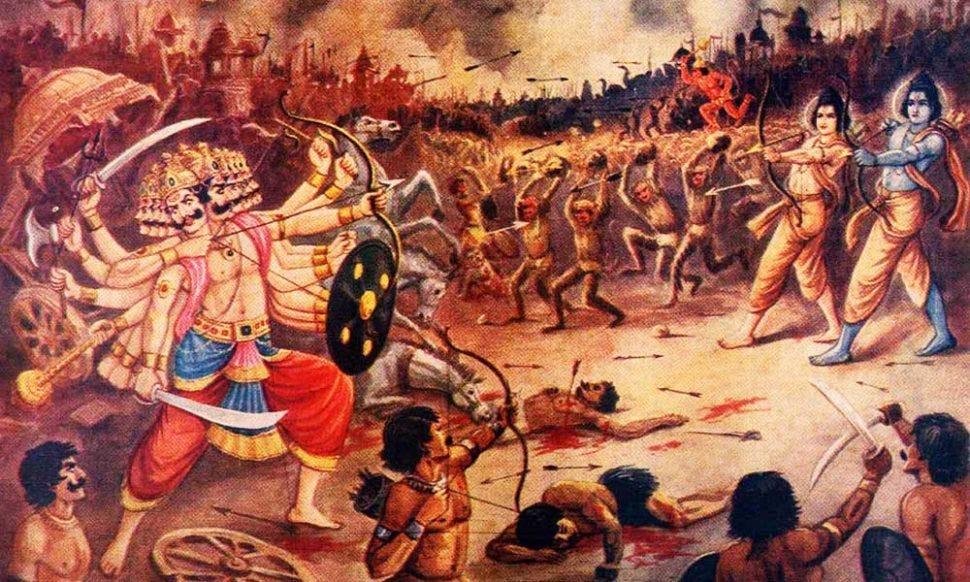
    ⚔️ The Great War of Lanka Begins

    This is one of the most dramatic sections of the Ramayana.


    https://images.openai.com/static-rsc-4/SV2iiNqL83UjYdTZ7CPrC9qhlrluuILZkNTb4V22-w-mwclvzRleawVXw-fYmUvcDC1ocuzvKvhADG2dndatV94p6R3bOuVKidG-08A4LJ6TecXZVwR0R4sw5fQ9XbPNDYlxz5QKIfpuT1__HHYROunT0OS-n8kovOo7D2jGWTBpVelQlwAgNjwmumkY0tHl?purpose=fullsize
    https://images.openai.com/static-rsc-4/jtY1ZgAoSsBjPSk6PSnohfvIXgxAxAHOFyPtgij2kQ21D2DRZy6DFqRKKcbG7iiApaInvBFJp7hqu054hDl8AsB2ymBrE97iqk2SLJlrLFs_-ObEZ6Mtb_Qwkh77YZXfa37NOWnOwRA4hkaW-ZPOxL6qdWGcgkg06Qv4Tt7b00BO3MFN6BvSuovVvXJdfbgt?purpose=fullsize
    https://images.openai.com/static-rsc-4/qp9f4mj_5cnWXFOgaloJV-o2m4zz0faAMdJTc_X-BwhtslRGGehjRL4SKkDvz7JPVCnb-A_NPsHl6vjdpNYZqu2yk9P0Lr2qZ5Q-OiQewRoJ29NLL-tc26vIb4SbFpmi2V8wf3hvXRZ_YyFd03DrmEzxloUeSidOblFbw9RmIXSD78c53yUgj-P_mgorCUiS?purpose=fullsize

    The Armies Prepare for War

    Suggested image: traditional Indian artwork showing Rama’s Vanara army facing the forces of Lanka.


    🏰 Rama’s Army Reaches Lanka

    After crossing the ocean, Rama’s army establishes itself near Lanka.

    The Vanara warriors are ready for battle.

    Rama and Lakshmana prepare their weapons.

    Sugriva organises the Vanara forces.

    Hanuman remains close to Rama.

    Vibhishana provides information about Lanka and its warriors.

    Everyone understands that a major battle is approaching.


    👑 Ravana Prepares His Forces

    Inside Lanka, Ravana gathers his commanders.

    Lanka has many powerful warriors.

    Among the most important are:

    • Indrajit, Ravana’s powerful son
    • Kumbhakarna, Ravana’s gigantic brother
    • Prahasta, an important military commander
    • Numerous Rakshasa warriors

    Ravana believes Lanka can withstand Rama’s army.

    He refuses to surrender.


    🕊️ Another Chance for Peace

    Before the battle becomes fully underway, Rama continues to give Ravana an opportunity to avoid destruction.

    A messenger is sent to Ravana’s court.

    The message remains straightforward:

    Return Sita.

    End the conflict.

    Avoid unnecessary loss of life.

    But Ravana remains unwilling to change his decision.

    The possibility of peace disappears.


    https://images.openai.com/static-rsc-4/HeGygin7dhKLwfnDkqS24bt7NhI3V6rV7dxpBjEUOhqU4oxbZAsytAIfPno51X3CG28NfEMIWRPohesEQ1RwjiF_gCz0aeUbiIfoagEK5AIPo17d1muQl6B8q8urZMiR9FiS8rUKzA5j2ij-AQfpWV_jfRxaZWf600TQPcQhUFxgESo5B2OdO3dZeU7oVf4a?purpose=fullsize
    https://images.openai.com/static-rsc-4/oy_HCiwuPMNC5gGwStaPPJb_zwrLUFHW6ka1LIzJBK24XkxOO6F1hJwPd92PkGpiQaP3mIWgTpUAKXkSXnX4YblPdVdxansZRXXi21FekXXPGLogIHbfQP08N72uqE6E-6XXGxUZqUe2YF13kP4C6UVGN9b2kXVaFRN0rTuuhHE-wqxnAAh3nivS1nd-NAYW?purpose=fullsize
    https://images.openai.com/static-rsc-4/9fYzdpPBo4deMWQfOORfCptupXnIheYCky_rNZfBfR3Txn2ycbcoswSwaCIq_gH8_ElbHvZRKtpmpA6aexjbkYtKC5wLnLVP4jJxHFaiHeeyLpASK7ElKZsR_Y65dTPEFR5wwulff9N2iABbZE2tnJOVSEWDS5wEjgOZLHXxR953DLixf0Lu3XkZfdFOGCtm?purpose=fullsize

    Angada Delivers Rama’s Message


    🐒 Angada’s Courage

    Angada, the son of Vali, is chosen as Rama’s messenger in the traditional narrative.

    He enters Ravana’s court fearlessly.

    Angada warns Ravana about Rama’s power.

    He tells Ravana that returning Sita is still possible.

    But Ravana refuses to listen.

    Angada leaves the court.

    The war is now unavoidable.


    ⚔️ The First Battles

    The Vanara army attacks the fortifications of Lanka.

    The Rakshasa warriors come out to defend the city.

    A fierce struggle begins.

    The traditional Ramayana describes warriors fighting with:

    • Bows and arrows
    • Maces
    • Spears
    • Swords
    • Trees
    • Rocks and other improvised weapons

    The Vanara warriors use their physical strength and agility.

    The Rakshasa warriors use their weapons and supernatural abilities.


    https://images.openai.com/static-rsc-4/vXc8ckiUzUICa5VyguplQ_FSbRgHqQE740Vq6Jos9Zsbm3t6mv71FduvkbQj50r54DuBcOheGfN-8dXhbETUv4lLwsBYQCTST47aYEYRiujrKhMYoZ9JeIxQAOw4Wrk9uBxvdDKz4dKQNZ9mI8_SZfR4ar2BbfxdVDP9d2lGEBbV9gnfyr0F__gZIXZnbATZ?purpose=fullsize
    https://images.openai.com/static-rsc-4/wXVNdKkd9uyPy-S1tEPvFUEa7_oYX9wDFSW_t0HVm2seALEudp36tUxQ60lO1tYJfkEjk-N3_QeGWMYhs48XPLc3XJPp-QZnKZFBiOUTCPfemmuM3wOwQhQ8VGbxVgFvRBrXCnAS0NPOgd-GvLNk-E4lVJborRvBM8LADgZwSryRmo01RiRZxY3CS9B2Qew5?purpose=fullsize
    https://images.openai.com/static-rsc-4/2x0szCKc1O_3Lws_IlzV9SEbyLAY9mu893AqPex_v70E8RAXUb6PZan_8OGn3finEebJB5P2jWzgMcoBPhQwt9HwzS3HKbjzMD_MeaQil5saR6yxruNEXtdoiamtqXDysTuHx_uLk_vuH2NKCMhPBoN0FDrT8uP_vhg90kiosnNEpbEo_u_SRkOfckSDz0D4?purpose=fullsize

    The Battle of Lanka Begins


    🐒 Hanuman in Battle

    Hanuman becomes one of the most important warriors on Rama’s side.

    His enormous strength allows him to fight multiple opponents.

    He moves rapidly across the battlefield.

    Other Vanara leaders also demonstrate remarkable courage.

    The battle becomes increasingly intense.


    🛡️ The Rakshasa Warriors Fight Back

    Ravana’s commanders do not allow the Vanaras to enter Lanka easily.

    Powerful Rakshasa warriors enter the battlefield.

    The fighting spreads across different parts of the city.

    Both sides suffer losses.

    The traditional story presents the battle as a massive confrontation between two armies with very different fighting styles.


    👑 Ravana Enters the Battle

    Eventually, Ravana himself enters the battlefield.

    His presence creates fear among the Vanara warriors.

    Ravana is described as an extremely powerful warrior and master of many weapons.

    He confronts Rama’s forces directly.


    https://images.openai.com/static-rsc-4/FMY9juVs394gnqt29IlZB6EJoErsoksg2A32UycgktPPjnAHAtUXGHZQ5cQehqCUqCoirUzjwdzMTlL4UQApIu5pdYsOiDjxR24qHDankFRpYA78fF57c9BNVo0kYvxG2eczyRniCPqSy9w4hdFu1Dl0N8OQ7-UFFfCf55yDG1LudEtU1eXvnJbaAJCxpY_y?purpose=fullsize
    https://images.openai.com/static-rsc-4/svA3pKYyY8BaBLD3hIkHYAhrwt7XZG_ItFXIzAYZSMRWvuhnrhXsFa23AR8-pWRn76vVhg1LGGWGqHLFHT-Dr-TmuIuAZDRAgLsGVia0NiFLkVTA7y6tv6bl9-SxlFQcthU_7VtEOWuCYwlWHNvom5cD8fYV_LC2nvHJ6jROI_VQUCMo8kDla9c8ghZ6ewaz?purpose=fullsize
    https://images.openai.com/static-rsc-4/3DAqL8ugrZad5DvARxB1nFRxVPt8dzv-vW9rET9bLLGOgl3Ico-lgzQNWPzPUudo_dW-kp9F8fPvQMLKxqp3r6vqIHLh_FPXjJ2JKw-90zrlFydVQl5XGdVlS-FO92IpQrUhSU2EDaJEfqS6Y-Vog02jzzUmuGWPJjlEqjnlUFrGDQ7UCB26vaHV-IvyQPNw?purpose=fullsize

    Ravana Enters the Battlefield


    🏹 Rama and Ravana Face Each Other

    Rama and Ravana eventually come face to face.

    This is more than an ordinary battle.

    Rama is fighting to rescue Sita.

    Ravana is fighting to retain his kingdom and refuses to give her back.

    The two powerful warriors exchange weapons.

    The confrontation becomes one of the central conflicts of the epic.


    ⚔️ Indrajit Enters the War

    Ravana’s son Indrajit, also known in traditional sources as Meghanada, is one of Lanka’s most formidable warriors.

    He possesses powerful weapons and is skilled in warfare.

    Unlike ordinary fighters, Indrajit uses strategy and supernatural weapons to gain an advantage.

    His arrival changes the battlefield.


    https://images.openai.com/static-rsc-4/yx1S4x64SqUbgWhoZRcxEMYUzbolWZx3mUP_qDMGHeK3eZvLfzT8PCMJkx-8dRUhThyJIMdf0G0OJnHMZlfFHwJhVX8jKmv4RK8gN7p_1ntG9PU1BYtGXJX8ivV9FLail7U24x2vde934asIvz1C7vJQMHGdqk01WeuyuAX2ujrXhaSU9CnEbUkD1ZhIEopU?purpose=fullsize
    https://images.openai.com/static-rsc-4/gJosi5HK82fzhOCBFr7rKGBvnDdXPWpbBhDBj7oI6wE-KftjsqjFKEdHmmupFbbYlOQyv_bWUFxWivYtk-5IjfAr5yb5is4qDuLUcsm8g9Jxo-Bybm03bx7KGVsMt6NmnwL-s4NI-RB54vkZMkdL9c1Jc7SQZZhiHIUQFGtsXhYxkm1kA7GwJ5qEINZGy7w0?purpose=fullsize
    https://images.openai.com/static-rsc-4/4EiYKY_VopGbZPgWBjWIQ7Xw2Zq46nxYQFLUj_Ln_QLVfMuFkSRWs83UA9W4dJgtqJDJqyoVmixp6wy3UQZCRuXL9QgAc2613V9q1kYbHX0Q01aOz21dwk36fNZQkX-zsZvklLFD25vRNHFyvDND-92EiOU9-CyEy8e7l4tSNweBDw-Mdd8Bw4p7Jdqurtdg?purpose=fullsize

    Indrajit Enters the Battle


    🏹 Indrajit’s Powerful Weapon

    During one of the major battles, Indrajit uses a powerful divine weapon against Rama and Lakshmana.

    The traditional Ramayana describes the brothers being struck and temporarily rendered unable to continue fighting.

    The Vanara army becomes deeply worried.

    The situation appears extremely dangerous.

    But the story is not over.


    🐍 Rama and Lakshmana Are Bound

    In the traditional account, Indrajit uses the Nagastra, a weapon associated with serpents, against Rama and Lakshmana.

    They become bound and appear unable to move.

    The Vanara army is shocked.

    Rama and Lakshmana appear to be in grave danger.


    https://images.openai.com/static-rsc-4/cLlNHl9A-8ohEUemg-_bdhK1O34lFKXzzjvtaYWdcNizK11pdr_7oZpjzydMcZ83E0GwAwSRRDBxaMfArmBD_uPrQ83GDHoeTW2aiBo9CAps9LebHEY8EBMsYdYpXMEpt39kWS07EGnu10azcKHW7nj_jBFV_gHlpvehENIbw_-O1T0HAnWuoUntQCYH3CnM?purpose=fullsize
    https://images.openai.com/static-rsc-4/Apf5c73t1W0z3C_921Bsq-zVcm9a53Ij7C_MQNFs6i1MSQ5FucfxjnBSMJBYKi8OKkPRJGq7_Yhkczu1CW7mnkAWpgp1d9R0kq4mxtw1wAS4w-aGrYhoQvVjXGol4riGoIJ1SJVUR0ZTLdG-I6eqxzEeypQjHtr4UCzUZpHVzWdpKPo8wNJ_iCson1Syajfl?purpose=fullsize
    https://images.openai.com/static-rsc-4/yx1S4x64SqUbgWhoZRcxEMYUzbolWZx3mUP_qDMGHeK3eZvLfzT8PCMJkx-8dRUhThyJIMdf0G0OJnHMZlfFHwJhVX8jKmv4RK8gN7p_1ntG9PU1BYtGXJX8ivV9FLail7U24x2vde934asIvz1C7vJQMHGdqk01WeuyuAX2ujrXhaSU9CnEbUkD1ZhIEopU?purpose=fullsize

    Rama and Lakshmana Face Indrajit’s Weapon


    🦅 Garuda Comes to Their Aid

    The traditional story then describes the arrival of Garuda, the great divine bird associated with Vishnu.

    Garuda’s presence causes the serpent bonds to disappear.

    Rama and Lakshmana recover.

    The Vanara army is relieved.

    The battle can continue.


    🐘 Kumbhakarna Awakens

    Ravana realises that the war is becoming increasingly dangerous.

    He decides to awaken his gigantic brother:

    💪 Kumbhakarna

    Kumbhakarna is traditionally described as enormous and immensely powerful.

    But he is also famous for his extraordinary sleep.

    Ravana’s people struggle to awaken him.

    Eventually, they succeed.


    https://images.openai.com/static-rsc-4/be_ilCf4KIjxaWMlxgpFjKX22jg_5QkShajFGjaspMEBsyIBOJmoBZr4MxmKMQClislspf0k8ajiW8yEJJMmQ62GXVmCOWDZbud3Enshn1BaiIpOlv73IO8y0qShmX_pohM14FaVTPi7J1h-sZzU7J992ghApT7MqzIxtO300ibWp7BWfzUUA4uvYAp9NAbv?purpose=fullsize
    https://images.openai.com/static-rsc-4/Jw4IB6-5oOopdPb1juDyhkwg_peFmaw4QBMQ1fmWsKVtJRpaF1xz6BKGL46zzHUamwXsX29gzblXdc0jrf-8AjBnSWQTNKx0406BGT2Uxm6b3CQ7318h6Gyrgj4iILBRJ_DsoZLwoz7bL-NJEQtuLQgovSDABxGE40QqSrGqeiqVKAnURYjEgXfn3dk6F89h?purpose=fullsize
    https://images.openai.com/static-rsc-4/iOm5A-sG5Y47VgLo02PyS3Q8uAR2ZYq0CIrbllO0gyYrOdogPCnMj_X49Tvq5BYuFmdMs-xFQqAWBw5CXKSG7pXSc-6oxVubVRDHHvT2ts6mfD6Af2t1DlAlYAYSurpBA8ydP_3szxf6JeVQeTQSHPgwXTZuslpWZz-v77x3uhokqXRlhj-1ap1tPHb_Lzae?purpose=fullsize

    Kumbhakarna Awakens


    👑 Kumbhakarna Questions Ravana

    When Kumbhakarna learns what has happened, he does not simply celebrate Ravana’s decision.

    Traditional versions describe him questioning Ravana’s actions.

    He understands that abducting Sita has created a dangerous situation.

    However, he remains loyal to his brother.

    He decides to fight for Lanka.

    This makes Kumbhakarna a complicated character.

    He recognises the problem but still chooses to stand beside his brother.


    ⚔️ Kumbhakarna Enters the Battlefield

    When Kumbhakarna enters the battlefield, the Vanara army is terrified.

    He is enormous and extremely powerful.

    He attacks the Vanara forces and causes great destruction.

    Many warriors try to stop him.

    But Kumbhakarna continues advancing.


    https://images.openai.com/static-rsc-4/ujkk3zBxAtT3GCwC2UmRbC28OGMDS27T_MO1Ajo9IAsaWzMpz02TNsNzs_rLgMSAwg3pLnKJO2vQ3MYQt4gz_QL1QqM_rP9pOUt_FQBizOxGhxqMcwwnTng53IY56PIBMCAuaX2dkEdyIjf4-2C7TitbwoJCDpLrVU7JQRXbihTvVEmiGMExCT1d11TmH8Yv?purpose=fullsize
    https://images.openai.com/static-rsc-4/xpHLHCztRvj1-DzKF--lBtrDRPrjShURgHL0_G7IcpRFMchet33udrY-UEFWB2DEsmewA4KW8YJieXogVOimtFl9w9G-ADt1uJUDJJ0n7P8S9fGtQyxr3ScQfGxClUF3lH7RJzuGduIXST3b4TZJJBhyXo6tTpZe79aC_VSJ2uVgLCSw9hd7LmlMmV2AvVYr?purpose=fullsize
    https://images.openai.com/static-rsc-4/6cPnlZOnDkgsT-iKOMIepJqJsgjB8Z08vJiEtuW81FxnEq-JG_KczF6P8sZr8akJJjHJ7lBFgjNt6PxHfNBCKPBT1mr5Cyxjd30D0Tq-KuhCMrMIB6OzUj0lXlZOYA37u8im1j8kjpgsnqTxk29q52ApnTIIQXiZcfpYWSTgPV354zIwgnG5ZKbGcI891XMl?purpose=fullsize

    Kumbhakarna Battles the Vanara Army


    🐒 Hanuman Fights Kumbhakarna

    Hanuman confronts Kumbhakarna.

    The battle is intense.

    Other Vanara warriors also attack him.

    But Kumbhakarna continues fighting.

    Eventually, Rama himself confronts Kumbhakarna.


    🏹 Rama vs Kumbhakarna

    Rama uses powerful weapons against Kumbhakarna.

    The battle becomes one of the major confrontations of the Lanka war.

    Rama gradually defeats Kumbhakarna.

    Kumbhakarna falls in battle.

    His death is a major blow to Ravana.


    https://images.openai.com/static-rsc-4/69b2kauL06NdBDuSN1nZ-4QQlJCCnWCnGB0r7tCV1bHkdw2qnSFNOdM-ecloIQfEFLuRw_fYzzKto1nR0FIaYKZzcf_NeNyQzoAj0nwT34sdVKC_8WfukC7Hh01-jhq97XFQ6VSx_2hVPIZYZxjgu4dG7LktyEP0KqkmtQOtqLaiRWX8BM6BoUbC1iQMpWMX?purpose=fullsize
    https://images.openai.com/static-rsc-4/G28V94l0_b-ER1WTdBtgbMB0sZZv1vP_dNlcJdI0P-8KpGRM5iyYPTCcsoTI1EWg1g8aDKrIgvn-PUdysWDSUFPrsYwSx8nXuAUuBtEWWM7BpHuJdypcspe7VpXxW4K6SUHGbpcoq-4p95-s3Low8SDj38PuVMdTE1Nv5ckhRa5R-CRh_Vpgj4t-nuQ5ZPG2?purpose=fullsize
    https://images.openai.com/static-rsc-4/753nT64XWB5Q0eQfnaG4BkJuWmQ5u3iYIMSJ2nexuqprfXrZDpgr_A1tsm8Lok6lMGCi_TPbwwOGTHWR5nhKi24Dnv7b9diLhiYtu_97BB0RdWggbnDHgtfT7kmhbpY-gRZt2ZlQaX0dZPZ1wAl2uvv8p0PIWw9SUuU_G2eRO18VU77dem-XZfRQ55RdMcGf?purpose=fullsize

    Rama Defeats Kumbhakarna


    😢 Ravana Hears the News

    Ravana is deeply affected by Kumbhakarna’s death.

    His powerful brother is gone.

    But instead of surrendering, Ravana becomes even more determined.

    The war continues.

    The next major challenge will come from Ravana’s own son.

    ⚔️ Indrajit.


    🏹 Indrajit’s Greatest Challenge

    Indrajit is one of the most dangerous warriors in Lanka.

    He uses powerful weapons and deceptive battle tactics.

    He is capable of disappearing from ordinary sight during combat according to the traditional narrative.

    This makes him extremely difficult to defeat.

    Rama’s army must find a way to counter him.


    🕉️ Vibhishana Reveals a Secret

    Vibhishana understands Indrajit’s abilities.

    He gives Rama and Lakshmana important information.

    This knowledge becomes crucial in the coming battle.

    Lakshmana eventually prepares to confront Indrajit directly.


    https://images.openai.com/static-rsc-4/gJosi5HK82fzhOCBFr7rKGBvnDdXPWpbBhDBj7oI6wE-KftjsqjFKEdHmmupFbbYlOQyv_bWUFxWivYtk-5IjfAr5yb5is4qDuLUcsm8g9Jxo-Bybm03bx7KGVsMt6NmnwL-s4NI-RB54vkZMkdL9c1Jc7SQZZhiHIUQFGtsXhYxkm1kA7GwJ5qEINZGy7w0?purpose=fullsize
    https://images.openai.com/static-rsc-4/a7CpzEhh8Ta1e_ft34hgJEJj8BuZZbKkS1_Hv4y-v2HCGTbvhIWxpsqMbXi1KdB69Ie5_xNOdH6zQe5sQGEkBInI4kWx5EDVHXpa4mWRI--VM2E1pGQadizow5GUpQ-jgohfE3hj7UxsCdxUpjdlq205Ilgb85huK_gGTKvYMahS73sczCsVi-aHI_FL0plJ?purpose=fullsize
    https://images.openai.com/static-rsc-4/yx1S4x64SqUbgWhoZRcxEMYUzbolWZx3mUP_qDMGHeK3eZvLfzT8PCMJkx-8dRUhThyJIMdf0G0OJnHMZlfFHwJhVX8jKmv4RK8gN7p_1ntG9PU1BYtGXJX8ivV9FLail7U24x2vde934asIvz1C7vJQMHGdqk01WeuyuAX2ujrXhaSU9CnEbUkD1ZhIEopU?purpose=fullsize

    Lakshmana Faces Indrajit


    ⚔️ Lakshmana vs Indrajit

    Lakshmana and Indrajit engage in a fierce battle.

    Both are highly skilled warriors.

    The fight continues for a long time.

    Eventually, Lakshmana defeats Indrajit.

    Indrajit’s fall is a devastating blow to Ravana.

    The strongest defenders of Lanka are gradually disappearing.


    👑 Ravana’s Anger

    When Ravana learns that Indrajit has been defeated, his grief turns into intense anger.

    His kingdom is losing its greatest warriors.

    His brother is dead.

    His son is dead.

    His forces are weakening.

    But Ravana still refuses to return Sita.

    Now he prepares for the final confrontation.


    ⚔️ Rama and Ravana: The Final Battle Approaches

    The great conflict is reaching its climax.

    The Vanara army has crossed the ocean.

    Hanuman has found Sita.

    Vibhishana has joined Rama.

    Kumbhakarna has fallen.

    Indrajit has fallen.

    Now only the greatest confrontation remains:

    🏹 Rama vs Ravana

    The next chapter will tell the story of that historic battle.


    🕉️ Conclusion

    The Lanka war becomes increasingly intense.

    Rama’s army battles Ravana’s forces.

    Indrajit uses powerful weapons.

    Kumbhakarna enters the battlefield and causes enormous destruction.

    But Rama ultimately defeats Kumbhakarna.

    Later, Lakshmana confronts Indrajit and defeats him.

    Ravana has now lost two of his most powerful warriors.

    His kingdom is in danger.

    But he still refuses to surrender.

    The final battle is near.

    ⚔️ Rama and Ravana are about to face each other for the last time.

    🕉️ To be continued in Part 15: Rama vs Ravana | The Final Battle and the Fall of Lanka

  • India’s Biggest Bank Robberies and Heists: The Most Audacious Loots in Indian History

    India’s Biggest Bank Robberies and Heists: The Most Audacious Loots in Indian History

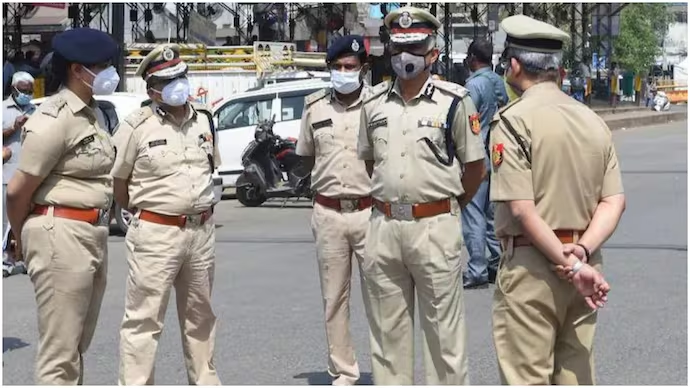
    police

    India has witnessed some extraordinary robberies over the decades—from criminals digging tunnels beneath bank buildings to gangs posing as police officers and stealing crores of rupees.

    Some of these crimes were carefully planned for months. Others depended on deception, insider knowledge or simply exploiting weaknesses in security.

    The amounts involved have changed dramatically with time. A few lakh rupees once represented an enormous fortune, while modern heists have involved crores of rupees worth of cash or gold.

    Here are some of the most remarkable and widely reported major robberies in India’s history.


    1. The 1987 Ludhiana PNB Robbery

    One of India’s Most Famous Bank Heists

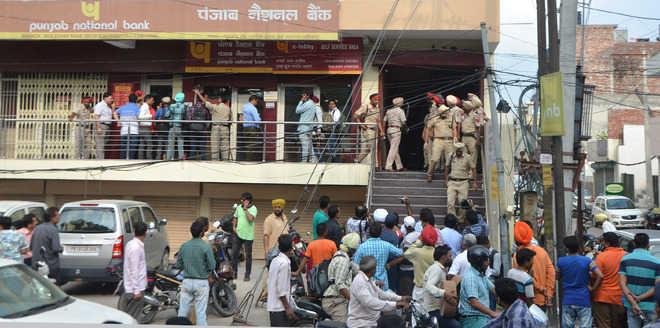
    One of the most notorious bank robberies in Indian history took place in Ludhiana, Punjab, in February 1987.

    A group of armed men entered a Punjab National Bank branch and reportedly posed as police officers. The deception allowed them to gain access to the premises and overpower security personnel.

    According to contemporary reports, the gang escaped with approximately ₹5.7 crore. At the time, the amount was extraordinary, and the robbery was widely described as the biggest bank robbery in India. Contemporary international reports put the value at around US$4.5 million.

    The robbery was later associated with the Khalistan militant movement, and the stolen money was alleged to have been used to finance militant activities.

    The case continued for decades. In 2017, the Supreme Court acquitted nine people who had previously been convicted under TADA, holding that the prosecution had failed to establish that ₹60 lakh recovered from the accused was part of the stolen money.

    https://images.openai.com/static-rsc-4/i5DlOMH_uQQrN1IOK_7sGyA9-pB86PY3nTxmmCrIH7Nr0A3cEA0WQTTzw2t0fYGUsy3kx-LssXXwNTxI28rSK9cmwpcgG9QFzfPOpgaOyVt2h3lNMrznbyZvLNgBOl-0B9kttEnwMKmtADWrv9EPynVKw82ywkrHikpG7YKZGRZhw-SfM9ioLTjVweBFYduD?purpose=fullsize
    https://images.openai.com/static-rsc-4/YN_ChnBnOLXowCkr5j1N5b_1jIbRRhTyYfjragItIXUAQpLU0FvAgCD1SDaizvUkgleR0FuyWNXZXOtI96TYUhlgKCrPCNufP0XutKFX9J4clY3tnshKl6J3qGji1X8kLY7C_89I9PyOFggd_0K52fxuMqkq7eLVRPDZlpnfuJeEQykvHszORYZFODnO3M51?purpose=fullsize

    2. The ₹100-Crore PNB Locker Heist in Haryana

    A Tunnel Leads Directly Into the Bank

    Another extraordinary case occurred in Sonipat, Haryana, in 2014.

    This robbery became famous because of an underground tunnel.

    According to reports, the criminals began digging a tunnel from an abandoned house near the Punjab National Bank branch.

    The tunnel reportedly extended for approximately 125 feet and eventually reached the bank’s strong-room area.

    The robbers targeted lockers inside the bank. Reports said that the bank contained hundreds of lockers and that the gang broke open or accessed dozens of them.

    The estimated value of valuables taken from the lockers was reported at around ₹100 crore, making it one of the largest locker robberies reported in India.

    Unlike a conventional armed robbery, this crime relied heavily on planning, patience and secrecy.

    The criminals did not simply walk into the bank.

    They attempted to reach the valuables from underneath the building.

    https://images.openai.com/static-rsc-4/OAWcpieYeTR5CRWoHU2rOMoJDEgpYInXn_QdTL0NVJTzSlrzv4wueAD0mf3_ZD82I5q3rSuHn2zCYxbZTfyKelMHghs-2xQfk1I6AwVWw1XxxSa_eu77-LCn2WReR8qr0udEVxD9KS0fBIQqrB60xkFmG7nJHEYl00g__JObyzzROgkdvtyKLrHwH8hHtL1t?purpose=fullsize
    https://images.openai.com/static-rsc-4/yPTkX0nh-Coj8r165oDxu71Emh71wAL1juBlvJGNSoW3z4DcHFETRQkN3oPUUYVKWpPyQC4dkFOar-YocSO_Mm3cClINowrR5MB9fGelTR058R7eaBvnDwWkGmFSnd2ircKBEC88ADw5TU2W4E7zk8KUWjKthiN4VHVaD74-SAerVl9bSxSie1C9pfO9uEkm?purpose=fullsize
    https://images.openai.com/static-rsc-4/EQyTqwRpT7IRkDDa1ongd2UVP3gv_UiBdd5sRK-uLoYdyNRoKHT5czdr7S-UlXp7UUbjk3TR6S_bt45BeA-e6JP-fLi67LB4vzVwslEgyVS68KVs0JvlSGi75BmSrb4Pc6UTceQu8eqZR9VFRxdmXuuNzKc89POWmmn4TlIXnkM_LkRaGdUc61rM4SjujFs7?purpose=fullsize

    3. The 1968–69 Kolkata Robbery Series

    When Robberies Were Called “Revolutionary” Acts

    One of the most unusual robbery stories comes from Kolkata in the late 1960s.

    Beginning in July 1968, a group carried out a series of robberies targeting financial institutions.

    The first major incident involved the Park Street Post Office, where approximately ₹3.97 lakh was reportedly taken.

    Over the following months, other targets included National & Grindlays Bank branches and the Park Street branch of the State Bank of India.

    The total amount taken in the series was reported to be approximately ₹12 lakh.

    What made the case particularly unusual was the way the robbers described themselves. According to later reporting, they told victims that they were not ordinary criminals but revolutionaries.

    The police investigation became one of Kolkata’s famous unsolved crime stories for decades.

    https://images.openai.com/static-rsc-4/XjsNXeww046UVS1wpl3Kf9a_J-_2wQzWJfq0telC7HEGy3is4SKQ_s4VMUyisiY09LPCpgP_NVdLxrSKfxzvweykJnvq0gpDy-a0VLz2v5s_UgwZC_y-lDs4Kg9kFFYVnSvR2Lbfi2rsrNL5vH3DQ2wFouzPuqUMBF2Oj2oNP-qCFRu58ESJkEZ5OLV6ooIy?purpose=fullsize
    https://images.openai.com/static-rsc-4/bd4k93ZX0wgp4L_dlNbwtA-Of30CaPefuUyAUoJ-Rqy137K8m22aGw0d9bPMoWWzq9jiBYBYA8WlFKPRl_s_hIe2BhyluMEPWeHn2_OPY6-06HgWHKqHcuhZgm2KZEBwJ5Q7_GwkPdvLBcopW4owOAjcpp_7lyEdAMuUEOJfIIqsdzWYOnWL5GSMn5YcyM4a?purpose=fullsize
    https://images.openai.com/static-rsc-4/VyXKLEx7vhJ3vojpeLmDqxUs3rCcPEZdoedxrOE-S5126nUWnsc87oTkhHVlDc8IcZqycVEXy_XhJheBgN8DGuqHAF93PLHe9sDzM5PGEdmAG_lIQ2TF4oenl8vrG8Aj-vZPi4OEi0fHhhGWGuJwa8cAFGpuGV0x_wixjMb-7Wa_0hddMcRaBm3TgZuS12a9?purpose=fullsize

    5

    4. The ₹8.49-Crore Ludhiana Cash Management Robbery

    A Modern Cash-Centre Heist

    In 2023, Ludhiana again became the scene of a major robbery.

    This time, the target was not a traditional bank branch but the office of a cash-management company.

    According to the FIR reported by the Indian Express, a group of robbers entered the company’s office in Ludhiana and escaped with at least ₹8.49 crore. Police investigated the possibility of insider involvement as part of the case.

    The incident demonstrated how modern financial crimes can target not only banks but also companies responsible for handling and transporting large amounts of cash.

    https://images.openai.com/static-rsc-4/CDlHaiZ239yXLrrSipaGjrXI_ZsPXorND7WOp9aD_mF_yOW_r5hjGxfspFksWL_29AmtD6-3ecgcc2yHiYfLL6GexlRSipo5rW7tN6cxF6ZWTcdg7mkvJmBpVJ00ZEsQkUT1vVnmxvsuPeUHv8McQAA0TuRlZzbT3qtQ_zfDcdfAAKzp9NA1KeFmyMiEG0LG?purpose=fullsize
    https://images.openai.com/static-rsc-4/GncbFt675ciCfmlKyRPYqybLSvB9xb676WEZGfG4NBqEL7NzZ8Iw2viBQPluU3ws6zzFOP2P3hPux0HRo-Ap29irCQD1ArZGVKZBo1ZDEuJiLoOk_wWnhFS2L80b3uqqWBfk0pKdbwy4gcQnIiePP-JSvTjuB4JukfV8DfTDS16Rna0kF_UD13TT6TgyNhJf?purpose=fullsize
    https://images.openai.com/static-rsc-4/YJ5f-96u3DRR2V_bxWcoR1Dazv5SiMrRdbOYYnNHZKJtI8Iornr68PbMwW70oDcLJTTiFLXhC13kejOzceJHd2IEbWTT5Pno8zpfSw1i_GOhYjw69h2ntcypj34mVO6U5NW1AF3wd8GWJsN9hPXcGZO0kph110cdOTOlTdrYqr3GKU0fYn-I3sI79cLYLXSj?purpose=fullsize

    5. The ₹13-Crore Gold Robbery in Karnataka

    A Bank Heist Inspired by Crime Fiction

    In October 2024, a major gold robbery took place at an SBI branch in Nyamati, Davanagere district, Karnataka.

    According to police investigations reported in 2025, approximately 17 kg of gold, valued at around ₹13 crore, was stolen.

    The investigation later led to arrests, and police reported recovering most of the stolen gold.

    One particularly unusual detail emerged during the investigation: police said the main accused had been influenced by crime videos and the television series Money Heist while planning the crime.

    Unlike some older cases that remained unresolved for years, this case was eventually cracked by investigators.

    https://images.openai.com/static-rsc-4/NlFAG5St65Xk7xyF-XexHgnL1Bl27CpnleL3P0S752y-MAgqraVzlFSufOI3238Y-icoAn4l-rBzkN7annsETZ1cEgg1yn37Fcd0A69h8EqzJI-L_e0OE7MSdagon367ygxQrgAO49e4RwFHypU2sFt7Y-PjmIcNRSDQo3SfAJB1VwsixPrrygbcMUfagDoH?purpose=fullsize
    https://images.openai.com/static-rsc-4/4jSZEg6rzfg5K1twtCNLP4GTSSoO5GsPLLqjb5yzEuq9L4rkbZWNQhplknt2A83K7NsNSnRAYR11V4qHt6PK07nQ57f4cwNUy3Zlj6Rem7KYfxSgm4AgDgVjv6P0PPsUAgR9IfNSGtTEzGnlnmgs6jex5BjkaPXK6lB8_JuvZAs1dmfAX4u-2EHr1LJuxIpL?purpose=fullsize
    https://images.openai.com/static-rsc-4/w4LtpJH79KUu67igHxctXTGgXtly-NRryswSTqlzHbie8nOXZDATGwgqvWw88UKPmocSj1-Sohc9rYyN9qU7ywXu9NWViMJt2PWOTLTpjjwYmrqWim3ywW9OtstQ5-6ti5YE3tg4dxv14HB0-gJ19qzJDier6Tx1zLPxlk7QIrUQ28PFJZSBeD4rBGisXwBq?purpose=fullsize

    4

    6. The 2025 Karnataka Gold Heist

    Nearly 59 Kilograms of Gold

    Another extraordinary robbery was reported in Karnataka in May 2025.

    According to India Today, unidentified robbers targeted a Canara Bank branch in Managuli, Vijayapura district.

    The reported haul was approximately 59 kg of pledged gold jewellery, along with around ₹5.2 lakh in cash.

    Investigators said the robbers had disabled the alarm system and used a fake key to access a particular locker. A strange object resembling a black-magic doll was reportedly left behind, apparently intended to mislead investigators.

    The enormous quantity of gold made this one of the most striking recent bank robberies reported in India.

    https://images.openai.com/static-rsc-4/7vVjDALGclxQiprszQPScpQNxBGAjNqDSgYPCcTCPn0cq2KBWKPZjOgXJOemDv4YpHABH2oYHy8XxQ37BrqVgnl--r-5bXhVtjEELhNUQxOp_7BBWUdkcpsoAm9w-aU8wcJoGVa40peFNEQYLhqd4m6Q4uugZAz_LlSBLyHiq2pTSYqmBEIvEOe61pu73uy_?purpose=fullsize
    https://images.openai.com/static-rsc-4/m_xJzwQcfzh0E8qrIWb2WV2EGHUpY_QbQaiUG4kT6wqQsMDoWUSmzM5_ZzOQoWf5NNU2gWEYSDRzrA1sCnaTxKgvgLT2-SDH7N8Yhezc_edE-gidjPGT7paBrcxnzXjrPZyL0jpKisTTntKFGJUXWPkeb6lIb092Gh4xTFnAeBRIYA6n5wl7JWdzwRFSduyD?purpose=fullsize

    Why Were These Robberies So Successful?

    Although every case was different, several common factors can be seen.

    Careful Planning

    Large robberies rarely happen completely spontaneously.

    The criminals involved in major cases often appear to have studied the target, its security arrangements and the movement of money or valuables beforehand.

    Deception

    The 1987 Ludhiana robbery demonstrated how powerful deception could be.

    The robbers reportedly presented themselves as police officers, exploiting the trust normally associated with law-enforcement personnel.

    Knowledge of the Target

    In some cases, criminals appeared to know exactly where valuables were stored.

    The Haryana tunnel case, for example, involved a tunnel reaching the strong-room area of a bank.

    Weak Security

    Every successful robbery exposes weaknesses.

    Modern banks and financial institutions therefore continuously upgrade alarms, surveillance systems, access controls and cash-handling procedures.

    A 1987 parliamentary response regarding bank robberies noted that public-sector banks were reviewing security arrangements and issuing additional guidelines where necessary.

    The Difference Between a Robbery, Theft and Heist

    These words are often used interchangeably, but there are differences.

    Robbery generally involves taking property through force or threat.

    Theft involves taking property without the victim’s consent, usually without direct confrontation.

    Heist is a popular term for a carefully planned major theft or robbery, particularly one involving money, valuables or a high-value target.

    The cases discussed in this article include different types of crimes, so calling all of them simply “bank robberies” can sometimes be misleading.

    What Happened to the Stolen Money?

    One of the biggest questions in major robberies is what happens to the loot afterward.

    Large quantities of cash and gold are difficult to hide permanently.

    Police investigations often focus on:

    • Where the stolen property was taken
    • Who helped move it
    • Whether insiders were involved
    • Where money or gold was sold
    • Financial transactions after the crime
    • Vehicles and communication records
    • CCTV and forensic evidence

    In the 2024 Karnataka gold robbery, for example, investigators eventually recovered much of the stolen gold and arrested suspects.

    The Biggest Robberies Were Not Always the Most Clever

    A huge amount of stolen money does not necessarily mean a perfect crime.

    Some robberies involved elaborate planning but were eventually solved.

    Others remained mysteries for years.

    The Kolkata robbery series of the late 1960s, for example, remained a famous unsolved case for decades before later developments shed more light on what happened.

    Meanwhile, some modern cases have been solved relatively quickly because of better CCTV networks, digital evidence, forensic techniques and financial tracking.

    How Banking Security Has Changed

    The world of banking has changed dramatically.

    Decades ago, security depended heavily on physical guards, locks and basic alarm systems.

    Today, financial institutions can use:

    • CCTV surveillance
    • Electronic access controls
    • Alarm systems
    • Strong-room security
    • GPS tracking
    • Digital transaction monitoring
    • Forensic technology
    • Improved police coordination

    Technology has therefore made some forms of traditional robbery more difficult.

    At the same time, criminals continually search for new weaknesses.

    Conclusion

    India’s history of major robberies is filled with stories that sound almost unbelievable.

    There was the 1987 Ludhiana bank robbery, in which criminals reportedly escaped with ₹5.7 crore.

    There was the Haryana tunnel robbery, where criminals reportedly dug their way into a bank’s strong-room area.

    There were the unusual Kolkata robberies of 1968–69, which remained famous for decades.

    And in recent years, massive gold and cash heists have shown that large-scale financial crime has not disappeared.

    But behind every spectacular robbery is a serious reality: victims, financial losses and years of investigation.

    These cases are interesting from a historical and investigative perspective, but they also demonstrate why strong security systems, responsible banking practices and effective law enforcement are essential.

    The most fascinating part of these stories is not the money itself.

    It is how investigators eventually try to answer one question:

    How did the criminals get in—and where did they go after they got out?

  • 🇮🇳 The State Emblem of India: History, Meaning and the Story Behind the Four Lions

    🇮🇳 The State Emblem of India: History, Meaning and the Story Behind the Four Lions

    india symble

    When we think about India, several national symbols immediately come to mind—the Tricolour, the Ashoka Chakra, the national anthem, and the majestic State Emblem of India.

    The familiar image of the three visible lions appears on government documents, official publications and many institutions across the country.

    But have you ever wondered where this emblem came from?

    Why are there four lions?

    What does the Dharma Chakra represent?

    And why are the words “Satyameva Jayate” written beneath it?

    The story of India’s State Emblem goes back more than two thousand years to the reign of Emperor Ashoka.

    https://images.openai.com/static-rsc-4/UQebvcBdu4HxNMU3MN4Gyyi6T01v_2JLeschJEy_IASzRzB7c-_U-0y1tY8Zwu33U1yKLINu0Q9jIdIQPjbynGcvgLpJgwa_L9UMNqEFCUEEfZyw_nmUjvYMWdTfkD_H34PO_wvCydFencOupyVbtwG-OZKZyKqS4KrYxlFFrqf7TJjzQ6hW3CBuesmXy7N2?purpose=fullsize
    https://images.openai.com/static-rsc-4/1pN2XekUwB3rogn4Efe3IjDgc2OTRxHwfCb9BdCze0m4nAC8tP8LqQiXL62Cf2dfrF-r0zj5oIL1EhmtxW2A9zRhqFNgkb9mtvxrlSIjQxK0eqDo_jY2Yov2EFC__4IJxMWc33vVNYqRiNF9H61F4tQYdG8P4I8yecIUbA9IPS5TJSEOFIFoSITa6QXnm43f?purpose=fullsize
    https://images.openai.com/static-rsc-4/YKnbo9s3owDUj52UU_XXOBnCzYyddhuHFG8AbMgPQ7J7xYVfDDLAauDjv1sWNcl2BN4AHZCFHlCUIGfb79dHjqNRPXLooVUVjPynvbSN2ZMmgJi7ssWBpOFlWR0cHSOV0sxnIb1H9RWUufbEi2HGnQXfUKLAIimmf6qn95nzjTJ2-RcMRPCTHLH22fW6szUG?purpose=fullsize

    5

    The Origin of the Indian State Emblem

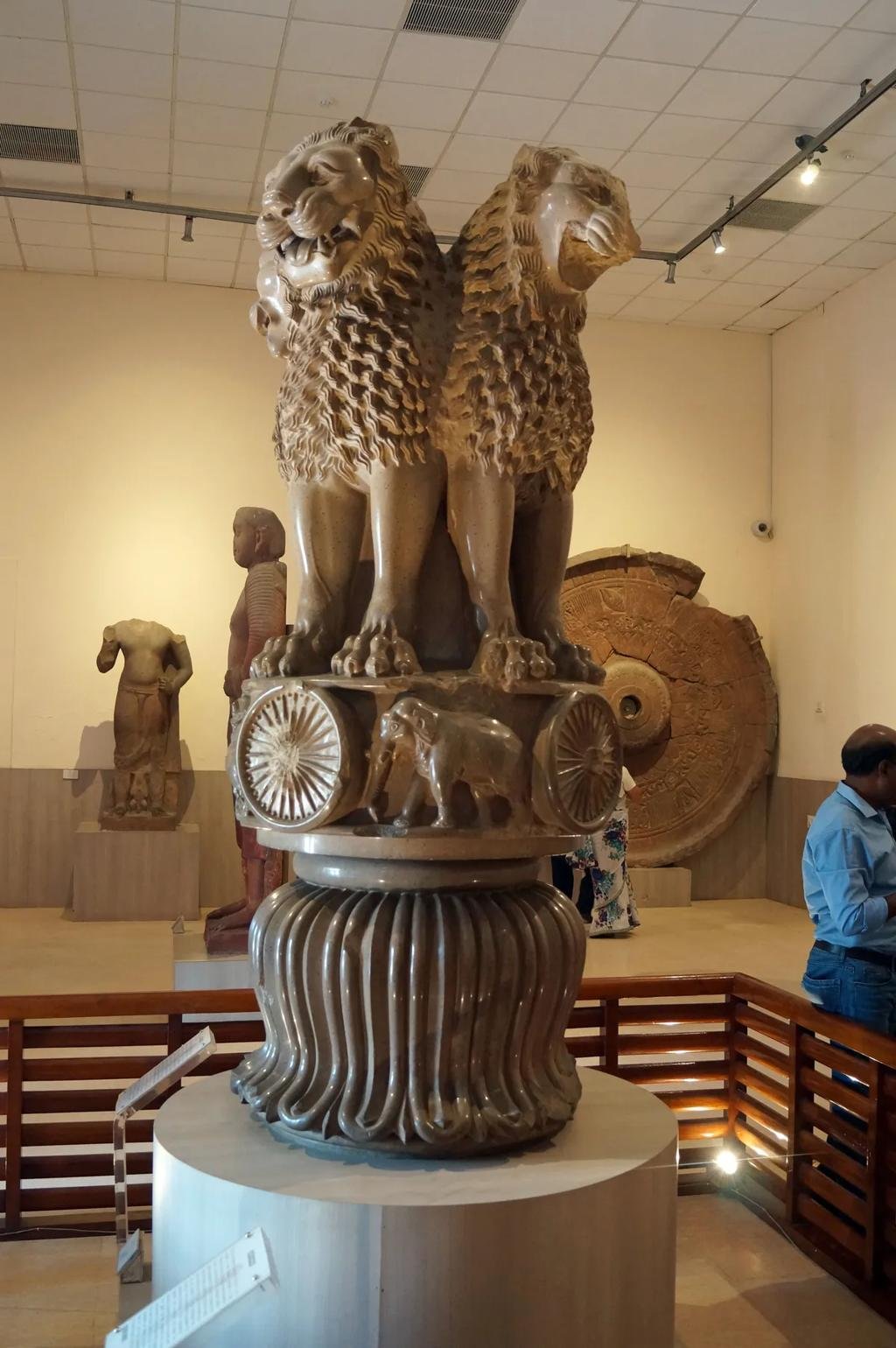
    The State Emblem of India is based on the Lion Capital of Ashoka at Sarnath.

    Emperor Ashoka of the Mauryan Empire commissioned numerous pillars and monuments across his vast empire. One of the most important was erected at Sarnath, near Varanasi.

    Sarnath is especially significant in Buddhist history because it is traditionally regarded as the place where Gautama Buddha delivered his first sermon after attaining enlightenment.

    The Lion Capital created during Ashoka’s reign eventually became the inspiration for India’s modern State Emblem.

    According to the Government of India’s official description, the State Emblem is an adaptation of the Lion Capital of Ashoka at Sarnath.

    🦁 Why Are There Four Lions?

    The original Lion Capital features four lions standing back-to-back.

    Each lion faces a different direction.

    From the front, however, only three lions are visible. The fourth lion is positioned behind them.

    This is why the official emblem generally appears to show three lions even though the original sculpture contains four.

    The lions give the emblem a powerful and dignified appearance and connect modern India with its ancient historical heritage.

    https://images.openai.com/static-rsc-4/1pN2XekUwB3rogn4Efe3IjDgc2OTRxHwfCb9BdCze0m4nAC8tP8LqQiXL62Cf2dfrF-r0zj5oIL1EhmtxW2A9zRhqFNgkb9mtvxrlSIjQxK0eqDo_jY2Yov2EFC__4IJxMWc33vVNYqRiNF9H61F4tQYdG8P4I8yecIUbA9IPS5TJSEOFIFoSITa6QXnm43f?purpose=fullsize
    https://images.openai.com/static-rsc-4/ZNSYxTKmqrAC0LwvgpkV2xQAX7-mEdesYTGLZ8HYSZzODIhy7Y3_Cvn6_bcBWJWcBN9R8lDyRwIgOZCNsIT6Y391wN2OIME0IC8RAnw5D8pphM4eqdi54rhgeNyLHOhxbbzxvckVMSY8MbWZb0Hb1q9Gxbpt_QDkaFGMzskijEngt75N5fUQoc_3iK25JAQU?purpose=fullsize
    https://images.openai.com/static-rsc-4/VIPMz6JSCLAX2o4hoeNy2z1nJPe8LnNlmG0TgqO8m6kbEiIs9U6u77us2p7xYrVXYl_gvDR8879dWuzbzoa2o0rAZjGhfisz8yCZKUyFL6rqaSyf3-XOx3bWLZlHkddKv9nVOd3FlLZdgw3qG3W5GOCunBlKXK3yUYyx9sECrXd_QxH5STrWINwxxDRMON5i?purpose=fullsize

    5

    The Dharma Chakra Beneath the Lions

    Below the lions is a circular platform known as the abacus.

    The original Sarnath Lion Capital contains representations of animals and Dharma Chakras on this section.

    The Dharma Chakra is an important symbol associated with the teachings of Buddhism and with the wider idea of Dharma.

    The modern State Emblem is based on the ancient sculpture but is not an exact reproduction of every part of it.

    One noticeable difference is that the bell-shaped lotus at the bottom of the original sculpture is not included in the official State Emblem.

    🐘 The Elephant, Horse, Bull and Lion

    The original abacus of the Sarnath Lion Capital contains representations of four animals:

    • Elephant
    • Horse
    • Bull
    • Lion

    They are separated by Dharma Chakras.

    These details are part of the artistic and historical character of the original Ashokan sculpture.

    Many explanations about the individual symbolic meanings of these animals can be found online. However, not every interpretation has the same historical or official basis.

    Therefore, it is better to distinguish between documented history and later interpretations.

    🇮🇳 When Did India Adopt the State Emblem?

    After India became independent in 1947, the new nation needed official symbols that reflected its history and identity.

    The ancient Lion Capital of Ashoka provided a natural connection between India’s historical heritage and its modern republican identity.

    The State Emblem was adopted for official use when India became a republic on 26 January 1950.

    Since then, it has become one of the most recognizable symbols associated with the Government of India.

    https://images.openai.com/static-rsc-4/0OpQQrldoVVCuFyEq9cGHYk0xsB8IKmqKSSeRrWl2OiOQDgZZW5zNOal7dBhE5mxvaZBcOVhlDN2yE-DTHAQ_qfP7xVhbaTuICwWGqftIRv1xLT-5tIziAP-ONJhGTmco7z_nRHI9Cd3GFSueRtdUBnyaS94xBIDvjVhDL21gxc8zCS33asqpUiGI8FzCrQU?purpose=fullsize
    https://images.openai.com/static-rsc-4/fDjCmoIUkQ952wNppCe-5NXHXQZED5BoGrBW6QVk8vx-7CofNFGsKfTbdzBP2BhXnqv7GmObrhrAI0mChUj4e-kEgC4GbMnvA8DPzmVLzK0VPf3viFoT1TyGa9j6AfcW91J76BTOsI1VeoSnVD8s0H55dAMTUVmP9F9uvuVH3WvySjMVgGIWb3TQ4b6PqLRF?purpose=fullsize
    https://images.openai.com/static-rsc-4/thBReTBa0LrlKQVrG9RzlE4PLnbUE400crnjGWWYFp3YX3hNG4wGAFXHdZzVVK7pom6vxIthiuTNVO4H4vSOVmuZ1D8RafJ3LvWD9C5ZFwDMEMId1e5Zj7dPCIxBE9nJKgaBwl_boBKC8CSHtdpxWLaz29DqZc9551eeTzzTo5LAzZgfylKQybR-Sde0Wkt9?purpose=fullsize

    6

    “Satyameva Jayate” — Truth Alone Triumphs

    One of the most meaningful features of India’s State Emblem is the inscription underneath it:

    सत्यमेव जयते

    In English, it means:

    “Truth Alone Triumphs.”

    The phrase comes from the Mundaka Upanishad.

    Its inclusion gives the State Emblem a message that goes beyond political authority.

    It reminds us that truth and moral values should remain at the foundation of public life.

    The Government of India officially describes the motto as “Satyameva Jayate” — “Truth Alone Triumphs.”

    Why Is the Fourth Lion Not Visible?

    This is one of the most common questions about India’s State Emblem.

    The answer is simple.

    The original sculpture has four lions arranged back-to-back.

    When viewed from one direction, only three can be seen clearly.

    The fourth lion is behind them.

    Therefore, the official two-dimensional representation normally shows three visible lions.

    https://images.openai.com/static-rsc-4/9K6GIysEfhpYGtSUai50BReWD1FANkujwSubBYsg-m9PU5bd3cnIy6-E_2qth8wmmpKZL4A9Hyw0zGNRttLnN6TqQHBNW3BuZbaYJp5M9LN-NF4Qaljz55k8Q9Jn9j_U5Jbk3EFi1Y9NxZa_GvCTcRGjdl7_17G97ssduXkDig5jT4b6GCrw9suNuL90ReHf?purpose=fullsize
    https://images.openai.com/static-rsc-4/MmMh_HCqecWV2wwp3OFYzSBIQxIxAQwyvF_DF8aDFQOO_8PPY76dpW2uRxcgMyMS95WFSfdJrCyg1vL2_5Dzrwg1IBry9N2Rs73TdLaVPE9Pq1O5WUYaeO9XFkVLTbqKHYrS6UaQ5HlTOAmM654wuQul1-INl9yjVa6D7cGfPKqGfxWk0nw4606iH8ojkKlC?purpose=fullsize
    https://images.openai.com/static-rsc-4/JOz2Xz86S042jhVoNeC8nRXArz_hsqh5FpksbOeNGHerD21czSlmv1Fq3w15I-OlsOnkfIPKg35vS8g2tslephGRo-DDNKENf9H397buNB0iQTIemf7srUho9C_N4W4-kNv5-oLS_fsFHZ5uYgSjsfh-4C32lAyMbcS_OKEmFB2Qr0sb_Q587hmfe4z6XKFL?purpose=fullsize

    4

    The State Emblem and the Government of India

    The State Emblem is used in many official contexts.

    It can be seen on:

    • Government documents
    • Official publications
    • Government offices
    • Certain official certificates and communications
    • Government websites
    • Various official institutions

    However, the emblem is not simply a logo that anyone can freely use.

    India has laws governing the proper use of the State Emblem. The State Emblem of India (Prohibition of Improper Use) Act, 2005, along with the relevant rules, regulates its use.

    This is important for bloggers and website owners.

    If you are writing an article about India’s State Emblem, it is better to use an appropriate historical image for illustration rather than treating the official emblem as your own website logo or commercial branding.

    🇮🇳 State Emblem vs Ashoka Chakra

    Another common source of confusion is the difference between the State Emblem and the Ashoka Chakra.

    They are not the same symbol.

    The Ashoka Chakra appears at the centre of India’s national flag.

    The State Emblem is based on the Lion Capital of Ashoka and features the lions, the abacus and the motto Satyameva Jayate.

    Both have historical connections with Emperor Ashoka, but they represent different national symbols.

    Why Is the State Emblem Important?

    The State Emblem connects modern India with an ancient chapter of Indian history.

    It represents more than a group of lions carved in stone.

    It carries the memory of:

    • Ancient Indian art
    • The Mauryan period
    • Emperor Ashoka
    • Sarnath
    • Dharma
    • India’s republican identity
    • The principle of truth

    That is why the emblem has such an important place in India’s official identity.

    The Journey From Sarnath to Modern India

    More than two thousand years ago, a magnificent stone capital was created during the reign of Emperor Ashoka.

    Centuries passed.

    Kingdoms changed.

    Empires disappeared.

    India eventually became an independent nation.

    Then, in 1950, the ancient Lion Capital became the foundation of one of the most important symbols of the Republic of India.

    That journey—from an ancient monument at Sarnath to the official emblem of a modern democratic republic—is what makes the story so fascinating.

    https://images.openai.com/static-rsc-4/pTbJoppv18UvxbF5nktCja9PxDCMHl1Gx-yK0nBEyz7ac7HcfC_EKoXoTIlIlp6zkU14gSUXz_EJWh88u4Ej9ZSB86b1C62WXc304VGtmY_2C-38F99eBv-gL1kTNWW5tlHfagqz1yPAnlzZErjCKVM4zUsbZhSSITQO0JD7W69HOCu0-rkpArdJtx344Rtw?purpose=fullsize
    https://images.openai.com/static-rsc-4/1g1_LXOsoVF53TkvGW-g9ElVD3QgsWJ0yA9or_4q-IiZMMm5TnuQiGYEyFWj07bnT7X9oavVbKdKTkOEMweIrdOyAlqo64rHNIEjCelDKsZa6TyM4j7cwK-t-g8y-0HVinEoJtXIVG28ZUwLxRiwmOYApyGIHqmxAJ2W_b0Pd3j8LwdxUVh_D5TMisBwKOLh?purpose=fullsize
    https://images.openai.com/static-rsc-4/wurgMw4nTDmD9qQLHRI6Xo3bEfCjJ9P1YH0Pv4o5T47qNzl78GDkgSUunHzZBhilFZWEAbPIXDTYCC1GJXyEsbS0O8XqRd6_6VTuhYLpAsmwTqjReKBCTGIXz68b_z-vtRyLCmRYQUePbPt5hQ809ADzd6egZYVa5GJ9XDoiaNsdC6Xme_jMtSDXfDhFEgMv?purpose=fullsize

    4

    A Symbol of History, Responsibility and Truth

    The next time you see India’s State Emblem, look beyond the three visible lions.

    Remember that the emblem represents a much larger story.

    It connects India with its ancient past while representing the modern Republic.

    The lions represent the majesty of the emblem.

    The Dharma Chakra connects it with the idea of Dharma.

    The ancient sculpture connects modern India with the Mauryan period.

    And beneath everything is the powerful message:

    Satyameva Jayate — Truth Alone Triumphs.

    Conclusion

    The State Emblem of India is one of the country’s most important national symbols.

    Its story begins at Sarnath, with the magnificent Lion Capital created during the reign of Emperor Ashoka.

    Thousands of years later, that ancient artwork became the foundation of the emblem of independent India’s Republic.

    It reminds us that a nation’s identity is not created overnight.

    It is built from history, culture, values and the memories passed from one generation to another.

    The four lions, the Dharma Chakra and the words Satyameva Jayate together create a symbol that represents India’s historical heritage and its commitment to truth.

    🇮🇳 The State Emblem is not merely an official symbol—it is a bridge between India’s ancient past and its modern identity.