Category: maha bharatham

  • Yajurveda – The Veda of Rituals, Yajnas and Sacred Knowledge

    Yajurveda – The Veda of Rituals, Yajnas and Sacred Knowledge

    The Yajurveda is one of the four Vedas of ancient India. It has a special place in Vedic literature because of its close connection with Yajnas, sacred offerings, rituals and ceremonial practices.

    The Rigveda is mainly associated with hymns, the Samaveda with musical chanting, while the Yajurveda is particularly connected with the mantras and ritual actions used during Vedic ceremonies.

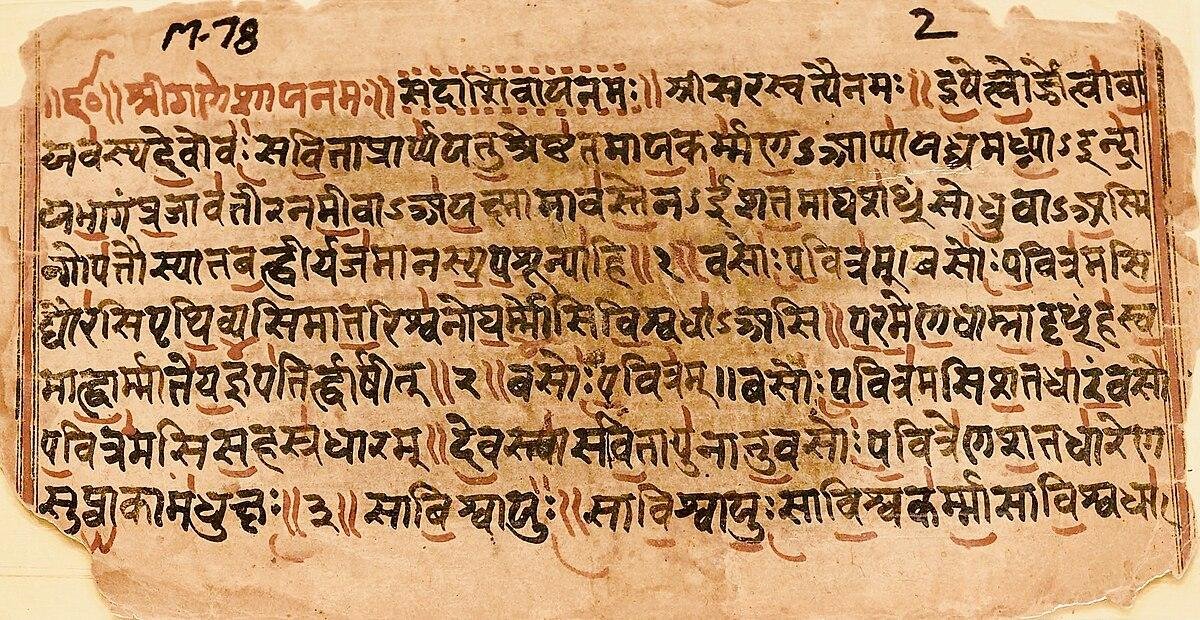
    Image ALT: Taittiriya Krishna Yajurveda Sanskrit manuscript

    This manuscript image gives a visual representation of the Yajurvedic textual tradition.


    What Does Yajurveda Mean?

    The word Yajurveda is associated with Yajus, referring to sacred formulas used in Vedic ritual practice.

    Veda means knowledge.

    Yajurveda can therefore be broadly understood as knowledge associated with ritual formulas and ceremonial practice.

    It is particularly important for understanding the practical side of Vedic rituals.


    What Is Found in the Yajurveda?

    The Yajurveda contains sacred formulas and ritual material connected with different Vedic ceremonies.

    Its themes include:

    • Yajnas
    • Sacred offerings
    • Ritual formulas
    • Priestly duties
    • Fire ceremonies
    • Soma rituals
    • Ceremonial procedures
    • Religious observances

    The manuscript tradition is extensive. For example, the Institut Français de Pondichéry catalogues Yajurveda manuscripts in Sanskrit, including palm-leaf manuscripts.

    Image ALT: Taittiriya Samhita manuscript page from the Yajurveda


    What Is a Yajna?

    A Yajna is a traditional Vedic ritual involving offerings made in connection with a sacred fire.

    Agni, the sacred fire, has an important place in Vedic ritual traditions.

    During a Yajna, appropriate mantras are recited while prescribed ritual actions are performed.

    Image ALT: Traditional Vedic Yajna ceremony with priests performing a sacred fire ritual

    A Yajna can involve:

    • Preparation
    • Sacred formulas
    • Offerings
    • Fire
    • Priests
    • Carefully arranged ritual actions

    This organized ritual character is one of the important features of Yajurvedic tradition.


    Why Was Yajna Important?

    Yajnas occupied an important place in Vedic religious life.

    Different ceremonies had different purposes and required different procedures.

    A large ritual could involve several priests, each with particular responsibilities.

    This teaches us an important lesson:

    Important work requires preparation, discipline and responsibility.

    Image ALT: Vedic priests performing a traditional sacred fire Yajna


    The Adhvaryu Priest

    The Adhvaryu is traditionally associated with the Yajurveda.

    The Adhvaryu was responsible for many of the practical actions involved in a Vedic sacrifice, while reciting the appropriate Yajurvedic formulas.

    This practical role helps explain why the Yajurveda is closely connected with the performance of rituals.

    Simple Way to Remember

    Yajurveda = Yajna + Ritual Practice


    The Four Vedas

    The four Vedas can be remembered simply:

    Rigveda

    Hymns and sacred verses

    Samaveda

    Musical chanting

    Yajurveda

    Ritual formulas and Yajnas

    Atharvaveda

    Everyday life, prayers and well-being

    Together, these four traditions form an important part of Vedic literature.


    Shukla Yajurveda

    The Shukla Yajurveda, also called the White Yajurveda, is one of the two major Yajurvedic traditions.

    Its best-known Samhita is the Vajasaneyi Samhita.

    https://images.openai.com/static-rsc-4/WEgLybUIk6kkPDkt4vJF5HRVwHAeN9HgMcvcvL17m14w0AGiHptLTt7XIw0MUrcVswI3E5Y4xnNHFEatuVlwdCpEFh39B1_3pBL055gQuqGk_-Mm_oHJV6LIX1Y56z9H2DE_lc5O5kx0OPIp6k8Pim5r2_D-HnYrbjEKfaDS7mO6zJmWeLQ0Bw6UmqqPFUzN?purpose=fullsize
    https://images.openai.com/static-rsc-4/DEGdPlM9-nrnWi9lZtO2jZach7m_r0pCNcqB9p7KPeUdHpArJ7lUX6skXGnstApTlYpvQH7WlWy7orKT7jq8YRHJwT_kQpzU3I8g2NPKyOuaKXWzmWu8I-_HCSrwer2VB7lSWjG39_KWhCW295LmAFUVbak0eQQgLkX_pEitSvuYVVlbIcarZFC7GLQqrMRH?purpose=fullsize
    https://images.openai.com/static-rsc-4/khrOarS5ZnqT-iWIw_rHb9pG57O0vW1st4n67jLu6et4FExck7ZKPzv7R3T1DvwCsi8-ZfV-63kZpc7ogqnJaprbiwL-0USXiJKy2LfRQTIsLHMS43C6zGDQzwpyooZi5j1N17rFs3yTWgIGPgPcZV7QfrVq-wbwDS2Vx4-iRevDBhIv3a79HxKkSihZVuog?purpose=fullsize

    Image ALT: Shukla Yajurveda Vajasaneyi Samhita manuscript

    The Shukla Yajurveda has an important place in the history of Vedic ritual literature. A digital manuscript archive also records Shukla-Yajurveda texts in Devanagari manuscripts.


    Krishna Yajurveda

    The Krishna Yajurveda, also called the Black Yajurveda, is the other major Yajurvedic tradition.

    The Taittiriya Samhita is one of its important texts.

    Image ALT: Krishna Yajurveda Taittiriya Samhita manuscript

    The Taittiriya Samhita is an important witness to the Krishna Yajurveda tradition.


    Yajurveda and Agni

    Agni, the sacred fire, plays an important role in Vedic ritual traditions.

    Offerings are made in connection with the sacred fire while appropriate formulas are recited.

    https://images.openai.com/static-rsc-4/Y6k8WWCbE7z0nakT3w49wUu4SUNdZ5muNQVIna0GuWwu1wFVRG6GT6hrsnz6qgaGyKQkmqh1gIS2O14fQsvbc3GRZLDorCTCXqpkhQ_9pqM9OxdC6oN0x_QZJVRFML2VTQad4XoqUWjHIYFURd4GUpxb9qfpUerlsLZ5vWoJYXGNUhQW4RXtx902Ac2XGVXO?purpose=fullsize
    https://images.openai.com/static-rsc-4/MzBL8v4PIRm-es8kqQ1yn0paIOEtXjvREb4D2is5QlVGwu3ZMLsfFforiCdx-rVV-3RUCg8k0McjGzgUE5S-HN8F0nqFL6IOaGtmpvufEcGMIgI759I2DWp7oQqdocmb8Is1ZmgYz47VRGar2bm31yAi3MZkZwfC0cn_oeJIhovnAUBZMPK8YkYFjQa9JbhU?purpose=fullsize
    https://images.openai.com/static-rsc-4/FMRV0uvquMDRriOlCPJ6mEv7yAOTEHwS2xoBz_LP6zqmLDxfPrA7XWIwpmmFLZOEjgSD-Uhp5PRGLaqy2WTDly6LPLWFcj_Dxxv8ShVs58V-qxc4UsdPAbuEV1SLJGeSyjp7St44fyiMf9MDV6Q05GQQd_e-ar2MlUeeM-HU6mZXV6HnH5ko7bCQmqhwQMy_?purpose=fullsize

    Image ALT: Sacred Agni fire during a traditional Vedic Yajna

    Agni therefore forms an important part of the relationship between offering, ritual action and sacred recitation.


    Yajurveda and Soma

    Soma occupies an important place in Vedic literature and ritual traditions.

    Certain major Vedic ceremonies involved Soma and required carefully organized ritual procedures.

    The Yajurvedic tradition contains important material associated with these ceremonies.


    Yajurveda and Discipline

    One of the most valuable lessons we can take from the Yajurveda is discipline.

    A complex ritual could involve many different steps, and each action had to be performed carefully.

    https://images.openai.com/static-rsc-4/VI-IFm_B_78le3Ucnjl0vjHCoMrPt00JHVTUwWhHnsI2nFjmXUEjjAZPln6acUUMfPZ_CyaRaXV7EDhyGMSaxrLwuCrMn8AuIQgXjFj5jyFOWcv5bp1eR1O5OJ97ftoHGQ7GK4xzyoGhZK0ozQCsVQyGldA6lVucFps8D3BceHqz3BGpBMYk6aVbxhm8g2Sv?purpose=fullsize
    https://images.openai.com/static-rsc-4/vT1vEpTghmf1mpBIbzcXmqs6jr67ewvh1AS5jcm7s4jTcztga6g4Q1Fuzj8G7F7jJQIZ2omtNZE0Ad9rLAtigUfJACw5LlC5eKLxJWEqxEPd5WptA9DCoOWTF02WPAoIPAAF2YcxdsmwrpA0tafeisLoNpPJgj9rFd9nWkgNEZ3IliqZiDO_0407nIoYIXns?purpose=fullsize
    https://images.openai.com/static-rsc-4/FMRV0uvquMDRriOlCPJ6mEv7yAOTEHwS2xoBz_LP6zqmLDxfPrA7XWIwpmmFLZOEjgSD-Uhp5PRGLaqy2WTDly6LPLWFcj_Dxxv8ShVs58V-qxc4UsdPAbuEV1SLJGeSyjp7St44fyiMf9MDV6Q05GQQd_e-ar2MlUeeM-HU6mZXV6HnH5ko7bCQmqhwQMy_?purpose=fullsize

    Image ALT: Priests carefully performing a traditional Vedic ritual around sacred fire

    Life Lesson

    When we perform our responsibilities carefully, difficult tasks become more organized and meaningful.


    How Was the Yajurveda Preserved?

    The Vedas were preserved through highly disciplined oral traditions.

    Teachers taught students the correct pronunciation and recitation, while students repeatedly listened, memorized and practiced the verses.

    Image ALT: Vedic teacher teaching students through traditional oral recitation

    The process can be remembered as:

    Listening → Repetition → Memorization → Practice → Preservation

    This tradition played an important role in transmitting Vedic knowledge across generations.


    Guru–Shishya Tradition

    The Guru–Shishya tradition was an important part of traditional Vedic education.

    Students learned directly from their teachers and practiced the sacred texts repeatedly.

    Image ALT: Young Vedic students learning and reciting Sanskrit in a traditional Gurukul

    Life Lesson

    Knowledge becomes stronger when it is learned carefully, practiced regularly and passed to the next generation.


    Yajurveda and Indian Heritage

    The Yajurveda is an important part of India’s ancient cultural and intellectual heritage.

    Its manuscripts, oral traditions and ritual practices help us understand the development of Vedic culture.

    The British Library also catalogs historical Yajurveda palm-leaf manuscripts, demonstrating the breadth of the manuscript heritage associated with the text.

    https://images.openai.com/static-rsc-4/sDGYm5rztni1ok7tEm1myr_5H1vuL3GzSxRE0jfrtMDT0r50cWL4hqDvdM7e2syIV5w0_cshXOtAr3B6C-xVv0hGNZBYaxvWc4AELk_C3ZOgEbavgEUudrJslbxCLOs5hij9C8vqFTnDVSrEwUtktUZingmq-P4RFoXTVOT04ujPunu8aELZ9HuOyvbMwp7s?purpose=fullsize
    https://images.openai.com/static-rsc-4/DEGdPlM9-nrnWi9lZtO2jZach7m_r0pCNcqB9p7KPeUdHpArJ7lUX6skXGnstApTlYpvQH7WlWy7orKT7jq8YRHJwT_kQpzU3I8g2NPKyOuaKXWzmWu8I-_HCSrwer2VB7lSWjG39_KWhCW295LmAFUVbak0eQQgLkX_pEitSvuYVVlbIcarZFC7GLQqrMRH?purpose=fullsize

    Image ALT: Ancient Yajurveda palm-leaf manuscript from India


    What Can We Learn From Yajurveda?

    Discipline

    Important work requires careful preparation.

    Responsibility

    Every person has duties that should be performed properly.

    Precision

    Small details can make a big difference.

    Teamwork

    Vedic ceremonies involved people performing different responsibilities.

    Respect for Knowledge

    Knowledge survives when each generation learns and preserves it.


    Why Is Yajurveda Important Today?

    The Yajurveda remains important for several reasons:

    1. Understanding Vedic Rituals
    It helps us understand the structure and performance of Vedic ceremonies.

    2. Ancient Indian Knowledge
    It preserves an important part of India’s ancient intellectual heritage.

    3. Oral Tradition
    Its preservation demonstrates the importance of memory and disciplined learning.

    4. Cultural Heritage
    Yajurvedic traditions remain part of India’s living cultural heritage.

    5. Historical Importance
    Its manuscripts and textual traditions help us study ancient Indian religious and cultural history.


    Yajurveda – Quick Facts

    Name: Yajurveda

    Number: One of the Four Vedas

    Language: Vedic Sanskrit

    Main Association: Rituals and Yajnas

    Important Priest: Adhvaryu

    Major Traditions: Shukla Yajurveda and Krishna Yajurveda

    Important Texts: Vajasaneyi Samhita and Taittiriya Samhita

    Important Element: Agni / Sacred Fire

    Preservation: Oral teacher–student tradition and manuscripts


    Conclusion

    The Yajurveda holds a special place among the four Vedas because of its close connection with Yajnas, rituals and sacred ceremonies.

    It gives us an important picture of the practical side of the Vedic tradition.

    The correct mantra, action, offering and sequence were important parts of ritual performance.

    But the Yajurveda is more than a collection of ancient ritual formulas.

    It also teaches timeless values such as discipline, responsibility, precision, teamwork and dedication.

    For generations, teachers and students preserved this knowledge through careful oral learning and manuscript traditions.

    Today, the Yajurveda continues to be an important part of India’s rich Vedic heritage.

    By learning about the Yajurveda, we are not only studying an ancient text — we are also discovering an important part of India’s cultural history. 🇮🇳


    Frequently Asked Questions

    What is the Yajurveda?

    The Yajurveda is one of the four Vedas and is particularly associated with Vedic rituals, Yajnas and sacred formulas.

    What does Yajurveda mean?

    The name is associated with Yajus, referring to formulas used in Vedic ritual practice, and Veda, meaning knowledge.

    What is a Yajna?

    A Yajna is a traditional Vedic ritual involving offerings, sacred fire, mantras and carefully organized ritual actions.

    Which priest is associated with the Yajurveda?

    The Adhvaryu is traditionally associated with the Yajurveda and with many practical aspects of Vedic ritual.

    What are the two major Yajurveda traditions?

    They are the Shukla Yajurveda and the Krishna Yajurveda.

    What is the Vajasaneyi Samhita?

    The Vajasaneyi Samhita is the major Samhita associated with the Shukla Yajurveda.

    What is the Taittiriya Samhita?

    The Taittiriya Samhita is one of the major Samhitas belonging to the Krishna Yajurveda tradition.

    Why is Agni important?

    Agni, the sacred fire, plays an important role in many Vedic rituals and receives offerings during ceremonies.

    How was the Yajurveda preserved?

    It was preserved through a highly disciplined oral tradition, along with manuscript traditions.

    Why is Yajurveda important?

    It helps us understand Vedic rituals, ancient Indian culture, oral traditions and Vedic literature.


    Final Thought

    The Yajurveda teaches us that knowledge becomes meaningful when it is put into practice.

    Its emphasis on careful action, discipline and responsibility gives us lessons that remain relevant even today.

    The generations of teachers and students who preserved this knowledge remind us of the importance of dedication and respect for learning.

    Let us learn about our ancient heritage, understand it with an open mind, and preserve its valuable knowledge for future generations.
    MANA BHARATHAM 🇮🇳

  • Atharvaveda – The Veda of Everyday Life, Peace, Protection and Well-Being

    Atharvaveda – The Veda of Everyday Life, Peace, Protection and Well-Being

    The Atharvaveda is one of the four Vedas and has a distinctive place in India’s ancient Vedic heritage. The four Vedas are Rigveda, Samaveda, Yajurveda and Atharvaveda. The Vedic Heritage Portal maintained under India’s Ministry of Culture documents manuscripts, recitation traditions and different Vedic branches.

    While the Rigveda is primarily known for its hymns, the Samaveda is closely connected with chanting and music, and the Yajurveda with ritual formulas and ceremonies, the Atharvaveda contains a broad range of material concerning human life, well-being, peace, protection, family, nature and spiritual thought.

    Image ALT: Atharvaveda Samhita manuscript page written in Sanskrit

    The manuscript shown above is an Atharva-Veda Saṁhitā page preserved in a historical collection. It gives us a visual connection to the textual tradition through which Vedic knowledge has been documented and studied.


    What Does the Word Atharvaveda Mean?

    The name Atharvaveda is traditionally associated with the Atharvan tradition.

    The word Veda means knowledge.

    The Atharvaveda is therefore one of the four major collections of Vedic knowledge.

    It is particularly interesting because many of its themes are closely connected with human concerns and everyday life.


    What Is Found in the Atharvaveda?

    The Atharvaveda contains a wide variety of hymns and verses.

    Its themes include:

    • Health and well-being
    • Peace
    • Protection
    • Family life
    • Prosperity
    • Agriculture
    • Nature
    • Social relationships
    • Spiritual ideas
    • Philosophical reflections

    There are two surviving major recensional traditions of the Atharvaveda today: Śaunaka and Paippalāda. Government and academic sources document the history and manuscripts of these traditions.

    Image ALT: Atharvaveda Paippalada recension manuscript written in Sharada script

    This historical manuscript is particularly valuable because the Paippalāda tradition is one of the surviving Atharvaveda recensions.


    Atharvaveda and Everyday Life

    One of the most interesting characteristics of the Atharvaveda is its connection with everyday human concerns.

    Its hymns touch on matters involving family, health, prosperity, protection and social life.

    This gives the Atharvaveda a somewhat different character from the other Vedas.

    Simple Way to Remember

    Atharvaveda = Life + Well-Being + Peace + Protection


    Atharvaveda and Health

    The Atharvaveda contains ancient hymns concerned with health, illness and well-being.

    Some verses express prayers for relief from illness and for protection from harmful conditions.

    However, it is important to understand these passages in their historical context. The Atharvaveda is an ancient Vedic text, not a modern medical textbook.

    Its references are nevertheless valuable for understanding the history of Indian ideas about health and healing.

    https://images.openai.com/static-rsc-4/RQkB42yJqKTBTx-Dk98tULsi_fU0I7HyQBj88VPvDOZrXMRVS_Epip9e8y7BgBCwDGrTSJqImSCRF1lWPput7CAWvivWzcfT7w64KuNyHT_4COzju5ouPrZgboENLsaz4jY3Ls-yeAWKmPruOo8lrCOyaCptfj4FYclYvV6ChMHlTtSzF3juam4MVE2QruwW?purpose=fullsize
    https://images.openai.com/static-rsc-4/ApqdS-jeBclLwHoAjsRNZPNtVrfNyGmT3EIoSESskuIX7X6YtbpFo0rvHkM6WrLRk03kH-2Yq50FtRmTln2TPppKo3ywg5-GrlKNDI1IRVfSRpxEEGD6cAxE5H8l6PQczfoQJw-QxQKCEclOfSSjkCXCGerK1GO03xWI4BcvlS4l6_8QbO2FxaZN4lK2ILqf?purpose=fullsize
    https://images.openai.com/static-rsc-4/8iYi-UvQvHuaI-DADf6W9-oRIoUXI_VjMPfkwO56Lw33hSMdTb9Vj3hYIMur5ByvB5DEGMlajC-WaU-voOD9ZOEYJnypQEFfkswPW3RmLKTir75kTMqpBRGtAPcj0OIEHhgSK_u-eacLHmzXO0N4oRVMuk_BEflIyGIvqnICR4KwfBEu4YoqsNg-BOm42IkM?purpose=fullsize

    Image ALT: Traditional Indian medicinal herbs representing ancient ideas of health and healing


    Atharvaveda and Peace

    Peace and harmony are important themes in Vedic thought.

    The Atharvaveda contains prayers and verses concerned with peace, harmony and well-being.

    Peace can be understood not only as the absence of conflict, but also as harmony among individuals, families and communities.

    https://images.openai.com/static-rsc-4/QuCaot3A1t9iFVVcOvz8SY5Jmk_H6BwDvIajKtMgNAfLDe13MbFDRH5xSh9kw6UzO34EONSeQ0ZMTmNOWFo6V2KFc_74pgfQFEq6EYWa-sw5WcgBIUlUDkERDvg4H05PlGBgr5PXStu_B1VIUptn5thoxZ7f8y5ZSvjBbZEgBFu1875bUutmF7heGms34iyR?purpose=fullsize
    https://images.openai.com/static-rsc-4/4hzMc8GSpX29-32-4TIEYVqJBp8byDOEV0YJa9KCP1-EZQe9AU2jd7EXKpM7unKRFaZrhHXmLKj9vjTV-_n8QvKpf_iuRfo5PyK3DE4NAFuWYqbocIVTx-P0QNtd_c4fKeQAObmNNFRoWSCfa_69gz3LpAOMyLr43VM61Hrj9CL6sRfPnVz04xBLKcR-fpqb?purpose=fullsize
    https://images.openai.com/static-rsc-4/m0IhjhkR8EsK2TY9oH4OMo7Tk8i9AA6Y3VsZkbrZZyp3KEItJf-0CRw5Mbj5a8KdiWPOQGEkc3tNoU3-B7oiq_elMAKfT86W9L7cfZ2BRH7x-iz741HU9J-GNoJBrj5HHPLCgXlgNjyO3i-mcdp8sIg0OAowlyFrMYfLcNlCC0yU0ACFfgzXFMdLwIhsB6Cq?purpose=fullsize

    Image ALT: Traditional Vedic prayer ceremony representing peace and harmony

    Life Lesson

    Peace begins with harmony in our thoughts, families and communities.


    Atharvaveda and Protection

    Protection is another important theme found in the Atharvavedic tradition.

    Some hymns express traditional prayers for protection from danger, illness, misfortune and other difficulties.

    These verses show that ancient people, just like people today, were concerned about the safety and well-being of their families.

    https://images.openai.com/static-rsc-4/VbovhaBhhMOlckz4gT0yKqgFeSXzlRWIyvdDmxv57WCiwMwbAcKON3x7FJfaMP4aoiN8eLPXl8odKsNVo4XLPYWtAd7MKrPDGLdwzYIWKIhJaE8Jq-iVCI6JT6GrugiRy_1PmJr4YdPFZ3r4M5x--JKuPkB3VEuRdaQdjIj2__eHHGLEUMkMoC_3hGORw4Gi?purpose=fullsize
    https://images.openai.com/static-rsc-4/TJ7qXsm8bAoh7MUDEvOyi9Ftn59PNqNFEu-0GJ0poy7UXZcRP62X8-hRKVLY9lTwQ67GL_lO-TfqojRqOdd0yOd6seCnitV-W_w122p5TeT4V6iAIAasV7n1msgtkT_Bjgr44mmPl2uzbkQHIYuHQV-AkkOTLWGh0BR0RdN4NyQgtBLf_TOp2paFAO-x1AEN?purpose=fullsize
    https://images.openai.com/static-rsc-4/LiulgRTzZtIQ5KOr9ePXC1NYWB0VSQZZivyrQbdSqb0E00G8a6k4OqmF7aVNcz1MUl6pvEVDOl-IUQaTfKvNOrdpWQcTCzrlfAjMrmFCvv01L-eYSChEgCXFL_BIwReBnODUOTk5QEuAImOhpmseACewwsoZPXXk45dNuKtqc0yF9bNBZL9EmZMhQHL3Uz_u?purpose=fullsize

    Image ALT: Traditional Indian Vedic prayer symbolizing protection and well-being

    These practices should be understood within their ancient religious and cultural context, rather than interpreted as modern scientific methods.


    Atharvaveda and Family Life

    Family life was an important part of ancient Indian society.

    The Atharvaveda contains material associated with marriage, household life and family relationships.

    Its verses express wishes for harmony and prosperity within family life.

    https://images.openai.com/static-rsc-4/qn4cSg8GyOH3aIRW-dRhXSIeSw9zLSuApbGiBsc5UW9Xno4ti68Sa1hdYAyB0AcJbnWwjKImOwjK-lNQSgSaJb6DUATF8pv6cVjj89XF4FCXsB92g_flDB8bmI4X8ilT6Eqth-jyYshDiiUnf5bFuI-9ReKokAA-scbk40i4SzduwtOqMyvUJvbLXaSOTnDo?purpose=fullsize
    https://images.openai.com/static-rsc-4/pgcchDAwgijZN2URp-jlkhX0l0d_aOqD68ITgWTbNZkB_TMt60387UmCEvt6OmBGlgr7wrBLniRmGuaQLyelI0k-gwHrCONHATWikd9cZ1jR9OTcVDgBSW7EFsOwq_Hxqnv-xnWV3eFQNRUw1RoYiuk4H5OyEfD1687jWlo9NusC0CCbzlmFtOrYsJbSk64C?purpose=fullsize
    https://images.openai.com/static-rsc-4/3sCNdY5kli5j2jtBjTyyekFtZR54oqwXpEm_IXBAhyeB2QfRvHfK5-HQs2GFYNpDqaTb4ML21PMo2ZY7s_QVt5fKrjsDcnEFD0tZhJVL-98mef5fjnwBKlTlWonhrRFlqIoA5kHrX3ARMJFIuBGasRhuwI-V5VdQzRW6QBiH13RDtmLEoqzNnfBXtMg6Lmd3?purpose=fullsize

    Image ALT: Traditional Vedic marriage ceremony representing family life and harmony

    Life Lesson

    Strong families and healthy relationships help build a strong society.


    Atharvaveda and Agriculture

    Agriculture was essential to ancient communities.

    The Atharvaveda contains references associated with fields, crops, fertility and prosperity.

    These references show the close relationship between human well-being and the natural world.

    https://images.openai.com/static-rsc-4/SmRuryzX599KWxcPyJKVb0afkTHb-Nx1IlYlW5jG3z_1cjwUx1161tcYO8rh82e-NhjYqIdVfXKvTb5xg-LaSU9KIgqDvz5ymuF8n403WOrk3W0F_VfdirbzXDwFcVGaq6tYfvoMzvOi4u59hpQi_EYxbjO-IG2bBV4dSfZC8GUIBZV7gi7EulexJVby6VkC?purpose=fullsize
    https://images.openai.com/static-rsc-4/drtuM1UIts780S1KveWwP7IX2PRZzew2b__Ysw0SBI_ltEIG1PgLBijsiqeqKaIIeL_W7AFjlnDfeEqGNtFrOOp80DTktSXwEecmd5bKkja7lEUiDXLurUYs3h7nkDCLhnxLCJrFtIS2yO0hyON50J1hEhJBQe4Gi1RPy8oO7dJn0uHjhZR5_i3OJCmao6q8?purpose=fullsize
    https://images.openai.com/static-rsc-4/jQRbFp0Yx_I6n_mtBQAQmLcEvcIHjhHsSO4sB31seM9CVnRP-HsJLgIOcfTyW-w0gqvlCahlfmfMtGaILRv4Xzyrw5pShzu3H-FItl6ZiwZ7Uok_4R0a6ZOxGo5FEgxVY7UaM_36Ss3MTxIZmiaIR_E9r5rtGz5Pur45pVW6bzkXktMLewMvNzMqW33TOxrm?purpose=fullsize

    Image ALT: Indian agricultural fields representing farming, food and prosperity

    Life Lesson

    Human prosperity depends on respecting nature and the resources that sustain us.


    Atharvaveda and Nature

    One of the most beautiful aspects of the Atharvaveda is its connection with Earth and nature.

    The famous Bhumi Sukta, found in Atharvaveda 12.1, is associated with the Earth and contains poetic reflections on human life and the Earth.

    Image ALT: Bhumi Sukta from Atharvaveda describing the Earth

    The image above shows a page presenting the Bhumi Sukta from the Atharvaveda, including its identification as Kanda 12, Sukta 1.

    The Earth is presented as something deeply connected with human existence.

    This makes the Bhumi Sukta especially interesting when studying ancient Indian ideas about nature, humanity and the Earth.


    Atharvaveda and Spiritual Thought

    The Atharvaveda is not limited to everyday concerns.

    It also contains philosophical and spiritual ideas.

    Its verses encourage reflection on existence, reality, the universe and the deeper meaning of life.

    https://images.openai.com/static-rsc-4/JbT9fwGrlwHdzPYl8dtiQnX79oca9LvwJot2yIlsh65YrCXS9sL2OCfvv_8FfaMGuh5YVz8C8FXJwX9u_R8MwrOW2TPxFf-h926hxU3N-GmWUu0mBz-Wby4jPKgXiqpkpNpPQ5QxeIcOpwBkEYIT8aMMfhDOwcHegLlImcNJg7CGBkiIRHy-s2F_QD8uRnXy?purpose=fullsize
    https://images.openai.com/static-rsc-4/R6179YNLrIBfxoTdZk9cajuOfXhg0ug7oTVmBU0AgZVeOCXNJCcmMIGh_9Yjx3gpzezreqXCXS2d6tvBJ1oWYYa36FWe9KWnJGG7YBbuPCySkhrnhlnWGlNadYC8a9V3_FmuIgT50GHt0BUve7jTYRo8l5STl89bgv8X9lUItw7hpzA9Qv8DqhgPMSAhK4Cx?purpose=fullsize
    https://images.openai.com/static-rsc-4/DFKtGphxaEE-g0Z8VVrgCachB4OvNq_WPR-1qGJruSgssvw9I7-IG2CVlKOGifdlZQ7lq2rSgbCULr8nhIjIHGyu_nPt97_JGaHsB5yV_nnzkNNwSrfNFU0IPza3MQRjBfPItIvXfKeGI_Xugh3oT9X-SOXOertq2ja2neQME2_DNnHKgP85r911BcmLgABF?purpose=fullsize

    Image ALT: Ancient Indian sage meditating and reflecting on spiritual knowledge

    This combination of practical concerns and deeper spiritual thought makes the Atharvaveda especially fascinating.


    How Was the Atharvaveda Preserved?

    The Vedas were transmitted through highly disciplined oral traditions.

    Teachers trained students in pronunciation, recitation and memorization.

    The Atharvaveda also survives in manuscript traditions, including manuscripts written in different scripts and preserved in different parts of South Asia.

    Image ALT: Traditional Vedic teacher teaching students through oral recitation

    The learning process can be remembered simply:

    Listening → Repetition → Memorization → Practice → Preservation

    This disciplined approach played an important role in preserving Vedic knowledge.


    The Guru–Shishya Tradition

    The Guru–Shishya tradition was an important part of traditional Vedic education.

    Students learned directly from teachers and repeatedly practiced the correct pronunciation and recitation.

    Image ALT: Young Vedic students learning and reciting Sanskrit in a traditional Gurukul

    The image shows young students participating in a traditional Vedic learning environment.

    Life Lesson

    Knowledge becomes stronger when it is learned carefully, practiced regularly and passed to the next generation.


    The Two Surviving Atharvaveda Traditions

    Historically, the Atharvaveda had several branches or Śākhās.

    Today, two major traditions are known to have survived:

    Śaunaka

    The Śaunaka tradition is one of the major surviving recensions of the Atharvaveda.

    Paippalāda

    The Paippalāda tradition is another surviving recension and has an important manuscript history, including manuscripts from Kashmir and Odisha.

    Image ALT: Paippalada recension of Atharvaveda preserved in an ancient manuscript

    The survival of these traditions demonstrates the remarkable diversity of India’s manuscript and oral heritage.


    Atharvaveda and the Four Vedas

    A simple way to understand the four Vedas is:

    Rigveda

    Hymns and sacred verses

    Samaveda

    Musical chanting and melodies

    Yajurveda

    Ritual formulas and yajnas

    Atharvaveda

    Everyday life, well-being, prayers and spiritual thought

    Each Veda therefore has its own distinctive character while forming part of the larger Vedic tradition.


    Why Is Atharvaveda Important Today?

    The Atharvaveda remains important because it helps us understand the breadth of ancient Indian thought.

    It provides material connected with:

    • Family
    • Society
    • Health
    • Nature
    • Agriculture
    • Peace
    • Protection
    • Spirituality

    India’s Ministry of Culture describes the Vedic Heritage Portal as a major initiative for preserving Vedic manuscripts, recitation traditions and related knowledge for future generations.


    What Can We Learn From Atharvaveda?

    Peace

    Peace and harmony are important for individuals and society.

    Family

    Healthy relationships contribute to a stable community.

    Respect for Nature

    Human beings depend upon the natural world.

    Well-Being

    Human beings have always cared about health and happiness.

    Knowledge

    Knowledge survives when it is carefully preserved and transmitted.

    Spirituality

    Human beings have always asked deeper questions about existence.


    Atharvaveda – Quick Facts

    Name: Atharvaveda

    Number: One of the Four Vedas

    Language: Vedic Sanskrit

    Main Themes: Life, health, peace, protection, family, nature and spirituality

    Major Surviving Traditions: Śaunaka and Paippalāda

    Famous Hymn: Bhumi Sukta

    Associated Brahmana: Gopatha Brahmana

    Preservation: Oral tradition and manuscripts


    Conclusion

    The Atharvaveda is a fascinating part of India’s ancient Vedic heritage.

    It differs from the other Vedas because of its particularly broad range of subjects connected with human life, health, peace, protection, family, prosperity, nature and spiritual thought.

    Its verses show that ancient Indian thinkers were concerned not only with large religious ceremonies, but also with the everyday hopes and challenges of human beings.

    The Atharvaveda also reminds us of the importance of family, community, nature, peace and inner well-being.

    For generations, this knowledge was preserved through disciplined oral learning as well as manuscript traditions.

    Today, studying the Atharvaveda helps us understand the richness and diversity of India’s ancient intellectual heritage.

    Peace, well-being, family, nature and knowledge — these are among the timeless themes we can discover in the Atharvaveda. 🇮🇳


    Frequently Asked Questions

    What is the Atharvaveda?

    The Atharvaveda is one of the four Vedas and contains a wide range of hymns connected with human life, health, peace, protection, family and spiritual thought.

    Why is Atharvaveda different from the other Vedas?

    It has a particularly broad focus on everyday human concerns, alongside religious and philosophical material.

    What subjects are found in the Atharvaveda?

    Its subjects include health, protection, peace, family life, agriculture, prosperity, nature and spirituality.

    What is the Bhumi Sukta?

    The Bhumi Sukta is a famous hymn of the Atharvaveda associated with the Earth and is found in Kanda 12, Sukta 1.

    What are the surviving Atharvaveda traditions?

    The two major surviving traditions are Śaunaka and Paippalāda.

    Is the Atharvaveda a medical book?

    No. Although it contains ancient references to health and healing, it is a Vedic religious and poetic text, not a modern medical textbook.

    How was the Atharvaveda preserved?

    It was preserved through oral transmission and manuscript traditions, with teachers transmitting the verses through disciplined recitation and memorization.

    Why is the Atharvaveda important?

    It provides valuable insight into ancient Indian ideas about society, family, nature, well-being, spirituality and everyday human concerns.


    Final Thought

    The Atharvaveda reminds us that ancient knowledge was deeply connected with human life.

    It speaks about the hopes, fears, relationships and aspirations that are part of human existence.

    It also encourages us to value peace, family, nature, knowledge and well-being.

    Let us learn about our heritage, understand it with an open mind, and preserve its valuable traditions for future generations.

    MANA BHARATHAM 🇮🇳

  • Yajurveda Explained: Meaning, Rituals, Yajnas and Importance in Indian Culture

    Yajurveda Explained: Meaning, Rituals, Yajnas and Importance in Indian Culture

    The Yajurveda is one of the four Vedas and is closely associated with Vedic rituals, yajnas and sacrificial ceremonies.

    While the Rigveda is mainly known for its hymns and the Samaveda for its musical chanting, the Yajurveda is particularly connected with the practical performance of Vedic rituals.

    The Yajurveda contains sacred formulas and ritual material used by priests during different Vedic ceremonies. It therefore gives us an important understanding of how rituals were organized and performed in the ancient Vedic tradition.

    https://images.openai.com/static-rsc-4/70wXPero9Q2nB5tafLwvUdz9MRWLHm6YsutthYaDAYEsDwZfz2sakJqW_5BbrCenIKnUDi3jdCtUlFWAcgEY6PwFXjslC-OSbWfy91YEdybvVBbYmLUh8oNKB11op7gtKBxuc40Wqe1OMehwkWi8ItM-O1Ic_NZr0moCAgJuQJiXJsWo1UFBlyDwacmEJ6JA?purpose=fullsize
    https://images.openai.com/static-rsc-4/WM_z-ZpghDpe9RYb60WwL1ovxwiWSEKi7DSgsbPNyNlGlp0b3SnX6RC0xi0bBRow1JV-zfImkwqm5zFTc2dlBDMiNqixINF0_r0YJXVrr97Nx03Wt06Il99l0dcW4hm2y80B52qjtO_ZXkqfFHCBB9cSsz8fT2HdwcygJvCmnmZ7A0sXXcYqo2GrrzUDdkB0?purpose=fullsize
    https://images.openai.com/static-rsc-4/9HmGGleVFkKLoPuZAkLggf9qXt7GwtxgkyFrIsVASY-jhA_RNzDoXEEkeSrrTtMPxdgpTg6KvPByWqMXbVU5rsQk56nobAtge8P-AO2skhZvxXlB5rSsU4I0eUYz1q4uyOM7T7b9F3obBE7AT7x6LvEEgHFMuJ1ZibfL_TXPg2aW1nAc4VIBrD-HvC9lx6bQ?purpose=fullsize

    Image ALT: Ancient Yajurveda Sanskrit manuscript and Vedic ritual tradition


    What Does the Word Yajurveda Mean?

    The name Yajurveda is connected with the Sanskrit term Yajus, referring to formulas used in Vedic ritual practice.

    Veda means knowledge.

    Yajurveda can therefore be broadly understood as the knowledge associated with ritual formulas and sacrificial ceremonies.

    It has a particularly strong connection with the practical side of Vedic rituals.


    What Is Found in the Yajurveda?

    The Yajurveda contains mantras, ritual formulas and material connected with Vedic ceremonies.

    Its subject matter includes:

    • Yajnas
    • Ritual offerings
    • Sacred formulas
    • Priestly duties
    • Ceremonial procedures
    • Sacred fire rituals
    • Soma-related ceremonies
    • Religious observances
    https://images.openai.com/static-rsc-4/70wXPero9Q2nB5tafLwvUdz9MRWLHm6YsutthYaDAYEsDwZfz2sakJqW_5BbrCenIKnUDi3jdCtUlFWAcgEY6PwFXjslC-OSbWfy91YEdybvVBbYmLUh8oNKB11op7gtKBxuc40Wqe1OMehwkWi8ItM-O1Ic_NZr0moCAgJuQJiXJsWo1UFBlyDwacmEJ6JA?purpose=fullsize
    https://images.openai.com/static-rsc-4/9HmGGleVFkKLoPuZAkLggf9qXt7GwtxgkyFrIsVASY-jhA_RNzDoXEEkeSrrTtMPxdgpTg6KvPByWqMXbVU5rsQk56nobAtge8P-AO2skhZvxXlB5rSsU4I0eUYz1q4uyOM7T7b9F3obBE7AT7x6LvEEgHFMuJ1ZibfL_TXPg2aW1nAc4VIBrD-HvC9lx6bQ?purpose=fullsize
    https://images.openai.com/static-rsc-4/Jztdels1yGQx7dTd29u4w5x6fvc-o_c9kpdNNgEk4PxOt0--oTeAXSwwXZbeCZLwTfhoTZRe3MtmRUngiYjkbOD8yl2EsskAvkQwrxlCvbSYKpZUO_G0NBlG0PkPPYItL_0jpiwwYcsStt8Rr_MpddBZv3vtn1NwkQOGk93Divms-kA6hpTf07yFWlRkur--?purpose=fullsize

    Image ALT: Yajurveda Sanskrit manuscript containing ancient Vedic ritual verses

    The Yajurveda was especially important for the Adhvaryu, the priest associated with many of the practical actions of a Vedic sacrifice.


    What Is a Yajna?

    A Yajna is a traditional Vedic ritual involving offerings made in connection with a sacred fire.

    Fire, known as Agni, had an important role in Vedic ceremonies.

    Different offerings could be made during different rituals while appropriate sacred formulas were recited.

    https://images.openai.com/static-rsc-4/VI-IFm_B_78le3Ucnjl0vjHCoMrPt00JHVTUwWhHnsI2nFjmXUEjjAZPln6acUUMfPZ_CyaRaXV7EDhyGMSaxrLwuCrMn8AuIQgXjFj5jyFOWcv5bp1eR1O5OJ97ftoHGQ7GK4xzyoGhZK0ozQCsVQyGldA6lVucFps8D3BceHqz3BGpBMYk6aVbxhm8g2Sv?purpose=fullsize
    https://images.openai.com/static-rsc-4/HrrUS2NUuywLkdkezx1TLWPzrVwZ2LqEX3okxdDoTVX3kNfrKCRYQVmMqOo4j4BBfwyL8ob2sJKK8b7fmdjauy8oCgzK468-88-AWeE9C8SyonAp-L0NakMH_EBhQtlVWArQUwayVkXd9Umq5Aie7vfpoHlF6uTod3icd9g52CzZn7mA7sJk05Tp48yvXMLz?purpose=fullsize
    https://images.openai.com/static-rsc-4/XOPBVZSk6WeNlY0EhRBEYcpsOfrSmU0wjbZNmhLbfLzoa82M9u0-kEKGb7CHVE5awslKECJKxOmQPeFA_EbLu34YPeArugh191rIxMfEr1D7FjQwB1K6-EFMqS4Qmp14TZTkFh5cy3eWFDJiVqWFzy2Rg3awlo3cnL5Y9lZboYm069DAjGpKKV150iYzvBDF?purpose=fullsize

    Image ALT: Traditional Vedic Yajna ceremony with priests performing a sacred fire ritual

    A Yajna required careful preparation and organization.

    The ritual could involve:

    • Preparation
    • Sacred formulas
    • Correct materials
    • Proper sequence
    • Trained priests
    • Careful execution

    This practical and organized character is one of the important features of the Yajurveda.


    Why Was the Yajna Important?

    Yajnas had an important place in Vedic religious life.

    Different ceremonies were performed for different purposes and occasions.

    The ritual involved offerings, sacred words and carefully prescribed actions.

    The Yajurveda is especially important because of its connection with the actual performance of these rituals.

    https://images.openai.com/static-rsc-4/XlxOWPWJ1lqQzUPXWa09-NOGrCqM0IxJqEFKqFoGdl80UFnp9gv08vcu83qHQ1V2lnhfSyyrKhchKiE7L-9MoXwjEjIRRmtaYw0PdF6U0QNqzfJZc7tUDFy0qoot3_JIbUUGSle2hVZ8aTOBWQAXZ_iiA__gRKzz6XTjEUIYdGWH18gJoXkSDre5SIWT2mXu?purpose=fullsize
    https://images.openai.com/static-rsc-4/VI-IFm_B_78le3Ucnjl0vjHCoMrPt00JHVTUwWhHnsI2nFjmXUEjjAZPln6acUUMfPZ_CyaRaXV7EDhyGMSaxrLwuCrMn8AuIQgXjFj5jyFOWcv5bp1eR1O5OJ97ftoHGQ7GK4xzyoGhZK0ozQCsVQyGldA6lVucFps8D3BceHqz3BGpBMYk6aVbxhm8g2Sv?purpose=fullsize
    https://images.openai.com/static-rsc-4/MzBL8v4PIRm-es8kqQ1yn0paIOEtXjvREb4D2is5QlVGwu3ZMLsfFforiCdx-rVV-3RUCg8k0McjGzgUE5S-HN8F0nqFL6IOaGtmpvufEcGMIgI759I2DWp7oQqdocmb8Is1ZmgYz47VRGar2bm31yAi3MZkZwfC0cn_oeJIhovnAUBZMPK8YkYFjQa9JbhU?purpose=fullsize

    Image ALT: Vedic priests performing a traditional yajna ceremony around sacred fire

    Simple Way to Remember

    Yajurveda = Yajna + Ritual Practice

    Life Lesson

    Yajurveda reminds us that important work requires preparation, discipline and responsibility.


    The Four Main Priestly Roles

    Large Vedic rituals traditionally involved different priests with different responsibilities.

    Hotṛ

    The Hotṛ was associated with reciting hymns from the Rigveda.

    Udgātṛ

    The Udgātṛ was associated with the musical chants of the Samaveda.

    Adhvaryu

    The Adhvaryu was closely associated with the Yajurveda and handled many practical actions of the sacrifice.

    Brahman

    The Brahman priest had a supervisory role in the ritual.

    https://images.openai.com/static-rsc-4/KQfa01PkfWzXVpUuEBhqWOthwpqW8mr2P1sXWm2E7gJcWpYZESzF6U1Utp-1pYX7L4sNcDnRG6NwyvamznnzCkJFZsQLgLhvR7IdauQ5X-Ddrtxbek1qw71qUow4ZJWrE5Gp9liE6vSrmeJvw_1QNUBzM1eY-5ry9L0Q0fdbkNawWgtCGZnhTh1NTw4aKiDw?purpose=fullsize
    https://images.openai.com/static-rsc-4/8wWlDFqnRGRxsDPT4BpKnSjTcPuiDD61XNNM0L5z8912RXywUnXHcRWitdUv_OF5hUNd-m8BcmBw7487-LSA0XnK1H9FQHdEMepJxQnpXzMcE1SfSr_Yl2gK-enYJXo5oNdSOwgoyjcQI_s7mvbt44fxtZNr4biTUT3vNKV2tHSZYhtsNA-Cv8nh_vy-JWnR?purpose=fullsize
    https://images.openai.com/static-rsc-4/MzBL8v4PIRm-es8kqQ1yn0paIOEtXjvREb4D2is5QlVGwu3ZMLsfFforiCdx-rVV-3RUCg8k0McjGzgUE5S-HN8F0nqFL6IOaGtmpvufEcGMIgI759I2DWp7oQqdocmb8Is1ZmgYz47VRGar2bm31yAi3MZkZwfC0cn_oeJIhovnAUBZMPK8YkYFjQa9JbhU?purpose=fullsize

    Image ALT: Vedic priests performing different roles during a traditional yajna

    This division of responsibilities shows how organized major Vedic rituals could be.


    What Makes Yajurveda Special?

    The distinctive feature of the Yajurveda is its strong connection with the practical side of Vedic ritual.

    While the other Vedas have their own distinctive functions, the Yajurveda provides important formulas and ritual material associated with the performance of ceremonies.

    Simple Way to Remember

    Rigveda → Hymns

    Samaveda → Music and Chanting

    Yajurveda → Rituals

    Atharvaveda → Everyday Life and Prayers

    Life Lesson from Yajurveda

    Doing something correctly requires knowledge, preparation and discipline.


    Shukla Yajurveda and Krishna Yajurveda

    The Yajurveda has two major textual traditions:

    Shukla Yajurveda

    The Shukla Yajurveda, also known as the White Yajurveda, presents the mantra material and explanatory material in a more separated arrangement.

    The Vajasaneyi Samhita is the best-known Samhita associated with this tradition.

    https://images.openai.com/static-rsc-4/70wXPero9Q2nB5tafLwvUdz9MRWLHm6YsutthYaDAYEsDwZfz2sakJqW_5BbrCenIKnUDi3jdCtUlFWAcgEY6PwFXjslC-OSbWfy91YEdybvVBbYmLUh8oNKB11op7gtKBxuc40Wqe1OMehwkWi8ItM-O1Ic_NZr0moCAgJuQJiXJsWo1UFBlyDwacmEJ6JA?purpose=fullsize
    https://images.openai.com/static-rsc-4/DEGdPlM9-nrnWi9lZtO2jZach7m_r0pCNcqB9p7KPeUdHpArJ7lUX6skXGnstApTlYpvQH7WlWy7orKT7jq8YRHJwT_kQpzU3I8g2NPKyOuaKXWzmWu8I-_HCSrwer2VB7lSWjG39_KWhCW295LmAFUVbak0eQQgLkX_pEitSvuYVVlbIcarZFC7GLQqrMRH?purpose=fullsize
    https://images.openai.com/static-rsc-4/VQciV7NjJL-pLOHHvcd2mBnK0KoKUYVrYQ4T5rxjVhTHRSlBgxNb2k0m87lvEXaXuBxtehb5yrKnIc4dFiQWL8nKBoSpY83Oy-NIrQocqlS4YfhUcgxwwMve3MIrmELD-I-GeU-8UNyhf_QUBF9vno7ycqV8mANxJz7wayV46C7dg6U7zlYT4_0skcyvtXoB?purpose=fullsize

    Image ALT: Shukla Yajurveda Vajasaneyi Samhita Sanskrit manuscript

    Krishna Yajurveda

    The Krishna Yajurveda, also called the Black Yajurveda, contains mantra and explanatory prose material in a more mixed arrangement.

    The Taittiriya Samhita is one of the major texts associated with this tradition.

    https://images.openai.com/static-rsc-4/9HmGGleVFkKLoPuZAkLggf9qXt7GwtxgkyFrIsVASY-jhA_RNzDoXEEkeSrrTtMPxdgpTg6KvPByWqMXbVU5rsQk56nobAtge8P-AO2skhZvxXlB5rSsU4I0eUYz1q4uyOM7T7b9F3obBE7AT7x6LvEEgHFMuJ1ZibfL_TXPg2aW1nAc4VIBrD-HvC9lx6bQ?purpose=fullsize
    https://images.openai.com/static-rsc-4/WKxeck9KfEdI3SUGmhWUJC9KlGsAMn0ISBStX40YCIv_0OSBg7L8wZlu4iOlcY-EobpoVFgogdFf2NWYY5xdMx_xQEKKuj-rMumLrUSvUkuzdY2R7ygCc2BVlsyDwnwTKLjWsNjQCyCkkynNJ_BYgE4Z44VV2P0yZJb2cN1FxAyKKOeVytM2rCdz2btoNKur?purpose=fullsize
    https://images.openai.com/static-rsc-4/s0xyKapaHNt7FOWHmVdzHWCwVvP94ljtcPHIRKhBwBD1QoizDWaCv2SnNLSI0TazLxgcOJV8BIHnDWA0ZufD-w6u9zyjK8zkf0ZSzFFdp3to077gKm3EW0lnfaVWhv69ydmDJwRupV3yUArqgtx341HvFHxgxLVRO3J4-UZCNo4AAwd7SQzj6NSB59ADP04U?purpose=fullsize

    Image ALT: Krishna Yajurveda Taittiriya Samhita Sanskrit manuscript

    Both traditions are important parts of the Yajurvedic heritage.


    Yajurveda and Agni

    Agni, the sacred fire, plays an important role in Vedic ritual traditions.

    During a Yajna, offerings were placed into the fire while appropriate mantras were recited.

    https://images.openai.com/static-rsc-4/Y6k8WWCbE7z0nakT3w49wUu4SUNdZ5muNQVIna0GuWwu1wFVRG6GT6hrsnz6qgaGyKQkmqh1gIS2O14fQsvbc3GRZLDorCTCXqpkhQ_9pqM9OxdC6oN0x_QZJVRFML2VTQad4XoqUWjHIYFURd4GUpxb9qfpUerlsLZ5vWoJYXGNUhQW4RXtx902Ac2XGVXO?purpose=fullsize
    https://images.openai.com/static-rsc-4/f8kwmoqM2OaFl0Jnup1CT4huSNPCzPXCAdNDepzBKCIoBBuiUloIWWUsAm7y4myGj2zLn2rFeKlYB3pB9THWZfu5tMpCjsxX0Boji9WV3Yi7rL-wDSJpAOkA1rwmcKM2CH-jZ015u5vjwQ5aGGdsaO1TJ8Q7gmtYq2DmHe8riDOA4vyoeHyNO3puHjeijRGj?purpose=fullsize
    https://images.openai.com/static-rsc-4/VI-IFm_B_78le3Ucnjl0vjHCoMrPt00JHVTUwWhHnsI2nFjmXUEjjAZPln6acUUMfPZ_CyaRaXV7EDhyGMSaxrLwuCrMn8AuIQgXjFj5jyFOWcv5bp1eR1O5OJ97ftoHGQ7GK4xzyoGhZK0ozQCsVQyGldA6lVucFps8D3BceHqz3BGpBMYk6aVbxhm8g2Sv?purpose=fullsize

    Image ALT: Sacred Agni fire during a traditional Vedic yajna ceremony

    The fire therefore became an important part of the relationship between offering, ritual action and sacred recitation.


    Yajurveda and Soma

    Soma also occupies an important position in Vedic ritual literature.

    Certain major Vedic ceremonies involved the preparation and ritual use of Soma.

    These ceremonies required carefully organized actions and appropriate sacred recitations.

    The Yajurveda contains important ritual material connected with these practices.


    Yajurveda and Discipline

    One of the strongest lessons we can take from the Yajurvedic ritual tradition is discipline.

    A complex ritual could involve many steps.

    Each step had to be performed carefully and in the appropriate sequence.

    https://images.openai.com/static-rsc-4/yOL2KnDThZOGOZVsxlYE5O5GASR4Qsi9dR62scqxGvV4W5wYnfMy6b0BE-0UIAn99WvKhAhI5AqZla7za5c-0mfcwlL2p_aAEdELhu51tpDwoxDPTjS2WCcpcowihvGcL6ubJvsVJ0gUZAp1zMMzNuXsYDIo9J7OIa0xTOTqUWG2gykTcZutc4jpyIUN63yO?purpose=fullsize
    https://images.openai.com/static-rsc-4/VI-IFm_B_78le3Ucnjl0vjHCoMrPt00JHVTUwWhHnsI2nFjmXUEjjAZPln6acUUMfPZ_CyaRaXV7EDhyGMSaxrLwuCrMn8AuIQgXjFj5jyFOWcv5bp1eR1O5OJ97ftoHGQ7GK4xzyoGhZK0ozQCsVQyGldA6lVucFps8D3BceHqz3BGpBMYk6aVbxhm8g2Sv?purpose=fullsize
    https://images.openai.com/static-rsc-4/XOPBVZSk6WeNlY0EhRBEYcpsOfrSmU0wjbZNmhLbfLzoa82M9u0-kEKGb7CHVE5awslKECJKxOmQPeFA_EbLu34YPeArugh191rIxMfEr1D7FjQwB1K6-EFMqS4Qmp14TZTkFh5cy3eWFDJiVqWFzy2Rg3awlo3cnL5Y9lZboYm069DAjGpKKV150iYzvBDF?purpose=fullsize

    Image ALT: Priests carefully performing a traditional Vedic Yajna ceremony

    The correct:

    • Mantra
    • Action
    • Offering
    • Sequence
    • Timing

    were important.

    Life Lesson

    When we perform our responsibilities carefully, even difficult tasks become organized and meaningful.


    How Was the Yajurveda Preserved?

    Like the other Vedas, the Yajurveda was preserved through a highly developed oral tradition.

    Teachers taught students the correct pronunciation and recitation of sacred formulas.

    Students listened, repeated and practiced the material until they could reproduce it accurately.

    https://images.openai.com/static-rsc-4/DHhm_EIE5Peb03h-74_OBRelQp6DAz7rdU8YV59nncjd-uOZdmnmQzq9YQm8J4Xgz0UfHc4UJHNZpbtccNeXmj1eDAADqYIyDd-XPrlP3q6G1LHRsHupOyKrLRMPiiyz6ZhFXDSfdu1fAfRRwqLMWWan7sgjPYHgV-mmkvy6DUe3hBorj3qF71bkGzHCoCa3?purpose=fullsize
    https://images.openai.com/static-rsc-4/OPFdV4gkOGEn7SVYZ1lVwAlzz_uFv7NEr__tZxJz2JOvkwKJ4kpzKCrYdR0ZfzameWMtNfKl8p4m5ROELDl-I4lWH1gOp7WqCXlu3oKnv7LqMTfK5h8TClxu7cMaIY_67_0SbLaq5IuT51eNenbOUC3swCg5t7EGLaQ69_1ktIEwuNb7_9QNlIIsWv56sRPB?purpose=fullsize
    https://images.openai.com/static-rsc-4/a8ka-LbM3hAVESsLLkCmp_fsNIjEsRb-kCFPW4JMumEbPkvY3jARyWdLkypULhqtCdbbwro63uNNbtq4rzKW1_uEabhuJRv1srRJxaDkvlD-11zmOhqQ3ndVrbbf7SbCdSz9sffl4XXBKNkQqZuTA0tpJ2e-EMDiX-Sh-6iOY83BolFz9E-Y0JkQOgFf7vCy?purpose=fullsize

    Image ALT: Guru teaching students Vedic chanting in a traditional Indian Gurukul

    The process can be remembered as:

    Listening → Repetition → Memorization → Practice → Preservation


    The Guru–Shishya Tradition

    The Guru–Shishya tradition was an important part of traditional Vedic learning.

    A teacher personally guided students and corrected their pronunciation and recitation.

    Students needed patience and concentration to master the material.

    https://images.openai.com/static-rsc-4/DHhm_EIE5Peb03h-74_OBRelQp6DAz7rdU8YV59nncjd-uOZdmnmQzq9YQm8J4Xgz0UfHc4UJHNZpbtccNeXmj1eDAADqYIyDd-XPrlP3q6G1LHRsHupOyKrLRMPiiyz6ZhFXDSfdu1fAfRRwqLMWWan7sgjPYHgV-mmkvy6DUe3hBorj3qF71bkGzHCoCa3?purpose=fullsize
    https://images.openai.com/static-rsc-4/a8ka-LbM3hAVESsLLkCmp_fsNIjEsRb-kCFPW4JMumEbPkvY3jARyWdLkypULhqtCdbbwro63uNNbtq4rzKW1_uEabhuJRv1srRJxaDkvlD-11zmOhqQ3ndVrbbf7SbCdSz9sffl4XXBKNkQqZuTA0tpJ2e-EMDiX-Sh-6iOY83BolFz9E-Y0JkQOgFf7vCy?purpose=fullsize
    https://images.openai.com/static-rsc-4/u0v_BEdNKE1nyqsYY-Cxs6BQSrtXZrlA4Q9Z6QE3klRNx1XriUnwQcyClNuVDvx6hWNTDtv57LTrmzG6-IQTtb2VsPCudHsepRmscKZX94fa6twFR7iTxRcjEfGY8oNF1Z8417LSHSuwZcAG4S4loZU9MScenW2mXuozHOMD2jusH3Kf_JkD_LiPxuAo7qOr?purpose=fullsize

    Image ALT: Guru and students following the traditional Vedic education system

    Life Lesson

    Knowledge becomes stronger when it is learned carefully and passed responsibly to the next generation.


    Yajurveda and Indian Culture

    The Yajurveda is an important part of India’s ancient cultural and intellectual heritage.

    Its ritual material helps us understand the organization of Vedic ceremonies and the responsibilities of different priests.

    https://images.openai.com/static-rsc-4/HrrUS2NUuywLkdkezx1TLWPzrVwZ2LqEX3okxdDoTVX3kNfrKCRYQVmMqOo4j4BBfwyL8ob2sJKK8b7fmdjauy8oCgzK468-88-AWeE9C8SyonAp-L0NakMH_EBhQtlVWArQUwayVkXd9Umq5Aie7vfpoHlF6uTod3icd9g52CzZn7mA7sJk05Tp48yvXMLz?purpose=fullsize
    https://images.openai.com/static-rsc-4/WM_z-ZpghDpe9RYb60WwL1ovxwiWSEKi7DSgsbPNyNlGlp0b3SnX6RC0xi0bBRow1JV-zfImkwqm5zFTc2dlBDMiNqixINF0_r0YJXVrr97Nx03Wt06Il99l0dcW4hm2y80B52qjtO_ZXkqfFHCBB9cSsz8fT2HdwcygJvCmnmZ7A0sXXcYqo2GrrzUDdkB0?purpose=fullsize
    https://images.openai.com/static-rsc-4/vT1vEpTghmf1mpBIbzcXmqs6jr67ewvh1AS5jcm7s4jTcztga6g4Q1Fuzj8G7F7jJQIZ2omtNZE0Ad9rLAtigUfJACw5LlC5eKLxJWEqxEPd5WptA9DCoOWTF02WPAoIPAAF2YcxdsmwrpA0tafeisLoNpPJgj9rFd9nWkgNEZ3IliqZiDO_0407nIoYIXns?purpose=fullsize

    Image ALT: Vedic cultural heritage and traditional ritual ceremony in India

    The Yajurveda therefore represents an important part of India’s ancient religious and cultural heritage.


    Why Is Yajurveda Important Today?

    The Yajurveda remains important for several reasons.

    1. Understanding Vedic Rituals

    It helps us understand the practical performance of Vedic ceremonies.

    2. Ancient Indian Knowledge

    It preserves an important part of India’s ancient textual and oral heritage.

    3. Oral Tradition

    Its preservation demonstrates the importance of memory, pronunciation and disciplined learning.

    4. Cultural Heritage

    Yajurvedic traditions remain part of India’s living Vedic heritage.

    5. Historical Importance

    It provides valuable material for understanding Vedic religious and cultural traditions.


    What Can We Learn From Yajurveda?

    Discipline

    Important tasks require preparation and regular practice.

    Responsibility

    Every role has its own duties.

    Precision

    Careful work produces better results.

    Teamwork

    Large rituals involved people with different responsibilities.

    Respect for Knowledge

    Knowledge survives when every generation learns and preserves it.


    Yajurveda – Quick Facts

    Name: Yajurveda

    Main Association: Vedic rituals and Yajnas

    Language: Vedic Sanskrit

    Major Divisions: Shukla Yajurveda and Krishna Yajurveda

    Important Priest: Adhvaryu

    Important Element: Agni / Sacred Fire

    Main Character: Ritual formulas and practical ritual material

    Preservation: Oral teacher–student tradition


    Conclusion

    The Yajurveda holds a special place among the four Vedas because of its close connection with Yajnas, rituals and ceremonial practice.

    It gives us an important view of the practical side of the Vedic tradition.

    The correct mantra, action, offering and sequence were important parts of ritual performance.

    But the Yajurveda is not only about ancient rituals.

    It also gives us timeless lessons about discipline, responsibility, precision and dedication.

    For generations, teachers and students preserved this knowledge through careful oral learning.

    Even today, Yajurvedic traditions remain an important part of India’s living cultural heritage.

    Discipline, responsibility, knowledge and dedication — these are among the timeless values we can learn from the Yajurveda. 🇮🇳


    Frequently Asked Questions

    What is the Yajurveda?

    The Yajurveda is one of the four Vedas and is particularly associated with Vedic rituals, Yajnas and ritual formulas.

    What does Yajurveda mean?

    The name is connected with Yajus, referring to formulas used in Vedic ritual practice, together with Veda, meaning knowledge.

    What is a Yajna?

    A Yajna is a Vedic ritual involving offerings, sacred fire, mantras and carefully organized ritual actions.

    Which priest is associated with the Yajurveda?

    The Adhvaryu is traditionally associated with the Yajurveda and with many practical aspects of the ritual.

    What are the two major traditions of Yajurveda?

    They are the Shukla Yajurveda and the Krishna Yajurveda.

    Why is Agni important?

    Agni, the sacred fire, is an important element in many Vedic rituals and receives offerings during the ceremony.

    How was Yajurveda preserved?

    It was preserved through highly disciplined oral transmission, with teachers training students through repeated recitation and practice.

    Why is Yajurveda important?

    It is important for understanding Vedic ritual traditions, ancient Indian culture, oral learning and Vedic literature.


    Final Thought

    The Yajurveda reminds us that knowledge becomes meaningful when it is put into practice.

    The ancient Vedic tradition placed great importance on performing responsibilities carefully and maintaining discipline.

    Its preservation through generations also demonstrates the importance of learning, memory and dedication.

    Let us learn about our heritage, understand it with an open mind, and preserve its valuable traditions for future generations.

    MANA BHARATHAM 🇮🇳 🇮🇳

  • 🕉️ The Four Vedas: Rigveda, Samaveda, Yajurveda & Atharvaveda – Complete Guide

    🕉️ The Four Vedas: Rigveda, Samaveda, Yajurveda & Atharvaveda – Complete Guide

    1. Rigveda – The Veda of Hymns

    https://images.openai.com/static-rsc-4/Qby5uWu1xuQmsro8AkVjjr2tK_mQvnYg7muMsuxzpNMVEJuq7tcWu-8MJa6qTvEW-e3nA5zhRBErZiiZ72ZTbDXxe2htKVmpnotD9EGs-osQeOj790pAeUPfUlr-NG15wsIdQHOEFhMBENKmsg9v6NYRWnHGSRAib9tLc9LrP9aoMHuqSEgGTQIyy0wFm_ZT?purpose=fullsize

    The Rigveda is generally regarded as the oldest of the four Vedas.

    The word “Rig” is associated with hymns or verses of praise. The Rigveda contains a large collection of hymns dedicated to various deities and natural forces.

    Some of the important figures and forces mentioned in Rigvedic hymns include:

    • Agni – associated with fire
    • Indra – associated with power and storms
    • Surya – the Sun
    • Vayu – associated with wind
    • Varuna – associated with cosmic order and waters
    • Ushas – the dawn

    But the Rigveda is not simply a collection of prayers.

    Some of its hymns ask deep questions about creation, existence, the universe and the origin of life.

    This is one reason why the Rigveda is important for understanding the early intellectual and spiritual traditions of India.

    The Government of India’s Sanskrit resource also describes Rigvedic hymns as praising various divine manifestations and natural forces.

    What makes Rigveda special?

    The Rigveda is especially important for its hymns and poetic verses.

    It gives us a glimpse into how ancient Indian thinkers observed nature, expressed devotion and asked questions about existence.

    Simple way to remember:

    Rigveda = Hymns and Knowledge

    Life Lesson from Rigveda

    The Rigveda reminds us to remain curious, thoughtful and willing to ask questions about the world around us.


    2. Samaveda – The Veda of Music and Chanting

    https://images.openai.com/static-rsc-4/FlDQbLaHCH9BXw4mnyuiHVnA8dTuwFVdHCA-d-OhD6c49L9lKXeTiA4OhazJS6JJVNDXF7K9Hy3kxtw9tBZEPW6nauQqXja_VeiA9B-CmOqO56PEC2N4UC9asv4VMowONI0QhTN4IjoCQs77UwCZH9SJeHAzG5paNiFVIY6dD5CEQ6wV2NjJpc1T1AtVH2vT?purpose=fullsize
    https://images.openai.com/static-rsc-4/PAe5RrBHzCpUUuEQwt_NuiKyVR1STF1Sa6Qyr4MK_5nmoyj8agTgjVnzj6mSOkyz52gqdyJ1eKVjiL34JjSZ6EPHoIaYeH8AgC6pAo5qejfJxh-17teVulofTdVijAKypLlUnqmbII8k8i83IaJQin9Pd6owfvgYMP2RKTf9jrtL84O3lpk4cerMQGdvrFRT?purpose=fullsize

    The Samaveda is closely connected with music, melody and chanting.

    Many of its verses are derived from hymns found in the Rigveda, but they are arranged for melodic recitation.

    This makes Samaveda different from simply reading a verse. The way the words are pronounced, the musical notes used and the rhythm of chanting are all important.

    The Government of India’s Sanskrit resource describes Samaveda as the “Veda of chants” and explains its connection with melodious chanting of Vedic hymns.

    The priest associated with Samaveda chanting is traditionally known as the Udgatri, whose role is connected with singing the Samavedic hymns.

    Why is Samaveda important?

    Samaveda shows how important sound and music were in the Vedic tradition.

    It also helps us understand the ancient roots of India’s musical and chanting traditions.

    What makes Samaveda special?

    If Rigveda is mainly remembered for its hymns, Samaveda is particularly remembered for how those hymns are sung or chanted.

    Simple way to remember:

    Samaveda = Music and Chanting

    Life Lesson from Samaveda

    Samaveda teaches us that the way knowledge is communicated can be as important as the knowledge itself.


    3. Yajurveda – The Veda of Rituals

    https://images.openai.com/static-rsc-4/XOPBVZSk6WeNlY0EhRBEYcpsOfrSmU0wjbZNmhLbfLzoa82M9u0-kEKGb7CHVE5awslKECJKxOmQPeFA_EbLu34YPeArugh191rIxMfEr1D7FjQwB1K6-EFMqS4Qmp14TZTkFh5cy3eWFDJiVqWFzy2Rg3awlo3cnL5Y9lZboYm069DAjGpKKV150iYzvBDF?purpose=fullsize
    https://images.openai.com/static-rsc-4/MzBL8v4PIRm-es8kqQ1yn0paIOEtXjvREb4D2is5QlVGwu3ZMLsfFforiCdx-rVV-3RUCg8k0McjGzgUE5S-HN8F0nqFL6IOaGtmpvufEcGMIgI759I2DWp7oQqdocmb8Is1ZmgYz47VRGar2bm31yAi3MZkZwfC0cn_oeJIhovnAUBZMPK8YkYFjQa9JbhU?purpose=fullsize
    https://images.openai.com/static-rsc-4/VI-IFm_B_78le3Ucnjl0vjHCoMrPt00JHVTUwWhHnsI2nFjmXUEjjAZPln6acUUMfPZ_CyaRaXV7EDhyGMSaxrLwuCrMn8AuIQgXjFj5jyFOWcv5bp1eR1O5OJ97ftoHGQ7GK4xzyoGhZK0ozQCsVQyGldA6lVucFps8D3BceHqz3BGpBMYk6aVbxhm8g2Sv?purpose=fullsize

    5

    The Yajurveda is mainly associated with Vedic rituals, yajnas and sacrificial ceremonies.

    It contains prayers and ritual formulas used by priests during different stages of ceremonies.

    In simple terms, while some Vedic texts provide hymns, the Yajurveda is particularly connected with the practical use of formulas during rituals.

    UNESCO describes the Yajurveda as containing prayers and sacrificial formulas used by priests.

    The Yajurveda has two major traditions:

    Shukla Yajurveda

    This is commonly known as the White Yajurveda.

    Krishna Yajurveda

    This is commonly known as the Black Yajurveda.

    Both traditions have their own textual and interpretive traditions.

    What makes Yajurveda special?

    Its strong connection with yajnas and ritual practice makes it distinct among the four Vedas.

    The performance of a Vedic ritual involved carefully following procedures, reciting the appropriate formulas and maintaining discipline.

    Simple way to remember:

    Yajurveda = Yajna and Rituals

    Life Lesson from Yajurveda

    Yajurveda can remind us about the value of discipline, responsibility and performing duties carefully.


    4. Atharvaveda – The Veda Connected With Everyday Life

    The Atharvaveda is the fourth of the four Vedas.

    It contains a wide range of hymns and mantras connected with different aspects of life.

    These include themes related to:

    • Peace
    • Protection
    • Health
    • Family
    • Well-being
    • Prosperity
    • Ritual practices

    UNESCO describes the Atharvaveda as containing incantations and related ritual material, while India’s Vedic Heritage resources include Atharvaveda among the four major Vedic traditions.

    Because many of its themes relate to human concerns and everyday life, the Atharvaveda gives us an interesting perspective on the concerns and beliefs of ancient Indian society.

    What makes Atharvaveda special?

    It contains many subjects that feel closer to human life and everyday concerns.

    This makes it an important part of the wider Vedic tradition.

    Simple way to remember:

    Atharvaveda = Life, Peace and Protection

    Life Lesson from Atharvaveda

    It reminds us that knowledge should not remain theoretical. It should also help people deal with the real challenges and needs of everyday life.


    The Four Vedas – Easy Comparison

    VedaMain AssociationEasy Way to Remember
    RigvedaHymns and verses📖 Hymns
    SamavedaMusic and chanting🎵 Music
    YajurvedaRituals and yajnas🔥 Rituals
    AtharvavedaDaily life, prayers and protection🌿 Life

    UNESCO similarly distinguishes the four traditions as Rigveda’s sacred hymns, Samaveda’s musical arrangements, Yajurveda’s sacrificial formulas, and Atharvaveda’s incantatory material.


    How Were the Four Vedas Preserved?

    One of the most fascinating things about the Vedas is that they were preserved primarily through oral transmission.

    For generations, teachers taught students the verses through careful repetition and memorization.

    Students were trained to preserve:

    • Exact pronunciation
    • Tone and accent
    • Rhythm
    • Word order
    • Recitation patterns

    UNESCO notes that practitioners were trained from childhood in complex recitation techniques designed to preserve the sound of each word accurately.

    IGNCA also documents the guru-shishya parampara, in which Vedic chanting was transmitted through teacher-student traditions.

    This is one of the greatest achievements of India’s oral knowledge tradition.


    Vedic Chanting – A Living Heritage

    Vedic chanting is not simply a historical practice that disappeared thousands of years ago.

    It continues to be practiced in different parts of India.

    In 2008, UNESCO inscribed the “Tradition of Vedic Chanting” on the Representative List of the Intangible Cultural Heritage of Humanity.

    The recognition is important because it highlights not only the Vedic texts themselves, but also the traditional methods of chanting and preserving them.

    The Vedic Heritage Portal of India’s Ministry of Culture also documents Vedic texts, recitation traditions, manuscripts, rituals and Vedic learning centres.


    Are the Vedas and Upanishads the Same?

    No.

    The Vedas and Upanishads are closely connected, but they are not exactly the same.

    The Upanishads belong to the broader Vedic literary tradition and focus strongly on philosophical questions.

    They explore subjects such as:

    • The self
    • Brahman
    • Knowledge
    • Reality
    • Meditation
    • Liberation

    The Upanishads therefore became an important foundation for later Indian philosophical traditions.


    Why Should We Learn About the Vedas Today?

    Learning about the Vedas does not mean that everyone must become a Vedic scholar.

    Understanding the Vedas helps us learn about:

    Ancient Indian culture

    Indian philosophy

    Traditional education

    Sanskrit literature

    Vedic rituals

    Oral knowledge systems

    Indian spiritual traditions

    The Government of India’s Vedic Heritage Portal describes the Vedas as foundational pillars of Indian thought and provides resources on their manuscripts, oral traditions, chants, rituals and related literature.


    Important Life Lessons From the Four Vedas

    From Rigveda

    Keep asking questions and seeking knowledge.

    From Samaveda

    Respect the power of sound, discipline and expression.

    From Yajurveda

    Perform your responsibilities with discipline and care.

    From Atharvaveda

    Use knowledge to bring peace, protection and well-being into life.


    Conclusion

    The four Vedas — Rigveda, Samaveda, Yajurveda and Atharvaveda — represent one of the most important parts of India’s ancient cultural heritage.

    Each Veda has its own special character:

    Rigveda gives us hymns and profound questions.

    Samaveda gives us melody and chanting.

    Yajurveda gives us ritual formulas and yajna traditions.

    Atharvaveda connects the Vedic tradition with many aspects of human life.

    But the story of the Vedas is not only about ancient texts.

    It is also about the teachers and students who preserved this knowledge for generation after generation.

    That living tradition continues even today.

    Our India. Our Culture. Our Heritage. 🇮🇳


    Frequently Asked Questions

    How many Vedas are there?

    There are four main Vedas: Rigveda, Samaveda, Yajurveda and Atharvaveda.

    Which is the oldest Veda?

    The Rigveda is generally regarded as the oldest of the four Vedas.

    Which Veda is associated with music?

    The Samaveda is especially associated with musical chanting and melody.

    Which Veda is associated with yajnas?

    The Yajurveda is closely associated with Vedic rituals and yajnas.

    Which Veda is connected with everyday life?

    The Atharvaveda contains many themes connected with daily life, peace, protection, health and rituals.

    How were the Vedas preserved?

    They were transmitted mainly through a highly disciplined oral tradition, with careful preservation of pronunciation, tone, accent and recitation patterns.

    When did UNESCO recognize Vedic chanting?

    UNESCO inscribed the Tradition of Vedic Chanting on its Representative List of the Intangible Cultural Heritage of Humanity in 2008.


  • THE VEDAS – A COMPLETE GUIDE TO THE FOUR VEDAS

    The Vedas are among the oldest and most important sources of India’s ancient knowledge and cultural heritage.

    They are not simply a collection of religious prayers. The Vedic tradition includes hymns, chants, rituals, philosophical ideas, myths and reflections on human life and the universe.

    The word “Veda” is traditionally associated with the Sanskrit root “Vid,” meaning knowledge or to know.

    In this article, let us understand the four Vedas, their importance, how they were preserved, and why the Vedic tradition continues to remain important even today.


    1. Rigveda – The Veda of Hymns

    The Rigveda is generally regarded as the oldest of the four Vedas.

    It contains a large collection of sacred hymns and verses addressed to various deities and natural forces.

    Some of the important figures and forces mentioned in Rigvedic hymns include Agni, Indra, Surya, Vayu, Varuna and Ushas.

    The Rigveda is not limited to prayers. Some hymns also explore deep questions about creation, existence, the universe and the nature of life.

    Because of this, the Rigveda is an important source for understanding the early religious, cultural and intellectual traditions of India.

    Life Lesson:

    The Rigveda reminds us of the importance of curiosity and the desire to understand the world around us.


    2. Samaveda – The Veda of Chanting

    The Samaveda is closely connected with music, melody and chanting.

    Many of its verses are related to hymns found in the Rigveda, but they are arranged and used in specific musical forms for chanting.

    The Samaveda played an important role in the development of the ancient tradition of melodic Vedic recitation.

    The careful use of sound, tone and pronunciation shows how important oral learning was in ancient India.

    Life Lesson:

    The Samaveda teaches us that knowledge is not only about words. The way knowledge is spoken, remembered and transmitted can also be important.


    3. Yajurveda – The Veda of Rituals

    The Yajurveda is mainly associated with Vedic rituals, yajnas and sacred ceremonies.

    It contains prayers and sacrificial formulas used by priests during rituals.

    The Yajurveda helped guide priests regarding the words and formulas used during different stages of a ritual.

    There are two major traditions of the Yajurveda:

    • Shukla Yajurveda
    • Krishna Yajurveda

    The Yajurveda therefore occupies an important place in the history of India’s ritual traditions.

    Life Lesson:

    The Yajurveda reminds us about discipline, responsibility and the importance of performing duties carefully.


    4. Atharvaveda – The Veda of Everyday Life

    The Atharvaveda is the fourth Veda.

    It contains hymns and mantras connected with different aspects of life, including peace, protection, health, family life and various rituals.

    Compared with the other Vedas, the Atharvaveda contains many themes that are closely connected with everyday human concerns.

    It therefore gives us an interesting view of the beliefs and concerns that existed in ancient Indian society.

    Life Lesson:

    The Atharvaveda reminds us that knowledge should also help people deal with the challenges and concerns of everyday life.


    5. How Were the Vedas Preserved?

    One of the most remarkable features of the Vedic tradition is the way it was preserved.

    For thousands of years, Vedic knowledge was transmitted primarily through an oral tradition.

    Teachers taught the verses to students, who memorized and repeatedly recited them.

    The students were trained to preserve not only the words but also:

    • Pronunciation
    • Tone
    • Accent
    • Rhythm
    • Word order
    • Traditional methods of recitation

    UNESCO notes that complex recitation techniques were developed to help keep the sound of the words unchanged across generations.

    This extraordinary oral tradition helped preserve Vedic texts for thousands of years.


    6. The Guru–Shishya Tradition

    The preservation of the Vedas was closely connected with the traditional Guru–Shishya system.

    A teacher would personally guide students in pronunciation and recitation.

    Students would listen carefully, memorize the verses and repeat them many times.

    This required:

    • Patience
    • Concentration
    • Discipline
    • Memory
    • Respect for the teacher

    The system shows how education in ancient India was not simply about reading books. Knowledge was also transmitted through direct teaching and practice.

    Life Lesson:

    True learning requires patience, discipline and respect for knowledge.


    7. Vedic Chanting and UNESCO Recognition

    The Vedic chanting tradition has received international recognition as an important form of intangible cultural heritage.

    In 2008, UNESCO inscribed the “Tradition of Vedic Chanting” on the Representative List of the Intangible Cultural Heritage of Humanity.

    UNESCO highlights the sophisticated methods used to preserve the pronunciation, tonal accents and exact form of the verses.

    This recognition shows the importance of protecting India’s ancient oral traditions for future generations.


    8. Are the Vedas and Upanishads the Same?

    The Vedas and Upanishads are not exactly the same.

    The Upanishads belong to the broader Vedic literary tradition and focus more deeply on philosophical questions.

    They discuss subjects such as:

    • The nature of the self
    • Brahman
    • Knowledge
    • Meditation
    • Reality
    • Liberation

    The Upanishadic tradition became an important foundation for Indian philosophical thought.

    Therefore, while the Vedas and Upanishads are closely connected, they should not simply be treated as identical texts.


    9. What Do the Vedas Teach Us?

    The Vedic tradition contains many different ideas and themes.

    It encourages reflection on:

    Knowledge

    The search for knowledge is an important part of the Indian intellectual tradition.

    Nature

    Many Vedic hymns refer to natural forces and the relationship between human beings and the natural world.

    Duty

    Vedic traditions place importance on performing one’s responsibilities and following established practices.

    Discipline

    The preservation of Vedic chanting required extraordinary concentration and discipline.

    Spiritual Thought

    The Vedic tradition eventually became closely connected with deeper philosophical questions about existence, knowledge and reality.


    10. Why Are the Vedas Important Today?

    The Vedas continue to be important because they are part of India’s living cultural heritage.

    Vedic chanting is still practiced in different parts of India.

    The tradition also demonstrates how ancient knowledge can survive through careful teaching, memorization and practice.

    UNESCO describes the Vedas as one of the world’s oldest surviving cultural traditions and notes that the Vedic tradition continues to play an important role in contemporary Indian life.

    The survival of this tradition reminds us of the importance of preserving India’s cultural heritage for future generations.


    11. The Four Vedas at a Glance

    Rigveda

    Main focus: Hymns and sacred verses

    Samaveda

    Main focus: Musical chanting and melodies

    Yajurveda

    Main focus: Rituals and sacrificial formulas

    Atharvaveda

    Main focus: Everyday life, prayers, protection and rituals

    Together, the four Vedas form an important part of India’s ancient literary, spiritual and cultural heritage.


    12. Important Life Lessons from the Vedas

    The Vedic tradition can inspire several values that remain meaningful today.

    Knowledge

    Always remain curious and continue learning.

    Discipline

    Important knowledge requires dedication and regular practice.

    Respect

    Knowledge should be respected and responsibly passed to future generations.
    Responsibility

    Every person has duties and responsibilities in life.

    Preservation

    Ancient traditions survive only when each generation makes an effort to preserve them.

    Humility

    The more we learn, the more we understand how much there is still to discover.


    The Vedas Are More Than Ancient Texts

    The Vedas are more than old books or collections of mantras.

    They represent a vast tradition of knowledge, poetry, ritual, philosophy, chanting and oral education.

    Their importance lies not only in their ancient origins but also in the extraordinary tradition through which they were preserved.

    The story of the Vedas is therefore also the story of India’s ability to preserve knowledge across generations.


    Conclusion

    The four Vedas — Rigveda, Samaveda, Yajurveda and Atharvaveda — occupy a central place in India’s ancient cultural heritage.

    The Rigveda is known for its hymns.

    The Samaveda is closely associated with chanting and melody.

    The Yajurveda is connected with rituals and sacrificial formulas.

    The Atharvaveda contains many themes related to everyday life, prayers and rituals.

    For thousands of years, these traditions were preserved through disciplined oral transmission from teacher to student.

    The UNESCO recognition of the Tradition of Vedic Chanting in 2008 highlights the global cultural importance of this remarkable heritage.

    The Vedas help us understand an important part of India’s ancient intellectual and spiritual history.

    They remind us that knowledge becomes truly valuable when it is preserved, understood and passed on to future generations.

    Our India. Our Culture. Our Heritage. 🇮🇳


    Frequently Asked Questions

    How many Vedas are there?

    There are four main Vedas: Rigveda, Samaveda, Yajurveda and Atharvaveda.

    Which is the oldest Veda?

    The Rigveda is generally regarded as the oldest of the four Vedas.

    What is the Samaveda known for?

    The Samaveda is particularly associated with musical chanting and melodies.

    What is the Yajurveda about?

    The Yajurveda is mainly associated with Vedic rituals, yajnas and sacrificial formulas.

    What is the Atharvaveda about?

    The Atharvaveda contains hymns and mantras connected with various aspects of daily life, protection, peace and rituals.

    How were the Vedas preserved?

    The Vedas were preserved for generations through a highly disciplined oral tradition, with careful attention to pronunciation, tone, accent and recitation.

    When did UNESCO recognize Vedic chanting?

    UNESCO inscribed the Tradition of Vedic Chanting on the Representative List of the Intangible Cultural Heritage of Humanity in 2008.

    Are the Vedas and Upanishads the same?

    No. The Upanishads belong to the wider Vedic literary tradition but focus more deeply on philosophical questions concerning the self, reality, knowledge and liberation.


    Final Thought

    The Vedas are not only a window into India’s ancient past.

    They are also a reminder of the importance of knowledge, discipline, tradition and continuous learning.

    Thousands of years after their beginnings, the Vedic chanting tradition continues to connect the present generation with an important part of India’s ancient heritage.

    Let us learn about our heritage, understand it and preserve it for the generations to come. 🇮🇳

    MANA BHARATHAM

  • MAHA BHARATHAM – PART 30

    MAHA BHARATHAM – PART 30

    Important Characters, Events & Life Lessons from the Mahabharata

    The Mahabharata is not only a story about the Kurukshetra War.

    It is a vast epic filled with dharma, friendship, love, anger, sacrifice, family relationships, duty, power and human choices.

    In this part, let us look at some of the most important characters and the life lessons their stories teach us.

    https://images.openai.com/static-rsc-4/xjN57Iig_S-7YMa627SBdI3ogYpBrWrwpya22O1Q89XngNeniL1ziBos4PzHyj90qeLO5vXjaw6eS0svo7omOqEhvqc1TDcUhRF9oCCg48zcAaUTwa5gYQ2pT4yAEhHkg5suGiUJ-kK7X4RHgCpgK0yIrNFuAgiVTZILzFwFmatYF3F8tGpN4_mTTNWx26C3?purpose=fullsize
    https://images.openai.com/static-rsc-4/0QtiTLv3hdNfJ61qXwiGMYVP7WoEzOiofaxWlIOJ-C_HEQ-Pp3G56d3arX6mlnPgFV0Ue2WwXe-21ygq2RDBCPTGqhFCkUg87nYgc90v3l30CYGLtmPI0BDNw95cpSQqjOCZKaFHMTyV_9hxGfrj3YEUuI4PqDjAWkiRQSMinRYszQJoPlXOrb3YGC3Rm1FP?purpose=fullsize
    https://images.openai.com/static-rsc-4/XfYudQ7NWGMRtdeUOhKDvVyKur-UYAVEybwEZ33s7KqZtD7rxoLgvpLHVtpncbC8Bfr66T7cGN2Jfb7-HY8fHdg-CiP7L4YETPp2N9DGiPwF2dTKqII7uVBWERENQqHpGYOtEKt0dsh-_wpKcM8IcSlNQ_RLkdy7ep2aXiogqkl4OJrKIcAduhz9CTwCglUJ?purpose=fullsize

    1. Krishna – The Guide of Dharma

    Krishna is one of the most important figures in the Mahabharata.

    He was not only a friend and guide to the Pandavas, but also became Arjuna’s charioteer during the Kurukshetra War.

    Before the battle began, Arjuna became confused and did not want to fight against his own relatives and teachers.

    Krishna explained the importance of dharma, duty and action.

    These teachings became the Bhagavad Gita.

    https://images.openai.com/static-rsc-4/pY2AIxOv-y7QNYrtbg6BIZ2V-7pXZ03CeUII3FNm0UPKapM-w4d7cPPNqXaPdWWgHkuo9tl318Pt0j5KR9uHDAHw-cAPdTDaJQEzxK0qP6gtOE0zM3pF34dLBoy3_HFhRWnoaOsWZMkSE8EMRv3VOEDwfzZkCkO3h3lijB26_RKe3Giw5p9bT1JZbaXpmPt8?purpose=fullsize
    https://images.openai.com/static-rsc-4/JhwLnyjuCgW403HzWcu-Go4AAtvQyNUcBvqT6q_tq-JxMMG_7VhmPL1GyUx3O4gJyuOdjPV3Ccm1BVoUwDGJTvKzW30YRgmHpym3YilDUwaItGGJYvd5ndQO7I2EdOnF-tFsPaEYGM9yn0UkhjW8SKGEDEaxuHTPYdMSJUnPi0dBuYkyqZAGx35NZwxwkIXF?purpose=fullsize
    https://images.openai.com/static-rsc-4/eWwE5htkDR9rVn5p7NJuJtHkWQ2Lh-ffnd7gB3EVpPXLbOpqsbq9QjzGy-C6WhQoyeIUGOSzjppHDvaPYq0aapkvQ87S81AUfShJ5WjccFIFf6PhTV50zKoGbzfjQyeMU2HTbJpz1CwxfvzuhnqUbuoyM74ZZnXtPqadOhPXtXavmSKVOlVnyu5xSjWLe8La?purpose=fullsize

    2. Yudhishthira – The Man of Dharma

    Yudhishthira was the eldest of the five Pandavas.

    Dharma was extremely important to him.

    Even after winning the Kurukshetra War, he was deeply troubled by the enormous loss of life.

    Later, as king of Hastinapura, he tried to rule with justice and responsibility.

    Life Lesson:
    Even after achieving success, we should think about the consequences of our actions.

    https://images.openai.com/static-rsc-4/yUc_JDKHpCHO-yL8Bn3RpMi66Qi5B35TXeWEi7jApyBBb2M7nuJeQUIRlZzD7D5gqizwJCgypSbccie93qHRTnc6KBZ3InDmwhaxLkIZHNL_2ZFLvTVXA7AO6EiPtB2ipz8qr9y0zkB6GHIp5p8ffSmbFeNWrx5R6oLigVrcaK5kILKdXdCrARtZ1tJheYw0?purpose=fullsize
    https://images.openai.com/static-rsc-4/P7mHctFzireYvArBkHEGwiH2FgoNIkG8g9Zphz37t2nRj7KZRJd7_HX2DQJWpvBUtse0loWcOGVpTYdzgmQAocR7J9ylgGzWzcJlGh-mDzeRZ8rgl-mAipefWGhrFGt4wOXWhF8mvI3vHVvaN_wq832R-CxaOvwzRrw6MbW9z7c6DorMDz7e6OAxAN7cYOvt?purpose=fullsize
    https://images.openai.com/static-rsc-4/x_G5D71YXTo8ZeJW5_g2cy6oipsP-iKiIR63fNjm6Tu4PQF2ofEsKfcUUm9Ss4e_u085Vz9OTHpqF4yCIcjDALxGEYDT4y8g80LlSlKWSycrhE0_IP7HSo56fOtfq0DBC5Dk_QNTnMW8GsnDx1-h_bddVayUE1XcDbj18M3C7GLghlI4ejlyCTX10oKor8a3?purpose=fullsize

    3. Bhima – Strength and Courage

    Bhima was famous for his extraordinary physical strength.

    Whenever the Pandavas faced danger, Bhima often stood at the front to protect his family.

    His long rivalry with Duryodhana eventually led to their final mace duel.

    Bhima fulfilled his vow and defeated Duryodhana.

    Life Lesson:
    Strength should be used to protect others and stand against injustice.

    https://images.openai.com/static-rsc-4/0EulR3xZCeLGDS6vNo6oCjrDl8YwwWLF_-ko8cUFEIRb9oP3QpSLpr1cDPM2Rp5dOAju1XCFxnkhEPrlFpdmC2MWyB_iIG9mGMBjvCkXzJ-xUiq06GebTUB4PGOvDfRo3J3jZJwdV8n-cOX1DWdZrwhXOBURAP0eYxNTmxGH-D67e2b3k73beo4Ft3xN2UJs?purpose=fullsize
    https://images.openai.com/static-rsc-4/kPyjS6akMJ1RC1l1kB3RWS3uhRnDC_3QfvakxED9JwYUKG4FjOF4n0LMa_Ci__mFttnwrLiZZ8a3ICHcB-ZkOsRD1ynCORClnRFht6RRfMnba7t9W8Zz8unQiKP5-kh1XSFhbhtiSnw44nysdO5yViV4MDJxRMPrzMbzZpJMyaaQxkq0nvvmMfr9VuydKF8g?purpose=fullsize
    https://images.openai.com/static-rsc-4/1dC7gJTQIj5NsV17sb_ekACwgXIB7--GMcWmLhVRKcen6xyCG964X7tzLftIsp3MNL14AGYlzfKvvVRtI4NxGkrbB8D3WWtLqVDVkzJgzzLxGn9tJaeIAq6diZaFOPvRh_Vr6DMjramHmsRv3oVU0uElAQU_LQ4U9OBuOZPvV-p906XevZpoFsLUhH_DM8gt?purpose=fullsize

    4. Arjuna – The Great Archer

    Arjuna was one of the greatest warriors and archers in the Mahabharata.

    He trained under Dronacharya and became exceptionally skilled with the bow.

    During the Kurukshetra War, Krishna became his charioteer.

    Arjuna’s story teaches the importance of focus, discipline and fulfilling one’s duty.

    https://images.openai.com/static-rsc-4/lMNrHmO6kErvNYR3B7XSD1zDaE86WJYRlJDtNVd1DmLo5EJE78V_8jH8zVHuw0CdcqoBMk50Yf3kVuEOxD1oAZ33trUlGClmrmM9wT2taU9HsjoxXgjDpfLzFWJygnFmCDzVRvLT97qv6xsJANDHBLkOwgw9a5R4XnOboWgk-QBqYczl6ytvB7U-6M0wSep3?purpose=fullsize
    https://images.openai.com/static-rsc-4/hVyjTOnJxGA04DFMSjCzRVAlzHD1h8FaFHTFWosjQddBazSTbrgEFHV3ql7MATHbVQfk_uGk2xvmw0eFKZs_aCS1C4SZ3CtC929AC5WuymEBekNLbCPCO51jx9EugY8_FLA39fxRXkYVUMCfD5gqcgtGB4WKp-gClf6D0TzTI8IBnG4B6G2bMu3ttEMjYRxX?purpose=fullsize
    https://images.openai.com/static-rsc-4/msk-keCzY6qx6kLAu0LV81ooY9KnJ4l1qI1l0Qf22k9QCzLGqURlI4J_3oKhwzv79aO6XaXtwVYA3bsIgvrY84JoxpC14hxokDQPmXXoYHCXZXxXBoc0WKyoM0LRp4AcnwN8384faPoAcWBhb7jsVxPcaaQo2W8nW8Vnts7T4Jm4yNT7M-bXNLw4brjmslbL?purpose=fullsize

    5. Nakula – Beauty and Humility

    Nakula was the fourth of the Pandava brothers.

    He was known for his beauty, skill with horses and abilities as a warrior.

    During the Pandavas’ final journey, Yudhishthira explained that Nakula’s pride in his appearance was one of his weaknesses.

    Life Lesson:
    Beauty and talent should always be accompanied by humility.

    https://images.openai.com/static-rsc-4/ri5kOLGGqBxEaYYPRq626MYyLOh5mzadvsHK0U6VwpJWQbiFbZqA7yLLuAgeryDXkeKUW_yHyj0JinKLHAHXMCc9wxC_qdigB_BPykr8npOcAKIijlBA8FpyhnKJbt8qLxyRmTTCBa_G8wwMcuSljQqpQugaZBCYezL1DCRren0YUt8nlDOnTQM3MF3YyaAl?purpose=fullsize
    https://images.openai.com/static-rsc-4/Coh-q2zkBggfD7eYX3VDT30mpXvVu-QW0uuZWVu-GKsoYVSN04oNRKV7Hp_7stlxxmRag0OefSGfFQk016CBThbQk5UXSxrVIYe-P7lJ5VutUxFPHzeq1rtoeThckLGKdUwcSoEEL0N4lEFtnapOe44353JSq8pNXvAR-QBxKuwoc8jfdjRaX-GdzszamQ0q?purpose=fullsize
    https://images.openai.com/static-rsc-4/WOB6Tw88dfBUMx3g19dmytW56MG6iv5BXIt-HjVAFFrv_Tx5yAVlwr9fLVd9C2f6pP2yWC4vxp-tpuRyaFDyKMC-y57QY2Adv0Q-vi3VHmWXvvqvJebaum15zabzcEmMcTQl4HroYRmjJ-smORGnVoKvRg3Ao_ANVaJ0ZZ7dwYVOAUzUmS7CHwMkAbKT-sdA?purpose=fullsize

    6. Sahadeva – Knowledge and Wisdom

    Sahadeva was the youngest of the five Pandavas.

    He was known for his intelligence and wisdom.

    During the final journey, Yudhishthira explained that pride in his knowledge was one of Sahadeva’s weaknesses.

    Life Lesson:
    Knowledge becomes truly valuable when it is combined with humility.

    https://images.openai.com/static-rsc-4/4Mad1k-WEvbityb0-MqYl2cAfaTNHL5l27zhE6SIPA0LbP_rU6My6-rGrPZgpxXbyPSxSVtTo5lu0HggF1vKCinQFt-G0hCz-SYpWMWCXr37FySFTBS-9AmDgWlQ6afSF5LVxCjSiJPXyBVpt3qOFWz5psyCqXW5ETfRgXCmN94H3mMi5XPcc_b2-zxEI1aj?purpose=fullsize
    https://images.openai.com/static-rsc-4/YomaIIeBTMXc3kXAsq2ThrGiTtLQdqn3ugtY9xxHsvzpJ-MnmlE5iBV_bcHkuMC0DH6iokqDslLNzFFRrnjKV9n2TzqgxdePXVphnRRg6W_9qWVr6n22LtxzRsp98_rpB1vDsb5ENjy_5qHTg-DTcbqyyXWGO320Kwc_s_Ht4PydASgNxEg14IHKknNp4ULj?purpose=fullsize
    https://images.openai.com/static-rsc-4/GNfIAkCwucc8lRXW5ZFqm5wb_MW0LGin2-0Sf9fA0s48uYREkl0DE_hWavsy-It0xWoQBqcMWyXT9CgAS2sEc8As-Z_DQ95QAvcW9B2g0sUyXw4N4xD-tx211tKsZehRLtkZk_dr_9TgRVc2tafmxmq4hKrpWTdss1PvDnuhR9dQpNS0XLzdR_7DF_lUamZY?purpose=fullsize

    7. Draupadi – Courage and Self-Respect

    Draupadi is one of the most important women in the Mahabharata.

    Her life was filled with difficult situations and great challenges.

    The dice-hall incident, where she was publicly humiliated, became one of the major events leading toward the eventual conflict between the Pandavas and Kauravas.

    Draupadi continued to stand for her dignity and self-respect.

    https://images.openai.com/static-rsc-4/ncFx2p82X1fkjWVMc3XChTzgAo4CqKLBgccOe4rkRZIp6Vaq7KTwOX5VvFfT2kK5UjAzcmkN68IXPo0dJf-7A9w_hU8GwU7Hj7qlvES6WHo00wj-pz5FsFLKWbAo5_2Zy2s2JHZ8ZKgvI8homIS6t1gFiHga1ed9VlofZ7nccO8tN_VkcgDTUGSwSFLg7i_B?purpose=fullsize
    https://images.openai.com/static-rsc-4/_gYRbJNknHL09O_JHQAcvAm7PGDpBybd2Bw54_XT2DZqlqD-L31ssJWmpYrV4DUuQy1AbmFqGQZ3S7IMJ7ic8MT6LTkS53Qt4GlAE2WV51RJi6tCjlJuNPLgMw06ne8CA_9d4NWQWeLMfKuZeSl3iN6E6xxP-KN0NhwbZCXe0qJgAMe7EBTuuqQUAgogRIsn?purpose=fullsize
    https://images.openai.com/static-rsc-4/q7i4iENpmQgmLjYmMBake4rJnJhyGxho73pmlPlsuWaaWBmgXWxhPv_L2gDeHJku2E49AaNEjF5gWPXyw049Cal7C3RQUZF3JrW7XpCzVmrYBNsG7fYtcphlsl_tvevdfizWTaWXcpcKPpiu2BRgICRKd5qyhEOhH6d31Br5Gnc1Dd0IGKjQDhcxjyHAimeW?purpose=fullsize

    8. Karna – The Tragic Warrior

    Karna is one of the most complex characters in the Mahabharata.

    He was Kunti’s firstborn son, although the Pandavas did not know this for most of their lives.

    Karna remained loyal to Duryodhana.

    His life is connected with themes of friendship, generosity, loyalty, honour and destiny.

    https://images.openai.com/static-rsc-4/tnorb1ZpXVLlZuQ5h-Ln6tE9dbJ4vBk2jwj3z48PwkiupYyiE0oMxf7efbuYUrvbWS1PW9fTg4cg3ZqSe1H_X_IwjlmKsIa4xadyE2f2YlrRJlgGm3JpXctqSXNha6ZAoti4P8a7O0tchuiUEN4G0SQgSsXVUPjpDQElLnJumxziU-DXJSmZokvoY8Hcvlkx?purpose=fullsize
    https://images.openai.com/static-rsc-4/sj8LU03BB37fOTJPn2NbQvHo1Men4erb5omfHpX5Qqm5cav_bhUDzpt4J1yeYnvKY-KAmtiuirXxOlPo3bdVUs5R4Surr7iCimjZ5oRq7rpdPAkiqq8NP_aAWXqTx0QWGFkJm4F441I_go98fHhfQ4yo_-DTXhaLLraf87tbMYfxPpzkXgeq8rrH1njH9bZm?purpose=fullsize
    https://images.openai.com/static-rsc-4/wo5QSmcJtzVyPwkUKdS4PmjkmixdhMBpIvfQ6pKE8rWfRvb7HepNmhjXHjImXCtZVMEPRqCookQ_N71TjoGLp9TcvjASjsfuC1WTt63eDq1mHaA5xHm85udsU0RHkawroBORUd--LDrTlFXHHHDOM7UFuZZNBxxVge5Pk6QCPUNeWYX26H2_PkdH7O43Idxq?purpose=fullsize

    9. Duryodhana – Pride and Jealousy

    Duryodhana was the eldest of the Kauravas.

    His jealousy toward the Pandavas began during their childhood and continued throughout his life.

    His desire to hold on to power eventually contributed to the destruction of the Kuru family.

    Life Lesson:
    Jealousy, anger and pride can lead a person toward destructive decisions.

    https://images.openai.com/static-rsc-4/Up9niNesnbVJXHcCIY9f2z01QEgMG_JNwF5b2DDEXG34WfX7VSVWUznx79gVFXnZ_vYOYmUBlvb-DaEANtBJYOI-DkwhicgbYFMOYxo74F3WDRWW3zlu3CH2FQhTPLBN_4shybzvuTCflZrbTxrIc85_3uGGSrkxCsoG2PzbmTaH4g8gh-1B8VHaclYe4uXB?purpose=fullsize
    https://images.openai.com/static-rsc-4/JWmZXiF9aUIjfBGRGKv3IeT6LJJUhlNEdn-mcjcEPGrNEl6N0Lrgdrrz3CLFuX-a2o6XY8W-SNCrFBAIzgl9gHL1ULX0Jjdznc6rlZf4x7X1Ars9jel6S5e6GItnSETuzww3sK1yc-geEVdAohLb6vhBw_-jsaWdHDHreusyej_w8iZhdNPu8g3DU7phqhBY?purpose=fullsize
    https://images.openai.com/static-rsc-4/oaANjGg0m8PYK4mruLqvY52ccRVGbfPScfNe59Igp2IpUwW_AcsEWEEjGybwbjOB9WIwdJ7GKmP24UA-9nPSYTbdUcMuuJ8Mvhhx0RmCwrfGQ8ALnel3IGtIhhMmWobjWnI0Wv_eYAYZh8xnuDz1HAiOQ7RxWY3Ih0xe6Tv0_SRr9kHxmNqFtVkhQ7xQFmEk?purpose=fullsize

    10. Bhishma – The Power of a Vow

    Bhishma was famous for his extraordinary vow.

    He gave up his claim to the throne and promised lifelong celibacy for the sake of his father’s happiness.

    He remained deeply devoted to the Kuru dynasty.

    Although he fought on the Kaurava side during the war, he continued to have great affection and respect for the Pandavas.

    https://images.openai.com/static-rsc-4/-ymiIR3Zk7gj7IMYtVUopHs_Uvn1OrF81Cv9R67re8sMVFqxJA55BqqZ9Zuv8sGeYw2e70XrzhXK0a8Zoa8n2Uj_43EAeat-du_gal9KxkPUoiLqc4DT5MACqhfRGX5ZkGcZMtiM8slfdSoX8ISHanqmUcNBE1JyaJFBjjuCLuFDc424-CjcYga7U3t0xR76?purpose=fullsize
    https://images.openai.com/static-rsc-4/Hb-HXnrhcNnj-KiyuBm18EFyl010ZTH2kSa0ABeT__liv0zCvaO5YN5ggDToi8qcO33PMy2cwQ7PU362SsG_CCL7U0UEhuUTZGajqA92l9Q_n758DVoHwFjty1WRhc5BTjiBvE9stGmSOXs8GH0K4cKJnaZaD1McgS9nu6riXXe06z773TnBH5PA-IUS_mTp?purpose=fullsize
    https://images.openai.com/static-rsc-4/Ud1DzbojVmPSd2M1KiLwkqzDT_sZsT1IVR2JS9Hdk49wYwN4cI32y-Lk23_Fx6H7DJLg4ul9r-Is6KdJa_4mvfClThIoLBKhUPgTH_hTf_G92H0_pi9qnlTePf4E-Sz3zZ9g_B8BSvvjyabql3lL2dZcx95jj7AKW3n7nGvdxcFj3w_frjX4bMY1ikG_FEGW?purpose=fullsize

    11. Dronacharya – The Great Teacher

    Dronacharya was the teacher of both the Pandavas and Kauravas.

    He taught them the art of warfare and archery.

    He gave special attention to Arjuna’s training and helped him become an exceptional archer.

    However, during the Kurukshetra War, Drona himself became a warrior on the Kaurava side.

    https://images.openai.com/static-rsc-4/95CpQ6v_fzZ2bMZZvTq3yPnl7JgGkDWhV3vKqX1qBI7LzQk-QPoomh_Mfn8jFW8aKl6y7ihO6aIASYHhk-hfeV6eQwaY9WbmIfJG_R4nHGdABYMCw7AyRT5owQpuzuSCYtRYJWIaT2_VOwAJ3xsbaB2nkJ5u73E3Jh583rjU3rfvbFeEWc6qvleJCmWdH2gp?purpose=fullsize
    https://images.openai.com/static-rsc-4/LcZ6K3mnvcZoEW8LheA5-8Ucf0PDO3Ud4rPS4oiSgL1OaoLFiTeANOMMQucqm84k-HQg6up--9lVWKvsINmgoC9coxyj4WEtXFyd1wmlH30IVMrjRjxbErLUe5jo7jdmHKdlaSDO7yQFLxayucd2tZcRyDgyYlYwWy1jAMqWO8fkptrDoWhRDYhbvbd2dmAB?purpose=fullsize
    https://images.openai.com/static-rsc-4/QLX9g3Wk1sk1qsoX-2G4EjmojqNby8G-FoofSnLmQbcgHro-eArzoMPmh0x5iTzhWGpUza3sCQdoXe01cXnVHeH9hxpfXI9ipZpMX_33_9Kzw6l4XLqRBkgmkjo18DoIpuN1WglGryOxPbQxIkWh64NMwTBpu16l4mMAPrijIIDDKnGnWeN_wsRi6M1MqcRd?purpose=fullsize

    12. Abhimanyu – The Young Warrior

    Abhimanyu was the son of Arjuna and Subhadra.

    Although he was young, he displayed extraordinary courage on the battlefield.

    He entered the Chakravyuha formation and fought against powerful warriors.

    His death became one of the most heartbreaking moments of the Kurukshetra War.

    https://images.openai.com/static-rsc-4/ikY4iIk8_Rg8xLYYp9pvUVDyVe_689u4_vQEIb6Z4bz9X7Mvs5hcI8MMmDDldH4aG0c4xjw5vWfqUwnNetXqpXex7MuxB6wbR4JEDK2ssoeUs3WVHS78hydGDeE3UhHilv4TvUU1kmVrZgkldO27llVcGZeSYOGJTm8lktjKqABxNG6KH4u3rH2b4Bzq3WpS?purpose=fullsize
    https://images.openai.com/static-rsc-4/2SRy6pHC7wcXBEvPTXFqlHSMpRhKW5OMFDA8aj-TNzZGfnc0MenyYTlJEyt2LStiPmOOEl6yVFA9WiWzRGmY8LeimQ92ZrTV25nX8i2Ne5WpNsJEqi_osf0bpjkXXbPAn0gQNSEo3Bc4L1wpR60M9zDPr_qmhy0Uk_aaQZdLolngjzca3XHQKbxakqVHXaz3?purpose=fullsize
    https://images.openai.com/static-rsc-4/kb77Is15V1DoeFuS_yvXEo5GP39gGJyQxXmd3BXQjiR4A8wr_i5QcUqkBM8LUbnGByOJK7RjXB6IfOhPjhb9MA1sXOBkjNfM7igATd4NxDKc1FbcsZa1U5VhIMHagIQs-eY8uYFjj54PB4k91IBeXPqVHxJBG5nW1zW8YegZDbbxuxeLsplnuu3VuRKejQ0I?purpose=fullsize

    13. Vidura – Wisdom and Truth

    Vidura was one of the wisest advisers in the Kuru kingdom.

    He repeatedly warned Dhritarashtra about the dangerous decisions being made by Duryodhana.

    He also gave valuable guidance to the Pandavas.

    Life Lesson:
    A wise person should speak the truth even when the truth is difficult to hear.

    https://images.openai.com/static-rsc-4/gJEvyul3eNILntrIzZvBmsHgcOjGIrOJozVBkNNmNU9UOTv8rzuFpL7yxuivcNj2YiCvakIamsVcxlBFVzNc8PemafFCCqWGmThG6mWEWgdqSU0Zm-MQ5UGXqDCXwdPKJ-ld3hTbxWa1wJcpxv0o3_IJO36OSVaNYkDl1wLAhECbFTPBvWKZYpI8y2T5b3U9?purpose=fullsize
    https://images.openai.com/static-rsc-4/hGGvHC98pXq3U6RYf_x_hq5FUJhX9vfNF06Z8NH-ymF2leaNtyUAiJPafOBt3jorlIAhacLf8KofmtgTtYCCkcurmlS--5C2U7tQ75sO5uYTBR32DIdl458JoyijlpTTVxqzdoeeuNI0_HP87ptsIWp9DPhAwMgNsX0FxA0iulUBU5UnGgYT_eOo5X2QYD9S?purpose=fullsize
    https://images.openai.com/static-rsc-4/pU7IsoehJdWMobCnS22dCpnhm_RIOIJpOaB_1XGaIBX-byYRj9Fai2j3acoTBVQwPbI0K9nTZJ1-UwFMDc81FtUrEaEh-7OHSXeYhkfzApST-WRaIDXH947ks-PsjrsUg5iwn1YjaSb083xKqz9QlyafqRqj0wLr8Yiw4-Ih_Rpuq6naMD4hVvz0aOzS440s?purpose=fullsize

    14. Important Life Lessons from the Mahabharata

    The Mahabharata gives us many lessons that remain meaningful even today.

    Dharma

    Always try to follow the right path, even when it is difficult.

    Humility

    Knowledge, beauty, strength and wealth should never become reasons for arrogance.

    Friendship

    True friendship can have a powerful influence on our lives.

    Duty

    We must understand and fulfill our responsibilities.

    Forgiveness

    Revenge can continue a cycle of suffering.

    Self-Control

    Anger and jealousy can lead to terrible decisions.

    Consequences

    Every decision can create consequences that affect many people.

    https://images.openai.com/static-rsc-4/vf1CBVtNQiFztBUVHUk3LxZPX7p-PtJJSyPV306evzX3FDHOqnCF2a-NMTEu04-iF_UJv0Mdim9xq7_CybJK0N17onCtE-hNEeL04Mvg4il5ayHo6WqOnH53v-uymkniWQ9nLfurIxkApZzWj-7xWVhELrgds1gpKy3VNILuPxpVzKTGzOIK4RugEGJfed3a?purpose=fullsize
    https://images.openai.com/static-rsc-4/BKH-dZULiPRje-BQ_TwSHq5kocHRgFgde0MLeaFrh5jeMXf4t-SuzzIPPDtnmvc-cD4LcTlaU8jV10XNPXY3K1Iue0dTJM7F1Aq9CE1gbOyV7rfKMgg9IKqs305vh2fzt4taGZmy3Vvl0wjK6W3kHwtFDQIFlOWBtDRtDV4sXaiGQXdzoEYsL6JdFJtUR1LJ?purpose=fullsize
    https://images.openai.com/static-rsc-4/lHTtXxymP3NUSmHSMDvZnCEcSPgdCzVKUS_SW4haPS_jC7wMiAGCJ9ViOlDv9c2eGkbUYZveUnnUSrnTl_9K_uXymVWemSTgejzHFgiopdzKyWLyE7wha4MRxjuY1Kxisskk7evGtBjQR1xM9kwcUqxwWahRBVSloEPrLlhiExQDq-92fT_kmKkGHPwTi5U4?purpose=fullsize

    The Mahabharata Is More Than a War Story

    The Mahabharata is not simply a story about the Kurukshetra battlefield.

    It is a story about people and their choices.

    It shows how love can become attachment, how ambition can become greed, how pride can become destruction, and how wisdom can guide a person through difficult situations.

    That is why the Mahabharata continues to remain meaningful even after thousands of years.

    The story continues in Maha Bharatham Part 31 – Krishna, the Pandavas and the Teachings of the Bhagavad Gita.


    Frequently Asked Questions

    Who is the most important character in the Mahabharata?

    Krishna is one of the central figures, while the Pandavas, Kauravas and many other characters play important roles.

    What is the main message of the Mahabharata?

    The epic explores dharma, duty, consequences, relationships, justice and human nature.

    Who was Karna?

    Karna was Kunti’s firstborn son and one of the greatest warriors of the Mahabharata.

    Who was Abhimanyu?

    Abhimanyu was the son of Arjuna and Subhadra and a brave young warrior of the Pandava side.

    Is the Mahabharata only about the Kurukshetra War?

    No. The war is only one major part of a much larger story involving several generations of the Kuru dynasty

  • MAHA BHARATHAM – PART 29

    MAHA BHARATHAM – PART 29

    Janamejaya’s Serpent Sacrifice – The Story of the Mahabharata

    After the death of Parikshit, his son Janamejaya became king.

    But Janamejaya could not forget how his father had died.

    He blamed the serpent king Takshaka and decided to take revenge.

    His decision would lead to one of the most important gatherings in the history of the Mahabharata.

    https://images.openai.com/static-rsc-4/q9OuW6cqkc7LUpS3YKIfy6ZOio3J0Xo0-GbGSqOJS9xgDwMOqqL6xU76tTqm5ps7e4afgq6D8kCVjc-RCyuggIVVdck9rQS27diqALD6wsSPGjaiuEpervKEbKTJnv3Y7WsjC4djspaHVkKVXOH32lckkkoPoQInBEaaGN6u_DJqJZsBBenHhdkuf04bjD_s?purpose=fullsize
    https://images.openai.com/static-rsc-4/z8eLyiB3UZQ0r1sA_hUXgyphJcSwKmddMHwH8TPnfz99YslxrKW4ohDk83hq6G4nJ1--x8crCdnW5c-SyG3qP4NadsnM7jxJID8vBE_d4VGURC-NHQm6mBK5LJVLuSxEfVq_OK7Bn7XokbOscyzPWt7Ug1e16HPSQFC1Zlmudtpx9yGc_v_OdEZQ9NktcW-r?purpose=fullsize
    https://images.openai.com/static-rsc-4/e5RrrH-VO43Z5GOuUEtWEswUHi_Ni4ksn7VjAxpO71Vuz0j4uYqMAEl3vTiomFoNChBOWaLN_f1hj0nSRBpjYMWUWI4m_MiWtTZafa8Mv9nvqVmz3-fWGAxFelNVxEalZ1XJBSWrC-mj1WGR1JqE2UYnSz0BSt2EH-LV0iLaH_F6OdSnzbzqJOn926ZN6ZAV?purpose=fullsize

    1. Janamejaya Wants Revenge

    Janamejaya was deeply angry about the death of his father Parikshit.

    He wanted Takshaka to be punished.

    His anger gradually became a desire to destroy all serpents.

    He decided to perform a huge ritual known as the Sarpa Satra, or serpent sacrifice.

    https://images.openai.com/static-rsc-4/z8eLyiB3UZQ0r1sA_hUXgyphJcSwKmddMHwH8TPnfz99YslxrKW4ohDk83hq6G4nJ1--x8crCdnW5c-SyG3qP4NadsnM7jxJID8vBE_d4VGURC-NHQm6mBK5LJVLuSxEfVq_OK7Bn7XokbOscyzPWt7Ug1e16HPSQFC1Zlmudtpx9yGc_v_OdEZQ9NktcW-r?purpose=fullsize
    https://images.openai.com/static-rsc-4/6CA7pRPlhnVBk3QuaC_U_DO2cP_g5UAV-_MRUmu7x27NxEo2E_-43b1NA7tdcZZbEj7iko8HLMxO29uN1vVmU8w5v3Cxx3c7XtzvSp3JWX33k2R7rhtF1HbRskVTlM3YbHeBxd5PR6P8bR2lG0H2MjY616IHbLGi_jqRd6bQm2CKi2mCEVqUyPUn7Ft3TaSB?purpose=fullsize
    https://images.openai.com/static-rsc-4/CSQeEi-HgwGN4ek18pQW7hAPb69oECrLk1Q5E_mG5xcrXfbFuSkvn3EViIrZL-G_XgibnR76ktX7jtWjWI0XLSeHBM6xn3881ZP8AKU2QN-DCOZ7dJuQ-n7H2um_bRyL-DjqwdnP8MD3R3RMFfW8TltL2FaJWePDB2dx8GFqjSS2jbJV7M6rPIBwhshKzlTB?purpose=fullsize

    2. The Great Sacrifice Begins

    Janamejaya invited many learned sages and priests to the ritual.

    A massive sacrificial fire was prepared.

    The priests began performing powerful rituals.

    Through the power of the sacrifice, serpents were being drawn toward the fire.

    Janamejaya believed that Takshaka would soon be brought before him.

    https://images.openai.com/static-rsc-4/z8eLyiB3UZQ0r1sA_hUXgyphJcSwKmddMHwH8TPnfz99YslxrKW4ohDk83hq6G4nJ1--x8crCdnW5c-SyG3qP4NadsnM7jxJID8vBE_d4VGURC-NHQm6mBK5LJVLuSxEfVq_OK7Bn7XokbOscyzPWt7Ug1e16HPSQFC1Zlmudtpx9yGc_v_OdEZQ9NktcW-r?purpose=fullsize
    https://images.openai.com/static-rsc-4/ffJwMplUGMczKdfNMC3cGHfvF57vZWShViK8Jmgz9YDClaPo97TLjG8wPXxitE4BzftuW6CtWyy1CzdKtoro7n9WR5sxQTVgzeZRDIRAiBvRLazQig_R52fnNxwgMYf0aRWur8XNEQtogmuW3_aTzv1g3PYgt9fUaPuFQhuWbuoo6foQjZVaUKHoQbT_t9fG?purpose=fullsize
    https://images.openai.com/static-rsc-4/Vxfs5qMQZxxoM5ErNJicFal8XQz-TA_5loEZa7oGLFpAuA9zpjQQ6LvSs43MNWUWbt7SiFk8NFrT5bjstiqWM_4Bj7u_n12ScAa_v8xfKExTTsoWwMf6rFd0jdSPXX_gsrQN3INrh_vySTAiOcAGkTB57xx9GYCDBY1CRB9MImw21kpvTV9j587xHcOk4Cff?purpose=fullsize

    3. Takshaka Seeks Protection

    Takshaka became frightened.

    He sought protection from Indra, the king of the gods.

    Takshaka hoped that Indra’s protection would prevent him from being pulled into the sacrificial fire.

    But Janamejaya’s sacrifice continued with great power.


    4. The Priests Call Takshaka

    The priests intensified the ritual.

    Takshaka was eventually drawn toward the sacrificial fire.

    But he was still protected by Indra.

    Janamejaya demanded that Takshaka be brought into the fire.

    The situation became increasingly dangerous.

    https://images.openai.com/static-rsc-4/z8eLyiB3UZQ0r1sA_hUXgyphJcSwKmddMHwH8TPnfz99YslxrKW4ohDk83hq6G4nJ1--x8crCdnW5c-SyG3qP4NadsnM7jxJID8vBE_d4VGURC-NHQm6mBK5LJVLuSxEfVq_OK7Bn7XokbOscyzPWt7Ug1e16HPSQFC1Zlmudtpx9yGc_v_OdEZQ9NktcW-r?purpose=fullsize
    https://images.openai.com/static-rsc-4/OYaKfTbv5cVZewZeozgz-pISdaTvoryH4dPr2IpEdKxJ7sQmK-K6ivYejJRQK9vYpf3poOGPI0M3PEU90mO5B4bXPQKjLSXeWzkv1E8rB0HHEwhf21B-vml7YFFdWx8m5zzLZiyyn-goPPa7LhwUkYCUMGU8nyq9UOWK1-wWAO8h-BEaY5vAg46NqK1wph-T?purpose=fullsize
    https://images.openai.com/static-rsc-4/feEeuMyBkXbL1fmKV0tmi_sGsKrK5pMAVSCIzNnReQ_Mu1m96CQ_sB3_TmxtQy1lG82_5Fpj5SvJNbGFzMw5P0jE-xenFCaC1ZOLH19zsDHtc7JY-Aq6RtJ2HaCunBR9Oh3xPtApMvON8va3fOPHIi0FQJZ7DJwxXDyUzkJKG7CI5RAjfQbPzZYDgVvdVIG2?purpose=fullsize

    5. Astika Appears

    At this critical moment, a young and wise sage named Astika arrived.

    Astika was connected to both the human and serpent lineages.

    He understood that Janamejaya’s anger had gone too far.

    He wanted to stop the destruction.

    https://images.openai.com/static-rsc-4/CBgdVf8R2H436yeOp_u4k_JixAozG_ZJBNlurfHhmU47GGOO4XbofgXpNJs6jrvE1yOXIg4wAfaaDnHznCnC3yYq9m_1AMZhb7I-y_4Xr_vDdyvmcM0z4pdHYqD5ezZdKMLKyhuudFVaQyUMsq2R6pYAIWkM3yrX_HMLLwWphiMxNq_7cqeBSIUSUqp8w0lT?purpose=fullsize
    https://images.openai.com/static-rsc-4/8I7IQ0C2bWTKA44VxD65UPlNN2QtbxgvoQVZedEFK_XzRMq9spY5GtKMhHXJis2sVcZgNfTmjEh-DimdPnvF2PG2XpINPnoeLY4VxFtixC-xuHvr46-RGvXaPNk5V7MrRQlvqgoeNr7riHIKZOxlLF-Mbve44b91Vb5JEmDoQV9GuEnVyw5Cy9sMeXpmeGNf?purpose=fullsize
    https://images.openai.com/static-rsc-4/z8eLyiB3UZQ0r1sA_hUXgyphJcSwKmddMHwH8TPnfz99YslxrKW4ohDk83hq6G4nJ1--x8crCdnW5c-SyG3qP4NadsnM7jxJID8vBE_d4VGURC-NHQm6mBK5LJVLuSxEfVq_OK7Bn7XokbOscyzPWt7Ug1e16HPSQFC1Zlmudtpx9yGc_v_OdEZQ9NktcW-r?purpose=fullsize

    6. Janamejaya Is Impressed by Astika

    Astika praised Janamejaya and spoke respectfully to him.

    The king was impressed by Astika’s wisdom.

    Janamejaya offered him a boon.

    Astika then asked for the serpent sacrifice to be stopped.

    Janamejaya was surprised.

    But he had given his word.

    https://images.openai.com/static-rsc-4/CBgdVf8R2H436yeOp_u4k_JixAozG_ZJBNlurfHhmU47GGOO4XbofgXpNJs6jrvE1yOXIg4wAfaaDnHznCnC3yYq9m_1AMZhb7I-y_4Xr_vDdyvmcM0z4pdHYqD5ezZdKMLKyhuudFVaQyUMsq2R6pYAIWkM3yrX_HMLLwWphiMxNq_7cqeBSIUSUqp8w0lT?purpose=fullsize
    https://images.openai.com/static-rsc-4/z8eLyiB3UZQ0r1sA_hUXgyphJcSwKmddMHwH8TPnfz99YslxrKW4ohDk83hq6G4nJ1--x8crCdnW5c-SyG3qP4NadsnM7jxJID8vBE_d4VGURC-NHQm6mBK5LJVLuSxEfVq_OK7Bn7XokbOscyzPWt7Ug1e16HPSQFC1Zlmudtpx9yGc_v_OdEZQ9NktcW-r?purpose=fullsize
    https://images.openai.com/static-rsc-4/OYaKfTbv5cVZewZeozgz-pISdaTvoryH4dPr2IpEdKxJ7sQmK-K6ivYejJRQK9vYpf3poOGPI0M3PEU90mO5B4bXPQKjLSXeWzkv1E8rB0HHEwhf21B-vml7YFFdWx8m5zzLZiyyn-goPPa7LhwUkYCUMGU8nyq9UOWK1-wWAO8h-BEaY5vAg46NqK1wph-T?purpose=fullsize

    7. The Sacrifice Is Stopped

    Janamejaya honored his promise.

    The serpent sacrifice was stopped.

    Takshaka was saved.

    The destruction of the serpents came to an end.

    Astika had prevented Janamejaya’s anger from causing even greater destruction.

    https://images.openai.com/static-rsc-4/CBgdVf8R2H436yeOp_u4k_JixAozG_ZJBNlurfHhmU47GGOO4XbofgXpNJs6jrvE1yOXIg4wAfaaDnHznCnC3yYq9m_1AMZhb7I-y_4Xr_vDdyvmcM0z4pdHYqD5ezZdKMLKyhuudFVaQyUMsq2R6pYAIWkM3yrX_HMLLwWphiMxNq_7cqeBSIUSUqp8w0lT?purpose=fullsize
    https://images.openai.com/static-rsc-4/8I7IQ0C2bWTKA44VxD65UPlNN2QtbxgvoQVZedEFK_XzRMq9spY5GtKMhHXJis2sVcZgNfTmjEh-DimdPnvF2PG2XpINPnoeLY4VxFtixC-xuHvr46-RGvXaPNk5V7MrRQlvqgoeNr7riHIKZOxlLF-Mbve44b91Vb5JEmDoQV9GuEnVyw5Cy9sMeXpmeGNf?purpose=fullsize
    https://images.openai.com/static-rsc-4/ffJwMplUGMczKdfNMC3cGHfvF57vZWShViK8Jmgz9YDClaPo97TLjG8wPXxitE4BzftuW6CtWyy1CzdKtoro7n9WR5sxQTVgzeZRDIRAiBvRLazQig_R52fnNxwgMYf0aRWur8XNEQtogmuW3_aTzv1g3PYgt9fUaPuFQhuWbuoo6foQjZVaUKHoQbT_t9fG?purpose=fullsize

    8. Janamejaya Learns a Lesson

    Janamejaya understood that revenge could create endless suffering.

    His father had died because of Takshaka.

    But destroying every serpent would not bring Parikshit back.

    Astika’s wisdom helped him understand the importance of restraint and compassion.

    The king accepted the lesson.

    https://images.openai.com/static-rsc-4/e5RrrH-VO43Z5GOuUEtWEswUHi_Ni4ksn7VjAxpO71Vuz0j4uYqMAEl3vTiomFoNChBOWaLN_f1hj0nSRBpjYMWUWI4m_MiWtTZafa8Mv9nvqVmz3-fWGAxFelNVxEalZ1XJBSWrC-mj1WGR1JqE2UYnSz0BSt2EH-LV0iLaH_F6OdSnzbzqJOn926ZN6ZAV?purpose=fullsize
    https://images.openai.com/static-rsc-4/gb_HICOiYMw1Lgpli2_nAWtFFKcD1oS-T13RcJBSDO5HLl3QBC6hMbFAoagq1Zpsk5IdduXvZfJE7glF94-GPRO1Fyq5X0tlZTnK9KUc2mXGbrHBx8cuIbzEdB1KkZxQCDIgxsy0mf5OISIt5SLX2XT8AWgBNQBrpJfOveFL0A1cbuGa8CMmgM4gVrAmkIch?purpose=fullsize
    https://images.openai.com/static-rsc-4/c6AXRMj2VueOriJv86YU9C0m-mhSxQYgj-RhJBYnQXHqUzcpB7VsFBJjINoo5Jwb0S_Zs5SOEScGdqsRLW8IM4W13I2BKgZwDdB9r--IEA0dqN_hbfUN0rRwobdGOcx3pGXCm6e1A-EnmpmCowdvxevkO2lC9Zkxz6rpMCJU7TItm1oobSvbdaUs-wKShpev?purpose=fullsize

    9. The Great Gathering of Sages

    The serpent sacrifice had brought together many great sages.

    Among them was Vaishampayana, a disciple of Vyasa.

    Janamejaya wanted to hear the history of his ancestors.

    He asked for the story of the Kuru dynasty.

    This created the setting for the great narration of the Mahabharata.

    https://images.openai.com/static-rsc-4/ZtyHhYisGTGuZZB27v4GmesCiCGx8dCkSiGsMKHq0OoMKHpRP6nD3wU4cYZFyt2mrZGsk0h5fyFSnaZE2mxDQfocS8Vpxmre229PV0GC73OYK3xsZGzOfp4m6fkeDQMtvloRXPYnwDS1qNdk14a0TKCRhRDheK9LpcMmgz4DySmDJFoZHMGG2nrp9hw73_Mj?purpose=fullsize
    https://images.openai.com/static-rsc-4/s_s2m01nc5mBY9FZMs_b4sorwyxZbuijN9IekgUSBuo4BW82A4AdoyeoqOCnWtkWo1ki1Ex3sr6TDUNgwbKGKRBHtEyZlTwAC9CLKguQ1RHSrlZ9ZSmbVI2-dZr2RD1nPSRrsFkHlAjtRUk9jmIkqpgb32aDb41jSl9oFWAMnr9-568awkvINt3QWqplv_gi?purpose=fullsize

    10. The Story of the Kuru Dynasty

    Vaishampayana began narrating the history of the Kuru family.

    He told the stories of:

    • Shantanu
    • Bhishma
    • Pandu
    • Dhritarashtra
    • Kunti
    • Pandavas
    • Kauravas
    • Krishna
    • Kurukshetra War

    The history of several generations was brought together into one great narrative.

    https://images.openai.com/static-rsc-4/hSA3f5jMH_LzLkQK2QlkpqsfTdjb220v-GRifsGIz0lhKpajf8aOTwSWzFh9Yj_LtJtBpWO83vEDZ7km2BZTquewcgc-sXtKjSL1mC74QwXxsG3d6FU92k6nL5INvsbSAf8bAofd-9iOYD6Z82SK7PhK2BdPlyyt0HnBKDhlogYZ1g9vfaaJTxw2MSZ0IYpp?purpose=fullsize
    https://images.openai.com/static-rsc-4/tM4E0DCBK1azpLjZqJbrofh9vVMhitf8tf6rC9Ea_R9FMGzSsCz45pJpaxNB_APwAcT1rnc2TOBbK10s_NDrn5gWdrxg1ucos59gqueEoyIcdRA6hbTNQ20CoiVEtPTsYAd5alImjDF-W8PlJG3ylJ9ozPt2CMaX8WLdvE5rjT-b03nku9RKp60uk1XEv5Oc?purpose=fullsize
    https://images.openai.com/static-rsc-4/i05jz-cZUltScW6BBV5Gg2pS0RiyZTUhPn5XNPDUHXLvQTNglOe2ouLz3IOk1A3cV9gNG-EAIf6FaYZnUd0msqkcJBry3sELvzG91oLv1467h9kiOkaXI9HXf07Exj1JASQhbEvbq7kNUxNsn-hY5MEmlL45JEQrVxhv6oyloo3DfC7C0x6-LhUgRN78MTy5?purpose=fullsize

    11. From One Generation to Another

    The Mahabharata had passed through many generations.

    From the elders of the Kuru dynasty to the Pandavas, and from the Pandavas to Parikshit and Janamejaya, the story continued.

    Every generation carried the lessons and consequences of the previous one.

    This is one of the reasons the Mahabharata became more than just a story about a war.

    It became a vast exploration of dharma, duty, relationships, power and human choices.

    https://images.openai.com/static-rsc-4/xrK0Edlh6R5V45xkbcgbIVCgS86lSc1fdAovh7qO826lTgKGjG59nHspxlZtOOs7WmEq73g9SQ4Ob_L1yyjuHAtFRaWD0i5Wkz-1-TPcYSov0NvFD2fBvD1CsziKae0EHZYV5x1tj8v_EI-xzc0KrtoCOdFR6l4vGv2rO6xLhgLqXcaoYvB3M6PW-T0AsQ_O?purpose=fullsize
    https://images.openai.com/static-rsc-4/tKX7WIFSnA3EKBpMMIWjMOAJagCAPwcX5qfxOykVoBck17ct5tyTupjX1dmpLPwMpIPuxzk-u0_al3b26Lj8MvtjTlBv2ypGXvRNukKYRFFXLgJn_P90GRBDnaPF8l_o7YR5vOwbO_CfUNb1bKnPzOnDWyOWBxJDzT_ksEGYlYUq2x4gIzFAiqQF32QGEZSw?purpose=fullsize
    https://images.openai.com/static-rsc-4/eq1pmlecf6e8hcU8fONHSlZ_il_ghvTg4CAS2gH900jtOAbDU4hl3q4Pfg-1MBGUIUPZ3CGzKWk_dG9mWUnE3JN5eMe_WmlnqcVS0fBz2AbYcQ1E3ZHxiGoriUYgXf50YCxGILAmjMpi16d44_nG_OOcyIm9isfuv4qMlQ54_6GP6-MLdvqwKPgYWq42Eemc?purpose=fullsize

    12. The Importance of Astika

    Astika’s intervention saved countless lives.

    He showed that wisdom can stop anger from becoming destruction.

    Janamejaya had the power to continue the sacrifice.

    But keeping his promise and listening to Astika changed the outcome.

    The story teaches an important lesson:

    Revenge may continue a cycle of suffering, while wisdom can bring it to an end.

    https://images.openai.com/static-rsc-4/CBgdVf8R2H436yeOp_u4k_JixAozG_ZJBNlurfHhmU47GGOO4XbofgXpNJs6jrvE1yOXIg4wAfaaDnHznCnC3yYq9m_1AMZhb7I-y_4Xr_vDdyvmcM0z4pdHYqD5ezZdKMLKyhuudFVaQyUMsq2R6pYAIWkM3yrX_HMLLwWphiMxNq_7cqeBSIUSUqp8w0lT?purpose=fullsize
    https://images.openai.com/static-rsc-4/8I7IQ0C2bWTKA44VxD65UPlNN2QtbxgvoQVZedEFK_XzRMq9spY5GtKMhHXJis2sVcZgNfTmjEh-DimdPnvF2PG2XpINPnoeLY4VxFtixC-xuHvr46-RGvXaPNk5V7MrRQlvqgoeNr7riHIKZOxlLF-Mbve44b91Vb5JEmDoQV9GuEnVyw5Cy9sMeXpmeGNf?purpose=fullsize
    https://images.openai.com/static-rsc-4/OYaKfTbv5cVZewZeozgz-pISdaTvoryH4dPr2IpEdKxJ7sQmK-K6ivYejJRQK9vYpf3poOGPI0M3PEU90mO5B4bXPQKjLSXeWzkv1E8rB0HHEwhf21B-vml7YFFdWx8m5zzLZiyyn-goPPa7LhwUkYCUMGU8nyq9UOWK1-wWAO8h-BEaY5vAg46NqK1wph-T?purpose=fullsize

    13. The Mahabharata Becomes a Legacy

    The stories narrated to Janamejaya preserved the memory of the Kuru dynasty.

    The struggles of the Pandavas and Kauravas were passed from one generation to another.

    The lessons of Krishna’s teachings, the decisions of Yudhishthira, the courage of Arjuna and the sacrifices of countless warriors became part of a great cultural tradition.

    https://images.openai.com/static-rsc-4/CAVIXQrs9DPqv7gv8BzyrSBm_PXGFLWCPRptAjK2FYD0F-RZhGrdGVV5MunDnxGZvXsJB3qLL4oGOusr2E8-hYeuXKwgZ0fz1Pn9K72r628AUq-U23QyVRWGj51x-89Jwz9g0UoZFP9vANDQ0tRzYBnu3wgw_4fv0QcyuMRJiKfCU2eBBdw9vt0CaH-dkD9c?purpose=fullsize
    https://images.openai.com/static-rsc-4/NP6adD2lhMQ-fYwCrX6DpoUTNwKZPvXzs8Enx2LV9aohEYRCZ5ypODBLOGB1n1SyZhf0JX0fC4o5Y8iyP5gy9CDuTICVbAiXM5E2AxPYD8EFQpH_Fs_5ZqrRFgHgb-af7vD5IT_pm8epgw8zyYaVTg4p1MvLGrX5bHTEXBw-WI29vjz0uHefDt2-4scVkB8R?purpose=fullsize
    https://images.openai.com/static-rsc-4/taKT4wzBPmY7SPctEAub_Qn3xHDelEwTVCUfqoKa15E_wxHEERXWiir13ywV4uy_rRd5P9Qnp1ae8ezQTd_d-ldEBV5v3LFt4SLf-ceiZI4GCciqt7mxE7wHU38zTF8YTSBLqBeejBdBzEEqohQ3IoXP60Py8RHZFiFwPWSOJKMAQ-VFdb6Z6H2VOVpeRVBx?purpose=fullsize

    14. The Story Lives On

    The Mahabharata does not end simply with the death of its heroes.

    Its greatest strength is in the questions it leaves behind:

    What is dharma?

    What happens when anger controls us?

    Can victory truly compensate for loss?

    How should a person choose between duty and emotion?

    These questions continue to make the Mahabharata meaningful even today.

    https://images.openai.com/static-rsc-4/bY07VeX-g-hf2gfkDhiE0i7waWrJCGavDLxQ1w_QuwZNP6UezdipOgLox_mB-unliv7A-CaHyQwWAUIZdz12a8l6R6sDKXWFxZtTbAfRWj0KkhNoB4YBBmnRo_5ALpnqZH0xHSp1ftdvSBksE5H_I9pxNCBu-sjqUuWBvgQDTAIefbQI3_BRbl4xkIftd-a4?purpose=fullsize
    https://images.openai.com/static-rsc-4/dZNh8YP43UlRzRlR-UEB39P-4jWMFcAee31NuSOQKu27sy-uOxCqTyEOl1zlUS2WHp8lZ29NETGx7vnV0fMmwdwH5P8JIuZcNZBJBdQmNkaolAdeRw0KOb0P6oaM4hezshvsz3Ys2lcmq3ZrI1Enfzt9Jt_joanE_b_enFj_R7o2W4LNpyWZ4WM2aHWBsNKY?purpose=fullsize
    https://images.openai.com/static-rsc-4/xjN57Iig_S-7YMa627SBdI3ogYpBrWrwpya22O1Q89XngNeniL1ziBos4PzHyj90qeLO5vXjaw6eS0svo7omOqEhvqc1TDcUhRF9oCCg48zcAaUTwa5gYQ2pT4yAEhHkg5suGiUJ-kK7X4RHgCpgK0yIrNFuAgiVTZILzFwFmatYF3F8tGpN4_mTTNWx26C3?purpose=fullsize

    MAHA BHARATHAM – THE GREAT STORY

    We have now reached the end of the main chronological story of the Pandavas, Kauravas and the Kuru dynasty.

    But there are still many important stories, teachings and characters that deserve separate articles.

    We can continue with Maha Bharatham Part 30 – Important Characters, Stories and Lessons from Mahabharata, and cover the most important episodes one by one.


    Frequently Asked Questions

    Why did Janamejaya perform the Sarpa Satra?

    He wanted revenge for the death of his father, Parikshit, who died after being bitten by Takshaka.

    Who stopped the serpent sacrifice?

    Astika stopped the sacrifice.

    Who was Astika?

    Astika was a wise sage connected with both the human and serpent lineages.

    Who narrated the Mahabharata to Janamejaya?

    The traditional account describes Vaishampayana, disciple of Vyasa, narrating the great story to Janamejaya.

    What is the main lesson of the serpent sacrifice?

    The episode highlights the danger of uncontrolled revenge and the importance of wisdom, restraint and compassion

  • MAHA BHARATHAM – PART 28

    MAHA BHARATHAM – PART 28

    Parikshit – The Next Generation of the Kuru Dynasty

    The Pandavas had completed their final journey.

    Yudhishthira had reached the divine realm.

    But the story of the Kuru dynasty did not end with the Pandavas.

    A new generation was ready to continue their legacy.

    That new hope was Parikshit, the son of Abhimanyu and Uttara.

    https://images.openai.com/static-rsc-4/LaB-p-CdIE9Alwxo3eeSaAixDjFdZSjLEjjO6Tjh0SL-dJi63bLcNYEh662aaPvao-q7Gr0_I0706mCkD-HtjQOhgjhDn-VBMo88dblzUV_XXCqcH7AayfNcf3jtsE7Rs6zNgO_IkZNawKsFXAgcKHw96uXS8uRrxz59n0gxRirHnTaChzJ_xrYQYtekZyO8?purpose=fullsize
    https://images.openai.com/static-rsc-4/TSr43E5NVwC1rCAfN4g3OgLpqEJmLdG8XJrR-Cjgr5EGUQBi4uEiJ6w2amRwXlLUvIH1w53g2gt1F_PUhWoy0k5PaSOPOo5Li3guOkmHyaO8z8sMVSr1nvwnXZLjq5_bTb131vuh1ua787qnO1dzhOGO4xYCdKOxVquCK54tT8PYJP-GpaYZTxasUUS3jVD5?purpose=fullsize
    https://images.openai.com/static-rsc-4/MyBQb-GzkOEVjXJZWPyEW1twNVBSxRH2K15PRt4ct-VVK0OgRqSEoxFn5W7t2oHclZoyA7qe03UvIGOEbQmGUrym4WTPzh1opKbqnx2DmW6MkTTDqcWErkSEXEkFggKhQUYb9pkk65YuSpUlZwDHBe8kSGSnkEIeD6uT-c1EUTTM7ztSHgUutqeyWiMq1ayR?purpose=fullsize

    1. Parikshit Survives

    Parikshit had faced danger even before his birth.

    Ashwatthama had directed the Brahmastra toward Uttara’s unborn child.

    Krishna protected the child.

    Because of Krishna’s protection, Parikshit survived.

    His survival became extremely important for the future of the Kuru dynasty.

    https://images.openai.com/static-rsc-4/y4oZbth9BbFvin2KRbq1qddrlJKz352FAXg2aBc1f3no_AOmYC4LS42Wwxjb7SONNkgF-d1uaFExLgCLKVVQ5yf7UkkvuxLiTlO0s8ljJPqk1Q9PHcBk88kfvklZca_nNhBo9ZcBr-r2antq0KHJRsfPS7EAGI_V4jhAZm6Ehqj1zcQ_swdmClrjL9AlXswB?purpose=fullsize
    https://images.openai.com/static-rsc-4/ffm770ZRcDgSWiMX98mb4w1XgaPTRfK0exloI78pvZ1IA9vrV3r-HW1BBKA9wr7zgRqDKGOmv8s-fDALj38BmQ7xz0LIIiZlTSpef-0F0a8aua6sFJR7RYx23YOY5ErF1GIY4LjQY_syxdhybq3hevf5aEgu7VHZXdxLevzMTTbDGcxq6t0FujwMkI_R3lMw?purpose=fullsize
    https://images.openai.com/static-rsc-4/kwFWzvBeniaJBF0lImMTSjVOrJkCcgR7YehwJzlv9GfETazf0gPhGPVoiGrGdlSp7zAaIUCRCSTxSKQ_7jfMWyI6SKt81dMsiW9kkM_wbA0lH8NOE3JNSisz8TuzpfmB5IXGwBzhceilRYKMBgBLLb7IdjJtPvx1cifhFycHXsbBVuPXU9rH-0GfLOJESJ22?purpose=fullsize

    2. Parikshit Grows Up

    Parikshit was raised with great care.

    The elders of the Kuru family taught him about his ancestors.

    He learned about:

    • Pandavas
    • Kauravas
    • Kurukshetra War
    • Dharma
    • Kingship
    • The history of the Kuru dynasty

    He grew up knowing that he carried the responsibility of an ancient royal family.

    https://images.openai.com/static-rsc-4/3H0fq0as8jjPhBhlDj6oAbb-moIcRcgJZm3_qZIn_jmW5rUTzx7BhbzNS3R4ADsSF3ffBjPgbNAF05nsDjgTtGn_qkRpko6dgNvLNthEnVkPRo_70YU6XcYlh72FekZxYMz7T_qKZka6cjA9L6ZDQsau4qKZ964PPS5JyIYRlqBpSEA1Kn5XrpRyIM3oN7vr?purpose=fullsize
    https://images.openai.com/static-rsc-4/sFnLlf-qd3h0Gma2K-8yS1T5QsRly1GQuHC8Zq1lJ56PNv8HurcLxjgX8yb57AccaSUW_gf8H_Do63UnO00KeuEukJ2ZDct3o8l5vcDsQGN6LCKyUiXQbczNUa7l5D4F1EVTkG6xxRJf4RcIXXFQJwi-zLIjnTrIS1hy4NynIEK7mJRxwnaApgXjUaZduBG8?purpose=fullsize
    https://images.openai.com/static-rsc-4/oyVp-BEmerDwY96550sNEzKbCbwGh7SFlbEPtV5NZi6npzFxh7JSUY5IYjOXoHVfePE9bvhpl5OvsjNWcTLXbDZIlI3ZOx6Uo1sgnnjJfkgDTfCpJerUw43zO5r9YyhwCmObqwF8OWRtjSAEfS5MJNsw7hxNcrfTuYpRAfU0aFOmvjIaiwGZdECBynL4lls0?purpose=fullsize

    3. Parikshit Becomes King

    When the Pandavas decided to leave their kingdom, Parikshit became the ruler of Hastinapura.

    He inherited a kingdom with a long and complicated history.

    The people looked toward him as the continuation of the Kuru dynasty.

    Parikshit accepted the responsibility of ruling the kingdom.


    4. A New Era Begins

    Parikshit’s reign represented a new beginning.

    The terrible Kurukshetra War was now in the past.

    The kingdom needed peace and stability.

    Parikshit worked to maintain order and protect his people.

    The legacy of Yudhishthira continued through him.

    https://images.openai.com/static-rsc-4/LaB-p-CdIE9Alwxo3eeSaAixDjFdZSjLEjjO6Tjh0SL-dJi63bLcNYEh662aaPvao-q7Gr0_I0706mCkD-HtjQOhgjhDn-VBMo88dblzUV_XXCqcH7AayfNcf3jtsE7Rs6zNgO_IkZNawKsFXAgcKHw96uXS8uRrxz59n0gxRirHnTaChzJ_xrYQYtekZyO8?purpose=fullsize
    https://images.openai.com/static-rsc-4/gqepukdSrzKx3DhvMm-e8adtUREPWItu6DFQyoQixSOEEofzj3u8FkuvYJApHryJoxHHSn08OzodVmXnQXP6L0miww_5sp6s1P9BwlqZ8zjpISgGXPrIWfCHvZAsq11uZjV6hkhDDBlxyPGKrgFrWX2HMC5s64vlvtqAufxp9FYp0ABp4Fp3FzIvRRRr6BIj?purpose=fullsize
    https://images.openai.com/static-rsc-4/Ud2CMMYzm-8ZxoHbAV8he_1aHHPm3sFGL_s0bB0TAFNOqn3kKqNbPw-vVmGUhS05xHLKLmFT3Hgb1dQ696d1veBDfMbrHiFcqigTX67hnPeKKaP-9STnQhfwmVGMuSS3pQ4q-qxRbBK8x6nlkO858I5KrZ_vE-btEYNX95s3tQ-DVVi0RURaB-MI8p2SHDFh?purpose=fullsize

    5. Parikshit and Dharma

    As a king, Parikshit was expected to protect dharma.

    He understood that being a ruler was not simply about power.

    A king had responsibilities toward his people.

    Parikshit tried to uphold justice and maintain the traditions passed down by his ancestors.

    https://images.openai.com/static-rsc-4/LaB-p-CdIE9Alwxo3eeSaAixDjFdZSjLEjjO6Tjh0SL-dJi63bLcNYEh662aaPvao-q7Gr0_I0706mCkD-HtjQOhgjhDn-VBMo88dblzUV_XXCqcH7AayfNcf3jtsE7Rs6zNgO_IkZNawKsFXAgcKHw96uXS8uRrxz59n0gxRirHnTaChzJ_xrYQYtekZyO8?purpose=fullsize
    https://images.openai.com/static-rsc-4/Ud2CMMYzm-8ZxoHbAV8he_1aHHPm3sFGL_s0bB0TAFNOqn3kKqNbPw-vVmGUhS05xHLKLmFT3Hgb1dQ696d1veBDfMbrHiFcqigTX67hnPeKKaP-9STnQhfwmVGMuSS3pQ4q-qxRbBK8x6nlkO858I5KrZ_vE-btEYNX95s3tQ-DVVi0RURaB-MI8p2SHDFh?purpose=fullsize
    https://images.openai.com/static-rsc-4/okGfLNjbFkMsqseV970wkFAO23n7f-WV7JdIHe9qH0AOwBAY5rd8QyNnmAcqQyIvBIFNoIvhU8qHpNCZYAq0dLzjoTemDPm_uJDeH2Y2u3_poKSVC8GWtKToGwN5nsNo9Xqd4lIVEWW_7rr4eByxwGpcLP797DQkXF7lmxtBD_oH1c5bg1lR14-ux0DD_FsM?purpose=fullsize

    6. The Encounter With the Sage

    One day, Parikshit went hunting.

    During the hunt, he became tired and thirsty.

    He came across the hermitage of a sage named Shamika.

    Parikshit asked the sage for water and a response.

    But the sage was deep in meditation and did not answer.

    https://images.openai.com/static-rsc-4/okGfLNjbFkMsqseV970wkFAO23n7f-WV7JdIHe9qH0AOwBAY5rd8QyNnmAcqQyIvBIFNoIvhU8qHpNCZYAq0dLzjoTemDPm_uJDeH2Y2u3_poKSVC8GWtKToGwN5nsNo9Xqd4lIVEWW_7rr4eByxwGpcLP797DQkXF7lmxtBD_oH1c5bg1lR14-ux0DD_FsM?purpose=fullsize
    https://images.openai.com/static-rsc-4/70bX82BrcNYSrA2hi5jR-LozGvvMnDnMDiEtxbaEh_0gtGe0_ZPmP2ggSv5ECbRkYxo6jERX_AS9QWrEfVOUDiQlqOHvVKth0PsKtwGPPrtC4eI-unyzKdQJGmtz5V5ZHhfWFcTzXWa2y69yUextJMcZT312eIpmQN1uFmxuiTrR3DC4G1i5NAgFIKOvK2_0?purpose=fullsize
    https://images.openai.com/static-rsc-4/VHZgDmPUwC_BhyTHiB0GE5UzVkq4EO81y9B7NVXwmjmEG8Sp23iM14jr5RM2XpR4XjWShE7vHpBxp8ZwJZdTc4PJP5gzTpn4XYVSPHSO0TzpGrlbrl_CRFiQk8R23CEY0zK4sK5UOmfpSj47lwLMV-Lo9z695Jl9FfEl2yXKB4wqXwk5tIBhpq7h5zmEbBGo?purpose=fullsize

    7. Parikshit Makes a Mistake

    Parikshit became frustrated because the sage did not respond.

    In anger, he placed a dead snake around the sage’s neck.

    It was an act he later regretted.

    Parikshit left the hermitage.

    But the incident would have serious consequences.

    https://images.openai.com/static-rsc-4/70bX82BrcNYSrA2hi5jR-LozGvvMnDnMDiEtxbaEh_0gtGe0_ZPmP2ggSv5ECbRkYxo6jERX_AS9QWrEfVOUDiQlqOHvVKth0PsKtwGPPrtC4eI-unyzKdQJGmtz5V5ZHhfWFcTzXWa2y69yUextJMcZT312eIpmQN1uFmxuiTrR3DC4G1i5NAgFIKOvK2_0?purpose=fullsize
    https://images.openai.com/static-rsc-4/5q2a-YJa5ilkE6f4pA0ubpj8CVArRbHhhyAtBHdp_OJYEpjDSn2X-1JUmdYhpQOtceNp2kfLH4EgKlQ1s5kVwTCT1ENJYJpKTW2r70DqtGYFFc6dDQrJo3QtpFRFwkO-HEhyKN3nojhp1YbhvspM4y2EnwcTTDumepDB45yzpifMQhwGJG49n-PtDzyLvz1t?purpose=fullsize
    https://images.openai.com/static-rsc-4/GKB1hEsfgeMNzNeI1SoGhBLW5Y-_UFsLvn8hiTvSKRrAmSXue755OSEmjx3DLyg_ThLfWUufiENyVdRvPAIJyN3DYjtFNHaoMj5kDJd-abuRdYtlMauTVbID5VIhhcAchW8D9NLwkTstQ3ZAek9OVp3WCqaOF6ktovNzl-NsLtqC-ZxuQqUQNdaI93p2QFcT?purpose=fullsize

    8. The Sage’s Son Becomes Angry

    The sage’s young son, Shringi, learned what had happened.

    He became furious that the king had insulted his father.

    Shringi pronounced a curse against Parikshit.

    He declared that Parikshit would die from the bite of a serpent king.

    https://images.openai.com/static-rsc-4/jTDcQvXC71GygId8r_UMU-Qj3ZUrU46-CspwmjU6IF9zu-DnyoVoREOp9ro_DBmRl9Sl8QhuKYW7QrN4-ohYeIlMhCDAjV1nXmMWBfAfhsU1O7LrunpiY9ItqZr7vlUH2NY8FwE3lkU4Bmb3ylTeiZJnBhFprkAWfmL6g9LSDanModoE_TQ8XpUeXKIccA3X?purpose=fullsize
    https://images.openai.com/static-rsc-4/JErun9OXu3ksvzoBjLIH0dU4Jb2eM32RYJEbxYBhqwv7doV-xD3wLCbcwHxOaJYc17kMHcfrPfXssBUtvLY8w9UUs2uVcAPK5jL5dWvX2ybXjI1VlGOMw-FwOrx9wQhSN-A33nF2NpQrgKbg8pXb8w5EKhUoapSCCNxM0nRP_nHeS0FN-YCkjICjreOLOz_b?purpose=fullsize
    https://images.openai.com/static-rsc-4/BLWafA4sPj_B0M7N5xBxn2hlu3goLFoV89z1tr6cj7J48Zrggymo4JZE6G3nZuWPRikKM-DmJZsfoFauo6b_1D9BRA1aUHKAfqvNpeSw15LIApqfSVfzKBpMDWkNpM9kypNxglco5kV6Bg612ethWpCMDSufc02slHEk48FBCg8KFa74BczcXv--b8qgN_iM?purpose=fullsize

    9. Parikshit Learns About the Curse

    When Parikshit learned about the curse, he accepted responsibility for his mistake.

    He understood that his actions had consequences.

    Instead of simply trying to escape his fate, he decided to spend his remaining time listening to spiritual teachings.

    This decision led to one of the most important episodes connected with the Mahabharata tradition.

    https://images.openai.com/static-rsc-4/jTDcQvXC71GygId8r_UMU-Qj3ZUrU46-CspwmjU6IF9zu-DnyoVoREOp9ro_DBmRl9Sl8QhuKYW7QrN4-ohYeIlMhCDAjV1nXmMWBfAfhsU1O7LrunpiY9ItqZr7vlUH2NY8FwE3lkU4Bmb3ylTeiZJnBhFprkAWfmL6g9LSDanModoE_TQ8XpUeXKIccA3X?purpose=fullsize
    https://images.openai.com/static-rsc-4/TSr43E5NVwC1rCAfN4g3OgLpqEJmLdG8XJrR-Cjgr5EGUQBi4uEiJ6w2amRwXlLUvIH1w53g2gt1F_PUhWoy0k5PaSOPOo5Li3guOkmHyaO8z8sMVSr1nvwnXZLjq5_bTb131vuh1ua787qnO1dzhOGO4xYCdKOxVquCK54tT8PYJP-GpaYZTxasUUS3jVD5?purpose=fullsize
    https://images.openai.com/static-rsc-4/sFnLlf-qd3h0Gma2K-8yS1T5QsRly1GQuHC8Zq1lJ56PNv8HurcLxjgX8yb57AccaSUW_gf8H_Do63UnO00KeuEukJ2ZDct3o8l5vcDsQGN6LCKyUiXQbczNUa7l5D4F1EVTkG6xxRJf4RcIXXFQJwi-zLIjnTrIS1hy4NynIEK7mJRxwnaApgXjUaZduBG8?purpose=fullsize

    10. Parikshit Meets Shuka

    Parikshit eventually met Shuka, the son of sage Vyasa.

    Shuka was known for his spiritual wisdom.

    Parikshit asked him to explain the highest truths of life.

    He wanted to understand how a person should face death.

    Shuka began teaching him.

    https://images.openai.com/static-rsc-4/mObfUmWjC6RJ2pYJkAlphuvESJqknY37Wg2BhkeQrJofpyTGEgfemDWmhQfEGOPg9B3E0hcL8bB_yAvKDzz0mxplawDh_1QLUK-WNGGPl9SLo5y_5qo0Bh9CSN5grfsLVAyFV5t3Up3QjAxK2UXZr46mugY_XCq_R746gwEKTPx8es5s-Wz9F2YnQwf_fQbg?purpose=fullsize
    https://images.openai.com/static-rsc-4/8HRzI0QhilLB9NR-Ye7ox5y_as4TQveG52DaOhv7mo4yy7urBdkBsFqZyjwX6Pqxl6QjbOogORrHsspVMvfFGn6LX0O5ecpvjaC2uUjcDdD_-GIj-IFQDDjb5MDvY-gh9stnqJWCpGEvcKCc7Vd78LNKoMvoZTZmRIhTE5BmHOLP9DEyv_MvGfAgq9eGAZJa?purpose=fullsize
    https://images.openai.com/static-rsc-4/LGRUpZchfWBpBJpYtaLo_3piZIIRIdCz9ODD-5GGoWfNYI-0Yog2SwKFJHaGji-t254m9T_WJRQMtOjSFZrs_XsVLuq3xyhYLw6r4js4wVghHeCulCN4NoiyiTv4swFwaBud3t3QhT8KeScW0AFDgq1H3CH5zw4s7oJkmW-yXZHIYc3qVH_NdXumYRMxciTE?purpose=fullsize

    11. The Final Days of Parikshit

    Parikshit spent his final days listening to spiritual teachings.

    He turned his attention away from royal power and toward understanding life and dharma.

    The story of Parikshit became an important bridge between the ancient Kuru dynasty and the generations that followed.

    https://images.openai.com/static-rsc-4/LGRUpZchfWBpBJpYtaLo_3piZIIRIdCz9ODD-5GGoWfNYI-0Yog2SwKFJHaGji-t254m9T_WJRQMtOjSFZrs_XsVLuq3xyhYLw6r4js4wVghHeCulCN4NoiyiTv4swFwaBud3t3QhT8KeScW0AFDgq1H3CH5zw4s7oJkmW-yXZHIYc3qVH_NdXumYRMxciTE?purpose=fullsize
    https://images.openai.com/static-rsc-4/Yp4SXiOmsmMjiLEACmaCVLDWTY3CPdwBpJCX5AQf9bad6wGL1_Z5nAN8NQlQag6rfCguubt9SN4p62YjMPRsHokm6gPQJYTeiKLCChdUmskPpufzHSQX4SPXMj9liwfVSDVB_1-Iou18Y0vAiGOuKbXBZn6iI2-K4Q0jncLw07LlVmq1TbPfciT6S9PCpSgu?purpose=fullsize
    https://images.openai.com/static-rsc-4/mObfUmWjC6RJ2pYJkAlphuvESJqknY37Wg2BhkeQrJofpyTGEgfemDWmhQfEGOPg9B3E0hcL8bB_yAvKDzz0mxplawDh_1QLUK-WNGGPl9SLo5y_5qo0Bh9CSN5grfsLVAyFV5t3Up3QjAxK2UXZr46mugY_XCq_R746gwEKTPx8es5s-Wz9F2YnQwf_fQbg?purpose=fullsize

    12. Takshaka Appears

    The curse eventually came true.

    The serpent king Takshaka reached Parikshit.

    Parikshit died from the serpent’s bite.

    His death marked another tragic chapter in the history of the Kuru dynasty.

    https://images.openai.com/static-rsc-4/puIISmAsFCPdmZ5yUYJGpmhqVBt3weSjaUOVKo5feG6rNojmgY7ufdeBKszYtchgeUcjfKmgfLVs4wOLHIfZdZuFx3gFmrvK_0fzUHvQNPCJR13M8KPG26fULqXQf7Wtnc0U599W7UAiVmCqW4cX2VJr76HpZ6c7ucpw5Wu8BNEOdnDd13h8th1aKsV4kaCs?purpose=fullsize
    https://images.openai.com/static-rsc-4/tfUEkUGe6uDBdAokut91sB2fJASbcpU86e_XPjA11yb32swHjka92KHmiri7YAUXBaDoHrWnuCUXc0h9DiT5MKW10UKnR47jycxERQSLid_zb81IUs5v_SYW3lybUUDz-4ocVTXI90rBpI6tHyQstL0BG8gp3Fe-fp-9OnHiStwwDf1BAnFoP4N434TeWiBf?purpose=fullsize
    https://images.openai.com/static-rsc-4/EhII7go1df6HKNT8TwEfDXXs8LglCwB0alpygkGkkxtc14GXRm8iGS7vnNS7PITyYHJTrrPsWOrnP-w7HUdTKy93_WZ-ZhTatu_EBcf7t-CT4YPODWnLWbsW07-uBti4KQmfVvrTm-4kfaKYbisJ5PcKTiaNdVt07_1VOWAKzj-b_oF8rOWTldIkYKusboUa?purpose=fullsize

    13. Janamejaya Becomes King

    After Parikshit’s death, his son Janamejaya became king.

    Janamejaya was determined to take revenge against the serpents for his father’s death.

    This decision would lead to the famous Sarpa Satra, the great serpent sacrifice.

    https://images.openai.com/static-rsc-4/S8CSMWITeFhbzYQZs2iz08zDWXmuxBaIfATMzzMf0DKhSJhRsrTh9Y8ESaUHvBHPmQKaWq_BoaDFuADRRkUVIyZMTBQHRi1ht2D7dZotVH16fTTBbbqSLeAfEGSmk6DU4prT9x73J5-tnTtgx1pXvkwnTzWdPUEgNZrnOWUAlpas8xmrevYgCVO8sEJE9uuZ?purpose=fullsize
    https://images.openai.com/static-rsc-4/z8eLyiB3UZQ0r1sA_hUXgyphJcSwKmddMHwH8TPnfz99YslxrKW4ohDk83hq6G4nJ1--x8crCdnW5c-SyG3qP4NadsnM7jxJID8vBE_d4VGURC-NHQm6mBK5LJVLuSxEfVq_OK7Bn7XokbOscyzPWt7Ug1e16HPSQFC1Zlmudtpx9yGc_v_OdEZQ9NktcW-r?purpose=fullsize
    https://images.openai.com/static-rsc-4/OYaKfTbv5cVZewZeozgz-pISdaTvoryH4dPr2IpEdKxJ7sQmK-K6ivYejJRQK9vYpf3poOGPI0M3PEU90mO5B4bXPQKjLSXeWzkv1E8rB0HHEwhf21B-vml7YFFdWx8m5zzLZiyyn-goPPa7LhwUkYCUMGU8nyq9UOWK1-wWAO8h-BEaY5vAg46NqK1wph-T?purpose=fullsize

    14. The Mahabharata Is Told Again

    The story of the Mahabharata is traditionally connected with the gathering of sages and kings.

    During Janamejaya’s serpent sacrifice, the great story of the Kuru dynasty was narrated.

    The story preserved the memories of:

    • Pandavas
    • Kauravas
    • Krishna
    • Kurukshetra
    • Dharma
    • The rise and fall of the Kuru dynasty

    This is one reason the Mahabharata continued to be remembered across generations.

    https://images.openai.com/static-rsc-4/q9OuW6cqkc7LUpS3YKIfy6ZOio3J0Xo0-GbGSqOJS9xgDwMOqqL6xU76tTqm5ps7e4afgq6D8kCVjc-RCyuggIVVdck9rQS27diqALD6wsSPGjaiuEpervKEbKTJnv3Y7WsjC4djspaHVkKVXOH32lckkkoPoQInBEaaGN6u_DJqJZsBBenHhdkuf04bjD_s?purpose=fullsize
    https://images.openai.com/static-rsc-4/z8eLyiB3UZQ0r1sA_hUXgyphJcSwKmddMHwH8TPnfz99YslxrKW4ohDk83hq6G4nJ1--x8crCdnW5c-SyG3qP4NadsnM7jxJID8vBE_d4VGURC-NHQm6mBK5LJVLuSxEfVq_OK7Bn7XokbOscyzPWt7Ug1e16HPSQFC1Zlmudtpx9yGc_v_OdEZQ9NktcW-r?purpose=fullsize
    https://images.openai.com/static-rsc-4/8ZN0jWOKyz5gbx8OxzhHgLyxAMPGzaGWcmjeEk6jhspycQeDbhBJaPx8pq09MiG-CVwRu13fXnGuBSThSzkg57CBSSIBb6HHQtHtivNwhit0XPYhBldvhCQrdmOfPOfKzkeL81IQKnUyUSKtFOJ2tQLIIFB9YGTLeC8Wvu-IXhEv-mQX7-tj5z-qWVxq9oCM?purpose=fullsize

    The Kuru Story Continues

    The Pandavas had disappeared from the earthly world.

    Parikshit had continued their dynasty.

    But his son Janamejaya now faced a different challenge.

    His anger toward the serpents could lead to another great conflict.

    Would he choose revenge—or compassion?

    The story continues in Maha Bharatham Part 29 – Janamejaya’s Serpent Sacrifice and the Great Story of the Mahabharata.


    Frequently Asked Questions

    Who was Parikshit?

    Parikshit was the son of Abhimanyu and Uttara and the grandson of Arjuna.

    Who protected Parikshit before his birth?

    According to the traditional story, Krishna protected him from Ashwatthama’s Brahmastra.

    Who cursed Parikshit?

    Shringi, the son of sage Shamika, cursed Parikshit.

    Who killed Parikshit?

    Parikshit died from the bite of Takshaka, the serpent king.

    Who became king after Parikshit?

    His son Janamejaya became king.

  • MAHA BHARATHAM – PART 27

    MAHA BHARATHAM – PART 27

    Yudhishthira’s Final Test – The Journey to Heaven

    The Pandavas had begun their Mahaprasthanam, the Great Journey.

    Draupadi had fallen.

    Sahadeva had fallen.

    Nakula had fallen.

    Arjuna had fallen.

    Bhima had also fallen.

    Only Yudhishthira continued walking.

    A faithful dog remained beside him.

    Yudhishthira did not know that his final and greatest test was still ahead.

    https://images.openai.com/static-rsc-4/Kc2PHqkCWW7F-FnAZIQ0GRz962L80aSRj8ogxiGglZihOpgi-jyn7l6h4B_1g7Kh-YyeJYuC_1lIQ8Oid_AIWlw20hXlN4wTPOrJ7s7uxc3f9EzsItl-O5dJwqrOkUFL91waF-srBOuZl9vXkuzEX9FjwE_ZE5RsgZOswfbfD9wbR3bzLRlRnqmwt5lM4585?purpose=fullsize
    https://images.openai.com/static-rsc-4/h5mm-QPfzH1CKXY2T_D3w7AyocT3z5KaOpHXKz40ondPg_gwBLB1j32Z8GpawiCIHHmv2ZQbxm7mfK5Z12obPYk6K22QXhW8cqp1aHUOZTS72Wpq4Jux4lk2ILPz236UVw-8i-EheWwah2nKnBZXcDOc7VmXb77Fj-PdzNDX-r921sWfDnDnijKiQc3EYPWZ?purpose=fullsize
    https://images.openai.com/static-rsc-4/ESBL5vvI4ErSecEe92d7bbFe4lG1O6V6BWuXHwva1KjXue-t8pj0jRYRebkA3yvPhv-CAjxvt5S7nUsI8DHUEWrbvGOGSoZl_t4yHIL6PzkjVGW5KY2lkxpRYlXnG1axgKSydNQkG7vG9Zbv9WH0R7EP44GaIbFF4zCg5w-Dx0ufh-hZiN0gkpQqAaqASV47?purpose=fullsize

    1. Yudhishthira Continues Alone

    Yudhishthira continued climbing toward the mountains.

    He had lost everyone who had accompanied him.

    Yet he did not turn back.

    His mind remained focused on dharma.

    The dog continued following him faithfully.

    https://images.openai.com/static-rsc-4/Kc2PHqkCWW7F-FnAZIQ0GRz962L80aSRj8ogxiGglZihOpgi-jyn7l6h4B_1g7Kh-YyeJYuC_1lIQ8Oid_AIWlw20hXlN4wTPOrJ7s7uxc3f9EzsItl-O5dJwqrOkUFL91waF-srBOuZl9vXkuzEX9FjwE_ZE5RsgZOswfbfD9wbR3bzLRlRnqmwt5lM4585?purpose=fullsize
    https://images.openai.com/static-rsc-4/h5mm-QPfzH1CKXY2T_D3w7AyocT3z5KaOpHXKz40ondPg_gwBLB1j32Z8GpawiCIHHmv2ZQbxm7mfK5Z12obPYk6K22QXhW8cqp1aHUOZTS72Wpq4Jux4lk2ILPz236UVw-8i-EheWwah2nKnBZXcDOc7VmXb77Fj-PdzNDX-r921sWfDnDnijKiQc3EYPWZ?purpose=fullsize
    https://images.openai.com/static-rsc-4/Rqw1xP3bBZSo5X-wCTl2vPT3VUpS7kAU2V_RJkcGUU9CwXe8myb-rIyY2OE8WK6oCKX5qyerYsgee_Vs6qwO2wLZSr3e1AwMMe_hGLGM2DI3y1Pj39E6VGArZ4wV792QESyNc92fXI7ZlsAQz6gwCh3qVqaRcWkTEq9iiIZNhr0_OVye04YitTA4bfCVo-F3?purpose=fullsize

    2. Indra Arrives

    As Yudhishthira continued his journey, Indra, king of the gods, appeared before him.

    Indra arrived with a divine chariot.

    He invited Yudhishthira to enter the chariot and travel to heaven.

    Yudhishthira had reached the final stage of his earthly journey.

    https://images.openai.com/static-rsc-4/gNA8-CYziGYGr79HoDwRpLFNNToZYGjV_G582rv2v4zu6edGJIrMiB0522mhr-obrxad8Knkr_2-Km-WcFo2LSsRjjSUoZbHebmctgNUXhx4pyGCy8F7hIuEmy91LH1w72rg3okoupNKSz685PjGz63uDbmSRUtovnjKDA_XlXer781xMb7_7bpvpshKq0zx?purpose=fullsize
    https://images.openai.com/static-rsc-4/z-fOmGkp5kV4jSnfh4It91W4XlKSULyJEnkk4Ofb_dYYqrJsV24b4xz9MtkcgvN2d4EEFAr7-aq0_gklIq6PoIqVFdjeeMvypJGduJK5IFdaiRgd7geuy9Uz6zgMu_uyxvgWYmDU-lQNyEjhXVa5jB7t6Uas2ZQrxJE6d-WywlrDr-iQp6VBn3iEEp6fy82x?purpose=fullsize
    https://images.openai.com/static-rsc-4/rEbZeusaYY4noSQDq43nQKDkiz1nyE9yedUQAs9_g1YiNzDS4K1a4al-hS0C4NhFX1bCsAeDnSo7lpuQHOX6aseXrfJpjsznua145j2C0aOtFeuphBcWCYI8UwxLA1RTpUfbnXyoyyO2B_R-xWcrWTNxJ2UUdufBYG4pbmXknIgV_6zFvK_fsdDGt_4sUeqv?purpose=fullsize

    3. Yudhishthira Refuses to Leave the Dog

    Yudhishthira was ready to enter the divine chariot.

    But he noticed that the dog could not come with him.

    Indra told him that the dog could not enter heaven.

    Yudhishthira refused.

    He said he would not abandon the creature that had remained loyal to him throughout his final journey.

    https://images.openai.com/static-rsc-4/s9N_qFq4Cubyp8e6cch_zgY04E2UjGYNsQFJM9M70dzdH2TfQxKTKByz3IxWu4JpCJ9w5z7QHYika4lAM1ceFPx0U8PmdRk_hWWGVY1hwwUB5eZVF9TSnuiUcg9Ol4k_xIGUwM8cLhTDgNOqMGXExVu7qQHyQEmJ_ZCV8y1GIHi-0Sil_4wk1OMUH_v_WhK7?purpose=fullsize
    https://images.openai.com/static-rsc-4/z-fOmGkp5kV4jSnfh4It91W4XlKSULyJEnkk4Ofb_dYYqrJsV24b4xz9MtkcgvN2d4EEFAr7-aq0_gklIq6PoIqVFdjeeMvypJGduJK5IFdaiRgd7geuy9Uz6zgMu_uyxvgWYmDU-lQNyEjhXVa5jB7t6Uas2ZQrxJE6d-WywlrDr-iQp6VBn3iEEp6fy82x?purpose=fullsize
    https://images.openai.com/static-rsc-4/pAyHtDDLjMtIVh9vF9UBGm_vKAXEgI-NBnhtQS56HchBd2kT7cQXAcK6TxajWiz_4nL_0j2ypl4WDaJ8zbAqnUdBH4NITjuRUWZeNlHYD5MOpnvcS4308TRlQBHZS0HHLbyEA6slh1H28801UXxZbgnhEEVbaAvVZJrDXT_vWf8ldLuR_otoMKPRXqltWCmI?purpose=fullsize

    4. Yudhishthira Chooses Dharma

    Yudhishthira explained that abandoning a faithful companion for the sake of entering heaven would be against his principles.

    He had already lost his brothers and Draupadi.
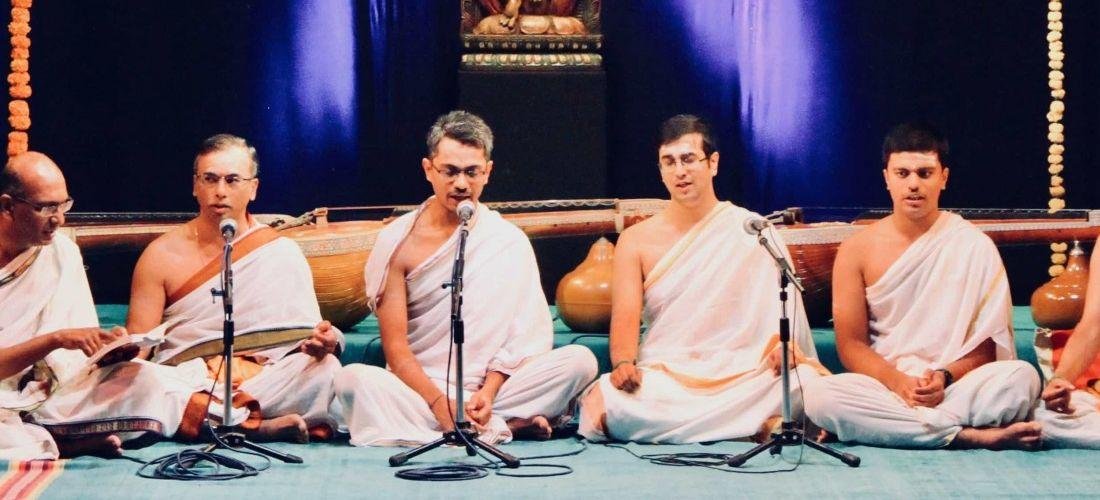
    He would not abandon the one being who had remained with him until the end.

    His decision impressed Indra.

    This was the final test of Yudhishthira’s commitment to dharma.

    https://images.openai.com/static-rsc-4/s9N_qFq4Cubyp8e6cch_zgY04E2UjGYNsQFJM9M70dzdH2TfQxKTKByz3IxWu4JpCJ9w5z7QHYika4lAM1ceFPx0U8PmdRk_hWWGVY1hwwUB5eZVF9TSnuiUcg9Ol4k_xIGUwM8cLhTDgNOqMGXExVu7qQHyQEmJ_ZCV8y1GIHi-0Sil_4wk1OMUH_v_WhK7?purpose=fullsize
    https://images.openai.com/static-rsc-4/ESBL5vvI4ErSecEe92d7bbFe4lG1O6V6BWuXHwva1KjXue-t8pj0jRYRebkA3yvPhv-CAjxvt5S7nUsI8DHUEWrbvGOGSoZl_t4yHIL6PzkjVGW5KY2lkxpRYlXnG1axgKSydNQkG7vG9Zbv9WH0R7EP44GaIbFF4zCg5w-Dx0ufh-hZiN0gkpQqAaqASV47?purpose=fullsize
    https://images.openai.com/static-rsc-4/uXGarvVLUXjPZyw9qSMpH7FKtJGkHTvnL1ky66T6Xgvf4CgnmSs5yCoiG9Qj-_bQXOP8MWewOCc6GSDQtXnEqtfgr4OO1_BnbYoz5G3gow2iMpnHOfpZo1oUx3ow15GVSJueB0pQnSS0o4YI1ZgbYlm-i3tZcofZgQ5GZmIQ_UgoN5zoBThesltVMtFmredq?purpose=fullsize

    5. The Dog Reveals His True Form

    The dog suddenly revealed his true identity.

    He was Dharma, the god associated with righteousness, and Yudhishthira’s divine father.

    Dharma had been testing Yudhishthira.

    Yudhishthira had passed the test.

    He had chosen loyalty and righteousness over his own comfort.

    https://images.openai.com/static-rsc-4/s9N_qFq4Cubyp8e6cch_zgY04E2UjGYNsQFJM9M70dzdH2TfQxKTKByz3IxWu4JpCJ9w5z7QHYika4lAM1ceFPx0U8PmdRk_hWWGVY1hwwUB5eZVF9TSnuiUcg9Ol4k_xIGUwM8cLhTDgNOqMGXExVu7qQHyQEmJ_ZCV8y1GIHi-0Sil_4wk1OMUH_v_WhK7?purpose=fullsize
    https://images.openai.com/static-rsc-4/uXGarvVLUXjPZyw9qSMpH7FKtJGkHTvnL1ky66T6Xgvf4CgnmSs5yCoiG9Qj-_bQXOP8MWewOCc6GSDQtXnEqtfgr4OO1_BnbYoz5G3gow2iMpnHOfpZo1oUx3ow15GVSJueB0pQnSS0o4YI1ZgbYlm-i3tZcofZgQ5GZmIQ_UgoN5zoBThesltVMtFmredq?purpose=fullsize
    https://images.openai.com/static-rsc-4/VcwlnKSJvciXhvC2u5Vo0Z5RPTw2YDwCJcOCFlqP_yoxJn3E8FCkzC-VzVtN9AotfwT-6MH01KWt8xzoO9q7CS4YXlxTdNWzemqaSin88ILhHMNQlRpLeC2m5MYmFrB28ICC6isYsQ84GL4kWAKZv8-Og6pogIOSvgcnOrTQZk6uT7UJI5cWmfwXrALA8MCq?purpose=fullsize

    6. Yudhishthira Enters Heaven

    After passing the test, Yudhishthira entered the divine realm.

    But he soon encountered something unexpected.

    He saw Duryodhana in heaven.

    Yudhishthira was surprised.

    He could not understand how Duryodhana had reached heaven after everything that had happened.

    https://images.openai.com/static-rsc-4/OyL3UyyeTaQops3T6T4nh4zfhgBJ4PGXf4sp_eOJZu8NVxwTkNxdkyA2hEsuvi75LlTyHcbjQxm4dfwah1KDR6OmlnI9u3ePkW2YxlRraIFlAIWsRI1XRWNFCw0TpzS4EXvDNsitUZS0OV_fTHqtCisGEzfDwQzYlyMiRPdNjwOmWuoWMQWPHaCxUHRd_yxl?purpose=fullsize
    https://images.openai.com/static-rsc-4/qnoeJw2_ZanXlFs5RnzbjMfcDRerSKV_undnnh8j6WKbePhyQfp0W1TqliIapLIMOAcymrpo5gNwLIpujTPVXJrRHF4Cr5ie673yq2pBNDzKCx88Hkuf6HeMURSZV2k_E7g2-F9cf3UgOlcAws3QGGdIxL6otNhR3DNHjThxfe0GSUdZHuko88TG8hBx04Tv?purpose=fullsize
    https://images.openai.com/static-rsc-4/YKMaHRetdd93UE4j4YRwl4CyyvoPCgIe5l1YotCsrm5Dh43KI_iBM--L4xBa277bGRx6jwXrqOuoXCi225Z0fy0Kxwu8j-2UBX67NxqgT4pxeYhQ0LHmfqRhjJyHFDoQJcSCOQEZWyP70FFIxAGoAUENHRt3IRSKT2t0taheUjxhVV5qbz6BxQfrAlMX6Ubm?purpose=fullsize

    7. Yudhishthira Searches for His Brothers

    Yudhishthira asked where his brothers and Draupadi were.

    He was told that they were elsewhere.

    Yudhishthira became unhappy.

    He did not want heaven if his loved ones were not there.

    He wanted to remain with his brothers and Draupadi.

    https://images.openai.com/static-rsc-4/s9N_qFq4Cubyp8e6cch_zgY04E2UjGYNsQFJM9M70dzdH2TfQxKTKByz3IxWu4JpCJ9w5z7QHYika4lAM1ceFPx0U8PmdRk_hWWGVY1hwwUB5eZVF9TSnuiUcg9Ol4k_xIGUwM8cLhTDgNOqMGXExVu7qQHyQEmJ_ZCV8y1GIHi-0Sil_4wk1OMUH_v_WhK7?purpose=fullsize
    https://images.openai.com/static-rsc-4/uXGarvVLUXjPZyw9qSMpH7FKtJGkHTvnL1ky66T6Xgvf4CgnmSs5yCoiG9Qj-_bQXOP8MWewOCc6GSDQtXnEqtfgr4OO1_BnbYoz5G3gow2iMpnHOfpZo1oUx3ow15GVSJueB0pQnSS0o4YI1ZgbYlm-i3tZcofZgQ5GZmIQ_UgoN5zoBThesltVMtFmredq?purpose=fullsize
    https://images.openai.com/static-rsc-4/VcwlnKSJvciXhvC2u5Vo0Z5RPTw2YDwCJcOCFlqP_yoxJn3E8FCkzC-VzVtN9AotfwT-6MH01KWt8xzoO9q7CS4YXlxTdNWzemqaSin88ILhHMNQlRpLeC2m5MYmFrB28ICC6isYsQ84GL4kWAKZv8-Og6pogIOSvgcnOrTQZk6uT7UJI5cWmfwXrALA8MCq?purpose=fullsize

    8. Yudhishthira Chooses His Family Again

    Yudhishthira was shown a difficult place where he heard the voices of his brothers and Draupadi.

    He was told that he should return to heaven.

    But Yudhishthira refused.

    He chose to remain with his loved ones.

    Once again, he placed loyalty and love above his own comfort.


    9. Another Illusion Is Revealed

    The difficult scene was part of another divine test.

    The gods revealed that Yudhishthira’s brothers and Draupadi were not actually suffering.

    The experiences he had witnessed were temporary and symbolic.

    The purpose was to test his character one final time.

    Yudhishthira had passed.

    https://images.openai.com/static-rsc-4/s9N_qFq4Cubyp8e6cch_zgY04E2UjGYNsQFJM9M70dzdH2TfQxKTKByz3IxWu4JpCJ9w5z7QHYika4lAM1ceFPx0U8PmdRk_hWWGVY1hwwUB5eZVF9TSnuiUcg9Ol4k_xIGUwM8cLhTDgNOqMGXExVu7qQHyQEmJ_ZCV8y1GIHi-0Sil_4wk1OMUH_v_WhK7?purpose=fullsize
    https://images.openai.com/static-rsc-4/NS-uRbyYUjR9q4uH-g6ITfjm-wg4OHblfrgdy7um29fITSvqc7-vnK2DA4fwnDGc3XTr3MWjKxrXFvaGmEhegH_HC6dgellQsb6ZgxbUOSIMbOCiI6doD8MLZlt-mPOWa8fM_gPBM9JnqLfpk3byI4Zv_qro_b_gV8Wimq0vOW2h6oKaMFm27Ar6yB-u6L9Q?purpose=fullsize
    https://images.openai.com/static-rsc-4/hOKn1llHybMc0d0-q_pCRTzN-7KYQTGQjxz04mT_L8nWVuSTCJO5gm5bPUX51-2oq-OHznobcnXDQr3_PkPSzrDoGUTAA5C2KZaM7QMt3FR1som05r3Mblkf5Xt8xH-PmwMi8xwIjTF7AKusvA7yJPXLOmWgrjjF5BWMMGKmWDKUifL747IaPvL5G3acm8eX?purpose=fullsize

    10. The Pandavas Are Reunited

    Yudhishthira finally saw his brothers and Draupadi in their divine forms.

    They were no longer affected by the suffering of earthly life.

    The long journey had come to an end.

    The Pandavas were reunited.

    https://images.openai.com/static-rsc-4/zowN9LJ6Q3XEIMj0_OOu-RfrTi6KJcSAq38PYefEuPQ5C9ev1rTeJGroV3XOYWjpcFXj2UHFgUJgP_TnkkYclzgzSIbor-ck9GF7zoku6-V81iQUPSIzZWZ5iWosZNgLEzklHPbMw53qbtEQ5iVSUYgj3C1cd65MzMcRtNXCfZ0lo9FYq3WzH8hlCVBUlq-Q?purpose=fullsize
    https://images.openai.com/static-rsc-4/oZnCad5rX80Finf6a-rpaG0ZARefvzruTulXQ1-ESNLSjV_NI_cFUMkNf4Gfgj5OLuXuWGgv9k196n83ujxUogNVWy28Z5EtzZvUF4lVIy9v8-D05tUv_19c5sPjxttjElcAf2QSLM7qaIgF6kZdRIgLete1Q-A-LkfLCyT7dongZEcjhnlM03UWovRxPk7n?purpose=fullsize
    https://images.openai.com/static-rsc-4/cT-48BR9NJcue2zVxYO2FNv5GnWcUISJSbabHUXhazFZy_kpjcpfDIUkJ4SKFfrHWxkjpVAMUnMjrf6GrorbRRwFO6zcu_M_7D0VUHb_7ilBh8MELCKNsW1X3WbrnMOIN0KtqxdXya-LlySPgKmFz00xrg8z7Yr6ZFNFYz38RMSXIix1Ryvnudecy6UEyn7E?purpose=fullsize

    11. Krishna’s Divine Presence

    In the heavenly realm, Yudhishthira also understood the deeper divine nature of Krishna.

    Krishna had guided the Pandavas throughout their lives.

    From the beginning of their struggles to the Kurukshetra War and beyond, his presence had shaped their destiny.

    The earthly story had ended, but its spiritual meaning continued.

    https://images.openai.com/static-rsc-4/hOKn1llHybMc0d0-q_pCRTzN-7KYQTGQjxz04mT_L8nWVuSTCJO5gm5bPUX51-2oq-OHznobcnXDQr3_PkPSzrDoGUTAA5C2KZaM7QMt3FR1som05r3Mblkf5Xt8xH-PmwMi8xwIjTF7AKusvA7yJPXLOmWgrjjF5BWMMGKmWDKUifL747IaPvL5G3acm8eX?purpose=fullsize
    https://images.openai.com/static-rsc-4/oSiUEHiDivYzpbjmq1WWCecR3pPj9cUWkUomugJk7-yFr1pCrVA63HPDBg_E26V7puEBFmkK3x6es5nSw0ukRoCQHnR2ErcwplTGy4hzU9-bEJJKPe4tmf-32CLLRL4W-gCprcImERZYN0fBzy9LKjW_-B3C8NwvmGDKKpEd3sRvJ0kjupmMtQBgUo4ZYPyX?purpose=fullsize
    https://images.openai.com/static-rsc-4/Gq1YmAL_XZ-kYKixrMSQtvOD5c5zqKcVK18BXLIkF7TT2q9d27Q5JO1D93DR5_d0vawEkrdq3vM631OLWY8HZ_eN_89yDfBcdCXky6O5-89DflkkfUCdxrh6Jdi_pC0pxiw0qpnVQyqeLwwuUCC3on9Ykx_HIDH8pw91wqR-HG0e1yGjojpv5ZnFpvgTNcwh?purpose=fullsize

    12. The End of the Pandavas’ Earthly Journey

    The Pandavas had experienced almost every kind of hardship:

    • Childhood struggles
    • Exile
    • Humiliation
    • War
    • Loss
    • Victory
    • Responsibility
    • Renunciation

    Their final journey showed that earthly power and wealth are temporary.

    What remains important is dharma, truth, loyalty and character.

    https://images.openai.com/static-rsc-4/dERh5g_ZL2ERN-3Exf1NuhBCFiDBl0R0tTzcRZ0SA533f4QSFdpU6sJ8piXa-ogEDvECJEJh6G7LB7XjAXdelofIjpXHKznacTIunUkYjiU7g5wWQ8TMzph0H438lPmLjXB6HzRp9qI5PgasbfYgH9C6vr1qKWR1zkESVEZ9WMf2dx1MW7zsQIKA7sYYEl_R?purpose=fullsize
    https://images.openai.com/static-rsc-4/cT-48BR9NJcue2zVxYO2FNv5GnWcUISJSbabHUXhazFZy_kpjcpfDIUkJ4SKFfrHWxkjpVAMUnMjrf6GrorbRRwFO6zcu_M_7D0VUHb_7ilBh8MELCKNsW1X3WbrnMOIN0KtqxdXya-LlySPgKmFz00xrg8z7Yr6ZFNFYz38RMSXIix1Ryvnudecy6UEyn7E?purpose=fullsize
    https://images.openai.com/static-rsc-4/oZnCad5rX80Finf6a-rpaG0ZARefvzruTulXQ1-ESNLSjV_NI_cFUMkNf4Gfgj5OLuXuWGgv9k196n83ujxUogNVWy28Z5EtzZvUF4lVIy9v8-D05tUv_19c5sPjxttjElcAf2QSLM7qaIgF6kZdRIgLete1Q-A-LkfLCyT7dongZEcjhnlM03UWovRxPk7n?purpose=fullsize

    The Great Story Comes Toward Its End

    The story of the Pandavas has now reached its final stage.

    But the Mahabharata does not end only with the Pandavas entering heaven.

    The story continues through the next generation, especially Parikshit, and the preservation of the Kuru dynasty.

    The story continues in Maha Bharatham Part 28 – Parikshit and the Continuation of the Kuru Dynasty.


    Frequently Asked Questions

    Who came to take Yudhishthira to heaven?

    Indra, the king of the gods, arrived with a divine chariot.

    Why did Yudhishthira refuse to leave the dog?

    Because he believed abandoning a faithful companion would be against dharma.

    Who was the dog?

    The dog revealed himself as Dharma, who was also Yudhishthira’s divine father.

    Did Yudhishthira meet his brothers again?

    Yes. The traditional account describes Yudhishthira being reunited with his brothers and Draupadi.

    What is the main lesson of Yudhishthira’s final test?

    The story emphasizes dharma, loyalty and compassion, even when personal comfort is at stake

  • MAHA BHARATHAM – PART 26

    MAHA BHARATHAM – PART 26

    The Pandavas’ Later Years – The Beginning of Their Final Journey

    Yudhishthira had ruled Hastinapura for many years.

    The kingdom had slowly recovered from the destruction of the Kurukshetra War.

    But as time passed, the Pandavas began to feel that their earthly responsibilities were coming to an end.

    The great events of their lives had already happened.

    Now they were preparing for their final journey.

    https://images.openai.com/static-rsc-4/kJX9VOFaAsD3BiWdTa0qGt9DdvbemEkjlt93tO0aRvYHYWDjo3cVxNprsvE1p3GeNvovUvK1OSeGblmTeNpQBwLuS24v_MedHKvw9OWKrrByHmf1l3A-_Z3L6BLKhtUk5X_VOSfp7XeaYuyH_nPwTrKi4M3XMfYK9bo1J_E43-xrjiogwjMAzZJGgKpWt1qU?purpose=fullsize
    https://images.openai.com/static-rsc-4/VLtYGJb4I2PeKrpaA8CSNSIDC-96FOxlQgqX1rGlL1U6hDsHR4lQV5vew1Cs_4-LDCbaq9gUadbMO5a9dWIShyAUf203oPwCWc7zMIy8TAHvprq0EdslxXzd6B2CmI7a2bxkPn-0d24zZ03kQ7hHFDt-9rpjHB7W1Vk7GqtjREFxZtz4a66olqLFyAdv-KxM?purpose=fullsize
    https://images.openai.com/static-rsc-4/mpy2VYZve6tC4ii06pnjWpZl94r2RfASbvtvCXu1A0DquzEEgXSkPJor97OuukHVPqz1gNUU-g1yfKpW6Lhg556D2aAXkXBnmGicrfvWY-vq14JOhzT45dxpid2jXBRQVjj_0qGf8PaBjoaPFQBuZrm7s3r5NP52U8tfdHoHGlX-nhefSSbe7vwwU9HthPQb?purpose=fullsize

    1. The Pandavas Continue to Rule

    Yudhishthira ruled the kingdom according to dharma.

    Bhima, Arjuna, Nakula and Sahadeva supported him.

    Draupadi remained with the Pandavas.

    The kingdom experienced a period of peace after the terrible war.

    But the Pandavas knew that nothing in life lasts forever.

    https://images.openai.com/static-rsc-4/kJX9VOFaAsD3BiWdTa0qGt9DdvbemEkjlt93tO0aRvYHYWDjo3cVxNprsvE1p3GeNvovUvK1OSeGblmTeNpQBwLuS24v_MedHKvw9OWKrrByHmf1l3A-_Z3L6BLKhtUk5X_VOSfp7XeaYuyH_nPwTrKi4M3XMfYK9bo1J_E43-xrjiogwjMAzZJGgKpWt1qU?purpose=fullsize
    https://images.openai.com/static-rsc-4/YtveAbU6iK3DITxpiauabnnmxGPPc-rCfwuBWFNUzcihiPTTpgiiuhQXrbYocJWhVMcWcziwUOqGOZGXjgg5JIY0LTWcectNNKvLMlkz_ihfz0rOfVICY9Tn0RkymfHl8m8oi3o9u7ti9pI6rLACzHrU7atJ3osEJ4ecPtgumT7uegZLVDbcyrHadICi3qAs?purpose=fullsize
    https://images.openai.com/static-rsc-4/FPrVBQmJWv7f3Fc0z_dZfSP7YLL_DmVGKEvArOH-0qg12jy7oPXEOZstqfXKU0KmCCQlKJIQhfVkRXX3y9gJSvCJVh7bc4rppMhDaYZVWlGJF8-m-VqGsqusminrINwHMR0U6TwjrRSKYseQRFuP_PZAkUGKOj2EW6RbMQDuYMCxSgTdcjHzn60Qd2Ep6IwR?purpose=fullsize

    2. Dhritarashtra Leaves the Palace

    After many years, Dhritarashtra decided to leave the palace.

    Gandhari and Kunti also chose to accompany him.

    They wanted to spend their remaining years away from royal life.

    The Pandavas were saddened by their decision.

    Yudhishthira continued to respect the elders of the family.

    https://images.openai.com/static-rsc-4/Dmb3avI84hXM2RB7nRULNbunbNc5_0HrtVIyhw-xdJl6jh6Cmt2XG_HGpIoFDaSfYHNs5tNGh-TSy_zJxlngc3eC3oySJlfs6BfXTIv_ozwGx-2VTIdlywFGFrT5la7tAqB7OB-8qiMq_EYyfkInjPie-mifnKMh4AjOAKPguFlrmNMBiXHa45bElHBxVMC8?purpose=fullsize
    https://images.openai.com/static-rsc-4/Ybir0h900cJ8GaMCe5ZpKTpNSRA4oon7f2jrHs3xddvc_CfoJpC7eXQAuwn_x2eVocqnW8XpUCvPynvE80Y9BLdCgeo2uX3h86UWUB8MvNmRQgUwSVa-o58xY5y9cO_W2vHudfwsIG-CgQhTRu8-v-ab9iwiby2O073JxhPkB9McelT8x39TXyMeP-yH-Iy9?purpose=fullsize
    https://images.openai.com/static-rsc-4/3-TYEKTo4-q9PCreK3PE6C53WGf_5njh-rb42O0k8gdi9WizB7ryyqgVLPzTBP1xlFHPwWVvAw7yXd6oGPBbaEB2-912IJwIdfqZUSaDXfbsv8Ob9cBoL2c7dxd_MIoo77ba4yujCz1jl4RmBm-abZROTQ3rgGMYYql_zJNJH4tWTyh4IL1BzrmyBqIQXa1o?purpose=fullsize

    3. The Pandavas Visit the Elders

    The Pandavas visited Dhritarashtra, Gandhari and Kunti in the forest.

    Despite everything that had happened during the war, the family members had found a degree of peace.

    The Pandavas sought their blessings.

    These meetings reminded them of the older generation that had shaped their lives.


    4. Dhritarashtra, Gandhari and Kunti Die

    Eventually, a forest fire occurred.

    Dhritarashtra, Gandhari and Kunti chose not to escape.

    They accepted their fate.

    Their deaths brought another great loss to the Pandavas.

    Yudhishthira performed the necessary rites for them.

    https://images.openai.com/static-rsc-4/_8Z1Qfst87hN77jnIeB5_A3TGykBqJj0oDD3ySckXCMxMlqTx_sjlPY27MwBCcWqpIdRmepdp33t4uHLY-Dv1Bb5oNdx4Y3LKIvOfj6TqnKRocziMEQyf0TZ0Oho6Rk58nStuUYrMwnDgC_CQdCfNEv09WN_fnwb65MGkTfhNP24GlfGGP94ACEMLujwBcEz?purpose=fullsize
    https://images.openai.com/static-rsc-4/Ybir0h900cJ8GaMCe5ZpKTpNSRA4oon7f2jrHs3xddvc_CfoJpC7eXQAuwn_x2eVocqnW8XpUCvPynvE80Y9BLdCgeo2uX3h86UWUB8MvNmRQgUwSVa-o58xY5y9cO_W2vHudfwsIG-CgQhTRu8-v-ab9iwiby2O073JxhPkB9McelT8x39TXyMeP-yH-Iy9?purpose=fullsize
    https://images.openai.com/static-rsc-4/gc-koPaSjGaw8THsSNlCpWrzYQpt3Ixywsc9nXm9oociY-vHQGke-HhdmaFlBZYT823Y8m0nLhfniij6SB4Cv2hx_iRiq2oJBTfHoDp2EM4pesADpUAcJqa3DRiRKuxhj1R01yQl_uqJVIRoFBuUF_t0SgCvauA8qVC7TZLQp3fbLUkPGIIWdvSbBPfTqekp?purpose=fullsize

    5. Arjuna’s Power Begins to Change

    As the years passed, the world around the Pandavas began to change.

    Arjuna discovered that the extraordinary power he had once possessed was no longer the same.

    This was especially important when he tried to protect people during a later journey.

    The Pandavas began to understand that their great age was coming to an end.


    6. Krishna’s Departure

    A major turning point came when Krishna left the earthly world.

    The Yadava dynasty had also been destroyed by internal conflict.

    Arjuna was deeply affected by Krishna’s departure.

    Krishna had been his friend, guide and protector throughout his life.

    Without Krishna, Arjuna felt that a great source of strength had disappeared.

    https://images.openai.com/static-rsc-4/OPs--5Ie6K4yvbAh2EL044gl3GTI3XFTCBg_QcFYJ7wcr9lfOH-X-W5QHSgOVpHCJYOyVx1sE262nx5z0z-SKmnAlnpW4XcW-ShXhdiChuKGUcDWSnlZLolQDz62FmkddhXvZmf1YTjXfOHw4JtvtSxYj3aa6CMBCpxsnkFKowCxB-vMskggQqnU92c7AXcP?purpose=fullsize
    https://images.openai.com/static-rsc-4/_wayw7QrvP6UY_llXXWFqTjAtXxuOxzeGI8wu1zSFEXFmhvTcEQnzfTd1X7oB__HibHmFLUGXbb_dMc6DB5v04G5wfFjSwHgXTlBVBA1_yjMCVuvudBFblwc1sfTrffjSaJ6YzsttTEuEaU5DNP3OjI5q_3kuw1p-C3ofNn0VQWiLX_qY_g1RHYR0163ygaT?purpose=fullsize
    https://images.openai.com/static-rsc-4/kNB1cML9B6jDVU8tW_Pa2a_OXipeFHkz9LS8Sr9w0F2FcP9GfRdyx4stC4f6dihU9w7__ypDSY3Cp6wRGjMxalNfhejgNxoloqcSDaRGp_4QPp7sl_0vRcLygT41H_q5V7QPLrYwV3Yt6TqWhVOJRy026lOHO0mkrzU0BKLGJiWbBAcPwAJ6TAuQncNQ_zN2?purpose=fullsize

    7. The Pandavas Realize It Is Time

    After Krishna’s departure, the Pandavas understood that their own time was coming to an end.

    Yudhishthira decided to give the kingdom to the next generation.

    The responsibility of the Kuru dynasty would pass to Parikshit, the son of Abhimanyu and Uttara.

    https://images.openai.com/static-rsc-4/oE9QvlpIq0dXYiwQ45lKRtQbMXAvgk5nLD5oOPfM3psER8kPpbZOSj-3MZHKmRndr77H_-TJ0n4KIk8V-Mb5uAzWlctN6Ay1dns_D_V6tosbpAY4-egRrNRm2LP2MzJ7Ke3SjxgyzkBvDTy9zhEb3NeG6OMpRULNcThF2Rb4XbqgUJbnjpnutZOFNt_IMxez?purpose=fullsize
    https://images.openai.com/static-rsc-4/LaB-p-CdIE9Alwxo3eeSaAixDjFdZSjLEjjO6Tjh0SL-dJi63bLcNYEh662aaPvao-q7Gr0_I0706mCkD-HtjQOhgjhDn-VBMo88dblzUV_XXCqcH7AayfNcf3jtsE7Rs6zNgO_IkZNawKsFXAgcKHw96uXS8uRrxz59n0gxRirHnTaChzJ_xrYQYtekZyO8?purpose=fullsize
    https://images.openai.com/static-rsc-4/gqepukdSrzKx3DhvMm-e8adtUREPWItu6DFQyoQixSOEEofzj3u8FkuvYJApHryJoxHHSn08OzodVmXnQXP6L0miww_5sp6s1P9BwlqZ8zjpISgGXPrIWfCHvZAsq11uZjV6hkhDDBlxyPGKrgFrWX2HMC5s64vlvtqAufxp9FYp0ABp4Fp3FzIvRRRr6BIj?purpose=fullsize

    8. Parikshit Becomes King

    Parikshit was made king of Hastinapura.

    He represented the continuation of the Kuru dynasty.

    The Pandavas had spent their lives fighting to protect their family and kingdom.

    Now they could finally step away from royal responsibilities.

    https://images.openai.com/static-rsc-4/qX0IL4BRy6FQNbCmat6xrH_ikcLCqtBKqjS9Y0K6uOB3fzF22iR4jJcaIFJiQpSIEnfTnck4qnExiBgvV0d8Vfc-UoBsYV38BS7a2lWzbeqQ71Osf6jr4kmI1PZqWEf0MzDfFaVGxfQjuca0JCyuu-HFd3vwrPXA4qu4_aFGkgCQ3NdeNNk4-Nh3r_faAFi0?purpose=fullsize
    https://images.openai.com/static-rsc-4/LaB-p-CdIE9Alwxo3eeSaAixDjFdZSjLEjjO6Tjh0SL-dJi63bLcNYEh662aaPvao-q7Gr0_I0706mCkD-HtjQOhgjhDn-VBMo88dblzUV_XXCqcH7AayfNcf3jtsE7Rs6zNgO_IkZNawKsFXAgcKHw96uXS8uRrxz59n0gxRirHnTaChzJ_xrYQYtekZyO8?purpose=fullsize
    https://images.openai.com/static-rsc-4/Ud2CMMYzm-8ZxoHbAV8he_1aHHPm3sFGL_s0bB0TAFNOqn3kKqNbPw-vVmGUhS05xHLKLmFT3Hgb1dQ696d1veBDfMbrHiFcqigTX67hnPeKKaP-9STnQhfwmVGMuSS3pQ4q-qxRbBK8x6nlkO858I5KrZ_vE-btEYNX95s3tQ-DVVi0RURaB-MI8p2SHDFh?purpose=fullsize

    9. The Pandavas Give Up Their Royal Life

    Yudhishthira, Bhima, Arjuna, Nakula and Sahadeva decided to leave their kingdom.

    Draupadi also joined them.

    They gave up their royal clothes, possessions and comforts.

    Their destination was the Himalayas.

    They began what became known as the Mahaprasthanam — the Great Journey.

    https://images.openai.com/static-rsc-4/SubGe0zUwgna1rHZSSR_qkQE4iEyx-ZesjvZ_-8t4T92QNagZoH3aiyAQuPrnM_P7lR9pHcc5KL1p72V3GDko1Qfe3n2i-3IO6g24m5NrBzKJiw8bvWfOR_zD8JTXzlGC7Md04ccOuaniTU8c-oiKrfC9m1DztQVTanh31HS3qcZBg2DyyYqOCV3fpi65neU?purpose=fullsize
    https://images.openai.com/static-rsc-4/VcwlnKSJvciXhvC2u5Vo0Z5RPTw2YDwCJcOCFlqP_yoxJn3E8FCkzC-VzVtN9AotfwT-6MH01KWt8xzoO9q7CS4YXlxTdNWzemqaSin88ILhHMNQlRpLeC2m5MYmFrB28ICC6isYsQ84GL4kWAKZv8-Og6pogIOSvgcnOrTQZk6uT7UJI5cWmfwXrALA8MCq?purpose=fullsize
    https://images.openai.com/static-rsc-4/J6szW40XhtTfixQm9jRVDpAGfVz-IaOrJFJOv5NR6IZJk8M3xkupi1aMXEcMVuBmjsVFKsSIBIx5cfFZK-lIS1pnltbt5vmnWEytEk4sg-DWntoRz_mlTlA0awa-bDpuZqngwzUGn27EQX5qBRBHaAZQrCpu7jksFZO0Czls4oVMZ1tifP0BXrcUMa2ZnS2I?purpose=fullsize

    10. The Great Journey Begins

    The Pandavas walked north toward the Himalayas.

    They were no longer kings and warriors.

    They were simply travelers leaving behind their earthly lives.

    A dog followed them on their journey.

    Yudhishthira allowed the dog to continue with them.

    https://images.openai.com/static-rsc-4/VcwlnKSJvciXhvC2u5Vo0Z5RPTw2YDwCJcOCFlqP_yoxJn3E8FCkzC-VzVtN9AotfwT-6MH01KWt8xzoO9q7CS4YXlxTdNWzemqaSin88ILhHMNQlRpLeC2m5MYmFrB28ICC6isYsQ84GL4kWAKZv8-Og6pogIOSvgcnOrTQZk6uT7UJI5cWmfwXrALA8MCq?purpose=fullsize
    https://images.openai.com/static-rsc-4/ZluTWqSk4XJ3LoMDZsSu04YKxTcEvMU51WNIu5Z9IL5c48Ia3Up080qlvwUS7gc49tGqZXgGheP7hHpO_Ocd5-huXmTCLYzaYemsbA8p8oowUBcgOowA15YYdT3BEsKbo5NcxW234Bvg6BNvNp1J2GHDdjBYyliCH8NjFhSzvx2uSZ7yeBlTh49jjzpGwREu?purpose=fullsize
    https://images.openai.com/static-rsc-4/ESBL5vvI4ErSecEe92d7bbFe4lG1O6V6BWuXHwva1KjXue-t8pj0jRYRebkA3yvPhv-CAjxvt5S7nUsI8DHUEWrbvGOGSoZl_t4yHIL6PzkjVGW5KY2lkxpRYlXnG1axgKSydNQkG7vG9Zbv9WH0R7EP44GaIbFF4zCg5w-Dx0ufh-hZiN0gkpQqAaqASV47?purpose=fullsize

    11. Draupadi Falls

    As the journey continued, Draupadi fell to the ground.

    Bhima asked Yudhishthira why she had fallen.

    Yudhishthira explained that Draupadi had a particular attachment toward Arjuna.

    Because of this partiality, she could not continue the journey.

    The Pandavas continued walking.

    https://images.openai.com/static-rsc-4/_OfVG6ZgE8BlT3lRCxGGAVpvjbP67-DpxpBZYFC1p60q_PE6VA1oJ-dvL6UnVgq0Cv9uGsPu-8K50hCEuptUSJvudrw4SB5ySAET1reMtWCTvnkHY7CHCk1ph5gUYd9Z0GEzO-02BkIR8XcPsoazFaIINsXb3S5j29d3rHewwKt2xmxJUghqk7ctw0xAW6Fo?purpose=fullsize
    https://images.openai.com/static-rsc-4/SubGe0zUwgna1rHZSSR_qkQE4iEyx-ZesjvZ_-8t4T92QNagZoH3aiyAQuPrnM_P7lR9pHcc5KL1p72V3GDko1Qfe3n2i-3IO6g24m5NrBzKJiw8bvWfOR_zD8JTXzlGC7Md04ccOuaniTU8c-oiKrfC9m1DztQVTanh31HS3qcZBg2DyyYqOCV3fpi65neU?purpose=fullsize
    https://images.openai.com/static-rsc-4/gexqTOiUnuGOCiVEu10iWbl7qPdcWe0N24VT4cwu9YLJZ6OtBgTNZD4FOQKOj_hhOdnuX_MOr890kC4EERh4O3jOZpsihAG6lBRm_wGqqcCVZ0qUpg2G0R4Ae0vZVR3ZaOdDt_4RPDVmn9zXsDhchNUcwXu0IEZlxsVDg9RNlR0xqf9aDYuftbJy_QeRUR6A?purpose=fullsize

    12. Sahadeva Falls

    After Draupadi, Sahadeva fell.

    Bhima asked Yudhishthira why Sahadeva had fallen.

    Yudhishthira explained that Sahadeva had been proud of his wisdom.

    The journey continued.

    https://images.openai.com/static-rsc-4/J6szW40XhtTfixQm9jRVDpAGfVz-IaOrJFJOv5NR6IZJk8M3xkupi1aMXEcMVuBmjsVFKsSIBIx5cfFZK-lIS1pnltbt5vmnWEytEk4sg-DWntoRz_mlTlA0awa-bDpuZqngwzUGn27EQX5qBRBHaAZQrCpu7jksFZO0Czls4oVMZ1tifP0BXrcUMa2ZnS2I?purpose=fullsize
    https://images.openai.com/static-rsc-4/X4Kac_NIdIzVCuyETn3ZRCwP9bliDh_vzCsUwrUEZIwlXwWRHG88HdGKJZ_t3o2NfP8cbBYW8uuTaJkGWr3BdaoXKLX0btuyeJ7F2ITl26NYhZ0XEe2SCrC_sRm_ydrgsjeMhq49zpI7iLv9oDvx_T3xvc1V9ZkdPdLSzrE-sDk6vR1BCYuh9vTZRHKCjL6n?purpose=fullsize
    https://images.openai.com/static-rsc-4/lu-QHkGUQFuiGVMc1QJhyJITw67y-Qg5pMDQ7ZcQo1Uu43xKXHNYBx8KUfYSXBMCEkZt5Tol9S7iBcLEJoN52z5zfxPCnVaXGygmXq3tZt-0WxICUR4uotueFHTvBcAlew-mD2jKKxEEYQ5KKkAZx8wtRb4gab2pF4w1UhVqvMbWQEg11vtbJFtfa-E400aq?purpose=fullsize

    13. Nakula Falls

    Next, Nakula fell.

    Yudhishthira explained that Nakula had been proud of his beauty.

    Again, the journey continued.

    The group was becoming smaller.

    https://images.openai.com/static-rsc-4/J6szW40XhtTfixQm9jRVDpAGfVz-IaOrJFJOv5NR6IZJk8M3xkupi1aMXEcMVuBmjsVFKsSIBIx5cfFZK-lIS1pnltbt5vmnWEytEk4sg-DWntoRz_mlTlA0awa-bDpuZqngwzUGn27EQX5qBRBHaAZQrCpu7jksFZO0Czls4oVMZ1tifP0BXrcUMa2ZnS2I?purpose=fullsize
    https://images.openai.com/static-rsc-4/VcwlnKSJvciXhvC2u5Vo0Z5RPTw2YDwCJcOCFlqP_yoxJn3E8FCkzC-VzVtN9AotfwT-6MH01KWt8xzoO9q7CS4YXlxTdNWzemqaSin88ILhHMNQlRpLeC2m5MYmFrB28ICC6isYsQ84GL4kWAKZv8-Og6pogIOSvgcnOrTQZk6uT7UJI5cWmfwXrALA8MCq?purpose=fullsize
    https://images.openai.com/static-rsc-4/WSzjt852gd33ezC-iNPTwrCFt7uU_Xkn2ruIP3e1IuvgNpDflVRisvN630H-eQJi5D6DQZfja-D4nrwZnatKXXztWejOZLIXDBwmbgQTBCsHPFzT13pLHVCrKVRqFyWxk4tyknsH4_wKWU4KqPoezb4SpzuSKcKqdChFLCp0DX1l4StBoZ4mN7q2chiHlLi2?purpose=fullsize

    14. Arjuna Falls

    Then Arjuna fell.

    Bhima asked why the great warrior had fallen.

    Yudhishthira explained that Arjuna had been proud of his exceptional skill as an archer.

    The Pandavas continued their final journey.

    Only Yudhishthira and Bhima, along with the dog, remained.

    https://images.openai.com/static-rsc-4/dERh5g_ZL2ERN-3Exf1NuhBCFiDBl0R0tTzcRZ0SA533f4QSFdpU6sJ8piXa-ogEDvECJEJh6G7LB7XjAXdelofIjpXHKznacTIunUkYjiU7g5wWQ8TMzph0H438lPmLjXB6HzRp9qI5PgasbfYgH9C6vr1qKWR1zkESVEZ9WMf2dx1MW7zsQIKA7sYYEl_R?purpose=fullsize
    https://images.openai.com/static-rsc-4/WSzjt852gd33ezC-iNPTwrCFt7uU_Xkn2ruIP3e1IuvgNpDflVRisvN630H-eQJi5D6DQZfja-D4nrwZnatKXXztWejOZLIXDBwmbgQTBCsHPFzT13pLHVCrKVRqFyWxk4tyknsH4_wKWU4KqPoezb4SpzuSKcKqdChFLCp0DX1l4StBoZ4mN7q2chiHlLi2?purpose=fullsize

    15. Bhima Falls

    Eventually, Bhima also fell.

    Bhima had been the strongest of the Pandavas.

    He had fought countless battles and protected his brothers.

    But Yudhishthira continued walking.

    Bhima asked why he had fallen.

    Yudhishthira explained that Bhima’s weakness was his pride in his strength and his attachment to food.

    Now only Yudhishthira and the dog remained.

    https://images.openai.com/static-rsc-4/h5mm-QPfzH1CKXY2T_D3w7AyocT3z5KaOpHXKz40ondPg_gwBLB1j32Z8GpawiCIHHmv2ZQbxm7mfK5Z12obPYk6K22QXhW8cqp1aHUOZTS72Wpq4Jux4lk2ILPz236UVw-8i-EheWwah2nKnBZXcDOc7VmXb77Fj-PdzNDX-r921sWfDnDnijKiQc3EYPWZ?purpose=fullsize
    https://images.openai.com/static-rsc-4/ESBL5vvI4ErSecEe92d7bbFe4lG1O6V6BWuXHwva1KjXue-t8pj0jRYRebkA3yvPhv-CAjxvt5S7nUsI8DHUEWrbvGOGSoZl_t4yHIL6PzkjVGW5KY2lkxpRYlXnG1axgKSydNQkG7vG9Zbv9WH0R7EP44GaIbFF4zCg5w-Dx0ufh-hZiN0gkpQqAaqASV47?purpose=fullsize
    https://images.openai.com/static-rsc-4/dERh5g_ZL2ERN-3Exf1NuhBCFiDBl0R0tTzcRZ0SA533f4QSFdpU6sJ8piXa-ogEDvECJEJh6G7LB7XjAXdelofIjpXHKznacTIunUkYjiU7g5wWQ8TMzph0H438lPmLjXB6HzRp9qI5PgasbfYgH9C6vr1qKWR1zkESVEZ9WMf2dx1MW7zsQIKA7sYYEl_R?purpose=fullsize

    The Final Journey

    Yudhishthira continued toward the mountains.

    He had lost all his brothers and Draupadi.

    But he refused to abandon the dog that had followed him faithfully.

    Soon, Yudhishthira would face his final test.

    The story continues in Maha Bharatham Part 27 – Yudhishthira’s Final Test and the Journey to Heaven.


    Frequently Asked Questions

    What is Mahaprasthanam?

    Mahaprasthanam means the Great Journey. It refers to the Pandavas leaving their kingdom and traveling toward the Himalayas.

    Who became king after the Pandavas?

    Parikshit, the son of Abhimanyu and Uttara, became the ruler of Hastinapura.

    Who went on the final journey?

    Yudhishthira, Bhima, Arjuna, Nakula, Sahadeva and Draupadi began the journey. A dog also followed them.

    Who was the first to fall?

    Draupadi was the first to fall during the final journey.

    Who remained at the end?

    Yudhishthira and the dog continued the journey after the others fell