Tag: Atacama Desert

  • πŸ•³οΈ The Strangest Places on Earth – 15 Locations That Look Like Another Planet

    πŸ•³οΈ The Strangest Places on Earth – 15 Locations That Look Like Another Planet

    What if you could travel to places on Earth where the landscape looks completely unreal?

    Imagine a lake that turns pink.

    A desert covered in giant rocks.

    A cave filled with crystals.

    A forest where trees look thousands of years old.

    A valley so dry that almost nothing survives.

    These places aren’t from science-fiction movies.

    They are real locations on our own planet.

    Let’s explore some of the strangest and most fascinating places on Earth.

    https://images.openai.com/static-rsc-4/PMUWaldXSKqB4cweiNKhJujdBMKInvo8mmZq7BOUkhsWuRjWCJSnk73mBE3M4SAvoXuFPu3grBxMQlQ5XPIjsAZ7Q03VWJyf9FuAacdckC6mZ1jmHs_Ljew_B2dlHJ9sAiOIW-6Nd9CATIMqQuyqnNaOhyxrOiGawsudBkR09UaxojWYOpG0_XjSkqhpkefp?purpose=fullsize
    https://images.openai.com/static-rsc-4/Qm4SULAW6ITiXnjZ3Bm0AQNbCxMUJw0TUkGa9Soov7OuveX5kMKUMpZwxmUnba7Bj3KnEPi6VReSoWgFYlZRsSGKEQNhYdx2Dcl-gN34JqIlD_HCuH3ovtcDKZYyM7xUsh7omPEat8ee-EVhrIJhYYxDYgyrLvShq_43pCz-4AYsTglbSsw_1AIq216pVmA_?purpose=fullsize
    https://images.openai.com/static-rsc-4/C3muRScGHOYVEIGempJrRxWs0Gn8cwNkmdd-Yrl4QWfX24aUn-TpHQ6kOqn-3at8fvINBmIK5DsgWo-DikMd7zRFGJBm6OlWe_9ho4yIJddAIll0-R6ezPiNETwbvu34bOFehf0rTmdb-ukw8f3rkqh3-G2BVPSpXAeoqqQ-87got7ek-Emm-MYf1WwXGXT2?purpose=fullsize

    🩷 1. Lake Hillier – The Mysterious Pink Lake

    On Middle Island in Western Australia is Lake Hillier, famous for its striking pink appearance.

    https://images.openai.com/static-rsc-4/q2qH4DQ825i8u-qazX4N2LPb-JwVoEZsS-61ORcReL0lcloNOjIhPqQFzr79xIXzaqu7M0FsNBsS7k5sJ3XHxrw0H2iShSVCjXwZIx3CE2WtqpPClUjmyAlsSYp6DTE3fiJmwMHbGqMezfJG_g1MerfzCQ5xHi11LdlIpElHIYHMQDCVfJmEfzr75JLiVgNp?purpose=fullsize
    https://images.openai.com/static-rsc-4/8TZGNH4aGnhsUjmMsk6mKHmnfY6LzfMxc9sEXH-USI8JM6YcUa9ciluEHaJpojRICoW_FA9pNRZgPwmMPclF9F4y-11Qza-Yp-tzAfG8VPO1aLLB5PiQoWOl13zakwLHjNgr68i28U_ja4RnT-O0ZmMtNCiF4SlGgBZYpuZQiSXDkiQN5Ij4Kl8lkIkzNBUw?purpose=fullsize
    https://images.openai.com/static-rsc-4/MiBXT7dZJZg7KX89qF7iVZIynY-fYxj0lIWrErAMx-ST7RBaZr-PI2Yks9WkpOrp6ranNIc-KAtZT2Qv6MesD4vFWSKcwZJFa1lm9g8xVZ1aG9fvIvpW4Bs_MA_nmtHbU8_hCFLWrjHWc6FOah76AU6qLpNaTR48gfitsAU3GNXuUnJTqIwj9QmjzX4AeoHK?purpose=fullsize

    From above, the lake can look as though someone poured pink paint into a giant natural basin.

    Its color is associated with microorganisms and the lake’s unusual chemical conditions.

    🀯 The Strange Part

    The surrounding ocean is blue.

    The lake can appear pink.

    And the two bodies of water are separated by only a narrow strip of land.


    πŸŒ‹ 2. Danakil Depression – One of Earth’s Harshest Landscapes

    In northeastern Ethiopia lies the Danakil Depression, an extreme environment known for intense heat, salt formations and colorful geothermal features.

    https://images.openai.com/static-rsc-4/s0qvG50r2oVmlarqNZFMFB_5Y9rVQPu3xRmE56QBJlwOQq8xQjovyH8-AWATJzg_d65YdotGMO9EVgLW5KrBMbaIZXQy7VruRRZj1jSFmPyjmlIxUrSCbC2RORE09qkwChYqgahBuPHWD4FWEmiLl8FbFWOYsEWO4QdjnFZKldBu_lDBbAKVTa9mmQrDdZjP?purpose=fullsize
    https://images.openai.com/static-rsc-4/EzYHMYEfMe8X0ZdGgaCXf_w78jay0tDX5OdWn208tCnsCa6pksrB8AnQYvDMwuO6M4g4Oyt_j8tXPLMkrpRXPd39uEYjd360hM0TaRcmuduA5fwRQmnZdoA5YVWizXk2_201lLwos4QibP9duSiE2ZASp7mGCTEmdxZZf4acCwHCGHmifUukC32gB7MOQ41e?purpose=fullsize
    https://images.openai.com/static-rsc-4/-Kqz6vf5Pai87IWpB2NN6Ew-fMERGONUsMpubecxmqNkIsJaBeaYDzIjAkinp_x_j32vCsKKxAg0ro3drX-9CkYu783OMRekxyZiihqfqyTCbyokqQC89kwFTmIHrEjJCoDLMyDrQTC4DUMLhGzt4giyhkG2W8Y1_rqNZm2LNzkeg3JRq5OxHUUpiLrZmhk7?purpose=fullsize

    The region lies in an area where tectonic plates are pulling apart.

    That geological activity contributes to the region’s remarkable landscape.

    Bright yellow, orange and green colors can appear around some geothermal areas.

    It looks almost like an alien planet.


    🌳 3. Socotra – An Island of Strange Trees

    Off the coast of Yemen lies the island of Socotra.

    https://images.openai.com/static-rsc-4/yAW653FqgyaKTf-Ba9bimrxR6CBQKvtFeglYFXeGLte38J_9672PvNQTHVW4Uth0dHsgTD-695hEibWzfPZoornoptAbD8kDXsczV1B0s_gZYDG4d3_dYqKPx9S5LaNaxKNu8-IW1aze-Eq6cvC-r-gcG48OL64CoX2UcbhSHQzCf6taqBI6Fhi6FNJD8VBD?purpose=fullsize
    https://images.openai.com/static-rsc-4/KNmdjgzWG4L9NhjVxvYYAjbsTGaTyn3VHpNsgsvuvWt5n5SF0iplnpSsR56FN3WgXEyVbAix7AtA0M6dUP4DCy5PKGlQ28YE0j6p-rj0q7v8imaAcWXkv4FSU4SLu9-xSO5NilI2iZZAbeRMVVQRuI9ALSyq8dFQMuUMYRY-AzPyUuT_vPoUJzPOqrMy-Gsc?purpose=fullsize
    https://images.openai.com/static-rsc-4/Fw-I0wX-SYROMuaEy6jFKRQyA9oVv7VorZXLjy_NXmBHWAEXJkTvfhZBsy4zhNO-qstRmNJCqYV1KrqxsGEGNGHdOcPDt0Qm2XKNtCQTsoGXus6So2O1hZ8wYcNbugse3lgJXnZmcX8dec807_6zsUupCtjH3dn7LrrJNzPrCYZSU38v-4sdI0mAHrN8JChQ?purpose=fullsize

    Socotra is famous for unusual plants found nowhere else.

    One of its most recognizable trees is the dragon blood tree, with a distinctive umbrella-like shape.

    The island’s long geographic isolation allowed unique species to evolve.

    🌍 It Looks Like Another Planet

    The combination of unusual trees, rocky mountains and dry landscapes gives Socotra an appearance unlike many other places on Earth.


    πŸ’Ž 4. Naica Crystal Cave – A Cave of Giant Crystals

    Deep beneath the ground in Mexico is the famous Cave of the Crystals near Naica.

    https://images.openai.com/static-rsc-4/9lABNF5ySZ-1h7ezYoJx3NcMWzJaDW-lGSNMjXwC0SIVSeEOBdC38PcDddoNtcecuFBcKE9YSntQSeZ1exYF80xuAlShDrOYlP5pJerj-IXVNtejEJRdSaj13D1PHegDgUAqiysw6nu52tY2eCOx2oR7Ench6MbSHaU14vLFGWQVI7Ipb9w9K8OjwvtFwd_v?purpose=fullsize
    https://images.openai.com/static-rsc-4/9GJje-ehaaOLUuBXIflgRsvMz5q5niPdj38CVrIUOVsJVzl4-RGTG4JmMq1ZD5G1p4ee1zlgGFgyGVYl3i63jwFuSN7EuzSOcH46QT2aRclUYS8IghAETuliC66w3SfDyQNPQ6JSxUw5QhdPnJ7pe8wRTAhbOAi5JRRlhBVgreNHJKY68ibLF9DQhSMzqoWB?purpose=fullsize
    https://images.openai.com/static-rsc-4/LcF-we6l-WdSM_tJVK9UsKmNqYwc7pQbNfc5POv_cpA_Q8nK1u1SjjnhPZjuLJXHkJFWNTBDRIcrPsvyk1-ycHlszff0gXOa4AAH3xIZZwYDKc3dDEE1SfV50oRw3bJoLM4APG_Lwqdqafi_g1O5inKu-8EgFXUf58uUfR6x5EhtkJIl_Osw2VBtQ9DoDZ_O?purpose=fullsize

    The cave contains enormous gypsum crystals.

    Some are several metres long.

    The crystals formed under unusual geological conditions involving mineral-rich groundwater and heat over very long periods.

    πŸ’Ž Nature’s Underground Architecture

    These aren’t small crystals that fit in your hand.

    They can be larger than a person.


    🏜️ 5. The Atacama Desert – Almost No Rain

    Chile’s Atacama Desert is one of the driest places on Earth.

    https://images.openai.com/static-rsc-4/CUs6Dj7uyPLc_aP8rJsv_qfDsva8iVWuWMmOCb_rwCYjNQBCT9o17uFULBmhEF7NY6DIuoy2DgcfoiYIg0DmKeFWo7Jr8nC-Jp7J4VZzwiAVwYlzfskpUeqb9FT9YGPMMQyrn8dGXcfKU-Cvi1h_SMKxab9pwsOgWge57MIJCJL5mZlp42HaKR0Ta19fp-vC?purpose=fullsize
    https://images.openai.com/static-rsc-4/clLtoIOfe51kLYaHMVrVq4InnC58hIC6cdL_lSGYm9HLCStLdQpPd21_iJKdDm0iDVIY8992n39QWhR4eyKtlNuWXCCsPhG00r3NftQyg1jL0RGEnFjBdmpoPwGH4W_nFhVrcOYjO10tm-b27LnYNUZWucD8VYe9j6zsD4xOJxISfHlPMPQ6DClPMZw8SFli?purpose=fullsize
    https://images.openai.com/static-rsc-4/tWqV-GwkS1iZILx9Mo_Mxkr2ZVyyxHYM9dvM-lkBtdheTHbsuEfFStXFt_0mLsqtKsrpphu7UC_xrLN4pz97NlWIinkmxQZ65CDVOFYUiHWvbmcHA4HsTOVBoz3VgoF-ZGjvjsnQdcWsODu6MdHRrdlKC56qU1B1tfsHNN_6VxZ78VJXSjNVB5Jb8E4wtgmf?purpose=fullsize

    Some areas receive extremely little precipitation.

    The landscape contains salt flats, rocky valleys and volcanic mountains.

    Because of its exceptionally dry conditions, parts of the Atacama have been used by scientists to study environments that resemble some aspects of Mars.


    🌊 6. The Great Blue Hole – A Giant Underwater Circle

    Off the coast of Belize is the famous Great Blue Hole.

    https://images.openai.com/static-rsc-4/Uw8g2Oe-TJ5dRRNSVcaieNm47V_KIZQgE_Rqm4r0UG7gKqoV0MWOSUgPWMZeZlvSCeZgCEGnXRkifBOIn45oUohGuDstMO5c52xYEfFZHqXnSUXRgsTU2pwnNOh8Td_s06JFJ8toKNsmysea8A4fVzCBLq6aWBbNiOQXkSXyRZeVdZeLNU-g0WOWXhGW0O_s?purpose=fullsize
    https://images.openai.com/static-rsc-4/uhJi0Pl0YJrF4UW9aIs4-gRuOp0wwghdrbyXtoTkWUJj0nh5ixm2AeMh474RHeafQzm6WZB3OhBKSb6NnwHkAbHEOdVzRxsumBQ7VWkGIOwK8xqbtDYvxYe7as2CDdvkgCCNvT_w6aUei7zACtiN3ZIy80vNnLBfj16opuHtSpSkC1xXcpSdM0LO6r_bj_eJ?purpose=fullsize
    https://images.openai.com/static-rsc-4/PYPEKXCv6Pwq8dxSG-WiXXHNpXf5e6Fby4z-SjVi_YwKAOw0QGaZnV3urhDdoW_O5j5RJSI8Qs3-gQIKD41yzOZaJV3RzMctRHvsOAn19jCfprVDne_5HmcAIaUHllJaS7sEAQTMcDsT5l-xqZ6-wh0CVLRMz2II86zz6c7IPFabJzYzDPuwsybKvomHMjpY?purpose=fullsize

    From above, it appears as an almost perfect dark-blue circle surrounded by lighter Caribbean water.

    It is a massive marine sinkhole formed through geological processes over thousands of years.

    Divers have explored its underwater depths and discovered fascinating geological structures.


    🧊 7. Blood Falls – A Red Waterfall in Antarctica

    Antarctica contains one of the strangest-looking natural features on Earth: Blood Falls.

    https://images.openai.com/static-rsc-4/G6sVtaCghFkPHBN9cXH0JHSVqUc-x9nDbixzXsIRYGZ7LXKSuCeBwnvV01cSpK78NtpSE0f-_sTPkw3wXzgq1cfL7OlLY2hmO-vEA6qcKMClJGAhQymex53F-_c3blfWvCyAx_D03Kvdh8WZOGBt9Fefo2LeFng-3cJQjemuhBAN0-ilylQQj4HDgmEcAO3E?purpose=fullsize
    https://images.openai.com/static-rsc-4/YPKXDPlJMwpSuDRwE1KverlxSIl3vOFidlHzHEmqenzcKK1OUcQsSrtQOEQ__A_sLMwIhjnQBJNaI_JctpdUMAPy0Uz2infdqCmhEhvqXSKd3-RNyzhAHv8VpmHdYLlQIsnadTCWvUI1kZCsFEFdn-1KPrUhqypRxLmZRWOoh8Ys-9IHv_jn5EC93cBN0Dpw?purpose=fullsize
    https://images.openai.com/static-rsc-4/nes6ROZjdxJloLpKtqYXgQtIAgn4kcaDo6_sKq95LJK4DlwXWx8apwb1g9qUKJBpPFCIr6LKMi-XNgFSs3p25itsBb6p-T4dnI8eZvXluPi4Z-BlKC77PfmzNb_AwbAURIC0krjxEIuKMlbTfdSN50lrqVFpBbR01xKwsdrfZc5TuDUc-HsD0WfKer8DCEbA?purpose=fullsize

    Red-colored water flows from the Taylor Glacier.

    It may look like blood pouring from the ice.

    But the explanation is geological and chemical.

    The water contains iron-rich material that becomes oxidized when it reaches the surface, producing the reddish color.

    🧊 Imagine Seeing This

    A frozen white landscape…

    and suddenly a red streak appears across the ice.

    It looks impossible.

    But it’s completely natural.


    🏜️ 8. White Desert – Egypt’s Strange Rock Formations

    Egypt’s White Desert contains unusual chalk rock formations shaped by erosion.

    https://images.openai.com/static-rsc-4/xBq4EZKjj_nB8NSMySs5BKjxVKS4hJlK-E0qLS_4NXSuZxJd0fPG0Kea5TYdXjPDGgqH0ZtyKg3BnhJlKjdQRxlzJtgrXd3aK_NPvzRMqbipH1-xncVT8p0qUqpUXmti71uAuUacvXJcWsApMd-Ct7wFISeq6639vUYSQaaJ159dGQvyl51sYr6zu9K7Aur0?purpose=fullsize
    https://images.openai.com/static-rsc-4/-wJINB_5v7ne6h1zQYfhX__unpPH5oNyxeBCodqeqlJHaE9LiEBu8v87aQnpsX2oP4yymtJU1ixJChmeQEKzVX_3ZHZSiY7jKhyWiH0v_P4t8Ha7zz5KWuO9AVAhj-j5rwdot6zs_LbK8XAbFZ8xy6jppo18I7LaMii8AZYU_HP73R2DKX-20O4NFDs2R5gN?purpose=fullsize
    https://images.openai.com/static-rsc-4/Pd_NQM_mm8MvEY9-p7wAnI9XIOMkz9FvwbGoZZLk1fSxXkviuazBgC_ZPoRg9L7513bwF_fseaSt9Am0AYTgoQJ36ki34vBdKCy84BbrjBdgAipLDljzq55nKJksGXeC3axPuxX0RPmsbyJM_BOvLTE1PDAbLrb3d9oQEuSatZq_Q3ocwjiGR-2o2xLes5pm?purpose=fullsize

    Wind and weather gradually sculpted the soft rock.

    Some formations resemble giant mushrooms, animals or abstract sculptures.

    There are no two formations exactly alike.


    🌈 9. Fly Geyser – A Man-Made Accident That Became a Natural Wonder

    In Nevada, United States, is Fly Geyser, famous for its brightly colored mineral formations.

    https://images.openai.com/static-rsc-4/YIvMWyceJYf9_VrPT0ooyyDG52GA55bgYbATGVHy-halekpJLy_mSDRtst_aV0AQEiYvUT10yG1-UY4bnNeMr-p3zAsj_6rtV5J0R-Vdj1Ib9sOlr9s7rsE4IbUUhhLW1ExmWwym6qwAyV778vadNL6W7Is0gWy6l1Pcj6djzPV_AWNGg1w1r8VR1d-x5AAK?purpose=fullsize
    https://images.openai.com/static-rsc-4/m8bFNGH-1GzU4_qSySM3-x-rBPPd9PR1TCboFL_BPv7-dEAwycQE5P_mpvocDtmNdof6XfDkkDAtta0FpCFgRYh8rNQAznt86NkosT8b98gmBQnJLsAKwdU-vKc-OTUy6262FNIU_mKhdLgLJQXFEQ3vOb9X4rqA15ihKjI9XDdIYt-gGVXNiMVOuA14-JOM?purpose=fullsize
    https://images.openai.com/static-rsc-4/orFUU68H3gXoIM2erI2gl5ZTiksCibmk6Tl1-YncV_CFhhvSpl476lCe0bSsaKbK9Z8cbbkHdUAtqzoqHVLPaXxBcJ4I_kGIfNr2kKtaHAMcd9lazsbweRCO9u5mek_31s7otKn4s5TlyTsZNIxsrS9vgVVhbXmwmGtbd7E3hL8Yxwh41DDrBWu3ypRFgHcM?purpose=fullsize

    The feature began after drilling activity created a pathway for geothermal water.

    Over time, minerals accumulated around the opening.

    Microorganisms also contribute to the striking colors.

    The result is a bizarre-looking formation rising from the desert.


    πŸ”οΈ 10. Chocolate Hills – Hundreds of Strange Hills

    On the Philippine island of Bohol are the famous Chocolate Hills.

    https://images.openai.com/static-rsc-4/ZP2o4TmywhHl45hg2Vp6RZ1X6lGrFwUNrcUXqp3_FgRmpSwcocGmOfk3G-KyZR9yuIbpojM-dWKTUxJzTaNxG56JDpaGTBn3rY9uaAVM50jChQxyCcNl_oGwBgIbwJ2gzamxMMvDxZ28TqtuNjP_orRftXy2TUB_FeZJ-vQItYO6DUYX7QUyBXAUSb-Tqh4T?purpose=fullsize
    https://images.openai.com/static-rsc-4/sgI6Sf5DxHk1JWcrZxhUPl0VAitLRsRi3jCidVDC78kU7KuW8ZooL1oxyPnv280WZKHVp8Pvxo1Oxlfq9OW-kEVaghfMUP6gmsQ5v4tol7s4M05u55FFDOq90LihKd_hWqGSfZuzIgbkPt-TZ5VAhLy8OCFcZt-OoDMkVtxP7yXt_HhdBttqOB5Xeam9lydR?purpose=fullsize
    https://images.openai.com/static-rsc-4/uZAyg6bnatWMDeoKPX-jt-0RX107BHmy90P5JKSco1vHzRrUVCNuCA5pjzt7m-9OJIvGiMVBFcDZawLhL0wUooVkQykSAkmvLsnXxYpB7B7OiwhI1W63NFfeG00y0wpmhVVwXLlyI498A9vE8s58B5QsRsJqxjIREvjBIElIyln0j-Abm7MRsiURPqQ5KnYA?purpose=fullsize

    Hundreds of rounded hills cover the landscape.

    During the dry season, vegetation can turn brown, giving the hills their chocolate-like appearance.

    The exact geological story is complex, but erosion and limestone geology played important roles in shaping the landscape.


    🌲 11. Crooked Forest – Trees With Mysterious Shapes

    Near Gryfino in Poland is a small forest famous for unusually curved pine trees.

    https://images.openai.com/static-rsc-4/kF5ylEhTHPd1XqdBkvsM0JTOrjqR8h5SWL6mE1gemHEmv7bIhJ3hiX9jqWCN7WGm-kG8pDR3NcF-tib1NReRICwvu-EbBRccprrfPY6pSncYpn_hAwtW_DLQwoFJgm8NQDhdoHZ08K-jlUJPkUSTZMAaRveRqY0LPrITWPXPlzJtOtQ5N5-ahrYNtBVMyKM4?purpose=fullsize
    https://images.openai.com/static-rsc-4/8gvUqXjNuYFW9RU1YwO8DJxspybR6PwoUYASx-Qdyis7tHaNhn_C7Kz2el3SOnUCoz0lPTnkPV7ZPYxi4vs36WAn8mNU1GhbPVQvg3ovMLoVUj3P6OJnHgwKdikMHvhsbA_DIxAX0jJI8PHDRsS-jQc_Od9JNZdysnpZbfUjTrgOYhgmWWGSpRqkPm2W8RXl?purpose=fullsize
    https://images.openai.com/static-rsc-4/XUNFCRcqY4PIcXEM2G_ZTxWCNn9ehrTDuzehQsaoK2oTn1V0_GWCZ-wrK1klZhx4jK4ZUlE_pY8NUgcXTPAYLtKXKEIGIrsDpARhaAGgKJKpfpbv8iXK94fZ0sHS7Vfzj1myhShPW05_FYnhCltP2s_0-FNTMF_Co6W7pg9G0rQOiY1Ir1mGMYI59nnYEj-3?purpose=fullsize

    The trees have curved trunks that bend dramatically near the ground.

    The exact reason for their unusual shape remains uncertain.

    Several explanations have been suggested, but there is no universally accepted answer.

    And that’s what makes the forest even more intriguing.


    πŸ”οΈ 12. The Rainbow Mountains of Peru

    In Peru’s Andes are mountains with naturally colorful layers.

    https://images.openai.com/static-rsc-4/L9ZAv5bPgNXWT-Vagw1F0y-l7g7PNcdKK_QZCLCajJAdsPpzKCbYtQrDRpKnlXE19SKEMsIGECrK_8fCNJ5D1q0LA9DImOeYyl-ReSgxHlY4fXMj6XOxXBQUArTdwKOjTDCCZioQ0lm0I_m8LIwwgEJU2QnKMwBUy3_nEZTqpfniHvl_D_TGDfYnt3I6Rlvd?purpose=fullsize
    https://images.openai.com/static-rsc-4/3QtwqMfU_WrDHgOVTk_6V53szJiYv7L79iRTqMgmVI2kjPzQ1nJvJLK53LkItVB3Yg1mCJgcXIPg-X6B_7-MsqeNDVCUPh3ihAyuJyX75IH3R18L-2ylu5amJ6zrXh-iW-Q3u4TSm6ZKRlbVwTgvjPOI--V1dcNJgfer01dEzl0BECq2-wXOtn2O6kycT_ab?purpose=fullsize
    https://images.openai.com/static-rsc-4/IUeFIwfXKNDhL8LKyDaLym4z--BcVfeWPzdRrX1AQ20Fcdne6osIMjRMrdT7aT1LDJBeIhG9D9kqNKbyHZm48li3qOKlxP9fxGGfSdL4LxG9AhIxGT8iTACYOyCdBg-EISbKqQSjzH0XMlFsr-KoWqpQuiQnKFrAFdnjLVdhwqv8JHXY3SUs9q62BKYm9-pR?purpose=fullsize

    Different minerals contribute to the red, green, yellow and other colors visible across the slopes.

    From a distance, the mountains can look digitally edited.

    But the colors are geological.


    🌊 13. Pamukkale – White Pools on a Mountain

    Turkey’s Pamukkale looks almost like a snowy hillside.

    But the white terraces are actually made from mineral deposits.

    https://images.openai.com/static-rsc-4/aLIhA9uFs1tCY9H5aVIx_UVY8fiskLnKhLV1OClweVrhF5EQGkxB3I431I5e4HQ3doopZxsgHZW1MD6FRGctQ6ySHq29yPODscayF1htz2HVdIAun8X8StXhB8wemYC_WAX952_2smqpjOgfuWHRIdBAFS_Pga_ZmCDrjAEayC7j1aK22VikJ-W3iXLigvUB?purpose=fullsize
    https://images.openai.com/static-rsc-4/iVGCKAW-3I1419VIyAr2O2ZP9yWu1rIpt5DrD7TnZxyTBMAfKpCLtWxP3pQVxN41SeOTw0R5H1z-j4Fpy_0TtFLrBOhBx_f5iIlGyA4NaJi9GIsKneQ2oFOeFkyPOIFmQ2l0ZHNHZmc8yoPv6oPlgMEj0dJCwZuaBJTbrzFj9VzTfO07A4CbMaeEgtu4FkzS?purpose=fullsize
    https://images.openai.com/static-rsc-4/TfsUcr-7a5A8bKkoa3gKQdS3qxyW-oziZqoRO_gBI4y2NREBgVzaXLnk6vsPiioUtyQualUkAECGhRQE5CWgibks2LJwz-ZNt3uNLLB9lifihP88NsPapo1vnnCKbdzk3r4PXG6KV2v8Tp4QNg9oqQcJSvmnw4129ONxFL36Mgr1DI9Fe4yhG3oL_Nd1r0hi?purpose=fullsize

    Thermal water flows over the terraces and deposits calcium carbonate.

    Over long periods, this creates the brilliant white landscape.


    πŸͺ¨ 14. Giant’s Causeway – Thousands of Stone Columns

    On the coast of Northern Ireland is Giant’s Causeway, a remarkable landscape of interlocking basalt columns.

    https://images.openai.com/static-rsc-4/mPP4sDhG1r2P2qLwOL3UYG61zzU560FHUeM-23OheIp2NGqrxu2S27sL54kksvQACEKCtti06lND6JDH-Fw7FqIeMEOaIUfPaWa8JBD5imzLrvkLD2tSGgLmDWbvuzlbwkfr5G_Sb2XXpFG83MyVtM8FwhSVHkTnPW8H80KUz8pgFhNiOhkTrZppaEkbf_uJ?purpose=fullsize
    https://images.openai.com/static-rsc-4/D65Su9GPlq4-3KIu3JmRSRe4yswkge8z0XDIYQayr37lswzT0_gY7hN_mE4mf8gKR0pO3EcQ3UEmgN5Y5QmvqzG6ht3fokn6AdAcV5_x3lv2KPyipxvaWZDUkDxmVAyJSpRYW3fK9-UdNlApsc4GW9p6w6mTqb9K1zTGx-iKPQ-5jLVbUra2FTn1LtqXBb6o?purpose=fullsize
    https://images.openai.com/static-rsc-4/2-fA4Sw_a7pvLe_thBIGBnX5JMexbHnOgrZEtV8ZXR3merc6k1oP4f7wgRPiHQ8t81CnJKfZPw51Bqih18EcflFS1Kadnc3mOP4CgMRnlKmq5ueWeh4KCjG9FJA_LxGUntI8ftp892tqRqwpXxMRV1PHqSiDWyEtGRcK04Stit7H2_D35OcY7VXSgVr-3Deg?purpose=fullsize

    The columns formed when thick lava cooled and contracted.

    The cracking process produced distinctive geometric shapes, many of them roughly hexagonal.

    🧩 Nature Loves Patterns

    Humans often associate geometric patterns with architecture.

    But nature can create them without a designer.


    🌌 15. Waitomo – A Starry Sky Inside a Cave

    New Zealand’s Waitomo caves contain glowing organisms that illuminate the darkness.

    https://images.openai.com/static-rsc-4/PywoX7F5YpXXe5sqh5NCMKY8mMOb-zVUorgMwO8JTxzJFFS_OgOm8ts-GwAueEcNYs2e6cEvYDvI6W3j-WQN2ehfeok_thXGUYPdnlpqN9r0UOVsptQsIQfL3FWKtTILQkwsKewMGhqBDvO7mf4UAlyCJdr0XtJo0U8ChxwDm-726WjRGOTdQ0D-V_Oz5MGA?purpose=fullsize
    https://images.openai.com/static-rsc-4/btPq6ARuk4lvlJBgqB-RdH10tQf_wKmWf-yDf5FrI3LXzKcubgQyJ2zacgH2nb4yNlcQx5CJ4AuJTXRSCeeoVCstzPC508zbQQAe5HY6BuuxvEhbaNbaV6XtTEAEs9Zzt7vqwGi5NwqUmsBF471IbNv8DzzXhxSu94LGztTKVhMB1Xfe02LTwUE4Ps3F-L3P?purpose=fullsize
    https://images.openai.com/static-rsc-4/AtaEq6z06zwvBNTqZnF4sTO33AtqB3nBPxukHUrA8xqKxtPZtPOxqufHeb5YaRRr-ue219DUgQxXM1A6t0o3rUCBNINWMQ4fsXJqdPTbTsRTVtXwLiInxTIv53yPzEP8MpB4xhqB9OOFos9Ox0V0cVDJdfosZgmwS24NZaIa1jVmKj6UcJ4ajGKq80kVNlE7?purpose=fullsize

    When visitors look upward from the darkness, tiny points of light can resemble stars.

    It’s one of the most unusual natural experiences on Earth.


    🀯 Why Do These Places Look So Strange?

    The answer is a combination of geology, climate, chemistry and time.

    Nature doesn’t build landscapes according to human ideas of what looks normal.

    Instead, rocks are shaped by:

    πŸŒ‹ Volcanoes
    🌊 Water
    🌬️ Wind
    🧊 Ice
    β˜€οΈ Heat
    🌧️ Rain
    πŸ§ͺ Chemical reactions
    🌍 Tectonic movements

    Over enormous periods of time, these forces can create landscapes that seem impossible.


    🧠 The Most Interesting Thing About These Places

    Many of these locations look strange because they combine conditions that rarely occur together.

    For example:

    Extreme heat + minerals + groundwater = unusual geothermal colors

    Ancient rock + erosion = bizarre formations

    Glaciers + iron-rich water = red ice

    Isolation + evolution = unique plants

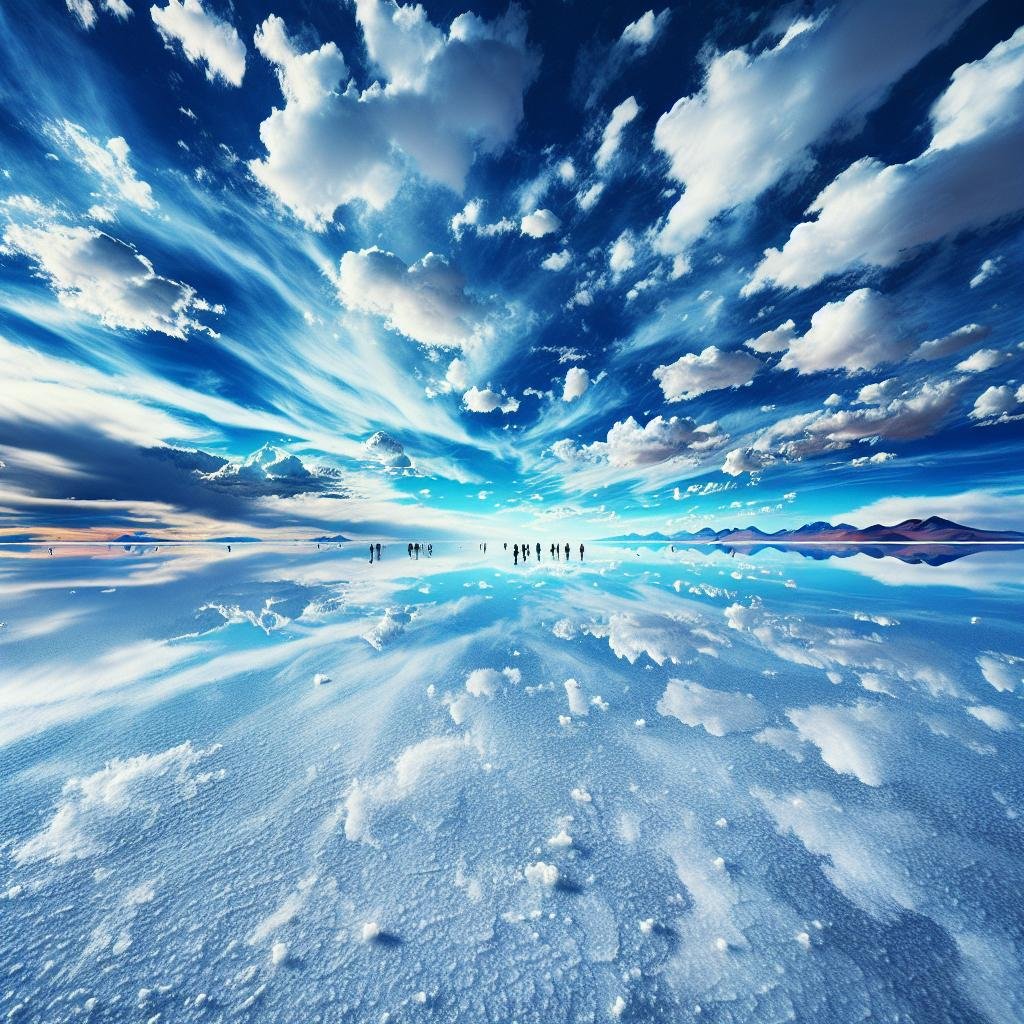
    Salt + shallow water + perfectly flat terrain = giant natural mirror

    Earth doesn’t need special effects.

    Earth is already full of them.


    🀯 Amazing Facts at a Glance

    🩷 Some lakes can naturally appear pink.

    πŸ’Ž Giant crystals can grow deep underground.

    🧊 Antarctica has naturally occurring red-colored water.

    🌳 Isolated islands can contain plants found nowhere else.

    🏜️ Some deserts are so dry that they resemble Mars.

    πŸͺ¨ Cooling lava can create remarkably geometric rock formations.

    🌈 Minerals and microorganisms can create spectacular natural colors.

    ✨ Living organisms can make caves look like starry skies.


    🌟 Final Thoughts

    We often imagine that strange worlds exist only in space.

    But our own planet already contains landscapes that look completely alien.

    A pink lake.

    A red waterfall.

    A crystal cave.

    A forest of strange trees.

    A desert covered with bizarre rocks.

    A giant underwater hole.

    These places show just how creative natural processes can be.

    Earth isn’t just a planet where life exists.

    It is a planet that is constantly creating new shapes, colors and landscapes.

    And somewhere around the world, nature is probably creating something even stranger that we haven’t discovered yet.


    ❓ Frequently Asked Questions

    What is the strangest place on Earth?

    There is no single answer because “strange” is subjective. Places such as Socotra, Danakil Depression, Blood Falls and Naica’s crystal caves are among the most unusual.

    Why is Lake Hillier pink?

    Its color is associated with microorganisms and the lake’s highly saline environment.

    Why is Blood Falls red?

    Iron-rich material in the water becomes oxidized at the surface, producing its reddish appearance.

    Why does Socotra have unusual plants?

    Its geographic isolation allowed many unique species to evolve.

    How were Giant’s Causeway’s columns formed?

    They formed from cooling basaltic lava, which contracted and cracked into distinctive columns.

    Why does the Atacama Desert look like Mars?

    Its extremely dry climate, rocky terrain and volcanic landscapes can resemble some aspects of the Martian surface.
  • 🏜️ The World’s Most Amazing Deserts – Where Life Survives the Extreme

    🏜️ The World’s Most Amazing Deserts – Where Life Survives the Extreme

    What comes to your mind when you hear the word desert?

    Endless golden sand?

    A burning-hot afternoon?

    Almost no life?

    That picture is only part of the story.

    Some deserts are covered with huge sand dunes. Some are made of rocks and gravel. Some are extremely cold and covered with ice. And surprisingly, some of the world’s driest deserts contain life that has adapted to conditions that seem almost impossible.

    Deserts are not empty places.

    They are extraordinary environments where nature has learned how to survive with very little water.

    https://images.openai.com/static-rsc-4/YVBH8gEq4ofory0Fg50NWDjYAqjVh2adL8998mqUlgsEq7SNzRoA6lB6LJYuxjkTFiQleQtJgYg795klS85I2K3z0vtU-6hHTxUQlwRU8b5FFljHy6wJ067qXAz9EZ9tplTvVfYBq1nnrMkpaXtCNoZ85rOS9QPPQ9f3WNC667mDdE0vlJeLpCG6j81eGNDd?purpose=fullsize
    https://images.openai.com/static-rsc-4/H_jTIyKrXz61DbkCALgHp1ZKKuJCCvIRFrDEhWKsyqBFEEkiFi6mtycR7TfuGM4very523EZuKqR_1Wub5AAU7128nr2Uj1kI1trqYP0Fx39Ug0xSEE6eH-lZKWBviiE-T1bofyOLaoUn4p9W1zvj6e1gjHu9u8FVvn6eZcXmuDr7xACpZ63xmCbhJXrBgv8?purpose=fullsize
    https://images.openai.com/static-rsc-4/Gol6DaON9yi6mZRx832pk6MAX0j--hBHMU1tX9XH3FNPc2D9gZNfc-FdC7J82YXZeuR8Tm82gnhvKkqxMT5N0l8OQcf47OVATqOcn3-qIj0PBXckQRy5fI2vHw8i9CpXPZwo8irKShPLO4mBbkqAxhirCEXAj3rKvKLNam6NQE5ma3WcsWQms3qdxWwpTS8n?purpose=fullsize

    🏜️ What Exactly Is a Desert?

    A desert is generally defined by very low precipitation, rather than simply by high temperature.

    That means a desert does not have to be hot.

    The key characteristic is a lack of moisture.

    Deserts can be found on almost every continent, and they can have completely different landscapes and climates.

    You can find:

    • πŸ”₯ Hot deserts
    • 🧊 Cold deserts
    • πŸͺ¨ Rocky deserts
    • 🏜️ Sandy deserts
    • ❄️ Polar deserts

    And one of the biggest surprises is that Antarctica is considered a desert because it receives extremely little precipitation.


    🌍 1. The Sahara – The World’s Famous Hot Desert

    When people imagine a desert, they often imagine the Sahara.

    Stretching across much of North Africa, the Sahara is the largest hot desert on Earth.

    https://images.openai.com/static-rsc-4/H_jTIyKrXz61DbkCALgHp1ZKKuJCCvIRFrDEhWKsyqBFEEkiFi6mtycR7TfuGM4very523EZuKqR_1Wub5AAU7128nr2Uj1kI1trqYP0Fx39Ug0xSEE6eH-lZKWBviiE-T1bofyOLaoUn4p9W1zvj6e1gjHu9u8FVvn6eZcXmuDr7xACpZ63xmCbhJXrBgv8?purpose=fullsize
    https://images.openai.com/static-rsc-4/KkZHR8JzewuiHKwVDRu1htNvn8cG99nyX1gcBACuIAtLO5zonWTj9J59HHq-yZlGYOpe6xVAp6tilSbBmLvQM4xAFy_v2F1WUypjusjx5uxFC9twcGyPFUBoPoQdCqlaKGR1-rDa2UakRJfXliYJWzMp-Fgb0zpgwdATlWKtM7FvZqNz7srqjqb9BW7yVOow?purpose=fullsize
    https://images.openai.com/static-rsc-4/c9zwaYPaC9T9TlrcTF9OEc3nwceYvT0-ZEwoDkhlzmaNegbCMvppyND_C8tndsNLZqcQ9rij0iKgXD0UclaFzWDRcbeI4lLmg88DRdwIc7-9-WnsG5_xy00hmPT71Uwfq8RuztzUKJnwRUrA1t6fLt6vBcSUBoJBKO7VbzJ7TNhnkBiVjfnqSgqGCztJrhKM?purpose=fullsize

    The Sahara contains much more than sand.

    Its landscape includes:

    • Massive sand dunes
    • Rocky plateaus
    • Gravel plains
    • Mountains
    • Dry valleys
    • Oases

    Despite the harsh conditions, people and animals have lived in and around the Sahara for thousands of years.

    🀯 Here’s the Surprising Part

    The Sahara has not always looked exactly as it does today.

    In the distant past, parts of the region experienced much wetter conditions, with lakes, grasslands and other environments supporting more abundant life.

    Climate changes over thousands of years transformed the region dramatically.


    🌡 2. The Atacama – One of Earth’s Driest Places

    The Atacama Desert lies along the Pacific coast of northern Chile.

    It is famous for its extremely dry conditions.

    https://images.openai.com/static-rsc-4/y_K434FLUHy9IZ_S38zEJlCY0hhbDhNDZZug1nZRVmBbnT_0vUqVe3PdA42Pi1RFyeeh3lOtXhofdTLOiDwOOkdyZiBLnzfMHOd1m-M2-HYiFcrD7Bjre0GCnsg4_daaKSqT4KvdSXIsHG41hCFQCnZpVau7jH33fntg_7ugv56KhnVJstL4vL5cXvwNnOFr?purpose=fullsize
    https://images.openai.com/static-rsc-4/yajcKS2GZC8LImUsvRHgo0MN1TL8WEcckjiDXgDnVZpG-atDuUh4JrhqIxTU4eyhLB4ttyv4awH6QZWBHEvb9Z7hasQ1JC5xK6tCu4ye4cmtqIzw6CzQ2s33mFhPSTYmpg04G6pTm3WKEvxtrsGvzi2XtAcCZYf7fxNyzrPAqKIOuSCtTCR2TojMRn_svv95?purpose=fullsize
    https://images.openai.com/static-rsc-4/l1SEcK_oFRC2w-k19D041Rr8rlM2ye8PHKftwSXCYppPFm7rBkuODr8ebEJ5FOTZxU-MeWfjg1T8hNRmsznlmSX62lRdHzj0tYf6BnzEqUJXl6P508C1kB9WhtWnxPk4V0i2BxsAr9sRRxKtbhiDI91VKWq86gAVa3kFhnN_DOIBYGJ9uPsQkQ7mXsPfhPB8?purpose=fullsize

    Some parts of the Atacama receive remarkably little rainfall.

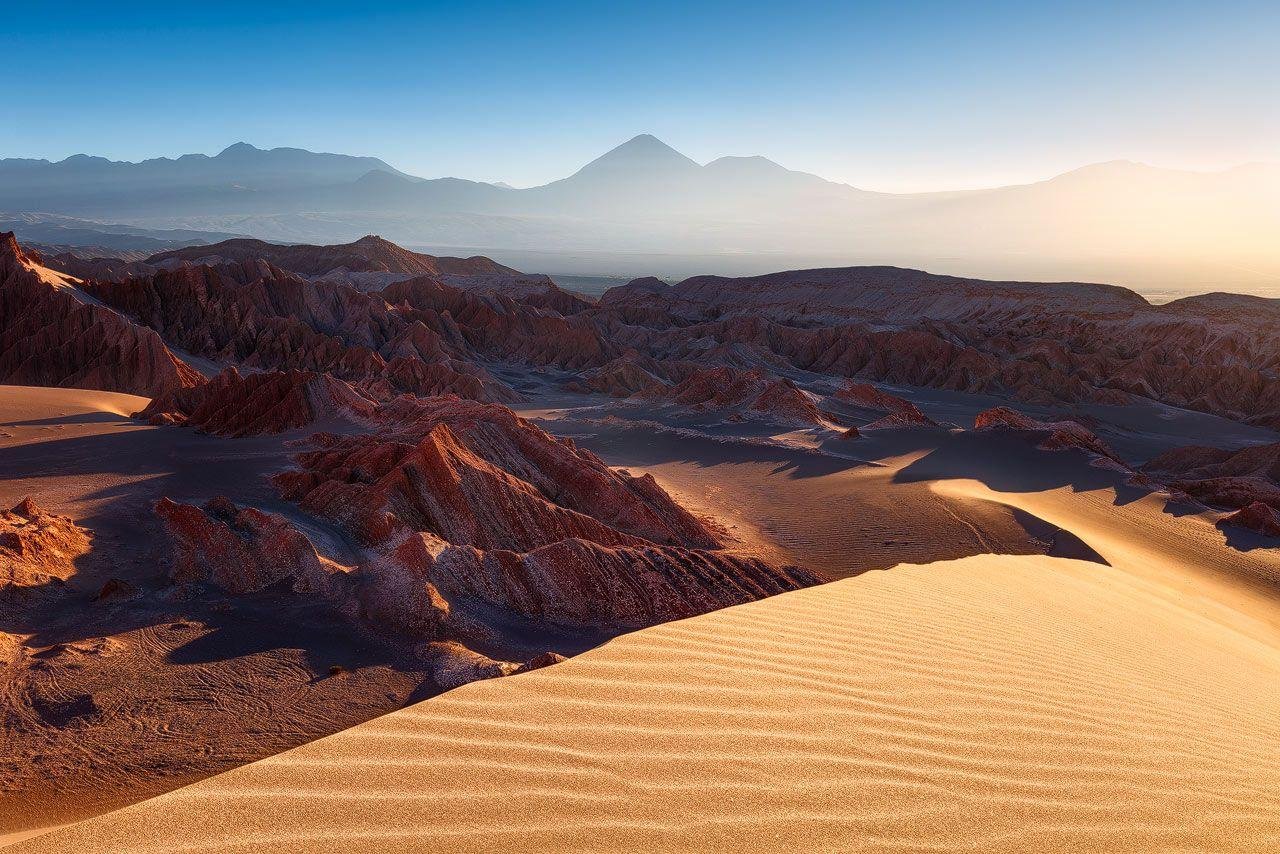
    The landscape can look almost alien, with rocky valleys, salt flats, volcanoes and unusual geological formations.

    Because of its exceptionally dry and clear conditions, the region is also famous for astronomical observatories.

    🌌 Why Astronomers Love It

    Very dry air and high-altitude locations can provide excellent conditions for observing the night sky.

    On a clear night, the stars above the Atacama can appear incredibly bright.


    🏜️ 3. The Arabian Desert – A Vast Sea of Sand and Stone

    The Arabian Desert covers a large part of the Arabian Peninsula.

    It includes several different desert environments, from enormous sand dunes to rocky landscapes.

    https://images.openai.com/static-rsc-4/QfTRs4BdAEpA1Kmop4OGF2jCDiZ_4w4eRnENC7f4qcBNUjKYUew-BTUu_-lnYcNRpnwDhZvNgqaa0N-Zh8kvl6WSwzw0mPHP1VPDq91NrSYsyIYtPmZIJL3NC8rdL2San9zwOwqiskRISSQI27VvslFa-pcJdIdpApoa6GbZlidT91cc2ra1vagWk6nPizKq?purpose=fullsize
    https://images.openai.com/static-rsc-4/wQb28G35__kXkJMso8AtPsEe7FqdJNn2dx4HyiC81YnKlof2oaAM335ManNn4E6Ezv9XF9EggSKB8xiIFE7nYfQSB_-rJ3GVtGQzAaI5oxM5E3Zh-BafhSzY80rNjJnZMjiaIT4JOUpjUDB7dhbxlShImA6cPvZ9TShDgGCO092KYMru4TOfykbgHXP-iux1?purpose=fullsize
    https://images.openai.com/static-rsc-4/MjHyRP5UVdtx4q0v7twf5w1OQttPCwwW51FcF-40qYMCTZ2iVyocZ6xA9gHq7UEwiHpjJT1vPy_w2Sm8lfU67tfS15OC5THSJGRFq9UKwftZVZoBj4am47MCo7SeRwv5xct0Pm1WNbQ7Cz_mJNnoHPp10TDZXJH8svz4FYMAxDg7ojSlyxfL8d9TYrndNjqK?purpose=fullsize

    One of its most famous regions is the Rub’ al Khali, also known as the Empty Quarter.

    It contains some of the largest continuous areas of sand desert in the world.

    Yet even here, life exists.

    Animals and plants have developed adaptations that help them survive high temperatures and limited water.


    πŸͺ 4. The Gobi – A Desert That Can Get Extremely Cold

    The Gobi Desert stretches across parts of Mongolia and northern China.

    Unlike the classic image of a hot sandy desert, the Gobi contains extensive rocky and gravelly landscapes.

    https://images.openai.com/static-rsc-4/8vMLZa36RL0-fXb4JvULQprOJaDZ_ymoFyfhKybN-YjXKKGUElaUi1-pHwo5bg1xaxw34Vd1oC1aCU6VGSIdI5fEFU2Os-0Zp8Tem8TjL08bd7a0VBGC8dF4r3f6HSwRCTgd4bcBR6bcinOPuuft4-Xrdx4YjTRr_8LmW75hp1t-Ts5HJ-lXpWXKuSrjUksl?purpose=fullsize
    https://images.openai.com/static-rsc-4/3Yr0irep5q_vZQoZddr4MbxIbTH9n1L0obS1IA8hoijzspOjwp-tR3KTlsN53HC63LtbERluxjaanG-d_KaSUodZ3IxCZu5cxfXY58_tyQWMvV7K2k2Hu1SpCDRaLBUNNVffZg9IXswjUNvVZX5xbX_EzcOXEWC71NlFYyImk45lwqL3kgMIONV4XWnwOqPe?purpose=fullsize
    https://images.openai.com/static-rsc-4/OlpQ3NtnMOZ7wqD8rczhMgpTqtmo55Bv-mx99cFqm085c5A471-PBCIfoWcH4Tol8Ntzs6R8hY3BB0cTwd99AwEkMAloW_ELqjOxgvnR8Ivt0Z2t9TpqoSNErVZGehNFoT-pc88O00bnEhfNqkJCn_WKfUdNE5hpC8zbQPkCgg42FqCJte2_zUXNRfQ8ikzk?purpose=fullsize

    Temperatures can vary dramatically between seasons.

    Winters can be bitterly cold, while summers can become very hot.

    The Gobi is also famous for its fossil discoveries.

    Scientists have found important dinosaur fossils in the region, including remarkable fossil evidence from ancient ecosystems.


    🧊 5. Antarctica – The World’s Largest Desert

    Here is a fact that surprises many people:

    Antarctica is a desert.

    https://images.openai.com/static-rsc-4/5er1C0ssHs1L1QpCJN7Jl1hOQFUTMkbPYC3qyac2luRNg5L_2yB2hQeGMlE4SPp0t1LJt64gZXQ7v99vQ2n_0YLJNUBt-r7IDkOoMzIL7hw4vKREcFyUQ3lVJWPG61TNIzze-TSqA_R1C0NZczGWIo4nlQh1S6SdmWylhYr1_-ECWqR4KSJJ-XWrvGteTgfF?purpose=fullsize
    https://images.openai.com/static-rsc-4/9Vv5WHrwm3wQWJ-Ew1VpTrqaZ-2BjgEGGTIys4W3yUHVSuIhJfqTaL1C2FnnZIzzh18NUUA5auiQQXeRku_eC6VbHawYxwbQ2R0Dvs3r6a_rBdc0-z0dAVl2uA8_PcFe_EwQ0YO1-anMSH2CdKzzqVSnb96dYs7YpfJ9JDDiqwlLwF_K4SRLD-nXSMwW4MKH?purpose=fullsize
    https://images.openai.com/static-rsc-4/wMjzGMX9wy_OSfcMlDQV342PYcp2A0vW5cmm9PJyx0G2yhKJXpLhRyU5u-NeVUpKcwFMe4d_PwDU2CrnsFFFHf0i3eO66F9LSlr5Y_Sc6D8AstP3ICj1zPI2owiq4o2bRxzMEEpe_jyMZYDIFZyjm2ZVUmoko5i3_ePSpsgXVz7omgNmCdqcp9F5x1cAKSMI?purpose=fullsize

    Why?

    Because deserts are defined primarily by lack of precipitation, not temperature.

    Antarctica receives very little precipitation across much of the continent.

    Its enormous ice-covered landscape therefore qualifies as a polar desert.

    🀯 Think About This

    A desert can be covered in ice.

    That completely changes the way we normally think about the word “desert.”


    🌡 6. The Sonoran Desert – A Desert Full of Life

    The Sonoran Desert covers parts of the southwestern United States and northwestern Mexico.

    Unlike some extremely dry deserts, parts of the Sonoran receive seasonal rainfall.

    https://images.openai.com/static-rsc-4/vgy_14_qPewyqL5igbQ5cEHaXhXKhBRouPzuAs_68o7Zru9InELJN90UVw8rNEGiUFzrfgjFANcAdBAuAth1d1a1XP8jwLkok3kVaq-di3EsqfjApNWeoj4nnn8cL60OcNucDGsMLgeP2t6n5ldejbTkET5hZhTkkqxfqLh4rJxjdu6dVr4JyUH_MYPAJqUz?purpose=fullsize
    https://images.openai.com/static-rsc-4/_s9VNGTXQk9s_IbkyMLNccZ7Z7ZiOn7ecYCN-FbIcM0h2qKL2meJjvj6SfHObRMd3aQw2CQ2xNs2evm7C_LOmw9R7HtNukUoxyl5Y1I5nSLxGhkJ1cyXixMJRl75RmnDaolrhRmcw3TgS2Dkr7Of4qX47hRKz7-Nztjj9aTCrjDt4G11JmEcdChCDDjyCj3d?purpose=fullsize
    https://images.openai.com/static-rsc-4/To1kF8nK1MzeKh30YGiqCXhVEq_RoAF9nvOY87S2EdicfnxnK-viNTGCzgWb2xE0qOwgDBipT9E-xkB8gdZaruk3ZTFnAmHjt7Zt9aETRBfwrTN3XH_PuBfX4DJ7MWqTKOgG6_1-Q68ZgZvDAz73XBOuhMMx0C4zJnptkMt5dg2w0l6ID2revlHvAdS2h6Mi?purpose=fullsize

    It is famous for the enormous saguaro cactus.

    These giant plants can store water and survive the harsh desert environment.

    The Sonoran demonstrates an important lesson:

    A desert may look dry and empty, but it can contain a surprisingly rich ecosystem.


    🌸 7. When a Desert Suddenly Blooms

    One of the most beautiful desert phenomena occurs when unusual rainfall causes dormant plants and seeds to grow.

    Large areas of desert can suddenly become covered with flowers.

    https://images.openai.com/static-rsc-4/8j3rXhBzq3toInXA6o7dH4i7u5PnZrZAnKoPnmbpV0P5UgpY3Bx_HxEtluBAr0KSgJqpMRL-nlFP61Hkt8rDbgjhCrAaEyLUJhpoiVBcXCQ3diwfRGTurs4ejOW1JpV_E5KUmhCC9cmiMTH-Kvg14XidrQBSbVQRwB4wamWdP3qIC9jbeZBML0rmvFWpJCE6?purpose=fullsize
    https://images.openai.com/static-rsc-4/NsukxE4dRfG59IFNXgwXNV-3hKEkGF7sAQLf5qTPGKTZM7XGl9pICi8HTKvKhHAod7FUpSvj35e8NorQle34R39qAg_p5mNH-bXZ-hIOXIrSCZ122v2oE9kMZb23nOWpO2YXefEfQblIzoNy_L2qCCLHO5dQM7IunpYe-_z4ovOlZ6FfaZiqHxbjaOy9dJdX?purpose=fullsize
    https://images.openai.com/static-rsc-4/W-FIS4-qHbKXhmcvRSQW4CAvJi0_3yL8ikR4xK2ZStmQbk5zgl5RXlGH-2PrMv4H_xiTXmaypzqeh_V_ZhNJHzWNAVFe3BPuPkhVcQaNSuAuIrPKubBefzGmDMmYr7vGpPmOnwCDhH_MXcXiq0JtMcKXPFUKVLEbm4u4ZMd_To_6T6kJK_NHQ6TSvWOnzMRd?purpose=fullsize

    This can transform a seemingly lifeless landscape into a colorful field.

    It is a powerful reminder that some desert life is simply waiting for the right conditions.


    🌑️ How Do Animals Survive in Deserts?

    Surviving in a desert is not easy.

    Water is limited, temperatures can be extreme, and food may be difficult to find.

    Yet desert animals have developed remarkable adaptations.

    Some animals:

    • πŸŒ™ Become active mainly at night
    • πŸ’§ Reduce water loss
    • 🏜️ Hide underground during the hottest part of the day
    • 🌿 Obtain moisture from their food
    • πŸͺ Store energy in specialized body tissues
    • 🦎 Have physical features that help regulate body temperature
    https://images.openai.com/static-rsc-4/P0vrsNdWx1p9_ElhVyH4XuUj0YjD4dfxjuPjJk57o9n4MelkSAd0w2-6E0NtTY8I4z5CpAEo0y4nLXQXs3Oeu3eW2_N-k4RV34hluAXnXIH6FTYiQghsFUDWAkPcqPI6KrwCcsvNgnGCz1PhG0f7mFiBDCxbTn39s5tJkzCy886mhU-vc7eSkPa3ex1Bhokt?purpose=fullsize
    https://images.openai.com/static-rsc-4/OF0HxYjvKmHR1GCJL9uP88b69npLmADv0T4Quc0kNPMtgyQiQ3Ziw7k8LEymglNlB_6vDPEsWIYOYLcbx8t-mZmdBsB-EHzcKMIKRlMZ8sPyGVy88Pr013wSgYHJMKnH77xIrfGjluYKfUdGowZhA-RCWJfAKyYcxHczbx-d91Fgo-IA8iS5d5_U9wmMnlLS?purpose=fullsize
    https://images.openai.com/static-rsc-4/LKCchkirexiQ7O0k2oAGyP0IlRA2lcPUv7bjdLRv8d5ZTuXOfWXcyKgu1ypBX5IfdpEGQdt5Vhk3QDN2aiPaJUFkUDlYItUEAO3PVovTELvv3dThfmu_2nrqHlpZZu5mHIZSuZLBMxzlOSROPKIt-354IA-xpDP8dCnGOfuHRgvHUL7RdWFNGMSAA6DQGf2p?purpose=fullsize

    The desert isn’t simply a place where animals survive.

    It is a place where evolution has produced some extraordinary survival strategies.


    🌡 How Do Plants Survive Without Much Water?

    Plants face the same problem.

    Some desert plants have developed thick stems or leaves that can store water.

    Others have roots that spread widely or grow deeply to take advantage of available moisture.

    Many plants also have protective surfaces that reduce water loss.

    https://images.openai.com/static-rsc-4/UMqIsT7ztLL0vmOubLcaC2lrVyJVaeWwNgN07ONmI6jh3fzBeO8Xhy4G7M5mqGdKcqO-mDjuoNNYasvNU04TX8nRpj1y0GhIq_9Vc2cNPZW9fj0Ciz-0rUr_j9c0Qsg3Wqia_3WsxFuC5XcWxGjLJO5LC511Ri85Ef7b5Gn3zJYh63BA9MJw1Ni89jobu7rf?purpose=fullsize
    https://images.openai.com/static-rsc-4/jbLrzSqBBKUZShz1xCrVzFBwA-jIDbxEsatQ7E4ozL7EFTbNewYElY5bgLPQMQV5885XqXZg9A2rfPkm5FmR43nwKvGs-JQgDvNh8BC9czpcXUlw3qa4zZk6zKvpgQ3tn7GinaoDFcVXrGLTputYVqx7BvQEGWpPwtTW4lbCSUcsqJsozWEdvUpxdeYmMui1?purpose=fullsize
    https://images.openai.com/static-rsc-4/FujdXG_M4nOiN3lHeFatszXdhYj4p4-8axg-6cAwOzb0MIYmNKUW2qC25aqgdUqlbCKZ37JT_1Oxwxlbum5S-6KcgWe2Tw-lsQ55qOw2w4r4V3fHQLsMvV1VNJwtM_xu1MksRq-uS5YlxkHcXboq_Gq1VhNqSDeL3s6QI4P1Ksubga6R4lJoVcDIX7E_C-zh?purpose=fullsize

    Every drop of water matters.


    πŸŒ™ The Desert at Night Is a Completely Different World

    During the day, the desert can become incredibly hot.

    But after sunset, temperatures can drop dramatically in many desert environments.

    And then something fascinating happens.

    Animals that avoid the daytime heat may become active.

    Small mammals emerge.

    Reptiles move across the sand.

    Predators begin hunting.

    https://images.openai.com/static-rsc-4/t1-lpw0d-ePLkhjw5gRCqdjwwzh-zy0GDhAYONLZ_tIOH7lcfppuWiV7QzanJdFWSbV-UKf6P7Cq_sdOo1PDEYBcWi7lsfejw__pr0xLLHJ4lN7TjSl2Pjyfc0tzKaZxiEbUDzU5m81Gim4Tw4bS_KbBHLQoQxkUh4QnIwGJJMF-IL5tFclXVNJIVHctj4a-?purpose=fullsize
    https://images.openai.com/static-rsc-4/Ntn55Vj2krq6Car9S8cRkmVNFg5mI4fNP8kdYiGsfMenDOU2bNCBOn6RSTTZBN21MK0qbIQGoZz0g-1O9uVd_bInPGkOzDWLM3Q-hgxBBuEOf7bYsQR3ZiztAd3g3c4rPbIJ716ibM_LNgaxXFMnslj25XZ7dzk5yTdZw82gDO1-4sR5W1D1dEImzvKjWfzw?purpose=fullsize
    https://images.openai.com/static-rsc-4/0PMcJey-QYtVoAWA9zhK_LXeYoypQDAh3u4lcEtHGCmsNqbHiZ1FfnbFGYniFXErt2IfOotDJ4XV6S4TFyTyrUlbtmqKSOPHU0Jvm8EcK9zlgiRejx_6mQYnVAE8l8YzbBL5mpi9exsHIzxmffxijAmkmdXBf20A6ehu3zAu81XliHVWU-PGGB1Rk8mjZn6p?purpose=fullsize

    Far away from city lights, some deserts also offer spectacular views of the night sky.

    The same place that looks harsh and silent during the day can become a completely different ecosystem after dark.


    🌬️ How Do Sand Dunes Move?

    A sand dune may look like a permanent mountain.

    It isn’t.

    Wind can gradually move sand from one location to another.

    As grains are blown across the surface, dunes can slowly change their shape and position.

    https://images.openai.com/static-rsc-4/0AwGz3Sscsc90ffyPqzJDIFDXATDe3vLQX18pICruXyvGQvpr214c22wY_9P3Jrouqf9HzerTRW5OoHnphe_GkVk9em94KyNB-1uaAFOkS1iIkp4-QYt_slkXZWeQtRewKt0vZVN8bA4VjxJ8lcfHMBtfH1qx5I0lOXi4NCVTDYQaFOCWbzPvl2qYnHssS2e?purpose=fullsize
    https://images.openai.com/static-rsc-4/AfY5VkgQEYxoH35xK7vTMwhgZ83YXg1DqddPgEUenWO2kwXgGwa6Rk3yZhDY569q86OsrdwJrTbMzN9PpKFLp1rXMZ2ToRONkByKNMrAfUevrXoC7zwte_w1_X00RNQi7Qy83MK9xUF6uWN76K6NrYzxWVldvmHsF8BIKtK-G61MSeb26XLwExExvYOFDchy?purpose=fullsize
    https://images.openai.com/static-rsc-4/Evq8siw4tLmqdSIbHk78YWX-Es9yLby2n94gjm73xwHsFygRaYYTp-zkGfJHidFwdA7jgclSf8kz5yjUFuc4L3DzXzzUpxEQmR9jj-Rf5q9TvJGyDv6O14Eqn_JWy1fQuOVMWZW2OVubMUJ5mnjExHLfvpYUAKI7D6QjDosMKa8eIoC9KUcbmAuZeiCNdceG?purpose=fullsize

    Some dunes can migrate over time.

    So the desert landscape you see today may not look exactly the same in the future.


    🏜️ Deserts Are Not Empty

    This may be the biggest misconception about deserts.

    They may appear empty from a distance, but deserts contain:

    • 🌡 Plants
    • πŸ¦‚ Insects
    • 🦎 Reptiles
    • πŸͺ Mammals
    • πŸ¦… Birds
    • 🦠 Microscopic life
    • πŸ‘¨β€πŸ‘©β€πŸ‘§ Human communities

    Every organism has to solve the same basic problem:

    How do I survive with very little water?

    And the answers are surprisingly creative.


    🀯 Amazing Desert Facts

    🏜️ Antarctica is considered a desert because of its extremely low precipitation.

    πŸ”₯ The Sahara is the largest hot desert.

    🌡 Some desert plants can store large amounts of water.

    🌌 Extremely dry deserts can provide excellent conditions for astronomy.

    πŸ¦– The Gobi Desert is famous for important dinosaur fossil discoveries.

    🌸 Some deserts can experience spectacular flower blooms after rainfall.

    πŸŒ™ Many desert animals are most active at night.

    🌬️ Wind can slowly move and reshape sand dunes.


    🌍 Final Thoughts

    Deserts teach us something important about nature.

    Life doesn’t always need perfect conditions.

    It adapts.

    It changes.

    It finds ways to survive.

    A tiny plant can wait for rain.

    An animal can avoid the heat by becoming active at night.

    A cactus can store water.

    A community can learn how to live in an environment that appears almost impossible.

    From the enormous Sahara to the frozen deserts of Antarctica, these landscapes show us that Earth is far more diverse than we often imagine.

    And perhaps the most surprising fact of all is this:

    When you see a desert, you’re not looking at a place without life. You’re looking at a place where life has learned to be extremely clever.


    ❓ Frequently Asked Questions

    What is a desert?

    A desert is an area that receives very little precipitation. Deserts can be hot, cold, sandy, rocky or covered by ice.

    What is the largest hot desert in the world?

    The Sahara is the world’s largest hot desert.

    Is Antarctica a desert?

    Yes. Antarctica is classified as a polar desert because it receives extremely little precipitation.

    Why are deserts so dry?

    Different factors can cause desert conditions, including atmospheric circulation, mountain rain shadows, cold ocean currents and distance from major sources of moisture.

    Can plants grow in deserts?

    Yes. Many plants have special adaptations that help them survive with limited water.

    Are deserts always hot?

    No. Some deserts are extremely cold. Antarctica is a major example.

    Why are deserts important?

    Deserts support unique ecosystems, contain important geological features and resources, and are home to many human communities.