Tag: Bhagavata Purana

  • 18 Mahapuranas – Part 5: Bhagavata Purana

    18 Mahapuranas – Part 5: Bhagavata Purana

    The Bhagavata Purana, also known as Srimad Bhagavatam, is traditionally counted among the 18 Mahapuranas and is the fifth Purana in our series.

    It is one of the most important texts of the Bhakti tradition, especially known for its beautiful and detailed stories of Lord Krishna. The Bhagavata Purana discusses creation, dharma, devotion, the avatars of Vishnu, great devotees, and the spiritual path of surrender to God.

    https://images.openai.com/static-rsc-4/kkgUQCgXI8PonFibiSUwBeYQHkIfs8QEn7p6QWNGtkE4jS-Us0F3HBjrX9FKVTQ5KNnlhB33i4hUvugStAqbtkOJxuIBbkSN27o3II5Bc0jksQdvTOCFYtlQMxLx-msAf5t_7Vykma6B1ozhEgStNViPSDAOi85m1MiA8x7ObRFXtDN6t_wt4LWsmz0X_WZe?purpose=fullsize
    https://images.openai.com/static-rsc-4/0LWpd9OoDZEsn5C5arh4jBfFiJ_a3wfT2KkmdYpjqTZrnrly2LaQlZdOWRoQYZHkfcVd5R0MBSmfEszBv5a7PPzUM225SMmIbH4lLgkqieS6VoPyrxu1smhWH2OeFahBpa4nDwlCNLz8qzMHuSrfrjEbueybSFyqRDt91OH_QvbUePviLMuKuWR410hJFdYC?purpose=fullsize
    https://images.openai.com/static-rsc-4/fwqZc_Avc4MYl_Nqry3foMdHrBItt36l5IfKUzLaNRIquow4iyBTE21ylh4sQdatPawt4R7o2VaIds2S9ynitPOus4aiq2BNnhFWzlXr6AYcU04na5Mm7e5jq-95B6XZVK7cvE-fiZyL3MhHuTYO15MWjEcVgXGSrd8coICYwy3qhzGYcSSnbWayyIjn1ZNI?purpose=fullsize

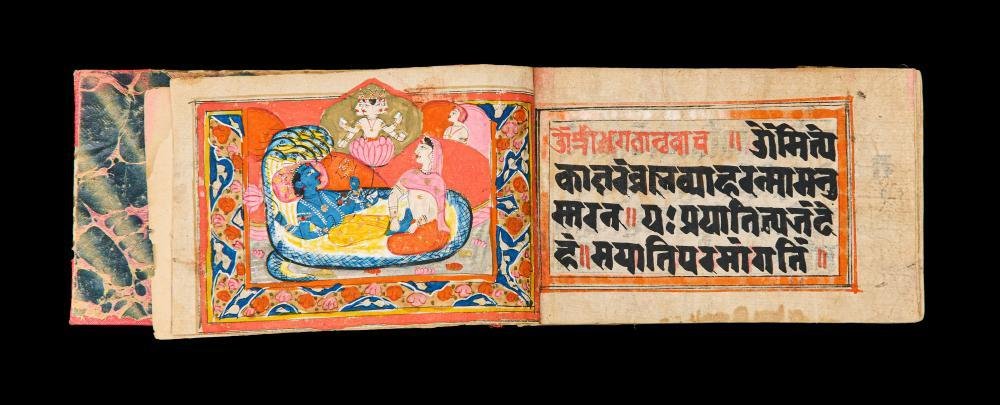
    Image ALT: Ancient Sanskrit manuscript representing the Srimad Bhagavatam or Bhagavata Purana


    What Is the Bhagavata Purana?

    The Bhagavata Purana is one of the 18 Mahapuranas and is especially famous for its emphasis on Bhakti, or loving devotion to God.

    The text contains 12 Skandhas, or books, and presents stories of Vishnu and his devotees, with Krishna receiving particularly extensive attention.

    Major themes include:

    • Lord Krishna
    • Lord Vishnu
    • Bhakti
    • Creation
    • Avatars
    • Dharma
    • Great devotees
    • Cosmic time
    • Spiritual knowledge
    • Liberation
    https://images.openai.com/static-rsc-4/K8fFWtGc6x7fJiTlv0XIE08k2WBN5bFMajKx6IAdO6lseBsT7f5KCL_w_inZ1Vt7ejOObqoFCOTHLa84_TzCiQPIEGbTyTOLkFpmx1LcpNLE70bmGkpCivuhkyJGCkPb-w2jsagyTB1VqRLc06Yy97RqAx3YexOgfz2fcv73ME9hJrsLCvZTDX3L21r7SGyI?purpose=fullsize
    https://images.openai.com/static-rsc-4/H6CWodTRHH58BiH2cPiHTtB8I32ZHjGXf2i_I0dyyta1KsLYx9m8T1NjYLWE5BsG75Iq1UWUTnMENIUbVz3BinVmwLdU3mF976ghBt-pGED3WSwtLJnpZ5y7KKo1zzoXJhagXSOWNsTwAE9ufKlCWbJrSxcGyEsF02WdAOb9uOs9w_d5RKrdjYsUK1urWIwt?purpose=fullsize
    https://images.openai.com/static-rsc-4/r3hvqkTWFlewgzBbomhSIAP7naAr7etfPuWzwk_HNBvH7gd7MGtlxv2T3AYA593KJu6JhHswivw1zmtXmNL6-gaaA06nYvgRlRHAKxRCsvJW3JY3dRa-0XGSuQtqj5A2JJ3OdzH9AGYDkgciwaoDVOSx0qVhwNXEzlvp1wUq0ERtHGk7Z8whzVi5AGzr_D-V?purpose=fullsize

    Image ALT: Lord Krishna playing the flute representing the devotional tradition of the Bhagavata Purana


    Why Is It Called Bhagavata Purana?

    The name Bhagavata is connected with Bhagavan, meaning the Supreme Lord.

    The text focuses strongly on the relationship between God and His devotees.

    Rather than presenting spirituality only through philosophical discussion, the Bhagavata Purana teaches through powerful stories about people who surrender themselves completely to God.


    The Story of King Parikshit

    One of the central frameworks of the Bhagavata Purana is the story of King Parikshit.

    Parikshit is the grandson of Arjuna and a descendant of the Pandava dynasty.

    After receiving a curse that he would die after seven days, Parikshit renounces his kingdom and prepares to hear spiritual teachings.

    https://images.openai.com/static-rsc-4/mObfUmWjC6RJ2pYJkAlphuvESJqknY37Wg2BhkeQrJofpyTGEgfemDWmhQfEGOPg9B3E0hcL8bB_yAvKDzz0mxplawDh_1QLUK-WNGGPl9SLo5y_5qo0Bh9CSN5grfsLVAyFV5t3Up3QjAxK2UXZr46mugY_XCq_R746gwEKTPx8es5s-Wz9F2YnQwf_fQbg?purpose=fullsize
    https://images.openai.com/static-rsc-4/mF5qE3dvxnlg2cqqY0t8ZHLYNdXQR5IJKR8mgXA4KVRLi15-3dlz0YIo7NsJPIEFPJEh_OHjVkvpSoQkIwb2D-g6PwQIsN-AHmBu0pqnEJrGsMKaKA0iKgr-_4DZobc6xrv6PawtELuuJjL7f4W8CCzqC3iChwJZNzHiLjNlafPbzC7uVP0-Jawt-p7K4ZwM?purpose=fullsize
    https://images.openai.com/static-rsc-4/KuXFPdHDAMWKVX2pzRfd3n2_UjJTSuYInTdO_K0DdIJIHl5lXY0W5J7lnACCvtn2RNl7Gngmf303AVpkStrhIQwRikh6br00E0SnfeWbXjhMRQsAXn0yWHxwQjo11yQHTKaodrH17U6DtoyRnZ41btIfqqLu4vVIKHMjPRcKA6pd84CcRBKlSiLKkuqvPxGR?purpose=fullsize

    Image ALT: King Parikshit listening to Sage Shuka representing the central narration of the Bhagavata Purana

    The great sage Shuka, son of Vyasa, comes to Parikshit and narrates the Bhagavata Purana.

    This creates the famous seven-day dialogue through which the teachings are transmitted.


    Sage Shuka and King Parikshit

    The relationship between Shuka and Parikshit is central to the Bhagavata Purana.

    Parikshit asks questions about:

    • God
    • Creation
    • The soul
    • Dharma
    • Death
    • Liberation
    • Devotion
    https://images.openai.com/static-rsc-4/MY2uH_0EStkPYIRGyUgzxNIxxy3v5xD6YyVGksJ1SPonDBlQOnBL2W8CFiVbK3O3gq_6kQCrfvjZhon9z7tI-exTV3e0_HRTo15DOIj-7wExkTwTrrW3STVBRsGi5P1US7-rog51fL3zNYuUSAL1OXsNDhJfrGpUMA8Zh7j-cjrhObHKj2p3Sp3FyoPmhZMP?purpose=fullsize
    https://images.openai.com/static-rsc-4/KuXFPdHDAMWKVX2pzRfd3n2_UjJTSuYInTdO_K0DdIJIHl5lXY0W5J7lnACCvtn2RNl7Gngmf303AVpkStrhIQwRikh6br00E0SnfeWbXjhMRQsAXn0yWHxwQjo11yQHTKaodrH17U6DtoyRnZ41btIfqqLu4vVIKHMjPRcKA6pd84CcRBKlSiLKkuqvPxGR?purpose=fullsize
    https://images.openai.com/static-rsc-4/spOJ6KEuf3eU5M3AnsIerFu2H0LqDveNvQD6t7q9X--8Pgd3NJWtRtfjgR01KrEJq5rwxtzgBGFe3IZDjx1I_AEmZMuTj7bfwRlaskBK4aiMxOZol0bL3Vn-oMe1ZCAG8zXVOxlx5t0NdzTlbQFVA0efJwEs01zpXhNYfNWf9efihUGC1Rkls_uNshQ6H_Vk?purpose=fullsize

    Image ALT: Sage Shuka teaching King Parikshit the spiritual teachings of the Bhagavata Purana

    Shuka’s teachings demonstrate that even when life is coming to an end, spiritual knowledge and devotion remain meaningful.


    The Twelve Skandhas

    The Bhagavata Purana consists traditionally of 12 Skandhas.

    Each Skandha contains different stories and teachings.

    The major subjects include:

    1. Creation and introduction to the text
    2. Cosmic creation and divine manifestations
    3. Teachings about creation and Kapila
    4. Stories of devotees and kings
    5. Cosmic geography
    6. Stories of devotion and transformation
    7. Prahlada and Narasimha
    8. Gajendra, Vamana and other divine stories
    9. Royal dynasties and Rama
    10. Krishna’s life and divine activities
    11. Krishna’s final teachings and Uddhava
    12. Kali Yuga and the conclusion
    https://images.openai.com/static-rsc-4/7Q-X3i0LV4zNqp9pvVy2iysO1ObhM4tZdnajmMyuGSKv9W06Goh8PDEyU23-apc9Ca25kXX02BrW1rNep0FC6JfU3rOwByUU3El6KFN4iOWaL3lgWF1EbJvLAb-oPPz2073JKlo-s4igy3-lCLRT53UkzvcwhxWMwrsEbwdCjevC57WZGgAXTYEtbvGwNaAw?purpose=fullsize
    https://images.openai.com/static-rsc-4/kkgUQCgXI8PonFibiSUwBeYQHkIfs8QEn7p6QWNGtkE4jS-Us0F3HBjrX9FKVTQ5KNnlhB33i4hUvugStAqbtkOJxuIBbkSN27o3II5Bc0jksQdvTOCFYtlQMxLx-msAf5t_7Vykma6B1ozhEgStNViPSDAOi85m1MiA8x7ObRFXtDN6t_wt4LWsmz0X_WZe?purpose=fullsize
    https://images.openai.com/static-rsc-4/qRiuSXCp-vZ2zzGqI22_k5cAKxHgvrS5E4hlqHXtKb-8otWrr3iYgFqr2md4xQk96NeNgDjHSf7uoeuQ7AJI7pMUjgzx7cfbSoSpbMKpRAQOwqR3zfDt7V8rDJ7qhhDxnw7fptF2wYdinVP6X54oNaxO8ipexmm59XKLi3u99qjFW6FRvRAvxD3Qgem398K-?purpose=fullsize

    Image ALT: Srimad Bhagavatam manuscript representing the twelve Skandhas of the Bhagavata Purana


    The First Skandha

    The First Skandha introduces the circumstances surrounding the narration of the Bhagavata Purana.

    It introduces Parikshit, Shuka and the sages and establishes devotion and spiritual knowledge as major themes.

    https://images.openai.com/static-rsc-4/eGtBQ-IN3-6eS8nDS6Tl-O9wcxVACOMWtDUiScnw_eWJEuwNeIWqnowZJVGnPqRTWJ7cEw9g5696PxEWBQofWy8FYREcZuZDnSW6Npq7DUs4wGil_72f5RjugRtV9q_4xIL6JWwCzZC8Bf0wwfkTS5V2dlcdcP4hAoaYDBZI17wDI7KtIKVt9xgfKCb-60-f?purpose=fullsize
    https://images.openai.com/static-rsc-4/T091W2IjAnQk2QUlYRG5PrsUq6gBiZF6mtSWpl3qxij6P4gNkMT6abCte6X0SoIw6pMY4HUjngpMhjj-PyaqFYGvj4Lj4q6eR0ly7M4xZcjyD_VUPkDgTFOXbRIA5sTw8L2ce5ZPAR35pJ308Emm6SHFEsjNmBDPTjfsZFi8PUz4-hxSGqkZqmiWNKZfzuZL?purpose=fullsize
    https://images.openai.com/static-rsc-4/FUaQzYto_qDpooJDmY1LetpUYCSJBKIhY_Et9NamMAfP6SNAPh3m1LusjfttefeuciK3Sf1-WsG20UCThK7xbd7a9HoaYTttmC16opZdc7m7lNXZLhhcdih9mEIzR2SM-IpqFnOEOX_-CW597eVL51M13zhQu6IvauXbjKi5bc_L9yHoWjTNZILd4yvW_C7x?purpose=fullsize

    Image ALT: Ancient sages listening to spiritual teachings representing the opening of the Bhagavata Purana


    The Second Skandha

    The Second Skandha contains important discussions concerning cosmic creation, the universal form and meditation upon the Supreme.

    It continues the dialogue between Parikshit and Shuka.

    https://images.openai.com/static-rsc-4/tJKxx3ueHRJw4rsEDf5uKNo4ds81e1c8YANbD3-zNPjO5E--wj4icEGxoMN4Ch-A3NZ3wIZdgF4xtdNzqFehaVjYMTD18W1yWqDtYJZi-HpYMsd534YhLT5RERib5Y5TfLp7LYvdO7hc3PyN6TioIKGPkXg5UHsnrJZgAm8xcrmd1rRDEd_TZ3U9uu_tCVTc?purpose=fullsize
    https://images.openai.com/static-rsc-4/sxH8N2Ln-xXhmndkrm_BwWLW3-INCRcQJz2gkZjtS9MvsnxCSUxedniTu1Qzalvpp8dkO89OJL5wQtwYEtY5KQFpSAsVdRsRBYLeMS6L37UPdBJcqluD7zGZCtzWPhtr8tD_e38oocxuOM16grFrJXw0sLhCIoQamrolTQ7x9jKGEmWHjwvMUt5d22xa6-7l?purpose=fullsize
    https://images.openai.com/static-rsc-4/tfxkU9E9yzam9TJFEl3WDuOF6uug_ZhH6Q9yAcR1lXCnj0hwKBGxRtyfznqqGzGOU6viQP9cpiQLLBW6qevv3shvnLW2b4vsX1VCeIWcrqXXaAcNQrAqk9Q-Uglj8TbIess6klcyb6OG3xUBTmzAsxTt9-1EtDwjKiwrL5Rae3yjFABNNJkaG9iYC-gECxDV?purpose=fullsize

    Image ALT: Cosmic form of the Supreme Lord representing the teachings of the Second Skandha

    The text encourages the listener to move beyond temporary worldly concerns and focus on the eternal.


    The Story of Dhruva

    The Bhagavata Purana contains one of the most famous stories of Dhruva.

    Dhruva is a young prince who feels hurt after being treated unfairly.

    He goes into the forest and performs intense devotion to Lord Vishnu.

    https://images.openai.com/static-rsc-4/gQ8pBGqqthXfuJS1a9EkK4-Rcmd5o-olzsUsa2pZkFGpFDjvnXhOql2SPUqD-4OAjSc2pgUu5u1hcGeC_o9IjIBh2ZQvY9xRjrtaPnaAglMCA6MqfJ9Sr0rEGhU-WxW1hYr7omnUGQWxJRc-Y56QHHy2owY6hrRXdo4c_7vRI3_Q4OOYsHQU5lUuf8jHbh4z?purpose=fullsize
    https://images.openai.com/static-rsc-4/VBnTTGFVVDcCgvPTEvXY17RkH7OFNOWt7bP_YKsGSyKQD9rUzqFkwu8dVnAUT2095utAks_MWITAfiCWzg3ToDW6Q-lCPumkZqqMIsZ4IVC77AI3LHIIOEX_uAcpz5sntpbg7V9Ii2Gp_6JOK3NDmJopt8sCWjylL87MQ0kU5Plu92MiG-q_w558UkTrn6R4?purpose=fullsize
    https://images.openai.com/static-rsc-4/auHfm8__m_M0rFSQosxJiZhA1NvjHNuPN98o-s8-3zUJSycTlVrzTHO9uW7WXQo2zh5z8Kk5Xd75K7LYO7mVe735kXCGjNGUShllwWraZWK10Khjp3aG-KfagJkEFwT5YP1yvUy0zCqrPpjkbV3xd9dBdL65clMX5MSOlwyjP81Zr-I0urgJJhsZoEaxVlFg?purpose=fullsize

    Image ALT: Young Dhruva meditating upon Lord Vishnu in the Bhagavata Purana tradition

    Vishnu appears before Dhruva and blesses him.

    Dhruva’s story represents:

    • Determination
    • Devotion
    • Spiritual discipline
    • Faith
    • Divine grace

    Prahlada and Narasimha

    The Seventh Skandha contains the famous story of Prahlada and Narasimha.

    Prahlada is a devoted follower of Vishnu despite being the son of Hiranyakashipu, a powerful ruler hostile to Vishnu.

    https://images.openai.com/static-rsc-4/z7wa3rUHY65h7j4uiyobvPHph0UbZKCKzIlfs2FwOQUEcHHN8NA_8KhrH-dLh_Wisb5lMq_1yv6FzipSFV10kVhBbEshBeKnEllpj6TFDnX8RvYMbFvwpjRRFTazmK9svtsG2TcyTKLQJpbP7JcRTABTMXcwGAvd4kYIK-MborxB2kZvPeZKaMN_xDKuLfmr?purpose=fullsize
    https://images.openai.com/static-rsc-4/33NI1p1O5MEwIGB7qNaXGl4MmyolX3CUVR4RpxyAHNdYckKsO6LtBUuAPv4VA-lQylGOQwq3_E2CSwCIgwsbLH4qyywEq_jS723GptKUsHC6kmDeUZg_yot2PhLfB_AmpedR0hF-NjZ8RbOjIOwHXuUAaNrXx_g8EeqR6-U1dmIZzDP4_sphn0BteXog-HW2?purpose=fullsize
    https://images.openai.com/static-rsc-4/fNCT-81iHluxcW-t9BUVmMVumHDWt7WNUu6FH5DFBmdu24mbpZhXDlaQW8pHQOm_Y89J6qDhoxtRc235lWqvi0GU7jg3tuQc82uJ0PhsENkAM8mtL_AuzxO52UJQqHp9Rk1dLK4yEEC_LRRImgNvH8QgtAnHj3xQaDd8k9EjJqUqs_TeMt52OcWm1L_oRViY?purpose=fullsize

    Image ALT: Lord Narasimha protecting Prahlada representing unwavering devotion in the Bhagavata Purana

    Hiranyakashipu receives a powerful boon and believes that he cannot be defeated.

    However, Narasimha appears in a form that does not violate the conditions of the boon.

    The story ends with Narasimha defeating Hiranyakashipu and protecting Prahlada.


    Gajendra Moksha

    The Bhagavata Purana contains another famous devotional story known as Gajendra Moksha.

    Gajendra, the king of elephants, becomes trapped by a crocodile while bathing.

    After struggling for a long time, he realizes that his own strength is not enough.

    https://images.openai.com/static-rsc-4/9TufAxKFe8rpvMei9xvHPj21_0M4gjipI1cE6WHlusKkM10cNs3YgfmCn1AXZf0NvmCMhHdfRvHJgIR-Yr5P7ffHpkqajnfFED9D-AwoVytwZq3WAdK5KeZfdKFQ8Ja1lwK9midGVO7lYHOeyLZIexGzpEeR0Vb_UzQilpPWchU0wo-yFa64zEna3Tq6GxB0?purpose=fullsize
    https://images.openai.com/static-rsc-4/FLX5uDvASIg3sNijOyjLqGaX9TWDuM7mNvOXiVRBwLPIsaAwbavtnpaQ8Nm_ffIuz7teaDCkMz-9ApEnpGylBNnNhP4JO1CnXJ9dBJcMstdM1hNuHh7R0sVpC3riB0VhaN0RW2HfbBOZA4uav0uvpdAdxxvvJnSYNmZmQPCGJ0QWqaxepBkD_EsiGrBCMagO?purpose=fullsize
    https://images.openai.com/static-rsc-4/YUpY6Bgfj7_Z4qM-sY4RE2jgsXUi_nouIKdLCru0pRFHAMbl6YAZaPA4TfMDAC3fZ-DrBdI-pMUu6i_ERTaYObWiz3qZmEGuIEDx2ZUpjJrfGEwEUxCB6oqk1uJfaaHaWLHZ3I23xAF80_G1OAN1YXYgGvtwLycTe1HJZQJn4hqTcTRYJk_9KcBS2p3fD-jC?purpose=fullsize

    Image ALT: Lord Vishnu rescuing Gajendra the elephant in the Gajendra Moksha story

    Gajendra sincerely calls upon Vishnu for protection.

    Vishnu responds and saves him.

    The story is traditionally remembered as an example of complete surrender and divine grace.


    Vamana and King Bali

    The Bhagavata Purana also contains the story of Vamana and King Bali.

    Vishnu appears as Vamana, a young Brahmin.

    He asks Bali for three steps of land.

    https://images.openai.com/static-rsc-4/yc2_ltS1nHn9L7Ts2-DKq5lWCYErTGJ8TB8fNwpO27J8C-sQYrgFdlaKyM8t4c6UaO8rPtv4Bll-6u-tbFBvUI0q04Fgbo9t_6xOJm9eYrtSiPUZLQWxLuxm2c1ODoMmi-KMdQ7w5wR1DRKaX2NYMOaV8UdmyWiLPz3OtLMnWRV_CFeXO3GGQn4pfrY-gb5y?purpose=fullsize
    https://images.openai.com/static-rsc-4/_z9jjiivq6Dyecz0YhIPZKZJm2C-xU4LYpSPljoYCFod06NqfSEgNLUx0eAxBDf1G-5PEdXmqA_5wv3bBzMWJsxCoR1GY5POTRb0VrxjBpfWr9dC3pQB7sarU2kz6QRBZbQQtaHA1uuoEzRBnfbpcrI8qS8vzWbOQs2hIZxlR9SjzHyj7umGGCQwrx_p3vMK?purpose=fullsize
    https://images.openai.com/static-rsc-4/D1zRD91WBF4v3PVc8ToQjpv2h3Z9RwEMTux9-srKetCvQF9sa-q-5VSyf4CxYzaaMRXuOtgQbR0EGCqoDa4oIR2pVVLwMD64qFyaxUIWBooK0OWv1UW0l9X5ktgBcjzvDZFSoL2FTPaX5ODgcPwFoWosUZXK5EHUy4fUrJDnei3aoU1A5Smo2ZfU8JGf93Ks?purpose=fullsize

    Image ALT: Vamana and King Bali representing the Vamana avatar story in the Bhagavata Purana

    Vamana then expands into the cosmic form known as Trivikrama.

    The story highlights themes of:

    • Generosity
    • Humility
    • Devotion
    • Surrender
    • Divine power

    Krishna – The Heart of the Bhagavata Purana

    The Tenth Skandha is the most famous section of the Bhagavata Purana.

    It contains extensive stories of Lord Krishna.

    https://images.openai.com/static-rsc-4/qJjGV_HoLK8L0H8sqd4l_a6aRalsI3FPdzVJMYgpyyOupEuNRcxiPTa6QVYtQMXOro4mmO5WybFrBrNVurb-uIdvZUslld7-_wtid4Cm-f-eu0rEdWghYh7YWzjGYxOpeo48hEaau3-g1yaBXISsrT-_RCN8PK9NZXvCWWeFpCOE6628sde-5Nz3dFxpgPlL?purpose=fullsize
    https://images.openai.com/static-rsc-4/WWfl5o3rUbwVyDlSWgIJaMR-kBXTa-zsVfcge2oaUEi3cXOLrtIvJhpbE3R2LmJWwYK3f5FPYMHxFq4IaOWmGltde8M4AjquNCkkGf2JJDIhIrJja8IcZE4oEk6DZnihXorAHyAcW8FJ5TE2ycmdxUdch-4yJHWv1deoAS6i_D7t0FtaEICMov8TJZRP_O8R?purpose=fullsize
    https://images.openai.com/static-rsc-4/6UK1SUMtOkQpqhTkPZj6IT-uokaPpc0BdL-myPVutanx0urYBIdj8gL1incS0djYoXmq9HebUM-yxujNDFSplEk22YKEorAjEyj5pM5bpQ6ep2h_LS2E4foPFeUgPOHosi2SIImBgf6JTNmPOWjhevIpuwKDWH9AZlAPxreMYYZzfH3AhJjxwXTEmyMplMa6?purpose=fullsize

    Image ALT: Lord Krishna as a child representing the famous Krishna stories of the Bhagavata Purana

    The stories cover Krishna’s:

    • Birth
    • Childhood
    • Life in Gokula
    • Life in Vrindavana
    • Relationship with devotees
    • Defeat of demons
    • Life in Mathura
    • Life in Dvaraka

    Birth of Lord Krishna

    Krishna is born to Devaki and Vasudeva in Mathura.

    At the time of his birth, Mathura is ruled by Kamsa, who fears a prophecy concerning Devaki’s child.

    https://images.openai.com/static-rsc-4/DN482rWWITzFuOypR-ocrlfHL_p9woqFWwmafjPXQnEs-IoNoWVhZcU5j16hyB1tcFn22OTbbQ6wszhnp2yDX5F5XRUDBYaFqIuGFyiqysHtiA9vtODa-czj8HRnA7chHrtybqucSDCdG5JcLu3Cs694fH1arej3Gp_d8uo3ynbvDnKr0pWoZaxKeCSDfmXF?purpose=fullsize
    https://images.openai.com/static-rsc-4/4Z6sRN2MFAy_jmidQB9Ar5bB04g9mJ49_JhXUrPZwRnEgcOfY-4rEzGDMoPS1wLD2JziWX1aMB1wGsyasQs0UrogXMWB3fxb38FM-EMpAAXJLVysK7oi6HcQH5LS5Wk9oR1HNX5khD-nhWVCxCJ5kKGWqsA_9IBWIfUONGwyte2NSuZPpVp76WcE_rly-myM?purpose=fullsize
    https://images.openai.com/static-rsc-4/Y1a8WhaBOIAsZm8qatXq36qNmdenkQwscyGLeTXSoXqSs_1BIYGfOS8hjrEOSVMDdJlDBJQfAE-Jz1eh1jLqJxpZMDwKyYuT9Ci9fVk7J6vbkaT1v_T_yOlRVbc2BvgQeU0H9aGXI0lpdXjPMxagIlEzkJOWzLKA4EK3sjyz_g-7FYsi0PDh-kOlPeIfGTIV?purpose=fullsize

    Image ALT: Birth of Lord Krishna to Devaki and Vasudeva in traditional Indian art

    Vasudeva carries the newborn Krishna across the Yamuna to Gokula, where Krishna is raised by Nanda and Yashoda.


    Krishna and Yashoda

    The childhood relationship between Krishna and Mother Yashoda is one of the sweetest themes in the Bhagavata Purana.

    Krishna is portrayed as playful, mischievous and affectionate.

    https://images.openai.com/static-rsc-4/LgRZ1fFZ5Z0sYJFtgHRScyxAU62E7MYGSjcKuDUgg8TORz8ll5DYO2l4Rr-ahIo-jQJw4-g58cAbFhboKydnxbwSIJoYwP89TnZL1b1KfKn9t1eeaypeDEQ8gyU85_SSi3LNbfOSOhp_5CwwEI7Hqnqy9CN0WfCgIrzdr48QEUW8egvd01_M5iDT0avlt-G6?purpose=fullsize
    https://images.openai.com/static-rsc-4/6lDnUpP1py2z27cWTaPAK-ySDGeVeLVNBPjg7vAEhLU4tFfJJ0BO34EWpq54_Ae4T58W96yIM6I5CPrXOIJd3HAtO8zOUQ3cZt0P-RICR7TyK8R7zA09C9BOrzYX1BnnJBW3JnfRDIudtM4LiFMDbEV2fc1EdMfGg7elLzavIqNghEY3hDdKPCw5fZTCYICp?purpose=fullsize
    https://images.openai.com/static-rsc-4/zB1o86icroh_lT-6T8C1DfQRGJA-ZlKzrQKcjCaR3x3PmvN9vTw07PgNkBguEydTB9UZxgTiCb_Cz4rFWdDjkHkXvVUyJvFejkyIMZWi1S8ZgyAbEVFTS9dmxqlC4LeomAu1lNGWuNZPnVBATpEcsIEzJ5efjTB8rZaBKtZWVrdxd8tqf9H9i3AGdjrOhC3v?purpose=fullsize

    Image ALT: Mother Yashoda with child Krishna representing Krishna’s childhood in the Bhagavata Purana

    Stories of Krishna stealing butter and playing with the people of Gokula became central to devotional art and storytelling.


    Krishna and the Butter

    Krishna’s childhood butter stories are among the most popular Krishna traditions.

    He and his friends are described as enjoying butter and playing mischievous games.

    https://images.openai.com/static-rsc-4/8S5TV0_sPQ9AeQ_-x1jiOqNCUeGplC1A0vrYfWZJbd8YRFIFF-19uudqf6th8IgWQaUflRRVVwUBNZx47ZJM_V132jcM0B0lmnzCzc3jsDx0mWymUkmRWgHZMHh7r46F5-wOVHgfPzt6r0en84xsfm8or6ls-2V66Wia_jjAHb7_5sXjtMz3_Hci8vZhS7Dd?purpose=fullsize
    https://images.openai.com/static-rsc-4/EP1KgYwhJSUOFBarl7PmeGr0jocF3mAmdrnNBJsMNy5Gvp3kIY9U47v0M8zhpI23afz1t5NwZX7Q3KPCnaxgPZsy1aC0vztMg77NpnUqbEreMaxO7pkMLyf3V1oXalLIQwRPP6rdICyLg6sOgQeUSx0Nw4bDpptV3Ey6CKbQ1nKIeot7XFdJ8-xGlrqjXz6t?purpose=fullsize
    https://images.openai.com/static-rsc-4/PegcuTuNcYj9l3Ug1r1akfcquk8q7GOU_GueuzTgo4dE0RitSzORDBJ7-vxJ-TDd3atz-ymY_5TtfyTYhR2fErsJpl_GVIvE_5jMKWGkt7pD9cAn-FvUh5B25L_72gJtr4PQiMQ1yrKMvrrJdL7hp-QhFcgW8A8Qj7v25FLnNqeJWUk9s103NmM1llKV7tyy?purpose=fullsize

    Image ALT: Child Krishna enjoying butter in the traditional Makhan Chor story

    These stories portray Krishna through the loving relationship between the divine child and his devotees.


    Krishna and Kaliya

    Another famous story is the Kaliya episode.

    A dangerous serpent named Kaliya lives in the Yamuna and poisons the waters.

    Krishna confronts Kaliya and dances upon his many heads.

    https://images.openai.com/static-rsc-4/en6xg8v3ok7_7JxKCrz6DsJ3r9LIYO_gKgAmSFxXRvtbMYFSIfSoMrHyM8P3pvGNDNGGcSqf6q2S8asdSyUqvEVLZnW25GRu9yivxJUn9m4FF3hGFnT6A0vhdQ7umf5DyJTGjVkbima6LKZ2mPZ5Kbk_6P7ZfOwrgvvspC6JUWeQwzNu_oWk7lwM-D3nrtaA?purpose=fullsize
    https://images.openai.com/static-rsc-4/JtMwjnVEpAQSM5c9hHhM5x5B9zt9bpatUoUfbMTtK-HC1OhjU4eUyGjRr4cHlcywT_mSRoO0RsM1ZJ4DTXb3uIShoC1iaQx0DTy1Gwt4k2rzGSnnq2FdQjT5wBJ4QfaX2_c5NdueisWUNiJj2WQ3AzDvB47Wu_13MCyOyCg_4rvEFHTb9cMkDrNchTVrj0Oa?purpose=fullsize
    https://images.openai.com/static-rsc-4/fCp8fdXLzC_ECvCU5yIhzEI_5dLBwfWkL_Y3Y7CNW_cjrUlNtpYzZ6NePREcjlolCwxKKmjfUx9E3pDxTj0A5epa595mh83JCpY6b-yMPnQGcs-rGsnv27U9y5dCWybmubDzSJTBtn5O-97HTCGonuiWYSsDNAxIxuKYaf9GepGV_0IDdq28Q7isqgBQCftc?purpose=fullsize

    Image ALT: Lord Krishna dancing on the serpent Kaliya in the Yamuna

    The story represents the triumph of divine power over a dangerous force.


    Krishna Lifts Govardhana

    One of the most celebrated stories of the Bhagavata Purana is the Govardhana episode.

    The people of Vrindavana traditionally worship Indra, but Krishna encourages them to honour Govardhana Hill and the natural environment that supports their lives.

    https://images.openai.com/static-rsc-4/drR9UyuEOrmOp92jpA35kLOFw5BL1CdwZ4fk-xewCd0YctJd7-0hnpVjMat1V8q1XdxHzCGXceCQkHaqk1Z8dVBaQbw4CWc5beH-Bg78o8wHny9iHXGonYvWQ3Q4xKz8u3FmTLAil_WT_uwhTP14K7GZzxJynZ6RVJJsGF32axQuszADyG0QDrW-Ch2sDcFB?purpose=fullsize
    https://images.openai.com/static-rsc-4/DA3engXg112qqep1mh3MN4WFsdxgKK4m7fZaAx63H-BWoJeiovLMzeu1GCxqe6KlpuxfnEI6_8CWfNQQ4bzTpp9vqmmKRTdthCB5JvdIYtgX0GH8D-9lBaaKiyJy4mGLvQaBvR_nMr_HUfpgoVLoHdanoQpQlhk41xUl8BhvuPEsdh5Z5_NFCNrzQhpD86Lc?purpose=fullsize
    https://images.openai.com/static-rsc-4/9jC90EGq-Z2xa7oX8AWQqXcl8TpvWrw35Y5t4a-wI98ng3UhkTJlv8MIkf3tlwYIU63Trria5g8lWqP6xMSEEKfcPELJdexfVIiurkwhBy1hcGRlkpuP5hpXK-FjinWyM-CFu3OW423AwBFvPtS5R8oiJXlXpuO_-xSOr2tPszjPXvNPv3hXjDxbCbREJ8jn?purpose=fullsize

    Image ALT: Lord Krishna lifting Govardhana Hill to protect the people of Vrindavana

    Indra becomes angry and sends heavy rain.

    Krishna lifts Govardhana Hill and provides shelter for the people and animals.

    The story is celebrated through Govardhan Puja and other traditions.


    Krishna and the Gopis

    The Bhagavata Purana contains profound devotional stories involving Krishna and the Gopis of Vrindavana.

    https://images.openai.com/static-rsc-4/5qlcXYE774nD1RCNiLxFUDWosuo72J2hbr4uqU3sdZ60mU9PjttswZlTsIbaTX3v-LA0rfwdJr8giduvgvQkGHtIOmDqOuFznBwJYz8OMJe6qLuSPCMAaxbe6HUkc-x2TGdUbnw4DPirHwLDrgFuHb5QgxJfBo8RzMceXzoKb7Dk91OGtvAfRC8PARx2yvdr?purpose=fullsize
    https://images.openai.com/static-rsc-4/IYea2y5rad0qtkKIxHCcUOp41QglrYlOhmKL4EnVwqzvYV0pFbTfUQESAmPDhIfMSJzi99AL6TvZcMvpebt5QlkwzAY7Eg4snFBYWcRNj9cH-S-K-nt7b45dPG0ivA0LMbWzh3TTUKJSZlEoxQwRDr6tGrdXXpkCT-6QB3VT0UkBxxuA3Q54fVJ2EGI6zach?purpose=fullsize
    https://images.openai.com/static-rsc-4/AysUHGG1cJgkPFF17wKluYQsHh5uOzuOtuNf08cFkytNLa-5i9ZO4Z7wzzH11pJrhxtW8uD85jRBupL0svk9TqD-sEoo7nF-cC0e69RGPV8r_b-o84utbKDsAU4qc2-A8rgHag6nqgodBoRpxk-l1lNCLCt0hXSyHDxV6ixk8ienIQ1ZV40y3IeyTexHuwyJ?purpose=fullsize

    Image ALT: Lord Krishna with the Gopis of Vrindavana representing the devotional traditions of the Bhagavata Purana

    The Gopis are portrayed as devotees whose love for Krishna represents complete spiritual dedication.

    These stories became especially important in later Bhakti traditions.


    The Rasa Lila

    The Rasa Lila is one of the most famous passages associated with the Bhagavata Purana.

    It describes Krishna’s divine dance with the Gopis.

    https://images.openai.com/static-rsc-4/IYea2y5rad0qtkKIxHCcUOp41QglrYlOhmKL4EnVwqzvYV0pFbTfUQESAmPDhIfMSJzi99AL6TvZcMvpebt5QlkwzAY7Eg4snFBYWcRNj9cH-S-K-nt7b45dPG0ivA0LMbWzh3TTUKJSZlEoxQwRDr6tGrdXXpkCT-6QB3VT0UkBxxuA3Q54fVJ2EGI6zach?purpose=fullsize
    https://images.openai.com/static-rsc-4/sVwT5gc2bxQb6xEUkolSLbxJl87HKI2hFenyQi6Sl6LAtE_52o9x00wawwWdT9pPZcXBXfIB0CtyWmXx88RDz8YkJ_w6Uh_8cnOgUKRBCwCGyYPiZLtklqy6-FqH-SUSIupeZNZgRs_oKHsLfX1VysVvlBny2ejbCHXNMgVlG6m7zEGhnjkmuZg0nhBWcQiO?purpose=fullsize
    https://images.openai.com/static-rsc-4/tnW_USbUZEJehSYjgu8e3NIr1Fsy6t7fINFq5u0PA9b8tekVt5fbvDaIm_U_TZTwvqOwzFoPyYwv6T9ZXdtpidNtyp4UW11xIbp5xtLTDIth_QzrLnNb_qwHaUcFhHqDzmv9WsWesd_5hIWI1w5ryGv7xDR8IkjVVEcd523IW7sIUsAedBteuESz54TOfiv5?purpose=fullsize

    Image ALT: Krishna performing the Rasa Lila with the Gopis in traditional Indian art

    In devotional traditions, the Rasa Lila is understood as a profound expression of divine love and devotion.


    Krishna and Kamsa

    Krishna eventually travels to Mathura and confronts Kamsa.

    https://images.openai.com/static-rsc-4/ZoMhX8nCVKLna31TWltnzHv2iPtCwy9K8sOrXM-VZFPJTUGP_V4pY1rDgvwzvoHHXG2wGDWhWCVUAh2_WCsYa6_lR7YBVju7Dv4WAtihKAhMlGU1hnu49KU_CCZM5a64R1m8vgjtMmGOPaULYIRLKDvJvUZzrJ7m3IG2PUYUw1eRbUMqQvkRoeez9W3NJv_M?purpose=fullsize
    https://images.openai.com/static-rsc-4/Ko9XmpPqTaco4CHzr511-z_6IwZlWCgyE5qi9R8b-slvasmENk5a4bIvShjdUgSMa-PvT4D0bmDaxfcf8u2R2I8wFSjhjPkHfgQkF4erv_EursHEU3VcnayL09uBrDGjlWNKxTrayT09MCfO1ARcQCy_x4rSirNirafSYxaTa2qmsi6OYeQwcTnOo8wkRcqq?purpose=fullsize
    https://images.openai.com/static-rsc-4/goqtk82Zro2H31s2q7p8MWzD_HKyNQEvtB7ddTN12sXOJAMODx9jvpJBG9xl39qFW0eTOqi7ky3FjQJ7d5tESZZSfKoWef2UBW-QjV0vB1qRFp5pjJjbIYCX4q4kKtoKf86aDG4XSvOdXfx7cUVsksge74CWDBvSG6Vkgp5fEXgbcb8vwXJPCnFXeVt61kWt?purpose=fullsize

    Image ALT: Lord Krishna defeating Kamsa in Mathura in traditional Indian art

    Krishna defeats Kamsa and frees his parents from imprisonment.

    This marks an important transition from Krishna’s childhood in Vrindavana to his later life.


    Krishna in Dvaraka

    After his Mathura adventures, Krishna becomes associated with Dvaraka, where he establishes his royal city.

    https://images.openai.com/static-rsc-4/mS8xphsOJ7rc_p7ufmHC1FVBUM-XzDAi2kuhENsQudEyeyQCYjxL9wUNd2dgZNggooIxLNiU9-_CvvOj-bScSoVP9_EhMh1gZ-NRFtiiKAA-DryZr2S7dYCYVlObrJDAMZuLlQWGsoaayU6jL1YHcbtT2k40vT7yLGzErjDQOeTGVJzXJgg-UzWL8e1x_Pqe?purpose=fullsize
    https://images.openai.com/static-rsc-4/blF5cGcKarv_zlIDZTi5vWcrkRRTBLCzFScpWkVUOizasSOeNJzEhNaIxgjtNsBINQJI_loirfzhOzKbxVNNzTDCzTbgAmWBI2qSWe1TTjxm67AY4JqhqSVXdySaj9cOrD7ORFxfvUVrwZSy1kK1I3DPrvUUYmgNZokeaaKqzDTtXx-fJXujuv6Bx769D7Hm?purpose=fullsize
    https://images.openai.com/static-rsc-4/410Rehb5Yk5GgMBrcmlyTPVehi3_207mGtwNS0xjQ68xIrC-Xxlj5FL-pqWyVkC8PE3w8KF-Jgh8u56n6Osup5sXL3M3oCfSjufrbSrPzLarQbyr4JNxD_XLuFnaW00DzA5xGkSESnsMWZiUeWeW5TPUsUvWoHNpdqCMkSWmtiFsBZrBPHtd9WuSX8O2-f9B?purpose=fullsize

    Image ALT: Lord Krishna in Dvaraka representing his royal life in the Bhagavata Purana

    The Dvaraka stories contain narratives involving Krishna’s family, kings, warriors and devotees.


    Rukmini and Krishna

    The Bhagavata Purana contains the famous story of Rukmini and Krishna.

    Rukmini wishes to marry Krishna and sends him a message asking him to rescue her from an unwanted marriage.

    https://images.openai.com/static-rsc-4/xfZcxV9VYAkakDaf4wUCQ0kvHsKjS6ueyLVUdIQv540H0r_2zA9Y4MiTHqdCPXoOxfnHcSvm1JRfdRZzEBD0CO-Q687jAmKU09eC46x2227LDSy5wq1VgkjvwmHry4Q8BqnP0pY-gICc3vYqtxc9QidI8uJibiqVZq7tGcpACDkSltpGw6kvUYjES9sLLDa_?purpose=fullsize
    https://images.openai.com/static-rsc-4/LM7GEbiIiqzjAqKP8el64cwosKrEhH48mqXFfwVv0NH_y0qPwpuLuUIoFbNSgh-tud4bgugIGr9MArcZrHe7LVd5dgQLzXhXvJmra7CHWRPtC1C05EUvAoVUwfBW3-i6h49MjxhA8l7Xjw1lXmzJHes4ElJVVgMf2EQOyEZ1Smd_HMUOyVQ7hrgWr_cS4O3W?purpose=fullsize
    https://images.openai.com/static-rsc-4/KgC3j-9pCBZbzBHdMtyaXzvdnoSoitD7oKjO5HIxKdQbzc7RBo0d8sZxb9z1Vnu-RNfWAvMaR1hgXzx5s0mYy-0J04LlGyv3oOt-UP36zm4Qb9HqPTSAAe0vmx31VyNAW_QzTJqbb7d8NjI4ScrpRfCpIc-BukwI9vrVGH37U3SNpmk8dkbsr0jHaSb_Lr2e?purpose=fullsize

    Image ALT: Krishna and Rukmini representing their famous story in the Bhagavata Purana

    Krishna arrives and takes Rukmini with him.

    Their story became a popular theme in Indian devotional literature and art.


    Sudama and Krishna

    One of the most touching stories in the Bhagavata Purana is the friendship between Krishna and Sudama.

    Sudama is a poor Brahmin and an old friend of Krishna.

    https://images.openai.com/static-rsc-4/V22EadqrpKM4us1BpL2VLcbkJGYfeG307Ft50F1LWKHZsA0Nbv_jzuNcOLwoV_8JhBO5pg2J1KnT4CiStlpZJAPfWuRbtqh2cFSpEzSnOPK6L-1Z_iYJCSA0OGeuKJRaoa9SoOjRslzoxJz6IdKgyvhaUQUQp_aoXvH3NE3OVAzVDhnuPSTCyxTT84K7O5lX?purpose=fullsize
    https://images.openai.com/static-rsc-4/DFqhF9VQRZrYe7WcI8kkC5GUzEHYWWtkwHBcI5NIQLo9rO-be_6pt5lDI4RVd4jMSIPJhM8R-Jwh9t9OEG_VA9f5IYgx36UYeaSxlrYr6UCLSpYn_51yRxl3sy8JKF4cf3cREncX6pxLUzdA08Ziof0wCgfVsmCxmml7hqBa7DPl6ojvmBd3sy0tFjk9ei-7?purpose=fullsize
    https://images.openai.com/static-rsc-4/3FJCL4z6tqC-EzlogBo5mFBFZkAHbhZcC4WCa3TkqWWhK1_vIXfaz7ogiPGiSq4-gbkUGXh9jj2eu4X_un06Nn-0rAsZyxNbvT2_SHVI9sjIKxXBnnt9lKyrvvGAamouBcs25Mhqna1ND61wMw3kCTnuA1qaWAO7y5Mkz2OoaRHH2rlZczwL-KuRq7QLJ7Pr?purpose=fullsize

    Image ALT: Krishna welcoming his childhood friend Sudama in traditional Indian art

    When Sudama visits Krishna, Krishna welcomes him with great affection.

    The story is remembered for its themes of:

    • Friendship
    • Humility
    • Love
    • Devotion
    • Divine grace

    Uddhava and Krishna

    The Eleventh Skandha contains important teachings associated with Krishna and Uddhava.

    https://images.openai.com/static-rsc-4/Ay-_AEXtelM4YG0g8MTQxM1X9cSDq-r5my27Zla31Ylr0OqkLpvB3KHXkVoQAeGm0kvZaOugPuOyypbi6BoDCNkqhJyU-Q474snQxzBBwy5zeZ_EZEEk-hp58NsMjKtZpeowJv1VNpF-WaSrH7O1Eaq335JtkR4ysjgbNgYxXfxmJ4Mgl7kS2D1Q1GJlaEnl?purpose=fullsize
    https://images.openai.com/static-rsc-4/10WOYRprmQyuA_72_N3cPIkX9tzhb87-aMEvHg0ld9K9D3cykOlROrhjpKCpIPRj8BHI2Qo-3SwViPDe3lM-4USKBU_3ncx0cgQ6FaoJJeS_CDjLmixGD6DnqZ2HZx1bom5cYCQiB5Lazwj9K6uUwn46uD2n6IxUXSy_XFwuoXYHGyL3xMc2hjNitXK6kF3v?purpose=fullsize
    https://images.openai.com/static-rsc-4/q7nAhrba7FX1k8R1YYbCxmTwvLhgcWGLcbADamH9ZuHb1zbmYol3MbVTOmkNtIw8RvAgkDxzaazjaTeGa42pgMptP-h86NPFIw0xBKOIre_wL7gks7zXLsxzza9sV1xd8R9klNE3RjVUtuyPxeF5-ffuuCacn4Z5gvQxRKpDS3UN0EvtA7-XIKkzoQaRQIRt?purpose=fullsize

    Image ALT: Lord Krishna teaching Uddhava in traditional Indian art

    These teachings cover spiritual knowledge, devotion, detachment and the nature of the self.


    The Uddhava Gita

    The teachings Krishna gives to Uddhava are often known as the Uddhava Gita.

    They discuss:

    • Bhakti
    • Knowledge
    • Meditation
    • Detachment
    • Self-realization
    • The nature of the material world

    The Uddhava teachings form an important spiritual section of the Bhagavata Purana.


    The Power of Bhakti

    The central message of the Bhagavata Purana is strongly connected with Bhakti.

    Bhakti means loving devotion toward God.

    https://images.openai.com/static-rsc-4/-_nZykcP_2K9UOPnE8J3tFvMOOWzo6c_6iYs91t_Uh7iLjVMYd2nWGQSkXhhjsz2eSVTXDpqth2MYoxwq-axwDRKQswQ0TaQ3Zv40AtRYgY51hdn-7aIzRczNacrko9FL4McStnWWyZCcHuTPNX6VtHdy_goPGvChQncg8Z2SxauY1vJVtNv6u8qHhax1gzR?purpose=fullsize
    https://images.openai.com/static-rsc-4/ydMpm9CfAedaffn5lodUmY_0-wy9xWV9KCZvZni8oATvCi9yOAdoEfWwNgjIg62MZVZi-t8B3jg5iUpDDeul6l94gVo4LefDqil2h-wnL4iv3_cpKF0x2L46k7ynwq9KCvO3d7QpjTtYcUHQezTycN6xe23VTZ9fk-XowFtlEGCotp-5uHYrt0x8gUGMHw3G?purpose=fullsize
    https://images.openai.com/static-rsc-4/MYQg26lryj3ciFYS1_Eqav7Og-85AbqMRsEIO_JlODaG1V4CZq4tX8a4AacC5PEABTD1468pCGuXcvKxVBiIpByKC1HylCMB6SBPfcqTocli9YFecIFxpw8XWjOiw_ha2cCdtN8UUy4gwMazD-M6CniyWZtImIM4W71yjXg2inVFBpnGjP2Ly440IcsizInn?purpose=fullsize

    Image ALT: Devotee praying to Lord Krishna representing the Bhakti path of the Bhagavata Purana

    The Purana repeatedly presents devotion as a path toward spiritual realization.


    Nine Forms of Devotion

    The Bhagavata tradition is famously associated with Navavidha Bhakti, or nine forms of devotion.

    They are:

    1. Shravanam – Hearing the glory of God
    2. Kirtanam – Singing or reciting God’s name and glory
    3. Smaranam – Remembering God
    4. Pada Sevanam – Serving the divine
    5. Archanam – Worship
    6. Vandanam – Prayer
    7. Dasyam – Serving God
    8. Sakhyam – Friendship with God
    9. Atma Nivedanam – Complete self-surrender
    https://images.openai.com/static-rsc-4/nOqj6hRDoHZwaaQ8wJDoIdrGkSuY4lOF_xjl-_zsk9C5B1uj_6j6OVLqcr259GwiG5hxZFJWU_M1ExvKZSe_XwmJ3L_AcR9sqg17fSmNArDbwlZmxxo6X3agfBVBhv4Yc7NM4ephOGNVbTY9m7q8vfO0PafRD15wc17AYcCME_qX5ccUCTquRsab3LzEv9oZ?purpose=fullsize
    https://images.openai.com/static-rsc-4/mD_Uj5pr7vmdLVKG9e6JqwOMDaMuRKMLD24FoLvbynPjAkFi3YNkIVJD4iMsuy2XN_sQpyLI3rnS_rNYj0CGsetc8HhqRidj0CFFocMJDI_6kiUHyiujebSWaUQSOLFzxS2NPXC8EoYIvcpuNMPt7WEllA6PUfqOmSdoaGNk3B1Dmg6kC7Cy73BzIt5uxwvt?purpose=fullsize
    https://images.openai.com/static-rsc-4/JCAS55AMpIC-TlCXf3Hu9AdMjhknxLMaDuIgbdV3fbfA0naEE1WJ3fhsSzhbDkyfHKswbNrBAkMZuag3PFOfm2AETqMfgD_IacrZr7ZmHSA39RABU2OLqTREtPwTJo3ra-73MGVI2WeQEcgSLhXHF6YXf2ENjo_PbUOS4dkLqhvJdrqJkOdMWzM2L0or0wna?purpose=fullsize

    Image ALT: Devotees singing and worshipping Krishna representing the nine forms of Bhakti

    These forms provide different ways for devotees to cultivate a relationship with God.


    Why Is the Bhagavata Purana Important?

    1. Krishna Bhakti

    It is one of the most influential texts for Krishna devotion.

    2. Stories of Devotees

    Dhruva, Prahlada, Gajendra and others demonstrate different forms of devotion.

    3. Spiritual Teachings

    It discusses Bhakti, knowledge, meditation and liberation.

    4. Krishna’s Life

    The Tenth Skandha contains extensive Krishna narratives.

    5. Cultural Influence

    Its stories have influenced music, dance, painting, literature and festivals.


    Bhagavata Purana and Indian Culture

    The influence of the Bhagavata Purana extends far beyond religious texts.

    Its stories have inspired:

    • Classical dance
    • Devotional music
    • Harikatha
    • Temple traditions
    • Paintings
    • Sculpture
    • Poetry
    • Festivals
    • Bhajans
    https://images.openai.com/static-rsc-4/zaLqfYIf9RDBxpa---_27QoE-I6I7xsjRun6Ao_RWMEl3PHiDiwzqV0R7ThJoosvG0j8VNTksqFQoD7lsq5iFdHSztNVoA30YT7ixhhEzZqrHZ3Am9auZMgjGIEkYzbFO6o9S2KzwPQ3rQrkxXrOVU_ekR7wX2gkPY5y_T6rMvb6WQcpIkhzbhpBqKEq23Lx?purpose=fullsize
    https://images.openai.com/static-rsc-4/X5t_vw-0i3DVxxDoJ2VU9Sq03HDb-0CnWqiVdksTRaq_O4uYL50_-LRG5kjTG9GuFYLWdsRWiFN0WF8v5dGhnNJcha8vDJsZ4ETZi3X0P6MhbLm_5_x3FF22t4c08mPuv-Tpvf1SutI6aF-YsfnzrVlMziffPTn2Pjtmns7LAYog6fUW9VC26gKjoZJZI9YY?purpose=fullsize
    https://images.openai.com/static-rsc-4/7l14rQSS-S86nfAw7Be5OinCJkbEhiytIzlKZLUhzGq1xxO2s3T_PPgvleIZp97CwwWVLdb5Tjp9YTPiHcittG7UcOKSwpdz0rW-4XZS4f99CaiEmxmUwo7cyX-xPvWG3qhbdEZTU2N5JTUNaRF-ZvBx0OGO3hNtu-pFoNRXVf31dA3KtLBNFtXPjZ-bMzac?purpose=fullsize

    Image ALT: Indian classical dance depicting Krishna stories inspired by Bhagavata traditions

    Stories of Krishna continue to be performed and retold throughout India.


    Major Festivals Connected With Bhagavata Tradition

    Several important festivals are connected with stories found in or influenced by Bhagavata traditions.

    Janmashtami

    Celebrates the birth of Krishna.

    Govardhan Puja

    Associated with Krishna lifting Govardhana Hill.

    Holi

    Strongly associated with Krishna traditions, especially in Braj.

    https://images.openai.com/static-rsc-4/YbzCtyLDDnLOYo9lIZ8xsfR-8g-TYQtsADkmVP0MMVmxq1BIhGaEMhk71ubsgyeE_2pYI789uQZQC7zEmRAJfp6g-FZabsMFnpIAIDtMYYmIsXZZxuFzeDHy_vtimcXrGTny0if8tdpcSeu7w_zweJpynpkk6VJ9qLaRooYbuKxTmUXwA09nGGBLsJCDdjz0?purpose=fullsize
    https://images.openai.com/static-rsc-4/8Ealy3w-9sN_RdvwEVe7Y89ZecavbnpZI10k8vVzwLVmewr8osEaxcOwY6HsT-rXYUwxOqD97jT1UQgiotBG7Qmovl2m-Q6B7_cvFaqGQVPMH6JF88f5KRMN8gyNUr4QFWwcb-K1d9Q4bWXZmD96pCK-8O11ALbL4G23N_YcO6MnBCkTk2J6nMzoRdADTokz?purpose=fullsize
    https://images.openai.com/static-rsc-4/ddG2J9aMP_KYF7oNZ1s-Z13KhaRXzMRR2m6HccDHULyQWO6I9hfKUciV1WY08m3t9CZV9RBfBZTA2vvjiqsmbsJSKWFwCtL3GAwL97cigy04XB9ewciSNvtM9iQDGO3eRX4Pj8Up-uKhI4CV4f3in1Bu2OUU1KBR5esWd6x1CVTAg3ziSU4VkL3GLYIEGm6w?purpose=fullsize

    Image ALT: Devotees celebrating Janmashtami, the festival associated with the birth of Lord Krishna


    Bhagavata Purana – Quick Facts

    Series: 18 Mahapuranas – Part 5

    Name: Bhagavata Purana

    Other Name: Srimad Bhagavatam

    Language: Sanskrit

    Number of Skandhas: 12

    Central Deity: Lord Krishna / Vishnu

    Major Theme: Bhakti

    Famous Section: Tenth Skandha

    Important Figures: Krishna, Shuka, Parikshit, Prahlada, Dhruva, Gajendra, Bali, Uddhava and many others

    Major Tradition: Vaishnavism


    What Can We Learn From the Bhagavata Purana?

    Devotion

    The stories teach the importance of sincere love and dedication toward God.

    Surrender

    Gajendra’s story illustrates complete surrender.

    Determination

    Dhruva demonstrates extraordinary determination.

    Faith

    Prahlada remains devoted despite extreme difficulties.

    Friendship

    The story of Krishna and Sudama celebrates true friendship.

    Love

    The stories of Krishna and the Gopis represent profound devotional love.


    Frequently Asked Questions

    What is the Bhagavata Purana?

    The Bhagavata Purana, also called Srimad Bhagavatam, is one of the 18 Mahapuranas and a major text of the Bhakti tradition.

    How many Skandhas are there in the Bhagavata Purana?

    There are traditionally 12 Skandhas.

    Which Skandha is famous for Krishna’s life?

    The Tenth Skandha is especially famous for its extensive Krishna narratives.

    Who is Parikshit?

    Parikshit is the king who receives the Bhagavata teachings from Sage Shuka during the final seven days of his life.

    Who is Shuka?

    Shuka is the son of Sage Vyasa and the principal narrator who teaches the Bhagavata Purana to King Parikshit.

    What is the main teaching of the Bhagavata Purana?

    Bhakti, or loving devotion to God, is one of its central teachings.

    Who are some famous devotees in the Bhagavata Purana?

    Important devotees include Prahlada, Dhruva, Gajendra, Ambarisha and others.

    Is Krishna the main figure of the Bhagavata Purana?

    Krishna receives especially extensive attention, particularly in the Tenth Skandha, although the Purana discusses many forms and manifestations of the divine.


    Conclusion

    The Bhagavata Purana – Part 5 is one of the most celebrated texts in the entire Mahapurana tradition.

    Its stories of Krishna’s childhood, Govardhana, Kaliya, Kamsa, Rukmini, Sudama and the Gopis have become deeply woven into Indian religious and cultural life.

    At the same time, the stories of Dhruva, Prahlada and Gajendra show that Bhakti can take many forms.

    The dialogue between Shuka and Parikshit gives the entire text a powerful spiritual setting: a person facing death seeks the highest truth, and the answer is found through hearing, remembrance, devotion and knowledge.

    The Bhagavata Purana therefore remains an important source of Krishna Bhakti, spiritual teaching, mythology and Indian cultural heritage.

    This is Part 5 of our 18 Mahapuranas series.
  • Puranas – The Ancient Stories and Wisdom of India

    Puranas – The Ancient Stories and Wisdom of India

    The Puranas are an important part of India’s ancient literary, religious and cultural heritage. They preserve stories about creation, gods and goddesses, kings, sages, sacred places, traditions, devotion and the cycles of time.

    The word Purana is commonly understood as relating to ancient or traditional narratives. The Purana tradition contains both the well-known 18 Mahapuranas and many other Purana texts.

    https://images.openai.com/static-rsc-4/uDiKpWdmVZ0doCbG8kQ_GekOfZ5SJ0vjfzBTJfQMxzDumX8bsyAnesuFsXmkZZyLy8e0K5Woq36hFLWfiOnUb3ZpIJwYLF5R4BRhD2OwCXeaAOld6GOt--sSoF-gl4TeOYsfte37ywjWH3wBBmxTpiqeJhFVrD4K2cYCxAgn2CtAOAPjFpN3luRaOQ70NfE3?purpose=fullsize
    https://www.bonhams.com/_next/image.jpg?q=75&url=https%3A%2F%2Fimg1.bonhams.com%2Fimage%3Fsrc%3DImages%2Flive%2F2022-01%2F31%2F25170695-5-2.jpg&w=2400

    Image ALT: Ancient illustrated Bhagavata Purana manuscripts representing India’s Puranic literary tradition


    What Are the Puranas?

    The Puranas are a large body of Sanskrit literature that combines stories, teachings, traditions, genealogies, cosmology, sacred geography and religious ideas.

    Unlike a simple history book, a Purana can contain many different types of material within the same work.

    The stories were traditionally used to communicate important ideas through narratives and conversations between sages, kings and divine figures.

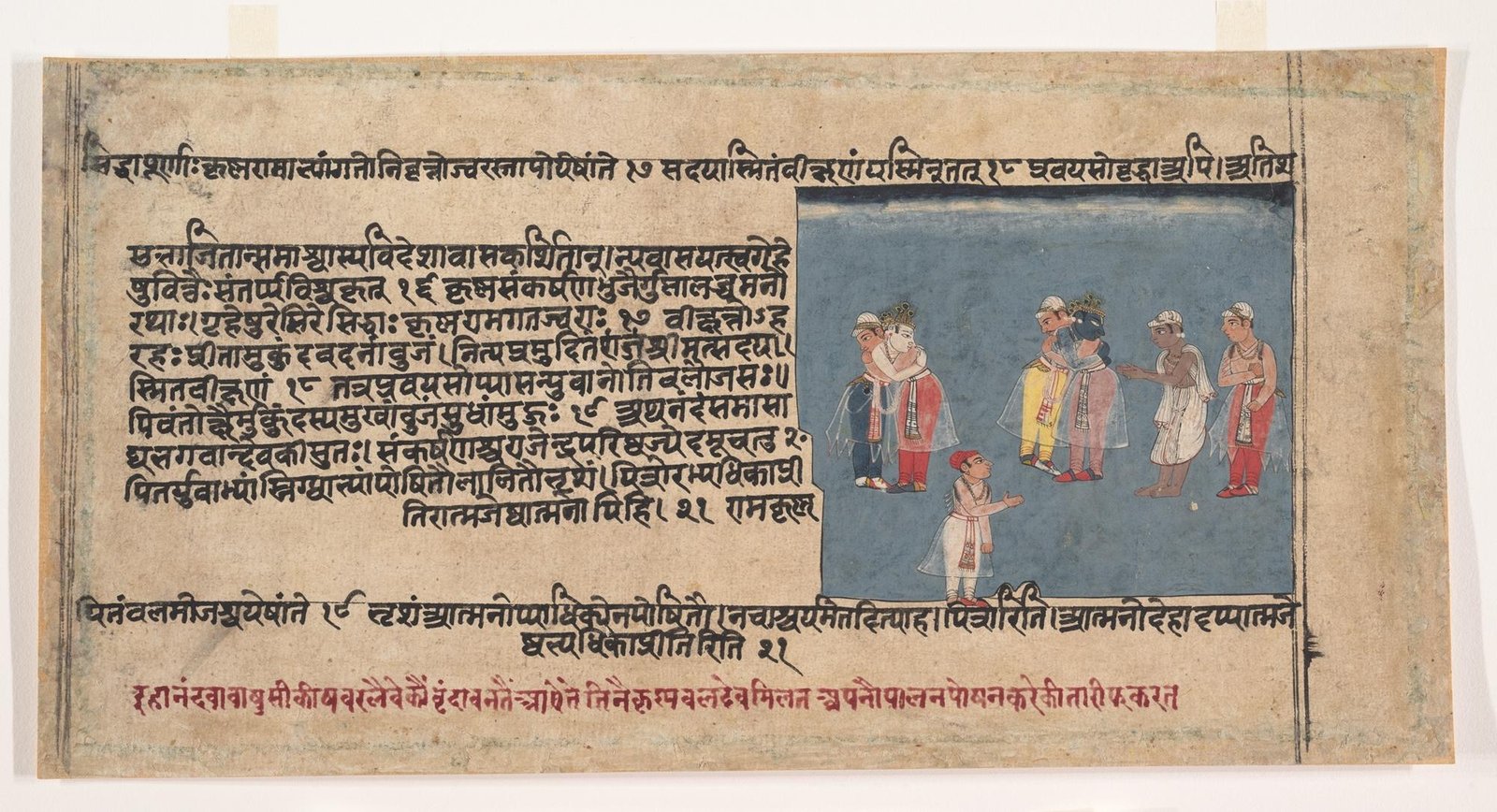
    Image ALT: Illustrated Sanskrit manuscript representing the storytelling tradition of the Puranas


    How Many Mahapuranas Are There?

    Tradition recognizes 18 Mahapuranas, or “Great Puranas.” Different traditional lists can vary in some names, but the commonly cited list includes the following:

    1. Brahma Purana
    2. Padma Purana
    3. Vishnu Purana
    4. Shiva Purana
    5. Bhagavata Purana
    6. Narada Purana
    7. Markandeya Purana
    8. Agni Purana
    9. Bhavishya Purana
    10. Brahmavaivarta Purana
    11. Linga Purana
    12. Varaha Purana
    13. Skanda Purana
    14. Vamana Purana
    15. Kurma Purana
    16. Matsya Purana
    17. Garuda Purana
    18. Brahmanda Purana

    The 18-Mahapurana classification is a traditional one, and historical manuscript traditions sometimes differ in their lists.


    What Do the Puranas Talk About?

    Puranic literature covers a very wide range of subjects.

    Some important themes include:

    • Creation of the universe
    • Destruction and recreation
    • Gods and goddesses
    • Avatars
    • Sages and saints
    • Kings and dynasties
    • Dharma
    • Devotion
    • Sacred places
    • Festivals and traditions
    • Cosmology
    • Genealogies
    • Stories of great devotees

    A traditional description of Purana literature often refers to Pancha Lakshana, or five characteristic subjects: creation, recreation, the eras of Manus, genealogies and accounts of dynasties.


    The Five Characteristics – Pancha Lakshana

    The traditional Pancha Lakshana describes five major subjects found in Purana literature.

    1. Sarga – Creation

    This concerns the creation of the universe and its beings.

    2. Pratisarga – Re-Creation

    This concerns cycles of destruction and subsequent creation.

    3. Vamsha – Genealogy

    This includes genealogies of gods, sages and important lineages.

    4. Manvantara – Ages of Manus

    This describes different cosmic periods associated with Manus.

    5. Vamshanucharita – Dynastic Stories

    This includes accounts of royal dynasties and their rulers.

    https://images.openai.com/static-rsc-4/ItbJsCRw2l_J3VlevSZRxNMQzm-USzdaCAJt5P1S3fszAv1ezB4gBYExDYf-Nmn6j3Mdy_FPO9LjhSY0HWdjzsEmFjtQhEkYcWjqpdl5U58dMnHY3_gJ1848YGNZzsfgs3AyA7KyVK9dP_qRPdfNBvfnQb4xtUjZ4IuzWb9Mub_JOEmJIdLkO0Zhwcphfb5E?purpose=fullsize
    https://images.openai.com/static-rsc-4/QvCySISOYOQ_AEdyGe2Uazs_qLkUOJmXmoOFJ6H-ntXadi4bGxHAFHjzlWwXW8p4rbtQCLjAmpvs2n4s4_e_uKuAjEKlgYiBhh_75wxAKYowmBnHNNQRJctUnCBDNxjMTE_zJOaZhW28JNhbtf6SxJZAUY11fJvtF_-k4uqavF3cmtHTfTk9fpzwg2lEk1yq?purpose=fullsize
    https://images.openai.com/static-rsc-4/mjMa8u_2sTZX9foMzInn7zLgLCOeFTYUEtPli-Eh528O-xFXN2JEnWcjSQFZMOEjBKGz0mFqKixThc6F_g9B1hUYHZ0wfWqM9xCzxHRv_fScY6OlofDiRTGFn2jXw1UHDnecTRDaF1BIMqWZHEC3mIPMdC4O4alLJlavzNpLDM-DOhEq9Z6cR02VcBa8-g8i?purpose=fullsize

    Image ALT: Traditional Indian depiction representing Puranic cosmology and cycles of creation


    1. Bhagavata Purana

    The Bhagavata Purana is one of the best-known Mahapuranas.

    It is especially famous for its stories of Lord Krishna, devotion and the relationship between the devotee and the divine.

    The National Museum in New Delhi describes a Bhagavata Purana manuscript as a major religious manuscript and notes its wide influence across Indian languages.

    https://www.bonhams.com/_next/image.jpg?q=75&url=https%3A%2F%2Fimg1.bonhams.com%2Fimage%3Fsrc%3DImages%2Flive%2F2022-01%2F31%2F25170695-5-2.jpg&w=2400
    https://images.openai.com/static-rsc-4/pmOdkBFxeirMhXxqhS2Zbpb31zHwtT1EkuowkXFF2zu3GY5YkGKI7iH5c8V-eBXUkJxyu-IjrXWzKxZ6HO48g7npisuF20_AKagmUdKr-Qz1hAmllStXjQQBr9uvoBIkBEjYDmgtOJFdCSEY1f-IcQVZEBanhK97jZUZpfbcFq52zFpgn4ANH10KZLVRAYIP?purpose=fullsize

    Image ALT: Illustrated Bhagavata Purana manuscript depicting stories associated with Lord Krishna

    Stories connected with Krishna’s childhood, devotees, spiritual teachings and divine activities have made the Bhagavata Purana particularly influential in Indian devotional traditions.


    2. Vishnu Purana

    The Vishnu Purana is an important Vaishnava Purana.

    It contains narratives concerning Vishnu, creation, cosmic cycles, genealogies and the history of important dynasties.

    Manuscript collections preserve copies of the Vishnu Purana as one of the traditional 18 Mahapuranas.

    https://images.openai.com/static-rsc-4/yd1UPEBAD0N8_gwNO2TuMemsU91TBbxMsb9ipS_0sY0H-bQpvpZ09mvBtUfhsp2zrM2zaA049RRue-yKiQ7iBYxT7Kf6oBHZmKtwe3g2lOoaPtwYxDS-9r9_hZ_53dQGKjdEzbwWykIvz8JqWCstfAzNLPaeTrl38j975za4sygGITOaOY-8NH2qFuVfaOQW?purpose=fullsize
    https://images.openai.com/static-rsc-4/Vch3u5nMi2410WFMsN4-syRRB1VY4yO_WSoqxpx65LWDrfEOuHpQ4nuOoRJng09YToBL19ZtGZN0dr3kkpv5EgM04yBGY7khyCCiJldR0DZAG4pc3fWNDF5wAEskFGyRCeT-Z8Dax7Dl5igunHSqICfrAaH8eD4ZZKelYgNTkNXNsjwEID6HLqawnl5pwzUt?purpose=fullsize
    https://images.openai.com/static-rsc-4/dDskeDdAFexNN0gBF9XwmNbdZzzepj5X1oCBotOdifzPwlFMaAeVowTu2A_REc5dcKuXoJNcurmhEjCIUVfNEasUbU968c2XZxXZAVF0FOK6p6Jr0SaqVz6pu1ZOvLs1WPulJeiBakbqwmiqpym3jfx5y6EVjJJGj1-raD3kPLezuhE5dKVtjtUXHZSQC-l5?purpose=fullsize

    Image ALT: Ancient Vishnu Purana manuscript representing the traditions associated with Lord Vishnu


    3. Shiva Purana

    The Shiva Purana is associated primarily with Lord Shiva and Shaiva traditions.

    It contains stories and teachings concerning Shiva, Parvati, Ganesha, Kartikeya and other divine figures.

    https://images.openai.com/static-rsc-4/nm41vyfDBd8liJujHjnBWi_0jyshcFp8UeORdoCT9fa7iGrtMl_hV3rCmVRyQ5AASJ9O7wUpRaWdNo_EObuSh3Fb581To6uy2bxWP4d5xOby9gPLXHUYmbKEp-kWUjl-IcNtNUU8X0n_wB1jRqXknSOOwOMiCYqX0wvs_d5Yzn0ElpqARFQvZu_4fnxHfsrg?purpose=fullsize
    https://images.openai.com/static-rsc-4/py8xLPV-D5JR_NZejEZYQUKBEAFStd-3fPd9EhuD4KyVrskTPDhp23VwDwLUgXRwXmNKmd4dDTJgW_TnUqSzInEedWgSjfm_T6hXNgFkIW_8i7xXY7C-zKt147F1gQ_GyvvsTkdM8tI2NZtC3Rxcxm2KhKb2Qvz2BCII2qErtoXpC6c447UG53pzkwULokSk?purpose=fullsize
    https://images.openai.com/static-rsc-4/-RwCFbhC1DrtAx44fCeNVkoAu1hTiHk6X1oEiOYB82n_YWzYfL1CvRRUsxjvRKpEC-Coblzyfz7xjqFETv95y3tpc94f7WChxy6MKwqySLEcWVmaUEpT5P2uNXLoyDU_UV7CMJL5yBn5RST6mtjEnr88bWwKHluTttRBMdokkVr6n8vVwtovGK8ni2fZvq1K?purpose=fullsize

    Image ALT: Traditional Indian depiction of Lord Shiva and Parvati associated with Shaiva Puranic traditions

    The Shiva Purana has played an important role in communicating stories and devotional traditions connected with Shiva.


    4. Markandeya Purana

    The Markandeya Purana is another important Mahapurana.

    It is especially famous because it contains the Devi Mahatmya, also known as Durga Saptashati or Chandi.

    The Devi Mahatmya is devoted to the glory and power of Goddess Durga and has become particularly important in Shakta traditions. Manuscript collections identify Devi Mahatmya manuscripts as part of the Markandeya Purana.

    https://images.openai.com/static-rsc-4/JDwEZwj798G9wM_4jNPYys5PPFtt4LCTs9WnJaJ_pBmO3ozqzYOzzFVyRqfiGKG7AORTP6nIBRG3GnEUGT0uf_TkoVN2S5qaz0oxUlOgjGgY0c5y7G1tV7aoS_6KNSQgY9zUArhkM1qvuP7DGFfYUk1eHaqvhP3KE4Z4cYKhZPDcC9mWu96ff-dn6AQihyx0?purpose=fullsize
    https://images.openai.com/static-rsc-4/1-Xhv65UiNrcazSmSdqsxD6hGX41NTFI9jd2hzwkpzTVOSx3c8ybl4aLlLnLZLiKPfTRIRP2-ZNZpl5xEMEKiQIFaCPcpRivpfeJ6-gH2FTErTEVjaMo84PAKZ6E_Q8eMhnWMdFn-JaoEkmhad0zDKVf5mW4ucJs0Q30JUHmLHnr4XsHduNXFJFGJvdjH4aS?purpose=fullsize
    https://images.openai.com/static-rsc-4/CiUjTlcbeDl78kzvzCHKbEIAB77tB4jH1PXfL5Wd7hufYyE0f3Iylpdr4Y3E5uImqIpdgJr9bcpLzr-qDQ58YtKvQHjJG7z3OdTu-XuzbLpXK17_RbuHR9gW3W4KamBl5qYwGHt-clLHJ-aTqUPJTLKQh5h71qCFTyYezwj-XQt8ZAub3MTpo2YRI9JwlrrR?purpose=fullsize

    Image ALT: Goddess Durga representing the Devi Mahatmya tradition within the Markandeya Purana


    5. Skanda Purana

    The Skanda Purana is traditionally regarded as one of the largest Mahapuranas.

    It contains extensive material concerning sacred places, pilgrimage traditions, temples and religious practices.

    https://images.openai.com/static-rsc-4/UWbC9bH8IVp1gB9CFQZ7N1SusBxh7PFQOcoPSrSCSLWttD316eeNXsNdQStcz_MuCUP2E9Uk70ZkKmRFoIbYveeOcXRjxRf0pEJQMUVJaf3f76daxSMeEB_NfkWunaWapCs_kDPphwpslXGwZmOnS6WEC5tb7JtONjWHf7Vde4Hbc7soXfzjg7rmMyZ5bXLm?purpose=fullsize
    https://images.openai.com/static-rsc-4/V0x68QX88KZzcvxSsgZ9gAd6m4QDXwtiEck-o5sz8_a9ImXhC648WNr3N5R2X7-APguxYlxJeXvYgijiSq_3x6ymNwtZ5Jufq6KFpXosa7LKrOS0Y_RpcWHOW9hrckc5YB46STkzkuTISViaiWt0hkMahtEVPEody8bqrYQiesKCw6m-UZx2fuRKaw2NXIck?purpose=fullsize
    https://images.openai.com/static-rsc-4/FeEBCtNr-Ll4hJ8Jw4BEOWWO96b0MhMhM63W_L3Jso0mHHgnnQHbKVTmIDPPxsjBi8fu9gzO6WrdCsZpumffnySmM0UBkYqXVYE2ISPIuXdl19hm8JqYAeT3T_s8CPHuL-Z5rqyq9kojpC2s7oNgOHawc-F96y350yHtsL532Id-256gS-5my7y38WWxpwca?purpose=fullsize

    Image ALT: Ancient Indian temple and pilgrimage tradition associated with the Skanda Purana

    The text is especially important for understanding the traditional sacred geography of India.


    6. Garuda Purana

    The Garuda Purana is traditionally associated with Garuda, the vehicle of Lord Vishnu.

    It contains discussions on subjects including dharma, rituals, cosmology and ideas concerning death and the journey after death.

    https://images.openai.com/static-rsc-4/e6bJv7cR6yBnC4k5-XeZ5qt3lB1zcwafJOA7DNj4pVCzk91vg9T10uZ12rhDjDCBWLsre_Y9kb07L-7KHjVfdvYugxcveuyrDqydzgJXPJ13349-EkmBVzbORWhfp52Hx2X4Bxl5I5DqUwFTHwhsTdC2W-2Zbm98YKUOxQN8QG22-m5Up2GrcDCVyMbMMH0N?purpose=fullsize
    https://images.openai.com/static-rsc-4/--ldKX62Tt2Oz75EdNgIJpuVW6qhXE9-rdI18-kpqdAq982PptYBaqYX03dzvYjQz-JbMWOLF51d7Sb1RliZu4ij3SSXLO0m1hH2zo1kVJWcgAgR8KOwoorb7kzgEfCtI_r43iajr50YEWBEicTFkaymDLpt8EcFSsrSioBWDj9Vtcq3ocTCgI66BvGu7_SM?purpose=fullsize
    https://images.openai.com/static-rsc-4/DWXqcjD12eIGUe4F3vax2k5HRYmcgkYG5kOXF_x_UF7elWweGRhE3HdupLA1dby-NlH6EN5E42_Qr3ngRSK8cWSvcY2YcjnIrgSXz5SBydpziI8IJmsLrfYZb0l5bHh31e0QYRheaWNXdr0fYS-nAGN3BhsfgXcWztlyJhCSNa6lefR7nM1qacnauIK8sFNv?purpose=fullsize

    Image ALT: Lord Vishnu and Garuda representing the Garuda Purana tradition

    Because of its discussions about death and funeral traditions, the Garuda Purana is particularly well known among Indian religious texts.


    7. Matsya Purana

    The Matsya Purana is traditionally associated with Matsya, the fish incarnation of Vishnu.

    It contains narratives about creation, mythology, traditions and sacred places.

    https://images.openai.com/static-rsc-4/_Dvoey9_-menlaLEtX5vw843Wq9Sdb_litqNVmDyIrihDp188p6KE22MyVp9phzAF3qJA3KQl23JnARfig2RJvaG9uMopBVrQOjZGDCwHh1kItCj14kQBMSzAofEJchUSxB2IqUV_wS3lX_vBby6g5p1s5IMXCEB_aNZopQymKQa83oFhSWpAwe1kBVUZ9El?purpose=fullsize
    https://images.openai.com/static-rsc-4/8PPSsnKmxS84RHVPynE0c4OkCfOAwjO3JxdqQzfIJzEX5Jgf0fwTPZNGQsWgcE-_yqD5vL-C9yxvf5hppYO1dkZBL8gCQuZVX5TL1hXTvaDawGx1zzMDCD3u1nOqT1QbMprpihmAxsA6G7ZAPRNCZHMnhQJDkrbzgKDU50CFf3A4HanfzemEHjA9jb33Xa9H?purpose=fullsize
    https://images.openai.com/static-rsc-4/K0wpn3Wvgzx7Qd1LlhdblI5MD3A71PNMAWPTG8CT-kwPQWiLAnQunMMGAKrcjWuAQTgTIaleoyvoFm-tFlKT8s_qGJQZ74Gi-_wzRMkoxSz-1ujvQCUypFcO6mNuwpF97eB9YfyPyiNFlxKJpEnevEFFGxVufbRRzQAfTeA0dAlYoJxM8KG2vN_Q9BhaKAyp?purpose=fullsize

    Image ALT: Matsya avatar of Lord Vishnu representing the Matsya Purana tradition

    The story of Matsya is one of the famous narratives connected with the avatar traditions of Vishnu.


    Puranas and the Concept of Time

    One fascinating aspect of Puranic literature is its description of vast cycles of time.

    The Puranic tradition describes four major Yugas:

    • Satya Yuga
    • Treta Yuga
    • Dvapara Yuga
    • Kali Yuga

    Together they form a Mahayuga, within the traditional cosmological framework.

    https://images.openai.com/static-rsc-4/6YeFK8NE4Re43atxvJpDgHdJc7Vg-LAnUiroZChviPgtNzhNQZ8oYDnlSTo6O14zBmDBXwOcSFsiWUA3rFeerVqQJ5kDyvDi2u3qV4BmdeLoGZLyvXYjch2vjKW2nDQWfpW14zrjoZyEv1XSkAs0PJpUDUJoEusUwgHeWMIxA5lxdL5aKXUGm7V12BLrnzcA?purpose=fullsize
    https://images.openai.com/static-rsc-4/U_VqZNjqZq4EpQCwIHJpRiec1qNESiRR-uV0mxiuEktp7AoJilm8eoXSH8cE7Qw4ta7TtdrUJM26kyr8J0ShyM1jvqsKLJ09qE-PQMT4XiFCb6gTzpk56v6otCYQAF-5KyO4CVsIIbsowD83IEgUv36XjXN6ymnV9kP6Q8AB-0TpXJ7900iAf6URwA0mTA60?purpose=fullsize
    https://images.openai.com/static-rsc-4/SFWOROVamcK-w4ke41mg4nn9b1h5y0yYev7Egf7MrNhjvrIT-EJgYS_NQ1SCQ4xbkfm03ghvJarPHQTf0ywdQ_YFB_qdxgAXKOj5Q2BvQLCIMmOS4rf1j2Vuo39DB0yOjK2FY9e_uWMF7noj3ufNsQaTyCsNja7LSmt12UQDTv0yjf3bP_CJn5TrErr4pC7D?purpose=fullsize

    Image ALT: Traditional Indian representation of the four Yugas and the cyclical concept of time

    This cyclical view of time is one of the distinctive features of traditional Indian cosmological thought.


    Puranas and Stories of Krishna

    The Puranas helped preserve many stories that became deeply rooted in Indian culture.

    The Bhagavata Purana, in particular, is famous for its narratives about Krishna.

    Image ALT: Illustrated Bhagavata Purana manuscript depicting a scene from the stories of Lord Krishna

    Stories of Krishna’s childhood, friendship, devotion and divine activities continue to inspire Indian literature, music, dance, painting and religious traditions.


    Puranas and Goddess Traditions

    Puranic literature also contains important traditions concerning Devi, the divine feminine.

    The Devi Mahatmya is one of the best-known examples.

    https://images.openai.com/static-rsc-4/bsVZJocAo76CgafdfZ3r1PB3CbyXpCJHHbBKJjqPANI3LsCKn6Ex5l1kgRAY49xI5rm-zGajE5jG0Q39vVzFkIiNwQsmO-B6QpFGfz4L1vjpRA0Oj1aMsLiOi48lqqbsU8Sjuuo6cbH9HRONRHm9ecTzyNCSixiEa9_HSGTRYQahBlIsYrwWwRHfvU_2imkP?purpose=fullsize
    https://images.openai.com/static-rsc-4/T4NZX3_2VT28pevivBjjDTV-c76Byr1jIvdfJCPjY2SSU3uUjqWXfj089PCgkxGIwznglPIwCOBG2NwYkor_oDUp19RI_UDMeKtYk2XkZSwr7eTBlQl0js-FeVT1ydIMFar15-IifTzwrN8cTdQrW4Egje5wi4JcNezsdKScWIGA6xr0nn5BxUnbRR9MTm-v?purpose=fullsize
    https://images.openai.com/static-rsc-4/tdD_d7uOKrFAoBrrwTzHGGT9LXMTHZfcuG6ahh3SF2hFCetl8fVw2m-mdawVRsgYAwSQiZu8TOE86vlW_yD_GP8eaY0tjEmLQamsW60QLjMp2qcSdYRZYiRM4Fzsgs10fz4W1R-iN2NwKlrIpJ3TIIoGf0gXw6D8seIJvu-5vfpAt5sWmtu_faeCmrfZk6tv?purpose=fullsize

    Image ALT: Goddess Durga representing the Shakta traditions found in Puranic literature

    The stories of Durga and the victory of divine power over evil became especially important in festivals and devotional traditions throughout India.


    Puranas and Sacred Places

    Many Puranas describe the importance of sacred rivers, temples, mountains and pilgrimage places.

    They helped connect religious stories with the geography of India.

    https://images.openai.com/static-rsc-4/FMMz_WeRHbqSn_HjIVpEcnlpvjDT0m81thusiiZaIaciOQVkmuPsXALCB33a9MG6JVKS6lERenwa4xGySSPy0jPh2fwXeEOkCwSyfya-sIoGPapXXnMmoIcbPZaKXDIIXSZt9YNa_M6zpJrruumkS6c-1f2CnyxPhPkVJs4QRKc4H3XO0bHHh-0exickbs8J?purpose=fullsize
    https://images.openai.com/static-rsc-4/p6xzst8n9BQrnt5qEkNRxNa0VYj4C4ZHyzkbcOMgQuzVFs6O8uX2ZJ6LShKk-JFBNdcO636f_Fr0o-_pJ9oQf9Z_cPX-af6uM5qLLFOZ3f-QxNOpTEtzm3eq5LlBw4aSA0Po0mBL2xrjDIeIYqSqSi4s5O0GHblLsmC4iFFPskPLIei9PeqGIv95wZEi3Zyb?purpose=fullsize
    https://images.openai.com/static-rsc-4/u3x_8vJ_IV5cuKPK39LLGQKUCsvcqB7Xipxn2WOaydynNSavAEMWuBFjEf7kTyrzLZFpUPXZkbw-rLUm6Qqicib1fqI8uWV4BcfDtVLOj4nnzBEb7F1Ymu2s6hC8MvKZuaEx87-ihxTyn5lF6pscHipMkOP_z2RI8nJFXDsTKe1mgKjfXFcP_BZofy4XOUik?purpose=fullsize

    Image ALT: Indian temple and sacred pilgrimage landscape representing Puranic sacred geography

    Through these traditions, places across India became associated with particular stories, deities and sacred events.


    Puranas and Indian Culture

    The influence of the Puranas extends far beyond religious texts.

    Puranic stories have influenced:

    • Indian classical dance
    • Music
    • Painting
    • Sculpture
    • Temple traditions
    • Folk stories
    • Festivals
    • Theatre
    • Literature
    https://images.openai.com/static-rsc-4/zaLqfYIf9RDBxpa---_27QoE-I6I7xsjRun6Ao_RWMEl3PHiDiwzqV0R7ThJoosvG0j8VNTksqFQoD7lsq5iFdHSztNVoA30YT7ixhhEzZqrHZ3Am9auZMgjGIEkYzbFO6o9S2KzwPQ3rQrkxXrOVU_ekR7wX2gkPY5y_T6rMvb6WQcpIkhzbhpBqKEq23Lx?purpose=fullsize
    https://images.openai.com/static-rsc-4/X5t_vw-0i3DVxxDoJ2VU9Sq03HDb-0CnWqiVdksTRaq_O4uYL50_-LRG5kjTG9GuFYLWdsRWiFN0WF8v5dGhnNJcha8vDJsZ4ETZi3X0P6MhbLm_5_x3FF22t4c08mPuv-Tpvf1SutI6aF-YsfnzrVlMziffPTn2Pjtmns7LAYog6fUW9VC26gKjoZJZI9YY?purpose=fullsize
    https://images.openai.com/static-rsc-4/YjOAiDiwrzVbcRA_bV0FEmR9XVsF7EbHP5_KJEZTKeoFQhjT1-5J1ee3uA7agYaeCP0u5n9Yj2oGntcO3EqM1cblvMwrbFWCl0nDInjIOxC7kO0skU8A2ggjlvHiOTRWpvp9gl-R9tU1GCyEZV43IRYW0t30ivDzRpw3p965wSPpxRmJ5BeQVtEtBwpDZW4W?purpose=fullsize

    Image ALT: Indian cultural traditions inspired by stories from the Puranas

    Even today, many Indian festivals and cultural performances draw upon stories that have been preserved through Puranic traditions.


    Puranas and Moral Teachings

    The Puranas do not only tell stories.

    Many stories communicate ideas about:

    Dharma – righteous conduct

    Bhakti – devotion

    Truthfulness – speaking and living truthfully

    Compassion – showing kindness

    Self-control – controlling desires and actions

    Devotion to God – maintaining faith and dedication

    These values are often presented through the experiences of kings, sages, devotees and divine characters.


    Why Are the Puranas Important?

    The Puranas are important because they preserve a vast collection of stories, traditions, beliefs and cultural ideas.

    They also help us understand how religious ideas were communicated to wider communities through stories and memorable characters.

    Their influence can be seen throughout Indian art, literature, temple culture and festivals.


    Puranas – Quick Facts

    Traditional Number of Mahapuranas: 18

    Language: Primarily Sanskrit in the classical textual tradition

    Main Themes: Creation, mythology, genealogy, dharma, devotion, sacred places and cosmology

    Famous Examples: Bhagavata Purana, Vishnu Purana, Shiva Purana, Markandeya Purana and Skanda Purana

    Cultural Influence: Literature, music, dance, painting, sculpture, temples and festivals


    What Can We Learn From the Puranas?

    The Value of Dharma

    Many stories explore the consequences of righteous and unrighteous actions.

    The Power of Devotion

    Stories of great devotees show the importance of faith and dedication.

    Respect for Knowledge

    Sages and teachers play important roles throughout Puranic narratives.

    The Importance of Courage

    Many stories describe the struggle between good and evil.

    India’s Cultural Diversity

    The Puranas connect different regions, temples, rivers, mountains and traditions through stories.


    Frequently Asked Questions

    What are the Puranas?

    The Puranas are ancient Indian religious and cultural texts containing stories, teachings, genealogies, cosmology and traditions.

    How many Mahapuranas are there?

    Tradition generally recognizes 18 Mahapuranas. Some historical lists vary in the names included.

    Which Purana is famous for Krishna stories?

    The Bhagavata Purana is especially famous for its extensive Krishna narratives and devotional teachings.

    Which Purana contains the Devi Mahatmya?

    The Markandeya Purana contains the famous Devi Mahatmya, also known as Durga Saptashati or Chandi.

    What are the five characteristics of a Purana?

    The traditional Pancha Lakshana refers to creation, re-creation, Manvantaras, genealogies and dynastic narratives.

    Why are the Puranas important to Indian culture?

    They have influenced Indian religious traditions as well as literature, art, dance, music, temple culture and festivals.


    Conclusion

    The Puranas are one of the great treasures of India’s ancient literary and cultural heritage.

    Through stories of Vishnu, Shiva, Devi, Krishna, sages, kings and devotees, they communicate ideas about dharma, devotion, courage, wisdom and the nature of existence.

    The 18 Mahapuranas cover an enormous range of subjects, from creation and cosmic time to sacred places, genealogies and devotional traditions.

    Their stories continue to live through Indian temples, festivals, paintings, music, dance and literature.

    The Puranas remind us that sometimes the deepest teachings can be preserved through a simple story.

    They are not merely collections of ancient stories — they are an important part of India’s cultural memory and spiritual heritage. 🇮🇳

    MANA BHARATHAM 🇮🇳