Tag: Deep Ocean

  • 🌊 The Deepest Places on Earth – A Journey Into the Unknown

    🌊 The Deepest Places on Earth – A Journey Into the Unknown

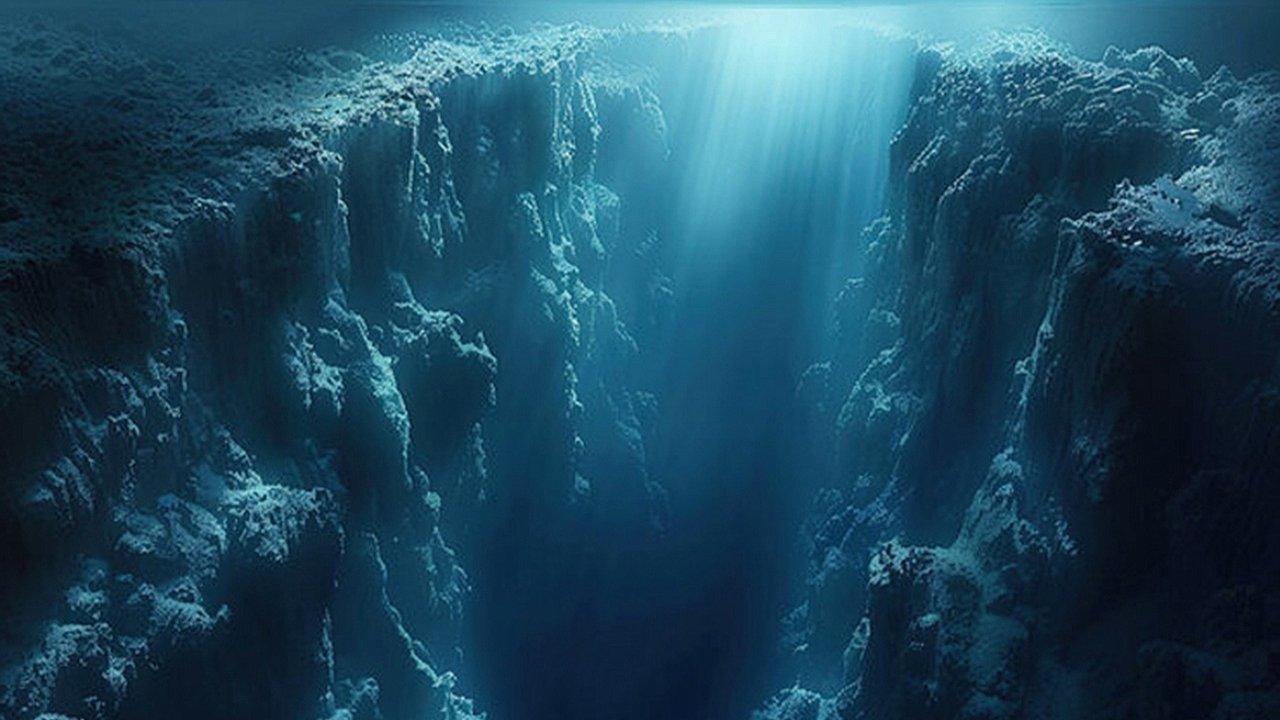
    What is the deepest place on Earth?

    You might think the answer is simply the bottom of the ocean.

    But the deeper we go, the stranger the world becomes.

    Thousands of metres below the ocean surface, there is almost complete darkness, enormous pressure and temperatures very different from those on land. Yet life still exists there.

    And the amazing part is this:

    Some of the deepest places on our planet are still difficult for humans to explore.

    Let’s take a journey from the deepest ocean trenches to underground caves and discover what lies far beneath Earth’s surface.

    https://images.openai.com/static-rsc-4/I_WawDg-9kbEkhcBrZnDbO6xey-7wQcsyU8GC0LDC6Bj3a0yRyvAdfuGEv1eBLK1r6Z29RQbugeDuWLIZ1H3wU_xysznAY98L3MoJLdbME7DYD4m4v1L9LRXZwxjp-5t_pd6XHP_0diF0OYP5KgCWIFXUzamLWzhRK1B54bbrpMMnrtNgR_NvXOt9W88MHEz?purpose=fullsize
    https://images.openai.com/static-rsc-4/uTc5Mnmxjj4ViD4FoY706rEaUj0BUqgBvKuZHRcxzf36Y-1BtPxTtlEUJicbMC0-UItfLXxYePuzDZZ38Zm0r4VK38zJzK-_NE6H_OyDJHqg6a9LG391v5RyjOnqVquuWI24Bs8KMmkVKRZNwaPnvuxY8Ra-3zbwuoYym7Kzq-qnRz7mv05Oz3pEgO7hkaun?purpose=fullsize
    https://images.openai.com/static-rsc-4/Di7gGl3JWXjmfM6VMbpK3vIXgI6uasUe76DMD7OqgH0ULE51WS6Bfv9z62ed0lpT8alqMtukGWiTcq9RAfY52r_mUhAMqju__WeP-CMmWdUDEEoCWp4BEcD6KXloR30jRRQw23Frb15tJm_q6iZA3YxL1xKtQ0HTDO5EbNVN5SfadxrXEml2KLannBIBiCg-?purpose=fullsize

    🌊 1. Mariana Trench – The Deepest Known Ocean Trench

    The Mariana Trench in the western Pacific Ocean is the deepest known ocean trench on Earth.

    Its deepest known area is called Challenger Deep.

    https://images.openai.com/static-rsc-4/gQdmikkG9bV4em95V43jvSQ1r2huPCCEd4lbXChdWoxVhoF5bd1M075w6XDbhS9Z2lWx7F7qc4B2dgJvSanPHP6YOuHtRwiWVB1trXih8saAjvu4ty7Cshann-qAhjma83-roUcNwBJf2uLsP2NzSNXBnbggvfUJicSn_wXJkNrpcVOaK0CH30_jE6htMg7r?purpose=fullsize
    https://images.openai.com/static-rsc-4/KARomm9uyXwOZZ2Qv7UaIa9fh76rFfklp0KUX1dJzhSFuoNpTuITZ4T2ZmyJGY4cRzYr864mCCmUHFFEJgxmQSvc_Z2MWn1jPkKBUn1VAN4aY9yU2isz49farQVaBzx3GcEOlC6NdPROQnHKkxt2rA1-81NoCEQHcxOkEu3N-RUUg0qqxS-6FeW9EkwGBE2V?purpose=fullsize
    https://images.openai.com/static-rsc-4/yjaYCeD6W5TGcUARa4MRgqLEfM74X5y6aftl4akqXLLs96ZHnQP8jeskSUTv06Z5Nl-zr7D5zCtjcKzyN1mo0-ad0COf9I_7TRw_Y9stVEXrS0E2ttYMb8LHCNspy0-5f_lKf7OUUBmAKRkmMmDdogwfERIM5jXjZk3mYktl-lMAEFUHvv9ySk2MHiVsz9dM?purpose=fullsize

    The depth is roughly 11 kilometres below sea level.

    To understand how enormous that is, imagine placing Mount Everest into the trench.

    The summit would still be underwater.

    🀯 Think About That

    Everest is the highest mountain above sea level.

    Challenger Deep is the deepest known point below sea level.

    The difference between them shows just how extreme Earth’s vertical landscape really is.


    ⚫ 2. What Does It Look Like at the Bottom?

    Forget sunlight.

    At these depths, sunlight cannot penetrate.

    The environment is almost completely dark.

    https://images.openai.com/static-rsc-4/kgAy6MaOPg9WZm8eQ2QzmxaTQT3_v_pekx1TgjeuovhLAF5EX4cej1HUcRBrqehykE1nr3dc7lX3BYAXVF-y6PIspX-4VPxB86AHDAJbim29rNgDFTd_pSGvE8TLM96Uhaqr3uEVkTexFUUQ194xUWL-zFSlJmoq6Jmxvro9uYqxticK7sPDupHvW7lG9m2L?purpose=fullsize
    https://images.openai.com/static-rsc-4/3-SmN7vwM6j1sw_iLsEeEZ0hvzhtngSE1ghIsp3LENFft7PzPBt9tBuJQqrZwTP670tS0yuLtW7nOVmAO20FK-XXlj_aJnj0MgWcEFYSTj-nYj8rvKRP4Nle9bL3Hj2kQ1WbTAYf39lTKtE7zsqKSLWwoILFwLcu3mbKwCM_7tcraHCuORcchrAUpW0HMnvL?purpose=fullsize
    https://images.openai.com/static-rsc-4/CMc7uv1mW4T87fvZuczCCJB2J_wN9_lC0B3m01R5uRXGa-bbXPCoJ4A5M2ifjj7CL5y51bGXmu7_OdrEzwfXdbLCJzEhLSMSqBmie9qiXn1CMy758e1UjQOhh9yVfJFgE13ZMR7az-lVVYtYogyX1cy7sw4FjfoQcNURoUNrunfdgSSRgAt5-LSbD7rdkQSl?purpose=fullsize

    The pressure is also enormous.

    A human cannot simply dive there using normal scuba equipment.

    Specialized deep-sea vehicles are required to reach these depths.


    🐟 3. Life Exists Where We Thought It Couldn’t

    You might expect such an extreme environment to be completely lifeless.

    But scientists have discovered organisms capable of surviving in the deep ocean.

    https://images.openai.com/static-rsc-4/SUEYQPlogHSamojCSQjxGFNmhdcyMDi8tD0P-VmDbKjnzJquXRX-SF6H50nVFDLg5LYQR5L99-6hiO5JlyntGTf9WA0wruxFDam99JUmhctdsp7St_eumpgs3cqqPKgj1o1HO1pE2U6yF9D9ILdSzxG77teKuT-fA3FyJ3F8J3I6As1zdJwp09vgjNlgPwqx?purpose=fullsize
    https://images.openai.com/static-rsc-4/7Yp21J8y0raGy6ZwKMdLqLjDhiYR0wso60j5K8Vl6WIBq5-NwvjMjrcmzdgD4ket6yYecfiI-IPP1XHpoLGlsDB4xUz4CynICYfbEi5deFneiVjkkLRA5LWPAs9o6DJzeucfiSO7Ug2PK0pV-W5IUyrHaS9evfSogTVgFVRXX2Tqhn6dDNyr56a5UoLSQYdp?purpose=fullsize
    https://images.openai.com/static-rsc-4/YFp8zOXHF514_AWLY8iYopB0Yjn4i8dDbzx-fo3gZe3jll13jGwA0EfobJbvYk1SbAhtreA5SChLzDQQ4hWjzJ8S2-go6eDqk5rP4mHQM6pKoSfGoilJR9u3ONeyO0M24ZRia0EfvAVvqJxFuGiCbl2wAh_oLj3-peiQwFvz2bJWYTsbS22cCKuTLGQcxdTI?purpose=fullsize

    Deep-sea organisms have evolved remarkable adaptations.

    Some produce their own light through bioluminescence.

    Others have bodies suited to extreme pressure and limited food.

    🌌 A World Without Sunlight

    On land, most ecosystems ultimately depend on sunlight.

    But some deep-sea ecosystems can rely on chemical energy rather than direct sunlight.

    That discovery changed our understanding of where life can exist.


    πŸŒ‹ 4. Hydrothermal Vents – Underwater Hot Springs

    Deep beneath the ocean are areas known as hydrothermal vents.

    These are places where extremely hot, mineral-rich water emerges from Earth’s crust.

    https://images.openai.com/static-rsc-4/k2XLuZQLBx07lywIN38XWk4Bo_WA1hkT8TI0N4mT1oKXvTM4trllNst858-wu9aCMu4fKEO9Np2aek2ECFyF4Bj1_buzvnyXGtYwE5wvjKaGWI70ddYEkvYbnswo2Ca-3aM7huw1Q1k5-IBQ_QNAL7yWxbRz-vH8I4PMFjyV64KvUPr2XwRImSAENn9fb1eL?purpose=fullsize
    https://images.openai.com/static-rsc-4/1tfmN5VY_0Mi1mDTr-wjTWxg7Z2xgMBxZQAdhzh1FsVCVaB-FV_kkwrNJlBqMeMl9XsbWA6mODnMoABuBedSMoMk_3VrFNZzLkOcoj2cKYg3og3m7AG9qdNUlMFGc5ifLYNQdiaj7_pgZw_UknHcEfOTF17Gbc3cNnHvAZiDmZnsmru1peNBQqXh9v5qC2PX?purpose=fullsize
    https://images.openai.com/static-rsc-4/sXXabvMm69Y57ebgzvkHLp8PDmJ3C6d20OO0Xdt3kFhIMZ5hDdmPQOXCcAvlqDkMfNUmsxTjC1hgP5ktBW9DkjmYrfbGbMmD4Ri_vK9OdnniFZakoEYfJlu73q9nNRhAeFnBIFKwc9ohlXMUJJdNu-H0qQ3IMrxltfNGc6j153yMzjnziAIhMiE8W-zzscYT?purpose=fullsize

    The surrounding environment can look completely alien.

    Instead of sunlight supporting the ecosystem, microorganisms can use chemical energy from the vent environment.

    These microbes form the foundation of food webs involving other deep-sea organisms.


    πŸ•³οΈ 5. The Deepest Caves on Earth

    The ocean isn’t the only place where Earth goes deep.

    Beneath the surface are enormous cave systems.

    Some extend for kilometres through rock.

    https://images.openai.com/static-rsc-4/uwEN3ktIOUfwQT7lYjG5s5617VIDY-7fhFIeXS8yya4EQ2MUGDbUHPfg1QLsgl7vjUxq4MZDoLyDYqI0XhcCQYnBFlE5qvn8osH_e6ws5Ee8uWf66m4lOXb_wmY6mb3UdKMvmxssvFccHkH48zASeeKPmJoW8QNO6HRppg46tRyZDe-MIjDM82Kl1JyUw3Rd?purpose=fullsize
    https://images.openai.com/static-rsc-4/SFWr-Tm7KMnzv1TrKo4hJyjjBm4NMk-GynCx02kkh0V5hkB63Ymfu1WLXo0DU2y4pGeQSb8RIATn1jtrJSFhDfM0sKV-ZifVThDusE4dBlCqOaK_188cBNWkwAlEiTvm4H3l5u-hrp-FxPVA8lKUq40XMxJykJY1kUWElW7g16-AB8wTOYF3u6BgYbqU8Wlo?purpose=fullsize
    https://images.openai.com/static-rsc-4/uIbskc298v6ZC-d5QRqKmaJlXJrey1VQBCNp8DCeFFjTryzBJZVt9Pvxc8e9S7ZR6EaH6CTnqmZs1Y6zkPgcysnC9EZtzPDJKOCoFwBElRsoPrr1jZNQphVMkIScLyWwpvtJJyjomh9ohkwA6H-f7DU6ZQD-24ktDQn8heAe4pXhbaNwBrHaXBJPIWJiysQF?purpose=fullsize

    Caves can contain underground rivers, enormous chambers and unique organisms.

    Exploring them can be extremely dangerous because of narrow passages, flooding, falling rocks and difficult navigation.


    πŸͺ¨ 6. How Are Deep Caves Created?

    Many deep caves form when water gradually dissolves soluble rock such as limestone.

    Rainwater absorbs carbon dioxide from the atmosphere and soil, becoming slightly acidic.

    As water moves through cracks in rock, it can slowly enlarge them.

    Over thousands or millions of years, these tiny cracks can become large underground passages.

    https://images.openai.com/static-rsc-4/pPehX-dPRYAEOtZUAETAIqK-pRHMrVrJS6SRjDiJteq0h_1LDs4oBJkI9YKT7ZIaUqQjeJ7Y7aDHZQ71dHZb_zJvcdBsr_T8CPLhubdTSXFr9pr2EUBQP7DzpsOAOP9MK2rhqBVfUIftdPl8YhUoUAdOU_TLEUzr4-4YxG_gTNpQlOwAZFcZ_C36TIK53Smo?purpose=fullsize
    https://images.openai.com/static-rsc-4/Bveb6BInQwi8_Rp4Zxsk4ZV6h-npQHhDRmHE2quR2axQKkIXZnpsN-sgO8GnaWhjCJRQthvBJrsHa0TmnC50D4dFP54KSHr9E3ue1-YOR9BhhrdrXMQgagBCjmB31F1ksYGm-NNVlsqKXzsm7hgEq-Mr4couLFm1cqBwddMFYcBrUogaJUMr6VgCUTHERDQd?purpose=fullsize
    https://images.openai.com/static-rsc-4/pHPDywREEsHm5WtsGDlbv-Cflx67I6XTYQubRzH5B02Dj-13n7MkHpU-E_x60zlJ-bZgW7Srb_s_byBhwc_McXfYjrR38j5Z86JX7KfgQSt30IsdW63FYN75XDbAyAuL-8s4hT7_btUumWj2YxhXjfFJCoDY_XhQ5m12RTk77AzOOcKKCXBqKms8xAQKLghg?purpose=fullsize

    What begins as a tiny crack can eventually become a gigantic underground system.


    🏞️ 7. Underground Rivers

    Some cave systems contain flowing water.

    These underground rivers can travel through darkness beneath the surface before eventually emerging elsewhere.

    https://images.openai.com/static-rsc-4/UITpmvsyYQHEHe62LWo-9hcXXxf9X0qmT7r7_-AzpJzHCx4YN-eXUQwwSHgi6raWnob04L5wnMVhs0zVUuHklbaE6Up7xRDUDFRX3L9wGDgZI4cYY9OQGKEv92q-1TQqb3WxBcFUnYlgLM_uDAZbPi0SZdxczSf3kmrhviffl-9Nh0MmCL7lqET1YZOKfZit?purpose=fullsize
    https://images.openai.com/static-rsc-4/mR6N2njQLn-TTP7c5qrKl3x5egpXMf4t-3s_u24aiE-fqb0mHlSDPwh0sJtRflii7RYb8dE6QgHXvfhAX9UNYrOWFQ-BQnoG1TWYbcM4TDK73z6gaVZSXSWVeL44QB_wYBJQksFZ35rMGY5I0f9mHRPCeXaaDt6KjLCKvsAVtuv5rxo1Q2HsFb_fg2Xkfn_H?purpose=fullsize
    https://images.openai.com/static-rsc-4/0LYF1rhPRzIfJaaoIekIKVPlHSpzAAfjXbi7TuiwIU5nL0fLmNhNcUoBK58kCdD7e4oIMUs4ByA1nAvXrwdsXoJaZ3r_2qA9U0qWu3zdLog0Z1cEyoR6mx5Ryfh1rrEmTkebFhUVbSIlBDYU-4QY7xMx8COJLeka_EANzI8zW-P5sCkxSiWG5byFOo5lbrkq?purpose=fullsize

    This hidden water is also part of the larger groundwater system.

    So even beneath our feet, water can be moving through landscapes we cannot see.


    🌍 8. Earth’s Deepest Mines

    Humans have also travelled deep underground through mining.

    Some mines extend several kilometres below Earth’s surface.

    https://images.openai.com/static-rsc-4/BptlTsbb8bwhnFqkPsHSCx7A2U0Cv1wcWFmT-HFzt4HglZ9PulnT5bMblPgFgdYb273eo1zWghTS4yZ0JYM-QtylC2rqR_jwsqiFk3Y8mijvxNiv0sQvRIJY60Ae4vCov94lPj_3BxQ6jJoWkWbxYRA2zCRiVgeKDeD1UGF1H8_BAl3AnwmsHr50vb_zKeV6?purpose=fullsize
    https://images.openai.com/static-rsc-4/cnBL4BxPEebtvxvLizXnvoFmvOjLmnAYC2wN1ewpAn2QQPWGGvAU1YA2DTQcuLbVciN0K91HDC_ELaXoDn8yT7jJeJYQSudkipviK9sOz4DkwTDjMFOXwoGdu-twP5-vLav0TPdRa1Js2a4oQo3R9pajR_ip2MeOQuwIlUGu3xUQy6_DWiX6rgh9vLngUL54?purpose=fullsize
    https://images.openai.com/static-rsc-4/tuw7KMG3sXEpIdDbiOgm3w9Vk2-iSxZI7LIzpHEHRqkdusk4rvpZ7IoCjKqetFrhyAHDe1P4UY3jD2U3QMQTeQuuERM79Qnd-Xb3esnnwVcfwSajKziYzTrS8UdFVicwk3O-LNE0R9okeJGB-K8JkHQ-8d5hFwaMk-Spd49_91px01fslsJMu6hNcXt68dGf?purpose=fullsize

    As depth increases, temperatures can rise significantly.

    Ventilation and cooling systems are therefore essential in very deep mines.

    The underground environment becomes increasingly difficult for humans to work in.


    πŸ”₯ 9. Why Does It Get Hotter Underground?

    Have you ever wondered why deep underground environments can become so hot?

    Earth’s interior contains enormous amounts of heat.

    Some of this heat comes from the planet’s formation, while another important source is the decay of radioactive elements inside Earth.

    https://images.openai.com/static-rsc-4/0I1EcF-ryWTUQtlZQVjbP5g2IstI5QZ_ssS0dMIqyQnXFmM2MS33ythP3YZoRJgCDTYm-Nws0BOC51qMdQwHQxQhryIOUSJ3M9tbnOpWPOGfBXPUB5S3AUZxcnplSxialkujdrry8foprVsIHJ1N2BBD5fiJxrNPvLhLPkczbj3qm3Jx-yKyDqGOZhhhORVd?purpose=fullsize
    https://images.openai.com/static-rsc-4/-1M49RWjxQIuoqoQZAwKeC-k6iqF-iLH1NtksHeWAF6zXNf28bbuewTQb6CJPyWkbGgAB4lm2kH3ytMP3qacPUqNAqWl4rkh8zdaubgdHkWGFzO6dgqIYydzREtMA5jYL9PiG5o7iH_BR_UXxntjiJPebZpreSXwZ6dX-mKGLYVBmHEoiUMKYFFFfYoQMrXA?purpose=fullsize
    https://images.openai.com/static-rsc-4/VjiJPCqCi_c2rlfjkf9ZZWTfM3YJM_mEQLqW-laZ_-ioP7QnslnLPmL9qLemg4MejShJFwUtniPReLtBvOUiOLAZVARs1y1O-JqgLFWQjXSx3IkPntuQJUHhaD4oIuadIw_oCOXXvjMiXPE6cDFuwRp6XY4L4y7-rhaz2oOc2hDdS2VD6mghoN2BGHnSxRG3?purpose=fullsize

    As we go deeper into Earth’s crust, temperature generally increases.

    This is known as the geothermal gradient.


    🌑️ 10. Earth’s Interior Is Far Deeper Than Any Mine

    Even the deepest human-made underground structures reach only a tiny distance compared with Earth’s total radius.

    Earth’s radius is about 6,371 kilometres.

    The deepest mines and boreholes are only a few kilometres deep.

    That means humanity has explored only a tiny fraction of the distance toward Earth’s centre.

    🀯 Imagine This

    If Earth were represented by a large apple, the depth humans have directly explored would be an incredibly thin portion compared with the whole planet.


    🌊 The Ocean Floor Is Not Flat

    Another surprising fact is that the bottom of the ocean is not a smooth, flat surface.

    It contains:

    • πŸ”οΈ Underwater mountains
    • πŸŒ‹ Volcanoes
    • πŸ•³οΈ Deep trenches
    • 🏞️ Valleys
    • 🌊 Plains
    • πŸͺ¨ Rock formations
    https://images.openai.com/static-rsc-4/S9wTuSSrzik-nZZVssxn-NebE0bysZcLBDQqQepT8kYXc4zNldcIauq2P4PzupzuiPd6gRzqh--KTwKwsNUvZsWIow2q1VEFNodE8SwZ2pD4obk5HnJZBy80ffajmg0xkCCuJqRbrRbIgfbGMlwIIQaHOp8sHjryCOsmuX96IJSiUAzraoIcK8ylQGJ0eaC1?purpose=fullsize
    https://images.openai.com/static-rsc-4/N9hXIhovf9h62pnh-OJipZbkYSMcjXrUY1f-aY2di5aI2mWD92egXdYAdY-xM6gTS-iKbrGI--lRJuMzRJRcEFomsdm11WtS9dk9MP5Sm7qxF6J2Ms-F2FQm5icHrgKfc7N7vFJqt9WzwXBIvsTqtgQuQf6KcfTI8IcCOg5MB7YllKWvjRjqRyTL-4A9qvzE?purpose=fullsize
    https://images.openai.com/static-rsc-4/UZlI_vLUyC6EbQyO5YIJ2AaCsTiOSVIaxHzC6Kj5djMHD3PlnJbkXr0WXi95n72fQVoAYyznCdD41E0vXREoqtxbslpKXy-62xHU5HSn33xFkrOFCgSlNE-fJzYqyD7APyqwlBOPhMdEBvgT2gvBaqR9aij-LbFHKGuX4H_tqUKCnmxg7UCs8vdd-1xcAlaB?purpose=fullsize

    In fact, Earth’s longest mountain system is largely hidden beneath the ocean.

    It is known as the mid-ocean ridge system.


    🌌 Why Is the Deep Ocean So Difficult to Explore?

    Three major problems make deep-sea exploration extremely challenging:

    1. Pressure

    Water pressure increases rapidly with depth.

    2. Darkness

    Sunlight disappears long before reaching the deepest parts of the ocean.

    3. Distance

    Deep trenches are far below the surface and can be difficult to reach with specialized equipment.

    Because of these challenges, researchers use remotely operated vehicles, autonomous underwater vehicles and specially designed submersibles.


    🧠 What Can Deep Exploration Teach Us?

    Exploring Earth’s deepest environments isn’t simply about setting records.

    Scientists can learn about:

    • 🌍 Earth’s geology
    • 🐟 Extreme ecosystems
    • 🧬 Adaptation and evolution
    • πŸŒ‹ Geological activity
    • πŸ’§ Groundwater systems
    • πŸͺ Possibilities for life beyond Earth

    Deep-sea organisms are especially interesting because some survive conditions that resemble environments scientists imagine could exist on other worlds.


    🀯 Amazing Facts About Earth’s Deepest Places

    🌊 Challenger Deep is roughly 11 km beneath sea level.

    πŸ”οΈ Mount Everest could fit beneath the ocean surface at Challenger Deep, with water still above its summit.

    ⚫ Sunlight cannot reach the deepest ocean environments.

    🐟 Life exists under enormous pressure.

    πŸŒ‹ Hydrothermal vents support unique ecosystems.

    πŸ•³οΈ Deep caves can contain underground rivers and enormous chambers.

    πŸ”₯ Earth’s temperature generally increases with depth.

    🌍 Humans have directly explored only a tiny fraction of Earth’s interior.


    🌟 Final Thoughts

    We often look toward space when we think about unexplored worlds.

    But there is another mysterious world much closer to us.

    It is beneath our feet and beneath the oceans.

    The deepest ocean trenches, underground caves and Earth’s hidden interior remind us that our own planet still contains enormous mysteries.

    We have satellites.

    We have submarines.

    We have advanced robots.

    We have powerful scientific instruments.

    And yet, there is still so much left to discover.

    Perhaps the next great discovery won’t come from another planet.

    It may come from somewhere deep beneath the world we already call home.


    ❓ Frequently Asked Questions

    What is the deepest place on Earth?

    The deepest known point in Earth’s oceans is Challenger Deep in the Mariana Trench, at roughly 11 kilometres below sea level.

    Can humans reach the bottom of the Mariana Trench?

    Yes. Specialized crewed submersibles have reached Challenger Deep, although such missions are technically difficult.

    Is there life at the bottom of the ocean?

    Yes. Scientists have observed and studied organisms capable of surviving in extremely deep environments.

    Why is the deep ocean dark?

    Sunlight cannot penetrate to the deepest parts of the ocean, creating permanent darkness.

    Why are hydrothermal vents important?

    They support unique ecosystems in which microorganisms can obtain energy from chemicals rather than sunlight.

    How deep can humans go underground?

    Humans have worked several kilometres underground in deep mines, but this is tiny compared with Earth’s radius
  • 🌌 The Most Mysterious Places on Earth – Secrets That Still Fascinate Us

    🌌 The Most Mysterious Places on Earth – Secrets That Still Fascinate Us

    What if some of the strangest places on Earth were hiding stories we still don’t completely understand?

    Our planet is filled with locations that seem almost unrealβ€”ancient structures, unusual landscapes, unexplained natural phenomena and places surrounded by centuries of mystery.

    Some mysteries have eventually found scientific explanations.

    Others are still debated.

    And that is what makes them so fascinating.

    From a desert covered with enormous drawings to mysterious stone structures and strange natural formations, let’s explore some of the most intriguing places on Earth.

    https://images.openai.com/static-rsc-4/s7UnqPFr1klrN5Pa8Fzf1XmEN91Ko_b6KLfE2yWFEJ1wCA-Cmt_kOEP7S44_ypeXlZKQZWiGR2SGTFaeRq7rpBFdWjslFcX8CwBWv1wiWrLqXV7aJI9cLv80dL4ZCMdgIarda3DwWPObKr24-y5B37gdkLNK_h6HpYVq-dj2A6xNEng4vYIKAKIaE0VELvAW?purpose=fullsize
    https://images.openai.com/static-rsc-4/dn9s7dMXr1gjiBJWTNG6rAE3AQN9UIxgu3iG9MyOjRLFa3iI31WTkkfsEOIRC-WcYUBRYmUzy4lVxtR9AusYY_YlIlRG2taM2vqV7jUO3fZDe4oCPz4aep9wivAg0J9-Vn_kt6YY7xPw-fuU8xKnfU0z2hINeY49l8HWlIE4-SzIlHTkAMB_kq7rjm3fMHoT?purpose=fullsize
    https://images.openai.com/static-rsc-4/Ez7JaR0Rora9ufz9q1DVoava_cGLMPRXMpolirh_zEEq5DG2243tdv0Z0X3TrCLTdB7qLIHZRSwVTVeds3FaVfVxM0-j_HW-Nnk4U97nz8uz-sR3FfhHMx56twQcdGh6IBh-xGtpT_N677pyvK0tIl8TE9XdEkzHcVLyAT8ijbmxqFFB6ez1TgAh4t3x7tor?purpose=fullsize

    🏜️ 1. The Nazca Lines – Giant Drawings in the Desert

    Imagine standing on the ground and seeing nothing unusual.

    But then you fly high above the desert.

    Suddenly, enormous drawings appear beneath you.

    These are the Nazca Lines in southern Peru.

    https://images.openai.com/static-rsc-4/zjQxwA7Nv-ND6xf2-m68QY1pfONCtayO0vt7kSFllMUIfC4PplNV2g0HKePSMvrZt_H2t3YJQIhmgHQro8fshqqQwSm_xJnCa3mm1WjJitHbCKos4uwjMvofTzyHqtESOg-fFEwv9SY-jkeDB2oxRRlpsetDwpxAgMK9TqcrLKLvdEn_53oCEMHSvq181IUG?purpose=fullsize
    https://images.openai.com/static-rsc-4/ymam9nzRgVScuSR8pbMEJbaAt4kgs5LaPsTS0FrvpBs9y-3G06w4ZWV9keZlwyL65MXzyWmeVJ5wkwNECYbW_7-s2_7uhRI7Xe33ppr9uir_vXUW4YiHhadn3ZENr0wfE298_Z7w2h0PFNi3Cf2CKrRiYjjuyfjJI2oFwy3WtAPEqzeAxihOmB0myG7ACrnX?purpose=fullsize
    https://images.openai.com/static-rsc-4/ulbSaoOlV2houJe1G6NJacvzGGj9H9nve1NcaK6Q3swE5J6qxJM9WDzW7dxovYaolGrze-N12nOJiv_BTMXb3jUmgIDdXpLF45xi0Hkan6fKE0TaLjVUU4m0Ufe6Mo12-XE7qhdGlaZ_GtcBcoGrclT4Rhtm8r6aJBgaxCziYMCJRxCuJE-xPQ6Lo-CSsrss?purpose=fullsize

    The ancient geoglyphs include representations of animals, plants, geometric shapes and long lines.

    Many were created centuries ago by the Nazca culture.

    🀯 The Fascinating Question

    Why were these enormous designs created?

    Researchers have proposed different explanations involving ritual, religion, astronomy and social activities.

    While many aspects are understood, the full story behind every design remains a fascinating subject of research and discussion.


    πŸ—Ώ 2. Stonehenge – The Giant Stone Mystery

    In the English countryside stands one of the world’s most recognizable prehistoric monuments:

    Stonehenge.

    Huge stones were arranged in a carefully designed formation thousands of years ago.

    https://images.openai.com/static-rsc-4/B5sRpqrh4gjMrteepW8AECn1tAFGNpAm0apQfPLDedWW7MUWXSyp1wtzft-RA3M-eGASVW1KVfuLAXFnBgaj8Lwjvm49mbup74D8IA_F9yUgFsFrv8PbfT5rygDS_GttnilS95m23je32LhTXfH9f5sNFV81WGfyVO7csmHyUW-XUyaZClcIkwGLpQ5q5Dmv?purpose=fullsize
    https://images.openai.com/static-rsc-4/b5zpT2Rr1msAhC87P_3sN-YrTFnedQuv-gtSYuSiuGmXQwXvDUf7MCeDYVTGgy4cJrPsji7Vl_LU6uYuBJ9B4fswg9nFK2rNOaV_7KZ_E5f1apCgTjKBthuwsL30W5df8FTh1cM8Zrz3PK1WnlX1uqH08nh1jWfQ9KEui6o_-OUVPACeJC1wWmF_N9_u-RdS?purpose=fullsize
    https://images.openai.com/static-rsc-4/mYOhBH2m4X0bfasXNkbGrTSUm0LJahCnEUdpjltcoQumw13-sMpGwAEvK914e716ASE3Gk3etlzB2Acho3u4fRwhDAtWOppq6F9KR-QRI6ACqbJoBb9HVyteJg1_g0w8WqLlq-T57UQQ2vvxHvIqBMrGO7GBeQKWDdeXOptfd6YoOuRHcY9W8tziGfmkNUNB?purpose=fullsize

    Scientists and archaeologists have learned a great deal about its construction and the societies associated with it.

    But questions remain about exactly how different stages of the monument were used and what every part of the site meant to the people who built it.

    🧠 Imagine the Challenge

    There were no modern cranes or heavy machinery.

    Yet prehistoric communities transported and positioned enormous stones with remarkable organization and effort.


    🏝️ 3. Easter Island – The Giants of Stone

    On a remote island in the Pacific Ocean stand hundreds of enormous stone statues known as moai.

    https://images.openai.com/static-rsc-4/DEW_PIQhMii1DB41kwkO9LhjoBjfEesqV5zGPRnt5CPGCfLvLYcXnWd2JX-WMW2M9ig2Ku3xPYwGDJW-dr5aBT6VHhrksb5no0O8LJHMIJoHaOmpic5RIkOwyvRgQFI3JW0cF2JQNHvYPk_FkpRB7yJcQs-S267Q-9Gc58j3MSTJqkFz0HGIZL_GphqfhpWO?purpose=fullsize
    https://images.openai.com/static-rsc-4/6jlOibDVvoFblNRCsAgOAHHhmaaZiAhtg4X3vpsp6ZP583AII-Awts_RJKZi5Nga4Wfa2W0zpin2HPBPWK4kxMKHOlva38jpmLjR3c1hsbSBvXe9VuKGQyTmdt_bJHaWavKVT2OAlIe81bXBPHSbm3WGKpQCqXawZm3dNhTkLCvd4CMmEDy7XZrl3hz0qXzP?purpose=fullsize
    https://images.openai.com/static-rsc-4/-g1TtBln-YlJ5UYVEW8RJ0n7mf1lPgGLR7v9rXWHnp-LJ6J86u488F5F3-h7R_vTH8LBkSIj2r25-LEhg95q-pmdMNqeF1u0wsToHwoXHbtfABnaJXI7jBo6Wp5JV70F272RVXLuH-i9Mzj8XZUjG6YJZQYE5I68AJQrglgLzHxX7xxg5eQGGZwbVfdF71aC?purpose=fullsize

    The statues were created by the people of Rapa Nui.

    Some are several metres tall and weigh many tonnes.

    For a long time, outsiders wondered how these massive figures were transported across the island.

    Archaeological research has provided evidence for methods involving ropes and coordinated movement, but the story remains one of the world’s most fascinating examples of ancient engineering.


    🏜️ 4. The Door to Hell – A Burning Crater

    In Turkmenistan is a large gas crater popularly known as the Door to Hell.

    It has attracted worldwide attention because flames have burned within the crater for decades.

    https://images.openai.com/static-rsc-4/GIcI7M_aqZiEEYhQf3gzJvovPIUdv78Q2qJXjT-VrXATAKCCr5dEp7VXzxGty09OwY4LR_SDD4eomlSR9ttMYWWDr1_Yxn_BqPuU51Tj9wDsaQ-az8l4rjTL3tBu14XooMskb6LSkEnwkmwYarWDlGaSasCkpD-1k2MIVwNgj401-OvGe9l-RpIHTLQqe2jQ?purpose=fullsize
    https://images.openai.com/static-rsc-4/tbrSd_5EC8QjIcvlbrLYiOisOnoCnrGpqSWocj__k4KGYBPkTPrcK6hnpgPKDjFRJDvM4YtWnyAZq9rIKayltCAhNCsYfSKlTPOElgEuxb31C40VBLFR2rQK3wA3Fu7XlgnLj0H0etViWqYi3MM3nwYpus2a4K_TAJZDtmj4UYJxhpcvTqSxIXgaCKv7_xvN?purpose=fullsize
    https://images.openai.com/static-rsc-4/Eg388dueM6Ay30SAV_oSW9jg3fpRaXZD62AWewr36sa8bK2lLK61QgV-PISMPVk5L4cDC_EgPsY-_28D9SFXC-rhD3iv-9HQ1CGoYJxWg-8rsT1rfX7OClHVD5X19UFBYehU4BS-Dw4QyhVAT2tsQOu7aoznZ-rdPjI1uzS2pmh9px8sj134QnF4SK6L5jbK?purpose=fullsize

    The site is associated with a drilling accident from the Soviet period, after which gas began escaping from the ground and was deliberately ignited.

    The result is one of the strangest-looking locations in the world.

    πŸ”₯ A Real Place That Looks Unreal

    Imagine seeing a giant glowing crater in the middle of a desert at night.

    It looks like something from a science-fiction movie.

    But it is real.


    🌊 5. The Bermuda Triangle – Mystery Over the Ocean

    The Bermuda Triangle is a loosely defined region of the western North Atlantic Ocean that has become famous in popular culture for stories about disappearing ships and aircraft.

    https://images.openai.com/static-rsc-4/Fg6eo3L3w3CDOKunLvCvWE5kjZ0-k3P3R5Qlx-xdnBD0mKsVmaQEBolVdSF-q7lRn2FhDCpRP58njGp26p91lpoZl2RxVpCUcF4Zbhta7k2JyPuFome-XguvVA_DihJ3UdAo-ZRCvC7PMPiDNW4Bgwqj34bcedwy7IakdSMpWU6k17kxqLWOJZMKQlgtiThJ?purpose=fullsize
    https://images.openai.com/static-rsc-4/68ah35GngUfsfqYgaKRaBX2HclZQf85s0yBNLaxku5s5lODEOWn33dw4OnDsiIM3zNJsuSj5BAL4KRBgiMAXlCcrNQ35F316h62zSaDay_TCxy0NqiG9TCNW74P6YLhed13ZdO9Kh2wpYvaj1Xk1cUXEj2_r4yLH5CIxwMHPg9PQ0-KYfzoQGocxOU_jcc8x?purpose=fullsize
    https://images.openai.com/static-rsc-4/OfUnX7CRqSx-pbCjxK6qMdmo8fNLEhc-KnhEsZj0_dNusSAF51J0qx04Pk0HSFbFYI4r32_absrnZg1SAVrJ0RLMlCQ3XuTIM7wDhHzVQZ4t6dA779nyChzqm1cL1Exw3oUTu3xpekLybjzw8TedOi6pa77Erl4qZc7v2pIuthCFWYBTkuhIOCF_J5KmnhPu?purpose=fullsize

    Over the years, many dramatic stories have been associated with the area.

    However, there is no accepted scientific evidence that the region contains a supernatural force causing unusual disappearances.

    Weather, navigation errors, human mistakes and ordinary ocean hazards provide explanations for many incidents.

    Still, the legend continues to capture people’s imagination.


    πŸ”οΈ 6. The Moving Stones of Death Valley

    In California’s Death Valley, rocks have been observed leaving long trails across the dry lakebed known as Racetrack Playa.

    For many years, people wondered how the heavy rocks could move when nobody was watching.

    https://images.openai.com/static-rsc-4/1BShomovf6W15kwOlYZL0yZiwCoGtRRsgivtQ9SNS8pbh5_2vhfKhTiihN2nQ3VRv3a9sKy3oOhSHeLUUThau6kiFljfqrSuPI4tuMx85W-YOQX0UbyU4fzCU907jVZO1JuIBYo_zVG4ceHNB2Vs2qJSK3Sn4HbhPSpuDy6Tz29sMoRegxX-XFCPQJcchTlB?purpose=fullsize
    https://images.openai.com/static-rsc-4/2wVIvYLWW7l2Yumk5J8YVuTtXCAG86ZY0EknIoSAaValoWJAUDxwPcwCb74X3n8_F99wWlREihFqN6oyJK0JY6gOng-VJKPhPOxWdVFpFNqijTyZbzQ9LwHqgSiGVuNZi7ZpjyPIzXSKaTU75XRXxq71MOcgdiFwsuzrUS9hSzub2kbIvzHTHIHweA-5dTfm?purpose=fullsize
    https://images.openai.com/static-rsc-4/-8eaH4c2-PT6G4V9YtDFLbavUp5QcIoCx43y13tYmVQEZzIldfInBRDkUkzLtEPlYqEqKTishflugFFE0bjtgHb_ktYk27fYIFtSGt2Okdl7pmWo75E8siHCujxGgwYCpXECwaKoLbGfmNpxX8HZ0YttzhzfpPXaqbxKExG-x8SHu4M-Al0e7Cf0PNQpT17I?purpose=fullsize

    Scientists eventually discovered that a combination of thin ice sheets, water and wind can move the rocks under the right conditions.

    🀯 The Mystery Had a Scientific Answer

    For decades, the rocks appeared to move by themselves.

    But nature had a surprisingly simple explanation.

    Sometimes the truth is almost as fascinating as the mystery.


    🧊 7. Antarctica – A Continent Full of Secrets

    Antarctica may look like an enormous frozen wilderness.

    But beneath its ice lies a hidden landscape.

    Scientists have discovered mountains, valleys, lakes and other geological features beneath the Antarctic ice sheet.

    https://images.openai.com/static-rsc-4/VOJTr7OyV7XviZNb58t4oUfH49CIcr8dYMvrDE-W2yZJ7Dz7YM-AQsIgpWKvSKO_6WItny3PKvOmFwi5mcge4rUEk5wZhIlVQCT9m1dSlRCH3pqGgOdqLSC_lHLXxT2l2XeevjHhVl7KqotC-Sj8LPBGmbPJRqcEXhteBF6e7rXgApzxZQEhtiG1ohZIDDEW?purpose=fullsize
    https://images.openai.com/static-rsc-4/2W0B-ve25lZjfJJZeEo9n9RxVf2IccgXFvc8kXb8p1CRjOb1_KYNIdQ0KTFEduvMg0zzot2vFVY4njnb57Ysji1PxFaWBw72aAxB7JhgcUcIth7_mYcQDVbY3URv2sNdlVpuaq8aqmvmNxw8y1DIgmQLmihTgjMCo1MTcM_whHHe_5ZVkGFEBWhkwm99YubI?purpose=fullsize
    https://images.openai.com/static-rsc-4/B8lWnUNPkkPYbccA6wk6aAjxepONhAup4funDB9RJ1LbWcQMGE6x7vs49FRF9NFljrlEL8Vofrdz5woIU_iwl5AN2haE3gtxw6GLLWtH-Mcfeu2MCYdyANmTs3An-fcrD327qokryzh4jg2rl2mR_GGGwDQtJWOnnVKeD9OHpzrIkDPpD3c6ZWJIIbRrGVn-?purpose=fullsize

    Because much of the continent is covered by thick ice, studying what lies underneath can be extremely difficult.

    This makes Antarctica one of the most intriguing places for scientific research on Earth.


    πŸ›οΈ 8. GΓΆbekli Tepe – A Monument Older Than Many Famous Civilizations

    In southeastern Turkey lies GΓΆbekli Tepe, an archaeological site containing monumental stone structures built thousands of years ago.

    https://images.openai.com/static-rsc-4/i2Rq075oCatmqlhgtAxyl61Zxzq44FEkE6sRUs96gswz0XJcDx8HU0fM9nynTRe5wpG7jhOlMMwPsn6lHnbJQfpnGOIcK78_EkxPcPNkI5QSkAkngdcYAWijgl_-FORpI0FqpAX-s8300hhS6y_9O4z3Zp_gMDJfHELyLCXg27Nu7LHy2S1ri0YO06FzW_G8?purpose=fullsize
    https://images.openai.com/static-rsc-4/WMWaY2XuBfNZPFPAQbVZMoWaWtdyxxhdRzkm0Xso_THlmN5mbV7tLHXmPJrW6bB-rVpdQanjVevBnvMXPRt1PJF0_7z77CoEmBEg3SGjbFRwOJAxeMaYUvBUMBRRFP4ts378EyNi340Jgcz-pZakAO9J80pu1kdpzW5RBUasEkMA-k2CJRUG71UrCw8Tzj0t?purpose=fullsize
    https://images.openai.com/static-rsc-4/I0W8ePbWab4tRQTWDm3KKRrndAXNKpNWu-wZMfZaIpveGJZXAtNAjmA3xoiH4SzuRAu57TlrAFQIcIL1mDxjXoCBPzl1R4M2qIiglevPFako3qSSbKDu72jfkrmrl7E27FxkOfCLdlgiv6XlnbHdN89ZcThDiTDHnPiiCnUiyKVw_nN3sNPNYsQUeUYwkoPE?purpose=fullsize

    Its discovery changed how researchers think about some aspects of early human societies.

    The site predates many famous ancient civilizations and contains large carved stone pillars.

    Its existence raises fascinating questions about how early communities organized themselves and why they invested so much effort in monumental construction.


    πŸŒ‹ 9. The Mysterious Depths of the Ocean

    Perhaps Earth’s greatest mysteries aren’t on land at all.

    They are beneath the ocean.

    https://images.openai.com/static-rsc-4/Di7gGl3JWXjmfM6VMbpK3vIXgI6uasUe76DMD7OqgH0ULE51WS6Bfv9z62ed0lpT8alqMtukGWiTcq9RAfY52r_mUhAMqju__WeP-CMmWdUDEEoCWp4BEcD6KXloR30jRRQw23Frb15tJm_q6iZA3YxL1xKtQ0HTDO5EbNVN5SfadxrXEml2KLannBIBiCg-?purpose=fullsize
    https://images.openai.com/static-rsc-4/YFp8zOXHF514_AWLY8iYopB0Yjn4i8dDbzx-fo3gZe3jll13jGwA0EfobJbvYk1SbAhtreA5SChLzDQQ4hWjzJ8S2-go6eDqk5rP4mHQM6pKoSfGoilJR9u3ONeyO0M24ZRia0EfvAVvqJxFuGiCbl2wAh_oLj3-peiQwFvz2bJWYTsbS22cCKuTLGQcxdTI?purpose=fullsize
    https://images.openai.com/static-rsc-4/bO3vZB9HvgETXUXTvWJtczjHJZVVzbfRlTxsf4ur8_y5f1ivxUjyNRS73hlOYCto_nEFwX4KrZKkyauK-DxJSTnF-Bqqg4APSBt-qz_CD_2CZn9TWVeySNmmxrfPZzGajh_dwEgUoU7M4Jgwb8h49bbf4LGJU3v7Nh7h1tvsXU0x1Gs_KErIvBmOzObqpSr4?purpose=fullsize

    The deep ocean contains enormous trenches, underwater mountains, strange ecosystems and species adapted to extreme pressure and darkness.

    Large parts of the deep seafloor remain difficult to explore.

    🌊 The Amazing Reality

    We have mapped the broad shape of the seafloor, but detailed exploration of many deep environments remains challenging.

    There may still be organisms and geological features waiting to be studied.


    🌌 10. The Northern Lights – Nature’s Giant Light Show

    Not every mystery is unexplained.

    Some natural phenomena simply look mysterious because they are so beautiful.

    The Northern Lights, or aurora borealis, can create waves and curtains of green, pink, purple and other colors across the night sky.

    https://images.openai.com/static-rsc-4/TtmkDRa77mtyWHkAT9O-HETVkMrN0Fcn4nAW9K73luxAwyLIJkRzrT5AFnkVzsasXMFEtDsUYlIT57SC2RGCevLshvUkk4fLqUj25yDtB7PR33Qg-aSKuEj-VUTX3hpCXXG2QE2w6G9hk50t8g-e-z47s6sBRg1aippwViQl1jxgMVB4hDoF2uViinaC1gyW?purpose=fullsize
    https://images.openai.com/static-rsc-4/LMvLRNP4T3DAwAHCXkJtSGT1wWFddR0v6a28b9r5XqMu7h7VCzO797rgDgXFQp6_HF18LGSzcFer7lCyLoeB_IBkhV9-NhBAav2tZSpGSevrI9BiC73ZIIiXr_cQ0ZIbFjoLW4lIElf6A_JbX1xw5lCuhp6MCPmZe8YaRrvjwDYylmUgNKAnXTdQLuXhg-Oz?purpose=fullsize
    https://images.openai.com/static-rsc-4/E7s2VqKjbGvX1i8L3W0TvkpiQnq7xSaxSNHJBLP3hO6RRfslfioPzHrpj4HyNRvikrd3SWjHzSgg9-lz43nFu9Lv0o9r7S31PzOyx1VBd8KLlzKJnYCjh58UoGD53_RL06tut4Se55jT3t8APo3MDx70JUrhfAKv40F6jVCMx7s-rSlkNnTrCc1NaeY64dv2?purpose=fullsize

    They occur when charged particles from the Sun interact with Earth’s magnetic field and atmosphere.

    The science is fascinating.

    But seeing an aurora in person can still feel almost magical.


    πŸ” Why Do Mysterious Places Fascinate Us?

    Humans naturally want answers.

    When we encounter something unusual, our minds immediately begin asking:

    Who created it?

    How was it made?

    Why does it happen?

    What happened here?

    Sometimes scientific research provides an answer.

    Sometimes archaeology reveals new information.

    And sometimes we simply don’t have enough evidence yet.

    That uncertainty is what keeps certain places fascinating for generations.


    🀯 The Biggest Lesson From Earth’s Mysteries

    A mystery doesn’t necessarily mean something supernatural.

    Sometimes it simply means:

    We don’t know everything yet.

    Science works by asking questions, collecting evidence and testing explanations.

    Many things that once seemed impossible eventually received scientific explanations.

    And there are still countless questions waiting to be investigated.


    🌍 10 Fascinating Places at a Glance

    PlaceWhat Makes It Fascinating?
    Nazca LinesEnormous ancient desert drawings
    StonehengeMassive prehistoric stone monument
    Easter IslandHundreds of giant moai statues
    Door to HellBurning gas crater
    Bermuda TriangleFamous maritime legend
    Death ValleyRocks that leave trails
    AntarcticaHidden landscapes beneath ice
    GΓΆbekli TepeAncient monumental structures
    Deep OceanExtreme and poorly explored environment
    Northern LightsSpectacular natural light display

    🌟 Final Thoughts

    Earth doesn’t need fictional stories to be mysterious.

    Our planet already contains places that can leave us speechless.

    Ancient monuments remind us how capable early societies were.

    Desert drawings show that people were creating enormous designs long before modern technology.

    Deep oceans remind us how much of our own planet remains difficult to explore.

    And natural phenomena such as the aurora show us that reality can sometimes look more extraordinary than fiction.

    The most exciting thing about Earth is that we haven’t discovered everything yet.

    There are still questions to ask.

    There are still places to explore.

    And there are still mysteries waiting for someone to find the answer.


    ❓ Frequently Asked Questions

    What is the most mysterious place on Earth?

    There is no single answer. Places such as the Nazca Lines, Stonehenge, Antarctica and the deep ocean are famous for different reasons.

    Are the mysteries of the Bermuda Triangle real?

    The Bermuda Triangle is a popular cultural legend. There is no established scientific evidence that it has supernatural properties.

    Why were the Nazca Lines created?

    Researchers have proposed several interpretations, including ritual and religious purposes. The exact meaning of every geoglyph is not known.

    How were the Easter Island statues moved?

    Archaeological experiments and research suggest that ancient communities may have used coordinated techniques involving ropes and movement, although different methods may have been used.

    Are there unexplored places on Earth?

    Yes. Deep ocean environments, caves, polar regions and other difficult-to-access locations continue to be studied.

    Are all mysterious places scientifically unexplained?

    No. Some mysteries have been explained through archaeology, geology, physics or other scientific research.