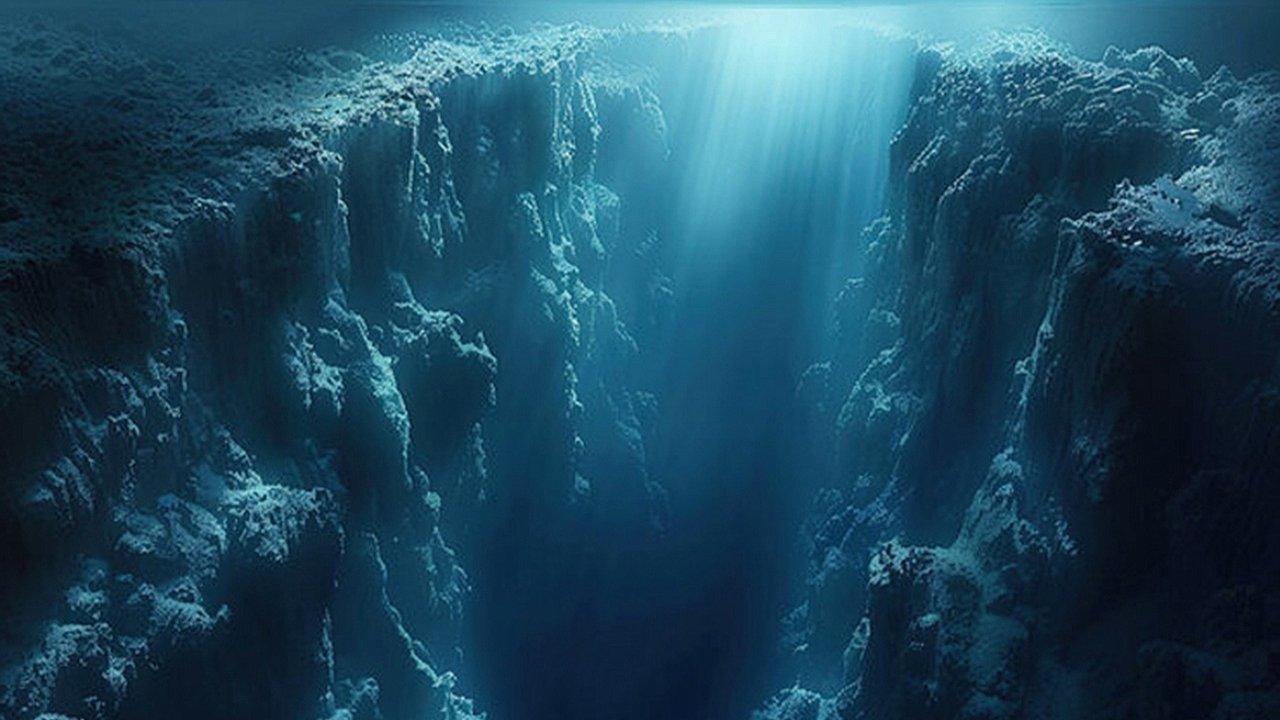
🌊 The Deepest Places on Earth – A Journey Into the Unknown

What is the deepest place on Earth?

You might think the answer is simply the bottom of the ocean.

But the deeper we go, the stranger the world becomes.

Thousands of metres below the ocean surface, there is almost complete darkness, enormous pressure and temperatures very different from those on land. Yet life still exists there.

And the amazing part is this:

Some of the deepest places on our planet are still difficult for humans to explore.

Let’s take a journey from the deepest ocean trenches to underground caves and discover what lies far beneath Earth’s surface.

https://images.openai.com/static-rsc-4/I_WawDg-9kbEkhcBrZnDbO6xey-7wQcsyU8GC0LDC6Bj3a0yRyvAdfuGEv1eBLK1r6Z29RQbugeDuWLIZ1H3wU_xysznAY98L3MoJLdbME7DYD4m4v1L9LRXZwxjp-5t_pd6XHP_0diF0OYP5KgCWIFXUzamLWzhRK1B54bbrpMMnrtNgR_NvXOt9W88MHEz?purpose=fullsize
https://images.openai.com/static-rsc-4/uTc5Mnmxjj4ViD4FoY706rEaUj0BUqgBvKuZHRcxzf36Y-1BtPxTtlEUJicbMC0-UItfLXxYePuzDZZ38Zm0r4VK38zJzK-_NE6H_OyDJHqg6a9LG391v5RyjOnqVquuWI24Bs8KMmkVKRZNwaPnvuxY8Ra-3zbwuoYym7Kzq-qnRz7mv05Oz3pEgO7hkaun?purpose=fullsize
https://images.openai.com/static-rsc-4/Di7gGl3JWXjmfM6VMbpK3vIXgI6uasUe76DMD7OqgH0ULE51WS6Bfv9z62ed0lpT8alqMtukGWiTcq9RAfY52r_mUhAMqju__WeP-CMmWdUDEEoCWp4BEcD6KXloR30jRRQw23Frb15tJm_q6iZA3YxL1xKtQ0HTDO5EbNVN5SfadxrXEml2KLannBIBiCg-?purpose=fullsize

🌊 1. Mariana Trench – The Deepest Known Ocean Trench

The Mariana Trench in the western Pacific Ocean is the deepest known ocean trench on Earth.

Its deepest known area is called Challenger Deep.

https://images.openai.com/static-rsc-4/gQdmikkG9bV4em95V43jvSQ1r2huPCCEd4lbXChdWoxVhoF5bd1M075w6XDbhS9Z2lWx7F7qc4B2dgJvSanPHP6YOuHtRwiWVB1trXih8saAjvu4ty7Cshann-qAhjma83-roUcNwBJf2uLsP2NzSNXBnbggvfUJicSn_wXJkNrpcVOaK0CH30_jE6htMg7r?purpose=fullsize
https://images.openai.com/static-rsc-4/KARomm9uyXwOZZ2Qv7UaIa9fh76rFfklp0KUX1dJzhSFuoNpTuITZ4T2ZmyJGY4cRzYr864mCCmUHFFEJgxmQSvc_Z2MWn1jPkKBUn1VAN4aY9yU2isz49farQVaBzx3GcEOlC6NdPROQnHKkxt2rA1-81NoCEQHcxOkEu3N-RUUg0qqxS-6FeW9EkwGBE2V?purpose=fullsize
https://images.openai.com/static-rsc-4/yjaYCeD6W5TGcUARa4MRgqLEfM74X5y6aftl4akqXLLs96ZHnQP8jeskSUTv06Z5Nl-zr7D5zCtjcKzyN1mo0-ad0COf9I_7TRw_Y9stVEXrS0E2ttYMb8LHCNspy0-5f_lKf7OUUBmAKRkmMmDdogwfERIM5jXjZk3mYktl-lMAEFUHvv9ySk2MHiVsz9dM?purpose=fullsize

The depth is roughly 11 kilometres below sea level.

To understand how enormous that is, imagine placing Mount Everest into the trench.

The summit would still be underwater.

🀯 Think About That

Everest is the highest mountain above sea level.

Challenger Deep is the deepest known point below sea level.

The difference between them shows just how extreme Earth’s vertical landscape really is.


⚫ 2. What Does It Look Like at the Bottom?

Forget sunlight.

At these depths, sunlight cannot penetrate.

The environment is almost completely dark.

https://images.openai.com/static-rsc-4/kgAy6MaOPg9WZm8eQ2QzmxaTQT3_v_pekx1TgjeuovhLAF5EX4cej1HUcRBrqehykE1nr3dc7lX3BYAXVF-y6PIspX-4VPxB86AHDAJbim29rNgDFTd_pSGvE8TLM96Uhaqr3uEVkTexFUUQ194xUWL-zFSlJmoq6Jmxvro9uYqxticK7sPDupHvW7lG9m2L?purpose=fullsize
https://images.openai.com/static-rsc-4/3-SmN7vwM6j1sw_iLsEeEZ0hvzhtngSE1ghIsp3LENFft7PzPBt9tBuJQqrZwTP670tS0yuLtW7nOVmAO20FK-XXlj_aJnj0MgWcEFYSTj-nYj8rvKRP4Nle9bL3Hj2kQ1WbTAYf39lTKtE7zsqKSLWwoILFwLcu3mbKwCM_7tcraHCuORcchrAUpW0HMnvL?purpose=fullsize
https://images.openai.com/static-rsc-4/CMc7uv1mW4T87fvZuczCCJB2J_wN9_lC0B3m01R5uRXGa-bbXPCoJ4A5M2ifjj7CL5y51bGXmu7_OdrEzwfXdbLCJzEhLSMSqBmie9qiXn1CMy758e1UjQOhh9yVfJFgE13ZMR7az-lVVYtYogyX1cy7sw4FjfoQcNURoUNrunfdgSSRgAt5-LSbD7rdkQSl?purpose=fullsize

The pressure is also enormous.

A human cannot simply dive there using normal scuba equipment.

Specialized deep-sea vehicles are required to reach these depths.


🐟 3. Life Exists Where We Thought It Couldn’t

You might expect such an extreme environment to be completely lifeless.

But scientists have discovered organisms capable of surviving in the deep ocean.

https://images.openai.com/static-rsc-4/SUEYQPlogHSamojCSQjxGFNmhdcyMDi8tD0P-VmDbKjnzJquXRX-SF6H50nVFDLg5LYQR5L99-6hiO5JlyntGTf9WA0wruxFDam99JUmhctdsp7St_eumpgs3cqqPKgj1o1HO1pE2U6yF9D9ILdSzxG77teKuT-fA3FyJ3F8J3I6As1zdJwp09vgjNlgPwqx?purpose=fullsize
https://images.openai.com/static-rsc-4/7Yp21J8y0raGy6ZwKMdLqLjDhiYR0wso60j5K8Vl6WIBq5-NwvjMjrcmzdgD4ket6yYecfiI-IPP1XHpoLGlsDB4xUz4CynICYfbEi5deFneiVjkkLRA5LWPAs9o6DJzeucfiSO7Ug2PK0pV-W5IUyrHaS9evfSogTVgFVRXX2Tqhn6dDNyr56a5UoLSQYdp?purpose=fullsize
https://images.openai.com/static-rsc-4/YFp8zOXHF514_AWLY8iYopB0Yjn4i8dDbzx-fo3gZe3jll13jGwA0EfobJbvYk1SbAhtreA5SChLzDQQ4hWjzJ8S2-go6eDqk5rP4mHQM6pKoSfGoilJR9u3ONeyO0M24ZRia0EfvAVvqJxFuGiCbl2wAh_oLj3-peiQwFvz2bJWYTsbS22cCKuTLGQcxdTI?purpose=fullsize

Deep-sea organisms have evolved remarkable adaptations.

Some produce their own light through bioluminescence.

Others have bodies suited to extreme pressure and limited food.

🌌 A World Without Sunlight

On land, most ecosystems ultimately depend on sunlight.

But some deep-sea ecosystems can rely on chemical energy rather than direct sunlight.

That discovery changed our understanding of where life can exist.


πŸŒ‹ 4. Hydrothermal Vents – Underwater Hot Springs

Deep beneath the ocean are areas known as hydrothermal vents.

These are places where extremely hot, mineral-rich water emerges from Earth’s crust.

https://images.openai.com/static-rsc-4/k2XLuZQLBx07lywIN38XWk4Bo_WA1hkT8TI0N4mT1oKXvTM4trllNst858-wu9aCMu4fKEO9Np2aek2ECFyF4Bj1_buzvnyXGtYwE5wvjKaGWI70ddYEkvYbnswo2Ca-3aM7huw1Q1k5-IBQ_QNAL7yWxbRz-vH8I4PMFjyV64KvUPr2XwRImSAENn9fb1eL?purpose=fullsize
https://images.openai.com/static-rsc-4/1tfmN5VY_0Mi1mDTr-wjTWxg7Z2xgMBxZQAdhzh1FsVCVaB-FV_kkwrNJlBqMeMl9XsbWA6mODnMoABuBedSMoMk_3VrFNZzLkOcoj2cKYg3og3m7AG9qdNUlMFGc5ifLYNQdiaj7_pgZw_UknHcEfOTF17Gbc3cNnHvAZiDmZnsmru1peNBQqXh9v5qC2PX?purpose=fullsize
https://images.openai.com/static-rsc-4/sXXabvMm69Y57ebgzvkHLp8PDmJ3C6d20OO0Xdt3kFhIMZ5hDdmPQOXCcAvlqDkMfNUmsxTjC1hgP5ktBW9DkjmYrfbGbMmD4Ri_vK9OdnniFZakoEYfJlu73q9nNRhAeFnBIFKwc9ohlXMUJJdNu-H0qQ3IMrxltfNGc6j153yMzjnziAIhMiE8W-zzscYT?purpose=fullsize

The surrounding environment can look completely alien.

Instead of sunlight supporting the ecosystem, microorganisms can use chemical energy from the vent environment.

These microbes form the foundation of food webs involving other deep-sea organisms.


πŸ•³οΈ 5. The Deepest Caves on Earth

The ocean isn’t the only place where Earth goes deep.

Beneath the surface are enormous cave systems.

Some extend for kilometres through rock.

https://images.openai.com/static-rsc-4/uwEN3ktIOUfwQT7lYjG5s5617VIDY-7fhFIeXS8yya4EQ2MUGDbUHPfg1QLsgl7vjUxq4MZDoLyDYqI0XhcCQYnBFlE5qvn8osH_e6ws5Ee8uWf66m4lOXb_wmY6mb3UdKMvmxssvFccHkH48zASeeKPmJoW8QNO6HRppg46tRyZDe-MIjDM82Kl1JyUw3Rd?purpose=fullsize
https://images.openai.com/static-rsc-4/SFWr-Tm7KMnzv1TrKo4hJyjjBm4NMk-GynCx02kkh0V5hkB63Ymfu1WLXo0DU2y4pGeQSb8RIATn1jtrJSFhDfM0sKV-ZifVThDusE4dBlCqOaK_188cBNWkwAlEiTvm4H3l5u-hrp-FxPVA8lKUq40XMxJykJY1kUWElW7g16-AB8wTOYF3u6BgYbqU8Wlo?purpose=fullsize
https://images.openai.com/static-rsc-4/uIbskc298v6ZC-d5QRqKmaJlXJrey1VQBCNp8DCeFFjTryzBJZVt9Pvxc8e9S7ZR6EaH6CTnqmZs1Y6zkPgcysnC9EZtzPDJKOCoFwBElRsoPrr1jZNQphVMkIScLyWwpvtJJyjomh9ohkwA6H-f7DU6ZQD-24ktDQn8heAe4pXhbaNwBrHaXBJPIWJiysQF?purpose=fullsize

Caves can contain underground rivers, enormous chambers and unique organisms.

Exploring them can be extremely dangerous because of narrow passages, flooding, falling rocks and difficult navigation.


πŸͺ¨ 6. How Are Deep Caves Created?

Many deep caves form when water gradually dissolves soluble rock such as limestone.

Rainwater absorbs carbon dioxide from the atmosphere and soil, becoming slightly acidic.

As water moves through cracks in rock, it can slowly enlarge them.

Over thousands or millions of years, these tiny cracks can become large underground passages.

https://images.openai.com/static-rsc-4/pPehX-dPRYAEOtZUAETAIqK-pRHMrVrJS6SRjDiJteq0h_1LDs4oBJkI9YKT7ZIaUqQjeJ7Y7aDHZQ71dHZb_zJvcdBsr_T8CPLhubdTSXFr9pr2EUBQP7DzpsOAOP9MK2rhqBVfUIftdPl8YhUoUAdOU_TLEUzr4-4YxG_gTNpQlOwAZFcZ_C36TIK53Smo?purpose=fullsize
https://images.openai.com/static-rsc-4/Bveb6BInQwi8_Rp4Zxsk4ZV6h-npQHhDRmHE2quR2axQKkIXZnpsN-sgO8GnaWhjCJRQthvBJrsHa0TmnC50D4dFP54KSHr9E3ue1-YOR9BhhrdrXMQgagBCjmB31F1ksYGm-NNVlsqKXzsm7hgEq-Mr4couLFm1cqBwddMFYcBrUogaJUMr6VgCUTHERDQd?purpose=fullsize
https://images.openai.com/static-rsc-4/pHPDywREEsHm5WtsGDlbv-Cflx67I6XTYQubRzH5B02Dj-13n7MkHpU-E_x60zlJ-bZgW7Srb_s_byBhwc_McXfYjrR38j5Z86JX7KfgQSt30IsdW63FYN75XDbAyAuL-8s4hT7_btUumWj2YxhXjfFJCoDY_XhQ5m12RTk77AzOOcKKCXBqKms8xAQKLghg?purpose=fullsize

What begins as a tiny crack can eventually become a gigantic underground system.


🏞️ 7. Underground Rivers

Some cave systems contain flowing water.

These underground rivers can travel through darkness beneath the surface before eventually emerging elsewhere.

https://images.openai.com/static-rsc-4/UITpmvsyYQHEHe62LWo-9hcXXxf9X0qmT7r7_-AzpJzHCx4YN-eXUQwwSHgi6raWnob04L5wnMVhs0zVUuHklbaE6Up7xRDUDFRX3L9wGDgZI4cYY9OQGKEv92q-1TQqb3WxBcFUnYlgLM_uDAZbPi0SZdxczSf3kmrhviffl-9Nh0MmCL7lqET1YZOKfZit?purpose=fullsize
https://images.openai.com/static-rsc-4/mR6N2njQLn-TTP7c5qrKl3x5egpXMf4t-3s_u24aiE-fqb0mHlSDPwh0sJtRflii7RYb8dE6QgHXvfhAX9UNYrOWFQ-BQnoG1TWYbcM4TDK73z6gaVZSXSWVeL44QB_wYBJQksFZ35rMGY5I0f9mHRPCeXaaDt6KjLCKvsAVtuv5rxo1Q2HsFb_fg2Xkfn_H?purpose=fullsize
https://images.openai.com/static-rsc-4/0LYF1rhPRzIfJaaoIekIKVPlHSpzAAfjXbi7TuiwIU5nL0fLmNhNcUoBK58kCdD7e4oIMUs4ByA1nAvXrwdsXoJaZ3r_2qA9U0qWu3zdLog0Z1cEyoR6mx5Ryfh1rrEmTkebFhUVbSIlBDYU-4QY7xMx8COJLeka_EANzI8zW-P5sCkxSiWG5byFOo5lbrkq?purpose=fullsize

This hidden water is also part of the larger groundwater system.

So even beneath our feet, water can be moving through landscapes we cannot see.


🌍 8. Earth’s Deepest Mines

Humans have also travelled deep underground through mining.

Some mines extend several kilometres below Earth’s surface.

https://images.openai.com/static-rsc-4/BptlTsbb8bwhnFqkPsHSCx7A2U0Cv1wcWFmT-HFzt4HglZ9PulnT5bMblPgFgdYb273eo1zWghTS4yZ0JYM-QtylC2rqR_jwsqiFk3Y8mijvxNiv0sQvRIJY60Ae4vCov94lPj_3BxQ6jJoWkWbxYRA2zCRiVgeKDeD1UGF1H8_BAl3AnwmsHr50vb_zKeV6?purpose=fullsize
https://images.openai.com/static-rsc-4/cnBL4BxPEebtvxvLizXnvoFmvOjLmnAYC2wN1ewpAn2QQPWGGvAU1YA2DTQcuLbVciN0K91HDC_ELaXoDn8yT7jJeJYQSudkipviK9sOz4DkwTDjMFOXwoGdu-twP5-vLav0TPdRa1Js2a4oQo3R9pajR_ip2MeOQuwIlUGu3xUQy6_DWiX6rgh9vLngUL54?purpose=fullsize
https://images.openai.com/static-rsc-4/tuw7KMG3sXEpIdDbiOgm3w9Vk2-iSxZI7LIzpHEHRqkdusk4rvpZ7IoCjKqetFrhyAHDe1P4UY3jD2U3QMQTeQuuERM79Qnd-Xb3esnnwVcfwSajKziYzTrS8UdFVicwk3O-LNE0R9okeJGB-K8JkHQ-8d5hFwaMk-Spd49_91px01fslsJMu6hNcXt68dGf?purpose=fullsize

As depth increases, temperatures can rise significantly.

Ventilation and cooling systems are therefore essential in very deep mines.

The underground environment becomes increasingly difficult for humans to work in.


πŸ”₯ 9. Why Does It Get Hotter Underground?

Have you ever wondered why deep underground environments can become so hot?

Earth’s interior contains enormous amounts of heat.

Some of this heat comes from the planet’s formation, while another important source is the decay of radioactive elements inside Earth.

https://images.openai.com/static-rsc-4/0I1EcF-ryWTUQtlZQVjbP5g2IstI5QZ_ssS0dMIqyQnXFmM2MS33ythP3YZoRJgCDTYm-Nws0BOC51qMdQwHQxQhryIOUSJ3M9tbnOpWPOGfBXPUB5S3AUZxcnplSxialkujdrry8foprVsIHJ1N2BBD5fiJxrNPvLhLPkczbj3qm3Jx-yKyDqGOZhhhORVd?purpose=fullsize
https://images.openai.com/static-rsc-4/-1M49RWjxQIuoqoQZAwKeC-k6iqF-iLH1NtksHeWAF6zXNf28bbuewTQb6CJPyWkbGgAB4lm2kH3ytMP3qacPUqNAqWl4rkh8zdaubgdHkWGFzO6dgqIYydzREtMA5jYL9PiG5o7iH_BR_UXxntjiJPebZpreSXwZ6dX-mKGLYVBmHEoiUMKYFFFfYoQMrXA?purpose=fullsize
https://images.openai.com/static-rsc-4/VjiJPCqCi_c2rlfjkf9ZZWTfM3YJM_mEQLqW-laZ_-ioP7QnslnLPmL9qLemg4MejShJFwUtniPReLtBvOUiOLAZVARs1y1O-JqgLFWQjXSx3IkPntuQJUHhaD4oIuadIw_oCOXXvjMiXPE6cDFuwRp6XY4L4y7-rhaz2oOc2hDdS2VD6mghoN2BGHnSxRG3?purpose=fullsize

As we go deeper into Earth’s crust, temperature generally increases.

This is known as the geothermal gradient.


🌑️ 10. Earth’s Interior Is Far Deeper Than Any Mine

Even the deepest human-made underground structures reach only a tiny distance compared with Earth’s total radius.

Earth’s radius is about 6,371 kilometres.

The deepest mines and boreholes are only a few kilometres deep.

That means humanity has explored only a tiny fraction of the distance toward Earth’s centre.

🀯 Imagine This

If Earth were represented by a large apple, the depth humans have directly explored would be an incredibly thin portion compared with the whole planet.


🌊 The Ocean Floor Is Not Flat

Another surprising fact is that the bottom of the ocean is not a smooth, flat surface.

It contains:

  • πŸ”οΈ Underwater mountains
  • πŸŒ‹ Volcanoes
  • πŸ•³οΈ Deep trenches
  • 🏞️ Valleys
  • 🌊 Plains
  • πŸͺ¨ Rock formations
https://images.openai.com/static-rsc-4/S9wTuSSrzik-nZZVssxn-NebE0bysZcLBDQqQepT8kYXc4zNldcIauq2P4PzupzuiPd6gRzqh--KTwKwsNUvZsWIow2q1VEFNodE8SwZ2pD4obk5HnJZBy80ffajmg0xkCCuJqRbrRbIgfbGMlwIIQaHOp8sHjryCOsmuX96IJSiUAzraoIcK8ylQGJ0eaC1?purpose=fullsize
https://images.openai.com/static-rsc-4/N9hXIhovf9h62pnh-OJipZbkYSMcjXrUY1f-aY2di5aI2mWD92egXdYAdY-xM6gTS-iKbrGI--lRJuMzRJRcEFomsdm11WtS9dk9MP5Sm7qxF6J2Ms-F2FQm5icHrgKfc7N7vFJqt9WzwXBIvsTqtgQuQf6KcfTI8IcCOg5MB7YllKWvjRjqRyTL-4A9qvzE?purpose=fullsize
https://images.openai.com/static-rsc-4/UZlI_vLUyC6EbQyO5YIJ2AaCsTiOSVIaxHzC6Kj5djMHD3PlnJbkXr0WXi95n72fQVoAYyznCdD41E0vXREoqtxbslpKXy-62xHU5HSn33xFkrOFCgSlNE-fJzYqyD7APyqwlBOPhMdEBvgT2gvBaqR9aij-LbFHKGuX4H_tqUKCnmxg7UCs8vdd-1xcAlaB?purpose=fullsize

In fact, Earth’s longest mountain system is largely hidden beneath the ocean.

It is known as the mid-ocean ridge system.


🌌 Why Is the Deep Ocean So Difficult to Explore?

Three major problems make deep-sea exploration extremely challenging:

1. Pressure

Water pressure increases rapidly with depth.

2. Darkness

Sunlight disappears long before reaching the deepest parts of the ocean.

3. Distance

Deep trenches are far below the surface and can be difficult to reach with specialized equipment.

Because of these challenges, researchers use remotely operated vehicles, autonomous underwater vehicles and specially designed submersibles.


🧠 What Can Deep Exploration Teach Us?

Exploring Earth’s deepest environments isn’t simply about setting records.

Scientists can learn about:

  • 🌍 Earth’s geology
  • 🐟 Extreme ecosystems
  • 🧬 Adaptation and evolution
  • πŸŒ‹ Geological activity
  • πŸ’§ Groundwater systems
  • πŸͺ Possibilities for life beyond Earth

Deep-sea organisms are especially interesting because some survive conditions that resemble environments scientists imagine could exist on other worlds.


🀯 Amazing Facts About Earth’s Deepest Places

🌊 Challenger Deep is roughly 11 km beneath sea level.

πŸ”οΈ Mount Everest could fit beneath the ocean surface at Challenger Deep, with water still above its summit.

⚫ Sunlight cannot reach the deepest ocean environments.

🐟 Life exists under enormous pressure.

πŸŒ‹ Hydrothermal vents support unique ecosystems.

πŸ•³οΈ Deep caves can contain underground rivers and enormous chambers.

πŸ”₯ Earth’s temperature generally increases with depth.

🌍 Humans have directly explored only a tiny fraction of Earth’s interior.


🌟 Final Thoughts

We often look toward space when we think about unexplored worlds.

But there is another mysterious world much closer to us.

It is beneath our feet and beneath the oceans.

The deepest ocean trenches, underground caves and Earth’s hidden interior remind us that our own planet still contains enormous mysteries.

We have satellites.

We have submarines.

We have advanced robots.

We have powerful scientific instruments.

And yet, there is still so much left to discover.

Perhaps the next great discovery won’t come from another planet.

It may come from somewhere deep beneath the world we already call home.


❓ Frequently Asked Questions

What is the deepest place on Earth?

The deepest known point in Earth’s oceans is Challenger Deep in the Mariana Trench, at roughly 11 kilometres below sea level.

Can humans reach the bottom of the Mariana Trench?

Yes. Specialized crewed submersibles have reached Challenger Deep, although such missions are technically difficult.

Is there life at the bottom of the ocean?

Yes. Scientists have observed and studied organisms capable of surviving in extremely deep environments.

Why is the deep ocean dark?

Sunlight cannot penetrate to the deepest parts of the ocean, creating permanent darkness.

Why are hydrothermal vents important?

They support unique ecosystems in which microorganisms can obtain energy from chemicals rather than sunlight.

How deep can humans go underground?

Humans have worked several kilometres underground in deep mines, but this is tiny compared with Earth’s radius

Comments

Leave a Reply

Your email address will not be published. Required fields are marked *