Tag: Earth Science

  • 🌊 What Would Happen If the Ocean Suddenly Disappeared?

    🌊 What Would Happen If the Ocean Suddenly Disappeared?

    Imagine waking up tomorrow and looking at the horizon.

    Something is wrong.

    The ocean is gone.

    No waves.
    No blue water.
    No ships.

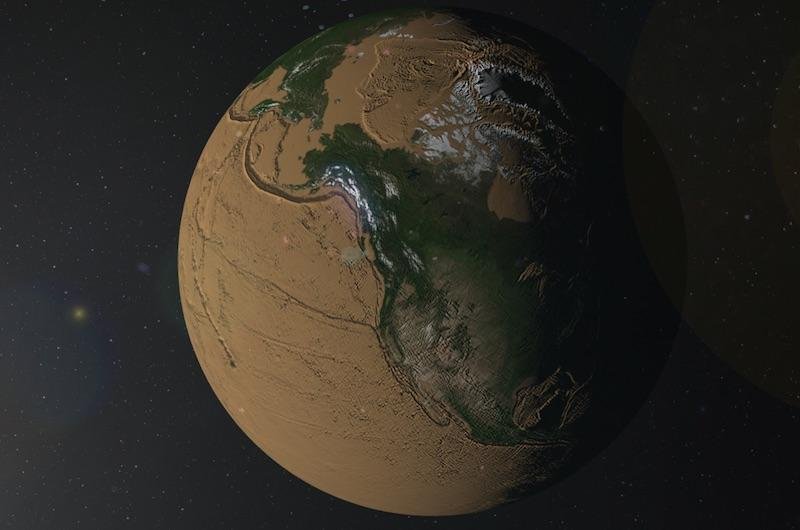
    Instead, where the sea used to be, there is a gigantic exposed landscape stretching toward the horizon.

    It sounds like science fiction.

    But thinking about this impossible scenario reveals just how important the oceans are to Earth’s climate, weather, wildlife and human civilization.

    So let’s imagine it.

    What would happen if Earth’s oceans suddenly disappeared?

    https://images.openai.com/static-rsc-4/sLrYPoZDpixhZngBKaU3v_f0Qd0Jfs3iCKalYZqW6sNjlO9g2BBFn6oDQqshVqMOYyvG15vjikZItgTUq6w9w0prH7Axh17ZA2Quvni2riOPZN-cLUtFsxpVQYYrfFvxKbE1hpvcCyeu60ZrAljbOrm_x7ubSafsrckKKhagpgh1vNhsKXOoYXByUL9xdEDO?purpose=fullsize
    https://images.openai.com/static-rsc-4/KAKl92YDcj1xRrBltRtU_FQUn6Xq1nDPy1gbqgluQz8d6P4CIYZ2GjryIcOBBquM5EW7TBUOTvX6ihPrCKxJ9p80TvHOHRJJCIQvx8ZJdPMw1e_N0QemZ1tvCWQmmaK5yZ8hdWvXzZNWjPO83gSy1BlmuvIz8Rg92mPP74caBfAhXzc4RyjotgjfjO28A7Rl?purpose=fullsize
    https://images.openai.com/static-rsc-4/kXf2v0GXCTsxFv5HXfUIYe_R9aJV6Bx3_T9rHyCJbMa37OZKbM-I3LhPI2aqse8uXUl66ud8Lyv8TLge7vlZ_eKcsS1Ri7WlBByvTqzkkaB0xStOglhOB7oUftC9HrcbKu2uXYpzQm-ybE_IbVU5jH-GT7K2sT80JqqlK2aasQMVSWK9l2XO6P5A-iJeH3g-?purpose=fullsize

    🌍 First: The Ocean Is Enormous

    The oceans cover roughly 71% of Earth’s surface.

    That’s more than two-thirds of the planet.

    https://images.openai.com/static-rsc-4/4asHpgrXqWVwAAtIanpVOlgaWVqvGA_BTzB9_szhiFIASoQImudyZq-H9e_dwEchm0_MQRGj6WWi6ynWUWyu60MjUGhk2xrtGoJeiiY9ZzvttObRxN3nRzHMhJwrL049EZZ43kaFZDcmIzwtxLVwLKHoLDeIkBZ-RSP9EwderDB1raEClBPvaF1NTkbxMrK8?purpose=fullsize
    https://images.openai.com/static-rsc-4/GhRn9e5TYdvafr3D26-knWVHBlnb3Nx8Co_iO8E8mt146FXYCkpllt642yR-jgCvc5yyYmMBEct2xK16RwYWXR79B4nDOZgBG-_UBq1Xc1FofPH8qtuNa01FsqsfQOJHWF7NMvs6lnkzyfj6g4huz-9VhKonlZ4w1H43a3AZTcEBaMeICgMwcBWp38sGipX8?purpose=fullsize
    https://images.openai.com/static-rsc-4/ta3NOxHlXumUtOstELEjejVPV5TgYOqZkpr_8nz5GWylP2e4Y28c4awj9KSYuzHSr6jzKa46e67TMXF2xFYllJnYJCjoCT7SAUjjwbUFLwsR9SJIguOsAYezWtO8z1gVBmaewgzfAdsmYyOUs-tcrzNEc-6wME6nRu72fIwvfHKi-JupU-NdC4ZcvsQi70W-?purpose=fullsize

    When you look at a world map, it can be easy to think of the oceans as simply large areas of blue.

    They are much more than that.

    The oceans are part of a gigantic planetary system involving:

    🌧️ Rain
    ☁️ Clouds
    🌑️ Temperature
    🌬️ Winds
    🧊 Ice
    🐟 Marine ecosystems
    🌊 Ocean currents

    Remove the oceans, and the entire Earth system changes.


    😱 1. The Seafloor Would Suddenly Be Exposed

    If all ocean water somehow vanished, enormous areas of seafloor would be revealed.

    https://images.openai.com/static-rsc-4/WdcAGMsMvI1TUnPer-WbsHI1OZoJfDLQxhMmw8H5lVrW30uaOiuWxQWlqE-xfLarzGZa5hisOIWWq0BCpkAXDgJQm3w_YfCpp2JWprWzyxyFzvyKV8C97vOt43T_98PyqBU_FQ0ByAEyPWNxfd-KI0HuMZb4tjm8QgNQAJfqNX2Zrc-mUbB_zhkUgHuWqMVN?purpose=fullsize
    https://images.openai.com/static-rsc-4/T2GruGcWL0budIvyza9R8pfC4a2Qhi-KznJgvS-L1cZ19RM89PwxJxen6F-mvYriFv6utSUnBzCd4mKgX7okkMDsf5xJaZfek_78Qpvfurf-ObEUlpRYd7pIYS-3UB53wHsiyDz1yIfWxvlIHVa6L428dl2l85nwxzrEsrnTxG2Ez_uvy15YgPVkOjaivb0b?purpose=fullsize
    https://images.openai.com/static-rsc-4/lA4iODnxm9RbcAKRv19_LqJZfOzRqz3AfIeg47b8nXQ1bJQHIh5-pgdrBxFCoJN3qcYxYKOGgjnSVumOZdjeH6a5ZWKLaTRhaXLHHvDCcffWlPYaFkdGcN_b6BiFZqHXSbmbk9UKs2Zup6B0TbhfQY4Wxg-LtGnZ5dL8VWfESsq_JmvO6Q8xu8BkW2BLbwts?purpose=fullsize

    The seafloor isn’t flat.

    It contains:

    • πŸ”οΈ Underwater mountains
    • πŸŒ‹ Volcanoes
    • πŸ•³οΈ Deep trenches
    • 🏞️ Vast plains
    • πŸͺ¨ Rocky formations

    Some ocean trenches are deeper than the height of many mountains above sea level.

    The exposed seafloor would therefore create an entirely new landscape.


    πŸ”οΈ 2. Earth’s Geography Would Look Completely Different

    Today, we think of continents and islands as separate land masses surrounded by water.

    Without oceans, that distinction would change dramatically.

    https://images.openai.com/static-rsc-4/CuPrmZRdLcP3vMSlUqYsEJoahM3TQt4c5Bn8UsKTpM3gzcL_o3YcCTdlHmUN-vlXJTHXmG5eeAoHpDOZZvZF_pomThPq_U-Zos7VYDEy5exZJ6jWTjpJ5T2bl_GWse1cP1dEXcau-A0OpIaIwF9lDA_lBAzOEYfFDf-w2UtS5agHZleo_wYCWCtDSTE44Apt?purpose=fullsize
    https://images.openai.com/static-rsc-4/tMylMminsb6Yb0SHeSdSFyQlqYoOoSyiX5goNWlNqekoEYd_ltXnLX3yHGeYPvJLEowwjOnetkk9SFg-8aJjsM3arIK7xXEPLYlSQWWgO8YYvJHft5ItwMitPWH6LA8HUUfSbZsdUj8jYqcoE2sdZZ-eXTGIhkLie1IhlFj1vc5wNhIZgdhhdM97MuWAecFb?purpose=fullsize
    https://images.openai.com/static-rsc-4/2YI5-cyyJEEazQo2OV7nNu2kiE8nl0Lpp4cDEXH7t5TvxGhtgcz-afIzJXNkmSleWmCXlmYLsq8KSTg25VxVdRrWO7rLqm0yxPBUwieptqiy2505nH8VAJXsRtlqw_HWma0GY83haAU2ow3KQNdO-IUcf9XDpX2bFbfcv0RuqGT0L8sZKNL5-oxLBtXIEqOe?purpose=fullsize

    Many islands would become connected to larger land masses.

    Huge underwater mountain ranges would become visible.

    The planet’s geography would be almost unrecognizable.


    πŸ‹ 3. Marine Life Would Face Catastrophe

    This would be the most immediate biological disaster.

    The ocean is home to an enormous variety of life.

    https://images.openai.com/static-rsc-4/2sIC41cAty5gFFi6iK8BOVW5dU1ED4TshI19f-Y3P9XPsK74b1zVzyOMWZ8C6s05fQTczjhyRsllB6FleWTHxSO1-k_3zut7bY6-FaHIOT70V1cSdL6sCakZ0cN5V544I5JgQH_dYFzA4Xd1qSBopxBChA35HDmbDOJbZ8j1RGK6gu-kkc9c800RMg3W6yf3?purpose=fullsize
    https://images.openai.com/static-rsc-4/8_26-vZOsJQBlmuqsI4Skkv0uUpdquf59XwwvWgWrxCIAfEP6NYngFt_Mo560DA7MhmPcnTDfx3_9HpvMeJXJ5Ju3sYjp6FinQCmj6uewgRlnQ5tjeiFJEW23bj1zvM7et413oCRfSLpfZld3i2rGpBUudXuVUvpb_AtyX1DtxLmHsLhEjfJIe5AKMrEO0cK?purpose=fullsize
    https://images.openai.com/static-rsc-4/oYhVnX-xk8pLPyNc2UjUr8Z842h0kO_Ki9XOXiGuIBdjNEW6gN1wuZOSbIskxW8i0yVrYb2lDKj6nrCTx9H8Zyt-Di7NzYWUjWbL7XuVdOud5YCtVLG5ygIbEaTyXZIFIsyLhYhD-_XeEV__iSqIaylhzd9at5QokIDCSeIqcpcwgcl69cnJLcPqZv30U1Vy?purpose=fullsize

    Whales.

    Sharks.

    Dolphins.

    Fish.

    Octopuses.

    Corals.

    Plankton.

    Countless microscopic organisms.

    If the ocean disappeared, marine ecosystems would collapse.

    The impact wouldn’t stop with large animals.

    Even tiny organisms form the foundation of marine food webs.


    🌱 4. Coastal Ecosystems Would Disappear

    Many ecosystems exist specifically because land and ocean meet.

    Examples include:

    🌴 Mangroves
    πŸͺΈ Coral reefs
    🌿 Seagrass meadows
    πŸ–οΈ Beaches
    πŸ¦€ Tidal ecosystems

    https://images.openai.com/static-rsc-4/0L-7CswlhAHmcKIUHqV3UgBqjF_PnyZghsRQZpd0LFiteDcOFK0Jv_z8QBRVCzOzj4Ox2Ih78jZW5A4AenbWcfWcapYxxHaSH9a61y8NclfYodlr1EsNNCFe2TR-1T0zC753x6KHyN4ABwlQoTuIizg3J94Wo1FrvWUEIOqqkeNidCzIikUEOTzMwU3qnTNn?purpose=fullsize
    https://images.openai.com/static-rsc-4/zIBkOfL___1CQrMpGwdTIOjIw2oc0jFRd8gC04UzXrm_FeOr9dfh0n7eEI_lKi_EQzjLW1u6XAh2ElOKNFjTUmo17-jupNzmhDs8LBzQOoTrosPbCu8tizJnoX_DhsqFiGC4kqcuPo2WqH9JGv17E6g5lhph8jPw3LYxiLP3yKIMhJ1Jd6tiQyYhnvOmPWlf?purpose=fullsize
    https://images.openai.com/static-rsc-4/X8v_af2BWd1pThOSzm9NPnVYmq9TmBtilwm8t0_LXVMSt0jGjiEUTG67qlDhL8_T0EA6Y-oS3F3HwQuHZM5G59dD0BS4LyKfhh0stLZJcm-t4X1KVdhLQ14KFF2uAcV53CKejhj_EaTraYyPTN0BVsZh4U8av37_hUQJQ5934GVcnsZuGBNEpuUntqvXwCS1?purpose=fullsize

    Without seawater and tides, these ecosystems would vanish or undergo enormous transformation.


    ☁️ 5. Earth’s Water Cycle Would Be Completely Disrupted

    This is one of the biggest consequences.

    The oceans are the largest reservoir of water on Earth’s surface.

    Ocean water evaporates.

    Water vapor enters the atmosphere.

    Clouds form.

    Rain and snow fall.

    Water returns to rivers, lakes and oceans.

    https://images.openai.com/static-rsc-4/uAmqToMwd3LiNPT3CNQ-YFuzHBe8pK4nbjZCi_iWByKCr6h9u2pYQOBBt7FJX1_Glwcy73UtBLtzxyaIe3vqxtfTIsxv0QQZK6gH8zDKHEzvP2nvTRol7NcKBwe9g0n1Vtfxvh2vmZse4jmacjDpJzotignCYHWQnTkEuCTCqTfvc4vGgrFKKwa3bTaGXHib?purpose=fullsize
    https://images.openai.com/static-rsc-4/UeuaKzIQ5ZYzbWzLeiSIpnf1lkREi5wbRploy5wIDkhTj7Fnpw5DMmjZ-kZuKc8jL1eE-TpitNHl-TKWe5-hXpl75igxiABqdiReKM2L0Mvv6TQna3n-R87canTQ_KDDXAptKr2tNo3QXh-So4NrjAjAxJEESEMdJEwiVsAc7oExXy5TyHC5hfYDhk2NMeJf?purpose=fullsize
    https://images.openai.com/static-rsc-4/gLS8U87xruVyqH8NHbv5HcPEd-ypciviKaujfanfUl8mRl6jVlR3xA5f7I73tnALHBJxVUoFKGWp1w55WLg0macfQBn7yqzqUnJrHNYf4coCdbYDwGLF0fcGTyi-gRnpS1x3njOIBXMbzRFqll9mFPs21bgzNTi0iKPiJjLxI0csG6S2dVU-du8xptt_9gxI?purpose=fullsize

    Remove the oceans and you remove the largest source of evaporation.

    The global water cycle would be radically altered.


    🌧️ 6. Rainfall Patterns Would Change Dramatically

    Much of Earth’s precipitation ultimately comes from water that has evaporated from the oceans.

    Without oceans, atmospheric moisture would eventually become far more limited.

    https://images.openai.com/static-rsc-4/dlxkGG-Qj1ENqfq0cW7S954mtQ_X5TQusr67H1ttsXvZfRyGXamEVFNTqXsjtC1bkg3M8_To6MKlifWs6TVVWk3VxkjyJbhfh7GbU2VRJ-_sOMJKLbVM9yOZGz1O-pvoky1Hx1VmHIorkdVqMx8Z2SK1ke0EGCNz4Z6YyUs22D2PSLNKesb0c5Tlx8VCItPo?purpose=fullsize
    https://images.openai.com/static-rsc-4/Gv4XGkNVmSgi1m-vIJZeXekXdPBkF98N6kYtZ-lrd960r1N8AYOOpsGK9Ej6X9DuaYkGSx0kpObOOfE0ozrK8JxpnoAV1OCGi99nJi0J5MVE-Pab2NNJI3v3VwyS2TyIVAoOj7jg8eGmiGOhtXFK3TVNIQp9PXQMs9WKEtnny9ISzZuFgzNQY6NRVEVSncAy?purpose=fullsize
    https://images.openai.com/static-rsc-4/3w9ob2Srduh3oSn6GqujwOjibcaTDBVqd_8HvnmY5hLE0amUCcT4DYdCiZFBIXS_KkOR2TsxZLHu5JCaUiFytVw9Vp3fdwicLhvGvGCFP9xf9yUCYcIaH1qLIU4LXJhIO2pwujtf30AgS0H7qMT61eiyEiF8uXa_-NG0pCVWnmJJ6cYZtsgF51NuRbN2WAeo?purpose=fullsize

    Some regions might continue receiving precipitation from remaining lakes, rivers, ice and groundwater for a while.

    But the planet’s normal hydrological cycle would no longer function as it does today.


    πŸ”₯ 7. Temperatures Would Become Much More Extreme

    The oceans have an enormous ability to absorb and store heat.

    Water warms and cools relatively slowly compared with land.

    https://images.openai.com/static-rsc-4/KtcKJuaBaCs5deRFD8wYONVu0k6oSUeQMeWg1pY0B62AL3gnBgeHd5lFawtGw7ADZspOoFK-I_t1Ldo864NJ5MkbyWjIWBG9kHdvzDy8xmZLprDv-IVYGyKnY-pzn6oquj02fXySLiwUYioWH7ket5STu09HAnStsQvOvakbdxxIclWkw7A4zoGw9xF57Dz3?purpose=fullsize
    https://images.openai.com/static-rsc-4/LYwkw_encRsmGTPuONvsqtP6n5uBqVnodq2AAZFbPwwJ2wcTQTxiDoJnKCcRrdbJSw0RET-pD5PzaKfYZHGC0RF_Gelo3sVV361P1uEh0EuNg1yI-FkcQa-OzXifvxB4eBJgf_tuVnOwu0CI-0VitBFgkp0dUlhABmaTDMyJL4GTkzq9Dq-aywtC1_UKGcUC?purpose=fullsize
    https://images.openai.com/static-rsc-4/dKuCGHjiP87kf2lIpeowE8Emds2mj9bf6aKTq-SsHOHzCoqbYNe9FnRvc26yrJtJ7yRuYHYIBz4em-sYmRSduiF7ud9VuzYVq_bmH28NjMr6id4O1P5GATj-VVabQGSPMEkv3fyOCFI3J-3O39OZOAKYwSHPPmWiufriPRV81SWxSqBCMCNHX_rzwRRAz2r7?purpose=fullsize

    This helps moderate Earth’s climate.

    Without oceans, temperatures would become much more extreme.

    Many areas could experience much greater differences between daytime and nighttime temperatures and between seasons.


    🌑️ 8. Ocean Currents Would Disappear

    Ocean currents transport heat around the planet.

    Some currents move warm water toward colder regions.

    Others transport cooler water toward warmer areas.

    https://images.openai.com/static-rsc-4/_mstAICtKOX_qJbF4JYL5sYRf6GaN3felfoMahHlsHGCwUqQYnvsNDkb5XGyWBDluE4NNKTJ28jz9tMLra_Yyj2wbgbzbyfoIQH-4K93sz2lm7A__zO1dPskMH0x13TshGY5ocednfLc0MnVYUj4EXWvFBTpDJXnZPEjsGGRD1aUC4EbTQ_6Nckgxa6jQk-U?purpose=fullsize
    https://images.openai.com/static-rsc-4/pOn48kTn6srU_0e_rR1BhJJvTuecESBgkkNFJcGP4EpEqSrQWq_VwZm0xiGdJnREKzU4bXowY8KtYqCJw0q0VpTaq265AKMHwQDP0NUOzfB1C1zAbAAcEITQDTwLS_T0YFevGaJ5HoRVO2bNpLOrhOxqf5qCp2ReBeMQQulsGaj5LmsRXZHO3DpV8q6N5HGx?purpose=fullsize
    https://images.openai.com/static-rsc-4/oF-u6fN89IDIsi53tVsARAIcmakJsiLFDG-1dQdLlHxH2_U2O8bAdY9RQBvsfw8KfY3OQZ-0IQr8Cgz6KR6Gy3RctwLuaSPx5LmH7y6hKn57rSmUf334jYIYJVZSHFEnhwcVPpgjUvvXq52EgXZoDil8W0emF-5pjd7VOHSSxqmcIXilUGYSCvAKSkHgqh7N?purpose=fullsize

    Without oceans, this enormous planetary transportation system would disappear.

    That would dramatically alter regional climates.


    🌬️ 9. Weather Would Change Beyond Recognition

    Weather depends on temperature differences, moisture, pressure and atmospheric circulation.

    The oceans influence all of these.

    https://images.openai.com/static-rsc-4/LRqsrA9IwwFv5sBFAE3SmX7RdMniBsjs4fPfvdBPzXjAcLAhu_tF8DjEWdhLpzmqfLV53rAB512VNAZ2GSyKwd6_p1EHdLpZpzdDatxToy5zPXDu8MApiaTyGcqJlNsju2i9RfO_vm2xFSIB8ZafwSJfZr-RlPuFuzphWvge6c8kPX7WLdEq56ThcSdsgsvU?purpose=fullsize
    https://images.openai.com/static-rsc-4/2URqu55OLQjvJcXDoE6nqoXpKTJN8-8B_gmX0Xqm47JtY5mEe0iDEXq4JSuC-vvwJigEE0A5Umyuumm--DxLYtlYGu8alm6br-xMGcgczQg0jM6m8pE73U1k7wgoNjKWI5eq2OIFwvhdC8lmv1btAVntdX137fyT_cDXIQEnQ-luk4CBa51qi9v6mn6KT5PC?purpose=fullsize
    https://images.openai.com/static-rsc-4/L9X_nh0Z2V-0piw2ljYjodBP5_TjKKvu2x5v1inpzOG_Ezhf1dUOpha31Blv4nCHAnr1xp4elDeNMPst_gVyjrJgNTQvVH8bwADP54WzgIDoqwz9GOB62R5Kz7yWWCaNcF8jWDlxjtXmGo7JP290RbUUaup3eNMhPEk-b8r0loqPQ23s8H2VadAznXVugEcp?purpose=fullsize

    Without oceans, familiar weather systems would no longer operate in the same way.

    Storm formation, rainfall patterns and atmospheric circulation would all change.


    🧊 10. What About the Polar Ice?

    Some water exists outside the oceans as ice.

    https://images.openai.com/static-rsc-4/9Vv5WHrwm3wQWJ-Ew1VpTrqaZ-2BjgEGGTIys4W3yUHVSuIhJfqTaL1C2FnnZIzzh18NUUA5auiQQXeRku_eC6VbHawYxwbQ2R0Dvs3r6a_rBdc0-z0dAVl2uA8_PcFe_EwQ0YO1-anMSH2CdKzzqVSnb96dYs7YpfJ9JDDiqwlLwF_K4SRLD-nXSMwW4MKH?purpose=fullsize
    https://images.openai.com/static-rsc-4/OUiAmzUqlqSD2akEnBT2dWycg1Qa6zGJaunaAh7VQCPNnDDaDekyKJwtPKc_b_IHeQirhSvWJTnkuHfHTk4RL3NWa8tyJxrvTaukvrki4dBexem-LM6pX6jFIlL40EByptKhaaDcOwQTIgbPIvzwjLyaXV0PJMKJAcM8C3SmQ86AMuFBODjvhXanZ9zQfpqU?purpose=fullsize
    https://images.openai.com/static-rsc-4/oCXsT69oLmYN_Pl5f2JfUpLspnOM40snJVHNNb6GT8l7yXE1MhjhS-xpYrjlWtJuqdNebgWaR6cSCBKdggZa-VbCZP8Q0RrKlcwfKdkGHnxW1B3ApBZDu6AeC6lEsolZQ8LgPcuxVv4NjX2V_wk_JePvsrR3DBlaH8esVHu6ist7iO6qNgRn-GsS7XJ8rdyf?purpose=fullsize

    If the scenario simply means that liquid ocean water disappears, polar ice could initially remain.

    But the climate system would change so dramatically that the long-term behaviour of those ice sheets would also be very different.


    πŸ§‚ 11. Giant Salt Deposits Would Remain

    Ocean water contains dissolved salts and minerals.

    If the water vanished through some impossible process, much of that dissolved material would remain behind.

    https://images.openai.com/static-rsc-4/UxOCX-0a_bF7rDMmB3i6AL4CUEbdopW9CW9M_M7KUfb1-ti7T5a8kOZr0QyGFu9IDqC93h_uhY0q4LcryS_nk9RulzIUvqAngb3dtGYOi9PQw_bT9I8PKGjvSQnlPQsl4abO1DgZxOD0Q2Bc8SFyn3Myho_UmbflI8G9YiJkYk7jr6v-RPL4rm6b9K5bzLCJ?purpose=fullsize
    https://images.openai.com/static-rsc-4/qY7OK30bfUgwlutKVqybKmVkYLaKaPGu7uhdzqqRewuc22nf4eqahzvLSXU59yIXIMcp2GnGstOT7qq6jftVo283cmiOCO1S6O3YuLQSwZHh41cMAGeX8TAIaiPcs3PPmUm8RRrcILSjGpf9iPIpNuw1RQwN1N-60_azBAO7McOFNnomRS5o-hd6hO1LAWvB?purpose=fullsize
    https://images.openai.com/static-rsc-4/W3sqIvNEccKUiejSAdNGZVHDj7gJqCUUQLzSrprgr3IObrYlMelQ3mYoKQmmUlzPVF6b0mhr5nN4hn6TGn45PIsYHHCFCZ6cx27kMIutdltvprnOvn8GbQkkvhdVy8P9hJRtp_Grlt24mapW09yQT9aXeqyF-O3w8UX2239T90waJ4WdeQYEQtdNjt8cuPAf?purpose=fullsize

    Imagine enormous regions covered by salt and other marine minerals.

    Some exposed areas could resemble gigantic salt flats.


    πŸ™οΈ 12. Human Civilization Would Be Completely Disrupted

    Modern civilization depends heavily on the oceans.

    Millions of people live in coastal regions.

    Major cities and ports developed around the sea.

    https://images.openai.com/static-rsc-4/vE71FqO0YqlkJlirYC_3cQdXHj4wzZGa7i-hb1xr14ti9Kj12SSMMPymT53tst3wK5QVgYcwC6QR0mxXZ60QaTl--oG2MNWWFte-XCx4df1NU9OrU2ZXH9Y1sBREUN86vRax-15uE2Y9yPJrfPJTClw0cndscaKnVIO8pG2vUvJa64T33nvHYBb3-P3zJ8l6?purpose=fullsize
    https://images.openai.com/static-rsc-4/ORnYd0HCMFEuh-KXS9qls1ogeQ0WL6LN9fPv64OrAd9kD42ncducXOc4SLYOyzdb8UNCRLIP7OXWTs7xpV4ia2t9cHGMYf6Y6GVrm6j1NK6SamIC1HQYRUnBhu7N3R7lbDHe2yY86sZENYe-q7TvLvYh7aSWBLlQI68KB6ddOlHiPNpn_KclwcwY8CzqzwKJ?purpose=fullsize
    https://images.openai.com/static-rsc-4/cnjApbZUe4_PS4sPqQX00ROC_gJUY5miZn80MCbkgfYSiHFIinQ0363ttpApbM0c3BsUCN8QnWFftywc0dVlk7WtbbGdX1SgxFR8bUBCahhdQ4uPEJQ8c2s_WxoqnRtD2eTVOAUYQbdri95s0HffJyH2zEGHM7bU0RCDGBPjj7x7fe4ZHKmWEO6dDGaFSdnN?purpose=fullsize

    International shipping would collapse.

    Fishing industries would disappear.

    Ports would become useless.

    Coastal economies would be devastated.

    And the environmental changes would affect agriculture and freshwater supplies.


    🚒 13. What Happens to Ships?

    Ships would obviously no longer be able to sail.

    Instead, they would be left sitting on the exposed seafloor.

    https://images.openai.com/static-rsc-4/YkptOHX-Nr3e1efQA2Za457SmPZsU3eN16B8Aa-9dAfVtib6HfByE_Jp1TKSuMax5Hc3OQZlPUbCLeKGMOr_3Mx66oPEY6-kTvZVYKI3E94htQzAPyKsXxq4-cs58HA4YjPApRPnxQgdbM0oIqRQaY_r08JxSAcVAjxHMC_KCj8F9o6UwTHyRvgyTc4qh3rn?purpose=fullsize
    https://images.openai.com/static-rsc-4/P92GkaVc4gSdmDCqzAyYwuF64RzqkjXPcHaqVTEEr3bqdKpcpracnA4F9Eh_k5aL1ThAUriYYBDYsU3t5VhX8ScKiCDCZ_fGiUqwUqZVX3O2pTNFH97aMKt5HA_gmX51a0B6zt4dv4wYsSLVl0zpyVb9Rwtt07kM8Fz6mVE3UyOLZEBD86VrE2F8ghrIkoZ5?purpose=fullsize
    https://images.openai.com/static-rsc-4/_Rk0Vw01jO2H0E3Rk6t169lasgSrBQ1OYhrgpKYOK_JTykdtMm50kmQFDU0IdWD-XxLEkhIyY-DRYW7XhDG_uFF5q9RZ4VUGX1wMnoUiZea49ge_Nd3pCn0nBw-MtxN7NxaysjGmOOC8ccQJHgOjcFhSr3t2LX3LAkDsI0RLcfTz85plyk9EuURj4eLyY_Zc?purpose=fullsize

    Some might end up hundreds or thousands of metres below their former sea level.

    Imagine walking across what used to be an ocean and finding a giant cargo ship sitting on the ground.

    It would be one of the strangest sights imaginable.


    🐟 14. The Fishing Industry Would Disappear

    Billions of people rely directly or indirectly on aquatic resources.

    https://images.openai.com/static-rsc-4/y5EKWIHnGtrXfJer22Ki7kfWYGEK-cuaBV0rI58mdd9UfpbdBqURSJqs1GTU_c6gz1R9Wpb2leMF2u6QpSwCXOx42sxPRUy8aKTB55iW4CX1WPj2OoDBuJwEABFCZ-UU5fez5DTUQMh_AWnJAxGtCiI1Aq8olfePCMxQtHGHAZsgmZkeYK1EYl--2Jo0U6_X?purpose=fullsize
    https://images.openai.com/static-rsc-4/S5eNt4t2kMmLuUQJhdr7WURtVhJ2Ca2FBPAJoxe5UlprWv6rEw2tXFdp83SWLRyZ9lDyIuolPfZCY7quSQ6pZ6jfKOIrflIaAFxwSJg2uPChS3XCGc1vZGwCNOrrOSbhlTuTpuTU_8sQ1hCX6H72JMW3BstIvlbg_2JtdoFP7lb5cPFddWFh4tErOaVtjn12?purpose=fullsize
    https://images.openai.com/static-rsc-4/vCjj3iy9hHmZALVMI6mAyHReTXuRB2QqCpR2KXFlBB3KwhyukYnYV9_1Jwk9VLTYCJ4NclNVE6bK_Br5ihtAB-jWvQSofNQkAb15TivUI3wo2oD7yp2wkoYxVF2o58IQzlicv3Q1--NAagHjUH3o5HAh1ixW6SzxWmjVY-jvL-ZqM1b5UcR368Fb0W7xhMzv?purpose=fullsize

    Without oceans, commercial fishing would vanish.

    Aquaculture operations that depend on seawater would also be severely affected.

    This would create major food-security problems.


    🌍 15. Earth Would Lose One of Its Greatest Carbon Systems

    The oceans play an important role in the global carbon cycle.

    They absorb and store large amounts of carbon dioxide.

    https://images.openai.com/static-rsc-4/IzazbqG5dgAFS4laQOU-Yb13lv0i0gMyahwHlt4grt-1AvpD5gsj3D2XXdjZBQPsmHRxieweCZrBMsTm8Qkpq61U5qv6DtTtTLZmvcKJb4eHTH2EDfm3YVTfELguelWPnwMlvMW-vUOhr-AerftGgscw4kISiabOROx5K4ITJ3P0pGokwgQIBYB85fEeB_QJ?purpose=fullsize
    https://images.openai.com/static-rsc-4/sv1aZkQTKr5bjzN00cGgA8bBLyT43owpKyPaL_bveSycpp22_YrOFNq2WU39540aLyFWuk1rH7KtEqjv_AcwF82Rs1n-EVqgphWS5SSsnLvTugI9CILQuBldkGJW2MefSbCYzBQ6q_BgdoJOWNQ0d4ElnM-y4C9Nnw5ZrMIm8fKY8He5dL-f_BQ03G0pphcY?purpose=fullsize
    https://images.openai.com/static-rsc-4/Ueu_qBoIVydw8siegGXvqRXKgnDwZ09ws1vHhwpObTuUWGjUPeJeLDxmbO5LkjRu4o1k754Jal3ZYMhfgHqhqVHVf76V3NNGDdINvhZsll9-KdVXYSuvUYnGsbsr9Rq71-mG3_Ryc_h7xQUzH5wYTiF5M_xUWxtYB8ruG1j72VWTWxh2r32s3wCDMhq6R-TC?purpose=fullsize

    Marine organisms also participate in the movement of carbon through ecosystems.

    Removing the oceans would therefore fundamentally alter Earth’s carbon cycle.


    🌌 The Most Amazing Part: Earth Would Look Like Another Planet

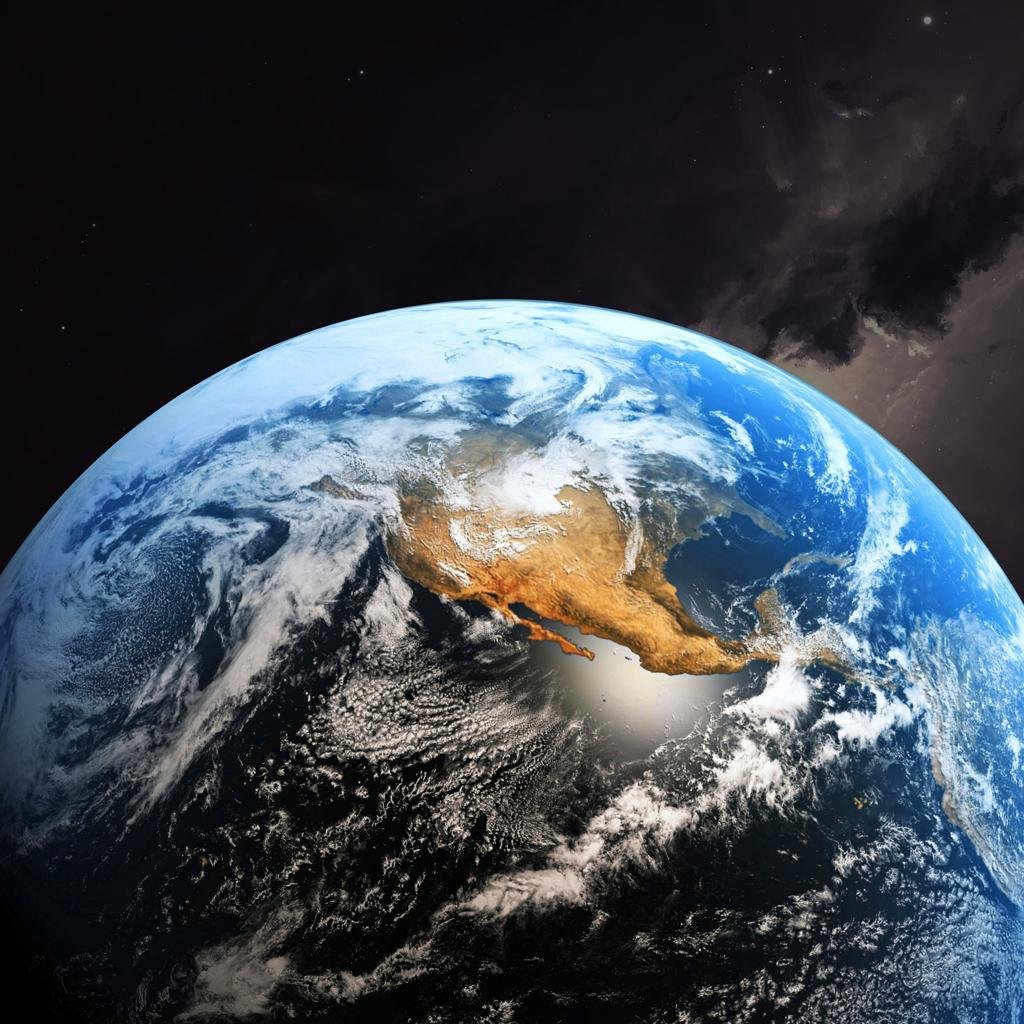
    From space, Earth is famous for its blue appearance.

    https://images.openai.com/static-rsc-4/J4T_KKUyX2OCDzsiBXAePphOFmWPLIV5Y6XTprvoBgz0rNbkwMLt2XBq5HCNoYWSKHRFjfR1fds7ygQBRwC6Jp-OromFiiGNtnE0g7BFObbH1uzy5UkF7AGzQh4vbR9F3SykIPzmoFZY-vHEy2_hlY2SdvC0dacUx41kQkBj9XDQ8kZPlMtRVWZwC6edUy6L?purpose=fullsize
    https://images.openai.com/static-rsc-4/-BzG-zMyPSjCtnAMsOUVptSt2FLxln8X3sOmOpKd-BozhGJbkmqElyakJiBHgqn6PE7ADlUKSReC1qVxF6d2KvDzy3_w5tkBaJvovaKSa3BbvkAYYG_6YbCRdub-iM-J9JnSQr0xsMGneIHlTM1gmL63Jp0T7Ay3ZcuRnowCHahUyHgF0MUHCWAuQO9fWap4?purpose=fullsize
    https://images.openai.com/static-rsc-4/3VFLnr9elFlZwqrazC8h8oqDIYWyXNaQpVXwwapxLvP0zvRiMJsZuHCI08RGlCaPGPmP9FXgnULC7ruD0ImYdVGKvMxzWlbNZAKq_eTHzR1STM1f72GFOqawVcTsXVXwTMMtFByEOmILJDnosZGygFdCUa6q8OOwSrCPxM47KT463qUz2z5ZZDzzLiNwHmxy?purpose=fullsize

    Remove the oceans and the blue planet would look completely different.

    The continents would dominate the surface.

    Huge seafloor structures would be exposed.

    The familiar blue-and-white appearance would disappear.

    Earth would no longer look like the planet we know.


    🧠 But Could Earth’s Oceans Really Disappear?

    Under normal natural conditions, no.

    There is no realistic mechanism that would cause Earth’s oceans to suddenly vanish overnight.

    This is a thought experiment.

    And that’s exactly why it is interesting.

    By imagining an impossible event, we can understand something very real:

    The oceans are essential to the functioning of our planet.


    🀯 Amazing Facts About Earth’s Oceans

    🌊 Oceans cover roughly 71% of Earth’s surface.

    πŸ‹ They contain an enormous diversity of life.

    ☁️ They play a major role in the global water cycle.

    🌑️ They store and redistribute huge amounts of heat.

    🌬️ They influence weather and climate.

    πŸ§‚ Seawater contains dissolved salts and minerals.

    🚒 Oceans are major transportation routes.

    🐟 Millions of people depend on marine resources.

    🌍 Oceans play a major role in Earth’s carbon cycle.


    🌟 Final Thoughts

    We often think of the ocean as something we visit on vacation.

    A beach.

    A place to swim.

    A place to watch waves.

    But the reality is much bigger.

    The ocean is part of the machinery that makes Earth the planet we know.

    It influences climate.

    It moves heat.

    It powers parts of the water cycle.

    It supports enormous ecosystems.

    And it has shaped human civilization for thousands of years.

    If the oceans disappeared, we wouldn’t simply lose beaches and fish.

    We would lose one of the fundamental systems that keeps our planet functioning as we know it.

    The next time you stand beside the sea and watch a wave roll toward the shore, remember:

    You’re looking at one of the most important forces on Earth. 🌊🌍


    ❓ Frequently Asked Questions

    How much of Earth is covered by ocean?

    Approximately 71% of Earth’s surface is covered by oceans.

    What would happen if the oceans disappeared?

    The climate, water cycle, ecosystems, geography and human civilization would undergo catastrophic changes.

    Would all marine life die?

    If the oceans truly disappeared, marine ecosystems as we know them could not survive.

    Would the continents become larger?

    The existing continents wouldn’t physically grow, but enormous areas of exposed seafloor would become land surface.

    Would there still be rain?

    Some water would remain in lakes, rivers, ice and the atmosphere, so precipitation wouldn’t necessarily stop instantly. However, the global water cycle would be profoundly disrupted.

    Why are oceans important for climate?

    They absorb, store and transport enormous amounts of heat and interact continuously with the atmosphere.

    Can Earth’s oceans really disappear?

    Not through any realistic natural process that could suddenly remove them. This is a hypothetical thought experiment

  • 🌌 What If Earth Suddenly Stopped Spinning? – A Terrifying Thought Experiment

    🌌 What If Earth Suddenly Stopped Spinning? – A Terrifying Thought Experiment

    Imagine waking up tomorrow morning.

    You look outside.

    Everything seems normal.

    Then you discover something impossible:

    Earth has stopped rotating.

    No gradual slowdown.

    No warning.

    Just suddenly stopped.

    What would happen next?

    Would people be thrown into the sky?

    Would oceans cover the continents?

    Would one side of Earth become permanently hot while the other freezes?

    Let’s find out.

    https://images.openai.com/static-rsc-4/9nsx9XNl7ffcj_Y43sV2dUSJ4hNb4fCVzYy48uypkISftupK2iQYqFWw0w9YFonxQmyT01a_-P5H4ZJp6V95KEVs7kY-Ac15fLzI95i02A2SYLwnmqZi4afFgwAsNGnmHGyq5boCRIa8troWDPvhHIzg9RRZDJNF8zRjYQ7fCVy2uUYUI4y8hQ87zfIWf4j8?purpose=fullsize
    https://images.openai.com/static-rsc-4/jSayPjwCjhvJD4RbSOnAmhPHAjmfu7boATOetVwQV3vU50fK3AVMjEPNDCLIlnrP6MeevPMfxSev7Jhh6HrSj4ITfr_kVzbSAdnAXoK4SqORvB6H8JPVV8FIn1BuMDGmUoFrLH79pvf17bC8VKMByLhOKJOa9ulkd9e3jBzHS3PSfwszpLoPwhD3vIlhA6tI?purpose=fullsize
    https://images.openai.com/static-rsc-4/vZ6rwVtKXOXmCLnOS70HRJJA2lpaTQvLHfpqLuc3Y88hIOCOolDLzCXWtQM8xr7fOgghoUBdfRbfpqo4nMqkaasRgHvgLwaa4kNcgDu0c_5JMctj_djJ3Ekn3hgnvPDovr6nRFPVV8iImBNGR-dmxaPC8ICxgDTX3JtH3amFTSS3JMS8zDuu5Qf_llF_K3_z?purpose=fullsize

    🌍 First: Earth Is Moving Right Now

    We don’t feel it, but Earth is constantly rotating around its axis.

    At the equator, the surface moves at roughly 1,670 km/h due to Earth’s rotation.

    And yet you don’t feel like you’re moving.

    Why?

    Because you, the ground, the atmosphere and everything around you are moving together.

    It’s similar to sitting inside a smooth airplane.

    If the plane is flying at hundreds of kilometres per hour but isn’t accelerating or shaking, you can sit comfortably inside without feeling its speed directly.


    πŸ’₯ What If Earth Stopped Instantly?

    This would be the most catastrophic part.

    Earth’s surface is moving because of rotation.

    If the solid Earth suddenly stopped but the atmosphere and oceans retained their momentum, enormous amounts of air and water would continue moving eastward.

    https://images.openai.com/static-rsc-4/JToBet0Zs1AF2YW48ZlXIWlLAtPvN_pyweaKPS-1kmtpJMy9d9lI9lxI6RSAk_pZjUgDKrXVoqc26Ngno9u--X08i-hzJjNaRrFOqyInuZu5wyynFFq0mvXPc-jewQ7dWImnVPp9enW80k8EbJSmg1qxA_JWXKU_mhbY1WDF2yF1EOGNCT3hUzyFPNJG92Gg?purpose=fullsize
    https://images.openai.com/static-rsc-4/9dKsnPmumvgxIoBKYf8OibljKNqDrQol4Jzg-joYgRiZ08nTpMYSpaqc6vxiOs-cOrGELjrwihFYqVGvImXs8kZC0Css-h5QABupMNJCV9FH-8d2ANTrsa6CtKba6i7qfUPXvbTiCwQ1zLViEg6Hnyi0C4R9N0fAbynQujtIvG-0jeMxhuukTIE8RHYxVeJX?purpose=fullsize
    https://images.openai.com/static-rsc-4/afymRwGZlSU898SBOouLOHjx5PDMavyVr0Vaa-PCZFsc72Y1goLsCXo_aVRn0ZeG_hB9qwL0RTYtSsT1svbJRynduSIR9OJvv4VJAL09b-H5FNDrzTpUNjeuxynwBqq3r8Ybqc7yNl8zn5wWoqMEiRjJDq6-uyE6O-lfpv0sOmSeuEYklaiIw0TOJktSfxf5?purpose=fullsize

    The result would be unimaginably destructive.

    Massive winds could sweep across continents.

    Ocean water would surge across coastal and low-lying regions.

    Buildings, forests and infrastructure would face forces far beyond ordinary storms.

    This wouldn’t be a normal natural disaster.

    It would be a planetary-scale catastrophe.


    🌊 The Oceans Would Keep Moving

    Here’s one of the strangest consequences.

    The oceans are rotating with Earth.

    If the planet suddenly stopped but the water kept its rotational momentum, the water would continue moving.

    https://images.openai.com/static-rsc-4/yZZjGhc49yj2fbBpflyMhpvZkQc8RA1R7OrwHc4n9EsK4xCPnlR9Lel-9yH636v2fc_qyR9tO3c97pAY3o9rzRzjUzzf-9oJOup31dBQdOkLiAsp3NykSUnQyn6z14GLFMqElb23j-LL_IhGqy79jUBmNd9pj8Xm6tVS94mV0LqKEB-eeWqjcAjh09MW9iQe?purpose=fullsize
    https://images.openai.com/static-rsc-4/uXXDuLEjrhCmjoZ1ZYBuJgQ-kQ-4NA83t3eykgsQpjEO4R_FZsErCgMxCtPZCfGS_xc4P1scL09YHn502TzeSg7AT2mlZeBVzZpdm1b0JtCsLEgEFNZnPbumj9FeXVBLfU-iJNEucl5z_Bc0aOOJUZidDvuElZ7TJaW6OKSZ4QOGrbDPfHRgFriCcqIV28Sy?purpose=fullsize
    https://images.openai.com/static-rsc-4/MK_AMPV2td9OgLAC-wumvnZ3YTVVpfbPYGWMV4uMjO1kzqRbRFr_FVRFaZAElWwNcUjxhxoNbG0CIcgOAjTrX2oWnjxpX6ZBJ9f1CZuI8VgEhbnr-CxwI977jPSnUU7aBseVrIRYgxeiddsD0QsFKlKxkd_esL2FIKAeXK5iAFXP4LLr2sK-yF45IdV8tXBP?purpose=fullsize

    Huge waves and enormous redistribution of water could occur.

    Coastal regions would be devastated.

    Over time, the oceans would also begin responding to the new gravitational and rotational conditions.

    Earth’s current ocean distribution is partly influenced by its rotation.

    Without rotation, that equilibrium would change.


    πŸŒͺ️ The Atmosphere Would Become Extremely Dangerous

    The atmosphere also rotates with Earth.

    If the ground suddenly stopped while the atmosphere continued moving, winds near the surface could become extraordinarily powerful.

    https://images.openai.com/static-rsc-4/VEf0Rasay0Dja1aM3ktrkFrcVBj3wStxmueONcreJB8H7vWKFBMZyP5NJQFT-xOtzk9dncPPxfZe1y73mhONpv1MHraoMk-IWdYrso40DJ35uSCya6CBbGW-EqXwwJWi2Sc-4-gLKMAi7f8xkn_mPj0LlOGtmgUCKd5r-hFGaITHZfrW-MNRWqA0o05V0tSe?purpose=fullsize
    https://images.openai.com/static-rsc-4/MoGbpRpl4Jt47sgrnyDXcLqZzmKyeiElmRq031OMbDJT3Z4AXh8beI0iihFXyqXXARAIwVKKxvKICbig-Jd1yGovR3qgSkaL55EUOeJFCIUH4y4NDkUC_srp0AVWT36uLCpoksoBJgyyrp1NyGqBpF3UaNt5-dIZmIwKenH6rOAFWUFScHq2cmp6jaEKL3cw?purpose=fullsize
    https://images.openai.com/static-rsc-4/NgzMiU67w45z4X3DLQ3EjwTTd2QOgluna2gbQk1z8M1lBN8ePtNrRC82kp63_fWlyoJj4-Py22OgRISRv5CKokkZmBf1nQmszrdwPiLynY4Vat5J65xvhkmr3crkk7VzN5Z5W96B_0f-QuQuT2FXHJNWqZa0vVKDncjUxJ6MpmK547hqOkNfeWmq-DoAI1db?purpose=fullsize

    Imagine the strongest hurricane you’ve ever seen.

    Now imagine something on a completely different planetary scale.

    The atmosphere would not simply remain where it was.

    Air would continue moving relative to the surface.


    β˜€οΈ One Side Would Eventually Face the Sun for a Very Long Time

    Now let’s imagine Earth somehow stopped rotating gradually and safely, avoiding the initial catastrophe.

    A completely different problem would appear.

    A non-rotating Earth would have one side facing the Sun for an extremely long period while the other side remained in darkness.

    https://images.openai.com/static-rsc-4/RuAUxwxaczJcdqi6se6lOlCLzz8NrLBESk8zCqKmIyf3PvxqtNbrV8MwDZafQp9OV5iEEoiCwO7rfvMzjuQFrod65OLmf_yRCBQu8zatyg3A-dRiYDF5JcB9HxgQDXHMvRL9e2f3WfOBovxFSmhN-qLfLEGKvHgHpPy8NRZll3mc91ZkdNuTF9Kl6VPOXrJ9?purpose=fullsize
    https://images.openai.com/static-rsc-4/QyArg4YGIVYZZ2t0WTYGancgC7-Rc9f9j7jGDTBX7tRM1SDtBWD-yZkOuWZRyKuWv2Z8ZMXyWEWNuAQNsfsMQSkB_64nq4sbWL-Kg7_XkQZ4yACxCd799Int095a5aHctiJQs--oTWXAuhcT7cQ8bnpl5zgjnLaogMorSd8p1yRXkevfOIKijBfzog8n_fKB?purpose=fullsize
    https://images.openai.com/static-rsc-4/QqeUpUun8wnpj9dW_x8I9arGu5oRhn_gCq_lmxk9hHT7ssDJpkLeAVFp3WJLy4Yp248CTuMyN2XP4YrGwZoCym8txGSEzryHegc5LCnuGdVkvZcaD060ec6bpTilE0Ei3P4rXs9t0smMepzxO4I0Mhgs-C-fcCB1dULTQ-eXNzM3Ci-CtbQMceETDK4JKGIL?purpose=fullsize

    The sun-facing side would receive prolonged heating.

    The opposite side would experience prolonged darkness and cooling.

    The climate system would be radically transformed.


    πŸ”₯ The Day Side Could Become Extremely Hot

    Imagine sunlight continuously heating the same region.

    There would be no normal sunrise and sunset caused by daily rotation.

    https://images.openai.com/static-rsc-4/k_NJD3rN7e6F_jxD94_b1BhNFnWMkMPKBGLFtf6BuwsPB2F1ihXPrcqTwHy9bRIDzNz5aq2mCffaQUMYmTmkyupCddR8pUn7PvN2Om3fYJ_O0uL2oLa5ccN3jVt4wKnNYuAm_QPTVuh7xVYC66cgVXRhJO21WY8UhjA41WddjSAsgrcY4ptOd_zQ6oogsq6n?purpose=fullsize
    https://images.openai.com/static-rsc-4/L0seVSPjjl6nLNRX3rwsCRFMdwQwVo7lYSw_bEuZMP0n2UbTz0julXl8y7p8-8bGymjGzHPm5KgDq2946TExRpEcgOGCGZ9puuiJbiQ-gIi5HJHZ9HX3VVydcREchc9BIo6xDtIoEWv7uxiwCiY9uO17A6rYAVB2wh7wQ4CD6PZOyVSGnxgupYNgFH_DTBOh?purpose=fullsize
    https://images.openai.com/static-rsc-4/YQ-1z3aFM8NB24zUoU_CilXOp0TK_bnXIA_bUzE_6Xxga0MfQNpuDJk-4unVz8oXaJOjNwcQF2AiKdCqgSk-v4PsdEN3iMTzCd2TgZ_arEiY015dWcsnPj37I9GiGHV2Hs4H44spTM2RZ0UIEKSkgWUnNca9yd3F10JFMR8oxkcgVbmZMwCZsPmX-4c8Zx_x?purpose=fullsize

    Temperatures would depend heavily on atmospheric circulation, oceans and the exact rotational/orbital state.

    But the familiar climate patterns we experience today would disappear.


    🧊 The Dark Side Would Become Extremely Cold

    The opposite side would face prolonged darkness.

    https://images.openai.com/static-rsc-4/WAdA9g0Xpik_GNr9z1R3c9W5vd6GSZ07Kb44s4v0xyPnFtP75rsAj2Fl97st1byea1CRDn3bgF3Oz2BHU9BfRMTNolbvwvYrCXZHHX3EdUhIQ_GyqFxHKBkgJqN1FGbaF46UrgDnyRETHLHfSb8obYNzbSGirRCp1n-C_CaONB0MwEp8Cqq_iBi1hKYhEdpR?purpose=fullsize
    https://images.openai.com/static-rsc-4/OmPtVgBSKeAjyHIlKzbmc1fPyTWLeDg-8C2j6VYFOE2HvUYSzXbMqkaiU6vlmqWSQ1Y2P0pyeqX9snuHIB5LamSDOtTV5obho4p5wXXmBWchAMK-yY7yBbFM2Hbp9-S0O2fNtrwf2mA4cLgs5J-lGXtVaqVv_-tQUHhC1R-oL44b6alQfs1jgBYoA_fMttdj?purpose=fullsize
    https://images.openai.com/static-rsc-4/jxblbRnGEEtI62hcIL20ETW6z2OHf4D5mg2ZUr2m5UhzUXak604F3PtOWfVfnNnE407d5VjpOATRLk-qxQyZhZlWZdptcWOzuzFRWQurO9IGrkQDQvrNxnd7NdZTXZfehYzRteypvFxAhUqGGSRtoUKonRojL30L3CiyHCf7yPd5Hf3j0ZF1aZZuYWyP8qXw?purpose=fullsize

    Without regular sunlight, temperatures could fall dramatically in many areas.

    Water could freeze.

    The atmosphere would redistribute heat, so the boundary between the hot and cold sides would be particularly interesting.


    🌬️ The Atmosphere Would Try to Redistribute Heat

    Earth’s atmosphere constantly moves heat from warmer regions toward colder regions.

    If one side became permanently illuminated and the other permanently dark, atmospheric circulation would become very different.

    https://images.openai.com/static-rsc-4/YlzesPyA0z26A14-FXxHmk_paz-NwR7Y_zJslNQRxgdMkhbZXCfV82SZVdEGPfuU0QmVOOcNf7IDyOCkbcAWBdT4oyFO8NrHAlkRA5WQFyMxAcwyAyHz2oaf070rkgGcRzKk3OH3f9eGqcayL1Y7i3gUSphAKi7lMZQtQ8xTVDCodmI6GyuUA8g8D82j_fQE?purpose=fullsize
    https://images.openai.com/static-rsc-4/AgBgLu37HvYoiteoDRghctpBV2J9cAJ9Qk6KKNLv3JKDO_jUoqF33j3-f-zj89xyBvS1vYhVGDuThT9fTKf8dbLvjcm5IzsPHLEmwOotA6JPf2TLYV9doxWOTnK3qqVDrajgzTlcyzr2NcbDYILpJV-01isOp8QeLNsKasIYyZcAh8fT-JToeFPyqwmImej5?purpose=fullsize
    https://images.openai.com/static-rsc-4/nl8j_vjNDJbfidN35mA0SWKJvMso8ocd7KU1ZBMSPrFNSj0BHhMcRC-Tuqk4Gl2FirwuT_EzSbVDerXseBWX0QB-Lr5E5kZ1WoNPpPAO7HU53omgzqTsRVICkRFXFUXScX_0h2br0UG8ZL_njQPZgK3Xwi-YvMEdg5vAe-VZVLAVV1rboXcdHskuX6yr6Vrv?purpose=fullsize

    The atmosphere would attempt to transport heat away from the hot side.

    The oceans would also play an important role.

    So Earth wouldn’t simply become a perfectly divided “hot half and frozen half.”

    The real climate would be much more complicated.


    πŸŒ™ What Would Happen to the Moon?

    The Moon would still orbit Earth.

    But Earth’s rotation affects the way the Earth-Moon system behaves over long periods.

    If Earth somehow stopped rotating while continuing to orbit the Sun, the Moon wouldn’t simply fall into Earth.

    Its orbit around Earth would continue according to gravity and its existing momentum.

    However, the long-term tidal system would be radically different.


    🧭 Would There Still Be a North and South?

    Yes.

    Earth’s geographic poles are defined by its rotational axis.

    If Earth stopped rotating completely, the current concept of geographic poles would become less meaningful as a rotational reference.

    But the physical locations of the existing axis endpoints would still exist.

    The bigger issue would be that Earth’s magnetic field is also connected to processes deep inside the planetβ€”not simply its surface rotation.


    🧲 Would Earth’s Magnetic Field Immediately Disappear?

    No.

    This is an important distinction.

    Earth’s magnetic field is generated mainly by movement of electrically conducting material in the outer core.

    https://images.openai.com/static-rsc-4/sJIHtp2ALNYk-52fuQz34O2pOmSNy92PrLrGghXyfIvapttYRcRlqcvneRuzzxEeJVS5nTfQeCuAX5F0WIm8lMs1EkN96frvRPdEGcEgyLfZOpWW5bytgIQvamO_HTZPXX0Bjau9jbDMH_znB8eMCKI8BLbWDGvMUIlG2WD2GPG4cWNfvHIv4RM8UelvvEGu?purpose=fullsize
    https://images.openai.com/static-rsc-4/YviuyNxZH3zGsxv7yvyNLJyp0BVojNT9aXIuikxGiAzSpgi8wy7UASgNYp4EBFYfeHYYhjLQdzmRiNpqc4NjFwKvqSUJYma-lSRWssiPwExUfrkgp6aV4IJ_dMwyB46bWBsGZesR8o-eMkEPXrgvP_ZN0uCeexxezMgxuvqmh30VbpLrzBxUToyZKxtjhZG2?purpose=fullsize
    https://images.openai.com/static-rsc-4/7ZL10sVwbiO1svrVw_q_1yhIZo0Z-1TpZMA8HRAx--CQ1N6_zpzvx0vy6nPv4rw79aweQSYnuBMU2nwpMhoWAA0j5uYTtK4R9ZUAExBRb5fddO7Td7qCE8dAzxkBgT5z_mPEblwHGVYA6r4w-iIYDirs0upgri4RN72nZUT5KKdXfbwnfo-Y0WSzwuLwfDqE?purpose=fullsize

    Stopping the rotation of Earth’s surface would not mean the magnetic field instantly disappears.

    The Earth’s interior has its own complex dynamics.


    πŸŒ… No More Normal Sunrises and Sunsets

    Think about how strange daily life would become.

    You wouldn’t have:

    πŸŒ… Morning sunrise

    β˜€οΈ Normal daytime

    πŸŒ‡ Evening sunset

    πŸŒ™ Normal night

    Instead, the relationship between location and sunlight would become radically different.

    Our entire concept of a 24-hour day would disappear.


    πŸ•°οΈ Your Clock Would Become Less Meaningful

    Today, our daily schedule is strongly connected to Earth’s rotation.

    Morning.

    Afternoon.

    Evening.

    Night.

    If Earth’s rotation stopped, the traditional solar day would no longer work in the same way.

    Humans would need completely new ways to organize time.


    🌱 Plants Would Face a Huge Challenge

    Plants depend on sunlight for photosynthesis.

    https://images.openai.com/static-rsc-4/LzLpSJDd6RK2C9zDO-VLmZ5virDVQFZG51gs8CT8EckL9JgLaISNVZPT_ARLtvMqdLtbCqH9oMVEhRuopmN7vYMOEZSs2BCw3qyzY1b_uiXMfVEaJFgeAc6WuWGtIRrD0oRYzAex-qWrLbLVKRtG8tWaYYbIbwbKX8H2Han_Afp_R3tQFPYyOgmhCeWLSrom?purpose=fullsize
    https://images.openai.com/static-rsc-4/0Joo8A2Ito5gocoE3BlHrBqav4tR6Q1MBZDs6gX5KOLl_-PRvDvGPn8zp5MKiVMWltb_nHKWxMAMsTvwPXXvXFnLOOYxgowsRaGGczfY3HRA-Yuz9RiWq3Xvz4z3vEwowY1mzSgTWreKZIpDGopUgB7e-JI8PQxL3QOBLY6IOopz8_Cc6f35UYPC38w7acqB?purpose=fullsize
    https://images.openai.com/static-rsc-4/Dttiov0qwzdsgGwT7cf7Au_cKmjMleiWgUxGOeQmVZR1GpwJ7iP-5LP8fq-pZO2ahpHGpmhvkylhxgNeeHyiNW4RSYc_a_OxXPswx_OdWselJbLo29bHxqrBjiUwJS2yz6VVHeP3qOr2m9KmHoUaTUNxJN1YjH16g08-r3_jbUiThDqK0nHBC0bxbvtbIwe_?purpose=fullsize

    Long periods of darkness would create enormous challenges for ecosystems on the night side.

    On the illuminated side, excessive heat and changes in water availability could create different problems.

    Agriculture would be transformed.


    🐾 Animals Would Be Confused Too

    Many animals depend on daily cycles.

    Birds, insects, mammals and countless other organisms respond to patterns of light and darkness.

    https://images.openai.com/static-rsc-4/lIlLE17-bFR7CHnnHjJ4T2-6-wV3ZwP40rLUqYvJJz0DdS0bHogA8ULd6pvAxPXhatTF1b5E9qcjjh-g14VT8BTEp48I8ZfACSb0mW7tD4oxdniJQBDPw4bGkJzlgFoiVFO2gNbb4Szh9xtQCDldwTjpjTUbsqjuvRyI0lM6pnVnBqMje1p4NhYFlUIfzo0u?purpose=fullsize
    https://images.openai.com/static-rsc-4/FJAqrRsKKuvsg8g3UsYzt6JrxmlXeOjCC48brnqBpJqQNUuMQFZn7yHrUdg9OslRsF-v-gxG-5niJXNgxTgs6QxC1VGlKfeR3WMbvlhDhU_ylE0vucgxxngqAqfHPV-jWKaDe2U2pQ-BENVGjt4wG6OJ70HlSG6IxVQPdenO3LhAKRGbcfljh612js8z4W-Q?purpose=fullsize
    https://images.openai.com/static-rsc-4/7msGvhk_AMgTE28QjWRZZlmipl5qJ8Kq0iZ_WmKG0IAa-_zu5g8cjRb1GUHOVP2RsoCP7lr8kjd5lMjoNcIhprMdxFVNPMGshhvN4RIHzzEXVEnVWUZsKqiFWWCEwNc8UOEnx5WTuZMaHsYCIq26RY2XfLxMKAO-D-xNmiMYtZ1wQA9iYMav7_HliVYyXsTY?purpose=fullsize

    A radically changed light cycle would disrupt behaviour, feeding patterns, migration and ecosystems.


    🌊 What About Earth’s Shape?

    Earth isn’t a perfect sphere.

    Its rotation causes a slight equatorial bulge.

    https://images.openai.com/static-rsc-4/7TNS35J2tWIe4ayrOuHRaKQfIMwDI8nW6AK3hUyxwL-aVnPnfF5m30Nxyw3h4psoqv0_QGqHsJ5QBWKw9QYQ9n2218UJJ0r-IojCHBiMTzGHllwJDFcH2mEKYpXhiPcQybt21VYd4TljWfw4RMU_SXAT7YbAMSLaYGE51xPCKhBB-s62kxe_levacuGcyO47?purpose=fullsize
    https://images.openai.com/static-rsc-4/xf1FgvLMB5jCyx7FMKTtYFu8SghXUlFcrWaBQDioUHWwKVaurbEnuQfozwj-vrn4lfkL9QQljGRWBe-qWjAcxgth_Sl0TNrM1qL4KQ7ceeA9iQJaay2Po-BwjBpI7SBFLzrcJnDqYT_f76y2A9KYcupsUHtBFFS2u7vK6cSbBiBcR1ZIdIfFbpiG8kF7A_fn?purpose=fullsize
    https://images.openai.com/static-rsc-4/QNuuTkb0ed1Qiq0Ad-X7gJNq6DWe2ciFMlXvqGwX9RlwpCrOqdhEad-0ZjLCBIrzfh6s06heMhg2hVJDZfB3hmgMKhDe53HzHctNtDn5gV6rMkAQGHU88qPfi0_8PZRC4dWizzBhF3d3UvxsrGxETQXu_6Kv1X6CTljaNFgEGPtCQfeNThnmwVUolQqlRXRQ?purpose=fullsize

    If Earth stopped rotating over a very long period, the planet’s shape and the distribution of oceans would gradually adjust toward a different equilibrium.

    The changes would not happen instantly like flipping a switch.

    They would occur over geological and physical timescales.


    😨 Would Humans Survive?

    If Earth instantly stopped rotating, the immediate consequences would be catastrophic.

    The combination of the atmosphere, oceans and surface momentum would make survival extraordinarily difficult.

    If Earth somehow gradually stopped rotating without the catastrophic momentum effects, humans might theoretically adapt in some regionsβ€”but the resulting climate and environmental changes would be enormous.

    Either way, our familiar world would disappear.


    🀯 The Most Interesting Part

    Earth doesn’t need to stop rotating for us to realize how unusual our planet is.

    We live on a moving world.

    Right now:

    🌍 Earth is rotating.

    β˜€οΈ Earth is orbiting the Sun.

    πŸŒ™ The Moon is orbiting Earth.

    πŸš€ The entire Solar System is moving through the Milky Way.

    And yet, from your chair, everything feels completely still.

    That’s one of the strangest facts about everyday life.


    🌟 Final Thoughts

    Earth’s rotation is something we almost never think about.

    We don’t feel it.

    We don’t see it.

    We simply live with it.

    But that invisible motion helps shape our days, nights, climate patterns and the world we know.

    If Earth suddenly stopped, the consequences would be extraordinary.

    The oceans would move.

    The atmosphere would surge.

    Weather patterns would transform.

    Day and night would no longer behave normally.

    And the planet’s climate would enter a completely different state.

    Sometimes the most fascinating things about Earth are the things we cannot feel happening beneath our feet.


    ❓ Frequently Asked Questions

    How fast is Earth rotating?

    At the equator, Earth’s surface rotates at roughly 1,670 km/h.

    Would we feel Earth rotating?

    Not normally, because we, the atmosphere and the ground are moving together at nearly constant speed.

    What if Earth stopped instantly?

    The atmosphere and oceans would retain their momentum, producing extremely destructive winds and water movement relative to the surface.

    Would Earth stop orbiting the Sun?

    No. Stopping Earth’s rotation is different from stopping its orbital motion around the Sun.

    Would there still be gravity?

    Yes. Earth’s gravity would not suddenly disappear.

    Would Earth’s magnetic field disappear?

    Not immediately. Earth’s magnetic field is primarily generated by processes involving moving conductive material in the outer core.

    Would one side of Earth become permanently hot?

    If Earth stopped rotating while continuing to orbit the Sun, the exact pattern of sunlight would depend on its orbital relationship. A simple permanent-day/permanent-night picture is an oversimplification, but the familiar day-night cycle would certainly change dramatically.

  • πŸŒ‹ The World’s Most Powerful Volcanoes – Mountains That Can Change the Planet

    πŸŒ‹ The World’s Most Powerful Volcanoes – Mountains That Can Change the Planet

    Imagine standing near a mountain that looks completely ordinary.

    Then, suddenly, the ground begins to shake.

    Smoke rises into the sky.

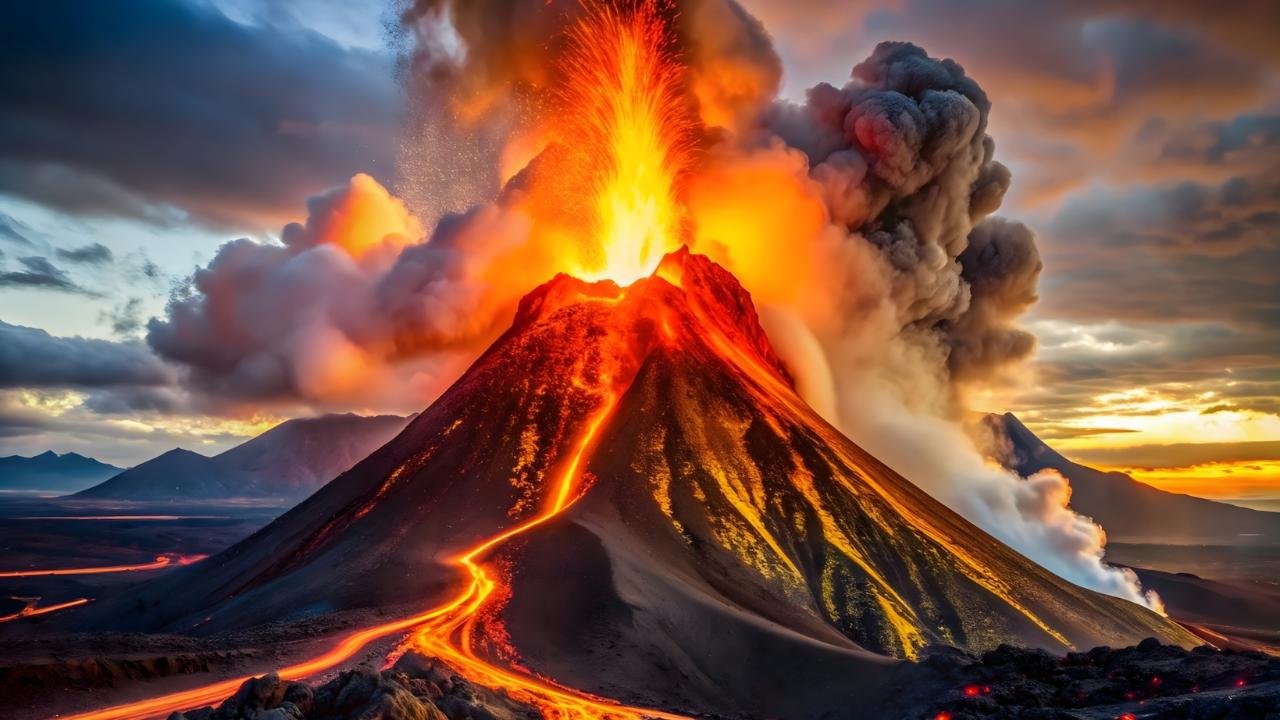
    Lava starts flowing.

    Ash spreads high above the landscape.

    A volcano may appear to be just a mountain, but deep beneath it, enormous geological forces are constantly at work.

    Volcanoes have created islands, reshaped landscapes, influenced climate and even helped form some of the rocks beneath our feet.

    So what exactly happens inside a volcano?

    And which volcanoes are among the most fascinating on Earth?

    Let’s explore.

    https://images.openai.com/static-rsc-4/TqiI-Q6ZJBrJGRNa7H33CEk93sIiyLA91o4x8MjWnTYMxyuRdGG4WXLDaPyBhRpwm0FaCkHS8voROGHGvIM0GIAor20-YdBJOxUYtfjww-0U2MHayXlXaUYZtOwr7DMUsmzr-rpzyfP4tQqiG7Bf7uGlJQ74fuaPZR_YKDC4hAs_IZ5XK8NBf2WHddR7gjuG?purpose=fullsize
    https://images.openai.com/static-rsc-4/QWEgJEQIcdjBDkFFng7XBmk7pvKjzBsmaiI8-_ILHQ1mmwsWzZ7txPA1MTemK3eGSH1EYx9uFOi-JbXQPrMAqDRIw_PNsTgqwOYYH99YgaGOKFMMGep-dzojUhVLyLZ2LO-OeWj9nRC9PXGcFzNpYR8M-MR4lhGZHU_BVL9H16wj3PbgUu-Tr0fZGjcMPZEZ?purpose=fullsize
    https://images.openai.com/static-rsc-4/YHHF6SQx6N5Z_GBSE9dxqIuE19Wf5x01nHVBOGJ7FFSuZXeg-jRafMsxOQ5nJbGxN5edQgYBerUv5B1y4_uogP7UXkBmN4GlomjUSSe4xRkU6pyLvAQrIOv69MVq7NgYEuH6TIAH59mFJd_OuCQwbDFfL2nHSLJ6hSnXBacf0R8upiQNq5OG-XguBFfXZ6YR?purpose=fullsize

    πŸŒ‹ What Is a Volcano?

    A volcano is an opening in Earth’s crust through which magma, gases and volcanic material can reach the surface.

    Once magma reaches the surface, it is called lava.

    Volcanoes can have very different shapes and sizes.

    Some are tall, steep mountains.

    Others are broad and gently sloping.

    Some eruptions produce flowing lava, while others can send enormous amounts of ash and volcanic material into the atmosphere.


    πŸ”₯ 1. Mauna Loa – A Giant of Hawaii

    On Hawaii’s Big Island stands Mauna Loa, one of the largest active volcanoes on Earth.

    https://images.openai.com/static-rsc-4/yu8GeyXDYvj1xNb5vwwugt8tsubYElFarCRjyYxWMBiB5cl8S3Gt_nvMMzDbLgpetQMrmz5GlwgpR3xzjJwzDV4cqr4bOlI5t4qP5Kg_cucxrczfM1Axsz_0O-x5PLfApoHoEJXbe-5nV3y4dmDQVcJU-aF1rkKa3RGj-tchG65Jcdj2bG3VSORCd2XxzJ8x?purpose=fullsize
    https://images.openai.com/static-rsc-4/bRM0PKQbtgEPsb4svHlnu_61Csn6MZvNSi3IizLd6tu9llwmr8R8B84ZDt4iIzqQ62awvgzN0wEthM1D65LWGSH6BPTe2KRh218FUqoxAetqSY9XzUCR-8FqXSu6_tWbYbe691ho-25-fr4jQHPcLfX2LGr3tTY3eSuY0nxonKZWZeX7IvK2adGvtczf6reX?purpose=fullsize
    https://images.openai.com/static-rsc-4/BLEt1Inl6G-_SRw8JAQh9z7id3i7f5GB3ME3EqhLyw9qiLuLoJwDp7NdsaK0OgGd4SwFkvJOJ7YUf2ykO6Omn82DpS2SLpLTT6SUxP9CIVxDuAgErs7fNzPg65XxcWAWCCyEiGBLaEZJGpeBO28PxDnuIegWa_h1qK8ADYADXspWxG68zzxw6wOh85LiyqtZ?purpose=fullsize

    Unlike the classic cone-shaped volcano many people imagine, Mauna Loa has broad, gently sloping sides.

    It is a shield volcano, formed mainly by repeated eruptions of relatively fluid lava.

    Its enormous size is difficult to appreciate from photographs because much of the volcano extends beneath the ocean.

    🀯 Imagine This

    The mountain you see above sea level is only part of Mauna Loa.

    A huge portion of the volcano is hidden below the Pacific Ocean.


    πŸŒ‹ 2. Mount Etna – Europe’s Famous Active Volcano

    On the Italian island of Sicily rises Mount Etna.

    It is one of Europe’s most active volcanoes.

    https://images.openai.com/static-rsc-4/5FXdQr1yskTyJc_eIGrE2zHMKVgNI4_jxNOuuka6BRiNnzM04k9sUK5tMND97esqCo1H_OjhHUIeUJvWFNT3Bb0yE3WoskRrnb_CHe6yjvP4GKIa9-gzCdQJGGPldUTPUPCJCN7GKD1kV7qd5gGig6SQzgLVgzMUHG-zVvSZ_R8kSZ_BAUiaAQZbR7790JCt?purpose=fullsize
    https://images.openai.com/static-rsc-4/sgmm8d_pDtkjuPYM0cQeXtmBIwT8roCgYthsXEU2Q6UWvDVFgRJQG4i5xoOGqgbDZQcdH-7RtZJ74f_f82eXkEy-83kQgQn2m7TutWQekRS_nb9ebqWm4kax_RVQUh_ICSLtJQ5Um2wSUbIiHix0hULKuQJ7fomnmhiRV5htYYO8EvU7H46Kv_prk0j_j8II?purpose=fullsize
    https://images.openai.com/static-rsc-4/zNpp2tQ3SxW60jXd4Zit8eH4oIVJE3olmbBwRqG1KmtjwXpt6OaNVvOWYdCmR9iHOp4GHFtjHfyaZscYMXxs_akxFGIqD-4b7632EYf5ZzeM4B7rTIrY5zcVVNyAnNV512GoBBxPC6LBcF6TB-d2xBPYhMprtUgJb3D4phMY9h25V-su60UkxDZVavBYwP5V?purpose=fullsize

    Etna has erupted repeatedly throughout recorded history.

    Its volcanic activity has shaped the surrounding landscape and influenced human communities living nearby.

    One reason Etna is so fascinating is that it is not a volcano that simply sits quietly for centuries.

    It remains an active part of the region’s geology.


    πŸŒ‹ 3. Mount Fuji – Japan’s Iconic Volcano

    Few mountains are as recognizable as Mount Fuji.

    Its symmetrical cone has become one of Japan’s most famous natural symbols.

    https://images.openai.com/static-rsc-4/lCulC-Ml4ZJTMn-zQjc3Mp_se-24fJNYOACEDydF-98RtdwSEJUdNm8vxbFYtpu5ylKDVC5ILALuk_uWcuHXDXjqpS1oXuxzdFkG13gDcJmT-NRAeZS1DMgVF9AUF_YuEWQJQ5TCpbMCyRTzHbensVjSe16N_SR9Vo0MtKyeOyiYNsdxJ9Gl0XpWU2AhYX2a?purpose=fullsize
    https://images.openai.com/static-rsc-4/YEjyt47llYKIVuFQIb4ztIh0pX63TgMD0pPETSBRCAIXmpgp-lWJs1ue7RoQmvA6YaPykwlxX9BcDmMd_yre861Sca1axup3TRhCTq3dIvzt3-rE8dMja3Nqq2qijQkq7SBKzjCq_DfNhTFnql7_XpzUNtRtilPwZSgCrMHSRGNXU5ATkqkSZBBpEZ8X4Ay9?purpose=fullsize
    https://images.openai.com/static-rsc-4/X4vPzCm3Uo6U1-P0bemdinsfdZBJlTl0WQNBDR06FTM7bhqg-4uZs7QU5c_7zi3Sylz4MpZH3Irw-Aalb2Ex3ZJs9cbru5Ku-E1M_-XV6ZPu2CrSXR-JSxnmzcTpPJBsg7Gb6XUq8yR_KznrVGCRNoSCZqEVkDn14KJeS8R1gGula6Q_E818AQT0aZwY8n-q?purpose=fullsize

    Fuji is a stratovolcano and is considered an active volcano, although it has not erupted since 1707.

    Its snow-covered summit and distinctive shape have inspired Japanese art and culture for centuries.

    πŸ—» Beauty With Power

    Mount Fuji is beautiful enough to appear almost peaceful.

    But beneath its slopes lies the geological history of volcanic activity that helped create the mountain.


    πŸŒ‹ 4. Mount Vesuvius – The Volcano That Buried Pompeii

    Mount Vesuvius near Naples, Italy, is one of the most historically famous volcanoes in the world.

    https://images.openai.com/static-rsc-4/zzkLXBZ8vIEZb8MxeFF0mT3PBEdTE4Km3A3Dq05FVGB_Kn-VJcZIPmVfQhJLLG8J9kDN4TeEG9M4GT25CwUyrSHoll-QTuBrCNEPcX04apQ1p9k9Yq0s1SYDgB0aYg58swxwQ_l7CCu-6FZMu7gx_53ijbFug5CmkerEBuokx6Dfd70Dp7N_-xitrEtg_H7x?purpose=fullsize
    https://images.openai.com/static-rsc-4/-Xv8kcBB3Vq8bjClyKi64RjZUPgg-ZhsuOTxdaJ5Uh-uYaXLB23cy4Lav6Yp37H2oEvyjDc97ZZtNmG_zYi9choDESwGHKlzy5KiptYsyAOlSEzrp_GMehNRtCJd29VUhWxzZiiwqZSopR_aTFohkfZ-yEzSu3LCO1c45PZ9FAM2ntRvSrLyVqkea4YyL82d?purpose=fullsize
    https://images.openai.com/static-rsc-4/ZnnfGZXORpSMCmmrXETbh5vIgAn4fnt1tTfLAhJejIbZllcll0SQbxZCePZVTtUCH-WvWWLdpPgbr64IgbU3948j4M4nxs09CC1bidO55uQNiBSE_wXBLn676OR5-L1Mh7vx7ockfdIyNq0Yy_F1hrKg9M5_-sHdfX-7eW-s2tRBunXIuoCZKSH9Xq53ECQw?purpose=fullsize

    In AD 79, a major eruption buried the Roman cities of Pompeii and Herculaneum under volcanic material.

    The eruption became one of the most famous volcanic disasters in history.

    What makes the story especially remarkable is that volcanic deposits preserved buildings, objects and other evidence of Roman life.

    Today, archaeologists can study those remains and learn about daily life nearly two thousand years ago.


    πŸŒ‹ 5. Krakatoa – An Eruption Heard Far Away

    In 1883, the volcanic island of Krakatoa in Indonesia experienced a catastrophic eruption.

    https://images.openai.com/static-rsc-4/6YTqt5rbQx17pij1ldaJhIteWhanjm65sZQFGCKg8MayQIhrtrtMkPKCY-RpvgSMOkKmidft91S7KizOAnJxlZKMMGw1YmFFIePk-rUP4unaRnKoduDkbPWavkJRdyCXIKnXBe6v6QGRju7vrAC6y_Op68thqChS7b0f8Hl3mkvt0YHheMi8Zhmo4glaeTQ7?purpose=fullsize
    https://images.openai.com/static-rsc-4/08UgyOKbZaWhkYQz24EVfjg_Ma41S4bgPsDX9ojBaIebX_ZOKjjtqFZIQipPPkoNtYeKY80TaOrZSVrF6C_d_7_S_ycP12K2vnhN90xgRrZAaAwRyOrrjRLIIa3a3m3ZJcTiGEw0Tb9Iv2poZkIz82pw8iOaJL9ObrODCi5xORKwQBn5pChiNEgCnW5mmnCj?purpose=fullsize
    https://images.openai.com/static-rsc-4/qmfPlKq-W-ZFgztFkmN2ACj91prFFrSi8J9s6BE7OtaMChftbakAgeDE-PjuNG4wtalv1z1CXXSrsfzxQm4yYSxo873jUpGxaeChONSv4E3gFLiowS6V4YK-xgtDqwQC6_wQ1dic_8Qk0Qijamw9Zl94FFGDuMiBggQaI6XdHQiXUnDKEW9G2b2EhMcL_022?purpose=fullsize

    The eruption caused enormous explosions and generated devastating tsunamis.

    The event was so powerful that atmospheric effects were observed around the world.

    The original volcanic landscape was dramatically altered.

    Later, a new volcanic cone known as Anak Krakatau, meaning “Child of Krakatoa,” developed in the area.

    🌍 Nature Rebuilds

    This is a fascinating example of how volcanic activity can destroy landscapes and later create new ones.


    πŸŒ‹ 6. Mount St. Helens – A Mountain That Changed Shape

    In the United States, Mount St. Helens became famous after its catastrophic eruption on May 18, 1980.

    https://images.openai.com/static-rsc-4/58SNcvBmpphyLvYs7f3U_3AzaOM03ay82y7JkMdk3G8r3vwDLzAx7E5ujktyT5QEDYaG0DlchaE-vHqUgoJBqjwVhwAqFHo8E9BbY_SjdLEmxcMQ7HUG5-rNRZQYgXKR66KT9dKhOrkW28zy-YYghJYKakePc0BnFu5Y3zHqRXBbuC4D6qDSSPMtPxyKn70F?purpose=fullsize
    https://images.openai.com/static-rsc-4/xd7N-h6bkEavRtRYAXVUR66p8F-Tuw9Tbp1wBpb5NC55GLQmpRMDS2uLOlyyGM0LsRZdoAqMC_B1vt3DJ8y-U7NQyt6eISajsRe9YUyZPRzVEKX2G_E9T6QJ9G0gSI__WgsnrgIgGaIpgZCEBF08dcTr1ndUGsl8eySyjld440dRI5XtFwZeSwCMF71wLgy2?purpose=fullsize
    https://images.openai.com/static-rsc-4/TVo4A8uleII_CxI3vQPfy9Q0EC7RlfHUH4g_7B3209zNh2mhHeATQSvqd5X-1fjgt6ELaeEdGv5ZbdC1HFexELcMTZ26jclDSWMFKv5yyryl9cAEqEn7Q5vEPr8PWKQ1M4t_RUBJnPanko_O4cCYUooLVvkt9D9C7Z3bJ1XC6uY9t8ehM08c7zulJk7TGcQm?purpose=fullsize

    The eruption caused a massive landslide and dramatically changed the mountain’s shape.

    A large section of the volcano’s northern side collapsed.

    The event became an important subject of scientific study and demonstrated just how quickly volcanic landscapes can change.


    πŸŒ‹ 7. KΔ«lauea – One of Hawaii’s Most Active Volcanoes

    KΔ«lauea is another major volcano on Hawaii’s Big Island.

    It has experienced numerous eruptions and lava flows.

    https://images.openai.com/static-rsc-4/Ao3ik7MF77v85jDFISOt0T55fT65tS3suWxvclVPoSqouiSMoexoEWgcPhaQvuWUt8ftgDJ03DMYaEtYCZvRkYlH7lq_uucl7bauimJMAHzwhuHTXXQFPZgWVld9pQToltwZooscT9KElL5axW46-lezuQ1VWNYDZg2Ttga-zM_Q1aiVmGKaeciijT9B48XC?purpose=fullsize
    https://images.openai.com/static-rsc-4/lSf9wIy2jBsRk-QTtwKgmELigW9BrzMkOHlTvOuFYki2X94ASvofjj3uuN3i4rODgQcmRs2oHYF9R87HRnSDEtqypA1zRIZM29VPfKVRPvpCZrHnY_0r3yANU73NiX39f1QajgsZIVmdXC4JvJKyKujzpaoh0Y0JiZOMclwQpn3wlLeRTVQjAwefnxaSDWC3?purpose=fullsize
    https://images.openai.com/static-rsc-4/r2qB0r2W9iOYbDyYDcE3uo4hvgI0rQ7BkEYfxC3a9QBeorzSKDAA_YlJk8nm88IhKYRXz-QGxokpzuAAat_-s5C23dIGE2Jvt4-Ax8_pqyaikEtsouyE5kHHQSSlmv_7AeFjbxcNYhX1z95ZGosiBI3NO9d_NeSClLIyqdRrnuMcfWVAO8M4dzapO3PL9qbI?purpose=fullsize

    Its eruptions have provided scientists with valuable opportunities to study how lava behaves and how volcanic landscapes develop.

    In some eruptions, lava can travel across the land before eventually cooling into solid rock.


    πŸŒ‹ 8. Mount Merapi – One of Indonesia’s Active Volcanoes

    Indonesia sits along the Pacific Ring of Fire, a region with intense tectonic activity.

    Mount Merapi is one of the country’s best-known active volcanoes.

    https://images.openai.com/static-rsc-4/tLUoS9HuU-mvI4iHGQqN-SXuF9naHsinEVRCg8-BlPz3D_DUtpubW9X3TCEgwLJ2BQGgDjYruRxCrf6ippd3NUZ31Kl8aDGpe6dJg_Fs1E1ClY8vGPJCAfl6QKACckZrI4UjUmFZ_PpXO_mGt204b4VFlH8L_9bKxOvnxcmPu-TvNv--35DuyZi3SfB4OBB0?purpose=fullsize
    https://images.openai.com/static-rsc-4/CEYTSewXCkLi5N56skCEKLkNAFup6ORAStQ2VMXm73ykQHmUVuh4z-OiLtwMq36yXPb5zOep4Bi-9x74i5SXvAXCgzuEzETlSOueKzCsLSp-0GiGa93pHTfowmzVzbq6Ed6uHWnhihOSEdpN7dM7EMBOS0xU_Qw_QkVshECjgEauG0td4xHhx_bLut34yciG?purpose=fullsize
    https://images.openai.com/static-rsc-4/nIDLQ6E0KO32voKhUchtYXOL5K6ex19Lg-5g0bcHGp_Lu_Vy_DbfDNbNMRKxiyDGXW9fng0y9YOfw3kzn6UakZT4_A4HIQjlQN0ObZXEX1yjAF3SWzEp5nZ7CPYyeiX83SJWZaoWczFYvODb-pj0svS07fURXURXE3M6n37Yrzew4AZdINHHVBEDychmkMmS?purpose=fullsize

    Its eruptions can produce lava, ash and fast-moving volcanic materials.

    Communities living near volcanoes must monitor volcanic activity carefully because conditions can change rapidly.


    πŸŒ‹ 9. EyjafjallajΓΆkull – The Volcano That Disrupted Air Travel

    In Iceland, the volcano EyjafjallajΓΆkull attracted worldwide attention during its 2010 eruption.

    https://images.openai.com/static-rsc-4/YRf7zhVdBt5c4Zx_71yTtBFT4QFFsemNxjlN1x9_aWzZHciGqAF1vUXEfPYGrE1fRY99gdhAAQPUEYxOoeZWWqcd-ySFd1fNs6PzCplfXcW23b7WWU5VgRGUN3fORCvp3-aJil-lwqs0dbl32EDaKRtl2F0RNa0qZo68tR4azC4uZQOMA9USQy99OsAWP6xJ?purpose=fullsize
    https://images.openai.com/static-rsc-4/mQs4QNVdYXWnMUjhhL6ozp7eyenWxU4NqiNmf9L227VWZAOoImB4acZDns9kqR9Ouzyd8jNHdTzL0ml3rLNBFaaa0Py8ChBh5DgDG88uaG474rr8nKbw_XEYsJ15k3bLVnJF0rzXCiZvzfOqlRE5P3odLto7VTZiST8jP5p32KhBhJxE4XfG9Z81OR5f3d_g?purpose=fullsize
    https://images.openai.com/static-rsc-4/6b9R8LqQcHD5ljuSPImmWjBH4DtV0O4D8aGgjmBJhnNnbV8UZGL1kDLske_vyrIuM5ZlPsQNH4ioI8yXKfmfLeXREQ6eZvqqk5XSmhkMhOKsKGMYYjKffBZGapRtBZ7y-2vlrREXhdkpJycnzSCMMXrpt9dhIEDv_dnWBHVifhFBeDLOMxjTNspJoGTCSWGL?purpose=fullsize

    The eruption produced a large ash cloud.

    Because volcanic ash can be dangerous for aircraft engines, many flights across parts of Europe were disrupted.

    ✈️ A Small Volcano, A Huge Impact

    This event showed that a volcanic eruption doesn’t need to destroy a city to affect millions of people.

    An ash cloud can travel through the atmosphere and disrupt modern transportation far from the volcano itself.


    πŸŒ‹ 10. Yellowstone – A Different Kind of Volcanic Giant

    Yellowstone National Park in the United States is famous for geysers, hot springs and geothermal activity.

    Beneath the region lies a large volcanic system.

    https://images.openai.com/static-rsc-4/3TzkNjQ2iWYIAHZ6f7_o4d31_ETTCvxQAlCkv9EQSCkS9PxJCPZUQVIuhEOn0YVNoHE4Z01XXG6XAugAbYoV4ZcjrAcvS50BWHuTZndUZMOAb9C3DfKhZfqM_IMA-F4XzrNn_4npdxMWPq8kfupnvbuEElXkc6qsnEx6f1jM-X25YxPfa0yG7xboiy4PL_-x?purpose=fullsize
    https://images.openai.com/static-rsc-4/ouykUcb-huhc6oRdWO4kwoydNIofOpSZ7SBkBSVNqZHuvBDssOll7HY2aEWswrTFPdNybdjZN6NkYPMIJ3pP6fiQnL6NOXTUSM5JYtKOZD8qQbE49Gjt7jxNgpLp2u4Jeu9zH-GNbTqzVQS7V0ZOgW0Gmodbwz8Dl2sSymRd9o21R-xvIWyaJpMxeSjvKo4o?purpose=fullsize
    https://images.openai.com/static-rsc-4/RECTVyBhyyHp32F_5pNc9jQP-8pP0nvjGkCuPo9tYt1-oyMiAwf_n6yxcE243d-iKY85yz7rk2GK1E0-8Oz9JeFh93gcJGH35vuTDJbDH0F-ytnSIlgQuMR6WaZ9w4A4ixZMEeNE5EoqY1LSZDbJ5mcxZkIGCLIna0U1U4ueNySBwqsskp9tm4jKq1L1iFNp?purpose=fullsize

    Yellowstone is sometimes described as a supervolcano because of the enormous volcanic system beneath it and its history of very large eruptions.

    However, that doesn’t mean an enormous eruption is expected anytime soon.

    Scientists continuously monitor the region for changes in earthquakes, ground deformation and other indicators.


    🌍 Why Do Volcanoes Erupt?

    Deep inside Earth, temperatures are extremely high.

    Some rocks can melt and form magma.

    Because magma is less dense than surrounding solid rock, it can move upward.

    If pressure builds and pathways open toward the surface, magma and gases can escape.

    https://images.openai.com/static-rsc-4/KS8zXHGrXQVWWWoMwfwtpTKe0xC8eeZAKVT2uCxnNRSui_lLvEXN37niSlbbQdbJ4GIMV_cz4uldlp1A8uj9ERb0v_mtAit-xh3mo3tRTGJo4dDjyCmRDZFtnSIDL67Ylb5sMo2r6lP3r1saK9zEVC9oNFMtRJk0EIPQYjO-dEzrTvuEjLJBBqMGLvkUn_4z?purpose=fullsize
    https://images.openai.com/static-rsc-4/EplxnnLniFV7ag0RlDXAs2J4-tUgw18NpiaaTbtl-p1en5zIlN-H6rWrrfm-5oNzfPEwJ2c8BdiC0mSVhJhJX02djlGRb1z6kkcsk_tWLKkTknWFdbdwwFR3m_GjMsH_VmdGftfGC6G1RKoNGCAT4lN8Yuv7hV_p56M9fY8jm812_TA44oY1DxdhU7THO7kx?purpose=fullsize
    https://images.openai.com/static-rsc-4/WZJbOWLYczoI0XY3nfeCxt8Ya0qzuNJZVNFyUaA4GAWNWP1gnXeMVXdMWm8kYQs4OIURp9chiCRdCZg6P-3i3_j8DP0cGUHMM158qnbDIH7dYE9x_A05HBVbYglUpQqc9D8wRpmGVWOfxezl9_1KtNCZ1zubNxc5aRK9rBuVdzUkOW35pi-CdlEF-FlYOj4y?purpose=fullsize

    The exact behaviour of an eruption depends on factors such as:

    • Magma composition
    • Temperature
    • Gas content
    • Viscosity
    • Geological structure

    That’s why some volcanoes produce relatively gentle lava flows while others can erupt explosively.


    πŸŒ‹ What Happens After an Eruption?

    An eruption can dramatically alter the environment.

    But life often begins returning surprisingly quickly.

    https://images.openai.com/static-rsc-4/nMleesGS1mJ690elqFF84thj3oTxpG4P1tf3lkRjTn2gI7pro3pl-02MyeqJqrHkLG1GKROc1Vnuq_op5mEYv-d3OvgaZnJn2dUXc8iJnUvf_Zu6Syd8uN7WbVWHmLSwhYanhq68szbwinnehUuaBm5SVls_MJtyrZFnw_K2oMBDsNEl-wGqoJsaXFJazS1u?purpose=fullsize
    https://images.openai.com/static-rsc-4/WfIl5PGs-DKSa9nERNjLppe1WCA1XuuTGfWOE_7gcIH79Nd_ymPWh1cPLkYqwdQjTzULnFRB1MIoiw-g-nrApWZi2aARBH-978NzW5cjrPRVNtTO7yKyZZCarrCAiyt14oKpbwvp_qdLp5bEVi-ALKUtSC-SAvlvJ3fTmjfLhfnHbOHZwDl-W6c92S5OUF-R?purpose=fullsize
    https://images.openai.com/static-rsc-4/lyAFM0MJ3p93ZHlEH3NWCfawYpzwLzb6sRA2SYSaJAszH-edezIKMfts8HyuAp4VQem8W0JpwHDp3oydCnhlVblsvSfF5_GZgJ241lku9M-uQPV8P4iA0YUwYP11RKmXG7-NYRXxebZgHgegw--5nPtmBwo8YVVB9ZMCh4m_TPoBKG42-800_Sx-iq3DxOb1?purpose=fullsize

    Plants may eventually colonize newly formed surfaces.

    Animals can return.

    Soils develop.

    Over time, an apparently destroyed landscape can become a functioning ecosystem again.

    This process is called ecological succession.


    🌱 Volcanoes Can Also Create New Land

    Volcanic eruptions aren’t always destructive.

    When lava cools, it becomes solid rock.

    Repeated eruptions can gradually build volcanic islands and expand existing land.

    https://images.openai.com/static-rsc-4/vxDhLfuVUEQiOy89XlnCTibwdR_GuCwXZZqvEtgGguIncBQ0kwE_jSGgQ-G_kTYp-mWeS2fdcHgbp70eWQJgtln0gLZ-VSVlz5aj09TZUlZ_OD6sesmP-A_qBlkBZ8v9ra9BuvXCbBnKyV-UAX60Z9sQvsxICTt9Luj-fpZbUhKaz0y7YkYsMoWUjSOhZZ88?purpose=fullsize
    https://images.openai.com/static-rsc-4/7GcQ3YoNfswWg__1V1X6x0tEWbxlD0v64I2bOd4wYgMsWFccpOKiToyj8SmtjX_2IS0kFNxRgvt5rM3Z9Mzhg-HvKBD9VVjsdCHD5k5UJR-oDg_IoUugSRd8iKKdDE5OiCPC5RDwiCPoCAlLeh_1hiEjGoxiyW-0LYObTdYpaCLKm_g-9LHwtzd8ffJeKocD?purpose=fullsize
    https://images.openai.com/static-rsc-4/2Vl5ZYGe9rvp8ITR44PRlUepet5pFtkHxMyOADL0iubKBUyAhxbIx0KjVNHfoAv6K_0Gpqz9sbaqzlwqUeDEr4pQw_9b_gMNKV9evKM5OdeUiDELa-KJqS_5USdsoYhVF6mowiRfEa9EO66da2tB-oUlb8GLPKQJiG_3e-yM6Si7cQLj4Tvg2FEMYS43DXc-?purpose=fullsize

    Some islands around the world are essentially the products of volcanic activity over geological time.

    So volcanoes can both destroy landscapes and create them.


    🌾 Why Do People Live Near Volcanoes?

    This may seem strange.

    Why would anyone choose to live near a volcano?

    One reason is that volcanic regions can have fertile soils.

    Volcanic materials can weather into soils containing minerals useful for agriculture.

    Volcanoes can also provide geothermal energy and attract tourism.

    But these benefits come with risks, so communities in volcanic regions need monitoring and emergency planning.


    πŸ”₯ Volcanoes and Earth’s Climate

    Very large volcanic eruptions can inject gases and particles high into the atmosphere.

    Some eruptions have caused temporary global cooling because volcanic aerosols can reflect sunlight.

    https://images.openai.com/static-rsc-4/qqYxHK3m83c6GK_cvGqA4Xn7fClCodnutu3y0akfQF61yqDZaXTuzPutPr0XiqaEcSEOXx6hcZgKmNtR5Wo23iXamlHM1E76GitSF3rpsmz1b2lxbq7I7pzLYa2aN4QZY8J3g3tqkjBYXzuRtQ2YPj9tWZeEaWa3FNW8p_DZTrEZ407ndQM_Go8hvYhG6RgK?purpose=fullsize
    https://images.openai.com/static-rsc-4/W18L1G_J5iyNnBeEryMwBcmCsTqis9RxuWjsv_1AmI_MMZEwHtd956QMSC0g3K_t2eRAcMsGn0mXAqAdZhw3QrVRxe-wlMfqokKPrB0I8NKFt0lM7dza5ffSQ0WdRNXCo8C_2Bx41W2qhXGMQITyEQRLZ6zgVVnWlLQ0E4QdVFw15yz2LQlKs-pK3xQneU_I?purpose=fullsize
    https://images.openai.com/static-rsc-4/3IxaZWsUnxAH7lSswmTWu8sTJEF5oZb0Jtp-au6L80GCUwCBAvyq36YUrNzaj3TIYx-tHDJhDq9lb6iBObWRY_JVfY6hLdWQ_hlwnfrYtpnQo8DX4YW2ImxIw9_RdsMm0Y2VCoO24ysYUBcCMiUT96-xtV5XrAW_LtqsgX92ShJnmR475MIW0tFIp0-YQHTI?purpose=fullsize

    The effects depend on the size and chemistry of the eruption.

    Most volcanic eruptions do not cause long-term global climate changes comparable to human-driven greenhouse gas emissions, but major eruptions can have noticeable short-term effects.


    🀯 Amazing Volcano Facts

    πŸŒ‹ Lava is magma that has reached Earth’s surface.

    πŸ”₯ Some volcanoes have been active for thousands of years.

    🏝️ Volcanic activity can create new land.

    🌾 Volcanic soils can become highly productive for agriculture.

    🌊 Underwater volcanoes are extremely common.

    ✈️ Volcanic ash can disrupt aircraft operations.

    🌍 Most volcanoes are associated with tectonic activity.

    🌱 Life can gradually return to landscapes damaged by eruptions.


    🌟 Final Thoughts

    A volcano can look like a simple mountain.

    But underneath it lies a connection to the enormous forces operating inside Earth.

    Volcanoes remind us that our planet is not static.

    The ground beneath us is constantly changing.

    Mountains can grow.

    Islands can form.

    Lava can create new rock.

    And an eruption can transform an entire landscape in a matter of hours.

    Perhaps the most fascinating thing about volcanoes is that they show us something we normally cannot see:

    the incredible power of Earth’s interior reaching the surface.


    ❓ Frequently Asked Questions

    What is a volcano?

    A volcano is an opening or geological structure through which magma, gases and volcanic materials can reach Earth’s surface.

    What is the difference between magma and lava?

    Magma is molten rock beneath Earth’s surface. Once it reaches the surface, it is called lava.

    Which is the largest active volcano?

    Mauna Loa is widely recognized as the largest active volcano by volume and area above sea level, though measurements depend on how the size is defined.

    Why do volcanoes erupt?

    Pressure from magma and volcanic gases can force molten material through weaknesses or openings in Earth’s crust.

    Can volcanoes create land?

    Yes. Cooling lava can form new rock, and repeated volcanic activity can build islands and expand land.

    Are all volcanoes dangerous?

    Not all volcanoes are equally dangerous. Their hazards depend on factors such as eruption style, location, activity level and proximity to populated areas.

    Can volcanoes affect climate?

    Large eruptions can temporarily influence global or regional climate by injecting particles and gases into the atmospher