๐ŸŒง๏ธ Why Does the Earth Smell So Good After Rain? The Science of Petrichor

Have you ever noticed that special smell that rises from the ground when rain falls after a long dry period?

It can smell earthy, fresh and surprisingly pleasant.

Many people especially notice it during the first rains of the monsoon. But where does this smell actually come from?

The answer involves soil, plants, bacteria, oils and tiny airborne droplets.

Scientists even have a name for this characteristic earthy smell:

๐ŸŒฑ Petrichor

https://images.openai.com/static-rsc-4/FbxbUVqGscvrfRxgrgZjA63s4qETTY9S6ibhmaMD3a5HPEFqYPtEj6_BA_5Zh7RMUp6q2bBrTXjWg0iIfkrDYvSpMWygPlPn70tgyNZlgmn2rmNcyHOfbf0HaYKbq5MJjDTJAApp6uAsMDG_Ny3Dlx8avUym5GOdQuTeBBhxIaH8obpJVbWC286mWJRYh5of?purpose=fullsize
https://images.openai.com/static-rsc-4/ef8EOJGzirTLpNAoyY7Ue6KJu2hCp73vWlgu0jUgzp0V6wFFz4uCd6d8sqxeOl38IFw6hbWyC6oYIB5GhU5EBwcATpSO25-vHwc9vEpCvw9IucScpoahqZ1_fgt23lBAoQmNfQ3Jop4tKtkyv4mjwS4PBWPEXy074b9FfIlH99dNFDtcihTGb_jzNAi3V1Ih?purpose=fullsize
https://images.openai.com/static-rsc-4/QH-FivBYXxnFqhntvri57wt9xOKFKjqET7yjye6FLHjWeY1nwL8JfT7Fw4y-v4DkfeCuNWJ9jGYvBxmJ1VWwgKLUjXPs15WrMMLmu2t1rpEC0VRI1b2K2e5bzfWxvrfsVoZPPbfNhat545zNSIArwDwD1-RyCAWi_0wi26x9n2ixMTIzEJVtr78hy1M0JvRN?purpose=fullsize

๐ŸŒฑ 1. What Is Petrichor?

Petrichor is the term used for the earthy smell associated with rain, particularly after dry weather.

The word was introduced by Australian researchers Isabel Bear and Richard Thomas in 1964.

The smell isn’t caused by one single chemical.

Instead, it comes from a combination of substances released from soil and plants when rain arrives.

https://images.openai.com/static-rsc-4/XJArR8wcJ2gy0QmrcrFFJisaZXr2NQKn-BFQvZtV9GI7BTBLJDFVj6EoMOBWegKbnYDKbbWqTAPe27i-zQMCUfSDzeiUYAdsA0XDPTAk2xKLcvOOBH9Cm8FZteQV6ws5HzHBwIQ5RA6MqHohG5q6eVDYrwybCfi0i0uK6R5zvcW-q8ozKT5cpjlANNGf_Eam?purpose=fullsize
https://images.openai.com/static-rsc-4/xYHQ1T7i5Oib8GxID6AcyPpQX__dcyrGenzWmcBqg8nPo_eq1npOujwzaYdj7PkfuLUw-jgOdHoO5UBzE8BhLUH-gegNqXRJZk6EPO929ywm3OaJzo61X-ushR3GNLZi1Pr3cjFuBm-tdDeovpjewmrT9pXDcjXQN0xjJ_iUjuabwo-Tur8o7boQeYRmmKdN?purpose=fullsize
https://images.openai.com/static-rsc-4/JUPrUysqxMBtev1lPLX8jW-nJLz_TYsMX31kToXwUiuvGiFb8NPeqWCyPOpNhpwoBmEwCS7Vbz3vIhERsJAFpPtWTmaHIpjSGChyUyNkO_uc9LhMh9LMn4mA_No4fGkQykF3lWZ_v8vK1XYrvn1PseUA5FRjNhFFHdcLml74qVVZemL1WLk2_2VeU9bsCS1P?purpose=fullsize

๐Ÿฆ  2. Soil Bacteria Help Create the Smell

One of the most fascinating parts of the story involves soil microorganisms.

A group of soil-dwelling bacteria called Actinobacteria can produce a compound called geosmin.

Geosmin has a distinctive earthy smell.

Interestingly, humans are extremely sensitive to geosmin.

https://images.openai.com/static-rsc-4/zmiPls1vsCqFpn4hwE45pLpoFTMMdXd3nAXt14YNw9zDuzDF8vLadqBIQYPiVyZcAWWKyBNecxaMPIsFqdeic9xP25u-HGiIJvjYTIGVb23uJ9DmIEtt2VzgvXUs3Z-sXgQ4A9ZoZNRRaxDiIjk7lo3I4aZa-W1Ugm21qDTe1b5EjJG3d5SXZAC_q7sC-4Pe?purpose=fullsize
https://images.openai.com/static-rsc-4/WRpsJldxpkx7vArPYnoskJXTRrhhO296fTNye3PreAAPmoxz7VPjPSHXXyGLE8jsYoh-6HUZQf2qUMWNRUpYS8Egcsn22vD5dAmLjxYSmdOyqnDMXrxeCv7v4hcpTW2hIK9wTjqkU-0jc_5TlCTquQkJnjNzAN1vVMlW-r0Z1bXJKMNVfkP7PK46s_L9xiZG?purpose=fullsize
https://images.openai.com/static-rsc-4/frBGk01vzKIXXE0a6SR39xX2RU09hPDIPxm7vHy6MybOPLidYryAbS4iPUJiGCenR-Zl5b6iAFb0pkK3oZKfLkfQoVYGqa1Wv1krzuUa1GSEh6T4Od1sdNfqhpA8hc2dOm8EJ1TWY1A_ozS22Rxeqxeuy90MpwydSqF_hF_pRtqVZqOPMuG8dQj0J_ETU307?purpose=fullsize

When soil becomes wet, geosmin can become easier for us to detect.

That familiar “earthy” smell after rain is partly the smell of geosmin.


๐Ÿ’ง 3. How Does Rain Release the Smell?

This is where the science becomes really interesting.

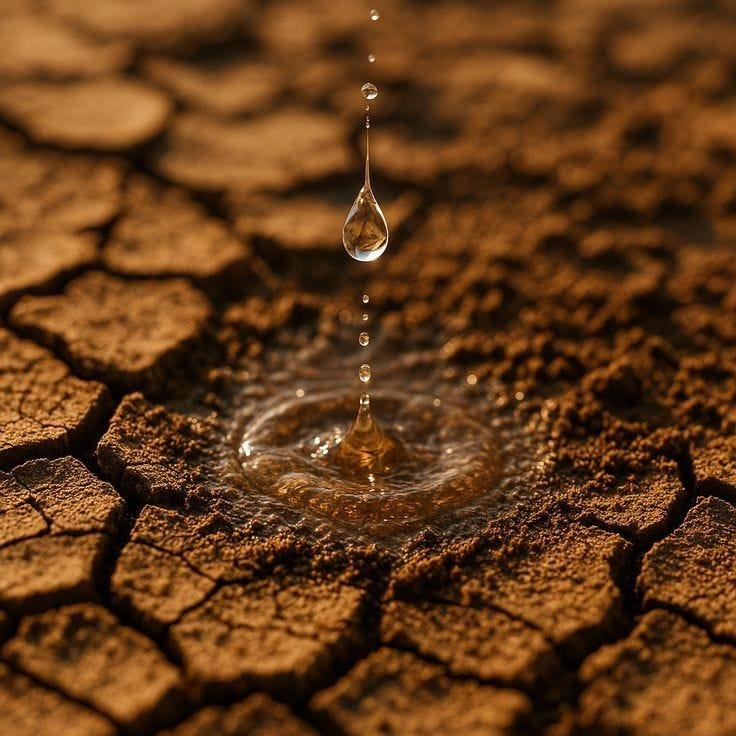
When raindrops hit dry, porous soil, they can trap tiny air bubbles.

Those bubbles rise through the water and burst at the surface.

As they burst, they can release tiny particles and volatile compounds into the surrounding air.

https://images.openai.com/static-rsc-4/QZg2SkJ8Vct8vXQTGLLiaEgyKsfba6o-o_cnk1Gxb7xTYaGjeNhpf8Oq5YeX2x53e2mnqO9ezoTskHe4K2VrolsS3g0-JN0ga0xsR6YJVHXp21pyBduv8SMG6P7USlTvex4f1a_lRcwfd_Srg0g-aDIEeu4CJqL-gN456ECEyyfNFAZz12BSmSZc1ubHmUsj?purpose=fullsize
https://images.openai.com/static-rsc-4/-UxM3np3BZbWuWM4lFFlNTvKTJreXCyl1UK5K7cU0cIfZ_4DBmuMBSM7jpLKY6kkl2X9jU14LQmXE14AZsO7T_sQsGzz4gUeIgSxCFXKt05K8T1k07PpIYc3I6kIlMpTUJxRYMp2OkFeLmDgChSG2-m5tcrJ9vL8xE_XNdf7tqmzP6eItCwhcMVhxCoID2Ad?purpose=fullsize
https://images.openai.com/static-rsc-4/guQBTMK91uBelwCuETxixLSsIc2puwPSAHKeAMSPg0VCUo2F3CFujgFeWhYVMcv79a3sRncUsEI4WGhiHK6HvlP8zwlc6zMyPKa6i90lpzd7u6Vwzt3T83f9GmidPx7SqvvSEsBv-UJshDqoZ7l1yExcgMLSS03h78xH5MrRiacVL2NAyKwQtqUkOtJg-K86?purpose=fullsize

These microscopic airborne particles can carry compounds associated with the smell of wet earth.

So when you stand outside after rain, some of what you’re smelling has literally travelled through the air from tiny droplets and particles.


๐Ÿ‘ƒ 4. Why Can Humans Smell It So Easily?

Humans have a surprisingly strong sensitivity to geosmin.

Even very small amounts can be detectable by our sense of smell.

https://images.openai.com/static-rsc-4/mXI24B8SSe_qzRnE8Rz1Ic07jU_UhK5CEa2XpbzG88rz2bgJWwl_U8qXyyoIze8KH5F390UTymyc2wfqlbjvWUjzZukVoqOW-Zp17X4Wb2vieLREK2_Jedm8i8gCWk4nBqp8g7gt4Wx2oEy6GS9bB3h15QqAENF2oSImI0u5emRG4M04GRkNCjLqWcJ4NHoF?purpose=fullsize
https://images.openai.com/static-rsc-4/3f_DtXxZuYxblBOBqmp_3FScKi9yuCbT2patdT57v2YWwM0cHseMucr6Y01pP2IAmV4KbD0h-NO08Yh2iEvlnWu-auhxVGGYHg95sxYDUUHPo1JwIgpuud9gni5pWcoMb0atnICDm9GwAbB7Loi0W7RXOtd00LswKzlQbsqwTFJ3Rp4ocQMAedFtOpdX2NHL?purpose=fullsize
https://images.openai.com/static-rsc-4/BectQIvulEu2YQv-gfp1mcyaUjY488KV_lTWWA5ImcUvRWn4ODLrMwA7_pM1iSqJB7Ioidmc-YgF9uNlLezBlUMy-iH9BOnkZ3YSbhuW9lK5qF6T7Mbciq5GQRZ4qQDYWAQYNculGmvbqoit1lDCnLtcm8_adkOBMN2AdB9BhfcDwE3tQU2XhRfCPjM6yegQ?purpose=fullsize

Scientists think this sensitivity may have an evolutionary connection.

For humans and other animals, detecting the smell of water or wet environments could historically have been useful.

However, scientists are still investigating exactly why humans are so sensitive to geosmin.


๐ŸŒฟ 5. Plants Also Contribute to the Smell

The story doesn’t end with bacteria.

Plants can release oils and other organic compounds into the environment.

During dry periods, some of these substances can accumulate on surfaces such as soil and rocks.

https://images.openai.com/static-rsc-4/mmrH_9Z62stGvnsrb_InRUTn76Ja4femh5SQvwk_g8AFQ4BSlJTFVk0mCAZ8FAB-fa3yyfqD1H2BvTJBUljW1juoh-JWIR5C29CkQZrdgFra-fglY3PtLMPbjHro3qesRNwJmHTrD1ELKk-nsfWaDzOZMCOllQdKrDm0bT9zyVjLBwCx5HBY2Z32RZDMkUag?purpose=fullsize
https://images.openai.com/static-rsc-4/HEyBJjE_qWbm5u2VxHhPceXaZySJiH7RIciSjhpWw8OixK8121YbQ5oLRABwxAeWP5cMf0-l8ExptBcYR0xw9SF7FxswXXz_fkTWUc5jezuzPHA_JJ2HE1J7KeCwDhFD-DcmG9y1FThXmz-LiQCzmwSrRnJP7eFyySYOrVgXpJRMOYQZqUdUCkzOTJ2b3J_r?purpose=fullsize
https://images.openai.com/static-rsc-4/KQ1pfwTdU4zNH8SqgoRuLz5iM14WJXa-Cb-hA445ptZGKjvAiwB53ga9qr7RvKMjOsuQrsB4xsx9MpUGynJwNMZeZ5Qy1UXSJQ5tZYYdWIsza9UKEguQ_SCnV3FP-016uazAFkzpNPTZxwIyJeupRZ7Jt2HAh83kAnoSR7WdanLxv51p61fiVtnPYHujzSfe?purpose=fullsize

When rain arrives, some of these compounds can become airborne.

They combine with compounds from the soil to create the complex smell we associate with rainfall.


๐ŸŒง๏ธ 6. Why Does the First Rain Smell Different?

Have you ever noticed that the first rain after a long dry period often seems to have a stronger smell?

There is a scientific reason.

During dry weather, plant-derived compounds and other organic materials can accumulate on soil and surfaces.

https://images.openai.com/static-rsc-4/lVS1eWsfEllRghl2JHXh5QvURRbyqMz5O9hlN29FFjXs7S5oTls_1CYSpIoIRKNH1PpYSZuzYzH-Tu2tv-iKIKCrvIIV-dAuIbeKn3ICKbZkvv8xLHcC97qhipwJqeciaHR5PPVXvWQzZlkOkkkaJdaiCqVWDh0XGYJOHla1zJwQd-0ezQ_SOeFPssMWdr0Q?purpose=fullsize
https://images.openai.com/static-rsc-4/L2ydzHJn04cUtyugo4UY_DHEtCy6b7oCuDUbUgsPGBeIUbDl4l8f1-4lf3b1m6uXHW6mg1ymqmYAcHOlFLQvGRDCFO3_HVmHoYT8Eei3yR38Mu_V0oot5n-92BbQsP2PUHnb3SPyzQ4IEpkU-2DQRlT_rJL0nrMbOcqLjL7nBgytpOqaEDSFotvsEpA0FGZB?purpose=fullsize
https://images.openai.com/static-rsc-4/Ici6hJKEb4-55RZXUOL6DDIvJ_Vl7Qaq-sjnx1BjLdLfO0FZlTHl8bppws4227AA9oBcsjm7Qj79iINuhmu-QNxGA4a-kC9kkyCprEhXCdr0rE05U_zKC17DDrWalCh89Iu1SwBP1DDyaq_Fdb69Aww3h50FbZLzzlwYIlsVdeehYtnk1Gdgg8PnL9YJx70Z?purpose=fullsize

When rain finally arrives, water interacts with these accumulated materials.

The resulting release of volatile compounds can make the smell particularly noticeable.

That’s why the first monsoon showers can feel so special.


โšก 7. Does Lightning Create a Smell?

Yesโ€”but this is a different smell from ordinary petrichor.

During thunderstorms, lightning and other electrical processes can contribute to the formation of ozone and nitrogen oxides.

Ozone has a sharp, distinctive smell.

https://images.openai.com/static-rsc-4/I7ZfwQZ5popk7KhOjEs_ENDr7gg-8mGXAwpjVWd6nvX9iJ2qVDJU0V1jWZ3SgJi4MX6ZYYwXE-4Lb7ES07xfDKdbfexh5m-Ev54A43bbEXQxrJD9aqZlesN2Yy4rg_dbUOOETUxY29sbsllR5ZOjQ1gurM9nmXO1uJQvy2UC92uObbRicM2YRxszsoIyEIf0?purpose=fullsize
https://images.openai.com/static-rsc-4/ICUW2dy4RE9eqxuvVBKPCd9cugLNeQ7WlL2iVHM-3H0OpVN-ZwbAdLIBKvVjpEeNkraQjnZUtEulRN4QdQt_b7TOJI6fMniB39TYwwYjX0AxMCe7ZBIuMWdZY7CnHOsl62oIJQIjqmKBq_zynci2geeyNDa6_AVZHCK_PKn8ApIp_VQ-gSkD5R9ODwsya-iB?purpose=fullsize
https://images.openai.com/static-rsc-4/qUohda-E53CuuZEbny4TsuGWM1SjoKqZzvvN7fnJ_youYtpbUcaMWU-DPTrIwLKUDtVRGIKeBm_dhyiT-poVt7ahYF5_LYDcpcrrV4wFO17WufhZksArj0dQ_HR-MtBYtr6ttLLk1MqRkFLE3M6RDl7RDsau3lf8VGmN7LyseHDiZ1AqTIMJs0O05sCzYwbn?purpose=fullsize

So before or during a thunderstorm, you may sometimes notice a smell that is different from the earthy smell of wet soil.

๐ŸŒฑ Wet soil smell = largely associated with petrichor and geosmin

โšก Sharp storm smell = can involve ozone and other compounds


๐ŸŒฌ๏ธ 8. Why Can You Sometimes Smell Rain Before It Arrives?

This is another fascinating phenomenon.

Sometimes people claim they can smell an approaching rainstorm before the rain actually reaches them.

There are several possible reasons.

Wind can carry airborne compounds from wet areas toward you.

During thunderstorms, atmospheric electrical activity can also produce compounds with distinctive smells.

https://images.openai.com/static-rsc-4/oEjlrYrI3_ggbvJy2Yetr-UtDfqP35vCM6C8BLiKiDfgYQghemNDBMr2NzpGm5p3nJryK_09iYCXeq_Uk1epE2T-eMBWWCYmomN5yG2uG4GYxnFic1Wcma_BVbxnfuSBt793ndnwjhcpNKteNVUJvEjkmYHv6IYuSRYntQOqhu_iNP7UhAwg9kvw-seVtI2g?purpose=fullsize
https://images.openai.com/static-rsc-4/NUgQ-Ggeu4jld19_YJEWzoxcu7KZAOqmnbfekY91MUY_Qf8h56zeN7Nbgu8M1RDN0q98YEWxHU9Q0jQi7WPP4ZYswf1YzUrqf5BKnEdzVDcp_lSyXSuepPkhZJjDjJ7wtHYGVk9IDhD59NJYFeSBEKs0pgYYTFLqSrCrfB5AFCRZngKT-a5n31MD4nwKrZUr?purpose=fullsize
https://images.openai.com/static-rsc-4/eTNY68I1d4DQL71S_mEoYtmfYM_SS_F8yW_LM1Jb7jmIaVZAzFLludiqvqhsUlMVws8o44jDpmr2jOfLgVbLLoVhg667CBvwQQP1TLGmOpSmuU9H2SA1Yl9UZlKjQgI15UyTNyl6olcVfYQn3MgFlByBcJy5rnclOdjHO-RIT-LzF8ayCaD-tD4Cb8Un-JP-?purpose=fullsize

So your nose may sometimes detect changes in the atmosphere before the rain arrives at your location.


๐Ÿชจ 9. Rocks and Dry Ground Can Hold Plant Compounds

Petrichor isn’t produced only by soil.

Research into the phenomenon found that certain plant oils can accumulate on mineral surfaces and soil during dry conditions.

Rain can then release some of these compounds.

https://images.openai.com/static-rsc-4/EBAU0NJjnW-A-bpAKrjoUJrxEX-T9yXjsGHf-SUnhMUGLmLwtHmIM_gSstRYGwGm22HIdYOFWGt-DSR_A5I7UaJOS-RZ358JqNvj7FHKRbcHZhfBh1a9ax1JZ7KoKtNoBcVxRUsia2ucv2jiIfQPPMPG0juQTu9NLCtit2EPGblqI0GqKih20QImkhtPXMo9?purpose=fullsize
https://images.openai.com/static-rsc-4/VOmQiXuWTosubhzKPUsHms4W9zV3CsXA_MsTt4_kWiQVt3KSRcX80ZLvb09XvrxXaIK88fP8ZgGZEQvZTf5a-aaR5yVIzGDmepfCbRPL-jrvfp2HA81v_zlhHFWAeIev4l1avpCUZbB2YGq6eoTnU1UwqgdCvtuVqbLg30a59jXOrpNUMnkUPAwR4Lr-UtrL?purpose=fullsize
https://images.openai.com/static-rsc-4/M8IknLiKzYpLHC5sNyXuyk0nMYPwdCZXhH42ry2qd4nBoc8MmLUdEW1eMgYJ1wyV1lBtqmfE8WtY1UWI483xPrLpl-p_17CeHDqwB10nxKUZ8HGyUFwhW_8eQEdOaovmqg5AWCciBfP20_IRNpIcB_YOR81jRMbyFwFoGFuZADtEbYEe7dYoJffRaEzC9fLz?purpose=fullsize

This helps explain why the smell can be noticeable in many different natural environments.


๐Ÿ’จ 10. Rain Doesn’t Always Produce the Same Smell

Not every rainfall smells exactly the same.

The smell can depend on:

  • ๐ŸŒฑ Soil composition
  • ๐Ÿฆ  Microorganisms
  • ๐ŸŒฟ Vegetation
  • ๐ŸŒง๏ธ Rain intensity
  • โ˜€๏ธ How long the ground was dry
  • ๐ŸŒฌ๏ธ Wind
  • ๐ŸŒก๏ธ Temperature
  • ๐Ÿชจ Surface material
https://images.openai.com/static-rsc-4/QrpqonZzwTccAUzwdlJhiA2PkZpH_N5_FNndLpKzN3sKFKggPlIAFvJyCtVoTeRBmpgGjfwVI5k1id8T9Qw7FdpLJEkT0z-JeeY1b5y7FkRFgW_Spkirmk0ur_GG3SvR4gPkPBOSsZiNP6hkD4SdvSpOkx4BXJo9BelVxUGR-ScWl4DXeVRTpdy7Zdgxck8-?purpose=fullsize
https://images.openai.com/static-rsc-4/LCpX4_EBYzU2iciNEl_wR58UTmmM4tKBHwZuHTLjtfS-dHmJpfqSStMyoyGJchBxIaUwf-_fDMssdk5sK_IxLNUGHmBfvK0vCApaD9vaSahFBwgJPHDv63kn_wl9OzerujVLY60f5kPLG3VoqrApEgp-ysMTulIA1MIkAOi2835jYIlPap81vaUp6ZU8eulR?purpose=fullsize
https://images.openai.com/static-rsc-4/ReCYuNpZKf82PPv0zUdAiVvL_B0t7WoTE0lTsBZA_VqDICZY2VBu5pP70Rn_i8oQAfWfL-VGhtBeXhNWDLrIt3urzwi2ARfFqxO9q8qltf9S5IGExJF35HcKjq0Tqt-IVsndeY1z7NG07AWh8r4NcAAKBXle1GvIGhWlmr66PHRA56b8NYRf5Dn15bjsRc5n?purpose=fullsize

That’s why rain in a forest may smell different from rain falling on a city street.


๐ŸŒณ 11. Why Does Rain in a Forest Smell Different?

Forests contain enormous amounts of organic material.

Leaves, bark, soil microorganisms, flowers and plant oils all contribute different compounds to the environment.

https://images.openai.com/static-rsc-4/4rUEZTrEYSgWZ9Ees5fkL3d-pEopgOL62Z5dorTrrVDyrsvYNrFOREnHvyMC77oCM5nRtv6keqCzZtZsXRbHHyow_uXjFQEknsuAFMq7YEB3gqT3j03Zhiu73sDSlHa-Yt-Uk5nzKWdapLskC3F-aeCCE_TI3YH0DSIl-hO7Lb8m2FmMexDTRxtmTWKwXCmO?purpose=fullsize
https://images.openai.com/static-rsc-4/HhnCCZ_jxqG_5wtDf-BVVArMuXSGa9xQh_t9zfIq-1N65ZlBs2fDy247t1UzaNE3yi1u_X-4qdchLjVLa1S_854r4KpL5l0FP88Y0RFZ1_L56mL7SMacVIUXVcTa8qwvjNN11Fqt_aaWxMunjULDmmWSWrHc8SgFU0wTq8-a36WwCCBheMrx16EwKZgpwxSq?purpose=fullsize
https://images.openai.com/static-rsc-4/-WIbyic-1n8HE5NrDzhuQGsnpwFO9dsBbGRx1PiM_hEvNkRXN25i0pvbUpzhnsBTGooaAyjquNjOQmeZIUzeiyjM5S0mIZIgzUdQrYIBtGKVB6p7sVYStF879ht2fSaNOaLTy9nRy_6JL0MXipXPCBai6YCSlavY1FpXkmickj089Z8MlRjgbIXoitan6K7u?purpose=fullsize

When rain falls through the forest canopy, it interacts with many of these materials.

The result can be a much more complex smell than the smell of ordinary wet soil.


๐Ÿ‡ฎ๐Ÿ‡ณ 12. Why Is the Smell of Rain So Special in India?

India experiences a dramatic seasonal monsoon in many regions.

After weeks or months of hot and relatively dry weather, the arrival of monsoon rain can transform the environment.

https://images.openai.com/static-rsc-4/wGllmVxcO1gjcS2bwPbNwwKbthiiqqbbwk1sFm8IJl4j-sDkeCaTDYXLfRqzT0UTwTqCUyvN17LWs9H8P6kTPLR8FMd2Ubh-lVleffwGzOQjG6a058J6nqGhwwp6XzUa-xB32kG5sbHVwev3N3hvna3ILKbxHedqAkmgmvqLId5ZUX8C-hO_5Qc5ORqnexLT?purpose=fullsize
https://images.openai.com/static-rsc-4/5IDNrCe9sVca-MZW_00NbuoJEGhixhEybE_xAEWhvIYC0-EOj2VMb7z_JGABvmr8u6jlaxi3qRHdJAjWjdDwFDqE-Zb07ZLGgdDZln6egygArcWHxO5oI9tmmNIV_EoxlKocqls8XotqO8NbIERPoVQlvDpniQW-S8OAT7JiM_GXrkhr1DKqmEWMkBWuq_4J?purpose=fullsize
https://images.openai.com/static-rsc-4/5VND8vLF_cJ2CdMVJzEYxV84gWWL65LLI9HI5zAzMWeJxKsZMrDbjSAQ3Z8HZjMDU1s_hKwuiuhvmPuMQ87y1nmPRl8xFm8xiYYXymp0NfFcQkAwu6A05hzdZ82JQoajUPZYkyfNoEfMebv9uHR7MnbTBgLZONXTlWeso9TnLQsbxrDBE4ulg8WLlFLzdl4i?purpose=fullsize

Dry ground becomes wet.

Temperatures can fall.

Plants become greener.

Rivers and ponds receive water.

And the familiar smell of wet earth returns.

For many people, that smell has become closely associated with the arrival of the monsoon season.


๐ŸŒพ 13. Rain and Indian Agriculture

The monsoon is extremely important for India’s agriculture.

A large part of India’s agricultural activity depends directly or indirectly on seasonal rainfall.

https://images.openai.com/static-rsc-4/5VND8vLF_cJ2CdMVJzEYxV84gWWL65LLI9HI5zAzMWeJxKsZMrDbjSAQ3Z8HZjMDU1s_hKwuiuhvmPuMQ87y1nmPRl8xFm8xiYYXymp0NfFcQkAwu6A05hzdZ82JQoajUPZYkyfNoEfMebv9uHR7MnbTBgLZONXTlWeso9TnLQsbxrDBE4ulg8WLlFLzdl4i?purpose=fullsize
https://images.openai.com/static-rsc-4/bVlx522zRJuEJmzyUyUS6oGjuzwZnZms1i4yhdtrxULv63369TOkEpWHEdB4ho63ovsDAJo_PCLDPbFfCvIpplLtny_Qrqf-UJUFk7AjgsA_7aZcXxKX0384IyGDkegYPN-U2KD-flN_wDZEl8Rbdm8paB2G8Hy03UD7i6bWIwC00bOg96hyyY9b6tfFCJ4r?purpose=fullsize
https://images.openai.com/static-rsc-4/MTT_3oj4TUhjI0rpxR3X1Q1oaj2T6S1w_fw3jS-CT0VvVpd2SjWwhj1n43LXzRLu5VjzCBVT9GPyTiN9CokSRj_oDoH5y87kGeaynnNJAJSvWn5fxFitR9R7b-U58o_OggC_miYIMXujR7gccBkSSkK77BvgjVKIiaOcIDcsYyuVpAC7XjIjId5uwQr6ST-u?purpose=fullsize

So the first rain isn’t merely a weather event.

For farmers, it can mark the beginning of an important agricultural season.

The smell of rain therefore has a much deeper cultural and practical significance in India.


๐Ÿงช 14. What Exactly Is Geosmin?

Geosmin is an organic compound with a very strong earthy odor.

It is produced by certain microorganisms, especially Streptomyces and related soil bacteria.

https://images.openai.com/static-rsc-4/GssFgXTeSKERGb2gdwnLzTKRM32eTCCB8Ur12pgiZZsUemAwYxLPW0FxQSYgzLw_z1NYokjk3JOOKsu3l0L-MD7dVwdO_z7fmz4wIMgB-pjsMY7EkxqFASR_nBqAF2yj9jnjnEPX4iv2hfWvl32iGeKr03MJMooN0ZcMW1z_ibKWWk1OdOLrXBmnCVFwZbfH?purpose=fullsize
https://images.openai.com/static-rsc-4/fyXG3xMTGwPwOvdfZXZW9oux74emZJBt41VnsoQ3MihltEWsODp6i9vKB3k7RE0QtHigErxlB2KW-wTb27YElAwGJgBrko2R2zXdYgve4RFnK5m99_YsX3Yv4Nd_8IONZCMIuqZUvfZqChcjpLA6ALTAHdqqO8YIr5_eyw_U2c8uLfVgqRQb2K6KDi3bFA7f?purpose=fullsize
https://images.openai.com/static-rsc-4/NiaoiRvEF0E2A-9m9CAv1ZSZAYcFIMjLaD2TS4fAVHqLEkAVhnkKO7n_uB4tqB5bqa7P_O6CnLCjE6mVFhyHyAvVpMy0Ly2FC6_xdaFZMKT6ZhIp8kES-0t8W145XwhKcBF6MCDm-z8g2JJSSH8eSnDYvN44SAUvlT5_dCskNXrj6TodbHV6wrrLhF9s5yX9?purpose=fullsize

The human nose can detect geosmin at extraordinarily low concentrations.

That’s why even a small amount can make wet soil smell strongly “earthy.”


๐Ÿงฌ 15. Why Would Nature Give Us Such a Sensitive Nose?

Scientists have proposed several possible explanations.

Geosmin is associated with moist soil and certain natural environments.

Some researchers have suggested that sensitivity to earthy smells could have helped animals locate water or suitable environments.

https://images.openai.com/static-rsc-4/OqCuzEF65esTcrdoAl30o9TreylunJNmwlY6s3w6QEo40Aa6hGeIxjse4S1naAw7bYy8G0FIqbvOPI7hyD6vQpgfFomUrHdczN-qCvFP1VR7sjqcL2nDFgCZlWucWRBqQEOJKLzQfYSMD8JWENpAIt8JlZ2PvDN58gzzEn4XLKBL_N0TzqBYqaZ3uo3xa1gt?purpose=fullsize
https://images.openai.com/static-rsc-4/sgHo0vdMeko4jXB471kWbACQawq_23EOthJ5RKgaAgNQbkkS8BCdZKEHDHQElsXhppeAiE7adzfVoJVup4BsD5u3o7CfhWUWc7M64uO8O4LXqfPOObREL0_Q2siioLOGlf1h6N83oQjwpJ1zkEx1p1LWIFh3P7y8KlyOJwqbPwnE8DiSf1ZRH5COAVR39XPd?purpose=fullsize
https://images.openai.com/static-rsc-4/3f_DtXxZuYxblBOBqmp_3FScKi9yuCbT2patdT57v2YWwM0cHseMucr6Y01pP2IAmV4KbD0h-NO08Yh2iEvlnWu-auhxVGGYHg95sxYDUUHPo1JwIgpuud9gni5pWcoMb0atnICDm9GwAbB7Loi0W7RXOtd00LswKzlQbsqwTFJ3Rp4ocQMAedFtOpdX2NHL?purpose=fullsize

But this remains an area of scientific research.

It is safer to say that humans are exceptionally sensitive to geosmin, rather than claiming with certainty that we evolved this ability specifically to find rain.


๐ŸŒง๏ธ 16. Why Does Rain Make the Air Feel Fresh?

Rain can remove or reduce some airborne particles and pollutants, particularly during certain weather conditions.

Rain droplets can interact with particles in the atmosphere as they fall.

https://images.openai.com/static-rsc-4/eHtIL0GhlXQE2WNYySyNyNJFwjUwBjAA-UZquFfMgnFx1VNGt8uffLRu_OksX7cx8NYiHiNbOuboe7okgRNHxRx_ADmaEqABGian2XUZ0QZez16mG5f5z0z0kdwtZoxAWU-CzpHcBJGw4EjAwUaXLMhF-pmOnyoANcyjQ8lBc9v4NwdGfQhLruimmyO7szPv?purpose=fullsize
https://images.openai.com/static-rsc-4/tGd6OVh0Demk12R4tT3QIQ1ipaiaknG-LhkFCkn4eFD2syOFG7u-1Bdm8LDpZ6Qe4_zckkNGPGy8t-07Sqf5ZLSspRghxJ4iHpKu30pOblsVV3luy1zVMLKCLKuoy2DPstHLi5wrCRTj76DjzuAcH1CKrVv_S9yd4pvFnC7WjPCu-qLYb3lbKFKul-SQo6ix?purpose=fullsize
https://images.openai.com/static-rsc-4/VqFXFSnuXv4JAQWq-69uolamfw1QLfX-E0AQYick3MDiWpo18LJ4S6TbD61UC6YGmyqR4lo1ymbke_GaTisw40OO0i97rnUXZudhSxIAGepmDN2eTEGvTKpH7AVlvtWNAQXXh7uFm6pzofeR-IgirguxZEtGLz31d70i_DU4IEVhPQ0A1CK2El7K06vdoeOH?purpose=fullsize

However, rain does not automatically make air pollution disappear.

The actual effect depends on the type of pollution, weather conditions and location.


๐Ÿคฏ 10 Amazing Facts About the Smell of Rain

1. ๐ŸŒฑ The smell has a name

It is commonly called petrichor.

2. ๐Ÿฆ  Soil bacteria contribute

Certain bacteria produce geosmin.

3. ๐Ÿ‘ƒ Humans are highly sensitive to geosmin

Tiny quantities can be noticeable.

4. ๐Ÿ’ง Raindrops can release airborne particles

Tiny droplets and bubbles can help transport compounds into the air.

5. ๐ŸŒฟ Plants contribute too

Plant oils and organic compounds can become part of the smell.

6. โ˜€๏ธ Dry periods matter

Longer dry periods can allow compounds to accumulate.

7. โšก Thunderstorms can smell different

Ozone and other compounds can contribute to storm-related odors.

8. ๐ŸŒณ Forest rain has a complex smell

Plants, soil and microorganisms all contribute.

9. ๐ŸŒง๏ธ The first rain can be especially noticeable

Accumulated compounds are released when the dry surface becomes wet.

10. ๐Ÿ‡ฎ๐Ÿ‡ณ Monsoon makes the experience special

The arrival of seasonal rain is deeply connected with India’s environment and agriculture.


๐ŸŒ From a Tiny Bacterium to a Huge Feeling

The next time rain falls on dry ground, think about what is actually happening.

A tiny raindrop hits the soil.

Air bubbles form.

Microscopic particles become airborne.

Bacteria-produced compounds such as geosmin enter the air.

Plant-derived compounds may also be released.

Your nose detects incredibly small concentrations of these molecules.

And your brain turns all of that chemistry into one familiar experience:

๐ŸŒง๏ธ The smell of rain.

https://images.openai.com/static-rsc-4/K7tm7wvsR2ukFOm8GTB0AktyrEdaEnX4423cOMwHTKz1GQn3hM-EsrIkaP8V18gAX-N_nWmbq0p748obvYuvLz2BWkHxd3F5DkP6PRKJDTEfwjuGVwdUwnX6_o3JcCohcUNKs1Os_h2ZJc_J19rAVvFV-jYrRIhA3uTPaFxBW16VTwfgpDBih192ynI-fDhQ?purpose=fullsize
https://images.openai.com/static-rsc-4/_cPwmkne_7gxGNhCJMFssQmz_fnNftG_8ADEi5BUZY3nVQw9N5KPNXtxdTX75_6RtGUAQLE1FAwC8CPDWQFLtxBphfyEDypf0BIyE3STZYkmhB06POLYEb1crZREKhRZdR4JX8iXfZyOkuFBs_hdjQQORlkN6X1Y1kA2K_ymTjlBFltowMWRZHEEryIsD8XD?purpose=fullsize
https://images.openai.com/static-rsc-4/bO5XexQysUZxqch4vPoisbF1o_0ihAmFCo6EbmTokt71cBxHxK4eulIIbGo1D4TTQcZv5TxmUMVip29eQsW_Klmi3ORbQQR6wJqgbv7MaUZx709R76RHjbqFVyPCWAh1WzSyEkKofMlgErgWaEuKO-FHk-T8ehKeDofe3_JxCJDHrMuIJa1kFY-Yl7DcqfNR?purpose=fullsize

๐ŸŒŸ Final Thoughts

The smell after rain may feel simple, but the science behind it is surprisingly complex.

It is a combination of microbiology, chemistry, plants, weather and human senses.

The next time you step outside after the first monsoon shower and breathe in that earthy aroma, remember:

๐Ÿฆ  Tiny microorganisms helped create it.

๐ŸŒฟ Plants contributed to it.

๐Ÿ’ง Rain released it.

๐Ÿ‘ƒ Your nose detected it.

And your brain recognized it as one of nature’s most familiar smells.

๐ŸŒง๏ธ Sometimes, a simple smell can tell an incredible scientific story.

https://images.openai.com/static-rsc-4/rzlLsA9w8tKGu33Rf_ACGd-2PfuMw18K9XB5cywcM9YFSEFYBG_z6sAplv95U2XNO85DCJ-lAfCMyc2tEnFb2K3vyjQofB45ausLRPbw4eSvh8ccbctNE9H3mjJwstNZoDueIQp1SdxqNr8O-aA196vK8rmmHrTZLE_DwxE_7TZ5OkWcCtpFnxehsr8ZcHLb?purpose=fullsize
https://images.openai.com/static-rsc-4/5IDNrCe9sVca-MZW_00NbuoJEGhixhEybE_xAEWhvIYC0-EOj2VMb7z_JGABvmr8u6jlaxi3qRHdJAjWjdDwFDqE-Zb07ZLGgdDZln6egygArcWHxO5oI9tmmNIV_EoxlKocqls8XotqO8NbIERPoVQlvDpniQW-S8OAT7JiM_GXrkhr1DKqmEWMkBWuq_4J?purpose=fullsize
https://images.openai.com/static-rsc-4/xsv7F1bDPNwdZD7mGlNzXIURPqX3Jdsvgy3E0bRRw25gKcMiJAYaOVqAF2jwN-OQPexFqXucKb06Myx_VS-AKQryE11T2XZQoZmKV8-MAOGbVVy8an91ldxGmjdW_JOjDDgaCG9IU45rPR6Lem35oah85pqcPi5MzduR8OPoVvGn6pCsbVnN6vAU27xZBFxh?purpose=fullsize

๐Ÿ‡ฎ๐Ÿ‡ณ MANA BHARATHAM

Stories, Facts & Wonders From India

๐ŸŒ Website: allpincodes.online

๐Ÿ“– Blog: MANA BHARATHAM

Know India. Explore India. Celebrate India. ๐Ÿ‡ฎ๐Ÿ‡ณ

Comments

Leave a Reply

Your email address will not be published. Required fields are marked *