Tag: Indian National Congress

  • ๐Ÿ‡ฎ๐Ÿ‡ณ Sonia Gandhi: Life, Political Journey, Family, Congress Leadership and Her Role in Modern Indian Politics

    ๐Ÿ‡ฎ๐Ÿ‡ณ Sonia Gandhi: Life, Political Journey, Family, Congress Leadership and Her Role in Modern Indian Politics

    https://images.openai.com/static-rsc-4/d4dTnbr007D-pn_Y8n8GX90CUWUlgLi8A2ky3fM6Esgrzc7hA2FYeyphPyL-4Y3zBQ_LUx1Kf6bqJ8VCL6q8tWVASPrr85l26fgn1hUtieY5dXDgQI6cSoFxxojnhccsKK6ctfVVtfQtmXB-GuwBImyuQjPHSM_zxQcDzVKL4ZaDpfHABdYLmBGSf2_883Y9?purpose=fullsize
    https://images.openai.com/static-rsc-4/WgjgJx-qzj5x547b4gL1pvmYFA0tAk0WVdIpLzdvVJBrLBoqGaythaAiy-RWonZaGCneza03G4mr3Xehasjwt8FDttXWdo3sJIcV8seYCBr_eyWEY-v6CU4yODzSxy0Pd3l_80JR-e5s9sBPo0w85eMlEyjKv6ISGhU5Y_kN_Jk1dIeAYHxl38zmq195GWjB?purpose=fullsize
    https://images.openai.com/static-rsc-4/QZs71gvtXC_ux48PEIEUnHJ4ZZM4QYtTXVVXuUqhE-757HztmRYZbEBm0zqH0I-uEEWHSwd17kld8sgkT5eFFat41_c7nYd16Rc4yWi4e_QSQFV2a1umpy0kGuDPQ3TkFCWO2AFU3szoMkh6QoB90--Blznbgl_YCj9wEf5CYLo2td2Y-NE9-rSooPUkJ9TA?purpose=fullsize

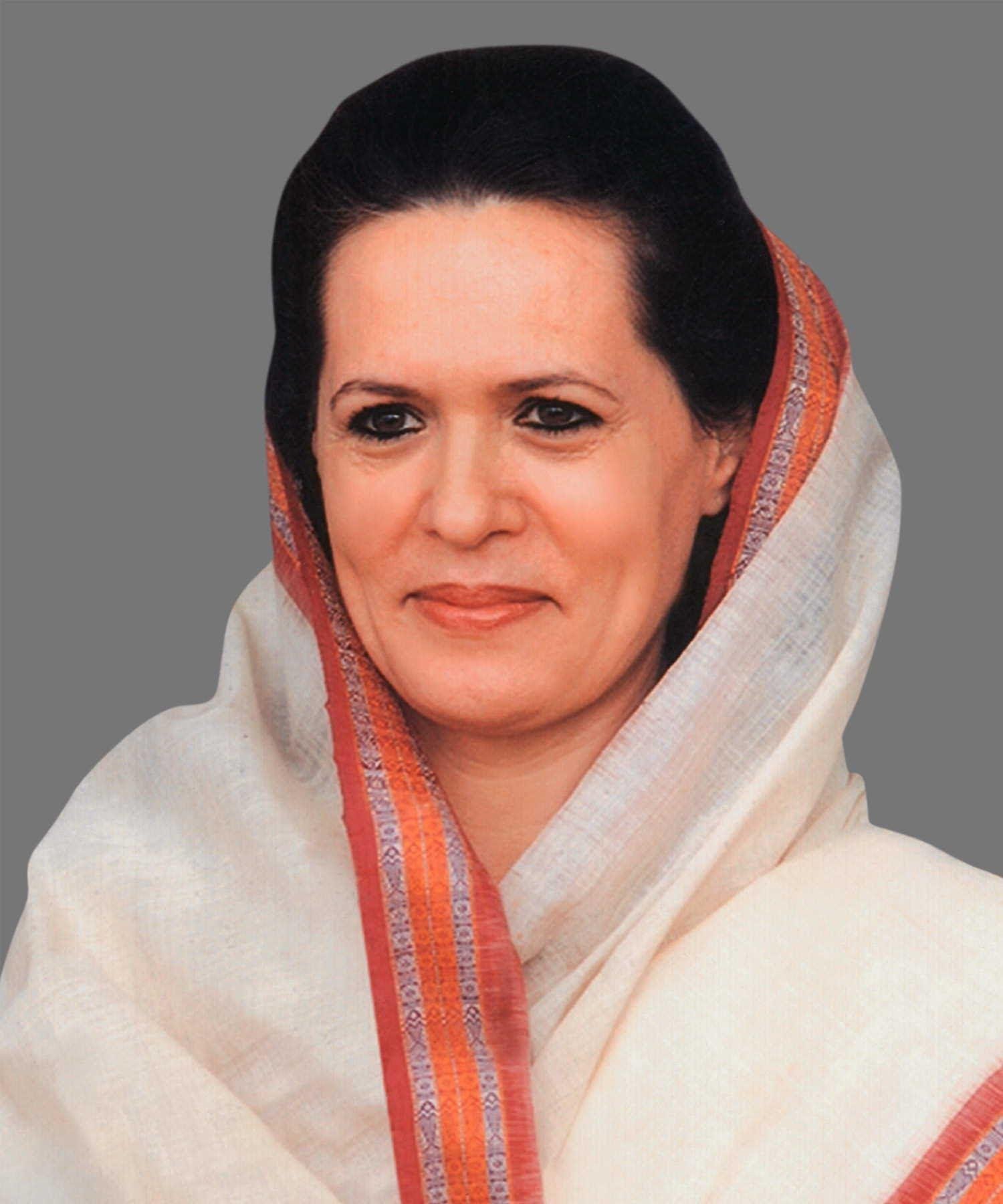
    Sonia Gandhi is one of the most influential figures in modern Indian political history. She served as the longest-serving president of the Indian National Congress, led the Congress-led coalition to power in 2004 and 2009, and became one of the most prominent women in Indian politics.

    She was born in Italy on 9 December 1946 and later married former Prime Minister Rajiv Gandhi in 1968. She entered active politics in the late 1990s and became Congress president in 1998.


    ๐Ÿ‘ถ Early Life of Sonia Gandhi

    Sonia Gandhi was born as Sonia Maino on 9 December 1946 in Lusiana, Vicenza, Italy.

    According to the Parliament of India’s biographical record, her father’s name was Stefano Maino and her mother’s name was Paola Predebon. She studied languages in Italy and later travelled to Cambridge in the United Kingdom to study English.

    https://images.openai.com/static-rsc-4/47a03Qp_wMiCUYHEYcGzcPDnBzRg_VKmkEuTVzAdYpRovBWkDcaR0gU-0cBGBA1zI0KTvb3HuxWVb5Mb9W1Y3cA5fC6uXe_BWZ7p9Xs2w7mSt-Th4pE3fYdaULQ6oIjiyTDxlFUAuf4jq7HR7IgylPsfDyk2Na6c9oWkydU_MV0UMJov-WVZYczMIi4H1Yk6?purpose=fullsize
    https://images.openai.com/static-rsc-4/WIlHe5qdq1gba41z5acaEpsLDsGNxCRohcnBvPNxvOV9j9q_FaZHtEU2ovhm7XEJWDbKHCX9H4YTQOHVuhDQtkpnOV34XknP1S_30psGej4evSUWtx7Tnkb432dILvzAXw24X9khvGfMesAzJg4xc9uBlwo6QDHFLqHWvu6qdur4SrdGFk_66NmRQtuNvpPt?purpose=fullsize
    https://images.openai.com/static-rsc-4/9v05NLTPs_tL8JFSHAZUbmwuVPUaDZDoqxTi-PfYDUILbN7TJFkV0ifoR9UR6Lhl18r7QjM2XJAj1zQjHbc8b0_Sp7YAuSNjEosVUvMe9_cb7NDTcsX8JFDrnAMuDuuUoOswUCNH4TNzRxzO3CHrsg451IiXj3gmmevFrevZZPvf8jLvRzHjdIRDxQjx2N-_?purpose=fullsize

    It was during her time in Cambridge that she met Rajiv Gandhi, who was studying there. Their relationship eventually led to marriage.


    โค๏ธ Sonia Gandhi and Rajiv Gandhi

    Sonia Maino and Rajiv Gandhi married in New Delhi on 25 February 1968.

    Rajiv Gandhi was the eldest son of former Prime Minister Indira Gandhi and grandson of India’s first Prime Minister Jawaharlal Nehru.

    The couple had two children:

    • ๐Ÿ‘จ Rahul Gandhi
    • ๐Ÿ‘ฉ Priyanka Gandhi Vadra
    https://images.openai.com/static-rsc-4/D3waXgHOqb757dG8kcpyS3jr6ykGywPs78QRf0_iDLT5GJRo1IDoSq5zL_PPyIUVT-73SgogwDD0uMFnqHXm5a3Qenj0mgXaxC3kiuRHmYDtCOjc95x0e4A6bG6XNkHjeCnat1nzMighhbNj3DGO5LisjLGcam7WoKnD_erGJTUWF9FmDRTdr4lVlho3a0tQ?purpose=fullsize
    https://images.openai.com/static-rsc-4/ssqDiyeioFFkDW8biYHqbuLgg6zWX_revnQlEH9RjAex_eGMNFnpu489d9LBprjme4YWiVryLtk8sqKFptys8VA8HqJopd-OtGHT8ZY__H-lI9JpeFTPsH0tYwpD-xxMaJwALSwm78XGAK9SWsVtPuNBwJNYYhOQ8mMD0-w58WPBusjN0qNIVucAfkpbBfnQ?purpose=fullsize
    https://images.openai.com/static-rsc-4/SZMd70MPjgK0wQLl3uYuHXD_GZcJPMhxlKRiZGYCpPzYWkRB7ERybV75hYAZ3wEJtQhXg3xNaU9MUTCLM43y3MFH2Qn-k_KrvFArWuMPEuAMKiOUeI6Jaa0aGcxaZy78TokCTywwyEhgxjLUwUbczpXsIwFmdYOFORESq-s-4C6BdWUf-0neWsvhsqCwpgpc?purpose=fullsize

    For much of her early married life, Sonia Gandhi stayed away from active politics and concentrated on her family. The Congress’s official biography says that during Rajiv Gandhi’s years as Prime Minister, she largely accompanied him on selected tours and helped look after his parliamentary constituency-related activities.


    ๐Ÿ‡ฎ๐Ÿ‡ณ The Tragedy That Changed Her Life

    Rajiv Gandhi was assassinated on 21 May 1991 at Sriperumbudur in Tamil Nadu during an election campaign.

    The assassination dramatically changed Sonia Gandhi’s life.

    Following Rajiv Gandhi’s death, she remained largely outside electoral politics for several years. She became associated with the Rajiv Gandhi Foundation and its related activities, focusing on preserving her husband’s legacy.


    ๐Ÿ›๏ธ Entry Into Active Politics

    Sonia Gandhi formally joined the Indian National Congress in 1997.

    In March 1998, she became Congress president.

    This was a major turning point for the party.

    At the time, the Congress was facing serious political challenges and had suffered electoral setbacks.

    Sonia Gandhi took on the responsibility of rebuilding the organisation and campaigning across India.


    ๐Ÿ—ณ๏ธ 1999 Lok Sabha Election

    Sonia Gandhi contested the 1999 Lok Sabha election and was elected to Parliament from Amethi in Uttar Pradesh.

    She subsequently became Leader of the Opposition in the Lok Sabha.

    https://images.openai.com/static-rsc-4/jgy5D5W_qB3DlJdXqRAMrky95CTD3ySfRh0VIdmh-MQI0JGrt_8OLYMhY1PB0O0jczZZ0-pD8OC1Ke5Hhe2M5dIpGqUQgJDmSQI94_Yp_q5Ekiv80TTBGjFN6pRCDHzeNoqwmxGnLw82eL2PVqQvlqt0xcqJ9KPZ7qRUSAbie_juqqX3_vDRCgAQKdbsVk7-?purpose=fullsize
    https://images.openai.com/static-rsc-4/y5F4vnXsHVYG_HfUn-q0Y3QRhuiydvLjWMxeCMIwI9pI9IS2tDSR6jwFh9_FGPLK08dh992fzKaUaSjz4IsL7ByKQzS2bi1-ckpE1n-nEEm-kx-t23fQwB49ReyluKzxasmMabKgarpkwWIlTpypt62BQR6CQPHQNMYWN1Dw9XhBM3cZhEXjvAphxiHC-uE1?purpose=fullsize
    https://images.openai.com/static-rsc-4/waPy-LjcxuHrCLoMQuz_Syz94aLKbolMYLpbybun8Ifev1ok17D9kcwShQvVYWenjyWxmlvF1ts2vrK1km3r5Imtt3iqQ7U-yg15DBxXmeHMofOSm7Ni0rj6GV5-Jz_p5Fot4CuqsC1slIQPRvxzAao4AkM_38BYvUbeLk4xgKqLFVz5oFectfkb47b5IVed?purpose=fullsize

    Her entry into national electoral politics strengthened the Congress’s campaign under her leadership.


    ๐Ÿ† 2004: Congress-Led UPA Returns to Power

    The 2004 Lok Sabha election became one of the most important moments in Sonia Gandhi’s political career.

    The Congress emerged as the largest party and formed the United Progressive Alliance (UPA) with other parties.

    Sonia Gandhi was elected leader of the Congress Parliamentary Party and was widely expected to become Prime Minister.

    However, she decided not to take the Prime Minister’s office.

    She instead supported Dr. Manmohan Singh as Prime Minister. The Congress’s historical record records her decision to decline the post in May 2004.

    https://images.openai.com/static-rsc-4/zY7kcD5J8B0CrXVcbzVyIXvp_DIm2-eUOvo7dmhOJR40TGMWLvQE4VqOEB8hLV1NsQdbmup89qnz-fECaJ_94R3wWrYRUcrWHYQXfik96uQOW-Csjt7Iz6AiZ9g3yaxszfh1SegLsC3DwsYCwDCz5kJLObpB3ngW9lTlBZ7Wu3KnxzOcuDmsqijT36yaShro?purpose=fullsize
    https://images.openai.com/static-rsc-4/ME2LREG2Gi6oZflaBD7i2ewq6ZxuIXnO0gWcFKy5JErqIhizGpAKBfxDaVn7QFwmja6jiCcCZocV2AFQLt2ZW2jfXKdlszSMLrzqIZ-g-C76rksPG_llmCuqGaYTJvQGBjNHu5lFlke3paogLBfT4zkiV_A6K5TTbkjuffmGsO4S8TqZqMMPDVh-nATZZLwD?purpose=fullsize
    https://images.openai.com/static-rsc-4/n9sL6OCq_gMLpWLtdOfxEvGozNz_UMNbGa6zYgHYl6M4IQdnqeVQoK-cCCgINA0hnkRJ-UYVXyPiU7NfS3vlpZnqvMS0PVtwK1-x2fQYOlhFVkTjFJMOaMNNeS_8Dp45wx8DSWbCyeJ31itVnv9alziky40laktl5lRpjSMqCBGmG1ZHCjAbrFihsUYAdMyN?purpose=fullsize

    This decision became one of the most discussed episodes of her political career.


    ๐Ÿ‘ฅ Sonia Gandhi and the UPA Government

    Although Manmohan Singh served as Prime Minister, Sonia Gandhi remained a central political figure as UPA chairperson.

    She also headed the National Advisory Council (NAC) during important periods of the UPA government.

    The Congress credits the NAC with contributing recommendations related to major social-policy initiatives, including:

    • MGNREGA
    • Right to Information
    • National Rural Health Mission
    • Mid-Day Meal Programme
    • Jawaharlal Nehru Urban Renewal Mission
    • Other social and welfare policies

    The exact roles of different institutions and governments in these programmes are complex, so these initiatives should not be understood as the work of one individual alone.


    ๐Ÿ›๏ธ 2009 Lok Sabha Election

    The Congress-led UPA won another major victory in the 2009 Lok Sabha election.

    The Congress itself won 206 Lok Sabha seats, while the UPA won 262 seats according to the Congress’s historical timeline.

    https://images.openai.com/static-rsc-4/NAEYFdH05oxQbRQKtaviRZQ9dTc6sNgcIPVpyHSfF-OGg_qbjx3Yo0iz1vygKH0_ZTWzWpSkwHda5x8jVEdRfZgfv8C-zCaFd00KchKZ-oVg7k2RTT_HPnm_2tqLp0mlcPdx3Hft82uM4vWVSsRT92tcaK6qN-gcqYwgDi4rELjSNDM8ArHdXXrU9_YnZyBH?purpose=fullsize
    https://images.openai.com/static-rsc-4/2hPi4g4vs9zf69G0vm6VGyLOxfGToaZenjEZxNpVU2PQx7t5LHfMSjojAP222TQvsu-9NeN2OEMEk0bcWUO7V7E8d86ufKgZEhIKsysCcDyl0WkmNSRt1fNVSaiR14CD__Kr9Iv5blQTLxt2RbryYZK4iPIzG62xY0mstXd6b16UnPuB3zKABWxvfA4CBG9d?purpose=fullsize
    https://images.openai.com/static-rsc-4/RGcS7qRik5cPwKnN7c36gTYn4I326nua-y1xsDTKI7SfTdPyqTq8mw3P_yz4W2-AlagSfwKZ9Vng_AUArM8a0COfx-_mtl1QfsIvSMEnVd45yJxvbvFMNQISPkGzR9C3zXiMUxqb2gLtyRJ7qofsqEC4N6bRAxTwazvfaAXDxYl-CPD4nwFqbv8hL0VYS01d?purpose=fullsize

    Dr. Manmohan Singh returned as Prime Minister for a second term.

    Sonia Gandhi continued to remain a central figure in the Congress and the UPA.


    ๐Ÿ‘ฉ Sonia Gandhi as a Woman Leader

    Sonia Gandhi became one of the most prominent women in Indian politics.

    The Congress describes her as the fifth woman president of the Indian National Congress and the party’s longest-serving president.

    Her political career also made her part of a long history of women leaders associated with the Congress, including:

    • Annie Besant
    • Sarojini Naidu
    • Nellie Sengupta
    • Indira Gandhi
    • Sonia Gandhi
    https://images.openai.com/static-rsc-4/Zdh9a0yaL7NX3dFm2RhacyPIngP9u03c4sBi66-CCEo6689SR38JsgQzh0vrh3HgtVh6DSD94QKZlPl1J8Bjta0zRQx6bPqh4nU1CJchRDorSDw1tfWXlCbGjJTeINiGfatbPK668qe_c-EHc0SwarPfgEEI2y9iEASrAbHTSAPTMo4zm5ye-41xG12sTrul?purpose=fullsize
    https://images.openai.com/static-rsc-4/otx94bYit7HhqmgyEKgPUyq9xWFiz06SMsFOspORV7C06L8FRWbGKH1ZY_ZgDuauhpdp6D8WeivrDU-jNTyuwmCu_t6S6kDyXB1_q_B0s-F3AB5chUCAeRasStQY3qSknKhKzBIANtgSSDz1OnlCBSF0yPkTLKFEmtxaspvTSBuk5J8hvijDd3exhiOAoXyx?purpose=fullsize
    https://images.openai.com/static-rsc-4/9l0OEp_Y-pbRWm3DsP-z6R0unVRCV23KFZiJpZWV4iQs5XlrvuUUJiBIq6PlgBUaTNf4Vn7o_1o85AAbqZ9hAfeFP618g3-SE89YaAXqqVLXUTXLGJ-paPTgVZ8Tb-KwsDuEfIQVuvUsinZZQ2nmYLRL4M1OfonEDzg1BXuQFo_fX_1rmw616B5lY5iSGlGI?purpose=fullsize

    ๐Ÿ“š Sonia Gandhi as an Author and Editor

    Sonia Gandhi has also been involved in publishing and literary work.

    The Congress biography lists books associated with her including:

    • Rajiv
    • Rajiv’s World

    She also edited collections of correspondence between Jawaharlal Nehru and Indira Gandhi, published as:

    • Freedom’s Daughter
    • Two Alone, Two Together

    ๐ŸŽจ Her Interests

    Beyond politics, Sonia Gandhi has expressed interests in:

    • ๐Ÿ“š Reading
    • ๐ŸŽจ Indian art
    • ๐Ÿงต Handlooms and handicrafts
    • ๐ŸŽต Folk and classical music
    • ๐Ÿ–ผ๏ธ Art conservation

    The Congress biography also notes that she holds a diploma in conservation of oil paintings from the National Museum in New Delhi.


    ๐Ÿ›๏ธ From Lok Sabha to Rajya Sabha

    After many years as a Lok Sabha member, Sonia Gandhi entered the Rajya Sabha from Rajasthan.

    She took her oath as a Rajya Sabha member on 4 April 2024.

    https://images.openai.com/static-rsc-4/gTWhpJssV2Qbf-scgjZO8nX3-KI6Li5LRYcpyPNDEHttbC9VVzI9wUivM83sAWw0jSVJ5EgWBuTDNEpHALWZiWtjz4IHnljyWZuqTA6fX55JEmPMkDUNNci4wQyhucjN3qq1jOzllVrioXJ06wDvsrWt6e6gr2AFSo9ejzfpCLmvsAzZ8E9vJ8m8FkDcT4e-?purpose=fullsize
    https://images.openai.com/static-rsc-4/4rsQ8I8bsmCgacr-t35lqHNjcF9QQlwIz1kOgrkz3CBxAu-HhxzDSCEAZDjobuoBAGzhj6tknoDesDKoX98Oylfj0LAZ0VLmm5vLiFMbjyam5oZhcm9mHwu8_OVUc9CfQ0NqeA5RzxriQbNHaS9UGtoK6b9vo_cqDZck2vOoYgY1bGOsma-eIQqrfibXJGIH?purpose=fullsize
    https://images.openai.com/static-rsc-4/apFQS6HxKkwu5pZoRgeSmndJoPY46-TPsw4y-6YwNypOeeDglql59_4LveZ2cu7CA4Qd19LuV3xk5kjvTglcaNjt32PfMO-yu7G0tGcl2CtW2GaId9NRsHS2B5TexNRi3xKASYMgcvoA4TXlEEvxDWf1Np1TAEmDccXGsXbvyYGWvW3PI8ms79TTvmleGesR?purpose=fullsize

    She continues to hold an important role within the Congress Parliamentary Party. The Congress currently lists her as Chairperson of the Congress Parliamentary Party.


    ๐Ÿ‘จโ€๐Ÿ‘ฉโ€๐Ÿ‘ง Sonia Gandhi’s Family

    Sonia Gandhi’s immediate political family includes two prominent political figures.

    ๐Ÿ‘จ Rahul Gandhi

    Rahul Gandhi is her son and a senior Congress leader. He has served multiple terms in the Lok Sabha and is currently a Lok Sabha member from Rae Bareli.

    ๐Ÿ‘ฉ Priyanka Gandhi Vadra

    Priyanka Gandhi Vadra is her daughter and a prominent Congress leader.

    Thus, the Gandhi family has remained a significant part of Indian electoral politics for several generations.


    ๐ŸŒณ Sonia Gandhi and Social Issues

    During her political career, Sonia Gandhi has frequently spoken about:

    • Poverty
    • Women’s empowerment
    • Rural development
    • Social welfare
    • Rights-based legislation
    • Environment
    • Welfare of disadvantaged communities

    The Congress biography specifically highlights her interest in environmental issues, women’s empowerment and children’s welfare.


    โš–๏ธ Sonia Gandhi’s Political Legacy

    Sonia Gandhi’s political career has been both highly influential and highly debated.

    Supporters point to:

    โœ… The Congress’s revival after the late 1990s
    โœ… The 2004 and 2009 UPA victories
    โœ… Her decision not to become Prime Minister in 2004
    โœ… Her role in coalition politics
    โœ… Social-welfare and rights-based policy initiatives

    Critics, meanwhile, have raised questions about:

    โš ๏ธ Leadership concentrated around the Gandhi family
    โš ๏ธ The Congress’s dependence on the family
    โš ๏ธ Political controversies surrounding the UPA period
    โš ๏ธ Questions about the party’s organisational decline in later years

    A balanced historical account should acknowledge both the achievements and controversies rather than presenting Sonia Gandhi only through either praise or criticism.


    ๐Ÿ“… Sonia Gandhi โ€” Important Dates

    YearEvent
    1946Born in Italy
    1968Married Rajiv Gandhi
    1970Rahul Gandhi born
    1972Priyanka Gandhi Vadra born
    1991Rajiv Gandhi assassinated
    1997Joined Congress
    1998Became Congress president
    1999Elected to Lok Sabha
    2004UPA wins; declines PM post
    2006Resigned from NAC and Lok Sabha amid office-of-profit controversy, later re-elected
    2009UPA wins again; Congress wins 206 seats
    2017Rahul Gandhi succeeds her as Congress president
    2019Returned as interim Congress president
    2022Mallikarjun Kharge became Congress president
    2024Sonia Gandhi entered Rajya Sabha from Rajasthan
    2026Continues as Congress Parliamentary Party Chairperson

    The dates above are based primarily on Parliament and Congress historical records.


    ๐Ÿ‡ฎ๐Ÿ‡ณ Sonia Gandhi’s Place in Indian Political History

    Sonia Gandhi’s journey is unusual.

    She was born in Italy, married into one of India’s most prominent political families, initially remained outside active politics, and later became one of the country’s most powerful political leaders.

    For more than two decades, she was at the centre of Congress politics and coalition politics at the national level.

    Her greatest political influence came during the UPA era from 2004 to 2014, when the Congress-led alliance governed India with Manmohan Singh as Prime Minister.

    Today, she remains an important senior figure in the Congress and serves as Chairperson of the Congress Parliamentary Party.


    ๐Ÿ‡ฎ๐Ÿ‡ณ Final Words

    Sonia Gandhi’s story is not simply the story of a politician.

    It is a story of migration, marriage, tragedy, political responsibility, electoral victories, coalition government and decades of public life.

    From Sonia Maino in Italy to one of the most recognisable political figures in India, her journey has become an important chapter in the history of modern Indian politics.

    Her legacy will continue to be debated by supporters, critics, political historians and future generations.

    https://images.openai.com/static-rsc-4/4rsQ8I8bsmCgacr-t35lqHNjcF9QQlwIz1kOgrkz3CBxAu-HhxzDSCEAZDjobuoBAGzhj6tknoDesDKoX98Oylfj0LAZ0VLmm5vLiFMbjyam5oZhcm9mHwu8_OVUc9CfQ0NqeA5RzxriQbNHaS9UGtoK6b9vo_cqDZck2vOoYgY1bGOsma-eIQqrfibXJGIH?purpose=fullsize
    https://images.openai.com/static-rsc-4/9lK02R5uZALwjK8N6S0gceiVIALlAoschX03KDZivGf2MH4WpX61KZi1Fbziq4lQVn6bg7Z6p2rpaACGIN4H8BSBDr9LGgjXavI5M2BFgqoJY_HQuMR5zNtfurr9-r0LN2VkNcZJ2VfrzY0DGr3bWi5j1EnZSo0bhoq9-O08_vRgD_PzK0tHhvPbQrctbuwv?purpose=fullsize
    https://images.openai.com/static-rsc-4/_RugvKQ-szhImy7QzTxBYZ5Yx-ZY5eVtYI_9cDrtB7WRrUbR1cYKEa6TqyiVpWsZTwrT51XfZfO23KtDdseubuZ41pUvdDJ1-u_Q_5Rv0cfTLFs5AvXFu2mlJ_YRW8t6aXtMyXdB9uiDjItgsfBbZTLFmYQhWDY9v-bgmkHzXFUICSwCRi2cykPPTqCs7R4d?purpose=fullsize

    ๐Ÿ‡ฎ๐Ÿ‡ณ MANA BHARATHAM

    Stories, Facts & Wonders From India

    โœ๏ธ Written by Pasupuleti Saida Rao

    Know India. Explore India. Celebrate India. ๐Ÿ‡ฎ๐Ÿ‡ณ

  • ๐Ÿ‡ฎ๐Ÿ‡ณ Indiaโ€™s Freedom Struggle: The Long Journey to Independence

    ๐Ÿ‡ฎ๐Ÿ‡ณ Indiaโ€™s Freedom Struggle: The Long Journey to Independence

    delhi

    Indiaโ€™s independence was not achieved in a single day.

    The freedom that India celebrates every year on 15 August was the result of decades of struggle, sacrifice, protests, imprisonment and determination. Millions of ordinary Indians, along with well-known leaders, became part of a movement that eventually brought an end to British rule.

    The story of Indian independence is therefore not only the story of famous leaders. It is also the story of students, farmers, workers, women, revolutionaries and countless people whose names were never recorded in history books.

    The Beginning of a National Awakening

    British rule in India had existed for many decades before the freedom movement developed into a mass national struggle.

    The Revolt of 1857 became one of the earliest major challenges to British authority. Although the revolt did not end British rule, it became an important part of India’s later political memory.

    During the late nineteenth and early twentieth centuries, political awareness grew rapidly. Indians increasingly demanded greater participation in government and began to organize themselves politically.

    The formation of the Indian National Congress in 1885 provided an important platform for political discussion and, eventually, for the wider independence movement.

    But the journey was still only beginning.

    https://images.openai.com/static-rsc-4/4h4D1LPsA_MkaQfEzs0Gjxt7SlFD3pyL6fgyP2114UJjQpaddi6KAxABljepfgv_tekjP4FC2Srx1llvUjhEj0lGCFwOEFX4CKfxiZzi_T_NtSYpzQe5XOt48ZFTAsUE_wpwaz6AkSRkbK85Qvi8qP2cW4U1Q6WcEhtQLJKjUN2qmDykpP4FZ_mbe6syZkJd?purpose=fullsize
    https://images.openai.com/static-rsc-4/JaJ9M6c2Lh69fuS3O4b90wFIy9NK3ozWStTAFfUMw9GaDWKJpyAfwmDhbd8fWAMCfQN3B2od35uATMd9iKDpglQuell--dROpkZny60NQdb49htOQe67_EO2ipzy3mfUeIOlrocE5V07VhMzizAjs-hhEYPCkihd6HUvSfL-ul_9-35kxzchAL_keUie4EJo?purpose=fullsize
    https://images.openai.com/static-rsc-4/SuGY-mSz7HBEKuApScGLf8-QLiGu7VAmoQt-9NAX-fgU37rVKHw7WEzFwRZw-67Q9RbJPGeRRXK1XLey754iUNoVWsLF07ArOI2kOakNqt9rvnAamLVG5YUZkHq0Eqtyh_vO3GzwBqYYVTxfsY9hQ6jl6y-U-JRMBf38Pov3422-fQANPUg6Ph5n8aiHmhJ7?purpose=fullsize

    Mahatma Gandhi and the Power of Non-Violence

    When Mahatma Gandhi returned to India in 1915, he gradually became one of the most influential figures in the freedom movement.

    Gandhi believed that ordinary people could challenge an unjust system through non-violent resistance, civil disobedience and mass participation.

    Movements such as the Non-Cooperation Movement and the Civil Disobedience Movement brought large numbers of Indians into the struggle.

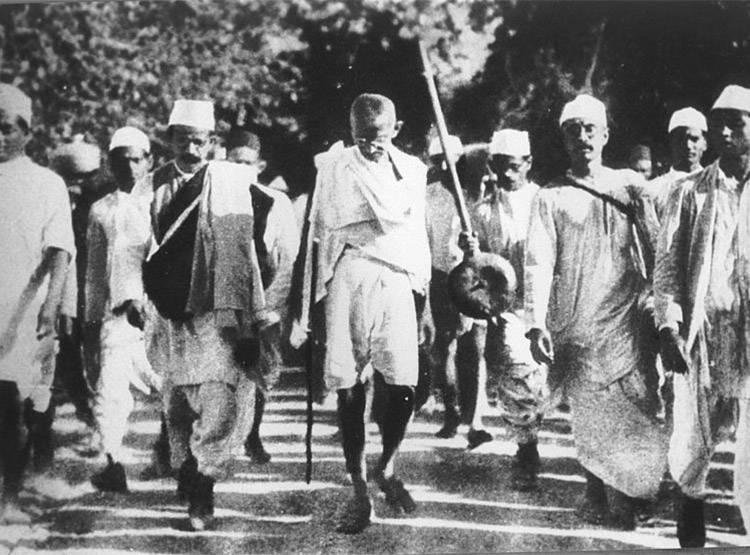
    One of the most famous examples was the Salt March of 1930.

    Gandhi and his followers marched to the coastal village of Dandi to challenge the British salt laws. The march became a powerful symbol because salt was something used by ordinary people every day.

    The message was simple but powerful: even an ordinary object could become a symbol of resistance when people stood together.

    The Freedom Movement Becomes a Mass Movement

    By the 1920s and 1930s, the independence movement had spread across different parts of India.

    People participated in demonstrations, boycotts, strikes and civil-disobedience campaigns.

    Women also played an important role. Leaders such as Sarojini Naidu, Aruna Asaf Ali and Kamaladevi Chattopadhyay contributed to the movement in different ways.

    At the same time, revolutionary groups and other political organizations followed different approaches to challenging British rule.

    India’s freedom struggle was therefore not one single movement with one single method. It was a large and complicated national struggle involving many ideas and many groups.

    The Quit India Movement of 1942

    The Second World War created a new and difficult situation.

    In August 1942, the Indian National Congress launched the Quit India Movement, demanding an immediate end to British rule.

    Gandhi gave the famous call:

    โ€œDo or Die.โ€

    The British authorities responded with mass arrests. Many national leaders were imprisoned, but the movement continued through protests and underground activities.

    The Quit India Movement became one of the most important final mass movements against British rule. Official historical records also document the participation and sacrifices of many individuals across India during the movement.

    https://images.openai.com/static-rsc-4/18Pt2uIZVh_joTmoLm3KXzWWLJWIPwAi2huQm41rk1uzjtwo5dk78PpoHaiSmLgFTvx6OudgT1d-JtHJYmtttuxtoA4AV0wphkm9xekWSg--5t_Dmtt9qVDoCiEY5EJ-Zc4Daj5_cFoLDdwaU2Fl6QK_DZT9_rpHvOljdLpRh8xGM4jrnqHIelYMTP8EYgXp?purpose=fullsize
    https://images.openai.com/static-rsc-4/_yMLRPkkvg-MuY0OvvFql4esqu_EdOUkxS7Ukx7LnUhStHm5UVUELil4P-F338BHeQBW6vrlTlcSJECN8He8RKbQvMLAMiQlIS6u4pv7iIHIisvPu8JlM6dDrqopYyAWADkaBlZpesDX4hGBKcRwAmNqQt2LYa_mLwAhrs7uL42mScIH119IGS6tLCA9dpzq?purpose=fullsize
    https://images.openai.com/static-rsc-4/wha1IQ32j_9ECCMVvyjgFizMlMkbY-mO7bl8LIcd8ceRivb3WJmEg2h7biP6x91BaVcZRy-l_5vz80clD4ZTHvXuaMspu2rHkc2OIKBRo16HvaJiG-0zqD7R46VFEXhfylSgeFN-Zj3SDiXkZpx9OvvS8aXv8zcpMBpps-ymtAMEYq795BuwLB_-dcbziYGa?purpose=fullsize

    6

    The Forgotten Heroes

    When we talk about India’s independence, names such as Gandhi, Nehru, Patel, Bose and Bhagat Singh are often remembered.

    But thousands of other people also suffered imprisonment, injuries, financial hardship and, in many cases, death.

    Farmers joined protests.

    Students organized demonstrations.

    Workers participated in strikes.

    Women entered public life and political activity.

    Young people distributed messages and organized resistance.

    Many freedom fighters spent years in prison without knowing when India would become free.

    Their contribution reminds us that independence was not achieved by a handful of famous individuals alone.

    It was a national effort involving people from different regions and backgrounds.

    Subhas Chandra Bose and the Indian National Army

    Another important chapter of the freedom struggle was associated with Subhas Chandra Bose and the Indian National Army (INA).

    Bose believed that armed struggle could play a role in ending British rule. Under his leadership, the INA sought to fight the British and advance toward India.

    The INA’s military campaign did not achieve its ultimate objective, but the events surrounding the INA trials after the war created considerable public attention and sympathy in India.

    The growing political pressure after the Second World War made British rule increasingly difficult to maintain.

    1947: The Moment of Independence

    After the Second World War, Britain’s ability to continue ruling India had weakened considerably.

    Political negotiations intensified, but the final years before independence were also marked by serious communal tensions and violence.

    Eventually, the Indian Independence Act 1947 provided the legal framework for the creation of two independent dominions: India and Pakistan.

    On the night of 14โ€“15 August 1947, Jawaharlal Nehru delivered his famous โ€œTryst with Destinyโ€ speech.

    At midnight, India entered a new chapter in its history.

    https://images.openai.com/static-rsc-4/1mEM8n1dn08PYzFh_Hk-5IKmOyNg7_9qCpf30BrA_4j7mEFGsZ_qy7ANse10JktHgctb9dSA7ScRVOjt8pLwQ0gzeiqxltlQJSNNtzGHd-LZQ2puHoxId0JUBXeyqVGATvu2_f7tjEda38Kec0kt32T-j5y9fF94EEX5Fftx4Y9oQ_zfXM0S07OQTjtObKp7?purpose=fullsize
    https://images.openai.com/static-rsc-4/eENeunZjELFVN_cwiG1xB1oPqU1kaLeuc8XDXye2JpdN9bTRj-EX3YoG4CLNCPlvXjOGCrcUwyYS-YVV7jynebIbpvWCCiVUT1f5aJG11dRle2YZ5eWZstqIRQQDXyckj6EW5y7XlNJ00fFkQg0cZry2xmXTDUK1UA2b-EkKyDS_68vepvyKIXwt0lXdM8e4?purpose=fullsize
    https://images.openai.com/static-rsc-4/678QcuxaidWsP2gYYzfyUkDQ74YZ-r91JLjA1yFHfAbUMsjDFAaf3IwIpOuNRRLswr-GtKM6lPsr1QfORQ1OncFMeh_D1FKOq2RbjIVDIfKuE68bnO28lZ-rSt9GaEIeT18Xw71UzLsPsz0M8ep2I-IitoVbJi4N18QTkdFDQTlCSm-9oNK4xXqG--TkTIXp?purpose=fullsize

    5

    The First Morning of Free India

    The morning of 15 August 1947 was unlike any other morning in Indian history.

    After nearly two centuries of British colonial rule, India was independent.

    People gathered in streets and public places. The Indian flag became a powerful symbol of the new nation.

    Newspapers carried the historic news across the country. The atmosphere was filled with celebration, hope and enormous emotion.

    https://images.openai.com/static-rsc-4/ZuEgkENNHP9j5txp1d1fRbkL5x9jNOiaDN7pbo-ejNoh3oFFo49Onk1lSuco7EjNaipDsJIrrLg8MKasQESnKGvnpIDVMUmBansD7bq0IQWL65j84sqg6uzEDdlkzWUURAeEnuqJ20NiGDjQvKNL1cYL-GiO-phxuk1nj0KRQWpgCuvrVvfBGCOU4aRe4LBA?purpose=fullsize
    https://images.openai.com/static-rsc-4/QL-tpYNIdOIzHn1acJN-fu8863UDjoJTf_3uiJDfFBflHU-Jl0Y7ZNcEkBi1bjODY1LBr3-SLNt8Llp3orGxIdcFvfFK5A9uf-KBkzwLnHLwwhWDHLmWgGW3yQ9NiiBlhzrdWCRoFZ2vPk2_2COMmrewCff_AM3ev2SGYKx4o3JqF6tjOoqWwyCSQsbiIk7y?purpose=fullsize
    https://images.openai.com/static-rsc-4/k1mvo_gIUHEyLPU2Mzuf9KItjoG-DTKqNtfpSr5sFSS35gINdpBHmV-8Y-wiA257d1h2Laoo4kGoJfk7JDgFCWCz_yJBS045YJF-6MpwPxmcksTPNdI8B-ZUxqIO2G5x9fQz1Iqjpc3SPqwkwH7olJgN2g331cBE3zTPP6mIw38mcL-ZZtIdOv_cvRswKIGe?purpose=fullsize

    4

    But independence also came with enormous pain.

    The partition of British India resulted in one of the largest and most tragic population movements in modern history. Millions of people were displaced, and communal violence caused immense suffering.

    Therefore, 15 August 1947 was both a day of freedom and a day marked by deep human tragedy.

    What Independence Really Means

    Independence was not simply the replacement of one government with another.

    It gave Indians the opportunity to build their own democratic institutions and decide their country’s future.

    In the years that followed, India adopted its Constitution and established itself as a democratic republic.

    The journey after 1947 was not easy. The country faced poverty, social divisions, wars, economic challenges and many other difficulties.

    Yet the basic idea remained powerful:

    India would determine its own future.

    Remembering the Freedom Fighters

    Every Independence Day gives us an opportunity to remember the people who contributed to India’s freedom.

    Some became famous.

    Others remained unknown.

    Some used non-violence.

    Others believed in revolutionary methods.

    Some spent years in prison.

    Others lost their lives.

    Their methods and political beliefs were not always the same, but they were all part of the complex history that eventually led to independence.

    The freedom we have today was built through the sacrifices and efforts of generations.

    Conclusion

    India’s independence is not just a date in a calendar.

    It is a story of courage, sacrifice, unity, disagreement, hope and determination.

    From the early resistance of the nineteenth century to the mass movements of the twentieth century, India’s freedom struggle continued through several generations.

    And finally, on 15 August 1947, the long struggle reached its historic turning point.

    The tricolour rose over a free India.

    The country had a new beginning.

    But the responsibility that came with freedom was even greater:

    to protect democracy, respect diversity, remember history and build a better India for future generations.

    ๐Ÿ‡ฎ๐Ÿ‡ณ Jai Hind.