Tag: Japanese Culture

  • 🇯🇵 Japan – The Amazing Country Where Ancient Tradition Meets the Future

    🇯🇵 Japan – The Amazing Country Where Ancient Tradition Meets the Future

    Japan is one of the most fascinating countries in the world.

    It is a place where ancient temples stand beside futuristic cities, traditional tea ceremonies exist alongside advanced technology, and peaceful gardens contrast with some of the world’s busiest streets.

    From the beauty of Mount Fuji to the bright streets of Tokyo, Japan offers an extraordinary mixture of history, culture, nature and modern innovation.

    Let’s explore this amazing country. 🇯🇵🌏


    https://images.openai.com/static-rsc-4/Bjtmg11MkxN5xjB1NhF2pinMSn-yjHtzQ8IYcoq800ikSqWv8kHS_xmlJ8Yks11I5sRQ6GIBnUN4NlImNM56rz_HZNkF3Xq-iKKWcb0uFgVWc4o-8wCCrMKKE3vgNNoL718c8MIYUp337N8_u45pUGhLD9nQJWIiMREYxtsMBlLfBhLrrlh59Va5dx3hBLGR?purpose=fullsize
    https://images.openai.com/static-rsc-4/zfb83Boc8PD_--Q1PalDrPz8RzRlXSn3_Y0KabQ84RAn2dcwP2oXkrQy6ZGJXcHAAsD84VLeiIU38FM1f5o6he619vkY_tFbyAWGVOi9Yrfc28lR6mFcMS1kdPSqaA7m6A45yyKSKWagiUvQ0ydYx8vwPlhrf3ecQYKTeXyrHbrl5CHxTOY2fZ2A-UCM0sS5?purpose=fullsize
    https://images.openai.com/static-rsc-4/AkCc_9jPajwQL9uRP0z6wjHJEhe3k-43zCSsKX7T9g_v8Wi_I3G5kOH0zPgn_60IDOAZp_PwulnBgYUSiHOKTjGpmfoHadjHDGfq5iY0B6_sukJxeTZe83yfiaMnxCLfvzHA5o2-DJx4h8gUpZh7S78uOoIvde6RYJQlU8qIFd6FJ3Z69Ao0vqtLbJw3ti8S?purpose=fullsize

    The Beauty of Japan

    Japan is famous for its mountains, temples, gardens, cherry blossoms and modern cities.


    🌏 Where Is Japan?

    Japan is an island country in East Asia, located in the Pacific Ocean.

    It consists of many islands, with the four main islands being:

    • Honshu
    • Hokkaido
    • Kyushu
    • Shikoku

    The capital city is Tokyo, one of the world’s largest metropolitan areas.

    Japan’s geography includes mountains, forests, volcanoes, coastlines and many islands.


    🗻 Mount Fuji – Japan’s Most Famous Mountain

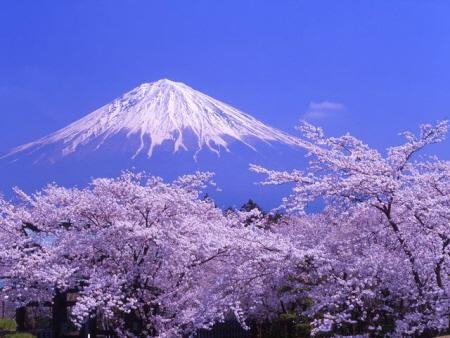
    When people think about Japan, one of the first images that often comes to mind is Mount Fuji.

    Mount Fuji is Japan’s highest mountain and an important cultural symbol.

    Its almost symmetrical shape has inspired artists, photographers and writers for centuries.

    On clear days, the snow-covered peak creates one of Japan’s most beautiful landscapes.


    https://images.openai.com/static-rsc-4/yvPVVn58J6xlrsZ5o5UKqRIYCHF6n4NMBw7ruedL-PQy458B74VTlRU60I9rGHme6c8nSPWq_5XCldF-kK-igsD9jsy6YR8loaVYUlsfZaGq-NDXG9hwllZhpHL3Edh7EqbP9HcOg9KDK61inZY0B7gXIYSlCnqU83yHciaZmnpnpTShViAdNl0pM24G1-yn?purpose=fullsize
    https://images.openai.com/static-rsc-4/HlrfURw4ObNG82l8g7NqNhkCgQym-KEMu4GmYbwNeQnlYXqwocNqACN-onW7o5plNz52c4h3zi5wS-fSO7qOzlnlPU200NXAlf76tepnfmNvhtdcFKpaDf2sivSavUtL3-zNDHcf2Li8Y5Tn5r1aaDsm_J8CsXcbAnlJ1FZek1oJ7xsy8n7dxioAWW5wy5Z5?purpose=fullsize
    https://images.openai.com/static-rsc-4/rqoOSdT24U5aB5hB3m4bLeJamGhum7StwXjMTPFpRshkHblQ4hWv1PKqEwm19O6NxI9Fgh4KTUezHkCmGhEwaoiIjumYKY0Lxv5Od8N2gc_McJwhxS4b9z2mtXnuCIfmZ_ejvoXpyGOtilGcw9jCtkMC_4xmzXhpz5qYqNpyBA3_-l6Rgdv_C-ve6w6ZCDe1?purpose=fullsize

    Mount Fuji


    🌸 Japan and the Famous Cherry Blossoms

    Japan is world-famous for its cherry blossoms, known as sakura.

    Every spring, cherry trees bloom across many parts of the country.

    The flowers usually last only for a relatively short period, which makes the season especially meaningful.

    People gather in parks and gardens to enjoy the blossoms, a tradition known as hanami.

    The delicate flowers have also become a symbol of the temporary and changing nature of life.


    https://images.openai.com/static-rsc-4/G6uahNmk_CZPJ7U2Lp9dahlsQvU6hDr7-jtU04mOA1eN1WrJ7QpBMFZ-aYj6iL-f8PHqgpapsjo3SvupYtdShnj-hUS5wMV4jnZcJfGLBz3DOBbdOIbq607pqxDljfcpJ9jLNAhM0N9K_KyyUsGz4pGa6eL_wRnzb6o45wlbu7LiBYZN-daG0LO8Dml7JHKm?purpose=fullsize
    https://images.openai.com/static-rsc-4/zokFEEjJtUSZGyqfj5xy0FicZWb9_dNvm0N6pXlgqd0nr7tt2NENTb1x7CC0bh4SXZrRbGf7sqFSAh_30spPFvcve_yB6CIUTCqktPT1k0r6t__kDaT26ekAdVsSp8cOVkblOlb-7qnkzWWrVo4THc_gIAiRmTZe4tksc_qieJV5ZDxhmOvQJtScHsV9Co-Z?purpose=fullsize
    https://images.openai.com/static-rsc-4/0FjQUIJOTfrpqpP9o7LgawgBONVFmo9ePpXy8v7zOu3Gf2x9bFYYp6PtwG5gMsLabMoARqR6SOt2YkxHHk5ivE48ToGWGJ-JoXEs36FaTH1HfVbB2qhYjXkCDWU4Z3Av2uDNQm-vVv7mUBIyYhBF_dLp-Ika8SEpVy14yl0W79OxC4y5xmNJcHUjXrt5646u?purpose=fullsize

    Cherry Blossom Season


    🏯 Ancient Temples and Shrines

    Japan has a rich religious and architectural heritage.

    Across the country, visitors can find:

    ⛩️ Shinto shrines
    🏯 Buddhist temples
    🌳 Traditional gardens
    🪷 Peaceful meditation spaces

    Cities such as Kyoto are particularly famous for their historic temples, shrines and traditional neighborhoods.

    These places provide a glimpse into Japan’s long cultural history.


    🎎 Japanese Traditional Culture

    Japanese culture contains many traditions that have developed over centuries.

    Some famous examples include:

    • Tea ceremony
    • Calligraphy
    • Kimono
    • Traditional theater
    • Martial arts
    • Flower arrangement
    • Traditional crafts

    Although Japan is highly modernized, many of these traditions continue to be practiced today.


    https://images.openai.com/static-rsc-4/kjUWRwTQ0iO_WN6vS21H9mh0DrUOsXdeYIEeBwDPXi2xl-unF_u0w-r39IHwD7sKx5sEFtEluATVrQCNJuTtK7WK10mxoicDDGucnlEDKDuFMrZKlGgEg8RyX6AgKJrlvue1xIBhByAj--vSqfBeUTZp9fCf08lUtQT3uLmCwcDAR_z1u7noiE5Ae6ddBM5Z?purpose=fullsize
    https://images.openai.com/static-rsc-4/u1B6n_8lsfZ1vGC_HB4uXSmcqg_a3XNbdVtoOPODGklSXvZAN4Pt30kFyVy2jYFoshjyS7mkiyxhVZZEqiCDfGetnT5jGC4KDCbmFskHL47aLkpt65K3eORdNYXnSrAyRjVWNLHkwEjqV6AgrCRvkjJR9CB8BXwTCjz6rdqy3UUqCaChVTZMh54VVqv8DKYt?purpose=fullsize
    https://images.openai.com/static-rsc-4/v8TigmSr34mFsUY03o8UlBdJnErWhEe6dNGGeBQP8iDU9smCsQLhMdH4lYHh5P-obZDOX8qCdzM1UyOUwXhYWzUWrXuVykS8FLwipCewC0iIyzLXEJmPWNhKQSc02EwrmyOY1ZOS1VAiU2iaFm_9DZOWRu4dw2zFAhHQYiCHa_L9W6nM984cWDHzCafluhf7?purpose=fullsize

    Japanese Traditional Culture


    🍵 The Japanese Tea Ceremony

    The Japanese tea ceremony, often associated with matcha, is much more than simply drinking tea.

    It emphasizes:

    🧘 Calmness
    🤝 Respect
    🎋 Simplicity
    ⏳ Mindfulness

    The movements involved in preparing and serving tea are carefully performed.

    The ceremony reflects important Japanese cultural ideas about hospitality and attention to detail.


    🥋 Japan – The Home of Martial Arts

    Japan has developed several martial arts that are now practiced around the world.

    Some include:

    🥋 Judo
    🥋 Karate
    🥋 Kendo
    🥋 Aikido

    These disciplines often emphasize not only physical ability but also discipline, control and respect.

    Judo, for example, became an Olympic sport and has been practiced internationally for decades.


    🍣 Japanese Food Is Famous Worldwide

    Japanese cuisine has become popular in almost every part of the world.

    Some well-known Japanese foods include:

    🍣 Sushi
    🍜 Ramen
    🍱 Bento
    🍙 Onigiri
    🥟 Gyoza
    🍵 Matcha

    Japanese cuisine often emphasizes freshness, presentation and balance.

    Traditional Japanese cuisine, washoku, is also recognized internationally for its cultural importance.


    https://images.openai.com/static-rsc-4/lBe04HZAuweA50v_cRFLWbWcmwmQFpFl0KL8KD4VE6mh3HnKBake53s2TToYGtEbJ6haTeV0Ad_e6tEe3f3f2PlM1AKHcEkmXXCx8tcio_Vk4U_SmtcN_RsALiExPC2L2xZuSDgJTecwGociwicM6F3XqKPvVDgMFSGL7Nj_zxXsf-7vih05X5h4amlk2cAk?purpose=fullsize
    https://images.openai.com/static-rsc-4/2DJgI7yOR03Zy8EW7w3SNvXDzKy6j_uUT3o8L1lDLRdKdaT09ikKeXXo_Xn09QPo8f6gtQd0NPydQvu4sSqerWUhcyPHR3Bnl24QVoiqKf6TLt0omNHwQL_4BkeWofz6nnJkE_BC1uH5VBMnohZHpyrM4SKXxKzHdjfSF_J4b5DsEn8oa1dNUPAhwQNxbxPw?purpose=fullsize
    https://images.openai.com/static-rsc-4/G4FuAl8rFCkoeDb-YU9JAgvrPbTqSMMYJysUDMwI4Hkn52--grU7OMir9ThjghThfS0YfgvzCsO6kyNZi-c6RetGqZUppc4EbZzgLHQVU1MazVsSwrFCX_FGPsawyl041GSZ43dpivZYDc4ofseg01wfLYxEknG8Dl5VrlbWVGjpuvnl9A2K7dsA8p-P-Oql?purpose=fullsize

    Japanese Cuisine


    🚄 The Amazing Shinkansen

    Japan is famous for its Shinkansen, commonly known as the bullet train.

    These high-speed trains connect major cities across the country.

    The Shinkansen is famous for its speed, efficiency and punctuality.

    For travelers, it provides a convenient way to experience different parts of Japan without relying on long-distance flights.


    https://images.openai.com/static-rsc-4/Ywx6atKhp4cUkvrbQMWcxn0HdtyC7nXHLyfuECXTrFXn2izdk_CFB3AfVDw82hnqUPVCvh4mQHa4gM81LmaekVa9I7LLXX4hJ9IJvElYcLd3IQdI9Kj1q-1whpceQXlH6WshHGO9o2jnPjdKJcNsf27P8gVtRAhTov684um7Wc1rd7KUm7Y6YxSuIhxgcqf5?purpose=fullsize
    https://images.openai.com/static-rsc-4/_w3mBE7GuqFyWkeVnUKMYzKcQfnm76WZT3QLl0YyDFcILmx-1vfmte_4aBkwEpc7jtmTeuPpsEaNW1GrP3lz1qprmcnt-z1beOIxsoxeH7JGytJ6N2QOZd53H7bqCPUoZSkPtHqyb0j7Mekh-CyRN79f_S3AGr6QJQJMSjoqEhNjSSJz01ipkOsSySzbgmVz?purpose=fullsize
    https://images.openai.com/static-rsc-4/jzDMvNVhQhNm2InJySrJ38E9yoGfXUO01bwfy017KTDJ64pYMVN_WTuWTykbSYvrVFy2jvOjQ_5S0y-p3phATC5q8Vz3hVbKCWPG0OU4qPgy2_qstI4ObGp2FHr9BnkddHJUKJFz9INlGMo9xfzhRi1v_0Aevo00ShKTmO2eM0cwvwKLqA1IxNzH1J-l6fw6?purpose=fullsize

    Shinkansen


    🤖 Japan and Modern Technology

    Japan has played an important role in the development of modern technology.

    The country is known internationally for:

    🤖 Robotics
    🚗 Automobiles
    📷 Electronics
    🎮 Video games
    🚄 High-speed transportation

    Japanese companies and researchers have contributed to many technological innovations.

    Tokyo, in particular, is often seen as a symbol of Japan’s modern and futuristic side.


    🏙️ Tokyo – A City of Extraordinary Energy

    Tokyo is Japan’s capital and one of the world’s largest urban areas.

    The city combines:

    🏙️ Skyscrapers
    ⛩️ Historic shrines
    🛍️ Shopping districts
    🍜 Restaurants
    🚆 Huge railway networks
    🎮 Entertainment

    One moment you can be surrounded by enormous buildings and crowds, and shortly afterward you can find a quiet shrine or peaceful garden.

    That contrast is one of Tokyo’s greatest attractions.


    https://images.openai.com/static-rsc-4/Pic2D9wpL_l7lydeVxIlYEVTEbeHYFws5WQ2j8ypdm0NtM2AILjvrOO0xO5ixbsa-XruUMvbNdMuVtz-g4jWRDKHwef9CWGc8uTUCYqzH3evFbOZP-AzhfHLt7JG1FcsbHZ8nu_SxBNphJB6lf9agkLGAsAeefvuR_bLTJFHEtI8qf3-NfEcZ5c1NNpoyqDy?purpose=fullsize
    https://images.openai.com/static-rsc-4/qNRnS-6ZfbMB-lj_jAoUO_D4v-rWhBGCmCnyQ4sYl__h3w4hjqlefuyE8aNuRZTShBMmucIMMQKSU4Sl-F79Brr8cRvgQFPCoklsrNpNv0-5_p84iSq7hh-ShHADGyHXpVhiLI4OCnJc9DwVtDUt5WGYqtum1J1xJ0xB-o1Tje92zRPlmxj9dLpBxwC80O5c?purpose=fullsize
    https://images.openai.com/static-rsc-4/Nflw1wS4SkRS-kbMPdgxwpClP5ii_cE4hBMUl8qrc9nWHBM0QjNyX8Hq1o7uxSj8plDOa2DiTg-o6qm3-pUmKU1w06fa08YUwmC9EuZt52ttl2f-ZI4F_d82ptPrf3hZqchjo3GkrllIHO3FmqjVgRgjd_RPkuxj7OQ_ZiA7Fnt84M98D_m8nUA9dOG-vXcO?purpose=fullsize

    Tokyo


    🏮 Kyoto – The Heart of Traditional Japan

    Kyoto was Japan’s imperial capital for many centuries.

    Today, it is famous for:

    ⛩️ Shrines
    🏯 Temples
    🌸 Cherry blossoms
    🍁 Autumn colors
    🌳 Traditional gardens
    🏮 Historic streets

    Kyoto provides a very different experience from Tokyo.

    It is one of the best-known places to experience Japan’s traditional architecture and cultural heritage.


    🌋 Japan Has Many Volcanoes

    Japan lies in a geologically active region.

    The country has many volcanoes and experiences earthquakes.

    Mount Fuji itself is a volcano, although it has not erupted since 1707.

    Japan has developed advanced systems and building practices to reduce risks associated with earthquakes and other natural hazards.


    🐒 Amazing Japanese Wildlife

    Japan’s varied geography supports many types of wildlife.

    Some interesting animals include:

    🐒 Japanese macaques
    🦌 Sika deer
    🦊 Red foxes
    🐻 Brown bears in Hokkaido
    🐦 Many native bird species

    The Japanese macaque, sometimes called the snow monkey, is particularly famous for living in cold mountainous areas.


    https://images.openai.com/static-rsc-4/niA38vuv8a18oVhs1zYCaVYY47KO9mm2F9o2Pv8ZgA0Zjtuf944vrFzNyGuatksXvjRVVIJwelp67d4ndubW0R8X2MAO3vgop1NPZHT41l5EjY2TRSNAoIaTsJWe9Rh07QiDj3IuDUEuwHaHvpIs7EHPJx4kwmeweKnzmS4UVxfb06k41AcRMU2TO0o8UQw2?purpose=fullsize
    https://images.openai.com/static-rsc-4/4QHejf-wD3VGoy7Pr9DDOIzCqluXwanpyYo_Aq6PAdUSaKoCZ_BrjvUG4JgjUAD9GJctNcfYmLuwQQBQ2Q6mqCwGuT83jJFv0PhaT2f3K-5d1qUq3tZ6xEOIS08cj7LwNj5Pe81wQU7qAw6eL3gspsXlXt2sFNomJuMAEbxqe8BcMrXokXvMWPFM8xCi_Muk?purpose=fullsize
    https://images.openai.com/static-rsc-4/aK121yLGJTuHgaWwMbGsdqTlMsmWtMkIkEbfD8xLOHxW6JMJXJArEHYb2m9F_RiuvhuOF27uJEfAb5vm9chRVaVI06umUIVrcYANsUzohAl-WUd3-sJihPDXw1QKrqUv94n1_CL-9r9qKgxMmbOXtRt_AV-htY2r5P2zRaB5oP-orwPIOR3L5rq-_yPjAQCK?purpose=fullsize

    Japanese Wildlife


    ❄️ Hokkaido – Japan’s Winter Wonderland

    Hokkaido is Japan’s northernmost major island.

    It is famous for:

    ❄️ Heavy snowfall
    🎿 Ski resorts
    🌲 Forests
    🏔️ Mountains
    🌸 Beautiful summers

    The region attracts visitors looking for winter sports and snowy landscapes.


    🏖️ Japan Is More Than Mountains and Cities

    Japan also has beautiful beaches and subtropical islands.

    The Okinawa region in southern Japan has a warmer climate and is known for:

    🌊 Clear waters
    🏝️ Beaches
    🐠 Marine life
    🌴 Subtropical landscapes

    This shows just how geographically diverse Japan is.


    🎮 Anime, Manga and Japanese Pop Culture

    Japan has had an enormous influence on global popular culture.

    Japanese anime and manga have fans across the world.

    Japanese video games, films, music and fashion have also influenced international entertainment.

    Characters and stories created in Japan have become recognizable to audiences in many different countries.


    🧹 A Culture of Cleanliness and Organization

    Japan is often admired for its emphasis on cleanliness and organization.

    Public spaces, transportation systems and many traditional settings are generally maintained with great care.

    Japanese cultural values such as consideration for others and respect for shared spaces contribute to this reputation.


    🌟 10 Amazing Facts About Japan

    1. Japan is an island country in East Asia.

    2. Tokyo is its capital and largest metropolitan area.

    3. Mount Fuji is Japan’s highest mountain.

    4. Cherry blossoms are one of Japan’s most famous cultural symbols.

    5. Kyoto is famous for its temples, shrines and traditional culture.

    6. Japan is famous for its Shinkansen high-speed trains.

    7. Japanese cuisine is popular around the world.

    8. Japan has many volcanoes and is located in a seismically active region.

    9. Anime and manga have become global cultural phenomena.

    10. Japan combines ancient traditions with highly modern cities and technology.


    💡 What Can We Learn From Japan?

    1️⃣ Respect Tradition

    Japan shows that ancient traditions can continue even in a highly modern society.

    2️⃣ Focus on Quality

    Attention to detail is visible in many areas of Japanese life, from food to transportation.

    3️⃣ Prepare for Natural Disasters

    Japan’s experience with earthquakes has encouraged strong preparation and safety practices.

    4️⃣ Protect Cultural Heritage

    Historic temples, shrines, gardens and traditional arts remain important parts of national identity.

    5️⃣ Innovation Can Coexist With Tradition

    Japan demonstrates how technology and ancient culture can exist side by side.


    📝 Conclusion

    Japan is a country of fascinating contrasts.

    Ancient temples stand beside skyscrapers. Traditional tea ceremonies exist alongside advanced technology. Snow-covered mountains overlook modern cities.

    The country’s cherry blossoms remind people of the beauty of nature, while its bullet trains demonstrate the power of engineering.

    Its food, martial arts, anime, architecture and traditions have influenced people far beyond its borders.
    🇯🇵 Japan is more than a country of technology and cherry blossoms.

    It is a remarkable combination of ancient history, living traditions, natural beauty, innovation and modern culture.

  • 🇯🇵 Japan’s “Blue” Traffic Lights: Why Does Japan Call Green “Blue”?

    🇯🇵 Japan’s “Blue” Traffic Lights: Why Does Japan Call Green “Blue”?

    If you look at a traffic signal in Japan, you may notice something surprising.

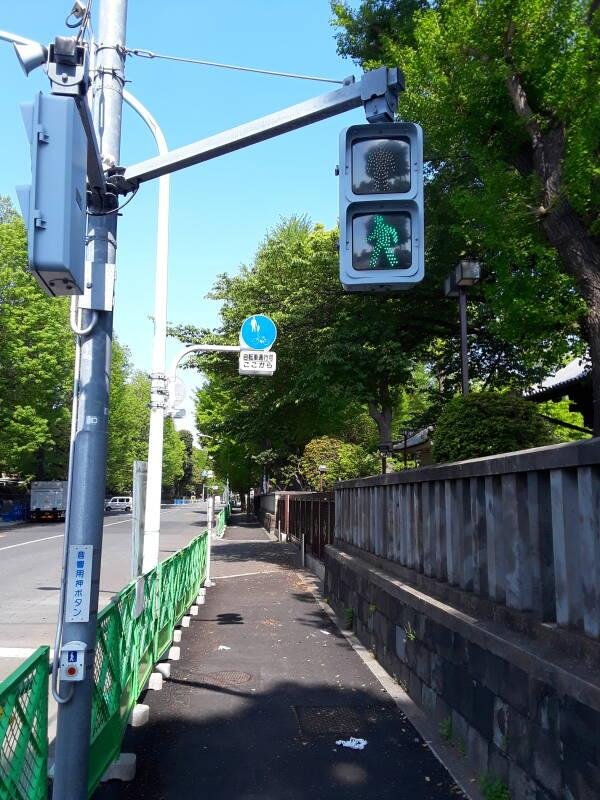
    The light that most of the world calls green is commonly referred to in Japanese as “ao” (青) — a word usually translated as blue.

    So, does Japan really have blue traffic lights?

    The answer is much more interesting than a simple yes or no.


    https://images.openai.com/static-rsc-4/zTN_tVkHPGIoCrA_NbZ6OeMlq_4RJnwKLjVVVMhRzy40k9_MNVbRXZyR9grY-vM0JxCcxtF1Xq0kAUpbACBpScX4-K3HLVZsQMscyA7K94RaJwlLZn9WFdmPP7hUok43ODNgw4tsPEUUuCZf2lPtngeo9k209ZgpQlVxkqMAALW26W4OH1Bgg3jktkb0i057?purpose=fullsize
    https://images.openai.com/static-rsc-4/zgRP2wrx_n10qkDEMafkPaa9ZmQXRnL4VAmaki55W0cNauY41Q2e-NE3JeoXrgSfoVebY-BKsxES68yu1YXNg3ZSLpnd-zbZcZzSDVy5lvDQnjzGc4JqqD1yGBwgNJ8EOqLfuVZD_fXQeauhz4uuEU3s9LmPRvE_RwFbWWMnzj_-F3Mg4KV9B-4w1k4BY8ZM?purpose=fullsize
    https://images.openai.com/static-rsc-4/ux0RUWssDzQYU76wy7p5YvSrYJWpVWlqSmiLPj65xB7n84tdTVbqg09ShsyLquHu_g7xR7Yu7Hq7Z1MvHUha1dOIin0jgWrGz5vCK3FSx_7UqdUuAz2PATjJ3VCY076gi7O9n9AbHaxhijXgP7iwIbXxxmjDtlGGXqiL3DDJpAdHIsexhzLp4ThODbPPglc6?purpose=fullsize

    🚦 A Green Light That Is Called “Blue”

    In English, traffic signals are normally described as:

    Red → Yellow → Green

    But in Japan, the green signal is traditionally called:

    青信号 (Ao-shingō)

    Here, ao means blue, while shingō means signal.

    So, literally, ao-shingō means “blue signal.”

    For someone visiting Japan for the first time, this can sound strange. After all, the signal looks green to most people.

    But the explanation goes back much further than modern traffic lights.

    It is connected to the history of the Japanese language and the way colour words developed over centuries.


    🎨 The Japanese Words “Ao” and “Midori”

    Modern Japanese has a commonly used word for green:

    Midori (緑)

    It is used for many things we would clearly describe as green, including vegetation and other green objects.

    There is also:

    Ao (青)

    which is normally associated with blue.

    However, historically, ao covered a broader range of colours than the modern English word “blue.”

    It could be used for colours that were blue, blue-green or vividly green in particular contexts.

    This is why some traditional Japanese expressions can sound unusual when translated directly into English.

    For example, Japanese still has familiar words and expressions containing ao that refer to things that appear green to English speakers.

    https://images.openai.com/static-rsc-4/IWp6obnySbmK1vyoh3Ut5OyU6pT3qQ57UUX5SBaftVXmBBTyV04Xf8Cfs86QWwISBx0gaIU1PNFfuDNp-X5E5SSNiKxq6cE9HsngJ7oV53C4X-HQMHYR-TWjbmDLnlMj_Jb49k14qIwgYl16l6JrdG6WYN_1rueD55AV0Hu7O2b6zlB89CVqQSI1MtLtB1KM?purpose=fullsize
    https://images.openai.com/static-rsc-4/ZQgXI3LdGjK0G_lDL9twUvs9i2TrC_X37EV7GeasYKQIHj5Wnqjne7w29nQ6MsHftZIyS_Bef9xc-b-MLOnFvrZsWXK6Ti1vkXvxy3U2wFUHlTQUPPHRQz73sgh5MVcFwc2aJkjxwSzuZQGJDvrhEm5Z8Q7_QHMLvZ1nYBuj0lN_qngHGaEYPPVBggeg5ajx?purpose=fullsize
    https://images.openai.com/static-rsc-4/umG8g0R63lwAarqyLa8DXyk6sJgACirfhdLaq1jZD_5lGiNY5AprPRUiqv6jd2MLOfc_ieUOnOOUS6hOJ24pNYo-mlJ8HH25j-d2GSfoYZiYJKzqeizN2hiTBbTxCDGLadepRjUjFdlGIux2v7VqRZJN8-O1rbEcttgJ8YzapKYc3ZD0-uuoAzCOM249jbLQ?purpose=fullsize

    📜 The Story Goes Back Centuries

    The unusual use of ao is not something that was invented for traffic signals.

    The word has a very long history in Japanese.

    Historically, Japanese colour terminology did not always divide the visible colour spectrum into exactly the same categories used in modern English.

    Over time, midori became strongly associated with green, especially natural greenery.

    But ao continued to survive in older expressions and everyday language.

    That history eventually became connected to one of the world’s most recognisable road signals.


    🚥 When Did Japan Get Traffic Lights?

    Japan’s first electric traffic light was installed in Hibiya, Tokyo, in 1930.

    It was imported from the United States and used the familiar three-colour system.

    Interestingly, the original Japanese legislation referred to the “go” colour as midori, meaning green.

    But ordinary people continued to call the signal ao.

    The popular terminology eventually became so established that in 1947, ao-shingō was adopted in Japanese law as the official name for the “go” signal.

    That means the strange-sounding expression has a genuine historical and legal background.


    💚 So, Is Japan’s Traffic Light Actually Blue?

    Not exactly.

    Japanese traffic signals generally serve the same three basic functions as traffic signals elsewhere:

    🔴 Red — Stop

    🟡 Yellow — Caution

    🟢 Green — Go

    The “blue” mystery is mainly about the name, not about Japan changing the basic meaning of the signal.

    However, there is another interesting detail.

    Some Japanese green traffic signals can appear somewhat blue-green or cyan rather than the deeper green many people expect.

    This helps explain why the traditional terminology does not always feel completely disconnected from what people see.

    But the main reason remains language and history, not a completely different traffic-light system.


    https://images.openai.com/static-rsc-4/COC12_VbQeZk0tVsCU7c5GMN-IN7uRQpBASSiBBdBC4L1Cc_xpFv7T0XmLTwPOof0KS5zcFNTXjp5R3o1jn0GR30SK6bwvnYqt4ln5h24ARrC5axxrFt2tEbiM0iZQv3efIlk4t158GnHBt6A6yyAw_btAIdzLnYznw4lr7LtwtBqrWsEtbrM3x3zTkkIukN?purpose=fullsize
    https://images.openai.com/static-rsc-4/JOfOuq8Lgce1A5Utn-5rnZRphIG8I8XiAIEz9Oifuv6eknQFwWshdpL_LII9C6fX4AuHJ3iz_fG3Qtlbjrm66vQUiSF7PSgJUPMOAyBTaH1uh-gOsOhQZnkv10RI9IniCHMGTdRnsZJJuDFH4KxwcF8Nc3Y6gWBDcta0SyN6TAlCgx5nQ-q3ZUftC47rM7eZ?purpose=fullsize
    https://images.openai.com/static-rsc-4/Ie9wT0sWFCF72_r_O7S2v6R_i0tBzD4qI5J3kqxfbD3MkmExtd9-P5LaqqbtrlfjMxp2KMbcsWUEKwHXVa83s5LgWfX298pYrfXvn-miYUiSNVxd899nAmvMTtAFOMatlXU_d38wJasrHfe2hZfdme_0W1ZMcARItbn6Fr1VsANpLPgKyWLRFsOQnMkeU-UX?purpose=fullsize

    💡 Why Do Some Japanese Signals Look Blue-Green?

    Modern LED technology has made traffic signals brighter and more precisely controlled.

    Japan has also played an important role in LED technology. Japanese researchers Akasaki Isamu, Amano Hiroshi and Nakamura Shuji were awarded the 2014 Nobel Prize in Physics for work related to efficient blue LEDs. Blue LEDs later became important in displays, lighting and traffic signals.

    But it would be incorrect to say that Japan uses blue traffic lights simply because of blue-LED technology.

    The name “ao-shingō” existed long before modern LED traffic signals.

    The language came first; the technology came later.


    🗣️ Why Didn’t Japan Simply Change the Name to “Midori”?

    This is where language becomes fascinating.

    Once a word becomes deeply established in everyday speech, changing it can be surprisingly difficult.

    Millions of people already understood ao-shingō to mean the signal that tells traffic it can proceed.

    Changing the name would create little practical benefit while breaking a familiar linguistic tradition.

    In 1947, the term was officially incorporated into Japanese law, helping preserve the expression.

    So today, Japanese speakers can understand:

    Ao = traditionally blue, but also used in certain green-related expressions

    and

    Midori = modern word strongly associated with green

    without seeing this as the contradiction it may appear to be to an English speaker.


    🌿 This Is Not the Only Japanese “Blue-Green” Mystery

    The relationship between ao and green appears in other Japanese vocabulary too.

    For example, expressions involving fresh foliage and green vegetables can use ao.

    One famous example is:

    Aoba (青葉)

    which refers to fresh green leaves.

    Another is:

    Aomame (青豆)

    used for green soybeans.

    These expressions show that the historical meaning of ao was broader than the modern English definition of “blue.”


    🗻 Even “Aomori” Has an Interesting Connection

    Japan’s Aomori Prefecture provides another interesting example of the old association.

    The name Aomori is commonly explained as referring historically to green vegetation or trees associated with the area.

    The exact historical interpretation of place names can be complex, but it provides another illustration of how ao has long been connected with the natural world and greenery in Japanese language and culture.


    https://images.openai.com/static-rsc-4/Mkdg3_7WmSH3RyYyibD9LKsdL9R_RJA8m5Dv_dX2hO6fOUNayErFGPcRmQ5H3vR4EsrK37BsLi8fRkRD4-dZF5btmV5FSgrMhFR55eqUkdkGsINJ_x416k7s0nlkVSb7ugen_ZOVlPf7d3V1Yg3JkizGfc8fnj_j2gun1XAhbTeHh_g9fSCjuah8IRXOi-q5?purpose=fullsize
    https://images.openai.com/static-rsc-4/moEDDsw3apiFAkFGNDapqdLcRlTc2-RMo_CO1v01NR40ipzlvGMzPndeQhu5f9ztGPxRvh2I8jNIEQoCJUMgqRGS653wroMolkZmWF-zxAIsPmiUNx7oQoVoxnccoSTem2c3qEZyaFvumQVyK1lWd6lU2_IeDBlDxU_OVOySXgyKsIIej61lCdKVHQPAKMmh?purpose=fullsize
    https://images.openai.com/static-rsc-4/y4QLSIa3ndYO_XwqbhE4M1R_eEzu24rcjwtPghgHMrRQTnr3zy-0G3I770PfVePeU0-xG4nf3YB8phdvjIT-q8ZYuF-njZ9ef9XiUDqo5LlbQiHuP957EWFDqtvjHC0Ewq3OB07X9GhNhP0aVgIOZIi0AXOtnIGQhOa5ysqn99XxIWXc57M79QC4NhdGJbRg?purpose=fullsize

    🌏 What Does This Teach Us About Language?

    The Japanese traffic-light story demonstrates something important:

    Colours are not understood through exactly the same linguistic categories in every culture.

    We often assume that colours have universal names.

    Red is red.

    Blue is blue.

    Green is green.

    But languages divide and describe colours differently.

    A word that traditionally covers a wider range of shades in one language may have a much narrower translation in another.

    That is why translating ao = blue and stopping there can create a misleading impression.

    Language is not simply a dictionary of one-to-one replacements.

    It carries history, culture and everyday habits.


    🤯 Why Does This Fact Surprise Tourists?

    Imagine learning Japanese and memorising:

    Midori = Green

    Ao = Blue

    Then you arrive in Tokyo and see a green traffic signal.

    Someone tells you:

    “Ao-shingō.”

    You might immediately think:

    “Wait… isn’t that green?”

    That moment is exactly what makes this one of Japan’s most fascinating everyday cultural facts.

    It looks like a simple traffic signal.

    But behind it are:

    Language + History + Culture + Technology


    🇯🇵 Japan’s Traffic Lights Are a Lesson in Cultural Differences

    Japan is known for its advanced technology, extremely organised transport systems and attention to detail.

    Yet this particular curiosity has nothing to do with Japan being technologically different.

    Instead, it shows how an old linguistic tradition can survive inside a modern technological system.

    A traffic light introduced in the early twentieth century became part of a language tradition that was already centuries old.

    That combination makes the Japanese ao-shingō story particularly fascinating.


    🔍 Quick Facts About Japan’s “Blue” Traffic Light

    QuestionAnswer
    What does ao usually mean?Blue, but historically it can cover blue-green/green shades
    What does midori mean?Green
    What is a Japanese green traffic signal called?Ao-shingō (青信号)
    When was Japan’s first electric traffic light installed?1930
    Where?Hibiya, Tokyo
    When was ao-shingō adopted in law?1947
    Does “blue signal” mean the light is literally blue?No
    Why is it called blue?Historical Japanese colour terminology and established usage

    The historical details above are documented in research on Japanese colour terminology and the history of the traffic signal term.


    🌟 The Fascinating Conclusion

    Japan’s so-called “blue traffic lights” are not really a story about a country using a completely different traffic system.

    They are a story about how language survives through time.

    A colour word that once covered a wider range of shades remained part of everyday Japanese vocabulary. When traffic lights arrived, people used the familiar word ao for the green “go” signal. Eventually, ao-shingō became officially established.

    So the next time you see a Japanese traffic signal described as blue, remember:

    💙 It is not simply a mistake in translation.

    💚 It is a piece of Japanese linguistic history.

    And that is what makes an ordinary traffic light one of the most interesting little cultural mysteries in Japan.