Tag: Krishna

  • 18 Mahapuranas – Part 10: Brahmavaivarta Purana 🕉️

    18 Mahapuranas – Part 10: Brahmavaivarta Purana 🕉️

    Continuing our 18 Mahapuranas series, Part 10 is the Brahmavaivarta Purana.

    The Brahmavaivarta Purana is especially known for its emphasis on Lord Krishna, Radha, devotion (Bhakti), creation and the divine nature of the Goddess. It is an important text within the Vaishnava and Krishna-centered traditions.

    https://images.openai.com/static-rsc-4/PL13D74fxvc3jI8B55zAaFLA7nKFQp477ISeF-vtc-uBodeuUexbj_vbG47FKh7G_84JGq2GZR_KltLeM003XjBZbfBtWBMUD1TkMPo0VfzdvPPBxG2HkmkiObvR7Wao39UauHwh1HzYQghIxVgclY4M9me7m5fsuN_3XnDDzQpkztmBxYxZxuUsFd0BpgHA?purpose=fullsize
    https://images.openai.com/static-rsc-4/OZeR70mvbL08XH1wUKOrF19DsnBTTxPOd-4YihVh1MtxNGT1hV3tCwUPVGWxsUhrCGXs1NVYnc93IlsXcHnjAg_ucb6rSpov29TsIHMv3ZK2TNvZ903c84vMkvgWvFu4IAAlrmRqQUIY6zRHeQnQk7s-nuD7b58Tf8n0NKu8VjPJNmUdOCiQFRg4LGvF4sg9?purpose=fullsize
    https://images.openai.com/static-rsc-4/QbHa_iD4dag47bI6fH3FSnM9OEAym-TvOoh9BgG3wB6YxmE9iMe8uBaT5WKo6Vw270V0Ol0z19gCpnAV88tisBiI5NAvW_4KoF5GKtNyJjb91M0uHblVfrtZ5357kPNSXhWGxT6j5R8CemAychgj-qzdwhfNXPXvXv8ExbVz5mElqVL8DyXKtaCG9GdNs7RL?purpose=fullsize

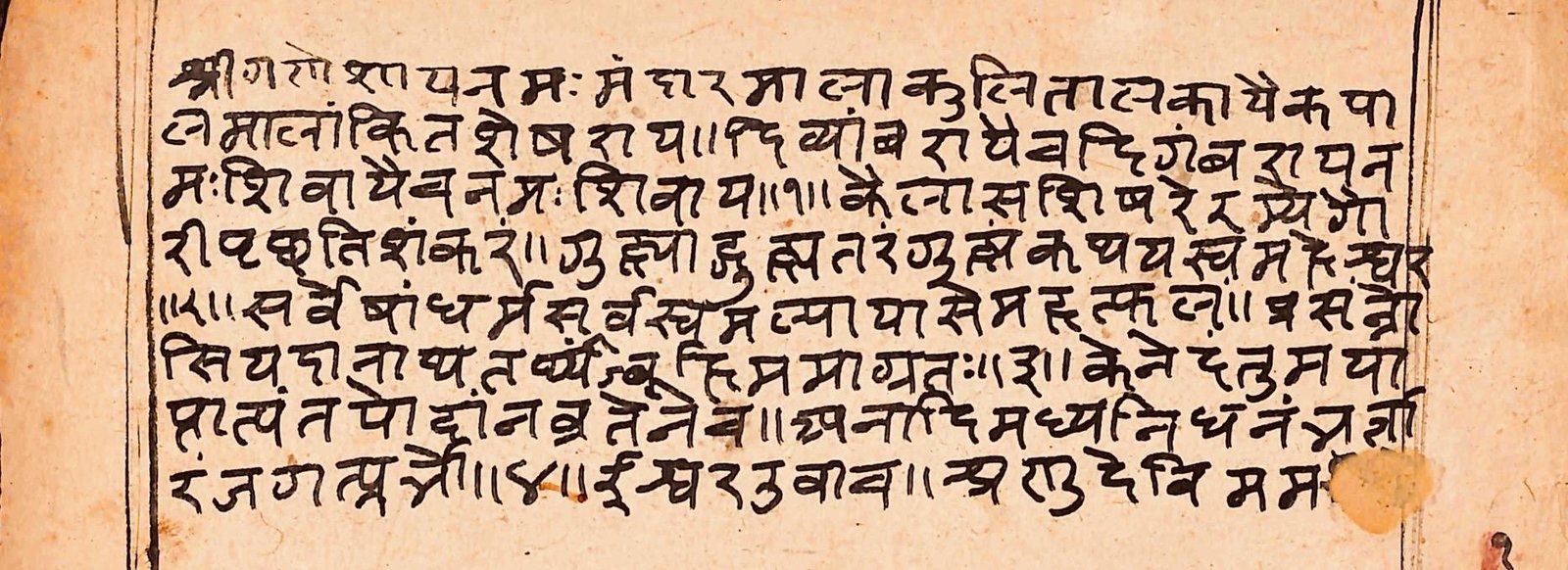
    Image ALT: Ancient Sanskrit manuscript and Radha Krishna representing the Brahmavaivarta Purana


    What Is the Brahmavaivarta Purana?

    The Brahmavaivarta Purana is traditionally counted among the 18 Mahapuranas.

    The name is generally understood in connection with Brahman and transformation or manifestation.

    The Purana is particularly famous for its devotional presentation of Krishna and Radha.

    Its subjects include:

    • Lord Krishna
    • Radha
    • Creation
    • Prakriti
    • Bhakti
    • Ganesha
    • Goddess traditions
    • Cosmology
    • Religious practices
    • Dharma
    https://images.openai.com/static-rsc-4/XQjj15uk7UQJlEARfTt9hz8_pp3GZLpH5kcDhkg-blcvX1GWrbVQWhcGRTHQfwEwmFBxrVAg-GZibHIcDPws2OYaP7tohCdx3h17uBYtCUd0u2mmFPqcANAPDqrGL715HjAi7NjhjwZr7nzp2ll38Ex0-y8sig05XDc07oNG8t8gKyhag0KNmKN4JOY1HQB6?purpose=fullsize
    https://images.openai.com/static-rsc-4/OZeR70mvbL08XH1wUKOrF19DsnBTTxPOd-4YihVh1MtxNGT1hV3tCwUPVGWxsUhrCGXs1NVYnc93IlsXcHnjAg_ucb6rSpov29TsIHMv3ZK2TNvZ903c84vMkvgWvFu4IAAlrmRqQUIY6zRHeQnQk7s-nuD7b58Tf8n0NKu8VjPJNmUdOCiQFRg4LGvF4sg9?purpose=fullsize
    https://images.openai.com/static-rsc-4/YoE5jt5_13lz4GOFTgtoBtwvUXFZn3hxjb7RwS-jYC0SRu6mJhKINg572ovDhwnHWgUREY1ZyOovzsa6ozOk6LVnOE1CXtbiQhrTTGXXOiShbdepNeus_C0bdBRQXZwi02GAXjAMHcyyH01Ypbf1BI-ExzSDv0bVKsRqDlmL_AJcTQ-dUmgxx481aYPth3AM?purpose=fullsize

    Image ALT: Radha and Krishna representing devotion and divine love in the Brahmavaivarta Purana


    Four Major Parts

    The Brahmavaivarta Purana is traditionally divided into four major sections:

    1. Brahma Khanda
    2. Prakriti Khanda
    3. Ganesha Khanda
    4. Krishna Janma Khanda

    Image ALT: Sanskrit manuscript representing the four traditional sections of the Brahmavaivarta Purana

    Each section focuses on different theological and mythological themes.


    1. Brahma Khanda

    The Brahma Khanda discusses creation and divine manifestations.

    https://images.openai.com/static-rsc-4/jS17ID3Md4Oxj2zAeRptvFZ20pRYs2H5SIGQlLs-ChRv5ijQHTw9SrWOhREAPZlX7_FcH4-5gay0lQ9R0EkODi8kF__Ae2pHvLcVF3HyZuA_qxoKSFLfXXUhrinSOWA_T4Ymui0Crj88MrX3JsVH8gBij0J6SRTnMCC5HyzzgNqU72oFADWUde1Gdc8Huvry?purpose=fullsize
    https://images.openai.com/static-rsc-4/_VD3j2-wMJQf-QSqsV5LGId473APhMYtjlGT_ZcxwVsnn59DAXl6AU6vviiaK4AEQPVZflH7YoHD6mJXTTncLIHSO4i54tAwxeGe_1eDhQ8SfIYW8OyAO62Hq7863bRwWzoR_aQuCf8dOEsrfjqTjb3khaNdi6_C0yUArI2J1LmXbBgj6wfLlC0adwIzbUJ3?purpose=fullsize
    https://images.openai.com/static-rsc-4/fcZ4JqiJwTQy-Sdye01kiBcd5XdMAdnMxeTCQQgdMaIEXmVYo1xbUuACqfVQZXyG8Y2_GcPb0UP7rbRizjS6i1CuD_txyALKU5GB13SHulkL60bPDMfjNCuwls5_msCCaTbH0DQu_rFzmjw3-sEwH2O0dGHbqI8cv9OaNNTDNlIDqf3ts7IzTUq-g5TqSmPf?purpose=fullsize

    Image ALT: Lord Brahma associated with creation and the Brahma Khanda

    Creation is presented within a larger theological framework involving the divine source of the universe.


    2. Prakriti Khanda

    The Prakriti Khanda focuses particularly on Prakriti, the divine feminine principle.

    https://images.openai.com/static-rsc-4/F2nAoGboIu5MUcFMY29u9y1kLRLDLc_A9Le0oZ7V_8wsq2G8B_SLau94PegGe0LWy9_WNAtRKPc7OsSUdizP2LOV6qR6OtvXqmlF62xIk_3ebp2meDUT9_qQg7CARSdbOz5HRWhtq9ptYcBgayZ8XYVZE8IoZetBgaVxG011B5RRhu362_4YPVn56zz9Av6P?purpose=fullsize
    https://images.openai.com/static-rsc-4/c0a4IyAe-Hjds3joEACYcU-zEk0jAmpD5MdjT3NWbkhJZDGop6fFOqriMAix_bmOSwQ_M_qD-7E4aGhXtAQWknQFVo6O6kT1JTQyWa6Ds6O-G4yBtkGYZJZwyQc5nTJhO8Red_Qju1Yh8Xmj3NvWpPNyfGj72CQL4vxnFE8XC6kewRrqQZ0ss6uYjZYQDze2?purpose=fullsize
    https://images.openai.com/static-rsc-4/zvRRaSrUPZ9zTBrVa4Ew-ml7WYqVFqrmZh4OzDquW9hqLYv_JctQMZocTJxjXtpeF1hOA1fE5bEg-XO9RNO-fZO1LJSJ7ACbs4zEvkYyySqoiBBHfIVgmNtDspshpVr4l56C6c3yb8A7bPuA9EHbO5p9d3PgWfTR5hpCgWxUuZeNmrrdVDCZt7UvfhfajeL_?purpose=fullsize

    Image ALT: Divine feminine Prakriti represented through Goddess imagery in traditional Indian art

    The section contains stories and descriptions associated with various forms of the Goddess.


    The Divine Feminine

    The Brahmavaivarta Purana gives considerable importance to the feminine divine.

    https://images.openai.com/static-rsc-4/DL1O4E10YCLVcRCLbjaQPPgtk0hqZToTMfWlt7bcCFCozGFqh4OEyhXj_mf87cVe4L81CvkZhdrG-o0_CshXK-S-ypZaTmcC1pfvPvbSuKpfvDHEjkTkkHjod4uHSQrfWie9mKB7j81M2orv5VtncOZpGH-1NSX3ubmmWciH7jaXMNKSQbo-sbW-p66s52fn?purpose=fullsize
    https://images.openai.com/static-rsc-4/_va7rNy6_vSDYdcdq3FOaBtFmwd3IH6QNCfuxxUZkwFI_JsnPz56OlplHs-mclVczuMB31wocYGIep6fOFKfefoimRkKaj0GPApKvT7XBJEw3HmfNCVpG6C_I7aMhv2YbSW6HRzGyS_Eid7atRkt0csiwXt-Fdw70d-yTYEYX1xA0O5FEaZ7f2bfoajOJjxN?purpose=fullsize
    https://images.openai.com/static-rsc-4/6tn6N_cOJE6tINUo0-NvRNazYjVaqjvxSlBfTRNNicWEEpsszHUXizuJY9FwtRcl_g_lhWhN6_ug9sq10tgK2uMWBm7pHyaAHLvWseFBZH73aGCduOPBBvjh8CrcLbdnD9qijrdkKO03OagyJ2UG-VIGpcwf3MVN_3OXKhtdqTy8AXSN8b4mmcbaNDqDgK-e?purpose=fullsize

    Image ALT: Divine feminine Shakti representing Prakriti in Hindu tradition

    Prakriti is connected with the power through which creation and manifestation take place.


    3. Ganesha Khanda

    The Ganesha Khanda is devoted largely to Lord Ganesha.

    https://images.openai.com/static-rsc-4/vVMcgTMBVjJpd2-yu4qdyAHu3xnbV5q3cLn4E9dJvflC7QDANebmxqX6U1Q-Hi8aMa7czaQPlUlIGBVp3-t34cg-zgSWSbN3yk5WMr55wF_gzI_li_2ZoTVOigumLXo3cmv2vU_xAtHcJuhgepY0RwagOoV3Hu9z40vJ1K55JDbN_6YIhefVJ4-udB-nRe9w?purpose=fullsize
    https://images.openai.com/static-rsc-4/k5Mg1HlUxn0E3kf52tXzWuvoehqjcjdYCM_K5M9Qi52Ow30wfcHroa28kvza3Sdp7VpD6oA8t0WJ36MO6vYZqWWaWV4b1_H4ft5l5B9MqlfDLAHFIYeZhq3oVhMeBnsHPi9JI3Ksrm6F_cvI8cN2z_CXt8uWuzsUXBOkrefhDfF9VTEAm0b2-S6rc-JGSkmb?purpose=fullsize
    https://images.openai.com/static-rsc-4/9CGktZa34gh65lyAebhRpQcfk7oPB6DLvKYw2D0h1nE5RkbPWnYHh_OTKwiurvKPWd0aPWZQK_YavFI_nzj6llIiQfW4H17gnJUkw9z3tEfxJmhHIOpcPzPAmKGad9Gm3r-Um4DIHfJYUJ7yim32RpPJ3DGBr-NuiiiFm3YqtPB4dze1RBuKyJeLPcmAKIdC?purpose=fullsize

    Image ALT: Lord Ganesha representing the Ganesha Khanda of the Brahmavaivarta Purana

    Ganesha is traditionally worshipped as:

    • Remover of obstacles
    • Lord of beginnings
    • Patron of wisdom
    • Deity associated with intellect

    Ganesha and His Importance

    Ganesha is one of the most widely worshipped Hindu deities.

    https://images.openai.com/static-rsc-4/M4espzBlqTDovSiNPWBPgkVTCO3GGDcHrPnnEkTIQzeyP4K0A4EUhNYE92AvySbUmFVLPrhiXxmKeD6nEIYaDP9Wod6Fx59mWAxtCtUHAk5VvNoaiBbcnpGI60bAVBFcD9EfHr8LRhP6C3ywKCvwS-CLM38kErdg-kQx85G35kOCRxfoviWtYbcKCQWnWRSj?purpose=fullsize
    https://images.openai.com/static-rsc-4/u4jWgxVuYPmj0hDZ4p3kmPcTnDktMMdImjPZXMXfHp4PtXUIcuBSeH0X-_YlXZ0BxISdhm3LkYlIzH0Z2zhbG3ZC-4e73LAEz9q91__LIdPlLJorUDfgP9q3jD7VAQOp-kKG3chiS2Jb55Cy89lyFytGbXDe7jwQFiAR-7uoo0kRGu3EFRpwLdmiXsHoijw4?purpose=fullsize
    https://images.openai.com/static-rsc-4/hcJ46jQPAS2qewk2a0y5u1ekp0rQbviXAlvkPu1Gm78FjEmohHUnh1rArgCx8cjZWISi2aemi8m5RTSVkj4-ovNaaia7F0lGiTsd1uWVl7st_KEE5Ox2K0WJXC-mRgREE6k1cLR_mwiqJ4fNOb2Fsao6YdSB3XJpwHmU8GWsV7flgHRg2kJe0WVgXGLNOsyb?purpose=fullsize

    Image ALT: Lord Ganesha blessing devotees during traditional Hindu worship

    The Ganesha Khanda contains stories explaining his divine nature, family and worship.


    4. Krishna Janma Khanda

    The Krishna Janma Khanda is the most distinctive section of the Brahmavaivarta Purana.

    https://images.openai.com/static-rsc-4/8kK1FYSMW51U3heg9NqprN4pdeshoAYrJ90aSRMv4lYIITb8nRWI_WK__UwnUOvU0bkuugp2WBg9hNAECfpvhZ-pcGss8kg1wOZNl2rN8J0dzBFiJmXg-6IQGDJNISPvXssY0AP5hbC6EIKnUQohVBmzp9hU6EP9jlCBuLEkovoBs37v6UvoxfHYzJOg20ds?purpose=fullsize
    https://images.openai.com/static-rsc-4/4Z6sRN2MFAy_jmidQB9Ar5bB04g9mJ49_JhXUrPZwRnEgcOfY-4rEzGDMoPS1wLD2JziWX1aMB1wGsyasQs0UrogXMWB3fxb38FM-EMpAAXJLVysK7oi6HcQH5LS5Wk9oR1HNX5khD-nhWVCxCJ5kKGWqsA_9IBWIfUONGwyte2NSuZPpVp76WcE_rly-myM?purpose=fullsize
    https://images.openai.com/static-rsc-4/fNyU1mnXlwzANOCdGTxaKJerpo4QhiOWUNdIVHEjXO0Hm4fR1Yh7TVbN2m62EpecUb-JP_H1h8DVMZvl_mLDhczprq_bwMH4p6JxgT__bPFtsM9EnCLT2Pgs15rqOziIkAIvZLZ-m8rC5zawTwIaTFig42mc5d3N4-8oS4Q887XmwaRbDbeVN8rKDKona0vO?purpose=fullsize

    Image ALT: Birth of Lord Krishna representing the Krishna Janma Khanda

    It focuses on Lord Krishna, his divine nature and his relationship with Radha.


    Krishna as the Supreme Divine

    A central feature of the Brahmavaivarta Purana is its presentation of Krishna as the supreme source of divinity.

    https://images.openai.com/static-rsc-4/sSS9MFoHoS5fQTnR1RWgF51sa2AJfHSwDjRXCk96PEpoNX4B8SL2gb5Gojrpgies2WPcTxGcSUfFo7WSc7DxnVAby-Xdlu9R3qSFmhEkQ13bU9N4RAjAcwPhRf6HpAG9FWNWAP2Hwxe5ubFG9FW_ZbQX--nxKYDnNp1oTny4tPivUtbNVkXiSWHaZ2iqq-X8?purpose=fullsize
    https://images.openai.com/static-rsc-4/4bU-SoKW2cF_RuwHlXH6wnbavV14TwOqFELATHiEAdXZoLmhBLHBAi3DkbSttZQ-HqPqLM_Vc8KR7HpS023NsJlcycOiE7W2mbFdGFKb8youJz-mpV8Ra6QVNRHl9M51LJrllS1Nn_rZq_52A8vqruI8uBPBdltKUXrGTwvT2_DdbDefQ5AOcOYntvfFchFY?purpose=fullsize
    https://images.openai.com/static-rsc-4/cQ-TUDPMmmetQVTfwMPYA55RovCAn9Vkj1Ay0rDAA7ZQvIJHFuyN3fVPcR8ITK2fVV0I3yiVkfojem7UWOf_tvF7XzGGb6u05QRqfSu16IHO5rJxmo8oxQYEQhKkGV8JpflcKldZ4-QlgsBY4Bxd54J7n2p5t_4kEiQSZm9U59c8k7bMx603w6HXrOM07zyX?purpose=fullsize

    Image ALT: Lord Krishna depicted as the supreme divine source in traditional Indian art

    Other divine manifestations are understood within this Krishna-centered theological framework.


    Radha and Krishna

    The relationship between Radha and Krishna is one of the most important themes of the Purana.

    https://images.openai.com/static-rsc-4/VmQEetUl_EggHOtw9XK8e-uQ07ZhkAkyrZhs497jSNKrKFJ3XkyCXRbleTca4Sb75sKtKuwBme5e4Ai79p2owz7f8WkGhrbx0vphrTCRMehrgh1Lm1Pq_u9zS63D026LV10qZkgVI_Pp2EkPM9MVfqHXBdMHhFd6izkLOKuHRBclWX38fb1-2EBVTpR6pQ6D?purpose=fullsize
    https://images.openai.com/static-rsc-4/OZeR70mvbL08XH1wUKOrF19DsnBTTxPOd-4YihVh1MtxNGT1hV3tCwUPVGWxsUhrCGXs1NVYnc93IlsXcHnjAg_ucb6rSpov29TsIHMv3ZK2TNvZ903c84vMkvgWvFu4IAAlrmRqQUIY6zRHeQnQk7s-nuD7b58Tf8n0NKu8VjPJNmUdOCiQFRg4LGvF4sg9?purpose=fullsize
    https://images.openai.com/static-rsc-4/QbHa_iD4dag47bI6fH3FSnM9OEAym-TvOoh9BgG3wB6YxmE9iMe8uBaT5WKo6Vw270V0Ol0z19gCpnAV88tisBiI5NAvW_4KoF5GKtNyJjb91M0uHblVfrtZ5357kPNSXhWGxT6j5R8CemAychgj-qzdwhfNXPXvXv8ExbVz5mElqVL8DyXKtaCG9GdNs7RL?purpose=fullsize

    Image ALT: Radha and Krishna in Vrindavan representing divine love and devotion

    Radha is presented as an exceptionally important divine figure rather than simply as a character in Krishna’s earthly story.


    Who Is Radha?

    Radha is revered in many Krishna-centered devotional traditions as the embodiment of divine love and devotion.

    https://images.openai.com/static-rsc-4/N7U0pDn9l52pv9gNlENMXsgH-PJXFPOKRLV6m4yGZwFJiBkCgq45PLfRpMBkSluOKvvo3Cbrm7AdnH4Q1plPkkH5SfaYMmOx9n9ph2wWhke7P2JRkqOh9PX6UyFImWHeulu9Xcz81EvDkopSW1M_9SynhXyT95pYYryLwBwdUgZtQ-ONMiIvRq6d3JAQMLg7?purpose=fullsize
    https://images.openai.com/static-rsc-4/Q3yPsxVQ889tMpU0dktxnKi8ifVfW-LfGiof7HzX0e-ygNhhQJx36oWzCF8MNTmQUOYUx5CBaTeYaadyUVlEgE1ll3_B3ygkn5HVzBmM5Sof3ULkVIipsLBDya6ea0gOsvZgtd96S7BOqQKXDYts6srPq4wNUevnbRoy0EwVx3gwcjT_MmWdNibfUhhXp7FG?purpose=fullsize
    https://images.openai.com/static-rsc-4/yP9liTLHQHgUv0LzGjpUvvA04SB2uWN-2fpywnCjIzuoAmoplFGwB7x-Cru4nb-4enDXV4btavfuI_G6kkEnPttGlsJpNUx3W-qkhPGKCA9O_0GnS1n_Ipo1RhvOpKxZvjkYDRxpS68WMOb-eLFwKvUymW6mu3Zp0PUDzckIekHXBnXChjheoJe-_pKJcme6?purpose=fullsize

    Image ALT: Goddess Radha representing divine love and Bhakti in traditional Indian art

    In the Brahmavaivarta Purana, Radha has an especially prominent theological position.


    Radha as Krishna’s Divine Power

    The Purana presents Radha and Krishna as deeply connected divine realities.

    https://images.openai.com/static-rsc-4/uDA2voqDEBDSXjsTFJ4E9Mxp4uhOoh5GPrasR19SeO_4Qxs1IOBOGcJzoXXYsup1GJFHOXvsIQ6uyWzk5uKYg40Ir10-nIVoxMCmxxWgrX5zXWMQEtz6QXnQgzzHCNatmTPVMwlD01iSjwwJEc5tQtPbgf0zMpU4K0H5neh-gb9BfPOhoy6iVQDepaE3Wg_e?purpose=fullsize
    https://images.openai.com/static-rsc-4/OCpFIVV3_nVWY98GaVJ2Udc0yjz5OUdphugwKSaTuOy73L3UTcEaz-6TtK6zbnUGsYqcHMfVTkdFqTMt356a32QgfGvwbj5wqO1tsh9Kp2bGxxARWYyTmS6MQMl7V25KnArVjMEyGoqfl9BPVCI6dCg2heQIguLJ5gfW9qCaGj8fhYhSG2pYYuMsUlImq1Go?purpose=fullsize
    https://images.openai.com/static-rsc-4/BnWHHBmVk3TO2yN1nwxo6zHrzvSzLtro3rk54olAQe4ETdBZWshikmhiQ1mEBz0ZDM87Is8GK68m5Vk6FBePJrRdNvIKMxu_udkvPvxjV3dNwfR2cFz81pB_h9njql0jn9Vod9xA7rPIgnTxf0yWaIAVEDjaxkvxb9aqEG9jAk5dmQd7rxdcvS8zrl3byQKF?purpose=fullsize

    Image ALT: Radha and Krishna representing their divine spiritual relationship

    Their relationship becomes a powerful expression of Bhakti and divine love.


    Krishna and Vrindavan

    Vrindavan occupies an important place in Krishna traditions.

    https://images.openai.com/static-rsc-4/Dl8xtqaTeGKLxJ_Zz80-N4M63laLOHc0M1CIffkNH6C9J00eTh7BcXl-F-fH6x8EWqWXhkblm_r4AfuE44V_i_Nagans9YbZWDxq6sCiykQ6mo5-CpA5JAxGP3RAlKv53l8NIj0REW-HrN2PupygmsTQfl2o1iYViVRx0t15KVNBB5dfd9qXaVkJcnQ8-Xzf?purpose=fullsize
    https://images.openai.com/static-rsc-4/H6CWodTRHH58BiH2cPiHTtB8I32ZHjGXf2i_I0dyyta1KsLYx9m8T1NjYLWE5BsG75Iq1UWUTnMENIUbVz3BinVmwLdU3mF976ghBt-pGED3WSwtLJnpZ5y7KKo1zzoXJhagXSOWNsTwAE9ufKlCWbJrSxcGyEsF02WdAOb9uOs9w_d5RKrdjYsUK1urWIwt?purpose=fullsize
    https://images.openai.com/static-rsc-4/OZeR70mvbL08XH1wUKOrF19DsnBTTxPOd-4YihVh1MtxNGT1hV3tCwUPVGWxsUhrCGXs1NVYnc93IlsXcHnjAg_ucb6rSpov29TsIHMv3ZK2TNvZ903c84vMkvgWvFu4IAAlrmRqQUIY6zRHeQnQk7s-nuD7b58Tf8n0NKu8VjPJNmUdOCiQFRg4LGvF4sg9?purpose=fullsize

    Image ALT: Krishna playing the flute in Vrindavan with Radha in traditional Indian art

    Vrindavan is traditionally associated with Krishna’s childhood and youthful pastimes.


    Krishna’s Flute

    The flute of Krishna is a powerful symbol in devotional literature.

    https://images.openai.com/static-rsc-4/THIPJYfq6wJmsYts1jz2qB_vvB5vJuhOzPkC8duQcaEO7GEB9us8mXg9UsCZJj2VLltzysc8HoejOXKawr4FFzC2XRL5CEXy-aBVyYd9ltkCFRrEpzsdzXXZJpjgajwdsQjWR2eXJm8TXIwdNB-ihXYb_nuXFZeacFOXOeEODM3vqzFkbp9H8d7TNkOyntZN?purpose=fullsize
    https://images.openai.com/static-rsc-4/GRj0N8aw8SPwWPJj7mNxwvPznN_Prdq3Tc-kVEP0buq0ouJy8TiPw2h_HUrI_whTMLlVzbp10LiK5gZjHPuWloSp9Vn01JRniLsPzmkygCsIlnbZpX74c16fhH40PoToj1uVJ157yR_DUD90mc6woYB9x9L7yDDZu_72rFBdwY4vSCZ3rU_eXwaWwJ-jvZzK?purpose=fullsize
    https://images.openai.com/static-rsc-4/H6CWodTRHH58BiH2cPiHTtB8I32ZHjGXf2i_I0dyyta1KsLYx9m8T1NjYLWE5BsG75Iq1UWUTnMENIUbVz3BinVmwLdU3mF976ghBt-pGED3WSwtLJnpZ5y7KKo1zzoXJhagXSOWNsTwAE9ufKlCWbJrSxcGyEsF02WdAOb9uOs9w_d5RKrdjYsUK1urWIwt?purpose=fullsize

    Image ALT: Lord Krishna playing his flute representing divine attraction and devotion

    The sound of Krishna’s flute is often interpreted as a call drawing devotees toward the Divine.


    Bhakti – The Path of Devotion

    One of the most important ideas associated with the Brahmavaivarta Purana is Bhakti.

    Bhakti means loving devotion toward the Divine.

    https://images.openai.com/static-rsc-4/82_NGLbtUNXgyPmWwtKj3FdyHgCraMxREfLH5_pzGJkTxX7dCqICuey2UDQLnMhKQrZtQ_wkPU4j-ny1aXzin3HqR9yxIasyzmQF-rb3Y8_v-vQeOtFtlTzErH7MHbAEy-ASPf9oD1UYWpXIHsijqBEdiydwbAWTrOg9u_bxI9T2hnplFMdBHEns42rXUz69?purpose=fullsize
    https://images.openai.com/static-rsc-4/ca7HsHsqwNPPW1ZNMo655MGYYZ10EhVZ_JTpCXElLnWOrRHR7D7ifweS08iKb4xms3wyJLazNfYUJFiopYMvKVB9Q7-SHkKGSov8gPIxE5Y7VygRjAgGiAYNkkcCoEiv07aq45zSwivQhA_Ruwi_ezROwBPU2ssGyhG14dIsRBadRV7cQw3mW9h7R5orWXZZ?purpose=fullsize
    https://images.openai.com/static-rsc-4/bYxvQfKpsWURUDwvNvzAwg3ERAF_K2Z87Qtm3Bu31n_NxUA8DSGWQEG2tSqYLErFYy3dQ8wLTkUZES1SPSu2RLaYbjKtOAhkQIKJ4pHmtiqMHVLHeXx4WocViGMMdUzeJ2MoSdrK4glsx_Ue7MlxSUbRMLF87b8wheGMks1kySTUWd57fCUe7as54ejIF5Oc?purpose=fullsize

    Image ALT: Krishna devotees expressing Bhakti through prayer and devotion

    Bhakti emphasizes:

    • Love
    • Surrender
    • Faith
    • Prayer
    • Remembrance
    • Service

    Divine Love

    The relationship between Radha and Krishna is often understood symbolically as the relationship between the individual soul and the Divine.

    https://images.openai.com/static-rsc-4/2Xudi59ntLdRos3TQUzXLTyWg-Zw9b8Pcs8Nh24YGeGsFhI1BiTrMPJX22acWWrJzynqOzBGKTgkalX843bcBnPazbKUFT2BvWvHBwZVt3ht8rvg4enL9K34KrindPYs6zKpVHQMQ4-cxlGhvHKrs7zku1G6vAn1HnZmK3sqE-ReNCu7qzFcN8dfRYeFkC5O?purpose=fullsize
    https://images.openai.com/static-rsc-4/9J2bcfpIBFKeEMZvr5rmJM7BdHNRlgsTV84H9so_vtbKC_-4jkxbk5J8nxLNOmDoDIsq0XPSv7-SzNnciptmFbpAOZMtwn1iBz3XWb5gHHMiv3NCfziy681_ihyVKKQa0Ft2uICF1rtAUECDsNckakDPDqiYLkf61-yCTKO6NUS9qLirrAteMJEFgSlXTfwe?purpose=fullsize
    https://images.openai.com/static-rsc-4/k0xmlX6fKSXkGdwk1wyt9vUP0x0bWY9Mu8I3Oe8gfO2JPvHCVyRt6PD3cgfaZicwsq3yhnI4gCwGq_zIKkLvrhCktDkIS6wcDiXIDp6KD5__CibYxSstJaBwUgrwpREwDB_F47kxQ25adW_rr1Z0YZ2cRck_fkaVzEGUPW5uhSrcWmahP4t9bq2Ma1XHgBQA?purpose=fullsize

    Image ALT: Radha Krishna representing spiritual love and devotion

    The devotee seeks closeness with the Divine through love rather than through knowledge alone.


    Krishna’s Birth

    The Krishna Janma tradition describes the birth of Krishna and the circumstances surrounding it.

    https://images.openai.com/static-rsc-4/DN482rWWITzFuOypR-ocrlfHL_p9woqFWwmafjPXQnEs-IoNoWVhZcU5j16hyB1tcFn22OTbbQ6wszhnp2yDX5F5XRUDBYaFqIuGFyiqysHtiA9vtODa-czj8HRnA7chHrtybqucSDCdG5JcLu3Cs694fH1arej3Gp_d8uo3ynbvDnKr0pWoZaxKeCSDfmXF?purpose=fullsize
    https://images.openai.com/static-rsc-4/4Z6sRN2MFAy_jmidQB9Ar5bB04g9mJ49_JhXUrPZwRnEgcOfY-4rEzGDMoPS1wLD2JziWX1aMB1wGsyasQs0UrogXMWB3fxb38FM-EMpAAXJLVysK7oi6HcQH5LS5Wk9oR1HNX5khD-nhWVCxCJ5kKGWqsA_9IBWIfUONGwyte2NSuZPpVp76WcE_rly-myM?purpose=fullsize
    https://images.openai.com/static-rsc-4/Y1a8WhaBOIAsZm8qatXq36qNmdenkQwscyGLeTXSoXqSs_1BIYGfOS8hjrEOSVMDdJlDBJQfAE-Jz1eh1jLqJxpZMDwKyYuT9Ci9fVk7J6vbkaT1v_T_yOlRVbc2BvgQeU0H9aGXI0lpdXjPMxagIlEzkJOWzLKA4EK3sjyz_g-7FYsi0PDh-kOlPeIfGTIV?purpose=fullsize

    Image ALT: Krishna’s birth to Devaki and Vasudeva in traditional Indian art

    Krishna’s birth is celebrated annually as Krishna Janmashtami.


    Krishna Janmashtami

    Janmashtami celebrates the birth of Lord Krishna.

    https://images.openai.com/static-rsc-4/YbzCtyLDDnLOYo9lIZ8xsfR-8g-TYQtsADkmVP0MMVmxq1BIhGaEMhk71ubsgyeE_2pYI789uQZQC7zEmRAJfp6g-FZabsMFnpIAIDtMYYmIsXZZxuFzeDHy_vtimcXrGTny0if8tdpcSeu7w_zweJpynpkk6VJ9qLaRooYbuKxTmUXwA09nGGBLsJCDdjz0?purpose=fullsize
    https://images.openai.com/static-rsc-4/7Ri5Vnsmc8vrkozd3v1tlc69RIPaeX-vnr24mUGV3i412fWYt2_6Gqt2rESQkxFwLp2V8s7GjdzSv3pUFZdTaDj3DX-ij6ZxfxDTi7lJ4uVq0aIfqH8UEG81TDkh3tnMkZr72-jvX7EwXmu89u2ITBD-0a7SuCrVwK64GLlKGe79Ccutnf7Tp7N5CYO16uqS?purpose=fullsize
    https://images.openai.com/static-rsc-4/fH3RUTIvdeDYBx9KTYV3fhIOnnMqyJG0x0MUvDjeVvtI-XR5LhHlI9S3Yl7aGtOuVjIqyVtTSmdVO6kb3qqzYT6ED3OHbfkZd5Ic7mP3dwP0W5Obg5PRFbJCvMEuKvzk6QCGxyDygKpkfI_7JF7FsyGr6jcYK5B9ZETayCeixLq46drSxQS9rph7G_cajGhL?purpose=fullsize

    Image ALT: Krishna Janmashtami celebration with devotees and Krishna idol

    Devotees commonly observe:

    • Fasting
    • Bhajans
    • Puja
    • Scripture recitation
    • Midnight celebrations
    • Krishna’s birth ceremony

    Krishna and the Gopis

    Krishna’s relationship with the Gopis is an important part of Krishna Bhakti traditions.

    https://images.openai.com/static-rsc-4/sVwT5gc2bxQb6xEUkolSLbxJl87HKI2hFenyQi6Sl6LAtE_52o9x00wawwWdT9pPZcXBXfIB0CtyWmXx88RDz8YkJ_w6Uh_8cnOgUKRBCwCGyYPiZLtklqy6-FqH-SUSIupeZNZgRs_oKHsLfX1VysVvlBny2ejbCHXNMgVlG6m7zEGhnjkmuZg0nhBWcQiO?purpose=fullsize
    https://images.openai.com/static-rsc-4/yU6iyenxATvZoWaErmFJlyy6EsQ8aImAMnfbvLx9IP-C1WbV_RC8Iap-PjE_T4d5jmdMLMEx7_VjeKgU7DTM_g7-qQMYLOZfvfiMYzs3HT9MqcNmvkmZ64AarwX5MecND9qcXLaPC8wGuaZF5DtYcqvQvkmy82ncam2C1Fwe8MdgU9eBqfUZtnyVIvUm13fG?purpose=fullsize
    https://images.openai.com/static-rsc-4/QsHcMXKbgqQo1cXNowO3HRw3YWrS-zKcanr9JEWuWoKrEwJB2eSffirVCncRhDZYcqFjtvDZeZHJ76_t7V_8HCBl3mmYhG4-grAWsxvZdWvQSn_NYnsVBVrWBJhwvvRmXAttd0II-Zq1aW1wL_23iHMsjlbGiWtImFj3HVFvsP0BkPsNLElZF00KUN-mRvqO?purpose=fullsize

    Image ALT: Krishna with the Gopis in Vrindavan representing devotional Bhakti traditions

    These stories are traditionally interpreted spiritually as expressions of intense devotion toward Krishna.


    The Rasa Tradition

    The Rasa tradition associated with Krishna and the Gopis has become one of the most influential themes in devotional literature.

    https://images.openai.com/static-rsc-4/IYea2y5rad0qtkKIxHCcUOp41QglrYlOhmKL4EnVwqzvYV0pFbTfUQESAmPDhIfMSJzi99AL6TvZcMvpebt5QlkwzAY7Eg4snFBYWcRNj9cH-S-K-nt7b45dPG0ivA0LMbWzh3TTUKJSZlEoxQwRDr6tGrdXXpkCT-6QB3VT0UkBxxuA3Q54fVJ2EGI6zach?purpose=fullsize
    https://images.openai.com/static-rsc-4/BTEQVFBJwCR_hpNuVdyP7T_a0nn0jaA_oIVJIl3bXAAqtjrPap-BFvaKDgAlnQruX0hj6LqL2nnBQn449BoWHflh-ORygWmv7dVUrXJxj5oTJLkGMFgMpg0r6RTxfRcCh6TxT-6v9_PaGk_QhlfgtRZrulpE3ggwnwR52TeqOCOhsykvn9jVAvVwTAkssLkR?purpose=fullsize
    https://images.openai.com/static-rsc-4/sVwT5gc2bxQb6xEUkolSLbxJl87HKI2hFenyQi6Sl6LAtE_52o9x00wawwWdT9pPZcXBXfIB0CtyWmXx88RDz8YkJ_w6Uh_8cnOgUKRBCwCGyYPiZLtklqy6-FqH-SUSIupeZNZgRs_oKHsLfX1VysVvlBny2ejbCHXNMgVlG6m7zEGhnjkmuZg0nhBWcQiO?purpose=fullsize

    Image ALT: Krishna performing Rasa Lila with the Gopis in traditional Indian art

    The Rasa imagery represents an intense relationship between the devotee and the Divine.


    Krishna and Radha’s Spiritual Relationship

    The Radha-Krishna relationship is often interpreted as a model of complete spiritual devotion.

    https://images.openai.com/static-rsc-4/Q3yPsxVQ889tMpU0dktxnKi8ifVfW-LfGiof7HzX0e-ygNhhQJx36oWzCF8MNTmQUOYUx5CBaTeYaadyUVlEgE1ll3_B3ygkn5HVzBmM5Sof3ULkVIipsLBDya6ea0gOsvZgtd96S7BOqQKXDYts6srPq4wNUevnbRoy0EwVx3gwcjT_MmWdNibfUhhXp7FG?purpose=fullsize
    https://images.openai.com/static-rsc-4/GmTfAL1pOp04aQ6GhFp3gU1CCKYZ-mwQosu6bA6PNzi8XsKVouME4Ql7GewtfJcOP2L5g4aO5jELHb4qeDlK482U-L9NOzy5TVJkSEBiMm0EqVWOos_fSod2f99QbGtvElldVW1t19Ige79x1l8UaZgqlyv6eVe8wq_7Ta6JaqO_RzcjCemblvyHCUg_dmNn?purpose=fullsize
    https://images.openai.com/static-rsc-4/xDtJK_OGEL7tABWhGX0Gfw3DZDdSulFkCr-zdr2pZrGLfwRBhuFC2L1glBRClfcsxGK58SDBFwFvctXfxBXnmhXStKHS60CJzzyupyMSHJGQlHSfF1fBpYEkU0e8LAfEaz5gyHILKilIEOscsSgYoYxjQDDvvt8Bm4q5_ET5C1_pFYRqjYb_6rUTIuv1noiR?purpose=fullsize

    Image ALT: Radha and Krishna representing complete spiritual devotion

    Radha’s love for Krishna represents an ideal of selfless Bhakti.


    Prakriti and Purusha

    The Brahmavaivarta Purana also contains ideas concerning the relationship between divine consciousness and divine nature.

    https://images.openai.com/static-rsc-4/2fFuwqNpZRjGwyqz4RHaQvrvDPNsEPkZMBaPJU1zkl8V2Mh_O28KLM_Y-rPxQgFq9QEgR0SlM6fCV4fjNAZmbYvsWhj_Hpl_gR8UnnAprI3Fom5FXCCCp5q03FZCatXJOPlKHJQC2ipt8kLlFHqqdcWGoauO7V4OiBbjvOkD5-v8OzTCcQznyF4jU3t585OD?purpose=fullsize
    https://images.openai.com/static-rsc-4/2MRInlX8wdive6fdd8OcoDviTSmexyUKqnnVxHRjACDlY57yulOQUKer1woapckPAbznXNYYzwksC-rhcgEPOsbr59wj7lzaH5DZVjQuUHwHrqXFxd9aATlxpiAKXmTPuOwz7otuJgAifHXDJHt8EwaZJrOrNZccxmaiiK6nS-zKM_idTENR8r-aJ3rm9N66?purpose=fullsize
    https://images.openai.com/static-rsc-4/aLqCduE_7OIjLz6dysfgJl-zCieLhuIMUZo8hGD8LNuQ8s0OkHf2R_hJNADgYU-ypIGYcWPr_4Uvsi2_Uo8mZJTasjmQdvfE3pMFWQ1FcleSvsXJxMrmZl5HBxY5pOaq7o8EZ9o-YWH1SbrttS4bzvQuA4f90otKPIiGxVMYEeNV7oBweooCSUfaGHrUUtRT?purpose=fullsize

    Image ALT: Divine masculine and feminine principles representing Prakriti and Purusha

    These ideas connect the creation of the universe with divine power and consciousness.


    Creation of the Universe

    The Purana contains elaborate accounts of creation and divine manifestation.

    https://images.openai.com/static-rsc-4/bPmk8GGvGdSeoT8jimmSPwLefpxZs3yXjn9fM9kSpQDQ-A0Lq_ks2igO3E3tPAokzUVQMm6LQsI10oEI8UTEDEQrQoED4z-4cSMdfC_5vwzLljNKZAAmDh0tDnhsKpR30ekqDPGP3S-zC0xB2nVFA9Me7gv-4M-PNApwlau6G_Z5b-HEWFmu053P9I5P8f1z?purpose=fullsize
    https://images.openai.com/static-rsc-4/jS17ID3Md4Oxj2zAeRptvFZ20pRYs2H5SIGQlLs-ChRv5ijQHTw9SrWOhREAPZlX7_FcH4-5gay0lQ9R0EkODi8kF__Ae2pHvLcVF3HyZuA_qxoKSFLfXXUhrinSOWA_T4Ymui0Crj88MrX3JsVH8gBij0J6SRTnMCC5HyzzgNqU72oFADWUde1Gdc8Huvry?purpose=fullsize
    https://images.openai.com/static-rsc-4/ItbJsCRw2l_J3VlevSZRxNMQzm-USzdaCAJt5P1S3fszAv1ezB4gBYExDYf-Nmn6j3Mdy_FPO9LjhSY0HWdjzsEmFjtQhEkYcWjqpdl5U58dMnHY3_gJ1848YGNZzsfgs3AyA7KyVK9dP_qRPdfNBvfnQb4xtUjZ4IuzWb9Mub_JOEmJIdLkO0Zhwcphfb5E?purpose=fullsize

    Image ALT: Hindu cosmic creation representing the origin and manifestation of the universe

    Creation is presented as part of a larger divine reality.


    The Goddess and Creation

    The feminine divine is closely connected with the process of manifestation.

    https://images.openai.com/static-rsc-4/i6TsfgzUEzkLE21ihz6NnMHMKjFlmqYQMCe1kU3ZNl9FwUZlujrWI89wsotGTthf0zK38b3q3PmthOjSLAGXY_IjNYmL4hSbxy9SEuxtwYcJ7rwG2rf3pa_B260MQTL44RIY0UQYdxkrBX32ZgLs9hwIrifjjecwQZ-F-qBdF7A_sPSPsSlrWOSqN1DlgPGr?purpose=fullsize
    https://images.openai.com/static-rsc-4/2fFuwqNpZRjGwyqz4RHaQvrvDPNsEPkZMBaPJU1zkl8V2Mh_O28KLM_Y-rPxQgFq9QEgR0SlM6fCV4fjNAZmbYvsWhj_Hpl_gR8UnnAprI3Fom5FXCCCp5q03FZCatXJOPlKHJQC2ipt8kLlFHqqdcWGoauO7V4OiBbjvOkD5-v8OzTCcQznyF4jU3t585OD?purpose=fullsize
    https://images.openai.com/static-rsc-4/gZH3EkIW4-iWyGdrTmPF4v5YcW3zWfoB47tJYmWNMGWSWVQWgomu7d5SFz3_j84IPbuLQuf-EBk76eNNxvriRNLT4Nqm-WRPyIFeujaQXGWH02DJovKdCUHdHbOI7REUsrhqwyXakMswIUufEnqBBwmil_kpQZS0lw6MP8YHTeRCHKWjTxkInO6rfuwOxdeP?purpose=fullsize

    Image ALT: Goddess Prakriti representing divine creative power

    Prakriti is associated with the power through which the universe becomes manifest.


    Ganesha’s Birth

    The Ganesha Khanda contains traditions concerning the birth and divine nature of Ganesha.

    https://images.openai.com/static-rsc-4/KUq9bdcdaFN70dLw5LAui-VSUcK8n7wZhr9gl6-j9KdduUak_07wjQgNu3L2W3nPBgoTfU-7nqVSdWELCZ0HcpeOVWkh1-YfXoNsdA7nqEjLCRdoHldzytZh4El-rFRUO18VAlGHx-EZmszPY45gcEMxY38HwV4kDRNp6hUPE82jamKwV4mtESythUCtmmOJ?purpose=fullsize
    https://images.openai.com/static-rsc-4/Sv7Qv2sIdfUSZqE1GxZX9rf6mTqS0zdokajjb4-WTu0IqFzwPBEVZT3mihY_k4ViztyXJOFhZ4hmZ-sdjIlOPQf1ucBiAg-98nnu4ruV9TUc7TjAY-LergUeZF0GNhglXBpZAD9ULmXsgrTC3XC6Zg2owy8gw4N85xQ9MNtIuiADTU6_XUWNVWoI8H3ZqNDp?purpose=fullsize
    https://images.openai.com/static-rsc-4/nSQxCogdYr8P0kf9zwfi_UUc-3JGQ_WHPvLBz1ygmQw4QsMRNnozVrRTP6-Uf4d-6FL_AdDEaYS7L2_MVcPC4Syk8NWWn3m7RogKm82Ln3kofcjY4-I23JCFuL9SlRaq3OnabTLGnSxY7N37DtPToA6uSdcLsaWsg4llfcCL1sY72SFBZfB3wQJjwD2_ZSrL?purpose=fullsize

    Image ALT: Birth of Lord Ganesha from Goddess Parvati in traditional Indian art

    The familiar story connects Ganesha with Parvati and Shiva.


    Ganesha and Shiva

    Ganesha is traditionally regarded as the son of Shiva and Parvati.

    https://images.openai.com/static-rsc-4/lqqC-BSTUH9PE6f2E1LxxFIItzeZbjZAupbbiz7HyglaJOM9g9USqXGZHXVl6OVmNrexX9hZ5MmevMzV_x3uOZe7GWT7Bom5PgenAtOe0iyqCSyiMGkORRWSk7-_HWMbEf2uXciLRpy3nWwTIhu_Tl9XFHCKdvRY9W7NRlOLIFAXCYaFcN4pKNeYl_hJUmp7?purpose=fullsize
    https://images.openai.com/static-rsc-4/OuAVQv1h9YM2s47XfEbJ7-_pUQxvWsNL9FeDCUUprxpwIrziXy-ikOV_FRs44x9ajelRSOLyZR-8xPbMj-DE5rU5yZtAxKuIw8QogxGzjj9fRPTc65LaBxAlhKiRBM2udfH4ICwiO1lHkec2za1V23LTHtXAJbuk0z8aDazV0_7gfDUEPZ4KBQDKlhVXx7vE?purpose=fullsize
    https://images.openai.com/static-rsc-4/4JijCGpC9675p7-HTYLewmJhJmrK1lbqCC9YvfXFubazYvZolidNCZJVqDJkjwoM3EHLdcE6jKgCwA6u1sy5vWuxjpcmSxOmUBcepHcPrHemedKya2ck30ud_GruIjLQv7q01_nRuM0gX7JdbZfTWulr65e2UK97HOO562O64iHQAuMHcraq_sMa4FOkI_08?purpose=fullsize

    Image ALT: Shiva, Parvati and Ganesha representing the divine family in Hindu tradition

    His stories emphasize wisdom, devotion and the importance of respecting parents and Dharma.


    Ganesha as Remover of Obstacles

    Ganesha is widely worshipped before important activities.

    https://images.openai.com/static-rsc-4/PdOVSNkQO-bLLjKUqkgSqE5j_7BMpCAuzJT7FRDpxwf2tk2XBAZv1ZDc8Lfa8J3JXtkk9m27Lg2m2Jhza_gWuO3PJ7Nv8IjYHW5AJRqyw-DjAKjQngY_7_pakyUmnPwobZFB1_VUbGzgAd59jW27Pj6donLd3H0AGKOe9H4qo9ghJWwvXw_3HmwEv2dAnTsV?purpose=fullsize
    https://images.openai.com/static-rsc-4/D2tt11f6Ak8ax7-AZk5d2pz40WQzXJa5N3InfHQOjPwnmmQBVEc1A_en1KB75dt0_NqyHWpdnj4iEcBWTD6OXzO2Tf6W7LPHPD6RY-22VattvUhECQ558XzsxmztEv9l8qUG-NRjoqQ7p5JWRh2fuMUTmBt7Ld_ibGePoXIaIVpBjqDE3XzESFw2j3Nc5xq7?purpose=fullsize
    https://images.openai.com/static-rsc-4/hcJ46jQPAS2qewk2a0y5u1ekp0rQbviXAlvkPu1Gm78FjEmohHUnh1rArgCx8cjZWISi2aemi8m5RTSVkj4-ovNaaia7F0lGiTsd1uWVl7st_KEE5Ox2K0WJXC-mRgREE6k1cLR_mwiqJ4fNOb2Fsao6YdSB3XJpwHmU8GWsV7flgHRg2kJe0WVgXGLNOsyb?purpose=fullsize

    Image ALT: Lord Ganesha blessing devotees as the remover of obstacles

    This is why many Hindu traditions begin ceremonies by invoking Ganesha.


    Dharma

    Although the Brahmavaivarta Purana is strongly Krishna-centered, Dharma remains an important theme.

    https://images.openai.com/static-rsc-4/9twzkTodcBnWpBAZj382NjiKuE2r6QvCr7rt0if28O-hPGJxGL89CaTRra68q2HKkmx-UNISFAvhIMKFgb9O_mbVNOXkCrdAYDtoh-WgbsXwFUCUElAk6qhuuVP_VV1N2NJxwItbq9HdLZEj7vXAjMYY-08JnpnTz9TLIiirHxEGH0g4g7D178MA3G_1rw6B?purpose=fullsize
    https://images.openai.com/static-rsc-4/KK1hTKQpOVsDeR7EIVWTWHJzAhB3VfsbaWgwamiplB8gS77NKehOXkbkWGVGunkCVgVX_wemQx0x1gBGQ4C4SrMeEi-sJ_SL3ZN9Ius-vZ4PlkCynxmpqd2eq_JAsbJwmlByxbmNu5rbIflUhLgTXTlu3jLrkJ6QPc50BGz7quilV9aeWoowX8INhqBbPD-r?purpose=fullsize
    https://images.openai.com/static-rsc-4/7-YLoPr-9KuOlTe4U9qf7iz-AjQIEKVFAguxLIiD1-2lV93e0cCILrAMMr1Jt65dfWteXaSD152_mK0TLJ-wL8ECnHDKfXHrzf85XLTCRPQPk3l9s0xuGBJPHm819l0vtFLswuMkDtw_ZR2apurC4IUhJvMoAzktL7kz0ntRa7s7uNqeNn5KCuZLavMiO85t?purpose=fullsize

    Image ALT: Krishna imparting spiritual guidance representing Dharma and devotion

    Righteous conduct, devotion and religious duties are connected throughout the text.


    Why Is the Brahmavaivarta Purana Important?

    1. Krishna Bhakti

    It gives exceptional prominence to Lord Krishna.

    2. Radha

    It presents Radha with an important theological role.

    3. Divine Feminine

    Prakriti and Goddess traditions receive significant attention.

    4. Ganesha

    The Ganesha Khanda preserves extensive Ganesha traditions.

    5. Bhakti

    The Purana emphasizes loving devotion toward the Divine.

    6. Krishna Janma

    It preserves traditions surrounding Krishna’s birth and divine activities.


    What Can We Learn From the Brahmavaivarta Purana?

    Devotion

    Bhakti teaches that sincere love toward the Divine is a powerful spiritual path.

    Selfless Love

    Radha’s devotion represents complete dedication.

    Wisdom

    Ganesha symbolizes knowledge and discernment.

    Divine Feminine

    Prakriti highlights the importance of divine creative power.

    Faith

    The stories encourage trust and surrender to the Divine.


    Brahmavaivarta Purana – Quick Facts

    Series: 18 Mahapuranas – Part 10

    Name: Brahmavaivarta Purana

    Language: Sanskrit

    Traditional Sections: Brahma Khanda, Prakriti Khanda, Ganesha Khanda, Krishna Janma Khanda

    Major Focus: Krishna and Radha

    Important Deity: Lord Krishna

    Important Divine Figure: Radha

    Other Major Traditions: Prakriti, Devi and Ganesha

    Major Themes: Bhakti, creation, divine love, Dharma and devotion


    Frequently Asked Questions

    What is the Brahmavaivarta Purana?

    It is one of the traditional 18 Mahapuranas, especially known for its Krishna-centered theology and its stories of Radha, Krishna, Prakriti and Ganesha.

    How many sections does it have?

    It is traditionally divided into four major Khandas: Brahma, Prakriti, Ganesha and Krishna Janma.

    Who is the main deity?

    Lord Krishna receives particularly prominent theological status in the text.

    Why is Radha important?

    Radha is presented as a highly significant divine figure and as the embodiment of profound devotion toward Krishna.

    What is the Krishna Janma Khanda?

    It is the section primarily associated with Krishna’s birth and divine activities.

    Does the Purana discuss Ganesha?

    Yes. The Ganesha Khanda is dedicated largely to Ganesha traditions.

    What is the main spiritual message?

    One of its strongest themes is Bhakti — loving devotion and surrender to the Divine.


    Conclusion

    The Brahmavaivarta Purana – Part 10 occupies a special place among the Mahapuranas because of its strong emphasis on Krishna, Radha and Bhakti.

    Its four major sections bring together traditions concerning Brahma, Prakriti, Ganesha and Krishna.

    The relationship between Radha and Krishna gives the Purana a distinctive devotional character, while its discussions of Prakriti and Ganesha demonstrate the broader diversity of Hindu religious traditions.

    Above all, the text emphasizes the spiritual power of love, devotion and surrender.

    This is Part 10 of our 18 Mahapuranas series.
  • 18 Mahapuranas – Part 2: Padma Purana

    18 Mahapuranas – Part 2: Padma Purana

    The Padma Purana is traditionally counted among the 18 Mahapuranas and is the second Purana in our series. It is a vast Sanskrit text dealing with creation, sacred places, dharma, devotion, pilgrimage, festivals, religious practices and stories of gods and sages.

    The name Padma means lotus, an important symbol in Indian spiritual traditions. The Purana contains material connected with different forms of Hindu devotion, while Vishnu and his worship receive particular attention in several sections.

    Image ALT: Lotus flower symbolizing the Padma Purana and the sacred lotus tradition in Indian culture


    What Is the Padma Purana?

    The Padma Purana is one of the traditional 18 Mahapuranas.

    Like other Puranas, it is not limited to one subject. It brings together mythology, religious teachings, pilgrimage traditions, sacred geography and stories designed to communicate ideas about dharma and devotion.

    Traditional accounts divide the Padma Purana into several major sections, including:

    • Srishti Khanda
    • Bhumi Khanda
    • Svarga Khanda
    • Brahma Khanda
    • Patala Khanda
    • Uttara Khanda

    Different manuscripts and editions can vary in their organization and contents.

    https://images.openai.com/static-rsc-4/8VRsk2i3iPwAy__Q5P-oR346SU3fZnNYEd7l4jYyPBXkAHnnB4GqQ4BOe76x99nCusb5e0aVPuuTVavz0-BAZ_4xmEceSL-o-wpvzJgY8BUGkyTTZjYzAoiYn_6es8ergePkVaqNLYkbHNBUKxyPNC1SCFOswBz-96U2FYII7p8OCV4ntWgVhFMfPo0_hKQ2?purpose=fullsize
    https://images.openai.com/static-rsc-4/LNASIfI-jxGx7Wl-OiIv_3j8s-Dcy7HCQBz1Su8y3SSP5SmMC6mld3-wg8OwYK4yj8SIui2D6zA9GDaFXue5EozshSLD-UBDxblY8qhfTTrkXHuUnbAMa8fMGDGCy-3UC7W_XlhhhYABY13q8TDPUn3BAy2R55aKVPTuIxgLQdqnMEAt74CyokaxcF9Y2SZc?purpose=fullsize
    https://images.openai.com/static-rsc-4/tzzv8iYxOU5zE-zi1vQORfxD5MoWZxxnR-DjcAvbzzlzM7VSCmmDAbLaH5jI5EKJq0L57GTEtOZIuHDaf3KKFk2WQTZA2oJUlJFjJdBgetW4xSBTSUm0f31-Zkhu3jaMg-qKamMYe84KEsRYaGr-FWA6RGgsWuopJpNlixHqvzghfLTJCAu0vEKes-V0Ix_o?purpose=fullsize

    Image ALT: Ancient Sanskrit manuscript representing the Padma Purana and the Puranic literary tradition


    Why Is It Called Padma Purana?

    The word Padma means lotus.

    The lotus has a special place in Indian religious symbolism. It is associated with purity, beauty and spiritual growth.

    The lotus also appears in traditional creation imagery associated with Brahma, who is often depicted emerging from a lotus connected with Vishnu.

    https://images.openai.com/static-rsc-4/90ypE-JfYFFNQRLRlBDjBYLRySfUsqZeu1gM5Q-h0yrGYOWx49q1t-rZ04rZ6wEJIESyQsGT1kLfbioNhQkc_QW8qW0v5X3wO2JcjB1sRZxdTRaEM8NFKY_AZdExh1wX0qxtVRhw011Ij2zfpGDRfGGHglDfxSVT7kJKQcmA9i-NzZjSteM49RtJeWrEtj3m?purpose=fullsize
    https://images.openai.com/static-rsc-4/k7vvZ2zQ8yiFKbA9JG6eyG0-NEAErfxwURs9nz2Bcl28MpVh2x4BPL5zK3Nu8MdJ7Zt8pe5zUj5Ii_mQOe5Ank7bciVOhuW3XG_MSvomzAAvgiCdaXxVSQEGUV51KVMLf8ZvBpE0EHzbej3oKdtUdKO92Ngfxp742nLy4rNMYuvtzRInZ2BbpTNfQLK833Pt?purpose=fullsize
    https://images.openai.com/static-rsc-4/l-ZSDSZyEagwg5XH-gJlLpCBtfnczFVO1i2ylgLBMLM_Uzwj4qHe6Wuy1aUSwGQ0rF3s3eX4dTK7WKywH-vsZXDR0TIJEATd4P1E_NKUHmfXlnTDDqiwoblTw9GVr_VXbFbVq-YSWeumCefSJ8j5V5Mz3aGdosUtYE-cs_x7Tfo3xMeXJo4ig7shiGK5ZBPA?purpose=fullsize

    Image ALT: Lord Brahma emerging from a lotus associated with Lord Vishnu in traditional Indian art


    The Main Sections of the Padma Purana

    The Padma Purana is traditionally divided into several large sections.

    1. Srishti Khanda

    Srishti means creation.

    This section discusses creation, gods, sages, religious teachings and various Puranic narratives.

    https://images.openai.com/static-rsc-4/kf5o5nKQj6Nkme-chIrdcRjEaGupX6cIaWb36Ov0Hgesm9v0zEIA19OL-v7aqME2QAqi6w9AiB8SJllKRtKPYgTt49NctW42Mh2HJ8bfJYqy4N92lkKp9VClLc2QceJisRXxLDvGVOF_yRxckYjq1a9r-83XaMysiga-yl2q4KCmeId8lxTVZ0Bkxol589AM?purpose=fullsize
    https://images.openai.com/static-rsc-4/nX-F9nehDCnGUki-0Vwe5cJTpi2BeaemyZpH2v-s6SOaBzew8M5mBa92_Coh_9cHqCWAoJjxU1VCZ9HhpDJa2zPg7haG0NQuaI9xK4l5lW-FqLoUwfRk5cBpgA-bYXXAoUu5H_ZT7ApoLkAAJXuY_JhXPUg68PtbcighmN9QIVJLKDOhOodgAUgWZtd1LwYw?purpose=fullsize
    https://images.openai.com/static-rsc-4/lYbIr1bWGCXTx1Px8qyLEmyRRzdqpZq6hzv3CauCoof7VMEWpxyiI1Imo1dOZSEEKbnP72QciT-33uVJy1NdeavMkOMSKefUzPnobqWaDjSN4MSP98MxmcXUpIoiNlHJY_7yNMTcgVPAlPzvJxF43Oxdtr_AbSqpYo39ZxEkJpqa8nv67OBFeQoy1gIp5c9w?purpose=fullsize

    Image ALT: Lord Brahma representing creation and the Srishti Khanda of the Padma Purana


    2. Bhumi Khanda

    Bhumi means Earth.

    This section contains stories concerning kings, sages, people and events connected with the earthly world.

    Puranic stories often use the lives of kings and devotees to communicate ideas about dharma, responsibility and devotion.

    https://images.openai.com/static-rsc-4/hU72A0x5q7bJy5Tcyeb6GbDUboL_R-j00w3w38K0fa_bDrp3snOMZJ4l_8jU6Fq4-BeaHeHoCcovdARUz1kVjKyTcd5ICb_VTTUZz9MFSK-D-z-CgIdvxUaB274fum6NL2dAllqcFPXM8hDwOsGIxwXF7nthsq1pS_6LOfsipOcsZwYPd_D7Is0_rHV8qkvB?purpose=fullsize
    https://images.openai.com/static-rsc-4/FU6DLqNmCNcN2gGuYtvQ6b-oAcqs_WjY2z2B6yWXdNNpCFPefMay48Q7eZAMp3sYAk2-_EdIp81ESlyK0un8v4PIh0ZDmej6RufP8E8jQx_5lKpvQbRYMLLYlhZ4BoWJ0Q8SXXNPwacfGQRC12PfA3nE9vMHPRgCPnjb8rDyIbps8Rh8Udb5RZ4gdzv2rpZk?purpose=fullsize
    https://images.openai.com/static-rsc-4/IZREunCxEsJ3id1hVc3C-eB0lWixIUyXiHAJQ7686iSnN4CTz-4gHx3X-IFBOKG-8KV3bZ8sJOWRovCcrb7Bjpqo7wY88_W1rvFml4xu9PNP-dAqtR7lfh-QPmuSiEdtkDiZaJgWb5Ovb30tkXbMdI8syW1mBqjsK_5LG2dMBMw-Dx1252lx9aSDBv9L2zf0?purpose=fullsize

    Image ALT: Traditional Indian depiction of an ancient king and sage representing the Bhumi Khanda


    3. Svarga Khanda

    Svarga refers to the heavenly realm.

    The Svarga Khanda contains descriptions and stories connected with sacred geography, pilgrimage and the spiritual significance of different places.

    https://images.openai.com/static-rsc-4/myUpyJCY0K8PAkQgZj_l45BBd4VnqlIHzTAI0hQvsN95r2OnfKvDUe71cXg_r7QVbxH4jFSq2LDZh6SGRKKBWs4EVxj4lPFRQRLmYhiU6FtkoR8bNeCxCIMvAQWQpZZqVmF5l8T4yYa7hhZ_K-otWEjuJ7iVnAP4vWDDLUEWxpFsgKbbTLiPtTBVxpXuWugr?purpose=fullsize
    https://images.openai.com/static-rsc-4/z-fOmGkp5kV4jSnfh4It91W4XlKSULyJEnkk4Ofb_dYYqrJsV24b4xz9MtkcgvN2d4EEFAr7-aq0_gklIq6PoIqVFdjeeMvypJGduJK5IFdaiRgd7geuy9Uz6zgMu_uyxvgWYmDU-lQNyEjhXVa5jB7t6Uas2ZQrxJE6d-WywlrDr-iQp6VBn3iEEp6fy82x?purpose=fullsize
    https://images.openai.com/static-rsc-4/ItbJsCRw2l_J3VlevSZRxNMQzm-USzdaCAJt5P1S3fszAv1ezB4gBYExDYf-Nmn6j3Mdy_FPO9LjhSY0HWdjzsEmFjtQhEkYcWjqpdl5U58dMnHY3_gJ1848YGNZzsfgs3AyA7KyVK9dP_qRPdfNBvfnQb4xtUjZ4IuzWb9Mub_JOEmJIdLkO0Zhwcphfb5E?purpose=fullsize

    Image ALT: Traditional Indian representation of Svarga, the heavenly realm described in Puranic literature


    Sacred Rivers and Pilgrimage

    One of the important features of the Padma Purana is its interest in Tirthas, or sacred pilgrimage places.

    Indian sacred geography includes rivers, temples, forests, mountains and cities that became associated with stories of gods, sages and devotees.

    The Padma Purana gives importance to pilgrimage and describes the religious significance of sacred locations.

    https://images.openai.com/static-rsc-4/s2n5_6kvN3wqCbAsQGRWh2JfK84I5ySy8Cl-ZhQci4q-930fdQZnrVNauRbT2Kg9SiC4n-OPAhBfCerbSuJ1T5Gb-nswCu7bfJ3yFk1Li3dLWPHPYnYKgbtdq8yj3CIvpEgGN4bq91mStPNFn_rlI_sWMFYu67LEtgQPL3_FhrEo6n79qcCzZJg9jnKdNk4z?purpose=fullsize
    https://images.openai.com/static-rsc-4/S-dIfJ71CVCe9P7OMSO2XDjTUfDRvl7e1DGbBbXoXRCXE2EBw5c3SPJsGvyPdAEOY0AQlbHUgCtkGS8v_imklsi7CIdPIsxUFzr8KXL3md29E0VTQDJ5KXUwGwb0neNnnfUoDvCzrjnky_QFTxeyQ_ZVPHLaJ67fBR8_ngoqTkX_EbK8SCfdyO41qTUME8Go?purpose=fullsize
    https://images.openai.com/static-rsc-4/ltguBxl-pMP2sMh3kakuKRszz-qXFwiF5a7fMk04k-b2iWW7Ocmo-5BgduscdAwZmF78S82fYvrNT2HLy8Rl8J-1UFXwFch8eBKL8L9ppGWttoKfZF8OZFqA-i9aYALfMvdAlQMI3a0W38gpO19_eiO114KCzEkVOmhK2M8yV023dfI8hopFfMMQXHMXuZcE?purpose=fullsize

    Image ALT: Sacred river and pilgrimage tradition representing the Tirtha teachings of the Padma Purana

    For devotees, pilgrimage is traditionally understood not simply as travelling to a place, but as an opportunity for worship, remembrance and spiritual purification.


    4. Brahma Khanda

    The Brahma Khanda contains narratives and teachings involving gods, sages and religious traditions.

    Brahma, Vishnu and Shiva appear throughout Puranic literature in different stories and theological contexts.

    https://images.openai.com/static-rsc-4/wRuFP3dQX6BlA7blB4v_Uqikzw0G20JAEfaVBT5cYe0PWBit4pgBhs3ep-xTDpFVn1qeOplmadVtGbVH6PxhRiqbVGPlkmw29df_B1RE0z8UDoDjD5baNT59Tbk0KszrVOb79xtVzVm13_dseS4zfP24Dpoi033HCLFtEvRSmA2UtuseT8206FeES3CFT0Yy?purpose=fullsize
    https://images.openai.com/static-rsc-4/CZP-qWXRLo2mexq35cPbt34TdvQgpL4-DF8A12ptLvhtjakMCtgtl3upmmh4ZwerLznTbVVTJ1hjnCQkeGgNufP84B441HtdDyAVFbHV4uTB83EOWL3MyEyLYp6MQCmow59WJRnLPW3QCdrgEgKBrXfKB7AMZjOAAeanZl7X5e5nbF_zYIDGZd8tBnqpzgfV?purpose=fullsize
    https://images.openai.com/static-rsc-4/ERSMGxCIgRnxsUI3lF87QV5eHe9cbmbtlXjz4Au9RpsW9Dr5pl8c5T3ay6tk4tlrwlLPn9hgjnxLQgHclgnY3__38kT6aJgxPBb6yVFwxXBZdd2hpj38bbqBM_4Amn3BuIkkjKnB4_g5N1j4s00ps60J1hTTmVzITNCOiS-7i4xdzAKysJAwrI9xjPanUt_w?purpose=fullsize

    Image ALT: Brahma, Vishnu and Shiva representing the major divine traditions of Puranic literature

    The Padma Purana therefore provides a broad picture of Hindu religious traditions rather than focusing exclusively on a single deity.


    5. Patala Khanda

    Patala refers to the lower worlds in traditional Hindu cosmology.

    The Patala Khanda contains several famous stories, including narratives connected with Rama, Sita, Lava and Kusha.

    https://images.openai.com/static-rsc-4/YLKxrVIy1JpZbHOpZiqqkUG6cge8VU1tL9aOXUBPdCqLW0lx8Ri2N2Y0RObK57Ub4X5KlhI49qBOt-pp_i1QhgGct_GqgLNqZQHzzD0GLYBGiKjvudcL0zNQdRHP2NbLuqDoAO41CYOjBDS71ufMpZcPdGpDWC5rN6mLpCLGLTGlzfEl1cWgoJAztRk2bIkR?purpose=fullsize
    https://images.openai.com/static-rsc-4/36arWTKRjWaVff2UIgP0Imjs-YlWaa0ApaYlr6r2Evvps9BHv32QlYL4LJ72bXlrGzzjprD_ORplXSzXxYThAF5lXD_zX7_bmH7StL7L0jqMqBTHBO3ag5-YotjxPRpITwN0NDt25tW3GX8_vGI6hXbCu15tEbiU5-yzrbeRzAFXtL-gqHaRsumkkLOzBudL?purpose=fullsize
    https://images.openai.com/static-rsc-4/LOv-15hw151TPinv8KkMAp8jTJQNg7lSdO6V1QL1jOv1Y3fUN1GQdM8AHLkQudnSkiQ83DwthC1SseGRUpYQX0jEYPkTvvVsSUa5pkBdyGQVxKBhewiwdS-u6xYVSbHgFkFsIDYBcj3JaNMQQk3l_ZLa3UGJgNFaClfMUVvwEsGXZIwhczrWJsf2oU4_cFT0?purpose=fullsize

    Image ALT: Rama, Sita and Lava Kusha representing Ramayana stories associated with the Patala Khanda

    The section demonstrates how Puranic literature often preserves and retells stories connected with the wider Indian epic tradition.


    Stories of Lord Rama

    The Padma Purana contains material connected with Lord Rama and the Ramayana tradition.

    Stories concerning Rama, Sita and their family became an important part of Indian religious and cultural storytelling.

    https://images.openai.com/static-rsc-4/qnMaK2CaoDqFX_I_Pb4mMtp2Whqj0pXYXHhNgGhnZUrbOGcWFKB6qdfd1FVvQIOIMGBXlBzK4N8MUGo9KJndZ7id2TDXUHgMnMbbozpVIDFTsOpM-xDh5FpR9mjGYMG8nd1O66M4ppiFhW_o83j1d8Zxqf8nY5PK3-OxDPDTEzBf7m7B4HpMRyi2PoXJBYXq?purpose=fullsize
    https://images.openai.com/static-rsc-4/yzSoYm2v6ZPotdpONeKg6CTdjeHySMgdWuclXg-bzMI-vZ6B5Yb37ucEXcwrolffEuN0aTA-UVfjEhsWrwWmhpxfMnN6DiowRY7zyAnrgs8uX3PUGVNB7xsRGMaRyIUs873SfNd7f_-tLNWqYxd2hgmdL-sCzySddrTC_iJBA6dlw4vbF7pnjIrrQ2Ajjeno?purpose=fullsize
    https://images.openai.com/static-rsc-4/VXTAqMzARRbl4qV11aPL69qFzQ64zQNhM3TGFTBr9y-ACFnNYFHtfc7Yufvvlz5YX3TKgbCP_O-4EmcFIuBogrYYYIN1LXFl7tkqzYFMdV0IB_-82J-MSu9CuxqLNc92ImYj9ZqU-IT2b57Cf_2DY_r6uLSrWXF9cqslN8u0KzUSGDkRHk1xHS9yGPgciBha?purpose=fullsize

    Image ALT: Lord Rama, Sita and Hanuman representing the Ramayana tradition in the Padma Purana

    These stories communicate values such as:

    • Dharma
    • Loyalty
    • Courage
    • Devotion
    • Sacrifice
    • Responsibility

    6. Uttara Khanda

    The Uttara Khanda is one of the major sections of the Padma Purana.

    It contains extensive discussions of devotion, religious observances, sacred places, festivals and the worship of Vishnu.

    https://images.openai.com/static-rsc-4/MghHY_3JexaE2aaeyUtxTDUTE87Xcyq_Qck9A2USiQkmOf6n2YdB0v-j2_BOLMsWB2Ppouf7TkzA_jlOJQrDGQ4ISJGcQdx6n-OaGyZ77pJXxdLYQHTE36l6ZkL2-IEqLGf0FE-VcLdal9nBGLc_fYql7VAUcLmF96eoknHLi7pXQ89MaNwTuWjYwZ3veY_0?purpose=fullsize
    https://images.openai.com/static-rsc-4/FTJeDqNc04d4zCA6YreCSdpQ3KLfn7Yg07tUQB9u222K2QEGwDOx7sdgyxFjeZ0wWtK4Xo3QzDeM5SXh5JzWzu8lXvg-hNGjbJURBss0FUE0IpA7rZA1TOqHZY0dRh-RrNLIv16DdV68jfJrQhxAigYERUYVToroIQec6hoef5VXTExx4jU5oraiW7Wq5nOv?purpose=fullsize
    https://images.openai.com/static-rsc-4/j86HfTYa7Ol2L_-wuqx3ndPu_dInu3kCfzpBbNPw_t5NAcAILS9SrFUtjnvYn3H47IP60oVQnscKIrHeK1vkWNtORuBIDG89r15oI0v2jfGdtX_pgHGpNiyG7mor_rXImV9W1uEtfIOCEocO76RXkr4KeAWrnCZCj5jz3WUNI3UaKGbBmbLwgeydzSDylBw7?purpose=fullsize

    Image ALT: Lord Vishnu and Goddess Lakshmi representing the devotional traditions of the Padma Purana


    Padma Purana and Bhakti

    One of the most important themes associated with the Padma Purana is Bhakti, or devotion.

    Bhakti means developing a loving and dedicated relationship with the divine.

    The Purana presents devotion through stories, worship practices and discussions of sacred observances.

    https://images.openai.com/static-rsc-4/jdD6ml7Z1qyu85USG_Ai2NJG7duqDtkIvMRqCUGQi5eGLf14KbRn2H85knVjqY0fmifxEwbW-7MiFRDtZaAO3g-dy1NIeEmuH_7rFeeVXxg4-95jWFY-FmRj338MhY9K6bp3JHi9r4kvZE_qC9GQKGZ2uPkuDP-kpg53gcREXYQvEq3hPUhVkTien1QRDiLo?purpose=fullsize
    https://images.openai.com/static-rsc-4/yg8W_3bbMj-gkREtGT_dkSjbsvgiN_XyXRW62eOkEd7IT0NAmHy-bolXlrpBTBvuZ7i5Mx85ysUoZOQZCuOP3T_xyZOu99wqhpfKm-eELZAjou6J798NHp_f-whdDmJhf2HgspvBEF18MPcoMswKg9NlkXbOfjxujFDDwHnE3-CkbhOQ0UC8e5_r-4IqY0OY?purpose=fullsize
    https://images.openai.com/static-rsc-4/Ciwl4mg2rfXRl-KEuHqjTVylJHJNEKxxUbO6nWfB5M1M7_1G8KFTZblX7noiF6vt9xkATb3cVlTJ1SKgGPkRFWncu1-scALjcmnsLz45DPabAeMNBFx65nKa4ZZnAaoUuDhI41cEZDx2OSRie-dF1MuOmr2I-Z0ekdJIaYsPJt9Sp8sT_DIjefpvxSVGzCpb?purpose=fullsize

    Image ALT: Devotee worshipping Lord Vishnu representing Bhakti in the Padma Purana

    The emphasis on devotion helped Puranic literature communicate spiritual ideas in a way that could be understood through stories and everyday religious practices.


    Padma Purana and Lord Vishnu

    The Padma Purana contains significant Vaishnava material.

    Lord Vishnu and devotion toward Vishnu are prominent in several portions of the text.

    https://images.openai.com/static-rsc-4/lhLDnlbGH0VfSz3Bc3o68kOsEUusdRXhgqzxUcN9zvZyO9uneOJQfHY0yrK-4GlM75eKFh95GdnxltLZQsSAM6GzMHc9bV7bCSsX62xxnyqQ8wLaFCPXw7wdfZuSFk2f_JatEq7atSgX4uL0SDmEZkkLZa8HYc5syjo9n51xxHmbUJ4eXuOseqxvFAN5AwUc?purpose=fullsize
    https://images.openai.com/static-rsc-4/MMGrC5yy6a0BaJQ855atzw-sn2IXkrdqVBDR1i5TwGKtXvdcfIU6K18YrOiTTmEDXl47U_HZl79xdXm2C4at59dtAK3oRV7ZZ24NzZMMjcdIU1YyrMYpMnphPd_GQEpZe155Gj79REpcPZtYx4cPZDyDTN1j9XhKPsVKrV_ztQomk_KD4myVWlQE7yAMQ3bn?purpose=fullsize
    https://images.openai.com/static-rsc-4/NviB9tgrDw3N1ChGojRVFDYU4KMyzMbkHcoddwrUjqxOBz_KCPv3cJFnrZpGsL0Iwm96vPEwHYnNJlnOYXcQo4AbUPTq8QDGLeoFiS1hGblWGH3hrOrirfsM1f3emUaKnXJScFo4lUp7pPl9cJ28or7Z8A3txtq3z0zkAXYgLDYl8eAbd5Xhx41iTiGKvj3W?purpose=fullsize

    Image ALT: Lord Vishnu reclining on Shesha representing Vaishnava traditions in the Padma Purana

    The Purana discusses forms of worship, religious observances and the spiritual importance of devotion.


    Tulasi and the Padma Purana

    The Tulasi plant has a highly respected place in Vaishnava traditions.

    Puranic literature contains stories and teachings concerning Tulasi and her connection with devotion and worship.

    https://images.openai.com/static-rsc-4/L2eDXDljax8Cb77ZJKOL8as7DKPDp_svj4E5kkvQUF0i41DzHQEzRPNff2PZfYOfevUzWdF4aujY6MA15E4yvH1tmXy1wgWI9VMU_RKXXVQW9UrkcskTIfkLkNTnmKuBVi_xCNO9q4CfG6rqa8D8_ySUEKsPBKXIZInSzEPUcvty8w3Ng_DpYPI77YOGcB2u?purpose=fullsize
    https://images.openai.com/static-rsc-4/prfxsczFuSWCvPgTiCM259WnlY-zUgErx5x1qoq3XVBRNt4FIDGjUWszy4RghsZ3xO22F3T6pGY7-XjCWAxkjVlHPib3Linme9M339jyYclxrggUv74Y2GXLxjLVH3TafSN4Z9cssXpqdWWnj1r1ZLz1vVBItXLKqZu64StF9_zIASHLADQH-EDr28cEEIDj?purpose=fullsize
    https://images.openai.com/static-rsc-4/wkXq_CRmcHtoQNK6bNMpTNAHGAoMuGH8bnrwnu9D8N6FTo_CQuHGmRXoSos-ZESqJlU8yNq59BWFxUx-rTZD8Qx-zgCCv3trTqqqwtbGOWHVSnURvKZ-YdNRljBE9Tp0HfZGHEod65XJKLuxg42lwZvKpT3wrHJHbjmv4uWTqiIN8ZF3rlURo7S3J_k18OZA?purpose=fullsize

    Image ALT: Tulasi plant used in Hindu worship and associated with Vaishnava devotional traditions

    Tulasi leaves are traditionally offered during the worship of Vishnu and Krishna.


    Ekadashi and Religious Observances

    The Padma Purana is also associated with discussions concerning Ekadashi, an important Vaishnava observance.

    Ekadashi occurs on the 11th lunar day of each fortnight.

    Devotees traditionally observe Ekadashi through fasting, prayer, worship and remembrance of God.

    https://images.openai.com/static-rsc-4/7pL07PCnGgDuVUcFwq-I1K8kVoyPYZUZq6uLGPz_4-fyfL-KZMSocrggUCJXmoWQ-PC6MPtyx4q8J-8wFEEmK3g4DpzwO8HoeuEzI-xgzE3USnu2kHTgV6laaGpPH9I5M7W60SrguDULcNkjeeJdFbgjSQ7y7qK2I75LeF_2bWVoVb3xU3MtdfSoVXuh0h_D?purpose=fullsize
    https://images.openai.com/static-rsc-4/LK_Ja3pLRKyM-1epbSHpvzVdOBXnxMY86ES4NwgqDyoDuAMO9xIFp5QsYIfHLDAK21IIlLIGG_0zu3tpDsqfVCcHcSp43sNYQ43pjouu7Rg02zpXgYB6h3WJRGjaDUePICrO6RHzmIlY0kyHA7JwfVGIgP-gLWY64hmJmaIVZhIG14BeTrVwWaPSqKBqIgqE?purpose=fullsize
    https://images.openai.com/static-rsc-4/4-5xMZRvKOM3Y8KSXtEMzeC1a87GbI2-q-AyNUQPjo1FcAn6jOgWu0Gl257iA8ymE5AapjitpisVs2-rCnVLiUCgug2m8423RL6gk-NKDn0QVH6XAIk5VooO_jgoiHd4aPZ8n4UqduLgBytI0B4tB9vsXgDOrRBR_-HIhHrznREzL6eRYXGvhCvFlFbctxDV?purpose=fullsize

    Image ALT: Vishnu worship representing the traditional Ekadashi observance described in Puranic literature

    The emphasis is not simply on fasting but on discipline, devotion and spiritual focus.


    Padma Purana and Vrindavan

    The Padma Purana contains material concerning Vrindavan and sacred places associated with Krishna.

    https://images.openai.com/static-rsc-4/oe-u8_c8ehvd2iks6AJwa_9NOsfZw7otdru3tEslsn2n6I-utDHiy11am43hjqVjC7E3LI83OlpzPrUe1y6QJ3uRHm2Q6ILUaLrkYlUdjlH-D6K9H2brJyRHn4tSLyDfDfLSl8o2hSliKO79PLaKlfnDP4LL69clcdZwWpXvnijrJfZgMKPbWytrOhmyHh0h?purpose=fullsize
    https://images.openai.com/static-rsc-4/wnh6EurbtPk8UQr4KcVoi3DnYBaV11O5LzMCJrWEaS6c5G0bMi6RWmmA4aoDMNCHNy36kkHlJ4p8i1kW7yAp_oKzk8NfmuF36a5UY2OH4Rtykg3UMla5-mxjAY-fEvOce4hdLWFQ2KI0RSEJAwKPbZZYc6oh81YWzVsT0i56YtUkTuUZpEh_ldGV7V8m8bJy?purpose=fullsize
    https://images.openai.com/static-rsc-4/yRr8wYdJuxIoSF6H48acMHB-FeAtG29vo-zpqOe0nylhIAa-iqFjanZGJUwrly30dJqBljgJypwuUSgIKjoQho0lkRWyEK5tSRp49PlRNIfGbgumIRmmwwAoKilnIGHlnWg4M8KEJ6S3KlHSykpIcmDu1-Kgo1V4C7a-OA47tMca5VvYqRrP6vze9vh5WVOR?purpose=fullsize

    Image ALT: Vrindavan Krishna temple representing the sacred geography associated with Krishna devotion

    Vrindavan became one of the most important pilgrimage centres connected with Krishna traditions.

    Its association with Krishna, Radha and the stories of divine love made it especially important in later devotional traditions.


    Padma Purana and Sacred Geography

    The Purana gives importance to many sacred locations.

    These include:

    • Rivers
    • Forests
    • Temples
    • Pilgrimage centres
    • Sacred mountains
    • Holy cities
    https://images.openai.com/static-rsc-4/TPKmq1yeQ9_oxl49EepBmKA1zp2HVocXydIcnr_2Dx4qvN-Qd7kQ9HwosBrIxdU2k3Rui0nqEJH4oqo8_uAP5dpuVWtjjF0TX2-LqrwwvJacapHZS0uvJTCPGuj4xyHLNIHUHrHI1Gujcm7OMcq3YI7F4JHzKDXtGfCkkLMAqXDtrc34qXBzmrP0cjc4dmRf?purpose=fullsize
    https://images.openai.com/static-rsc-4/EIaO35x87_d_FiNHAz3ijbs3u_luelIL5dpYfvo3GFCAmhzS9M2zi9qc0ZAJu11-GNcKCU2DUA0nPNorl3-Mu0elrmssfAObeuCnyJ1Qspp0jOQfoeGteLW42-MjEdrpKy8o8v6nrQW7oxbhH9MYhKe7xrd6yI1pVRgd4tcL5pYIJ3vOrbLcH2I_ywex4QWg?purpose=fullsize
    https://images.openai.com/static-rsc-4/sjxbBNLoeQJsaZhqUJt51yFTxG5rrO69B99lrtV-QKvYtewAyJejsAgDEzrClzRe2KKrPFkIVKa_DGIVfDeeRL3X6Zk46k9Cw3zVQGIbecnVZhwXA-T_pG4Q-Ce4lcetjSOKn2AmovMwqehuW43dkNr4w4vP2T2rqprgcNHEHQNpdEurGjT3W3r8J0TmDHaR?purpose=fullsize

    Image ALT: Indian temples and sacred landscapes representing the pilgrimage traditions of the Padma Purana

    Through such descriptions, religious stories become connected with real places and pilgrimage traditions.


    Padma Purana and Dharma

    The Padma Purana also discusses Dharma, or righteous living.

    Dharma can include:

    • Truthfulness
    • Compassion
    • Charity
    • Respect
    • Devotion
    • Self-discipline
    • Religious duties
    • Service to others

    These principles are often taught through stories rather than through rules alone.


    Padma Purana and Festivals

    Puranic literature played an important role in explaining the religious significance of many vratas, festivals and observances.

    The Padma Purana contains discussions of religious practices that connect worship with particular days, stories and traditions.

    https://images.openai.com/static-rsc-4/-P6lBN49ni78nRDdH1ejiZbTVh3KNqMs_UX9d3d5E3orsb1nq8BHQbCo2VFZfATgaem7OdOuMvGXIGikTX80hOzKFkQHBMfTIyiNVZXHK9y55pWui7w1-vKcP3xUVm4iprwe6j3c-i6NpneBlpsrjX26cKW1HaTb9u7c76xKFEHa-aAxp63lz5BAGb4l0Bw4?purpose=fullsize
    https://images.openai.com/static-rsc-4/8Cc7pCVomq774fOY7wlKV2pXn2OZCdhD08UIoUq52OUyOAY50y-sQP_PGgejbWA40FzzfNmdBrWW24BHj7G8SYCckhbemdLWxl4_YW0wjdxm6RpROSIw5EAHTP5KrP3bxiwUI4A40S416WwHkRLrqx2HvYoOM38qM5-MaFcKgfmhuT2wowU4zxXxvBjZAE36?purpose=fullsize
    https://images.openai.com/static-rsc-4/CB70DM-FHmma3WtlNEqfHajBmBUfSbyKMCX9y40cF8XrrP7NCQgrQ96q5Y4pmwy3uL5geYr0dqpHnw-mp5LkgmyiuxZiJuOPaiuW6TTQi7dED_7cYPfnjO7a2q-LGOEJ4qMapk5xjnNRx7QVNnXJuz0FxgD9SutBDuYGAxW_uJkxbwkNC8dBJzFMs6nVnbD2?purpose=fullsize

    Image ALT: Hindu devotional festival representing religious observances described in Puranic traditions

    These traditions helped preserve religious practices across generations.


    Why Is the Padma Purana Important?

    The Padma Purana is important because it brings together many different aspects of Indian religious culture.

    1. Devotion

    It gives significant attention to Bhakti and worship.

    2. Sacred Places

    It preserves traditions associated with pilgrimage.

    3. Mythology

    It contains stories of gods, sages, kings and devotees.

    4. Dharma

    It discusses righteous living and religious duties.

    5. Festivals

    It preserves traditions concerning religious observances.

    6. Cultural Heritage

    Its stories influenced Indian religious and cultural traditions.


    What Can We Learn From the Padma Purana?

    The Padma Purana gives us several important ideas.

    Devotion

    Faith and dedication are repeatedly presented as powerful spiritual paths.

    Discipline

    Religious observances encourage self-control and concentration.

    Respect for Sacred Places

    Pilgrimage traditions connect people with India’s sacred geography.

    Dharma

    The stories emphasize the importance of responsible and righteous conduct.

    Preservation of Tradition

    Stories and rituals helped transmit cultural knowledge from one generation to another.


    Padma Purana – Quick Facts

    Series: 18 Mahapuranas – Part 2

    Name: Padma Purana

    Meaning of Padma: Lotus

    Language: Sanskrit

    Traditional Classification: One of the 18 Mahapuranas

    Major Sections: Srishti Khanda, Bhumi Khanda, Svarga Khanda, Brahma Khanda, Patala Khanda and Uttara Khanda

    Major Themes: Creation, dharma, pilgrimage, devotion, mythology and sacred geography

    Important Traditions: Vishnu, Rama, Krishna and other divine traditions

    Important Concept: Bhakti


    Frequently Asked Questions

    What is the Padma Purana?

    The Padma Purana is one of the traditional 18 Mahapuranas and contains mythology, religious teachings, pilgrimage traditions, sacred geography and devotional material.

    Why is it called Padma Purana?

    Padma means lotus, a major symbol in Indian religious traditions.

    How many sections does the Padma Purana have?

    It is traditionally divided into major sections including Srishti, Bhumi, Svarga, Brahma, Patala and Uttara Khanda.

    Is Vishnu important in the Padma Purana?

    Yes. Vishnu and Vaishnava devotional traditions receive significant attention in several portions of the text.

    Does the Padma Purana contain stories about Rama?

    Yes. The Patala Khanda contains narratives connected with Rama, Sita, Lava and Kusha.

    Does the Padma Purana discuss Ekadashi?

    Yes. The text is associated with traditions and discussions concerning Ekadashi observance.

    What is the main message of the Padma Purana?

    Among its many themes, dharma, devotion, pilgrimage, religious practice and spiritual discipline are particularly important.


    Conclusion

    The Padma Purana – Part 2 takes us deeper into the world of the 18 Mahapuranas.

    From creation and sacred geography to stories of Rama and Krishna, from Vishnu devotion to Ekadashi and pilgrimage traditions, the text covers a remarkably wide range of subjects.

    Its different sections preserve stories and teachings that helped shape India’s religious and cultural traditions.

    The lotus, represented by the name Padma, is also a beautiful symbol for spiritual growth — rising above the water while remaining pure.

    The Padma Purana reminds us that devotion, dharma, discipline and knowledge can become part of everyday life.

    This is Part 2 of our 18 Mahapuranas series.

  • MAHA BHARATHAM – PART 30

    MAHA BHARATHAM – PART 30

    Important Characters, Events & Life Lessons from the Mahabharata

    The Mahabharata is not only a story about the Kurukshetra War.

    It is a vast epic filled with dharma, friendship, love, anger, sacrifice, family relationships, duty, power and human choices.

    In this part, let us look at some of the most important characters and the life lessons their stories teach us.

    https://images.openai.com/static-rsc-4/xjN57Iig_S-7YMa627SBdI3ogYpBrWrwpya22O1Q89XngNeniL1ziBos4PzHyj90qeLO5vXjaw6eS0svo7omOqEhvqc1TDcUhRF9oCCg48zcAaUTwa5gYQ2pT4yAEhHkg5suGiUJ-kK7X4RHgCpgK0yIrNFuAgiVTZILzFwFmatYF3F8tGpN4_mTTNWx26C3?purpose=fullsize
    https://images.openai.com/static-rsc-4/0QtiTLv3hdNfJ61qXwiGMYVP7WoEzOiofaxWlIOJ-C_HEQ-Pp3G56d3arX6mlnPgFV0Ue2WwXe-21ygq2RDBCPTGqhFCkUg87nYgc90v3l30CYGLtmPI0BDNw95cpSQqjOCZKaFHMTyV_9hxGfrj3YEUuI4PqDjAWkiRQSMinRYszQJoPlXOrb3YGC3Rm1FP?purpose=fullsize
    https://images.openai.com/static-rsc-4/XfYudQ7NWGMRtdeUOhKDvVyKur-UYAVEybwEZ33s7KqZtD7rxoLgvpLHVtpncbC8Bfr66T7cGN2Jfb7-HY8fHdg-CiP7L4YETPp2N9DGiPwF2dTKqII7uVBWERENQqHpGYOtEKt0dsh-_wpKcM8IcSlNQ_RLkdy7ep2aXiogqkl4OJrKIcAduhz9CTwCglUJ?purpose=fullsize

    1. Krishna – The Guide of Dharma

    Krishna is one of the most important figures in the Mahabharata.

    He was not only a friend and guide to the Pandavas, but also became Arjuna’s charioteer during the Kurukshetra War.

    Before the battle began, Arjuna became confused and did not want to fight against his own relatives and teachers.

    Krishna explained the importance of dharma, duty and action.

    These teachings became the Bhagavad Gita.

    https://images.openai.com/static-rsc-4/pY2AIxOv-y7QNYrtbg6BIZ2V-7pXZ03CeUII3FNm0UPKapM-w4d7cPPNqXaPdWWgHkuo9tl318Pt0j5KR9uHDAHw-cAPdTDaJQEzxK0qP6gtOE0zM3pF34dLBoy3_HFhRWnoaOsWZMkSE8EMRv3VOEDwfzZkCkO3h3lijB26_RKe3Giw5p9bT1JZbaXpmPt8?purpose=fullsize
    https://images.openai.com/static-rsc-4/JhwLnyjuCgW403HzWcu-Go4AAtvQyNUcBvqT6q_tq-JxMMG_7VhmPL1GyUx3O4gJyuOdjPV3Ccm1BVoUwDGJTvKzW30YRgmHpym3YilDUwaItGGJYvd5ndQO7I2EdOnF-tFsPaEYGM9yn0UkhjW8SKGEDEaxuHTPYdMSJUnPi0dBuYkyqZAGx35NZwxwkIXF?purpose=fullsize
    https://images.openai.com/static-rsc-4/eWwE5htkDR9rVn5p7NJuJtHkWQ2Lh-ffnd7gB3EVpPXLbOpqsbq9QjzGy-C6WhQoyeIUGOSzjppHDvaPYq0aapkvQ87S81AUfShJ5WjccFIFf6PhTV50zKoGbzfjQyeMU2HTbJpz1CwxfvzuhnqUbuoyM74ZZnXtPqadOhPXtXavmSKVOlVnyu5xSjWLe8La?purpose=fullsize

    2. Yudhishthira – The Man of Dharma

    Yudhishthira was the eldest of the five Pandavas.

    Dharma was extremely important to him.

    Even after winning the Kurukshetra War, he was deeply troubled by the enormous loss of life.

    Later, as king of Hastinapura, he tried to rule with justice and responsibility.

    Life Lesson:
    Even after achieving success, we should think about the consequences of our actions.

    https://images.openai.com/static-rsc-4/yUc_JDKHpCHO-yL8Bn3RpMi66Qi5B35TXeWEi7jApyBBb2M7nuJeQUIRlZzD7D5gqizwJCgypSbccie93qHRTnc6KBZ3InDmwhaxLkIZHNL_2ZFLvTVXA7AO6EiPtB2ipz8qr9y0zkB6GHIp5p8ffSmbFeNWrx5R6oLigVrcaK5kILKdXdCrARtZ1tJheYw0?purpose=fullsize
    https://images.openai.com/static-rsc-4/P7mHctFzireYvArBkHEGwiH2FgoNIkG8g9Zphz37t2nRj7KZRJd7_HX2DQJWpvBUtse0loWcOGVpTYdzgmQAocR7J9ylgGzWzcJlGh-mDzeRZ8rgl-mAipefWGhrFGt4wOXWhF8mvI3vHVvaN_wq832R-CxaOvwzRrw6MbW9z7c6DorMDz7e6OAxAN7cYOvt?purpose=fullsize
    https://images.openai.com/static-rsc-4/x_G5D71YXTo8ZeJW5_g2cy6oipsP-iKiIR63fNjm6Tu4PQF2ofEsKfcUUm9Ss4e_u085Vz9OTHpqF4yCIcjDALxGEYDT4y8g80LlSlKWSycrhE0_IP7HSo56fOtfq0DBC5Dk_QNTnMW8GsnDx1-h_bddVayUE1XcDbj18M3C7GLghlI4ejlyCTX10oKor8a3?purpose=fullsize

    3. Bhima – Strength and Courage

    Bhima was famous for his extraordinary physical strength.

    Whenever the Pandavas faced danger, Bhima often stood at the front to protect his family.

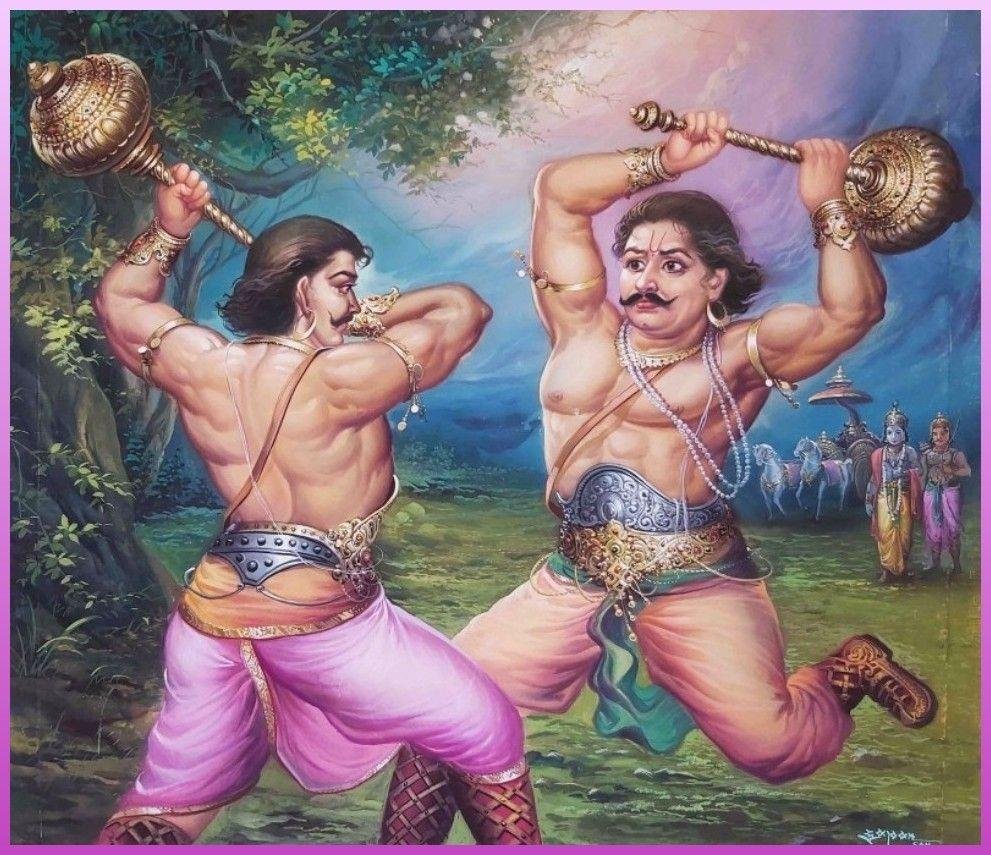
    His long rivalry with Duryodhana eventually led to their final mace duel.

    Bhima fulfilled his vow and defeated Duryodhana.

    Life Lesson:
    Strength should be used to protect others and stand against injustice.

    https://images.openai.com/static-rsc-4/0EulR3xZCeLGDS6vNo6oCjrDl8YwwWLF_-ko8cUFEIRb9oP3QpSLpr1cDPM2Rp5dOAju1XCFxnkhEPrlFpdmC2MWyB_iIG9mGMBjvCkXzJ-xUiq06GebTUB4PGOvDfRo3J3jZJwdV8n-cOX1DWdZrwhXOBURAP0eYxNTmxGH-D67e2b3k73beo4Ft3xN2UJs?purpose=fullsize
    https://images.openai.com/static-rsc-4/kPyjS6akMJ1RC1l1kB3RWS3uhRnDC_3QfvakxED9JwYUKG4FjOF4n0LMa_Ci__mFttnwrLiZZ8a3ICHcB-ZkOsRD1ynCORClnRFht6RRfMnba7t9W8Zz8unQiKP5-kh1XSFhbhtiSnw44nysdO5yViV4MDJxRMPrzMbzZpJMyaaQxkq0nvvmMfr9VuydKF8g?purpose=fullsize
    https://images.openai.com/static-rsc-4/1dC7gJTQIj5NsV17sb_ekACwgXIB7--GMcWmLhVRKcen6xyCG964X7tzLftIsp3MNL14AGYlzfKvvVRtI4NxGkrbB8D3WWtLqVDVkzJgzzLxGn9tJaeIAq6diZaFOPvRh_Vr6DMjramHmsRv3oVU0uElAQU_LQ4U9OBuOZPvV-p906XevZpoFsLUhH_DM8gt?purpose=fullsize

    4. Arjuna – The Great Archer

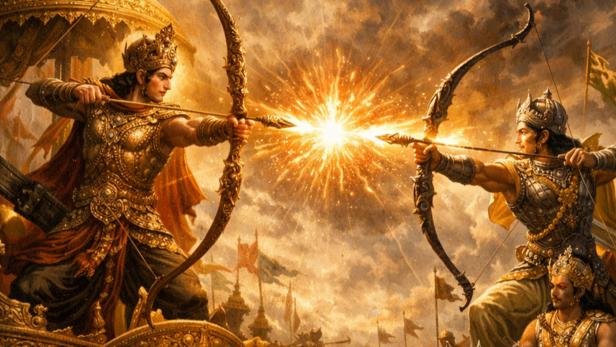
    Arjuna was one of the greatest warriors and archers in the Mahabharata.

    He trained under Dronacharya and became exceptionally skilled with the bow.

    During the Kurukshetra War, Krishna became his charioteer.

    Arjuna’s story teaches the importance of focus, discipline and fulfilling one’s duty.

    https://images.openai.com/static-rsc-4/lMNrHmO6kErvNYR3B7XSD1zDaE86WJYRlJDtNVd1DmLo5EJE78V_8jH8zVHuw0CdcqoBMk50Yf3kVuEOxD1oAZ33trUlGClmrmM9wT2taU9HsjoxXgjDpfLzFWJygnFmCDzVRvLT97qv6xsJANDHBLkOwgw9a5R4XnOboWgk-QBqYczl6ytvB7U-6M0wSep3?purpose=fullsize
    https://images.openai.com/static-rsc-4/hVyjTOnJxGA04DFMSjCzRVAlzHD1h8FaFHTFWosjQddBazSTbrgEFHV3ql7MATHbVQfk_uGk2xvmw0eFKZs_aCS1C4SZ3CtC929AC5WuymEBekNLbCPCO51jx9EugY8_FLA39fxRXkYVUMCfD5gqcgtGB4WKp-gClf6D0TzTI8IBnG4B6G2bMu3ttEMjYRxX?purpose=fullsize
    https://images.openai.com/static-rsc-4/msk-keCzY6qx6kLAu0LV81ooY9KnJ4l1qI1l0Qf22k9QCzLGqURlI4J_3oKhwzv79aO6XaXtwVYA3bsIgvrY84JoxpC14hxokDQPmXXoYHCXZXxXBoc0WKyoM0LRp4AcnwN8384faPoAcWBhb7jsVxPcaaQo2W8nW8Vnts7T4Jm4yNT7M-bXNLw4brjmslbL?purpose=fullsize

    5. Nakula – Beauty and Humility

    Nakula was the fourth of the Pandava brothers.

    He was known for his beauty, skill with horses and abilities as a warrior.

    During the Pandavas’ final journey, Yudhishthira explained that Nakula’s pride in his appearance was one of his weaknesses.

    Life Lesson:
    Beauty and talent should always be accompanied by humility.

    https://images.openai.com/static-rsc-4/ri5kOLGGqBxEaYYPRq626MYyLOh5mzadvsHK0U6VwpJWQbiFbZqA7yLLuAgeryDXkeKUW_yHyj0JinKLHAHXMCc9wxC_qdigB_BPykr8npOcAKIijlBA8FpyhnKJbt8qLxyRmTTCBa_G8wwMcuSljQqpQugaZBCYezL1DCRren0YUt8nlDOnTQM3MF3YyaAl?purpose=fullsize
    https://images.openai.com/static-rsc-4/Coh-q2zkBggfD7eYX3VDT30mpXvVu-QW0uuZWVu-GKsoYVSN04oNRKV7Hp_7stlxxmRag0OefSGfFQk016CBThbQk5UXSxrVIYe-P7lJ5VutUxFPHzeq1rtoeThckLGKdUwcSoEEL0N4lEFtnapOe44353JSq8pNXvAR-QBxKuwoc8jfdjRaX-GdzszamQ0q?purpose=fullsize
    https://images.openai.com/static-rsc-4/WOB6Tw88dfBUMx3g19dmytW56MG6iv5BXIt-HjVAFFrv_Tx5yAVlwr9fLVd9C2f6pP2yWC4vxp-tpuRyaFDyKMC-y57QY2Adv0Q-vi3VHmWXvvqvJebaum15zabzcEmMcTQl4HroYRmjJ-smORGnVoKvRg3Ao_ANVaJ0ZZ7dwYVOAUzUmS7CHwMkAbKT-sdA?purpose=fullsize

    6. Sahadeva – Knowledge and Wisdom

    Sahadeva was the youngest of the five Pandavas.

    He was known for his intelligence and wisdom.

    During the final journey, Yudhishthira explained that pride in his knowledge was one of Sahadeva’s weaknesses.

    Life Lesson:
    Knowledge becomes truly valuable when it is combined with humility.

    https://images.openai.com/static-rsc-4/4Mad1k-WEvbityb0-MqYl2cAfaTNHL5l27zhE6SIPA0LbP_rU6My6-rGrPZgpxXbyPSxSVtTo5lu0HggF1vKCinQFt-G0hCz-SYpWMWCXr37FySFTBS-9AmDgWlQ6afSF5LVxCjSiJPXyBVpt3qOFWz5psyCqXW5ETfRgXCmN94H3mMi5XPcc_b2-zxEI1aj?purpose=fullsize
    https://images.openai.com/static-rsc-4/YomaIIeBTMXc3kXAsq2ThrGiTtLQdqn3ugtY9xxHsvzpJ-MnmlE5iBV_bcHkuMC0DH6iokqDslLNzFFRrnjKV9n2TzqgxdePXVphnRRg6W_9qWVr6n22LtxzRsp98_rpB1vDsb5ENjy_5qHTg-DTcbqyyXWGO320Kwc_s_Ht4PydASgNxEg14IHKknNp4ULj?purpose=fullsize
    https://images.openai.com/static-rsc-4/GNfIAkCwucc8lRXW5ZFqm5wb_MW0LGin2-0Sf9fA0s48uYREkl0DE_hWavsy-It0xWoQBqcMWyXT9CgAS2sEc8As-Z_DQ95QAvcW9B2g0sUyXw4N4xD-tx211tKsZehRLtkZk_dr_9TgRVc2tafmxmq4hKrpWTdss1PvDnuhR9dQpNS0XLzdR_7DF_lUamZY?purpose=fullsize

    7. Draupadi – Courage and Self-Respect

    Draupadi is one of the most important women in the Mahabharata.

    Her life was filled with difficult situations and great challenges.

    The dice-hall incident, where she was publicly humiliated, became one of the major events leading toward the eventual conflict between the Pandavas and Kauravas.

    Draupadi continued to stand for her dignity and self-respect.

    https://images.openai.com/static-rsc-4/ncFx2p82X1fkjWVMc3XChTzgAo4CqKLBgccOe4rkRZIp6Vaq7KTwOX5VvFfT2kK5UjAzcmkN68IXPo0dJf-7A9w_hU8GwU7Hj7qlvES6WHo00wj-pz5FsFLKWbAo5_2Zy2s2JHZ8ZKgvI8homIS6t1gFiHga1ed9VlofZ7nccO8tN_VkcgDTUGSwSFLg7i_B?purpose=fullsize
    https://images.openai.com/static-rsc-4/_gYRbJNknHL09O_JHQAcvAm7PGDpBybd2Bw54_XT2DZqlqD-L31ssJWmpYrV4DUuQy1AbmFqGQZ3S7IMJ7ic8MT6LTkS53Qt4GlAE2WV51RJi6tCjlJuNPLgMw06ne8CA_9d4NWQWeLMfKuZeSl3iN6E6xxP-KN0NhwbZCXe0qJgAMe7EBTuuqQUAgogRIsn?purpose=fullsize
    https://images.openai.com/static-rsc-4/q7i4iENpmQgmLjYmMBake4rJnJhyGxho73pmlPlsuWaaWBmgXWxhPv_L2gDeHJku2E49AaNEjF5gWPXyw049Cal7C3RQUZF3JrW7XpCzVmrYBNsG7fYtcphlsl_tvevdfizWTaWXcpcKPpiu2BRgICRKd5qyhEOhH6d31Br5Gnc1Dd0IGKjQDhcxjyHAimeW?purpose=fullsize

    8. Karna – The Tragic Warrior

    Karna is one of the most complex characters in the Mahabharata.

    He was Kunti’s firstborn son, although the Pandavas did not know this for most of their lives.

    Karna remained loyal to Duryodhana.

    His life is connected with themes of friendship, generosity, loyalty, honour and destiny.

    https://images.openai.com/static-rsc-4/tnorb1ZpXVLlZuQ5h-Ln6tE9dbJ4vBk2jwj3z48PwkiupYyiE0oMxf7efbuYUrvbWS1PW9fTg4cg3ZqSe1H_X_IwjlmKsIa4xadyE2f2YlrRJlgGm3JpXctqSXNha6ZAoti4P8a7O0tchuiUEN4G0SQgSsXVUPjpDQElLnJumxziU-DXJSmZokvoY8Hcvlkx?purpose=fullsize
    https://images.openai.com/static-rsc-4/sj8LU03BB37fOTJPn2NbQvHo1Men4erb5omfHpX5Qqm5cav_bhUDzpt4J1yeYnvKY-KAmtiuirXxOlPo3bdVUs5R4Surr7iCimjZ5oRq7rpdPAkiqq8NP_aAWXqTx0QWGFkJm4F441I_go98fHhfQ4yo_-DTXhaLLraf87tbMYfxPpzkXgeq8rrH1njH9bZm?purpose=fullsize
    https://images.openai.com/static-rsc-4/wo5QSmcJtzVyPwkUKdS4PmjkmixdhMBpIvfQ6pKE8rWfRvb7HepNmhjXHjImXCtZVMEPRqCookQ_N71TjoGLp9TcvjASjsfuC1WTt63eDq1mHaA5xHm85udsU0RHkawroBORUd--LDrTlFXHHHDOM7UFuZZNBxxVge5Pk6QCPUNeWYX26H2_PkdH7O43Idxq?purpose=fullsize

    9. Duryodhana – Pride and Jealousy

    Duryodhana was the eldest of the Kauravas.

    His jealousy toward the Pandavas began during their childhood and continued throughout his life.

    His desire to hold on to power eventually contributed to the destruction of the Kuru family.

    Life Lesson:
    Jealousy, anger and pride can lead a person toward destructive decisions.

    https://images.openai.com/static-rsc-4/Up9niNesnbVJXHcCIY9f2z01QEgMG_JNwF5b2DDEXG34WfX7VSVWUznx79gVFXnZ_vYOYmUBlvb-DaEANtBJYOI-DkwhicgbYFMOYxo74F3WDRWW3zlu3CH2FQhTPLBN_4shybzvuTCflZrbTxrIc85_3uGGSrkxCsoG2PzbmTaH4g8gh-1B8VHaclYe4uXB?purpose=fullsize
    https://images.openai.com/static-rsc-4/JWmZXiF9aUIjfBGRGKv3IeT6LJJUhlNEdn-mcjcEPGrNEl6N0Lrgdrrz3CLFuX-a2o6XY8W-SNCrFBAIzgl9gHL1ULX0Jjdznc6rlZf4x7X1Ars9jel6S5e6GItnSETuzww3sK1yc-geEVdAohLb6vhBw_-jsaWdHDHreusyej_w8iZhdNPu8g3DU7phqhBY?purpose=fullsize
    https://images.openai.com/static-rsc-4/oaANjGg0m8PYK4mruLqvY52ccRVGbfPScfNe59Igp2IpUwW_AcsEWEEjGybwbjOB9WIwdJ7GKmP24UA-9nPSYTbdUcMuuJ8Mvhhx0RmCwrfGQ8ALnel3IGtIhhMmWobjWnI0Wv_eYAYZh8xnuDz1HAiOQ7RxWY3Ih0xe6Tv0_SRr9kHxmNqFtVkhQ7xQFmEk?purpose=fullsize

    10. Bhishma – The Power of a Vow

    Bhishma was famous for his extraordinary vow.

    He gave up his claim to the throne and promised lifelong celibacy for the sake of his father’s happiness.

    He remained deeply devoted to the Kuru dynasty.

    Although he fought on the Kaurava side during the war, he continued to have great affection and respect for the Pandavas.

    https://images.openai.com/static-rsc-4/-ymiIR3Zk7gj7IMYtVUopHs_Uvn1OrF81Cv9R67re8sMVFqxJA55BqqZ9Zuv8sGeYw2e70XrzhXK0a8Zoa8n2Uj_43EAeat-du_gal9KxkPUoiLqc4DT5MACqhfRGX5ZkGcZMtiM8slfdSoX8ISHanqmUcNBE1JyaJFBjjuCLuFDc424-CjcYga7U3t0xR76?purpose=fullsize
    https://images.openai.com/static-rsc-4/Hb-HXnrhcNnj-KiyuBm18EFyl010ZTH2kSa0ABeT__liv0zCvaO5YN5ggDToi8qcO33PMy2cwQ7PU362SsG_CCL7U0UEhuUTZGajqA92l9Q_n758DVoHwFjty1WRhc5BTjiBvE9stGmSOXs8GH0K4cKJnaZaD1McgS9nu6riXXe06z773TnBH5PA-IUS_mTp?purpose=fullsize
    https://images.openai.com/static-rsc-4/Ud1DzbojVmPSd2M1KiLwkqzDT_sZsT1IVR2JS9Hdk49wYwN4cI32y-Lk23_Fx6H7DJLg4ul9r-Is6KdJa_4mvfClThIoLBKhUPgTH_hTf_G92H0_pi9qnlTePf4E-Sz3zZ9g_B8BSvvjyabql3lL2dZcx95jj7AKW3n7nGvdxcFj3w_frjX4bMY1ikG_FEGW?purpose=fullsize

    11. Dronacharya – The Great Teacher

    Dronacharya was the teacher of both the Pandavas and Kauravas.

    He taught them the art of warfare and archery.

    He gave special attention to Arjuna’s training and helped him become an exceptional archer.

    However, during the Kurukshetra War, Drona himself became a warrior on the Kaurava side.

    https://images.openai.com/static-rsc-4/95CpQ6v_fzZ2bMZZvTq3yPnl7JgGkDWhV3vKqX1qBI7LzQk-QPoomh_Mfn8jFW8aKl6y7ihO6aIASYHhk-hfeV6eQwaY9WbmIfJG_R4nHGdABYMCw7AyRT5owQpuzuSCYtRYJWIaT2_VOwAJ3xsbaB2nkJ5u73E3Jh583rjU3rfvbFeEWc6qvleJCmWdH2gp?purpose=fullsize
    https://images.openai.com/static-rsc-4/LcZ6K3mnvcZoEW8LheA5-8Ucf0PDO3Ud4rPS4oiSgL1OaoLFiTeANOMMQucqm84k-HQg6up--9lVWKvsINmgoC9coxyj4WEtXFyd1wmlH30IVMrjRjxbErLUe5jo7jdmHKdlaSDO7yQFLxayucd2tZcRyDgyYlYwWy1jAMqWO8fkptrDoWhRDYhbvbd2dmAB?purpose=fullsize
    https://images.openai.com/static-rsc-4/QLX9g3Wk1sk1qsoX-2G4EjmojqNby8G-FoofSnLmQbcgHro-eArzoMPmh0x5iTzhWGpUza3sCQdoXe01cXnVHeH9hxpfXI9ipZpMX_33_9Kzw6l4XLqRBkgmkjo18DoIpuN1WglGryOxPbQxIkWh64NMwTBpu16l4mMAPrijIIDDKnGnWeN_wsRi6M1MqcRd?purpose=fullsize

    12. Abhimanyu – The Young Warrior

    Abhimanyu was the son of Arjuna and Subhadra.

    Although he was young, he displayed extraordinary courage on the battlefield.

    He entered the Chakravyuha formation and fought against powerful warriors.

    His death became one of the most heartbreaking moments of the Kurukshetra War.

    https://images.openai.com/static-rsc-4/ikY4iIk8_Rg8xLYYp9pvUVDyVe_689u4_vQEIb6Z4bz9X7Mvs5hcI8MMmDDldH4aG0c4xjw5vWfqUwnNetXqpXex7MuxB6wbR4JEDK2ssoeUs3WVHS78hydGDeE3UhHilv4TvUU1kmVrZgkldO27llVcGZeSYOGJTm8lktjKqABxNG6KH4u3rH2b4Bzq3WpS?purpose=fullsize
    https://images.openai.com/static-rsc-4/2SRy6pHC7wcXBEvPTXFqlHSMpRhKW5OMFDA8aj-TNzZGfnc0MenyYTlJEyt2LStiPmOOEl6yVFA9WiWzRGmY8LeimQ92ZrTV25nX8i2Ne5WpNsJEqi_osf0bpjkXXbPAn0gQNSEo3Bc4L1wpR60M9zDPr_qmhy0Uk_aaQZdLolngjzca3XHQKbxakqVHXaz3?purpose=fullsize
    https://images.openai.com/static-rsc-4/kb77Is15V1DoeFuS_yvXEo5GP39gGJyQxXmd3BXQjiR4A8wr_i5QcUqkBM8LUbnGByOJK7RjXB6IfOhPjhb9MA1sXOBkjNfM7igATd4NxDKc1FbcsZa1U5VhIMHagIQs-eY8uYFjj54PB4k91IBeXPqVHxJBG5nW1zW8YegZDbbxuxeLsplnuu3VuRKejQ0I?purpose=fullsize

    13. Vidura – Wisdom and Truth

    Vidura was one of the wisest advisers in the Kuru kingdom.

    He repeatedly warned Dhritarashtra about the dangerous decisions being made by Duryodhana.

    He also gave valuable guidance to the Pandavas.

    Life Lesson:
    A wise person should speak the truth even when the truth is difficult to hear.

    https://images.openai.com/static-rsc-4/gJEvyul3eNILntrIzZvBmsHgcOjGIrOJozVBkNNmNU9UOTv8rzuFpL7yxuivcNj2YiCvakIamsVcxlBFVzNc8PemafFCCqWGmThG6mWEWgdqSU0Zm-MQ5UGXqDCXwdPKJ-ld3hTbxWa1wJcpxv0o3_IJO36OSVaNYkDl1wLAhECbFTPBvWKZYpI8y2T5b3U9?purpose=fullsize
    https://images.openai.com/static-rsc-4/hGGvHC98pXq3U6RYf_x_hq5FUJhX9vfNF06Z8NH-ymF2leaNtyUAiJPafOBt3jorlIAhacLf8KofmtgTtYCCkcurmlS--5C2U7tQ75sO5uYTBR32DIdl458JoyijlpTTVxqzdoeeuNI0_HP87ptsIWp9DPhAwMgNsX0FxA0iulUBU5UnGgYT_eOo5X2QYD9S?purpose=fullsize
    https://images.openai.com/static-rsc-4/pU7IsoehJdWMobCnS22dCpnhm_RIOIJpOaB_1XGaIBX-byYRj9Fai2j3acoTBVQwPbI0K9nTZJ1-UwFMDc81FtUrEaEh-7OHSXeYhkfzApST-WRaIDXH947ks-PsjrsUg5iwn1YjaSb083xKqz9QlyafqRqj0wLr8Yiw4-Ih_Rpuq6naMD4hVvz0aOzS440s?purpose=fullsize

    14. Important Life Lessons from the Mahabharata

    The Mahabharata gives us many lessons that remain meaningful even today.

    Dharma

    Always try to follow the right path, even when it is difficult.

    Humility

    Knowledge, beauty, strength and wealth should never become reasons for arrogance.

    Friendship

    True friendship can have a powerful influence on our lives.

    Duty

    We must understand and fulfill our responsibilities.

    Forgiveness

    Revenge can continue a cycle of suffering.

    Self-Control

    Anger and jealousy can lead to terrible decisions.

    Consequences

    Every decision can create consequences that affect many people.

    https://images.openai.com/static-rsc-4/vf1CBVtNQiFztBUVHUk3LxZPX7p-PtJJSyPV306evzX3FDHOqnCF2a-NMTEu04-iF_UJv0Mdim9xq7_CybJK0N17onCtE-hNEeL04Mvg4il5ayHo6WqOnH53v-uymkniWQ9nLfurIxkApZzWj-7xWVhELrgds1gpKy3VNILuPxpVzKTGzOIK4RugEGJfed3a?purpose=fullsize
    https://images.openai.com/static-rsc-4/BKH-dZULiPRje-BQ_TwSHq5kocHRgFgde0MLeaFrh5jeMXf4t-SuzzIPPDtnmvc-cD4LcTlaU8jV10XNPXY3K1Iue0dTJM7F1Aq9CE1gbOyV7rfKMgg9IKqs305vh2fzt4taGZmy3Vvl0wjK6W3kHwtFDQIFlOWBtDRtDV4sXaiGQXdzoEYsL6JdFJtUR1LJ?purpose=fullsize
    https://images.openai.com/static-rsc-4/lHTtXxymP3NUSmHSMDvZnCEcSPgdCzVKUS_SW4haPS_jC7wMiAGCJ9ViOlDv9c2eGkbUYZveUnnUSrnTl_9K_uXymVWemSTgejzHFgiopdzKyWLyE7wha4MRxjuY1Kxisskk7evGtBjQR1xM9kwcUqxwWahRBVSloEPrLlhiExQDq-92fT_kmKkGHPwTi5U4?purpose=fullsize

    The Mahabharata Is More Than a War Story

    The Mahabharata is not simply a story about the Kurukshetra battlefield.

    It is a story about people and their choices.

    It shows how love can become attachment, how ambition can become greed, how pride can become destruction, and how wisdom can guide a person through difficult situations.

    That is why the Mahabharata continues to remain meaningful even after thousands of years.

    The story continues in Maha Bharatham Part 31 – Krishna, the Pandavas and the Teachings of the Bhagavad Gita.


    Frequently Asked Questions

    Who is the most important character in the Mahabharata?

    Krishna is one of the central figures, while the Pandavas, Kauravas and many other characters play important roles.

    What is the main message of the Mahabharata?

    The epic explores dharma, duty, consequences, relationships, justice and human nature.

    Who was Karna?

    Karna was Kunti’s firstborn son and one of the greatest warriors of the Mahabharata.

    Who was Abhimanyu?

    Abhimanyu was the son of Arjuna and Subhadra and a brave young warrior of the Pandava side.

    Is the Mahabharata only about the Kurukshetra War?

    No. The war is only one major part of a much larger story involving several generations of the Kuru dynasty

  • MAHA BHARATHAM – PART 29

    MAHA BHARATHAM – PART 29

    Janamejaya’s Serpent Sacrifice – The Story of the Mahabharata

    After the death of Parikshit, his son Janamejaya became king.

    But Janamejaya could not forget how his father had died.

    He blamed the serpent king Takshaka and decided to take revenge.

    His decision would lead to one of the most important gatherings in the history of the Mahabharata.

    https://images.openai.com/static-rsc-4/q9OuW6cqkc7LUpS3YKIfy6ZOio3J0Xo0-GbGSqOJS9xgDwMOqqL6xU76tTqm5ps7e4afgq6D8kCVjc-RCyuggIVVdck9rQS27diqALD6wsSPGjaiuEpervKEbKTJnv3Y7WsjC4djspaHVkKVXOH32lckkkoPoQInBEaaGN6u_DJqJZsBBenHhdkuf04bjD_s?purpose=fullsize
    https://images.openai.com/static-rsc-4/z8eLyiB3UZQ0r1sA_hUXgyphJcSwKmddMHwH8TPnfz99YslxrKW4ohDk83hq6G4nJ1--x8crCdnW5c-SyG3qP4NadsnM7jxJID8vBE_d4VGURC-NHQm6mBK5LJVLuSxEfVq_OK7Bn7XokbOscyzPWt7Ug1e16HPSQFC1Zlmudtpx9yGc_v_OdEZQ9NktcW-r?purpose=fullsize
    https://images.openai.com/static-rsc-4/e5RrrH-VO43Z5GOuUEtWEswUHi_Ni4ksn7VjAxpO71Vuz0j4uYqMAEl3vTiomFoNChBOWaLN_f1hj0nSRBpjYMWUWI4m_MiWtTZafa8Mv9nvqVmz3-fWGAxFelNVxEalZ1XJBSWrC-mj1WGR1JqE2UYnSz0BSt2EH-LV0iLaH_F6OdSnzbzqJOn926ZN6ZAV?purpose=fullsize

    1. Janamejaya Wants Revenge

    Janamejaya was deeply angry about the death of his father Parikshit.

    He wanted Takshaka to be punished.

    His anger gradually became a desire to destroy all serpents.

    He decided to perform a huge ritual known as the Sarpa Satra, or serpent sacrifice.

    https://images.openai.com/static-rsc-4/z8eLyiB3UZQ0r1sA_hUXgyphJcSwKmddMHwH8TPnfz99YslxrKW4ohDk83hq6G4nJ1--x8crCdnW5c-SyG3qP4NadsnM7jxJID8vBE_d4VGURC-NHQm6mBK5LJVLuSxEfVq_OK7Bn7XokbOscyzPWt7Ug1e16HPSQFC1Zlmudtpx9yGc_v_OdEZQ9NktcW-r?purpose=fullsize
    https://images.openai.com/static-rsc-4/6CA7pRPlhnVBk3QuaC_U_DO2cP_g5UAV-_MRUmu7x27NxEo2E_-43b1NA7tdcZZbEj7iko8HLMxO29uN1vVmU8w5v3Cxx3c7XtzvSp3JWX33k2R7rhtF1HbRskVTlM3YbHeBxd5PR6P8bR2lG0H2MjY616IHbLGi_jqRd6bQm2CKi2mCEVqUyPUn7Ft3TaSB?purpose=fullsize
    https://images.openai.com/static-rsc-4/CSQeEi-HgwGN4ek18pQW7hAPb69oECrLk1Q5E_mG5xcrXfbFuSkvn3EViIrZL-G_XgibnR76ktX7jtWjWI0XLSeHBM6xn3881ZP8AKU2QN-DCOZ7dJuQ-n7H2um_bRyL-DjqwdnP8MD3R3RMFfW8TltL2FaJWePDB2dx8GFqjSS2jbJV7M6rPIBwhshKzlTB?purpose=fullsize

    2. The Great Sacrifice Begins

    Janamejaya invited many learned sages and priests to the ritual.

    A massive sacrificial fire was prepared.

    The priests began performing powerful rituals.

    Through the power of the sacrifice, serpents were being drawn toward the fire.

    Janamejaya believed that Takshaka would soon be brought before him.

    https://images.openai.com/static-rsc-4/z8eLyiB3UZQ0r1sA_hUXgyphJcSwKmddMHwH8TPnfz99YslxrKW4ohDk83hq6G4nJ1--x8crCdnW5c-SyG3qP4NadsnM7jxJID8vBE_d4VGURC-NHQm6mBK5LJVLuSxEfVq_OK7Bn7XokbOscyzPWt7Ug1e16HPSQFC1Zlmudtpx9yGc_v_OdEZQ9NktcW-r?purpose=fullsize
    https://images.openai.com/static-rsc-4/ffJwMplUGMczKdfNMC3cGHfvF57vZWShViK8Jmgz9YDClaPo97TLjG8wPXxitE4BzftuW6CtWyy1CzdKtoro7n9WR5sxQTVgzeZRDIRAiBvRLazQig_R52fnNxwgMYf0aRWur8XNEQtogmuW3_aTzv1g3PYgt9fUaPuFQhuWbuoo6foQjZVaUKHoQbT_t9fG?purpose=fullsize
    https://images.openai.com/static-rsc-4/Vxfs5qMQZxxoM5ErNJicFal8XQz-TA_5loEZa7oGLFpAuA9zpjQQ6LvSs43MNWUWbt7SiFk8NFrT5bjstiqWM_4Bj7u_n12ScAa_v8xfKExTTsoWwMf6rFd0jdSPXX_gsrQN3INrh_vySTAiOcAGkTB57xx9GYCDBY1CRB9MImw21kpvTV9j587xHcOk4Cff?purpose=fullsize

    3. Takshaka Seeks Protection

    Takshaka became frightened.

    He sought protection from Indra, the king of the gods.

    Takshaka hoped that Indra’s protection would prevent him from being pulled into the sacrificial fire.

    But Janamejaya’s sacrifice continued with great power.


    4. The Priests Call Takshaka

    The priests intensified the ritual.

    Takshaka was eventually drawn toward the sacrificial fire.

    But he was still protected by Indra.

    Janamejaya demanded that Takshaka be brought into the fire.

    The situation became increasingly dangerous.

    https://images.openai.com/static-rsc-4/z8eLyiB3UZQ0r1sA_hUXgyphJcSwKmddMHwH8TPnfz99YslxrKW4ohDk83hq6G4nJ1--x8crCdnW5c-SyG3qP4NadsnM7jxJID8vBE_d4VGURC-NHQm6mBK5LJVLuSxEfVq_OK7Bn7XokbOscyzPWt7Ug1e16HPSQFC1Zlmudtpx9yGc_v_OdEZQ9NktcW-r?purpose=fullsize
    https://images.openai.com/static-rsc-4/OYaKfTbv5cVZewZeozgz-pISdaTvoryH4dPr2IpEdKxJ7sQmK-K6ivYejJRQK9vYpf3poOGPI0M3PEU90mO5B4bXPQKjLSXeWzkv1E8rB0HHEwhf21B-vml7YFFdWx8m5zzLZiyyn-goPPa7LhwUkYCUMGU8nyq9UOWK1-wWAO8h-BEaY5vAg46NqK1wph-T?purpose=fullsize
    https://images.openai.com/static-rsc-4/feEeuMyBkXbL1fmKV0tmi_sGsKrK5pMAVSCIzNnReQ_Mu1m96CQ_sB3_TmxtQy1lG82_5Fpj5SvJNbGFzMw5P0jE-xenFCaC1ZOLH19zsDHtc7JY-Aq6RtJ2HaCunBR9Oh3xPtApMvON8va3fOPHIi0FQJZ7DJwxXDyUzkJKG7CI5RAjfQbPzZYDgVvdVIG2?purpose=fullsize

    5. Astika Appears

    At this critical moment, a young and wise sage named Astika arrived.

    Astika was connected to both the human and serpent lineages.

    He understood that Janamejaya’s anger had gone too far.

    He wanted to stop the destruction.

    https://images.openai.com/static-rsc-4/CBgdVf8R2H436yeOp_u4k_JixAozG_ZJBNlurfHhmU47GGOO4XbofgXpNJs6jrvE1yOXIg4wAfaaDnHznCnC3yYq9m_1AMZhb7I-y_4Xr_vDdyvmcM0z4pdHYqD5ezZdKMLKyhuudFVaQyUMsq2R6pYAIWkM3yrX_HMLLwWphiMxNq_7cqeBSIUSUqp8w0lT?purpose=fullsize
    https://images.openai.com/static-rsc-4/8I7IQ0C2bWTKA44VxD65UPlNN2QtbxgvoQVZedEFK_XzRMq9spY5GtKMhHXJis2sVcZgNfTmjEh-DimdPnvF2PG2XpINPnoeLY4VxFtixC-xuHvr46-RGvXaPNk5V7MrRQlvqgoeNr7riHIKZOxlLF-Mbve44b91Vb5JEmDoQV9GuEnVyw5Cy9sMeXpmeGNf?purpose=fullsize
    https://images.openai.com/static-rsc-4/z8eLyiB3UZQ0r1sA_hUXgyphJcSwKmddMHwH8TPnfz99YslxrKW4ohDk83hq6G4nJ1--x8crCdnW5c-SyG3qP4NadsnM7jxJID8vBE_d4VGURC-NHQm6mBK5LJVLuSxEfVq_OK7Bn7XokbOscyzPWt7Ug1e16HPSQFC1Zlmudtpx9yGc_v_OdEZQ9NktcW-r?purpose=fullsize

    6. Janamejaya Is Impressed by Astika

    Astika praised Janamejaya and spoke respectfully to him.

    The king was impressed by Astika’s wisdom.

    Janamejaya offered him a boon.

    Astika then asked for the serpent sacrifice to be stopped.

    Janamejaya was surprised.

    But he had given his word.

    https://images.openai.com/static-rsc-4/CBgdVf8R2H436yeOp_u4k_JixAozG_ZJBNlurfHhmU47GGOO4XbofgXpNJs6jrvE1yOXIg4wAfaaDnHznCnC3yYq9m_1AMZhb7I-y_4Xr_vDdyvmcM0z4pdHYqD5ezZdKMLKyhuudFVaQyUMsq2R6pYAIWkM3yrX_HMLLwWphiMxNq_7cqeBSIUSUqp8w0lT?purpose=fullsize
    https://images.openai.com/static-rsc-4/z8eLyiB3UZQ0r1sA_hUXgyphJcSwKmddMHwH8TPnfz99YslxrKW4ohDk83hq6G4nJ1--x8crCdnW5c-SyG3qP4NadsnM7jxJID8vBE_d4VGURC-NHQm6mBK5LJVLuSxEfVq_OK7Bn7XokbOscyzPWt7Ug1e16HPSQFC1Zlmudtpx9yGc_v_OdEZQ9NktcW-r?purpose=fullsize
    https://images.openai.com/static-rsc-4/OYaKfTbv5cVZewZeozgz-pISdaTvoryH4dPr2IpEdKxJ7sQmK-K6ivYejJRQK9vYpf3poOGPI0M3PEU90mO5B4bXPQKjLSXeWzkv1E8rB0HHEwhf21B-vml7YFFdWx8m5zzLZiyyn-goPPa7LhwUkYCUMGU8nyq9UOWK1-wWAO8h-BEaY5vAg46NqK1wph-T?purpose=fullsize

    7. The Sacrifice Is Stopped

    Janamejaya honored his promise.

    The serpent sacrifice was stopped.

    Takshaka was saved.

    The destruction of the serpents came to an end.

    Astika had prevented Janamejaya’s anger from causing even greater destruction.

    https://images.openai.com/static-rsc-4/CBgdVf8R2H436yeOp_u4k_JixAozG_ZJBNlurfHhmU47GGOO4XbofgXpNJs6jrvE1yOXIg4wAfaaDnHznCnC3yYq9m_1AMZhb7I-y_4Xr_vDdyvmcM0z4pdHYqD5ezZdKMLKyhuudFVaQyUMsq2R6pYAIWkM3yrX_HMLLwWphiMxNq_7cqeBSIUSUqp8w0lT?purpose=fullsize
    https://images.openai.com/static-rsc-4/8I7IQ0C2bWTKA44VxD65UPlNN2QtbxgvoQVZedEFK_XzRMq9spY5GtKMhHXJis2sVcZgNfTmjEh-DimdPnvF2PG2XpINPnoeLY4VxFtixC-xuHvr46-RGvXaPNk5V7MrRQlvqgoeNr7riHIKZOxlLF-Mbve44b91Vb5JEmDoQV9GuEnVyw5Cy9sMeXpmeGNf?purpose=fullsize
    https://images.openai.com/static-rsc-4/ffJwMplUGMczKdfNMC3cGHfvF57vZWShViK8Jmgz9YDClaPo97TLjG8wPXxitE4BzftuW6CtWyy1CzdKtoro7n9WR5sxQTVgzeZRDIRAiBvRLazQig_R52fnNxwgMYf0aRWur8XNEQtogmuW3_aTzv1g3PYgt9fUaPuFQhuWbuoo6foQjZVaUKHoQbT_t9fG?purpose=fullsize

    8. Janamejaya Learns a Lesson

    Janamejaya understood that revenge could create endless suffering.

    His father had died because of Takshaka.

    But destroying every serpent would not bring Parikshit back.

    Astika’s wisdom helped him understand the importance of restraint and compassion.

    The king accepted the lesson.

    https://images.openai.com/static-rsc-4/e5RrrH-VO43Z5GOuUEtWEswUHi_Ni4ksn7VjAxpO71Vuz0j4uYqMAEl3vTiomFoNChBOWaLN_f1hj0nSRBpjYMWUWI4m_MiWtTZafa8Mv9nvqVmz3-fWGAxFelNVxEalZ1XJBSWrC-mj1WGR1JqE2UYnSz0BSt2EH-LV0iLaH_F6OdSnzbzqJOn926ZN6ZAV?purpose=fullsize
    https://images.openai.com/static-rsc-4/gb_HICOiYMw1Lgpli2_nAWtFFKcD1oS-T13RcJBSDO5HLl3QBC6hMbFAoagq1Zpsk5IdduXvZfJE7glF94-GPRO1Fyq5X0tlZTnK9KUc2mXGbrHBx8cuIbzEdB1KkZxQCDIgxsy0mf5OISIt5SLX2XT8AWgBNQBrpJfOveFL0A1cbuGa8CMmgM4gVrAmkIch?purpose=fullsize
    https://images.openai.com/static-rsc-4/c6AXRMj2VueOriJv86YU9C0m-mhSxQYgj-RhJBYnQXHqUzcpB7VsFBJjINoo5Jwb0S_Zs5SOEScGdqsRLW8IM4W13I2BKgZwDdB9r--IEA0dqN_hbfUN0rRwobdGOcx3pGXCm6e1A-EnmpmCowdvxevkO2lC9Zkxz6rpMCJU7TItm1oobSvbdaUs-wKShpev?purpose=fullsize

    9. The Great Gathering of Sages

    The serpent sacrifice had brought together many great sages.

    Among them was Vaishampayana, a disciple of Vyasa.

    Janamejaya wanted to hear the history of his ancestors.

    He asked for the story of the Kuru dynasty.

    This created the setting for the great narration of the Mahabharata.

    https://images.openai.com/static-rsc-4/ZtyHhYisGTGuZZB27v4GmesCiCGx8dCkSiGsMKHq0OoMKHpRP6nD3wU4cYZFyt2mrZGsk0h5fyFSnaZE2mxDQfocS8Vpxmre229PV0GC73OYK3xsZGzOfp4m6fkeDQMtvloRXPYnwDS1qNdk14a0TKCRhRDheK9LpcMmgz4DySmDJFoZHMGG2nrp9hw73_Mj?purpose=fullsize
    https://images.openai.com/static-rsc-4/s_s2m01nc5mBY9FZMs_b4sorwyxZbuijN9IekgUSBuo4BW82A4AdoyeoqOCnWtkWo1ki1Ex3sr6TDUNgwbKGKRBHtEyZlTwAC9CLKguQ1RHSrlZ9ZSmbVI2-dZr2RD1nPSRrsFkHlAjtRUk9jmIkqpgb32aDb41jSl9oFWAMnr9-568awkvINt3QWqplv_gi?purpose=fullsize

    10. The Story of the Kuru Dynasty

    Vaishampayana began narrating the history of the Kuru family.

    He told the stories of:

    • Shantanu
    • Bhishma
    • Pandu
    • Dhritarashtra
    • Kunti
    • Pandavas
    • Kauravas
    • Krishna
    • Kurukshetra War

    The history of several generations was brought together into one great narrative.

    https://images.openai.com/static-rsc-4/hSA3f5jMH_LzLkQK2QlkpqsfTdjb220v-GRifsGIz0lhKpajf8aOTwSWzFh9Yj_LtJtBpWO83vEDZ7km2BZTquewcgc-sXtKjSL1mC74QwXxsG3d6FU92k6nL5INvsbSAf8bAofd-9iOYD6Z82SK7PhK2BdPlyyt0HnBKDhlogYZ1g9vfaaJTxw2MSZ0IYpp?purpose=fullsize
    https://images.openai.com/static-rsc-4/tM4E0DCBK1azpLjZqJbrofh9vVMhitf8tf6rC9Ea_R9FMGzSsCz45pJpaxNB_APwAcT1rnc2TOBbK10s_NDrn5gWdrxg1ucos59gqueEoyIcdRA6hbTNQ20CoiVEtPTsYAd5alImjDF-W8PlJG3ylJ9ozPt2CMaX8WLdvE5rjT-b03nku9RKp60uk1XEv5Oc?purpose=fullsize
    https://images.openai.com/static-rsc-4/i05jz-cZUltScW6BBV5Gg2pS0RiyZTUhPn5XNPDUHXLvQTNglOe2ouLz3IOk1A3cV9gNG-EAIf6FaYZnUd0msqkcJBry3sELvzG91oLv1467h9kiOkaXI9HXf07Exj1JASQhbEvbq7kNUxNsn-hY5MEmlL45JEQrVxhv6oyloo3DfC7C0x6-LhUgRN78MTy5?purpose=fullsize

    11. From One Generation to Another

    The Mahabharata had passed through many generations.

    From the elders of the Kuru dynasty to the Pandavas, and from the Pandavas to Parikshit and Janamejaya, the story continued.

    Every generation carried the lessons and consequences of the previous one.

    This is one of the reasons the Mahabharata became more than just a story about a war.

    It became a vast exploration of dharma, duty, relationships, power and human choices.

    https://images.openai.com/static-rsc-4/xrK0Edlh6R5V45xkbcgbIVCgS86lSc1fdAovh7qO826lTgKGjG59nHspxlZtOOs7WmEq73g9SQ4Ob_L1yyjuHAtFRaWD0i5Wkz-1-TPcYSov0NvFD2fBvD1CsziKae0EHZYV5x1tj8v_EI-xzc0KrtoCOdFR6l4vGv2rO6xLhgLqXcaoYvB3M6PW-T0AsQ_O?purpose=fullsize
    https://images.openai.com/static-rsc-4/tKX7WIFSnA3EKBpMMIWjMOAJagCAPwcX5qfxOykVoBck17ct5tyTupjX1dmpLPwMpIPuxzk-u0_al3b26Lj8MvtjTlBv2ypGXvRNukKYRFFXLgJn_P90GRBDnaPF8l_o7YR5vOwbO_CfUNb1bKnPzOnDWyOWBxJDzT_ksEGYlYUq2x4gIzFAiqQF32QGEZSw?purpose=fullsize
    https://images.openai.com/static-rsc-4/eq1pmlecf6e8hcU8fONHSlZ_il_ghvTg4CAS2gH900jtOAbDU4hl3q4Pfg-1MBGUIUPZ3CGzKWk_dG9mWUnE3JN5eMe_WmlnqcVS0fBz2AbYcQ1E3ZHxiGoriUYgXf50YCxGILAmjMpi16d44_nG_OOcyIm9isfuv4qMlQ54_6GP6-MLdvqwKPgYWq42Eemc?purpose=fullsize

    12. The Importance of Astika

    Astika’s intervention saved countless lives.

    He showed that wisdom can stop anger from becoming destruction.

    Janamejaya had the power to continue the sacrifice.

    But keeping his promise and listening to Astika changed the outcome.

    The story teaches an important lesson:

    Revenge may continue a cycle of suffering, while wisdom can bring it to an end.

    https://images.openai.com/static-rsc-4/CBgdVf8R2H436yeOp_u4k_JixAozG_ZJBNlurfHhmU47GGOO4XbofgXpNJs6jrvE1yOXIg4wAfaaDnHznCnC3yYq9m_1AMZhb7I-y_4Xr_vDdyvmcM0z4pdHYqD5ezZdKMLKyhuudFVaQyUMsq2R6pYAIWkM3yrX_HMLLwWphiMxNq_7cqeBSIUSUqp8w0lT?purpose=fullsize
    https://images.openai.com/static-rsc-4/8I7IQ0C2bWTKA44VxD65UPlNN2QtbxgvoQVZedEFK_XzRMq9spY5GtKMhHXJis2sVcZgNfTmjEh-DimdPnvF2PG2XpINPnoeLY4VxFtixC-xuHvr46-RGvXaPNk5V7MrRQlvqgoeNr7riHIKZOxlLF-Mbve44b91Vb5JEmDoQV9GuEnVyw5Cy9sMeXpmeGNf?purpose=fullsize
    https://images.openai.com/static-rsc-4/OYaKfTbv5cVZewZeozgz-pISdaTvoryH4dPr2IpEdKxJ7sQmK-K6ivYejJRQK9vYpf3poOGPI0M3PEU90mO5B4bXPQKjLSXeWzkv1E8rB0HHEwhf21B-vml7YFFdWx8m5zzLZiyyn-goPPa7LhwUkYCUMGU8nyq9UOWK1-wWAO8h-BEaY5vAg46NqK1wph-T?purpose=fullsize

    13. The Mahabharata Becomes a Legacy

    The stories narrated to Janamejaya preserved the memory of the Kuru dynasty.

    The struggles of the Pandavas and Kauravas were passed from one generation to another.

    The lessons of Krishna’s teachings, the decisions of Yudhishthira, the courage of Arjuna and the sacrifices of countless warriors became part of a great cultural tradition.

    https://images.openai.com/static-rsc-4/CAVIXQrs9DPqv7gv8BzyrSBm_PXGFLWCPRptAjK2FYD0F-RZhGrdGVV5MunDnxGZvXsJB3qLL4oGOusr2E8-hYeuXKwgZ0fz1Pn9K72r628AUq-U23QyVRWGj51x-89Jwz9g0UoZFP9vANDQ0tRzYBnu3wgw_4fv0QcyuMRJiKfCU2eBBdw9vt0CaH-dkD9c?purpose=fullsize
    https://images.openai.com/static-rsc-4/NP6adD2lhMQ-fYwCrX6DpoUTNwKZPvXzs8Enx2LV9aohEYRCZ5ypODBLOGB1n1SyZhf0JX0fC4o5Y8iyP5gy9CDuTICVbAiXM5E2AxPYD8EFQpH_Fs_5ZqrRFgHgb-af7vD5IT_pm8epgw8zyYaVTg4p1MvLGrX5bHTEXBw-WI29vjz0uHefDt2-4scVkB8R?purpose=fullsize
    https://images.openai.com/static-rsc-4/taKT4wzBPmY7SPctEAub_Qn3xHDelEwTVCUfqoKa15E_wxHEERXWiir13ywV4uy_rRd5P9Qnp1ae8ezQTd_d-ldEBV5v3LFt4SLf-ceiZI4GCciqt7mxE7wHU38zTF8YTSBLqBeejBdBzEEqohQ3IoXP60Py8RHZFiFwPWSOJKMAQ-VFdb6Z6H2VOVpeRVBx?purpose=fullsize

    14. The Story Lives On

    The Mahabharata does not end simply with the death of its heroes.

    Its greatest strength is in the questions it leaves behind:

    What is dharma?

    What happens when anger controls us?

    Can victory truly compensate for loss?

    How should a person choose between duty and emotion?

    These questions continue to make the Mahabharata meaningful even today.

    https://images.openai.com/static-rsc-4/bY07VeX-g-hf2gfkDhiE0i7waWrJCGavDLxQ1w_QuwZNP6UezdipOgLox_mB-unliv7A-CaHyQwWAUIZdz12a8l6R6sDKXWFxZtTbAfRWj0KkhNoB4YBBmnRo_5ALpnqZH0xHSp1ftdvSBksE5H_I9pxNCBu-sjqUuWBvgQDTAIefbQI3_BRbl4xkIftd-a4?purpose=fullsize
    https://images.openai.com/static-rsc-4/dZNh8YP43UlRzRlR-UEB39P-4jWMFcAee31NuSOQKu27sy-uOxCqTyEOl1zlUS2WHp8lZ29NETGx7vnV0fMmwdwH5P8JIuZcNZBJBdQmNkaolAdeRw0KOb0P6oaM4hezshvsz3Ys2lcmq3ZrI1Enfzt9Jt_joanE_b_enFj_R7o2W4LNpyWZ4WM2aHWBsNKY?purpose=fullsize
    https://images.openai.com/static-rsc-4/xjN57Iig_S-7YMa627SBdI3ogYpBrWrwpya22O1Q89XngNeniL1ziBos4PzHyj90qeLO5vXjaw6eS0svo7omOqEhvqc1TDcUhRF9oCCg48zcAaUTwa5gYQ2pT4yAEhHkg5suGiUJ-kK7X4RHgCpgK0yIrNFuAgiVTZILzFwFmatYF3F8tGpN4_mTTNWx26C3?purpose=fullsize

    MAHA BHARATHAM – THE GREAT STORY

    We have now reached the end of the main chronological story of the Pandavas, Kauravas and the Kuru dynasty.

    But there are still many important stories, teachings and characters that deserve separate articles.

    We can continue with Maha Bharatham Part 30 – Important Characters, Stories and Lessons from Mahabharata, and cover the most important episodes one by one.


    Frequently Asked Questions

    Why did Janamejaya perform the Sarpa Satra?

    He wanted revenge for the death of his father, Parikshit, who died after being bitten by Takshaka.

    Who stopped the serpent sacrifice?

    Astika stopped the sacrifice.

    Who was Astika?

    Astika was a wise sage connected with both the human and serpent lineages.

    Who narrated the Mahabharata to Janamejaya?

    The traditional account describes Vaishampayana, disciple of Vyasa, narrating the great story to Janamejaya.

    What is the main lesson of the serpent sacrifice?

    The episode highlights the danger of uncontrolled revenge and the importance of wisdom, restraint and compassion

  • MAHA BHARATHAM – PART 28

    MAHA BHARATHAM – PART 28

    Parikshit – The Next Generation of the Kuru Dynasty

    The Pandavas had completed their final journey.

    Yudhishthira had reached the divine realm.

    But the story of the Kuru dynasty did not end with the Pandavas.

    A new generation was ready to continue their legacy.

    That new hope was Parikshit, the son of Abhimanyu and Uttara.

    https://images.openai.com/static-rsc-4/LaB-p-CdIE9Alwxo3eeSaAixDjFdZSjLEjjO6Tjh0SL-dJi63bLcNYEh662aaPvao-q7Gr0_I0706mCkD-HtjQOhgjhDn-VBMo88dblzUV_XXCqcH7AayfNcf3jtsE7Rs6zNgO_IkZNawKsFXAgcKHw96uXS8uRrxz59n0gxRirHnTaChzJ_xrYQYtekZyO8?purpose=fullsize
    https://images.openai.com/static-rsc-4/TSr43E5NVwC1rCAfN4g3OgLpqEJmLdG8XJrR-Cjgr5EGUQBi4uEiJ6w2amRwXlLUvIH1w53g2gt1F_PUhWoy0k5PaSOPOo5Li3guOkmHyaO8z8sMVSr1nvwnXZLjq5_bTb131vuh1ua787qnO1dzhOGO4xYCdKOxVquCK54tT8PYJP-GpaYZTxasUUS3jVD5?purpose=fullsize
    https://images.openai.com/static-rsc-4/MyBQb-GzkOEVjXJZWPyEW1twNVBSxRH2K15PRt4ct-VVK0OgRqSEoxFn5W7t2oHclZoyA7qe03UvIGOEbQmGUrym4WTPzh1opKbqnx2DmW6MkTTDqcWErkSEXEkFggKhQUYb9pkk65YuSpUlZwDHBe8kSGSnkEIeD6uT-c1EUTTM7ztSHgUutqeyWiMq1ayR?purpose=fullsize

    1. Parikshit Survives

    Parikshit had faced danger even before his birth.

    Ashwatthama had directed the Brahmastra toward Uttara’s unborn child.

    Krishna protected the child.

    Because of Krishna’s protection, Parikshit survived.

    His survival became extremely important for the future of the Kuru dynasty.

    https://images.openai.com/static-rsc-4/y4oZbth9BbFvin2KRbq1qddrlJKz352FAXg2aBc1f3no_AOmYC4LS42Wwxjb7SONNkgF-d1uaFExLgCLKVVQ5yf7UkkvuxLiTlO0s8ljJPqk1Q9PHcBk88kfvklZca_nNhBo9ZcBr-r2antq0KHJRsfPS7EAGI_V4jhAZm6Ehqj1zcQ_swdmClrjL9AlXswB?purpose=fullsize
    https://images.openai.com/static-rsc-4/ffm770ZRcDgSWiMX98mb4w1XgaPTRfK0exloI78pvZ1IA9vrV3r-HW1BBKA9wr7zgRqDKGOmv8s-fDALj38BmQ7xz0LIIiZlTSpef-0F0a8aua6sFJR7RYx23YOY5ErF1GIY4LjQY_syxdhybq3hevf5aEgu7VHZXdxLevzMTTbDGcxq6t0FujwMkI_R3lMw?purpose=fullsize
    https://images.openai.com/static-rsc-4/kwFWzvBeniaJBF0lImMTSjVOrJkCcgR7YehwJzlv9GfETazf0gPhGPVoiGrGdlSp7zAaIUCRCSTxSKQ_7jfMWyI6SKt81dMsiW9kkM_wbA0lH8NOE3JNSisz8TuzpfmB5IXGwBzhceilRYKMBgBLLb7IdjJtPvx1cifhFycHXsbBVuPXU9rH-0GfLOJESJ22?purpose=fullsize

    2. Parikshit Grows Up

    Parikshit was raised with great care.

    The elders of the Kuru family taught him about his ancestors.

    He learned about:

    • Pandavas
    • Kauravas
    • Kurukshetra War
    • Dharma
    • Kingship
    • The history of the Kuru dynasty

    He grew up knowing that he carried the responsibility of an ancient royal family.

    https://images.openai.com/static-rsc-4/3H0fq0as8jjPhBhlDj6oAbb-moIcRcgJZm3_qZIn_jmW5rUTzx7BhbzNS3R4ADsSF3ffBjPgbNAF05nsDjgTtGn_qkRpko6dgNvLNthEnVkPRo_70YU6XcYlh72FekZxYMz7T_qKZka6cjA9L6ZDQsau4qKZ964PPS5JyIYRlqBpSEA1Kn5XrpRyIM3oN7vr?purpose=fullsize
    https://images.openai.com/static-rsc-4/sFnLlf-qd3h0Gma2K-8yS1T5QsRly1GQuHC8Zq1lJ56PNv8HurcLxjgX8yb57AccaSUW_gf8H_Do63UnO00KeuEukJ2ZDct3o8l5vcDsQGN6LCKyUiXQbczNUa7l5D4F1EVTkG6xxRJf4RcIXXFQJwi-zLIjnTrIS1hy4NynIEK7mJRxwnaApgXjUaZduBG8?purpose=fullsize
    https://images.openai.com/static-rsc-4/oyVp-BEmerDwY96550sNEzKbCbwGh7SFlbEPtV5NZi6npzFxh7JSUY5IYjOXoHVfePE9bvhpl5OvsjNWcTLXbDZIlI3ZOx6Uo1sgnnjJfkgDTfCpJerUw43zO5r9YyhwCmObqwF8OWRtjSAEfS5MJNsw7hxNcrfTuYpRAfU0aFOmvjIaiwGZdECBynL4lls0?purpose=fullsize

    3. Parikshit Becomes King

    When the Pandavas decided to leave their kingdom, Parikshit became the ruler of Hastinapura.

    He inherited a kingdom with a long and complicated history.

    The people looked toward him as the continuation of the Kuru dynasty.

    Parikshit accepted the responsibility of ruling the kingdom.


    4. A New Era Begins

    Parikshit’s reign represented a new beginning.

    The terrible Kurukshetra War was now in the past.

    The kingdom needed peace and stability.

    Parikshit worked to maintain order and protect his people.

    The legacy of Yudhishthira continued through him.

    https://images.openai.com/static-rsc-4/LaB-p-CdIE9Alwxo3eeSaAixDjFdZSjLEjjO6Tjh0SL-dJi63bLcNYEh662aaPvao-q7Gr0_I0706mCkD-HtjQOhgjhDn-VBMo88dblzUV_XXCqcH7AayfNcf3jtsE7Rs6zNgO_IkZNawKsFXAgcKHw96uXS8uRrxz59n0gxRirHnTaChzJ_xrYQYtekZyO8?purpose=fullsize
    https://images.openai.com/static-rsc-4/gqepukdSrzKx3DhvMm-e8adtUREPWItu6DFQyoQixSOEEofzj3u8FkuvYJApHryJoxHHSn08OzodVmXnQXP6L0miww_5sp6s1P9BwlqZ8zjpISgGXPrIWfCHvZAsq11uZjV6hkhDDBlxyPGKrgFrWX2HMC5s64vlvtqAufxp9FYp0ABp4Fp3FzIvRRRr6BIj?purpose=fullsize
    https://images.openai.com/static-rsc-4/Ud2CMMYzm-8ZxoHbAV8he_1aHHPm3sFGL_s0bB0TAFNOqn3kKqNbPw-vVmGUhS05xHLKLmFT3Hgb1dQ696d1veBDfMbrHiFcqigTX67hnPeKKaP-9STnQhfwmVGMuSS3pQ4q-qxRbBK8x6nlkO858I5KrZ_vE-btEYNX95s3tQ-DVVi0RURaB-MI8p2SHDFh?purpose=fullsize

    5. Parikshit and Dharma

    As a king, Parikshit was expected to protect dharma.

    He understood that being a ruler was not simply about power.

    A king had responsibilities toward his people.

    Parikshit tried to uphold justice and maintain the traditions passed down by his ancestors.

    https://images.openai.com/static-rsc-4/LaB-p-CdIE9Alwxo3eeSaAixDjFdZSjLEjjO6Tjh0SL-dJi63bLcNYEh662aaPvao-q7Gr0_I0706mCkD-HtjQOhgjhDn-VBMo88dblzUV_XXCqcH7AayfNcf3jtsE7Rs6zNgO_IkZNawKsFXAgcKHw96uXS8uRrxz59n0gxRirHnTaChzJ_xrYQYtekZyO8?purpose=fullsize
    https://images.openai.com/static-rsc-4/Ud2CMMYzm-8ZxoHbAV8he_1aHHPm3sFGL_s0bB0TAFNOqn3kKqNbPw-vVmGUhS05xHLKLmFT3Hgb1dQ696d1veBDfMbrHiFcqigTX67hnPeKKaP-9STnQhfwmVGMuSS3pQ4q-qxRbBK8x6nlkO858I5KrZ_vE-btEYNX95s3tQ-DVVi0RURaB-MI8p2SHDFh?purpose=fullsize
    https://images.openai.com/static-rsc-4/okGfLNjbFkMsqseV970wkFAO23n7f-WV7JdIHe9qH0AOwBAY5rd8QyNnmAcqQyIvBIFNoIvhU8qHpNCZYAq0dLzjoTemDPm_uJDeH2Y2u3_poKSVC8GWtKToGwN5nsNo9Xqd4lIVEWW_7rr4eByxwGpcLP797DQkXF7lmxtBD_oH1c5bg1lR14-ux0DD_FsM?purpose=fullsize

    6. The Encounter With the Sage

    One day, Parikshit went hunting.

    During the hunt, he became tired and thirsty.

    He came across the hermitage of a sage named Shamika.

    Parikshit asked the sage for water and a response.

    But the sage was deep in meditation and did not answer.

    https://images.openai.com/static-rsc-4/okGfLNjbFkMsqseV970wkFAO23n7f-WV7JdIHe9qH0AOwBAY5rd8QyNnmAcqQyIvBIFNoIvhU8qHpNCZYAq0dLzjoTemDPm_uJDeH2Y2u3_poKSVC8GWtKToGwN5nsNo9Xqd4lIVEWW_7rr4eByxwGpcLP797DQkXF7lmxtBD_oH1c5bg1lR14-ux0DD_FsM?purpose=fullsize
    https://images.openai.com/static-rsc-4/70bX82BrcNYSrA2hi5jR-LozGvvMnDnMDiEtxbaEh_0gtGe0_ZPmP2ggSv5ECbRkYxo6jERX_AS9QWrEfVOUDiQlqOHvVKth0PsKtwGPPrtC4eI-unyzKdQJGmtz5V5ZHhfWFcTzXWa2y69yUextJMcZT312eIpmQN1uFmxuiTrR3DC4G1i5NAgFIKOvK2_0?purpose=fullsize
    https://images.openai.com/static-rsc-4/VHZgDmPUwC_BhyTHiB0GE5UzVkq4EO81y9B7NVXwmjmEG8Sp23iM14jr5RM2XpR4XjWShE7vHpBxp8ZwJZdTc4PJP5gzTpn4XYVSPHSO0TzpGrlbrl_CRFiQk8R23CEY0zK4sK5UOmfpSj47lwLMV-Lo9z695Jl9FfEl2yXKB4wqXwk5tIBhpq7h5zmEbBGo?purpose=fullsize

    7. Parikshit Makes a Mistake

    Parikshit became frustrated because the sage did not respond.

    In anger, he placed a dead snake around the sage’s neck.

    It was an act he later regretted.

    Parikshit left the hermitage.

    But the incident would have serious consequences.

    https://images.openai.com/static-rsc-4/70bX82BrcNYSrA2hi5jR-LozGvvMnDnMDiEtxbaEh_0gtGe0_ZPmP2ggSv5ECbRkYxo6jERX_AS9QWrEfVOUDiQlqOHvVKth0PsKtwGPPrtC4eI-unyzKdQJGmtz5V5ZHhfWFcTzXWa2y69yUextJMcZT312eIpmQN1uFmxuiTrR3DC4G1i5NAgFIKOvK2_0?purpose=fullsize
    https://images.openai.com/static-rsc-4/5q2a-YJa5ilkE6f4pA0ubpj8CVArRbHhhyAtBHdp_OJYEpjDSn2X-1JUmdYhpQOtceNp2kfLH4EgKlQ1s5kVwTCT1ENJYJpKTW2r70DqtGYFFc6dDQrJo3QtpFRFwkO-HEhyKN3nojhp1YbhvspM4y2EnwcTTDumepDB45yzpifMQhwGJG49n-PtDzyLvz1t?purpose=fullsize
    https://images.openai.com/static-rsc-4/GKB1hEsfgeMNzNeI1SoGhBLW5Y-_UFsLvn8hiTvSKRrAmSXue755OSEmjx3DLyg_ThLfWUufiENyVdRvPAIJyN3DYjtFNHaoMj5kDJd-abuRdYtlMauTVbID5VIhhcAchW8D9NLwkTstQ3ZAek9OVp3WCqaOF6ktovNzl-NsLtqC-ZxuQqUQNdaI93p2QFcT?purpose=fullsize

    8. The Sage’s Son Becomes Angry

    The sage’s young son, Shringi, learned what had happened.

    He became furious that the king had insulted his father.

    Shringi pronounced a curse against Parikshit.

    He declared that Parikshit would die from the bite of a serpent king.

    https://images.openai.com/static-rsc-4/jTDcQvXC71GygId8r_UMU-Qj3ZUrU46-CspwmjU6IF9zu-DnyoVoREOp9ro_DBmRl9Sl8QhuKYW7QrN4-ohYeIlMhCDAjV1nXmMWBfAfhsU1O7LrunpiY9ItqZr7vlUH2NY8FwE3lkU4Bmb3ylTeiZJnBhFprkAWfmL6g9LSDanModoE_TQ8XpUeXKIccA3X?purpose=fullsize
    https://images.openai.com/static-rsc-4/JErun9OXu3ksvzoBjLIH0dU4Jb2eM32RYJEbxYBhqwv7doV-xD3wLCbcwHxOaJYc17kMHcfrPfXssBUtvLY8w9UUs2uVcAPK5jL5dWvX2ybXjI1VlGOMw-FwOrx9wQhSN-A33nF2NpQrgKbg8pXb8w5EKhUoapSCCNxM0nRP_nHeS0FN-YCkjICjreOLOz_b?purpose=fullsize
    https://images.openai.com/static-rsc-4/BLWafA4sPj_B0M7N5xBxn2hlu3goLFoV89z1tr6cj7J48Zrggymo4JZE6G3nZuWPRikKM-DmJZsfoFauo6b_1D9BRA1aUHKAfqvNpeSw15LIApqfSVfzKBpMDWkNpM9kypNxglco5kV6Bg612ethWpCMDSufc02slHEk48FBCg8KFa74BczcXv--b8qgN_iM?purpose=fullsize

    9. Parikshit Learns About the Curse

    When Parikshit learned about the curse, he accepted responsibility for his mistake.

    He understood that his actions had consequences.

    Instead of simply trying to escape his fate, he decided to spend his remaining time listening to spiritual teachings.

    This decision led to one of the most important episodes connected with the Mahabharata tradition.

    https://images.openai.com/static-rsc-4/jTDcQvXC71GygId8r_UMU-Qj3ZUrU46-CspwmjU6IF9zu-DnyoVoREOp9ro_DBmRl9Sl8QhuKYW7QrN4-ohYeIlMhCDAjV1nXmMWBfAfhsU1O7LrunpiY9ItqZr7vlUH2NY8FwE3lkU4Bmb3ylTeiZJnBhFprkAWfmL6g9LSDanModoE_TQ8XpUeXKIccA3X?purpose=fullsize
    https://images.openai.com/static-rsc-4/TSr43E5NVwC1rCAfN4g3OgLpqEJmLdG8XJrR-Cjgr5EGUQBi4uEiJ6w2amRwXlLUvIH1w53g2gt1F_PUhWoy0k5PaSOPOo5Li3guOkmHyaO8z8sMVSr1nvwnXZLjq5_bTb131vuh1ua787qnO1dzhOGO4xYCdKOxVquCK54tT8PYJP-GpaYZTxasUUS3jVD5?purpose=fullsize
    https://images.openai.com/static-rsc-4/sFnLlf-qd3h0Gma2K-8yS1T5QsRly1GQuHC8Zq1lJ56PNv8HurcLxjgX8yb57AccaSUW_gf8H_Do63UnO00KeuEukJ2ZDct3o8l5vcDsQGN6LCKyUiXQbczNUa7l5D4F1EVTkG6xxRJf4RcIXXFQJwi-zLIjnTrIS1hy4NynIEK7mJRxwnaApgXjUaZduBG8?purpose=fullsize

    10. Parikshit Meets Shuka

    Parikshit eventually met Shuka, the son of sage Vyasa.

    Shuka was known for his spiritual wisdom.

    Parikshit asked him to explain the highest truths of life.

    He wanted to understand how a person should face death.

    Shuka began teaching him.

    https://images.openai.com/static-rsc-4/mObfUmWjC6RJ2pYJkAlphuvESJqknY37Wg2BhkeQrJofpyTGEgfemDWmhQfEGOPg9B3E0hcL8bB_yAvKDzz0mxplawDh_1QLUK-WNGGPl9SLo5y_5qo0Bh9CSN5grfsLVAyFV5t3Up3QjAxK2UXZr46mugY_XCq_R746gwEKTPx8es5s-Wz9F2YnQwf_fQbg?purpose=fullsize
    https://images.openai.com/static-rsc-4/8HRzI0QhilLB9NR-Ye7ox5y_as4TQveG52DaOhv7mo4yy7urBdkBsFqZyjwX6Pqxl6QjbOogORrHsspVMvfFGn6LX0O5ecpvjaC2uUjcDdD_-GIj-IFQDDjb5MDvY-gh9stnqJWCpGEvcKCc7Vd78LNKoMvoZTZmRIhTE5BmHOLP9DEyv_MvGfAgq9eGAZJa?purpose=fullsize
    https://images.openai.com/static-rsc-4/LGRUpZchfWBpBJpYtaLo_3piZIIRIdCz9ODD-5GGoWfNYI-0Yog2SwKFJHaGji-t254m9T_WJRQMtOjSFZrs_XsVLuq3xyhYLw6r4js4wVghHeCulCN4NoiyiTv4swFwaBud3t3QhT8KeScW0AFDgq1H3CH5zw4s7oJkmW-yXZHIYc3qVH_NdXumYRMxciTE?purpose=fullsize

    11. The Final Days of Parikshit

    Parikshit spent his final days listening to spiritual teachings.

    He turned his attention away from royal power and toward understanding life and dharma.

    The story of Parikshit became an important bridge between the ancient Kuru dynasty and the generations that followed.

    https://images.openai.com/static-rsc-4/LGRUpZchfWBpBJpYtaLo_3piZIIRIdCz9ODD-5GGoWfNYI-0Yog2SwKFJHaGji-t254m9T_WJRQMtOjSFZrs_XsVLuq3xyhYLw6r4js4wVghHeCulCN4NoiyiTv4swFwaBud3t3QhT8KeScW0AFDgq1H3CH5zw4s7oJkmW-yXZHIYc3qVH_NdXumYRMxciTE?purpose=fullsize
    https://images.openai.com/static-rsc-4/Yp4SXiOmsmMjiLEACmaCVLDWTY3CPdwBpJCX5AQf9bad6wGL1_Z5nAN8NQlQag6rfCguubt9SN4p62YjMPRsHokm6gPQJYTeiKLCChdUmskPpufzHSQX4SPXMj9liwfVSDVB_1-Iou18Y0vAiGOuKbXBZn6iI2-K4Q0jncLw07LlVmq1TbPfciT6S9PCpSgu?purpose=fullsize
    https://images.openai.com/static-rsc-4/mObfUmWjC6RJ2pYJkAlphuvESJqknY37Wg2BhkeQrJofpyTGEgfemDWmhQfEGOPg9B3E0hcL8bB_yAvKDzz0mxplawDh_1QLUK-WNGGPl9SLo5y_5qo0Bh9CSN5grfsLVAyFV5t3Up3QjAxK2UXZr46mugY_XCq_R746gwEKTPx8es5s-Wz9F2YnQwf_fQbg?purpose=fullsize

    12. Takshaka Appears

    The curse eventually came true.

    The serpent king Takshaka reached Parikshit.

    Parikshit died from the serpent’s bite.

    His death marked another tragic chapter in the history of the Kuru dynasty.

    https://images.openai.com/static-rsc-4/puIISmAsFCPdmZ5yUYJGpmhqVBt3weSjaUOVKo5feG6rNojmgY7ufdeBKszYtchgeUcjfKmgfLVs4wOLHIfZdZuFx3gFmrvK_0fzUHvQNPCJR13M8KPG26fULqXQf7Wtnc0U599W7UAiVmCqW4cX2VJr76HpZ6c7ucpw5Wu8BNEOdnDd13h8th1aKsV4kaCs?purpose=fullsize
    https://images.openai.com/static-rsc-4/tfUEkUGe6uDBdAokut91sB2fJASbcpU86e_XPjA11yb32swHjka92KHmiri7YAUXBaDoHrWnuCUXc0h9DiT5MKW10UKnR47jycxERQSLid_zb81IUs5v_SYW3lybUUDz-4ocVTXI90rBpI6tHyQstL0BG8gp3Fe-fp-9OnHiStwwDf1BAnFoP4N434TeWiBf?purpose=fullsize
    https://images.openai.com/static-rsc-4/EhII7go1df6HKNT8TwEfDXXs8LglCwB0alpygkGkkxtc14GXRm8iGS7vnNS7PITyYHJTrrPsWOrnP-w7HUdTKy93_WZ-ZhTatu_EBcf7t-CT4YPODWnLWbsW07-uBti4KQmfVvrTm-4kfaKYbisJ5PcKTiaNdVt07_1VOWAKzj-b_oF8rOWTldIkYKusboUa?purpose=fullsize

    13. Janamejaya Becomes King

    After Parikshit’s death, his son Janamejaya became king.

    Janamejaya was determined to take revenge against the serpents for his father’s death.

    This decision would lead to the famous Sarpa Satra, the great serpent sacrifice.

    https://images.openai.com/static-rsc-4/S8CSMWITeFhbzYQZs2iz08zDWXmuxBaIfATMzzMf0DKhSJhRsrTh9Y8ESaUHvBHPmQKaWq_BoaDFuADRRkUVIyZMTBQHRi1ht2D7dZotVH16fTTBbbqSLeAfEGSmk6DU4prT9x73J5-tnTtgx1pXvkwnTzWdPUEgNZrnOWUAlpas8xmrevYgCVO8sEJE9uuZ?purpose=fullsize
    https://images.openai.com/static-rsc-4/z8eLyiB3UZQ0r1sA_hUXgyphJcSwKmddMHwH8TPnfz99YslxrKW4ohDk83hq6G4nJ1--x8crCdnW5c-SyG3qP4NadsnM7jxJID8vBE_d4VGURC-NHQm6mBK5LJVLuSxEfVq_OK7Bn7XokbOscyzPWt7Ug1e16HPSQFC1Zlmudtpx9yGc_v_OdEZQ9NktcW-r?purpose=fullsize
    https://images.openai.com/static-rsc-4/OYaKfTbv5cVZewZeozgz-pISdaTvoryH4dPr2IpEdKxJ7sQmK-K6ivYejJRQK9vYpf3poOGPI0M3PEU90mO5B4bXPQKjLSXeWzkv1E8rB0HHEwhf21B-vml7YFFdWx8m5zzLZiyyn-goPPa7LhwUkYCUMGU8nyq9UOWK1-wWAO8h-BEaY5vAg46NqK1wph-T?purpose=fullsize

    14. The Mahabharata Is Told Again

    The story of the Mahabharata is traditionally connected with the gathering of sages and kings.

    During Janamejaya’s serpent sacrifice, the great story of the Kuru dynasty was narrated.

    The story preserved the memories of:

    • Pandavas
    • Kauravas
    • Krishna
    • Kurukshetra
    • Dharma
    • The rise and fall of the Kuru dynasty

    This is one reason the Mahabharata continued to be remembered across generations.

    https://images.openai.com/static-rsc-4/q9OuW6cqkc7LUpS3YKIfy6ZOio3J0Xo0-GbGSqOJS9xgDwMOqqL6xU76tTqm5ps7e4afgq6D8kCVjc-RCyuggIVVdck9rQS27diqALD6wsSPGjaiuEpervKEbKTJnv3Y7WsjC4djspaHVkKVXOH32lckkkoPoQInBEaaGN6u_DJqJZsBBenHhdkuf04bjD_s?purpose=fullsize
    https://images.openai.com/static-rsc-4/z8eLyiB3UZQ0r1sA_hUXgyphJcSwKmddMHwH8TPnfz99YslxrKW4ohDk83hq6G4nJ1--x8crCdnW5c-SyG3qP4NadsnM7jxJID8vBE_d4VGURC-NHQm6mBK5LJVLuSxEfVq_OK7Bn7XokbOscyzPWt7Ug1e16HPSQFC1Zlmudtpx9yGc_v_OdEZQ9NktcW-r?purpose=fullsize
    https://images.openai.com/static-rsc-4/8ZN0jWOKyz5gbx8OxzhHgLyxAMPGzaGWcmjeEk6jhspycQeDbhBJaPx8pq09MiG-CVwRu13fXnGuBSThSzkg57CBSSIBb6HHQtHtivNwhit0XPYhBldvhCQrdmOfPOfKzkeL81IQKnUyUSKtFOJ2tQLIIFB9YGTLeC8Wvu-IXhEv-mQX7-tj5z-qWVxq9oCM?purpose=fullsize

    The Kuru Story Continues

    The Pandavas had disappeared from the earthly world.

    Parikshit had continued their dynasty.

    But his son Janamejaya now faced a different challenge.

    His anger toward the serpents could lead to another great conflict.

    Would he choose revenge—or compassion?

    The story continues in Maha Bharatham Part 29 – Janamejaya’s Serpent Sacrifice and the Great Story of the Mahabharata.


    Frequently Asked Questions

    Who was Parikshit?

    Parikshit was the son of Abhimanyu and Uttara and the grandson of Arjuna.

    Who protected Parikshit before his birth?

    According to the traditional story, Krishna protected him from Ashwatthama’s Brahmastra.

    Who cursed Parikshit?

    Shringi, the son of sage Shamika, cursed Parikshit.

    Who killed Parikshit?

    Parikshit died from the bite of Takshaka, the serpent king.

    Who became king after Parikshit?

    His son Janamejaya became king.

  • MAHA BHARATHAM – PART 26

    MAHA BHARATHAM – PART 26

    The Pandavas’ Later Years – The Beginning of Their Final Journey

    Yudhishthira had ruled Hastinapura for many years.

    The kingdom had slowly recovered from the destruction of the Kurukshetra War.

    But as time passed, the Pandavas began to feel that their earthly responsibilities were coming to an end.

    The great events of their lives had already happened.

    Now they were preparing for their final journey.

    https://images.openai.com/static-rsc-4/kJX9VOFaAsD3BiWdTa0qGt9DdvbemEkjlt93tO0aRvYHYWDjo3cVxNprsvE1p3GeNvovUvK1OSeGblmTeNpQBwLuS24v_MedHKvw9OWKrrByHmf1l3A-_Z3L6BLKhtUk5X_VOSfp7XeaYuyH_nPwTrKi4M3XMfYK9bo1J_E43-xrjiogwjMAzZJGgKpWt1qU?purpose=fullsize
    https://images.openai.com/static-rsc-4/VLtYGJb4I2PeKrpaA8CSNSIDC-96FOxlQgqX1rGlL1U6hDsHR4lQV5vew1Cs_4-LDCbaq9gUadbMO5a9dWIShyAUf203oPwCWc7zMIy8TAHvprq0EdslxXzd6B2CmI7a2bxkPn-0d24zZ03kQ7hHFDt-9rpjHB7W1Vk7GqtjREFxZtz4a66olqLFyAdv-KxM?purpose=fullsize
    https://images.openai.com/static-rsc-4/mpy2VYZve6tC4ii06pnjWpZl94r2RfASbvtvCXu1A0DquzEEgXSkPJor97OuukHVPqz1gNUU-g1yfKpW6Lhg556D2aAXkXBnmGicrfvWY-vq14JOhzT45dxpid2jXBRQVjj_0qGf8PaBjoaPFQBuZrm7s3r5NP52U8tfdHoHGlX-nhefSSbe7vwwU9HthPQb?purpose=fullsize

    1. The Pandavas Continue to Rule

    Yudhishthira ruled the kingdom according to dharma.

    Bhima, Arjuna, Nakula and Sahadeva supported him.

    Draupadi remained with the Pandavas.

    The kingdom experienced a period of peace after the terrible war.

    But the Pandavas knew that nothing in life lasts forever.

    https://images.openai.com/static-rsc-4/kJX9VOFaAsD3BiWdTa0qGt9DdvbemEkjlt93tO0aRvYHYWDjo3cVxNprsvE1p3GeNvovUvK1OSeGblmTeNpQBwLuS24v_MedHKvw9OWKrrByHmf1l3A-_Z3L6BLKhtUk5X_VOSfp7XeaYuyH_nPwTrKi4M3XMfYK9bo1J_E43-xrjiogwjMAzZJGgKpWt1qU?purpose=fullsize
    https://images.openai.com/static-rsc-4/YtveAbU6iK3DITxpiauabnnmxGPPc-rCfwuBWFNUzcihiPTTpgiiuhQXrbYocJWhVMcWcziwUOqGOZGXjgg5JIY0LTWcectNNKvLMlkz_ihfz0rOfVICY9Tn0RkymfHl8m8oi3o9u7ti9pI6rLACzHrU7atJ3osEJ4ecPtgumT7uegZLVDbcyrHadICi3qAs?purpose=fullsize
    https://images.openai.com/static-rsc-4/FPrVBQmJWv7f3Fc0z_dZfSP7YLL_DmVGKEvArOH-0qg12jy7oPXEOZstqfXKU0KmCCQlKJIQhfVkRXX3y9gJSvCJVh7bc4rppMhDaYZVWlGJF8-m-VqGsqusminrINwHMR0U6TwjrRSKYseQRFuP_PZAkUGKOj2EW6RbMQDuYMCxSgTdcjHzn60Qd2Ep6IwR?purpose=fullsize

    2. Dhritarashtra Leaves the Palace

    After many years, Dhritarashtra decided to leave the palace.

    Gandhari and Kunti also chose to accompany him.

    They wanted to spend their remaining years away from royal life.

    The Pandavas were saddened by their decision.

    Yudhishthira continued to respect the elders of the family.

    https://images.openai.com/static-rsc-4/Dmb3avI84hXM2RB7nRULNbunbNc5_0HrtVIyhw-xdJl6jh6Cmt2XG_HGpIoFDaSfYHNs5tNGh-TSy_zJxlngc3eC3oySJlfs6BfXTIv_ozwGx-2VTIdlywFGFrT5la7tAqB7OB-8qiMq_EYyfkInjPie-mifnKMh4AjOAKPguFlrmNMBiXHa45bElHBxVMC8?purpose=fullsize
    https://images.openai.com/static-rsc-4/Ybir0h900cJ8GaMCe5ZpKTpNSRA4oon7f2jrHs3xddvc_CfoJpC7eXQAuwn_x2eVocqnW8XpUCvPynvE80Y9BLdCgeo2uX3h86UWUB8MvNmRQgUwSVa-o58xY5y9cO_W2vHudfwsIG-CgQhTRu8-v-ab9iwiby2O073JxhPkB9McelT8x39TXyMeP-yH-Iy9?purpose=fullsize
    https://images.openai.com/static-rsc-4/3-TYEKTo4-q9PCreK3PE6C53WGf_5njh-rb42O0k8gdi9WizB7ryyqgVLPzTBP1xlFHPwWVvAw7yXd6oGPBbaEB2-912IJwIdfqZUSaDXfbsv8Ob9cBoL2c7dxd_MIoo77ba4yujCz1jl4RmBm-abZROTQ3rgGMYYql_zJNJH4tWTyh4IL1BzrmyBqIQXa1o?purpose=fullsize

    3. The Pandavas Visit the Elders

    The Pandavas visited Dhritarashtra, Gandhari and Kunti in the forest.

    Despite everything that had happened during the war, the family members had found a degree of peace.

    The Pandavas sought their blessings.

    These meetings reminded them of the older generation that had shaped their lives.


    4. Dhritarashtra, Gandhari and Kunti Die

    Eventually, a forest fire occurred.

    Dhritarashtra, Gandhari and Kunti chose not to escape.

    They accepted their fate.

    Their deaths brought another great loss to the Pandavas.

    Yudhishthira performed the necessary rites for them.

    https://images.openai.com/static-rsc-4/_8Z1Qfst87hN77jnIeB5_A3TGykBqJj0oDD3ySckXCMxMlqTx_sjlPY27MwBCcWqpIdRmepdp33t4uHLY-Dv1Bb5oNdx4Y3LKIvOfj6TqnKRocziMEQyf0TZ0Oho6Rk58nStuUYrMwnDgC_CQdCfNEv09WN_fnwb65MGkTfhNP24GlfGGP94ACEMLujwBcEz?purpose=fullsize
    https://images.openai.com/static-rsc-4/Ybir0h900cJ8GaMCe5ZpKTpNSRA4oon7f2jrHs3xddvc_CfoJpC7eXQAuwn_x2eVocqnW8XpUCvPynvE80Y9BLdCgeo2uX3h86UWUB8MvNmRQgUwSVa-o58xY5y9cO_W2vHudfwsIG-CgQhTRu8-v-ab9iwiby2O073JxhPkB9McelT8x39TXyMeP-yH-Iy9?purpose=fullsize
    https://images.openai.com/static-rsc-4/gc-koPaSjGaw8THsSNlCpWrzYQpt3Ixywsc9nXm9oociY-vHQGke-HhdmaFlBZYT823Y8m0nLhfniij6SB4Cv2hx_iRiq2oJBTfHoDp2EM4pesADpUAcJqa3DRiRKuxhj1R01yQl_uqJVIRoFBuUF_t0SgCvauA8qVC7TZLQp3fbLUkPGIIWdvSbBPfTqekp?purpose=fullsize

    5. Arjuna’s Power Begins to Change

    As the years passed, the world around the Pandavas began to change.

    Arjuna discovered that the extraordinary power he had once possessed was no longer the same.

    This was especially important when he tried to protect people during a later journey.

    The Pandavas began to understand that their great age was coming to an end.


    6. Krishna’s Departure

    A major turning point came when Krishna left the earthly world.

    The Yadava dynasty had also been destroyed by internal conflict.

    Arjuna was deeply affected by Krishna’s departure.

    Krishna had been his friend, guide and protector throughout his life.

    Without Krishna, Arjuna felt that a great source of strength had disappeared.

    https://images.openai.com/static-rsc-4/OPs--5Ie6K4yvbAh2EL044gl3GTI3XFTCBg_QcFYJ7wcr9lfOH-X-W5QHSgOVpHCJYOyVx1sE262nx5z0z-SKmnAlnpW4XcW-ShXhdiChuKGUcDWSnlZLolQDz62FmkddhXvZmf1YTjXfOHw4JtvtSxYj3aa6CMBCpxsnkFKowCxB-vMskggQqnU92c7AXcP?purpose=fullsize
    https://images.openai.com/static-rsc-4/_wayw7QrvP6UY_llXXWFqTjAtXxuOxzeGI8wu1zSFEXFmhvTcEQnzfTd1X7oB__HibHmFLUGXbb_dMc6DB5v04G5wfFjSwHgXTlBVBA1_yjMCVuvudBFblwc1sfTrffjSaJ6YzsttTEuEaU5DNP3OjI5q_3kuw1p-C3ofNn0VQWiLX_qY_g1RHYR0163ygaT?purpose=fullsize
    https://images.openai.com/static-rsc-4/kNB1cML9B6jDVU8tW_Pa2a_OXipeFHkz9LS8Sr9w0F2FcP9GfRdyx4stC4f6dihU9w7__ypDSY3Cp6wRGjMxalNfhejgNxoloqcSDaRGp_4QPp7sl_0vRcLygT41H_q5V7QPLrYwV3Yt6TqWhVOJRy026lOHO0mkrzU0BKLGJiWbBAcPwAJ6TAuQncNQ_zN2?purpose=fullsize

    7. The Pandavas Realize It Is Time

    After Krishna’s departure, the Pandavas understood that their own time was coming to an end.

    Yudhishthira decided to give the kingdom to the next generation.

    The responsibility of the Kuru dynasty would pass to Parikshit, the son of Abhimanyu and Uttara.

    https://images.openai.com/static-rsc-4/oE9QvlpIq0dXYiwQ45lKRtQbMXAvgk5nLD5oOPfM3psER8kPpbZOSj-3MZHKmRndr77H_-TJ0n4KIk8V-Mb5uAzWlctN6Ay1dns_D_V6tosbpAY4-egRrNRm2LP2MzJ7Ke3SjxgyzkBvDTy9zhEb3NeG6OMpRULNcThF2Rb4XbqgUJbnjpnutZOFNt_IMxez?purpose=fullsize
    https://images.openai.com/static-rsc-4/LaB-p-CdIE9Alwxo3eeSaAixDjFdZSjLEjjO6Tjh0SL-dJi63bLcNYEh662aaPvao-q7Gr0_I0706mCkD-HtjQOhgjhDn-VBMo88dblzUV_XXCqcH7AayfNcf3jtsE7Rs6zNgO_IkZNawKsFXAgcKHw96uXS8uRrxz59n0gxRirHnTaChzJ_xrYQYtekZyO8?purpose=fullsize
    https://images.openai.com/static-rsc-4/gqepukdSrzKx3DhvMm-e8adtUREPWItu6DFQyoQixSOEEofzj3u8FkuvYJApHryJoxHHSn08OzodVmXnQXP6L0miww_5sp6s1P9BwlqZ8zjpISgGXPrIWfCHvZAsq11uZjV6hkhDDBlxyPGKrgFrWX2HMC5s64vlvtqAufxp9FYp0ABp4Fp3FzIvRRRr6BIj?purpose=fullsize

    8. Parikshit Becomes King

    Parikshit was made king of Hastinapura.

    He represented the continuation of the Kuru dynasty.

    The Pandavas had spent their lives fighting to protect their family and kingdom.

    Now they could finally step away from royal responsibilities.

    https://images.openai.com/static-rsc-4/qX0IL4BRy6FQNbCmat6xrH_ikcLCqtBKqjS9Y0K6uOB3fzF22iR4jJcaIFJiQpSIEnfTnck4qnExiBgvV0d8Vfc-UoBsYV38BS7a2lWzbeqQ71Osf6jr4kmI1PZqWEf0MzDfFaVGxfQjuca0JCyuu-HFd3vwrPXA4qu4_aFGkgCQ3NdeNNk4-Nh3r_faAFi0?purpose=fullsize
    https://images.openai.com/static-rsc-4/LaB-p-CdIE9Alwxo3eeSaAixDjFdZSjLEjjO6Tjh0SL-dJi63bLcNYEh662aaPvao-q7Gr0_I0706mCkD-HtjQOhgjhDn-VBMo88dblzUV_XXCqcH7AayfNcf3jtsE7Rs6zNgO_IkZNawKsFXAgcKHw96uXS8uRrxz59n0gxRirHnTaChzJ_xrYQYtekZyO8?purpose=fullsize
    https://images.openai.com/static-rsc-4/Ud2CMMYzm-8ZxoHbAV8he_1aHHPm3sFGL_s0bB0TAFNOqn3kKqNbPw-vVmGUhS05xHLKLmFT3Hgb1dQ696d1veBDfMbrHiFcqigTX67hnPeKKaP-9STnQhfwmVGMuSS3pQ4q-qxRbBK8x6nlkO858I5KrZ_vE-btEYNX95s3tQ-DVVi0RURaB-MI8p2SHDFh?purpose=fullsize

    9. The Pandavas Give Up Their Royal Life

    Yudhishthira, Bhima, Arjuna, Nakula and Sahadeva decided to leave their kingdom.

    Draupadi also joined them.

    They gave up their royal clothes, possessions and comforts.

    Their destination was the Himalayas.

    They began what became known as the Mahaprasthanam — the Great Journey.

    https://images.openai.com/static-rsc-4/SubGe0zUwgna1rHZSSR_qkQE4iEyx-ZesjvZ_-8t4T92QNagZoH3aiyAQuPrnM_P7lR9pHcc5KL1p72V3GDko1Qfe3n2i-3IO6g24m5NrBzKJiw8bvWfOR_zD8JTXzlGC7Md04ccOuaniTU8c-oiKrfC9m1DztQVTanh31HS3qcZBg2DyyYqOCV3fpi65neU?purpose=fullsize
    https://images.openai.com/static-rsc-4/VcwlnKSJvciXhvC2u5Vo0Z5RPTw2YDwCJcOCFlqP_yoxJn3E8FCkzC-VzVtN9AotfwT-6MH01KWt8xzoO9q7CS4YXlxTdNWzemqaSin88ILhHMNQlRpLeC2m5MYmFrB28ICC6isYsQ84GL4kWAKZv8-Og6pogIOSvgcnOrTQZk6uT7UJI5cWmfwXrALA8MCq?purpose=fullsize
    https://images.openai.com/static-rsc-4/J6szW40XhtTfixQm9jRVDpAGfVz-IaOrJFJOv5NR6IZJk8M3xkupi1aMXEcMVuBmjsVFKsSIBIx5cfFZK-lIS1pnltbt5vmnWEytEk4sg-DWntoRz_mlTlA0awa-bDpuZqngwzUGn27EQX5qBRBHaAZQrCpu7jksFZO0Czls4oVMZ1tifP0BXrcUMa2ZnS2I?purpose=fullsize

    10. The Great Journey Begins

    The Pandavas walked north toward the Himalayas.

    They were no longer kings and warriors.

    They were simply travelers leaving behind their earthly lives.

    A dog followed them on their journey.

    Yudhishthira allowed the dog to continue with them.

    https://images.openai.com/static-rsc-4/VcwlnKSJvciXhvC2u5Vo0Z5RPTw2YDwCJcOCFlqP_yoxJn3E8FCkzC-VzVtN9AotfwT-6MH01KWt8xzoO9q7CS4YXlxTdNWzemqaSin88ILhHMNQlRpLeC2m5MYmFrB28ICC6isYsQ84GL4kWAKZv8-Og6pogIOSvgcnOrTQZk6uT7UJI5cWmfwXrALA8MCq?purpose=fullsize
    https://images.openai.com/static-rsc-4/ZluTWqSk4XJ3LoMDZsSu04YKxTcEvMU51WNIu5Z9IL5c48Ia3Up080qlvwUS7gc49tGqZXgGheP7hHpO_Ocd5-huXmTCLYzaYemsbA8p8oowUBcgOowA15YYdT3BEsKbo5NcxW234Bvg6BNvNp1J2GHDdjBYyliCH8NjFhSzvx2uSZ7yeBlTh49jjzpGwREu?purpose=fullsize
    https://images.openai.com/static-rsc-4/ESBL5vvI4ErSecEe92d7bbFe4lG1O6V6BWuXHwva1KjXue-t8pj0jRYRebkA3yvPhv-CAjxvt5S7nUsI8DHUEWrbvGOGSoZl_t4yHIL6PzkjVGW5KY2lkxpRYlXnG1axgKSydNQkG7vG9Zbv9WH0R7EP44GaIbFF4zCg5w-Dx0ufh-hZiN0gkpQqAaqASV47?purpose=fullsize

    11. Draupadi Falls

    As the journey continued, Draupadi fell to the ground.

    Bhima asked Yudhishthira why she had fallen.

    Yudhishthira explained that Draupadi had a particular attachment toward Arjuna.

    Because of this partiality, she could not continue the journey.

    The Pandavas continued walking.

    https://images.openai.com/static-rsc-4/_OfVG6ZgE8BlT3lRCxGGAVpvjbP67-DpxpBZYFC1p60q_PE6VA1oJ-dvL6UnVgq0Cv9uGsPu-8K50hCEuptUSJvudrw4SB5ySAET1reMtWCTvnkHY7CHCk1ph5gUYd9Z0GEzO-02BkIR8XcPsoazFaIINsXb3S5j29d3rHewwKt2xmxJUghqk7ctw0xAW6Fo?purpose=fullsize
    https://images.openai.com/static-rsc-4/SubGe0zUwgna1rHZSSR_qkQE4iEyx-ZesjvZ_-8t4T92QNagZoH3aiyAQuPrnM_P7lR9pHcc5KL1p72V3GDko1Qfe3n2i-3IO6g24m5NrBzKJiw8bvWfOR_zD8JTXzlGC7Md04ccOuaniTU8c-oiKrfC9m1DztQVTanh31HS3qcZBg2DyyYqOCV3fpi65neU?purpose=fullsize
    https://images.openai.com/static-rsc-4/gexqTOiUnuGOCiVEu10iWbl7qPdcWe0N24VT4cwu9YLJZ6OtBgTNZD4FOQKOj_hhOdnuX_MOr890kC4EERh4O3jOZpsihAG6lBRm_wGqqcCVZ0qUpg2G0R4Ae0vZVR3ZaOdDt_4RPDVmn9zXsDhchNUcwXu0IEZlxsVDg9RNlR0xqf9aDYuftbJy_QeRUR6A?purpose=fullsize

    12. Sahadeva Falls

    After Draupadi, Sahadeva fell.

    Bhima asked Yudhishthira why Sahadeva had fallen.

    Yudhishthira explained that Sahadeva had been proud of his wisdom.

    The journey continued.

    https://images.openai.com/static-rsc-4/J6szW40XhtTfixQm9jRVDpAGfVz-IaOrJFJOv5NR6IZJk8M3xkupi1aMXEcMVuBmjsVFKsSIBIx5cfFZK-lIS1pnltbt5vmnWEytEk4sg-DWntoRz_mlTlA0awa-bDpuZqngwzUGn27EQX5qBRBHaAZQrCpu7jksFZO0Czls4oVMZ1tifP0BXrcUMa2ZnS2I?purpose=fullsize
    https://images.openai.com/static-rsc-4/X4Kac_NIdIzVCuyETn3ZRCwP9bliDh_vzCsUwrUEZIwlXwWRHG88HdGKJZ_t3o2NfP8cbBYW8uuTaJkGWr3BdaoXKLX0btuyeJ7F2ITl26NYhZ0XEe2SCrC_sRm_ydrgsjeMhq49zpI7iLv9oDvx_T3xvc1V9ZkdPdLSzrE-sDk6vR1BCYuh9vTZRHKCjL6n?purpose=fullsize
    https://images.openai.com/static-rsc-4/lu-QHkGUQFuiGVMc1QJhyJITw67y-Qg5pMDQ7ZcQo1Uu43xKXHNYBx8KUfYSXBMCEkZt5Tol9S7iBcLEJoN52z5zfxPCnVaXGygmXq3tZt-0WxICUR4uotueFHTvBcAlew-mD2jKKxEEYQ5KKkAZx8wtRb4gab2pF4w1UhVqvMbWQEg11vtbJFtfa-E400aq?purpose=fullsize

    13. Nakula Falls

    Next, Nakula fell.

    Yudhishthira explained that Nakula had been proud of his beauty.

    Again, the journey continued.

    The group was becoming smaller.

    https://images.openai.com/static-rsc-4/J6szW40XhtTfixQm9jRVDpAGfVz-IaOrJFJOv5NR6IZJk8M3xkupi1aMXEcMVuBmjsVFKsSIBIx5cfFZK-lIS1pnltbt5vmnWEytEk4sg-DWntoRz_mlTlA0awa-bDpuZqngwzUGn27EQX5qBRBHaAZQrCpu7jksFZO0Czls4oVMZ1tifP0BXrcUMa2ZnS2I?purpose=fullsize
    https://images.openai.com/static-rsc-4/VcwlnKSJvciXhvC2u5Vo0Z5RPTw2YDwCJcOCFlqP_yoxJn3E8FCkzC-VzVtN9AotfwT-6MH01KWt8xzoO9q7CS4YXlxTdNWzemqaSin88ILhHMNQlRpLeC2m5MYmFrB28ICC6isYsQ84GL4kWAKZv8-Og6pogIOSvgcnOrTQZk6uT7UJI5cWmfwXrALA8MCq?purpose=fullsize
    https://images.openai.com/static-rsc-4/WSzjt852gd33ezC-iNPTwrCFt7uU_Xkn2ruIP3e1IuvgNpDflVRisvN630H-eQJi5D6DQZfja-D4nrwZnatKXXztWejOZLIXDBwmbgQTBCsHPFzT13pLHVCrKVRqFyWxk4tyknsH4_wKWU4KqPoezb4SpzuSKcKqdChFLCp0DX1l4StBoZ4mN7q2chiHlLi2?purpose=fullsize

    14. Arjuna Falls

    Then Arjuna fell.

    Bhima asked why the great warrior had fallen.

    Yudhishthira explained that Arjuna had been proud of his exceptional skill as an archer.

    The Pandavas continued their final journey.

    Only Yudhishthira and Bhima, along with the dog, remained.

    https://images.openai.com/static-rsc-4/dERh5g_ZL2ERN-3Exf1NuhBCFiDBl0R0tTzcRZ0SA533f4QSFdpU6sJ8piXa-ogEDvECJEJh6G7LB7XjAXdelofIjpXHKznacTIunUkYjiU7g5wWQ8TMzph0H438lPmLjXB6HzRp9qI5PgasbfYgH9C6vr1qKWR1zkESVEZ9WMf2dx1MW7zsQIKA7sYYEl_R?purpose=fullsize
    https://images.openai.com/static-rsc-4/WSzjt852gd33ezC-iNPTwrCFt7uU_Xkn2ruIP3e1IuvgNpDflVRisvN630H-eQJi5D6DQZfja-D4nrwZnatKXXztWejOZLIXDBwmbgQTBCsHPFzT13pLHVCrKVRqFyWxk4tyknsH4_wKWU4KqPoezb4SpzuSKcKqdChFLCp0DX1l4StBoZ4mN7q2chiHlLi2?purpose=fullsize

    15. Bhima Falls

    Eventually, Bhima also fell.

    Bhima had been the strongest of the Pandavas.
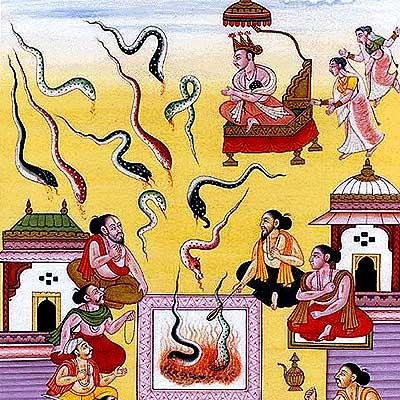
    He had fought countless battles and protected his brothers.

    But Yudhishthira continued walking.

    Bhima asked why he had fallen.

    Yudhishthira explained that Bhima’s weakness was his pride in his strength and his attachment to food.

    Now only Yudhishthira and the dog remained.

    https://images.openai.com/static-rsc-4/h5mm-QPfzH1CKXY2T_D3w7AyocT3z5KaOpHXKz40ondPg_gwBLB1j32Z8GpawiCIHHmv2ZQbxm7mfK5Z12obPYk6K22QXhW8cqp1aHUOZTS72Wpq4Jux4lk2ILPz236UVw-8i-EheWwah2nKnBZXcDOc7VmXb77Fj-PdzNDX-r921sWfDnDnijKiQc3EYPWZ?purpose=fullsize
    https://images.openai.com/static-rsc-4/ESBL5vvI4ErSecEe92d7bbFe4lG1O6V6BWuXHwva1KjXue-t8pj0jRYRebkA3yvPhv-CAjxvt5S7nUsI8DHUEWrbvGOGSoZl_t4yHIL6PzkjVGW5KY2lkxpRYlXnG1axgKSydNQkG7vG9Zbv9WH0R7EP44GaIbFF4zCg5w-Dx0ufh-hZiN0gkpQqAaqASV47?purpose=fullsize
    https://images.openai.com/static-rsc-4/dERh5g_ZL2ERN-3Exf1NuhBCFiDBl0R0tTzcRZ0SA533f4QSFdpU6sJ8piXa-ogEDvECJEJh6G7LB7XjAXdelofIjpXHKznacTIunUkYjiU7g5wWQ8TMzph0H438lPmLjXB6HzRp9qI5PgasbfYgH9C6vr1qKWR1zkESVEZ9WMf2dx1MW7zsQIKA7sYYEl_R?purpose=fullsize

    The Final Journey

    Yudhishthira continued toward the mountains.

    He had lost all his brothers and Draupadi.

    But he refused to abandon the dog that had followed him faithfully.

    Soon, Yudhishthira would face his final test.

    The story continues in Maha Bharatham Part 27 – Yudhishthira’s Final Test and the Journey to Heaven.


    Frequently Asked Questions

    What is Mahaprasthanam?

    Mahaprasthanam means the Great Journey. It refers to the Pandavas leaving their kingdom and traveling toward the Himalayas.

    Who became king after the Pandavas?

    Parikshit, the son of Abhimanyu and Uttara, became the ruler of Hastinapura.

    Who went on the final journey?

    Yudhishthira, Bhima, Arjuna, Nakula, Sahadeva and Draupadi began the journey. A dog also followed them.

    Who was the first to fall?

    Draupadi was the first to fall during the final journey.

    Who remained at the end?

    Yudhishthira and the dog continued the journey after the others fell

  • MAHA BHARATHAM – PART 25

    MAHA BHARATHAM – PART 25

    Yudhishthira Becomes King – The Pandavas After the War

    The Kurukshetra War was finally over.

    The Kaurava army had been destroyed.

    Duryodhana had fallen.

    Karna, Drona and Bhishma were gone.

    The Pandavas had won the kingdom they had fought for—but their hearts were filled with sorrow.

    They had lost brothers, teachers, relatives, friends and countless soldiers.

    Now Yudhishthira had to become king.

    But he was not happy about the throne.

    https://images.openai.com/static-rsc-4/P7mHctFzireYvArBkHEGwiH2FgoNIkG8g9Zphz37t2nRj7KZRJd7_HX2DQJWpvBUtse0loWcOGVpTYdzgmQAocR7J9ylgGzWzcJlGh-mDzeRZ8rgl-mAipefWGhrFGt4wOXWhF8mvI3vHVvaN_wq832R-CxaOvwzRrw6MbW9z7c6DorMDz7e6OAxAN7cYOvt?purpose=fullsize
    https://images.openai.com/static-rsc-4/hTSnI_xTItguZ2ECu3u5UKCHmoSQLaTBEEw9rNdxmSMxxyzMiag36j6J6PAZXrAGQdEcVPRDkaONEIsbMEy-54dAhn-O0Nd0ikm1w8Vxr2uq0jhA1w6QzqmuucxwHYTnEVa_iS_GhDLxrzO_qgTCweujK4K9znz1C0o7eWQU0jM9u_OdraWAngS71Nmho1zP?purpose=fullsize
    https://images.openai.com/static-rsc-4/Bu137Gui284FkhHUwNssc4xfIaA6dj0S8j1DV_lLyX8-m8sASHS2R-1C7dpImDriqcZ-eoVKvw2H0VUHsIftwjAAmfGYuvlha1Iv9Lub07zLRr0igV9QS_8uz9BqZFMY4eK5N9WP32iCQgvJoLMwUP9C-GfLHxn1qwijxn_zo2xwvgmiHNyLimH-_muXUzWY?purpose=fullsize

    1. Yudhishthira Feels Guilty

    Yudhishthira was deeply troubled by the destruction caused by the war.

    He wondered whether a kingdom was worth so many deaths.

    Almost every family in the kingdom had lost someone.

    Yudhishthira felt responsible for the suffering.

    He even considered giving up the throne.

    https://images.openai.com/static-rsc-4/qZ15BCD6vd2rhuBZWCCx_JZxipERRXYpUZ2DsUZ7NKP0PVGD5cJEa43LLKOxrKzUzKXC0L6RovdKOB5NsJDyCy51xkZ_cRoOJYsHgzUDFd8S2dKE6RBJslABgP6AreHqSQvaLjfUZCXo0GforfICA-No4mOCcRvs193Gp0pTSCr5uk38ZjGdEfTC_6cIzCQE?purpose=fullsize
    https://images.openai.com/static-rsc-4/PfBwgh7RK9ha5JtnsYDbF-nMC5WLAtHzPo2caPXIuiNketwGstmJTKT4bML-baxSypWlKbGbcAswW04wLrZHo6TnCslhs9hKklvjjbah8wVDcUxJOZKvZt98r6Rml1BC7jt26tva0ZA10Wr5Yhsjfu-7P0rPfUkNF49JgdynT7qNbfJ5miTyThNON7fbwBcZ?purpose=fullsize

    2. Krishna Encourages Yudhishthira

    Krishna understood Yudhishthira’s state of mind.

    He reminded him that the war had been fought after many attempts at peace had failed.

    The Pandavas now had a responsibility toward the people who had survived.

    Yudhishthira could not abandon the kingdom.

    He needed to rule wisely and restore peace.

    https://images.openai.com/static-rsc-4/KqYRPeErVxCoMSgjJJTk0HbPUVJaSs66uz7sZNotIHtFD2wl3t2PWvLW1VPFmNOxB3yZxFQyQ_qkV1dJ7n5h5v0iFuREGPoQ6M_xQjsdxSLB_bWoAoGa_6mSSkfP-rPl3HTeVlhxwMhn9eCLARhQl69cRKHtaGDNFRJoN0n6E6dm4kB5wPAM9zYs65WIwePD?purpose=fullsize
    https://images.openai.com/static-rsc-4/xzy2vDahvtgBRKcBbMkrPR8yu7dlwsOj9NYppneT8tDtO9lTiIaVGYr53_h70xumgbkgti9WZw4PLGrj27mSedKvDAKeubKppkchN0wJHgyoP99cZ0JuKU4Tea8HGuUMLPDwN2Cb0g5hQr7ZYsAkmrhw2Sqiv6VYbnlJ0_uMF_L031qm-aC_9G1Fv8BewVrL?purpose=fullsize
    https://images.openai.com/static-rsc-4/5PWpXAdau4nWPYgOCQqWNLoajIviAXQ0NRxmsGEwhwBqrjxFvB_WkxJjzj-7z87JGdSrgkVDRa-sb8HkxkjyOcm1K9cwWePpixP8_aBMqKCA5XB6P6rSEFnI06hLU8kESegINv7bboZJpbbaclVMNA6cgS2JAAuSICvJV-S-0lcDb0HHUGXh-RM4Cexb998-?purpose=fullsize

    3. The Pandavas Return to Hastinapura

    The Pandavas returned to Hastinapura.

    The city had suffered greatly because of the war.

    The people welcomed the Pandavas, but there was also sadness everywhere.

    Yudhishthira understood that his first responsibility was to rebuild the kingdom.

    https://images.openai.com/static-rsc-4/Bu137Gui284FkhHUwNssc4xfIaA6dj0S8j1DV_lLyX8-m8sASHS2R-1C7dpImDriqcZ-eoVKvw2H0VUHsIftwjAAmfGYuvlha1Iv9Lub07zLRr0igV9QS_8uz9BqZFMY4eK5N9WP32iCQgvJoLMwUP9C-GfLHxn1qwijxn_zo2xwvgmiHNyLimH-_muXUzWY?purpose=fullsize
    https://images.openai.com/static-rsc-4/B9r0X5w1Hc-bxwlol4gh9yUYCgVPiLCxyX4WQ4Rx5esLvj1MBHwx3dlaz3YT_HT6ls94MJf0imqEst2o8lBsWYT0ms_ZHuTHXb1yXMFexrpFEwPh6LjnLGSu8P29_KP51v22L0rcPShzAj4joKL611sCKJzOFnKbVL3I3YnceJQrG6CaB4Zo_O9wHkj05ADH?purpose=fullsize
    https://images.openai.com/static-rsc-4/xxfeYkwwAAm1_f3je9O_8TOu1nAmNRyeV2HCqvKCfUJF1UwLyy9pCdJ8_sam8-BYlW9WcArjwRfWRkld8GMKTd5QeWqay1yQipLmqyqZ1HJyS9znF1PTqs6nBEIFCrCxrtYRoADOkFQ-ExpuWkkd-pMsS_zhqgfqKxfSTFcYcTvdQ3NwXC7-dFal3s3f-XjX?purpose=fullsize

    4. Yudhishthira Is Crowned King

    Yudhishthira was crowned king of Hastinapura.

    The ceremony marked the beginning of a new period.

    His brothers stood beside him.

    Krishna was also present.

    Yudhishthira promised to rule with justice and protect his people.

    https://images.openai.com/static-rsc-4/Fv7FdPfHixS455Ayh-YAqAcUPYcYpcASio9RJ1frDXZRab86AjYizUjbFyeWt5cr4Tka4iri1x_2tWAY3WXGYLsl3g8Qnj0AL-wPjolHq1bcNfYl7xpu0fIOGVOvqFIOE3bvuZgJmYagQlYH5DpWyd-qWbOFZ6cWw8HhLxSrjH5u5CYJK27s2YQNRMmUgwiI?purpose=fullsize
    https://images.openai.com/static-rsc-4/hTSnI_xTItguZ2ECu3u5UKCHmoSQLaTBEEw9rNdxmSMxxyzMiag36j6J6PAZXrAGQdEcVPRDkaONEIsbMEy-54dAhn-O0Nd0ikm1w8Vxr2uq0jhA1w6QzqmuucxwHYTnEVa_iS_GhDLxrzO_qgTCweujK4K9znz1C0o7eWQU0jM9u_OdraWAngS71Nmho1zP?purpose=fullsize
    https://images.openai.com/static-rsc-4/P7mHctFzireYvArBkHEGwiH2FgoNIkG8g9Zphz37t2nRj7KZRJd7_HX2DQJWpvBUtse0loWcOGVpTYdzgmQAocR7J9ylgGzWzcJlGh-mDzeRZ8rgl-mAipefWGhrFGt4wOXWhF8mvI3vHVvaN_wq832R-CxaOvwzRrw6MbW9z7c6DorMDz7e6OAxAN7cYOvt?purpose=fullsize

    5. Dhritarashtra and Gandhari

    The Pandavas continued to respect Dhritarashtra and Gandhari.

    Although their sons had fought against the Pandavas, Dhritarashtra and Gandhari had suffered enormous personal loss.

    Yudhishthira treated them with respect.

    The Pandavas understood that the war had brought sorrow to both sides.

    https://images.openai.com/static-rsc-4/xxfeYkwwAAm1_f3je9O_8TOu1nAmNRyeV2HCqvKCfUJF1UwLyy9pCdJ8_sam8-BYlW9WcArjwRfWRkld8GMKTd5QeWqay1yQipLmqyqZ1HJyS9znF1PTqs6nBEIFCrCxrtYRoADOkFQ-ExpuWkkd-pMsS_zhqgfqKxfSTFcYcTvdQ3NwXC7-dFal3s3f-XjX?purpose=fullsize
    https://images.openai.com/static-rsc-4/xB-AxfMsSLld8ClkXt_rTrD7V6We2TNk0jVNY-oDtDO9HwVKVRuTDlcT_aLsgj1LZ0hWvIi7vBq_guqjwsYboSYIcTEKUlAdKu0VoMPF7kBaP8kGjzn0Zp4EFOnT-Lb1FQC3V4fcIKu-3mW_NfiN_SXs2OXZOuzwYSXM2rLikICmmp4Jctrs3pjcGWAOOyMk?purpose=fullsize
    https://images.openai.com/static-rsc-4/Dmb3avI84hXM2RB7nRULNbunbNc5_0HrtVIyhw-xdJl6jh6Cmt2XG_HGpIoFDaSfYHNs5tNGh-TSy_zJxlngc3eC3oySJlfs6BfXTIv_ozwGx-2VTIdlywFGFrT5la7tAqB7OB-8qiMq_EYyfkInjPie-mifnKMh4AjOAKPguFlrmNMBiXHa45bElHBxVMC8?purpose=fullsize

    6. Kunti Reveals Another Truth

    Kunti had been carrying a painful secret.

    She finally revealed more openly that Karna was her firstborn son.

    The Pandavas were devastated by this truth.

    Yudhishthira especially felt great sorrow.

    The man they had fought as an enemy had actually been their elder brother.

    The revelation made the consequences of the war even more painful.

    https://images.openai.com/static-rsc-4/mFbWwm7NwFtrMyfrefy7C5kRaKExbfw-OcCJZq0jtdYCxpwzCZgFtXBDkkJRuMW3izyBO5PvdnpuCatP8IbFOQeaqcwSoXU0mpM9A-z4aXACX7HBLm4DTKx3Rg50Wu_O3OUuJj4oJV1fRioiqcy6zhZ9WonMSKpqkmdSNbj43yrndtPRICmRM1SVKNOlr-np?purpose=fullsize
    https://images.openai.com/static-rsc-4/g9xr4IaQnjWECmzDGlhdzaoY4H6m0XUxJEaV4Q3TFjpFsY5r82uEAmim8jdxXagX50JRGf_D1MHxxHFx1pBM41jVEQV__ZldXMQs6BElY6ge55_9LNqFGFZkhgFwHD-J-sxOpYKDwcbIOB-B3Z-ty3-_kZCNIXTfVFIH6ja9hc8ODuOwIP2I2Y6QMO7l9gi1?purpose=fullsize
    https://images.openai.com/static-rsc-4/oQqteOmSyVfDkCWojfW9ietqQzLuVRxC3QBu5J4mI9HuxkbdFdQlFheNAHbYt2qlHCN5MMqEcY6zRY4JUk20I3CZdMRaxglwQMXKkpYgPaFYmVe6u0ZiKxoQc4i_LIwtdQ1ASpZBkGSpXz0cbOfXXkcltAe_e0PiRYtRrVosO9JuPr01U_WbTK87kT8gMOLL?purpose=fullsize

    7. Yudhishthira Seeks Guidance From Bhishma

    Although Bhishma had fallen on the tenth day of the war, he was still alive on his bed of arrows.

    Yudhishthira went to Bhishma to seek advice.

    Bhishma explained the responsibilities of a king.

    He taught Yudhishthira about:

    • Dharma
    • Justice
    • Leadership
    • Duty
    • Protection of citizens
    • The responsibilities of a ruler

    These teachings became an important part of Yudhishthira’s understanding of kingship.

    https://images.openai.com/static-rsc-4/mkJaJZubgDdOq4dlAC4tsnZiyGr6_Ox0c-KE74YD2NYyzKhkBwBaTohd1H6tR6Nzz3OuQdF3FLhdYNQqps08XLxsH5FGvFD_x_0S-qJoxgPT_-9JX2j2OJOxasOLqu-J2TyHJsFBVP6GyZhWGMWcS3NkHs4W93Fu3-8bOxzYL_Kh2q3txX3hJjfzcAkZ6_Np?purpose=fullsize
    https://images.openai.com/static-rsc-4/bTrLvL6915ZzV8k3EejTJBAoEohaksmKnDzVhI4A2FbbSrkop35T9m1h1xOt9wRpt91zZBNvuy9iaRV6tKC0-lCMdPMqft9IrL8jwIxF2RLr-dZkThAzzjTBbeubQzsRT-uhTU5HhjsYLp5SHmOTc8eAynnThZgWa8erDiVXURek4eUL2v-czwH82JrEJMMw?purpose=fullsize
    https://images.openai.com/static-rsc-4/QOtKBgI8d-xUI7N-mO-9k2DP5PlHfQrCXaZDys21b7paIgw4JRpvpReCahRajJgs2gNBjaVVAG2PRF4hBUzDRfSHIelgixm74PoA6kU5T3GcKFT1WBX416N8rkBUvjoTh3ekGu4HYYL5zUil9ow6QD2YEBySo1b27O4N-RveIKHAy9Ypmh1h_-fLQG0iW8rX?purpose=fullsize

    8. Bhishma Explains the Duties of a King

    Bhishma told Yudhishthira that a king should not rule for personal pleasure.

    A ruler’s primary responsibility is the welfare of the people.

    Justice must be protected.

    The weak must be supported.

    The kingdom must be governed according to dharma.

    Yudhishthira listened carefully to every teaching.

    https://images.openai.com/static-rsc-4/iyq_s2-2EVdjb3UVn64Z5-pmdB4jWRquMcLoLOvDeAXU8EFWMNg4cDniEF5AKpoOYe0SoRJzRBYaJDDG3SlH5wqvDEthWm1ZN92PM74vpPmmWOCdGL4pkkWVQRr0_-jjetjnpG-GSAT7m96wF2fPqXVAduRxq5qPD9vfVs8s6u39V6RT0AguWc2cm8wMHK5-?purpose=fullsize
    https://images.openai.com/static-rsc-4/QOtKBgI8d-xUI7N-mO-9k2DP5PlHfQrCXaZDys21b7paIgw4JRpvpReCahRajJgs2gNBjaVVAG2PRF4hBUzDRfSHIelgixm74PoA6kU5T3GcKFT1WBX416N8rkBUvjoTh3ekGu4HYYL5zUil9ow6QD2YEBySo1b27O4N-RveIKHAy9Ypmh1h_-fLQG0iW8rX?purpose=fullsize
    https://images.openai.com/static-rsc-4/kVwnARmsgtjwDBQgZba2_cv465cOWOs4YRauFlO-9-sE2VU9pVXROZ3ykSPDMdS6QI43t1gSp9DDoLHqQDgE2vLrbKP38pnWHtwacOltVogl3y1BksRbX-rhJGpgSHffhzH41Be6rNq8n7KM7TXPEoRM9fiacEqDQ-z6t-eNlzEZCzMopvObvPwffKX0SqVs?purpose=fullsize

    9. Bhishma’s Final Days

    Bhishma continued to remain on his bed of arrows.

    He was waiting for the appropriate time to leave his body.

    He continued giving guidance to Yudhishthira.

    The Pandavas visited him with great respect.

    Eventually, Bhishma decided that the time had come.

    https://images.openai.com/static-rsc-4/Hb-HXnrhcNnj-KiyuBm18EFyl010ZTH2kSa0ABeT__liv0zCvaO5YN5ggDToi8qcO33PMy2cwQ7PU362SsG_CCL7U0UEhuUTZGajqA92l9Q_n758DVoHwFjty1WRhc5BTjiBvE9stGmSOXs8GH0K4cKJnaZaD1McgS9nu6riXXe06z773TnBH5PA-IUS_mTp?purpose=fullsize
    https://images.openai.com/static-rsc-4/c_Jur4IGrMlMRfmBcRPhPNdDiqLOeNbsM6GTk1b3bAH55DBkVNU-mVpq0nj0-2g6y12qSSS_HZMQMqE2YV_8o0DAMcWmsGWJAV7oNX7jdds6nC-goaG8i5-gWv3tWbPSbDk5p2vRxwSp3F2Pygqz3oAdJ-Aha9rQMxQJR48F5N-9qk4EaBKy85OdIdRU9PSY?purpose=fullsize
    https://images.openai.com/static-rsc-4/46dIFk27vjAJRn5MPnJsWYps2rT7mtPelt9DBRgIrR1muNGO-3PxMg9YdlLCM1HMZDvB9oQ_L1b4F1cIg0Xxil3Di07M-b2hlRya8lixwjwke2gzYJQtHYmGXRGCQK5WbfUvjnKtswejb78tJFEw4ArUHuVRTJtqEMsI-xvnTUXT95WINvHqK-kp_GYU8ScW?purpose=fullsize

    10. Bhishma Leaves the World

    Bhishma finally gave up his life.

    The Pandavas mourned the death of the great elder.

    He had fought against them during the war, but they never stopped respecting him.

    Bhishma’s death marked the end of an important connection to the older generation of the Kuru dynasty.

    https://images.openai.com/static-rsc-4/Abpn-iQxmzW8iCpai2GVgDuxbvtAmRclaeYzteOKo89YIlL1zY4ENDb2J2QgsBNJUqCqC-Z6GhJvY1Nrg-C6G4wN0NELH6S_4ploOQw5wGTp1cDt07bBKydEwoUeYQFKB9cqUT6xBh5tGxZEHlHBPXvttcli-3TWyIypSKXhoSJgtEZwCSiiAVqPlHBHjHkf?purpose=fullsize
    https://images.openai.com/static-rsc-4/7fx9fqiGdJqol2U9xSHcvnp_cDNr0o-CXD0u1-ywhig-L37gfw6OS_JGrCj_03CCUlIbOrwjSTNImBrvGzx4espAOsK7PqOxVS6BTXcieSvL36syakZFV-ChKhw6OGp1mwQJnaZbI-bJ9o9bhL29fcXHIBfrNRslzwH4kYPbMYdaReafK85cpju1EeohGuW6?purpose=fullsize
    https://images.openai.com/static-rsc-4/Hb-HXnrhcNnj-KiyuBm18EFyl010ZTH2kSa0ABeT__liv0zCvaO5YN5ggDToi8qcO33PMy2cwQ7PU362SsG_CCL7U0UEhuUTZGajqA92l9Q_n758DVoHwFjty1WRhc5BTjiBvE9stGmSOXs8GH0K4cKJnaZaD1McgS9nu6riXXe06z773TnBH5PA-IUS_mTp?purpose=fullsize

    5


    11. Yudhishthira Begins His Rule

    Yudhishthira devoted himself to rebuilding the kingdom.

    The war had destroyed homes, families and resources.

    The new king had to restore order.

    His goal was to create a kingdom based on justice and dharma.

    The Pandavas supported him in governing the kingdom.

    https://images.openai.com/static-rsc-4/-D2FJmP2IZXMGB8NPMOhdu5BqYwPOZWJujsebnmqoj9nbubm_jl97O0BN3R2EDo0XZkksgJwGWFwZ3LxrJxN3khHVOGHsupLkriYth_f96JaF_ZZbLv0aZSQG28SMjBwOt5cXUAoGTXcPkbfkBSYLccp1Xr4HDwczegLeieSXYvz3hi5efI0WGkaLtfi6z49?purpose=fullsize
    https://images.openai.com/static-rsc-4/qX0IL4BRy6FQNbCmat6xrH_ikcLCqtBKqjS9Y0K6uOB3fzF22iR4jJcaIFJiQpSIEnfTnck4qnExiBgvV0d8Vfc-UoBsYV38BS7a2lWzbeqQ71Osf6jr4kmI1PZqWEf0MzDfFaVGxfQjuca0JCyuu-HFd3vwrPXA4qu4_aFGkgCQ3NdeNNk4-Nh3r_faAFi0?purpose=fullsize
    https://images.openai.com/static-rsc-4/P7mHctFzireYvArBkHEGwiH2FgoNIkG8g9Zphz37t2nRj7KZRJd7_HX2DQJWpvBUtse0loWcOGVpTYdzgmQAocR7J9ylgGzWzcJlGh-mDzeRZ8rgl-mAipefWGhrFGt4wOXWhF8mvI3vHVvaN_wq832R-CxaOvwzRrw6MbW9z7c6DorMDz7e6OAxAN7cYOvt?purpose=fullsize

    12. Ashwatthama’s Attack Leaves Another Wound

    Even after the war, the memory of Ashwatthama’s night attack remained painful.

    Draupadi had lost her five sons.

    The Pandavas had lost many loved ones.

    The war had taught them a painful lesson:

    Victory does not always bring happiness.

    Yudhishthira understood that true leadership meant protecting future generations from such destruction.

    https://images.openai.com/static-rsc-4/tjWj7BLaE7X47HfijExffx0XYGU3XTY_9Jz3vdzcrWEd7yTDlUFomNvRLMZY685_LnHWfOlGsc2K3TKmMoZM11at1427iSqdH1Qvb5GcDqFpIS_Nk4KoIMMMib4YPddSziAUQqC6ShubvbpXIp7HUheG6LDWfn9CfYieQoYUMm0oPFTdqOwl69q6-Q9VPE0C?purpose=fullsize
    https://images.openai.com/static-rsc-4/FSAtzoRLtWDBslxW_dNpIY0RrAnoBSiWAfd9HNs7DfspSZ3U3sf-nWWul1pQI2GVVbirna8Nm0mNo1mFU4crQirsEaCjdol8JZRssB1iQMkLlhovVhSRm_v1mwWp4rlgRGbuq-HTeckI8RcQ2ADnSiIEy-aIugKqlItpRd94WEhieM8iQSzUGiPr_hqiMv1o?purpose=fullsize

    13. Parikshit Becomes Important for the Future

    Uttara’s unborn child, Parikshit, had survived because of Krishna’s protection.

    He would become important to the future of the Kuru dynasty.

    The Pandavas saw in him a continuation of their family.

    His survival gave hope after the destruction caused by the war.

    https://images.openai.com/static-rsc-4/yx0SR717sJGfaPEzF7hdXXDiyIV0V7jYcoqwMywD9jv7JYDX2TlWp1S0cMbQggOyTBp0fFjceGf__v22XklNSxXtvvI7tSZh-7NrffvfIWOA9omeIdcmxs19-MRaOKaMiEc7Ds3acIx_4dXn-wTPZSYrPq4GfNtFxcRhs8uYsayS8ILWoaeu5aneVspzv2nl?purpose=fullsize
    https://images.openai.com/static-rsc-4/y4oZbth9BbFvin2KRbq1qddrlJKz352FAXg2aBc1f3no_AOmYC4LS42Wwxjb7SONNkgF-d1uaFExLgCLKVVQ5yf7UkkvuxLiTlO0s8ljJPqk1Q9PHcBk88kfvklZca_nNhBo9ZcBr-r2antq0KHJRsfPS7EAGI_V4jhAZm6Ehqj1zcQ_swdmClrjL9AlXswB?purpose=fullsize
    https://images.openai.com/static-rsc-4/geK3PT4piNZ7mUQ6cOYczMvlsMo4SfMxlcQsNui8D4YFYPMP85_rNEshzTodzgVIA9HlSTtMkpM7oZdEisNm9HN9J7NOim4uicrz3BPZhmxKlPdqpN7_z3cFyIBSHd0cZW2ROrdtqXqb69TCq3AuHiBKpGt4i_VowuKbjGY3Pl1N2XvL_F0FHzAO9SVMQVfb?purpose=fullsize

    14. The Pandavas Enter a New Life

    The age of war was over.

    The Pandavas now had different responsibilities.

    They had to rule.

    They had to rebuild.

    They had to protect the people.

    And they had to live with the memories of everything that had happened.

    But another major chapter of their lives was approaching.

    The Pandavas would eventually begin a great journey toward the final stage of their earthly lives.

    The story continues in Maha Bharatham Part 26 – The Pandavas’ Later Years and the Beginning of Their Final Journey.


    Frequently Asked Questions

    Who became king after the Kurukshetra War?

    Yudhishthira became the king of Hastinapura.

    Why was Yudhishthira unhappy about becoming king?

    He was deeply troubled by the enormous destruction and loss of life caused by the war.

    Who taught Yudhishthira about the duties of a king?

    Bhishma gave Yudhishthira extensive teachings about dharma, kingship and governance.

    Who was Parikshit?

    Parikshit was the son of Abhimanyu and Uttara and an important future member of the Kuru dynasty.

    What happened to Bhishma?

    After remaining alive on his bed of arrows for a period of time, Bhishma finally left his body.

  • MAHA BHARATHAM – PART 24

    MAHA BHARATHAM – PART 24

    Ashwatthama’s Revenge – The Night Attack

    Duryodhana had fallen.

    Bhima had defeated him in the final mace duel.

    The Kaurava army was almost completely destroyed.

    The Pandavas believed that the war had finally come to an end.

    But Ashwatthama could not accept the death of his father Drona and the destruction of the Kaurava side.

    His heart was filled with anger and revenge.

    That night, he made a terrible decision.

    https://images.openai.com/static-rsc-4/VBL3XrD4WJLb49mFrIG-O1gn9OndyeOPEnZLGFhGlvsODV-k_ekmjG6luJWqWcqsirI9DtApfwz721jh_uT9tCYJ6Skv3j1w4TpIwlIZPQNi9TufKyRxJMjbDe2cKySk_AN_LO-aK7l-qwJTS__F1FlCGygBcMbl42dDvRiVJ_kMC5wC2BwGx3OsyJnc5Dn9?purpose=fullsize
    https://images.openai.com/static-rsc-4/uwBz3hJye7s_PEn_kLSkJATXE81XjzA6vA7lt_bcE00H2-ZjJ979a-wJXwzfP2pFo4P6TSbgKgA8Br87USGxtR43e9kDcfU_1XngQGDdgHD9vJcHdgWlEvcIZ502G9y_G8U4IRVxHG7eLP71Z4kSmliBNXB7qv9bJD4bt1rtVyOYoOK2ZC-wv0Vw7oQ5sjXD?purpose=fullsize
    https://images.openai.com/static-rsc-4/xgkQq3CZaIAeGgNfsoUoR4yyTfDop2m6Z1XdFu_9MOj19pOIyNI-f09qrxb2U_Lt3sSy3gKXlwyKv9JsHxlwKJh5Kh3Kx0IyW8KebZCX-l38RVSKWLQA8HJNhV26i0JujrW3l_Tm5vk4K7VVD9kJeWXetceQxj6rlkkk7_jfEkNT4McQullrfoWQLMremfRj?purpose=fullsize

    1. Ashwatthama Sees Duryodhana

    Ashwatthama went to see Duryodhana, who was lying wounded after his battle with Bhima.

    Duryodhana was still alive.

    He was devastated by the destruction of his army and the deaths of his brothers and friends.

    Ashwatthama was furious.

    He wanted revenge against the Pandavas and their allies.

    https://images.openai.com/static-rsc-4/W1Pk0oJYkUqfD-uuJIT2-o8mNZD-JbsDx7LfgJyNb4tMECBFxTQNjjkdv8jbyU3E8vs0xCDkEtStkuFM3jsN-FnxtzIlCZz9hV003IzQ0CPyLLtgvk9nb1LSHqq_LGIg4mDwK6H570ypV3zH-UM8ZghSYjQKfMOdIF1-zFJE1FYwCmcJkRsi1mYvUqrI4LgE?purpose=fullsize
    https://images.openai.com/static-rsc-4/VBL3XrD4WJLb49mFrIG-O1gn9OndyeOPEnZLGFhGlvsODV-k_ekmjG6luJWqWcqsirI9DtApfwz721jh_uT9tCYJ6Skv3j1w4TpIwlIZPQNi9TufKyRxJMjbDe2cKySk_AN_LO-aK7l-qwJTS__F1FlCGygBcMbl42dDvRiVJ_kMC5wC2BwGx3OsyJnc5Dn9?purpose=fullsize

    2. Ashwatthama Becomes Commander

    Duryodhana appointed Ashwatthama as the commander of what remained of the Kaurava forces.

    Only a few major warriors were still with him.

    Ashwatthama, Kripacharya and Kritavarma remained.

    Ashwatthama decided that he would not allow the Pandavas to celebrate their victory peacefully.

    https://images.openai.com/static-rsc-4/uwBz3hJye7s_PEn_kLSkJATXE81XjzA6vA7lt_bcE00H2-ZjJ979a-wJXwzfP2pFo4P6TSbgKgA8Br87USGxtR43e9kDcfU_1XngQGDdgHD9vJcHdgWlEvcIZ502G9y_G8U4IRVxHG7eLP71Z4kSmliBNXB7qv9bJD4bt1rtVyOYoOK2ZC-wv0Vw7oQ5sjXD?purpose=fullsize
    https://images.openai.com/static-rsc-4/GcetLNEbTxVZ85yBCLfzlxs1oVHd2eElQRg_MzBFSWzwhfjPwnsK0SCbq79Pv-S46J-DzIL546KnK_eXATcpnfe2GRzQIg6giEWmes7pxSPn8vxTcXo3BgjQGl8QWx0ABxZioZiyUJn2QjAKXliVxoZQ_sr7bI5byAba4IgD8lECUIk30GHdEXIh8wLo3F2f?purpose=fullsize
    https://images.openai.com/static-rsc-4/HPGuLykAuo_mXirKH6EBvscb0Td-QcYI0p_Yr-kPUXKwlPW2pNWIHO_22eqhyREOKJuUVi6bBvJnynocPYJizboLGuxIK-3mJngKIg3BHReX6LYi_6VAK6LqHNlK1qnSzJExJZibwyIxWiNx-tQwPKUsztVrhb5wxWP0lomupoNjsAkfOqprFdenOj_tZzze?purpose=fullsize

    3. Ashwatthama’s Anger

    Ashwatthama remembered his father Drona.

    He believed that Drona had been killed through deception.

    He also remembered the deaths of Karna, Bhishma and the other Kaurava warriors.

    His anger grew stronger.

    He wanted to destroy the Pandava camp while everyone was asleep.

    https://images.openai.com/static-rsc-4/8bSzwvWsOPrZyBRJ0-k96-Y2eceJ6chwq28GjfV7eUjMxNAO1N5VpgzJcnyFjVhaW2Ye5TgPuqMpqwboQZreWBbsYDqguezdWnAe0sE5-3DL6BtjvBTHgRbSO5UFOpldQvX5MOU_b7ouHQP3COAsJSrqJ2BiLFnO6X-f7NYaaOpPBKBB2v8AwP6rqLLfJKtT?purpose=fullsize
    https://images.openai.com/static-rsc-4/wOL_nS_tu-uEhfXwFLd7gmDKjxZ1I_uIHW4OJOrwqGwvN_QwrE74_wCn1MJkwte4YMybrMtW3qVAa46Gyb0u8_dcgZ7Helnl69rogRuTxwStKG1-buMBIEp_cilY3EQIqrI0te5GP3V723rEdhtqFZ7OuT95SgFB7m5tNPGWha2aF_Ywcr2Kt2RgJu-d5uIO?purpose=fullsize
    https://images.openai.com/static-rsc-4/WMQnuGOh9S1i6hoviQ7zpk_9xFo-JjURlwM6MZyDCQuPC6w_5REe7CjP0ZIeGHI80mygwKtqqRxIL9ebyKLLrCdarvjVuffRe-hVY_GnmBWqErjaLpe8edEViAc8v6_Dj2pxtCs-tBq090yxDyxQEPr82_29bMYh4wsZzf0slTq0Bg42qyYlLpLs4_21vmEc?purpose=fullsize

    4. The Owl Gives Him an Idea

    According to the traditional story, Ashwatthama witnessed an owl attacking sleeping crows at night.

    He saw how the owl could attack its enemies while they were unaware.

    Ashwatthama took this as a sign.

    He decided to attack the Pandava camp during the night.

    Kripacharya and Kritavarma accompanied him.

    https://images.openai.com/static-rsc-4/BkCrPipDmrM6DbZXyoxK_7qDhoomE3yb3XxjCa9jSqqbaxi2xTaz4jw1FWpGz5mgIop-Il1t8umurWJ4PASMpGZRA33XGrEq7WQHfG9xdmxsifIaXpyAcmAPoJhTOYfmY-5VHKIHRMOcNEjNK2gB88u9M8CH8ojXgqHa-SO0ZjinzX6My4G6EaT7JUnTDSnw?purpose=fullsize
    https://images.openai.com/static-rsc-4/P1G3pqcfEk5HYJUYM1rsC9ll5C3Y6_AIP5NT_PwNVijQVDl6usEA9Secsgetnr5hmwfEBzrwOR1eG8IBa7Gf_2Hu0FDFasswYW9PWtohaTn3_a5BFZTJpn1GekUzVgFE5k3c5fhZYvt50Fif4feG2WkLKTJ66TbD6waAkbtw6ThtrdGNJA_yDGcxAQQgbRG7?purpose=fullsize
    https://images.openai.com/static-rsc-4/uwBz3hJye7s_PEn_kLSkJATXE81XjzA6vA7lt_bcE00H2-ZjJ979a-wJXwzfP2pFo4P6TSbgKgA8Br87USGxtR43e9kDcfU_1XngQGDdgHD9vJcHdgWlEvcIZ502G9y_G8U4IRVxHG7eLP71Z4kSmliBNXB7qv9bJD4bt1rtVyOYoOK2ZC-wv0Vw7oQ5sjXD?purpose=fullsize

    5. The Night Attack Begins

    Ashwatthama entered the Pandava camp during the night.

    The warriors were sleeping after the long and exhausting war.

    The camp was not expecting another attack.

    Ashwatthama began his terrible assault.

    The peaceful night quickly turned into chaos.

    https://images.openai.com/static-rsc-4/VBL3XrD4WJLb49mFrIG-O1gn9OndyeOPEnZLGFhGlvsODV-k_ekmjG6luJWqWcqsirI9DtApfwz721jh_uT9tCYJ6Skv3j1w4TpIwlIZPQNi9TufKyRxJMjbDe2cKySk_AN_LO-aK7l-qwJTS__F1FlCGygBcMbl42dDvRiVJ_kMC5wC2BwGx3OsyJnc5Dn9?purpose=fullsize
    https://images.openai.com/static-rsc-4/zmq-vnSrKt2jKe-oU8dm7Bu_D7y-OMR-8HPeoX3mEcL_Q_VqD27sAydA8BQqAgaaR0sfG0CFbzCZQiRUnRipXDOny2ECvWZMFiZczZTTZrRCgRSsFZ86wo8CVV_RXOMxqA0G2lsQjn3fZZFSqJLTy96CGTSS7Kkxbs8OK9EBFrH4i00u4awcRjqnKE2w_rxT?purpose=fullsize
    https://images.openai.com/static-rsc-4/w1aPQoGe0EM_K5z-GSsy-MlHabZMGniY5kcQyjNJpFyCFLBOOFf0X2MaEA-SGHM_NmGrfNXXYr1OZOlKuDZmrdt_pB6RsDB21uO7NtipQhJnA_QZFBsVnpZbyTlpeWZ4dwbxnbT5PP0FcpMXNO2NB1pQhgm19gCk0bd1ttr1zDibwAppudMOqiDd_XKrTOk4?purpose=fullsize

    6. The Sons of Draupadi

    Among those killed were the five sons of Draupadi, known as the Upapandavas.

    They were young warriors who had fought on the Pandava side.

    Their deaths were a devastating tragedy.

    The Pandavas had won the war, but their victory was followed by another terrible loss.

    https://images.openai.com/static-rsc-4/MhQhmdCqElDixq-sueup9ZZAH6RoG6fQPhGZe-ZKYUfy06a_NBEEFl1bB-_1BMZ8pWkXo8jg6ytkuwahIsp7FCp6DBILTdeM5GGrmRRrnvVSQ7RW5kk3sQbemzUy6twtBhA6pMTWaf4y1MclwrPTQhwSjbMxCQY33KbkdUIXGAr6aIlYYGvH1AJyq2_UuCSG?purpose=fullsize
    https://images.openai.com/static-rsc-4/VBL3XrD4WJLb49mFrIG-O1gn9OndyeOPEnZLGFhGlvsODV-k_ekmjG6luJWqWcqsirI9DtApfwz721jh_uT9tCYJ6Skv3j1w4TpIwlIZPQNi9TufKyRxJMjbDe2cKySk_AN_LO-aK7l-qwJTS__F1FlCGygBcMbl42dDvRiVJ_kMC5wC2BwGx3OsyJnc5Dn9?purpose=fullsize

    7. Drishtadyumna Also Falls

    Ashwatthama also killed Drishtadyumna, the commander of the Pandava army.

    Drishtadyumna had played a major role in the death of Drona.

    Ashwatthama considered him one of the people responsible for his father’s death.

    His revenge was becoming complete.

    https://images.openai.com/static-rsc-4/VBL3XrD4WJLb49mFrIG-O1gn9OndyeOPEnZLGFhGlvsODV-k_ekmjG6luJWqWcqsirI9DtApfwz721jh_uT9tCYJ6Skv3j1w4TpIwlIZPQNi9TufKyRxJMjbDe2cKySk_AN_LO-aK7l-qwJTS__F1FlCGygBcMbl42dDvRiVJ_kMC5wC2BwGx3OsyJnc5Dn9?purpose=fullsize
    https://images.openai.com/static-rsc-4/zmq-vnSrKt2jKe-oU8dm7Bu_D7y-OMR-8HPeoX3mEcL_Q_VqD27sAydA8BQqAgaaR0sfG0CFbzCZQiRUnRipXDOny2ECvWZMFiZczZTTZrRCgRSsFZ86wo8CVV_RXOMxqA0G2lsQjn3fZZFSqJLTy96CGTSS7Kkxbs8OK9EBFrH4i00u4awcRjqnKE2w_rxT?purpose=fullsize
    https://images.openai.com/static-rsc-4/idkI0PgftQ8uePw8xzbQAabxzoBV13zZ_WYZkT4mjBMaR_DklFUlOKu-VDFK4E6i_lrYu1u0RjdWHJy1ZBXP4YxpUaln-UfpH-eyYLt21Zus8nMkOklU0u-LyBcICg95nNOEEDqJ7F9papFIeyz49Deh0EwLWDVzwYyDTG0UTcAdMaVmDav9I_RoFg3UbhCM?purpose=fullsize

    8. Ashwatthama Leaves the Camp

    After the attack, Ashwatthama returned to Duryodhana.

    He told him that the Pandava camp had been destroyed.

    Duryodhana was pleased to hear that revenge had been taken.

    But this would be one of the final moments of his life.

    The great Kurukshetra War had ended in enormous tragedy.

    https://images.openai.com/static-rsc-4/VBL3XrD4WJLb49mFrIG-O1gn9OndyeOPEnZLGFhGlvsODV-k_ekmjG6luJWqWcqsirI9DtApfwz721jh_uT9tCYJ6Skv3j1w4TpIwlIZPQNi9TufKyRxJMjbDe2cKySk_AN_LO-aK7l-qwJTS__F1FlCGygBcMbl42dDvRiVJ_kMC5wC2BwGx3OsyJnc5Dn9?purpose=fullsize
    https://images.openai.com/static-rsc-4/uwBz3hJye7s_PEn_kLSkJATXE81XjzA6vA7lt_bcE00H2-ZjJ979a-wJXwzfP2pFo4P6TSbgKgA8Br87USGxtR43e9kDcfU_1XngQGDdgHD9vJcHdgWlEvcIZ502G9y_G8U4IRVxHG7eLP71Z4kSmliBNXB7qv9bJD4bt1rtVyOYoOK2ZC-wv0Vw7oQ5sjXD?purpose=fullsize
    https://images.openai.com/static-rsc-4/zmq-vnSrKt2jKe-oU8dm7Bu_D7y-OMR-8HPeoX3mEcL_Q_VqD27sAydA8BQqAgaaR0sfG0CFbzCZQiRUnRipXDOny2ECvWZMFiZczZTTZrRCgRSsFZ86wo8CVV_RXOMxqA0G2lsQjn3fZZFSqJLTy96CGTSS7Kkxbs8OK9EBFrH4i00u4awcRjqnKE2w_rxT?purpose=fullsize

    9. The Pandavas Learn the Truth

    The Pandavas were devastated when they learned what had happened.

    Draupadi was heartbroken after learning about the deaths of her sons.

    The victory that had once seemed so important now felt meaningless.

    She demanded justice.

    The Pandavas decided to find Ashwatthama.

    https://images.openai.com/static-rsc-4/tjWj7BLaE7X47HfijExffx0XYGU3XTY_9Jz3vdzcrWEd7yTDlUFomNvRLMZY685_LnHWfOlGsc2K3TKmMoZM11at1427iSqdH1Qvb5GcDqFpIS_Nk4KoIMMMib4YPddSziAUQqC6ShubvbpXIp7HUheG6LDWfn9CfYieQoYUMm0oPFTdqOwl69q6-Q9VPE0C?purpose=fullsize
    https://images.openai.com/static-rsc-4/MhQhmdCqElDixq-sueup9ZZAH6RoG6fQPhGZe-ZKYUfy06a_NBEEFl1bB-_1BMZ8pWkXo8jg6ytkuwahIsp7FCp6DBILTdeM5GGrmRRrnvVSQ7RW5kk3sQbemzUy6twtBhA6pMTWaf4y1MclwrPTQhwSjbMxCQY33KbkdUIXGAr6aIlYYGvH1AJyq2_UuCSG?purpose=fullsize
    https://images.openai.com/static-rsc-4/jlModWXqZjA8on563aXDYJnH2kA5C0vfInmGTlkecxj_LbQSHlGahhqjPcon83jGcLad9B-uzTJwoqsFRYShqyMQfPst5_lLLyy8YA41kp7GBhCXKjcpKTIP34g4kAgr5Xewnf0mmsngbY7M9GB6XGZY10j8SzjzaP5LG_31PqcokFOkrlFD0u31p0KtALUJ?purpose=fullsize

    10. Ashwatthama Flees

    Ashwatthama realized that the Pandavas were coming after him.

    He fled toward the forest.

    Eventually, he reached the place where Vyasa was present.

    The Pandavas followed him.

    Ashwatthama knew that he could not easily defeat them in an ordinary battle.

    So he decided to use a powerful divine weapon.


    11. Ashwatthama Uses the Brahmastra

    Ashwatthama released the Brahmastra, a powerful divine weapon.

    Arjuna responded by releasing a Brahmastra of his own.

    The two weapons threatened terrible destruction.

    Sage Vyasa intervened.

    He ordered both warriors to withdraw their weapons.

    https://images.openai.com/static-rsc-4/0OxGAHKXp7PK6Vp88eLmv50GmD82nTNKDONItScYnBzWpJJrZjYcGN7Abrdeab9jHRRiGFpUPwjpTkQ-RuObAw-oJWxtEKjTyvCWGyTCVQccdvPyv14e6nsDR-FaVbVSCgwIzFNpwXXLajSqEasPPrZT1kpyJ9aksG4YWv-eFcBRQqaAaF-AMyEMNfgRvj2M?purpose=fullsize
    https://images.openai.com/static-rsc-4/wqPNMoWvtfrNv-WQAt2Q0WKDGppozj879JIGb2y3W1gZFz3mDt-_rMZC9zo0YxdABL0QFx8M79zZhq4Jh14q8-X8vzraYH45VxRFmKxtFY0tf0TEujxJtAadG7TVWmCcMq6M4vPST11aqwbzJA2sMmFj66EpvGWMMT5Nh8R4eEv0Y9kdzIy2Q-teULQMadfk?purpose=fullsize
    https://images.openai.com/static-rsc-4/SG1DvHOmYXe7H8hCfh3zF-2xPyUtFpPSA6Fxmhi_7gcQRumNkAnGFSfWLiEOUWHq2l3xdMuQQ6nggDJUkNz-ggl-A_wTNjicOPZOhMUWJMDu_ld6KAXEggi6q9672J56wdteJkikmGcQbQCzZVqRQatWf8GCZPLCW6BAxzVYgVVczwUvJDsHADBVidGKjvb3?purpose=fullsize

    12. Arjuna Withdraws His Weapon

    Arjuna was able to withdraw his Brahmastra.

    Ashwatthama could not.

    Instead, he directed the weapon toward the womb of Uttara, who was carrying the child of Abhimanyu.

    That unborn child was Parikshit.

    https://images.openai.com/static-rsc-4/nncBILXqjDvEM3Rtp80_IBQOC0T3-ed9QvzWp0QY2_vXoUzSS2jGU9KOJXPNdzq0Hct05A19voY0oDC4ju74vs_LMScr7KvsNlxZ8Uxat3PxSR4MrGSpCyn9fJTRuZp9vS5sO5mQTdoq2dpVOZty7e2Fs4ewExxiCAjuLzCzJKDGFtFvzyuVvviaWTlsOaK9?purpose=fullsize
    https://images.openai.com/static-rsc-4/usxOjJ3zZtqwcMRELf6m9ZaIwrlwJ7R2hI-h09_abqn6XBNAOsd3Z1zED3H2hvLMdYts0owalpw7QCGWACwrxAEoEaW2MVGKK57MdQpxnTq-2ZfqXl4XGgmDFZ0u9ksFeH3tG0Mp1Yf90VzBpYfRc3VEYJ1_ax59QrYqg3RaZ9liWdm4AfyH_PYyjpA1SQZP?purpose=fullsize
    https://images.openai.com/static-rsc-4/p2GzgBzhqKTAHeL8632UnbnLxLnGaJc4by-f2Aj-ORqwP9pbPbeGinlIRgRiMkDAJWImOPEoiJhZB-HEH88Fg738aK9BGCfc5Pl9UIYvpTrlS8ijntT7fZbt614kG7nHsCkkMG6NtUMFFSYw5TPsnFFBf2l-MBHc2QuBmHuPDlYFXRrh0qFdxfc2j4aBYm7V?purpose=fullsize

    13. Krishna Protects Parikshit

    Krishna protected the unborn child.

    The weapon could not destroy Parikshit.

    The child survived.

    This was extremely important for the future of the Kuru dynasty.

    Parikshit would later become an important king.

    https://images.openai.com/static-rsc-4/ffm770ZRcDgSWiMX98mb4w1XgaPTRfK0exloI78pvZ1IA9vrV3r-HW1BBKA9wr7zgRqDKGOmv8s-fDALj38BmQ7xz0LIIiZlTSpef-0F0a8aua6sFJR7RYx23YOY5ErF1GIY4LjQY_syxdhybq3hevf5aEgu7VHZXdxLevzMTTbDGcxq6t0FujwMkI_R3lMw?purpose=fullsize
    https://images.openai.com/static-rsc-4/y4oZbth9BbFvin2KRbq1qddrlJKz352FAXg2aBc1f3no_AOmYC4LS42Wwxjb7SONNkgF-d1uaFExLgCLKVVQ5yf7UkkvuxLiTlO0s8ljJPqk1Q9PHcBk88kfvklZca_nNhBo9ZcBr-r2antq0KHJRsfPS7EAGI_V4jhAZm6Ehqj1zcQ_swdmClrjL9AlXswB?purpose=fullsize
    https://images.openai.com/static-rsc-4/kwFWzvBeniaJBF0lImMTSjVOrJkCcgR7YehwJzlv9GfETazf0gPhGPVoiGrGdlSp7zAaIUCRCSTxSKQ_7jfMWyI6SKt81dMsiW9kkM_wbA0lH8NOE3JNSisz8TuzpfmB5IXGwBzhceilRYKMBgBLLb7IdjJtPvx1cifhFycHXsbBVuPXU9rH-0GfLOJESJ22?purpose=fullsize

    14. Ashwatthama Is Punished

    Ashwatthama was punished for his actions.

    The jewel on his forehead, according to the traditional account, was taken from him.

    He was also cursed to wander the earth for a very long time, suffering from the consequences of his actions.

    His revenge had brought him no true victory.

    Instead, it left him with punishment and sorrow.

    https://images.openai.com/static-rsc-4/0YfkD5Lnn-kMmEiM1YMEnG3FlYSbinU9_MmZQATPgeOzX-f1afJE2uaH8yPdEf2MrEx7FH1O_-HovS34ay0rn25T-JHkHSu4Gjis0N3q0-oAp2vFyutdV6ZZjxsfZWZEQ_NBe6JbgXHUY5fryYr7ZtvylzfENRTSYKrBVvzVWLVpEohbKn5DtT6y8BNJGUb4?purpose=fullsize
    https://images.openai.com/static-rsc-4/Zk0e18uvIu-ZibZINSmAk59jT7o7frlKNqyEgKZ3K6BR7EKw7xB_39SjqToi6cnPQNIHQAebegIb0Eiocwr1tQFRpG1CB5sLXaHbD3zQXNbWGfScNwSaqWh0-CKcjtwLefO1qJfYZfUqpp7iHyOMC9gY4bOKZB5Q9-Rc6ZEdROh3LwlB039m82lfEX9bkQr7?purpose=fullsize
    https://images.openai.com/static-rsc-4/nJMtA84PHGL98NV_5ely02llfDQTTevfuH5ujNUsCrx-Ay4ShnYce5VDLobYnHAFyd-u85iVbaon1OHNtrT9W9oqiSu-doxdAULkt39o-zYpNnmls34_iy-JhBnyh4Lhw78p24I18DtSeiz0wjzVImw2pIS2zoHDAC5REryi115FLTl0zEn6xjoprZRcHq_r?purpose=fullsize

    The War Is Truly Over

    The Kurukshetra War had finally come to an end.

    But the Pandavas had lost almost everyone they loved.

    The Kauravas were gone.

    Bhishma was on his arrow bed.

    Drona was dead.

    Karna was dead.

    Abhimanyu was dead.

    Ghatotkacha was dead.

    The sons of Draupadi were dead.

    The Pandavas had won the kingdom, but their hearts were filled with grief.

    The next chapter would not be about war.

    It would be about how Yudhishthira would rule the kingdom after such enormous destruction.

    The story continues in Maha Bharatham Part 25 – Yudhishthira Becomes King and the Pandavas Face the Aftermath of War.


    Frequently Asked Questions

    Who attacked the Pandava camp at night?

    Ashwatthama, accompanied by Kripacharya and Kritavarma.

    Who were the Upapandavas?

    They were the five sons of Draupadi, one son from each of the five Pandavas.

    What weapon did Ashwatthama use against Arjuna?

    Ashwatthama used the Brahmastra.

    Who was Parikshit?

    Parikshit was the unborn son of Abhimanyu and Uttara.

    Who protected Parikshit?

    According to the traditional story, Krishna protected the unborn Parikshit from the Brahmastra.

    What happened to Ashwatthama?

    He was punished and cursed to wander the earth, according to the traditional Mahabharata account

  • MAHA BHARATHAM – PART 23

    MAHA BHARATHAM – PART 23

    Duryodhana’s Final Battle – Bhima vs Duryodhana

    Karna had fallen.

    The Kaurava army had lost one of its greatest warriors.

    Duryodhana was now almost alone.

    The Kurukshetra War had destroyed nearly the entire Kuru army.

    But Duryodhana still refused to surrender.

    The final confrontation between the Pandavas and Duryodhana was approaching.

    https://images.openai.com/static-rsc-4/FgytYADixvGwh_YADFOMRvK8s-Ql7zYGA0mWU47xRji6mGvJMg4Y8sMa7fWEL0o7qchNvRU6LR_tZhUlRN0Q3wPhujBSqxIkafafFfzSZt6vLxFIUoTwADUGiPBdtxbXfkZiUGaQYhPvHROuNcWHyLbeW6bqoaKyBSgPSZ1sYr3v53-GtLWaWDfZU8usGraF?purpose=fullsize
    https://images.openai.com/static-rsc-4/rQDhwH2Oj2CYvJfb8EZhmqzaJ0S7pF5dtP6aHrU5zj3crDF1L9RNWrfD51IPEXjgQRCnCpjRLwUxzVkOu2_5LDj1Qat36r3I362r1usLrhy6vw_TFxJeDf_zH-Bb9WmZDyX2EKsyuoiIKnV45kYM0Oi6jq9IMEPzPrrLnACoPwgeFp_NUD9WB9pKUm-ETRDR?purpose=fullsize
    https://images.openai.com/static-rsc-4/r80VOTzaoPQN_sPshr92Oob37GYoI9l-GxdVcXC1FNs3fDLTTUrJv-oqb04ue1tFniXERhBMwb3xe9ZK5oLu1T1NtNPKnvrCIiN1SlV4uMXjAh93BKPIDdc2G9utnsB5teJO2Z53K0Bka12ScUGrP9BsA70HFoLPqHhkqqiwklZLPkER4ee5uwgUtNpkHvUF?purpose=fullsize

    1. Duryodhana Leaves the Battlefield

    After Karna’s death, Duryodhana realized that his army had almost completely collapsed.

    He left the battlefield and went to a nearby lake.

    Using his powers, he hid beneath the water.

    The Pandavas searched for him.

    They knew that the war could not truly end while Duryodhana remained alive.

    https://images.openai.com/static-rsc-4/6S-vBYfM5Qe2i3AYRDQl-Ia5N3OTtjFS9M-z9WY91ERXaK6mtkqe-SDMY5OMAZpensRABXz0xY3JYfZwj5h8oL6N8mgLFgrUXsiok2nrZLjTdvRoDqF_dOR91I8T4DTHQihBVhvLh4PF_S78yAdKEVJNNvS_uVy2bqTP1xnEo7_EdXojtK-dFSUUOe31VLgi?purpose=fullsize
    https://images.openai.com/static-rsc-4/ixDl5xEH8akJD62-ddUgjNeuHLaM-T9cvllYmiQpSkIN6ZsRc65ayRKmEb1MxLYs5bAFXQk0lB-KQlCSMYmPxPYZdltSHlwzKHBVxSZM2cl5gWk0D0DnYgpDlvzphIc-zh5kb5HinwgNNT8myyqiwmruH36Wig_TGFkPJUOWIQ3BV-d-I4B9hTQnvt03Q8_6?purpose=fullsize

    2. The Pandavas Find Duryodhana

    Eventually, the Pandavas discovered where Duryodhana was hiding.

    They called him out.

    Yudhishthira told Duryodhana that hiding would not save him.

    Duryodhana finally came out of the water.

    He was still proud and confident.

    Even after losing his entire army, he believed he could defeat the Pandavas.


    3. Duryodhana Chooses a Mace Fight

    Duryodhana challenged the Pandavas to choose one warrior to fight him.

    He wanted a mace duel.

    Bhima immediately stepped forward.

    For many years, Bhima and Duryodhana had been enemies.

    Their rivalry had begun during their childhood.

    Now their final confrontation was about to take place.

    https://images.openai.com/static-rsc-4/wrfNPK8FtnaynaZgUwYLdkW8Qibh1yNpgMpblbdaQk3mdqdDWmYpW1wyHCtOr-XLrvj9E2VhkxNnCt3n-qyRZmbNA1XQz4beU-vh4xS0ejFPW5VHjBweFusbYJu9Zwxorp_5oolEqpgaboASX_Z6GNFB1rXK-ULhBEjJiQ1omH7JzyVnZvPlezCBKa4gee80?purpose=fullsize
    https://images.openai.com/static-rsc-4/Z9eornlXz2s4G5fFisnFb8xiwtMwnkplRvVFpVj5yWG3N19glENzaHWvO0TL7t2xnRpdzfVQfbMBOhqVBdVvJlkzat0x-iRQMX4eD2ncGx2FtbQ-I6-e1R1dMa3sDMYPDYCMBa11W2D2mOJ1LfdIBH5tk5GHsyg2Q-iUY4P8ZbV7-1ERQpmPtiUz1YFxdQxS?purpose=fullsize
    https://images.openai.com/static-rsc-4/1LyWJ4w39mZ3zfUVmFaWMfRzwegUM00jn2Tbj90psb2sJxbEeWekSPHiQ2QgKdJg_lQwHsAzC-0KYhCM6xCl5nXSIX5JuiawM9TAOEPVP-Ss_bO10VsI6L-_7wl2TSEMec4i1hAE331pOHSx0RIjx7NQNXVoK_FuGbNbz0DzPQcVHk6LuweFas6XfHcg0UTb?purpose=fullsize

    4. Bhima and Duryodhana Prepare

    Both warriors were experts in fighting with the mace.

    They had trained under Balarama, Krishna’s elder brother.

    Balarama had taught them the techniques of mace fighting.

    Duryodhana was extremely skilled.

    Bhima was enormously powerful.

    The two warriors stood facing each other.

    https://images.openai.com/static-rsc-4/wrfNPK8FtnaynaZgUwYLdkW8Qibh1yNpgMpblbdaQk3mdqdDWmYpW1wyHCtOr-XLrvj9E2VhkxNnCt3n-qyRZmbNA1XQz4beU-vh4xS0ejFPW5VHjBweFusbYJu9Zwxorp_5oolEqpgaboASX_Z6GNFB1rXK-ULhBEjJiQ1omH7JzyVnZvPlezCBKa4gee80?purpose=fullsize
    https://images.openai.com/static-rsc-4/rQDhwH2Oj2CYvJfb8EZhmqzaJ0S7pF5dtP6aHrU5zj3crDF1L9RNWrfD51IPEXjgQRCnCpjRLwUxzVkOu2_5LDj1Qat36r3I362r1usLrhy6vw_TFxJeDf_zH-Bb9WmZDyX2EKsyuoiIKnV45kYM0Oi6jq9IMEPzPrrLnACoPwgeFp_NUD9WB9pKUm-ETRDR?purpose=fullsize
    https://images.openai.com/static-rsc-4/r80VOTzaoPQN_sPshr92Oob37GYoI9l-GxdVcXC1FNs3fDLTTUrJv-oqb04ue1tFniXERhBMwb3xe9ZK5oLu1T1NtNPKnvrCIiN1SlV4uMXjAh93BKPIDdc2G9utnsB5teJO2Z53K0Bka12ScUGrP9BsA70HFoLPqHhkqqiwklZLPkER4ee5uwgUtNpkHvUF?purpose=fullsize

    5. The Mace Duel Begins

    Bhima and Duryodhana attacked each other.

    Their maces struck with tremendous force.

    Each warrior was strong enough to cause serious damage with a single blow.

    The battle continued for a long time.

    Neither warrior could easily defeat the other.

    The Pandavas watched anxiously.

    https://images.openai.com/static-rsc-4/wrfNPK8FtnaynaZgUwYLdkW8Qibh1yNpgMpblbdaQk3mdqdDWmYpW1wyHCtOr-XLrvj9E2VhkxNnCt3n-qyRZmbNA1XQz4beU-vh4xS0ejFPW5VHjBweFusbYJu9Zwxorp_5oolEqpgaboASX_Z6GNFB1rXK-ULhBEjJiQ1omH7JzyVnZvPlezCBKa4gee80?purpose=fullsize
    https://images.openai.com/static-rsc-4/FgytYADixvGwh_YADFOMRvK8s-Ql7zYGA0mWU47xRji6mGvJMg4Y8sMa7fWEL0o7qchNvRU6LR_tZhUlRN0Q3wPhujBSqxIkafafFfzSZt6vLxFIUoTwADUGiPBdtxbXfkZiUGaQYhPvHROuNcWHyLbeW6bqoaKyBSgPSZ1sYr3v53-GtLWaWDfZU8usGraF?purpose=fullsize
    https://images.openai.com/static-rsc-4/r80VOTzaoPQN_sPshr92Oob37GYoI9l-GxdVcXC1FNs3fDLTTUrJv-oqb04ue1tFniXERhBMwb3xe9ZK5oLu1T1NtNPKnvrCIiN1SlV4uMXjAh93BKPIDdc2G9utnsB5teJO2Z53K0Bka12ScUGrP9BsA70HFoLPqHhkqqiwklZLPkER4ee5uwgUtNpkHvUF?purpose=fullsize

    6. Duryodhana Shows His Skill

    Duryodhana’s training under Balarama was evident.

    He moved quickly and defended himself effectively.

    He attacked Bhima repeatedly.

    For a moment, it appeared that Duryodhana might win.

    Bhima became increasingly determined.

    He remembered the humiliation of Draupadi and the many injustices committed against the Pandavas.

    https://images.openai.com/static-rsc-4/FgytYADixvGwh_YADFOMRvK8s-Ql7zYGA0mWU47xRji6mGvJMg4Y8sMa7fWEL0o7qchNvRU6LR_tZhUlRN0Q3wPhujBSqxIkafafFfzSZt6vLxFIUoTwADUGiPBdtxbXfkZiUGaQYhPvHROuNcWHyLbeW6bqoaKyBSgPSZ1sYr3v53-GtLWaWDfZU8usGraF?purpose=fullsize
    https://images.openai.com/static-rsc-4/Z9eornlXz2s4G5fFisnFb8xiwtMwnkplRvVFpVj5yWG3N19glENzaHWvO0TL7t2xnRpdzfVQfbMBOhqVBdVvJlkzat0x-iRQMX4eD2ncGx2FtbQ-I6-e1R1dMa3sDMYPDYCMBa11W2D2mOJ1LfdIBH5tk5GHsyg2Q-iUY4P8ZbV7-1ERQpmPtiUz1YFxdQxS?purpose=fullsize
    https://images.openai.com/static-rsc-4/rQDhwH2Oj2CYvJfb8EZhmqzaJ0S7pF5dtP6aHrU5zj3crDF1L9RNWrfD51IPEXjgQRCnCpjRLwUxzVkOu2_5LDj1Qat36r3I362r1usLrhy6vw_TFxJeDf_zH-Bb9WmZDyX2EKsyuoiIKnV45kYM0Oi6jq9IMEPzPrrLnACoPwgeFp_NUD9WB9pKUm-ETRDR?purpose=fullsize

    7. Bhima Remembers His Vow

    Bhima had made a terrible vow years earlier.

    During the dice hall incident, Duryodhana had insulted Draupadi.

    Bhima had sworn that one day he would defeat Duryodhana.

    That memory remained in his mind.

    During the mace fight, Bhima saw his opportunity.

    https://images.openai.com/static-rsc-4/kv_nR_pWiDaJb-wAiftly--CxhitzTrRpeAynyA063jwp1xgxr85HdQLTQcQLeJP6s9ISUHuNBhdwa6bJUW8ffnZShyzK2A3zRdvQGki970_6cn_SIYRI_9bOXQiqliOe-2CMfb3feDXj4_xueWqKgoYLwVN0KLMJ87i5eaiOwwhg74YoKHdcbQOesIGefiv?purpose=fullsize
    https://images.openai.com/static-rsc-4/1dC7gJTQIj5NsV17sb_ekACwgXIB7--GMcWmLhVRKcen6xyCG964X7tzLftIsp3MNL14AGYlzfKvvVRtI4NxGkrbB8D3WWtLqVDVkzJgzzLxGn9tJaeIAq6diZaFOPvRh_Vr6DMjramHmsRv3oVU0uElAQU_LQ4U9OBuOZPvV-p906XevZpoFsLUhH_DM8gt?purpose=fullsize
    https://images.openai.com/static-rsc-4/aQg8a4Gj6I02KDRhQbIvBmYjp7TSyjSWdsCbHLSmhmjUDWucj4GJzHudxu69iaAbE1lZo-C0Ng3plmMUcj3YdBKhQosVglmK3hfb307U8NebZxGRV-Kaiv7jMhhbzYSeDUzypShlNB49CIYkjYTCmEirAS_mwXhVLBy9nc0QsDWR4ZZqr-TIN_eGK5EECxN5?purpose=fullsize

    8. Krishna Gives a Sign

    The mace duel had rules.

    A warrior was not normally supposed to attack below the waist.

    But Duryodhana was extremely difficult to defeat.

    Krishna knew that Bhima needed an opening.

    Krishna gave Bhima a subtle signal toward Duryodhana’s thigh.

    Bhima understood the message.

    https://images.openai.com/static-rsc-4/wrfNPK8FtnaynaZgUwYLdkW8Qibh1yNpgMpblbdaQk3mdqdDWmYpW1wyHCtOr-XLrvj9E2VhkxNnCt3n-qyRZmbNA1XQz4beU-vh4xS0ejFPW5VHjBweFusbYJu9Zwxorp_5oolEqpgaboASX_Z6GNFB1rXK-ULhBEjJiQ1omH7JzyVnZvPlezCBKa4gee80?purpose=fullsize
    https://images.openai.com/static-rsc-4/r80VOTzaoPQN_sPshr92Oob37GYoI9l-GxdVcXC1FNs3fDLTTUrJv-oqb04ue1tFniXERhBMwb3xe9ZK5oLu1T1NtNPKnvrCIiN1SlV4uMXjAh93BKPIDdc2G9utnsB5teJO2Z53K0Bka12ScUGrP9BsA70HFoLPqHhkqqiwklZLPkER4ee5uwgUtNpkHvUF?purpose=fullsize

    9. Bhima Strikes Duryodhana

    Bhima attacked with tremendous force.

    He struck Duryodhana on the thigh.

    Duryodhana fell to the ground.

    The great mace duel had ended.

    Bhima had fulfilled his long-standing vow.

    But the strike was controversial because it violated the traditional rules of mace combat.

    https://images.openai.com/static-rsc-4/kv_nR_pWiDaJb-wAiftly--CxhitzTrRpeAynyA063jwp1xgxr85HdQLTQcQLeJP6s9ISUHuNBhdwa6bJUW8ffnZShyzK2A3zRdvQGki970_6cn_SIYRI_9bOXQiqliOe-2CMfb3feDXj4_xueWqKgoYLwVN0KLMJ87i5eaiOwwhg74YoKHdcbQOesIGefiv?purpose=fullsize
    https://images.openai.com/static-rsc-4/r80VOTzaoPQN_sPshr92Oob37GYoI9l-GxdVcXC1FNs3fDLTTUrJv-oqb04ue1tFniXERhBMwb3xe9ZK5oLu1T1NtNPKnvrCIiN1SlV4uMXjAh93BKPIDdc2G9utnsB5teJO2Z53K0Bka12ScUGrP9BsA70HFoLPqHhkqqiwklZLPkER4ee5uwgUtNpkHvUF?purpose=fullsize
    https://images.openai.com/static-rsc-4/CR2Sl2yoWlEdtcxNi5duRFRSPiSCSH21bRIsoGvxsekIJVj5xu_W8pFYDKlFJWltQEe7INCBz8JUAI405aJhXpuoXEtFd73q4s8d4vEArJuAeQ1RHao_dFNYgyGEtSu7mYszO8R1rMTvtwdP77bsnwL34p_Klq8Drw-yL_VhX2ZyPLyEFWDCeF2ouH04Uyj8?purpose=fullsize

    10. Balarama Becomes Angry

    Balarama witnessed what had happened.

    He was furious because Bhima had struck Duryodhana below the waist.

    Balarama considered the move unfair.

    He wanted to punish Bhima.

    Krishna intervened and explained the history of Duryodhana’s actions and the circumstances that had led to the war.

    Balarama eventually left.

    https://images.openai.com/static-rsc-4/wrfNPK8FtnaynaZgUwYLdkW8Qibh1yNpgMpblbdaQk3mdqdDWmYpW1wyHCtOr-XLrvj9E2VhkxNnCt3n-qyRZmbNA1XQz4beU-vh4xS0ejFPW5VHjBweFusbYJu9Zwxorp_5oolEqpgaboASX_Z6GNFB1rXK-ULhBEjJiQ1omH7JzyVnZvPlezCBKa4gee80?purpose=fullsize
    https://images.openai.com/static-rsc-4/r80VOTzaoPQN_sPshr92Oob37GYoI9l-GxdVcXC1FNs3fDLTTUrJv-oqb04ue1tFniXERhBMwb3xe9ZK5oLu1T1NtNPKnvrCIiN1SlV4uMXjAh93BKPIDdc2G9utnsB5teJO2Z53K0Bka12ScUGrP9BsA70HFoLPqHhkqqiwklZLPkER4ee5uwgUtNpkHvUF?purpose=fullsize
    https://images.openai.com/static-rsc-4/Z9eornlXz2s4G5fFisnFb8xiwtMwnkplRvVFpVj5yWG3N19glENzaHWvO0TL7t2xnRpdzfVQfbMBOhqVBdVvJlkzat0x-iRQMX4eD2ncGx2FtbQ-I6-e1R1dMa3sDMYPDYCMBa11W2D2mOJ1LfdIBH5tk5GHsyg2Q-iUY4P8ZbV7-1ERQpmPtiUz1YFxdQxS?purpose=fullsize

    11. Duryodhana’s Fall

    Duryodhana lay wounded on the battlefield.

    His kingdom was lost.

    His brothers were dead.

    His greatest warriors were gone.

    Yet he remained proud.

    He believed that he had lived according to his own choices and had achieved greatness as a king.

    His fall marked the practical end of the Kaurava side’s resistance.

    https://images.openai.com/static-rsc-4/BMvaNo6mxNmmpFcy6-llJrOYAF0VdjDPvm-3ziqnXrZPt4rqXwoJhUkmSxYktlv8_YESkZRge-EmKBfaPMFTlmd3uz-Yc04fAJBKasf_8Mz-1yOtyyLbOHYmW1-drL0r-wHVLJxJ3_qvexuBw7Ps3k4vgCLi0XD-8hhlecBbhcdn7_zq7AHaEpST6CU1h6V_?purpose=fullsize
    https://images.openai.com/static-rsc-4/W1Pk0oJYkUqfD-uuJIT2-o8mNZD-JbsDx7LfgJyNb4tMECBFxTQNjjkdv8jbyU3E8vs0xCDkEtStkuFM3jsN-FnxtzIlCZz9hV003IzQ0CPyLLtgvk9nb1LSHqq_LGIg4mDwK6H570ypV3zH-UM8ZghSYjQKfMOdIF1-zFJE1FYwCmcJkRsi1mYvUqrI4LgE?purpose=fullsize
    https://images.openai.com/static-rsc-4/aNJ78loADD0j_mYt_d_41rrqibsRqsh8y1336RiqPVp0UdxmV8LR5n8VHftjNFQuAp1gyByvzp4yeXaInuzh0sIkWOwZ-EebPVLNKUfQ1oWQ4JvY7DFFZ6noiSb0SJkS_cF7YAdL51im4PaI_9AjgyP5OYc-VWoyQkCUeiwaqFhCMyiPkGOIaX8BA90fzXrW?purpose=fullsize

    12. The Pandavas Have Won

    The Pandavas had finally defeated Duryodhana.

    The Kaurava army was destroyed.

    The Pandavas had technically won the war.

    But there was very little happiness.

    Almost everyone they loved had been lost.

    Their victory had come at an enormous cost.

    https://images.openai.com/static-rsc-4/Bu137Gui284FkhHUwNssc4xfIaA6dj0S8j1DV_lLyX8-m8sASHS2R-1C7dpImDriqcZ-eoVKvw2H0VUHsIftwjAAmfGYuvlha1Iv9Lub07zLRr0igV9QS_8uz9BqZFMY4eK5N9WP32iCQgvJoLMwUP9C-GfLHxn1qwijxn_zo2xwvgmiHNyLimH-_muXUzWY?purpose=fullsize
    https://images.openai.com/static-rsc-4/QaedxPtD8JTiqt282BFt9Hciq0G9GSjDJuGIbUkFptKF4kPxGZTIVr33-b5xMkF3t7utstHDf2kxe51SolUPuNNVRNMker-hTPgxuORXz864eN6hhgnl_0Vf8k5fIluavhceZN_xorwUGGry20rvH4R6Al04VCkhKtEiir-bPAiM9VBHHrPVHysfOc5W1CXF?purpose=fullsize
    https://images.openai.com/static-rsc-4/icApxtZnfPYBX0ePYhaO8XOUfi2UM1QBlkrhl1METEyuXl3CU2XkIS7MAZuXTKDw_vp0XIvi6nDSrRO9_x6nACd5mT8w8qJKePwcY8_6VNmL8F3p2U8pmNAAfyqWC3xz1uSBqMAJMJcVq6wex4gfdjzLQLNvwcPBUOMPbjIjaAehruPfP6j5h4R-7sw1Ngs8?purpose=fullsize

    13. The War Seems to Be Over

    The Pandavas believed the war was finally finished.

    They had defeated the Kaurava army.

    Duryodhana was lying wounded.

    The battlefield had become silent.

    But one final tragedy was waiting.

    Three important Kaurava warriors were still alive:

    • Ashwatthama
    • Kripacharya
    • Kritavarma

    Ashwatthama was filled with anger over his father’s death.

    https://images.openai.com/static-rsc-4/VBL3XrD4WJLb49mFrIG-O1gn9OndyeOPEnZLGFhGlvsODV-k_ekmjG6luJWqWcqsirI9DtApfwz721jh_uT9tCYJ6Skv3j1w4TpIwlIZPQNi9TufKyRxJMjbDe2cKySk_AN_LO-aK7l-qwJTS__F1FlCGygBcMbl42dDvRiVJ_kMC5wC2BwGx3OsyJnc5Dn9?purpose=fullsize
    https://images.openai.com/static-rsc-4/zmq-vnSrKt2jKe-oU8dm7Bu_D7y-OMR-8HPeoX3mEcL_Q_VqD27sAydA8BQqAgaaR0sfG0CFbzCZQiRUnRipXDOny2ECvWZMFiZczZTTZrRCgRSsFZ86wo8CVV_RXOMxqA0G2lsQjn3fZZFSqJLTy96CGTSS7Kkxbs8OK9EBFrH4i00u4awcRjqnKE2w_rxT?purpose=fullsize
    https://images.openai.com/static-rsc-4/wqPNMoWvtfrNv-WQAt2Q0WKDGppozj879JIGb2y3W1gZFz3mDt-_rMZC9zo0YxdABL0QFx8M79zZhq4Jh14q8-X8vzraYH45VxRFmKxtFY0tf0TEujxJtAadG7TVWmCcMq6M4vPST11aqwbzJA2sMmFj66EpvGWMMT5Nh8R4eEv0Y9kdzIy2Q-teULQMadfk?purpose=fullsize

    14. Ashwatthama Takes a Terrible Decision

    Ashwatthama saw Duryodhana lying wounded.

    He was devastated by the destruction of the Kaurava army.

    He decided that the Pandavas must pay for everything that had happened.

    That night, Ashwatthama would make a decision that would bring one final tragedy to the war.

    The Kurukshetra battlefield had already witnessed enormous destruction.

    But the war’s darkest night was still ahead.

    The story continues in Maha Bharatham Part 24 – Ashwatthama’s Revenge and the Night Attack.


    Frequently Asked Questions

    Who fought Duryodhana in the final mace duel?

    Bhima fought Duryodhana.

    Who trained Bhima and Duryodhana in mace fighting?

    Balarama, Krishna’s elder brother, trained both warriors.

    How did Bhima defeat Duryodhana?

    Bhima struck Duryodhana on the thigh during the mace duel.

    Why was the strike controversial?

    Traditional mace-fighting rules prohibited attacking below the waist.

    Did the Pandavas feel happy after defeating Duryodhana?

    Their victory was overshadowed by the enormous loss of relatives, teachers, friends and warriors during the war.

    Was the war completely over after Duryodhana fell?

    The main battle was effectively over, but Ashwatthama’s revenge was still to come

  • MAHA BHARATHAM – PART 22

    MAHA BHARATHAM – PART 22

    Karna vs Arjuna – The Greatest Duel of Kurukshetra

    The Kurukshetra War had reached its final stages.

    Bhishma had fallen.
    Drona had fallen.
    Abhimanyu was gone.
    Ghatotkacha had sacrificed himself.
    Jayadratha had been killed.

    Now Karna had become the commander of the Kaurava army.

    For years, Karna and Arjuna had been rivals.

    Both were extraordinary archers.

    Both possessed powerful divine weapons.

    And now, on the battlefield of Kurukshetra, their long-awaited confrontation was finally about to happen.

    https://images.openai.com/static-rsc-4/xpNnbPFsXqYuwjMqc44dARSiLOgbDxaMzlJmc1fm7FoUVoWgYBsxSaOmNQKXdxto7AFK15qS8k-T-HeJaTdUQvwhUpaIdZPlp9dhM-F1Qw0qU0i5FPvEct4QhvyIe1FokZ3oYl9K6wJSLsKlU-MQq81bP6BZzZlRqTufmzOQVSya9crxQJXgnMXCocQNcnv0?purpose=fullsize
    https://images.openai.com/static-rsc-4/PfS9MkwpV2ql5lijdiXn-Ggood-76QLD58yjVuymEQGf2a6x18LWTS9XXVQhkvLZ9YQTAPEDhvvaAGRSZOBxBxEpXVnFJZYANobwykNh6JpFlOMF1FhV3rNgM0Wehx09YlCJI-J-gRV5RslvoofrKT1LMp1bdddXIHkFj-AJmlmR-xhQwwNGfoV0Yv1NFLKz?purpose=fullsize
    https://images.openai.com/static-rsc-4/-fi0JDYSTqUemSMyD2qAAEArAnT6r05Rh8Etbz3GvIfa3N7kKBqgZ7JZ9SlR9Ldz8t5mEMYkuG21mxHDYXrtebxpjcreK6LNmNxs3zhRO1J8jOuFPxQMLkAaHk8zDpSZniN1CefMo1q4taCYBoaYtYYlkIm4ng-dHKvSbaonkRTlN9cTalxR7q17NhtQ2kyu?purpose=fullsize

    1. Karna Prepares for Battle

    Karna entered the battlefield with complete determination.

    He knew that his greatest opponent was Arjuna.

    Duryodhana had placed enormous trust in Karna.

    Karna wanted to repay that friendship by defeating the Pandavas.

    His loyalty to Duryodhana remained strong until the very end.

    https://images.openai.com/static-rsc-4/o0icKzgd0vt6cVB3IZ269E9EPg7dMo7Iusk-TRC-072PV18nvZbinYt14FnWp_woYTl3-9mnyWpJ6dQOzXhndKhmgCv1qmrx7uHP8URZl9eA2g_FEYroRunf9RvdWRuGPU-LZOmO2wv9DkjYpi4dqPXC_ypSvNII17jeYPph4G4ayy2wvWy_ZMCkOvbCRg8i?purpose=fullsize
    https://images.openai.com/static-rsc-4/E5eTS-G7OlioRh4fCdiJVaRODC48ZACOR5bhsqFK2F26Fmyazy7aq3ynbVTRMreJ6iuLZYCqgzn1Epo7cRyIVUF7vVGYbN6jevS8leF5K8QSZP8WTsXd-ItmcqYnl-YQlfrKlcYOnykgx_Kc3eOwasBLtZvBi3YLL_v96MSO5lTCw3j1VP3wPqTXdnPqV1S5?purpose=fullsize
    https://images.openai.com/static-rsc-4/kzQ5dX-KUoaqNNVKagr0cSu4gzxxu_DdT_TLxfMEn-VBcAQlyieShp32LunNG_-VUPuuqJzrrpIFxZV6WFf-MZjsL5QqpTamxL_3GZHRfvPIbd6UvJI93TJ7crHIDrEJN2jAJc5ZYuF3nKY9WP_VHpH9XMoBs3epbJHW4yBZCuoJwWvWJIlBbqjJvXdXgmMP?purpose=fullsize

    2. Shalya Becomes Karna’s Charioteer

    King Shalya became Karna’s charioteer.

    Karna was a powerful warrior, but the battle required a skilled charioteer as well.

    Shalya guided Karna’s chariot across the battlefield.

    Their relationship was complicated, and Shalya did not always encourage Karna.

    Nevertheless, Karna remained focused on his goal.

    He wanted to face Arjuna.

    https://images.openai.com/static-rsc-4/PfS9MkwpV2ql5lijdiXn-Ggood-76QLD58yjVuymEQGf2a6x18LWTS9XXVQhkvLZ9YQTAPEDhvvaAGRSZOBxBxEpXVnFJZYANobwykNh6JpFlOMF1FhV3rNgM0Wehx09YlCJI-J-gRV5RslvoofrKT1LMp1bdddXIHkFj-AJmlmR-xhQwwNGfoV0Yv1NFLKz?purpose=fullsize
    https://images.openai.com/static-rsc-4/aQrSFuC7pSgQL4nIAgX9k8Jk-1TGHRYsToS28LSFISJtJwwcySnMfiTRM3MJiM5yA6ZkWbhO4OxVBJ9dmbVYcX5RQI8hY98RlmPBx90f7H0pFVd68cteS_cLLmzThiwLYGwYh17yWe2wcLqEnqxEj8j1S2y2PXxG1BWN1208AXGzwGXgWv6MHISMnBrGuXrL?purpose=fullsize
    https://images.openai.com/static-rsc-4/I1huuHYjaVNORP9xxf0yqeuiq2TCmMRF-SzYcc2MCifNEEjIyVUIieM3Zh-lEzkMZOCDZw8lLcANtgmMWeo0QV9YGi9wkaJbscNLHbSQptoUFHXYAditnSG4kgDdEg5H8TxX2YCyJP2fU8MuJnyqf-zpHMGeVPygUQ2OjpBtokuhCyxnVCsahqRcN7YhOvq7?purpose=fullsize

    3. Arjuna Faces Karna

    Arjuna entered the battlefield with Krishna beside him.

    When the two chariots came face to face, the atmosphere became intense.

    Karna and Arjuna raised their bows.

    The warriors around them watched carefully.

    Everyone knew that this duel could change the outcome of the war.

    https://images.openai.com/static-rsc-4/eKXuq7g3G49AAH10oxZIKa3sb8_TMucfxierG9VhV-klnfY4XV-BZj_LikrmOAezGzmA_W4CtAyla4f2oOaJ-YY4LjsvWcdu8zxrbMyfz27zXERCRoY5lXD4BueqUTvmntUnxzBTLLoSczDhT_6Rx8dLk5WWLY1cKOJ7XeqADUCYhcfIR223P9jNPuzArnrJ?purpose=fullsize
    https://images.openai.com/static-rsc-4/PfS9MkwpV2ql5lijdiXn-Ggood-76QLD58yjVuymEQGf2a6x18LWTS9XXVQhkvLZ9YQTAPEDhvvaAGRSZOBxBxEpXVnFJZYANobwykNh6JpFlOMF1FhV3rNgM0Wehx09YlCJI-J-gRV5RslvoofrKT1LMp1bdddXIHkFj-AJmlmR-xhQwwNGfoV0Yv1NFLKz?purpose=fullsize
    https://images.openai.com/static-rsc-4/j3U5fsrtpm4UZ6_5uD7KprwbxUI-UAmsAZGzVoY69HPQ1XoV6BGWWncS5fib9hIyNIHknHjgyncbBV6XZN5jwDfC0AxpP8y0xmb3ZFATuHTRO9E4vMbyeL7c8r3YBxNwzSsGDQ2smy1Vlt412uoDux0uKPrW2GafOoWPIrz_tiv5bsD-QkdY2GGzth1i9JYg?purpose=fullsize

    4. The Duel Begins

    Karna and Arjuna began firing arrows at each other.

    Their weapons moved across the battlefield with incredible speed.

    Each warrior countered the other’s attacks.

    Their skill was almost equal.

    The battle between them became one of the greatest contests of archery in the Mahabharata.

    https://images.openai.com/static-rsc-4/xpNnbPFsXqYuwjMqc44dARSiLOgbDxaMzlJmc1fm7FoUVoWgYBsxSaOmNQKXdxto7AFK15qS8k-T-HeJaTdUQvwhUpaIdZPlp9dhM-F1Qw0qU0i5FPvEct4QhvyIe1FokZ3oYl9K6wJSLsKlU-MQq81bP6BZzZlRqTufmzOQVSya9crxQJXgnMXCocQNcnv0?purpose=fullsize
    https://images.openai.com/static-rsc-4/PfS9MkwpV2ql5lijdiXn-Ggood-76QLD58yjVuymEQGf2a6x18LWTS9XXVQhkvLZ9YQTAPEDhvvaAGRSZOBxBxEpXVnFJZYANobwykNh6JpFlOMF1FhV3rNgM0Wehx09YlCJI-J-gRV5RslvoofrKT1LMp1bdddXIHkFj-AJmlmR-xhQwwNGfoV0Yv1NFLKz?purpose=fullsize
    https://images.openai.com/static-rsc-4/nIH4-ku5wgh_PxFamU3M7mqXBOt48zxiN1_oo52MnPcs_KV9K1sH3UESDne7XVEqoUVvXsNpI0UVwyNjEyQ_IWfAX40Lg8wMGfahQAAbuKvx0JEAV5-QQiCn738VXwDWE9hA_ZF5yzxjmFh35wT_i2Jn10Sdxd42tI2DgpgrHzIHJswchl25-uKPQehsIFhi?purpose=fullsize

    5. Divine Weapons Are Used

    Both warriors possessed powerful weapons.

    Karna used extraordinary celestial weapons.

    Arjuna also responded with his own divine weapons.

    The battlefield was filled with the sound of arrows and powerful astras.

    Krishna carefully watched every move.

    He knew that Karna was one of the few warriors capable of seriously challenging Arjuna.

    https://images.openai.com/static-rsc-4/PfS9MkwpV2ql5lijdiXn-Ggood-76QLD58yjVuymEQGf2a6x18LWTS9XXVQhkvLZ9YQTAPEDhvvaAGRSZOBxBxEpXVnFJZYANobwykNh6JpFlOMF1FhV3rNgM0Wehx09YlCJI-J-gRV5RslvoofrKT1LMp1bdddXIHkFj-AJmlmR-xhQwwNGfoV0Yv1NFLKz?purpose=fullsize
    https://images.openai.com/static-rsc-4/xpNnbPFsXqYuwjMqc44dARSiLOgbDxaMzlJmc1fm7FoUVoWgYBsxSaOmNQKXdxto7AFK15qS8k-T-HeJaTdUQvwhUpaIdZPlp9dhM-F1Qw0qU0i5FPvEct4QhvyIe1FokZ3oYl9K6wJSLsKlU-MQq81bP6BZzZlRqTufmzOQVSya9crxQJXgnMXCocQNcnv0?purpose=fullsize
    https://images.openai.com/static-rsc-4/PyAlDbwP_e39oqil0xLT5Y1FopUXaKJHwm2PgVhCsZd5i_d0Gs_sfOWSerWWDctqVxoni-tIMA7fd3cxAOz7jS4P4EzSn_ER8nfGThUGulJ-LDoTLobD4hC0KGdMfeoQuyObUSls1177KNpDyBWcw-IMHESmLyFw9fmmYBdKB0-Bt6DKwF3aF_4x8iam6vNI?purpose=fullsize

    6. Karna’s Past Begins to Affect Him

    Karna’s life had been filled with difficult events.

    He had been separated from his mother Kunti at birth.

    He had grown up in the family of a charioteer.

    He had faced rejection and humiliation because of his perceived birth.

    Later, he became one of Duryodhana’s closest friends.

    But Karna had also received several curses during his life.

    These curses would become important during his final battle.

    https://images.openai.com/static-rsc-4/OpWuG0csIGnDYgT-vcIvMkufflZuXZ5wW5H80jXKtwGk59uS2HS1v67okUNIXH82jcu-Gbp3lYToMEg6PCu4DmPuqMrKx6S98k7Qk3lXtPVlcTzlVGi06henPT2uDJ6F3OUXQaAJARQsYdJisR-EjIppOoIK0SIHsOpHvQDEehChfbib4oRgu7QF6ql5n8DO?purpose=fullsize
    https://images.openai.com/static-rsc-4/o13EeW5TRCLAStF0kjTEF0yNCa3-PBphjrFYRyHip_EMFo52mBKaqh9YNWZnXYp_F5c9Q1koG6zRBibPYFJ0c23a5aj33TkFdsd4RC3PnWPwsiVZ4e-Yb6E1mKAVtLwwKfG2MNQCmkauFBOOuQhf9r-ZXgkDjELLnMuXtiV2yYeO9xdk7VxFJructyZ_a8Kc?purpose=fullsize
    https://images.openai.com/static-rsc-4/0nFwnOmKVw423NQgO-CPxXnp0iErSM0d37MVYJpA8GWN1nKnQ3n4_EoKqCS5CU7-xK79_-cUMG4AAIz9tZUcCjf-33I75xSbPbZCD0iDFGZQYJyTwoSlQsXV0zN2q9n3nIcqenl24M_D5tzCAWkRhSvHgl_S96cojlV9nBIXg20W-oFO8l2hmV2YU-PIQtva?purpose=fullsize

    7. Karna’s Chariot Wheel Gets Stuck

    During the battle, something unexpected happened.

    Karna’s chariot wheel became stuck in the ground.

    Karna climbed down from the chariot and tried to free it.

    He asked Arjuna to pause while he lifted the wheel.

    The situation had suddenly changed.

    https://images.openai.com/static-rsc-4/aQrSFuC7pSgQL4nIAgX9k8Jk-1TGHRYsToS28LSFISJtJwwcySnMfiTRM3MJiM5yA6ZkWbhO4OxVBJ9dmbVYcX5RQI8hY98RlmPBx90f7H0pFVd68cteS_cLLmzThiwLYGwYh17yWe2wcLqEnqxEj8j1S2y2PXxG1BWN1208AXGzwGXgWv6MHISMnBrGuXrL?purpose=fullsize
    https://images.openai.com/static-rsc-4/NVhxMHhnFar3pIef_KHX7gXwC4J2KmCwRaA5rx7qkmREV6IUBr3-6m7tqeI3S-RMVGQii6HL8Y0b6fs9tAHRwkB60QtwvaCDWURwhYuNr-P9HLp0_U5psBIf01GifEiGCiMr_MkLIfrDGXskwHRBVU7YuzaILm_zLMut5xejCyWe5Dq9EVSrGHERgFXjRV0H?purpose=fullsize
    https://images.openai.com/static-rsc-4/aFCS0CIJoU5joo1g5wpGZayn0f-gJPgQTmASqN84FJHIuozxPam3IlBe0SxyuSVntIYoW_nSWSR4uo4A5vP4D77Fl8gCrbzjAd9Qzqm3d-gUFdzZEQrITNWIJK5eYTUFVsJT6HL3uGsVJ_V0WIPslxxxrOjUWYesmfceJZKUnyT12gAPO_N3qSThJVrAs20D?purpose=fullsize

    8. Karna Reminds Arjuna of Dharma

    Karna asked Arjuna to follow the rules of warfare.

    He argued that it was unfair to attack a warrior who was struggling with his chariot.

    For a moment, the battle appeared to pause.

    But Krishna reminded Arjuna of the many events that had already broken the rules of war.

    He reminded Arjuna of the suffering caused to the Pandavas and the killing of Abhimanyu.

    https://images.openai.com/static-rsc-4/c3fucAZPx6kfsh8ryzm-JfEcBrlXepEI7tMsoSoqfLSuLDGEuFDYv3dxGDPLWCBnxPawyfbOreqLPDKUuGTwwcj1crSFSgNVUX0s9nZzKq_Vj7jBA_r7hPE5J7DqI5ZbHs877P0ajuLzeVky8b2G9N7O1YGWvo-bnUwWPd4wQEGHFWPBEgIjA2FvMG1L8E-3?purpose=fullsize
    https://images.openai.com/static-rsc-4/aQrSFuC7pSgQL4nIAgX9k8Jk-1TGHRYsToS28LSFISJtJwwcySnMfiTRM3MJiM5yA6ZkWbhO4OxVBJ9dmbVYcX5RQI8hY98RlmPBx90f7H0pFVd68cteS_cLLmzThiwLYGwYh17yWe2wcLqEnqxEj8j1S2y2PXxG1BWN1208AXGzwGXgWv6MHISMnBrGuXrL?purpose=fullsize
    https://images.openai.com/static-rsc-4/q9Fe7lA1iHIbkna0zdBAM2fj-Ghf-8iHMyjyA04nGnP_KL-7ZUtazntIFVvfVqwRDofmLj0q2TaX3HyCrBokC3tmQwphD4Duidi-hBB9wHAOiwzuXj7Gs6oiuJZlGNd-W281cO2KoEduXNMRXs9wLp9A_NekNHTU6yCUYLVCAEMeShCiLA-pXnRgxIXq0Zu1?purpose=fullsize

    9. Karna’s Curses Take Effect

    Karna had once learned the use of powerful weapons from Parashurama.

    But Parashurama later discovered that Karna had hidden his true identity.

    Karna was cursed that he would forget the knowledge of a powerful weapon when he needed it most.

    Another curse was connected to an incident involving a Brahmin’s cow.

    These events now became part of Karna’s tragic destiny.

    During the final battle, Karna struggled to remember the weapon he needed.

    https://images.openai.com/static-rsc-4/o13EeW5TRCLAStF0kjTEF0yNCa3-PBphjrFYRyHip_EMFo52mBKaqh9YNWZnXYp_F5c9Q1koG6zRBibPYFJ0c23a5aj33TkFdsd4RC3PnWPwsiVZ4e-Yb6E1mKAVtLwwKfG2MNQCmkauFBOOuQhf9r-ZXgkDjELLnMuXtiV2yYeO9xdk7VxFJructyZ_a8Kc?purpose=fullsize
    https://images.openai.com/static-rsc-4/xtOxFZDP1y1RCmxz462eJA2sACZ1Bppkf9KJV_uk3NS6PQvcZZP-lj4jLoOsZwb6UHlKkL2GeJP_F2DY2Fs5mpsWPMPDzBgJ11OT9rdiwmZGDTre1pW3epYS_481bZul4-GiIbRJDbOF1UmBlqqC6jB3o8EzLOybl0_a8BxnvwehVKhdIyclyQZxhJl-4JOU?purpose=fullsize
    https://images.openai.com/static-rsc-4/vefeEdRxZpJyn0plhWjagckmBInNyyJpy_9h3X_Tf4UlhcJNdJdetir2Miz6_Rz0m7BaWmRYk9s_PMde5GKx9j5GexWQ6KufgRSImfwr71Exeo3KU_Mpfb4PCT_mQyllVTlHsSCVAIKw87k6mmmNV9Ib9N6QRrkc1HYc6romQrER-7d4LHzSw9Bxex3UUJzm?purpose=fullsize

    10. Krishna Tells Arjuna to Attack

    Karna was still struggling with his chariot wheel.

    Krishna urged Arjuna to act.

    Arjuna raised the Gandiva.

    He prepared his final attack against Karna.

    The moment was filled with tension.

    Karna knew that the battle had reached its final stage.

    https://images.openai.com/static-rsc-4/Ena07gpKvqvYuu26E5UYug_5OuxLBiosZwYLZrSHk3kPKYSGLt2HENkzY2xidyqsj3CwxMtfQKoS35ZhR5ZwJ-QTyzbjbFxfC7wpVJgFEiSenO_VKCdju_9cnaqIiVVn9A5q1Whb0A3azVz7Rj_3a7sI6f0y_6sjECpzKleq1qKlfWhWdfHEeI0IDs0pmeHY?purpose=fullsize
    https://images.openai.com/static-rsc-4/aQrSFuC7pSgQL4nIAgX9k8Jk-1TGHRYsToS28LSFISJtJwwcySnMfiTRM3MJiM5yA6ZkWbhO4OxVBJ9dmbVYcX5RQI8hY98RlmPBx90f7H0pFVd68cteS_cLLmzThiwLYGwYh17yWe2wcLqEnqxEj8j1S2y2PXxG1BWN1208AXGzwGXgWv6MHISMnBrGuXrL?purpose=fullsize
    https://images.openai.com/static-rsc-4/q9Fe7lA1iHIbkna0zdBAM2fj-Ghf-8iHMyjyA04nGnP_KL-7ZUtazntIFVvfVqwRDofmLj0q2TaX3HyCrBokC3tmQwphD4Duidi-hBB9wHAOiwzuXj7Gs6oiuJZlGNd-W281cO2KoEduXNMRXs9wLp9A_NekNHTU6yCUYLVCAEMeShCiLA-pXnRgxIXq0Zu1?purpose=fullsize

    11. Karna Falls

    Arjuna released his powerful arrow.

    It struck Karna.

    The great warrior fell on the battlefield.

    One of the greatest warriors of the Mahabharata had finally been defeated.

    Karna’s death was tragic because the truth about his birth had never been fully revealed to the Pandavas before the war.

    https://images.openai.com/static-rsc-4/j3U5fsrtpm4UZ6_5uD7KprwbxUI-UAmsAZGzVoY69HPQ1XoV6BGWWncS5fib9hIyNIHknHjgyncbBV6XZN5jwDfC0AxpP8y0xmb3ZFATuHTRO9E4vMbyeL7c8r3YBxNwzSsGDQ2smy1Vlt412uoDux0uKPrW2GafOoWPIrz_tiv5bsD-QkdY2GGzth1i9JYg?purpose=fullsize
    https://images.openai.com/static-rsc-4/5cXHaZ0bY2AqItHLDeBD_QiIMJxK8lp12Syhik6QFz3vr5GmsS4A6xR5fRb8sDaIQeTKeG9Ep5usN-TsozexYEviBVMv0aTV2gXrMG1iJqPkYLlgoluDLRG8SZBhel4eq4Ekw8xscJdIS4qhh-y4KQH6cxgsZ0SSysBDnxsNR2NstBF7ChooE9MwT6ObsQuB?purpose=fullsize
    https://images.openai.com/static-rsc-4/h5SrnT2iRxYqqOkTL5z_8-ksrRLDPPSTUY71c6ChRm8Mt032MGgDtDW1ykhq554i3YzQOY-_QziPOHpc3TKYFAqrRt8cJ7d8dQpdJ8jEn_KGQmuXbFiEx9T1NbuGLmQCG5Ucr8cFcpVZR-wf1hBY3AJALQQ0KOVC_GDQtBaHsOUd_xmKta4HKQU7pac1IBao?purpose=fullsize

    12. The Truth About Karna

    After Karna’s death, the Pandavas learned the truth.

    Kunti revealed that Karna was her firstborn son.

    He was therefore the elder brother of the Pandavas.

    The news shocked them.

    Yudhishthira and his brothers were devastated.

    They realized that they had fought and killed their own brother without knowing his true identity.

    https://images.openai.com/static-rsc-4/vLxaaAUJOS-mZSbQ3UO4GJACcOKoRqKCvUpd2nTvrkKB-V8fMHtkg8DYiao74HzT6A4ItPSMo7SiolP1Wns0CEW1xa5PW625zVokeJpBiHq-ekOSREbu80O8CfkyjtYAISkxBA3JjbNi7DycEQmJ9CT2UCPTWN-YKKgBuKgw9nppCZaTe2otlfq1NFrtWO1i?purpose=fullsize
    https://images.openai.com/static-rsc-4/oQqteOmSyVfDkCWojfW9ietqQzLuVRxC3QBu5J4mI9HuxkbdFdQlFheNAHbYt2qlHCN5MMqEcY6zRY4JUk20I3CZdMRaxglwQMXKkpYgPaFYmVe6u0ZiKxoQc4i_LIwtdQ1ASpZBkGSpXz0cbOfXXkcltAe_e0PiRYtRrVosO9JuPr01U_WbTK87kT8gMOLL?purpose=fullsize
    https://images.openai.com/static-rsc-4/dGt_hiquz4hkiQBbuOZ-J311kFHfxKHo3GUTvR_HJx51c0WgYzNSb6Kua2aQUsHmjhShBJRpgsNm1CEI01sIS1OYFc3PpEI0NTPZ2ZemD0gYKiZ3wI5mF1YDI5Q6cT-RmOG1xOVmfU7wRyYTY4jPiqNJHm5_fWlvWPUHMS47v7PctOlXOSnEPr2lPzpFx8JH?purpose=fullsize

    13. Yudhishthira’s Grief

    Yudhishthira was deeply saddened.

    Karna had been an enemy on the battlefield, but he was also their elder brother.

    The revelation added another layer of tragedy to the war.

    The Pandavas had won many battles, but victory had come at an enormous cost.

    So many relatives, friends and teachers had died.

    https://images.openai.com/static-rsc-4/oQqteOmSyVfDkCWojfW9ietqQzLuVRxC3QBu5J4mI9HuxkbdFdQlFheNAHbYt2qlHCN5MMqEcY6zRY4JUk20I3CZdMRaxglwQMXKkpYgPaFYmVe6u0ZiKxoQc4i_LIwtdQ1ASpZBkGSpXz0cbOfXXkcltAe_e0PiRYtRrVosO9JuPr01U_WbTK87kT8gMOLL?purpose=fullsize
    https://images.openai.com/static-rsc-4/jlTRnri7jDH6_c_1XlKfNWQmmo9DCMIxpBHWWrYjPVh_jYjy47O7k-FnHo9lV2vrjjc8tDjrgc53m16uq9WD9ZoE2XwtDbj32ZRIPNe4yU5z7-YCOAgv9KhORMOG8bF5h6_0RI7P6CDnNNUx77M0eOl8S3xL6u3m-PJbFVaWEaieiX9DH9BMMwn5f_fH2o0X?purpose=fullsize

    14. Duryodhana Loses His Greatest Friend

    Karna’s death was devastating for Duryodhana.

    Karna had remained loyal to him when many others questioned his decisions.

    Duryodhana had trusted Karna completely.

    Now his closest friend and greatest warrior was gone.

    The Kaurava army was becoming weaker with every passing day.

    https://images.openai.com/static-rsc-4/st9rvS3u8f_hG5wAAvJtX5KuQhPPS7Fp3nVEh9lgE167AATERd6X0XXHI5zGIG-eg9MDJCTtwUT_zy3lR6au7IK6SlCr9SJJ1nGJeZu2vJdY8z4LxJpe7UkdoEcDUjPEOQNsSsy43XGjsn0ERPUo1QLKSvmq7aMpXT99VTB7pM-Iz6YbjhJ-2Ns2LODzW_xr?purpose=fullsize
    https://images.openai.com/static-rsc-4/LfaKclMCWpAs8P1WVjUx2mZzCTI1MSwIHDSEE5AimkAn1tZJMLqWMQXicfKTQFuwdh9IVl-r_4JMVVj-jRvhpxDuw0HDIH5LIZ2tJUkY0grNw7z-viggXyCHOLNBh_P1g1qVNmc6f-1aOcT9PGq6-idlRqeVYEQ4XpASfk20DhWbBdQa_B4OPesRPp845uU6?purpose=fullsize
    https://images.openai.com/static-rsc-4/MCfIsxM6GEaBZ9rCYy81Z3H3fFHxS80hioEqbMHumVemlhitwbdXtx-LqKK1AyME0fRA-Y79yo9EdGhF6CY9Fm9pwWNPrLaB6V-BjVzwLxXnr6K2D9Bb-13O8_Bm9IV1Qbjxb4ulZM5IZZDdgZFPtsAWq8SwokifIyZ-34exK0ehTemGml1w9IcNAUvZR-ef?purpose=fullsize

    Karna’s Story

    Karna’s life is one of the most tragic stories in the Mahabharata.

    He was born with extraordinary abilities.

    He faced rejection because of circumstances surrounding his birth.

    Duryodhana gave him respect and friendship when others did not.

    Because of that loyalty, Karna stood with Duryodhana until the end.

    But his loyalty ultimately placed him against his own brothers.

    His death marked the beginning of the final stage of the Kurukshetra War.

    The story continues in Maha Bharatham Part 23 – Duryodhana’s Final Battle with Bhima.


    Frequently Asked Questions

    Was Karna Arjuna’s brother?

    Yes. Karna was Kunti’s firstborn son, making him the elder brother of the Pandavas.

    Who was Karna’s charioteer?

    Shalya was Karna’s charioteer during his final battle with Arjuna.

    Why did Karna’s chariot wheel get stuck?

    According to the traditional story, Karna’s chariot wheel became stuck in the ground during the final duel.

    Who killed Karna?

    Arjuna killed Karna during their final battle.

    Why is Karna’s story considered tragic?

    Karna lived with difficult circumstances, remained loyal to Duryodhana, and ultimately fought against his own brothers without the Pandavas knowing his true identity