18 Mahapuranas – Part 2: Padma Purana

The Padma Purana is traditionally counted among the 18 Mahapuranas and is the second Purana in our series. It is a vast Sanskrit text dealing with creation, sacred places, dharma, devotion, pilgrimage, festivals, religious practices and stories of gods and sages.

The name Padma means lotus, an important symbol in Indian spiritual traditions. The Purana contains material connected with different forms of Hindu devotion, while Vishnu and his worship receive particular attention in several sections.

Image ALT: Lotus flower symbolizing the Padma Purana and the sacred lotus tradition in Indian culture


What Is the Padma Purana?

The Padma Purana is one of the traditional 18 Mahapuranas.

Like other Puranas, it is not limited to one subject. It brings together mythology, religious teachings, pilgrimage traditions, sacred geography and stories designed to communicate ideas about dharma and devotion.

Traditional accounts divide the Padma Purana into several major sections, including:

  • Srishti Khanda
  • Bhumi Khanda
  • Svarga Khanda
  • Brahma Khanda
  • Patala Khanda
  • Uttara Khanda

Different manuscripts and editions can vary in their organization and contents.

https://images.openai.com/static-rsc-4/8VRsk2i3iPwAy__Q5P-oR346SU3fZnNYEd7l4jYyPBXkAHnnB4GqQ4BOe76x99nCusb5e0aVPuuTVavz0-BAZ_4xmEceSL-o-wpvzJgY8BUGkyTTZjYzAoiYn_6es8ergePkVaqNLYkbHNBUKxyPNC1SCFOswBz-96U2FYII7p8OCV4ntWgVhFMfPo0_hKQ2?purpose=fullsize
https://images.openai.com/static-rsc-4/LNASIfI-jxGx7Wl-OiIv_3j8s-Dcy7HCQBz1Su8y3SSP5SmMC6mld3-wg8OwYK4yj8SIui2D6zA9GDaFXue5EozshSLD-UBDxblY8qhfTTrkXHuUnbAMa8fMGDGCy-3UC7W_XlhhhYABY13q8TDPUn3BAy2R55aKVPTuIxgLQdqnMEAt74CyokaxcF9Y2SZc?purpose=fullsize
https://images.openai.com/static-rsc-4/tzzv8iYxOU5zE-zi1vQORfxD5MoWZxxnR-DjcAvbzzlzM7VSCmmDAbLaH5jI5EKJq0L57GTEtOZIuHDaf3KKFk2WQTZA2oJUlJFjJdBgetW4xSBTSUm0f31-Zkhu3jaMg-qKamMYe84KEsRYaGr-FWA6RGgsWuopJpNlixHqvzghfLTJCAu0vEKes-V0Ix_o?purpose=fullsize

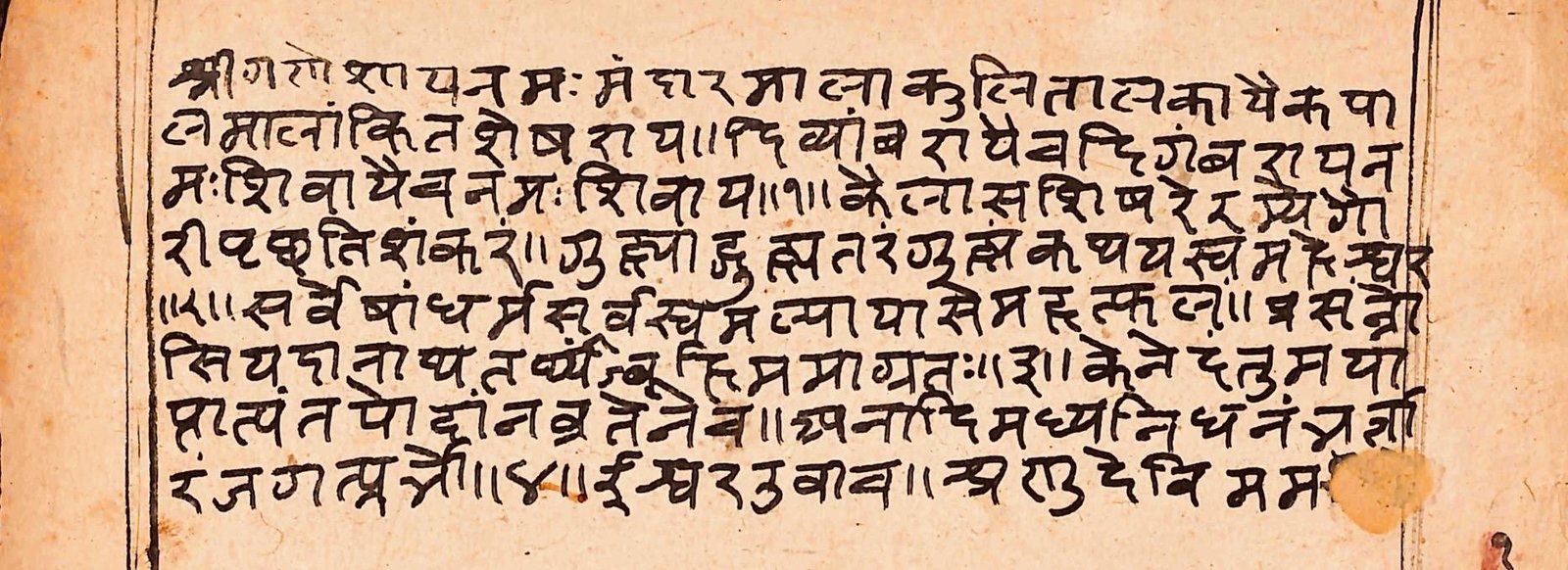
Image ALT: Ancient Sanskrit manuscript representing the Padma Purana and the Puranic literary tradition


Why Is It Called Padma Purana?

The word Padma means lotus.

The lotus has a special place in Indian religious symbolism. It is associated with purity, beauty and spiritual growth.

The lotus also appears in traditional creation imagery associated with Brahma, who is often depicted emerging from a lotus connected with Vishnu.

https://images.openai.com/static-rsc-4/90ypE-JfYFFNQRLRlBDjBYLRySfUsqZeu1gM5Q-h0yrGYOWx49q1t-rZ04rZ6wEJIESyQsGT1kLfbioNhQkc_QW8qW0v5X3wO2JcjB1sRZxdTRaEM8NFKY_AZdExh1wX0qxtVRhw011Ij2zfpGDRfGGHglDfxSVT7kJKQcmA9i-NzZjSteM49RtJeWrEtj3m?purpose=fullsize
https://images.openai.com/static-rsc-4/k7vvZ2zQ8yiFKbA9JG6eyG0-NEAErfxwURs9nz2Bcl28MpVh2x4BPL5zK3Nu8MdJ7Zt8pe5zUj5Ii_mQOe5Ank7bciVOhuW3XG_MSvomzAAvgiCdaXxVSQEGUV51KVMLf8ZvBpE0EHzbej3oKdtUdKO92Ngfxp742nLy4rNMYuvtzRInZ2BbpTNfQLK833Pt?purpose=fullsize
https://images.openai.com/static-rsc-4/l-ZSDSZyEagwg5XH-gJlLpCBtfnczFVO1i2ylgLBMLM_Uzwj4qHe6Wuy1aUSwGQ0rF3s3eX4dTK7WKywH-vsZXDR0TIJEATd4P1E_NKUHmfXlnTDDqiwoblTw9GVr_VXbFbVq-YSWeumCefSJ8j5V5Mz3aGdosUtYE-cs_x7Tfo3xMeXJo4ig7shiGK5ZBPA?purpose=fullsize

Image ALT: Lord Brahma emerging from a lotus associated with Lord Vishnu in traditional Indian art


The Main Sections of the Padma Purana

The Padma Purana is traditionally divided into several large sections.

1. Srishti Khanda

Srishti means creation.

This section discusses creation, gods, sages, religious teachings and various Puranic narratives.

https://images.openai.com/static-rsc-4/kf5o5nKQj6Nkme-chIrdcRjEaGupX6cIaWb36Ov0Hgesm9v0zEIA19OL-v7aqME2QAqi6w9AiB8SJllKRtKPYgTt49NctW42Mh2HJ8bfJYqy4N92lkKp9VClLc2QceJisRXxLDvGVOF_yRxckYjq1a9r-83XaMysiga-yl2q4KCmeId8lxTVZ0Bkxol589AM?purpose=fullsize
https://images.openai.com/static-rsc-4/nX-F9nehDCnGUki-0Vwe5cJTpi2BeaemyZpH2v-s6SOaBzew8M5mBa92_Coh_9cHqCWAoJjxU1VCZ9HhpDJa2zPg7haG0NQuaI9xK4l5lW-FqLoUwfRk5cBpgA-bYXXAoUu5H_ZT7ApoLkAAJXuY_JhXPUg68PtbcighmN9QIVJLKDOhOodgAUgWZtd1LwYw?purpose=fullsize
https://images.openai.com/static-rsc-4/lYbIr1bWGCXTx1Px8qyLEmyRRzdqpZq6hzv3CauCoof7VMEWpxyiI1Imo1dOZSEEKbnP72QciT-33uVJy1NdeavMkOMSKefUzPnobqWaDjSN4MSP98MxmcXUpIoiNlHJY_7yNMTcgVPAlPzvJxF43Oxdtr_AbSqpYo39ZxEkJpqa8nv67OBFeQoy1gIp5c9w?purpose=fullsize

Image ALT: Lord Brahma representing creation and the Srishti Khanda of the Padma Purana


2. Bhumi Khanda

Bhumi means Earth.

This section contains stories concerning kings, sages, people and events connected with the earthly world.

Puranic stories often use the lives of kings and devotees to communicate ideas about dharma, responsibility and devotion.

https://images.openai.com/static-rsc-4/hU72A0x5q7bJy5Tcyeb6GbDUboL_R-j00w3w38K0fa_bDrp3snOMZJ4l_8jU6Fq4-BeaHeHoCcovdARUz1kVjKyTcd5ICb_VTTUZz9MFSK-D-z-CgIdvxUaB274fum6NL2dAllqcFPXM8hDwOsGIxwXF7nthsq1pS_6LOfsipOcsZwYPd_D7Is0_rHV8qkvB?purpose=fullsize
https://images.openai.com/static-rsc-4/FU6DLqNmCNcN2gGuYtvQ6b-oAcqs_WjY2z2B6yWXdNNpCFPefMay48Q7eZAMp3sYAk2-_EdIp81ESlyK0un8v4PIh0ZDmej6RufP8E8jQx_5lKpvQbRYMLLYlhZ4BoWJ0Q8SXXNPwacfGQRC12PfA3nE9vMHPRgCPnjb8rDyIbps8Rh8Udb5RZ4gdzv2rpZk?purpose=fullsize
https://images.openai.com/static-rsc-4/IZREunCxEsJ3id1hVc3C-eB0lWixIUyXiHAJQ7686iSnN4CTz-4gHx3X-IFBOKG-8KV3bZ8sJOWRovCcrb7Bjpqo7wY88_W1rvFml4xu9PNP-dAqtR7lfh-QPmuSiEdtkDiZaJgWb5Ovb30tkXbMdI8syW1mBqjsK_5LG2dMBMw-Dx1252lx9aSDBv9L2zf0?purpose=fullsize

Image ALT: Traditional Indian depiction of an ancient king and sage representing the Bhumi Khanda


3. Svarga Khanda

Svarga refers to the heavenly realm.

The Svarga Khanda contains descriptions and stories connected with sacred geography, pilgrimage and the spiritual significance of different places.

https://images.openai.com/static-rsc-4/myUpyJCY0K8PAkQgZj_l45BBd4VnqlIHzTAI0hQvsN95r2OnfKvDUe71cXg_r7QVbxH4jFSq2LDZh6SGRKKBWs4EVxj4lPFRQRLmYhiU6FtkoR8bNeCxCIMvAQWQpZZqVmF5l8T4yYa7hhZ_K-otWEjuJ7iVnAP4vWDDLUEWxpFsgKbbTLiPtTBVxpXuWugr?purpose=fullsize
https://images.openai.com/static-rsc-4/z-fOmGkp5kV4jSnfh4It91W4XlKSULyJEnkk4Ofb_dYYqrJsV24b4xz9MtkcgvN2d4EEFAr7-aq0_gklIq6PoIqVFdjeeMvypJGduJK5IFdaiRgd7geuy9Uz6zgMu_uyxvgWYmDU-lQNyEjhXVa5jB7t6Uas2ZQrxJE6d-WywlrDr-iQp6VBn3iEEp6fy82x?purpose=fullsize
https://images.openai.com/static-rsc-4/ItbJsCRw2l_J3VlevSZRxNMQzm-USzdaCAJt5P1S3fszAv1ezB4gBYExDYf-Nmn6j3Mdy_FPO9LjhSY0HWdjzsEmFjtQhEkYcWjqpdl5U58dMnHY3_gJ1848YGNZzsfgs3AyA7KyVK9dP_qRPdfNBvfnQb4xtUjZ4IuzWb9Mub_JOEmJIdLkO0Zhwcphfb5E?purpose=fullsize

Image ALT: Traditional Indian representation of Svarga, the heavenly realm described in Puranic literature


Sacred Rivers and Pilgrimage

One of the important features of the Padma Purana is its interest in Tirthas, or sacred pilgrimage places.

Indian sacred geography includes rivers, temples, forests, mountains and cities that became associated with stories of gods, sages and devotees.

The Padma Purana gives importance to pilgrimage and describes the religious significance of sacred locations.

https://images.openai.com/static-rsc-4/s2n5_6kvN3wqCbAsQGRWh2JfK84I5ySy8Cl-ZhQci4q-930fdQZnrVNauRbT2Kg9SiC4n-OPAhBfCerbSuJ1T5Gb-nswCu7bfJ3yFk1Li3dLWPHPYnYKgbtdq8yj3CIvpEgGN4bq91mStPNFn_rlI_sWMFYu67LEtgQPL3_FhrEo6n79qcCzZJg9jnKdNk4z?purpose=fullsize
https://images.openai.com/static-rsc-4/S-dIfJ71CVCe9P7OMSO2XDjTUfDRvl7e1DGbBbXoXRCXE2EBw5c3SPJsGvyPdAEOY0AQlbHUgCtkGS8v_imklsi7CIdPIsxUFzr8KXL3md29E0VTQDJ5KXUwGwb0neNnnfUoDvCzrjnky_QFTxeyQ_ZVPHLaJ67fBR8_ngoqTkX_EbK8SCfdyO41qTUME8Go?purpose=fullsize
https://images.openai.com/static-rsc-4/ltguBxl-pMP2sMh3kakuKRszz-qXFwiF5a7fMk04k-b2iWW7Ocmo-5BgduscdAwZmF78S82fYvrNT2HLy8Rl8J-1UFXwFch8eBKL8L9ppGWttoKfZF8OZFqA-i9aYALfMvdAlQMI3a0W38gpO19_eiO114KCzEkVOmhK2M8yV023dfI8hopFfMMQXHMXuZcE?purpose=fullsize

Image ALT: Sacred river and pilgrimage tradition representing the Tirtha teachings of the Padma Purana

For devotees, pilgrimage is traditionally understood not simply as travelling to a place, but as an opportunity for worship, remembrance and spiritual purification.


4. Brahma Khanda

The Brahma Khanda contains narratives and teachings involving gods, sages and religious traditions.

Brahma, Vishnu and Shiva appear throughout Puranic literature in different stories and theological contexts.

https://images.openai.com/static-rsc-4/wRuFP3dQX6BlA7blB4v_Uqikzw0G20JAEfaVBT5cYe0PWBit4pgBhs3ep-xTDpFVn1qeOplmadVtGbVH6PxhRiqbVGPlkmw29df_B1RE0z8UDoDjD5baNT59Tbk0KszrVOb79xtVzVm13_dseS4zfP24Dpoi033HCLFtEvRSmA2UtuseT8206FeES3CFT0Yy?purpose=fullsize
https://images.openai.com/static-rsc-4/CZP-qWXRLo2mexq35cPbt34TdvQgpL4-DF8A12ptLvhtjakMCtgtl3upmmh4ZwerLznTbVVTJ1hjnCQkeGgNufP84B441HtdDyAVFbHV4uTB83EOWL3MyEyLYp6MQCmow59WJRnLPW3QCdrgEgKBrXfKB7AMZjOAAeanZl7X5e5nbF_zYIDGZd8tBnqpzgfV?purpose=fullsize
https://images.openai.com/static-rsc-4/ERSMGxCIgRnxsUI3lF87QV5eHe9cbmbtlXjz4Au9RpsW9Dr5pl8c5T3ay6tk4tlrwlLPn9hgjnxLQgHclgnY3__38kT6aJgxPBb6yVFwxXBZdd2hpj38bbqBM_4Amn3BuIkkjKnB4_g5N1j4s00ps60J1hTTmVzITNCOiS-7i4xdzAKysJAwrI9xjPanUt_w?purpose=fullsize

Image ALT: Brahma, Vishnu and Shiva representing the major divine traditions of Puranic literature

The Padma Purana therefore provides a broad picture of Hindu religious traditions rather than focusing exclusively on a single deity.


5. Patala Khanda

Patala refers to the lower worlds in traditional Hindu cosmology.

The Patala Khanda contains several famous stories, including narratives connected with Rama, Sita, Lava and Kusha.

https://images.openai.com/static-rsc-4/YLKxrVIy1JpZbHOpZiqqkUG6cge8VU1tL9aOXUBPdCqLW0lx8Ri2N2Y0RObK57Ub4X5KlhI49qBOt-pp_i1QhgGct_GqgLNqZQHzzD0GLYBGiKjvudcL0zNQdRHP2NbLuqDoAO41CYOjBDS71ufMpZcPdGpDWC5rN6mLpCLGLTGlzfEl1cWgoJAztRk2bIkR?purpose=fullsize
https://images.openai.com/static-rsc-4/36arWTKRjWaVff2UIgP0Imjs-YlWaa0ApaYlr6r2Evvps9BHv32QlYL4LJ72bXlrGzzjprD_ORplXSzXxYThAF5lXD_zX7_bmH7StL7L0jqMqBTHBO3ag5-YotjxPRpITwN0NDt25tW3GX8_vGI6hXbCu15tEbiU5-yzrbeRzAFXtL-gqHaRsumkkLOzBudL?purpose=fullsize
https://images.openai.com/static-rsc-4/LOv-15hw151TPinv8KkMAp8jTJQNg7lSdO6V1QL1jOv1Y3fUN1GQdM8AHLkQudnSkiQ83DwthC1SseGRUpYQX0jEYPkTvvVsSUa5pkBdyGQVxKBhewiwdS-u6xYVSbHgFkFsIDYBcj3JaNMQQk3l_ZLa3UGJgNFaClfMUVvwEsGXZIwhczrWJsf2oU4_cFT0?purpose=fullsize

Image ALT: Rama, Sita and Lava Kusha representing Ramayana stories associated with the Patala Khanda

The section demonstrates how Puranic literature often preserves and retells stories connected with the wider Indian epic tradition.


Stories of Lord Rama

The Padma Purana contains material connected with Lord Rama and the Ramayana tradition.

Stories concerning Rama, Sita and their family became an important part of Indian religious and cultural storytelling.

https://images.openai.com/static-rsc-4/qnMaK2CaoDqFX_I_Pb4mMtp2Whqj0pXYXHhNgGhnZUrbOGcWFKB6qdfd1FVvQIOIMGBXlBzK4N8MUGo9KJndZ7id2TDXUHgMnMbbozpVIDFTsOpM-xDh5FpR9mjGYMG8nd1O66M4ppiFhW_o83j1d8Zxqf8nY5PK3-OxDPDTEzBf7m7B4HpMRyi2PoXJBYXq?purpose=fullsize
https://images.openai.com/static-rsc-4/yzSoYm2v6ZPotdpONeKg6CTdjeHySMgdWuclXg-bzMI-vZ6B5Yb37ucEXcwrolffEuN0aTA-UVfjEhsWrwWmhpxfMnN6DiowRY7zyAnrgs8uX3PUGVNB7xsRGMaRyIUs873SfNd7f_-tLNWqYxd2hgmdL-sCzySddrTC_iJBA6dlw4vbF7pnjIrrQ2Ajjeno?purpose=fullsize
https://images.openai.com/static-rsc-4/VXTAqMzARRbl4qV11aPL69qFzQ64zQNhM3TGFTBr9y-ACFnNYFHtfc7Yufvvlz5YX3TKgbCP_O-4EmcFIuBogrYYYIN1LXFl7tkqzYFMdV0IB_-82J-MSu9CuxqLNc92ImYj9ZqU-IT2b57Cf_2DY_r6uLSrWXF9cqslN8u0KzUSGDkRHk1xHS9yGPgciBha?purpose=fullsize

Image ALT: Lord Rama, Sita and Hanuman representing the Ramayana tradition in the Padma Purana

These stories communicate values such as:

  • Dharma
  • Loyalty
  • Courage
  • Devotion
  • Sacrifice
  • Responsibility

6. Uttara Khanda

The Uttara Khanda is one of the major sections of the Padma Purana.

It contains extensive discussions of devotion, religious observances, sacred places, festivals and the worship of Vishnu.

https://images.openai.com/static-rsc-4/MghHY_3JexaE2aaeyUtxTDUTE87Xcyq_Qck9A2USiQkmOf6n2YdB0v-j2_BOLMsWB2Ppouf7TkzA_jlOJQrDGQ4ISJGcQdx6n-OaGyZ77pJXxdLYQHTE36l6ZkL2-IEqLGf0FE-VcLdal9nBGLc_fYql7VAUcLmF96eoknHLi7pXQ89MaNwTuWjYwZ3veY_0?purpose=fullsize
https://images.openai.com/static-rsc-4/FTJeDqNc04d4zCA6YreCSdpQ3KLfn7Yg07tUQB9u222K2QEGwDOx7sdgyxFjeZ0wWtK4Xo3QzDeM5SXh5JzWzu8lXvg-hNGjbJURBss0FUE0IpA7rZA1TOqHZY0dRh-RrNLIv16DdV68jfJrQhxAigYERUYVToroIQec6hoef5VXTExx4jU5oraiW7Wq5nOv?purpose=fullsize
https://images.openai.com/static-rsc-4/j86HfTYa7Ol2L_-wuqx3ndPu_dInu3kCfzpBbNPw_t5NAcAILS9SrFUtjnvYn3H47IP60oVQnscKIrHeK1vkWNtORuBIDG89r15oI0v2jfGdtX_pgHGpNiyG7mor_rXImV9W1uEtfIOCEocO76RXkr4KeAWrnCZCj5jz3WUNI3UaKGbBmbLwgeydzSDylBw7?purpose=fullsize

Image ALT: Lord Vishnu and Goddess Lakshmi representing the devotional traditions of the Padma Purana


Padma Purana and Bhakti

One of the most important themes associated with the Padma Purana is Bhakti, or devotion.

Bhakti means developing a loving and dedicated relationship with the divine.

The Purana presents devotion through stories, worship practices and discussions of sacred observances.

https://images.openai.com/static-rsc-4/jdD6ml7Z1qyu85USG_Ai2NJG7duqDtkIvMRqCUGQi5eGLf14KbRn2H85knVjqY0fmifxEwbW-7MiFRDtZaAO3g-dy1NIeEmuH_7rFeeVXxg4-95jWFY-FmRj338MhY9K6bp3JHi9r4kvZE_qC9GQKGZ2uPkuDP-kpg53gcREXYQvEq3hPUhVkTien1QRDiLo?purpose=fullsize
https://images.openai.com/static-rsc-4/yg8W_3bbMj-gkREtGT_dkSjbsvgiN_XyXRW62eOkEd7IT0NAmHy-bolXlrpBTBvuZ7i5Mx85ysUoZOQZCuOP3T_xyZOu99wqhpfKm-eELZAjou6J798NHp_f-whdDmJhf2HgspvBEF18MPcoMswKg9NlkXbOfjxujFDDwHnE3-CkbhOQ0UC8e5_r-4IqY0OY?purpose=fullsize
https://images.openai.com/static-rsc-4/Ciwl4mg2rfXRl-KEuHqjTVylJHJNEKxxUbO6nWfB5M1M7_1G8KFTZblX7noiF6vt9xkATb3cVlTJ1SKgGPkRFWncu1-scALjcmnsLz45DPabAeMNBFx65nKa4ZZnAaoUuDhI41cEZDx2OSRie-dF1MuOmr2I-Z0ekdJIaYsPJt9Sp8sT_DIjefpvxSVGzCpb?purpose=fullsize

Image ALT: Devotee worshipping Lord Vishnu representing Bhakti in the Padma Purana

The emphasis on devotion helped Puranic literature communicate spiritual ideas in a way that could be understood through stories and everyday religious practices.


Padma Purana and Lord Vishnu

The Padma Purana contains significant Vaishnava material.

Lord Vishnu and devotion toward Vishnu are prominent in several portions of the text.

https://images.openai.com/static-rsc-4/lhLDnlbGH0VfSz3Bc3o68kOsEUusdRXhgqzxUcN9zvZyO9uneOJQfHY0yrK-4GlM75eKFh95GdnxltLZQsSAM6GzMHc9bV7bCSsX62xxnyqQ8wLaFCPXw7wdfZuSFk2f_JatEq7atSgX4uL0SDmEZkkLZa8HYc5syjo9n51xxHmbUJ4eXuOseqxvFAN5AwUc?purpose=fullsize
https://images.openai.com/static-rsc-4/MMGrC5yy6a0BaJQ855atzw-sn2IXkrdqVBDR1i5TwGKtXvdcfIU6K18YrOiTTmEDXl47U_HZl79xdXm2C4at59dtAK3oRV7ZZ24NzZMMjcdIU1YyrMYpMnphPd_GQEpZe155Gj79REpcPZtYx4cPZDyDTN1j9XhKPsVKrV_ztQomk_KD4myVWlQE7yAMQ3bn?purpose=fullsize
https://images.openai.com/static-rsc-4/NviB9tgrDw3N1ChGojRVFDYU4KMyzMbkHcoddwrUjqxOBz_KCPv3cJFnrZpGsL0Iwm96vPEwHYnNJlnOYXcQo4AbUPTq8QDGLeoFiS1hGblWGH3hrOrirfsM1f3emUaKnXJScFo4lUp7pPl9cJ28or7Z8A3txtq3z0zkAXYgLDYl8eAbd5Xhx41iTiGKvj3W?purpose=fullsize

Image ALT: Lord Vishnu reclining on Shesha representing Vaishnava traditions in the Padma Purana

The Purana discusses forms of worship, religious observances and the spiritual importance of devotion.


Tulasi and the Padma Purana

The Tulasi plant has a highly respected place in Vaishnava traditions.

Puranic literature contains stories and teachings concerning Tulasi and her connection with devotion and worship.

https://images.openai.com/static-rsc-4/L2eDXDljax8Cb77ZJKOL8as7DKPDp_svj4E5kkvQUF0i41DzHQEzRPNff2PZfYOfevUzWdF4aujY6MA15E4yvH1tmXy1wgWI9VMU_RKXXVQW9UrkcskTIfkLkNTnmKuBVi_xCNO9q4CfG6rqa8D8_ySUEKsPBKXIZInSzEPUcvty8w3Ng_DpYPI77YOGcB2u?purpose=fullsize
https://images.openai.com/static-rsc-4/prfxsczFuSWCvPgTiCM259WnlY-zUgErx5x1qoq3XVBRNt4FIDGjUWszy4RghsZ3xO22F3T6pGY7-XjCWAxkjVlHPib3Linme9M339jyYclxrggUv74Y2GXLxjLVH3TafSN4Z9cssXpqdWWnj1r1ZLz1vVBItXLKqZu64StF9_zIASHLADQH-EDr28cEEIDj?purpose=fullsize
https://images.openai.com/static-rsc-4/wkXq_CRmcHtoQNK6bNMpTNAHGAoMuGH8bnrwnu9D8N6FTo_CQuHGmRXoSos-ZESqJlU8yNq59BWFxUx-rTZD8Qx-zgCCv3trTqqqwtbGOWHVSnURvKZ-YdNRljBE9Tp0HfZGHEod65XJKLuxg42lwZvKpT3wrHJHbjmv4uWTqiIN8ZF3rlURo7S3J_k18OZA?purpose=fullsize

Image ALT: Tulasi plant used in Hindu worship and associated with Vaishnava devotional traditions

Tulasi leaves are traditionally offered during the worship of Vishnu and Krishna.


Ekadashi and Religious Observances

The Padma Purana is also associated with discussions concerning Ekadashi, an important Vaishnava observance.

Ekadashi occurs on the 11th lunar day of each fortnight.

Devotees traditionally observe Ekadashi through fasting, prayer, worship and remembrance of God.

https://images.openai.com/static-rsc-4/7pL07PCnGgDuVUcFwq-I1K8kVoyPYZUZq6uLGPz_4-fyfL-KZMSocrggUCJXmoWQ-PC6MPtyx4q8J-8wFEEmK3g4DpzwO8HoeuEzI-xgzE3USnu2kHTgV6laaGpPH9I5M7W60SrguDULcNkjeeJdFbgjSQ7y7qK2I75LeF_2bWVoVb3xU3MtdfSoVXuh0h_D?purpose=fullsize
https://images.openai.com/static-rsc-4/LK_Ja3pLRKyM-1epbSHpvzVdOBXnxMY86ES4NwgqDyoDuAMO9xIFp5QsYIfHLDAK21IIlLIGG_0zu3tpDsqfVCcHcSp43sNYQ43pjouu7Rg02zpXgYB6h3WJRGjaDUePICrO6RHzmIlY0kyHA7JwfVGIgP-gLWY64hmJmaIVZhIG14BeTrVwWaPSqKBqIgqE?purpose=fullsize
https://images.openai.com/static-rsc-4/4-5xMZRvKOM3Y8KSXtEMzeC1a87GbI2-q-AyNUQPjo1FcAn6jOgWu0Gl257iA8ymE5AapjitpisVs2-rCnVLiUCgug2m8423RL6gk-NKDn0QVH6XAIk5VooO_jgoiHd4aPZ8n4UqduLgBytI0B4tB9vsXgDOrRBR_-HIhHrznREzL6eRYXGvhCvFlFbctxDV?purpose=fullsize

Image ALT: Vishnu worship representing the traditional Ekadashi observance described in Puranic literature

The emphasis is not simply on fasting but on discipline, devotion and spiritual focus.


Padma Purana and Vrindavan

The Padma Purana contains material concerning Vrindavan and sacred places associated with Krishna.

https://images.openai.com/static-rsc-4/oe-u8_c8ehvd2iks6AJwa_9NOsfZw7otdru3tEslsn2n6I-utDHiy11am43hjqVjC7E3LI83OlpzPrUe1y6QJ3uRHm2Q6ILUaLrkYlUdjlH-D6K9H2brJyRHn4tSLyDfDfLSl8o2hSliKO79PLaKlfnDP4LL69clcdZwWpXvnijrJfZgMKPbWytrOhmyHh0h?purpose=fullsize
https://images.openai.com/static-rsc-4/wnh6EurbtPk8UQr4KcVoi3DnYBaV11O5LzMCJrWEaS6c5G0bMi6RWmmA4aoDMNCHNy36kkHlJ4p8i1kW7yAp_oKzk8NfmuF36a5UY2OH4Rtykg3UMla5-mxjAY-fEvOce4hdLWFQ2KI0RSEJAwKPbZZYc6oh81YWzVsT0i56YtUkTuUZpEh_ldGV7V8m8bJy?purpose=fullsize
https://images.openai.com/static-rsc-4/yRr8wYdJuxIoSF6H48acMHB-FeAtG29vo-zpqOe0nylhIAa-iqFjanZGJUwrly30dJqBljgJypwuUSgIKjoQho0lkRWyEK5tSRp49PlRNIfGbgumIRmmwwAoKilnIGHlnWg4M8KEJ6S3KlHSykpIcmDu1-Kgo1V4C7a-OA47tMca5VvYqRrP6vze9vh5WVOR?purpose=fullsize

Image ALT: Vrindavan Krishna temple representing the sacred geography associated with Krishna devotion

Vrindavan became one of the most important pilgrimage centres connected with Krishna traditions.

Its association with Krishna, Radha and the stories of divine love made it especially important in later devotional traditions.


Padma Purana and Sacred Geography

The Purana gives importance to many sacred locations.

These include:

  • Rivers
  • Forests
  • Temples
  • Pilgrimage centres
  • Sacred mountains
  • Holy cities
https://images.openai.com/static-rsc-4/TPKmq1yeQ9_oxl49EepBmKA1zp2HVocXydIcnr_2Dx4qvN-Qd7kQ9HwosBrIxdU2k3Rui0nqEJH4oqo8_uAP5dpuVWtjjF0TX2-LqrwwvJacapHZS0uvJTCPGuj4xyHLNIHUHrHI1Gujcm7OMcq3YI7F4JHzKDXtGfCkkLMAqXDtrc34qXBzmrP0cjc4dmRf?purpose=fullsize
https://images.openai.com/static-rsc-4/EIaO35x87_d_FiNHAz3ijbs3u_luelIL5dpYfvo3GFCAmhzS9M2zi9qc0ZAJu11-GNcKCU2DUA0nPNorl3-Mu0elrmssfAObeuCnyJ1Qspp0jOQfoeGteLW42-MjEdrpKy8o8v6nrQW7oxbhH9MYhKe7xrd6yI1pVRgd4tcL5pYIJ3vOrbLcH2I_ywex4QWg?purpose=fullsize
https://images.openai.com/static-rsc-4/sjxbBNLoeQJsaZhqUJt51yFTxG5rrO69B99lrtV-QKvYtewAyJejsAgDEzrClzRe2KKrPFkIVKa_DGIVfDeeRL3X6Zk46k9Cw3zVQGIbecnVZhwXA-T_pG4Q-Ce4lcetjSOKn2AmovMwqehuW43dkNr4w4vP2T2rqprgcNHEHQNpdEurGjT3W3r8J0TmDHaR?purpose=fullsize

Image ALT: Indian temples and sacred landscapes representing the pilgrimage traditions of the Padma Purana

Through such descriptions, religious stories become connected with real places and pilgrimage traditions.


Padma Purana and Dharma

The Padma Purana also discusses Dharma, or righteous living.

Dharma can include:

  • Truthfulness
  • Compassion
  • Charity
  • Respect
  • Devotion
  • Self-discipline
  • Religious duties
  • Service to others

These principles are often taught through stories rather than through rules alone.


Padma Purana and Festivals

Puranic literature played an important role in explaining the religious significance of many vratas, festivals and observances.

The Padma Purana contains discussions of religious practices that connect worship with particular days, stories and traditions.

https://images.openai.com/static-rsc-4/-P6lBN49ni78nRDdH1ejiZbTVh3KNqMs_UX9d3d5E3orsb1nq8BHQbCo2VFZfATgaem7OdOuMvGXIGikTX80hOzKFkQHBMfTIyiNVZXHK9y55pWui7w1-vKcP3xUVm4iprwe6j3c-i6NpneBlpsrjX26cKW1HaTb9u7c76xKFEHa-aAxp63lz5BAGb4l0Bw4?purpose=fullsize
https://images.openai.com/static-rsc-4/8Cc7pCVomq774fOY7wlKV2pXn2OZCdhD08UIoUq52OUyOAY50y-sQP_PGgejbWA40FzzfNmdBrWW24BHj7G8SYCckhbemdLWxl4_YW0wjdxm6RpROSIw5EAHTP5KrP3bxiwUI4A40S416WwHkRLrqx2HvYoOM38qM5-MaFcKgfmhuT2wowU4zxXxvBjZAE36?purpose=fullsize
https://images.openai.com/static-rsc-4/CB70DM-FHmma3WtlNEqfHajBmBUfSbyKMCX9y40cF8XrrP7NCQgrQ96q5Y4pmwy3uL5geYr0dqpHnw-mp5LkgmyiuxZiJuOPaiuW6TTQi7dED_7cYPfnjO7a2q-LGOEJ4qMapk5xjnNRx7QVNnXJuz0FxgD9SutBDuYGAxW_uJkxbwkNC8dBJzFMs6nVnbD2?purpose=fullsize

Image ALT: Hindu devotional festival representing religious observances described in Puranic traditions

These traditions helped preserve religious practices across generations.


Why Is the Padma Purana Important?

The Padma Purana is important because it brings together many different aspects of Indian religious culture.

1. Devotion

It gives significant attention to Bhakti and worship.

2. Sacred Places

It preserves traditions associated with pilgrimage.

3. Mythology

It contains stories of gods, sages, kings and devotees.

4. Dharma

It discusses righteous living and religious duties.

5. Festivals

It preserves traditions concerning religious observances.

6. Cultural Heritage

Its stories influenced Indian religious and cultural traditions.


What Can We Learn From the Padma Purana?

The Padma Purana gives us several important ideas.

Devotion

Faith and dedication are repeatedly presented as powerful spiritual paths.

Discipline

Religious observances encourage self-control and concentration.

Respect for Sacred Places

Pilgrimage traditions connect people with India’s sacred geography.

Dharma

The stories emphasize the importance of responsible and righteous conduct.

Preservation of Tradition

Stories and rituals helped transmit cultural knowledge from one generation to another.


Padma Purana – Quick Facts

Series: 18 Mahapuranas – Part 2

Name: Padma Purana

Meaning of Padma: Lotus

Language: Sanskrit

Traditional Classification: One of the 18 Mahapuranas

Major Sections: Srishti Khanda, Bhumi Khanda, Svarga Khanda, Brahma Khanda, Patala Khanda and Uttara Khanda

Major Themes: Creation, dharma, pilgrimage, devotion, mythology and sacred geography

Important Traditions: Vishnu, Rama, Krishna and other divine traditions

Important Concept: Bhakti


Frequently Asked Questions

What is the Padma Purana?

The Padma Purana is one of the traditional 18 Mahapuranas and contains mythology, religious teachings, pilgrimage traditions, sacred geography and devotional material.

Why is it called Padma Purana?

Padma means lotus, a major symbol in Indian religious traditions.

How many sections does the Padma Purana have?

It is traditionally divided into major sections including Srishti, Bhumi, Svarga, Brahma, Patala and Uttara Khanda.

Is Vishnu important in the Padma Purana?

Yes. Vishnu and Vaishnava devotional traditions receive significant attention in several portions of the text.

Does the Padma Purana contain stories about Rama?

Yes. The Patala Khanda contains narratives connected with Rama, Sita, Lava and Kusha.

Does the Padma Purana discuss Ekadashi?

Yes. The text is associated with traditions and discussions concerning Ekadashi observance.

What is the main message of the Padma Purana?

Among its many themes, dharma, devotion, pilgrimage, religious practice and spiritual discipline are particularly important.


Conclusion

The Padma Purana – Part 2 takes us deeper into the world of the 18 Mahapuranas.

From creation and sacred geography to stories of Rama and Krishna, from Vishnu devotion to Ekadashi and pilgrimage traditions, the text covers a remarkably wide range of subjects.

Its different sections preserve stories and teachings that helped shape India’s religious and cultural traditions.

The lotus, represented by the name Padma, is also a beautiful symbol for spiritual growth — rising above the water while remaining pure.

The Padma Purana reminds us that devotion, dharma, discipline and knowledge can become part of everyday life.

This is Part 2 of our 18 Mahapuranas series.

Comments

Leave a Reply

Your email address will not be published. Required fields are marked *