Tag: Lord Shiva

  • 🛕 Somnath Temple: History, Jyotirlinga, Architecture and Interesting Facts

    🛕 Somnath Temple: History, Jyotirlinga, Architecture and Interesting Facts

    India is home to many ancient temples that represent the country’s rich spiritual and cultural heritage. Among them, the Somnath Temple in Gujarat has a very special place.

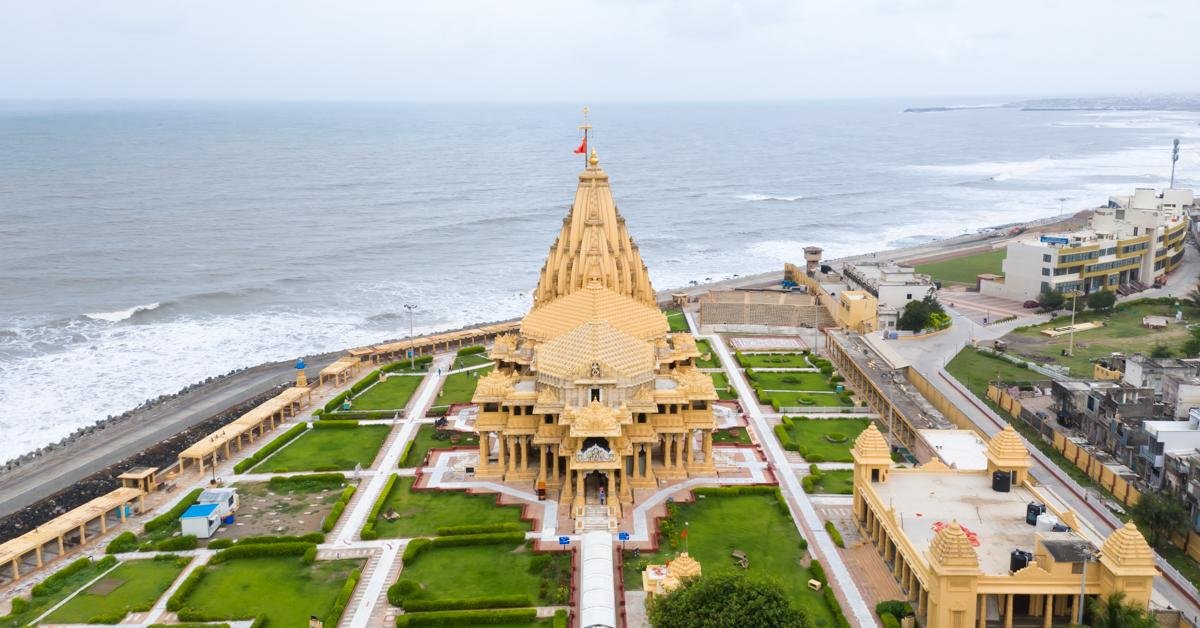
    Located on the western coast of Gujarat near the Arabian Sea, Somnath is traditionally regarded as the first among the twelve Jyotirlingas of Lord Shiva.

    The temple has a long and fascinating history of construction, destruction and reconstruction. Today, the magnificent temple stands proudly beside the sea as an important symbol of faith and heritage.

    https://images.openai.com/static-rsc-4/V5xJLahAX67E5BPJekmv91EMCC71mF0H2_E2UAwAIlehcdX0Op_7-ozzYim699s3YiU-DfAmQC_X_KrbXgkAj9FM6bUW96SUAnGXiWtVPpKX_6wK0sYfgs1QWPPLeJGrBwiq6nz-19c6OimjpXZRfee80eZcmk7eVhjHWAZk5zguJf22-YgjmDSyxNTciiso?purpose=fullsize
    https://images.openai.com/static-rsc-4/mjXmlo61JLZOip1oXHAOs1a_VnFxP3y2A1t6ti-an1aHvjjWGMvQQoz7A7AN9GN1eZRO_qcLwybgZGiH3J1zFSC2R9TjgtNdFfcX1qekngTyO5pjqcX5hAGIjGQefvrNUpmQmqU4dskLECR1YwCZ2yQ-zJ_p_-rwZfkafTmvKJL0miYlXrk6N8Qj9bkmyi53?purpose=fullsize
    https://images.openai.com/static-rsc-4/A0GR46TzgV6wCOeM47NTQNpuM_fftfBpcCMcRzvHyjY_H86W7gYhSJR6MZKeKSfGJJYZQYdm3VSfDN0t0iJ5vJni2Xs_DegnKIXkFLhiAnwXw7RyQH0NKMz-NtmoskCQkY4kZJtrmos-1WLRl--4YNpm2xY-NFTxnqsOJNnmqulp9jZZ7RHb5812-GyvzYxT?purpose=fullsize

    📍 Where Is Somnath Temple Located?

    Somnath Temple is located at Prabhas Patan near Veraval in Gujarat.

    The temple stands directly beside the Arabian Sea, giving it one of the most beautiful settings among India’s famous temples.

    The surrounding region, known as Prabhas Patan, has been an important religious centre for centuries.


    🕉️ Why Is Somnath Temple Famous?

    Somnath is famous mainly because it is traditionally considered the first of the twelve Jyotirlingas.

    The name Somnath means “Lord of Soma”.

    According to Hindu tradition, Soma, the Moon God, worshipped Lord Shiva here.

    The temple is therefore closely connected with ancient stories associated with Lord Shiva and the Moon.

    https://images.openai.com/static-rsc-4/vXst2aRfp3nYNsUNgcALewli30RfsJ2frdMlf106LnYUN6U3geGkBP-KRs0NrQxlPZQTTwMmc6jiVkFnqVk2QA8sjBHcqUR94URRThgcKC9Od6pvZvjPs136XVVJNzTeP8ZzE9ciuKyghamhG_pGw_c1kenMzlQWSrBJH7V1M59_Mu3t--lmWt94rTlFPtzV?purpose=fullsize
    https://images.openai.com/static-rsc-4/S_rl5YCL7aII-1psFHmO044xm08ltTzFowiyge8PtilsB__r9AIotQPx_QtOECsnEzrrzybrqLXjg7bSgpPQLv4qxe5LmOTVdGXpWcU3HVtsVtWEC1ta0XPgJt0AHLpdaYWC8gHFvUm5KMg2R-T1wkcA3znLf0PElvE_PeFPhCCnVNFTZzNPv03CXOerHCFp?purpose=fullsize
    https://images.openai.com/static-rsc-4/3MXYPaI5bPbJeNUmFrnzai0THbXfN2fr7KgaY0zLZa-U9cE4mHYqKlyOYpviDlsn0lYKvUDNK7AYXMDWumpfs8cmWArTsOyBgN7QbIN6MC5vs-4kSqJ52BCeH3sLLvr59lCrT08QNxmVW5ylP3hNVE6dZtPOamQqwVXipHmIdsbkM1r4a5kQ_Qj43o-2x7dO?purpose=fullsize

    📜 The Story of Somnath

    According to Hindu tradition, Soma, the Moon God, was married to the 27 daughters of Daksha Prajapati.

    However, Soma was particularly devoted to one of them, Rohini.

    Daksha became unhappy with Soma and cursed him, causing his brightness to diminish.

    Soma then prayed to Lord Shiva at Prabhas.

    According to the legend, Lord Shiva blessed Soma and relieved him from the curse.

    Soma is therefore traditionally associated with the establishment of the Somnath shrine.


    🛕 Somnath as a Jyotirlinga

    Hindu tradition recognizes twelve Jyotirlingas as especially sacred manifestations of Lord Shiva.

    Somnath is traditionally regarded as the first Jyotirlinga.

    The Jyotirlinga tradition gives Somnath an important place in Shiva pilgrimage.

    Devotees from different parts of India visit the temple throughout the year.

    https://images.openai.com/static-rsc-4/gt6zw35Q6sCpEpEaYsEgbdKYD18xn-G1I0JFzg7V2O9LmvwRUMU3gBI5M0PA8gnbcCw3ZHibjXw0wm6CLnETtildeM23Fzek485P8A1PfKtjKqO8TMgmGB83hqd3nwjRVp0tIIggBcOgastF9PHNw5aL7HngCUyJlB8UM2NYm0ry2_3CF7MGhMpaIKZL3WxG?purpose=fullsize
    https://images.openai.com/static-rsc-4/0FsliJGrXxTz7SQOJxCYE8-qeXPn7mp2hu_313u9vcPCh3F5BmiSn2cGKYe5j67H0U-u2V3rdA4Bds9PN5_n2RfeQtFTF6pD9pdMwH1bGvLfvK1BAPw4XOSQEjqMk5l7jmF8peGLKZh-bhwu5vJJYYGfxX6OnWJOF8NX_lOIfiPsjeGx9k0hxZvPV7PIDkM2?purpose=fullsize
    https://images.openai.com/static-rsc-4/jgTihCZP9qa5qD9NXXlvByKVoehpFgIf2fBwDMphi_14bBMLikM1fpBNozX-345gwbsndqGFirX6miQAxKLbeBqLTY3YkYcKBAxeut071eiUeG110zJJUvXn6wgik3HsQfwYyNW-g4UiXGQnWUX8kTwFwZP-IV9lOBf9_KPWZmclobPjuskvMMfxSwlzwj_C?purpose=fullsize

    📜 The Long History of Somnath Temple

    Somnath has a very long history, and the temple has been rebuilt several times.

    Historical accounts record repeated attacks and damage to the shrine during different periods.

    One of the most famous events occurred in 1025 CE, when Mahmud of Ghazni attacked Somnath.

    The temple was subsequently rebuilt and restored during different periods.

    The repeated reconstruction of Somnath became an important part of its historical identity.


    🇮🇳 Reconstruction of Somnath After Independence

    The modern Somnath Temple is closely associated with India’s independence period.

    After independence, Sardar Vallabhbhai Patel strongly supported the reconstruction of the temple.

    The reconstruction was undertaken as part of the restoration of the historic shrine.

    The present temple was ultimately rebuilt in the traditional style and consecrated in 1951.

    https://images.openai.com/static-rsc-4/rN3svtRa7emReuoE8X_B1KED-JJyqErNPkXDpuyFSvxrbxa4X3yESBJG0uJm9zacA4OJKGxC9i6engDdGNYJt8HMB00Wvkrre5ubjl-tyLRvwS-4EqHhJ6XU0-KzSDcDILOoawUl8Lt10lQqeKQ7jE--_0bG9hckRvty4-hE_CuN-dBUIbbvse8YpG1v_zWW?purpose=fullsize
    https://images.openai.com/static-rsc-4/_60wBrUqRUQz24qthdlsx_vHTe4LlFiqUCQf0bI1fBy9ik-QVnYwZF1vgxtgiJ3A6b1Pep0qWO4ahjSf-J1pUVwM9pVdAud-3DS5OdXNmVTUhmmxl5WeSZhbcD9-Bv8A0gVqLpzM7bh4zKzdNUvvwxVPdYMtSPwpakRpP0IeM_s0qhJv7HEaVg2r6ciTuigu?purpose=fullsize
    https://images.openai.com/static-rsc-4/Q8flOjRREsqCot2Z9EpBCEOn_iIQ_7fKaUSxgbGiB25Lq2mkd3bxVZdut7iOuJgkOU9JAstsG-7jYlNXVgyXv9vPYbPAtSAKSK1i5RGW4jlKN4SipUbovJKlwp1DV9g9TX9i8EOpQpdvnZtYh1HieXEw3j9reQ7y4oEKTXvB8CZpRyEMo2F-p7yZ_7oJjAZQ?purpose=fullsize

    🏛️ Architecture of Somnath Temple

    The present Somnath Temple is built in the Chalukya-style tradition of temple architecture.

    Its tall shikhara, detailed stonework, carved pillars and magnificent entrance give the temple a grand appearance.

    The temple rises prominently against the Arabian Sea and can be seen from a considerable distance.

    https://images.openai.com/static-rsc-4/XxUgPyVkeccVWnkrTxwl2DCKdrq97z64iuxtTZL2EOCNmAJtX9oaCGz4QN-aEGmr0w3wP7kgEPYyZePnvQaYb7HCYG-ZoHtu7MIk5oQjguj7DiIJUl3c5CX76Q52iVOCA8m95PMVm0dE4GQdW8KjLUH2IKc-3ozf2hKI8IOjwhDZQW7yJh4YbQQUmK0vZvKo?purpose=fullsize
    https://images.openai.com/static-rsc-4/AEZUUd3-WSWs1B2UHyo2TEZ2U-CaJ8_IWJXpfiVW1J3jK0JtknmA3ig0N_kpzW1XWssnTiKY3OjZDTAAod8dMI00lCsky9S94_IIvKWSenT1p2MtZC76Nypshove4IBGcSGncbPhOxf0vZf2ZDFjNqbTns_egdaDQo96va75wJJUccPCzzuSDp_hwEQ_Yukz?purpose=fullsize
    https://images.openai.com/static-rsc-4/AKXEBbmBwJljTDt6ZfPnY2YqASLHZJ6N-YovFB7UNX4EB22Wx82uAhqQJGxcVI892sSgZMBt-vPj9ZyS2DinWdxd3vr6LKZ-wYUNdl_EkXXvDWsYrFdeYsRGBiuF5YZrd8WUJyDoiH7MlYJ1qPziNpEPwAPPU33ExbP05l6QLy4zcqnJmE6OSmvvuTdvGBjN?purpose=fullsize

    🌊 Somnath Temple and the Arabian Sea

    One of the most special features of Somnath is its location beside the Arabian Sea.

    The combination of the ancient pilgrimage tradition, magnificent temple and ocean creates a unique atmosphere.

    Visitors can see the sea directly from the temple area.

    The coastline also provides beautiful views during sunrise and sunset.

    https://images.openai.com/static-rsc-4/Krz45ojkcLe5DumKNby4jViZqsOOqbBoM6Iumn8DxFlIZLPLAgaZmaQOyq89tCX2yipUxTQGDiI_6C6Jolx9A2hOUAiYOQoOxSunfRN_wuI8_vwQT5AwKckd8aey_arUDTb70D---t1EnlIBWCBunymTDqpuBk-8lZmnQQZP2Yb1SNV5PmRyZvkzafv_Dtad?purpose=fullsize
    https://images.openai.com/static-rsc-4/MB_G5JD5GS7Wj95eXnn7BsLA4x1VbzeYFsRy6KEcMITZzouowGqzF1g4A6yZ7kZRDtad3sn5ebvJEkKcaBgpjnCnForDYZ-OhA22Li0OKJgwCyKI1TwEmhEWAHcpKTEqEKp7JODH_d_JudGNoX4M5a_XvUxmKjK_WfUeNBkEpA99jCapWUt5BpPC4jOipN-w?purpose=fullsize
    https://images.openai.com/static-rsc-4/4Du7qrNt3lp6EhnhHb9V7ji9bNk9hZi2PjdnSwZPjYEpp-sIslWItjGyU2fmZ98I3avu5sv5ZoIRUtK5KpYJ2O7OQpcvIxYdWFZQFZzS99Z0M2tDuZOe-4dnRl30_qBNfWNXqExdbriWKjywD_Dy1c6kWpxomxQX-Ty9aGfGF_nyimT3ghAy8hk15szCOtCn?purpose=fullsize

    🧭 The Baan Stambh

    One interesting feature at Somnath is the Baan Stambh, or Arrow Pillar.

    The pillar stands near the seafront and carries an inscription indicating the direction toward the South Pole across the sea, without land in between according to the traditional interpretation.

    It has become one of the well-known features associated with the temple complex.

    https://images.openai.com/static-rsc-4/p0VIOMHOzQBWjoAZm7uJPSPN_heEefJIkq1zB6sQrY0apazUb5JjVU9qFFffZH4MmtM9-tn4D3Ns2PExg1lN-OAkozxbDox-6Kc1SuYtOvCVnv0jKwyoAPgsExV8rukoPH7BOifXVOuM7LlpoUONW9X9GMLsPjMtprbGeAz1IZesW-_adFR2J-ry6DJRW4o8?purpose=fullsize
    https://images.openai.com/static-rsc-4/R-vVSVwubtskMX1Y-KR6qdxONaHFyQfToWSZu64Rt5vSw3OfdY1E42CJs2M9ky_PVRw6mJUqN4BgDJLSARa1jDagmA3JMT0sQrEYwl2TiHT2N3Ye4gNKf9zTooTUBceEh18WuuwklaecQDzkoHxGiuoT5L6SEUzHISjy9PYBocjzvON20-ssA2Z8kOjj5vvJ?purpose=fullsize
    https://images.openai.com/static-rsc-4/h0LKDTcVc-LOG3CuGpd9IYx0IzMlaQLzIC5XvnqpWDslkglFjVAkGJJ_OaxKPawwsMg3CrDJ9UqM5bp2cwqUZSRtIj5NhKdbUQCIQBJPoRJlAXMfwE6ioCyM1O96Y6UlhH75ny0UDGXXMaWEVXzj95Mho67fY6s3RA0JCI37RQxS4sKM2v-a7OvUnua48kfP?purpose=fullsize

    🪔 Festivals at Somnath

    Several important Hindu festivals are celebrated at Somnath.

    🕉️ Maha Shivaratri

    Maha Shivaratri is one of the most important festivals for Lord Shiva devotees.

    Large numbers of pilgrims visit Somnath during this period.

    🌸 Shravan Month

    The Hindu month of Shravan is also considered particularly sacred for Shiva worship.

    Special prayers and religious activities take place during this period.

    https://images.openai.com/static-rsc-4/ogc2nMx9_ieEAES3V0avC2nxQiP5HrI1gReo4_3qB6rr9_yGKZpyDJPjLPZPFuNEDIkVEnB_5Kca6M0bAIal10dejxT8VyQRKE4O5eMuP9knRM7broUGHg47fL44My4y45SDq8SNbEG-k33dOp8CdHt-jDIPCuEorCjMhr7VtLrsJ0AC_fIr-vC0KZ9cRmG1?purpose=fullsize
    https://images.openai.com/static-rsc-4/a2LX8hamFIsLp4-6qB6o9aEDS4IMECU_Q4woXNuK82ltHMHBsJb9XPMouKB4tdv0wIHQFCdcxXqmjbH3c2WiBh9tSl6UdHS4lqVWbk9VhAFdJlFWSdK5F7m6Oe3En8TnRIbCGUaCnOPW-tifwc5ozffqj24kUy_P3b5e2xT7soF2u4BJAFnYGTMdhNMRPvew?purpose=fullsize
    https://images.openai.com/static-rsc-4/CU0093vFbqhzLTeYst1mCuVuEARGSAEXzF1_zD2OuiV1z2LahRS-c3cxBuYz0gCRn_Uwo65Qm37Sz51uln1tXwYQPcgc3P4wljGklqe9YtVl7z6voaScsNAIg_NM9tONm7eIMeYQqceXvbCONUqL7UdARLJL-mRURRgUR4RjJrPbqLBSKqat393shb7yaDTc?purpose=fullsize

    🌅 Somnath Evening Aarti

    The evening atmosphere at Somnath is especially beautiful.

    Traditional worship and aarti take place at the temple, while the sound of prayers combines with the surroundings of the Arabian Sea.

    For devotees, attending the evening aarti can be a memorable part of the pilgrimage.

    https://images.openai.com/static-rsc-4/lFNxqJrX2jU8ZqMbCt7oxAOugQR7UNJQFR0y70bkUydX5BtzAkSMOAekIwkUqzxuoAYT-WJpE9bA_bLnF-S7W6fmXF9HHhgbBJR8L3IvFTjWaV3MpucGDcMIzc9w2TsHI4vusFdhwZJTCGIKU2AHL6NfEgmYZOMC8iC78sb4SlXmu6xypyXzIWzq-_55Gdsm?purpose=fullsize
    https://images.openai.com/static-rsc-4/vuj23XpIbtBlCiUjP4f6L1T8WA20H0mDRrXlAmCxzY2VoLcZJOkbycz3rcvWgK71WkDwBANm1KadLCA45wTymBxqasWu7XeyxZ95Dvyt0YjV9LljtY0l9W9GB-fv_uLYVguCmGFV0edGQ4kgWqT9_IDEG2hrCjf9q8hQxALECNRHp8GlU2y8oIsPZclyyMPc?purpose=fullsize
    https://images.openai.com/static-rsc-4/_zInqIg1tIUY1d0l3k4hu0N1xaj07tKea02uE8N3N9ZENgVMnXGPRyVvPZuyr1Yf9U4nFfIiItYhiOQKsQV63DHb0nHBdWyVEJgOOlAG78gjmBUpZCplDP2N3AQsqaEFfamjFR1CzyX4pd0yEbr5tJHDuWNX0iQWsA8VF0Ja2DSwFz5gSPYsiLhdlJttp5qJ?purpose=fullsize

    🏛️ Prabhas Patan

    Somnath is located in Prabhas Patan, an area associated with several important Hindu traditions.

    The region contains other religious and historical places connected with ancient traditions.

    This makes the Somnath pilgrimage more than a visit to one temple.


    🌿 Nearby Places to Visit

    Visitors travelling to Somnath can also explore nearby attractions such as:

    • Triveni Sangam
    • Bhalka Tirth
    • Dehotsarg Teerth
    • Prabhas Patan
    • Somnath Beach

    These locations are connected with the religious and cultural heritage of the region.

    https://images.openai.com/static-rsc-4/VjeiuRv6JRmgQPHv9dE_mk8R3rveqP7Jx4NGjSmyx4K2ATP5VoFv55vNhdfAzjhZmiwvYPQnO252d5Ip5XwSg1kPG0qMYJcTrAGe0SRkiQ1Z2yOkJYflZU1GCySXXokhxzC8_dQ7gq5tXf-X9pVN4mw8F1oZCYZcV7JjBcbCAD3DSdGgv9BV3Cs6lX2bznUc?purpose=fullsize
    https://images.openai.com/static-rsc-4/Q-sWfrjRYU2qJiX-GkWAtyOEA9aNZsoN_HeYRBwWlugEdZdY-TmaGiFf61uJwYHr77JtDJHr3EMboeslvt1nGRRye0LF5OFMpvdqz4QS-bP1izUYpfyiv41s67vgTehrFbD12t_76r1HCvUX5IfrU5glUaOlRAlwIIfNLhs-lKCb6_tk-OQG4Q_Pq10_amhF?purpose=fullsize
    https://images.openai.com/static-rsc-4/EZ83LtMmFzKFgVC34MRD9M1NuEG-u4EYOS-zVoJ3ycl_h6MYEm1jNz3qtm1ZWNi2rR_vBvSQ6j63abKavtBZTFh0qPC3e82hy0Ce5n6A6pqgQbQ_UQX5D5C-W7Ju7F5YJprs6xViL2DgGA7yUxdMSP34SG5XbZRp0WMQcp4jUjARDZfx8ejviMKqLeaavpa-?purpose=fullsize

    💡 Interesting Facts About Somnath Temple

    • 🛕 Somnath is one of the 12 Jyotirlingas.
    • 🕉️ It is traditionally regarded as the first Jyotirlinga.
    • 📍 The temple is located in Gujarat.
    • 🌊 It stands beside the Arabian Sea.
    • 👑 The present temple was rebuilt after India’s independence.
    • 🇮🇳 Sardar Vallabhbhai Patel played an important role in supporting its reconstruction.
    • 📅 The present temple was consecrated in 1951.
    • 🏛️ The temple follows the Chalukya architectural tradition.
    • 🧭 The Baan Stambh is a famous feature near the seafront.
    • 🕉️ Maha Shivaratri is an important festival at Somnath.

    🇮🇳 Why Is Somnath Temple Important?

    Somnath is important because its story combines faith, history, architecture and India’s cultural identity.

    The temple’s repeated reconstruction over the centuries has made it a powerful symbol of resilience.

    Today, millions of devotees and visitors come to experience the temple, its traditions and the beautiful Arabian Sea surroundings.


    🌸 Conclusion

    The Somnath Temple is one of India’s most remarkable Shiva temples.

    Its Jyotirlinga tradition, ancient legends, long history, magnificent architecture and location beside the Arabian Sea make it truly unique.

    The story of Somnath is also a story of reconstruction and continuity. Despite the challenges it faced throughout history, the temple continues to stand as an important centre of devotion.

    Somnath is not just a temple beside the sea — it is a powerful symbol of India’s faith, history and cultural heritage. 🇮🇳🙏

    https://images.openai.com/static-rsc-4/gXuivhuuMWqIXZeyaOLRJB58HNLOkHN_NugPlqAl5qIKKv0ufHIxg6vYhf-5v_zdjKoJvWKmZFFQ3ty8_LFXeQlXp9twvmDofuLxO2Y8hmxQ1XqMSQmLIu_82FBJsy4YmgLbffLoDt6XoExnYEkgqupCqVkqfeX66PtKaTyvftl-sfEvuhmcKHbIUWa2a7rr?purpose=fullsize
    https://images.openai.com/static-rsc-4/MB_G5JD5GS7Wj95eXnn7BsLA4x1VbzeYFsRy6KEcMITZzouowGqzF1g4A6yZ7kZRDtad3sn5ebvJEkKcaBgpjnCnForDYZ-OhA22Li0OKJgwCyKI1TwEmhEWAHcpKTEqEKp7JODH_d_JudGNoX4M5a_XvUxmKjK_WfUeNBkEpA99jCapWUt5BpPC4jOipN-w?purpose=fullsize
    https://images.openai.com/static-rsc-4/eKiNvhrJkhVDl8rNbs9InIrOIwJ8tiVVatQVlrGK6ePdZ6M_Qvbj52r2S41rgG7mb5aVjCxiUgtgMj0ra8CjvVMY4RtylDNI2893mALlb0ATf4xTA-2BQgsXD7Ae22l5U8Kggm-4mv5qMuA7gOiaZpGYxojyjxX5pTEMQZnFPK6rhRlNvSV6qU8aprgZUo7G?purpose=fullsize

    🇮🇳 MANA BHARATHAM

    This article is published by MANA BHARATHAM on ALL INDIA PIN CODE SEARCH.

    For more interesting stories about Indian history, temples, ancient monuments, culture and traditions, stay connected with MANA BHARATHAM.

    Know India. Explore India. Celebrate India. 🇮🇳
  • 🛕 Mahakaleshwar Jyotirlinga: History, Story, Bhasma Aarti and Interesting Facts

    🛕 Mahakaleshwar Jyotirlinga: History, Story, Bhasma Aarti and Interesting Facts

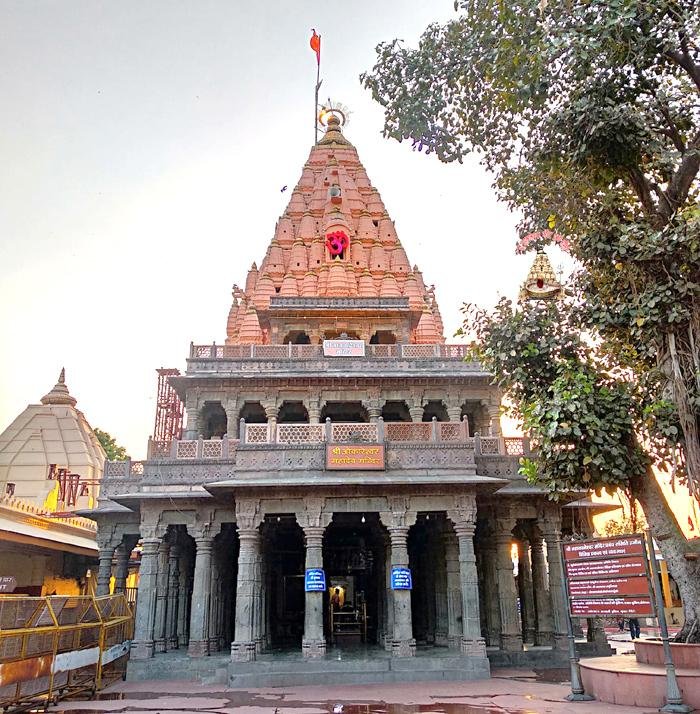
    India is a land of ancient temples, sacred traditions and fascinating stories. Among the most important Shiva temples in India, Mahakaleshwar Temple in Ujjain, Madhya Pradesh, has a unique place.

    Dedicated to Lord Shiva as Mahakaleshwar, the temple is one of the twelve Jyotirlingas. The name Mahakaleshwar is associated with Mahakal, the great Lord of Time.

    Ujjain itself is an ancient spiritual city situated on the banks of the Kshipra River, and Mahakaleshwar is at the heart of its religious identity.

    https://images.openai.com/static-rsc-4/kVvMKCSRUd5ypRGfPpU_0ixNLGWRTQRqL6KQyxkBnSh18yluLv3w2exdPhIqadL9kcU-OKe4pRaskRs4Vq0euutjzMzd-a60RKbLr4q4KR5s-s529jrJvL6t95IBCVP5ELx24otLGm2S61_jC5R9ObVm9nLfh8yNjxA3SY9JqMxSlRt-TnKZkm01uz5YrI-C?purpose=fullsize
    https://images.openai.com/static-rsc-4/7_uToiNj3eUfqb4g8QxMcGBXCmC2kLymMqNkeQM0Yd4z8NbzRmJnL8_QBLXJGbIssyioRxOoKUs0oX-7xmtNVVMuP1OiA_Uwz7XNRLxtJC7aimMC1DxWzuxD58F0EyIJ-KalDFZsoCsRvw0XY5R6b4v1EQ7KEtPbxQHgvg2spYkNIEMiFKGwu9AQ45hKS9TA?purpose=fullsize
    https://images.openai.com/static-rsc-4/p7AgvUBpRASsUlupqHX4iDhNHFi4nyMx5HtBwK1oFSvpFI-SdXz0DEhbuBtE3n5duXci4ZeDnA7qMNZ7VG8i1HCdMCrQRFb382enJZ-X4XA7DsSp66pTXzjVx7YDZIF03E7qw3JSicOAkK9sJS8UngW7ThZosicugjNcTH2PCGkanPqsXvJVgIe89QIG-akQ?purpose=fullsize

    📍 Where Is Mahakaleshwar Temple Located?

    Mahakaleshwar Temple is located in the historic city of Ujjain, Madhya Pradesh.

    Ujjain is one of India’s important ancient cities and has been associated with religion, literature, astronomy and culture for centuries.

    The temple is situated in the old city and attracts devotees throughout the year.


    🕉️ Why Is Mahakaleshwar So Famous?

    Mahakaleshwar is famous for several unique reasons.

    • 🛕 It is one of the 12 Jyotirlingas
    • 🧭 The Jyotirlinga is traditionally south-facing
    • 🪔 It is famous for the Bhasma Aarti
    • 🏛️ The temple has a distinctive architectural history
    • 🌊 It is located near the sacred Kshipra River
    • 🇮🇳 Ujjain is one of India’s major pilgrimage cities

    The south-facing orientation is traditionally known as Dakshinamukhi, and it is an especially distinctive feature of Mahakaleshwar.

    https://images.openai.com/static-rsc-4/d90Yym-oiK0St-Xv9cj9sw4iLz3u5YRcBqf7Hi2aU64s9xnjdJMsxSTFR6T3x7T6KdCFZMorAfA_L7YXmlyiCUOcn_vyrXT9u3Ne6qtuYiL3YUr4I5iLRvoaWaQV8oHrUsNxmkHwdjAGAtilLTxc8-ECzuTyM_M5a7xCv7JHIDiW_SBDCbUmNI52C_akQYIV?purpose=fullsize
    https://images.openai.com/static-rsc-4/SKSMlJoFd1r-C6Q_FkZeYz3FCf2RcU7LJj7ygfCPz84yUB0Y3soUamDaWkj-mOo-5CEg2lYEkqMLX5ZPBTJZQLAARu6oxZ81IO9CcyND8_Onl4VOSVYTpjQxqPkkf7WfNSiSZ9SX3iAeRXEXWwDF_3-tf9fak5ekNyjfwlRdL9DtLhn2hbBeFbLEDoYIfyfw?purpose=fullsize
    https://images.openai.com/static-rsc-4/tveD-CAk7sTU8xqmZ3LL26NUStD9lzH0wqtsc63nLbDKMQrqjUdAGLCP25z9AD80x2qA3q7fr1cN_1SBlwLNlw8CU1FSNVgGv2Aqdt86boaDxHTw9I1bP8NMRQmkYLlJM07rQ3KV09CBCki7jIz_z4HUCbNC3YP5zuiHp20Fy3iq3OSLMBTlOzO86XsFxsEd?purpose=fullsize

    📜 History of Mahakaleshwar Temple

    The history of Mahakaleshwar is connected with ancient Ujjain and several periods of Indian history.

    Historical references indicate that Ujjain’s association with the worship of Shiva goes back many centuries. The temple underwent reconstruction and development during different periods.

    According to Incredible India’s historical account, the temple saw significant reconstruction in the 12th century, while major renovation was carried out in the 18th century under Maratha rule.

    This long history has given the temple a combination of different architectural influences.


    🙏 The Story of Mahakaleshwar

    One popular traditional story comes from the Shiva Purana.

    According to the legend, Ujjain was ruled by King Chandrasena, a great devotee of Lord Shiva.

    A young boy named Shrikhar became devoted to Shiva and prayed for the protection of Ujjain when enemies threatened the city.

    A priest named Vridhi also joined the prayers.

    According to the legend, Lord Shiva appeared in his Mahakal form and protected Ujjain. After responding to the devotion of his followers, Shiva decided to remain at Ujjain as Mahakaleshwar.

    https://images.openai.com/static-rsc-4/6GIs47xo36I_AwFnse7hg9WScs_u2-SEllc09uJ-wkmsJtfDpxGge7zH0p-OLZxnTD1-DtX_K139Q3Lf8g45yALcsWu6Qqo-srJ8g3g1oyeCO9BPHOvcIsB5lsopzcGTRjHC7vN8EbN8MX25fZtnFp2ZDprRvK3R3s35gJNKYr670e5hoFWCwUYDjqFwuw7J?purpose=fullsize
    https://images.openai.com/static-rsc-4/phcyNaZTLu35xbQJKNDtwg7szbKuTZF1KxM8BDdwUWVkHXlCPJjDadAkpSS-M-lGX6MmbTZT24Egtqs3wj5I9KuEnza8qXQGCgEdVp8Yaj_nmis4ePnwHR54tNK9on2IR0n9ARfcuAz5DWRjEymnTaPAFsqpJsw4_Ov7H2HEWNew5VtUO0KJVe4pzStZiu6l?purpose=fullsize
    https://images.openai.com/static-rsc-4/7tLRU_XF1YFLURp617SJE-8pisStUB9hy2PAk9HtvVbKyHa-HyD-_WgUEGmzJ91vSYstblvtokdyMP7eh-CSMg6D8KegSJGHO73yiOeDio1MLY0qUBx1MOrzXTDjDf2_PcK8hmwgzci0UGAkOLqgufzeVf-_K4TFNpcosfD-lG_RNvxyk7ExvPEXF5QAIbC9?purpose=fullsize

    ⏳ What Does “Mahakal” Mean?

    The word Mahakal can be understood as “Great Time” or the great power associated with time and death.

    In Hindu tradition, Lord Shiva is associated with the destruction and transformation of existence.

    The name Mahakaleshwar therefore gives the shrine a powerful spiritual meaning.


    🪔 Bhasma Aarti – The Most Famous Ritual

    One of the most distinctive traditions of Mahakaleshwar is the Bhasma Aarti.

    It is performed early in the morning and is one of the temple’s most famous rituals.

    During the ceremony, the Jyotirlinga is adorned as part of the traditional worship, including the use of sacred ash.

    This ritual is so closely associated with Mahakaleshwar that it has become one of the main attractions for devotees visiting Ujjain.

    https://images.openai.com/static-rsc-4/B_oqkZ-wWgDPEcVMh9rA490lfQkvdWtZZG-DqEoROlhn1wQw8vB4t-fPCk88KMF3lGguQtf1wdS682foT2JQgHM_NXppfeyIyvksYwpxdCK0EsKO96-N6DTZfkS2O6Xm0nvQ32cvJV1ok9bI8Pj3QrAasztgNVqGUPtthOnMcXBiriAOgbu1WiewSYgq6H29?purpose=fullsize
    https://images.openai.com/static-rsc-4/0mqII5FwhYqHpFGEi8pLJliKBsa0Y1mvJkVtdle4MhGEOZUKXc8EjjY7_QpcNGbGFtPYPcGR-M-yMh7CZXICw2sBuW9OF5pVehiTDtUcQO_NIGXfdh622dut4fyaMrc4BpJC2fLg7vhWuw5l4ndQU57M_7r-yhteBDn_dh-qHxYPkBmCQvQK4k9PvukaMB-D?purpose=fullsize
    https://images.openai.com/static-rsc-4/q7shg3Tt-pkfvKsrcp15yCrtwlford9ytFaHslMqpDYqwYbAJ70bvJtGtSPwOqEb9yoKoV8y9tNtTCXNonA7CiISXDvbASnP11yfEaXR8Na_9wkpRJ_DARvVdLHi7aPTFYAtA8iBXgASpoKMyRJjtSlWas7u6FvhHEgaB7npUyJvJSBhUKb5HvSwqFsAl9F6?purpose=fullsize

    🌅 Why Is Bhasma Aarti Special?

    The Bhasma Aarti takes place in the early morning and follows traditional temple rituals.

    Devotees consider witnessing this ceremony a deeply spiritual experience.

    Because of its unique tradition and long association with Mahakaleshwar, Bhasma Aarti has become one of the most recognizable rituals of Ujjain.


    🏛️ Architecture of Mahakaleshwar Temple

    The Mahakaleshwar Temple complex reflects several architectural influences.

    Incredible India describes influences from Maratha, Bhumija and Chalukya styles.

    The temple complex extends across multiple levels, including an underground level. The Sabha Mandap and sanctum contain sculptures depicting Hindu deities and mythological scenes.

    https://images.openai.com/static-rsc-4/0LGdAzeT4-N9mTmFYiMb2Oa1PRrRs-FirsiFV3lPeBuRXQH5ezG8l7tbH8yAR7i6OiWV1eRTZRZjXBnquIqysHCQ2HRs5mJdsUy8CVdKI4Q3kK2Nm0Xlq-7eVJfCrxqu_wkuSHN3xvYQw6wvunKXl0BIJfPXegExS-v_wLKSJ75v9FEtJruA-pKsPKXFFxGy?purpose=fullsize
    https://images.openai.com/static-rsc-4/1Yvvt2yMtdIVrsye7YG-mi30Y5Kko2dPy6Uf2wPK9Is4E6FVXMntP61nzbTqAuua5rPw3acWkdMOrDmck20nKg8Ud0EwKwUKtPK2LRds35ZVcHSgGAkWGUX49x6XkgzwGc4bEAvt6-PdNcPiaghmjWcndlCven2NFip5ODCQvSB-Z9DdJAK4hVOAci3xI4rQ?purpose=fullsize
    https://images.openai.com/static-rsc-4/2kJ7hOVieN9kNghjcPSG031aA24tkuZb62B3t8XtKHXf4Y5g3XMCAwrWAgiD-e0f6GVW9FfKt_imv5o-PMce1H0DDmF7v46lG8qUqZrYizEwP0XnAM5-pzblm6lXW8r-tpYC86iS-qEYI2-2h88QVlv-wzVYf0czlt_6YD1OV_936UCwVujYxum6mZVcUgcJ?purpose=fullsize

    🛕 Different Shrines Inside the Temple

    The temple complex contains several important forms and shrines associated with Lord Shiva and other deities.

    The Mahakaleshwar shrine is the main spiritual focus.

    The temple also has an Omkareshwar Shiva shrine above the Mahakal shrine, while images associated with Ganesh, Parvati and Kartikeya are placed around the sanctum according to the temple’s traditional arrangement.


    🐍 Nagchandreshwar Temple

    One of the interesting features of the temple complex is the shrine of Nagchandreshwar.

    The shrine is located on the temple’s third storey and has a special tradition: according to the official tourism description, it is opened for darshan on Nag Panchami.

    https://images.openai.com/static-rsc-4/bNur3Mdl9NqXyW-g-QVAGEj9nJABo5U1Dv5K1BUlcei2kI4r1zYAMXy22WXv8k-O_AphDfyAdQ-x-vwsRlnuxZBN5JNfXDj7x4I8siI6RMGRGcqWN2CA5Zu3IOr9GbS0L09KHlquYSVNEUIz_Eu88vnCMHjg62W2-KPWKC0qMxLfMKr41aq0NBQ0I35GpWuy?purpose=fullsize
    https://images.openai.com/static-rsc-4/q7shg3Tt-pkfvKsrcp15yCrtwlford9ytFaHslMqpDYqwYbAJ70bvJtGtSPwOqEb9yoKoV8y9tNtTCXNonA7CiISXDvbASnP11yfEaXR8Na_9wkpRJ_DARvVdLHi7aPTFYAtA8iBXgASpoKMyRJjtSlWas7u6FvhHEgaB7npUyJvJSBhUKb5HvSwqFsAl9F6?purpose=fullsize
    https://images.openai.com/static-rsc-4/2NAu_8ZAGUm0ntHXgqW7rbMRztdw17HB-vkYeT3kMuo-nC79ZAVYh96uPVrnW307m5bFLx--_vkv3waUQGfTfq8eBAa30mwEl06w3EghDbrwYh4d64FlPwEIWmLQTeL9GGyXZ_q8MsOcWjCndBBacA__daS7ldAPm2RIYgNzhZMzl1VhhtcVOyOzzSDibLcf?purpose=fullsize

    🌊 Mahakaleshwar and Kshipra River

    Ujjain’s spiritual identity is closely connected with the Kshipra River.

    The river has been an important part of religious life in Ujjain for centuries.

    Pilgrims visiting Mahakaleshwar often also visit the city’s famous ghats along the Kshipra.

    https://images.openai.com/static-rsc-4/loleUB8B9-_cPel00t_PsqWvSObRj4wZvGOCD3sq_KK0eCgy0nMAbsgCU1CoPTX0nOIaQE2I1_9XBwbegtQ-LkMwjpWJtG9oPUzPpW01lHAuy0vVzuTWM8MfNMRTuKtQ78DeEgbDjAjl-jza5ZX8Fs8YgIzulJDMuXPeX4c9r0zybs_y5PW9fZ1__HuEa9R4?purpose=fullsize
    https://images.openai.com/static-rsc-4/BhCa-oREF_0YA08oD2PNlxMUNzalLzbWhhfIXDhaBY6b02SXJDNkm9a51oeFQb-2WbqhIOqzt1qxDQp0kEL47K-mxcyMx_R6BV7nqlcYEHdoTfxA3Ff4y3OMyXjGF7EqNNBIEgyBVUQrmJAdlpsJD-FEFiKQH0HB1hqFZZVD0iiyYeceUoibaKMcF-IMNKw3?purpose=fullsize
    https://images.openai.com/static-rsc-4/SAlX-fYmiPn7KcszsB_QurKLz54lAhmchGgg6XihfSsVZ0l4vPeej0A-QB0suXIOkuW1oqyfPXvWaLYF18j6UjrfmBUednL5uSJuOukGiVwYj2zTmFoCLnwmQuYdPOSnu1KrMkCtkgiShddKbDgltBohbM_89auS7oOJ_OaJpTuu7hGeMdFOxzoDVm8ljEkQ?purpose=fullsize

    🏛️ Mahakal Lok Corridor

    In recent years, the Mahakal Lok Corridor has become another major attraction in Ujjain.

    The corridor extends for more than 900 metres and contains large gateways, sculptures, murals and artistic representations connected with Shiva traditions.

    During the evening, the corridor is illuminated and creates a distinctive atmosphere for pilgrims and visitors.

    https://images.openai.com/static-rsc-4/zDZD-LeU28NRNgKH_pN3N1ooa1jSZoJScFl7Dc-EwKG0asRaH-dPaNdZPd9gxqqzKmjk9vGgFXdHRh5NtrsTPPXjDfk033CaHZFBcS2dwWu562mByOjqgu-tyVn5sUpw6yR-wF5iMNZMhYE_BUAvpTCQjsGf7gQ_m0MoRVL0yAbEFaVj1mhSS8kTROMEXoO1?purpose=fullsize
    https://images.openai.com/static-rsc-4/VF_HXy8abb85VSNC6z-AE5W4G38v51krTkW6lkMYBHIwhgc5iLoTJEt4GHHMGsiItjuaRm_HQlX3KzTGuNJ1O5I8uyjiDEhaqZIwL7il-Pch0NIGRW9axqVfbW4WUFfYB8_X3abS0LmjmfDMAs8tB8Yi2k5HYcpUlioaRxm-fstllNKXC-d1ObNkk8PFbyds?purpose=fullsize
    https://images.openai.com/static-rsc-4/jZ7gn48hKtJN7eCOvrfTH8aAqKwJhhPWbs8GqwXjKdhCOJtA7ewn7pxIxUVK1GRffuk_gKCqetYBDHPVjptTaMcmgxnM4DcxUVydUJ9o68qirwGjZntm6iJrjtHwINH6RRf2jqxqjtfI_L49ulTmCHGwaLH36YzFxh9ia1mwSJz8wkcRAqqE8V5Melul2N6K?purpose=fullsize

    🎉 Maha Shivaratri at Mahakaleshwar

    Maha Shivaratri is one of the most important festivals associated with Lord Shiva.

    Ujjain experiences a major increase in devotees during important religious festivals.

    The atmosphere around Mahakaleshwar becomes especially vibrant with prayers, rituals and religious celebrations.

    https://images.openai.com/static-rsc-4/3h8oUnfj8EqiGL-oEMHvgJlOhEllGdQDO95sb3uGX176bQ57unQgland3MEopQv6ksocKebchrV3Ot7CI-rvJ2CXZ8B7FnjJLwNGliCggF1WPZ0VPBkkdBiNdHj1ZMyMUi0THsSAguNfmqpjvxMrODR5RFtMfjBqGHRTkCSkuPC8XfP6SxT678Sp6zjgQb5B?purpose=fullsize
    https://images.openai.com/static-rsc-4/fiAJ4HkySXBxYfJJRuR13FIvmix5eaQvdcEZShBYRvpQe5uQpsq7OC72G2ri4I7_ybVgL0tAmTT9XNdnu5bzwzowYQUbU-WsVjwcMS1n9Vn_4_SCQ3cHOH2oRuiSz4EUmUA0XN-SjBtr_CiyUHYyGA0PHLcEdO1h2Ru0famKRQG8r4OGRWn80FNdkwCHeoyt?purpose=fullsize
    https://images.openai.com/static-rsc-4/L3iS-yNuc87EVisMWaBgIOA-SRkVBtxvUqFL474o26mK_A8RrpXn2YwGsc0RKjleOnMbTtp68ChcpMlhiKPlDys08qB8-zs1sv-ylGGdmB7FqCMsXO0EpwIWkfT8q3K17zgrBr8vrux8tuISmHWmpo6xOOhQyLhPRzzKt-Ozgt0Loxx7yb6tQkJnf7bF_6_U?purpose=fullsize

    🌆 Ujjain – The City of Temples

    Mahakaleshwar is not the only important temple in Ujjain.

    The city is also known for temples such as Kal Bhairav Temple and Harsiddhi Temple, along with historic ghats and other cultural attractions.

    Ujjain’s long association with Sanskrit literature, astronomy and religious traditions makes it an important cultural destination.


    💡 Interesting Facts About Mahakaleshwar Temple

    • 🛕 Mahakaleshwar is one of the 12 Jyotirlingas.
    • 🧭 Its Jyotirlinga is traditionally south-facing.
    • 🙏 The presiding deity is Lord Shiva as Mahakaleshwar.
    • 🪔 The temple is famous for its Bhasma Aarti.
    • 📍 The temple is located in Ujjain, Madhya Pradesh.
    • 🌊 Ujjain is situated on the banks of the Kshipra River.
    • 🐍 Nagchandreshwar shrine has a special Nag Panchami tradition.
    • 🏛️ The temple reflects Maratha, Bhumija and Chalukya architectural influences.
    • 🌆 Mahakal Lok Corridor is an important modern addition to the Ujjain pilgrimage experience.

    🇮🇳 Why Is Mahakaleshwar Important?

    Mahakaleshwar represents the combination of faith, mythology, history, architecture and living traditions.

    The ancient city of Ujjain provides the historical setting, while Mahakaleshwar remains the spiritual heart of the city’s pilgrimage tradition.

    The Bhasma Aarti, south-facing Jyotirlinga and Mahakal Lok make the experience especially distinctive.


    🌸 Conclusion

    The Mahakaleshwar Jyotirlinga Temple is one of India’s most fascinating Shiva temples.

    Its ancient traditions, unique Bhasma Aarti, south-facing Jyotirlinga, rich history and beautiful architecture have made it one of the most important pilgrimage destinations in India.

    From the sacred Kshipra River to the magnificent Mahakal Lok Corridor, Ujjain continues to preserve a remarkable combination of ancient traditions and modern pilgrimage facilities.

    Mahakaleshwar is not just a temple — it is a powerful symbol of Lord Shiva, faith and India’s timeless spiritual heritage. 🇮🇳🙏

    https://images.openai.com/static-rsc-4/s5z955EaQTdMToLBtEae4B7TfM9QoJF4ysheccvJkMTpwvWTYicX1_GmAc9QSrYclslL3e2L5qGFrr6CPm-bcqUFSYkZVpx1TqwaKrxb_GCg22LyHbUTP3_ildQy7zZg7gocZQqtsZI7wtrVJ__SEOfpV2KZxqCWhgFaXg6OoqHk3f0TF06DN-EI4Pfbt41t?purpose=fullsize
    https://images.openai.com/static-rsc-4/_ec8bT0p6KVGfbh0IjzhVDqVLPLoXWIS__D6pFkgkRbMF-yVXQlyC86vbQp9AmzPSijF-kpiGT9RkPfgANUVRi7a0RabJ303LC2NcP8PY7U5tqHuGZfddlU7kKed6xk_r65lOnooaSaW18bvp3cY63UnGymr_5ADZeZs7oL1ek5JP5obSJ04eEt5vowJMRoq?purpose=fullsize
    https://images.openai.com/static-rsc-4/UF5nEc2z7spT75WoxqhtHX60jLqmB3N0jD5t0pbZ-Bs3bK_DEO0U5j2y-t4c7azTAfPy5Ie1MuNr4cwmt6STkNZtzJnMuR4Ca77GoC6iCkJvexebwdDz5n92h8ydB3k15D-9kuIMrXZ17tmMiXLRyIrsYDM1wXkKJtxxvReyJnCvnDYlX37IXFCg8R6kKGhx?purpose=fullsize

    🇮🇳 MANA BHARATHAM

    This article is published by MANA BHARATHAM on ALL INDIA PIN CODE SEARCH.

    For more interesting stories about Indian history, temples, ancient monuments, culture and traditions, stay connected with MANA BHARATHAM.

    Know India. Explore India. Celebrate India. 🇮🇳

  • 🛕 Kashi Vishwanath Temple: History, Lord Shiva, Architecture and Interesting Facts

    🛕 Kashi Vishwanath Temple: History, Lord Shiva, Architecture and Interesting Facts

    India is a land of ancient cities, sacred rivers and timeless spiritual traditions. Among India’s most famous pilgrimage destinations, Kashi Vishwanath Temple in Varanasi, Uttar Pradesh, holds a very special place.

    Dedicated to Lord Shiva, the temple is one of the twelve Jyotirlingas and stands near the sacred Ganga in the ancient city of Kashi. For centuries, pilgrims have travelled to Varanasi seeking the blessings of Vishwanath, meaning “Lord of the Universe.”

    https://images.openai.com/static-rsc-4/0qf_XBcIcERemBWrQ84hCEatFhBT06YmQr_OfuoAjbS1vg-Qmq8VLn5RUSDeVtfbifQm3i11I417Cf1OtXm9-LxW8FK5es7BmDnMDYyNwGlLLkyX8xhlRLM0Uy7L30NIYhjl5fJk28Mqv2rDkWnsZhntjbTTJkQHfVoFVi4YymDDANh_neDXMWeinp8HQaKW?purpose=fullsize
    https://images.openai.com/static-rsc-4/rD8e8EpC1aZjLVZAgFJmOySf59BMjNLaJ8BIpWBiQEwT70GYVLSFWqn4_bUDQEIRi3_Iq8u1mWXR7QZtmCgNB87BulDkRIR5YokbPwbmiGvF_v1VEU51qAQlz7vdSJFqgFzOHIUjjlz5kwF_difp3wC_HHLd9QnjtGbgLDyXHxCpbzLS8aXUW5gw4ezlBSpk?purpose=fullsize
    https://images.openai.com/static-rsc-4/uz6PrD-CSuNIRzQuuVtXBXJsuj6YXFSeVDcQyBSYooHaCKCZ2UN2Q1xS709j3wgke5X26dJUHbFUFXnu7OuTqseT9WtkpyWwAQs4nT7jE33-3eP2Gi8s3MH49w91v1AzJz0KNcmD4kjYcYpyAv4dab711zb6rV0BE2zYwo0C03PnrIEMVkJr1p9zN7uVfbnT?purpose=fullsize

    📍 Where Is Kashi Vishwanath Temple Located?

    Kashi Vishwanath Temple is located in Varanasi, Uttar Pradesh, close to the western bank of the River Ganga.

    Varanasi is one of India’s oldest continuously inhabited cities and has been an important centre of religion, learning, music and culture for centuries.

    The temple is located in the historic area of Kashi and is closely connected with the spiritual life of the city.


    🕉️ Why Is Kashi Vishwanath Temple Famous?

    Kashi Vishwanath is especially famous because it is one of the twelve Jyotirlingas of Lord Shiva.

    The name Vishwanath means “Lord of the Universe.”

    For devotees, Kashi is considered a sacred city of Lord Shiva, and visiting the Vishwanath Temple is an important pilgrimage experience.

    https://images.openai.com/static-rsc-4/0w4KtbyyUbgT-j0o7FOZY2h4miWKo-kjbtQTOJiIMIw9mlqZKbHRSZSU56UOmhu80JI34cltyBlBbPVFmLxayLP6DebC2jRz-EBeV8DsI3fvCP5x6VnEXoWgtYn_TjU8OllEAstuLm1wQyHE9b0X-RYimZtwxZ0H_w9UV2uy0W919mD1TjpahmQaFDuPKupj?purpose=fullsize
    https://images.openai.com/static-rsc-4/DhCkVOnKcLW6_aKvC3Fmj_u2WSYMN5lN6dy3akx-F2B-3Ra5fAQG5QF_eK63_oHadfPPW6xf0TT8-gfIBVcvQ7xhcbKvN5GeosHmzBj6AkzmGPtfTUuB4jLxoi9AAJlND2ekoFTOvUfGqvgtu0Y_XfILcjTo1D0hHRc9eAKxtAQK9aygM4t5EasYb98c8tIh?purpose=fullsize
    https://images.openai.com/static-rsc-4/uz6PrD-CSuNIRzQuuVtXBXJsuj6YXFSeVDcQyBSYooHaCKCZ2UN2Q1xS709j3wgke5X26dJUHbFUFXnu7OuTqseT9WtkpyWwAQs4nT7jE33-3eP2Gi8s3MH49w91v1AzJz0KNcmD4kjYcYpyAv4dab711zb6rV0BE2zYwo0C03PnrIEMVkJr1p9zN7uVfbnT?purpose=fullsize

    📜 History of Kashi Vishwanath Temple

    The history of the Kashi Vishwanath shrine is long and complex.

    The temple has been rebuilt and renovated several times during different periods of Indian history.

    The present temple structure was constructed in the 18th century under the patronage of Ahilyabai Holkar, the famous ruler of the Malwa region.

    The temple therefore represents not only religious devotion but also an important chapter in India’s architectural and cultural history.


    👑 Ahilyabai Holkar and the Temple

    Ahilyabai Holkar is remembered for her contributions to several Hindu pilgrimage centres across India.

    She supported the rebuilding of the present Kashi Vishwanath Temple in the 18th century.

    Her contribution remains an important part of the modern history of the temple.

    https://images.openai.com/static-rsc-4/NF5IcIgacN9jAniwphL8lr6k9e97Lul8-lBq-JHWmgRqdurDQU-aeH-WubwZlt7EmFtuLUIomD-h9O_NhbirQu4u-hWNpI-DKtG0ty7yfPHzuSyXqY1cRciBS-Nr-Y70uSniCRMEgwsTExN6wX7b0pEm5ehCa6a1pLebz9tg6cvtsK3HgmOrzeym_a2_O-jD?purpose=fullsize
    https://images.openai.com/static-rsc-4/A1uKG5-pcZo7RxVzjqkv05MN3kCg3OymrO0w0sT5u4Jx36he2IlQ2xXNKJ9vrD051TQcjON5kPnwPQ-cH3fhIHfu2gg_ubbwaN4MHYQdtttFZx3y8Wek5qMSpvQvVoQ2Cx7wu8sLm5e5wdlulia8_Yy_2NVpOhcqj4CbNUWtn-sZzv7icRflEKOgqQPD1tM4?purpose=fullsize
    https://images.openai.com/static-rsc-4/8oQP7gD6rkVRpadAmwi0FvmdBrEuoB0rE6q4YK_6H55LyFtYD3jillGeyl4wUZv8CYu9DhL9AMeiwkbIkJbHKZxc6QZh9vVKwenikti5ZUTQOZ8YWZeUYsvIXqgL-wKaQSeiUmkqEwjNJat4IME-aE7mRhmMgDdU2tBuFhQWzcKimpEilRQB99xWEP0MiXGe?purpose=fullsize

    🛕 The Jyotirlinga of Kashi

    According to Hindu tradition, the Jyotirlingas are sacred manifestations of Lord Shiva.

    Kashi Vishwanath is one of these twelve holy shrines.

    The Shiva Lingam in the temple’s sanctum is worshipped as Vishwanath Jyotirlinga.

    For Shiva devotees, this gives the temple immense spiritual importance.


    ✨ The Golden Temple of Kashi

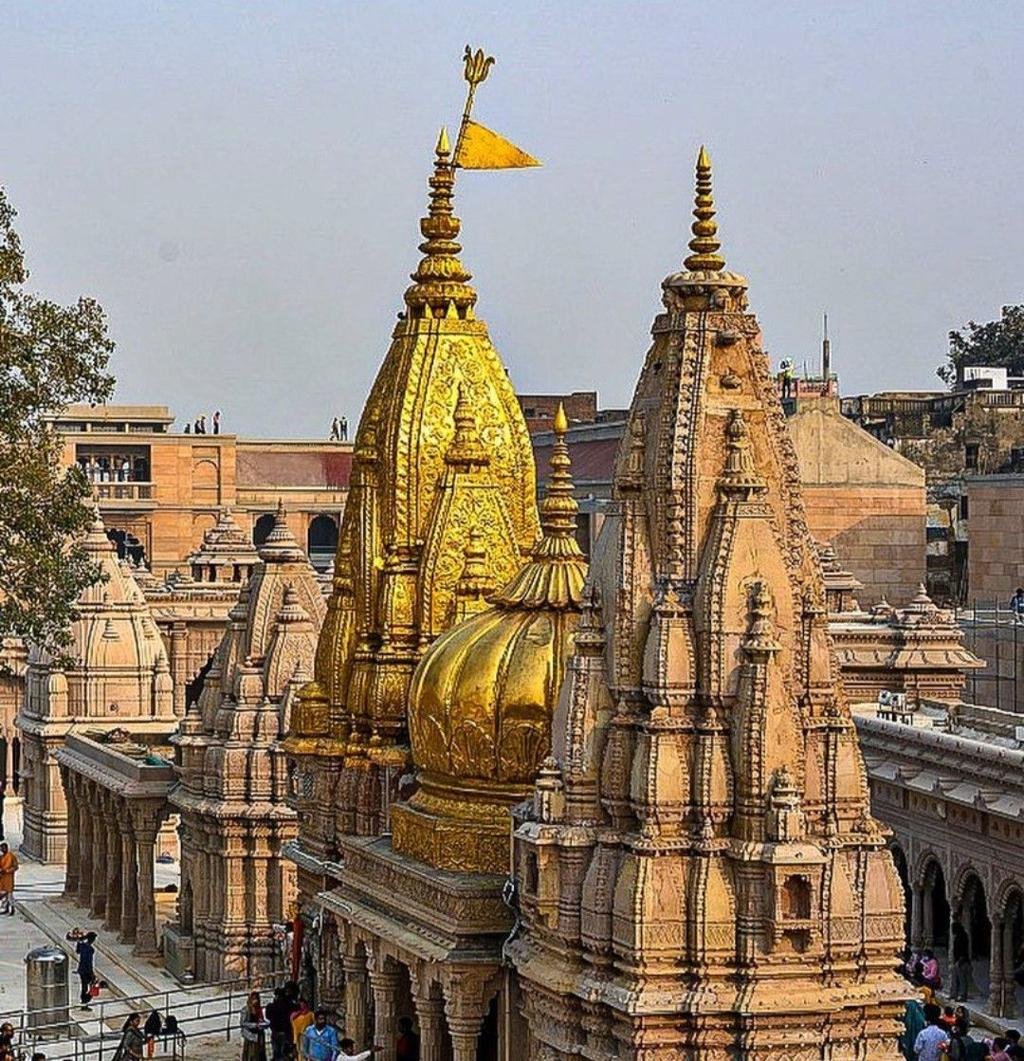
    Kashi Vishwanath is sometimes popularly called the Golden Temple of Varanasi because important parts of its temple towers are covered with gold.

    The golden appearance of the temple is particularly striking when sunlight falls on the domes and spires.

    https://images.openai.com/static-rsc-4/SqHUdl26nJ062pkJtPaqrRVUmrpfX4gF0AiQ6rOGTDhpJDmuQqDRBMSL0RbYHM4FQEiBrhLckmO-BhgRaaIq35tKVSO90Xou7RTosdSHehqTv3MxkQQMLhyM4d5sbU1nCrvOOTLjpMdE4vMeypuo-MlNPeFKeuOOL_Na7kaw0DKuoPq3_3Q2IhB4YSiY2pN4?purpose=fullsize
    https://images.openai.com/static-rsc-4/uz6PrD-CSuNIRzQuuVtXBXJsuj6YXFSeVDcQyBSYooHaCKCZ2UN2Q1xS709j3wgke5X26dJUHbFUFXnu7OuTqseT9WtkpyWwAQs4nT7jE33-3eP2Gi8s3MH49w91v1AzJz0KNcmD4kjYcYpyAv4dab711zb6rV0BE2zYwo0C03PnrIEMVkJr1p9zN7uVfbnT?purpose=fullsize
    https://images.openai.com/static-rsc-4/4_vbcX5tHQY1-9KTQR9LTmpYh7WPDcCvjvWMSVyEtb3dejWYfNeYkmVS6Yktm-DwYp4ZunilaZ34S1bS41oo2ZShyukIY00MO01WH-KJnwGLlAnFblUzTdC0leybm43INTSCb3zbSEQToypYibf1FjJbRonXTco1Xo4RDnz117Igw_roOtTG9oNXPvbZJz8F?purpose=fullsize

    🏛️ Architecture of Kashi Vishwanath Temple

    The temple has a distinctive North Indian architectural character.

    The complex contains the main shrine, domes, towers and several smaller shrines.

    The golden domes and spire have become among the most recognizable visual features of Kashi Vishwanath.

    The temple’s architecture has also evolved through different historical periods.


    🌊 Kashi Vishwanath and River Ganga

    One of the most special aspects of the temple is its connection with the River Ganga.

    The Ganga is considered one of India’s most sacred rivers, and Varanasi’s ghats along the river form an important part of the city’s spiritual identity.

    Pilgrims often combine a visit to the temple with a visit to the Ganga and its famous ghats.

    https://images.openai.com/static-rsc-4/G2Asakj9QM35TaZfg23gagOCIRFRjHDQLLyR3CMvsBIvPVbcxi_DXLdkwnCyZtGNqSo4O8hfQo2LzXDdoHDiAdECoatZYEB1jutFBEEzwbEVERz0m_tjYbX8FJtmdSwlj1Ppb1VC9AX36hW5miUB7iB3m_8P-4nxwFbuOSkWqdEdnenMMPGBSZLZ-dBjiRfd?purpose=fullsize
    https://images.openai.com/static-rsc-4/F3t4wG0qvezAAZ4M3fFcNve5DbkNF9pKn-qqEu3eqxNIfP6XGqIat0j1wZ97LLClDISd_EOHD6yeKZEYNzhQ4OHwk69X8Yn1YObKEbjURgGJcyLM2Y8g1z36A4kc1cotzvSmS5hRZ8XM74xb1cwIgy37jSJpnA2qwjosclF5C8WmWkRPYeOvA5h_cGCRaih_?purpose=fullsize
    https://images.openai.com/static-rsc-4/yhXkkyZ4HMx6X1J2Mpryf6ABbiadSbpQHRCGu5Jy2azjDZwRltsGNmvRzdvCKDQL-H8zOEVqlmWr5x3C7RKIsV8zga4MyorT9zVfT1ZtbId5qoFIqFu2tl70yMTIJzTZPkvH3c3Kk8QbsrPF2zVhWEaWBT3CJm53pzVnueVIaNN3dnmdd7kHJg2tNicDjwpD?purpose=fullsize

    🪔 Ganga Aarti at Varanasi

    The Ganga Aarti is one of the most famous spiritual experiences associated with Varanasi.

    Every evening, elaborate prayers are performed at selected ghats along the Ganga.

    Devotees and visitors gather to witness the lamps, chants and traditional rituals beside the river.

    Although the Ganga Aarti is not a ritual of the Kashi Vishwanath Temple itself, it forms an important part of the wider spiritual experience of Varanasi.

    https://images.openai.com/static-rsc-4/_uXmh1hw8oeb8vB5xY0wk1GvwrHHBPphXd_rcfV7GZEmVCKMpbBxQztfiljvarkYUK1YYJF4KKFzEr_MY7NtAD7_a9Jierfnrp5CAogPie-ieQAEc8FoiVG4CvylcNLQAWlFjtpR38pPSbGmUSR5aJGlfAEAoKs0nkuJnV1xPYB60dXzFIED_zCXTgiWe5pV?purpose=fullsize
    https://images.openai.com/static-rsc-4/1ApeHTB_GPhVkqx1WpoXvtW2hiaFAkfuVQHaioBKhNyDScOnOsVq2TY2SX7nD39EB6UrSdxNUMwyCcGFaib8Y7Lm8Obscv2waJCXWDi98oaagPssGNPI4E6xHvAed22foMbeKbxUtN2rp_Rvb9xrdPsrdRSl-AjT7qKamIHzIXs1ucxwq0pXRDPzYKYGLCG4?purpose=fullsize
    https://images.openai.com/static-rsc-4/Fv51KL_J6GWAnDJB4NsGz6gMvfZ_Ws21gjaXlJIiyscMtn2B7zZdtoUhLvP_9Lav8ozOs5kPwGZ8SKuAT6snjXYX3P5UbsLDBNCg7Q6ua-lDHepWfNemoR5Kr-GqGJ6Bkn5XVt3rfh8oUvqPCMZSUD3da2TWITQro5dWhCISHkWUCE3j99maoBpR3_DRQ6fU?purpose=fullsize

    🚪 Kashi Vishwanath Corridor

    The Kashi Vishwanath Dham redevelopment created a much larger and more accessible connection between the temple and the Ganga.

    The project officially opened in December 2021.

    The corridor provides pilgrims with a broad route between the temple complex and the riverfront and includes facilities for visitors.

    https://images.openai.com/static-rsc-4/G2Asakj9QM35TaZfg23gagOCIRFRjHDQLLyR3CMvsBIvPVbcxi_DXLdkwnCyZtGNqSo4O8hfQo2LzXDdoHDiAdECoatZYEB1jutFBEEzwbEVERz0m_tjYbX8FJtmdSwlj1Ppb1VC9AX36hW5miUB7iB3m_8P-4nxwFbuOSkWqdEdnenMMPGBSZLZ-dBjiRfd?purpose=fullsize
    https://images.openai.com/static-rsc-4/ub7pcV4FCkdU_ReD738qT-eokDGtYiVocJL3ExL1cKhk2RHlbEwvrCyITrZzFQPNFyiKyLXTqtdKd2bdVbkzRzw6yHij-OYM-PG56KVIAM6pp0eurnI4vMPjNNsZ8mGk0btu1bORG-fqZaTf9zroMFrAf7CJ0EqmE44uAaiDpjQglp_Swg0vwrQs-Z0GBgpm?purpose=fullsize
    https://images.openai.com/static-rsc-4/7x-gvH0MSdbVlxAikgVQP3GgF36kvG33vfhsgoB4rkrBjcKKo1TeeKJDw8SlLunROmgW5NrwwnekhaZnzva-v_t-cvAwnd3oAXIU8L9kn9vnyCfmV5xJn62fs2kTfz6T1CDPrLH_I9RQGSkLLXuL_hueP0B7zpciuOIAaUBg0nWKEyPFhjqfucbcj28sirc1?purpose=fullsize

    🙏 Important Festivals

    Several Hindu festivals are celebrated with great devotion at Kashi Vishwanath.

    🕉️ Maha Shivaratri

    Maha Shivaratri is one of the most important festivals associated with Lord Shiva.

    Large numbers of devotees visit the temple during the festival period.

    🎉 Dev Deepawali

    Varanasi is also famous for Dev Deepawali, when the ghats along the Ganga are illuminated with thousands of lamps.

    https://images.openai.com/static-rsc-4/ssMYAvwm-KM67rJ5dyt7iqJszHpxcfSJtV6nQeJZ9PMcKYzTyUmmCMIiWrvO9AGJ83iMxN3__JVoj0dCsMykg64HX99LSljBzpVKFHactXpF7DqhN_PZFFVWLbfX_cJfY9YishEW9_mZl4CwfADa5DyyVq8vDBL8UWlVrgOLaR5gzJhz_OZLN35JKUxD2T8J?purpose=fullsize
    https://images.openai.com/static-rsc-4/s6BomAw65mY3_EGd5hxOeapl-hPtg4R13gx87r6x8wwec773ksGTMhSD337wWhTHHececKDZ4PVG5f6eEbicFrmyDEQsdDKogTGNgOSfosJV5r6qZJVIdmsAGVx8BwPN_Z9zuuStlr-BtF0bsRmDL60d4s_klMxZYC7zQRbZ0SNcY8PqPo7ayTDp9P71ENm0?purpose=fullsize
    https://images.openai.com/static-rsc-4/uYPNU6Ww3QKzx7SyT4r7KXSRy2odiMvWRGPFkJhXkRwsQR78Y_614959SX2b4uCfY5rTSbTmrlb_YGdUyDmuw5utxee-PcYepG5YUI1Klgiq-BsdlBnG4lDwbPb8LhivC3uzBLYhIMy60Y514gvN28rfQONwex4WnL_L7O8Z4WZEJbUHD-SQ2RDJONWcJfoA?purpose=fullsize

    🛕 Kashi – The City of Lord Shiva

    Kashi is traditionally considered the city of Lord Shiva.

    Many Hindu traditions describe Kashi as a sacred place where devotion to Shiva has continued for centuries.

    The city’s temples, ghats, ashrams and religious traditions have made it one of the most important spiritual centres in India.


    📖 Kashi in Hindu Tradition

    Kashi has an important place in Hindu religious literature and traditions.

    The city is also traditionally associated with spiritual liberation, and pilgrims have travelled to Kashi for centuries.

    The combination of the Ganga, temples, ghats and religious traditions gives Varanasi a unique place in Indian culture.

    https://images.openai.com/static-rsc-4/w2X_3RUOKFc4YUC_03bARU-XJtMFeVNXnZfKRfQ_QD6Jpxx9uedvIzn6HJGF5-JGLmoiRE-_omom2jJRDUjFrVeyFuWFDhRKDTngwEJiBQH2CVTVW8lCi1JwAJEMke8FcdnsET_antSQkvq2vfryX7UcN1TNm5WqVtscOLOKXfZRCAOllr39Sc_tv5Dzx80y?purpose=fullsize
    https://images.openai.com/static-rsc-4/aLX-c3HXPrtn0N00-aC2WHWDScCV2lwl76QkT4Mwv4iQw5Mh81Q3q42RvJBRPy2Nl7YzMU1gCjeO3BpEDm1ohRjxW7X49anUysUz13h3bsPcOxAxjKEK-Bt857-eIu0RsmZc5tlSVHDb2etxCQXKWxSUxVNVteyyG2MJwP5Njk66-jOLMCdg6s1FXV9DNZbO?purpose=fullsize
    https://images.openai.com/static-rsc-4/nokUwDmpQpT0w-TcnenXoE7hAIDBIYjB_ByCDDGwmaZLTYAEYsMz2VchQkzHIuvkfZCZnIAYqKlvgQpty3RoZcXk7SvRunSVt06mjtMUhQfh1JTV8SarJwp5rb6vZRvcqozPwMEZ69uWhuixaJxYM_3TH3flwcCP3Vl8NbXi6RoLB5fYL24mXZpbmJ7Lzc3m?purpose=fullsize

    💡 Interesting Facts About Kashi Vishwanath Temple

    • 🛕 The temple is dedicated to Lord Shiva.
    • 🕉️ It is one of the 12 Jyotirlingas.
    • 📍 It is located in Varanasi, Uttar Pradesh.
    • 👑 The present temple is associated with Ahilyabai Holkar’s 18th-century reconstruction.
    • ✨ It is popularly known as the Golden Temple of Varanasi.
    • 🌊 The temple is closely connected with the River Ganga.
    • 🏛️ Kashi Vishwanath Dham provides a major connection between the temple and the riverfront.
    • 🪔 Maha Shivaratri is an important festival associated with Shiva worship.
    • 🇮🇳 Kashi is one of India’s most important spiritual and cultural centres.

    🇮🇳 Why Is Kashi Vishwanath Temple Important?

    Kashi Vishwanath is important not only as a temple but also as part of the wider heritage of Varanasi.

    The temple, River Ganga, ancient ghats, festivals and traditions together form a unique cultural landscape.

    For devotees, the temple is a sacred home of Lord Shiva. For visitors, Kashi provides an opportunity to experience one of the deepest and oldest living traditions of Indian culture.


    🌸 Conclusion

    The Kashi Vishwanath Temple is one of India’s most revered temples.

    Its connection with Lord Shiva, the Jyotirlinga tradition, the River Ganga, the history of Kashi and its distinctive golden architecture have made it a remarkable symbol of India’s spiritual heritage.

    From the narrow historic streets of Kashi to the sacred Ganga and the magnificent Vishwanath Temple, every part of the city carries centuries of stories and traditions.

    Kashi Vishwanath is not just a temple — it is a living symbol of India’s timeless faith, history and culture. 🇮🇳🙏

    https://images.openai.com/static-rsc-4/3oOWXTaT75m3b5Mml4YN16CJ28OjiZzmKNnsFlJYiMTrcIjZgat6xtr3Xc5n4E6Kfyv04eH8iDqw7_mziI_6445h-biFQUyp-hWadDN4-xx4YjgNwp2a7YYnu5uimvTDEhg6HULzgBTit5u-_2gY6rMBrZJ6Z6j75KZ3gOJkrjPeMP6-mX8Huu5XEAstpIm2?purpose=fullsize
    https://images.openai.com/static-rsc-4/R5pbUYmUwZrh1-XKdFrScwGKG57m5wZDxGR52cJiBvxXivPzqpZXl2Xt5tZhPbLBMz5JS5n0jEQvnaRfhRspjjJRIcRieQsETrVwBZIY4RP7yjx1CkPzPUU0nDc4cBjAjkqp5ijCei7c4w2wiw2yWjeEF6P76g48MYLRJT2W57MhNQ2zB7v9hIJnqkbpKWjr?purpose=fullsize
    https://images.openai.com/static-rsc-4/skLhHexxJtaCaYrY3rSlQHUbs1jG-7L7PVxQywyIamFiwHAHDVD0FvLIvw25Ie00IdXmqVF99AdZXusG4M4pEBjRXNB-Cpz8E2OuP7gG2lJXCAho_1Nkqk0Ha56wORIw6b3twSRBCjLU3EEsMr3cyeOCLZU6PjlY46EtzUyQnUT8FRxNi9FlEvzg9VldEXgk?purpose=fullsize

    🇮🇳 MANA BHARATHAM

    This article is published by MANA BHARATHAM on ALL INDIA PIN CODE SEARCH.

    For more interesting stories about Indian history, temples, ancient monuments, culture and traditions, stay connected with MANA BHARATHAM.

    Know India. Explore India. Celebrate India. 🇮🇳

  • 🛕 Kedarnath Temple: History, Mahabharata Story, Architecture and Spiritual Importance

    🛕 Kedarnath Temple: History, Mahabharata Story, Architecture and Spiritual Importance

    India is a land of ancient temples, sacred traditions and fascinating legends. Among the many holy places in the Himalayas, Kedarnath Temple holds a very special place.

    Situated in the magnificent Garhwal Himalayas of Uttarakhand, Kedarnath is dedicated to Lord Shiva and is one of the twelve Jyotirlingas. The temple stands at an altitude of around 3,580 metres and is surrounded by spectacular mountain peaks.

    https://images.openai.com/static-rsc-4/llh2o5cRmgxfYeJXAjWyG-SGS7pIh8tZOd0MakeNSIMRVkpiiay89li8F2VyBqcSwS27xB6aCeLCbdnO60GFxktJT3waTH6RAPnSoZUhXTLqqDwSABTdnC1WqHQX2OnogOh7X_wFPL2gFgJlZRNWpn6g_GFyovkuVvXv2HMXEfoqEp6nJmcL963IN9Bn4DND?purpose=fullsize
    https://images.openai.com/static-rsc-4/9U1PdkFbaZrOc5LkvDDWnDdqj__L76CKld9jaDoznSHk7_ve9fPwYPlU0DBJUMNOBj_GzkMCLTjaNs6A35LA1C5vAd6oK2mvDLJfrNORxU8NXBQ-ahZcXKNAIioRPzSFIsr3ypX04StLfSUU1B84HEtFwQCYdGKXweR4cw5F0wAA46dI_4lvAxWYQj8Yilyt?purpose=fullsize
    https://images.openai.com/static-rsc-4/YzQqYqWCBV-JO2qE61wnr8CWJYK8Tc6dwFwFPoEK63dS3Psz2g-2Crnr_edOaTh-V53iz5S_xhqYX9oBW5WSVeHp-lJKA2zppODSNnBR78QQJvuekEE2qp7ipXGoTq2-195_G0FzbVpB8dQ_3NHRRs5Mk0vurSP-8Zo15-nTSZzVtb4g_pJavwHcZKGkXOVu?purpose=fullsize

    📍 Where Is Kedarnath Temple Located?

    Kedarnath Temple is located in Rudraprayag district of Uttarakhand, near the source region of the Mandakini River.

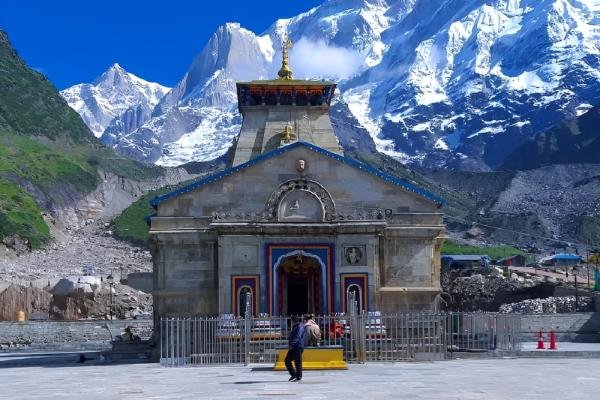
    The temple is surrounded by the majestic Garhwal Himalayan mountains, creating one of the most dramatic natural settings of any major Indian pilgrimage site.

    The journey to Kedarnath has traditionally been an important part of the pilgrimage itself.


    🛕 Why Is Kedarnath Temple So Famous?

    Kedarnath is famous for several reasons.

    It is:

    • 🙏 One of the 12 Jyotirlingas of Lord Shiva
    • 🏔️ One of the important sites of the Chota Char Dham
    • 🛕 One of the important temples of the Panch Kedar
    • 📜 Associated with traditions connected to the Mahabharata
    • 🏛️ Famous for its ancient stone architecture
    • 🌄 Located in the spectacular Himalayan landscape

    The official temple committee identifies Kedarnath as the eleventh of the twelve Jyotirlingas.

    https://images.openai.com/static-rsc-4/ncIA8Cmcg1aCSCpEATEiFvWYLf1MgVIGn-UYeptQwmXG5g9tCxe1MpQY4uV8JvJ7GtjYbtnjGjfxshMaHinWgRzSaSgEXWgHV7p9qS0avqw99G9NIuiY80lHRmJarhEyYH3FfOfXaKAolZ9rdfa9RDh9Ru6reMo1uZ858GYnSrdEStqWL1NYBefDkSvcy-HY?purpose=fullsize
    https://images.openai.com/static-rsc-4/mHDAh6PI_60OQxDRsiD0WYj6f9mR87gvRvgYu6lBzizLCLAeTDYaQlF_dfKOzuufmxoQDou-Ao9yiTVeddI-Rd3lsz_jR_t1A6GykVWPcvttJROdnFOcRntz-VqXNMkOfX4UV6FnbPn9R2a58bQioHIKa2BSo5863U7CYbqhpiFTtXZzQ3l1Bg-Yk4APtrw2?purpose=fullsize
    https://images.openai.com/static-rsc-4/Eh2zoGIg60x-ehEb-A_mdeQAMrE9qFrD8RRC5EbDKyliBq1TtNGCabNSz8z9h43NKFZTa8_svaLVZyemJzDCJglCftKdsefbgZ-pHK6C0FebSzlGqE006xdzCFe_nX5KWTtE_Ph5tqeSl7TINcPOVnnh_VcXR-pnJnNu7_YFhJhfGXA9jFEgLE9Ouy-PA6fS?purpose=fullsize

    📜 History of Kedarnath Temple

    Kedarnath is considered an ancient temple with a history extending back many centuries.

    The Shri Badrinath-Kedarnath Temple Committee states that the present temple is associated with Adi Shankaracharya and an even earlier shrine connected by tradition with the Pandavas.

    The temple’s massive stone construction has survived for centuries in a challenging Himalayan environment.

    Its history combines documented heritage with religious traditions and legends that have been passed down through generations.


    🙏 Kedarnath and the Mahabharata Story

    One of the most famous traditions associated with Kedarnath comes from the Mahabharata.

    According to the traditional story, after the Kurukshetra war, the Pandavas wanted to seek forgiveness from Lord Shiva for the destruction caused by the war.

    Lord Shiva did not immediately reveal himself to them. According to the legend, he took the form of a buffalo and attempted to avoid the Pandavas.

    Bhima eventually recognized him.

    When Shiva disappeared into the ground, different parts of the divine form were believed to have appeared at different locations in the Himalayas.

    According to the Panch Kedar tradition, the hump of Shiva appeared at Kedarnath.

    https://images.openai.com/static-rsc-4/RSooDOMzVLGtNYrSBGX3L7Mk_vUkpgmwMnv5rvkY7suSWcOvxV5KPDGcBunp6JbtpbQ_M0g1uv9fhI_oyTmBUwoxw6xSFVIzKg3UF7LIdwZCzTlYdttfUc2a10DYn_UHI1-g-5lG0TW7z5nvtBSinK8QjWbtM3X-Sdv1Oczqq_FkxbPc8cP7wim-1mYnR49j?purpose=fullsize
    https://images.openai.com/static-rsc-4/007eNX4nP8XQQyYznfAuNbJvy_vNtyQ4Clftws4q4FtsDG75RVXhgTgt7Fy6ZKJ4dvVWAIbeSKBXgea2s0xNiBxtKIQXI2ejDDsnriw6_hOlB-Y8M1vgIal5RFU2Ceqmb9g1Y0M_sSTDnyGT3IFu7vM9f-Gv7vXZyzlSyy5ZhX_A0mYe7AwhmCV2pVzkoS4y?purpose=fullsize

    🐂 The Shiva Form at Kedarnath

    Inside the sanctum of Kedarnath Temple is a conical rock formation worshipped as Lord Shiva in his Sadashiva form.

    According to the traditional belief associated with the Panch Kedar story, this represents the hump of Shiva.

    This distinctive form makes Kedarnath different from many other Shiva temples.


    🧘 Adi Shankaracharya and Kedarnath

    Adi Shankaracharya is strongly associated with the revival and development of Kedarnath as an important pilgrimage centre.

    The temple committee attributes the present shrine to the 8th century period of Adi Shankaracharya, while Incredible India notes that he revitalised the shrine during that period.

    A samadhi associated with Adi Shankaracharya is located near the temple.

    https://images.openai.com/static-rsc-4/1uWUPJ6ZVbobzDyRmqmtUXFSAH6SAyvbLYHnOgsxShVTkVyQLICWvTAkF1PBSVNHNTNCooiPfyyP0asUppqFF384XeFw7HwB19BeMM6ME8E5HkyJmiSU832KuGK03djfB0hMo_4JneEStJMUq7oI1knsVD7EhIbuR8TpbVmBHUqvXCXWH7xA7PEBsEPjvJ8H?purpose=fullsize
    https://images.openai.com/static-rsc-4/dsmDcuwvlW_edfmTGE0BjF2pT5nd737alzSQh_NkJnqn8r6hMBKOoYz-KoyyfBuCXJl50XDX4mfd-nLhuoS4W0fk8HgvYlUyBL4N5ZpcoANUvtgPZY3UACmVI3TY4Pl0oDEVXGBPSNS4QhBcydZqGL0lx3clMc1yX9vWzNh0qA-hA-GaSej0dY27URoAQtQ8?purpose=fullsize
    https://images.openai.com/static-rsc-4/f2Zbx2hE7k37ZCXIlwMgPflLpYHM7fYPJrCZdXj7e2RFoNuObcGP0IVR0O3mfx2vhY1nXEkh88Pxkm55b5HUC3kqyFbHLoyx4pibOTsol_43YrWX9bF9wbCwIhD3T855NkLtjPVn78JOCLduumEWeiIB1VpZx7yRCAuPSub1NxU_4N6vChn9_tYs61zvI5oR?purpose=fullsize

    🏛️ Architecture of Kedarnath Temple

    The architecture of Kedarnath Temple is simple, powerful and impressive.

    Unlike temples decorated with extremely elaborate towers, Kedarnath is known for its massive grey stone slabs, strong walls and mountain-style construction.

    The temple has:

    • Garbha Griha – inner sanctum
    • Mandap – assembly hall
    • Large stone steps
    • Stone walls
    • Sculptural details
    • Sacred images inside the temple

    The official temple committee notes that the building was constructed using extremely large, evenly cut grey stone slabs.

    https://images.openai.com/static-rsc-4/8dQGyhIqJ9rDatfB4fkzgFloWGtP1PcRXnKiqzwj0hjB9y8CMhQx5G7wlSq02KBkyx1vs6-nTmH8NSLeoSaLt9HvJW2gASHYcymGisc2G9AHJUYJ7vokg-sbcE_bxsBw8p_Gz1Nf8S6GTkfz92izjLVXbVG5Y46vBC-vWEpAqLi5AzdLT_KfFy97tzsK97F1?purpose=fullsize
    https://images.openai.com/static-rsc-4/8NieQTAfI8Qx1YXuVD-lnBO6a6cjmpIhfwdc04qBIny5BpFApRXNkGKUjEIe0GZKj5msGXVYXEHGuLxM8laDnv8_r7QdEDCOb2ZQfSSxTDEVbaZceydvYxfnTgj52Ah1GSxNeAReA6mR7sqbmHgC96eD9iE7oVn-uwRudMM5OQyNyy4NCfAH8U8X687iyO01?purpose=fullsize
    https://images.openai.com/static-rsc-4/396__VXvZtjWFx1a-Gh2tzRkJ5FnqB8ktDN_NVHvjSTntldBTufTvWF3nvqCIxPDDfojKzxZeKpFx--zhmclwDgYE6iG6hOCtTzTK6n87SEoTLrMesBd_sVPd4zxu_COVjCAg09i9YvPgm29ftgVtwACNZYoEfmkAoi-G8xSLqv5ZPugkNm9oKNjuKCGpnIx?purpose=fullsize

    🐂 Nandi Outside the Temple

    A large statue of Nandi, the sacred bull associated with Lord Shiva, stands outside the temple.

    Nandi is traditionally regarded as Lord Shiva’s vehicle and devotee.

    The statue faces the temple and forms an important part of the temple’s visual identity.

    https://images.openai.com/static-rsc-4/CKDH5-xzmvFZJvr6Y15YG9QKPVS2WXJadI6YeZqmqB8RyB_0A5xTgLt-VrcQGVirr32h8b4eBfH-wp0UyPCRgGWPbZrEtH8oRre7Ivuu7Ro-CJoOm6UyLbGNUdVaqbSJ-8yBAkGm-NmCuu91iLOYhNEZTNZ0kGMXkRlHrj_PnI9lo2I1JPgrl5C7d_N0God2?purpose=fullsize
    https://images.openai.com/static-rsc-4/JNRwmE1fPVjrn2KM6QRD1gB-Dlv5drKobjGjbEVa68KBWcFdK4UGvCDmzqOGMtbulmHHh6-Tw8ALw_QX7c-y9L27IUtvGUJr5qacFxObb89u0hBfGEuentBaZOa2aVLT1s1xifnhGR6osklVpdApueHHvVRTgbXAnMmAtHvysqxPjdkJlAyYvAkbJfLgWlaj?purpose=fullsize
    https://images.openai.com/static-rsc-4/VA0lgpQCg0aSLVG44B0NWx5ZN4UmrzQI9Ni8KmrHYAmPmORn35oRgbZiOCArf4jkRZIko09w81ycpZNdmxWcs7SkLu2G9wnQ1CcTssFZPpPOXN-rZYDxt4RUorTIstFWzoJrfHL_50uOy3Vh9pk4sFTwO8Q8H8GDJdPYdgBz4wnjFLLijlctfwO3MKxyD0PD?purpose=fullsize

    🏔️ Kedarnath and the Himalayan Mountains

    One of the most extraordinary features of Kedarnath is its natural surroundings.

    The temple stands against the backdrop of the Kedarnath mountain range, surrounded by high Himalayan peaks and the Mandakini river valley.

    This combination of ancient stone architecture and snow-covered mountains makes Kedarnath one of India’s most visually remarkable pilgrimage destinations.

    https://images.openai.com/static-rsc-4/eXBexOWtIVf2kNx2TI8KKxJMXd-Q3ibJkv25iMO9BBCvjIDHouUTqW7_5ItCvFzg_tFmFX8B12eEfHia4wnEKNjNZNvFWkUlzprr-jFtocPkpj0EfbSQ5hhpfLReW57L0CbCZ-iqg353cgIf7bIiIJUk2TkxS3Eezit5vN7dJGMqlooJWEsWhwvjT5wJpjrg?purpose=fullsize
    https://images.openai.com/static-rsc-4/_ADNx8rDWa5hr51yEHxcls1qPRWpl1yiU2DlFdGx3WWLhdZE8LcL6ywY-SLbponjSbG4RJw-15jwcA1_AYICSA8kGdBccw2ZEKHUUxsS9UZVqwD99qxWcInUSGCRKLjGn6UG9cwcY4V9jB5JN9v3XIZc6m8f79Mz-1Kw-hzzWZfesjoz8ICIdo2vHpgnN1EL?purpose=fullsize
    https://images.openai.com/static-rsc-4/DOXgjY2dsu1B8K1lQPrKUhuilzB3DpmpUvmyzUrqVrr2G1zltDNV94WAuek6RIAAQm9tOwBLVUahQ3woQj5d-rrfSYGRBATXAyi5SSFsrx0C4CTQcbMdHScHx_-2KgZ0mdiVCyxYlmy1ZurlL6kfGSGRz2qKq_4ss4Y-2bh6rq-3sqBYPNeZq6WcLuHvVxqF?purpose=fullsize

    🚶 The Journey to Kedarnath

    The pilgrimage to Kedarnath traditionally involves travelling through the Himalayan region and completing an uphill trek from Gaurikund.

    The exact trekking distance can vary with route changes and current arrangements. Uttarakhand government information currently describes the trek from Gaurikund as roughly 19 km, while another government district page lists an older 14 km figure.

    The difficult journey is considered by many pilgrims to be an important part of the spiritual experience.


    🕉️ Kedarnath as One of the Jyotirlingas

    Hindu tradition recognizes twelve Jyotirlingas, sacred manifestations of Lord Shiva.

    Kedarnath is one of these twelve holy sites and is considered the highest among them.

    For devotees of Lord Shiva, visiting Kedarnath is therefore considered a deeply meaningful pilgrimage.

    https://images.openai.com/static-rsc-4/O8dCXSkQpGSnCDnl45_v1RvHifwCFBvUYa3ofLRLz49A1tqZUTH-kuyYyV-mJpdgx-37F177Xsy504vdOgsPDunCc06VRMfSivU5fHsRR2QJwGw1G4A8A3v3ehZWLFxvFpRsJb_69IUSmfYnsMPlMt1GiDTcshCZjmDDvIkIr2lD1l5XaDC2gTlyNiC5vqH9?purpose=fullsize
    https://images.openai.com/static-rsc-4/I0k9yBpipvx00pxYyt_zSB-a8bE3QzmvrMhBstLzRBlgFCaEEKjFD53k_7vRvcPl61M5Q1HAvOP35UI-ReLUPvwq8YuPG3N-o7OQncrBbe0DigbhoEmNGYzrss7-k8IxMW2ksy9Wtnp75yuWOvdrS6XiKNJgydNXnMizyB4SOgdOsyj6xB24uKkoIdxVfqjf?purpose=fullsize
    https://images.openai.com/static-rsc-4/e7kDEReD5XxkNjHFRpcG989WVSgtJMgZY2S4iE82kce0L_Gx_QgDkJcgr-M7Jtw9gBSkLlrx4v6vrLGFgs8NJc05q6q2GwRva1vI9IoRnOkmEny2ba5ZAhbSvPXOBTKXlHdAC_h2m7fQolTVKi_7JEnu1SoPmeupj4vfvx-BcOLZohL1BRQulbE8VDOiWazk?purpose=fullsize

    🛕 Kedarnath and Panch Kedar

    Kedarnath is also the most prominent of the Panch Kedar temples.

    The five traditionally associated Shiva shrines are:

    1. Kedarnath
    2. Madhyamaheshwar
    3. Tungnath
    4. Rudranath
    5. Kalpeshwar

    According to the traditional story, different parts of Shiva’s buffalo form appeared at these five Himalayan locations.


    🌸 Kedarnath After the 2013 Disaster

    Kedarnath also became widely known around the world after the devastating 2013 Uttarakhand floods.

    The surrounding region suffered enormous destruction, while the main temple structure survived.

    The disaster became an important chapter in the modern history of Kedarnath and led to major changes in pilgrimage infrastructure and disaster-management planning in the region.

    https://images.openai.com/static-rsc-4/cq8M7Qx51H1fx93td99G00CrtV5Kibj-ScafwMLQ2a_sXL0EMShhCAHTsoxheZ3FeUwYeAYgRFczs6wgKN7f7KxBnl9rHHddBfrzmYiaQsjsKurG328EDtUmOVrOOJrJJkAczoPZLJu8YI5V9nNEhlI0U2AdAYB7G075xgwQ0ROP99LP_8PjJQQANc9_hK9j?purpose=fullsize
    https://images.openai.com/static-rsc-4/LYHpBWk4UZ_FkZFfERxv_KDVfY-P9pfk4evOKN8hjyJymk_TECpC3bM5ShRnEj4nQRvFjT-Msqm1OgBzTBt7dWfoiv2Fk4IwGxzeG43Do5GEe0xcNaXXUlKd94R-STdFVCsZixpJVJGXkx7yLNFPAzAWi0KdzRd7cskmtPvGouA6VFekvu1cYygnG2ftbKDG?purpose=fullsize
    https://images.openai.com/static-rsc-4/EZ8uXDlfreLnQPswKMamKFDlVCJs0EKY-bCWCLbW1HF-3pPoaVsGEuOYYb98RGEYp-6KOkyTCocLN_bfhiNzfDQXngDVAfMx1rzWcS11UvUHVdjq13-_1rPPToeoatK5O6O_FGVup-KbYmby_EvyEWa6UiFQuiuW4HWWn9bULbutnPGltzGqx8uBpPh73A2J?purpose=fullsize

    💡 Interesting Facts About Kedarnath Temple

    • 🛕 Kedarnath is dedicated to Lord Shiva.
    • 🕉️ It is one of the 12 Jyotirlingas.
    • 🏔️ The temple is located at roughly 3,580 metres above sea level.
    • 📍 It is located in Rudraprayag district, Uttarakhand.
    • 🐂 The traditional Mahabharata story connects the shrine with the hump of Shiva in buffalo form.
    • 🧘 Adi Shankaracharya is strongly associated with the shrine’s revival.
    • 🏛️ The temple is built from massive grey stone slabs.
    • 🐂 A Nandi statue stands outside the temple.
    • 🛕 Kedarnath is one of the Panch Kedar.
    • 🌄 The temple is surrounded by the spectacular Garhwal Himalayas.

    🇮🇳 Why Is Kedarnath Important to India?

    Kedarnath represents a unique combination of faith, mythology, history, architecture and Himalayan geography.

    The temple’s ancient stone structure stands in an extremely challenging natural environment, while centuries-old traditions continue to attract pilgrims.

    For many visitors, the journey to Kedarnath is not simply a trip to a temple. It is a journey through the mountains and a deeply spiritual experience.

    🌸 Conclusion

    The Kedarnath Temple is one of India’s most remarkable spiritual and cultural landmarks.

    Its connection with Lord Shiva, the Jyotirlinga tradition, the Mahabharata legends, Adi Shankaracharya, ancient stone architecture and magnificent Himalayan surroundings make it truly unique.

    Standing among the mountains of Uttarakhand, Kedarnath continues to represent the enduring spiritual traditions of India.

    Kedarnath is not just a temple in the Himalayas — it is a symbol of faith, devotion, history and India’s timeless spiritual heritage. 🇮🇳🙏

    https://images.openai.com/static-rsc-4/zdT8xyb4lSdWizYj1u1llXWD3HzcWvKGQIIsC0fRQi-kiP1ivIEHUE2Qvg_MCh6Jgx5KIPrsRs2DQdBkhW64LXJiDRblImMZT7D196ETa0UoG51Tb9thcpR95gpVfUfMj0SQorhF-3AWprqOWHYl_rtZ-hrSbjWxNOX83uanMoXUf4NZuJNMKToVB1YzdXnh?purpose=fullsize
    https://images.openai.com/static-rsc-4/rmixp1UPxJiWEwNluyeFskC003PcPe4Kg7NuroeEsETr1ONudHE11AMw1n2ViDPC_ueCaAdebDQ3c9jH5cHbyD9WAsElf-OYPzNtUGo4lwJ3lBBzJGW5Fik-aDNBjPDcBzBCCNS82goXbnft35bOS2vt-XSvZnQ_btyAn1M8dKS3HAsSuKUpb9HV9M-Md05g?purpose=fullsize
    https://images.openai.com/static-rsc-4/yIC46bxCw_83EyYg5pb5U5P5m0SPy58IWw0hqmnrL2HYgw8iby1prua5-ST1F2nKteaQ5-Qdm9hnpzTmpwuuxdh98mJ4leC9aUN_tsYJ-SkifZt5eONJ5qRZZ84-54UobLssfDYquSUKRChv27Y0p3j90S_IqQVUKpQlmCYEcYlgVu3SXsfnzITLUTr55sMu?purpose=fullsize

    🇮🇳 MANA BHARATHAM

    This article is published by MANA BHARATHAM on ALL INDIA PIN CODE SEARCH.

    For more interesting stories about Indian history, temples, ancient monuments, culture and traditions, stay connected with MANA BHARATHAM.

    Know India. Explore India. Celebrate India. 🇮🇳

  • 18 Mahapuranas – Part 11: Linga Purana 🔱

    18 Mahapuranas – Part 11: Linga Purana 🔱

    Continuing our 18 Mahapuranas series, Part 11 is the Linga Purana.

    The Linga Purana is an important Shaiva Purana that focuses especially on Lord Shiva, the Shiva Linga, creation, cosmology, religious practices, pilgrimage and Shiva Bhakti.

    https://images.openai.com/static-rsc-4/LVUU3SUglK7mO3lA40YVivxJvykg7p4qpj8Detw0NLsIC_GFa-Go4VMtSiswdDxqCHkbxEikwhmqv2jkdmj7ttNssW_FbR4PpjxCLtCuwj3rMFG38NPy6R73F-kaMq0q1FwoC9eVDLjJB2emuJAVnSvNb5apodIRvnTsgROEsPWNmz2i_bN_GWZXEri1OmVW?purpose=fullsize
    https://images.openai.com/static-rsc-4/EdHQgDBH9XdrJWH4yCYV8Lp11AYdNwMfN0jgLifNop8Suu0znh_lN2x2Fls5vt3dNADLk6Iuds0yFcL4H_wk--tGVKwAujWbCIo-bXK4ju_WNencZNEA6q85OcEU3RMgVOsCLiAG6mcOLvlWh9t2af1vjatJms1-72pujbIaRtivtQ37UK2Fg9pBL22gaoSG?purpose=fullsize
    https://images.openai.com/static-rsc-4/xI6jjxJYmUEpFwq86RFSvyRuL9y_wmBdyRQ2OXZ-cEfgziKFc6zHpzEEId9Sp6GeCOqDvRsZD4UeE92kNqAG_1688PzxIE3s1h8Ng1XMtdaQJZiGvY6rKm9dMIO83akx_UCHWxr8Mj3rQJIMJfvdQn5USuTrb3ssaHlkcQfL9ssTJHUiSDEpqBKf5Vr3ObmY?purpose=fullsize

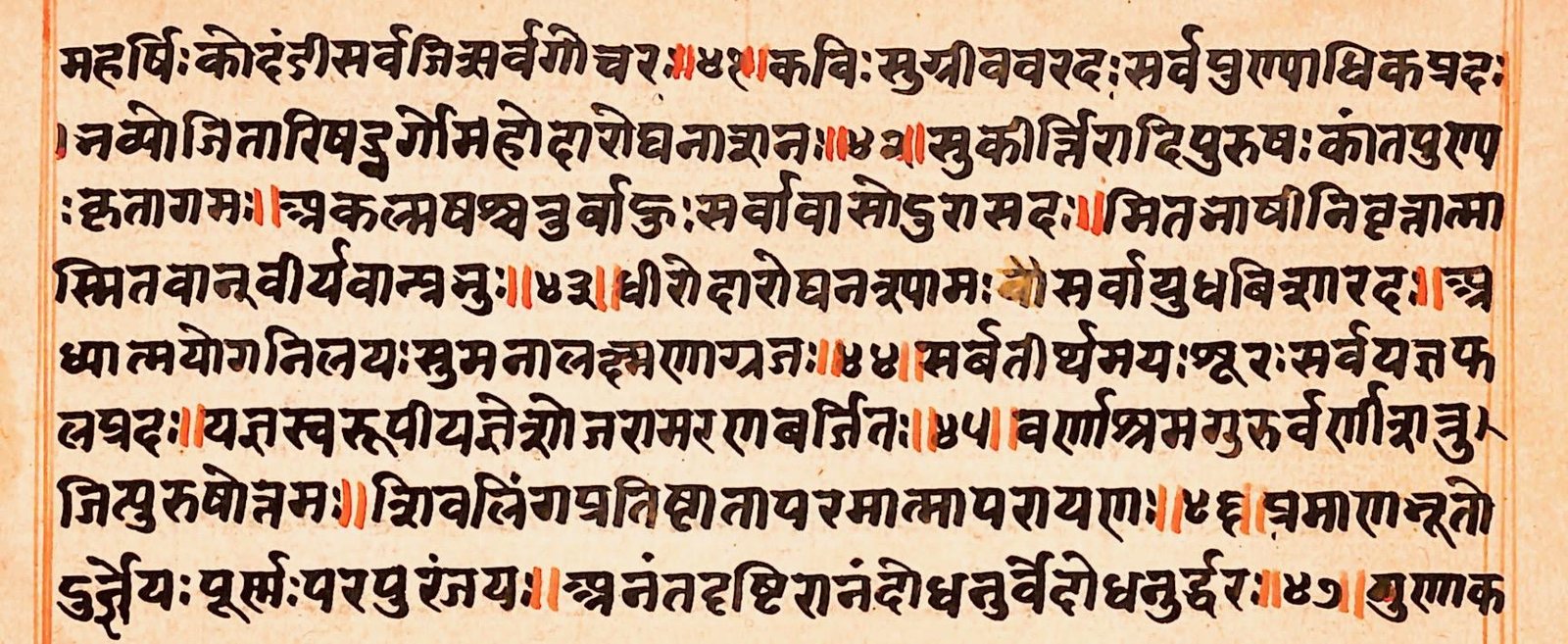
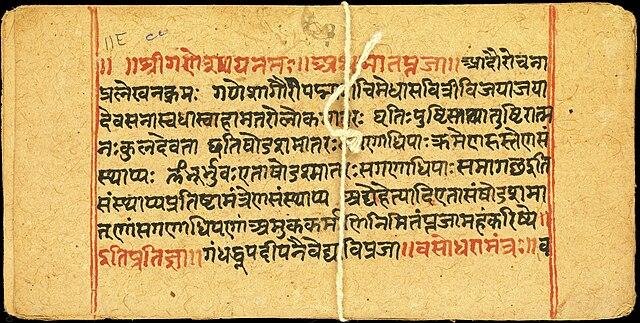
    Image ALT: Ancient Linga Purana manuscript, Shiva Linga and Lord Shiva representing the Linga Purana


    What Is the Linga Purana?

    The Linga Purana is traditionally counted among the 18 Mahapuranas.

    The word Linga refers to the sacred symbol associated with Lord Shiva.

    The Purana explains the spiritual significance of the Linga and presents numerous stories and teachings connected with Shiva.

    Its major themes include:

    • Lord Shiva
    • Shiva Linga
    • Creation
    • Cosmology
    • Shiva Bhakti
    • Worship
    • Vratas
    • Pilgrimage
    • Sacred places
    • Shiva’s manifestations
    • Religious practices
    https://images.openai.com/static-rsc-4/kkZfOoA94R37O9ROYkaBe7Cr3YPq1EKjlu1FI9GxmcE1rzdszjjzlcBHvnYHKgBh_6y4sgA3yDiPm6cuW7KhbSArxegmfL0XcnX9UmflVLulSVUFqResKIf40oJS_m1dC1iWI3hZ_bOQURx4ChYZI1gPdKBdW6xmWKxPFXs8U7lTD377YEljeqoi6mv1EjjW?purpose=fullsize
    https://images.openai.com/static-rsc-4/usF8xf8KIlHoDKVQ3yJsY6y1g6MlUZe8DCcxcR-635Y5sggBCIdgBxqFwsm3rBar4Q_AHxM3GQeQPoShHCpzzIZfoJabq0NpuMBL2LYfC-FqtK61_6KQ9g7m15LqO4p1MR53so-lr7v61_Uw335jPRlg7dwQdg4Hh3w6Fh9dDmb3XmbeXyrgn2tbAdgJZ3Xs?purpose=fullsize
    https://images.openai.com/static-rsc-4/l3UUgXW8-Afru66LKhO5-_EednDy9losdEvkXyr36YdslaNGW9eAxtYgoj4p-JL0NqbnbpGllfhXERE0dA1OlFvZ78K6yFLjce_zIxgaNGMuy_QLltWgdHkzyZ3CbnZjf-dfLTPNyy__7R4GDfmRDbJjeQbVX_NbR6GbLarCh0Yi9wl_AyPXkeT4LeCPMOHO?purpose=fullsize

    Image ALT: Shiva Linga being worshipped in a traditional Hindu temple


    Why Is It Called Linga Purana?

    The Purana takes its name from the Linga, one of the most important symbols of Shiva worship.

    https://images.openai.com/static-rsc-4/SpfqWuwIMmsDsMMbvjIMgQTqk_S6tzc5Nc9hiUrI37EDAVI6c3cc8aScWsqcB8Dh8SKD3TdEsWP_ZHzpR1WB9lepK0zseDbJE_s_ZfpegrvaSDoxhJs4u1fVKVvf2q2nodUbbFzgq6ncfiOEvuoMjNo4xT4E1bp3ZOCteBS2UHMSpQRsViZEjSL6BafhrCd8?purpose=fullsize
    https://images.openai.com/static-rsc-4/sR0YB5QVBGw1wSwI8l89BWz6xiJG1B817m-oIoX5Wze99IWTwqZAk0Y9hXpH6x1HcjybRUkd75k2cO2NUQhUWjvIJ9nCTrVEIfQSMZKz_hVCfx_Zpgyo8-3S8JrYJf2ncndNHm7mg1fDSD_9cXkcXLEDG3PMunf-zQsdh82YKAXOQV854yReSsy_Bt5m0vhd?purpose=fullsize
    https://images.openai.com/static-rsc-4/RXb3VQpf_b5I1dV5ARpPkArNNvivlE2F6GayxvnX0YrUZzzx3f6HGmrAqgTCsQIfxBNhstvNCdodWEI4VqkTf7SMcextBf3HU9ZIJe7EtVPKsMBTl_oDsZTqclE70qC73lUU12IPHjNoHsLUP_e-qa3LxkxUEnPDmE3OikYDz3wdZU8-gfsCn_QxVB0kba6d?purpose=fullsize

    Image ALT: Sacred Shiva Linga representing the central theme of the Linga Purana

    The Linga is not simply treated as an ordinary physical object. In Shaiva traditions, it represents the divine presence and cosmic nature of Shiva.


    The Meaning of Shiva Linga

    The Shiva Linga is one of the most widely recognized symbols of Hinduism.

    https://images.openai.com/static-rsc-4/A1QtnvL4Sj8xEBBt0XyMVODscYMrmf1mQ2oBXS_NQ-MDIC6vaBbXUJ4YBlrBlgeSjarwnCrckHilkbIIi7NhboGFmJWN1C8fzmHAcfigm_RI953YVakmEkE5968uiQ7w9wi3xi-cSWwcQsTOzxabWaIQ_x7FtQf3yn58sCTJg6x_Rrlti3vHEZKMjsePnI-8?purpose=fullsize
    https://images.openai.com/static-rsc-4/POZstROsxGzd3pbGgum3LGj6rYJ_888FoyuuXWWBancE0DF58kcIBhAK8xne4gHVbbWJMevy9mKCUltJNZiEVN0EsA2Z4a2dvQAWF-RypEKsZldmHHplAya5o-fREHVwrnlcGPZ7w4m7kLH2SSnOQovC3m8_0zgM8fh8LUEgIv770jfeuQ_8eDW2R4O2DYG_?purpose=fullsize

    Image ALT: Shiva Linga decorated with flowers and Bilva leaves during traditional worship

    Devotees worship the Linga with offerings such as:

    • Water
    • Milk
    • Flowers
    • Bilva leaves
    • Sandalwood
    • Incense
    • Lamps

    This worship is commonly called Linga Puja.


    The Infinite Linga

    One of the most famous Shiva stories concerns the appearance of an infinite pillar of light.

    https://images.openai.com/static-rsc-4/vKNC67XwTxJuHVjrsQyhV0fy_0nkagZixHopbznI9xc6UssT655cFsMADKIup9b56P3hNnjUml5PY1vU4qARq0Z-6f6nAOLWgS1mKVCWuZmy_nk9END5VEGkV3RrMaoGp7JkS2eGwpAcZ64oauJxzNWX0hS2_0qnreBOE8UPlO1Sb79x-IDoS_gtCGXGNuKP?purpose=fullsize
    https://images.openai.com/static-rsc-4/FdhTOC_5MMufwALBPYzTUXv6DVvbUF-4O8wp_Ij9g6OV6wgxV6QwfvomK8O7Y1Pz2ehh4WfHXviJR25--D8leekszFYEYlLm8_1nE2OqbUxqa4SFqXnYibtm6dfm_MtY2tZgybaUD1Wq8yUlFS7NoeoZ8fXY8PFLXcplMCmQMH9vv6g3O6QsT2tYlEPdrUNZ?purpose=fullsize
    https://images.openai.com/static-rsc-4/lufb2Z_Tsmumtqf37v7uVPr9yAS5YoYo2zPA03jZeVQ3Ux3QQHb3qnbvYk-xxO8VIT6Z5Cld74wX9is3yW4gDCpB68oQu_4bPJx23vMUoPS9OIP88TBF0432wj5pC4k-_50lqjf0vZhHWKlSKJ1iu_DQ5PT42pfrfL_nJqE2wWK5gOQgSC70GHuk_dApnZUk?purpose=fullsize

    Image ALT: Shiva appearing as an infinite pillar of light before Brahma and Vishnu

    According to the traditional story, Brahma and Vishnu encounter an extraordinary pillar of light whose beginning and end cannot be found.

    Brahma searches upward while Vishnu searches downward.

    Neither can discover its limits.

    The infinite pillar is revealed as a manifestation of Shiva.


    Lingodbhava

    This famous manifestation is known as Lingodbhava.

    https://images.openai.com/static-rsc-4/lKxkI-TDUBYHp7dU-21l6ThE_J7x0Y5FdM6t7W3U-MZgE4LMz0dgnlmwa9Ex5k7rHOGCg5x--X02Bj2nHodWGIMn2I8btmUDZyAKAcOZjyQN1ioPsv0CM4WNg24KjqMtJ-_yddOPz4GhJ6-yskPywhwO51VJEgmgVusg6V1rWLIQTIR2NLBj0IrpsqeaiBy4?purpose=fullsize
    https://images.openai.com/static-rsc-4/UvzpibamEo_66jD1bURrjNjReLh_mY9oaAQc1yfu332zZqVPMUJmC0CkDFx0ZDHSqPfy6NMmasB6QDHDzQ029p6aMWCsjlDG6hszYYkklFdDPXyTJDNZO-_nGQrzfxldJUSJuG53PGV599YnD7Wbunz6YX1FaUPggKJWkrO7hy7xXzSX0IYQiLYVN_z9MPNB?purpose=fullsize
    https://images.openai.com/static-rsc-4/bawB1yaLgiucVTiBo4_SuO4WQ2dhL1GL-HGxPrGIiieGMAvXnmZXy9t9vFRn2vXvuBnf72hUS_simdaU5SYXIbq1rpMDIlnex_Hzgehf2LHwHRadIEk9PEp21BNGEbTFVFRX2_DktBMM97rDnMLsj3r-GJvd7IPiBzOpYZN3gFKrJ-VFyX4-ZWpD1C6e01-F?purpose=fullsize

    Image ALT: Lingodbhava form of Shiva emerging from the infinite Linga

    The story symbolizes the limitless and immeasurable nature of Shiva.

    It teaches that the ultimate divine reality cannot easily be measured or comprehended through ordinary means.


    Shiva as the Supreme Reality

    The Linga Purana presents Shiva with great theological importance.

    https://images.openai.com/static-rsc-4/E7wFzLndqf3CJmI7fYA4fuPusOwG1HpalZ3Z0noQJ8IiHQmyZHHRR3d95Cu7TxhYkgzMUXACOsTr9f9dSUervvfqA5UAyKQA9NN_MzyE3kdl-WmbdOYq4JP9cHK4A5AloyooKgd1He_sywWfg0JzHreOvlDuyznTPD8Zt9EJY_bnC8MjN0c62l_StMW-yA-X?purpose=fullsize
    https://images.openai.com/static-rsc-4/xVzCEC4pycTyKDUJIwIddIuKkO6doHrhlEXpvqLI1ey6VkbhIVsQ-FHvbj3NxtVGrs2-Y8Jojtjhzz3uE0A9nYd3PeyMBut4qDUDTIaDZmKcvepWjSdkWZeSnaIP4Nm0v5y7RsVN-tl_Iy8YeZ28mWe524ITNtBGHwZHjx8zz5dqepmiJfAmYVZKiA5NLWpR?purpose=fullsize
    https://images.openai.com/static-rsc-4/8UyvcbQhrpAZCMO3rTyfs7qROK3oKbqKZsC9NGvXpWbtGo9aaW5HW5gdjGMa-XQCNybzOCJ3Upe8N9kR6rH4bdkIw2RmY5aqPj2f6kCfXMVF-wYrphqrC2sg_dgV645Nz8keEQdi0imQKyRoPiTnPvaKMvEAIq-tWt9AmzwT8uWwU9DBt09QhJHqfatK7T2r?purpose=fullsize

    Image ALT: Lord Shiva depicted as a cosmic divine presence

    Within Shaiva traditions, Shiva is understood as the supreme divine reality and the source of creation, preservation and dissolution.


    Shiva and Creation

    The Purana contains accounts concerning creation and cosmic cycles.

    https://images.openai.com/static-rsc-4/jIIPoxaqNJOHpaUFU2Bz5v36W28fputwxHqTNMDYqmBlVN9FP-x5Fn8CQ9GadjA1018wphDGvSCIYwxBRGoU30P0rCQB8f5U97_mxXjp_CzEKgIZQI1mnXiehmzoFaVY2PXDIfxLabiXDjsk8uOTV-OHy1XBZja9DJpR50hemZAdRoAoOHzLq7ls5YI8ls3e?purpose=fullsize
    https://images.openai.com/static-rsc-4/mBnXbNlRWl0283tAo7Mn-9Sz7Vp1BVzfAJCyW-_oWBVYlh_kpQQx6XK2TqOKLkEXh6J3XyuTpAZSra55oFN7XfLg0KIIkna1PhvayK4usILzDLh9FenlXXf_ZK3BaJvutB7_SlHqknTczbpzd7Iptuf9lyQNjCKHKsmBmlVW_OKgLsh0YYncTGZC8lU7UMQ4?purpose=fullsize
    https://images.openai.com/static-rsc-4/ItbJsCRw2l_J3VlevSZRxNMQzm-USzdaCAJt5P1S3fszAv1ezB4gBYExDYf-Nmn6j3Mdy_FPO9LjhSY0HWdjzsEmFjtQhEkYcWjqpdl5U58dMnHY3_gJ1848YGNZzsfgs3AyA7KyVK9dP_qRPdfNBvfnQb4xtUjZ4IuzWb9Mub_JOEmJIdLkO0Zhwcphfb5E?purpose=fullsize

    Image ALT: Shiva and the Hindu cosmic creation representing the cosmological teachings of the Linga Purana

    The universe is understood through cycles of:

    Creation → Preservation → Dissolution → Re-creation

    These cycles are part of traditional Hindu cosmology.


    Shiva and the Cosmic Cycle

    Shiva is particularly associated with dissolution and transformation.

    https://images.openai.com/static-rsc-4/XxVA2X4wz4qUdHl2jrKmQbJa4E7U7pP6TO0DYVUMnQto30yrmoCb9gx5wkpgTy7kgOjigS8tEbG01y0DCKqIk6CrXAjXDIVhK3Ier8WajwbdRI5zhwjwOrMIktJjt4kKaeerYBR2gRP1ZsLyI2ZE0hm1UPLbN2561iTuCMlILITD0GlxeNIP6AhntQyIfKF2?purpose=fullsize
    https://images.openai.com/static-rsc-4/n8EFojByCFOa68zckWFPYmpW8uKLmdkhcUHe1BuDgCsxqZOZq1LZTkz64htkLl435QrmIxpTmoIIrUFPQqVEWGlBg_kgZ86ondNeHrJsywTAhFwdNj8MdseUSxR7e0k9ED4CpAsaKLtB-ZH6XTztt0riyDR4PW0ftdYy3De9ITLO1CQdFklgAQQ1-AC_dyOr?purpose=fullsize
    https://images.openai.com/static-rsc-4/pQhhuPEHraDYfXMxvsNo6Cc1D4Vn2Oy6dvm-AE91gzhUskQ0H8EUWOfG6c6X9sQAeulnubEmJjG6whZNPL94CWRaUQ90dznyrbdHkKloGQCD9Uk2BSfJ7WIIQXEEpMYZO7_7Z9zbD52i8mNN85C2UelI9L8t_7R3s3FgCvZrzVuAMUct7J476XH_16h47vub?purpose=fullsize

    Image ALT: Lord Shiva as Nataraja performing the cosmic dance of creation and dissolution

    The form of Nataraja beautifully expresses this idea.


    Nataraja

    Nataraja, meaning Lord of Dance, is one of the most famous forms of Shiva.

    https://images.openai.com/static-rsc-4/oTnqOA-3TYaIjQGFh-JoSrRISnn61jAKYTTjI_NaTF60iWLcgwclBOcitipzvOJodftjoLC16ncssZ7VXNGghX1zZ5P9GuIhr-AU6mAjH0PnErzwljoXSZBQYN92pRRx1nPZsDqNmJKWavJTPtfykopiqugfjP8YdukErh0C4EgNEZC-BJ9K5NKa-QzbYVtX?purpose=fullsize
    https://images.openai.com/static-rsc-4/aSr3FZRvcF7Qg4R5W-7oC0OAT70NkydUpCPoXOOfu-VKPCX2137evKjXKMd4Sr4fn1tZwobsqHzZOQg6jFW2YJsTH--39VDBTTJeaQbKqzlh9scH98vifbTf1fMS1o1DD-4OwWgjbGqsFLIqaJ0_2oY4mhPShL0vLxOhNCOK4YKy-JH5i04Afy3Pt1d__062?purpose=fullsize
    https://images.openai.com/static-rsc-4/2pu_RTHW366kowtTxMRJALlC_Ixzm991m9exTErlwaCysishzIxXuAU7GSLT-O5aaXxaEpObQH0WgcMvXlMkk8u6dUynFBw2upyprMlohFPi2Vtj1-TPHj03hXyGEky83TZXquHCfKRx-5cKC1iaCGTdzbUQlHG-T0OLkE_HWCaka7Wo5y8YiueHBYhawqK4?purpose=fullsize

    Image ALT: Nataraja Shiva performing the cosmic dance in traditional Indian sculpture

    The cosmic dance represents the continuous movement of the universe.

    It can be understood through ideas of:

    • Creation
    • Preservation
    • Destruction
    • Transformation
    • Liberation

    Shiva Bhakti

    Devotion to Shiva is another central theme.

    https://images.openai.com/static-rsc-4/o5xsCnAp6B9xGPO9ZXroMRcgKURZpPjQ6q6eLsudvNP0elsSua1vmAONsojKeVK_Tvy4YB4lTyG2ACRpDhGuyfDli7tw5OKgPABVs6x55odPw58Ui4Hh0iVDNEwpf_CQGSVJYFw7cO6_VyexiKhZydQJg8UnixJVJJCyMEaQUoy_-j_HFvKXnXNxYO1F39NJ?purpose=fullsize
    https://images.openai.com/static-rsc-4/2L413ojYDXwmLXxiUQn4bjUNLoEkmsixq8dsy5NDr6FbaXwto5u3zGFdLj7rHbcryKDucnh9iVfl4_VkrL_17yCHg6bTlAkqlmy4hP-2AXKOlHDh6gy02mOc6TICRaZQNEIGPKzvgxlMBva3WRVybFvS6ddhwMOx_VbwNcgDNuLDMz8jnsoC2_xXN6K4S8VW?purpose=fullsize
    https://images.openai.com/static-rsc-4/1IwkWJz1z9NMPfMAPHxJ_UPRfgSXijcQo2Fu8EB77_Ct8MiYleq-YTqkzECpk0V0HnCu8RZITTFTlDrqtNT6ajy3gFTUbF9wv2Sl_kZJZSvEItR6PYMVsuGfSV0b3HEdsV_tBK2KW7VcT7x99RajesHSVNfV2bF63ANNTwg9e91vn1IDFnEEkbp-G6RREruX?purpose=fullsize

    Image ALT: Devotees worshipping Lord Shiva in a traditional temple

    Shiva Bhakti can involve:

    • Prayer
    • Meditation
    • Mantra
    • Puja
    • Abhishekam
    • Pilgrimage
    • Fasting
    • Chanting

    Panchakshari Mantra

    One of the most famous Shiva mantras is:

    “Om Namah Shivaya”

    https://images.openai.com/static-rsc-4/_rlIcHXyV6-WQmouz0BlNLyTI3WlsVZPbp6RCzXgAYIRdQUUvtpzPri8b-TuEYE6Tp1ZR8wD9NPooxFQZL13m_wVdG7td3zWb72SD0Jm0KOuFKcUGY7BpgvZaGHUhLKk-1cigE_M46XCpYdHEQb3V7PT50NhfWQffED1ON7cjx5-DW_P-_-j20842zRJ-r1N?purpose=fullsize
    https://images.openai.com/static-rsc-4/xskv0OiCMdYOdh2zdMoni7aENHT0JEbeG-1c0Fsw1tJLmy9bVwl9ePYTcCPz3z05Cn2RyvOIwB0KPWFHtxBdbytslW5fkq8SJ7KEui-eWc7lWwZVfY1t5cwtM4pu-eLvB65uVYQL3PzP6TZtLM5en7TGhoxidhPbumxX1AQJi6Nr40s_BFmhS-frLGCcG4FL?purpose=fullsize
    https://images.openai.com/static-rsc-4/0r5ZV2sQGsNTBUYvau1xmhG-K-0oPYUaOUExkQgdZEh6-E1fC3XVW1ZayHNttOkBdhQLgXlNvGE3YeUvKtXKfonqjtPt7IANfFOIQH156dL9PiJQcJ0NWYKxuTMtOvEvyrrPDJc5YHKUkxBuaURgXF67-rqsO8nAGnLVneKtB2c6X12rK02FPWbcAa7IuaMF?purpose=fullsize

    Image ALT: Om Namah Shivaya mantra representing devotion to Lord Shiva

    The mantra is traditionally known as the Panchakshari Mantra when expressed as Namah Shivaya, the five-syllable form.


    Abhishekam

    A major practice in Shiva worship is Abhishekam, the ritual bathing of the Shiva Linga.

    https://images.openai.com/static-rsc-4/hm42m4eodZAViaULFl3V8EApGdqpRjvgnDdv1E7sOg-OofhGGqF69H1gU7_Cxb_fhpQSKlwOB903n01fSYibCap52yezBQrWmR862x-a3NDNJYK4rJD0dNg8w2k4_m0G628VITglrhwNvtojs7maB2odDM_cKgE1pyINPAutZn3RcFNl5e35mk5fmU0Dxw9o?purpose=fullsize
    https://images.openai.com/static-rsc-4/HXl3LWOepkR33V33X-Rbribx9hX2P3SYTzmzmffvlJpqqouVxZ8Z7XADGPt2TlkdMUR1rBmaaJ3QvOlfO7zNTFN1L_DAnCdihPnfu7CTuQ3-ubAgpM0XdGlzk2vBrfkzA1KUh-I1KxcdxDmu1JmIqnOCu63UWAQk29_6yJB8gHNonmqUocdkz5-QypHLmD0L?purpose=fullsize
    https://images.openai.com/static-rsc-4/_bai4lQ5BCR5iuLT0fd4Kv4VJxX3CDHx5Gu-2gQ_Zyg19VS9HKIGILsmRSHK1NOJxtuT7J7j12-SEuGhRnRRqliynl-BENQM1RtgSkoMaClGYwj-Wm2OktiQkRK8-QEA94NoJIZvlIc5-C1Vtx12JjQuOnLYf-c2Lk1eYeyvBuuq2vpha4uBlzlHlsMnaZh0?purpose=fullsize

    Image ALT: Devotees performing Abhishekam to a Shiva Linga in a Hindu temple

    Different offerings may be used according to the particular tradition and ritual.


    Bilva Leaves

    Bilva leaves have a special association with Shiva worship.

    https://images.openai.com/static-rsc-4/G_hNM2bI9BFeGXLlGUCxM8l_i08_gqtdWeY0cz_yjJMRcg-VsCfN-3nyFOCQhT-skDXfTYOC4FShTdMz0UzxDFaPL3JNyugfVoBdz6jQVvZiS0udkzdut5w3vKZztXxykhKX3gE87xG650hsIo7xUa3nsFBa693LO4hDfjHtZzNXfP0lq78VMNyNpRumBfNy?purpose=fullsize
    https://images.openai.com/static-rsc-4/y11NdiGqpGythFpp2EDKCjepCjRyzPZcgyf0S8UPeq4JMN2hKCNH9vgxyBggG3bfbBtKoep3Hb8oXVLyFjvntlsLMddV6ux5aUp2QUi4Wv3bziSgx4XjPKOpQKmuqJYePXXQPyzbrJ-avU8o3r3lROgHBVQM5imZiyRljJ1VIQzBZo-vgsq_Qk614zn_S-XE?purpose=fullsize
    https://images.openai.com/static-rsc-4/iYu3C0cDSgJABODLJ7EkooyXUAanEwXQ1yFpFX4wyT9F80qHGLCaMCaRsc_1srjVBOiV8ZJypk8FIENryTtBnvuNkaqsQsOHW89M05-hSRLcZ6u1dw8ebBdSutItgAQGK1KVVmzCKR4cdQ99bacuU2l9XrClGD2QQD6R41Iw_zP6Kl39pNrH26iQyBBb2ud9?purpose=fullsize

    Image ALT: Bilva leaves offered to a Shiva Linga during traditional worship

    Devotees traditionally offer Bilva leaves to Shiva as an act of devotion.


    Mahashivaratri

    The Linga Purana’s Shiva-centered traditions are closely connected with the wider culture of Mahashivaratri.

    https://images.openai.com/static-rsc-4/GbN6erVJeMpbuYVwGlylc_H8GZh2dE5VN9c8UFxGTvbOkAtPBkwZejODsYnagrdU247vx8YUDzziGC_uhRkUmWzRy7Q4aBUFJvHsBp4j8fk0tjzYNAyjHFgZmZNaVnPWXabg-jnlHEX5YpcPmK4rECcYcgR1x1DINcGC3S_QcRjcz7PiGPoS60In3ECKRlvy?purpose=fullsize
    https://images.openai.com/static-rsc-4/2hQvG56_SxxbpniNbMfSnMUR_rdMHR-EQfKvohM9f4JcnBh2B2t6l4sOGzgaS1h4D76ldHa9lCJ-2nmIx7LxHOXuxMUKjViawtibR3PczUNcmTSwi1zDnOjj9FLq8TatAId0WRh1vT3BOR5sAKbdCnPCvAgVXssNyR0UvzuhDKlliTPdFX6vHothQ2OVTUr2?purpose=fullsize
    https://images.openai.com/static-rsc-4/h6FqcI0dyBJ4xMKxnYdOyDO_W1JhjYN4eOSM3BO36wsdQ3-tvm7ZrC1dTQyvlCZCrZ2z-dx8ReZhUN1CGgHr9iVePQlgRaRz7Pv7HqxHNDVRoPoArSEc7HZIgE71ypCoAUWQS9dZcHYY0_9qAF5YWKMdrHUKIfW8aPsvZjM4N4lHyfouZB7L8mKtI4Pj9l57?purpose=fullsize

    Image ALT: Devotees worshipping Shiva during the Mahashivaratri festival

    Mahashivaratri is one of the most important festivals dedicated to Lord Shiva.

    Devotees may observe:

    • Fasting
    • Night-long worship
    • Shiva Linga Abhishekam
    • Mantra chanting
    • Meditation
    • Temple visits

    Jyotirlingas

    The wider Shiva tradition also includes the famous 12 Jyotirlingas.

    https://images.openai.com/static-rsc-4/KJ_vCNZ-2dnyGouuCPGfGB0fRpw_tEO7nBjZqhRYN9G5PheFjw74aym0P0V3St3ColGT33qVx70pfK9G4ELyGCW2iw8kLybBEIDuZ8zRWt1L6r0sNP8qnjBtQDcGFBDMLq5N6BTNgRFWqTHYFxLBgdmYCvmYEzwX5S8UN6CWl2yuJW99mTd21jfb4n4FRmBC?purpose=fullsize
    https://images.openai.com/static-rsc-4/YtdkohYgekoXh3jUGz_YpPjC43JDX6i-NlKCIffOR75OffhQ_gOMpW-Lg5yhED2xXzcF6YbX4EikV7T203LIwaeigyMuDhzdfHpEkO5JWFQ8QcNNqzMCN-8EK3iiWm67qcuaq5JCRtrWBTSaW4VPt2VU9g6VufrNF9d4QO45cv3YLdroVUjecHP2G7W4XQGf?purpose=fullsize
    https://images.openai.com/static-rsc-4/a3ChQOp8-dfJtrfo4hF15j0YdqQra2MiedBzyPO1DYeiq6DECDkGID7TL0beHboZIe1DV6V9ZQLlE5o_YpX2LX2DkubrC87TiqyQ_hrVOQZhF5GVQv9jmTvUFm-HMfTP1VOSJjD3pJGfKFeFlpNIllMfXsRE19OVzpghD5bokS-1Wmzh2FC2qQiDNAESSIXI?purpose=fullsize

    Image ALT: Shiva Jyotirlinga temples representing sacred pilgrimage traditions

    Jyotirlingas are sacred manifestations of Shiva associated with different pilgrimage sites across India.


    Shiva Temples

    The Linga Purana is significant for understanding traditions surrounding Shiva temples and worship.

    https://images.openai.com/static-rsc-4/E2FmGum3dhfEDBnX1awbnOK8S6yobUUb_QvbJonuXVzL5w5Ovk90BL4MFwp56zmblTGlKaCF4u8ZnkYP2t989IEX-XrjZFJEwNo0SOMrlLKxsogIemU3G5AL15B-hNTqPpjHISok0E55vBZBKgXdSPU3ZejQivbXHDugUF2hlf39IN6PUFyCb9zWvJI9IWV8?purpose=fullsize
    https://images.openai.com/static-rsc-4/kGacbWlYTv4y9BGq-RRZLb5K3qljB-rUgEfj5ZH-8JoxLK04pmJCizSLffw4oDTN4G-YHk6xLY6ZupZjEwX4YogwAxhGv1m5BFmQ9aUFiX8ICbn_2AIoOcoPj6KrK3sf8gwAiAMi-kXNME-VncztQAGEpzlygUBgWM5kSvs5zhu9DG1f4UYTvaO2E3ACcFJr?purpose=fullsize
    https://images.openai.com/static-rsc-4/RYtBaxtp3fYElIIgnc7TYvKK1P7yUlokuQNkmahqybE586QcFJFPyKjYokPixpKXqpT5cXx059aFFZ8Kp_18iiZtcOIJJpqcFmliWlPXx6EJDfoZXv-boFbnfkUUSY8cLhfr5_pmWvafJ5NOBPXSkl0WNNHnA33XF94NkoZc034u-7UDEyS17jZVFzioQRdD?purpose=fullsize

    Image ALT: Ancient Shiva temple representing Shaiva religious architecture and worship

    Shiva temples can be found throughout India, each with distinctive architectural and devotional traditions.


    Shiva and Parvati

    The relationship between Shiva and Parvati is another major theme in Hindu mythology.

    https://images.openai.com/static-rsc-4/lqc6efzyF8spzkRnw0-rPC4ygh2A0ZX6Eg0DODqGNYxcBzZO71HymaT_OgSmBRMmo97oTMHClCQ5K5GTNS7MGeFfodvQ9Tcz3LZxLoafU7nYPZ6GBVW4K_AXb5d3CCtgh_EA0kJFahx7MNdJrTHiJsIzfk6f3oCbwqVDTT9ZzpF_tEzY9UeZwUigNhEOxK4H?purpose=fullsize
    https://images.openai.com/static-rsc-4/jc_ne0jvUVV6MrqQHkCvAx0i1iV62rw_8EMysAlU96uoqDU5rWDHedWG5-uIATZiCc21uDh2uJoKL9TE5Ot4L-3ugo3FFRTFmKM042Y8sZUnWtT3BuaedOuCeeyKCGXHd-mIxjmZm8bY8VfKTfFKR30mTipXM4F936u0GFw2gmDIs1XHnaN3yegpUmRAi15D?purpose=fullsize
    https://images.openai.com/static-rsc-4/_XSbZOu6-74h84-x0nZ3ZV74IUNMl_TrWS1qiW-HoTL0fFt4M9VRU-ibo16Myp5YttTDa9V4nJaks6oOc257OOXfiXOITjGXEMf2tDxUdVzuwU2PQvrJXNGqtOFT_3B3OAJCluhuziargwIE7XezlsHriXVVLJ1jKaULZX4WOhPpKYkOgRinXOocgpSUns9L?purpose=fullsize

    Image ALT: Lord Shiva and Goddess Parvati representing the divine couple in Hindu tradition

    Parvati represents the divine feminine power associated with Shiva.


    Ardhanarishvara

    One of the most profound forms of Shiva is Ardhanarishvara.

    https://images.openai.com/static-rsc-4/-Ubr2SVxApZO_-5MCx_ewi6yIVPrZG5ki_obHYWd0hgERhEGIV_-CpOnX68-R4UaYTQCDUPYAo2-Lkb0kYp0UYwQAuDjccKxbU7zpviJ5pnJ-evTRFWyXM53v9i7HCTNV4b2Yxh1QXlVJdn7MgAUx5lUQrHagf4cZY3C_ou7Fttzknvsh3FL9_HFDiFaqnrb?purpose=fullsize
    https://images.openai.com/static-rsc-4/i8Iq0qRzDOdOGxb-Re2A6qX0IdxZlcZHVBi4w9HCJAr0W7fTMdySdak7o2h-scxLzGjg6JzJ3IjNtmUsgsilWG1RmH_ZZJlYEpFay-4jQFQoCKiZb0Bw0uo_sMhpfbIz2l02wDnoYDtGF32bZjtV2xzSGe50LWFePFnrWGq1KJHMn7d1WNGEAO3nBj1KZ34L?purpose=fullsize
    https://images.openai.com/static-rsc-4/84QjM_EVjQwN3cOsEpWIVQ4beX2eqMFc2aObFsBlhAOHdQXv6J1IGbb5v6b3Z0JEmoBnS-21U1iQm0k4s2j6gZK1-D6osRdsCxc5HRM6PNo2Ec77gZSMVw5Hoojh_66UHDyE9hQ9VrFDroQelNxSByFS70wTS42xw4123kovd71ReW8k48N4-8Y3RhADAaqF?purpose=fullsize

    Image ALT: Ardhanarishvara depicting Shiva and Parvati as one divine form

    Ardhanarishvara combines Shiva and Parvati into a single form.

    It represents the unity and complementarity of Shiva and Shakti.


    Shiva and Ganesha

    Ganesha is traditionally regarded as the son of Shiva and Parvati.

    https://images.openai.com/static-rsc-4/lqqC-BSTUH9PE6f2E1LxxFIItzeZbjZAupbbiz7HyglaJOM9g9USqXGZHXVl6OVmNrexX9hZ5MmevMzV_x3uOZe7GWT7Bom5PgenAtOe0iyqCSyiMGkORRWSk7-_HWMbEf2uXciLRpy3nWwTIhu_Tl9XFHCKdvRY9W7NRlOLIFAXCYaFcN4pKNeYl_hJUmp7?purpose=fullsize
    https://images.openai.com/static-rsc-4/OuAVQv1h9YM2s47XfEbJ7-_pUQxvWsNL9FeDCUUprxpwIrziXy-ikOV_FRs44x9ajelRSOLyZR-8xPbMj-DE5rU5yZtAxKuIw8QogxGzjj9fRPTc65LaBxAlhKiRBM2udfH4ICwiO1lHkec2za1V23LTHtXAJbuk0z8aDazV0_7gfDUEPZ4KBQDKlhVXx7vE?purpose=fullsize
    https://images.openai.com/static-rsc-4/0aouhqC-Xc8AcqeUnnsbnaWFeA7IIo5rRCr66s8RgaCrFMSd--iEIstCOemkSAHAaPCWKVrVJKh2HmLF8LqhxUezkWI2UUPmvL5u2mpgOFTrHvXg6Dki1TrQZNju0QgvBVd2BFiODQ6jVMM_j_YK8EvTbef67PNI5OKD-fZ1goqZXClHmuSxzudBJe0fmpLg?purpose=fullsize

    Image ALT: Shiva, Parvati and Ganesha representing the divine family

    Ganesha is widely worshipped before beginning important activities.


    Shiva and Kartikeya

    Kartikeya, also known as Skanda or Murugan, is traditionally associated with Shiva and Parvati.

    https://images.openai.com/static-rsc-4/dLnRRncp1EaMwiepdYgaghD-tC2Yw_q8XrFJJraxQUIft9pX1GbcLsDM3V9EoChuC0pGs6rT6wwpd3gFIOzs4QA9b0pqVllx626tvE6Qiv9Lq-h-UZT5_NW2Wbt9uzUAFiLoHCoCOQ1YSXpdRHFZgGrr_8N9SG5GSY95lzSvo0r_WOeubtWSjt6qd-ci3Hg2?purpose=fullsize
    https://images.openai.com/static-rsc-4/q-hmqDcHJCvVKKn5hin1VI5vrgNkebFDtKLRl7PPG9L5vyUv7cTWE2fxEEGOV5X9P-lRzWSOMRvX5ORZ4Gb1gPUB_-yhRotx7887-mGenVF61w-s72WAKzGdlBS2tacJ5BiSOhaXt0h2fnn5L-NJH1f7mZlJNGmKZG0ZD5PO3sWxTwY0t3L4gZ7pzVS2CgO_?purpose=fullsize
    https://images.openai.com/static-rsc-4/iEvwqIiEyYaA-nVKzBY-Y2RMao7mUbMKxw-aSUV9MGKgDTOm1IwcbMv50OxFrGtkjrkFZZqwPrEBz-wpx-42dLNO_c2cJeQHd4KHe7qpdbRuntUhcoxMf77FJqOVuFcZSHlpyTJtgWW4GiDsPKkQpCkQFbkOtMzrEO-Fm9k5dVAJhrLwB98MgHkyuBhyk2HX?purpose=fullsize

    Image ALT: Shiva, Parvati and Kartikeya representing the divine family

    Kartikeya is particularly important in South Indian traditions, where he is widely worshipped as Murugan.


    Shiva’s Many Forms

    Puranic literature describes Shiva through many forms and manifestations.

    https://images.openai.com/static-rsc-4/yX4V9Qar5FxmsGLfAL0jboL-riI4k6dy_Gt91cqsS9m1AlgpLvTHVgXnX6NrNZdsIGv4Lorg2YclSoinBtQarPqN4iQ14mqgAJRobsB_M1eYMVeBb5QFPTPinmZzz1AoqLUnSROAv0OBEnTOHNylLmfOTqe_iUnM_fw_mgy55ZEvDmJwYCp3YCUtbWlXSCn2?purpose=fullsize
    https://images.openai.com/static-rsc-4/csTMSqvRyzwa68iP4IYNzN-9lGw5Zyr9JT57NRUZvx6iZSY-XkEPCun8zxfFTjeYRqzvIogRk-uU_jWfXId2_Yu-gC1N5KsQtNb2WRgWihbrRLWrLNAF4_vSRFxMrUZMfML8tX6ozVZ1ZzavKmFo-2hlPMQBGlQHDSdJDpG6celiuc_S5T4WFcCxQkatDGj5?purpose=fullsize
    https://images.openai.com/static-rsc-4/hwVoxrH7o6VlSCA7fhDsCmdiPRHyRhPIgILWuorrB1mqf_ue_7VAXi3JZn-sqciKStAaL7NI0e0z-HuP7woPcpAiFR9JAg4vzRz1K-6oAkq8i_aoHQ1yXOOyYsEaptBYRlAbFYknv000ROLjSN7_KPiNU_MaUf_iCYF9LISh93A3mtg-zAohD5OSMFvu6emU?purpose=fullsize

    Image ALT: Different manifestations of Lord Shiva in traditional Indian art

    These include forms such as:

    • Mahadeva
    • Nataraja
    • Ardhanarishvara
    • Bhairava
    • Dakshinamurti
    • Lingodbhava

    Dakshinamurti

    Dakshinamurti is a form of Shiva associated with wisdom and spiritual teaching.

    https://images.openai.com/static-rsc-4/Yeol8TsOhMRmqYuZYEfA6Se9TJLtiKJMHOBqf2e_3EvSOOPReV5mG895eIb1is3y4mi3Vi3YxRBI_OVGx3rWLWgacRjw2Vp0f_rYRRJX8S7EK0xu8JQWqaWnlm7z0ZsUKSphU4qp4-WLMeFzquBxQ9e912hnGHUJu8uyV0f62-eSnjI8_3sXSdCT_kvgZKim?purpose=fullsize
    https://images.openai.com/static-rsc-4/KW03uiboy0no5GGwH0KdtFb5J0EtflH0kxhAWAyzi8qalzXwtOGb8lBUTsDB0NqvXc_R35LQl22Wi9O3qwdZ7mSISZ_E3cSX5JvYElLESLDE264_DVhVOIa_A_26XM-1N2w6zsc-euwi_-mnPFjpp_Zogh8uwi44Y7t9sdIJnFf5nGby39_SzNikOrsy7TB3?purpose=fullsize
    https://images.openai.com/static-rsc-4/XFWN7OAb8xt38zzq5AtVBUG4JsjObjtZN44XpDJQdq0lLbzHQ7T09kyGmpj6gs8-qhZ-29FQpzEkX80RgxZxD87tdnbMCzAAzID7ghLjievrWFSeia3hm-5tOSArukclj_hKA6ZgjuuXymczWlx5EEoAyRAf2IVpGgzHs9qmYFBWun4iAsTJI3p_o7c9YHm3?purpose=fullsize

    Image ALT: Shiva as Dakshinamurti teaching sages under a sacred tree

    This form represents Shiva as the divine teacher and source of spiritual knowledge.


    Bhairava

    Bhairava is a fierce form of Shiva.

    https://images.openai.com/static-rsc-4/UWtQdiGf9lS-O_JL9cW7XAdL3zh8MO9tOHOsNIrSQZtqomm5YPGDtKYJjjbIRjCCj1fY8QE-nQZ-WqmSgem5M7hc1gVnWt3V0TRatIcayXbzzFd1dEf7E4tvmrvy5mIHQiVM38yKyhN9NLQEY07K3MHiboNHBRxM-5AEyy2ammWHITEaJe__9VY6d-6jnLYb?purpose=fullsize
    https://images.openai.com/static-rsc-4/-DQbZnUn4XN-1h-eKwuZJwfW13wz4djIpFxg5rH0DiAJwDD1eKK5su4j3MvTB8KY7ACovToNBSQSfPkk4sEbpPeiM-fSPTFyKFBGwdSLemNBRrlafWa7-MH2qKvRjPiIXR0Szis2jFpYhaoRPvexowdzRk63LgqF_GDT4Sj9iVWGVQUAaeCeVFZxLyuHDuQh?purpose=fullsize
    https://images.openai.com/static-rsc-4/Hdlun-DsS4q4kY6yVxHPrcp7uB-k_xj5cnA1Nj-Lx11pFruwopaOAgKSkSQ7od9iMQFL_6n9uYhVL-wEdSu8SgtV-0y5qe5IZhcrhNsVJUvbRkPZDT9BmkBqOx9gvHFJLKSoMY7k_VT41gLNrTx_5Wk6jAkMK9MTg9smRU0ja6GpH4lcP-BEGoamVwqnZdV3?purpose=fullsize

    Image ALT: Lord Bhairava, a fierce manifestation of Shiva, in traditional Indian art

    Bhairava traditions are associated with protection, transformation and the destruction of negative forces.


    Shiva and Meditation

    Shiva is frequently depicted in deep meditation.

    https://images.openai.com/static-rsc-4/w5abJHX0EfS7HdTToRWKORy7ILWOotDZyK_Kj1YSWT1ricjN6_TFdUiDi1y9-svMNUS228dUUazMmxKxoBUzsysMh59pGkCIww01yEzmKNxAP9AiHoA5oNKSa8WJT6sQqk7A28L8owmQSbFQUCy9VZqonVtah4L9vkGrdSfM32-F2mgQ5hdXNLu6XNA4jrsw?purpose=fullsize
    https://images.openai.com/static-rsc-4/R0XnngSEYYBOfOnNoFkmCqm7dZVDTvGcMd1GmYL7vZjk8dXGJ_aV_uJ97cZvKWdMbYs34yCDqcVEb8MyxoOqa5y2P6beLqmnJqjb3PLtX4HmFqotWZOOOmXAX2GRLwkA-XYYUOwqaF8-vmjE4gWEDVTCot6p5bIFA2yGZ7fQ95WiXbEumsfHWdDlcGZZKDvA?purpose=fullsize
    https://images.openai.com/static-rsc-4/nTAtsWJMw4MUh-KxGuXEluZOyek11ZNMlWxd51V8KMV7C3kMse-KFg3BwLSXPAqmAPulUuyXoz-ndq7DgD0fuCd_7jpBwoHbCxJwNg5YDuc4I_TAkTqlGGS4lXZz7LchxIpn6GJtYY4hquwxzj_J3y7NWWLGUALbH4FdVidQWFmiqdh2qqPtS-UB-pjDLIwF?purpose=fullsize

    Image ALT: Lord Shiva meditating in the Himalayas representing Yoga and spiritual awareness

    This image has made Shiva one of the most recognizable symbols of Yoga and meditation.


    Yoga and Spiritual Practice

    The Shiva tradition connects devotion with spiritual disciplines such as:

    • Meditation
    • Mantra
    • Yoga
    • Self-control
    • Concentration
    • Knowledge
    https://images.openai.com/static-rsc-4/MgJck-eEN-2YJ9DeSFf26RkF1jTm5ikahf1TmdE0DUcdWVy8Uj1Lto4rmxjA8DexlCkvqRWIVftiwtaiCaQVDfN3IPf2WtKBqL8C56mi5KVfGYdxgAIrDOZinU_9cTWqNscqI21ds98WVg_HVheKKuW-RHyNeTr7FdMNJ_cByUfqNL9rYl6VtMjpJci88toM?purpose=fullsize
    https://images.openai.com/static-rsc-4/xI6jjxJYmUEpFwq86RFSvyRuL9y_wmBdyRQ2OXZ-cEfgziKFc6zHpzEEId9Sp6GeCOqDvRsZD4UeE92kNqAG_1688PzxIE3s1h8Ng1XMtdaQJZiGvY6rKm9dMIO83akx_UCHWxr8Mj3rQJIMJfvdQn5USuTrb3ssaHlkcQfL9ssTJHUiSDEpqBKf5Vr3ObmY?purpose=fullsize
    https://images.openai.com/static-rsc-4/wCVxtd3YQY6b9WCScNN4NP5BkZxztIFgeg1uqxJW-gJhECynF9vFCPuVYoLbHIRA3sr-Y-vk0ZwpPHKqm7Rd6JOvpKqMyHpio3IwVzl7iW0iM6DTP-VDCWsLpNbq5KwbRblQoU7_rKWQKXhl_HjWWMLcWI86X10trQ0Qr11hd6uJhsdiojUgT9r5PKPJI4dV?purpose=fullsize

    Image ALT: Shiva associated with Yoga and meditation in traditional Indian art

    These practices aim toward spiritual realization and liberation.


    Pilgrimage

    The Purana also reflects the importance of Tirtha, or sacred pilgrimage.

    https://images.openai.com/static-rsc-4/4ZZitQKdDQdNvtUQmvHXXGcUGoYLt1zBute04SMP17V0txU-1BOe1PqCYQXgOKc_bs0SM0CX7pKFPPg9KafHqRCoyzPr2BbmSik14tB0HYP7EnyXquP_s-zDm3nrmGi2wvkUeTdaMHAC4Q30AyS1IXo7BAe91PIll9r3CAuNvlAJAWERdsSkxyUejvgOXid7?purpose=fullsize
    https://images.openai.com/static-rsc-4/SvEvwZ0rIt391U10-ZmTnvbHMs2_foFTSRF8MZEA68FvMhjLIAJhvrzpbZCC9pBkRBtEZPiSDQsm3FcYAjy4Mcd22qbj9q9N29TrnfHOx6vo-uWkfB3Rx5c_0FovmU9mRT3Wy2e-7ulCdCNVc-R5xpxToF8_Cm1dEE49t_diowqrPUwTqOcTSqrReVnq2V2n?purpose=fullsize
    https://images.openai.com/static-rsc-4/4E1y3ORkIKiEUUO5WGqsoEeOOA759MT8ItEvej-yZLO11TBrceK6P2Yu5C1SBHLM9ZFP_U-aSPKMYlf7r-4226enj3B8ejnBgCyw5ici9mVuubDF53gDodEzM-CFgecf33OQvMB0Hf50Wt3VaWo8u_d962pgBy4UaTPMq7IaNy3RqmtPyjqB2B6cPazswL67?purpose=fullsize

    Image ALT: Shiva devotees travelling to a sacred pilgrimage site in India

    Pilgrimage provides devotees with an opportunity for worship, reflection and spiritual practice.


    Sacred Rivers

    Rivers hold an important place in Hindu religious traditions.

    https://images.openai.com/static-rsc-4/L9rH709Tbk-s6iHyubssMlt8mAt8O_VjjXfjDsn2nGRs3hH6BijXaTIwdgbVlMDrtaIHQyyOoAsJvzaeOfOXpgJGYbJlCfisw--aqGTYZp_vJje1rMhHUo3inP7RUX8jT4p-bIxNNWNAfK2pCk3E26EPDz2acGqHLu0xkh01QQlZ_05pkxQUWKPkZdZyt9QG?purpose=fullsize
    https://images.openai.com/static-rsc-4/X5rHsuSwAn2wRjnC6ZqN3AA_yhaTlCbDoOOIEpAasJ-rFxlg0O54ra1Bo1JXTh5LgR_CQfk0YgV64ra6ccKvAs8dUySmoFFl5CQ_pfrZFrs4Aox13vGVBc_hZ2A3nZyVKfTLSIVvouRlDTz9NhwbQaczRU9lmi3PIDcbJxpG3UPXUqFGtHLLM5ARyewl_AUX?purpose=fullsize
    https://images.openai.com/static-rsc-4/aptXuoAW9JUrtHt8pPwmiMJssHnAXsOO_N6fuG22_sDZolJrmRYq2zkGkJ8Jkja5tp5pcmPQW0Y3DQIcjNYr5LaJd9wLuai65tsbtR8G8GPwJBp1Vw3qjq3Pw2wFKB6bqwHwZyExK3RKc9RFA49d771K7OfTngFd8jA8chqcHK8pa1MFbh6KSSBoYl6eyOcL?purpose=fullsize

    Image ALT: Goddess Ganga descending through Shiva’s hair in traditional Indian art

    The famous story of Ganga descending to Earth through Shiva’s matted hair is one of the most beloved Shiva traditions.


    Shiva and Ganga

    According to the traditional story, the descent of the mighty Ganga required Shiva to receive the river through his hair.

    https://images.openai.com/static-rsc-4/yZYb0uJMngvWa3bYqtsIukN2vHrLKc2i3LgQuQ84SN-xwLJVhZNaktoz_XGdkk_rTp9ri66xeEtspst7xheXAz9I-sIGWIhSxUYFe9soqOO3CRb4odGmLvXwTqAkcDIpLgSDFnbGZ0NtkpK4QZPmGx0LIu3QTLK0va_Fl6dyQrsWZkJNtBShsRvRnioQnKtF?purpose=fullsize
    https://images.openai.com/static-rsc-4/NrVPEvbKhJO0lCdpueCjgFur1TmzMVZzizxx6Jp3QP7AM6Wb5GxvBwQVXjutUNP6lqarYY1kY1cK16Ww73Fe7x3T6fvLVpdvxQa0Dug1lW4f8JjdKYYuNYcivrjwyQ2nYVcdulWYf7jC6wTdEUzNjReJZqdAFElWDc9CV0xjwTGZrc-EbFItTgaI7WhdAFkQ?purpose=fullsize
    https://images.openai.com/static-rsc-4/7gq9s3dc64NSp_hRWR8F9qb9uRRyCbv_DztAvqwBYwvxz-rhf6Wy5OO7SSC82sTiKJ6fxF-l4Rfs-QJORjHIBzcHG3mju5L_8bDBVHhNiYF2MeuwBCmjJQYrtwmAerb7F7n7jpsv5k9t6U2dwUMUapoSqfhFjzjrtvZYfmbTDArd1nDFtYBxMZgR2L9mcP4M?purpose=fullsize

    Image ALT: Shiva receiving the descending Ganga through his matted hair in traditional Indian art

    This story represents Shiva’s extraordinary power and compassion.


    Dharma

    The Linga Purana also contains discussions concerning Dharma and religious duties.

    https://images.openai.com/static-rsc-4/Vg91oFm5gWz-Fk4We83RIOqKb0otUu21VzinFVHvih0NYF21rtofhPwLITyKXQ6K2tang4UJUsVXMh9_ymY-1UAnl111Hhj20VfmX9iSqIv61T9NmMTZj22q7gSiwLLnO8QCAYVioYxMA_K-vyPcoHox0qPeVN7JLy70ZKpQKtKqa0FX93-WEgWWmohXax67?purpose=fullsize
    https://images.openai.com/static-rsc-4/cz2HirOFoVTlURcmzK8i3ZARJACQcRSv4xbL3MqPZyqfU_7GO5_gH-Yn2gGCUfTuBPwrDFtZk8h9IRZkxMrNIJPvh5QO_FIQBBZFmlS5Vxd_AYVoh1vjJHOiZ2Y2BizmY-kZKiV8LHVZqiy_G3_MG0feGRFqrtSX3cekJMT5PjE1HFUDN3HfJzmgAt3pRwkA?purpose=fullsize
    https://images.openai.com/static-rsc-4/4Op377GErNHIPLpkpUFcIxI6l0mh0uPcYQFPA6i6uXf-LZ26T-hypxX9XT_Ib1GTz9GAHVSaPBtj7JYWOSxLnw-nW3lnzIByj4eWAoiXNDfQHUPQ6csHNV5vap80g5Bds29Io-RLhbZf_C9klxbQGXSsuk0WzM9NiPVKjPMf2ehDu7IfWsGi0SqcCj9Iu3Qd?purpose=fullsize

    Image ALT: Sage teaching Dharma and spiritual principles in traditional Indian art

    Devotion is combined with righteous conduct and disciplined living.


    Liberation – Moksha

    A central goal of Hindu spiritual traditions is Moksha, or liberation.

    https://images.openai.com/static-rsc-4/EROYwYfQXMi8b9VM0Ex_AGJNsmUo7yDn82935SZexW99doVrCvNvlkmfeXWm6UrNy8kjqROzt8D-eRJmwq-N1g1U2VuD69c4O-chmk0kFWbdZYvTXlTuunHkpimWTgIEx9sNR5rcQ2StN_2QxIjL8ywS2V4i8wA_zugcUyOkxdusX-HKjEP6S5Luax3qTgHX?purpose=fullsize
    https://images.openai.com/static-rsc-4/nTAtsWJMw4MUh-KxGuXEluZOyek11ZNMlWxd51V8KMV7C3kMse-KFg3BwLSXPAqmAPulUuyXoz-ndq7DgD0fuCd_7jpBwoHbCxJwNg5YDuc4I_TAkTqlGGS4lXZz7LchxIpn6GJtYY4hquwxzj_J3y7NWWLGUALbH4FdVidQWFmiqdh2qqPtS-UB-pjDLIwF?purpose=fullsize
    https://images.openai.com/static-rsc-4/mklMFbbaM-cp8aYLlAshHNjW0LauUmDd3KJkziAUg3mbSqthj_Ptlj2csiA0b-ZFKC1tczoNYwRbLL0ayutC8UGMF364Liu9qhy5SnJMGqVsPbZCEYuGb9BSdq5ys033CozipRPu3i9q1R6YlW_GIurIwaxuVj3n7vEM8zYuK6vpDsOtVFiI0sKixEagRsC8?purpose=fullsize

    Image ALT: Shiva meditation representing spiritual liberation and Moksha

    Shiva Bhakti, Yoga, meditation and spiritual knowledge are all connected with the pursuit of higher realization.


    Why Is the Linga Purana Important?

    1. Shiva Worship

    It is one of the important Puranic texts associated with Shaiva traditions.

    2. Shiva Linga

    It explains religious traditions surrounding the sacred Linga.

    3. Shiva Bhakti

    It emphasizes devotion and worship of Lord Shiva.

    4. Cosmology

    It contains accounts concerning creation and cosmic cycles.

    5. Sacred Practices

    It discusses worship, vratas, pilgrimage and religious observances.

    6. Shiva’s Forms

    It preserves traditions concerning different manifestations of Shiva.


    What Can We Learn From the Linga Purana?

    Devotion

    Sincere devotion is presented as an important path toward the Divine.

    Humility

    The story of the infinite Linga reminds us that ultimate reality cannot easily be measured.

    Spiritual Discipline

    Meditation, mantra and worship encourage concentration and inner development.

    Unity

    Ardhanarishvara symbolizes the unity of Shiva and Shakti.

    Transformation

    Shiva’s association with dissolution reminds us that endings can also lead to transformation.


    Linga Purana – Quick Facts

    Series: 18 Mahapuranas – Part 11

    Name: Linga Purana

    Language: Sanskrit

    Primary Tradition: Shaiva

    Central Deity: Lord Shiva

    Central Symbol: Shiva Linga

    Major Themes: Shiva Bhakti, Linga worship, creation, cosmology, rituals, pilgrimage and spiritual knowledge

    Important Forms: Lingodbhava, Nataraja, Ardhanarishvara, Dakshinamurti and Bhairava

    Important Festival: Mahashivaratri


    Frequently Asked Questions

    What is the Linga Purana?

    The Linga Purana is one of the traditional 18 Mahapuranas, with a strong emphasis on Lord Shiva and the spiritual significance of the Shiva Linga.

    Why is it called Linga Purana?

    It takes its name from the Linga, the sacred symbol associated with Shiva.

    What is Lingodbhava?

    Lingodbhava is the famous manifestation of Shiva as an infinite pillar of light.

    What is Ardhanarishvara?

    Ardhanarishvara is the combined form of Shiva and Parvati, symbolizing the unity of Shiva and Shakti.

    What is the Panchakshari Mantra?

    Namah Shivaya is traditionally known as the five-syllable Panchakshari Mantra; it is commonly recited as Om Namah Shivaya.

    Why is Mahashivaratri important?

    Mahashivaratri is a major festival dedicated to Lord Shiva and is observed through practices such as fasting, worship, Abhishekam and mantra chanting.


    Conclusion

    The Linga Purana – Part 11 is a major text within the Shaiva Puranic tradition.

    Its central theme is Lord Shiva and the sacred Linga, but the text also explores creation, cosmology, devotion, pilgrimage, religious observances and spiritual practices.

    The story of the infinite Linga, the form of Nataraja, the unity represented by Ardhanarishvara, and the wisdom of Dakshinamurti all reveal different dimensions of Shiva.

    Above all, the Linga Purana reminds devotees of the importance of Bhakti, humility, spiritual discipline and the search for ultimate reality.

    This is Part 11 of our 18 Mahapuranas series.

  • 18 Mahapuranas – Part 4: Shiva Purana

    18 Mahapuranas – Part 4: Shiva Purana

    The Shiva Purana is traditionally counted among the 18 Mahapuranas and is the fourth Purana in our series. It is one of the most important texts connected with the worship of Lord Shiva.

    The Shiva Purana contains stories of Shiva, Parvati, Ganesha, Kartikeya, the divine family of Shiva, sacred places, creation, devotion, spiritual practices and the importance of Shiva Linga worship.

    https://images.openai.com/static-rsc-4/nm41vyfDBd8liJujHjnBWi_0jyshcFp8UeORdoCT9fa7iGrtMl_hV3rCmVRyQ5AASJ9O7wUpRaWdNo_EObuSh3Fb581To6uy2bxWP4d5xOby9gPLXHUYmbKEp-kWUjl-IcNtNUU8X0n_wB1jRqXknSOOwOMiCYqX0wvs_d5Yzn0ElpqARFQvZu_4fnxHfsrg?purpose=fullsize
    https://images.openai.com/static-rsc-4/GlbwKplkUL9Vet3rr209emWjIDIS9mOz2Wzv6APJ5FCyDlCBrx1D2BHNmfvTLVAxi1iVHy13KkA_XzHoQQg8YpouoA4Jm32xau56ZDuG8OLaCU41V_L-dLaGDMlOSuWUZ4RtPE01PDZ9yP62Lzk60R0r4KG3skOijjjiuKBdKQhLPWxTLXMJ6PCMlMT5U6k1?purpose=fullsize
    https://images.openai.com/static-rsc-4/rg8KFiBdgKyQ2HUH6U3l4tfKmFYYzHH5NLfenMURLcG0ceg_3-yFkCP5-bV3x1Q-2El6wk8anMhtJxVWMtiMLajQjyUX52q8DvZmCFa2lJTjc6lQ08U0mPIOSQAUm-VDNTKDxcJModh5l9gkYvGwJixem4Xyhd7QT0LBYZ_viC9NcnKmPmvG0aBS_sCZK-Jn?purpose=fullsize

    Image ALT: Ancient Sanskrit manuscript and traditional depiction representing the Shiva Purana


    What Is the Shiva Purana?

    The Shiva Purana is a major Sanskrit Purana traditionally associated with Lord Shiva.

    It explains different aspects of Shiva’s nature and contains numerous stories that have become deeply connected with Hindu religious and cultural traditions.

    Major themes include:

    • Lord Shiva
    • Goddess Parvati
    • Shiva Linga
    • Ganesha
    • Kartikeya
    • Creation
    • Destruction
    • Devotion
    • Dharma
    • Yoga
    • Sacred places
    • Shiva temples
    • Jyotirlingas
    https://images.openai.com/static-rsc-4/sWvcH0sDr5scHpkk0IHBzfCFii0Laj7oXVH8UFAwNpSdxOBiaPxEje8FCIZWFFKcL9ZCEsfHrRVHplv4oUw5M6753bX4NKfnMtrO3by7WBoXcCLuNvNwksi4wsTiUS5WGkV4uBhOn3IaMLHqJdX4n_xwMrT5A8PZhk5EJipAi3HUf_4sHcTEQclXC2YA-nol?purpose=fullsize
    https://images.openai.com/static-rsc-4/Uks54cbwGQRIrUAKbGyPgX27qBKyFlcGU2wK6GYJptQ5A0RKyhmS5f5j3JOktg6Yf-zReR80WgaJa0xgFDrvn4vFUwV_QXYoVI4uGFfmgpGWVugQ8hrCx_Sf51cqJMJutAmlhqy02exAsmiIgtoLtscMDLsWiRTYN-KfHigNKP_SOzDhsH4FQl5pJMGaUTjF?purpose=fullsize
    https://images.openai.com/static-rsc-4/0Xfz0YKe1AU6MB5R-yQsnrVjD3sPQOLBDTaDFoBjoXqtHIvE_Dz1CkeugaNdm4kKnlxKURy9BpqgwVQsYAlz8xT_2Lv1bDObaxw8EU97Y3euxo9XxzcfJZVBpz6BBwnQVD6mqb3xdwOejUjl9H-uIcUDoP5pJ3BuKgS-OlAobZKWdGOPqhJ-Oy7BExXHaK-W?purpose=fullsize

    Image ALT: Lord Shiva and Goddess Parvati representing the central divine tradition of the Shiva Purana


    Why Is It Called Shiva Purana?

    The name comes from Shiva, one of the most important deities in Hindu tradition.

    The word Shiva is commonly associated with meanings such as auspiciousness and benevolence.

    The Purana presents Shiva through many different forms and stories, showing him as:

    • The great yogi
    • The compassionate Lord
    • The cosmic deity
    • The destroyer of evil
    • The husband of Parvati
    • The father of Ganesha and Kartikeya
    • The divine teacher
    https://images.openai.com/static-rsc-4/w5abJHX0EfS7HdTToRWKORy7ILWOotDZyK_Kj1YSWT1ricjN6_TFdUiDi1y9-svMNUS228dUUazMmxKxoBUzsysMh59pGkCIww01yEzmKNxAP9AiHoA5oNKSa8WJT6sQqk7A28L8owmQSbFQUCy9VZqonVtah4L9vkGrdSfM32-F2mgQ5hdXNLu6XNA4jrsw?purpose=fullsize
    https://images.openai.com/static-rsc-4/XddYTR3IWwLmH5HNKWrn64Latv6DsckGZ-b2a4q51aubIOxbSMljMHjXjCQ5bAaXo5QXR5AOqDqA0rUIhpVIqEgNBm5RxNLvfjdrQHAjRqApLr9AhtRjgckNGHH-5I9u4O07Cb89OKkIYtDZslkEQEw9Ybm3Wo-XCAWDBHISWkZ0oKGsCb41RIChwQWE1pNl?purpose=fullsize
    https://images.openai.com/static-rsc-4/4U6fysuTMb5jjGdX03yH7hm2kX1W-f610yX4JpTWyMW8n3AJ3CBFlwbZboUkC9LvTrMiQUah_nPXPvnmJbVotbs5Sg9MSOMNvB9YF4ax7VG_JrS09x2qnlj-ULJTh3YRl11tRKNItsKCAzUZvsSvqeXRAsaUItCUPDHy3YR0ALpVHqkSapRFXsH2zjPz-NRC?purpose=fullsize

    Image ALT: Lord Shiva in meditation representing the yogic and spiritual aspect of Shiva


    Shiva as Mahadeva

    Lord Shiva is often called Mahadeva, meaning “Great God.”

    The Shiva Purana presents many stories illustrating his extraordinary nature.

    Shiva is simultaneously portrayed as a powerful cosmic deity and as a compassionate figure who responds to sincere devotion.

    https://images.openai.com/static-rsc-4/0PfZOC8KqCHJ4eRz0_nc6ejyEIsF4X23b6gUru5eQn2WH8zlvAns_9vbGu0NvGuWKL6Stv0XiZ4j4nom8mO3VNPKWEsYzczKdRUgml1qtLGc_pF5inNhiBsTWC97WWK30DYq9mgSiwiTCSA8c-T6XrHjn_nlgXlcQZeON4X10YyjKf6kcEjuqYIiSIP-1b-h?purpose=fullsize
    https://images.openai.com/static-rsc-4/4ddZOpWJx_uzik_2_kXlho3Kx9IFAtqEXVmnJ-iGapuJWQOR9NiyQUvUF1tQPbaNU1DaKzQ6nfdgIDPlsu7v1uVkWpD7gsRCHqs1ydV0WeZjtnUwKGO3wOuzLKBuPShNPBYHu5Fvb-2eIe8Z7YaplN3rPGrgqzXebBmChQhjQQfskaGhcmLQ8udxAqUt2ugh?purpose=fullsize
    https://images.openai.com/static-rsc-4/BHoLGzQSSb3LyqLmH9nvZxS7nwH0W541qdtreG5frGnb0EdmGWYNnygQYMo4CemjRikTY50dzfC8Q72L3NNk4lINekQVr5k14XyYXUIROwcviZ6m4pMxXRJYbpfVhI2AA_Q3jXHGovIlDalzRlQhTIxZalduLvVHYSJxJgbnJLp_n2PSxucjHrKoRZoSekYI?purpose=fullsize

    Image ALT: Mahadeva Shiva with traditional symbols including the trident and crescent moon


    Shiva and Goddess Parvati

    One of the most important stories in the Shiva Purana is the relationship between Shiva and Parvati.

    Parvati is the daughter of Himavan, the personification of the Himalayas in the traditional story.

    She undertakes severe spiritual practices with the desire to unite with Shiva.

    https://images.openai.com/static-rsc-4/RT22mdlwMwAyOMlvVG9yeTShmCQovfUv7CscpJSEH-u3FSfU1oaAOg5IPth0S66-gJmM4f2DoSs3CxvX2lX0cSNxAFGnUt_jFRYMZhLxqdraxyXx6A-1KM2DH8mOiIwWyDHBHNmotgdpOxLPDcdowBWFczLD5uUiQOoqkUE_6qvXhbsbKwB1LoMWmkaw2D9L?purpose=fullsize
    https://images.openai.com/static-rsc-4/r-Dmq0vlZRpvjAxxvctdQgjn0dIg3tul9Wh5HXTDCRVbR073D0Z-JtUj5G0oXXDuyHXHbIBirNxYXNRPw9Z3jNT4mhWIriLBiIpL_LoMaaEDMbijjm4F1uaTD_Q_4aniMJiZu_OH-7Oq1sam4IgbfKfeJYWjQgwOJ5T-62wp0KT9AWqANgJf7UmhNKOARjN_?purpose=fullsize
    https://images.openai.com/static-rsc-4/e6dUSYcwkRVOkSGfw3gu4VrxH8kAE4zqyiDz4meXvquE4v9ioM7-q_pqITxtkGs9EX7757Xi04Tld4Ol2EBOuyglu_b8s7w3LvnR53nLEV4VDgpnfINP0-30GHn_ZCABwXw8tzn666Q2Mr9DlyUD-NEsI0-Nmt_waWUjdAonmYZVH3MvrZG-1hQvieCpaeuW?purpose=fullsize

    Image ALT: Shiva and Parvati representing their divine union in traditional Indian art

    Their marriage becomes one of the central narratives of the Shiva tradition.


    Parvati’s Penance

    According to the traditional story, Parvati performs intense tapas, or spiritual austerity, to attain Shiva.

    Her determination demonstrates the importance of:

    • Dedication
    • Patience
    • Faith
    • Self-discipline
    • Devotion
    https://images.openai.com/static-rsc-4/sud0B92jmlh0TR7ij1skc9aGY5M7k0qMc62q6kjdE8hAsEFt1KDro7Bh423QPsk43oNYVf87yCLnASRVVPuY0R02RWg-p_TmbFMqbhJKNnuTn3J246MFNCCSZMWW1Xx2_quI48LqRiuBi6TtcDJlhQR467WaXZaY6OWd6V-icp493X9ptjUsjjBTGy6FOHKV?purpose=fullsize
    https://images.openai.com/static-rsc-4/IF6UBc3zavKKUDMO9CUTNp8ipRzRZujyB3bonJoh-5Y_KCpSGFEs2rl1ib9Ex-WOhzx_itnBPwrnFjvbLNtT7ef_7mm3ZQkKJz82gClckwDyZIcM1EWUUFAbcdnLHGJu62AdQcRW1Cw8NABNWu_P5LpczWu-IhZM6ZYEN1F3aN5z7ujTllUYS-SzAvH7lZ6J?purpose=fullsize
    https://images.openai.com/static-rsc-4/EeSW5WVINFJ2cLMxYC9mrOYyEkevjIeMtK6fGf-Pux8bZfr91ItGqcxT6qBu1QkIYsZQYFp7xZZf4JVYfoMo2g0ywIHa-6kkacB8Uq-7eX-oAub75d6gHihuDdjQveZJdpyFC-E9VXAMzDlNdgYD0pCkCsmoraDtnheeTUH6DCCnyXdsVncXQZEketKef-RP?purpose=fullsize

    Image ALT: Goddess Parvati performing penance and meditation for Lord Shiva

    Eventually, Shiva accepts Parvati, and their divine marriage takes place.


    The Marriage of Shiva and Parvati

    The marriage of Shiva and Parvati is one of the most celebrated divine marriages in Hindu tradition.

    It symbolizes the union of two powerful divine principles.

    https://images.openai.com/static-rsc-4/rpp0v7P33ZBrYL2xw6cN5fJS8IhjMsI90OAc-kE0koLoumSdZYM1fXvncReA6pRaqqa8L710uELc4DFBf8137wCS3-Pc49NRWlZ5Yev-G94uMzRO0-uUxL8CsYcpcvmSg6Rvgz67RkDTEF9sBMUD--PGH7cJCOoGKaGypNaxccnQbk1sprKEEYNX6yXXAgSH?purpose=fullsize
    https://images.openai.com/static-rsc-4/RT22mdlwMwAyOMlvVG9yeTShmCQovfUv7CscpJSEH-u3FSfU1oaAOg5IPth0S66-gJmM4f2DoSs3CxvX2lX0cSNxAFGnUt_jFRYMZhLxqdraxyXx6A-1KM2DH8mOiIwWyDHBHNmotgdpOxLPDcdowBWFczLD5uUiQOoqkUE_6qvXhbsbKwB1LoMWmkaw2D9L?purpose=fullsize
    https://images.openai.com/static-rsc-4/e6dUSYcwkRVOkSGfw3gu4VrxH8kAE4zqyiDz4meXvquE4v9ioM7-q_pqITxtkGs9EX7757Xi04Tld4Ol2EBOuyglu_b8s7w3LvnR53nLEV4VDgpnfINP0-30GHn_ZCABwXw8tzn666Q2Mr9DlyUD-NEsI0-Nmt_waWUjdAonmYZVH3MvrZG-1hQvieCpaeuW?purpose=fullsize

    Image ALT: Divine wedding of Lord Shiva and Goddess Parvati in traditional Indian art

    The story has inspired generations of temple sculptures, paintings, festivals and devotional traditions.


    Birth of Lord Ganesha

    The Shiva Purana contains one of the best-known stories about Lord Ganesha.

    According to the traditional narrative, Parvati creates Ganesha and asks him to guard the entrance while she is bathing.

    When Shiva arrives, Ganesha does not allow him to enter.

    A conflict follows, and Shiva eventually strikes Ganesha.

    https://images.openai.com/static-rsc-4/KUq9bdcdaFN70dLw5LAui-VSUcK8n7wZhr9gl6-j9KdduUak_07wjQgNu3L2W3nPBgoTfU-7nqVSdWELCZ0HcpeOVWkh1-YfXoNsdA7nqEjLCRdoHldzytZh4El-rFRUO18VAlGHx-EZmszPY45gcEMxY38HwV4kDRNp6hUPE82jamKwV4mtESythUCtmmOJ?purpose=fullsize
    https://images.openai.com/static-rsc-4/hH6FQa02t6PXt1Ad9bpX1VlVUskfpTRLmsJ8gC_AjZ2WHh55PWdbP6e9Ai_moxtuhM1ARRRsNmOn-Yus8uaFPUzk7IkwJjurAtYqlexgYpBSpoMZYq7RDscR7X7K6q0Kyi9L0lGJxq8p2qZl-bOXuhdeXTwZGDuUpDNQcrf4fMuc4J6OfmxLftHACk05JLVi?purpose=fullsize
    https://images.openai.com/static-rsc-4/c6PpgofdjWWI3P9XrPHsKExnxdeoqkpt5197e1bHib2OYZluiPfsXVVjHAyrfs7Fljbsp6PDoCznRqT1uMPBG0bgYpJ40IFOs8PR5J2Z7iDpvayk0xu3dQFA0P7vbLCks3rpeF4SLkrlTQ3WfjF3pGBu-l-OdXr2_sK8a9RvCq5ldhJ-BFmZxYuI4hOkvoGA?purpose=fullsize

    Image ALT: Lord Ganesha with Shiva and Parvati representing the traditional Ganesha origin story

    Later, Shiva restores Ganesha to life and gives him the head of an elephant.

    Thus Ganesha becomes one of the most beloved deities in Hindu tradition.


    Why Does Ganesha Have an Elephant Head?

    The elephant head is one of the most recognizable symbols in Hindu religious imagery.

    The traditional story explains that Shiva gives Ganesha an elephant’s head after restoring him to life.

    https://images.openai.com/static-rsc-4/c0ncXbBMbSecHA6GGSYLqvwW8Id4jx0Am98Y9UXHcV73GZnhWysySkdES4u1RVWpVv_WqqbTikJG0mXgqe9R9ls0GGKTzmnWyuQyQdzSaMBrvtAKxC_6q4b10sl2MgsuBR5k1qL-FcZZFFCbjbSimKLCdSeKOWBCVprfz8aBcbpOzShTDoaEV75oOfnrJSRx?purpose=fullsize
    https://images.openai.com/static-rsc-4/xP9wCA7YBIxXJu-cW3fXiy6ZZIWejNcEmj2CaTyG55aL7I0f6cjsVizpolHQ_9UC27NxVnQnVKxvw5Vxo_YV1SzNYVL2uHO9N_yIej163wpMIEBrF-t8s13JqCOQlWErtOMXeUuCFatY6wjrnifiGAIb-s_HT8qvI3Rwa4sDcUPmoo_3j3Ky4l6BXJyHjnyI?purpose=fullsize
    https://images.openai.com/static-rsc-4/G3NPCKuuvJhCicrw3jO-HrnY-Ki4Nvg6faYG9bdyBWfOFreYCi4u8yREdlnf8MFGSpS5fGCWz5yy__YiDj0fL_vnAnOUSTKuH-zRpArVt9yNiRZdIvGJqEundPviRS_7MNVYCVK6bhhvBpHs1tP_PkKpz-hvQYv0BATGQCaCtDrSn30nn2g0wkbm5tic1Qxi?purpose=fullsize

    Image ALT: Lord Ganesha with elephant head representing the traditional Shiva Purana story

    Ganesha later becomes associated with wisdom, auspicious beginnings and the removal of obstacles.


    Birth of Kartikeya

    Another important member of Shiva’s family is Kartikeya, also known by names such as Skanda and Kumara.

    He is traditionally portrayed as a powerful warrior deity.

    https://images.openai.com/static-rsc-4/q-hmqDcHJCvVKKn5hin1VI5vrgNkebFDtKLRl7PPG9L5vyUv7cTWE2fxEEGOV5X9P-lRzWSOMRvX5ORZ4Gb1gPUB_-yhRotx7887-mGenVF61w-s72WAKzGdlBS2tacJ5BiSOhaXt0h2fnn5L-NJH1f7mZlJNGmKZG0ZD5PO3sWxTwY0t3L4gZ7pzVS2CgO_?purpose=fullsize
    https://images.openai.com/static-rsc-4/E1RE8asH-w8XwdbV2rIDgLKFiB1Nzf5A3QCeUEOL8hO6yUNq4ccI-3XsWcBZMb41yXiS4K1aVk_EoFjsUGof_mFQV3kuWemH3KcxGzZ8SfzXg6WCgZPD4UOW8LIoO2N4RP35vIAfirdC_JfAJywhkxURPfPBY2iFs0X1sa7KQj4OMpsDrUzU_qwJnueOJMo9?purpose=fullsize
    https://images.openai.com/static-rsc-4/U3Nr0OFMbn1GiwrGsNYylosiD76GWqR6J6EfFzcF1kViayH3uY5nShBu_5uRETAhwJgFOgHYcx04h-BeqndGwyA3cbtafKX0oa-TB7TIe0PJkIeY591lNKNVc0M_JnI3W72xxVTd3ZdcWj8dMTOX8cUgVdgupEKwKuaMdfwVZD-xFyMejBv37PsOOFmG_jYP?purpose=fullsize

    Image ALT: Lord Kartikeya with his peacock representing the warrior deity tradition

    Kartikeya plays an important role in stories concerning the defeat of powerful forces threatening the divine order.


    Shiva and the Divine Family

    The Shiva Purana provides many stories involving the divine family:

    Shiva + Parvati

    ↓

    Ganesha + Kartikeya

    https://images.openai.com/static-rsc-4/OuAVQv1h9YM2s47XfEbJ7-_pUQxvWsNL9FeDCUUprxpwIrziXy-ikOV_FRs44x9ajelRSOLyZR-8xPbMj-DE5rU5yZtAxKuIw8QogxGzjj9fRPTc65LaBxAlhKiRBM2udfH4ICwiO1lHkec2za1V23LTHtXAJbuk0z8aDazV0_7gfDUEPZ4KBQDKlhVXx7vE?purpose=fullsize
    https://images.openai.com/static-rsc-4/xHI8hktYZoZ64DT8e2qRPhqeSKizObMUlIscI-wcDSw4VvG5iZ9u_NTXvc4nirPUTE7oG6MBwA0OA3zJ3aZ4cu3-8cSIeDSuKx2Ed0VJt6dB7L3RGfYm4A8wxRwOZIDw4r_v9EvzsMnVWu2TVvBmDDCdFqBr3_DgYi1-OHQsdAZZdco1XoOVcVreBW8BHXCR?purpose=fullsize
    https://images.openai.com/static-rsc-4/q5W67Iq7SRtUrSwXRO12mzfuEH-m5fMuWDbHU9R3p-j9D5uug5tU15lk5PFa06JInbMfqGHKEDYsFaaXiOMB8hB1vDpsGJvgGSikDSrELHbO2qfshH6VMKUHOaXw51kx6NIKVZYc7PpWevwKFWyjIFS9SWH0lHbh0RSyaZr8NKsFsCErr7j2S88GCcOFAR4u?purpose=fullsize

    Image ALT: Shiva, Parvati, Ganesha and Kartikeya representing the divine family

    These stories have become an important part of Indian religious art and family worship traditions.


    Shiva Linga

    The Shiva Linga is one of the most important symbols associated with Lord Shiva.

    The Shiva Purana gives great importance to Linga worship.

    https://images.openai.com/static-rsc-4/2xJB_vgxzeiJYUO2K5UVdZbDWKdPqgxBD0yG6NO9rDX0fR1ShUgoWSU7ndl_jyuz1QGFSVOAUy2viTlPVInrvKFLafMshcST4w-cEwh46D2I3pDyFLibMguFwOHe7yFm1eyU-xfYWuPpcop5z0YkGbtK2dZfNiRl_awuCpebN4wgAB_vbU7PwPbkVtjxt2xV?purpose=fullsize
    https://images.openai.com/static-rsc-4/T3Qr6X-Tw0yotKZCjpEhknuGPhmqw9Y8cuuvbRnb9pV30yiZikkTBK9iWpxCwww0AuIU3mnT534uRHKrZJJg3qkhvVfR_iyRewMPOJnp39B1XscFGxVtPoJRf8JS2B60N940PRcwWarNkfq8oeBBS5S0iP40VEZ5GKzHmPZdqIOR0SYd4UIr8sW9HtGSmxNI?purpose=fullsize
    https://images.openai.com/static-rsc-4/HXl3LWOepkR33V33X-Rbribx9hX2P3SYTzmzmffvlJpqqouVxZ8Z7XADGPt2TlkdMUR1rBmaaJ3QvOlfO7zNTFN1L_DAnCdihPnfu7CTuQ3-ubAgpM0XdGlzk2vBrfkzA1KUh-I1KxcdxDmu1JmIqnOCu63UWAQk29_6yJB8gHNonmqUocdkz5-QypHLmD0L?purpose=fullsize

    Image ALT: Shiva Linga receiving traditional worship in a Hindu temple

    The Linga is understood within Shaiva traditions as a sacred representation of Shiva and the divine principle.


    The Story of the Infinite Shiva Linga

    One of the famous narratives associated with Shiva describes a mysterious pillar of light.

    Brahma and Vishnu seek to discover its beginning and end.

    https://images.openai.com/static-rsc-4/vKNC67XwTxJuHVjrsQyhV0fy_0nkagZixHopbznI9xc6UssT655cFsMADKIup9b56P3hNnjUml5PY1vU4qARq0Z-6f6nAOLWgS1mKVCWuZmy_nk9END5VEGkV3RrMaoGp7JkS2eGwpAcZ64oauJxzNWX0hS2_0qnreBOE8UPlO1Sb79x-IDoS_gtCGXGNuKP?purpose=fullsize
    https://images.openai.com/static-rsc-4/NWrDUS0DIEkg2_TwtHne7QxxxPHgWeo6SP6AUGRo0OM7AHQ1NBBkFmU3SzJ9k9ku5A7yYzpnN5bsCy4BbloTe0OLB4BC1sB_lEiIBHyRgeMxZi4No_F4l8eOyWlQgqzCjqyFEPIhSsGdoZwCXCPe0ZCnM5TCEbh6bKM417JQxO5LEHUEHiHlF5K_hEFXhvnd?purpose=fullsize
    https://images.openai.com/static-rsc-4/FdhTOC_5MMufwALBPYzTUXv6DVvbUF-4O8wp_Ij9g6OV6wgxV6QwfvomK8O7Y1Pz2ehh4WfHXviJR25--D8leekszFYEYlLm8_1nE2OqbUxqa4SFqXnYibtm6dfm_MtY2tZgybaUD1Wq8yUlFS7NoeoZ8fXY8PFLXcplMCmQMH9vv6g3O6QsT2tYlEPdrUNZ?purpose=fullsize

    Image ALT: Shiva appearing as an infinite pillar of light before Brahma and Vishnu

    Neither is able to find its limits.

    The story illustrates the idea that the divine reality represented by Shiva is beyond ordinary measurement and comprehension.

    This tradition is closely associated with Lingodbhava.


    Jyotirlingas

    The tradition of the 12 Jyotirlingas is strongly connected with Shiva worship.

    The word Jyoti means light, while Linga refers to the sacred symbol of Shiva.

    https://images.openai.com/static-rsc-4/sae6SIQnGJB-qFP17hLfnRKCvCDEugRyhjeNhI_BjtHlaVmzHSVpMOCUa17khZLCjTTCR-B_RuU-v9R2bJ3BlRAl5mLynP0QklUEGPINo37ys7uJvlrjgaDLi5UKDE-t7AgixdOvJwMJtLMkM-tmYjfxbtHU_y6-TIu5uGY4s32s0VXXNIwb2LF5lWQXk9jT?purpose=fullsize
    https://images.openai.com/static-rsc-4/YtdkohYgekoXh3jUGz_YpPjC43JDX6i-NlKCIffOR75OffhQ_gOMpW-Lg5yhED2xXzcF6YbX4EikV7T203LIwaeigyMuDhzdfHpEkO5JWFQ8QcNNqzMCN-8EK3iiWm67qcuaq5JCRtrWBTSaW4VPt2VU9g6VufrNF9d4QO45cv3YLdroVUjecHP2G7W4XQGf?purpose=fullsize
    https://images.openai.com/static-rsc-4/a3ChQOp8-dfJtrfo4hF15j0YdqQra2MiedBzyPO1DYeiq6DECDkGID7TL0beHboZIe1DV6V9ZQLlE5o_YpX2LX2DkubrC87TiqyQ_hrVOQZhF5GVQv9jmTvUFm-HMfTP1VOSJjD3pJGfKFeFlpNIllMfXsRE19OVzpghD5bokS-1Wmzh2FC2qQiDNAESSIXI?purpose=fullsize

    Image ALT: Shiva Jyotirlinga temples representing important pilgrimage traditions associated with Lord Shiva

    The 12 traditionally recognized Jyotirlinga sites are:

    1. Somnath
    2. Mallikarjuna
    3. Mahakaleshwar
    4. Omkareshwar
    5. Kedarnath
    6. Bhimashankar
    7. Kashi Vishwanath
    8. Trimbakeshwar
    9. Vaidyanath
    10. Nageshwar
    11. Rameshwaram
    12. Grishneshwar

    These temples attract millions of devotees and are among the most important pilgrimage destinations in Shaiva tradition.


    Shiva and the Ganga

    One of the most famous stories associated with Shiva is the descent of Ganga from heaven to Earth.

    King Bhagiratha performs severe austerities to bring Ganga down to Earth.

    But the force of the descending river would be too powerful.

    https://images.openai.com/static-rsc-4/Ure7X0fVNuN3qLxVmVXtMZZZX_-4mhYXUWCaoC_UJd5lzWJ07oRawszynD6kS2Xlc58sxH1xgh-81-aRL0GzT93YS6Q_Ab5y2woQ6rSrU_mKFUmitRY1Levpor9sVf5MDD-0TkWQJkf9EaTQpmAMwBpYpItoJEG1Y9pPtV_fezn5ui3mEJ_lwlWLFLVa4OGU?purpose=fullsize
    https://images.openai.com/static-rsc-4/X5rHsuSwAn2wRjnC6ZqN3AA_yhaTlCbDoOOIEpAasJ-rFxlg0O54ra1Bo1JXTh5LgR_CQfk0YgV64ra6ccKvAs8dUySmoFFl5CQ_pfrZFrs4Aox13vGVBc_hZ2A3nZyVKfTLSIVvouRlDTz9NhwbQaczRU9lmi3PIDcbJxpG3UPXUqFGtHLLM5ARyewl_AUX?purpose=fullsize
    https://images.openai.com/static-rsc-4/6REw7uvPFgAIfnzvC0bEfOJoVk44OAgTtATFmYeR-PCWZklaWWu_I8NcESnm41zVwEX2goQ8yQqJ2rVPepLuslM46hJEgtXOFbttHV1tHU8AgmqTcdQTetASOgj8dJBB70S89Ejh6th8-C8NaJn75GkYPJjo6wXCQAIGvn5jFnLNOsk8chq83gCXZu8gXan_?purpose=fullsize

    Image ALT: Lord Shiva receiving the River Ganga in his matted hair as Bhagiratha prays

    Shiva receives Ganga in his matted hair and allows the river to descend gradually.

    This is why Shiva is known as Gangadhara, the bearer of Ganga.


    Shiva and the Third Eye

    Lord Shiva is traditionally depicted with a third eye on his forehead.

    The third eye represents a higher form of spiritual vision.

    https://images.openai.com/static-rsc-4/fxCj_M8JZzzhE52BKEZVwtY-RGEJtqFlXnemDRikAw7X-Gdn1peOvACY_ZS2MFY7Uxm6ISAW5opapmD59T7QZZ0rUCily_k20JvV0_r6Mv7zOMAeC4mYHjFDWRxQIlaIrk2qtdMEJeqL5cTgh-xuhhCJxsZnVhE34IbLEYc-90LYveo_sfTi9_fixNdOAfpm?purpose=fullsize
    https://images.openai.com/static-rsc-4/hgzgsWBdan-GoedhAhTl_TrlRhH0tO9PVXux4jsiNnmIu8kc3vBCTjtRRIpyfzYsfTlOSf5oGv8gaBmFqkQYIGUUOlGaMybjbeJSjCjnmwnwCBaWK8nVtiAACxYXglTKPBCZzPR_hqgZ_A8N_MjRv5E_yxWzGp0fIjvxacqxNi2aLZosEUr_0AlHm9zWkgnt?purpose=fullsize
    https://images.openai.com/static-rsc-4/dpNdw73h5F4MFB3_eugWd4qZjiuF8aRCaStVUlp9tAy7x0luBt_dEwm9ZwiIchRaqinXAJ-4mwgFW3N4kaalteEAYMm5D3lVHOE4BjWhLYpQ8xSeJNYTJ5VVa5oL8qYto3fiYO7XyioDksrR40tvUTEKPeXCPR9MyUTduNcTnJLR2wuOVYgWFx3vlYHmQOz9?purpose=fullsize

    Image ALT: Lord Shiva with the third eye symbolizing spiritual vision

    The opening of Shiva’s third eye is associated with powerful stories in Hindu mythology.

    It represents the destruction of ignorance and the transformation of consciousness.


    Shiva as Nataraja

    Another famous form of Shiva is Nataraja, the cosmic dancer.

    https://images.openai.com/static-rsc-4/oTnqOA-3TYaIjQGFh-JoSrRISnn61jAKYTTjI_NaTF60iWLcgwclBOcitipzvOJodftjoLC16ncssZ7VXNGghX1zZ5P9GuIhr-AU6mAjH0PnErzwljoXSZBQYN92pRRx1nPZsDqNmJKWavJTPtfykopiqugfjP8YdukErh0C4EgNEZC-BJ9K5NKa-QzbYVtX?purpose=fullsize
    https://images.openai.com/static-rsc-4/s600hmREdjozT2bDR41KL9DgMNsVpR-OJQIlvR-QkdfjkEJujgBU5i-2oP6jy5l3J5AkpL8XOU4xFdyFxRgkkf2PKdTVhazLUhC1G-NcX9QqQdbY-l-AbsJtox8ezvnh5SF_sCatB5PtqU6D2nZ6jdb73GwXAQcnJ5Ed5w7VRYM5YXSpYhyVZH_OprSkdoOs?purpose=fullsize
    https://images.openai.com/static-rsc-4/tjc9CsQ84drV5TedyX_CLhlNg5NXhBpC0JFHH2Wa-aePXVYklErjrgiMJAckLaHU_INbGo9C5sIWuE9AyalH2CMQC-egZ8MAnWbouea3KqrIyOEfQuIvGZYlXqbEqh-0Na_1o2jscB61T2MczA8ggrQ3m8a4z7YVJiDpEe5nBumgwt1pgjl3mM4zagv7UjJU?purpose=fullsize

    Image ALT: Nataraja, the cosmic dancing form of Lord Shiva

    The Nataraja image represents the cosmic dance of creation, preservation and transformation.

    It is one of the most famous forms of Indian religious art.


    Shiva as the Great Yogi

    Shiva is also portrayed as the ultimate Yogi.

    He is frequently shown meditating in the Himalayas.

    https://images.openai.com/static-rsc-4/w5abJHX0EfS7HdTToRWKORy7ILWOotDZyK_Kj1YSWT1ricjN6_TFdUiDi1y9-svMNUS228dUUazMmxKxoBUzsysMh59pGkCIww01yEzmKNxAP9AiHoA5oNKSa8WJT6sQqk7A28L8owmQSbFQUCy9VZqonVtah4L9vkGrdSfM32-F2mgQ5hdXNLu6XNA4jrsw?purpose=fullsize
    https://images.openai.com/static-rsc-4/R0XnngSEYYBOfOnNoFkmCqm7dZVDTvGcMd1GmYL7vZjk8dXGJ_aV_uJ97cZvKWdMbYs34yCDqcVEb8MyxoOqa5y2P6beLqmnJqjb3PLtX4HmFqotWZOOOmXAX2GRLwkA-XYYUOwqaF8-vmjE4gWEDVTCot6p5bIFA2yGZ7fQ95WiXbEumsfHWdDlcGZZKDvA?purpose=fullsize
    https://images.openai.com/static-rsc-4/4U6fysuTMb5jjGdX03yH7hm2kX1W-f610yX4JpTWyMW8n3AJ3CBFlwbZboUkC9LvTrMiQUah_nPXPvnmJbVotbs5Sg9MSOMNvB9YF4ax7VG_JrS09x2qnlj-ULJTh3YRl11tRKNItsKCAzUZvsSvqeXRAsaUItCUPDHy3YR0ALpVHqkSapRFXsH2zjPz-NRC?purpose=fullsize

    Image ALT: Lord Shiva meditating in the Himalayas representing his form as the great yogi

    This aspect of Shiva represents:

    • Meditation
    • Detachment
    • Self-control
    • Inner knowledge
    • Spiritual realization

    Shiva and Mount Kailash

    Mount Kailash is traditionally regarded as the sacred abode of Lord Shiva.

    https://images.openai.com/static-rsc-4/UH24Gy5QJUVV6MV-TgrEE3cooy3o8Syi031I4JoxTXe_7400jDCz4MUDVRbasbfXCOql3dQZBoWn1Nww238E1UyQ0k96g3sgrdDB0ewjwTK2mS-iuX14c_rAcKyHc8FSbwhApPigusN4p4KHD4lT0tKsl2XlNf7osCfwROzuan8c68WbVsGrvxOZ21sEQjA5?purpose=fullsize
    https://images.openai.com/static-rsc-4/SfKwBH9SktDh25DEKaZUc6KoBi4u5oDB34-AIRtKAFZk1ewcKW_ou5iOsOvjEGoOQKoqfSTOgp4AzYu0MK1Mkps-js76nVlyMy2lyK1E8kE44Iw8Ytb-yvWDgjw61USs5cNwZZXGhJETU7bY5b98QWnlgQ3VhSAw3Tk7yw0hC7qwzSYecj3nLG_fgSsrF0hh?purpose=fullsize
    https://images.openai.com/static-rsc-4/gGl6FxYK-nfRJVKq9c1rxhyM_Isd8AA3HRwLMb-7oCGB9fBd9zo5GMrAzIyNnOFA0fnWhUTMUKownZBnKKOg79JVJ0jWWK_8mPADX10ZXovVOR8Nj183gPVqurgddz_Rrd5I-_nD3qR2nX8Mr1mEeEzuSf8BdQ0NIl_d4peM4RJfXRy7nxQIuuhgMknvnzHu?purpose=fullsize

    Image ALT: Mount Kailash representing the sacred abode of Lord Shiva

    For Shaiva devotees, Kailash is one of the most sacred places associated with Shiva.

    The mountain has also become a major pilgrimage destination.


    Shiva and the Destruction of Tripura

    The Shiva Purana contains stories of Shiva defeating powerful forces that threaten cosmic order.

    One famous narrative concerns the destruction of Tripura, the three fortified cities associated with powerful demons.

    https://images.openai.com/static-rsc-4/S7cxzJlLEKYQDPsBAKZH_pBJymvvbp_Y56U5vmVilizykUHhqCyWp6daaUAkcAfgm2wDNyid4aJtU5hova91VZz0SGAom6pCdSw04HnSaj_fCkcXQKwIhf622J4xr1cicllcbk8ei53_-l1P4OXRJKO9V2ibMIWaxAG1EneBkcDeRk81MHiiHaJ56B7OZocs?purpose=fullsize
    https://images.openai.com/static-rsc-4/vPCRUv-naEI_--3gUP8l4UkmXq84OIq1QSJdg3OW2X-ihsSKXOjR1Aq5Ol3qnESTEZGto10ov5ekWf7tlUoZINVVKM0ZezEtt0L4kqZUBZJjMsHqRg-IMi7_GK5lF48cb-KVYApV2q773rebJNA0ciH9VPKW8y-1BhrHuYADsgKpPw8yQcmm1f_dW7BDQ8kJ?purpose=fullsize
    https://images.openai.com/static-rsc-4/8_D-hqNDcZ7WjUTQQMh84d2z8A79PC-LBvGiyR8zp422kBgg2uscZKalUEO7d7D3SNKV4YBiRP8W4P9ZJbVnkANh8mQYCCNvnDdoji03S6xYf_XqjOrjf4hNP7TME0n9cghxkyABbMpwFtXi53X_sLj2oaCILiLtk0820JLU3xg5iixHejL39OmnxMD_TXuI?purpose=fullsize

    Image ALT: Shiva as Tripurantaka destroying the three cities of Tripura in traditional Indian art

    Shiva’s victory symbolizes the destruction of pride, evil and imbalance.


    Shiva and Devotion

    One of the central teachings of the Shiva Purana is the importance of devotion to Shiva.

    A sincere devotee is traditionally encouraged to approach Shiva with:

    • Faith
    • Purity of intention
    • Prayer
    • Meditation
    • Service
    • Self-discipline
    https://images.openai.com/static-rsc-4/wZJiTJlskE8I7m4ZbTmB26LmLdX_CXtWivbfRUHSqtfo15AQYUYpDHzpp1DshaV8d88NyN8NfxC1pLokfo1lYRrCfYes1Ft_CKbc7F1A2-MT6EMNP8k5ecCIxmeTnGOMeJJijxDgUm1QkfDICo_C4FgpiPEViQRnfJfTBZT9aoW4twQh_b7EueXezzZAi-e4?purpose=fullsize
    https://images.openai.com/static-rsc-4/5Ut_UQec-mwAFADq-n8P4Z_LtlK1OvnUmPkpQoVaQLmEXOqaw7-wZGGeDLTv1MgFeeZTfk8uw8paXSm_kKOwYc5o7iPkWvnjAGZ7pcMfYVhVIWWlScKZUCsTkxIZ8bQtP-lTwynJHcw5F8WMHtW3-ZbvhObe4erbVjtrfMhSmm92_1nkpN_rSLle_gXF_QTB?purpose=fullsize
    https://images.openai.com/static-rsc-4/HXl3LWOepkR33V33X-Rbribx9hX2P3SYTzmzmffvlJpqqouVxZ8Z7XADGPt2TlkdMUR1rBmaaJ3QvOlfO7zNTFN1L_DAnCdihPnfu7CTuQ3-ubAgpM0XdGlzk2vBrfkzA1KUh-I1KxcdxDmu1JmIqnOCu63UWAQk29_6yJB8gHNonmqUocdkz5-QypHLmD0L?purpose=fullsize

    Image ALT: Devotee worshipping Lord Shiva in a traditional Hindu temple


    Mahashivaratri

    The worship of Shiva is particularly associated with Mahashivaratri, one of the most important festivals dedicated to Shiva.

    Devotees traditionally spend the night in prayer, meditation and worship.

    https://images.openai.com/static-rsc-4/2hQvG56_SxxbpniNbMfSnMUR_rdMHR-EQfKvohM9f4JcnBh2B2t6l4sOGzgaS1h4D76ldHa9lCJ-2nmIx7LxHOXuxMUKjViawtibR3PczUNcmTSwi1zDnOjj9FLq8TatAId0WRh1vT3BOR5sAKbdCnPCvAgVXssNyR0UvzuhDKlliTPdFX6vHothQ2OVTUr2?purpose=fullsize
    https://images.openai.com/static-rsc-4/wSTPK_wxQEvxBtXnmXcHfUgeI6xOXiFDbCX1ESi0KesRvEQMetVbDNJjDgURQDpxyvH8Dd6RGPberGfMuSz8VagsW4qea9iu7PfvpImsDkJrALwu5JTaiN4-1tlzPmNbuJ5Gl-BONnYdIyXd6X52DaF3r9nOCR-p7l-otrMe2GJn0tJoiVkLVj_bf8lQf8zZ?purpose=fullsize
    https://images.openai.com/static-rsc-4/-6uUGNhuBEyE_68GRQUjIoCE4pDPeCshu8z9HpPIaiarn4vft081l6ULqAZAhzG51YjRnVPQPz7CdGPyjVY_E62ZKSawEhUJULU12RG7ucgY6idq1IWH9Qh9LKhltZZyYHOWN4EcmPrVlOdLtfJ-R_9sgyWCpXYZ5Xe6BWPcUSI2fG6c7MK8Rlw_wQAgIlP6?purpose=fullsize

    Image ALT: Devotees worshipping Lord Shiva during Mahashivaratri

    The festival is associated with fasting, Shiva Linga worship, offerings and night-long devotion.


    Bilva Leaves and Shiva Worship

    The Bilva, or Bael tree, has a special association with Shiva worship.

    Bilva leaves are traditionally offered to the Shiva Linga.

    https://images.openai.com/static-rsc-4/kVBTd6LiaYTIiyt5SkI-68LRxZe4Z6Bg9KNAKYimQ08nJEoZ0kkH0D0KiCg8eHomQPfJ8mkXIWEBvWwYDfXTlKSZHSlSuwyMmdv7qIim7NizTsTl_3SC8u2jfyaeCYA_X1rY2QKyKFutIGSBtVpVXV9N4NRHvTP62bAHDCfhVEPJod37BOEtfoHblGjhovqn?purpose=fullsize
    https://images.openai.com/static-rsc-4/iYu3C0cDSgJABODLJ7EkooyXUAanEwXQ1yFpFX4wyT9F80qHGLCaMCaRsc_1srjVBOiV8ZJypk8FIENryTtBnvuNkaqsQsOHW89M05-hSRLcZ6u1dw8ebBdSutItgAQGK1KVVmzCKR4cdQ99bacuU2l9XrClGD2QQD6R41Iw_zP6Kl39pNrH26iQyBBb2ud9?purpose=fullsize
    https://images.openai.com/static-rsc-4/G_hNM2bI9BFeGXLlGUCxM8l_i08_gqtdWeY0cz_yjJMRcg-VsCfN-3nyFOCQhT-skDXfTYOC4FShTdMz0UzxDFaPL3JNyugfVoBdz6jQVvZiS0udkzdut5w3vKZztXxykhKX3gE87xG650hsIo7xUa3nsFBa693LO4hDfjHtZzNXfP0lq78VMNyNpRumBfNy?purpose=fullsize

    Image ALT: Bilva leaves offered to a Shiva Linga during traditional worship

    The three-lobed leaf is especially associated with Shiva worship.


    Abhishekam to Shiva Linga

    Abhishekam is the ritual bathing of a deity or sacred symbol.

    In Shiva worship, devotees traditionally perform Abhishekam to the Shiva Linga using offerings such as:

    • Water
    • Milk
    • Honey
    • Curd
    • Bilva leaves
    https://images.openai.com/static-rsc-4/oTdODtZNvbzIFlLj413K2rE-p5TDtAIA2digxLYHMP3hRWM9TAtVqBqAyBnswRew72en3sX7bPYOxvkrS7TJ543fNMC903dECQLOGkc98i7rivt_5nu-Kv3sHdYn049X0Yv-F1j12Q_v7eqNuHK5sxR_NvzTCKEYNFq2y07tvOuxt2NE2GgJVuVQNafBK4yS?purpose=fullsize
    https://images.openai.com/static-rsc-4/HXl3LWOepkR33V33X-Rbribx9hX2P3SYTzmzmffvlJpqqouVxZ8Z7XADGPt2TlkdMUR1rBmaaJ3QvOlfO7zNTFN1L_DAnCdihPnfu7CTuQ3-ubAgpM0XdGlzk2vBrfkzA1KUh-I1KxcdxDmu1JmIqnOCu63UWAQk29_6yJB8gHNonmqUocdkz5-QypHLmD0L?purpose=fullsize
    https://images.openai.com/static-rsc-4/hm42m4eodZAViaULFl3V8EApGdqpRjvgnDdv1E7sOg-OofhGGqF69H1gU7_Cxb_fhpQSKlwOB903n01fSYibCap52yezBQrWmR862x-a3NDNJYK4rJD0dNg8w2k4_m0G628VITglrhwNvtojs7maB2odDM_cKgE1pyINPAutZn3RcFNl5e35mk5fmU0Dxw9o?purpose=fullsize

    Image ALT: Traditional Abhishekam being performed on a Shiva Linga

    These practices express devotion, reverence and surrender to Shiva.


    Shiva Purana and Sacred Places

    The Shiva tradition is connected with numerous sacred places throughout India.

    Important Shiva pilgrimage centres include:

    • Kashi
    • Kedarnath
    • Somnath
    • Rameshwaram
    • Ujjain
    • Srisailam
    • Chidambaram
    https://images.openai.com/static-rsc-4/UoSd4YhoToFM4S7GmGd1Q5qULKZDpNumfwDmES0lmi3Mq6ilt6TNI6KH4KjsnTNHyOFnvWaQYVVA7_Pix7nPMuAz82K47_kD4I1O27m3fLchojpL6501IAMbttL9KYAzTA4iB1OWKIUL4ZrC6yPHzQFX3fbLnS9xvZZ10YUck_TEDfPUuvWlknAIH-_HEIMt?purpose=fullsize
    https://images.openai.com/static-rsc-4/Mgv5XAggq6e6jSCwgtm4Jda8ITs3cwPUpem6qF2OncSTjyk-VOUduyW-2B24-e7vKRTrtVRSyYPebrRGaN-ea9k0s_cT14YQFMFkTk0YW9xZoIep6B9ASV6dKfWrnWj86iTBry2zf3sYl6P-ocoaw0MloWTOb2ur_xFTEu_PnrIf-wQmsdr3a63t5gtW3bQA?purpose=fullsize
    https://images.openai.com/static-rsc-4/BOeNhubY9C-wO_wqxV45lIdEtk-O9E3MUV3uclWdWbmfxuBD3hz5uTjQJA2FtMP5g6QsNE18ISbWLhIb4I3lFp5B0iziQrq4LOtrl-vWl4fXa_2tjOJLmVU7yx2ErAmunneivPTkEn62IfGI6UcCiXYXYWxbFVLMrEmrHpMhVGQgZYg-m4RBdATK_-Yf5rSh?purpose=fullsize

    Image ALT: Famous Shiva temples representing the sacred pilgrimage tradition of Lord Shiva

    These temples demonstrate how the stories and teachings associated with Shiva became connected with India’s geography.


    Why Is the Shiva Purana Important?

    1. Shiva Tradition

    It is one of the major texts associated with Lord Shiva.

    2. Divine Family

    It contains important stories of Shiva, Parvati, Ganesha and Kartikeya.

    3. Shiva Linga

    It explains traditions associated with Shiva Linga worship.

    4. Devotion

    It emphasizes sincere devotion and spiritual practice.

    5. Sacred Places

    It connects Shiva worship with important pilgrimage centres.

    6. Mythology

    It preserves stories that have influenced Indian art, temples and festivals.


    What Can We Learn From the Shiva Purana?

    The Shiva Purana teaches several values through its stories.

    Devotion

    Sincere devotion is repeatedly presented as a powerful spiritual path.

    Determination

    Parvati’s tapas demonstrates the power of dedication.

    Wisdom

    Ganesha represents intelligence and wisdom.

    Courage

    Kartikeya represents divine strength and courage.

    Detachment

    Shiva’s yogic form reminds devotees about the value of inner discipline.

    Transformation

    Shiva’s destructive aspect represents transformation rather than destruction alone.


    Shiva Purana – Quick Facts

    Series: 18 Mahapuranas – Part 4

    Name: Shiva Purana

    Traditional Association: Lord Shiva

    Language: Sanskrit

    Major Themes: Shiva, Parvati, Ganesha, Kartikeya, Shiva Linga, devotion, mythology and pilgrimage

    Important Symbols: Trishula, Damaru, Third Eye, Crescent Moon, Ganga and Shiva Linga

    Major Festival: Mahashivaratri

    Major Pilgrimage Tradition: Jyotirlingas

    Major Tradition: Shaivism


    Frequently Asked Questions

    What is the Shiva Purana?

    The Shiva Purana is one of the traditional 18 Mahapuranas and an important text of the Shaiva tradition.

    Who is the main deity of the Shiva Purana?

    Lord Shiva is the central divine figure.

    Does the Shiva Purana contain the story of Ganesha?

    Yes. It contains a famous traditional account of Ganesha’s origin and restoration with an elephant head.

    Does it contain the story of Parvati?

    Yes. Parvati’s devotion and her union with Shiva are important parts of the tradition.

    Does the Shiva Purana discuss Shiva Linga worship?

    Yes. Shiva Linga worship is an important theme.

    What are Jyotirlingas?

    Jyotirlingas are sacred manifestations of Shiva associated with 12 important pilgrimage sites in Hindu tradition.

    Why is Shiva called a Yogi?

    Shiva is traditionally portrayed as the great yogi who practices meditation and detachment.

    Why is Mahashivaratri important?

    Mahashivaratri is one of the major festivals dedicated to Shiva and is traditionally observed through worship, fasting, meditation and night-long devotion.


    Conclusion

    The Shiva Purana – Part 4 takes us into the fascinating world of Lord Shiva and his divine family.

    Through stories of Shiva and Parvati, the birth of Ganesha and Kartikeya, the significance of the Shiva Linga, the story of Ganga, the tradition of the Jyotirlingas, and the spiritual image of Shiva as the great yogi, the Purana presents many dimensions of Shiva.

    The Shiva Purana is not simply a collection of mythology. It also preserves ideas about devotion, discipline, spiritual practice, sacred places and dharma.

    For millions of devotees, these stories continue to live through temples, festivals, pilgrimage and daily worship.

    This is Part 4 of our 18 Mahapuranas series

  • MAHA BHARATHAM – PART 12

    MAHA BHARATHAM – PART 12

    The Pandavas Begin Their Forest Exile

    After the second dice game, the Pandavas had lost their kingdom once again.

    They were now bound by the condition of the game:

    Twelve years in the forest and one year living in disguise.

    Yudhishthira, Bhima, Arjuna, Nakula, Sahadeva and Draupadi left their royal life behind and entered the forest.

    Their exile would become one of the most important periods in the entire Mahabharata.

    https://images.openai.com/static-rsc-4/-96lGrXw4Qgk83TPEMc0HkUnuVyQDAYVZXAHkGo9C4ozKK47Q-r5wkGiNf2haoKL1f8Kj7SwuTOlx4XAxPQVZxxWPp09PpldPgQIC4VYltknHDc5j4whmjVF4ZyF_Fz_b0axZ99iO5sOrE00l6BNY79g68NuSysGjg55ziiuH1T_ivGTwnIWXWDvG-aPvpNX?purpose=fullsize
    https://images.openai.com/static-rsc-4/OOOEvG1F4PQUuS7QWBXaYKJl2YnQPWzgHxq2ic3pmyiUgWL5QWuTVl7-9ckCfYvkYK7xeE73Dhudidk-sV1L37tELceJHFMkXFVnK3th-J2bD6AsfpUQ2g2WgrJ4WJ-xk-o6jf4af3Keg-ICbZxwGwMNiKp_NgBIG2ASfdF74MlRl1dyCJhdvBGTceWT6JQl?purpose=fullsize
    https://images.openai.com/static-rsc-4/rmouZMbWTLaq-fHzD8CA5y0KJVQ02WokBxn1oN6uWlqvzbo9TQWn9xcZkMWcCxeXKxbn36dTKR2C-4I_TjRqH3iYaGpqEy-eby8Ib_AFJOt4De4kOUrmMeAv7j_rRe4bf_URvKHzaS-vhluetkEoxLGujc9rnR5P9-uE-RO9YOhLcnMzdICv1sYRZd7BJXGQ?purpose=fullsize

    1. The Pandavas Leave Hastinapura

    The Pandavas prepared to leave Hastinapura.

    They had once ruled the magnificent city of Indraprastha.

    Now they had to live in the forest like ordinary people.

    Draupadi chose to accompany her husbands.

    The people of Hastinapura were deeply saddened by their departure.

    Yudhishthira remained calm despite everything that had happened.

    He accepted the conditions of the dice game and began the long journey into the forest.

    https://images.openai.com/static-rsc-4/zm_LcH-nYTASiw8okxlS4u0MSk8BpgPXyxyGbAPBTinB-rQZWlKAYsouYWI0v-k4gci0ExCW9wUB_LWjFiN0Fc5SAZ9SpXpXfNy3Em0WVsHoVeBhwttdI0qL4d03EzmuIiHf8aPCL2zcktfrdWHpLiOo4UpLWeX_-nHLIv2duQ9DZc0gLvW-2I7jQC1FoEwn?purpose=fullsize
    https://images.openai.com/static-rsc-4/1tXL8QoHlwB82in7YSiUVdkU294jDMofOhfpmLqAkP8ufImqPaOfdj217zb2aRAyP3R2QnZ4YN2FoWZN9S7o5cqBpj5Dr0hDYT22J4zj4kcit4k13HLWyqu1WhF7pi1nfklg0A-G_UxdTQfwxhgRymNztrd414ZTFAZl2njwQwc8_GI1j9yRmhneyZxYpjYf?purpose=fullsize
    https://images.openai.com/static-rsc-4/-96lGrXw4Qgk83TPEMc0HkUnuVyQDAYVZXAHkGo9C4ozKK47Q-r5wkGiNf2haoKL1f8Kj7SwuTOlx4XAxPQVZxxWPp09PpldPgQIC4VYltknHDc5j4whmjVF4ZyF_Fz_b0axZ99iO5sOrE00l6BNY79g68NuSysGjg55ziiuH1T_ivGTwnIWXWDvG-aPvpNX?purpose=fullsize

    2. Life in the Forest

    Life in the forest was completely different from the luxurious life the Pandavas had known at Indraprastha.

    They had no palace.

    They had no royal servants.

    They lived among trees, rivers and wild animals.

    The brothers collected food and lived according to the simple life of forest ascetics.

    Draupadi also endured the hardships of exile.

    Despite their difficult circumstances, the Pandavas remained united.

    https://images.openai.com/static-rsc-4/OOOEvG1F4PQUuS7QWBXaYKJl2YnQPWzgHxq2ic3pmyiUgWL5QWuTVl7-9ckCfYvkYK7xeE73Dhudidk-sV1L37tELceJHFMkXFVnK3th-J2bD6AsfpUQ2g2WgrJ4WJ-xk-o6jf4af3Keg-ICbZxwGwMNiKp_NgBIG2ASfdF74MlRl1dyCJhdvBGTceWT6JQl?purpose=fullsize
    https://images.openai.com/static-rsc-4/jtiEEkrvyvi6wIg_INAMxhoz0GV0StSUuPYC2oEV2rULRF7OZx6IoNoc6fAe7XspAc944ZyCy1kXFEiFzbOwYFFjrJKC2ZDLz9qYs54OeZIayHe7S2GqDegwjIJ8FvDr1qYH-CDioq_87I4FNgdBOq0YZAoBdLOZ7mAaAQ2WABEGPlCKkHjt2FPDuPQRW7RV?purpose=fullsize
    https://images.openai.com/static-rsc-4/rmouZMbWTLaq-fHzD8CA5y0KJVQ02WokBxn1oN6uWlqvzbo9TQWn9xcZkMWcCxeXKxbn36dTKR2C-4I_TjRqH3iYaGpqEy-eby8Ib_AFJOt4De4kOUrmMeAv7j_rRe4bf_URvKHzaS-vhluetkEoxLGujc9rnR5P9-uE-RO9YOhLcnMzdICv1sYRZd7BJXGQ?purpose=fullsize

    3. Sages Visit the Pandavas

    During their exile, many sages visited the Pandavas.

    They gave Yudhishthira guidance and told stories from ancient times.

    These stories helped Yudhishthira understand difficult questions about dharma, duty, patience and fate.

    The forest therefore became more than a place of hardship.

    It became a place where the Pandavas learned valuable lessons.

    Yudhishthira continued to listen carefully to the sages.

    https://images.openai.com/static-rsc-4/h31gNX9aNm7SvfglHOMWDBHTcFsqYoDiTIIJITv7y0hGOoR6KQDU-684vbTteM9tCPAVG_XTjwBNnWkCusIpkndCh_M7topr_JoYzmjYdyd9wdapYCW97UpEEnwc_AuPLRPhWiYsYHclTON08ZHMuRFUpTBOD5FmsGaWBwvRjNkL2CxXQZFY4oFZLbU-nzOi?purpose=fullsize
    https://images.openai.com/static-rsc-4/mBCG0e9v5p8NAfhRl4s7cfK2L1hSarEKVZlyv9F1AxZXRGDv-ELjLyo7MMOHCkusAnNzpLwLHtul4I5BT39DJtf9D7dPqO3toi2-iZk-HtFYJGXSYXFzktOpvNBWsgK0H0blsvgjqZtUiW-2DzzgmcOI_GiMkgpYY9oi1fwb9JMS6mycusv9Zc7yuCm4Ue8Y?purpose=fullsize
    https://images.openai.com/static-rsc-4/FSWAM3c_woOIQH8qhWXFKYFrsbR2BGBZeL_sJmRqtVF7EfR3OHe0jbj0DZ7oO1usISHew92KSFzoDzlBxMtXC4mI4cO8IZkFgS3uJiGDUtVpTLMFScVI_oXkLjS4--2YvxeXH4ZIO182Jk_KLiUdLaQTwZ5hF0JOq02_d7Jp1HLUwZIhxisWCm5HCv9UgzBH?purpose=fullsize

    4. The Akshaya Patra

    One of the biggest problems during the exile was providing food for the Pandavas and the many sages who visited them.

    Yudhishthira prayed to the Sun God for help.

    According to the traditional account, he received a miraculous vessel called the Akshaya Patra.

    It could provide an unlimited supply of food until Draupadi had finished eating for the day.

    This allowed the Pandavas to feed their guests even while living in the forest.

    The Akshaya Patra became an important symbol of divine support during their exile.

    https://images.openai.com/static-rsc-4/lYymWdnUhhYD6e9Mp-VkUGlKWn5z9_e9kbtOl43s942pEFPJeHTY0h3ilsnB7qsk5mlFltFdNx7gjiClHiSrgVJGyq7cjvb7faK3k7Y4bRCOlHUEbjW11iOK-uy_ddsf-YfcypJQZljW2mLW3uL-VaYXuBNpUtq4pjzFXNXl7M5PlapJvGWCeYHKZGkrwQsP?purpose=fullsize
    https://images.openai.com/static-rsc-4/VQzo71W4n46Ep4u9mpKm6qrQmiM0dGuRWv6d_-bCiVu-YVYtBYHzDlNZKJfTe_WnN7_sMeN1YB5A0JjBUqGfq96y0J8RRuO9bLpsSVl7bQGZLxQTzRWtkzgZAvf73cvIYNbUcgG1x6goovfLqwjJnPG6V8jKFCvEtq7Pv-OwGex3wSFXzPAmTM-_QBu-EF1I?purpose=fullsize
    https://images.openai.com/static-rsc-4/1tXL8QoHlwB82in7YSiUVdkU294jDMofOhfpmLqAkP8ufImqPaOfdj217zb2aRAyP3R2QnZ4YN2FoWZN9S7o5cqBpj5Dr0hDYT22J4zj4kcit4k13HLWyqu1WhF7pi1nfklg0A-G_UxdTQfwxhgRymNztrd414ZTFAZl2njwQwc8_GI1j9yRmhneyZxYpjYf?purpose=fullsize

    5. Krishna Visits the Pandavas

    Krishna came to meet the Pandavas during their exile.

    He knew how much suffering they had experienced.

    Draupadi spoke openly about the humiliation she had suffered in the dice hall.

    She was angry and heartbroken.

    Krishna assured her that justice would eventually be done.

    The Pandavas trusted Krishna deeply.

    His presence gave them strength during their difficult years.


    6. Arjuna Leaves to Obtain Divine Weapons

    The Pandavas understood that their future conflict with the Kauravas could become a great war.

    Arjuna therefore needed powerful weapons.

    Yudhishthira and the sages advised Arjuna to undertake severe penance and seek divine weapons.

    Arjuna left his brothers and travelled toward the mountains.

    His goal was to gain powerful celestial weapons that could help protect his family in the future.


    7. Arjuna Performs Penance

    Arjuna travelled to the mountains and began performing intense penance.

    He wanted to receive the blessings of the gods.

    His determination impressed the divine beings.

    But before receiving the greatest weapon, Arjuna had to face a powerful test.

    A wild boar appeared while Arjuna was in the forest.

    Arjuna prepared to shoot it.

    At the same moment, another hunter also shot an arrow at the animal.

    The hunter and Arjuna began arguing about who had struck the target.

    The mysterious hunter was actually Lord Shiva in disguise.

    https://images.openai.com/static-rsc-4/D02IoQv_iB1fiiwFdLmMgMTJKZVTFH3l53jFUxW5uIdW5b6tZcZOJiLLwqllyzjTSHf5FPN6jopzhrWTBVEt6jBEjZJRlhk4_Gf7ucCdpMzuabfiHzWJ7OLN4Oee_VGqQmX4MMlVUqZo4z42DpmxITvsGWMf0RpQwq8MVafxZ5mFkTfpCeTlGoIYeGHQlMDX?purpose=fullsize
    https://images.openai.com/static-rsc-4/WZWHkyzoHtOjmuJ3kCc-CbcbsEvMKpBq2v2Ew7IlhOjvLy8uXEwExHH4HMdBpEdQETA433f9UHWo5zKhkmyeMY1fqsVl3i2KB1G8uxMcAslYMrQ-IxKaYNRp6I-DJ8uEmwWUekds8tbPeERBJXH0DkLx-SWXvFSpjiqlep-hcrLlKLPSY88hihoy5EVgbUkR?purpose=fullsize
    https://images.openai.com/static-rsc-4/rweCTzbniRtOBclxtZRROpB0g8jXqKcbjCQ5qdKO0u55tOivuG6LfgxdLOIcafG8bmJR_7JigkGAaQXdk3ADDyVL8a_FpNoiACGRKxgrCOVUbmahPCSMmSCHuwoZVNSR5bfj1LnBA4R4QeZvbJf9wgG57XDlhRp2sLxyuvmFcWwg8oxKWy1x5SmZMpF8sm6X?purpose=fullsize

    8. Arjuna Fights Lord Shiva

    Arjuna challenged the hunter.

    A fierce battle followed.

    Arjuna fought with great determination but soon realized that the hunter possessed extraordinary power.

    Eventually, Arjuna understood that the hunter was none other than Lord Shiva.

    Arjuna bowed before Shiva.

    Pleased with Arjuna’s courage and devotion, Shiva blessed him.

    He granted Arjuna the powerful Pashupatastra.

    Arjuna had successfully completed one of the greatest tests of his life.

    https://images.openai.com/static-rsc-4/8pDsdHFINEcZhHZ_Sju89WFuCIhB1abvEzxdVkXXmlt-TxXujsehiR_BYs5Od8r_BVYaxr4cvyyXZ6eQNRsbk6t-VOBHJn0MdjeWTfvpaVDUbexHWgEpjO4ePzCR8fIV-ASoNd60tPOJ9uburvdDUWPItua8QEymdhoFZkeWcXfvRW83Y1pQlmHCh077Gg1O?purpose=fullsize
    https://images.openai.com/static-rsc-4/bQJtWLoXRgl0osED30e4g0JGEIpH2zG8A9LLhlZ-GNCASQ3obCT3uRkyYplCGtIBlamN-zQy-Ax3PSuA7ZBxTI9yvgKCBeANnEQSxwwsUKrApD5SV4WxNr5C4w6vVuFg10KgOJPbYxYuvCdTYjvSaF_Ae5RkUH1B9WOReolBiw8faaRErAPqjG6CouF2zUtk?purpose=fullsize
    https://images.openai.com/static-rsc-4/zKXyRZwLWPbjwAdI4I7YnrIN98rbZWPJpv_M6rpjZBF54U0kpJn6FQZaBDnofWxEWVP_DhAHZzViaflZPT62_0DqdyOVeSJ494GNzGEbcMJgkSHUWOsQuW_A1Hj8WRsEaEStkVjlxD1XyAg1AraBCFei6u346ma542TqC1hiBK4pGqotdxQoOIB0KPeZCi14?purpose=fullsize

    9. Arjuna Receives More Divine Weapons

    After receiving the Pashupatastra, Arjuna continued his journey.

    He received powerful celestial weapons from various divine beings.

    These weapons would later become extremely important during the Kurukshetra war.

    Arjuna’s journey had transformed him into an even more powerful warrior.

    But his training was not yet complete.

    He would soon travel to the heavenly realm and learn even greater skills.

    https://images.openai.com/static-rsc-4/BloqiD6SkADNnfHQMa6uHmqJToOkbll9_g8Jmsu7mYCOc7W_ZdW8mYMH7GES0bMS09-LZGdOkxjo2k8ZVZM-fsFLqBxoYl9TzF4F9Cs5yi3pPACbG-lZ-ocd5adwj3i5ROHFtj9Pk02S8njt91lE_LJ1JerhWLWb37sLvvI88-rvBZwriuFiCu890Eeu5Bz0?purpose=fullsize
    https://images.openai.com/static-rsc-4/Yap1mHw9XVgxtowWLywvumNfSXJSYTybwM512WGbAsWsz3w3jFcQHj8fnH74hzdluwgOUJJ-3iJorZ83SErcCgnDbxp2KVquxcMnnEmVrqvesHies5pbSeC8J5KXe_mavt-d82Nsq5PhOhRHUy5q8UOR483L8SafTouXVGA-_hcxnpco0cshTgiHytlLMac-?purpose=fullsize
    https://images.openai.com/static-rsc-4/v_OY5s_WKtDWrw6mahBcOGIZXOxh8Hb8TjkUWgh90vM8Jtt0V7mb1dBRkNxyhUqfjSU-CINjp8AF-MDnmP0WCDix_7LyYWA_KHTl_eTC4y-GdRuMP9UU10OJNs3h9Bm1_YAXe3LXOVg84UWrsSKL0MoqS-0LKP0u0LpGPtSBDY7-M-vY7MFjU3dfgdhtBY2_?purpose=fullsize

    10. Arjuna Reaches Indra’s Realm

    Arjuna eventually reached the heavenly realm of Indra.

    Indra welcomed him and taught him many advanced skills.

    Arjuna learned celestial warfare and became even more accomplished.

    He also learned the art of music and dance from the heavenly beings.

    During his stay, Arjuna gained knowledge that would later help him during the year when the Pandavas had to live in disguise.


    11. The Pandavas Continue Their Hardships

    While Arjuna was away, Yudhishthira, Bhima, Nakula, Sahadeva and Draupadi continued their life in the forest.

    Bhima remained eager to fight their enemies.

    Yudhishthira constantly reminded his brothers to remain patient.

    Draupadi wanted justice for the humiliation she had suffered.

    The brothers knew that their exile would eventually end.

    But before they could return to their kingdom, they had to survive many more challenges.

    https://images.openai.com/static-rsc-4/-96lGrXw4Qgk83TPEMc0HkUnuVyQDAYVZXAHkGo9C4ozKK47Q-r5wkGiNf2haoKL1f8Kj7SwuTOlx4XAxPQVZxxWPp09PpldPgQIC4VYltknHDc5j4whmjVF4ZyF_Fz_b0axZ99iO5sOrE00l6BNY79g68NuSysGjg55ziiuH1T_ivGTwnIWXWDvG-aPvpNX?purpose=fullsize
    https://images.openai.com/static-rsc-4/cQyPvnBbKRNCXKIzOH1OGh3nYZWONVLcWPFt5OkutEnfVsD9IKxgI1eK0b6b3wafxdSo6THXI--j7vfELwRCAdxLW4bnJ2J8TNhaVVFA901ynv_vGz9VGVVKzh6JHnlQoe3IZ7uuIYGnPZEwnLtiAmM9M2KqI6MTICHzfhxa_ltVFVsNnpmKpbm9vjzzxyfO?purpose=fullsize
    https://images.openai.com/static-rsc-4/rmouZMbWTLaq-fHzD8CA5y0KJVQ02WokBxn1oN6uWlqvzbo9TQWn9xcZkMWcCxeXKxbn36dTKR2C-4I_TjRqH3iYaGpqEy-eby8Ib_AFJOt4De4kOUrmMeAv7j_rRe4bf_URvKHzaS-vhluetkEoxLGujc9rnR5P9-uE-RO9YOhLcnMzdICv1sYRZd7BJXGQ?purpose=fullsize

    12. The Story of Nala and Damayanti

    During the forest exile, Yudhishthira struggled with the consequences of his gambling.

    To teach him about patience and the power of destiny, the sage Brihadashwa told him the story of King Nala and Damayanti.

    Nala was a great king who also suffered because of gambling.

    His story showed Yudhishthira that even a powerful and righteous person could fall into difficulty.

    But Nala eventually overcame his troubles.

    The story gave Yudhishthira hope that his own difficult period would also come to an end.

    https://images.openai.com/static-rsc-4/cQfHVnBJRpFu57ZZMqE99bgRuy9CzWta1_tYq4o-WxU3VPfPnDz9OaBiPwXZibS3btigBHXZD01P8m3PrKxRfHLqETXasw4vglr_SMGEubQYAYWZVYKF2HRQOY-gYxDpkHIFfwo0SPAPtb5qiXNSm8mfISW5UDVvvJuTA3x3Si0INGhNsLTUAA6jxYxuY4K4?purpose=fullsize
    https://images.openai.com/static-rsc-4/5l7P6N6i1TzGT7au3QTCeNGoQOsKg2ojadMhJ6pTzJae_AzlMH3iPg1hI673rPM3hluizyJK0L2g9SEuEQjq8lPRseryIElW-SgIOIX9lHvCpMqlaEZrv4ibZKRmk8BZxsHLAtr7lQ_GQX8shKNJqqpe5A8CAh558Iz0--tH5z6kErjS1SOkDVNWvm7M6OSd?purpose=fullsize
    https://images.openai.com/static-rsc-4/OoSz1bFymBn1rDoXPiWM6A0afa80dOuRf_1Pc-4772qpC8wV1aSr5-0S4HwkjdQJPjokDjQyiuDfleNk7zYDT_mzKWB3ln4bUSD438LmJDLZ17RGGrdQVrP0HH1jDIZdmr8xOAFntOyTPF_NCzkqnPc6OP8wgBZZbeX5tKrCj37keqtSWALcz8vYKJVVe2Wg?purpose=fullsize

    The Exile Continues

    The Pandavas had now entered a completely different chapter of their lives.

    They had lost their kingdom, but they were gaining something else:

    Experience.

    Yudhishthira was learning patience.

    Bhima’s strength was becoming even greater.

    Arjuna was gaining divine weapons.

    Nakula and Sahadeva continued developing their abilities.

    Draupadi remained strong despite the hardships she faced.

    The twelve years of forest exile would bring many more stories, challenges and lessons.

    And one of the most important incidents would soon involve Bhima and a mysterious old serpent.

    The story continues in Maha Bharatham Part 13.


    Frequently Asked Questions

    How long was the Pandavas’ exile?

    The Pandavas had to spend twelve years in the forest followed by one year in disguise.

    What was the Akshaya Patra?

    The Akshaya Patra was a miraculous vessel that provided food during the Pandavas’ forest exile.

    Why did Arjuna leave the Pandavas?

    Arjuna left to perform penance and obtain powerful divine weapons for the future.

    Who gave Arjuna the Pashupatastra?

    According to the traditional Mahabharata story, Lord Shiva gave the Pashupatastra to Arjuna.

    Who was Nala?

    Nala was a king whose story was told to Yudhishthira during the forest exile. His experiences with gambling and hardship gave Yudhishthira an important lesson about patience and destiny