Tag: Narendra Modi

  • ๐Ÿ‡ฎ๐Ÿ‡ณ๐Ÿ‡ฐ๐Ÿ‡ต Kim Jong Un & India: What Is the Connection Between North Korea and India?

    ๐Ÿ‡ฎ๐Ÿ‡ณ๐Ÿ‡ฐ๐Ÿ‡ต Kim Jong Un & India: What Is the Connection Between North Korea and India?

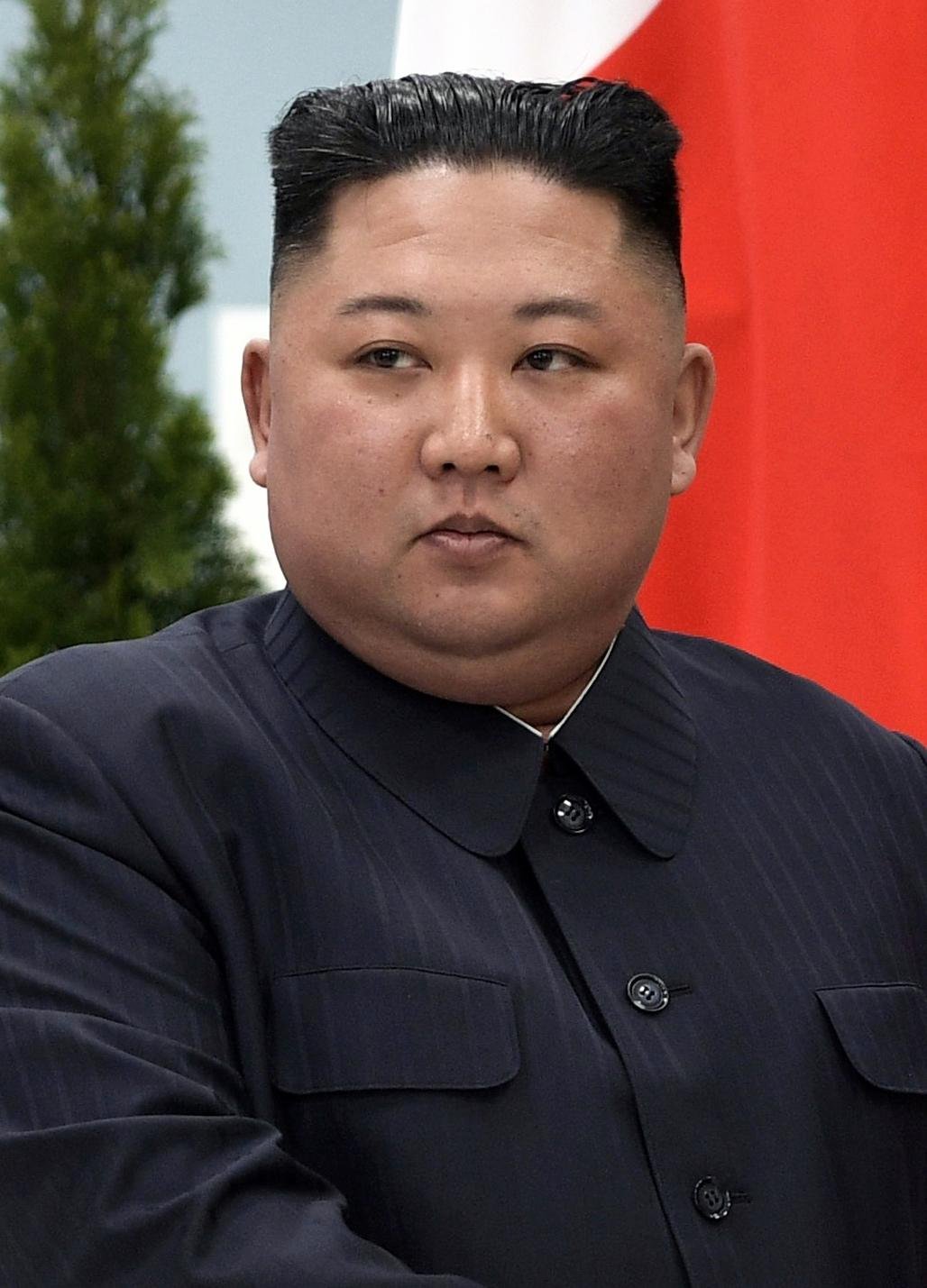
    When people hear the name Kim Jong Un, they usually think of North Korea’s nuclear programme, missiles and its highly controlled political system.

    But there is another, less-known side to the story: North Korea and India have maintained diplomatic relations for decades.

    India’s relationship with the Democratic People’s Republic of Korea (DPRK) is not a military alliance. Instead, it has historically involved diplomacy, humanitarian assistance, trade, cultural exchanges and India’s efforts to encourage peace on the Korean Peninsula. India and North Korea established diplomatic relations at embassy level on 10 December 1973.

    https://images.openai.com/static-rsc-4/d9wULXhmBWXwqONHsr62ew41uISu48vel1SooCeRt0lpE3s0i6J7Hb0ngCT2lzs3zUA_zjPceTrJfu2lS-tmRNPFicaKR0tehQsvW04Tzgs-IQK9Yl-I3zAPvFI7NPPcXluVCJeNnVdyONnd5tNiS_ABc-VYyd10ROyu6Umdmtis-COfykmeRBs1FkWXMsG8?purpose=fullsize
    https://images.openai.com/static-rsc-4/KlepPXFgEU_Dszzuuh0CeeIlWhlku5hEduImfnSdF3NhRfPlBS9238jN_cisXWkYUQNg7NjoaLl-fw-ecpbd1_jaGz-lmZle-S6WnoN0nac-a572eLPz7_Kg61x95B7xmdsUjiZVULD13Cs7HoPUHSLjFJRPC6p5s_SrviUATcYV4heP5bL0tBfaXJAZpF2k?purpose=fullsize
    https://images.openai.com/static-rsc-4/CSra6I5G9dafNHrdrV6y2Jyu9C7jj1RwI-a4vCF1RWJSAW8-XkXfZFg-GSEmNaYCyCAVKF44eq1_0CPbV_rqpshchNvVVHRJ3Wf1m7MTK7YXwnev898aEMghHCXbDVFNQfFzNURGNHtq-mx4QvDwyXIat_O88K0UIUQ824-gSpqBNG9zzD7BzKE42VrMvlEa?purpose=fullsize

    ๐Ÿ‘ค Kim Jong Un โ€” Quick Facts

    DetailInformation
    NameKim Jong Un
    Born8 January 1984*
    CountryNorth Korea
    PositionSupreme leader of North Korea
    Political SystemOne-party socialist state
    CapitalPyongyang
    Country’s Official NameDemocratic People’s Republic of Korea (DPRK)

    *Kim Jong Un’s exact birth year has historically been reported differently by various sources; 1984 is the commonly cited year.


    ๐Ÿ‡ฎ๐Ÿ‡ณ Why Does India Have Relations With North Korea?

    India’s relationship with North Korea is based largely on diplomacy rather than strategic alliance.

    The two countries established diplomatic relations at ambassadorial level in 1973.

    The relationship has generally been described by India’s Ministry of External Affairs as one involving friendship, cooperation and understanding.

    India maintains diplomatic representation in Pyongyang, while North Korea maintains diplomatic representation in New Delhi.


    ๐ŸŒ India and Korea: A Much Older Connection

    Interestingly, India’s connection with the Korean Peninsula is much older than modern diplomacy.

    According to the Korean historical text Samguk Yusa, a princess associated with Ayodhya travelled to Korea in ancient times and married King Kim Suro.

    The story identifies her as Queen Heo Hwang-ok.

    The historical interpretation of this tradition is debated, but the story remains an important part of cultural connections between India and Korea. India’s Ministry of External Affairs highlights the tradition in its background on India-Korea relations.

    However, it is important to distinguish this ancient cultural tradition from the modern political relationship between India and North Korea.


    โ˜ธ๏ธ Buddhism: Another Historical Link

    India is also connected to the Korean Peninsula through Buddhism.

    Buddhist traditions travelled from India across Asia and eventually reached the Korean Peninsula.

    There are Buddhist historical sites in the territory of present-day North Korea as well.

    India’s Ministry of External Affairs notes the presence of ancient Buddhist temple sites in the DPRK.

    This creates an interesting historical bridge between the Indian subcontinent and the Korean Peninsula.


    ๐Ÿ‡ฎ๐Ÿ‡ณ India’s Role During the Korean War

    This is perhaps the most fascinating part of the Indiaโ€“North Korea story.

    The Korean War took place from 1950 to 1953.

    India did not simply remain a distant observer.

    It played an important diplomatic and humanitarian role.

    India supported efforts toward a ceasefire and later participated in arrangements concerning prisoners of war.

    India’s 60th Parachute Field Ambulance served during the Korean War and provided medical assistance.

    After the armistice, Indian Lieutenant General K. S. Thimayya chaired the Neutral Nations Repatriation Commission.

    India also contributed the Custodian Force India to help deal with prisoners of war.

    That means India’s connection with the Korean Peninsula isn’t something that began recently.

    It goes back to one of the most important conflicts of the 20th century.


    ๐Ÿค India and North Korea During the Cold War

    During the Cold War, India followed the policy of Non-Alignment.

    North Korea and India were not military allies, but both countries interacted through international organisations and diplomatic channels.

    India’s position often focused on:

    • Peace
    • Dialogue
    • Sovereignty
    • Diplomatic engagement
    • Reduction of tensions

    India’s historical relations with Pyongyang therefore developed differently from its relationships with the United States or Soviet Union.


    ๐Ÿ‡ฎ๐Ÿ‡ณ India’s Embassy in Pyongyang

    India maintains an embassy in Pyongyang, the capital of North Korea.

    This diplomatic presence is significant because North Korea is one of the world’s most isolated countries.

    Through diplomatic channels, India can maintain communication with the North Korean government even when tensions rise in the region.

    India’s Ministry of External Affairs continues to list Korea (DPR) among India’s overseas missions.


    โ˜ข๏ธ India Does NOT Support North Korea’s Nuclear Tests

    This is an important point.

    Although India maintains diplomatic relations with North Korea, that does not mean India supports all of North Korea’s policies.

    India has strongly condemned North Korea’s nuclear tests and ballistic missile launches.

    At the same time, India has supported dialogue and diplomatic efforts aimed at reducing tensions on the Korean Peninsula.

    So the relationship can be described as:

    ๐Ÿค Diplomatic engagement

    โŒ Not a military alliance

    โ˜ข๏ธ Opposition to nuclear and missile proliferation

    ๐Ÿ•Š๏ธ Support for dialogue and peace


    ๐Ÿง‘โ€๐Ÿ’ผ What About Kim Jong Un Personally?

    Kim Jong Un became North Korea’s leader after the death of his father, Kim Jong Il, in 2011.

    His leadership has focused heavily on maintaining North Korea’s political system and strengthening its military capabilities, particularly its nuclear and missile programmes.

    India’s relationship, however, is primarily with the North Korean state, rather than being a personal friendship between Prime Minister of India and Kim Jong Un.

    There have been no Indiaโ€“Kim Jong Un summit meetings comparable to India’s high-profile summits with leaders of countries such as the United States, Russia or Japan.


    ๐Ÿ‡ฎ๐Ÿ‡ณ Did Narendra Modi Meet Kim Jong Un?

    As of 2026, Narendra Modi and Kim Jong Un have not held a bilateral summit in the way Modi has with many other world leaders.

    India’s engagement with North Korea has largely taken place through diplomatic and official channels.

    For India, maintaining communication with Pyongyang is useful because developments on the Korean Peninsula affect wider Asian security.


    ๐Ÿ“œ Agreements Between India and North Korea

    India and North Korea have signed agreements covering areas such as:

    • ๐Ÿค Trade
    • ๐ŸŽญ Culture
    • ๐Ÿ”ฌ Science and technology
    • ๐Ÿ“ฐ Information cooperation
    • ๐Ÿ›๏ธ Foreign-office consultations

    India’s MEA records a Trade Agreement from 1978, a Science and Technology cooperation agreement from 1991, and a Cultural Agreement from 1976, among others.

    These agreements show that the relationship has not been limited to politics.


    ๐Ÿ’ฐ What About Trade?

    India and North Korea have had economic relations, although these are much smaller than India’s economic relationships with major Asian economies.

    UN sanctions and India’s own policy decisions have also significantly affected what kinds of economic activity can take place.

    India implements relevant UN Security Council sanctions concerning DPRK, including measures connected with North Korea’s nuclear and ballistic-missile programmes.

    So today’s economic relationship is very different from a normal unrestricted trading relationship.


    ๐Ÿ•Š๏ธ India’s Position on Kim Jong Un’s Nuclear Programme

    India’s position has been relatively consistent:

    India wants the Korean Peninsula to become more peaceful.

    India has condemned nuclear and ballistic missile tests by North Korea.

    At the same time, New Delhi has repeatedly supported resolving tensions through dialogue and diplomacy.

    For example, India welcomed the 2018 inter-Korean summit and the 2018 USโ€“North Korea summit, expressing hope that dialogue would contribute to peace and reconciliation.

    This approach is important.

    India can maintain diplomatic relations with North Korea without endorsing its nuclear weapons programme.


    ๐Ÿ‡ฎ๐Ÿ‡ณ Why Is This Relationship Important to India?

    You might wonder:

    โ€œIf India doesn’t have a close alliance with North Korea, why maintain relations?โ€

    There are several reasons.

    1. ๐ŸŒ Regional Stability

    The Korean Peninsula is one of Asia’s most sensitive security regions.

    Any major conflict could affect the wider Indo-Pacific.


    2. ๐Ÿ•Š๏ธ Diplomatic Communication

    Having diplomatic relations means India has a channel through which it can communicate with Pyongyang.


    3. ๐Ÿ‡ฎ๐Ÿ‡ณ India’s Independent Foreign Policy

    India traditionally maintains relationships with countries having very different political systems.

    Diplomatic relations do not automatically mean agreement on every issue.


    4. ๐ŸŒ Asia’s Strategic Balance

    North Korea’s relationship with China, Russia, South Korea, Japan and the United States makes developments there important for the entire Asian region.

    India therefore watches the situation closely.


    ๐Ÿ‡ฐ๐Ÿ‡ต North Korea and India’s Image

    Interestingly, North Korea has historically maintained a relatively positive view of India’s independent foreign policy.

    India’s role in the Korean War and its Non-Aligned position helped create diplomatic goodwill.

    But that doesn’t mean the two countries share the same political or economic model.

    India is the world’s largest democracy.

    North Korea operates under a highly centralised political system.

    Their domestic systems are therefore fundamentally different.


    ๐Ÿคฏ Interesting Facts About India & North Korea

    1. ๐Ÿ‡ฎ๐Ÿ‡ณ India established diplomatic relations with North Korea in 1973

    Embassy-level diplomatic relations were established on 10 December 1973.

    2. ๐Ÿฅ India helped during the Korean War

    Indian medical personnel provided extensive medical assistance during the conflict.

    3. ๐Ÿช– Indian forces helped with POW issues

    India’s Custodian Force played a role after the Korean War.

    4. โ˜ธ๏ธ Buddhism connects India and Korea historically

    India was an important source region for Buddhism’s spread across Asia.

    5. ๐Ÿ“œ India and North Korea have several bilateral agreements

    These include agreements relating to trade, culture, science and technology.

    6. โ˜ข๏ธ India does not support North Korea’s nuclear tests

    India has condemned DPRK nuclear and ballistic missile tests.

    7. ๐Ÿ•Š๏ธ India supports dialogue

    India has welcomed diplomatic efforts intended to reduce tensions on the Korean Peninsula.


    ๐ŸŒ India, North Korea and South Korea โ€” A Different Story

    There is an important distinction between North Korea (DPRK) and South Korea (Republic of Korea).

    India’s relationship with South Korea is considerably deeper economically and strategically.

    India and South Korea have developed a Special Strategic Partnership, with extensive cooperation in technology, automobiles, electronics, defence, trade and other sectors.

    North Korea, on the other hand, has a much smaller economic relationship with India.

    Yet India maintains diplomatic relations with both sides.

    That reflects India’s broader approach of maintaining communication across geopolitical divisions.


    ๐Ÿ‡ฎ๐Ÿ‡ณ The Bigger Picture

    The story of Kim Jong Un and India is therefore not a story of close friendship or alliance.

    It is a story of diplomacy.

    It is a story that began before Kim Jong Un was even born.

    It connects:

    ๐Ÿ‡ฎ๐Ÿ‡ณ India

    with

    ๐Ÿ‡ฐ๐Ÿ‡ต North Korea

    through:

    ๐Ÿฅ Korean War humanitarian assistance
    ๐Ÿค Decades of diplomatic relations
    ๐Ÿ“œ Bilateral agreements
    โ˜ธ๏ธ Historical cultural connections
    ๐Ÿ•Š๏ธ India’s support for dialogue
    โ˜ข๏ธ India’s opposition to nuclear proliferation


    ๐Ÿ Final Thoughts

    The Indiaโ€“North Korea relationship is one of those international relationships that many people know very little about.

    India has maintained diplomatic relations with North Korea for more than five decades.

    At the same time, India has clearly disagreed with Pyongyang over nuclear weapons and missile testing.

    That combination tells us something important about Indian foreign policy:

    A country can disagree strongly with another government while still keeping the door of diplomacy open.

    From India’s role in the Korean War to today’s diplomatic engagement with Pyongyang, the relationship has passed through many different phases.

    And that makes the Indiaโ€“North Korea story far more interesting than it first appears.


    ๐Ÿ‡ฎ๐Ÿ‡ณ MANA BHARATHAM

    Stories, Facts & Wonders From India

    โœ๏ธ Written by Pasupuleti Saida Rao

    ๐ŸŒ Website: allpincodes.online

    Know India. Explore India. Celebrate India. ๐Ÿ‡ฎ๐Ÿ‡ณ

  • ๐Ÿ‡ฎ๐Ÿ‡ณ Narendra Modi: From Vadnagar to the Prime Ministerโ€™s Office

    ๐Ÿ‡ฎ๐Ÿ‡ณ Narendra Modi: From Vadnagar to the Prime Ministerโ€™s Office

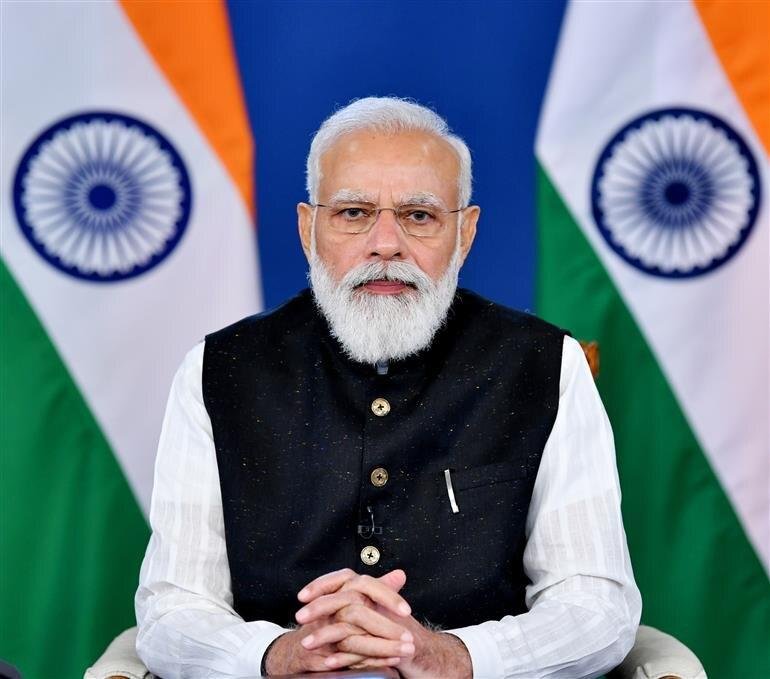
    India’s political journey in the 21st century has been strongly shaped by Narendra Modi, a leader whose life moved from a modest childhood in Vadnagar to the highest elected office in the country.

    Born on 17 September 1950, Modi grew up in Vadnagar, Gujarat, in a family of modest means. According to the official Prime Minister’s Office biography, he helped his family at their tea stall while growing up and developed an early interest in reading, debate and public service.

    Today, Narendra Modi is serving his third consecutive term as Prime Minister of India, having taken oath for the third time on 9 June 2024.

    https://images.openai.com/static-rsc-4/Mse9M93dtMQ1ZPGAT9CgGspAlAr5m5pa9SMjRPbnIi8bKjiATl4BeIsp3o--15HPleStNCeID-u3_ieRybSWBPjKcbGZggwdiW26I2xR1eKemuDLWWFDAKe3NQfcav42fqzILBUqZBf9OUcixc2AsKgKfsR-tftJ5AhC0x6yNxAaQwBe24715n-Fe_jiyPNg?purpose=fullsize
    https://images.openai.com/static-rsc-4/Kx7sSiZcS58JrB_vPM2-nrH343aLFQcoNLdeIcX3i7-d_ahjJtHPEUfa4IJb48dfjsJ0McsOpvcwJb2R89d5_fVVglCWC1vK8ohIcgGSxHCGVdsnKYkxMXE39DU5TIM1QfvWiogIF5zcnw0ZrGpr41qOJ-1oSWVY0FGQYISvpOlG3jrWgSAQWdBs_OcoM2jQ?purpose=fullsize
    https://images.openai.com/static-rsc-4/thhEpIXNeEs1cgYheD3IYKx8bTizjETS3dO3IKQnPu8ylK09ntPEO_I9D1ED526CfauHERrJlihS3BQIhPs44MuxnvYYBVrs7GgFpCWuWAuhg7qNybFuvEh-D8pkxvw4zFcPAyIgK3DpicqemETVEaMcptitDuSiitxJPd3oGHUNFVVxv0s1pkHio4nBQYze?purpose=fullsize

    ๐Ÿ‘ค Narendra Modi โ€” Quick Facts

    DetailInformation
    Full NameNarendra Damodardas Modi
    Date of Birth17 September 1950
    BirthplaceVadnagar, Gujarat, India
    NationalityIndian ๐Ÿ‡ฎ๐Ÿ‡ณ
    Political PartyBharatiya Janata Party (BJP)
    OfficePrime Minister of India
    First Became PM26 May 2014
    Third Term Began9 June 2024
    Earlier Major OfficeChief Minister of Gujarat
    Gujarat CM Tenure2001โ€“2014

    ๐ŸŒฑ Early Life in Vadnagar

    Narendra Modi was born in Vadnagar, a historic town in northern Gujarat.

    The official PM biography describes his childhood as one of modest circumstances. He grew up in a small family home and helped with the family’s tea-stall business while continuing his education.

    As a youngster, he developed an interest in books and debates. The same biography describes him as an energetic and hardworking student who spent considerable time reading in the local library.

    His early years would eventually become an important part of the public story surrounding his rise in Indian politics.


    ๐Ÿ‡ฎ๐Ÿ‡ณ A Young Man Drawn Toward Public Service

    During his youth, Modi became involved with the Rashtriya Swayamsevak Sangh (RSS).

    His political journey developed gradually through organisational work rather than beginning with an elected office.

    During the 1980s, he became increasingly involved in political organisation in Gujarat.

    In 1987, he began working as a General Secretary of the BJP in Gujarat, according to the Prime Minister’s official biography.

    His organisational abilities helped establish his reputation within the party.


    ๐Ÿ›๏ธ The Road to Gujarat

    The major turning point came in 2001, when Narendra Modi became Chief Minister of Gujarat.

    He entered state administration after years of organisational experience.

    As Chief Minister, his political identity became closely associated with:

    • Economic development
    • Infrastructure
    • Investment
    • Administrative reforms
    • Technology
    • Governance

    His supporters highlighted Gujarat’s economic growth and infrastructure development, while his tenure also became the subject of intense political debate and criticism, particularly over the 2002 Gujarat riots.

    A balanced understanding of his political career requires acknowledging both his supporters’ praise and the controversies surrounding his record.


    ๐Ÿ—ณ๏ธ Gujarat Elections

    Modi and the BJP won successive Gujarat Assembly elections during his time as Chief Minister.

    His long tenure in Gujarat established him as one of India’s most prominent political leaders.

    By the early 2010s, his national profile had grown considerably.

    The next step would be Delhi.


    ๐Ÿ‡ฎ๐Ÿ‡ณ 2014 โ€” The Journey to Delhi

    The 2014 Indian general election transformed Narendra Modi’s political career.

    The BJP won a majority in the Lok Sabha, and Modi became India’s Prime Minister.

    He took oath on:

    26 May 2014

    He became the 15th Prime Minister of India.

    https://images.openai.com/static-rsc-4/m1yj9yXsPaW6A1fd_Bp7fieHwvSJGVd-tRYEBab0lt-F1SlQpCeJKWXvd7qmjVml6A7hD0RzaW7QyS4kdFH7pAlR518BR09ngd-LzsRD3t7O6EsQPESJgckh0EOXeB7GsodOiyrYSBPqzQRuXOwkeuBhF8Ot4evtms1Kikg8twgydu9pC9enhpSqai1_re1g?purpose=fullsize
    https://images.openai.com/static-rsc-4/bUvO01vkVXmhy-ljjtrOTiJnDXW_m_R4ZyIqEF7Rr9b9MEQixsPTL7bpYtt8Rf4QgyLH0Ksd-cz6LjwdGiOHzioYtvbmi2Pg9g9BYKs1cHpfhu7MxZZGk2Yyy7CV7Yn4HdWufANF2dQrnqiM57IY9PCztnI_9jVwdXebkYs_o7FCutezoHdd0-QyYtoizO7m?purpose=fullsize
    https://images.openai.com/static-rsc-4/fMKOtH7ITlAhxyi-hqGgm-zGJFfultrFTchTXviaXPQTjqd0G-jmUDUudLZJ5wOIUGmYDJPpjlZFGvGi0hwqYIBsA0-Vk8OEgyjty1bvG0TIX3oDtObkvCbyYOOYQ-Ni1TJSAaauiK3NkN6ZHmdu67CWP9L0FCW9-6DzNIEXJyu9eTKYE2DDk9iIoAR47Baj?purpose=fullsize

    It marked the beginning of a new national political era.


    ๐Ÿ›๏ธ A Different Style of Governance

    One of the phrases associated with Modi’s approach to administration has been:

    โ€œMinimum Government, Maximum Governance.โ€

    His government placed considerable emphasis on technology, digital systems, direct delivery of welfare benefits and large-scale public programmes.

    His supporters describe his leadership as decisive and development-focused.

    Critics, meanwhile, have raised concerns about issues including institutional independence, political polarisation, civil liberties and the treatment of dissent.

    That contrast has made Modi one of the most discussed political figures in contemporary India.


    ๐Ÿ’ป Digital India

    One of the major themes of the Modi government’s governance model has been digital transformation.

    Digital India was launched in 2015 with the broader objective of expanding digital infrastructure, online government services and digital access.

    The growth of digital payments, online public services and technology-based governance became important parts of India’s changing economic landscape.


    ๐Ÿฆ Jan Dhan Yojana

    The Pradhan Mantri Jan Dhan Yojana was introduced to expand access to banking services.

    The programme focused on bringing people who had limited access to formal banking into the financial system.

    It became one of the major flagship initiatives associated with Modi’s first term.


    ๐Ÿงผ Swachh Bharat Mission

    Another highly visible programme was the Swachh Bharat Mission, launched in 2014.

    Its central focus was sanitation and cleanliness.

    The campaign encouraged construction and use of toilets, waste management and public participation in cleanliness efforts.

    It became one of the most recognizable government campaigns of the Modi era.


    ๐Ÿ‘ง Beti Bachao, Beti Padhao

    The Beti Bachao, Beti Padhao programme was launched in 2015.

    Its stated focus includes addressing issues related to the declining child sex ratio and promoting the education and empowerment of girls.

    The programme became part of the government’s broader messaging around women’s development and participation.


    ๐Ÿ‡ฎ๐Ÿ‡ณ Make in India

    Make in India was introduced to encourage manufacturing, investment and industrial development within the country.

    The campaign used the image of a lion made from mechanical components as its visual identity.

    The larger goal was to strengthen India’s position as a global manufacturing destination.


    ๐Ÿ›ฃ๏ธ Infrastructure and Connectivity

    Infrastructure has remained a major focus of the Modi government’s development agenda.

    Roads, railways, airports, ports, digital connectivity and urban infrastructure have received significant attention.

    The government has presented infrastructure expansion as an important foundation for economic growth.


    ๐ŸŒ India’s Changing Global Presence

    Modi has also placed strong emphasis on India’s international relationships.

    During his tenure, India has sought deeper engagement with:

    ๐Ÿ‡บ๐Ÿ‡ธ United States
    ๐Ÿ‡ฏ๐Ÿ‡ต Japan
    ๐Ÿ‡ฆ๐Ÿ‡บ Australia
    ๐Ÿ‡ช๐Ÿ‡บ European countries
    ๐ŸŒ African nations
    ๐ŸŒ Asian neighbours
    ๐ŸŒ G20 and other multilateral institutions

    His government has promoted the idea of India playing a larger role in global affairs.


    ๐ŸŒ India and the G20

    India hosted the G20 Summit in New Delhi in 2023.

    The summit became an important diplomatic event for India.

    The New Delhi Leaders’ Declaration was adopted during India’s G20 presidency.

    The government presented the event as evidence of India’s growing international influence.


    ๐Ÿง˜ International Yoga Day

    Another area associated strongly with Modi’s international outreach has been yoga.

    The United Nations declared 21 June as International Day of Yoga in 2014 following India’s initiative.

    Yoga subsequently became a major part of India’s cultural diplomacy.


    ๐Ÿš€ India’s Space Ambitions

    India’s space programme also achieved several notable milestones during Modi’s years in office.

    The Chandrayaan-3 mission successfully landed on the Moon in August 2023.

    India became the first country to successfully land a spacecraft near the Moon’s south polar region.

    The achievement became a major source of national pride.

    https://images.openai.com/static-rsc-4/ZTUm2pRnOUPo26WwO1DH5fqv4Zh8kHSObxc7GLRj66LswFwo-slITwVIZoFZGSTaK7vKyaXNWjyc58FhpLu6cnq_uY_tE-d_gzzQT6gDKC9me7gJ61tC7lKSJTgo5-gC0PpZbnZJDkXlaDGsBHVfgUK1FoEvT1vWIylKrsSRwDaC6mHgT2E1a5ZCBZ8R34ma?purpose=fullsize
    https://images.openai.com/static-rsc-4/4ldLy7GwXPAAzk3Ly4rfkyPu0ftPQqARSheMuD-m8wL1Y8HSiU9xFTqzFg_n67qi4jew23MnNpqTzjZalLq1_AMrt6Cct3SG5nSyK0xY2mhwZfBrJskieR-uCKbXWUVXNq4DWfHkCBBZBYHwvScAlCwaxNRtoRhtEtbVbxebJ2SB_oXYJUC26E9PiXAq3Tu4?purpose=fullsize
    https://images.openai.com/static-rsc-4/LLs54CzTMgixp0IiGVTHrIo029Y-lUXDdhn3FAXzcDXEfkE2OojUyqaqowqkn7ayG41aQFG_Fxj7JJ-7GKgQFt7lDN4DPmGKPCwN5PiZmVBEALE6nS8-uGdMAS85jldEVgJlBBHAypf3j4mV962WmM5Fi3l-dlYjzxvF2Y_0XyGLGwoyEP5YJoMxKWKHzw1A?purpose=fullsize

    ๐Ÿ›๏ธ A New Parliament Building

    India inaugurated its new Parliament building in 2023.

    The building was presented as part of the country’s transition toward modern parliamentary infrastructure while drawing on Indian cultural and architectural themes.

    The new Parliament became another highly visible symbol of India’s evolving political institutions.


    ๐Ÿ—ณ๏ธ 2019 โ€” A Second Term

    In the 2019 general election, the BJP again secured a majority in the Lok Sabha.

    Narendra Modi returned as Prime Minister for a second consecutive term.

    The result strengthened his position as one of India’s most electorally successful national leaders of the modern era.


    ๐Ÿ›๏ธ Major Constitutional and Policy Changes

    The second Modi government introduced several major policy changes.

    Among the most consequential was the 2019 decision concerning Article 370, which changed the constitutional status of Jammu and Kashmir and reorganised the former state into two Union Territories.

    The move received strong support from the BJP and its supporters but also generated significant political and legal debate.


    ๐Ÿ•Œ Ram Mandir

    The construction and inauguration of the Ram Mandir in Ayodhya became another major political and cultural development during Modi’s tenure.

    The temple was inaugurated in January 2024.

    For many Hindus, the event represented the culmination of a decades-long religious and political movement.

    It was also a deeply debated issue in India’s political history.


    ๐Ÿ—ณ๏ธ 2024 โ€” Third Term as Prime Minister

    The 2024 Lok Sabha election produced another major milestone.

    The BJP-led NDA secured enough seats to form the government, and Narendra Modi took oath as Prime Minister for the third consecutive time on 9 June 2024.

    He thus became one of the few Indian Prime Ministers to serve three consecutive terms.


    ๐Ÿ‡ฎ๐Ÿ‡ณ Narendra Modi in 2026

    As of 2026, Narendra Modi remains the Prime Minister of India.

    The official PM India website records his third term and continues to list him as Prime Minister.

    In June 2026, the Union Cabinet marked another significant milestone: Modi became the longest-serving elected Prime Minister of India in continuous elected service, according to a Cabinet resolution, surpassing Jawaharlal Nehru’s previous record.


    ๐Ÿ† Awards and Recognition

    Narendra Modi has received various international honours and recognitions during his political career.

    These have included awards and state honours from several countries.

    Such recognition reflects the importance of India’s international relationships during his tenure.


    ๐Ÿ“š Narendra Modi as an Author

    Modi has also written books and poetry.

    His writings and speeches frequently discuss:

    • Leadership
    • Development
    • India
    • Youth
    • Spirituality
    • National identity
    • Personal discipline

    His public communication has become an important part of his political style.


    ๐Ÿ“ฑ The Power of Social Media

    Modi has been particularly successful in using social media as a political communication tool.

    His speeches, government programmes, travels and messages are regularly shared through digital platforms.

    This has allowed him to communicate directly with millions of followers without relying entirely on traditional media.

    His digital presence has become one of the defining characteristics of modern Indian political campaigning.


    ๐Ÿค” Why Is Narendra Modi So Influential?

    Supporters point to several qualities:

    ๐Ÿ’ช Strong political communication

    He has developed a distinctive style of public speaking.

    ๐ŸŽฏ Clear political messaging

    His campaigns often focus on simple and memorable themes.

    ๐Ÿ“ฑ Digital communication

    He has made extensive use of social media.

    ๐ŸŒ International visibility

    His government has actively promoted India’s role abroad.

    ๐Ÿ—๏ธ Development agenda

    Infrastructure and technology have remained major themes.

    At the same time, his critics point to concerns about political polarisation, media freedom, institutional checks and balances, and minority rights.

    Understanding Modi’s influence therefore requires looking at both his achievements and the debates surrounding his leadership.


    ๐Ÿคฏ Interesting Facts About Narendra Modi

    1. ๐Ÿ“… He was born in 1950

    He was born only three years after India’s independence and is the first Indian Prime Minister born in independent India, according to the PM’s official biography.

    2. ๐Ÿต He helped at his family’s tea stall

    His official biography describes his childhood involvement in the family tea-stall business.

    3. ๐Ÿ“š He enjoyed reading

    His childhood biography describes his strong interest in books and local-library reading.

    4. ๐Ÿ›๏ธ He served as Gujarat Chief Minister

    He led Gujarat for around 13 years before becoming Prime Minister.

    5. ๐Ÿ‡ฎ๐Ÿ‡ณ He became Prime Minister in 2014

    He took office on 26 May 2014.

    6. ๐Ÿ‡ฎ๐Ÿ‡ณ He won a third consecutive term

    He was sworn in for his third term on 9 June 2024.

    7. ๐Ÿ† He crossed a historic service milestone

    In 2026, the Union Cabinet recognised him as the longest-serving elected Prime Minister in continuous elected service.


    ๐ŸŒŸ The Story Behind the Leader

    Narendra Modi’s story is ultimately a story of political transformation.

    A child from Vadnagar.

    A young man involved in organisational work.

    A political organiser in Gujarat.

    A long-serving Chief Minister.

    And finally, the Prime Minister of India.

    His journey has been accompanied by extraordinary electoral success, major policy changes, international visibility and intense political controversy.

    Whatever one’s political opinion may be, his impact on contemporary Indian politics is difficult to ignore.


    ๐Ÿ‡ฎ๐Ÿ‡ณ Final Thoughts

    Narendra Modi’s political career has become one of the defining stories of modern India.

    His supporters see him as a decisive leader who has strengthened India’s global position and accelerated development.

    His critics challenge aspects of his governance and political style.

    Both perspectives are part of the larger story.

    What makes his journey particularly striking is its beginning: a modest childhood in Vadnagar followed by decades of political work before reaching India’s highest elected office.

    ๐Ÿ‡ฎ๐Ÿ‡ณ From Vadnagar to New Delhi โ€” Narendra Modi’s journey is a remarkable chapter in India’s democratic story.


    ๐Ÿ‡ฎ๐Ÿ‡ณ MANA BHARATHAM

    Stories, Facts & Wonders From India

    โœ๏ธ Written by Pasupuleti Saida Rao

    ๐ŸŒ Website: allpincodes.online

    Know India. Explore India. Celebrate India. ๐Ÿ‡ฎ๐Ÿ‡ณ