High in the mountains of Arunachal Pradesh, surrounded by snow-covered peaks, deep valleys and winding roads, lies a destination that feels completely different from most of India.
This is Tawang.
Located at a high altitude in the eastern Himalayas, Tawang is famous for its spectacular mountain scenery, rich Monpa culture and one of the largest Buddhist monasteries in India.
But Tawang is not only about beautiful landscapes.
Its history, remote location, traditional culture and spiritual heritage make it one of India’s most fascinating Himalayan destinations.


🏔️ A Town Above the Clouds
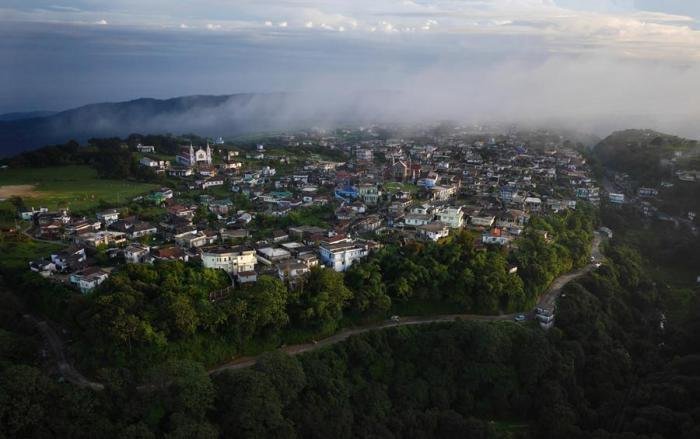
Tawang sits high in the Himalayan region of Arunachal Pradesh.
The surrounding landscape is dominated by mountains, valleys, forests and high-altitude lakes.
Because of its elevation, the weather can change quickly.
Clear blue skies can give way to clouds and mist, while winter can transform the surrounding mountains into a completely different world.
For travelers who love dramatic landscapes, Tawang offers scenery at almost every turn.
🛕 The Famous Tawang Monastery
The most famous landmark in the region is Tawang Monastery.
Perched on a hill overlooking the surrounding valley, the monastery is an important centre of Tibetan Buddhist tradition and one of the most recognizable landmarks of Arunachal Pradesh.


The monastery is traditionally associated with the Gelug school of Tibetan Buddhism.
Its location is remarkable.
From the monastery, visitors can see mountains stretching across the horizon while the town and valleys lie far below.
🕯️ A Centre of Buddhist Culture
Tawang Monastery is not simply an old building.
It remains an active religious institution.
Monks live, study and practice there, preserving traditions that have been passed down through generations.
Visitors may see prayer halls, traditional artwork, religious objects and murals.
The atmosphere is often peaceful and quiet, creating a striking contrast with the rugged landscape outside.


🧑🤝🧑 The Monpa People
Tawang is closely connected with the Monpa community, whose culture has developed in the Himalayan environment over generations.
Traditional clothing, food, festivals, architecture and Buddhist practices all contribute to the region’s unique cultural identity.
Learning about local culture can make a visit much more meaningful than simply photographing the mountains.
The landscape and the people are deeply connected.
🏞️ Sela Pass: The Dramatic Gateway
One of the most spectacular places encountered on the journey toward Tawang is Sela Pass.
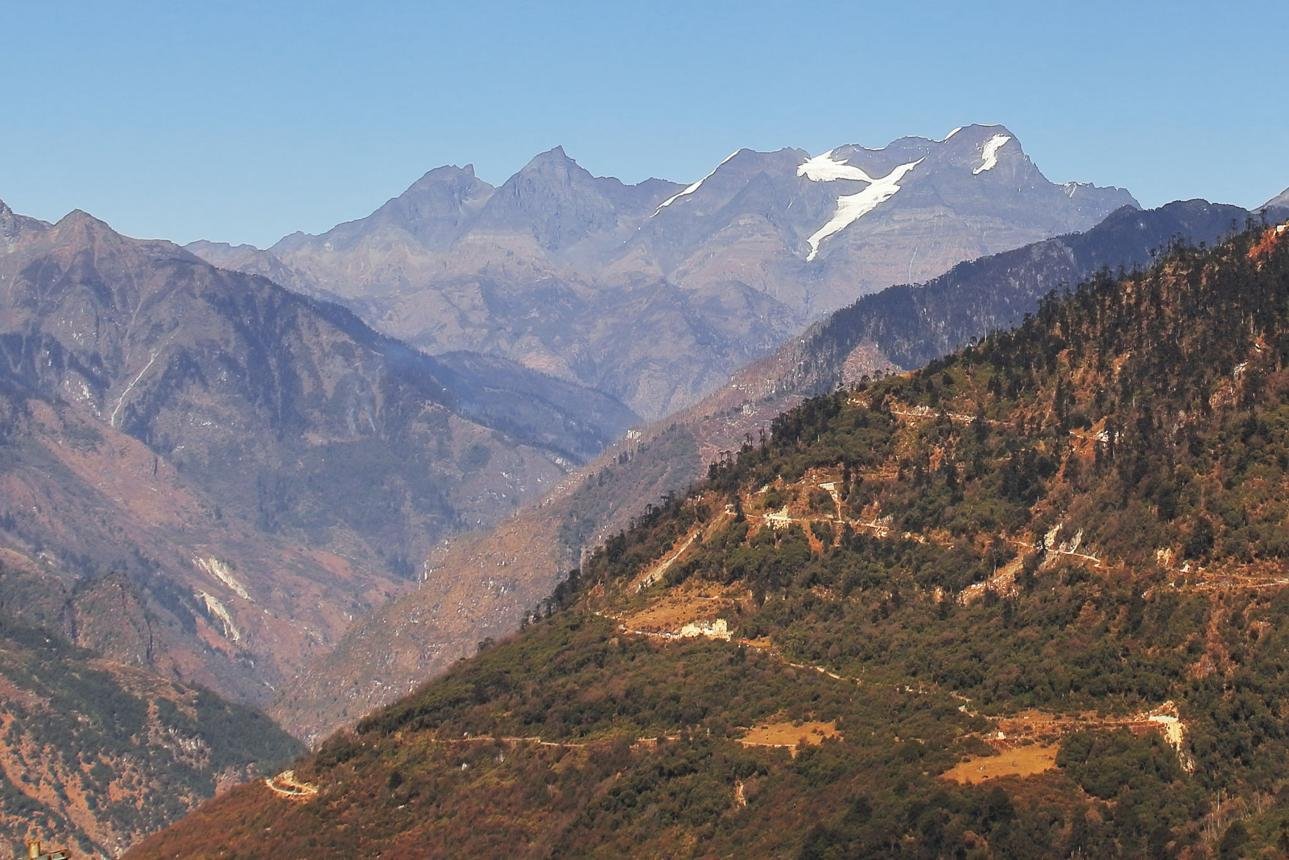
Located at a very high altitude, the pass is surrounded by rugged mountains and often experiences snow during winter.


The journey across the pass can be challenging because of weather and road conditions, but the scenery makes it one of the memorable parts of the trip.
Nearby Sela Lake adds another beautiful element to the landscape.
💧 Tawang’s High-Altitude Lakes
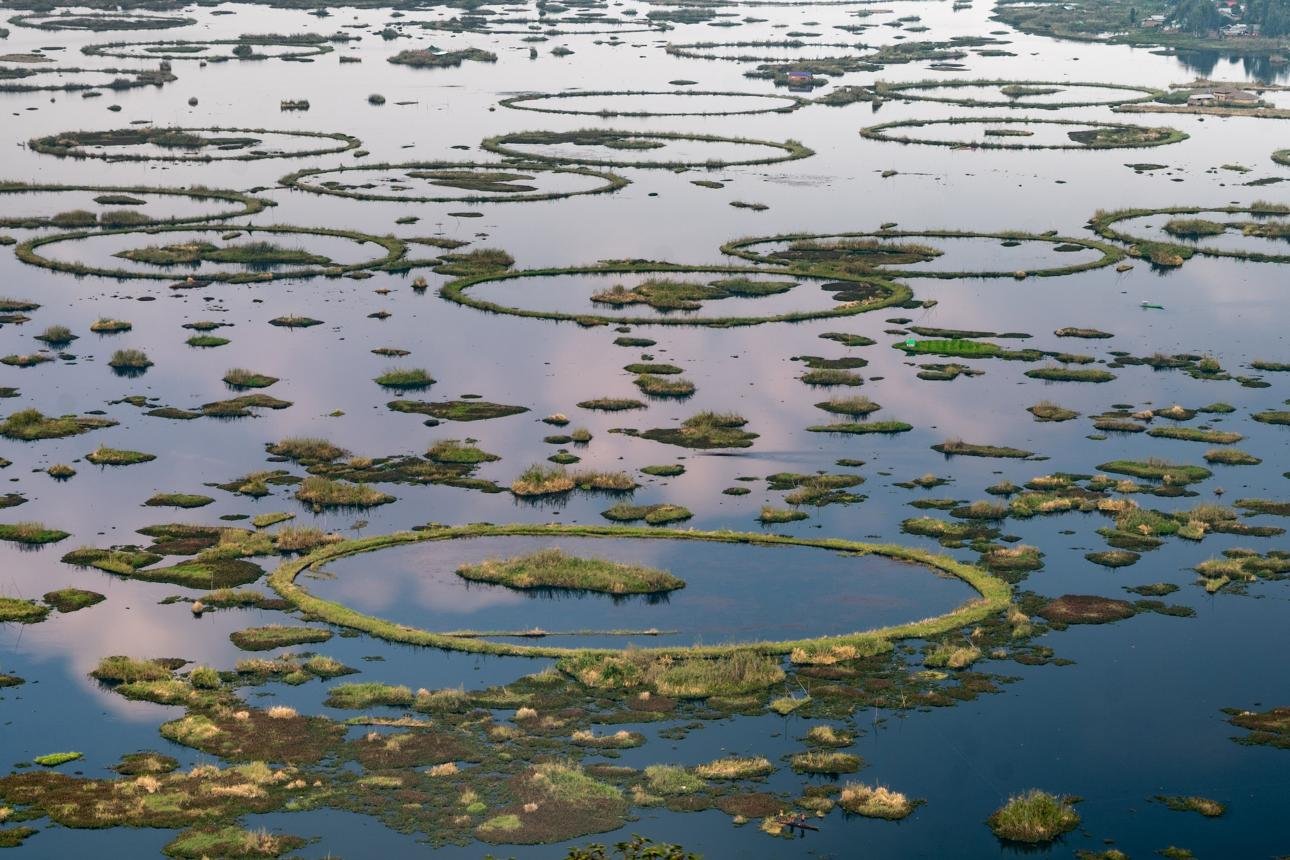
The Tawang region contains numerous lakes surrounded by mountains.
Some remain partly frozen during colder months, while during warmer seasons their waters reflect the surrounding peaks.
These lakes demonstrate how dramatically the Himalayan landscape can change with altitude and season.


💦 Waterfalls in the Mountains
Tawang is not only about snow and monasteries.
The region also has spectacular waterfalls.
One of the best-known is Nuranang Falls, where water drops dramatically through a mountainous landscape.
The waterfall becomes particularly impressive during periods of strong water flow.
Its remote Himalayan setting makes it very different from waterfalls located near India’s major cities.
🌄 The Road Is Part of the Adventure
Reaching Tawang can be an adventure in itself.
The route passes through steep mountain terrain, winding roads and changing elevations.
Travelers may move through forests, rocky slopes, snow-covered areas and valleys during the same journey.


The journey teaches an important lesson about Himalayan travel:
The destination is only part of the experience.
The road itself becomes a major part of the story.
🕊️ A Place of Peace and Silence
Tawang has an atmosphere that many travelers find difficult to describe.
Away from crowded cities, there are long stretches where the dominant sounds are wind, flowing water and distant mountain birds.
The monastery adds another layer of calm.
Prayer flags move in the wind, mountains surround the valleys and clouds often drift across the landscape.
For some visitors, this peaceful atmosphere becomes more memorable than any individual attraction.
🏛️ Tawang’s Historical Importance
Tawang is also important from a historical and geopolitical perspective because of its location near India’s international border.
The wider region has experienced important events in modern Indian history, including the 1962 Sino-Indian War.
This means Tawang is not only a destination for nature and spirituality—it is also part of India’s modern strategic history.
🎭 Festivals and Local Traditions
Traditional festivals provide an opportunity to experience the region’s culture more closely.
Monpa Buddhist festivals can feature colourful costumes, music, dances and religious ceremonies.


These celebrations show how religion and community life remain closely connected.
Visitors should always respect local customs and follow guidance when attending religious events.
🌌 Tawang at Night
The experience changes completely after sunset.
Away from large urban centres, parts of the region can offer remarkably dark skies.
On clear nights, stars become much more visible than they are in heavily polluted cities.
The combination of mountains and a dark Himalayan sky creates an unforgettable atmosphere.


📸 A Photographer’s Dream
Tawang provides endless opportunities for photography.
You can capture:
- 🏔️ Snow-covered mountains
- 🛕 Tawang Monastery
- 💧 High-altitude lakes
- 💦 Waterfalls
- 🎋 Prayer flags
- 🛣️ Mountain roads
- 🌄 Sunrise and sunset
- 🌌 Himalayan night skies
The weather itself can transform a familiar location within minutes.
🌱 Why Responsible Tourism Matters
Mountain ecosystems are fragile.
Plastic waste, careless tourism and damage to vegetation can have long-lasting effects in high-altitude environments.
Visitors should:
- Carry waste back with them
- Avoid single-use plastic where possible
- Respect monasteries and religious sites
- Avoid disturbing wildlife
- Follow local travel restrictions
- Listen to local weather and road advisories
Protecting Tawang means allowing future generations to experience the same landscapes.
❓ Frequently Asked Questions
Where is Tawang?
Tawang is located in Arunachal Pradesh, in India’s eastern Himalayas.
What is Tawang famous for?
Tawang is famous for its monastery, Himalayan scenery, Monpa culture, high-altitude lakes, Sela Pass and Nuranang Falls.
Why is Tawang Monastery important?
It is an important centre of Tibetan Buddhist tradition and one of the major monasteries in the Himalayan region.
Does Tawang receive snow?
Yes. Parts of the region receive significant snowfall during winter, although conditions vary depending on altitude and weather.
Is Tawang suitable for nature lovers?
Absolutely. Mountains, lakes, waterfalls, forests and high-altitude landscapes make it an excellent destination for nature enthusiasts.
Is the journey to Tawang difficult?
Mountain roads and weather can make travel challenging, particularly during winter. Current road and weather conditions should always be checked before travelling.
🌟 Final Thoughts
Tawang is a destination where nature, spirituality, culture and history come together.
The mountains provide the setting.
The monastery provides the spiritual heart.
The Monpa community provides the cultural identity.
And the roads, lakes and valleys create an adventure around it all.
Perhaps the most memorable thing about Tawang is that it doesn’t feel like just another tourist destination.
It feels like a place where the Himalayas still set the pace of life.
High in India’s eastern Himalayas, Tawang offers more than a beautiful view—it offers an experience of a completely different side of India. 🏔️🛕🇮🇳


🇮🇳 MANA BHARATHAM
Discover the Stories Hidden Across India
From India’s hidden destinations and Himalayan landscapes to ancient history, culture, heritage and fascinating traditions, MANA BHARATHAM brings interesting stories from across the country.
🌐 Website: allpincodes.online
📖 Blog: MANA BHARATHAM
Know India. Explore India. Celebrate India. 🇮🇳