There are places in India where nature and culture are so closely connected that it is difficult to separate one from the other.
Majuli, located in Assam, is one of those places.
Surrounded by the waters of the mighty Brahmaputra River, Majuli is famous for its unique island culture, traditional Satras, mask-making, music, festivals and peaceful rural landscapes.
But Majuli is also a place of change. River erosion and seasonal flooding have shaped the lives of its communities for generations, making the island’s story one of beauty, culture and resilience.


🌊 An Island in the Brahmaputra
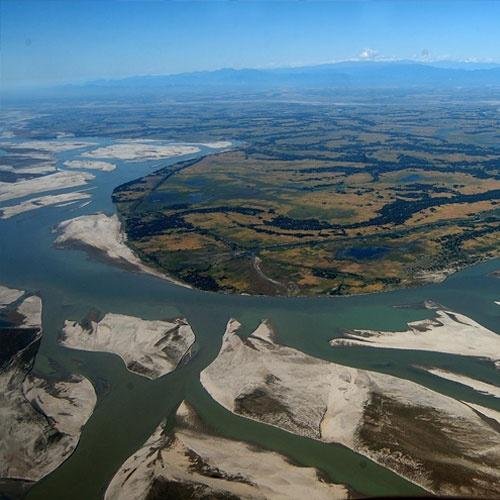
Majuli lies in the Brahmaputra River system in Assam.
Unlike a typical island surrounded by an ocean, Majuli is part of a huge river landscape. Its identity is closely connected to the Brahmaputra and its constantly changing channels.
The river provides water, supports agriculture and influences transportation—but it can also create serious challenges.
During the monsoon, rising water levels can transform the landscape dramatically.
🛕 The Spiritual Heart of Majuli
One of the most fascinating aspects of Majuli is its Vaishnavite cultural tradition.
The island is home to several Satras, which are monasteries and cultural institutions associated with the Vaishnavite movement of Assam.
These institutions have played an important role in preserving religious traditions, music, dance, literature and performing arts.


🎭 Where Religion Becomes Performing Art
Majuli’s cultural traditions are not limited to religious ceremonies.
The island is particularly famous for forms of Sattriya culture, including dance, music and dramatic performances.
Traditional performances often tell stories inspired by Hindu mythology and devotional literature.
This creates a fascinating connection between spirituality and theatre.
For visitors, experiencing these traditions can provide a deeper understanding of Assam’s cultural history.
🎭 The Famous Masks of Majuli
One of the most visually fascinating traditions of Majuli is its traditional mask-making.
Artisans create masks used in performances and religious dramas.
The masks can represent gods, animals, demons and other characters.
They are made using locally available materials and require considerable skill.


🧑🎨 How Are the Masks Made?
Traditional mask-making involves several stages.
Artisans first create a basic framework and then add layers of natural materials to develop the shape.
After drying, the mask is carefully finished and painted.
The process requires patience because the final object needs to be both visually expressive and suitable for performance.
What looks like a simple theatrical mask can therefore represent generations of artistic knowledge.
🌾 Life in the Villages
Outside the Satras and cultural centres, Majuli has a peaceful rural atmosphere.
Agriculture is an important part of everyday life, and villages are surrounded by fields, ponds and greenery.
Bamboo is also widely used in traditional life, including construction and everyday household objects.


🐦 A Paradise for Nature Lovers
Majuli’s wetlands and riverine environment provide habitat for many species of birds and other wildlife.
During suitable seasons, birdwatchers may encounter a variety of waterbirds and migratory species.
The island’s landscape changes with the seasons, creating different experiences throughout the year.
For photographers, the combination of open fields, waterways, traditional homes and dramatic skies can be particularly beautiful.
🌧️ Living With Floods
Life on a river island comes with challenges.
Flooding is a recurring part of Assam’s natural environment, and Majuli’s communities have had to adapt to changing water levels.
Seasonal flooding can affect roads, homes, farmland and transportation.
Yet communities continue to preserve their traditions and maintain their cultural identity despite these difficulties.


🏞️ River Erosion and Majuli’s Changing Landscape
One of the biggest long-term challenges facing Majuli is riverbank erosion.
The Brahmaputra is a powerful and constantly changing river system.
Over time, erosion has altered the island’s land area and affected settlements.
This means that Majuli is not simply a place where people live beside a river.
It is a place where communities must constantly adapt to the movement of the river itself.
🛶 Exploring Majuli
Traveling around Majuli offers a very different experience from visiting India’s major cities.
Instead of crowded urban streets, visitors encounter:
- 🌾 Green agricultural fields
- 🛶 River journeys
- 🛕 Ancient Satras
- 🎭 Traditional performances
- 🎨 Mask-making workshops
- 🏘️ Rural villages
- 🐦 Wetlands and birdlife
The slower pace is one of Majuli’s biggest attractions.


🎨 A Living Cultural Museum
Majuli is sometimes described as a cultural treasure because so many traditional practices continue to exist within everyday community life.
But calling it a “museum” can be misleading.
A museum preserves the past.
Majuli’s traditions are still practiced by living communities.
Music is performed.
Masks are made.
Festivals are celebrated.
Traditional arts continue to be taught.
That makes Majuli a living cultural landscape rather than simply a historical site.
🌿 Why Responsible Tourism Matters
Visitors can play a role in protecting Majuli’s environment and culture.
Travelers should respect local customs, avoid littering and support local artisans where possible.
Buying genuine handmade crafts directly from local communities can help traditional skills remain economically sustainable.
Most importantly, visitors should remember that Majuli is someone’s home—not simply a tourist attraction.
📸 Why Majuli Is Perfect for Photography
Majuli offers a completely different visual experience from India’s famous monuments.
A single day can bring photographs of:
🌅 Sunrise over the Brahmaputra
🛕 Traditional Satras
🎭 Colourful masks
🌾 Green fields
🛶 Boats crossing waterways
🏘️ Rural villages
🐦 Birds around wetlands


❓ Frequently Asked Questions
Where is Majuli?
Majuli is located in Assam, within the Brahmaputra River system.
Why is Majuli famous?
Majuli is famous for its Satras, Vaishnavite culture, traditional masks, performing arts, rural landscapes and unique river-island environment.
What are Satras?
Satras are Vaishnavite monasteries and cultural institutions that have played an important role in preserving Assam’s religious and artistic traditions.
What is Majuli famous for making?
Majuli is particularly known for its traditional theatre masks, handmade crafts and other forms of cultural art.
Is Majuli affected by floods?
Yes. Seasonal flooding is part of the region’s natural environment and can affect communities and infrastructure.
Why is river erosion a concern?
The Brahmaputra’s changing channels and strong currents can erode riverbanks and alter the island’s landscape over time.
🌟 Final Thoughts
Majuli is not just an island. It is a living story of nature and culture.
The Brahmaputra shapes the land.
The Satras preserve spiritual traditions.
Artisans create extraordinary masks.
Farmers work the land.
Artists continue performing traditional stories.
And communities adapt to a river that is constantly changing.
That combination makes Majuli one of India’s most fascinating cultural destinations.
If you want to discover a side of India where river, tradition, art and everyday life come together, Majuli deserves a place on your list.
Some places preserve history in monuments. Majuli keeps history alive through people. 🇮🇳


🇮🇳 MANA BHARATHAM
Discover the Stories Hidden Across India
From India’s ancient history and fascinating cultures to hidden destinations, natural wonders and remarkable traditions, MANA BHARATHAM brings interesting stories from across the country.
🌐 Website: allpincodes.online
📖 Blog: MANA BHARATHAM
Know India. Explore India. Celebrate India. 🇮🇳
Leave a Reply