Tag: Ocean Facts

  • ๐ŸŒŠ What Would Happen If the Ocean Suddenly Disappeared?

    ๐ŸŒŠ What Would Happen If the Ocean Suddenly Disappeared?

    Imagine waking up tomorrow and looking at the horizon.

    Something is wrong.

    The ocean is gone.

    No waves.
    No blue water.
    No ships.

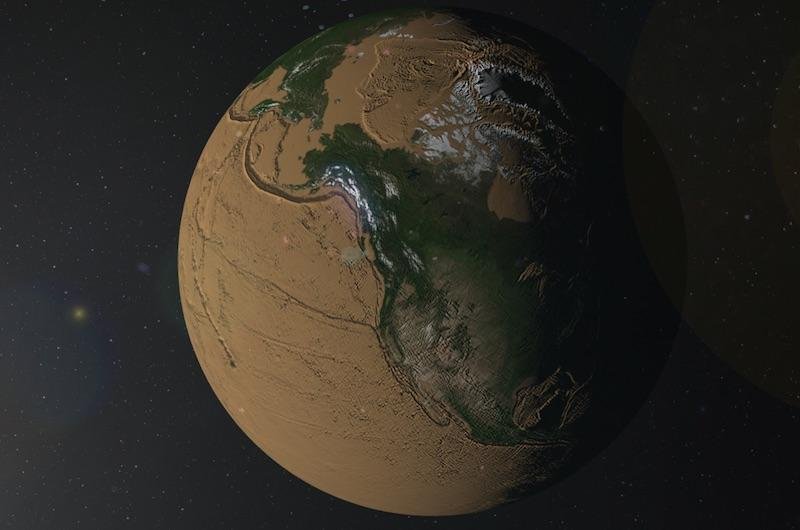
    Instead, where the sea used to be, there is a gigantic exposed landscape stretching toward the horizon.

    It sounds like science fiction.

    But thinking about this impossible scenario reveals just how important the oceans are to Earth’s climate, weather, wildlife and human civilization.

    So let’s imagine it.

    What would happen if Earth’s oceans suddenly disappeared?

    https://images.openai.com/static-rsc-4/sLrYPoZDpixhZngBKaU3v_f0Qd0Jfs3iCKalYZqW6sNjlO9g2BBFn6oDQqshVqMOYyvG15vjikZItgTUq6w9w0prH7Axh17ZA2Quvni2riOPZN-cLUtFsxpVQYYrfFvxKbE1hpvcCyeu60ZrAljbOrm_x7ubSafsrckKKhagpgh1vNhsKXOoYXByUL9xdEDO?purpose=fullsize
    https://images.openai.com/static-rsc-4/KAKl92YDcj1xRrBltRtU_FQUn6Xq1nDPy1gbqgluQz8d6P4CIYZ2GjryIcOBBquM5EW7TBUOTvX6ihPrCKxJ9p80TvHOHRJJCIQvx8ZJdPMw1e_N0QemZ1tvCWQmmaK5yZ8hdWvXzZNWjPO83gSy1BlmuvIz8Rg92mPP74caBfAhXzc4RyjotgjfjO28A7Rl?purpose=fullsize
    https://images.openai.com/static-rsc-4/kXf2v0GXCTsxFv5HXfUIYe_R9aJV6Bx3_T9rHyCJbMa37OZKbM-I3LhPI2aqse8uXUl66ud8Lyv8TLge7vlZ_eKcsS1Ri7WlBByvTqzkkaB0xStOglhOB7oUftC9HrcbKu2uXYpzQm-ybE_IbVU5jH-GT7K2sT80JqqlK2aasQMVSWK9l2XO6P5A-iJeH3g-?purpose=fullsize

    ๐ŸŒ First: The Ocean Is Enormous

    The oceans cover roughly 71% of Earth’s surface.

    That’s more than two-thirds of the planet.

    https://images.openai.com/static-rsc-4/4asHpgrXqWVwAAtIanpVOlgaWVqvGA_BTzB9_szhiFIASoQImudyZq-H9e_dwEchm0_MQRGj6WWi6ynWUWyu60MjUGhk2xrtGoJeiiY9ZzvttObRxN3nRzHMhJwrL049EZZ43kaFZDcmIzwtxLVwLKHoLDeIkBZ-RSP9EwderDB1raEClBPvaF1NTkbxMrK8?purpose=fullsize
    https://images.openai.com/static-rsc-4/GhRn9e5TYdvafr3D26-knWVHBlnb3Nx8Co_iO8E8mt146FXYCkpllt642yR-jgCvc5yyYmMBEct2xK16RwYWXR79B4nDOZgBG-_UBq1Xc1FofPH8qtuNa01FsqsfQOJHWF7NMvs6lnkzyfj6g4huz-9VhKonlZ4w1H43a3AZTcEBaMeICgMwcBWp38sGipX8?purpose=fullsize
    https://images.openai.com/static-rsc-4/ta3NOxHlXumUtOstELEjejVPV5TgYOqZkpr_8nz5GWylP2e4Y28c4awj9KSYuzHSr6jzKa46e67TMXF2xFYllJnYJCjoCT7SAUjjwbUFLwsR9SJIguOsAYezWtO8z1gVBmaewgzfAdsmYyOUs-tcrzNEc-6wME6nRu72fIwvfHKi-JupU-NdC4ZcvsQi70W-?purpose=fullsize

    When you look at a world map, it can be easy to think of the oceans as simply large areas of blue.

    They are much more than that.

    The oceans are part of a gigantic planetary system involving:

    ๐ŸŒง๏ธ Rain
    โ˜๏ธ Clouds
    ๐ŸŒก๏ธ Temperature
    ๐ŸŒฌ๏ธ Winds
    ๐ŸงŠ Ice
    ๐ŸŸ Marine ecosystems
    ๐ŸŒŠ Ocean currents

    Remove the oceans, and the entire Earth system changes.


    ๐Ÿ˜ฑ 1. The Seafloor Would Suddenly Be Exposed

    If all ocean water somehow vanished, enormous areas of seafloor would be revealed.

    https://images.openai.com/static-rsc-4/WdcAGMsMvI1TUnPer-WbsHI1OZoJfDLQxhMmw8H5lVrW30uaOiuWxQWlqE-xfLarzGZa5hisOIWWq0BCpkAXDgJQm3w_YfCpp2JWprWzyxyFzvyKV8C97vOt43T_98PyqBU_FQ0ByAEyPWNxfd-KI0HuMZb4tjm8QgNQAJfqNX2Zrc-mUbB_zhkUgHuWqMVN?purpose=fullsize
    https://images.openai.com/static-rsc-4/T2GruGcWL0budIvyza9R8pfC4a2Qhi-KznJgvS-L1cZ19RM89PwxJxen6F-mvYriFv6utSUnBzCd4mKgX7okkMDsf5xJaZfek_78Qpvfurf-ObEUlpRYd7pIYS-3UB53wHsiyDz1yIfWxvlIHVa6L428dl2l85nwxzrEsrnTxG2Ez_uvy15YgPVkOjaivb0b?purpose=fullsize
    https://images.openai.com/static-rsc-4/lA4iODnxm9RbcAKRv19_LqJZfOzRqz3AfIeg47b8nXQ1bJQHIh5-pgdrBxFCoJN3qcYxYKOGgjnSVumOZdjeH6a5ZWKLaTRhaXLHHvDCcffWlPYaFkdGcN_b6BiFZqHXSbmbk9UKs2Zup6B0TbhfQY4Wxg-LtGnZ5dL8VWfESsq_JmvO6Q8xu8BkW2BLbwts?purpose=fullsize

    The seafloor isn’t flat.

    It contains:

    • ๐Ÿ”๏ธ Underwater mountains
    • ๐ŸŒ‹ Volcanoes
    • ๐Ÿ•ณ๏ธ Deep trenches
    • ๐Ÿž๏ธ Vast plains
    • ๐Ÿชจ Rocky formations

    Some ocean trenches are deeper than the height of many mountains above sea level.

    The exposed seafloor would therefore create an entirely new landscape.


    ๐Ÿ”๏ธ 2. Earth’s Geography Would Look Completely Different

    Today, we think of continents and islands as separate land masses surrounded by water.

    Without oceans, that distinction would change dramatically.

    https://images.openai.com/static-rsc-4/CuPrmZRdLcP3vMSlUqYsEJoahM3TQt4c5Bn8UsKTpM3gzcL_o3YcCTdlHmUN-vlXJTHXmG5eeAoHpDOZZvZF_pomThPq_U-Zos7VYDEy5exZJ6jWTjpJ5T2bl_GWse1cP1dEXcau-A0OpIaIwF9lDA_lBAzOEYfFDf-w2UtS5agHZleo_wYCWCtDSTE44Apt?purpose=fullsize
    https://images.openai.com/static-rsc-4/tMylMminsb6Yb0SHeSdSFyQlqYoOoSyiX5goNWlNqekoEYd_ltXnLX3yHGeYPvJLEowwjOnetkk9SFg-8aJjsM3arIK7xXEPLYlSQWWgO8YYvJHft5ItwMitPWH6LA8HUUfSbZsdUj8jYqcoE2sdZZ-eXTGIhkLie1IhlFj1vc5wNhIZgdhhdM97MuWAecFb?purpose=fullsize
    https://images.openai.com/static-rsc-4/2YI5-cyyJEEazQo2OV7nNu2kiE8nl0Lpp4cDEXH7t5TvxGhtgcz-afIzJXNkmSleWmCXlmYLsq8KSTg25VxVdRrWO7rLqm0yxPBUwieptqiy2505nH8VAJXsRtlqw_HWma0GY83haAU2ow3KQNdO-IUcf9XDpX2bFbfcv0RuqGT0L8sZKNL5-oxLBtXIEqOe?purpose=fullsize

    Many islands would become connected to larger land masses.

    Huge underwater mountain ranges would become visible.

    The planet’s geography would be almost unrecognizable.


    ๐Ÿ‹ 3. Marine Life Would Face Catastrophe

    This would be the most immediate biological disaster.

    The ocean is home to an enormous variety of life.

    https://images.openai.com/static-rsc-4/2sIC41cAty5gFFi6iK8BOVW5dU1ED4TshI19f-Y3P9XPsK74b1zVzyOMWZ8C6s05fQTczjhyRsllB6FleWTHxSO1-k_3zut7bY6-FaHIOT70V1cSdL6sCakZ0cN5V544I5JgQH_dYFzA4Xd1qSBopxBChA35HDmbDOJbZ8j1RGK6gu-kkc9c800RMg3W6yf3?purpose=fullsize
    https://images.openai.com/static-rsc-4/8_26-vZOsJQBlmuqsI4Skkv0uUpdquf59XwwvWgWrxCIAfEP6NYngFt_Mo560DA7MhmPcnTDfx3_9HpvMeJXJ5Ju3sYjp6FinQCmj6uewgRlnQ5tjeiFJEW23bj1zvM7et413oCRfSLpfZld3i2rGpBUudXuVUvpb_AtyX1DtxLmHsLhEjfJIe5AKMrEO0cK?purpose=fullsize
    https://images.openai.com/static-rsc-4/oYhVnX-xk8pLPyNc2UjUr8Z842h0kO_Ki9XOXiGuIBdjNEW6gN1wuZOSbIskxW8i0yVrYb2lDKj6nrCTx9H8Zyt-Di7NzYWUjWbL7XuVdOud5YCtVLG5ygIbEaTyXZIFIsyLhYhD-_XeEV__iSqIaylhzd9at5QokIDCSeIqcpcwgcl69cnJLcPqZv30U1Vy?purpose=fullsize

    Whales.

    Sharks.

    Dolphins.

    Fish.

    Octopuses.

    Corals.

    Plankton.

    Countless microscopic organisms.

    If the ocean disappeared, marine ecosystems would collapse.

    The impact wouldn’t stop with large animals.

    Even tiny organisms form the foundation of marine food webs.


    ๐ŸŒฑ 4. Coastal Ecosystems Would Disappear

    Many ecosystems exist specifically because land and ocean meet.

    Examples include:

    ๐ŸŒด Mangroves
    ๐Ÿชธ Coral reefs
    ๐ŸŒฟ Seagrass meadows
    ๐Ÿ–๏ธ Beaches
    ๐Ÿฆ€ Tidal ecosystems

    https://images.openai.com/static-rsc-4/0L-7CswlhAHmcKIUHqV3UgBqjF_PnyZghsRQZpd0LFiteDcOFK0Jv_z8QBRVCzOzj4Ox2Ih78jZW5A4AenbWcfWcapYxxHaSH9a61y8NclfYodlr1EsNNCFe2TR-1T0zC753x6KHyN4ABwlQoTuIizg3J94Wo1FrvWUEIOqqkeNidCzIikUEOTzMwU3qnTNn?purpose=fullsize
    https://images.openai.com/static-rsc-4/zIBkOfL___1CQrMpGwdTIOjIw2oc0jFRd8gC04UzXrm_FeOr9dfh0n7eEI_lKi_EQzjLW1u6XAh2ElOKNFjTUmo17-jupNzmhDs8LBzQOoTrosPbCu8tizJnoX_DhsqFiGC4kqcuPo2WqH9JGv17E6g5lhph8jPw3LYxiLP3yKIMhJ1Jd6tiQyYhnvOmPWlf?purpose=fullsize
    https://images.openai.com/static-rsc-4/X8v_af2BWd1pThOSzm9NPnVYmq9TmBtilwm8t0_LXVMSt0jGjiEUTG67qlDhL8_T0EA6Y-oS3F3HwQuHZM5G59dD0BS4LyKfhh0stLZJcm-t4X1KVdhLQ14KFF2uAcV53CKejhj_EaTraYyPTN0BVsZh4U8av37_hUQJQ5934GVcnsZuGBNEpuUntqvXwCS1?purpose=fullsize

    Without seawater and tides, these ecosystems would vanish or undergo enormous transformation.


    โ˜๏ธ 5. Earth’s Water Cycle Would Be Completely Disrupted

    This is one of the biggest consequences.

    The oceans are the largest reservoir of water on Earth’s surface.

    Ocean water evaporates.

    Water vapor enters the atmosphere.

    Clouds form.

    Rain and snow fall.

    Water returns to rivers, lakes and oceans.

    https://images.openai.com/static-rsc-4/uAmqToMwd3LiNPT3CNQ-YFuzHBe8pK4nbjZCi_iWByKCr6h9u2pYQOBBt7FJX1_Glwcy73UtBLtzxyaIe3vqxtfTIsxv0QQZK6gH8zDKHEzvP2nvTRol7NcKBwe9g0n1Vtfxvh2vmZse4jmacjDpJzotignCYHWQnTkEuCTCqTfvc4vGgrFKKwa3bTaGXHib?purpose=fullsize
    https://images.openai.com/static-rsc-4/UeuaKzIQ5ZYzbWzLeiSIpnf1lkREi5wbRploy5wIDkhTj7Fnpw5DMmjZ-kZuKc8jL1eE-TpitNHl-TKWe5-hXpl75igxiABqdiReKM2L0Mvv6TQna3n-R87canTQ_KDDXAptKr2tNo3QXh-So4NrjAjAxJEESEMdJEwiVsAc7oExXy5TyHC5hfYDhk2NMeJf?purpose=fullsize
    https://images.openai.com/static-rsc-4/gLS8U87xruVyqH8NHbv5HcPEd-ypciviKaujfanfUl8mRl6jVlR3xA5f7I73tnALHBJxVUoFKGWp1w55WLg0macfQBn7yqzqUnJrHNYf4coCdbYDwGLF0fcGTyi-gRnpS1x3njOIBXMbzRFqll9mFPs21bgzNTi0iKPiJjLxI0csG6S2dVU-du8xptt_9gxI?purpose=fullsize

    Remove the oceans and you remove the largest source of evaporation.

    The global water cycle would be radically altered.


    ๐ŸŒง๏ธ 6. Rainfall Patterns Would Change Dramatically

    Much of Earth’s precipitation ultimately comes from water that has evaporated from the oceans.

    Without oceans, atmospheric moisture would eventually become far more limited.

    https://images.openai.com/static-rsc-4/dlxkGG-Qj1ENqfq0cW7S954mtQ_X5TQusr67H1ttsXvZfRyGXamEVFNTqXsjtC1bkg3M8_To6MKlifWs6TVVWk3VxkjyJbhfh7GbU2VRJ-_sOMJKLbVM9yOZGz1O-pvoky1Hx1VmHIorkdVqMx8Z2SK1ke0EGCNz4Z6YyUs22D2PSLNKesb0c5Tlx8VCItPo?purpose=fullsize
    https://images.openai.com/static-rsc-4/Gv4XGkNVmSgi1m-vIJZeXekXdPBkF98N6kYtZ-lrd960r1N8AYOOpsGK9Ej6X9DuaYkGSx0kpObOOfE0ozrK8JxpnoAV1OCGi99nJi0J5MVE-Pab2NNJI3v3VwyS2TyIVAoOj7jg8eGmiGOhtXFK3TVNIQp9PXQMs9WKEtnny9ISzZuFgzNQY6NRVEVSncAy?purpose=fullsize
    https://images.openai.com/static-rsc-4/3w9ob2Srduh3oSn6GqujwOjibcaTDBVqd_8HvnmY5hLE0amUCcT4DYdCiZFBIXS_KkOR2TsxZLHu5JCaUiFytVw9Vp3fdwicLhvGvGCFP9xf9yUCYcIaH1qLIU4LXJhIO2pwujtf30AgS0H7qMT61eiyEiF8uXa_-NG0pCVWnmJJ6cYZtsgF51NuRbN2WAeo?purpose=fullsize

    Some regions might continue receiving precipitation from remaining lakes, rivers, ice and groundwater for a while.

    But the planet’s normal hydrological cycle would no longer function as it does today.


    ๐Ÿ”ฅ 7. Temperatures Would Become Much More Extreme

    The oceans have an enormous ability to absorb and store heat.

    Water warms and cools relatively slowly compared with land.

    https://images.openai.com/static-rsc-4/KtcKJuaBaCs5deRFD8wYONVu0k6oSUeQMeWg1pY0B62AL3gnBgeHd5lFawtGw7ADZspOoFK-I_t1Ldo864NJ5MkbyWjIWBG9kHdvzDy8xmZLprDv-IVYGyKnY-pzn6oquj02fXySLiwUYioWH7ket5STu09HAnStsQvOvakbdxxIclWkw7A4zoGw9xF57Dz3?purpose=fullsize
    https://images.openai.com/static-rsc-4/LYwkw_encRsmGTPuONvsqtP6n5uBqVnodq2AAZFbPwwJ2wcTQTxiDoJnKCcRrdbJSw0RET-pD5PzaKfYZHGC0RF_Gelo3sVV361P1uEh0EuNg1yI-FkcQa-OzXifvxB4eBJgf_tuVnOwu0CI-0VitBFgkp0dUlhABmaTDMyJL4GTkzq9Dq-aywtC1_UKGcUC?purpose=fullsize
    https://images.openai.com/static-rsc-4/dKuCGHjiP87kf2lIpeowE8Emds2mj9bf6aKTq-SsHOHzCoqbYNe9FnRvc26yrJtJ7yRuYHYIBz4em-sYmRSduiF7ud9VuzYVq_bmH28NjMr6id4O1P5GATj-VVabQGSPMEkv3fyOCFI3J-3O39OZOAKYwSHPPmWiufriPRV81SWxSqBCMCNHX_rzwRRAz2r7?purpose=fullsize

    This helps moderate Earth’s climate.

    Without oceans, temperatures would become much more extreme.

    Many areas could experience much greater differences between daytime and nighttime temperatures and between seasons.


    ๐ŸŒก๏ธ 8. Ocean Currents Would Disappear

    Ocean currents transport heat around the planet.

    Some currents move warm water toward colder regions.

    Others transport cooler water toward warmer areas.

    https://images.openai.com/static-rsc-4/_mstAICtKOX_qJbF4JYL5sYRf6GaN3felfoMahHlsHGCwUqQYnvsNDkb5XGyWBDluE4NNKTJ28jz9tMLra_Yyj2wbgbzbyfoIQH-4K93sz2lm7A__zO1dPskMH0x13TshGY5ocednfLc0MnVYUj4EXWvFBTpDJXnZPEjsGGRD1aUC4EbTQ_6Nckgxa6jQk-U?purpose=fullsize
    https://images.openai.com/static-rsc-4/pOn48kTn6srU_0e_rR1BhJJvTuecESBgkkNFJcGP4EpEqSrQWq_VwZm0xiGdJnREKzU4bXowY8KtYqCJw0q0VpTaq265AKMHwQDP0NUOzfB1C1zAbAAcEITQDTwLS_T0YFevGaJ5HoRVO2bNpLOrhOxqf5qCp2ReBeMQQulsGaj5LmsRXZHO3DpV8q6N5HGx?purpose=fullsize
    https://images.openai.com/static-rsc-4/oF-u6fN89IDIsi53tVsARAIcmakJsiLFDG-1dQdLlHxH2_U2O8bAdY9RQBvsfw8KfY3OQZ-0IQr8Cgz6KR6Gy3RctwLuaSPx5LmH7y6hKn57rSmUf334jYIYJVZSHFEnhwcVPpgjUvvXq52EgXZoDil8W0emF-5pjd7VOHSSxqmcIXilUGYSCvAKSkHgqh7N?purpose=fullsize

    Without oceans, this enormous planetary transportation system would disappear.

    That would dramatically alter regional climates.


    ๐ŸŒฌ๏ธ 9. Weather Would Change Beyond Recognition

    Weather depends on temperature differences, moisture, pressure and atmospheric circulation.

    The oceans influence all of these.

    https://images.openai.com/static-rsc-4/LRqsrA9IwwFv5sBFAE3SmX7RdMniBsjs4fPfvdBPzXjAcLAhu_tF8DjEWdhLpzmqfLV53rAB512VNAZ2GSyKwd6_p1EHdLpZpzdDatxToy5zPXDu8MApiaTyGcqJlNsju2i9RfO_vm2xFSIB8ZafwSJfZr-RlPuFuzphWvge6c8kPX7WLdEq56ThcSdsgsvU?purpose=fullsize
    https://images.openai.com/static-rsc-4/2URqu55OLQjvJcXDoE6nqoXpKTJN8-8B_gmX0Xqm47JtY5mEe0iDEXq4JSuC-vvwJigEE0A5Umyuumm--DxLYtlYGu8alm6br-xMGcgczQg0jM6m8pE73U1k7wgoNjKWI5eq2OIFwvhdC8lmv1btAVntdX137fyT_cDXIQEnQ-luk4CBa51qi9v6mn6KT5PC?purpose=fullsize
    https://images.openai.com/static-rsc-4/L9X_nh0Z2V-0piw2ljYjodBP5_TjKKvu2x5v1inpzOG_Ezhf1dUOpha31Blv4nCHAnr1xp4elDeNMPst_gVyjrJgNTQvVH8bwADP54WzgIDoqwz9GOB62R5Kz7yWWCaNcF8jWDlxjtXmGo7JP290RbUUaup3eNMhPEk-b8r0loqPQ23s8H2VadAznXVugEcp?purpose=fullsize

    Without oceans, familiar weather systems would no longer operate in the same way.

    Storm formation, rainfall patterns and atmospheric circulation would all change.


    ๐ŸงŠ 10. What About the Polar Ice?

    Some water exists outside the oceans as ice.

    https://images.openai.com/static-rsc-4/9Vv5WHrwm3wQWJ-Ew1VpTrqaZ-2BjgEGGTIys4W3yUHVSuIhJfqTaL1C2FnnZIzzh18NUUA5auiQQXeRku_eC6VbHawYxwbQ2R0Dvs3r6a_rBdc0-z0dAVl2uA8_PcFe_EwQ0YO1-anMSH2CdKzzqVSnb96dYs7YpfJ9JDDiqwlLwF_K4SRLD-nXSMwW4MKH?purpose=fullsize
    https://images.openai.com/static-rsc-4/OUiAmzUqlqSD2akEnBT2dWycg1Qa6zGJaunaAh7VQCPNnDDaDekyKJwtPKc_b_IHeQirhSvWJTnkuHfHTk4RL3NWa8tyJxrvTaukvrki4dBexem-LM6pX6jFIlL40EByptKhaaDcOwQTIgbPIvzwjLyaXV0PJMKJAcM8C3SmQ86AMuFBODjvhXanZ9zQfpqU?purpose=fullsize
    https://images.openai.com/static-rsc-4/oCXsT69oLmYN_Pl5f2JfUpLspnOM40snJVHNNb6GT8l7yXE1MhjhS-xpYrjlWtJuqdNebgWaR6cSCBKdggZa-VbCZP8Q0RrKlcwfKdkGHnxW1B3ApBZDu6AeC6lEsolZQ8LgPcuxVv4NjX2V_wk_JePvsrR3DBlaH8esVHu6ist7iO6qNgRn-GsS7XJ8rdyf?purpose=fullsize

    If the scenario simply means that liquid ocean water disappears, polar ice could initially remain.

    But the climate system would change so dramatically that the long-term behaviour of those ice sheets would also be very different.


    ๐Ÿง‚ 11. Giant Salt Deposits Would Remain

    Ocean water contains dissolved salts and minerals.

    If the water vanished through some impossible process, much of that dissolved material would remain behind.

    https://images.openai.com/static-rsc-4/UxOCX-0a_bF7rDMmB3i6AL4CUEbdopW9CW9M_M7KUfb1-ti7T5a8kOZr0QyGFu9IDqC93h_uhY0q4LcryS_nk9RulzIUvqAngb3dtGYOi9PQw_bT9I8PKGjvSQnlPQsl4abO1DgZxOD0Q2Bc8SFyn3Myho_UmbflI8G9YiJkYk7jr6v-RPL4rm6b9K5bzLCJ?purpose=fullsize
    https://images.openai.com/static-rsc-4/qY7OK30bfUgwlutKVqybKmVkYLaKaPGu7uhdzqqRewuc22nf4eqahzvLSXU59yIXIMcp2GnGstOT7qq6jftVo283cmiOCO1S6O3YuLQSwZHh41cMAGeX8TAIaiPcs3PPmUm8RRrcILSjGpf9iPIpNuw1RQwN1N-60_azBAO7McOFNnomRS5o-hd6hO1LAWvB?purpose=fullsize
    https://images.openai.com/static-rsc-4/W3sqIvNEccKUiejSAdNGZVHDj7gJqCUUQLzSrprgr3IObrYlMelQ3mYoKQmmUlzPVF6b0mhr5nN4hn6TGn45PIsYHHCFCZ6cx27kMIutdltvprnOvn8GbQkkvhdVy8P9hJRtp_Grlt24mapW09yQT9aXeqyF-O3w8UX2239T90waJ4WdeQYEQtdNjt8cuPAf?purpose=fullsize

    Imagine enormous regions covered by salt and other marine minerals.

    Some exposed areas could resemble gigantic salt flats.


    ๐Ÿ™๏ธ 12. Human Civilization Would Be Completely Disrupted

    Modern civilization depends heavily on the oceans.

    Millions of people live in coastal regions.

    Major cities and ports developed around the sea.

    https://images.openai.com/static-rsc-4/vE71FqO0YqlkJlirYC_3cQdXHj4wzZGa7i-hb1xr14ti9Kj12SSMMPymT53tst3wK5QVgYcwC6QR0mxXZ60QaTl--oG2MNWWFte-XCx4df1NU9OrU2ZXH9Y1sBREUN86vRax-15uE2Y9yPJrfPJTClw0cndscaKnVIO8pG2vUvJa64T33nvHYBb3-P3zJ8l6?purpose=fullsize
    https://images.openai.com/static-rsc-4/ORnYd0HCMFEuh-KXS9qls1ogeQ0WL6LN9fPv64OrAd9kD42ncducXOc4SLYOyzdb8UNCRLIP7OXWTs7xpV4ia2t9cHGMYf6Y6GVrm6j1NK6SamIC1HQYRUnBhu7N3R7lbDHe2yY86sZENYe-q7TvLvYh7aSWBLlQI68KB6ddOlHiPNpn_KclwcwY8CzqzwKJ?purpose=fullsize
    https://images.openai.com/static-rsc-4/cnjApbZUe4_PS4sPqQX00ROC_gJUY5miZn80MCbkgfYSiHFIinQ0363ttpApbM0c3BsUCN8QnWFftywc0dVlk7WtbbGdX1SgxFR8bUBCahhdQ4uPEJQ8c2s_WxoqnRtD2eTVOAUYQbdri95s0HffJyH2zEGHM7bU0RCDGBPjj7x7fe4ZHKmWEO6dDGaFSdnN?purpose=fullsize

    International shipping would collapse.

    Fishing industries would disappear.

    Ports would become useless.

    Coastal economies would be devastated.

    And the environmental changes would affect agriculture and freshwater supplies.


    ๐Ÿšข 13. What Happens to Ships?

    Ships would obviously no longer be able to sail.

    Instead, they would be left sitting on the exposed seafloor.

    https://images.openai.com/static-rsc-4/YkptOHX-Nr3e1efQA2Za457SmPZsU3eN16B8Aa-9dAfVtib6HfByE_Jp1TKSuMax5Hc3OQZlPUbCLeKGMOr_3Mx66oPEY6-kTvZVYKI3E94htQzAPyKsXxq4-cs58HA4YjPApRPnxQgdbM0oIqRQaY_r08JxSAcVAjxHMC_KCj8F9o6UwTHyRvgyTc4qh3rn?purpose=fullsize
    https://images.openai.com/static-rsc-4/P92GkaVc4gSdmDCqzAyYwuF64RzqkjXPcHaqVTEEr3bqdKpcpracnA4F9Eh_k5aL1ThAUriYYBDYsU3t5VhX8ScKiCDCZ_fGiUqwUqZVX3O2pTNFH97aMKt5HA_gmX51a0B6zt4dv4wYsSLVl0zpyVb9Rwtt07kM8Fz6mVE3UyOLZEBD86VrE2F8ghrIkoZ5?purpose=fullsize
    https://images.openai.com/static-rsc-4/_Rk0Vw01jO2H0E3Rk6t169lasgSrBQ1OYhrgpKYOK_JTykdtMm50kmQFDU0IdWD-XxLEkhIyY-DRYW7XhDG_uFF5q9RZ4VUGX1wMnoUiZea49ge_Nd3pCn0nBw-MtxN7NxaysjGmOOC8ccQJHgOjcFhSr3t2LX3LAkDsI0RLcfTz85plyk9EuURj4eLyY_Zc?purpose=fullsize

    Some might end up hundreds or thousands of metres below their former sea level.

    Imagine walking across what used to be an ocean and finding a giant cargo ship sitting on the ground.

    It would be one of the strangest sights imaginable.


    ๐ŸŸ 14. The Fishing Industry Would Disappear

    Billions of people rely directly or indirectly on aquatic resources.

    https://images.openai.com/static-rsc-4/y5EKWIHnGtrXfJer22Ki7kfWYGEK-cuaBV0rI58mdd9UfpbdBqURSJqs1GTU_c6gz1R9Wpb2leMF2u6QpSwCXOx42sxPRUy8aKTB55iW4CX1WPj2OoDBuJwEABFCZ-UU5fez5DTUQMh_AWnJAxGtCiI1Aq8olfePCMxQtHGHAZsgmZkeYK1EYl--2Jo0U6_X?purpose=fullsize
    https://images.openai.com/static-rsc-4/S5eNt4t2kMmLuUQJhdr7WURtVhJ2Ca2FBPAJoxe5UlprWv6rEw2tXFdp83SWLRyZ9lDyIuolPfZCY7quSQ6pZ6jfKOIrflIaAFxwSJg2uPChS3XCGc1vZGwCNOrrOSbhlTuTpuTU_8sQ1hCX6H72JMW3BstIvlbg_2JtdoFP7lb5cPFddWFh4tErOaVtjn12?purpose=fullsize
    https://images.openai.com/static-rsc-4/vCjj3iy9hHmZALVMI6mAyHReTXuRB2QqCpR2KXFlBB3KwhyukYnYV9_1Jwk9VLTYCJ4NclNVE6bK_Br5ihtAB-jWvQSofNQkAb15TivUI3wo2oD7yp2wkoYxVF2o58IQzlicv3Q1--NAagHjUH3o5HAh1ixW6SzxWmjVY-jvL-ZqM1b5UcR368Fb0W7xhMzv?purpose=fullsize

    Without oceans, commercial fishing would vanish.

    Aquaculture operations that depend on seawater would also be severely affected.

    This would create major food-security problems.


    ๐ŸŒ 15. Earth Would Lose One of Its Greatest Carbon Systems

    The oceans play an important role in the global carbon cycle.

    They absorb and store large amounts of carbon dioxide.

    https://images.openai.com/static-rsc-4/IzazbqG5dgAFS4laQOU-Yb13lv0i0gMyahwHlt4grt-1AvpD5gsj3D2XXdjZBQPsmHRxieweCZrBMsTm8Qkpq61U5qv6DtTtTLZmvcKJb4eHTH2EDfm3YVTfELguelWPnwMlvMW-vUOhr-AerftGgscw4kISiabOROx5K4ITJ3P0pGokwgQIBYB85fEeB_QJ?purpose=fullsize
    https://images.openai.com/static-rsc-4/sv1aZkQTKr5bjzN00cGgA8bBLyT43owpKyPaL_bveSycpp22_YrOFNq2WU39540aLyFWuk1rH7KtEqjv_AcwF82Rs1n-EVqgphWS5SSsnLvTugI9CILQuBldkGJW2MefSbCYzBQ6q_BgdoJOWNQ0d4ElnM-y4C9Nnw5ZrMIm8fKY8He5dL-f_BQ03G0pphcY?purpose=fullsize
    https://images.openai.com/static-rsc-4/Ueu_qBoIVydw8siegGXvqRXKgnDwZ09ws1vHhwpObTuUWGjUPeJeLDxmbO5LkjRu4o1k754Jal3ZYMhfgHqhqVHVf76V3NNGDdINvhZsll9-KdVXYSuvUYnGsbsr9Rq71-mG3_Ryc_h7xQUzH5wYTiF5M_xUWxtYB8ruG1j72VWTWxh2r32s3wCDMhq6R-TC?purpose=fullsize

    Marine organisms also participate in the movement of carbon through ecosystems.

    Removing the oceans would therefore fundamentally alter Earth’s carbon cycle.


    ๐ŸŒŒ The Most Amazing Part: Earth Would Look Like Another Planet

    From space, Earth is famous for its blue appearance.

    https://images.openai.com/static-rsc-4/J4T_KKUyX2OCDzsiBXAePphOFmWPLIV5Y6XTprvoBgz0rNbkwMLt2XBq5HCNoYWSKHRFjfR1fds7ygQBRwC6Jp-OromFiiGNtnE0g7BFObbH1uzy5UkF7AGzQh4vbR9F3SykIPzmoFZY-vHEy2_hlY2SdvC0dacUx41kQkBj9XDQ8kZPlMtRVWZwC6edUy6L?purpose=fullsize
    https://images.openai.com/static-rsc-4/-BzG-zMyPSjCtnAMsOUVptSt2FLxln8X3sOmOpKd-BozhGJbkmqElyakJiBHgqn6PE7ADlUKSReC1qVxF6d2KvDzy3_w5tkBaJvovaKSa3BbvkAYYG_6YbCRdub-iM-J9JnSQr0xsMGneIHlTM1gmL63Jp0T7Ay3ZcuRnowCHahUyHgF0MUHCWAuQO9fWap4?purpose=fullsize
    https://images.openai.com/static-rsc-4/3VFLnr9elFlZwqrazC8h8oqDIYWyXNaQpVXwwapxLvP0zvRiMJsZuHCI08RGlCaPGPmP9FXgnULC7ruD0ImYdVGKvMxzWlbNZAKq_eTHzR1STM1f72GFOqawVcTsXVXwTMMtFByEOmILJDnosZGygFdCUa6q8OOwSrCPxM47KT463qUz2z5ZZDzzLiNwHmxy?purpose=fullsize

    Remove the oceans and the blue planet would look completely different.

    The continents would dominate the surface.

    Huge seafloor structures would be exposed.

    The familiar blue-and-white appearance would disappear.

    Earth would no longer look like the planet we know.


    ๐Ÿง  But Could Earth’s Oceans Really Disappear?

    Under normal natural conditions, no.

    There is no realistic mechanism that would cause Earth’s oceans to suddenly vanish overnight.

    This is a thought experiment.

    And that’s exactly why it is interesting.

    By imagining an impossible event, we can understand something very real:

    The oceans are essential to the functioning of our planet.


    ๐Ÿคฏ Amazing Facts About Earth’s Oceans

    ๐ŸŒŠ Oceans cover roughly 71% of Earth’s surface.

    ๐Ÿ‹ They contain an enormous diversity of life.

    โ˜๏ธ They play a major role in the global water cycle.

    ๐ŸŒก๏ธ They store and redistribute huge amounts of heat.

    ๐ŸŒฌ๏ธ They influence weather and climate.

    ๐Ÿง‚ Seawater contains dissolved salts and minerals.

    ๐Ÿšข Oceans are major transportation routes.

    ๐ŸŸ Millions of people depend on marine resources.

    ๐ŸŒ Oceans play a major role in Earth’s carbon cycle.


    ๐ŸŒŸ Final Thoughts

    We often think of the ocean as something we visit on vacation.

    A beach.

    A place to swim.

    A place to watch waves.

    But the reality is much bigger.

    The ocean is part of the machinery that makes Earth the planet we know.

    It influences climate.

    It moves heat.

    It powers parts of the water cycle.

    It supports enormous ecosystems.

    And it has shaped human civilization for thousands of years.

    If the oceans disappeared, we wouldn’t simply lose beaches and fish.

    We would lose one of the fundamental systems that keeps our planet functioning as we know it.

    The next time you stand beside the sea and watch a wave roll toward the shore, remember:

    You’re looking at one of the most important forces on Earth. ๐ŸŒŠ๐ŸŒ


    โ“ Frequently Asked Questions

    How much of Earth is covered by ocean?

    Approximately 71% of Earth’s surface is covered by oceans.

    What would happen if the oceans disappeared?

    The climate, water cycle, ecosystems, geography and human civilization would undergo catastrophic changes.

    Would all marine life die?

    If the oceans truly disappeared, marine ecosystems as we know them could not survive.

    Would the continents become larger?

    The existing continents wouldn’t physically grow, but enormous areas of exposed seafloor would become land surface.

    Would there still be rain?

    Some water would remain in lakes, rivers, ice and the atmosphere, so precipitation wouldn’t necessarily stop instantly. However, the global water cycle would be profoundly disrupted.

    Why are oceans important for climate?

    They absorb, store and transport enormous amounts of heat and interact continuously with the atmosphere.

    Can Earth’s oceans really disappear?

    Not through any realistic natural process that could suddenly remove them. This is a hypothetical thought experiment
  • ๐ŸŒŠ The Deepest Places on Earth โ€“ A Journey Into the Unknown

    ๐ŸŒŠ The Deepest Places on Earth โ€“ A Journey Into the Unknown

    What is the deepest place on Earth?

    You might think the answer is simply the bottom of the ocean.

    But the deeper we go, the stranger the world becomes.

    Thousands of metres below the ocean surface, there is almost complete darkness, enormous pressure and temperatures very different from those on land. Yet life still exists there.

    And the amazing part is this:

    Some of the deepest places on our planet are still difficult for humans to explore.

    Let’s take a journey from the deepest ocean trenches to underground caves and discover what lies far beneath Earth’s surface.

    https://images.openai.com/static-rsc-4/I_WawDg-9kbEkhcBrZnDbO6xey-7wQcsyU8GC0LDC6Bj3a0yRyvAdfuGEv1eBLK1r6Z29RQbugeDuWLIZ1H3wU_xysznAY98L3MoJLdbME7DYD4m4v1L9LRXZwxjp-5t_pd6XHP_0diF0OYP5KgCWIFXUzamLWzhRK1B54bbrpMMnrtNgR_NvXOt9W88MHEz?purpose=fullsize
    https://images.openai.com/static-rsc-4/uTc5Mnmxjj4ViD4FoY706rEaUj0BUqgBvKuZHRcxzf36Y-1BtPxTtlEUJicbMC0-UItfLXxYePuzDZZ38Zm0r4VK38zJzK-_NE6H_OyDJHqg6a9LG391v5RyjOnqVquuWI24Bs8KMmkVKRZNwaPnvuxY8Ra-3zbwuoYym7Kzq-qnRz7mv05Oz3pEgO7hkaun?purpose=fullsize
    https://images.openai.com/static-rsc-4/Di7gGl3JWXjmfM6VMbpK3vIXgI6uasUe76DMD7OqgH0ULE51WS6Bfv9z62ed0lpT8alqMtukGWiTcq9RAfY52r_mUhAMqju__WeP-CMmWdUDEEoCWp4BEcD6KXloR30jRRQw23Frb15tJm_q6iZA3YxL1xKtQ0HTDO5EbNVN5SfadxrXEml2KLannBIBiCg-?purpose=fullsize

    ๐ŸŒŠ 1. Mariana Trench โ€“ The Deepest Known Ocean Trench

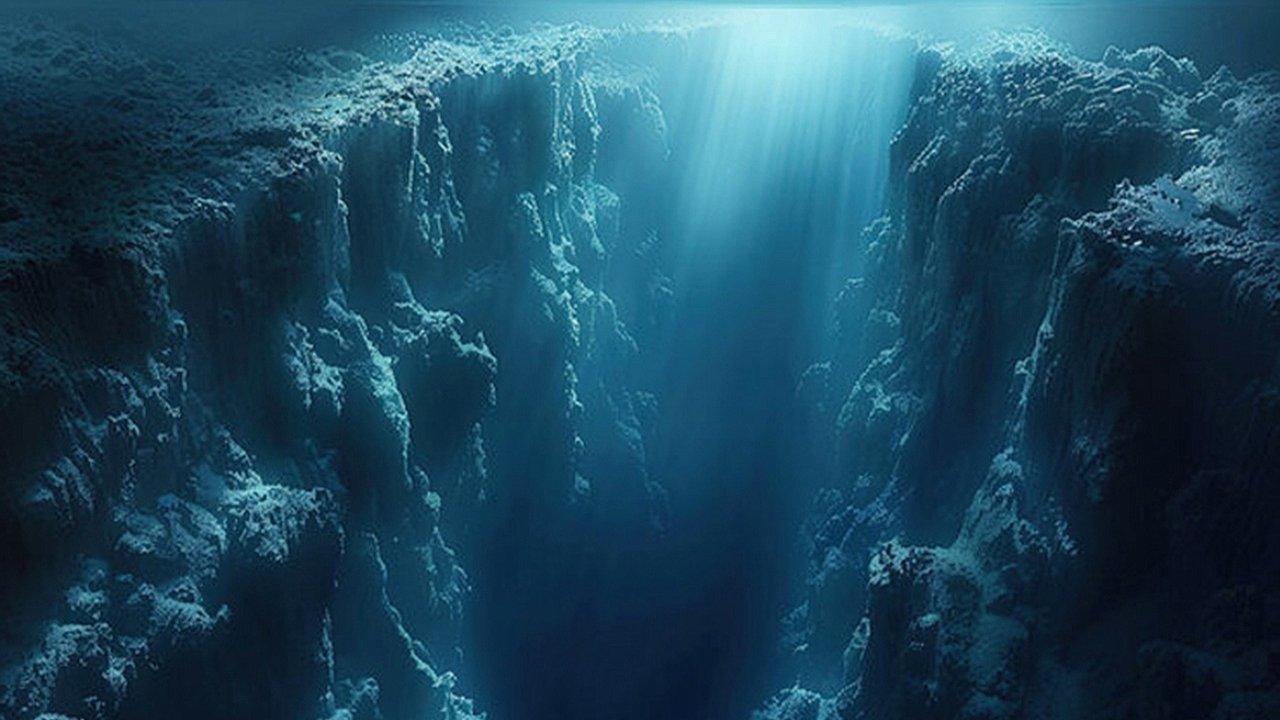
    The Mariana Trench in the western Pacific Ocean is the deepest known ocean trench on Earth.

    Its deepest known area is called Challenger Deep.

    https://images.openai.com/static-rsc-4/gQdmikkG9bV4em95V43jvSQ1r2huPCCEd4lbXChdWoxVhoF5bd1M075w6XDbhS9Z2lWx7F7qc4B2dgJvSanPHP6YOuHtRwiWVB1trXih8saAjvu4ty7Cshann-qAhjma83-roUcNwBJf2uLsP2NzSNXBnbggvfUJicSn_wXJkNrpcVOaK0CH30_jE6htMg7r?purpose=fullsize
    https://images.openai.com/static-rsc-4/KARomm9uyXwOZZ2Qv7UaIa9fh76rFfklp0KUX1dJzhSFuoNpTuITZ4T2ZmyJGY4cRzYr864mCCmUHFFEJgxmQSvc_Z2MWn1jPkKBUn1VAN4aY9yU2isz49farQVaBzx3GcEOlC6NdPROQnHKkxt2rA1-81NoCEQHcxOkEu3N-RUUg0qqxS-6FeW9EkwGBE2V?purpose=fullsize
    https://images.openai.com/static-rsc-4/yjaYCeD6W5TGcUARa4MRgqLEfM74X5y6aftl4akqXLLs96ZHnQP8jeskSUTv06Z5Nl-zr7D5zCtjcKzyN1mo0-ad0COf9I_7TRw_Y9stVEXrS0E2ttYMb8LHCNspy0-5f_lKf7OUUBmAKRkmMmDdogwfERIM5jXjZk3mYktl-lMAEFUHvv9ySk2MHiVsz9dM?purpose=fullsize

    The depth is roughly 11 kilometres below sea level.

    To understand how enormous that is, imagine placing Mount Everest into the trench.

    The summit would still be underwater.

    ๐Ÿคฏ Think About That

    Everest is the highest mountain above sea level.

    Challenger Deep is the deepest known point below sea level.

    The difference between them shows just how extreme Earth’s vertical landscape really is.


    โšซ 2. What Does It Look Like at the Bottom?

    Forget sunlight.

    At these depths, sunlight cannot penetrate.

    The environment is almost completely dark.

    https://images.openai.com/static-rsc-4/kgAy6MaOPg9WZm8eQ2QzmxaTQT3_v_pekx1TgjeuovhLAF5EX4cej1HUcRBrqehykE1nr3dc7lX3BYAXVF-y6PIspX-4VPxB86AHDAJbim29rNgDFTd_pSGvE8TLM96Uhaqr3uEVkTexFUUQ194xUWL-zFSlJmoq6Jmxvro9uYqxticK7sPDupHvW7lG9m2L?purpose=fullsize
    https://images.openai.com/static-rsc-4/3-SmN7vwM6j1sw_iLsEeEZ0hvzhtngSE1ghIsp3LENFft7PzPBt9tBuJQqrZwTP670tS0yuLtW7nOVmAO20FK-XXlj_aJnj0MgWcEFYSTj-nYj8rvKRP4Nle9bL3Hj2kQ1WbTAYf39lTKtE7zsqKSLWwoILFwLcu3mbKwCM_7tcraHCuORcchrAUpW0HMnvL?purpose=fullsize
    https://images.openai.com/static-rsc-4/CMc7uv1mW4T87fvZuczCCJB2J_wN9_lC0B3m01R5uRXGa-bbXPCoJ4A5M2ifjj7CL5y51bGXmu7_OdrEzwfXdbLCJzEhLSMSqBmie9qiXn1CMy758e1UjQOhh9yVfJFgE13ZMR7az-lVVYtYogyX1cy7sw4FjfoQcNURoUNrunfdgSSRgAt5-LSbD7rdkQSl?purpose=fullsize

    The pressure is also enormous.

    A human cannot simply dive there using normal scuba equipment.

    Specialized deep-sea vehicles are required to reach these depths.


    ๐ŸŸ 3. Life Exists Where We Thought It Couldn’t

    You might expect such an extreme environment to be completely lifeless.

    But scientists have discovered organisms capable of surviving in the deep ocean.

    https://images.openai.com/static-rsc-4/SUEYQPlogHSamojCSQjxGFNmhdcyMDi8tD0P-VmDbKjnzJquXRX-SF6H50nVFDLg5LYQR5L99-6hiO5JlyntGTf9WA0wruxFDam99JUmhctdsp7St_eumpgs3cqqPKgj1o1HO1pE2U6yF9D9ILdSzxG77teKuT-fA3FyJ3F8J3I6As1zdJwp09vgjNlgPwqx?purpose=fullsize
    https://images.openai.com/static-rsc-4/7Yp21J8y0raGy6ZwKMdLqLjDhiYR0wso60j5K8Vl6WIBq5-NwvjMjrcmzdgD4ket6yYecfiI-IPP1XHpoLGlsDB4xUz4CynICYfbEi5deFneiVjkkLRA5LWPAs9o6DJzeucfiSO7Ug2PK0pV-W5IUyrHaS9evfSogTVgFVRXX2Tqhn6dDNyr56a5UoLSQYdp?purpose=fullsize
    https://images.openai.com/static-rsc-4/YFp8zOXHF514_AWLY8iYopB0Yjn4i8dDbzx-fo3gZe3jll13jGwA0EfobJbvYk1SbAhtreA5SChLzDQQ4hWjzJ8S2-go6eDqk5rP4mHQM6pKoSfGoilJR9u3ONeyO0M24ZRia0EfvAVvqJxFuGiCbl2wAh_oLj3-peiQwFvz2bJWYTsbS22cCKuTLGQcxdTI?purpose=fullsize

    Deep-sea organisms have evolved remarkable adaptations.

    Some produce their own light through bioluminescence.

    Others have bodies suited to extreme pressure and limited food.

    ๐ŸŒŒ A World Without Sunlight

    On land, most ecosystems ultimately depend on sunlight.

    But some deep-sea ecosystems can rely on chemical energy rather than direct sunlight.

    That discovery changed our understanding of where life can exist.


    ๐ŸŒ‹ 4. Hydrothermal Vents โ€“ Underwater Hot Springs

    Deep beneath the ocean are areas known as hydrothermal vents.

    These are places where extremely hot, mineral-rich water emerges from Earth’s crust.

    https://images.openai.com/static-rsc-4/k2XLuZQLBx07lywIN38XWk4Bo_WA1hkT8TI0N4mT1oKXvTM4trllNst858-wu9aCMu4fKEO9Np2aek2ECFyF4Bj1_buzvnyXGtYwE5wvjKaGWI70ddYEkvYbnswo2Ca-3aM7huw1Q1k5-IBQ_QNAL7yWxbRz-vH8I4PMFjyV64KvUPr2XwRImSAENn9fb1eL?purpose=fullsize
    https://images.openai.com/static-rsc-4/1tfmN5VY_0Mi1mDTr-wjTWxg7Z2xgMBxZQAdhzh1FsVCVaB-FV_kkwrNJlBqMeMl9XsbWA6mODnMoABuBedSMoMk_3VrFNZzLkOcoj2cKYg3og3m7AG9qdNUlMFGc5ifLYNQdiaj7_pgZw_UknHcEfOTF17Gbc3cNnHvAZiDmZnsmru1peNBQqXh9v5qC2PX?purpose=fullsize
    https://images.openai.com/static-rsc-4/sXXabvMm69Y57ebgzvkHLp8PDmJ3C6d20OO0Xdt3kFhIMZ5hDdmPQOXCcAvlqDkMfNUmsxTjC1hgP5ktBW9DkjmYrfbGbMmD4Ri_vK9OdnniFZakoEYfJlu73q9nNRhAeFnBIFKwc9ohlXMUJJdNu-H0qQ3IMrxltfNGc6j153yMzjnziAIhMiE8W-zzscYT?purpose=fullsize

    The surrounding environment can look completely alien.

    Instead of sunlight supporting the ecosystem, microorganisms can use chemical energy from the vent environment.

    These microbes form the foundation of food webs involving other deep-sea organisms.


    ๐Ÿ•ณ๏ธ 5. The Deepest Caves on Earth

    The ocean isn’t the only place where Earth goes deep.

    Beneath the surface are enormous cave systems.

    Some extend for kilometres through rock.

    https://images.openai.com/static-rsc-4/uwEN3ktIOUfwQT7lYjG5s5617VIDY-7fhFIeXS8yya4EQ2MUGDbUHPfg1QLsgl7vjUxq4MZDoLyDYqI0XhcCQYnBFlE5qvn8osH_e6ws5Ee8uWf66m4lOXb_wmY6mb3UdKMvmxssvFccHkH48zASeeKPmJoW8QNO6HRppg46tRyZDe-MIjDM82Kl1JyUw3Rd?purpose=fullsize
    https://images.openai.com/static-rsc-4/SFWr-Tm7KMnzv1TrKo4hJyjjBm4NMk-GynCx02kkh0V5hkB63Ymfu1WLXo0DU2y4pGeQSb8RIATn1jtrJSFhDfM0sKV-ZifVThDusE4dBlCqOaK_188cBNWkwAlEiTvm4H3l5u-hrp-FxPVA8lKUq40XMxJykJY1kUWElW7g16-AB8wTOYF3u6BgYbqU8Wlo?purpose=fullsize
    https://images.openai.com/static-rsc-4/uIbskc298v6ZC-d5QRqKmaJlXJrey1VQBCNp8DCeFFjTryzBJZVt9Pvxc8e9S7ZR6EaH6CTnqmZs1Y6zkPgcysnC9EZtzPDJKOCoFwBElRsoPrr1jZNQphVMkIScLyWwpvtJJyjomh9ohkwA6H-f7DU6ZQD-24ktDQn8heAe4pXhbaNwBrHaXBJPIWJiysQF?purpose=fullsize

    Caves can contain underground rivers, enormous chambers and unique organisms.

    Exploring them can be extremely dangerous because of narrow passages, flooding, falling rocks and difficult navigation.


    ๐Ÿชจ 6. How Are Deep Caves Created?

    Many deep caves form when water gradually dissolves soluble rock such as limestone.

    Rainwater absorbs carbon dioxide from the atmosphere and soil, becoming slightly acidic.

    As water moves through cracks in rock, it can slowly enlarge them.

    Over thousands or millions of years, these tiny cracks can become large underground passages.

    https://images.openai.com/static-rsc-4/pPehX-dPRYAEOtZUAETAIqK-pRHMrVrJS6SRjDiJteq0h_1LDs4oBJkI9YKT7ZIaUqQjeJ7Y7aDHZQ71dHZb_zJvcdBsr_T8CPLhubdTSXFr9pr2EUBQP7DzpsOAOP9MK2rhqBVfUIftdPl8YhUoUAdOU_TLEUzr4-4YxG_gTNpQlOwAZFcZ_C36TIK53Smo?purpose=fullsize
    https://images.openai.com/static-rsc-4/Bveb6BInQwi8_Rp4Zxsk4ZV6h-npQHhDRmHE2quR2axQKkIXZnpsN-sgO8GnaWhjCJRQthvBJrsHa0TmnC50D4dFP54KSHr9E3ue1-YOR9BhhrdrXMQgagBCjmB31F1ksYGm-NNVlsqKXzsm7hgEq-Mr4couLFm1cqBwddMFYcBrUogaJUMr6VgCUTHERDQd?purpose=fullsize
    https://images.openai.com/static-rsc-4/pHPDywREEsHm5WtsGDlbv-Cflx67I6XTYQubRzH5B02Dj-13n7MkHpU-E_x60zlJ-bZgW7Srb_s_byBhwc_McXfYjrR38j5Z86JX7KfgQSt30IsdW63FYN75XDbAyAuL-8s4hT7_btUumWj2YxhXjfFJCoDY_XhQ5m12RTk77AzOOcKKCXBqKms8xAQKLghg?purpose=fullsize

    What begins as a tiny crack can eventually become a gigantic underground system.


    ๐Ÿž๏ธ 7. Underground Rivers

    Some cave systems contain flowing water.

    These underground rivers can travel through darkness beneath the surface before eventually emerging elsewhere.

    https://images.openai.com/static-rsc-4/UITpmvsyYQHEHe62LWo-9hcXXxf9X0qmT7r7_-AzpJzHCx4YN-eXUQwwSHgi6raWnob04L5wnMVhs0zVUuHklbaE6Up7xRDUDFRX3L9wGDgZI4cYY9OQGKEv92q-1TQqb3WxBcFUnYlgLM_uDAZbPi0SZdxczSf3kmrhviffl-9Nh0MmCL7lqET1YZOKfZit?purpose=fullsize
    https://images.openai.com/static-rsc-4/mR6N2njQLn-TTP7c5qrKl3x5egpXMf4t-3s_u24aiE-fqb0mHlSDPwh0sJtRflii7RYb8dE6QgHXvfhAX9UNYrOWFQ-BQnoG1TWYbcM4TDK73z6gaVZSXSWVeL44QB_wYBJQksFZ35rMGY5I0f9mHRPCeXaaDt6KjLCKvsAVtuv5rxo1Q2HsFb_fg2Xkfn_H?purpose=fullsize
    https://images.openai.com/static-rsc-4/0LYF1rhPRzIfJaaoIekIKVPlHSpzAAfjXbi7TuiwIU5nL0fLmNhNcUoBK58kCdD7e4oIMUs4ByA1nAvXrwdsXoJaZ3r_2qA9U0qWu3zdLog0Z1cEyoR6mx5Ryfh1rrEmTkebFhUVbSIlBDYU-4QY7xMx8COJLeka_EANzI8zW-P5sCkxSiWG5byFOo5lbrkq?purpose=fullsize

    This hidden water is also part of the larger groundwater system.

    So even beneath our feet, water can be moving through landscapes we cannot see.


    ๐ŸŒ 8. Earth’s Deepest Mines

    Humans have also travelled deep underground through mining.

    Some mines extend several kilometres below Earth’s surface.

    https://images.openai.com/static-rsc-4/BptlTsbb8bwhnFqkPsHSCx7A2U0Cv1wcWFmT-HFzt4HglZ9PulnT5bMblPgFgdYb273eo1zWghTS4yZ0JYM-QtylC2rqR_jwsqiFk3Y8mijvxNiv0sQvRIJY60Ae4vCov94lPj_3BxQ6jJoWkWbxYRA2zCRiVgeKDeD1UGF1H8_BAl3AnwmsHr50vb_zKeV6?purpose=fullsize
    https://images.openai.com/static-rsc-4/cnBL4BxPEebtvxvLizXnvoFmvOjLmnAYC2wN1ewpAn2QQPWGGvAU1YA2DTQcuLbVciN0K91HDC_ELaXoDn8yT7jJeJYQSudkipviK9sOz4DkwTDjMFOXwoGdu-twP5-vLav0TPdRa1Js2a4oQo3R9pajR_ip2MeOQuwIlUGu3xUQy6_DWiX6rgh9vLngUL54?purpose=fullsize
    https://images.openai.com/static-rsc-4/tuw7KMG3sXEpIdDbiOgm3w9Vk2-iSxZI7LIzpHEHRqkdusk4rvpZ7IoCjKqetFrhyAHDe1P4UY3jD2U3QMQTeQuuERM79Qnd-Xb3esnnwVcfwSajKziYzTrS8UdFVicwk3O-LNE0R9okeJGB-K8JkHQ-8d5hFwaMk-Spd49_91px01fslsJMu6hNcXt68dGf?purpose=fullsize

    As depth increases, temperatures can rise significantly.

    Ventilation and cooling systems are therefore essential in very deep mines.

    The underground environment becomes increasingly difficult for humans to work in.


    ๐Ÿ”ฅ 9. Why Does It Get Hotter Underground?

    Have you ever wondered why deep underground environments can become so hot?

    Earth’s interior contains enormous amounts of heat.

    Some of this heat comes from the planet’s formation, while another important source is the decay of radioactive elements inside Earth.

    https://images.openai.com/static-rsc-4/0I1EcF-ryWTUQtlZQVjbP5g2IstI5QZ_ssS0dMIqyQnXFmM2MS33ythP3YZoRJgCDTYm-Nws0BOC51qMdQwHQxQhryIOUSJ3M9tbnOpWPOGfBXPUB5S3AUZxcnplSxialkujdrry8foprVsIHJ1N2BBD5fiJxrNPvLhLPkczbj3qm3Jx-yKyDqGOZhhhORVd?purpose=fullsize
    https://images.openai.com/static-rsc-4/-1M49RWjxQIuoqoQZAwKeC-k6iqF-iLH1NtksHeWAF6zXNf28bbuewTQb6CJPyWkbGgAB4lm2kH3ytMP3qacPUqNAqWl4rkh8zdaubgdHkWGFzO6dgqIYydzREtMA5jYL9PiG5o7iH_BR_UXxntjiJPebZpreSXwZ6dX-mKGLYVBmHEoiUMKYFFFfYoQMrXA?purpose=fullsize
    https://images.openai.com/static-rsc-4/VjiJPCqCi_c2rlfjkf9ZZWTfM3YJM_mEQLqW-laZ_-ioP7QnslnLPmL9qLemg4MejShJFwUtniPReLtBvOUiOLAZVARs1y1O-JqgLFWQjXSx3IkPntuQJUHhaD4oIuadIw_oCOXXvjMiXPE6cDFuwRp6XY4L4y7-rhaz2oOc2hDdS2VD6mghoN2BGHnSxRG3?purpose=fullsize

    As we go deeper into Earth’s crust, temperature generally increases.

    This is known as the geothermal gradient.


    ๐ŸŒก๏ธ 10. Earth’s Interior Is Far Deeper Than Any Mine

    Even the deepest human-made underground structures reach only a tiny distance compared with Earth’s total radius.

    Earth’s radius is about 6,371 kilometres.

    The deepest mines and boreholes are only a few kilometres deep.

    That means humanity has explored only a tiny fraction of the distance toward Earth’s centre.

    ๐Ÿคฏ Imagine This

    If Earth were represented by a large apple, the depth humans have directly explored would be an incredibly thin portion compared with the whole planet.


    ๐ŸŒŠ The Ocean Floor Is Not Flat

    Another surprising fact is that the bottom of the ocean is not a smooth, flat surface.

    It contains:

    • ๐Ÿ”๏ธ Underwater mountains
    • ๐ŸŒ‹ Volcanoes
    • ๐Ÿ•ณ๏ธ Deep trenches
    • ๐Ÿž๏ธ Valleys
    • ๐ŸŒŠ Plains
    • ๐Ÿชจ Rock formations
    https://images.openai.com/static-rsc-4/S9wTuSSrzik-nZZVssxn-NebE0bysZcLBDQqQepT8kYXc4zNldcIauq2P4PzupzuiPd6gRzqh--KTwKwsNUvZsWIow2q1VEFNodE8SwZ2pD4obk5HnJZBy80ffajmg0xkCCuJqRbrRbIgfbGMlwIIQaHOp8sHjryCOsmuX96IJSiUAzraoIcK8ylQGJ0eaC1?purpose=fullsize
    https://images.openai.com/static-rsc-4/N9hXIhovf9h62pnh-OJipZbkYSMcjXrUY1f-aY2di5aI2mWD92egXdYAdY-xM6gTS-iKbrGI--lRJuMzRJRcEFomsdm11WtS9dk9MP5Sm7qxF6J2Ms-F2FQm5icHrgKfc7N7vFJqt9WzwXBIvsTqtgQuQf6KcfTI8IcCOg5MB7YllKWvjRjqRyTL-4A9qvzE?purpose=fullsize
    https://images.openai.com/static-rsc-4/UZlI_vLUyC6EbQyO5YIJ2AaCsTiOSVIaxHzC6Kj5djMHD3PlnJbkXr0WXi95n72fQVoAYyznCdD41E0vXREoqtxbslpKXy-62xHU5HSn33xFkrOFCgSlNE-fJzYqyD7APyqwlBOPhMdEBvgT2gvBaqR9aij-LbFHKGuX4H_tqUKCnmxg7UCs8vdd-1xcAlaB?purpose=fullsize

    In fact, Earth’s longest mountain system is largely hidden beneath the ocean.

    It is known as the mid-ocean ridge system.


    ๐ŸŒŒ Why Is the Deep Ocean So Difficult to Explore?

    Three major problems make deep-sea exploration extremely challenging:

    1. Pressure

    Water pressure increases rapidly with depth.

    2. Darkness

    Sunlight disappears long before reaching the deepest parts of the ocean.

    3. Distance

    Deep trenches are far below the surface and can be difficult to reach with specialized equipment.

    Because of these challenges, researchers use remotely operated vehicles, autonomous underwater vehicles and specially designed submersibles.


    ๐Ÿง  What Can Deep Exploration Teach Us?

    Exploring Earth’s deepest environments isn’t simply about setting records.

    Scientists can learn about:

    • ๐ŸŒ Earth’s geology
    • ๐ŸŸ Extreme ecosystems
    • ๐Ÿงฌ Adaptation and evolution
    • ๐ŸŒ‹ Geological activity
    • ๐Ÿ’ง Groundwater systems
    • ๐Ÿช Possibilities for life beyond Earth

    Deep-sea organisms are especially interesting because some survive conditions that resemble environments scientists imagine could exist on other worlds.


    ๐Ÿคฏ Amazing Facts About Earth’s Deepest Places

    ๐ŸŒŠ Challenger Deep is roughly 11 km beneath sea level.

    ๐Ÿ”๏ธ Mount Everest could fit beneath the ocean surface at Challenger Deep, with water still above its summit.

    โšซ Sunlight cannot reach the deepest ocean environments.

    ๐ŸŸ Life exists under enormous pressure.

    ๐ŸŒ‹ Hydrothermal vents support unique ecosystems.

    ๐Ÿ•ณ๏ธ Deep caves can contain underground rivers and enormous chambers.

    ๐Ÿ”ฅ Earth’s temperature generally increases with depth.

    ๐ŸŒ Humans have directly explored only a tiny fraction of Earth’s interior.


    ๐ŸŒŸ Final Thoughts

    We often look toward space when we think about unexplored worlds.

    But there is another mysterious world much closer to us.

    It is beneath our feet and beneath the oceans.

    The deepest ocean trenches, underground caves and Earth’s hidden interior remind us that our own planet still contains enormous mysteries.

    We have satellites.

    We have submarines.

    We have advanced robots.

    We have powerful scientific instruments.

    And yet, there is still so much left to discover.

    Perhaps the next great discovery won’t come from another planet.

    It may come from somewhere deep beneath the world we already call home.


    โ“ Frequently Asked Questions

    What is the deepest place on Earth?

    The deepest known point in Earth’s oceans is Challenger Deep in the Mariana Trench, at roughly 11 kilometres below sea level.

    Can humans reach the bottom of the Mariana Trench?

    Yes. Specialized crewed submersibles have reached Challenger Deep, although such missions are technically difficult.

    Is there life at the bottom of the ocean?

    Yes. Scientists have observed and studied organisms capable of surviving in extremely deep environments.

    Why is the deep ocean dark?

    Sunlight cannot penetrate to the deepest parts of the ocean, creating permanent darkness.

    Why are hydrothermal vents important?

    They support unique ecosystems in which microorganisms can obtain energy from chemicals rather than sunlight.

    How deep can humans go underground?

    Humans have worked several kilometres underground in deep mines, but this is tiny compared with Earth’s radius

  • ๐ŸŒŠ The Five Oceans of the World โ€“ Names, Geography & Amazing Facts

    ๐ŸŒŠ The Five Oceans of the World โ€“ Names, Geography & Amazing Facts

    Oceans cover most of our planet and play a vital role in life on Earth. They influence weather and climate, provide habitats for countless marine species, and connect countries and continents through waterways.

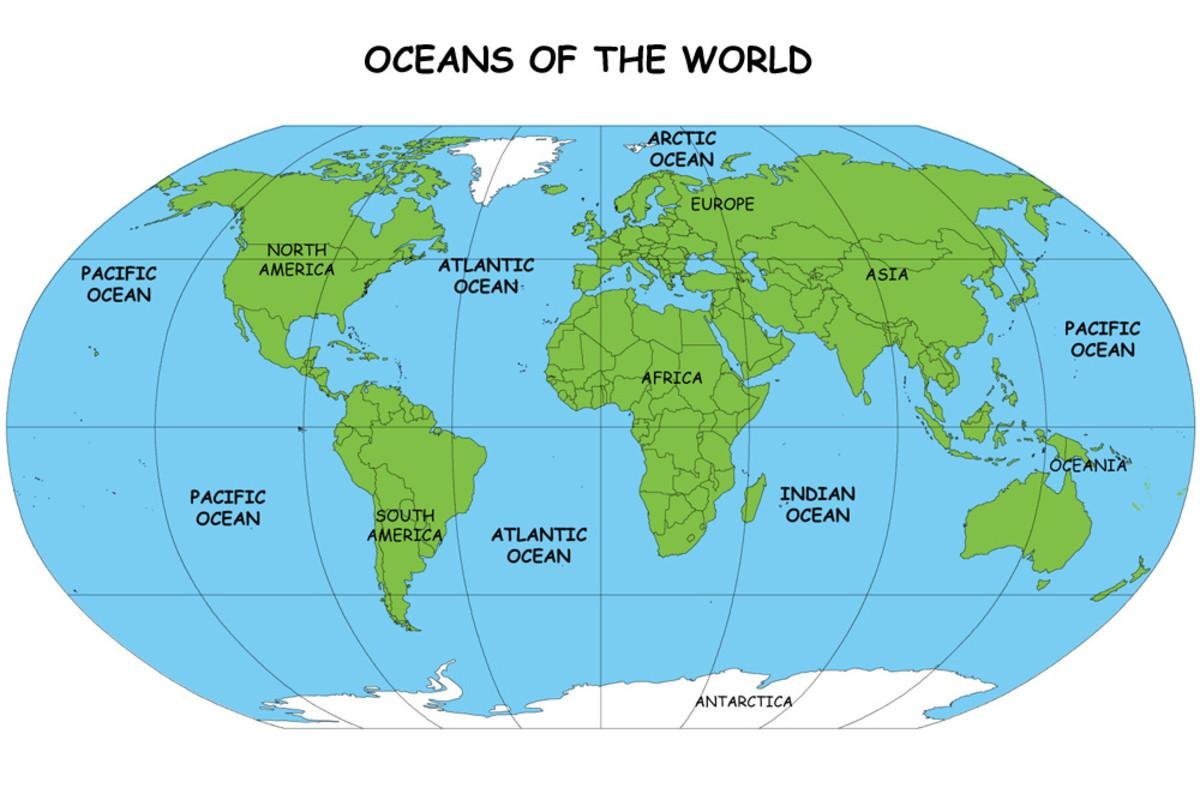
    The world’s oceans are commonly divided into five major oceans: the Pacific, Atlantic, Indian, Southern and Arctic Oceans.

    https://images.openai.com/static-rsc-4/LYlTq9R0amUdL_Ix6-ZqUYwSJaDIiRpnryHT86wED6xMiTQmozQ4rlkqTBKUfV4uB25uU0VKfTs2c6aUfZPvOgO-USozhVWbJdeZhzbtGes324MlLybe0wv0wGfcpwXzVWgwVw8tVdoez0MT5FzbFpFmPRk4fh5fOEC8aOfK1EJxMQz-gjEV8oAAuwpRxELW?purpose=fullsize
    https://images.openai.com/static-rsc-4/y-RwyVHgvTEFOVW-QVqWFdhjo7EFAf3h3eDrj88FsCG9zbhZLqJ6QvonJaeT4YluOUveNmsw5CefNxInFR64LkIFFfFxonT-rLykEMDkwfN0N6VahF1bgDlPEi7a-zKjUjOemgVVn_Y7njbbDwOuI1aAIcmwB-HrlFqunuHO2vHn1WDfaicT-3TwxN7W5r9v?purpose=fullsize
    https://images.openai.com/static-rsc-4/ta3NOxHlXumUtOstELEjejVPV5TgYOqZkpr_8nz5GWylP2e4Y28c4awj9KSYuzHSr6jzKa46e67TMXF2xFYllJnYJCjoCT7SAUjjwbUFLwsR9SJIguOsAYezWtO8z1gVBmaewgzfAdsmYyOUs-tcrzNEc-6wME6nRu72fIwvfHKi-JupU-NdC4ZcvsQi70W-?purpose=fullsize

    ๐ŸŒŠ What Is an Ocean?

    An ocean is a vast body of salt water that covers a major part of Earth’s surface.

    Although we commonly divide the global ocean into five named oceans, all of them are connected. Water moves between them through currents, creating one enormous interconnected marine system.

    Oceans cover about 71% of Earth’s surface, making them one of the most important features of our planet.


    1. ๐ŸŒŠ Pacific Ocean โ€“ The Largest Ocean

    The Pacific Ocean is the largest and deepest of the world’s five oceans.

    It lies between Asia and Australia on one side and North and South America on the other.

    The Pacific contains thousands of islands and is surrounded by areas with significant volcanic and earthquake activity.

    https://images.openai.com/static-rsc-4/zujmGvhwox9Z3_JOdntn2dHJcpO_Wi3rOiriGFiPL0wLO_b9bPxT577plEJhLSr5Lv1PEAbD-6CJ0WDYxxetnzh0wEcM6lWIckWTxp2eZtOyp-tEoYybtTNJlRv0zc2V1r8eaDiqYROT3Mmv6MtSoMylZDR5N6W_dt8aFYCmbIQV8zkNiJG_KjBViBK6gjfg?purpose=fullsize
    https://images.openai.com/static-rsc-4/N02lsudz8tZ1NyQqb9qrrFveYRAs1SZOlR1ZWDko6HiYlM50tZ0WyVIhPQvplYr6ow2nuwDhelkfxPRm0cdPhOzf7OCCgjgdcm4Sm79AMvI8XhGcWymi4m3rqqmLOQ2BbGdkZhKpdQJve0lRimwi1ofMS5QmPnLLI2NWbUrrZKd89YjrAaz7SnCKIAhkwKOa?purpose=fullsize
    https://images.openai.com/static-rsc-4/nFyfuKC43tPS5quT0xWmOAAvKkNYk3UZ2QXS278Iz-HAM5UMMvAIGdb_BPf9yGJd4tKMH0WKXDUbfgSnhYk_4EIYkeVhV6FxrDfGOnssih65SZeIUi3XCkJRFmYnRuXWg-IVTM429w3hNuUdX-Y1DsaXraPWIiL1z67dggf5gSoT8ghvGd0Fm6TMdISO0rEy?purpose=fullsize

    ๐ŸŒŸ Interesting Facts About the Pacific Ocean

    • It is the largest ocean on Earth.
    • It contains a huge number of islands.
    • The Mariana Trench is located in the western Pacific.
    • The Pacific is associated with the volcanic and earthquake-prone Ring of Fire.
    • It plays an important role in global climate and weather patterns.

    2. ๐ŸŒŠ Atlantic Ocean โ€“ A Major Global Waterway

    The Atlantic Ocean lies between the Americas and Europe and Africa.

    It has historically been an important route for exploration, migration and international trade.

    The Atlantic connects the Arctic region in the north with the Southern Ocean region in the south.

    https://images.openai.com/static-rsc-4/NddDikfRTzOEhiv3QbGpsLyO3DOWY6L9P-x7fcwmx_9BHj-CQPES2tMR-GsPtG7_UhMZsYu5LioUHqt3Gibv3QsCikSFneuBaCN6EkiQ5kVJrdDJrdqatBPk2HEFJqO9sTToBg-KO_g5QT2pKzrmwK9XO7aAH4Q7fa6q6a4TRZBqzZFqQU7PoC5V49SsX18H?purpose=fullsize
    https://images.openai.com/static-rsc-4/1igJFXP-MB4KdZ5lyP5IIfJRfDRAVn_nAka1jdjSpZ8HS4Z_uueqx7gRSrAIzhpV643DWYDLMBtOCM4TFcxfgoN58M955s0jav-b2MtFQMJhpj9zMh1uJWXRBnWA0PhGezj-mZnZ-osHv39T_ph9ZTmG0c0omVPWjbhtieYwirooUKofeA7LKZbsrSvfSBFr?purpose=fullsize
    https://images.openai.com/static-rsc-4/jwxaqvWkT9V3JYLd-Z4Nu-k7OpLSOpq6kTnFXYkLcNsYIFahNhCnbKdIR9-0eQfXh07JBLFM8SmTcz6CTFCRzC6odlEPT5onGFAtW8EwMHB7gbhez4HZduAsM7UsSlePbbyJcFW3Rk7KseKQTry26ZxsXx6jNPqgkdZ18SeXI23Z4KCbYq1u_O1d5CKUdQD9?purpose=fullsize

    ๐ŸŒŸ Interesting Facts About the Atlantic Ocean

    • It is the second-largest of the five oceans.
    • It separates the Americas from Europe and Africa.
    • The Atlantic contains many important shipping routes.
    • The Mid-Atlantic Ridge runs beneath the ocean.
    • Major ocean currents in the Atlantic influence climate in surrounding regions.

    3. ๐ŸŒŠ Indian Ocean โ€“ The Warm Ocean

    The Indian Ocean lies between Africa, Asia, Australia and the Southern Ocean.

    It is particularly important for countries surrounding the Indian subcontinent, East Africa, Southeast Asia and Australia.

    The ocean has played an important role in maritime trade for centuries.

    https://images.openai.com/static-rsc-4/_S_nBh_TaTlLhhJOyf7Wixth2Q-aJwfdxxDV1sk1fo8fgdLmbt94KfAlFa_vLQHBgwsDYHNDmvMMRHp05gv9OLGWLAwBFSe-YKAy3HQA2_HOCYNS8rzYFLmoPRAX6IjjqY0FqRUusi73ukUoscVt34aLlSTjDKLhbQWvqps-AhlTobOe4NMvJW69NR2ai8t7?purpose=fullsize
    https://images.openai.com/static-rsc-4/5YrYrEOjPrna0EvylzfBfUALjisfWEI_gZI8lPDX7E8VbCCzgKss5gDHR7GlYprH5Gi7a-GsSfuQ82g3HOp2kB3WjpkPtHL7cql5D4pQH_T9qrXLY9RIzkglyBriSFd86iY-5yOgIXDyzzCsv7Q9r15FO_DWMA4sdoP6JFpnHBPh0MyDqcvvF55YABUjW-9S?purpose=fullsize
    https://images.openai.com/static-rsc-4/KdIozFra4Vxec5ELt-G4xFMZoaX45PBFY64vYr8DgirBJCkxLR0jlTY2QBqxdRp9tJDRh9zjjVi9mfTmAMgfRxvnqg3qi8n7RJePydxgKN9iyo7OFiTkSPHXOJ-uQQSKQx58gDuXiaUrwnXh8dwTCsjDAWAkFBuf_2-ppFMZKj4XxRHAtWtlLXf_leSOs4nd?purpose=fullsize

    ๐ŸŒŸ Interesting Facts About the Indian Ocean

    • It is the third-largest ocean.
    • It is surrounded by major parts of Asia, Africa and Australia.
    • The Indian Ocean is strongly influenced by seasonal monsoon winds.
    • It contains many tropical islands.
    • It is an important route for international shipping and trade.

    4. ๐ŸงŠ Southern Ocean โ€“ The Ocean Around Antarctica

    The Southern Ocean surrounds Antarctica.

    It connects the waters of the Atlantic, Pacific and Indian Oceans around the Antarctic continent.

    The ocean is extremely important to Earth’s climate system and supports ecosystems adapted to cold conditions.

    https://images.openai.com/static-rsc-4/kj127MRYb0GfJVtVhObsM_0b22MB5mT8-hDwOggvrxpWwWmDoqPVWWnZSk6J-oyILhEBfUuEzTEnmTpdAU_zQFJzGD89HETLsYrChJtAzTCYL-yvOjY2aEgHZ_XO4GQTCvxe4bN_tf-vElhtJWaQvP3QtdjkCZ_DdCUDo-Rvs7YeDM4SQQ5vzDAqE__3ab5q?purpose=fullsize
    https://images.openai.com/static-rsc-4/B2AzufKID4cXLtdXc6aZqZM2rzALX03WFncOHzs52vyYQoAEr25gl8GLexvU2otgPFLsfGzRw1HsXDqMut8_OQSCMPyaEU5lEAY_DyMncH9tuwvw3Krir-5WHLbqYMCs1u1SOZRDJK4pks4eR4nzl8-pcHzWCzskNWM88oAn1yDKLIk3ghbUkIA3jC4aiuzH?purpose=fullsize
    https://images.openai.com/static-rsc-4/46s8qvHZNiYKclJ0YHoGC7Sg05DXjeS824fxovFYI_jwBhws1BbqnH7jQ4DmUJm6Bi7IlpQWPeTz09ciszHBkySlD3WEqsKj0pSqjo9vxCu8f3N77B9ZAaqfy5FsYbzi3ydOqFSoQTV8q-ZB4nOLdqTFoAxearRLtina5jCOqy3ksPyfOhEFHU-9zAK6jFyd?purpose=fullsize

    ๐ŸŒŸ Interesting Facts About the Southern Ocean

    • It surrounds Antarctica.
    • It is one of the coldest ocean regions on Earth.
    • Powerful winds and currents occur around Antarctica.
    • Its waters support penguins, seals, whales and many other marine organisms.
    • It plays an important role in the movement of heat and carbon around the planet.

    5. ๐ŸงŠ Arctic Ocean โ€“ The Smallest Ocean

    The Arctic Ocean is the smallest and shallowest of the five oceans.

    It surrounds the North Pole and is bordered by North America, Europe and Asia.

    Large areas of the Arctic Ocean experience seasonal sea ice.

    https://images.openai.com/static-rsc-4/r5K88g7V7FGWFL7-LDaxN9R-gCWKotIPz3SYwtleX-tM29cRM4Oc4Jf4JrtWuBAtFpHOVN5TLGD5GVcgkC3nA4ThhAX0qDFMCTxZCZDB3VsklVixnJ40wr0ijso3Q4Z09tGNfH2S_5Vl0vWMGRQFrPGw2R_SQJPKkaJN3ZUOpZMu4toDmEMJB6uYJc345qPD?purpose=fullsize
    https://images.openai.com/static-rsc-4/rGrp7JA1Lxhm-6ULUpqBXFQrh2GX_VHfzA3UqWn4DougbberuYvYVUnMUpGvwyxXcBSwK3Y6IrcZzxLpD18nRYIwM88aXiiMpREfOjzT41o5zQJuGGvAAxdn9bfGWOY_OHpdifp7L83J0YFfEoHcLpDPcCZmLqPUVoOmf0qSpzBgJ6EPZBTQxaBwCn_WhTZi?purpose=fullsize
    https://images.openai.com/static-rsc-4/et8mMNgC-iBow010jMteBwbZYD4OAyUM1glPsIavs201UvybfsATa_Zq5Maefm8is5TjviBzKw7VUQqr0E7q8J2Y_oQXuBh739A2TyEjuXvyz_XcqIBV9s98dT6uObFbgXlguQzkT5LLqY6nhFjRLUVam3vLQu0b58goq36lorg8Hbye9fR-PTtrRu9Nq30z?purpose=fullsize

    ๐ŸŒŸ Interesting Facts About the Arctic Ocean

    • It is the smallest of the five oceans.
    • It surrounds the North Pole.
    • Sea ice covers large areas, especially during winter.
    • Arctic marine ecosystems support species adapted to extremely cold conditions.
    • The amount of Arctic sea ice changes throughout the year.

    ๐ŸŒ Why Are Oceans Important?

    Oceans are essential to life on Earth.

    They help regulate the planet’s climate by absorbing and redistributing heat.

    They also support enormous marine ecosystems and provide food and resources for millions of people.

    Oceans are important for:

    • ๐ŸŒก๏ธ Climate regulation
    • ๐ŸŒง๏ธ The water cycle
    • ๐Ÿ‹ Marine life
    • ๐ŸŽฃ Fisheries
    • ๐Ÿšข International trade
    • ๐ŸŒŠ Coastal ecosystems
    • ๐Ÿ”ฌ Scientific research
    • ๐ŸŒ Global environmental balance
    https://images.openai.com/static-rsc-4/VqMD6sfe2DOUQpIqI99ZELYGoORHPR1IA_MkOfwLXq-uhWU7l-ai18FGTbpU3S5PSJ2V5LfaidXmkyB3pOnUo8ygKHGbnAlQX4sAUPQMdoFwVr6ojmlHZ8Zf8a4CrSvn5oLdvFVT-xtKI1VE2bZypXV3quw1kAIkWNmajDb3a1Sjk-TdtGH5ngtxRJamR9xX?purpose=fullsize
    https://images.openai.com/static-rsc-4/ooWHIBSUyQtVONQ9gLHjWmuEUNSS--7CM8evztMz35rDBpRLPFm6D9r6s94S30pWYtok6JHwZYo8qSiDs4NZBCNLm7PkaLf4Ag9ntAR64a27K1FeXkQsLRNCOyAWBEUl-Kqv5P10bSIfWLgXkj0W3fRjv2Ph79KZe2k-Zx2qGYMrFcs3B_v_jQOhm-Zcc0lZ?purpose=fullsize
    https://images.openai.com/static-rsc-4/I3PdGmixF8vsr2vOnLxIq-ONvzyyfj5bvlJIvbtZvEskDZLYYlWMbW9_Eb1KFQGL_k3Qo-KwTostfpI6h1IiFKwaKBJq71-svgvxHtK0f-bipOmPoTQNLxsrIQUxf5ZxqbWkzkKMOLcBuc18T5V2s0a5lqF5cIvVPWy-NBBIEult88wyDKGk-tPefMr3Mymt?purpose=fullsize

    ๐Ÿ‹ Amazing Ocean Animals

    Oceans are home to an incredible variety of life.

    Some well-known marine animals include:

    • Blue whales
    • Dolphins
    • Sharks
    • Sea turtles
    • Octopuses
    • Penguins
    • Seals
    • Jellyfish
    • Coral reef fish

    Some marine species live near the surface, while others survive in the extreme conditions of the deep ocean.

    https://images.openai.com/static-rsc-4/CNtgkLSUy2PT2aab8Ha5Eyc9miYBNBQ77aNSBsmYVaJ_7pVZyAgPCQdVvMXAY-W8E8D8M5gTKGnYKdQdHJH9OMPipQmNad8t-hOc5yXsm3n7p39V1DiWIBf92vfdhrMGsQ5WrwtGZScs0HQTrOqgEeodNro914pLDPSi2CaC0tA7teuJ50xROB-Vuey1eI81?purpose=fullsize
    https://images.openai.com/static-rsc-4/Twfq7NEQW6W-qtEqe6zay1qvO5nFFqzmViy0aswdU8YCWWsPXfyIoj_K0iF1HukLhNyfnc2L7iA8fn4Wiht9GAJKP2oLW3Iqk9bPkt60mk-dFbUzQqeYwPV_J35YwtIaZ9NPCqijX2iosDizwXjEUJNUsDQHW1BXUppfXlh2jATaJW0Yyt3O7K1Cqgxv5Yol?purpose=fullsize
    https://images.openai.com/static-rsc-4/VoV_0UOxHGwdJjuR1T1ohViR5jMDMOMqtz0YhTiDXA5ny9sAy7bpdnBN3RrcBS81h4NWW3LZOG5Dc9Ux_ifG0pQ8R-ZMj2E-snKPlQi_aGbH-q7UEswgtECc7vdJeP4-YwoLo2ZU4r79Qe4S7_k7JsUwihylCC2qpqk4th0TNMzhiVNzBmR7rSZ1gndP-Hwr?purpose=fullsize

    ๐ŸŒŠ The Deep Ocean

    The deep ocean remains one of the least explored environments on Earth.

    As depth increases, sunlight disappears and pressure becomes extremely high.

    Yet scientists have discovered organisms capable of surviving in these challenging conditions.

    Deep-sea environments include trenches, underwater mountains, plains and hydrothermal vents.

    https://images.openai.com/static-rsc-4/kKw_eBkqXZlTKgZEY0Ao_8Y0nCSgmYrsg76fEDLkJmYgwoVE59Os_dbSoLgjXZnQg71eGo0sRjFKBZ4od3gqc7b2l7-yaLcLnXGkUQ2FfxnRng2hImFv7wXBx07UDXX1TrZhB0Ti1k7FIjtFta5tmQFOJdhFX9dnhADz1FD47So-mVoGYHlnvqPEIYoIc3_d?purpose=fullsize
    https://images.openai.com/static-rsc-4/lU97Bm2ZxAPCtNqDo64Q7tplNjMKlt7T4GyrDm0mRhxiag1Q0cO5seCSTJdxxcpaZumujYSaVK4c1DIKiJe3SmutmX_qtijjT2NYFIZI1iR52_ap2i8rLFJ8XiU-GZrCBubZv2NmaCH9tgHQNunIwfUgl8h_p7c1ab2mz5s6ZvXrtSoSdlXwcuAmyRYzg4uX?purpose=fullsize
    https://images.openai.com/static-rsc-4/bO3vZB9HvgETXUXTvWJtczjHJZVVzbfRlTxsf4ur8_y5f1ivxUjyNRS73hlOYCto_nEFwX4KrZKkyauK-DxJSTnF-Bqqg4APSBt-qz_CD_2CZn9TWVeySNmmxrfPZzGajh_dwEgUoU7M4Jgwb8h49bbf4LGJU3v7Nh7h1tvsXU0x1Gs_KErIvBmOzObqpSr4?purpose=fullsize

    ๐ŸŒ Comparing the Five Oceans

    OceanKey Feature
    Pacific OceanLargest and deepest
    Atlantic OceanMajor trade and shipping routes
    Indian OceanStrongly influenced by monsoon systems
    Southern OceanSurrounds Antarctica
    Arctic OceanSmallest and shallowest

    ๐ŸŒŸ Amazing Facts About the World’s Oceans

    ๐ŸŒŠ The Pacific is the largest ocean.

    ๐ŸŒŠ The Arctic is the smallest of the five oceans.

    ๐ŸงŠ The Southern Ocean surrounds Antarctica.

    ๐Ÿ‹ Oceans provide habitats for an enormous variety of marine life.

    ๐ŸŒ Ocean currents help move heat around the planet.

    ๐Ÿšข Oceans are major routes for international transportation and trade.

    ๐ŸŒง๏ธ Oceans are an essential part of Earth’s water cycle.


    ๐ŸŒŽ Final Thoughts

    The world’s oceans are much more than enormous bodies of water.

    They are a fundamental part of Earth’s climate, ecosystems, food systems and global economy.

    From the enormous Pacific Ocean to the frozen waters surrounding Antarctica, each ocean has its own geographical features and unique environment.

    Understanding the oceans helps us understand our planet itself.


    โ“ Frequently Asked Questions

    How many oceans are there in the world?

    The commonly recognized model identifies five oceans: Pacific, Atlantic, Indian, Southern and Arctic.

    Which is the largest ocean?

    The Pacific Ocean is the largest ocean on Earth.

    Which is the smallest ocean?

    The Arctic Ocean is the smallest of the five oceans.

    Which ocean surrounds Antarctica?

    The Southern Ocean surrounds Antarctica.

    Why are oceans important?

    Oceans regulate climate, support marine ecosystems, contribute to the water cycle and provide important resources and transportation routes.

    What is the deepest part of the ocean?

    The deepest known part is Challenger Deep, located within the Mariana Trench in the Pacific Ocean