Tag: Puranic Literature

  • 18 Mahapuranas – Part 4: Shiva Purana

    18 Mahapuranas – Part 4: Shiva Purana

    The Shiva Purana is traditionally counted among the 18 Mahapuranas and is the fourth Purana in our series. It is one of the most important texts connected with the worship of Lord Shiva.

    The Shiva Purana contains stories of Shiva, Parvati, Ganesha, Kartikeya, the divine family of Shiva, sacred places, creation, devotion, spiritual practices and the importance of Shiva Linga worship.

    https://images.openai.com/static-rsc-4/nm41vyfDBd8liJujHjnBWi_0jyshcFp8UeORdoCT9fa7iGrtMl_hV3rCmVRyQ5AASJ9O7wUpRaWdNo_EObuSh3Fb581To6uy2bxWP4d5xOby9gPLXHUYmbKEp-kWUjl-IcNtNUU8X0n_wB1jRqXknSOOwOMiCYqX0wvs_d5Yzn0ElpqARFQvZu_4fnxHfsrg?purpose=fullsize
    https://images.openai.com/static-rsc-4/GlbwKplkUL9Vet3rr209emWjIDIS9mOz2Wzv6APJ5FCyDlCBrx1D2BHNmfvTLVAxi1iVHy13KkA_XzHoQQg8YpouoA4Jm32xau56ZDuG8OLaCU41V_L-dLaGDMlOSuWUZ4RtPE01PDZ9yP62Lzk60R0r4KG3skOijjjiuKBdKQhLPWxTLXMJ6PCMlMT5U6k1?purpose=fullsize
    https://images.openai.com/static-rsc-4/rg8KFiBdgKyQ2HUH6U3l4tfKmFYYzHH5NLfenMURLcG0ceg_3-yFkCP5-bV3x1Q-2El6wk8anMhtJxVWMtiMLajQjyUX52q8DvZmCFa2lJTjc6lQ08U0mPIOSQAUm-VDNTKDxcJModh5l9gkYvGwJixem4Xyhd7QT0LBYZ_viC9NcnKmPmvG0aBS_sCZK-Jn?purpose=fullsize

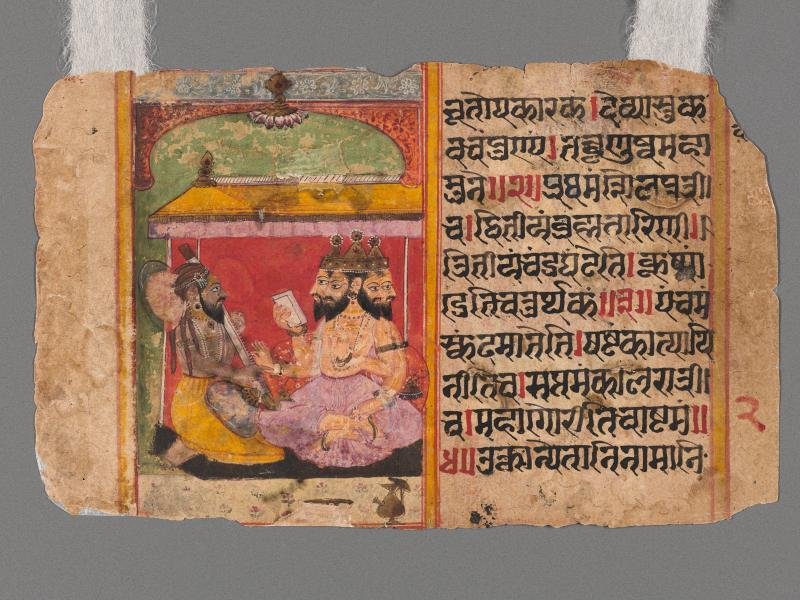
    Image ALT: Ancient Sanskrit manuscript and traditional depiction representing the Shiva Purana


    What Is the Shiva Purana?

    The Shiva Purana is a major Sanskrit Purana traditionally associated with Lord Shiva.

    It explains different aspects of Shiva’s nature and contains numerous stories that have become deeply connected with Hindu religious and cultural traditions.

    Major themes include:

    • Lord Shiva
    • Goddess Parvati
    • Shiva Linga
    • Ganesha
    • Kartikeya
    • Creation
    • Destruction
    • Devotion
    • Dharma
    • Yoga
    • Sacred places
    • Shiva temples
    • Jyotirlingas
    https://images.openai.com/static-rsc-4/sWvcH0sDr5scHpkk0IHBzfCFii0Laj7oXVH8UFAwNpSdxOBiaPxEje8FCIZWFFKcL9ZCEsfHrRVHplv4oUw5M6753bX4NKfnMtrO3by7WBoXcCLuNvNwksi4wsTiUS5WGkV4uBhOn3IaMLHqJdX4n_xwMrT5A8PZhk5EJipAi3HUf_4sHcTEQclXC2YA-nol?purpose=fullsize
    https://images.openai.com/static-rsc-4/Uks54cbwGQRIrUAKbGyPgX27qBKyFlcGU2wK6GYJptQ5A0RKyhmS5f5j3JOktg6Yf-zReR80WgaJa0xgFDrvn4vFUwV_QXYoVI4uGFfmgpGWVugQ8hrCx_Sf51cqJMJutAmlhqy02exAsmiIgtoLtscMDLsWiRTYN-KfHigNKP_SOzDhsH4FQl5pJMGaUTjF?purpose=fullsize
    https://images.openai.com/static-rsc-4/0Xfz0YKe1AU6MB5R-yQsnrVjD3sPQOLBDTaDFoBjoXqtHIvE_Dz1CkeugaNdm4kKnlxKURy9BpqgwVQsYAlz8xT_2Lv1bDObaxw8EU97Y3euxo9XxzcfJZVBpz6BBwnQVD6mqb3xdwOejUjl9H-uIcUDoP5pJ3BuKgS-OlAobZKWdGOPqhJ-Oy7BExXHaK-W?purpose=fullsize

    Image ALT: Lord Shiva and Goddess Parvati representing the central divine tradition of the Shiva Purana


    Why Is It Called Shiva Purana?

    The name comes from Shiva, one of the most important deities in Hindu tradition.

    The word Shiva is commonly associated with meanings such as auspiciousness and benevolence.

    The Purana presents Shiva through many different forms and stories, showing him as:

    • The great yogi
    • The compassionate Lord
    • The cosmic deity
    • The destroyer of evil
    • The husband of Parvati
    • The father of Ganesha and Kartikeya
    • The divine teacher
    https://images.openai.com/static-rsc-4/w5abJHX0EfS7HdTToRWKORy7ILWOotDZyK_Kj1YSWT1ricjN6_TFdUiDi1y9-svMNUS228dUUazMmxKxoBUzsysMh59pGkCIww01yEzmKNxAP9AiHoA5oNKSa8WJT6sQqk7A28L8owmQSbFQUCy9VZqonVtah4L9vkGrdSfM32-F2mgQ5hdXNLu6XNA4jrsw?purpose=fullsize
    https://images.openai.com/static-rsc-4/XddYTR3IWwLmH5HNKWrn64Latv6DsckGZ-b2a4q51aubIOxbSMljMHjXjCQ5bAaXo5QXR5AOqDqA0rUIhpVIqEgNBm5RxNLvfjdrQHAjRqApLr9AhtRjgckNGHH-5I9u4O07Cb89OKkIYtDZslkEQEw9Ybm3Wo-XCAWDBHISWkZ0oKGsCb41RIChwQWE1pNl?purpose=fullsize
    https://images.openai.com/static-rsc-4/4U6fysuTMb5jjGdX03yH7hm2kX1W-f610yX4JpTWyMW8n3AJ3CBFlwbZboUkC9LvTrMiQUah_nPXPvnmJbVotbs5Sg9MSOMNvB9YF4ax7VG_JrS09x2qnlj-ULJTh3YRl11tRKNItsKCAzUZvsSvqeXRAsaUItCUPDHy3YR0ALpVHqkSapRFXsH2zjPz-NRC?purpose=fullsize

    Image ALT: Lord Shiva in meditation representing the yogic and spiritual aspect of Shiva


    Shiva as Mahadeva

    Lord Shiva is often called Mahadeva, meaning “Great God.”

    The Shiva Purana presents many stories illustrating his extraordinary nature.

    Shiva is simultaneously portrayed as a powerful cosmic deity and as a compassionate figure who responds to sincere devotion.

    https://images.openai.com/static-rsc-4/0PfZOC8KqCHJ4eRz0_nc6ejyEIsF4X23b6gUru5eQn2WH8zlvAns_9vbGu0NvGuWKL6Stv0XiZ4j4nom8mO3VNPKWEsYzczKdRUgml1qtLGc_pF5inNhiBsTWC97WWK30DYq9mgSiwiTCSA8c-T6XrHjn_nlgXlcQZeON4X10YyjKf6kcEjuqYIiSIP-1b-h?purpose=fullsize
    https://images.openai.com/static-rsc-4/4ddZOpWJx_uzik_2_kXlho3Kx9IFAtqEXVmnJ-iGapuJWQOR9NiyQUvUF1tQPbaNU1DaKzQ6nfdgIDPlsu7v1uVkWpD7gsRCHqs1ydV0WeZjtnUwKGO3wOuzLKBuPShNPBYHu5Fvb-2eIe8Z7YaplN3rPGrgqzXebBmChQhjQQfskaGhcmLQ8udxAqUt2ugh?purpose=fullsize
    https://images.openai.com/static-rsc-4/BHoLGzQSSb3LyqLmH9nvZxS7nwH0W541qdtreG5frGnb0EdmGWYNnygQYMo4CemjRikTY50dzfC8Q72L3NNk4lINekQVr5k14XyYXUIROwcviZ6m4pMxXRJYbpfVhI2AA_Q3jXHGovIlDalzRlQhTIxZalduLvVHYSJxJgbnJLp_n2PSxucjHrKoRZoSekYI?purpose=fullsize

    Image ALT: Mahadeva Shiva with traditional symbols including the trident and crescent moon


    Shiva and Goddess Parvati

    One of the most important stories in the Shiva Purana is the relationship between Shiva and Parvati.

    Parvati is the daughter of Himavan, the personification of the Himalayas in the traditional story.

    She undertakes severe spiritual practices with the desire to unite with Shiva.

    https://images.openai.com/static-rsc-4/RT22mdlwMwAyOMlvVG9yeTShmCQovfUv7CscpJSEH-u3FSfU1oaAOg5IPth0S66-gJmM4f2DoSs3CxvX2lX0cSNxAFGnUt_jFRYMZhLxqdraxyXx6A-1KM2DH8mOiIwWyDHBHNmotgdpOxLPDcdowBWFczLD5uUiQOoqkUE_6qvXhbsbKwB1LoMWmkaw2D9L?purpose=fullsize
    https://images.openai.com/static-rsc-4/r-Dmq0vlZRpvjAxxvctdQgjn0dIg3tul9Wh5HXTDCRVbR073D0Z-JtUj5G0oXXDuyHXHbIBirNxYXNRPw9Z3jNT4mhWIriLBiIpL_LoMaaEDMbijjm4F1uaTD_Q_4aniMJiZu_OH-7Oq1sam4IgbfKfeJYWjQgwOJ5T-62wp0KT9AWqANgJf7UmhNKOARjN_?purpose=fullsize
    https://images.openai.com/static-rsc-4/e6dUSYcwkRVOkSGfw3gu4VrxH8kAE4zqyiDz4meXvquE4v9ioM7-q_pqITxtkGs9EX7757Xi04Tld4Ol2EBOuyglu_b8s7w3LvnR53nLEV4VDgpnfINP0-30GHn_ZCABwXw8tzn666Q2Mr9DlyUD-NEsI0-Nmt_waWUjdAonmYZVH3MvrZG-1hQvieCpaeuW?purpose=fullsize

    Image ALT: Shiva and Parvati representing their divine union in traditional Indian art

    Their marriage becomes one of the central narratives of the Shiva tradition.


    Parvati’s Penance

    According to the traditional story, Parvati performs intense tapas, or spiritual austerity, to attain Shiva.

    Her determination demonstrates the importance of:

    • Dedication
    • Patience
    • Faith
    • Self-discipline
    • Devotion
    https://images.openai.com/static-rsc-4/sud0B92jmlh0TR7ij1skc9aGY5M7k0qMc62q6kjdE8hAsEFt1KDro7Bh423QPsk43oNYVf87yCLnASRVVPuY0R02RWg-p_TmbFMqbhJKNnuTn3J246MFNCCSZMWW1Xx2_quI48LqRiuBi6TtcDJlhQR467WaXZaY6OWd6V-icp493X9ptjUsjjBTGy6FOHKV?purpose=fullsize
    https://images.openai.com/static-rsc-4/IF6UBc3zavKKUDMO9CUTNp8ipRzRZujyB3bonJoh-5Y_KCpSGFEs2rl1ib9Ex-WOhzx_itnBPwrnFjvbLNtT7ef_7mm3ZQkKJz82gClckwDyZIcM1EWUUFAbcdnLHGJu62AdQcRW1Cw8NABNWu_P5LpczWu-IhZM6ZYEN1F3aN5z7ujTllUYS-SzAvH7lZ6J?purpose=fullsize
    https://images.openai.com/static-rsc-4/EeSW5WVINFJ2cLMxYC9mrOYyEkevjIeMtK6fGf-Pux8bZfr91ItGqcxT6qBu1QkIYsZQYFp7xZZf4JVYfoMo2g0ywIHa-6kkacB8Uq-7eX-oAub75d6gHihuDdjQveZJdpyFC-E9VXAMzDlNdgYD0pCkCsmoraDtnheeTUH6DCCnyXdsVncXQZEketKef-RP?purpose=fullsize

    Image ALT: Goddess Parvati performing penance and meditation for Lord Shiva

    Eventually, Shiva accepts Parvati, and their divine marriage takes place.


    The Marriage of Shiva and Parvati

    The marriage of Shiva and Parvati is one of the most celebrated divine marriages in Hindu tradition.

    It symbolizes the union of two powerful divine principles.

    https://images.openai.com/static-rsc-4/rpp0v7P33ZBrYL2xw6cN5fJS8IhjMsI90OAc-kE0koLoumSdZYM1fXvncReA6pRaqqa8L710uELc4DFBf8137wCS3-Pc49NRWlZ5Yev-G94uMzRO0-uUxL8CsYcpcvmSg6Rvgz67RkDTEF9sBMUD--PGH7cJCOoGKaGypNaxccnQbk1sprKEEYNX6yXXAgSH?purpose=fullsize
    https://images.openai.com/static-rsc-4/RT22mdlwMwAyOMlvVG9yeTShmCQovfUv7CscpJSEH-u3FSfU1oaAOg5IPth0S66-gJmM4f2DoSs3CxvX2lX0cSNxAFGnUt_jFRYMZhLxqdraxyXx6A-1KM2DH8mOiIwWyDHBHNmotgdpOxLPDcdowBWFczLD5uUiQOoqkUE_6qvXhbsbKwB1LoMWmkaw2D9L?purpose=fullsize
    https://images.openai.com/static-rsc-4/e6dUSYcwkRVOkSGfw3gu4VrxH8kAE4zqyiDz4meXvquE4v9ioM7-q_pqITxtkGs9EX7757Xi04Tld4Ol2EBOuyglu_b8s7w3LvnR53nLEV4VDgpnfINP0-30GHn_ZCABwXw8tzn666Q2Mr9DlyUD-NEsI0-Nmt_waWUjdAonmYZVH3MvrZG-1hQvieCpaeuW?purpose=fullsize

    Image ALT: Divine wedding of Lord Shiva and Goddess Parvati in traditional Indian art

    The story has inspired generations of temple sculptures, paintings, festivals and devotional traditions.


    Birth of Lord Ganesha

    The Shiva Purana contains one of the best-known stories about Lord Ganesha.

    According to the traditional narrative, Parvati creates Ganesha and asks him to guard the entrance while she is bathing.

    When Shiva arrives, Ganesha does not allow him to enter.

    A conflict follows, and Shiva eventually strikes Ganesha.

    https://images.openai.com/static-rsc-4/KUq9bdcdaFN70dLw5LAui-VSUcK8n7wZhr9gl6-j9KdduUak_07wjQgNu3L2W3nPBgoTfU-7nqVSdWELCZ0HcpeOVWkh1-YfXoNsdA7nqEjLCRdoHldzytZh4El-rFRUO18VAlGHx-EZmszPY45gcEMxY38HwV4kDRNp6hUPE82jamKwV4mtESythUCtmmOJ?purpose=fullsize
    https://images.openai.com/static-rsc-4/hH6FQa02t6PXt1Ad9bpX1VlVUskfpTRLmsJ8gC_AjZ2WHh55PWdbP6e9Ai_moxtuhM1ARRRsNmOn-Yus8uaFPUzk7IkwJjurAtYqlexgYpBSpoMZYq7RDscR7X7K6q0Kyi9L0lGJxq8p2qZl-bOXuhdeXTwZGDuUpDNQcrf4fMuc4J6OfmxLftHACk05JLVi?purpose=fullsize
    https://images.openai.com/static-rsc-4/c6PpgofdjWWI3P9XrPHsKExnxdeoqkpt5197e1bHib2OYZluiPfsXVVjHAyrfs7Fljbsp6PDoCznRqT1uMPBG0bgYpJ40IFOs8PR5J2Z7iDpvayk0xu3dQFA0P7vbLCks3rpeF4SLkrlTQ3WfjF3pGBu-l-OdXr2_sK8a9RvCq5ldhJ-BFmZxYuI4hOkvoGA?purpose=fullsize

    Image ALT: Lord Ganesha with Shiva and Parvati representing the traditional Ganesha origin story

    Later, Shiva restores Ganesha to life and gives him the head of an elephant.

    Thus Ganesha becomes one of the most beloved deities in Hindu tradition.


    Why Does Ganesha Have an Elephant Head?

    The elephant head is one of the most recognizable symbols in Hindu religious imagery.

    The traditional story explains that Shiva gives Ganesha an elephant’s head after restoring him to life.

    https://images.openai.com/static-rsc-4/c0ncXbBMbSecHA6GGSYLqvwW8Id4jx0Am98Y9UXHcV73GZnhWysySkdES4u1RVWpVv_WqqbTikJG0mXgqe9R9ls0GGKTzmnWyuQyQdzSaMBrvtAKxC_6q4b10sl2MgsuBR5k1qL-FcZZFFCbjbSimKLCdSeKOWBCVprfz8aBcbpOzShTDoaEV75oOfnrJSRx?purpose=fullsize
    https://images.openai.com/static-rsc-4/xP9wCA7YBIxXJu-cW3fXiy6ZZIWejNcEmj2CaTyG55aL7I0f6cjsVizpolHQ_9UC27NxVnQnVKxvw5Vxo_YV1SzNYVL2uHO9N_yIej163wpMIEBrF-t8s13JqCOQlWErtOMXeUuCFatY6wjrnifiGAIb-s_HT8qvI3Rwa4sDcUPmoo_3j3Ky4l6BXJyHjnyI?purpose=fullsize
    https://images.openai.com/static-rsc-4/G3NPCKuuvJhCicrw3jO-HrnY-Ki4Nvg6faYG9bdyBWfOFreYCi4u8yREdlnf8MFGSpS5fGCWz5yy__YiDj0fL_vnAnOUSTKuH-zRpArVt9yNiRZdIvGJqEundPviRS_7MNVYCVK6bhhvBpHs1tP_PkKpz-hvQYv0BATGQCaCtDrSn30nn2g0wkbm5tic1Qxi?purpose=fullsize

    Image ALT: Lord Ganesha with elephant head representing the traditional Shiva Purana story

    Ganesha later becomes associated with wisdom, auspicious beginnings and the removal of obstacles.


    Birth of Kartikeya

    Another important member of Shiva’s family is Kartikeya, also known by names such as Skanda and Kumara.

    He is traditionally portrayed as a powerful warrior deity.

    https://images.openai.com/static-rsc-4/q-hmqDcHJCvVKKn5hin1VI5vrgNkebFDtKLRl7PPG9L5vyUv7cTWE2fxEEGOV5X9P-lRzWSOMRvX5ORZ4Gb1gPUB_-yhRotx7887-mGenVF61w-s72WAKzGdlBS2tacJ5BiSOhaXt0h2fnn5L-NJH1f7mZlJNGmKZG0ZD5PO3sWxTwY0t3L4gZ7pzVS2CgO_?purpose=fullsize
    https://images.openai.com/static-rsc-4/E1RE8asH-w8XwdbV2rIDgLKFiB1Nzf5A3QCeUEOL8hO6yUNq4ccI-3XsWcBZMb41yXiS4K1aVk_EoFjsUGof_mFQV3kuWemH3KcxGzZ8SfzXg6WCgZPD4UOW8LIoO2N4RP35vIAfirdC_JfAJywhkxURPfPBY2iFs0X1sa7KQj4OMpsDrUzU_qwJnueOJMo9?purpose=fullsize
    https://images.openai.com/static-rsc-4/U3Nr0OFMbn1GiwrGsNYylosiD76GWqR6J6EfFzcF1kViayH3uY5nShBu_5uRETAhwJgFOgHYcx04h-BeqndGwyA3cbtafKX0oa-TB7TIe0PJkIeY591lNKNVc0M_JnI3W72xxVTd3ZdcWj8dMTOX8cUgVdgupEKwKuaMdfwVZD-xFyMejBv37PsOOFmG_jYP?purpose=fullsize

    Image ALT: Lord Kartikeya with his peacock representing the warrior deity tradition

    Kartikeya plays an important role in stories concerning the defeat of powerful forces threatening the divine order.


    Shiva and the Divine Family

    The Shiva Purana provides many stories involving the divine family:

    Shiva + Parvati

    ↓

    Ganesha + Kartikeya

    https://images.openai.com/static-rsc-4/OuAVQv1h9YM2s47XfEbJ7-_pUQxvWsNL9FeDCUUprxpwIrziXy-ikOV_FRs44x9ajelRSOLyZR-8xPbMj-DE5rU5yZtAxKuIw8QogxGzjj9fRPTc65LaBxAlhKiRBM2udfH4ICwiO1lHkec2za1V23LTHtXAJbuk0z8aDazV0_7gfDUEPZ4KBQDKlhVXx7vE?purpose=fullsize
    https://images.openai.com/static-rsc-4/xHI8hktYZoZ64DT8e2qRPhqeSKizObMUlIscI-wcDSw4VvG5iZ9u_NTXvc4nirPUTE7oG6MBwA0OA3zJ3aZ4cu3-8cSIeDSuKx2Ed0VJt6dB7L3RGfYm4A8wxRwOZIDw4r_v9EvzsMnVWu2TVvBmDDCdFqBr3_DgYi1-OHQsdAZZdco1XoOVcVreBW8BHXCR?purpose=fullsize
    https://images.openai.com/static-rsc-4/q5W67Iq7SRtUrSwXRO12mzfuEH-m5fMuWDbHU9R3p-j9D5uug5tU15lk5PFa06JInbMfqGHKEDYsFaaXiOMB8hB1vDpsGJvgGSikDSrELHbO2qfshH6VMKUHOaXw51kx6NIKVZYc7PpWevwKFWyjIFS9SWH0lHbh0RSyaZr8NKsFsCErr7j2S88GCcOFAR4u?purpose=fullsize

    Image ALT: Shiva, Parvati, Ganesha and Kartikeya representing the divine family

    These stories have become an important part of Indian religious art and family worship traditions.


    Shiva Linga

    The Shiva Linga is one of the most important symbols associated with Lord Shiva.

    The Shiva Purana gives great importance to Linga worship.

    https://images.openai.com/static-rsc-4/2xJB_vgxzeiJYUO2K5UVdZbDWKdPqgxBD0yG6NO9rDX0fR1ShUgoWSU7ndl_jyuz1QGFSVOAUy2viTlPVInrvKFLafMshcST4w-cEwh46D2I3pDyFLibMguFwOHe7yFm1eyU-xfYWuPpcop5z0YkGbtK2dZfNiRl_awuCpebN4wgAB_vbU7PwPbkVtjxt2xV?purpose=fullsize
    https://images.openai.com/static-rsc-4/T3Qr6X-Tw0yotKZCjpEhknuGPhmqw9Y8cuuvbRnb9pV30yiZikkTBK9iWpxCwww0AuIU3mnT534uRHKrZJJg3qkhvVfR_iyRewMPOJnp39B1XscFGxVtPoJRf8JS2B60N940PRcwWarNkfq8oeBBS5S0iP40VEZ5GKzHmPZdqIOR0SYd4UIr8sW9HtGSmxNI?purpose=fullsize
    https://images.openai.com/static-rsc-4/HXl3LWOepkR33V33X-Rbribx9hX2P3SYTzmzmffvlJpqqouVxZ8Z7XADGPt2TlkdMUR1rBmaaJ3QvOlfO7zNTFN1L_DAnCdihPnfu7CTuQ3-ubAgpM0XdGlzk2vBrfkzA1KUh-I1KxcdxDmu1JmIqnOCu63UWAQk29_6yJB8gHNonmqUocdkz5-QypHLmD0L?purpose=fullsize

    Image ALT: Shiva Linga receiving traditional worship in a Hindu temple

    The Linga is understood within Shaiva traditions as a sacred representation of Shiva and the divine principle.


    The Story of the Infinite Shiva Linga

    One of the famous narratives associated with Shiva describes a mysterious pillar of light.

    Brahma and Vishnu seek to discover its beginning and end.

    https://images.openai.com/static-rsc-4/vKNC67XwTxJuHVjrsQyhV0fy_0nkagZixHopbznI9xc6UssT655cFsMADKIup9b56P3hNnjUml5PY1vU4qARq0Z-6f6nAOLWgS1mKVCWuZmy_nk9END5VEGkV3RrMaoGp7JkS2eGwpAcZ64oauJxzNWX0hS2_0qnreBOE8UPlO1Sb79x-IDoS_gtCGXGNuKP?purpose=fullsize
    https://images.openai.com/static-rsc-4/NWrDUS0DIEkg2_TwtHne7QxxxPHgWeo6SP6AUGRo0OM7AHQ1NBBkFmU3SzJ9k9ku5A7yYzpnN5bsCy4BbloTe0OLB4BC1sB_lEiIBHyRgeMxZi4No_F4l8eOyWlQgqzCjqyFEPIhSsGdoZwCXCPe0ZCnM5TCEbh6bKM417JQxO5LEHUEHiHlF5K_hEFXhvnd?purpose=fullsize
    https://images.openai.com/static-rsc-4/FdhTOC_5MMufwALBPYzTUXv6DVvbUF-4O8wp_Ij9g6OV6wgxV6QwfvomK8O7Y1Pz2ehh4WfHXviJR25--D8leekszFYEYlLm8_1nE2OqbUxqa4SFqXnYibtm6dfm_MtY2tZgybaUD1Wq8yUlFS7NoeoZ8fXY8PFLXcplMCmQMH9vv6g3O6QsT2tYlEPdrUNZ?purpose=fullsize

    Image ALT: Shiva appearing as an infinite pillar of light before Brahma and Vishnu

    Neither is able to find its limits.

    The story illustrates the idea that the divine reality represented by Shiva is beyond ordinary measurement and comprehension.

    This tradition is closely associated with Lingodbhava.


    Jyotirlingas

    The tradition of the 12 Jyotirlingas is strongly connected with Shiva worship.

    The word Jyoti means light, while Linga refers to the sacred symbol of Shiva.

    https://images.openai.com/static-rsc-4/sae6SIQnGJB-qFP17hLfnRKCvCDEugRyhjeNhI_BjtHlaVmzHSVpMOCUa17khZLCjTTCR-B_RuU-v9R2bJ3BlRAl5mLynP0QklUEGPINo37ys7uJvlrjgaDLi5UKDE-t7AgixdOvJwMJtLMkM-tmYjfxbtHU_y6-TIu5uGY4s32s0VXXNIwb2LF5lWQXk9jT?purpose=fullsize
    https://images.openai.com/static-rsc-4/YtdkohYgekoXh3jUGz_YpPjC43JDX6i-NlKCIffOR75OffhQ_gOMpW-Lg5yhED2xXzcF6YbX4EikV7T203LIwaeigyMuDhzdfHpEkO5JWFQ8QcNNqzMCN-8EK3iiWm67qcuaq5JCRtrWBTSaW4VPt2VU9g6VufrNF9d4QO45cv3YLdroVUjecHP2G7W4XQGf?purpose=fullsize
    https://images.openai.com/static-rsc-4/a3ChQOp8-dfJtrfo4hF15j0YdqQra2MiedBzyPO1DYeiq6DECDkGID7TL0beHboZIe1DV6V9ZQLlE5o_YpX2LX2DkubrC87TiqyQ_hrVOQZhF5GVQv9jmTvUFm-HMfTP1VOSJjD3pJGfKFeFlpNIllMfXsRE19OVzpghD5bokS-1Wmzh2FC2qQiDNAESSIXI?purpose=fullsize

    Image ALT: Shiva Jyotirlinga temples representing important pilgrimage traditions associated with Lord Shiva

    The 12 traditionally recognized Jyotirlinga sites are:

    1. Somnath
    2. Mallikarjuna
    3. Mahakaleshwar
    4. Omkareshwar
    5. Kedarnath
    6. Bhimashankar
    7. Kashi Vishwanath
    8. Trimbakeshwar
    9. Vaidyanath
    10. Nageshwar
    11. Rameshwaram
    12. Grishneshwar

    These temples attract millions of devotees and are among the most important pilgrimage destinations in Shaiva tradition.


    Shiva and the Ganga

    One of the most famous stories associated with Shiva is the descent of Ganga from heaven to Earth.

    King Bhagiratha performs severe austerities to bring Ganga down to Earth.

    But the force of the descending river would be too powerful.

    https://images.openai.com/static-rsc-4/Ure7X0fVNuN3qLxVmVXtMZZZX_-4mhYXUWCaoC_UJd5lzWJ07oRawszynD6kS2Xlc58sxH1xgh-81-aRL0GzT93YS6Q_Ab5y2woQ6rSrU_mKFUmitRY1Levpor9sVf5MDD-0TkWQJkf9EaTQpmAMwBpYpItoJEG1Y9pPtV_fezn5ui3mEJ_lwlWLFLVa4OGU?purpose=fullsize
    https://images.openai.com/static-rsc-4/X5rHsuSwAn2wRjnC6ZqN3AA_yhaTlCbDoOOIEpAasJ-rFxlg0O54ra1Bo1JXTh5LgR_CQfk0YgV64ra6ccKvAs8dUySmoFFl5CQ_pfrZFrs4Aox13vGVBc_hZ2A3nZyVKfTLSIVvouRlDTz9NhwbQaczRU9lmi3PIDcbJxpG3UPXUqFGtHLLM5ARyewl_AUX?purpose=fullsize
    https://images.openai.com/static-rsc-4/6REw7uvPFgAIfnzvC0bEfOJoVk44OAgTtATFmYeR-PCWZklaWWu_I8NcESnm41zVwEX2goQ8yQqJ2rVPepLuslM46hJEgtXOFbttHV1tHU8AgmqTcdQTetASOgj8dJBB70S89Ejh6th8-C8NaJn75GkYPJjo6wXCQAIGvn5jFnLNOsk8chq83gCXZu8gXan_?purpose=fullsize

    Image ALT: Lord Shiva receiving the River Ganga in his matted hair as Bhagiratha prays

    Shiva receives Ganga in his matted hair and allows the river to descend gradually.

    This is why Shiva is known as Gangadhara, the bearer of Ganga.


    Shiva and the Third Eye

    Lord Shiva is traditionally depicted with a third eye on his forehead.

    The third eye represents a higher form of spiritual vision.

    https://images.openai.com/static-rsc-4/fxCj_M8JZzzhE52BKEZVwtY-RGEJtqFlXnemDRikAw7X-Gdn1peOvACY_ZS2MFY7Uxm6ISAW5opapmD59T7QZZ0rUCily_k20JvV0_r6Mv7zOMAeC4mYHjFDWRxQIlaIrk2qtdMEJeqL5cTgh-xuhhCJxsZnVhE34IbLEYc-90LYveo_sfTi9_fixNdOAfpm?purpose=fullsize
    https://images.openai.com/static-rsc-4/hgzgsWBdan-GoedhAhTl_TrlRhH0tO9PVXux4jsiNnmIu8kc3vBCTjtRRIpyfzYsfTlOSf5oGv8gaBmFqkQYIGUUOlGaMybjbeJSjCjnmwnwCBaWK8nVtiAACxYXglTKPBCZzPR_hqgZ_A8N_MjRv5E_yxWzGp0fIjvxacqxNi2aLZosEUr_0AlHm9zWkgnt?purpose=fullsize
    https://images.openai.com/static-rsc-4/dpNdw73h5F4MFB3_eugWd4qZjiuF8aRCaStVUlp9tAy7x0luBt_dEwm9ZwiIchRaqinXAJ-4mwgFW3N4kaalteEAYMm5D3lVHOE4BjWhLYpQ8xSeJNYTJ5VVa5oL8qYto3fiYO7XyioDksrR40tvUTEKPeXCPR9MyUTduNcTnJLR2wuOVYgWFx3vlYHmQOz9?purpose=fullsize

    Image ALT: Lord Shiva with the third eye symbolizing spiritual vision

    The opening of Shiva’s third eye is associated with powerful stories in Hindu mythology.

    It represents the destruction of ignorance and the transformation of consciousness.


    Shiva as Nataraja

    Another famous form of Shiva is Nataraja, the cosmic dancer.

    https://images.openai.com/static-rsc-4/oTnqOA-3TYaIjQGFh-JoSrRISnn61jAKYTTjI_NaTF60iWLcgwclBOcitipzvOJodftjoLC16ncssZ7VXNGghX1zZ5P9GuIhr-AU6mAjH0PnErzwljoXSZBQYN92pRRx1nPZsDqNmJKWavJTPtfykopiqugfjP8YdukErh0C4EgNEZC-BJ9K5NKa-QzbYVtX?purpose=fullsize
    https://images.openai.com/static-rsc-4/s600hmREdjozT2bDR41KL9DgMNsVpR-OJQIlvR-QkdfjkEJujgBU5i-2oP6jy5l3J5AkpL8XOU4xFdyFxRgkkf2PKdTVhazLUhC1G-NcX9QqQdbY-l-AbsJtox8ezvnh5SF_sCatB5PtqU6D2nZ6jdb73GwXAQcnJ5Ed5w7VRYM5YXSpYhyVZH_OprSkdoOs?purpose=fullsize
    https://images.openai.com/static-rsc-4/tjc9CsQ84drV5TedyX_CLhlNg5NXhBpC0JFHH2Wa-aePXVYklErjrgiMJAckLaHU_INbGo9C5sIWuE9AyalH2CMQC-egZ8MAnWbouea3KqrIyOEfQuIvGZYlXqbEqh-0Na_1o2jscB61T2MczA8ggrQ3m8a4z7YVJiDpEe5nBumgwt1pgjl3mM4zagv7UjJU?purpose=fullsize

    Image ALT: Nataraja, the cosmic dancing form of Lord Shiva

    The Nataraja image represents the cosmic dance of creation, preservation and transformation.

    It is one of the most famous forms of Indian religious art.


    Shiva as the Great Yogi

    Shiva is also portrayed as the ultimate Yogi.

    He is frequently shown meditating in the Himalayas.

    https://images.openai.com/static-rsc-4/w5abJHX0EfS7HdTToRWKORy7ILWOotDZyK_Kj1YSWT1ricjN6_TFdUiDi1y9-svMNUS228dUUazMmxKxoBUzsysMh59pGkCIww01yEzmKNxAP9AiHoA5oNKSa8WJT6sQqk7A28L8owmQSbFQUCy9VZqonVtah4L9vkGrdSfM32-F2mgQ5hdXNLu6XNA4jrsw?purpose=fullsize
    https://images.openai.com/static-rsc-4/R0XnngSEYYBOfOnNoFkmCqm7dZVDTvGcMd1GmYL7vZjk8dXGJ_aV_uJ97cZvKWdMbYs34yCDqcVEb8MyxoOqa5y2P6beLqmnJqjb3PLtX4HmFqotWZOOOmXAX2GRLwkA-XYYUOwqaF8-vmjE4gWEDVTCot6p5bIFA2yGZ7fQ95WiXbEumsfHWdDlcGZZKDvA?purpose=fullsize
    https://images.openai.com/static-rsc-4/4U6fysuTMb5jjGdX03yH7hm2kX1W-f610yX4JpTWyMW8n3AJ3CBFlwbZboUkC9LvTrMiQUah_nPXPvnmJbVotbs5Sg9MSOMNvB9YF4ax7VG_JrS09x2qnlj-ULJTh3YRl11tRKNItsKCAzUZvsSvqeXRAsaUItCUPDHy3YR0ALpVHqkSapRFXsH2zjPz-NRC?purpose=fullsize

    Image ALT: Lord Shiva meditating in the Himalayas representing his form as the great yogi

    This aspect of Shiva represents:

    • Meditation
    • Detachment
    • Self-control
    • Inner knowledge
    • Spiritual realization

    Shiva and Mount Kailash

    Mount Kailash is traditionally regarded as the sacred abode of Lord Shiva.

    https://images.openai.com/static-rsc-4/UH24Gy5QJUVV6MV-TgrEE3cooy3o8Syi031I4JoxTXe_7400jDCz4MUDVRbasbfXCOql3dQZBoWn1Nww238E1UyQ0k96g3sgrdDB0ewjwTK2mS-iuX14c_rAcKyHc8FSbwhApPigusN4p4KHD4lT0tKsl2XlNf7osCfwROzuan8c68WbVsGrvxOZ21sEQjA5?purpose=fullsize
    https://images.openai.com/static-rsc-4/SfKwBH9SktDh25DEKaZUc6KoBi4u5oDB34-AIRtKAFZk1ewcKW_ou5iOsOvjEGoOQKoqfSTOgp4AzYu0MK1Mkps-js76nVlyMy2lyK1E8kE44Iw8Ytb-yvWDgjw61USs5cNwZZXGhJETU7bY5b98QWnlgQ3VhSAw3Tk7yw0hC7qwzSYecj3nLG_fgSsrF0hh?purpose=fullsize
    https://images.openai.com/static-rsc-4/gGl6FxYK-nfRJVKq9c1rxhyM_Isd8AA3HRwLMb-7oCGB9fBd9zo5GMrAzIyNnOFA0fnWhUTMUKownZBnKKOg79JVJ0jWWK_8mPADX10ZXovVOR8Nj183gPVqurgddz_Rrd5I-_nD3qR2nX8Mr1mEeEzuSf8BdQ0NIl_d4peM4RJfXRy7nxQIuuhgMknvnzHu?purpose=fullsize

    Image ALT: Mount Kailash representing the sacred abode of Lord Shiva

    For Shaiva devotees, Kailash is one of the most sacred places associated with Shiva.

    The mountain has also become a major pilgrimage destination.


    Shiva and the Destruction of Tripura

    The Shiva Purana contains stories of Shiva defeating powerful forces that threaten cosmic order.

    One famous narrative concerns the destruction of Tripura, the three fortified cities associated with powerful demons.

    https://images.openai.com/static-rsc-4/S7cxzJlLEKYQDPsBAKZH_pBJymvvbp_Y56U5vmVilizykUHhqCyWp6daaUAkcAfgm2wDNyid4aJtU5hova91VZz0SGAom6pCdSw04HnSaj_fCkcXQKwIhf622J4xr1cicllcbk8ei53_-l1P4OXRJKO9V2ibMIWaxAG1EneBkcDeRk81MHiiHaJ56B7OZocs?purpose=fullsize
    https://images.openai.com/static-rsc-4/vPCRUv-naEI_--3gUP8l4UkmXq84OIq1QSJdg3OW2X-ihsSKXOjR1Aq5Ol3qnESTEZGto10ov5ekWf7tlUoZINVVKM0ZezEtt0L4kqZUBZJjMsHqRg-IMi7_GK5lF48cb-KVYApV2q773rebJNA0ciH9VPKW8y-1BhrHuYADsgKpPw8yQcmm1f_dW7BDQ8kJ?purpose=fullsize
    https://images.openai.com/static-rsc-4/8_D-hqNDcZ7WjUTQQMh84d2z8A79PC-LBvGiyR8zp422kBgg2uscZKalUEO7d7D3SNKV4YBiRP8W4P9ZJbVnkANh8mQYCCNvnDdoji03S6xYf_XqjOrjf4hNP7TME0n9cghxkyABbMpwFtXi53X_sLj2oaCILiLtk0820JLU3xg5iixHejL39OmnxMD_TXuI?purpose=fullsize

    Image ALT: Shiva as Tripurantaka destroying the three cities of Tripura in traditional Indian art

    Shiva’s victory symbolizes the destruction of pride, evil and imbalance.


    Shiva and Devotion

    One of the central teachings of the Shiva Purana is the importance of devotion to Shiva.

    A sincere devotee is traditionally encouraged to approach Shiva with:

    • Faith
    • Purity of intention
    • Prayer
    • Meditation
    • Service
    • Self-discipline
    https://images.openai.com/static-rsc-4/wZJiTJlskE8I7m4ZbTmB26LmLdX_CXtWivbfRUHSqtfo15AQYUYpDHzpp1DshaV8d88NyN8NfxC1pLokfo1lYRrCfYes1Ft_CKbc7F1A2-MT6EMNP8k5ecCIxmeTnGOMeJJijxDgUm1QkfDICo_C4FgpiPEViQRnfJfTBZT9aoW4twQh_b7EueXezzZAi-e4?purpose=fullsize
    https://images.openai.com/static-rsc-4/5Ut_UQec-mwAFADq-n8P4Z_LtlK1OvnUmPkpQoVaQLmEXOqaw7-wZGGeDLTv1MgFeeZTfk8uw8paXSm_kKOwYc5o7iPkWvnjAGZ7pcMfYVhVIWWlScKZUCsTkxIZ8bQtP-lTwynJHcw5F8WMHtW3-ZbvhObe4erbVjtrfMhSmm92_1nkpN_rSLle_gXF_QTB?purpose=fullsize
    https://images.openai.com/static-rsc-4/HXl3LWOepkR33V33X-Rbribx9hX2P3SYTzmzmffvlJpqqouVxZ8Z7XADGPt2TlkdMUR1rBmaaJ3QvOlfO7zNTFN1L_DAnCdihPnfu7CTuQ3-ubAgpM0XdGlzk2vBrfkzA1KUh-I1KxcdxDmu1JmIqnOCu63UWAQk29_6yJB8gHNonmqUocdkz5-QypHLmD0L?purpose=fullsize

    Image ALT: Devotee worshipping Lord Shiva in a traditional Hindu temple


    Mahashivaratri

    The worship of Shiva is particularly associated with Mahashivaratri, one of the most important festivals dedicated to Shiva.

    Devotees traditionally spend the night in prayer, meditation and worship.

    https://images.openai.com/static-rsc-4/2hQvG56_SxxbpniNbMfSnMUR_rdMHR-EQfKvohM9f4JcnBh2B2t6l4sOGzgaS1h4D76ldHa9lCJ-2nmIx7LxHOXuxMUKjViawtibR3PczUNcmTSwi1zDnOjj9FLq8TatAId0WRh1vT3BOR5sAKbdCnPCvAgVXssNyR0UvzuhDKlliTPdFX6vHothQ2OVTUr2?purpose=fullsize
    https://images.openai.com/static-rsc-4/wSTPK_wxQEvxBtXnmXcHfUgeI6xOXiFDbCX1ESi0KesRvEQMetVbDNJjDgURQDpxyvH8Dd6RGPberGfMuSz8VagsW4qea9iu7PfvpImsDkJrALwu5JTaiN4-1tlzPmNbuJ5Gl-BONnYdIyXd6X52DaF3r9nOCR-p7l-otrMe2GJn0tJoiVkLVj_bf8lQf8zZ?purpose=fullsize
    https://images.openai.com/static-rsc-4/-6uUGNhuBEyE_68GRQUjIoCE4pDPeCshu8z9HpPIaiarn4vft081l6ULqAZAhzG51YjRnVPQPz7CdGPyjVY_E62ZKSawEhUJULU12RG7ucgY6idq1IWH9Qh9LKhltZZyYHOWN4EcmPrVlOdLtfJ-R_9sgyWCpXYZ5Xe6BWPcUSI2fG6c7MK8Rlw_wQAgIlP6?purpose=fullsize

    Image ALT: Devotees worshipping Lord Shiva during Mahashivaratri

    The festival is associated with fasting, Shiva Linga worship, offerings and night-long devotion.


    Bilva Leaves and Shiva Worship

    The Bilva, or Bael tree, has a special association with Shiva worship.

    Bilva leaves are traditionally offered to the Shiva Linga.

    https://images.openai.com/static-rsc-4/kVBTd6LiaYTIiyt5SkI-68LRxZe4Z6Bg9KNAKYimQ08nJEoZ0kkH0D0KiCg8eHomQPfJ8mkXIWEBvWwYDfXTlKSZHSlSuwyMmdv7qIim7NizTsTl_3SC8u2jfyaeCYA_X1rY2QKyKFutIGSBtVpVXV9N4NRHvTP62bAHDCfhVEPJod37BOEtfoHblGjhovqn?purpose=fullsize
    https://images.openai.com/static-rsc-4/iYu3C0cDSgJABODLJ7EkooyXUAanEwXQ1yFpFX4wyT9F80qHGLCaMCaRsc_1srjVBOiV8ZJypk8FIENryTtBnvuNkaqsQsOHW89M05-hSRLcZ6u1dw8ebBdSutItgAQGK1KVVmzCKR4cdQ99bacuU2l9XrClGD2QQD6R41Iw_zP6Kl39pNrH26iQyBBb2ud9?purpose=fullsize
    https://images.openai.com/static-rsc-4/G_hNM2bI9BFeGXLlGUCxM8l_i08_gqtdWeY0cz_yjJMRcg-VsCfN-3nyFOCQhT-skDXfTYOC4FShTdMz0UzxDFaPL3JNyugfVoBdz6jQVvZiS0udkzdut5w3vKZztXxykhKX3gE87xG650hsIo7xUa3nsFBa693LO4hDfjHtZzNXfP0lq78VMNyNpRumBfNy?purpose=fullsize

    Image ALT: Bilva leaves offered to a Shiva Linga during traditional worship

    The three-lobed leaf is especially associated with Shiva worship.


    Abhishekam to Shiva Linga

    Abhishekam is the ritual bathing of a deity or sacred symbol.

    In Shiva worship, devotees traditionally perform Abhishekam to the Shiva Linga using offerings such as:

    • Water
    • Milk
    • Honey
    • Curd
    • Bilva leaves
    https://images.openai.com/static-rsc-4/oTdODtZNvbzIFlLj413K2rE-p5TDtAIA2digxLYHMP3hRWM9TAtVqBqAyBnswRew72en3sX7bPYOxvkrS7TJ543fNMC903dECQLOGkc98i7rivt_5nu-Kv3sHdYn049X0Yv-F1j12Q_v7eqNuHK5sxR_NvzTCKEYNFq2y07tvOuxt2NE2GgJVuVQNafBK4yS?purpose=fullsize
    https://images.openai.com/static-rsc-4/HXl3LWOepkR33V33X-Rbribx9hX2P3SYTzmzmffvlJpqqouVxZ8Z7XADGPt2TlkdMUR1rBmaaJ3QvOlfO7zNTFN1L_DAnCdihPnfu7CTuQ3-ubAgpM0XdGlzk2vBrfkzA1KUh-I1KxcdxDmu1JmIqnOCu63UWAQk29_6yJB8gHNonmqUocdkz5-QypHLmD0L?purpose=fullsize
    https://images.openai.com/static-rsc-4/hm42m4eodZAViaULFl3V8EApGdqpRjvgnDdv1E7sOg-OofhGGqF69H1gU7_Cxb_fhpQSKlwOB903n01fSYibCap52yezBQrWmR862x-a3NDNJYK4rJD0dNg8w2k4_m0G628VITglrhwNvtojs7maB2odDM_cKgE1pyINPAutZn3RcFNl5e35mk5fmU0Dxw9o?purpose=fullsize

    Image ALT: Traditional Abhishekam being performed on a Shiva Linga

    These practices express devotion, reverence and surrender to Shiva.


    Shiva Purana and Sacred Places

    The Shiva tradition is connected with numerous sacred places throughout India.

    Important Shiva pilgrimage centres include:

    • Kashi
    • Kedarnath
    • Somnath
    • Rameshwaram
    • Ujjain
    • Srisailam
    • Chidambaram
    https://images.openai.com/static-rsc-4/UoSd4YhoToFM4S7GmGd1Q5qULKZDpNumfwDmES0lmi3Mq6ilt6TNI6KH4KjsnTNHyOFnvWaQYVVA7_Pix7nPMuAz82K47_kD4I1O27m3fLchojpL6501IAMbttL9KYAzTA4iB1OWKIUL4ZrC6yPHzQFX3fbLnS9xvZZ10YUck_TEDfPUuvWlknAIH-_HEIMt?purpose=fullsize
    https://images.openai.com/static-rsc-4/Mgv5XAggq6e6jSCwgtm4Jda8ITs3cwPUpem6qF2OncSTjyk-VOUduyW-2B24-e7vKRTrtVRSyYPebrRGaN-ea9k0s_cT14YQFMFkTk0YW9xZoIep6B9ASV6dKfWrnWj86iTBry2zf3sYl6P-ocoaw0MloWTOb2ur_xFTEu_PnrIf-wQmsdr3a63t5gtW3bQA?purpose=fullsize
    https://images.openai.com/static-rsc-4/BOeNhubY9C-wO_wqxV45lIdEtk-O9E3MUV3uclWdWbmfxuBD3hz5uTjQJA2FtMP5g6QsNE18ISbWLhIb4I3lFp5B0iziQrq4LOtrl-vWl4fXa_2tjOJLmVU7yx2ErAmunneivPTkEn62IfGI6UcCiXYXYWxbFVLMrEmrHpMhVGQgZYg-m4RBdATK_-Yf5rSh?purpose=fullsize

    Image ALT: Famous Shiva temples representing the sacred pilgrimage tradition of Lord Shiva

    These temples demonstrate how the stories and teachings associated with Shiva became connected with India’s geography.


    Why Is the Shiva Purana Important?

    1. Shiva Tradition

    It is one of the major texts associated with Lord Shiva.

    2. Divine Family

    It contains important stories of Shiva, Parvati, Ganesha and Kartikeya.

    3. Shiva Linga

    It explains traditions associated with Shiva Linga worship.

    4. Devotion

    It emphasizes sincere devotion and spiritual practice.

    5. Sacred Places

    It connects Shiva worship with important pilgrimage centres.

    6. Mythology

    It preserves stories that have influenced Indian art, temples and festivals.


    What Can We Learn From the Shiva Purana?

    The Shiva Purana teaches several values through its stories.

    Devotion

    Sincere devotion is repeatedly presented as a powerful spiritual path.

    Determination

    Parvati’s tapas demonstrates the power of dedication.

    Wisdom

    Ganesha represents intelligence and wisdom.

    Courage

    Kartikeya represents divine strength and courage.

    Detachment

    Shiva’s yogic form reminds devotees about the value of inner discipline.

    Transformation

    Shiva’s destructive aspect represents transformation rather than destruction alone.


    Shiva Purana – Quick Facts

    Series: 18 Mahapuranas – Part 4

    Name: Shiva Purana

    Traditional Association: Lord Shiva

    Language: Sanskrit

    Major Themes: Shiva, Parvati, Ganesha, Kartikeya, Shiva Linga, devotion, mythology and pilgrimage

    Important Symbols: Trishula, Damaru, Third Eye, Crescent Moon, Ganga and Shiva Linga

    Major Festival: Mahashivaratri

    Major Pilgrimage Tradition: Jyotirlingas

    Major Tradition: Shaivism


    Frequently Asked Questions

    What is the Shiva Purana?

    The Shiva Purana is one of the traditional 18 Mahapuranas and an important text of the Shaiva tradition.

    Who is the main deity of the Shiva Purana?

    Lord Shiva is the central divine figure.

    Does the Shiva Purana contain the story of Ganesha?

    Yes. It contains a famous traditional account of Ganesha’s origin and restoration with an elephant head.

    Does it contain the story of Parvati?

    Yes. Parvati’s devotion and her union with Shiva are important parts of the tradition.

    Does the Shiva Purana discuss Shiva Linga worship?

    Yes. Shiva Linga worship is an important theme.

    What are Jyotirlingas?

    Jyotirlingas are sacred manifestations of Shiva associated with 12 important pilgrimage sites in Hindu tradition.

    Why is Shiva called a Yogi?

    Shiva is traditionally portrayed as the great yogi who practices meditation and detachment.

    Why is Mahashivaratri important?

    Mahashivaratri is one of the major festivals dedicated to Shiva and is traditionally observed through worship, fasting, meditation and night-long devotion.


    Conclusion

    The Shiva Purana – Part 4 takes us into the fascinating world of Lord Shiva and his divine family.

    Through stories of Shiva and Parvati, the birth of Ganesha and Kartikeya, the significance of the Shiva Linga, the story of Ganga, the tradition of the Jyotirlingas, and the spiritual image of Shiva as the great yogi, the Purana presents many dimensions of Shiva.

    The Shiva Purana is not simply a collection of mythology. It also preserves ideas about devotion, discipline, spiritual practice, sacred places and dharma.

    For millions of devotees, these stories continue to live through temples, festivals, pilgrimage and daily worship.

    This is Part 4 of our 18 Mahapuranas series
  • 18 Mahapuranas – Part 2: Padma Purana

    18 Mahapuranas – Part 2: Padma Purana

    The Padma Purana is traditionally counted among the 18 Mahapuranas and is the second Purana in our series. It is a vast Sanskrit text dealing with creation, sacred places, dharma, devotion, pilgrimage, festivals, religious practices and stories of gods and sages.

    The name Padma means lotus, an important symbol in Indian spiritual traditions. The Purana contains material connected with different forms of Hindu devotion, while Vishnu and his worship receive particular attention in several sections.

    Image ALT: Lotus flower symbolizing the Padma Purana and the sacred lotus tradition in Indian culture


    What Is the Padma Purana?

    The Padma Purana is one of the traditional 18 Mahapuranas.

    Like other Puranas, it is not limited to one subject. It brings together mythology, religious teachings, pilgrimage traditions, sacred geography and stories designed to communicate ideas about dharma and devotion.

    Traditional accounts divide the Padma Purana into several major sections, including:

    • Srishti Khanda
    • Bhumi Khanda
    • Svarga Khanda
    • Brahma Khanda
    • Patala Khanda
    • Uttara Khanda

    Different manuscripts and editions can vary in their organization and contents.

    https://images.openai.com/static-rsc-4/8VRsk2i3iPwAy__Q5P-oR346SU3fZnNYEd7l4jYyPBXkAHnnB4GqQ4BOe76x99nCusb5e0aVPuuTVavz0-BAZ_4xmEceSL-o-wpvzJgY8BUGkyTTZjYzAoiYn_6es8ergePkVaqNLYkbHNBUKxyPNC1SCFOswBz-96U2FYII7p8OCV4ntWgVhFMfPo0_hKQ2?purpose=fullsize
    https://images.openai.com/static-rsc-4/LNASIfI-jxGx7Wl-OiIv_3j8s-Dcy7HCQBz1Su8y3SSP5SmMC6mld3-wg8OwYK4yj8SIui2D6zA9GDaFXue5EozshSLD-UBDxblY8qhfTTrkXHuUnbAMa8fMGDGCy-3UC7W_XlhhhYABY13q8TDPUn3BAy2R55aKVPTuIxgLQdqnMEAt74CyokaxcF9Y2SZc?purpose=fullsize
    https://images.openai.com/static-rsc-4/tzzv8iYxOU5zE-zi1vQORfxD5MoWZxxnR-DjcAvbzzlzM7VSCmmDAbLaH5jI5EKJq0L57GTEtOZIuHDaf3KKFk2WQTZA2oJUlJFjJdBgetW4xSBTSUm0f31-Zkhu3jaMg-qKamMYe84KEsRYaGr-FWA6RGgsWuopJpNlixHqvzghfLTJCAu0vEKes-V0Ix_o?purpose=fullsize

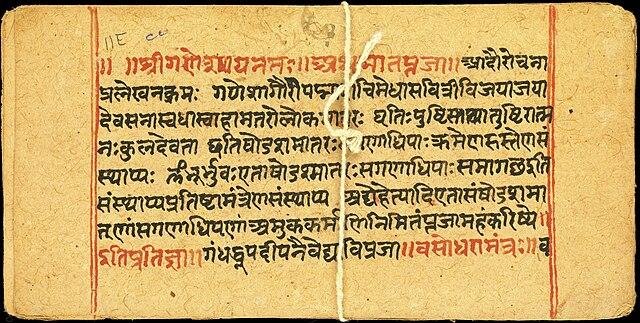
    Image ALT: Ancient Sanskrit manuscript representing the Padma Purana and the Puranic literary tradition


    Why Is It Called Padma Purana?

    The word Padma means lotus.

    The lotus has a special place in Indian religious symbolism. It is associated with purity, beauty and spiritual growth.

    The lotus also appears in traditional creation imagery associated with Brahma, who is often depicted emerging from a lotus connected with Vishnu.

    https://images.openai.com/static-rsc-4/90ypE-JfYFFNQRLRlBDjBYLRySfUsqZeu1gM5Q-h0yrGYOWx49q1t-rZ04rZ6wEJIESyQsGT1kLfbioNhQkc_QW8qW0v5X3wO2JcjB1sRZxdTRaEM8NFKY_AZdExh1wX0qxtVRhw011Ij2zfpGDRfGGHglDfxSVT7kJKQcmA9i-NzZjSteM49RtJeWrEtj3m?purpose=fullsize
    https://images.openai.com/static-rsc-4/k7vvZ2zQ8yiFKbA9JG6eyG0-NEAErfxwURs9nz2Bcl28MpVh2x4BPL5zK3Nu8MdJ7Zt8pe5zUj5Ii_mQOe5Ank7bciVOhuW3XG_MSvomzAAvgiCdaXxVSQEGUV51KVMLf8ZvBpE0EHzbej3oKdtUdKO92Ngfxp742nLy4rNMYuvtzRInZ2BbpTNfQLK833Pt?purpose=fullsize
    https://images.openai.com/static-rsc-4/l-ZSDSZyEagwg5XH-gJlLpCBtfnczFVO1i2ylgLBMLM_Uzwj4qHe6Wuy1aUSwGQ0rF3s3eX4dTK7WKywH-vsZXDR0TIJEATd4P1E_NKUHmfXlnTDDqiwoblTw9GVr_VXbFbVq-YSWeumCefSJ8j5V5Mz3aGdosUtYE-cs_x7Tfo3xMeXJo4ig7shiGK5ZBPA?purpose=fullsize

    Image ALT: Lord Brahma emerging from a lotus associated with Lord Vishnu in traditional Indian art


    The Main Sections of the Padma Purana

    The Padma Purana is traditionally divided into several large sections.

    1. Srishti Khanda

    Srishti means creation.

    This section discusses creation, gods, sages, religious teachings and various Puranic narratives.

    https://images.openai.com/static-rsc-4/kf5o5nKQj6Nkme-chIrdcRjEaGupX6cIaWb36Ov0Hgesm9v0zEIA19OL-v7aqME2QAqi6w9AiB8SJllKRtKPYgTt49NctW42Mh2HJ8bfJYqy4N92lkKp9VClLc2QceJisRXxLDvGVOF_yRxckYjq1a9r-83XaMysiga-yl2q4KCmeId8lxTVZ0Bkxol589AM?purpose=fullsize
    https://images.openai.com/static-rsc-4/nX-F9nehDCnGUki-0Vwe5cJTpi2BeaemyZpH2v-s6SOaBzew8M5mBa92_Coh_9cHqCWAoJjxU1VCZ9HhpDJa2zPg7haG0NQuaI9xK4l5lW-FqLoUwfRk5cBpgA-bYXXAoUu5H_ZT7ApoLkAAJXuY_JhXPUg68PtbcighmN9QIVJLKDOhOodgAUgWZtd1LwYw?purpose=fullsize
    https://images.openai.com/static-rsc-4/lYbIr1bWGCXTx1Px8qyLEmyRRzdqpZq6hzv3CauCoof7VMEWpxyiI1Imo1dOZSEEKbnP72QciT-33uVJy1NdeavMkOMSKefUzPnobqWaDjSN4MSP98MxmcXUpIoiNlHJY_7yNMTcgVPAlPzvJxF43Oxdtr_AbSqpYo39ZxEkJpqa8nv67OBFeQoy1gIp5c9w?purpose=fullsize

    Image ALT: Lord Brahma representing creation and the Srishti Khanda of the Padma Purana


    2. Bhumi Khanda

    Bhumi means Earth.

    This section contains stories concerning kings, sages, people and events connected with the earthly world.

    Puranic stories often use the lives of kings and devotees to communicate ideas about dharma, responsibility and devotion.

    https://images.openai.com/static-rsc-4/hU72A0x5q7bJy5Tcyeb6GbDUboL_R-j00w3w38K0fa_bDrp3snOMZJ4l_8jU6Fq4-BeaHeHoCcovdARUz1kVjKyTcd5ICb_VTTUZz9MFSK-D-z-CgIdvxUaB274fum6NL2dAllqcFPXM8hDwOsGIxwXF7nthsq1pS_6LOfsipOcsZwYPd_D7Is0_rHV8qkvB?purpose=fullsize
    https://images.openai.com/static-rsc-4/FU6DLqNmCNcN2gGuYtvQ6b-oAcqs_WjY2z2B6yWXdNNpCFPefMay48Q7eZAMp3sYAk2-_EdIp81ESlyK0un8v4PIh0ZDmej6RufP8E8jQx_5lKpvQbRYMLLYlhZ4BoWJ0Q8SXXNPwacfGQRC12PfA3nE9vMHPRgCPnjb8rDyIbps8Rh8Udb5RZ4gdzv2rpZk?purpose=fullsize
    https://images.openai.com/static-rsc-4/IZREunCxEsJ3id1hVc3C-eB0lWixIUyXiHAJQ7686iSnN4CTz-4gHx3X-IFBOKG-8KV3bZ8sJOWRovCcrb7Bjpqo7wY88_W1rvFml4xu9PNP-dAqtR7lfh-QPmuSiEdtkDiZaJgWb5Ovb30tkXbMdI8syW1mBqjsK_5LG2dMBMw-Dx1252lx9aSDBv9L2zf0?purpose=fullsize

    Image ALT: Traditional Indian depiction of an ancient king and sage representing the Bhumi Khanda


    3. Svarga Khanda

    Svarga refers to the heavenly realm.

    The Svarga Khanda contains descriptions and stories connected with sacred geography, pilgrimage and the spiritual significance of different places.

    https://images.openai.com/static-rsc-4/myUpyJCY0K8PAkQgZj_l45BBd4VnqlIHzTAI0hQvsN95r2OnfKvDUe71cXg_r7QVbxH4jFSq2LDZh6SGRKKBWs4EVxj4lPFRQRLmYhiU6FtkoR8bNeCxCIMvAQWQpZZqVmF5l8T4yYa7hhZ_K-otWEjuJ7iVnAP4vWDDLUEWxpFsgKbbTLiPtTBVxpXuWugr?purpose=fullsize
    https://images.openai.com/static-rsc-4/z-fOmGkp5kV4jSnfh4It91W4XlKSULyJEnkk4Ofb_dYYqrJsV24b4xz9MtkcgvN2d4EEFAr7-aq0_gklIq6PoIqVFdjeeMvypJGduJK5IFdaiRgd7geuy9Uz6zgMu_uyxvgWYmDU-lQNyEjhXVa5jB7t6Uas2ZQrxJE6d-WywlrDr-iQp6VBn3iEEp6fy82x?purpose=fullsize
    https://images.openai.com/static-rsc-4/ItbJsCRw2l_J3VlevSZRxNMQzm-USzdaCAJt5P1S3fszAv1ezB4gBYExDYf-Nmn6j3Mdy_FPO9LjhSY0HWdjzsEmFjtQhEkYcWjqpdl5U58dMnHY3_gJ1848YGNZzsfgs3AyA7KyVK9dP_qRPdfNBvfnQb4xtUjZ4IuzWb9Mub_JOEmJIdLkO0Zhwcphfb5E?purpose=fullsize

    Image ALT: Traditional Indian representation of Svarga, the heavenly realm described in Puranic literature


    Sacred Rivers and Pilgrimage

    One of the important features of the Padma Purana is its interest in Tirthas, or sacred pilgrimage places.

    Indian sacred geography includes rivers, temples, forests, mountains and cities that became associated with stories of gods, sages and devotees.

    The Padma Purana gives importance to pilgrimage and describes the religious significance of sacred locations.

    https://images.openai.com/static-rsc-4/s2n5_6kvN3wqCbAsQGRWh2JfK84I5ySy8Cl-ZhQci4q-930fdQZnrVNauRbT2Kg9SiC4n-OPAhBfCerbSuJ1T5Gb-nswCu7bfJ3yFk1Li3dLWPHPYnYKgbtdq8yj3CIvpEgGN4bq91mStPNFn_rlI_sWMFYu67LEtgQPL3_FhrEo6n79qcCzZJg9jnKdNk4z?purpose=fullsize
    https://images.openai.com/static-rsc-4/S-dIfJ71CVCe9P7OMSO2XDjTUfDRvl7e1DGbBbXoXRCXE2EBw5c3SPJsGvyPdAEOY0AQlbHUgCtkGS8v_imklsi7CIdPIsxUFzr8KXL3md29E0VTQDJ5KXUwGwb0neNnnfUoDvCzrjnky_QFTxeyQ_ZVPHLaJ67fBR8_ngoqTkX_EbK8SCfdyO41qTUME8Go?purpose=fullsize
    https://images.openai.com/static-rsc-4/ltguBxl-pMP2sMh3kakuKRszz-qXFwiF5a7fMk04k-b2iWW7Ocmo-5BgduscdAwZmF78S82fYvrNT2HLy8Rl8J-1UFXwFch8eBKL8L9ppGWttoKfZF8OZFqA-i9aYALfMvdAlQMI3a0W38gpO19_eiO114KCzEkVOmhK2M8yV023dfI8hopFfMMQXHMXuZcE?purpose=fullsize

    Image ALT: Sacred river and pilgrimage tradition representing the Tirtha teachings of the Padma Purana

    For devotees, pilgrimage is traditionally understood not simply as travelling to a place, but as an opportunity for worship, remembrance and spiritual purification.


    4. Brahma Khanda

    The Brahma Khanda contains narratives and teachings involving gods, sages and religious traditions.

    Brahma, Vishnu and Shiva appear throughout Puranic literature in different stories and theological contexts.

    https://images.openai.com/static-rsc-4/wRuFP3dQX6BlA7blB4v_Uqikzw0G20JAEfaVBT5cYe0PWBit4pgBhs3ep-xTDpFVn1qeOplmadVtGbVH6PxhRiqbVGPlkmw29df_B1RE0z8UDoDjD5baNT59Tbk0KszrVOb79xtVzVm13_dseS4zfP24Dpoi033HCLFtEvRSmA2UtuseT8206FeES3CFT0Yy?purpose=fullsize
    https://images.openai.com/static-rsc-4/CZP-qWXRLo2mexq35cPbt34TdvQgpL4-DF8A12ptLvhtjakMCtgtl3upmmh4ZwerLznTbVVTJ1hjnCQkeGgNufP84B441HtdDyAVFbHV4uTB83EOWL3MyEyLYp6MQCmow59WJRnLPW3QCdrgEgKBrXfKB7AMZjOAAeanZl7X5e5nbF_zYIDGZd8tBnqpzgfV?purpose=fullsize
    https://images.openai.com/static-rsc-4/ERSMGxCIgRnxsUI3lF87QV5eHe9cbmbtlXjz4Au9RpsW9Dr5pl8c5T3ay6tk4tlrwlLPn9hgjnxLQgHclgnY3__38kT6aJgxPBb6yVFwxXBZdd2hpj38bbqBM_4Amn3BuIkkjKnB4_g5N1j4s00ps60J1hTTmVzITNCOiS-7i4xdzAKysJAwrI9xjPanUt_w?purpose=fullsize

    Image ALT: Brahma, Vishnu and Shiva representing the major divine traditions of Puranic literature

    The Padma Purana therefore provides a broad picture of Hindu religious traditions rather than focusing exclusively on a single deity.


    5. Patala Khanda

    Patala refers to the lower worlds in traditional Hindu cosmology.

    The Patala Khanda contains several famous stories, including narratives connected with Rama, Sita, Lava and Kusha.

    https://images.openai.com/static-rsc-4/YLKxrVIy1JpZbHOpZiqqkUG6cge8VU1tL9aOXUBPdCqLW0lx8Ri2N2Y0RObK57Ub4X5KlhI49qBOt-pp_i1QhgGct_GqgLNqZQHzzD0GLYBGiKjvudcL0zNQdRHP2NbLuqDoAO41CYOjBDS71ufMpZcPdGpDWC5rN6mLpCLGLTGlzfEl1cWgoJAztRk2bIkR?purpose=fullsize
    https://images.openai.com/static-rsc-4/36arWTKRjWaVff2UIgP0Imjs-YlWaa0ApaYlr6r2Evvps9BHv32QlYL4LJ72bXlrGzzjprD_ORplXSzXxYThAF5lXD_zX7_bmH7StL7L0jqMqBTHBO3ag5-YotjxPRpITwN0NDt25tW3GX8_vGI6hXbCu15tEbiU5-yzrbeRzAFXtL-gqHaRsumkkLOzBudL?purpose=fullsize
    https://images.openai.com/static-rsc-4/LOv-15hw151TPinv8KkMAp8jTJQNg7lSdO6V1QL1jOv1Y3fUN1GQdM8AHLkQudnSkiQ83DwthC1SseGRUpYQX0jEYPkTvvVsSUa5pkBdyGQVxKBhewiwdS-u6xYVSbHgFkFsIDYBcj3JaNMQQk3l_ZLa3UGJgNFaClfMUVvwEsGXZIwhczrWJsf2oU4_cFT0?purpose=fullsize

    Image ALT: Rama, Sita and Lava Kusha representing Ramayana stories associated with the Patala Khanda

    The section demonstrates how Puranic literature often preserves and retells stories connected with the wider Indian epic tradition.


    Stories of Lord Rama

    The Padma Purana contains material connected with Lord Rama and the Ramayana tradition.

    Stories concerning Rama, Sita and their family became an important part of Indian religious and cultural storytelling.

    https://images.openai.com/static-rsc-4/qnMaK2CaoDqFX_I_Pb4mMtp2Whqj0pXYXHhNgGhnZUrbOGcWFKB6qdfd1FVvQIOIMGBXlBzK4N8MUGo9KJndZ7id2TDXUHgMnMbbozpVIDFTsOpM-xDh5FpR9mjGYMG8nd1O66M4ppiFhW_o83j1d8Zxqf8nY5PK3-OxDPDTEzBf7m7B4HpMRyi2PoXJBYXq?purpose=fullsize
    https://images.openai.com/static-rsc-4/yzSoYm2v6ZPotdpONeKg6CTdjeHySMgdWuclXg-bzMI-vZ6B5Yb37ucEXcwrolffEuN0aTA-UVfjEhsWrwWmhpxfMnN6DiowRY7zyAnrgs8uX3PUGVNB7xsRGMaRyIUs873SfNd7f_-tLNWqYxd2hgmdL-sCzySddrTC_iJBA6dlw4vbF7pnjIrrQ2Ajjeno?purpose=fullsize
    https://images.openai.com/static-rsc-4/VXTAqMzARRbl4qV11aPL69qFzQ64zQNhM3TGFTBr9y-ACFnNYFHtfc7Yufvvlz5YX3TKgbCP_O-4EmcFIuBogrYYYIN1LXFl7tkqzYFMdV0IB_-82J-MSu9CuxqLNc92ImYj9ZqU-IT2b57Cf_2DY_r6uLSrWXF9cqslN8u0KzUSGDkRHk1xHS9yGPgciBha?purpose=fullsize

    Image ALT: Lord Rama, Sita and Hanuman representing the Ramayana tradition in the Padma Purana

    These stories communicate values such as:

    • Dharma
    • Loyalty
    • Courage
    • Devotion
    • Sacrifice
    • Responsibility

    6. Uttara Khanda

    The Uttara Khanda is one of the major sections of the Padma Purana.

    It contains extensive discussions of devotion, religious observances, sacred places, festivals and the worship of Vishnu.

    https://images.openai.com/static-rsc-4/MghHY_3JexaE2aaeyUtxTDUTE87Xcyq_Qck9A2USiQkmOf6n2YdB0v-j2_BOLMsWB2Ppouf7TkzA_jlOJQrDGQ4ISJGcQdx6n-OaGyZ77pJXxdLYQHTE36l6ZkL2-IEqLGf0FE-VcLdal9nBGLc_fYql7VAUcLmF96eoknHLi7pXQ89MaNwTuWjYwZ3veY_0?purpose=fullsize
    https://images.openai.com/static-rsc-4/FTJeDqNc04d4zCA6YreCSdpQ3KLfn7Yg07tUQB9u222K2QEGwDOx7sdgyxFjeZ0wWtK4Xo3QzDeM5SXh5JzWzu8lXvg-hNGjbJURBss0FUE0IpA7rZA1TOqHZY0dRh-RrNLIv16DdV68jfJrQhxAigYERUYVToroIQec6hoef5VXTExx4jU5oraiW7Wq5nOv?purpose=fullsize
    https://images.openai.com/static-rsc-4/j86HfTYa7Ol2L_-wuqx3ndPu_dInu3kCfzpBbNPw_t5NAcAILS9SrFUtjnvYn3H47IP60oVQnscKIrHeK1vkWNtORuBIDG89r15oI0v2jfGdtX_pgHGpNiyG7mor_rXImV9W1uEtfIOCEocO76RXkr4KeAWrnCZCj5jz3WUNI3UaKGbBmbLwgeydzSDylBw7?purpose=fullsize

    Image ALT: Lord Vishnu and Goddess Lakshmi representing the devotional traditions of the Padma Purana


    Padma Purana and Bhakti

    One of the most important themes associated with the Padma Purana is Bhakti, or devotion.

    Bhakti means developing a loving and dedicated relationship with the divine.

    The Purana presents devotion through stories, worship practices and discussions of sacred observances.

    https://images.openai.com/static-rsc-4/jdD6ml7Z1qyu85USG_Ai2NJG7duqDtkIvMRqCUGQi5eGLf14KbRn2H85knVjqY0fmifxEwbW-7MiFRDtZaAO3g-dy1NIeEmuH_7rFeeVXxg4-95jWFY-FmRj338MhY9K6bp3JHi9r4kvZE_qC9GQKGZ2uPkuDP-kpg53gcREXYQvEq3hPUhVkTien1QRDiLo?purpose=fullsize
    https://images.openai.com/static-rsc-4/yg8W_3bbMj-gkREtGT_dkSjbsvgiN_XyXRW62eOkEd7IT0NAmHy-bolXlrpBTBvuZ7i5Mx85ysUoZOQZCuOP3T_xyZOu99wqhpfKm-eELZAjou6J798NHp_f-whdDmJhf2HgspvBEF18MPcoMswKg9NlkXbOfjxujFDDwHnE3-CkbhOQ0UC8e5_r-4IqY0OY?purpose=fullsize
    https://images.openai.com/static-rsc-4/Ciwl4mg2rfXRl-KEuHqjTVylJHJNEKxxUbO6nWfB5M1M7_1G8KFTZblX7noiF6vt9xkATb3cVlTJ1SKgGPkRFWncu1-scALjcmnsLz45DPabAeMNBFx65nKa4ZZnAaoUuDhI41cEZDx2OSRie-dF1MuOmr2I-Z0ekdJIaYsPJt9Sp8sT_DIjefpvxSVGzCpb?purpose=fullsize

    Image ALT: Devotee worshipping Lord Vishnu representing Bhakti in the Padma Purana

    The emphasis on devotion helped Puranic literature communicate spiritual ideas in a way that could be understood through stories and everyday religious practices.


    Padma Purana and Lord Vishnu

    The Padma Purana contains significant Vaishnava material.

    Lord Vishnu and devotion toward Vishnu are prominent in several portions of the text.

    https://images.openai.com/static-rsc-4/lhLDnlbGH0VfSz3Bc3o68kOsEUusdRXhgqzxUcN9zvZyO9uneOJQfHY0yrK-4GlM75eKFh95GdnxltLZQsSAM6GzMHc9bV7bCSsX62xxnyqQ8wLaFCPXw7wdfZuSFk2f_JatEq7atSgX4uL0SDmEZkkLZa8HYc5syjo9n51xxHmbUJ4eXuOseqxvFAN5AwUc?purpose=fullsize
    https://images.openai.com/static-rsc-4/MMGrC5yy6a0BaJQ855atzw-sn2IXkrdqVBDR1i5TwGKtXvdcfIU6K18YrOiTTmEDXl47U_HZl79xdXm2C4at59dtAK3oRV7ZZ24NzZMMjcdIU1YyrMYpMnphPd_GQEpZe155Gj79REpcPZtYx4cPZDyDTN1j9XhKPsVKrV_ztQomk_KD4myVWlQE7yAMQ3bn?purpose=fullsize
    https://images.openai.com/static-rsc-4/NviB9tgrDw3N1ChGojRVFDYU4KMyzMbkHcoddwrUjqxOBz_KCPv3cJFnrZpGsL0Iwm96vPEwHYnNJlnOYXcQo4AbUPTq8QDGLeoFiS1hGblWGH3hrOrirfsM1f3emUaKnXJScFo4lUp7pPl9cJ28or7Z8A3txtq3z0zkAXYgLDYl8eAbd5Xhx41iTiGKvj3W?purpose=fullsize

    Image ALT: Lord Vishnu reclining on Shesha representing Vaishnava traditions in the Padma Purana

    The Purana discusses forms of worship, religious observances and the spiritual importance of devotion.


    Tulasi and the Padma Purana

    The Tulasi plant has a highly respected place in Vaishnava traditions.

    Puranic literature contains stories and teachings concerning Tulasi and her connection with devotion and worship.

    https://images.openai.com/static-rsc-4/L2eDXDljax8Cb77ZJKOL8as7DKPDp_svj4E5kkvQUF0i41DzHQEzRPNff2PZfYOfevUzWdF4aujY6MA15E4yvH1tmXy1wgWI9VMU_RKXXVQW9UrkcskTIfkLkNTnmKuBVi_xCNO9q4CfG6rqa8D8_ySUEKsPBKXIZInSzEPUcvty8w3Ng_DpYPI77YOGcB2u?purpose=fullsize
    https://images.openai.com/static-rsc-4/prfxsczFuSWCvPgTiCM259WnlY-zUgErx5x1qoq3XVBRNt4FIDGjUWszy4RghsZ3xO22F3T6pGY7-XjCWAxkjVlHPib3Linme9M339jyYclxrggUv74Y2GXLxjLVH3TafSN4Z9cssXpqdWWnj1r1ZLz1vVBItXLKqZu64StF9_zIASHLADQH-EDr28cEEIDj?purpose=fullsize
    https://images.openai.com/static-rsc-4/wkXq_CRmcHtoQNK6bNMpTNAHGAoMuGH8bnrwnu9D8N6FTo_CQuHGmRXoSos-ZESqJlU8yNq59BWFxUx-rTZD8Qx-zgCCv3trTqqqwtbGOWHVSnURvKZ-YdNRljBE9Tp0HfZGHEod65XJKLuxg42lwZvKpT3wrHJHbjmv4uWTqiIN8ZF3rlURo7S3J_k18OZA?purpose=fullsize

    Image ALT: Tulasi plant used in Hindu worship and associated with Vaishnava devotional traditions

    Tulasi leaves are traditionally offered during the worship of Vishnu and Krishna.


    Ekadashi and Religious Observances

    The Padma Purana is also associated with discussions concerning Ekadashi, an important Vaishnava observance.

    Ekadashi occurs on the 11th lunar day of each fortnight.

    Devotees traditionally observe Ekadashi through fasting, prayer, worship and remembrance of God.

    https://images.openai.com/static-rsc-4/7pL07PCnGgDuVUcFwq-I1K8kVoyPYZUZq6uLGPz_4-fyfL-KZMSocrggUCJXmoWQ-PC6MPtyx4q8J-8wFEEmK3g4DpzwO8HoeuEzI-xgzE3USnu2kHTgV6laaGpPH9I5M7W60SrguDULcNkjeeJdFbgjSQ7y7qK2I75LeF_2bWVoVb3xU3MtdfSoVXuh0h_D?purpose=fullsize
    https://images.openai.com/static-rsc-4/LK_Ja3pLRKyM-1epbSHpvzVdOBXnxMY86ES4NwgqDyoDuAMO9xIFp5QsYIfHLDAK21IIlLIGG_0zu3tpDsqfVCcHcSp43sNYQ43pjouu7Rg02zpXgYB6h3WJRGjaDUePICrO6RHzmIlY0kyHA7JwfVGIgP-gLWY64hmJmaIVZhIG14BeTrVwWaPSqKBqIgqE?purpose=fullsize
    https://images.openai.com/static-rsc-4/4-5xMZRvKOM3Y8KSXtEMzeC1a87GbI2-q-AyNUQPjo1FcAn6jOgWu0Gl257iA8ymE5AapjitpisVs2-rCnVLiUCgug2m8423RL6gk-NKDn0QVH6XAIk5VooO_jgoiHd4aPZ8n4UqduLgBytI0B4tB9vsXgDOrRBR_-HIhHrznREzL6eRYXGvhCvFlFbctxDV?purpose=fullsize

    Image ALT: Vishnu worship representing the traditional Ekadashi observance described in Puranic literature

    The emphasis is not simply on fasting but on discipline, devotion and spiritual focus.


    Padma Purana and Vrindavan

    The Padma Purana contains material concerning Vrindavan and sacred places associated with Krishna.

    https://images.openai.com/static-rsc-4/oe-u8_c8ehvd2iks6AJwa_9NOsfZw7otdru3tEslsn2n6I-utDHiy11am43hjqVjC7E3LI83OlpzPrUe1y6QJ3uRHm2Q6ILUaLrkYlUdjlH-D6K9H2brJyRHn4tSLyDfDfLSl8o2hSliKO79PLaKlfnDP4LL69clcdZwWpXvnijrJfZgMKPbWytrOhmyHh0h?purpose=fullsize
    https://images.openai.com/static-rsc-4/wnh6EurbtPk8UQr4KcVoi3DnYBaV11O5LzMCJrWEaS6c5G0bMi6RWmmA4aoDMNCHNy36kkHlJ4p8i1kW7yAp_oKzk8NfmuF36a5UY2OH4Rtykg3UMla5-mxjAY-fEvOce4hdLWFQ2KI0RSEJAwKPbZZYc6oh81YWzVsT0i56YtUkTuUZpEh_ldGV7V8m8bJy?purpose=fullsize
    https://images.openai.com/static-rsc-4/yRr8wYdJuxIoSF6H48acMHB-FeAtG29vo-zpqOe0nylhIAa-iqFjanZGJUwrly30dJqBljgJypwuUSgIKjoQho0lkRWyEK5tSRp49PlRNIfGbgumIRmmwwAoKilnIGHlnWg4M8KEJ6S3KlHSykpIcmDu1-Kgo1V4C7a-OA47tMca5VvYqRrP6vze9vh5WVOR?purpose=fullsize

    Image ALT: Vrindavan Krishna temple representing the sacred geography associated with Krishna devotion

    Vrindavan became one of the most important pilgrimage centres connected with Krishna traditions.

    Its association with Krishna, Radha and the stories of divine love made it especially important in later devotional traditions.


    Padma Purana and Sacred Geography

    The Purana gives importance to many sacred locations.

    These include:

    • Rivers
    • Forests
    • Temples
    • Pilgrimage centres
    • Sacred mountains
    • Holy cities
    https://images.openai.com/static-rsc-4/TPKmq1yeQ9_oxl49EepBmKA1zp2HVocXydIcnr_2Dx4qvN-Qd7kQ9HwosBrIxdU2k3Rui0nqEJH4oqo8_uAP5dpuVWtjjF0TX2-LqrwwvJacapHZS0uvJTCPGuj4xyHLNIHUHrHI1Gujcm7OMcq3YI7F4JHzKDXtGfCkkLMAqXDtrc34qXBzmrP0cjc4dmRf?purpose=fullsize
    https://images.openai.com/static-rsc-4/EIaO35x87_d_FiNHAz3ijbs3u_luelIL5dpYfvo3GFCAmhzS9M2zi9qc0ZAJu11-GNcKCU2DUA0nPNorl3-Mu0elrmssfAObeuCnyJ1Qspp0jOQfoeGteLW42-MjEdrpKy8o8v6nrQW7oxbhH9MYhKe7xrd6yI1pVRgd4tcL5pYIJ3vOrbLcH2I_ywex4QWg?purpose=fullsize
    https://images.openai.com/static-rsc-4/sjxbBNLoeQJsaZhqUJt51yFTxG5rrO69B99lrtV-QKvYtewAyJejsAgDEzrClzRe2KKrPFkIVKa_DGIVfDeeRL3X6Zk46k9Cw3zVQGIbecnVZhwXA-T_pG4Q-Ce4lcetjSOKn2AmovMwqehuW43dkNr4w4vP2T2rqprgcNHEHQNpdEurGjT3W3r8J0TmDHaR?purpose=fullsize

    Image ALT: Indian temples and sacred landscapes representing the pilgrimage traditions of the Padma Purana

    Through such descriptions, religious stories become connected with real places and pilgrimage traditions.


    Padma Purana and Dharma

    The Padma Purana also discusses Dharma, or righteous living.

    Dharma can include:

    • Truthfulness
    • Compassion
    • Charity
    • Respect
    • Devotion
    • Self-discipline
    • Religious duties
    • Service to others

    These principles are often taught through stories rather than through rules alone.


    Padma Purana and Festivals

    Puranic literature played an important role in explaining the religious significance of many vratas, festivals and observances.

    The Padma Purana contains discussions of religious practices that connect worship with particular days, stories and traditions.

    https://images.openai.com/static-rsc-4/-P6lBN49ni78nRDdH1ejiZbTVh3KNqMs_UX9d3d5E3orsb1nq8BHQbCo2VFZfATgaem7OdOuMvGXIGikTX80hOzKFkQHBMfTIyiNVZXHK9y55pWui7w1-vKcP3xUVm4iprwe6j3c-i6NpneBlpsrjX26cKW1HaTb9u7c76xKFEHa-aAxp63lz5BAGb4l0Bw4?purpose=fullsize
    https://images.openai.com/static-rsc-4/8Cc7pCVomq774fOY7wlKV2pXn2OZCdhD08UIoUq52OUyOAY50y-sQP_PGgejbWA40FzzfNmdBrWW24BHj7G8SYCckhbemdLWxl4_YW0wjdxm6RpROSIw5EAHTP5KrP3bxiwUI4A40S416WwHkRLrqx2HvYoOM38qM5-MaFcKgfmhuT2wowU4zxXxvBjZAE36?purpose=fullsize
    https://images.openai.com/static-rsc-4/CB70DM-FHmma3WtlNEqfHajBmBUfSbyKMCX9y40cF8XrrP7NCQgrQ96q5Y4pmwy3uL5geYr0dqpHnw-mp5LkgmyiuxZiJuOPaiuW6TTQi7dED_7cYPfnjO7a2q-LGOEJ4qMapk5xjnNRx7QVNnXJuz0FxgD9SutBDuYGAxW_uJkxbwkNC8dBJzFMs6nVnbD2?purpose=fullsize

    Image ALT: Hindu devotional festival representing religious observances described in Puranic traditions

    These traditions helped preserve religious practices across generations.


    Why Is the Padma Purana Important?

    The Padma Purana is important because it brings together many different aspects of Indian religious culture.

    1. Devotion

    It gives significant attention to Bhakti and worship.

    2. Sacred Places

    It preserves traditions associated with pilgrimage.

    3. Mythology

    It contains stories of gods, sages, kings and devotees.

    4. Dharma

    It discusses righteous living and religious duties.

    5. Festivals

    It preserves traditions concerning religious observances.

    6. Cultural Heritage

    Its stories influenced Indian religious and cultural traditions.


    What Can We Learn From the Padma Purana?

    The Padma Purana gives us several important ideas.

    Devotion

    Faith and dedication are repeatedly presented as powerful spiritual paths.

    Discipline

    Religious observances encourage self-control and concentration.

    Respect for Sacred Places

    Pilgrimage traditions connect people with India’s sacred geography.

    Dharma

    The stories emphasize the importance of responsible and righteous conduct.

    Preservation of Tradition

    Stories and rituals helped transmit cultural knowledge from one generation to another.


    Padma Purana – Quick Facts

    Series: 18 Mahapuranas – Part 2

    Name: Padma Purana

    Meaning of Padma: Lotus

    Language: Sanskrit

    Traditional Classification: One of the 18 Mahapuranas

    Major Sections: Srishti Khanda, Bhumi Khanda, Svarga Khanda, Brahma Khanda, Patala Khanda and Uttara Khanda

    Major Themes: Creation, dharma, pilgrimage, devotion, mythology and sacred geography

    Important Traditions: Vishnu, Rama, Krishna and other divine traditions

    Important Concept: Bhakti


    Frequently Asked Questions

    What is the Padma Purana?

    The Padma Purana is one of the traditional 18 Mahapuranas and contains mythology, religious teachings, pilgrimage traditions, sacred geography and devotional material.

    Why is it called Padma Purana?

    Padma means lotus, a major symbol in Indian religious traditions.

    How many sections does the Padma Purana have?

    It is traditionally divided into major sections including Srishti, Bhumi, Svarga, Brahma, Patala and Uttara Khanda.

    Is Vishnu important in the Padma Purana?

    Yes. Vishnu and Vaishnava devotional traditions receive significant attention in several portions of the text.

    Does the Padma Purana contain stories about Rama?

    Yes. The Patala Khanda contains narratives connected with Rama, Sita, Lava and Kusha.

    Does the Padma Purana discuss Ekadashi?

    Yes. The text is associated with traditions and discussions concerning Ekadashi observance.

    What is the main message of the Padma Purana?

    Among its many themes, dharma, devotion, pilgrimage, religious practice and spiritual discipline are particularly important.


    Conclusion

    The Padma Purana – Part 2 takes us deeper into the world of the 18 Mahapuranas.

    From creation and sacred geography to stories of Rama and Krishna, from Vishnu devotion to Ekadashi and pilgrimage traditions, the text covers a remarkably wide range of subjects.

    Its different sections preserve stories and teachings that helped shape India’s religious and cultural traditions.

    The lotus, represented by the name Padma, is also a beautiful symbol for spiritual growth — rising above the water while remaining pure.

    The Padma Purana reminds us that devotion, dharma, discipline and knowledge can become part of everyday life.

    This is Part 2 of our 18 Mahapuranas series.

  • 18 Mahapuranas – Part 1: Brahma Purana

    18 Mahapuranas – Part 1: Brahma Purana

    The Brahma Purana is traditionally regarded as the first of the 18 Mahapuranas. It is an important Sanskrit Purana containing stories about creation, gods, sages, dynasties, sacred places, dharma, pilgrimage and devotion.

    It is also notable for its extensive descriptions of sacred places in Odisha, including Puri, Konark, Bhubaneswar and Jajpur.

    https://images.openai.com/static-rsc-4/6fTgNqlCUi0kZ6QawTkFDXPPGW87IQC-K1-4O3fGUq1uKG7ApBM7XtXJlmNU-YiVeA0yfZdc7YN0Xq_f3B_DqdiL7A6kuEQIm9QTRmMuGRJtkpzIdaMaJkEOjfcLxPFezO_HU6aN2B9MMxERmXNvTHj0qc0zNhwxdnRsSQBE_4vpg4IYLdi9603I2zDdCU1j?purpose=fullsize
    https://1.bp.blogspot.com/-k2FfWFqq3kM/VdFoxNkE-aI/AAAAAAAAZI8/lRXQSBhhNng/s1600/brahm2a.jpg

    Image ALT: Ancient Indian Sanskrit manuscript depicting Brahma and a sage, representing the Brahma Purana tradition.


    What Is the Brahma Purana?

    The Brahma Purana is one of the 18 Mahapuranas of Hindu tradition.

    According to the traditional narrative, the Purana is presented as knowledge associated with Lord Brahma. The text begins in the setting of Naimisharanya, where sages gather and Suta Lomaharshana narrates the Purana.

    The text covers a wide variety of subjects, including:

    • Creation of the universe
    • Manvantaras
    • Genealogies of kings and sages
    • Stories of gods and divine figures
    • Dharma
    • Pilgrimage
    • Sacred places
    • Worship of Surya
    • Krishna-related narratives
    • Yoga and spiritual teachings

    A modern study of the text describes it as rich in social, religious, philosophical, mythological, geographical and literary material.


    The Beginning of the Brahma Purana

    The Brahma Purana begins with a description of Naimisharanya, a sacred forest where sages have gathered.

    Suta Lomaharshana begins narrating the Purana after being requested by the sages.

    The early portion discusses the creation of the world. It describes the primordial waters and the manifestation of the cosmic egg from which Brahma emerges. Brahma then begins the process of creation.

    https://images.openai.com/static-rsc-4/jS17ID3Md4Oxj2zAeRptvFZ20pRYs2H5SIGQlLs-ChRv5ijQHTw9SrWOhREAPZlX7_FcH4-5gay0lQ9R0EkODi8kF__Ae2pHvLcVF3HyZuA_qxoKSFLfXXUhrinSOWA_T4Ymui0Crj88MrX3JsVH8gBij0J6SRTnMCC5HyzzgNqU72oFADWUde1Gdc8Huvry?purpose=fullsize
    https://images.openai.com/static-rsc-4/_VD3j2-wMJQf-QSqsV5LGId473APhMYtjlGT_ZcxwVsnn59DAXl6AU6vviiaK4AEQPVZflH7YoHD6mJXTTncLIHSO4i54tAwxeGe_1eDhQ8SfIYW8OyAO62Hq7863bRwWzoR_aQuCf8dOEsrfjqTjb3khaNdi6_C0yUArI2J1LmXbBgj6wfLlC0adwIzbUJ3?purpose=fullsize
    https://images.openai.com/static-rsc-4/0qR_8-F5VajJ3cj9-u0F4tbtp5MpwnDaLBN5-rf17V2D0khFX6EdvgCpAPIi1NTW8Mja-k5yaMyrrBvmIBftTsaBMu-ivREY-Qe5E4piI2Q8O_ZKlA-TBT1Z9Wtd61_RTGTZTn8GNSMizxGiK0d-wed-_jdOhQ2qIvDs2wq6UWAfVSJSauZRfKuC90tClvXl?purpose=fullsize

    Image ALT: Lord Brahma representing the creation of the universe in traditional Indian art.


    Brahma and the Creation of the Universe

    Lord Brahma occupies an important place in the creation narratives of the Brahma Purana.

    The early chapters discuss the creation of different beings and the development of cosmic order.

    The text also introduces figures such as Manu, Rudra and other divine and ancestral beings.

    The idea of creation in the Puranas is not simply a single historical event. It is connected with the traditional Indian understanding of cycles of creation, preservation and dissolution.


    Manu and the Early Dynasties

    The Brahma Purana also discusses Manu and his descendants.

    The early narrative includes Manu’s marriage to Shatarupa and accounts of his children and descendants.

    The Purana later discusses solar and lunar dynasties, along with important kings and legendary figures.

    https://images.openai.com/static-rsc-4/jf7EcF3b7_kk4EMSfZPpmdQbofyFJ-UuPP2cimoS_hlwcs_49aSeh39i5JhyXJO3WHgewOPL7EJ7ak5q6JMQD6jU3AIN4sF_KNqq59RMRI_WdPYZPjuMtnQV_YQZFvHamllksE2GQgLLpJ1WFubHlDWLpqCmbQKfzIuvBK4tfuX03R6qfIC8X9wNYNPF306f?purpose=fullsize
    https://images.openai.com/static-rsc-4/1qlIJY7_RUmC28F05daqjTYNd7q27LFenw4QSLQNggLadZ3iigWtOPqAZmgQb5IE9z0LkN6XId_K9Lq5cz0DL0aHhyG2i-3Ob7Keb2oNv2qTou41kvoOCql9cm2E-twmSY9m3vjlSsvnLTAVIODbZiGnGC1ex-iisHB76T8UZRdWkHnakNmOLa-MsnqX0N8e?purpose=fullsize
    https://images.openai.com/static-rsc-4/qYGFq2u3NMkxh3YZq_qLgnqXLJxvNJSrcPYfKXojwRxu3StO_UINwezvINo1_oLr-zHcC-XuorDucX0fKHn_gFtzHDGtfN5KMGnmqaytqqRb9ylozlJd9ot6nVFPp5fia5toOX_iSYx9ujRRtQ3-GxUSX-fiW3NaI-CSi7Z-bfWeYK7IuR3UIHlnlmQWdZ1R?purpose=fullsize

    Image ALT: Traditional Indian artistic representation of Manu and the ancient royal dynasties.


    Stories of Krishna

    The Brahma Purana also contains a section dealing with Krishna and the Vrishni family.

    Its contents include chapters concerning Krishna’s birth, the Vrishnis and the famous Syamantaka jewel episode.

    https://images.openai.com/static-rsc-4/DIqh-hvO1UrEOL32ruYw8_eBbDnz0PLprCStw4mM-eSAzoXs8_nYhFpwTKJ-8103oIG8ilDQg_wUO6blpccSeibcgTC_dSeI38yQl18wOB2uuOv4eKisNfv4NKPhPaWc3A56qRTyEjE3U-S6rHrHhOGFMA3juYCLDI3Vo1k3uoLxn0L_B8g6H9QOumGs0XCz?purpose=fullsize
    https://images.openai.com/static-rsc-4/sxVftQPSu277HAECKXhA_IjUVBZqb2ZYc0348vtds3EzcpP3YhElZkycFUJzRj3jzQdP1iwsCRiPxXZD2YYEwzeTKTp6kjX8aJdvswzMkwg7mG5055-QEsr3EDwijTOQdyaLzDXTlsyU_WkRWcwFl0WgsmrbevZCRStu55q740fYokz9PQlhT9qPFQg7xZyr?purpose=fullsize
    https://images.openai.com/static-rsc-4/0p7VI1GjPeT7VGxifW7KzwefFoiCtTTN2EwjcM6EuGY28O26qHkVPSoltC_FwqdH5OP8wR50_kzQptu3nr9g7q-BIHLcoHF51sHuiSGtwxIfUup7GhQTGKIv3HaHt_OaaI8clmhLJBdzQpcSlecu3hzCxZPJDRrUw0Feyo91-l1Y8qf9pS4HLKbcqeLlagKa?purpose=fullsize

    Image ALT: Traditional Indian depiction of Lord Krishna representing the Krishna narratives of the Brahma Purana.

    The Krishna-related material shows that the Brahma Purana is not limited to stories about Brahma. Like many Puranas, it brings together traditions connected with several major Hindu deities and sacred traditions.


    Brahma Purana and Odisha

    One of the most distinctive features of the Brahma Purana is its detailed treatment of sacred places in Odisha.

    A substantial portion of the text discusses places including:

    • Puri
    • Konark
    • Bhubaneswar
    • Jajpur

    The text connects these places with Vishnu, Surya, Shiva and Devi traditions.

    Image ALT: Konark Sun Temple in Odisha, a sacred site associated with the Sun worship traditions described in the Brahma Purana.


    Brahma Purana and Konark

    The Brahma Purana contains important material concerning Konark and the worship of Surya, the Sun God.

    The text describes Konaditya, a Sun deity associated with the Sun temple in Utkala. Its chapters on this subject discuss Surya worship and sacred practices.

    This connection makes the Brahma Purana particularly interesting when studying the religious history and sacred geography of Odisha.

    https://www.tripsavvy.com/thmb/rqQt4z-GU0nSFuFjY6GlMJnTqNo%3D/3660x0/filters%3Ano_upscale%28%29%3Amax_bytes%28150000%29%3Astrip_icc%28%29/GettyImages-521720746-988256f732e64eed8d03788cd3cb2cce.jpg
    https://images.openai.com/static-rsc-4/CY3ABzdMazhpuCiu9PBbNmTlDK1F78fUXZQRCrbNN2V1zzx3MlsO3lg91TmujulbXxv8Cx4wRPdjvk1wUPxhi7PqDtIXknXwTncauQOnIZ2SU0vwire1uzPBjX5AJsme_SKQUAG_VIy_NdAYHmM2lxiICRkH7OHfrIiOeT1DyFeXx--y_2o-Tue8esj1SW3Q?purpose=fullsize

    Image ALT: Konark Sun Temple and its geometric architectural layout representing the ancient Surya worship tradition.


    Brahma Purana and Surya Worship

    The Purana contains several chapters dedicated to the glory of Surya worship.

    The text discusses the importance of worshipping the Sun and mentions particular occasions and rituals associated with Surya.

    The Sun has an important place in Indian religious traditions because sunlight is associated with life, energy, health and cosmic order.

    The Brahma Purana preserves part of this ancient tradition through its descriptions of Surya worship.


    Puri and Lord Jagannath

    Another important part of the Brahma Purana concerns Purusottama Kshetra, identified with Puri.

    The text contains extensive material about the sacred region of Puri and its connection with Lord Jagannath.

    https://images.openai.com/static-rsc-4/8_vHINchyHv8JDz5dzfqtXFnRswDXoAZ-1vBLYO6F_7xGWfIBkiJrNgkzO45Ji8_VNzT3bqtONYF_-sKUkmUZhyqHHUijxsUPpU0fO6W9PeM2zvNk5fQsWV9oO8l_jbQq5kFc_kruA2OgCmUL9EED5Q688LHoACge433wXdSF4gBREVoCjZLy3m6hUpUk1AY?purpose=fullsize
    https://images.openai.com/static-rsc-4/zMaIO102ftSkWnGsJ5v1stbCUiW6372E8MKRqqHoRwJYziIlO4pXGKYv8qTNKOSI1-nfgdZqV5zW8PWZh8O0Bm8rAvGGh4m4vD__H77XKtG250tXvWp-Uqaod8oUATUIV3XJRXCtGdp4mNM-f21dAwe4uTu-io2fyWOu84pmG5u3FVt6jsoaDV7-PjucrGDn?purpose=fullsize
    https://images.openai.com/static-rsc-4/zRzKYnvkMhsdQ1x2Un51yQ8D0EAO6_HBw_80oZI8-11qYDSvwfbLSWmhfd5FnkF3CxBXqjV6Cuu4qM-WHAygyOVOEeYCWGp0E7_nyYt2zAM7H5T83DiK4c2iyqK2VeEFwCUhCAC6bue2G-JM7Zp1MOdf-IWVHEJ4uMcVIfY8VCRuN2SqsJP3FHN0-8pIpi5Q?purpose=fullsize

    Image ALT: Jagannath Temple in Puri, Odisha, representing the sacred Puri tradition described in the Brahma Purana.

    The connection between the Purana and Puri is especially important for understanding how sacred geography and religious storytelling developed together in India.


    Bhubaneswar and Shiva Tradition

    The Brahma Purana also discusses Ekamra Kshetra, identified with Bhubaneswar.

    This section is associated with Lord Shiva and sacred places in the region.

    https://images.openai.com/static-rsc-4/IDO6LrozZuQ1Bqs9jpGmao60dkYThmMwrZTNrv-7CB1nr8xeuMPWIoWO8TcRAsR1NRkarTdqizOXoHHV4hcResD3bEsjh1Wy5XNy9B7v2SZ45TMXR56oBdxOWDU1RmNNawQCVnvowzR2ca0-9ei03sRrnenShRAEB2Unn_ojrfcTu9teWGwRj62cEm6L2AxO?purpose=fullsize
    https://images.openai.com/static-rsc-4/DWUtlT6TO-tgpew18Ji3MfDsr-v_q8FFhs7xesDOdO6si6kXwHilpX-0mbg47xNVrvLvoky9lZSiikojMXW33WwCzd0hVJ8vIwkiWdqo_A6vMrUDoM55-ho4Q8dOAetC7btNfSg3lEgWWrOdEjd5ixvEAjgddbR4EJzMi5T_D2Yrn3RdmQTOLps1LSC0sKtg?purpose=fullsize
    https://images.openai.com/static-rsc-4/g3FumqXCtdE4V8MARJmKlgKGDX7O_1NATFoW7xe2mgFA0buw-45HMeFfuIkCfEA2NKfu8vhmHQdeSzzsBF2Ctd1DWR3S1mEj9Fm8dsSbnk_MPtm1pG60CmGSCg53L9m9C9mClIFeYYiipjsuBxZsrt7_KYSdHX73isip1mtYS7leN4ZXE89Uz5vXd81e-GBU?purpose=fullsize

    Image ALT: Lingaraj Temple in Bhubaneswar representing the Shiva tradition of Ekamra Kshetra.

    This shows how the Brahma Purana connects different sacred traditions and different geographical regions.


    Jajpur and Goddess Tradition

    The Purana also describes Viraja Kshetra, associated with Jajpur and the worship of Devi.

    https://images.openai.com/static-rsc-4/W6Bqy9z3b611wXfevZXXFcuHclzSCa9RPR7Hrlx8wjF6DqX-M79fSVZ0uRpOk3zChCARYarMOSGQ6U3BL4qV0RHrKG0UEGXSv1FREINM6PhxfpfmRFt7mxPhu0ZWs9QSjc75Hnn1ltP7HER3ps9Ncf9q_7BrcJ6jnrtry0rX6m_RO5UxnQ6OZlSruTfm8hTa?purpose=fullsize
    https://images.openai.com/static-rsc-4/jG5F1jWfdq7Tu_rqkWgi024VYSwivEsnlhiUpUczpI2Rq4Kl7U_-Q3yHfmMYd08aLoylT_NCYxyAz7U5LmMD3qeT_kjz4-4tdjoHzyiS6_RFUgfQFlica_3iVmYnTTPWCCrsdLdS5Ny-lKPAYKLFyBxMaiitxGDq9ihJ6mt7YyjcPGj2i9vzvH18zp32sTWn?purpose=fullsize
    https://images.openai.com/static-rsc-4/QLH1f8KWjQOfyUib9CoeW20gF1q_brA7ZIIsYQyD0QmztOMJGOjSWgvAiFhfgm7rW3X-C5AG-gQuyEcVG286ZeVKf3yWIzZaEuqOJZfpFTXVd93XPxvlTlqnOxFeTN4EmCEZlpnPNcjTXkbn2gyMPMz4RJxYgjh54Kq6N1rM8Eu9ZNq1hAPNmAbG1chM8_oo?purpose=fullsize

    Image ALT: Biraja Temple in Jajpur representing the Devi tradition associated with Viraja Kshetra.

    Thus, within its sacred geography, the Brahma Purana brings together important traditions associated with:

    Vishnu → Puri

    Surya → Konark

    Shiva → Bhubaneswar

    Devi → Jajpur


    The Brahma Purana and Pilgrimage

    The Brahma Purana gives great importance to Tirthas, or sacred pilgrimage places.

    A pilgrimage is not presented merely as a journey from one location to another.

    Traditionally, visiting a sacred place is connected with:

    • Devotion
    • Purification
    • Worship
    • Remembering sacred stories
    • Performing religious practices
    • Understanding the spiritual significance of a place

    The detailed descriptions of Odisha’s sacred places make the Brahma Purana particularly valuable for studying Indian sacred geography.


    Brahma Purana and Dharma

    The Brahma Purana also contains discussions related to Dharma, or righteous living.

    Dharma in the Puranic tradition can involve:

    • Duties
    • Religious practices
    • Charity
    • Pilgrimage
    • Worship
    • Respect for teachers and elders
    • Ethical conduct

    These teachings are often communicated through stories rather than through abstract philosophical explanations alone.


    Brahma Purana and Yoga

    The text also contains material concerning Yoga and spiritual practice.

    The Brahma Purana’s later material includes discussion of Yoga and contemplative devotion directed toward Vishnu.

    https://images.openai.com/static-rsc-4/uySZro6V0ctpEKaTO4_aFk5oV534x5GiRh7zkcmoGB-OkaGFP1ti8BQmSZdrF0VeWHdlfnCIbaXVs5zqhwTtGZoF_Ax0B2Nr9jPWTbriERdb9B589YVE6VtvPcdvLn4fRthEhdYeDP_h5GaWHRmkwryZbpouhiwr33Nt8snk-dQ90z0fdLNEv0VWvjWaT-oX?purpose=fullsize
    https://images.openai.com/static-rsc-4/JSvH2fiNneuHHMqLNSkHP0c7qPzJWkQB8Dt4JN623Mt1tZX0asYwN6x-2WibpwGwvFSBvjUOyrGSLDKhQAtpLDQ2kjbkLKyS5Je_Is-hSVTaAWHk7eFoSn-Vx-AFc_5LI83ti1gnPxhUj5mzIhhyZtEZfdnILL6tvYn0UnfRZ5RwjejBypQVQcCSPclXiMr9?purpose=fullsize
    https://images.openai.com/static-rsc-4/qqe5JSFvOO3E2Php6_N-US9Ixw7PCHadbPtL-rpzIuNKBbIJjur-U-VwubiLJkAVQFytaIKtloQVEMsGTZSvzOgrX3P1QY_TCXkRWN3khgPaDnHwBQWf6YzFwVG5NlfYbSJRfyfk5H8BiyKjGxr1rIlMt_2z3zU8Q_IE5YQARf2w4M6MYwi7s3Ki69_lXYwr?purpose=fullsize

    Image ALT: Indian sage practicing meditation and representing the spiritual teachings associated with Yoga.

    Yoga in this context is connected with self-discipline, concentration and spiritual realization.


    Why Is the Brahma Purana Important?

    The Brahma Purana is important for several reasons.

    1. Religious Heritage

    It preserves stories and teachings belonging to the Puranic tradition.

    2. Sacred Geography

    Its descriptions of Odisha provide valuable material about sacred places and pilgrimage traditions.

    3. Mythology

    It contains stories concerning gods, sages, kings and divine events.

    4. Cultural Heritage

    Its stories have connections with temples, festivals, pilgrimage and regional traditions.

    5. Spiritual Teachings

    It discusses dharma, devotion and spiritual practices.


    What Makes the Brahma Purana Different?

    Every Purana has its own emphasis.

    The Brahma Purana is particularly interesting for its extensive sacred geography of Odisha.

    Its descriptions of Puri, Konark, Bhubaneswar and Jajpur show how religious traditions became connected with particular landscapes and pilgrimage centres.

    This makes the Brahma Purana valuable not only for religious study but also for understanding Indian culture, geography and temple traditions.


    Brahma Purana – Quick Facts

    Series: 18 Mahapuranas – Part 1

    Name: Brahma Purana

    Traditional Association: Brahma

    Language: Sanskrit

    Major Themes: Creation, genealogy, mythology, dharma, pilgrimage, sacred geography and devotion

    Important Regions: Odisha and other sacred places

    Important Sacred Places: Puri, Konark, Bhubaneswar and Jajpur

    Important Traditions: Vishnu, Surya, Shiva and Devi

    Notable Feature: Extensive descriptions of sacred places in Odisha


    What Can We Learn From the Brahma Purana?

    The Brahma Purana teaches us that India’s ancient literature was not limited to stories about gods.

    It also preserved ideas about:

    Dharma

    Pilgrimage

    Sacred geography

    Devotion

    Cosmic cycles

    Royal traditions

    Spiritual practice

    It connects stories with places, temples and traditions that continue to be important today.


    Frequently Asked Questions

    What is the Brahma Purana?

    The Brahma Purana is one of the traditional 18 Mahapuranas of Hindu literature.

    Why is it called the Brahma Purana?

    It is traditionally associated with Lord Brahma and contains creation-related narratives connected with Brahma.

    What does the Brahma Purana contain?

    It contains material on creation, genealogies, mythology, dharma, sacred places, pilgrimage, Surya worship, Krishna and spiritual practices.

    Which places in Odisha are described in the Brahma Purana?

    Important sacred regions described include Puri, Konark, Bhubaneswar and Jajpur.

    Does the Brahma Purana discuss Lord Krishna?

    Yes. Its contents include narratives concerning Krishna, his birth, the Vrishni family and the Syamantaka jewel.

    Does the Brahma Purana discuss Surya worship?

    Yes. Several chapters discuss Surya worship and the sacred Sun centre at Konark/Konaditya.

    Why is the Brahma Purana important?

    It is important for understanding Puranic mythology, dharma, pilgrimage, sacred geography and Indian cultural traditions.


    Conclusion

    The Brahma Purana is a fascinating beginning to our journey through the 18 Mahapuranas.

    It begins with creation and cosmic narratives, continues through stories of Manu, sages, kings and divine personalities, and later takes us into the sacred geography of India.

    Its detailed descriptions of Puri, Konark, Bhubaneswar and Jajpur make it especially important for understanding the religious and cultural heritage of Odisha.

    The Brahma Purana shows us how stories, temples, sacred places, devotion and spiritual teachings became connected in India’s ancient tradition.

    And this is only Part 1.

    In our next article, we will continue with: