Tag: Rama

  • Ramayana Part 50: The Ramayana in Indian Regional Languages | One Epic, Many Voices

    Ramayana Part 50: The Ramayana in Indian Regional Languages | One Epic, Many Voices

    In the next article, we’ll explore how the Ramayana was retold across India in Tamil, Telugu, Kannada, Malayalam, Bengali, Assamese, Marathi and other regional languages, and how different poets and traditions gave Rama’s story their own literary and cultural identity.

    https://images.openai.com/static-rsc-4/TMPXi10ZohlHmuv3OE9ClnWlGp8FCsgWuphORnMMbGq8kOwdd5XUV56rQz66TVaH4Vl4MwlcoVLb1Yy8tS8MYexzxHl0Wll_iN22zBD3pHKWkZruOSl-Ik0wPqAhuSJvhyTBSF16cbLWbILkC0jxyBIqh8ivQlZiurfjqqw4PsngcZNmwrw0B_rayHu0ZqzZ?purpose=fullsize
    https://images.openai.com/static-rsc-4/nHra8yUaf6uGFp-ydjGO77UIFBhNKzHys_8aEKpMmTGMkLDGAW-5Z2NzrI67xuoIK_jf3YvuJiQYIXfQIqX3gFGOAto7R51tZlRZN7PDKakMrBuvY1FQCP_S_See3MXC5jNmo7f3kUgStVAGxmBOJzpZmN-OXqbpPDFdnLrhnWwxjnFtW3-P_YMwceXsl3J2?purpose=fullsize
    https://images.openai.com/static-rsc-4/5Wz3L0pV5fkep8vItZ3W9P1vq2AGDvy0pi4CCgwW3N6Gy2vEdLTTu6W4o39-L3rZyerjD84-EC4ewy3s4cY8HD_-IQ2pQiE1sPRx-OKbgV3ixWCY3Vn1Nh24HiBNEaLGI6DpeZTqGghq4qyLbDmpTcyUSWRSOiK0LnAVCNdbbdWp2zdHZHAS9xtkBVvTXKzb?purpose=fullsize

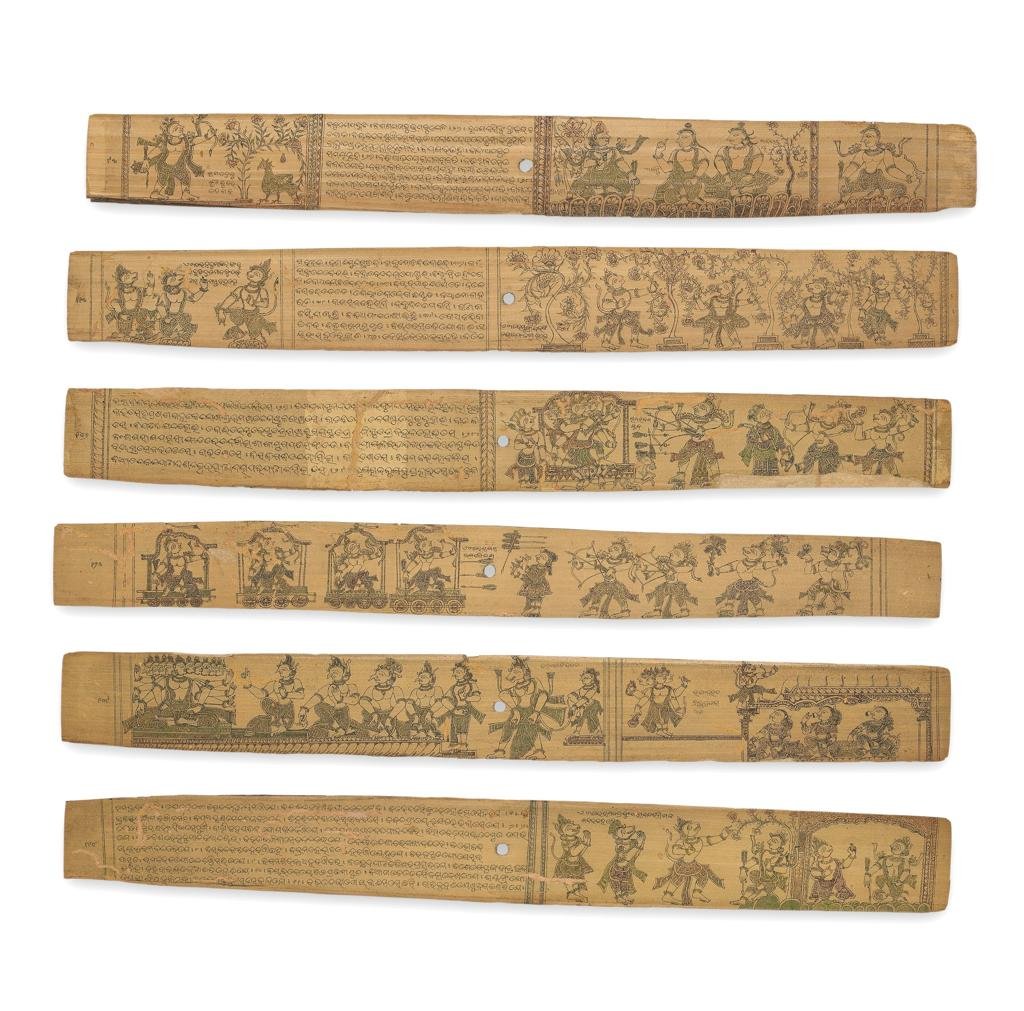
    One Story, Many Indian Languages

    The Ramayana is not represented by only one text in India.

    As the story travelled across the country, poets and scholars retold it in their own languages.

    This created a remarkable literary tradition.

    From:

    🇮🇳 Tamil Nadu
    🇮🇳 Andhra Pradesh and Telangana
    🇮🇳 Karnataka
    🇮🇳 Kerala
    🇮🇳 Bengal
    🇮🇳 Assam
    🇮🇳 Maharashtra
    🇮🇳 North India

    the story of Rama received new literary voices.


    Tamil: Kamba Ramayanam

    One of the most celebrated Tamil versions is the Kamba Ramayanam, composed by the poet Kambar.

    Kambar did not simply translate Valmiki’s Ramayana.

    He recreated the story in the richness of Tamil poetry.

    His work became an important part of Tamil literary culture.

    https://images.openai.com/static-rsc-4/kHCx9cylkuC98oCDIxzIb8McQzxntgUzz6VOSt8GPjoQoEzjRnqQ8gtb-l-PeDjhafYA8GYG87QWzQPKToyV36z6-paNgHYjedYdGgEhoIb69Gy389cogVhTNkWVxJ6Plc46xCV6eTAGZgBBD7UCdxtESf9VLw_oT27MGMfCPW91Oa-07qm29xEDrzVhyMxC?purpose=fullsize
    https://images.openai.com/static-rsc-4/hbOLxnRZ8jUgS1iwwRMjulTChDlzLlYFVNlgPUbx1eiN4rYHgyhkUgyNisMi2rHtMnrNGV5Bf2_EC6k5lloj67GazyCel82EB1X3xe4HHNqtMXBBngxDwIHANB9MrRF70RutrYC-MFAtYpednrWNNOb4RgEfQG195NasoWqsNYStToo30PX4fPlcYuW7qZIn?purpose=fullsize
    https://images.openai.com/static-rsc-4/JbNh7FChoqiptfuQtvx6bNjsEtFJlRtdUFoJ6roA6twSpLVwziSsUFE1E5SB86YpIgH_gPRZhpQesAHDemKAt57kzykquS4o9YP_uTrD0NPtxirfLJczwTQNaxC4hoi2zzqjTtdEmwe_uM-A8B8UgYoj_nRUwGfnflJmK2wUcaSqX4Hqx3hgc5iXjSQ6KPyQ?purpose=fullsize

    The Beauty of Tamil Poetry

    Kambar’s retelling is famous for its poetic richness.

    Scenes of:

    🌳 Forests
    🌸 Nature
    ❤️ Love
    ⚔️ Battle
    👑 Royal life

    receive detailed poetic treatment.

    The Ramayana therefore became not only a religious narrative but also a major work of Tamil literature.


    Telugu: Ranganatha Ramayanam

    The Ramayana also became deeply rooted in Telugu literary culture.

    One important Telugu tradition is the Ranganatha Ramayanam.

    Telugu poets and performers developed their own ways of presenting Rama’s story.

    The epic became accessible through:

    📖 Poetry
    🎭 Harikatha
    🎵 Musical storytelling
    🛕 Temple traditions


    Telugu Folk and Performance Traditions

    In Andhra Pradesh and Telangana, stories from the Ramayana have traditionally appeared in many forms of storytelling and performance.

    Characters such as:

    🏹 Rama
    🌸 Sita
    🐒 Hanuman
    👑 Ravana

    became familiar figures in popular culture.

    The story could therefore move beyond books and into public performance.

    https://images.openai.com/static-rsc-4/mHSB0DPNRUOsbHjp_jKTZsxZxKWpyMeJZ_46s4hvU5RMpqmWK7qzAHLDhWGeKVLNTDbh_RoTnIT9IZRdaKzXHSc-0IcC7w88hvFMapIALkD1_Srq-0P39gzlNFfAn56LtDWjkQtF7l7Y4RlpCfUHrdiX0b7og7-C1-Ujd8IgCv-Za17LHjAzIMTooLU5n9mx?purpose=fullsize
    https://images.openai.com/static-rsc-4/raCoYWbn_myPnYCd5_lxaoxpeuYCQAoDv_IGhJwBjVnXZ3wOt21d0KdEPy5Wbp12NjKHwb1dBGCCh8QDtcBiEBdi9Ze23sUJJp9ubjcJdj5DBvYm73paimbK8eAY4T5QdCkmZ3XxrwLmPfSKyit3wE0L_RKVB9WEUiy2iHYvrqo4DhfGG51aIUkJXgUlPPvc?purpose=fullsize
    https://images.openai.com/static-rsc-4/5Wz3L0pV5fkep8vItZ3W9P1vq2AGDvy0pi4CCgwW3N6Gy2vEdLTTu6W4o39-L3rZyerjD84-EC4ewy3s4cY8HD_-IQ2pQiE1sPRx-OKbgV3ixWCY3Vn1Nh24HiBNEaLGI6DpeZTqGghq4qyLbDmpTcyUSWRSOiK0LnAVCNdbbdWp2zdHZHAS9xtkBVvTXKzb?purpose=fullsize

    Kannada: Torave Ramayana

    Kannada literature developed its own important Ramayana tradition through the Torave Ramayana, traditionally associated with Narahari.

    It became one of the significant medieval Kannada retellings of the epic.

    The story was expressed through the literary style and cultural environment of Karnataka.


    Ramayana in Karnataka

    The epic also entered Karnataka’s performance traditions.

    It could be experienced through:

    🎭 Yakshagana
    🎵 Musical storytelling
    🛕 Temple culture
    📖 Kannada literature

    This created a strong connection between the written epic and popular performance.

    https://images.openai.com/static-rsc-4/o0MmkcV7EiPhZI3zdL05t_u75LMnOGcvCA_7cOD4LLRseMxDaZSHrKwE41XJfS7lQf07N6ch0LtKSRPX0ToHzfukpoGsfESMAcgCqsdGZ6LmSTWkc7Y9bBZ0TEKLLyO7mY8P85gcWrblgnQO3JHBIcqQ2Z5nwXOM2rImDMavl4U34AA-RPY6mLx56geTaWsb?purpose=fullsize
    https://images.openai.com/static-rsc-4/zcTdybVeID69XY-p-HM81CZ0xMRA7MohoU-fhmZX_E--5ZXH1bG6mcp0r2a9wTyeRmUKH7KWIusU3_rQ5BKrpNa3llv2dP2SLLMslDLiNnOnINQdHeqjRYmWsqqQcpKwitCGLRKkKOVuJsZ7xOX2kc19OCCzkeyl6oFDV6mW8PoRFWP7bTSVj_glxy1CgcE5?purpose=fullsize
    https://images.openai.com/static-rsc-4/FVdcjcctm8zmWYlffut2XNuFu2UgT_u3yNs_tpABvwPsnMwp6Ldn44-6qurrrCINtd1pxd56zdd_3Gj8LkYNxELGHQsZfEehoI3ElSH2TX5U7MQL-QMJRnginO5ySA6uFfM9kngQvezowoxnlnnV74prlVAlRB3RCwPSIxY_6EWgETFS1kL6sIBQhpiexBhG?purpose=fullsize

    Malayalam: Adhyatma Ramayanam Kilippattu

    Kerala has one of India’s most influential Malayalam Ramayana traditions: Adhyatma Ramayanam Kilippattu, associated with Thunchath Ezhuthachan.

    The work became deeply connected with Kerala’s cultural and devotional life.

    The Ramayana is traditionally associated with the month of Karkidakam, when many Malayali households read or listen to the text.


    A Household Tradition in Kerala

    The Ramayana in Kerala is not limited to temples or scholars.

    It has traditionally been part of family and devotional life.

    People may encounter the story through:

    📖 Reading
    🙏 Prayer
    🗣️ Recitation
    👨‍👩‍👧 Family traditions

    This demonstrates how an epic can become part of everyday cultural life.

    https://images.openai.com/static-rsc-4/DGz7KJH5LwRmM9RHmc7qP5Tds3_vjNo-k8QD1zS23vGnywEHBoOnN0TpHECpo_DfxnIxBPlnwvm9Vx5dMWesEw6oayugdF9r37SzaUdGLrt_s27IB5A9atHUDDttzq41yaw7zwPuEHG5pitoPWL2ITX3Qw0RDT0lGpViXhkmViHOOjrRGVyV0ZsQYw8z7CBf?purpose=fullsize
    https://images.openai.com/static-rsc-4/rMHU_KHxoXRvg3CjHDvS9c6i-Onx2ObI9hUaUeJyCXzk7SEKn0FBfq76SwlmnxT6SeYHBFTVriJi9UJsNonamIDNREus3YTZLNmUNRGwym-_4hePkdVxffBAUYf726ih0QYRj5-CTFzkOOCZ6HeRgWLTcYh-dnkV-APdBCo_jZ9ldZTpzPN_TUMjnziKVP2D?purpose=fullsize
    https://images.openai.com/static-rsc-4/TXc9ZI43TEmvZZaFSNdDuNHkrV3d7YOM-Bzz0NlEtLtn4jaPY2JLeU8g2psiFOi_wzvwpMSGkHtT5iBLRw6Kg88voQPULGRCInC9oosqaRLDlE3Zl0vnARLSo5meoCmPxCNlTSBoAS8ZzavqyJ7AJ0ZfAEKM-Fvc2DBQycJxdq5-rXdVLcuAymZvenlPe1Z9?purpose=fullsize

    Bengali: Krittivasi Ramayana

    In Bengal, the Ramayana became famous through the Krittivasi Ramayana, associated with the poet Krittibas Ojha.

    The Bengali retelling became highly influential in the region.

    It presented the Ramayana in a form accessible to Bengali-speaking audiences.


    A Bengali Rama Tradition

    The Krittivasi tradition contains distinctive Bengali cultural elements.

    The story became part of:

    📖 Bengali literature
    🎭 Folk performance
    🎨 Art
    🙏 Devotional culture

    Once again, the Ramayana became something more than a translated text.

    It became part of regional identity.

    https://images.openai.com/static-rsc-4/wG248xA16Tfuu9H-Nf4I7hi-KbQ_kRpx6KcO2x2dx0iEaWNtUyKCLR0ngHAR8uGaXeQURHnWuO6l2Djm7s6LAKzCIuv5Ia-Y8cO09U7Tv7rhmvTuJefC0q60a7Bpbij-VqxGbIfm0oQFvqgNp-rYAIBJSeK4bnonmCTB7O_IGsx92KtcixRFDS4Jg-dS8BzH?purpose=fullsize
    https://images.openai.com/static-rsc-4/WfqHlg3zFEUqOVhLgui86cEuFe8383crWef5EbeJFvE1HLQv0GtJ0L1ff3SUMyM0yswIc190ScApYs1VmmXDGQqzGKmLIrp2715Wz48uGiP1dynEB1ZQcaaI4QccZpYVyQcuvgddTbn3A9v0wMRJPePito2IgKaNpMh0hEVBRyjAysFA7pLVSAhDbUgMAgWC?purpose=fullsize
    https://images.openai.com/static-rsc-4/9ocx8Z0MEsUGVH2Vo7yykDY3MjvW-PtfFMaxtJB3PdGpSLxsISfM6IaXehhHnGp8C2cryDtecvf8qUHP7piEaL7qG7C6hIFHoal2Wqov89K7TlExZV0YBmIIrk8v-1r-iR7ZmkUCPaTe3sZmTEyMGUjDWr_uLQFZpo17qwcf7amsIZXQ3VPx6UhsrfgRbb4W?purpose=fullsize

    Assam: Katha Ramayana

    Assam also developed an important regional Ramayana tradition.

    The Katha Ramayana, associated with Madhav Kandali, is among the earliest major vernacular Ramayana retellings in Assamese.

    Its significance lies in bringing the epic into the Assamese literary world.


    Ramayana and Assamese Culture

    The story became connected with Assamese literary and devotional traditions.

    Through regional language, the epic could reach audiences who might not have encountered the Sanskrit text directly.

    This is one of the most important functions of vernacular literature.

    It makes a great story accessible to a wider community.


    Marathi: Bhavarth Ramayana

    Maharashtra developed its own influential Ramayana tradition through Bhavarth Ramayana, associated with the saint-poet Eknath.

    The work helped bring the story into Marathi literary and devotional culture.

    It also demonstrates the important relationship between:

    🙏 Bhakti
    📖 Literature
    🗣️ Popular language


    North India: Ramcharitmanas

    One of the most influential regional retellings is Ramcharitmanas by Tulsidas.

    Written in Awadhi, it made the story of Rama accessible to a vast Hindi-speaking audience.

    The work became enormously influential in North Indian devotional culture.

    https://images.openai.com/static-rsc-4/xGC12Kw8cfswE0ZvIcW16oBUbpTqApb6PKb04u1VrC4aL9kvJ11s99wVG8GeJ2F1CstEv8ZFKa8ECac_2nZICJ281I38UPGA-oyebr6I-FsfP_c0mXl6SJUlXNj3fv58u8z7H2hkcsInV0LLPy3VywsFbHIp2bRyly08817uV6C7wCh90nneRw8RJaY2uokq?purpose=fullsize
    https://images.openai.com/static-rsc-4/-78EBtQNa9oR03SX62Za-J2GBoWL2P89e7ZrMpA_MzADrer_29XUS_2WqttIuJc2OrYysMzi8dhsKvJchQh3ocDApkQwiwvah0MVUWZngUN24C6wOA3PWissJM96ApCDAaS6zgjLV6N7I5kt6g9u_1Socg7zZZT-MDbA_0UDnE6McQN-Rl5Fg8_xXHWOQha2?purpose=fullsize
    https://images.openai.com/static-rsc-4/5cheB2KjpkmIVfXkj1akFKT9xvGaTBPoxI7VLyXhgkdnDAfLPBToy6QbSLLycn27-XyFWul-Sq90heaOZhb4pGPcwFv2sChf91qonJytfQkmV6sMErqBsTP_1Tj7qhjKLR-bFwW8-fLnC9BUrFiOmShVIbvi4ympNcDVnk11TScUDub_xaDTn6TuU6mIWStg?purpose=fullsize

    Ram Lila

    The influence of Ramcharitmanas extends beyond literature.

    It is closely connected with Ramlila, dramatic performances of Rama’s story held in many parts of North India.

    During these performances, communities gather to watch episodes from the epic.

    The story becomes a public cultural experience.

    🎭 Drama
    🎵 Music
    🙏 Devotion
    👨‍👩‍👧 Community participation

    all come together.


    Why Regional Versions Matter

    At first glance, having many versions of the same story may seem confusing.

    But these versions reveal something extraordinary.

    India’s literary traditions are incredibly diverse.

    The Ramayana could speak through:

    Tamil poetry.

    Telugu literature.

    Kannada storytelling.

    Malayalam devotional writing.

    Bengali literature.

    Assamese poetry.

    Marathi bhakti.

    Awadhi literature.

    The story remained recognizable while the language and cultural expression changed.


    Translation or Recreation?

    It is important to understand that many regional Ramayanas are not simple translations of Valmiki’s Sanskrit epic.

    Poets often:

    ✍️ Added new descriptions
    📖 Expanded certain episodes
    🙏 Emphasized devotional themes
    🎭 Adapted characters
    🌏 Reflected local culture

    This process created genuinely independent literary works.


    Different Languages, Different Emphases

    One regional tradition may emphasize Rama’s divinity.

    Another may focus strongly on his humanity.

    Another may highlight Sita.

    Another may celebrate Hanuman.

    Another may give greater importance to devotion.

    This variety makes the Ramayana tradition extraordinarily rich.


    The Same Epic in Many Voices

    Imagine Rama’s story being told in a village in Tamil Nadu.

    Then imagine the same story being sung in Kerala.

    Then performed in Karnataka.

    Then recited in Bengal.

    Then staged as Ramlila in North India.

    The language changes.

    The music changes.

    The costumes change.

    The artistic style changes.

    Yet the basic story remains recognizable.


    A Literary Map of India

    The regional Ramayanas create a fascinating literary map.

    RegionImportant Ramayana Tradition
    Tamil NaduKamba Ramayanam
    Andhra/TelanganaRanganatha Ramayanam
    KarnatakaTorave Ramayana
    KeralaAdhyatma Ramayanam Kilippattu
    BengalKrittivasi Ramayana
    AssamKatha Ramayana
    MaharashtraBhavarth Ramayana
    North IndiaRamcharitmanas

    This is only a selection.

    India contains many additional regional, folk and tribal Ramayana traditions.


    The Ramayana Is Bigger Than One Book

    This may be the most important lesson.

    When people say “the Ramayana,” they may be referring to very different texts and traditions.

    There is the Sanskrit tradition associated with Valmiki.

    There are regional literary versions.

    There are oral traditions.

    There are folk performances.

    There are temple traditions.

    There are modern adaptations.

    Together, they form a vast cultural universe.


    Conclusion

    The Ramayana did not remain confined to one language.

    It became part of India’s enormous linguistic and cultural diversity.

    From Kambar’s Tamil poetry to Ezhuthachan’s Malayalam devotional tradition, from Krittivasi’s Bengali retelling to Tulsidas’s Ramcharitmanas, generations of Indian poets gave Rama’s story new voices.

    🇮🇳 The Ramayana is not just one book written in one language — it is a living Indian tradition that has been continuously recreated in hundreds of literary, artistic and cultural forms.

    In the next part, we will explore the lesser-known folk and tribal Ramayana traditions of India — stories that exist outside the famous classical texts and reveal some fascinating alternative versions of Rama, Sita, Hanuman and Ravana.
  • Ramayana Part 49: The Ramayana Across Asia | How Rama’s Story Reached Beyond Southeast Asia

    Ramayana Part 49: The Ramayana Across Asia | How Rama’s Story Reached Beyond Southeast Asia

    In the next article, we’ll explore how Ramayana traditions appeared in other parts of Asia, how the story travelled through cultural exchange, and how different societies adapted Rama, Sita, Hanuman and Ravana into their own literature, art and performance traditions.

    https://images.openai.com/static-rsc-4/GT1a4vzDCw9H-1jSRMJckHchAT_mfKS_A-ZuEmXlg_OPpAS-FDzuXfuW4ge0aWS_je03JLWWolZW_-2NXjNwLvop_73L9UOcJJPG2z7KxT1n7XO8aTmIfWrXGPu2IdgRIOB7Rgmm_8Ts2amVFFiRgQdTAxNVi5aG2IRprgGu_CDHoLlkvKsxTz7pl-5dDxCt?purpose=fullsize
    https://images.openai.com/static-rsc-4/A97eU0HN1Diw6w6-4vpY-2WFMhFa954SFoZ8vSo6R7RTXTVB8fjXux4LGw1HSVMwTHXn34wZgad2W_63XJEP1H1WTdfz1ruI6Q5xAomuH07QQAwbUin4j5Vf2A7zvBwvKVdGcr5nZxSm0R8HD_LRxlh5obSzlXqYbuY9qy1cvAeYUDychXITwBMREKEKvxOV?purpose=fullsize
    https://images.openai.com/static-rsc-4/kA0LllCN_vwR8Iym8MKiGmPuMbjG1K86AdcRTX4Ap27HTG7J3xFb9lkmMe7u_TyCZpI3UxiIEcY7PtDnOmPjGyFy9CtPzon6V_O52DDeUHZKdzmBk2QR0iayG34rRDa3iBEWZBJ9JQGEHa-1tOV8L3ak9cgvPAdW_zPayQd6bUK4HekSP34dPaM0gmIVPAQi?purpose=fullsize

    A Story That Kept Travelling

    Our journey has already taken us from India to:

    🇹🇭 Thailand
    🇮🇩 Indonesia
    🇰🇭 Cambodia
    🇱🇦 Laos
    🇲🇲 Myanmar

    But the cultural journey of the Ramayana does not end there.

    Across Asia, the story has been adapted into different languages, literary traditions, religious settings and performing arts.

    The characters may receive different names.

    The details may change.

    But the basic story remains recognizable.


    How Can One Story Have So Many Versions?

    The answer lies in the nature of oral and literary traditions.

    When storytellers receive an old story, they often retell it in a way that makes sense to their own audience.

    A travelling epic can therefore acquire:

    🗣️ A new language
    🎭 A new performance style
    🎨 A new artistic appearance
    🙏 New cultural meanings
    👑 New political associations

    The Ramayana is an excellent example of this process.


    Rama as a Cultural Hero

    Across different traditions, Rama is generally associated with qualities such as:

    ⚖️ Duty
    💪 Courage
    🙏 Loyalty
    👑 Leadership
    ❤️ Responsibility

    But different cultures may emphasize different qualities.

    One tradition may focus on Rama as a king.

    Another may emphasize him as a heroic warrior.

    Another may present him through dance and theatre.

    This creates different cultural interpretations of the same broad figure.


    Sita Across Different Traditions

    Sita’s character also changes in presentation as the story travels.

    She may appear as:

    🌸 A devoted wife
    👑 A queen
    💪 A strong woman
    🙏 A symbol of dignity
    ❤️ A central emotional figure

    Artists have represented her through paintings, sculpture, dance and theatre.

    Her story remains one of the most important parts of the Ramayana tradition.

    https://images.openai.com/static-rsc-4/J0rqjUEhetbVMyVSlYKU8oeMa7JjHSXkHJCgCWJpXuA0j08GeLmY5tsLIX0XoQKOtMLH79aNBS2rhb5gLtyide7ReK5ZaaiGbugN6wICb3c-676h8qQBaOpo3VGpQxPQnmjhvd7Nh6PW731SH8mtwzoam9c2qwVBPNGIhLjQxRlY4ey6W7QWAYDfV7Sc_EiH?purpose=fullsize
    https://images.openai.com/static-rsc-4/p9Tb4l45CZFpNBPK-MIMURqqlGjTCnuPo14KZIbofbldQRWu9gwrkEzGhiJdj43tnt5uW9RoIhA9vM-NTI6j28tyvxaoJOpbxpK2ZWaIAXgRjE3Y8GzZZBxVQzT8krxBT9NB5ezjKbiDCMDD0nQd8_k-EKUt-MUqGvQc1F3CgZJtP7xH1OOGoI1Kh9cFTqoW?purpose=fullsize
    https://images.openai.com/static-rsc-4/uP8OgP2aqtKX3qvnGAoYOCY05r9T4n_w9OFSFmHI17r0zxXK1zv2enDuknezwhdpoEYBNq8fY18NFujaS6SnapcL0OkU9SeCjknjvcLnJi6YaHW4h7phrxqpBIOL2l8SBH3rk3eQU54XhqAwpAkrSNeTKrrVzxRpnAwhcwZtPZiBbSkr72NGaOhMr5ObfOC_?purpose=fullsize

    Hanuman Travels Especially Well

    Hanuman may be one of the most successful Ramayana characters across Asia.

    Why?

    Because his personality combines several qualities that work extremely well in performance:

    🐒 A distinctive appearance
    💪 Extraordinary strength
    🧠 Intelligence
    🙏 Devotion
    😄 Humor
    ⚔️ Action

    A dancer can portray him.

    A puppeteer can create him.

    A sculptor can carve him.

    A painter can give him an entirely new appearance.


    Ravana in Different Cultures

    Ravana also changes visually as the story travels.

    His traditional image is dramatic enough to inspire artists across different cultures.

    He can be represented as:

    👑 A powerful ruler
    ⚔️ A formidable warrior
    🔥 A dangerous antagonist
    📖 A complex literary character

    The appearance may change, but his opposition to Rama remains central.


    The Ramayana Through Dance

    Dance became one of the most effective ways to preserve the story outside India.

    A dancer does not need a large amount of dialogue to communicate:

    🏹 A battle
    ❤️ Love
    😢 Separation
    🙏 Devotion
    👑 Royalty

    Body movements, facial expressions, costumes and music can tell the story.


    https://images.openai.com/static-rsc-4/xYcna3mN-8jStTcZSIo__3AxGQyMizp0yKij8xbsdCDDkLgkZSk5vQ4H-0busYpllN0jGBoFfc1CQAS7dQBg2WMrOU1nv03PJfGHTI2EUQ0ieW0d_4N3YEumTLArTQ80xFUlmmG24gsMhfQMifSERwxagx7Plm3NvPhBGyGihRSTkuyP9-X0_KfDXCs9V705?purpose=fullsize
    https://images.openai.com/static-rsc-4/tGR1FnP0iZhld0kU5lz2IlzA7OHxxyy1VkiaqWaUJNh4Vs1RIWLGSFsbUw5sqoHoBZVSLM8yiDljRWN67SyjZ3Tx0O9QFcADb44TnP2D65dVi5hl7gkoLdh2NT2zohUAo2-RCv8VirO-lDVJVE_dRGmyS8myXDE_VBBbzvjoVo3G41Lx1u_GGTX61oBAuuUV?purpose=fullsize
    https://images.openai.com/static-rsc-4/tMSjsWEw0LN5KPD1EAiRcUbe8tQrrREI-31EeegMoj4X4W2_hYFJ-y7qqJZYNzm3Kugss7k-CJgt7aHie5LOLyZfgi5U0gaFN52onYNNIShleayYuqs3kPY9mNe7_pkxE5f3Ft5kyUdOap8jI_3g3gRNJawPMR_lIWzmc7vrHCMNaiVFPagPI4-0fz3YP9Jm?purpose=fullsize

    The Ramayana Through Puppetry

    Puppetry is another important storytelling tradition.

    Indonesia is especially famous for Wayang Kulit, but puppet traditions across Asia demonstrate how epic stories can be transformed into visual theatre.

    A puppet can become:

    🏹 Rama
    🌸 Sita
    🐒 Hanuman
    👑 Ravana

    The puppeteer then controls the characters while narrating the story.


    The Ramayana in Architecture

    The story also travelled into stone.

    Temples and monuments across Asia contain artistic representations of epic narratives.

    Some of the most famous examples include:

    🛕 Prambanan in Indonesia
    🛕 Angkor Wat in Cambodia
    🛕 Wat Phra Kaew traditions in Thailand

    These monuments demonstrate that the Ramayana became part of architectural and visual culture.

    https://images.openai.com/static-rsc-4/y5Q3LDu5KDweuzsD4XVLKUO2FIA9xYnKlHVoH4Y2mk6_4LONL1ywcxTpBVnHOq27rdxbivllojkjRdYs24yYu2almlk77BMB7ZgoPg9xKnldRBlqdsysejg_IDmUSSJGVNDvMpxBwZnoIj8tV_vPFfyNhbpG8Ew6S0aCNj1AhI071CzpkiShU3qU2XOyhbfA?purpose=fullsize
    https://images.openai.com/static-rsc-4/b7fyY4Usc4S46fWvue7cNjoiRR2Sc4rj5G7WeIBl6FyVVl65TxflC6dLKRlkId4aPh7giFmG5z8Jcl6YwMA740iXQC8NQ4XASf9NFNHd_qz_pEvl0Rk9vwwJJ7aiM5XgOvqirk8R8GmYB4kIGDI-rEmOkxrItLLgRlpLcWtA6JCLu17NtV7i7oBJEMUAuqJm?purpose=fullsize
    https://images.openai.com/static-rsc-4/yUDzNOdzB3zHMg4JvtmxwasDA3eXxM8kbNqkOWPMYW7LTStwqLyo6dNvYRy1jZf435HX8XfSiX5-QzcFpp58AG7q2cKwAV8nrarPsAo5fwk8x1aQj1MfCa9qBaJA7i3oqTYD0DzjVoyhWby5nL8FDpyr7JLgK9OkE8EIkg0QLnaCAchHj7b1DxMucPN7zK8z?purpose=fullsize

    From India to Southeast Asia

    The movement of the Ramayana was part of a much larger history of cultural exchange.

    Trade networks connected communities across the Indian Ocean.

    Religious traditions travelled with scholars and teachers.

    Royal courts exchanged ideas.

    Artists and storytellers adapted narratives.

    The Ramayana was one of the stories that moved through these networks.


    The Story Changes Without Disappearing

    This is one of the most important lessons from the Ramayana’s Asian journey.

    A story does not have to remain identical to remain recognizable.

    The Ramakien is not exactly the same as an Indian Ramayana.

    The Reamker is different again.

    Phra Lak Phra Lam has its own identity.

    Yama Zatdaw developed its own Burmese characteristics.

    Yet all remain connected to the larger Ramayana tradition.


    Why Cultural Differences Matter

    These differences should not simply be treated as mistakes or deviations.

    They show how communities make stories their own.

    A Thai artist paints the story according to Thai artistic traditions.

    A Cambodian dancer performs it according to Khmer movement traditions.

    An Indonesian puppeteer presents it through Wayang.

    A Lao storyteller presents it through Lao language and culture.

    The story becomes a meeting point between cultures.


    The Ramayana as a Cultural Bridge

    The epic therefore provides an extraordinary example of cultural connection.

    It connects:

    🇮🇳 India
    🇹🇭 Thailand
    🇮🇩 Indonesia
    🇰🇭 Cambodia
    🇱🇦 Laos
    🇲🇲 Myanmar

    And many other communities that encountered the story through literature, religion, art and performance.


    What Remains Common?

    Despite differences, certain themes appear repeatedly:

    ⚖️ Dharma and duty

    Characters face difficult moral choices.

    ❤️ Family and relationships

    The story places enormous importance on family bonds.

    🙏 Loyalty

    Hanuman and Lakshmana are powerful examples.

    💪 Courage

    The characters repeatedly face dangerous situations.

    👑 Leadership

    Rama’s role as a ruler remains an important theme.

    These ideas helped the story survive across cultural boundaries.


    The Ramayana in the Modern World

    The story’s journey continues today.

    Modern audiences can encounter Ramayana traditions through:

    📺 Television
    🎬 Cinema
    📱 Digital media
    🎨 Contemporary art
    🎭 Theatre
    💃 Dance
    📚 Books

    The ancient epic continues to find new ways to reach new generations.


    https://images.openai.com/static-rsc-4/BXbI_e3izJfHHGp4jYyC-TKc_8JYptkfHqvWy2-UKcmUQj4AA5jnxgYzW6f9NRwJR2bA04isj_ekIFE6B7kiwEZZTbzDuBruvaJXFIuLQWVjFaC1hG0N_mJBRGerZohLP3HvsHXJ8StXx7CtoUilCDHrQHdyS0HqkufLs9L8KVIDuje9VPcTCFlo2pivrzyz?purpose=fullsize
    https://images.openai.com/static-rsc-4/36C2QKI6gF7865uu-qIBAoqsQDUSbJjkwM0CO8DI2ounXfVUXU20r6DA5B6sOnDrriiA6ZrusbLibHfDvof_w0h63AQeneliOCeXp5n4mIHryKX6kqLsLWUavs8QzwZmVc1sUE7lePUUMgA4KtLkBd6JFFv4ttdAh3RqDIdZZH8g1JVbcS9_m1wOdbE-xLj8?purpose=fullsize
    https://images.openai.com/static-rsc-4/QCveuHoy1N9SwSWbpXZXtKjZgfXRpDNM4ySw7-zY4cnAio3RMz6d_KL-bFswMcSG6uPop3o3hFM2_jYQKpI4EoEuOENHG1k49127zKpST1VzZOS4bGfetefp2vzpydMNij608ojNBxM5bnzBozqnxsT7k5fiY1M7nLlYAqy-zs4IDXKn-PCpghC7F7gdohkX?purpose=fullsize

    One Epic, Many Cultural Voices

    Perhaps the most beautiful part of the Ramayana’s journey is that there is no single visual appearance that represents the entire Asian tradition.

    Rama can look different.

    Sita can wear different clothing.

    Hanuman can have different costumes.

    Ravana can appear in different artistic styles.

    And yet audiences can still recognize the story.


    Why This Journey Matters

    Studying the Ramayana across Asia helps us understand something bigger than the epic itself.

    It teaches us about:

    🌏 Cultural exchange
    🎨 Artistic adaptation
    📖 Literary traditions
    🎭 Performance
    🛕 Architecture
    🤝 Connections between societies

    The Ramayana becomes a lens through which we can understand Asian cultural history.


    Conclusion

    The Ramayana travelled far beyond the land where its earliest major literary traditions developed.

    As it moved across Asia, it encountered new languages, religions, artistic traditions and societies.

    It changed.

    But it did not disappear.

    Instead, it became:

    🇹🇭 Ramakien in Thailand
    🇰🇭 Reamker in Cambodia
    🇱🇦 Phra Lak Phra Lam in Laos
    🇲🇲 Yama Zatdaw in Myanmar
    🇮🇩 Javanese and Balinese Ramayana traditions in Indonesia

    🌏 The Ramayana’s journey across Asia is not simply the story of one epic travelling from one country to another — it is the story of cultures meeting, adapting and preserving a shared narrative in their own unique voices.

    In the next part, we will return to India and explore another fascinating subject: the Ramayana in Indian regional languages — how Tamil, Telugu, Kannada, Malayalam, Bengali and other traditions created their own powerful versions of Rama’s story.

  • Ramayana Part 47: Phra Lak Phra Lam | The Ramayana Tradition of Laos

    Ramayana Part 47: Phra Lak Phra Lam | The Ramayana Tradition of Laos

    In the next article, we’ll explore Laos’s unique Ramayana tradition, Phra Lak Phra Lam, the important roles of Rama and Lakshmana, how the epic became connected with Lao Buddhist culture, and how the story continues through Lao literature, temples, art and traditional performances.

    https://images.openai.com/static-rsc-4/_0xUJVzEDmiPyQMNiiptdUPYI-UP0AITzv3K5isIDNawi6MmzhIRFUnE6FgHLMx_fxb6ir0kmZit_atHV8_CEu1X36cD15KkyI9VuvRJ3MvLEV_zGhi9cDynMGudfZzEM3G7MuNEHXM0BhOvED4ry2wZvf5s1AnbBUjmhWDUQdrC3MPhfdPzp_gMfpifo-_A?purpose=fullsize
    https://images.openai.com/static-rsc-4/M0b4WH2wAaudzQdxyNmpTV8_SCkY0TnjyhEHIiWHM3m4W59MQcFor_0STwZ058Jfpfpfv8u1ClxwFCdtyl4xnWFLjQetze_bSCu92SGxHf1-h_QwKow84hfXd6IDfQpvYoTgfBIw81auwJMo-q5hmZNfpAnJPcMfu0-YEqcMSYTI8Lnz_CELY-P0O53ptA9_?purpose=fullsize
    https://images.openai.com/static-rsc-4/6QpFUf3M5pgYGtYiNQdFHMsOAF-Pl2caNqulchq3S7NiNlVh6_LxQzLuksdzQwN1hrlNcoZZYo1WVTmy82hZN4TO8oauzZu3qxbGykEQAlphPBlTtwacNNKOf3iF4ZS5IyciblE4z14fnk_Jw-H5XF736wkptk1AcgQu45YO1zFFJvb0UkaZQbUV9N7HBZml?purpose=fullsize

    What Is Phra Lak Phra Lam?

    Phra Lak Phra Lam is the Lao tradition based on the Ramayana.

    The name itself highlights two important characters:

    🏹 Phra Lam — Rama
    🛡️ Phra Lak — Lakshmana

    Unlike some other Southeast Asian traditions where Rama is emphasized primarily as the central figure, the Lao title places Rama and Lakshmana together at the heart of the story.


    How Did the Ramayana Become Part of Laos?

    The Ramayana travelled through the cultural networks of South and Southeast Asia.

    As the story entered Laos, it encountered a society with its own:

    📖 Literary traditions
    🛕 Buddhist culture
    🎭 Performing arts
    🎨 Visual traditions
    🗣️ Oral storytelling

    The epic was therefore adapted rather than simply copied.


    Phra Lam — Rama in Lao Tradition

    Phra Lam represents the heroic and noble figure at the center of the story.

    His journey includes familiar elements associated with the wider Ramayana tradition:

    🏹 Courage
    🌳 Exile and journeys
    ❤️ Love
    ⚔️ Conflict
    👑 Kingship

    But the Lao telling places these themes within its own cultural environment.


    Phra Lak — Lakshmana’s Importance

    The title Phra Lak Phra Lam gives special prominence to Lakshmana.

    Lakshmana is traditionally known for his loyalty to Rama.

    He accompanies Rama through difficult situations and remains an important companion.

    The Lao title itself reminds readers that the relationship between the two brothers is central to the tradition.


    The Role of Buddhism

    One of the most interesting features of the Lao tradition is its connection with Buddhist culture.

    The Ramayana entered a region where Theravada Buddhism was deeply influential.

    As a result, the story was interpreted through a Lao Buddhist cultural framework.

    This is an important example of how an epic can change when it enters a new religious and cultural environment.


    A Story Told in Lao Literature

    The tradition survived through written and oral forms.

    Manuscripts preserved episodes of the story, while storytellers and performers helped keep it alive among communities.

    Before modern mass media, such traditions were important ways for people to encounter epic narratives.


    Phra Lak Phra Lam in Temple Art

    Ramayana-related stories can also be found in Lao visual traditions.

    Temples became important places where stories could be represented through:

    🎨 Murals
    🖼️ Paintings
    🛕 Decorative art

    Visitors could encounter characters and scenes from traditional narratives in a religious setting.

    https://images.openai.com/static-rsc-4/_0xUJVzEDmiPyQMNiiptdUPYI-UP0AITzv3K5isIDNawi6MmzhIRFUnE6FgHLMx_fxb6ir0kmZit_atHV8_CEu1X36cD15KkyI9VuvRJ3MvLEV_zGhi9cDynMGudfZzEM3G7MuNEHXM0BhOvED4ry2wZvf5s1AnbBUjmhWDUQdrC3MPhfdPzp_gMfpifo-_A?purpose=fullsize
    https://images.openai.com/static-rsc-4/YAMq8-aZhe4M4VxwKOYp1zQWlW1ZW4IUOUgavHo3q9qPUrEI2iOTDcgKIUrlLSoMiUvB0fT3iZheq8Wvac4VibcVVY3YYMYwUc3qekSO4YPSSCoPXa1Vg3sYiF3VhDFHwd6etpGYeC5CEDqtkAqaEk9kOUl9O0E8gaullQubWKYGxVdnt_XfSAMWq5VJMl-x?purpose=fullsize
    https://images.openai.com/static-rsc-4/QuVwuJOguXrh_qv5MMW4gi3SY6FwB_oxWVrNWBdQ6en3t7wRsJbxZKNE-z_DFjkJSzdlc-izWaQo08mlR1Y2DjiSe4vTR1tTYFTKTs7yD_mmz3GcBytVIriVEBK5bFPXSN4dSG_Rwumb6FJ9FPh7h3VMRWzNMQLyoJdnxT8upI97LjE-qRgSiopJuLv7i1_Q?purpose=fullsize

    The Story Through Visual Art

    Just as Indian temples used sculpture and painting to communicate stories, Lao artists could use temple walls to make narratives visible.

    A single painted scene could communicate:

    🏹 A heroic moment
    🌳 A forest journey
    ⚔️ A battle
    👑 A royal court
    ❤️ A relationship between characters

    The artwork becomes another form of storytelling.


    Southeast Asia’s Many Ramayanas

    By this point in our journey, we can see a fascinating pattern.

    India has the Ramayana.

    Thailand has the Ramakien.

    Cambodia has the Reamker.

    Laos has Phra Lak Phra Lam.

    Indonesia developed its own Javanese and Balinese traditions.

    The names and details differ, but the shared foundation remains recognizable.


    The Importance of Local Adaptation

    Why do these versions differ?

    Because stories change when they enter new cultures.

    Local writers and storytellers may introduce:

    🗣️ New language
    🎭 New performance styles
    🙏 Local religious ideas
    🎨 New artistic forms
    👑 Local ideas about kingship

    This does not make one version less important.

    It demonstrates the creative power of storytelling.


    Rama and Lakshmana as Brothers

    The Lao title places an interesting emphasis on the relationship between the brothers.

    Their relationship represents:

    🤝 Loyalty
    ❤️ Brotherhood
    🛡️ Protection
    🙏 Duty

    Lakshmana’s willingness to accompany and support Rama makes their relationship one of the important emotional elements of the story.


    The Ramayana as a Moral Story

    Like other Ramayana traditions, Phra Lak Phra Lam can be understood through themes such as:

    ⚖️ Good conduct
    🙏 Loyalty
    💪 Courage
    ❤️ Responsibility
    👑 Leadership

    These themes allowed the story to remain meaningful even after it entered a completely different cultural setting.


    From Manuscripts to Performance

    The Lao tradition demonstrates how stories can survive through multiple forms.

    📜 Manuscripts preserve the words.

    🎭 Performances preserve the dramatic tradition.

    🎨 Paintings preserve the visual memory.

    🗣️ Storytelling preserves the oral tradition.

    Together, these forms help keep an epic alive.


    https://images.openai.com/static-rsc-4/ZV6Pcxs_5Kmf7aVdcNfoetUxMD03iv5CzJp33mjv5ATkjQQqUceRsGhTPa-WDRQpxnXQul0at9UuyE2yqjMsjgXghcqvvTy57XKdhORmveKbHM5cXxzpHzfMHCwwT0Q_HLar-r2IJh2Dr6yH4AHy3qXSOGjwh-jlGeArVeYY6yolZANa5YCFDIyjNS40fs-x?purpose=fullsize
    https://images.openai.com/static-rsc-4/DqTdrqSAWuJX54O6FPquLmTFpKBaxzSVyr24486LsiVXaaQ9finLK6cdrMUHl6YTsw4HpKRVA4DxOGWk4egXnJV9n8W6KlWflToUkmx96R7imB09cY7FapzXCccowoS1G0NrHIa65ypneDUJfS4kYuMpeDNSurznQ__kaGQhpwt8e00W8UaaGefyB37QeR8X?purpose=fullsize
    https://images.openai.com/static-rsc-4/N_2OdFEb33HS1MCKW1a1wsf_H2qM7Iw-9E364J8aoAnRBYmoPXybhIsH_2omiWnmRFwpKbRu3ChctcFpKDcPnulzwNwoXTI8y4UOcaOgNmDxlwdeJVSYjRjyFNBJEfwA-bQWEtbAW_vpvSBYN9w1UV5ZMAnxya-CmCIWP3Df2aQxuIeVwBvOwDk00Lh3bMp8?purpose=fullsize

    Why Phra Lak Phra Lam Matters

    Phra Lak Phra Lam is important because it demonstrates how far the Ramayana travelled.

    The story crossed geographical boundaries.

    It entered a different linguistic environment.

    It interacted with Buddhist culture.

    And it became part of Lao literary and artistic heritage.

    The result is a tradition that is connected to the wider Ramayana world while possessing its own identity.


    India and Laos: A Cultural Connection

    The Lao tradition reminds us that cultural history is rarely isolated.

    Ideas, stories and artistic traditions have moved between India and Southeast Asia for centuries.

    The Ramayana provides one of the clearest examples of this long history of cultural exchange.


    A Story With Many Voices

    The journey from India to Laos does not represent the disappearance of the original story.

    Instead, it created another voice.

    The same broad epic could be remembered through different languages and traditions.

    India → Ramayana

    Thailand → Ramakien

    Cambodia → Reamker

    Laos → Phra Lak Phra Lam

    Each version adds another chapter to the story’s remarkable cultural journey.


    Conclusion

    Phra Lak Phra Lam represents the Lao interpretation of the Ramayana tradition.

    Its title itself highlights the importance of Phra Lak and Phra Lam — Lakshmana and Rama.

    Through literature, storytelling, temple art and cultural traditions, the epic became part of Lao heritage.

    🇱🇦 The Lao Ramayana shows that when a great story crosses a border, it can take on a new language, a new cultural setting and a new identity — while still carrying the memory of its ancient origins.

    In the next part, we will travel to Myanmar and explore Yama Zatdaw, the Burmese Ramayana tradition, and discover how Rama’s story became part of Myanmar’s theatre, dance, literature and traditional culture.

  • Ramayana Part 45: The Ramayana in Indonesia | Prambanan, Wayang and the Javanese Tradition

    Ramayana Part 45: The Ramayana in Indonesia | Prambanan, Wayang and the Javanese Tradition

    In the next article, we’ll explore how the Ramayana became part of Indonesian culture, the famous Ramayana reliefs at Prambanan, the traditional Wayang shadow-puppet theatre, the Ramayana Ballet, and how Java and Bali developed their own distinctive interpretations of Rama’s story.

    https://images.openai.com/static-rsc-4/SYC89W4KdNovZ-sU-dY35lBf_qxcGPjtehIwECKNwJZzU-RlH7Go2F-GCphkfgV94V-NHHRcCL1l6vcZ46_3NJUfrcglQSYlOCUtpz23CVn1Qyp_9SGry-Wmc91FkdkH_xrmOaoRQiGuCJOmPtKXP2r6zKtAaq5Po2nHWH-6u_1rlUZ1HB-R4uEeIhKbT226?purpose=fullsize
    https://images.openai.com/static-rsc-4/jUmWljfs2CgpBleza37RB6LB7CRvm655lUaf76O1Ea29opw6Hh-u4l1gr0VELdwANRi5fPG5JHucP8vlya60ALMCf078SRQmkD7F8cSh5euBH1ZZiPXhk5euXkyJ3JD3HmcwzTveIuDzYY7MpW4TS6oCtBXSQ_kQlmJSvn9ErXfwGTFW-AfM3hsYwXCSjJ0f?purpose=fullsize
    https://images.openai.com/static-rsc-4/SN5SggsWHJo7NScChihYfZQHiUpPcvCZ3kEQXj5FZhz-RiSpUIyM0HoDzBnuhC79YkBWWNtX9WF1Nw53mZVs5WrOCMlqkyGVwW-vHhaTTN9citt080VlACFwga8FnO3ga0_sTpf1IAjFuoehLW1QgNteIJDEfpPrvwyQ7Bm5y_Jwpik8H0eusSPappI0STcY?purpose=fullsize

    The Ramayana in Indonesia

    Indonesia may seem geographically far from India, but the Ramayana became deeply rooted in Indonesian cultural traditions.

    The story became especially influential in:

    🇮🇩 Java
    🌴 Bali

    Over centuries, Indonesian artists, writers and performers adapted the epic to local traditions.

    Today, the Ramayana can still be experienced through:

    🛕 Temple architecture
    🎭 Dance
    🎨 Art
    🗿 Stone reliefs
    🎭 Wayang theatre
    🎵 Music


    How Did the Ramayana Reach Indonesia?

    The Ramayana became part of the cultural exchange between the Indian subcontinent and Southeast Asia.

    Trade, religious contact and political connections helped Indian literary and religious traditions travel across the region.

    But once the story reached Indonesia, it did not remain unchanged.

    Local communities adapted it according to their own languages, artistic traditions and beliefs.


    Prambanan: A Stone Story of Rama

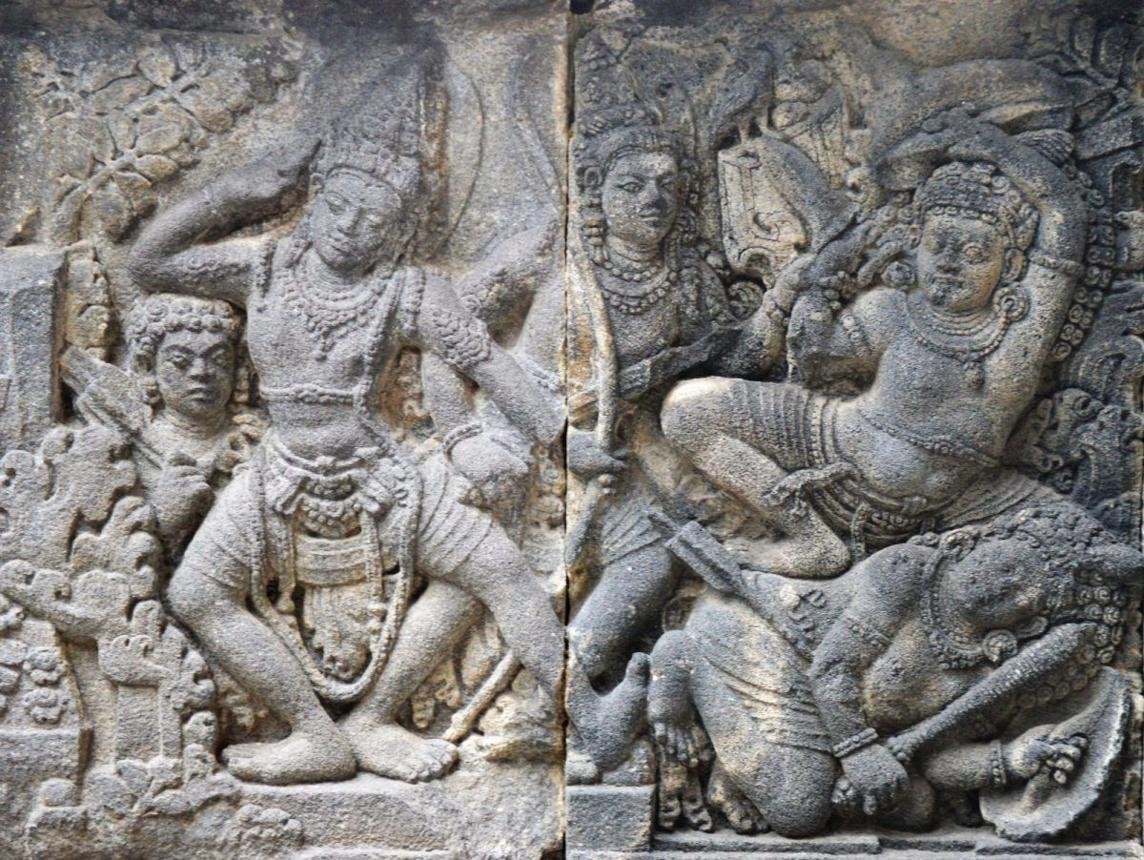
    One of Indonesia’s most remarkable connections with the Ramayana can be found at Prambanan Temple in Central Java.

    The temple complex is famous for its magnificent Hindu architecture and detailed stone reliefs.

    Among these are scenes depicting episodes from the Ramayana.

    https://images.openai.com/static-rsc-4/SYC89W4KdNovZ-sU-dY35lBf_qxcGPjtehIwECKNwJZzU-RlH7Go2F-GCphkfgV94V-NHHRcCL1l6vcZ46_3NJUfrcglQSYlOCUtpz23CVn1Qyp_9SGry-Wmc91FkdkH_xrmOaoRQiGuCJOmPtKXP2r6zKtAaq5Po2nHWH-6u_1rlUZ1HB-R4uEeIhKbT226?purpose=fullsize
    https://images.openai.com/static-rsc-4/pYvw1l10wdzFuFSkqihmC11agfZSJV8XNOpyZVpctMtLfIQQdwR_bSTbsnh3a_sXSiVuOMkCZAQfeFRzkTiSz-nupvinAmRThPPJheI-mNORXw4NpGjPprOny0ALSJqzlMya4TeaEA0-e6jqcUA9CG47ImCaPqHUFtpYZENdkhXT-hcjUi_GKE9m9CLCKdKk?purpose=fullsize
    https://images.openai.com/static-rsc-4/PxEvNKxz_bb8F9foLQRIDkat2JywAS-GbfHkSDKPyEj8Vj5L6KRt-PN6xZwJWLr34z4r3A2v-6mjwOdvHfT4TwmB1El287lzYkr4iBL8cla8SGtG8S5y5n1IuQ0uMce9yRhycwf-W8Mez9GQKOB4SutztHu_XudTHVDHtlxT8JQ9mo1WoyKMDtF6XjgHgmzm?purpose=fullsize

    Reading the Story in Stone

    The Ramayana reliefs at Prambanan create a visual sequence.

    Instead of reading a book, visitors can follow the story through carved stone panels.

    The reliefs depict scenes involving:

    🏹 Rama
    🌸 Sita
    🐒 Hanuman
    👑 Ravana
    ⚔️ The battle
    🌳 Forest adventures

    The temple therefore becomes both an architectural monument and a visual storytelling space.


    The Indonesian Ramayana Tradition

    The Indonesian version of the Ramayana developed its own literary and cultural characteristics.

    Javanese traditions incorporated the story into local performance and storytelling.

    The characters remained recognizable, but their presentation became distinctly Indonesian.

    This is particularly clear in Wayang.


    Wayang Kulit

    Wayang Kulit is one of Indonesia’s most famous traditional shadow-puppet forms.

    The puppets are made from carefully carved leather.

    During a performance, the puppets are placed between a light source and a screen.

    The audience sees their shadows.

    https://images.openai.com/static-rsc-4/H-JGYa0PWfnozuecsy8tp5ObLPZ4TidejH1pDNC2s9wuKPUutCV7cErrrPMVNghxNyaSt4PBdARzhGQq6nHhYacd4XMcXiCJxigW_-k75Hlbgrp2CNEfJqgfNdAjGTIn2wVqp5EdxyITWt6G7KP-fsEqalJPn9t11oKCxkniYJe3bWwRhfLrJ6KYmOYJu6Q3?purpose=fullsize
    https://images.openai.com/static-rsc-4/NSmxKnw95bPfhhJ9Bsfv4p1evPLuIxvTGn8fdcLRpw8lg-SpXTSExEuVbq1iQAWuOTNCMeheYOVNHENl0j6ar8Y5m5U9z9uqiVLkIf7fRioD3m37kIyEx7hU2JfAkTXK720wexdkAu-o0JbYJ1TuoyekGiuMOOJsg23GYPkUE0I6UtMwKmM8urZ2DjNu49zP?purpose=fullsize
    https://images.openai.com/static-rsc-4/cI8xfczEKuXmdMrDEJvwAZfIW_WKBaqkagQ2dtNTyBkQU58IG7coV4HOELyfppA7_I_f1yiwjD6bgk1C9lm2g-4Av2pooobpGuCd6YAqYrJ7xbh4jyW1wgelmFAaZyvHltHXSYCdoaxtljpAcQhpz4Jkad6Hjt6q-5EGoP1QZkRr3Po7K3-okj1PiUp_vsa_?purpose=fullsize

    The Dalang

    The central performer in Wayang is the dalang, the puppeteer and storyteller.

    The dalang controls the puppets while also helping bring the story to life through narration and dialogue.

    Music from the gamelan ensemble accompanies the performance.

    The result combines:

    🎭 Puppetry
    🗣️ Storytelling
    🎵 Music
    🥁 Rhythm
    📖 Epic narrative


    Rama and Sita in Wayang

    Rama and Sita are among the important figures appearing in Indonesian Ramayana traditions.

    The puppets themselves have distinctive shapes and designs.

    Rather than attempting to create realistic human figures, Wayang uses stylized forms.

    The shape of a puppet can communicate its personality and status.


    Hanuman in Indonesian Performance

    Hanuman is especially popular in Indonesian Ramayana performances.

    His adventures provide opportunities for action, humor and dramatic storytelling.

    He may appear in scenes involving:

    🐒 Rama’s mission
    🌊 The journey to Lanka
    🔥 His encounter with the enemy
    ⚔️ Battles
    🙏 His service to Rama

    The character’s energy makes him particularly suitable for performance.


    https://images.openai.com/static-rsc-4/M0Yi7xPTKcb-rvdBkJPsJNoGClQF1JDJJZww9xlzwKz-G5fQHvV-ATe8NnnP60BJmqozIu9Trc_Kt5Easr-DV6yY6liT435yur8ZasHYvgxd9jVOfLIRzY5ZHobtxDwxrJy-l9LKspmchUcY69mv0fwhqHRkVfeL0S0Zs3yp4EhDXgYyQQuce7dTTZfESw0n?purpose=fullsize
    https://images.openai.com/static-rsc-4/q30Wm3uPuOCqKxrNdBxWCLIM_bXhemWYprqlKcRnORswmb6BeAzJbjWNiwNDE_QtcVKannk1tE7k4dzHpWmXMb3jChG9Yepmbfm1WXBiAk9Qhlup6nDTjrXIbkbZ-oCp4xOInGvD--um5Ag8IUvgqKAu59bCcgSkRnlfzVK7cQhNEZYYEdCXSurC9ICy8p46?purpose=fullsize
    https://images.openai.com/static-rsc-4/DfWmm2251gwFT01SjIwxc69PtBKXrnBSPmvEQ6YSEjFbHZ9Mt8nwFiz-tHs7QVuFofPgrwjjOGQK4In5mLGd1p5eRt9k6AfigTIxEoprO2t6IoOzsRTRbDeYAox7dUQUWqeOYX0cBmQ47RiB7tubn6WBuJhpNWQP0Ppy2LMYqHAmcN1G6gmAKzuZLpIs4HV5?purpose=fullsize

    The Ramayana Ballet at Prambanan

    Indonesia also presents the Ramayana through spectacular dance performances.

    The Ramayana Ballet at Prambanan is particularly famous.

    The performance combines:

    💃 Traditional dance
    🎵 Music
    🎭 Drama
    👑 Costumes
    🔥 Stage effects

    The setting near the Prambanan temple complex creates a dramatic atmosphere.


    A Story Without Modern Dialogue

    Dance performances communicate much of the story through movement, expression and choreography.

    The audience can follow major events even when the performance relies heavily on visual storytelling.

    Rama’s journey, Sita’s abduction, Hanuman’s actions and the battle with Ravana can all be presented through dance.

    https://images.openai.com/static-rsc-4/SvxTXq5BRlHsHUvdXfyOvqz1pbax6UyKrrZs0irOkod6G1BdfeYul08rhM248rTVBYxdbe4TOB9UyRhddHKdGq9IdUH2KEbHM_uSSPb5kS-m9HdK9YUZYMMa-eR4mhdmXvbRlmv_cATYF8vbFZwRqZ6ncZ909OW1z-n_qAIrximBEbaTy0ZNhmtHI9LoXzTp?purpose=fullsize
    https://images.openai.com/static-rsc-4/OJcJHCqWekwULbhcHiASAGVQCP96iVjhCM1MitIjjnWdX6-2tBK648Y1J0wko047prJxjnNqTZqP9Yy0FQK1soSVoyN_vs8pWWUEaTiDkHeRpK44m3SE_xeAqngd2AaZbK1O6PFqOUJVveHCoI_jb3gTV_dLLpIHjYchPJcp7YFyu0hyH8BwNZi3KZ6D67Rg?purpose=fullsize
    https://images.openai.com/static-rsc-4/XfIYZzte9ErI55xqrMUWLdijpPgCQL_QZ9-zhEtb-fDSD0fDfzrxsJDzZ7FneRi16E1wSEZY4LOVgxafQFmcXL17VX0WYam3B-HSl13F_inU8a7mwtxuhs7wNRU2o2YysaBfCqqtzsxP4-sj7e55KBMCP3tKK8NUD-HJi3NCKch-vdIf3fCGup58wuPrUcM4?purpose=fullsize

    Java Gives the Ramayana Its Own Identity

    Javanese culture did not simply copy Indian traditions.

    It transformed the epic.

    The Ramayana became connected with:

    🎭 Javanese theatre
    🎵 Gamelan music
    🎨 Local visual styles
    🗣️ Javanese storytelling
    👑 Court traditions

    This created a distinctive Indonesian Ramayana world.


    The Ramayana in Bali

    Bali also has a strong Ramayana tradition.

    The epic appears in:

    💃 Dance
    🎭 Theatre
    🎨 Painting
    🛕 Temple culture

    Balinese artists often portray Rama, Sita, Hanuman and Ravana through highly expressive artistic forms.


    https://images.openai.com/static-rsc-4/8zKk7jlQXINxBJlCJER4adEi802BAx5XtQnYDo3iRSit9W1ZDcj9IUvCVJq0zgYuzjcm3VoOQnsrYxcoXurmo_vQf7SDbI4azXRRf4kbfxN8-BE1n1AoRt-T4XpxIYNlqAhft2_x3HTlSR6u9q1IaekGpAH7mE3CSduJq58BApU1_szRHg5auE7TRYJaP8Zy?purpose=fullsize
    https://images.openai.com/static-rsc-4/LTfvl5LOzFAABKK0UuJcgTQ0Ab8kJ5mo0pqKD5qefRujcCJeoANlak9Z2pkvwQIFqR82_Syx0wNJ_1964iI-jUeHzVEySIcWwLYNPp5AhNMLhS7v39n0SE6l7AJXGAvlxfoez203yv-NapwJesTpdW8tzJG-RPw1k1q4zvr1E_5nML4Ehn9IHUde7B0CRoz_?purpose=fullsize
    https://images.openai.com/static-rsc-4/suwGzYjxP7ozfEtVqHPHO06A0zt6115eG7pF7BerAXoQkEpc0kdtZl5YLD3FUGZwyfjItbZU8Rj_zKhNQe2dhmJxtY2JUIlAP5WfpZfjjmpFKNkHJMVY_g_kDGPhgy1pO6nxsqKODvrcC9Qf5rHYwSNPCdVqDR7_zz8KPpGpvuAhZPZvUPg2G2QaZGkMB7N5?purpose=fullsize

    Ramayana and Balinese Dance

    Balinese dance uses expressive:

    👀 Eye movements
    🤲 Hand gestures
    💃 Body movements
    🎭 Costumes
    🎵 Music

    Ramayana scenes can therefore be communicated through a combination of movement and expression.

    The result is very different from a written epic, yet the basic characters remain familiar.


    Indian and Indonesian Ramayana Traditions

    There are clear similarities between the traditions.

    Both feature:

    🏹 Rama
    🌸 Sita
    🐒 Hanuman
    👑 Ravana
    ⚔️ The conflict in Lanka

    But there are also differences in:

    • Character details
    • Supporting stories
    • Artistic styles
    • Performance traditions
    • Language
    • Local cultural interpretation

    This is exactly what makes the Indonesian tradition so interesting.


    Why Did the Story Survive for Centuries?

    The Ramayana was flexible enough to enter different cultural environments.

    A temple could tell the story through stone.

    A puppeteer could tell it through shadows.

    A dancer could tell it through movement.

    A musician could tell it through sound.

    A storyteller could tell it through words.

    The same epic could therefore reach different audiences.


    The Ramayana as Living Heritage

    The Indonesian Ramayana is not merely an ancient historical subject.

    It continues to appear in modern cultural performances.

    Tourists and local audiences can experience:

    🎭 Ramayana Ballet
    🎭 Wayang performances
    💃 Traditional dance
    🛕 Temple art

    This allows the tradition to remain connected with contemporary cultural life.


    A Story That Crossed the Ocean

    The journey of the Ramayana to Indonesia is remarkable.

    A story that developed in the Indian cultural world travelled across the sea and became part of another civilization.

    Indonesia then gave it:

    🎨 New artistic forms
    🎭 New performance styles
    🗣️ New languages
    🌴 New cultural settings

    The result is a tradition that is connected to India but unmistakably Indonesian.


    Conclusion

    Indonesia has preserved the Ramayana through some of Southeast Asia’s most extraordinary artistic traditions.

    At Prambanan, the story appears in stone.

    In Wayang Kulit, it appears as moving shadows.

    In the Ramayana Ballet, it appears through dance and music.

    In Bali, it continues through performance and visual art.

    🌏 The Indonesian Ramayana shows that when an epic travels to another culture, it does not simply survive — it can grow into something new.

    In the next part, we will travel to Cambodia and explore the Khmer Ramayana tradition, known as the Reamker, including its connection with Angkor Wat, classical dance and Cambodian art

  • Ramayana Part 43: The Ramayana Beyond India | How Rama’s Story Travelled Across Asia

    Ramayana Part 43: The Ramayana Beyond India | How Rama’s Story Travelled Across Asia

    In the next article, we’ll explore how the Ramayana travelled beyond India, how countries such as Thailand, Indonesia, Cambodia, Laos and Myanmar developed their own traditions, how Rama’s story was adapted into local art and performance, and why the epic became a shared cultural heritage across Asia.

    https://images.openai.com/static-rsc-4/SzG6TrnahMU_OtsxaQkXZLNAtD8jvq0xb-KTDuQbeXU5YPQS2pPmR71NSkMQ6R0BFeuFRvcHiaeI_KJSQtlqA79lLySizftPQPAsj-DAkWOdPIti6yU04vKFQpprwLe60orDg-ilffn-fAI5LLBBCx5bVBgOA07oOBt5CS9UgAzKxMwvo3G6cqhI_vmfUJk8?purpose=fullsize
    https://images.openai.com/static-rsc-4/tMSjsWEw0LN5KPD1EAiRcUbe8tQrrREI-31EeegMoj4X4W2_hYFJ-y7qqJZYNzm3Kugss7k-CJgt7aHie5LOLyZfgi5U0gaFN52onYNNIShleayYuqs3kPY9mNe7_pkxE5f3Ft5kyUdOap8jI_3g3gRNJawPMR_lIWzmc7vrHCMNaiVFPagPI4-0fz3YP9Jm?purpose=fullsize
    https://images.openai.com/static-rsc-4/N2xqlPeSENpMlqAzzB9-s_I_Sz8Y7TVYTwLNJiaXDInxN-47e7TL2nK0AETAgG0YHMxkuUdHoSGLCHNnH7qJcCKaA3IWkUZ2WDAVHoKKOdxUnvyW9OhR0z7BlF5fyVGBhgN1JObd_YZULly_5m7lcr6sd-GHWpT4RfbmBKXqCo_uzj3gRH8tZuzTxIo9lbxt?purpose=fullsize

    The Ramayana Was Never Limited to India

    The Ramayana is one of the world’s great travelling stories.

    Over centuries, versions and adaptations of the story appeared across South and Southeast Asia.

    The names, characters and details sometimes changed.

    But familiar figures remained:

    🏹 Rama
    🌸 Sita
    🐒 Hanuman
    👑 Ravana
    🦁 Lakshmana
    👑 Sugriva

    Each culture gave the story its own artistic identity.


    How Did the Story Travel?

    The Ramayana spread through several historical channels.

    Among them were:

    🚢 Trade routes
    🛕 Religious traditions
    📖 Literature
    👑 Royal courts
    🎭 Performing arts
    🗣️ Storytelling

    Merchants, religious teachers, scholars and artists all contributed to cultural exchange across Asia.

    The result was not simply a translation of one Indian text.

    Instead, different societies created their own interpretations.


    The Ramayana in Thailand

    Thailand has one of the most famous Ramayana traditions outside India.

    The Thai version is known as the Ramakien.

    Rama is known as Phra Ram, while Ravana is known as Thotsakan.

    The story became deeply connected with Thai literature, art and royal culture.


    https://images.openai.com/static-rsc-4/gfKeF7qdQv-A-6bI48IVIyRzB3roFYrX0IyPPIKfE06LNcc0dihIRMyJYnXW1LGs1A_gPexbmUJ4eI9c3wvuH0YBu-R7xQdb5wCSo1hwx02ilVa6DWXHJVTLXQyj5vwbZ-RfyYVC1bMgGnGCrMRNVLIDnADDKRs_tI0TQNPu3SxZJ-KXFT52HqFdKSwvEBSv?purpose=fullsize
    https://images.openai.com/static-rsc-4/YHX7HFc_ccDJZ9Qj6GFfYZ2OxwTp2EIs_y_l-adMPgtor--hjUwE8hkSCnBf1fPcZ6YhB6AN5EUxJoVLH6sLboYh_yAOfsee6tOzcpvTzbFIdV1IsBUE9uv8lTkOQhavkOW_IcgRYqlbOZXmO_iiw76Oa_amWeOb8XIkeO7Bu1fE2A-bRve81J2HNMPofJ73?purpose=fullsize
    https://images.openai.com/static-rsc-4/pCNjoxMjUMqxBsAONUFgwtwWcj6k4OH6GKKb8oZP3Cn12kUho9mr-5iYnzoifxKPiHz65ZcwVm7X2jaSLSFByADqXZ7LcIc3J80H5LUWsgRJ_AF580K5lt3giEzqdhiCMUOPSlJ2yU-92zV9_f1qHP7L_eVtKNJ_JfV0jja-huAqG9_Iy86i9mhT9vGizJs7?purpose=fullsize

    Ramakien and Thai Art

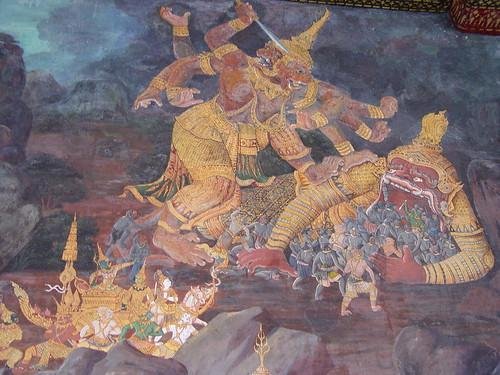
    One of the most famous places to see Ramakien scenes is the mural tradition associated with Wat Phra Kaew in Bangkok.

    The walls contain elaborate scenes depicting characters and events from the story.

    The artistic style is distinctly Thai.

    The clothing, architecture, landscapes and visual details reflect Thai culture.

    Yet the underlying narrative remains recognizable to someone familiar with the Ramayana.


    Khon: Thailand’s Masked Performance

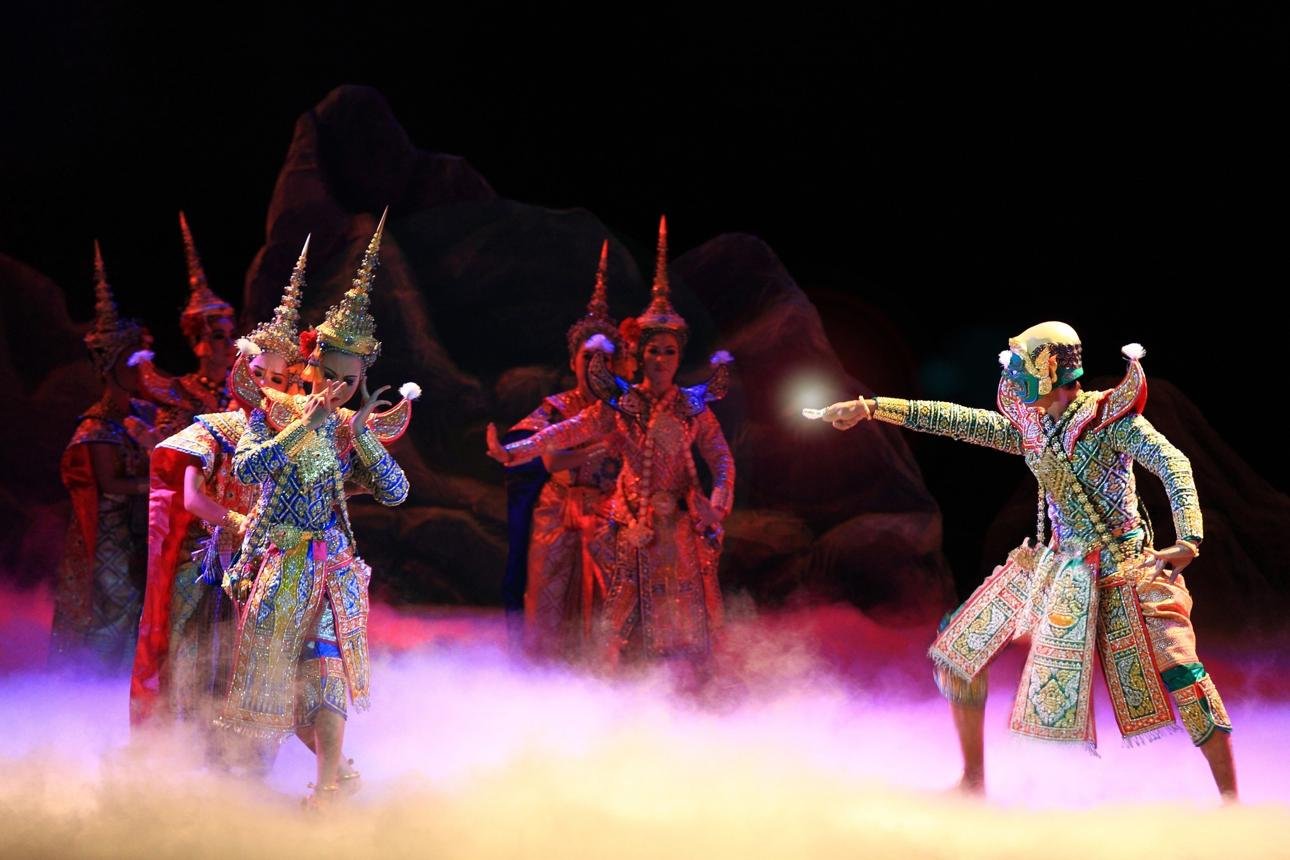
    Thailand also has Khon, a highly stylized masked performance tradition.

    Performers portray characters from the Ramakien using:

    🎭 Elaborate masks
    👑 Costumes
    🎵 Music
    🥁 Percussion
    💃 Choreographed movement

    Hanuman is especially popular in Thai performances.


    https://images.openai.com/static-rsc-4/rnfB24R-54ErfuiYqQBqh10C24aGzp_lBmqYf8YYvNyJQLRyt4lsPkwZW7IxlgRzF6ICw7YIWWR1kXsfZcBLXgmM0ILuJV51ztlhyqR43Z9Lai80uxsXX5MRFuFygVyAF5maBQ6IH0piR76-UnH3p86tr3kAOncQEfgY7PJHyriai-wV_q4NE3r8cwt6K-nN?purpose=fullsize
    https://images.openai.com/static-rsc-4/yo9mFX2oabyaV_mMDZbf8WCIqNVeO6sfoPig8BZArKH7eDObIb2yua66HOgpDZgodRxOtoakOpG2O7i3QslCrJLNmFtDbpNL8-LQL7n9hgNNRwdgp1plUctdUmyqKF82ybDmFl8patfWJlrMx6m6muk4YmyNQtjw-cZTwgWWJ8Vur7f3b1Hxk_MkwPLDpWH9?purpose=fullsize
    https://images.openai.com/static-rsc-4/xGQU5N_rkYV8Qw3jkSWz5XrXXRJ2l4SbKA2Cb3QWOjKUyLGRayR6Y5t4VMC2wBljiM_sPBj0t0HytbMTjPs5Ni9nh4RdPuz6pinR-GBXlOlIE-vQOC2QED302AvtkWBeGRqJ4lSsF4sb_hze-iT1ausF6TKoPf7cswIDPFFwL31eforsW-YcrAJY7O0ZdHnX?purpose=fullsize

    The Ramayana in Indonesia

    Indonesia developed several important Ramayana traditions.

    The story became particularly influential on the islands of Java and Bali.

    Indonesian versions incorporated local cultural ideas, languages and artistic styles.

    The result is a distinctive Indonesian Ramayana tradition.


    Prambanan and the Ramayana

    The ancient Prambanan Temple complex in Java contains famous reliefs depicting episodes from the Ramayana.

    The stone carvings transform the epic into a visual narrative.

    Visitors can follow scenes through the sequence of reliefs.

    https://images.openai.com/static-rsc-4/pYvw1l10wdzFuFSkqihmC11agfZSJV8XNOpyZVpctMtLfIQQdwR_bSTbsnh3a_sXSiVuOMkCZAQfeFRzkTiSz-nupvinAmRThPPJheI-mNORXw4NpGjPprOny0ALSJqzlMya4TeaEA0-e6jqcUA9CG47ImCaPqHUFtpYZENdkhXT-hcjUi_GKE9m9CLCKdKk?purpose=fullsize
    https://images.openai.com/static-rsc-4/3pQ9Rk2YCxa-1NvlEVX68OczeVstMHhaJnM0AdnQHEfXPicHj8NiAs4r6ob6bIGZc47ULD_edr6YWAqMAOyZF_ZgPKy9LMBM9pq7Hl6qNKhIgHsGFCM9DSS1KHb7obMW3I5KhvKVSj6M5RxHmt8AQbkJ79OXkHhC9kU0Xc3-GIAWnOnGY1MprW47NLVMGez_?purpose=fullsize
    https://images.openai.com/static-rsc-4/TslmfhhtDOklW6EQO0sM13rzWFsxyeirgfEpXTnd-mq7R6DBDoCISFjpeS8VRhlitUigjaYzTkdo8sx8vckc8SvdvAczto9dznYynz7F5jsDrk_rv4IRuXE2bKZg_uN6LtiPuW3MiGOCyFieeMKvwD1JApITOQO8CF-XE2Tnitg6w7vVrnwDYjRrPruG7yc6?purpose=fullsize

    Ramayana Ballet in Indonesia

    Indonesia also has spectacular Ramayana dance performances.

    The Ramayana Ballet at Prambanan combines:

    🎭 Dance
    🎵 Music
    👑 Costumes
    🔥 Stage effects
    ⚔️ Dramatic storytelling

    Performers bring the story of Rama and Sita to life against the spectacular background of the temple complex.


    Wayang and the Ramayana

    Indonesian Wayang traditions also incorporate stories from the Ramayana.

    In shadow-puppet performances, characters are represented through intricately designed puppets.

    The puppeteer controls the figures while narrating the story and coordinating music and dialogue.

    This creates an entirely different way of experiencing the epic.

    https://images.openai.com/static-rsc-4/kgQEHQEFJsgf0ZFTRec8VU7pYyGUOq0misLSUwOkyx8Ncj-0-Dl3f4GEOAWGLmGa5MO2PLvzrQzdoWd3LnkbmKfeUGoAn_8FVE0Hdr6sXddJf_VZTB5DMrkzamZaCJy7bbYd-iSHBM7MCPK0JPldpFt6qU5r_24B_NGmu3HDCQNX2_GtnOCTkhRyx3fnfEKE?purpose=fullsize
    https://images.openai.com/static-rsc-4/NSmxKnw95bPfhhJ9Bsfv4p1evPLuIxvTGn8fdcLRpw8lg-SpXTSExEuVbq1iQAWuOTNCMeheYOVNHENl0j6ar8Y5m5U9z9uqiVLkIf7fRioD3m37kIyEx7hU2JfAkTXK720wexdkAu-o0JbYJ1TuoyekGiuMOOJsg23GYPkUE0I6UtMwKmM8urZ2DjNu49zP?purpose=fullsize
    https://images.openai.com/static-rsc-4/Xi26jLu3CSXcGsEJfv825CrB-MjqQPCHFZC4bqIQQnQUz06BZY_61Q03GPo2BylfBwC-MEtR6JPEmB9wrGaR9G20wraniI5VFgYwxT5_Tn-h5fnSY8Y7k2SajD0ZZHSdJo8KS6mqiwzZ62F31KJyPTvpo4PC2WZFyoXSaXBh1G1o_6mIAdr_3dyE_2EV4SOx?purpose=fullsize

    The Ramayana in Cambodia

    Cambodia also has a strong Ramayana tradition known as the Reamker.

    The story became an important part of Cambodian literature, dance and visual art.

    Cambodian artists adapted the characters and scenes into their own artistic language.


    Ramayana at Angkor Wat

    One of the most remarkable examples can be found at Angkor Wat.

    The temple complex contains extensive bas-reliefs depicting scenes from Hindu epics and mythology.

    Ramayana scenes appear among the temple’s extraordinary stone carvings.

    https://images.openai.com/static-rsc-4/KipX8QNxSfbEFH996j_0Dz58XNxaPjQYFHWNnqdtUlVq1AZ4O9bgKtYidUdOCB8U1Sh0n6xqjdSgy3mOz9yHH4BvkHR0GRT8wnzAOIeczOBjHZaVlpKS7f48oSVALUKN560Rhhy-ieXNLyFzAcTak6hBt63h4-nWEB1L2RHtjMI3djIY9q8R5Moc-PbaLwEo?purpose=fullsize
    https://images.openai.com/static-rsc-4/DLgZ8md-ecuJNicmogrWMIww6GPqkpkygeX7_Ni0IO-Z4-CBJkxlwKzOSIyMmt5jLoQIICfTtGOx4zw6IJe9Ic4rM-G1ORQ60UHSV8JzEAaNeOmoOYkap_XSKs1d5QBwRMGiPVePgYNZxiKMfGwv2QOeZo_MGXJj9yUxvS9jrIHdSEyuGAWSNelclN85t3FT?purpose=fullsize
    https://images.openai.com/static-rsc-4/aujrFWam-XjhwOlz2qtXDO57artTjPtfgiO4Q6KOsvRObRiFbwtGolNF958ZoTwNSMvWvkNhKuwsLz6PweQ2iEdFpKpaGDSBQ_EPXOc9RV-eZwgpwOg6vb-b58gpkN8Ht9MLSY0SMMXpCy_50eF3jVW1MB-oqOaTQhg2tynxuVauA9QIe_33s9rt5p9BabwG?purpose=fullsize

    The Ramayana in Laos

    Laos has its own Ramayana tradition, commonly associated with the Phra Lak Phra Lam.

    The story was adapted into Lao literary and religious culture.

    As elsewhere in Southeast Asia, the characters and narrative were given local interpretations.

    This demonstrates how the Ramayana could enter a new cultural environment without losing its central identity.


    The Ramayana in Myanmar

    Myanmar also developed Ramayana traditions.

    The story is commonly associated with Yama Zatdaw.

    It became part of Burmese performing arts and storytelling.

    Rama and other characters were adapted into the artistic traditions of Myanmar.


    https://images.openai.com/static-rsc-4/v0KEACuEXDkPb5o7_rL671Vq8Rc0withhBTrwTFdhltdf0-2cOEvDTk9tKkZjNHk993ero0gooWs5IcaT4KiM5bH86ByRdyJPswXo6Cg8g44UtTTakU-_9h8-kitBgHRy9VXDTPY5tm14sAEzuZn_MffyY0zlfL3Gur_PiKgBxRiyXS4A9THGL2X-5izgN7i?purpose=fullsize
    https://images.openai.com/static-rsc-4/-B-_rBUri77aTq7_obqlsofCw8ZHDO7mYlEf0kQXkL-gbcL4wxsvCWjMXx2NPxy7SLI9qPns0qR6RsGXXsXHfMo78po-e3iRJ7Vzn2NLR1sOlMnh940Q2K1W8EHEbyJDvhVEM2Y4zJ-Bk1FE80a8PhQip0qnOprIWPMozLKqrsnsxGrbIHFvOyoSIqtAfXEW?purpose=fullsize
    https://images.openai.com/static-rsc-4/TQaZnw09NRydJaMyK-fibe99J-EBEnUnRq3c1IJ5A6ae5CBs46Gtz-jnfPTe5MYCAICCs8NpLHR0z4Bx2ZdmcKZTHCqt9Cvw73uQox-RXQigD0lJc1WlJIMTcbBtBPUiOHd90gRcQortEXonnzkr6IwDIfk4WvdDRpc3JNqYJIiXN0W5RHeeTrAEF9FRKyGO?purpose=fullsize

    The Same Story, Different Names

    One fascinating feature of these traditions is the change in names.

    For example:

    Indian TraditionThailandCambodia
    RamaPhra RamPreah Ream
    SitaSidaNeang Seda
    RavanaThotsakanKrong Reap
    LakshmanaPhra LakPreah Leak
    HanumanHanumanHanuman

    The names vary, but the connections between the traditions remain visible.


    Why Did These Cultures Adapt the Story?

    When the Ramayana entered another society, local artists and writers did not necessarily preserve every detail exactly.

    They adapted the story to their own:

    🎨 Artistic traditions
    👑 Royal culture
    🛕 Religious environment
    🗣️ Languages
    🎭 Performance styles

    This process created unique versions rather than simple copies.


    Hanuman Becomes Especially Popular

    Hanuman is particularly popular in many Southeast Asian traditions.

    His combination of:

    💪 Strength
    🧠 Intelligence
    🙏 Loyalty
    😄 Humor
    ⚔️ Courage

    makes him an ideal character for dance, theatre and visual art.

    In some Southeast Asian performances, Hanuman receives a larger range of adventures and personality traits than audiences may be accustomed to from Indian versions.


    The Ramayana as Cultural Exchange

    The spread of the Ramayana demonstrates how cultures influence one another.

    A story can travel from one region to another and then develop new characteristics.

    The process does not necessarily mean one culture simply replaces another.

    Instead, the receiving culture can reshape the story according to its own traditions.


    More Than a Religious Story

    In Southeast Asia, Ramayana traditions became part of many forms of culture.

    They can be found in:

    🏛️ Architecture
    🎭 Theatre
    💃 Dance
    🎨 Painting
    📖 Literature
    👑 Royal traditions
    🗿 Sculpture

    This shows that the story became much more than a religious narrative.

    It became part of cultural identity and artistic heritage.


    India and Southeast Asia: A Shared Heritage

    The Ramayana provides a fascinating example of cultural connections between India and Southeast Asia.

    The story travelled across oceans and borders.

    Centuries later, people in different countries can still recognize the basic relationship between:

    Rama → Sita → Hanuman → Ravana

    But each culture tells that story in its own voice.


    Why This Global Journey Matters

    Studying the Ramayana outside India helps us understand an important idea:

    Stories belong to the people who keep telling them.

    When a story travels, it changes.

    New languages reshape it.

    Artists reinterpret it.

    Performers give it new movements.

    Communities connect it with their own history.

    The Ramayana’s journey across Asia is therefore also a story about cultural exchange.


    Conclusion

    From India’s Sanskrit traditions to Thailand’s Ramakien, Indonesia’s Wayang and Prambanan traditions, Cambodia’s Reamker, Laos’s Phra Lak Phra Lam, and Myanmar’s Yama Zatdaw, the Ramayana has travelled remarkably far.

    Its characters have changed names.

    Its costumes have changed.

    Its music has changed.

    Its performance styles have changed.

    Yet the story continues to connect cultures across Asia.

    🌏 The Ramayana became more than an Indian epic — it became a shared Asian cultural tradition, with every country giving Rama’s story its own distinctive voice.

    In the next part, we will explore one of the most fascinating Ramayana traditions outside India in greater detail: the Thai Ramakien, its characters, murals, Khon performances and unique interpretation of Rama’s story

  • Ramayana Part 42: The Ramayana in Indian Cinema and Television | From Epic to Screen

    Ramayana Part 42: The Ramayana in Indian Cinema and Television | From Epic to Screen

    In the next article, we’ll explore how the Ramayana moved from traditional storytelling and theatre into Indian cinema and television, how filmmakers portrayed Rama, Sita, Hanuman and Ravana, and why screen adaptations introduced the epic to millions of modern viewers.

    https://images.openai.com/static-rsc-4/6bM9im0-Lsg4c6bSDPWnXZ9jzXRjqKKLwExZ7hdMVTI7nMDy6Xm_bdX_vDRgqBYG4DxkRTC-dyH5KBW-FMjcgcflKkEpTnN1ZbSHxf4mJYO9zBg8DxzrY_Dlza3AlgSU0ijTj5S7TTUxnNE8SffBfn0D-Vq1SczePLZh4V_vz_z9067WSJQ9I07SqOY2dP9M?purpose=fullsize
    https://images.openai.com/static-rsc-4/lQUQuF2V6m_QM0AvPEN40XFHf6opNEh9NvZC5eYmJbtpP3PcOdmLJqRhO2TCioXXDSW3-OqKFhd5o93A3Ex_rBPg_cBQSDJuQcIyV9XT6PgEeIOYKkLwQbR7F04ajupqbaB6-RQ8xrQrtQ7YX0RlisNg9xmqfmWFdEiJ42iD0DqHGLGwV9SxLxqLIVbb0O_u?purpose=fullsize
    https://images.openai.com/static-rsc-4/DOK6Jh4UU9AWukvK0dTnxNk3cSarFlqVsQc9wmlgNFwlk-8DKeGgcwRoa7R650WZ_Vm-77Ejj43ArUUgiwT2dl65vWVi4dcFUctL06y0yEsCxSoL5Pm2To5fKky3yB9NHIPzWm7722phMcSYCOycXg3H6WXvn-cargmym3XR2rOtr3A7Pphbh_KCZiIF2e4I?purpose=fullsize

    When the Ramayana Entered the Screen

    For centuries, people experienced the Ramayana through:

    📖 Books
    🗣️ Storytelling
    🎭 Theatre
    💃 Dance
    🛕 Temple traditions

    The arrival of cinema created a completely new way to present the epic.

    Instead of imagining Ayodhya, the forest or Lanka while listening to a storyteller, audiences could now see those worlds on screen.


    The Early Years of Indian Cinema

    Mythological stories became an important part of early Indian cinema.

    The Ramayana was particularly suitable for filmmaking because it contained:

    🏰 Royal kingdoms
    🌳 Forest journeys
    🐒 Extraordinary characters
    ⚔️ Great battles
    🌊 The journey across the sea
    ✨ Supernatural elements

    Filmmakers could transform these scenes into visual spectacles.


    Rama on the Big Screen

    Different filmmakers have presented Rama in different ways.

    Some emphasize:

    👑 His role as a prince and king

    Others focus on:

    🙏 His divine nature

    Some portray:

    ⚖️ His commitment to dharma

    Others emphasize:

    ❤️ His relationships with Sita, Lakshmana and Hanuman

    Every adaptation therefore reflects the artistic choices of its creators.


    https://images.openai.com/static-rsc-4/rNM4-lycOEAfyQ3y7ezs7qaSct0KxD2zLTymAq0QiDzYI3j4U09LgHiwxpchQ8MdUClWt1IhP0iHE8Ia6p5O5mBC4brKd5zRHpkiYWlvTM3fIFxRAQwHLKc1Bc_Q463K6a9vKKxP2w2YDGuMmE2nz0wCSWuqxWaunKVfy-P87XYmjmBSL9HcRuFbVk022oyO?purpose=fullsize
    https://images.openai.com/static-rsc-4/fm0e1DGAknQjGLT24LZDyc476v_EBPtzqyjsCXeIZcTQy17s3V1acaeLeQH730ycvDwDtAgnEe69xn-Gln7s43v6L-Z-dl4Wm4SjL3TEsSXR45e5pM6nJF5cXeKZZo7bbAuxnC7iId2NW9WiN5Q5LotHyecADfZKNsan5yvqY4mmSI_e_0dTp5kF6kLGJw2P?purpose=fullsize
    https://images.openai.com/static-rsc-4/U9NML0Nk7ay_Z0ySu3Ju604W75ew3BaPYV5biakqgU4xw-OlhLtF1NyYf9wMSQseQivXgKqnb4obW1v69v79DQayNVb72-5ESMvvnPKXR_6rIoLKCkd4wDJUKbIQIEhaC-ujKqjgyXBGPlp1BUUZjxgDxK-SQwcodXPdX00JaVGev7wlfc-fqoZVAmZUNXM5?purpose=fullsize

    The Importance of Sita

    Cinema also gave filmmakers the opportunity to explore Sita’s character visually.

    Her story includes:

    ❤️ Her relationship with Rama
    🌳 Life in the forest
    💔 Separation from Rama
    🌿 Her time in Ashoka Vatika
    🔥 The difficult events surrounding her return

    Different adaptations have emphasized different aspects of her personality.

    Sita can be portrayed as:

    🌸 Gentle
    💪 Strong
    🙏 Devoted
    👑 Dignified
    🧠 Determined


    Hanuman Becomes a Screen Icon

    Among all Ramayana characters, Hanuman has been especially successful on screen.

    His story provides filmmakers with spectacular visual possibilities:

    🐒 His enormous strength
    🌊 His leap across the ocean
    🔥 His journey through Lanka
    🏔️ The Sanjeevani mountain
    ⚔️ His battles
    🙏 His devotion to Rama

    Special effects have allowed filmmakers to present these episodes on a scale that earlier stage performances could not easily achieve.


    https://images.openai.com/static-rsc-4/EEWrn_qh_n7FpHbCfSjLpMskzyuXCMy67UmXwiSPv1-GrSYzfjWTfNGHNcvcLW0XndGIqIX7ZMZaS-tRzKoQcfs3Kz-xb_lqbK5fCukjUSKVpric9a2agUphrOegslh8ey8_qwbtcMz1A5UD0kb8uIRj1q0y71bgnsfW5WCRO0PxbvhzpbN3pjQf9TCysfTQ?purpose=fullsize
    https://images.openai.com/static-rsc-4/ayO4wj1mcudrmH-eMd2DNDVMwcBt2aUCSnyCd4w7lvpAWmiehhfh91BJ6CTlP1kiBt4jfs9axzQLh68SPzILR1Il5XRNznu3zMhQszvE6b2gV1JCwx3waWSKUu-8_ECZBx6hn43HBbEb_cMr6Gqq3R0h1sPw-xABZ_Hue2Ak5CwYDakyVvqRWCJfGtrE__Jg?purpose=fullsize
    https://images.openai.com/static-rsc-4/Em4CX3dLU9HqXqsQPH1W5Fz6StMHnf3HCPs0qoVWajj5akA7Q7-fWnH-hun_UZ8TnoK8XQ8ST7pnscbLwqM9MD9CYrKITdFYLpGyKS3X-HkaUfk9Rck7uMvvFJFPhdTD949I2fzGUG7hrSOIquDiUXEpZgXik7Mpg_mYzyCDwN9St3TbvGFMYWuwRXc_ngym?purpose=fullsize

    Ravana on Screen

    Ravana presents another interesting challenge for filmmakers.

    His traditional image is already dramatic:

    👑 Ten heads
    ⚔️ Multiple weapons
    🔥 Powerful presence
    🏰 A magnificent kingdom

    Cinema can expand this image through elaborate costumes, sets, visual effects and sound.

    At the same time, some modern interpretations explore Ravana as a complex character rather than simply a one-dimensional villain.


    Television Changed Everything

    Cinema reached audiences in theatres.

    Television could bring the Ramayana directly into people’s homes.

    This became especially significant when serialized adaptations allowed the story to unfold episode by episode.

    Families could watch together and discuss the story afterward.


    https://images.openai.com/static-rsc-4/N4DWOALmsSnh7_Gimwvg1pfwnqQV4kSBI5gSoJ276OMeu4A2eG6oxi2T9OXgO-lNE78_Hev9IzFJGySiwhzQn8HegBXifsGJLJtxq7RVKE_jUFbGoOgvemX_xU5Z1UFQt803rKoDSSP0USQ2qz-bSQkGA-0uwCmVc1RvYn9ztQFT3EQpxB2gM_Ks0oLd9JxE?purpose=fullsize
    https://images.openai.com/static-rsc-4/NmD-TlBrYjLgroE1w_87npr3kBP2LNY1Q8zC0Z-D5jhxcvSyWHXyoUWXszGaeFzXhIlEANcmi1ipo5HqAqCREWbWTwS3rvCn56cxrAxyezVtwYNiXdkap-qMOQ1DsQqkgpp9uFJqvmwgfUqmAc2V32InFqqI3psBSOVJzrb1EyiTX44YAk2S7PlUlkBLgC6U?purpose=fullsize
    https://images.openai.com/static-rsc-4/ZHTusLyh0YjnbgEQ8JUQQ8dKjHjhbdavSyzTHZuhU4wwkwAPXPHPzHJxIWeG_XTUBvgAbbi80ScOna8G8OQ3dB-g1b2-NjICZSbT7Dqx9KWVe6Ow7GjwYFXMkgw5Qot9Mxa9vNghKJxRQd6d5u2w4Wnpi2qIOB0TEpWbt3lIVVrAQnRE9fsQAQRtCntd88zu?purpose=fullsize

    The Television Ramayana Era

    Television adaptations of the Ramayana became a major cultural phenomenon in India.

    The serialized format allowed viewers to follow:

    📖 Rama’s childhood
    🏹 His marriage with Sita
    🌳 The exile
    🦌 The golden deer episode
    🐒 Hanuman’s arrival
    ⚔️ The battle with Ravana
    👑 Rama’s return

    The weekly format created anticipation among viewers.


    A Shared Television Experience

    One remarkable feature of early television was the way families and communities could watch the same program at the same time.

    The Ramayana became more than entertainment.

    For many viewers, watching the serial became part of a regular family routine.

    In some places, roads and public spaces were reported to become quieter during broadcasts because people were watching the program.


    Ramayana and Modern Visual Effects

    Modern technology has changed how filmmakers can portray the epic.

    Today, creators can use:

    🎬 Computer-generated imagery
    🌊 Digital oceans
    🏰 Large virtual kingdoms
    ⚔️ Elaborate battle scenes
    🐒 Digital characters
    🔥 Advanced visual effects

    Scenes that once required simple stage techniques can now be presented on a much larger visual scale.


    https://images.openai.com/static-rsc-4/_-UuwatTMFuv9GQZC1aIPnv_RXpzrED2MtLTyjL4H58SaLC08vLsUq4tPYukVf6RSJoUwRd0tTYkKbSOKxkGX_b1oM1f9eBywD6I62vRNqUPClcrdK1_BGQ2bMHXK2YakzAylRoIGyEoBZF30ThuAssKo_nbOsBoW_Vpf9qTOiG_j-JEdGDJUgBps-A75f2f?purpose=fullsize
    https://images.openai.com/static-rsc-4/ndoTMtYmg3EXDlCVwWNosyYN90xyo6xPRx4RgEa1x_VOoc_MWWy-NaFGxsnvAkQMBv3EsechvOmRPfBS357pe_o7FpH2YE1mZfJJg_FAmKtaTM79v5g0_kgbAPUaWpEv2g0tZimRSa1OCT8YqTIvVh1cyGBjr7myMtCRQKq3tLcNiDxBhE5alrDlLtaEsSxn?purpose=fullsize
    https://images.openai.com/static-rsc-4/xZdPKnlK9s986CpOPBu-tXJNLAMpr5wLTJ9tcfCBOJG51W48YTH7CKyiF-xIEIhi5ym-YKryHwhq0B6yxB3efeOiS_uEYcBYN9n5mK-dxhE232VkClY8xpXKcEYoWEVmX5O9dlDVLYL3wd9t_tfn0duEokLQEFQ8gg2iJdHOLqk1o44ui7c2cF-hLzwCPSh1?purpose=fullsize

    Cinema Can Also Change Interpretation

    A screen adaptation is never exactly the same as reading the epic.

    Filmmakers must make decisions about:

    🎬 Which episodes to include
    ⏱️ How long each scene should last
    🎭 How characters should behave
    🎨 What the locations should look like
    🗣️ Which dialogue to use

    Because of this, every adaptation offers an interpretation.

    The original literary tradition and the screen version should therefore not automatically be treated as identical.


    Different Languages, Different Audiences

    The Ramayana has appeared in Indian cinema and television across multiple languages.

    This includes major film industries working in:

    🇮🇳 Hindi
    🇮🇳 Telugu
    🇮🇳 Tamil
    🇮🇳 Kannada
    🇮🇳 Malayalam
    🇮🇳 Bengali
    🇮🇳 Other Indian languages

    Regional productions can incorporate local artistic traditions while presenting the familiar epic.


    The Ramayana for a New Generation

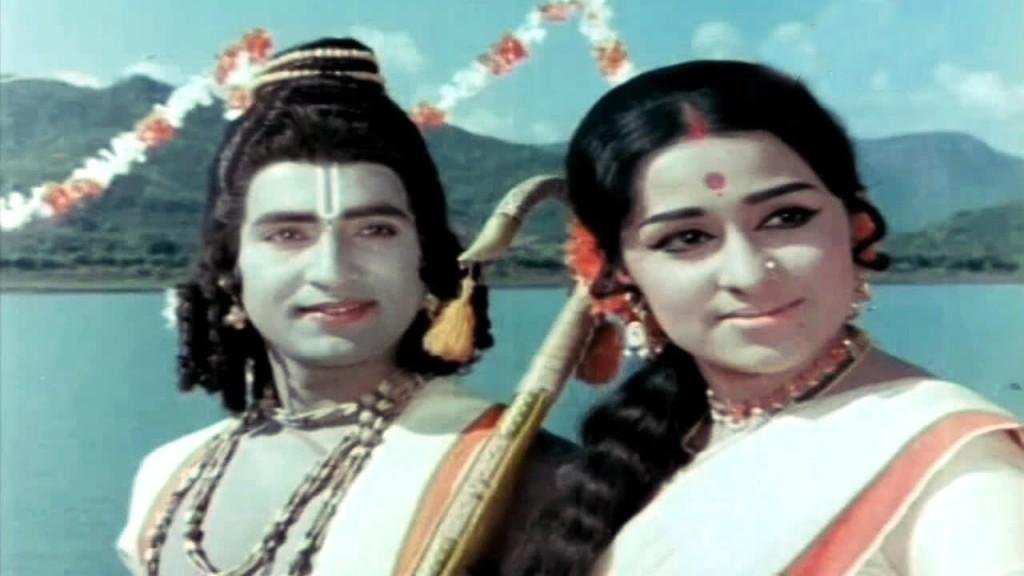
    Cinema and television have helped younger audiences encounter the Ramayana in new ways.

    A child may first discover:

    🐒 Hanuman through an animated film

    or:

    🏹 Rama through a television series

    or:

    📱 Ramayana stories through digital videos.

    This demonstrates how the epic continues to adapt to changing forms of media.


    Animation and the Ramayana

    Animation opened another door.

    Animated productions can present the epic to children through:

    🎨 Stylized characters
    🌈 Colorful worlds
    🎵 Music
    ⚡ Action sequences
    📖 Simplified storytelling

    Animation can make complex episodes easier for younger audiences to understand.


    https://images.openai.com/static-rsc-4/_1m_4XKvXm36SiaQ0Z6sUoyZ0NUb-F8NryP0db1i9JLOVu8ba_NdNi5_CTXhikfs1ToRbqfRoKJaH5g2ms_o6ZMICTx2JFFVI--O1Ed-tnoGX3I01O8i-9c24wCX-pg9twGwRVxqui383e6bsf3ZtZXuaB54HOS_VUOnPDcuHPuyuUMNF30w52xBZ6BTBEmm?purpose=fullsize
    https://images.openai.com/static-rsc-4/Ecl9XGJD5Gwncn5Ra_PwrRhb5EOf0rnHitswT2GIsDashEb9WMJ721f-BsMjXoleaSRZnzWkklG_E0cbHXS-3osXUoSVLB1ESfpHZV9g7rWvM6ppPFkGhq1Vs7oZvU7paH3dnH5T0vxXmQxLEQo_8IOHJ0DX-32JG6AIHpkMN3GycQXvM131hS_qAcNEJ1Mq?purpose=fullsize
    https://images.openai.com/static-rsc-4/RU4n_IxeZ1uggxCvCvZZg1YJJZUfnQqRLpAscVQN9rDvNncYP0jqoAyONxRcruv8H6piFS0vydfewVnf85BoGR6v9IZrLXd7BMRJ7SkJuKbDZGtvsPeVv7erFlOyn5jHq-vU_qDFPYHUa0aZumJ3vTlel0HwKyR87Jg9RlfmJC6ZNeAgHmSLcg1yNEPSjvZh?purpose=fullsize

    From Theatre to Television to Digital Media

    The Ramayana has travelled through several forms:

    Oral storytelling → Manuscripts → Theatre → Cinema → Television → Animation → Digital media

    Each new medium changed how audiences experienced the story.

    But the central characters continued to survive.


    Why Screen Adaptations Matter

    Film and television have helped preserve the Ramayana as a part of popular culture.

    They have:

    📺 Reached enormous audiences
    🎬 Created memorable visual interpretations
    👨‍👩‍👧‍👦 Encouraged family viewing
    🌍 Introduced the story to new audiences
    📱 Made the epic accessible through modern media

    At the same time, viewers can benefit from remembering that a screen adaptation is one interpretation among many.


    The Ramayana Beyond India

    Screen adaptations have also helped introduce Rama’s story to audiences outside India.

    The Ramayana has long traditions across Asia, and modern media provides another way for international audiences to encounter its characters and themes.

    The story can therefore continue to travel across cultural and geographical boundaries.


    Conclusion

    The arrival of cinema and television transformed the way people experience the Ramayana.

    The epic moved from:

    📖 Pages
    🎭 Stages
    🗣️ Storytellers

    to:

    🎬 Cinemas
    📺 Television screens
    📱 Digital platforms

    Yet the core story continued to inspire audiences.

    🕉️ The Ramayana has survived for centuries because it has always found a new medium through which each generation can experience it.

    In the next part, we will explore the Ramayana beyond India — how the story travelled across Southeast Asia and became part of the cultures of Thailand, Indonesia, Cambodia, Laos and other countries.

  • Ramayana Part 40: The Ramayana Across South India | Tamil, Kannada and Malayalam Traditions

    Ramayana Part 40: The Ramayana Across South India | Tamil, Kannada and Malayalam Traditions

    In the next article, we’ll explore how the Ramayana became part of Tamil, Kannada and Malayalam culture, the famous regional literary traditions, temple celebrations, storytelling and performance forms, and how South India gave the epic its own distinctive voices.

    https://images.openai.com/static-rsc-4/vmkPGqttd0GEkDlP0xVFuGMi1l-8wdqI6xKJqYDJJvHhbSlPvfjB76dxfjFZtWR24tk4t7erRDbKbRiwo1iM6rwqj27GNqgBf6uYnCkQ1zeCzcjbgC2g_3xhEejbDBSSjfRCxooEmzeZwOY4agRO2uX_j3GUrwSvei3tLfBk98q3p-fO7xZQIQSVkW5tfKBp?purpose=fullsize
    https://images.openai.com/static-rsc-4/gthjBFeFgVkhKOzjM-fzRUYCBCpI0s0H5UPJpfB4PvjAZ7vVIeg3x-MEUEfiDToYJhJGqHyJ9QMXlb5MXKzc-uD07VsLoYrfSG92SoJNZLvuG774HwwhZMKARG6bcv93Qx13wZvYG-ZBTxzdVxinxg7gX3__fI9x1hs3QA1HnMLwRZsSYGsXXvZCwm3xE98o?purpose=fullsize
    https://images.openai.com/static-rsc-4/PxfgpJD2NWG0_uaMXH9iLHjxhcnbssYEPNi-zgePKReRMKfDpAAfqzNqFe_hp30nm9RiqapSv17Cne7wB6YIJfNGmEHgjTNwmO90SN8UhpE8kctEXEXy-GbViYEcu1qLOsdBVb-KTSv93Qio4VKZu9AN5D_8l5azsmFPOPXgv3wodTYtDDJtothDTBXIj_N4?purpose=fullsize

    One Epic, Many South Indian Traditions

    The Ramayana has a particularly rich presence in South India.

    Across Tamil Nadu, Karnataka and Kerala, the story has been preserved through:

    📖 Literature
    🎵 Devotional music
    🎭 Theatre
    💃 Dance
    🛕 Temple traditions
    🗣️ Storytelling

    Although the central story remains familiar, each region developed its own way of understanding and presenting Rama’s journey.


    The Ramayana in Tamil Tradition

    Tamil literature has one of India’s most celebrated Ramayana retellings:

    Kamba Ramayanam

    Composed by Kambar, this magnificent Tamil work transformed the Ramayana into a major Tamil literary tradition.

    Kambar did more than translate the Sanskrit epic.

    He used the richness of Tamil poetry to express:

    ❤️ Love
    🙏 Devotion
    ⚔️ Heroism
    😢 Sorrow
    👑 Kingship

    His work remains one of the great achievements of Tamil literature.


    https://images.openai.com/static-rsc-4/HS7c4oPbcD37GRFB7lsW036TUCkrP0ZNGn2YVex3SaCUm9xG4Gpd7a7FBUy_R2g29p60HYonvnkADUNokYGc7QFGdvn6Q8i5X8V5LNSoGrgyWS7uJoBFYADoVOicEeqHSZe1MhZS_SML5Ah0fk1CIzZBkuUy2QVzF0SPyBdi_edeTlysMNBMQvZRyv0ZX8_8?purpose=fullsize
    https://images.openai.com/static-rsc-4/kOtsfbzzW40EYojY1yhtLth-e_V5CexfE-8kPAUCeYUM0fimUAHiDWPAj2P_WH4FTEBiMpFxhoGAyLXUP9ybgmpTnBnILe1j0TFhHfZLNnLshI6MS1lzGGfOjLgayh2R8VWZxbF3HveO7thrRL2k5ghNL6th966d-NBsslfWQ28d2xgDBILKy2aOItGhvGvA?purpose=fullsize
    https://images.openai.com/static-rsc-4/VCZ6iZcikpgHbIvyXjggE8G2kWdgQcazhad0nVVoxwARi2jn_Ssr8eaN1dwte1Yl6IHCAsN9JMc57QeNjqR9f28D6pDZfaT9h-eaELY6fzoclJ-Qa4FtdW-hApmaL2y0g444gRocfxoslNiClunw0LKT4q7KqELn72lmeOm0PBmpNEO1_u15YaDzVpE7ALZK?purpose=fullsize

    Kambar’s Rama

    Kambar’s portrayal of Rama is deeply connected with devotion.

    Rama is presented not only as a heroic prince but also as a figure of divine significance.

    The poet uses powerful descriptions of nature, emotions and battles to make the story vivid.

    This helped the Ramayana become deeply connected with Tamil literary and devotional culture.


    Ramayana in Tamil Temple Culture

    Rama and related characters appear in many Tamil temples.

    Temple traditions may include:

    🛕 Rama and Sita shrines
    🙏 Hanuman worship
    🎵 Religious recitations
    🎭 Festival performances
    🪔 Special celebrations

    The temple therefore becomes another place where the Ramayana remains part of living culture.


    The Ramayana in Kannada

    Karnataka also developed a rich Ramayana literary tradition.

    Among the notable works is the Torave Ramayana, traditionally associated with Kumara Valmiki.

    Kannada writers and performers adapted Rama’s story for their own literary and cultural environment.

    The epic also entered Karnataka’s theatre and storytelling traditions.


    https://images.openai.com/static-rsc-4/2RZeYIHkDF-R1oXj8i9qngkPQJA2WIXZDnfTkQ0Y8z7ywEFLUsPY7atJq54RJ5mhdyEV4Eort3HvXAU8pBor7TT83eOQqTyNkKuuuGinQfRiQLQBqMByAW32SAIAJCZtoZ2fWuc8LzQZC_fRM-CulFxc5Z584YSRULKnIvd7RwOSNRw1HivY2boI9r0kLS1t?purpose=fullsize
    https://images.openai.com/static-rsc-4/uS76Rjq-1iAqAsYrnZQNjhvNEYzgDucUceexL1kC5yFqqbsUNAmEBEZh3hw6Xfctd1z4_IDV2isK7hstSy6SUiPOOs4LCYOt5XaoFMXOyIJPFGptBMd18icWr0zg20oRwt-ejuqFTgw-cVhKmT6EOyhpP4HsZ7jv_1W7aJIk8DhrbAMBu7H77PsttJ2r1284?purpose=fullsize
    https://images.openai.com/static-rsc-4/PxfgpJD2NWG0_uaMXH9iLHjxhcnbssYEPNi-zgePKReRMKfDpAAfqzNqFe_hp30nm9RiqapSv17Cne7wB6YIJfNGmEHgjTNwmO90SN8UhpE8kctEXEXy-GbViYEcu1qLOsdBVb-KTSv93Qio4VKZu9AN5D_8l5azsmFPOPXgv3wodTYtDDJtothDTBXIj_N4?purpose=fullsize

    Yakshagana and the Ramayana

    One of Karnataka’s most spectacular performance traditions is Yakshagana.

    It combines:

    🎭 Drama
    🎵 Music
    🥁 Percussion
    💃 Movement
    👑 Elaborate costumes

    Ramayana stories have been performed through Yakshagana for generations.

    The dramatic costumes and energetic performances make characters such as Rama, Ravana and Hanuman especially memorable.


    https://images.openai.com/static-rsc-4/o0MmkcV7EiPhZI3zdL05t_u75LMnOGcvCA_7cOD4LLRseMxDaZSHrKwE41XJfS7lQf07N6ch0LtKSRPX0ToHzfukpoGsfESMAcgCqsdGZ6LmSTWkc7Y9bBZ0TEKLLyO7mY8P85gcWrblgnQO3JHBIcqQ2Z5nwXOM2rImDMavl4U34AA-RPY6mLx56geTaWsb?purpose=fullsize
    https://images.openai.com/static-rsc-4/g6aYZqMUxfsS6LgRAotaY6CtQZYP72QqiDNcHI0P8E-I89uGzoBZnDcb7s7bOMMcg_vZnT7lh3AiGaPOdP4yNf8W5Pa96W5SkhZA2yYYkcu1TPDQOycyrHP8dS_n8slvSnkEwVcwvPUkuVzP454rZ_MF3aPxsrd92scXygDmtWXprH2zXTng4OujAThlNttm?purpose=fullsize
    https://images.openai.com/static-rsc-4/FVdcjcctm8zmWYlffut2XNuFu2UgT_u3yNs_tpABvwPsnMwp6Ldn44-6qurrrCINtd1pxd56zdd_3Gj8LkYNxELGHQsZfEehoI3ElSH2TX5U7MQL-QMJRnginO5ySA6uFfM9kngQvezowoxnlnnV74prlVAlRB3RCwPSIxY_6EWgETFS1kL6sIBQhpiexBhG?purpose=fullsize

    The Ramayana in Kerala

    Kerala has its own strong Ramayana tradition.

    One of the most important Malayalam works is:

    Adhyatma Ramayanam Kilippattu

    Associated with Thunchaththu Ezhuthachan, this work became deeply influential in Malayalam literary and devotional culture.

    For many Malayalam-speaking families, the month of Karkidakam is traditionally associated with reading or listening to the Ramayana.


    Karkidakam and Ramayana Reading

    Karkidakam is sometimes popularly associated with the Ramayana month in Kerala.

    Families may read or listen to the Adhyatma Ramayanam during this period.

    This creates a special connection between:

    🌧️ The monsoon season
    📖 Ramayana reading
    🙏 Devotion
    👨‍👩‍👧‍👦 Family tradition

    The practice demonstrates how literature can become part of the rhythm of everyday life.


    https://images.openai.com/static-rsc-4/RP23s51pPikrjmXtqnrMyPt48qbDXkWOg3CrV_LVZYNT6DSicUKcKXqwzqxJjXpCUZV6XlRUAw-lfKfOqRszPMSh9asbcFG1f_W2gded46iCXVEPFN3iCDw0YnlIZx2ddQv_v7j2SHRTMOODkV-MB9eNe_ONFYzdnrab_9Yq69DQNWyyELdGRBRjIlWW0HPY?purpose=fullsize
    https://images.openai.com/static-rsc-4/rMHU_KHxoXRvg3CjHDvS9c6i-Onx2ObI9hUaUeJyCXzk7SEKn0FBfq76SwlmnxT6SeYHBFTVriJi9UJsNonamIDNREus3YTZLNmUNRGwym-_4hePkdVxffBAUYf726ih0QYRj5-CTFzkOOCZ6HeRgWLTcYh-dnkV-APdBCo_jZ9ldZTpzPN_TUMjnziKVP2D?purpose=fullsize
    https://images.openai.com/static-rsc-4/DwZHqtuK2ZqQJx0mbIGdShJR315EaoqU_P71zS97-DmFMd21coWM9NkFnvItqn7S7dbXB-OLta8zZS3zzsiwwkd2lLFad4MUKTei78hV4cGQEhL2T1Ny3o0YKCTsWcqOneew_m3GMSzNKeVLfnw8ZBc_LovlhakG4wyjf6S5FjYEqjTJkvruWecgHC7UxA1n?purpose=fullsize

    Kathakali and the Ramayana

    Kerala’s famous classical theatre tradition, Kathakali, has also presented stories from the Ramayana.

    Its distinctive visual language includes:

    🎨 Elaborate makeup
    👑 Large costumes
    👀 Expressive eyes
    🤲 Hand gestures
    🥁 Percussion

    The audience can recognize characters through their dramatic appearance even before they speak.


    Rama and Ravana in Kathakali

    Kathakali allows performers to explore the personalities of the Ramayana characters through highly stylized acting.

    Rama can represent dignity and righteousness.

    Ravana can represent power, pride and dramatic intensity.

    The confrontation between these characters becomes a visual and emotional experience.


    https://images.openai.com/static-rsc-4/YKJHPO8XirAMxulIdvXfeFsjSSlXp-VwKmT4PnprQ1W1X330w_sz-SPzeYgGKEBzUb3LGxO1ueMUO4D_sT6Yag6HtvrvMfruk63r9AYH4pyo0I0WaEeDDsbW12rL4xcT00eNkR3eJNk4shfwIGOrVrcqGJ5Qj5r2spzkRtMi-HX5oik-RfQGo3Q9MH-5Jz50?purpose=fullsize
    https://images.openai.com/static-rsc-4/k5Xb3uFX5aFWhDDZVDbGoGvUOi9G5IxoNHOGkG6tjPXfLYQznU9JSZFSjW7auxxBkmQQRTYoge_1BAuC2enpWJd_-iRbkI8NSSmoLep6gYslpMGOnYFVWvz6r8iLbLcMVf5kZj0cM60qdnTMTE5i6eo3bAGc-Ld1q_fJ0-dE1KEMEhqVjQz6qoctjMlAuSlU?purpose=fullsize
    https://images.openai.com/static-rsc-4/Zt9sTX-achqBdBmflEmx9G9eY9f373uGBpc52tFohJkCdYFDoTh0Ukw_XIqCeE_-zbfgHWBwKczEXsWZnXr6M0t5glRab_4AnDIIgPppEBdNpY7e8fictsAXCBYDquly65ey4ba8ZEpkE9TjPz0_nBnMm1m_0NGY8ie4uE_1VBBSwzDM4IVfJTLGL-FI0hVl?purpose=fullsize

    South Indian Dance and the Ramayana

    The Ramayana is also deeply connected with South Indian classical dance.

    In Bharatanatyam, performers can portray episodes through:

    👋 Mudras
    👀 Facial expressions
    💃 Movement
    🎵 Music

    A dancer may portray Sita’s emotions, Rama’s journey or Hanuman’s devotion without requiring a large stage set.

    The audience follows the story through the performer’s expression and gestures.


    Temple Festivals and Rama

    Across South India, Rama temples continue to celebrate important occasions.

    Sri Rama Navami is especially significant.

    Celebrations can include:

    🛕 Temple rituals
    🎵 Devotional music
    🙏 Special prayers
    📖 Ramayana recitation
    💍 Sita Rama Kalyanam

    Local customs vary considerably from one temple to another.


    https://images.openai.com/static-rsc-4/uO9QUl3XFTAjywH7tAguzO_kuV0z0adic7lfYpOtnpNhZ4ZMR9ZfDW9-a3OgK-w9Aqg_PSlDX5MDOJ1urJfCe8-QpOJ6CHPpJCksep9Qh8p3LBj_v8kox2bg_ZQC3M3OY6wkbvCBMvRTaWODJxJ8ek-yL8oNO2b4cZWwANY4D0-Hj8DKjcta4zTn3JlGsXge?purpose=fullsize
    https://images.openai.com/static-rsc-4/OnJDUHmpX0oF6IfekziN733OF8Ssnk9qEPoJbVFazf-C9W-U2eYtQeTKrQ-EJ0EEweJBhrPkxlfrkdwEgiE1GAHFd_lX2sGoYBVBbLupEdi6YGVmWyEqZltxe-SmWVEEZXKSkGP51o7k7NkK-EtYcMaTMLDQILOsd_h2u1ZaG4ZqkYjR6FJgOx61FxgdjHs5?purpose=fullsize
    https://images.openai.com/static-rsc-4/UanrrSE8_VcPtMOF5ch6wUfuVBQmbGN2MaQbw1vtvXJhRpvgByHru19loUs4j1G83AZ2p7_s9H_ASqfwq2rrTQOM_-aWMc4QJ1H_jddp7S5wpdSQAZM4gYZaIIhfJCMfYGZWFhf2pnhBN7Goisn4S4DQw9duiIrq7VzmCIELHLsdNoODVkNtuDBAhGeeBc1W?purpose=fullsize

    Different Languages, Shared Story

    Tamil, Kannada and Malayalam traditions demonstrate how a single epic can develop many artistic identities.

    Tamil

    Kamba Ramayanam and Tamil devotional traditions.

    Kannada

    Torave Ramayana and Yakshagana.

    Malayalam

    Adhyatma Ramayanam Kilippattu and Kathakali.

    Each region contributes something different.

    Yet Rama, Sita, Lakshmana, Hanuman and Ravana remain recognizable throughout.


    The Role of Local Artists

    Regional artists played an enormous role in keeping these traditions alive.

    Poets created literature.

    Singers created devotional compositions.

    Actors performed epic scenes.

    Dancers expressed emotions.

    Storytellers passed episodes to new audiences.

    Together, they transformed the Ramayana into a living cultural tradition.


    Why Regional Versions Matter

    Regional Ramayana traditions are important because they show that Indian culture is not a single uniform tradition.

    It contains many voices.

    The Ramayana became a bridge between these cultures.

    The same story could be expressed through different languages while remaining part of a larger shared tradition.


    The Ramayana Today

    These traditions have not disappeared.

    They continue through:

    📚 Books
    🛕 Temples
    🎭 Theatre
    💃 Dance
    🎵 Music
    📺 Television
    🎬 Cinema
    📱 Digital media

    Modern technology has created new ways for audiences to discover traditions that once depended mainly on live performance and oral storytelling.


    https://images.openai.com/static-rsc-4/DOuz4BpfhS0q-oR5wdbUcm63TsQfPfxmim9aGfhRHMIvAvtOunmcClaWdSPbs3qdbo2444j0LcWVKrvmShF8ZjcRqQoX5GxINOElbCYMV9Do_1xXH0r14XGPP4q06lKPIcBwQRRADlWR7uf5CBLogXdGM8cJRC3SQi8E3x04DisiEjfplcG3OYfwYsKfNkGB?purpose=fullsize
    https://images.openai.com/static-rsc-4/cduG0u6APp72Z6fmIiskegy6opJqIU3qKFwSyD-4XOQ4AOZPb9WmDVJseJbMMQ5SAio702JcScSA5uqKeHm5xF-f4sPs7-YqPMMpI180rvxLPsBkWgUeJm3EwqsHsv-tPKas3TcjhDUZYgJSLJqtixv-aGqxeZS6eBsR37Pii3X3LaSyw7Sfhibd4GFhiQjP?purpose=fullsize
    https://images.openai.com/static-rsc-4/dH06f-UlUUZJv3WC51EeOS_GGY48R-WHyS3hp_CGyOBW_vnPtBuPSQA82vuJarsiLJ1nr-sFWQBeLbGGxBG9mw4dIOWDb1munWQz2QXz0YsBucWVnIUayOGUrkGeCHQ9TRC1HAI50oDJQExpWVNjpss1TDA_23Jn6HF22hMmzEch2pjPzyG7qpsayWW-Urqq?purpose=fullsize

    Conclusion

    South India has given the Ramayana some of its most influential literary and artistic expressions.

    From Kambar’s Kamba Ramayanam in Tamil to the Torave Ramayana in Kannada and Adhyatma Ramayanam Kilippattu in Malayalam, the epic has developed remarkable regional identities.

    Through Yakshagana, Kathakali, Bharatanatyam, temple festivals and devotional traditions, the story continues to reach new generations.

    🕉️ The Ramayana may have travelled across languages, regions and centuries, but every generation found its own way to give the ancient story a new voice.

    In the next part, we will explore the Ramayana’s influence on Indian art and painting — from ancient temple sculptures and murals to miniature paintings and modern artistic representations of Rama, Sita and Hanuman.

  • Ramayana Part 39: The Ramayana in Telugu Culture | Literature, Harikatha and Devotion

    Ramayana Part 39: The Ramayana in Telugu Culture | Literature, Harikatha and Devotion

    In the next article, we’ll explore how the Ramayana became deeply connected with Telugu language and culture, the important Telugu literary traditions, Harikatha and Burrakatha storytelling, theatre and cinema, and why Rama continues to hold a special place in Telugu cultural life.

    https://images.openai.com/static-rsc-4/mHSB0DPNRUOsbHjp_jKTZsxZxKWpyMeJZ_46s4hvU5RMpqmWK7qzAHLDhWGeKVLNTDbh_RoTnIT9IZRdaKzXHSc-0IcC7w88hvFMapIALkD1_Srq-0P39gzlNFfAn56LtDWjkQtF7l7Y4RlpCfUHrdiX0b7og7-C1-Ujd8IgCv-Za17LHjAzIMTooLU5n9mx?purpose=fullsize
    https://images.openai.com/static-rsc-4/raCoYWbn_myPnYCd5_lxaoxpeuYCQAoDv_IGhJwBjVnXZ3wOt21d0KdEPy5Wbp12NjKHwb1dBGCCh8QDtcBiEBdi9Ze23sUJJp9ubjcJdj5DBvYm73paimbK8eAY4T5QdCkmZ3XxrwLmPfSKyit3wE0L_RKVB9WEUiy2iHYvrqo4DhfGG51aIUkJXgUlPPvc?purpose=fullsize
    https://images.openai.com/static-rsc-4/u0IL4kSYvmGQp14sQB2kXEwtGpXJxSM4i0dI1_mCCNz7j6CkB9FUfebAyIe14BVII44yYt7v-6rJ0kc1Q2ZZVgoAJXHyo9qN6VixIvTxWM6eHLthFya4G46k4Do_vHeElfUjhhqYvAAAYZiWm-3Q6W-d7T5N9iEYEusOh_K6o20EAOch1ZQL4IXRBWu9L3JU?purpose=fullsize

    The Ramayana in Telugu Culture

    The Ramayana has a long and influential presence in Telugu-speaking regions.

    It has been experienced through:

    📖 Literature
    🎵 Devotional songs
    🗣️ Storytelling
    🎭 Theatre
    🛕 Temple traditions
    🎬 Cinema

    For generations, Telugu families have encountered Rama’s story through both written works and oral traditions.


    Telugu Poets and the Ramayana

    Telugu literature contains several important works based on the Ramayana.

    One of the earliest major Telugu retellings is traditionally associated with Ranganatha Ramayanam.

    Another important tradition is Molla Ramayanam, associated with the poet Molla.

    These works helped make the Ramayana accessible through the Telugu language and literary tradition.


    Molla Ramayanam

    Molla is remembered as one of the notable women poets in Telugu literature.

    Her Molla Ramayanam presents the Ramayana in Telugu with a style that became widely appreciated.

    Her contribution is particularly significant because she demonstrated how a major epic could be expressed through accessible regional literature.


    https://images.openai.com/static-rsc-4/NG2DE8eErXLyc5qEXn1wKWaoHa0AEG3idhP2fdn7gAF6w4th7ajJT9qI84NgQFTdMw8NLBeUXLEt1ma3u27X6YF8xhQtsAQMPzuQMahVqFGDFyS-aONuGGQ8dsKiOC1ann24EX_WfK25rUkKK_1ZWYSmmv4bq-q72bB63MutpZ6Jg7wkrt_83YYDfygNQXo6?purpose=fullsize
    https://images.openai.com/static-rsc-4/6GPU13RNUIpTkzQNJ7jxyZWAxOAOIArlzzwHNxN_6MswVLi3AhlraXDYaQt5jirKvCAdOxXpwHnsUTLDeinZhwCKbyuoK0vASMRNH0OVgF18vi5mRhb-945cex_4PW7iRxNoup9YMjl8EGKIMzCZZEObstpMaAP3DwzFcVJ1jgCNiuZrr6EWdR8K929JYcZh?purpose=fullsize
    https://images.openai.com/static-rsc-4/HYEY9uzvaVOfzFnDYoObLKC6_U-NUbYGVY1nUjJn8IomBUH4TBD3PmTAh1xwLug7cs1MXvXiV5pR6BKnY1VGH5z4jx2qcswU4MbanTNEdOz0H4A28-wKd25ku6-o6qMvxJWWzkFzPsbXsQomG_mMG2ayi-25H1FHIepGJw8sa8r16diTorcUzP-BscbAhtJa?purpose=fullsize

    Ranganatha Ramayanam

    The Ranganatha Ramayanam is another important Telugu Ramayana tradition.

    It helped establish the epic within Telugu literary culture.

    Like other regional Ramayana works, it should be understood as a literary retelling rather than simply a word-for-word translation of Valmiki’s Sanskrit epic.


    Ramayana Through Harikatha

    One of the most fascinating ways Telugu-speaking audiences experienced the Ramayana was through Harikatha.

    A Harikatha performer combines:

    🎵 Music
    🗣️ Storytelling
    🙏 Devotion
    🎭 Acting
    📖 Poetry

    The performer may narrate an episode while singing verses and explaining its meaning to the audience.

    This allowed people to experience stories from the Ramayana even without reading the original texts.


    https://images.openai.com/static-rsc-4/O7SXDQninkfHkjDVWuIHFQC5ZtmkQb75r6nKMc5LdqESaFGEYZXRvTV-056K8SMjDDhF7LdFJRQEXpt-ZV1gdMCFLgBv75ymdNvNeXJgyJPtxUgSjW42Z40j9DAuOTX68IU4yBpCWBcRBfTOYNP870dpBWgTdfxoMijFmqZVPEoy3-nMHPvM5C3gbkiQSm_J?purpose=fullsize
    https://images.openai.com/static-rsc-4/_k375WIz0pZTk_YCWGKvFZawk5j6oiTC2HkwZjFbWsIMGzoPFvRjaTOgF0zytCto7hOxY4U3PMF4y7WkZQl32BwF9zQ0iGiBaskHAB6ZkvbMptOjLwXqYdQaQiAaZeE5CM5V4lnxZy1N8TWYbgm8J2UuDXtc4mS72Mj0T3f5j1rzTMf55W-Qkg3TncslSfXj?purpose=fullsize
    https://images.openai.com/static-rsc-4/G4HJ9soDVYJMwEs-Eb5hOyauM1X5THz_7UWcxByNAcdnM-btVQikLQg0kT6iY2AgcrZlAKSzJgD607Ol3mMR1VfWghvPHZ-8G3tVvGFBA0K28Vap7Hm1LmkVr7Zcb5uzCTlRhYjwNN-8BC_qRx8tzcK036kT30dgX6IBu9Ofye6aACIs1IFy3LJ5hacgmkcv?purpose=fullsize

    Burrakatha and the Ramayana

    Another traditional storytelling form associated with Telugu culture is Burrakatha.

    Burrakatha uses narration, music and dialogue to tell stories to an audience.

    Ramayana themes could be adapted into such storytelling traditions, allowing epic characters and events to reach wider communities.

    These forms demonstrate that the Ramayana was not limited to formal literature.

    It was also a story people could hear and experience collectively.


    Bhadrachalam and Rama Bhakti

    One of the most important centers of Rama devotion in Telugu-speaking regions is Bhadrachalam, on the banks of the Godavari River.

    The town is famous for the Sri Sita Ramachandra Swamy Temple.

    Bhadrachalam became particularly associated with Bhakta Ramadasu, whose devotional songs dedicated to Rama remain important in Telugu musical culture.


    https://images.openai.com/static-rsc-4/B4LKRIqpyqJE15S0VGKqNXgBlSQ0vfCUBGDpv22Fb47ewUYfAULqe5EBw2oOTQgwVxAXIIztJTXelZPTaI6KEoni4d3LnbFLr_f0II41w-JKXdHdFMQ29avgNgx0p3D0T4KrnwPO9GbQfiGIaBZfJzS7KSnQVv2XeaEllgfFrz1gNXwtcdqaG-1PHMm3bWAZ?purpose=fullsize
    https://images.openai.com/static-rsc-4/u0IL4kSYvmGQp14sQB2kXEwtGpXJxSM4i0dI1_mCCNz7j6CkB9FUfebAyIe14BVII44yYt7v-6rJ0kc1Q2ZZVgoAJXHyo9qN6VixIvTxWM6eHLthFya4G46k4Do_vHeElfUjhhqYvAAAYZiWm-3Q6W-d7T5N9iEYEusOh_K6o20EAOch1ZQL4IXRBWu9L3JU?purpose=fullsize
    https://images.openai.com/static-rsc-4/_xxCQ2n_BxkOXN13o8snqVF3l6pddZlWUz2hiH3VVLEiH7R57FN_07apkRLsyZpQ8cHqnTeYLfQ6dl-txpuQHklc5N3Ma8Pa9vSuz39HMw-Q3o1iGqJPDwN3I99hlIT5xUoMv6IYlOPtOct1nP6etX-pyEDGcFsFUoQN2E1TxxgFidybcGKuDvMG5J_WXxKC?purpose=fullsize

    Bhakta Ramadasu

    Kancherla Gopanna, popularly remembered as Bhakta Ramadasu, is one of the best-known Telugu devotees of Rama.

    His devotional compositions express:

    🙏 Deep faith
    ❤️ Love for Rama
    😢 Emotional surrender
    🕉️ Devotion

    His songs continue to be performed by Carnatic musicians and devotional singers.


    Rama in Telugu Music

    The Ramayana has influenced Telugu devotional music for centuries.

    Songs can focus on:

    🏹 Rama’s qualities
    🙏 Hanuman’s devotion
    ❤️ Sita and Rama
    🛕 Temple worship
    🌿 Episodes from the epic

    Through music, the story reaches audiences in an emotional way that is different from reading a literary text.


    The Ramayana on the Telugu Stage

    Telugu theatre also adapted stories from the Ramayana.

    Performances could portray:

    👑 Rama’s royal life
    🌳 The exile
    💔 Sita’s abduction
    🐒 Hanuman’s journey
    ⚔️ The battle with Ravana

    Costumes, songs, dialogue and dramatic acting transformed the epic into a live performance.


    https://images.openai.com/static-rsc-4/fHFGjICHPXinjx8HgORptRqOoa70jjTpxl-jGCoeqtCnpIaEtWmG3FBOlaYOEvJCnL_h5fwIenPKsULhAHZ-kSsLUwKjQVKSZPlpM7wnMMpEBLKdFbl0yOtQZZ4ArRecRyq2jXbl5vrOO_Sa1j53XKf35mMZmcTqO8gqUz8wMfC8366XpJFdSDmKS1tGJ0ux?purpose=fullsize
    https://images.openai.com/static-rsc-4/lRDdtKmmKXD10X1XdGI8uos2YfrTAnvAsAbOiP19glqE72Fjflfet1xx3QzmceaHzRIEFUaKRvvmjMd84qGzWprlgRZ2vnuYXdaTh83euuhbFAx2KUm2BkR3yBR2RcOLOQQOGeJ_-PEGpKFFNmQ5XhPz7BJHO3WTmcY7gXST8-CDfNU4SroN6Xa8_dM2yE2c?purpose=fullsize
    https://images.openai.com/static-rsc-4/YxnLW5zVSYnyC1R8TNOmacBjT399LGojlGUK71kDELJFiy42zsI9bPaPNIcGimR4k9kiPrbBz3joNY7lQxPvNQ8Gq5YsNmU_ihdBXIUMjWEwmoMCBs4_nm63o_hreTKpvOMyfjAcBjDX5NHPoUnhHk4w7dJGlmITKbT7JktDx4iUmuCzJQ8-GShYZSEguMcJ?purpose=fullsize

    Rama in Telugu Cinema

    The Ramayana also entered Telugu cinema.

    Films and television productions have presented Rama, Sita, Hanuman and other characters to modern audiences.

    Cinema introduced the epic to people who might never encounter it through traditional theatre or literary texts.

    It also created a visual interpretation of characters that became part of popular culture.


    The Ramayana at Home

    The epic has also remained part of everyday family life.

    Parents and grandparents may tell children stories about:

    👶 Rama’s childhood
    🏹 The breaking of Shiva’s bow
    🌳 The exile
    🐒 Hanuman
    ⚔️ Rama’s battle with Ravana

    These stories can become part of childhood memories.


    Temple Festivals

    Rama temples in Telugu-speaking regions often organize celebrations connected with important events in the tradition.

    One particularly important occasion is Sri Rama Navami.

    Devotees may gather for:

    🛕 Temple worship
    🎵 Music
    🙏 Prayers
    📖 Recitation
    💍 Sita Rama Kalyanam celebrations

    These events combine religious devotion with community participation.


    https://images.openai.com/static-rsc-4/wcw9ZqNluDeOYlmxyzq0zoqR-OWnitKnGz3E9usjRZeeD-KlGPob6wLwQghxAAVnvMgYfuKfi3y6r-YcNYkN8k1SncKJHnOoHRPm6UAbmfnIYFN2uzNwui7RZhiqcK2bgHrEiJF1ArWTYN65EQzAg7flCAxq9Mq_HyhEq8_yfPiJZwIy-rf3ScssN3rGqyLf?purpose=fullsize
    https://images.openai.com/static-rsc-4/uO9QUl3XFTAjywH7tAguzO_kuV0z0adic7lfYpOtnpNhZ4ZMR9ZfDW9-a3OgK-w9Aqg_PSlDX5MDOJ1urJfCe8-QpOJ6CHPpJCksep9Qh8p3LBj_v8kox2bg_ZQC3M3OY6wkbvCBMvRTaWODJxJ8ek-yL8oNO2b4cZWwANY4D0-Hj8DKjcta4zTn3JlGsXge?purpose=fullsize
    https://images.openai.com/static-rsc-4/qdj8pVd9uhwRuL181lP-fAKRN7c7vm6hnUNU-IbzkJ0BoE9L_V04Tnm4cDh9l2eMtKbw_XFdseGhQSmisEerDRQIIFqOqVKzV4HlyICsae8qBnFgVP_QQIasLWOPW_jRYxBCeOVW5PN0UqpXlaR64JW0BD5ba8Z3ap4pQGR4d84vELPEi_m5RjriFzml4ekB?purpose=fullsize

    Why Rama Is So Important in Telugu Culture

    Rama is remembered through many different roles.

    He is seen as:

    👑 An ideal king
    🙏 A divine figure
    ❤️ A devoted husband
    👨‍👦 A respected son
    ⚖️ A symbol of dharma

    Different communities may emphasize different aspects of his character.

    This flexibility has helped Rama remain relevant across generations.


    A Living Tradition

    The Telugu Ramayana tradition is not limited to ancient manuscripts.

    It continues through:

    📚 Books
    🎵 Songs
    🎭 Performances
    🗣️ Storytelling
    🛕 Temples
    📺 Television
    🎬 Cinema

    Every generation can encounter the same epic in a different form.


    Conclusion

    The Ramayana became deeply rooted in Telugu culture through literature, devotional music, storytelling, temples, theatre and cinema.

    From Molla Ramayanam and Ranganatha Ramayanam to Harikatha, Burrakatha and the devotional traditions of Bhadrachalam, Rama’s story has continued to find new voices.

    🕉️ The Ramayana in Telugu culture is not simply a translated epic — it is a living tradition shaped by poets, singers, storytellers, performers and devotees across generations.

    In the next part, we will explore the Ramayana in South India beyond the Telugu tradition — including its powerful influence in Tamil, Kannada and Malayalam culture and the different ways these regions have interpreted Rama’s story.

  • Ramayana Part 38: The Ramayana in Indian Languages | How Poets Retold the Epic

    Ramayana Part 38: The Ramayana in Indian Languages | How Poets Retold the Epic

    In the next article, we’ll explore how the Ramayana travelled across India through different languages, the famous literary traditions that retold Rama’s story, how regional poets gave the epic their own artistic style, and why these versions became an important part of Indian literature.

    https://images.openai.com/static-rsc-4/a3kWFN1GQpI2OQWQ85N077pBThqpGYBzRA8JvoVYSbBI2mHRdBu_ro3pl0utY21lZ6SBjMa0tVgfGf6FtY2xBnzA4-duF1A07r3u2ky3gIF6yW9u2wm11YZr3hTkMfBBdQvEcBmkxx-YU0gCimrm3odlpH3qm053Rpd-cJ_9DNz2PrUT_4N1075I4-yidNDh?purpose=fullsize
    https://images.openai.com/static-rsc-4/TMPXi10ZohlHmuv3OE9ClnWlGp8FCsgWuphORnMMbGq8kOwdd5XUV56rQz66TVaH4Vl4MwlcoVLb1Yy8tS8MYexzxHl0Wll_iN22zBD3pHKWkZruOSl-Ik0wPqAhuSJvhyTBSF16cbLWbILkC0jxyBIqh8ivQlZiurfjqqw4PsngcZNmwrw0B_rayHu0ZqzZ?purpose=fullsize
    https://images.openai.com/static-rsc-4/J-iSWOKcNLsFl_dt7ayuDHJEkw6fd74S_W-Zjnp7MYu5b7QI6wfL273o4FnV37qVhB0lda-awJVZ1pXNgoHs6KseWaKFLoKGUIhJrmDkl2QYbt_bVOKW3qktYnHyuyNgbx6BVK80XODXy2Cdhf5FLlqTX5ltdG1fGga6MuGPYBchxXvlpgN_QityBKL-m5Tf?purpose=fullsize

    One Story, Many Languages

    The Ramayana is one of the most remarkable examples of a story travelling across languages and cultures.

    The broad story of Rama remained recognizable, but poets and writers across India retold it using their own:

    📖 Languages
    🎵 Literary styles
    🎭 Cultural traditions
    ❤️ Emotional interpretations
    🎨 Imagery

    As a result, India developed a rich collection of Ramayana traditions.


    Valmiki and the Sanskrit Tradition

    The Valmiki Ramayana is traditionally regarded as the earliest major Sanskrit version of the epic.

    It became an important foundation for countless later retellings.

    Poets in different regions did not simply translate every word.

    Instead, many created literary works that reflected their own language and cultural environment.

    This is one reason the Ramayana became so deeply rooted across India.


    Ramayana in Tamil

    One of the most famous regional retellings is the Kamba Ramayanam, composed by the Tamil poet Kambar.

    Kambar transformed the story into a magnificent Tamil literary work.

    His version is particularly admired for its:

    🎵 Poetry
    ❤️ Emotion
    🎨 Imagery
    🕉️ Devotional expression

    The Kamba Ramayanam became one of the great works of Tamil literature.


    https://images.openai.com/static-rsc-4/CrOg2SDM8hGaPpxekZve4cfNE_NAdIYlDiw-YlccCWw2mfET4nsxQA9pCqeUX3Eoqtryi9tHf49mv1tyd8WOs4XAAkQddPOezaQhgQ6r0SohQPziQvCVAq-Dpu_MAup-S_7dbr9SaOuFqH6a4-Dgoc1jQynm3HDeY9NSLM4PTcq44uinZdEC1VaxHSX1HH6S?purpose=fullsize
    https://images.openai.com/static-rsc-4/nHra8yUaf6uGFp-ydjGO77UIFBhNKzHys_8aEKpMmTGMkLDGAW-5Z2NzrI67xuoIK_jf3YvuJiQYIXfQIqX3gFGOAto7R51tZlRZN7PDKakMrBuvY1FQCP_S_See3MXC5jNmo7f3kUgStVAGxmBOJzpZmN-OXqbpPDFdnLrhnWwxjnFtW3-P_YMwceXsl3J2?purpose=fullsize
    https://images.openai.com/static-rsc-4/FY0gK7qRZp4qpJsgxh6Krpc7LOx3AcmeEw8ar7Wl669ExHpi9A1-kOUjzru5fgHgpbBNE0l1c-QEHJowdXIX6p3JC7UfL942m6kLN7l7B9dpM4Mqv_3dPudIi4CYv-IEJSHE3ADhhLJr0FNSuJ6YfDSHcioa94LMEq1yARYZT48dnXA_0BB5yN716L1Hx70h?purpose=fullsize

    Ramayana in Telugu

    Telugu literature has also developed a strong Ramayana tradition.

    The epic has been retold through:

    📖 Poetry
    🎵 Songs
    🎭 Harikatha
    🛕 Devotional literature
    🎭 Theatre

    Telugu audiences have encountered Rama’s story through both literary works and oral traditions.

    The story therefore became part of cultural life beyond the written page.


    Ramayana in Hindi

    North India developed several influential Ramayana traditions.

    One of the most famous is Ramcharitmanas, composed by Tulsidas in Awadhi.

    It made the story accessible to a large audience through a language closer to the spoken traditions of its time.

    Ramcharitmanas became enormously influential in devotional life and in performance traditions such as Ramlila.


    https://images.openai.com/static-rsc-4/qchX8rpf-CUxdUjksOnahiWJEAX2v-WBOQQpOb3NPm3uKbR3kG-1PtxyvALIJRQNm8iWRdQ8RHjosDZTbcaKKB3hVzrPET1ZVjqxigefLpb0HxfedAmrBZ_yujhEcb_VIP0HxtU3-ukET74geCL8ts4xTJI1AvfLxYA2KLwBxVxoo0wMCNRea2Fk0scTPSxZ?purpose=fullsize
    https://images.openai.com/static-rsc-4/wloGxQRh3UZ3ZX7gfgdpKGRt23FEo98TpbGwv0ke_6PBFh_xRFINRX4aOSidcijpTZQs9-oAwBc6xaABYURgnGlGIGG33fPY7ayVKM-ngsadAUpVIXEvDWjGVNcj_9x9P2seY_jjK0SvEBjkGWmLfmyz1TJ7r-k1mAvaYAOXamE2XcPueYqlprZlSXPZ0awi?purpose=fullsize
    https://images.openai.com/static-rsc-4/oQkpBw7YhCYZvGCpxpUyI0pLGbt6i54NmP7UbrEL2PkzIMzOPeoVUirLoS7WgA9K8NUFlbimk4mbIvevsxgjaaquiVNm11Ax2l04HK40z1DSweafIg_sLgS3nDzKMXSNDjI1PFmb0prlW0hycFjyY7xsivWrA7v4P3FcBqEsLbBy1MP7mjqbkNZwKorbUWyT?purpose=fullsize

    Ramayana in Bengali

    Bengali literature also developed its own important Ramayana tradition.

    The Krittivasi Ramayana, associated with the poet Krittibas Ojha, became an influential Bengali retelling.

    Like other regional versions, it allowed Bengali-speaking communities to experience Rama’s story through their own literary and cultural world.


    Ramayana in Malayalam

    Malayalam literature also contains important Ramayana traditions.

    The Adhyatma Ramayanam Kilippattu, associated with Thunchaththu Ezhuthachan, became particularly influential in Kerala.

    It has played an important role in Malayalam devotional and literary culture.


    https://images.openai.com/static-rsc-4/DGz7KJH5LwRmM9RHmc7qP5Tds3_vjNo-k8QD1zS23vGnywEHBoOnN0TpHECpo_DfxnIxBPlnwvm9Vx5dMWesEw6oayugdF9r37SzaUdGLrt_s27IB5A9atHUDDttzq41yaw7zwPuEHG5pitoPWL2ITX3Qw0RDT0lGpViXhkmViHOOjrRGVyV0ZsQYw8z7CBf?purpose=fullsize
    https://images.openai.com/static-rsc-4/Gm5iKuWUZ7rjEgZRTbwFFblsx3ZOsCyhYoPiICmL3EAhVT3NwjcYeaAN6rdUGOqntp8bRtWmQ46SgkClsKgRzoKORrFMKQp8ln_6d5ZEQg-4AIyEYw7dKA3sv1WMEsI_vQ4irdhi6cMeedTY7Ch8Tpd14_Qk2lGBu7yAQJuCafEYVEl-LwSFfg8Os4JFAMYX?purpose=fullsize
    https://images.openai.com/static-rsc-4/TXc9ZI43TEmvZZaFSNdDuNHkrV3d7YOM-Bzz0NlEtLtn4jaPY2JLeU8g2psiFOi_wzvwpMSGkHtT5iBLRw6Kg88voQPULGRCInC9oosqaRLDlE3Zl0vnARLSo5meoCmPxCNlTSBoAS8ZzavqyJ7AJ0ZfAEKM-Fvc2DBQycJxdq5-rXdVLcuAymZvenlPe1Z9?purpose=fullsize

    Ramayana in Kannada

    Kannada literary traditions have also preserved and interpreted the Ramayana.

    One notable work is Torave Ramayana, traditionally associated with Kumara Valmiki.

    Through such works, Rama’s story became part of Kannada literary culture.


    Ramayana in Assamese

    Assam also has a significant Ramayana tradition.

    The Katha Ramayana, associated with Madhav Kandali, is considered one of the important early regional retellings.

    It demonstrates how the epic reached northeastern India and became part of Assamese literary heritage.


    Ramayana in Marathi

    Marathi literature has also contributed to the Ramayana tradition.

    Different poets and religious traditions have presented Rama’s story through Marathi devotional and literary works.

    The epic therefore continued to travel through western India as well.


    https://images.openai.com/static-rsc-4/AunW0rMyghmzrWPsOVmKnpLXTOItkS_wLt_dlwT2ytdCvI11peKlZyxiR3LZ2x7JfT46OVolbCMFDKAMQyTwov4ic6l1YYTeZ8X0yTxJS1I7pViAq-N0tUVjUah26DDfZXVy-gB0XtP4cNtSavFt-1CGUwDUSF_wizbNx-rBqXUIk5Ot_rhTKSVbIPL2v9oj?purpose=fullsize
    https://images.openai.com/static-rsc-4/TMPXi10ZohlHmuv3OE9ClnWlGp8FCsgWuphORnMMbGq8kOwdd5XUV56rQz66TVaH4Vl4MwlcoVLb1Yy8tS8MYexzxHl0Wll_iN22zBD3pHKWkZruOSl-Ik0wPqAhuSJvhyTBSF16cbLWbILkC0jxyBIqh8ivQlZiurfjqqw4PsngcZNmwrw0B_rayHu0ZqzZ?purpose=fullsize
    https://images.openai.com/static-rsc-4/0aDpIqmPjeH-KYjCa5JtzAAMjfA9nYmP15Y7V3ZPiUdh5pdM-Gdz111Iu8feBnhHK2MetDXVpIjGmrxiJy_MpPho1y3wmj08ePxoTQMbpKkPnsMAhK8VYqInUE7-BkUBf0XM0fNSchdsOXyktJnTlLBND4ItFemqmkH2XrfFbzo5r7RCSh_L3LBep5ZKdcBh?purpose=fullsize

    Why Did Poets Create New Versions?

    A natural question is:

    Why create another Ramayana when Valmiki’s epic already existed?

    One important reason was language.

    A Sanskrit text could be difficult for ordinary people who did not read Sanskrit.

    Regional poets could bring the story to their own communities.

    But language was not the only reason.

    Poets also wanted to express:

    🙏 Their devotional beliefs
    ❤️ Their understanding of the characters
    🎨 Their literary imagination
    🌿 Their regional culture

    So these works became creative retellings, not merely translations.


    The Same Rama, Different Expressions

    A fascinating feature of the Ramayana tradition is that different versions can emphasize different aspects of the story.

    One poet may focus on:

    🙏 Rama’s divinity

    Another may emphasize:

    👑 Rama’s ideal kingship

    Another may focus on:

    ❤️ Rama and Sita

    Another may highlight:

    🐒 Hanuman’s devotion

    This diversity does not necessarily erase the common story.

    Instead, it shows how different communities connected with the epic.


    Oral Tradition Was Also Important

    The Ramayana did not spread only through books.

    For centuries, storytellers transmitted it through:

    🗣️ Oral narration
    🎵 Songs
    🎭 Theatre
    🛕 Temple traditions
    📖 Recitation

    This allowed people who could not read to become familiar with the story.

    A village storyteller could preserve material that might never appear in a printed book.


    https://images.openai.com/static-rsc-4/uVw0plDBl4cfAmv5EHsZAXCNn08NUQsc2Tf3LTaOx19SjM9PuOTJj-NYjprAhQn1RMKfh_gZmUGCV_KxQYDey19O1NNporgKTlrrHoEXPJVpRoZRzVbUuk_Vyw6luN-VB_BcXkpC2oK63hSrA-JWRkTOFcm-inX0N2XA3F6AzyQXSVcmCzFbhO5Wso5QiB42?purpose=fullsize
    https://images.openai.com/static-rsc-4/eyPGk2_SJI7B66Sabfw-YRg3kehDmdNSL45fO2oDaPdQ8a48gcYcYQDbTtjbU9EThi-ZBA-4J1mDVRnmd6RahqSMY7n5wwXaDlyv8oAdJHSp4wVkmiZvVZkj4_-hQ7BkDtLe3YwtyCs26eDA17mXA_LIq2StXUzkosHEUPUxUCf1f4GYrjszONTxCvFyxGFP?purpose=fullsize
    https://images.openai.com/static-rsc-4/Ck4viNZXiqHn0bsolvWRL_OJcL-Kk96c8ekf-OkfdYVeLgz-FuJOWXQPGWlnkgJshrq6MJR6mDb6e2FQgRxz_uLNJCoog04wj56kQB6O5mp-4ezgftZA4xKR0FFB7QEubxuQnw1FB--W0Qbm3yMowDckl7DUM6qu2cA8iSeC-gMM2gV57hxR1YoGqm6x6AN9?purpose=fullsize

    Regional Culture Becomes Part of the Story

    When a story enters a new region, local culture often influences how it is presented.

    The landscapes, expressions, music and artistic styles may change.

    The characters may begin to look different in paintings.

    Songs may use local musical traditions.

    Performances may use regional costumes.

    The Ramayana therefore became both a shared Indian story and a collection of regional cultural expressions.


    Literature and Devotion

    Many regional Ramayana works were not written only for literary appreciation.

    They were also connected with devotion.

    People might:

    📖 Read the text
    🎵 Sing its verses
    🙏 Recite passages
    🛕 Hear it in temples
    👨‍👩‍👧‍👦 Share it with family

    Literature therefore became part of religious and social life.


    The Ramayana as a Cultural Bridge

    The many regional versions demonstrate something extraordinary.

    India contains hundreds of languages and countless local traditions.

    Yet the Ramayana became a shared cultural reference across many of them.

    A Tamil reader, a Telugu storyteller, a Hindi devotee or a Malayalam family could encounter Rama through different texts while still recognizing the larger epic tradition.


    Why These Versions Matter Today

    These regional works are valuable because they preserve more than the story of Rama.

    They also preserve:

    📚 Languages
    🎨 Art
    🎵 Music
    🙏 Religious traditions
    🧠 Historical literary ideas
    👨‍👩‍👧‍👦 Community memory

    Studying them therefore helps us understand India’s cultural diversity.


    Conclusion

    The Ramayana did not remain confined to a single language.

    It travelled across India and found new voices in Tamil, Telugu, Hindi, Bengali, Malayalam, Kannada, Assamese, Marathi and many other languages.

    Poets did not merely translate the epic.

    They interpreted it through their own literary imagination and cultural traditions.

    That is why India has not just one way of experiencing the Ramayana, but a vast family of interconnected traditions.

    🕉️ One epic became many literary voices — and those voices helped make the Ramayana part of India’s cultural memory.

    In the next part, we will explore the Ramayana in Telugu culture and literature in greater detail — its major literary traditions, storytelling forms, performances and the special place Rama holds in Telugu cultural life

  • Ramayana Part 37: Dussehra and the Ramayana | Why Is Ravana’s Effigy Burned?

    Ramayana Part 37: Dussehra and the Ramayana | Why Is Ravana’s Effigy Burned?

    In the next article, we’ll explore the connection between Dussehra and the Ramayana, the tradition of burning Ravana’s effigy, how different parts of India celebrate the festival, and how the story of Rama’s victory continues to shape one of India’s most important annual celebrations.

    https://images.openai.com/static-rsc-4/-9-hBkg2q-eh-HXP_X7JshUL-OB_tMwUfA3nGJFQpuh-r3qHl8GNbkJbxVFmHdgCeKPROIC3uGykjUwhuqse72QQzK5xTFrskAiwZfYpTWvLuxikr3K-7S-jOwtDT75-1_yF2rOI-aD7ZWMyInbrCrltgm4pnyUTcredHQsRvxW7fPzbFJ95KgENP-9W3_fq?purpose=fullsize
    https://images.openai.com/static-rsc-4/6Ted_4DRB6UW8NEf6Plcina_-qgSLFUdq7xNMr2Z_gUcI0ndgbfQz48-K4RUZMAYghxqaVZ7Yq4qkhFKxAyH0C3OEYXp7p42da6Qp0uVVPy6nWrd1laXUvSuhuJUYp0ig8QuRhQ1M6rHYwG6Sr5Xcgm2AFrcyH1Sy2sANMhnNJwWbcfLCuk_-xfoBbUC04Lf?purpose=fullsize
    https://images.openai.com/static-rsc-4/jvbvmHjZAu4wgQ0QX8Zu12lx6JL9EA6QxPS7G3HVSdOn158a6_K3UI7KoEmsCWjC06K8moLelE-2m5VIcALVIrZs_9QcFimCFPd9Bj6onQ2BL8B7Tb40LHoN708zRZHyFDKc2vi-Rei6owknGJR9pdUohPVRbhLkINNJM4-bUGQFp891gM_SQ0cISetA5m1a?purpose=fullsize

    What Is Dussehra?

    Dussehra, also known as Vijayadashami, is one of the major festivals celebrated in India.

    The festival has different traditions in different regions.

    In many North Indian traditions, Dussehra is closely connected with the Ramayana and Rama’s victory over Ravana.

    The celebration represents the victory of righteousness over wrongdoing.


    The Ramayana Connection

    According to the Ramayana tradition, Rama’s conflict with Ravana reaches its climax in the great battle in Lanka.

    Rama ultimately defeats Ravana.

    Because of this story, Dussehra became associated with the idea of:

    ⚖️ Dharma overcoming adharma
    🌟 Good overcoming evil
    🙏 Righteousness overcoming arrogance
    💪 Courage overcoming injustice

    The festival therefore carries a message that extends beyond the battle itself.


    Why Is Ravana’s Effigy Burned?

    One of the most recognizable Dussehra traditions is the burning of a large effigy of Ravana.

    In many celebrations, effigies of Ravana, Kumbhakarna and Meghnada are also displayed.

    At the climax of the event, the effigies are set alight.

    https://images.openai.com/static-rsc-4/xTEKRN6o-TZ5iRvvXx0ZHSHL-ddMjNjCCeZWJSzaGjon-3lJUQSL4Qc04DcbB85Yc3VxAq2yrgQ9Xa4PzVbVqvBIEXScmd0hfiIGJgvuRiWwiQVpAqaXv4XjHj0zYnq9OhI67dYIp-4dFzo2z-vfNqn9WiNP7mIddhQV_U9JY2_5ukqZyeFaoFfUw3NF7dgf?purpose=fullsize
    https://images.openai.com/static-rsc-4/o9xAfNjk9a5a93M6doUkNZtoKWGc-9D4fxlMMmpEvGsZprSyZzszz76WjA56OkwVCE-WKfXQ3aW7tTE6jBCeJUxDXW2bo1ILLHuUlZb7GqiiJgqxiRYn4DW6ZpyLV0LA-KTmUdL1_yD1goJSoE15ACXOQpqaJNPoSm83YHE80esDvMQ9V45ISkAJs3IoFK43?purpose=fullsize
    https://images.openai.com/static-rsc-4/NKyAVMSz7MqijN47qi2cqlzV7Yk8g5iq926I_Ypbtw8oHSqGaL4rMv1nb18wVlhUg6SprYtvgNqQ84w_zZMvd0Jvsen1W5DNPbQCWGNEHygZbpBZxhYNDM3HFi9R-NLMQcay4K9DVtLlmPdyZHYz0Y05iUuKfWH81HbN6y42aM_xDMrTiHjIUPsirOMXqJ1L?purpose=fullsize

    The burning symbolizes the destruction of negative qualities traditionally associated with Ravana’s downfall.

    These can include:

    • Pride
    • Arrogance
    • Uncontrolled desire
    • Abuse of power
    • Adharma

    The effigy therefore becomes a visual reminder of the larger moral message of the festival.


    The Ten Heads of Ravana

    Ravana is commonly represented with ten heads in traditional art.

    These ten heads have been interpreted in different ways across traditions.

    They can be understood symbolically as representing different negative tendencies or forms of human weakness.

    However, there is no single universally accepted interpretation of what each head represents.

    The image has nevertheless become one of the most recognizable symbols of the Ramayana.


    Rama’s Victory

    During many Dussehra celebrations, Rama is represented as the figure who defeats Ravana.

    An actor may portray Rama on a decorated stage or chariot.

    The event often reaches its climax when the arrow of Rama is symbolically used to ignite the Ravana effigy.

    For spectators, this creates a dramatic connection between the ancient story and the festival being celebrated today.


    https://images.openai.com/static-rsc-4/UMo8DJxnVg5y97NniOcaVqhxrm9EseXXCx07KOOsfsjc5vImboKv55K93Oj6nLNkDUwqyR4wDLMV9OThtztrO4VyUwKWeMPqcHHqGQR0awsrcVvYK1swlWFJYbdFCoQFwqoTsaVQBkhQetSCBWwbn0o-fyLoD9ykCEJ3--pHZvbpahVMvLRL8C192njSvRgL?purpose=fullsize
    https://images.openai.com/static-rsc-4/uHR76s1AnXifCNpP_wsrYsE_a6F1FosZJmxQTiU--GWPv5le7XepJeCOo1pw7T2S_AQ9sY_R9GPPZnIhOiYXR4RV4b1eYmVkaQZT_Hyl4cM5Yqe7Vr1J96X8k5wpITVrklQRC3DQgSC6dHhiqi-MV1rbh9ZkRBibfJ7KPB365xQ43CpuVqr_VSWxpi2BJD90?purpose=fullsize
    https://images.openai.com/static-rsc-4/STMLPthpY5RW2jeK4-fJZYt_qD7xt2yUWGr7rnAPvPdfFzu-Ef59NzqBOIkXQ8EtmevBiJmmzKYnPrjlA8NjGM33vFonRTq9uJAAf481DO0nVxv1hviasVSO1OgGjMFnzFx6ShVwqjhg0sko_-MiqLSXwiMCkfZtBaBSVJxBI0e7l5iJuXhDvuKlrB-123fS?purpose=fullsize

    Dussehra in North India

    In many parts of North India, Dussehra is strongly connected with Ramlila.

    For several days, communities may perform episodes from the Ramayana.

    The final performance often coincides with Vijayadashami.

    People gather to watch the conclusion of Rama’s battle with Ravana.

    Large effigies are then burned as part of the celebration.


    Dussehra in Delhi

    Delhi hosts large public Dussehra celebrations in different locations.

    Ramlila performances can attract thousands of spectators.

    Large Ravana effigies become a major attraction.

    Families often attend the celebrations together, making Dussehra both a religious and community event.


    Kullu Dussehra

    In Kullu, Himachal Pradesh, Dussehra has a distinctive local tradition.

    Rather than simply focusing on the burning of Ravana’s effigy, the festival is strongly connected with local deity traditions and processions.

    The celebration can continue for several days.

    This is an excellent example of how the same festival can develop very different forms in different parts of India.

    https://images.openai.com/static-rsc-4/UiRXhKQs8cuxKbdJXQDZR_-Zfe84C6vybn15JNz1hHFE9kpa68m2dQnR2df1kQ56kMr6ov-BFLBe0mUEAIKj5o59uW6sHW3Sn0e8MvJeKA2H-7-sZI-ujTBAmZgqOJ-pPHMMivIOnFAzzdbbAC-XGsnV2Gkup6kgaTEcqG_a3H92Hixd9lgi6FMx_Rnd8a8n?purpose=fullsize
    https://images.openai.com/static-rsc-4/LBnKE2adiQS6Hr3FdlBCZV0MB6Cyat_PYvOfQWrtHr5rdzj1UIn37hcMwKS8cbjV_f3rkvXAEDJCz6nyoXZhZ2SGFUqMt-Qma_9EH5cK2s7X3vnEtxc66LvAZ95KMfF55c_FVzUzqSyf2vvPJyqc4Ukn0guJ3yKBFGA9_XpzFSZWhEDayg_Emv-RHNBmSybM?purpose=fullsize
    https://images.openai.com/static-rsc-4/FDEhDPFBEqDw64Eqr1zocvdyV8Hxw22cN0ymBPFtVh0pZzPi8zRt8Kk1y4Dtnxsda5VDElDodX-czwMlajIN6SpZYTnbCIsV1FjUPIPKr1pKqo0xdqb6wCAU7AuTG0-PSyr5eFpiuOUtWTrbbUxkR0wcyBt7IJsf3UJKJDW57Oy3UVOZBj8Nl4AjYG5U0OnR?purpose=fullsize

    Mysuru Dasara

    In Karnataka, Mysuru Dasara is famous for its royal heritage and grand celebrations.

    The festival is closely associated with the worship of Goddess Chamundeshwari.

    The spectacular procession, decorations and cultural programs make Mysuru Dasara very different from the Ramlila-centered celebrations of North India.

    This demonstrates an important point:

    Dussehra does not have exactly the same meaning or ritual form everywhere in India.


    Dussehra in West Bengal and Eastern India

    In several eastern regions, Vijayadashami is strongly associated with Durga Puja.

    The festival marks the conclusion of the Durga Puja celebrations.

    Devotees participate in ceremonies and processions before the immersion of Durga images.

    Here, the festival’s central story is connected with Goddess Durga’s victory over Mahishasura, rather than Rama’s victory over Ravana.


    https://images.openai.com/static-rsc-4/yGUvnDm5NTc5Ivqy1rBV9Ygbki13YCzGD3ny-cC3LWB6PpcFVT81mQCsMIusNif581xdUXNCcl6WNTWuGPPPVCNO-RPVGorJggnIWequ8EgurfUFWPuEo3iKpR3IRnkwX_aMIX4CRWEQvXUi4a5Ysdr54io77HtW7Tb-P2cyKHniDdRiym-ycUXNNCGwKGP8?purpose=fullsize
    https://images.openai.com/static-rsc-4/3ads_9MtnF-47gyKQrzziBvOjsFVBYuXg5m9Y3BmR_fTnuha3NPK2KjIUx-xhx5qAl2NPE2uykVoqnZ4nbDAilB6jlUm3X_zRxXEBy6twwbDZSetW7Ot7Y2fJyXdbgV8fAYfkInsbQ7em6itVKtF1nddM_fkkF-hHc2uELRb8J-ncq6TzhadTt5JSdv_a2f5?purpose=fullsize
    https://images.openai.com/static-rsc-4/UOgglJYUgVmb80U1KRftPVtvX2KfVVk1i2ZQKnI4qlNPsGzkIMCbzT8YdyPD7CCNLeGPo9r7ArjfkoKlUBuG_VBcsRGLWS9h4-lNQMchF9xsiCnOeXRsPCEJ7HhdMO731KSDtE_gB68TQOnyJrHnupaUFioFo5gsv68fS2haVtEexPXVr45zUALAsnM25W2z?purpose=fullsize

    One Festival, Different Stories

    This is one of the fascinating features of Vijayadashami.

    In different regions, the festival can emphasize different traditions.

    North India

    Rama’s victory over Ravana and Ramlila.

    Karnataka

    Mysuru Dasara and the worship of Chamundeshwari.

    West Bengal and Eastern India

    The conclusion of Durga Puja.

    Other regions

    Local traditions, temple celebrations and cultural events.

    The festival therefore demonstrates the diversity within Indian traditions.


    The Message Behind the Celebration

    Even though the stories and rituals vary, many Dussehra traditions share a common theme:

    The triumph of righteousness over destructive forces.

    The celebration encourages people to think about the qualities they want to overcome within themselves.

    Instead of seeing Ravana only as a character from an ancient story, the effigy can become a symbolic reminder of human weaknesses.


    Dussehra and Children

    For children, Dussehra can be an especially memorable festival.

    They may see:

    🎭 Ramlila performances
    🏹 Rama with his bow
    🐒 Hanuman
    👑 Ravana
    🔥 Giant effigies
    🎆 Fireworks and celebrations

    These experiences help introduce younger generations to stories from Indian tradition.


    Dussehra as a Community Celebration

    Dussehra brings people together.

    Families attend public events.

    Communities organize performances.

    Artists create elaborate costumes and stage sets.

    Local volunteers help manage celebrations.

    Food stalls and cultural programs often appear around large events.

    The festival therefore becomes a combination of religion, storytelling, art and community life.


    https://images.openai.com/static-rsc-4/jfBwjUrPhE3dLRUTnplhnsudY-YUlL83YT-heU3OuS6KHWtqFK7j5tAv10faHLg4vMa9OUerzwTNHTVp0qSbP8rmlUJtwxKMm5028jpQvjGFFKQmE-mFvZAFzndahmUmVZ22VuYjYiHjwBWjExwy9TJC3XD0Hl9dIiwMHqVX-KUGQz9cZjxVtZBf0FHp53hC?purpose=fullsize
    https://images.openai.com/static-rsc-4/ctC5mF9oY61ZRmpkrcJNaRwPVNpFI5cdw_rO0H4xsqAsh1JCTsiT4AbfKFcHUqJHrAUYZ7OWurCAnOXVuxqYeW9i8Z2_bhIr9zTvMy65YFLGMjHVDvBUYXM5uHiodVm5XqyCwFwEk5j24i_Tl28RaBBiGzV91DoiF0kSQe-ao_Yu-dviMO3JhEkujRBnnafB?purpose=fullsize
    https://images.openai.com/static-rsc-4/geCV2-xWUOE9w5UQqLk3fCqR5INAxV5XST1fvt5MSjU5BVDrORCy-1TongeQ2rxNqQWwOCMdPuf3p4xvdGEATTFbNyLQIwpgkuQrvnten7wioxayYIIH0sARraMlKuVXW4iiyZPLu7ddztj12QxrMmgtb38prlJ07I9RBR8q3vdXKnVYtFXibOGpOE1D94CB?purpose=fullsize

    From Ancient Epic to Modern Festival

    The Ramayana is an ancient epic tradition.

    Dussehra is a modern annual celebration experienced by millions of people.

    The connection between the two shows how stories can continue to influence public culture for centuries.

    Even with modern technology, television, cinema and social media, people still gather to watch the same basic story being performed.


    What Ravana’s Burning Can Teach Us

    The burning of Ravana can be viewed symbolically as an invitation to examine our own lives.

    What qualities should we overcome?

    Perhaps:

    Arrogance → Humility

    Hatred → Compassion

    Selfishness → Service

    Uncontrolled desire → Self-control

    Abuse of power → Responsibility

    In this interpretation, Dussehra becomes more than a celebration of someone else’s defeat.

    It becomes a reminder of personal improvement.


    Conclusion

    Dussehra is one of India’s most diverse festivals.

    In some places, the central focus is Rama and the Ramayana.

    In others, the festival is connected with Goddess Durga or local traditions.

    The burning of Ravana’s effigy has nevertheless become one of the most recognizable symbols of the festival.

    🕉️ The message is simple but powerful: victory is not only about defeating an enemy; it is also about overcoming the negative qualities that can exist within ourselves.

    In the next part, we will explore how the Ramayana entered Indian literature in different languages — and how poets across India created their own remarkable versions of the epic.