Tag: Rama

  • Ramayana Part 36: Ramlila | How India Brings the Ramayana to Life

    Ramayana Part 36: Ramlila | How India Brings the Ramayana to Life

    In the next article, weโ€™ll explore the history and tradition of Ramlila, how communities perform the story of Rama, the role of music and costumes, the famous Ramaโ€“Ravana battle, and why Ramlila remains an important part of Indian culture.

    https://images.openai.com/static-rsc-4/cc4R-W-BjahAED8vQFE5ddLKcLngHf0JMUImvoAhURkoIxywIY0p11kR-_5f9R0reS2TCXHmDvhRM44H2rXCmQ2P5Bdc5JjsSJlby5aQOe6zz3foias6xEqrxsauMT7Brf0_U-Oqfl5KigAx9U42zGvjQ8PfN9YK8T5vSNdMj20mPIjKeyVigpcOPfMgx8T-?purpose=fullsize
    https://images.openai.com/static-rsc-4/dcBCaaoO_DbNd71reBElf88X5J4bpmhdPlUTjGSwJWvC3Fg-ns4U34fiNxU1hl2JS5UGPCChiMlrGL1SvQRDN9OZb8ZjbjBtBpRBIKVvhRPTTPf6YdQ__HH_miM-iOIYQlSvhHF4S06oCJy_VL1OUMjOK9OqDUKt5NB8_uaYcF5qrR17PZ-E6BU0smkbUJuM?purpose=fullsize
    https://images.openai.com/static-rsc-4/A15lA2hmhlz0pRJAVm06Pp-BHlFpAF3Ef7abP99-OHmIQUhw99Z8P84CDzyIYR4tryqtKAknWiwjkphfwpgP39QyoYBPCqd-HzG6YyuO1NCJZ2M6mZcZ76WanKkKWlhVVwt3PwYVibTk2mTo_ka5xdqLJbOASOrUh1YiqM4aqp4SarsL1kArr_0q3SWnPQxl?purpose=fullsize

    What Is Ramlila?

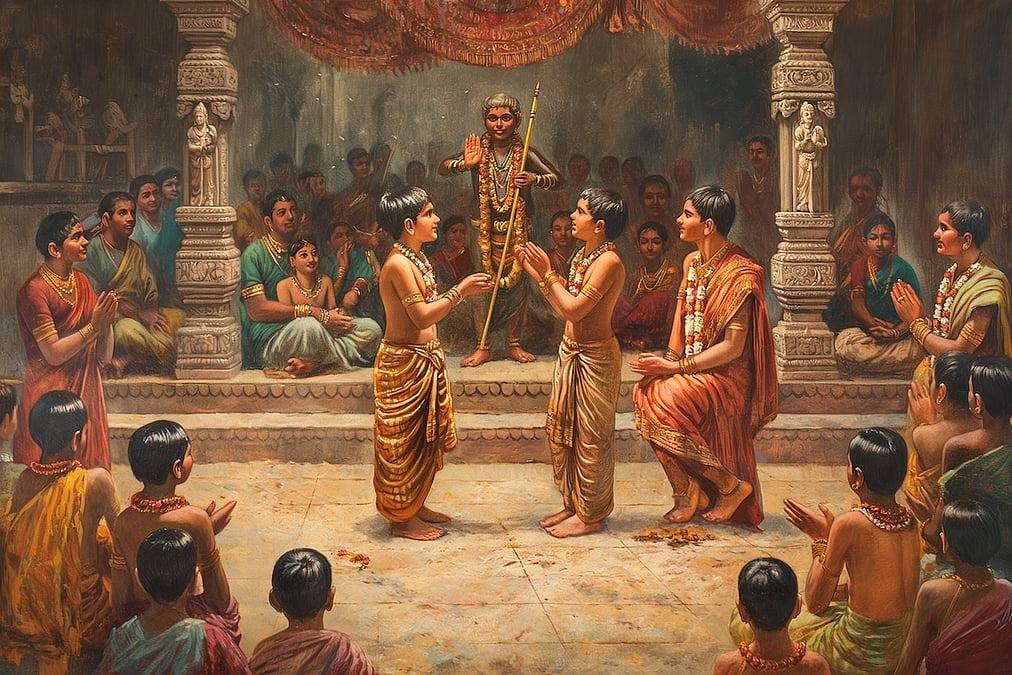
    Ramlila, literally referring to the play or enactment of Rama’s story, is a traditional form of performance based on the Ramayana.

    It is particularly prominent in North India, where communities organize performances during the festival season surrounding Navratri and Dussehra.

    Rather than presenting the entire Ramayana in one short performance, many Ramlila traditions unfold the story over several days.

    Audiences return repeatedly to follow Rama’s journey.


    A Story Shared by the Whole Community

    One of the most special things about Ramlila is that it can involve an entire community.

    People may participate as:

    ๐ŸŽญ Actors
    ๐ŸŽต Musicians
    ๐Ÿฅ Drummers
    ๐ŸŽจ Artists
    ๐Ÿ’ก Stage workers
    ๐Ÿ‘จโ€๐Ÿ‘ฉโ€๐Ÿ‘งโ€๐Ÿ‘ฆ Audience members
    ๐Ÿ™ Volunteers

    This makes Ramlila more than a theatrical performance.

    It becomes a community event.


    The Story on Stage

    Different Ramlila traditions may present different portions of the epic, but commonly include important episodes such as:

    ๐Ÿ‘ถ Rama’s birth
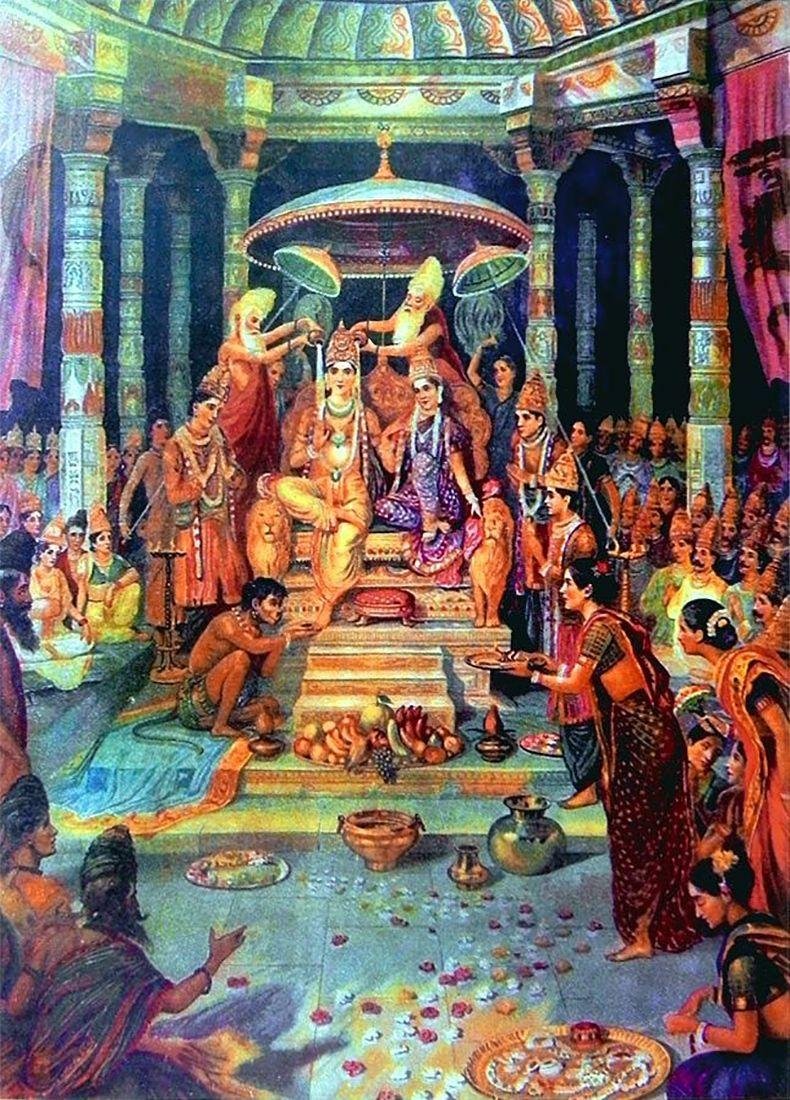
    ๐Ÿน Rama’s marriage with Sita
    ๐ŸŒณ His exile
    ๐ŸฆŒ The golden deer episode
    ๐Ÿ™ Hanuman’s arrival
    ๐ŸŒŠ The journey toward Lanka
    โš”๏ธ The battle with Ravana
    ๐Ÿ‘‘ Rama’s return

    The exact order and presentation can vary according to local tradition.


    https://images.openai.com/static-rsc-4/rNe-tXnHXjX4M82k207TYQdbkzV4vsEfJrldECuIM79nEgueZjgskoHSfhvKJJRndd81Ch8ivIjX0Vy9IOdPlMsAhIzw9cXl0C8LNM58zG-klOJV9f69pguiOy6W4CjjF8BxuzMSyrNBxfiLHaw6W8PK7ByBRkw6bBMrqpLYt9sU2AeN4MeoCrnA_meRNYGj?purpose=fullsize
    https://images.openai.com/static-rsc-4/80CKaL5aGCyCf3zQsxXBhSnEFlXlPY_hzifNmoLDmrfANknveBTny7b0-v72p0ojOM6yBFJf3cNQEQmoJ934yCwDYDWuo13ePFYV74pkH4g58T2pMDUgyo9Nw3-LOoUrn3nAUFUosmWL-kZ0HUVx71DlhJenHSEc2GBvYBSbyHkQSwiw268s0qxFbdskACE9?purpose=fullsize
    https://images.openai.com/static-rsc-4/ggQlIF-fr_oKL_-Oy57VW0CpkjO5eWNnwJGwMSrb9bZcXO3HxJlx66zLHYxfCI4PV_myZvMgD0VmKYKuLR66-QHC77n6wkVbw_UtJX1evSXPSCz-Diy2xUpTn0OjOPEAKvcD-LgkoaOpsDqDvXFa-y0rgjjnaeBOmt6Jq_v1AjBt9KJ0aXz-pkVO-HZmj8JO?purpose=fullsize

    Rama in Ramlila

    The actor playing Rama traditionally represents qualities such as:

    โš–๏ธ Dharma
    ๐Ÿ™ Respect
    ๐Ÿ’ช Courage
    ๐Ÿ‘‘ Responsibility
    โค๏ธ Compassion

    The performer therefore has an important role.

    The audience is not simply watching an ordinary character.

    They are watching a figure with deep religious and cultural significance.


    Sita’s Role

    Sita is one of the central characters in Ramlila.

    Her scenes often portray:

    โค๏ธ Her relationship with Rama
    ๐ŸŒณ Her life in the forest
    ๐Ÿ’” Her separation
    ๐Ÿ•Š๏ธ Her strength and dignity

    Through these performances, audiences encounter Sita’s story not only as written narrative but also through visual emotion.


    Hanuman Steals the Spotlight

    Hanuman is often one of the most popular characters during Ramlila.

    His energetic movements and expressive performance can bring excitement to the stage.

    Children especially enjoy scenes featuring Hanuman.

    His character combines:

    ๐Ÿ’ช Strength
    ๐Ÿ˜„ Energy
    ๐Ÿ™ Devotion
    ๐Ÿง  Intelligence


    https://images.openai.com/static-rsc-4/dcBCaaoO_DbNd71reBElf88X5J4bpmhdPlUTjGSwJWvC3Fg-ns4U34fiNxU1hl2JS5UGPCChiMlrGL1SvQRDN9OZb8ZjbjBtBpRBIKVvhRPTTPf6YdQ__HH_miM-iOIYQlSvhHF4S06oCJy_VL1OUMjOK9OqDUKt5NB8_uaYcF5qrR17PZ-E6BU0smkbUJuM?purpose=fullsize
    https://images.openai.com/static-rsc-4/XrmcFr1OyBa5GogyhchywMLCWeQ-mpppJ5zMZedNIKHuM87ZfEHHocQdEF84cdfYX-z2aBq8Ar5ggyPjYumEJpxh-g3CIgUZ2Yq-KCgM-5h3x47JeE9iqTundxvbXfgvcGf788mXs9jIvyQd1Knx1dHEnpetYO36L7A7ueiA8BoLTtbJgKfQ9-03X3orq2qc?purpose=fullsize
    https://images.openai.com/static-rsc-4/R6aEEO_WIAuEiheGi5hRXrj51MGa4XhAsv9vROmXkvJgNWZtiqgeAWDq9neNXVdsOJwJXUkWI12PKfVmYKWRFiKsAR1coLd49u58E7nZOScwZG1tBs5MwF0_DS9TclIoZfKdy1Rx8YFjqrBnxJA2axTEE2OKDC2koOIDDrYS3gaEEjV1H7ER8i7MLedRcXoN?purpose=fullsize

    The Importance of Costumes

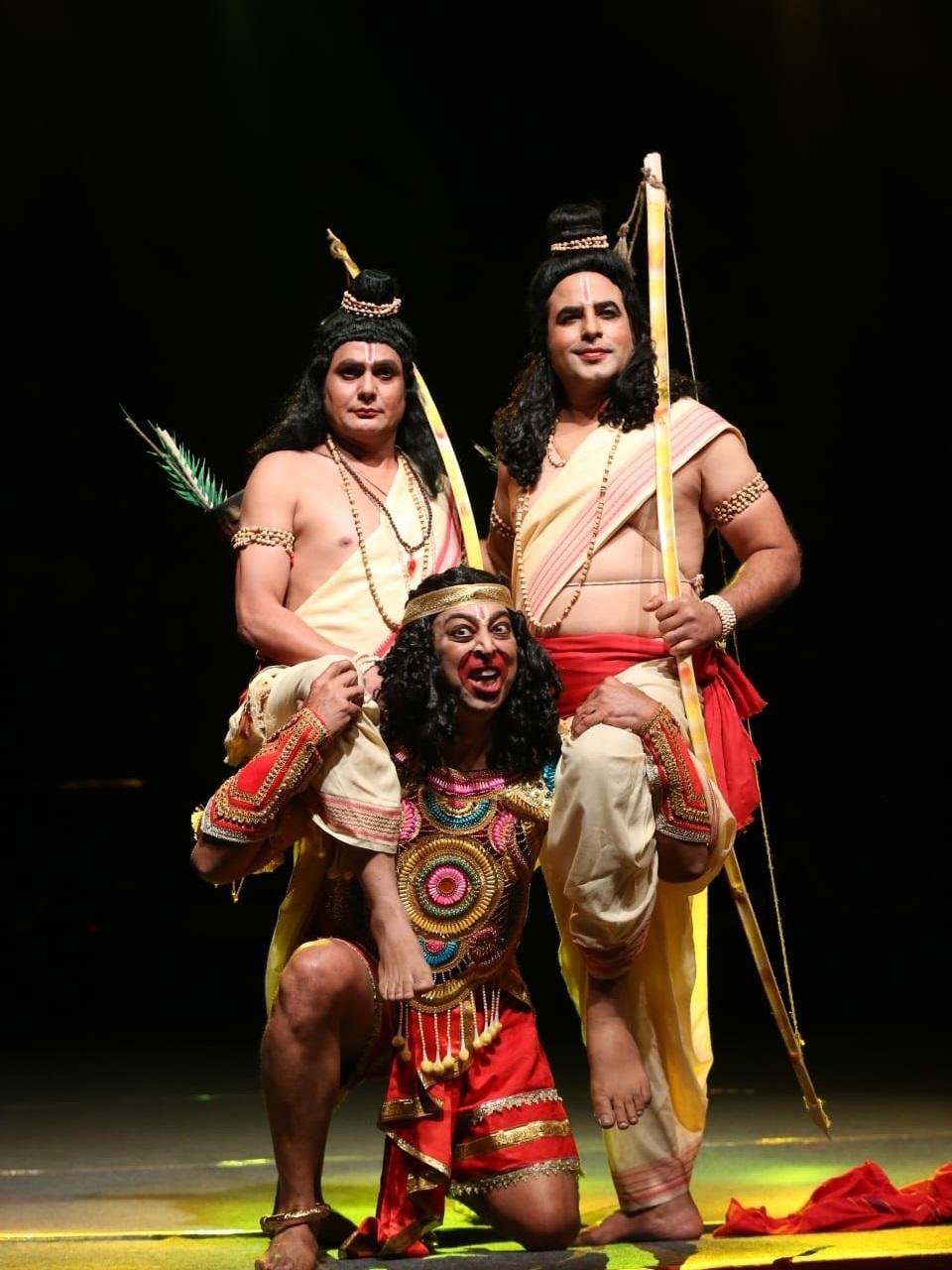
    Costumes play an important role in helping the audience recognize characters.

    Rama may appear wearing royal or traditional attire.

    Sita is presented in elaborate traditional clothing.

    Hanuman is immediately recognizable through his distinctive appearance.

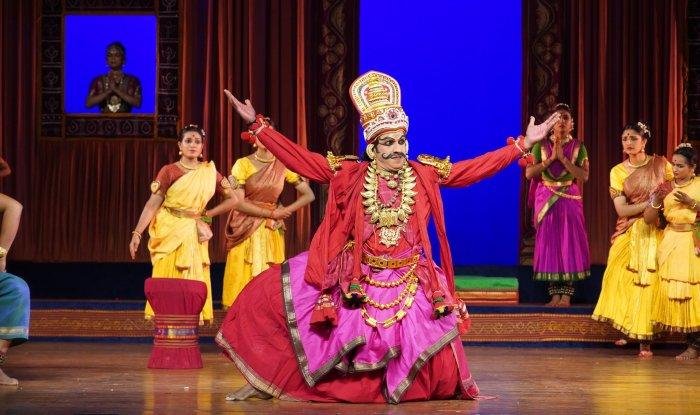
    Ravana is often portrayed with a large crown and dramatic costume.

    The visual design makes the epic easy to understand, even for people watching it for the first time.


    Music and Dialogue

    Ramlila combines theatre with music.

    Performances may include:

    ๐ŸŽต Devotional songs
    ๐Ÿฅ Traditional drums
    ๐Ÿ—ฃ๏ธ Dialogue
    ๐Ÿ“– Recitation
    ๐ŸŽถ Musical narration

    The combination creates an atmosphere that is both dramatic and devotional.


    The Ramaโ€“Ravana Battle

    One of the most anticipated moments is the final confrontation between Rama and Ravana.

    The scene represents the climax of the story.

    Rama faces Ravana in battle, and the victory of Rama becomes the central dramatic moment.

    In many communities, this event is connected with Dussehra celebrations.


    https://images.openai.com/static-rsc-4/-9-hBkg2q-eh-HXP_X7JshUL-OB_tMwUfA3nGJFQpuh-r3qHl8GNbkJbxVFmHdgCeKPROIC3uGykjUwhuqse72QQzK5xTFrskAiwZfYpTWvLuxikr3K-7S-jOwtDT75-1_yF2rOI-aD7ZWMyInbrCrltgm4pnyUTcredHQsRvxW7fPzbFJ95KgENP-9W3_fq?purpose=fullsize
    https://images.openai.com/static-rsc-4/uxWrKaD7oHL1a5oXk_gMNg-CIQmrnMAF99774XQCZqrSUM8ou-syDQbqMOEOHh8R-hDEGMMHWDAuxpnK3nK_hV4aH6ABdGNfh-oF7kerHiiJHpOb9Bt96G0dwEe-lnAfPqJOe4B7XlcQiRhyF9bLuugutSwKJ9-wq32pC1yljFf0YF71e2dTkESlXRNrTxRq?purpose=fullsize
    https://images.openai.com/static-rsc-4/52rvp5KYWHlHVjTEcW6fgRzYDNHA7fNbOjQyQG6KvdiZMsAWA9yRI75pKDgdQE5-pldmwBnhiyoozeCv6bQovRVa0TH2ByHdYyAkEs2Z3w2mQVikzMgHRMfmCN88oGC_PJNJFMyqDQBpjZzsLkiytlQD_RYBhuUXuVkfXYerNlTkVum2hiMso5lHPKeCBNy7?purpose=fullsize

    Why Is Ravana’s Effigy Burned?

    A major Ramlila tradition involves the burning of large effigies of:

    ๐Ÿ”ฅ Ravana
    ๐Ÿ”ฅ Kumbhakarna
    ๐Ÿ”ฅ Sometimes other figures associated with the story

    This usually takes place around Dussehra.

    The burning has come to symbolize the triumph of righteousness over wrongdoing.

    The event also creates a spectacular public celebration that attracts large crowds.


    Ramlila and Dussehra

    Ramlila and Dussehra have become closely connected in many parts of North India.

    During the festival period, people may:

    ๐Ÿ™ Attend Ramlila
    ๐ŸŽญ Watch performances
    ๐Ÿช” Participate in celebrations
    ๐Ÿ”ฅ Watch the effigy burning
    ๐Ÿ‘จโ€๐Ÿ‘ฉโ€๐Ÿ‘งโ€๐Ÿ‘ฆ Gather with family and community

    The festival therefore combines religious tradition with public cultural celebration.


    Different Ramlila Traditions

    There is not just one single form of Ramlila.

    Different regions and communities have developed their own styles.

    Some performances are:

    ๐ŸŽญ Large theatrical productions

    Others are:

    ๐Ÿ˜๏ธ Community performances

    Some may use:

    ๐ŸŽต Extensive music

    Others may focus more on:

    ๐Ÿ“– Traditional narration and dialogue

    This diversity shows how communities have adapted the Ramayana to their own cultural environments.


    https://images.openai.com/static-rsc-4/S_cJ127kozKroxe6kMWmRjRR4c_SEn0vFZJAUgTHiQnBIKaqFUwPj1R99V62kZ3-J3VZwTUvb-iq0DywJrLmzhX0fBdkUBByW0joIdIiPfDcaqFblwtGLSiSsokIw9MHEnBODukud3zdJLzwF2Op18YOkDUSgz3S3YymjJ5cun2v0x5o3Nq8VEUI1Uar0JTG?purpose=fullsize
    https://images.openai.com/static-rsc-4/QFsuMhZ00B4PVkObSeDG3falNPcIn-NrBdqq5Pe8DKrTJohqseTTlUjWP-h68byOiJj9j01LGtUOi0-Rw88xuM6cJwx1Hoix6tA_cAlJ_Q8EhFNUyWJHycD3-QvpaZgEqWiIXyxfiOsAn3F6rSjG5blCoonfvkcrNmFiMtRkgSbf12qfurQueHHQnBbMkf0Y?purpose=fullsize
    https://images.openai.com/static-rsc-4/qgxj7KZP_BJ0SdjJxX1j_0nLF5aOlwntkCX8DT5JWCEpepNwNe3JA2yPAiO4YsEfACnKyj_NrsiBw1_rLXX3mqdkbXo7yqpuBW8g0jCx80Ez_AGFlJCqokoarALOFw66zomsBbKLR97-CNsKaFjGyVdeCFgtdeyd-C-OUf2Icd5qu6o4nr5clX9NY553aiN_?purpose=fullsize

    Ramlila as a Cultural Tradition

    Ramlila has significance beyond entertainment.

    It helps communities pass stories from one generation to another.

    A child who watches Ramlila today may grow up to bring their own children to the same celebration years later.

    In this way, the tradition becomes part of family memory.


    Children and Ramlila

    Children are often fascinated by Ramlila because of its visual storytelling.

    They see:

    ๐Ÿน Rama’s bow
    ๐Ÿ’ Hanuman
    ๐Ÿ‘‘ Kings and queens
    โš”๏ธ Battles
    ๐Ÿ”ฅ Ravana’s effigy

    For many children, this may be their first experience of the Ramayana as a dramatic story.


    Ramlila in the Modern Age

    Modern Ramlila has also adapted to changing technology.

    Many performances now use:

    ๐Ÿ’ก Modern lighting
    ๐Ÿ”Š Sound systems
    ๐ŸŽฅ Large screens
    ๐ŸŽค Microphones
    ๐Ÿ“ฑ Social media promotion

    Some productions have become very large public events.

    Yet the basic storytelling tradition remains.


    https://images.openai.com/static-rsc-4/4UPZwWGbQ34v6LseeWu8Xjyqx05_Wb2jtXye7w6wPaeB7E8wcT6Y5eSMfydPCk0bNQ6gCyZJdj1LHFqC6fx_9hOlowax8jN0xM59V0xC-9gMyeHUqC3WesqTUSYgAeiIlGwQEOgMh3fBoHmlfZvh6quEM7TPNNrVVFa2dcibdYusKcZmzPWjdNkAVfPCjsQP?purpose=fullsize
    https://images.openai.com/static-rsc-4/rlnUWRab9EkXzYD4BUmDNJPOrnlfbZjAW8IJamtKXIUbJsWtyBr6WrTJyWIvV5M6P8k3pCmppaJhD_4OFnyTklHDiIydrwH0GpZeBE190DGN_OLLUce0SoV5quubuGnyIf0weObcoCj_MSP6ZGmnN2_mZ00QbtU89Qcls6tlbRaN5QQ9nP5yfQJkFzcQsWO_?purpose=fullsize
    https://images.openai.com/static-rsc-4/4YS00K5Mx1TiCE9bB5e-RYiy8HvlY5wfKvJYAr3tg8YVnS95VjvyCsIPsksCHfsREHtilH06LOBFKuDiOyLEoHPkAjm0VhMuam1TNzweABMPnyYQ8Nrbq_IeEW7D_ZTg7zuOjZqikgWIAdKUktPullOVlCNJFjLUmYk66ykpKH9B5tPQyJzfoAt_WhUY0Iwt?purpose=fullsize

    Why Ramlila Still Matters

    In a world filled with digital entertainment, Ramlila continues to bring people together physically.

    Families gather.

    Communities participate.

    Performers prepare for weeks or months.

    Audiences experience the story together.

    That shared experience is something a screen cannot completely replace.


    Ramlila and Cultural Memory

    Stories survive when people continue to tell them.

    Ramlila provides one of the ways in which the Ramayana remains part of living culture.

    The story is not locked inside an old manuscript.

    It is performed again.

    And again.

    And again.

    Each generation becomes both an audience and a future storyteller.


    Conclusion

    Ramlila is one of the most remarkable ways in which India continues to experience the Ramayana.

    Through acting, music, costumes, dialogue, community participation and Dussehra celebrations, the ancient story becomes a living performance.

    The actors may change.

    The stage may change.

    Technology may change.

    But the story continues.

    ๐Ÿ•‰๏ธ Ramlila shows how an ancient epic can remain alive when a community chooses to perform, celebrate and pass it on to the next generation.

    In the next part, we will explore how Dussehra became associated with the Ramayana, why Ravana’s effigy is burned, and how different regions of India celebrate the festival in their own unique ways.
  • Ramayana Part 35: Ramayana in Indian Classical Dance and Theatre | When the Epic Comes Alive on Stage

    Ramayana Part 35: Ramayana in Indian Classical Dance and Theatre | When the Epic Comes Alive on Stage

    In the next article, weโ€™ll explore how the Ramayana became part of Indiaโ€™s classical dance and theatre traditions, how performers portray Rama, Sita, Hanuman and Ravana, and why the epic continues to inspire artists across generations.

    https://images.openai.com/static-rsc-4/qanQ6vHCGO0mvCZsVpfjBl0LWuCayBd17MZv86Hb0Ot5N0clOfzo_8zYives8l0VHM4c8q4AQ_YoXHUSpf8aa3Pd5gT-0EBYlxs6ccHLIH-qGYkj778rsuMEAffJgbz_lPNr6zUbAviKcN-pmkxTmuWBDnLLMfvOUxjB3qKxtIwdOLkffSxqkSuVPul2Wtwe?purpose=fullsize
    https://images.openai.com/static-rsc-4/04ctNaX8IruFfINJhale0vb8o2FVZilhLVoyUZ8NninBpKeJw8kdC5gs_chdnYYrFgFSEEu247gb9956W_mfcbv5TSLDKyieHgJMErsWlNb8dvqUFAFIi58MkGtIQduSAZBVgWRkbomVHMvucD2KCzFfMLBDpyYXZqdgXGLsHCQ_cZqV7E7Rtn6Riu2OF7vb?purpose=fullsize
    https://images.openai.com/static-rsc-4/Zt9sTX-achqBdBmflEmx9G9eY9f373uGBpc52tFohJkCdYFDoTh0Ukw_XIqCeE_-zbfgHWBwKczEXsWZnXr6M0t5glRab_4AnDIIgPppEBdNpY7e8fictsAXCBYDquly65ey4ba8ZEpkE9TjPz0_nBnMm1m_0NGY8ie4uE_1VBBSwzDM4IVfJTLGL-FI0hVl?purpose=fullsize

    The Ramayana Beyond Books

    The Ramayana has never existed only as a written story.

    For centuries, people have experienced it through:

    ๐ŸŽญ Theatre
    ๐Ÿ’ƒ Classical dance
    ๐ŸŽต Music
    ๐Ÿ“– Storytelling
    ๐Ÿ›• Temple performances
    ๐ŸŽจ Traditional art

    A performer can bring an ancient character to life simply through movement, expression, costume and music.

    This is one reason the Ramayana has remained accessible to generations who may never have read the entire epic themselves.


    How Dance Tells the Ramayana

    Indian classical dance uses a combination of:

    ๐Ÿ‘‹ Hand gestures
    ๐Ÿ‘€ Facial expressions
    ๐Ÿ•บ Body movements
    ๐ŸŽต Music
    ๐Ÿฅ Rhythm
    ๐ŸŽญ Dramatic expression

    These techniques allow a dancer to communicate an entire scene without using ordinary conversation.

    A single gesture can represent a bow.

    A facial expression can show sorrow.

    A movement can represent travelling through a forest.

    Through these techniques, the Ramayana becomes a visual experience.


    Bharatanatyam and the Ramayana

    Bharatanatyam, one of India’s major classical dance traditions, has a large repertoire of stories drawn from Hindu devotional literature.

    Episodes connected with Rama have been performed through dance for generations.

    A performance may portray:

    ๐Ÿน Rama’s character
    โค๏ธ Sita’s devotion
    ๐Ÿ™ Hanuman’s bhakti
    ๐ŸŒณ Life in the forest
    โš”๏ธ The battle with Ravana

    The dancer does not simply narrate the story.

    They interpret the emotions of the characters.


    https://images.openai.com/static-rsc-4/04ctNaX8IruFfINJhale0vb8o2FVZilhLVoyUZ8NninBpKeJw8kdC5gs_chdnYYrFgFSEEu247gb9956W_mfcbv5TSLDKyieHgJMErsWlNb8dvqUFAFIi58MkGtIQduSAZBVgWRkbomVHMvucD2KCzFfMLBDpyYXZqdgXGLsHCQ_cZqV7E7Rtn6Riu2OF7vb?purpose=fullsize
    https://images.openai.com/static-rsc-4/9Z4EKyhw2MdSe_JoSDn3Lx069WAGqg3ujfl_3-kPPbjdlj6z8d5OhTb6G8i1H1t5RoWx_PigkknYiq1JO80zGMWWYizrqnyiEpdT1WOYQ3-GHMdGiiav9ybVlM7j-NtcudHQp_KVopk8ZEd7rqvce_fz6Rbv8rkNVh0x5QuAPcYOKTjErHR1EvkzsyZ2sAg6?purpose=fullsize
    https://images.openai.com/static-rsc-4/lFjPBPNc3jsGI8pA8JHm1G4PhZHRcLUMLxfBR1MCCMfdZvZeuEdaOIpMGmDmFOy_Tv5JFBSiQ6sSVFWTbluZISzBl4aRSIQmak4QK6cXTBjC-viGWnL25GQbFGOzdcX3yCDWaZL1H3BcczF8wTKDLlY7FLu0E7LiUlkjO-1WjzL_b2tID_cfDD4i1Ksv015M?purpose=fullsize

    Kuchipudi and Rama Stories

    Kuchipudi, the classical dance tradition associated with Andhra Pradesh, also draws on stories from Indian mythology.

    Ramayana episodes have appeared in Kuchipudi dance-drama traditions.

    Performers combine:

    ๐Ÿ’ƒ Dance
    ๐ŸŽญ Acting
    ๐ŸŽต Music
    ๐Ÿ—ฃ๏ธ Dialogue
    ๐Ÿฅ Rhythm

    This combination makes Kuchipudi particularly effective for storytelling.


    Kathakali โ€“ The Ramayana in Kerala

    One of the most visually dramatic ways of presenting stories from Indian tradition is Kathakali.

    Originating in Kerala, Kathakali is famous for:

    ๐ŸŽจ Elaborate makeup
    ๐Ÿ‘‘ Large costumes
    ๐Ÿ‘€ Expressive eyes
    ๐Ÿคฒ Hand gestures
    ๐Ÿฅ Powerful percussion

    Ramayana stories have an important place within the Kathakali repertoire.

    Characters such as Rama and Ravana can appear dramatically different through costume and makeup.


    https://images.openai.com/static-rsc-4/Zt9sTX-achqBdBmflEmx9G9eY9f373uGBpc52tFohJkCdYFDoTh0Ukw_XIqCeE_-zbfgHWBwKczEXsWZnXr6M0t5glRab_4AnDIIgPppEBdNpY7e8fictsAXCBYDquly65ey4ba8ZEpkE9TjPz0_nBnMm1m_0NGY8ie4uE_1VBBSwzDM4IVfJTLGL-FI0hVl?purpose=fullsize
    https://images.openai.com/static-rsc-4/mFCS1buu5s1l-OSrkSEHaM0YfwG23uJ4WS9wbaNgmCrSPD701GlGMzHSHPg6XqueATGpGQqoBJoPPOyiTTZh1G-MXJ92EeDrl2sH0Q1xUvFg_hcZYMGYWX6miBvzrcv_aU1wM0rba90xarAW1gElT95VahAXZLacNvBzn7qwoJQ17R_PvuFnsbEkJ9IhX4-1?purpose=fullsize
    https://images.openai.com/static-rsc-4/k5Xb3uFX5aFWhDDZVDbGoGvUOi9G5IxoNHOGkG6tjPXfLYQznU9JSZFSjW7auxxBkmQQRTYoge_1BAuC2enpWJd_-iRbkI8NSSmoLep6gYslpMGOnYFVWvz6r8iLbLcMVf5kZj0cM60qdnTMTE5i6eo3bAGc-Ld1q_fJ0-dE1KEMEhqVjQz6qoctjMlAuSlU?purpose=fullsize

    Yakshagana and the Ramayana

    In Karnataka, Yakshagana combines theatre, music, dance and elaborate costumes.

    Ramayana episodes are among the stories performed in this tradition.

    The bright costumes and energetic movements make the performances visually striking.

    The audience does not merely listen to a story.

    They watch the characters interact, fight, speak and express emotion on stage.


    Ramlila โ€“ The Ramayana as Community Theatre

    One of the most famous theatrical traditions connected with the Ramayana is Ramlila.

    Ramlila performances are especially associated with North India.

    They traditionally present episodes from Rama’s life through community performances.

    The performances can take place over several days or even longer periods depending on the local tradition.


    https://images.openai.com/static-rsc-4/cc4R-W-BjahAED8vQFE5ddLKcLngHf0JMUImvoAhURkoIxywIY0p11kR-_5f9R0reS2TCXHmDvhRM44H2rXCmQ2P5Bdc5JjsSJlby5aQOe6zz3foias6xEqrxsauMT7Brf0_U-Oqfl5KigAx9U42zGvjQ8PfN9YK8T5vSNdMj20mPIjKeyVigpcOPfMgx8T-?purpose=fullsize
    https://images.openai.com/static-rsc-4/1binHaGztiAcftP2Njm3lsJIx1ZIN2r-QUogTaVjRgwSINpkLTO4C931b4qBukSk3WAQ7ZlkPZ9RR8P3ajHA1lPC2h7fqzd-CK1U6BZvCAztMgjqSCYxlN0fpI44FgvjyLjO9GovzBBMfDqsGcRE3xvt6Gju78Q2c3VMwOatDlBoRFf4mWFwxGDIsQjgr9B7?purpose=fullsize
    https://images.openai.com/static-rsc-4/uxWrKaD7oHL1a5oXk_gMNg-CIQmrnMAF99774XQCZqrSUM8ou-syDQbqMOEOHh8R-hDEGMMHWDAuxpnK3nK_hV4aH6ABdGNfh-oF7kerHiiJHpOb9Bt96G0dwEe-lnAfPqJOe4B7XlcQiRhyF9bLuugutSwKJ9-wq32pC1yljFf0YF71e2dTkESlXRNrTxRq?purpose=fullsize

    Why Ramlila Is Special

    Ramlila is not simply a theatre show.

    In many communities, it becomes a social and religious event.

    Families gather together.

    Children watch the performers.

    Musicians accompany the scenes.

    Local communities participate in organizing the event.

    The story therefore becomes part of community life.


    Rama and Ravana on Stage

    The confrontation between Rama and Ravana is one of the most dramatic moments in many Ramayana performances.

    The actors use:

    ๐ŸŽญ Costumes
    ๐ŸŽต Music
    ๐Ÿฅ Drums
    ๐Ÿ—ฃ๏ธ Dialogue
    โš”๏ธ Stage combat

    to create the atmosphere of the epic battle.

    In many places, the performance culminates around Dussehra, when Ravana’s effigy is traditionally burned.


    Hanuman โ€“ A Favorite Character of Performers

    Hanuman often becomes one of the most energetic characters on stage.

    His role allows performers to combine:

    ๐Ÿ’ช Physical movement
    ๐Ÿ˜„ Expressive acting
    ๐Ÿ™ Devotion
    โšก Energy
    ๐ŸŽญ Humor

    This makes Hanuman particularly memorable for audiences, especially children.


    https://images.openai.com/static-rsc-4/XrmcFr1OyBa5GogyhchywMLCWeQ-mpppJ5zMZedNIKHuM87ZfEHHocQdEF84cdfYX-z2aBq8Ar5ggyPjYumEJpxh-g3CIgUZ2Yq-KCgM-5h3x47JeE9iqTundxvbXfgvcGf788mXs9jIvyQd1Knx1dHEnpetYO36L7A7ueiA8BoLTtbJgKfQ9-03X3orq2qc?purpose=fullsize
    https://images.openai.com/static-rsc-4/CaIehb5HcKQy45XT2Df043jABZf7f_AaaJFpx9zQQRvWLtBFVlCD3zjnK102tguWT-GyG__mXVWnlKAvqnbKjUGhh66JaPLbos0ZZbTU1uP7ctLLgMnRJuoVgXL5tvqU8hLmxXsD1MYJMV-M_PEyueVkVPSa_elrbddFpqk-5-kB3RyQeIDp18tZoev1Kze9?purpose=fullsize
    https://images.openai.com/static-rsc-4/ggQlIF-fr_oKL_-Oy57VW0CpkjO5eWNnwJGwMSrb9bZcXO3HxJlx66zLHYxfCI4PV_myZvMgD0VmKYKuLR66-QHC77n6wkVbw_UtJX1evSXPSCz-Diy2xUpTn0OjOPEAKvcD-LgkoaOpsDqDvXFa-y0rgjjnaeBOmt6Jq_v1AjBt9KJ0aXz-pkVO-HZmj8JO?purpose=fullsize

    Dance as a Language

    One of the remarkable aspects of Indian classical dance is that it can communicate without lengthy dialogue.

    A performer can show:

    ๐Ÿ˜ข Sita’s sorrow
    โค๏ธ Rama’s affection
    ๐Ÿ˜ก Ravana’s anger
    ๐Ÿ™ Hanuman’s devotion
    ๐Ÿ˜จ Fear
    ๐Ÿ˜Š Joy

    This expressive language allows audiences to experience the emotional side of the Ramayana.


    Regional Differences

    The Ramayana may be the same broad story, but performances differ greatly between regions.

    A Bharatanatyam performance may focus heavily on expressive dance.

    Kathakali may emphasize dramatic makeup and physical acting.

    Kuchipudi may combine dance and dialogue.

    Yakshagana may use elaborate costumes and energetic theatre.

    Ramlila may involve an entire community.

    These differences demonstrate the remarkable adaptability of the Ramayana.


    https://images.openai.com/static-rsc-4/dH06f-UlUUZJv3WC51EeOS_GGY48R-WHyS3hp_CGyOBW_vnPtBuPSQA82vuJarsiLJ1nr-sFWQBeLbGGxBG9mw4dIOWDb1munWQz2QXz0YsBucWVnIUayOGUrkGeCHQ9TRC1HAI50oDJQExpWVNjpss1TDA_23Jn6HF22hMmzEch2pjPzyG7qpsayWW-Urqq?purpose=fullsize
    https://images.openai.com/static-rsc-4/uz609VyqJsk90t0Z_IsUb-8yakvIpZ0ZgYrIxOWSqjOh5NeKe6YPQuTw4vEcK-Ttr0qVFYMC6NkeqX4ovI5cJOtLrNgfDGYaphzcdpCLp8E0YPxUtcbu3wr3u6GZ7UXqwm-yvI8Gl5p-dIPxyuiIVl1mtOiroV6jPL7BuFwy0cfIMboPdVcJhvn4YHlTAFcK?purpose=fullsize
    https://images.openai.com/static-rsc-4/p6MeS8gP4zy4jLipFuFYSBM27c9ZqWdFVSruH1EmxBk8C5jhhHfjqMJvAw-dAHLPt6EjeAY8cUjJjrg0n5S7Y4hAMFkbdK6r65Zl5i3Yc2FZj29ey348Jra_548gHs3toB8qgQ_zQ1RGIN9vrqJ3TD0i0-7KC9KkKjRO25-AjkvKdjZEi_Syd50WZOJsOIXb?purpose=fullsize

    The Role of Music

    Music is essential to many Ramayana performances.

    Different instruments can create different moods.

    ๐Ÿฅ Drums can create the atmosphere of battle.

    ๐ŸŽถ Melodies can express sorrow.

    ๐ŸŽต Devotional songs can create a spiritual atmosphere.

    Music therefore helps audiences understand the emotions of each scene.


    From Temple to Modern Stage

    Ramayana performances have changed over time.

    Traditional performances continue in many places, while modern productions may use:

    ๐Ÿ’ก Stage lighting
    ๐ŸŽค Modern sound systems
    ๐ŸŽฌ Large sets
    ๐Ÿ“บ Television
    ๐ŸŽฅ Film techniques

    Despite these changes, the basic characters remain familiar.


    Why Artists Continue to Choose the Ramayana

    The Ramayana offers artists an enormous range of emotions and situations.

    It contains:

    โค๏ธ Love
    ๐Ÿ˜ข Separation
    โš”๏ธ Conflict
    ๐Ÿ™ Devotion
    ๐Ÿ‘‘ Royal life
    ๐ŸŒณ Adventure
    ๐Ÿ’” Loss
    ๐Ÿ† Victory

    For an artist, this provides countless opportunities for creative expression.


    The Ramayana as Living Culture

    A book can preserve a story.

    But performance can make people experience it.

    When a dancer portrays Sita, an actor becomes Rama, or a performer plays Hanuman, the audience encounters the epic in a new form.

    This is why the Ramayana continues to live through performance traditions.


    Conclusion

    The Ramayana has inspired Indian classical dance, theatre and community performances for centuries.

    From Bharatanatyam and Kuchipudi to Kathakali, Yakshagana and Ramlila, artists have found different ways to bring the epic to life.

    The languages, costumes, music and performance styles may change, but the central characters continue to remain recognizable.

    ๐Ÿ•‰๏ธ The Ramayana survives not only because it is remembered, but because generation after generation continues to perform it.

    In the next part, we will explore Ramlila in greater detail โ€” how communities perform the Ramayana, why Dussehra became closely connected with these performances, and how this tradition became one of India’s most recognizable forms of cultural theatre

  • Ramayana Part 34: Sacred Places of the Ramayana | The Journey of Rama Across India

    Ramayana Part 34: Sacred Places of the Ramayana | The Journey of Rama Across India

    In the next article, weโ€™ll explore the important places associated with the Ramayana tradition, from Ayodhya and Mithila to Chitrakoot, Panchavati, Kishkindha and Rameswaram, and how these locations keep the memory of Ramaโ€™s journey alive even today.

    https://images.openai.com/static-rsc-4/htdZuPHADQzh5lHnWMGkiuBXuIcTEGtKZV7QU57PCrJOOOazIoziJLwC9knbB3Tu_cNcSKru--vi14hcgQRLZ6-1rcIqaa7a3v9fQK9qZWxs1Co3zL6560SSnoV9bRfsGjJld2sWomGvcyL-Y5qJ1yGZ54HJaKC7soa9avtibCwZiadr0D1jjd3JD9fOylci?purpose=fullsize
    https://images.openai.com/static-rsc-4/glxkKHBV6Yo7_Rg4cQVlaYIe5f6VGts6I2za5i5KYj8if2hnKcBKtgqWHR6dzzjOxJq1dOpqwNOI26tfOrsNMbpqMVoSau8rpe79eUKsdLAbuZ-uHJr8N42enzUexwcSTBfh7YpWNTEw1oZ8At0x0KbcF-JDpTuXdhUb89x48RSCtHq-u4DfxQvQxwAQVidZ?purpose=fullsize
    https://images.openai.com/static-rsc-4/G0WdD7K3OKxSUGHhhnJqJ5dNq9WIvkrWr2kpryXXlyd3x149DA02_5xQhlq4onw7U4wDvbwauHc7DtCRKv-MxCdSYvN6cjK7el9py4S1GwL9OcYLFb2hO2UNwqhAydm7dhAdCgwjxsoeEInoWhlZJc_v0L98b5-ZIVBkLJCFs5cU72BRhr4MOpjGx-tLbJ23?purpose=fullsize

    The Ramayana Is Also a Journey Through Places

    The Ramayana is not only a story of people and events.

    It is also a journey across landscapes.

    Rama’s story takes us through:

    ๐Ÿฐ Kingdoms
    ๐ŸŒณ Forests
    ๐Ÿ”๏ธ Mountains
    ๐ŸŒŠ Rivers
    ๐Ÿ›• Sacred places
    ๐Ÿ๏ธ Distant lands

    Over generations, many of these locations became connected with the Ramayana through literary, religious and local traditions.


    1. Ayodhya โ€“ The City of Rama

    The journey begins with Ayodhya, traditionally regarded as Rama’s birthplace and the capital of the kingdom of Kosala.

    Ayodhya is associated with some of the most important events in Rama’s life:

    ๐Ÿ‘ถ His birth
    ๐Ÿ‘‘ His royal family
    ๐ŸŒณ His departure into exile
    ๐Ÿฐ His return
    ๐Ÿ‘‘ His reign

    For devotees, Ayodhya remains one of the most important sacred places connected with Rama.


    https://images.openai.com/static-rsc-4/3r4z9lyowmSRvTaPHSD2MhoYFwRz6PmACV5-o0rM73Cq0GV-M874r10NPXPEd1NbOYd7lSQG9_eeEMvqcLS_aw7ZwFBy2IuTLmYfI7HYKQ3TFEEdkIgatA8faRJsi_NUqfDyv2zxD10B_OwjT3KeUBUKh8DvMNMycdiEPvhbKCf51DS7Kj7vxHSTj3WwpOQL?purpose=fullsize
    https://images.openai.com/static-rsc-4/scq2A7iJP9AlOke-X942VEpA_5zm6FuaQw5aH45C8YogkovLtqNFNyeQ_aXsyzY0tYB2bGSnU67PVD3TgK7qUdvyV5uo1zmoeWl-ho_rP6vDm4Fe-Ns0tduysknQFbdBR5z5nb-p8rFRicD-9CEk7jgoDkKT-YP8aIf-P_tJOeeKKSPX1ur__bFMdUoGpe9R?purpose=fullsize
    https://images.openai.com/static-rsc-4/JlvoIxiB3Sbv9VvIbk6tUfSnrWg4Aqe1Fjc3lvbGPCI6h1EUgktAmsYLVDWfRrE_QGjQK222eh5-QQmvmtnDTB3yYy02fAcAwAGCS9Meoz7mmhE5VI1WvY0pR2pA5EbjgRQSkPdyuxYyXuk2712VT-pSjS15cM6hlBl20ksRoxFPwoyLr4Qm4SLyaJkfSb1C?purpose=fullsize

    2. Mithila โ€“ The Land of Sita

    Mithila is traditionally associated with Sita and her father, King Janaka.

    The ancient region of Mithila covers areas that today lie in parts of northern India and southern Nepal.

    The city of Janakpur, in present-day Nepal, is particularly associated with Sita and the story of her marriage to Rama.

    The Janaki Mandir is one of the most famous landmarks connected with this tradition.


    3. Chitrakoot โ€“ The Forest Years

    Chitrakoot is traditionally associated with the period when Rama, Sita and Lakshmana lived during their exile.

    The region is known for its forests, hills and rivers.

    According to tradition, Rama spent an important period here.

    Chitrakoot therefore became a major pilgrimage destination associated with the exile portion of the Ramayana.


    https://images.openai.com/static-rsc-4/f9q-5qTAc7NL5057Lss9lpLGZ--74CiavxxIDSRJW5DBIWRZq78NJmm7CXf8lbE53JkG1UdEFt_Il6A25NfmJqn6x08ZV4rptqd1L_GXRG3epYlP5hab-xg1JZ40KCBAO3OTDRHzm1CsUNqP44ajtFEkK2rpO3HwzAX8VxiIbZ3Mhvr5iAHvx2GUUNUPT6xI?purpose=fullsize
    https://images.openai.com/static-rsc-4/HhpDIqwin5CumFe6fEe9jHKyuE4Zn7rvn41Vfm2kAUQqvavhpkpRuYav2uPqrVIrghALu7onrfiw1Ccy1yvUDQEBJFZDH7SdXHKJFVz9DBRtIupSyoUzIdiVyhfgDiGeba0iXBT2C1Xu3F1PaWmuu1_TsHrqyKN18q1mfc7pzmw8TOvKphEfMRZrOHFw_Db8?purpose=fullsize
    https://images.openai.com/static-rsc-4/glxkKHBV6Yo7_Rg4cQVlaYIe5f6VGts6I2za5i5KYj8if2hnKcBKtgqWHR6dzzjOxJq1dOpqwNOI26tfOrsNMbpqMVoSau8rpe79eUKsdLAbuZ-uHJr8N42enzUexwcSTBfh7YpWNTEw1oZ8At0x0KbcF-JDpTuXdhUb89x48RSCtHq-u4DfxQvQxwAQVidZ?purpose=fullsize

    4. Panchavati โ€“ The Forest of Important Events

    Panchavati, traditionally identified with the area around present-day Nashik in Maharashtra, is another important location in the Ramayana tradition.

    The forest period here is associated with several major events.

    It is traditionally connected with:

    ๐ŸŒณ Rama, Sita and Lakshmana’s residence
    ๐Ÿ‘น Surpanakha’s encounter
    โš”๏ธ Conflict with Khara and Dushana
    ๐ŸฆŒ The golden deer episode
    ๐ŸŒฟ The events leading to Sita’s abduction

    Because of these associations, Panchavati remains an important pilgrimage area.


    5. Dandakaranya โ€“ The Great Forest Region

    The Ramayana describes Rama’s journey through extensive forest regions.

    Dandakaranya is traditionally associated with a large forested area of central India.

    It was not simply one small location but a vast geographical region described in the epic tradition.

    Rama, Sita and Lakshmana are traditionally associated with travelling through these forest areas during their exile.


    https://images.openai.com/static-rsc-4/9cD0TnPQ6YtXGCtbSheW-hxtBAgRGnr9E0LVtGxxJVHkArGnwSQhbE1vHAEWrs5c5OMbBeLtFXog6kfop-P4xwSN976dVEEmcHDaOQa7GjD0rHZgM2tZ5rsfO3rlWE5vi1YSaUghiEQuDBOv8znLuU5gEwvA7aQiciJKSMeyXoqAhnyIfSrsX0Yy6QRPyD6t?purpose=fullsize
    https://images.openai.com/static-rsc-4/jg8Hmis-gZab9CUElkhHTawlogcag8A_LcsFBsW9jri4Qtw02i7BwzID6hbHHPpK7rSpRX4WI02-uOqEZ4-1pYbfXzw6Vo-0fv0vxVw4FtzuiZzaEUjTl3PsHnZYJU5leIbIkpYvBtIXuvOYSM3apSYrvTCdZ6BzOFQHY3ZEPR1DGVed-joo-dnoL0KQ1Pnl?purpose=fullsize
    https://images.openai.com/static-rsc-4/rkEziLGHinNCKRYf8zlptql_CcKGm83K_lWzsxBTYjJj_7ZBXkXIIBRJY8e_kdFwEmFF3j-drXj9_9Q6DSnf5Cr8Q2UwKZhrR3bSpVjAxSqGmDZYgkjVeaM7CkVMvrogW1_4HHxVndMup5Fsar3Dfr_fwxKlkRoU8YuHS8S2aUL4Wl8nZDplEn6n3mQpgUaY?purpose=fullsize

    6. Kishkindha โ€“ The Land of the Vanaras

    The story then moves toward Kishkindha, the kingdom associated with Sugriva, Hanuman and the Vanara characters.

    Kishkindha is traditionally identified with the region around present-day Hampi and Anegundi in Karnataka.

    The landscape contains rocky hills, caves and rivers that have become strongly associated with the Ramayana tradition.

    Places in the region are connected by local tradition with episodes involving:

    ๐Ÿ’ Hanuman
    ๐Ÿ‘‘ Sugriva
    โš”๏ธ Vali
    ๐Ÿน Rama


    7. Rishyamukha Mountain

    Rishyamukha is traditionally associated with the period when Sugriva lived in fear of Vali.

    It is also where Rama and Lakshmana encountered Hanuman in the traditional narrative.

    That meeting became one of the most important turning points in the story.

    Rama gained a devoted ally.

    Hanuman found the person to whom he would dedicate himself.


    https://images.openai.com/static-rsc-4/B0cGmjEvyd1TlM5IuLPmXqg0tr1-oERNc0ScuzzalGgbJjnz7VP_tIfj3ndY_SUUf5zGQebjbthIs-QyxUxVauDo_JZiNDcAox-gp52ySiqVWlaw4EUyVoK7BT2y5rEDUg_nQygEYHqKiKOUDWOtk7R2gFv-jrU-CW8giIu3Yijh95489B-vijbjf8IW5nOZ?purpose=fullsize
    https://images.openai.com/static-rsc-4/KWMQ4R1_PrdUEkBGtGS-3I_8bb7sklcMJ_90dNQlhe2k01obnLJ-Wu7PUK4z7lKljkfR_AzrzUFMBhUWtsxTuREABE4yphIJsiF88fm5wQ-WQR2doFGXUF9ozHkUeVb8REuTPHHJgncBpoDtUVgosHcQPJ3Ghj9g3eCMPy2yfBYmIE0MDjSunewewuvXBcTY?purpose=fullsize
    https://images.openai.com/static-rsc-4/GCLbkMKjx6JIqsom0TvSHhy892KuMT9wAPC-KXYR6vGc8NlX4yyM0uVUkOQKPV_s848XOUmoSEJPMea2kOvnK6M2PUGHTZcGGswQD3SRaWXpvlvNmJCpfPa9jrnamS6tDBqip6HiwQyCRLvEJ3ah27AKDeUcoNl61Xj2FxbavQTKvMpSzgLfz2J_6WLq2TmX?purpose=fullsize

    8. Rameswaram โ€“ The Southern Journey

    The story eventually moves toward the southern coast.

    Rameswaram, in Tamil Nadu, is traditionally connected with Rama’s journey toward Lanka.

    The area is especially associated with the worship of Shiva and the tradition surrounding the Ramanathaswamy Temple.

    Rameswaram is therefore important both within the broader Ramayana tradition and within Hindu pilgrimage.


    9. Rama Setu โ€“ The Bridge Toward Lanka

    One of the most famous geographical features associated with the Ramayana is Rama Setu, traditionally described as the bridge built by Rama’s forces toward Lanka.

    The Ramayana describes the Vanara army constructing a crossing over the sea.

    The story of the bridge has remained one of the epic’s most memorable images.


    https://images.openai.com/static-rsc-4/VjsbT3sIG8eU0q1I3NveIzUM-mFzATKglQJWbgeISrafUutNxEatGQC_9RB7mz5v3RHEUudSYPCHhakeHO0UW82CumykjZCjT0-JH6wu-Ok75awIJifuP7GvS2m8dRIkyQCPpoYP_U-PGfTeZT5i0cV2WwWMXJPf2A5TrQ92I1gquXQMLYT5YK9r_Dvy3y3J?purpose=fullsize
    https://images.openai.com/static-rsc-4/tj1YYBfchPzzv-9mfo_6zAEhl-RYiI7NKdR1DlJmliHLKO8aisDGJYorynOxGECHPCjR8bruVrG-rapayNFUgEI1o6mY5LvJ5pfpHfWXrmdynzKtaNHKq9O6nGeFpRx3mAG26EDPuGjuG007p4N9-BJeIfYqu_vgbP3SI_zVpJrNf54nhnZINwNqFsHyW3-K?purpose=fullsize
    https://images.openai.com/static-rsc-4/ds9S68E1nAgJNJ9sh9hQrUITvY5o69kXU4UyJTvM3EPtVG-YqgEBVzVm8BzoAQ9fC3nHiO8uHj-xI6abQtXcVvCJSLeu7zpAXc4GwGPz_HVq-cC-x-DLhiF3074BgCHuVNMS-ejEhd9rdkhRzQsIeKrOMmkyl6mjo3fgW9SymVVMZD1K4yG5TMXwOn7YL7pR?purpose=fullsize

    10. Lanka

    The final major geographical setting of the central Ramayana story is Lanka, the kingdom ruled by Ravana.

    The epic describes Rama’s army crossing the sea and fighting a great battle there.

    The identification of the Lanka of the Ramayana with the modern island nation of Sri Lanka is a subject surrounded by different traditions and interpretations.

    It is therefore useful to distinguish the epic’s Lanka from claims about exact historical or archaeological identification.


    A Journey Across India

    When we look at these places together, the Ramayana becomes a remarkable geographical journey:

    Ayodhya โ†’ Mithila โ†’ Chitrakoot โ†’ Dandakaranya โ†’ Panchavati โ†’ Kishkindha โ†’ Rameswaram โ†’ Lanka

    Each place is associated with a different stage of the story.


    https://images.openai.com/static-rsc-4/-dZH2Hq-d_9cWnNGjCUzPRxH5AdG5Wa_aC25VzyQdYSZoCUWXRCVVvenZZj-8jeaTbmeIsUmEw4jUvrp9MN5eWTOCLEhH8ZgGGaux1JFafrJRNlfyc4ZYmsW8OY4kLf-sn4exVy7hDNXbCLrHSZ8nw-UQUJ8bEOLYeafY1fXcAksJ3QlGhPJ4Eej9w_cPV27?purpose=fullsize
    https://images.openai.com/static-rsc-4/uS3moPsgi8sAQzqrhIsEb9ePcp4x55A2zkwUf8IgP1tO6vH9KC14Y6diE1gzmMygl0PxeHLS15Jqy0UWWMyjKbwpcJggyvtHzf3jWqzgkpd_TWdWq1Zf-7qoNEA93IhFZe8w95C5RTKgm2aJGranRtsV7qny2-PZbRpkktCEC3_zDzFxy5ymbBT5JOe-2TU5?purpose=fullsize
    https://images.openai.com/static-rsc-4/OtuBy6Pu7Htv_SPf31j955GEGduCg2ZDyUUMlPpP47D0SAUObns2YSo4yztZ7m1Oa4Wds33tPU7njZaVz9uGjhztDeKxXEEQzLV3f_ZtD933WTZfXM06e_H5d1ca-_wWMyi-5zRBLiy6Lwaak48XzIS5YTPBWFGzSmFmTyYzo5m4TmOm5Qw0JU38uEZW89Kj?purpose=fullsize

    Why These Places Matter

    For millions of people, these locations are not simply geographical points.

    They are connected with:

    ๐Ÿ™ Pilgrimage
    ๐Ÿ“– Storytelling
    ๐Ÿ›• Temples
    ๐ŸŽญ Local traditions
    ๐ŸŒฟ Sacred landscapes
    ๐Ÿ‘จโ€๐Ÿ‘ฉโ€๐Ÿ‘งโ€๐Ÿ‘ฆ Family traditions

    People visit these places to experience the landscape associated with stories they have heard since childhood.


    Tradition and Historical Evidence

    It is important to understand that the connection between a modern location and a Ramayana episode can come from religious tradition, local memory and later pilgrimage practices.

    Not every traditional identification can be established as a historical fact.

    This does not make the tradition unimportant.

    Instead, it shows how stories can become deeply connected with landscapes and communities over long periods of time.


    The Ramayana as a Pilgrimage Journey

    For devotees, travelling to these places can become a way of experiencing the Ramayana physically.

    Instead of only reading about:

    ๐ŸŒณ The forest
    ๐ŸŒŠ The river
    ๐Ÿ”๏ธ The mountain
    ๐Ÿ›• The temple

    they can visit landscapes associated with the tradition.

    This creates a powerful connection between story, geography and devotion.


    Conclusion

    The Ramayana is not only a journey through the lives of Rama, Sita, Lakshmana and Hanuman.

    It is also a journey through places that have become deeply connected with Indian cultural memory.

    From Ayodhya to Mithila, from Chitrakoot to Panchavati, from Kishkindha to Rameswaram, each location carries its own traditions and stories.

    ๐Ÿ•‰๏ธ For generations, these sacred landscapes have allowed people to experience the Ramayana not only as a story they read, but as a journey they can remember, visit and pass on.

    In the next part, we will explore how the Ramayana entered Indian classical dance, theatre and traditional performance, and how ancient characters continue to come alive on stage.

  • Ramayana Part 33: Hanuman Worship Across India | Temples, Traditions and Festivals

    Ramayana Part 33: Hanuman Worship Across India | Temples, Traditions and Festivals

    In the next article, weโ€™ll explore how Hanuman is worshipped across India, the different forms in which he is represented, the traditions followed in Hanuman temples, important festivals, and why devotees continue to turn to Hanuman for strength, courage and devotion.

    https://images.openai.com/static-rsc-4/tjWN73dJJJRBxUHQBgDKp2awTXc8rq34zT3RFJGUlHZW3Nw38G0iurBKzUhqXANQCQ6H7y_OKm0MTkyf_Aa1p-ZIezEreowsfRlyDmwtcosAQyVM9dQjBzqeAqHFCL-an7jpLfZHB1MgX8_yM95E5SPZvvGweMju84rTsdugbtMOPz-bsyioFVcoG9d04HmA?purpose=fullsize
    https://images.openai.com/static-rsc-4/4cdXXe3dJkJF1P-WkEAkuzdCd-NhrHRdCj-TgEDG0Ac4VWqj7E5mib57uFf9138JRWD1-N4G38My4nAc2Yqy7ei9AgVP8t_JfUCiCpd2-kgldGDgpDeeIv4y_vk4eoo54oOA0Hn0IWDJUQeP-B6IuwNg1gcU-BvMGGT_zvZ1_w1b7j0I9kAKmc6vT8JWuf4h?purpose=fullsize
    https://images.openai.com/static-rsc-4/Kej4tMvoOEVI5g3iCwVfVQHVdANIbVlqUQRLAyySLmW_jeDLQmyBvAUaR02WnyRTSl8UTUG5gN3eqhLV9CPZZYZlZmUFXzGwz3Rr7Bu76hEKLC89UoHp2ohY1VNSGeP5G43jL_ybncUKJL8TYb0WcHYIQxXmUuITI1Fwfb2LR_qGX8hxyfHWh1ossKIus4Qw?purpose=fullsize

    Hanuman Worship Across India

    Hanuman is one of the most widely worshipped figures in Hindu tradition.

    His temples can be found in:

    ๐Ÿ™๏ธ Cities
    ๐Ÿ˜๏ธ Towns
    ๐ŸŒพ Villages
    ๐Ÿ›ฃ๏ธ Along roads
    ๐ŸŒณ Near trees and local shrines

    Some temples are enormous and famous, while others are small neighborhood shrines visited every day by local devotees.


    Why Do People Pray to Hanuman?

    Hanuman is traditionally associated with qualities that many devotees wish to cultivate in their own lives.

    ๐Ÿ’ช Strength

    Hanuman represents physical and inner strength.

    ๐Ÿง  Intelligence

    He is remembered for his ability to think clearly and act wisely.

    ๐Ÿ›ก๏ธ Courage

    His actions in the Ramayana demonstrate fearlessness in difficult situations.

    ๐Ÿ™ Devotion

    His dedication to Rama is central to his identity.

    ๐Ÿค Service

    He uses his abilities for the benefit of others rather than personal glory.

    Because of these qualities, Hanuman is often approached as a source of courage and confidence.


    Different Forms of Hanuman

    Hanuman is represented in different forms depending on the temple and local tradition.

    He may be shown:

    ๐Ÿน Standing with his mace
    ๐Ÿ™ Kneeling before Rama
    ๐Ÿ’ช Raising his hand in blessing
    ๐Ÿ”๏ธ Carrying the Sanjeevani mountain
    โค๏ธ Revealing Rama and Sita in his heart
    โš”๏ธ In a powerful warrior form

    Each form emphasizes a different aspect of Hanuman.


    https://images.openai.com/static-rsc-4/J2ofLU8KfstjHCeruePdqxPg1KuCljfKKUIYp-9UqhCI_HlRZDibKuCDwe4Wgt3cIQWNT7e9iN_zHST9YyomziKGLonFwkjmO2pG4ZW7bEo9ODrp8_auOerD3TrYAUClj3FC2732QT3rtvitXUVxdbjZbP3TF55k7lF7b0S49Aq0_NDYZSRRDy1Xmx7ajBgA?purpose=fullsize
    https://images.openai.com/static-rsc-4/e3fg7NXlq8vZrogReK1mZ5Xn20JRHbW2EAKnZa6F2ncMMdmNe4yObyZSuWa96D507uhSSpFUpXvFXbo7Ea6RR58FjIp4AwAFhiQicOIogIzS1bTXem7l_tQrRf-lkqxk5ma72FdxGyF4uUD78OfNneOZ_Lv1IX3C1jka2eHIcfKoJ32xmNlFxqo38NSb3ZQO?purpose=fullsize
    https://images.openai.com/static-rsc-4/CqkRN5WHg8QvGP6z7xXwbB9brVMr-6nyz4VAyySYmO0h3FV12XiOqJQDB-o30mqffx1g1JSm1kcaTxbZsjcUdDi6EefpRR3mqwDILfq2Ov3cLRdjA05xyVC2wiLG6TpgZcCz6R-QtaeWSEQXziU-SP281zOwPG2RF9neSmHv8GpRRCoZIxF1gveOKyxk-_bq?purpose=fullsize

    Hanuman Temples

    Hanuman temples can range from simple shrines to major pilgrimage centers.

    In many temples, devotees offer:

    ๐ŸŒบ Flowers
    ๐ŸŠ Fruits
    ๐Ÿฌ Sweets
    ๐Ÿช” Lamps
    ๐Ÿ™ Prayers

    The exact customs vary according to the local temple and tradition.


    Tuesday and Saturday Worship

    Tuesday is widely associated with Hanuman worship in many Indian traditions.

    Devotees may visit temples, light lamps and recite prayers.

    Saturday is also considered an important day for Hanuman worship in many communities.

    These practices are not identical everywhere, but the association has become widespread.


    Hanuman Chalisa in Daily Worship

    The Hanuman Chalisa is among the best-known devotional compositions dedicated to Hanuman.

    Traditionally attributed to Tulsidas, it is recited by devotees in homes and temples.

    For many people, reciting it is a regular spiritual practice.

    The popularity of the Hanuman Chalisa has helped keep Hanuman devotion deeply connected with everyday life.


    https://images.openai.com/static-rsc-4/QePjY9UNxYwuRknqnc3FjhqLyKV6s2Br_51X9dVG-1Uvgp3lpe3laa3HQmBEvRYVSFcILLvWR43Ets57L-cLOtDl-YuMOjw_BEFLIFXWzJYXjjbDYVfByzG3lOEhFMbsiAA3GiWjJwUbElhnRHFCRsTQceqC9VpQXhtu5HL0DcoTF-KlCnJ8EnA6ZSLV0jOa?purpose=fullsize
    https://images.openai.com/static-rsc-4/SqW3Jkq_pnSbWIJV5mjJKbtkqwMLRQ6QJhDh_Aa2tvHkRpuD-xXV0EhxTKerDKtoZcWzPsxgDXjuuCBCtkge9psRHhzimPCaCQG0Yo54UGezKyHSrjdfFX3Q6F2ccPF_qi0jl-WZkVL6ZlfkxwgBE1CRHqzkzN3nGNh2B2kNLF4EiRQw8OUGh_I0mR3IVzC_?purpose=fullsize
    https://images.openai.com/static-rsc-4/Hk1dXT5CPUszohu6xM5HvyML6Lh38fJuSVL00Qqp8ksIfgqnhKs-e4ASjAUVqw8H1eubgGIpfhjbhFw8p0fItaoAxpP4_NAKSUJA4w-ncXQo_mJg4e8pyQmIX93zgC0d5ZJ0TLfbsQdpfYw_-_QNIO8hE4dzB9yAhe7NQ-YXrio_j3ShZ4ZclFLtdXPYJvKr?purpose=fullsize

    Hanuman Jayanti

    Hanuman Jayanti is celebrated in many parts of India to commemorate Hanuman’s birth.

    However, the date and specific customs can differ between regions and traditions.

    Celebrations may include:

    ๐Ÿ›• Temple worship
    ๐ŸŽต Bhajans
    ๐Ÿ“– Recitation of sacred texts
    ๐Ÿ™ Special prayers
    ๐ŸŽ‰ Processions
    ๐Ÿš Community offerings

    Temples may attract large numbers of devotees during these celebrations.


    Hanuman in Village Life

    Hanuman worship has a particularly visible presence in many rural communities.

    A small shrine may serve as an important local place of worship.

    The shrine does not necessarily need elaborate architecture.

    Sometimes a simple image of Hanuman becomes a gathering point for the community.

    This is one reason Hanuman’s presence can be seen throughout India’s cultural landscape.


    https://images.openai.com/static-rsc-4/B9smGAjgq5m84cshvqtbU2ctyQADUjBG_z8VKyBkb7g2fCucH-oklhtuh88lwcaIYwm0KQ2jwUkFZT2YNqasPOG178_qYXKGHTkJeb2ujVxa8_IUPLA93WoySKnIHYueQ8IMMYZyeI8vgCF0pd9FAd37t0f0SctfG2sEQvQJgfVEN_bOPySwzgTgK9Mk5s-3?purpose=fullsize
    https://images.openai.com/static-rsc-4/JIyzsHb_J27rhqzV9GO22zmC5Zmhx9AXt_nX0W-d64rbFTvEjR98foU2UujU9Kw2InzrtmAK3G1_KkCg7BeDpAZ2ydAeBtKDiRLOFkXrJkDw1s5SOiPuR58vQGRd_8-pFu5fdE8Q-6VZbsdz8po6bC0iI1Wzz7lStw2B2Q2q9AaoOvZTAPKbaKF41Z3f4xJI?purpose=fullsize
    https://images.openai.com/static-rsc-4/IRgSiTQd70YR_hl05xRcOOhbbafH62AsmpvffVqwb06U2kb9vgXVvLqAIIlMR18KmE9XnyrhKtrI3_NXZatuVjeDUVqDBLvMGAB832hkaJ46O0sPxuxV1iGys1qqpdGG30it_XkIrMHFpdLRSj44ooshfgJbp8dMtbv3BBS2soIGhncTF69O7JHhxJJqf2_g?purpose=fullsize

    Hanuman as a Protector

    In popular devotional tradition, Hanuman is often regarded as a protector.

    His image can therefore be found in homes, temples and other places where devotees seek a sense of safety and strength.

    His protective image is closely connected with his fearlessness in the Ramayana.


    Hanuman and Students

    Hanuman is also respected by many students and young people.

    His qualities of:

    ๐Ÿง  Concentration
    ๐Ÿ’ช Determination
    ๐Ÿ“š Learning
    ๐ŸŽฏ Focus

    make him an inspirational figure.

    For some devotees, praying to Hanuman is a way of seeking confidence before examinations, competitions or other challenging situations.


    Hanuman in Martial Traditions

    Hanuman’s image has also become associated with physical strength and discipline.

    In some traditional settings, wrestlers and athletes have regarded Hanuman as an inspirational figure.

    The famous image of Hanuman with his gada, or mace, reinforces his association with physical power.


    https://images.openai.com/static-rsc-4/m4sWl58bhrJ_PgT_yzrlhZ2gQutxUC1VCrh9lveBSfGgpPVkH7JyNJSSR0BqJ9_f76B8yUd6K7NPv5q1di2sitSc9wazGMJNffFpcer76AobrvN7wR_NRdY_uH0q4vWyv_Q6LGeDaCmgZssVkKdgY8tEMZTBXjYGaIGthRyBirQ60Dv7Q7ILSQkFM-occIyu?purpose=fullsize
    https://images.openai.com/static-rsc-4/zGPng0_apmNdCIuyonq25tIMOFZCuTP2TtMGrtLI41NT4WkECqqTsB3QN2xzY47JEIBORJ9FkmAKiM9ODOXMD97gsRIN5z2MPhvk2er8HYZYUjF_e3zgRz8_c4ZSGI_u6dbEnU0yBtyMdKlOljQIrco9yl1LHzLDuNE6kZANs1NrlxcHxbcDlcUlOX8xiOiM?purpose=fullsize
    https://images.openai.com/static-rsc-4/9U60ZlhXLqX6Zy4U6VZkA1v_O2kbjxDS4GHHae0CGai1nz2vJTam7r5RAjGwAB9PLfsMaqu1B0-RXEsFQvjvZZ10fVuh4z2vK1c9b9ZGHp5b1rd5fKJqWCVStArte1foAxq36OQ3PSCVwNEh98FpnBk24Q0YqDyQvJo0aFrflZ2xD7-17xfV1sDPOuOLGPkw?purpose=fullsize

    Hanuman and Rama

    Despite all the different forms in which Hanuman is worshipped, one connection remains central:

    Hanuman’s devotion to Rama.

    This relationship is one of the defining features of his character.

    Hanuman’s strength, intelligence and courage are all directed toward his service to Rama.

    That is why many devotional images show Hanuman with Rama and Sita.


    Regional Traditions

    Different regions have developed their own Hanuman traditions.

    In some places, Hanuman is mainly seen as:

    ๐Ÿ›ก๏ธ Protector

    In others:

    ๐Ÿ’ช Symbol of strength

    Elsewhere:

    ๐Ÿ™ Ideal devotee

    And in many traditions, all these qualities exist together.

    This regional diversity is one of the fascinating aspects of Hanuman worship.


    Hanuman in Modern India

    Hanuman remains highly visible in contemporary Indian life.

    His image appears on:

    ๐Ÿ›• Temple walls
    ๐Ÿšฉ Religious flags
    ๐Ÿ“š Books
    ๐ŸŽจ Posters
    ๐ŸŽฌ Films
    ๐Ÿ“บ Television
    ๐Ÿ“ฑ Digital artwork

    The traditional figure has therefore continued into the modern age without losing his cultural importance.


    https://images.openai.com/static-rsc-4/n9153SJHX_L-Szfo0fneXJZsrlcgPTKVyr2fE6oJR2CqV4TfJ2VXP3yHLvCMlKTm0nhqU9Nez8v1SbxJWsYjXU0BHRXJrq0AEymxxu2yoVaklvjSzgIe0T8cJYcbRYIXmoMf1lqXK4wRAg5vehHfOLPFTr7DL95kWYnSrxpFVnEqLyV_swqDZcQoU3hcF22T?purpose=fullsize
    https://images.openai.com/static-rsc-4/PbY20slAyF86SW6ke7PTxDKWKDrnjiVQ-sRQcTbJsOvUGKkTbFYB2HXt3o2tpwYXebe5Z2TBLttbyydLUyyKI5CRUVKCyFeqiIH9AUzUkgEriY5EEfqKkcyFHntu65HeM9jUcjHZhBgMI9GedLYZi4SeJrdFiuyv7ReyjeiXimj0A3be_ayiNYj34X6ao_pX?purpose=fullsize
    https://images.openai.com/static-rsc-4/Kzpo5r8_LyO1eMh14YTVz4xfzoAAaLmHClZDRLUskkpIgPj7luKpLYj0qTBncOdKCyBBbFBOnBNnDrz0sBJU5cKLGekiZbO6zCBtGTWRBCeGo22X5EmEuRYHUDU2_uXBH3DMmpXTDC1J1V8to1GMtV0hTt4AQKG8QdH8SDqImJMQsJ9QFK7fjc-UQVnnHmiU?purpose=fullsize

    Why Hanuman Continues to Inspire

    The popularity of Hanuman can be understood through the combination of qualities traditionally associated with him.

    He is powerful but humble.

    He is intelligent but devoted.

    He is fearless but disciplined.

    He is capable of extraordinary actions but does not seek personal glory.

    This combination makes Hanuman an unusually enduring cultural figure.


    A Symbol for Every Generation

    Children may see Hanuman as a powerful hero.

    Young people may see him as a symbol of courage and determination.

    Devotees may see him as an ideal servant of Rama.

    Older generations may connect him with lifelong faith and tradition.

    The same character can therefore carry different meanings for different people.


    Conclusion

    Hanuman worship has become deeply woven into Indian religious and cultural life.

    From enormous temples to small village shrines, from Tuesday prayers to Hanuman Jayanti celebrations, his presence can be found in countless traditions.

    His story continues to inspire people because it combines strength, intelligence, courage, humility, service and devotion.

    ๐Ÿ•‰๏ธ Hanuman is remembered not merely for what he could do, but for why he chose to use his extraordinary abilities โ€” in the service of Rama and dharma.

    In the next part, we will explore the Ramayanaโ€™s sacred places and temples across India โ€” locations associated with Rama, Sita, Hanuman and important events in the epic tradition.

  • Ramayana Part 32: The Deeper Meaning of the Ramayana | What Do Its Characters Represent?

    Ramayana Part 32: The Deeper Meaning of the Ramayana | What Do Its Characters Represent?

    In the next article, weโ€™ll explore the deeper symbolism of the Ramayana, what Rama, Sita, Lakshmana, Hanuman, Ravana and other major characters can represent, and why their stories continue to carry meaningful lessons for generations.

    https://images.openai.com/static-rsc-4/MNnljPw4CTUq-MybiAY7bp4yGSbdUPQMwsTaHhWJnwObBqVaIh3fxYrQB1WKLzVw0ziF1VuWk4fyb3AODa3QB9KgInhFQk5DTGQXY1-VU8BNOt-iDIkpiUEb0TeWFxwAhgaAoOoMAkkCTJBJmEbD_8Wkb2lZI3jlUxd9OG4HteJ-WoeGfQepgr7lZqLniYfO?purpose=fullsize
    https://images.openai.com/static-rsc-4/_oUK8yK5KiVpIedSL2N-rSJtA1Hbfuy68ZFDWVxSbUBRzf6c1taa_4RsQBgKgm5nte07chnHxKYyZgG9NNJ_NC-Pt-He_PzUfXlajIq7I6c1rBTMK5ltw9DGZ-LTuHTdXiKvh1y9ZSiRIfmdFbOGFCcI9pV6P9kGZuj_jtr-1WkDSjca081F2L1Ujc4Bk-g1?purpose=fullsize
    https://images.openai.com/static-rsc-4/Le1ctpiltJdgcBVkSAkNfdNCp0mmdabqTxQ77gaA0AjX-9a9vVPhx1RVoSTfw5VSucgttEHZdr9QiWujERc-bz-DU-XmmmkGST9a2n4-pTAs8zAWqM8CBlPmk1yGaFhRe0zcfYFQtENRtgSlU_t7GkTccV1FxQJ6_LwxuJyw2BGXXaAJ-X70dmQc3VnIyZBz?purpose=fullsize

    The Ramayana Is More Than a Story

    The Ramayana can be read as an epic story about kings, kingdoms, forests, battles and journeys.

    But for generations of readers and storytellers, it has also carried deeper ideas about:

    โš–๏ธ Dharma
    โค๏ธ Love
    ๐Ÿค Loyalty
    ๐Ÿ’ช Courage
    ๐Ÿ™ Devotion
    ๐Ÿง  Wisdom
    ๐Ÿ‘‘ Responsibility

    Different traditions interpret the characters in different ways.

    The following ideas are therefore best understood as symbolic interpretations, rather than a single official meaning of every character.


    Rama โ€“ The Ideal of Dharma

    Rama is often associated with dharma, duty and righteous conduct.

    Throughout his story, he faces situations in which personal happiness conflicts with responsibility.

    His life therefore raises an important question:

    What should a person do when doing one’s duty becomes difficult?

    Rama’s character is traditionally remembered as an example of someone who places great importance on duty and moral responsibility.


    https://images.openai.com/static-rsc-4/z0ybyRds7vyEkv9vhHNGngVlnFwmXbalJdrW0se5kCuPLZ4f74PQEuCG3OOf-RlzIKLiPgFQYgYAirQnPwi6LvPMonTTLqsnTitAbTjZ-LjEtYi9Q2AJaDYxRua8Py5cOYO-iJhfrSTf7Ns6n5FBQtECBcLjsQnPqvdMkskbZDVl3zqO1sXsegiar2Eo7v79?purpose=fullsize
    https://images.openai.com/static-rsc-4/ZGw726oUDb8tsY6YESfEuIrGm_MzPOM5FvWhVTOK16SLTuAViH1QYEi9NFEX9dFubqqUFu8WydtgScsWjkbxPUqySMT6QA6S-rNZkn4FAo6i_ihMRCb60tDPkvZYyjhpqvwsLwXZnZ_YyMjjF4qTSR2bG5ayduKeHYfBQUcBWt1R0xqavIn2rhJI_V7I3pqO?purpose=fullsize
    https://images.openai.com/static-rsc-4/fSest2FkgpQRC40U4lIrOmzmIILax_Ct331JZvd4PVlFHQljFjb4PwuAPE5GYF1QmZ5sYJvjk0I56pCY7VCs-wLzXh72kRGITQEdKIGKRW-6EW30nuRPavDekUt_mH_qbLOt9fTVcRBTj4N5Hwi1eJfOCuDNMLu7YHTWzLAsDDJkLxR1DE6AonCbIzqZXB4E?purpose=fullsize

    Sita โ€“ Strength, Dignity and Endurance

    Sita’s story is filled with difficult experiences.

    She leaves Ayodhya, lives in the forest, faces captivity in Lanka and later raises Lava and Kusha away from the royal household.

    Yet she remains an important symbol of:

    ๐ŸŒฟ Strength
    โค๏ธ Loyalty
    ๐Ÿ•Š๏ธ Dignity
    ๐Ÿ™ Faith
    ๐Ÿ’ช Endurance

    Her story has also inspired many different interpretations, particularly regarding women’s strength, choice and dignity.


    Lakshmana โ€“ Loyalty and Sacrifice

    Lakshmana’s role is closely connected with his loyalty to Rama.

    He voluntarily accompanies Rama into exile and remains beside him through many hardships.

    His character can therefore be understood as representing:

    ๐Ÿค Loyalty
    โค๏ธ Brotherhood
    ๐Ÿ’ช Sacrifice
    ๐Ÿ›ก๏ธ Protection

    Lakshmana reminds us that great journeys are often supported by people who stand beside us during difficult times.


    https://images.openai.com/static-rsc-4/uGN82ULyn9WeFepAcJ_CCzFCA8Kdu6D1PK2R7mjfdYa1yar895CABrBZqGxb1rFR8vCPLex-Synx-KVweZaWs6O9zAlu8z1XDvdYx77oocTsK4qmw4hodEgNnFPruG4SH_W03Ii1A4-1III039wF3M7AMto4yDMVK_plwiymmoz08_yELmHVOldWml5hva5Q?purpose=fullsize
    https://images.openai.com/static-rsc-4/MyBJap1H1SLkp_FPyRvffU1xtkiTGW9bQC-Oh-dRIKPEFvrGCfHiryc5feKxRDMkOhKPcUYsI8lzF20TptTZJ0bmUO1MkAto0xuyJ3CA25c3mKkFhgyKXq2CgLGludAbHHtAVp9A1iFRMcn0iSsr4gAKrhSsxt7yS_SQcOFCTQD7Ee0Ft2rKJlnvXPujSvFW?purpose=fullsize
    https://images.openai.com/static-rsc-4/6Zsgm2ubF4HHY7s08LsyJU-GNRhUCDWakS7nxKdJ8A2iec5k1oYIzXZ3hqxErdsEK5x54pmm3aeIt37UAzJZNHnP94IThrm49OPitpYVBKV3IcS06M3s3DxjMHllw7RmD-rtBwguRhZGP1PjT8MzvnHT6LmICfiUTp-C6LObZq1YDOf4rLtIFT5LMxV-0rBx?purpose=fullsize

    Bharata โ€“ Putting Duty Before Power

    Bharata has a unique position in the Ramayana.

    He could have accepted the throne of Ayodhya.

    Instead, he refuses to take Rama’s place in the way that was expected and remains devoted to his elder brother.

    The famous image of Rama’s sandals becoming a symbol of Rama’s authority represents Bharata’s respect for his brother.

    His story is often associated with:

    ๐Ÿ‘‘ Responsible leadership
    โค๏ธ Brotherhood
    ๐Ÿ™ Humility
    โš–๏ธ Duty


    Hanuman โ€“ Devotion and Strength

    Hanuman represents one of the strongest examples of devotion in the Ramayana tradition.

    His abilities are extraordinary, but his devotion gives those abilities direction.

    He represents the idea that:

    Strength becomes meaningful when it is guided by wisdom and used in service of others.

    Hanuman is therefore associated with:

    ๐Ÿ’ช Strength
    ๐Ÿง  Intelligence
    ๐Ÿ™ Bhakti
    ๐Ÿค Service
    ๐Ÿ›ก๏ธ Courage


    https://images.openai.com/static-rsc-4/DAO0XKyqq8vSEzdWN0zADgVwPtHOSc1tlUy_LTxD6MvzEX6owBLownSKHkBoT_N5wLXT6zTZgQaixJITwROa3UjI3bxU6hbzyQaeAk_NgV_Bam9ybdwnJxeG51CFTbzYtVZspyV3Zs6HzU5y9iTWck-dCPzxdg48inIwadQsOsAzW7MT5JpQs2kJB0GfeR8T?purpose=fullsize
    https://images.openai.com/static-rsc-4/nOp_sZxjV2QyMMvjlMIXqQDDBkZtpxvLn7tUk_7Nz3DEK23QKS1dZpiRrGstjvCLGpHy_81DXDoRy07V_vysJH-N-iycT2FiXsDgfq6IaKW2BzPKX79gds2GsbrKhX_af7rhOF0LB5blFPGFRwoQuE-dBPBbhejcyvXcF6UomJbqr9S2lFROS2xXVvt91JP6?purpose=fullsize
    https://images.openai.com/static-rsc-4/AM6afeDo0iRZpttJK2uKRzWnJBBo8vDiuLSIPZD_b7f-T83bFWRjNy-4XcMFpj0oYEGWLDL1L7bCgFhwKCE1N-VqzgX39HSkoKU5iLpfgQaZUYU1Ud8SBbmhEDw1-hoxQjZozge-__FLtTUbOWD1ImX2sD-CYodZ1VaTe092r3VgYpZ1F90l-_lhnIZeKJo-?purpose=fullsize

    Ravana โ€“ The Danger of Pride

    Ravana is one of the most complex characters in the epic.

    He is traditionally described as extremely powerful and highly learned.

    Yet his intelligence and power are accompanied by pride and uncontrolled desire.

    His story therefore offers an important contrast:

    Knowledge and power alone do not guarantee righteousness.

    A person can possess great abilities and still make destructive choices.


    Vibhishana โ€“ Choosing What Is Right

    Vibhishana belongs to Ravana’s family, yet he ultimately chooses to support Rama.

    His story is often interpreted as an example of choosing dharma over blind loyalty.

    It raises a difficult question:

    Should we support someone simply because they are family or friends, even when they are doing something wrong?

    Vibhishana’s decision suggests that loyalty has limits when fundamental principles are violated.


    https://images.openai.com/static-rsc-4/_yzwXickEpsRbuQ0mlK8DIY0K6t-R2w3uVWG1KJ2q0LgS7pgawGfzbPf98qqGH8pQ8iQbXa1BxoKY1iA3PBGw9PYbOvsHpxmmAwcqT9bQNII_Ea_Ob3iLENKLzEG2vMsQy4pBYCiV0Pj8C9tDRONRuoNo4obT4P9kbQt84qxt1Dcx9irE4tCmUDd2RewFk-9?purpose=fullsize
    https://images.openai.com/static-rsc-4/PiiLB716Kn9-Tyw020Od3nZcZC6-gYIMwZJLwLIImM4Wv44bHYEvXO7-M4l7OO4AuxM44ztHJLN9Fm8yJNgLY7SEWqncs7D2NVK9dNwJ1JxsVwQ8pxwbtRYcoTmWSUlt0CA_NE7Vr4YTZyoM8o9hDW59FhFoIpM1i0sdT9NF9BT0uFEbeGMgNIVOtbP7Nof_?purpose=fullsize
    https://images.openai.com/static-rsc-4/KasC3CwBA5YkcTQ3AIGqcYrgKDD9N_1NzqX6i0jKtaykWY-28MJxRNMk0iR7n6BqMnAv7Xv3vuaQzvXWZMorfQcg7DqOaWEbmFDhk7f5ZumCXr5unYKBUquOxWxbg6OBOfo-hzXUiU0ORAbgghTEuRQNgopDnoGXB2sR3-fwkaMhklx-Fbl5S8DMvv45dgXp?purpose=fullsize

    The Forest โ€“ A Place of Transformation

    The forest is not simply a location in the Ramayana.

    It becomes the setting where Rama, Sita and Lakshmana experience some of the most important stages of their journey.

    Away from the palace, they face:

    ๐ŸŒณ Uncertainty
    โš”๏ธ Danger
    ๐ŸŒง๏ธ Hardship
    ๐Ÿค New friendships
    ๐Ÿง  Difficult decisions

    The forest can therefore be viewed as a place where characters are tested and transformed.


    The Journey โ€“ Life Is Not Always Straight

    Rama’s journey does not follow an easy path.

    There are unexpected changes at almost every stage.

    He moves from:

    Palace โ†’ Forest โ†’ Lanka โ†’ Ayodhya

    The journey can be interpreted as a reminder that life often involves unexpected turns.

    Success is not simply about reaching a destination.

    It is also about how a person behaves during the journey.


    The Bridge to Lanka โ€“ Cooperation

    The construction of the bridge toward Lanka is one of the most memorable images in the Ramayana.

    It involves many individuals working toward a common goal.

    From a symbolic perspective, it can represent:

    ๐Ÿค Cooperation
    ๐Ÿงฑ Collective effort
    ๐ŸŽฏ Shared purpose
    ๐Ÿ’ช Determination

    A difficult task becomes possible when many people contribute their abilities.


    https://images.openai.com/static-rsc-4/2OWQfoFbSFvgh8dNOQJAsc81cdO4dZDLOGrFqN75FBnz2DWEX2qLvGLiLexLsBH5wye-V9EI2pFxLY_twdxDQjYZxr4MPUVRlmUp5ekR_uqlrRL7X7EeLzLrTf25T9VSPGcyMd6jG9wPzHSA1WJkzG2EcASeemFxaq9YSLbGBnjOHVp6fbX-cpUbnQYcqyZ3?purpose=fullsize
    https://images.openai.com/static-rsc-4/0e7q6m01c_QmITVRjYmo02fjEdQJgSD7QQ4mu8W8WK2pqpFd5bJjkMUrfJeW49tm6_dpPEzilwo1ud4KeQO1VGZgCRRQb4XrxEVDSWfLuGnqtpa-6FhyrQjlNvRcUlJNnai1LlnPUSvZ0fm3-bqUdWZRpOrcAlQr_7oO8lslGh0V_ReF1YgChkTrzIgCUM5j?purpose=fullsize
    https://images.openai.com/static-rsc-4/ELv7ovYmV96rTR3mcJmwduG3apcZzKT6tjKZYstosZ6IJQlj2VkW-atoK1Bq_3c5mu3ZyPt4UgSR9Z0ItkD6Ropt81frZYL5nuuqGVjQIwPWC7VCU-pAw2FnWCzHDyNgHTNQpvW-nt92segzTjAmqU6YkEq19aIjBwS6SdeT95nhlN8aUiVglc1uAPyr0Wi_?purpose=fullsize

    The Battle โ€“ Good and Evil?

    The battle between Rama and Ravana is often described in simple terms as a conflict between good and evil.

    But the characters themselves are more complicated than that simple description.

    The epic contains people with different strengths, weaknesses, loyalties and motivations.

    The deeper lesson can therefore also be understood as a struggle between:

    Dharma and adharma

    Self-control and uncontrolled desire

    Humility and arrogance

    Responsibility and selfishness


    Why These Symbols Still Matter

    The reason these characters remain memorable is that their problems are not completely unfamiliar.

    People still face questions about:

    • How should I treat my family?
    • What should I do when duty is difficult?
    • Should I choose truth over convenience?
    • How should I use power?
    • When should loyalty have limits?
    • How can strength be used responsibly?

    The Ramayana provides stories through which these questions can be explored.


    Different People See Different Meanings

    It is important to remember that the Ramayana has been interpreted in many ways.
    A religious reader may see the characters primarily through devotion.

    A literary reader may focus on character development.

    A philosopher may examine dharma and ethics.

    An artist may focus on symbolism and imagery.

    A historian may study how the story developed across cultures.

    All of these approaches can reveal different dimensions of the epic.


    https://images.openai.com/static-rsc-4/i8s8476_Sj1sHhVB_KiuKxc40_UxjPLBRqJR-HXGYSslqfl9U0A-mIZNjkrAU353KGBeSBTExXSD6co258CgWejObKIpHJtWuKe54ZMcNmdqWYUgOvAKbgR8GYVYkEWlGY9jpifTcl0eiM-fwyZYS4xJhpaox5_q6WsREr8HY9hRROZz4lvprGN07bRXmrvo?purpose=fullsize
    https://images.openai.com/static-rsc-4/kAJkaXmKOdc-N4R_Baqrwixhe5hMK3BXzHFV6fEanQZ4m_iqmH7JokTB0WEIXYbHw81z-64EpHocX-DMTsoHamIoPcczzbZ91QmyN1KapE9wZLDsQzkmjAvT4GQea3przwNCumr5iL7HAarwzBKJCGfXhYdlxy8F5Bamvcl8BfMiWdmg644mYPRJU3PrS42e?purpose=fullsize
    https://images.openai.com/static-rsc-4/S_cJ127kozKroxe6kMWmRjRR4c_SEn0vFZJAUgTHiQnBIKaqFUwPj1R99V62kZ3-J3VZwTUvb-iq0DywJrLmzhX0fBdkUBByW0joIdIiPfDcaqFblwtGLSiSsokIw9MHEnBODukud3zdJLzwF2Op18YOkDUSgz3S3YymjJ5cun2v0x5o3Nq8VEUI1Uar0JTG?purpose=fullsize

    The Greatest Lesson

    Perhaps one of the most powerful ideas found throughout the Ramayana is that character matters.

    Power matters.

    Knowledge matters.

    Wealth matters.

    But how a person uses these things matters even more.

    Rama’s responsibility, Sita’s endurance, Lakshmana’s loyalty, Bharata’s humility, Hanuman’s devotion and Vibhishana’s choice all offer different perspectives on human character.


    Conclusion

    The Ramayana has survived for centuries not simply because it contains an extraordinary adventure.

    It has survived because its characters allow every generation to think about duty, family, courage, loyalty, power, sacrifice and morality.

    Rama can represent dharma.

    Sita can represent strength and dignity.

    Lakshmana can represent loyalty.

    Bharata can represent selfless responsibility.

    Hanuman can represent devotion and service.

    Ravana can remind us of the dangers of pride and uncontrolled desire.

    And Vibhishana can represent the courage to choose what one believes is right.

    ๐Ÿ•‰๏ธ The Ramayana’s deeper power lies in the questions it continues to make us ask about ourselves.

    In the next part, we will explore Hanuman worship across India โ€” the different forms of Hanuman temples, regional traditions, important festivals and why millions of devotees turn to Hanuman for strength and courage

  • Ramayana Part 29: The Ramayana Beyond Ayodhya | How Ramaโ€™s Story Reached Across India and Asia

    Ramayana Part 29: The Ramayana Beyond Ayodhya | How Ramaโ€™s Story Reached Across India and Asia

    In the next article, weโ€™ll explore how the Ramayana continued beyond the story of Rama, how the epic spread across India, the different regional traditions of the story, and how Ramaโ€™s journey became an important part of cultures across Asia.

    https://images.openai.com/static-rsc-4/EbJVYczjihNvmqHj_TycOQmxt1RN2sCqTkaKNxtYUwgKesMOp2M3cBm6nAXjzf1kbz4OvOcK19pIoLrRsV07rVLmRc9BV_g9bj3e2a4uuM_gQfbE8S4kdsHkWN1YtZBluTP7R29F9GYQWtxsSc7WzCtDg4Fr4-Edjeuoc2qL2EJXZ_LwRK0w_1suvHLYzQmH?purpose=fullsize
    https://images.openai.com/static-rsc-4/sxQk4e7JnQq0yaI50T3BmFqcv5NY2LNlue8pOFe-SXSDmNn0I2u34qkq1Xu1naeVe5e5X5g98XYlg4q46tF5gFf6QyLIUoeJxYCpjFGJg4AH8HHCKKJGDcjWgnO-M2pu02k64qxWrh4-8ep3F9Xl83UsH93TpV4oQeyY0vG_xSxDtj6uCg4ahi3vkDDjr6QH?purpose=fullsize
    https://images.openai.com/static-rsc-4/szb6CkVozZl8AsbeikRSUtJ5dP3242MW9ktyg7vfzHeqzt0hdHY0KLyAVH91Cvu4lHTqySQ-upM_kgf8ROURCgSUJUfDucbl7k2Yi8auq72X2p5wrlSurjhIL6H_Xvq3Ms8P20dATjOQdvegnEkSdtr-JX6w8XGPk27c7r-hFTZ4IVCbGxwWnY0HEBrGbWZl?purpose=fullsize

    The Story Did Not End With Rama

    The traditional story of Rama may have reached its conclusion, but the Ramayana itself continued to live through generations.

    People remembered the story through:

    ๐Ÿ“– Books
    ๐ŸŽญ Theatre
    ๐ŸŽต Songs
    ๐Ÿ•‰๏ธ Religious traditions
    ๐ŸŽจ Paintings
    ๐Ÿ—ฟ Temple sculptures
    ๐Ÿ—ฃ๏ธ Oral storytelling

    As the story travelled from one region to another, different communities developed their own ways of telling it.


    The Ramayana Across India

    The Ramayana became deeply connected with Indian culture.

    Different parts of India developed their own versions, languages and storytelling traditions.

    The story has been told in:

    ๐Ÿ‡ฎ๐Ÿ‡ณ Sanskrit
    ๐Ÿ‡ฎ๐Ÿ‡ณ Hindi
    ๐Ÿ‡ฎ๐Ÿ‡ณ Tamil
    ๐Ÿ‡ฎ๐Ÿ‡ณ Telugu
    ๐Ÿ‡ฎ๐Ÿ‡ณ Kannada
    ๐Ÿ‡ฎ๐Ÿ‡ณ Malayalam
    ๐Ÿ‡ฎ๐Ÿ‡ณ Bengali
    ๐Ÿ‡ฎ๐Ÿ‡ณ Marathi
    ๐Ÿ‡ฎ๐Ÿ‡ณ Assamese
    ๐Ÿ‡ฎ๐Ÿ‡ณ Many other languages

    Although the details can vary, Rama, Sita, Lakshmana, Hanuman and Ravana remain central characters in many traditions.


    https://images.openai.com/static-rsc-4/qZHP3lhFZ6Z7v_WwPGYZoTGnLRZkz47UR0qoOgOQ3BakT1GBEV7jslp8qLMhp3AF8HXFKKKvjzSKAnB3CD4fT5Mc9cWZJ_YS6hAM-TM5cy5Io9ZNM3492t20kBEovrN3DsWlTiRymlbTRccjp3cTBIelVNnULGqupHtkwdQ68AaCT4EHKzp3NPqGpiAu9e78?purpose=fullsize
    https://images.openai.com/static-rsc-4/qnMaK2CaoDqFX_I_Pb4mMtp2Whqj0pXYXHhNgGhnZUrbOGcWFKB6qdfd1FVvQIOIMGBXlBzK4N8MUGo9KJndZ7id2TDXUHgMnMbbozpVIDFTsOpM-xDh5FpR9mjGYMG8nd1O66M4ppiFhW_o83j1d8Zxqf8nY5PK3-OxDPDTEzBf7m7B4HpMRyi2PoXJBYXq?purpose=fullsize
    https://images.openai.com/static-rsc-4/6O0JV8NVrl0GWEbNYF8c14FSJ6trKx8A_bwmjD70P3X7ISmoPoyHoTQ-MtIp_dI2Ifq00kieRmLZNcAO0BamRCY8y-eh2flseoH2v6p7gZdhvEKAz4HQioWYGNO_0ihQdTL6g6IXF1LpI05YtBN59zNW9sd2bWnsTDNARvfOr_lDJ3Okz1akipzEumIgsr5Y?purpose=fullsize

    Different Versions of the Ramayana

    One fascinating aspect of the Ramayana is that there is not just one way of telling the story.

    The Valmiki Ramayana is traditionally regarded as the earliest major Sanskrit version.

    Later poets and authors created important retellings in different languages.

    These versions sometimes emphasize different characters, events and philosophical ideas.

    This diversity has helped the Ramayana remain relevant to many communities.


    Ramcharitmanas

    One of the most influential retellings is Ramcharitmanas, composed by the poet Tulsidas in the Awadhi language.

    It became extremely influential in North India.

    Through poetry and devotional storytelling, the work brought the story of Rama to a wide audience.


    Kamba Ramayanam

    In Tamil tradition, Kamba Ramayanam, composed by the poet Kambar, became one of the great literary works associated with the Ramayana.

    It presents the story through the richness of Tamil poetry and culture.


    Ramayana in Telugu Tradition

    The Ramayana also has a long and important history in Telugu literature and devotional traditions.

    Different poets and storytellers have retold the story for Telugu-speaking audiences.

    The epic has therefore become deeply connected with Telugu culture as well.


    The Ramayana Travels Beyond India

    The influence of the Ramayana did not stop at India’s borders.

    The story travelled across parts of Southeast Asia, where local cultures adapted it in their own ways.

    Ramayana traditions can be found in countries including:

    ๐Ÿ‡ฎ๐Ÿ‡ฉ Indonesia
    ๐Ÿ‡น๐Ÿ‡ญ Thailand
    ๐Ÿ‡ฐ๐Ÿ‡ญ Cambodia
    ๐Ÿ‡ฑ๐Ÿ‡ฆ Laos
    ๐Ÿ‡ฒ๐Ÿ‡ฒ Myanmar
    ๐Ÿ‡ฒ๐Ÿ‡พ Malaysia
    ๐Ÿ‡ต๐Ÿ‡ญ Philippines

    The stories are sometimes significantly different from the Indian versions, but many familiar characters and themes remain.


    https://images.openai.com/static-rsc-4/DHgUplDXTldwW0sf8d6tTO6pI7eRbbp3izLqsCgctV5uWinoL0qU5XHKIsv-3UcwjL38lJpsZUQLbgxMn4c80RFzjMwIBxegPErq6ajQM3KksR-sORHzF-3yuLYqGHEEARBdbGwoP5NQWTIoBLdCjD4CjGCVLnrDmHDScpAZhssVgQLBAZfjs_0SaVIsi9Xg?purpose=fullsize
    https://images.openai.com/static-rsc-4/aujrFWam-XjhwOlz2qtXDO57artTjPtfgiO4Q6KOsvRObRiFbwtGolNF958ZoTwNSMvWvkNhKuwsLz6PweQ2iEdFpKpaGDSBQ_EPXOc9RV-eZwgpwOg6vb-b58gpkN8Ht9MLSY0SMMXpCy_50eF3jVW1MB-oqOaTQhg2tynxuVauA9QIe_33s9rt5p9BabwG?purpose=fullsize
    https://images.openai.com/static-rsc-4/5tHDQK1D0paJVz_uuo0hX5_wkVNMTLYsMz15LfnBK6xuefSgHi60_76sFIjGhLWrrWZ6Pf6j7T8lTSi3o9WKd6TnK_iGNNf1t1LERNcizdcxKNCqEMpuOFODBgHfXv6zmF-yxIxDl53y590ugxXYbx2Ct2aAPPhzuQeP8R8qP07ROz8oOUmRw3KPb5kD6YFf?purpose=fullsize

    Ramakien โ€“ Thailandโ€™s Ramayana Tradition

    In Thailand, the Ramayana became known as the Ramakien.

    The story was adapted into Thai culture and became an important part of literature, art and traditional performance.

    The Thai tradition includes familiar figures such as:

    ๐Ÿ‘‘ Rama
    ๐Ÿ‘ธ Sita
    ๐Ÿ’ Hanuman
    ๐Ÿ‘น Ravana

    But the storytelling, names and details can differ from Indian traditions.


    Ramayana in Indonesia

    Indonesia has its own rich Ramayana traditions.

    The story appears in:

    ๐Ÿ›• Temple architecture
    ๐ŸŽญ Traditional dance
    ๐ŸŽต Music
    ๐Ÿ“– Literature
    ๐ŸŽฌ Cultural performances

    The Ramayana Ballet of Java is one example of how the ancient story continues to be performed through dance and theatre.


    https://images.openai.com/static-rsc-4/tdVQX2EO2oGM2LSxJpov2uYPmalr9kiXXyZStqVpau4yu0mJKXU5t0Z0xwMAGqeFoKFD7oXQKrVnlg1bwzj2NoN_XGupB-p-vBbZJj-ECgI-YCUXMTzJi4hyIwJwJVfLmQOHeX4dfcM8Yk8fRqyCdtpxSlaxCUbNJvP4dxfrNcvhX2_pSV9mPXjccR__HEp7?purpose=fullsize
    https://images.openai.com/static-rsc-4/xYcna3mN-8jStTcZSIo__3AxGQyMizp0yKij8xbsdCDDkLgkZSk5vQ4H-0busYpllN0jGBoFfc1CQAS7dQBg2WMrOU1nv03PJfGHTI2EUQ0ieW0d_4N3YEumTLArTQ80xFUlmmG24gsMhfQMifSERwxagx7Plm3NvPhBGyGihRSTkuyP9-X0_KfDXCs9V705?purpose=fullsize
    https://images.openai.com/static-rsc-4/9lb-qGMsBZFMkJwixWaovG5vxLt6TO7LMaQg5Z39YucSx_TZ53veKD5cxSGo69EnIKFnkMNS1Co1lGzdWFgJ7Sp93V3zIdEKZNBjj2Qs0dbMStTZPwPB63izIuUCJH36Q78YptCkMU1iixxTz5BVUBPkYzgjeK6tAn_QU8WvEgaM7tn03UZS8bw5nmpuNoVS?purpose=fullsize

    Ramayana and Ancient Temple Art

    The Ramayana has also been preserved in stone.

    Ancient temples across South and Southeast Asia contain sculptures and reliefs depicting scenes from the epic.

    These artworks show:

    ๐Ÿน Rama’s adventures
    ๐Ÿ’ Hanuman’s journey
    โš”๏ธ Battles with Ravana
    ๐ŸŒณ Forest scenes
    ๐Ÿ‘‘ Royal life

    Such artworks demonstrate how storytelling and architecture became connected.


    Why Does the Story Travel So Well?

    The Ramayana contains themes that people across different cultures can understand.

    โค๏ธ Love

    Rama and Sita’s relationship is central to the story.

    ๐Ÿ‘จโ€๐Ÿ‘ฉโ€๐Ÿ‘ฆ Family

    The epic contains powerful stories about parents, children and brothers.

    โš–๏ธ Duty

    Characters constantly face difficult choices about responsibility and dharma.

    ๐Ÿ’ช Courage

    Rama, Lakshmana and Hanuman face enormous challenges.

    ๐Ÿค Loyalty

    Hanuman’s devotion to Rama is one of the most famous examples of loyalty in Indian storytelling.


    https://images.openai.com/static-rsc-4/DK9BzJKKKeGsEuGYJt9D0Df8MeJNw-f8SVJ7gfAsrJsWSwWksFn1SUKhOsQ3dK-JcV3-8A-v9Cp-iotT-_i3hDcZHPOTr7O6-IqXIB42V9q0aHC3GB82MT6hXfnV58YkDSyWbfBi50OBPx8R3-6bkxFKZ5GRScyzNEd2ug87dsWG6jt7GCRgPX6soh_DJnLm?purpose=fullsize
    https://images.openai.com/static-rsc-4/nOp_sZxjV2QyMMvjlMIXqQDDBkZtpxvLn7tUk_7Nz3DEK23QKS1dZpiRrGstjvCLGpHy_81DXDoRy07V_vysJH-N-iycT2FiXsDgfq6IaKW2BzPKX79gds2GsbrKhX_af7rhOF0LB5blFPGFRwoQuE-dBPBbhejcyvXcF6UomJbqr9S2lFROS2xXVvt91JP6?purpose=fullsize
    https://images.openai.com/static-rsc-4/keUOdqGiXLgCpmXnq6LQr76oujKoFqm4AoaOdHv5CeiQFiA2xHVt5tKg5upsH_zNIaheOJE5WfAz1fXm4obN8nA37HIw3qncs6iJ91m5xHIQGP5Pt6IzlGPCqw_cyR2IJB0MO0knJ37vTGYFZB4tpEemGhNxj7GET3opS2aV_djGADviwA1VLY4nOo-hKySe?purpose=fullsize

    The Ramayana in Modern Times

    Even today, the Ramayana continues to appear in:

    ๐Ÿ“บ Television series
    ๐ŸŽฌ Films
    ๐Ÿ“š Children’s books
    ๐ŸŽญ Stage performances
    ๐ŸŽจ Digital artwork
    ๐Ÿ“ฑ Social media
    ๐Ÿซ Educational programs

    Modern technology has given the ancient story new ways to reach younger generations.


    Festivals Inspired by the Ramayana

    Many Indian festivals and cultural celebrations are connected with the Ramayana tradition.

    One of the most famous is Dussehra, which is associated with Rama’s victory over Ravana in many traditions.

    Diwali is also traditionally associated with Rama’s return to Ayodhya in several popular versions of the story.

    During these celebrations, people may create:

    ๐Ÿ”ฅ Ravana effigies
    ๐Ÿช” Lamps
    ๐ŸŽญ Performances
    ๐ŸŽต Devotional programs


    https://images.openai.com/static-rsc-4/-9-hBkg2q-eh-HXP_X7JshUL-OB_tMwUfA3nGJFQpuh-r3qHl8GNbkJbxVFmHdgCeKPROIC3uGykjUwhuqse72QQzK5xTFrskAiwZfYpTWvLuxikr3K-7S-jOwtDT75-1_yF2rOI-aD7ZWMyInbrCrltgm4pnyUTcredHQsRvxW7fPzbFJ95KgENP-9W3_fq?purpose=fullsize
    https://images.openai.com/static-rsc-4/M6Y4Ljs23xsGvPMfdA_nMPdxDhQgQlqmNUgKfEzaNBopgIzLaPNnm6SULi7Q-q_taKPN0TFM-W43XRHwtq0LVq1JIfVljp_yNTdzRxu7MJobXwN1M4PFhv6_Y6vUabDZ7j-4wSuOQrToXAQFEhMAQWIfGDjpdx_8QjEDXNwTLzayz6lc-JgY5HDCRLPAWXDC?purpose=fullsize
    https://images.openai.com/static-rsc-4/uxWrKaD7oHL1a5oXk_gMNg-CIQmrnMAF99774XQCZqrSUM8ou-syDQbqMOEOHh8R-hDEGMMHWDAuxpnK3nK_hV4aH6ABdGNfh-oF7kerHiiJHpOb9Bt96G0dwEe-lnAfPqJOe4B7XlcQiRhyF9bLuugutSwKJ9-wq32pC1yljFf0YF71e2dTkESlXRNrTxRq?purpose=fullsize

    A Story That Belongs to Many Cultures

    The Ramayana has become something larger than a single book.

    Different communities have interpreted its characters and lessons in their own ways.

    Some emphasize:

    ๐Ÿ™ Devotion
    โš–๏ธ Dharma
    ๐Ÿ‘‘ Leadership
    โค๏ธ Family
    ๐Ÿ’ช Courage
    ๐Ÿ•‰๏ธ Spirituality

    This ability to inspire different interpretations is one reason the Ramayana has survived for so many generations.


    10 Interesting Facts About the Ramayanaโ€™s Global Influence

    1. The Valmiki Ramayana is the foundational Sanskrit epic traditionally attributed to Sage Valmiki.

    2. The Ramayana has been retold in many Indian languages.

    3. Tulsidas’s Ramcharitmanas became highly influential in North India.

    4. Kambar created a major Tamil retelling known as Kamba Ramayanam.

    5. Thailand has its own important Ramayana tradition called the Ramakien.

    6. Indonesia has rich Ramayana traditions expressed through dance, theatre and art.

    7. Cambodia contains important Ramayana-related temple art.

    8. Ramayana traditions can be found across several parts of Southeast Asia.

    9. The epic continues to inspire modern films, television, books and performances.

    10. Rama, Sita, Hanuman and other characters remain important cultural figures across generations.


    Conclusion

    The journey of the Ramayana did not end with Rama’s departure.

    The story continued travelling through languages, countries, temples, performances, literature and generations of storytellers.

    From India to Southeast Asia, different cultures adapted the epic while preserving many of its central characters and themes.

    ๐Ÿ•‰๏ธ The Ramayana is not only an ancient story. It is a living tradition that continues to connect people with ideas of courage, duty, devotion, family and righteousness.

    In the next part, we will explore the character of Hanuman in greater depth โ€” his birth, extraordinary powers, devotion to Rama, journey to Lanka, and why he remains one of the most beloved figures in the Ramayana.

  • Ramayana Part 27: Sitaโ€™s Final Return | The Emotional Ending of Sitaโ€™s Story

    Ramayana Part 27: Sitaโ€™s Final Return | The Emotional Ending of Sitaโ€™s Story

    In the next article, weโ€™ll explore Sitaโ€™s final appearance before Rama, the gathering at the royal ceremony, Lava and Kushaโ€™s connection with their parents, Sitaโ€™s powerful prayer to Mother Earth, and the emotional conclusion of her journey.

    https://images.openai.com/static-rsc-4/-g_UEY8bkeJMz3a2ZK5U-LusS7rBGb_5ZFA4BJfRxXnZ9cki5mJSfvmVbv0pL7D2YnI8xuQOEJPI1h6zuFR_3z3SXlKP-J_gxut9SeZLoAr7JojqJBrf9woyA-zK2KyuXA4PfXTGXkqV_IYK-SCmNIwKLNXY1GLSGSvvcV32VfhLdWuoqtL73htBtD2f1e7h?purpose=fullsize
    https://images.openai.com/static-rsc-4/_kiLJkWZr54q11g4NUDJrVeIs1Z23flKCNEIEPLBdSQ_sEfUC7HpgCAFhvYYANpI7Y_MDEs0HX4rSvsiqPxn_kmgHDDTSlZ1pdohA7fe7JZsGxcG6foWKS1eWfxlR8iCbe-t_jA-I1r-4LdzVRXOVphJuz_PbGb0veOnQJ7Ma8H8FQFR9RMkUuDKJ5bg2QdD?purpose=fullsize
    https://images.openai.com/static-rsc-4/VmPZL1UY7mq_7SwegyGhfMhT4_0q4tud79LK8aftwW-NMh0AB_ocNked-UZbhr9IWgPOVDd3avinrAluRu8iQnhx5WoTfYd7ZwZeSswVnNYkJ53wW6DSTVXIknQMHkGHPe7enMGyS_dFLJk6g-BznH8z02IFCFQpOlFHdM5dazmgKzHAOyEyXMgq1pHeo1kd?purpose=fullsize

    Sita Returns to the Story

    After Lava and Kusha revealed their extraordinary abilities and their connection to Rama became known, the story moved toward an emotional reunion.

    Rama had been separated from Sita for many years.

    Although he had continued his duties as king, the separation remained a deep sorrow in his life.

    Now Sita was once again connected with the events taking place in Ayodhya.


    Sita Stands Before the Assembly

    In the traditional account, Sita appeared before the assembly where her purity and truth were being discussed.

    She had already endured many hardships throughout her life.

    She had lived in the forest, faced captivity in Lanka and later lived away from Ayodhya.

    Yet Sita remained firm in her character.

    She did not respond with anger.

    Instead, she placed her faith in truth.


    https://images.openai.com/static-rsc-4/TRypaQQH17VzlZvji57tyVNZQm005MCUVVOz62NIVRHBRDt2SjLxkkRwvSVDMTcmhFsH2-BSN6VpikTIJbPo4-Db-PvJvfFig52WyV5GgQ6_gwy_aV3Zmfd1wAFxqJBEA616INqDxiuvD_Jpis1vzpv_nXV9AFWuZ9rCP7AbdhVULg64DMEr-zCi0AhMQFoT?purpose=fullsize
    https://images.openai.com/static-rsc-4/FkRd7g54i6DmiPGG9SI6sJqVqZij8mqhRcWTAfzhx36bIVE-UBeUn5rjgJu_ugyOydI0FRRvoUQUFmBp7AB6PLz-fNFIjMGRZ2a9JafZZ8V-cAwTnyOscJfjmpung_fo171r2sIjube2T4kof0wEvNIi0lmUbc0j1YzqGNw-hmE8SUZLEVMJ_q5bTpd69TJq?purpose=fullsize
    https://images.openai.com/static-rsc-4/Jp2nntV_vaFzr3aPg3510O_OnHdjztJr-IuL8t8wOyNZg9BX8RlKs6dBwy256wccBc6s3qcBJrtnCBC74s7CQaAc0M-nZmCDtQ34-xFa8BVVdRBUX3aiQYsJ0UBQXWvuvLNFJZk6ZYFkLM1qtzQ8jVGGFj4GqzvAk8xDn0U7g-3OCvrihPzBfLwB7q6iqtSN?purpose=fullsize

    Sitaโ€™s Powerful Prayer

    Sita then made a solemn appeal to Mother Earth, also known as Bhumi Devi.

    She declared that if she had remained truthful and faithful throughout her life, the Earth should accept her.

    Her words represented her complete confidence in her own truth.

    This became one of the most powerful moments in the later Ramayana tradition.


    Mother Earth Accepts Sita

    According to the traditional story, the Earth opened and Sita was received by Mother Earth.

    Sita disappeared from the world of human beings and returned to the Earth from which she was believed to have originated.

    For Rama, Lava and Kusha, and everyone present, the moment was deeply emotional.


    https://images.openai.com/static-rsc-4/Oi6DnCUiSP35hSLoKfHyxs4ZPmsnCVYWBsa-d7EQbW-_XbsNFOuW7XBFDC3-pvmNnXpugAXmmNseV32fpobGxc6nCmtuYPdhvoYVBh6ZNiuOZlsm9XvXEvu-nQMtghNnVTvK5lY9H5CGd-UGmsU7cwZywaoKjnDBMETh04FIyziuLVskvAYIecDmt7eNw1bf?purpose=fullsize
    https://images.openai.com/static-rsc-4/E0S02YlvzVcwmT0q-TtdiHunzpnmlU-da__GjotExdsanBQLS1TEqQIe1SywvR-lrSjQoL_4tQMOnqay-VHk-BIA7jbrYR8Ux4a416Lw7Nig6xep2kVXeOgXwu1ns9B8fFdTKtf_lEHJvSLk6edwOS2kEPcyvXvW_qkgbuosblaDCglIbU5zOdCEiKHv2q4i?purpose=fullsize
    https://images.openai.com/static-rsc-4/HV67BXYVIRrSsakWUHDrxEzsdt92JLHTcFHYc4ESqNA_Z1yn5lVwuYoJk95zxLhGLZw6fYmbGSWAZckoTiGJOoE2cMCWZGAy9tRkuggav0txOO5cjlQIxyqbRbZ37LGmpYBT_bjqOzM-XgyjuDTzHZKXBgYIM05XvnlhmQ8sRm7sgECX48SJEV2v3ia5tDwF?purpose=fullsize

    Ramaโ€™s Sorrow

    Rama was deeply affected by Sita’s departure.

    Their lives had been filled with love, sacrifice, separation and difficult decisions.

    Although they were no longer together, Sita remained an important part of Rama’s life and the story of his kingdom.

    Her departure marked the end of one of the most emotional chapters of the Ramayana.


    Lava and Kusha

    Lava and Kusha had now discovered the truth about their parents.

    They were connected to the royal family of Ayodhya and had learned the story of their own family through Valmiki’s teachings.

    Their lives represented a bridge between:

    Sitaโ€™s past,

    Ramaโ€™s kingdom,

    and the future generation of Ayodhya.


    Why Sitaโ€™s Story Is Remembered

    Sita’s story has remained important for generations because of the qualities traditionally associated with her character.

    โค๏ธ Strength

    She faces repeated hardships without losing her dignity.

    ๐ŸŒฟ Patience

    She endures difficult circumstances with remarkable determination.

    ๐Ÿ•‰๏ธ Faith

    She remains confident in truth and righteousness.

    ๐Ÿ‘ฉโ€๐Ÿ‘ฆ Motherhood

    She raises Lava and Kusha with care and gives them a strong foundation.

    ๐ŸŒ Connection With Mother Earth

    Her final return to the Earth gives her story a powerful symbolic ending.


    The Meaning Behind Sitaโ€™s Return

    Sita’s return to Mother Earth is interpreted in different ways by different traditions and readers.

    For many, it represents the triumph of truth and dignity.

    For others, it symbolizes Sita’s return to her divine origin.

    The episode has inspired generations of storytellers, artists, poets and devotees.


    https://images.openai.com/static-rsc-4/pZunTroyompqbQTs5Kvbb6BzUt0Dg6vTKSICgwAoeTyFqwFHRsGtrr-m9EPIx-vNDVKVCi5hUK0QkfguF21JPPoGdRpV5WK_vULuvUWS8X-fZB94JDr-_OgDZVTZ5Ox5C5IPrhJWwGgcsnLano8rzOX6AjkeForzdGqC3DNErXEgEnYEN_4edydGqYclR0DD?purpose=fullsize
    https://images.openai.com/static-rsc-4/KxDB0RlO5_13Buhe6CevmEuLgcNn1Tdf-uDBnnuZmqi6AlKwZBWQaFCZPbkf6Gg3M9P_uYkr4wHREox0x1LH9LSZ_fpqQFCZRavNDYNEgWPphbdoUfaSz7uCck0eEt-ofDOLVo9HfwY2KRmLVIMEQ-Vt5OQZOhKDWI5iI71H0DktmN35CwEvUUZZhRTx2Ng8?purpose=fullsize
    https://images.openai.com/static-rsc-4/_kiLJkWZr54q11g4NUDJrVeIs1Z23flKCNEIEPLBdSQ_sEfUC7HpgCAFhvYYANpI7Y_MDEs0HX4rSvsiqPxn_kmgHDDTSlZ1pdohA7fe7JZsGxcG6foWKS1eWfxlR8iCbe-t_jA-I1r-4LdzVRXOVphJuz_PbGb0veOnQJ7Ma8H8FQFR9RMkUuDKJ5bg2QdD?purpose=fullsize

    A Journey Filled With Sacrifice

    Looking back at Sita’s journey, we can see how much she experienced.

    She left the palace with Rama.

    She lived in the forest.

    She was taken to Lanka.

    She faced enormous challenges.

    She returned to Ayodhya.

    She became separated from Rama again.

    She raised Lava and Kusha.

    And finally, she returned to Mother Earth.

    Her journey is one of the most memorable parts of the Ramayana.


    The Story of Rama Continues

    Although Sita’s earthly journey reaches its conclusion, the story of Rama does not end here.

    Rama continues his responsibilities as king.

    Lava and Kusha become part of the continuing story of Ayodhya.

    The Ramayana eventually moves toward its final chapters, including Rama’s last days on Earth and his return to the divine realm.


    Conclusion

    Sita’s final return to Mother Earth is one of the most emotional episodes in the Ramayana tradition.

    She faces the assembly with confidence and places her trust in truth.

    Her prayer is answered, and she returns to Mother Earth.

    For Rama, it is another painful separation.

    For Lava and Kusha, it is the end of their mother’s earthly journey.

    But Sita’s story continues to live through generations.

    Sita is remembered not only as Ramaโ€™s wife, but as a symbol of strength, dignity, patience and unwavering faith.

    In the next part, we will continue with Ramaโ€™s later years, the final chapter of his reign, and the events that eventually lead to his departure from the world.

  • Ramayana Part 26: Lava and Kusha Meet Rama | The Ashwamedha and the Unexpected Encounter

    Ramayana Part 26: Lava and Kusha Meet Rama | The Ashwamedha and the Unexpected Encounter

    Ashwamedha and the Unexpected Encounter

    In the next article, weโ€™ll explore Ramaโ€™s Ashwamedha ceremony, the arrival of Lava and Kusha, their powerful recitation of the Ramayana, their meeting with Ramaโ€™s royal court, and the beginning of a remarkable revelation about their true identity.

    https://images.openai.com/static-rsc-4/od2mDLB0EznKoXYlwEiYEy6VcGyCvjyp2ptWe5_vQOqQf30DCakox4lTihW_M10-SogZ7G5HWLomG25UMx5MFYBlzk13HNTE9fgyDPvv9IB901PtHKu4ljn2bCIxRtv_tV64_6HsgtJ7ZFUNg0a_WBF8IMVvrclhpAq60hF_ogzgbX9rEI1ArVV4tiOF0AGr?purpose=fullsize
    https://images.openai.com/static-rsc-4/TBe82e2pZ0eoFTVApUNH_UGsDKgPlMlkW8eMxD283J6CFIBIN6VtO510mb-p5fitVwpQvLPzrGjD3X_pM7G9RLcdXxFwjblZ8thLOp1460Gt8ITWhex5V0EED73rjqpOVhGvNEd9wAen0UiQQtSnJU93465qRt4-wal5-GFdEM26epB1gLg6m0OTgzAbop6_?purpose=fullsize
    https://images.openai.com/static-rsc-4/ZHoYCMPgwMHehEQxUtw6d6e93KrKUplDs97PUu_MGx2G1dGbRwlFJkCNX-cHfbbG70ixIcUXaWKl3cWzjkImVEKiu5TExbeYNyus7o6oXsZw0_R1xwn2RiBw_OcYSjQsLNu07NvKnoPMEEozQ5dfX0VKTEvunHllwSqEkb91qenLsNJm5F6JF0SB6k_kCgJz?purpose=fullsize

    The Ashwamedha Ceremony

    After establishing his rule in Ayodhya, Rama decided to perform the Ashwamedha ceremony, an important royal ritual described in the later tradition of the Ramayana.

    The ceremony was associated with royal authority and the prosperity of the kingdom.

    A specially prepared horse was allowed to travel through different territories.

    Wherever the horse travelled, rulers had to accept Rama’s authority or challenge it.


    Lava and Kusha Hear About the Ceremony

    Meanwhile, Lava and Kusha were still living at Sage Valmiki’s ashram.

    They had become highly skilled in reciting the Ramayana.

    Valmiki had taught them the verses of the epic, and the brothers could sing the story with remarkable confidence.

    As the royal horse and its accompanying warriors travelled through the region, the lives of Lava and Kusha were about to intersect with Rama’s kingdom.


    https://images.openai.com/static-rsc-4/G88kUet-ZbJWCOiSVrNP779leCndd_1Mn7Z7vNwLIO0vQVjrHqn1pyZHRhlvTgHa_CpvhZ630UFr2OGyak_d-TA1BK0Aj6UKjc7fM6XMoX7EKZN9JeKJp6Fmmox1-V5p9gh2LvOxcMZS3OEEQIAE-xPBO8gpQjZ0KEgJ6jtzsCAyZNnqxNm6AWwXdVNpoJZM?purpose=fullsize
    https://images.openai.com/static-rsc-4/ivoEBsAdvLUtGq_zVBEHhpBiVqnuHR0uuMVS2KRNnQzBP3yArStMUDbEv7rHTNQeuh_qyFe_n71Zfe06Si8I53piwfeseq17bAyftbxVYlknOoo2dSYVsc9YqUqbZ910pCDELIBnFnKn3UYMtHB2JhB7D20Z1ei5z1upy01H5CS0Z1zBLW3LwRtPxrZTGBGI?purpose=fullsize
    https://images.openai.com/static-rsc-4/ZYpgC_xZ35eCXoG5kaW_8MCwO9486Y0PpjoYRgmyZe64OmOzjtpDy8Cqp1bA4XOu-cV5jWR3zPpLnGSRWg4l5Vnwo4DGyDnwqkSxhuqyVgg-fIYmhaghojCUmDR1mwPenzcMeBjiOaFQD9FRu-eU3FUM66ScY3WpQIXcjA2kvzIOtS-T-cbdUbVqgDQlJnLW?purpose=fullsize

    The Two Young Warriors

    Lava and Kusha were young, but they had been trained in archery and martial skills.

    They were not afraid to stand up for what they believed was right.

    Their courage and confidence surprised those who encountered them.

    The events surrounding the Ashwamedha horse would soon bring them into conflict with powerful warriors connected to Rama’s kingdom.


    A Remarkable Encounter

    The young brothers demonstrated extraordinary skill.

    They were able to face experienced warriors despite their young age.

    Their courage attracted attention, and word of the two talented boys eventually reached the royal side.

    But there was something nobody fully understood yet.

    The two young warriors were not ordinary children.

    They were Lava and Kusha, the sons of Rama and Sita.


    Lava and Kusha Sing the Ramayana

    Eventually, Lava and Kusha came before Rama’s court.

    Instead of immediately revealing their identity, they began singing the story of the Ramayana.

    They described:

    ๐Ÿ“– Rama’s birth
    ๐Ÿ‘‘ His life in Ayodhya
    ๐ŸŒณ His exile
    ๐Ÿ’ His marriage to Sita
    ๐Ÿฆ… The search for Sita
    ๐ŸŒŠ The journey to Lanka
    โš”๏ธ The battle with Ravana
    ๐Ÿฐ Rama’s return to Ayodhya

    Rama listened carefully.

    The story they were singing was his own life.


    https://images.openai.com/static-rsc-4/4jd5Uw7e_9y1SfTd5u7vHubq5LM2pyS3N2NAABTEUluSnHFbNQvzbJC6Pefe_uEU5JJ98YL0a2uKzCFmQ57oEjqbBL0nVa3PyvPrWvcQa39_wmZLSMW0QIxEMtabR19B8R9d3AoXos9qRHwXS9jvBDifm3Ul8c1V0QSGl1NxYEhMaX-8EolWNuroeHT0x0Sc?purpose=fullsize
    https://images.openai.com/static-rsc-4/LOv-15hw151TPinv8KkMAp8jTJQNg7lSdO6V1QL1jOv1Y3fUN1GQdM8AHLkQudnSkiQ83DwthC1SseGRUpYQX0jEYPkTvvVsSUa5pkBdyGQVxKBhewiwdS-u6xYVSbHgFkFsIDYBcj3JaNMQQk3l_ZLa3UGJgNFaClfMUVvwEsGXZIwhczrWJsf2oU4_cFT0?purpose=fullsize
    https://images.openai.com/static-rsc-4/TBe82e2pZ0eoFTVApUNH_UGsDKgPlMlkW8eMxD283J6CFIBIN6VtO510mb-p5fitVwpQvLPzrGjD3X_pM7G9RLcdXxFwjblZ8thLOp1460Gt8ITWhex5V0EED73rjqpOVhGvNEd9wAen0UiQQtSnJU93465qRt4-wal5-GFdEM26epB1gLg6m0OTgzAbop6_?purpose=fullsize

    Rama Is Deeply Moved

    As Rama listened to the boys’ recitation, he was deeply moved by the story.

    The brothers sang with great confidence and emotion.

    The people around Rama were also amazed by their talent.

    Their performance raised an important question:

    Who were these extraordinary young boys?


    The Hidden Truth

    The answer was one of the most emotional revelations in the later Ramayana tradition.

    Lava and Kusha were the sons of Rama and Sita.

    They had grown up away from the royal palace and had never lived as ordinary princes of Ayodhya.

    Their connection to Rama was finally becoming clear.


    A Father Meets His Sons

    For Rama, the encounter carried deep emotional meaning.

    He was hearing his own life story from the voices of his sons.

    Lava and Kusha had inherited courage and talent from their parents, while their education under Valmiki had made them accomplished young men.

    The meeting brought together two generations of the Ramayana.


    https://images.openai.com/static-rsc-4/TBe82e2pZ0eoFTVApUNH_UGsDKgPlMlkW8eMxD283J6CFIBIN6VtO510mb-p5fitVwpQvLPzrGjD3X_pM7G9RLcdXxFwjblZ8thLOp1460Gt8ITWhex5V0EED73rjqpOVhGvNEd9wAen0UiQQtSnJU93465qRt4-wal5-GFdEM26epB1gLg6m0OTgzAbop6_?purpose=fullsize
    https://images.openai.com/static-rsc-4/grSB00iu9s6cGsfSCM2vpi9AeZEMw-2c0aS7zLp6TmpyzR7uKNO1af3P28lS5u0aRPOAhGJrgXDfzsI6RqBS1XeafROddeHoUaZeFms_21XYHkQ4i_L4GtuZaed70CJB7-e-MXUYiBZRus-LgbbVCvfHId1GbLDnuTyZU39W_G495Gt1X92jcSASpJ3YPKnP?purpose=fullsize
    https://images.openai.com/static-rsc-4/T_TWaXaXiV2a7Le3uee7MxCyYnPK6zhJcKeWAdkBYVdgL0hZjYFeyE1kGqo6rWBd7jj-c3Z95St157M3W3TadVKKJL84C4tH2MCvub0dzh9F3peR-A39jUNr8J5w9_kish2c_hUcRBaNK30UcgE1jLbmIz_1gd93hW-Buz_k40y7eGR339uunBe5U5KjEBxb?purpose=fullsize

    The Importance of This Meeting

    The meeting between Rama and Lava-Kusha is important because it connects several major parts of the Ramayana.

    ๐Ÿ‘‘ Rama’s Kingdom

    The story returns to Ayodhya and the royal court.

    ๐Ÿ‘ฉ Sita’s Life

    Sita’s sons, raised away from Ayodhya, finally enter the story of their father’s kingdom.

    ๐Ÿ“– Valmiki’s Ramayana

    The epic is being performed by the very children whose lives are connected to its central characters.

    ๐Ÿ‘จโ€๐Ÿ‘ฆ Father and Sons

    Rama finally encounters the sons he had been separated from.


    A Story Passed From One Generation to Another

    The story of Lava and Kusha also reminds us about the importance of preserving history through storytelling.

    Before written books became widely available, stories were often remembered and passed from generation to generation through:

    ๐ŸŽต Songs
    ๐Ÿ“– Poetry
    ๐Ÿ—ฃ๏ธ Oral storytelling
    ๐ŸŽญ Performances

    The Ramayana itself has survived through many such traditions.


    Conclusion

    The arrival of Lava and Kusha brings a major turning point in the later Ramayana.

    Two young boys from Valmiki’s ashram enter the world of Ayodhya and amaze everyone with their courage and their beautiful recitation of the Ramayana.

    Most importantly, their encounter with Rama begins to reveal the truth about their identity.

    They are the sons of Rama and Sita.

    But the story is not yet complete.

    In the next part, we will explore Sita’s return to the story, the final meeting of Rama and Sita, and one of the most emotional moments in the entire Ramayana.

  • ๐Ÿ‡ฌ๐Ÿ‡ท Greece โ€“ The Amazing Country of Ancient History, Islands, Myths and Blue Seas

    ๐Ÿ‡ฌ๐Ÿ‡ท Greece โ€“ The Amazing Country of Ancient History, Islands, Myths and Blue Seas

    Greece is one of the most fascinating countries in Europe.

    It is famous for ancient civilizations, Greek mythology, beautiful islands, whitewashed villages, turquoise seas, delicious food and historic monuments.

    Greece is a place where the ancient world and modern life come together. You can walk through ruins that are thousands of years old and, on the same day, enjoy a beautiful Mediterranean coastline.

    Let’s explore this amazing country. ๐Ÿ‡ฌ๐Ÿ‡ท๐ŸŒ


    https://images.openai.com/static-rsc-4/18hoecYktRd0Pw5d8xj7NkhpV0v7d2L_sb3RmBk8I-b6FnrVUR8FeCuL3Yin48sCEAbD4joR-JaqnRI_wmuuJsh8T8R3_lyWgH48HkPyLBM8oPVKXAB1GH6Dlr-3p_9907fd3d9tAvsfFfxYhSvZiiTnsoNhgpTZrfRukXTfEYHewN2Jq9P4OABB54kWj72h?purpose=fullsize
    https://images.openai.com/static-rsc-4/sPqcjUMcy2L3A4AOu7uEi41L6LTBk59JXudZZt0zRO_f5oYEcFnR7N1IUJNnplFZ2cvB8KqrwLmMcZDjkZp0x07aw1BbunKUcBHyH7_94wBu6FUbeIIHZHTgFzNFtnl0WTVbkSCVDDf_3ySjl_pd62KEFUJ2dcmvushEPCdYmMq-i92dRDwvygf0p6wXYXUZ?purpose=fullsize
    https://images.openai.com/static-rsc-4/0HUvFSG6cEc743d6K2mTFSnXDyUp9E_fj2HNNbmxgy_UVukM1fepoEJTm5vbPDWJUuj56cF-Fh-ylPmXktO83h6L3jUnDf3Crr5FskUiryb86_gyTe31aUxnLASkW1k_lveHFH-QRNfnhiW7NxW9pF7gCj9QN8oVSWN-cueqEnS3zf41XCRfcxuv233I5Obm?purpose=fullsize

    The Beauty of Greece

    Greece combines ancient monuments, beautiful islands, mountains and the blue waters of the Mediterranean.


    ๐ŸŒ Where Is Greece?

    Greece is located in Southern Europe, at the southeastern end of the European continent.

    It has a long coastline along several seas and includes thousands of islands and islets, although only a portion are inhabited.

    The capital city is Athens.

    Other important cities include:

    • Thessaloniki
    • Patras
    • Heraklion
    • Rhodes

    Greece’s geography includes mountains, islands, beaches and fertile valleys.


    ๐Ÿ›๏ธ Athens โ€“ The Historic Capital

    Athens is the capital of Greece and one of the world’s oldest continuously inhabited cities.

    It is particularly famous for its connection with ancient Greek civilization.

    The city is home to some of the world’s most important archaeological landmarks.

    At the heart of ancient Athens stands the Acropolis.


    ๐Ÿ›๏ธ The Acropolis of Athens

    The Acropolis is a rocky hill containing several ancient monuments.

    The most famous building is the Parthenon, a temple dedicated to the goddess Athena.

    Built during the 5th century BC, the Parthenon is one of the greatest surviving symbols of ancient Greek architecture.


    https://images.openai.com/static-rsc-4/po0EtZWqDBIjNb7IL0X4AwnLspGYT3nJEr5X5Jjl6WFfeW-EHZrLwwtx53GwY2maXwWrJVoJEyO3CNVKv1gWcJgRRw8ZnsweA0CNrTh_WAVad9E7ixtA4g-dZi1i5GhuREf23m2CmSw3PNIwYL2IbuurOuVqxUlgwiww-_yLjEPN_yVqG98JHv10Zf2YHdUD?purpose=fullsize
    https://images.openai.com/static-rsc-4/KoYggu0x43GXsAZ66pIGPuoVNfNwlapc2TMZb_QX_-MdQfu87jDzdh9cIB4Q2S4bamK7WpqchzUv7DP3gnPq3CAeYeCE_OlikjJ9_XBDNbOr-40lcAwde2idO0MedMG0s-PcJGJoW_QUWPCddC9RadLiUZIjyE608hu1FbFxL55Pq5yplhnPwKfgwDxty-W0?purpose=fullsize
    https://images.openai.com/static-rsc-4/XTaEBSl4I4T0XufyKENpKtVEkdYyAqK7ZQkD0PnxoJg2n3GiqMDM-6aEn-wdXUrvadJOy11tSld-Rhbuq4j3rZJEGONDPI_yimiNjy-w20ZXrL_J490Th6oSza98urxS-jefUeVNVtO-nB1YCQwzCo_HF5NSOL2NdITB8F-ESiFqBdHkCTw-pTOa-lBALY0b?purpose=fullsize

    The Acropolis and Parthenon


    ๐Ÿบ Ancient Greek Civilization

    Ancient Greece had an enormous influence on the development of Western civilization.

    Ancient Greek thinkers contributed important ideas in:

    ๐Ÿ“š Philosophy
    ๐Ÿ”ฌ Science
    ๐Ÿ›๏ธ Politics
    ๐ŸŽญ Theatre
    ๐Ÿ“ Mathematics
    ๐ŸŽจ Art

    Famous philosophers associated with ancient Greece include Socrates, Plato and Aristotle.

    Their ideas continue to be studied around the world.


    ๐Ÿ—ณ๏ธ The Birthplace of Democracy

    Ancient Athens is often described as one of the earliest places where democratic government developed.

    Athenian democracy was very different from modern democratic systems and did not include everyone.

    However, the idea that citizens could participate directly in political decision-making became historically influential.

    The concept of democracy later developed in many different ways around the world.


    โšก Greek Mythology

    Greek mythology is one of Greece’s most famous cultural legacies.

    Ancient Greeks told stories about gods, heroes and mythical creatures.

    Some famous figures include:

    โšก Zeus
    ๐ŸŒŠ Poseidon
    ๐Ÿฆ‰ Athena
    โ˜€๏ธ Apollo
    ๐Ÿ’˜ Aphrodite
    ๐Ÿ›ก๏ธ Hercules

    These stories have influenced literature, art, films and popular culture for centuries.


    https://images.openai.com/static-rsc-4/_sKJjXicpJONSIA7vo2zKbA0bTRaC4Kk7SK8Vtt-BakJ9ZAijdmv06ONX9H2uuDeKUyXVXAbBM8iscINBCoVkwpvqeUFUZtnfv12bEWPOrU8qD3mO0lwA57SVTzC5sp146Q1rrbR7eMxC0cI4CiZzs6f8ug1cMIZYnd8XM7BP-LO0ICh30kn0lNuras9aquw?purpose=fullsize
    https://images.openai.com/static-rsc-4/HVGtHMshIgF5Dvt0z01pILpEnP-N26DtKv-LQPpkatc3wkwe3gVdedI_BCxdTDIPNUGshli_iRUCd0ZiFuGdyRcgGnJ_NUuDu5ZuwlCTthcDduEN1OkDWnqNM4z7C94UhuMZh4DLfcTt7jjPS_4uB6JvnUPWtZXFKi84OiuoMZShzn_L8jgd5v5xJVfzwyEv?purpose=fullsize
    https://images.openai.com/static-rsc-4/pT0C86414mYy9g4EpQfm64gT12h1DtVDg7jVNFvNrbOEUil5T4_V68OPWxE2WeUW2YOCuLbO4gje9tN00qvMU6YC4YfUyh-7OiDyzznJ_W_8533HzwwDh5GgBKH_8gtuTEjdrpOryyfv3f6YlekN2vsobTSrMYkpxO0RGikLDruD7lc3m_QNunbNUFnd2vUa?purpose=fullsize

    Greek Mythology


    ๐Ÿ๏ธ Santorini โ€“ The Island of White and Blue

    Santorini is one of Greece’s most recognizable islands.

    It is famous for:

    ๐Ÿ  Whitewashed buildings
    ๐Ÿ’™ Blue domes
    ๐ŸŒŠ Aegean Sea views
    ๐ŸŒ… Beautiful sunsets
    ๐ŸŒ‹ Volcanic landscapes

    The villages built along the cliffs create one of the most recognizable scenes in the Mediterranean.


    https://images.openai.com/static-rsc-4/bXWUyzlbQiCe1zFJ9ZbK68snyH7r2FUaUaRZt9lOGQ0lnQvNz94qmcjtWS0OBxKqjcmUF9SKGhgzp1iBAS35bqgl7ICijbJscI4U2UnOC5ogZYps5Mj01I8NNquZzAwlRPFzRiBisGynWKVagu69hcCnm86rdHjBr-nO2Z3_pmwVr9x7lw2otkzfCKEyP2Ds?purpose=fullsize
    https://images.openai.com/static-rsc-4/LNhErrqm-VASyFf3Z6LkxV5GI5hUYJVwLMiXBGBgsa8dSJUTSKmkk0HD_jcgVJjX1loCSHtVL-XrnSjFsHKuXd9ZtnHfX18aMF5et4F1Xi6DGBPIhOUidAv4Vmlw21QwPeHQ_KA718VG-LIyWoZa6E96Qgc0SYbPLaa4vjAbuEBOzt_2Nww5u_QTR-3qQeib?purpose=fullsize
    https://images.openai.com/static-rsc-4/Xy5GTvQc-GPN-06vBIJ-NuIp-u_zAKjjlpbkNUQwiKCxh2pxfzFHcpuulufYr08mnecqak18N_h4aND-lYvvEBv02Xoy9FeUo9s7wG0bZA7HCyqeBc4VLCAskhfTFmm9VArF3sDkYHgK6guZICwY3xs8xZVch_KIV0KZ3qa7b_IlVBvc70zW5IEz1GKFE_C_?purpose=fullsize

    Santorini


    ๐Ÿ–๏ธ The Greek Islands

    Greece has a huge number of islands and islets.

    Some of the best-known island groups include:

    ๐Ÿ๏ธ Cyclades
    ๐Ÿ๏ธ Ionian Islands
    ๐Ÿ๏ธ Dodecanese
    ๐Ÿ๏ธ Sporades

    Each region has its own landscapes, traditions and architecture.

    Popular islands include:

    • Santorini
    • Mykonos
    • Crete
    • Rhodes
    • Corfu
    • Zakynthos

    ๐ŸŒŠ Crete โ€“ Greece’s Largest Island

    Crete is the largest Greek island.

    It is known for:

    ๐Ÿ”๏ธ Mountains
    ๐Ÿ–๏ธ Beaches
    ๐Ÿบ Ancient archaeological sites
    ๐Ÿฝ๏ธ Traditional food
    ๐Ÿ˜๏ธ Villages

    Crete also has a fascinating connection to the Minoan civilization, one of the earliest advanced civilizations of the Aegean world.


    ๐Ÿบ The Palace of Knossos

    Near the city of Heraklion lies the archaeological site of Knossos.

    It was an important center of the ancient Minoan civilization.

    Knossos is also connected with famous Greek myths, including the story of the Minotaur and the Labyrinth.

    Archaeology and mythology come together at this remarkable site.


    https://images.openai.com/static-rsc-4/nW78QJoa_PS4s1pmgCKqG0tc4Rl1gnI_Vj30YTm6oxRDkjecaYHVqlQTtjcGzBE2RMoD-f6BSNyOnwiwMQK7QhX0DOUEwlIUZ0WaaRxgGRyyLzI0v5hU1nWU01h8NAYXO218OjPHR2FLHHXO9WG9J7vjnhMHL4hyY-kNsVrbomaXvuh4_ftwvIPwK6qpy9en?purpose=fullsize
    https://images.openai.com/static-rsc-4/vVlhVv1STV5QJ7g0DCSbyB8rcv16pWAvxL5I7O00d42m0hdsRHnGI0Su1S9hIMeoa2xEz8xbaRwpPdzYN1dchx1XFJln-N1doGDa5j3MvZGbVIATV42woZDZqJsIiLTChLG7uQFWwLRaOjf3GBCyynp4-r7HSaT4w4MNQqiYNXmciB4xsc1iaLbRVSJCGGX4?purpose=fullsize
    https://images.openai.com/static-rsc-4/YhB230tpLUmDIlUFebD613YhMsm78vJ5kIpjlKAqIAhr--9vuvY6Ptsuw-dCphQj00dh6XyYGRyIJDgTsi89I-4J8ilDjOXxwv3n0sVwe2xYpg_YfS3qsesOGq0chvM3BDAg6sBEU8jjDGBtz088OjxCXYdhn5OdlAuWya1QbHmGUYKxcJry8MYo1V_ZL2sK?purpose=fullsize

    Knossos


    ๐Ÿ”๏ธ Greece Is More Than Islands

    Many people imagine Greece only as a country of beaches and islands.

    But Greece also has impressive mountains.

    Mountains cover a significant portion of the country.

    The famous Mount Olympus is the highest mountain in Greece.

    According to ancient Greek mythology, Olympus was believed to be the home of the gods.


    โ›ฐ๏ธ Mount Olympus

    Mount Olympus reaches about 2,918 meters at its highest point.

    It is both a real mountain and a powerful symbol in Greek mythology.

    Ancient Greeks associated it with the Olympian gods.

    Today, the mountain is also a popular destination for hikers and nature lovers.


    https://images.openai.com/static-rsc-4/Y4hVWat4hLimmirpiUejcy0n7S19Tv8p6yudWjR9F0wwg1lcGvHip6FJUI90SjR1DLfnKWxNC4xnYoSRLuxrQIpT9twhBkhwn1SRWlPPZCYY-pvo5teQgPy04dDol06hzshXHxUAJCe_X-8A2d2NVIp59StHWRkeS5u-aYIHwV0lyr9-jROboqv_Q25J6Hgg?purpose=fullsize
    https://images.openai.com/static-rsc-4/FKhjiFkoNlRspp0LfRfPtCqGmEUGpH5NJtuBOrY7zz0ryvUDxALy_-I0SXlRwM9hOztEfCmtvfJctWzWOnK7RupWMTjTSZxgL818NXVrsAPyZVEwVp5oxB6voEFLVnTjqc4AsxrVMdyTZMDGUpOOb7b_gOpaHSEbrb61DSrqZR6HZGu-HUTdFy3Xt-odm04W?purpose=fullsize
    https://images.openai.com/static-rsc-4/thtpdUl53KLjljlkOMDRcUtlKEZAJ8xXGWpaiDEFNge6mxq1V3hsIqgQRvHEslMKX5X5uBIpcs3gLWFfGCuAW62QKXytX0nFjSr-zmwybLyDfNSlS3JIfSUz6FkJ6vpwuSpTC3cPuINufmR2EpxdNobZdFkiaEDIbCtWpiGIVFCMEL9LRX54jIvJJE4n5T6x?purpose=fullsize

    Mount Olympus


    ๐Ÿบ Olympia โ€“ The Ancient Olympic Games

    The ancient Olympic Games were held at Olympia in the Peloponnese.

    The games were connected with religious festivals dedicated to Zeus.

    Athletes from different Greek communities participated in competitions.

    The modern Olympic Games are very different, but they were inspired by the ancient tradition.

    Today, the Olympic flame ceremony continues to connect modern Olympic events with their Greek origins.


    ๐Ÿƒ Greece and the Olympic Games

    The modern Olympic Games were revived in Athens in 1896.

    The event marked the beginning of the modern international Olympic movement.

    Athens hosted the Olympic Games again in 2004.

    The connection between Greece and the Olympics remains an important part of the country’s international identity.


    ๐Ÿงฟ Greek Culture and Traditions

    Greek culture has developed over thousands of years.

    Traditional celebrations may include:

    ๐ŸŽต Music
    ๐Ÿ’ƒ Dancing
    ๐Ÿฝ๏ธ Family meals
    โ›ช Religious festivals
    ๐ŸŽ‰ Local celebrations

    Different regions and islands have their own customs.

    This regional diversity makes Greek culture particularly interesting.


    ๐Ÿฝ๏ธ Greek Food

    Greek cuisine is famous around the world.

    Popular foods include:

    ๐Ÿฅ— Greek salad
    ๐Ÿฅ™ Souvlaki
    ๐Ÿ† Moussaka
    ๐Ÿง€ Feta
    ๐Ÿ‹ Lemon-based dishes
    ๐Ÿซ’ Olives and olive oil

    Olive oil is an important ingredient in traditional Greek cooking.

    Greek food often uses fresh vegetables, herbs, cheese, seafood and grains.


    https://images.openai.com/static-rsc-4/KFaejaNPgA6cvv-i4Hj9Sz7AhOw0lbYnE1hVoZlKZ51euR8daSJv7MhYXmWrWgDQ7tIpJa0s-qqlC0LmKacCiTmkqPinGJXUFsF0nh8WvtJ3NwWvWHGuiSmJTMqIAe4KOder1C36CKAv6OaU3uYXqBFR5h6Rc6FCzYEf72dfpyPo_qnZ8AZuUmHW76IIKLw5?purpose=fullsize
    https://images.openai.com/static-rsc-4/jzqR4WEQfhXwkf_Qr6g-HrZC1V0xMqXiXBQhi-wbO2KUbMxXGjxgpwgtO1dGa73OFqBKzGeREVCooCCqqaeI4S_wX1n0vByhr0X4jgN0dQa59tEY6aPYa5n0xo93-hWZFC2lGlHR6OPxkUWMLeAdbRkjg04dQB79X0Pq-KDNik-SNJe5TJEjxo7zK1JwrC1-?purpose=fullsize
    https://images.openai.com/static-rsc-4/QY195xqYL5NhCAj6iAyIkmsZ8EfkZJfrEdJS8OUa2DF4hbB4leIllLTHeIZXSqmGUgPElbNo5hH8cWiIKhH07F7QCbqVXGJwABPAdwRCUT3-ISKVExRrT94Ipe2Z_yBXoa28wIyCyHrz13usmW4Z2zaYDBxoJUWqxxGQGxw4BhPlDSI0_jG8P1g7KWSXS7gf?purpose=fullsize

    Greek Cuisine


    ๐Ÿซ’ Greece and Olive Trees

    Olive trees have been an important part of Greek agriculture and culture for thousands of years.

    Olives and olive oil are widely used in Greek cuisine.

    The olive tree has also had symbolic importance in Greek history and mythology.

    Many parts of Greece are covered with olive groves.


    ๐ŸŒŠ Beautiful Greek Beaches

    Greece has an enormous coastline.

    Its beaches can feature:

    ๐Ÿ–๏ธ White sand
    ๐Ÿชจ Rocky cliffs
    ๐Ÿ’™ Clear blue water
    ๐ŸŒด Mediterranean vegetation

    Some beaches are located on islands, while others are found along the mainland coast.


    ๐Ÿฌ Greece’s Marine Environment

    The waters around Greece support a variety of marine life.

    The Mediterranean region is home to:

    ๐Ÿฌ Dolphins
    ๐Ÿข Sea turtles
    ๐Ÿ‹ Various marine species
    ๐ŸŸ Many kinds of fish

    The loggerhead sea turtle is particularly associated with some Greek beaches, especially in the Ionian Islands.

    Protecting marine ecosystems is an important environmental challenge.


    ๐Ÿ™๏ธ Thessaloniki โ€“ Greece’s Second-Largest City

    Thessaloniki is an important city in northern Greece.

    It is known for:

    ๐Ÿ›๏ธ Byzantine history
    ๐ŸŒŠ Waterfront
    ๐Ÿฝ๏ธ Food
    ๐ŸŽจ Culture
    ๐Ÿบ Archaeological sites

    The city has been influenced by many different civilizations throughout its long history.


    ๐ŸŒ… Why Do People Love Greece?

    Greece offers an unusual combination of experiences.

    In a single trip, visitors can explore:

    ๐Ÿ›๏ธ Ancient ruins
    ๐Ÿ๏ธ Beautiful islands
    ๐Ÿ”๏ธ Mountains
    ๐ŸŒŠ Beaches
    ๐Ÿฝ๏ธ Traditional food
    ๐ŸŽญ Cultural traditions

    That combination makes Greece one of the world’s most popular travel destinations.


    ๐ŸŒŸ 10 Amazing Facts About Greece

    1. Greece is located in Southern Europe.

    2. Athens is the capital city.

    3. The Acropolis and Parthenon are among Greece’s most famous ancient landmarks.

    4. Ancient Greek philosophy influenced generations of thinkers.

    5. Greek mythology has influenced literature and popular culture around the world.

    6. Greece contains thousands of islands and islets.

    7. Mount Olympus is Greece’s highest mountain and is famous in Greek mythology.

    8. The ancient Olympic Games were held at Olympia.

    9. Greek cuisine is famous for foods such as feta, olives, moussaka and souvlaki.

    10. Greece has a long Mediterranean coastline with many beautiful beaches.


    ๐Ÿ’ก What Can We Learn From Greece?

    1๏ธโƒฃ Preserve Ancient Heritage

    Greece shows how archaeological sites can help modern generations understand ancient civilizations.

    2๏ธโƒฃ Learn From History

    Ancient Greek ideas in philosophy, politics, science and art continue to influence the world.

    3๏ธโƒฃ Respect Cultural Traditions

    Languages, food, music and local customs help preserve a country’s identity.

    4๏ธโƒฃ Protect Nature

    Greece’s islands, mountains and marine ecosystems need responsible tourism and conservation.

    5๏ธโƒฃ Keep Knowledge Alive

    The stories and ideas of ancient Greece continue to inspire people thousands of years later.


    ๐Ÿ“ Conclusion

    Greece is a country where history, mythology, nature and modern life meet.

    From the ancient Acropolis of Athens to the white villages of Santorini, from Mount Olympus to the beautiful Mediterranean islands, Greece offers extraordinary experiences.

    Its ancient philosophers shaped ideas that are still discussed today.

    Its mythology continues to inspire books and films.

    Its food and traditions have traveled around the world.

    ๐Ÿ‡ฌ๐Ÿ‡ท Greece is more than a country of ancient ruins and beautiful beaches.

    It is a remarkable world of history, mythology, culture, islands, food and timeless beauty.

  • ๐Ÿ‘‘ The Ramayana โ€“ Part 23: Rama Rajya | The Ideal Kingdom of Rama

    ๐Ÿ‘‘ The Ramayana โ€“ Part 23: Rama Rajya | The Ideal Kingdom of Rama

    In Part 22, we saw the great war of Lanka, the defeat of Ravana, the reunion of Rama and Sita, and their journey back to Ayodhya.

    Now a new chapter begins.

    Rama returns to his kingdom after fourteen years of exile.

    But what happened after his return?

    How was Rama crowned?

    What does Rama Rajya actually mean?

    And why is the idea of Rama’s rule still remembered today?

    Let’s explore.


    https://images.openai.com/static-rsc-4/d47Nb8qDqZkmppLYZqPM_8EeRE7CA-2zSoH5eq15PSjwg8o0HtJFOEmgl10oyKcX6OwhvNo1CbFw9lJgmsi_oIQf6GKnv46rK9_JQ6HTn7GfSeQc7palG365Cr_qXhjZ9F51oIcYs00tMRkCZS4IuGahAt2OZDt-RthYdEZTw9g-uAAKOu_quyu_-66rd2h0?purpose=fullsize
    https://images.openai.com/static-rsc-4/TeKG5jNE7p8Uc-v05FxoXP38ge1C6ECY4IhccWONR5ofuWMa_J-SmiKruwdPQpDMqOhiyT_gFRU2f9EqN01sgem1vv3aJYmYTqcFmJDtP5taOrnz5O1QPv3vIK8LTYvCOblWjLHgKeH_Y8ubYY0HCasYjS7tcAWWuH_u6nnQ2C-SnWKT5T2bL6K5wDzaia_t?purpose=fullsize
    https://images.openai.com/static-rsc-4/i5VV_3KDcMPlOOn9uhUaGXA0p4KKeOdu2M81Y63QOLZ7X2CDoUuvRcNt8ZodMxSvQHhkkEhZUzyu38eki9Gbj5dhagPxsznoQU6qs577A0JZYPPrOflObMPP9TLqHmqN9uIfMLMckrtN6rFtl62Q7_uNi7gqJMJKEk03FDHJVeauJrkN8AtkE_k8iHd0w39l?purpose=fullsize

    Rama’s Coronation

    Suggested image: traditional Indian artwork of Rama’s coronation with Sita, Lakshmana and Hanuman.


    ๐Ÿ  Rama Returns to Ayodhya

    After defeating Ravana and rescuing Sita, Rama begins his journey back to Ayodhya.

    He is accompanied by Sita and his loyal companions.

    The people of Ayodhya eagerly wait for his return.

    For fourteen years, Rama has been away from the kingdom.

    Now the long wait is finally over.


    ๐Ÿช” The Joyful Return

    Rama’s return becomes a moment of celebration.

    The people welcome him with happiness.

    The story of Rama’s return is traditionally associated with the festival of Diwali in many Indian traditions.

    Homes are decorated with lamps.

    The darkness is replaced with light.

    The return of Rama becomes a symbol of hope and victory.


    https://images.openai.com/static-rsc-4/HoG8JIlDIdoK9cf48ydc4wm52TC0Bct0McachW6lJQRpeJlV78EjSRvFS2Bq3bt_keGXe0pCxe9McU-J1zWz0H0zaqpWKytHzYrKMxffrNoIak6_JFbWU4ZYX7np_veCaY3w_t3s1aLUQCdRWN2ZlE3-92sDADaaBc4HWRYFwxKsp1fB6ESI75z7nOJK5X65?purpose=fullsize
    https://images.openai.com/static-rsc-4/twMtjaVgZh171R5ybOI9m2iMjvTEZl3fdafju85IX-IfchVcvkCD6Xe1H2Eg-DJl-2Pnuc_jWkZe8mi_pfSPx_OFAmoe1eoygOEYvDdpTRk68RMoPIuHHj1ksFUpM-miNOHHZlv5H7gzcdXs_9rU_C3fesDjHx_kVqfKm9Z-KYp3lc1eLhUTp_Qgz1oFgxXW?purpose=fullsize
    https://images.openai.com/static-rsc-4/BQnrNd1fWDe0hhamnRCSTAh4Pb1X8HgArY4kAaBYbA0ku8Sq_9UJdCktYQnYYn_DulzG6l8_Lw-9DGi0r8xouNRsEKkX55z8xH8D-5Vu9B1NlFqnkcyKD5iAHMvAtpLV8i22J2nu99z9yjSvYug0-CY24wb52JjDsRUdnvalFXEYKMbmN4doV073M9tvW81w?purpose=fullsize

    Rama’s Return to Ayodhya


    ๐Ÿ‘‘ Rama’s Coronation

    Rama is crowned king of Ayodhya.

    This event is traditionally known as Rama Pattabhishekam.

    Sita becomes queen.

    Lakshmana continues to remain close to Rama.

    Hanuman and the other allies who helped Rama also become part of this memorable occasion.

    For Rama, the coronation is not simply a royal celebration.

    It marks the beginning of his responsibility as a ruler.


    โš–๏ธ What Is Rama Rajya?

    The term Rama Rajya is traditionally associated with the ideal rule of Rama.

    The basic idea is that a kingdom should be governed with:

    • Justice
    • Responsibility
    • Compassion
    • Honesty
    • Good administration
    • Protection of people
    • Respect for dharma

    Rama is remembered as a ruler who placed great importance on his responsibilities.


    ๐ŸŒŸ Why Is Rama Rajya Considered an Ideal?

    Rama’s life is filled with difficult decisions.

    Even before becoming king, he accepts exile because of his commitment to his father’s word.

    Later, as king, he understands that ruling a kingdom involves responsibilities beyond personal happiness.

    This creates an important idea:

    A ruler’s responsibility is greater than personal comfort.


    ๐Ÿ‘จโ€๐Ÿ‘ฉโ€๐Ÿ‘งโ€๐Ÿ‘ฆ The Welfare of the People

    Traditional descriptions of Rama’s reign portray Ayodhya as a prosperous and peaceful kingdom.

    The people are described as living without major fear and suffering.

    The ideal ruler is expected to listen to the concerns of the people and work for their welfare.

    This idea becomes an important part of the traditional image of Rama Rajya.


    https://images.openai.com/static-rsc-4/SGGqaZI0i5YLA31RtFPbdo-KKQbAcoXTruj4L4ID_XzfnBjbJdMNXjkM-CW3Ew_gk1xcSDsvckclZBZg7vivBDRv-cWFulfxeaP9cPOF22LNATkeN76qBDrRtorPTIzEk2AP332EQ9g_AkRNTU9fDb3cf-Erq9poSu0O1StLUk42_Jbd8mOM46BK_P-Z27gJ?purpose=fullsize
    https://images.openai.com/static-rsc-4/mV9fQnSACTrYj3aCOrzqUUNxVShlqrfH2b0-9CTkb7zsVYDaBBHJK3YEQTy7kkkcexHNbyjICaL0y-90r2Q-2qVwy2EbEcX4sL5u95985tmlfyMTilwJqBPkc1l19UEZ7r_OcrUsMgVl6ho8c-pT4HnZhbv0R_9U5yNKMDEPYzb_N88LFVcqKQpStVLH1vEg?purpose=fullsize
    https://images.openai.com/static-rsc-4/SWzCfeG07242z-10yBIctYMpa-e686JGJE-TT8dahV9kDpkTKYoTAKwumHqyNkAmze7jX8vcfe7iRTAVz0Il42OGF8eE2MzdPaRvNOAinVPrTGEGmDaR9P1ls0kwcK6g8lLBuFEpdRkjAXMhfQ7sc82KwYfbUQPfpYUtP7osNKlJwhF4_ICHbcJS0bOPmB2G?purpose=fullsize

    Ayodhya Under Rama’s Rule


    ๐Ÿง‘โ€โš–๏ธ Dharma and Kingship

    One of the central ideas associated with Rama is Dharma.

    Dharma can have different meanings depending on context, including duty, righteousness, moral responsibility and proper conduct.

    For a king, dharma means taking responsibility for the kingdom and its people.

    Rama’s story repeatedly places this responsibility at the centre of his decisions.


    ๐Ÿ›• Rama as an Ideal King

    Rama is traditionally described as Maryada Purushottama.

    The phrase is generally understood as referring to Rama as an ideal person who follows righteous conduct and moral boundaries.

    His kingship therefore becomes more than political leadership.

    It becomes an example of how a ruler should behave.


    โค๏ธ Rama and His People

    The traditional ideal of Rama Rajya emphasises a strong relationship between ruler and people.

    The king is not supposed to rule merely for personal benefit.

    Instead, he is expected to protect the kingdom and work for the welfare of society.

    This principle is one reason the concept has remained influential for centuries.


    ๐Ÿ•Š๏ธ Peace and Prosperity

    Traditional descriptions of Rama Rajya present Ayodhya as a prosperous kingdom.

    People are described as living peacefully.

    Agriculture and trade are associated with prosperity.

    Families are able to live safely.

    The kingdom is presented as orderly and stable.

    These descriptions form part of the idealised image of Rama’s reign in later retellings and traditions.


    ๐ŸŒณ A Kingdom Connected With Nature

    The traditional vision of a prosperous kingdom also includes healthy surroundings and abundant natural resources.

    Rivers, forests, farms and animals form part of the wider world of Ayodhya.

    A successful kingdom is not only about wealth.

    It is also about the wellbeing of people and the environment around them.


    ๐Ÿง  Rama Rajya and Leadership

    The idea of Rama Rajya provides several lessons about leadership.

    1๏ธโƒฃ Responsibility

    A leader must accept responsibility for decisions.

    2๏ธโƒฃ Justice

    People should be treated fairly.

    3๏ธโƒฃ Self-control

    Personal emotions should not completely control important decisions.

    4๏ธโƒฃ Service

    Leadership should involve service rather than selfishness.

    5๏ธโƒฃ Trust

    A kingdom depends on trust between its ruler and people.


    ๐ŸŒบ Sita as Queen

    Sita’s return to Ayodhya marks another important part of the story.

    She becomes queen alongside Rama.

    Her own journey has been extraordinary.

    From Mithila to the forest, from Lanka back to Ayodhya, Sita has experienced some of the most difficult events in the epic.

    Her strength remains an important part of the Ramayana tradition.


    ๐Ÿ’ Hanuman’s Place in Rama’s Life

    Hanuman remains one of Rama’s most loyal companions.

    His devotion is one of the most celebrated relationships in the epic.

    Hanuman does not seek the throne.

    He does not seek wealth.

    His greatest happiness is traditionally presented as being in Rama’s service.

    That is why Hanuman’s devotion remains so important in Indian culture.


    https://images.openai.com/static-rsc-4/LUM688IRRw2yU1nIzpKJ3FDjCWZ1Wkg12m67A_MaDY3MWzunCpxjESBSDsZ0nbUJYHIgySxuVl2F7bEnmHz94lyFGEZwyoS-cjYZWJZKCD3P1i2cpSW0lIlnocXZEYuMkdGTToVMILDrI6XZcQkN3iUHvl5J2rvfTl2Fs1i8iCDr8t2ZFjzdjyLK0CwfI-KG?purpose=fullsize
    https://images.openai.com/static-rsc-4/2QxgU78F9K56vjUUJAgrfnBjy_iIIr6U6rbKCjDc4ywLaqImadEdf5fmA4SCqUi5LcEAlFFpDKgEI6K_GK3e_k_eCXUDcRXblTwxL88HbWnovjqXk7RYKhaEsHH5i91gJqJSTZ8NDzRcpu4svOi3wlJO1Ptqiv9Mzabl7rexFYwH8XIeJGu75oMVjrmLQu7T?purpose=fullsize
    https://images.openai.com/static-rsc-4/d-RWN1x0QZ72jNr2_t2ttRRS2PNm8ZMGnQAUdTC22fyy8PaXu1yNgJ87vpTuir_JHRMjZQ2asTmIwDgfp5imygl4fr9ZY2bqYX-GdU-c5tM55yhasBlRxA2Udp3cIV1BLu5nrHX3emxmTYXEDIwWmntkQa8PbR1V5iCRbezVIpziK1EkcsJbTBrv4W-ynkTJ?purpose=fullsize

    Rama, Sita and Hanuman


    ๐Ÿ“– Why Is Rama Rajya Still Discussed?

    The idea of Rama Rajya has continued to influence Indian thought and culture.

    People have used the phrase to describe an ideal society based on justice, honesty, welfare and responsible leadership.

    Its meaning has also been interpreted differently by different people and traditions.

    For some, it represents a spiritual ideal.

    For others, it represents ethical governance.

    For many, it simply means a society where people can live with dignity and security.


    ๐ŸŒŸ Rama Rajya Is More Than a Kingdom

    The deeper message is not simply about one ancient city.

    It is about an ideal.

    A society where:

    Justice matters.

    People’s welfare matters.

    Leaders accept responsibility.

    Power is combined with morality.

    Dharma is valued.

    That is why the concept has survived for generations.


    ๐Ÿช” From Darkness to Light

    There is also a beautiful symbolic connection between Rama’s return and the lighting of lamps.

    Light can represent:

    โœจ Hope
    โœจ Knowledge
    โœจ Goodness
    โœจ Victory
    โœจ A new beginning

    Rama’s return to Ayodhya is therefore remembered not only as the return of a king but also as the beginning of a new chapter.


    โš ๏ธ The Difficult Side of Rama’s Rule

    The Ramayana is not a simple story where everything becomes perfect after Rama becomes king.

    The later story includes difficult events involving Sita and public opinion.

    Rama faces painful choices between his personal relationship with Sita and what he understands as his responsibility as king.

    These episodes have been interpreted in many different ways.

    It is important to recognise that different Ramayana traditions tell and understand these events differently.


    ๐ŸŒบ Rama’s Legacy

    Rama’s influence extends far beyond the story itself.

    His character appears in:

    • Indian literature
    • Temple traditions
    • Classical and folk theatre
    • Dance
    • Music
    • Paintings
    • Festivals
    • Regional Ramayana traditions
    • Popular storytelling

    The story has also travelled beyond India and influenced cultures across Asia.


    ๐ŸŒ Rama Around the World

    Versions and adaptations of the Ramayana have been found across South and Southeast Asia.

    Stories connected with Rama appear in countries and cultural traditions including:

    ๐Ÿ‡ฎ๐Ÿ‡ณ India
    ๐Ÿ‡ณ๐Ÿ‡ต Nepal
    ๐Ÿ‡ฑ๐Ÿ‡ฐ Sri Lanka
    ๐Ÿ‡ฎ๐Ÿ‡ฉ Indonesia
    ๐Ÿ‡น๐Ÿ‡ญ Thailand
    ๐Ÿ‡ฐ๐Ÿ‡ญ Cambodia
    ๐Ÿ‡ฑ๐Ÿ‡ฆ Laos
    ๐Ÿ‡ฒ๐Ÿ‡ฒ Myanmar

    Each tradition can have its own style, characters, details and interpretations.

    This makes the Ramayana one of the world’s most influential epic traditions.


    https://images.openai.com/static-rsc-4/TDHWMXarUAdOH-LKofeVVW2oIaEttPYOevEbIBB17QVr-z5uLrXX1ClXIDQEySGe4tBLeJgRoHzJHu_j3JlF2DAfhsQVkmdDeKXcR5tSkSZ8mFlRASrEazyp_15vCZ6YUW9LJADyH219eFeGo166tn0K7O6RDKFulNBmq1Ttl7VK7yOOg8Fqsy6LIEa87C35?purpose=fullsize
    https://images.openai.com/static-rsc-4/U6NdItnwRKdIAEhZkvbdt7AkSpudalwWZVg9b-6RL6T0v4LsUoyhN-kbeueaKNLFdmpOI3U0HKlrh-PShbxEhf8rhQtokuwqIWnfKvne6jlgOdl8BbdtHlzZrQREG05QdtPKWHitELUasixVshhc_JoEKPxUDUp5jfK8kSTkiGMpavVEY563RvmzPFxcfF2e?purpose=fullsize
    https://images.openai.com/static-rsc-4/xYcna3mN-8jStTcZSIo__3AxGQyMizp0yKij8xbsdCDDkLgkZSk5vQ4H-0busYpllN0jGBoFfc1CQAS7dQBg2WMrOU1nv03PJfGHTI2EUQ0ieW0d_4N3YEumTLArTQ80xFUlmmG24gsMhfQMifSERwxagx7Plm3NvPhBGyGihRSTkuyP9-X0_KfDXCs9V705?purpose=fullsize

    Ramayana Beyond India


    ๐Ÿงญ What Can We Learn From Rama Rajya?

    The idea of Rama Rajya can be understood as a reminder that leadership is a responsibility.

    A good leader should not ask only:

    “What can I gain?”

    Instead:

    “What can I do for the people?”

    This simple idea is one of the reasons Rama’s story continues to inspire people.


    ๐ŸŒŸ 7 Lessons From Rama Rajya

    ๐Ÿน 1. Duty Comes With Power

    Leadership brings responsibility.

    โš–๏ธ 2. Justice Matters

    A society needs fairness and order.

    โค๏ธ 3. People Matter

    A kingdom exists for its people.

    ๐Ÿง  4. Decisions Need Wisdom

    Difficult situations require careful thinking.

    ๐Ÿ™ 5. Humility Is Important

    A ruler should not allow power to become arrogance.

    ๐Ÿ•Š๏ธ 6. Peace Is Valuable

    A prosperous society needs stability.

    ๐ŸŒฑ 7. The Future Matters

    Good governance should protect the wellbeing of future generations.


    ๐Ÿ•‰๏ธ Conclusion

    Rama’s return to Ayodhya marks the beginning of a new chapter in the Ramayana.

    After fourteen years of exile, Rama becomes king.

    His reign becomes associated with the ideal of Rama Rajya โ€” a vision of governance based on dharma, justice, responsibility and the welfare of the people.

    But the story also reminds us that leadership is not easy.

    A king must make difficult choices.

    A ruler must balance personal feelings with public responsibility.

    That complexity is one reason the Ramayana continues to be discussed even today.

    ๐Ÿ‘‘ Rama is remembered not simply because he became a king.

    โค๏ธ He is remembered because of the ideals associated with the way a king should live and rule.


    ๐ŸŒŸ NEXT PART

    Part 24: Lava and Kusha | The Story of Rama’s Sons and Their Connection to the Ramayana

    In the next part, we’ll explore the fascinating story of Lava and Kusha โ€” their birth, life in Valmiki’s ashram, education, learning the Ramayana, meeting Rama and the emotional events that followed.